“Photography is a way of feeling, of touching, of loving. What you have caught on film is captured forever… It remembers little things, long after you have forgotten everything.” — Aaron Siskind
Thank you for all the new views and likes from last week, it helps keep me inspired.
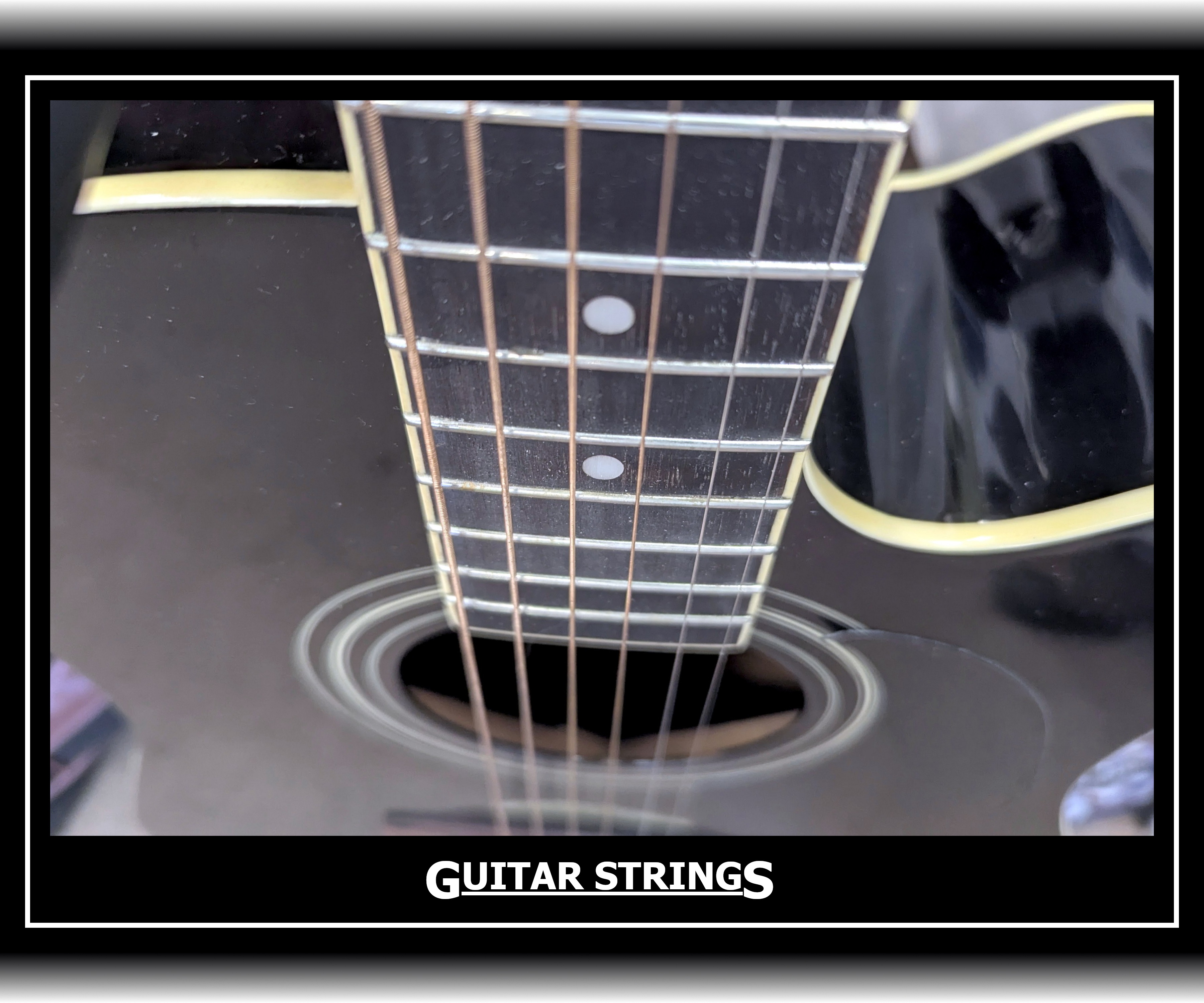
Sunday, 09/27/2026: Posted photo — Strings.
I wanted to take an artistic photo today. I saw this guitar and wanted to take a photo looking down the strings.
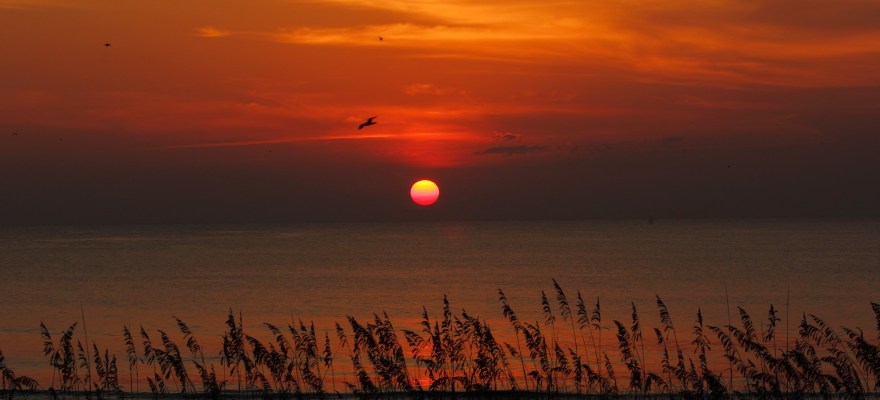
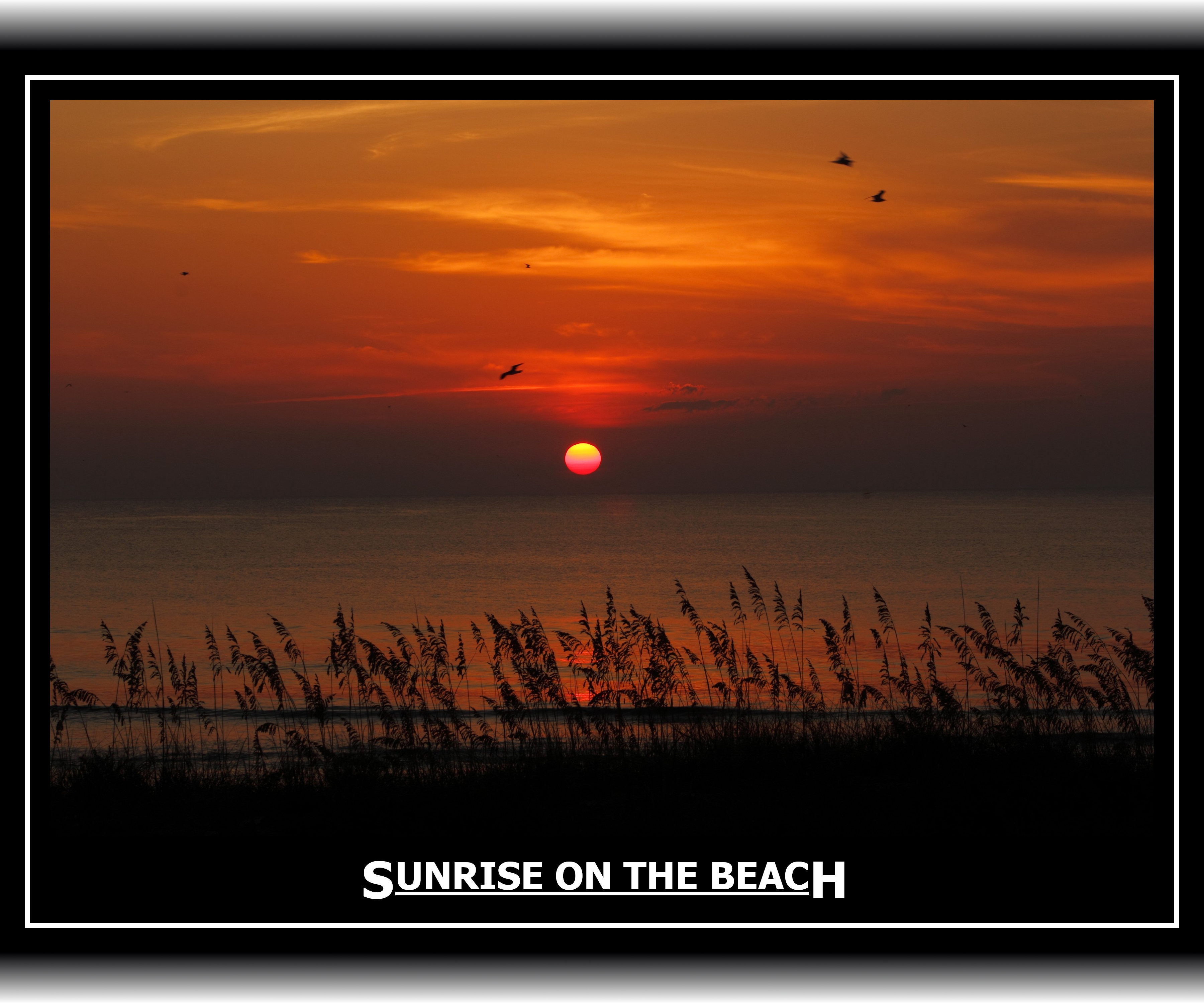
Monday, 09/28/2026: Posted photo — Sunrise.
For this week’s photo project, the subject was golden hour. I found this photo that I took in Jacksonville Beach Florida. This is one of my favorite sunrise compositions.
My time is running down in this photo project. I have been doing photo projects staring January 1, 2010 and I am running out of inspiration.
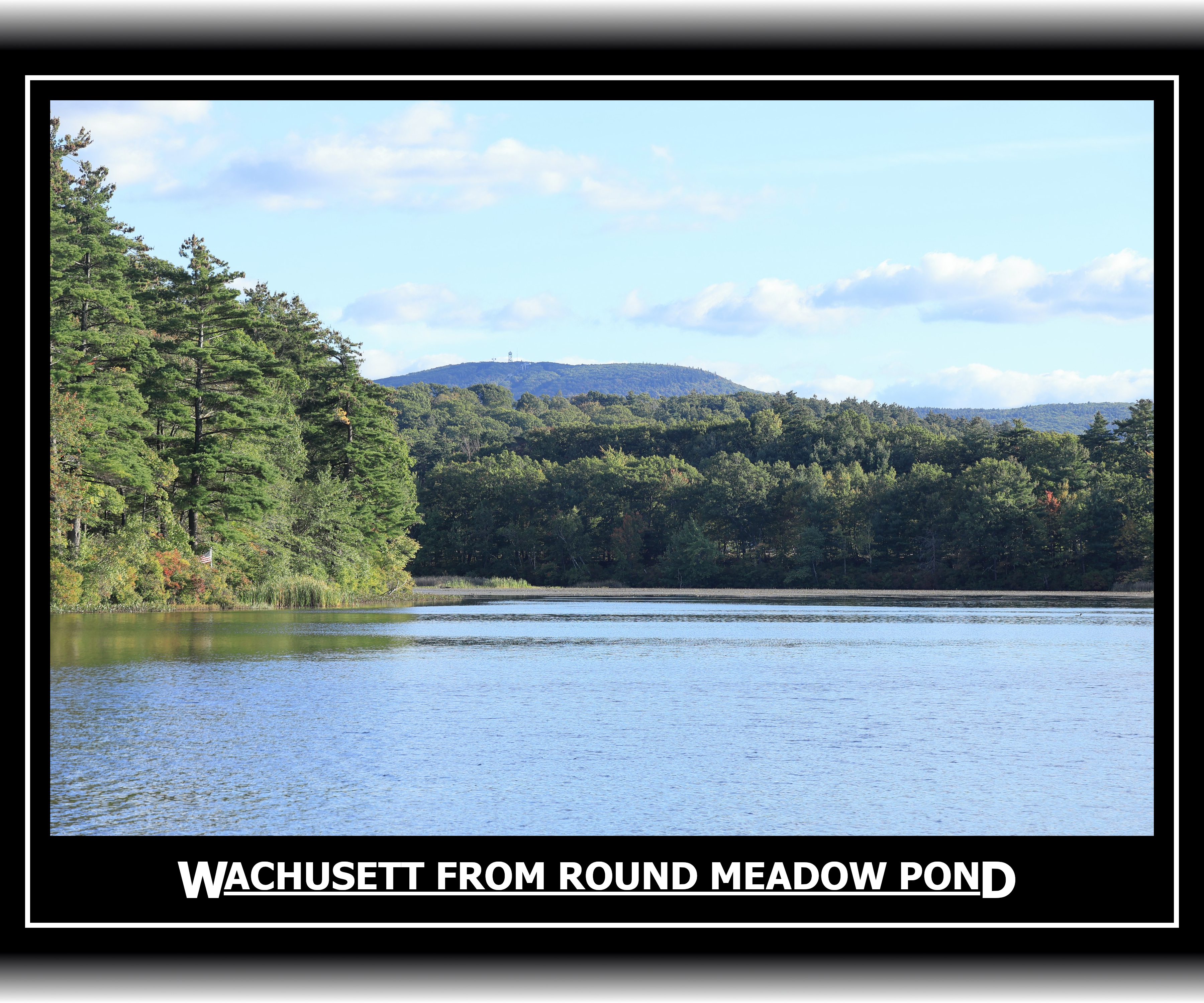
Tuesday, 09/29/2026: Posted photo – Wachusett from Round Meadow.
It was a wonderful day today to take photos. After work today, I took a short side trip to take this photo. The sky was clear today for the first time in a few days.
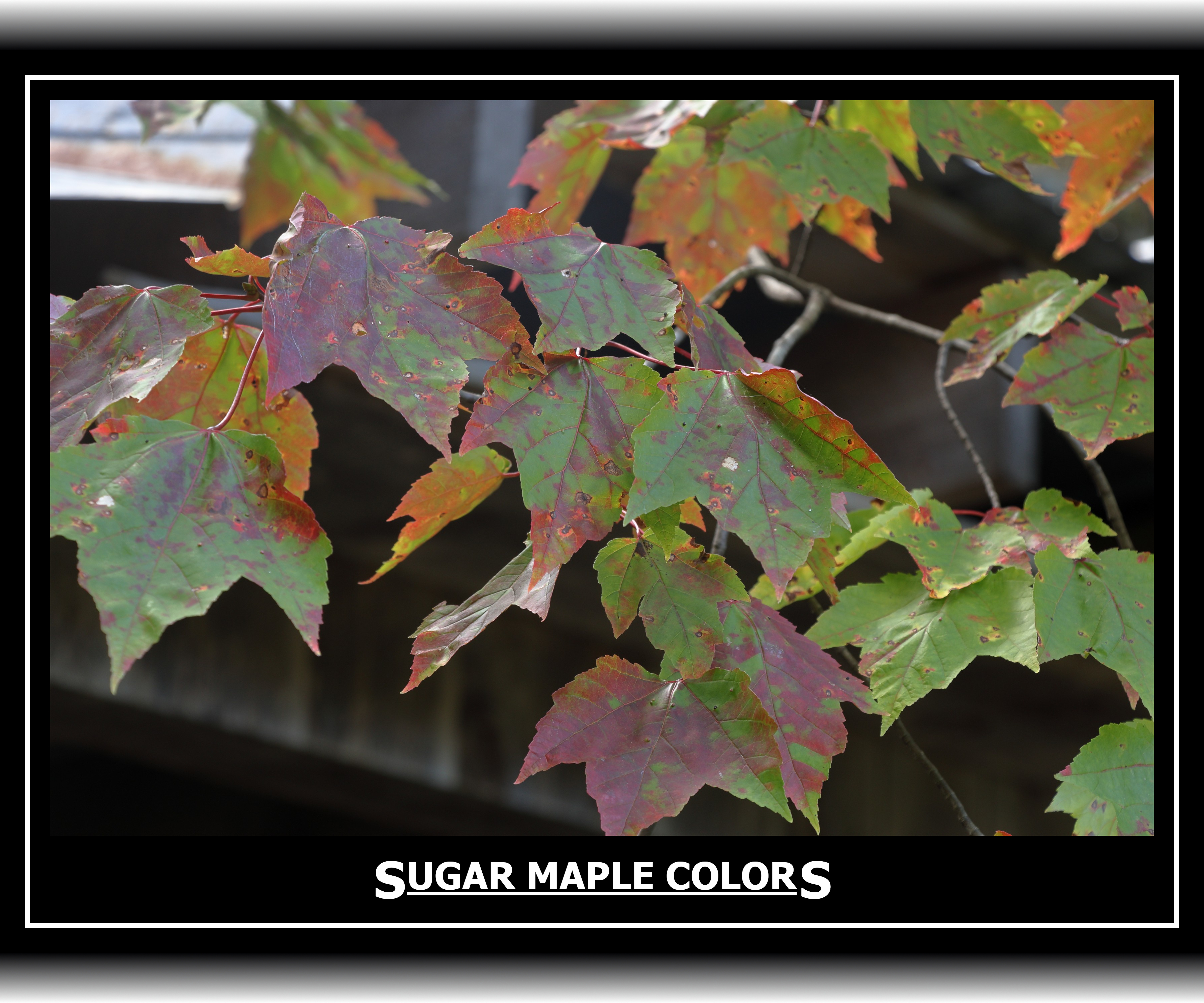
The sugar maples are starting to change color in our yard. I like the way they have multi colors when they change. Leaves change color in the fall because shorter days and cooler temperatures cause trees to stop making chlorophyll.
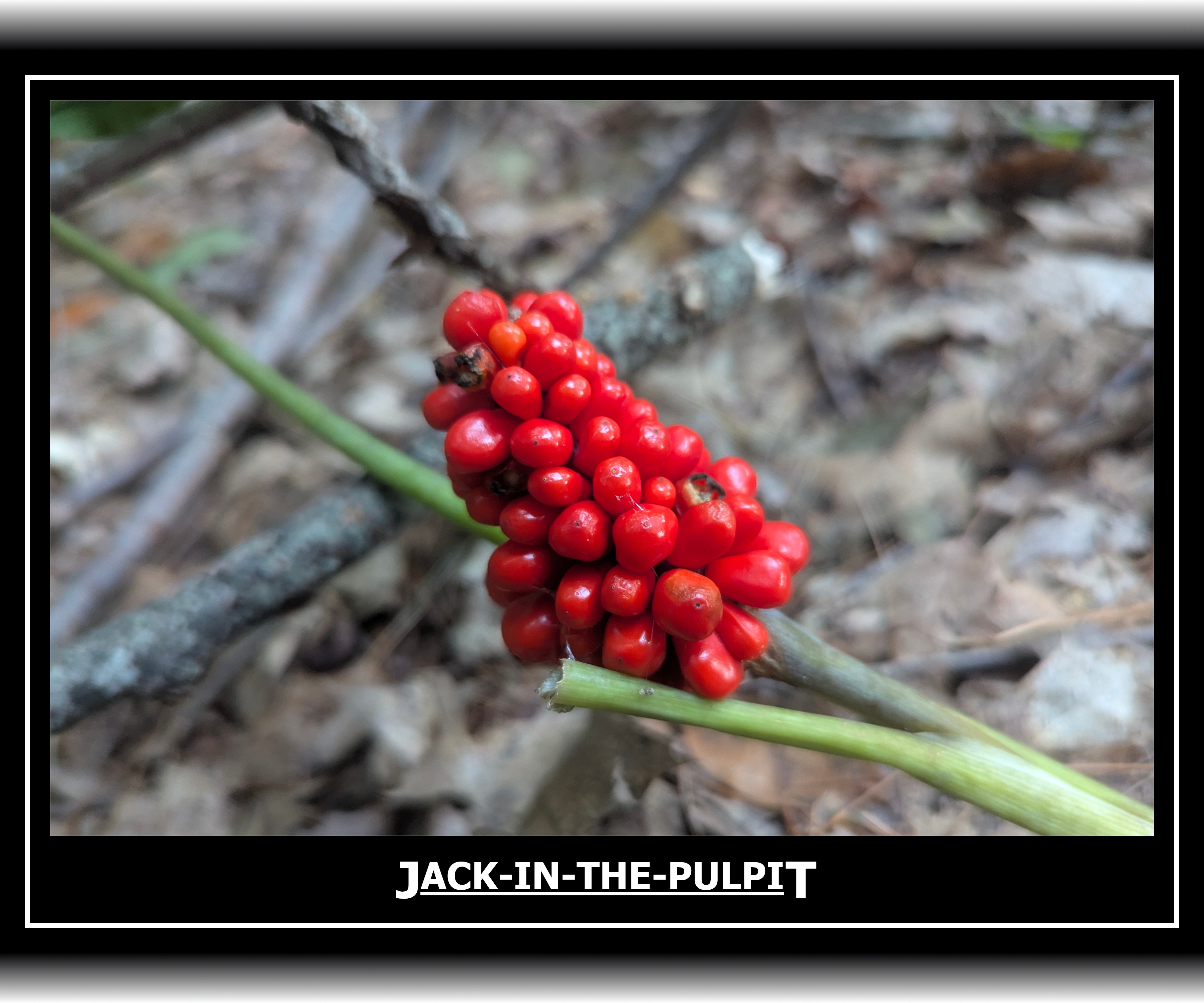
A mature Jack-in-the-Pulpit can have one or two large, glossy leaves, divided into three leaflets, rise on their own stems up to about 2 feet tall. Late in the summer, a cluster of bright red berries will appear. These berries contain the seeds. The roots can cause blisters on skin if touched.
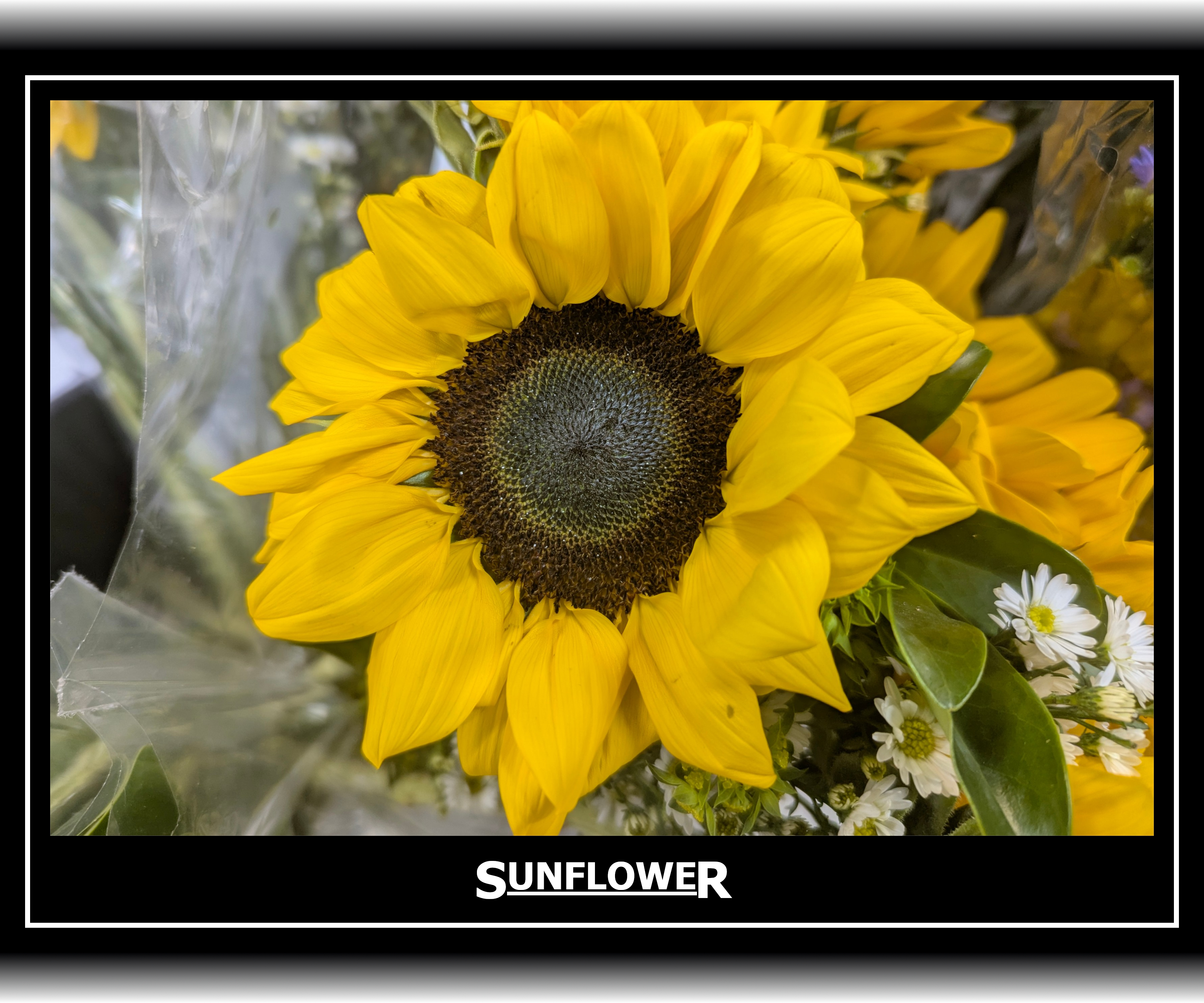
Friday, 10/02/2026: Posted photo – Sunflower.
Sunflowers symbolize long life, vitality and good luck. I do not know why I took a photo of this flower. My friend had a double lung transplant last week and I saw this flower thinking of him. It brought joy to me and wanted to wish my friend luck in his recovery.
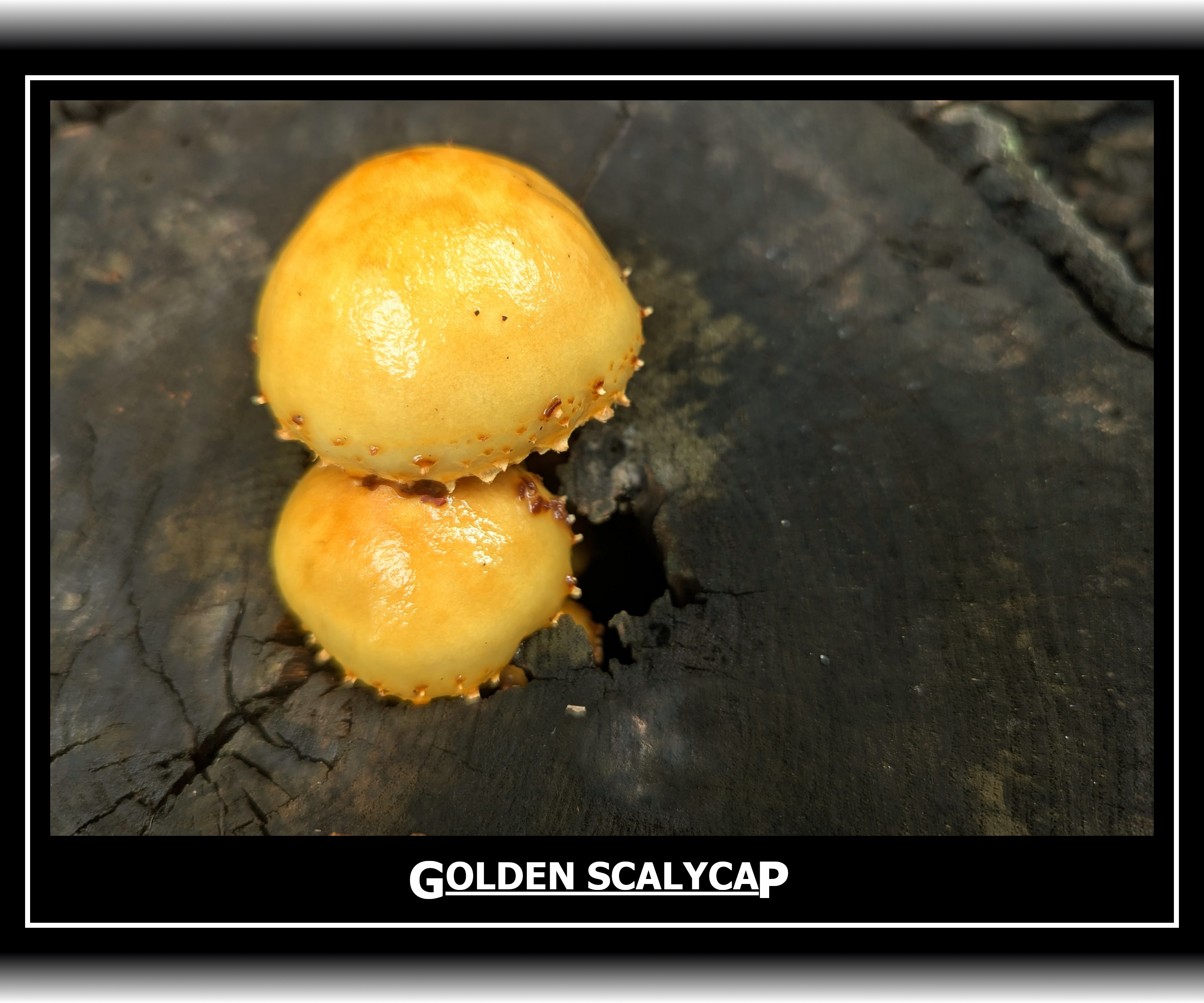
Saturday, 10/03/2026: Post photo — Golden Scalycap.
The Golden Scalycap is a wood-decaying mushroom recognizable by its bright golden-yellow to orange-rust slimy cap covered in darker scales. This mushroom is inedible or not recommended to eat because it could lead to gastric upset and digestive distress.
That is all for now. Until next week, be safe.
“Sumens imagines consolateur et inspirat me. Pulchritudinem mundi video per camera mean.”
“Quod scripsi, scripsi. Ingeniarius sum, non scriptor.”
“I never have taken a picture I’ve intended. They’re always better or worse.” — Diane Arbus
Thank you for all the new views and likes from last week, it helps keep me inspired.
This is a repost from October 2021. I am organizing our house and have only had time to take photos.
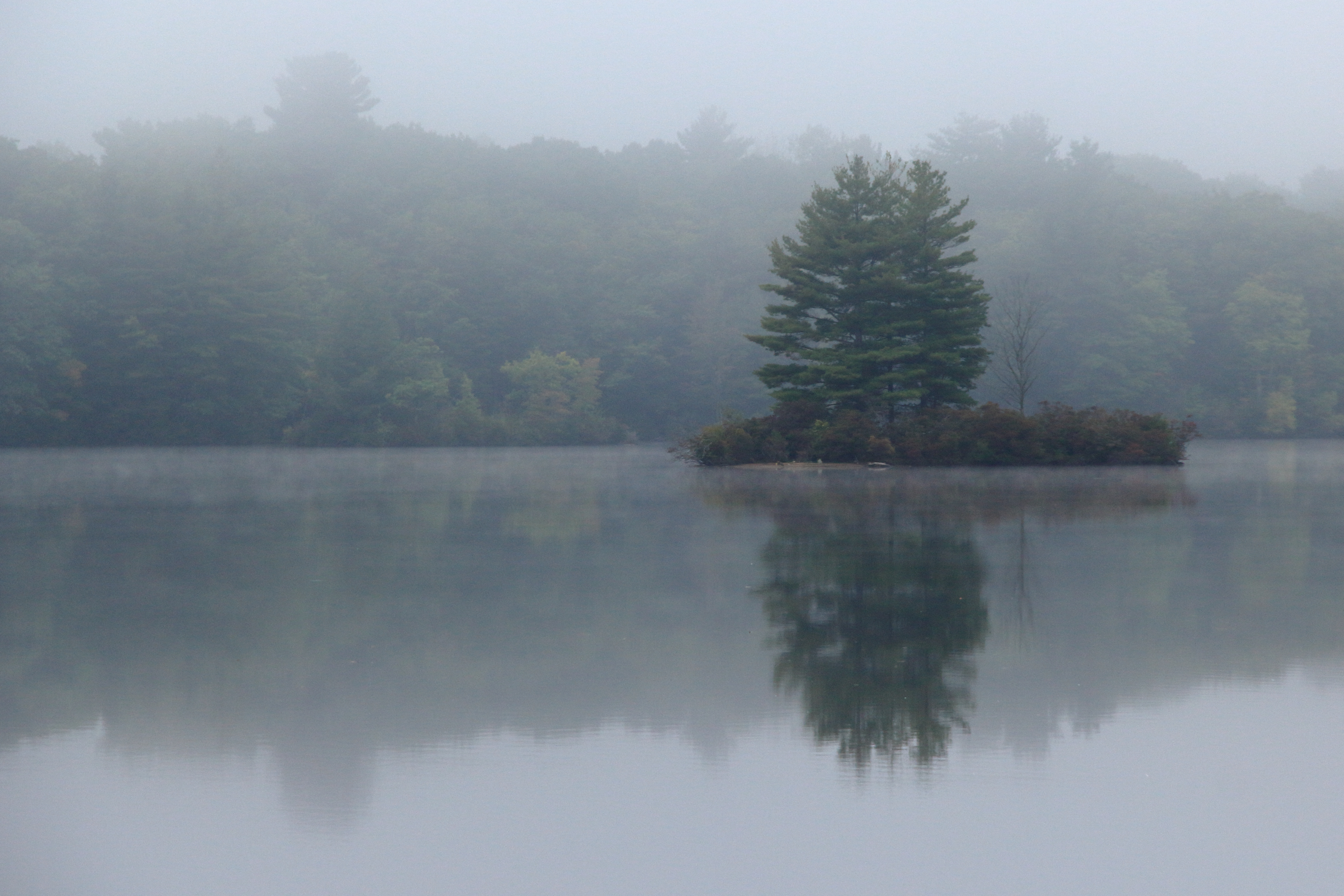
Sunday, 09/20/2026: Posted photo — Reflection in the Fog.
Settings: Canon EOS 60D, ISO 400, f/7.1, 1/80 s, 113 mm.
Driving into church this morning, I notice fog off the lakes in the area. The location of this photo is one in which I take many practice photos. It is a difficult location to take a photo since I needed to stop on the edge of a busy road.
My initial thought on this photo was to get a picture of the mist rising from the surface of the lake with the foliage behind it. When I arrived at this location, the mist was thicker than I would like. I did see the reflections of the trees on the water and thought that that would take a good photo.
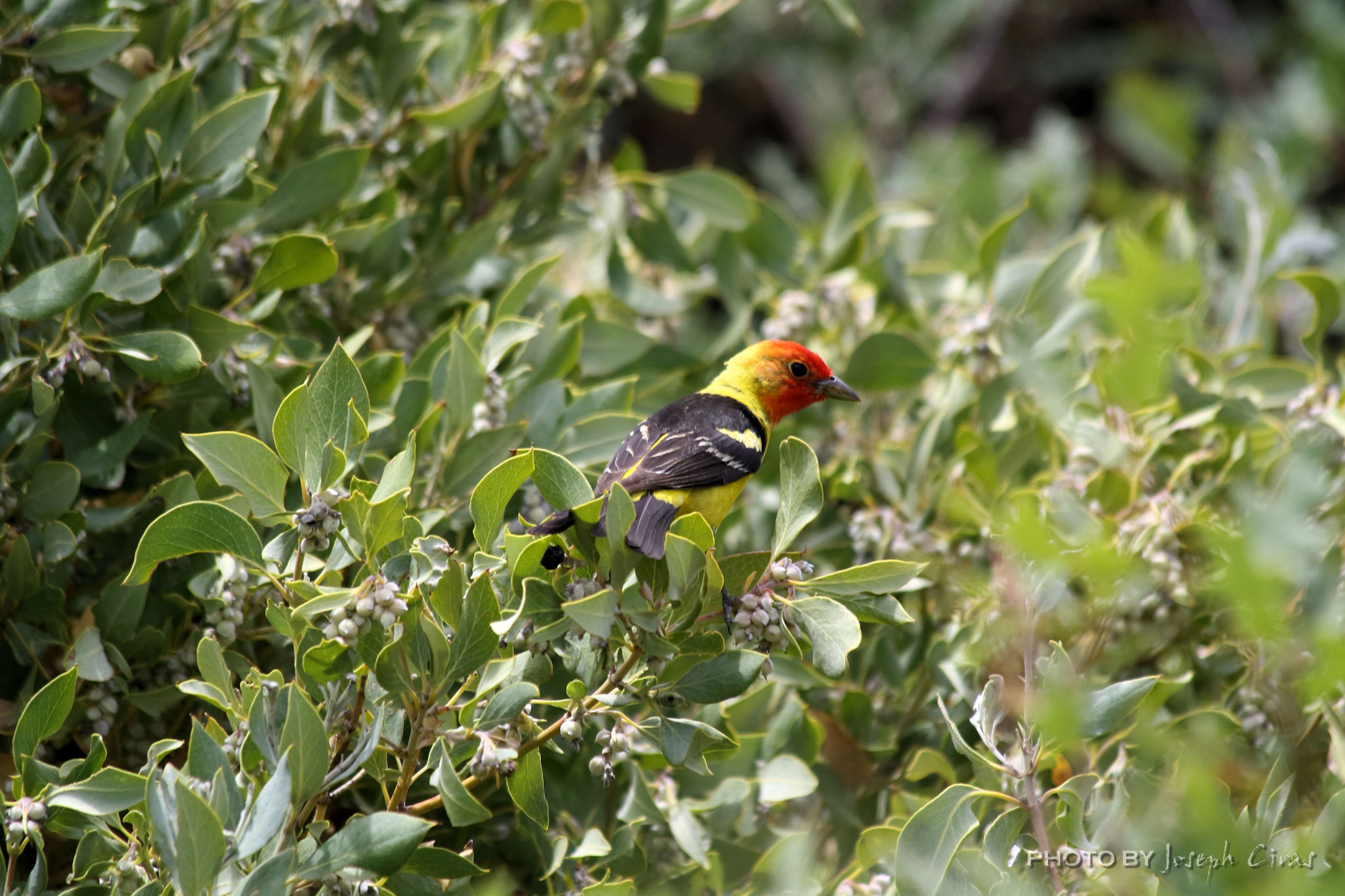
Monday, 09/21/2026: Posted photo — Western Tanager.
Settings: Canon EOS DIGITAL REBEL XS, ISO 200, f/6.3, 1/320 s, 300 mm.
Fact from All About Birds: “The oldest Western Tanager on record—a male originally banded in Nevada in 1965—had lived at least 6 years and 11 months by the time he was recaptured and rereleased during banding operations in Oregon in 1971.”
We were walking the north rim at Grand Canyon National Park when I spotted this male Western Tanager in a conifer tree. The color contrast between the bird and the tree caught my eye.
The range of the Western Tanger is the western parts for the United States, Canada, and Mexico.
Again, from All About Birds: “A clear look at a male Western Tanager is like looking at a flame: an orange-red head, brilliant yellow body, and coal-black wings, back and tail. Females and immatures are a somewhat dimmer yellow-green and blackish. These birds live in open woods all over the West, particularly among evergreens, where they often stay hidden in the canopy. Nevertheless, they’re a quintessential woodland denizen in summertime, where they fill the woods with their short, burry song and low, chuckling call notes.” (https://www.allaboutbirds.org/guide/Western_Tanager/overview)
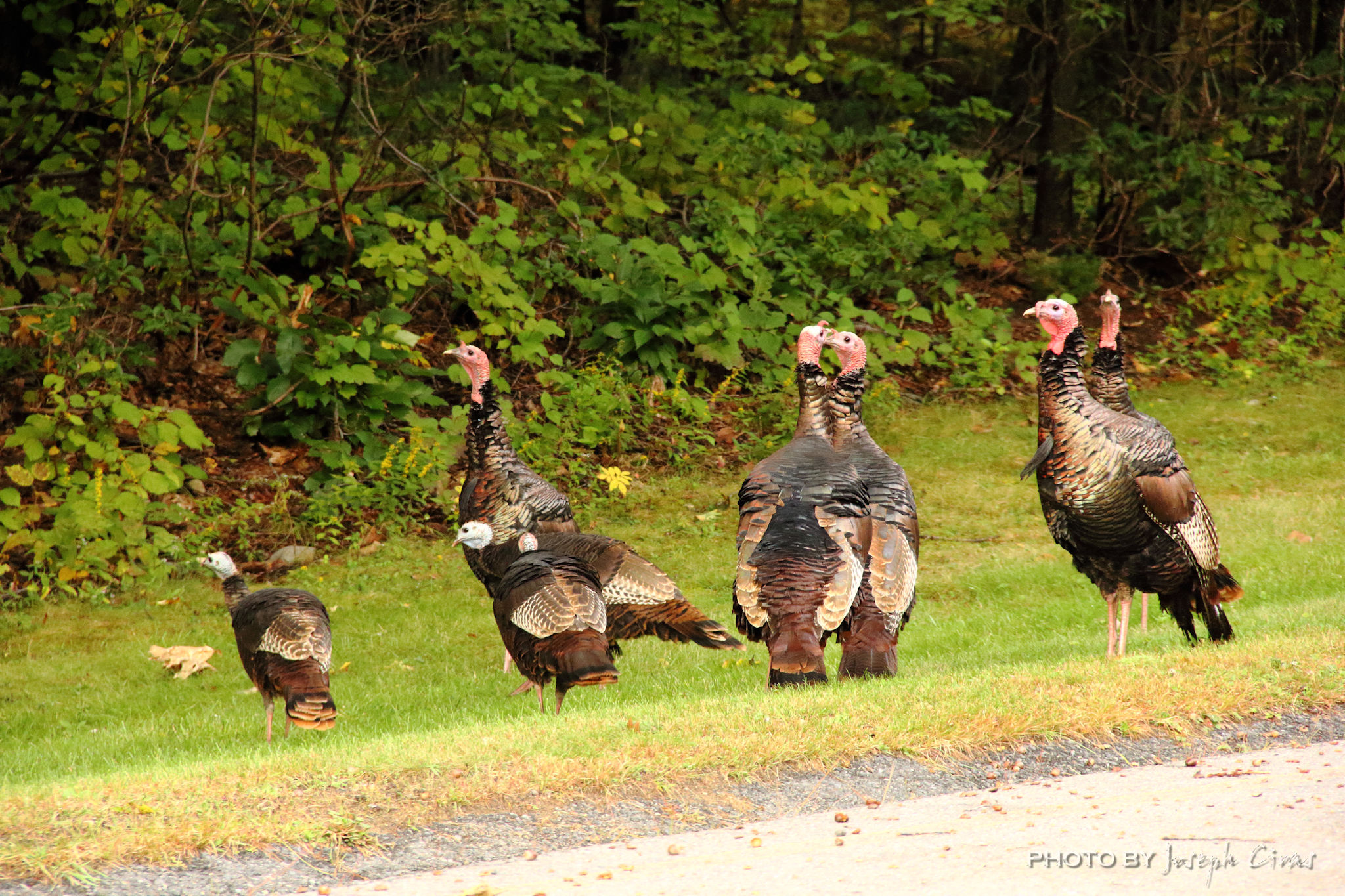
Tuesday, 09/22/2026: Posted photo — The Gathering.
Settings: Canon EOS 60D, ISO 3200, f/7.1, 1/100 s, 135 mm.
On my way home from work today I saw this rafter of turkey. I have seen them many times before on the property and did not feel the need to photograph them. Today was different.
When I was approaching them today, it looked like it was a group of workers getting ready to clock out of work and were planning what they were going to do tonight. Just the way they were gather in pairs and it looked like they were talking to each other.
Also, I thought it would be a good picture to take.
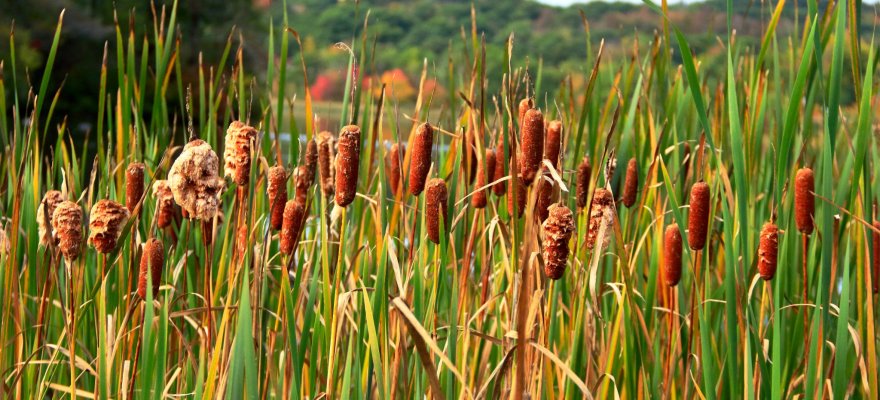
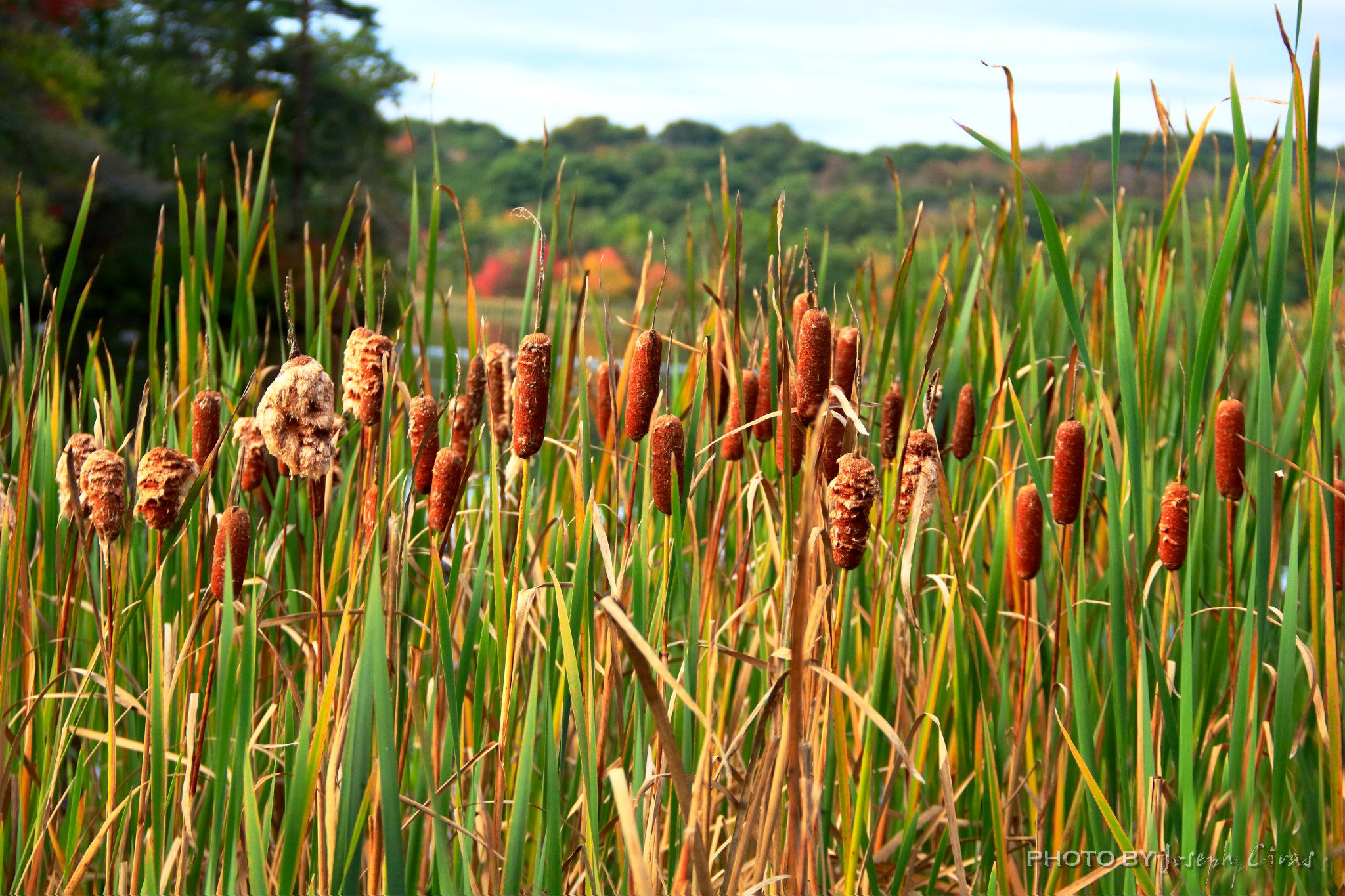
Wednesday, 09/23/2026: Posted photo — Cattails.
Settings: Canon EOS 60D, ISO 800, f/5, 1/800 s, 52 mm.
I had a choice of photos to post today — a photo of an island or a photo of cattails. I decided on the cattails for the photo to put in my 365 project because I liked it just a little bit better than the photo of the island. I will be posting both in this blog for you to compare.
Cattails are a type of aquatic plant, approximately 5-10 feet tall. These plants have long, slender, branchless, and upward-growing leaves and a distinguishable brown, cylindrical flowering head at their apex. The grow around ponds and other wetland areas.
What is the difference between a pond and a lake? Here is something I found in my research: “To help determine the difference, both the depth and surface area must be considered. Lakes are normally much deeper than ponds and have a larger surface area. All the water in a pond is in the photic zone, meaning ponds are shallow enough to allow sunlight to reach the bottom. This causes plants (sometimes too many) to grow at the bottom of ponds as well as on their surface. However, sunlight can’t reach the bottom of all areas of lakes. Lakes have aphotic zones, which are deep areas of water that receive no sunlight, preventing plants from growing.” (https://lakes.grace.edu/ponds-vs-lakes-whats-the-difference/)
I took the cattail photo with a shallow depth of field (DOF) to blur the background and the make the cattails “pop”. As you can tell by this photo, the cattails are starting to spread their seeds.
Here is the photo of the island that I took and did not like as much as the cattail photo.
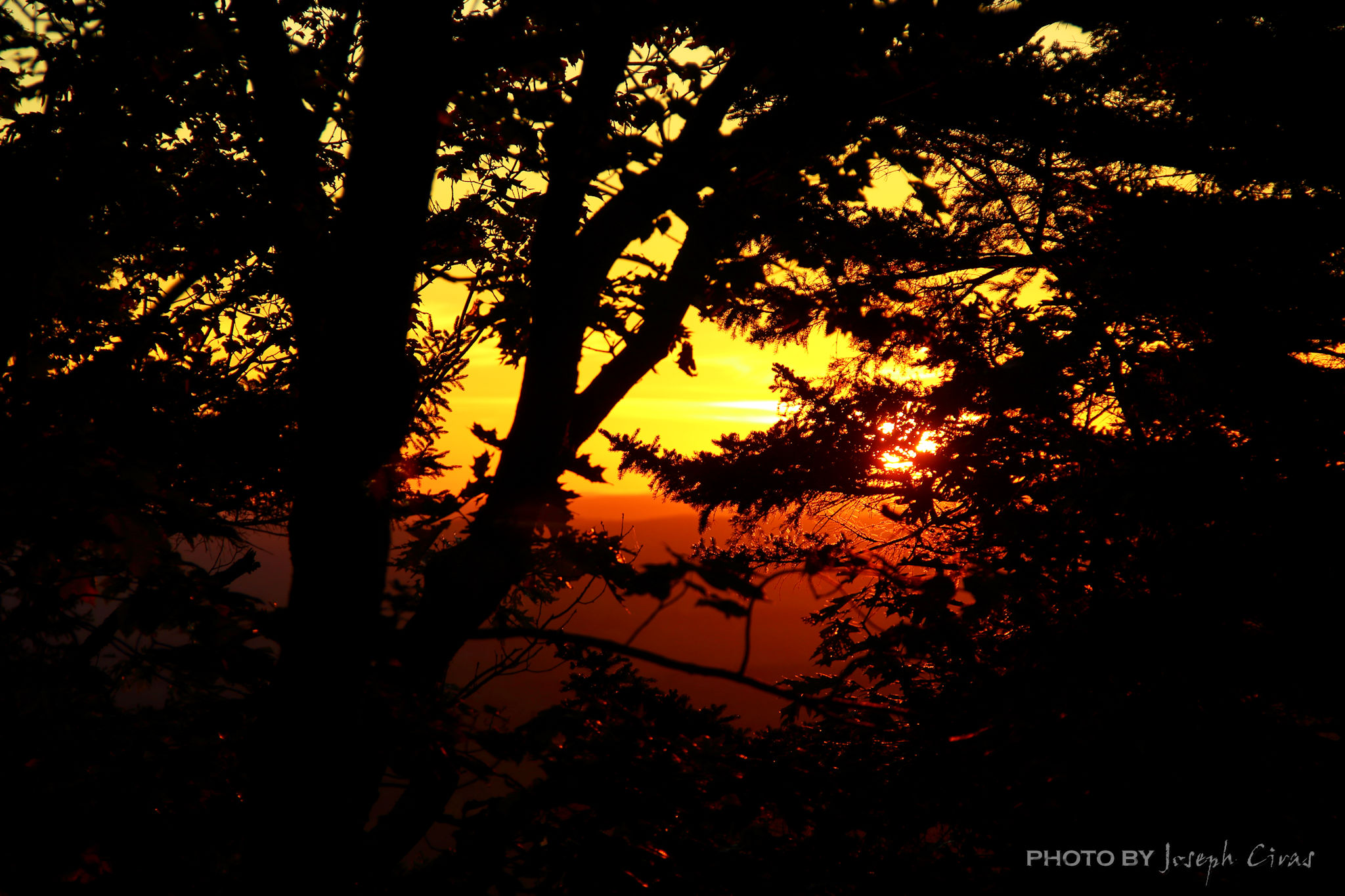
Thursday, 09/24/2026: Posted photo — Sunset Through Trees.
Settings: Canon EOS 60D, ISO 100, f/5.6, 1/160 s, 100 mm.
After a week and a half, I was back on the hiking trail today. It felt good to get back. I hiked 4.3 miles on Wachusett Mountain after work with some colleagues. I took a series of photos along the way to determine what one to post. I decided on this sunset photo. I had another sunset photo that I took from the summit, but I accidently deleted it. Rookie mistake.
The other choices of photos were a glacial erratic called Balanced Rock or a burl on a tree at a trail junction. Just a reminder that a glacial erratic is glacially deposited rock differing from the size and type of rock native to the area in which it rests. And a burl is a strange-looking collection of tree cells, which are called callus tissue. Normally, callus tissue is formed by a tree in response to an environmental injury such as a pruning cut, disease, or insect damage. If you have a piece of wooden furniture, such as an end table, it was most likely made with a burl.
These are the photos that I did not post for my 365 project.
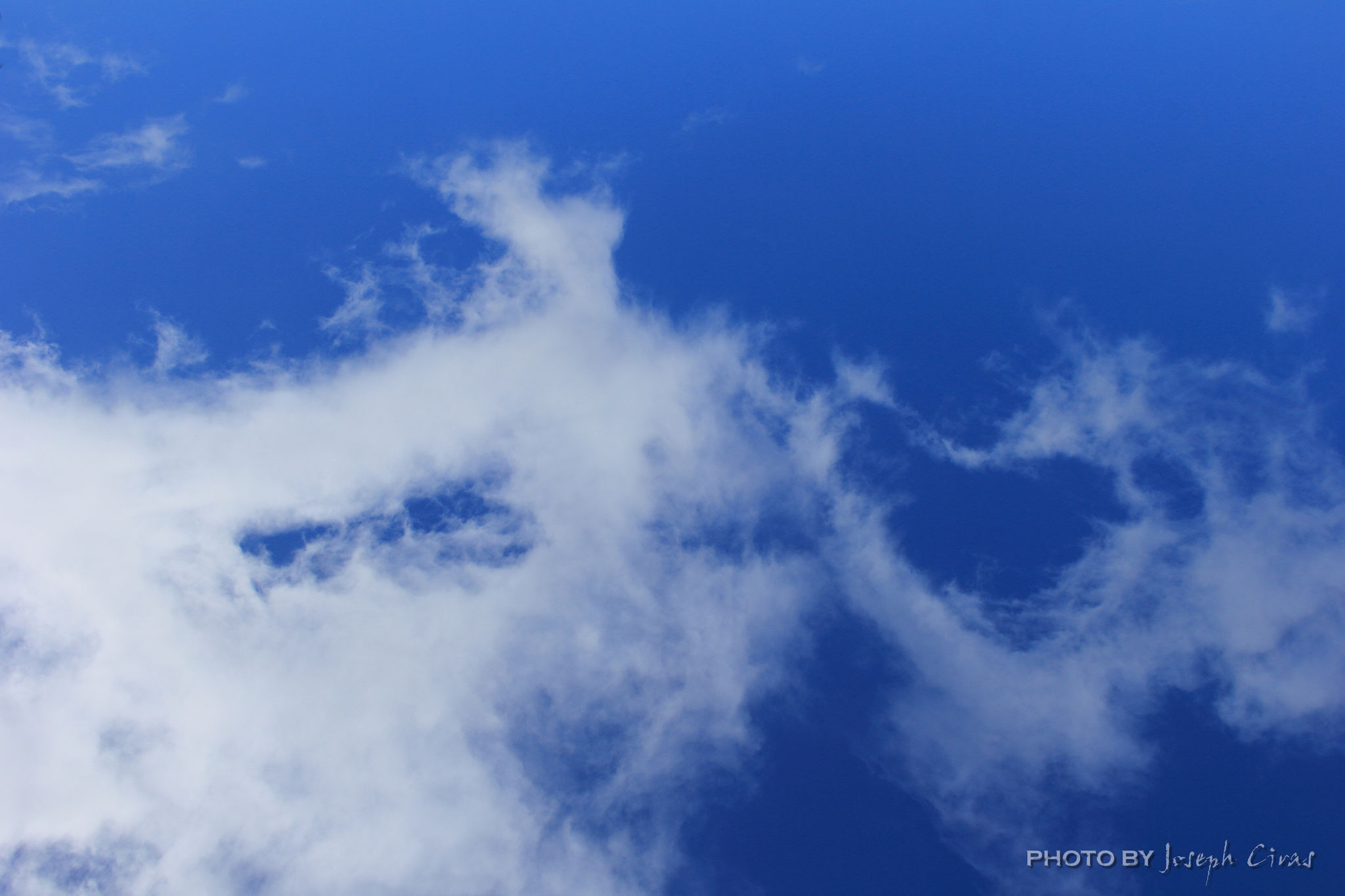
Friday, 09/25/2026: Post photo — Pareidolia.
Settings: Canon EOS 60D, ISO 100, f/10, 1/250 s, 21 mm.
Pareidolia is the defined by Merriam-Webster as the tendency to perceive a specific, often meaningful image in a random or ambiguous visual pattern. I have posted about this tendency in the past.
Today I am posting a photo of a cloud. I see a couple items in this photo. I see an opera singer hitting a high note and I also see a ships figurehead. It is amazing how one can see an object when one is not there.
What to you see? Do you see what I see, due to the power of suggestion, or do you see something else. Please respond in the comment section.
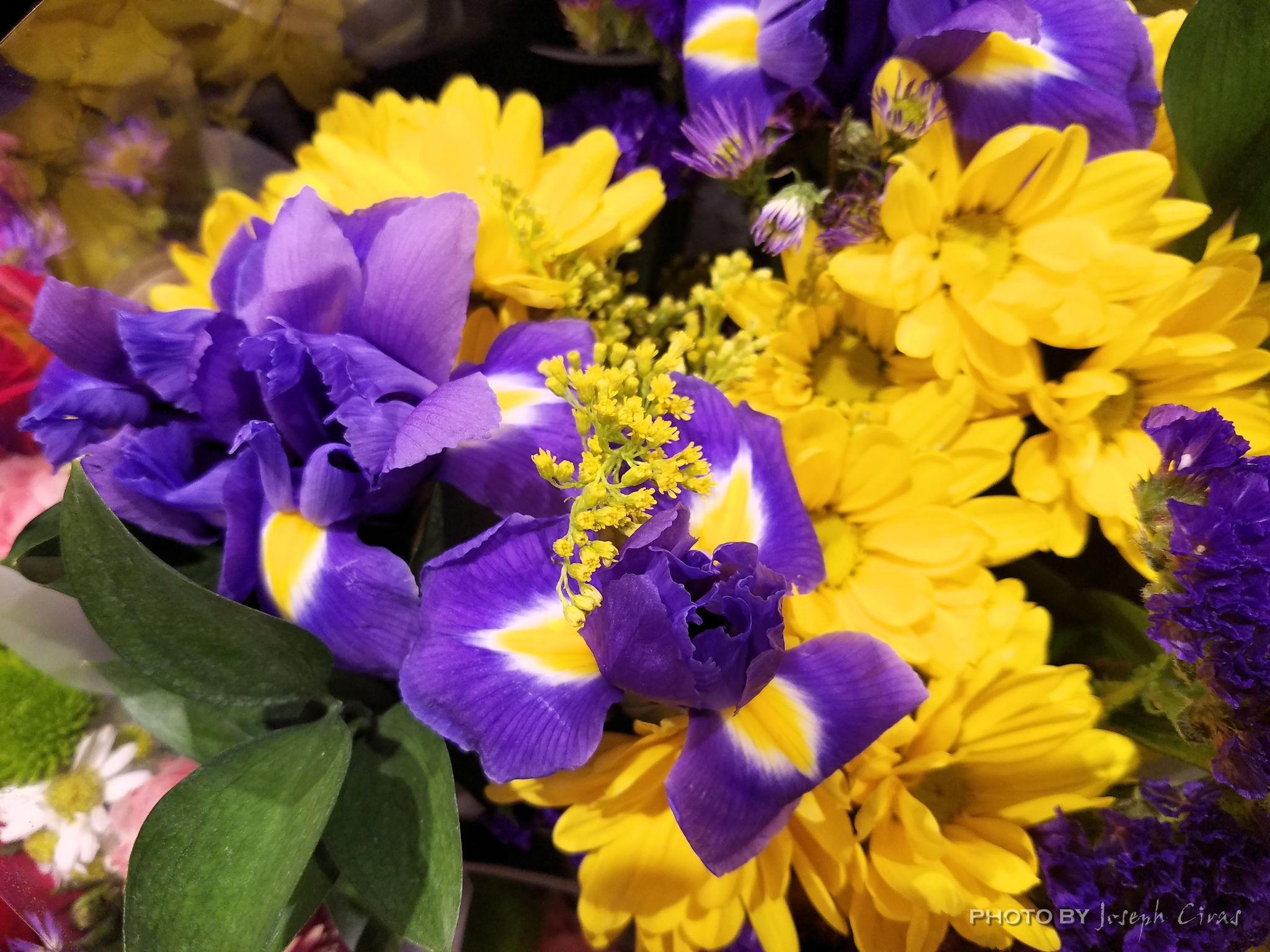
Saturday, 09/26/2026: Post photo — Iris Bouquet.
Settings: Samsung SM-G930V (Galaxy S7), ISO 100, f/1.7, 1/60 s, 4 mm
From The Old Farmer’s Almanac: “The tall, beautiful iris, named after the Greek goddess who rode rainbows, comes in many magical colors. Despite its divine origins, this June bloomer is rugged, reliable, and easy to grow. Learn all about planting, growing, and caring for iris flowers.” (https://www.almanac.com/plant/irises)
Today was a shopping day from me. Saw this iris bouquet in one of the stores that I shopped. I like the colors.
That is all for now. Until next week, be safe.
“Sumens imagines consolateur et inspirat me. Pulchritudinem mundi video per camera mean.”
“Quod scripsi, scripsi. Ingeniarius sum, non scriptor.”
“Photography is a way of feeling, of touching, of loving. What you have caught on film is captured forever… It remembers little things, long after you have forgotten everything.” — Aaron Siskind
Thank you for all the new views and likes from last week, it helps keep me inspired.
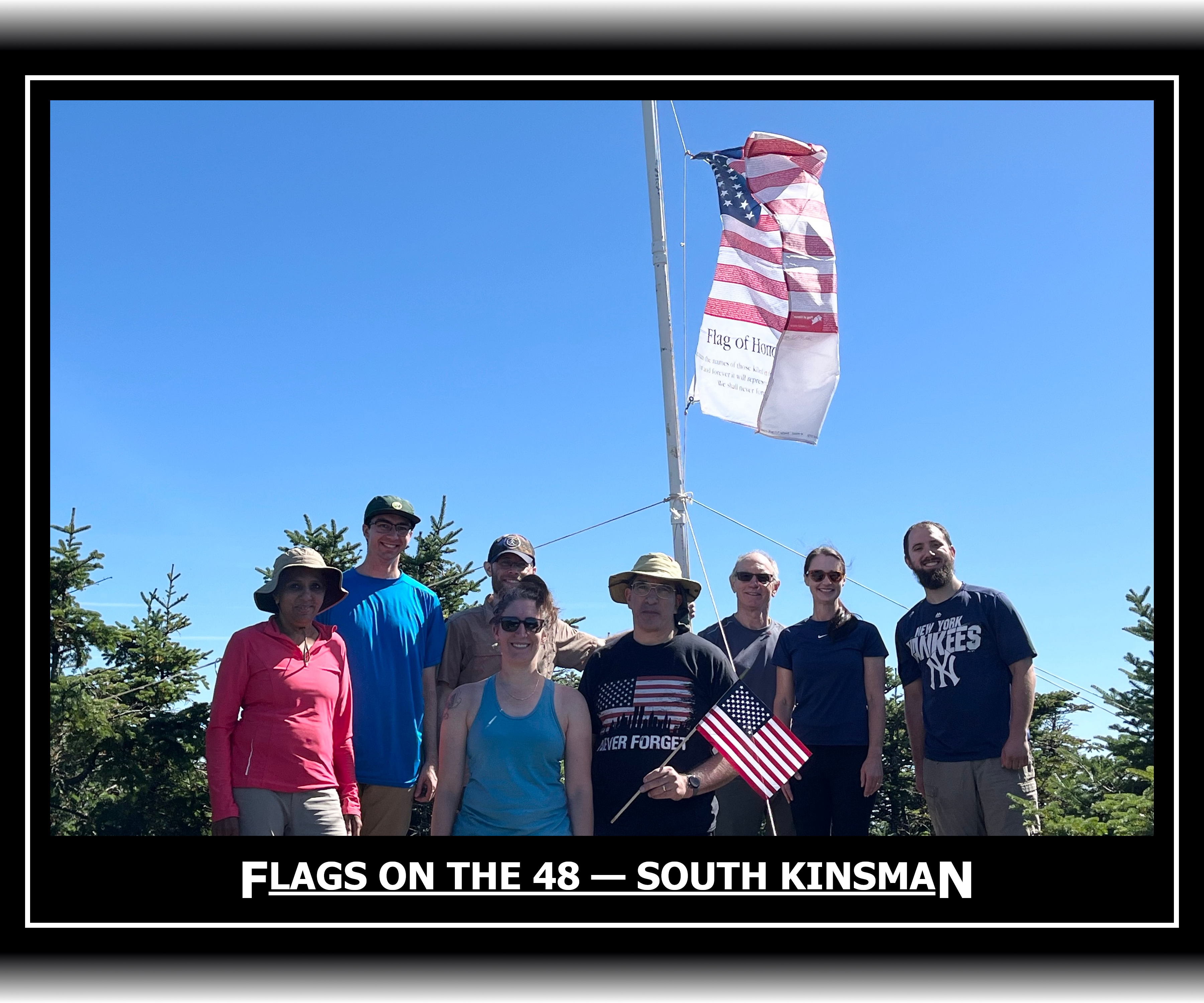
Sunday, 09/13/2026: Posted photo — Flags on the 48: South Kingsman.
This is a repost of the commentary from last Saturday. I came back late from the hike and did not post a picture.
I co-lead a hike with the Worcester Chapter of the AMC up South Kingsman for this year’s Flags on the 48 (FOT48). The FOT48 event has been held every year since 9/11/01. It started out with a group of people hiking Mount Liberty to fly the flag shortly after the event. A few more peaks were covered the next year, and then all the peaks after that. The FOT48 is the hiking community’s way to honor the deceased with a tribute: flying the American flag atop all 48 four-thousand foot and higher mountains in New Hampshire for two hours the Saturday closes to September 11. This was my 12th year of doing this hike. I started in 2013 when I hiked Mt. Garfield, only missing a couple due to family events on the day of the hike. I have not yet repeated a peak. I will not fly the flag on all 48 during my lifetime. I will continue hiking in this event if I am able to do so.
It is a very emotional day, and we get many words of thanks and encouragement from other hikers who just happen upon it. Some people plan to hike to see how my summits, and flags, they can see during the day. It is great to take out the binoculars to see the flags flying on nearby peaks.
I have hiked this event in bad weather, high winds, hot and humid weather, cold and raw weather, and ideal weather. When you hike with a fellow group of hikers and friends, the weather does not matter, just the meaning of the event.
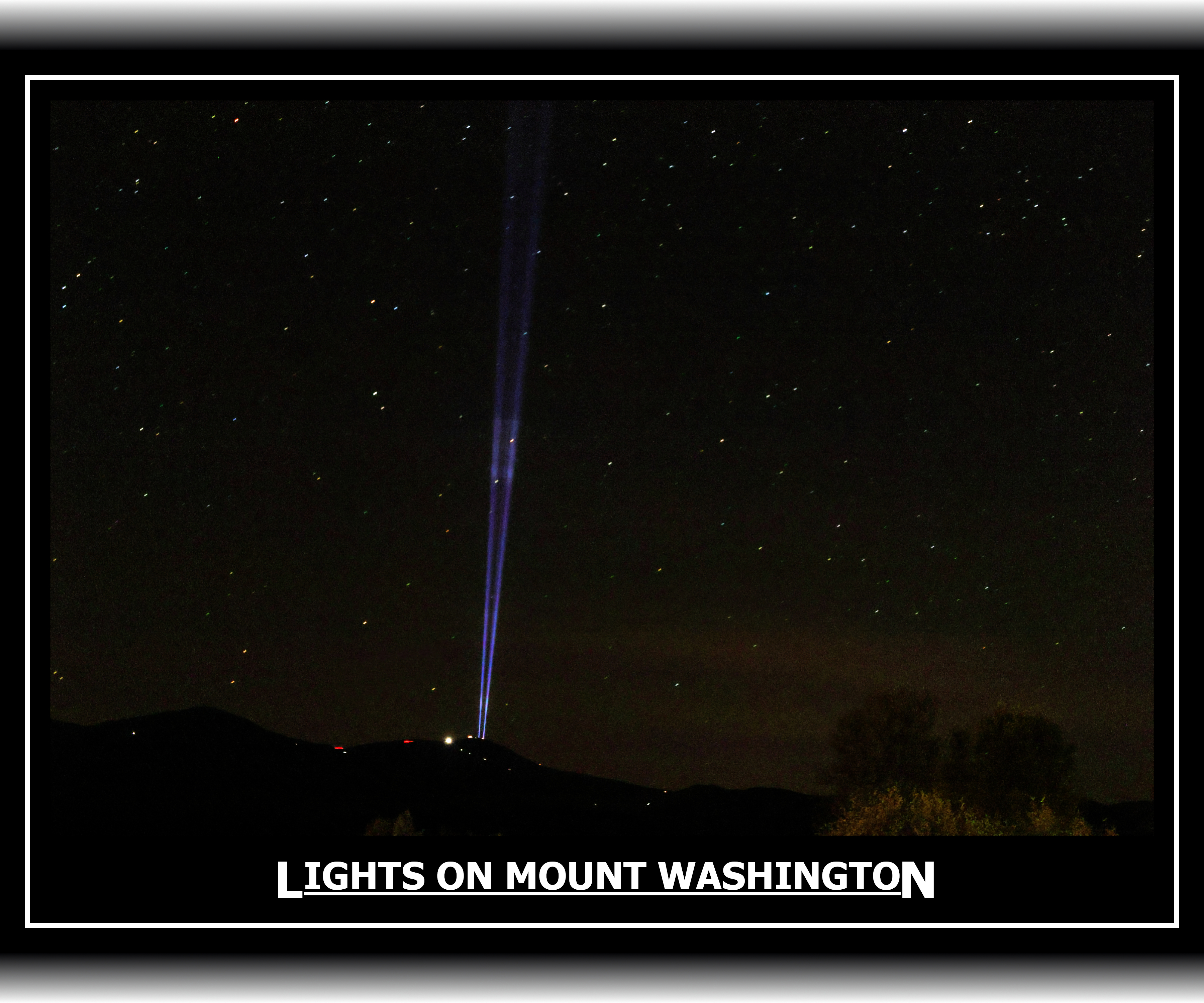
Monday, 09/14/2026: Posted photo — Lights on Mount Washington.
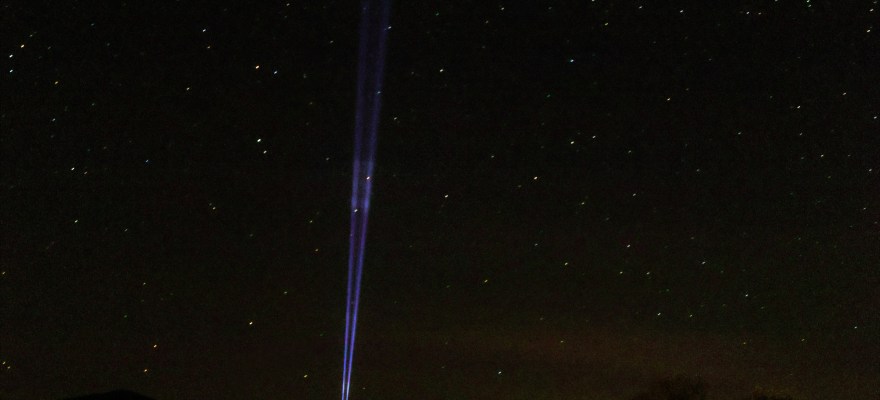
For the 25th anniversary of the 9/11 attacks, Mount Washington sent up two pillars of light.
My brother and I took a trip to see the lights. We did not go near the mountain since there were many people heading towards the lights. We ended up going to the town of Jefferson.
The conditions for taking photos were great. Very dark sky, some clouds, and many stars. The difficulty was focusing. This was the best photo that I took of the lights. They were not as bright as I was imagining them to be.
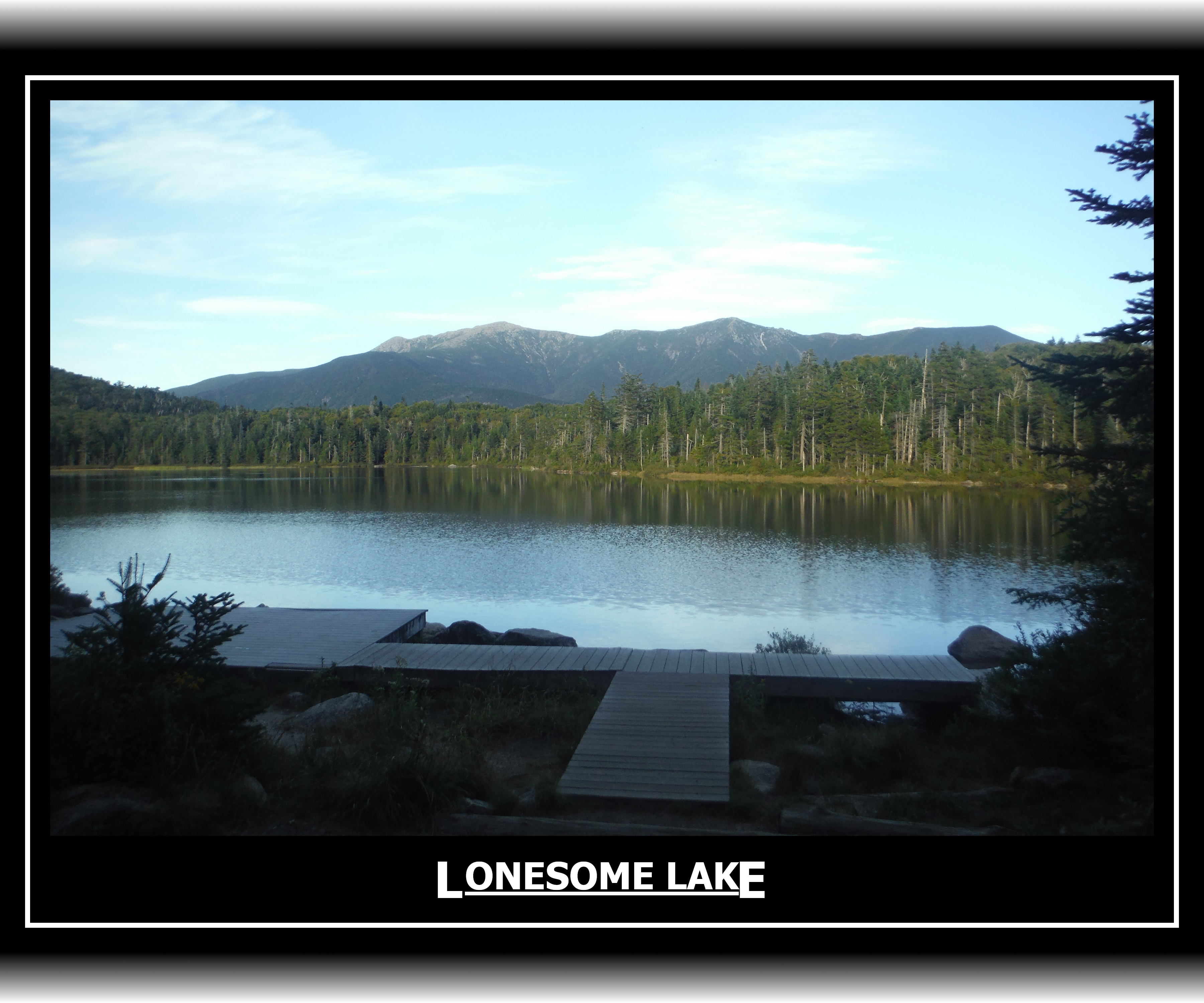
This is a photo looking over Lonesome Lake looking into Franconia Notch from the AMC Lonesome Lake Hut. The mountains you are looking at are part of the Franconia Range, including Mount Lafayette and Mount Lincoln. the Arabian slave traders are the ones who gave the banana its name.
We stopped at the hut on the way to the summit and down from the summit to refresh our water and to use the facilities instead of the wilderness.
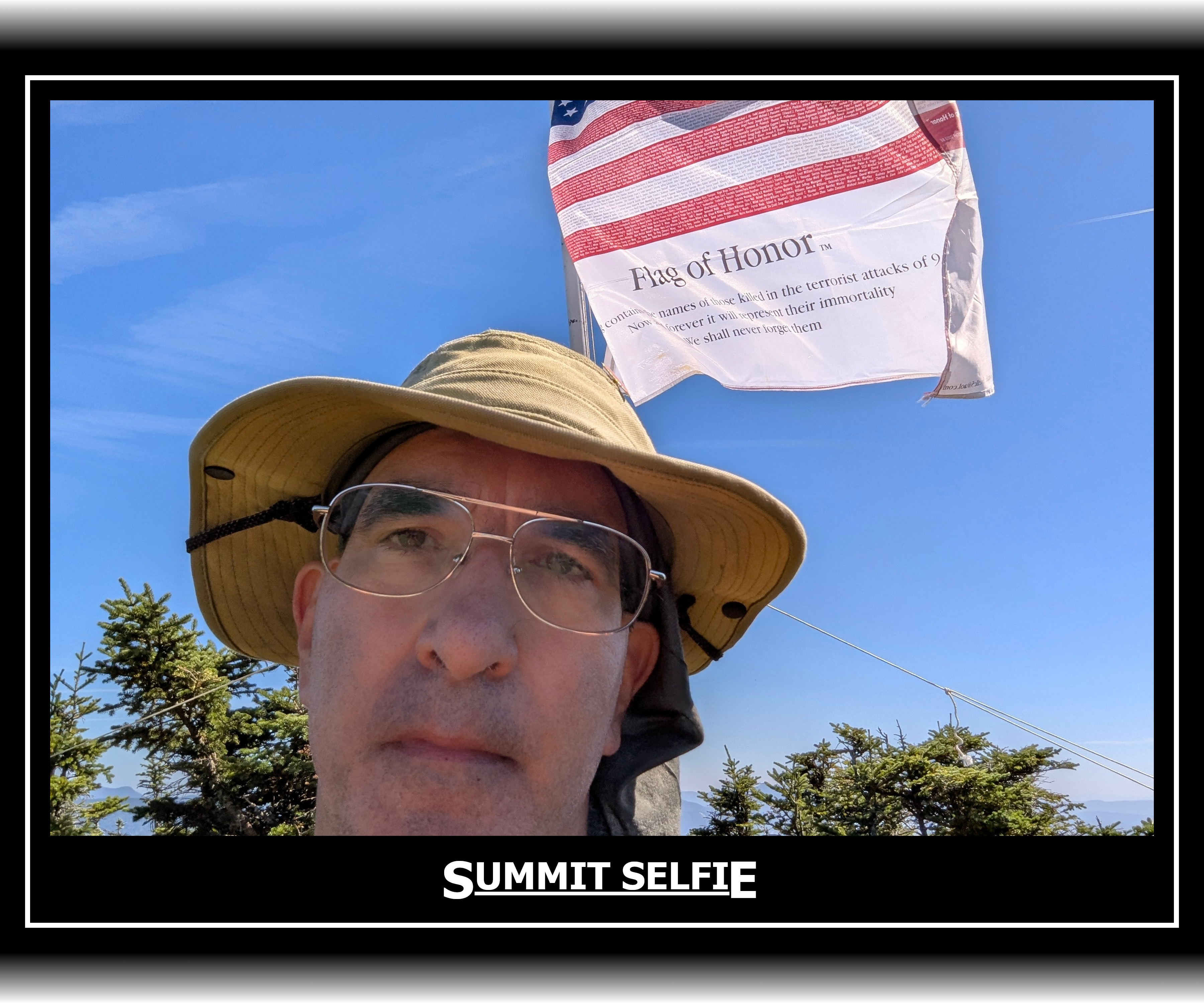
Someone took my photo at the summit with the flag in the background. The photo was too backlit, so I took a selfie photo. I am not very good at taking selfies.
The words on the bottom of the flag: “Flag of Honor: This flag contains the names of those killed in the terrorist attacks of 9.11. Now and forever it will represent their immortality. We should never forget them”
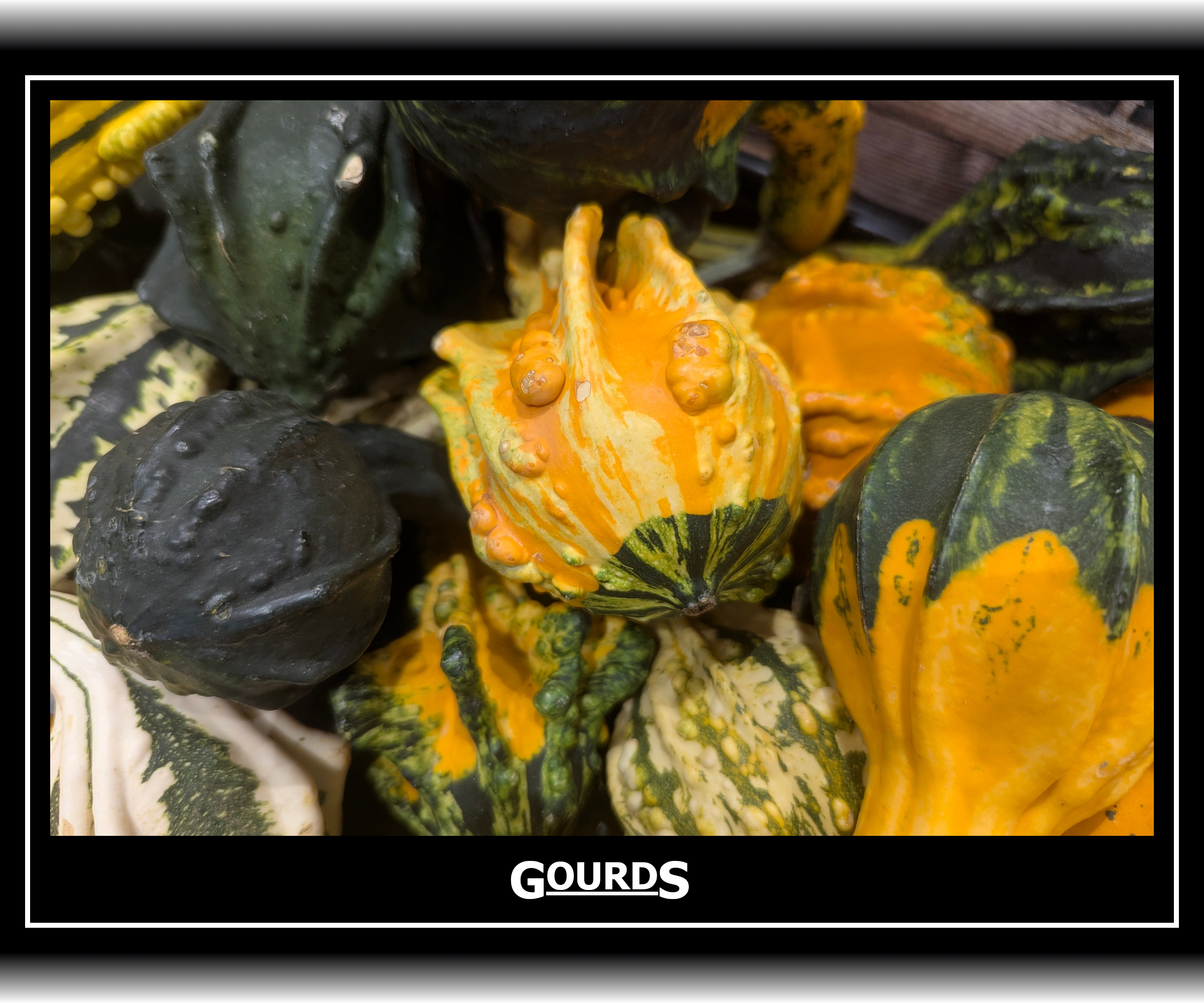
Thursday, 09/17/2026: Posted photo — Gourds.
A gourd is a member of the Cucurbitaceae, or cucurbit family, A gourd is a hard-shelled, non-edible fruit related to cucumbers, summer and winter squashes, and pumpkins. We display gourds in the fall to allow them to dry and last as rustic decorations. In several indigenous mythologies the round gourd symbolizes the circle of life, the womb of the mother, and the repository for ancestral spirits.
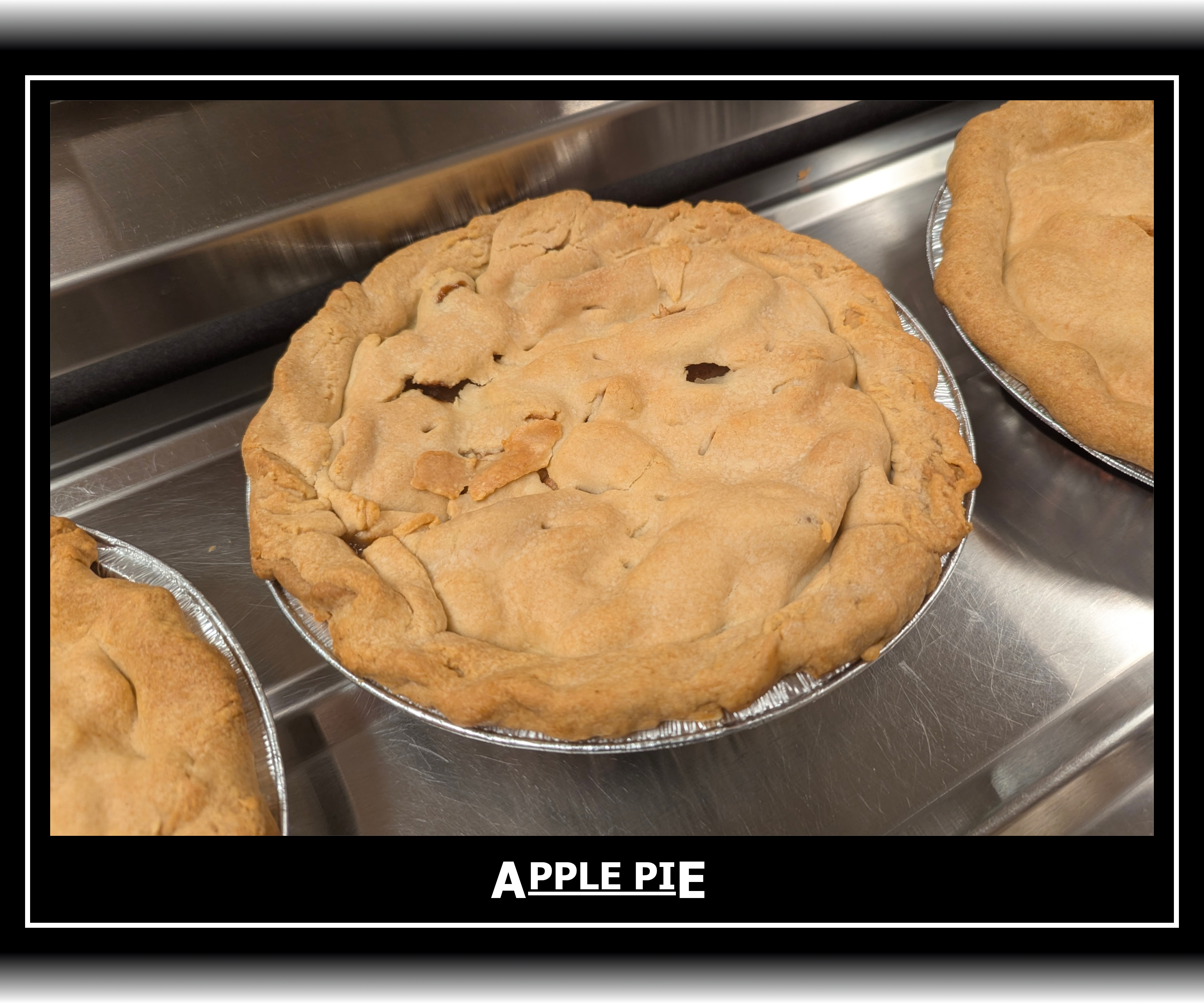
Friday, 09/18/2026: Posted photo – Apple Pie.
This is one of the 49 apples pies that were baked tonight at our church’s bazaar on Sunday. The bazaar is normally on a Saturday. This year it is on Sunday. The local elementary school allows the use of their kitchen to bake all the pies. Crusts are made in advanced and the filling is prepared while the pies are baking. My job was to wrap the pies.
Saturday’s weather is predicted to be nice. There is predicted rain for most of the day on Sunday.
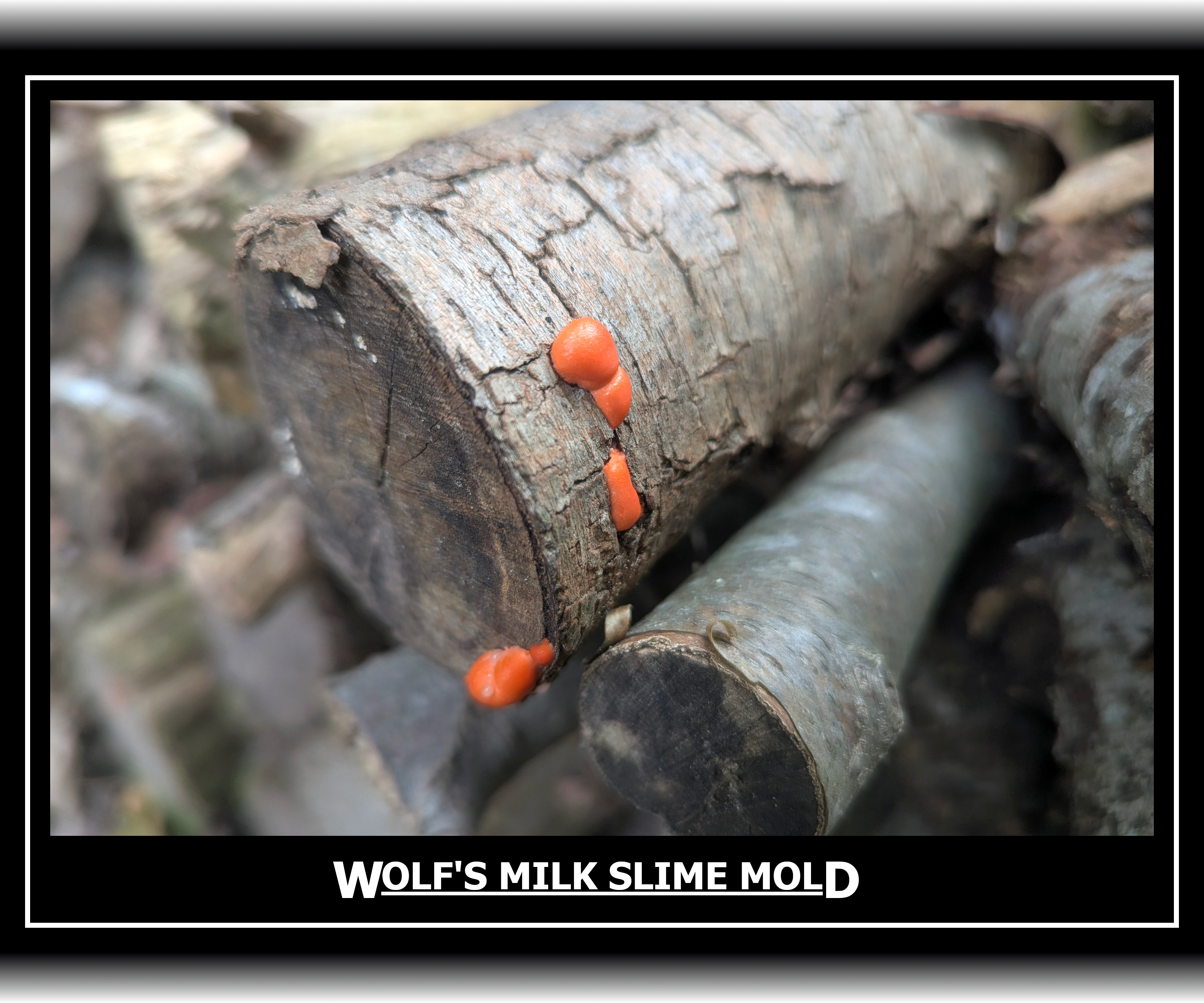
Saturday, 09/19/2026: Post photo —Wolf’s Milk Slime Mold.
Wolf’s milk slime looks like little, round, reddish pink balls; they exude a pinkish-orange or pinkish-gray paste when popped. It grows in groups on dead wood, especially large logs. They are not edible. Slime molds have inspired the science fiction movie “The Blob” in 1958. These are on some logs that we have in our yard.
That is all for now. Until next week, be safe.
“Sumens imagines consolateur et inspirat me. Pulchritudinem mundi video per camera mean.”
“Quod scripsi, scripsi. Ingeniarius sum, non scriptor.”
Thank you for all the new views and likes from last week, it helps keep me inspired.
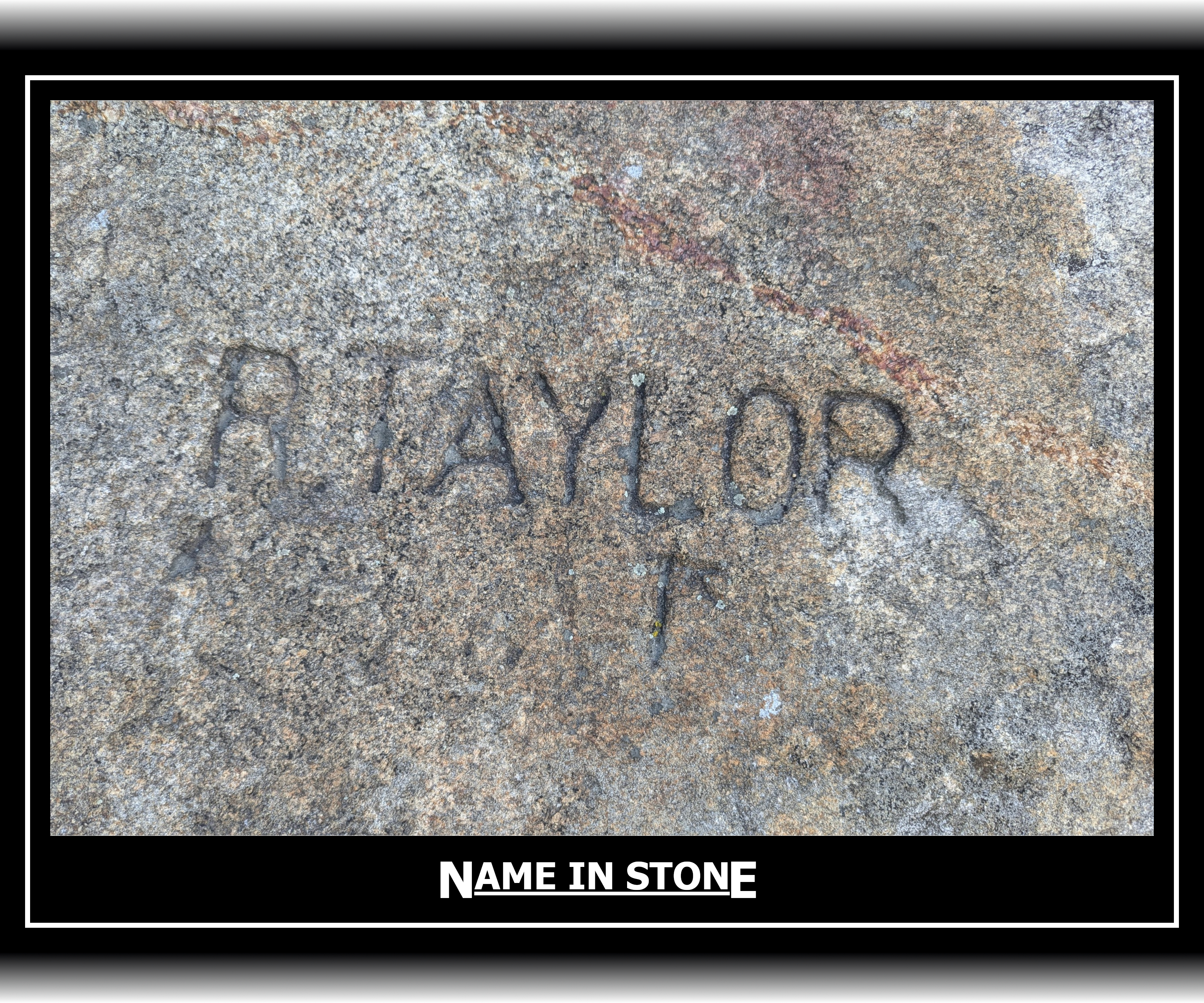
Sunday, 08/23/2026: Posted photo — Name in Stone.
Name in stone on the summit of Wachusett Mountain.
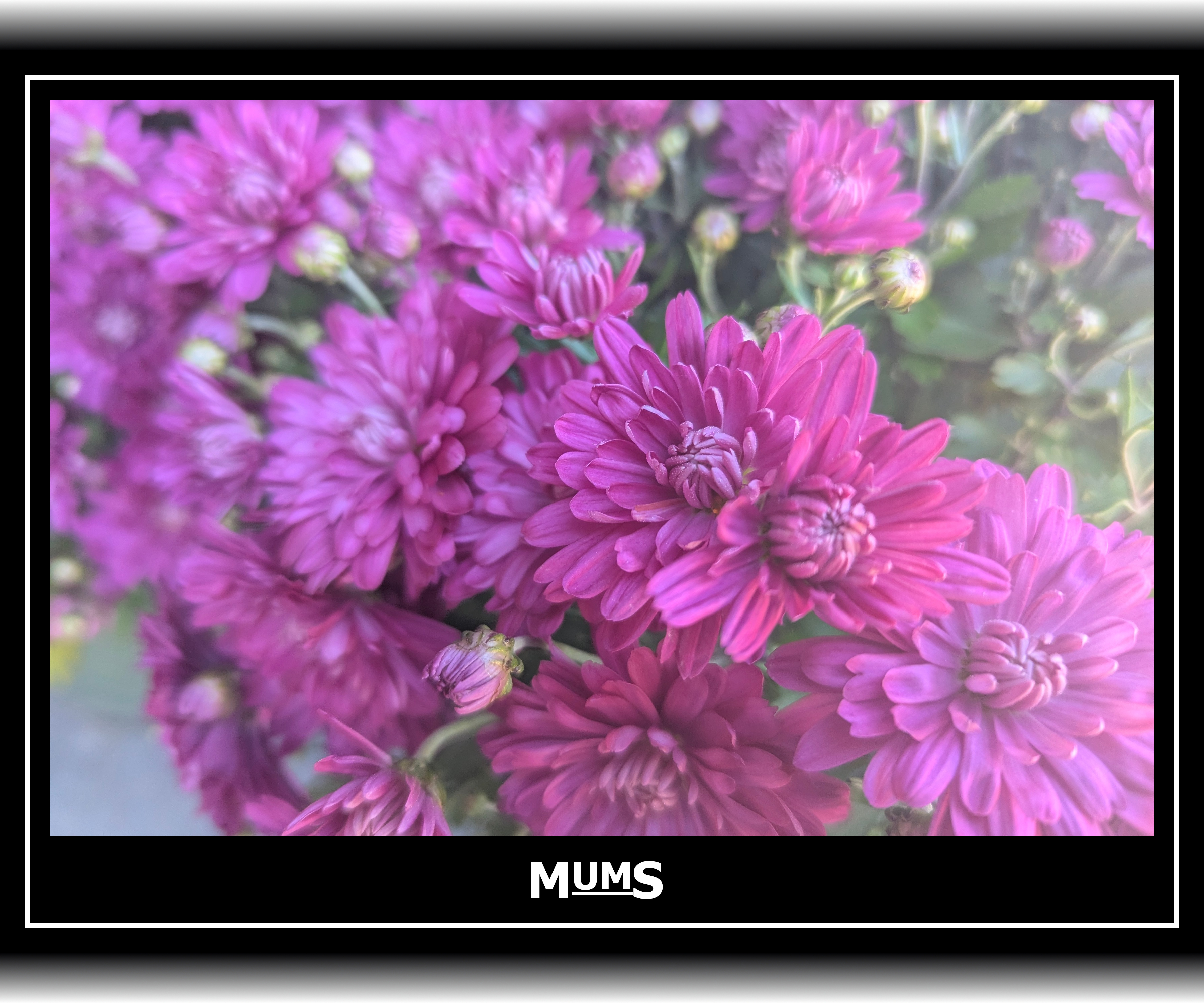
Monday, 08/24/2026: Posted photo — Mums.
Mums that I saw today.
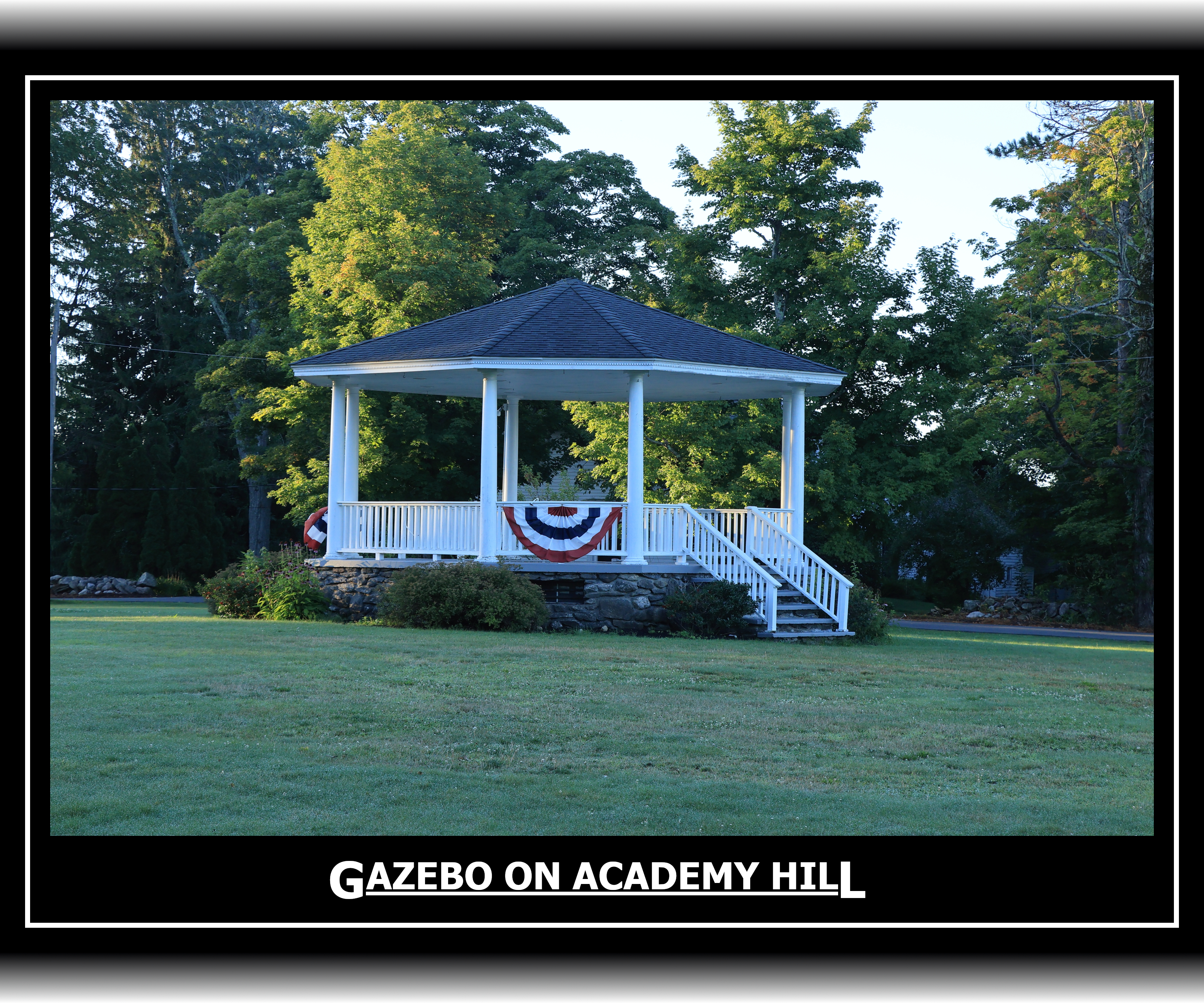
Tuesday, 8/25/2026: Posted photo – Gazebo on Academy Hill.
The gazebo at historic Academy Hill in Westminster. Stopped by to take this photo after I dropped off ballots at Town Hall.
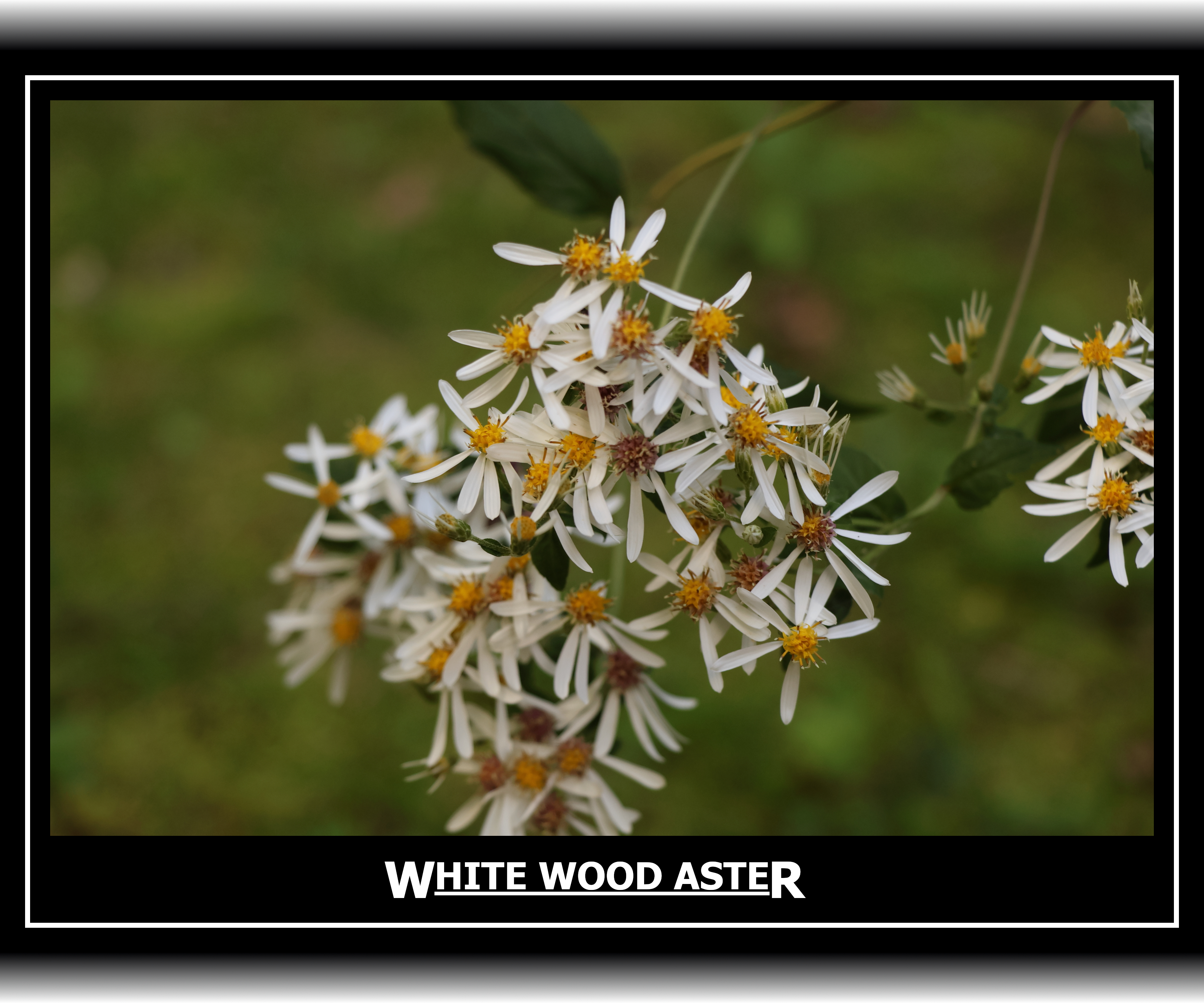
Wednesday, 08/26/2026: Posted photo — White Wood Aster.
Some white wood asters from our yard.
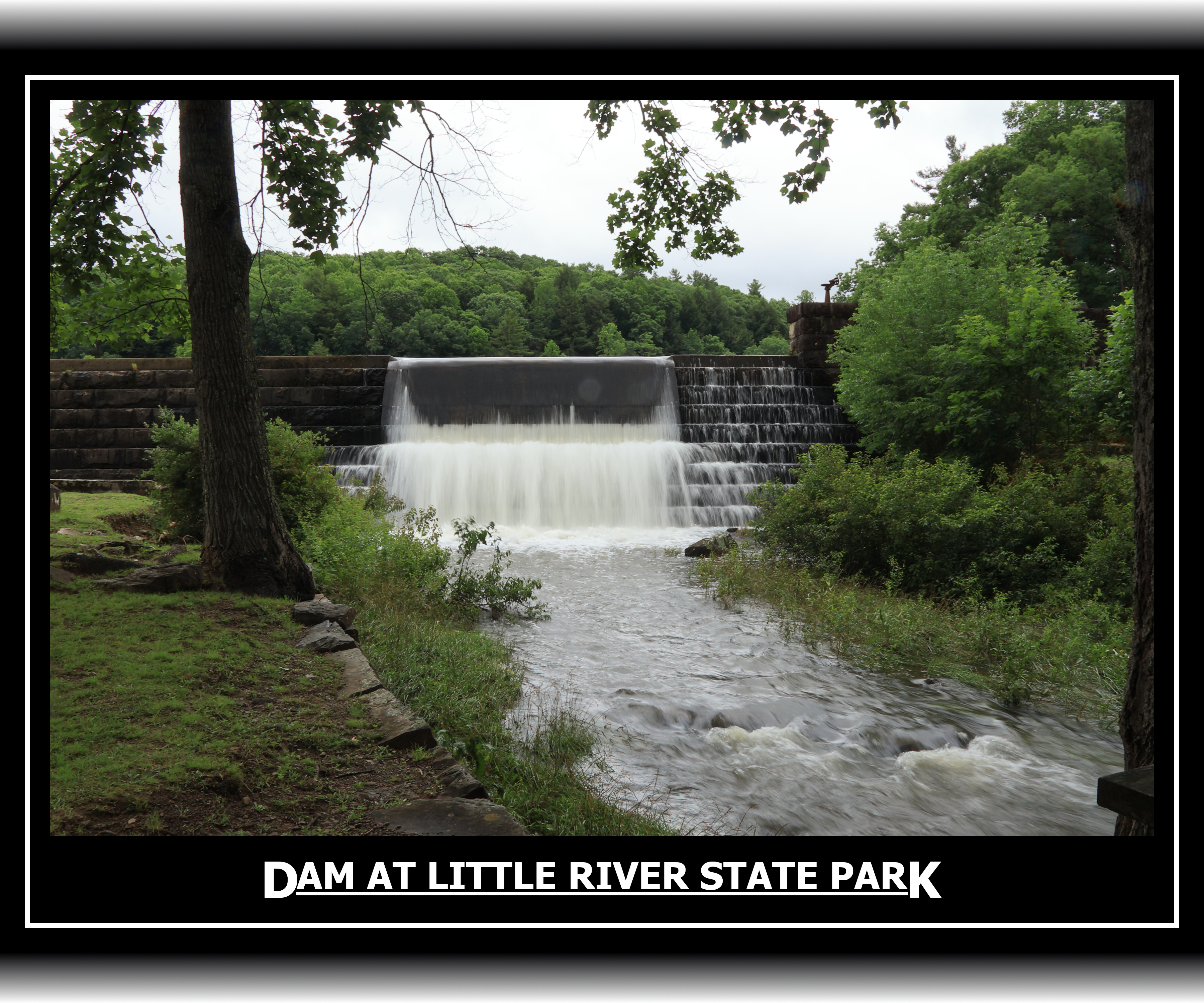
Thursday, 08/27/2026: Posted photo — Dam at Little Beaver State Park.
My family took a quick hike around the lake at Little Beaver State Park in WV. This is actually the spillway since the water was low.
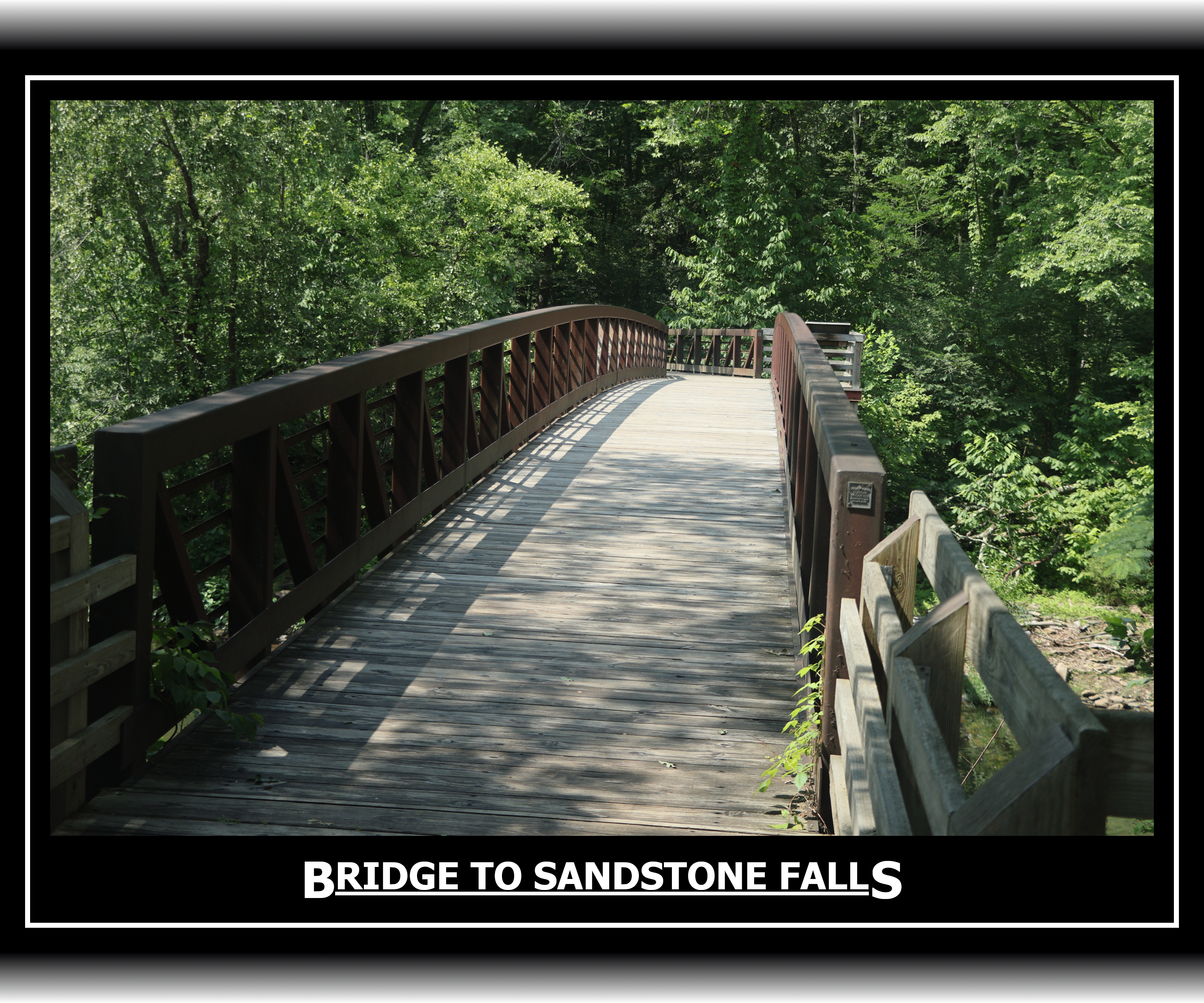
Friday, 8/28/2026: Posted photo – Bridge to Sandstone Falls.
This is the bridge that we walked over to get to Sandstone Falls in New River Gorge National Park and Preserve in WV.
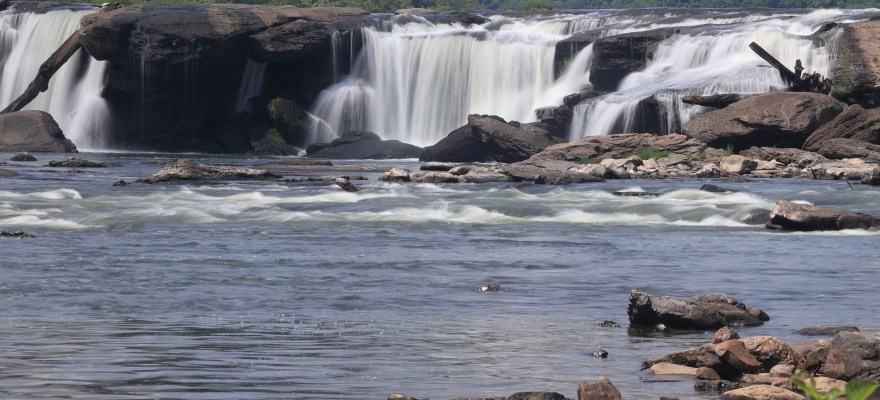
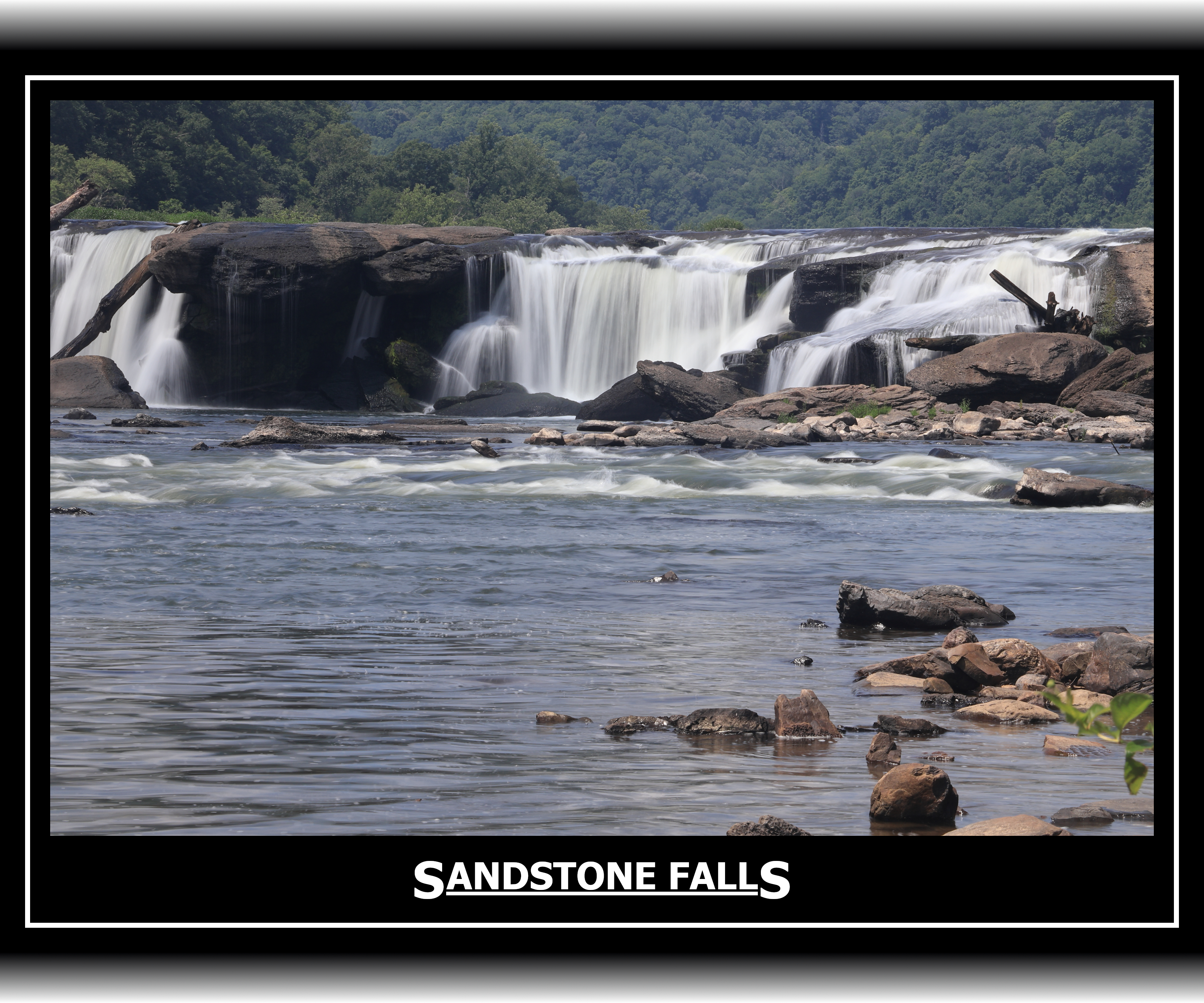
Saturday, 08/29/2026: Post photo — Sandstone Falls.
The largest waterfall on the New River, Sandstone Falls spans the river where it is 1500 feet wide. Divided by a series of islands, the river drops 10 to 25 feet.
That is all for now. Until next week, be safe.
“Sumens imagines consolateur et inspirat me. Pulchritudinem mundi video per camera mean.”
“Quod scripsi, scripsi. Ingeniarius sum, non scriptor.”
This robin has a nest at our cottage. This is the third year in a row that it used this nest.
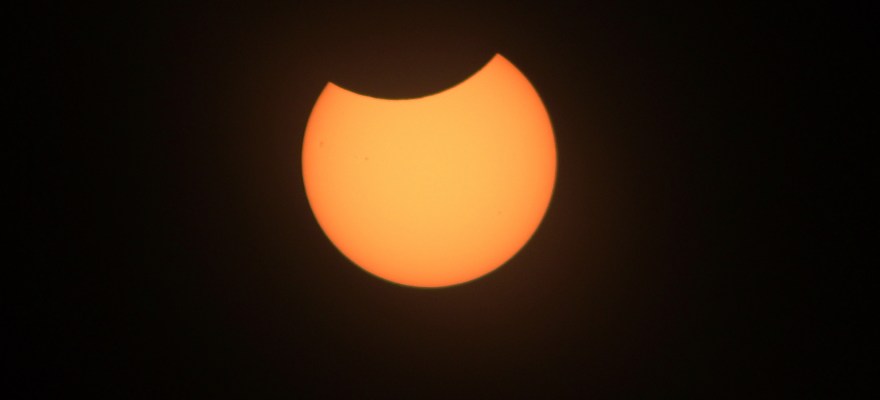
Wednesday, 08/13/2026: Posted photo — Partial Solar Eclipse.
There was a partial solar eclipse today. We had only about 18% coverage. When I woke up the weather was predicted to be partially cloudy. I glad it was not at the time of the eclipse. I stepped out of the office to take this photo.
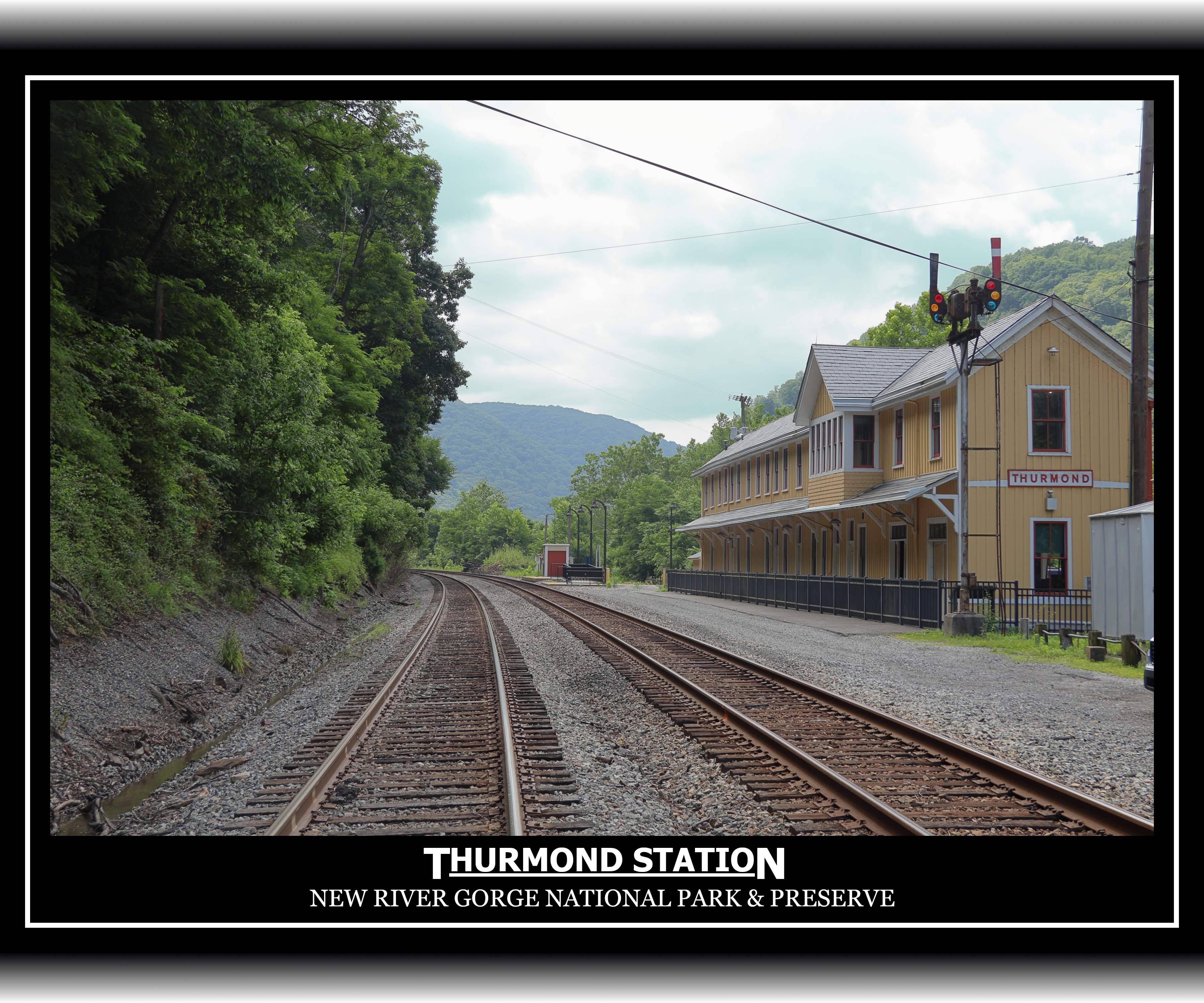
Thurmond Station is in New River Gorge National Park and Preserve in WV. Thurmond was once among the greatest railroad towns along the Chesapeake & Ohio Railway. The historic Thurmond Depot has been restored by the National Park Service and now serves as a park visitor center.
Friday, 08/14/2026: Post photo — Acorn.
This 10-foot-tall, 1, 250-lb. copper and steel sculpture was commissioned for Raleigh’s bicentennial in 1992. Dedicated to John Watkins, it is located at Raleigh City Plaza.
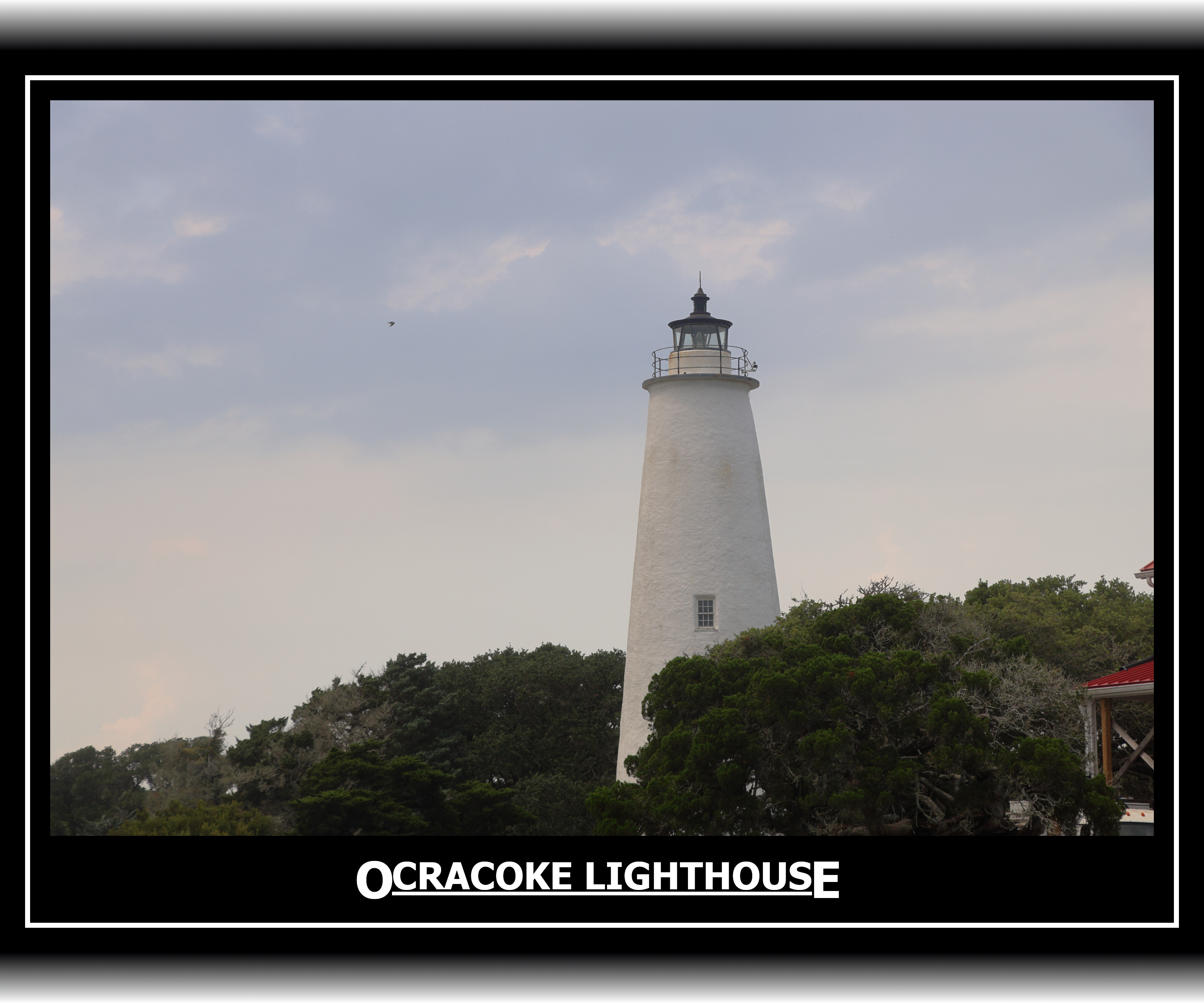
Saturday, 08/15/2026: Post photo — Ocracoke Lighthouse.
The Ocracoke Lighthouse is in Ocracoke Village at the southern end of Cape Hatteras National Seashore.
That is all for now. Until next week, be safe.
“Sumens imagines consolateur et inspirat me. Pulchritudinem mundi video per camera mean.”
“Quod scripsi, scripsi. Ingeniarius sum, non scriptor.”
“Photographs open doors into the past, but they also allow a look into the future.” — Sally Mann
Thank you for all the new views and likes from last week, it helps keep me inspired.
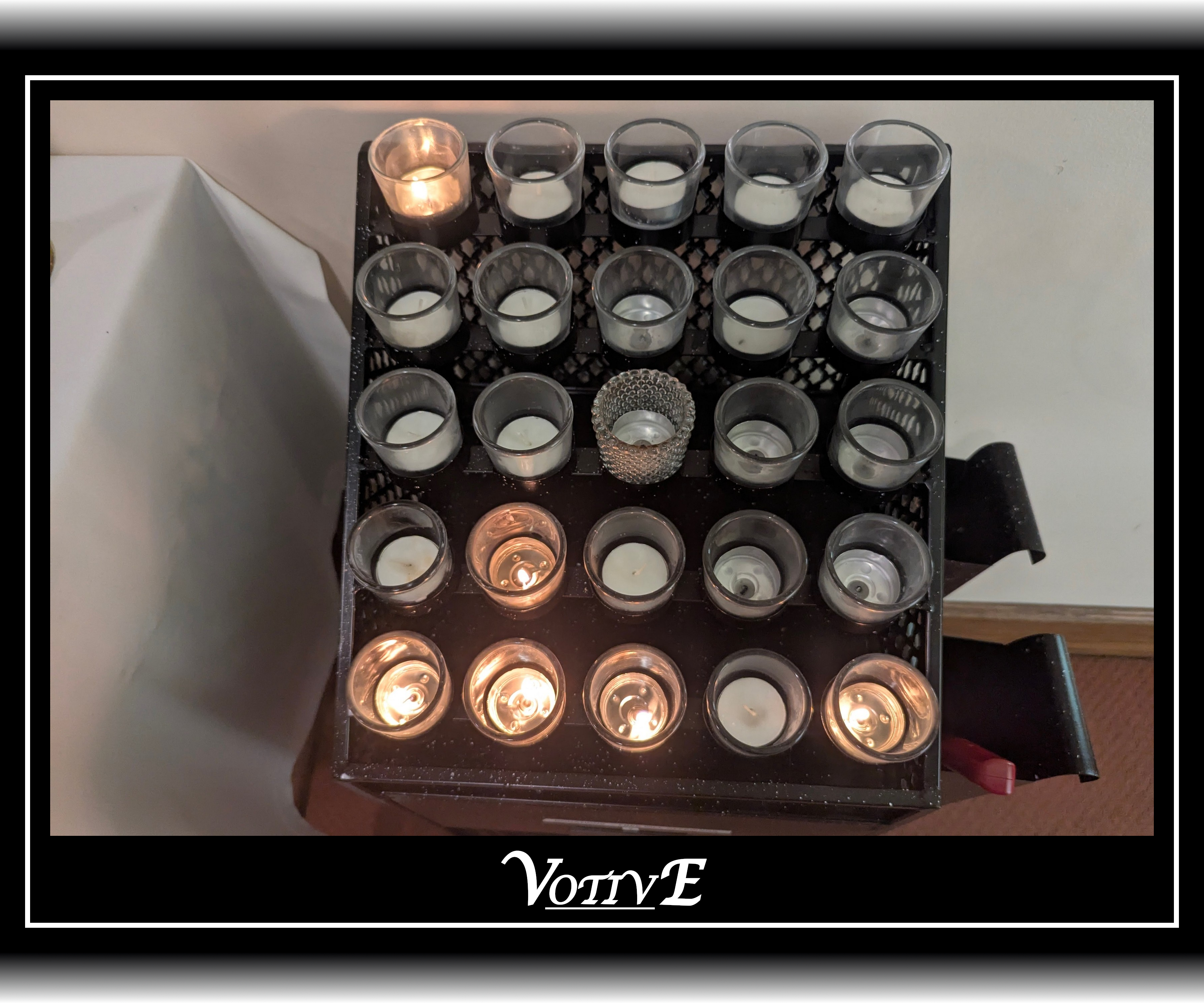
Sunday, 08/02/2026: Posted photo — Votive.
The word votive describes something offered, given, or dedicated in fulfillment of a vow, prayer, or expression of devotion. The word votive comes from the Latin word votum, meaning a vow or a promise. These candles are in the vestibule of our church. They are dedicated to a good friend and his wife who have both passed.
Monday, 08/03/2026: Posted photo — Abstract.
The topic for my photo project this week was abstract. I took this photo as an abstract photo. It served two purposes. The first is to take a photo for my project. The second is to test out the focus on my phone’s camera. The class on my phone spontaneously broke. I am not the first owner of this brand of phone that this happened. Since the glass broke, my phone’s camera does not focus in the distance.
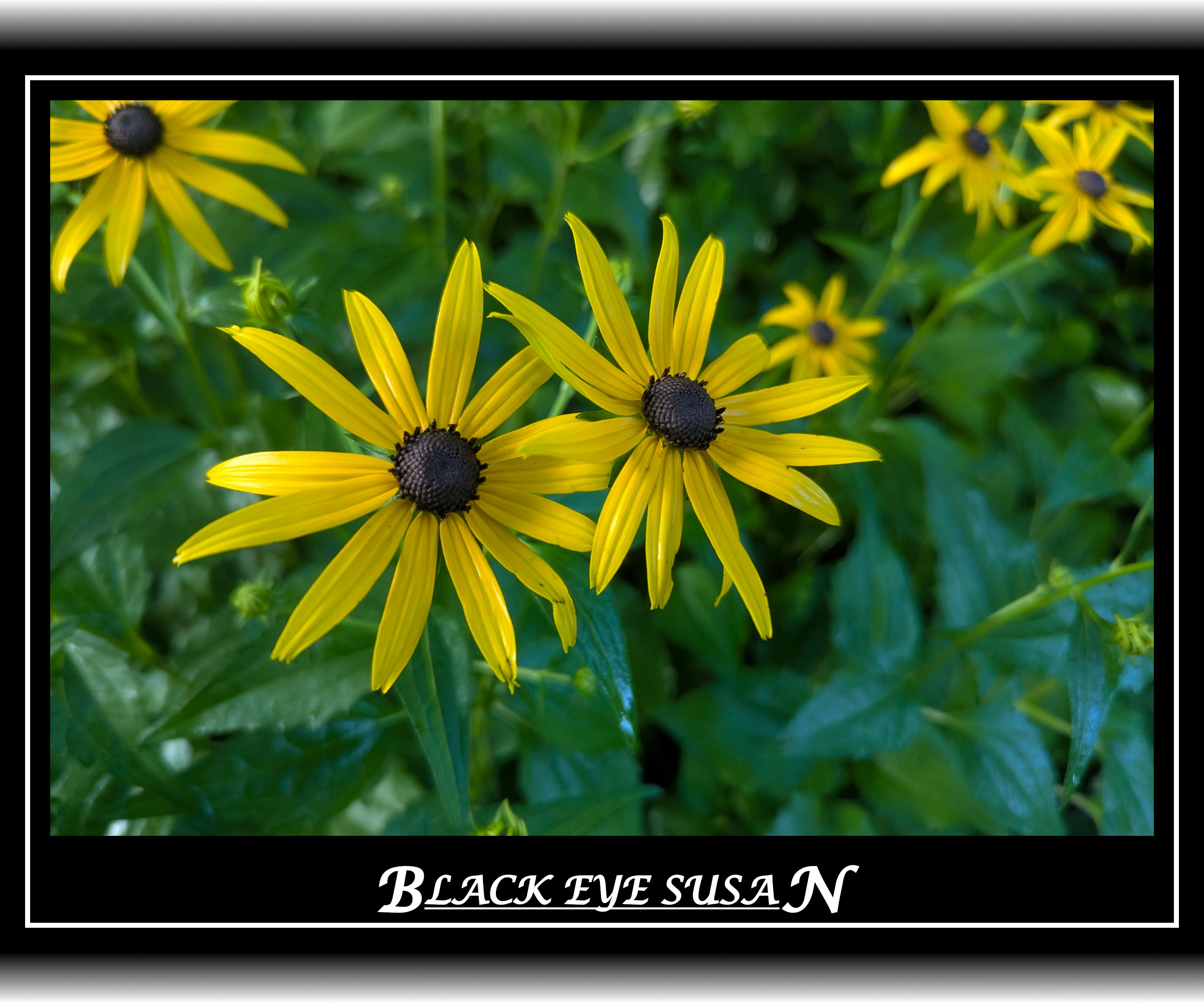
Tuesday, 08/04/2026: Posted photo — Black Eyed Susan.
The black-eyed Susan symbolizes encouragement, motivation, resilience, and justice. The name comes from the flower’s dark central disk surrounded by bright yellow petals, paired with a popular 1729 English ballad titled “Sweet William’s Farewell to Black-eye’d Susan” by poet John Gay.
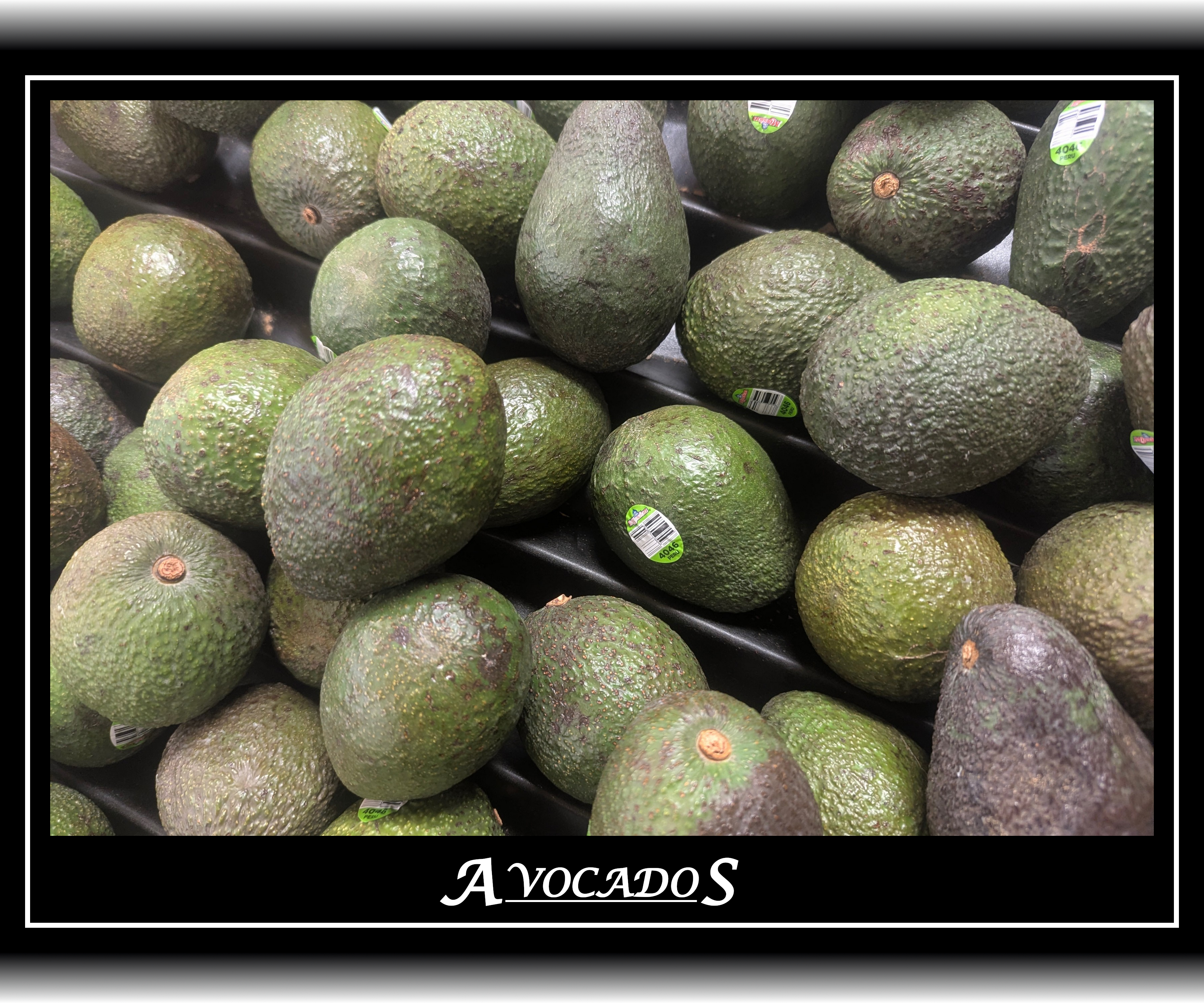
Wednesday, 08/05/2026: Posted photo — Avocados.
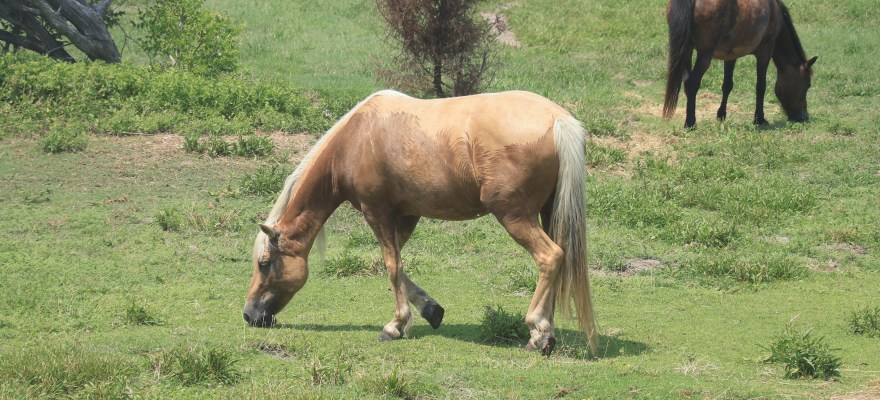
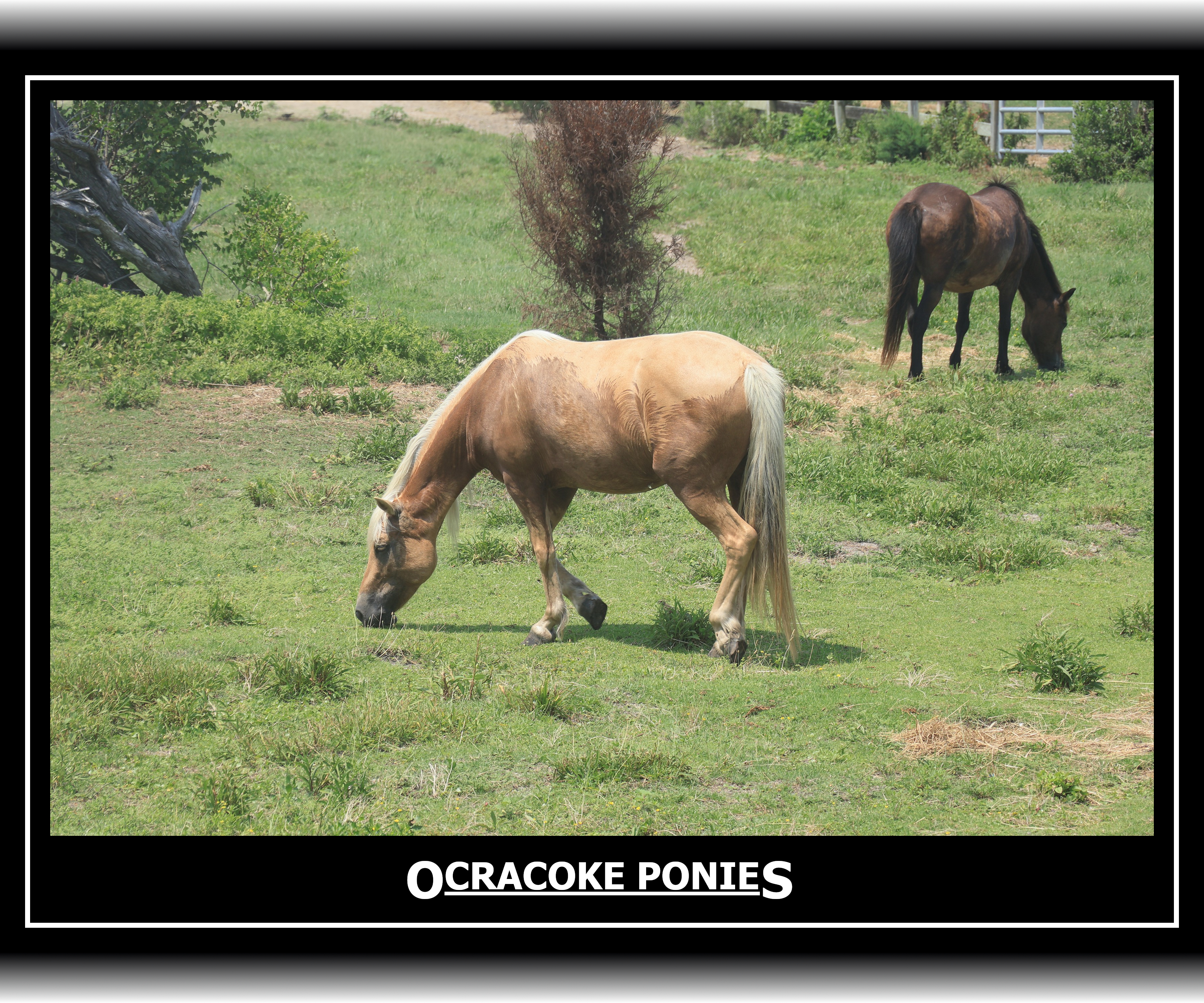
Though once they roamed wild on the island, the Ocracoke Banker Ponies have been penned for their protection and cared for by the National Park Service since 1959. Legend has it that the “Banker” horses of Ocracoke were left here by shipwrecked explorers in the 16th or 17th century. These horses, often referred to as Ocracoke ponies, have been documented on Ocracoke Island since the first European settlers came to stay in the 1730s.
Thursday, 08/06/2026: Posted photo — Sunflower.
Sunflowers universally symbolize happiness, loyalty, adoration, and longevity. The sunflower got its name from its bright, round shape that looks like the sun and its habit of turning to face the sun.
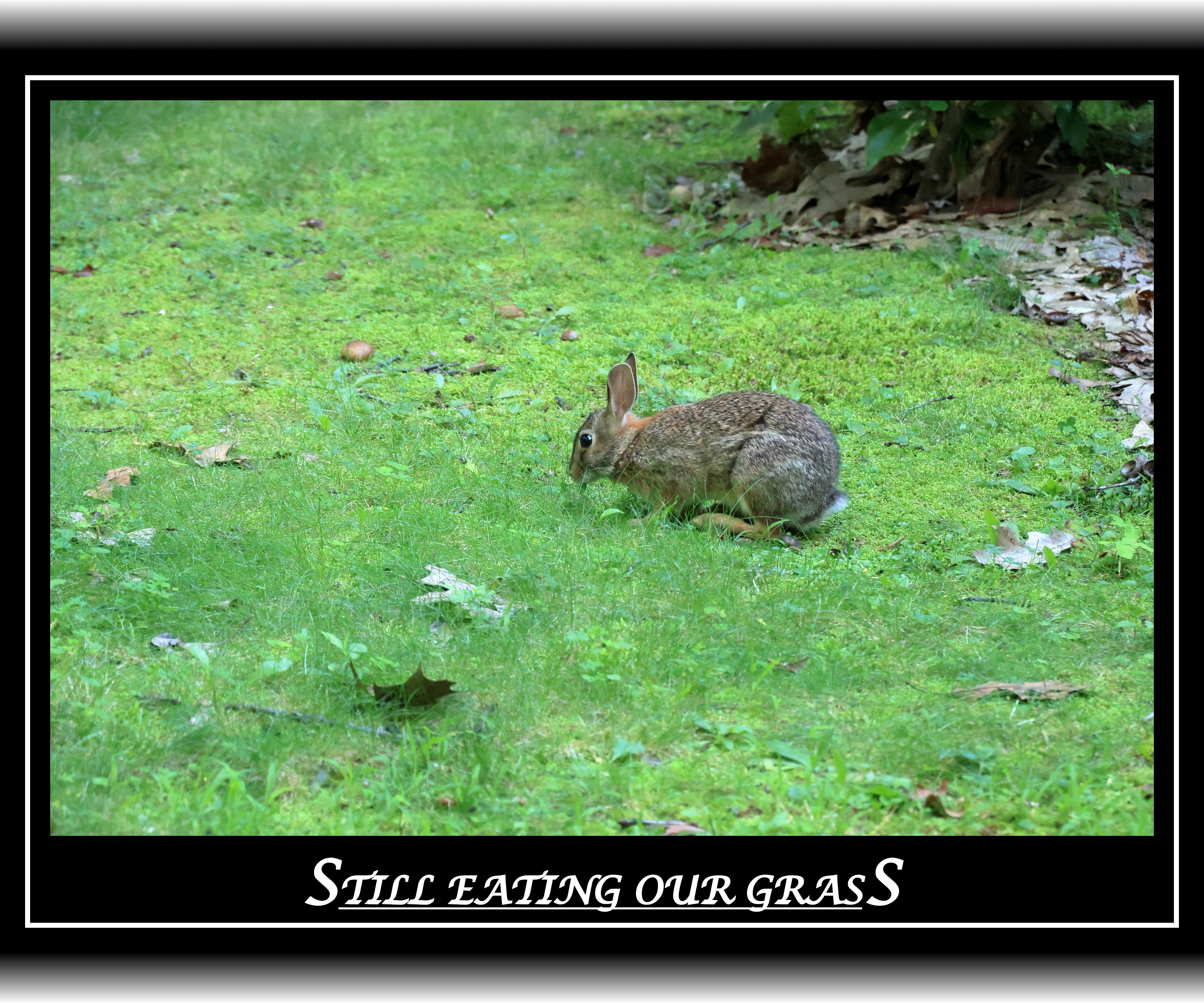
Friday, 08/07/2026: Post photo — Still Eating.
This is the same rabbit as the last few weeks. I did not see it all week until today. I had to use my DSLR to get this photo. I wanted to take its photo this week using my phone, but as stated earlier, the zoom does not work.
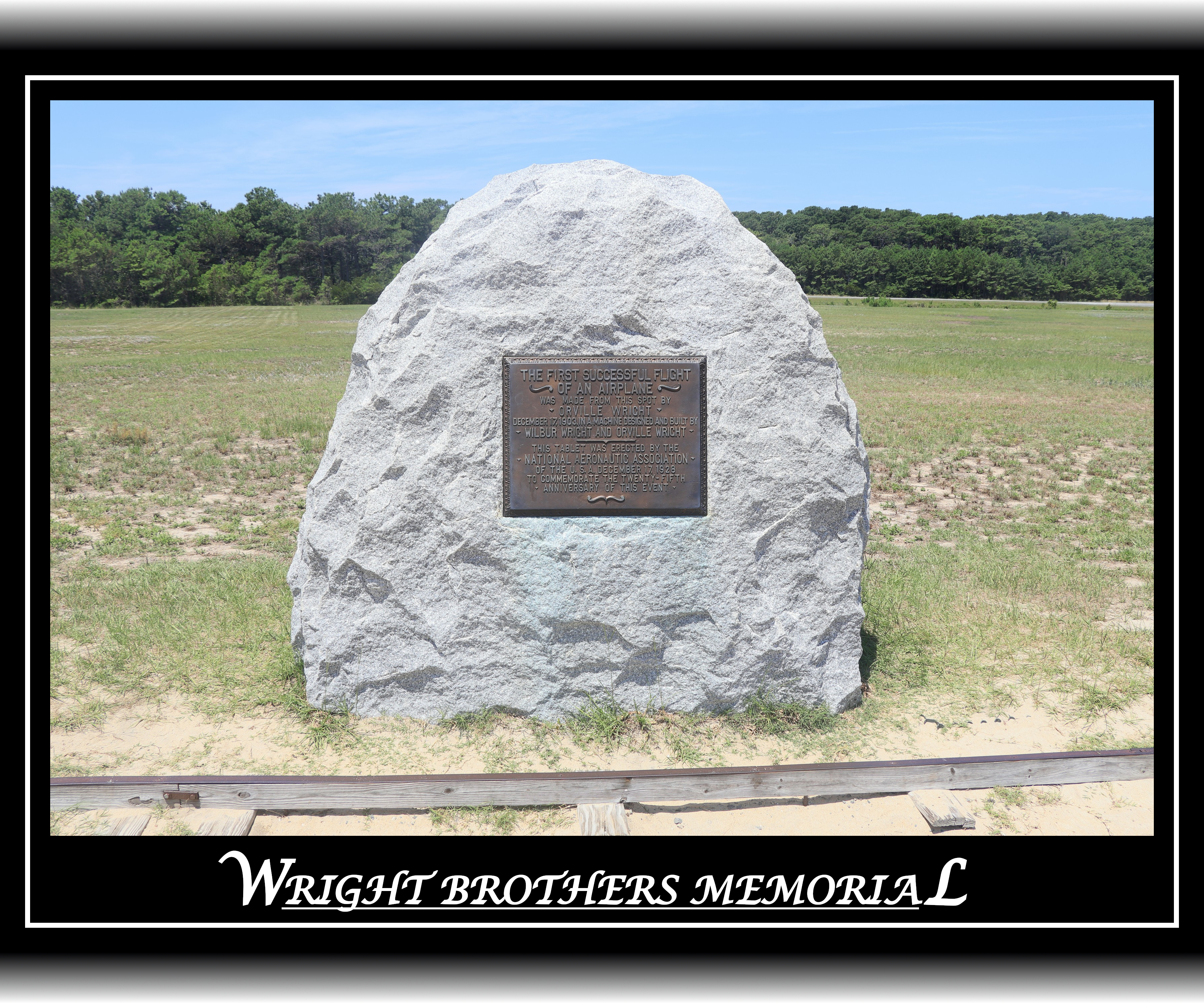
Saturday, 08/08/2026: Post photo — Wright Bothers Memorial.
The site of the first flight in Kitty Hawk, NC in the Outer Banks. The wooden rail in the photo is what they used to keep the plane straight during takeoff. I did not realize how much influence their sister Katharine had on them. She is the forgotten sibling in this incredible feat and should have some credit. Glad to see that her name is in the Memorial.
Flight Details on December 17, 1903 First flight: 120 feet (36.5 meters) in 12 seconds, piloted by Orville Wright. Second flight: 175 feet (53.3 meters) in 12 seconds, piloted by Wilbur Wright. Third flight: 200 feet (60.9 meters) in 15 seconds, piloted by Orville Wright. Fourth (best) flight: 852 feet (260 meters) in 59 seconds, piloted by Wilbur Wright.
Looking at the flight markers, I could just imagine what went through their minds during that fourth flight. It was a relatively long way from the first three. It took some time to walk to it in the North Carolina heat.
When I was walking from the location of the fourth flight to the Big Kill Devil Hill Monument, I heard a teenaged girl tell her mother, “I do not know why so many kids do not like going to a place like this. This is such a historical event in history.” There is some hope with the younger generation.
That is all for now. Until next week, be safe.
“Sumens imagines consolateur et inspirat me. Pulchritudinem mundi video per camera mean.”
“Quod scripsi, scripsi. Ingeniarius sum, non scriptor.”
“Photography for me is not looking, it’s feeling. If you can’t feel what you’re looking at, then you’re never going to get others to feel anything when they look at your pictures.” — Don McCullin
Here are some animals that I have seen over the last couple of weeks.
Thank you for all the new views and likes from last week, it helps keep me inspired.
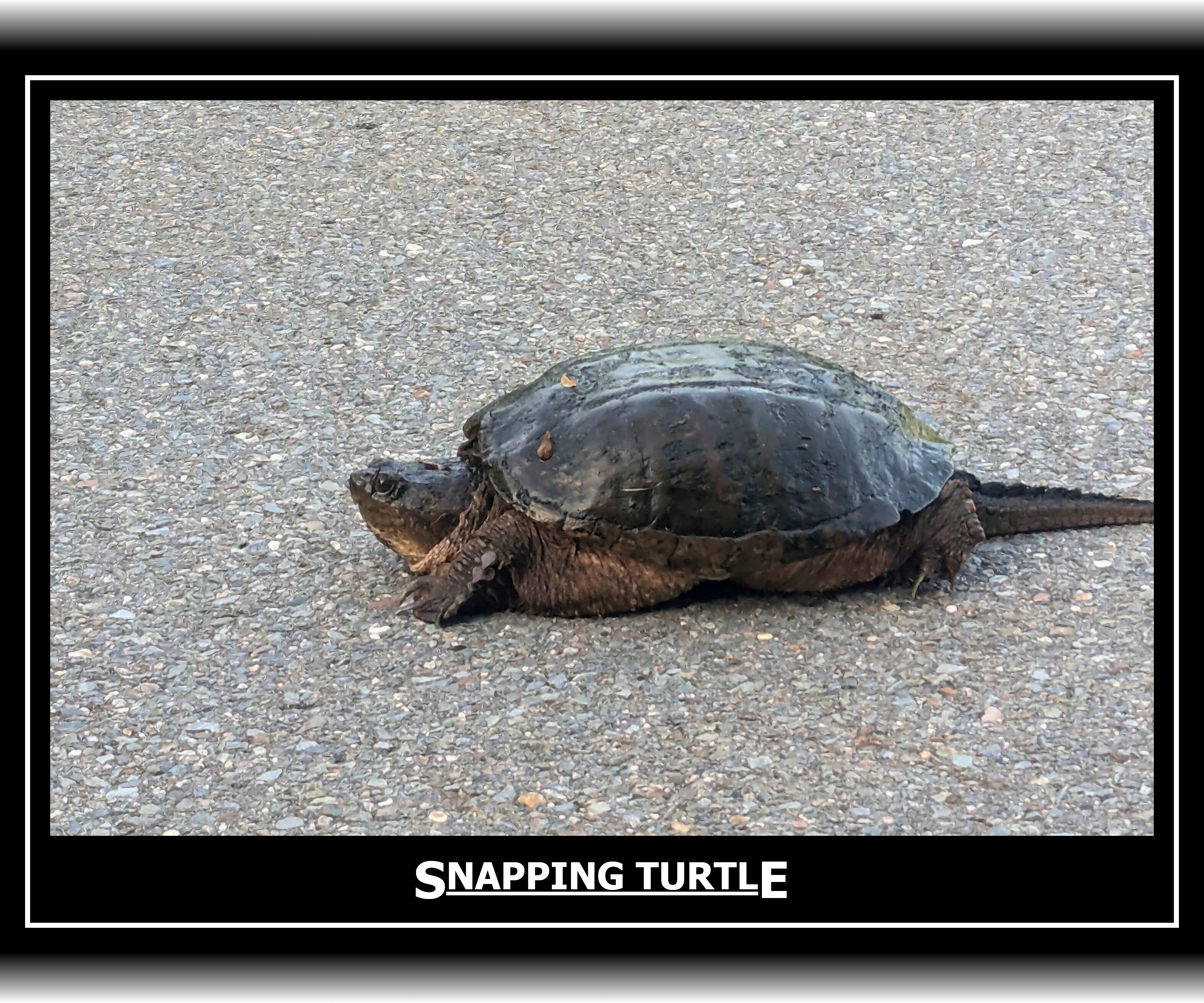
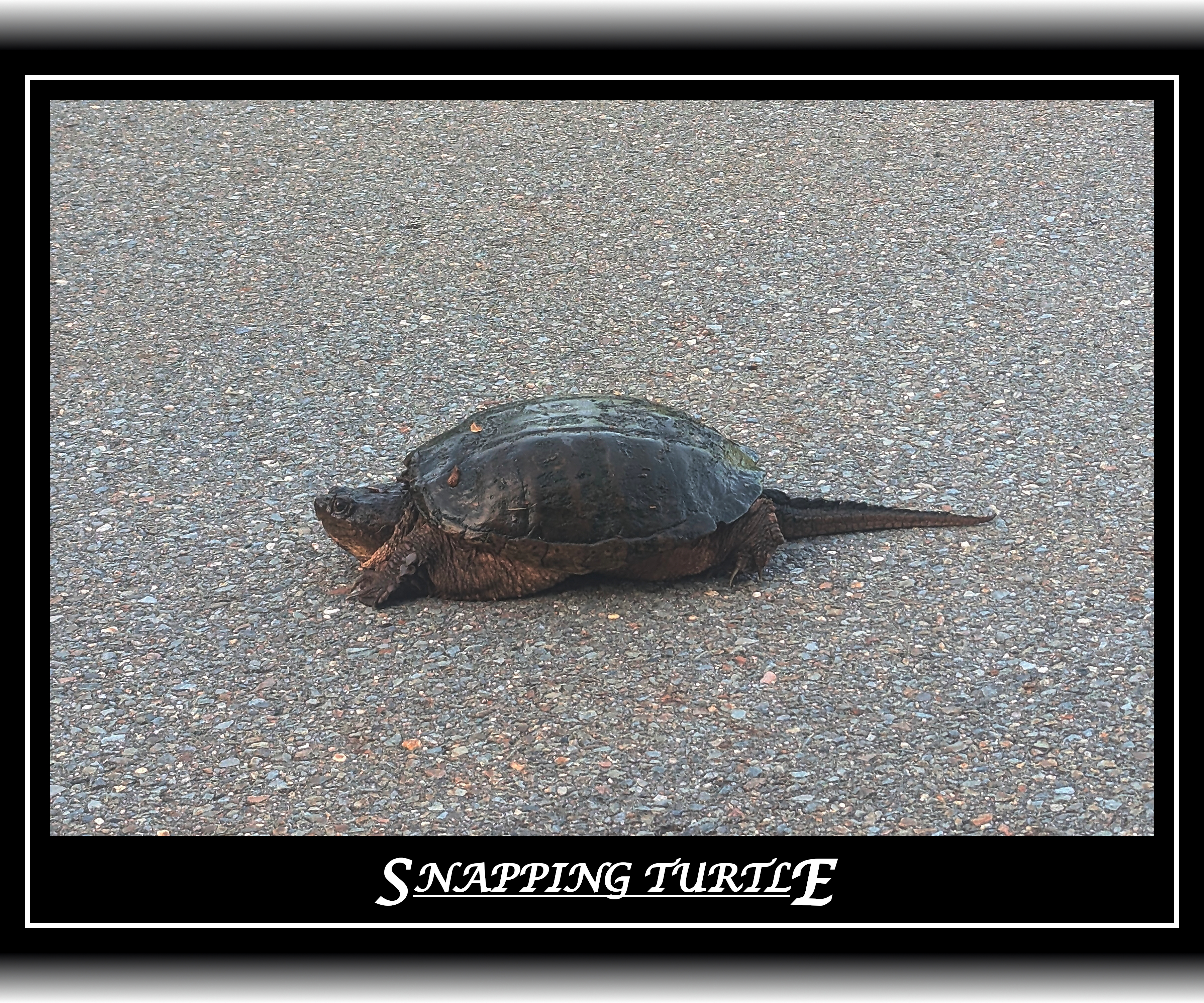
Snapping turtles are large, long-lived freshwater reptiles known for their powerful jaws, long tail with a saw-toothed appearance, and aggressive snapping defense when on land. This snapping turtle has been living in the fresh water on the property that I work. I know it is the same turtle I have been seeing for years by the deformity in its shell. I have also seen her laying her eggs.
A Common Snapping Turtle delivers a force closer to 200–250 psi. I have seen this snapping turtle snap a broom handle when someone attempted to move it out of the driveway.
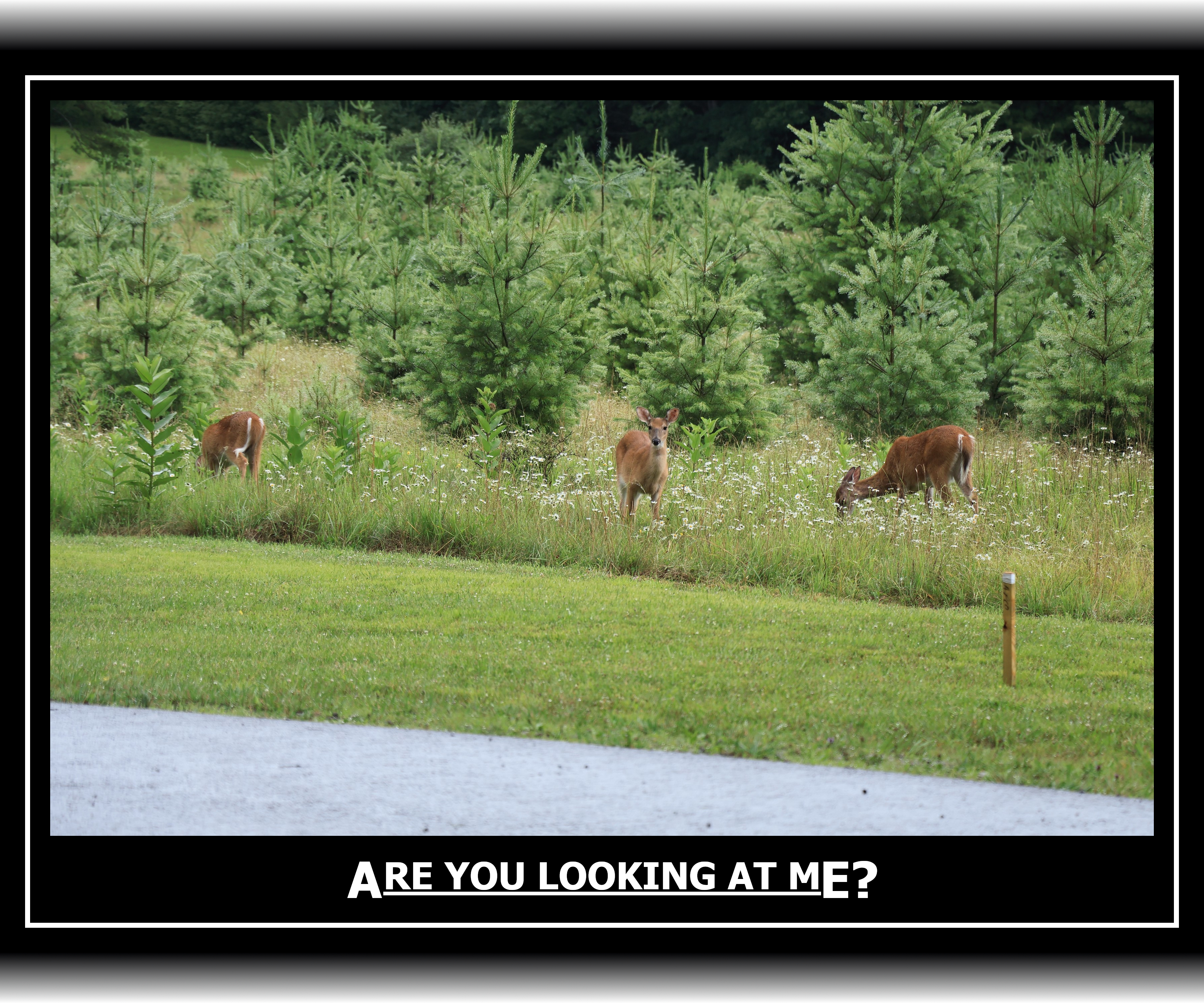
Monday, 07/27/2026: Posted photo — Deer.
Here are some deer that were hanging around our campsite in West Virginia. They were roaming the area and were not afraid of people. The deer in the photo kept looking at us and had an expression like “Are you looking at me?”.
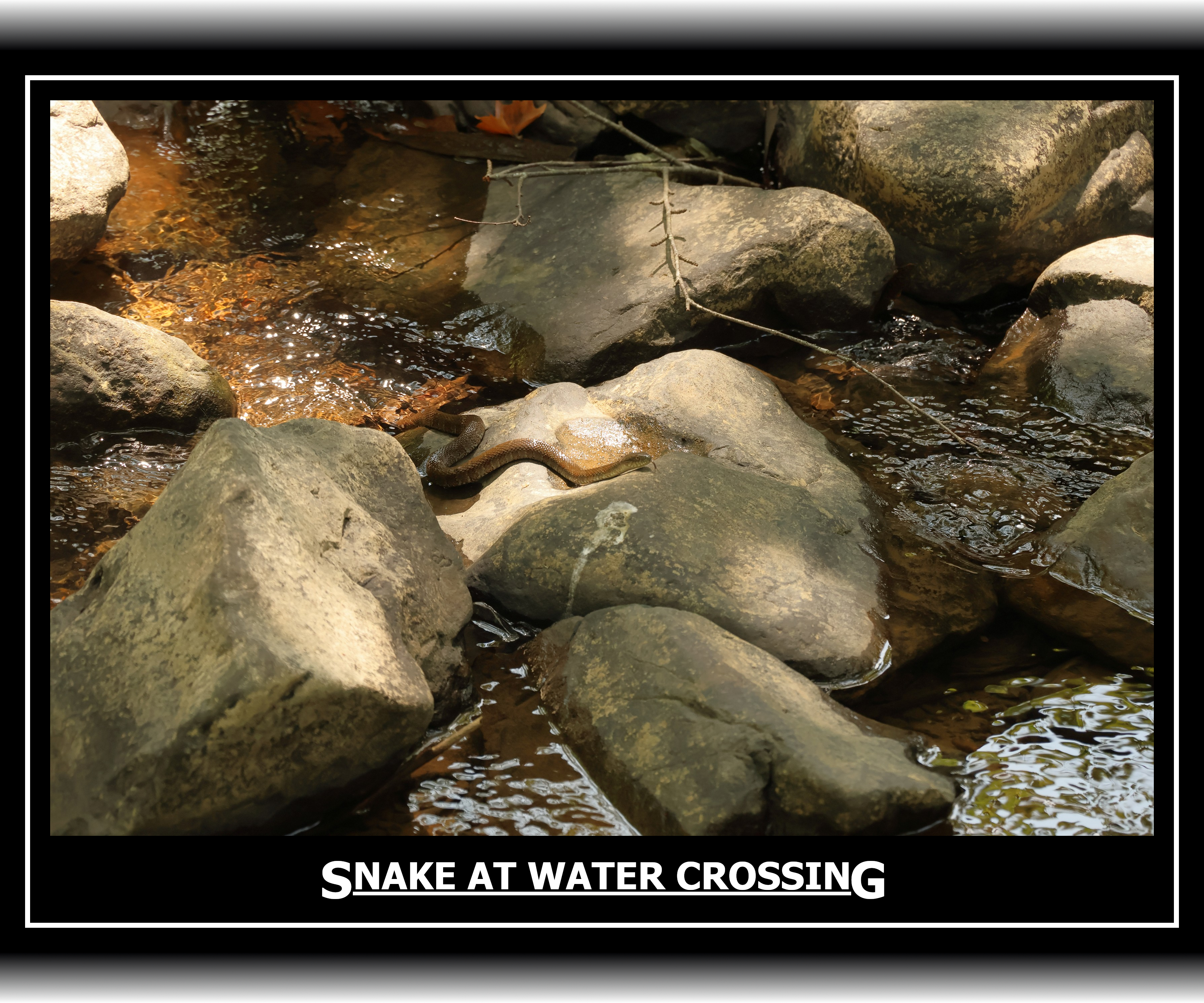
Tuesday, 07/28/2026: Posted photo — Snake.
Just a snake we saw at a water crossing in New River Gorge National Park and Preserve in West Virgina. I like this photo because you can see that the snake is sticking its tongue out at us.
Though once they roamed wild on the island, the Ocracoke Banker Ponies have been penned for their protection and cared for by the National Park Service since 1959. Legend has it that the “Banker” horses of Ocracoke were left here by shipwrecked explorers in the 16th or 17th century. These horses, often referred to as Ocracoke ponies, have been documented on Ocracoke Island since the first European settlers came to stay in the 1730s.
When I went to the island, I was looking forward to possibly seeing the horses running on the beaches. That might happen at a different time of year.
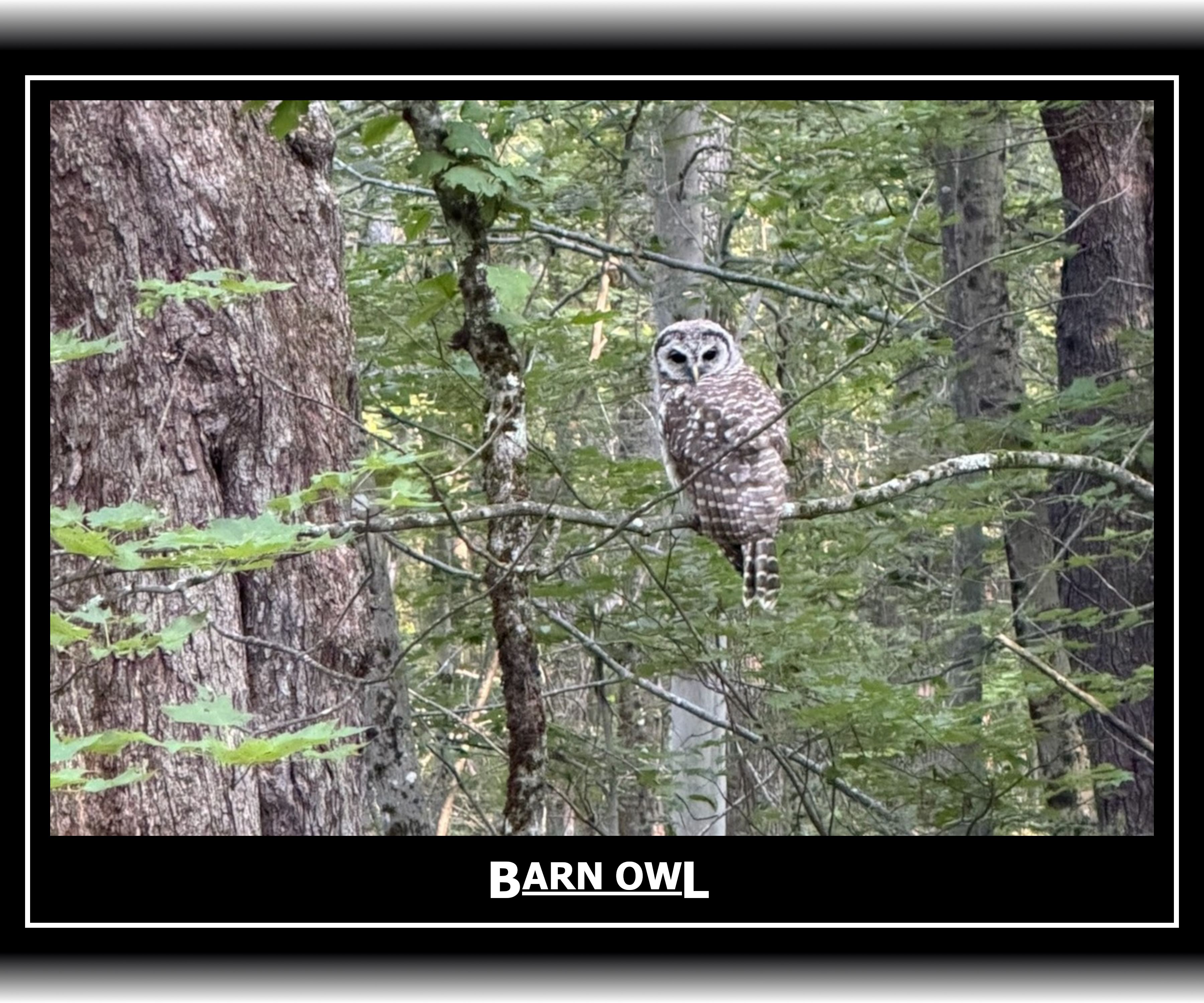
Thursday, 07/30/2026: Posted photo — Barn Owl.
This owl was just after a trailhead on Wachusett Mountain. We heard the owl for many weeks and saw it at a distance once. This was the closest to the trail that I have seen it.
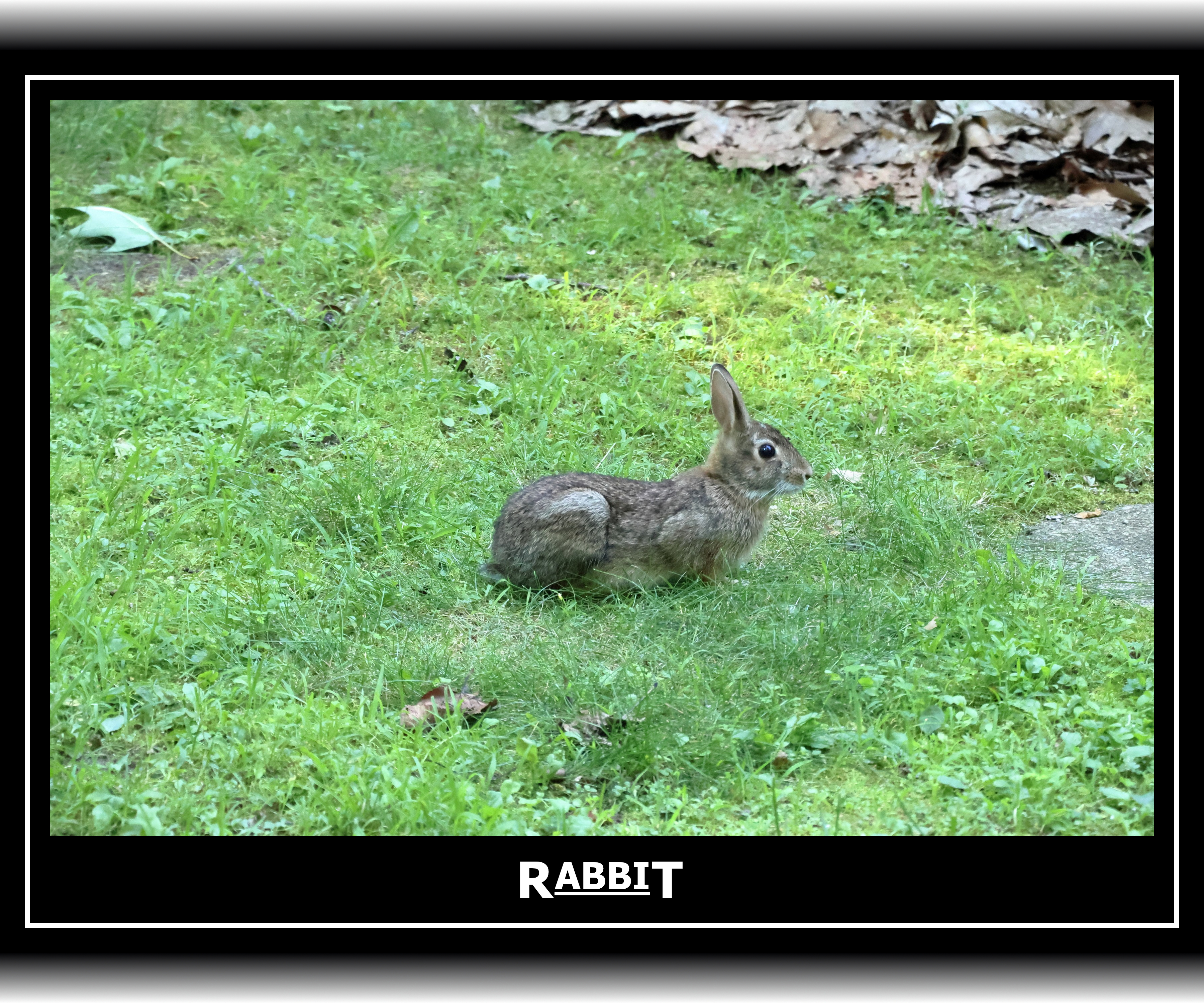
Friday, 07/31/2026: Post photo — Bunny.
This rabbit was eating some of our grass when I came home from work today. Most of the time when I see a rabbit, it flees. This one just looked at me and kept eating. It allowed me to take my camera out of my camera bag and to take its photo.
Saturday, 08/01/2026: Post photo — Golden Silk Orb-weaver.
Females are among the largest non-tarantula-like spiders in North America and are perhaps the largest orb-weavers in this country. This is one of two Orb-weavers that were hinging out all week at our vacation rental in the Outer Banks.
That is all for now. Until next week, be safe.
“Sumens imagines consolateur et inspirat me. Pulchritudinem mundi video per camera mean.”
“Quod scripsi, scripsi. Ingeniarius sum, non scriptor.”
“What makes photography a strange invention is that the primary raw materials are light and time.” — John Berger
Thumb drive is still missing. Here are some photos from this week. Need to find my thumb drive soon.
Thank you for all the new views and likes from last week, it helps keep me inspired.
Sunday, 07/19/2026: Posted photo — Roses.
Here are some colors for today. I went out shopping today to pick up a few items. I post many rose photos without comments, so I am posting again.
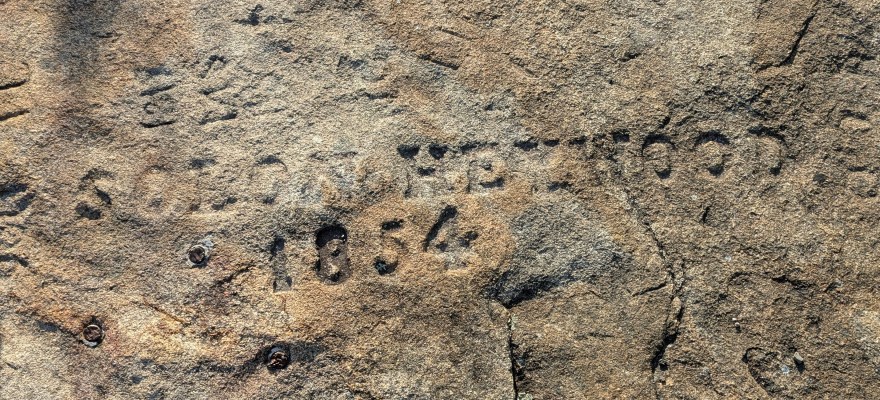
Monday, 07/20/2026: Posted photo — Name in Stone.
Sometimes I wonder how long it took for people to carve their names in stone. This is on the summit of Wachusett Mountain where a hotel once stood. The Hayward family was a big furniture family in our area. Solon was the middle and troublesome son.
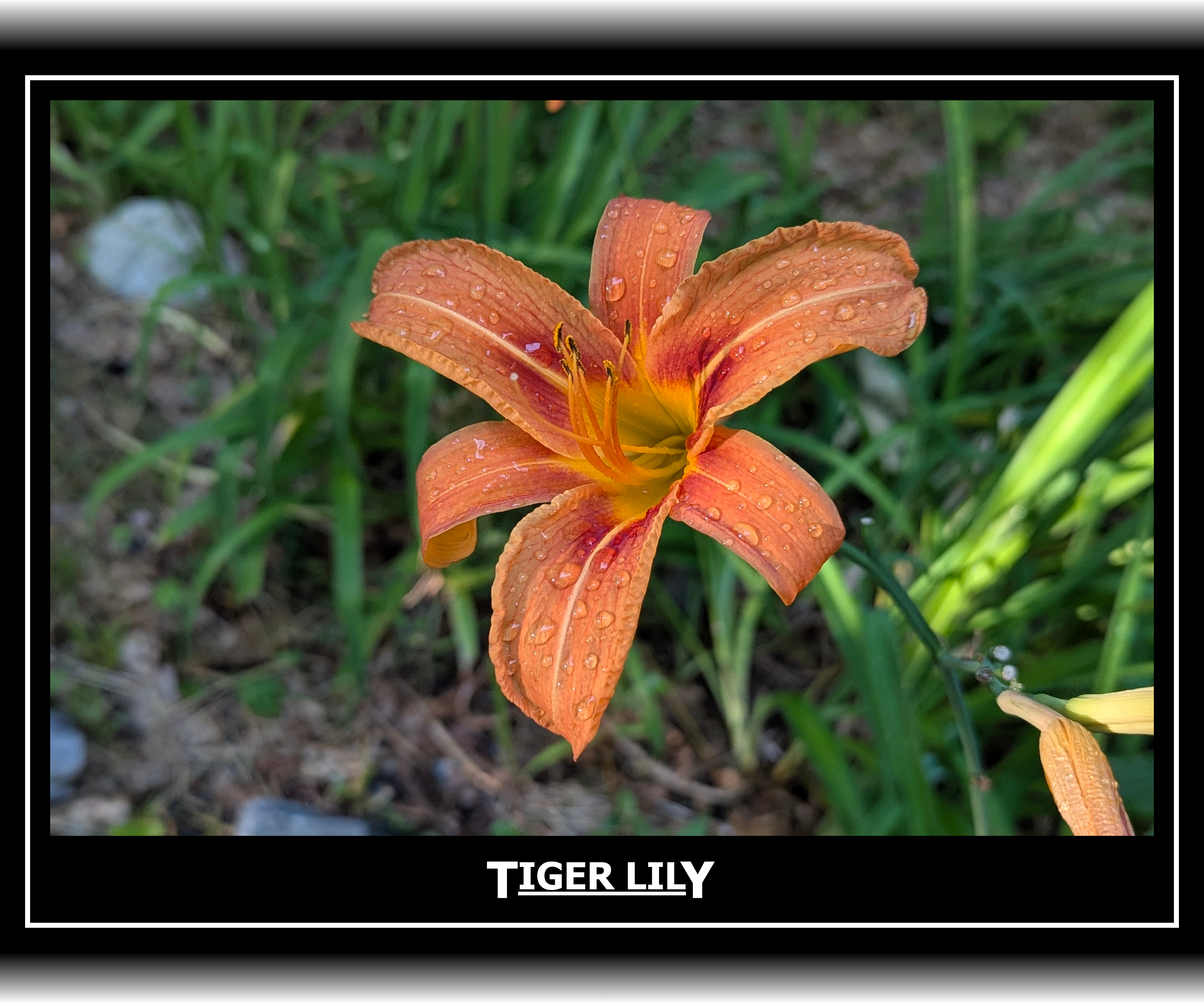
Tuesday, 07/21/2026: Posted photo — Tiger Lily.
Tiger lilies are covered with black or deep crimson spots, giving them the appearance of the skin of a tiger. If I take a photo of a Tiger Lily at the correct angle, it almost looks plastic.
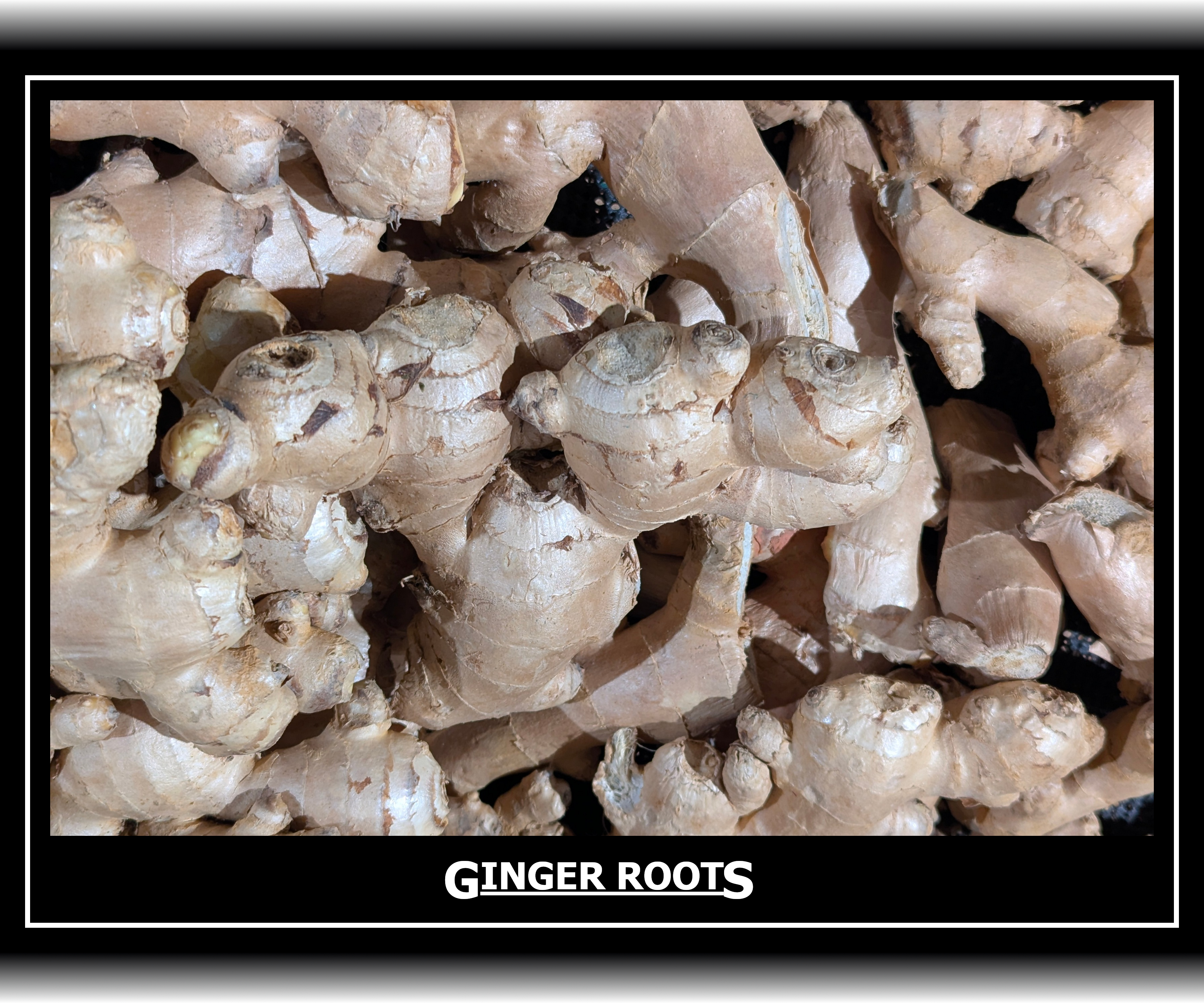
Ginger root provides major health benefits, specifically easing nausea, reducing inflammation, and supporting digestion. Ginger Ale contains a very small amount of ginger, usually in processed ginger extract rather than fresh ginger root. It still is used to ease nausea. I drink Ginger Ale to help prevent kidney stones.
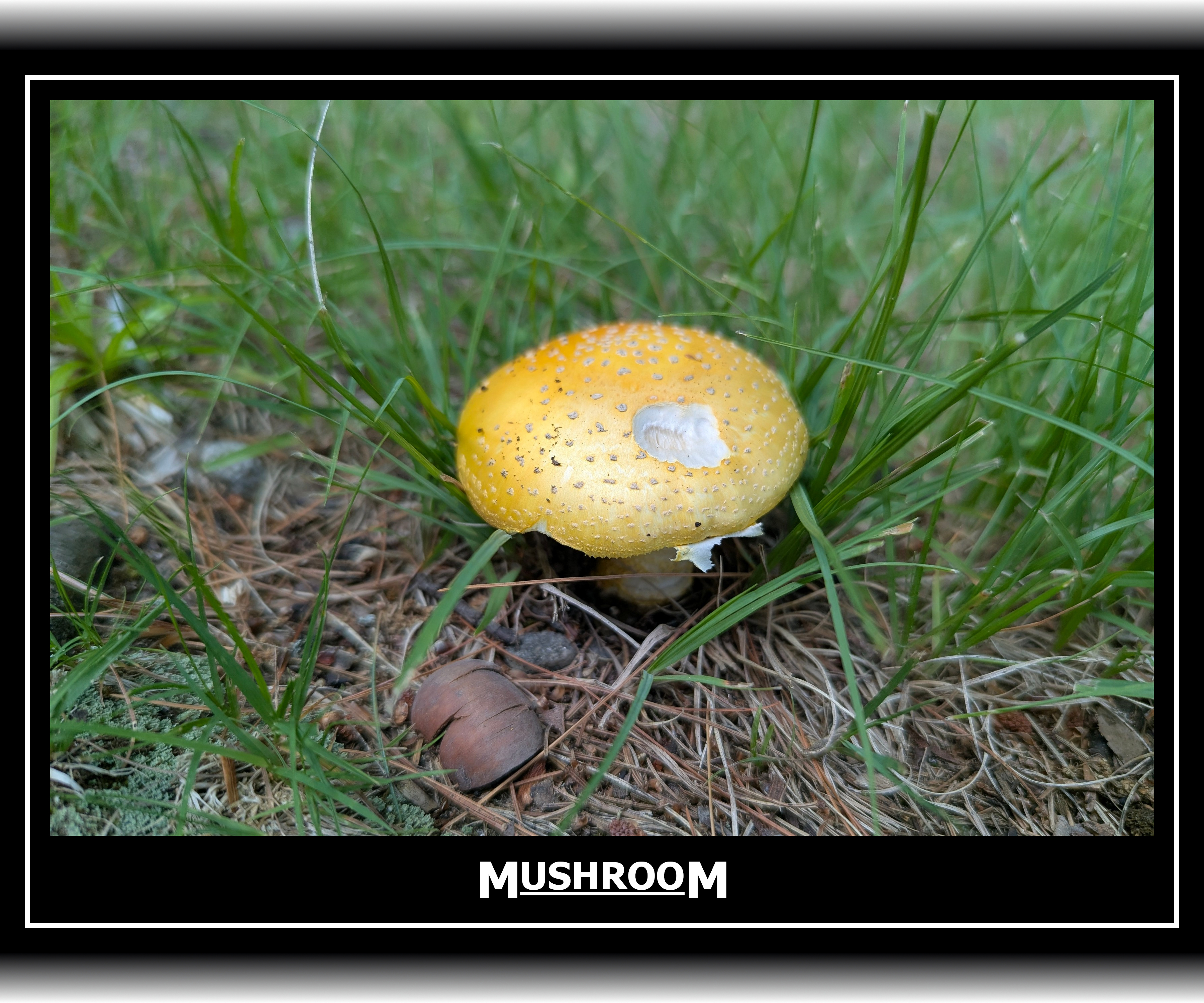
Thursday, 07/23/2026: Posted photo — Mushroom.
I do not know much about mushrooms, except they are a type of fungus. Since I spend many hours or days outside hiking, I should. The only drawback is that I do not like the spongey taste of them.
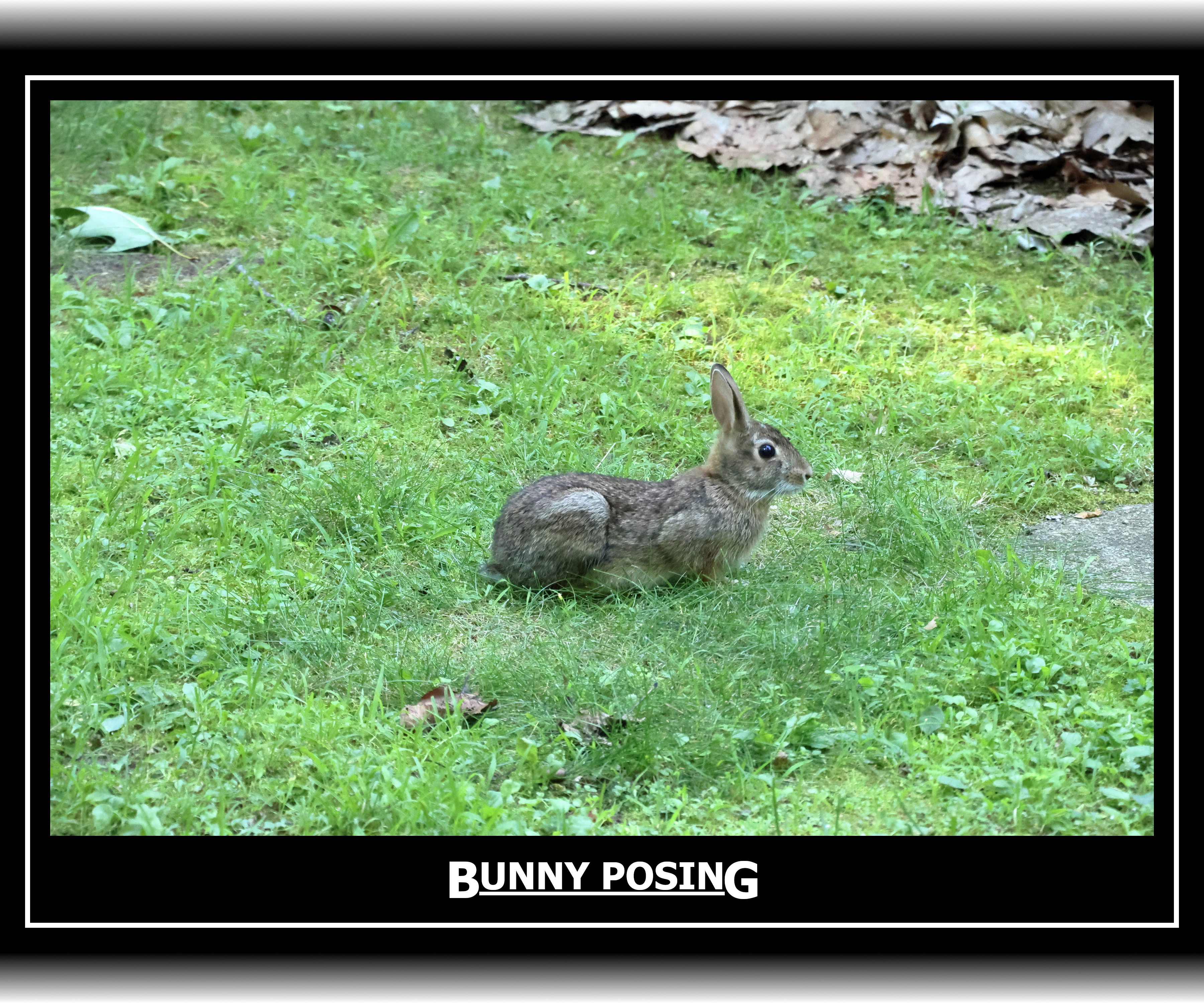
Friday, 07/24/2026: Post photo — Bunny.
This rabbit was eating some of our grass when I came home from work today. Most of the time when I see a rabbit, it flees. This one just looked at me and kept eating. It allowed me to take my camera out of my camera bag and to take its photo.
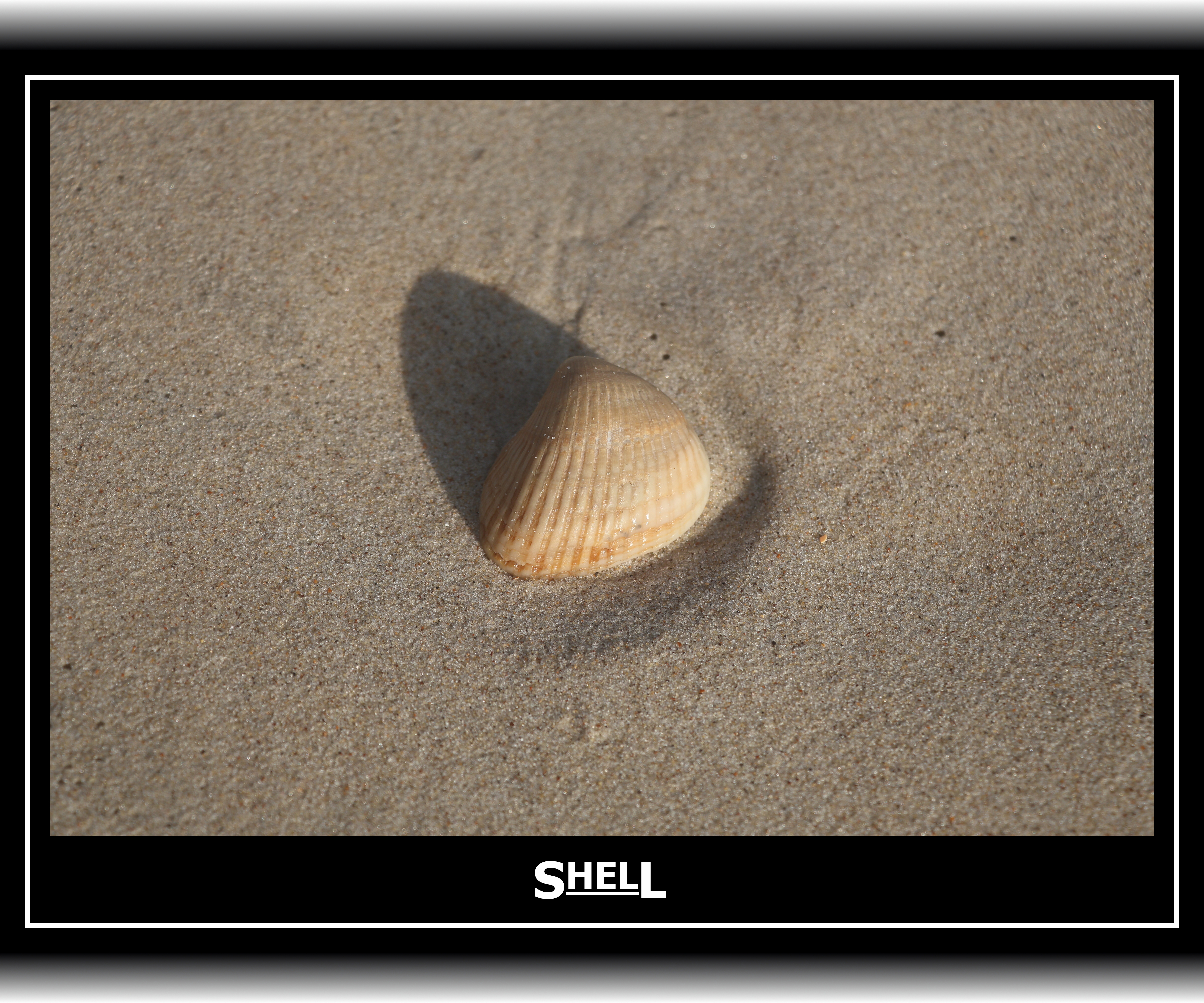
Saturday, 07/25/2026: Post photo — Shell.
This is the first of many photos I plan on posting from our latest trip. I just need to find my thumb drive. If I cannot find it this week, I will have to redo my posts. This shell was on the beach in the Outer Banks.
That is all for now. Until next week, be safe.
“Sumens imagines consolateur et inspirat me. Pulchritudinem mundi video per camera mean.”
“Quod scripsi, scripsi. Ingeniarius sum, non scriptor.”
“Photographs open doors into the past, but they also allow a look into the future.” — Sally Mann
This is a repost since I left my thumb drive with my last three weeks of posts at work. I hope I did since I cannot find it here at home.
Thank you for all the new views and likes from last week, it helps keep me inspired.
For this post, I am showing you a few of the mountains and other geological formations that I saw during my vacation.
Sunday, 07/12/2026: Posted photo — Badlands National Park.
Here are some of the formations in Badlands National Park. Badlands National Park is in South Dakota. Its dramatic landscapes span layered rock formations, steep canyons, and towering spires. Bison, bighorn sheep and prairie dogs inhabit its sprawling grasslands.
Monday, 07/13/2026: Posted photo — Theodore Roosevelt National Park.
Theodore Roosevelt National Park is in North Dakota and is one of the lesser know parks. After visiting the park, I have been in all 50 states! There was a stamp at the park that is a map of North Dakota and stays, “Saving the best for Last”. What a great stamp to put in my National Park passport.
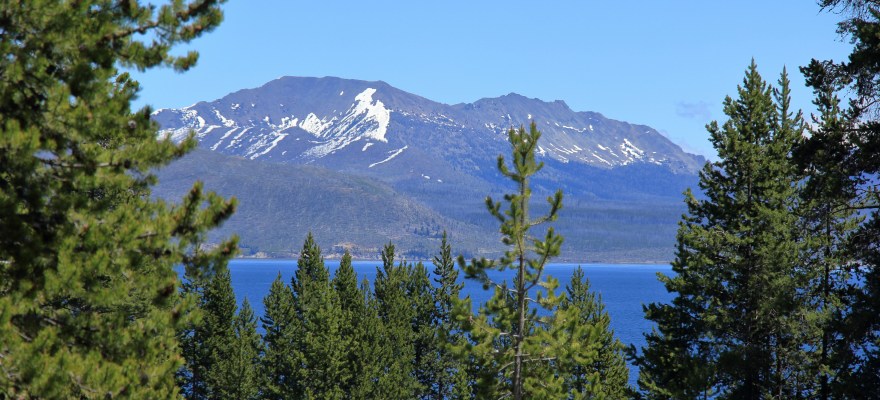
Tuesday, 07/14/2026: Posted photo — First View in Yellowstone.
For a few weeks we were concerned about going to Yellowstone. As you may know, there were floods in the northern part of the park. The northern section of the park was closed when we were there. Some of the northern section opened about 3 days after we left the park. This did not disappoint up since we wanted to explore the southern section more during this visit.
Wednesday, 07/15/2026: Posted photo — Tetons from Yellowstone.
Grand Tetons National Park as seen from the West access road at Yellowstone National Park. We did not visit the Tetons this time. We have visited the Tetons in the past.
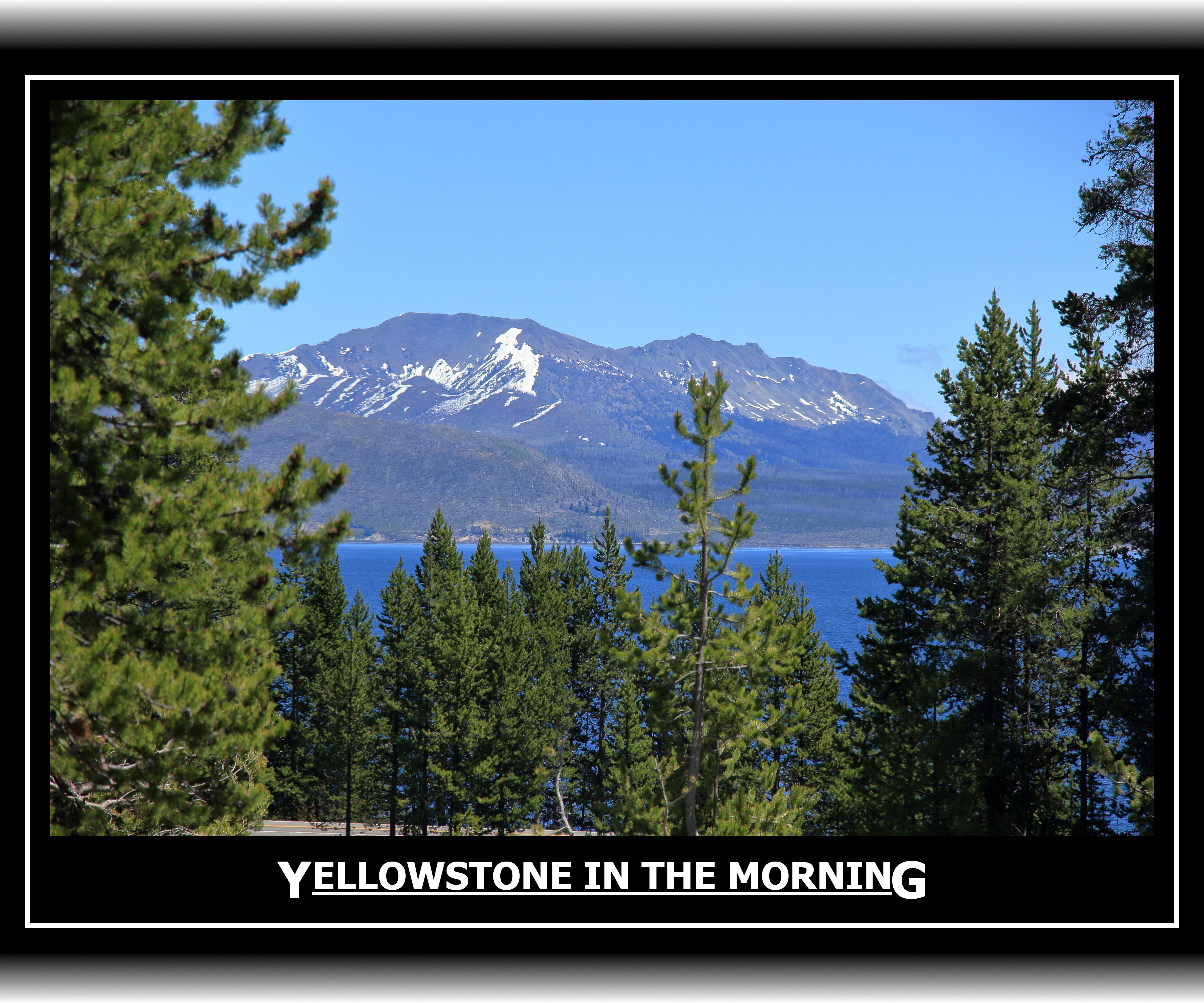
Thursday, 07/16/2026: Posted photo — Good Morning View at Yellowstone.
Good morning from Yellowstone. This is what I looked at when I came out of my tent the first morning in Yellowstone. What a great view to wake up to see. Just for your information, the temperature was in the low 30s F when I woke with frost on my tent. Some nearby campers had their water frozen.
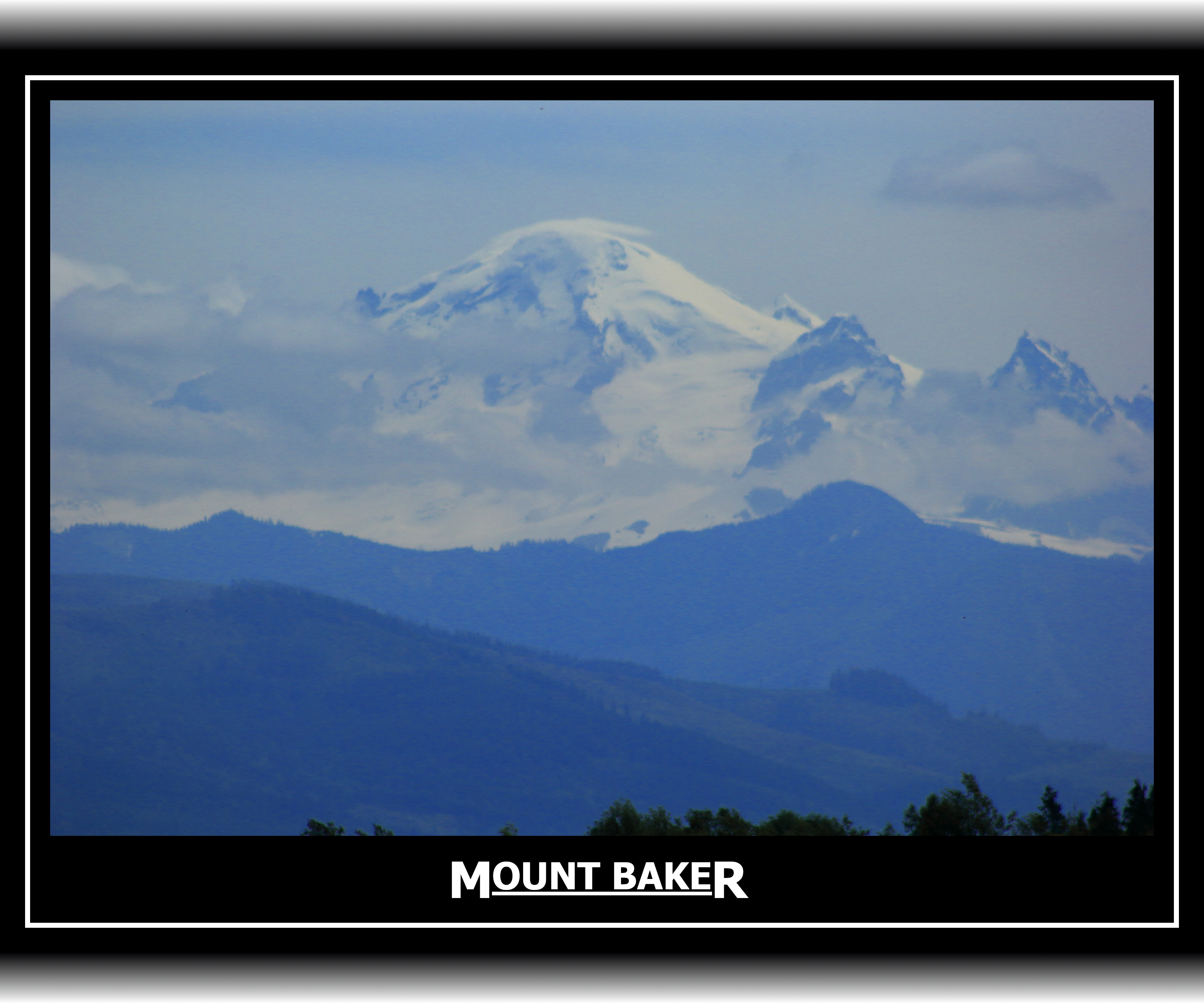
Friday, 07/17/2026: Post photo — Mount Baker.
Mount Baker, also known as Koma Kulshan or simply Kulshan, is a 10,781 ft active glacier-covered andesitic stratovolcano in the Cascade Volcanic Arc and the North Cascades of Washington in the United States. Mount Baker has the second-most thermally active crater in the Cascade Range after Mount St. Helens.
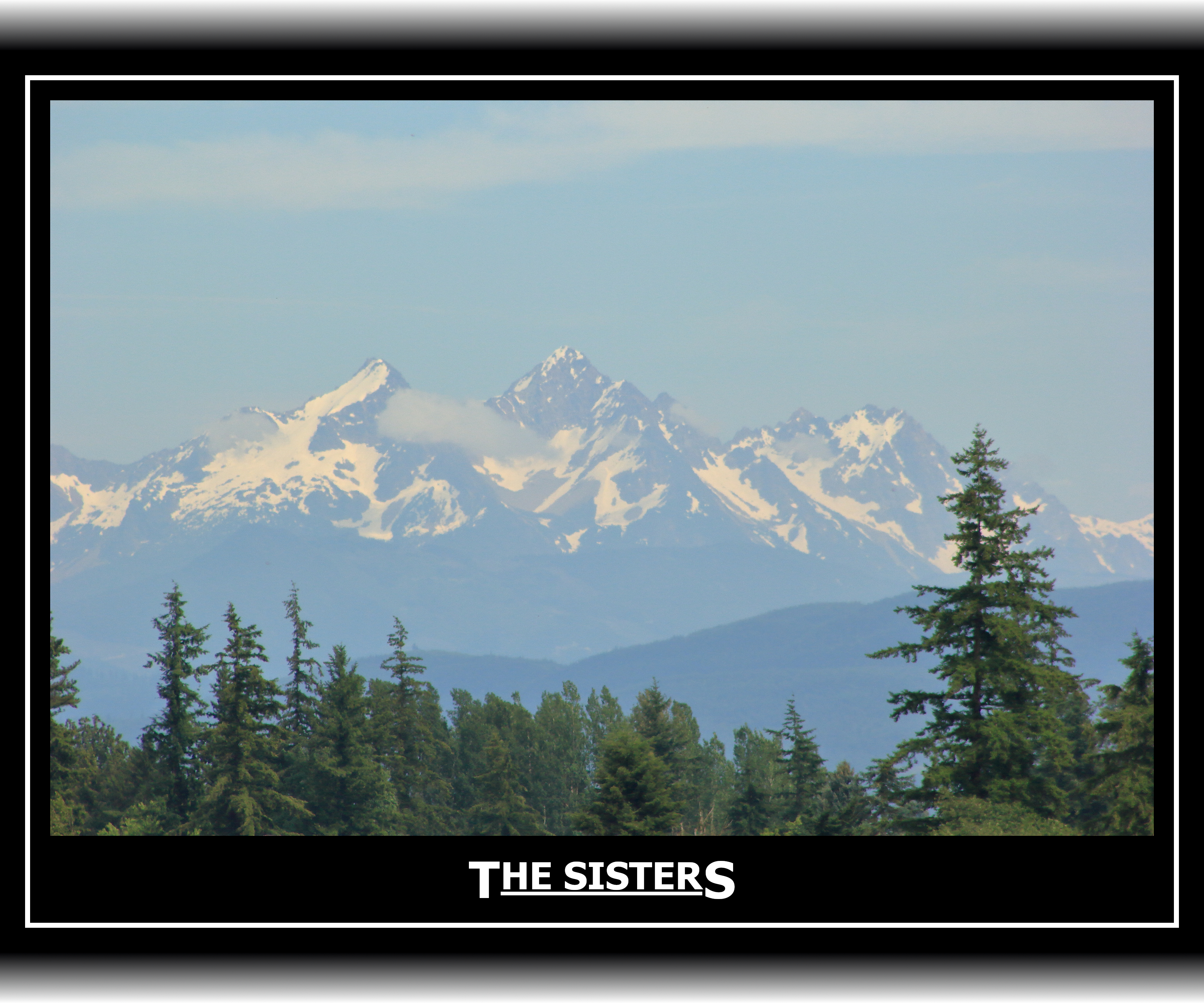
Saturday, 07/18/2026: Post photo — The Sisters.
From left to right North Twin Sister, South Twin and Little Sister. The North Twin is the second highest point in the strikingly jagged ridge known as the Twin Sisters Range, 10 miles southwest of Mount Baker. Pyramid shaped; the North Twin has three ridges which connect directly to the summit area. One to the northeast, one to the southeast which is joined by a saddle to the South Twin, and finally the west ridge. The South Twin is the highest point in the Twin Sisters Range. Little Sister is the lowest and most northerly of the Three Sisters and is in Canmore, Alberta.
That is all for now. Until next week, be safe.
“Sumens imagines consolateur et inspirat me. Pulchritudinem mundi video per camera mean.”
“Quod scripsi, scripsi. Ingeniarius sum, non scriptor.”
“All photographs are accurate. None of them is the truth.” — Richard Avedon
Thank you for all the new views and likes from last week, it helps keep me inspired.
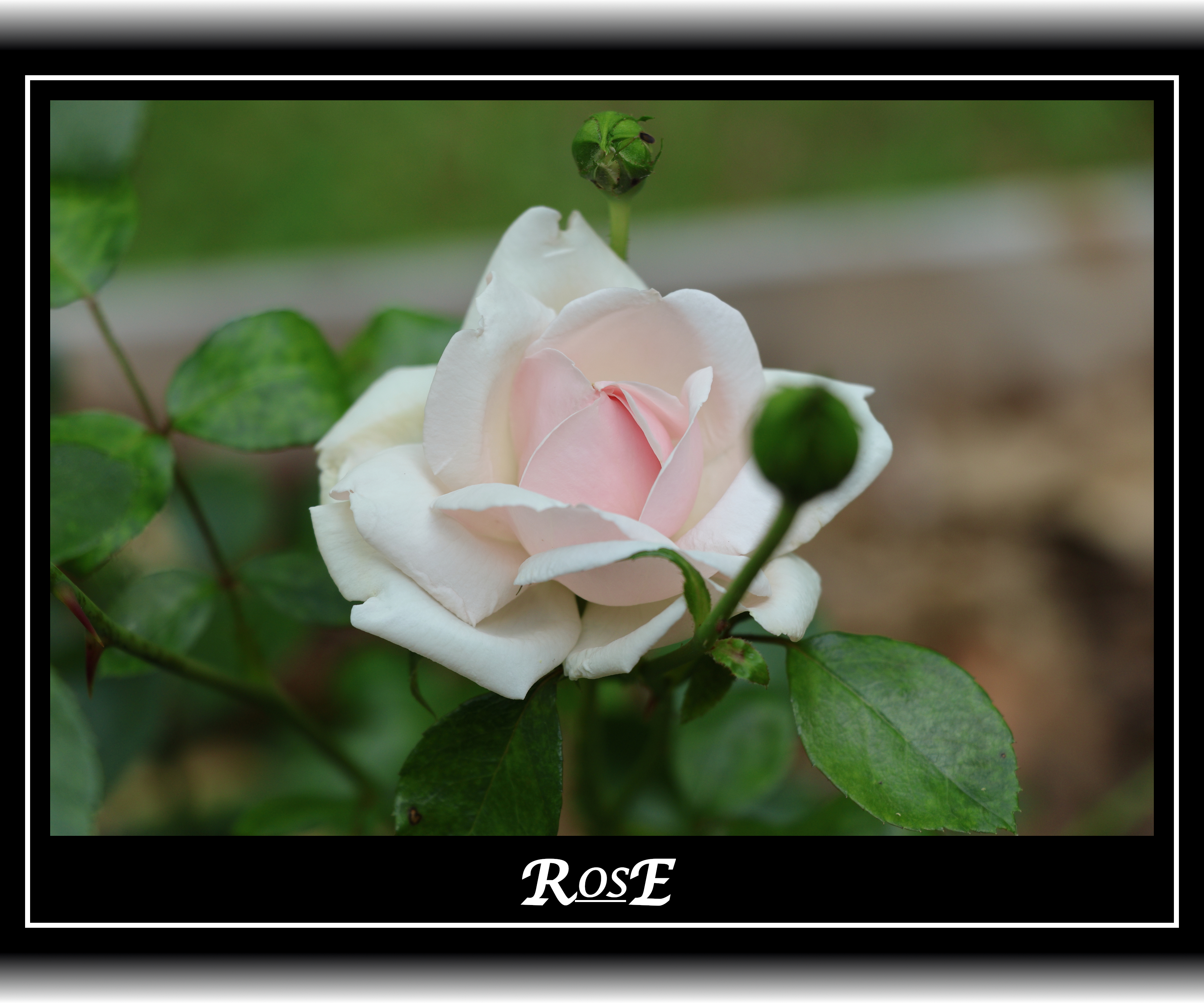
Sunday, 06/14/2026: Posted photo — Rose.
This is a rose that is growing in our flower bed. I am happy to see that both my rose bushes have survived the winter. This might be the first time this has happened.
Does anyone know if I need to have a trellis to support the roses as they grow. The roses are drooping under their own weight, and I want to get the right support for them.
Snapping turtles are large, long-lived freshwater reptiles known for their powerful jaws, long tail with a saw-toothed appearance, and aggressive snapping defense when on land. This snapping turtle has been living in the fresh water on the property that I work. I know it is the same turtle I have been seeing for years by the deformity in its shell. I have also seen her laying her eggs.
A Common Snapping Turtle delivers a force closer to 200–250 psi. I have seen this snapping turtle snap a broom handle when someone attempted to move it out of the driveway.
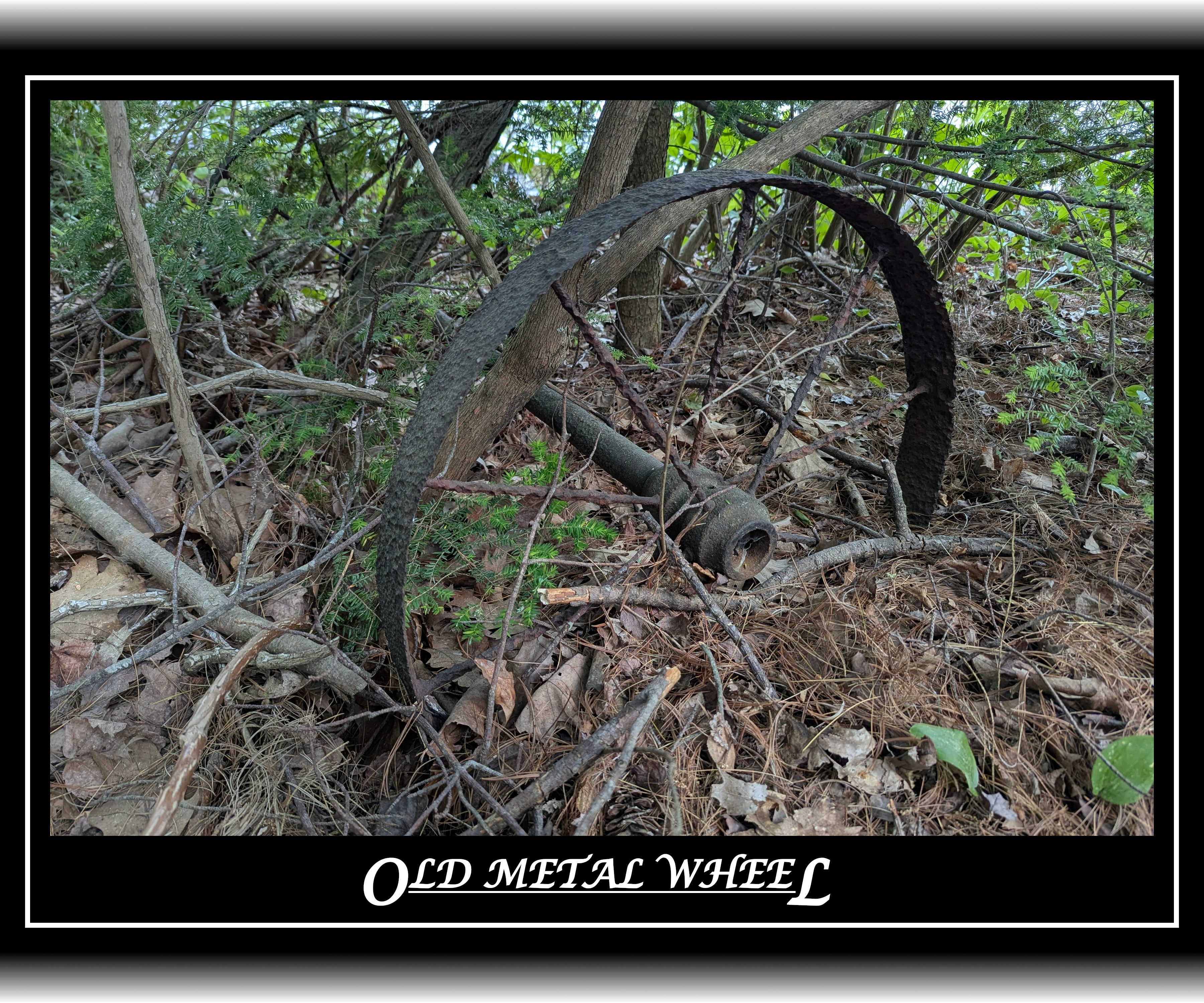
Tuesday, 06/16/2026: Posted photo — Old Steel Wheel.
I normally do not take still life photos. Hope you like this one. This steel wheel is located at our cottage at the edge of the lake.
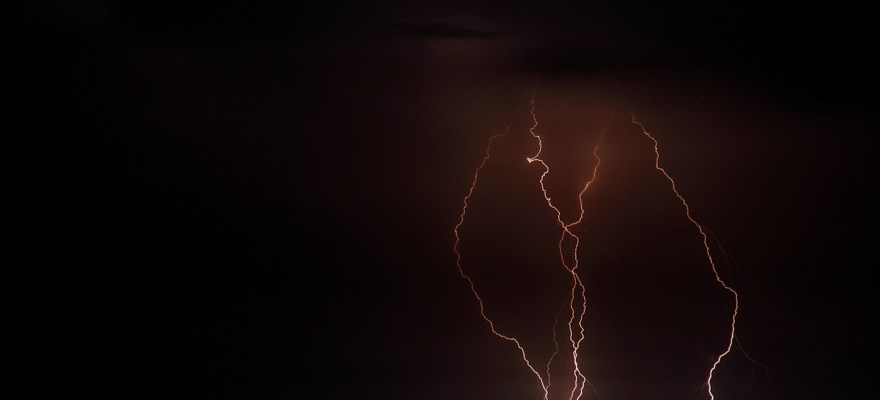
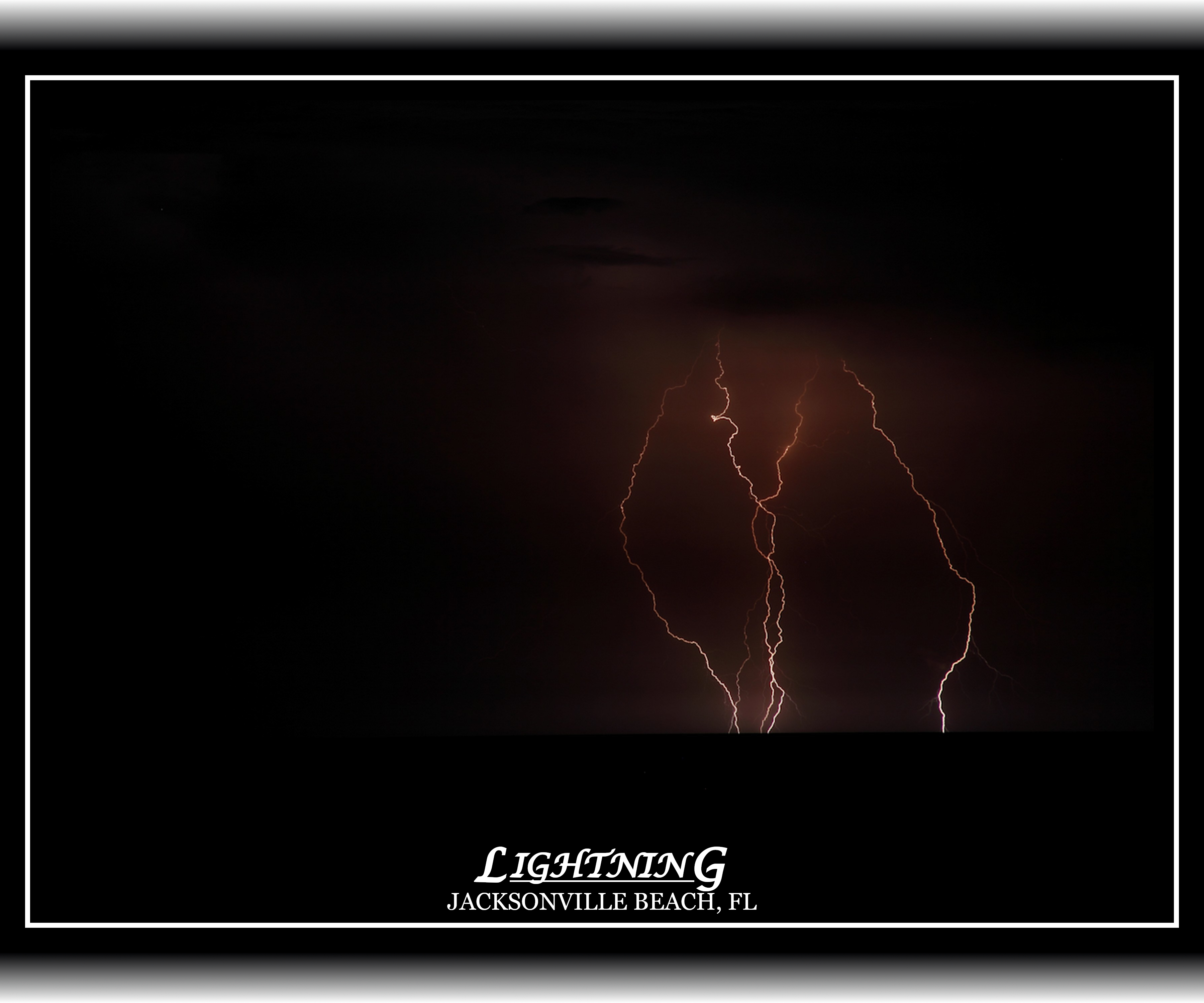
Wednesday, 06/17/2026: Posted photo — Lightning.
I wanted to try out long exposure photography. I saw a storm out at sea and started shooting.
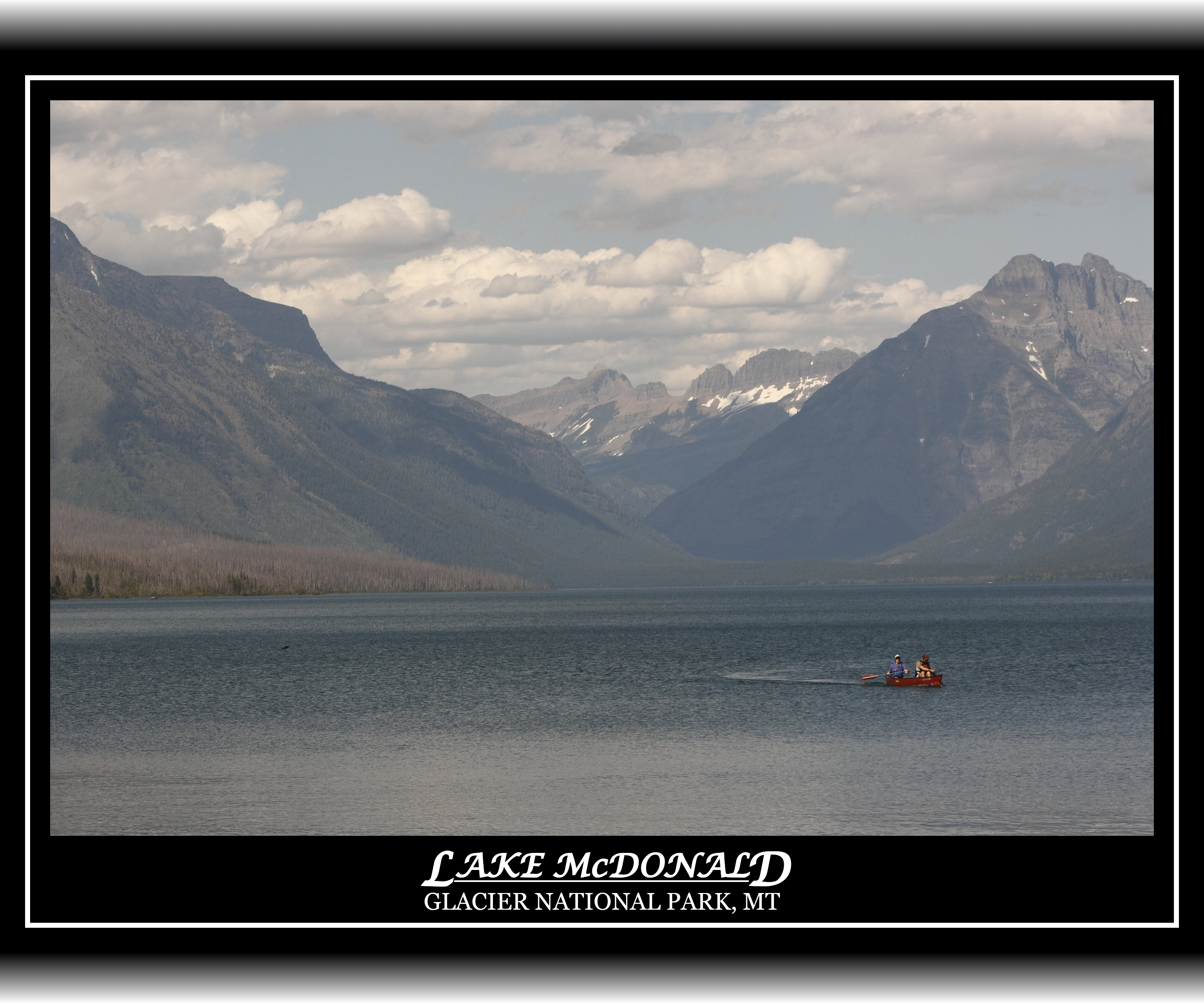
Thursday, 06/18/2026: Posted photo — Lake McDonald, Glacier National Park MT.
This is from the start of a trip I took a few years ago. We started at Glacier National Park. The parks we visited were Glacier National Park, MT; Northern Cascades National Park, WA; Olympic National Park, WA; Mt. Rainier National Park, WA; Grand Tetons National Park, WY; Yellowstone National Park, WY; Wind Cave National Park, SD; and ending with my first trip to Badlands National Park, SD.
Friday, 06/19/2026: Post photo — Moon over Cape Neddick.
This is the Nubble Lighthouse, in York ME. This lighthouse is one of the most photographed lighthouses in the world due to its location. This photo was cropped to fit in this poster, so it seems out of proportion.
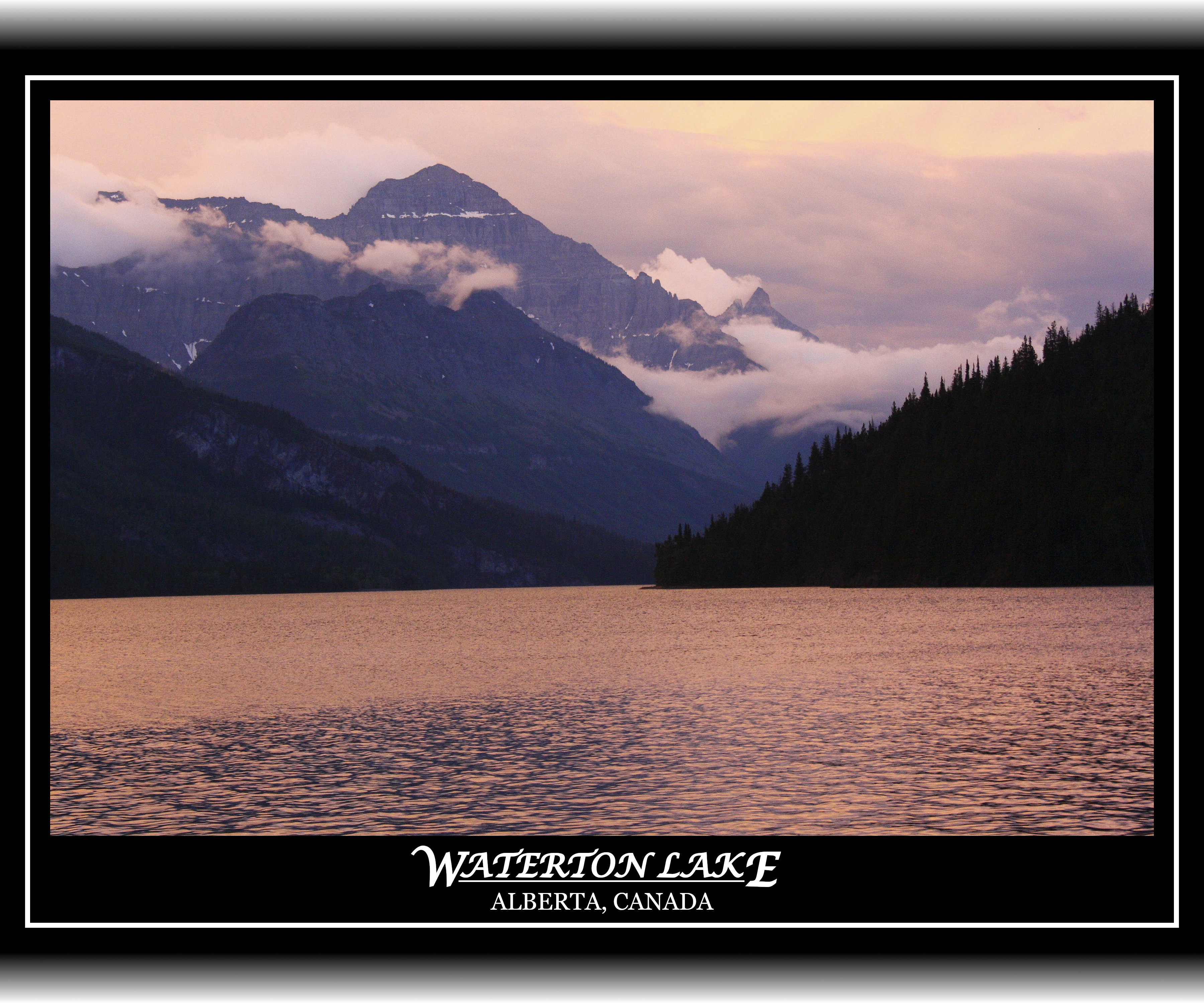
Saturday, 06/20/2026: Post photo — Waterton Lake Sunset, Alberta.
This is one of my favorite photos from our travels. This is from Waterton Lakes National Park in Alberta Canada.
That is all for now. Until next week, be safe.
Any of my photos are available in poster format. These photos are formatted for 18” x 24” posters.
“Sumens imagines consolateur et inspirat me. Pulchritudinem mundi video per camera mean.”
“Quod scripsi, scripsi. Ingeniarius sum, non scriptor.”