Photographic Thoughts — 05/31/2026 to 06/06/2026

“I never have taken a picture I’ve intended. They’re always better or worse.” — Diane Arbus

Thank you for all the new views and likes from last week, it helps keep me inspired.

This is a repost from 2021.

Sunday, 05/31/2026: Posted photo — Reflection in the Fog.

Settings: Canon EOS 60D, ISO 400, f/7.1, 1/80 s, 113 mm.

Driving into church this morning, I notice fog off the lakes in the area. The location of this photo is one in which I take many practice photos. It is a difficult location to take a photo since I needed to stop on the edge of a busy road.
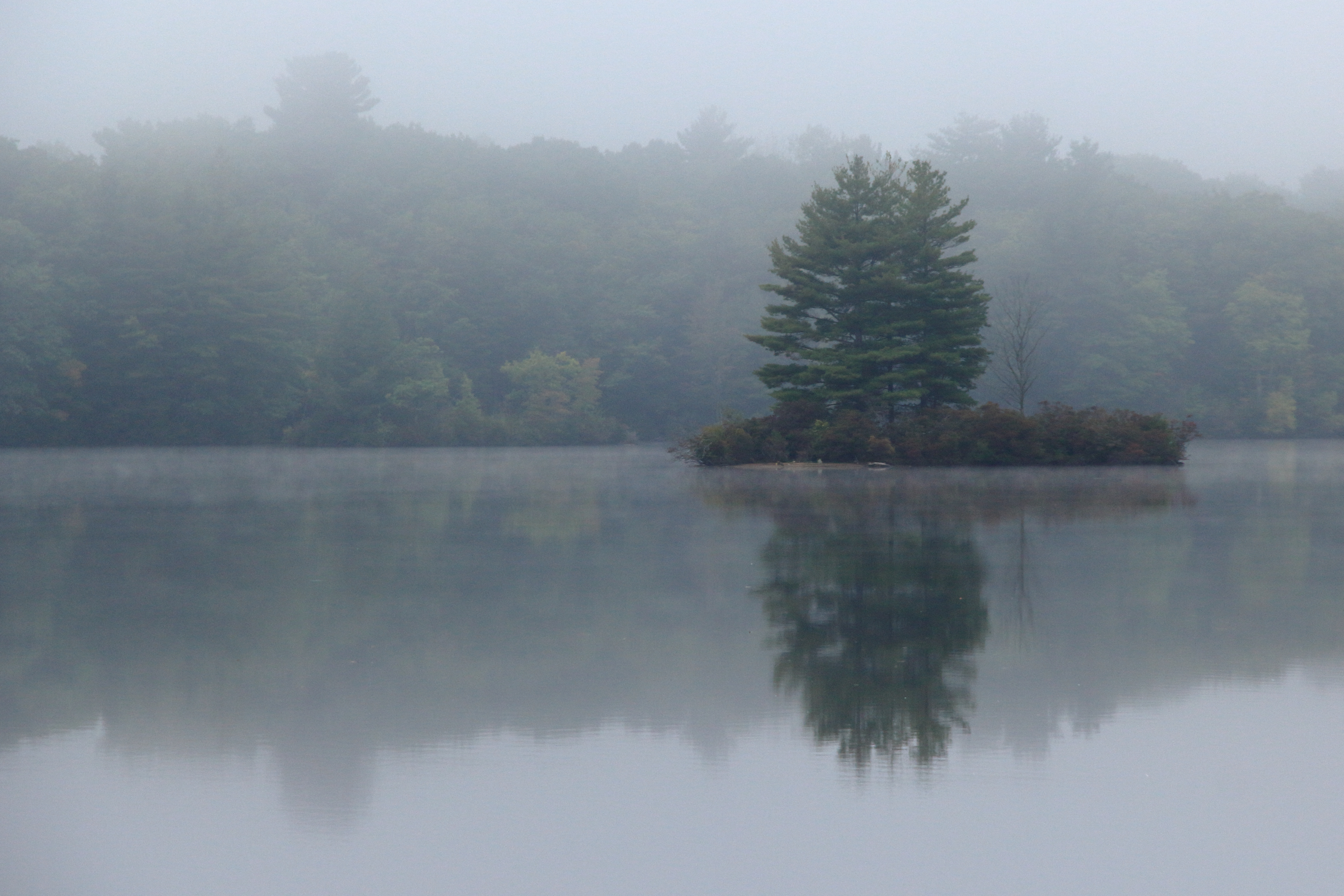
My initial thought on this photo was to get a picture of the mist rising from the surface of the lake with the foliage behind it. When I arrived at this location, the mist was thicker than I would like. I did see the reflections of the trees on the water and thought that that would take a good photo.

Monday, 06/01/2026: Posted photo — Western Tanager.

Settings: Canon EOS DIGITAL REBEL XS, ISO 200, f/6.3, 1/320 s, 300 mm.

Fact from All About Birds: “The oldest Western Tanager on record—a male originally banded in Nevada in 1965—had lived at least 6 years and 11 months by the time he was recaptured and rereleased during banding operations in Oregon in 1971.”
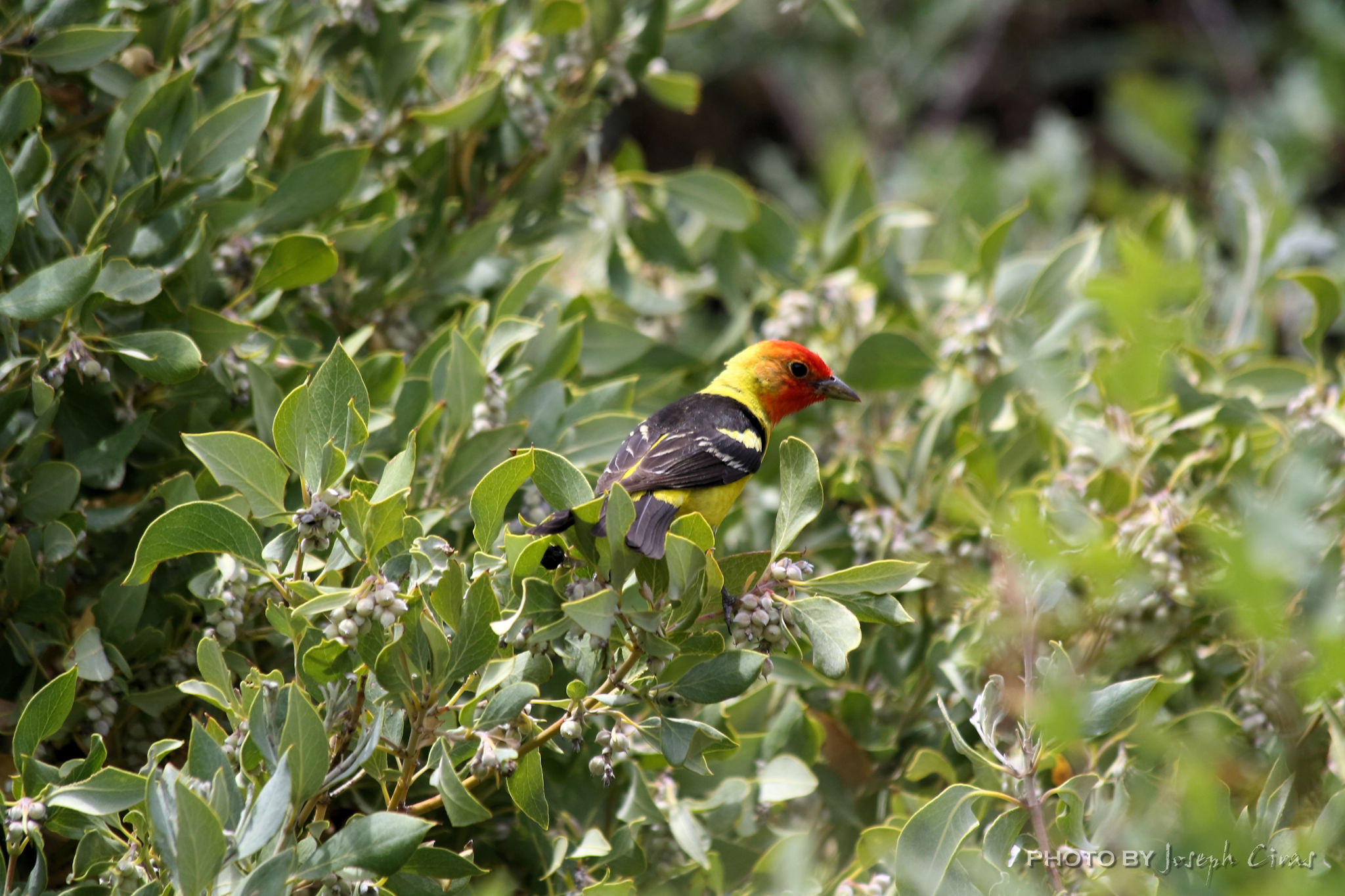
We were walking the north rim at Grand Canyon National Park when I spotted this male Western Tanager in a conifer tree. The color contrast between the bird and the tree caught my eye.

The range of the Western Tanger is the western parts for the United States, Canada, and Mexico.

Again, from All About Birds: “A clear look at a male Western Tanager is like looking at a flame: an orange-red head, brilliant yellow body, and coal-black wings, back and tail. Females and immatures are a somewhat dimmer yellow-green and blackish. These birds live in open woods all over the West, particularly among evergreens, where they often stay hidden in the canopy. Nevertheless, they’re a quintessential woodland denizen in summertime, where they fill the woods with their short, burry song and low, chuckling call notes.” (https://www.allaboutbirds.org/guide/Western_Tanager/overview)

Tuesday, 06/02/2026: Posted photo — The Gathering.

Settings: Canon EOS 60D, ISO 3200, f/7.1, 1/100 s, 135 mm.

On my way home from work today I saw this rafter of turkey. I have seen them many times before on the property and did not feel the need to photograph them. Today was different.
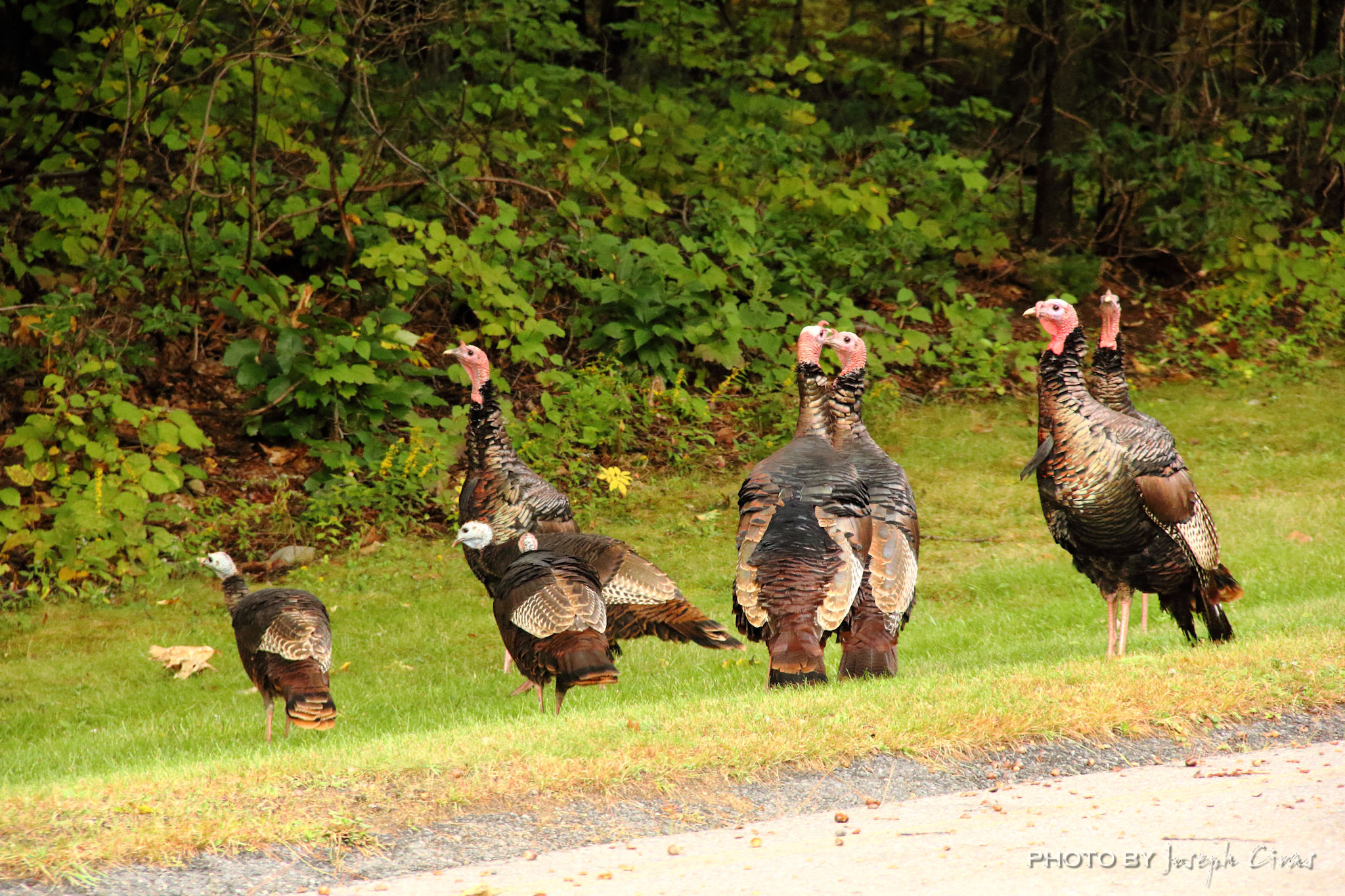
When I was approaching them today, it looked like it was a group of workers getting ready to clock out of work and were planning what they were going to do tonight. Just the way they were gather in pairs and it looked like they were talking to each other.

Also, I thought it would be a good picture to take.

Wednesday, 06/03/2026: Posted photo — Cattails.

Settings: Canon EOS 60D, ISO 800, f/5, 1/800 s, 52 mm.

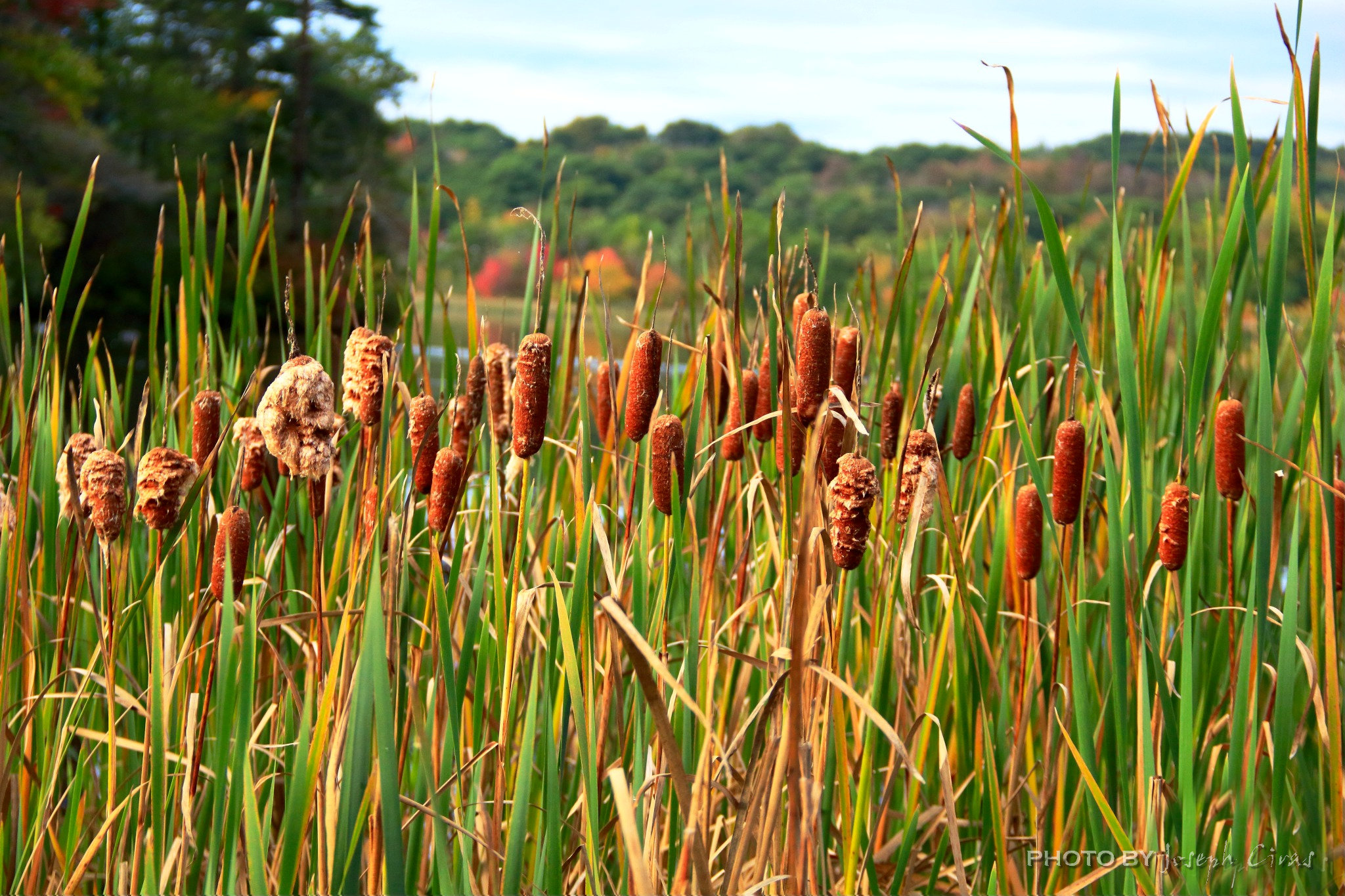
I had a choice of photos to post today — a photo of an island or a photo of cattails. I decided on the cattails for the photo to put in my 365 project because I liked it just a little bit better than the photo of the island. I will be posting both in this blog for you to compare.

Cattails are a type of aquatic plant, approximately 5-10 feet tall. These plants have long, slender, branchless, and upward-growing leaves and a distinguishable brown, cylindrical flowering head at their apex. The grow around ponds and other wetland areas.
What is the difference between a pond and a lake? Here is something I found in my research: “To help determine the difference, both the depth and surface area must be considered. Lakes are normally much deeper than ponds and have a larger surface area. All the water in a pond is in the photic zone, meaning ponds are shallow enough to allow sunlight to reach the bottom. This causes plants (sometimes too many) to grow at the bottom of ponds as well as on their surface. However, sunlight can’t reach the bottom of all areas of lakes. Lakes have aphotic zones, which are deep areas of water that receive no sunlight, preventing plants from growing.” (https://lakes.grace.edu/ponds-vs-lakes-whats-the-difference/)

I took the cattail photo with a shallow depth of field (DOF) to blur the background and the make the cattails “pop”. As you can tell by this photo, the cattails are starting to spread their seeds.

Here is the photo of the island that I took and did not like as much as the cattail photo.

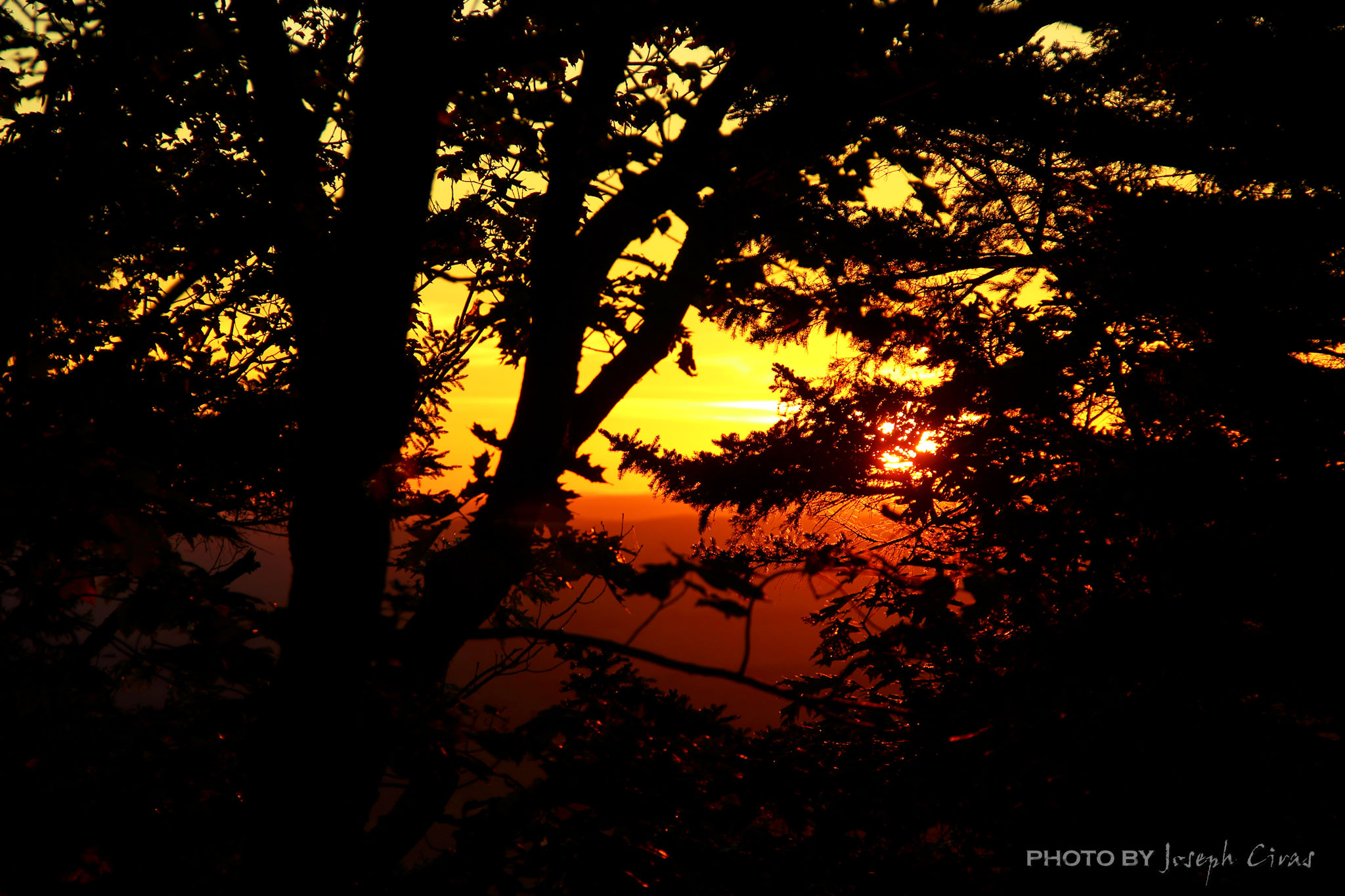
Thursday, 06/04/2026: Posted photo — Sunset Through Trees.

Settings: Canon EOS 60D, ISO 100, f/5.6, 1/160 s, 100 mm.

After a week and a half, I was back on the hiking trail today. It felt good to get back. I hiked 4.3 miles on Wachusett Mountain after work with some colleagues. I took a series of photos along the way to determine what one to post. I decided on this sunset photo. I had another sunset photo that I took from the summit, but I accidently deleted it. Rookie mistake.
The other choices of photos were a glacial erratic called Balanced Rock or a burl on a tree at a trail junction. Just a reminder that a glacial erratic is glacially deposited rock differing from the size and type of rock native to the area in which it rests. And a burl is a strange-looking collection of tree cells, which are called callus tissue. Normally, callus tissue is formed by a tree in response to an environmental injury such as a pruning cut, disease, or insect damage. If you have a piece of wooden furniture, such as an end table, it was most likely made with a burl.

These are the photos that I did not post for my 365 project.

Friday, 06/05/2026: Post photo — Pareidolia.

Settings: Canon EOS 60D, ISO 100, f/10, 1/250 s, 21 mm.

Pareidolia is the defined by Merriam-Webster as the tendency to perceive a specific, often meaningful image in a random or ambiguous visual pattern. I have posted about this tendency in the past.
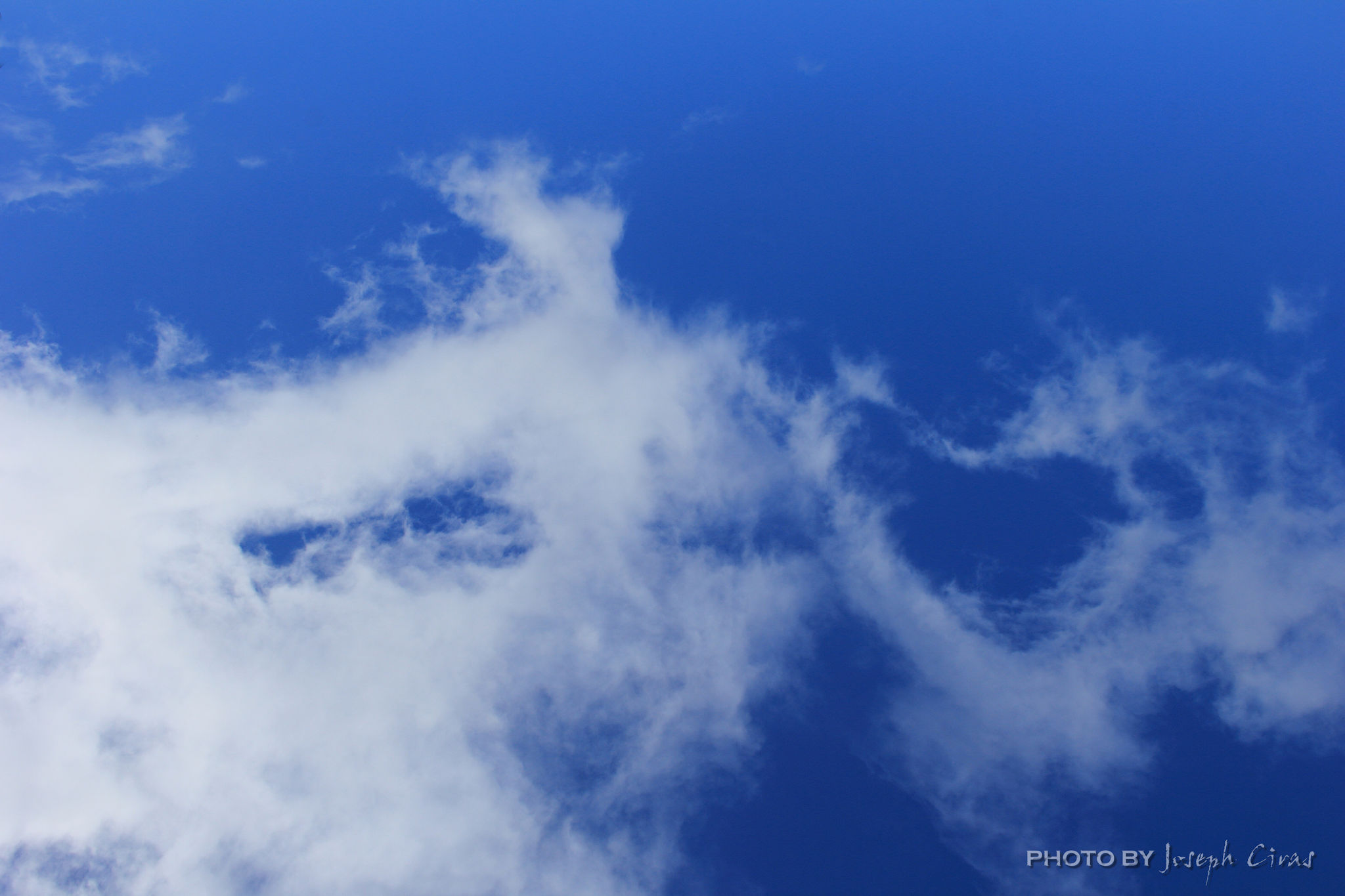
Today I am posting a photo of a cloud. I see a couple items in this photo. I see an opera singer hitting a high note and I also see a ships figurehead. It is amazing how one can see an object when one is not there.

What to you see? Do you see what I see, due to the power of suggestion, or do you see something else. Please respond in the comment section.

Saturday, 06/06/2026: Post photo — Iris Bouquet.

Settings: Samsung SM-G930V (Galaxy S7), ISO 100, f/1.7, 1/60 s, 4 mm

From The Old Farmer’s Almanac: “The tall, beautiful iris, named after the Greek goddess who rode rainbows, comes in many magical colors. Despite its divine origins, this June bloomer is rugged, reliable, and easy to grow. Learn all about planting, growing, and caring for iris flowers.” (https://www.almanac.com/plant/irises)
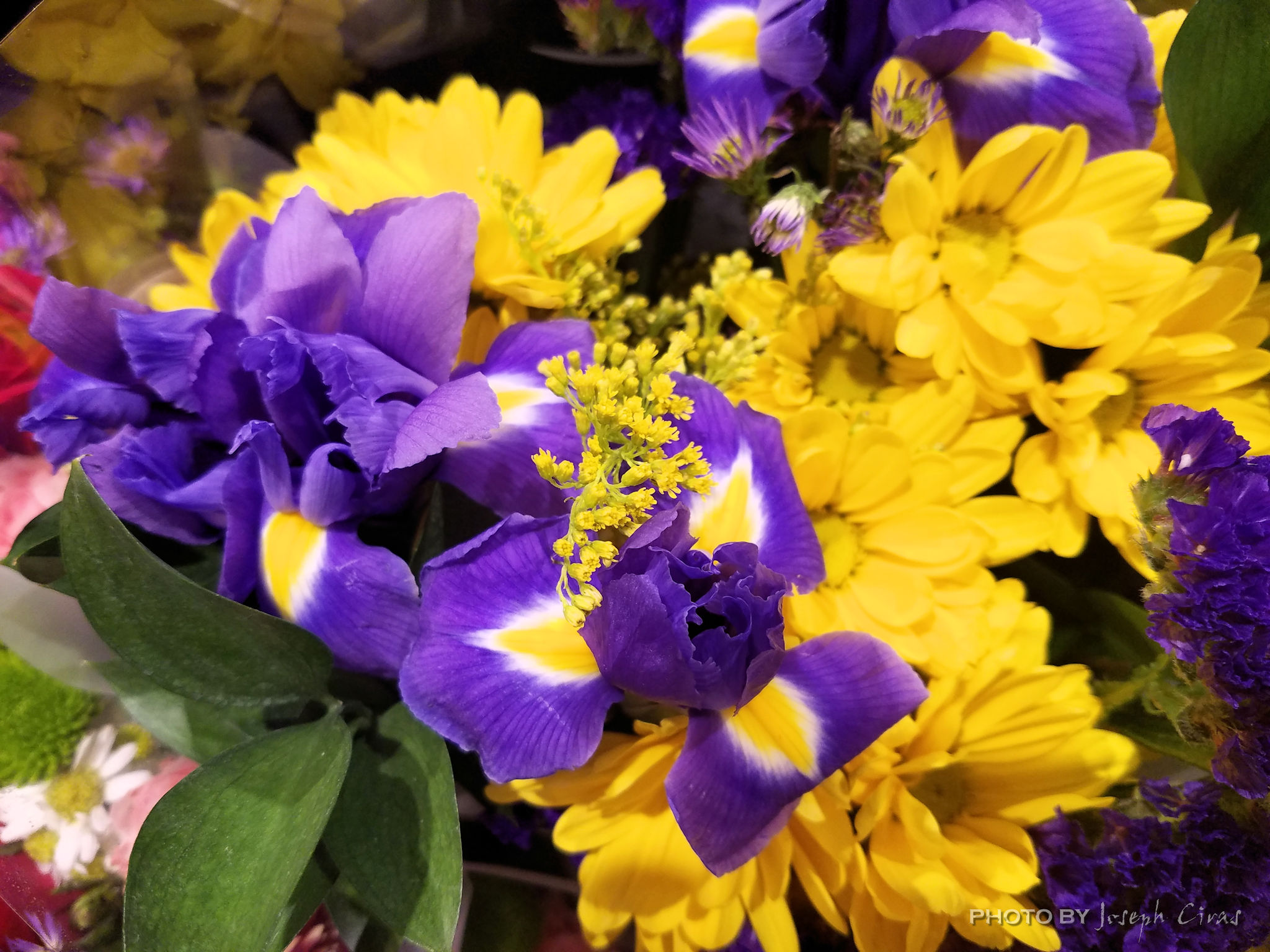
Today was a shopping day from me. Saw this iris bouquet in one of the stores that I shopped. I like the colors.

That is all for now. Until next week, be safe.

“Sumens imagines consolateur et inspirat me. Pulchritudinem mundi video per camera mean.”

“Quod scripsi, scripsi. Ingeniarius sum, non scriptor.”

.–. …. — – —  -… -.–  .— — … . .–. ….  -.-. .. .-. .- …
Photographic Thoughts — 03/15/2026 to 03/21/2026

“In photography there is a reality so subtle that it becomes more real than reality.” — Alfred Stieglitz

Thank you for all the new views and likes from last week, it helps keep me inspired.

This is a re-post from March 2022. I have been too busy this week to write comments on the photos I took. The plan is to integrate this week’s photos into the next few posts. Another thought is to post a bonus blog.

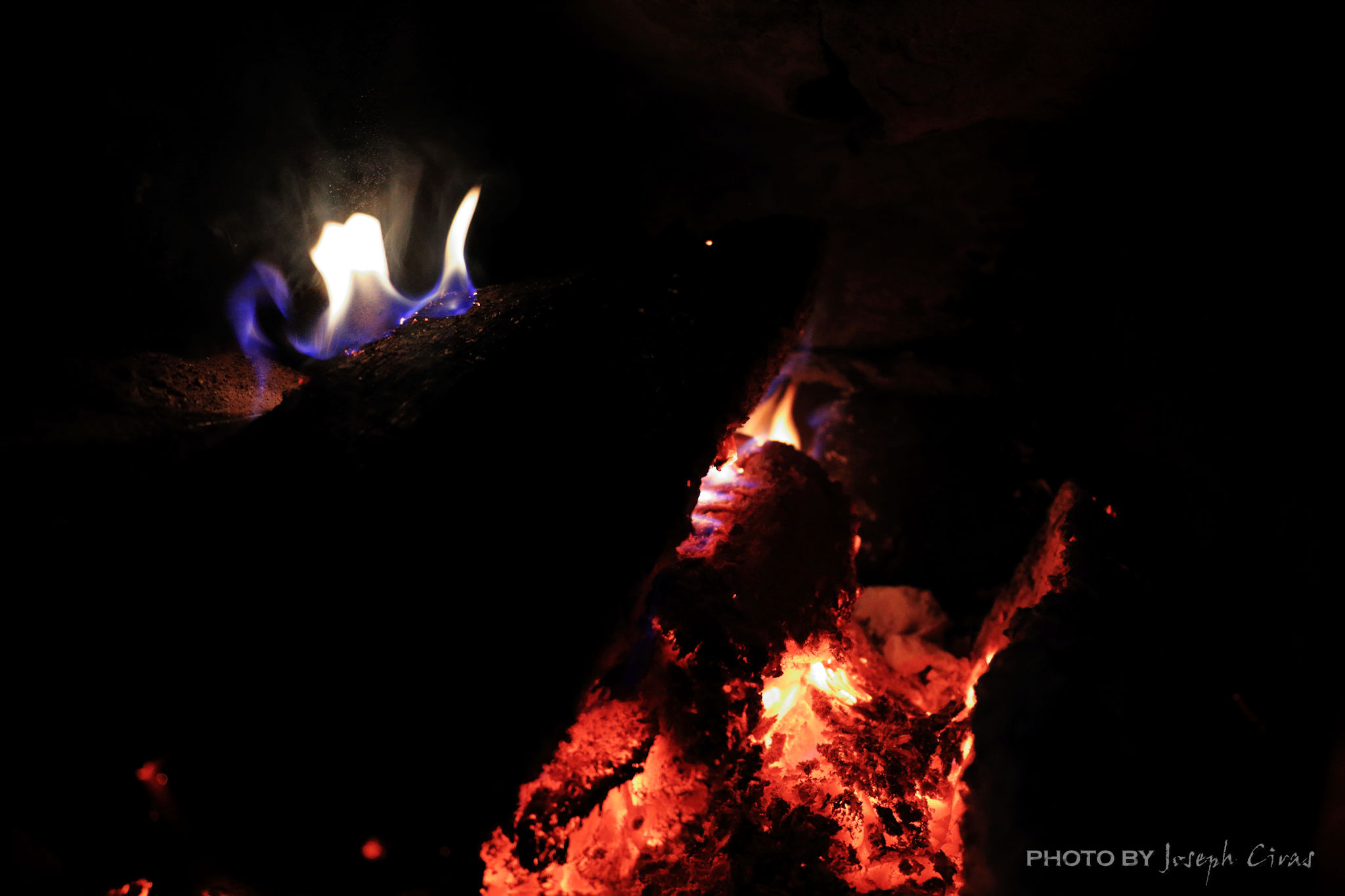
Sunday, 03/15/2026: Posted photo — Low Key.

Settings: Canon EOS 60D, ISO 2500, f/3.5, 1/40 s, 18 mm.

A low key image is one that contains predominantly dark tones and colors. Low key photography conveys atmosphere and mood. One of my photo projects had a low key image challenge this week. I was thinking about what photo to take to meet this challenge. I would have had many options if I had not just been operated on. With limited mobility, I thought about what there might be around the house. Since low key images contain predominantly dark tones and colors, I took a photo of the fire in our wood stove.

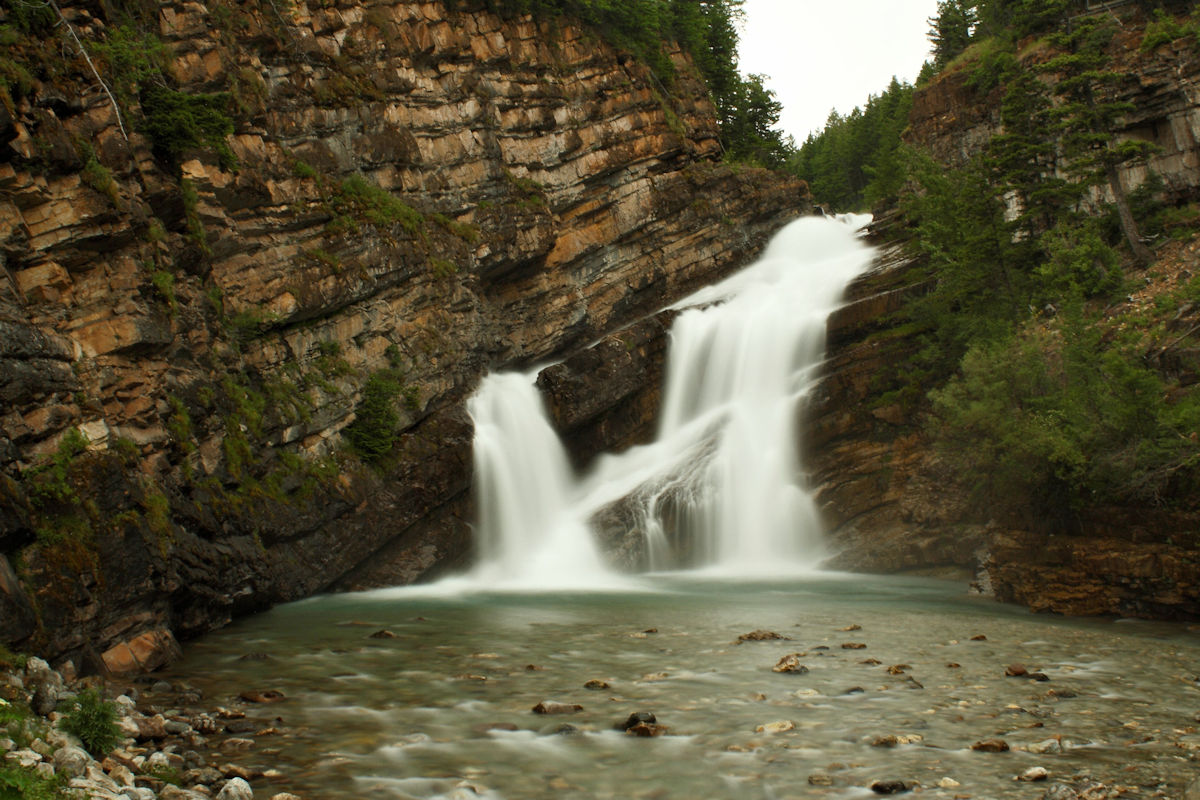
Monday, 03/16/2026: Posted photo — Cameron Falls.

Settings: Canon EOS DIGITAL REBEL XS, ISO 100, f/22, 10 s, 28 mm.

Cameron Falls, Waterton Lakes National Park, Alberta.

Cameron Falls is a very uniquely shaped waterfall of about 75 feet in height found in the heart of the Waterton townsite in Waterton Lakes National Park. After heavy rainfall, the waters upriver from the falls get stirred up with a red mudstone called argillite. As the water flows towards the falls, it turns to a beautiful pink hue when light reflects on the mineral water. We did not see the pink falls since the weather was dry when we visited Waterton Lakes National Park just after we visited Glacier National Park in Montana.

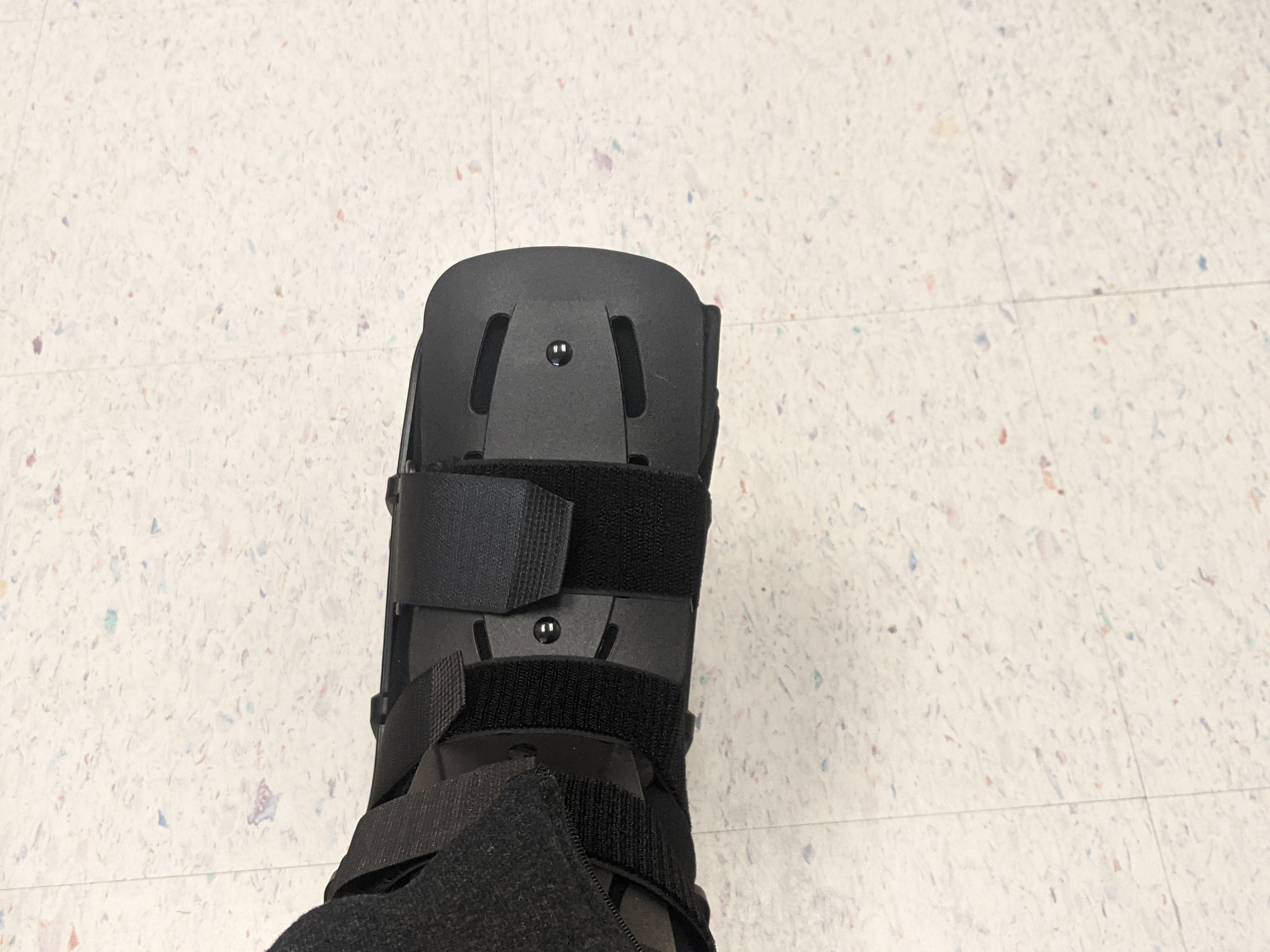
Tuesday, 03/17/2026: Posted photo — New Boot.

Settings: Google Pixel 2, ISO 195, f/1.8, 1/60 s, 4 mm.

I had a post op follow-up today a week and a half after surgery. My recovery is going as planned. I was fitted with this very uncomfortable boot. I still cannot put pressure on my ankle for another four weeks. I need to go back on Tuesday for another follow-up since the first one was close to my surgical date and the doctor would like to see my progress and remove some items from my ankle.

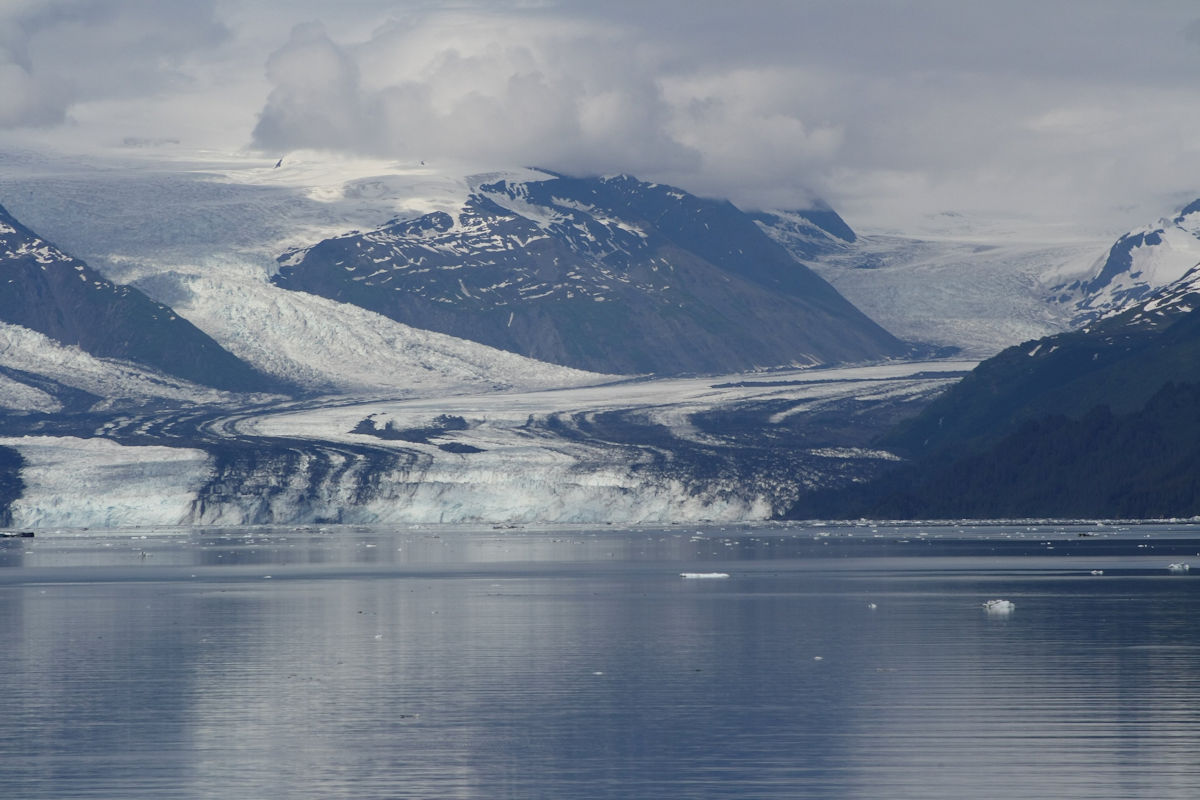
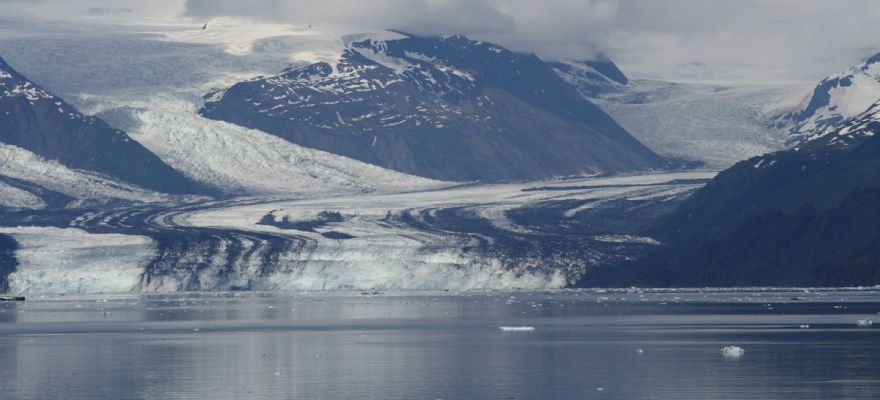
Wednesday, 03/18/2026: Posted photo — Harvard Glacier.

Settings: Canon EOS DIGITAL REBEL XS, ISO 200, f/8, 1/2000 s, 160 mm.

Harvard Glacier, College Fjord, Alaska.

The glacier has a 1.5-mile (2 km) wide face where it calves into the College Fjord. It is 300 ft thick and covers 120,000 acres of Chugach National Forest. The Harvard Glacier is the second largest glacier in the Prince William Sound, after the Columbia Glacier.

It is amazing to see how large a glacier is when you look at it from a distance. In this photo, we were about a mile from the glacier.

The names of the glaciers in College Fjord are Amherst, Barnard, Bryn Mawr, Harvard, Smith, Vassar, and Yale. The glaciers of the northwest side feature the names of women’s colleges, and the glaciers of the fork and the southeast side sport the names of men’s colleges. What about Princeton? According to my research on the names, the scholars that named the glaciers took delight in ignoring it since none of them were Princeton alum.

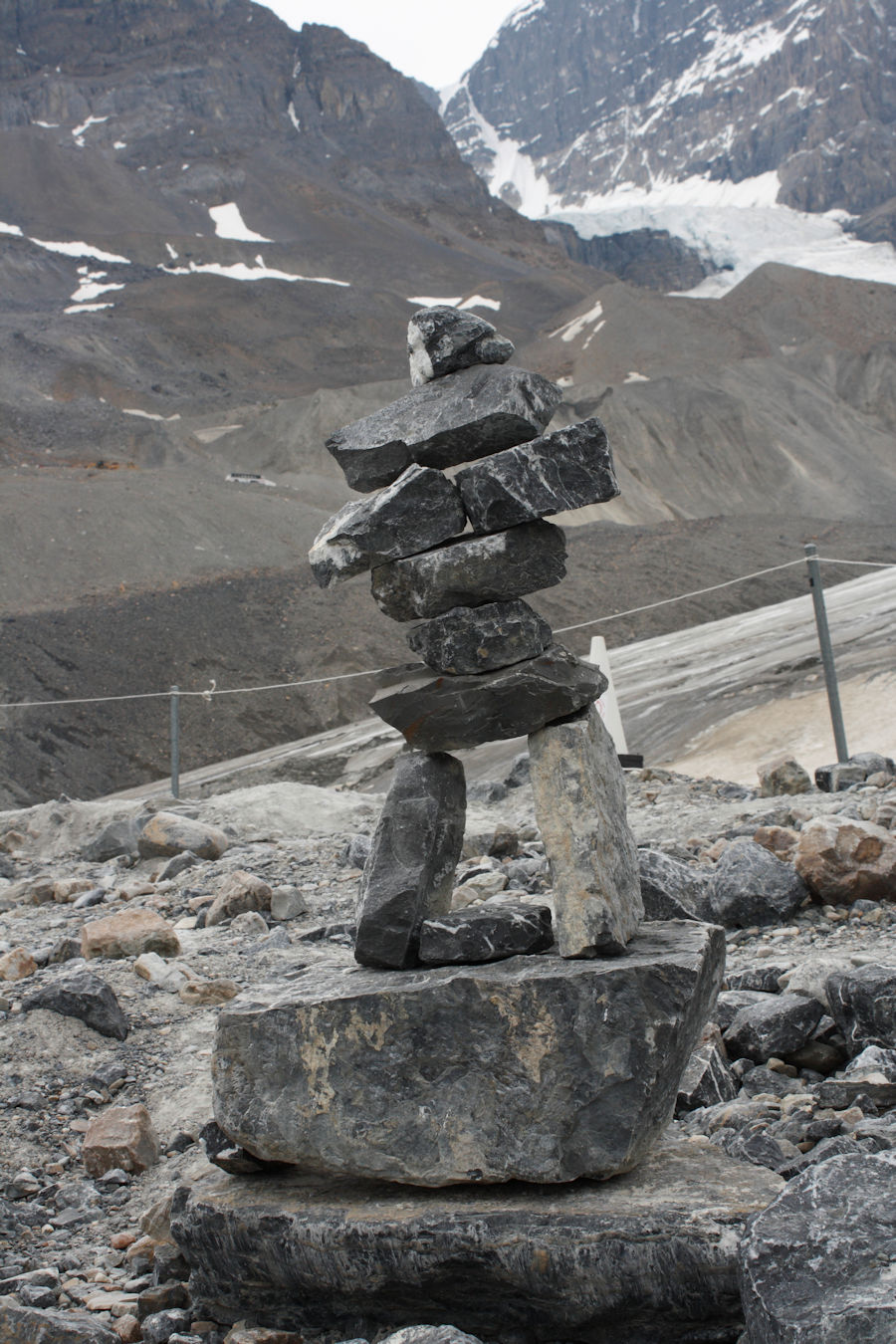
Thursday, 03/19/2026: Posted photo — Cairn.

Settings: Canon EOS DIGITAL REBEL XS, ISO 200, f/11, 1/200 s, 34 mm.

On the trail near the Athabasca Glacier, Jasper National Park, Alberta.

A cairn is a mound of rough stones built as a memorial or landmark, typically on a hilltop or skyline. This cairn is shaped like a person. In Canada this is called an Inuksuk.

The Athabasca Glacier is one of the six principals ‘toes’ of the Columbia Icefield, located in the Canadian Rockies. The glacier currently loses depth at a rate of about 16.4 feet (5 meters) per year and has receded more than 1 mile (1.5 km) and lost over half of its volume in the past 125 years.

From the Canadian Encyclopedia: “Inuksuk (also spelled inukshuk, plural inuksuit) is a figure made of piled stones or boulders constructed to communicate with humans throughout the Arctic. Traditionally constructed by the Inuit, inuksuit are integral to Inuit culture and are often intertwined with representations of Canada and the north.” — https://www.thecanadianencyclopedia.ca/en/article/inuksuk-inukshuk

Friday, 03/20/2026: Post photo — Pall (and Rekard).

Settings: Canon EOS DIGITAL REBEL XS, ISO 200, f/5.6, 1/160 s, 55 mm.

These are my two buddied from Denmark. Earlier on in my photo projects, I featured Pall every week with Pall telling a story about his life. When I went back to Denmark, I picked up Rekard. They ventured together for next year or two. It might be time to bring their adventures back.

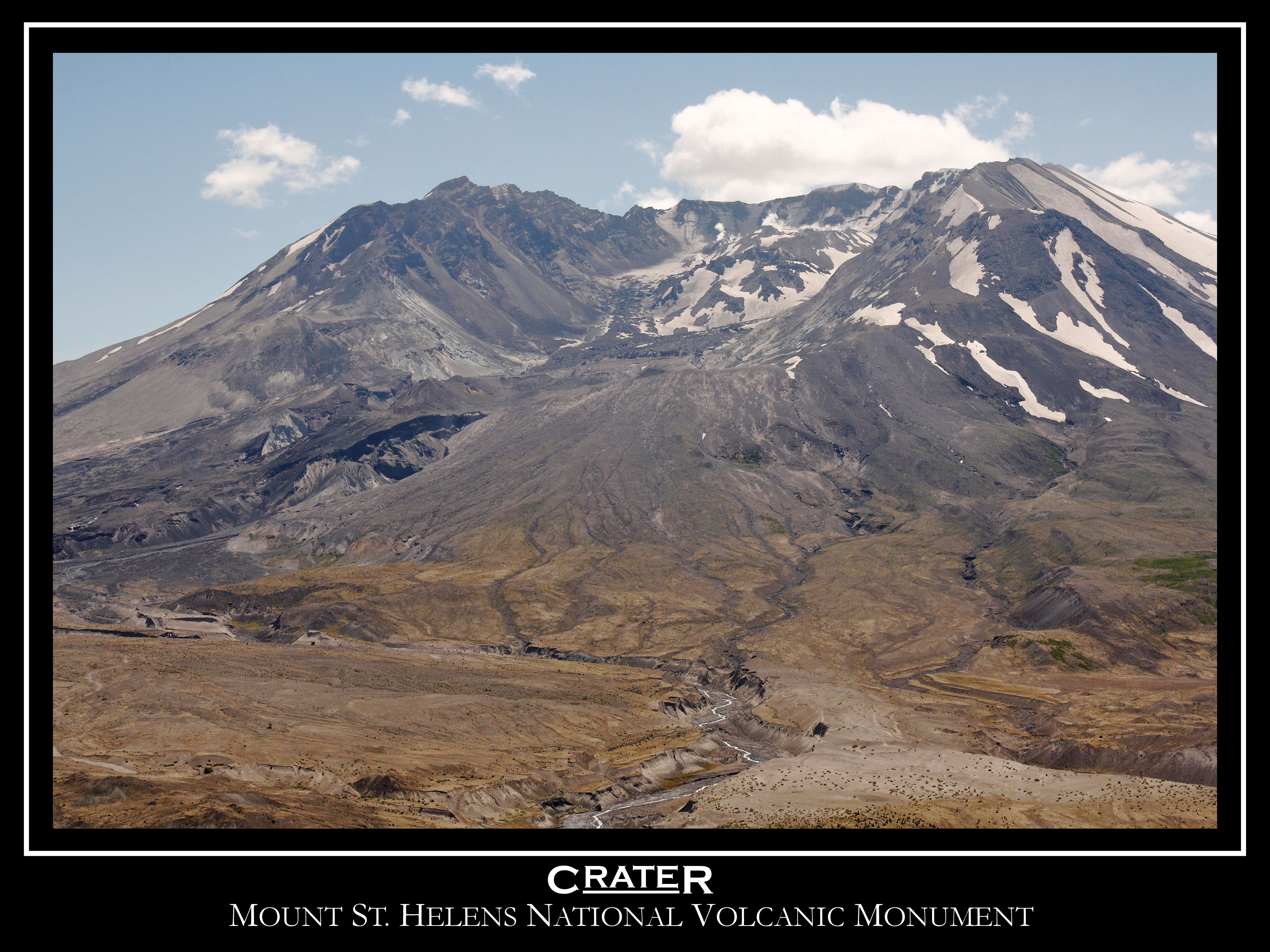
Saturday, 03/20/2026: Post photo — Crater.

Settings: N/A.

Mount St. Helens National Volcanic Monument

From the USGS:

“Prior to 1980, Mt. St. Helens had the shape of a conical volcano sometimes referred to as the Mount Fuji of America. During the 1980 eruption the upper 400 m (1,300 ft) of the summit was removed by a huge debris avalanche, leaving a 2 x 3.5 km horseshoe-shaped crater now partially filled by a lava dome and a glacier. It is primarily an explosive dacite volcano.”

Quick Facts:

Location: Washington, Skamania County
Latitude: 46.2° N
Longitude: 122.18° W
Elevation: 2,539 (m) 8,330 (f)
Volcano type: Stratovolcano
Composition: Basalt to Rhyodacite
Most recent eruption: 1980, 2004-2008
Nearby towns: Castle Rock, WA; Olympia, WA; Vancouver, WA; Yakima, WA; Portland, OR
Threat Potential: Very High

Dacite: Volcanic rock (or lava) that characteristically is light in color and contains 62 to 69 percent silica and moderate amounts of sodium and potassium.

Stratovolcano: Steep, conical volcanoes built by the eruption of viscous lava flows, tephra, and pyroclastic flows. They are usually constructed over tens to hundreds of thousands of years and may erupt a variety of magma types (basalt to rhyolite). They typically consist of many separate vents. Synonyms are composite volcano.

I have been to Mt. St. Helens a few times over the years. The first time was about ten years after the eruption, and we saw the logs floating in Sprit Lake. I just pictured Harry Truman looking up at the mountain from his lodge and wondering why he did not leave. Then again, there were many false alarms in the past. I am amazed at how nature is recovering in the area. I can still remember the first time that I drove into the blast zone. Very lush, dense forest along the road, turn the corner and nothing. Trees looking like toothpicks laying down in the direction of the blast. There were some cars left for visitors to see how powerful the eruption was.

I took this photo because I was looking at the field of flowers and the crater. I put the camera down low so that I could get the flowers in the foreground and the mountain in the background. I do like how this photo came out.

That is all for now. Until next week, be safe.

“Sumens imagines consolateur et inspirat me. Pulchritudinem mundi video per camera mean.”

“Quod scripsi, scripsi. Ingeniarius sum, non scriptor.”

.–. …. — – —  -… -.–  .— — … . .–. ….  -.-. .. .-. .- …
Photographic Thoughts — 12/07/2025 to 12/13/2025

“What makes photography a strange invention is that the primary raw materials are light and time.” — John Berger

Thank you for all the new views and likes from last week, it helps keep me inspired.

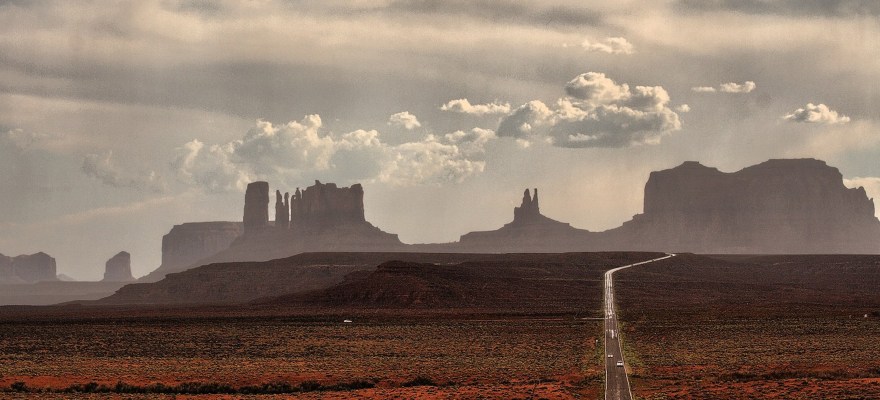
Sunday, 12/07/2025: Posted photo — Monument Valley, Arizona.

Navajo Nation’s Monument Valley Navajo Tribal Park is in Arizona. The valley is made from sandstone monuments that tower at heights of 400 to 1,000 feet. This photo is from the road looking back into Monument Valley after rain.

We were on our way to national parks in the area and drove through a storm. I looked back into the valley hoping to get a photo of a rainbow over the valley and did not see one. We did not enter the Tribal Park since we did not have time to do so, and we could see many of the monuments from the road.

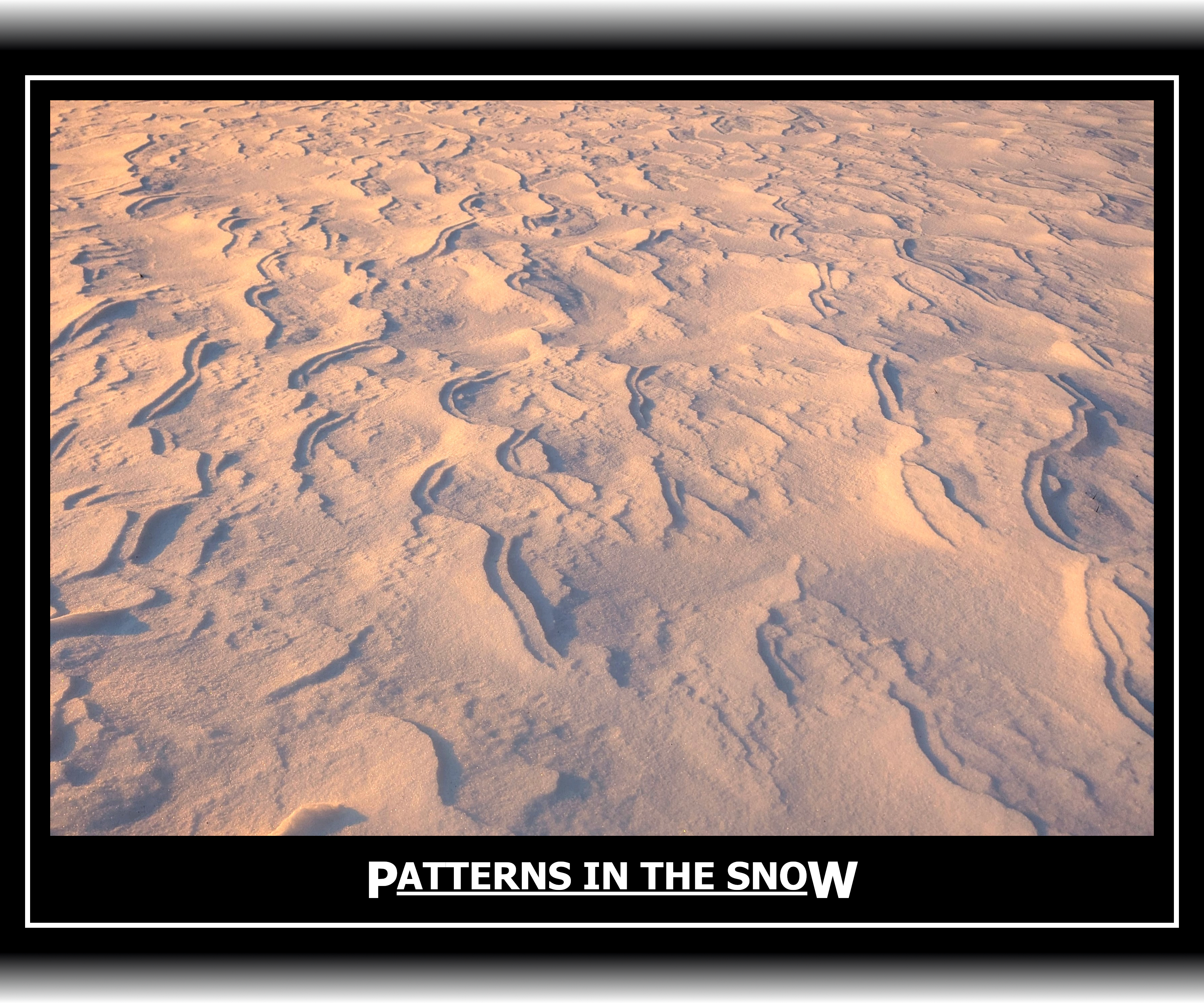
Monday, 12/08/2025: Posted photo — Patterns in the Snow.

As I left my car this morning on my way into the office, I liked how the sun was reflecting off the patterns in the snow. I also like the color of the snow.

The topic for one of my photo projects this week is nature. I do not know how many opportunities I will have this week to take nature photos due to the lack of sun during the week. I took this photo just in case I could not take a photo on Saturday due to weather.

Tuesday, 12/09/2025: Posted photo — Roses.

Information on the color of roses and their meanings. I have posted rose photos in the past and will do so in the future. I will be using this blog post as the basis of some of my comments.

Common rose colors and meanings:

Red: True love, romance, passion, desire.
White: Innocence, purity, new beginnings, reverence, spirituality (great for weddings/funerals).
Yellow: Friendship, joy, caring, remembrance (evolved from jealousy to platonic love).
Pink: Admiration, elegance, gratitude, joy (lighter pinks for admiration, darker for thanks).
Orange: Enthusiasm, desire, fascination, energy, excitement.

Wednesday, 12/10/2025: Posted photo — Abstract.

This is a fill in photo that I took this week. I wanted to try something artistic.

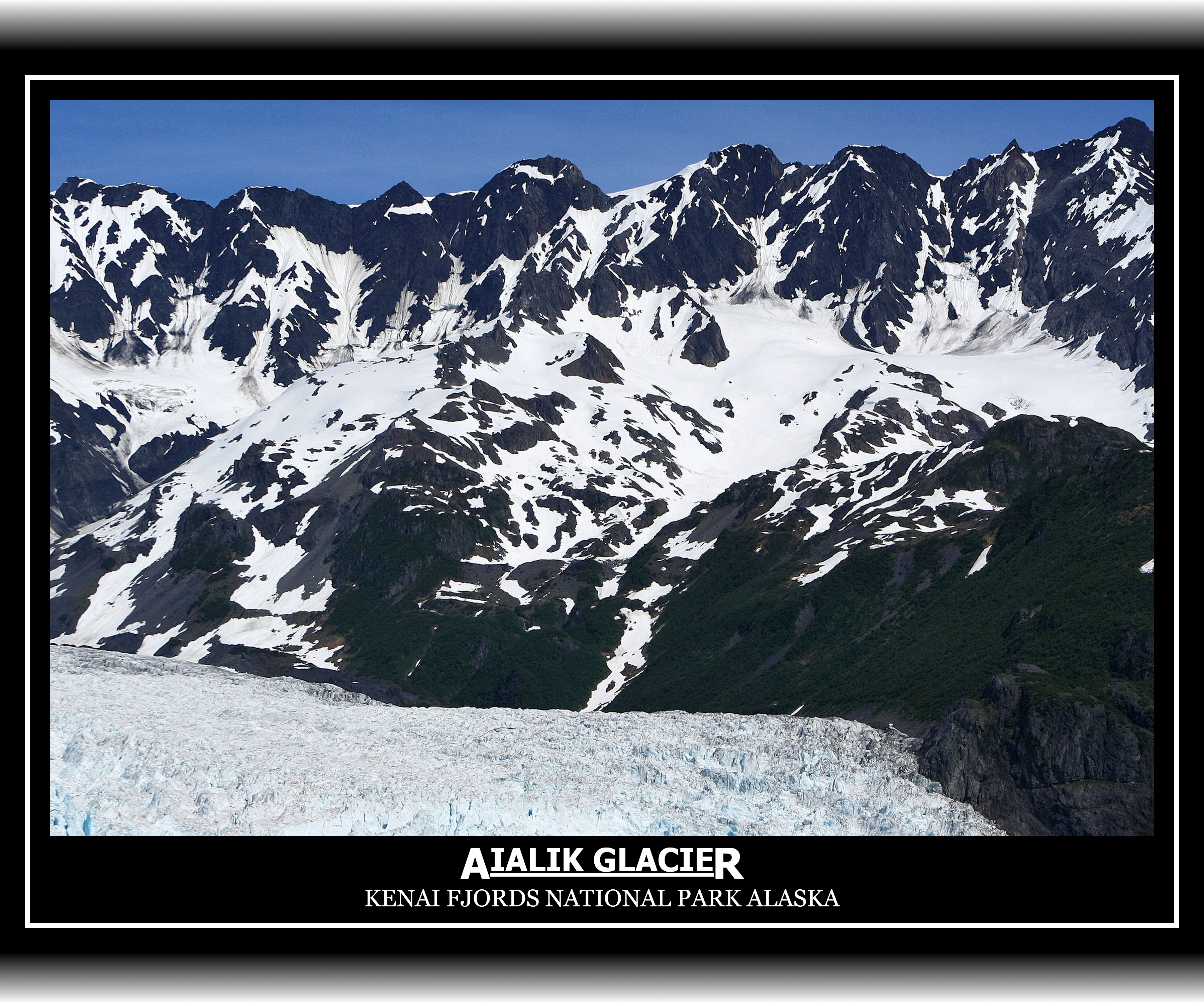
Thursday, 12/11/2025: Posted photo — Aialik Glacier.

Aialik Glacier is in Kenai Fjords National Park and is in the Harding Icefield. You can find the Aialik Glacier a little over 15 miles from Seward and it is the largest glacier in Aialik Bay. Aialik Bay is in Kenai Fjords National Park.

We visited the glacier a few years ago as part of an Alaskan cruse.

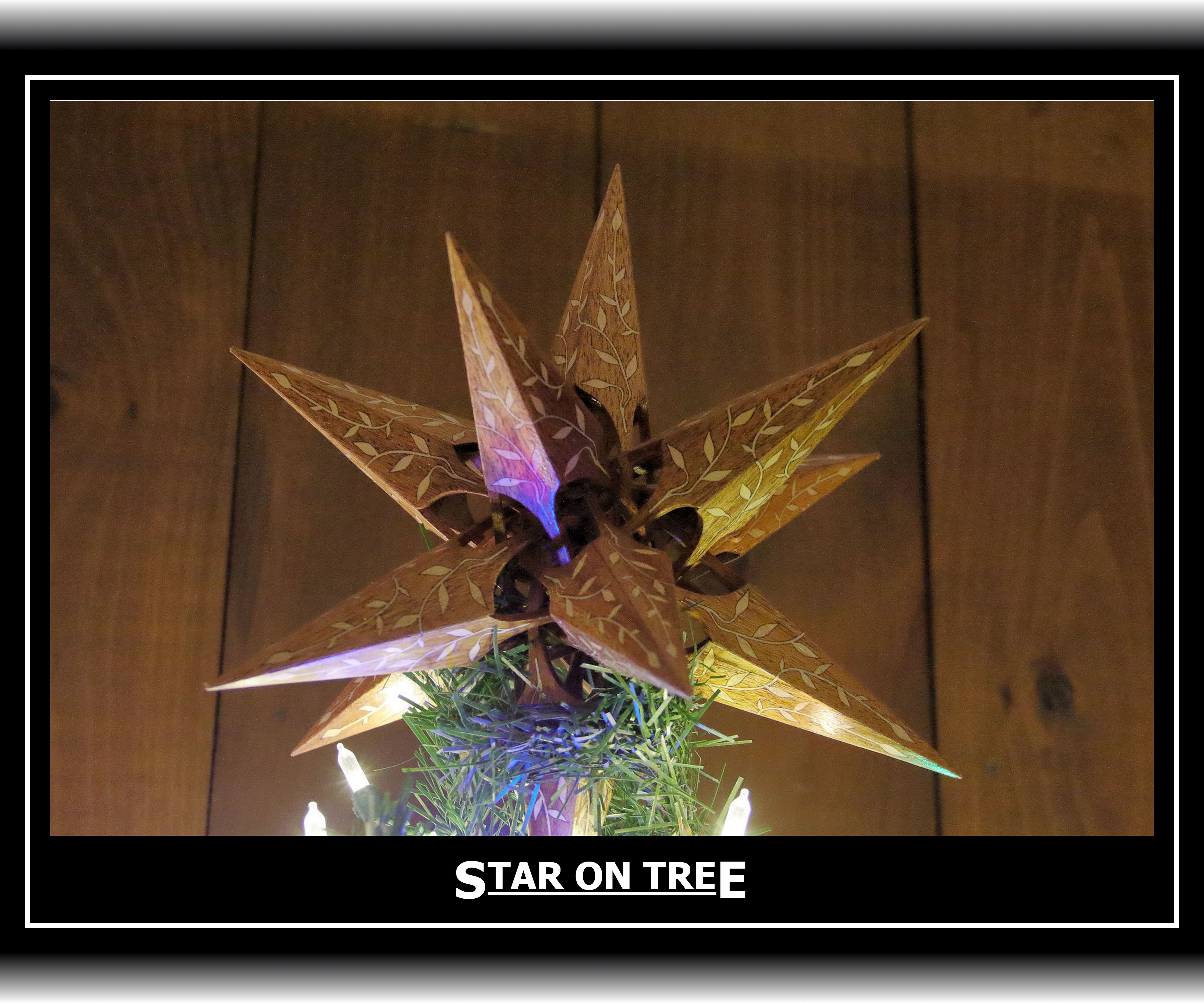
Friday, 12/12/2025: Post photo — Star on Tree.

Here is a photo of the star that is on top of our tree. My brother-in-law made it for us.

Saturday, 12/13/2025: Post photo — Lights on our Tree.

Lights on our tree. Did a slight abstract photo.

That is all for now. Until next week, be safe.

“Sumens imagines consolateur et inspirat me. Pulchritudinem mundi video per camera mean.”

“Quod scripsi, scripsi. Ingeniarius sum, non scriptor.”

.–. …. — – —  -… -.–  .— — … . .–. ….  -.-. .. .-. .- …
Photographic Thoughts — 10/12/2021 to 10/18/2021

“Today everything exists to end in a photograph.” — Susan Sontag

Thank you for all the new views and likes from last week, it helps keep me inspired.

This is a repost from four years ago. I have been busy looking through all the wedding photos that I took last weekend.

Sunday, 10/12/2025: Posted photo — Lakeside.

Settings: Canon EOS 60D, ISO 400, f/7.1, 1/125 s, 32 mm.

Today we took the dock out of the water at the cottage. The water was cold when first going into it, and then it did not feel so bad. We need to go into the water to lift part of the dock off its foundation to bring it in. Many years ago, the tires on the bottle of the support legs on the dock fell off so we manually need to lift the dock out of the water.

Before the dock was removed, I went out on it to enjoy the foliage from out in the water. I took this photo shortly before the dock was removed from the water.

The day is always a fun filled day with family and friends.

Monday, 10/13/2025: Posted photo — Trees in the Sun.

Settings: Canon EOS 60D, ISO 100, f/7.1, 1/125 s, 50 mm.

This is the backside, or inlet side, of the falls at Round Meadow Pond. You have seen a few photos of the water flowing over the dam since that is one of my favorite spots to photograph. I took this photo because of the bright colors of the foliage, and I liked the way the light was reflecting off the trees.

Tuesday, 10/14/2025: Posted photo — More Foliage.

Settings: Canon EOS 60D, ISO 100, f/7.1, 1/160 s, 50 mm.

Not much to say about this photo. The foliage is starting to get to peak in this area, so I am taking as many foliage photos as I can.

One thing I can say about this photo, and my other foliage photos, is that they look very bright. The histogram looks good for these photos, but the photos look bright when viewing on some screens. It might be because I use calibrate monitors to edit my photos and the other monitors are not calibrated.

Time to do some research into this issue. Maybe I should get one or two of them printed to see how the colors come out.

Wednesday, 10/15/2025: Posted photo — Morning Dew.

Settings: Canon EOS 60D, ISO 100, f/7.1, 1/250 s, 72 mm.

I was going to post another foliage photos today but decided to post a photo of the morning dew. This photo was meant to show the dew and to break up my trend of foliage photos. Too much of a good thing is not always good.

I attempted to capture the light off the dew on the grass. Please leave a comment to let me know how well I captured the light and to give me some tips to improve.

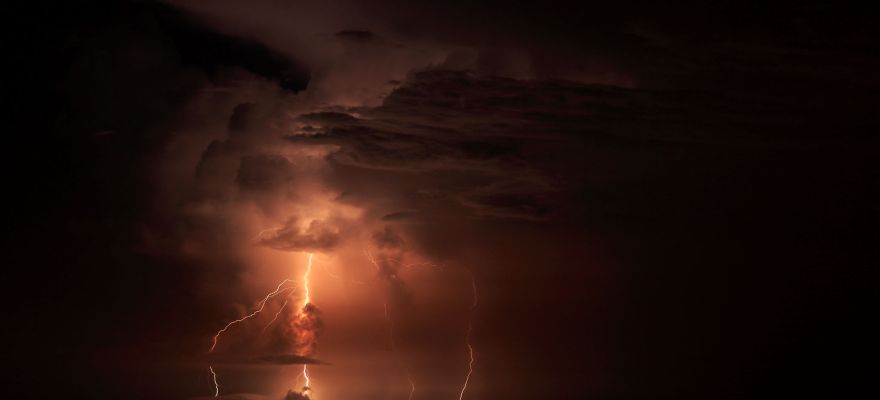
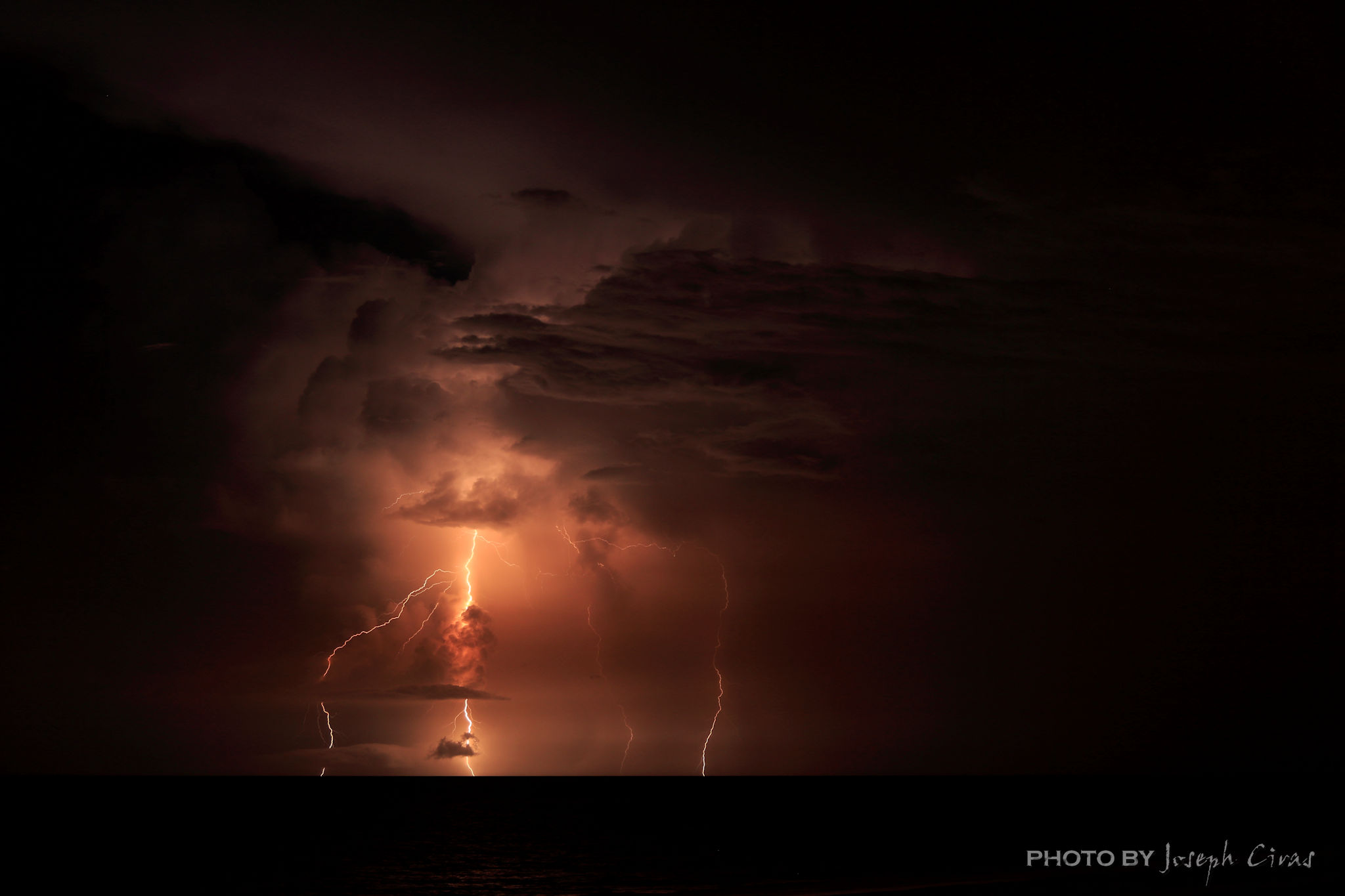
Thursday, 10/16/2025: Posted photo — Lightning at Sea.

Settings: Canon EOS 60D, ISO 100, f/5.6, 15 s, 48 mm.

15 second exposure looking out to see in Jacksonville Beach, FL a few years ago.

During a past vacation, my family rented a condominium on Jacksonville Beach. My wife has relatives that live in both Jacksonville Beach and Neptune Beach, so we travel to the area relatively often. Most of the time we rent a house or condo not on the beach.

A common occurrence in Florida is a storm out to sea at night. It is such a great sight to see the lightning in the distance. On this night, I decided to put my camera on my tripod, set the exposure time to 15 seconds, to capture the storm. After looking at the photos, my only regret was that I did not leave my shutter open for 30 seconds.

There will always be another trip back to the beach.

Here are a few camera settings for photographing daytime and nighttime lightning that I have picked up over the years:

Camera settings tips for photographing daytime lightning photos:

  • Set up camera on a sturdy tripod.
  • Turn off any image stabilization you might have. If image stabilization is on, the camera will think it is moving when the shutter engages, even though there is not camera movement.
  • Focus camera lens on infinity or on an object in the distance.
  • Set the aperture of the lens to f/16 or smaller. This will close the iris inside the lens, allowing a longer shutter speed to be used.
  • Set ISO to lowest it will go, for example use ISO 100.
  • Take a test exposure using the slowest shutter speed allowed to see if the image is exposed correctly and your focus is correct.
  • Set your camera on manual or bulb.
  • Use a remote timer/intervalometer to fire the shutter continuously.

Here is an example of a daytime lightning photo. This photo was handheld since the storm arrived quickly. For your information, we did not hike down into the Grand Canyon that day.

Camera settings for photographing night-time lightning

  • Set up camera on a sturdy tripod.
  • Turn off any image stabilization you might have. If image stabilization is on, the camera will think it is moving when the shutter engages, even though there is not camera movement.
  • Focus camera lens on infinity or on an object in the distance.
  • Set the aperture of the lens to a medium value, such as f/5.6 or f/8. This will allow a longer shutter speed by bringing in more light and improve image quality at the same time by allowing the use of a lower ISO value.
  • Set ISO to lowest it will go, for example set your is to ISO 100. You may have to increase your ISO to ISO 200–ISO 400 depending on the lighting in the area. I prefer my ISO set at ISO 100 for all my lightning shots.
  • Set your camera on manual or bulb.
  • Set the shutter speed to between 5 and 20 seconds. You can set it up to 30 seconds if you are in a dark area.
  • Take a test shot to see if the scene is exposed correctly, remembering that if a strike does happen in the field of view it could light up the scene considerably, depending on how big the strike looks in the photo.
  • Use a remote timer/intervalometer to fire the shutter continuously.

Friday, 10/17/2025: Post photo — Clouds.

Settings: Canon EOS 60D, ISO 200, f/7.1, 1/1250 s, 37 mm.

Today I am posting a photo of a cloud. I took many photos today, but this one was the only one that I liked.

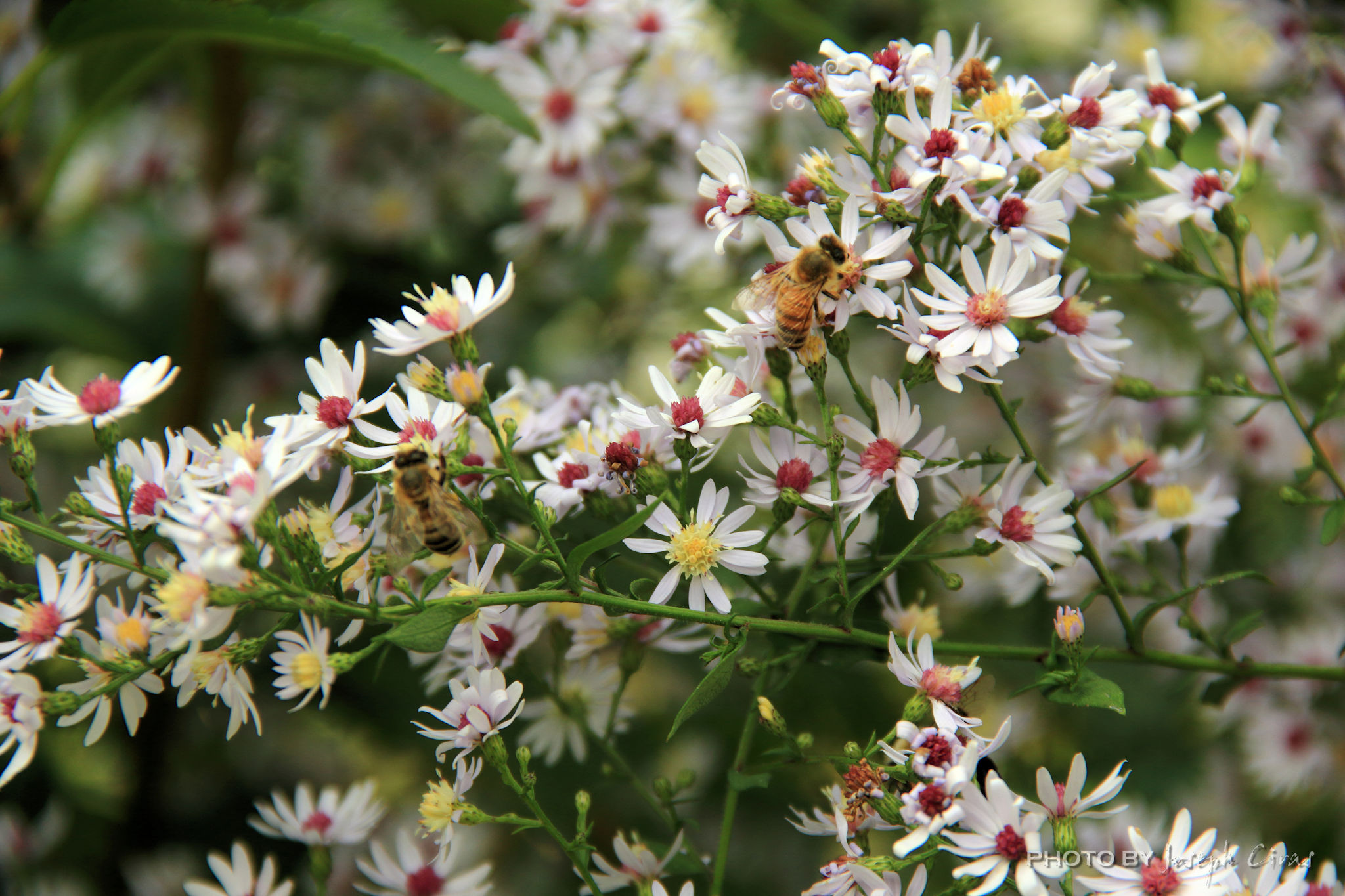
Saturday, 10/18/2025: Post photo — Aster.

Settings: Canon EOS 60D, ISO 200, f/5.6, 1/320 s, 106 mm.

I went to my mother’s house today to make sure everything was fine at the house. I also collected some of the wood from the tree that fell on her house about a year ago to bring home to burn. Earlier in the day, I took photos at Leominster State Forest. I went hiking at Leominster State Forest last night and went back today to get some more photos. I will be posting the photos I took in this blog for you to see what I did not post for my 365 project.

When I was at her house, I noticed a lot of asters. I also saw that there was an abundant number of bees flying around the asters. What a great photo opportunity. The aster flowers (Aster spp.) add color to the autumn landscape while offering beauty with little work when caring for asters.

That is all for now. Until next week, be safe.

“Quod scripsi, scripsi. Ingeniarius sum, non scriptor.”

“Sumens imagines consolatur et inspirat me. Pulchritudinem mundi video per cameram meam.”

Photographic Thoughts — 09/14/2025 to 09/20/2025

“If you see something that moves you, and then snap it, you keep a moment.” — Linda McCartney

Thank you for all the new views and likes from last week, it helps keep me inspired.

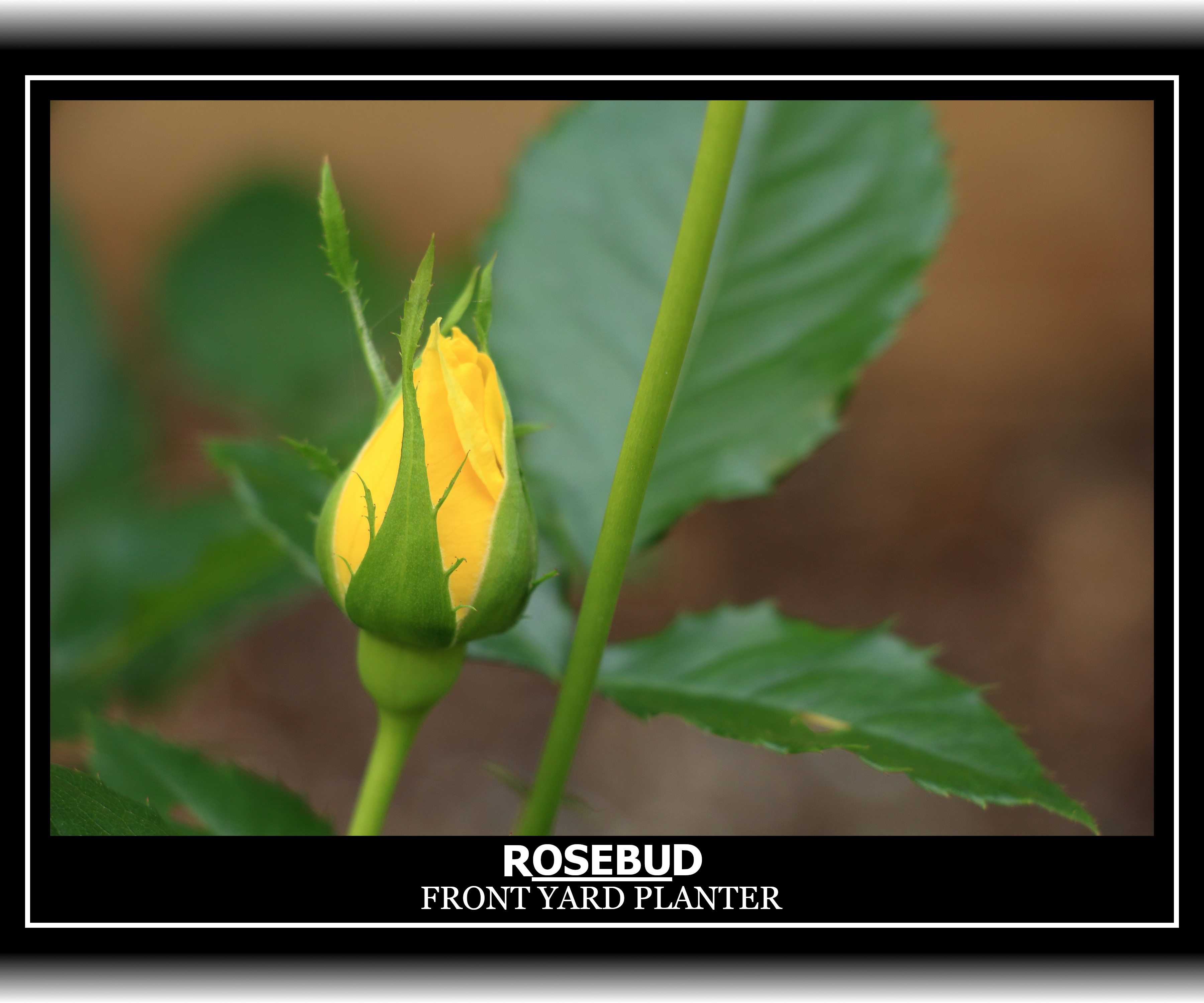
Sunday, 09/14/2025: Posted photo — Rosebud.

A few weeks ago, I constructed a planter for some roses that I purchased. I purchased white roses and yellow roses. The white roses bloomed a couple of times since I purchased them and the yellow roses looked like they were not going to live.

When I planted them, I was hopeful that they both would take root. I took my time and fed them, watered them, and removed weeds to help them grow. The white roses bloomed in the bed again, bending under their own weight. I need to support the blooms the next time I see them start. The yellow roses are starting to have multiple blooms.

This is a photo of one of the rosebuds from the yellow plant. It looks like it will bloom this week. If it does, I will post a photo of it later this week.

I am starting to learn about growing roses. There is much to learn, and any advice will be greatly appreciated.

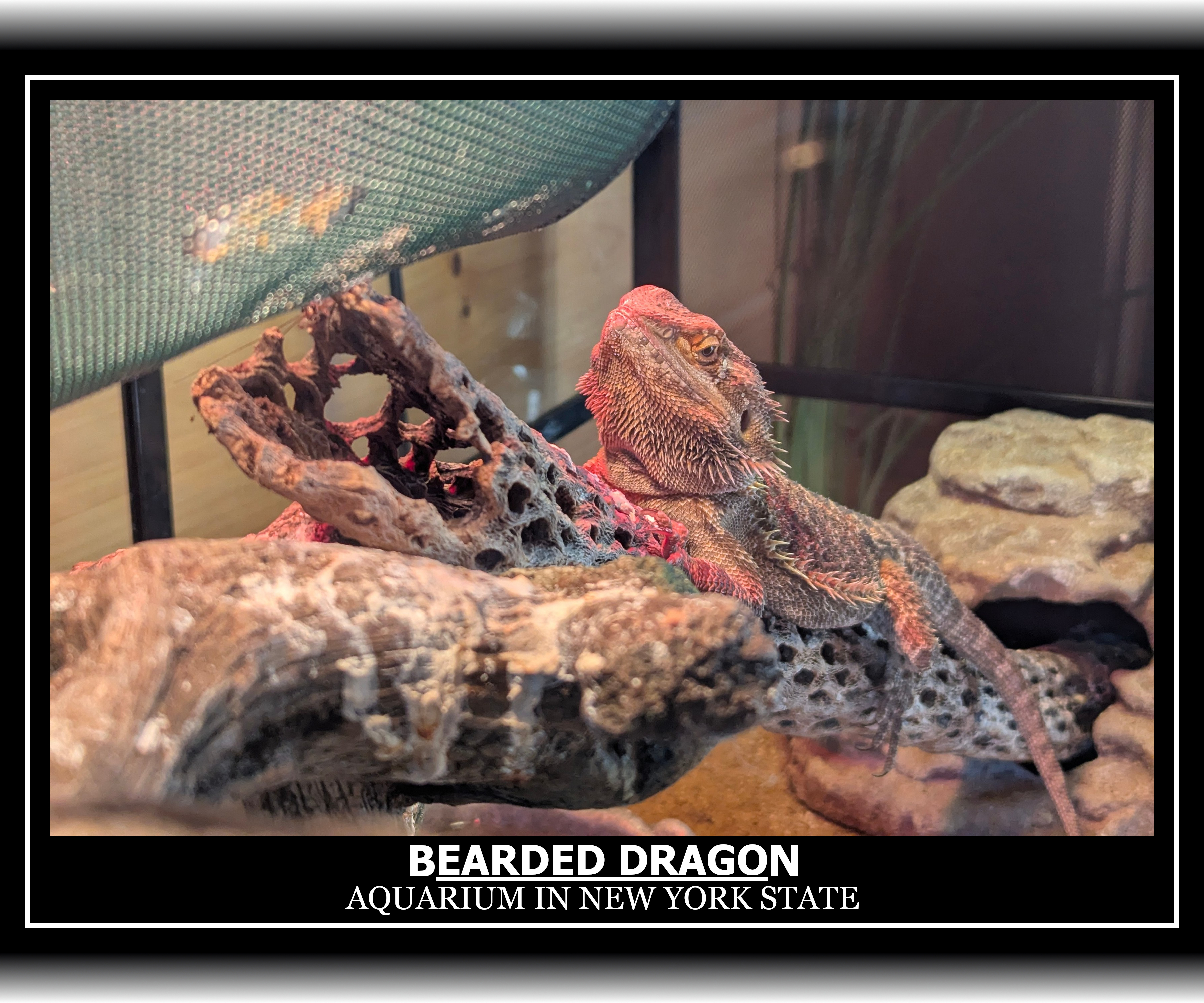
Monday, 09/15/2025: Posted photo — Bearded Dragon.

The bearded dragon is equipped with armor of spiny reptilian scales, which include a “beard” of spikes under its chin that puffs up depending on its mood. A Bearded Dragon represents change, rebirth, and renewal.

This bearded dragon is the pet of one of my brothers. We stopped at his house on the way to one of the two weddings we attended last weekend. One was in Naples NY, and one was in Westminster MA the next day.

Tuesday, 09/16/2025: Posted photo — Chinese Swan Goose.

Wild goose symbolizes loyalty, integrity, and love.

This goose was swimming at the Old Mill during the time of the second wedding we attended last weekend.

Wednesday, 09/17/2025: Posted photo — Centerpiece.

This is the centerpiece from the second wedding. The first wedding was more traditional, and the second one was less traditional. The first wedding had less traditional food, and the second wedding had more traditional food.

Both weddings were special in their own way. The first was for a friend, and the second was for my niece. Wishing them both many happy years.

Thursday, 09/18/2025: Posted photo — Jump Off Point.

Ontario County Park at Gannett Hill has a lookout point called Jump Off Point. There is an overlook at the point, but not much of a drop to jump off, just a steep hill.

We took a walk to look at the views before packing up our camping equipment and heading to the wedding we were going to photograph. This was the first of two weddings over the weekend.

This park is very well maintained and is growing. The campsite we had the first time we were there, and when my wife and son camped there a few years ago, is now occupied by the camp host. I can understand why he took that site, it was the best one in the park.

Friday, 09/19/2025: Post photo — Orntario St. Bridge.

This bridge is a hidden wonder. The newly married couple wanted to take photos on this bridge after the ceremony. The bridge had debris on it, so before we took photos, we purchased a broom and swept off the bridge. We later presented the broom as a wedding gift. The couple loved the idea that we gave them this broom that was part of their special day.

Saturday, 09/20/2025: Post photo — Milky Way.

Second attempt at a Milky Way photo using my cellphone. This one was better than the first one, but still not great. There still was light pollution in the area. I attempted to block the light, so this photo came out slightly better.

I will keep taking this photo in darker areas to get a good one.

That is all for now. Until next week, be safe.

Bonus

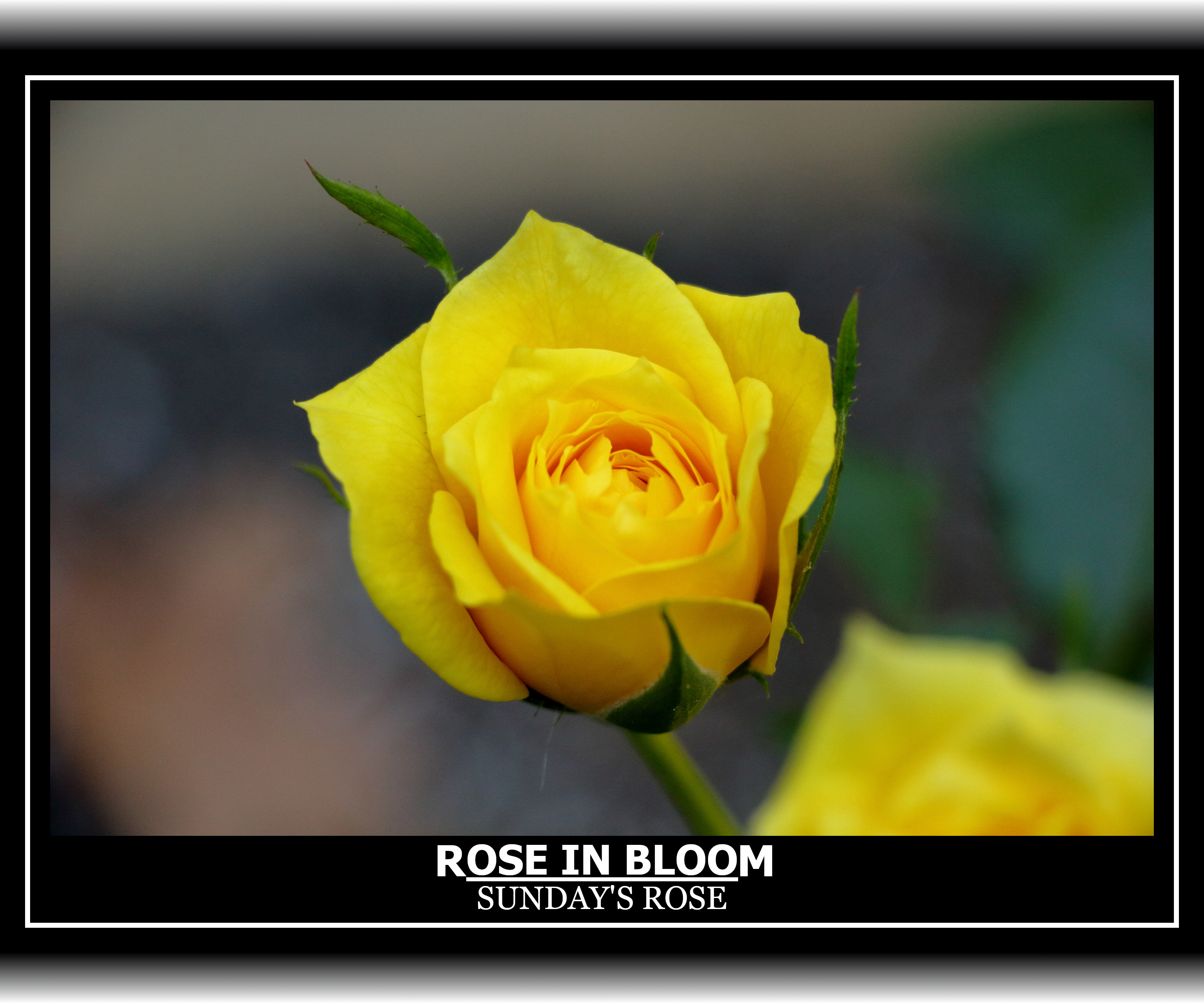
Here is the photo of the rose in Sunday’s photo in bloom.

“Quod scripsi, scripsi. Ingeniarius sum, non scriptor.”

“Sumens imagines consolatur et inspirat me. Pulchritudinem mundi video per cameram meam.”

Photographic Thoughts — 08/17/2025 to 08/23/2025

“I really believe there are things nobody would see if I didn’t photograph them.” — Diane Arbus

Thank you for all the new views and likes from last week, it helps keep me inspired.

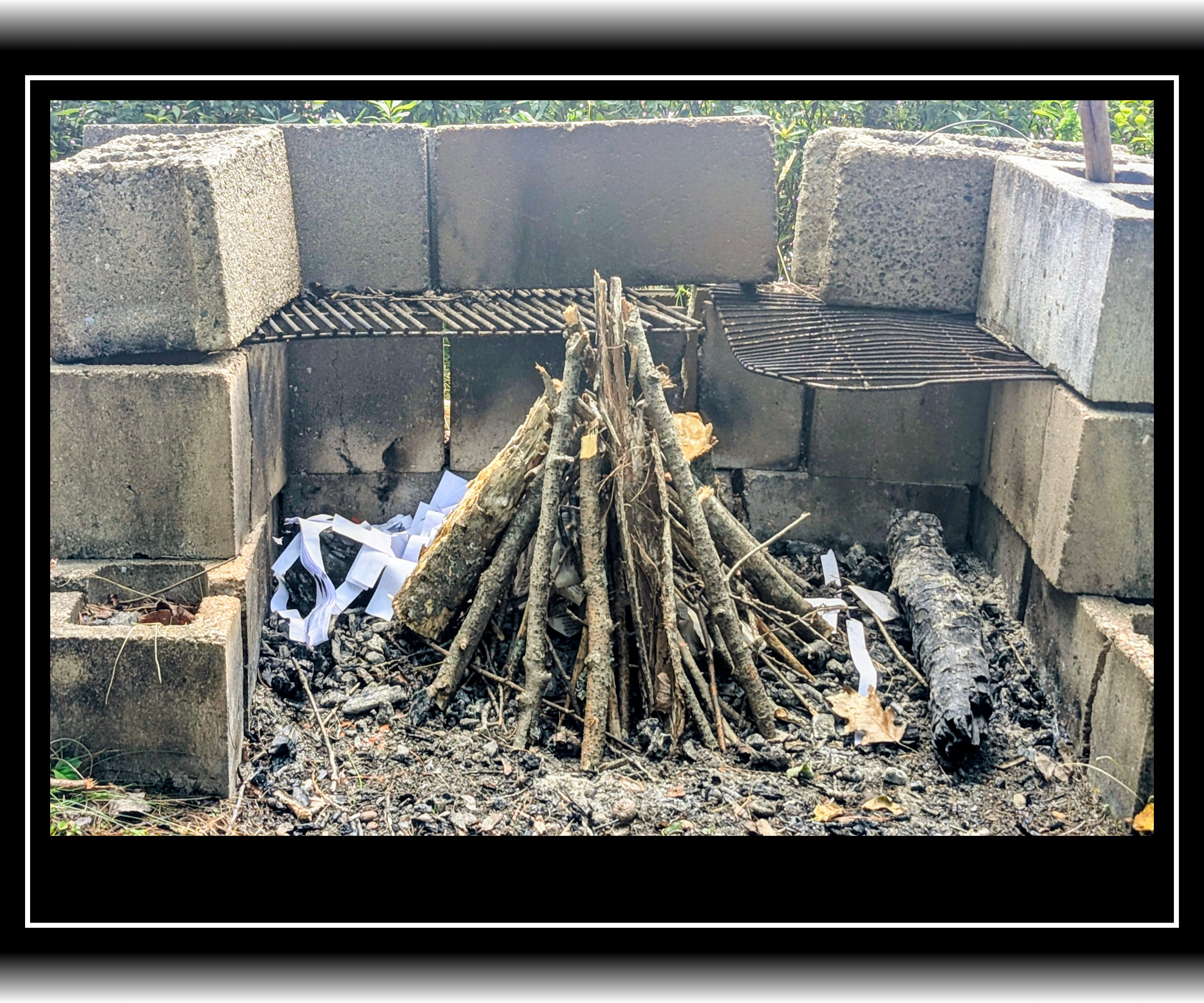
Sunday, 08/17/2025: Posted photo — Fireplace.

Here is the fireplace at the lake ready for a fire. We have not had a fire in a while since it has been so dry.

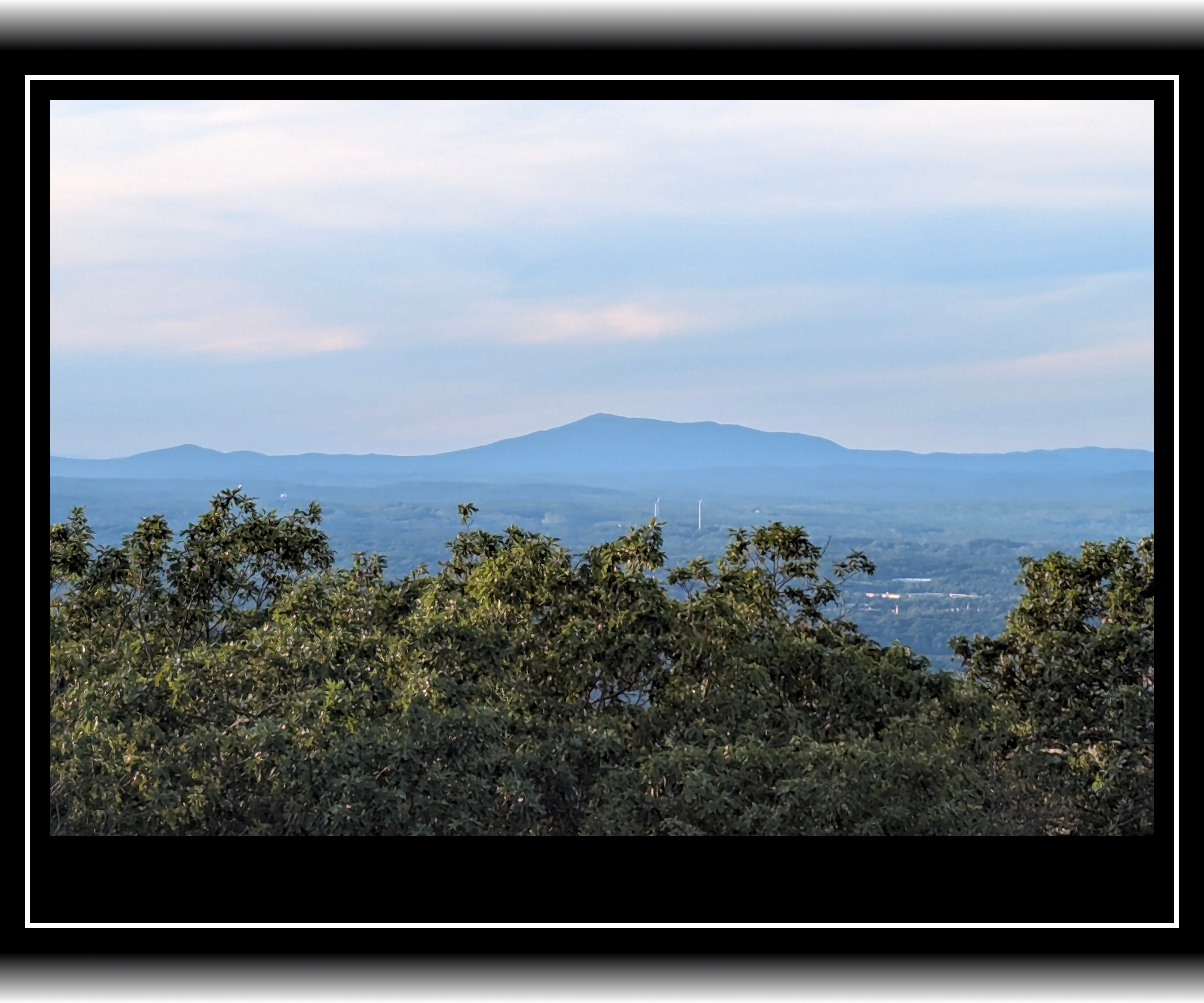
Monday, 08/18/2025: Posted photo — Clear Day.

Finally, a clear day. I was able to clearly see Mount Monadnock from the summit of Wachusett for the first time in a few weeks.

Tuesday, 08/19/2025: Posted photo — Black Eyed Susans.

Some Black Eyed Susans around the area.

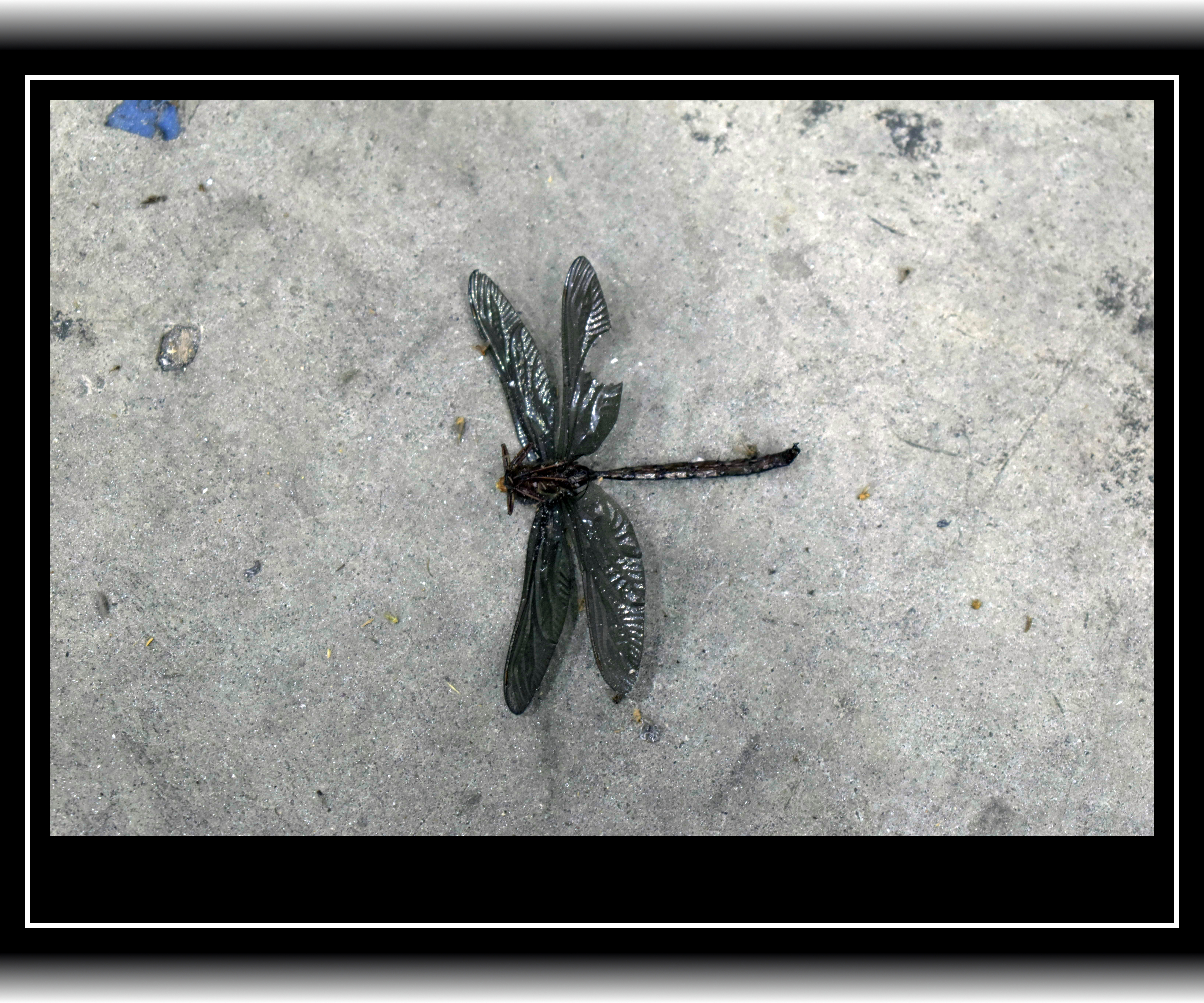
Wednesday, 08/20/2025: Posted photo — Dragonfly.

A dragonfly laying on the ground at work.

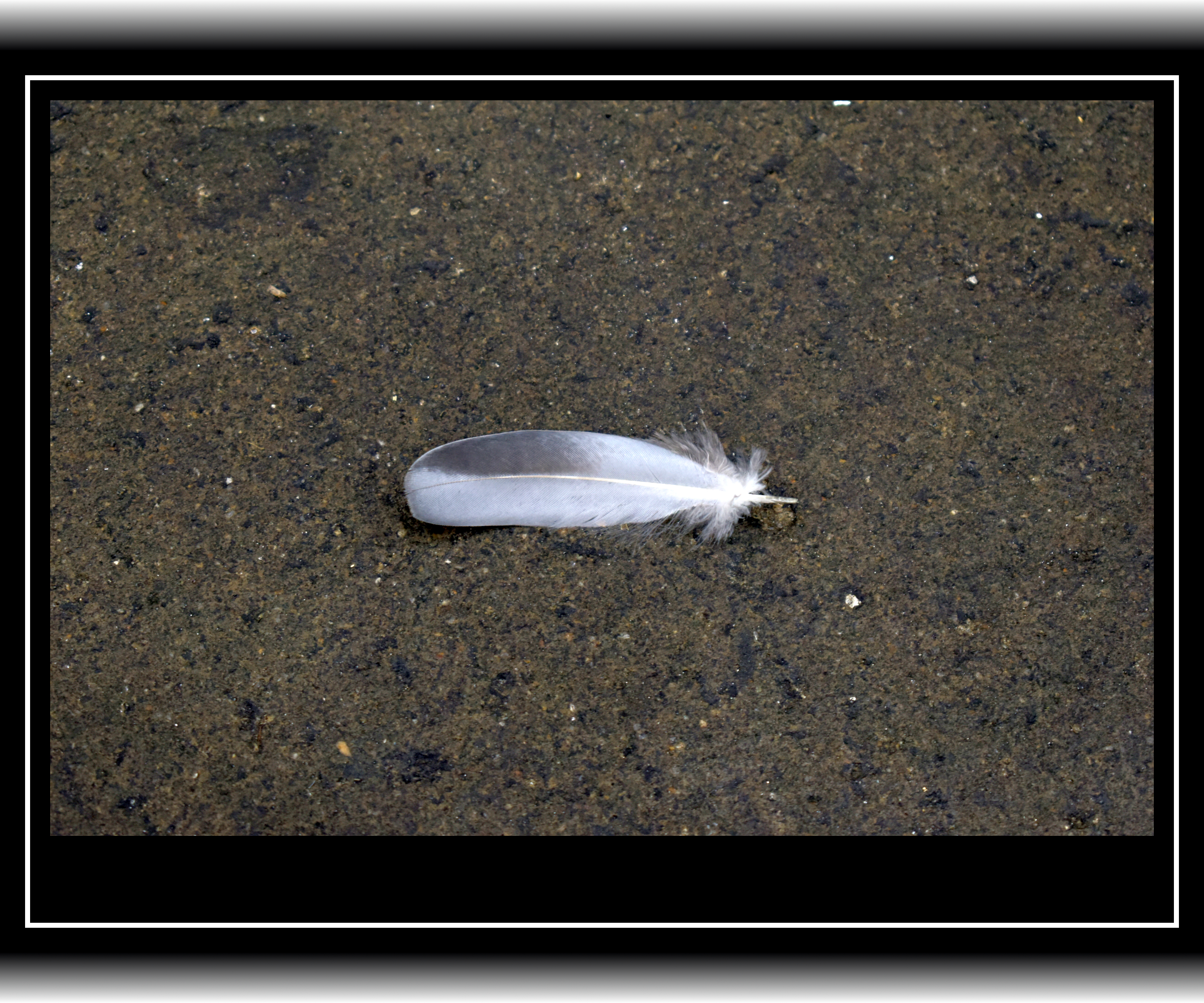
Thursday, 08/21/2025: Posted photo —  Feather.

A feather laying on the ground at work.

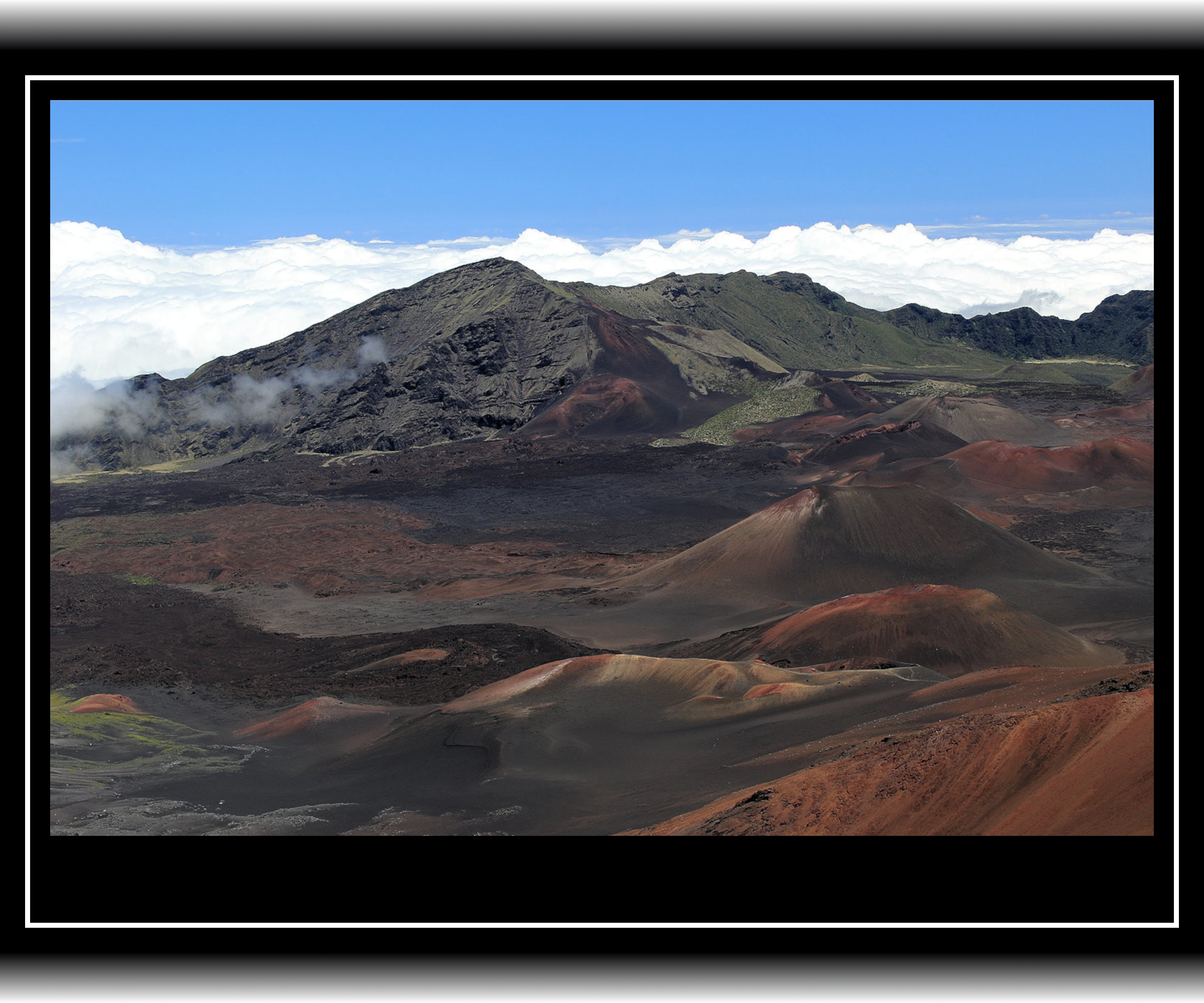
Friday, 08/22/2025: Post photo — Pu’u’ula’ula.

Haleakalā National Park.

Saturday, 08/23/2025: Post photo — Waterton Lake Sunset.

Waterton Lake National Park.

That is all for now. Until next week, be safe.

“Sumens imagines consolatur et inspirat me.”

“Quod scripsi, scripsi. Ingeniarius sum, non scriptor.”

Photographic Thoughts — 07/20/2025 to 07/26/2025

“Photography has nothing to do with cameras.” — Lucas Gentry

Thank you for all the new views and likes from last week, it helps keep me inspired.

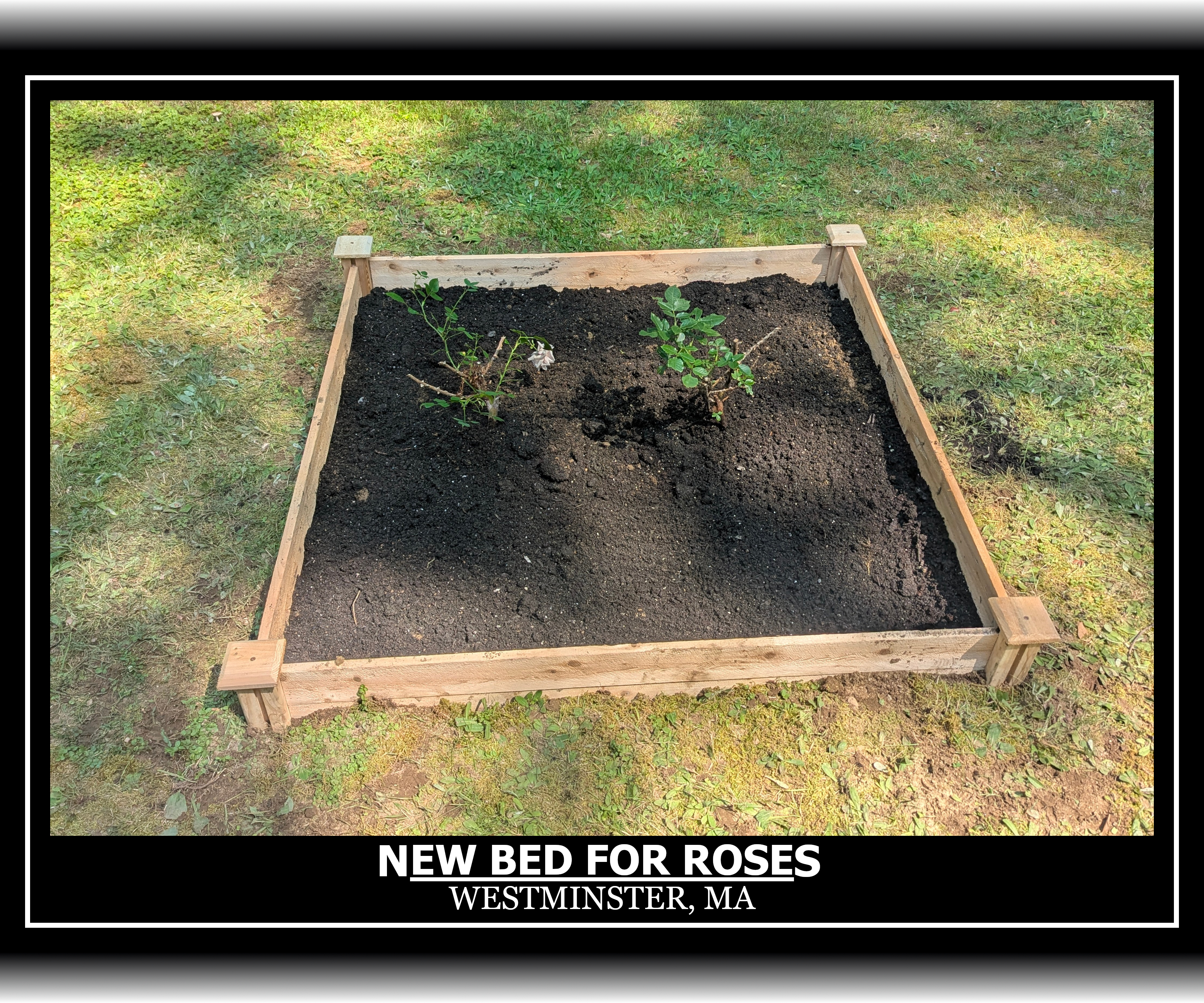
Sunday, 07/20/2025: Posted photo — Bed of Roses.

A few weeks ago, I posted a photo of the roses in our front yard waiting for a flower bed to be installed. This is the flower bed that I put in. It is not as raised as I would have liked, but the frame still allows me to protect the roses during the winter.

Once I am sure the roses are stable, I will design the protection for the harsh winter weather.

Monday, 07/21/2025: Posted photo — Horsetail Falls.

Horsetail Falls is a waterfall located on Horsetail Creek along the Columbia River Gorge in Multnomah County, Oregon. It is 224 feet tall and is just down the road from Multnomah Falls.

The bottom of this fall is a good swimming hole. There were many people cooling off under the falls. We did not go swimming since we arrived at our campsite and wanted to see both Multnomah Falls and Horsetail Falls.

Tuesday, 07/22/2025: Posted photo — Trying to Hide.

This group of Chicken of the Woods mushrooms was trying to hike in the burl of this tree. They are doing a good job blending in. Once the mushrooms age, and turn brown, you may not be able to spot them.

Wednesday, 07/23/2025: Posted photo — Trail Marker.

I am amazed sometimes about the time it must of took to carve words into rocks on the trails. This marking has the name of the trail on Wachusett Mountain.

There are many other graffiti carvings as you get to the summit. There were a few hotels on the mountain and the kids must have carved this into the rocks, just as in modern day kids use spray paint. Only that carving in the rock would have taken much longer to do.

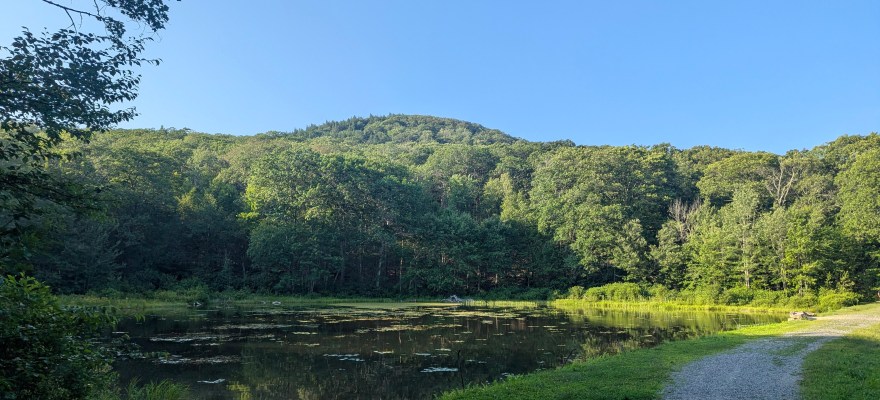
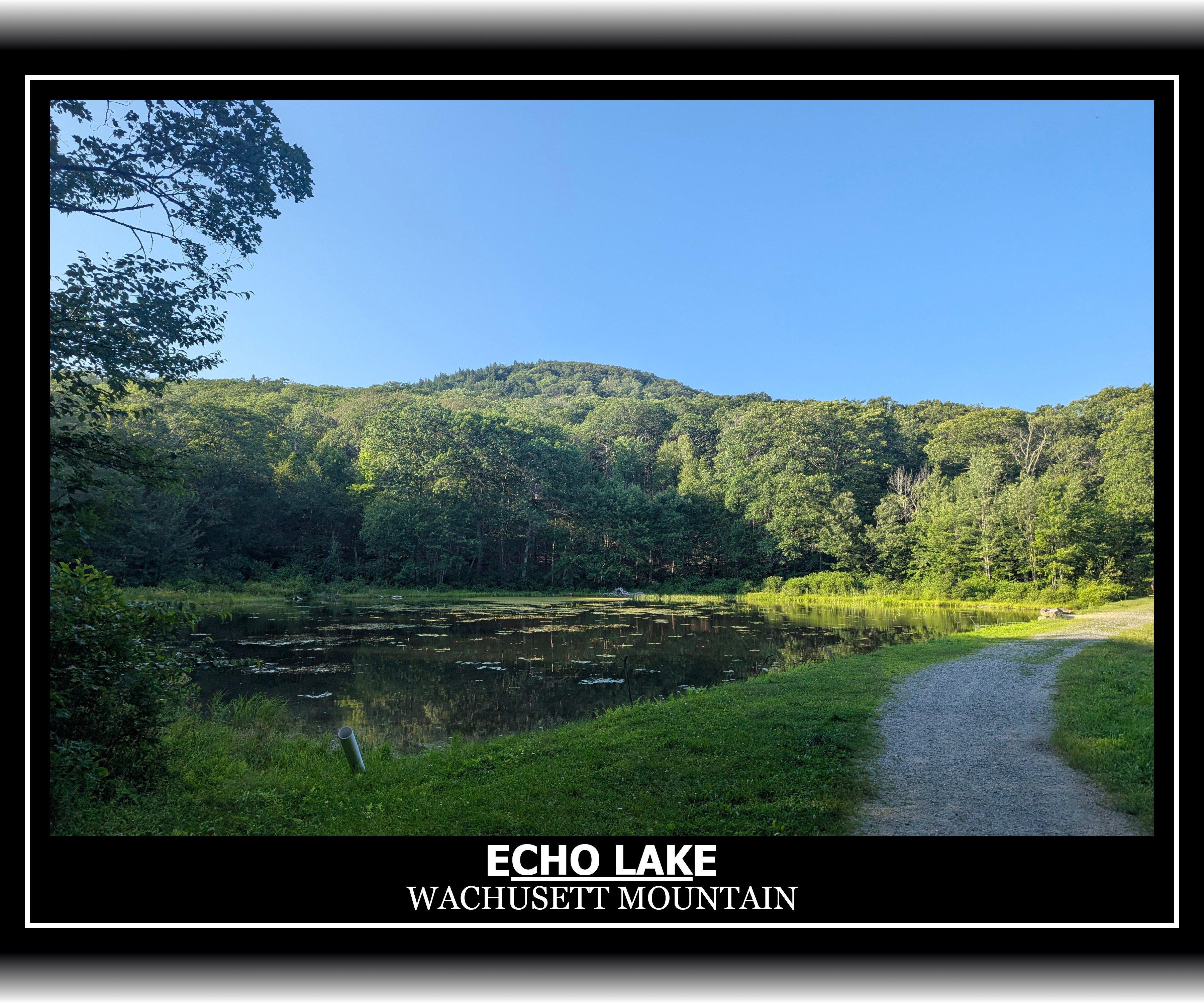
Thursday, 07/24/2025: Posted photo — Echo Lake.

The primary difference between a pond and a lake is in their depth and the penetration of sunlight. Ponds are shallower, allowing the sunlight to reach the bottom, while lakes are deeper. A pond generally has a uniform temperature while the temperature profile for a lake is not uniform. There are no definitive definitions for the differences, just the general rule of thumb.

Echo Lake is not very deep. I can see the bottom while looking at it. It may be called a lake by those that named it because they did not know the difference. They did use this body of water in the winter months to cut out blocks of ice to be used in ice boxes before there was reliable refrigeration.

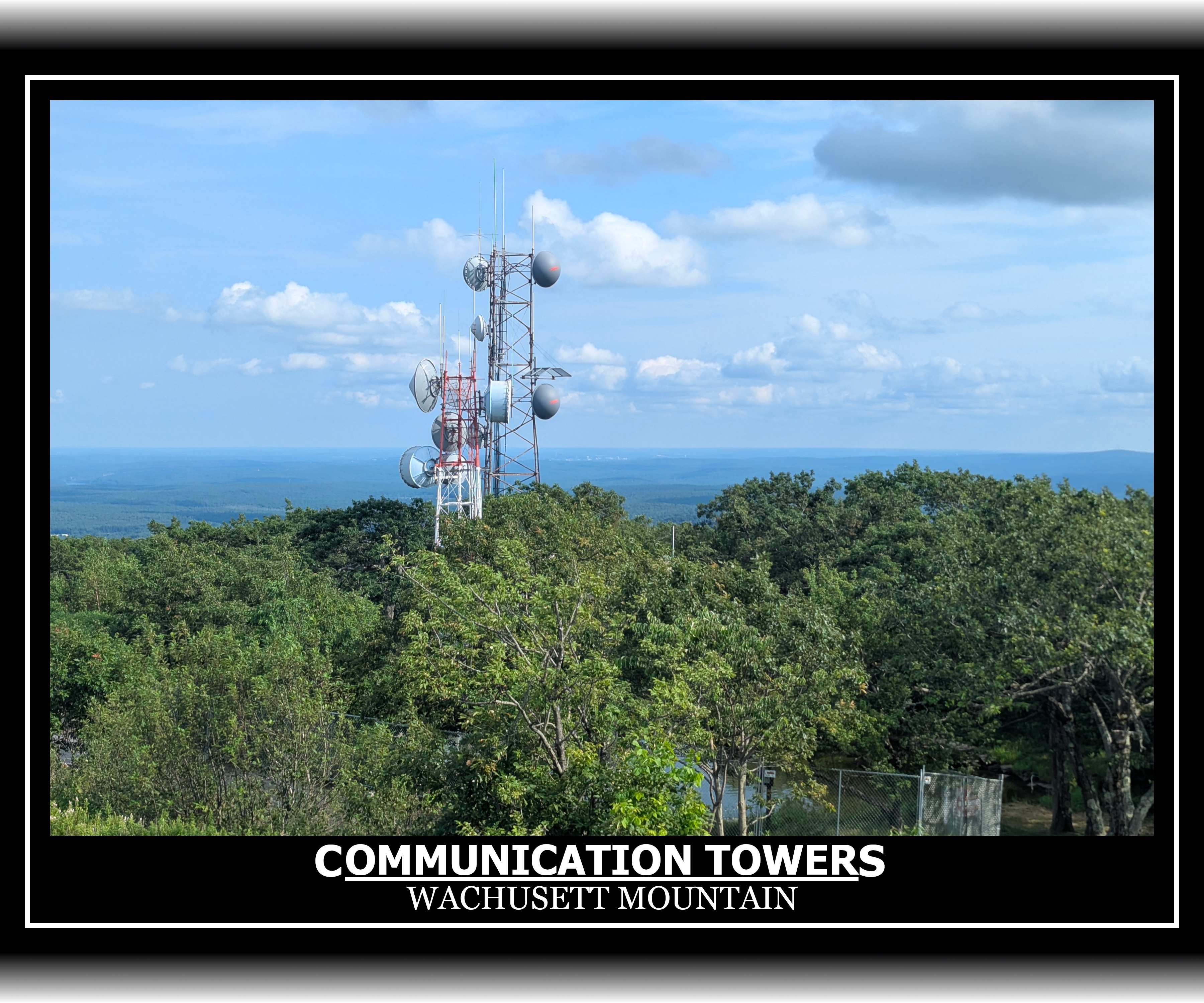
Friday, 07/25/2025: Post photo — Communication Towers.

Here is a photo of some communication towers on the summit of Wachusett Mountain.

I do not know if they are active or not. I have heard conflicting reports about their use and cannot find any information on their use. I should have gone to the building and looked for any signs. I have seen signs on the stone building next to them, but that was a few years ago.

As with most things, you see them many times and then you just see them. I have gone by these towers hundreds of times and can tell you many things about the building, but what is on signage.

Saturday, 07/26/2025: Post photo — Wind Energy.

This is a photo of one of the two wind turbines used by the Princeton Municipal Light Department and are located at the trailhead for the Stage Coach Trail on Wachusett Mountain.

Selected information on these turbines from the PMLD website: Each blade on the turbine is 125 feet long and weighs six tons. The blade tip speed is 204 mph with the turbine turning at 17-20 rpm. The annual energy output of the two turbines is 4,000,000 kWh’s. The wind speed needed to start producing energy is 7 mph. The cutout wind speed is 45 mph. In 2010, the turbines produced 6,001 MWh of power and in 2023 only produce 2762 MWh of power. I cannot find out any information regarding the reduced power output.

That is all for now. Until next week, be safe.

“Sumens imagines consolatur et inspirat me.”

“Quod scripsi, scripsi. Ingeniarius sum, non scriptor.”

Photographic Thoughts — 07/13/2025 to 07/19/2025

“Photograph: a picture painted by the sun without instruction in art.” — Ambrose Bierce

Here are more photos from my adventures this summer.

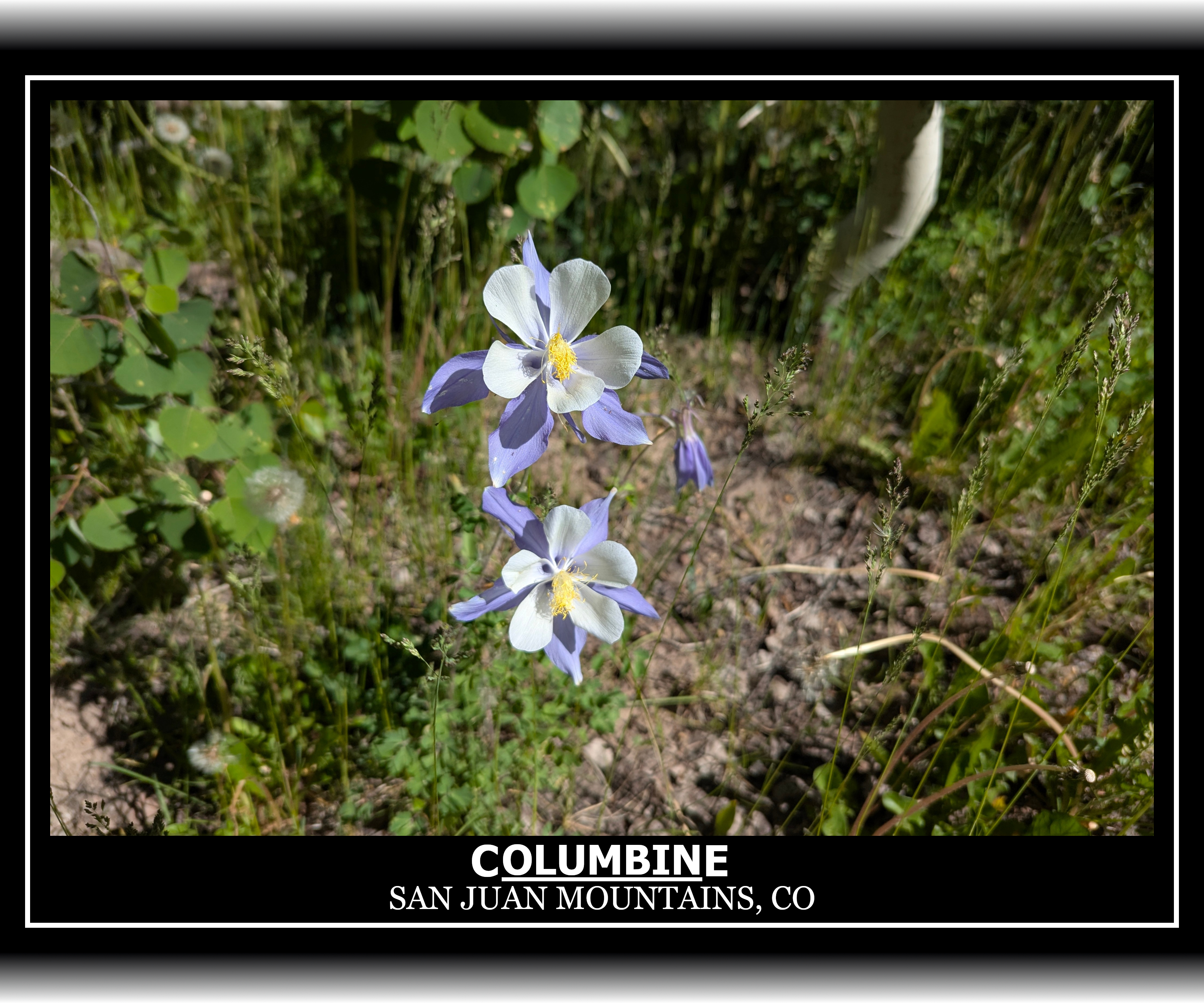
Sunday, 07/13/2025: Posted photo — Columbine.

The Columbine was chosen as Colorado’s state flower because of its beauty, its representation of the state’s natural environment, and its symbolic significance. It was officially designated on April 4, 1899, following a vote by Colorado schoolchildren in 1891.

I saw many columbines of different colors during my hike today.

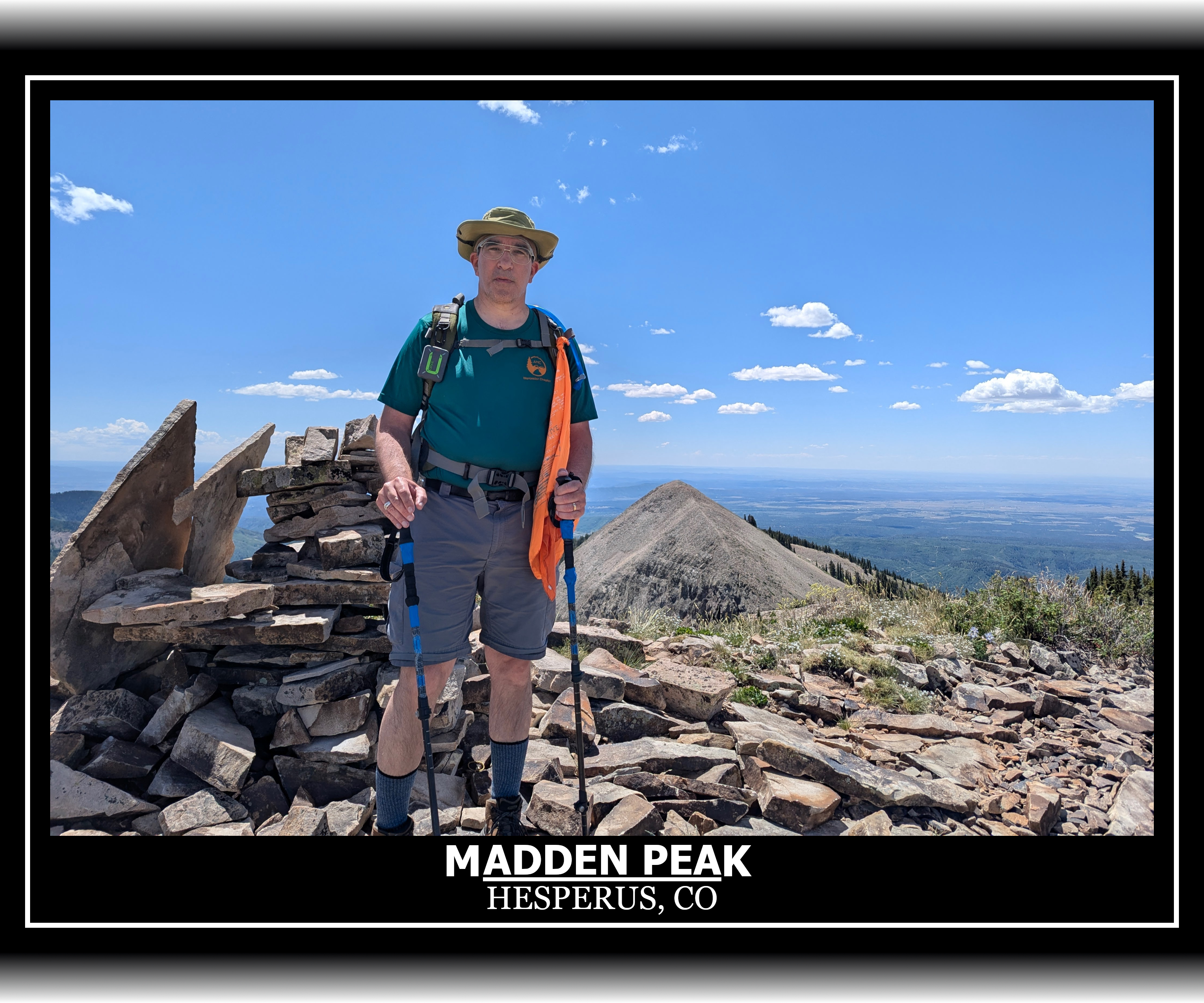
Monday, 07/14/2025: Posted photo — Madden Peak.

I finally conquered this 12K peak. The peak is 11,982 feet tall, close enough to call it a 12K peak. There were great views at the summit. I drank plenty of water and had snacks to avoid altitude sickness.

This was my second attempt at the summit. A few years ago, I was about 400 feet from the summit when it looked like a storm rolled in. That was a good choice to turn around since there was hail, thunder and lightning and heavy rain.

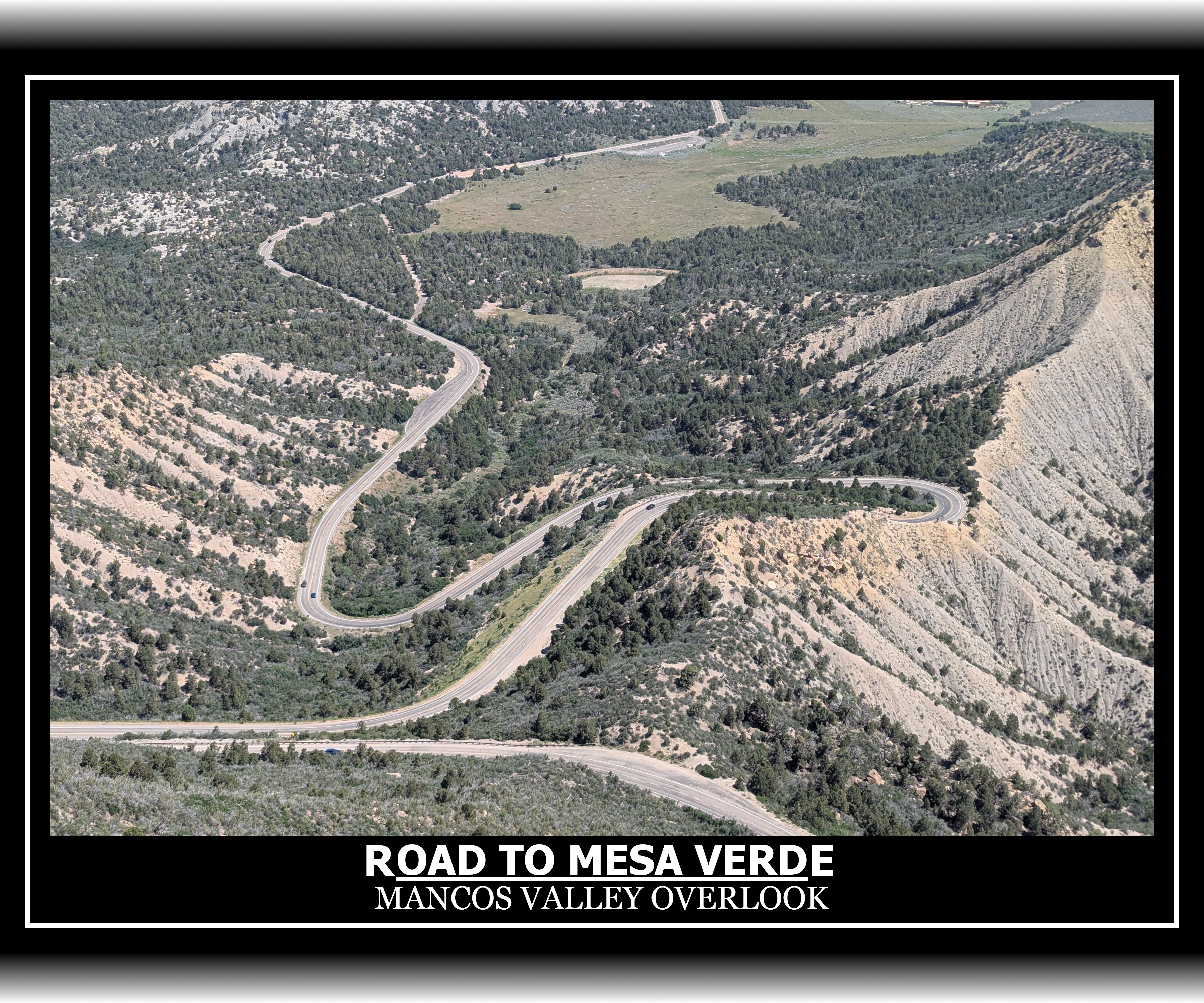
Tuesday, 07/15/2025: Posted photo — Road to Mesa Verde.

This is the road that leads into Mesa Verde National Park. I just liked all the switchbacks on the road.

Wednesday, 07/16/2025: Posted photo — Mesa.

This is the view of the Mesa in Mesa Verde National Park. My brother-in-law and I hiked to the edge of the mesa. My BIL works at the park.

It was a warm down hike after hiking on the 10K Via Ferrata and the 12K Madden Peak.

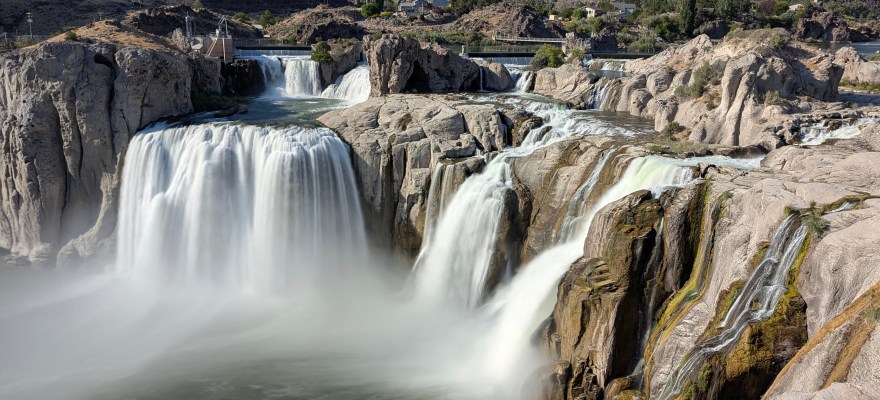
Thursday, 07/17/2025: Posted photo — Shoshone Falls ID.

Shoshone Falls, known as the “Niagara of the West,” is a majestic waterfall on the Snake River in Idaho. This was a wonderful side trip on our way to camp near the Oregon Trail.

Friday, 07/18/2025: Post photo — Oregon Trail.

The Oregon Trail was a 2,170-mile (3,492 km) emigrant route to the Willamette Valley in Oregon, used by hundreds of thousands of American pioneers from 1841 to 1880. It stretched from Independence, Missouri, to Oregon City, Oregon. Tonight’s campsite was just off the Oregon Trail.

There was a visitor information center that featured some covered wagons. This is one of them.

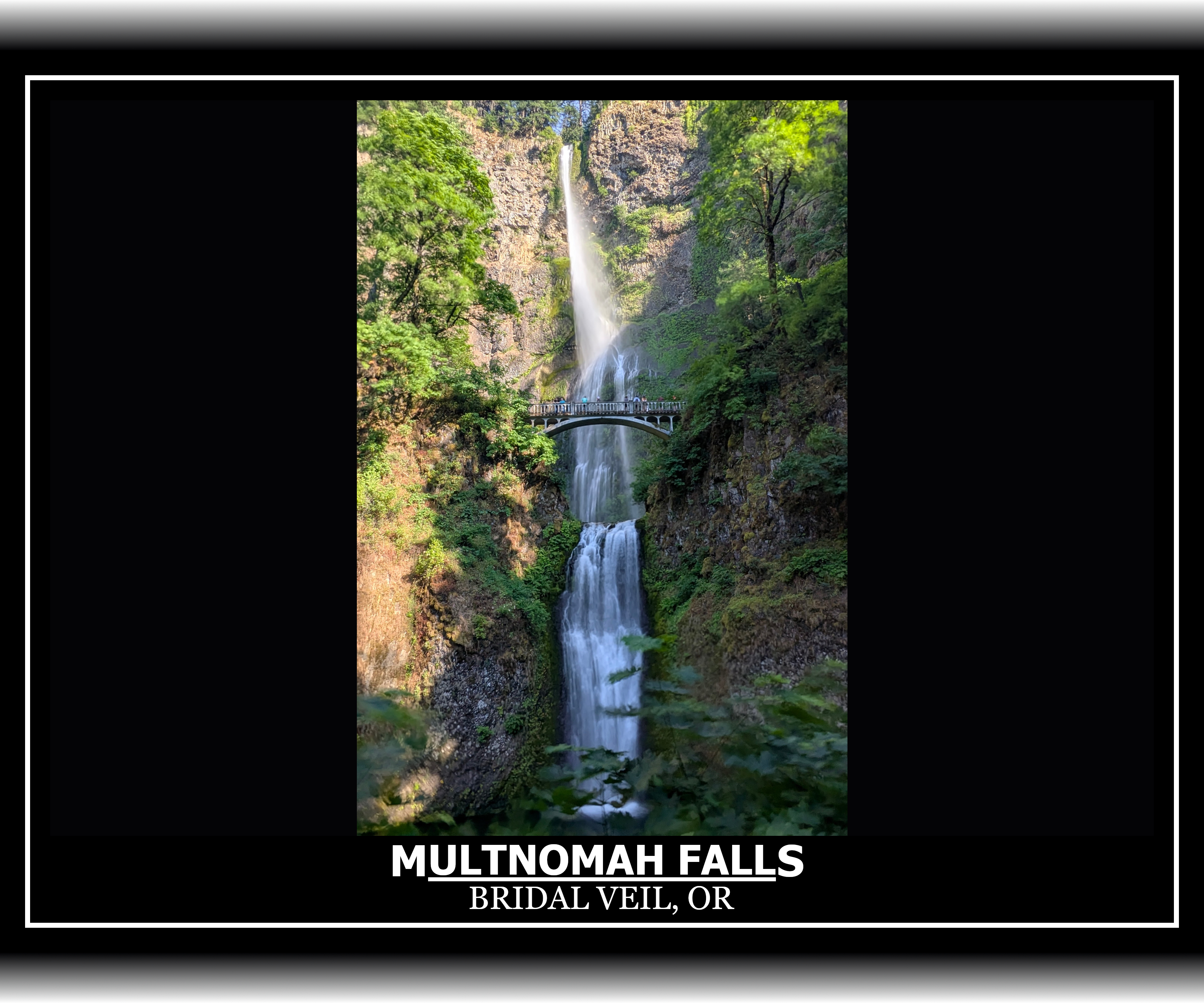
Saturday, 07/19/2025: Post photo — Multnomah Falls OR.

Multnomah Falls is a waterfall located on Multnomah Creek in the Columbia River Gorge, east of Troutdale, between Corbett and Dodson, Oregon. According to Native American lore, Multnomah Falls was created to win the heart of a young princess who wanted a hidden place to bathe.

The upper falls is 542 feet tall and the lower falls is 69 feet tall.

That is all for now. Until next week, be safe.

“Sumens imagines consolatur et inspirat me.”

“Quod scripsi, scripsi. Ingeniarius sum, non scriptor.”

Photographic Thoughts — 07/06/2025 to 07/12/2025

“Photographs open doors into the past, but they also allow a look into the future.” — Sally Mann

As I get back to work, I am putting some photos together from the first week of my vacation. I did not sit down every day and write about the photo. I will be setting time aside next week to do so.

Sunday, 07/06/2025: Posted photo — Framed.

Mount Rainier from the plane as I was going back home.

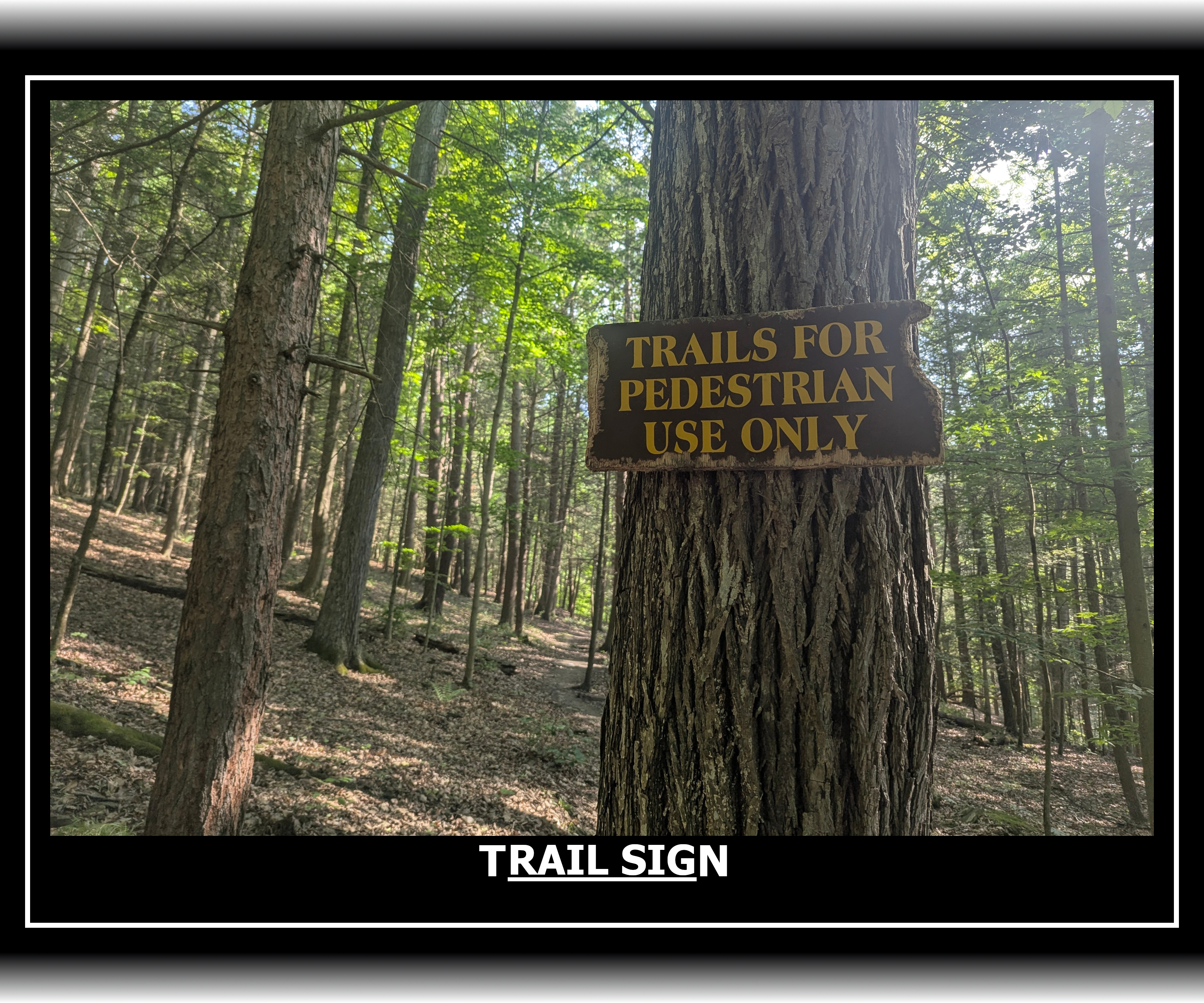
Monday, 07/07/2025: Posted photo — Trail Sign.

One of the trail signs in Buttermilk Falls State Park, Ithaca NY. This was on the Gorge Trail in the park.

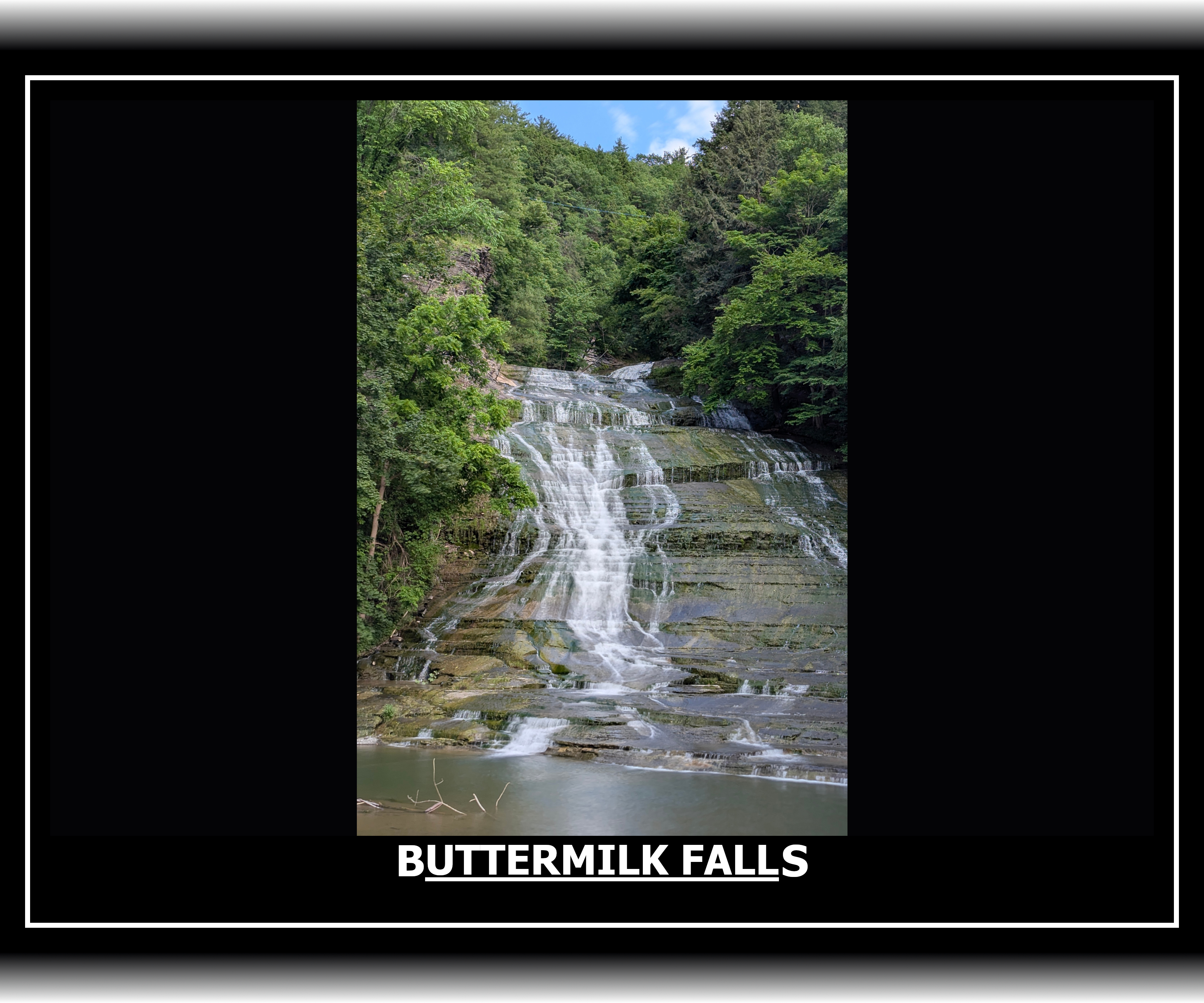
Tuesday, 07/08/2025: Posted photo — Buttermilk Falls.

Buttermilk Falls, Ithica NY. We would like to go back when the falls are flowing faster.

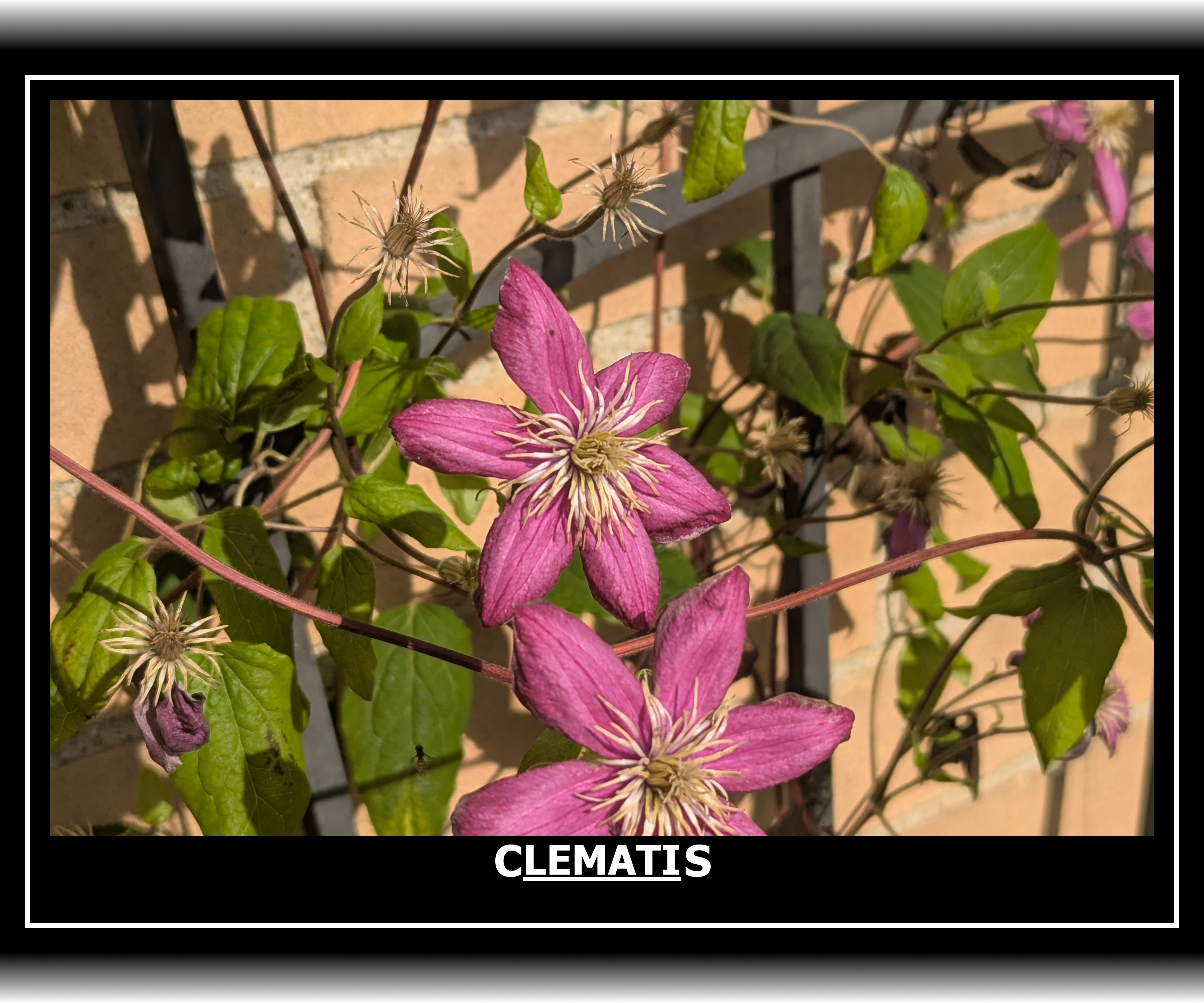
Wednesday, 07/09/2025: Posted photo — Clematis.

Clematis growing at my sister-in-law’s house in Columbus OH.

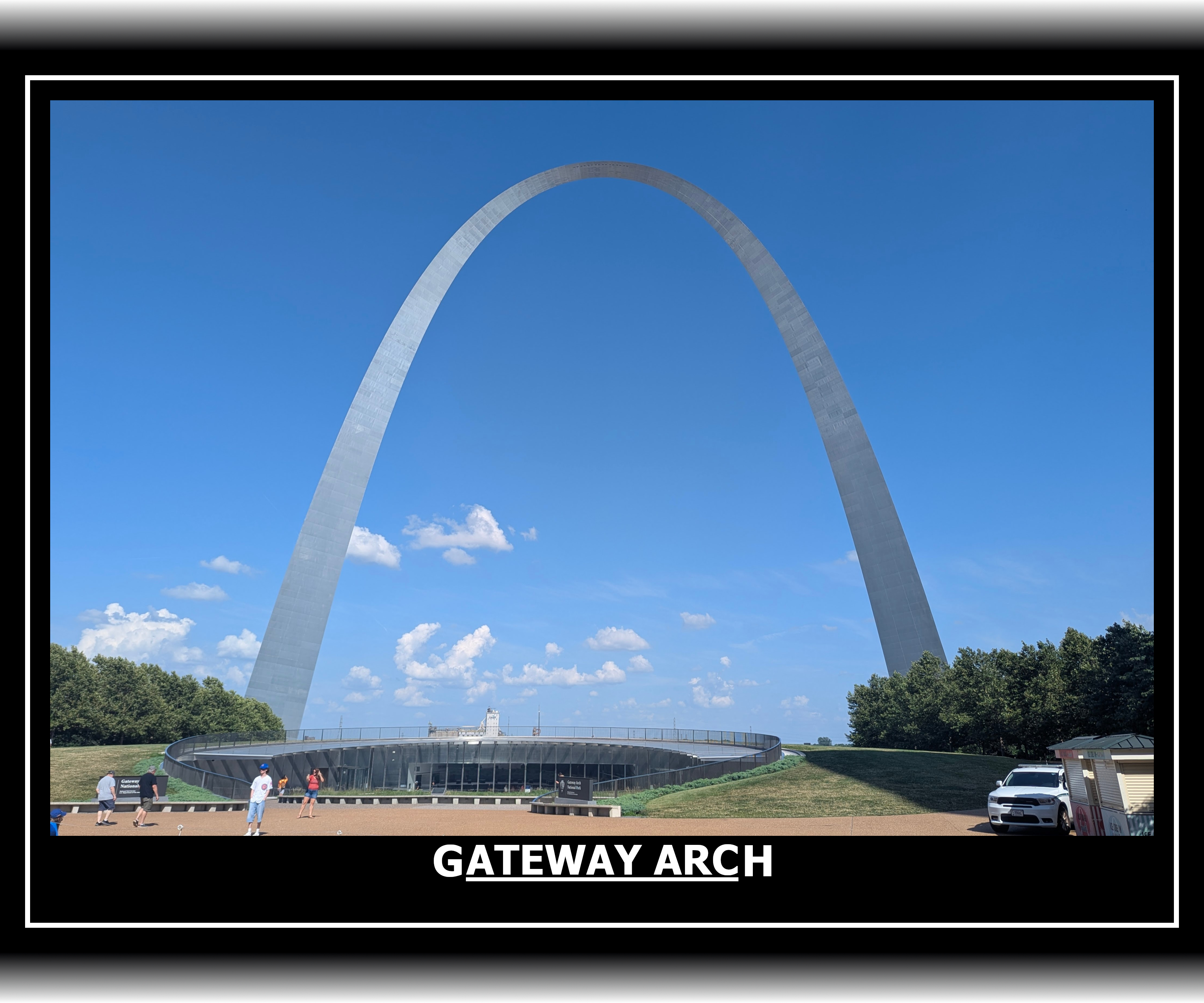
Thursday, 07/10/2025: Posted photo — Gateway Arch.

This was not the first time I was at Gateway Arch. I was there a few years ago. It looked like the entrance to the Arch was moved from the first time I was there. I had more time today to explore the Arch and the area. I did not go into the Arch again.

Friday, 07/11/2025: Post photo — Busch Stadium.

I was looking forward to going to Busch Stadium. This is the site that the Red Sox broke the curse in 2004. Not the same stadium. This one was built in 2006. The ushers were asking us if we were rubbing in the World Series victory since we had Red Sox shirts on. They were just joking with us.

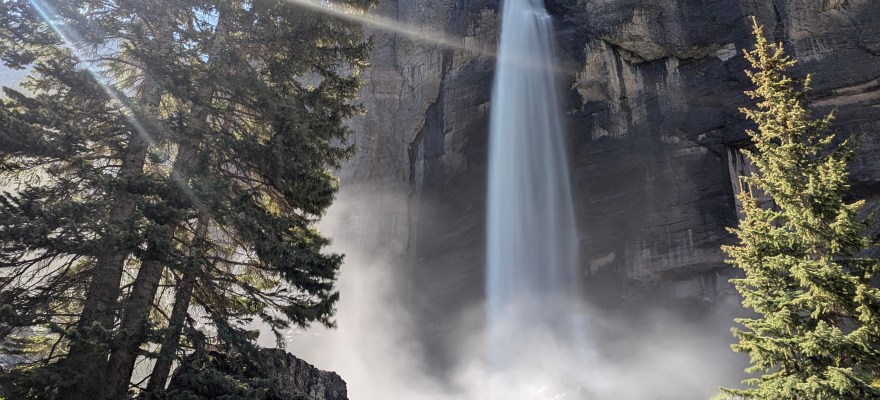
Saturday, 07/12/2025: Post photo — Bridal Veil Falls.

Bridal Veil Falls in Telluride CO. I passed these falls as I was going to the Via Ferrata trailhead. I did not do the entire Via Ferrata. I did the part where there was ground under my feet. I turned around before doing the section that was along the cliff face with only steel rungs to put your feet.

That is all for now. Until next week, be safe.

“Sumens imagines consolatur et inspirat me.”

“Quod scripsi, scripsi. Ingeniarius sum, non scriptor.”

Photographic Thoughts — 05/25/2025 to 05/31/2025

“It’s one thing to make a picture of what a person looks like, it’s another thing to make a portrait of who they are.” — Paul Caponigro

Thank you for all the new views and likes from last week, it helps keep me inspired.

Repost of signs. Was a busy week at work and at home

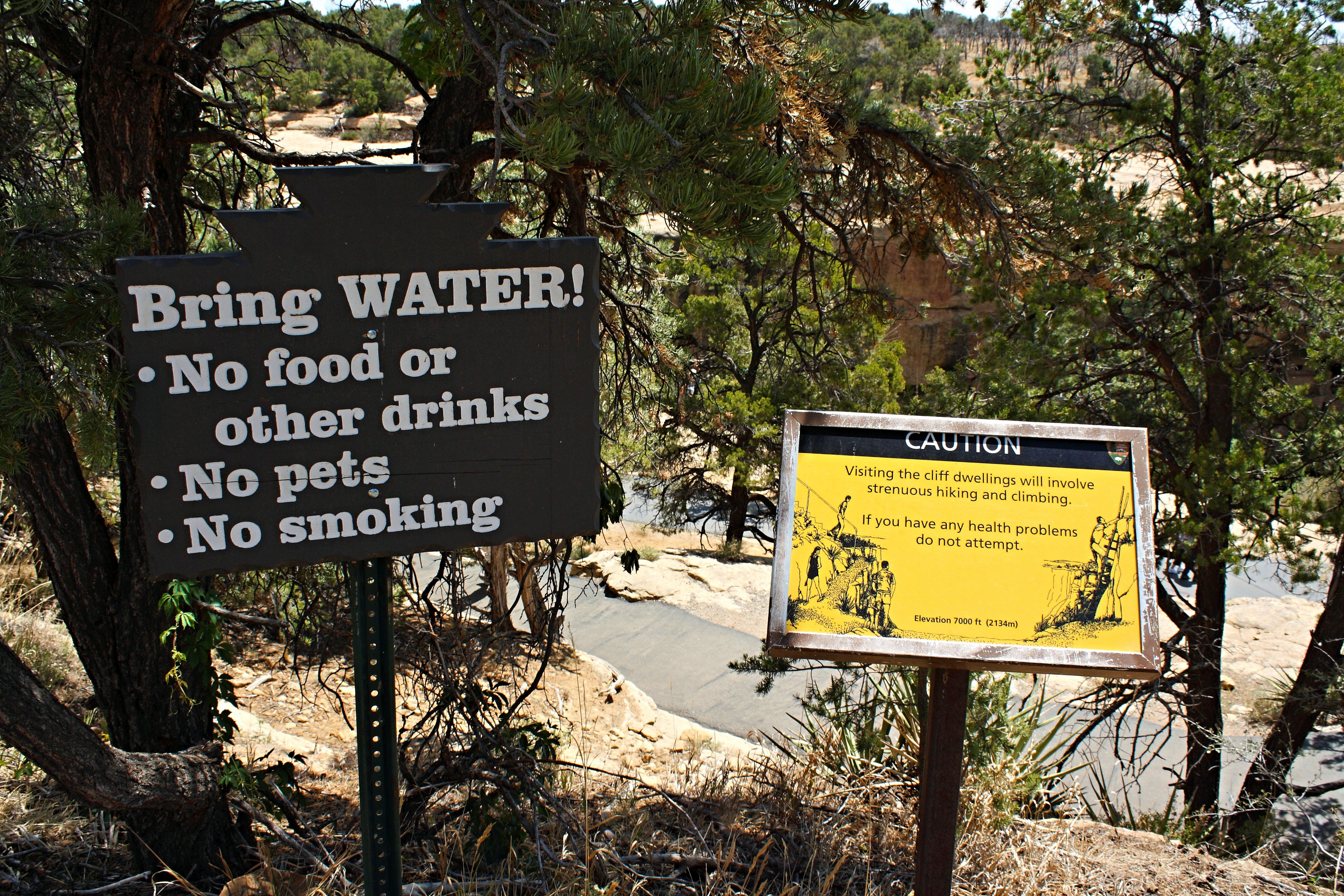
Sunday, 05/25/2025: Posted photo — Bring Water!

Mesa Verde National Park

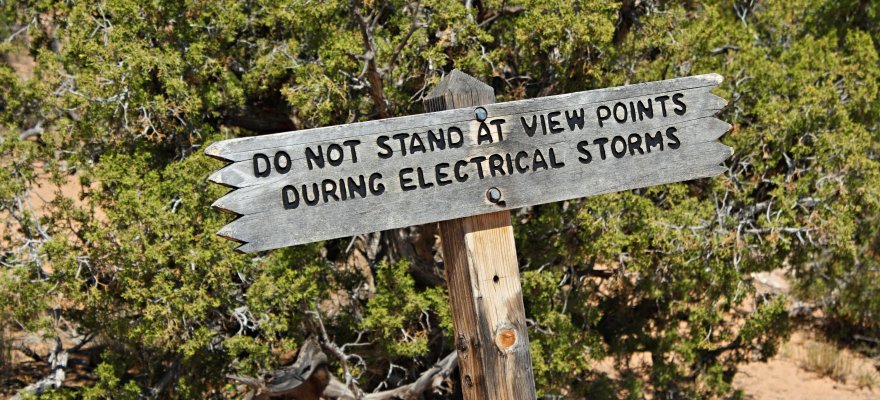
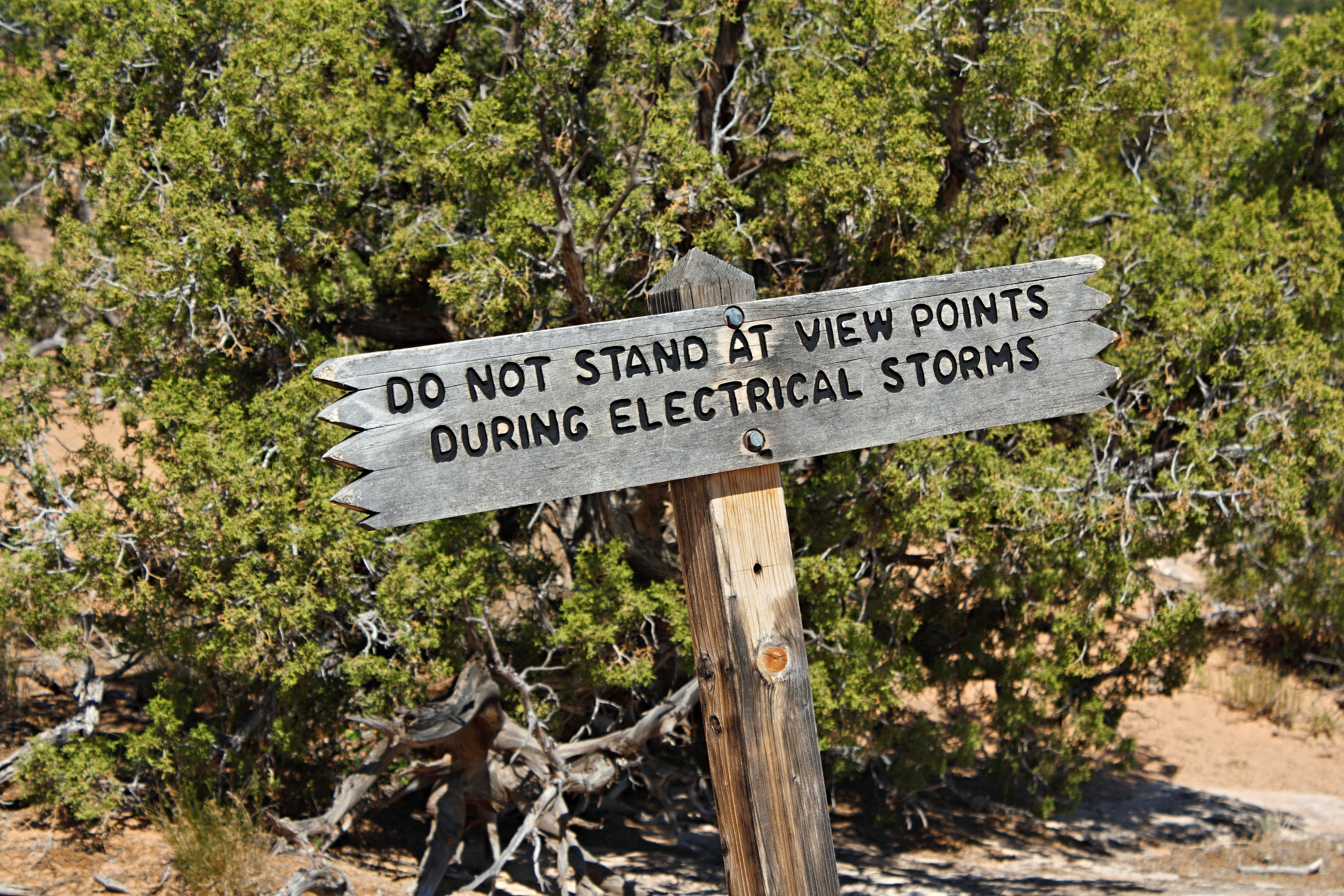
Monday, 05/25/2025: Posted photo — Do not Stand.

Natural Bridges National Monument

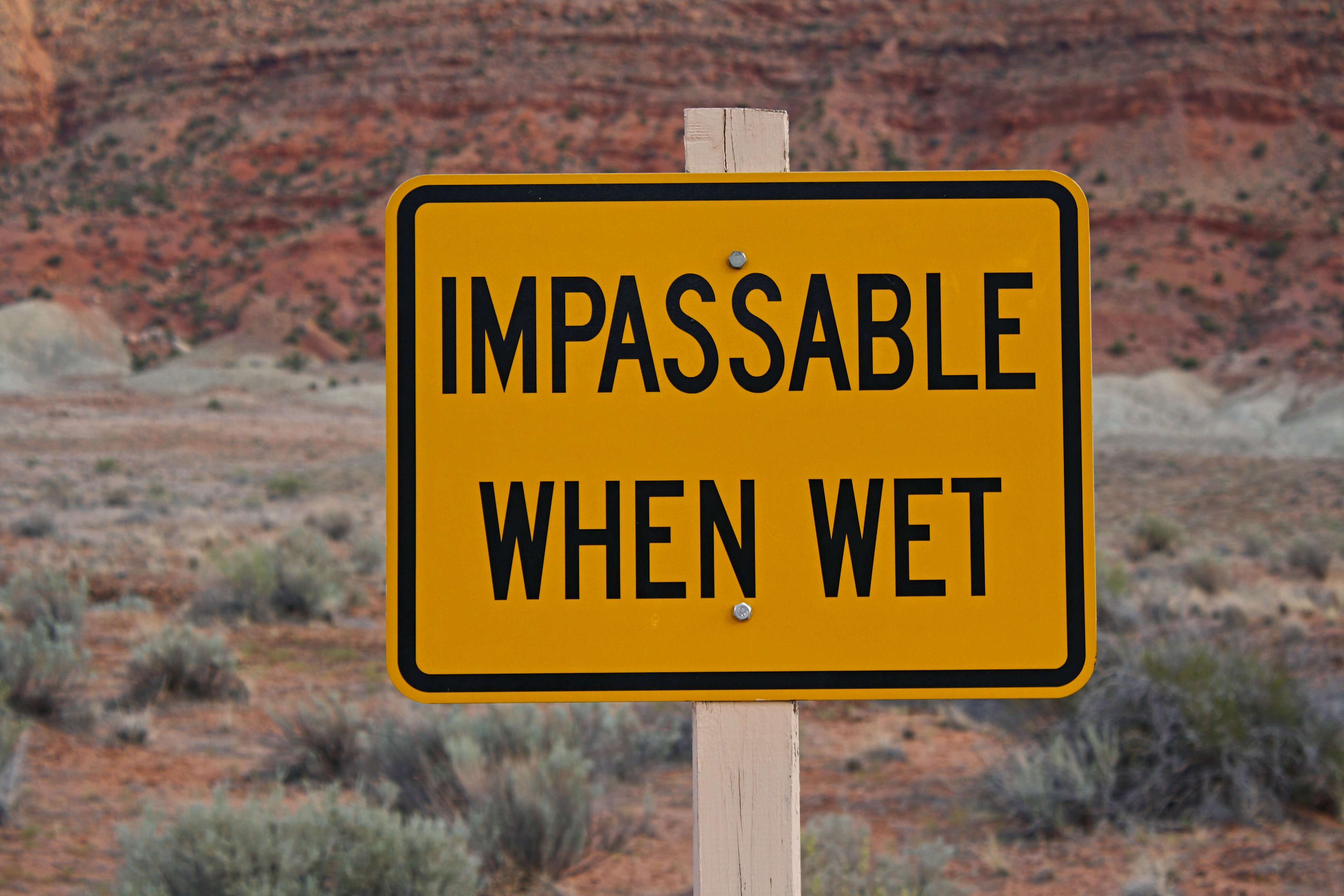
Tuesday, 05/27/2025: Posted photo — Impassible When Wet.

Arches National Park

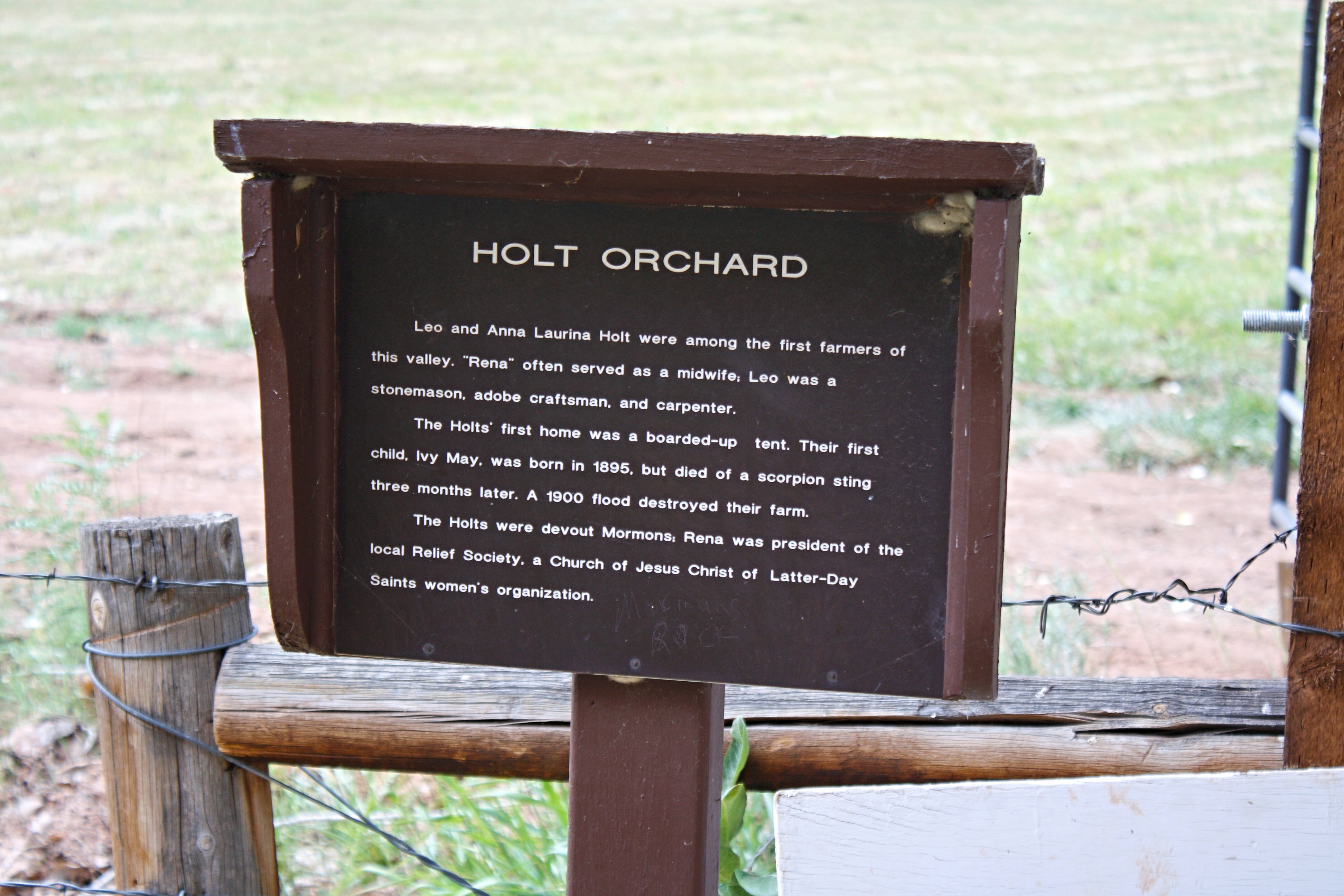
Wednesday, 05/28/2025: Posted photo — Holt Orchards.

Capital Reef National Park

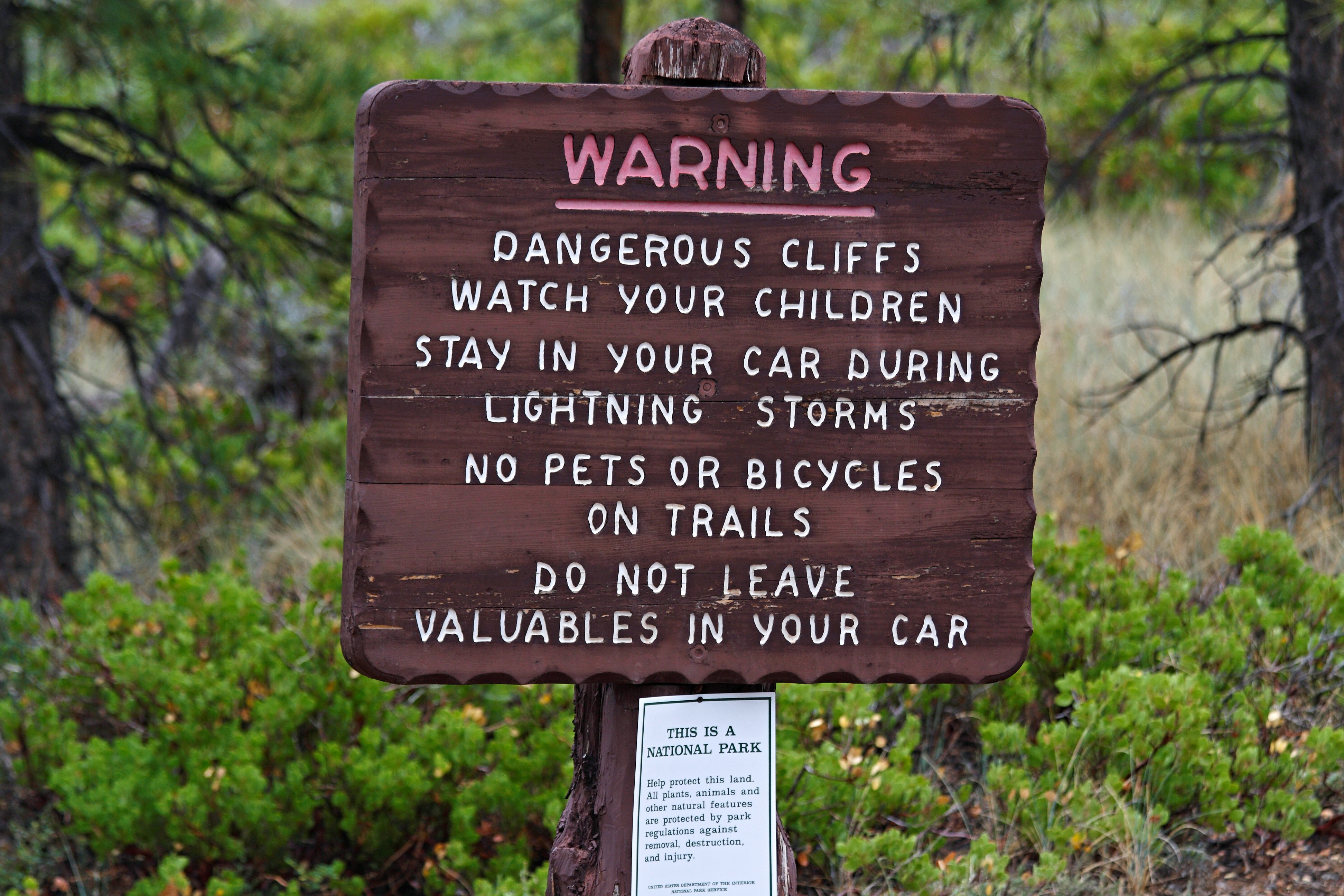
Thursday, 05/29/2025: Posted photo — Dangerous Cliffs.

Bryce Canyon National Park

Friday, 05/30/2025: Post photo — River Walk.

Zion National Park

Saturday, 05/31/2025: Post photo — Mules.

North Rim, Grand Canyon National Park

That is all for now. Until next week, be safe.

“Sumens imagines consolatur et inspirat me.”

“Quod scripsi, scripsi.”