“There are always two people in every picture: the photographer and the viewer.” — Ansel Adams
Thank you for all the new views and likes from last week, it helps keep me inspired.
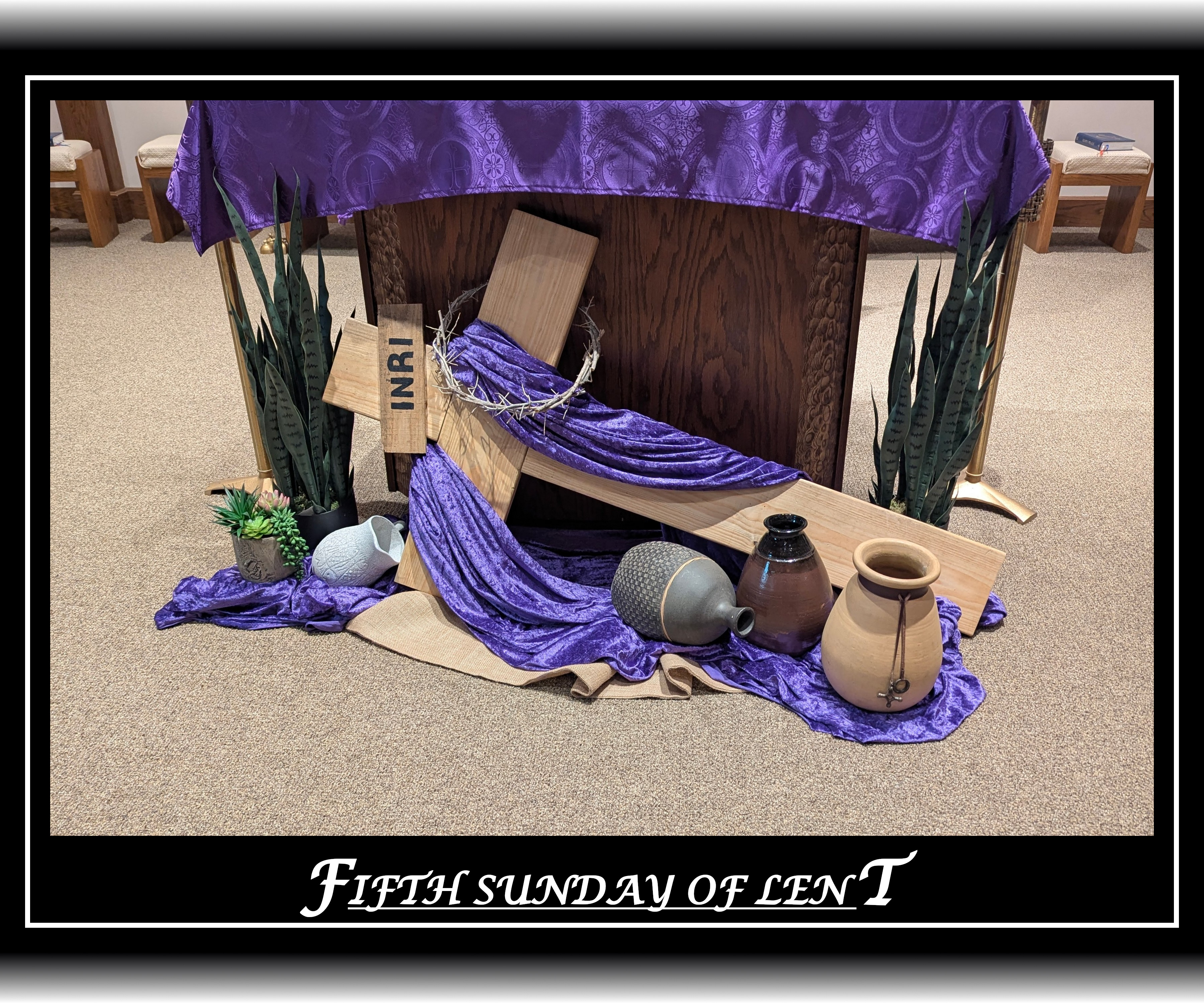
Sunday, 03/22/2026: Posted photo — Fifth Sunday of Lent.
The fifth Sunday of Lent is the last Sunday before Holy Week. The display shows a cross with empty bottles. The difference between a crass and a crucifix is that a crucifix features a body of Jesus on the cross, symbolizing his sacrifice and suffering, while a cross is empty, representing the risen Christ and victory over death.
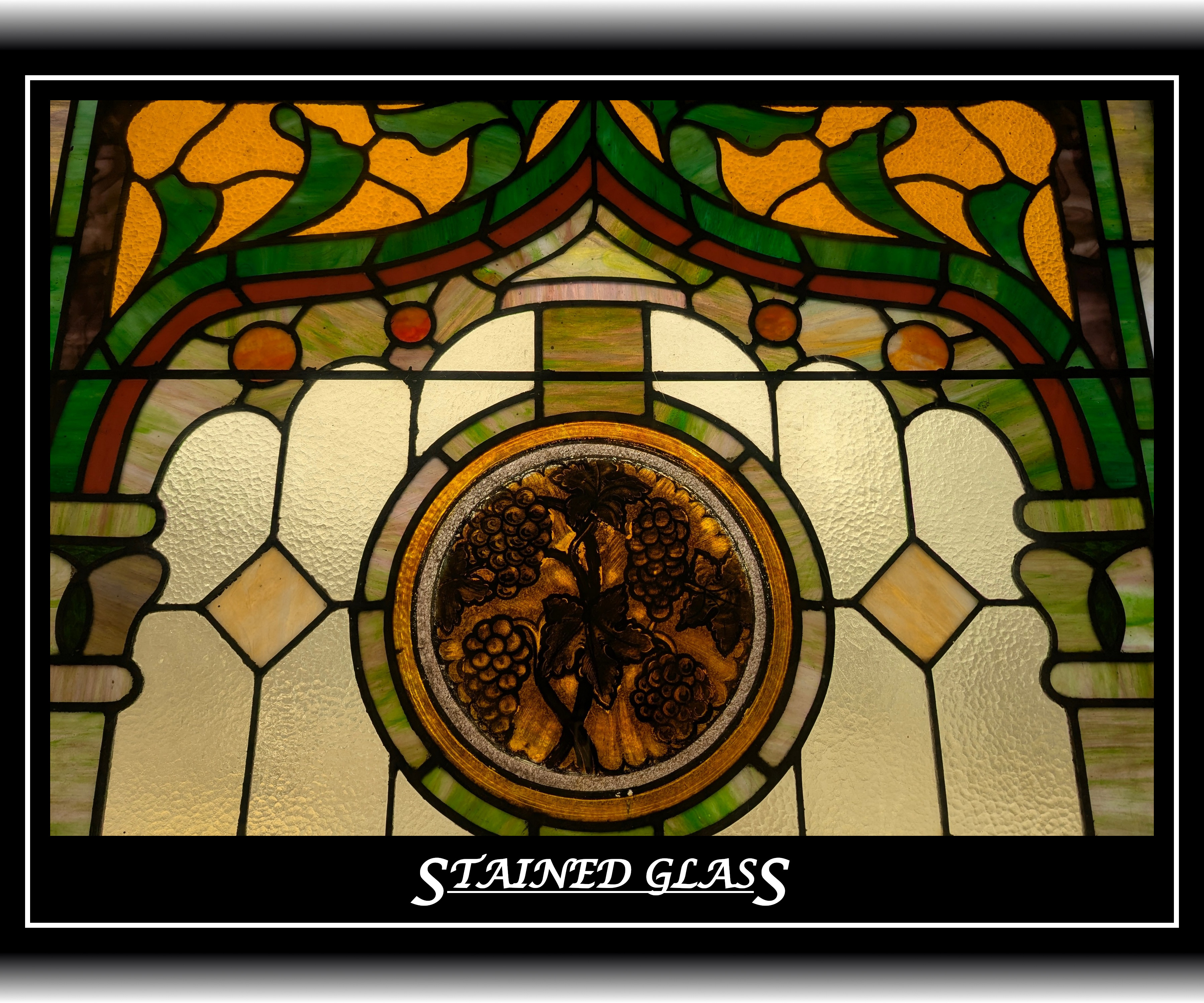
This is a photo of grapes on a stained glass window. Grapes primarily represent abundance, blessing, God’s provision, and the prosperity of the Promised Land.
Tuesday, 03/24/2026: Posted photo — Rime Ice on a Fence.
Rime ice is a white, opaque, granular ice deposit formed when supercooled water droplets in freezing fog or clouds instantly freeze upon contact with surfaces, typically on the windward side. This rime ice was on the summit of Wachusett Mountain. It was a cool and snowy hike. The snow was more of a misty type of snow. Some accumulation, but mostly a dusting of snow making it difficult to see the ice on some of the trails. It was cold enough to form rime ice on the trees and on the fire watch tower.
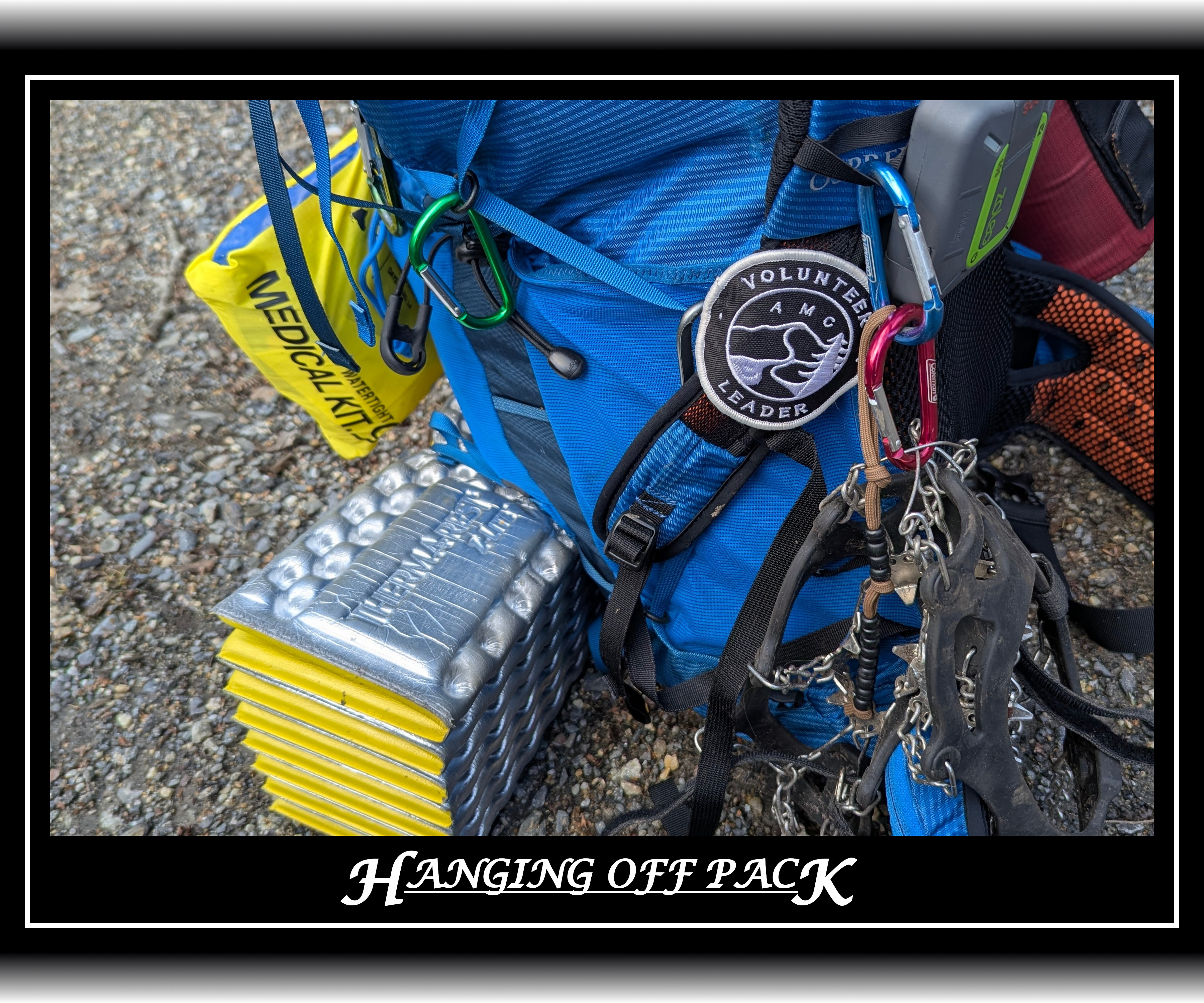
Wednesday, 03/25/2026: Posted photo — Hanging off my Pack.
Here are some items that are hanging off my pack while hiking in the winter. I have my two-way emergency beacon, ranger beads to help me with my pace count, my first aid kit, sleeping pad for resting and first aid, a pair of microspikes in case there was ice on the trail, my water bottle holder, and one of my AMC Volunteer Leader patches. The patch has the newest AMC logo on it. I have older patches that I wear when I am leading an AMC hike. I do not want to lose these patches, since I like them the best.
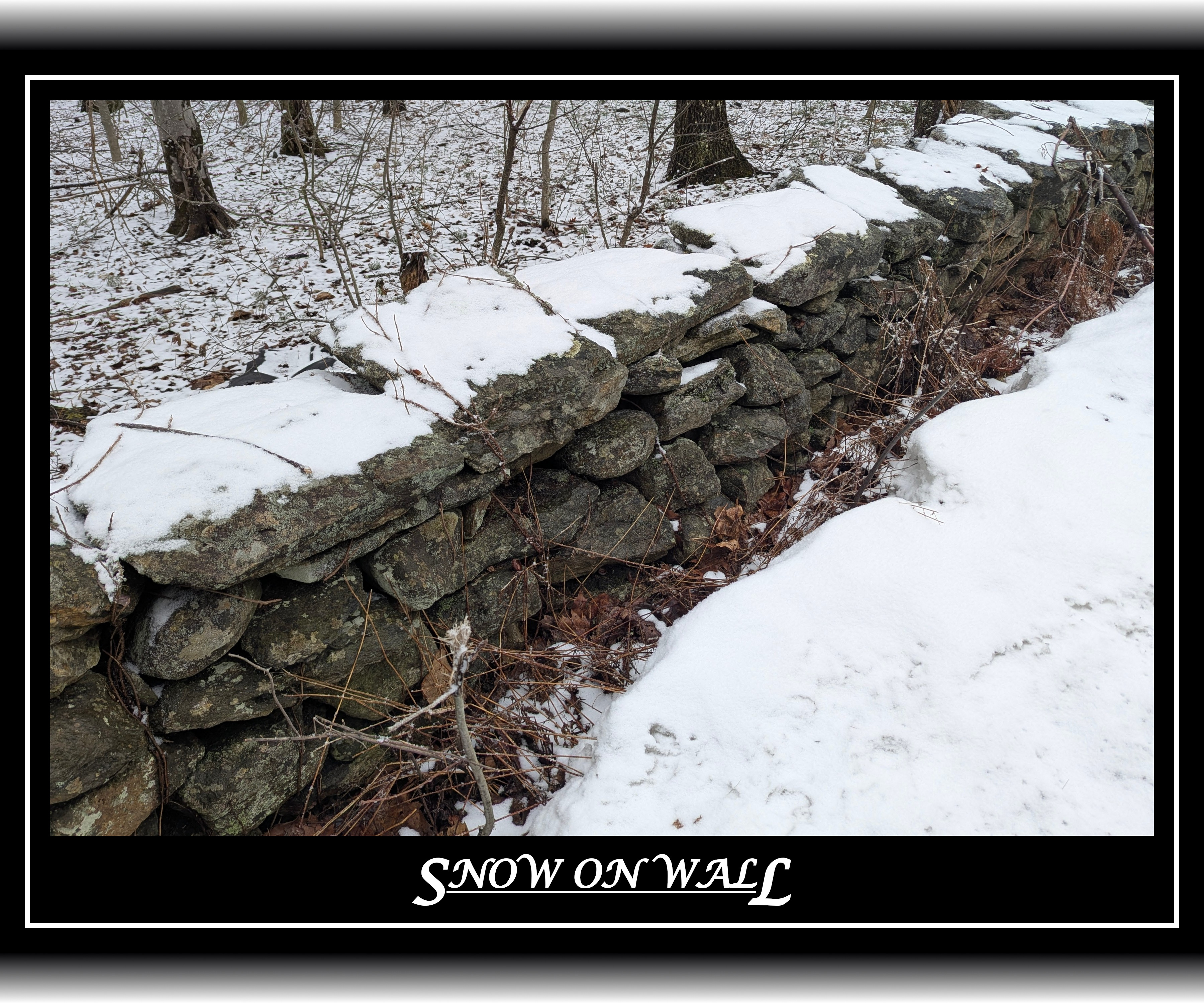
Thursday, 03/26/2026: Posted photo — Snow of Stone Wall.
A dusting of snow this week, along with cooler temperatures, have left some snow on some of the stone walls in the area. New England stone walls are historic structures—totaling an estimated 100,000 miles of surviving, mostly 19th-century, walls—built primarily to clear glacial rocks from farm fields, define boundaries, and control livestock. You see them in the woods because they show the outlines of abandoned fields.
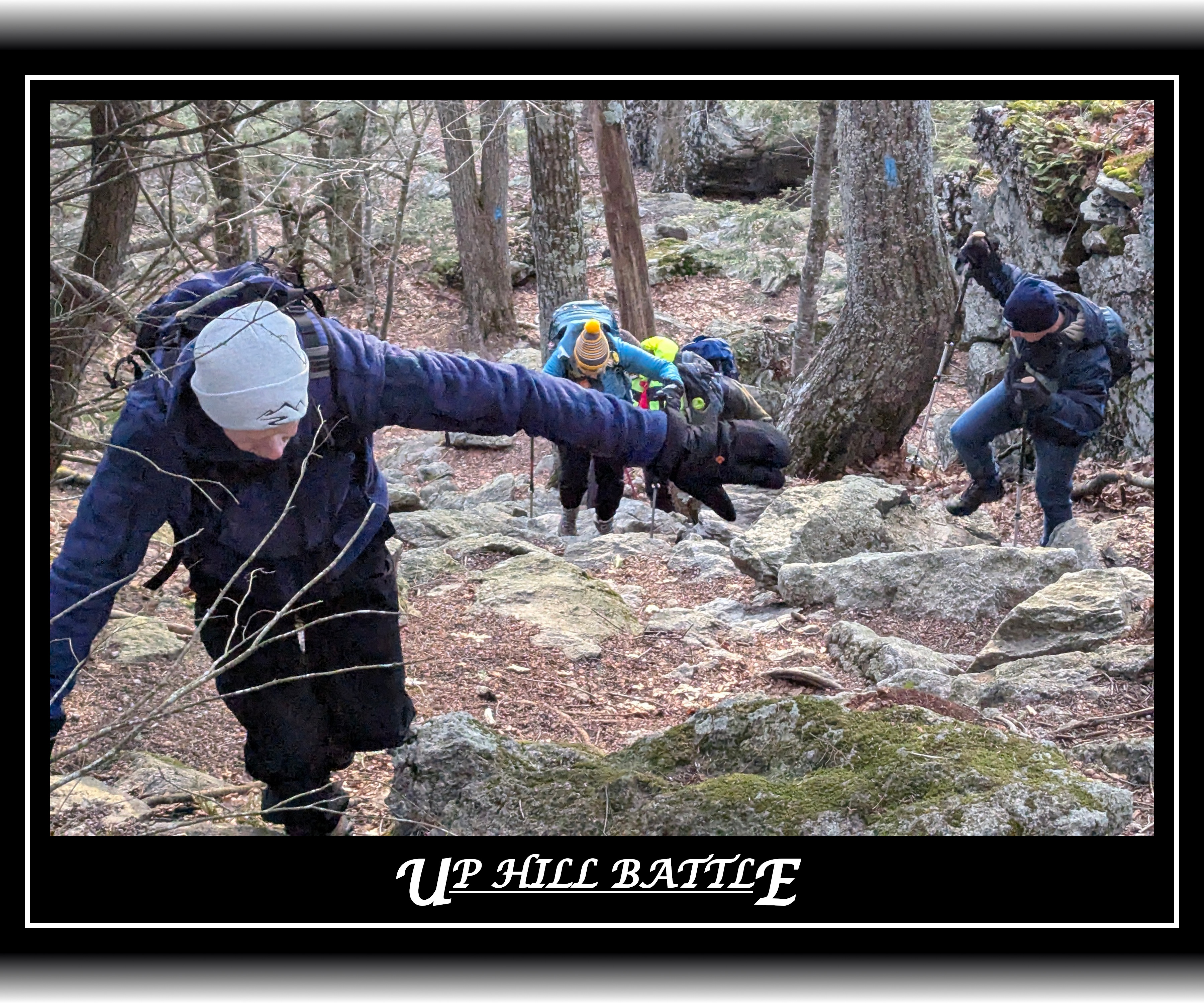
Friday, 03/27/2026: Post photo — Uphill Battle.
This is one of the steeper locations on Wachusett Mountain. This has a 17% grade.
The following table illustrates the relationship between grade percentage, incline angle, and steepness description.
Slope Description
Grade (%)
Angle (Degrees)
Typical Features
Flat/Level
0%
0°
Plains, floor levels
Gently Sloping
1–5%
~0.5°–3°
Rolling hills, mild terrain
Moderate
5–15%
~3°–8.5°
Steep roads, moderate hills
Steep
15–30%
~8.5°–17°
Mountainous trails, steep hills
Very Steep
30–60%
~17°–31°
Extreme terrain, cliffs
Extremely Steep
60%+
>31°
Dangerous cliffs, mountain faces
Vertical
100%
90°
Cliff face
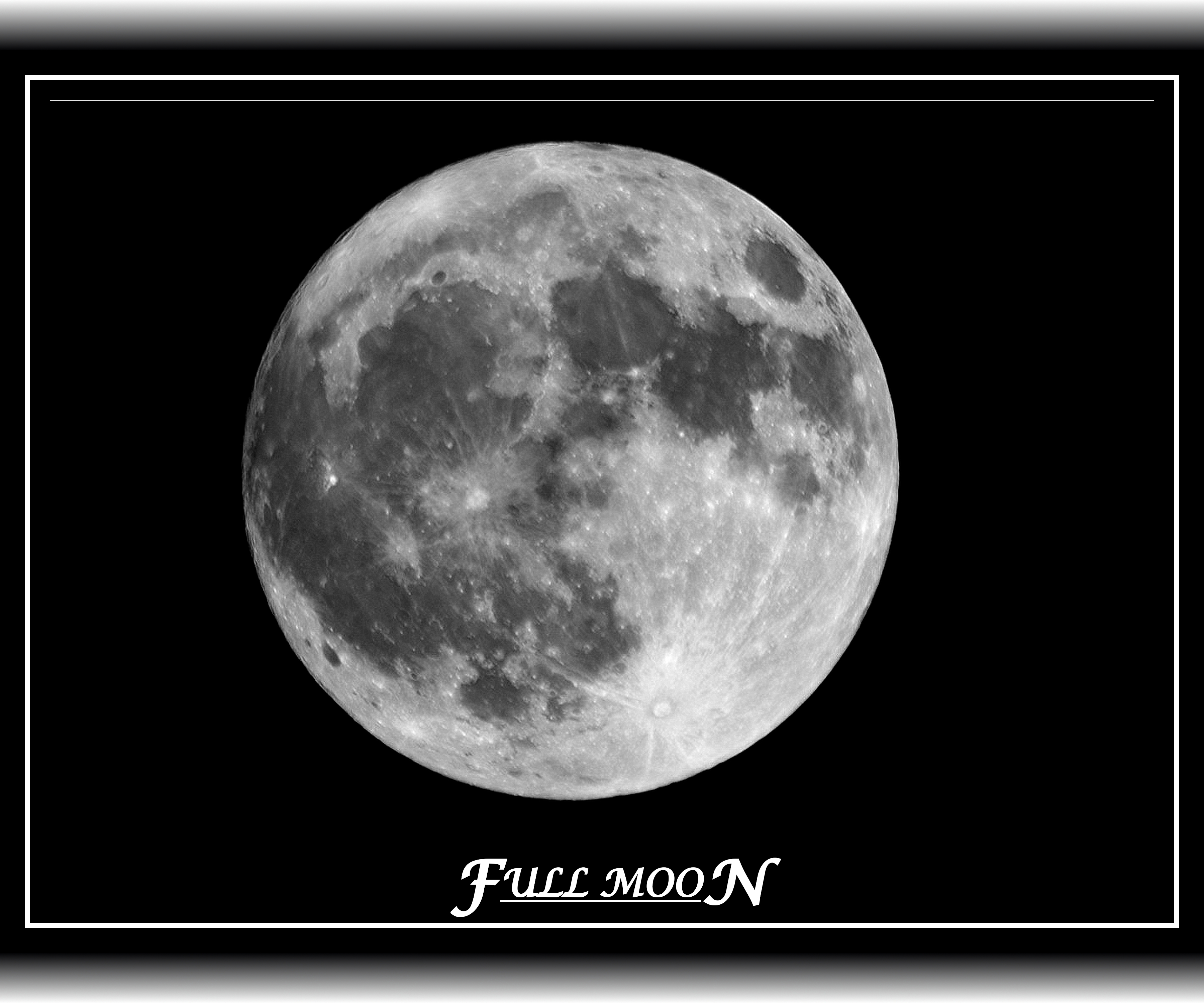
Saturday, 03/28/2026: Post photo — Full Moon.
I came across this photo during a search this week. This is one of my favorite photos of the moon so I am sharing it with you.
That is all for now. Until next week, be safe.
“Sumens imagines consolateur et inspirat me. Pulchritudinem mundi video per camera mean.”
“Quod scripsi, scripsi. Ingeniarius sum, non scriptor.”
Thank you for all the new views and likes from last week, it helps keep me inspired.
This is a re-post from March 2022. I have been too busy this week to write comments on the photos I took. The plan is to integrate this week’s photos into the next few posts. Another thought is to post a bonus blog.
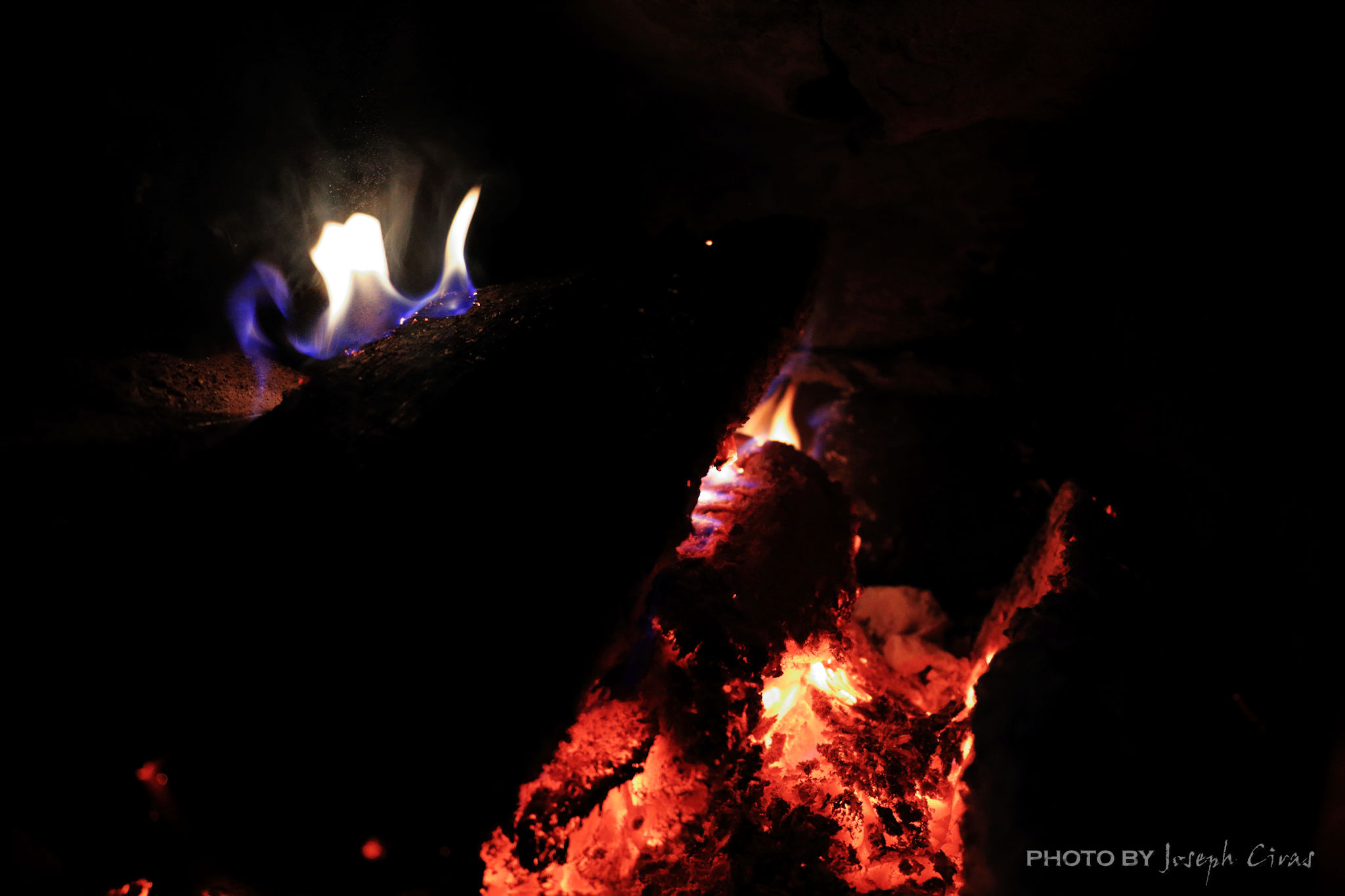
Sunday, 03/15/2026: Posted photo — Low Key.
Settings: Canon EOS 60D, ISO 2500, f/3.5, 1/40 s, 18 mm.
A low key image is one that contains predominantly dark tones and colors. Low key photography conveys atmosphere and mood. One of my photo projects had a low key image challenge this week. I was thinking about what photo to take to meet this challenge. I would have had many options if I had not just been operated on. With limited mobility, I thought about what there might be around the house. Since low key images contain predominantly dark tones and colors, I took a photo of the fire in our wood stove.
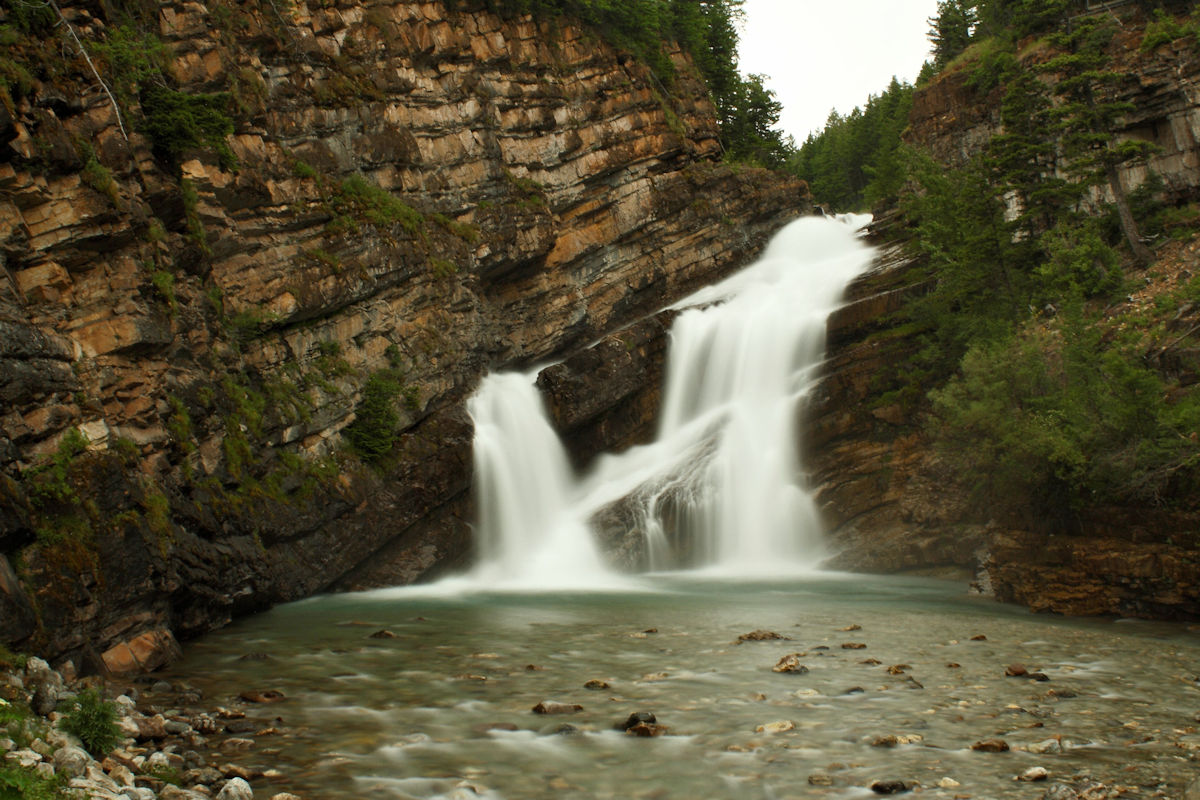
Monday, 03/16/2026: Posted photo — Cameron Falls.
Settings: Canon EOS DIGITAL REBEL XS, ISO 100, f/22, 10 s, 28 mm.
Cameron Falls, Waterton Lakes National Park, Alberta.
Cameron Falls is a very uniquely shaped waterfall of about 75 feet in height found in the heart of the Waterton townsite in Waterton Lakes National Park. After heavy rainfall, the waters upriver from the falls get stirred up with a red mudstone called argillite. As the water flows towards the falls, it turns to a beautiful pink hue when light reflects on the mineral water. We did not see the pink falls since the weather was dry when we visited Waterton Lakes National Park just after we visited Glacier National Park in Montana.
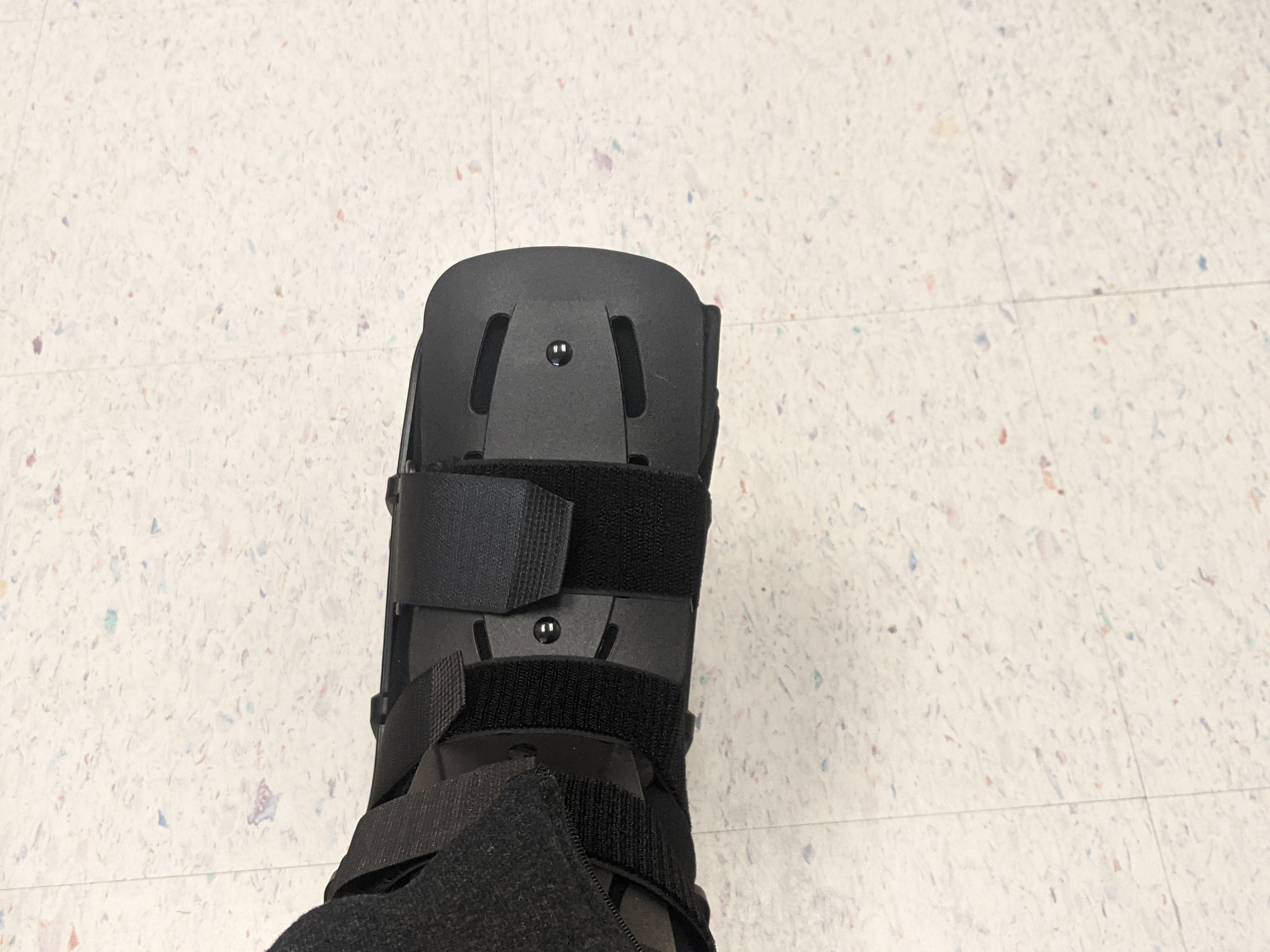
Tuesday, 03/17/2026: Posted photo — New Boot.
Settings: Google Pixel 2, ISO 195, f/1.8, 1/60 s, 4 mm.
I had a post op follow-up today a week and a half after surgery. My recovery is going as planned. I was fitted with this very uncomfortable boot. I still cannot put pressure on my ankle for another four weeks. I need to go back on Tuesday for another follow-up since the first one was close to my surgical date and the doctor would like to see my progress and remove some items from my ankle.
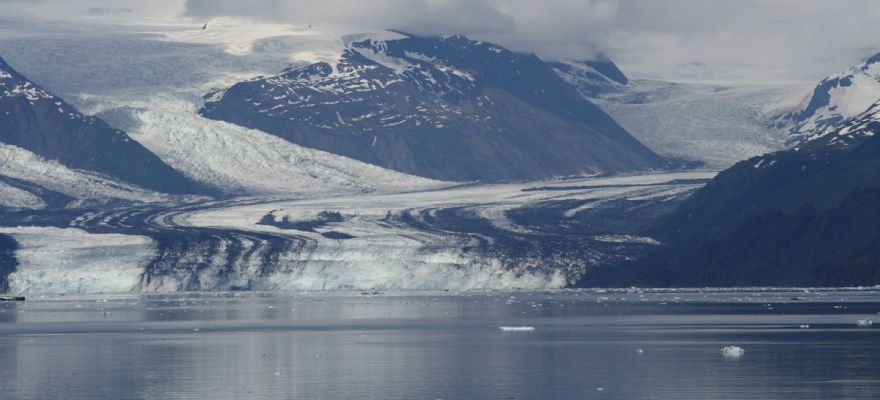
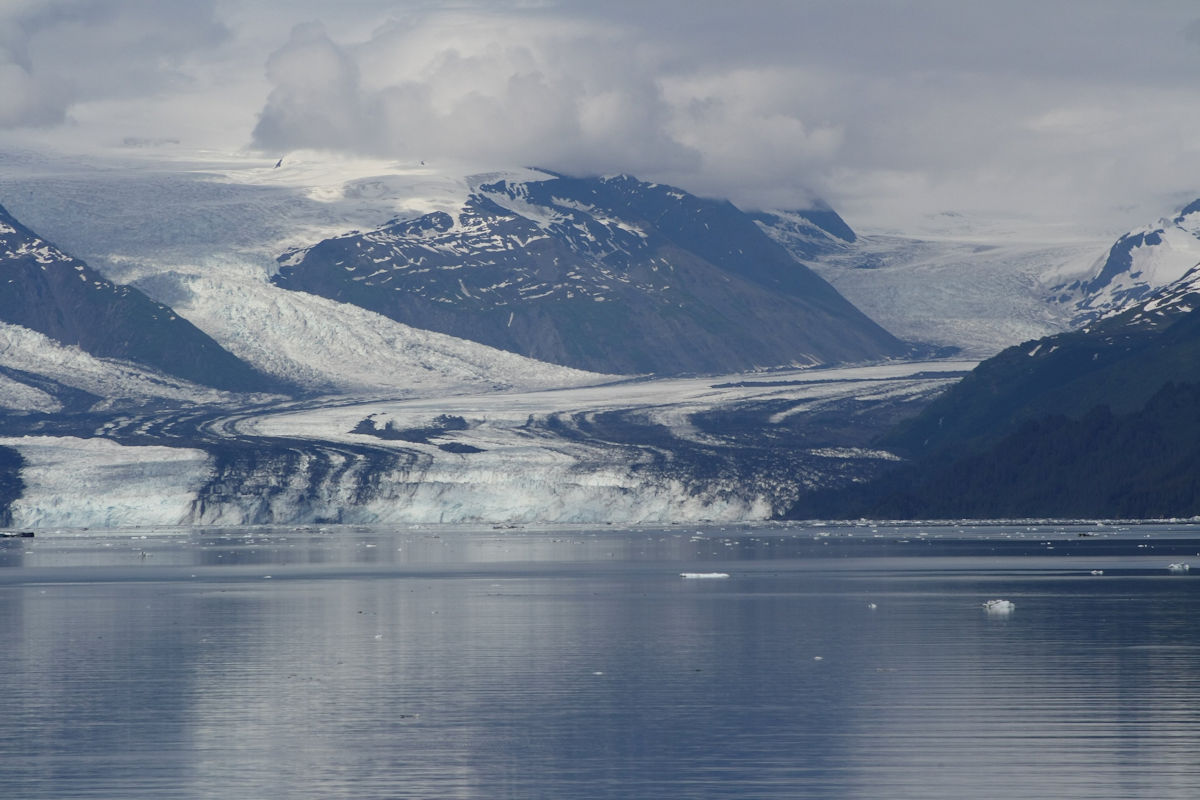
Settings: Canon EOS DIGITAL REBEL XS, ISO 200, f/8, 1/2000 s, 160 mm.
Harvard Glacier, College Fjord, Alaska.
The glacier has a 1.5-mile (2 km) wide face where it calves into the College Fjord. It is 300 ft thick and covers 120,000 acres of Chugach National Forest. The Harvard Glacier is the second largest glacier in the Prince William Sound, after the Columbia Glacier.
It is amazing to see how large a glacier is when you look at it from a distance. In this photo, we were about a mile from the glacier.
The names of the glaciers in College Fjord are Amherst, Barnard, Bryn Mawr, Harvard, Smith, Vassar, and Yale. The glaciers of the northwest side feature the names of women’s colleges, and the glaciers of the fork and the southeast side sport the names of men’s colleges. What about Princeton? According to my research on the names, the scholars that named the glaciers took delight in ignoring it since none of them were Princeton alum.
Thursday, 03/19/2026: Posted photo — Cairn.
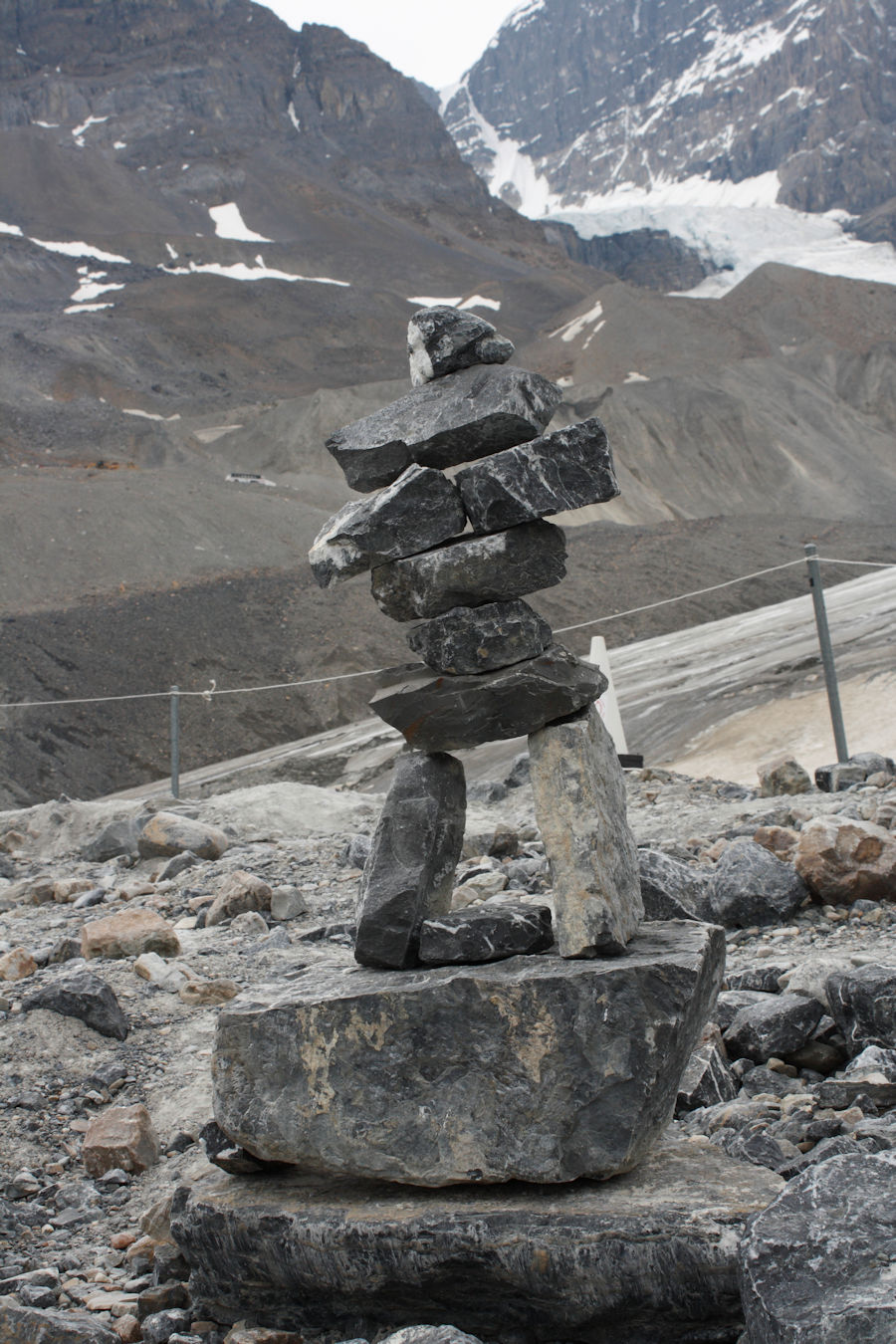
Settings: Canon EOS DIGITAL REBEL XS, ISO 200, f/11, 1/200 s, 34 mm.
On the trail near the Athabasca Glacier, Jasper National Park, Alberta.
A cairn is a mound of rough stones built as a memorial or landmark, typically on a hilltop or skyline. This cairn is shaped like a person. In Canada this is called an Inuksuk.
The Athabasca Glacier is one of the six principals ‘toes’ of the Columbia Icefield, located in the Canadian Rockies. The glacier currently loses depth at a rate of about 16.4 feet (5 meters) per year and has receded more than 1 mile (1.5 km) and lost over half of its volume in the past 125 years.
From the Canadian Encyclopedia: “Inuksuk (also spelled inukshuk, plural inuksuit) is a figure made of piled stones or boulders constructed to communicate with humans throughout the Arctic. Traditionally constructed by the Inuit, inuksuit are integral to Inuit culture and are often intertwined with representations of Canada and the north.” — https://www.thecanadianencyclopedia.ca/en/article/inuksuk-inukshuk
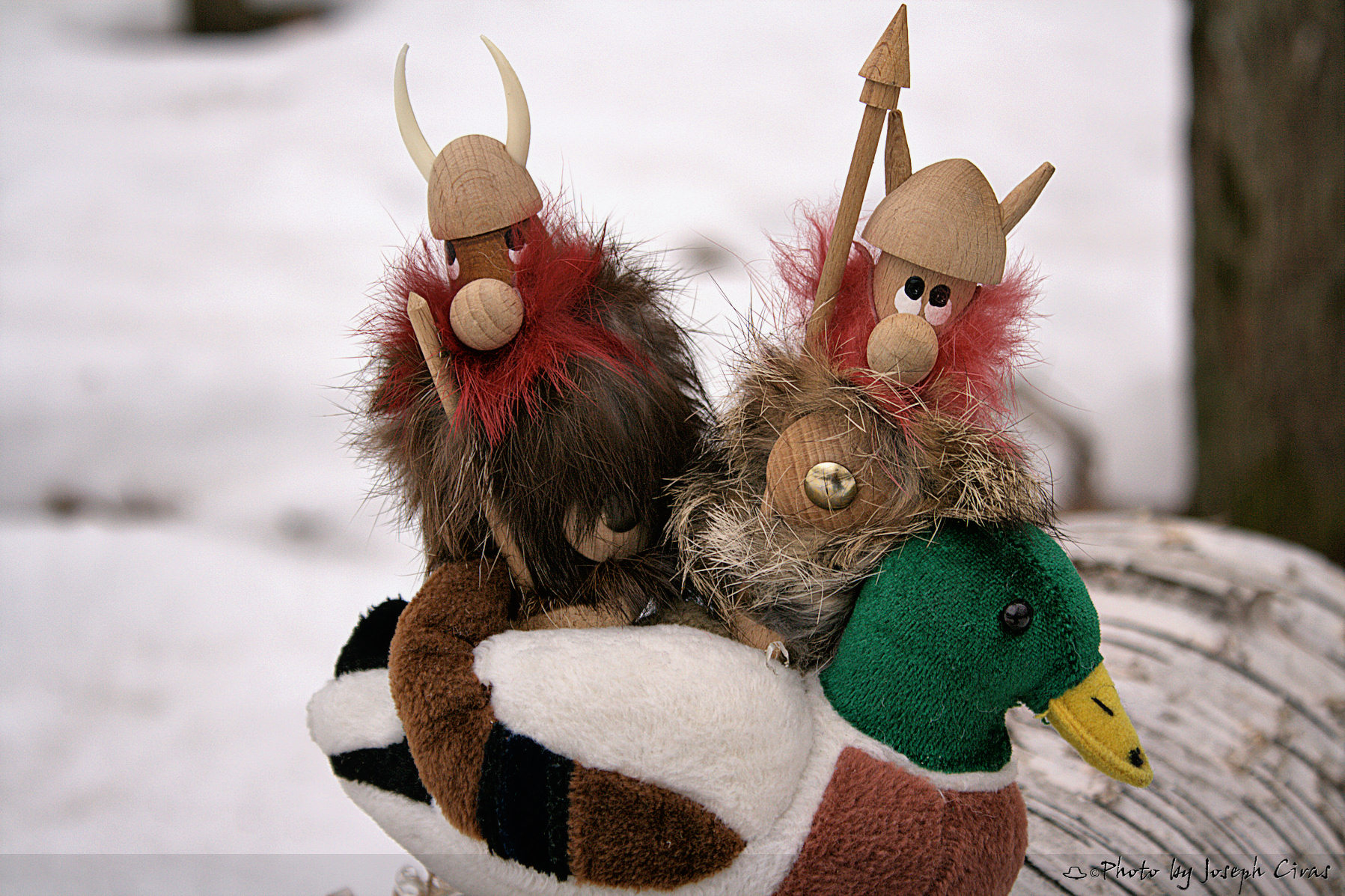
Friday, 03/20/2026: Post photo — Pall (and Rekard).
Settings: Canon EOS DIGITAL REBEL XS, ISO 200, f/5.6, 1/160 s, 55 mm.
These are my two buddied from Denmark. Earlier on in my photo projects, I featured Pall every week with Pall telling a story about his life. When I went back to Denmark, I picked up Rekard. They ventured together for next year or two. It might be time to bring their adventures back.
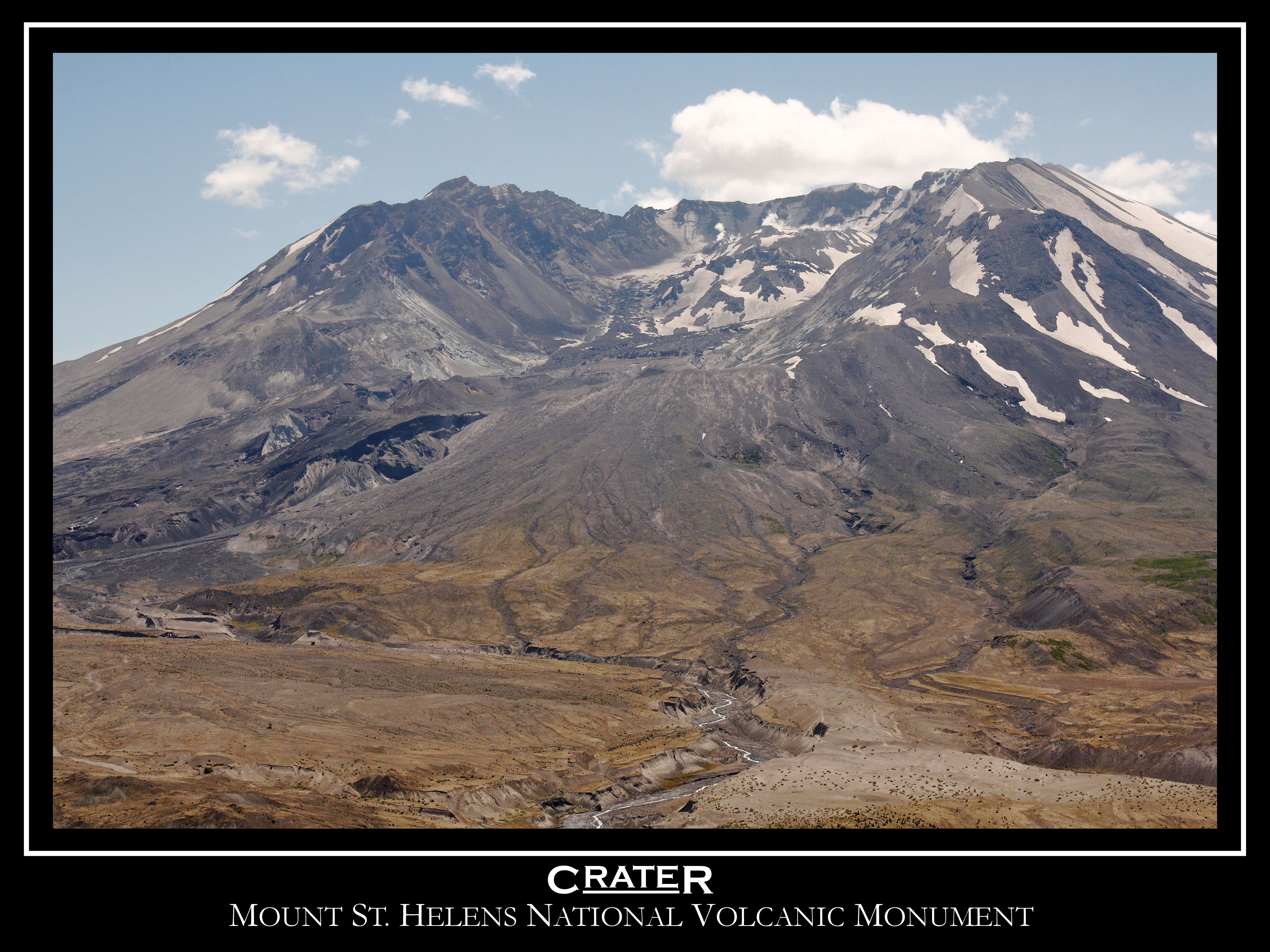
Saturday, 03/20/2026: Post photo — Crater.
Settings: N/A.
Mount St. Helens National Volcanic Monument
From the USGS:
“Prior to 1980, Mt. St. Helens had the shape of a conical volcano sometimes referred to as the Mount Fuji of America. During the 1980 eruption the upper 400 m (1,300 ft) of the summit was removed by a huge debris avalanche, leaving a 2 x 3.5 km horseshoe-shaped crater now partially filled by a lava dome and a glacier. It is primarily an explosive dacite volcano.”
Quick Facts:
Location: Washington, Skamania County Latitude: 46.2° N Longitude: 122.18° W Elevation: 2,539 (m) 8,330 (f) Volcano type: Stratovolcano Composition: Basalt to Rhyodacite Most recent eruption: 1980, 2004-2008 Nearby towns: Castle Rock, WA; Olympia, WA; Vancouver, WA; Yakima, WA; Portland, OR Threat Potential: Very High
Dacite: Volcanic rock (or lava) that characteristically is light in color and contains 62 to 69 percent silica and moderate amounts of sodium and potassium.
Stratovolcano: Steep, conical volcanoes built by the eruption of viscous lava flows, tephra, and pyroclastic flows. They are usually constructed over tens to hundreds of thousands of years and may erupt a variety of magma types (basalt to rhyolite). They typically consist of many separate vents. Synonyms are composite volcano.
I have been to Mt. St. Helens a few times over the years. The first time was about ten years after the eruption, and we saw the logs floating in Sprit Lake. I just pictured Harry Truman looking up at the mountain from his lodge and wondering why he did not leave. Then again, there were many false alarms in the past. I am amazed at how nature is recovering in the area. I can still remember the first time that I drove into the blast zone. Very lush, dense forest along the road, turn the corner and nothing. Trees looking like toothpicks laying down in the direction of the blast. There were some cars left for visitors to see how powerful the eruption was.
I took this photo because I was looking at the field of flowers and the crater. I put the camera down low so that I could get the flowers in the foreground and the mountain in the background. I do like how this photo came out.
That is all for now. Until next week, be safe.
“Sumens imagines consolateur et inspirat me. Pulchritudinem mundi video per camera mean.”
“Quod scripsi, scripsi. Ingeniarius sum, non scriptor.”
“Essentially what photography is life lit up.” — Sam Abell
Thank you for all the new views and likes from last week, it helps keep me inspired.
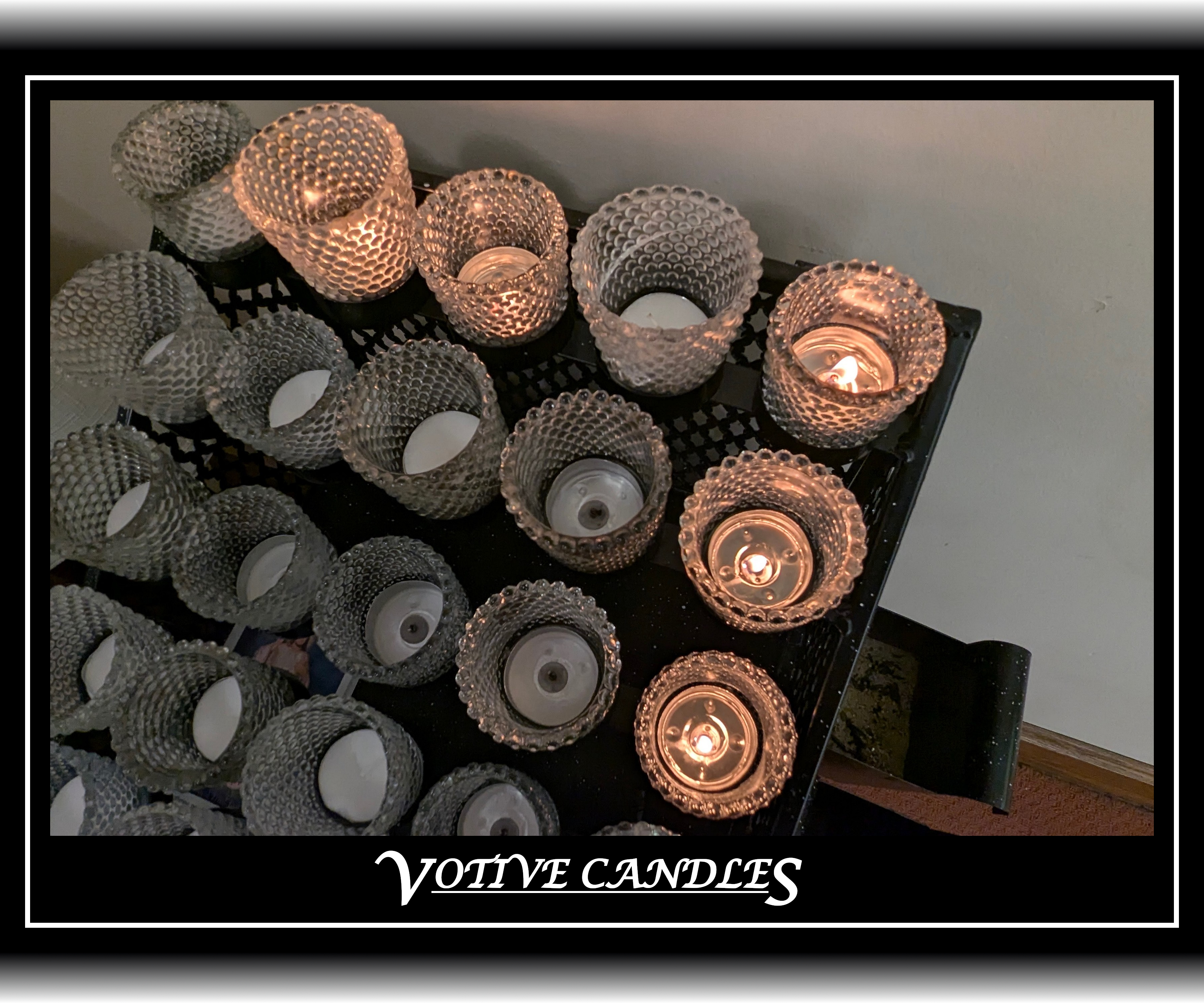
Sunday, 03/08/2026: Posted photo — Votive Candle.
A little candle in a church, often called a “votive candle”, represents a personal prayer, offering, or intention, allowing a worshiper’s devotion to continue even after they leave. These candles are in a frame that is dedicated to a friend and his wife who have passed. He passed from ASL and she passed from cancer.
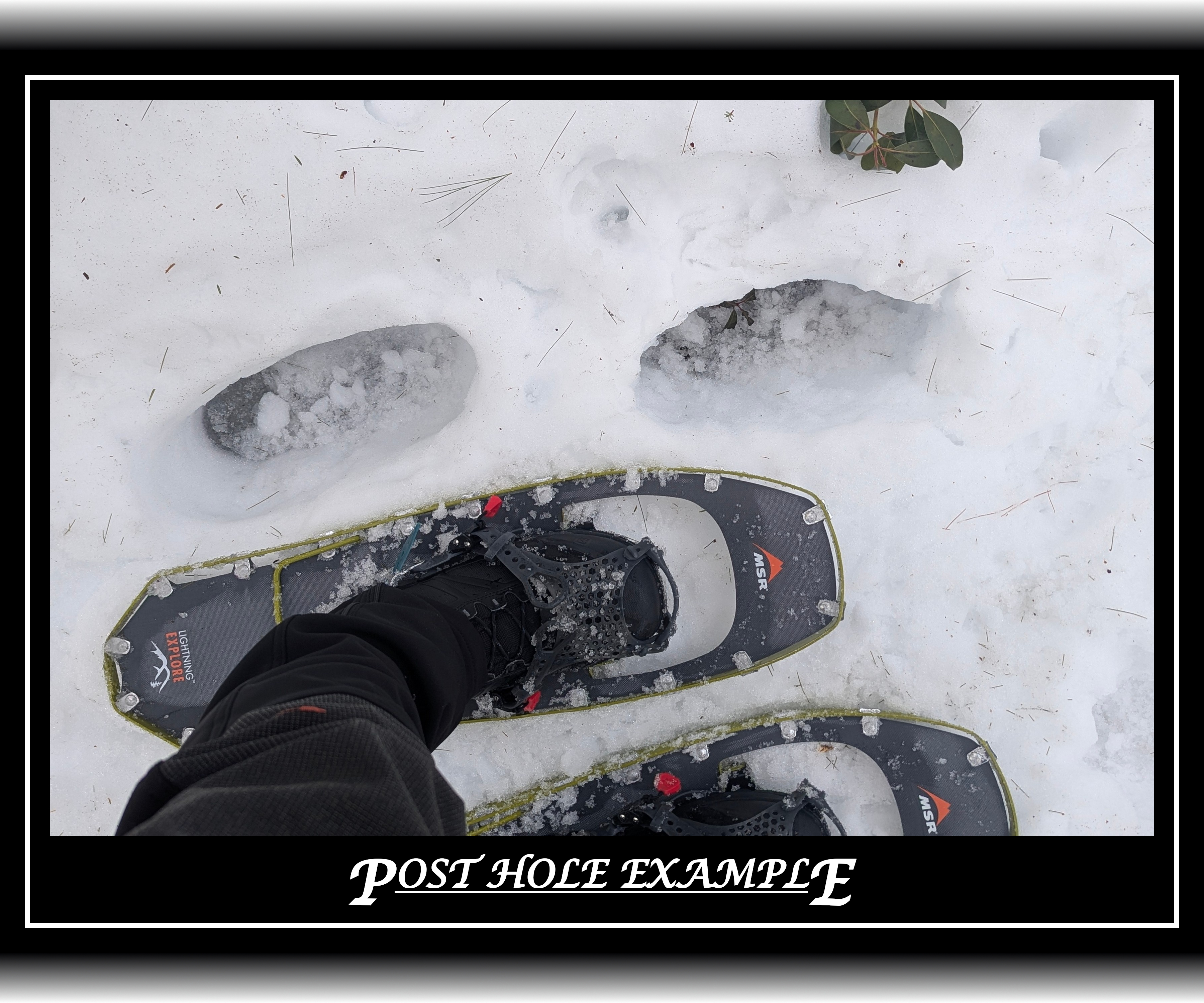
Monday, 03/09/2026: Posted photo — Post Hole.
Here is an example of the use of snowshoes vs not using snowshoes. This is from tonight’s hike. I used my snowshoes and others did not. I put my snowshoes next to their post hole to show the difference.
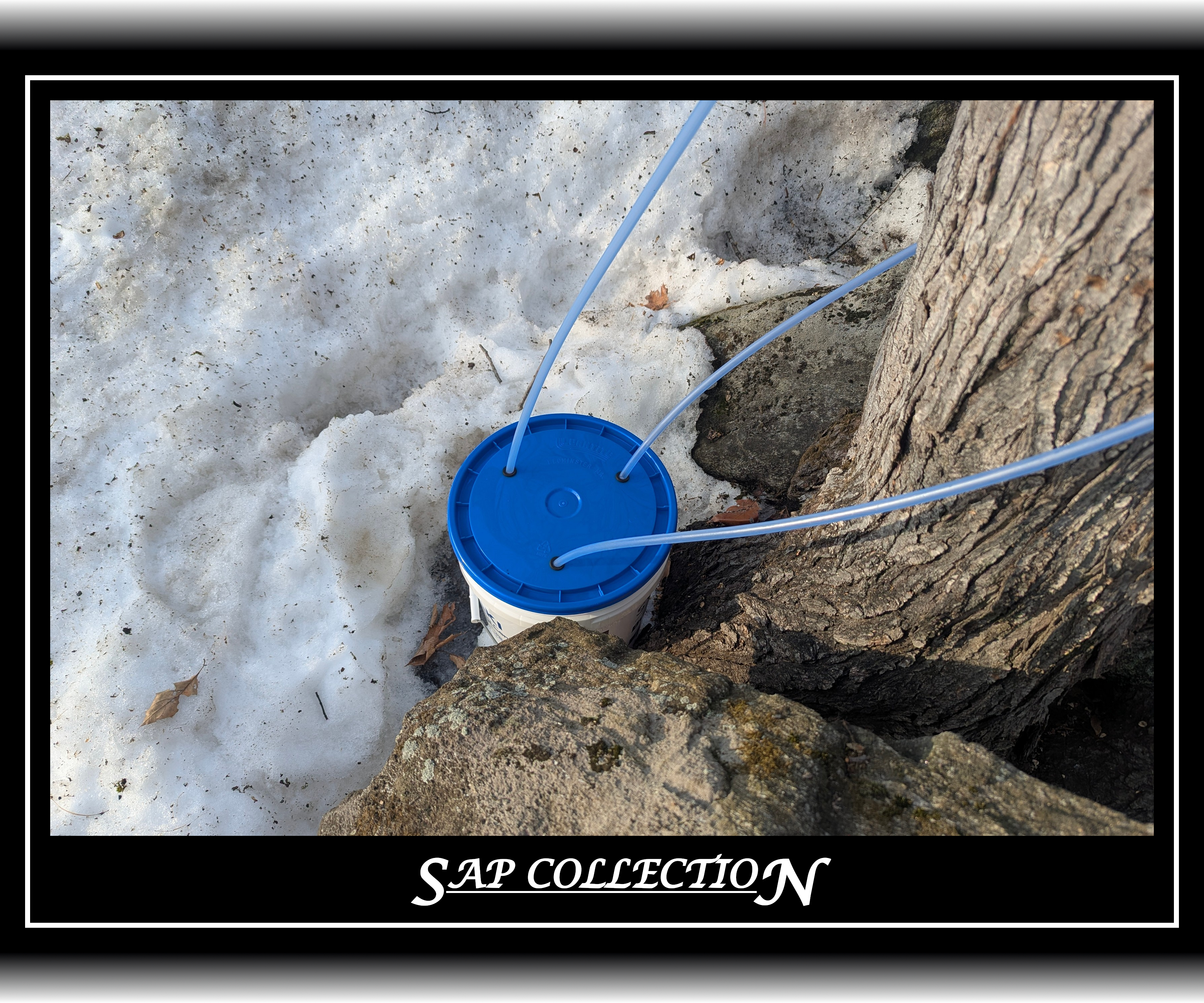
The best weather to collect sap is a “freeze-thaw” cycle in late winter/early spring, characterized by nighttime temperatures below freezing and daytime temperatures rising to around 40–45 degrees F (4–7 degrees C). Stop collecting sap when tree buds appear, temperatures remain above freezing at night, or the sap turns yellow/cloudy.
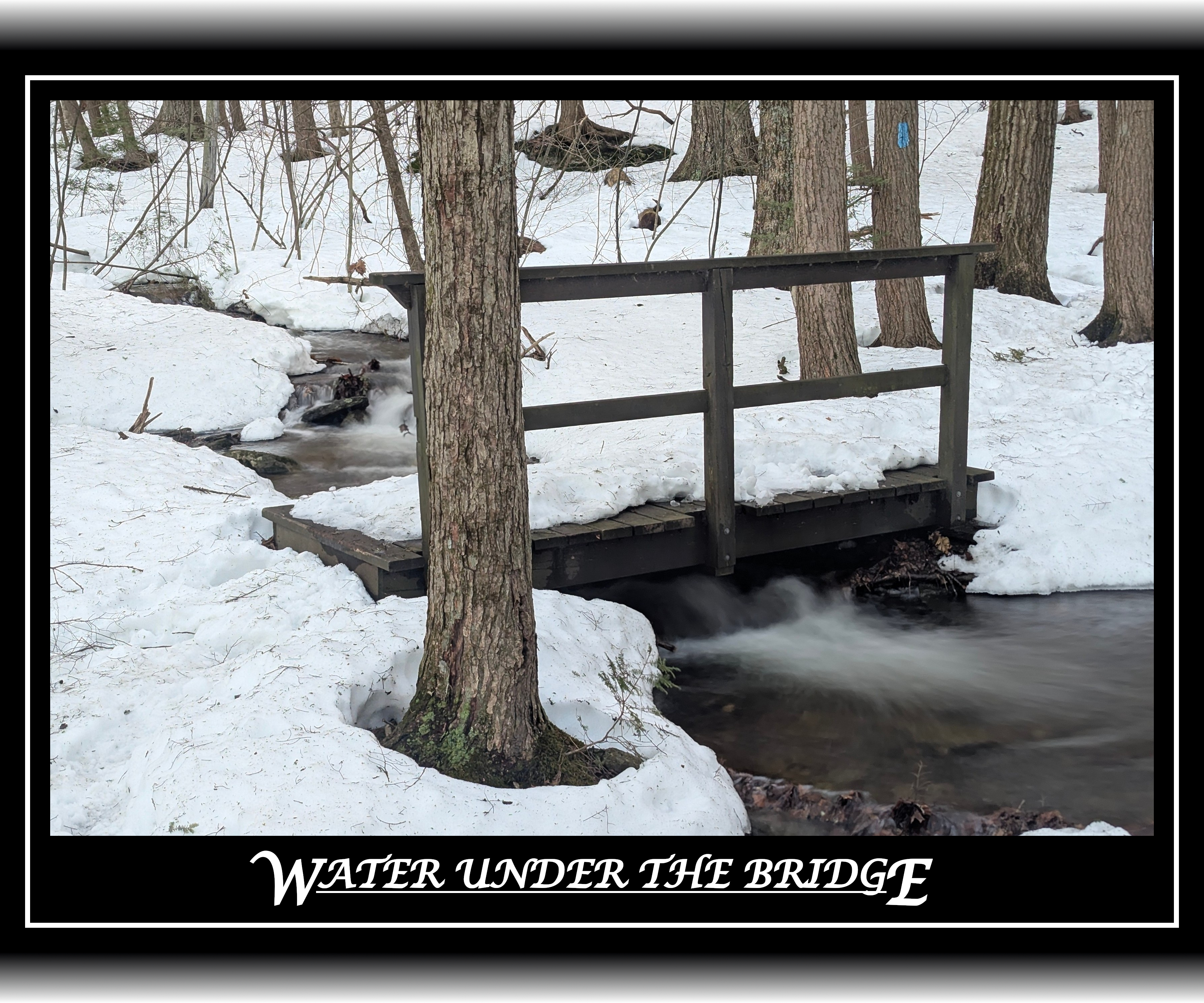
Wednesday, 03/11/2026: Posted photo — Water under the Bridge.
“Water under the bridge” is a phrase used to say that something happened in the past and is no longer important or worth arguing about. Even though I am not very old, I am at a stage where I do not get stressed out with life. I have had a few experiences in my life that I could not control, (loss of a child, loss of a sibling, loss of loved ones, loss of close relatives and friends), that just have me going with the flow, or saying that is just water under the bridge.
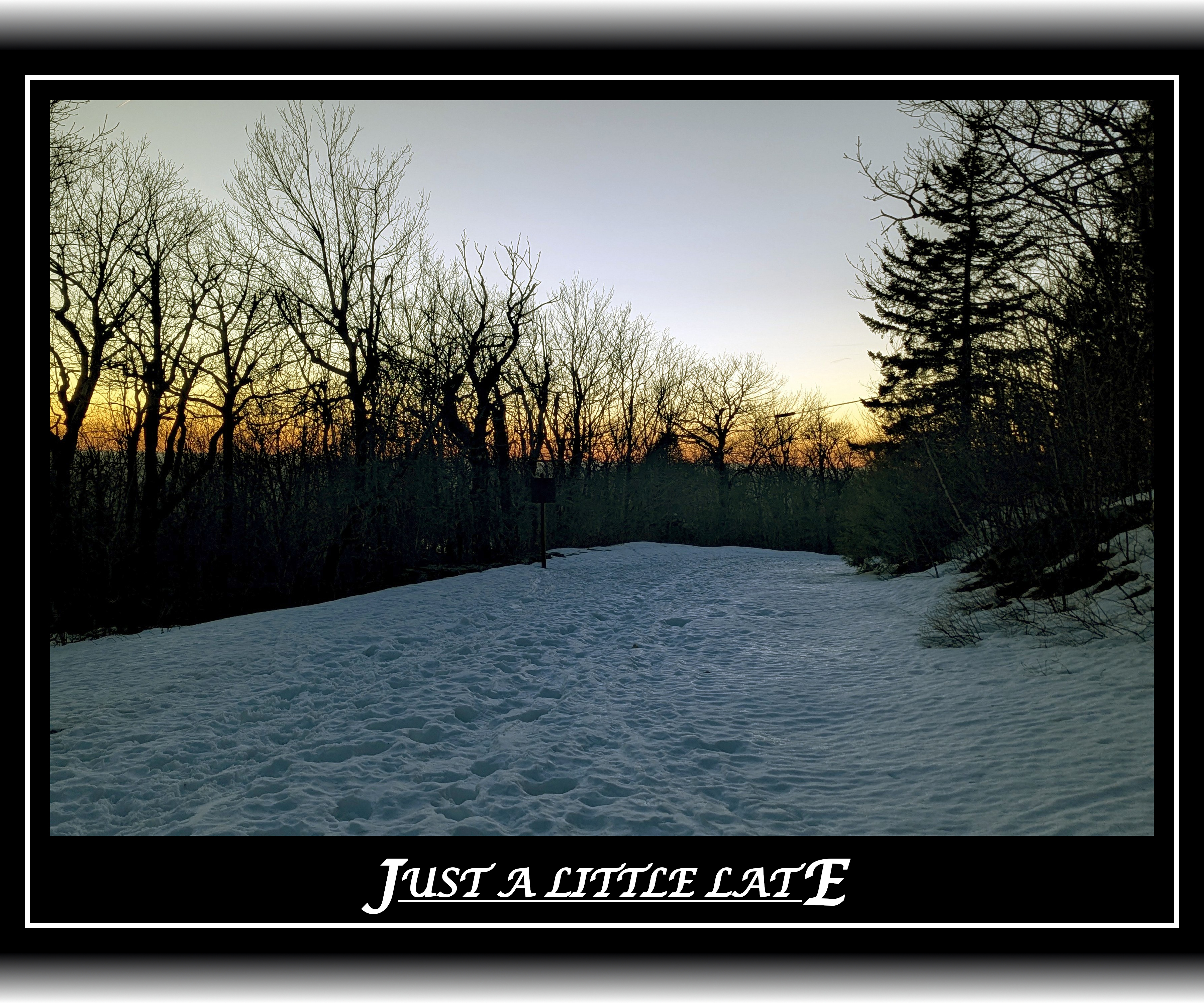
I did not make it to the summit for sunset. This was the first night in a few months that I saw the afterglow of the sunset. I did not think I would get a good photo and my intuition was correct. I feel that this photo is too dark. I attempted to edit it, with no luck.
Friday, 03/13/2026: Post photo — Flowing Stream.
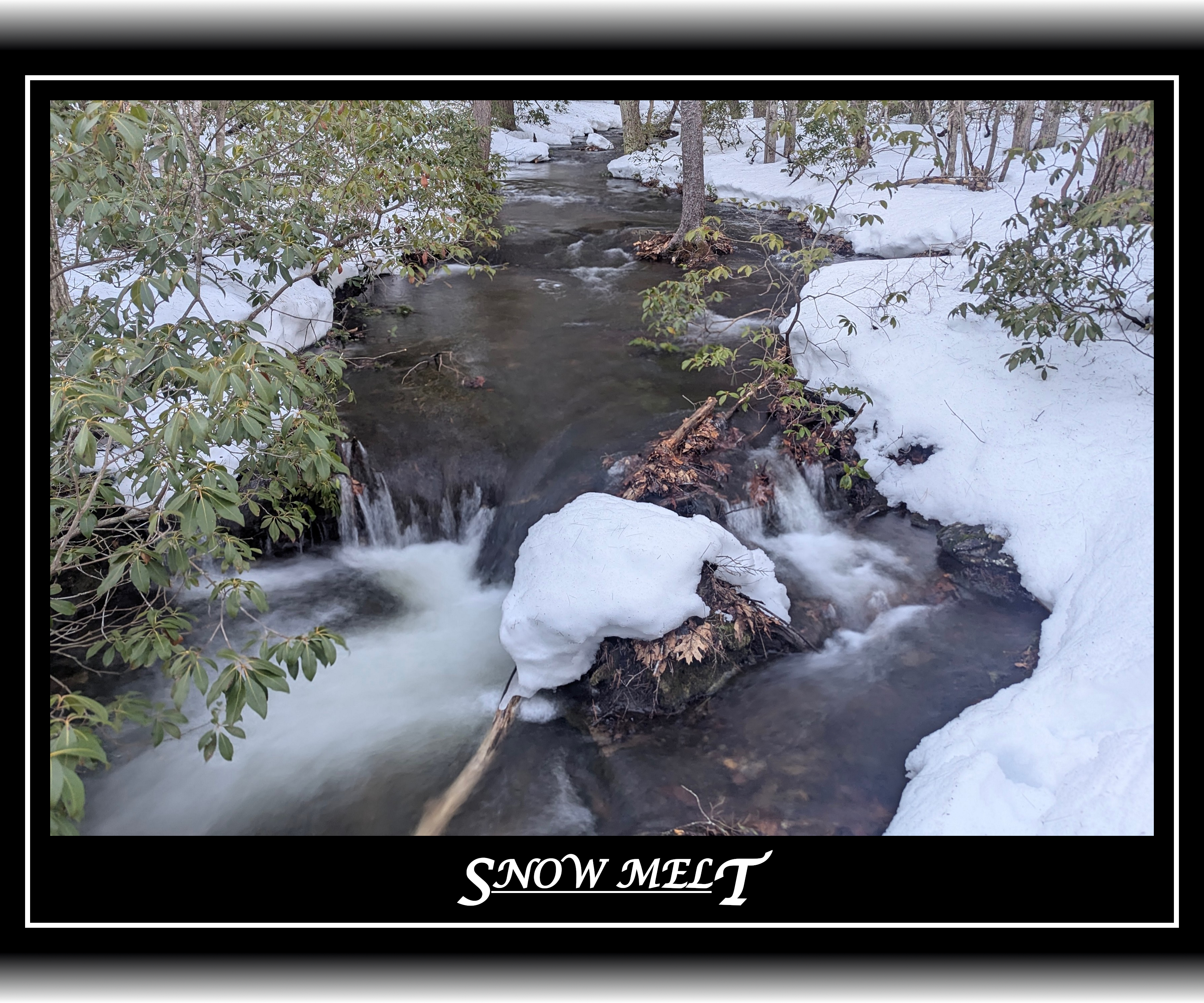
The temperatures this week so far had a high of 73 degrees F and a low of 29 degrees F. This was taken during one of the warm days this week. The streams on the mountain were running fast.
Hiking was not easy this week with the rapidly changing conditions. It started out this week where snowshoes were needed. Then the hiking was slow due to muddy trails. Now at the end of the week, we have much cooler temperatures and the muddy areas are starting to freeze. Snowshoes Monday and Tuesday, mud boots Wednesday and Thursday, and bear boot today. Will bear boot tomorrow with my microspike on my pack, just in case I need to use them.
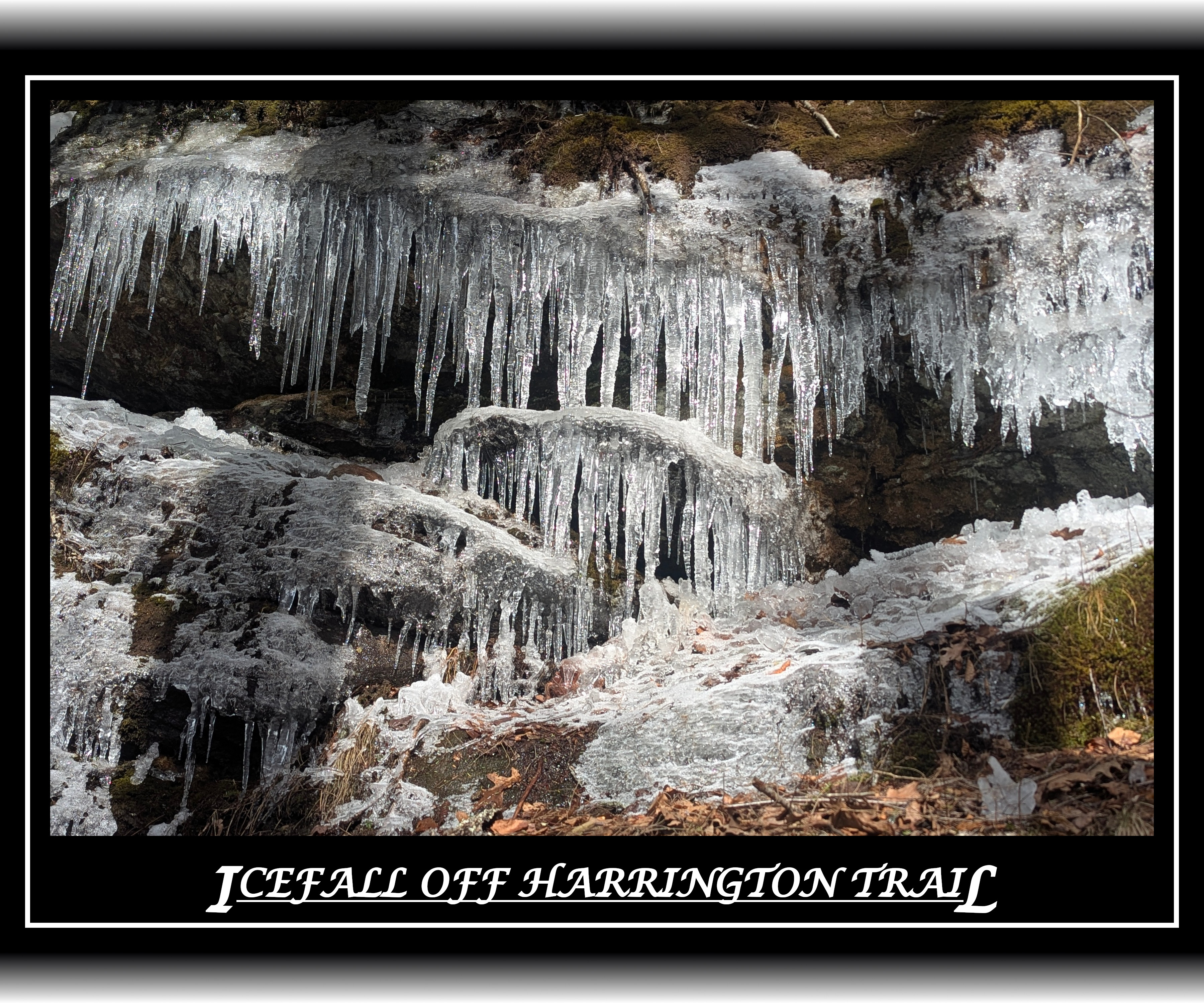
Saturday, 03/14/2026: Post photo — Icefall.
I do not know if this is technically an icefall, but that is what I am calling it.
When on a hike this afternoon with a family friend to stretch out my legs on this wonderful and sunny day. The weather today sums up the weather for this week. It started to be sunny, then the clouds came in and we had a snow squall. Then it was sunny and warm and then the temperature dropped when I was on the trail. The trail conditions were tough. I bear booted and used my spikes. I could have used my snowshoes in spots, but they were so short that it would have been longer to put on and take off my snowshoes as it would have been just walk in that section of snow with my spikes. The ice was hard is some steeper slopes and my spikes did not grip the snow well. I had to be very careful and take it very slowly in those locations.
Now it is time to look at my microspikes to see if they need sharpening. I did use my “rock” spikes, so the odds are great that they do need to be sharpened.
That is all for now. Until next week, be safe.
“Sumens imagines consolateur et inspirat me. Pulchritudinem mundi video per camera mean.”
“Quod scripsi, scripsi. Ingeniarius sum, non scriptor.”
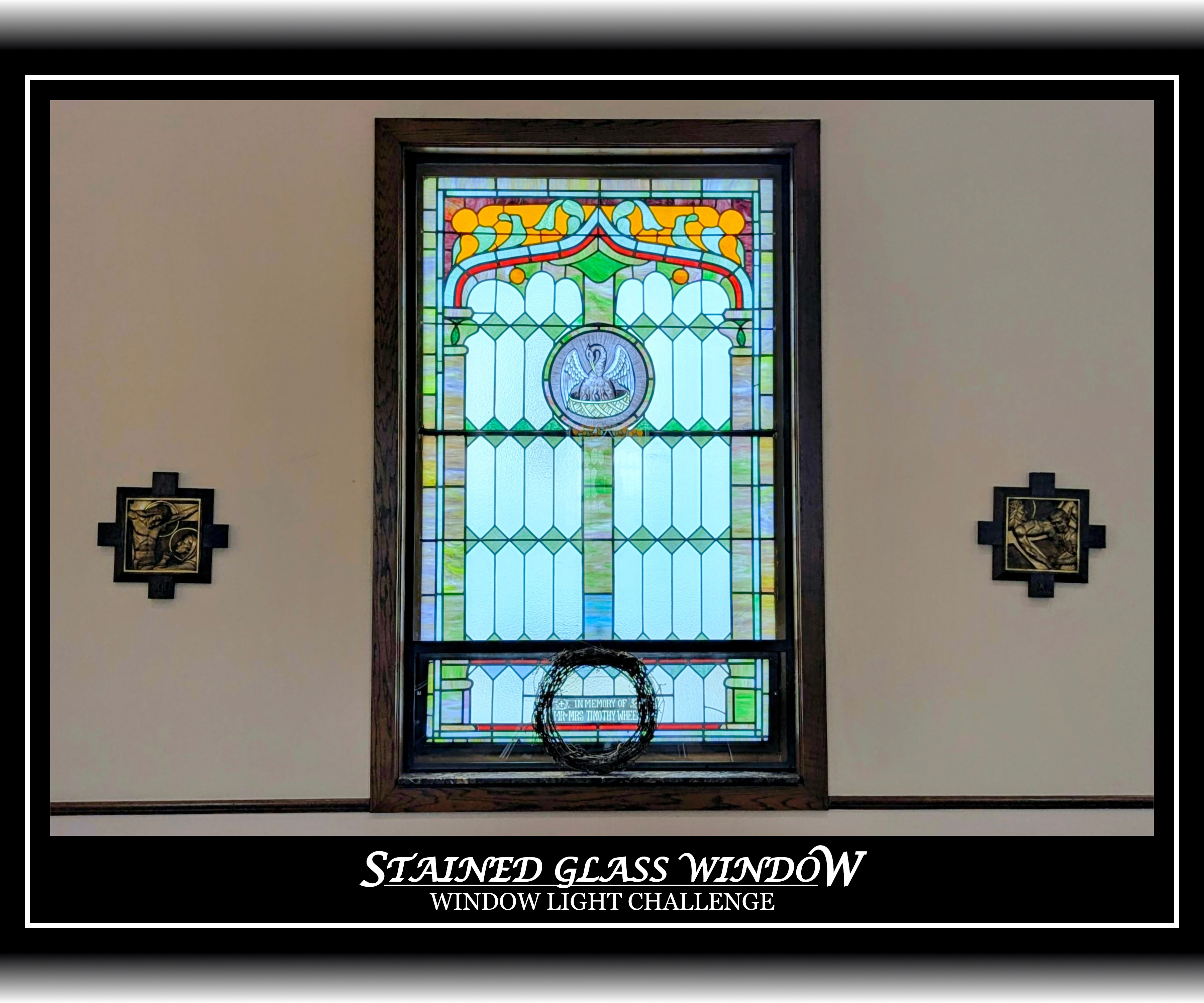
Last week, the photo challenge was window light. The challenge ends on Sunday so I can take my photo for the challenge and post my first photo for the week. The plan was to take a photo of sunshine coming through the window. This did not happen since it was snowing.
For this photo, I took the shot straight onto the window to attempt to capture as much light as possible. I had to lighten up the wall in post processing because the light that came through the window darkened the wall. The cellphone camera was metered on the window.
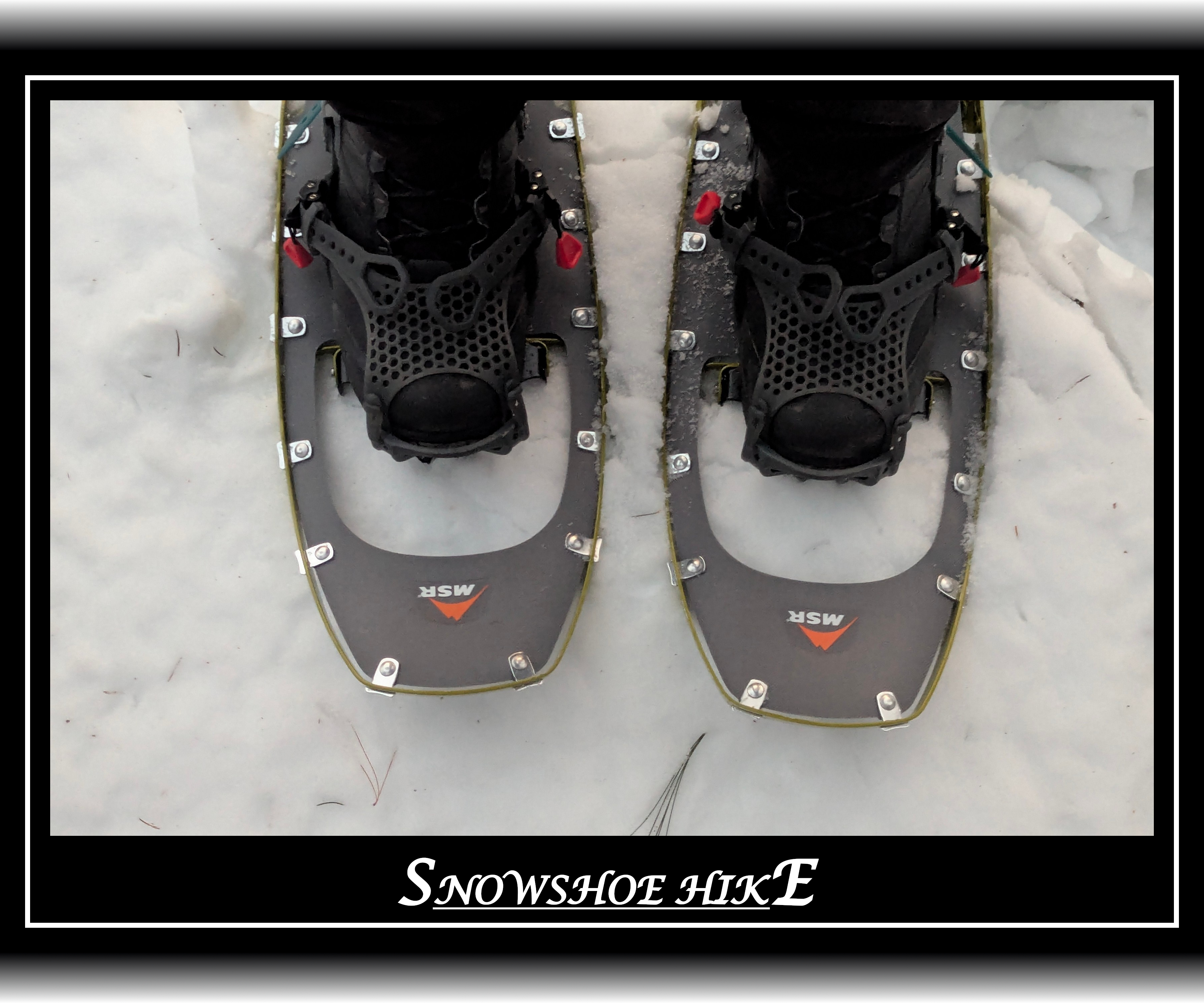
Monday, 03/02/2026: Posted photo — Snowshoes.
For tonight’s hike, I just used snowshoes. I may have gotten away with just microspikes, but there reports of many “post holes” on the trail. I will explain what a “post hole” is on Wednesday. I will be getting out of bed early tomorrow to see the lunar eclipse so I will not hike tomorrow night.
I was glad that I did have my snowshoes on since there were may “post holes” that I hiked over. It also helped when I stepped off the trail to let hikers ascend, I did not sink up to my knees in the snow. One of the rules of hiking is that people ascending have the right of way over the descending hikers.
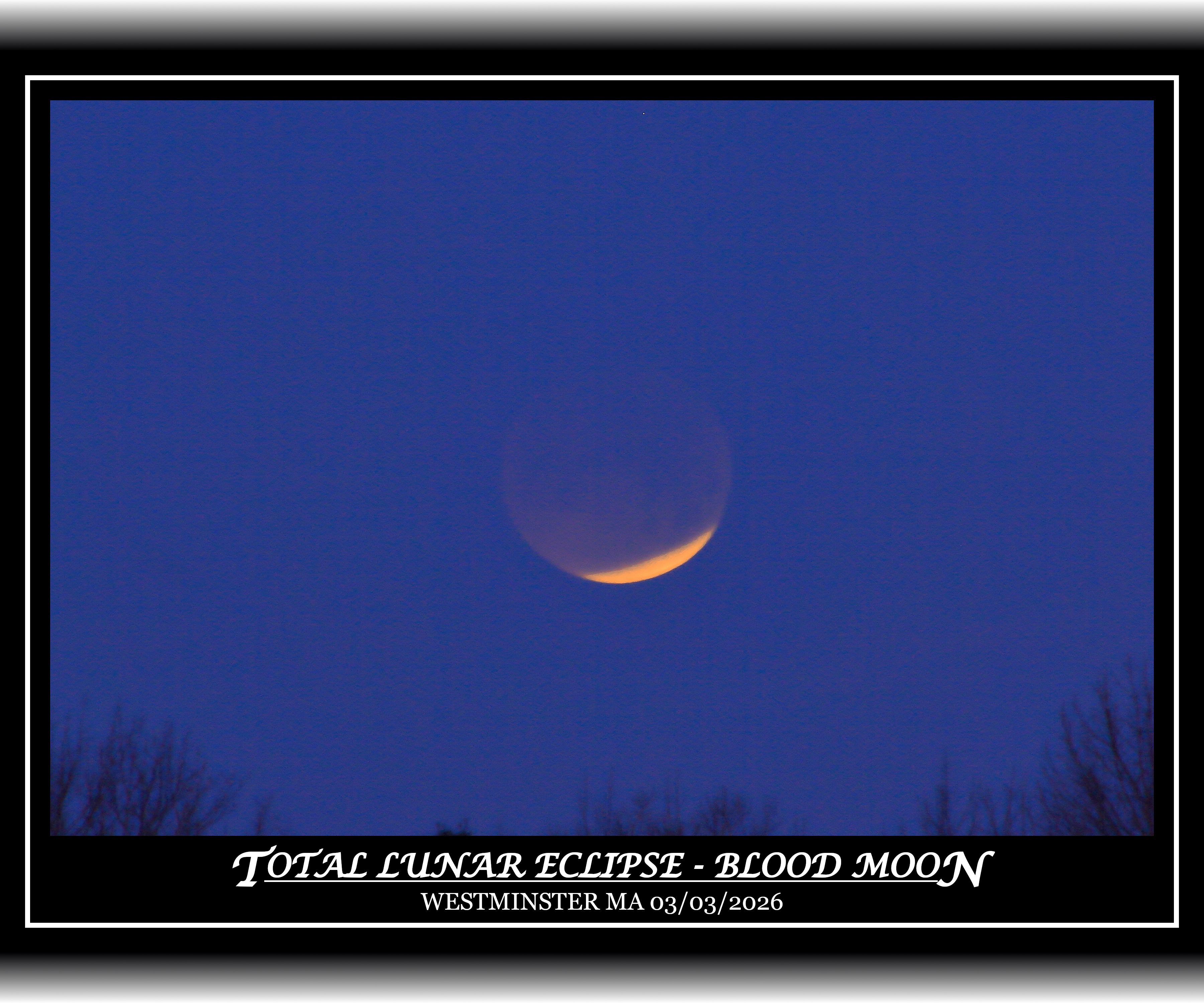
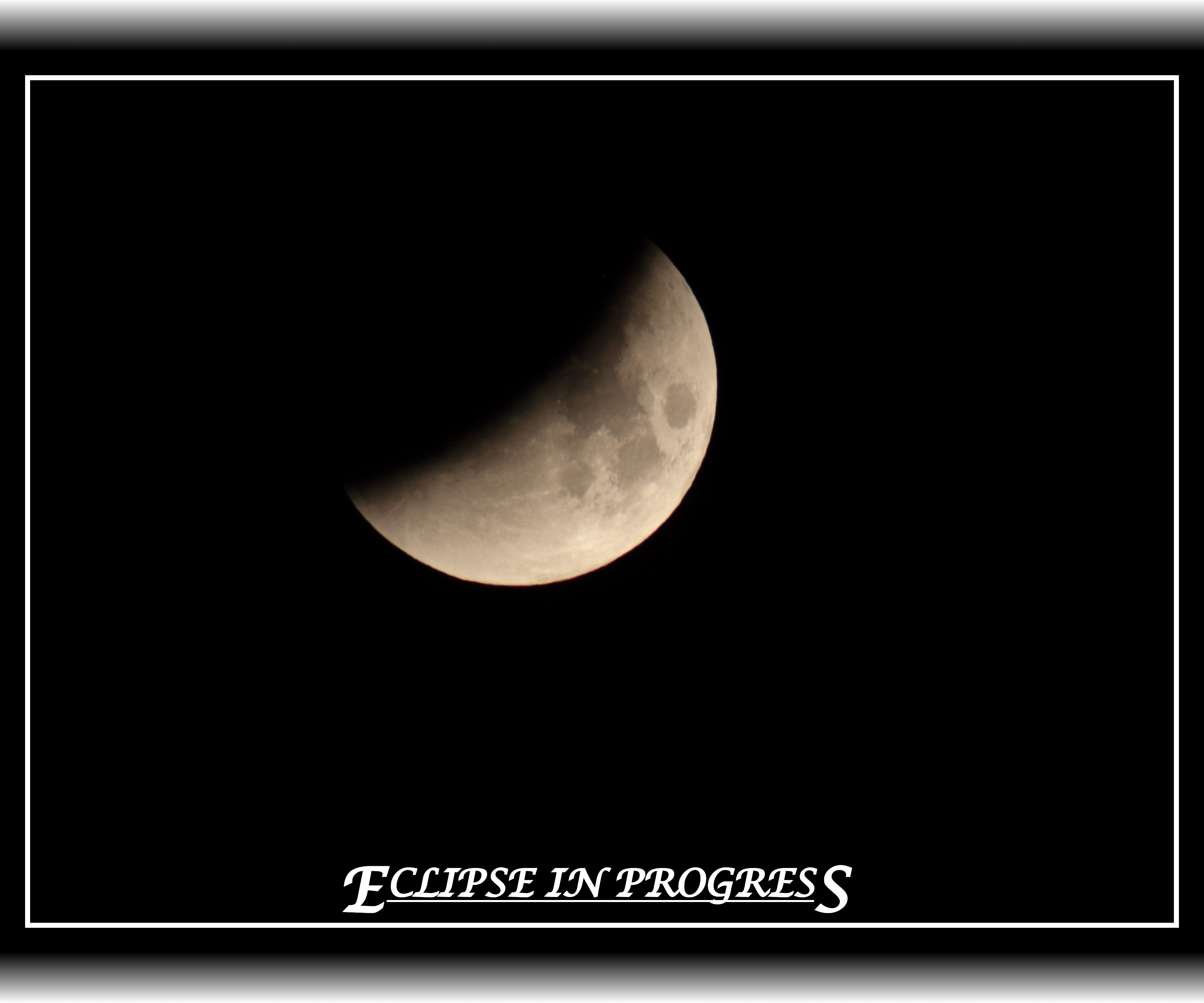
Tuesday, 03/03/2026: Posted photo — Total Lunar Eclipse.
Today’s lunar eclipse was part of a selenelion. A selenelion is a rare astronomical event because both the totally eclipsed moon and the sunrise are visible on the horizon at the same time.
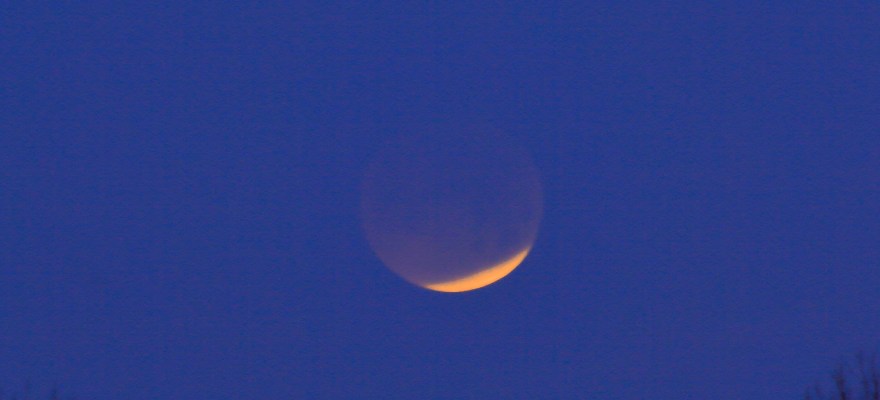
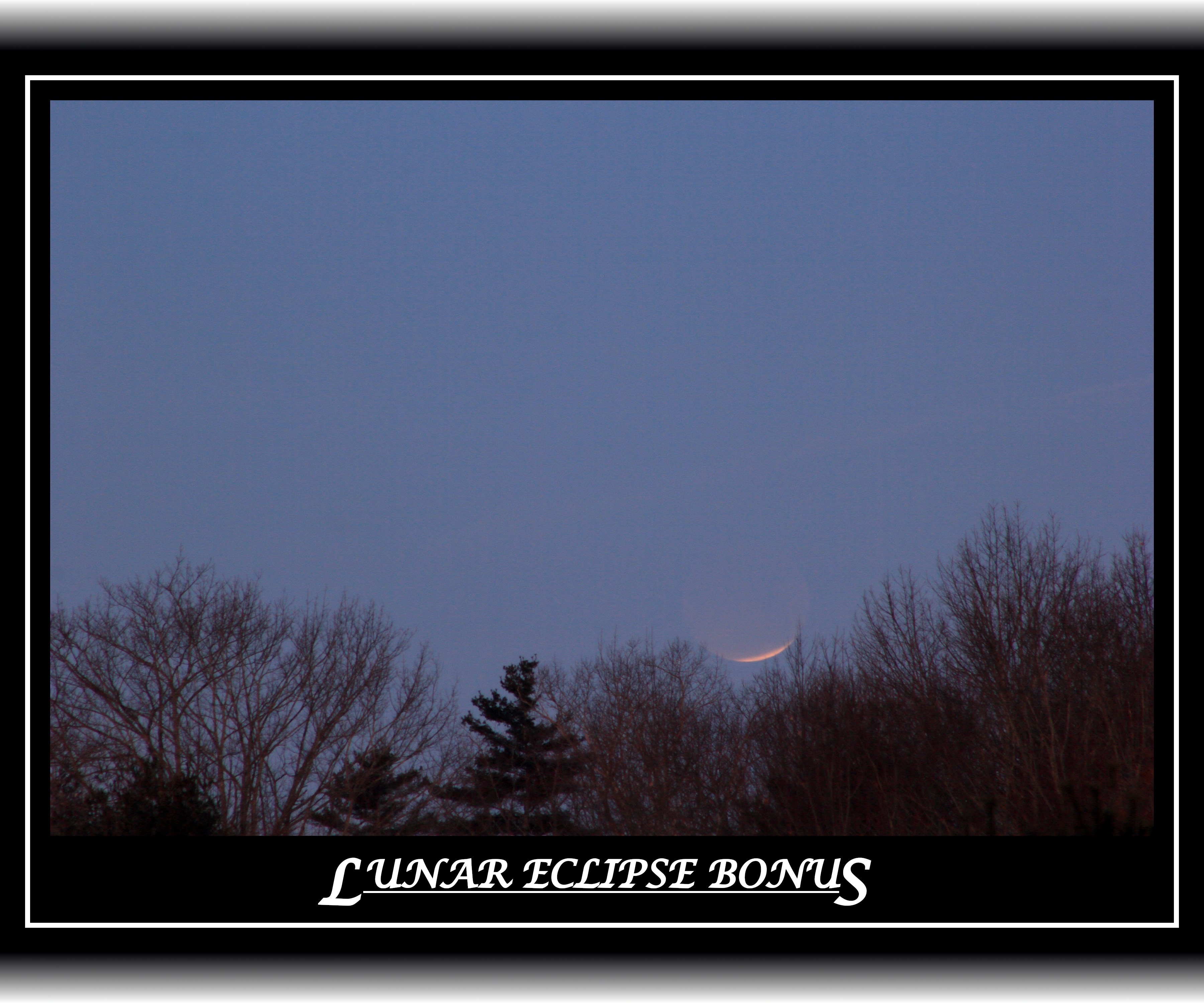
A lunar eclipse is also called a blood moon since the moon turns red. We did not see that this morning since it was sunrise and the moon was washed out. I have a difficult time focusing in on the moon as it was getting closer to totality, so instead of using my “moon” lens, I had to use my 300mm lens. Light is refracted around the Earth giving the moon an orange-red color. This is the same phenomenon that happens during sunrises and sunsets.
Here are a couple of bonus photos from the eclipse. One was taken about 45 minutes from totality and one was taken at totality before the moon disappeared.
As a side note, after the clear morning sky for the eclipse, we received a few inches of fresh snow.
Wednesday, 03/04/2026: Posted photo — Post Holing.
Post holing is sinking knee- or waist-deep into soft snow with each step, leaving behind deep, post-like holes. It occurs when snow is not firm enough to support a hiker’s weight. It usually occurs in softer snow in warmer weather, or off the packed trail.
Post holing could be very dangerous. It could lead to a spruce trap of another dangerous situation, such as stepping into a river or off a concealed hole. A spruce trap, or tree well, is a dangerous, hidden void in deep snow surrounding the base of an evergreen tree. There were two ladies that were caught is a spruce trap overnight last winter on Mount Washington, and survived due to the training they received going on AMC hikes.
I was once hiking on Mount Rainier in Washington State. I hiked the trail at a different time a few years before and geotagged a waterfall I wanted to take a photo of during the winter. When I went back to take this photo, my geotag told me I was in the correct location, but I could not find the waterfall. Going back to a mapping program, I discovered that I was on top of the waterfall. If I posted holed, I could of fell off the waterfall and under the snow. That would not have been good for me.
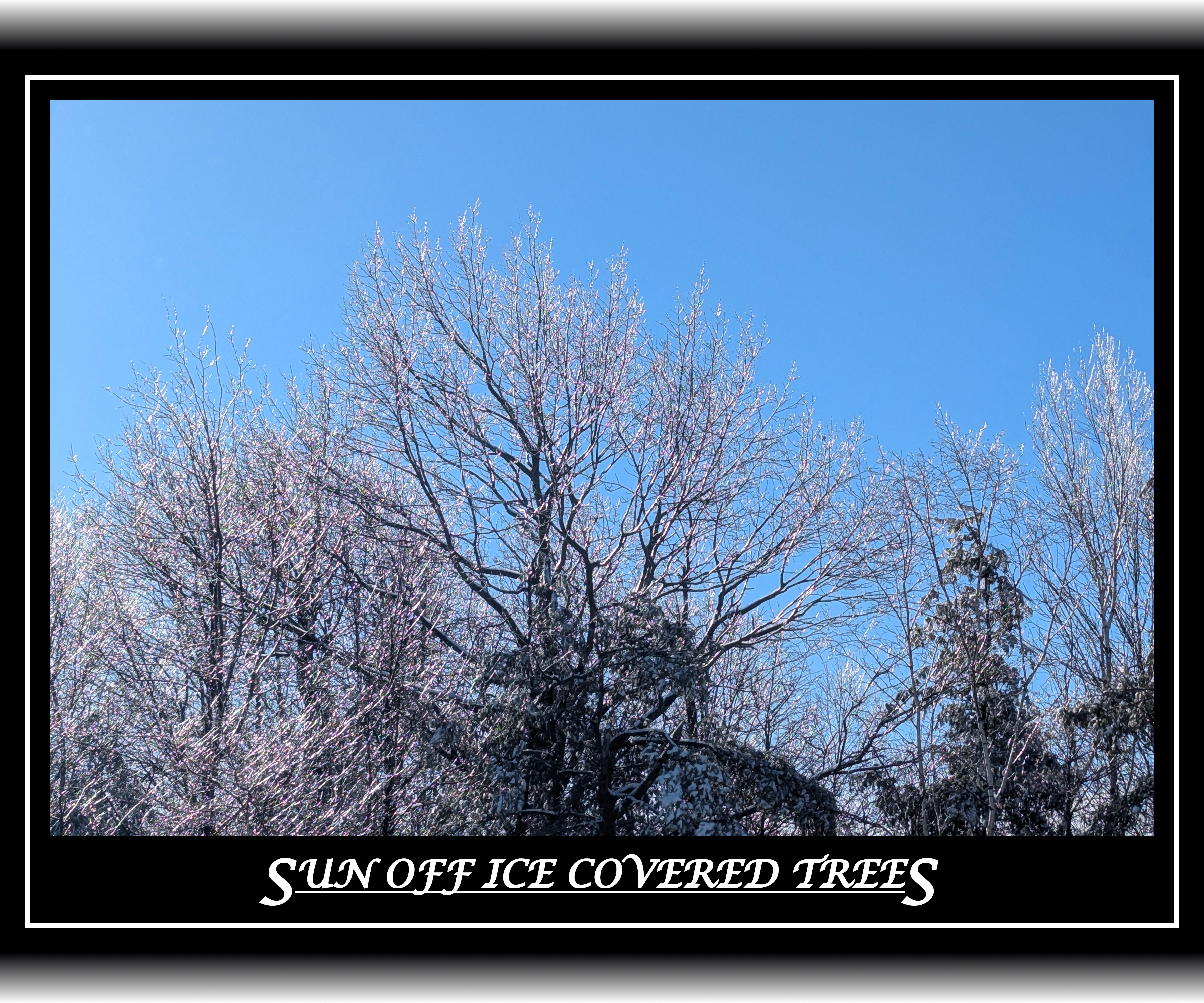
Thursday, 03/05/2026: Posted photo — Sparkle off Trees.
This is my attempt to capture the sun reflecting off ice covered trees. We had freezing rain recently and the trees are covered in ice. There was a quick melt today, so I wanted to capture the sparkle before it all melted away.
This photo does not give you the full effect of what I saw real-time. Photographs normally do not do nature justice.
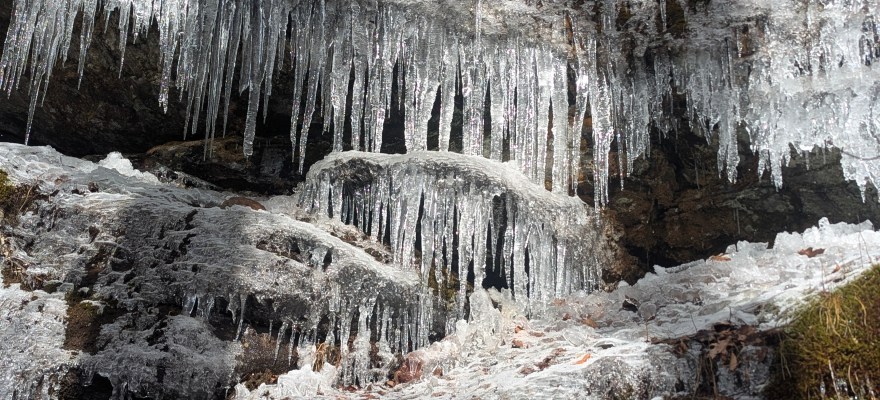
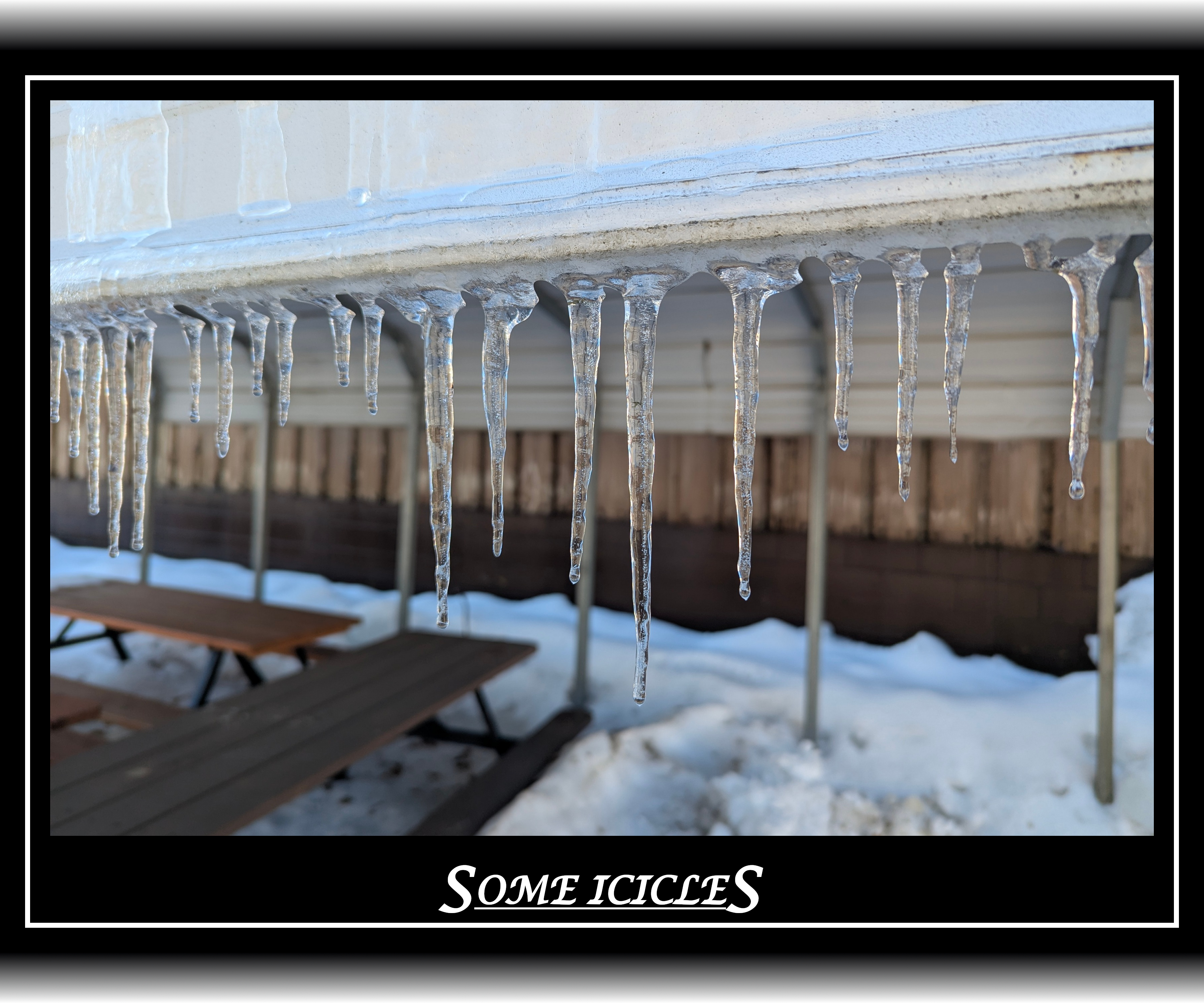
Friday, 03/06/2026: Post photo — Small Icicles.
Here is a photo of some icicles before they melted away. Sorry about the short commentary today.
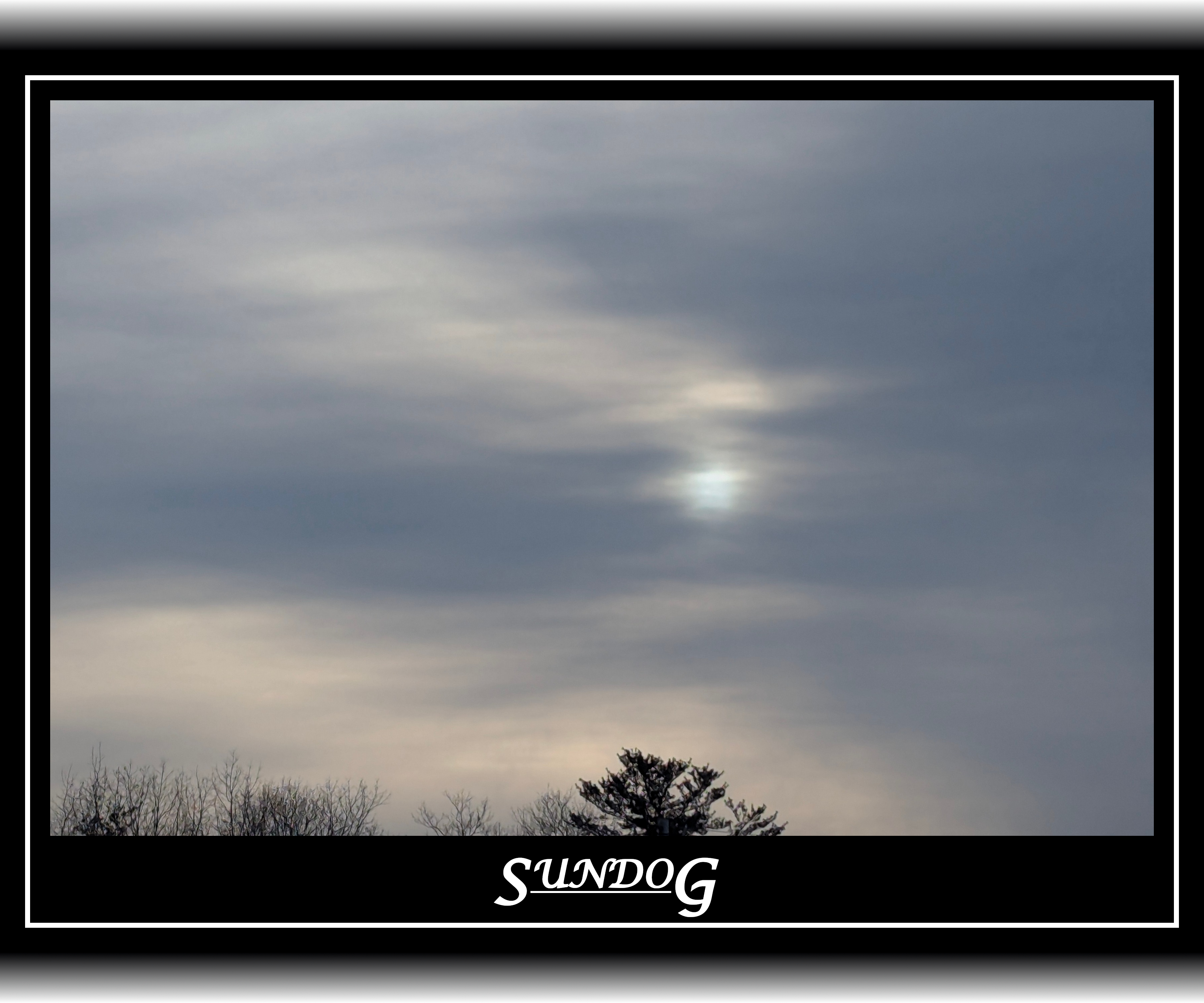
Saturday, 03/07/2026: Post photo — Sundog.
I was out on a walk and saw this sundog. It is not the most brilliant one that I have seen. As with other photos that I have taken, something was calling me to take a photo of it.
A sundog is an atmospheric phenomenon appearing as bright, sometimes colored, spots of light on either side of the sun. A sundog is caused by sunlight refracting through ice crystals in cirrus clouds. A sundog will appear at approximately 22° from the sun. Based on the physics of light passing through prisms, the minimum deviation, or bending, of light occurs at roughly 22 degrees. Sundogs are most common in winter, near the horizon, even though I have seen them during the summer after storms. Sundogs are also known as mock suns, or parhelia, which means “with the sun”.
That is all for now. Until next week, be safe.
“Sumens imagines consolateur et inspirat me. Pulchritudinem mundi video per camera mean.”
“Quod scripsi, scripsi. Ingeniarius sum, non scriptor.”
“If I could tell the story in words, I wouldn’t need to lug around a camera.” — Lewis Hine
Thank you for all the new views and likes from last week, it helps keep me inspired.
Sunday, 02/22/2026: Posted photo — First Sunday of Lent.
Lent is a 40-day, solemn season of fasting, prayer, and repentance beginning on Ash Wednesday and ending before Easter. It honors the time Jesus spent fasting in the desert. The primary color worn by the priest is Purple or Violet. This is used for Sunday and weekday Masses. Rose is worn on the fourth Sunday of Lent, Laetare Sunday, as a sign of joy and hope amidst the penitential season. Red is used for Palm Sunday and Good Friday to represent the Passion of Christ. White is worn on Easter Sunday to represent joy and celebration.
If you count the days between Ash Wednesday and Easter, you will see that there are more than 40. Sundays are not included in the count. Also, Easter is always the first Sunday after the first Paschal Full Moon. The Paschal Full Moon is the first ecclesiastical full moon occurring on or after the vernal equinox. An ecclesiastical full moon is the 14th day of a tabular, or calendar-based, lunar month, rather than the actual astronomical full moon.
So many definitions today. Do not worry, no quiz will be given.
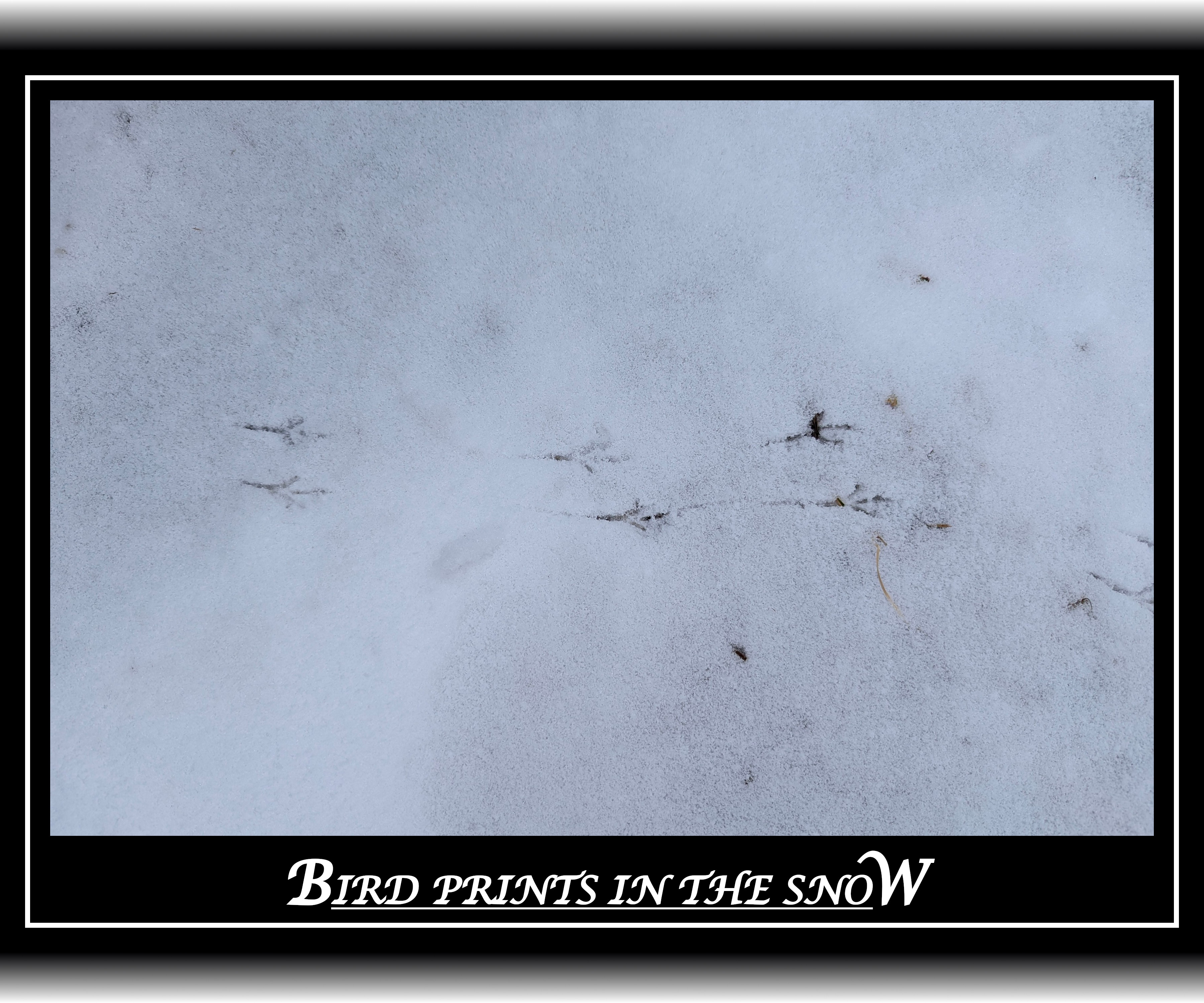
Monday, 02/23/2026: Posted photo — Bird Prints.
For the first time since the ice storm in 2008, I did not have work today due to blizzard conditions. I spent most of the day shoveling outside to ease the final clearing of the snow.
I took this photo yesterday. We were going somewhere I saw these bird prints in the snow. I have seen a flock of birds in our yard over the last few days gathering and preparing for the storm.
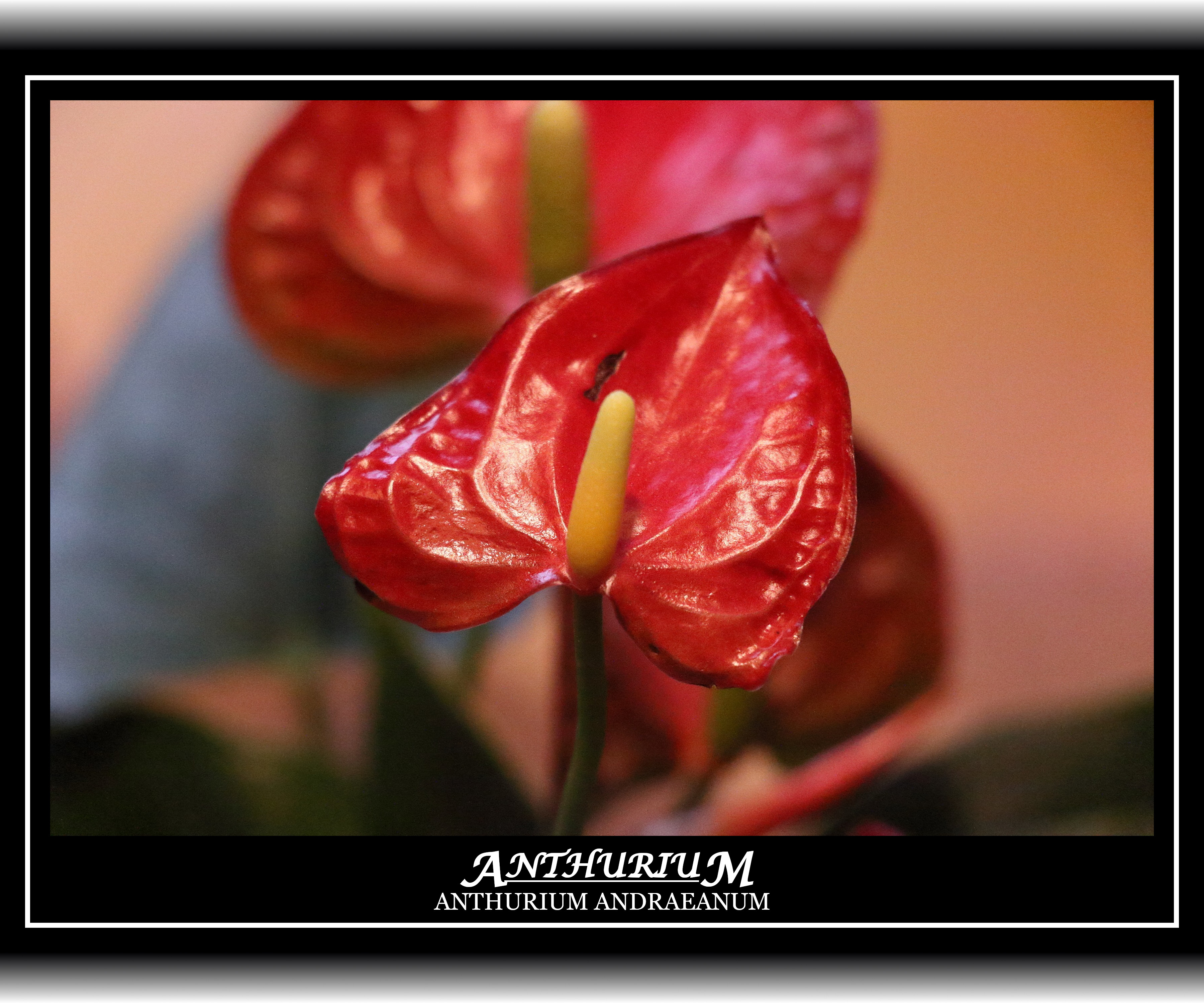
Tuesday, 02/24/2026: Posted photo — Anthurium.
I gave this plant to my wife as a gift. This is a real plant. The leaves on this plant make it look plastic.
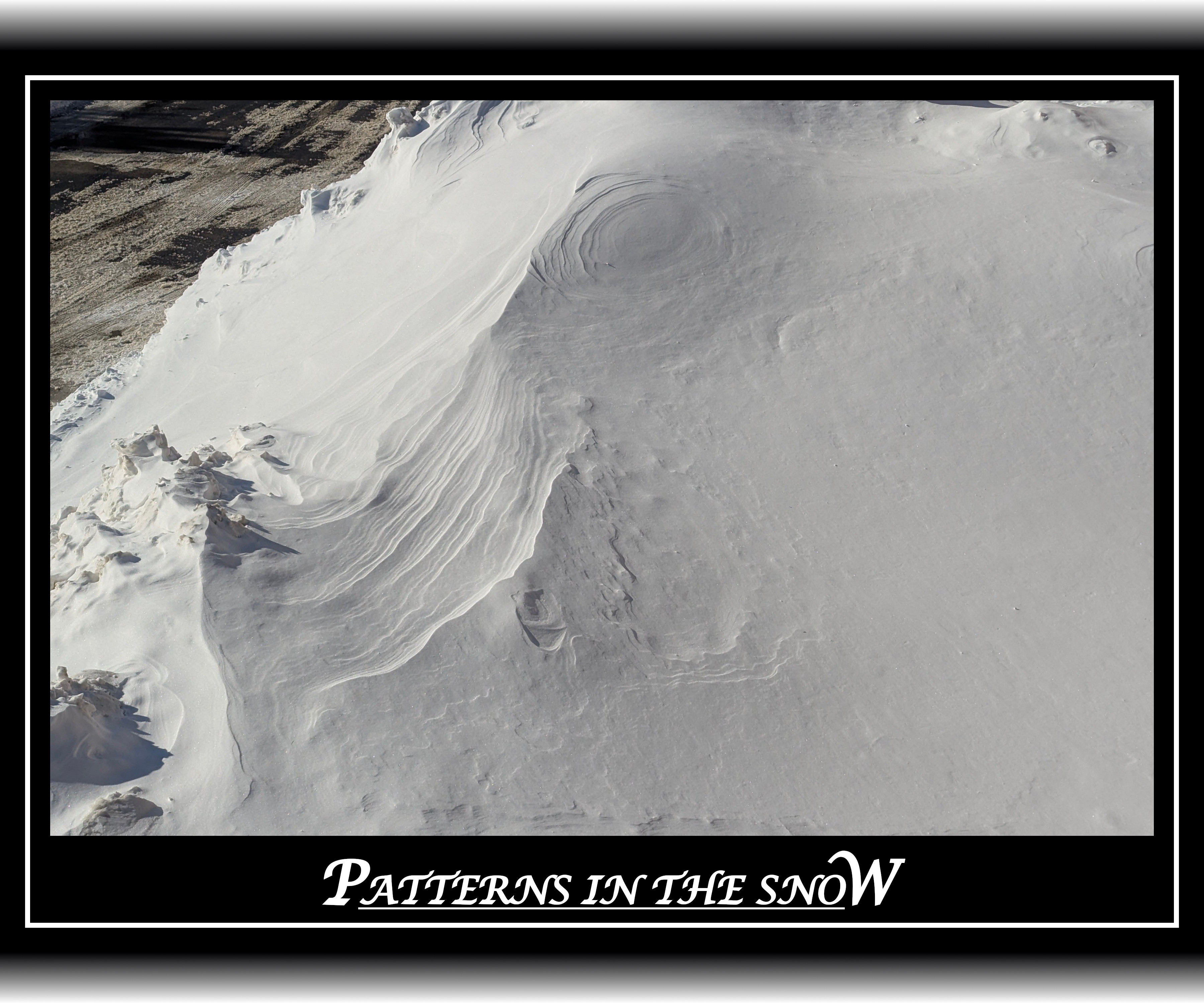
Wednesday, 02/25/2026: Posted photo — Patterns in the Snow.
It has been very windy over the last couple of days. I was looking out my office window and saw this windblown pattern in the pile of snow in the parking lot. I took this with my cell phone through glass so I hope you can see the patterns clearly. Buildings and trees aid the formation of eddies in the wind causing these patterns.
Thursday, 02/26/2026: Posted photo — Roses Again.
I have not much to say today. Here is a photo of more roses. I know that I take many photos of roses. I take them when I am shopping as fillers for any day that I do not have time to get out and take a photo. I have been doing this photo project since January 1, 2010, so sometimes I run out of subjects to photograph.
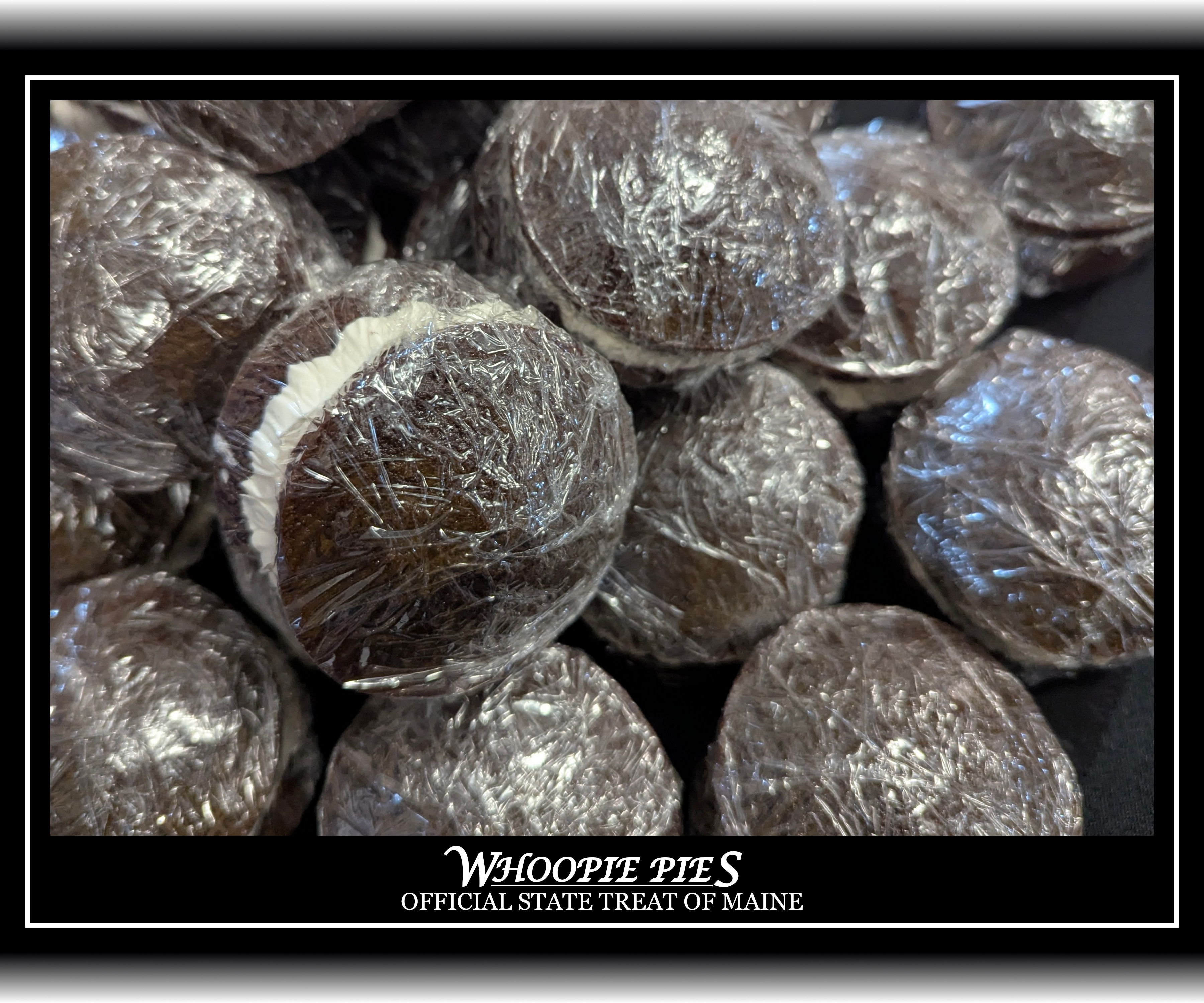
Friday, 02/27/2026: Post photo — Whoopie Pie.
In 2011, the Maine Legislature designated the whoopie pie as the official Maine State Treat, distinguishing it from the state dessert, blueberry pie. Traditionally featuring two chocolate cake-like rounds with a creamy filling, this iconic confection has been baked in Maine since at least 1925. These whoopie pies were made by my wife for a fundraiser for the America Cancer Society Relay for Life. I have walked and camped at the Relay for Life for many years now and will continue to do so as long as I am able. I will post more about the RFL later and will send a link for donations for anyone that would like to help out.
My wife and I travel to Maine to go shopping in Freeport and Kittery, or just to go away for a long weekend. We like to search for the lighthouses in the state and have found many of them.
Let us compare Maine’s shoreline to some other states. Maine has 3,478 miles of shoreline and California’s has 3,427 miles of shoreline. Alaska has the most at 33,904 miles of shoreline. A shoreline includes tidal inlets and other intricate coastal features.
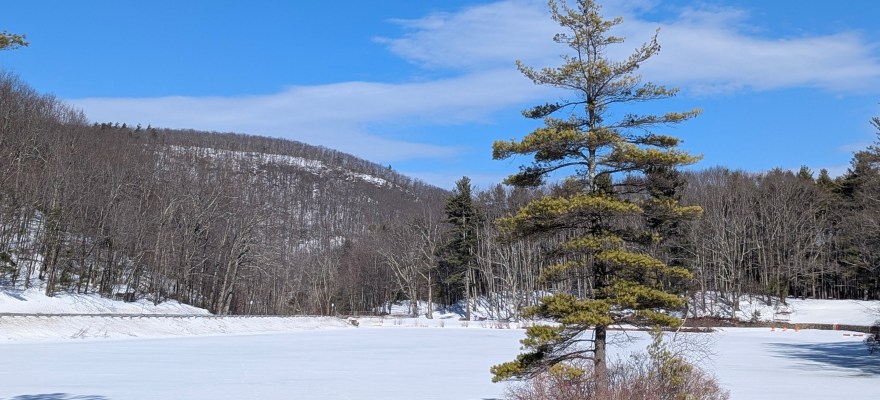
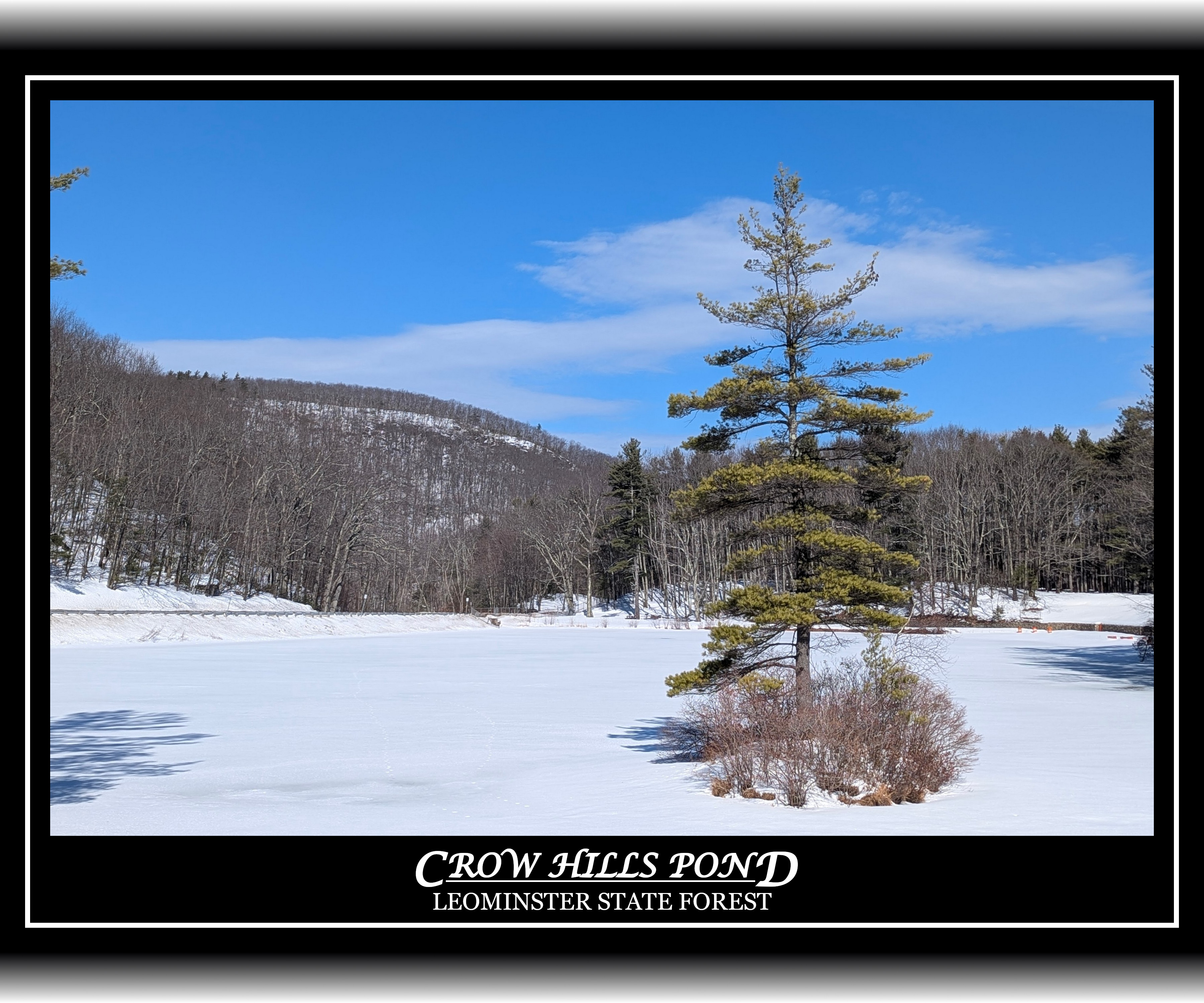
Saturday, 02/28/2026: Post photo — Crow Hills Pond.
Crow Hill Pond is stocked with trout several times a year by Mass Fisheries and Wildlife. The pond is near one of the parking locations that I use to hike Leominster State Forest. I am grateful that I live close to two wonderful hiking locations, Wachusett Mountain and Leominster State Forest. They are both within walking distance of my house
That is all for now. Until next week, be safe.
“Sumens imagines consolateur et inspirat me. Pulchritudinem mundi video per camera mean.”
“Quod scripsi, scripsi. Ingeniarius sum, non scriptor.”