Photographic Thoughts — 05/07/2023 to 05/13/2023

“Your first 10,000 photographs are your worst.” — Henri Cartier-Bresson

Random thoughts and ideas for this week.

I have a flower of day this week. I am attempting to change the format of this blog to have one or more educational items per day to make reading my blog more interesting.

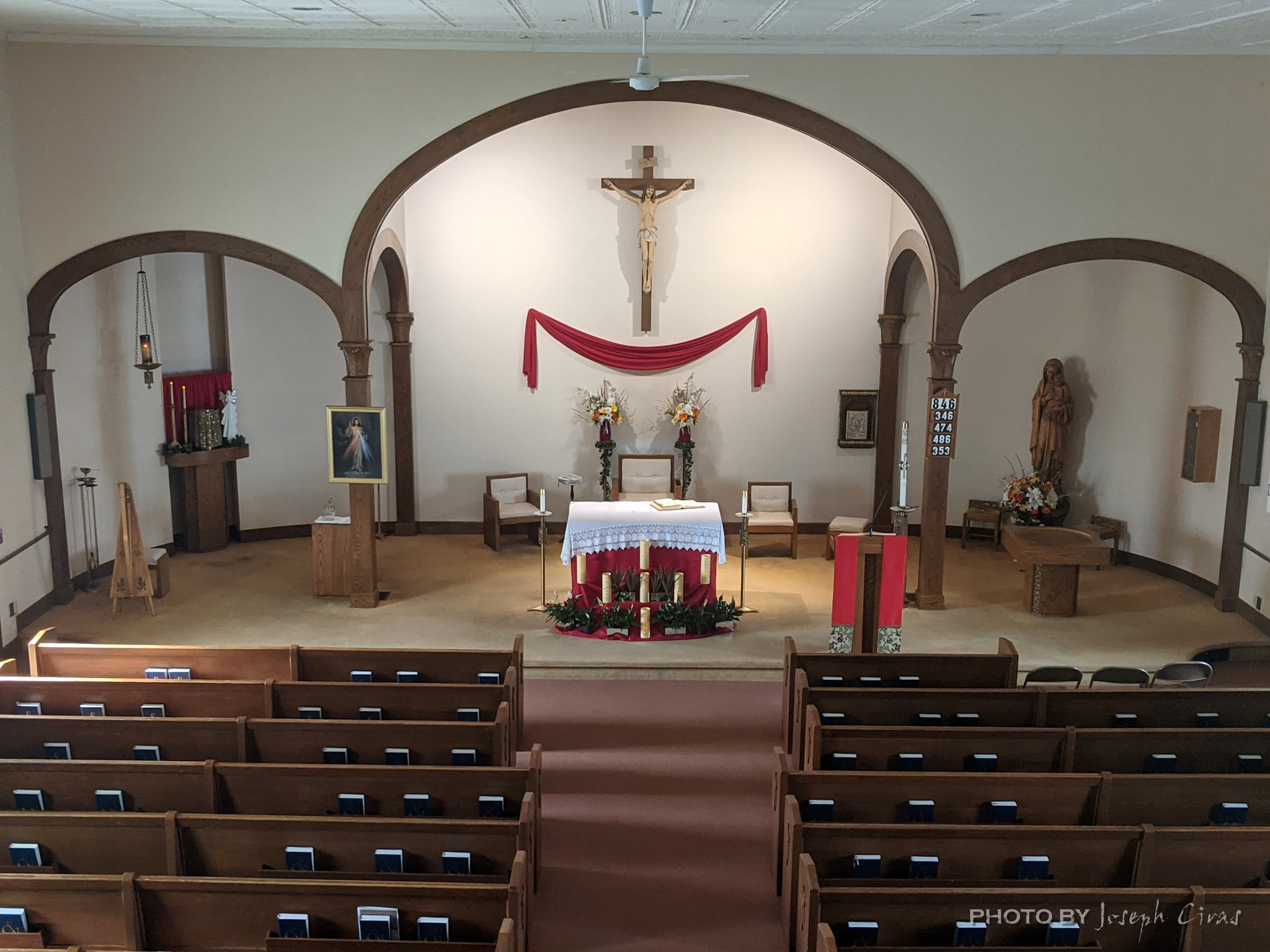
Sunday, 05/07/2023: Posted photo — Pyx.

A pyx is vessel containing the consecrated bread used in the service of Holy Communion. Although pyxes were made in various shapes, the most common form was that of a small cylindrical box fitted with a cover, which is generally conical. The pyx in this photo is the one that I use every week to give Holy Communion to the choir.

Flower of the day: Pericallis
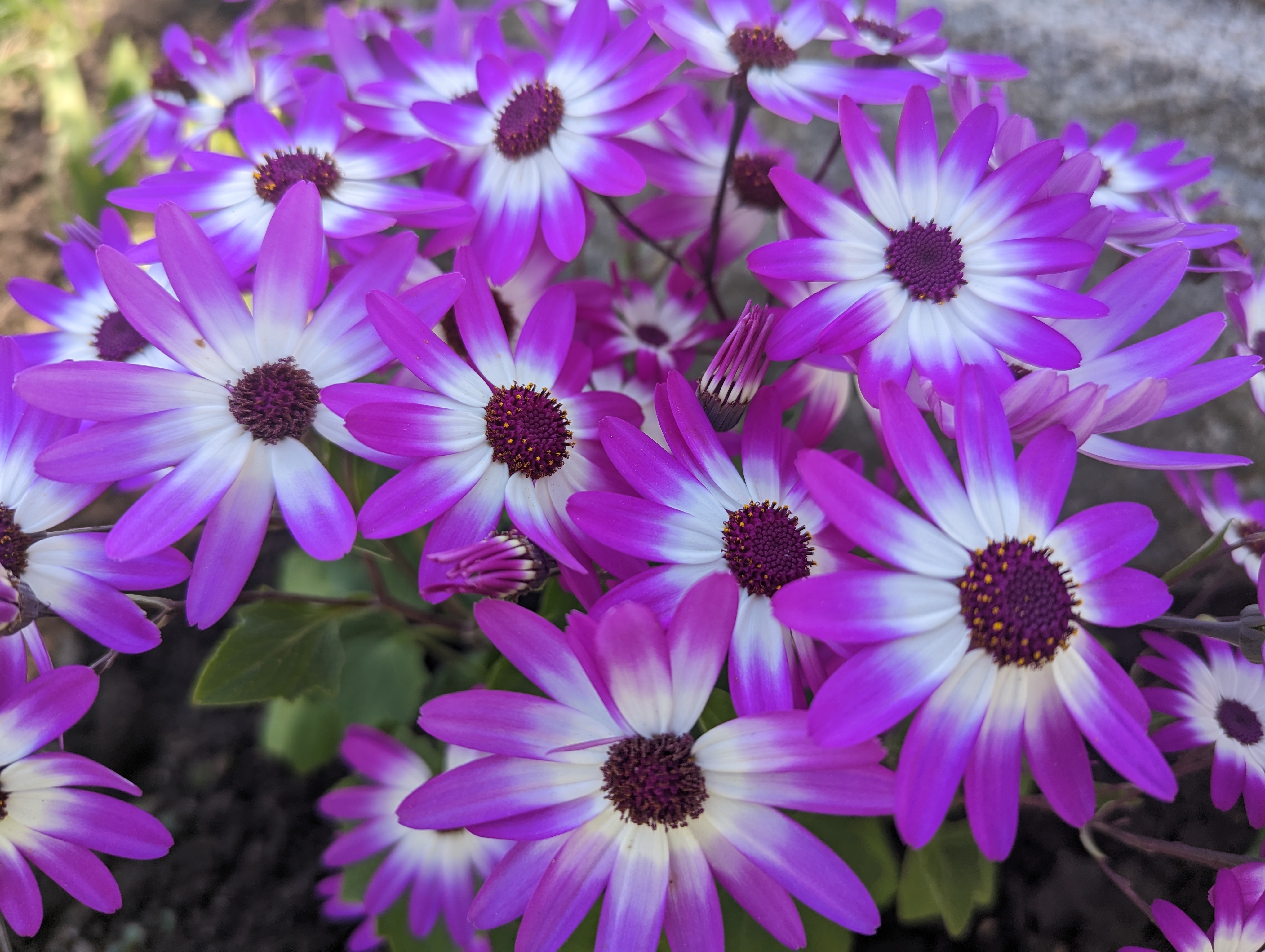
Pericallis senetti provides daisy-like blooms in early spring when the weather is cool. They produce vibrant blues, magentas, violets, and can be bi-colored. They can tolerate low temperatures but are sensitive to frost. These are located outside our church.

Monday, 05/08/2023: Posted photo — On the Trail.
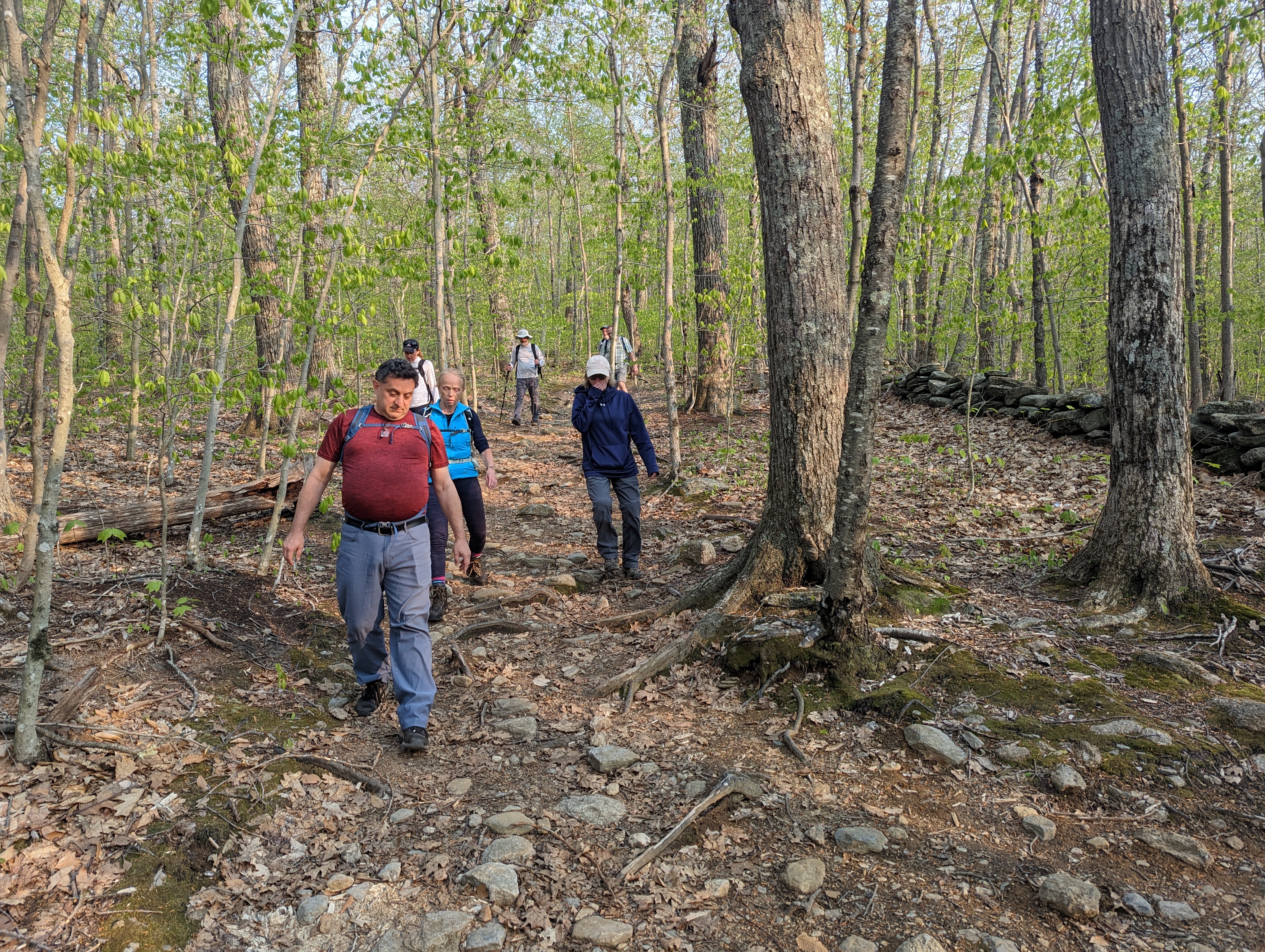
What would Monday night be without a hike? Don’t know. Every Monday that I hike does not happen is a disappointment. The good thing about missing a Monday night hike is that I can spend more time with my family. Today was a wonderful day to hike. The temperature was in the goldilocks zone, not to hot and not to cold. The black bugs were not bothering me as much as other members of the hiking group.

Flower of the day: Hobblebush
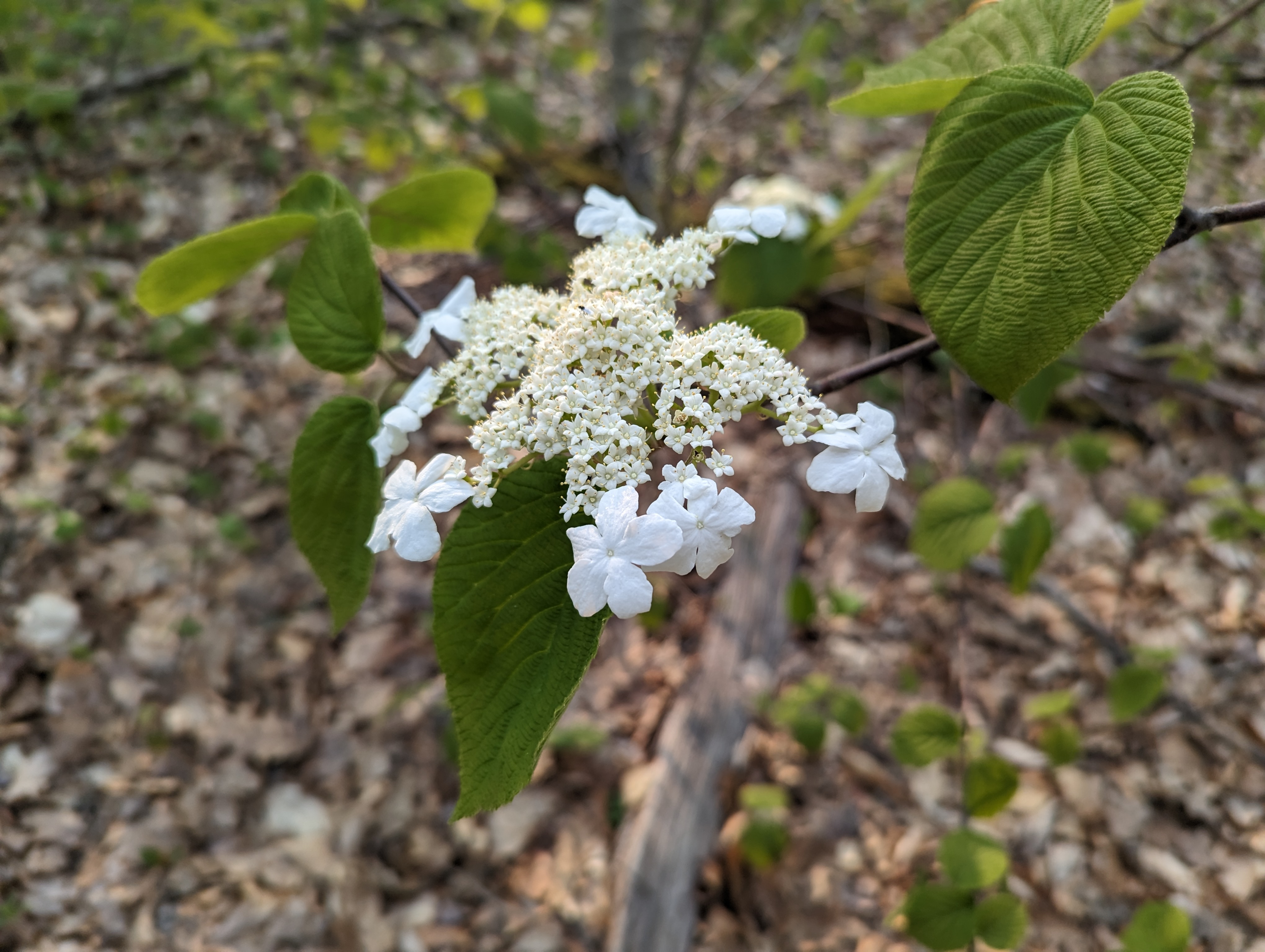
“Viburnum lantanoides, hobblebush (also known as moosebush, witch-withy, witch-hobble, witch-tangle and tangle legs) can grow more than ten feet tall, and often at least as wide, in its sprawling, errant, fashion. Branches extend outward, arch and descend, re-rooting where they touch the ground, forming a small copse. This lissome habit is most evident in winter when the hobblebush is leafless and the shrub’s structure can be traced. What appears to be a solitary shrub is usually an aggregate of clonal offspring called ramets.” https://wildseedproject.net/2015/06/viburnum-lantanoides-hobblebush-adoxaceae/

Tuesday, 05/09/2023: Posted photo — Abstract Rabbit.

Came home from shopping tonight and saw this rabbit in our yard. I took out my phone to take this photo. I took this photo from a distance so that I did not disturb the rabbit. It looks like my camera went into the digital zoom range causing this abstract effect. You can see the tree debris that I still need to clean up in this photo.

Flower of the day: Pansy
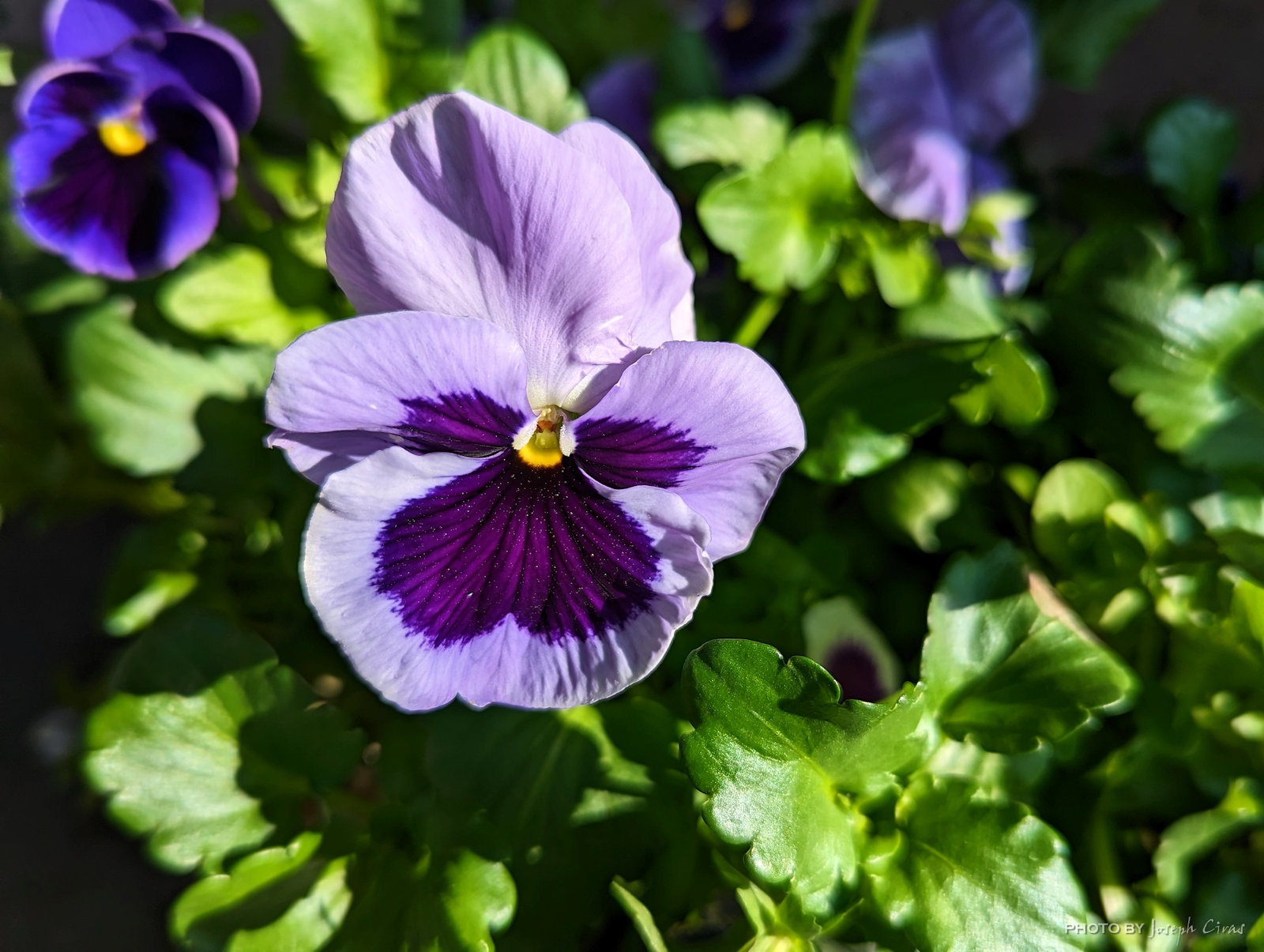
Pansies are the cheerful flowers with upturned “faces.” They love cool weather and are popular to grow in spring and fall. They’re also edible, adding color to salads, drinks, and cakes. Here’s how to plant pansies and keep them growing and blooming.

Wednesday, 05/10/2023: Posted photo — Start of Third Leg.

I am leading a mystery hike in a few weeks. The group is meeting at a trailhead, and I am giving them direction at trail junctions. The directions will only consist of bearings and distances. This is the location of the third leg of my trip.
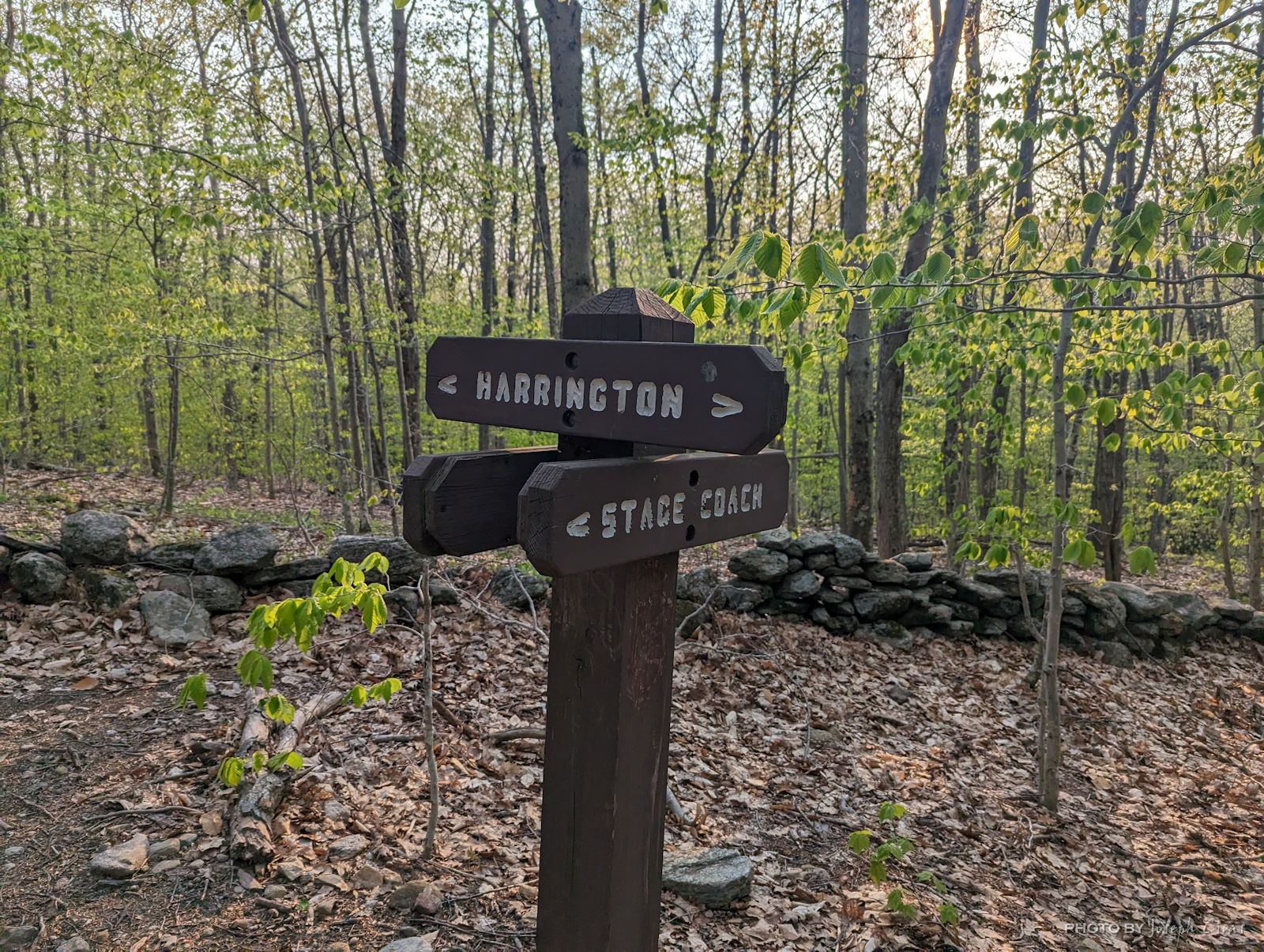
If you are in the area and would like to join me, sign up for the trip on this web page: https://activities.outdoors.org/search/index.cfm/action/details/id/144329. You do not need to be an AMC member to join the hike.

Flower of the day: Dandelions
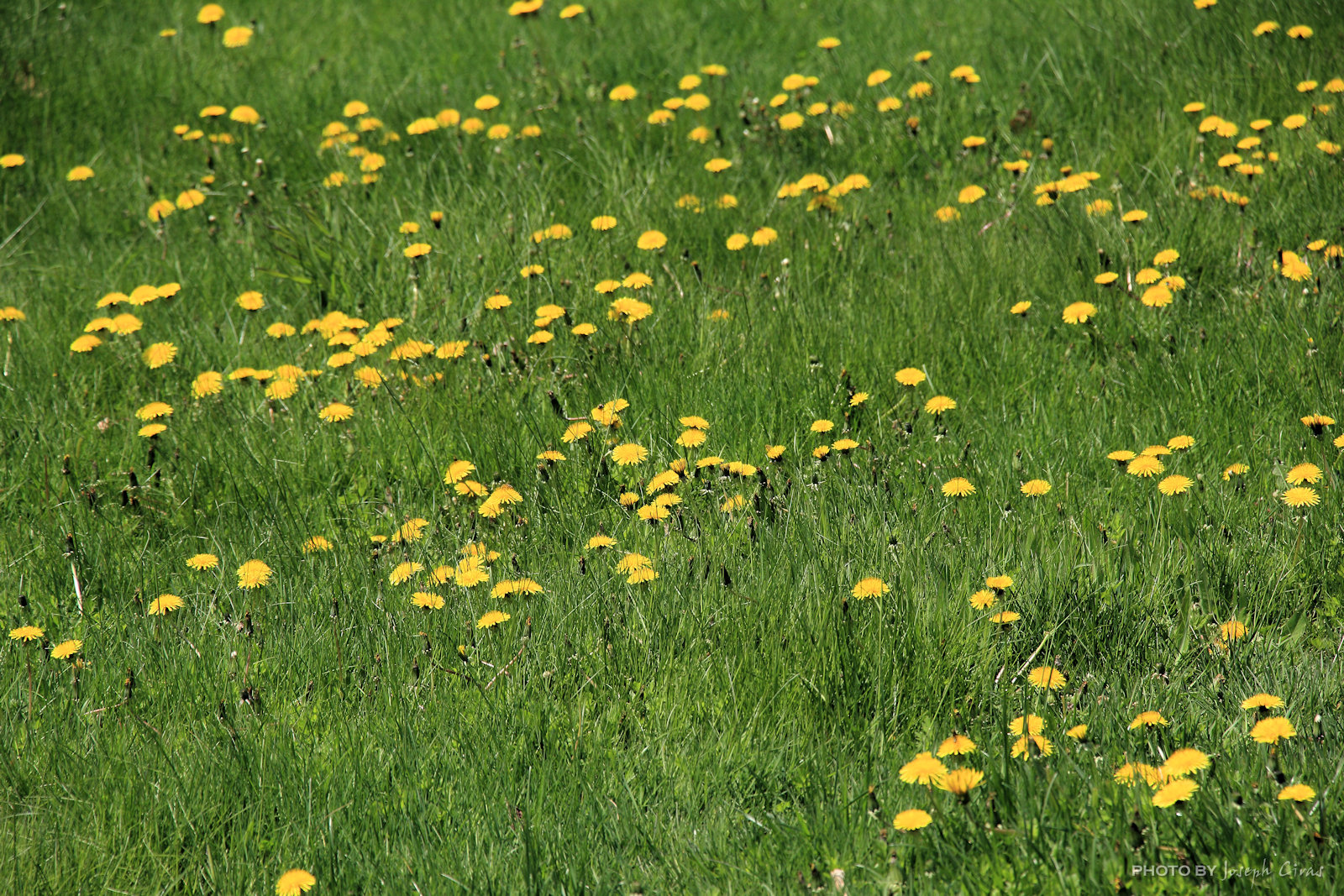
To show the benefits of the once-beloved plant, here are items you might not know about dandelions.

  • Dandelions have deep roots in history throughout the ages.
  • Dandelions were world-famous for their beauty.
  • Dandelions are a green and growing first aid kit.
  • Dandelions are more nutritious than most of the vegetables in your garden.
  • Dandelions are good for your lawn.
  • Dandelions are masters of survival.
  • Dandelions are among the most expensive items in the grocery store.
  • Herbicides used on lawns to kill dandelions take a terrible toll on wildlife.
  • But there’s a safer way to have a dandelion-free lawn.

To learn more, go to https://www.mofga.org/resources/weeds/ten-things-you-might-not-know-about-dandelions/.

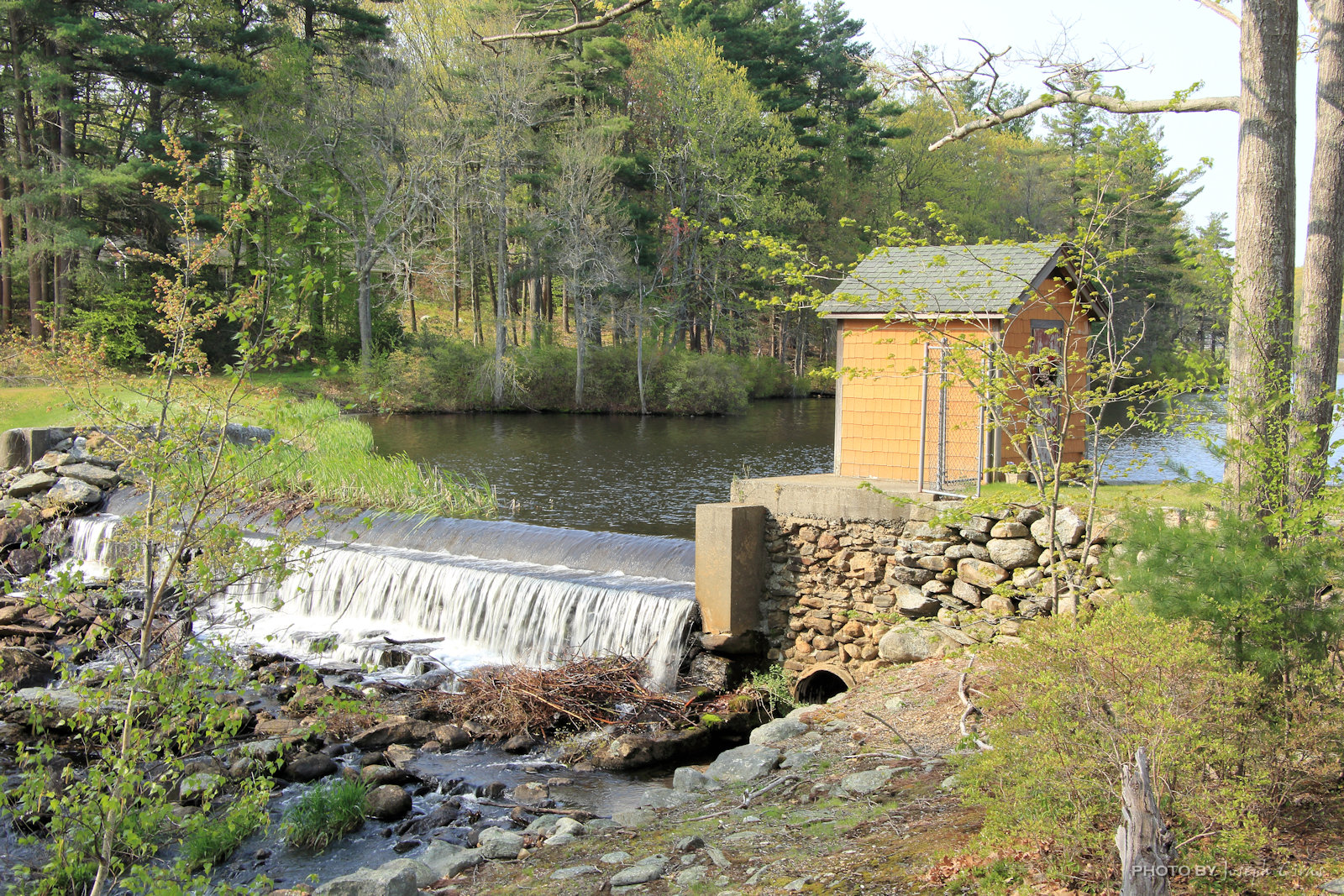
Thursday, 05/11/2023: Posted photo — Dam at Round Meadow Pond.

Here is a photo of the dam at Round Meadow Pond. This is a location that I photograph often.
Flower of the day: Bluets
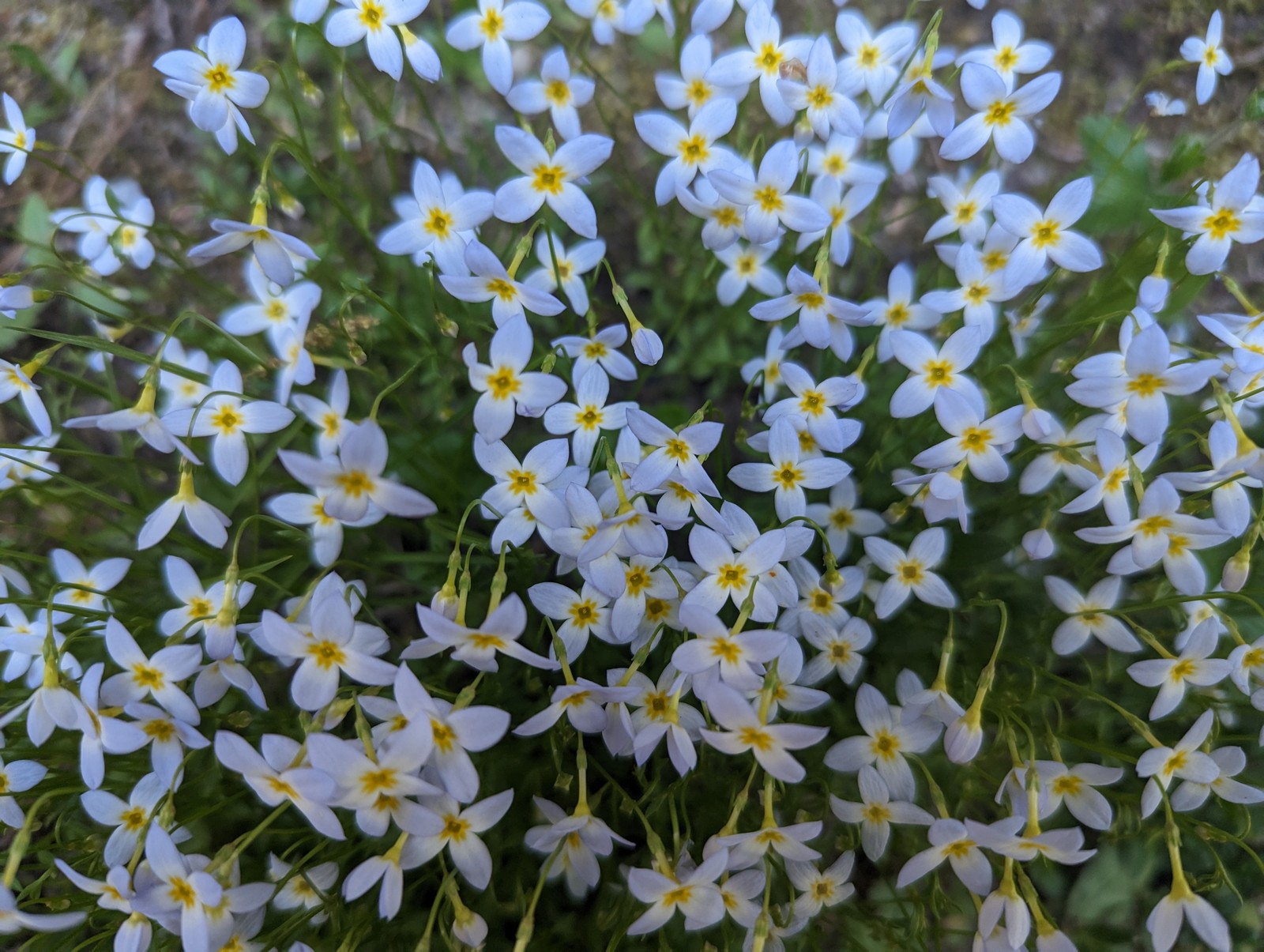
Common bluets produce both nectar and pollen. Their short flower tubes make their nectar accessible to our short-tongued native bees. Quite a few species of native bees including small carpenter bees and some of our sweat bees will visit common bluets. Several of our smaller species of early butterflies will also visit common bluets.

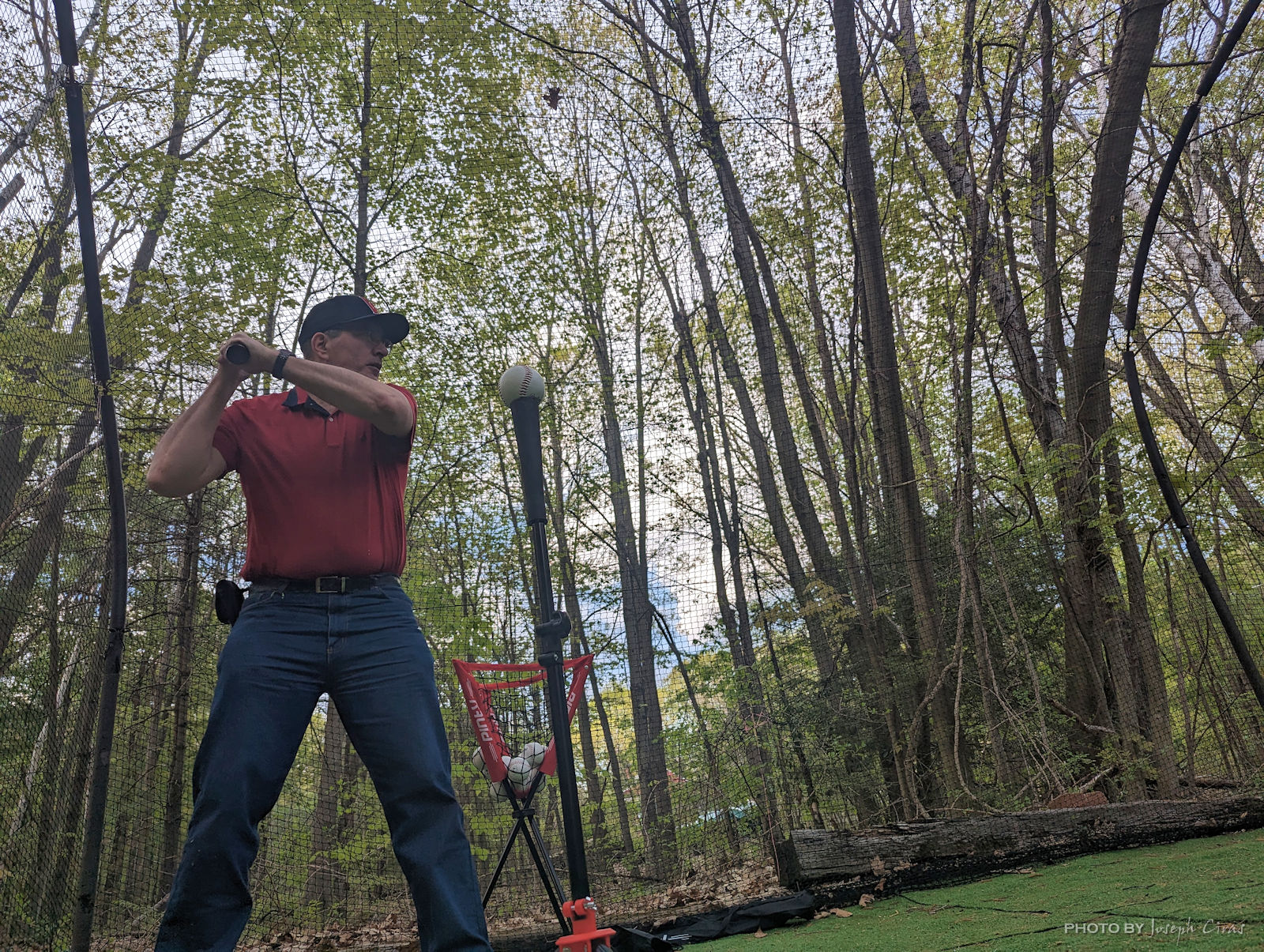
Friday, 05/12/2023: Post photo — Hitting Off the Tee.

My son purchased a hitting tee for the junior high baseball team he coached. I did some hitting practice. Have not swung a bat in a while. I swung the old way with two hands on the bat as Ted Williams did. He attempted to coach me by having me remove my top hand off the bat as the modern hitters do. I like the old way of hitting.
Flower of the day: Malus baccata (Siberian crab apple)
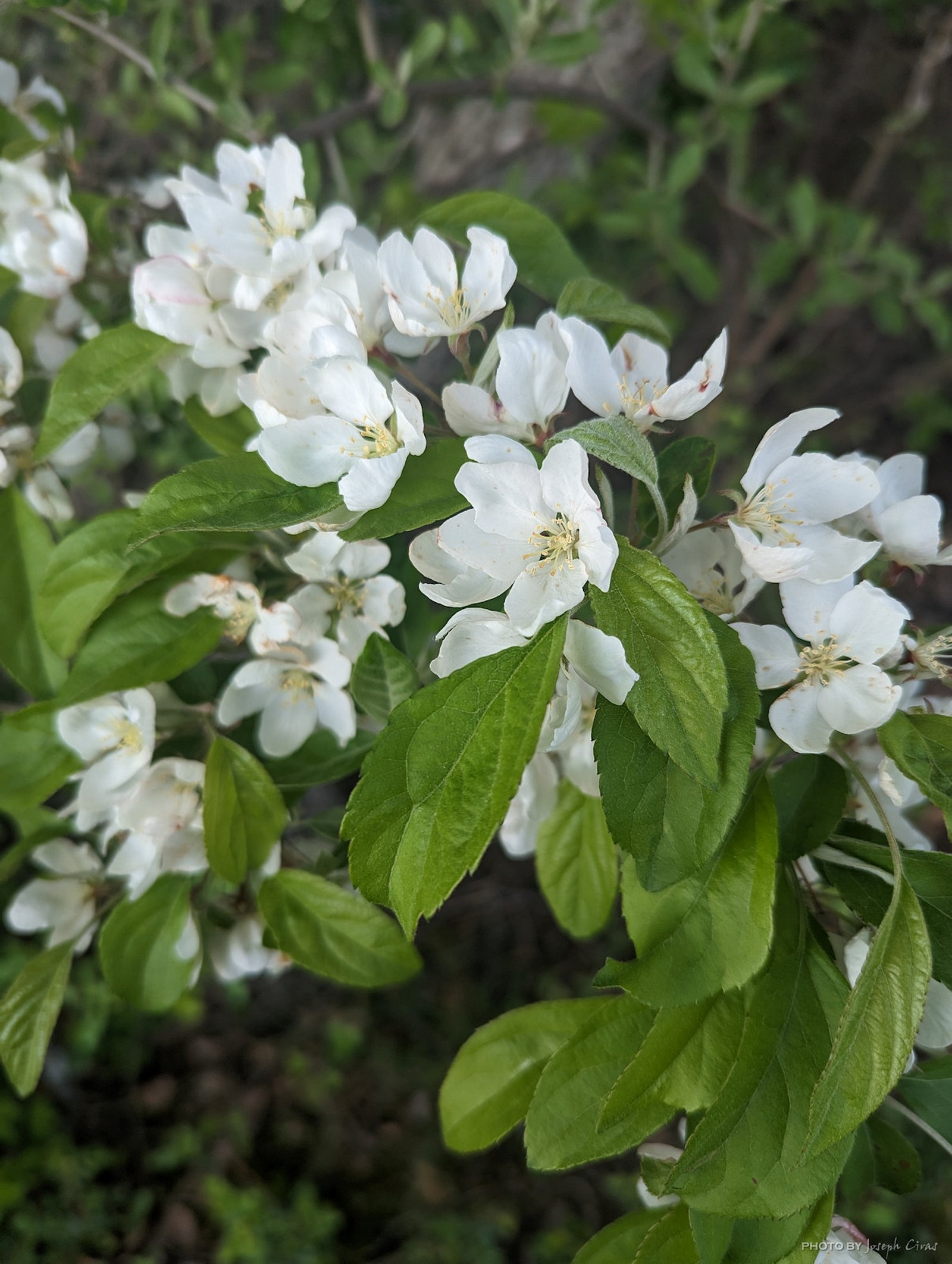
Siberian crab apple inhabits northerly areas of New England, although certain cultivars grow as far south as Florida. The tree produces white-pink, non-hairy (glabrous) flowers in spring along glabrous branches. With a pleasing, rounded crown, abundant flowers and small, edible fruits, this crabapple has been introduced widely as an ornamental tree.

Saturday, 05/13/2023: Post photo — Lilac.

I have a photo challenge this week that is titled detail. Chances. Details are having your eyes instinctively lock on to a small part of the image before looking at the whole picture. I attempted this by putting a mononuclear on my cell phone and taking this photo.

Flower of the day: Azaleas
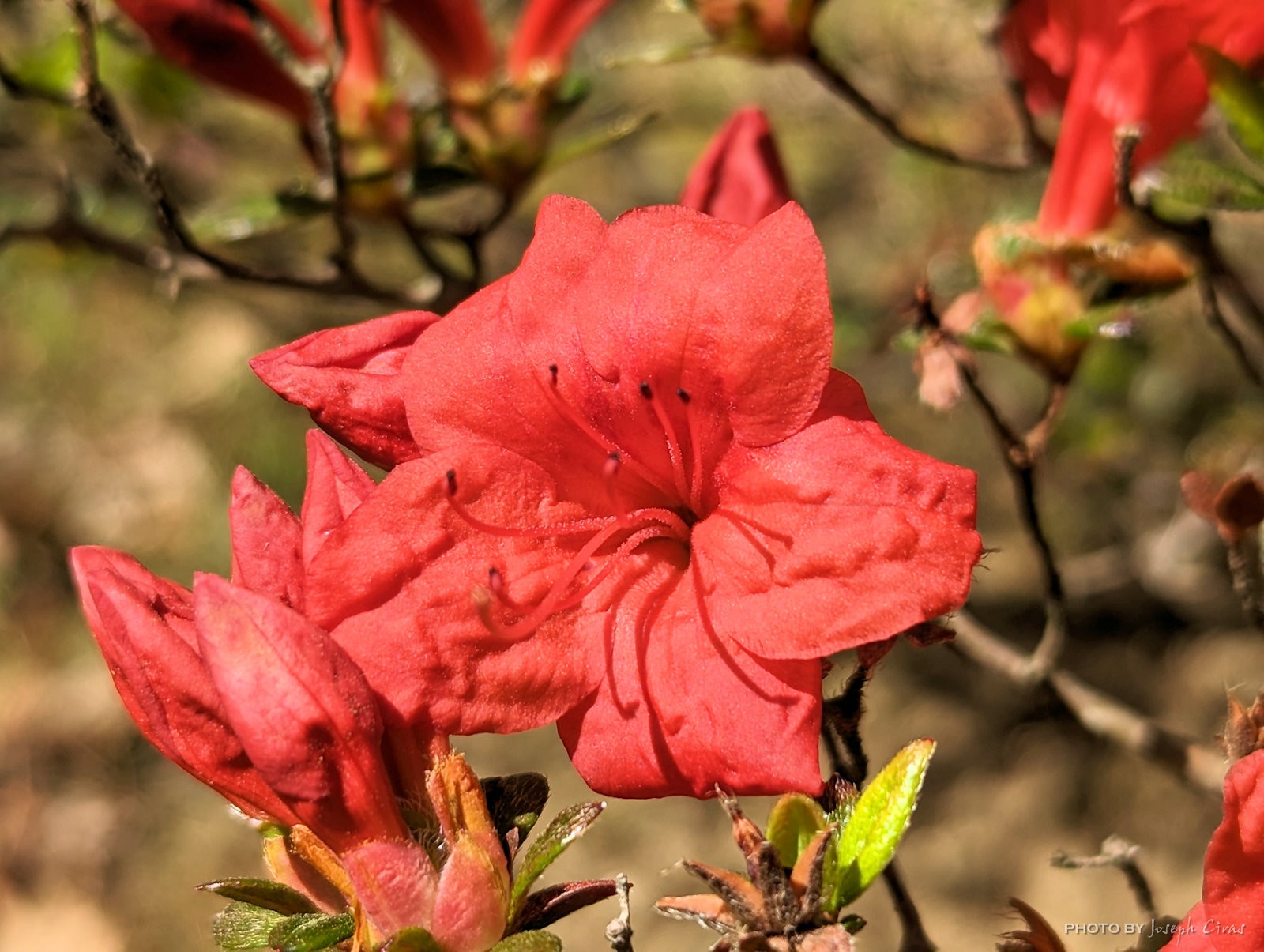
Azaleas are typically deciduous while other rhododendrons are evergreen. Azalea flowers are funnel-shaped, somewhat two-lipped, and often fragrant. These azaleas in our yard have survived the last heavy snow that fell. The bush was heavily loaded with snow. There is still a large area of the bush that has not yet bloomed.

For more photo of other projects I have work, visit my website: https://photobyjosephciras.weebly.com or visit me on Facebook at https://www.facebook.com/PhotobyJosephCiras/.
Photographic Thoughts — 02/19/2023 to 02/25/2023

All photographs are accurate. None of them is the truth.” — Richard Avedon

Photos for this week. On vacation (or holiday) depending the country your are reading this blog in. Looked forward to a relaxing week in the warmth.

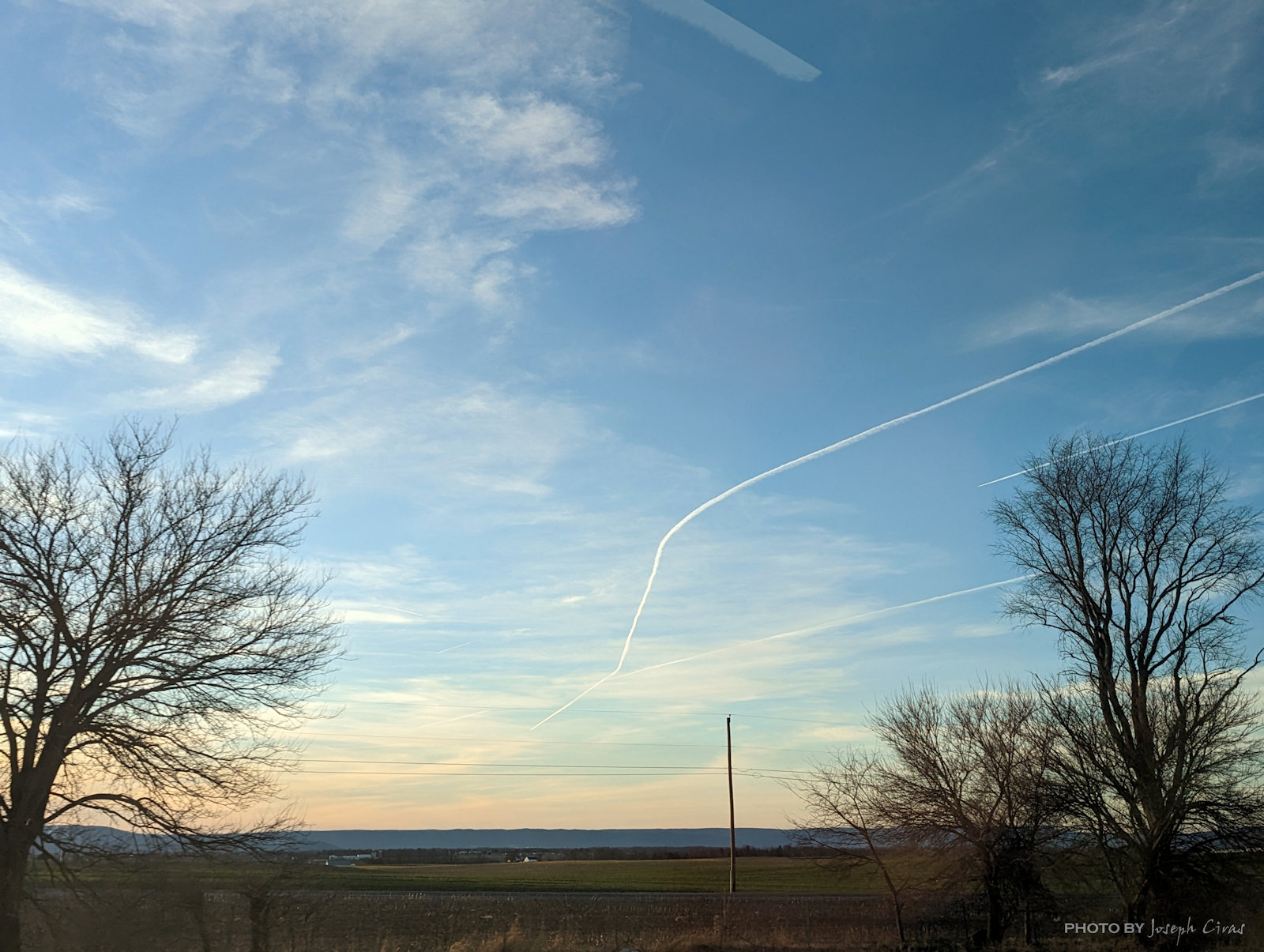
Sunday, 02/19/2023: Posted photo — Flight Pattern.

Settings: Google Pixel 7, ISO 62, f/1.8, 1/678 s, 7 mm.

During the ride down to our vacation destination, I noticed the contrail left by at plane as it was turning. Contrails or vapor trails are line-shaped clouds produced by aircraft engine exhaust or changes in air pressure, typically at aircraft cruising altitudes several miles above the Earth’s surface. A little later, I noticed that a plane took a turn and flew in front of another plane. I took my phone out, since I was the navigator at this time, and took a photo.

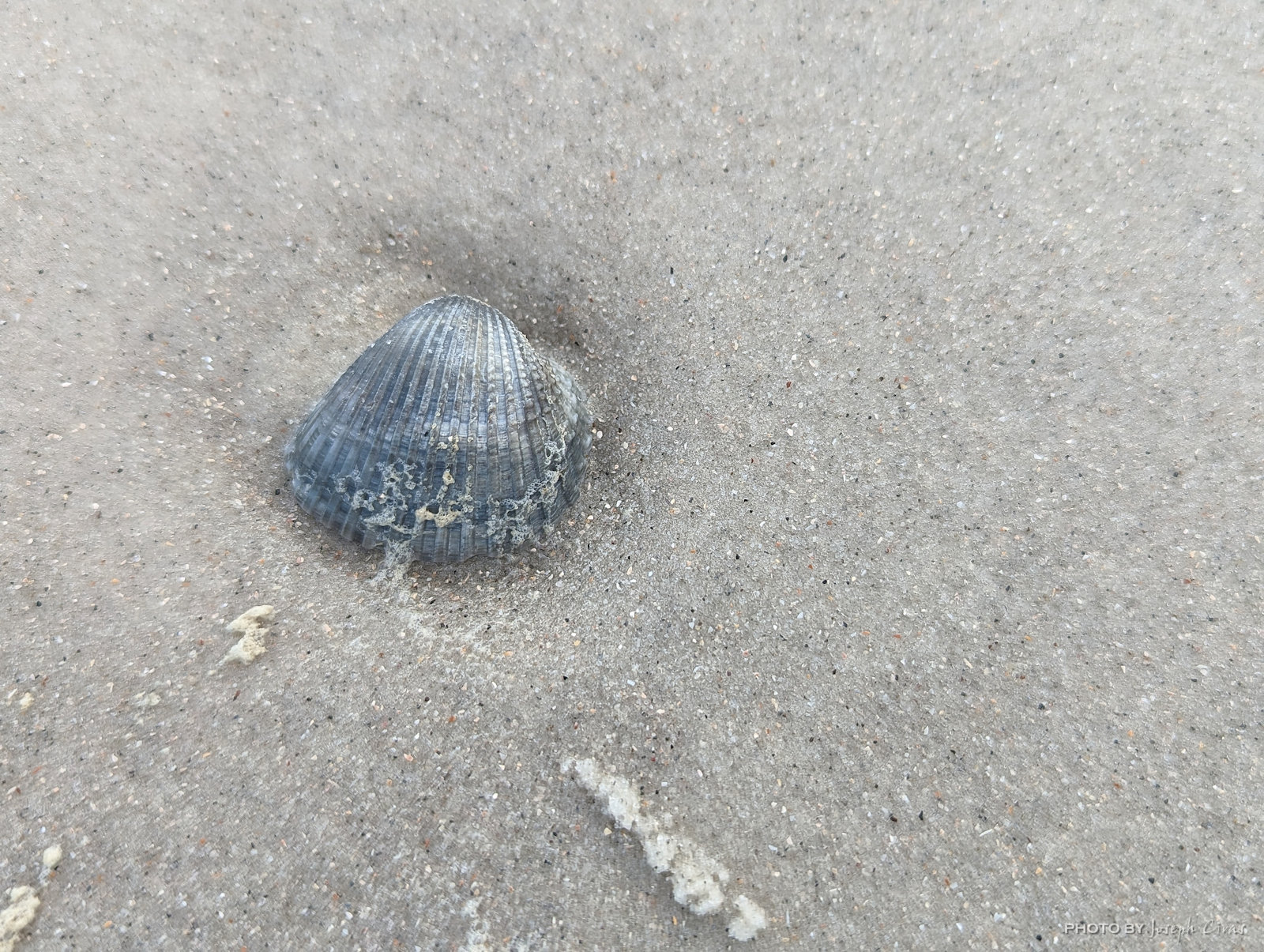
Monday, 02/20/2023: Posted photo — Shell.

Settings: Google Pixel 7, ISO 66, f/1.8, 1/593 s, 7 mm.

We reached our destination and took a walk on the beach. I took a photo of this shell because of its color. The beach was full of white shells. I did not see many shells that were dark. This shell is a common cockle shell. The common cockle (Cerastoderma edule) is a species of edible saltwater clam.

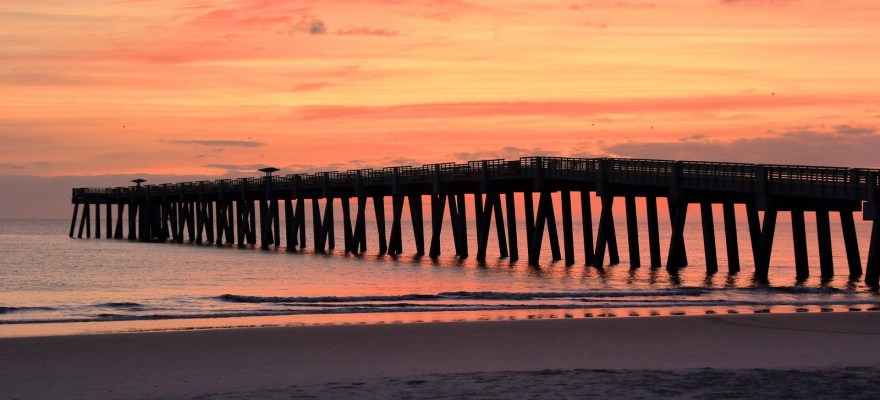
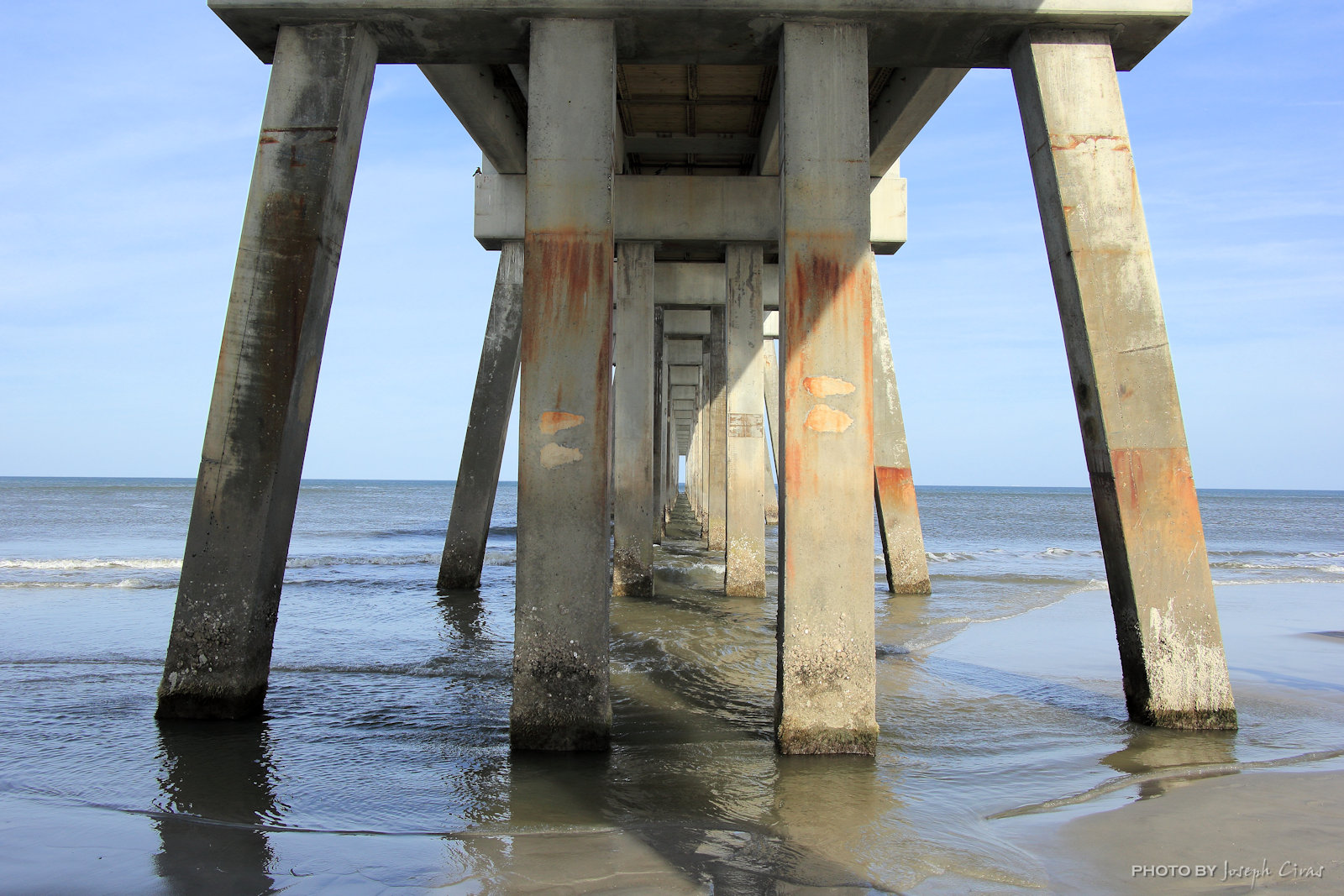
Tuesday, 02/21/2023: Posted photo — Under the Pier.

Settings: Canon EOS 60D, ISO 100, f/7.1, 1/320 s, 22 mm.

The Jacksonville Beach Fishing Pier is nearly a quarter of a mile long and offers visitors close-up views of the Atlantic Ocean. The pier was closed for years because Hurricane Matthew wiped out part of the pier in 2016, then Hurricane Irma damaged it some more in 2017. Unfortunately the pillions on the pier do not make a good of a photo as the last pier did. At least this one might hold up to hurricanes.

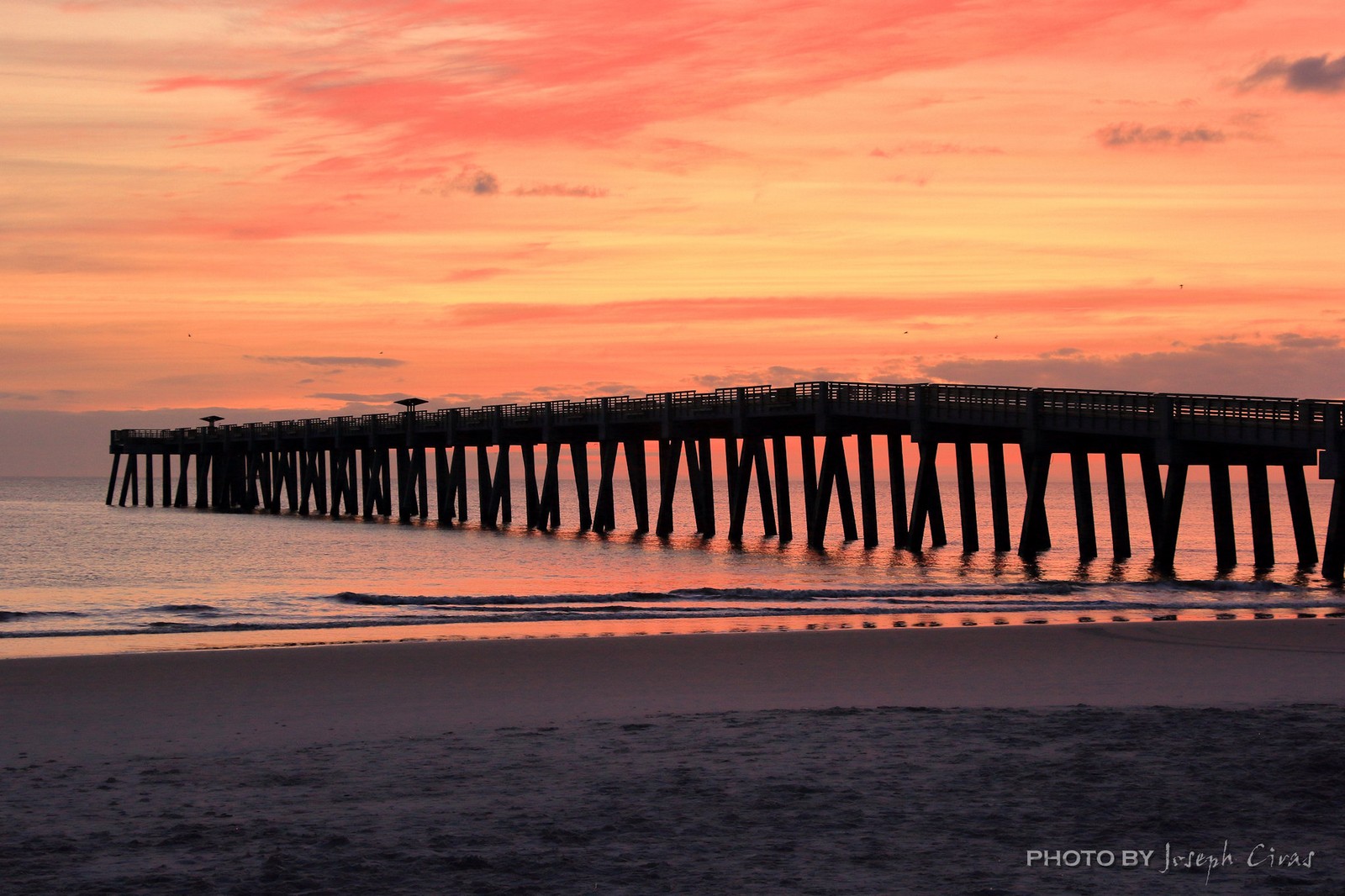
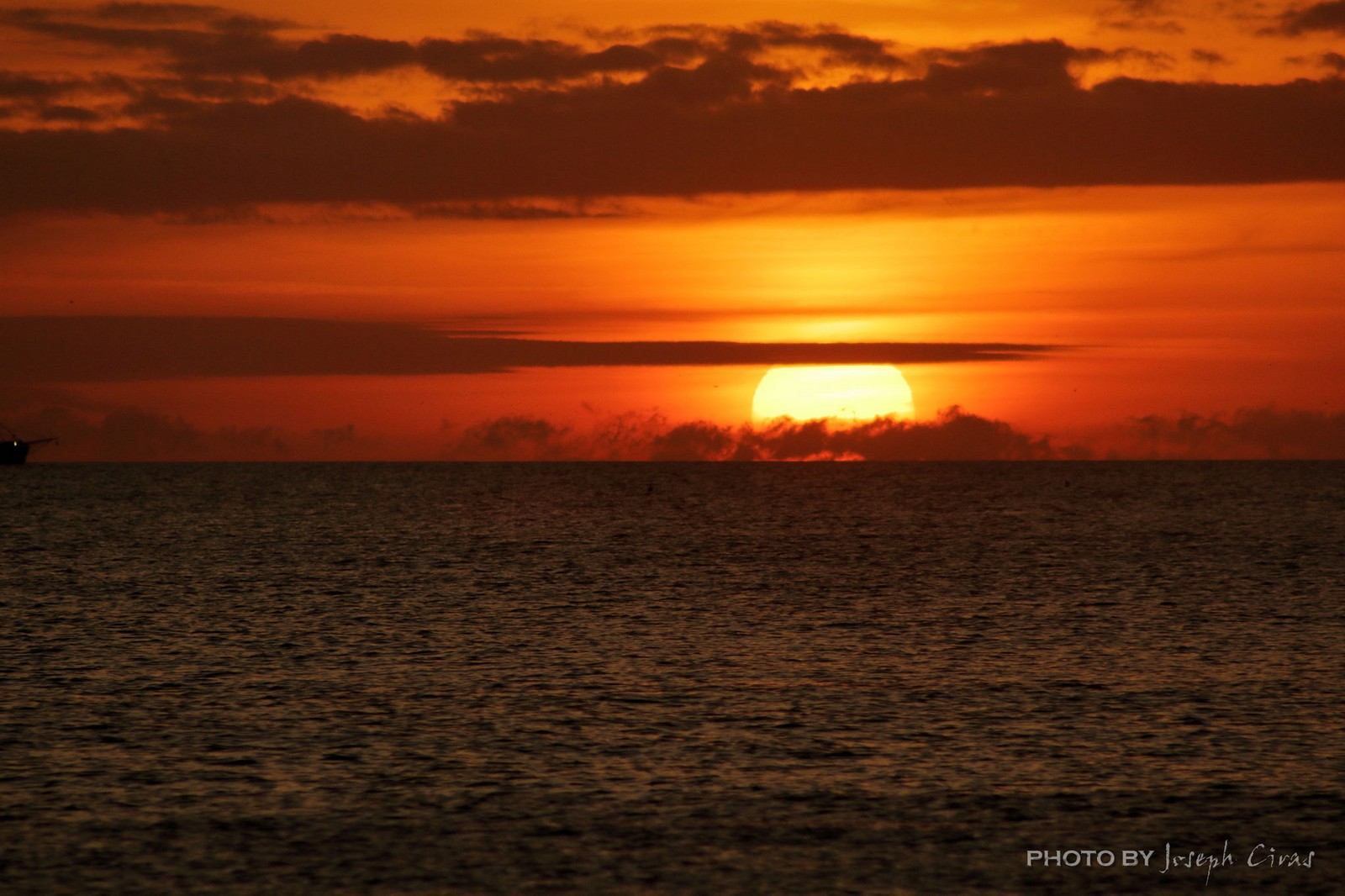
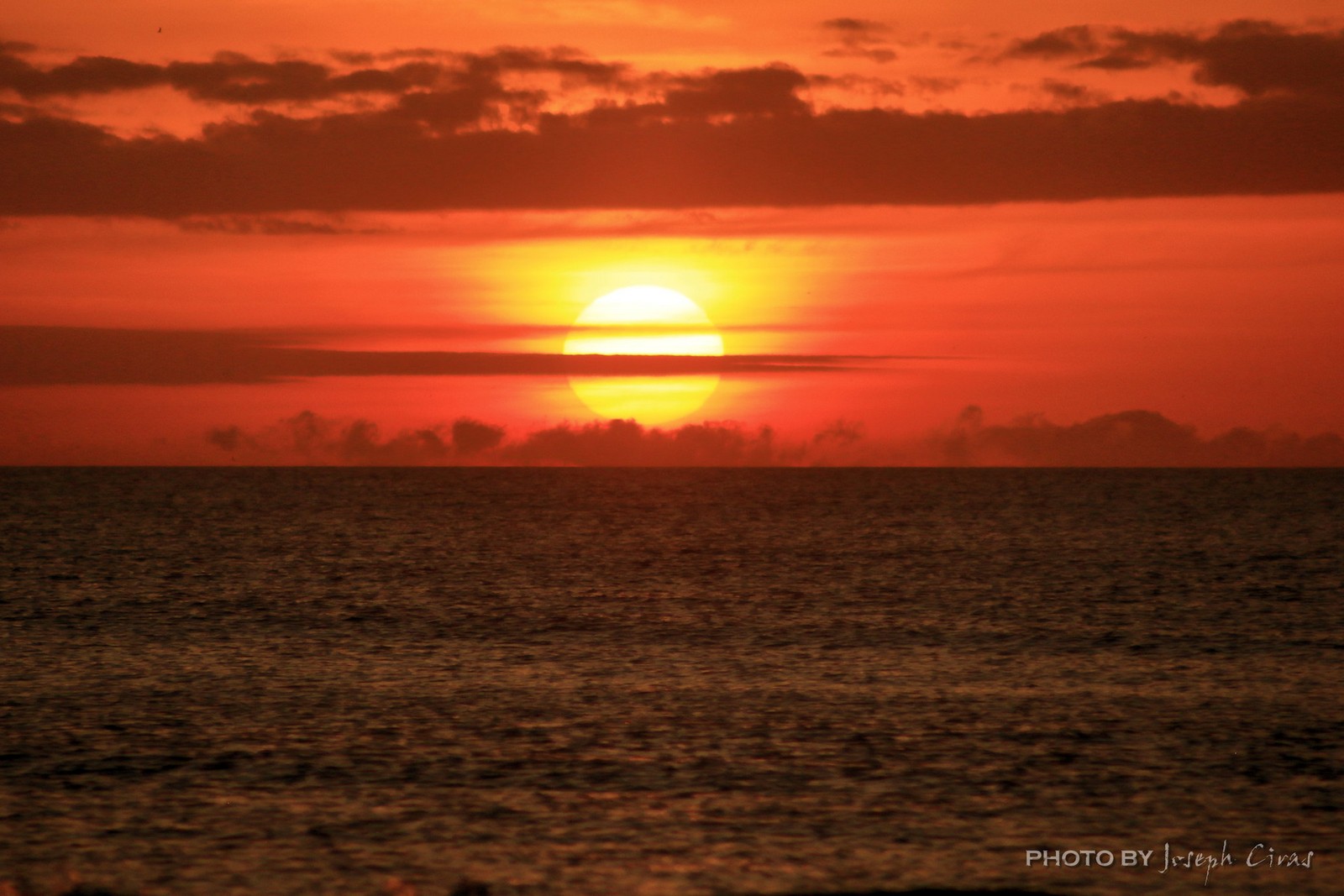
Wednesday, 02/22/2023: Posted photo — Sunrise.

Settings: Canon EOS 60D, ISO 400, f/7, 1/8000 s, 300 mm.

Woke up early this morning to take a photo of the sunrise. Drove down to the pier to get this photo. The cloud cover was sparse, but the sunrise was wonderful. Each sunrise is different.

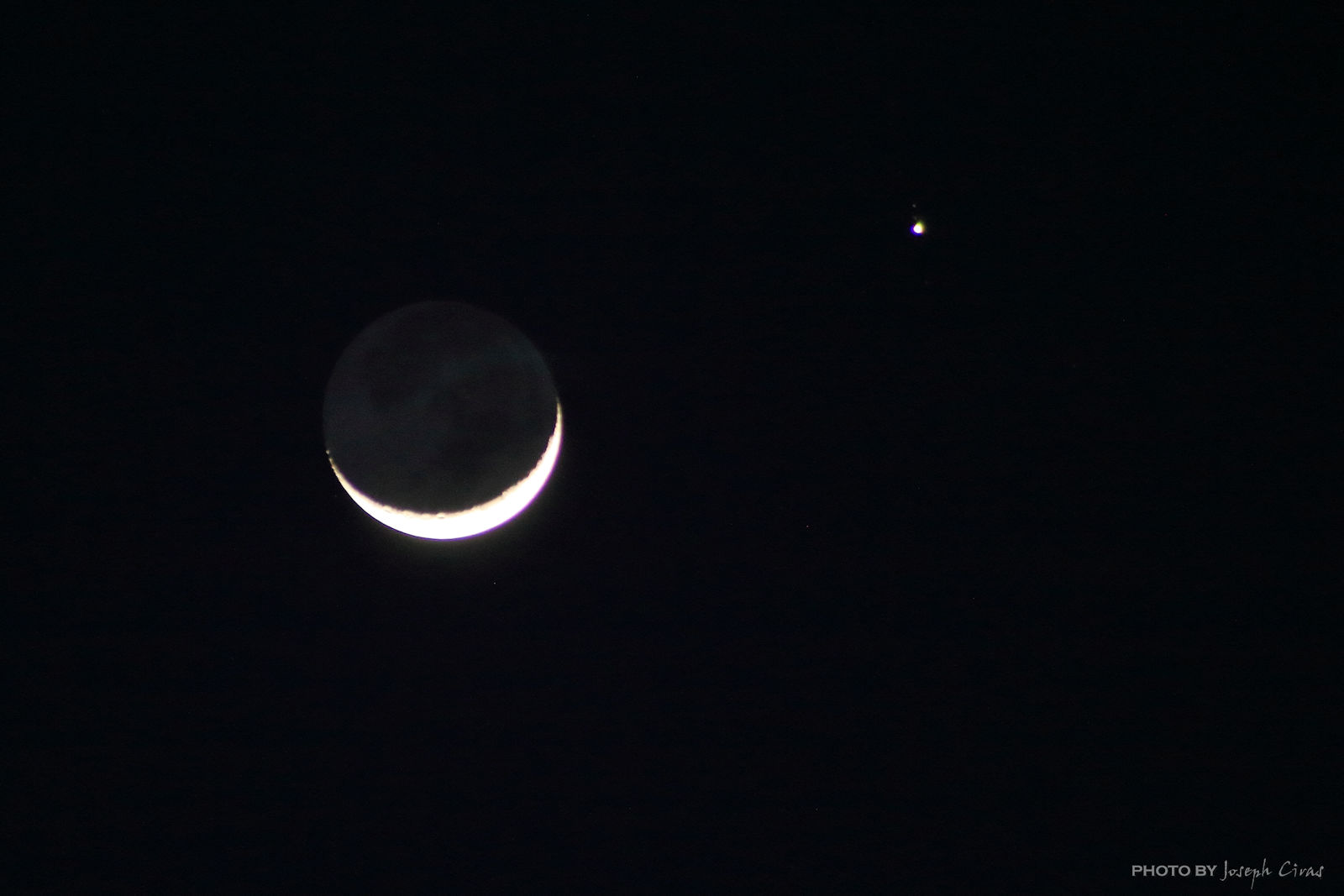
Tonight, while visiting family members, I saw the moon and Jupiter. Later on, I saw the moon, Jupiter, and Venus. I took out my camera and took a series of shots just after sunset. These photos are ones I took a little later at night at night time. These photos are handheld photos.

Thursday, 02/23/2023: Posted photo — Lizard.

Settings: Google Pixel 7, ISO 42, f/1.8, 1/234 s, 7 mm.

Don’t know if it is a brown anole or a Florida scrub lizard. Someone can tell me. All I know is that this little guy wanted to go with us to the beach today.

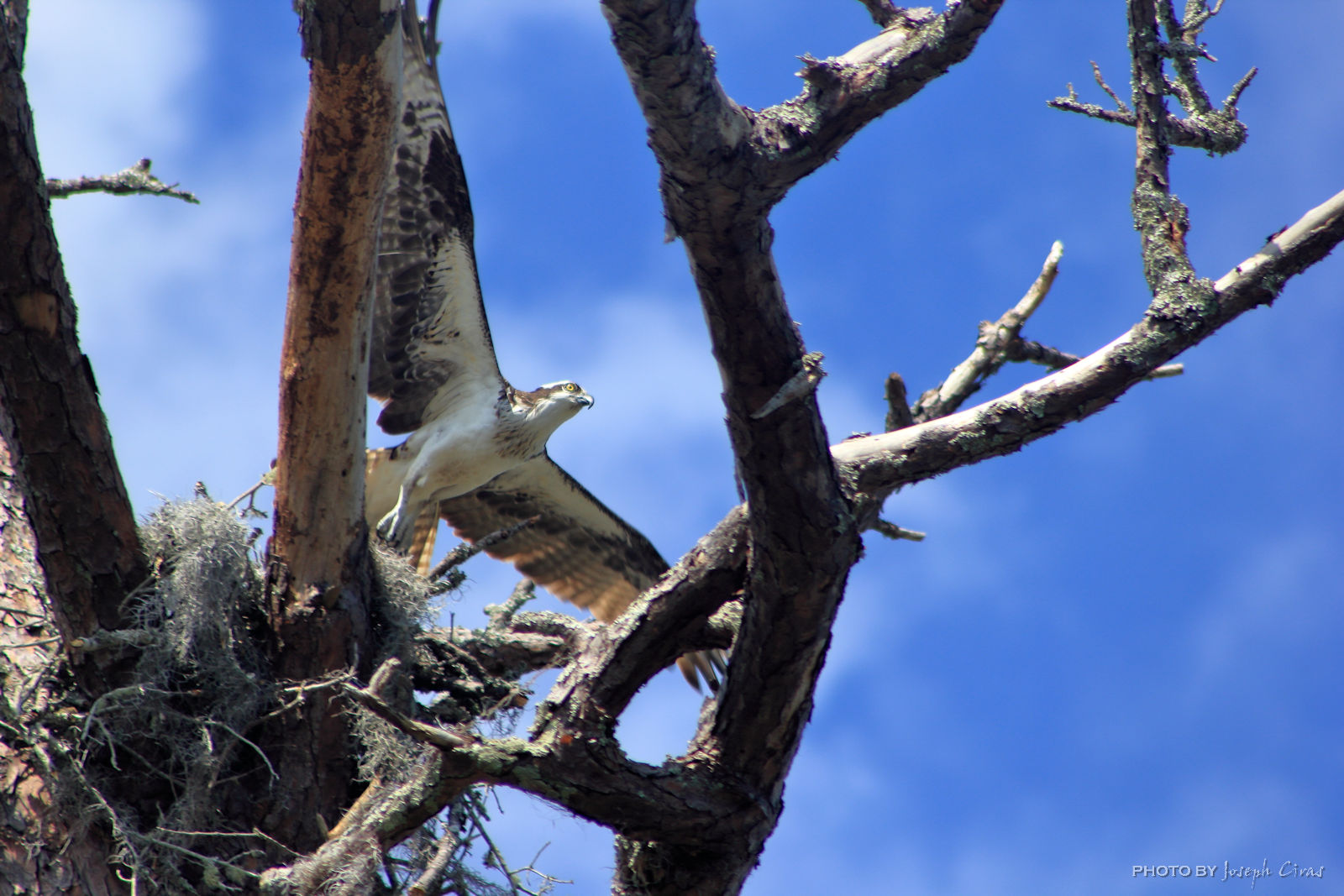
Friday, 02/24/2023: Post photo — Leaving the Nest.

Settings: Canon EOS 60D, ISO 100, f/7.1, 1/320 s, 300 mm.

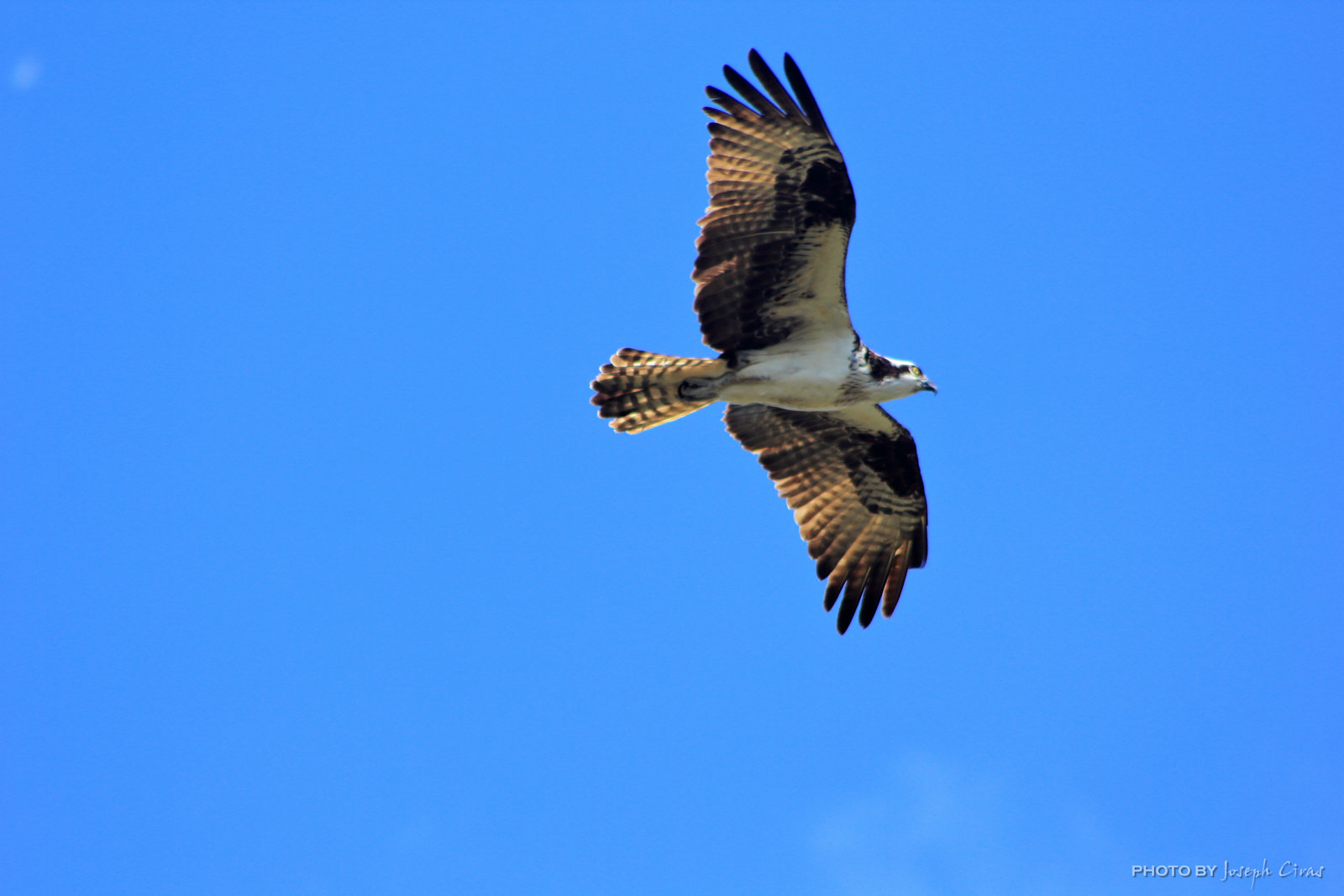
We watched this osprey flying around and gathering sticks for its nest. They move so quickly. This was the best photo that I got of the osprey. This photo was taken in Cradle Creek Preserve. Cradle Creek Preserve consists of 36 acres, purchased on August 9, 2001 by the City of Jacksonville Beach and the city of Jacksonville. The City of Jacksonville Beach holds title to the property. It a very peaceful place in the middle of the hustle of the beaches.

Saturday, 02/25/2023: Post photo — Feet in Ocean.

Settings: Google Pixel 7, ISO 42, f/1.8, 1/4049 s, 7 mm.

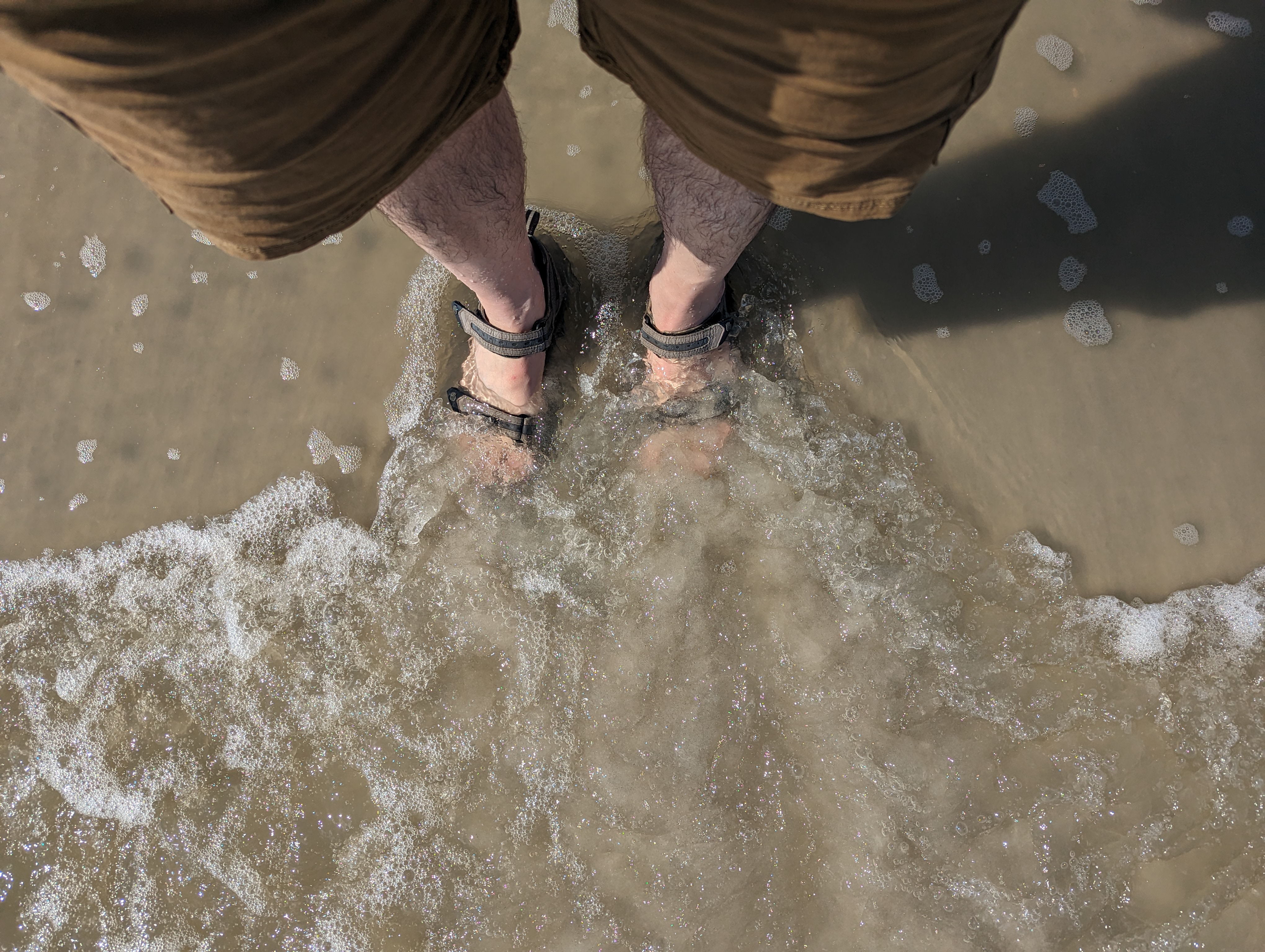
As my vacation winds down, and the snow and ice falling up north, I took this opportunity to put my feet in the ocean. With temperatures in the 80s F here and in the teens up north, just relaxing for one more day.

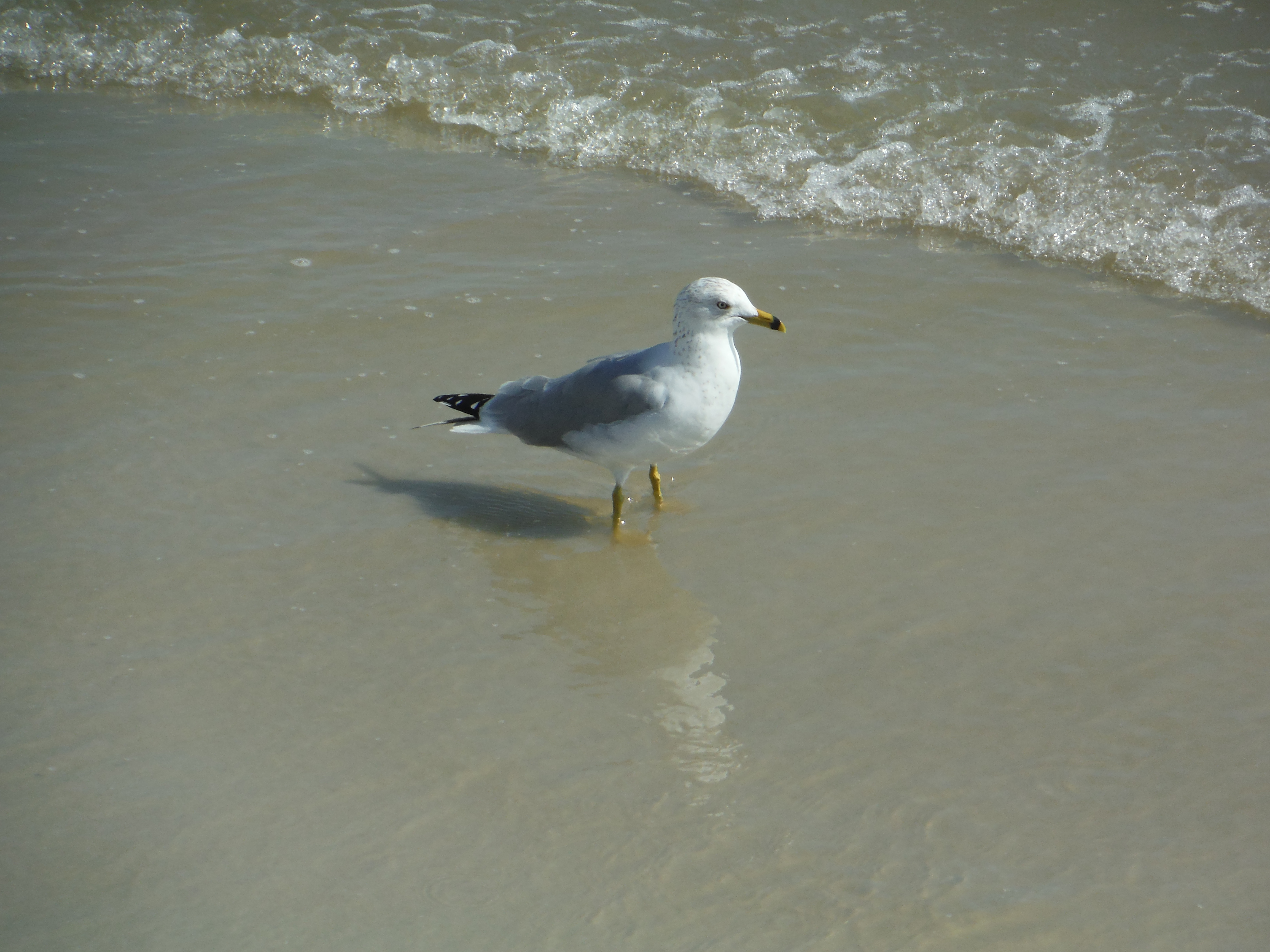
Here is a gull and a Royal Tern that was hanging out with us on the beach.

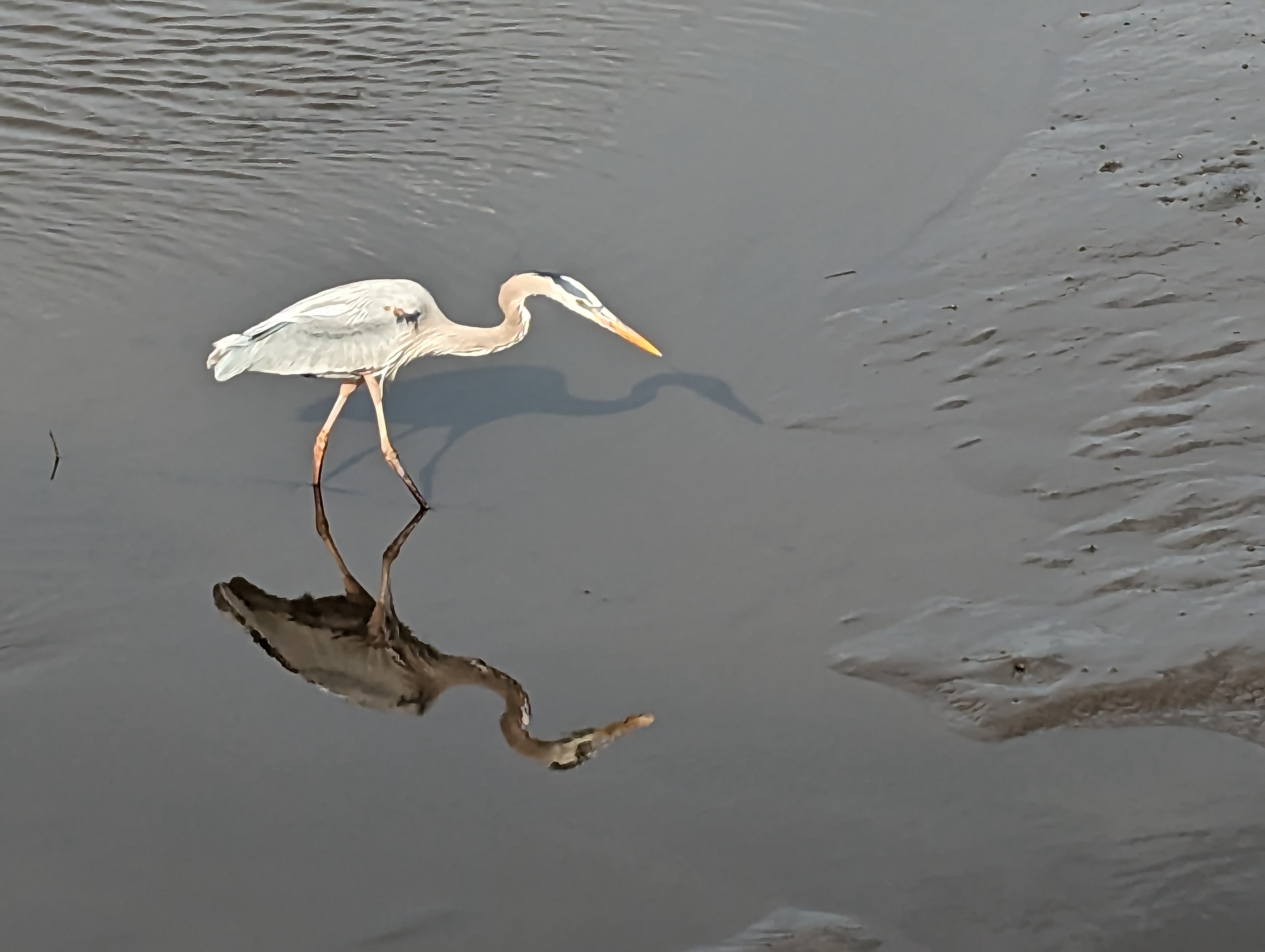
I also took a walk in a nature preserve and saw this great blue heron. It was going to be a quick walk so I only had my cell phone. Watched it for about 15 minutes and it did not catch a fish. I do like the reflection and the shadow.

Back to the cold weather and reality.

Went back the next day and this egret fished successfully caught a fish, a small fish, but a fish none the less.

For more photo of other projects I have work, visit my website: https://photobyjosephciras.weebly.com or visit me on Facebook at https://www.facebook.com/PhotobyJosephCiras/.
Photographic Thoughts — 01/08/2023 to 01/14/2023

“When people ask me what equipment I use – I tell them my eyes.” — Anonymous

One of the things that I like to do is to turn some of my photos into posters. Here is a few of the photos that I have turned into posters over the years.

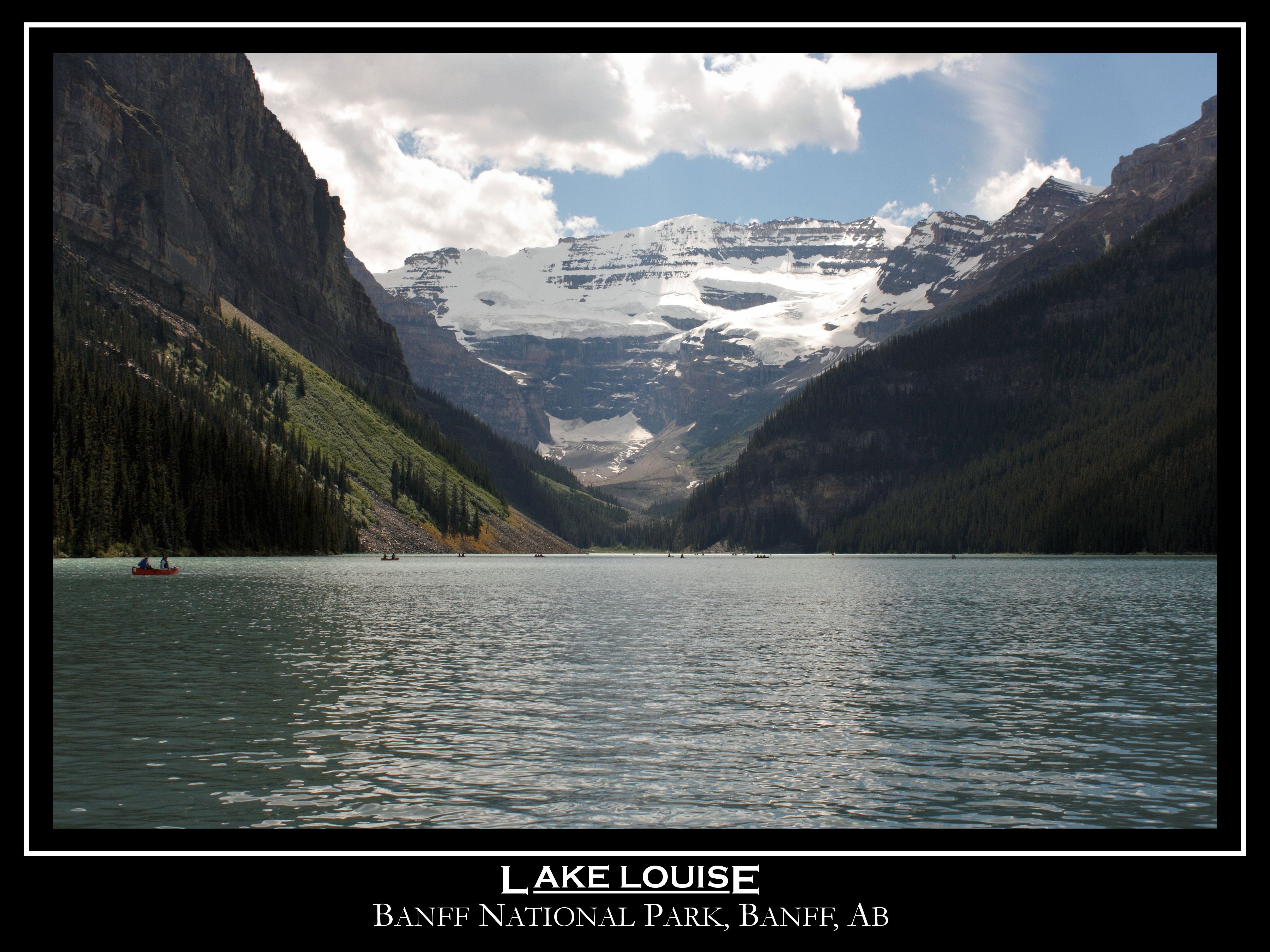
Sunday, 01/08/2023: Posted photo — Lake Louise.

Lake Louise is located in Banff National Park, Canada’s oldest national park, in the Canadian province of Alberta. It sits at an elevation of 5,679 ft (1,731 m) making it Canada’s highest permanent settlement. The lake extends northeast for around 1.5 mi (2.4 km) and is around 0.75 mi (1.2 km) at its widest point. The Lake Louise area is separated in two – the larger community is known as Lake Louise Village and is directly accessible via the Trans-Canada Highway, while Upper Lake Louise is directly next to the lake itself and contains the famous Lake Louise Chateau, along with a host of incredible hiking, biking, and horse-riding trails. https://adventures.com/canada/attractions/lakes/lake-louise/

Monday, 01/09/2023: Posted photo — Bubble Net Feeding.

Bubble-net feeding is a cooperative hunting strategy that occurs within a group of whales. It is a complex, highly synchronized set of behaviors that involve communication and cooperation, demonstrating signs of high social intelligence.

How it works

To bubble-net feed, whales dive deep below schools of fish and use bubbles blown from their blowholes to stun and trap fish closer to the surface. One whale generally leads the effort followed by the rest of the group. The leader will usually be responsible for blowing the bubbles and the other members will surround the fish, following them to the surface by swimming in spiral patterns to keep the fish trapped.

Humpback whales are known as “gulpers”, which means they feed by leaving their mouths open, swallowing everything in their paths before closing their mouths, pushing water out through their baleen plates and swallowing the critters (usually fish and small crustaceans) they caught. During bubble net feeding, the whales swimming toward the surface will have their mouths open and gulp fish from the school they have corralled.

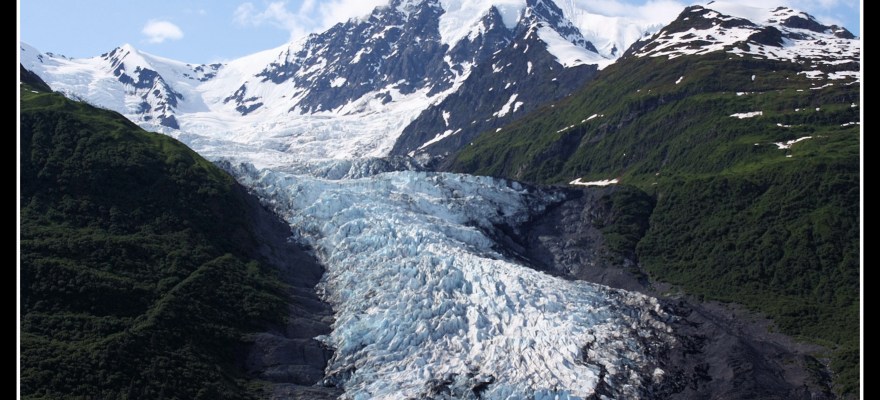
Tuesday, 01/10/2023: Posted photo — Wellesley Glacier.

Wellesley Glacier is a 4-mile long glacier in the U.S. state of Alaska. It trends east for 4 mi to a lagoon on the west bank of College Fjord, 3.7 mi southwest of College Point and 54 mi west of Valdez. It was named for Wellesley College in Wellesley, Massachusetts by members of the 1899 Harriman Alaska Expedition. https://alaska.guide/glacier/wellesley-glacier

Wednesday, 01/11/2023: Posted photo — Wine Barrels.

For over a century, five generations of the Kunde family have farmed our 1,850-acre estate in the heart of Sonoma Valley. Our winemaking mission is to carry on that tradition by crafting elegant, estate-grown, sustainably-farmed wines with a real sense of place—beautifully balanced and expressive of our dramatic vineyard landscape. https://www.kunde.com/

I took this photo when we attended a wedding at the winery. The couple rented out the vineyard for the occasion.

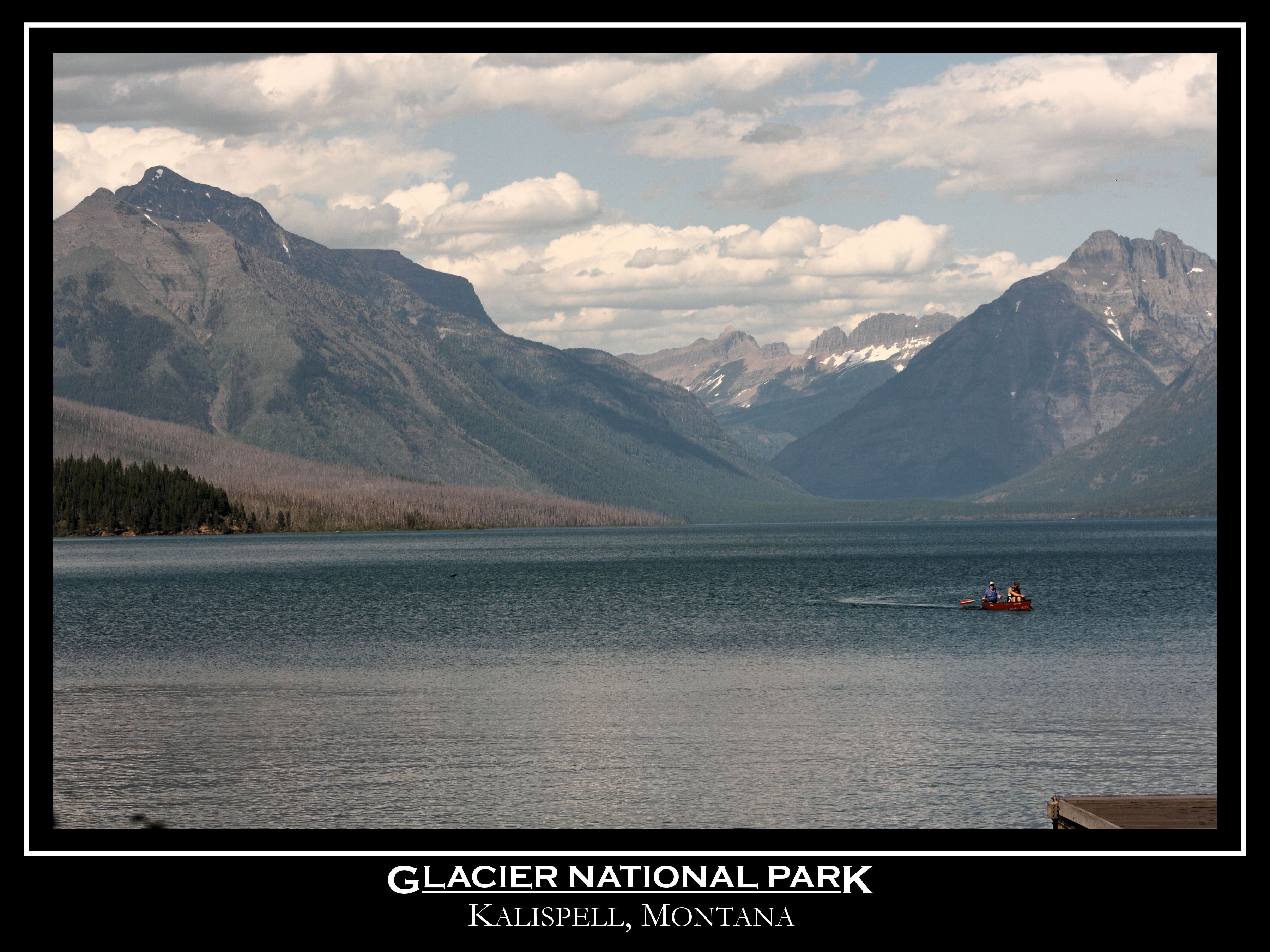
Thursday, 01/12/2023: Posted photo — Glacier National Park.

Glacier National Park is a 1,583-sq.-mi. wilderness area in Montana’s Rocky Mountains, with glacier-carved peaks and valleys running to the Canadian border. It’s crossed by the mountainous Going-to-the-Sun Road. Among more than 700 miles of hiking trails, it has a route to photogenic Hidden Lake. Other activities include backpacking, cycling and camping. Diverse wildlife ranges from mountain goats to grizzly bears. https://www.nps.gov/glac/index.htm

Friday, 01/13/2023: Post photo — Bear at Curry Village.

Curry Village is a resort in Mariposa County, California in Yosemite National Park within the Yosemite Valley. A rockfall in 2008 damaged a number of structures, and about one third of visitor units were closed because of risk. https://www.nps.gov/places/000/curry-village.htm

There was a fisher cat next to our tent site. It hid when this bear walked by. The ranger asked up if we were able to get a look at the number on the bear’s tag. Yosemite National Park is the only park that I know of that a bear will open the door of your car for you if they see something shinny in it or if they smell anything that might be food.

Saturday, 01/14/2023: Post photo — Royal Arches.

The Royal Arches refers to a cliff containing natural occurring granite exfoliation arches, located below North Dome and rising above Yosemite Valley, in Yosemite National Park, California. The Royal Arches are located on the north side of the valley, northeast of the Ahwahnee Hotel. http://www.supertopo.com/rock-climbing/Yosemite-Valley-Royal-Arches-Area-Royal-Arches

For more photo of other projects I have work, visit my website: https://photobyjosephciras.weebly.com or visit me on Facebook at https://www.facebook.com/PhotobyJosephCiras/.
Photographic Thoughts — 08/21/2022 to 08/27/2022

“Essentially what photography is is life lit up.” — Sam Abell

Thank you for all the new views and likes from last week, it helps keep me inspired.

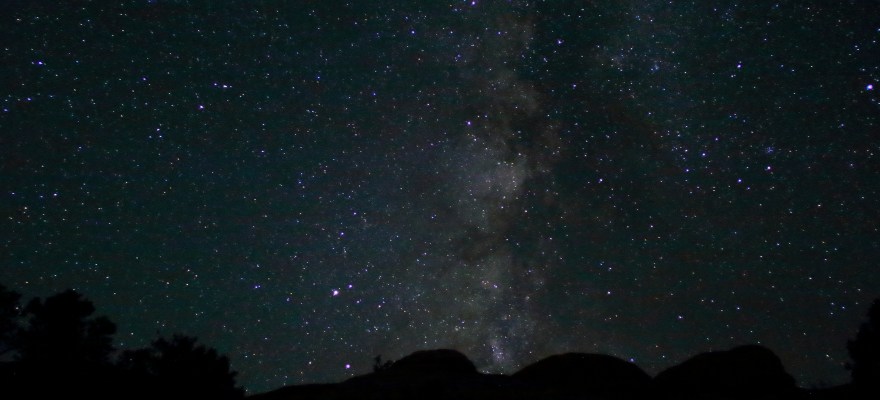
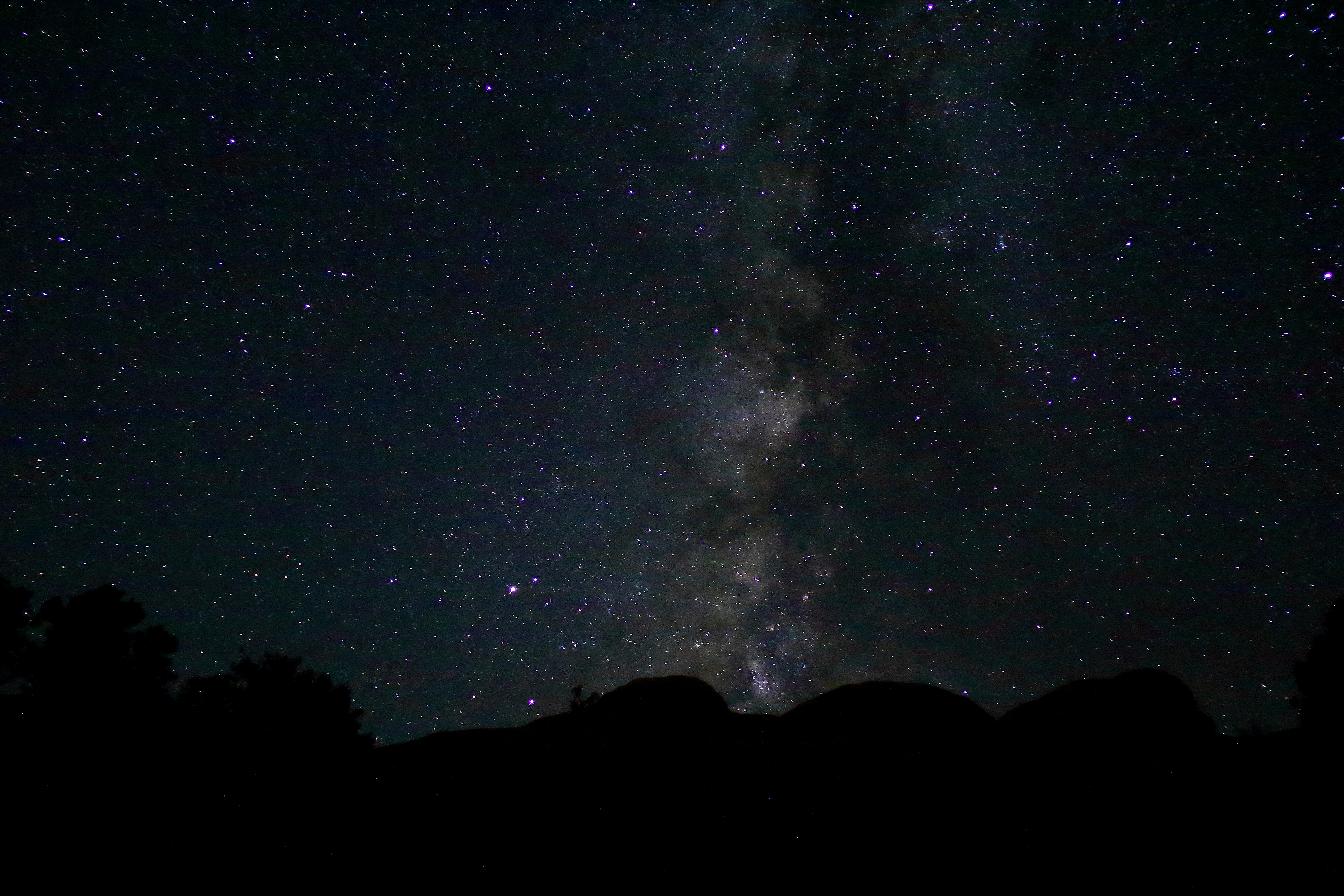
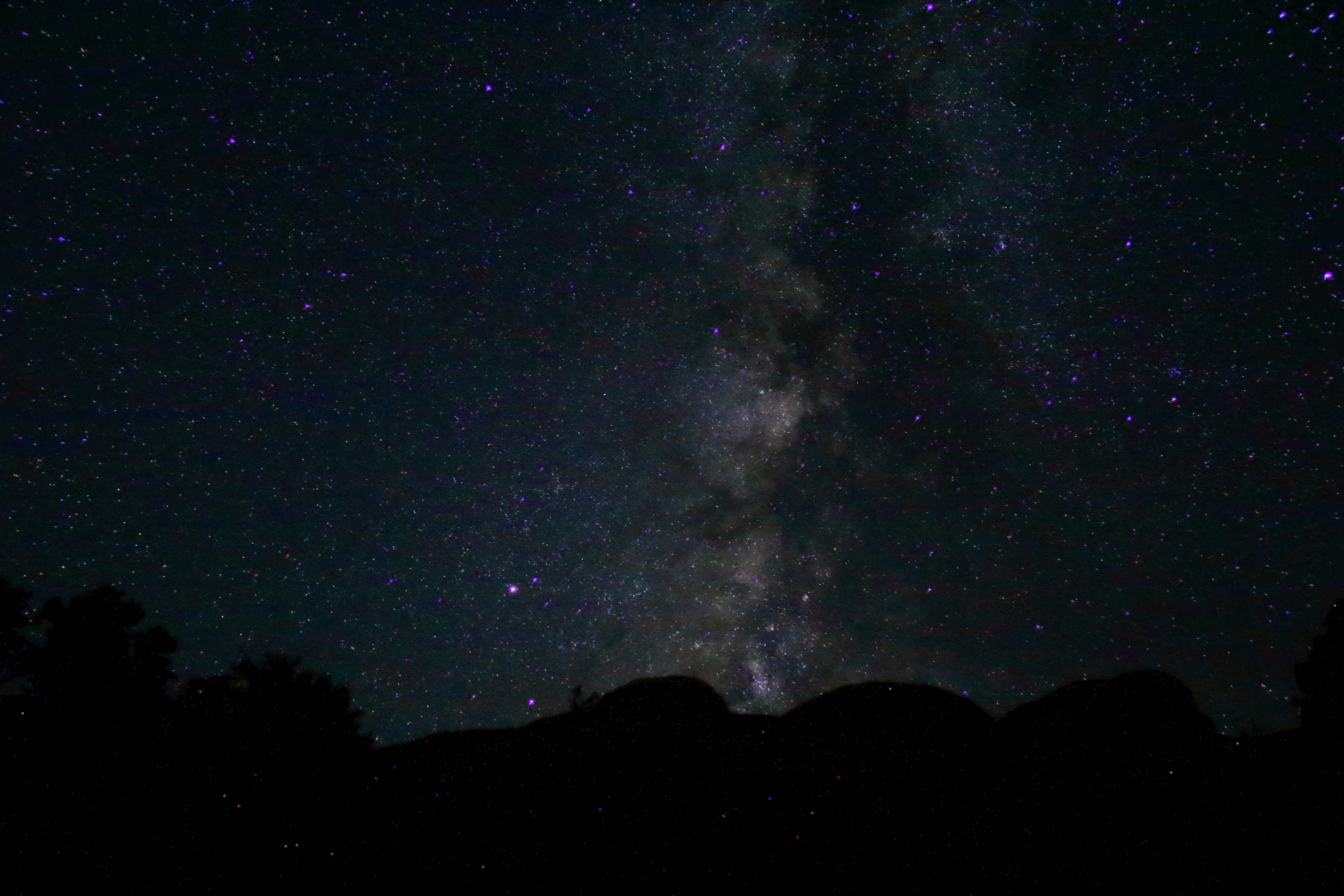
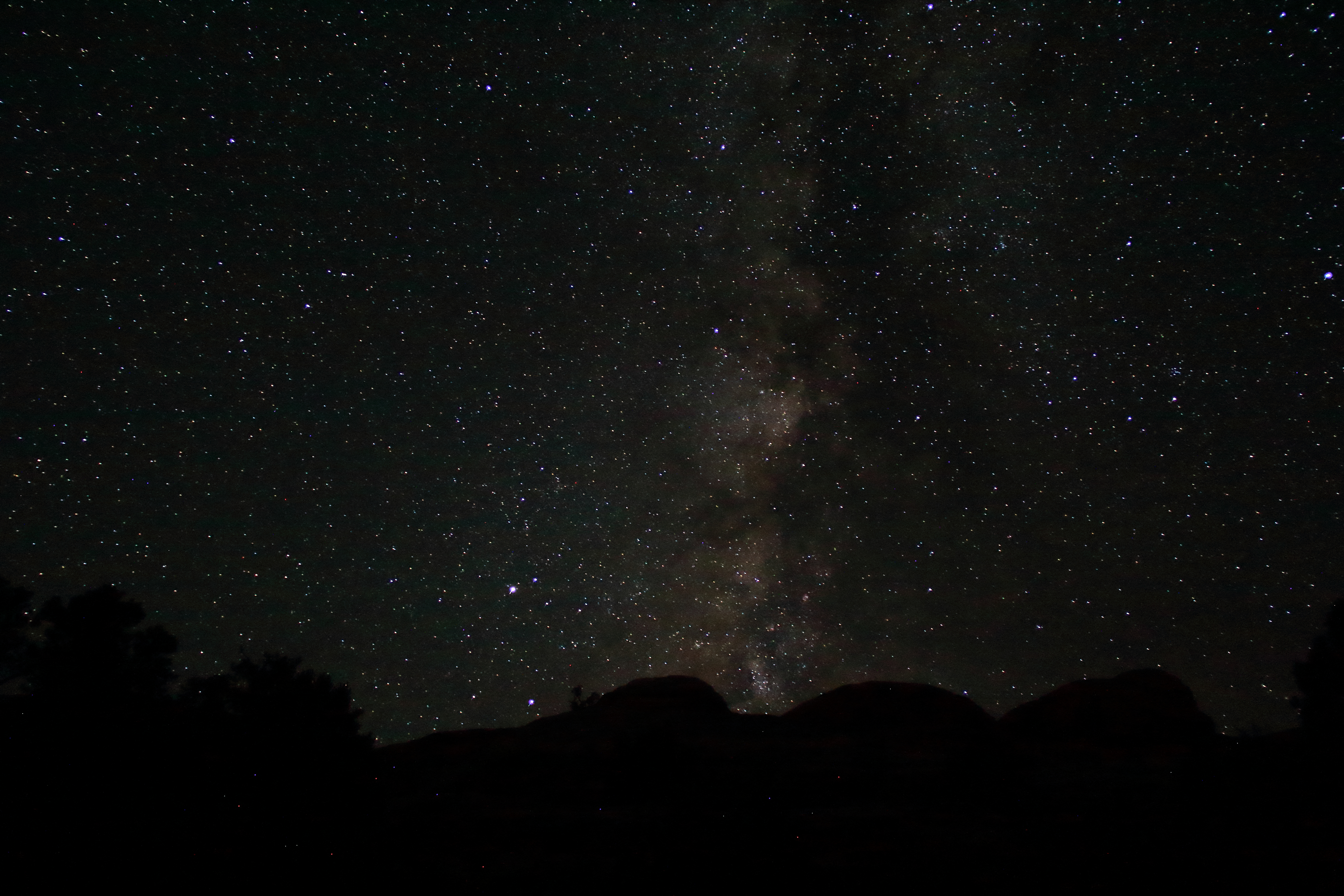
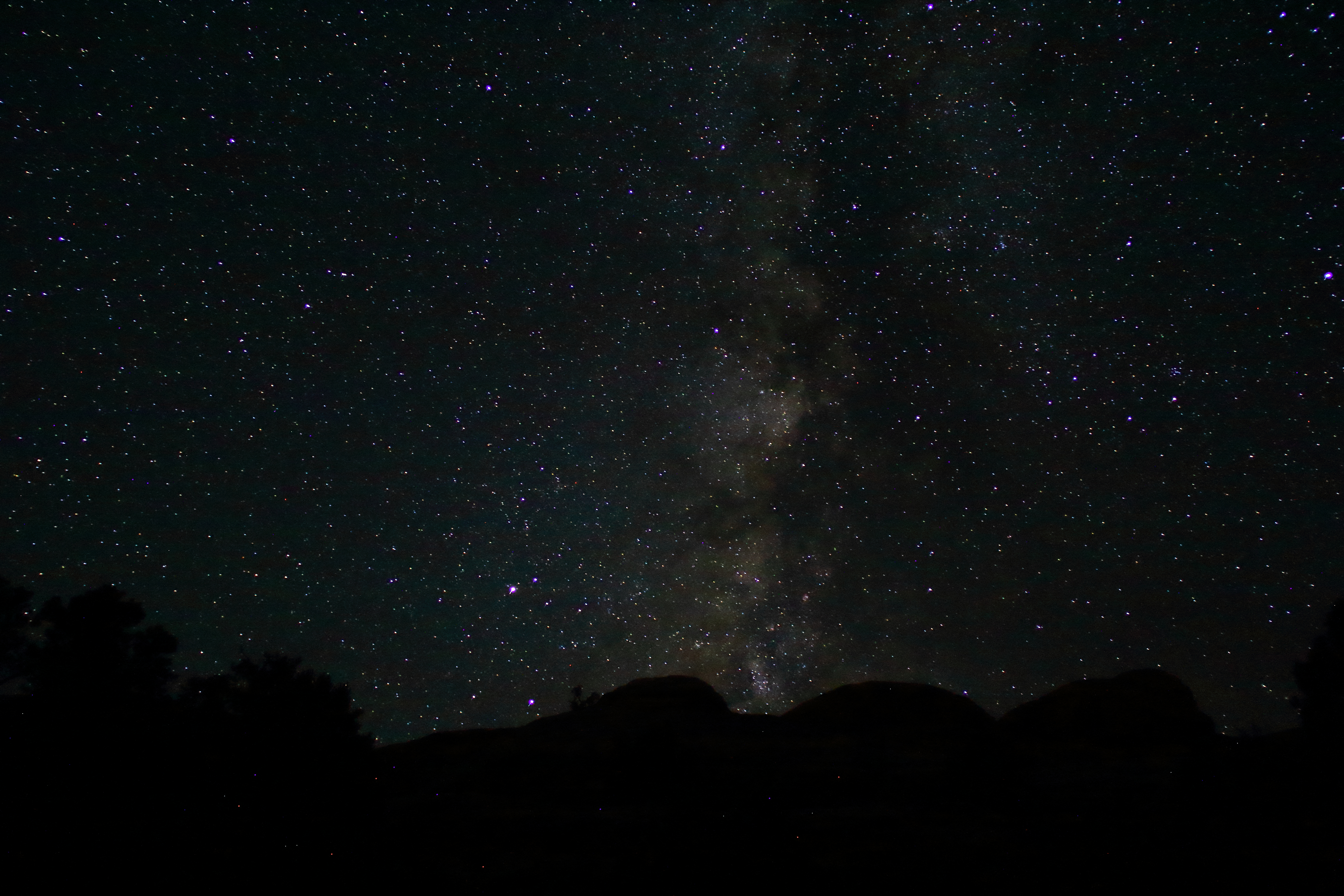
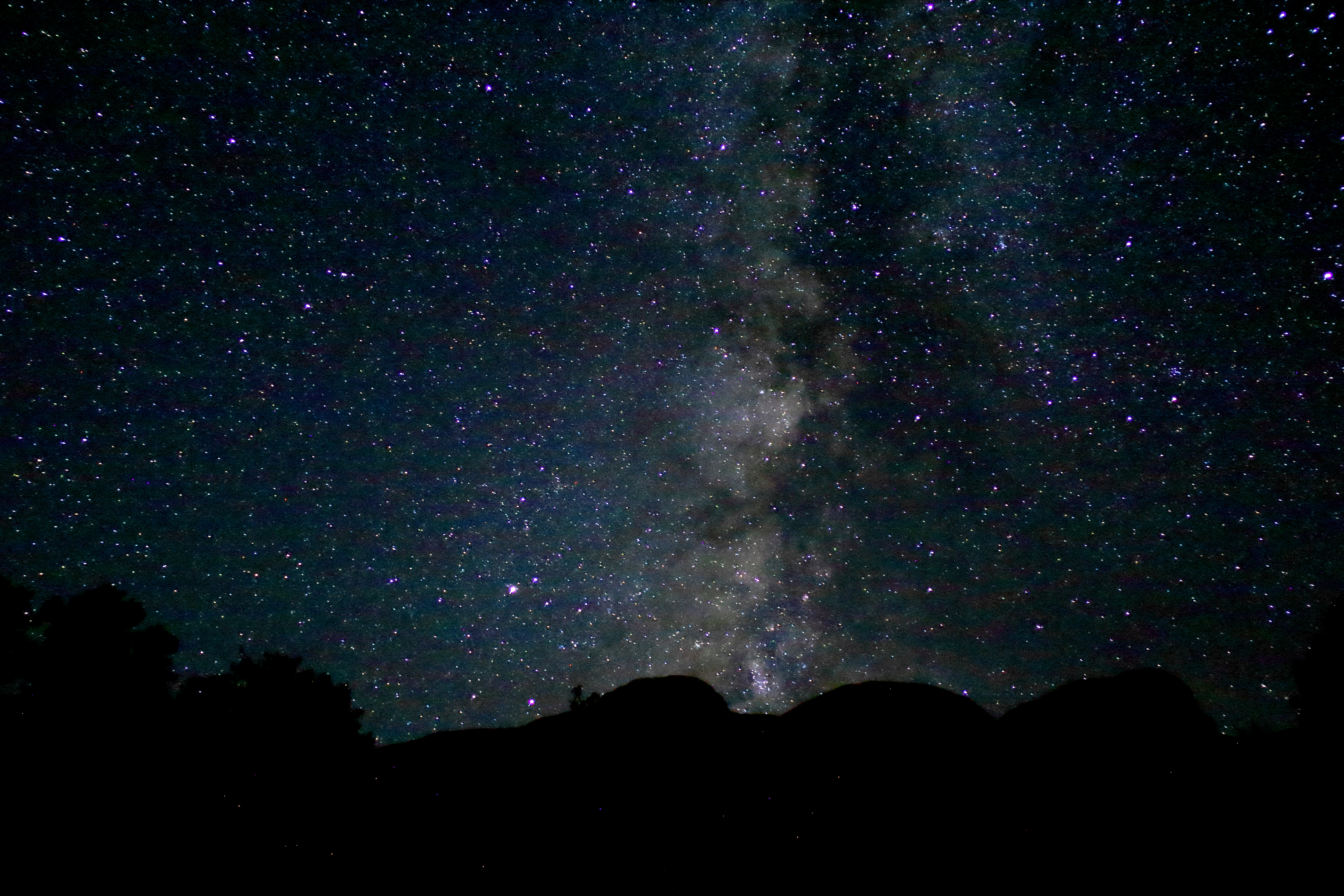
I need an opinion this week. Which Milky Way edit to you like the best?

Photos taken at the Needles section of Canyonland National Park.

Sunday, 08/21/2022: Posted photo — Milky Way_1.

Monday, 08/22/2022: Posted photo — Milky Way_2.

Tuesday, 08/23/2022: Posted photo — Milky Way_3.

Wednesday, 08/24/2022: Posted photo — Milky Way_4.

Thursday, 08/25/2022: Posted photo — Milky Way_5.

Friday, 08/26/2022: Post photo — Milky Way_6.

Saturday, 08/27/2022: Post photo — Milky Way_7.

That is all for now. Until next week, be safe.

For more photo of other project I have work, visit my website: https://photobyjosephciras.weebly.com or visit me on Facebook at https://www.facebook.com/PhotobyJosephCiras/.
Photographic Thoughts — 06/05/2022 to 06/11/2022

“It’s one thing to make a picture of what a person looks like, it’s another thing to make a portrait of who they are.” — Paul Caponigro

Thank you for all the new views and likes from last week, it helps keep me inspired.

For the first time in a while, all these photos were taking this week.

Last week we are played a game — name the national park.

Here are the answers.

Bring Water! — Mesa Verde National Park, Cortez and Mancos, CO
Do not Stand — Natural Bridges National Monument, Blanding, UT
Impassible When Wet — Arches National Park, Moab, UT
Holt Orchards — Capital Reef National Park, Torrey, UT
Dangerous Cliffs — Bryce Canyon National Park, Bryce Canyon, UT
River Walk — Zion National Park, Springdale, UT
Mules — North Rim, Grand Canyon National Park, Grand Canyon, AZ

Now for this week’s photos.

Sunday, 06/05/2022: Posted photo — Pentecost.

Settings: Google Pixel 2, ISO 193, f/1.8, 1/125 s, 4 mm.

Pentecost is a Christian holiday which takes place on the 50th day after Easter Sunday. It commemorates the descent of the Holy Spirit upon the Apostles and other followers of Jesus Christ while they were in Jerusalem celebrating the Feast of Weeks, as described in the Acts of the Apostles.

Monday, 06/06/2022: Posted photo — Batting Cage.

Settings: Google Pixel 2, ISO 132, f/1.8, 1/125 s, 4 mm.

This is our son’s batting cage. We purchased it when he was in high school about 10 years ago and he still goes out to hit balls. He is now coaching baseball at the high school that he is teaching. He enjoys going out and hitting balls.

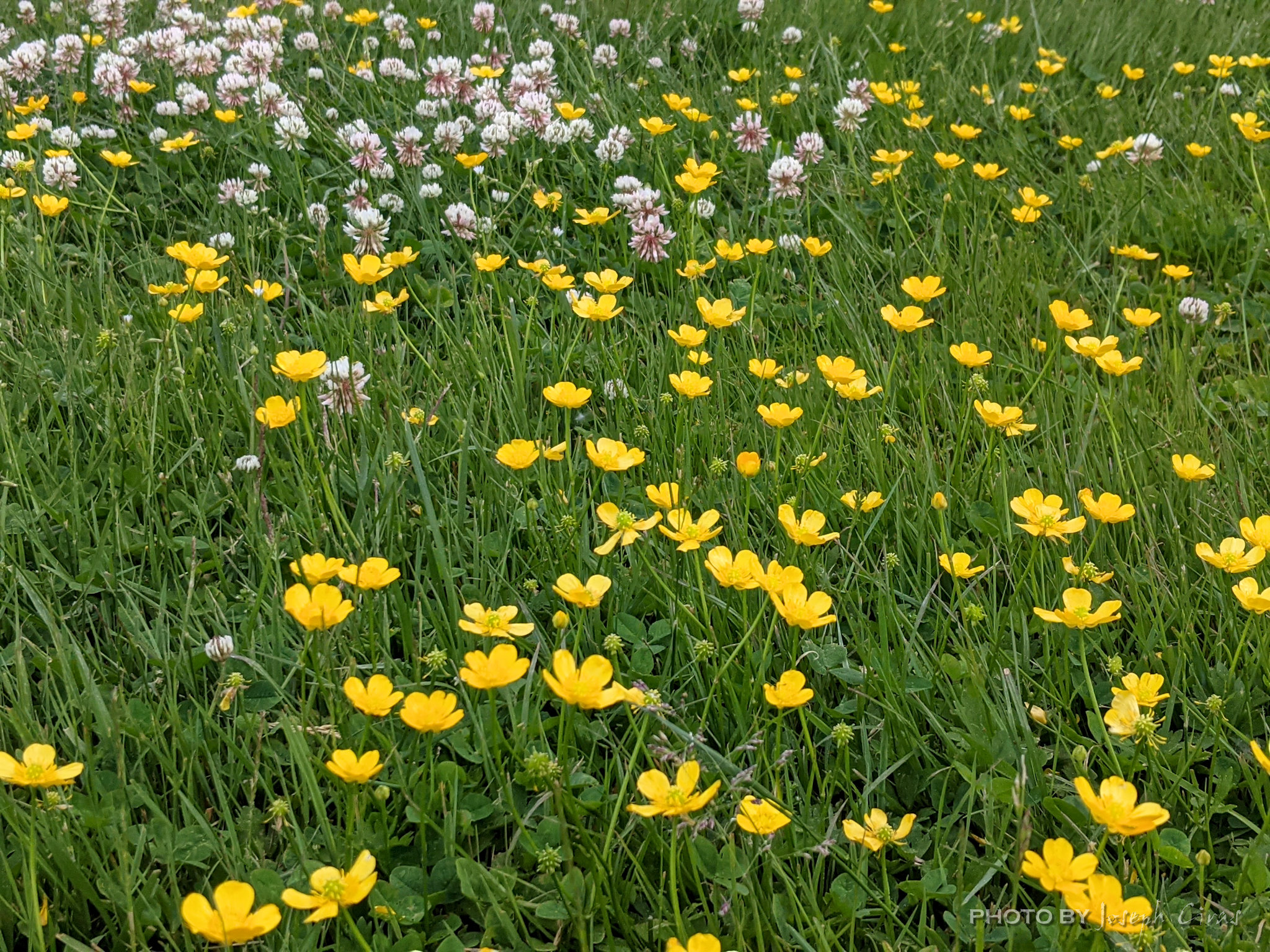
Tuesday, 06/07/2022: Posted photo — Wildflowers.

Settings: Google Pixel 2, ISO 83, f/1.8, 1/1462 s, 4 mm.

With rain, comes wildflowers. These are at the parking lot at work. The grass gets cut when wet, and once the sun comes out, these flowers appear.

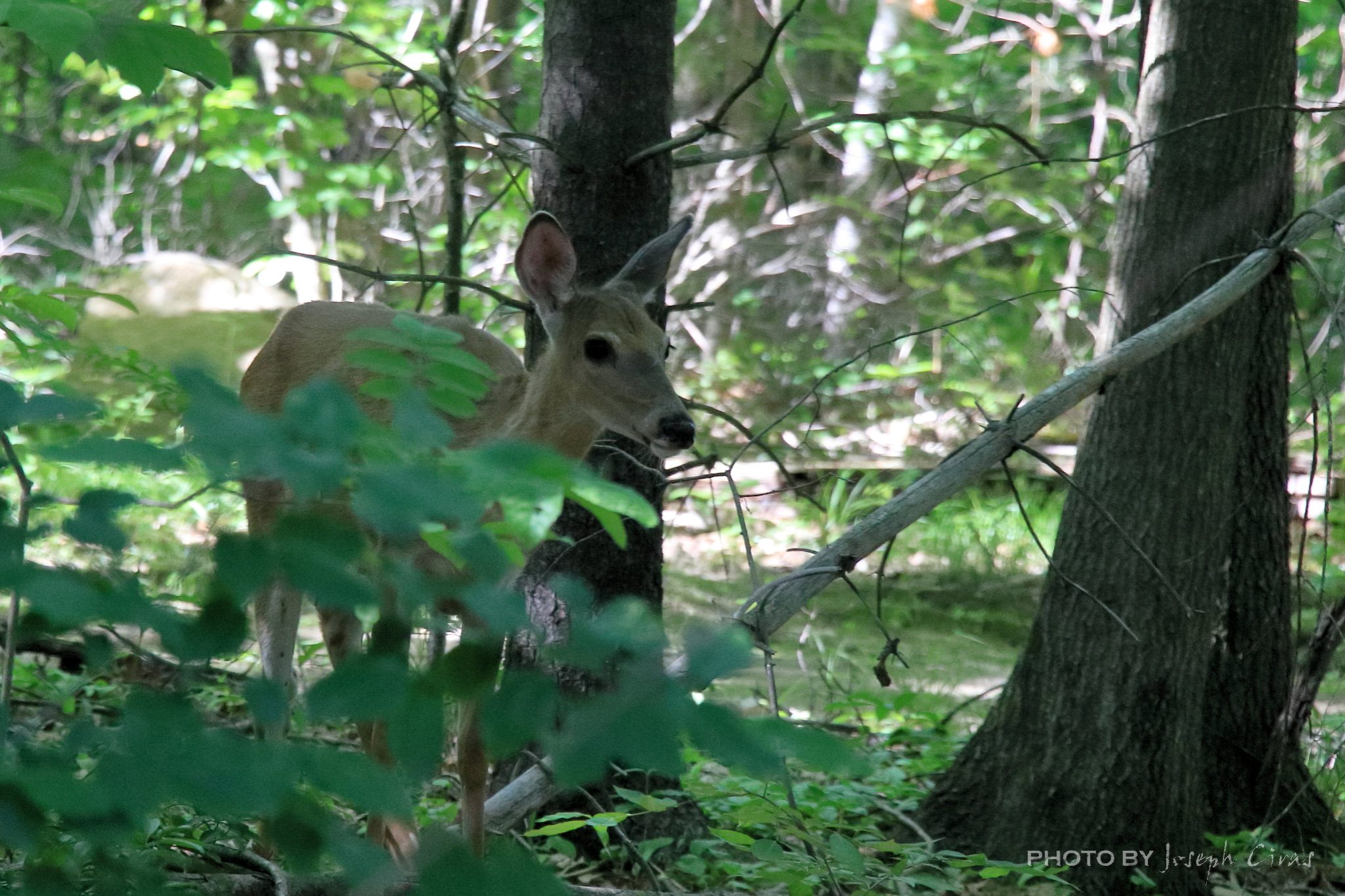
Wednesday, 06/08/2022: Posted photo — Deer in Backyard.

Settings: Canon EOS 60D, ISO 3200, f/5.6, 1/250 s, 135 mm.

My son and I were going to the Relay for Life (RFL) to bring more items to our site. The Relay for Life is a 24 hour walk to raise money for cancer research and is put on by the American Cancer Society (ACS). This was the first time in three years that the relay was live.

Back to my story, my son asked me if I had my camera an saw this deer in the street. Shortly after I gathered my camera a car came by and spooked the deer. I followed it into our yard, expecting not to see it. I was surprised to see it posing for me next to out son’s batting cage. This delayed our trip to the RFL.

Thursday, 06/09/2022: Posted photo — Relay Quilt.

Settings: Canon EOS 60D, ISO 100, f/5, 1/80 s, 27 mm.

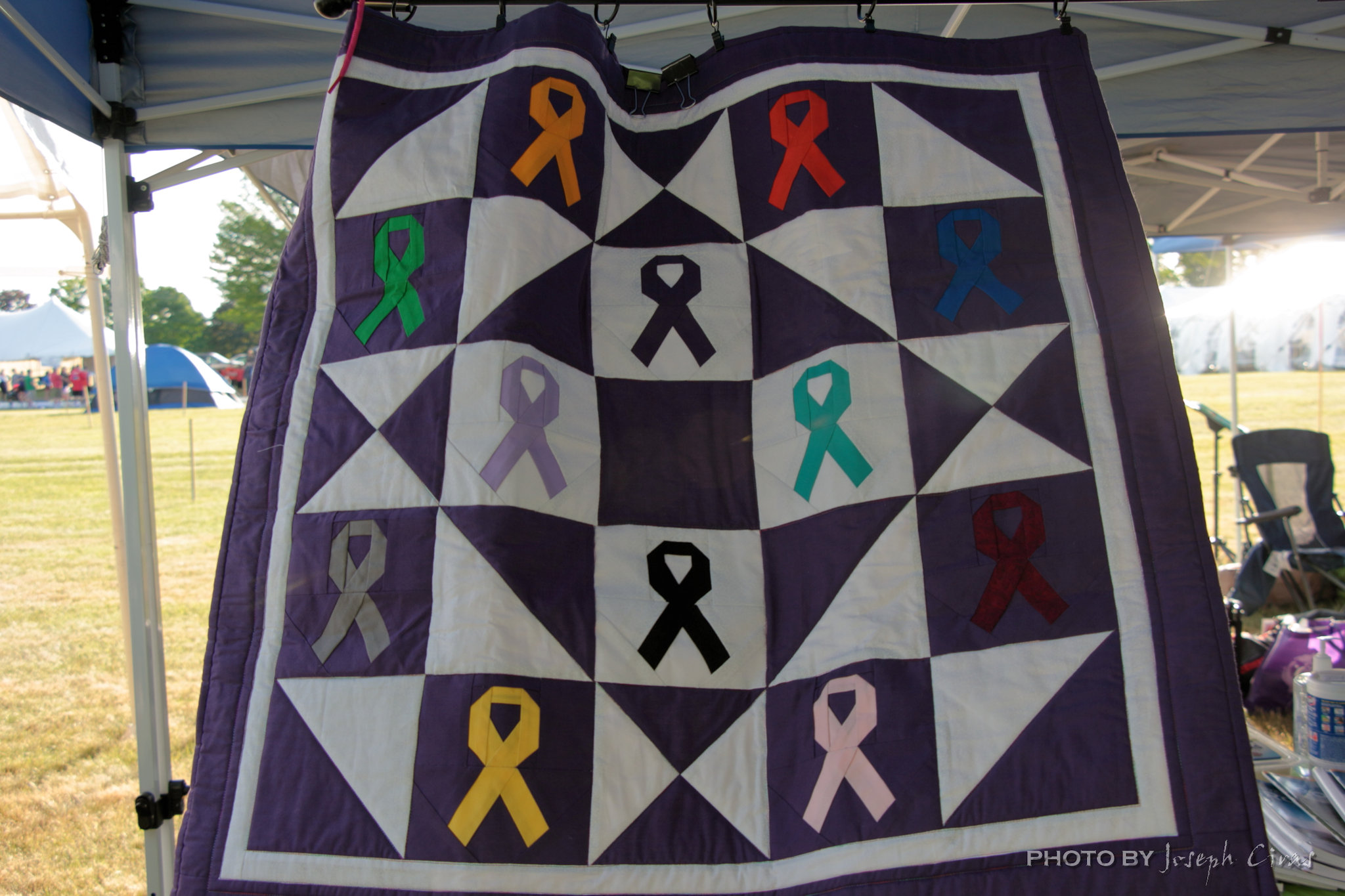
At the RFL you can do on-site fundraising. One of the members of our team made this mini quilt as a fundraiser. The color of the ribbons indicates a different type of cancer. There are websites that can help you identify the ribbon color to a type of cancer. I was going to list them here for you, but there are so many different colors. Here is a link to on website: https://www.healthline.com/health/cancer/cancer-ribbon-colors.

Friday, 06/10/2022: Post photo — Survivors Lap.

Settings: Canon EOS 60D, ISO 100, f/6.3, 1/160 s, 76 mm.

At the start of the RFL, cancer survivors take a lap. Encouraging to see so many out walking. There were survivors of less than a month to over 25 years participating in survivors lap this year.

Saturday, 06/11/2022: Post photo — Luminaria.

Settings: Canon EOS 60D, ISO 100, f/7.1, 0.8 s, 27 mm.

One of the most powerful events at the RFL is the luminaria. Each back has the name of a family member, friend, colleague, or acquaintance that is either fighting cancer or has finished their fight. There is a silent lap after some ceremonies. The only noise during that lap is the sound of footprints and the sound of a lone bagpiper leading the lap.

That is all for now. Until next week, be safe.

My Weebly website has not been updated since February 16, the day before I broke my ankle.

For more photo of other project I have work, visit my website: https://photobyjosephciras.weebly.com or visit me on Facebook at https://www.facebook.com/PhotobyJosephCiras/.
Photographic Thoughts — 04/03/2022 to 04/09/2022

“Photography is a way of feeling, of touching, of loving. What you have caught on film is captured forever… It remembers little things, long after you have forgotten everything.” — Aaron Siskind

Thank you for all the new views and likes from last week, it helps keep me inspired.

Here are some more photos of a road trip we took. Looking forward to traveling again this summer. Hiking will be limited, but I will pick up my 50th state (North Dakota).

This week’s blog will only contain information that I have referenced off various web sites. This was the easiest way for me to describe each location. I could ramble on and on about the wonders and beauties of each of these parks.

Sunday, 04/03/2022: Posted photo — Monument Valley.

Settings: Canon EOS DIGITAL REBEL XS, ISO 200, f/7.1, 1/400 s, 150 mm.

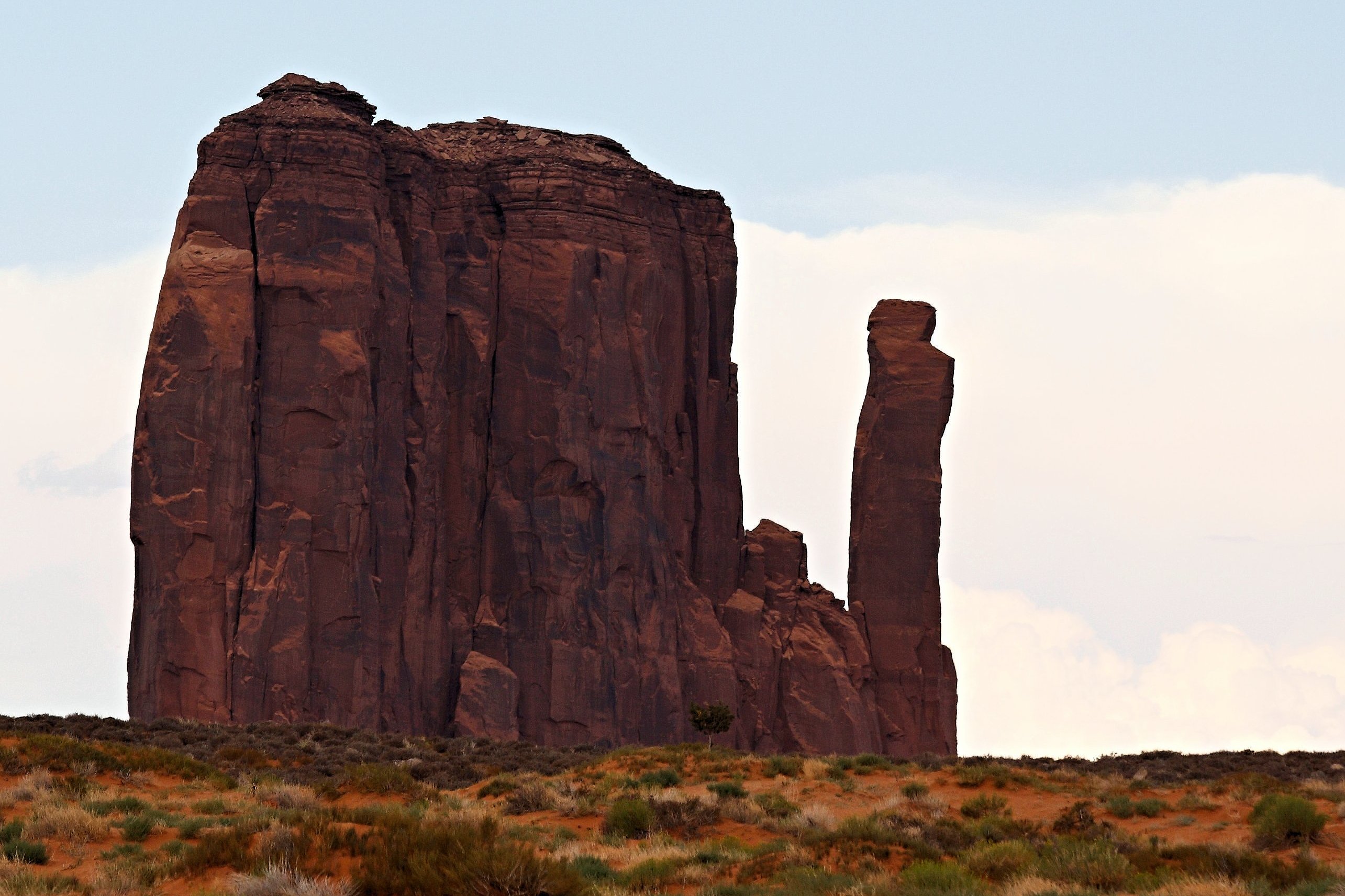
“Monument Valley, a red-sand desert region on the Arizona-Utah border, is known for the towering sandstone buttes of Monument Valley Navajo Tribal Park. The park, frequently a filming location for Western movies, is accessed by the looping, 17-mile Valley Drive. The famous, steeply sloped Mittens buttes can be viewed from the road or from overlooks such as John Ford’s Point.” ― Google

Monday, 04/04/2022: Posted photo — Goosnecks State Park.

Settings: Canon EOS DIGITAL REBEL XS, ISO 200, f/11, 1/250 s, 18 mm.

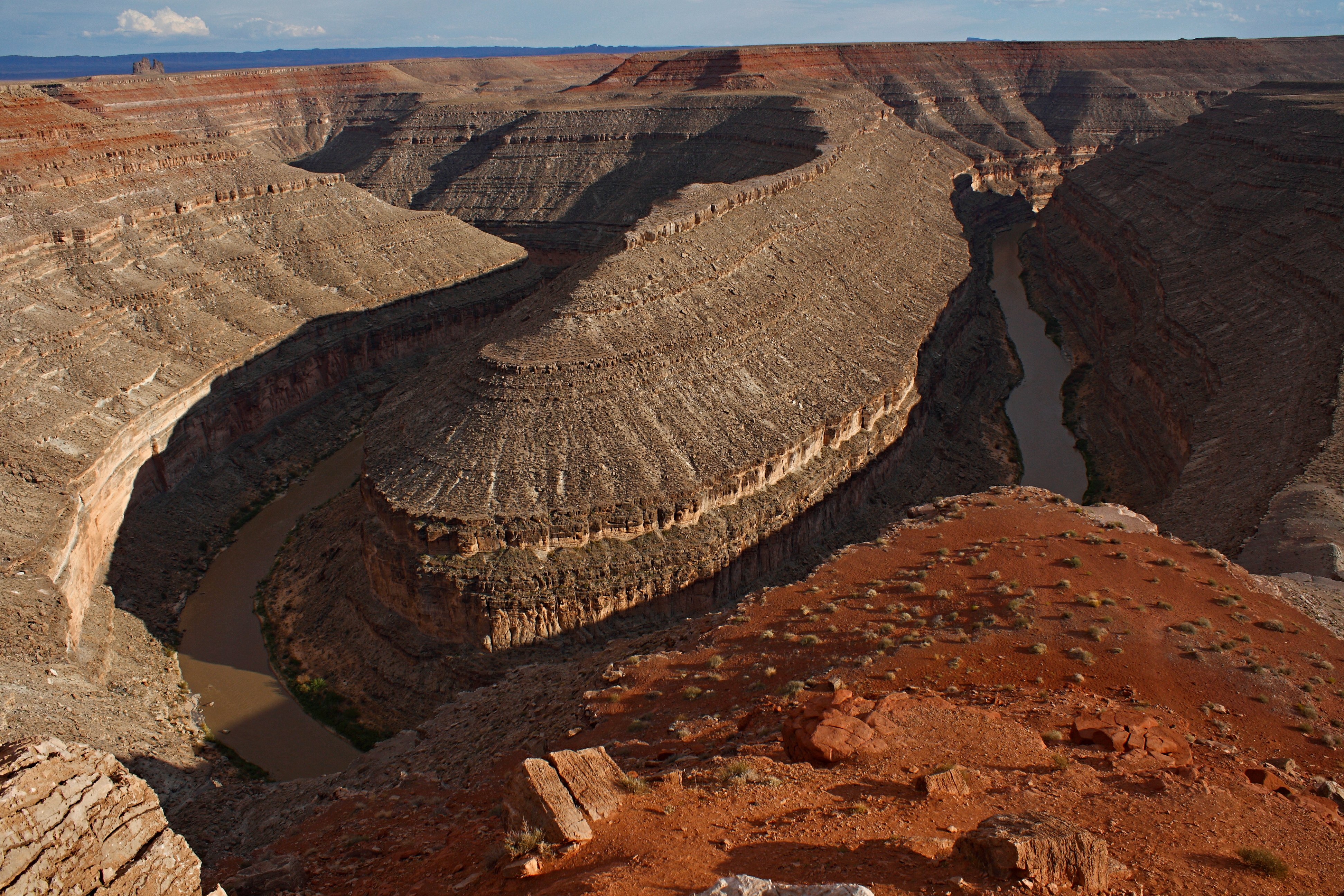
“On the edge of a deep canyon above the sinuous river meander known as a gooseneck, this small park affords impressive views of one of the most striking examples of an entrenched river meander on the North American continent. The San Juan River twists and turns through the meander, flowing a distance of over six miles while advancing one and a half miles west on its way to Lake Powell. Gaze at the results of 300 million years of geological activity, where the San Juan River winds and carves its way through the desert 1,000 feet below.”https://stateparks.utah.gov/parks/goosenecks/

Tuesday, 04/05/2022: Posted photo — Balance Rock.

Settings: Canon EOS DIGITAL REBEL XS, ISO 100, f/8, 1/125 s, 45 mm.

Arches National Park

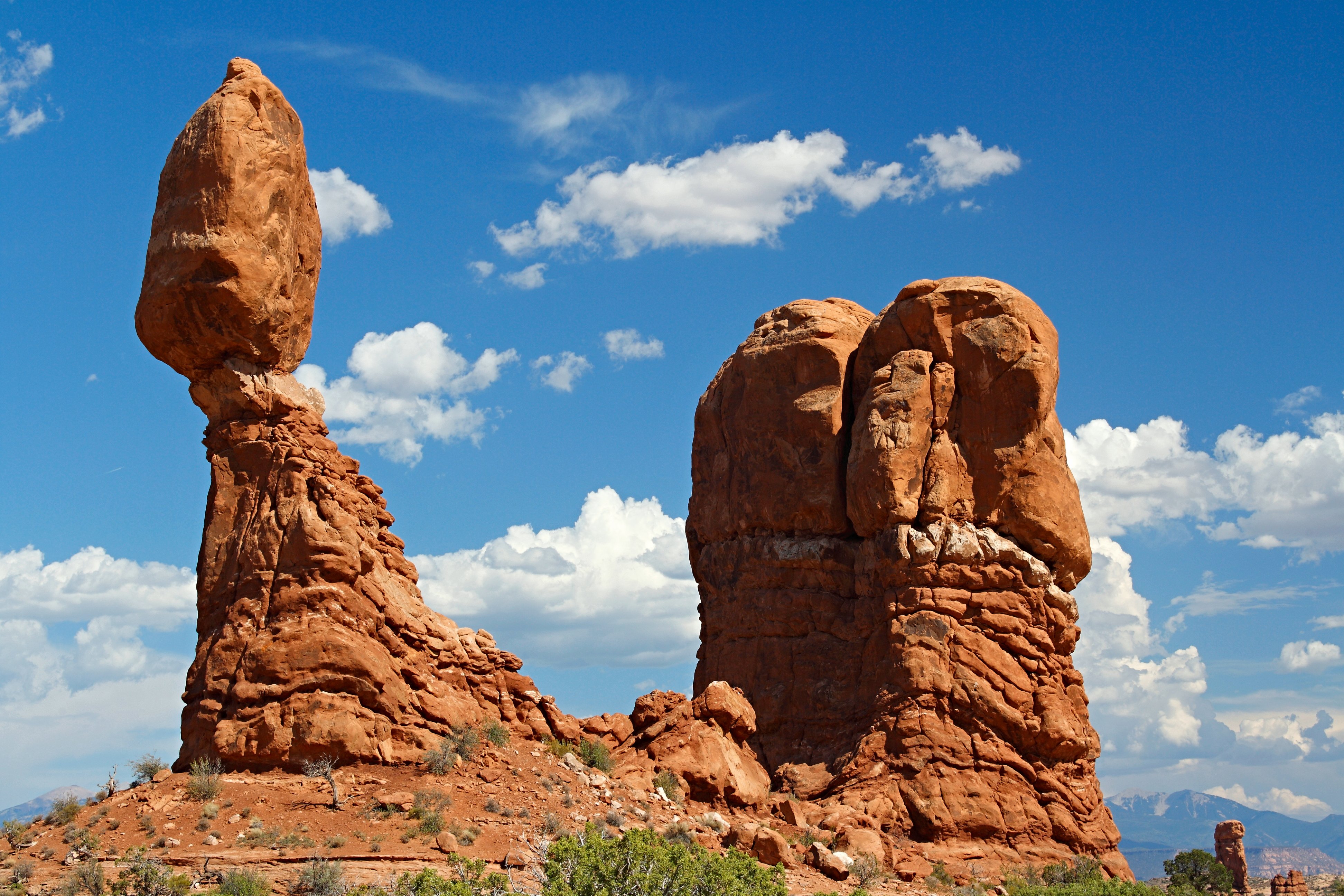
“Balanced Rock, one of the most iconic features in the park, stands a staggering 128 feet (39m) tall. While this formation may appear to be an epic balancing act, it’s actually not balanced at all. The slick rock boulder of Entrada Sandstone sits attached to its eroding pedestal of Dewey Bridge mudstone. The exposure of these two rock strata layers are ideal for the formation of arches and balanced rocks.”https://www.nps.gov/arch/planyourvisit/balancedrock.htm

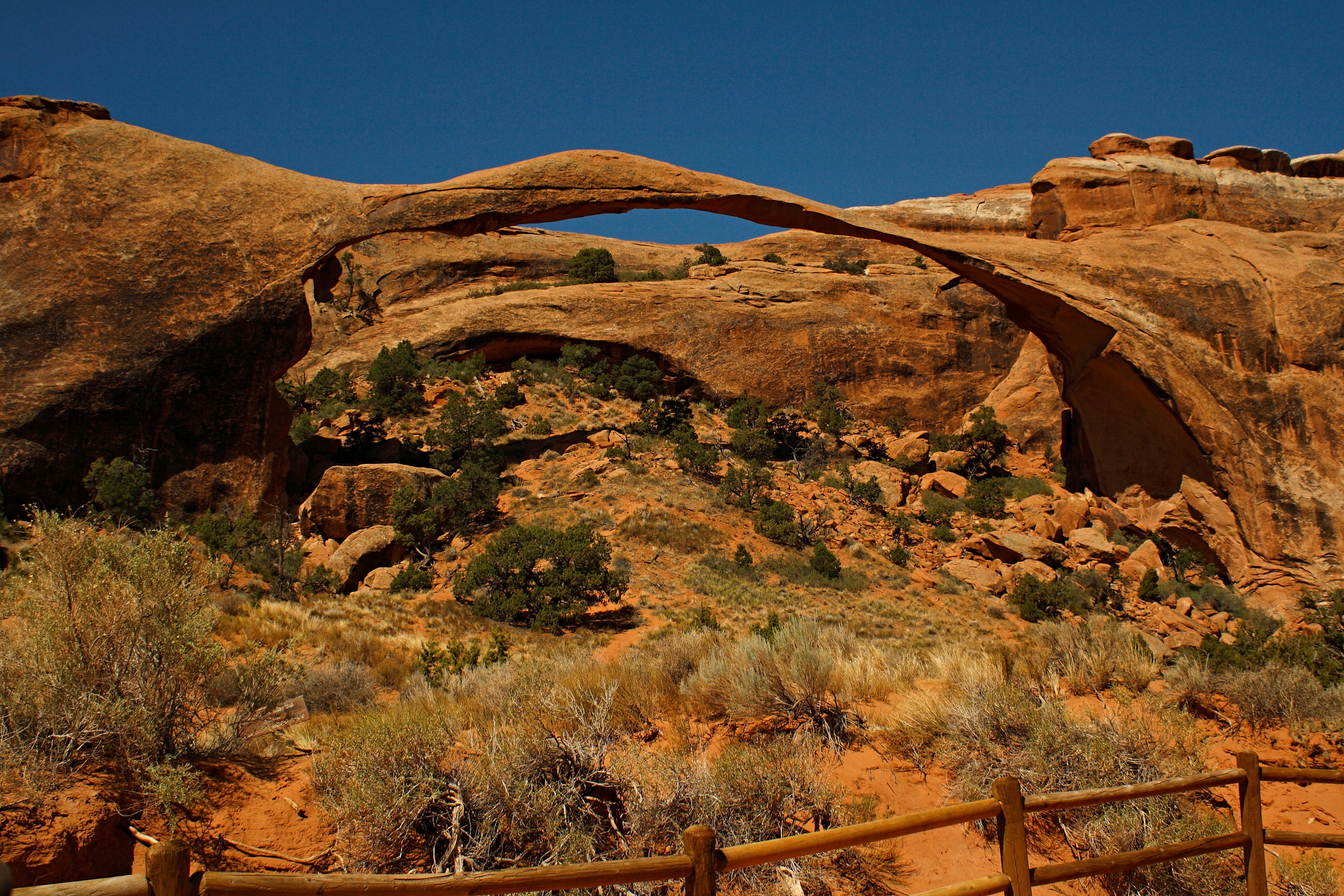
Wednesday, 04/06/2022: Posted photo — Landscape Arch.

Settings: Canon EOS DIGITAL REBEL XS, ISO 200, f/8, 1/125 s, 24 mm.

Arches National Park

“Landscape Arch is the longest arch in North America with a light opening of 306 feet (93.3 meters). This awe-inspiring expanse is only 6 feet (1.8 meters) in diameter at its narrowest. Large segments of the arch came crashing down in the 1990s – proof that the park’s landscape can change dramatically in a instant. Although other arches have fallen, Landscape Arch still hangs on by a very thin thread.”https://www.nps.gov/arch/planyourvisit/devils-garden.htm

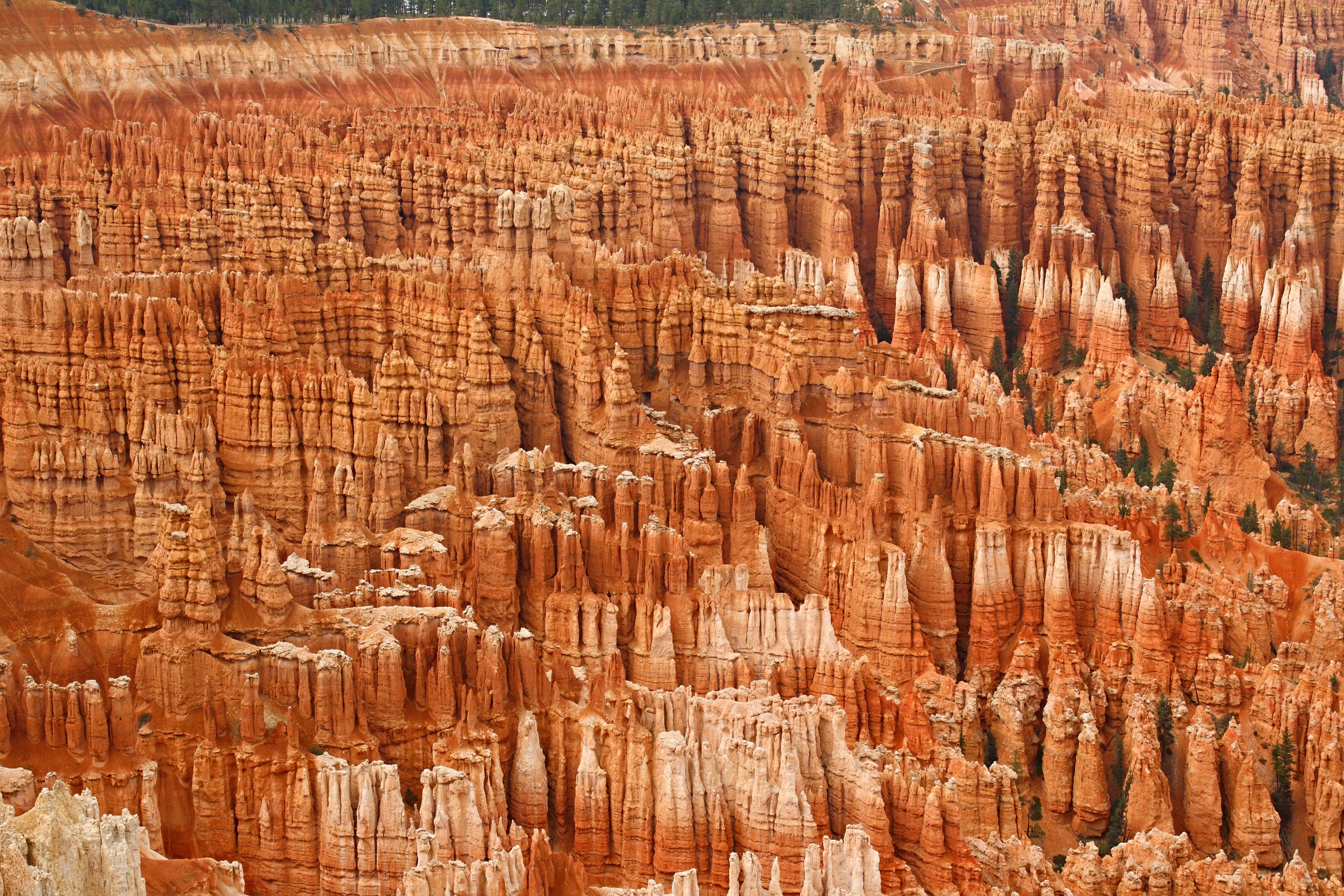
Thursday, 04/07/2022: Posted photo — Amphitheater.

Settings: Canon EOS DIGITAL REBEL XS, ISO 200, f/10, 1/200 s, 42 mm.

Bryce Canyon National Park

“By far the most iconic section of the park, the Bryce Amphitheater is home to the greatest concentration of irregular rock spires (called “hoodoos”) found anywhere on Earth. Viewpoints along the first 3 miles (4.8 km) of the main road provide access to views overlooking this area. This area is referred to as an “amphitheater” as it is a bowl-shaped area shaped by the drainage of seasonal rains and melting snow (not truly a canyon, as those are shaped by flowing rivers)”https://www.nps.gov/thingstodo/see-the-bryce-amphitheater.htm

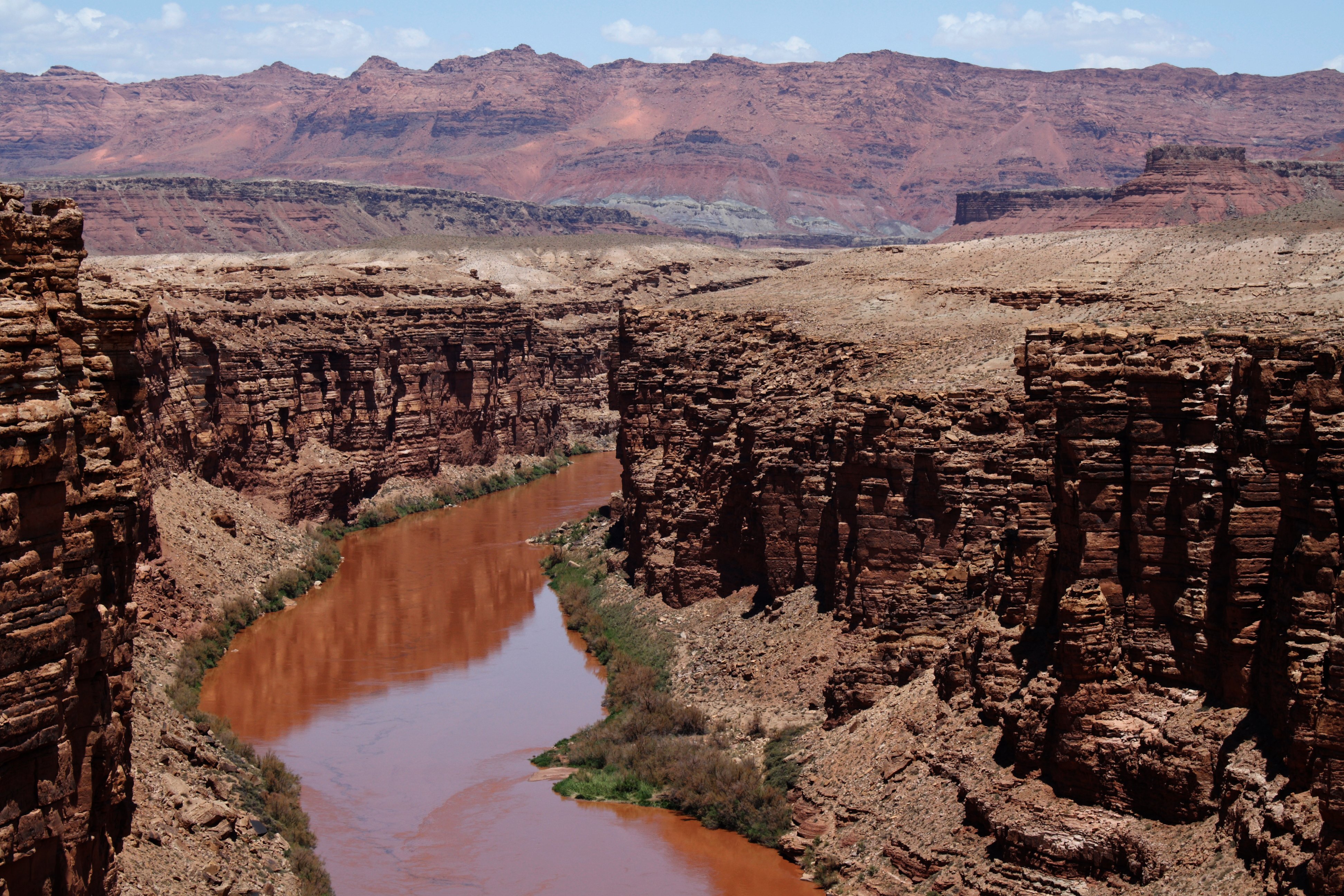
Friday, 04/08/2022: Post photo — View from Navajo Bridge.

Settings: Canon EOS DIGITAL REBEL XS, ISO 200, f/10, 1/125 s, 48 mm.

View from the Navajo Bridge

“Those traveling across the country on Highway 89A between Bitter Springs and Jacob Lake, AZ arrive at two bridges similar in appearance spanning the Colorado River. These two bridges, one historic and one new, represent one of only seven land crossings of the Colorado River for 750 miles (1207 km).”https://www.nps.gov/glca/learn/historyculture/navajobridge.htm

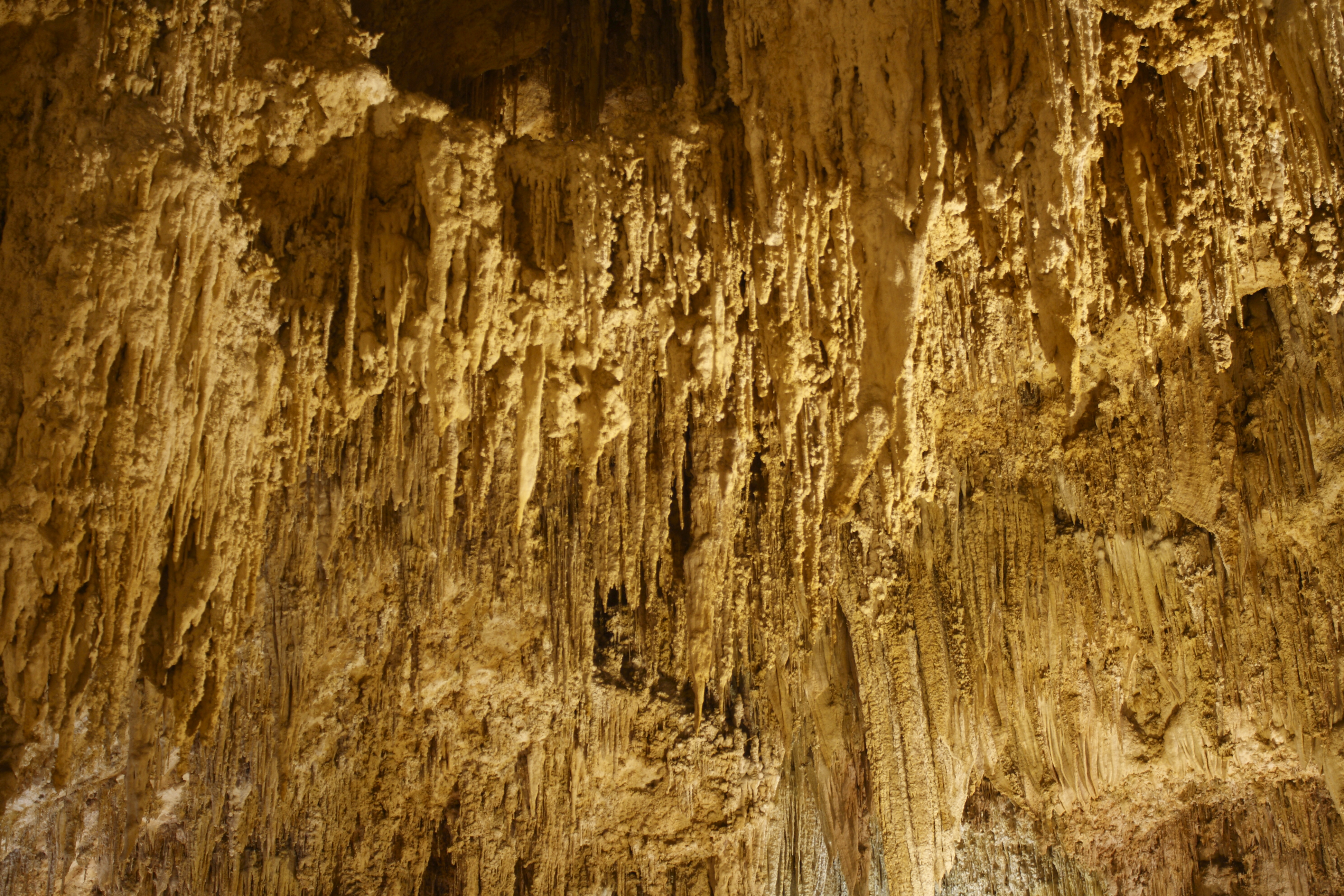
Saturday, 04/09/2022: Post photo — Carlsbad Caverns.

Settings: Canon EOS DIGITAL REBEL XS, ISO 200, f/4.5, 6 s, 33 mm.

“High ancient sea ledges, deep rocky canyons, flowering cactus, and desert wildlife—treasures above the ground in the Chihuahuan Desert. Hidden beneath the surface are more than 119 caves—formed when sulfuric acid dissolved limestone leaving behind caverns of all sizes.”https://www.nps.gov/cave/index.htm

That is all for now. Until next week, be safe.

For more photo of other project I have work, visit my website: https://photobyjosephciras.weebly.com or visit me on Facebook at https://www.facebook.com/PhotobyJosephCiras/.
Photographic Thoughts — 03/27/2022 to 04/02/2022

“Taking an image, freezing a moment, reveals how rich reality truly is.” — Anonymous

Thank you for all the new views and likes from last week, it helps keep me inspired.

This week I will be posting a few highlights of one of my trips. We called this trip our norther National Part trip. We traveled through Montana, Alberta, Banff, Jasper, Washington state, Idaho, Wyoming, South Dakota, Minnesota, and Iowa during this trip. This trip included visits to many national parks in the United States and Canada, visiting family, visiting natural movie sets, and when to an amusement park in the Mall of America in which I held with the design of a few of the rides.

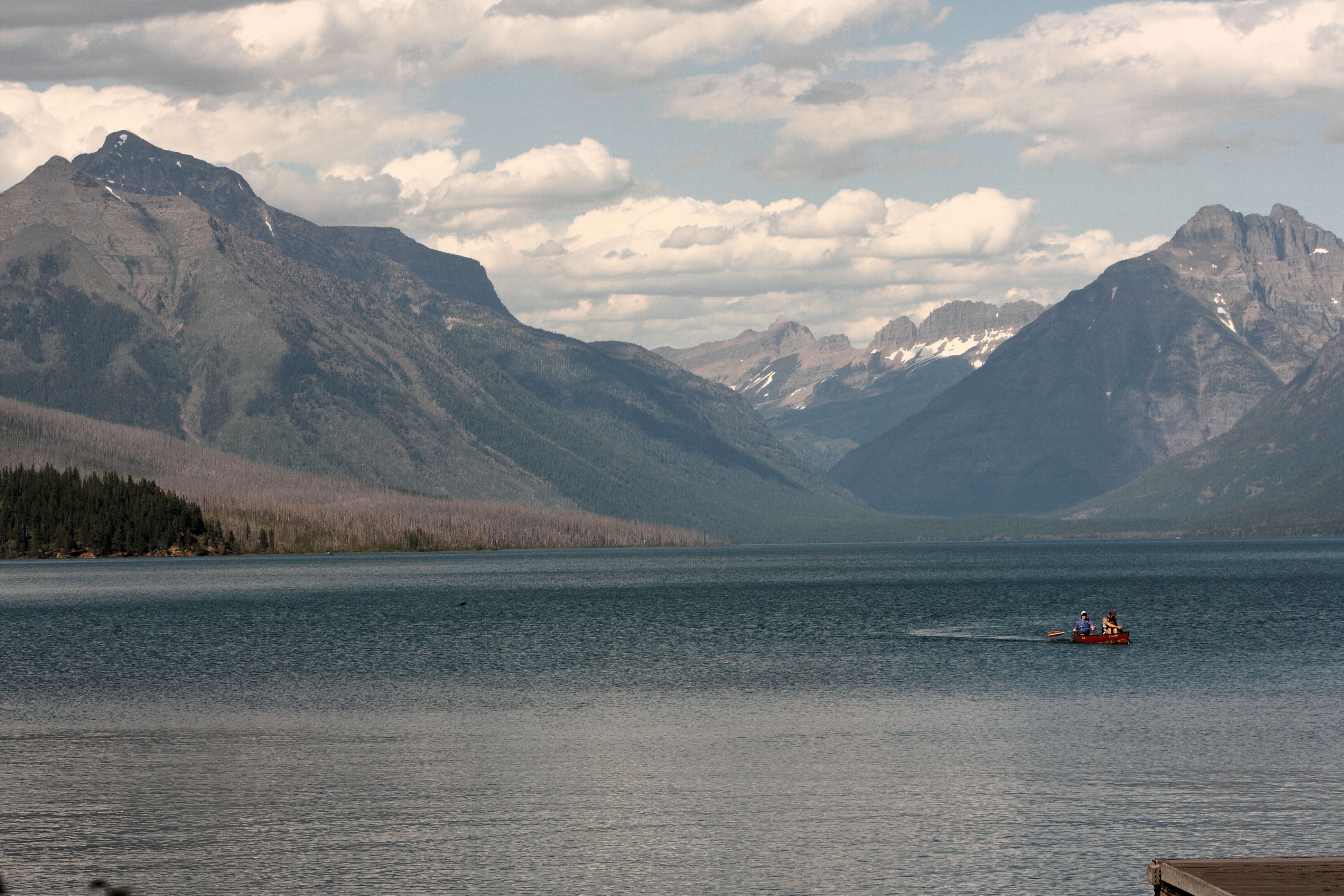
Sunday, 03/27/2022: Posted photo — Lake McDonald.

Settings: Canon EOS DIGITAL REBEL XS, ISO 100, f/8, 1/400 s, 75 mm.

The first stop on our northern national park tour was in Glacier National Park in Montana. What a wonderful park. It does have many glaciers, some growing and some receding.

Monday, 03/28/2022: Posted photo — Mountain Goat.

Settings: Canon EOS DIGITAL REBEL XS, ISO 100, f/5, 1/125 s, 200 mm.

While we were in Glacier National Park, we took a hike out to Hidden Lake. On the way out to the lake, we had a few mountain goats walk along the trail with us.

Tuesday, 03/29/2022: Posted photo — Hidden Lake.

Settings: Canon EOS DIGITAL REBEL XS, ISO 100, f/9, 1/160 s, 25 mm.

This was a destination, Hidden Lake in Glacier National Park. For your information, this hike took place on July 4 and we did most of our hiking in the snow.

Wednesday, 03/30/2022: Posted photo — Johnston Canyon, Lower Falls.

Settings: Canon EOS DIGITAL REBEL XS, ISO 200, f/11, 1/4 s, 33 mm.

Johnston Canyon to Lower Falls is an extremely popular and scenic trail in Banff National Park, in addition to being one of the busiest in the Canadian Rockies. We were driving around Banff and found the falls. We camped in Baff on our way to Jasper National Park.

Thursday, 03/31/2022: Posted photo — Lake Louise.

Settings: Canon EOS DIGITAL REBEL XS, ISO 200, f/13, 1/250 s, 29 mm.

Lake Louise is world famous for its turquoise lakes, the Victoria Glacier, soaring mountain backdrop. We went to Lake Louise on a weekend, so it was very busy. We took a few photos and then went on our way.

Friday, 04/01/2022: Post photo — Diablo Lake.

Settings: Canon EOS DIGITAL REBEL XS, ISO 200, f/13, 1/250 s, 35 mm.

On our way back from visiting family in Bellingham Washington, we took a trip to Northern Cascades National Park. One of the hikes we took was out to Diablo Lake.

From an information search, it was verified that Diablo Lake is a reservoir in the North Cascade mountains of northern Washington state. It was created by Diablo Dam and is located between Ross Lake and Gorge Lake on the Skagit River at an elevation of 1,201 feet above sea level.

I really like the color of the water in the lake.

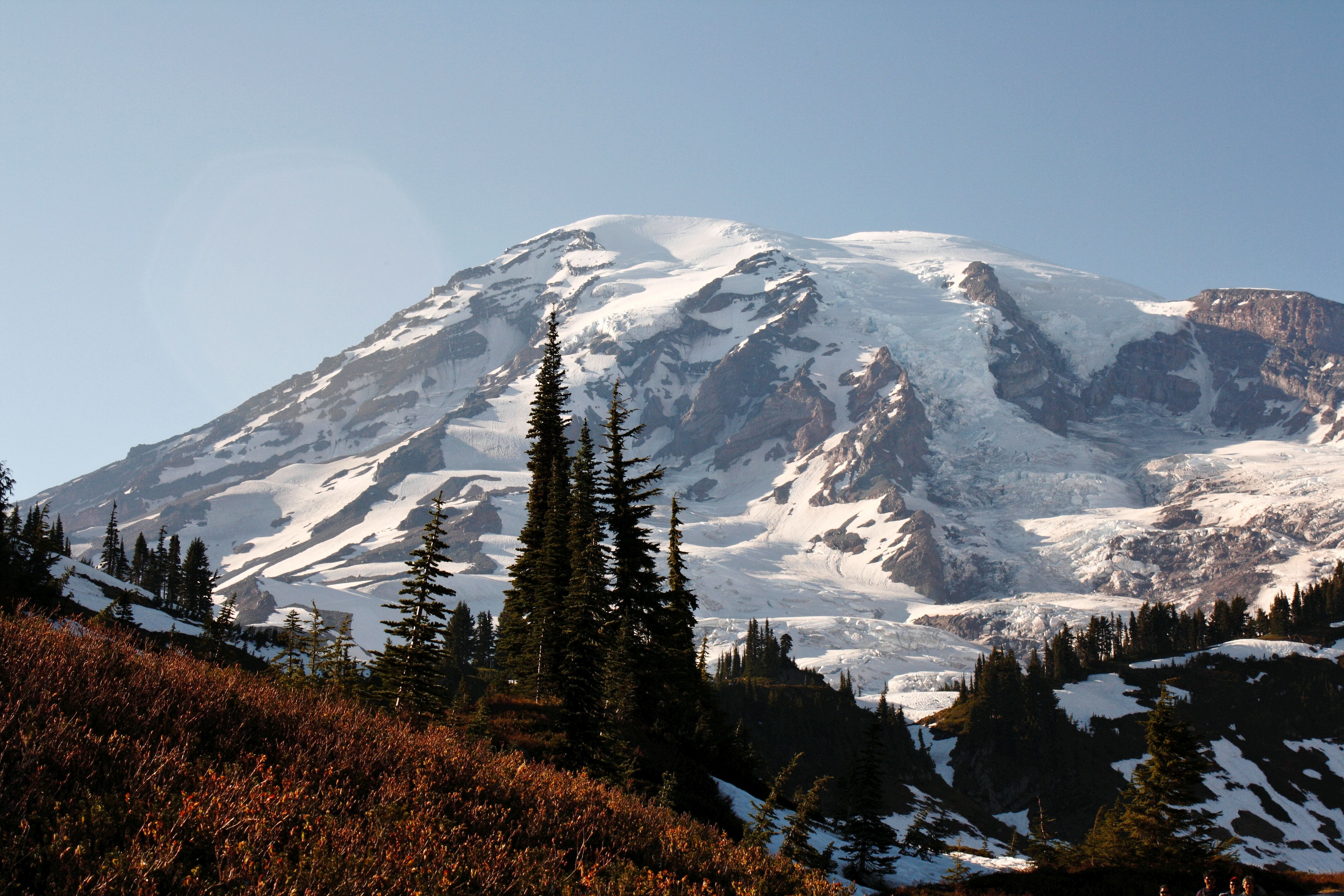
Saturday, 04/02/2022: Post photo — Mount Rainier.

Settings: Canon EOS DIGITAL REBEL XS, ISO 200, f/11, 1/250 s, 42 mm.

Mount Rainier National Park. I am impressed every time I see this mountain. Either up close or from the city of Seattle. One time we flew past the mountain. That must have taken about five minutes to do since the girth on the mountain is so great.

Mount Rainier is a large active stratovolcano in the Cascade Range of the Pacific Northwest standing at 14,411′ in elevation. The volcano last erupted in 1894, and when Mount St. Helens erupted in 1980, all eyes were on Mount Rainier since the mountains are in the same chain. It is very interesting to camp in an area that has warnings about the possibility of lava flow. If the mountain erupted, I would think that the lava flow would be the least of our worries.

When we travel to Mount Rainier, we like to visit the Paradise area. I have photographed a few waterfalls in Paradise. When we visited this time, the snow was still very deep. Remember, this was early to mid-July. There was one waterfall that I wanted to photograph in the snow, and I could not find it. I had the GPS coordinates from the times before that I took photos of it. Looking at the GPS coordinates, I came to realize that I was standing on top of the falls.

That is all for now. Until next week, be safe.

For more photo of other project I have work, visit my website: https://photobyjosephciras.weebly.com or visit me on Facebook at https://www.facebook.com/PhotobyJosephCiras/.

Photographic Thoughts — 03/20/2022 to 03/26/2022

“There is one thing the photograph must contain, the humanity of the moment.” Robert Frank

Thank you for all the new views and likes from last week, it helps keep me inspired.

This week I will be just posting photos of posters that I made from various trips. I have been too busy and tired since I went back to the office midweek.

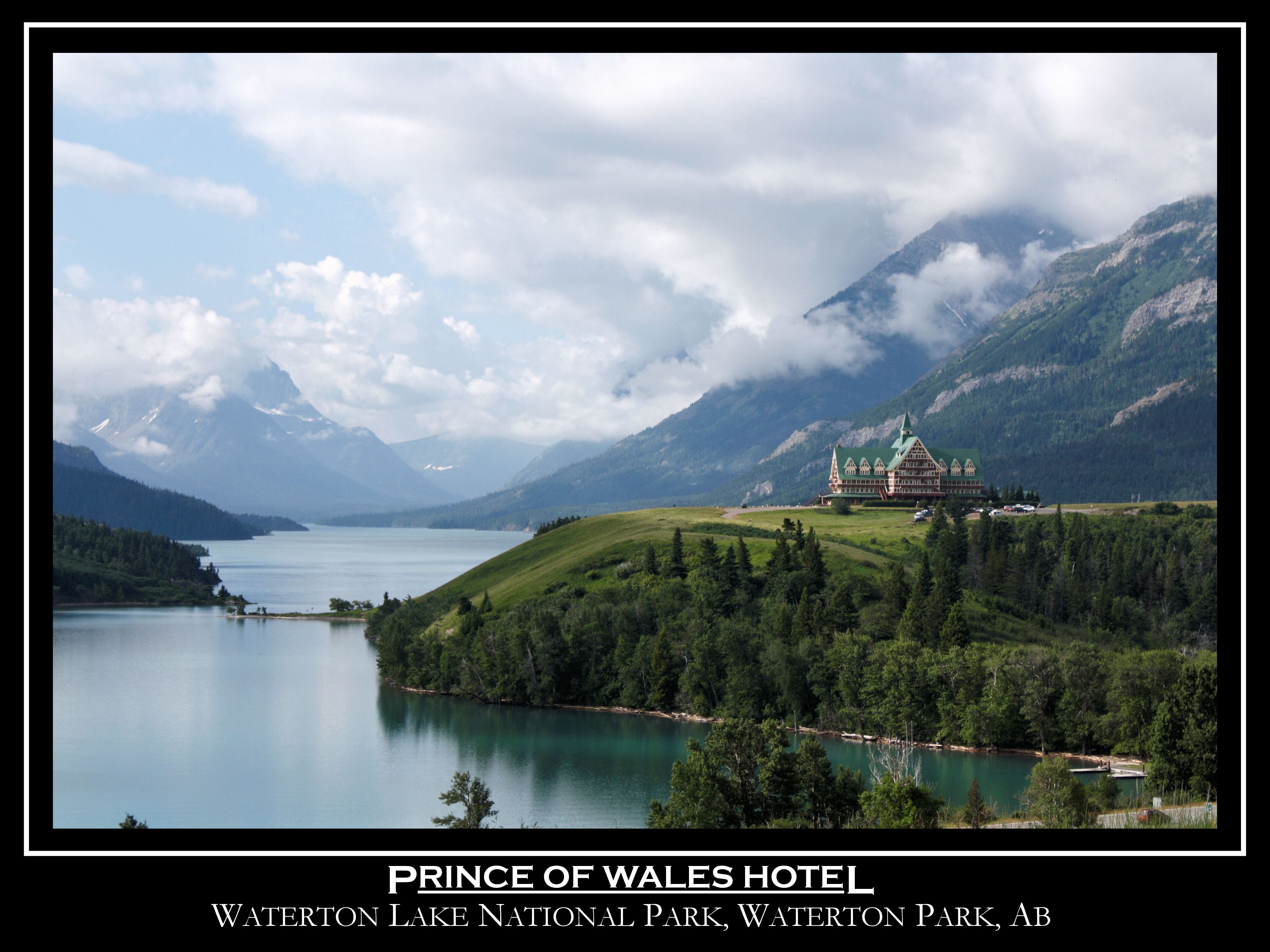
Sunday, 03/20/2022: Posted photo — Prince of Wales Hotel.

Settings: N/A.

Prince of Wales Hotel, Waterton Lake National Park, Waterton Park, AB

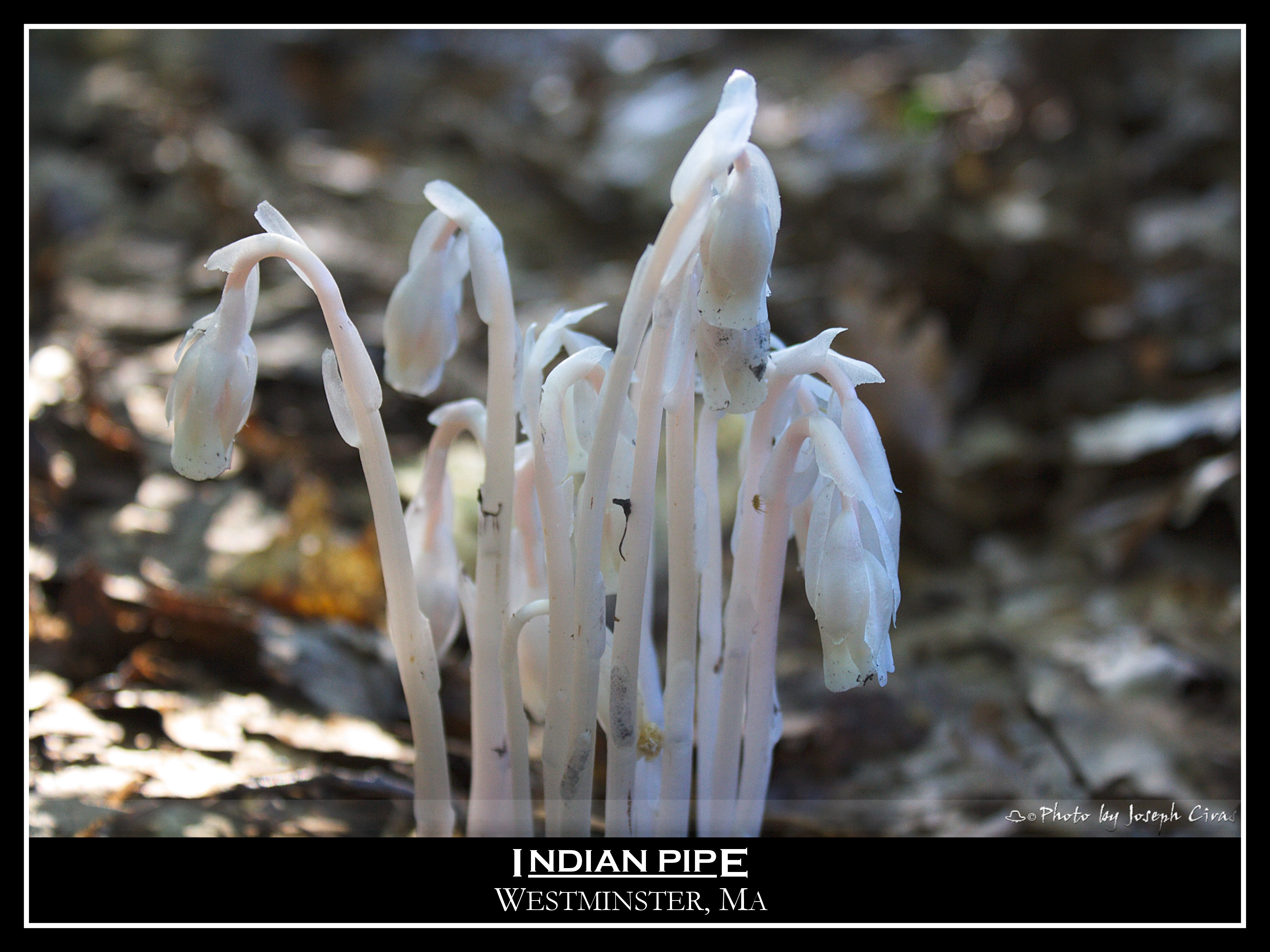
Monday, 03/21/2022: Posted photo — Indian Pipe.

Settings: N/A.

Indian Pipe from my backyard in Westminster, MA.

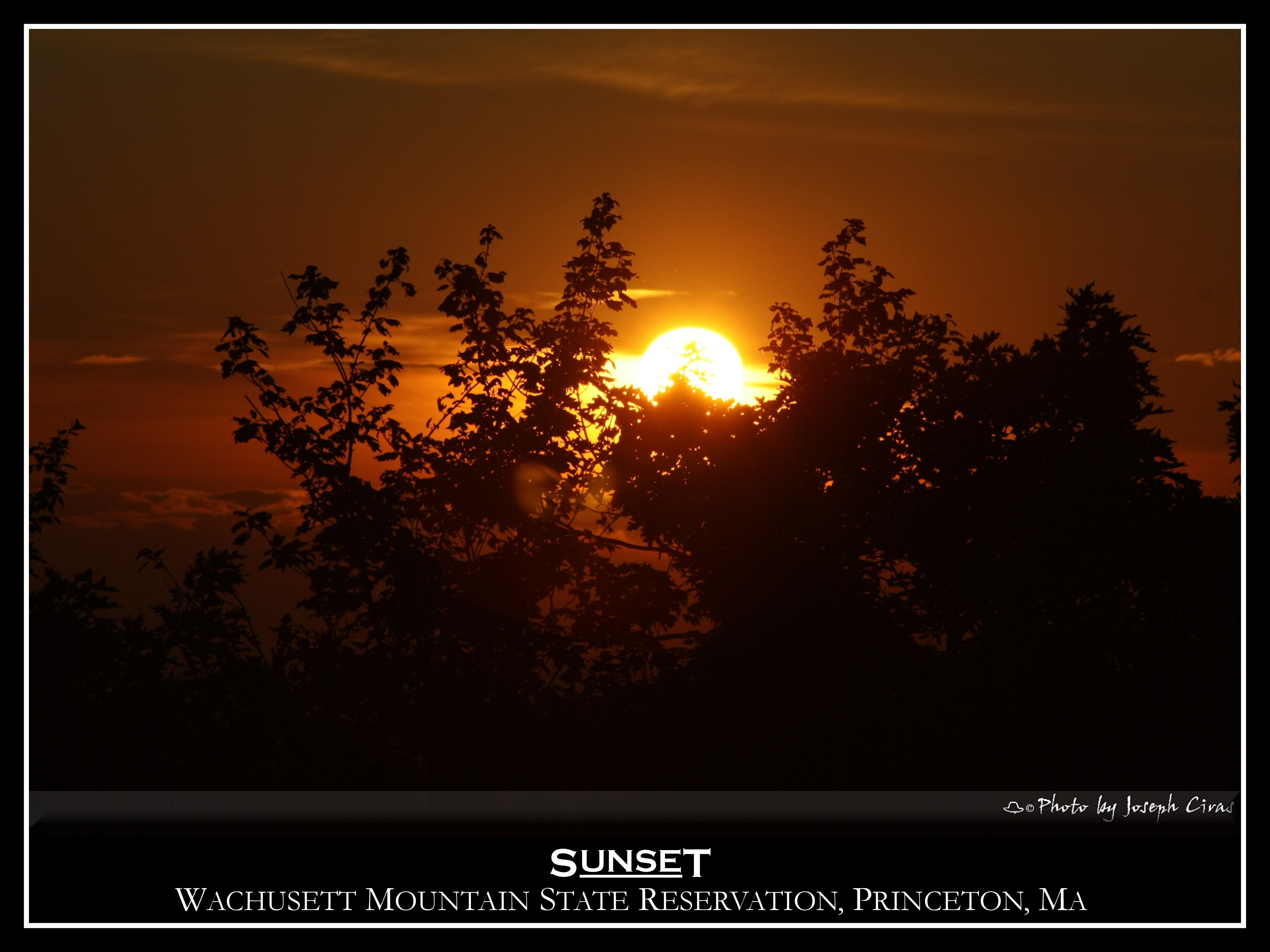
Tuesday, 03/22/2022: Posted photo — Mountain Sunset.

Settings: N/A.

One of the amazing sunsets seen from the summit of Wachusett Mountain in Princeton, MA.

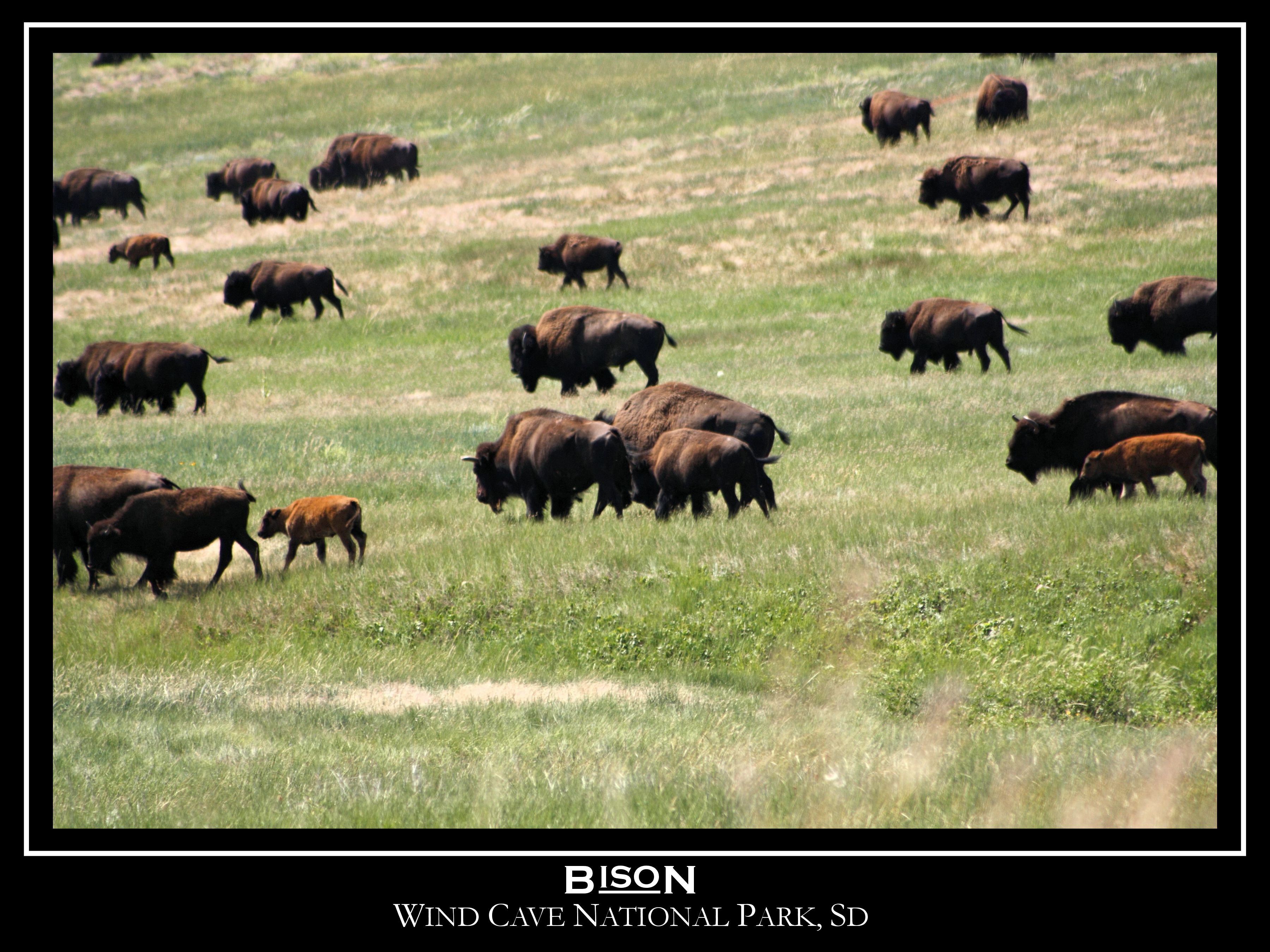
Wednesday, 03/23/2022: Posted photo — Bison.

Settings: N/A.

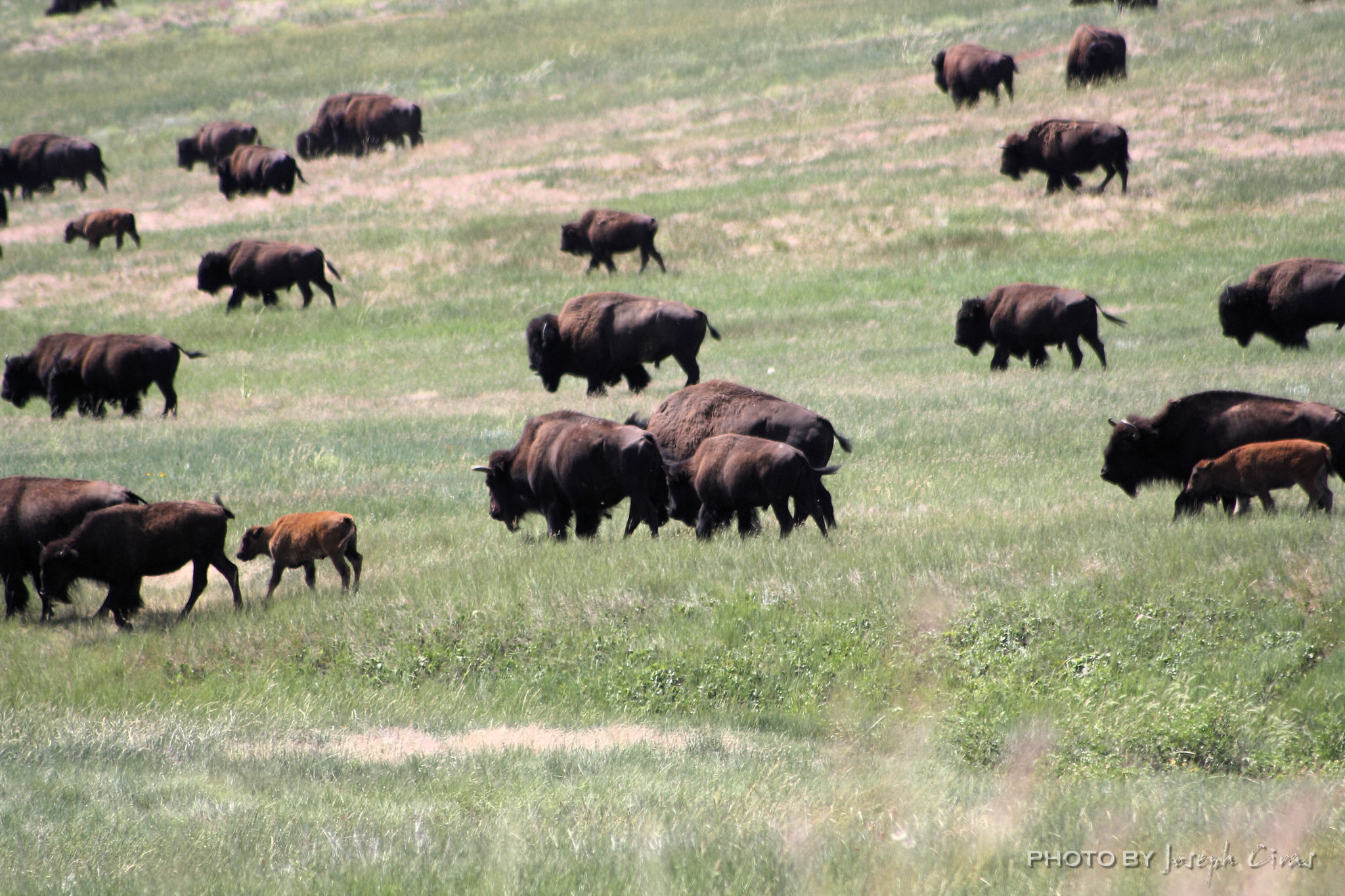
Part of a herd of bison in Wind Cave National Park in South Dakota.

Thursday, 03/24/2022: Posted photo — Washington HQ.

Settings: N/A.

General George Washington’s Headquarters in Valley Forge National Historic Park.

Friday, 03/25/2022: Post photo — Arethusa Falls.

Settings: N/A.

One of the many waterfalls in the White Mountain National Forest.

Saturday, 03/26/2022: Post photo — Devils Tower.

Settings: N/A.

The inside of an ancient volcano. Devils Tower in Devils Tower National Monument in Wyoming.

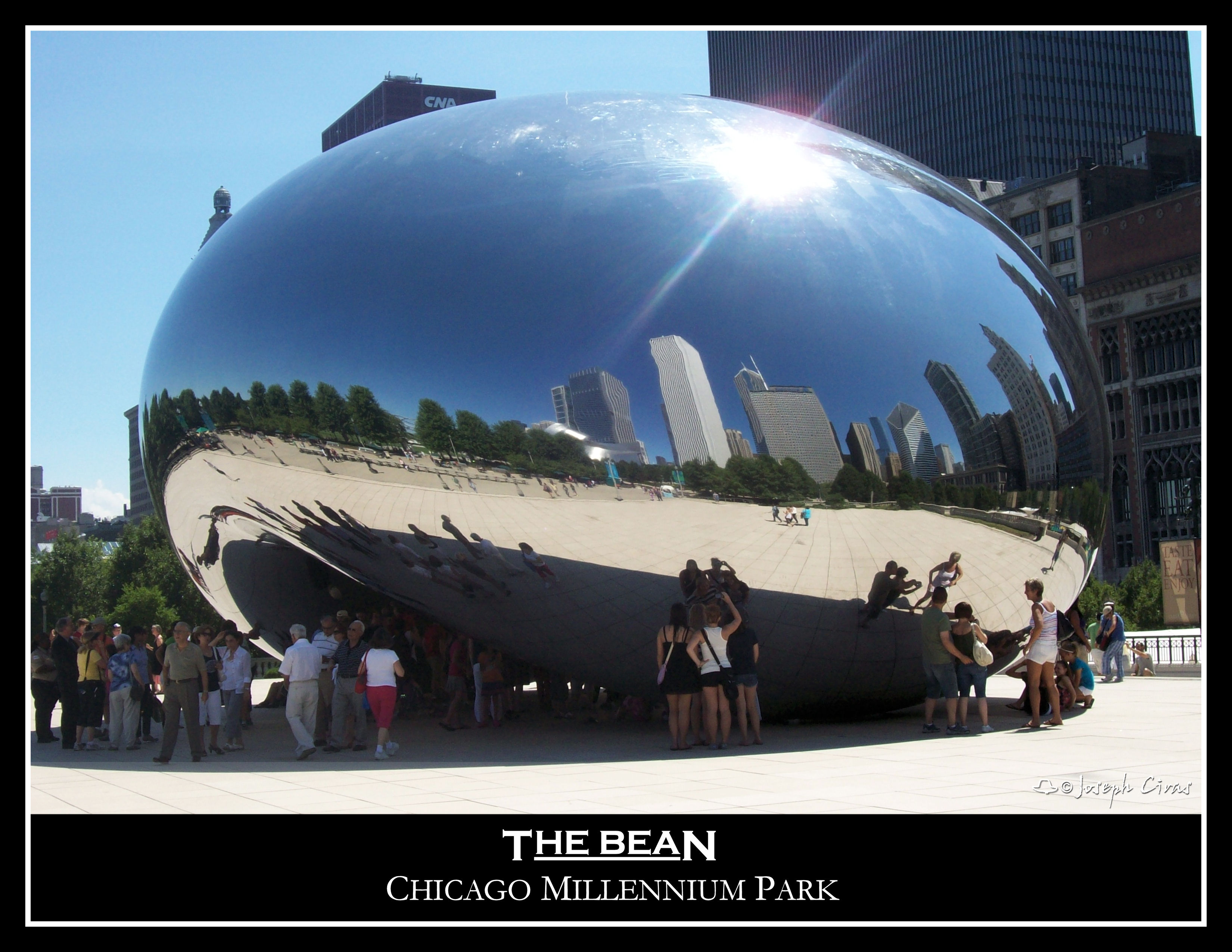
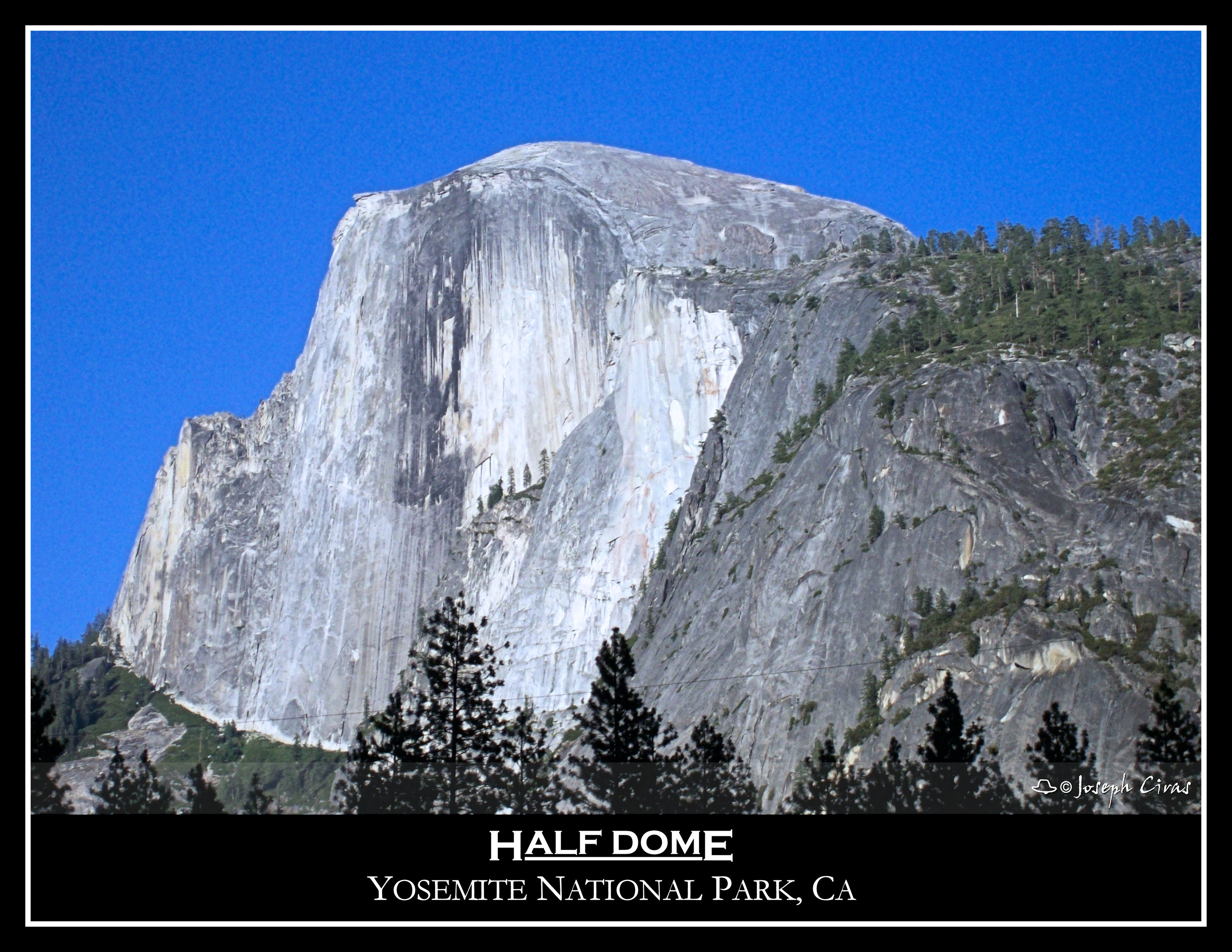
Here are a couple of bonus posters for this week.

The Bean in Millennium Park in Chicago.

Half Dome in Yosemite National Park in California.

That is all for now. Until next week, be safe.

For more photo of other project I have work, visit my website: https://photobyjosephciras.weebly.com or visit me on Facebook at https://www.facebook.com/PhotobyJosephCiras/.
Photographic Thoughts — 01/16/2022 to 01/22/2022

“Character, like a photograph, develops in darkness.” — Yousuf Karsh

Thank you for all the new views and likes from last week, it helps keep me inspired.

Sunday, 01/16/2022: Posted photo — It’s Cold Outside.

Settings: Canon EOS 60D, ISO 100, f/7.1, 1/30 s, 113 mm.

Last week I wrote about how cold it was in this area. Here is a photo of this morning’s temperature. As you can see, it is still cold in this area. The temperature will warm up tomorrow since we are expecting eight inches of snow. Looks like I will be snowshoeing to work tomorrow.

From AccuWeather:

A question meteorologist get asked all the time during the cold winter months is “can it ever be too cold to snow”? Well, the short answer is no.

The ingredients for snow are:

1. A temperature profile that allows snow to reach the surface
2. Saturated air
3. Enough lifting of that saturated air to allow snow to develop aloft and fall to reach the surface

The phrase “it’s too cold to snow” probably originated as a misapplication of the relationship between temperature and the maximum amount of water vapor that can be in the air. When temperature decreases, the maximum capacity of water vapor that can be in the air decreases. Therefore, the colder it gets the less water vapor there will be in the air.

Monday, 01/17/2022: Posted photo — My Commute.

Settings: Google Pixel 2, ISO 186, f/1.8, 1/60 s, 4 mm.

It snowed last night, and it was snowing during my morning commute. I like to say that my commute took longer that usual to get to work. What normally takes me five minutes, took me 45 minutes. It is much safer for me to walk to work in the snow than it is for me to drive in the snow. A little more than half of my hike is on the Midstate Trail. It is nice to live so close to a trail junction or trailhead.

During my three mile hike to work, I may see one or two cars and a half dozen plows. On my way home from work, there will be some more cars, depending on the road conditions. People stay home from work when it is snowing. The funny thing about that is that I live in north central Massachusetts, in a snowy part of New England, so people should be used to driving in the snow.

I did not go on my normal Monday night hike on Wachusett Mountain today. If I were to hike it, I would have to leave work a little early, take the three mile, 45 minute hike home; get in my car; and then hike three to four more miles on the mountain.

Walking generally occurs on flat paths, while hiking often occurs in areas of high elevation. It can include hills and mountains. Some people think of hiking as anything that has above a 500 foot change in elevation.

Tuesday, 01/18/2022: Posted photo — Moon — Handheld Practice.

Settings: Canon EOS 60D, ISO 100, f/16, 1/250 s, 300 mm.

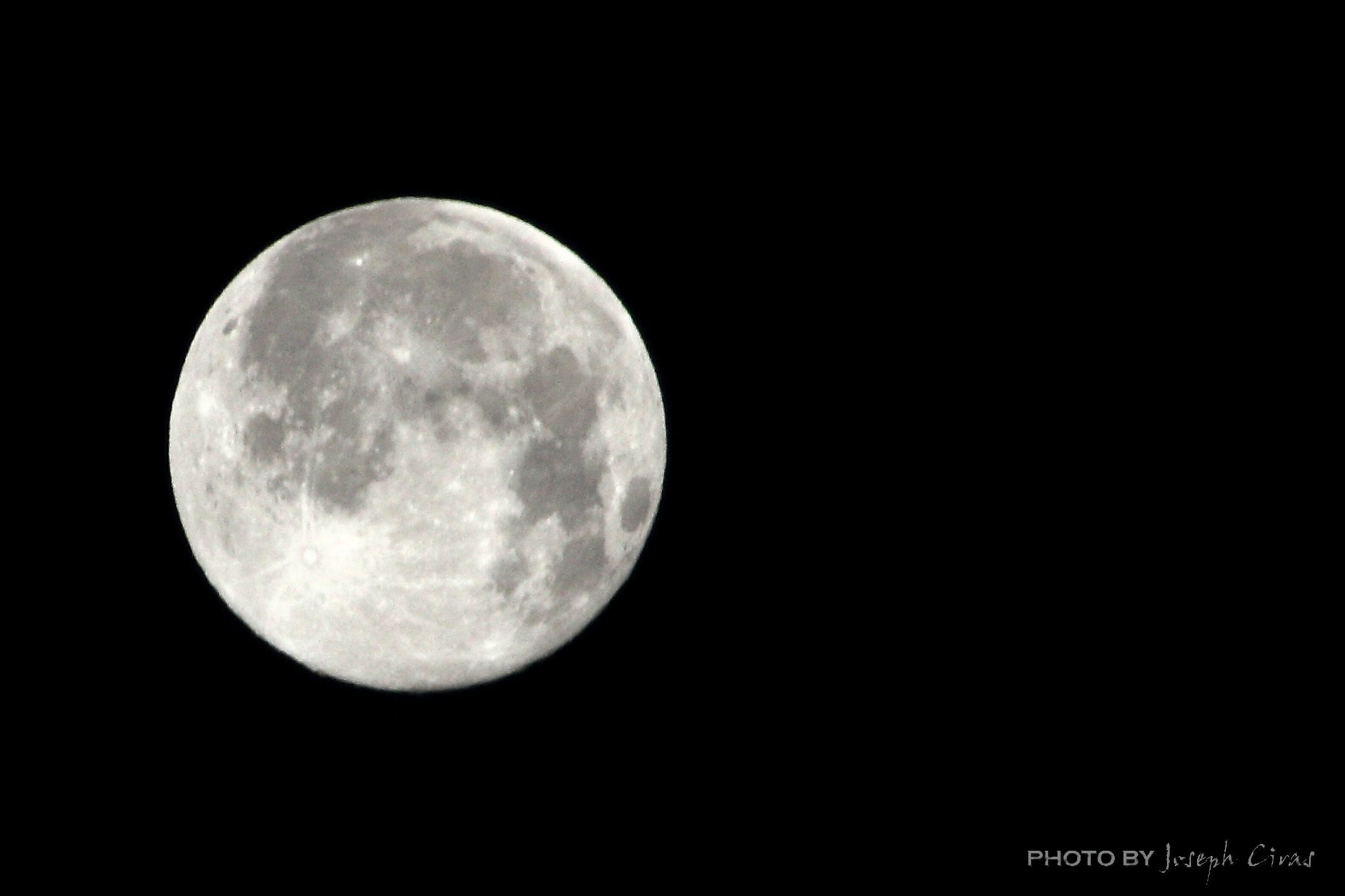
The full moon was yesterday. It was snowing yesterday so I did not have the opportunity to do my full moon without a headlamp nighttime hike on Wachusett Mountain. As written yesterday, I walked to and from work because of the weather.

This morning I saw the moon and wanted to take a photo of it for this month.

From the Old Farmer’s Almanac: “It’s thought that January’s full Moon came to be known as the Wolf Moon because wolves were more likely to be heard howling at this time. It was traditionally believed that wolves howled due to hunger during winter, but we know today that wolves howl for different reasons. Howling and other wolf vocalizations are generally used to define territory, locate pack members, reinforce social bonds, and coordinate hunting.”

Wednesday, 01/19/2022: Posted photo — Sunrise.

Settings: Canon EOS 60D, ISO 200, f/7.1, 1/30 s, 50 mm.

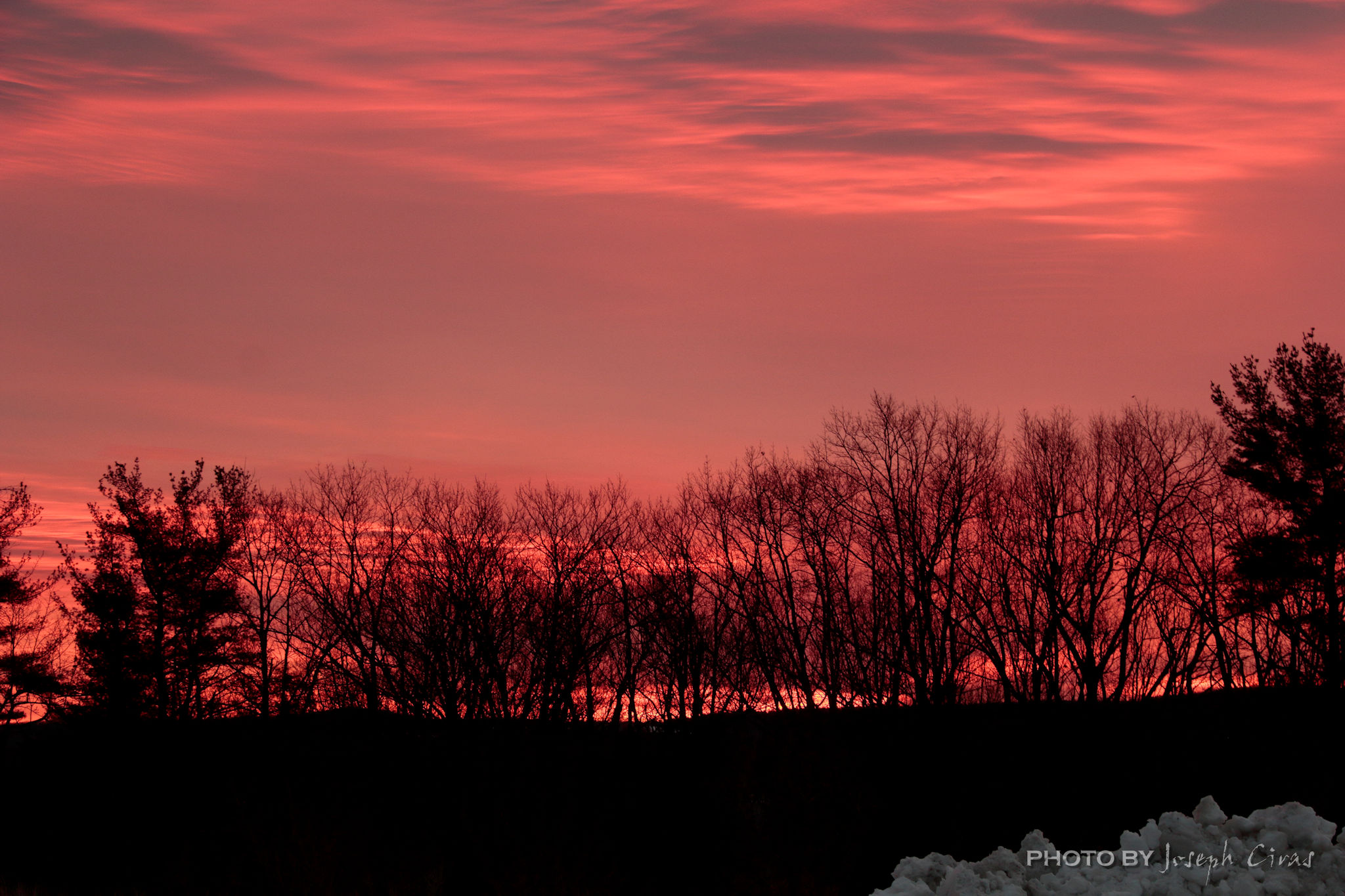
The sky caught my eye this morning, so I took a photo of it. The photo itself will explain why. What great colors. Too bad a photo does not do it justice.

Thursday, 01/20/2022: Posted photo — Aialik Glacier.

Settings: Canon EOS DIGITAL REBEL XS, ISO 200, f/11, 1/640 s, 75 mm.

The Aialik Glacier is a glacier in the Kenai Peninsula Borough of Alaska. It drains into Aialik Bay. Part of Kenai Fjords National Park, it drains the Harding Icefield. Aialik Glacier, a little over 15 miles from Seward, is the largest glacier in Aialik Bay.

Icefields are expanses of glacial ice flowing in multiple directions. Like ice caps, icefields usually cover less than 50,000 square kilometers (19,300 square miles), so they are much smaller than the ice sheets blanketing Greenland and Antarctica. In contrast to ice caps, icefields are interrupted by peaks of the underlying mountain ridges, and those mountains influence the flow of the icefield.

This is one of the amazing sites in Alaska.

Friday, 01/21/2022: Post photo — Morning View.

Settings: Canon EOS 60D, ISO 100, f/7.1, 1/160 s, 101 mm.

What a great view this morning. As I walk around, I am seeing the sunrise more since the sun is rising earlier in the day. The colors this week on the sunrises have been spectacular.

Saturday, 01/22/2022: Post photo — Colors.

Settings: Google Pixel 2, ISO 124, f/1.8, 1/125 s, 4 mm.

I am posting to another website weekly, https://52frames.com/photographer/20931. This week’s theme is Complementary Colors. I had to go to the store today to get somethings to repair my roof and took this photo of the color samples. There are many sets of Complementary Colors in this shot.

That is all for now. Until next week, be safe.

For more photo of other project I have work, visit my website: https://photobyjosephciras.weebly.com or visit me on Facebook at https://www.facebook.com/PhotobyJosephCiras/.

My Weebly website is back up and running. I am looking of suggestions on how to make it look better.

Photographic Thoughts — 11/28/2021 to 12/04/2021

“The camera is an excuse to be someplace you otherwise don’t belong. It gives me both a point of connection and a point of separation.” — Susan Meiselas

Thank you for all the new views and likes from last week, it helps keep me inspired.

Sunday, 11/28/2021: Posted photo — Summit of Mt Norwottuck.

Settings: Samsung SM-G930V (Galaxy S7), ISO 50, f/1.7, 1/268 s, 4 mm

Mount Norwottuck or Mount Norwottock, 1,106 feet above sea level, is the highest peak of the Holyoke Range. It was the first stop today. The second one was Long Mt at 920 feet. Not tall mountains, but the hike was 9 miles in length. Mount Norwottuck received its name from Edward Hitchcock, a former professor of geology at Amherst College. Hitchcock coined the term “Scenographical Geology” in 1841 to describe the dramatic geologic landscape of the Holyoke Range. Originally called Hilliard Knob, Hitchcock applied the Native American name Norwottuck to the mountain. Norwottuck is the Indian name of the village of Hadley.

Reference mark at on the summit of Mount Norwottock. The reference mark points to the summit.

An interesting fact about the Holyoke Range is that it is a Transverse Range. The mountain range runs east to west. There are two other major mountain ranges that are transverse in the United States. They are the Transverse Ranges in California and the Uinta Mountains in Utah.

Today would have been my mother’s 96th birthday. She passed away July 17 this year, so this is the first birthday without her. She is with my father who passed in 1993 and my daughter who passed in 1992. They get to meet their granddaughter together and celebrate their birthdays together for the first time in 28 years. My father would have turned 99 a few days ago.

Hiking clears your mind. Hiking with friends is very therapeutic.

Monday, 11/29/2021: Posted photo — Poles Against a Tree.

Settings: Samsung SM-G930V (Galaxy S7), ISO 1000, f/1.7, 1/10 s, 4 mm

Monday nights is hiking night. I hike with a Meetup group on Mondays for a few months now. It is a good group to hike with since the pace is a little faster than other groups that I have hiked with in the past.

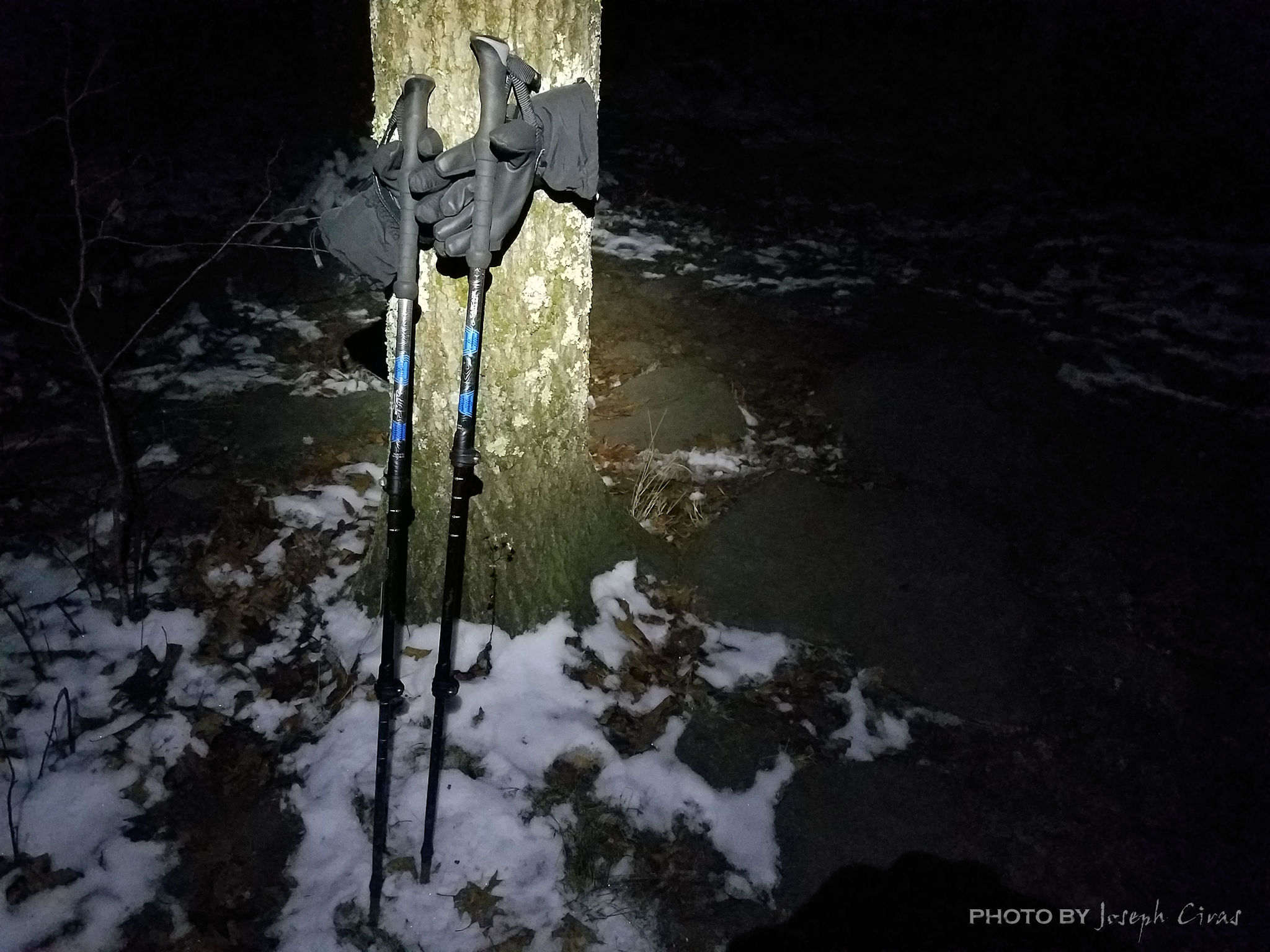
My poles at the junction of the Jack Frost and High Meadow Trails on Wachuestt Mountain

Tonight’s hike was in the cold and dark. The temperature was in the high 20s (F). It was the first time that I used my microspikes to hike with this year. I did not need to use them, but I did not know the trail conditions on one of the hills on the hike and I wanted to get ready for possible ice. We did get snow last week and the trails were snow covered the ground was frozen.

Why do I hike at night? I hike at night for the peacefulness of it. Even with a group, your senses are challenged, and you are more aware of your surroundings. As a leader for the hike, I keep my eyes and ears open for the less experienced people in the group.

As you can see from the photo, it was cold. I wore my gloves and not my -30 F mittens for this hike. Dressing is layers for winter hiking is also important, so you do not overheat or become too cold. You should have at least three layers. A base layer (underwear layer) that wicks sweat off your skin, a Middle layer (insulating layer) that retains body heat to protect you from the cold, and an outer layer (shell layer) that shields you from wind and rain. Here is a website that describes layering, https://www.rei.com/learn/expert-advice/layering-basics.html.

Tuesday, 11/30/2021: Posted photo — Yes, We Have No….

Settings: Samsung SM-G930V (Galaxy S7), ISO 80, f/1.7, 1/120 s, 4 mm

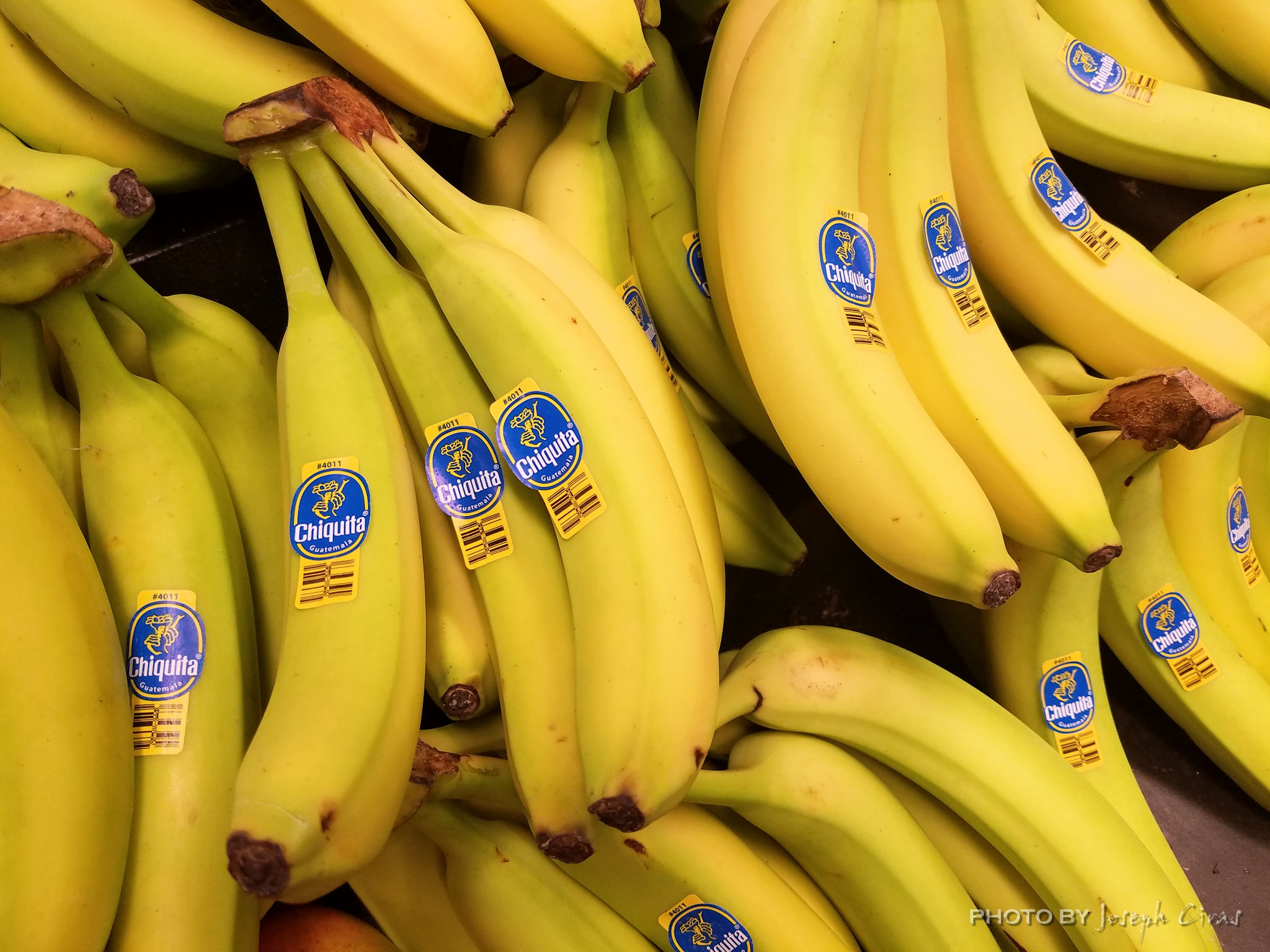
“Yes! We Have No Bananas” was written by Frank Silver and Irving Cohn and was published March 23, 1923. “The story goes that one day in 1922, songwriting duo Frank Silver and Irving Cohn were on their way to work in New York City when they stopped for a snack. At a greengrocer’s, the Greek immigrant owner told the tunesmiths in his broken English, “Yes! We have no bananas today.” The reason the grocer had no bananas? A blight in Central America had caused a shortage.” (https://www.mentalfloss.com/article/31253/music-history-3-yes-we-have-no-bananas)

Bannanas

I thought about titling this photo “Going …” after the expression that has its roots on American college campuses in the 1960s. It is believed that the term going bananas is a term that evolved from the idiom going ape, which also means to go crazy, to explode with anger or to erupt with enthusiasm.

Wednesday, 12/01/2021: Posted photo — Just a Cloud or is it?

Settings: Canon EOS 60D, ISO 200, f/22, 1/6 s, 35 mm.

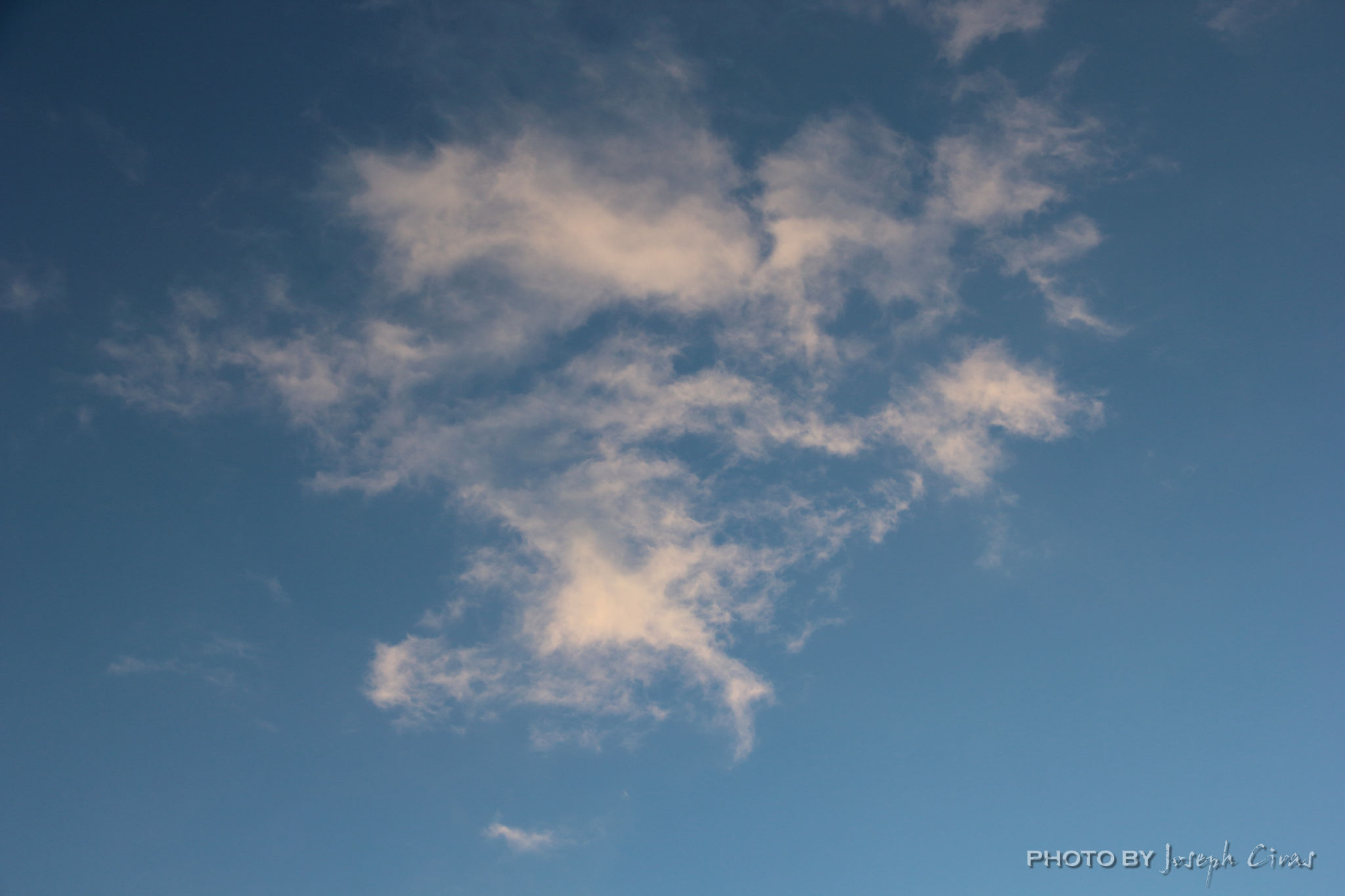
This could be just a cloud. Or it could be a winged buffalo tilting down to the left.

Cloud formation

I have posted in the past what seeing objects in clouds is called. Pareidolia is a sign of creativity. I took this photo today, not because I saw an object in it, it was because I needed a photo for today. I did not see the object until I was post processing the photos.

What do you see?

Thursday, 12/02/2021: Posted photo — American Bison.

Settings: Samsung SM-G930V (Galaxy S7), ISO 80, f/1.7, 1/120 s, 4 mm

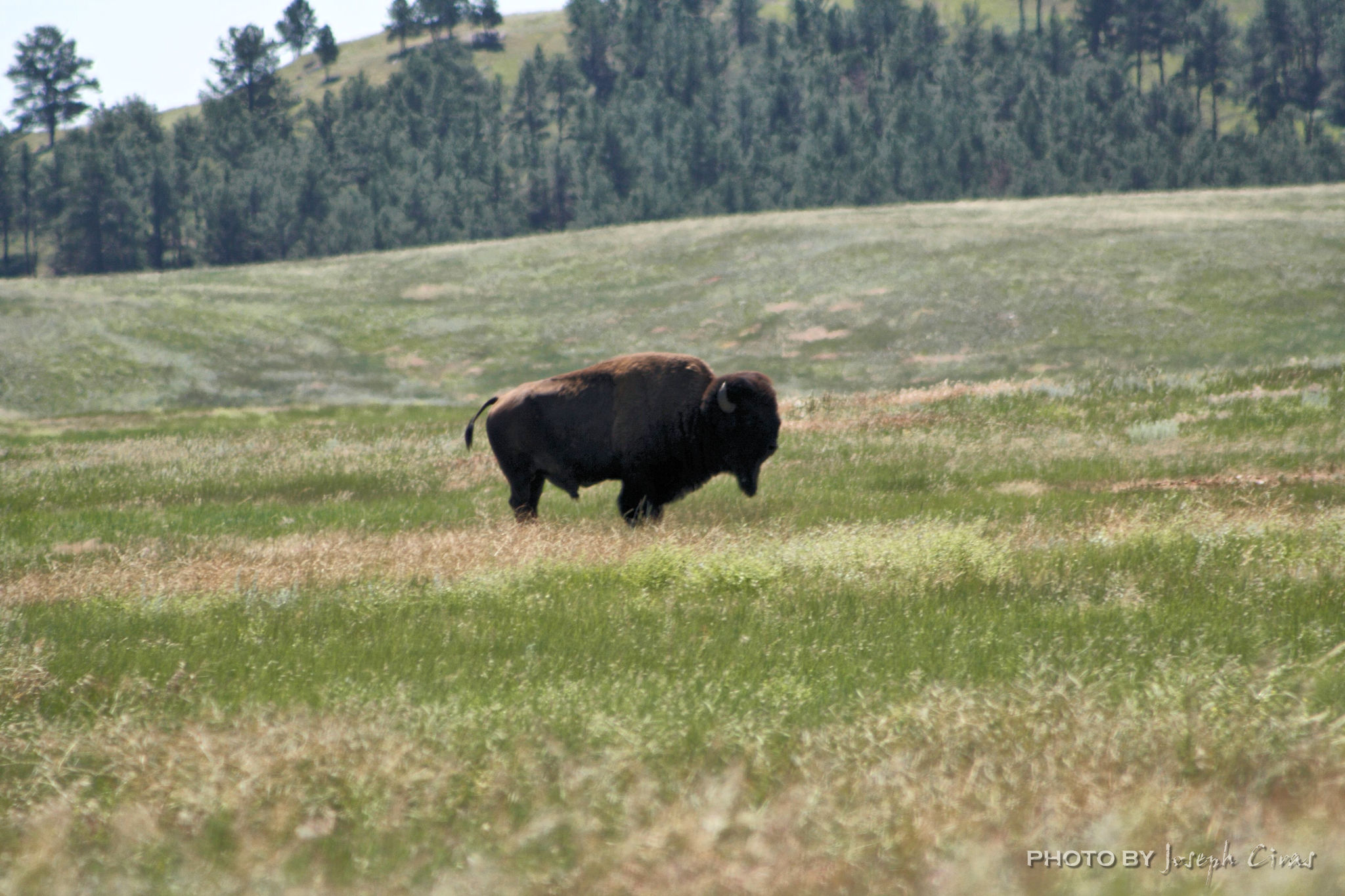
This photo was taking at Wind Cave National Park in South Dakota. I have a feeling that I have posted this photo in a previous post. If I did, I am sorry for the repeat. I like this photo.

American Bison

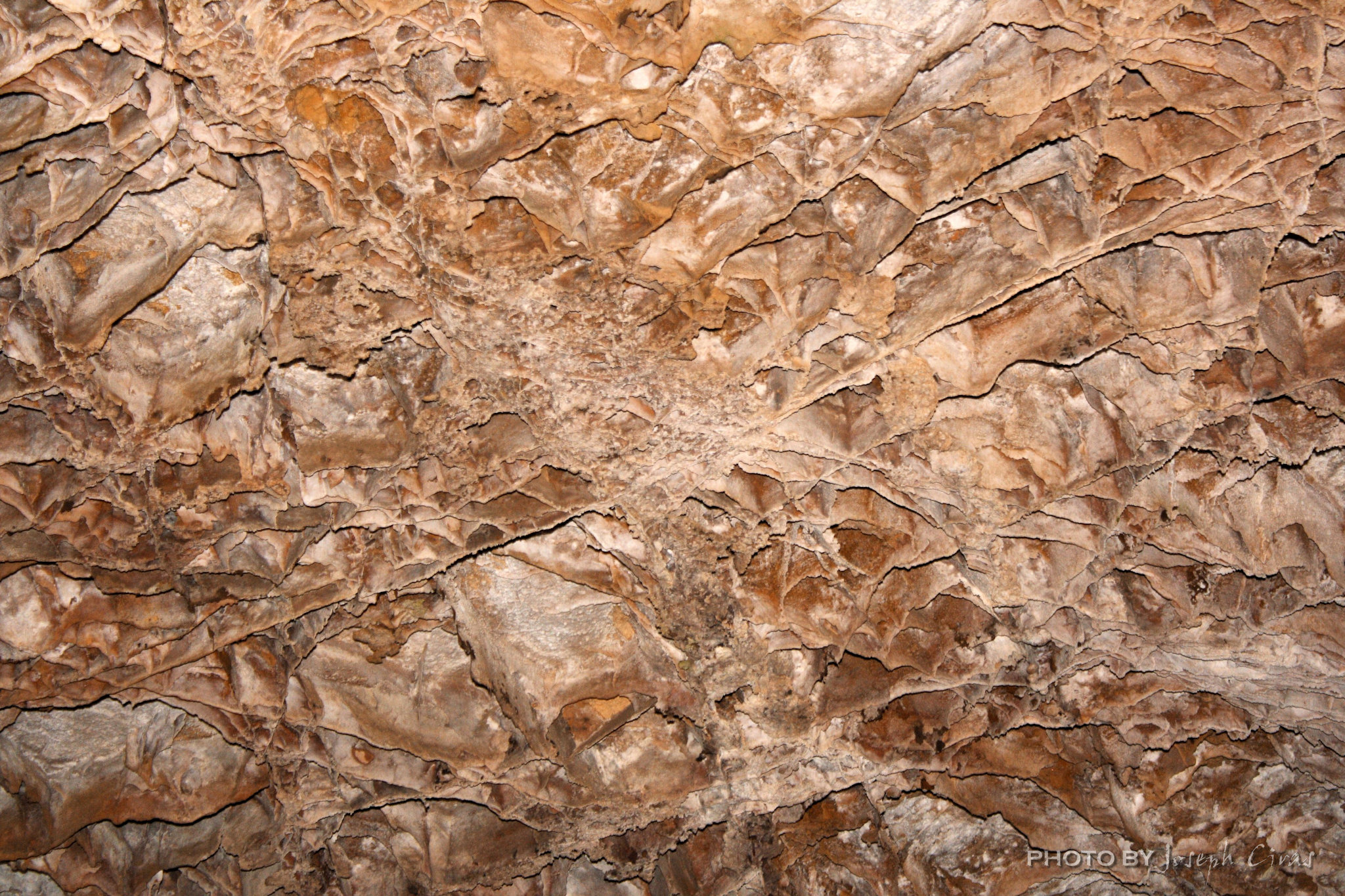
Wind Cave, one of the longest and most complex caves in the world. Named for barometric winds at its entrance, this maze of passages is home to boxwork, a unique formation rarely found elsewhere.

Here are a few more photos from Wind Cave National Park.

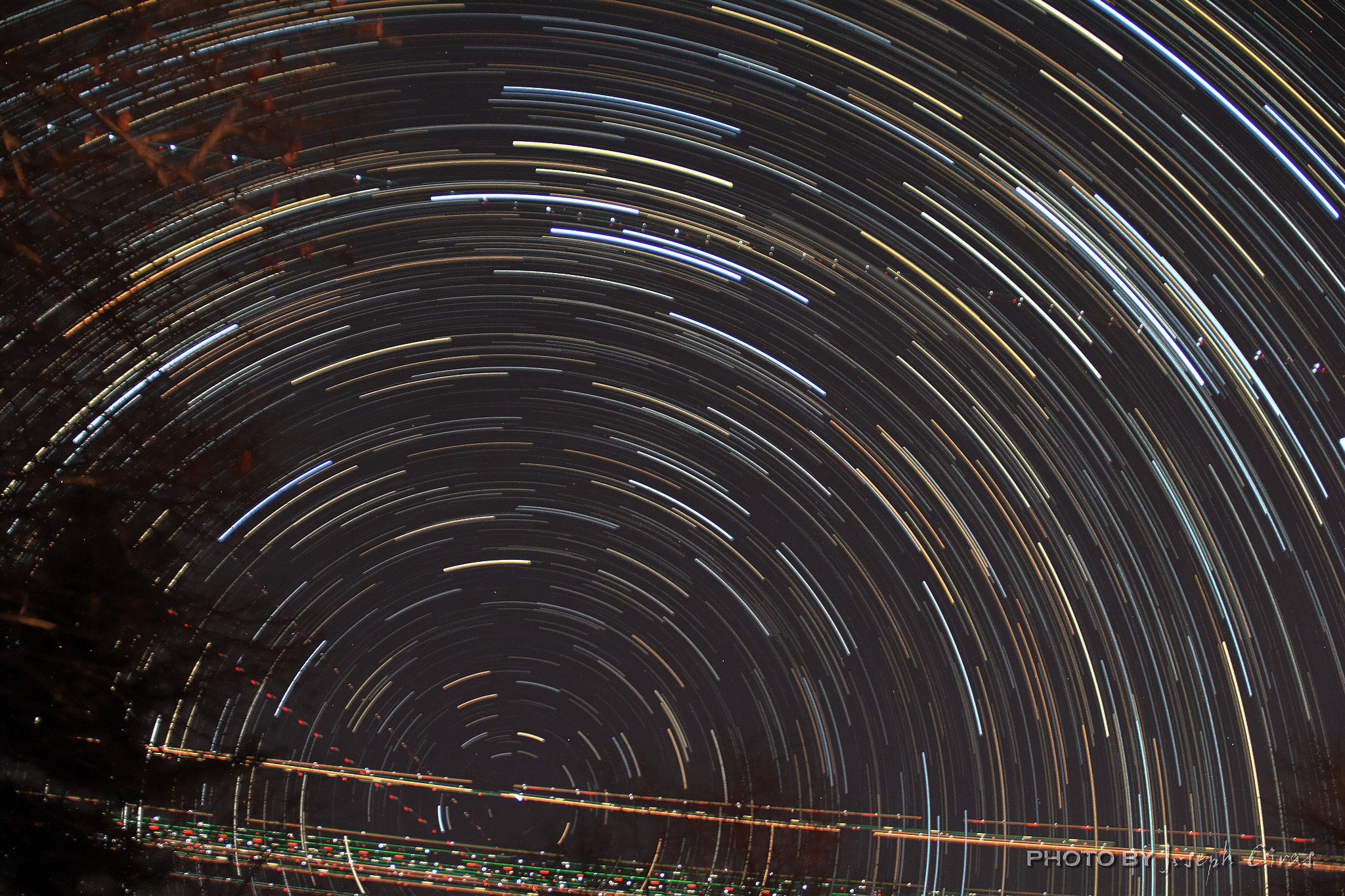
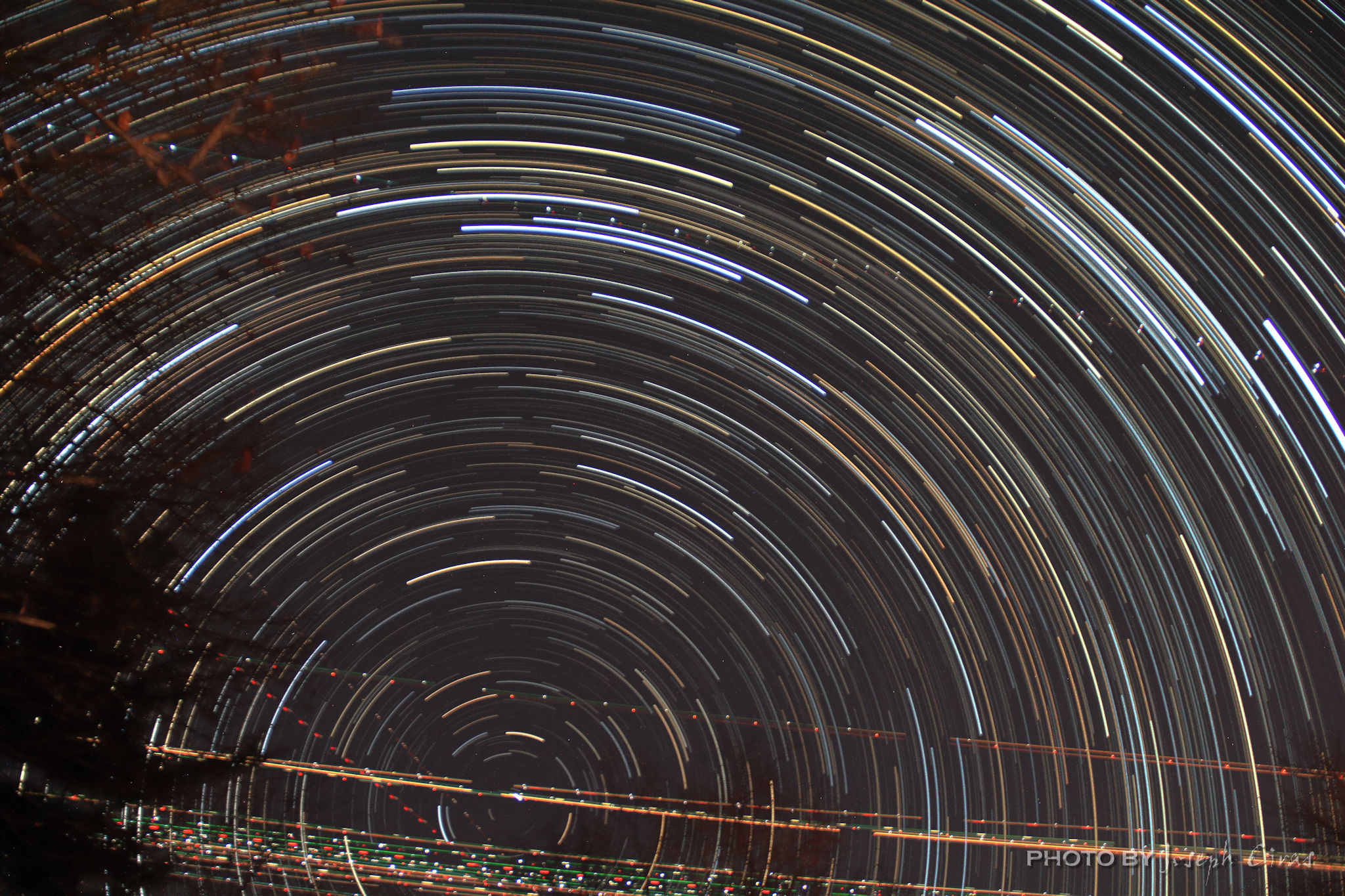
Friday, 12/03/2021: Post photo — Star Trail.

Settings: Canon EOS 60D, ISO 3200, f/3.5, 9 s, 18 mm

I took a star trail photo today. It was great to take a star trail photo earlier in the evening and not after 10 p.m. The photo I posted was a composite of 437 photos stacked together. The secondary photo that I am posting in this post is a composite of 637 photos.

437 composite photo start trail

There is a lot of airplane activity north of my house at night.

637 composite photo start trail

Saturday, 12/04/2021: Post photo — Sunrise at the Pier.

Settings: Canon EOS 60D, ISO 100, f/22, 1/4 s, 62 mm.

I took this photo a few years ago on Jacksonville Beach. This pier was damaged by a hurricane a few years after I took this photo. This is one of my favorite photos that I took that morning. I took this because I liked the way the heron was silhouetted against the pier and the ocean.

Jacksonville Beach Pier

That is all for now. Until next week, be safe.

For more photo of other project I have work, visit my website: https://photobyjosephciras.weebly.com or visit me on Facebook at https://www.facebook.com/PhotobyJosephCiras/.
Please note that I have not been able to post to my Weebly page for over a week, so the photos are a little behind there. Weebly technical support is still working on the issue.