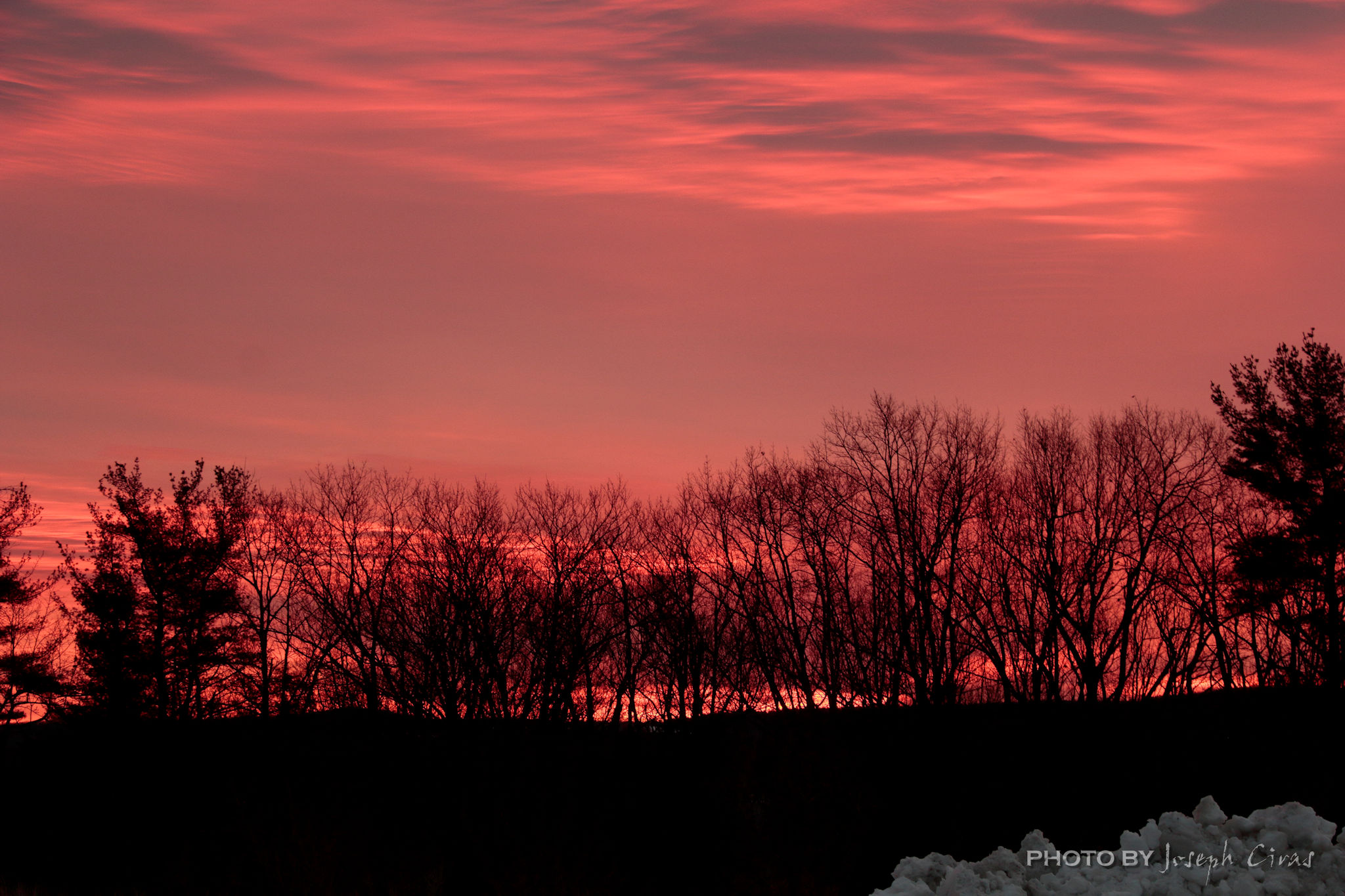
Photographic Thoughts — 03/27/2022 to 04/02/2022

“Taking an image, freezing a moment, reveals how rich reality truly is.” — Anonymous

Thank you for all the new views and likes from last week, it helps keep me inspired.

This week I will be posting a few highlights of one of my trips. We called this trip our norther National Part trip. We traveled through Montana, Alberta, Banff, Jasper, Washington state, Idaho, Wyoming, South Dakota, Minnesota, and Iowa during this trip. This trip included visits to many national parks in the United States and Canada, visiting family, visiting natural movie sets, and when to an amusement park in the Mall of America in which I held with the design of a few of the rides.

Sunday, 03/27/2022: Posted photo — Lake McDonald.

Settings: Canon EOS DIGITAL REBEL XS, ISO 100, f/8, 1/400 s, 75 mm.
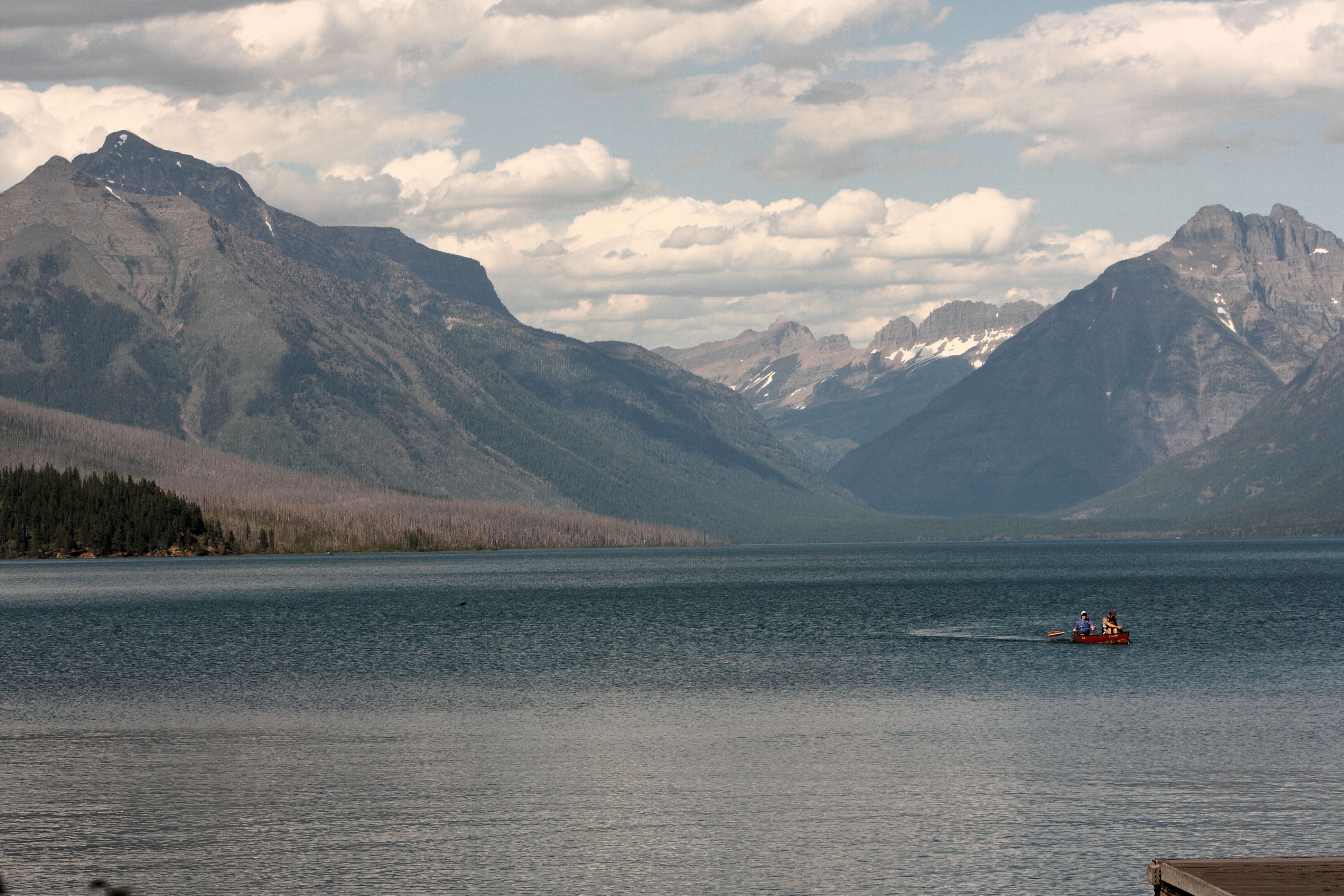
The first stop on our northern national park tour was in Glacier National Park in Montana. What a wonderful park. It does have many glaciers, some growing and some receding.

Monday, 03/28/2022: Posted photo — Mountain Goat.

Settings: Canon EOS DIGITAL REBEL XS, ISO 100, f/5, 1/125 s, 200 mm.

While we were in Glacier National Park, we took a hike out to Hidden Lake. On the way out to the lake, we had a few mountain goats walk along the trail with us.

Tuesday, 03/29/2022: Posted photo — Hidden Lake.

Settings: Canon EOS DIGITAL REBEL XS, ISO 100, f/9, 1/160 s, 25 mm.

This was a destination, Hidden Lake in Glacier National Park. For your information, this hike took place on July 4 and we did most of our hiking in the snow.

Wednesday, 03/30/2022: Posted photo — Johnston Canyon, Lower Falls.

Settings: Canon EOS DIGITAL REBEL XS, ISO 200, f/11, 1/4 s, 33 mm.

Johnston Canyon to Lower Falls is an extremely popular and scenic trail in Banff National Park, in addition to being one of the busiest in the Canadian Rockies. We were driving around Banff and found the falls. We camped in Baff on our way to Jasper National Park.

Thursday, 03/31/2022: Posted photo — Lake Louise.

Settings: Canon EOS DIGITAL REBEL XS, ISO 200, f/13, 1/250 s, 29 mm.

Lake Louise is world famous for its turquoise lakes, the Victoria Glacier, soaring mountain backdrop. We went to Lake Louise on a weekend, so it was very busy. We took a few photos and then went on our way.

Friday, 04/01/2022: Post photo — Diablo Lake.

Settings: Canon EOS DIGITAL REBEL XS, ISO 200, f/13, 1/250 s, 35 mm.

On our way back from visiting family in Bellingham Washington, we took a trip to Northern Cascades National Park. One of the hikes we took was out to Diablo Lake.

From an information search, it was verified that Diablo Lake is a reservoir in the North Cascade mountains of northern Washington state. It was created by Diablo Dam and is located between Ross Lake and Gorge Lake on the Skagit River at an elevation of 1,201 feet above sea level.

I really like the color of the water in the lake.

Saturday, 04/02/2022: Post photo — Mount Rainier.

Settings: Canon EOS DIGITAL REBEL XS, ISO 200, f/11, 1/250 s, 42 mm.

Mount Rainier National Park. I am impressed every time I see this mountain. Either up close or from the city of Seattle. One time we flew past the mountain. That must have taken about five minutes to do since the girth on the mountain is so great.
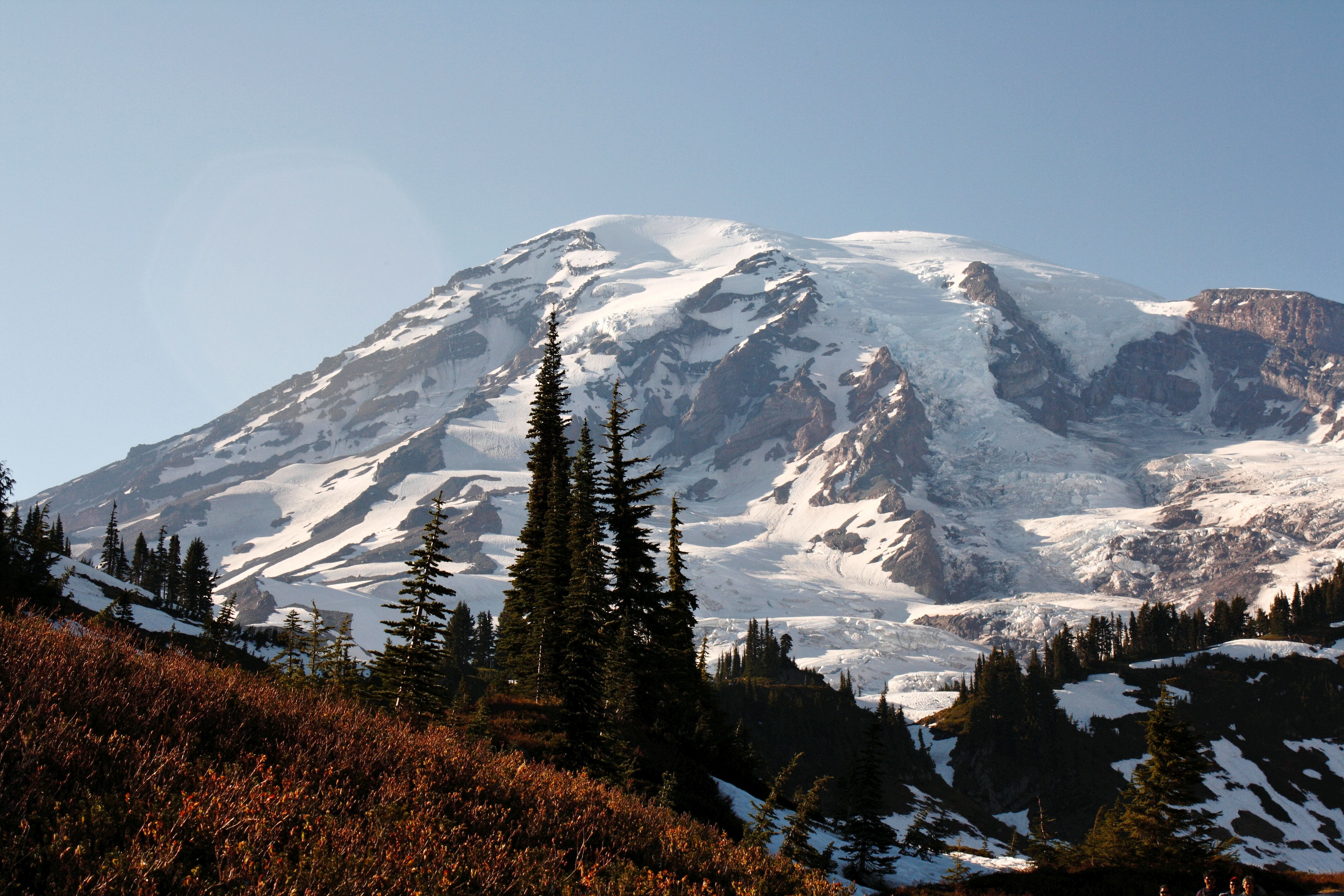
Mount Rainier is a large active stratovolcano in the Cascade Range of the Pacific Northwest standing at 14,411′ in elevation. The volcano last erupted in 1894, and when Mount St. Helens erupted in 1980, all eyes were on Mount Rainier since the mountains are in the same chain. It is very interesting to camp in an area that has warnings about the possibility of lava flow. If the mountain erupted, I would think that the lava flow would be the least of our worries.

When we travel to Mount Rainier, we like to visit the Paradise area. I have photographed a few waterfalls in Paradise. When we visited this time, the snow was still very deep. Remember, this was early to mid-July. There was one waterfall that I wanted to photograph in the snow, and I could not find it. I had the GPS coordinates from the times before that I took photos of it. Looking at the GPS coordinates, I came to realize that I was standing on top of the falls.

That is all for now. Until next week, be safe.

For more photo of other project I have work, visit my website: https://photobyjosephciras.weebly.com or visit me on Facebook at https://www.facebook.com/PhotobyJosephCiras/.

Photographic Thoughts — 03/20/2022 to 03/26/2022

“There is one thing the photograph must contain, the humanity of the moment.” —Robert Frank

Thank you for all the new views and likes from last week, it helps keep me inspired.

This week I will be just posting photos of posters that I made from various trips. I have been too busy and tired since I went back to the office midweek.

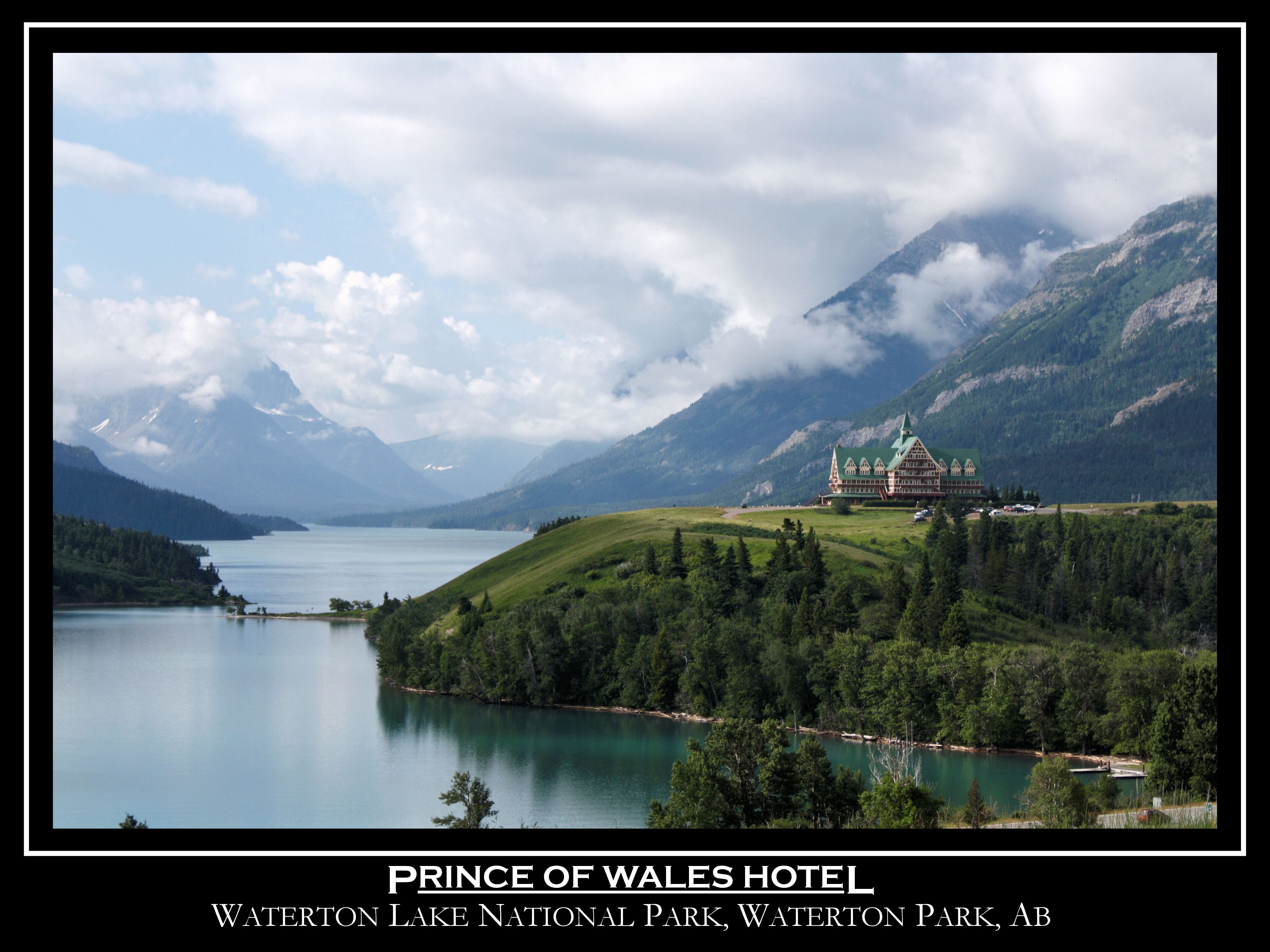
Sunday, 03/20/2022: Posted photo — Prince of Wales Hotel.

Settings: N/A.

Prince of Wales Hotel, Waterton Lake National Park, Waterton Park, AB

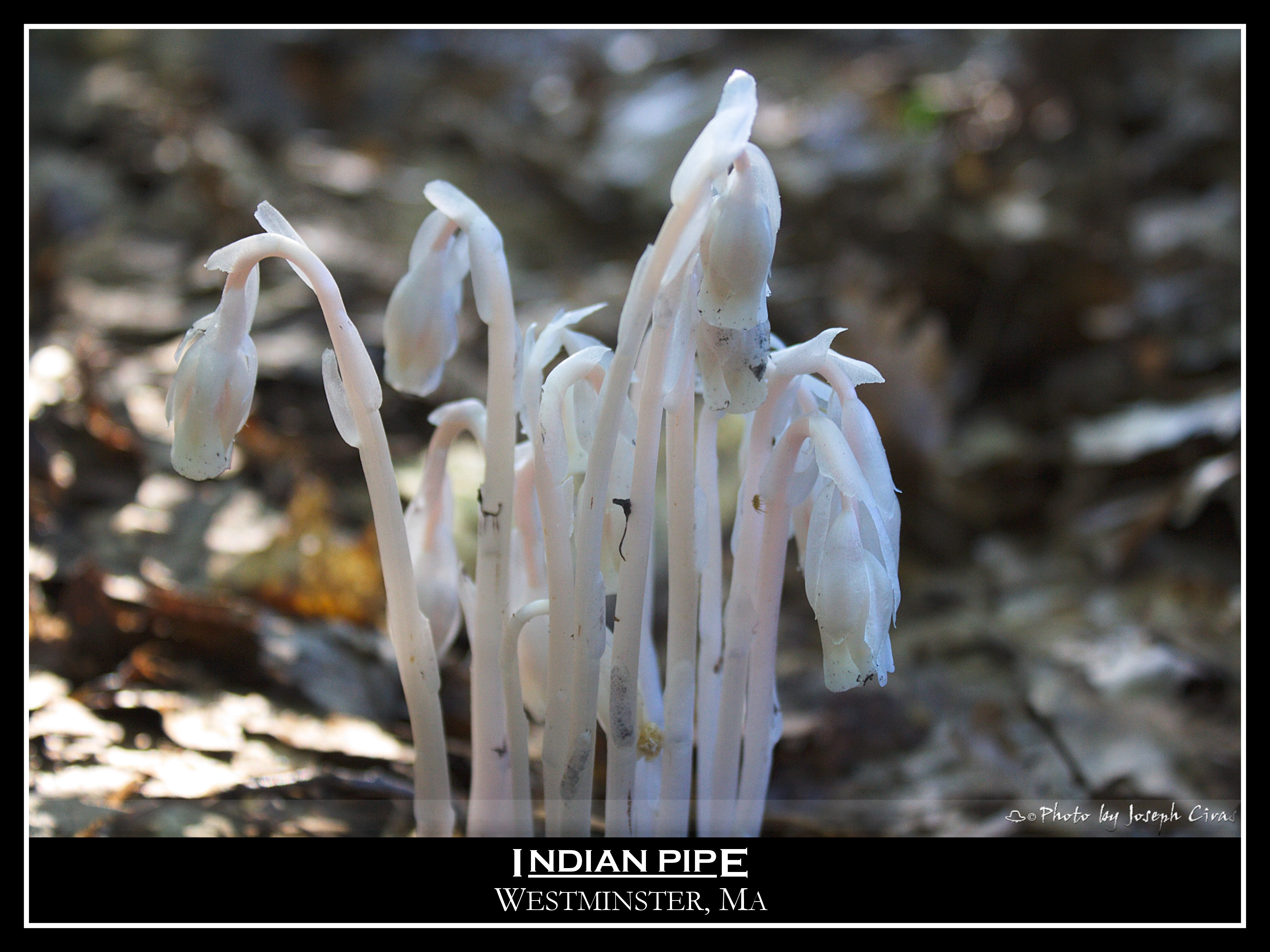
Monday, 03/21/2022: Posted photo — Indian Pipe.

Settings: N/A.

Indian Pipe from my backyard in Westminster, MA.

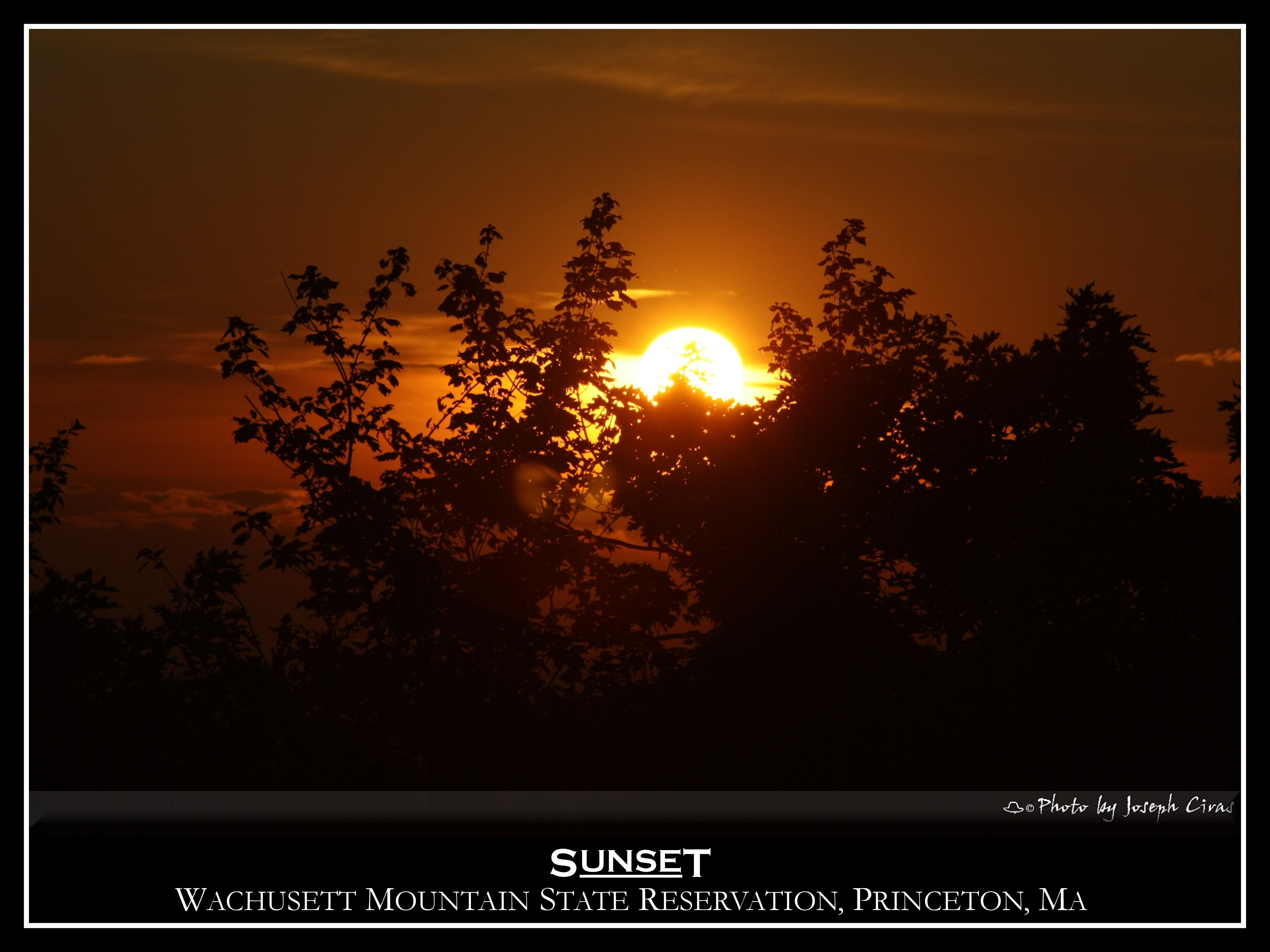
Tuesday, 03/22/2022: Posted photo — Mountain Sunset.

Settings: N/A.

One of the amazing sunsets seen from the summit of Wachusett Mountain in Princeton, MA.

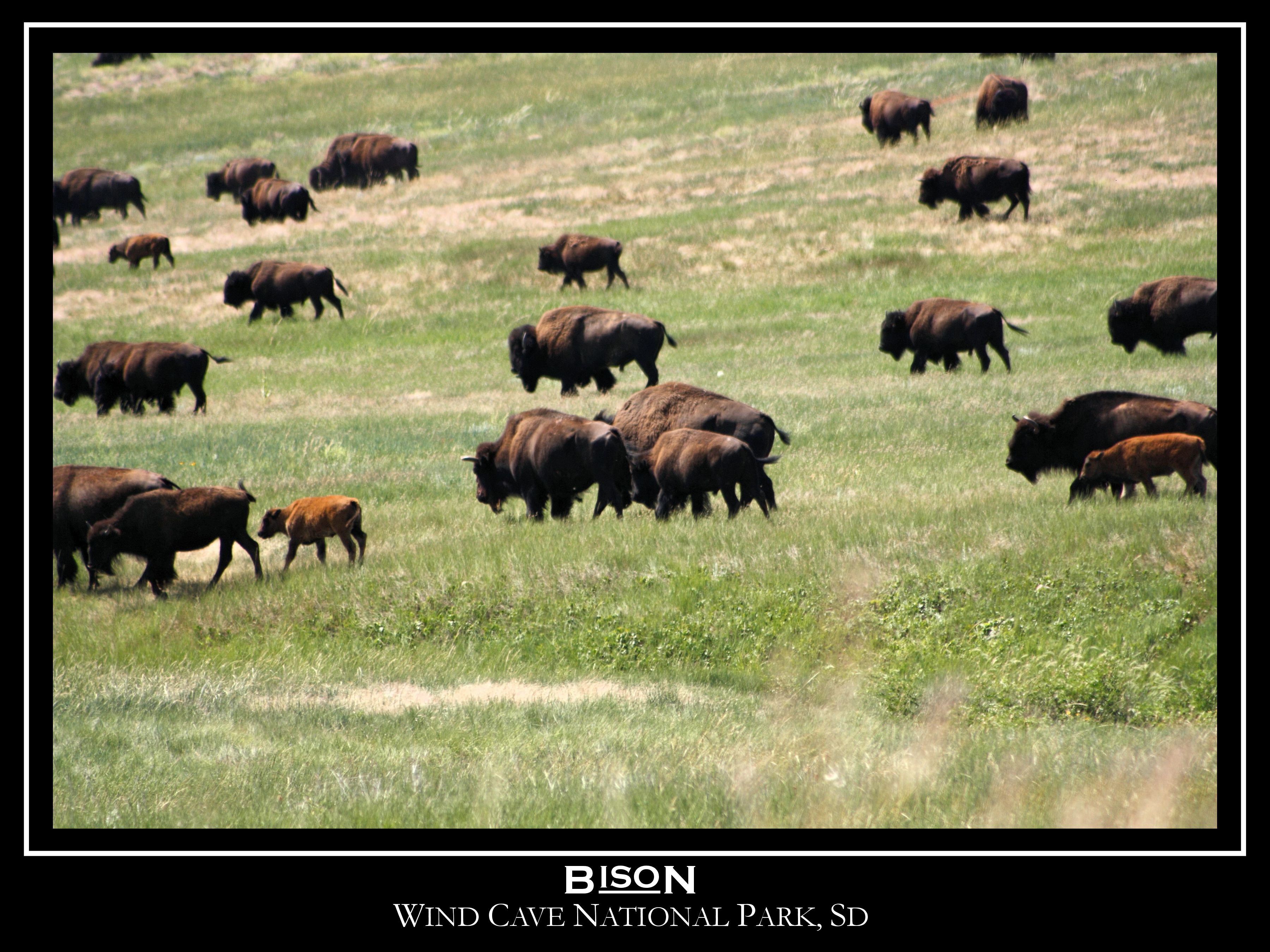
Wednesday, 03/23/2022: Posted photo — Bison.

Settings: N/A.

Part of a herd of bison in Wind Cave National Park in South Dakota.

Thursday, 03/24/2022: Posted photo — Washington HQ.

Settings: N/A.

General George Washington’s Headquarters in Valley Forge National Historic Park.

Friday, 03/25/2022: Post photo — Arethusa Falls.

Settings: N/A.

One of the many waterfalls in the White Mountain National Forest.

Saturday, 03/26/2022: Post photo — Devils Tower.

Settings: N/A.

The inside of an ancient volcano. Devils Tower in Devils Tower National Monument in Wyoming.

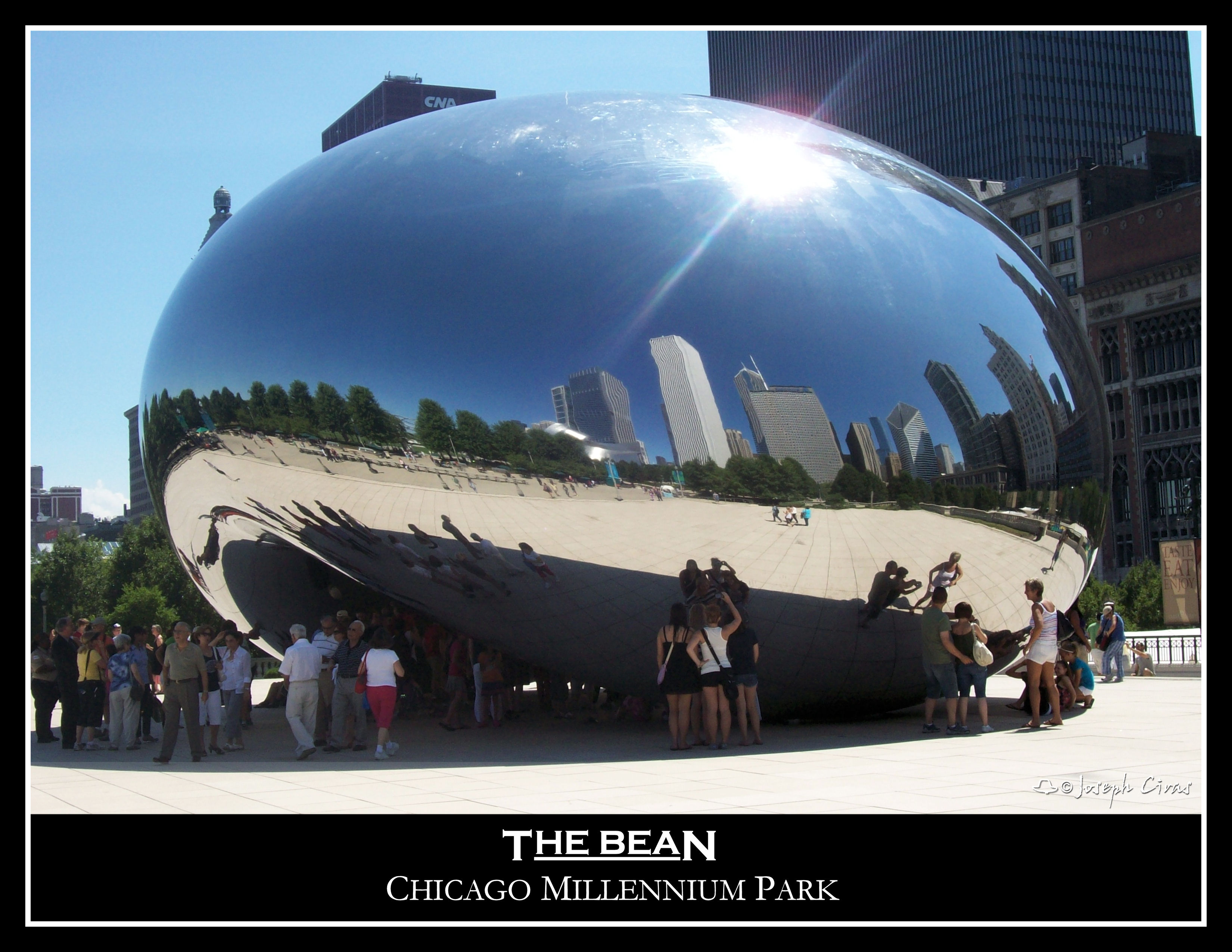
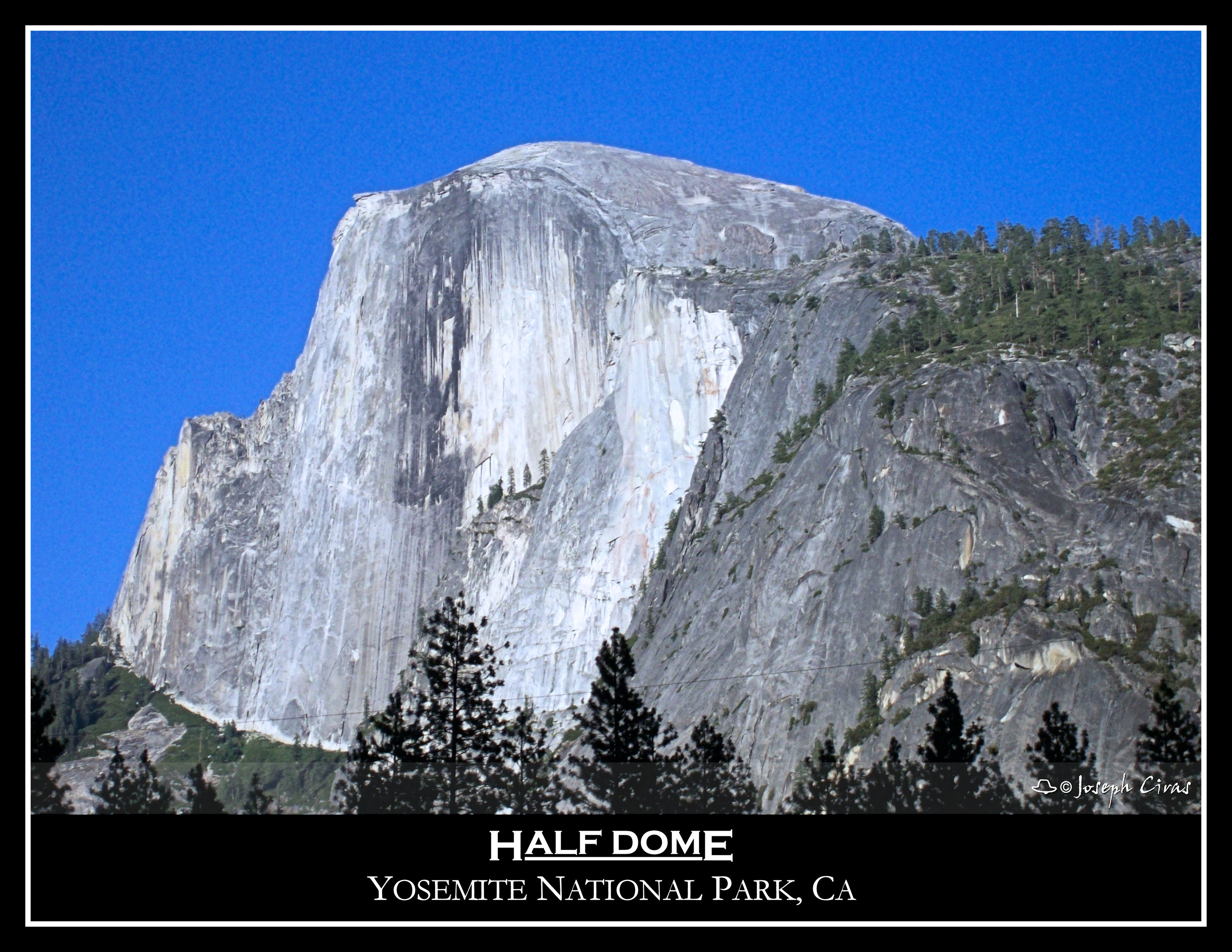
Here are a couple of bonus posters for this week.

The Bean in Millennium Park in Chicago.

Half Dome in Yosemite National Park in California.

That is all for now. Until next week, be safe.

For more photo of other project I have work, visit my website: https://photobyjosephciras.weebly.com or visit me on Facebook at https://www.facebook.com/PhotobyJosephCiras/.
Photographic Thoughts — 01/16/2022 to 01/22/2022

“Character, like a photograph, develops in darkness.” — Yousuf Karsh

Thank you for all the new views and likes from last week, it helps keep me inspired.

Sunday, 01/16/2022: Posted photo — It’s Cold Outside.

Settings: Canon EOS 60D, ISO 100, f/7.1, 1/30 s, 113 mm.

Last week I wrote about how cold it was in this area. Here is a photo of this morning’s temperature. As you can see, it is still cold in this area. The temperature will warm up tomorrow since we are expecting eight inches of snow. Looks like I will be snowshoeing to work tomorrow.

From AccuWeather:

A question meteorologist get asked all the time during the cold winter months is “can it ever be too cold to snow”? Well, the short answer is no.

The ingredients for snow are:

1. A temperature profile that allows snow to reach the surface
2. Saturated air
3. Enough lifting of that saturated air to allow snow to develop aloft and fall to reach the surface

The phrase “it’s too cold to snow” probably originated as a misapplication of the relationship between temperature and the maximum amount of water vapor that can be in the air. When temperature decreases, the maximum capacity of water vapor that can be in the air decreases. Therefore, the colder it gets the less water vapor there will be in the air.

Monday, 01/17/2022: Posted photo — My Commute.

Settings: Google Pixel 2, ISO 186, f/1.8, 1/60 s, 4 mm.

It snowed last night, and it was snowing during my morning commute. I like to say that my commute took longer that usual to get to work. What normally takes me five minutes, took me 45 minutes. It is much safer for me to walk to work in the snow than it is for me to drive in the snow. A little more than half of my hike is on the Midstate Trail. It is nice to live so close to a trail junction or trailhead.

During my three mile hike to work, I may see one or two cars and a half dozen plows. On my way home from work, there will be some more cars, depending on the road conditions. People stay home from work when it is snowing. The funny thing about that is that I live in north central Massachusetts, in a snowy part of New England, so people should be used to driving in the snow.

I did not go on my normal Monday night hike on Wachusett Mountain today. If I were to hike it, I would have to leave work a little early, take the three mile, 45 minute hike home; get in my car; and then hike three to four more miles on the mountain.

Walking generally occurs on flat paths, while hiking often occurs in areas of high elevation. It can include hills and mountains. Some people think of hiking as anything that has above a 500 foot change in elevation.

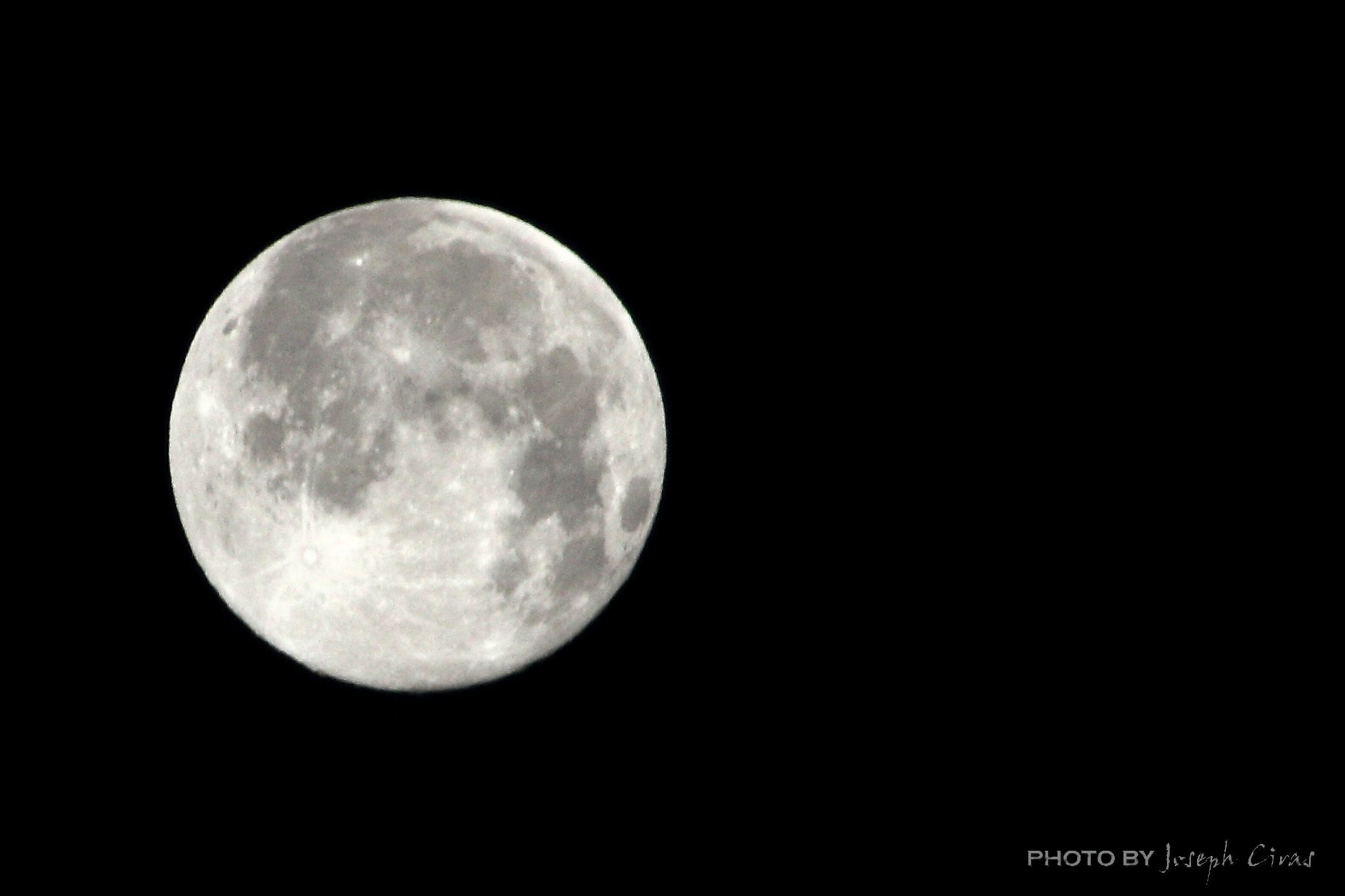
Tuesday, 01/18/2022: Posted photo — Moon — Handheld Practice.

Settings: Canon EOS 60D, ISO 100, f/16, 1/250 s, 300 mm.

The full moon was yesterday. It was snowing yesterday so I did not have the opportunity to do my full moon without a headlamp nighttime hike on Wachusett Mountain. As written yesterday, I walked to and from work because of the weather.

This morning I saw the moon and wanted to take a photo of it for this month.

From the Old Farmer’s Almanac: “It’s thought that January’s full Moon came to be known as the Wolf Moon because wolves were more likely to be heard howling at this time. It was traditionally believed that wolves howled due to hunger during winter, but we know today that wolves howl for different reasons. Howling and other wolf vocalizations are generally used to define territory, locate pack members, reinforce social bonds, and coordinate hunting.”

Wednesday, 01/19/2022: Posted photo — Sunrise.

Settings: Canon EOS 60D, ISO 200, f/7.1, 1/30 s, 50 mm.

The sky caught my eye this morning, so I took a photo of it. The photo itself will explain why. What great colors. Too bad a photo does not do it justice.

Thursday, 01/20/2022: Posted photo — Aialik Glacier.

Settings: Canon EOS DIGITAL REBEL XS, ISO 200, f/11, 1/640 s, 75 mm.

The Aialik Glacier is a glacier in the Kenai Peninsula Borough of Alaska. It drains into Aialik Bay. Part of Kenai Fjords National Park, it drains the Harding Icefield. Aialik Glacier, a little over 15 miles from Seward, is the largest glacier in Aialik Bay.

Icefields are expanses of glacial ice flowing in multiple directions. Like ice caps, icefields usually cover less than 50,000 square kilometers (19,300 square miles), so they are much smaller than the ice sheets blanketing Greenland and Antarctica. In contrast to ice caps, icefields are interrupted by peaks of the underlying mountain ridges, and those mountains influence the flow of the icefield.

This is one of the amazing sites in Alaska.

Friday, 01/21/2022: Post photo — Morning View.

Settings: Canon EOS 60D, ISO 100, f/7.1, 1/160 s, 101 mm.

What a great view this morning. As I walk around, I am seeing the sunrise more since the sun is rising earlier in the day. The colors this week on the sunrises have been spectacular.

Saturday, 01/22/2022: Post photo — Colors.

Settings: Google Pixel 2, ISO 124, f/1.8, 1/125 s, 4 mm.

I am posting to another website weekly, https://52frames.com/photographer/20931. This week’s theme is Complementary Colors. I had to go to the store today to get somethings to repair my roof and took this photo of the color samples. There are many sets of Complementary Colors in this shot.

That is all for now. Until next week, be safe.

For more photo of other project I have work, visit my website: https://photobyjosephciras.weebly.com or visit me on Facebook at https://www.facebook.com/PhotobyJosephCiras/.
My Weebly website is back up and running. I am looking of suggestions on how to make it look better.