“There are always two people in every picture: the photographer and the viewer.” — Ansel Adams
Events over this past week.
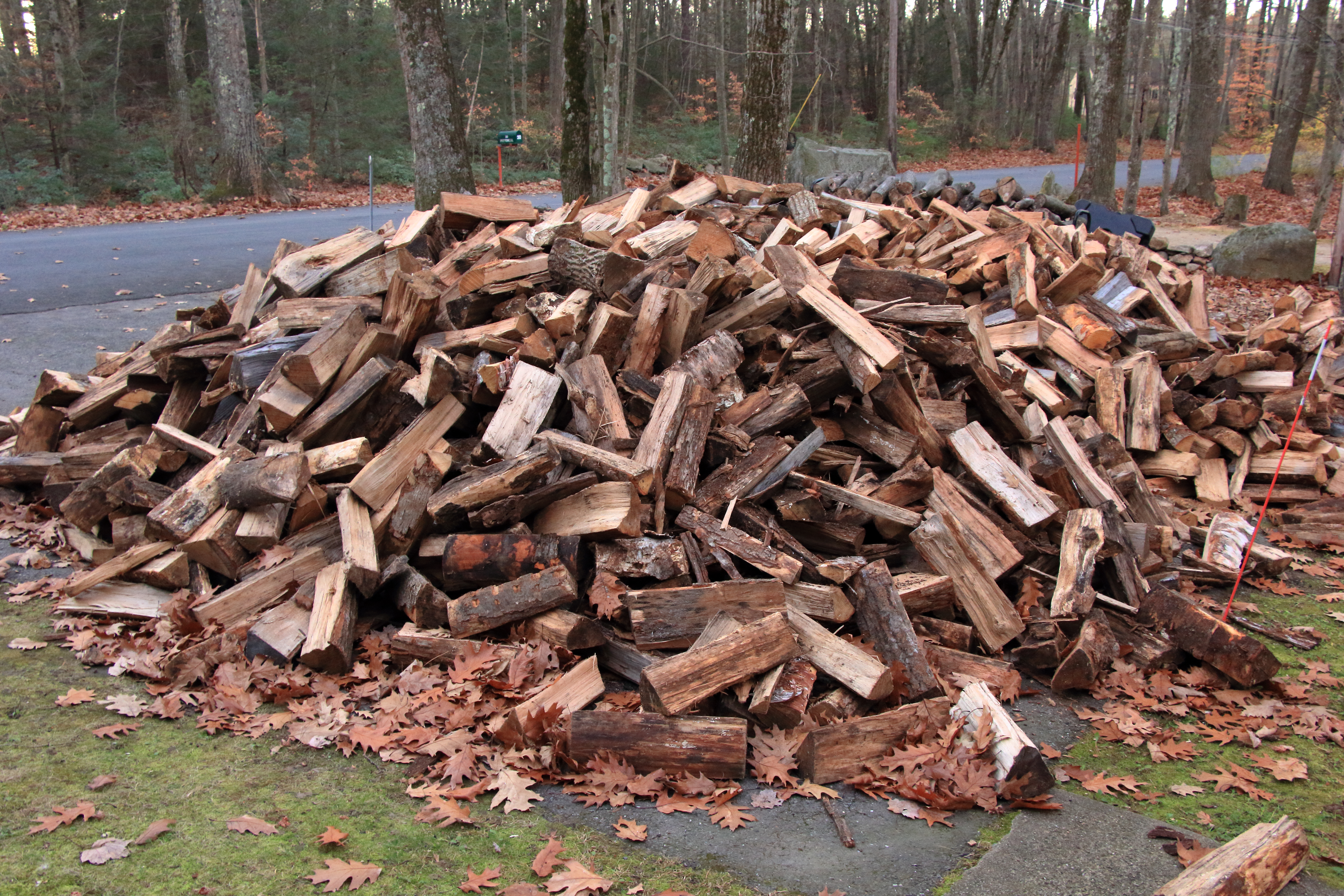
Sunday, 10/30/2022: Posted photo — Wood.
We had five cords of wood delivered. Looks like we have a few hours ahead of us putting into the wood shed. We normally receive two shipments a few days apart in order to put the first truckload away. This year we received all five at once.
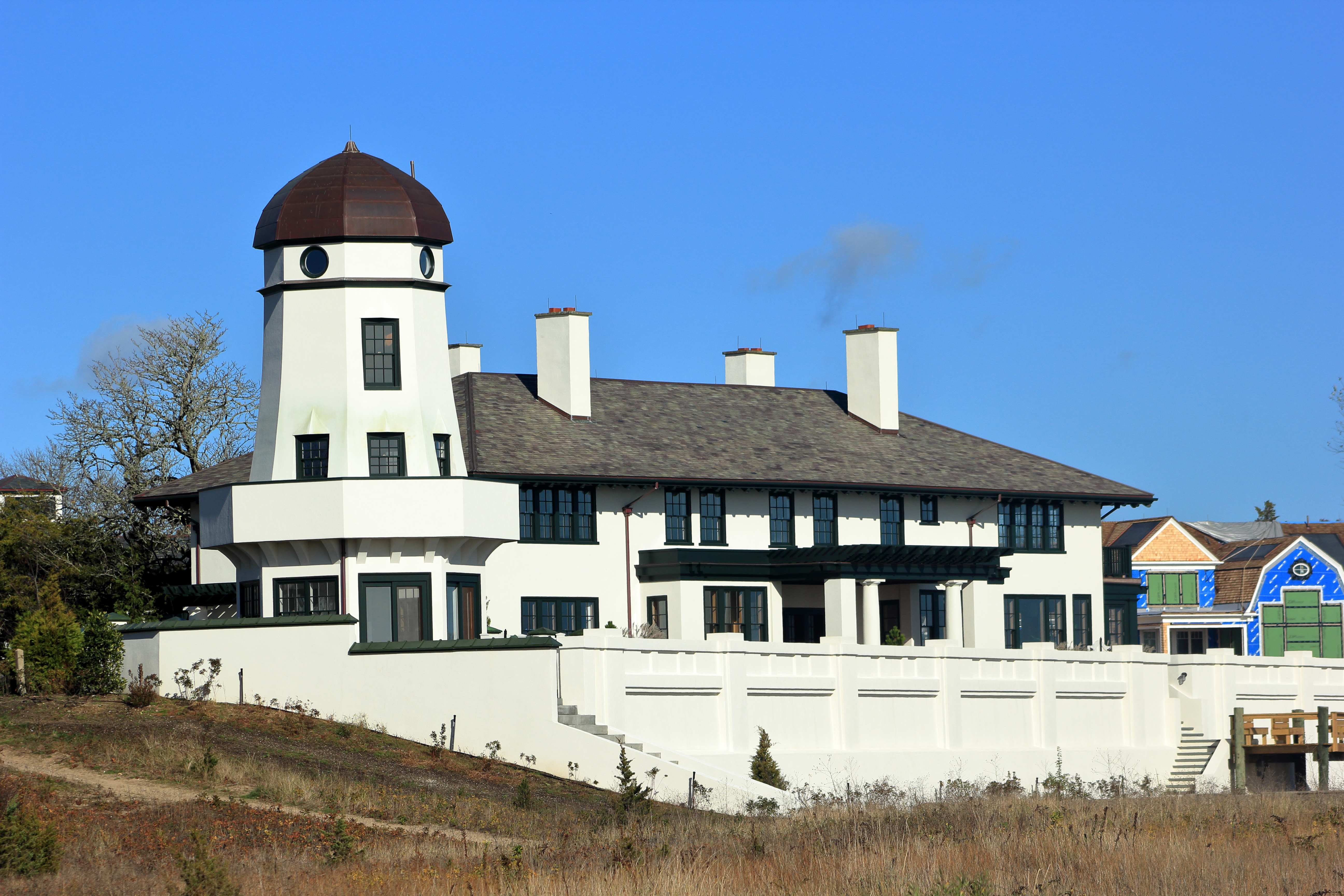
Monday, 10/31/2022: Posted photo — Residence.
A private residence near the Kennedy Compound on the Cape. Made to look like a lighthouse.
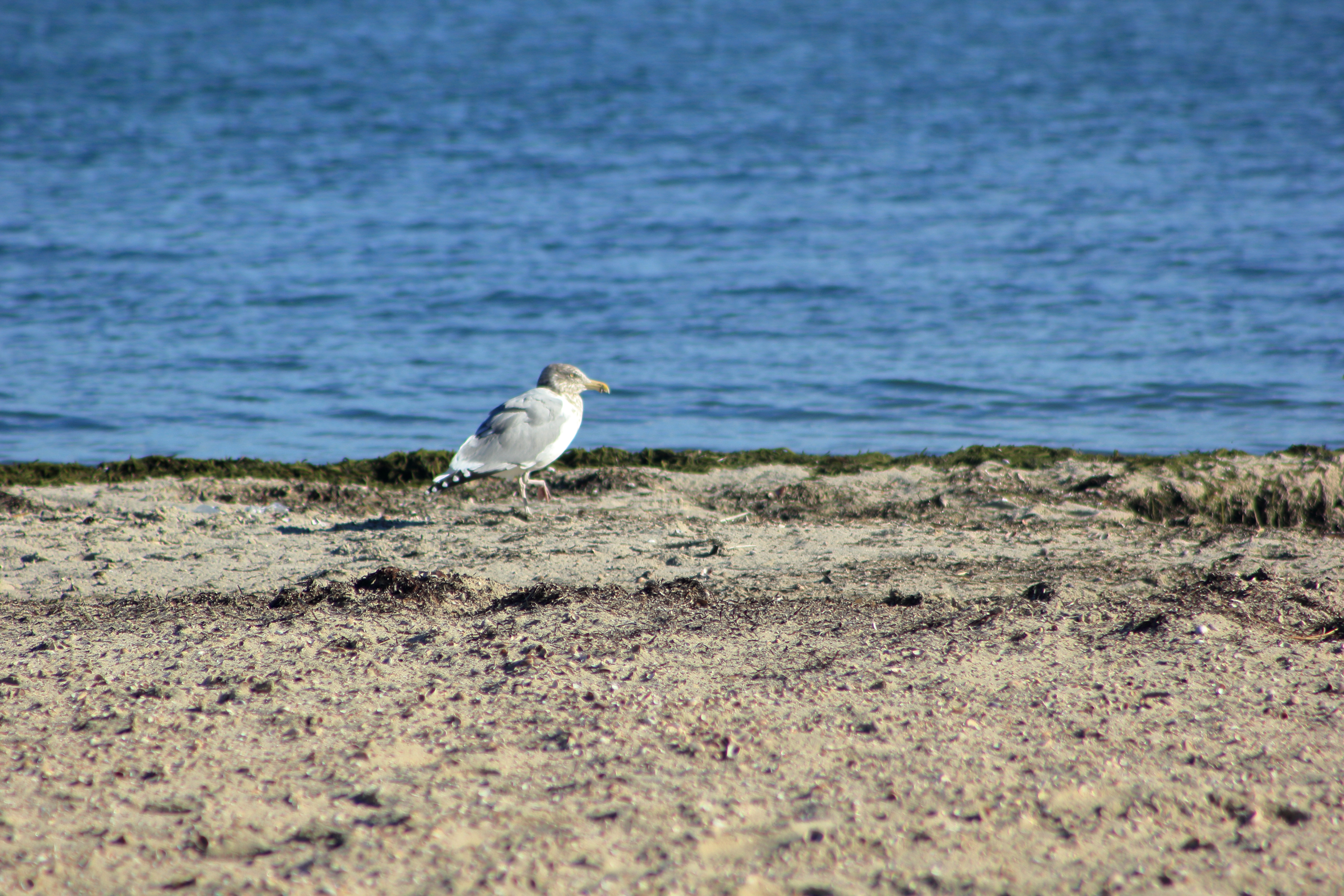
Tuesday, 11/01/2022: Posted photo — Gull.
Just a gull looking out at sea on this wonderful day. Hard to believe it is November.
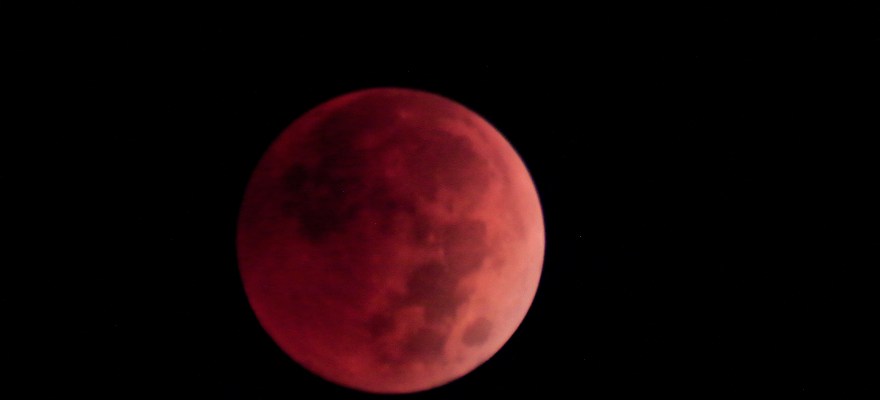
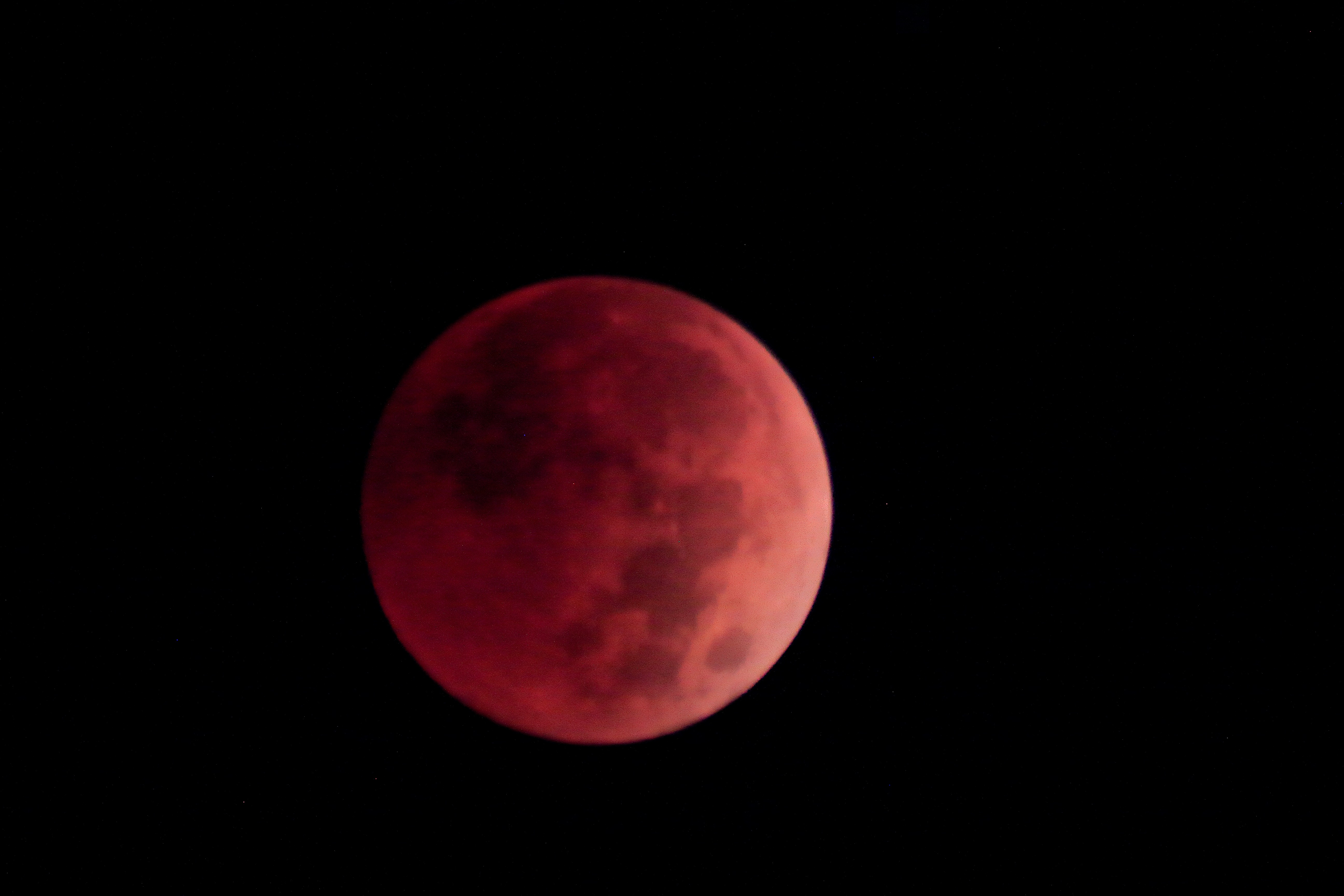
Was not easy to get a photo of the lunar eclipse. The sky was very dark during totality. This is a two second exposure. Anything less that two seconds, the moon was too dark. Look at the movement in the moon.
From the web: “The Sagamore Bridge has a 616-foot-main span over the canal like the Bourne Bridge, but from abutment to abutment, the bridge is 976 feet shorter than its identical twin two and one-half miles to the west.”
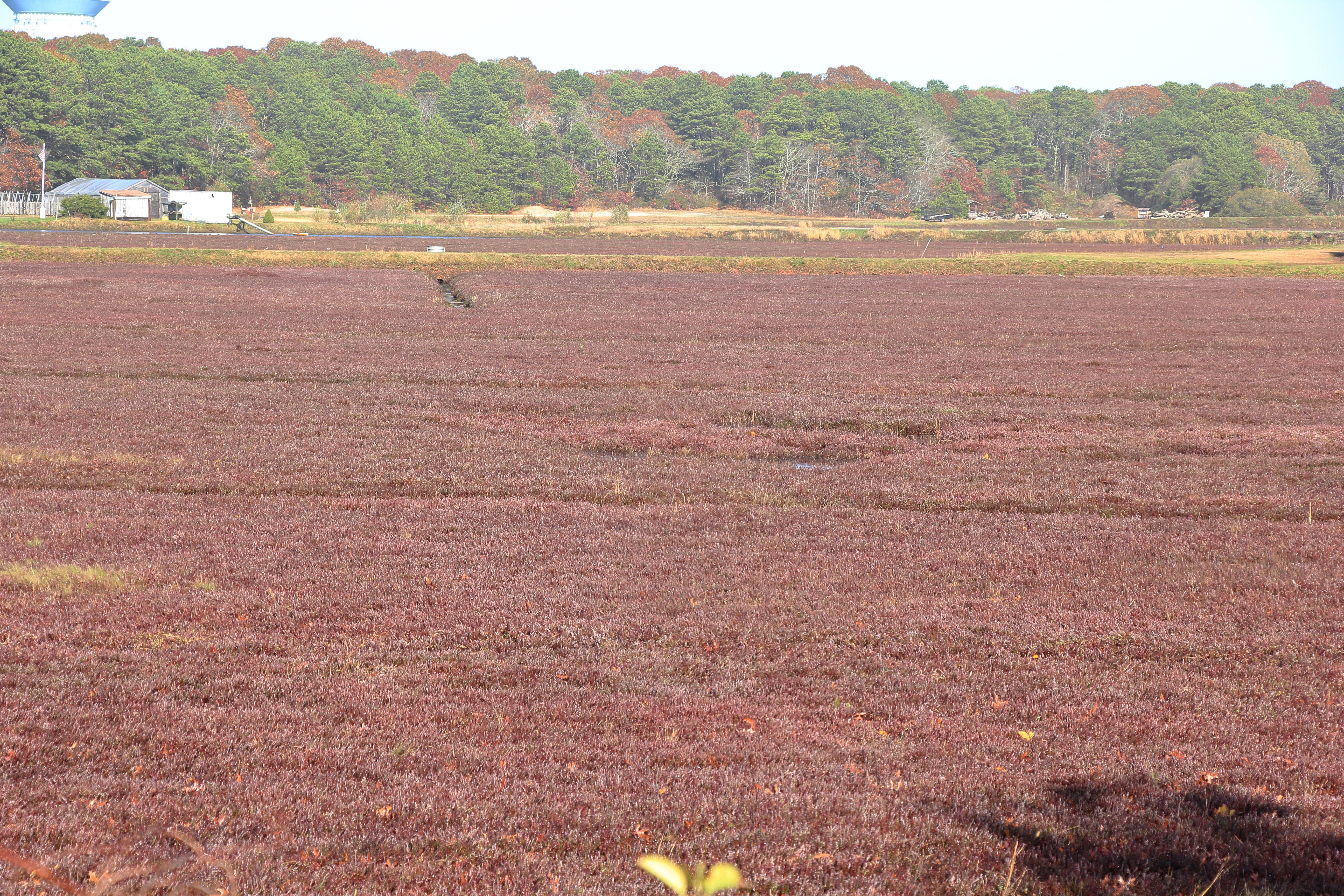
Friday, 11/04/2022: Post photo — Cranberry Bog.
From the web: “Cranberries grow in beds layered with sand, peat and gravel. These beds are commonly known as bogs or marshes and were originally formed as a result of glacial deposits. In Massachusetts we call the place where cranberries grow a BOG. Natural bogs evolved from deposits left by the glaciers more than 10,000 years ago.”
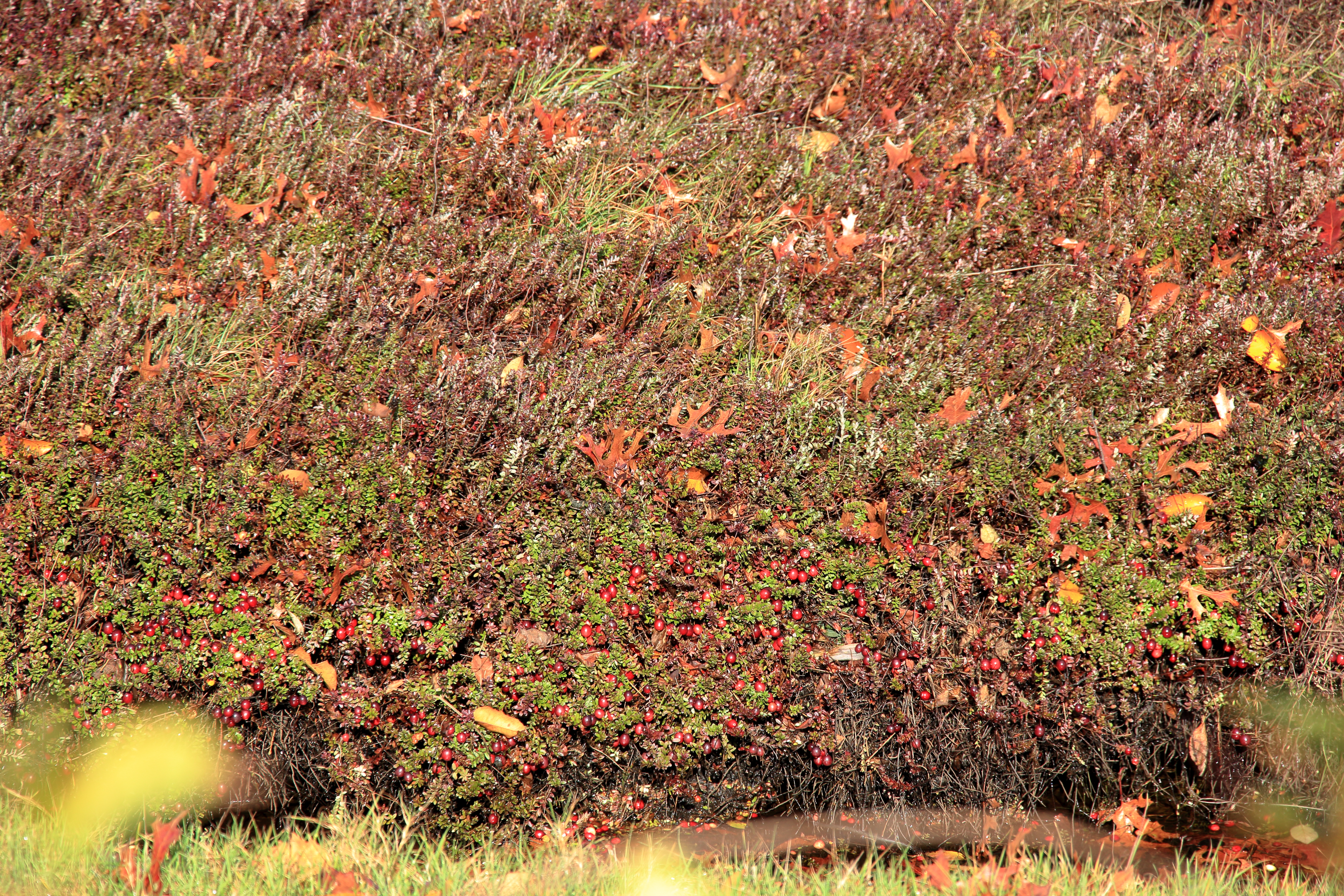
Saturday, 11/05/2022: Post photo — Cranberries.
From the web: “Both cranberries and their close cousin the blueberry are not actually berries. Rather, they’re classified as epigynous, a type of fruit commonly called false berries.”
Here is a photo of Wachusett Mountain taken from Round Meadow Pond. What wonderful fall colors today.
Monday, 10/17/2022: Posted photo — Hike.
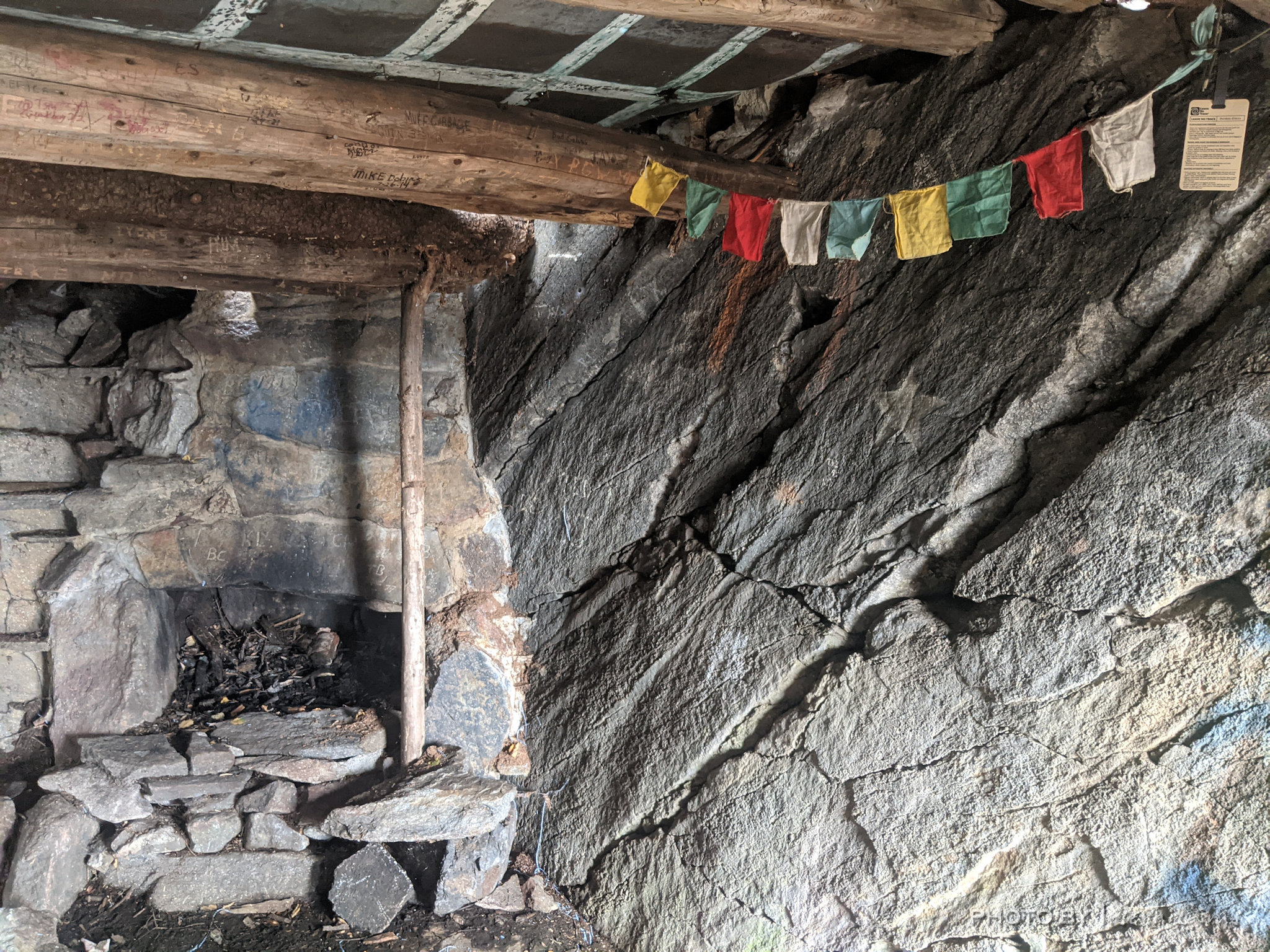
There is a cave on Mount Monadnock in NH that is a secret on the mountain. The location of the cave is secret and only clues are given to people who what them. If you find this cave, you are not to tell its location. I have been searching for this cave for a while and this time I hiked with some friends that were also looking for the cave.
We found the cave! We took out a map, looked at all the clues we collected, mapped out our trail and found the cave.
Wednesday, 10/19/2022: Posted photo — Peace
One of the markings on the wall inside the cave. Someone carved a peace sign.
Thursday, 10/20/2022: Posted photo — Flags.
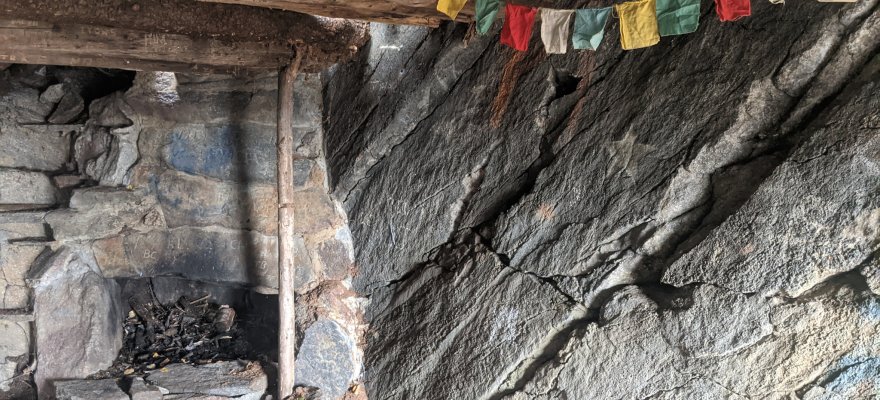
Some flags inside the cave. These were hung there by someone who found the cave. There is a message on the flags to follow Leave No Trace principles and to leave the cave clean.
Friday, 10/21/2022: Post photo — Inside the Cave.
A fireplace to keep warm inside the cave. If you look under the flags, you can see a star carved into the wall along with the peace sign.
Saturday, 10/22/2022: Post photo — Morning Light.
The sunrise brought out some great colors this morning. The contrast between the leaves, sunrise, and fall colors were stunning.
Thank you for all the new views and likes from last week, it helps keep me inspired.
Some photos that I took this week.
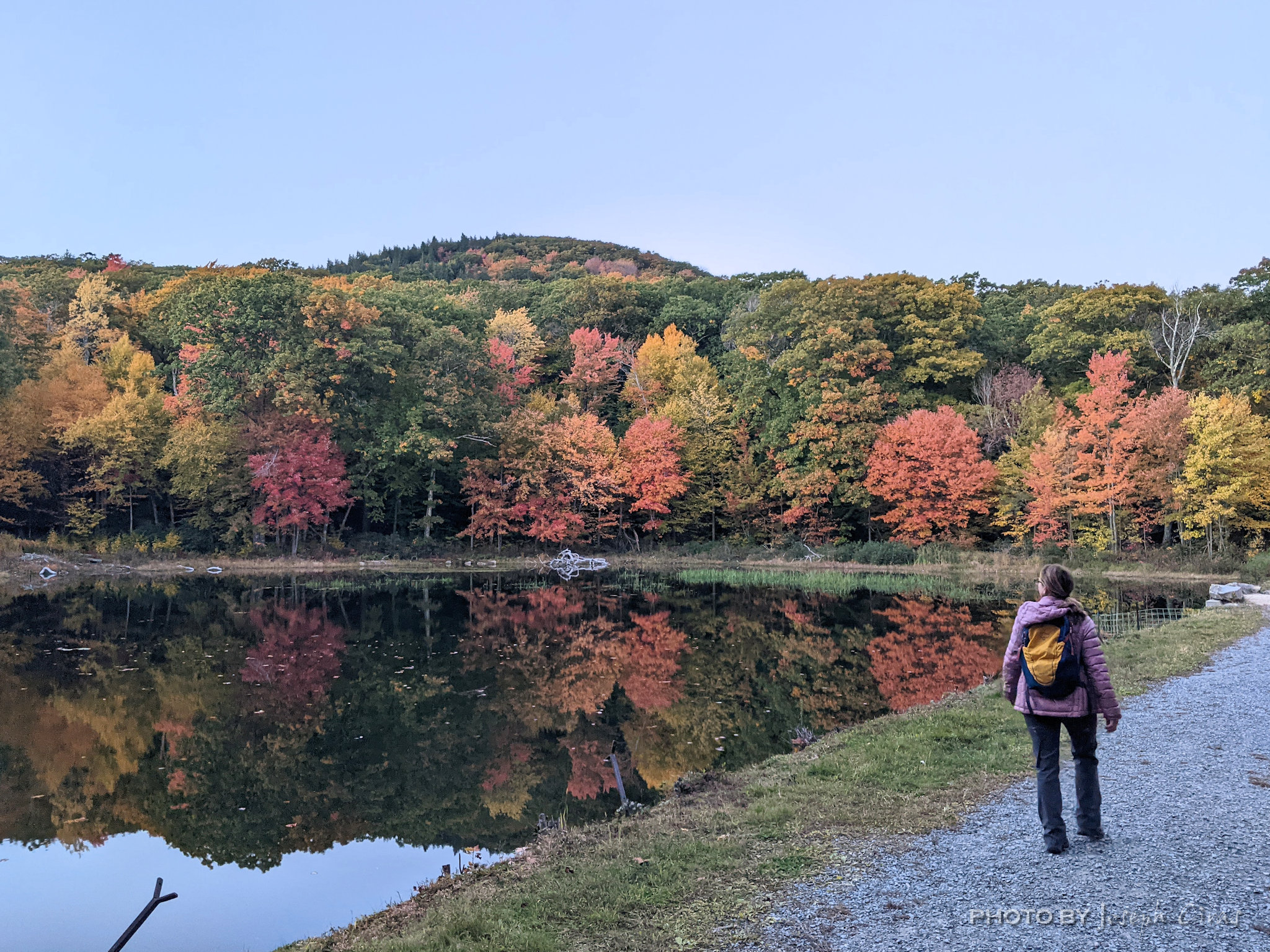
Sunday, 10/02/2022: Posted photo — Echo Lake.
My hike today took the group past Echo Lake. As we hiked past Echo Lake, the reflection of the foliage caught my eye, I took out my cell photo and took a photo of the scene. The hill you are looking at is not the summit. It is just one of the hills that you need to climb prior to getting to the summit.
Monday, 10/03/2022: Posted photo — Full Moon near Boston.
Looking at the moon rise from the summit of Wachusett Mountain. I thought about taking my good camera on my hike tonight but did not since the weather was unpredictable.
Tuesday, 10/04/2022: Posted photo — Full Moon.
Since I was not able to take a photo of the moon last night, I took a photo of the moon this morning on my way to work.
We had some rain overnight. The rain brought out the bright colors in the foliage.
Thursday, 10/06/2022: Posted photo — Trio of Leaves.
I wanted to get an artistic photo today so I picked up a trio of leaves and took a photo of them.
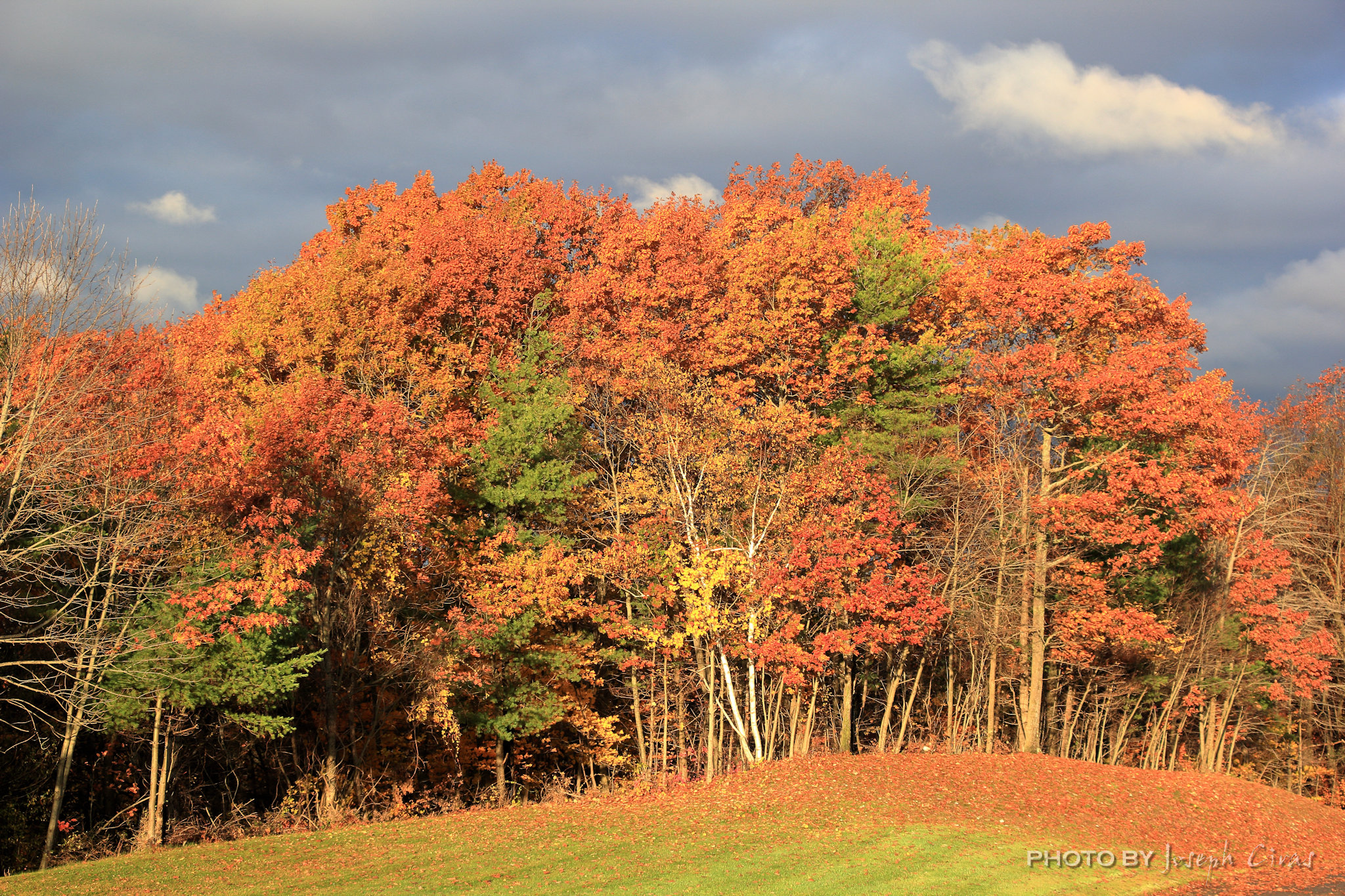
Friday, 10/07/2022: Post photo — Cloudy Day Foliage.
I take a photo of these trees every year. I do like the color of the foliage in the rain.
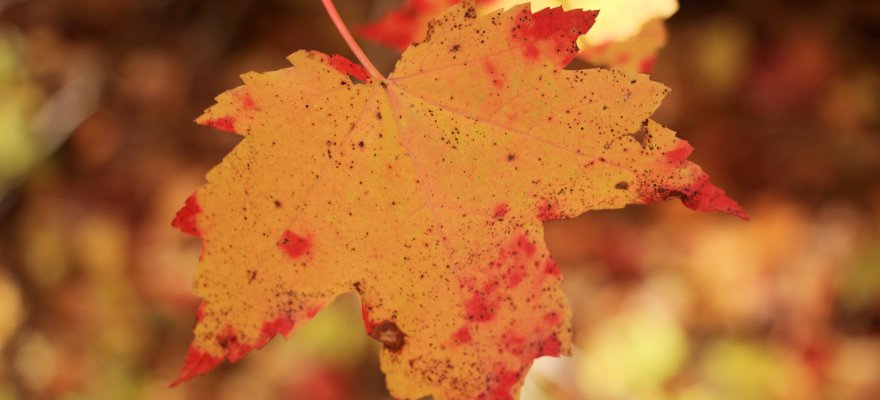
Saturday, 10/08/2022: Post photo — Maple Leaf.
Our property has many sugar maples on it. This is a leaf on one of the trees. Our neighbor taps our trees every year in the spring to make maple syrup.
“Photograph: a picture painted by the sun without instruction in art.” — Ambrose Bierce
Thank you for all the new views and likes from last week, it helps keep me inspired.
Here are some random photos from my first photo book. My second photo book is in process. I am looking for someone to print and sell my books are a reasonable price point.
Sunday, 09/25/2022: Posted photo — Dunefield.
A dune field located in Great Sand Dunes National Park, Colorado. Being on the dunes was like being in the middle of a desert. What impressed me is how far away from the park you can see the dunes.
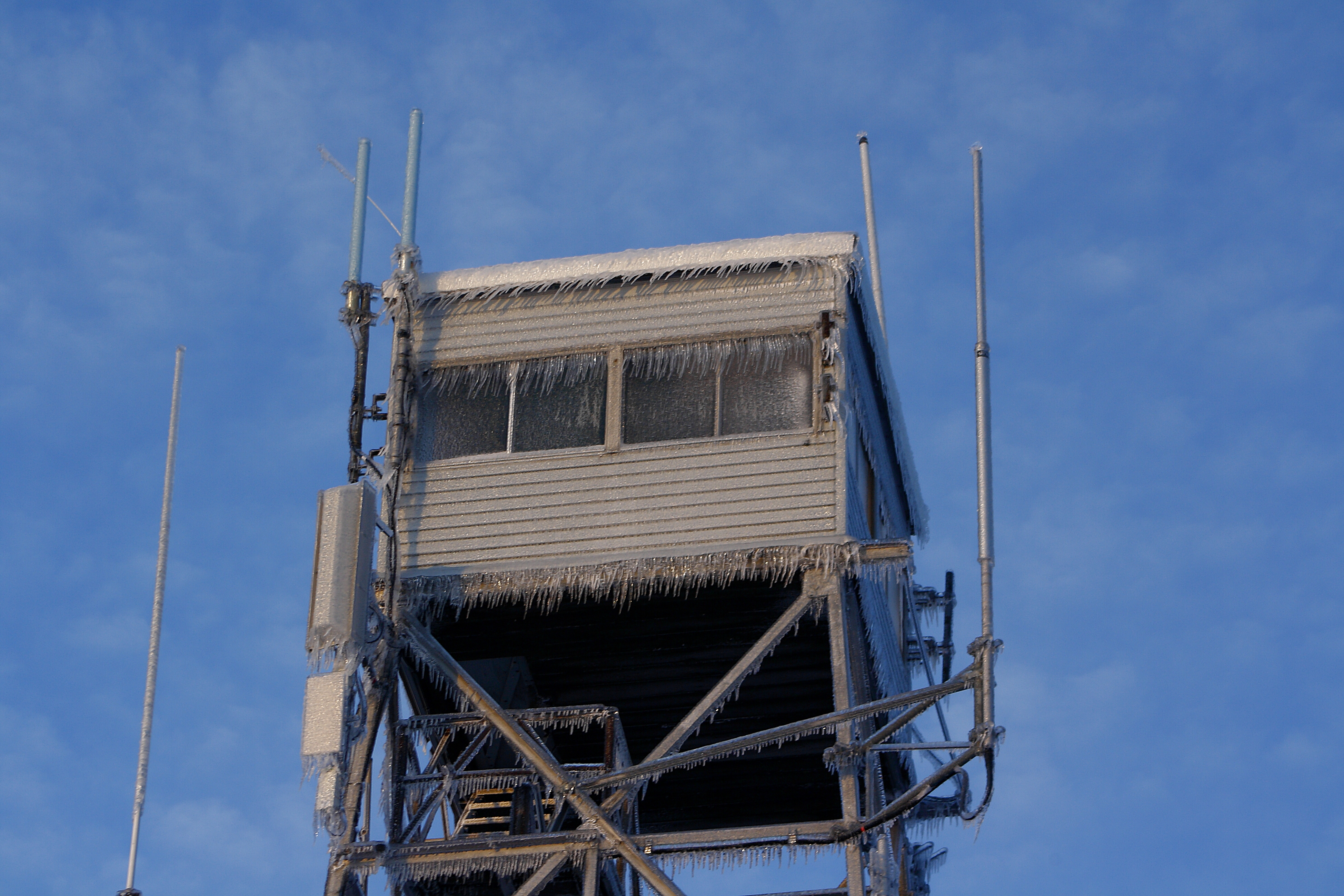
This is a photo of the old watch tower on Wachusett Mountain. You can clearly see the wind blow ice on the tower.
Tuesday, 09/27/2022: Posted photo — The Golden Rule.
My niece got married this past weekend. She married one of my son’s friends, a great guy. He asked my son if he could date his cousin. I found a verse in the Bible, took off my wedding ring to take this photo. This is a photo that I have wanted to take for a while.
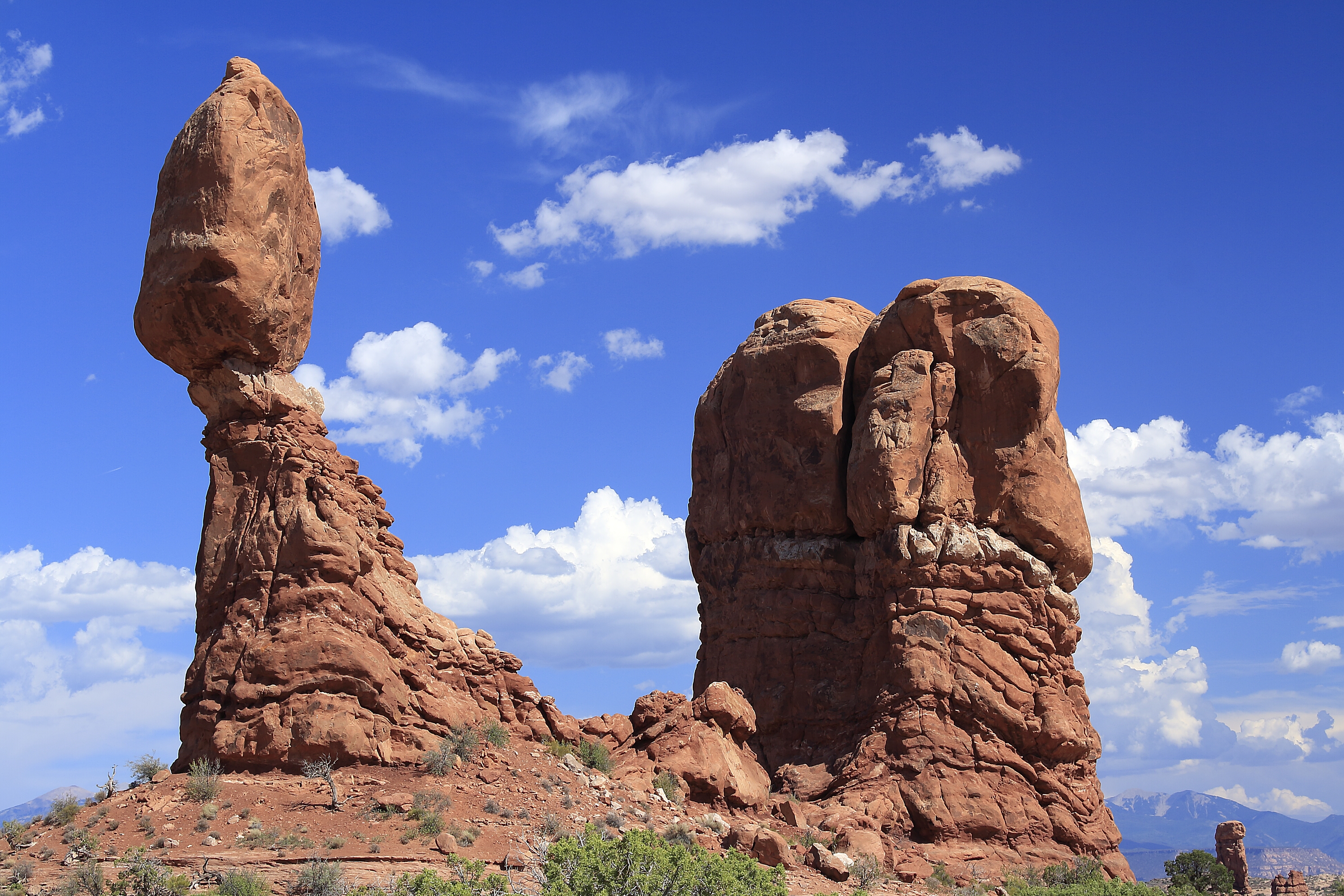
Balance Rock in Arches National Park. This is not the traditional view of Balance Rock, but I like it.
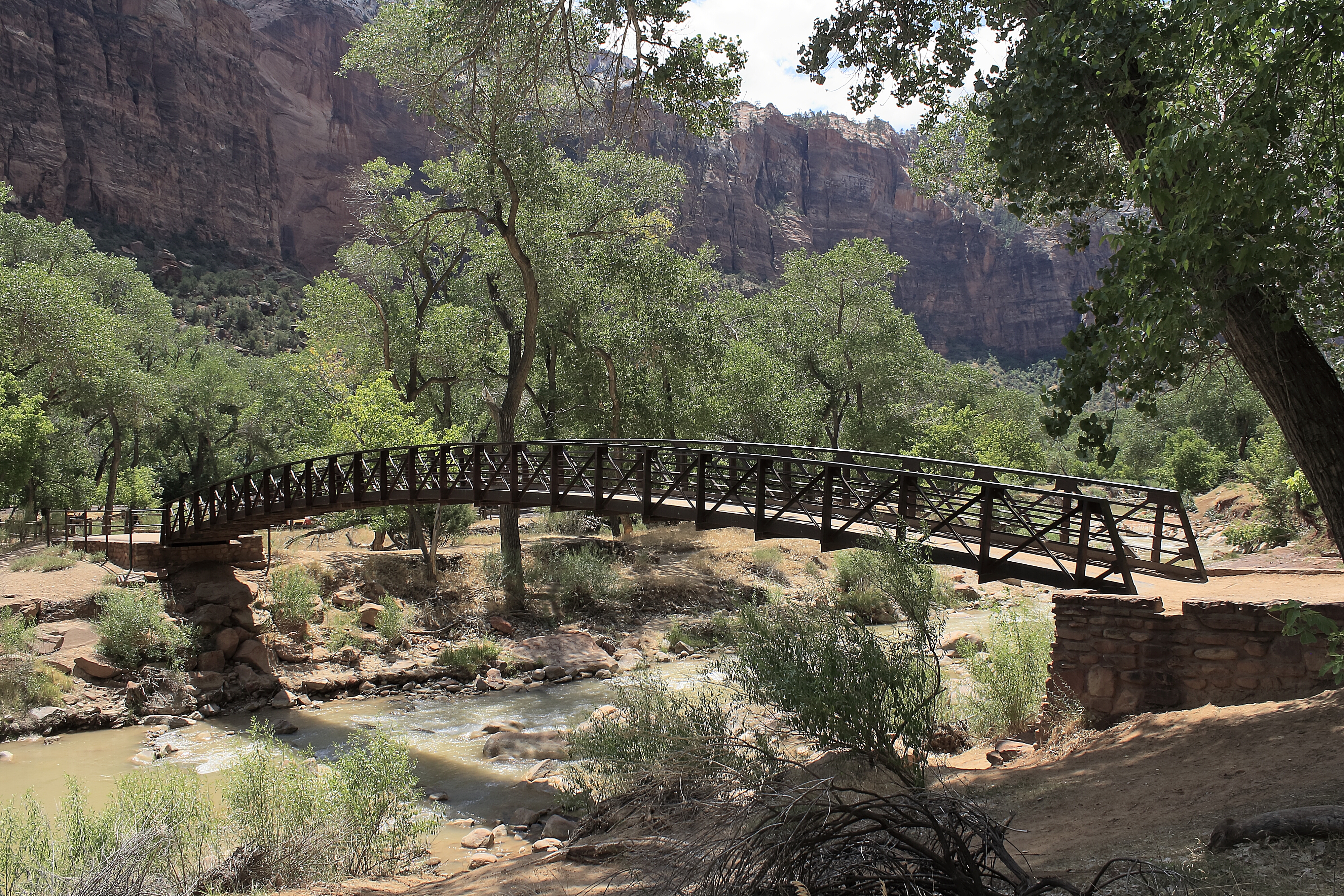
Thursday, 09/29/2022: Posted photo — Footbridge of the Virgin River.
I saw this bridge at Zion National Park and took this photo. I liked the way the bridge was situated with the view of the cliffs and the water.
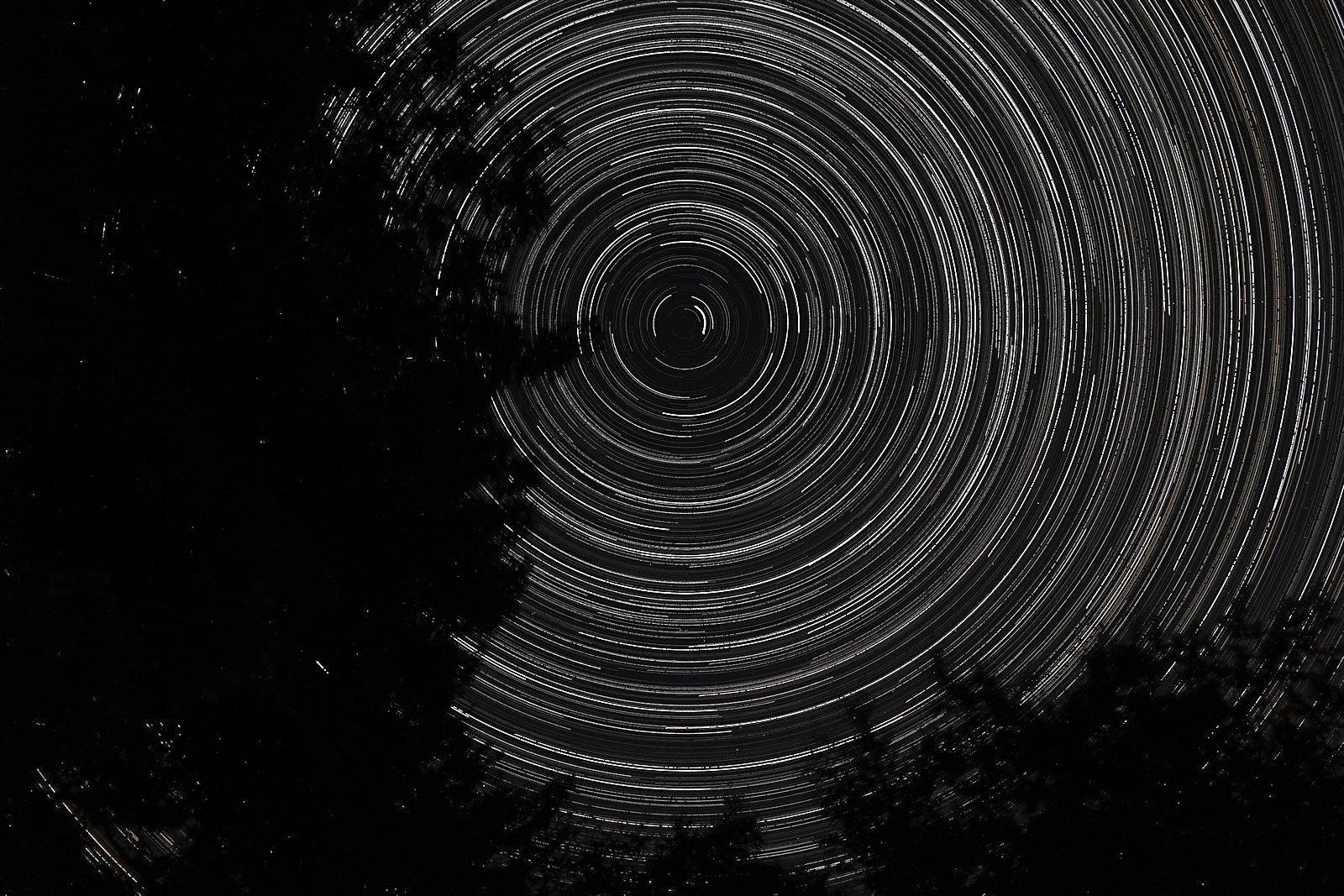
Friday, 09/30/2022: Post photo — Star Trail.
Every once and awhile I have an urge to take a star trail photo. I set up my camera, point north to the stars, set my timer on 20 seconds and unlimited shots, go to bed and let either drain my camera battery of fill my SD card. I have a stacking program that I use to create my star trail.
Saturday, 10/01/2022: Post photo — Reflection Lakes.
One of my favorite photos and the cover photo of my first photo book. Just loved the stillness of the water and the reflection of Mount Rainier.
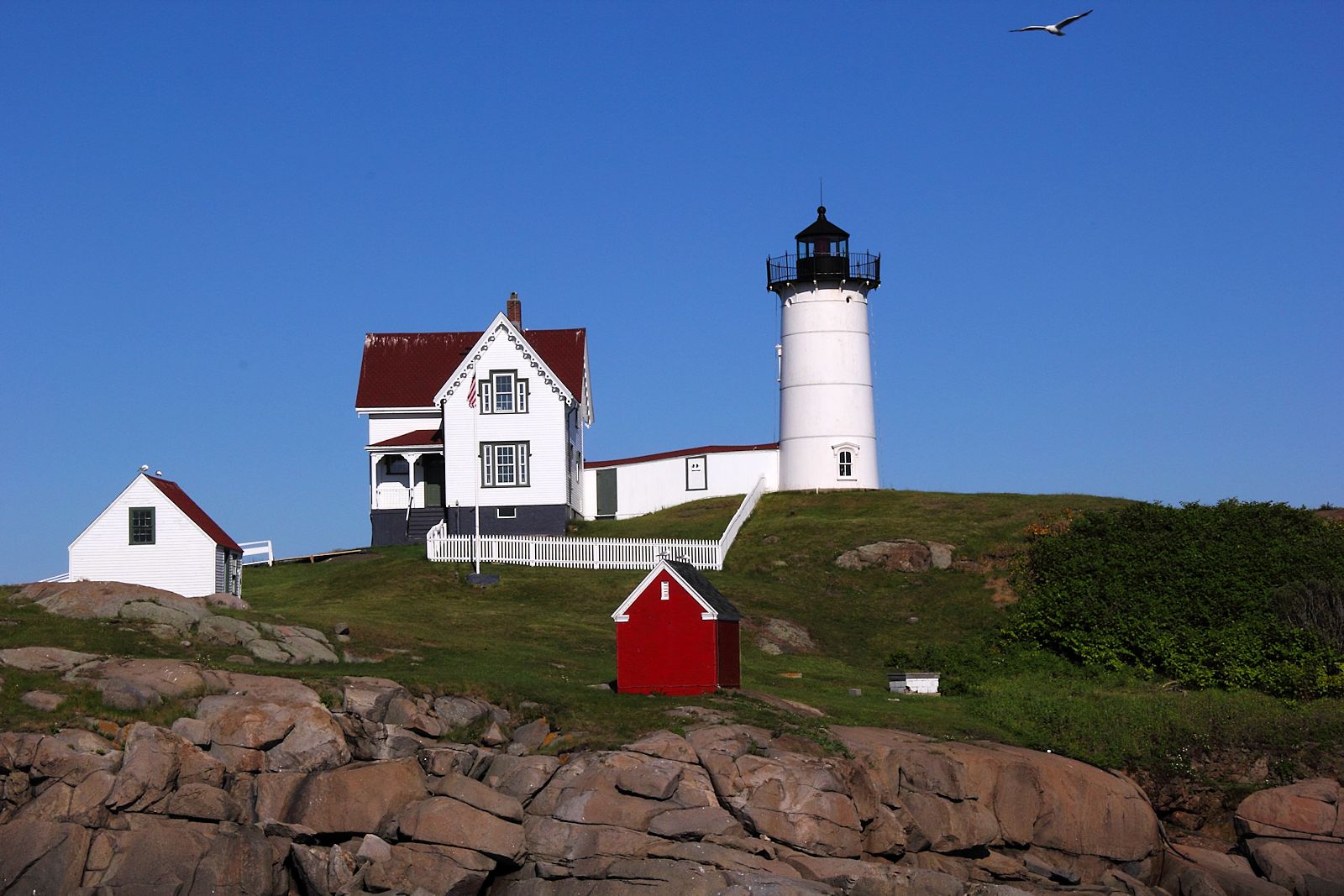
On December 18, 1997 the announcement came from the office of Senator Olympia Snow that, based on its strong application, The Town of York Maine was, and will continue to be, the permanent guardian for Nubble Lighthouse (Cape Neddick Light Station). The daily work of maintenance for the Nubble Lighthouse is under the Parks Department who care for the property and the buildings on a daily basis. The United States Coast Guard continues to maintain the aids to navigation (the Light and the Horn).
This is my very first underwater photo. I took it in Cozumel Mexico on a trip to Key West to attend my nephew’s wedding.
Tuesday, 08/16/2022: Posted photo — Clock.
Droste Effect refers to an artistic technique that creates a recursive picture in which a smaller version of the image is placed inside itself repeatedly. In still images, the recursion is limited by the fixed resolution of the picture but can repeat as an infinite loop in animations.
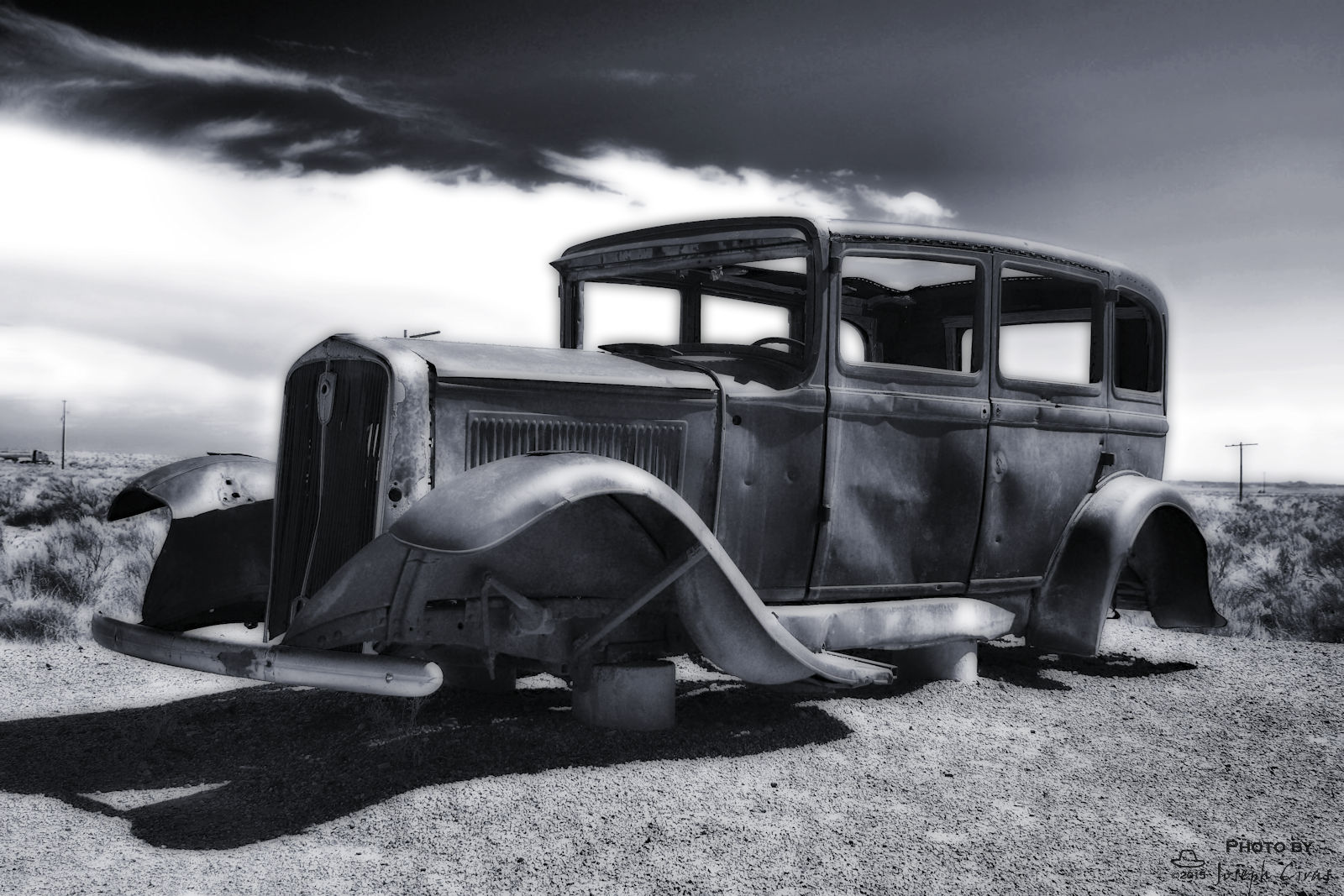
Wednesday, 08/17/2022: Posted photo — Route 66.
This photo was taken at the Petrified Forest National Park. I took this photo is color and really like the way it looked in black and white.
Thursday, 08/18/2022: Posted photo — Double Arch.
One of the many arches in Arches National Park. If you look closely at the photo, you can see people. This gives the arch some scale.
Double Arch is an incredible formation of arches within the Windows area of Arches National Park, an area with the largest concentration of natural arches in the entire world. Double Arch takes its name because of it consists of two arches that share the same stone as a foundation for both of their outer legs. Double Arch was formed by downward water erosion from atop the sandstone, rather than from side-to-side water erosion.
Visible from the parking loop at The Windows, Double Arch is an impressive feature—the tallest (112 ft/34 m) and second-longest (144 ft/44 m) arch in the park.
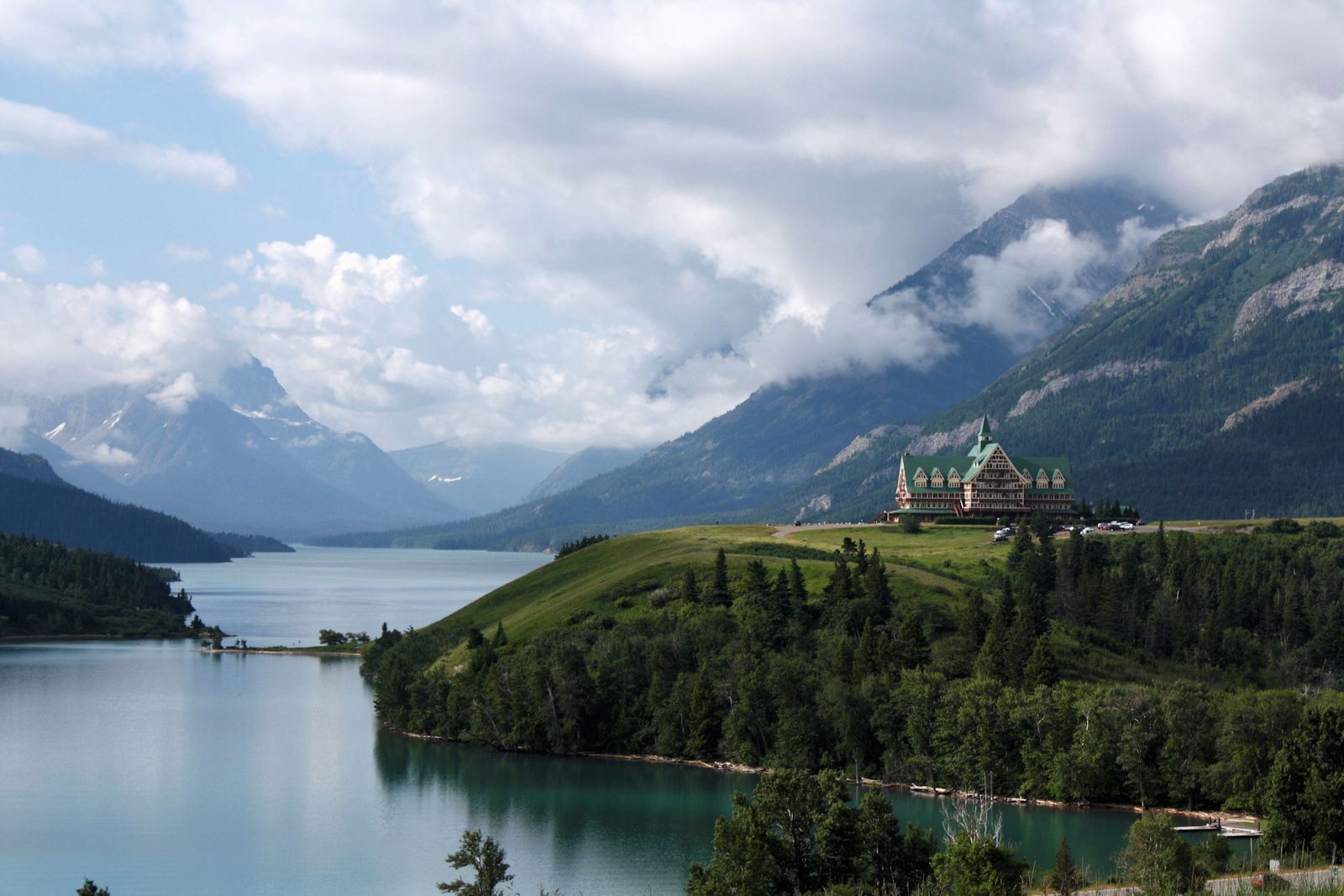
Friday, 08/19/2022: Post photo — Prince of Wales Hotel.
The Prince of Wales was built by the Great Northern Railway in 1927 as an extension of the Glacier Park Lodges and today, stays true to its roots. From the furniture in the lobby to our Prohibition-inspired cocktail menu, the hotel is dotted with historic elements and period-specific inspiration.
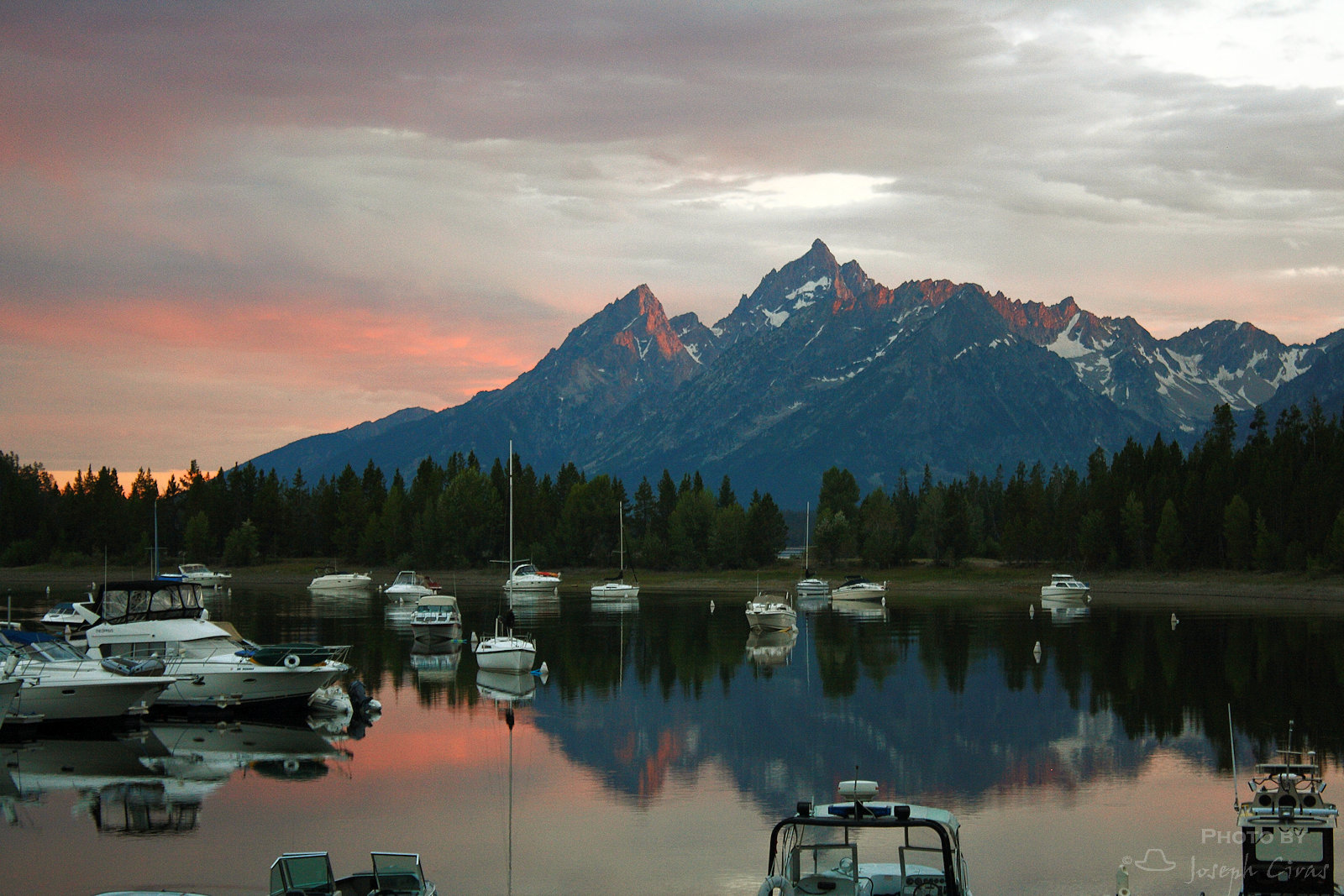
Saturday, 08/20/2022: Post photo — Grand Tetons.
The Tetons see from Colter Bay on Jackson Lake in Grand Teton National Park at sunset.
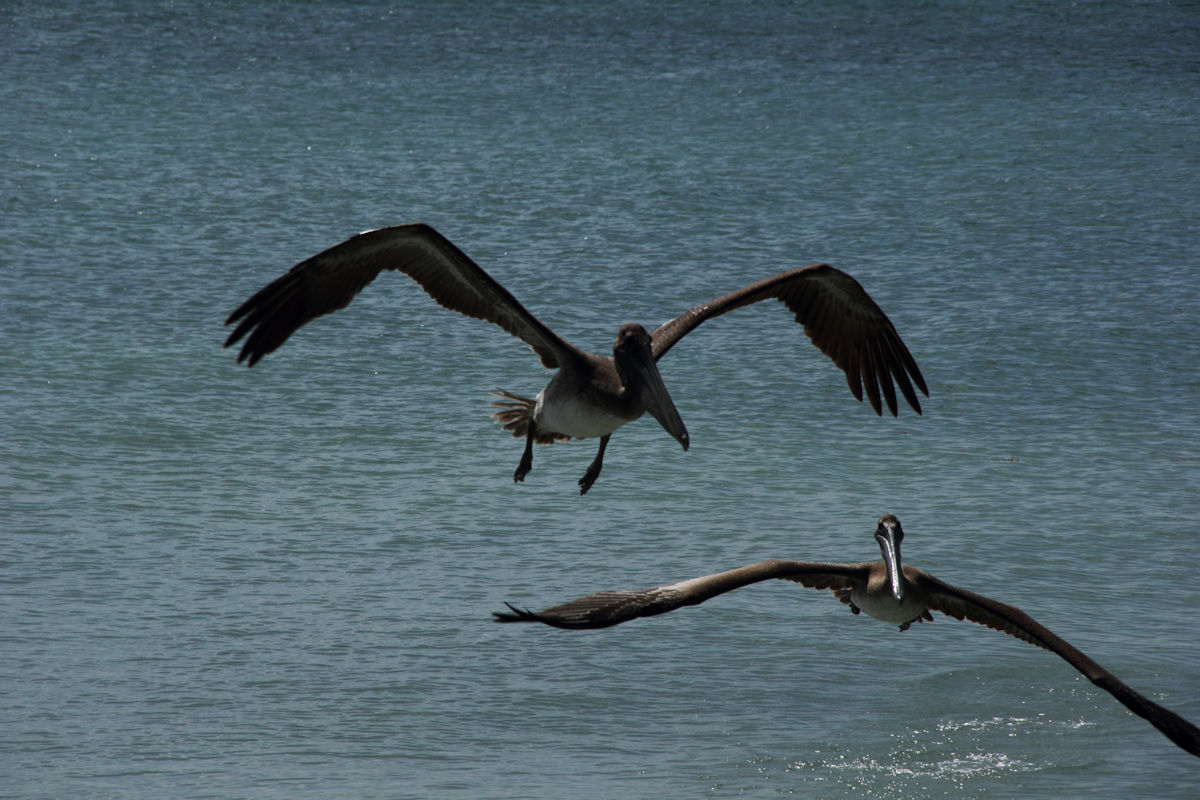
To find Brown Pelicans, head to the southern coasts of the US (Atlantic, Gulf, or Pacific) and look for huge birds gliding low over the water—check nearby gulls and cormorants as a size reference. These birds plunge into the water to feed. The huge splashes they make can, from out of the corner of your eye, look like a whale’s spout. If you see a splash, look for the bird on the water’s surface as it drains water from its throat pouch, or scan for other pelicans circling around to dive in the same spot. If you can’t find pelicans over the water, head to a jetty, mudflat, or estuary to look for groups of them resting.
Photo location: Kenai Fjords National Park, Alaska
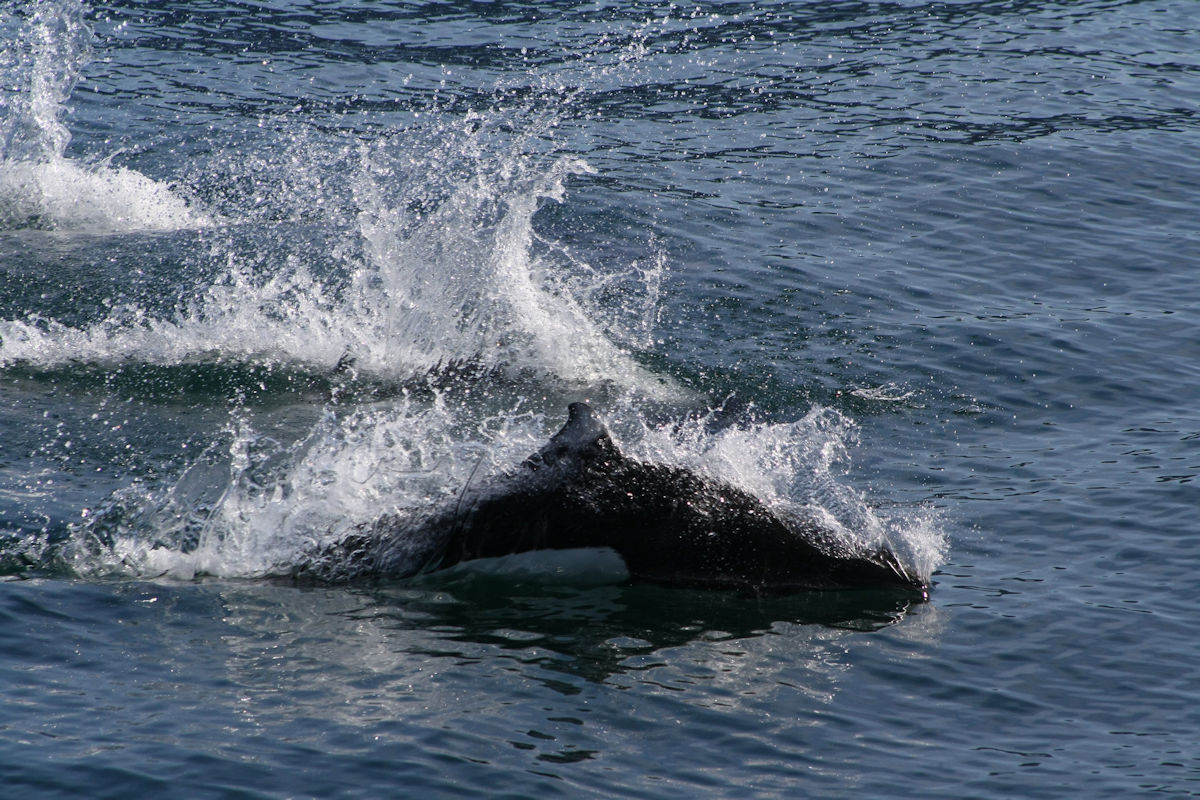
The Dall’s Porpoise is the largest porpoise species, reaching 210-220 cm long and 200 kg. There is some sexual dimorphism in size with females being slightly smaller at 160-206 cm long. The size difference between the sexes varies across the species range.
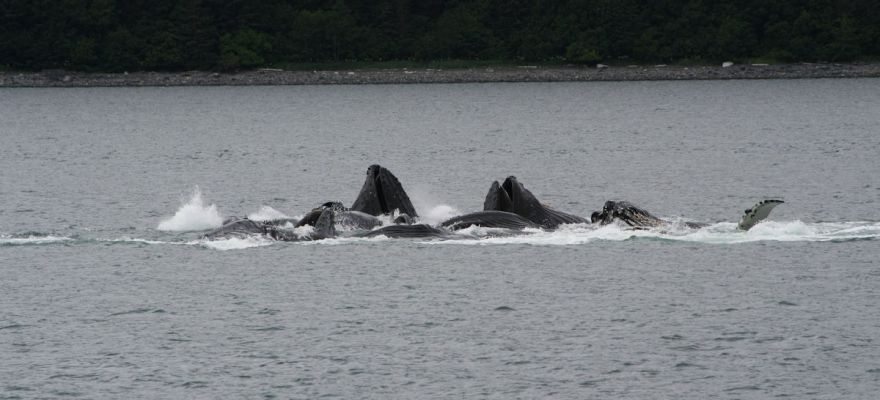
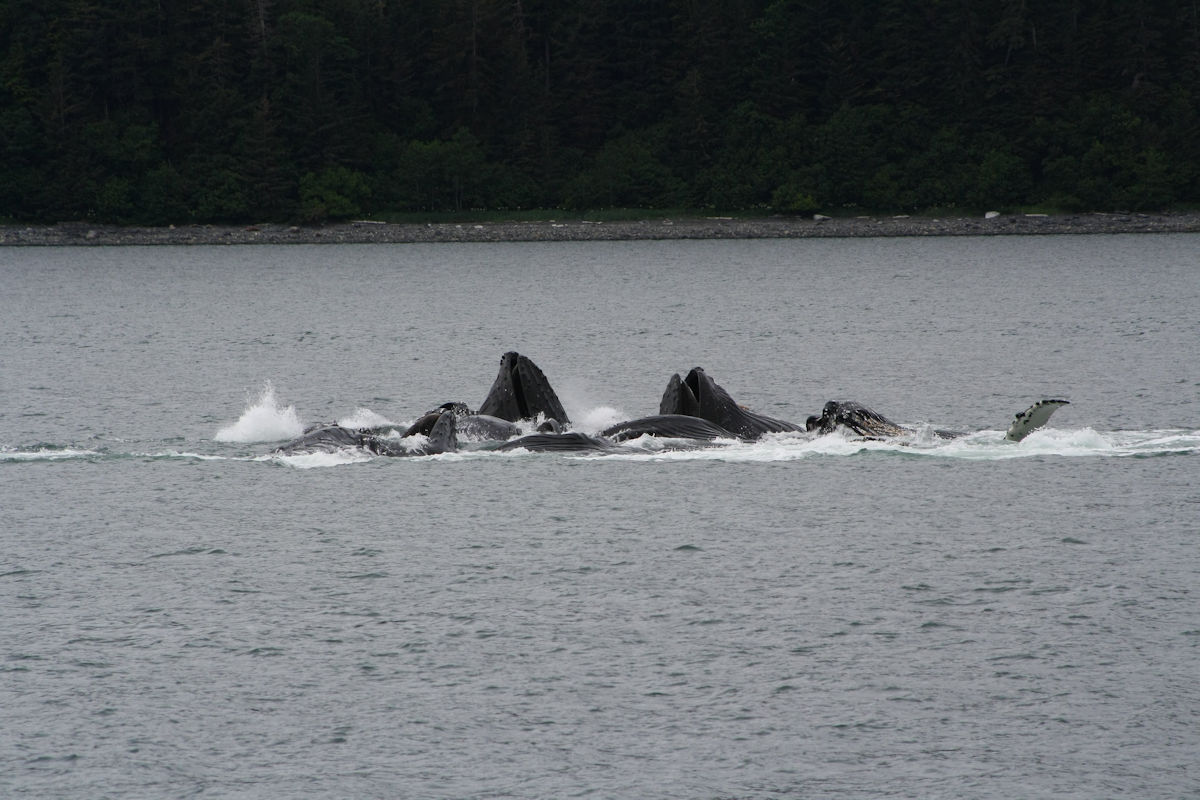
Bubble-net feeding is a feeding behavior engaged in by humpback whales and Bryde’s whales. It is one of the few surface feeding behaviors that humpback whales are known to engage in. This type of feeding can be done alone or in groups with as many as twenty whales participating at once.
Mountain goat, (Oreamnos americanus), also called Rocky Mountain goat, a stocky North American ruminant of the family Bovidae (order Artiodactyla). Surefooted relatives of the chamois, mountain goats cling to steep cliffs in habitats ranging from ocean shores to glaciated mountain tops. They are agile, methodical climbers, adapted to the insecure footing of snow-covered and icy cliffs, where predators are loath to follow. On these cliffs, they readily turn on their pursuers, including humans.
Photo location: Grand Canyon National Park, Arizona
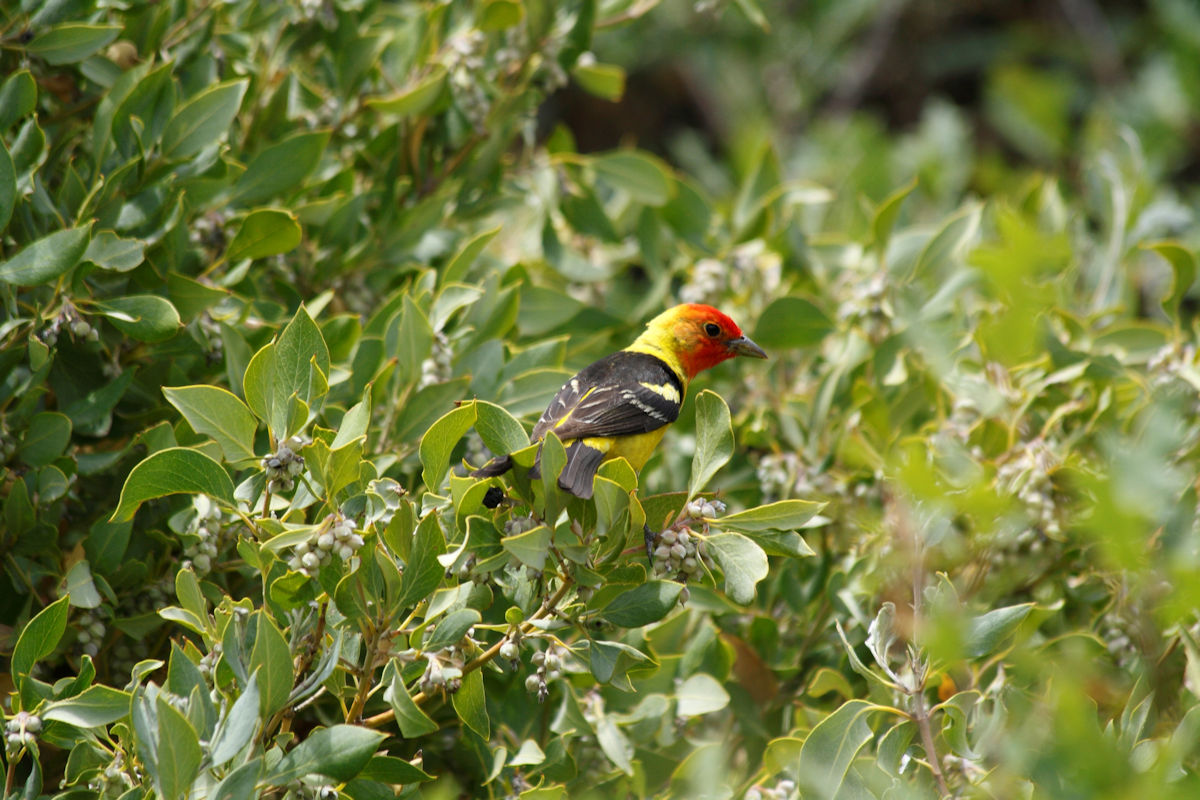
While most red birds owe their redness to a variety of plant pigments known as carotenoids, the Western Tanager gets its scarlet head feathers from a rare pigment called rhodoxanthin. Unable to make this substance in their own bodies, Western Tanagers probably obtain it from insects in their diet.
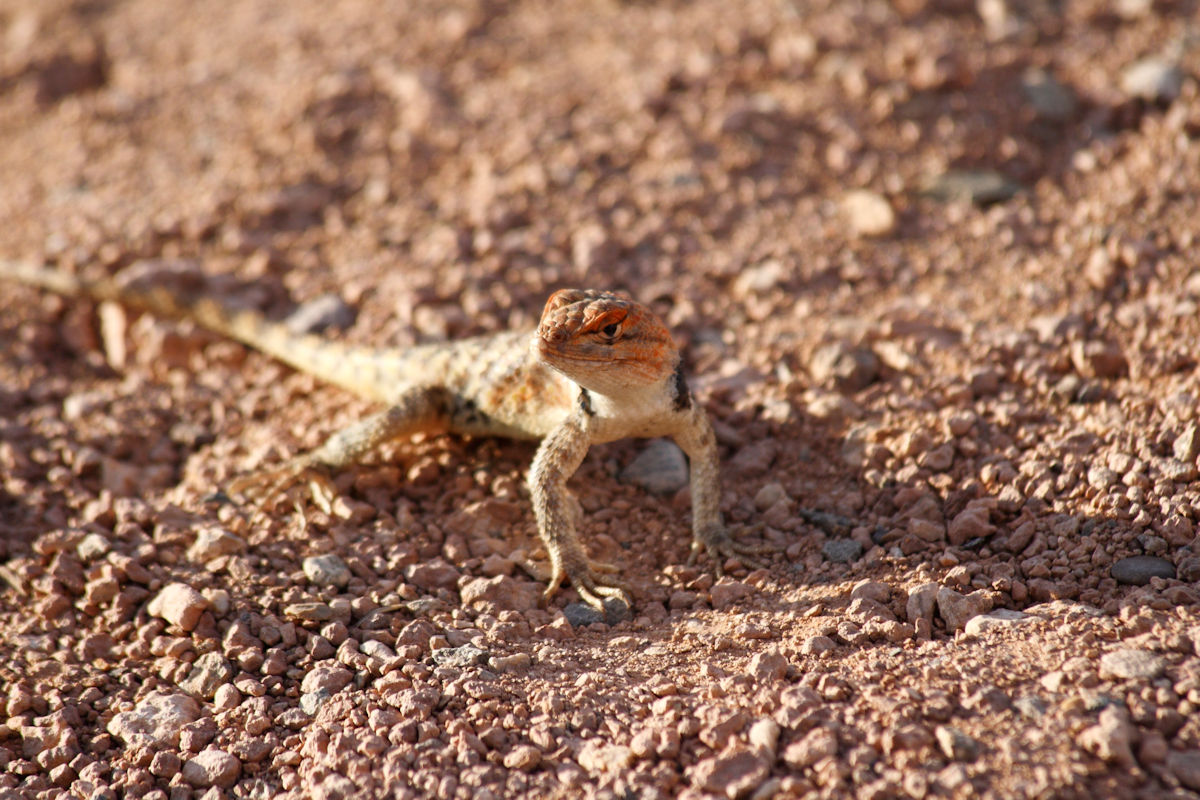
Saturday, 08/13/2022: Post photo — Desert Spiny Lizard.
Photo location: Goosenecks State Park, Utah
An adult male desert spiny lizard usually has conspicuous blue/violet patches on the belly and throat, and a green/blue color on their tails and sides. Females and juveniles have large combined dark spots on their back and belly areas, and the blue/violet and green/blue coloring is absent. Both sexes have brownish/yellow triangular spots on their shoulders. A female desert spiny lizard will lay anywhere from 4 to 24 eggs during the summertime. A fully grown desert spiny lizard will reach a body length of up to 5.6 inches. Besides their bright colors, the desert spiny lizard changes to darker colors during the winter to allow them to absorb more heat from the sun and become lighter during the summer to reflect the sun’s radiation. It is frequently seen doing push-ups, pushing its body up and down, as a form of territorial display. The first recorded case of Leukemia in the family Phrynosomatidae was found in this species.
“Taking pictures is like tiptoeing into the kitchen late at night and stealing Oreo cookies.” — Diane Arbus
Thank you for all the new views and likes from last week, it helps keep me inspired.
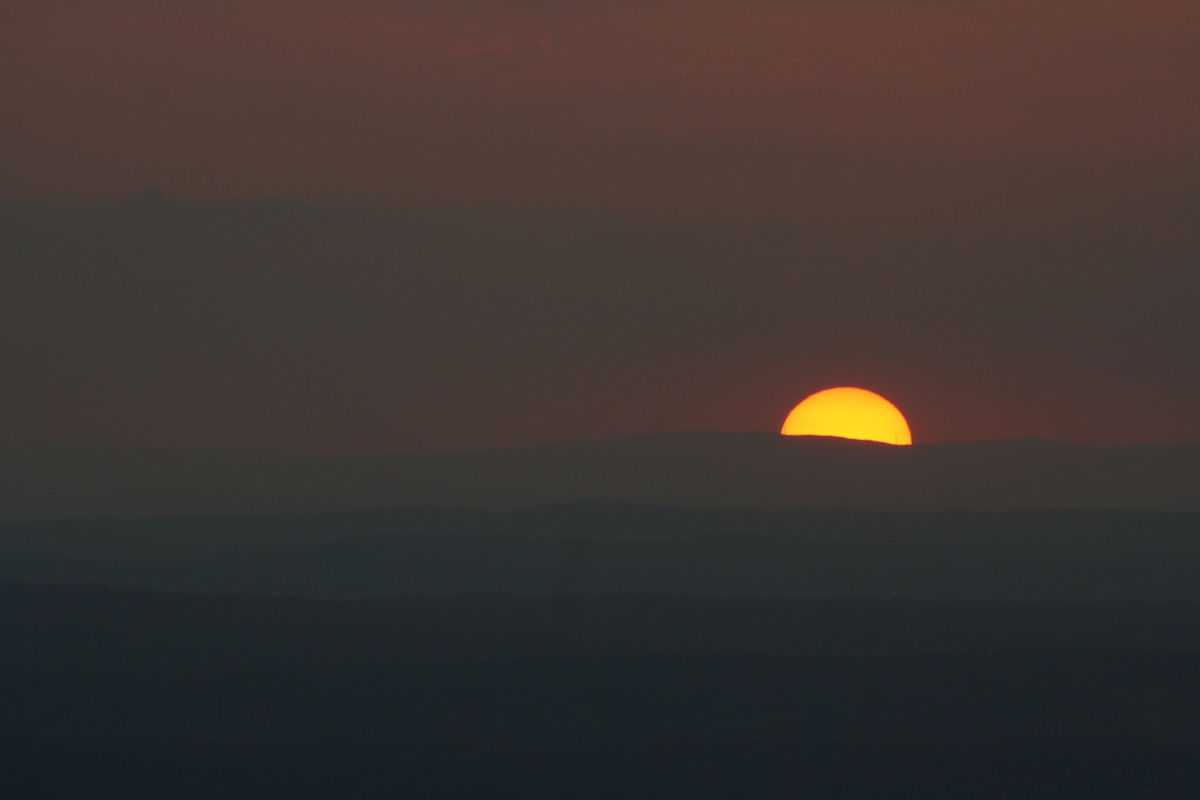
This week is full of sunrises and sunsets.
Sunday, 07/31/2022: Posted photo — Sunrise at the Beach.
On one of my past vacations, I took a sunrise walk on the beach with my camera. During the walk, I saw this great sunrise. I stopped and took this photo.
I just loved the way the sunrise looked as we walked to the beach. I timed it to get the bird in the photo.
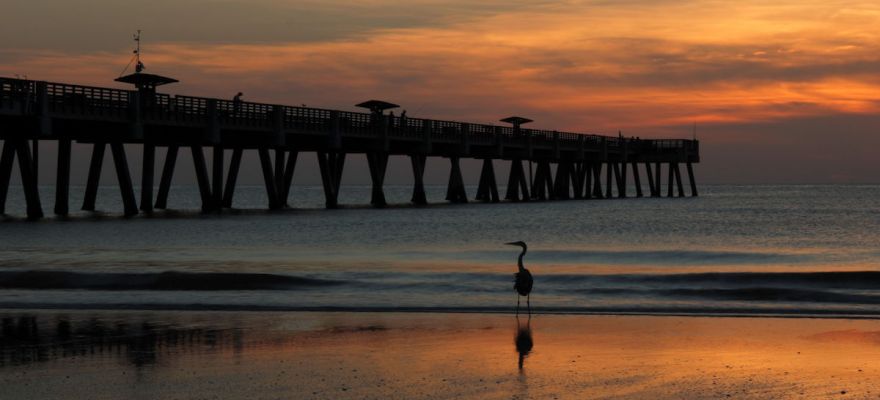
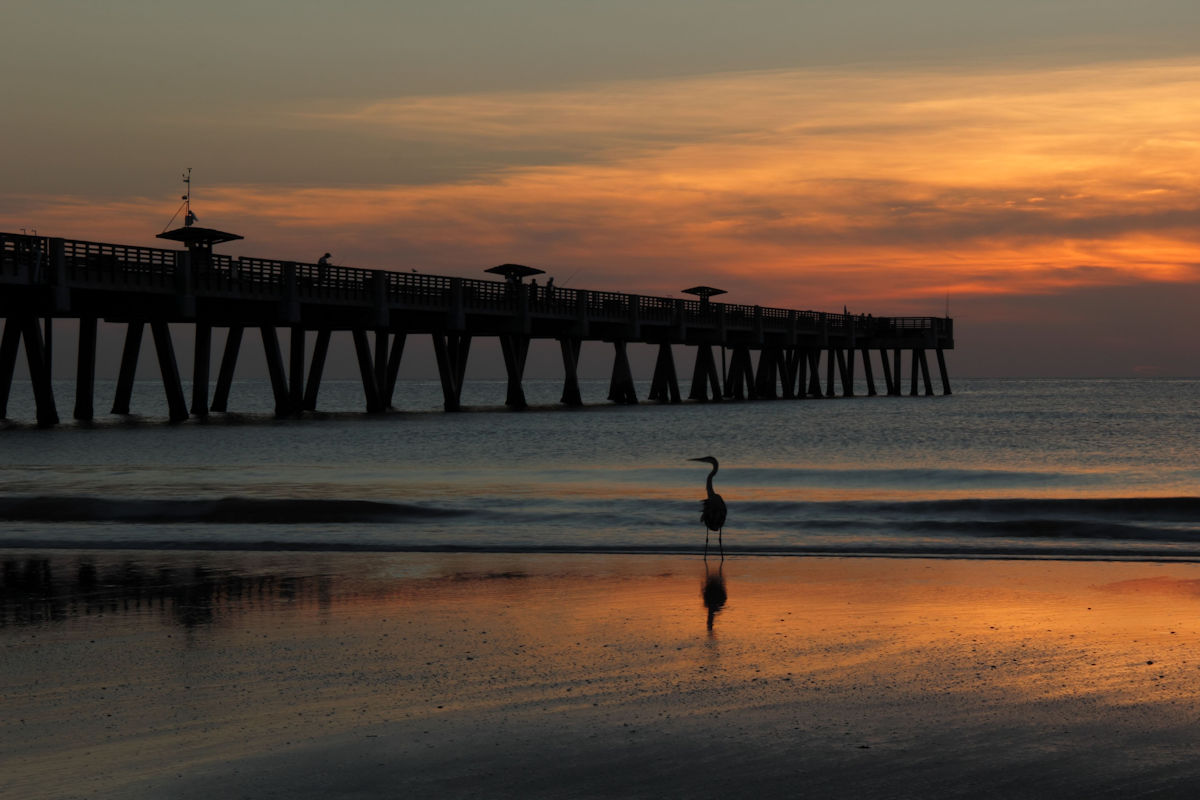
Tuesday, 08/02/2022: Posted photo — Sunrise at the Pier.
One of my trips to Jacksonville Beach Florida, I took another sunrise walk. I saw this heron near the shore and near the pier. I just loved the silhouette of the bird, so I took this shot.
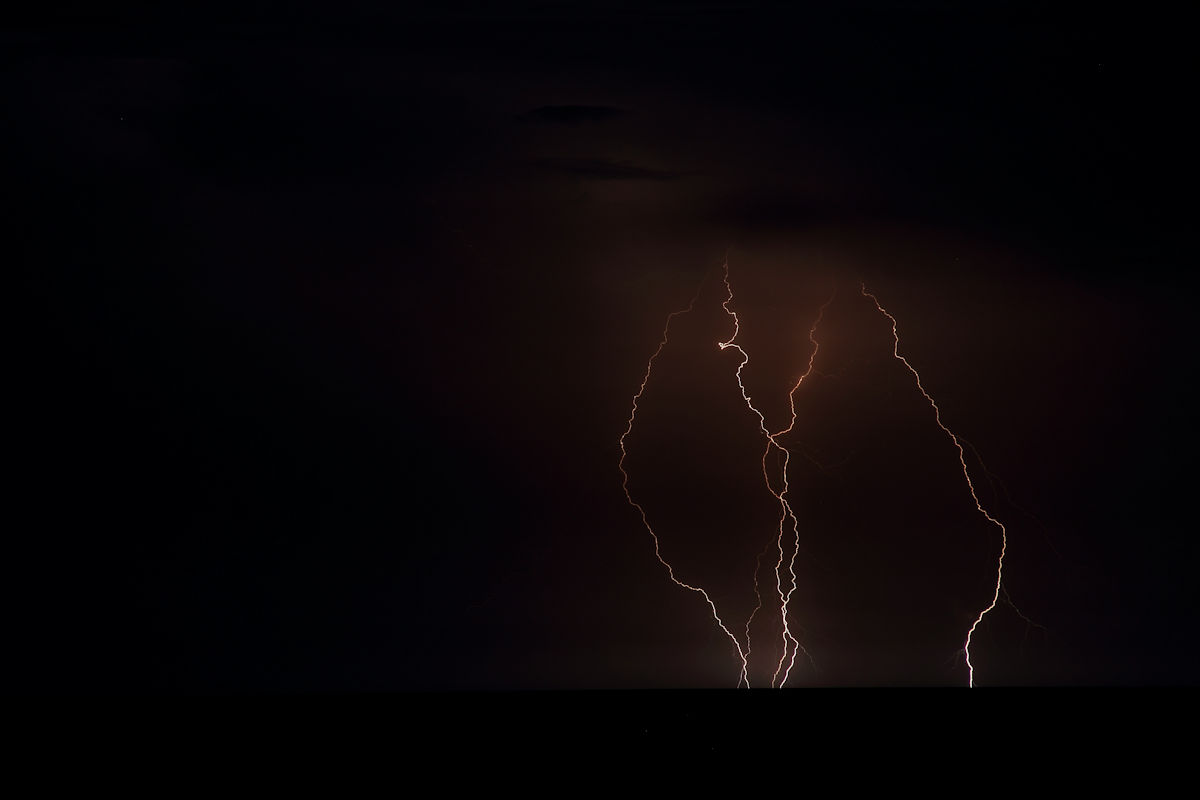
Wednesday, 08/03/2022: Posted photo — Lightning at Sea.
We had a condo on the beach and there was a storm at sea. I set my camera on my tripod and set the timer for 15 second. I liked the way this photo came out but was disappointed that I did not set my timer at 30 seconds.
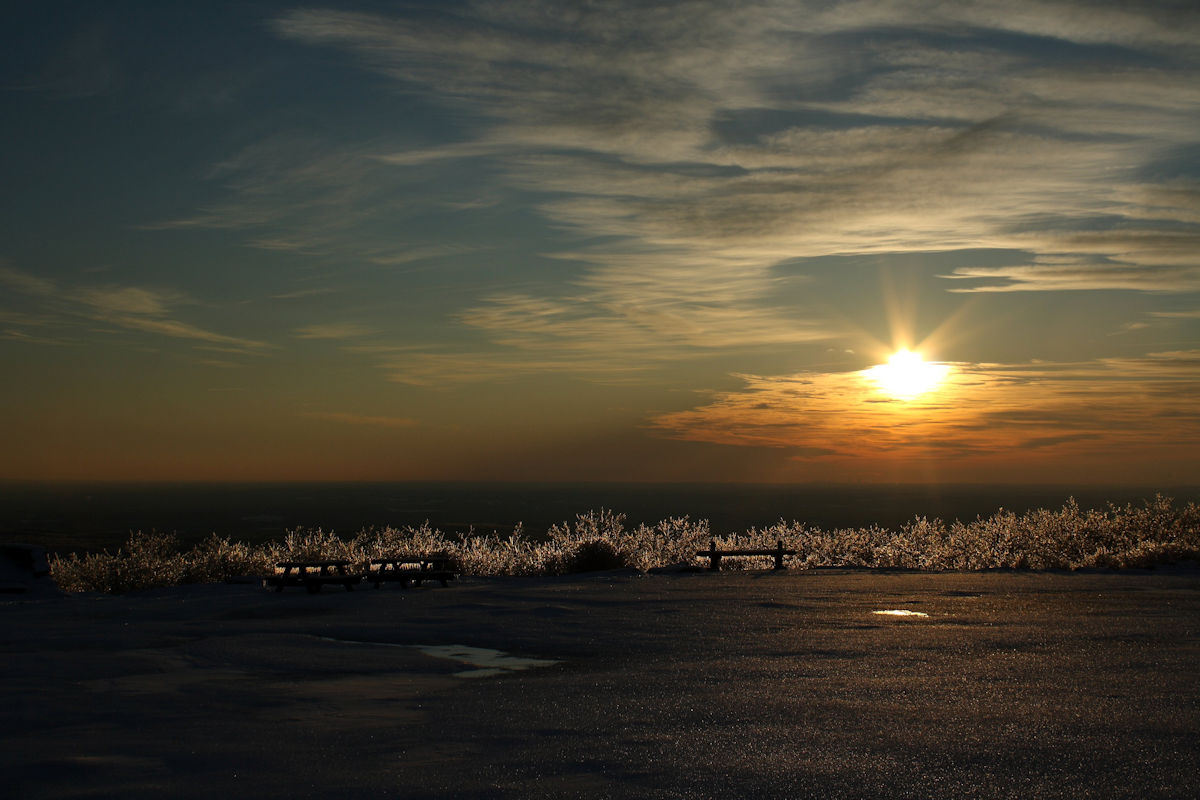
Thursday, 08/04/2022: Posted photo — Sunrise on Wachusett.
Morning winter hike up Wachusett Mountain for sunrise. There was a small coating of ice on the summit. The sunshine on the ice took a great photo.
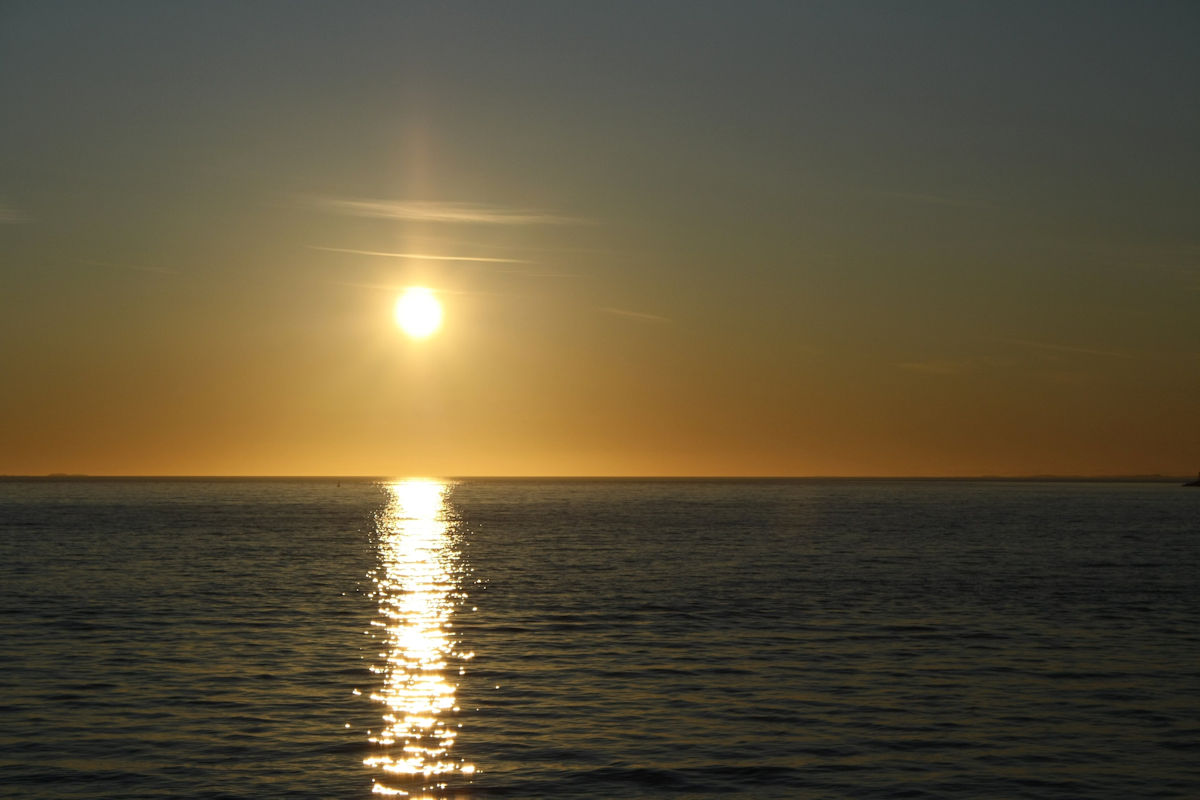
Friday, 08/05/2022: Post photo — Sunset at the Cape.
One thing my wife and I do is have a weekend away on Cape Cod during the off season. This was one of the sunsets we saw.
Saturday, 08/06/2022: Post photo — Sunset on Wachusett.
Here is a pleasant sunset from the summit of Wachusett Mountain.
“The best thing about a picture is that it never changes, even when the people in it do.” — Andy Warhol
Thank you for all the new views and likes from last week, it helps keep me inspired.
This week we are taking a trip to Yellowstone National Park. Since I may not be able to get to the park this summer, I am posting photos from a past trip.
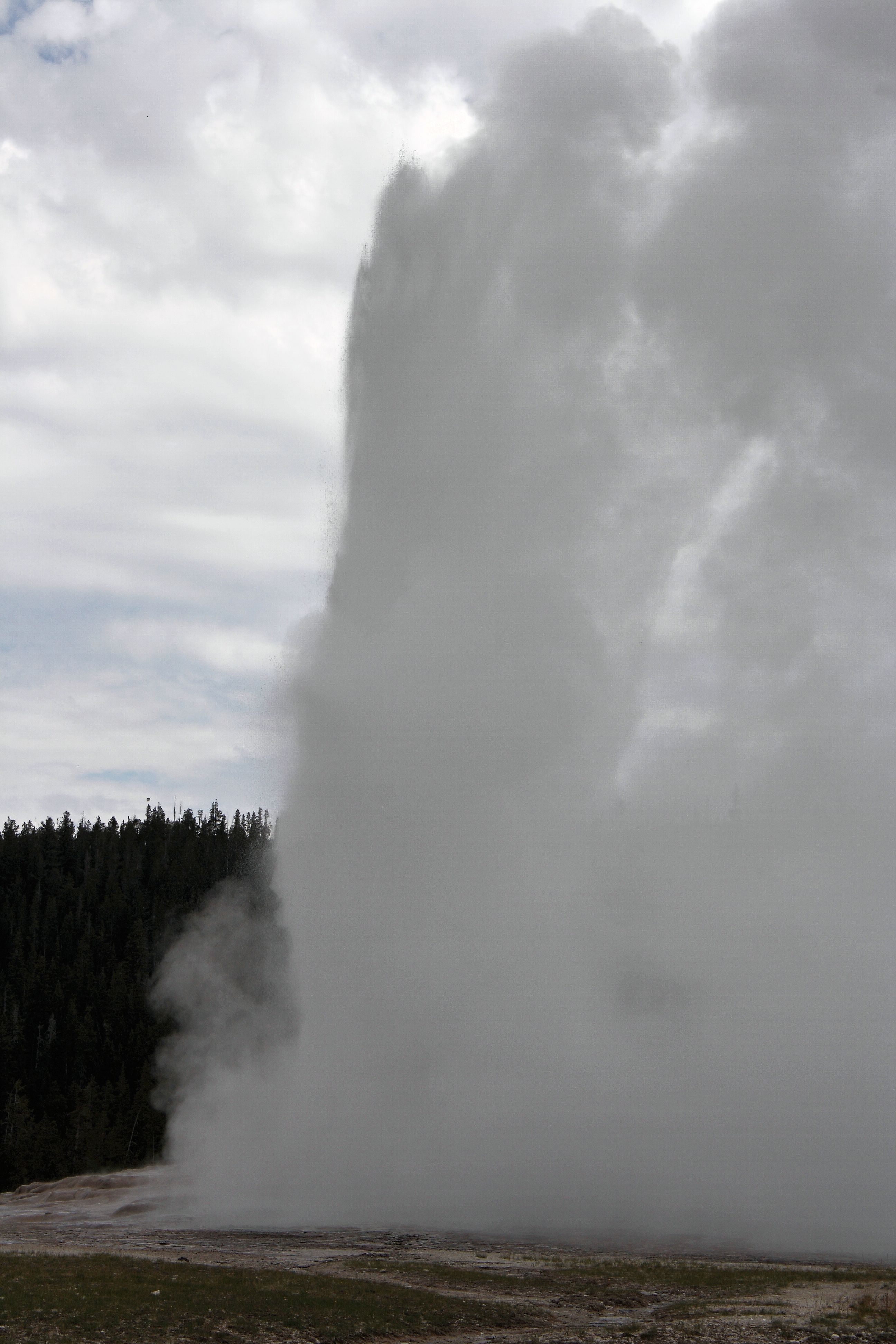
Sunday, 06/12/2022: Posted photo — Old Faithful.
They call it Old “Almost” Faithful. Old Faithful goes off plus or minus a half hour from its scheduled time based on the height of its last eruption. Still wonderful to see.
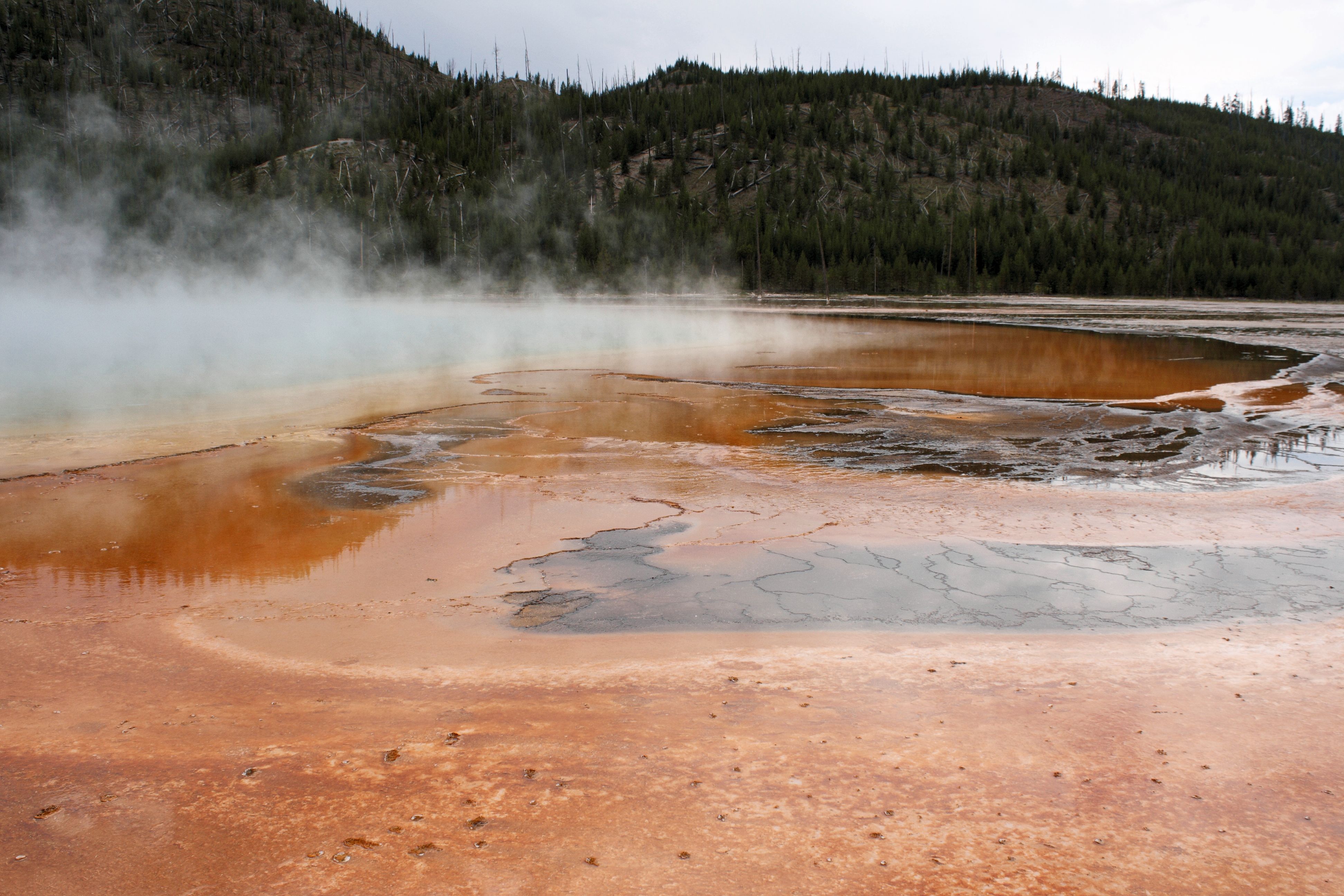
Grand Prismatic Spring is one of more than 10,000 thermal features in Yellowstone.
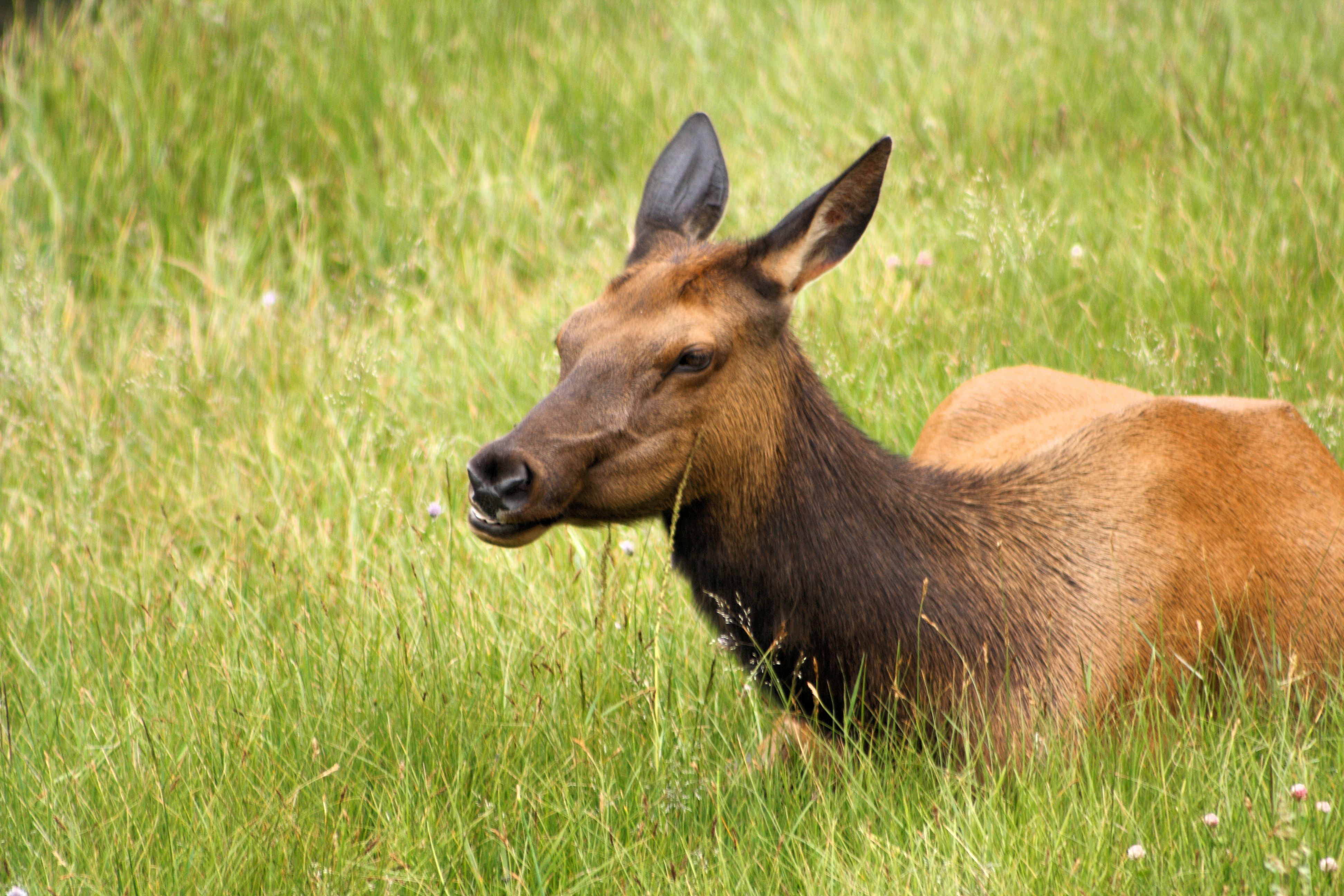
Tuesday, 06/14/2022: Posted photo — Moose.
A female moose seen along the road. One of many different forms of wildlife found in the park.
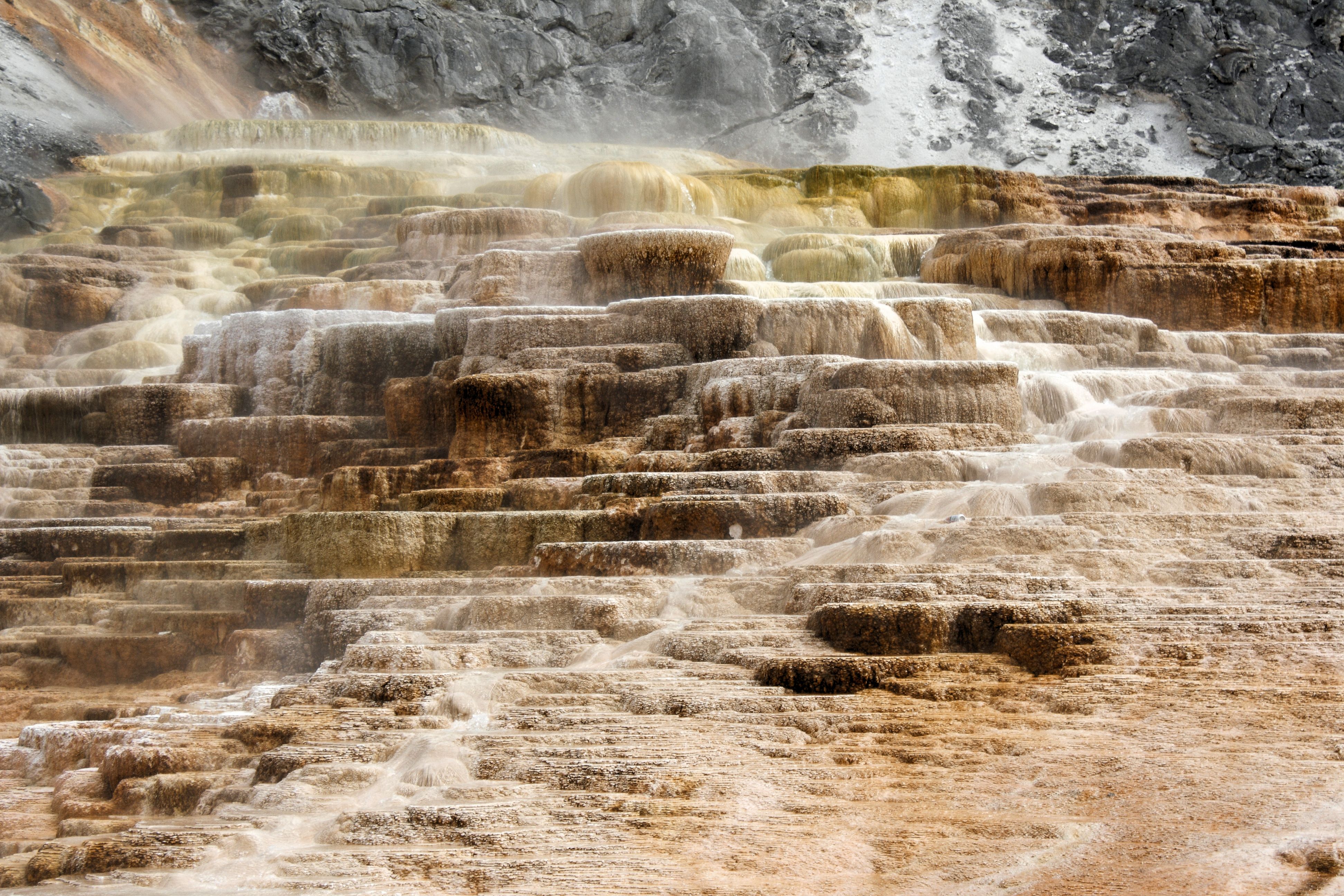
Wednesday, 06/15/2022: Posted photo — Hot Springs.
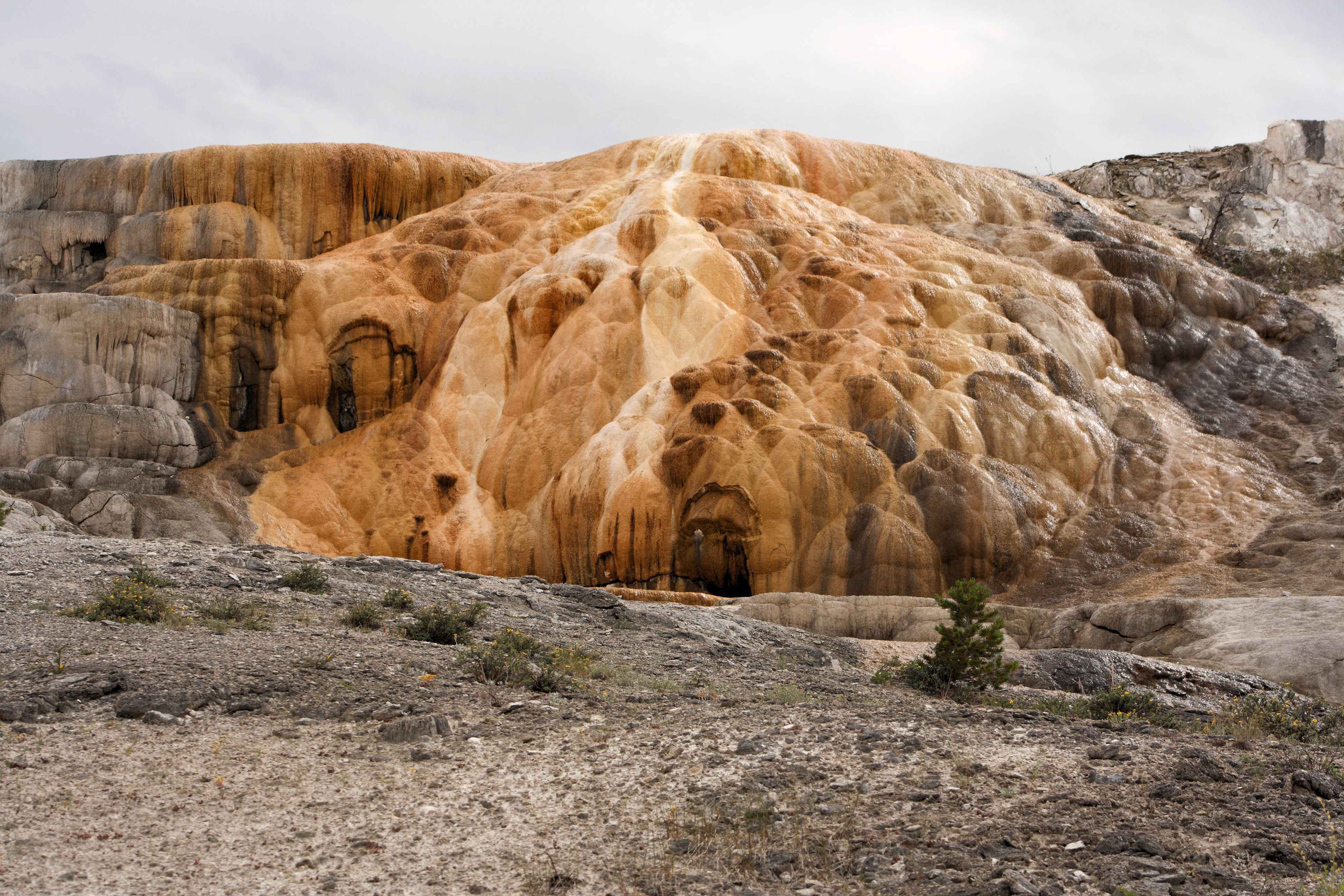
Mammoth Hot Springs. One of the areas in the northern part of the park. This is the area that received the most flooding.
Thursday, 06/16/2022: Posted photo — Formation.
This is one of the formations caused by the sulfur in the hot springs.
Friday, 06/17/2022: Post photo — Tower Falls.
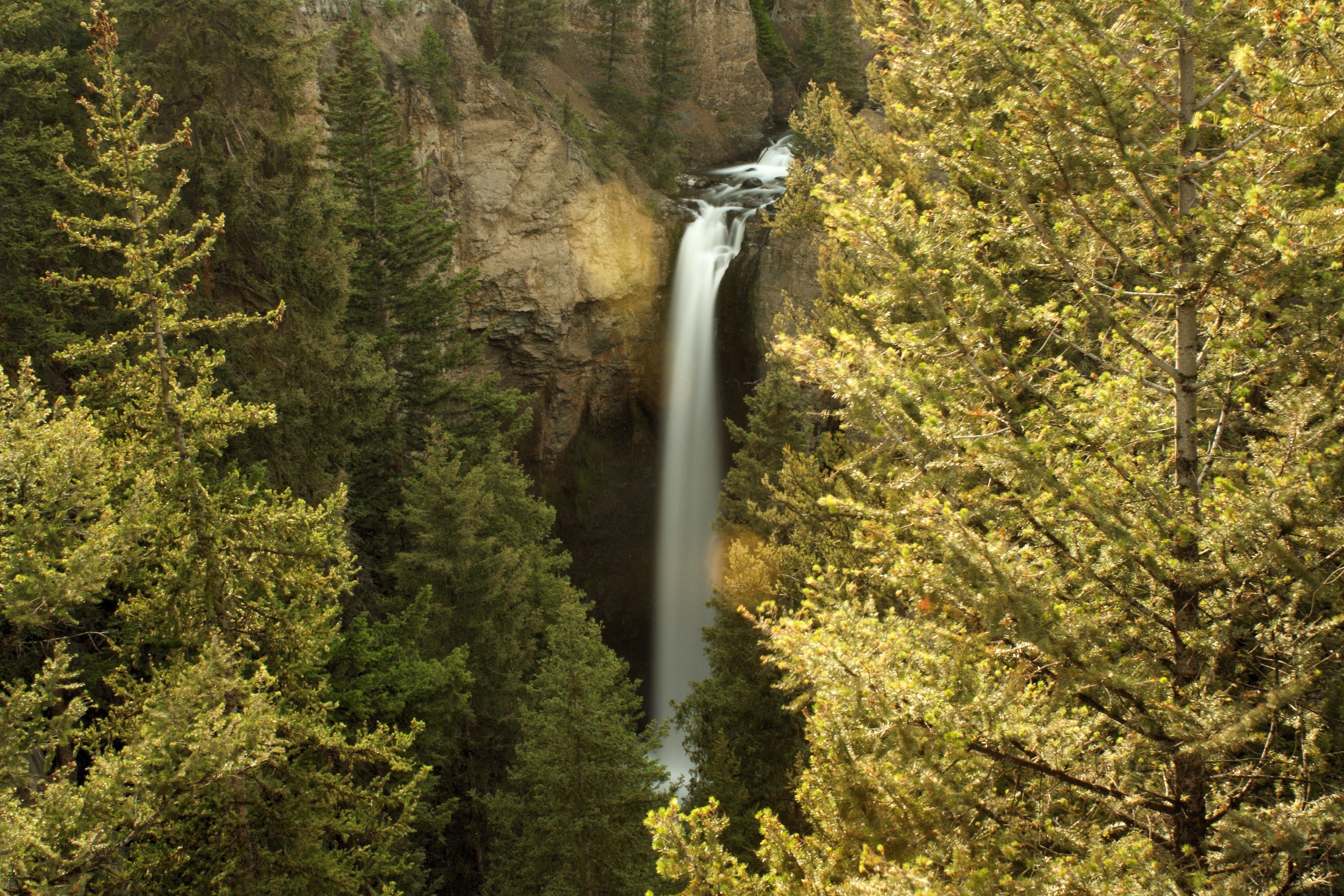
A spectacular waterfall in the part. Tower Fall is a beautiful, accessible waterfall in Yellowstone located in the northeastern part of Yellowstone near Tower Junction, the fall plunges a stunning 132 feet.
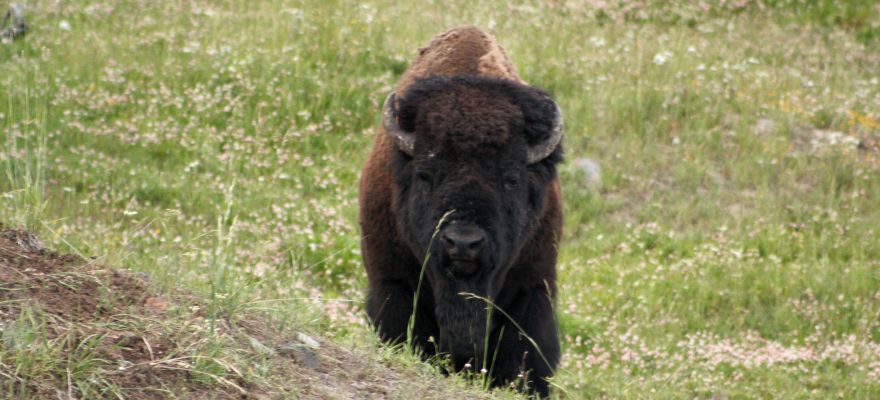
Saturday, 06/18/2022: Post photo — Bison.
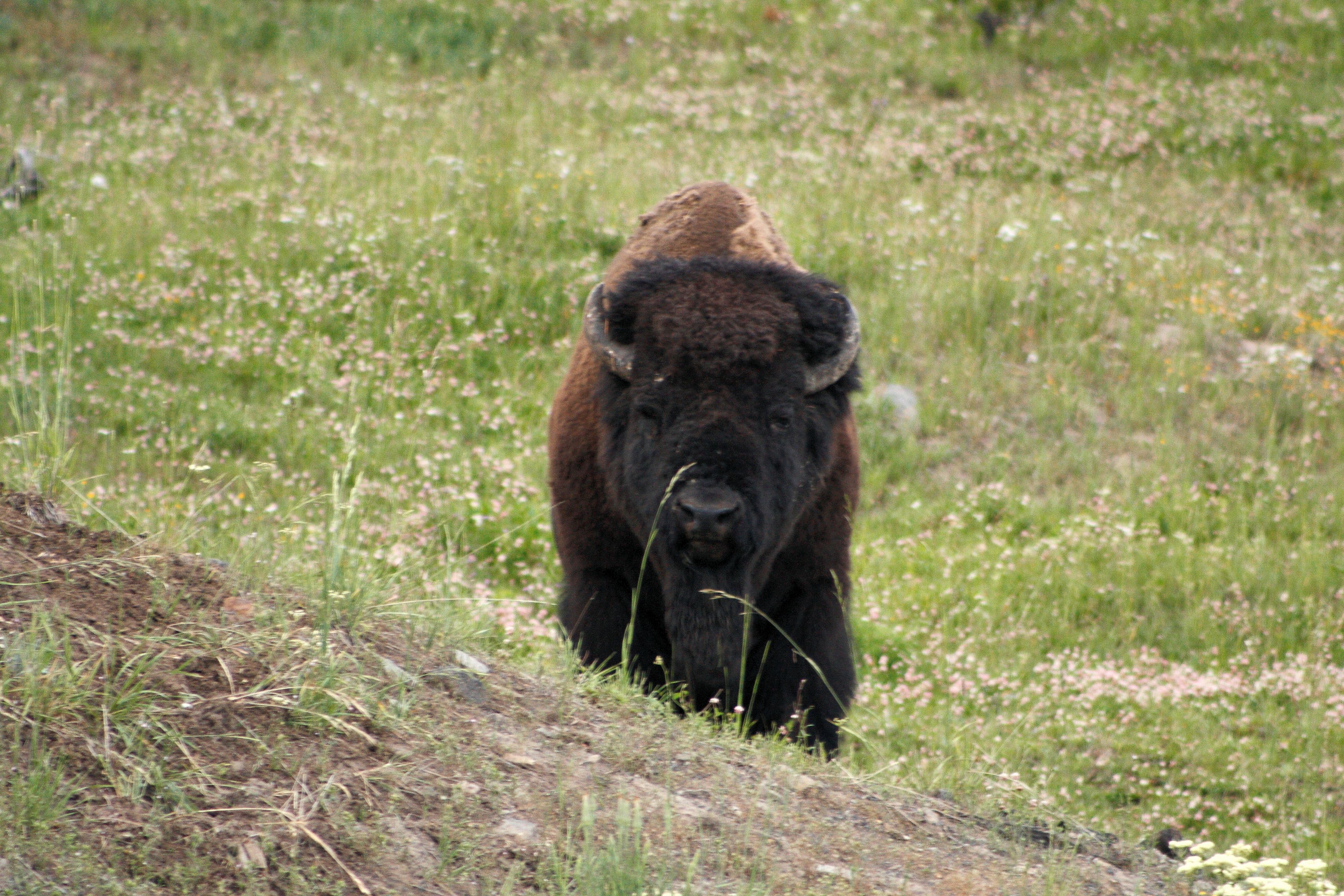
Imagine seeing this by the side of the road. Such a docile looking animal. Not very docile and very fast. The people that get attacked by the bison get to close.
That is all for now. Until next week, be safe.
Next week may be skipped, or with a different format, depending on my availability to the internet.
My Weebly website has not been updated since February 16, the day before I broke my ankle.
“A portrait is not made in the camera but on either side of it.” — Edward Steichen
Thank you for all the new views and likes from last week, it helps keep me inspired.
This week we travel to the Badlands, Badlands National Park in South Dakota.
Sunday, 05/22/2022: Posted photo — Badlands.
Settings: Canon EOS DIGITAL REBEL XS, ISO 100, f/6.3, 1/250 s, 105 mm.
“The rugged beauty of the Badlands draws visitors from around the world. These striking geologic deposits contain one of the world’s richest fossil beds. Ancient horses and rhinos once roamed here. The park’s 244,000 acres protect an expanse of mixed-grass prairie where bison, bighorn sheep, prairie dogs, and black-footed ferrets live today.” — National Park Service
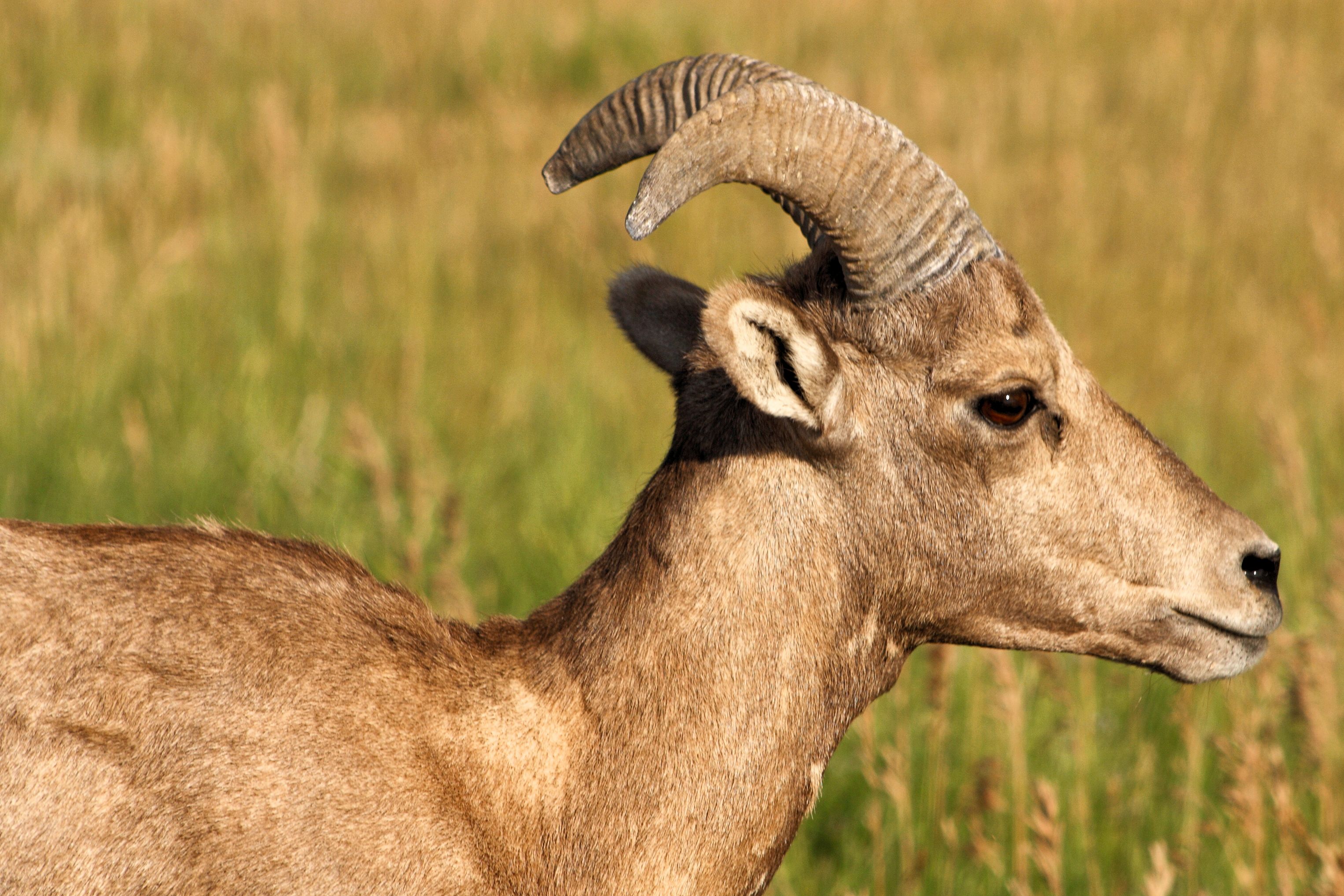
Settings: Canon EOS DIGITAL REBEL XS, ISO 100, f/8, 1/500 s, 190 mm.
A female longhorn sheeps, called ewes, have smaller horns that curve slightly to a sharp point within the first four years of life. Ewes and lambs stay together in herds. This is a photo of a female longhorn sheep that was eating grass close to where we were parking.
Settings: Canon EOS DIGITAL REBEL XS, ISO 100, f/6.3, 1/320 s, 300 mm.
Prairie dogs are herbivorous burrowing mammals native to the grasslands of North America. Within the genus are five species: black-tailed, white-tailed, Gunnison’s, Utah, and Mexican prairie dogs. We have seen many prairie dogs in many parks during our travels.
Settings: Canon EOS DIGITAL REBEL XS, ISO 100, f/11, 1/250 s, 37 mm.
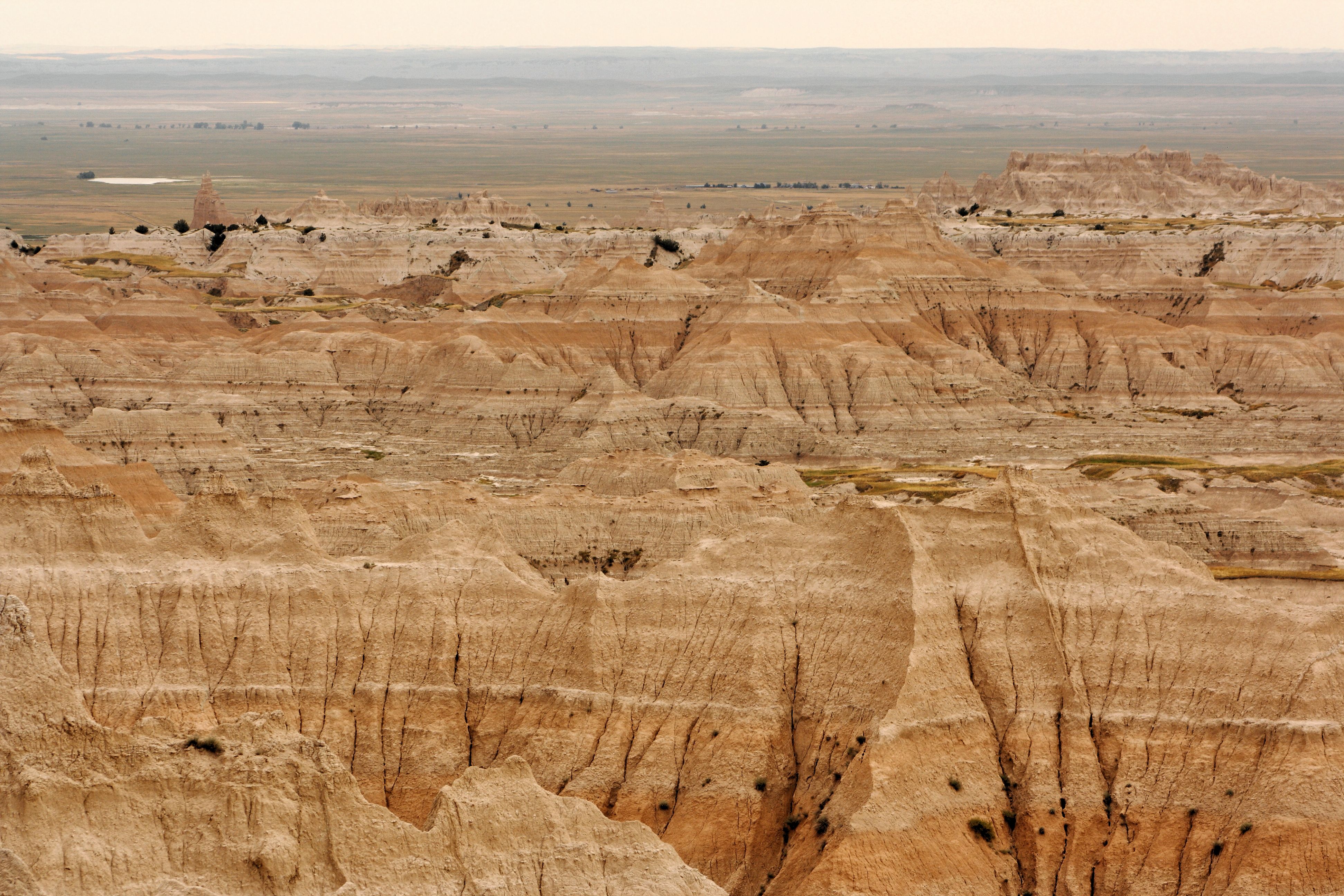
The layers of the Badlands correspond with different moments in geologic time. They start with the oldest layer at the bottom, then move upwards in space and time towards the youngest layer, which sits on top of the formations.
Friday, 05/27/2022: Post photo — Sunset.
Settings: Canon EOS DIGITAL REBEL XS, ISO 100, f/7.1, 1/320 s, 130 mm.
Just another wonderful sunset in our national parks.
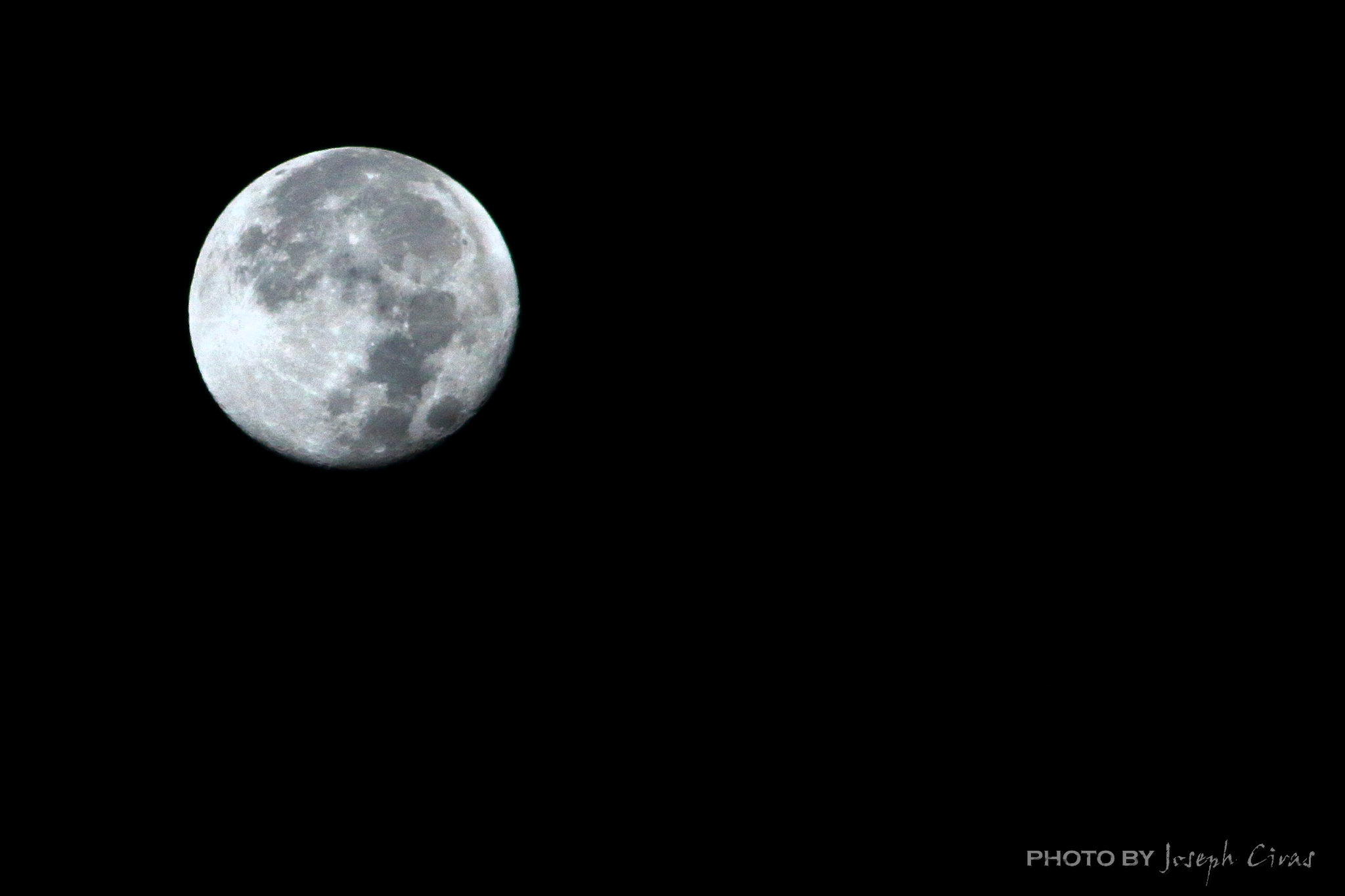
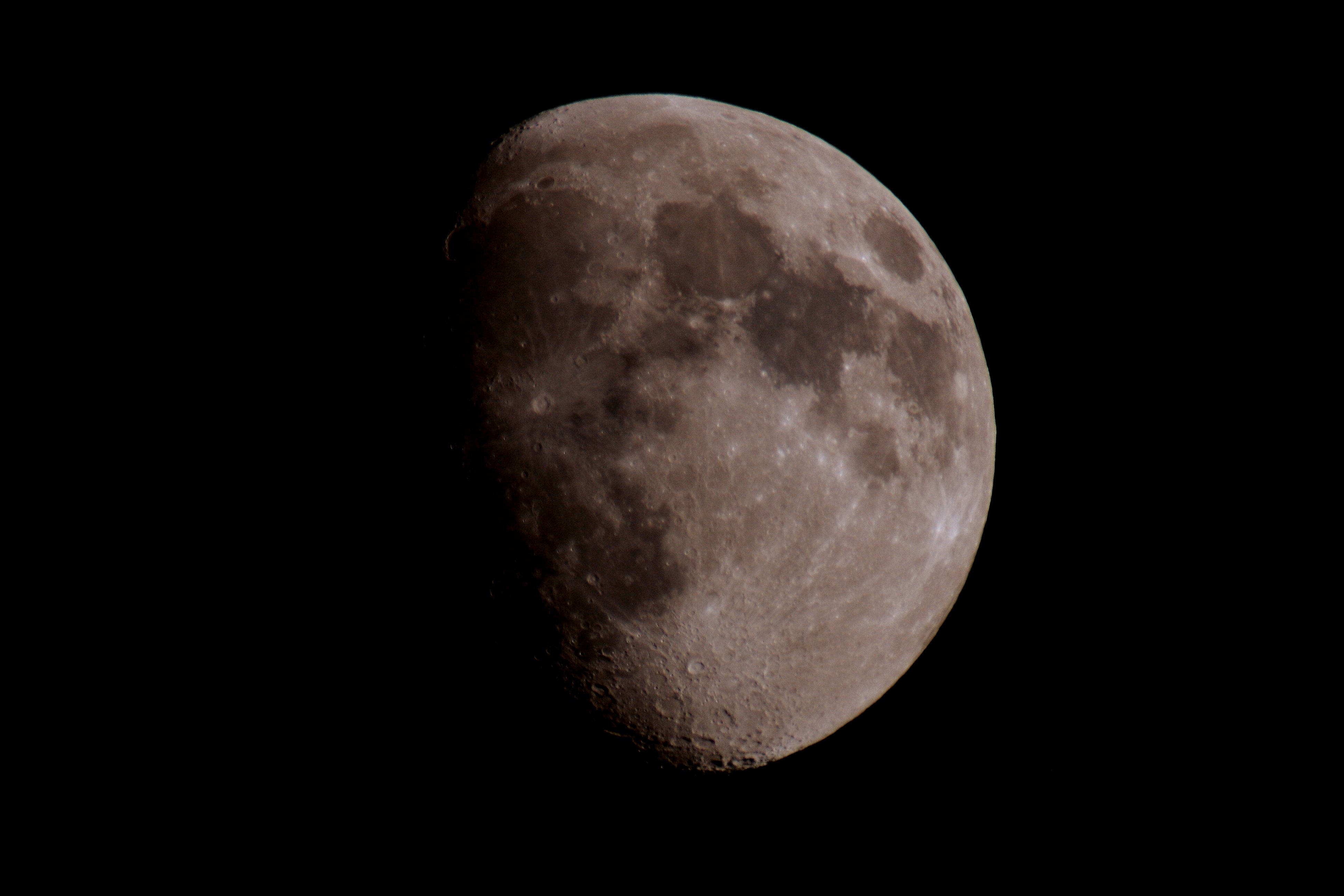
Saturday, 05/28/2022: Post photo — Moon.
Settings: Canon EOS DIGITAL REBEL XS, ISO 100, f/11.3, 1/60 s, 1150 mm.
Just another moon shot by me. I have taken hundreds if not thousands of photos of the moon. Still working on getting it right.
That is all for now. Until next week, be safe.
My Weebly website has not been updated since February 16, the day before I broke my ankle.