Photographic Thoughts — 08/29/2021 to 09/04/2021

“A good photograph is one that communicates a fact, touches the heart and leaves the viewer a changed person for having seen it. It is, in a word, effective.” — Irving Penn

Thank you for all the new views and likes from last week, it helps keep me inspired.

Sunday, 08/29/2021: Posted photo — Hobblebush.

Settings: Samsung SM-G930V (Galaxy S7), ISO 125, f/1.7, 1/60 s, 4 mm

“The fruit of the Hobblebush reportedly may be eaten raw or cooked and is said to taste somewhat like raisins or dates. Hobblebush has a number of medicinal uses. The Algonquin Indians reportedly rubbed its mashed leaves on the head to treat migraines. Iroquois Indians are said to-have used a decoction of roots as a blood medicine. The plant was also used to treat chest and breathing problems.” — Adirondacks Forever Wild website.
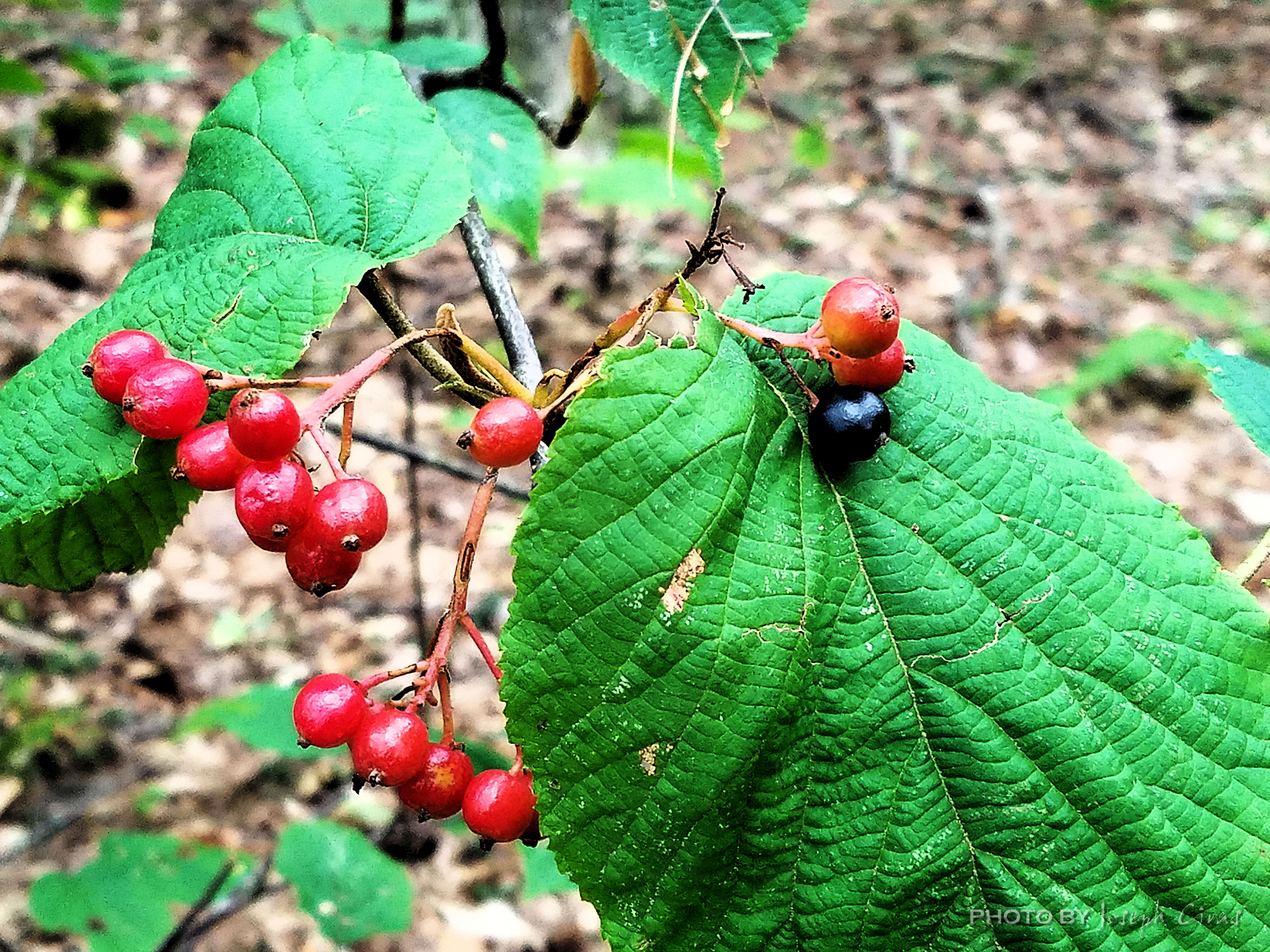
Hobblebush on Wachusett Mountain

These Hobblebush berries are growing on Wachusett Mountain. I took this photo during a hike I took today. I have seen them during my weekly hikes and thought that they would look good in a photo. I was glad to see that one of the berries had turned blue.

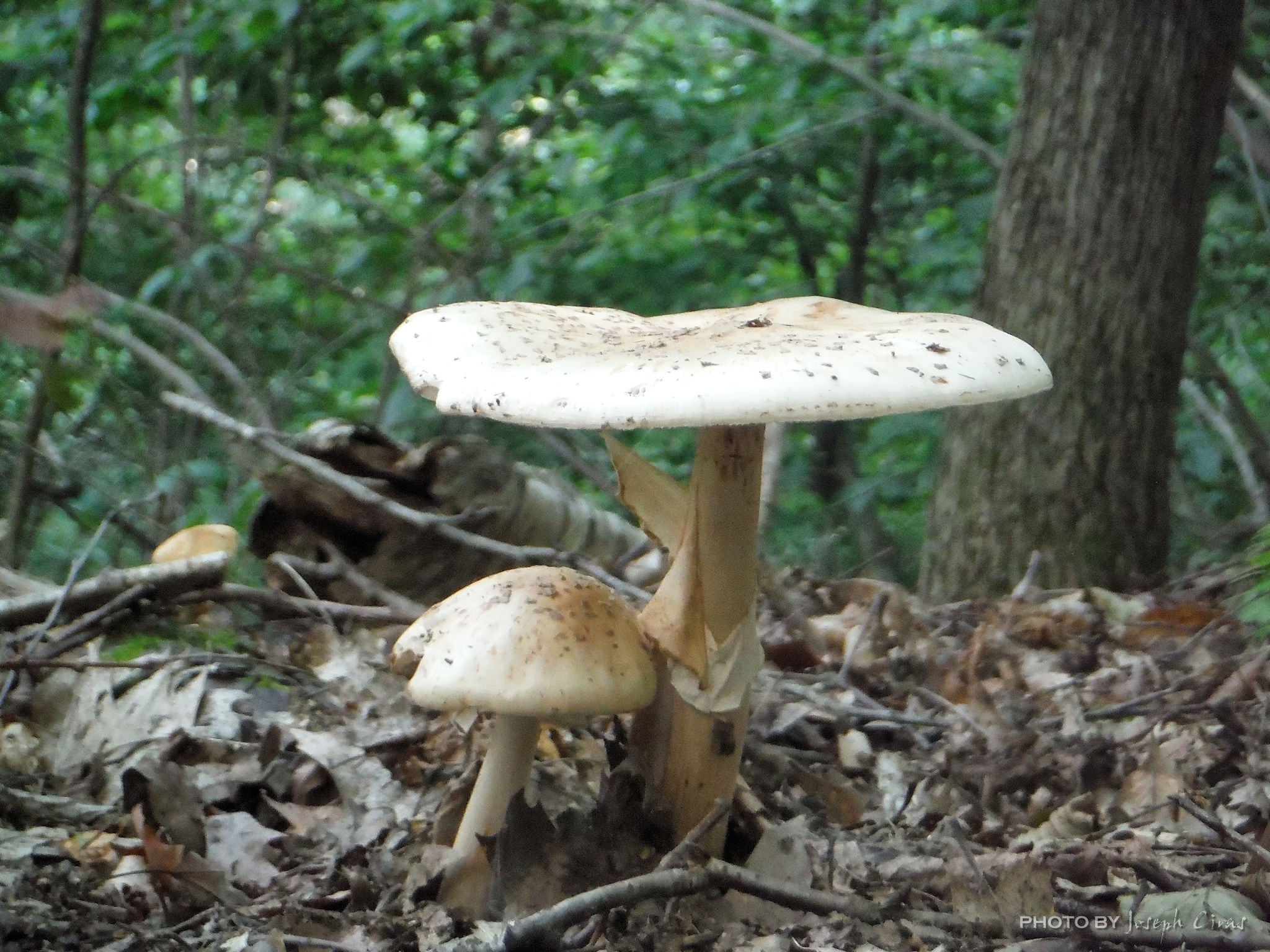
Monday, 08/30/2021: Posted photo — Mushrooms.

Settings: Canon EOS 60D, ISO 400, f/7.1, 1/80 s, 62 mm.

According to the University of New Hampshire Agricultural department and Better Homes and Garden: “Mushrooms grow from spores (not seeds) that are so tiny you can’t see individual spores with the naked eye. Rather than soil, these spores rely on substances like sawdust, grain, straw, or wood chips for nourishment. A blend of the spores and these nutrient sources is called spawn. Mushrooms like dark, cool, and humid growing environments. Prolonged periods of wet, humid weather, such as we have had over the past few weeks, cause fungi to send up fruiting structures. Fungi disperse to new areas via windblown spores. When the spores land in a suitable location they develop into new fungi which will grow mushrooms given enough time.

Mushrooms in our yard

Mushrooms will go away on their own once the weather dries out. Keep in mind that although these fruiting bodies have disappeared, the fungal mycelia is still growing in the soil. The fungus will continue to grow and persist as long as there is plenty of organic matter to feed upon.”

These mushrooms were growing in my front yard. They are in the same spot each time they grow. We have had many days of rain, so it is a great growing condition for mushrooms.

Tuesday, 08/31/2021: Posted photo — Rose for an Angel.

Settings: Canon EOS 60D, ISO 800, f/5.6, 1/125 s, 79mm.

Our daughter had a rare disorder, Triploidy. I did have the medical definition of this disorder in this post. I removed that part of my post since it would be too sensitive to some people.
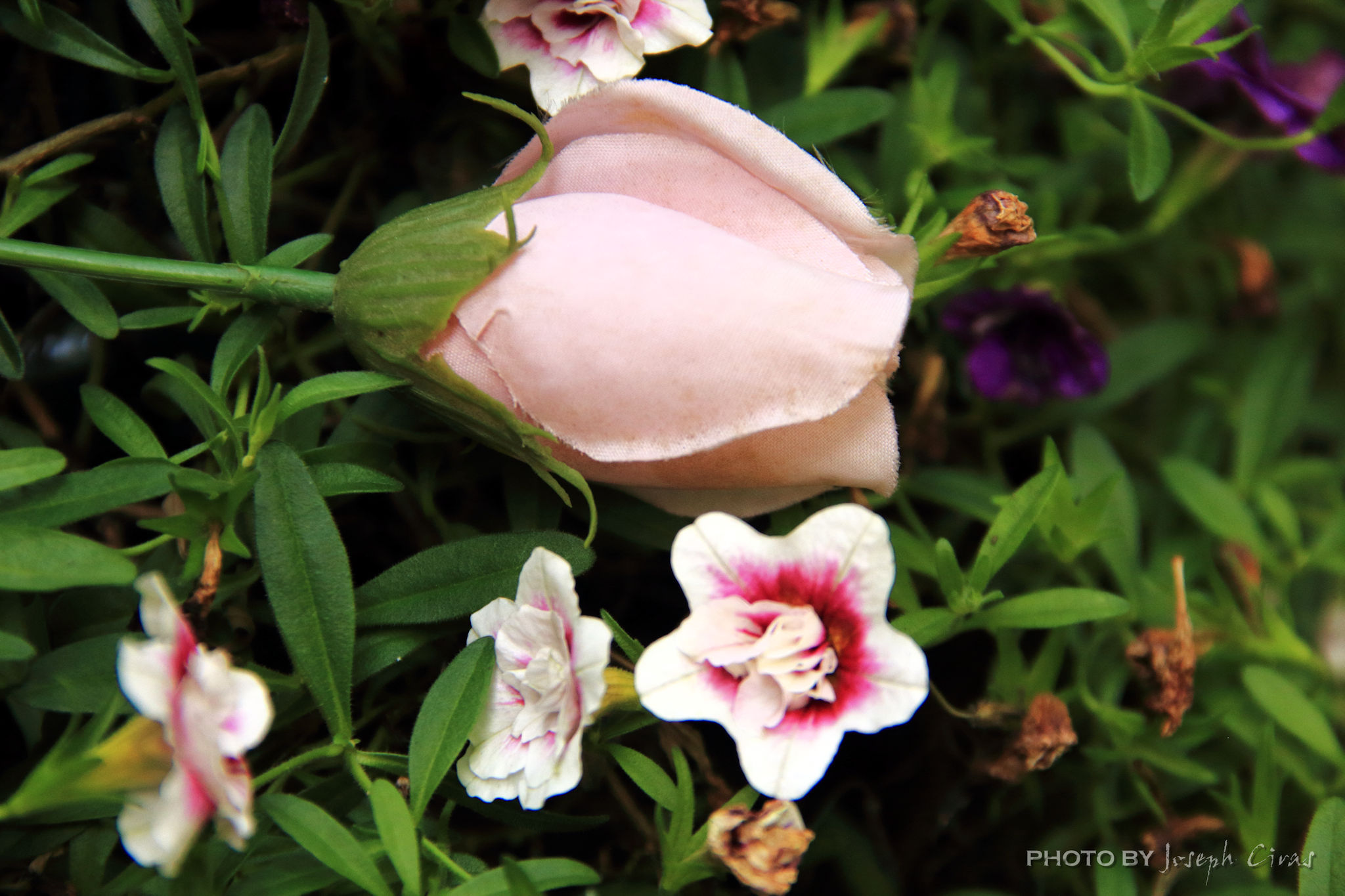
Pink rose

Almost every year I go and visit her to sing her Happy Birthday and to say a prayer with her. It is not easy losing a child. We have had this rose since she was born and it means a lot to me.

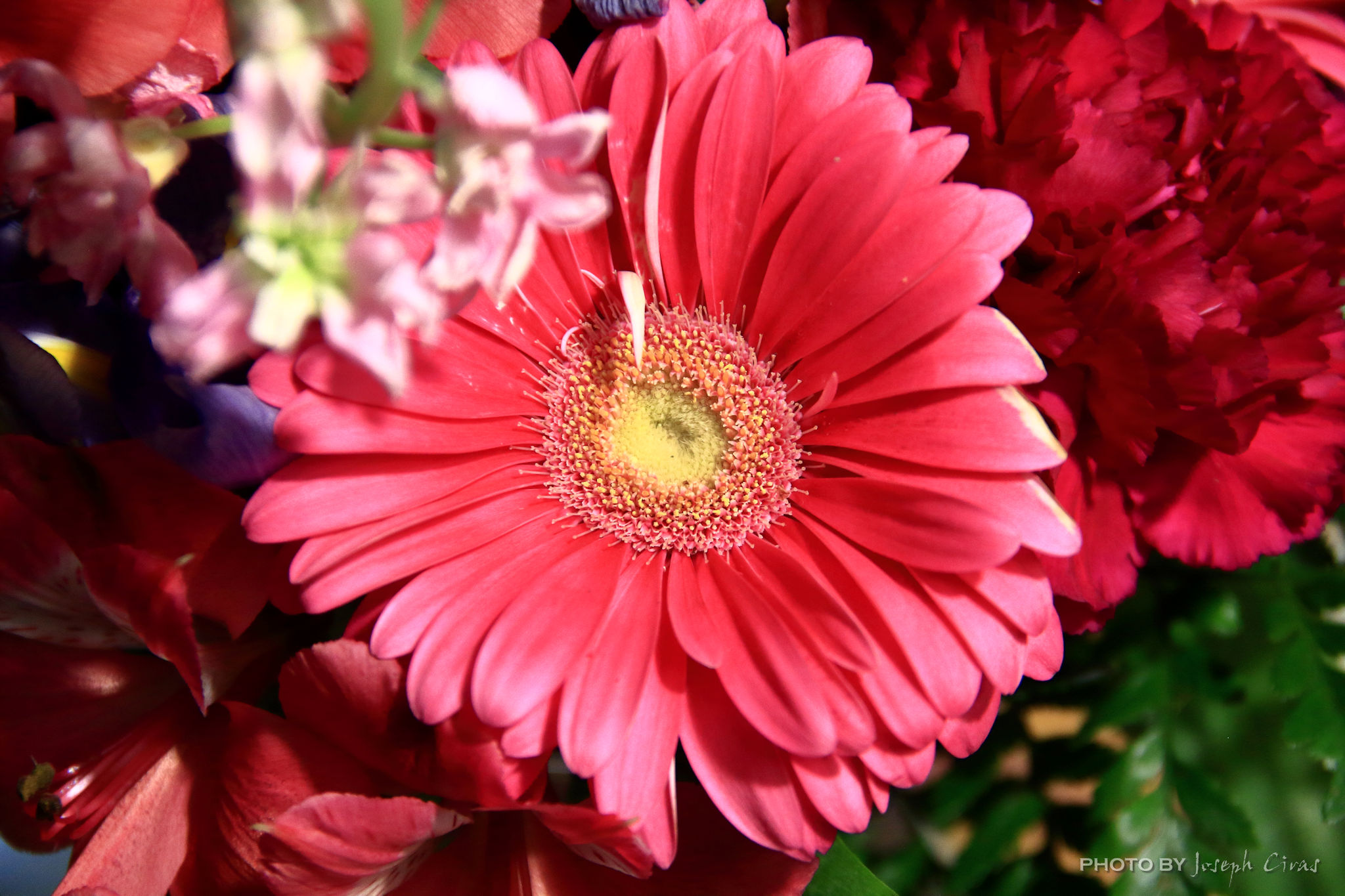
Wednesday, 09/01/2021: Posted photo — Bouquet.

Settings: Samsung SM-G930V (Galaxy S7), ISO 125, f/1.7, 1/60 s, 4 mm

To continue my two-day flower series, I took a photo of this bouquet. I liked the colors in the bouquet.
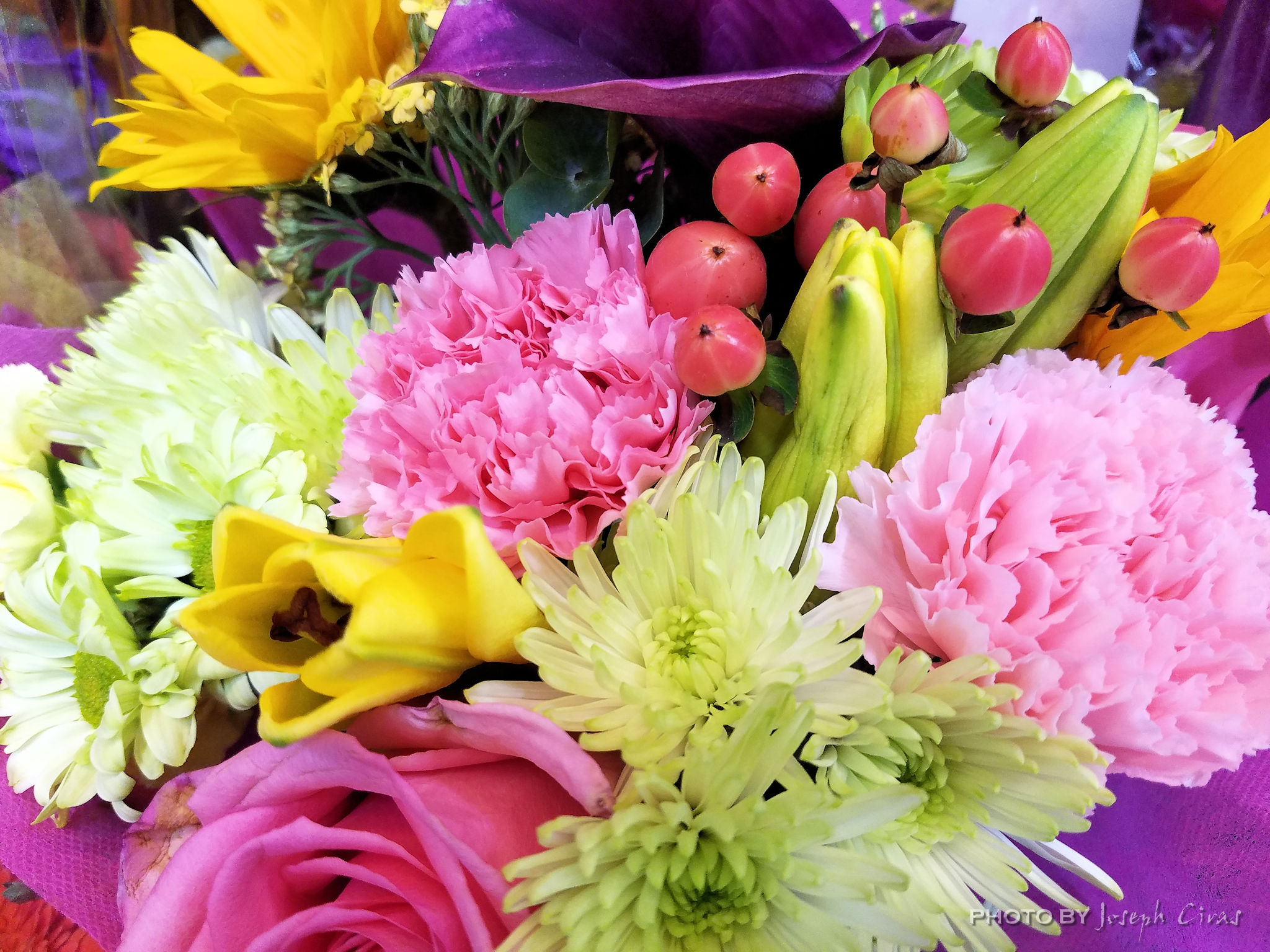
Flower bouquet

Once again this photo was taking during the day just in case, I did not take another photo that day.

Thursday, 09/02/2021: Posted photo — Mount Monadnock.

Settings: Canon EOS 60D, ISO 400, f/7.1, 1/15 s, 135 mm.
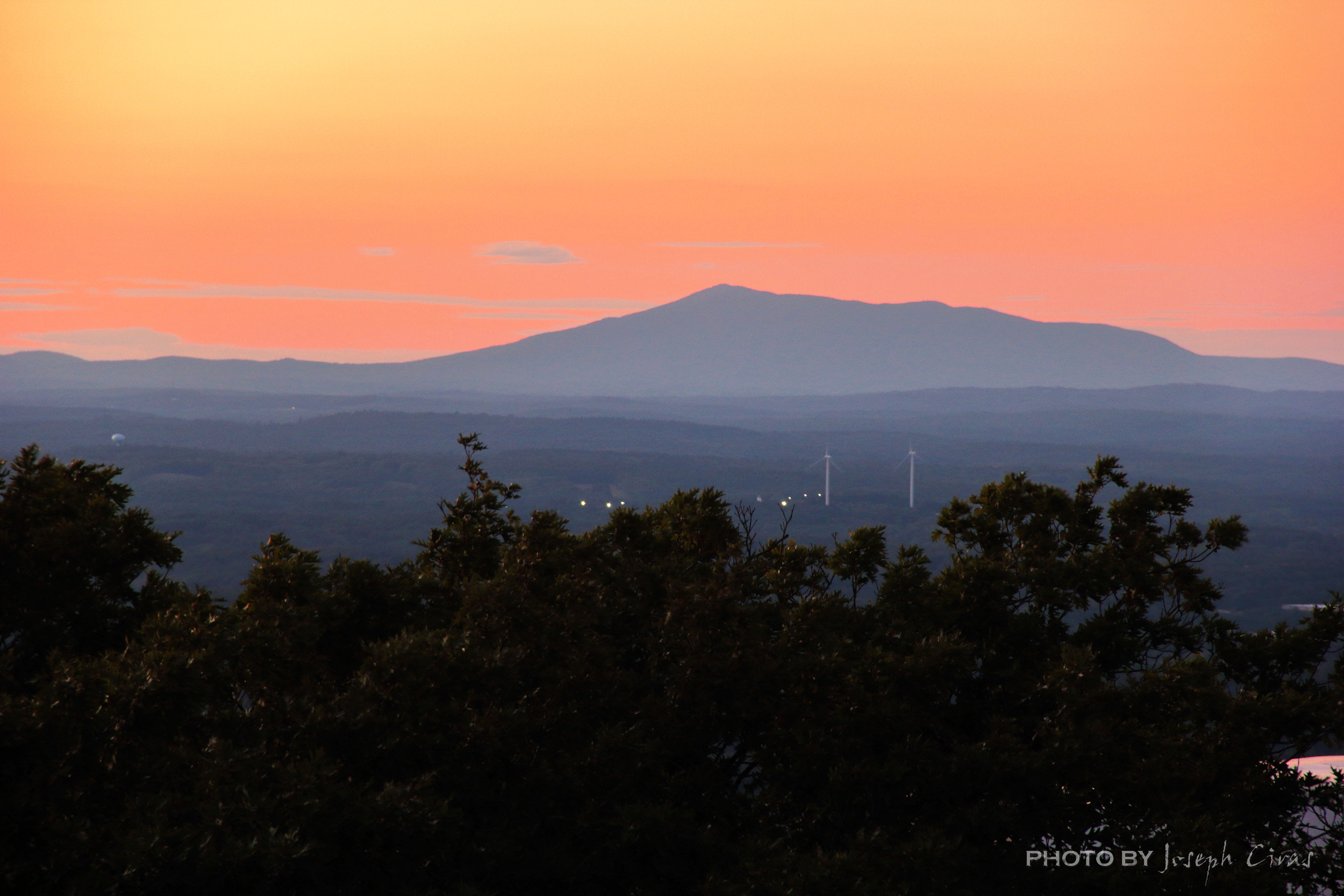
Mount Monadnock at sunset

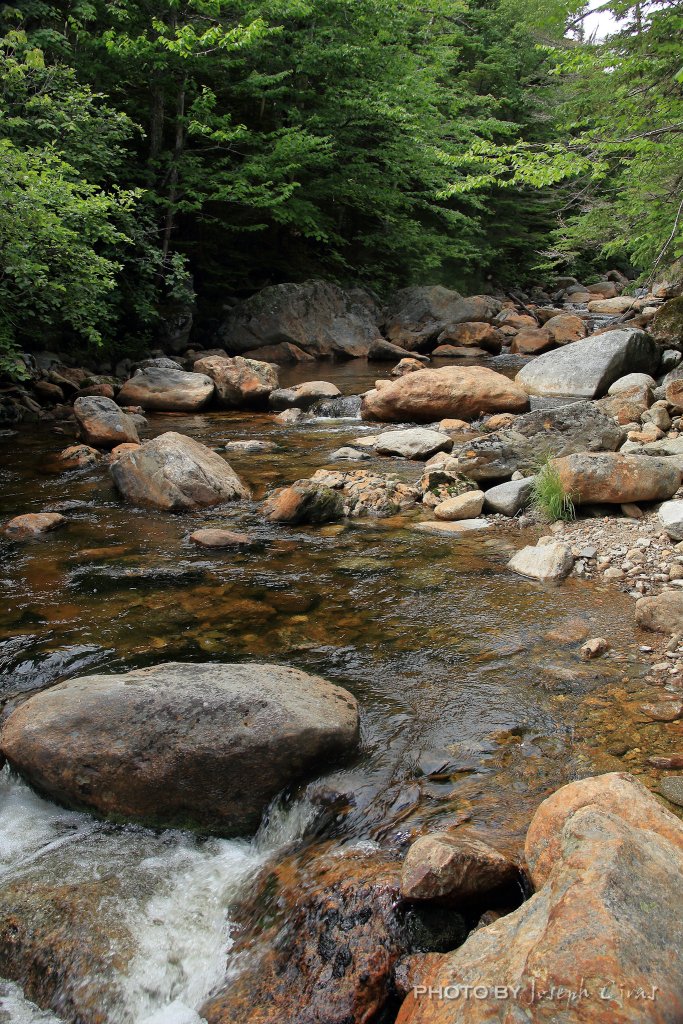
I summited Wachusett Mountain twice today. The first time was with colleagues from work, the second time was with a hiking group. During the first hike of the day, I took the photo of the flowing water. During the second hike of the day, I arrived at the summit just after sunset. I looked to the north and saw the great colors of the sunset around Mount Monadnock in New Hampshire.
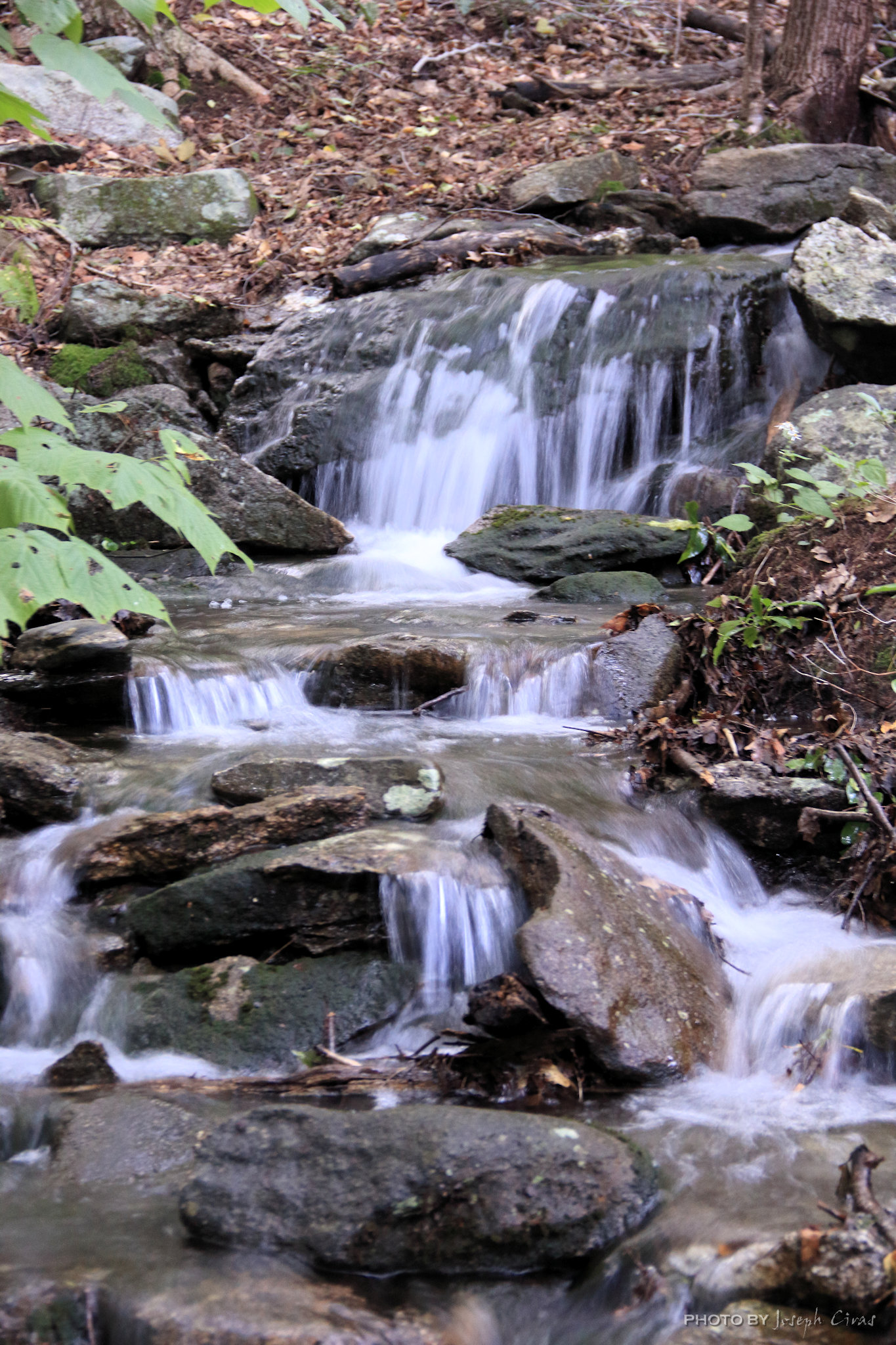
Flowing stream along the Bicentennial Trail on Wachusett Mountain

Friday, 09/03/2021: Post photo — Petroglyphs.

Settings: Canon EOS DIGITAL REBEL XS, ISO 200, f/8, 1/400 s, 190 mm.

These Petroglyphs are in Capital Reef National Park.
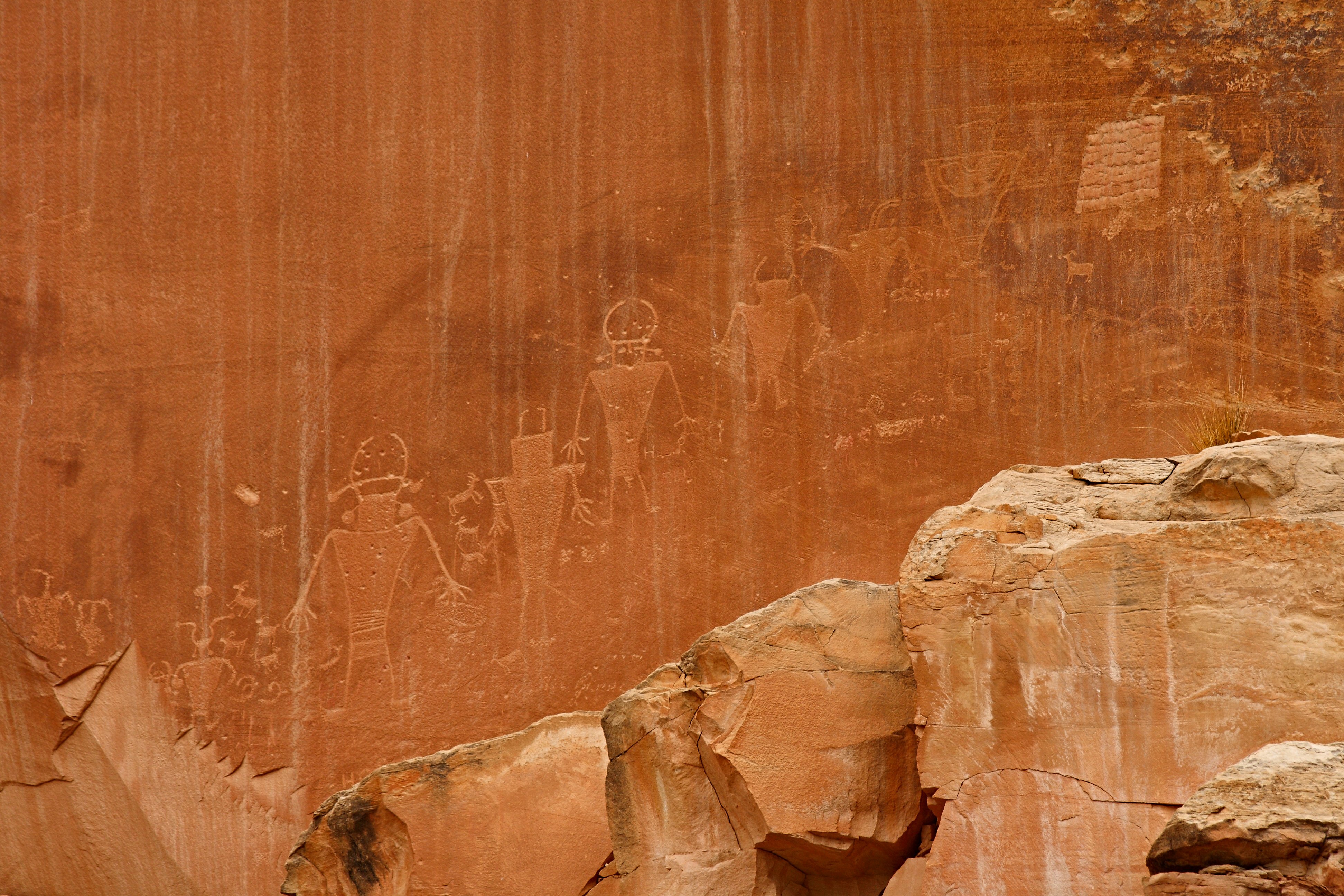
Petroglyph in Capital Reef National Park

A pictograph is an image or designs made by painting on rocks or in cave. A petroglyph is an image created by removing part of a rock surface by incising, picking, carving, or abrading, as a form of rock art. Petroglyphs tell stories of events that have happened. They are like the newspapers of today. There is one petroglyph outside the Needles section of Canyonlands National Park that the experts still have not deciphered.

Saturday, 09/04/2021: Post photo — Mount Whiteface.

Settings: Canon EOS 60D, ISO 200, f/7.1, 1/320 s, 50 mm.

I decided to take a warmup hike today before the Flags on the 48 event next weekend.

I chose a mountain that I need for my repeat 48 4,000 footers and that was close to home. I decided on Mount Whiteface since I have not done it as one of my repeat 48 and it was only two and a half hours from home. People normally hike Mount Passaconway with Mount Whiteface but today I did not do both since this was a warmup hike and I have some things that I needed to do at home tonight.
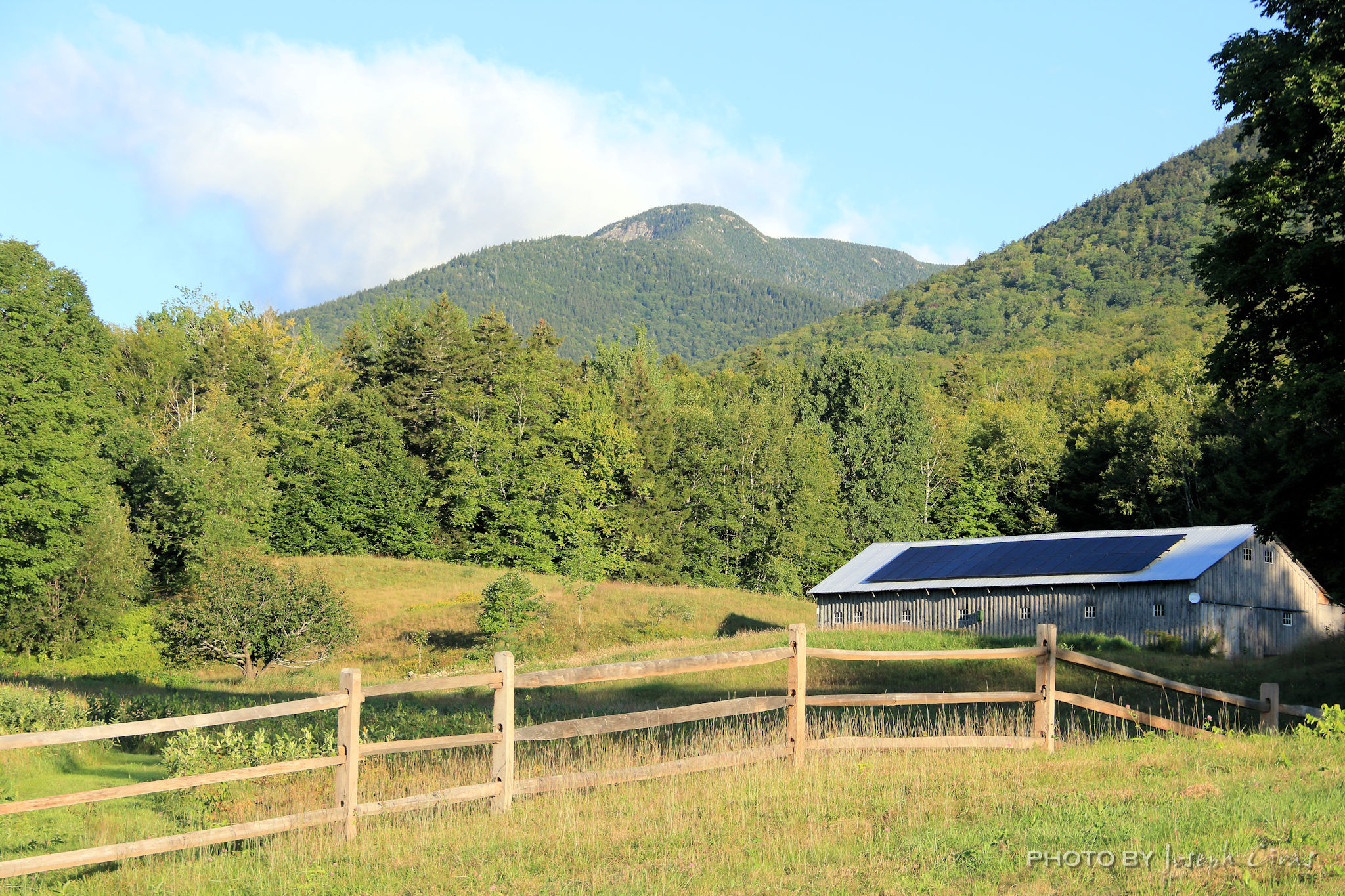
Mount Whiteface

Mount Whiteface is a 4,019 ft mountain located in Grafton County, New Hampshire. The mountain is part of the Sandwich Range of the White Mountains. Whiteface is flanked to the northwest by Mount Tripyramid, and to the northeast by Mount Passaconaway. Mount Passaconaway is a 4,043 ft mountain about three miles from Mount Whiteface.
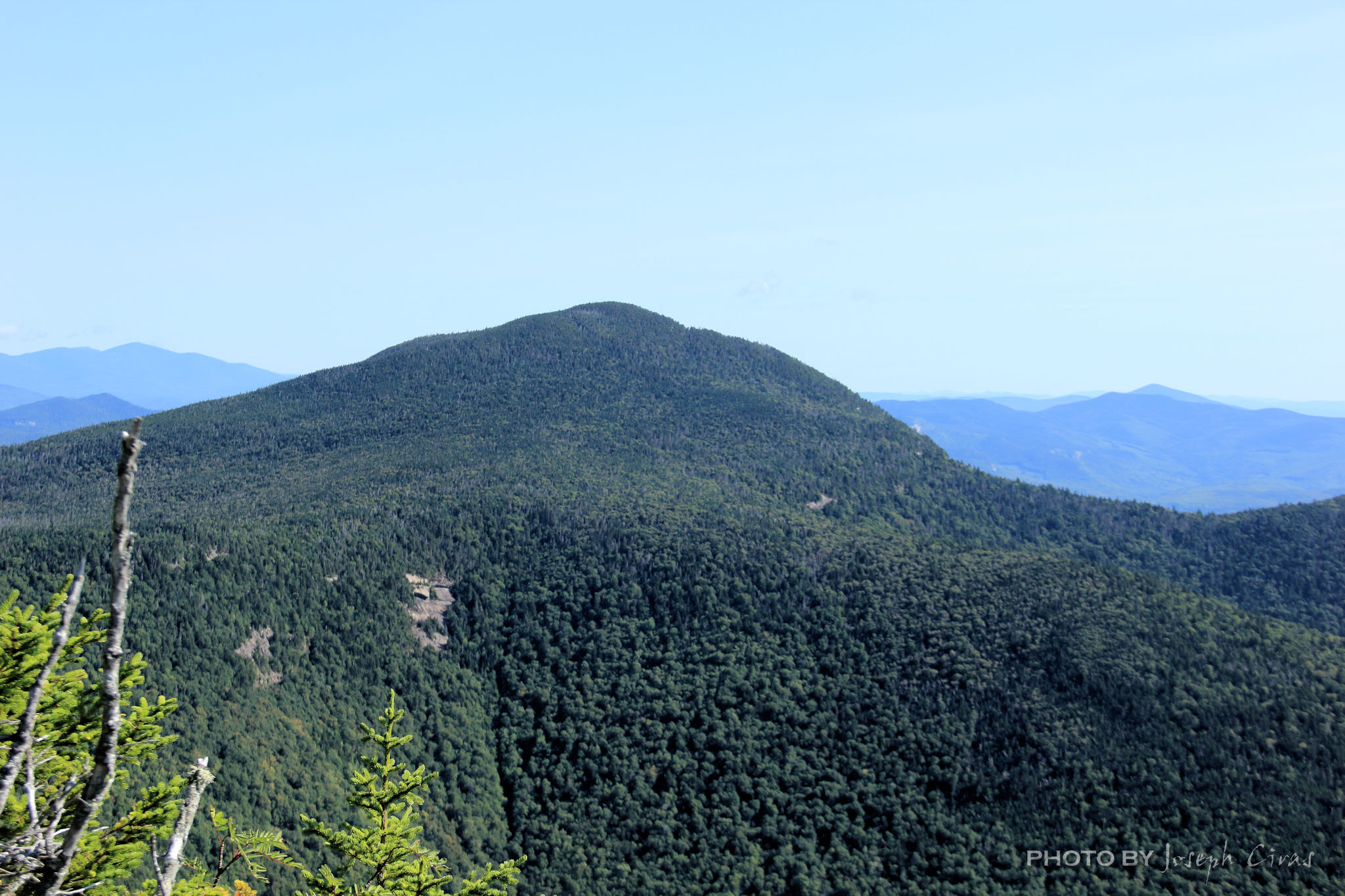
Mount Passaconaway

Thank you again for having faith and my abilities. Now I need to go through the photo and pick some out.

That is all for now. Until next week, be safe.

For more photo of other project I have work, visit my website: https://photobyjosephciras.weebly.com/ or visit me on Facebook at https://www.facebook.com/PhotobyJosephCiras/.

COVID is real! Be safe out there, keep your social distance, and remember to always wear your mask and wash your hands. Get your vaccine!

Photographic Thoughts — 08/22/2021 to 08/28/2021

“What I like about photographs is that they capture a moment that’s gone forever, impossible to reproduce.” — Karl Lagerfeld

Thank you for all the new views and likes from last week, it helps keep me inspired.

Sunday, 08/22/2021: Posted photo — Stained Glass.

Settings: Canon EOS 60D, ISO 400, f/5.6, 1/80 s, 32 mm.

This stained glass shows the initial for Ava Maria. Ava Maria is a prayer to the Virgin Mary used in Catholic worship. The first line is adapted from Luke 1:28. Ave Maria is also called Hail Mary.

Ave Maria in stained glass

“Ave Maria, gratia plena, Dominus tecum. Benedicta tu in mulieribus, et benedictus fructus ventris tui, Iesus. Sancta Maria, Mater Dei, ora pro nobis peccatoribus, nunc, et in hora mortis nostrae. Amen.”

Why did I take this photo — I took this photo because last week I took a photo of some stained glass windows with my cell phone and I wanted to take a better photo. I took my DSLR with me into church this morning, saw the glimmer of light amongst the rain, and took this photo.

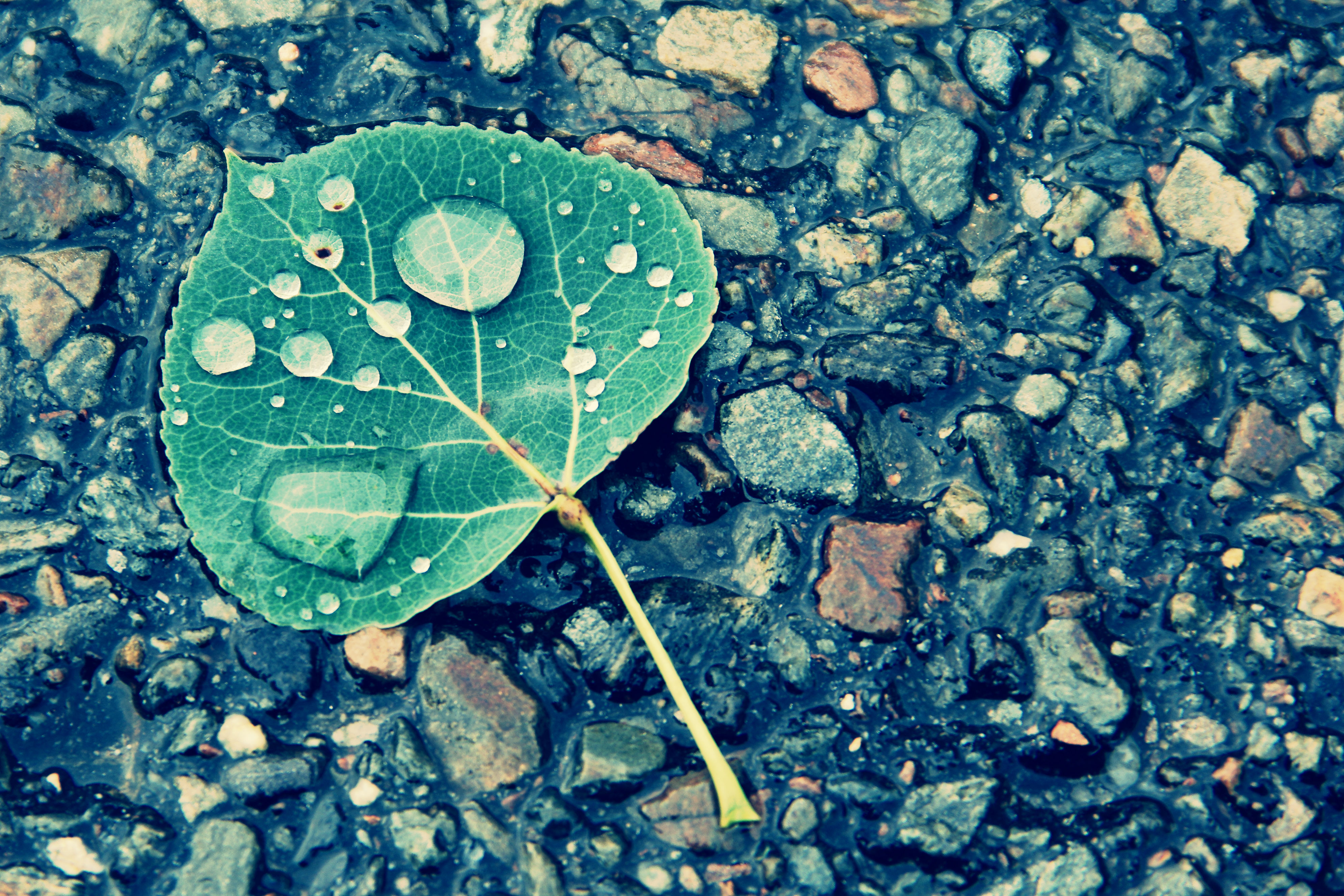
Monday, 08/23/2021: Posted photo — Wet Leaf.

Settings: Canon EOS 60D, ISO 100, f/5.6, 1/40 s, 135 mm.

Tropical Storm Henri just paid a visit to the area. Yesterday there were some gusts of wind and a little rain in this area. Some other areas around me received more wind damage and rain.

Today I was walking around and say the water beading off this leaf, so I took a photo of it. Always keep your eyes open to the wonders of nature.

Water drops on a leaf

Later in the day, I took my normal Monday night hike up Wachusett Mountain. There was only two of us this week because of the heavy rain that came in this afternoon. It was wet and rainy on the way to the summit, and it was very wet and heavy rain on the way down. When I hike, I just keep wiping the water from my eyes and just follow the tail. You need to take all your steps very carefully. Hiking is still fun in the rain.

Tuesday, 08/24/2021: Posted photo — Web.

Settings: Canon EOS 60D, ISO 1600, f/5.6, 1/20 s, 135 mm.

Is it just me, or are there many more spiders this year that there have been in the past? I keep seeing webs and the light shining off the webs. Today I stopped and attempted to take a photo of a web in the sunlight.

Spider web

Looking at the photo, it looks like my ISO was set too high since the web looks blown out to me.

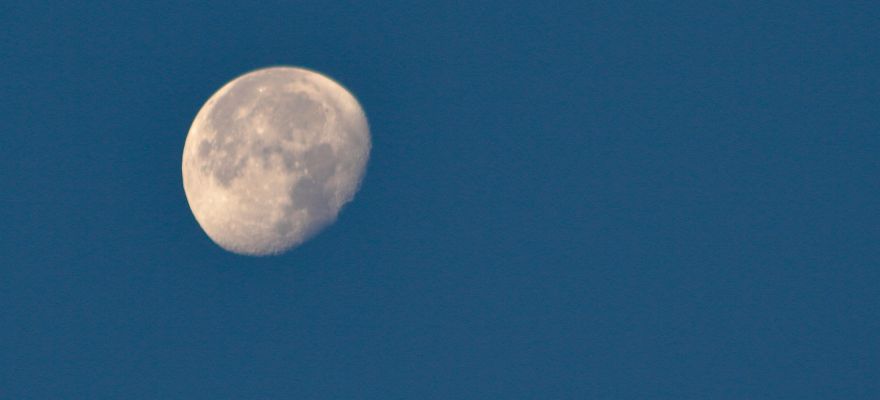
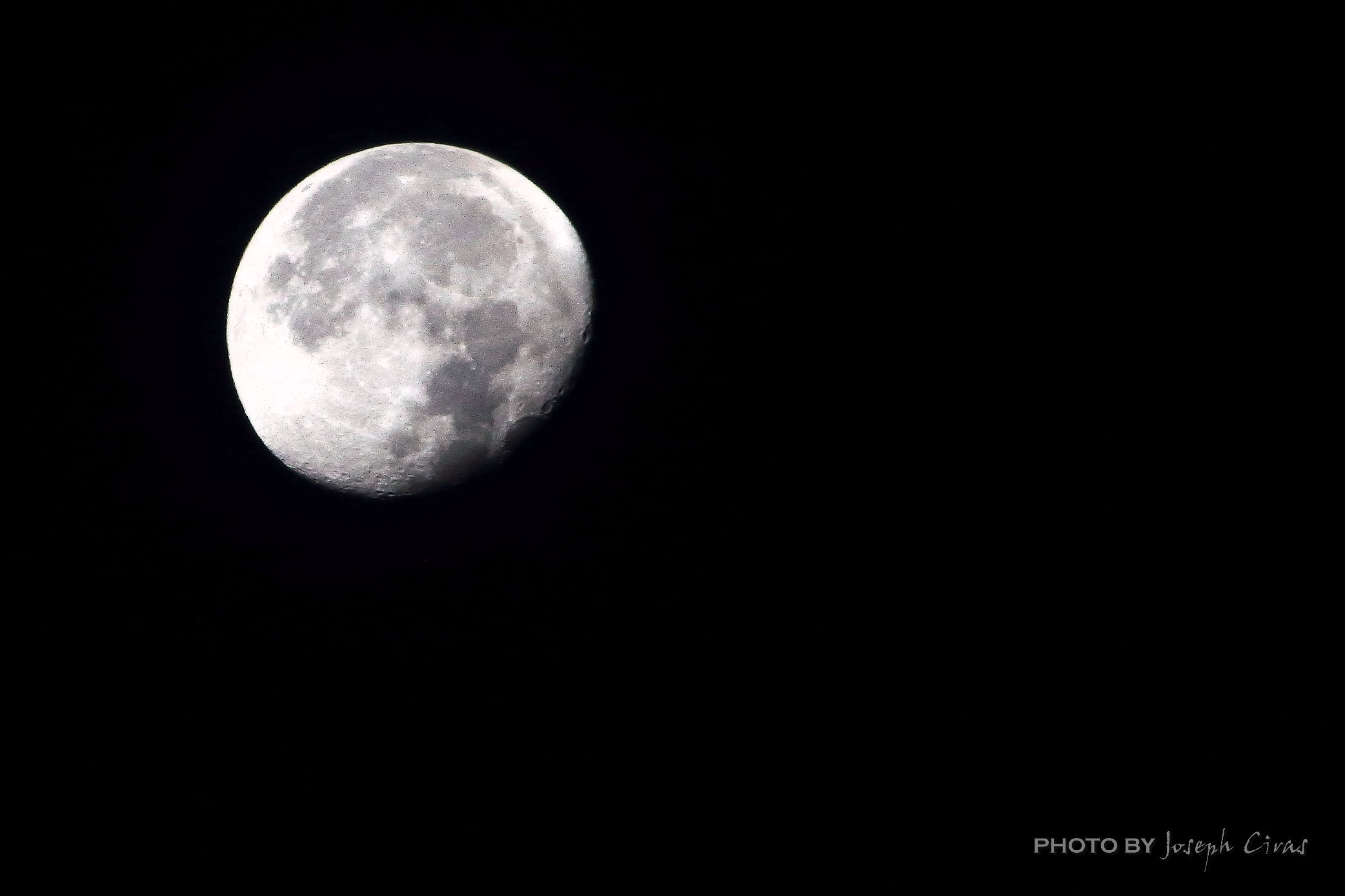
Wednesday, 08/25/2021: Posted photo — Moon.

Settings: Canon EOS 60D, ISO 400, f/16, 1/125 s, 300 mm.

Look, Joe took another moon photo!

Just another moon shot

This morning, as the moon does many times, I was just called to take a photo of the moon.

Thursday, 08/26/2021: Posted photo — Hike.

Settings: N/A.

This is not a photo. I took many photos today and did not like any of them good enough to post.

Thursday night hike

This is a photo of the trail I took tonight on Wachusett Mountain in the heat. The hike was 3.5 miles long, it started in the light, and ended in the dark. The air was very moist and heavy. When you hike in situation similar to this, you must drink plenty of water.

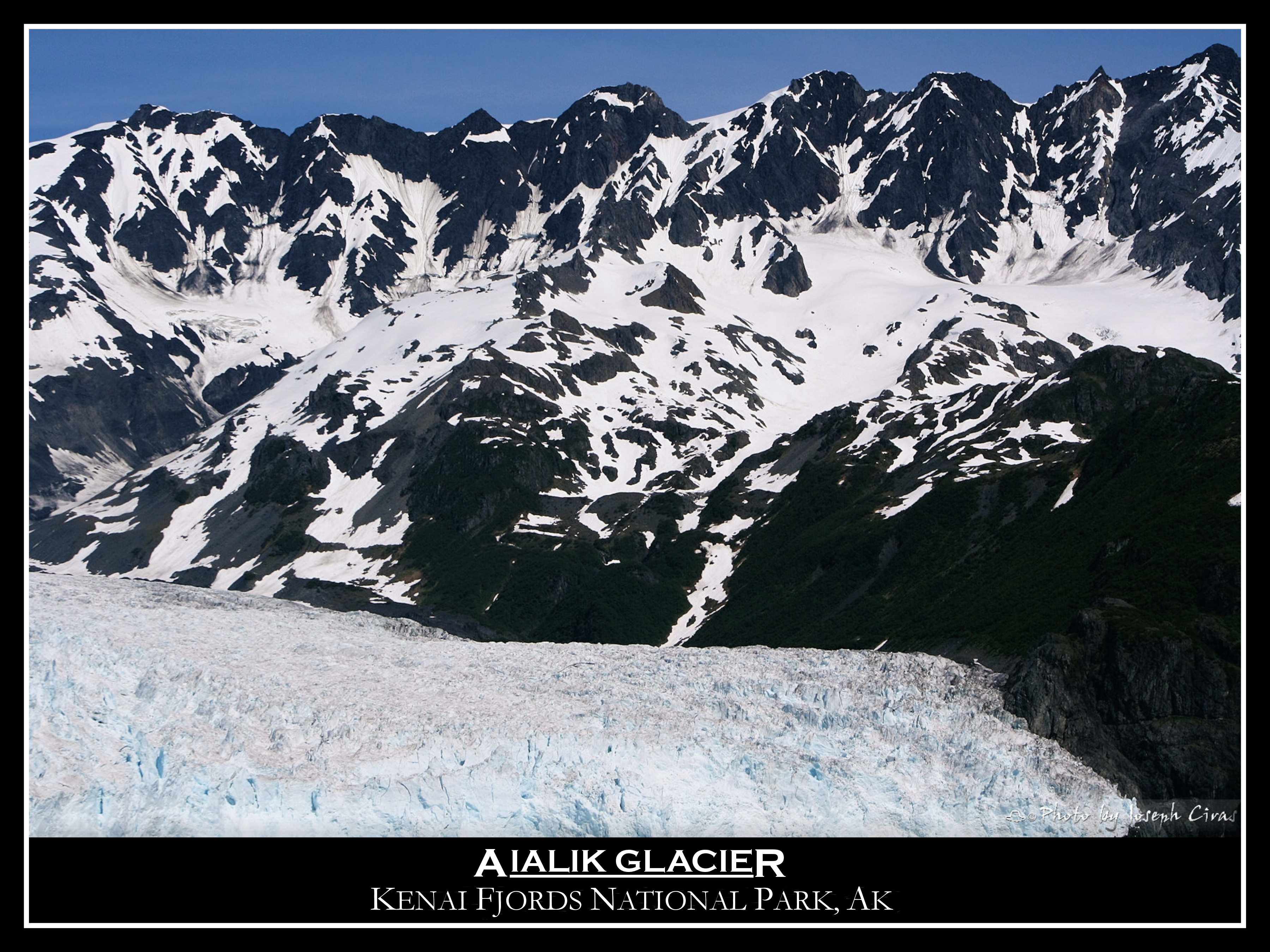
Friday, 08/27/2021: Post photo — Aialik Glacier.

Settings: N/A.

Aialik Glacier is the largest glacier in Aialik Bay, located in Kenai Fjords National Park. While stable, the glacier calves most actively in May and June. We say the glacier in June and saw the calves.

We went to Alaska in 2016 for our 25th wedding anniversary with my son and niece. Alaska is a great place to visit. If you have an opportunity to visit, please do so.

Poster created from my photo of the Aialik Glacier

About the photo. I took some of my travel photos and made posters of them to remember were the photo was taken. It was a fun process to learn a new photo editing technique. I made a photo script to help me do this for my photos. The script will resize the photos and add the text and boarder.

Saturday, 08/28/2021: Post photo — Mr. and Ms.

Settings: Canon EOS 60D, ISO 200, f/7.1, 1/125 s, 24 mm.

I would like to thank Doug and Vicky for allowing me to photograph there special day. This was my first official wedding that I photographed. They had faith in me do this knowing that I am primarily a landscape photographer.

Mr. and Ms. Chase-Dame

I have worked with Doug’s father for many years. He asked me if I was comfortable enough to take photos as his son’s wedding, I said I would love to do so. As you can see from the photo, they are a fun couple. When I was told that there were wearing Hawaiian shirts for the wedding, I thought that just Doug was going to wear one. When I went to their house and saw that everyone in the family had one on, I went home to put my shirt from Hawaii on to fit in with the crowd. My house was on the way from the morning photoshoot to the wedding.

Thank you again for having faith and my abilities. Now I need to go through the photo and pick some out.

That is all for now. Until next week, be safe.

For more photo of other project I have work, visit my website: https://photobyjosephciras.weebly.com/ or visit me on Facebook at https://www.facebook.com/PhotobyJosephCiras/.

COVID is real! Be safe out there, keep your social distance, and remember to always wear your mask and wash your hands. Get your vaccine!
Photographic Thoughts — 08/08/2021 to 08/14/2021

“The whole point of taking pictures is so that you don’t have to explain things with words.” — Elliott Erwitt

Thank you for all the new views and likes from last week, it helps keep me inspired.

Enjoy this week’s rambling mind of a mechanical engineer and photographer.

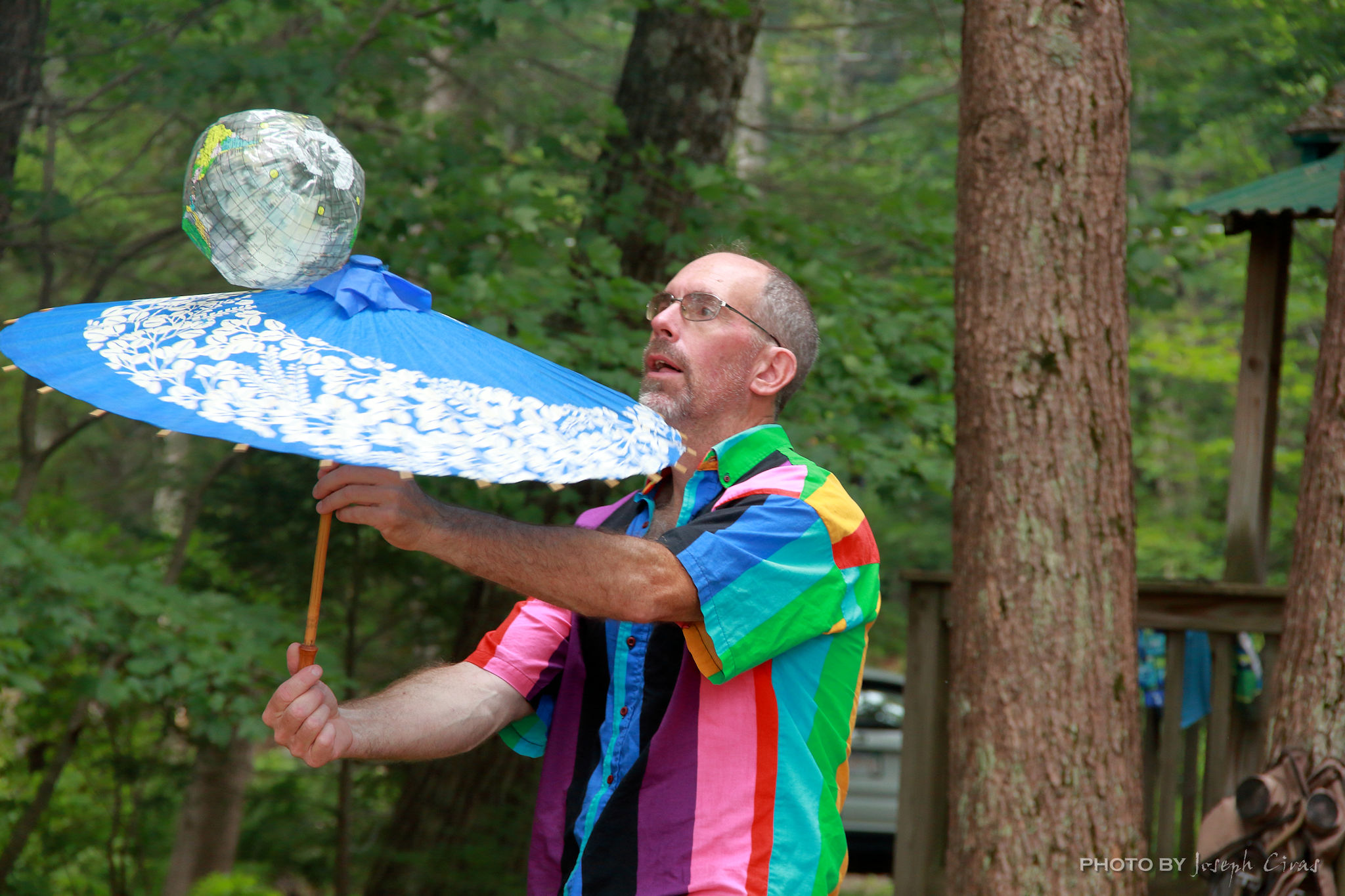
Sunday, 08/08/2021: Posted photo — Balancing the World.

Settings: Canon EOS 60D, ISO 400, f/7.1, 1/160 s, 106 mm.

My wife’s family have a reunion the first Saturday of August every year. Relatives from all around the country, and sometimes the world, come to visit. The reunion is only schedule for one day yet it occurs over the course of the week.

My brother-in-law likes to juggle. He juggles clubs, balls, boxes, fire clubs, fire balls, scarfs, and people. He also does tricks for the younger members of the family. People young and old look forward to his juggling act. In this picture, he is spinning the parasols to balance the world.

Monday, 08/09/2021: Posted photo — Backpack.

Settings: Samsung SM-G930V (Galaxy S7), ISO 80, f/1.7, 1/120 s, 4 mm

Monday night is hiking night, as some of you may know by now. We purchased a new backpack for my son since his is old and losing padding. I tried out his backpack tonight to see how comfortable it is to use. This photo was taken on the summit fire watch tower on Wachusett Mountain.

For your information, the backpack was comfortable for short hikes. I may not be so for the longer hikes we have planned so we will be purchasing another backpack for him.

Tuesday, 08/10/2021: Posted photo — Can You Hear Me.

Settings: Canon EOS 60D, ISO 1600, f/5.6, 1/1600 s, 135 mm.

Hearing protection is required when one is exposed to a sound level over 85 dB for 8 hrs. Some examples of how loud that is are: Garbage disposal, dishwasher, average factory, freight train (at 15 meters). Car wash at 20 ft (89 dB); propeller plane flyover at 1000 ft (88 dB); diesel truck 40 mph at 50 ft (84 dB); diesel train at 45 mph at 100 ft (83 dB). Food blender (88 dB); milling machine (85 dB); garbage disposal (80 dB). Manufacturing plants have sound levels that exceed the 85 dB threshold so hearing protection is required.

binary comment

Why did I take this photo? I took it since I liked the mixture of colors in the container. This is one of the photos that I took today for my photo project. I liked this one over the other once that I took today. I will not be posting the other photos I took. That should be telling you the quality of those photos.

Wednesday, 08/11/2021: Posted photo — Feed Me.

Settings: Canon EOS 60D, ISO 200, f/7.1, 1/125 s, 135 mm.

These birds were waiting for their mother to feed them. I have walked past then a few times over the last two weeks and decided to take their photo today. I took a similar photo last year. I like the way that one of the birds is looking for food and the other one is just looking like he is annoyed.

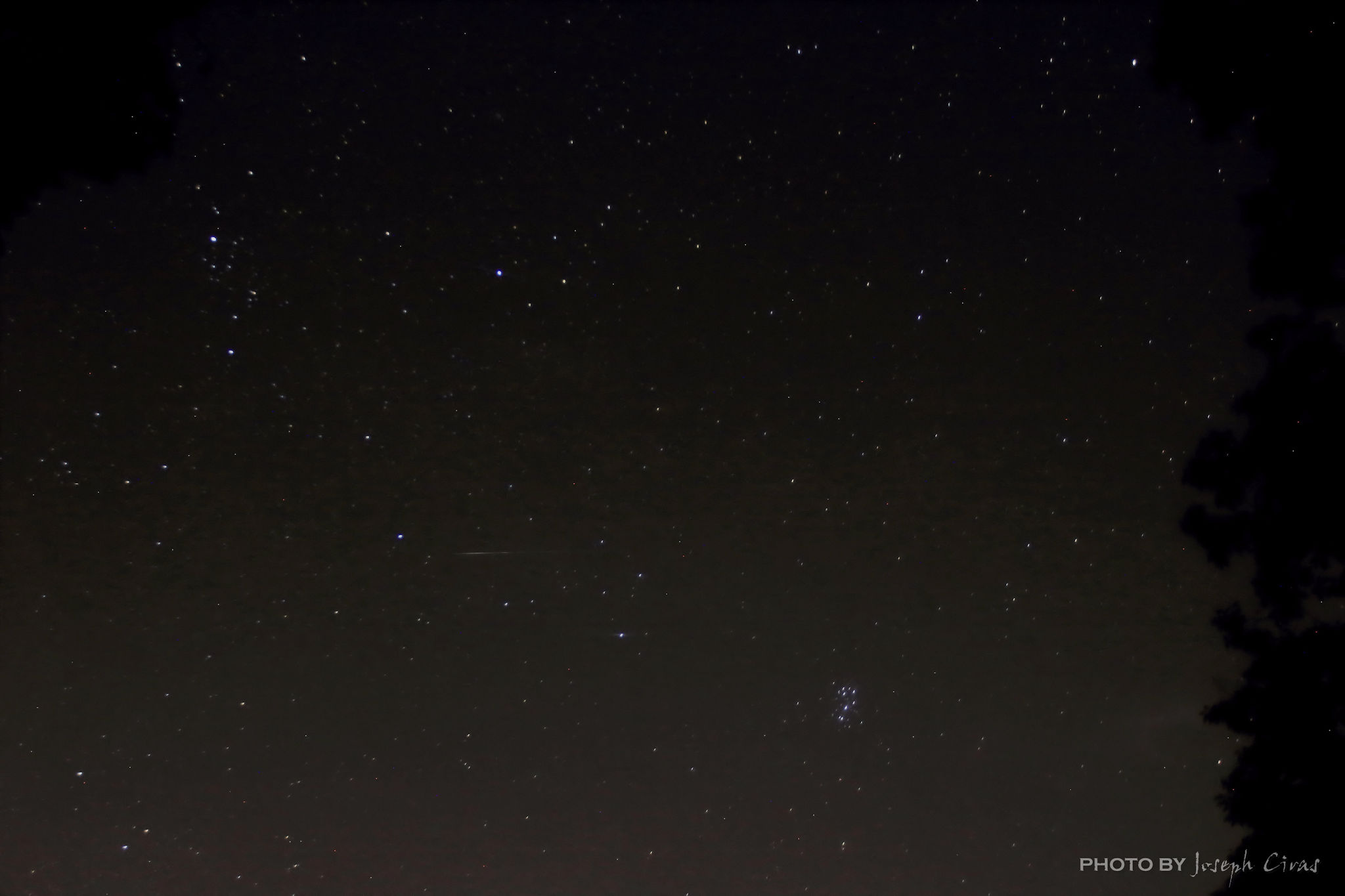
Thursday, 08/12/2021: Posted photo — Find the Meteor.

Settings: Canon EOS 60D, ISO 1600, f/4, 15 s, 28 mm.

The Perseids are a prolific meteor shower associated with the comet Swift–Tuttle. The meteors are called the Perseids because the point from which they appear to hail lies in the constellation Perseus. The meteor shower reached it peak this year at 4:01 a.m. today. The photo is dark because I had to adjust for the light pollution in the area. I look online and see these great photos of the meteor shower taken from dark sky areas. Someday I will travel to a dark sky area during a meteor shower. Last year I posted my first photo of the Milky Way from a dark sky reserve, Canyonland National Park. Dark Sky Reserves are designated by the International Dark-Sky Association (IDA). They are areas that offer exceptional starry nights and are specifically protected for scientific, natural, educational, cultural, heritage and/or public enjoyment.

Did you find it? Look northwest of the “Seven Sisters”. What are the “Seven Sisters”?

From space.com: “The Pleiades are a group of more than 800 stars located about 410 light-years from Earth in the constellation Taurus. Most skywatchers are familiar with the assembly, which looks something like a smaller, hazier version of the Big Dipper in the night sky.

Also known as the “Seven Sisters” and Messier 45, the object derives its English name from Greek legend. The Pleiades are the seven daughters of the Titan god Atlas and the ocean nymph Pleione. During an ancient war, Atlas rebelled against Zeus, the king of the gods, who sentenced his foe to forever hold up the heavens on his shoulders. The sisters were so sad that Zeus allowed them a place in the sky in order to be close to their father.”

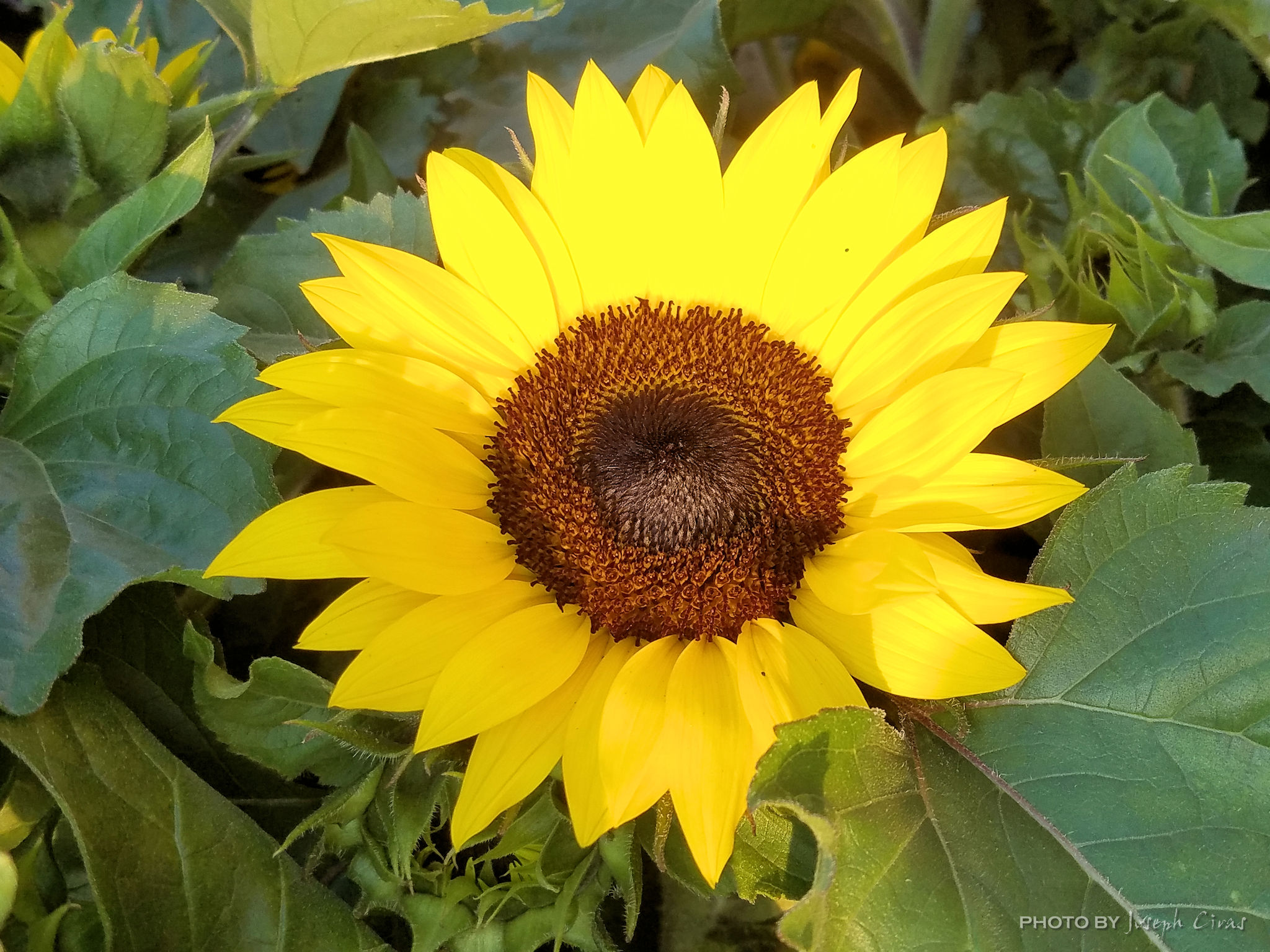
Friday, 08/13/2021: Post photo — Sunflower.

Settings: Samsung SM-G930V (Galaxy S7), ISO 50, f/1.7, 1/287 s, 4 mm

Sunflowers have symbolic meanings in love, luck, spirituality, and dreams. Why did I post a photo a sunflower today? Today is Friday the 13.

From my web research I found out more information. This is from the CNN website: “From Scandinavia, Panati explains, the superstition then spread south throughout Europe, becoming well established along the Mediterranean by the start of the Christian era. It was here that the unsettling power of the numerals was cemented through the story of the Last Supper, which was attended by Jesus Christ and his disciples on Maundy Thursday. The 13th and most infamous guest to arrive, Judas Iscariot, was the disciple who betrayed Jesus, leading to his crucifixion on Good Friday.”

For you that follow FOX news: “According to the history website, the association of 13 being unlucky likely started in Western culture the Last Supper in the Bible. In the biblical story, 13 people sat at the Last Supper table – Jesus and his 12 disciples – and the next day, Jesus was crucified.”

Here is wishing you luck today.

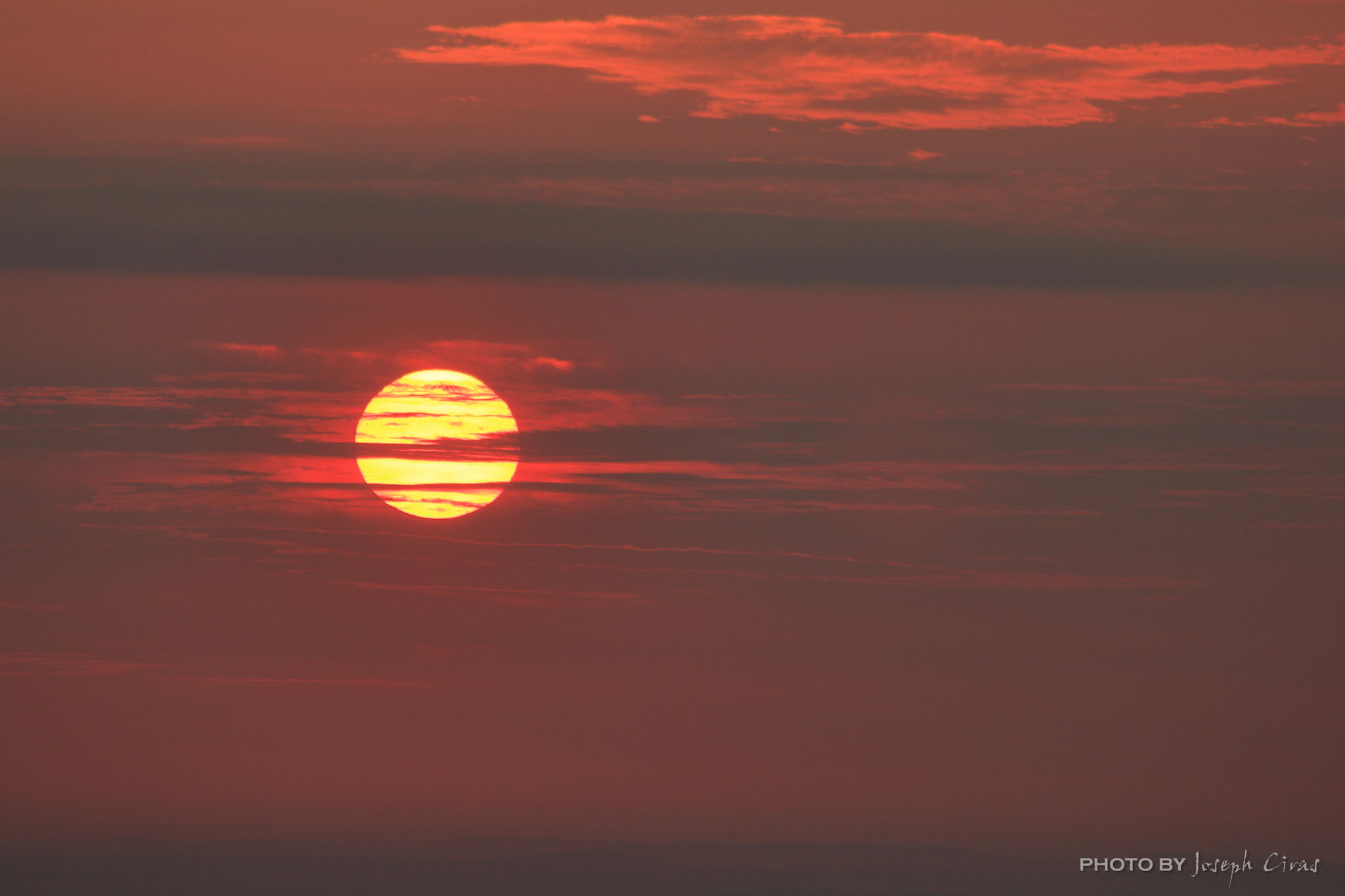
Saturday, 08/14/2021: Post photo — Sunrise.

Settings: Canon EOS 60D, ISO 100, f/7.1, 1/160 s, 300 mm.

Saturday is my day to sleep in. I wake up around 4:30 a.m. every day so I look forward to sleeping in on Saturday mornings. Today I woke up at 4 a.m. to climb Wachusett Mountain to take a photo of the sunrise.

When I arrived at the summit, I was the only one there. The sky was clear until just about the time the sun was to rise, 5:42 a.m. There was a fog bank that rolled in. I could see the sun over the horizon since I knew the location that it was to rise. I was giving up hope of seeing the sunrise. Then the fog burned off just enough for me to take this photo.

I went back to bed for a few hours when I came back home from my hike.

That is all for now. Until next week, be safe.

For more photo of other project I have work, visit my website: https://photobyjosephciras.weebly.com/ or visit me on Facebook at https://www.facebook.com/PhotobyJosephCiras/.

COVID is real! Be safe out there, keep your social distance, and remember to always wear your mask and wash your hands. Get your vaccine!

Photographic Thoughts — 08/01/2021 to 08/07/2021

“A photograph is a secret about a secret. The more it tells you the less you know.” — Diane Arbus

Thank you for all the new views and likes from last week, it helps keep me inspired.

Enjoy this week’s rambling mind of a mechanical engineer and photographer.

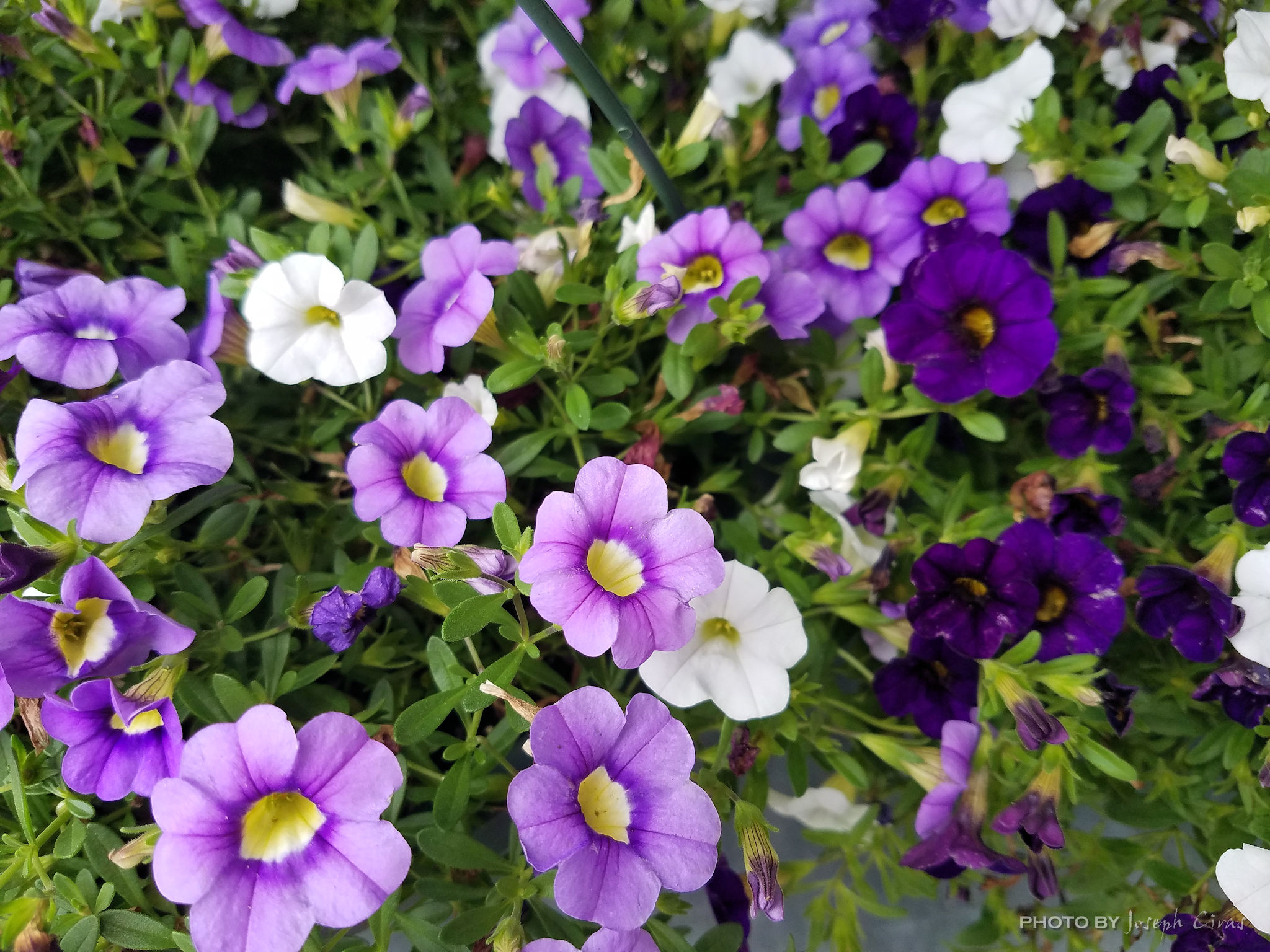
Sunday, 08/01/2021: Posted photo — Calibrachoa.

Settings: Samsung SM-G930V (Galaxy S7), ISO 50, f/1.7, 1/258 s, 4 mm

Calibrachoa, commonly called million bells or trailing petunia, is a tender perennial that produces mounds of foliage, growing only 3 to 9 inches (7.5-23 cm.) tall, along trailing stems and flowers in shades of violet, blue, pink, red, magenta, yellow, bronze and white.

Read more at Gardening Know How: Growing Calibrachoa Million Bells: Growing Information and Calibrachoa Care https://www.gardeningknowhow.com/ornamental/flowers/million-bells/calibrachoa-million-bells.htm

Today when I went shopping, I saw these flowers and took this photo. As always, I take many photos as I can during the day, so I have a photo for this project.

Monday, 08/02/2021: Posted photo — Hiking Group.

Settings: Canon EOS 60D, ISO 3200, f/7.1, 1/50 s, 44 mm.

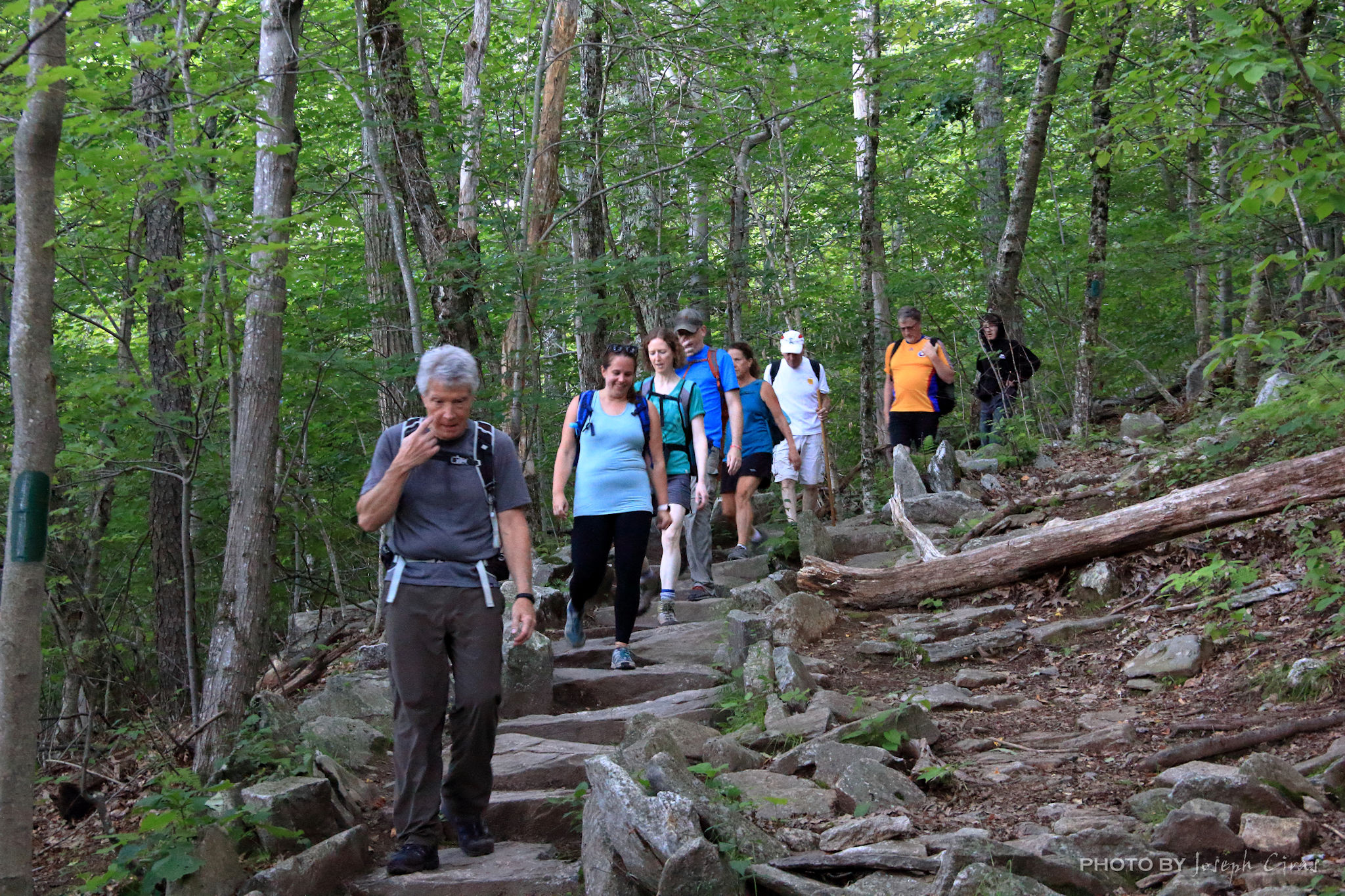
Monday night hike. I joined a Monday night hiking group a few months ago and like this group. They are a group of hikers of different abilities, yet the hikes are safe and challenging. I have tried other hiking groups during the week. I like this one the best, so I plan on hiking with them every week.

I am one of the faster hikers in this group. I hiked ahead of the group to take this photo as they were hiking done the Pine Hill Trail on Wachusett Mountain.

Tuesday, 08/03/2021: Posted photo — Boat.

Settings: Canon EOS 60D, ISO 1600, f/14, 1/800 s, 79 mm.

Pontoon boats are a type of recreational boat that relies on structures called “pontoons” to float. A pontoon is a type of floating device used to add buoyancy to a structure. These tubes are airtight and hollow, making them water resistant and virtually unsinkable. Pontoon boats utilize two or more pontoon tubes to float effortlessly on the water.

This pontoon boat belongs to the neighbor at my in-law’s cottage. They go out in it every evening to watch the sunset from the lake. The neighbor has had many different style boats over the years and now have this one to leisurely float in the lake.

Wednesday, 08/04/2021: Posted photo — Flight.

Settings: Canon EOS 60D, ISO 100, f/5, 1/400 s, 50 mm.

I was taking photos of purple loosestrife today. When I was taking photos, this bumble bee flew into the loosestrife giving me the opportunity to capture it in flight. I am always glad when a bee flies into my flower photos. Most of the time the bee is too quick for my camera settings. I was very happy with this photo.

I was going to title this photo The Flight of the Bumble Bee towards the Purple Loosestrife, but that would be too long.

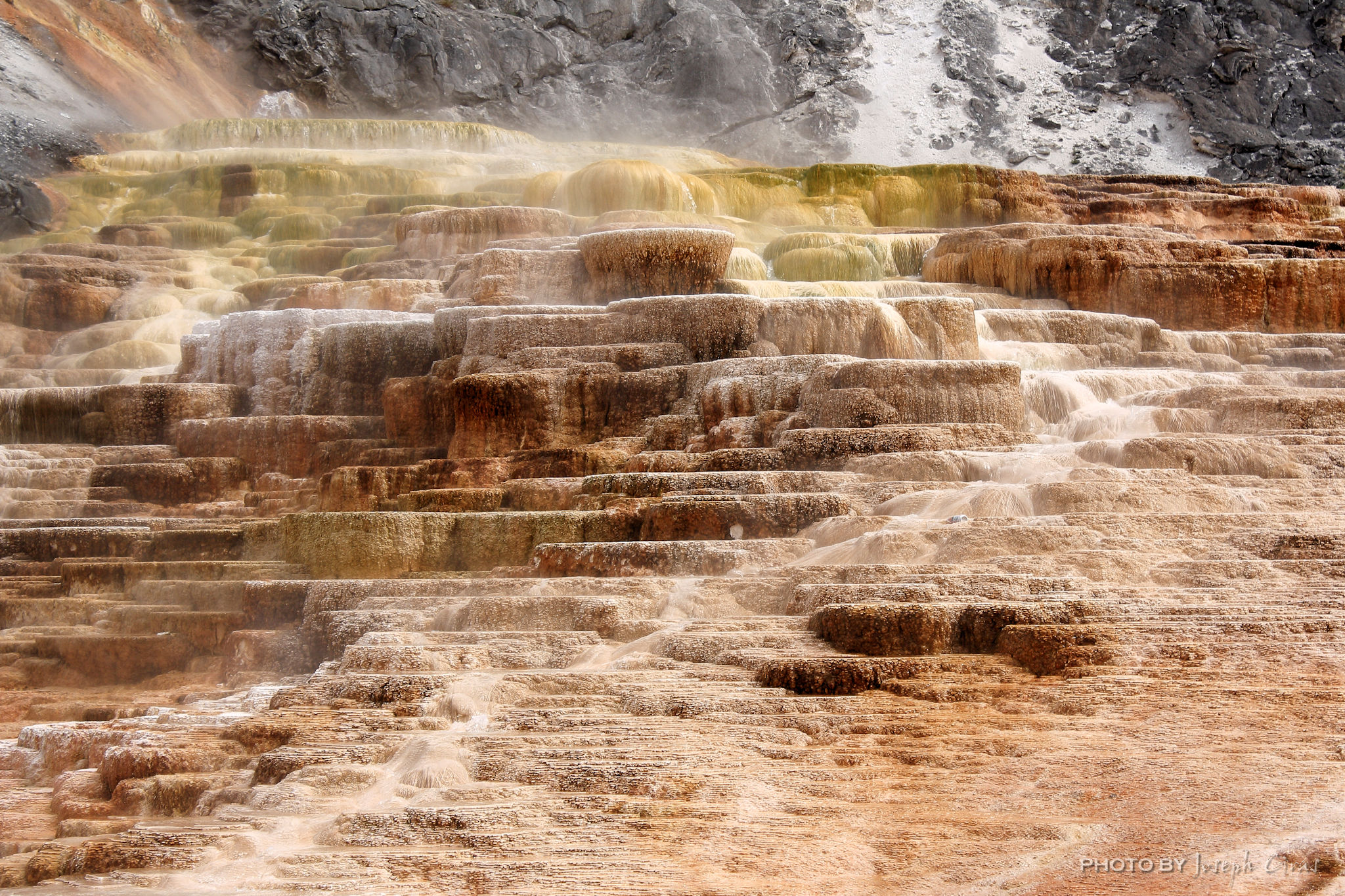
Thursday, 08/05/2021: Posted photo — Mammoth Hot Springs.

Settings: Canon EOS DIGITAL REBEL XS, ISO 100, f/10, 1/200 s, 55 mm.

“Mammoth Hot Springs is a large complex of hot springs on a hill of travertine in Yellowstone National Park adjacent to Fort Yellowstone and the Mammoth Hot Springs Historic District. It was created over thousands of years as hot water from the spring cooled and deposited calcium carbonate.” (Wikipedia) The springs are incredible to see. Hot springs in volcanic areas are often at or near the boiling point. People have been seriously scalded and even killed by accidentally or intentionally entering these springs.

This photo was taken a few years ago during one of our National Park tours. Yellowstone is a great National Park with many different features. One day my family will get back to the park and visit the less know areas of the park and more of the lesser visited geysers.

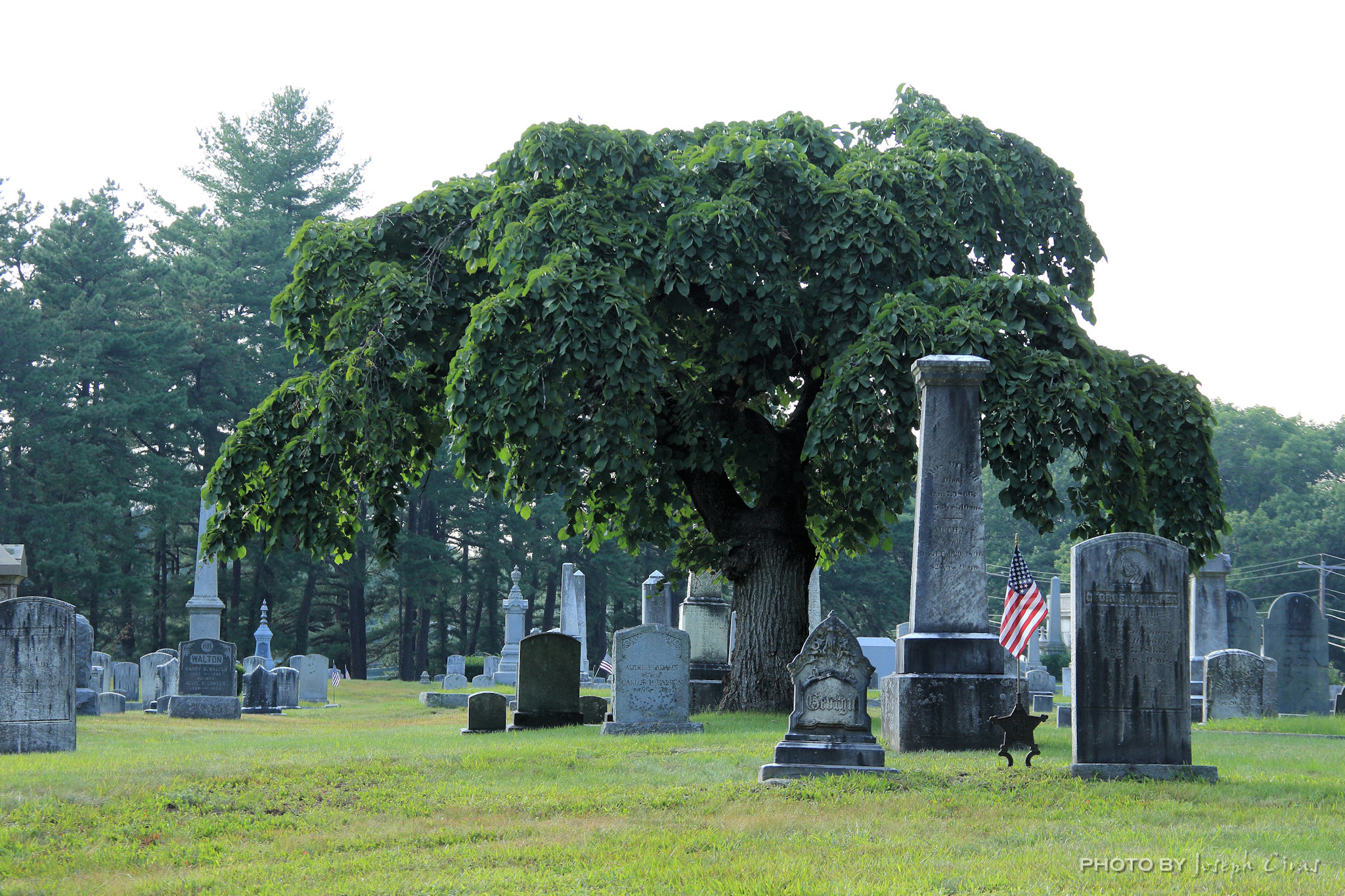
Friday, 08/06/2021: Post photo — Wych Elm.

Settings: Canon EOS 60D, ISO 100, f/7.1, 1/80 s, 60 mm.

“The Wych Elm tree is a hardy specimen that has evolved into a popular landscaping addition over the years. Its towering appearance, pretty purple flowers and winged fruit are just some of its many attributes. In addition to its natural beauty, the Wych Elm is not terribly challenging to propagate, which is why growers of varying experience choose to plant the tree on their property.” Wych Elm Tree | LoveToKnow

Some of you may recognize this location and this tree. It is the cemetery near my house that I photograph a few times a year. I just like the majesty of this tree. I always wanted to know what type of tree it was, so I took out my Seek app and the app identified the tree as a Wych Elm.

If you know it by another name, let me know in the comments.

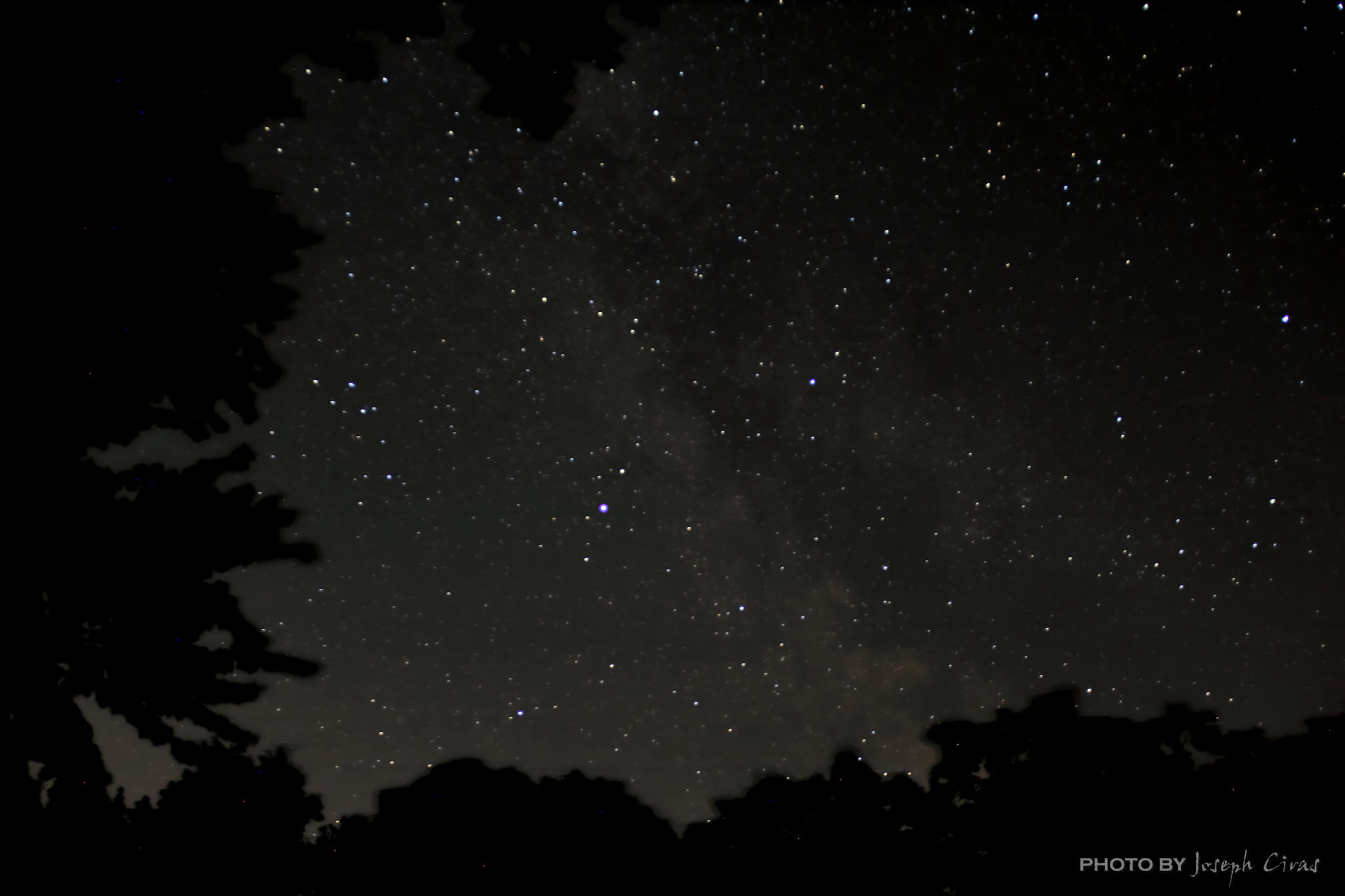
Saturday, 08/07/2021: Post photo — Milky Way in Light Pollution.

Settings: Canon EOS 60D, ISO 1600, f/3.5, 15 s, 18 mm.

Photographing the Milky Way is not easy. I live in an area were there is some light pollution from the surrounding towns and the rehab place down the street.

I came home from my wife’s family reunion and took this shot. The moon was low, and the stars were bright. Besides the light pollution in the area, I may have forgotten to take the image stabilization off on my lens when it was on my tripod when taking this photo.

After 4237 days in a row of taking photos, I still make rookie mistakes occasionally.

That is all for now. Until next week, be safe.

For more photo of other project I have work, visit my website: https://photobyjosephciras.weebly.com/ or visit me on Facebook at https://www.facebook.com/PhotobyJosephCiras/.

COVID is real! Be safe out there, keep your social distance, and remember to always wear your mask and wash your hands. Get your vaccine!
Photographic Thoughts — 07/25/2021 to 07/31/2021

“If you see something that moves you, and then snap it, you keep a moment.” — Linda McCartney

Thank you for all the new views and likes from last week, it helps keep me inspired.

Enjoy this week’s rambling mind of a mechanical engineer and photographer.

Sunday, 07/25/2021: Posted photo — Flower from Bouquet.

Settings: Canon EOS 60D, ISO 800, f/5.6, 1/40 s, 67 mm.

These flowers are from the bouquet of flowers given to me from my employer. I have been very grateful at the flexibility and support the people at work have given me during the last few months as I cared for my mother three nights a week.

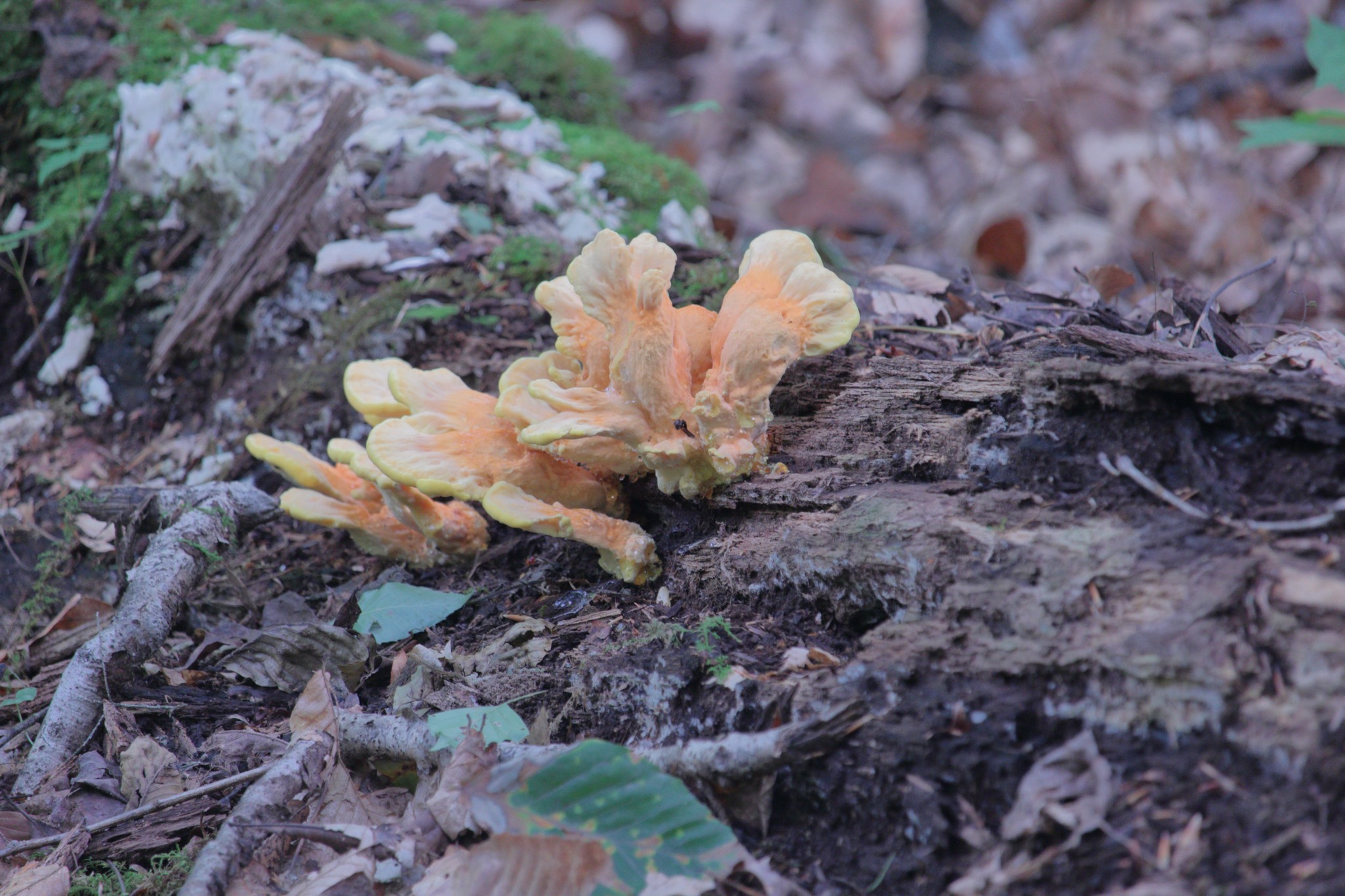
Monday, 07/26/2021: Posted photo — Mushroom.

Settings: FUGIFILM FinePix XP70, ISO 1600, f/4.9, 1/25 s, 15 mm.

The mushroom is growing at the junction of Bicentennial Trail and the Pine Hill Trail on Wachusett Mountain.

I went on my weekly hike with the Monday Meetup group and descended Pine Hill before the group, so I stopped and took this photo. The hike was wet due to all the rain we have been having in the area over the last few days, weeks, and months. I do not know my mushrooms very well. I am guessing that these are not edible because of the ring along the stem.

Tuesday, 07/27/2021: Posted photo — Quick Morning Moon.

Settings: Canon EOS 60D, ISO 100, f/7.1, 1/125 s, 300 mm.

Driving into work this morning, I saw the moon. I was not expecting this. Maybe because of all the cloud cover we have been having lately. Since I took such a terrible photo of the moon last week, I decided to take out one of my smaller lenses to take this photo.

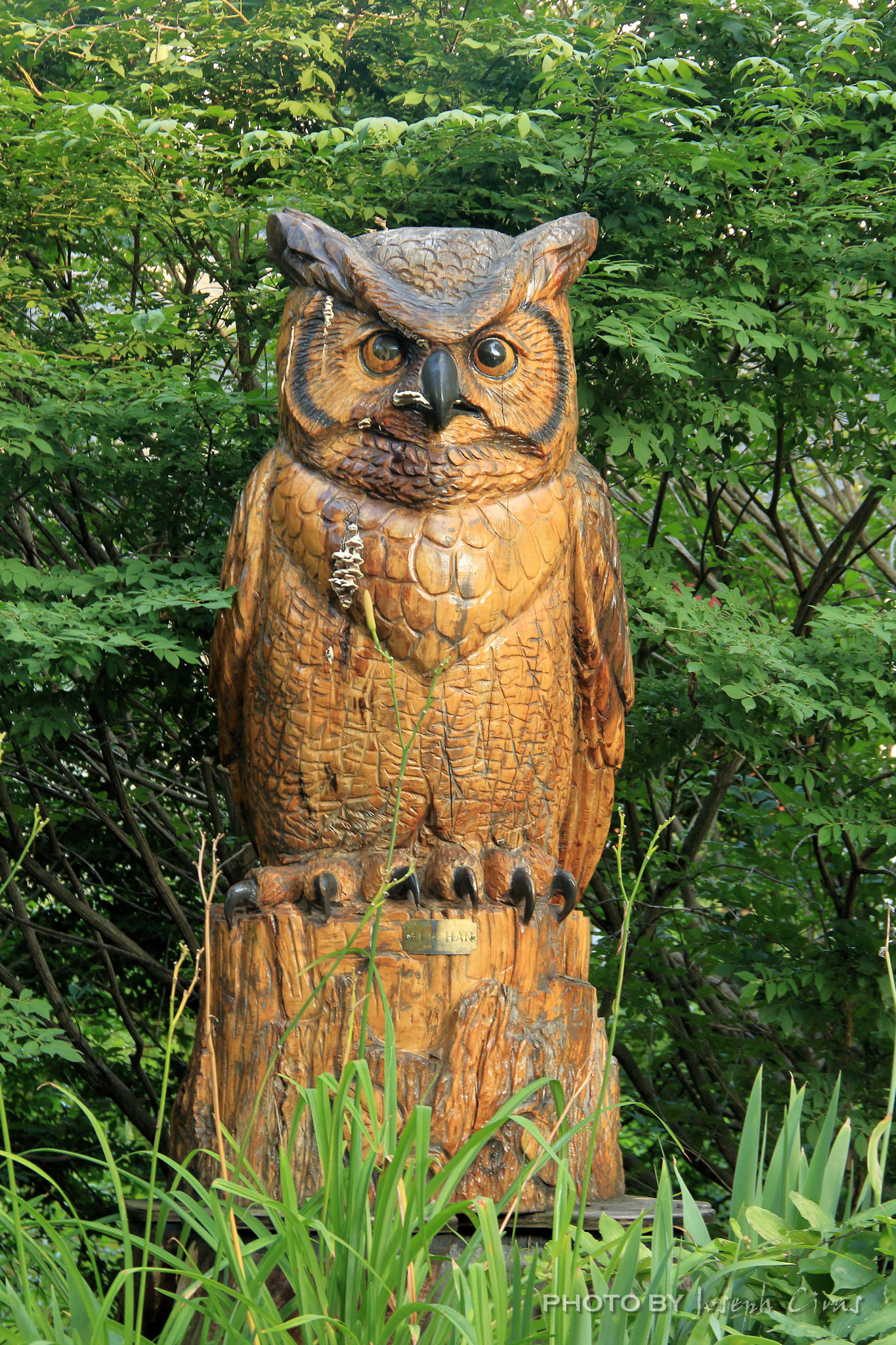
Wednesday, 07/28/2021: Posted photo — Owl.

Settings: Canon EOS 60D, ISO 400, f/7.1, 1/25 s, 60 mm.

There was a tree on the street next to ours that fell during a storm. The people had the tree removed leaving the stump. Instead of having the stump removed, they had an artisan turn the stump into a work of art.

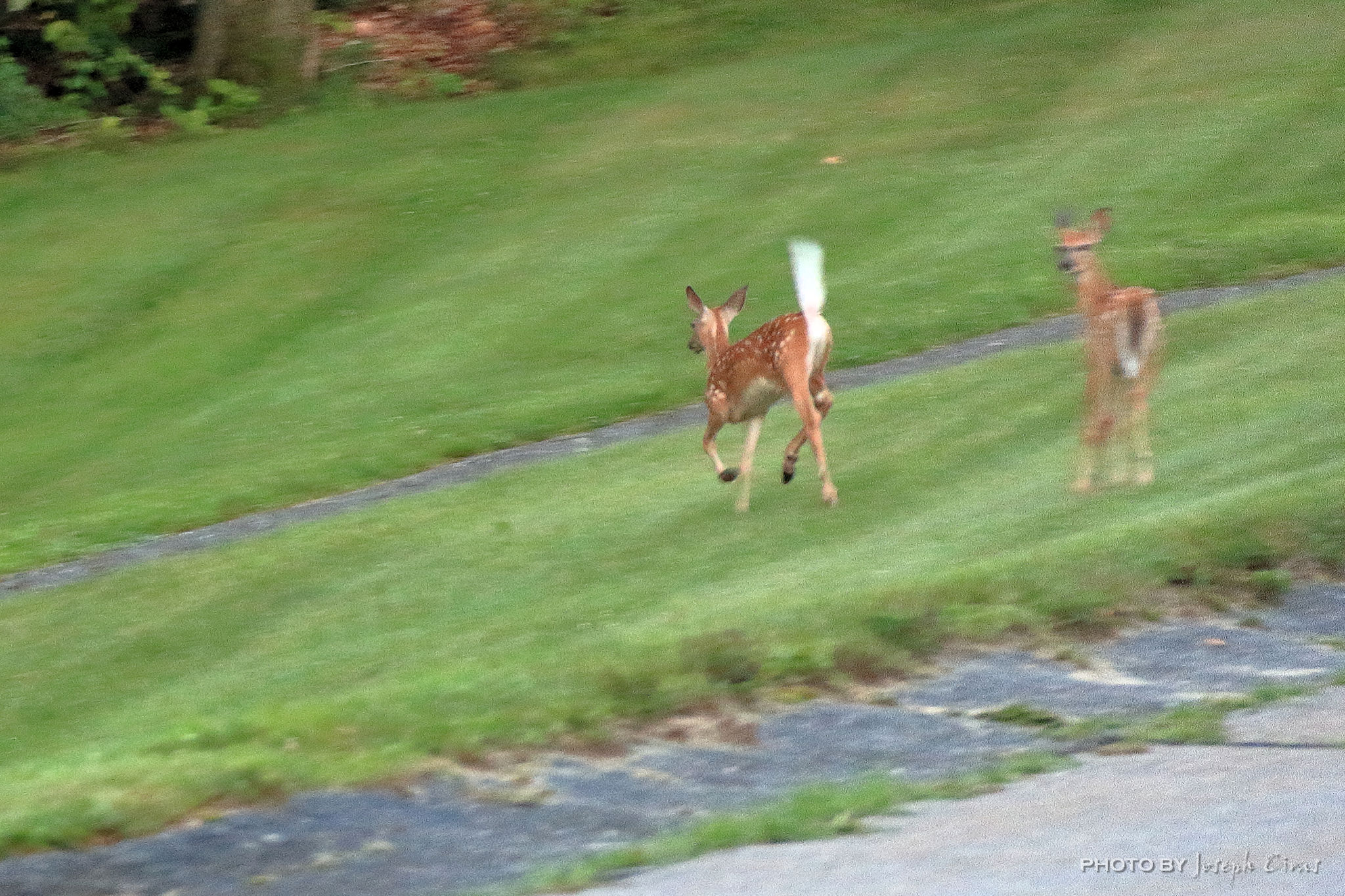
Thursday, 07/29/2021: Posted photo — Morning Run.

Settings: Canon EOS 60D, ISO 1600, f/5.6, 1/30 s, 135 mm.

On my way into work this morning, I saw a family of deer on the side if the driveway. They just looked at me and I looked at them. I stopped and reached for my camera, and they still just looked at me. Shortly after I lowered my window to take a photo, the family of deer ran away stopping occasionally to look at me. This fawn was very interesting in me. I took this photo as the family was running into the woods. I was happy about how focused the fawn was in this photo. I cropped it some to isolate it.

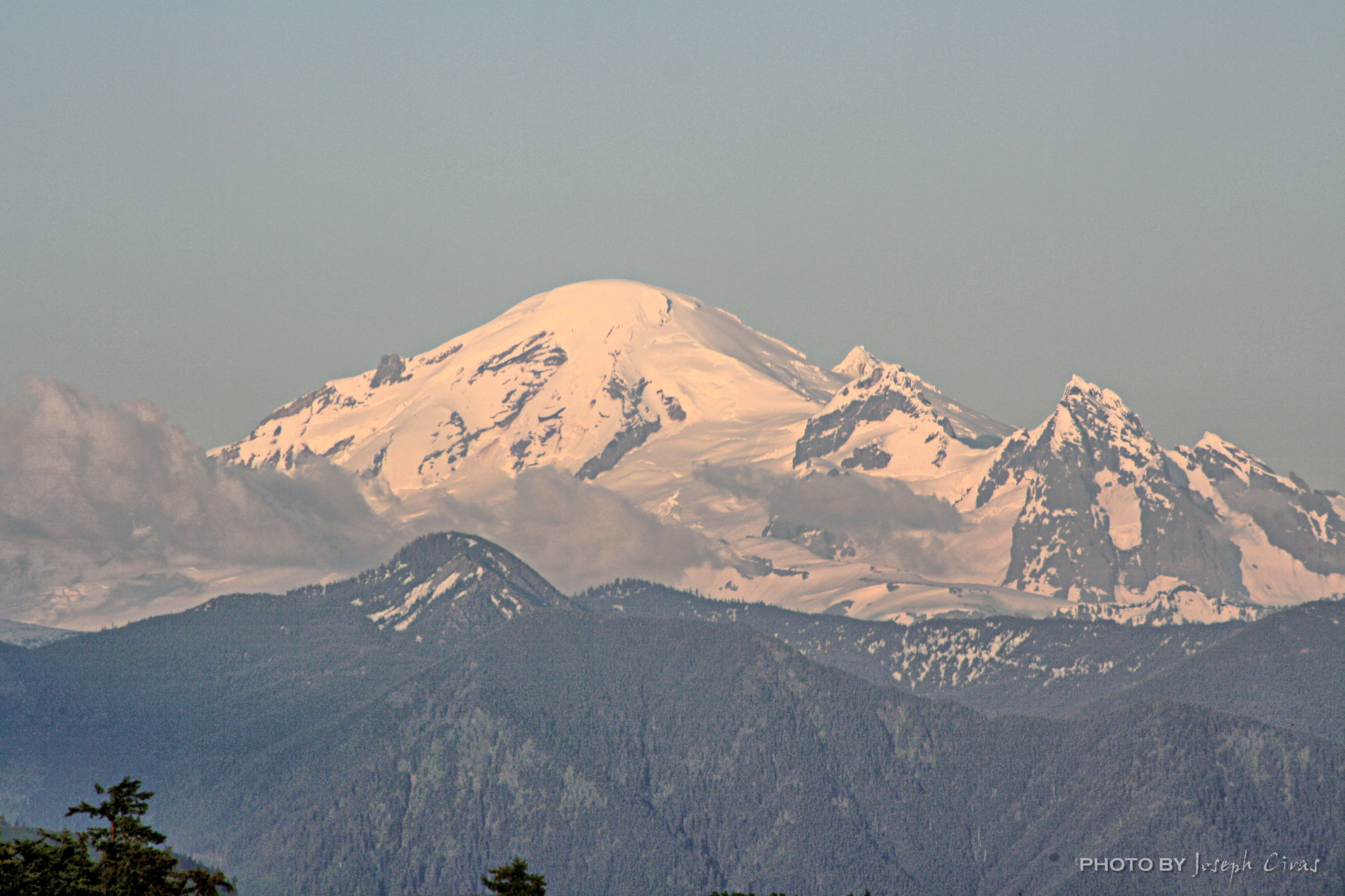
Friday, 07/30/2021: Post photo — Mount Baker.

Settings: Canon EOS DIGITAL REBEL XS, ISO 160, f/8, 1/500 s, 250 mm.

Mount Baker, also known as Koma Kulshan or simply Kulshan, is a 10,781 ft active glacier-covered andesitic stratovolcano in the Cascade Volcanic Arc and the North Cascades of Washington in the United States. Mount Baker has the second-most thermally active crater in the Cascade Range after Mount St. Helens. This photo was taken in a park a few years ago.

Saturday, 07/31/2021: Post photo — Chris Sale.

Settings: Canon EOS 60D, ISO 100, f/7.1, 1/250 s, 300 mm.

Chris Sale is a pitcher for the Boston Red Sox. He had Tommy John surgery last year. Tommy John Surgery, more formally known as ulnar collateral ligament (UCL) reconstruction, is used to repair a torn ulnar collateral ligament inside the elbow. A UCL is a ligament on the inner side of your elbow that helps secure your elbow joint. Some people, typically athletes who play throwing sports, may experience UCL tears that may need surgical repair. A UCL reconstruction surgery involves harvesting a tendon from your own body, or from a donor, and attaching it to act as a new UCL. It may take overhead athletes more than a year or longer to return to their prior level of play after a UCL reconstruction. Tommy John didn’t invent this procedure—he was a baseball pitcher who was the first to undergo it and successfully return to his sport.

Today he had a rehab start for the Worcester Red Sox, the AAA team for the Boston Red Sox. The AAA level of baseball is a step below the major league level.

That is all for now. Until next week, be safe.

For more photo of other project I have work, visit my website: https://photobyjosephciras.weebly.com/ or visit me on Facebook at https://www.facebook.com/PhotobyJosephCiras/.

COVID is real! Be safe out there, keep your social distance, and remember to always wear your mask and wash your hands. Get your vaccine!

Photographic Thoughts — 07/04/2021 to 07/10/2021

“Photography is truth.” — Jean-Luc Godard

Thank you for all the new views and likes from last week, it helps keep me inspired.

Enjoy this week’s rambling mind of a mechanical engineer and photographer.

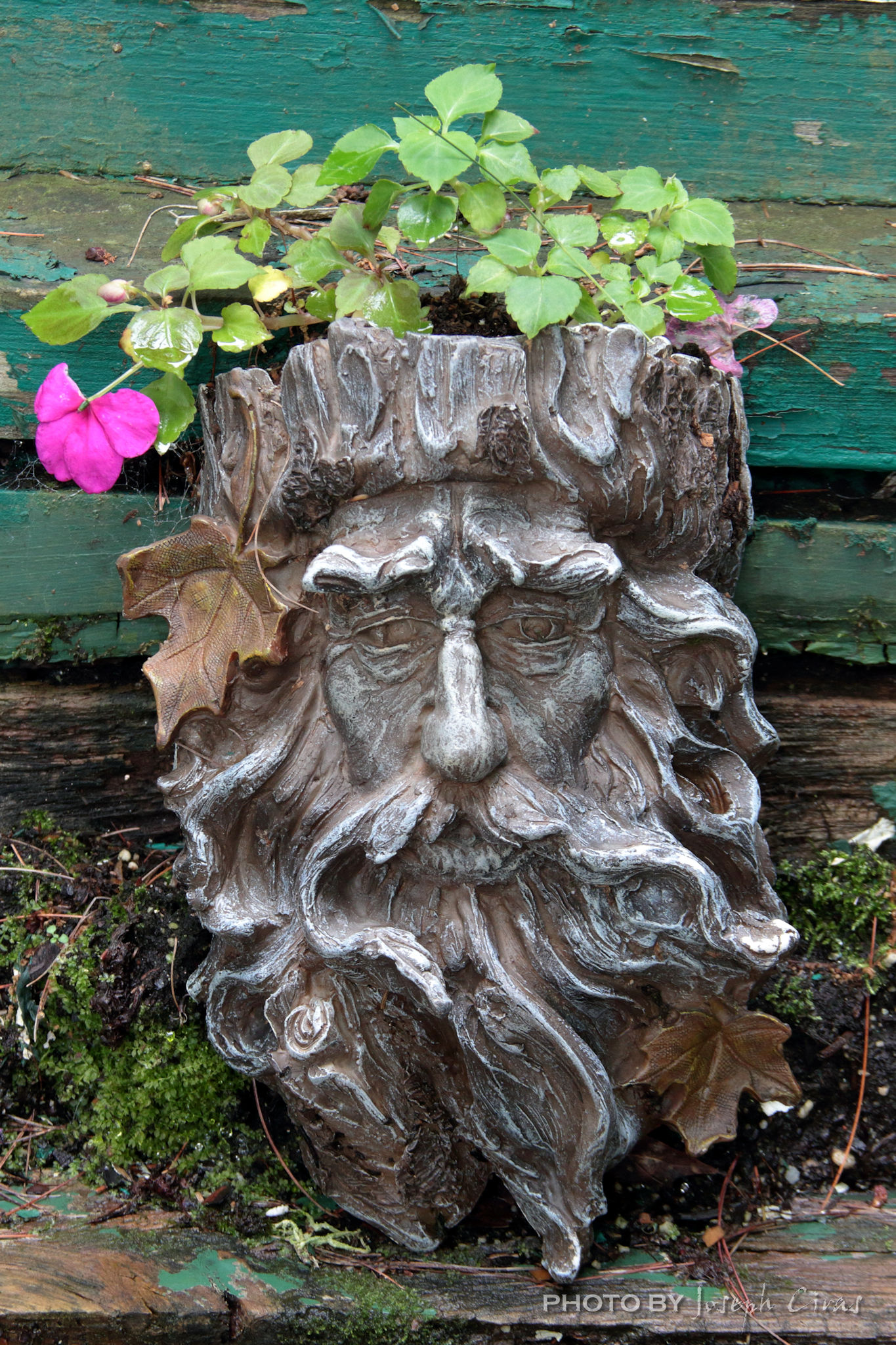
Sunday, 07/04/2021: Posted photo — Planter.

Settings: Canon EOS 60D, ISO 400, f/7.1, 1/50 s, 52 mm.

Planters are used on houses and cottages for plants. A planter is a decorative container in which plants are grown. This planter is located at my in-law’s cottage. I like the look of this, very rustic. A few of the leaves on this planter looked real to me when looking at it quickly.

Planter

Just for fun, I am posting a photo that I took today and that you should be able to see in 3D.

See if you can view this photo in three dimensions. Use the techniques below and a middle photo will appear.

Go to this page to see the instructions on how to view this photo. “How to See 3D: Magic Eye 3D and more” (vision3d.com)

Monday, 07/05/2021: Posted photo — Inversion.

Settings: Canon EOS 60D, ISO 100, f/6.3, 1/500 s, 45 mm

A cloud inversion, or temperature inversion is when the normal temperature distribution of air – warm at the bottom, colder as you go up – becomes inverted or flipped upside down. This means you have a cold layer of air trapped at ground level, overlain by warm air. I know that information may not be useful to you, but it may be useful to some.

Cloud inversion from the Glen Boulder Trail

This photo was taken on a 14-mile round trip hike to the summit of Mount Isolation in NH. I did this hike with my son and two of his friends. Mount Isolation is one of the 48 4,000-foot mountains in New Hampshire. The path we took was Glen Boulder Trail to Davis Path to Isolation Trail to Rocky Branch Trail. Mount Isolation is only 4,003 feet tall. To get to it we hiked over Gulf Peak (4,774 feet) and North Isolation (4,291 feet). Both mountains are not official 4,000 footers because they do not meet the official criteria to be counted. A 4,000-footer is a mountain that has an elevation of at least 4,000 feet and a minimum of 200 feet prominence. Today turned out to be the best day of the holiday weekend.

Here are some more photos of our hike.

Tuesday, 07/06/2021: Posted photo — Reflection.

Settings: Samsung SM-G930V (Galaxy S7), ISO 50, f/1.7, 1/385 s, 4 mm

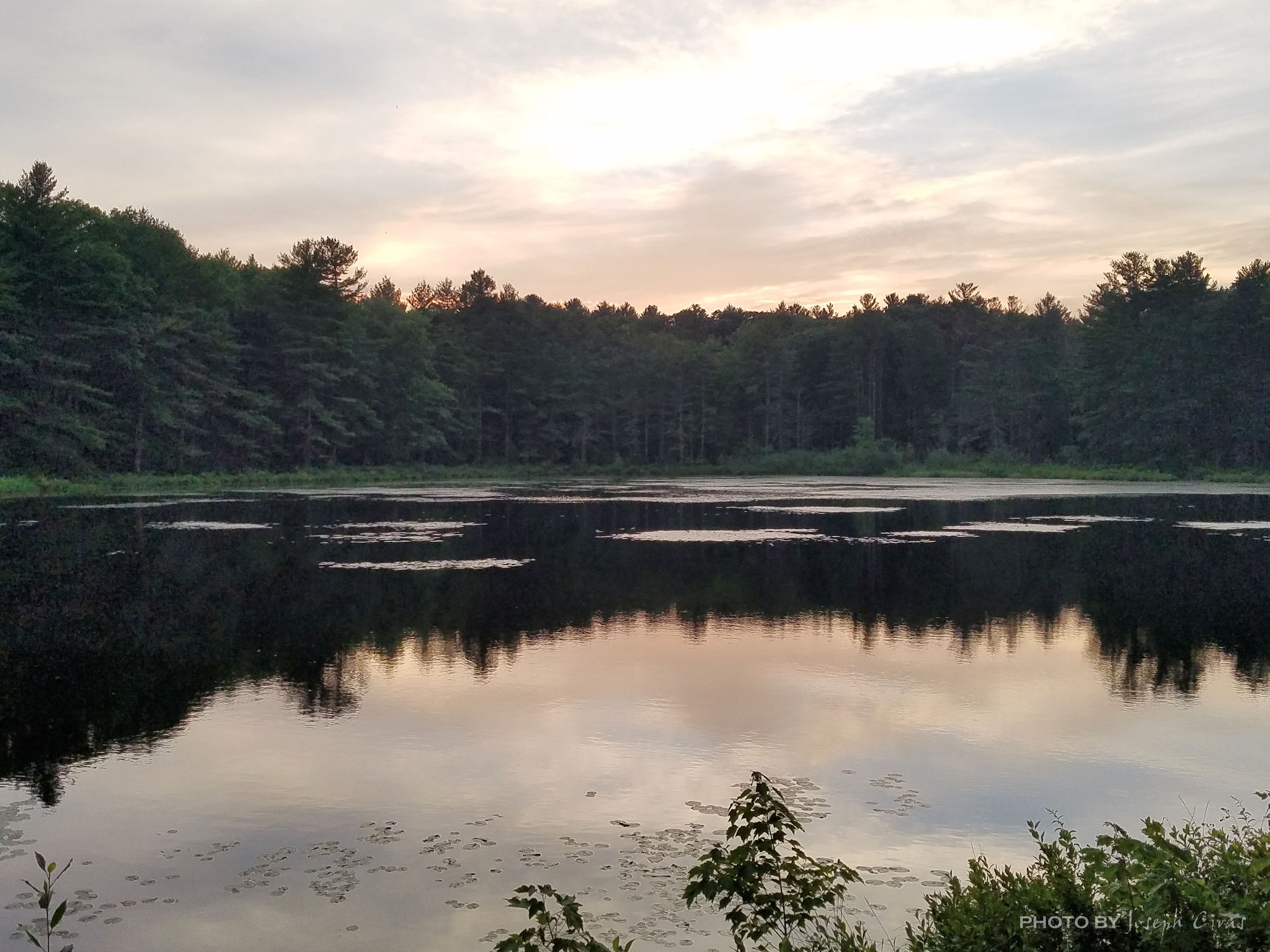
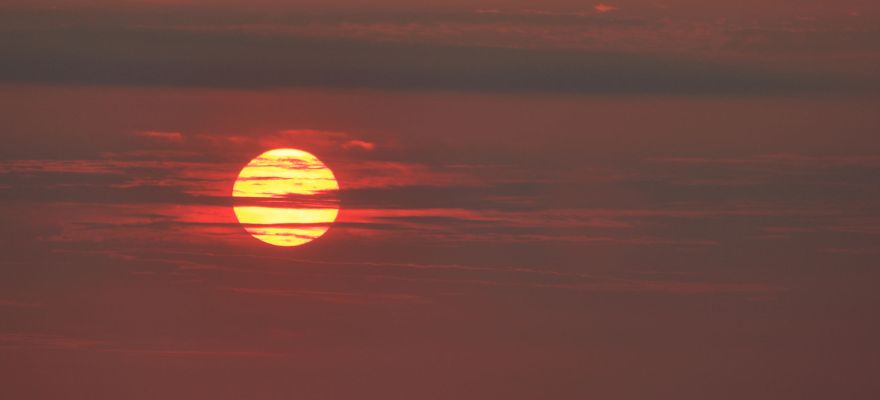
I was on my way home from my mother’s house and was thinking about what photo I would be posting today. As it was much if the weekend, it was rainy and overcast. I drive past the Holden Reservoirs. The Holden Reservoirs supply the city of Worcester, Mass, and the surrounding communities.

Sunset reflection from one of the Holden Reservoirs

As I passed the last of the reservoirs, I say some color in the sky, so I took to take a photo of this. I took this photo not knowing if there was anything else to photograph for the remainder of the day. Cell phone photos do not do any justice to the beauty of sunsets.

Wednesday, 07/07/2021: Posted photo — More Clouds.

Settings: Canon EOS 60D, ISO 100, f/6.3, 1/1000 s, 25 mm.

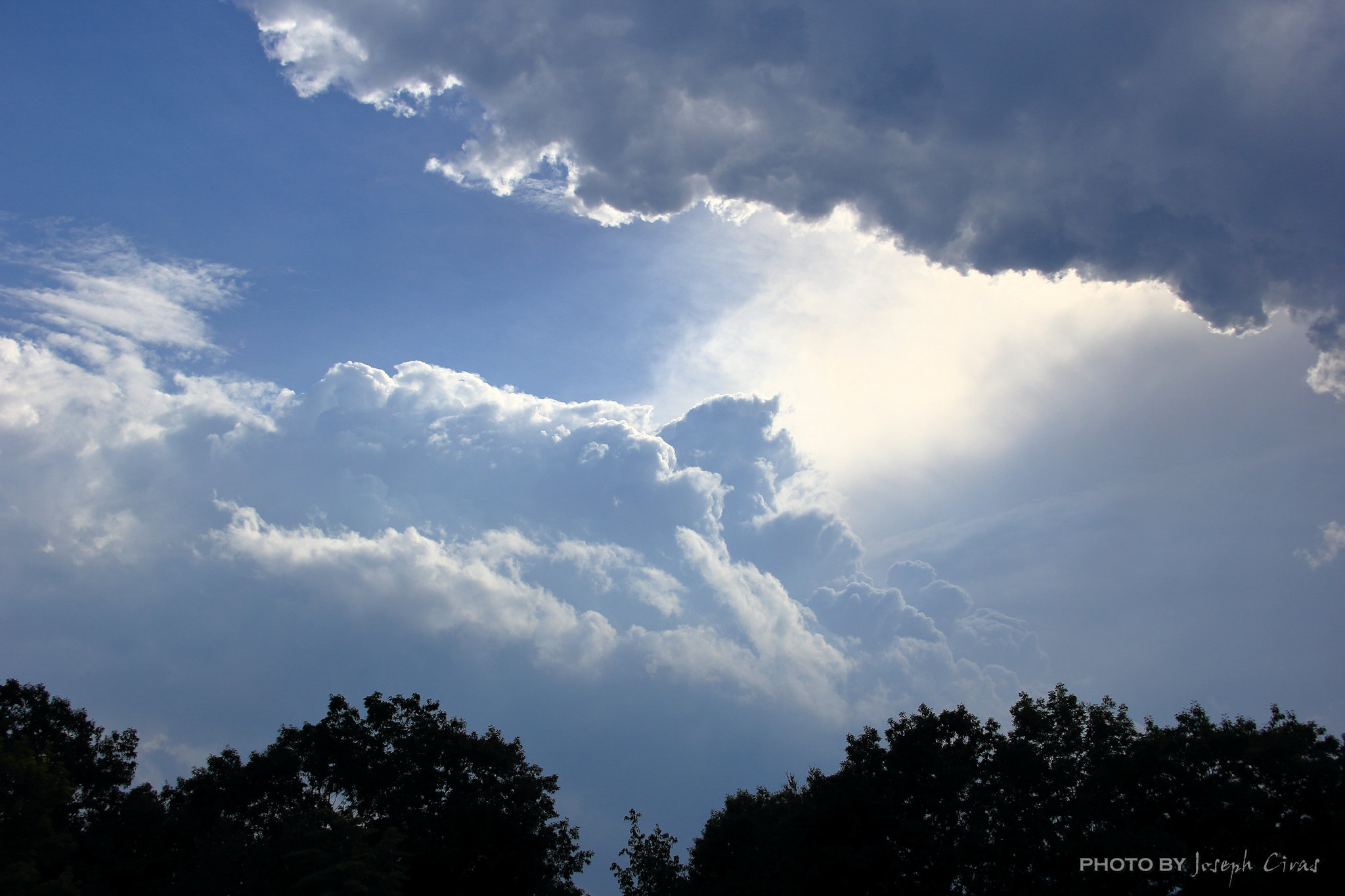
One word for today, humid. It was not raining and very humid, with a severe weather warning. One of the things I like about a day like today is watching the clouds grow as the storm develops. I like the contrast between the white clouds and the blue sky. I also like when the sun rays seem to jump from cloud to cloud.

Storm clouds building

I took this photo with treetops in the foreground to have some contrast between the sky, trees, and clouds. There were better clouds to photograph down the road, but I decided to use this photo because it seemed dramatic to me.

Thursday, 07/08/2021: Posted photo — Calculator.

Settings: Samsung SM-G930V (Galaxy S7), ISO 400, f/1.7, 1/10 s, 4 mm

These are some of the keys on my HP 35s Scientific Calculator. It is an older RPN calculator and is one that is allowed into the professional engineering examination. I am not taking the examination for a little while longer since I need to study for it. Being a mechanical engineer for over 35 years, I need to get back to study topics that I do not use every day.

Key on my HP 35s calculator

Reverse Polish Notation (RPN) is a system of representing mathematical and logical operations in which the operands precede the operator, and which does not require the use of parentheses. I find RPN much faster to use and I now find it difficult at times to use regular, or normal, notation when using a calculator.

Friday, 07/09/2021: Post photo — Mushroom.

Settings: Canon EOS 60D, ISO 400, f/5.6, 1/320 s, 113 mm.

Rained today. Heavy rain today due to Tropical Storm Elsa. The storm brought very heavy rains in flooding to some towns in the area. Once the sun came out, the sky was a great blue.

Mushroom in our yard

On my way home from work, I was just going on settling on posting a photo from the past because the rain put a damper on taking a photo outside. When I arrived home, I saw some mushrooms growing in our front lawn. Great photo opportunity for me. A mushroom is the fleshy, spore-bearing fruiting body of a fungus, typically produced above ground, on soil, or on its food source. Some people eat mushrooms, some people can tell if it is poisonous or not. I am neither of these people. I do not eat mushrooms and cannot tell if one is poisonous or not. I should work on identifying edible and non-edible mushrooms since I see many on them on my hikes.

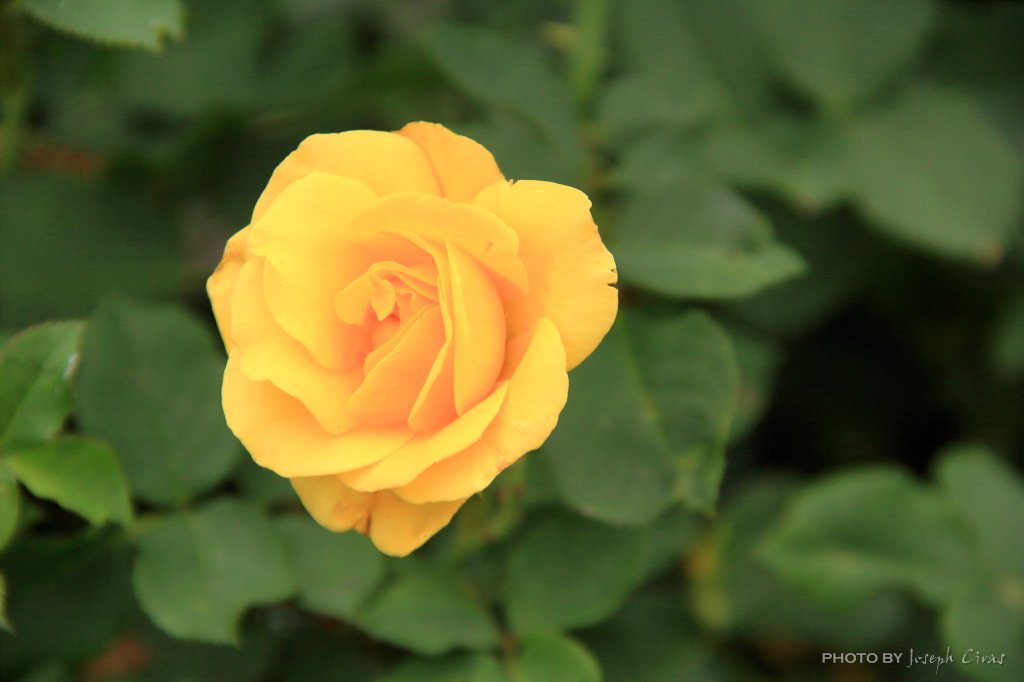
Saturday, 07/10/2021: Post photo — Rose.

Settings: Canon EOS 60D, ISO 400, f/5.6, 1/2500 s, 113 mm.

“A rose by any other name would smell as sweet” — William Shakespeare’s play Romeo and Juliet.

Yellow rose

Red roses are often considered the universal symbol of love.
Pink roses symbolize gratitude, grace, and joy.
White roses are a symbol of purity, innocence and in some cases, chastity.
Purple roses are not nearly as common, they indicate a fascination or adoration.
Yellow roses are a symbol of friendship and caring.
Orange roses indicate enthusiasm and passion, making them a creative substitute for Valentine’s Day roses and other holidays when people typically buy red roses.

That is all for now. Until next week, be safe.

For more photo of other project I have work, visit my website: https://photobyjosephciras.weebly.com/ or visit me on Facebook at https://www.facebook.com/PhotobyJosephCiras/.

COVID is real! Be safe out there, keep your social distance, and remember to always wear your mask and wash your hands. Get your vaccine!
Photographic Thoughts — 06/27/2021 to 07/03/2021

“Taking pictures is savoring life intensely, every hundredth of a second.” — Marc Riboud

Thank you for all the new views and likes from last week, it helps keep me inspired.

Enjoy this week’s rambling mind of a mechanical engineer and photographer.

This is the last of the “catch up” series of blogs.

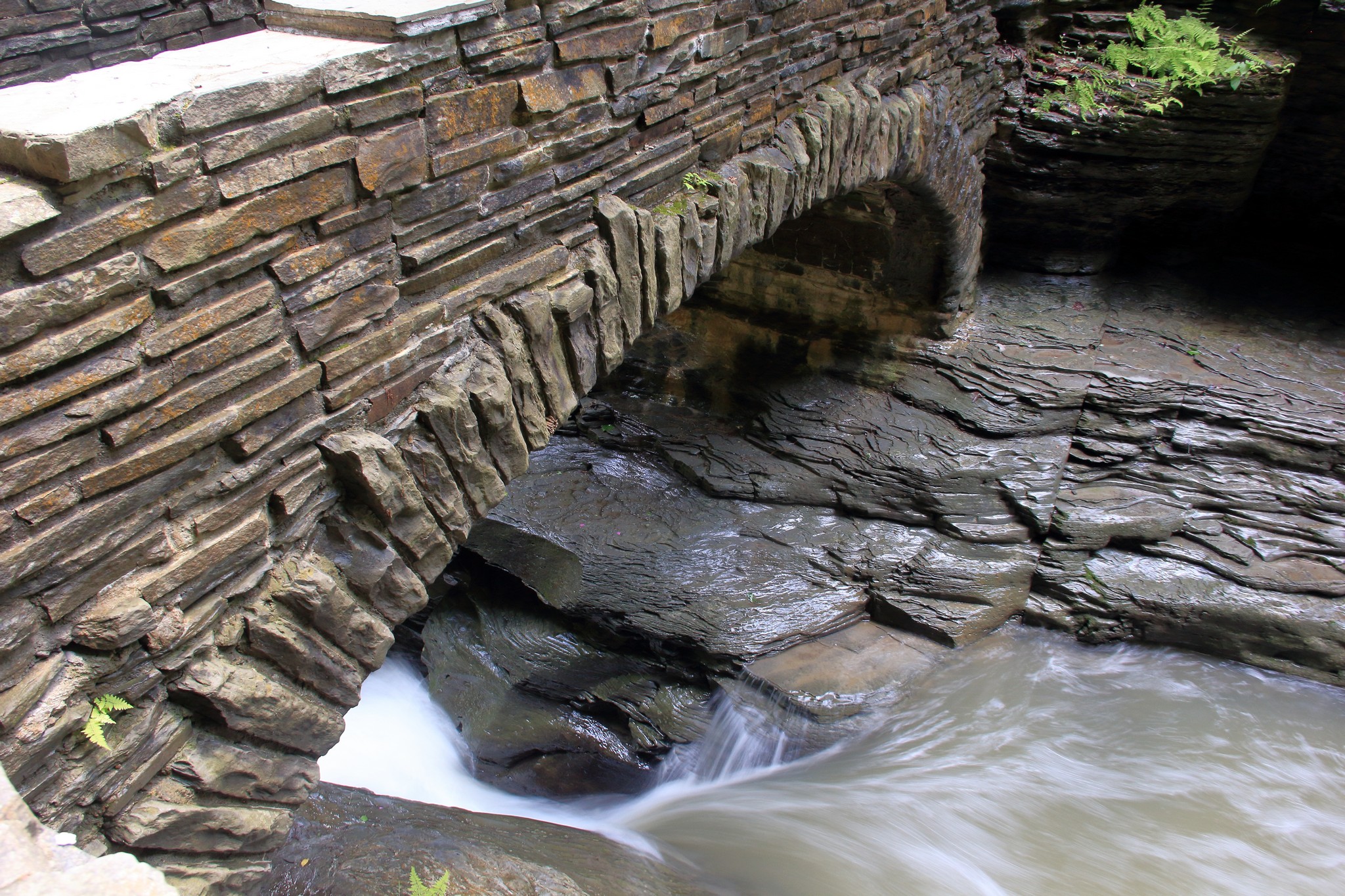
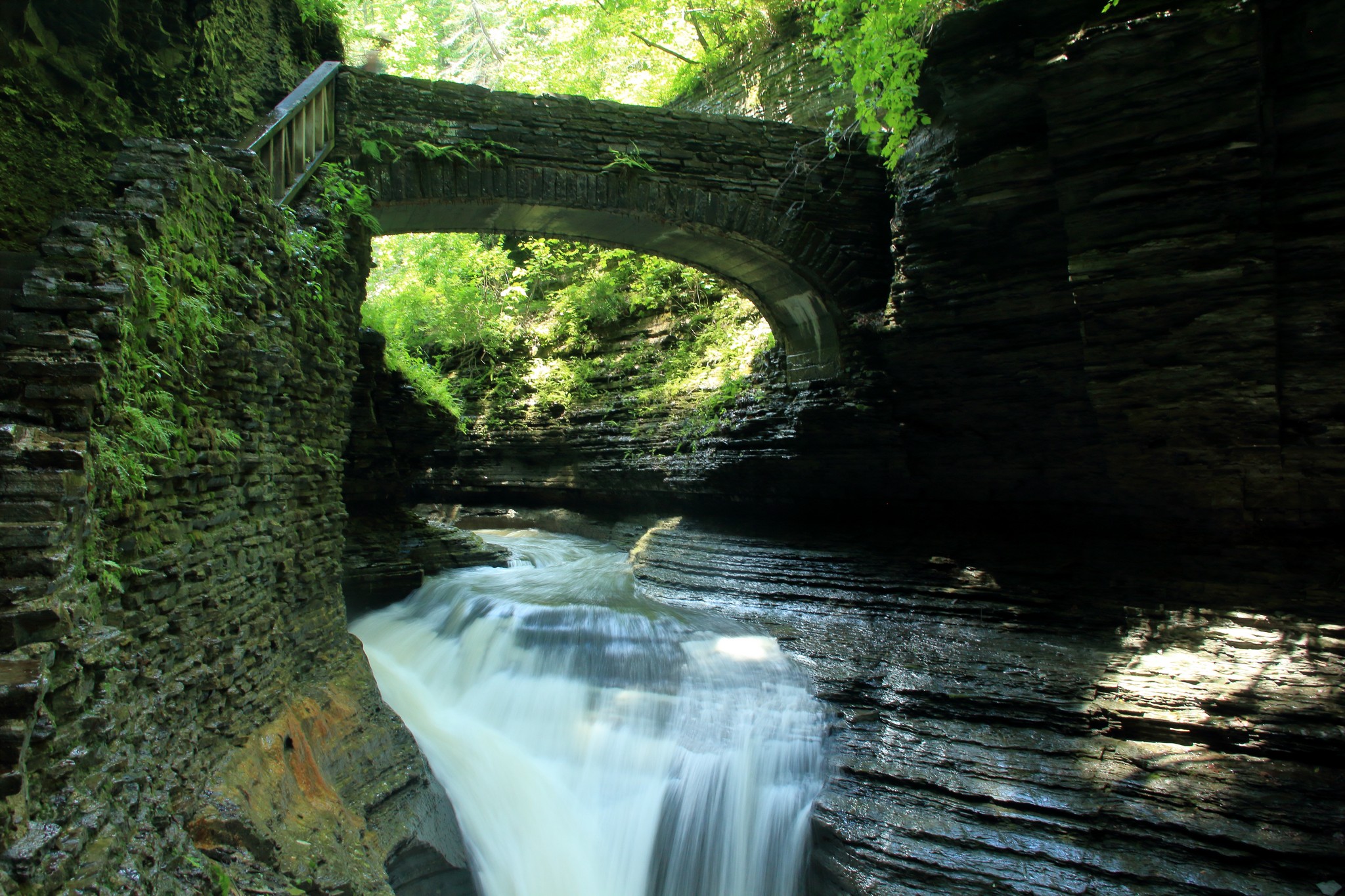
Sunday, 06/27/2021: Posted photo — Bridge.

Settings: Canon EOS 60D, ISO 400, f/7.1, 1/3 s, 18 mm.

This is one of the bridges in Watkins Glen State Park. This bridge is over Central Cascade, one of the 19 waterfalls that are in the park. We camped at the state park three nights, enjoying the Glen in-between storms.

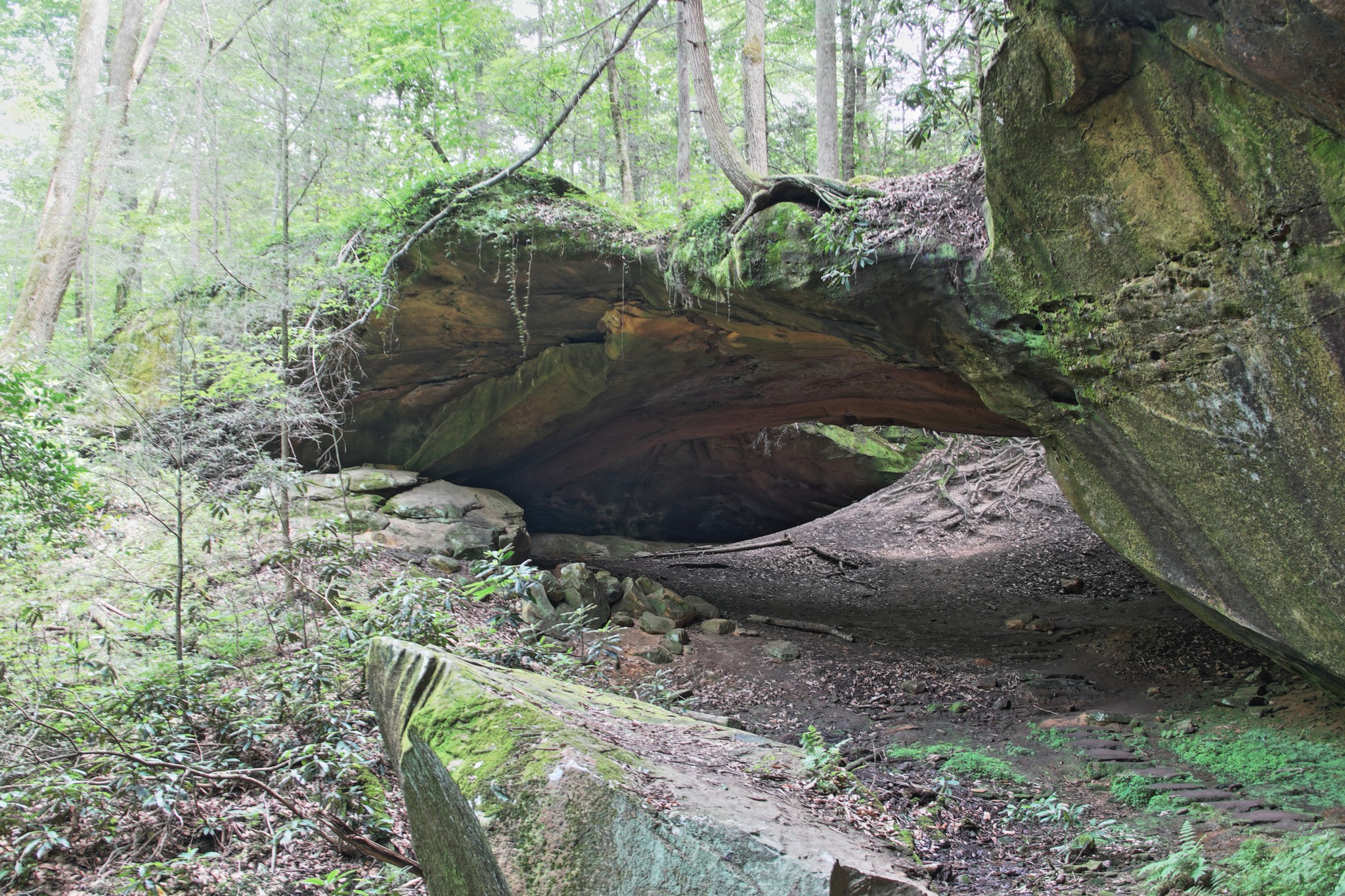
Monday, 06/28/2021: Posted photo — Yahoo Arch.

Settings: Canon EOS 60D, ISO 100, f/7, 1/250 s, 24 mm

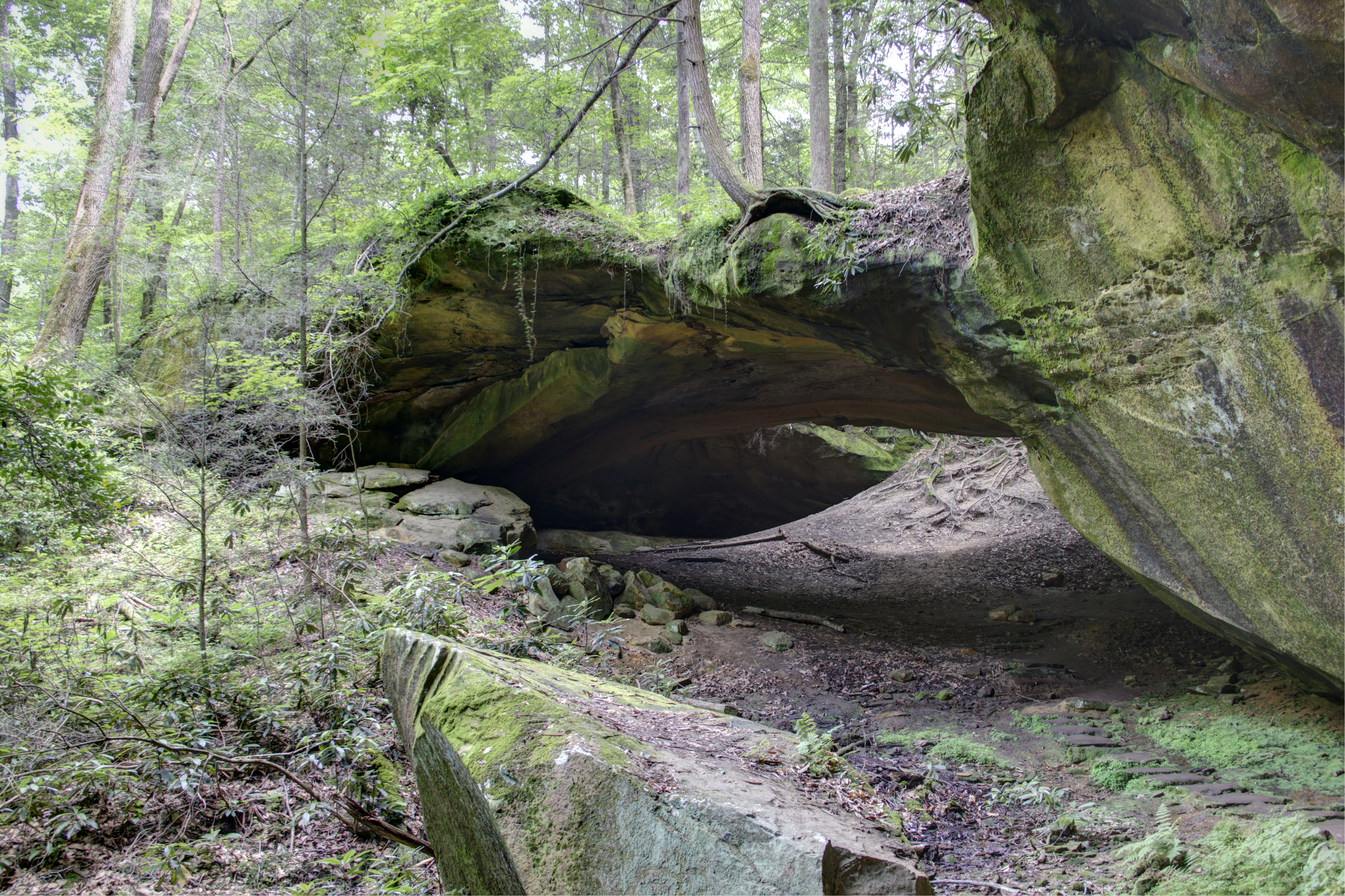
Yahoo Arch has a height of 17 feet and a base of 70 feet. It is in McCrary County, Kentucky. You get there by hiking 1.5 miles, one way, on a spur trail that brought you to Yahoo Falls. The height of Yahoo falls is 113 feet.

Tuesday, 06/29/2021: Posted photo — Clouds.

Settings: Canon EOS 60D, ISO 100, f/7.1, 1/1000 s, 44 mm

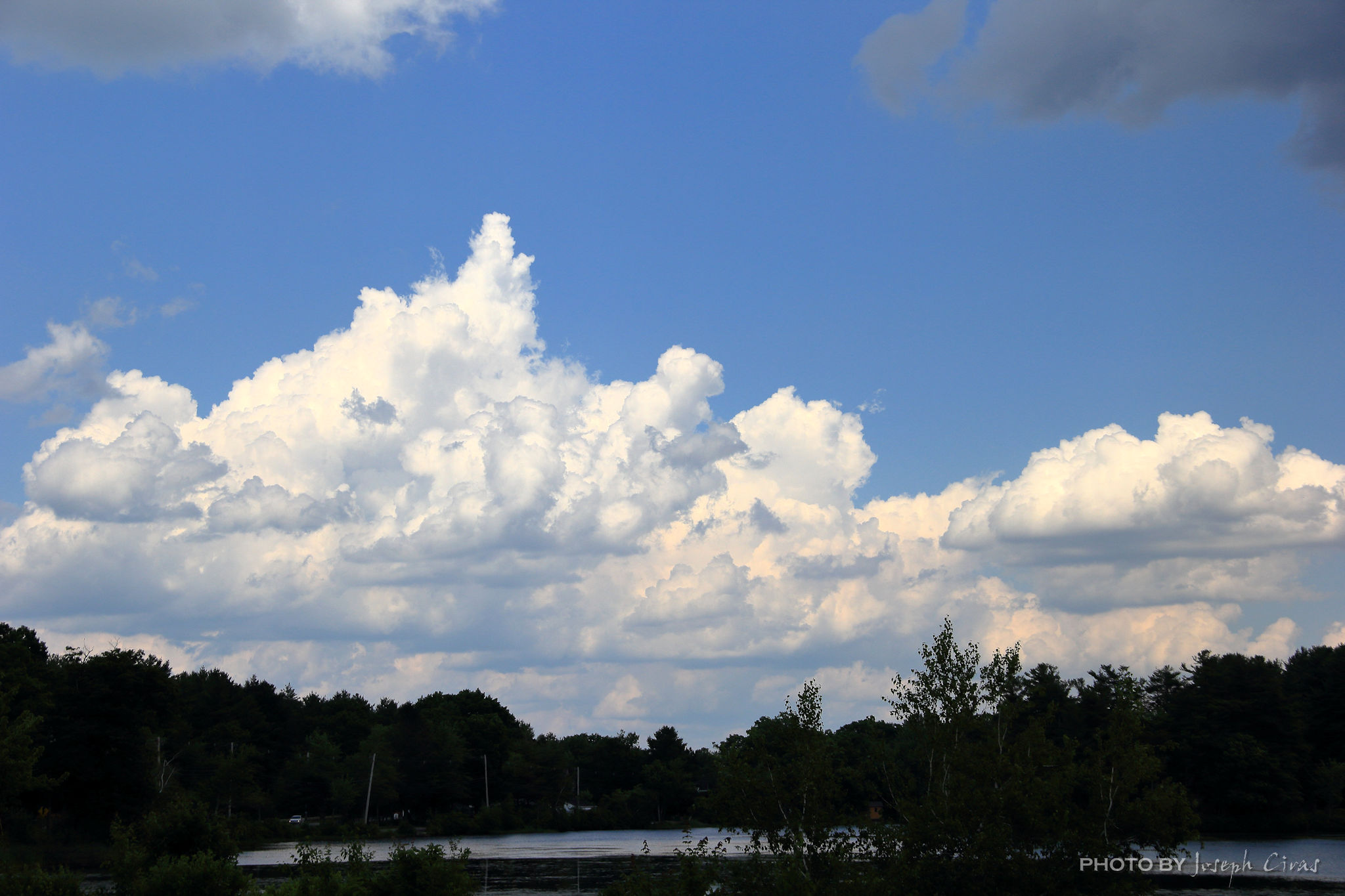
Now that we are back home, I needed a photo. The air was very humid, and clouds were forming near Round Meadow Pond.

Wednesday, 06/30/2021: Posted photo — St John’s Wort.

Settings: Canon EOS 60D, ISO 100, f/5.6, 1/25 s, 69 mm.

“St. John’s wort (Hypericum perforatum) is a flowering shrub native to Europe. It gets its name from the fact that it often blooms on the birthday of the biblical John the Baptist. The flowers and leaves of St. John’s wort contain active ingredients such as hyperforin. St. John’s wort is available as a supplement in teas, tablets, liquids and topical preparations. People use St. John’s wort to treat depression and menopausal symptoms.” — Mayo Clinic

binary comment

These wildflowers are in an area that I hike often. I stopped to take this photo since I was in a rush to take one for the day.

Thursday, 07/01/2021: Posted photo — Round Meadow Pond.

Settings: Canon EOS 60D, ISO 100, f/7.1, 1/25 s, 18 mm.

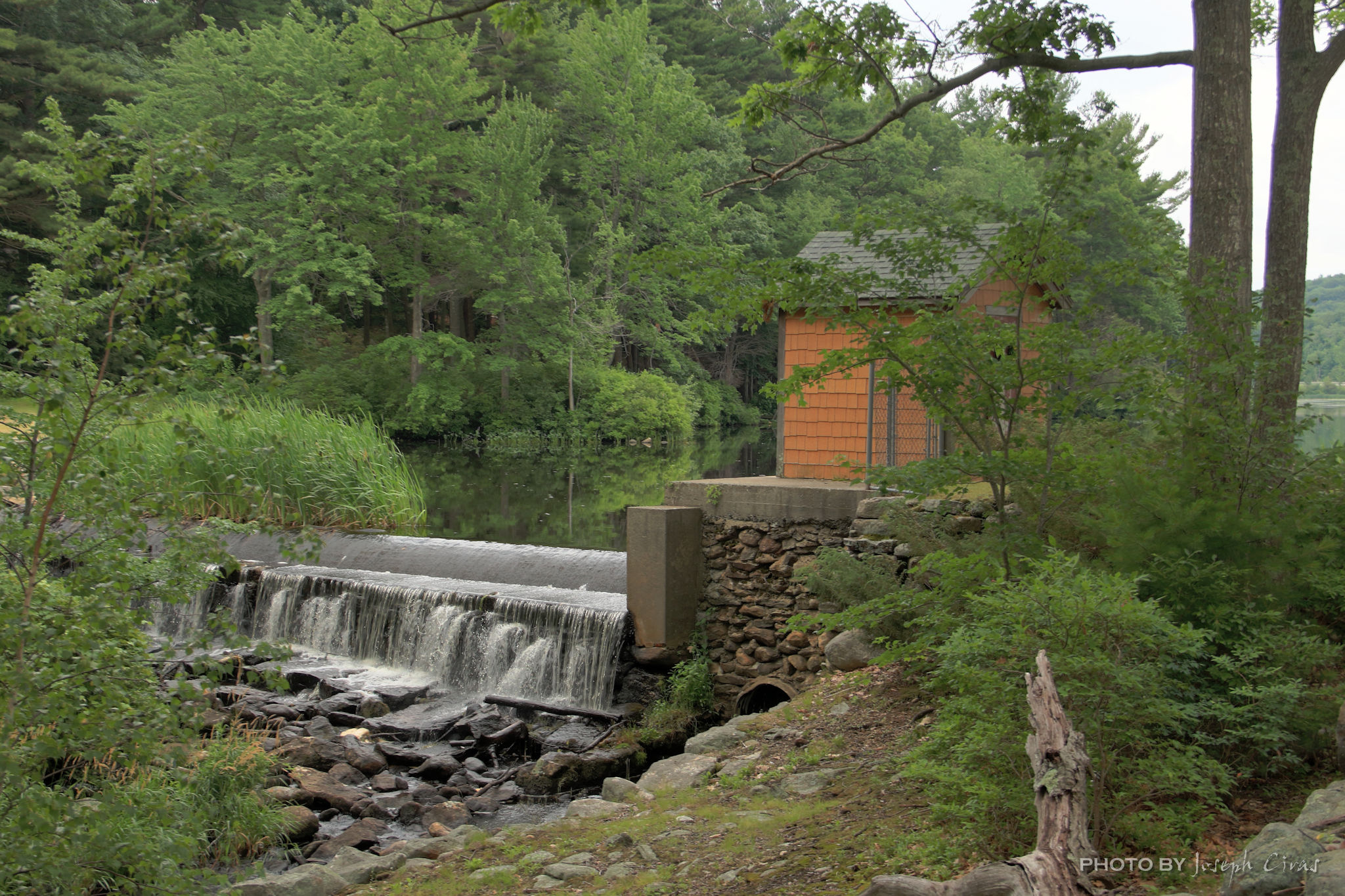
This is a new month, and I wanted a good photo for the first day of the month on my web page. This location is one that I photograph often and is one of the favorite locations for those who look at my photographs.

Friday, 07/02/2021: Post photo — Raindrops.

Settings: Canon EOS 60D, ISO 400, f/7.1, 1/200 s, 113 mm.

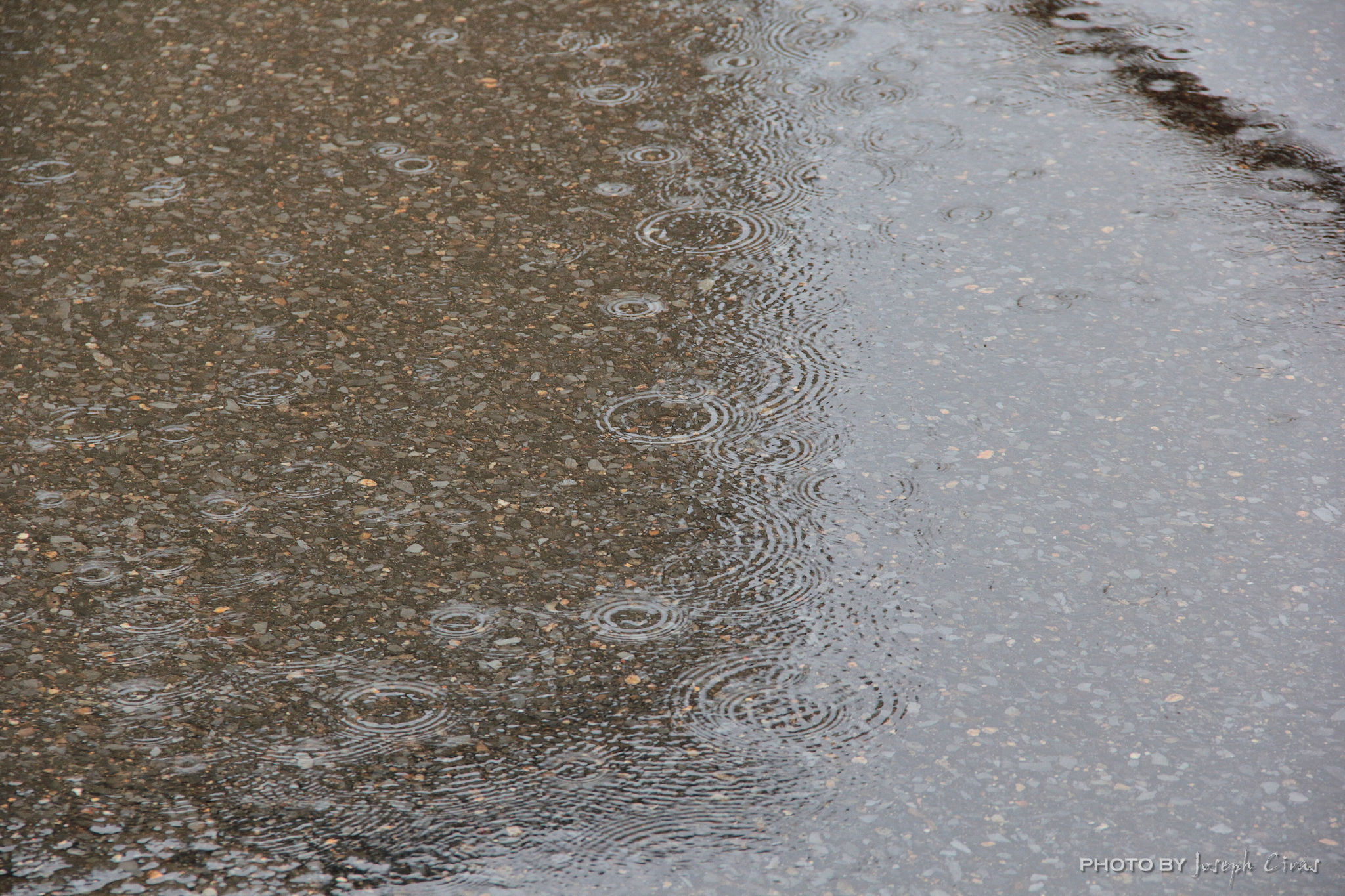
Rainy day today. No opportunity to get outside to take a photo. I took this when walking between buildings at work. This photo can also be used as a historic record of today’s weather.

binary comment

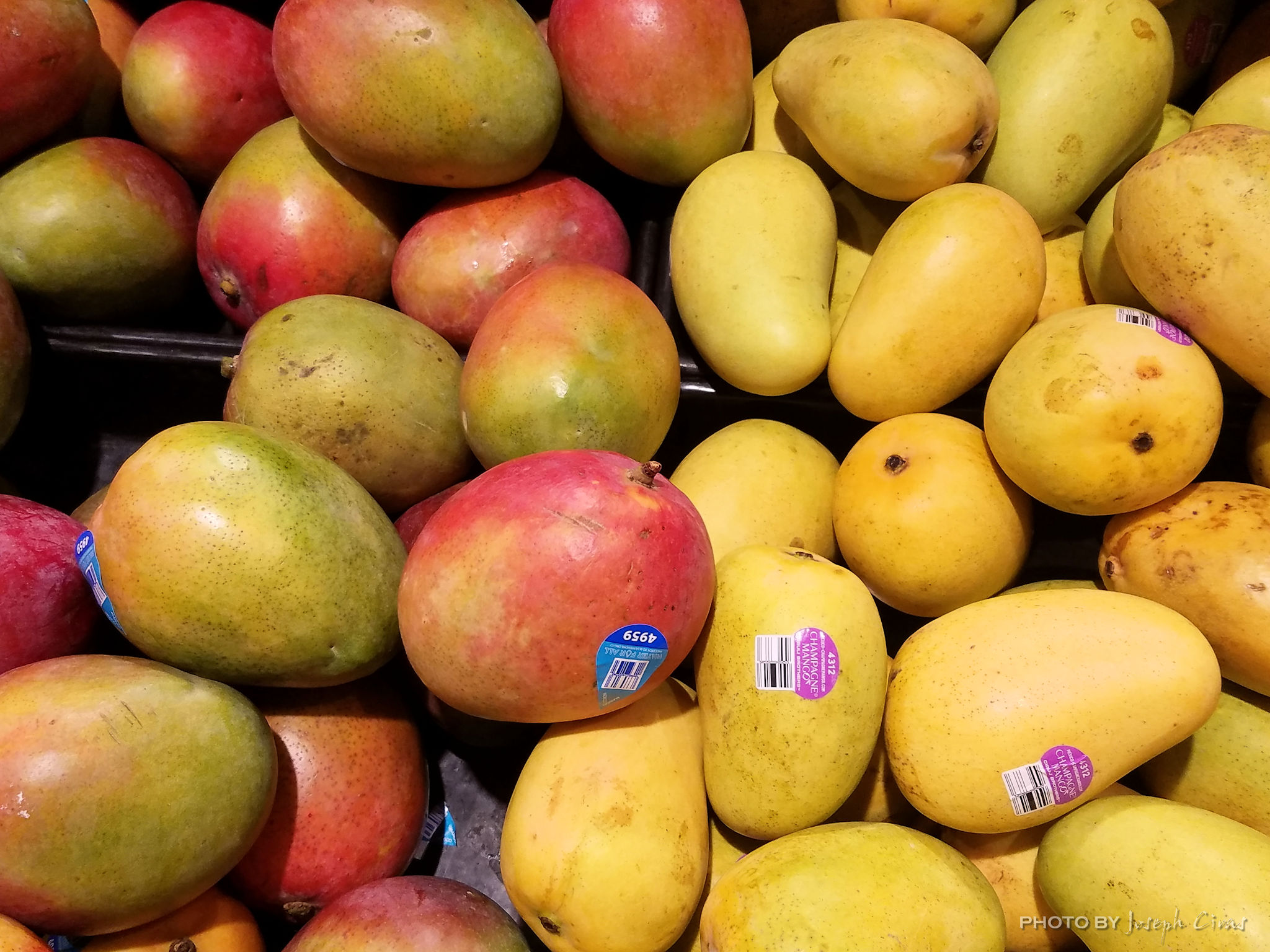
Saturday, 07/03/2021: Post photo — Mangos.

Settings: Samsung SM-G930V (Galaxy S7), ISO 64, f/1.7, 1/120 s, 4 mm

“A mango is a popular tropical fruit that is eaten in sweet and savory dishes around the world. It can be green, yellow, orange, red, or a combination of these colors, and has yellow or orange flesh surrounding a flat, hard pit. The fruit is typically peeled and cut away from the pit before use. A mango can be eaten raw unripe or ripe, or cooked into desserts, curries, and chutneys. It’s a moderately expensive piece of produce per fruit, but many varieties are large and heavy. It is also a popular dried fruit.” — The Spruce Eats

Back to a “normal” blog next week.

That is all for now. Until next week, be safe.

For more photo of other project I have work, visit my website: https://photobyjosephciras.weebly.com/ or visit me on Facebook at https://www.facebook.com/PhotobyJosephCiras/.

Photographic Thoughts — 06/20/2021 to 06/26/2021

“Photograph: a picture painted by the sun without instruction in art.” — Ambrose Bierce

Thank you for all the new views and likes from last week, it helps keep me inspired.

Enjoy this week’s rambling mind of a mechanical engineer and photographer.

Sunday, 06/20/2021: Posted photo — Mass of Thanksgiving.

Settings: N/A.

Today was the Mass of Thanksgiving for Fr. Matt Duclos. What a great turn out for the mass. The reception following was full of family and friends. You could see how proud my wife’s cousin and her husband were of their newly ordained son.

Now off to Watkins Glen State Park.

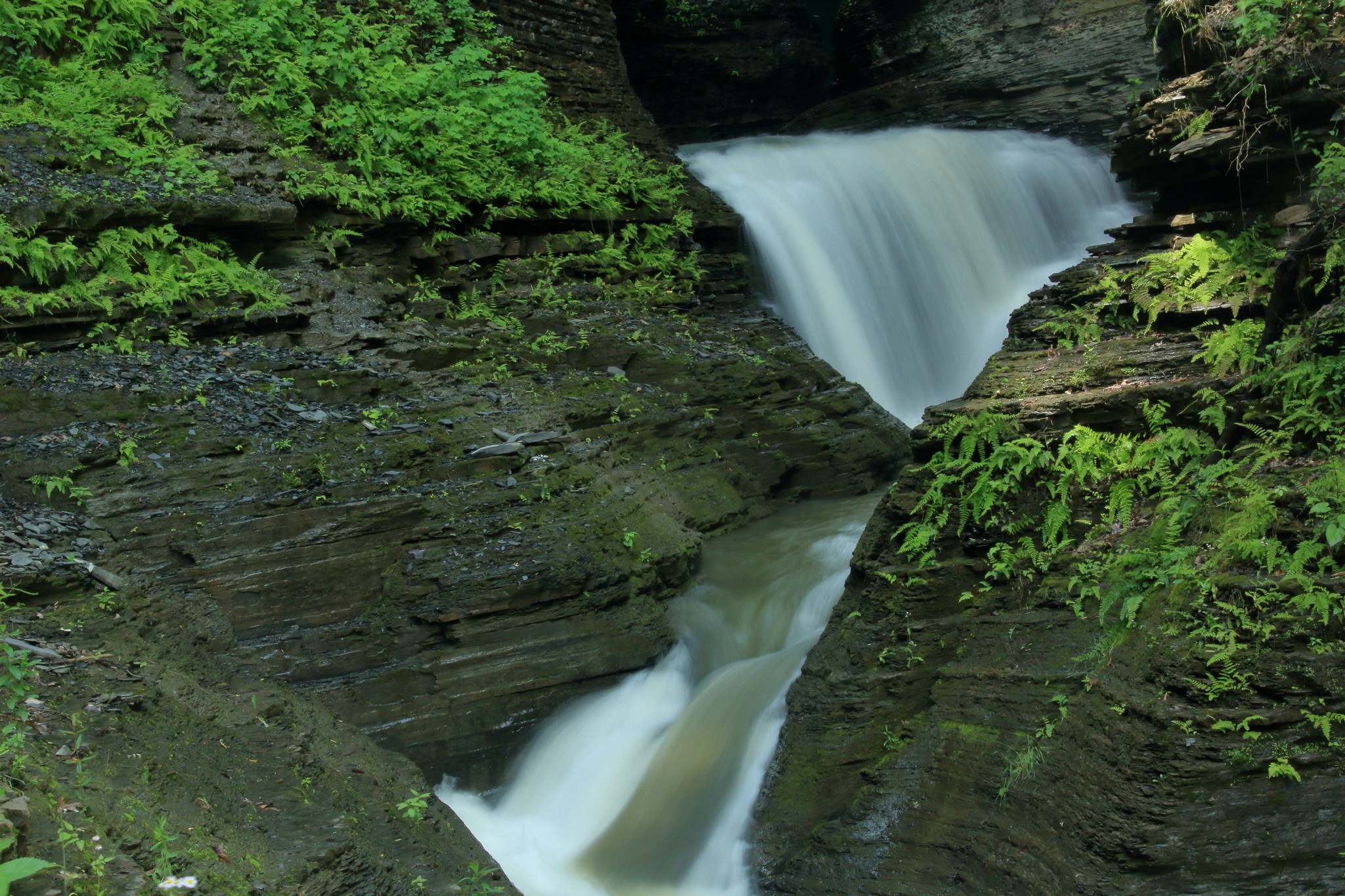
Monday, 06/21/2021: Posted photo — Watkins Glen.

Settings: Canon EOS 60D, ISO 400, f/9, 1/3 s, 18 mm

“Watkins Glen State Park is the most famous of the Finger Lakes State Parks, with a reputation for leaving visitors spellbound. Within two miles, the glen’s stream descends 400 feet past 200-foot cliffs, generating 19 waterfalls along its course. The gorge path winds over and under waterfalls and through the spray of Cavern Cascade. Rim trails overlook the gorge. Campers and daytime visitors can enjoy the Olympic-size pool, modern playground, scheduled summer tours through the gorge, tent and trailer campsites, picnic facilities, and excellent fishing in nearby Seneca Lake or in Catherine Creek, which is renowned for its annual spring run of rainbow trout.” From the park website.

Here are the photos from day one.

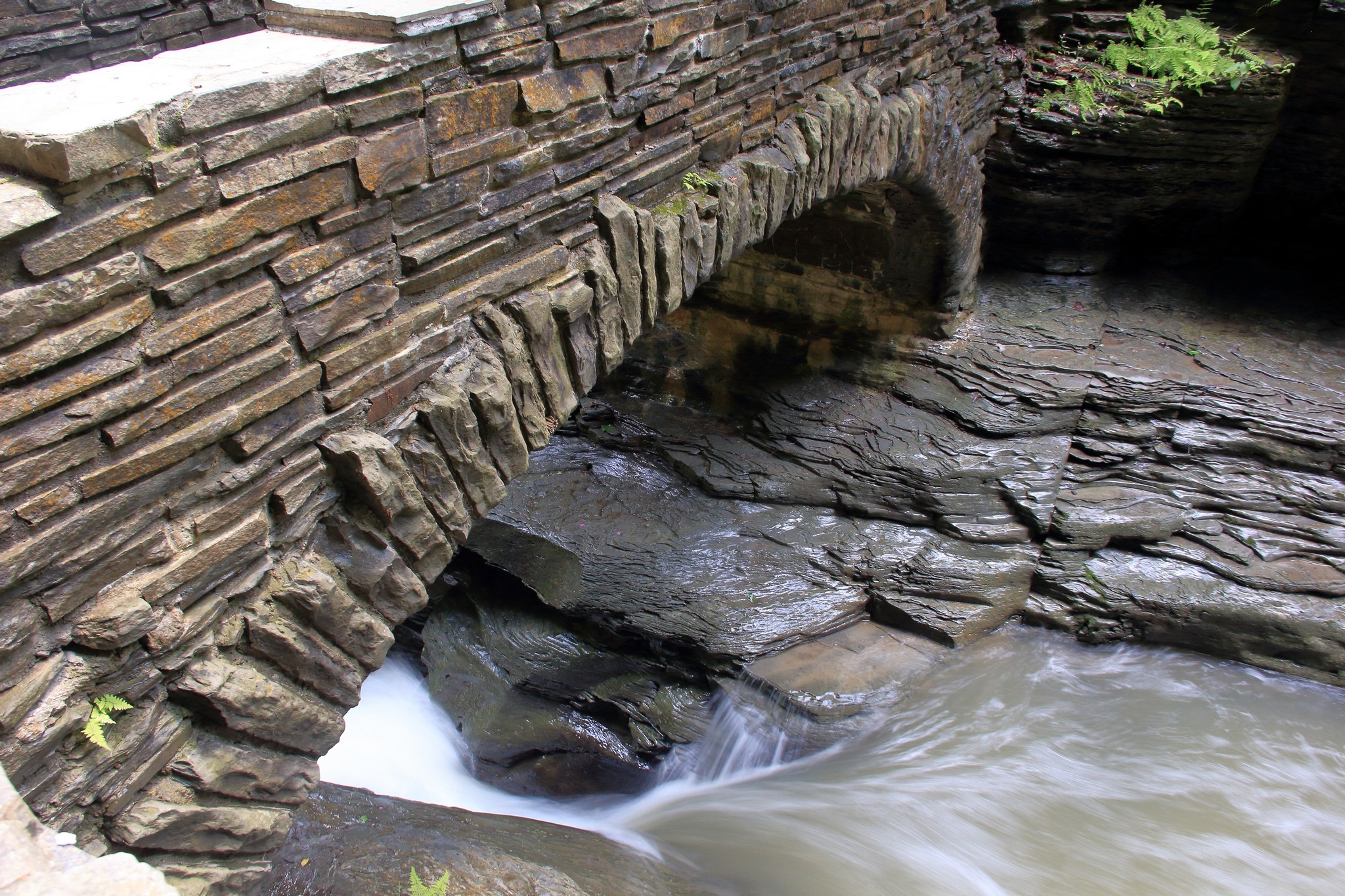
Tuesday, 06/22/2021: Posted photo — Watkins Glen Day Two.

Settings: Canon EOS 60D, ISO 400, f/6.3, 1/2 s, 47 mm.

More photos from Watkins Glen before traveling to Cumberland Falls, Kentucky.

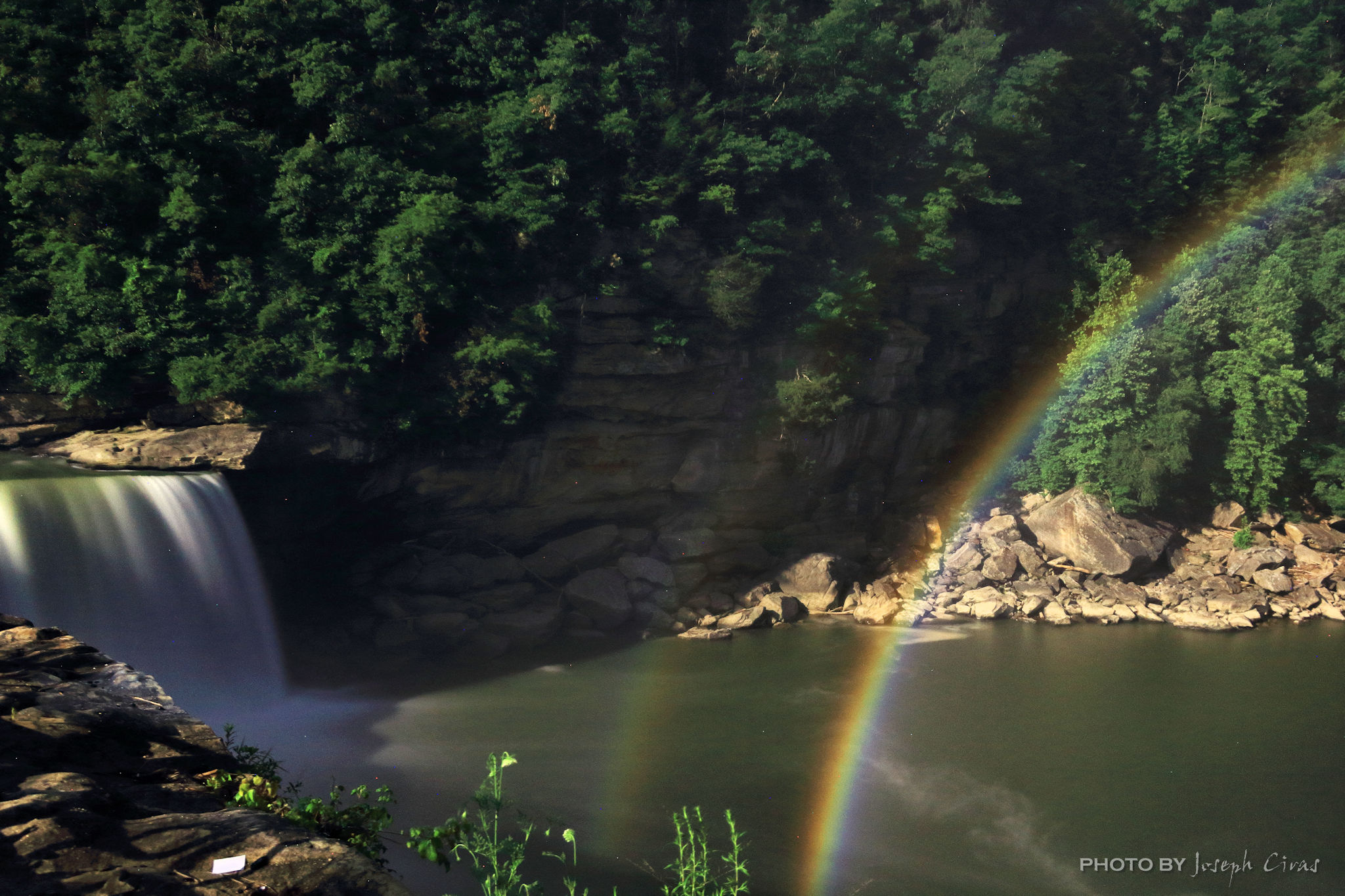
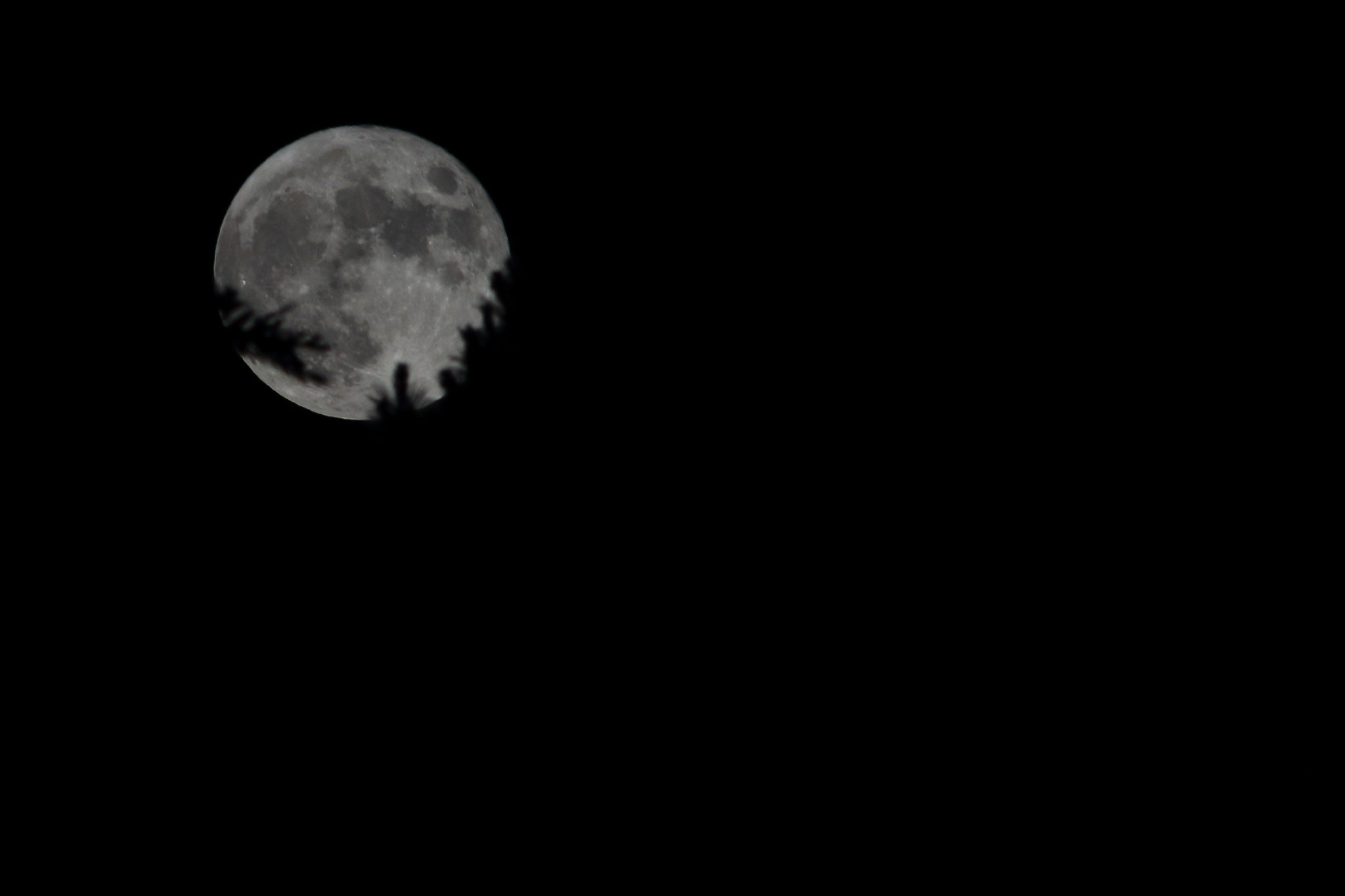
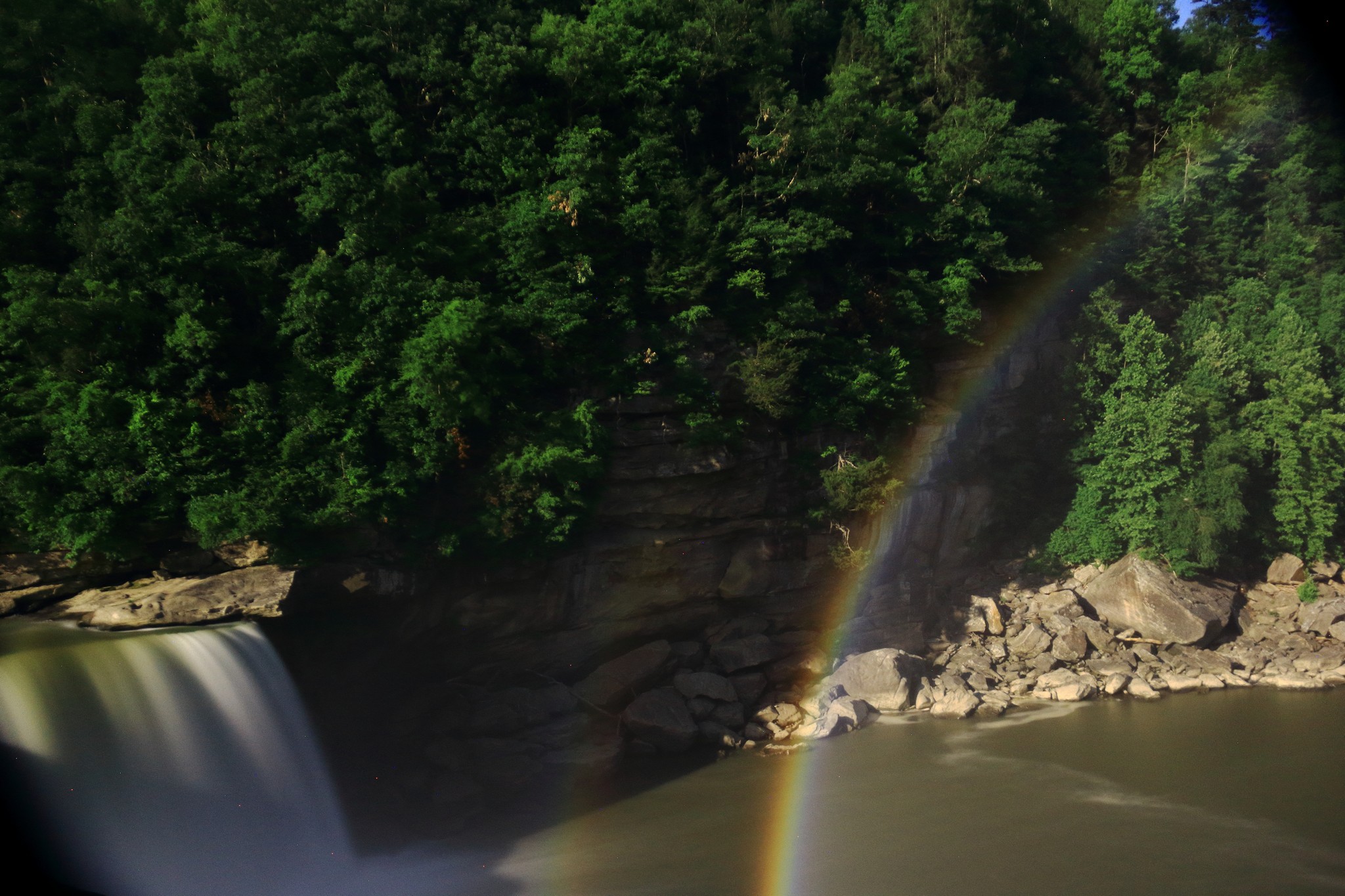
Wednesday, 06/23/2021: Posted photo — Moonbow.

Settings: Canon EOS 60D, ISO 800, f/5, 44 s, 18 mm.

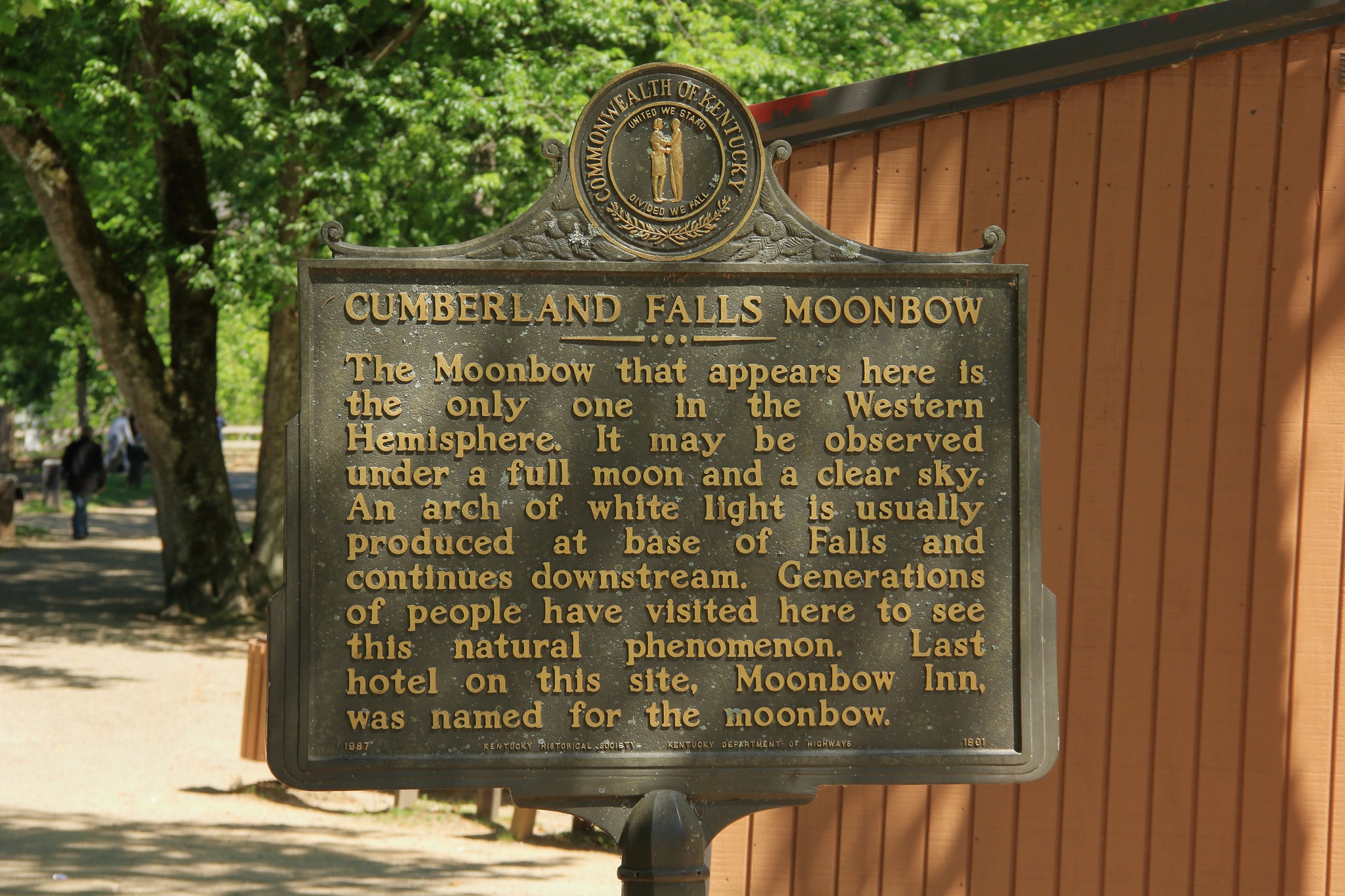
Cumberland Falls is one of the few places in the world that regularly produces a moonbow. The “moonbow,” also called a white rainbow or lunar rainbow, is formed just like a rainbow—light is refracted in tiny water droplets—and appears for the two or so days, as long as the sky is clear, on either end of the full moon.  The other place in the world that a moonbow occurs regularly is Victoria Falls.

This photo was taken at 11:30 p.m. on a great moonlit night.

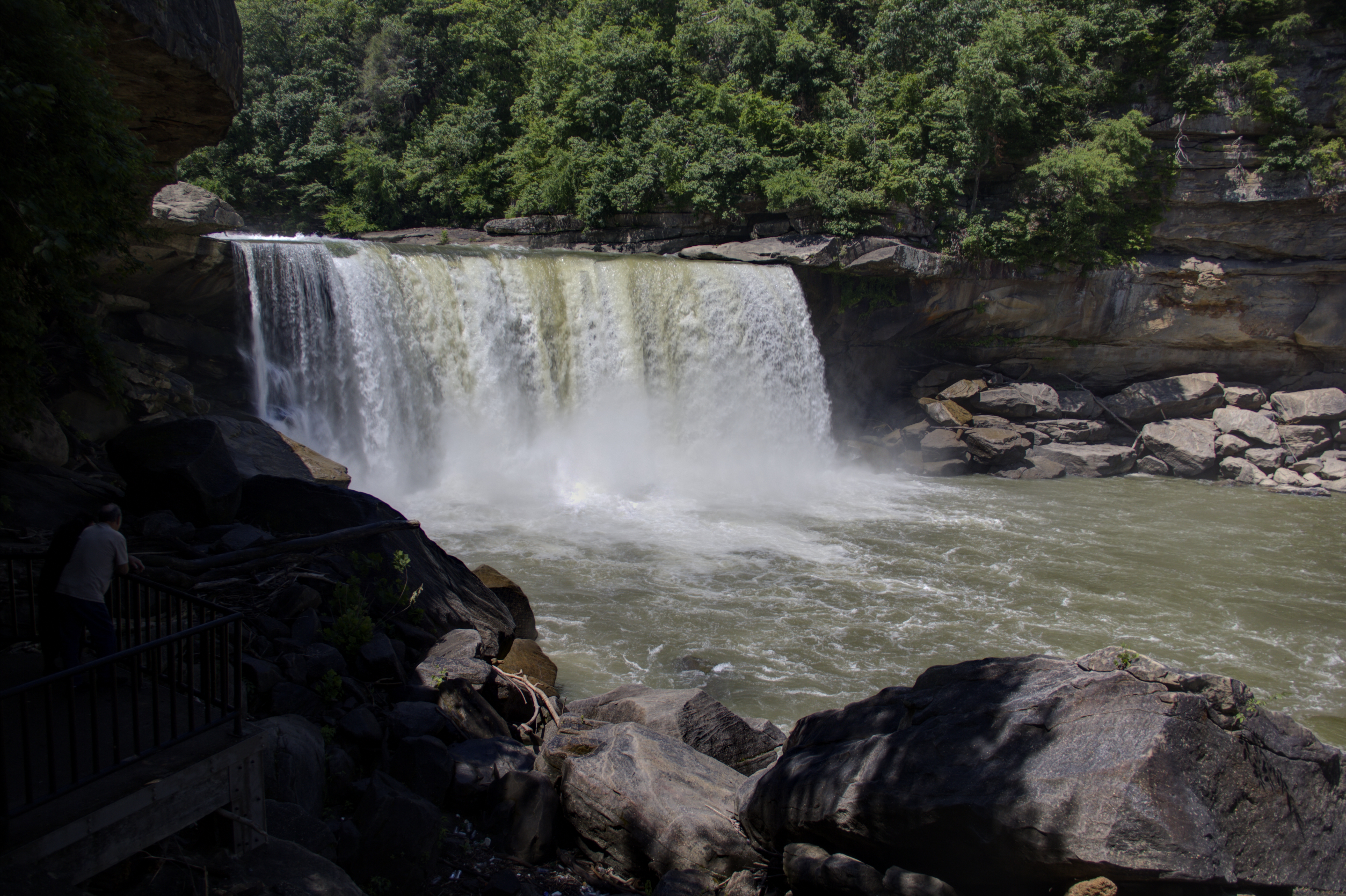
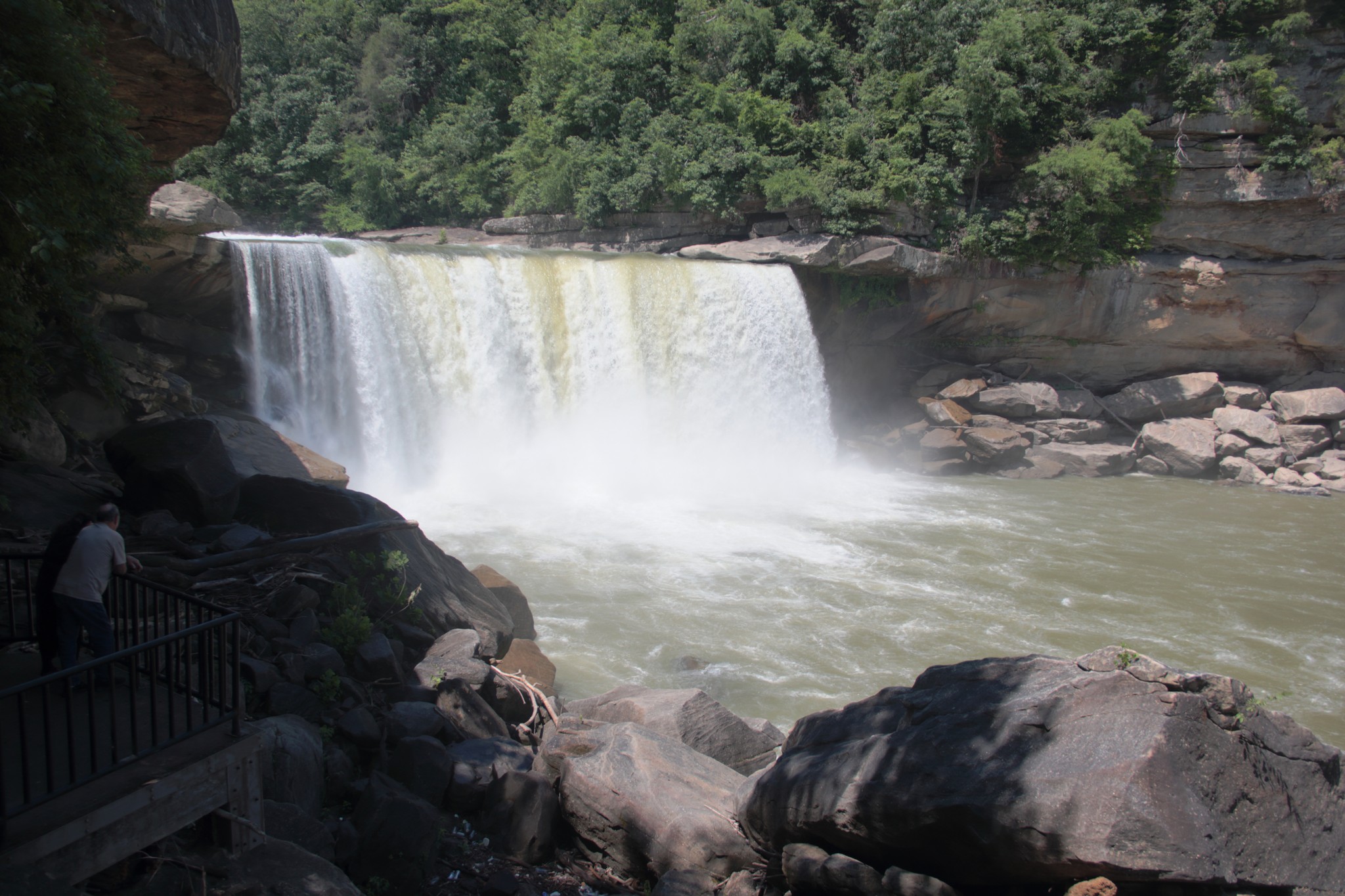
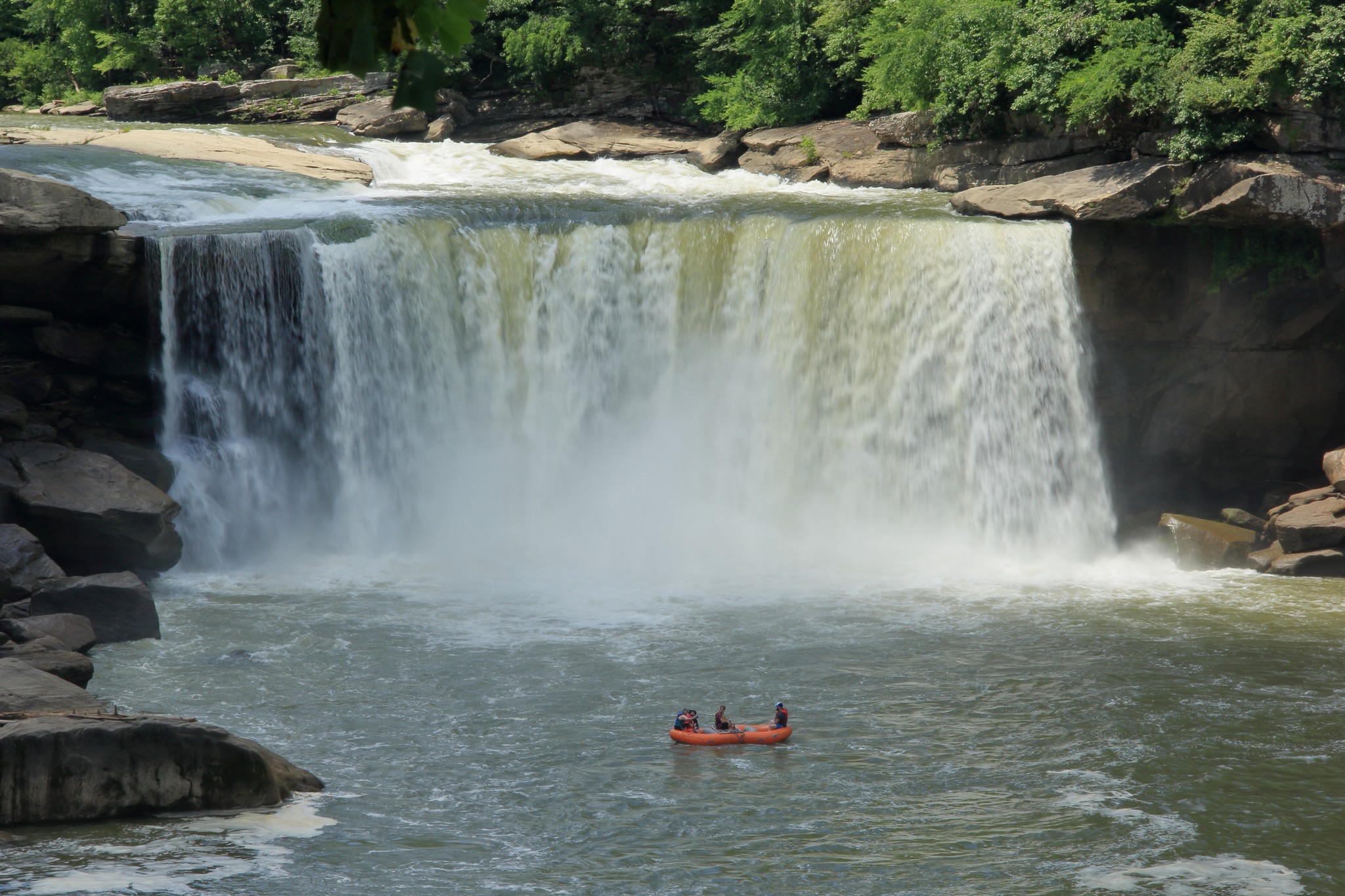
Thursday, 06/24/2021: Posted photo — Cumberland Falls.

Settings: Canon EOS 60D, ISO 100, f/4.6, 1/83 s, 18 mm.

Enjoy more photos from the park.

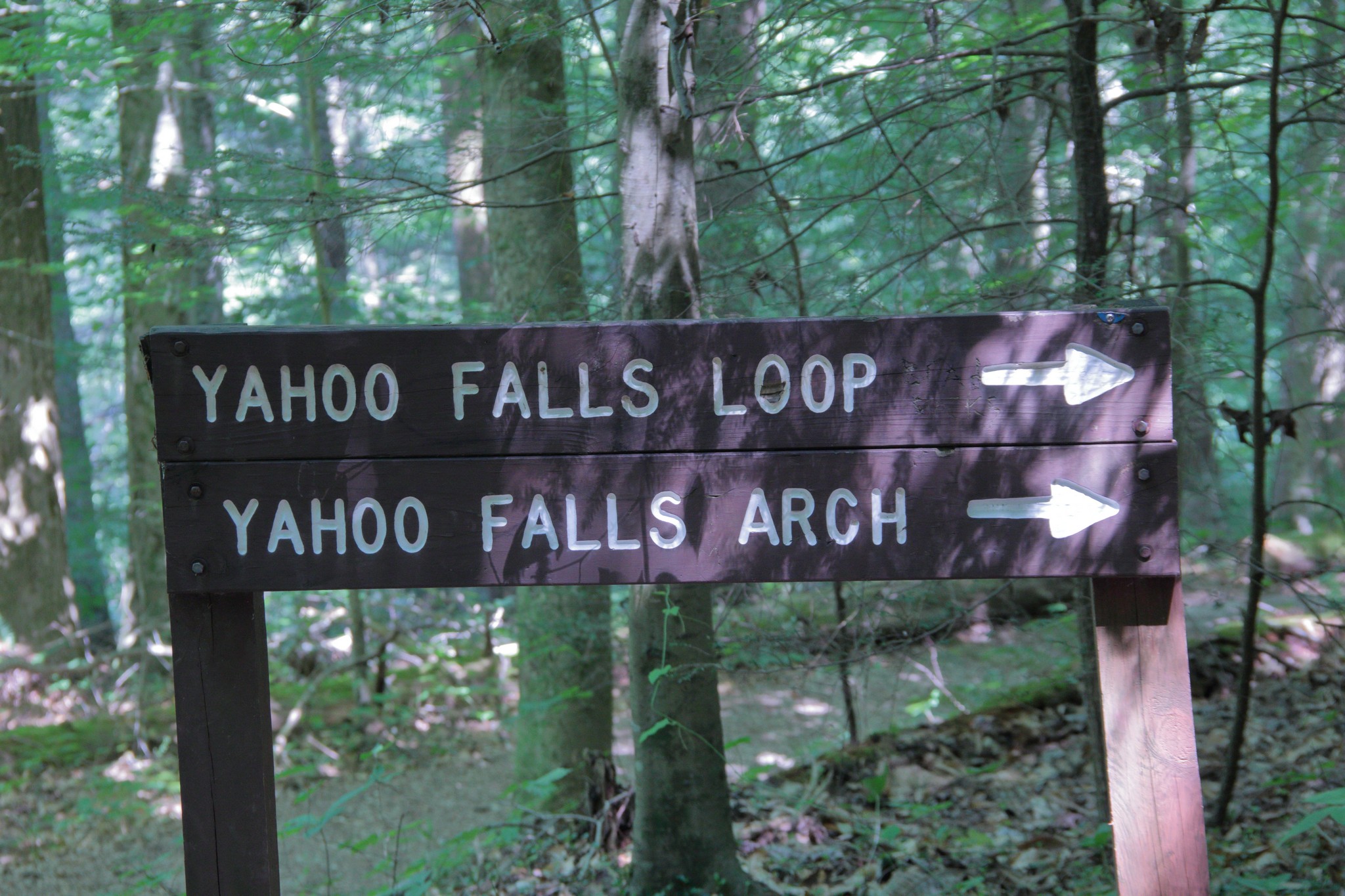
Friday, 06/25/2021: Post photo — Yahoo Falls.

Settings: Canon EOS 60D, ISO 200, f/7.1, 1/6 s, 55 mm.

Today we left the park to hike to Yahoo Falls and Yahoo Arch. Enjoy the photos.

Here are more photos on our hike out to Yahoo Arch.

When we came back to the park, we watch nature at work. Here is what happens when a grasshopper gets caught in a spider web. The grasshopper did put up a good fight.

Saturday, 06/26/2021: Post photo — Hanger.

Settings: Samsung SM-G930V (Galaxy S7), ISO 50, f/1.7, 1/238 s, 4 mm

There is a black bear that frequented the campground at Cumberland Falls. The sites have hooks on there posts to have garbage so the bear could not get at it.

Today we travel back home.

Next week’s blog will be the same as this week. They it will be back to normal.

That is all for now. Until next week, be safe.

For more photo of other project I have work, visit my website: https://photobyjosephciras.weebly.com/ or visit me on Facebook at https://www.facebook.com/PhotobyJosephCiras/.

COVID is real! Be safe out there, keep your social distance, and remember to always wear your mask and wash your hands. Get your vaccine!

Photographic Thoughts — 06/13/2021 to 06/19/2021

“I don’t trust words. I trust pictures.” — Gilles Peress

Thank you for all the new views and likes from last week, it helps keep me inspired.

Enjoy this week’s rambling mind of a mechanical engineer and photographer.

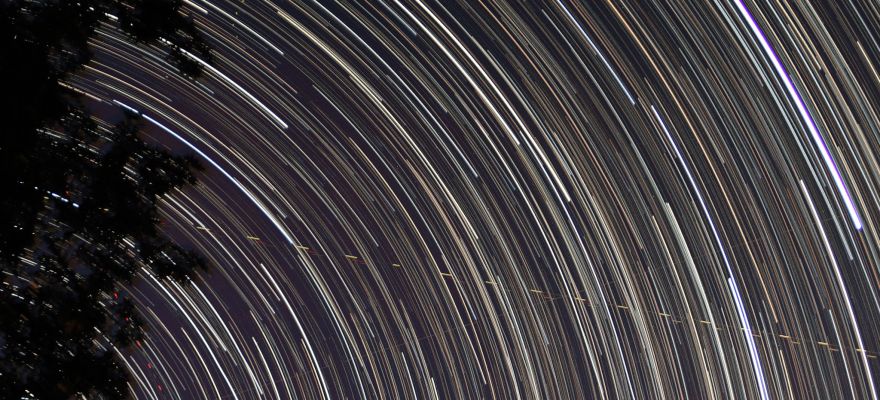
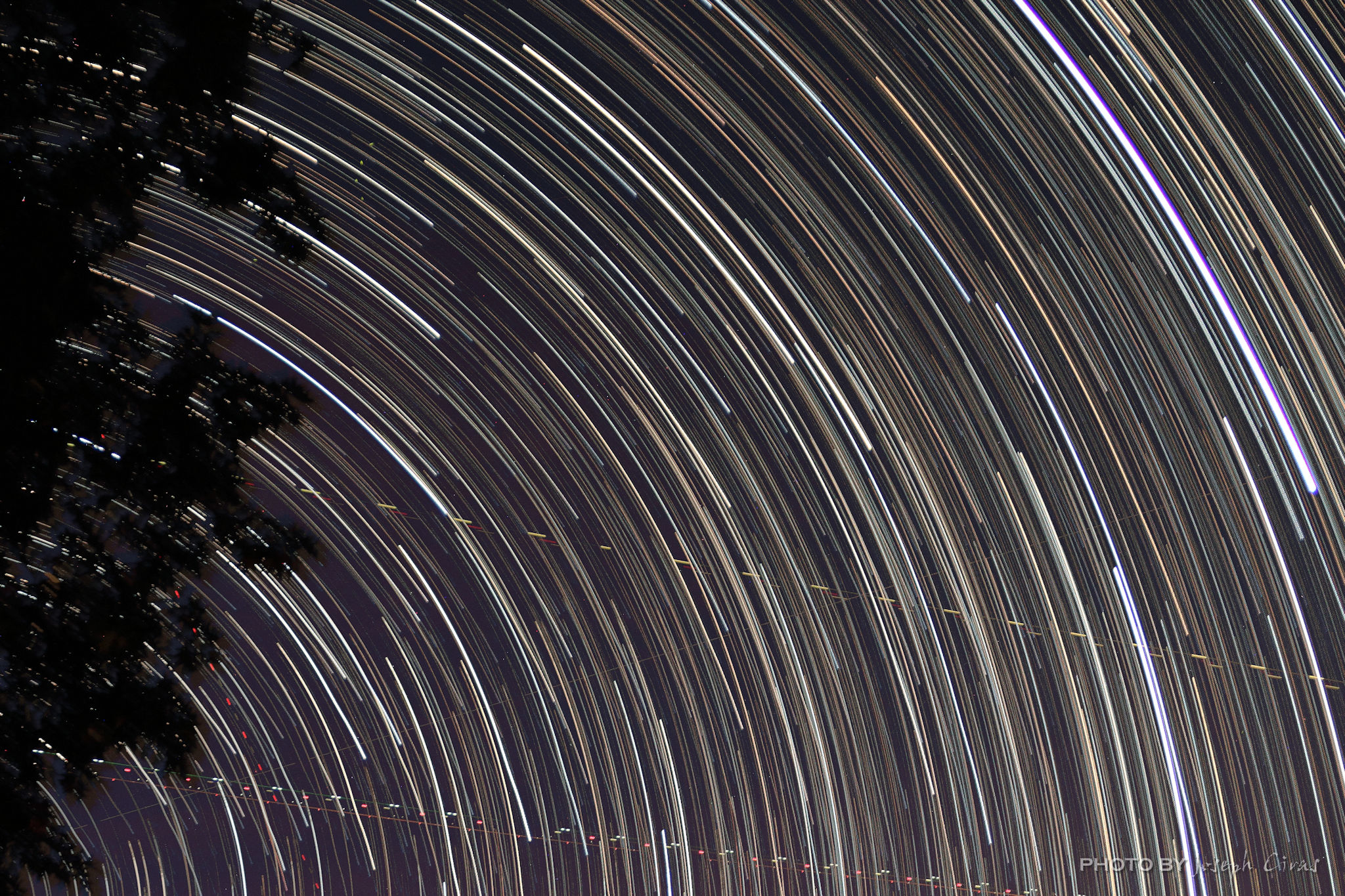
Sunday, 06/13/2021: Posted photo — Star Trails.

Settings: Canon EOS 60D, ISO 1600, f/3.5, 16 s, 18 mm.

This photo is a stacked composite of 399 sixteen second exposed photos. It has been a while since I took a star trail photo. There are two different methods for taking star trails: one is by taking multiple shots and stacking them, the other is by doing long exposure shot. I have done star trails both ways. The longest exposer I took was a 45-minute exposure at Craters of the Moon National Monument and Reserve in Idaho a few years ago. The sky was very, very dark at this park. So dark, you had a difficult time seeing your outstretched hand. I the area I live, staking is the best way of doing star trails.

Here is how I prepare for my star trail photos. I setup my camera before I go to bed pointing in a northerly direction. Then when it gets to astronomical twilight, I turn the camera on to start taking photos and then go to bed.

Here are some definitions for your and my reference. All angles are the position of the Sun to the horizon:

  • Nighttime (below -18°)
  • Morning twilights (from -18° to 0°)
    • Astronomical Twilight (from -18° to -12°)
    • Nautical Twilight (from -12° to -6°)
    • Civil twilight (from -6° to 0°)
  • Morning magic hours
    • Blue hour (from -6° to -4°)
    • Golden hour (from -4° to 6°)
  • Daytime (above 6°)
  • Evening magic hours
    • Golden hour (from 6° to -4°)
    • Blue hour (from -4° to -6°)
  • Evening twilights (from 0° to -18°)
    • Civil twilight (from 0° to -6°)
    • Nautical Twilight (from -6° to -12°)
    • Astronomical Twilight (from -12° to -18°)
  • Nighttime (below -18°)

Why 16 seconds? Sixteen seconds is based on the aperture, pixel density, and focal length (NPF) rule. This considers the megapixels of your camera to make the stars still. With my camera and settings, a shot of 15.17 s or less will not show moment in the stars if you zoom into the picture. It is not necessary for star trails, but I use this rule for Milky Way shots. The better-known rule is the 500 rule. This is the classic rule for making the star stand still.

Monday, 06/14/2021: Posted photo — Sweet-Williams.

Settings: Samsung SM-G930V (Galaxy S7), ISO 50, f/1.7, 1/171 s, 4 mm

“Sweet William is an irresistible, colorful, biennial flower. It grows for two years, blooming in the second year. Native to Europe, this colorful, compact plant is grown all over the U.S.

Sweet William varieties include perennials and biennials. The perennials are often grown as biennials. Plants grow 7-18 inches tall, depending upon variety. Flowers blooms are produced in clusters in the spring. Colors include white, red, pink, crimson, scarlet, purple, and bi-colors.

The compact size of Sweet Williams make them great for containers and pots. Try them in a windowsill or vertical planter. In flower beds, put these small plants at the front of the garden. Despite their small size, they make good cut flowers. All they need for indoor splendor, is a small vase.

The Raging Name Debate — There is much debate over who Sweet William was named for. The list of honorees includes: William the Conqueror, Saint William of York, and Prince William Augustus, the Duke of Cumberland.

Plant Height: 12”–24”

How to Grow Sweet William Annual Flowers. For a better flower garden, follow The Gardener’s Network. (gardenersnet.com).

These Sweet-Williams were in a flower patch near one of the parking lots at the Wachusett Mountain ski area. I passed them on my way to my Monday night hike and stopped to take a photo of them on my way back from my hike. I did not have my DSLR with me, so I took this with my cellphone. I do not like the quality of this photo. Then again, I do not like many of my cellphone photos.

Here are some more photos of that flower patch.

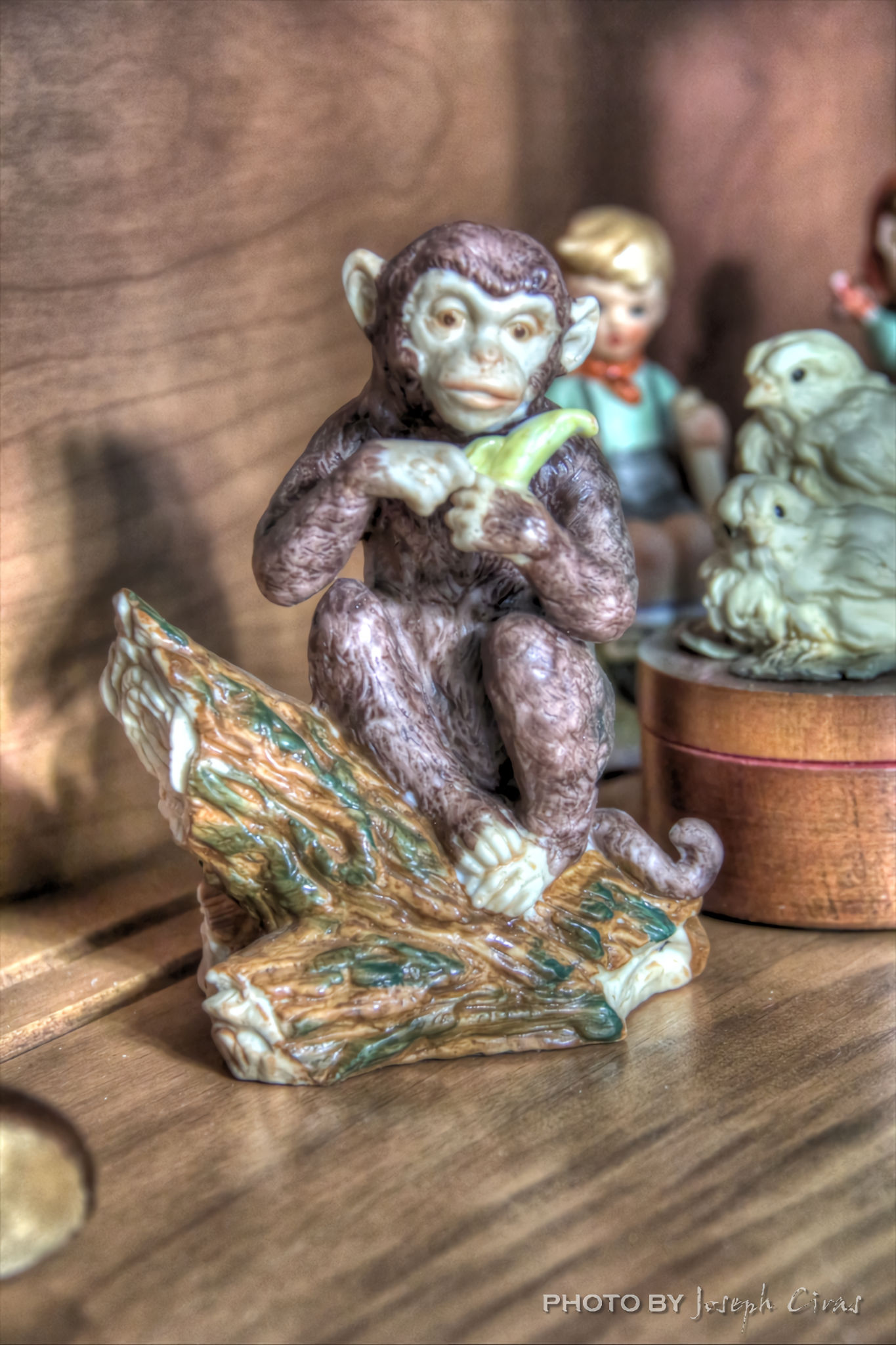
Tuesday, 06/15/2021: Posted photo — Monkey HDR.

Settings: Canon EOS 60D, ISO 1600, f/5.6, 1/13 s, 52 mm.

This monkey is a trinket in my mother’s china cabinet. The definition of a trinket is a small ornament or item of jewelry that is of little value. The trinkets in my mother’s collection have emotional and sentimental value.

A china cabinet is a piece of dining room furniture, usually with glass fronts and sides, used to hold and display porcelain dinnerware. Her china cabinet is filled with unicorn trinkets and other trinkets that she has collected over the years with my father. He good china and silverware are also located in the cabinet.

This cabinet was “no-touch” in our house when I was younger. With six brothers, she did not want any of the items broken. We were able to go into the cabinet when company was coming over.

I edited this photo with as a High Dynamic Range (HDR) photo because the light was bad in the room, and I wanted to save this photo. It was one of the only photos I took today, and it was of the best quality.

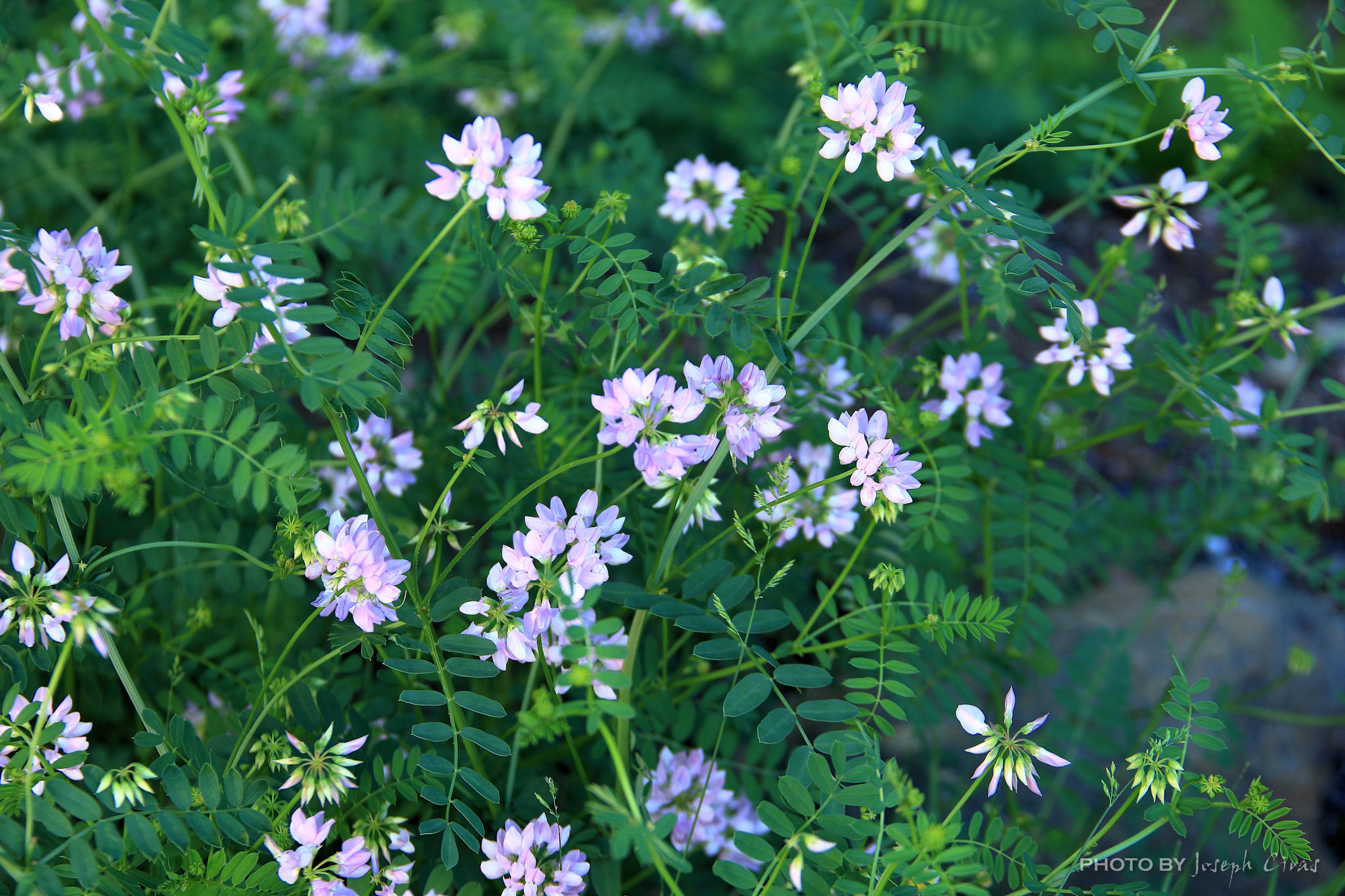
Wednesday, 06/16/2021: Posted photo — Wildflowers.

Settings: Canon EOS 60D, ISO 100, f/5.6, 1/20 s, 52 mm.

These flowers are called purple crown vetch. According to my Seek app, Securigera varia (synonym Coronilla varia), commonly known as crownvetch or purple crown vetch, is a low-growing legume vine. It is native to Africa, Asia and Europe and is commonly used throughout the United States and Canada for erosion control, roadside planting and soil rehabilitation. It has become an invasive species in many states of the US.

binary comment

These were on a roadside. I passed them during one of my walks today. As written many times in different ones of my blogs, I take many photos during the day and pick out one to post.

Here is another photo I took today. My niece purchased these cookies for a party that did not happened today. She brought them to my mother’s house for all the aids to enjoy.

Thursday, 06/17/2021: Posted photo — Cookies.

Settings: N/A.

Some cookies left by one of my nieces at my mother’s house. She was going to have a party at work that did not happen. I do not know why. All I know is that there are many cookies around to be eaten.

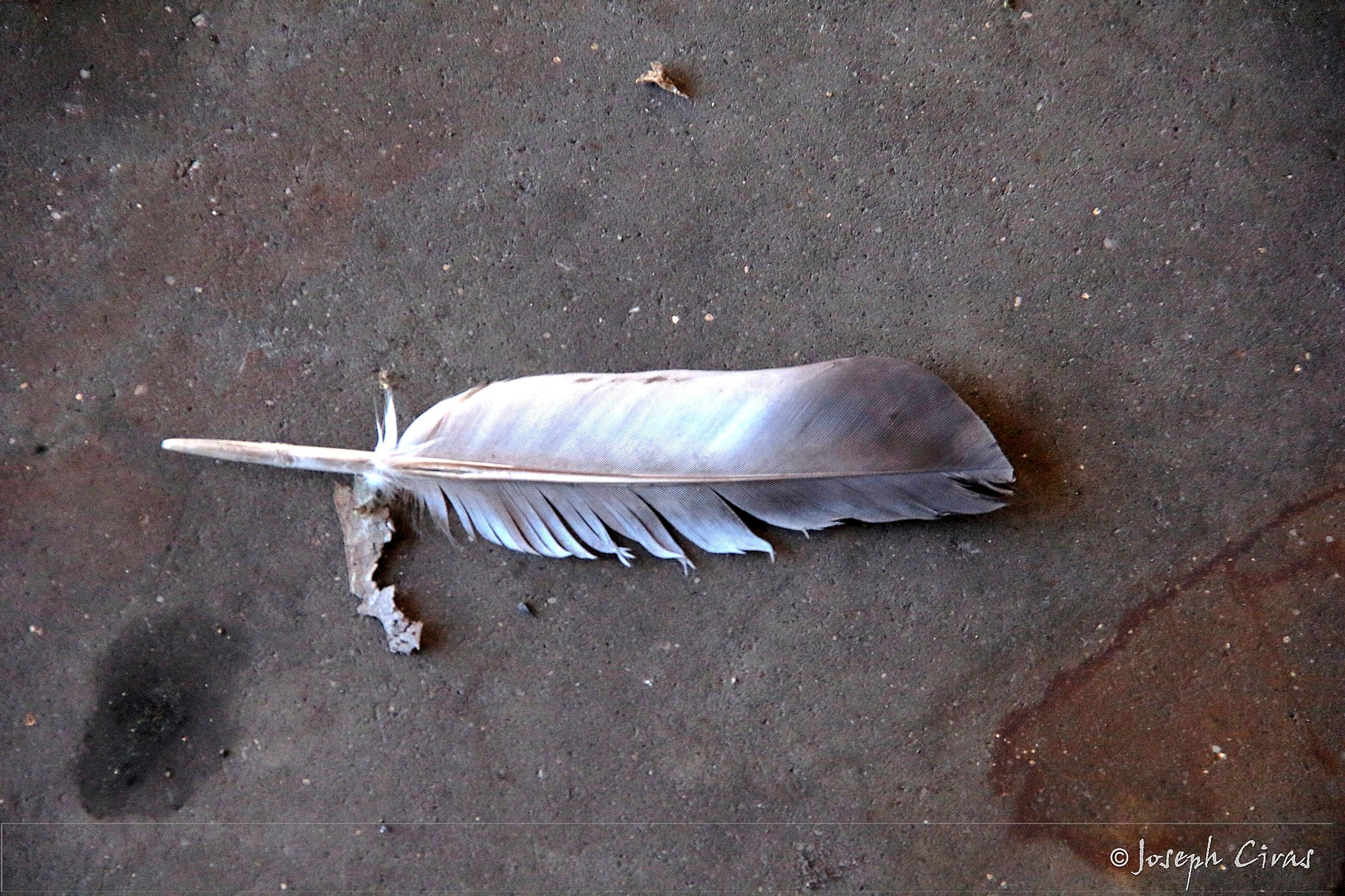
Friday, 06/18/2021: Post photo — Feather.

Settings: N/A.

Some poor bird lost its feather. I took this photo since I was getting ready to travel from my vacation (holiday) and needed a quick photo.

Saturday, 06/19/2021: Post photo — Ordination or Holy Orders.

Settings: Samsung SM-G930V (Galaxy S7), ISO 200, f/1.7, 1/24 s, 4 mm

My wife’s cousin’s son was ordained a priest today for the Roman Catholic Diocese of Albany NY. We were invited ordination to the deaconate last year in Rome that did not happen due to COVID. We had planned to go to this ordination and glad that we could attend. Congratulation Fr. Matt Duclos!

Here are some more photos from the day.

I am not sure when I will post my blogs for the next two weeks due to commitments. I will see if I can post a partial blog later in the week and follow up with an update to that blog.

That is all for now. Until next week, be safe.

For more photo of other project I have work, visit my website: https://photobyjosephciras.weebly.com/ or visit me on Facebook at https://www.facebook.com/PhotobyJosephCiras/.

COVID is real! Be safe out there, keep your social distance, and remember to always wear your mask and wash your hands. Get your vaccine!
Photographic Thoughts — 05/09/2021 to 05/15/2021

“To me, photography is an art of observation. It’s about finding something interesting in an ordinary place… I’ve found it has little to do with the things you see and everything to do with the way you see them.” — Elliott Erwitt

Thank you for all the new views and likes from last week. It helps keep me going. Enjoy my blog post!

Enjoy this week’s rambling mind of a mechanical engineer and photographer.

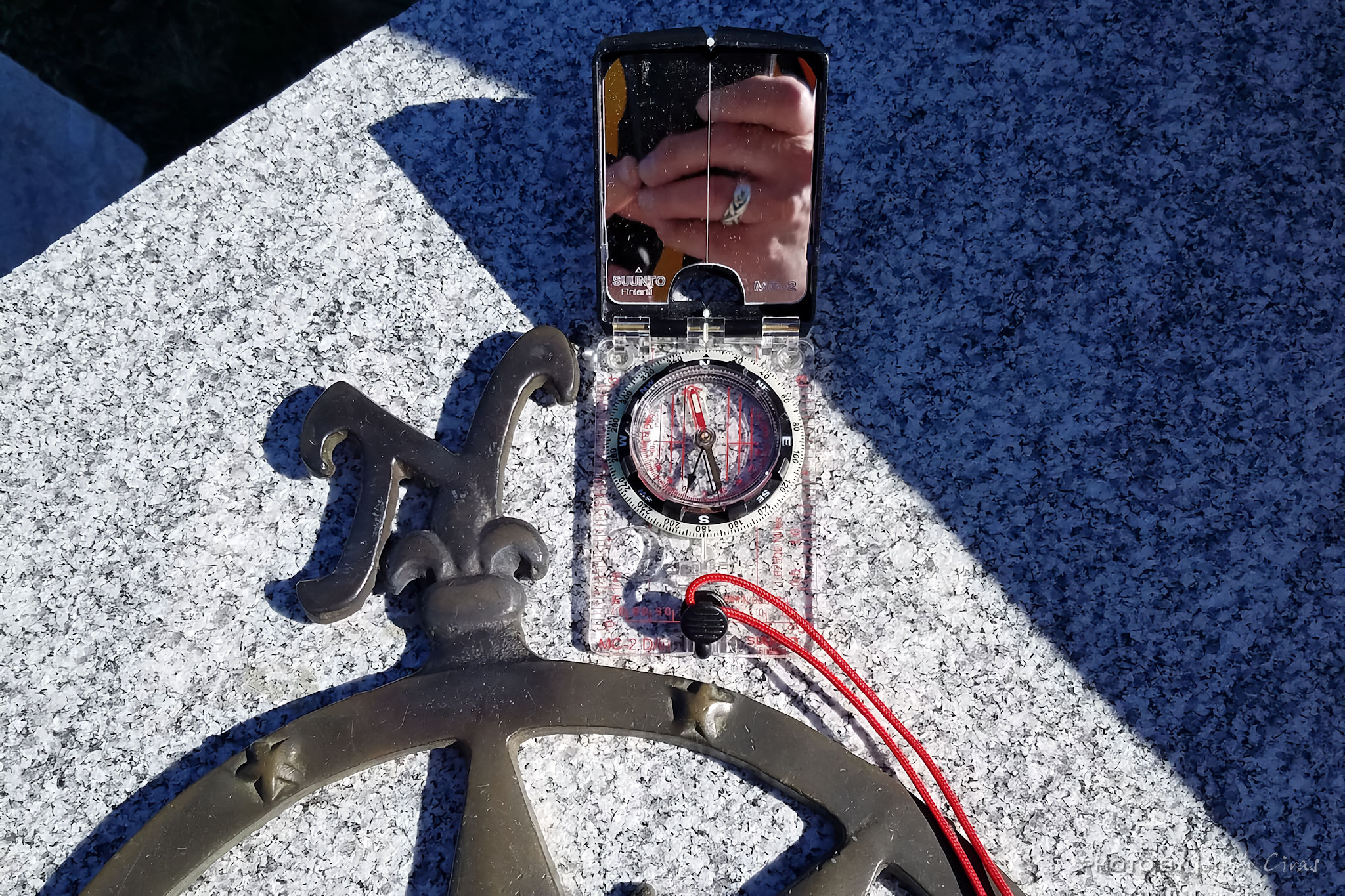
Sunday, 05/09/2021: Posted photo — True North.

Settings: Samsung SM-G930V (Galaxy S7), ISO 50, f/1.7, 1/3320 s, 4 mm

Summit compass, or sometimes call the Wachusett Rose, is a compass set on a pedestal on the summit of Wachusett Mountain. It shows people the direction that they are looking. This compass was at a different location on the summit a few year ago. Some kids pried if from its base and then later returned it to a ranger in the Visitor’s Center. When it was in its previous location, I took out my compass to verify its orientation. I did the same thing at this location.

Direction verification

If you notice, the needle on my compass and the north direction do not line up. This is due to magnetic declination. The needle points to magnetic north so I needed to adjust the declination on my compass so that the needle was set to the declination angle of 14° West in our area at this time. The magnetic declination changes every year since the magnetic pole of the Earth is in constant motion.

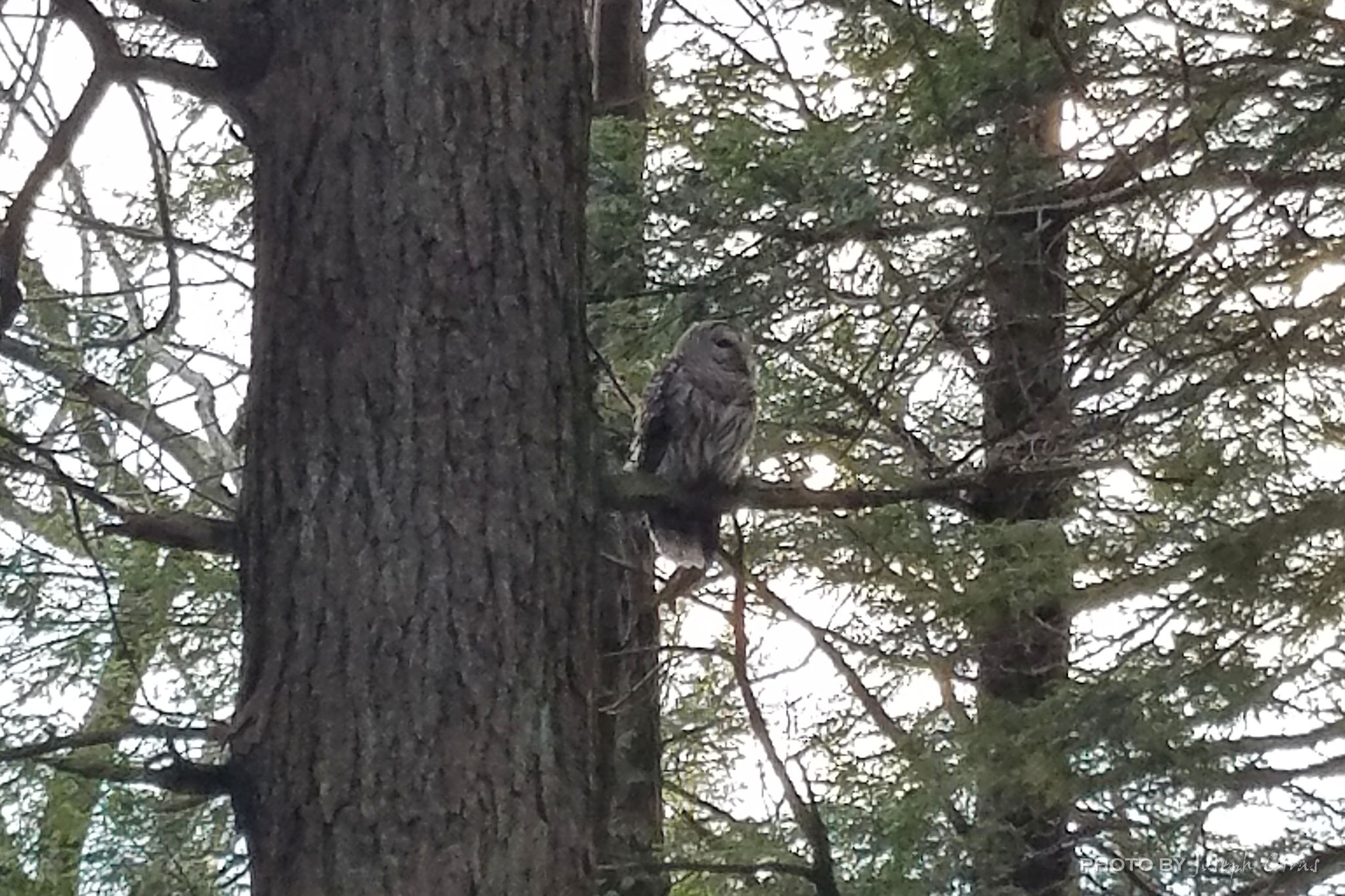
Monday, 05/10/2021: Posted photo — Owl.

Settings: Samsung SM-G930V (Galaxy S7), ISO 50, f/1.7, 1/179 s, 4 mm

During my hike this evening, I saw blue birds trying to knock something out of a tree. When I looked closer, it was this barred owl. I have seen one on the mountain a few years ago, and have heard them on the mountain many times, but have never seen one this close. I was going to bring my “good” camera on my hike and decided against it. I did not even have my backup camera. All I had with me was my cell phone. After many shots at bad angles, this owl just stayed on the branch allowing me to take this photo. Not bad for a cell phone camera.

Barred owl looking for food

Here is some information about barred owls:

Length: 15.7–24.8 in. (40–63 cm)

Diet: Carnivore (small mammals, birds, amphibians)

Wingspan: 37.8–49.2 in. (96–125 cm)

From National Geographic:

Barred Owls are easiest to find when they are active at night — they are a lot easier to hear than to see. Visit forests near water (big bottomland forest along a river is prime Barred Owl habitat) and listen carefully, paying attention for the species’ barking “Who cooks for you?” call. At great distance, this can sound like a large dog. Try imitating the call with your own voice and then wait quietly. If you are lucky, a territorial Barred Owl will fly in to investigate you. During the daytime, a quiet walk-through mature forest might reveal a roosting Barred Owl if you are very lucky.

This part of the trail on Wachusett Mountain is a mature forest. It is one of the oldest forests around since it was not clear cut for farming when this country was settled.

Facts about the Barred Owl from All About Birds:

  1. The Great Horned Owl is the most serious predatory threat to the Barred Owl. Although the two species often live in the same areas, a Barred Owl will move to another part of its territory when a Great Horned Owl is nearby.
  2. Pleistocene fossils of Barred Owls, at least 11,000 years old, have been dug up in Florida, Tennessee, and Ontario.
  3. Barred Owls do not migrate, and they do not even move around very much. Of 158 birds that were banded and then found later, none had moved farther than 6 miles away.
  4. Despite their generally sedentary nature, Barred Owls have recently expanded their range into the Pacific Northwest. There, they are displacing and hybridizing with Spotted Owls — their slightly smaller, less aggressive cousins — which are already threatened from habitat loss.
  5. Young Barred Owls can climb trees by grasping the bark with their bill and talons, flapping their wings, and walking their way up the trunk.
  6. The oldest recorded Barred Owl was at least 24 years, 1 month old. It was banded in Minnesota in 1986, and found dead, entangled in fishing gear, in the same state in 2010.

Wonder why I like to hike? One of many reasons is so I can see wild animals and birds and to just enjoy nature.

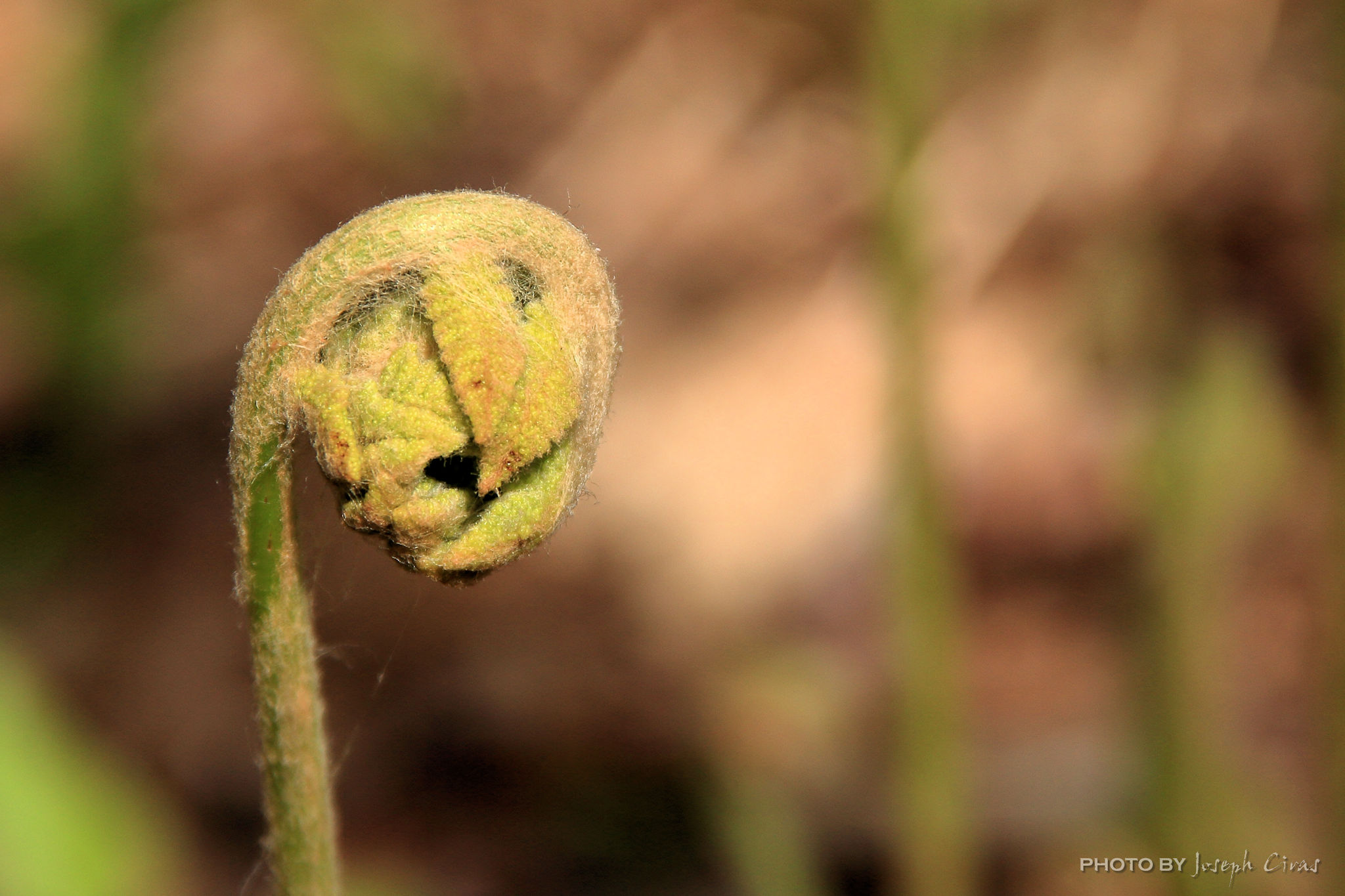
Tuesday, 05/11/2021: Posted photo — Fiddlehead.

Settings: Canon EOS 60D, ISO 100, f/5.6, 1/1000 s, 135 mm.

From some site off the web: Fiddleheads or fiddlehead greens are the furled fronds of a young fern, harvested for use as a vegetable. Left on the plant, each fiddlehead would unroll into a new frond. As fiddleheads are harvested early in the season before the frond has opened and reached its full height, they are cut close to the ground.

Fiddleheads have antioxidant activity, are a source of omega-3 and omega-6 fatty acids and are high in iron and fiber. The fiddlehead resembles the curled ornamentation (called a scroll) on the end of a stringed instrument, such as a fiddle. It is also called a crozier, after the curved staff used by bishops, which has its origins in the shepherd’s crook.

Fiddlehead

Fiddleheads grow around our property this time of year. If you were to look back at my photo history, you would see that photograph them every year. I have not ventured into eating one yet.

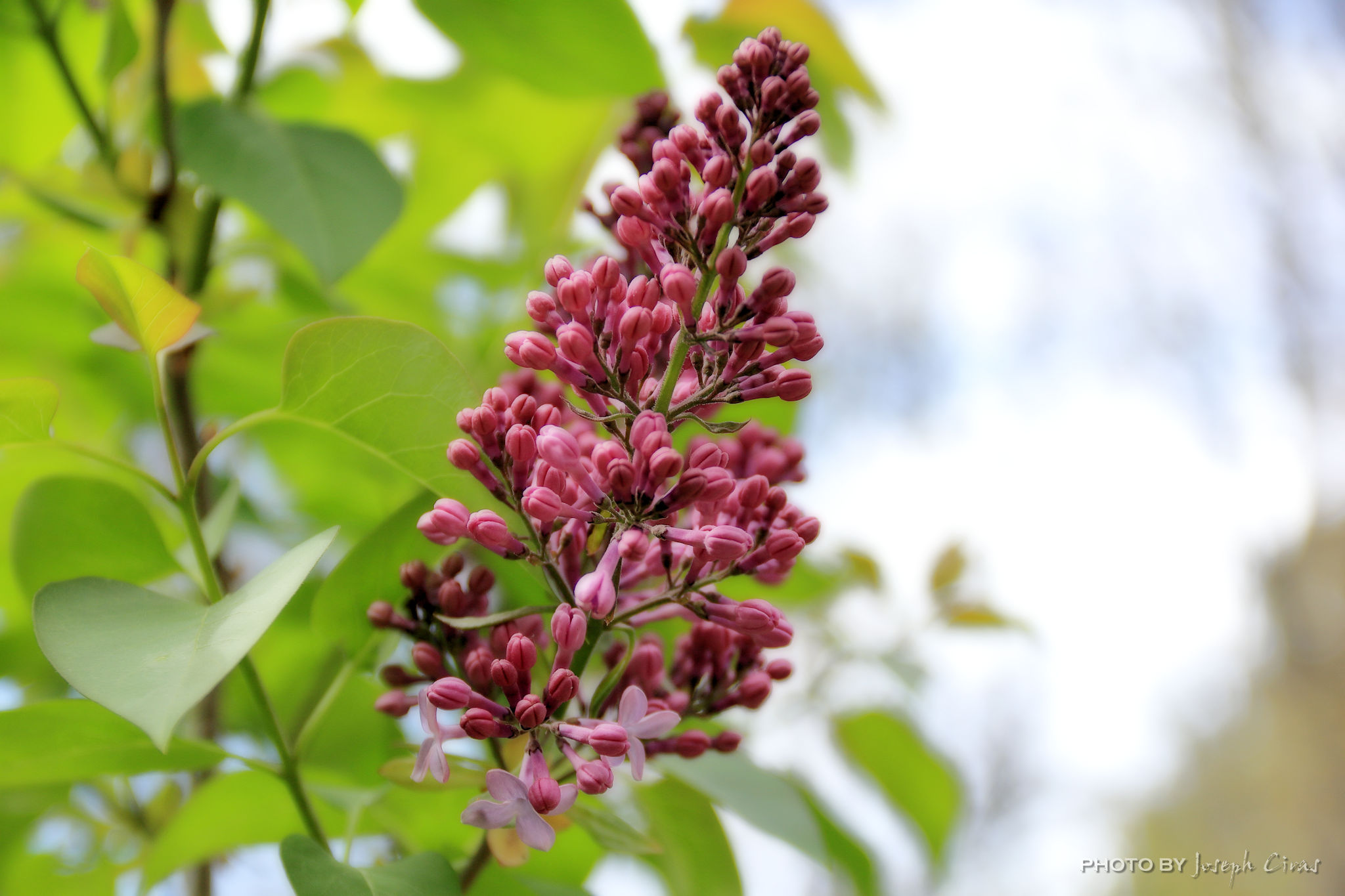
Wednesday, 05/12/2021: Posted photo — Lilac.

Settings: Canon EOS 60D, ISO 100, f/5, 1/250 s, 60 mm.

Lilacs are hardy, easy to grow, and low maintenance. They can grow from 5 to 15 feet tall, depending on the variety. The fragrant flowers are good for cutting and attractive to butterflies.

These lilacs are growing in our yard. The lilacs are growing on a plant that was transplanted from a friend’s house. They were moving and liked the plant. It was too big for their new location, so we split the plant. That was a few years ago and the plant is doing well.

Lilac in our yard

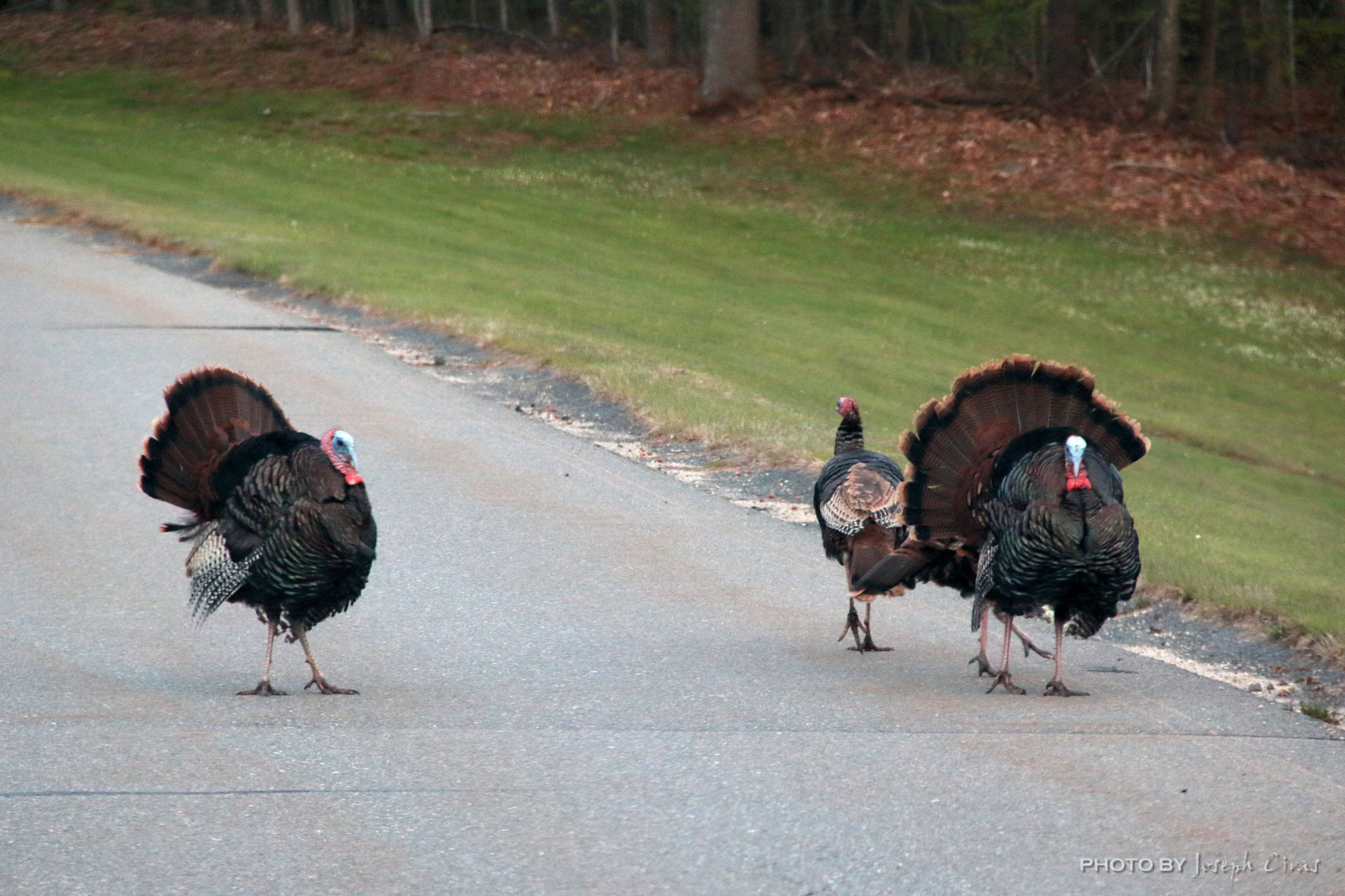
Thursday, 05/13/2021: Posted photo — More Turkeys.

Settings: Canon EOS 60D, ISO 1250, f/5.6, 1/200 s, 135 mm.

Turkey, turkeys everywhere this year. This is the third time in just a couple of weeks when this rafter of turkeys has tried to stop me going to work. This was the first time the toms showed me their feathers.

Turkeys crossing the road

I had my “good” camera with me to take this photo through my windshield.

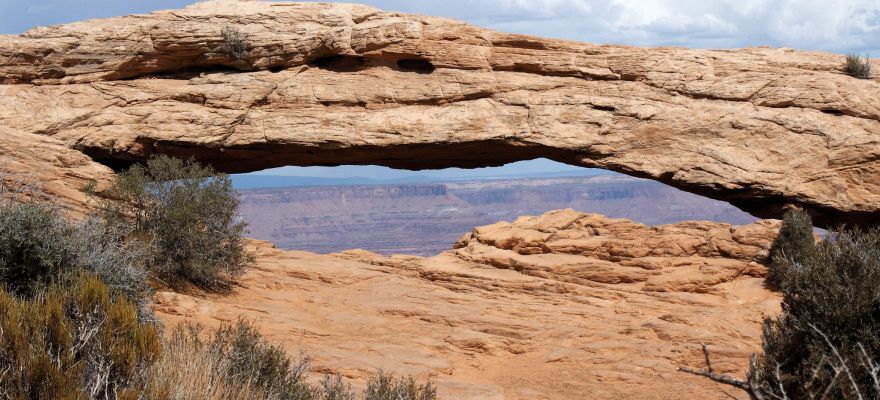
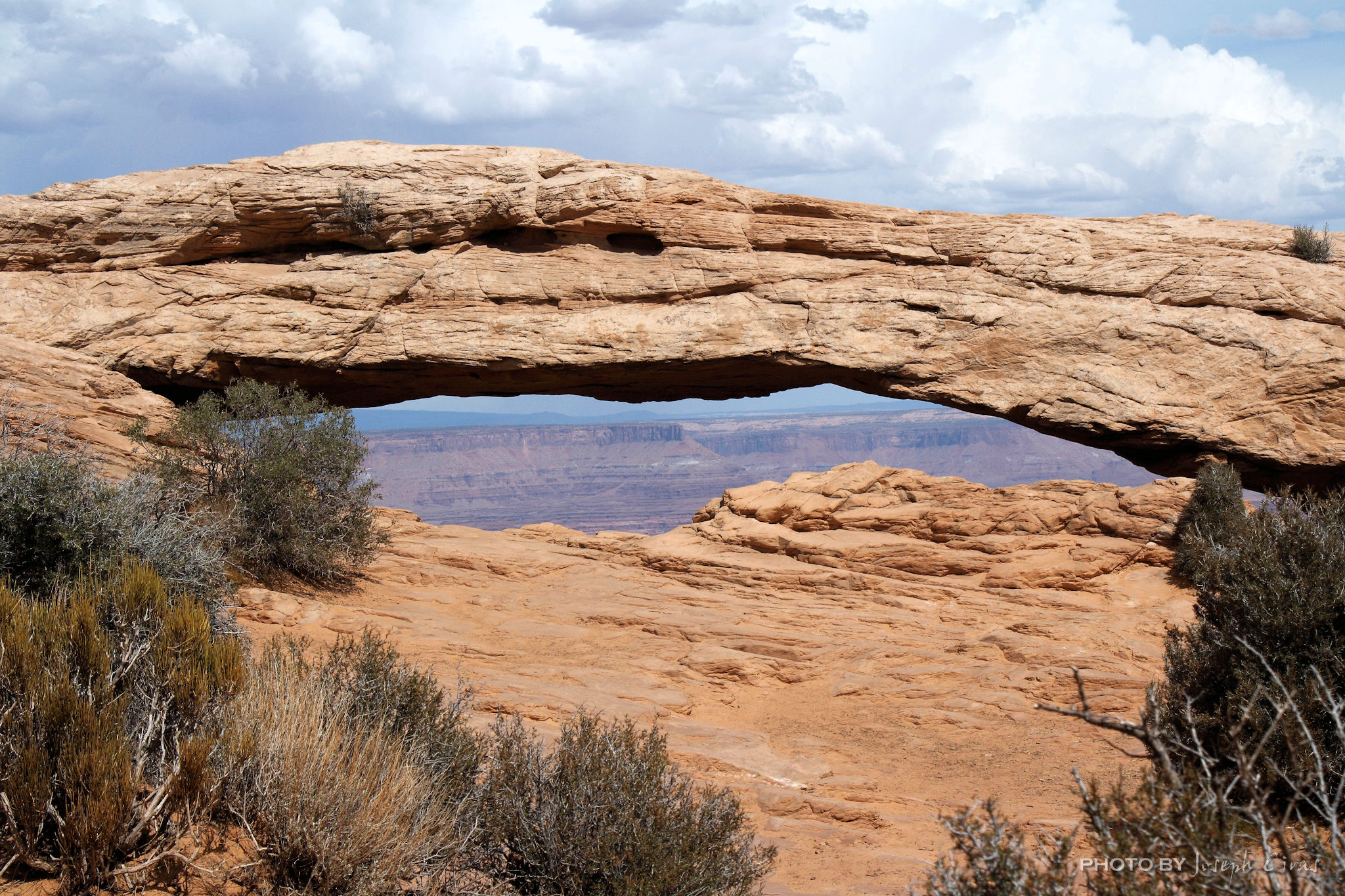
Friday, 05/14/2021: Post photo — Mesa Arch.

Settings: Canon EOS DIGITAL REBEL XS, ISO 200, f/11, 1/200 s, 48 mm.

Last week I posted a photo of the Milky Way from the Needles section of Canyonland National Park. Today I am posting a photo of the Mesa Arch from the Island in the Sky section of Canyonland National Park. I did not know that this arch was famous when I took this photo. I found out that photographers get up early to see the sunrise through the arch.

Masa Arch, Island in the Sky section of Canyonland National Park

Mesa Arch is a spectacular stone arch perched at the edge of a cliff with vast views of canyons, rock spires, and the La Sal Mountains in the distance. Mesa Arch formed as surface water pooled and eventually eroded through bedrock at the mesa’s edge.

Saturday, 05/15/2021: Post photo — Azalea.

Settings: Samsung SM-G930V (Galaxy S7), ISO 50, f/1.7, 1/2808 s, 4 mm

Azaleas are flowering shrubs in the genus Rhododendron. Azaleas bloom in the spring, their flowers often lasting several weeks. Shade tolerant, they prefer living near or under trees.

We have two azalea shrubs in our yard, one read and one pink. The red on blooms first and then the pink one.

Azaleas are starting to bloom

They are an easy subject to photograph when I need a quick photo.

That is all for now. Until next week, be safe.

For more photo of other project I have work, visit my website: https://photobyjosephciras.weebly.com/ or visit me on Facebook at https://www.facebook.com/PhotobyJosephCiras/.

COVID is real! Be safe out there, keep your social distance, and remember to always wear your mask and wash your hands.