
“Only photograph what you love.” — Tim Walker
Thank you for all the new views and likes from last week, it helps keep me inspired.
Sunday, 05/10/2026: Posted photo — Mother’s Day.
Happy Mother’s Day!

This is my family back in 1967 with the arrival of my youngest brother. We welcome him to the family with wonder. From left to right: son number 3, son number 4, son number 5.2, son number 6, our mother, son number 5.1 (me), son number 2 and son number 1.
This is one of my favorite photos of the family. Our mother is not here in body but is always here in spirit.
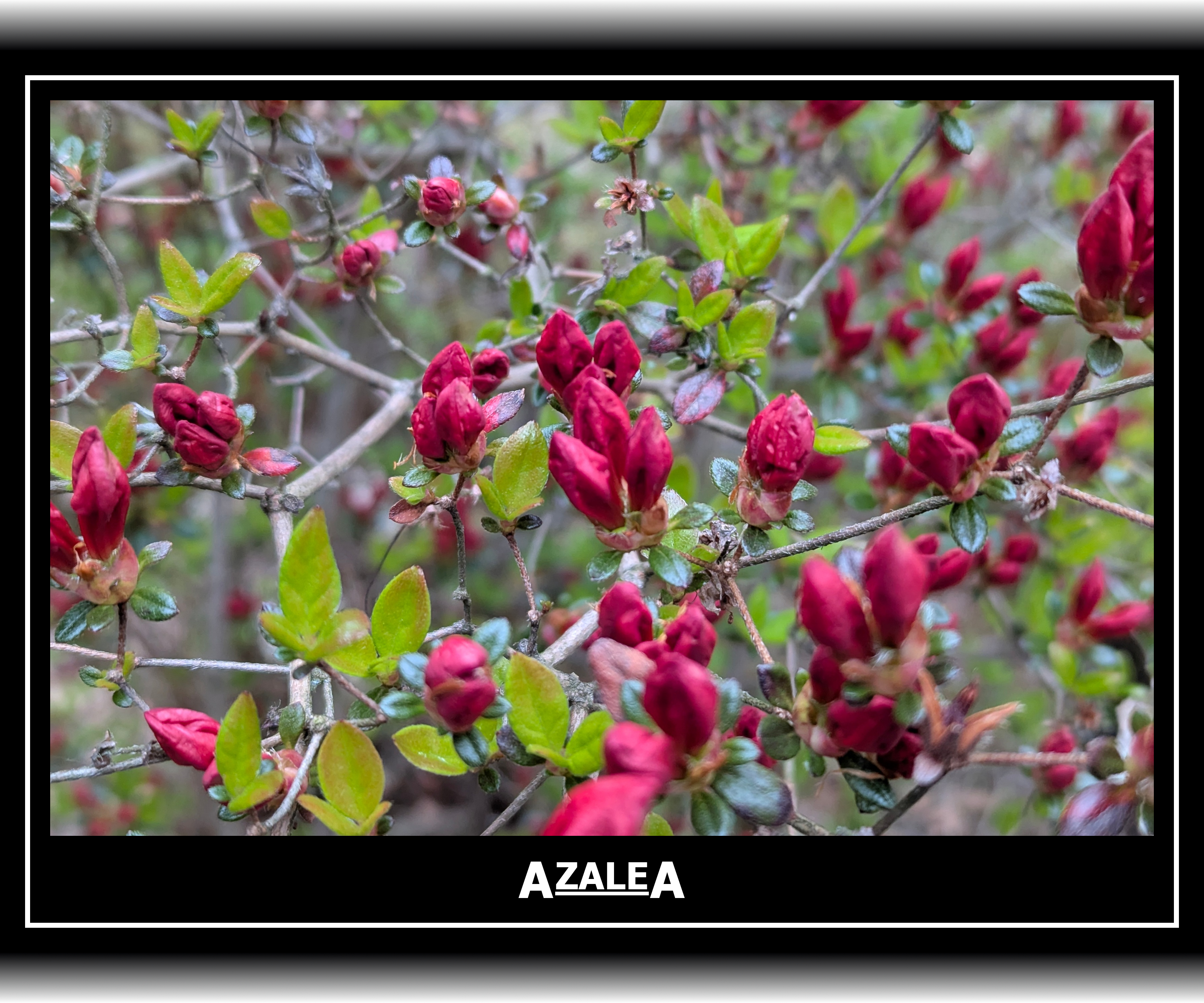
Monday, 05/11/2026: Posted photo — Azalea.
Azaleas represent femininity, fragility, elegance, and, in Victorian flower language, a message to “take care of yourself”.
Tuesday, 05/12/2026: Posted photo — Hobblebush.
Hobblebushes are native, shade-tolerant shrubs found in cool, moist forests across eastern North America, known for its sprawling, horizontal branches that root at the tips and “hobble” (trip) hikers. Called “hobblebush” because its branches often grow along the ground, arch up, and root again, creating “wickets” that trip people (“tangle-legs”).
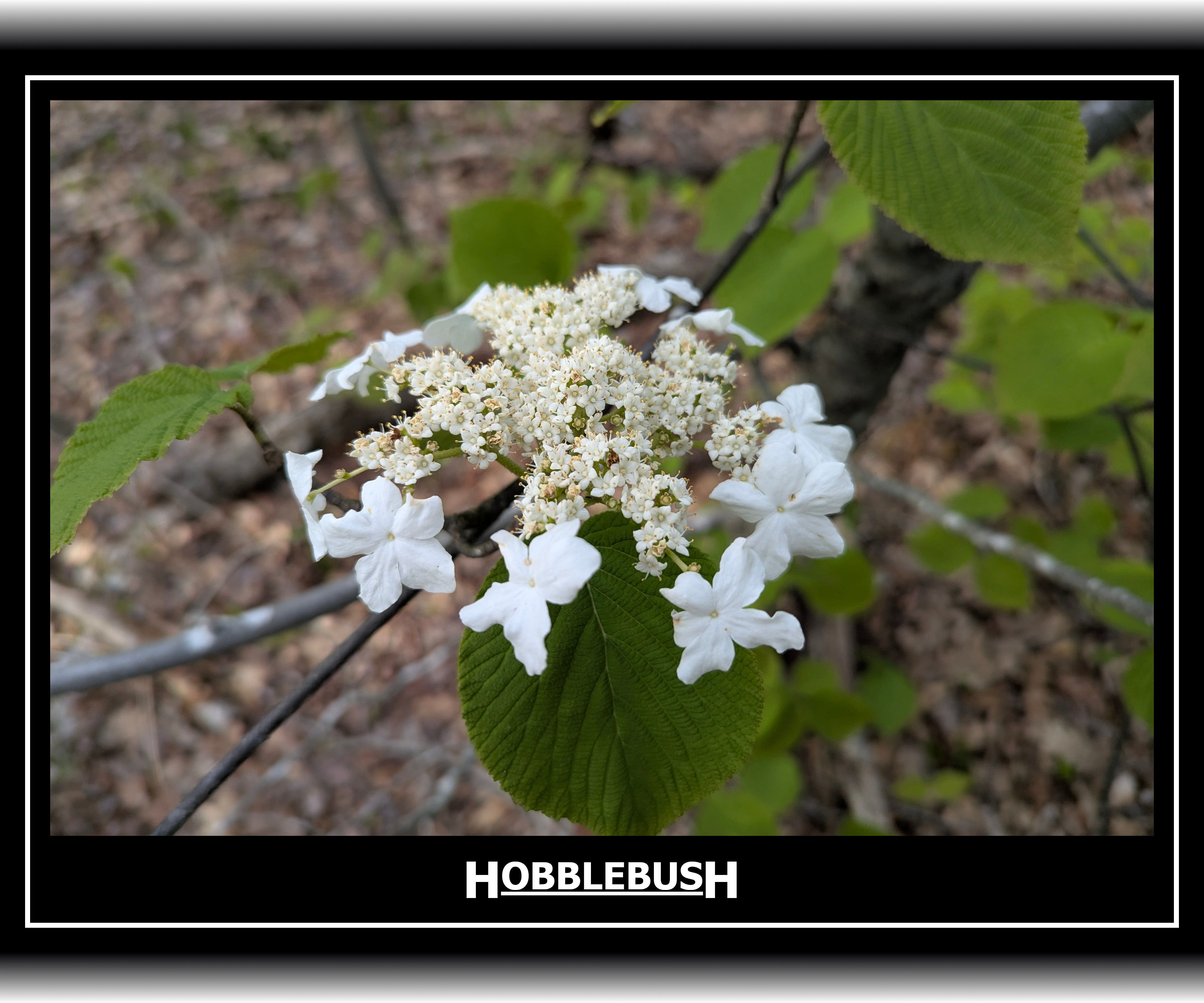
The berries on a hobblebush are edible. I have never tried to eat the berries off the hobblebush. Maybe I would try them if I was lost and hungry enough to do so. When berries are on the hobblebushes on the mountain, I will post photos.
Wednesday, 05/13/2026: Posted photo — Lilac.
Lilacs generally symbolize renewal, confidence, and the innocence of early love, often signaling the arrival of spring.
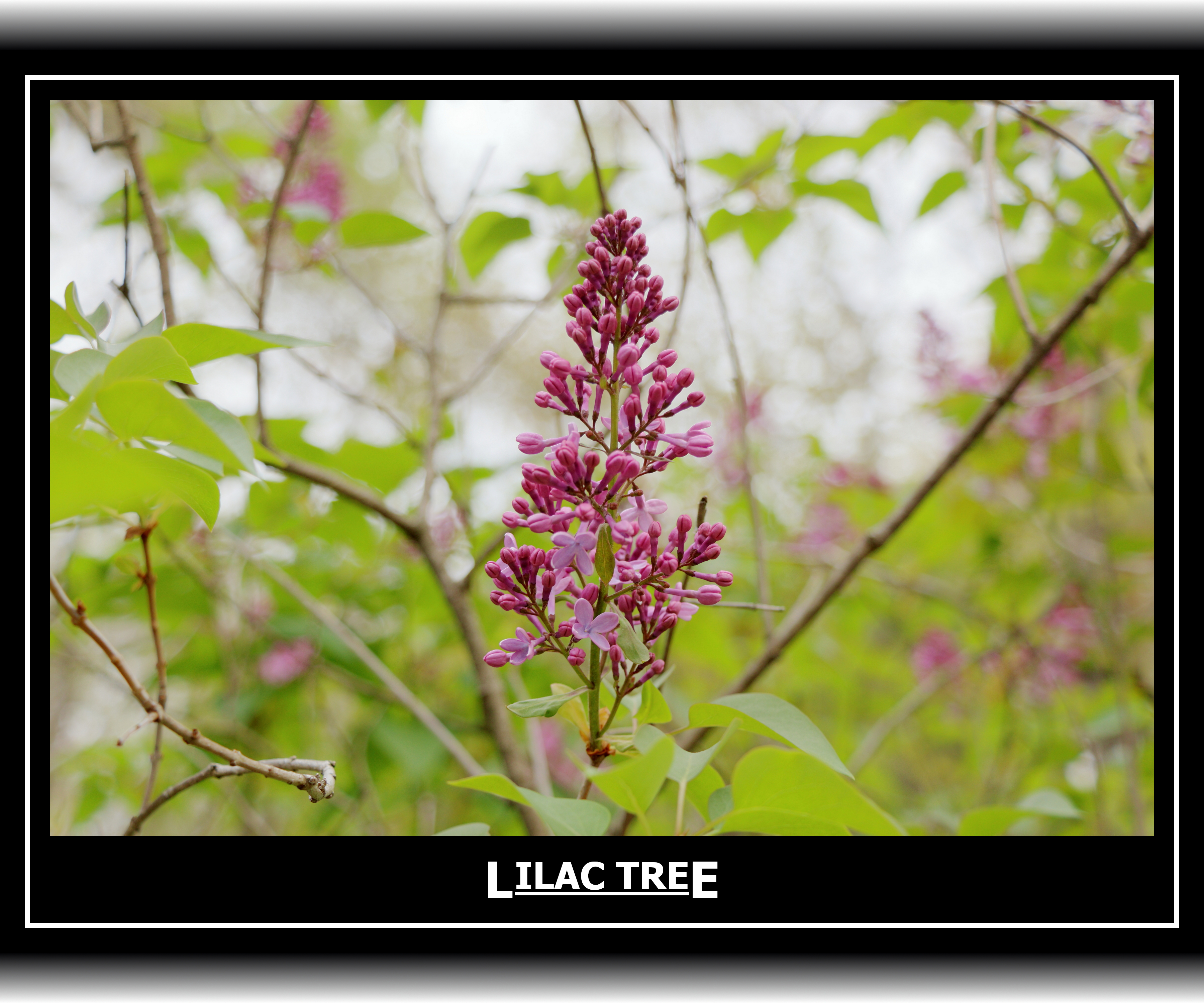
A few years back, we transferred our lilac tree from a friend’s house when she was moving. Last year it did not do well, this year it is doing much better. We had a lilac bush in our yard when I was growing up. It was a great place to hide in.
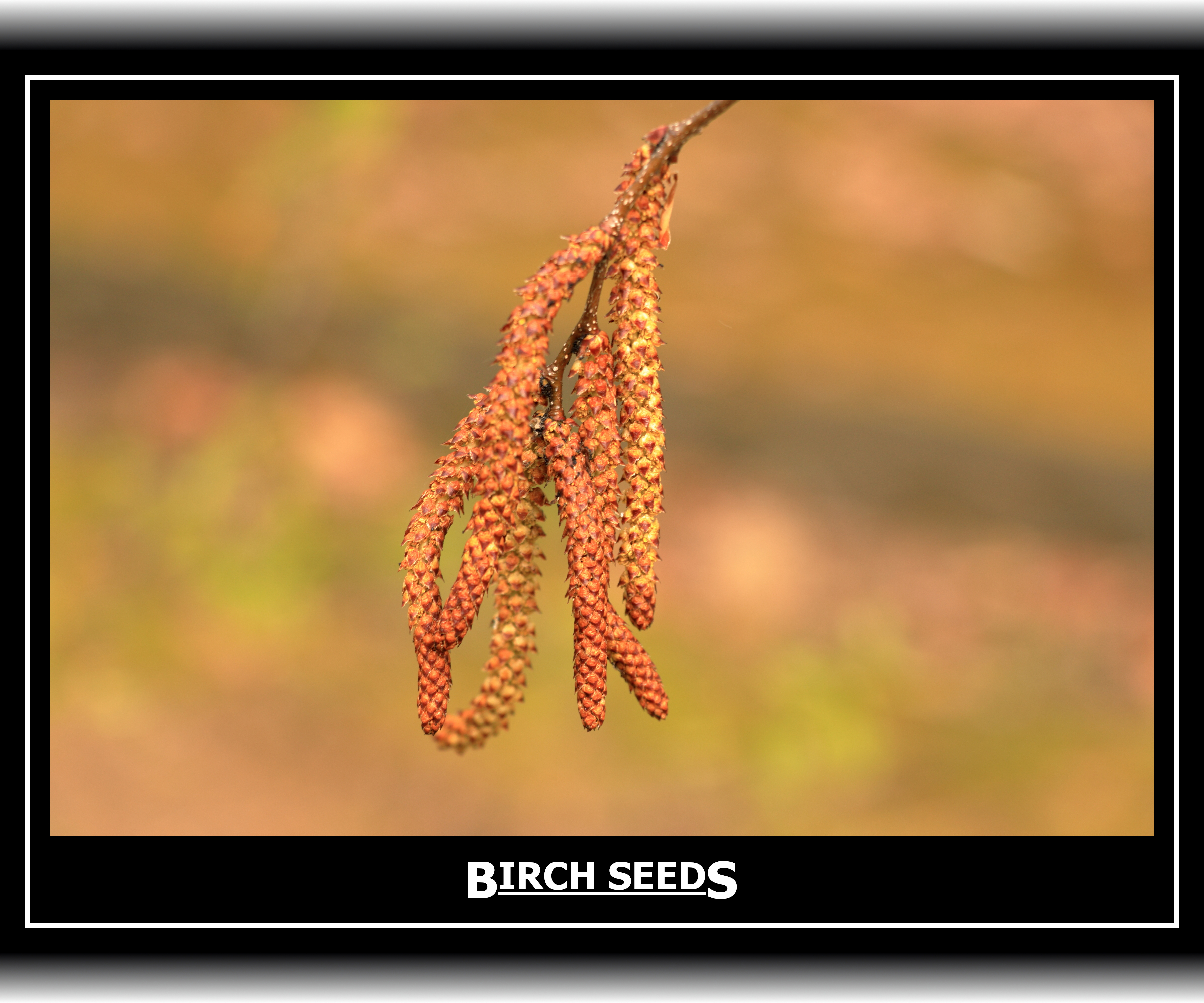
Thursday, 05/14/2026: Posted photo — Birch Seeds.
Birch tree seeds are small, lightweight nutlets produced in cylindrical clusters called strobiles (catkins) that break apart. A single large birch tree can produce up to 1 million seeds per year, featuring tiny wings that allow them to be carried long distances by the wind.
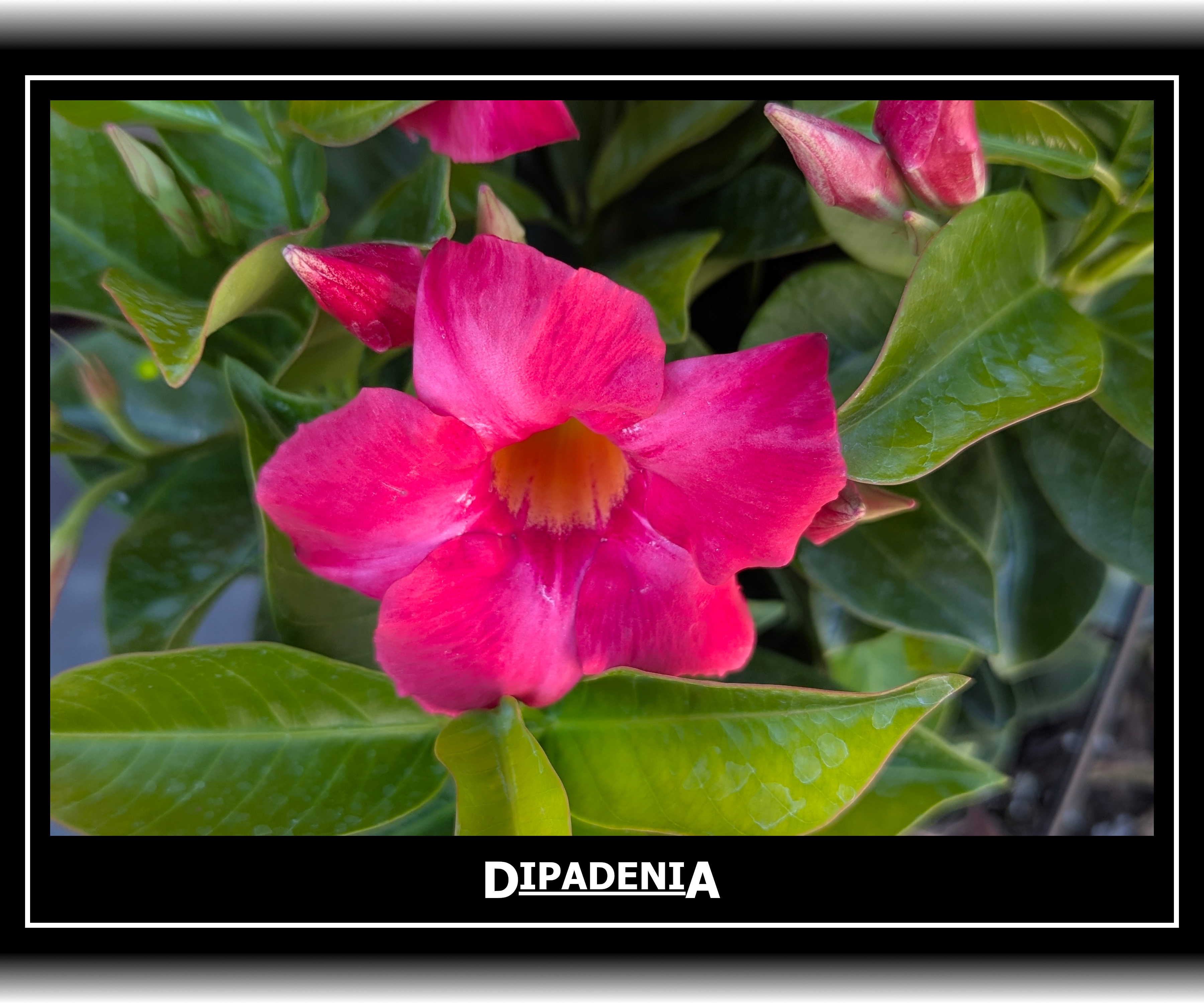
Friday, 05/15/2026: Post photo — Dipadenia.
Dipladenia is a genus of tropical, woody, shrub-like vines known for glossy leaves and trumpet-shaped flowers, commonly in pink, red, or white.
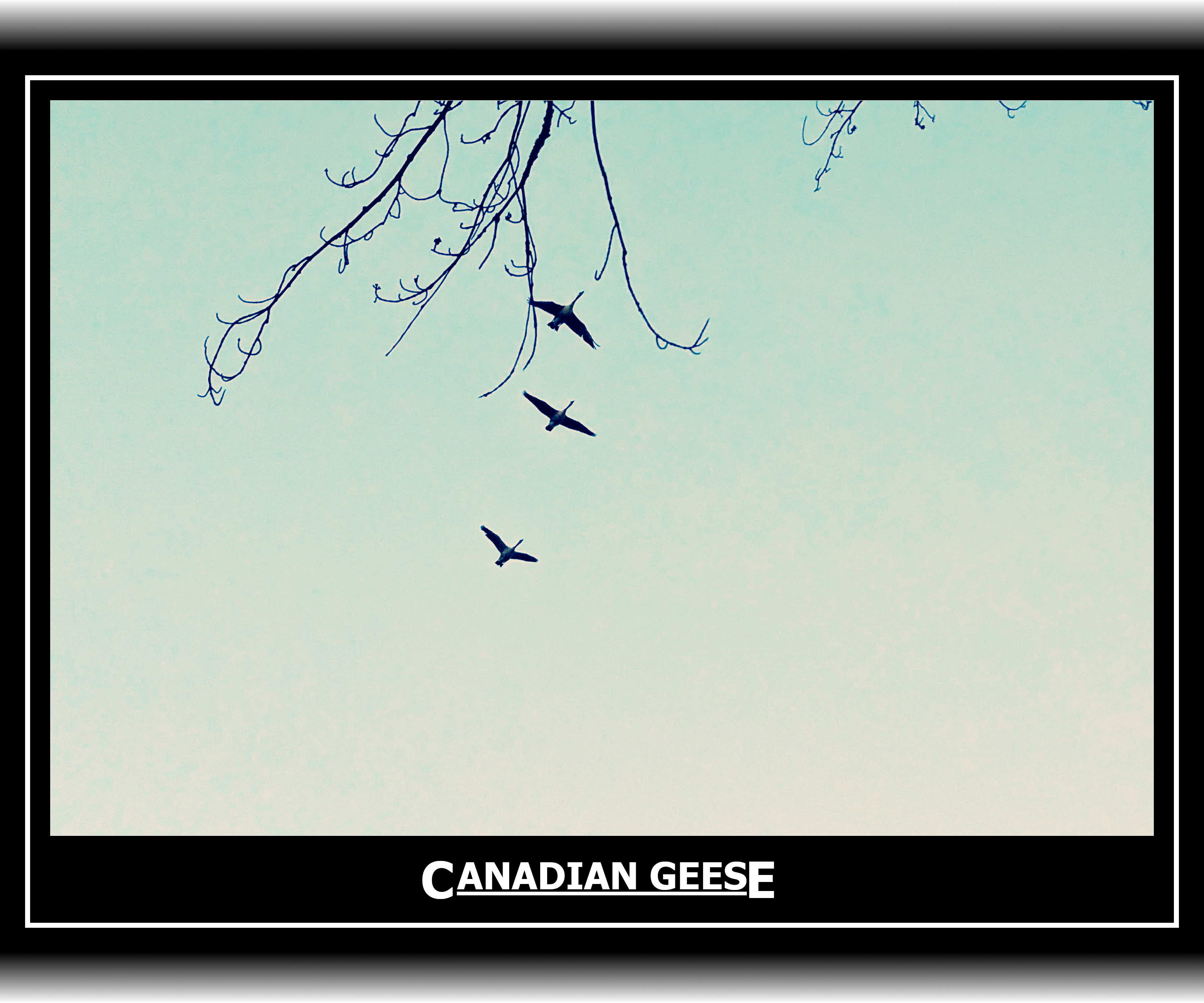
Saturday, 05/16/2026: Post photo — Canadian Geese.
The Canada goose is a large species of goose with a black head and neck, white cheeks, white under its chin, and a brown body. Canada geese primarily pose health hazards through bacterial and parasitic contamination from their droppings (feces) and through physical aggression during nesting season. While the risk to healthy adults is generally low, their feces can severely impact water quality and vulnerable populations.
There have been efforts to deter the geese from field and docks because of the heath hazard. The health hazard is both because of the harmful bacteria and because their feces is very slippery and a fall hazard is present.
That is all for now. Until next week, be safe.
“Sumens imagines consolateur et inspirat me. Pulchritudinem mundi video per camera mean.”
“Quod scripsi, scripsi. Ingeniarius sum, non scriptor.”
.–. …. — – — -… -.– .— — … . .–. …. -.-. .. .-. .- …

