“It’s one thing to make a picture of what a person looks like, it’s another thing to make a portrait of who they are.” — Paul Caponigro
Thank you for all the new views and likes from last week, it helps keep me inspired.
For the first time in a while, all these photos were taking this week.
Last week we are played a game — name the national park.
Here are the answers.
Bring Water! — Mesa Verde National Park, Cortez and Mancos, CO Do not Stand — Natural Bridges National Monument, Blanding, UT Impassible When Wet — Arches National Park, Moab, UT Holt Orchards — Capital Reef National Park, Torrey, UT Dangerous Cliffs — Bryce Canyon National Park, Bryce Canyon, UT River Walk — Zion National Park, Springdale, UT Mules — North Rim, Grand Canyon National Park, Grand Canyon, AZ
Now for this week’s photos.
Sunday, 06/05/2022: Posted photo — Pentecost.
Settings: Google Pixel 2, ISO 193, f/1.8, 1/125 s, 4 mm.
Pentecost is a Christian holiday which takes place on the 50th day after Easter Sunday. It commemorates the descent of the Holy Spirit upon the Apostles and other followers of Jesus Christ while they were in Jerusalem celebrating the Feast of Weeks, as described in the Acts of the Apostles.
Monday, 06/06/2022: Posted photo — Batting Cage.
Settings: Google Pixel 2, ISO 132, f/1.8, 1/125 s, 4 mm.
This is our son’s batting cage. We purchased it when he was in high school about 10 years ago and he still goes out to hit balls. He is now coaching baseball at the high school that he is teaching. He enjoys going out and hitting balls.
Tuesday, 06/07/2022: Posted photo — Wildflowers.
Settings: Google Pixel 2, ISO 83, f/1.8, 1/1462 s, 4 mm.
With rain, comes wildflowers. These are at the parking lot at work. The grass gets cut when wet, and once the sun comes out, these flowers appear.
Wednesday, 06/08/2022: Posted photo — Deer in Backyard.
Settings: Canon EOS 60D, ISO 3200, f/5.6, 1/250 s, 135 mm.
My son and I were going to the Relay for Life (RFL) to bring more items to our site. The Relay for Life is a 24 hour walk to raise money for cancer research and is put on by the American Cancer Society (ACS). This was the first time in three years that the relay was live.
Back to my story, my son asked me if I had my camera an saw this deer in the street. Shortly after I gathered my camera a car came by and spooked the deer. I followed it into our yard, expecting not to see it. I was surprised to see it posing for me next to out son’s batting cage. This delayed our trip to the RFL.
Thursday, 06/09/2022: Posted photo — Relay Quilt.
Settings: Canon EOS 60D, ISO 100, f/5, 1/80 s, 27 mm.
At the RFL you can do on-site fundraising. One of the members of our team made this mini quilt as a fundraiser. The color of the ribbons indicates a different type of cancer. There are websites that can help you identify the ribbon color to a type of cancer. I was going to list them here for you, but there are so many different colors. Here is a link to on website: https://www.healthline.com/health/cancer/cancer-ribbon-colors.
Friday, 06/10/2022: Post photo — Survivors Lap.
Settings: Canon EOS 60D, ISO 100, f/6.3, 1/160 s, 76 mm.
At the start of the RFL, cancer survivors take a lap. Encouraging to see so many out walking. There were survivors of less than a month to over 25 years participating in survivors lap this year.
Saturday, 06/11/2022: Post photo — Luminaria.
Settings: Canon EOS 60D, ISO 100, f/7.1, 0.8 s, 27 mm.
One of the most powerful events at the RFL is the luminaria. Each back has the name of a family member, friend, colleague, or acquaintance that is either fighting cancer or has finished their fight. There is a silent lap after some ceremonies. The only noise during that lap is the sound of footprints and the sound of a lone bagpiper leading the lap.
That is all for now. Until next week, be safe.
My Weebly website has not been updated since February 16, the day before I broke my ankle.
“The camera makes you forget you’re there. It’s not like you are hiding but you forget, you are just looking so much.” — Annie Leibovitz
Thank you for all the new views and likes from last week, it helps keep me inspired.
Enjoy this week’s rambling mind of a mechanical engineer and photographer.
This week’s post is short. I spent most of the week doing final preparations for my mother’s funeral and relaxing after.
Sunday, 07/17/2021: Posted photo — Roses.
Settings: Samsung SM-G930V (Galaxy S7), ISO 100, f/1.7, 1/60 s, 4 mm
Yellow is bright and conveys happy thoughts, so it is no wonder that yellow roses showcase positive feelings of warmth. The yellow rose meaning is often considered that of friendship.
I am posting this photo to thank all the people that have supported my family during the last few months when my mother was ill. She passed in her sleep, at home, last Saturday at the age of 95. I would like to thank family and friends, her doctors and caretakers, and anyone that had her in their prayers. She was playing cards up to the end. Raising seven boys was not easy. She did it lovingly.
As my mother said in the hospital last Tuesday, she did live 95 wonderful years.
Mom — may your rest in peace. Until we meet again. Love you.
Monday, 07/18/2021: Posted photo — Ten Commandments.
Settings: Canon EOS 60D, ISO 400, f/7.1, 1/160 s, 37 mm.
This monument is on Mountain Road in Princeton, Mass. It is very easy to drive by since it is small and not near any landmark. It has been on the side of the road since 1927. The monument was produced by S.D. Sargent in Gardner Mass. The monument starts with “God Sake All these Words I the Lord thy God”.
I had the history of the monument once. Now I cannot find out any information about why this monument was place where it located.
I took a similar photo last week on the way back home from my mother’s house and did not like it enough to post. I took this one today as I was returning home from finalizing the funeral arrangements. The arrangements were easy to finalize since my mother was supposed to pass last March. She was a strong French woman that had many card games left in her.
Tuesday, 07/19/2021: Posted photo — Blue Vervain.
Settings: Canon EOS 60D, ISO 200, f/5.6, 1/640 s, 85 mm.
“Blue vervain is a flowering plant that belongs to the vervain family, Verbenaceae. It has purple flowers and simple leaves with double-serrate margins. The scientific name of blue vervain is Verbena hastata and it is also known by other names like American vervain, simpler’s joy, and swamp verbena.” — Organic Facts website
Wednesday, 07/20/2021: Posted photo — Turkeys Through Windshield.
Settings: Canon EOS 60D, ISO 3200, f/5.6, 1/600 s, 135 mm.
Turkeys this morning on my way to work. Took this through my windshield.
Thursday, 07/15/2021: Posted photo — Mass Card.
Settings: Samsung SM-G930V (Galaxy S7), ISO 160, f/1.7, 1/60 s, 4 mm
The mass card from my mother. We had her wake and funeral today. I will always love you mom!
Today my wife and took a trip up north to Maine to get away and relax. Here are some photos from Perkins Cove where we had our lunch and photo of the Nubble Light where we ended out day before driving home.
Saturday, 07/22/2021: Post photo — View from the Trail.
Settings: FUGIFILM FinePix XP70, ISO 100, f/4.7, 1/350 s, 12 mm.
The view from Old Indian trail looking down the Look Mom ski trail on Wachusett Mountain.
“Taking pictures is savoring life intensely, every hundredth of a second.” — Marc Riboud
Thank you for all the new views and likes from last week, it helps keep me inspired.
Enjoy this week’s rambling mind of a mechanical engineer and photographer.
This is the last of the “catch up” series of blogs.
Sunday, 06/27/2021: Posted photo — Bridge.
Settings: Canon EOS 60D, ISO 400, f/7.1, 1/3 s, 18 mm.
This is one of the bridges in Watkins Glen State Park. This bridge is over Central Cascade, one of the 19 waterfalls that are in the park. We camped at the state park three nights, enjoying the Glen in-between storms.
Monday, 06/28/2021: Posted photo — Yahoo Arch.
Settings: Canon EOS 60D, ISO 100, f/7, 1/250 s, 24 mm
Yahoo Arch has a height of 17 feet and a base of 70 feet. It is in McCrary County, Kentucky. You get there by hiking 1.5 miles, one way, on a spur trail that brought you to Yahoo Falls. The height of Yahoo falls is 113 feet.
Tuesday, 06/29/2021: Posted photo — Clouds.
Settings: Canon EOS 60D, ISO 100, f/7.1, 1/1000 s, 44 mm
Now that we are back home, I needed a photo. The air was very humid, and clouds were forming near Round Meadow Pond.
Wednesday, 06/30/2021: Posted photo — St John’s Wort.
Settings: Canon EOS 60D, ISO 100, f/5.6, 1/25 s, 69 mm.
“St. John’s wort (Hypericum perforatum) is a flowering shrub native to Europe. It gets its name from the fact that it often blooms on the birthday of the biblical John the Baptist. The flowers and leaves of St. John’s wort contain active ingredients such as hyperforin. St. John’s wort is available as a supplement in teas, tablets, liquids and topical preparations. People use St. John’s wort to treat depression and menopausal symptoms.” — Mayo Clinic
binary comment
These wildflowers are in an area that I hike often. I stopped to take this photo since I was in a rush to take one for the day.
Settings: Canon EOS 60D, ISO 100, f/7.1, 1/25 s, 18 mm.
This is a new month, and I wanted a good photo for the first day of the month on my web page. This location is one that I photograph often and is one of the favorite locations for those who look at my photographs.
Rainy day today. No opportunity to get outside to take a photo. I took this when walking between buildings at work. This photo can also be used as a historic record of today’s weather.
binary comment
Saturday, 07/03/2021: Post photo — Mangos.
Settings: Samsung SM-G930V (Galaxy S7), ISO 64, f/1.7, 1/120 s, 4 mm
“A mango is a popular tropical fruit that is eaten in sweet and savory dishes around the world. It can be green, yellow, orange, red, or a combination of these colors, and has yellow or orange flesh surrounding a flat, hard pit. The fruit is typically peeled and cut away from the pit before use. A mango can be eaten raw unripe or ripe, or cooked into desserts, curries, and chutneys. It’s a moderately expensive piece of produce per fruit, but many varieties are large and heavy. It is also a popular dried fruit.” — The Spruce Eats
“I don’t trust words. I trust pictures.” — Gilles Peress
Thank you for all the new views and likes from last week, it helps keep me inspired.
Enjoy this week’s rambling mind of a mechanical engineer and photographer.
Sunday, 06/13/2021: Posted photo — Star Trails.
Settings: Canon EOS 60D, ISO 1600, f/3.5, 16 s, 18 mm.
This photo is a stacked composite of 399 sixteen second exposed photos. It has been a while since I took a star trail photo. There are two different methods for taking star trails: one is by taking multiple shots and stacking them, the other is by doing long exposure shot. I have done star trails both ways. The longest exposer I took was a 45-minute exposure at Craters of the Moon National Monument and Reserve in Idaho a few years ago. The sky was very, very dark at this park. So dark, you had a difficult time seeing your outstretched hand. I the area I live, staking is the best way of doing star trails.
Here is how I prepare for my star trail photos. I setup my camera before I go to bed pointing in a northerly direction. Then when it gets to astronomical twilight, I turn the camera on to start taking photos and then go to bed.
Here are some definitions for your and my reference. All angles are the position of the Sun to the horizon:
Nighttime (below -18°)
Morning twilights (from -18° to 0°)
Astronomical Twilight (from -18° to -12°)
Nautical Twilight (from -12° to -6°)
Civil twilight (from -6° to 0°)
Morning magic hours
Blue hour (from -6° to -4°)
Golden hour (from -4° to 6°)
Daytime (above 6°)
Evening magic hours
Golden hour (from 6° to -4°)
Blue hour (from -4° to -6°)
Evening twilights (from 0° to -18°)
Civil twilight (from 0° to -6°)
Nautical Twilight (from -6° to -12°)
Astronomical Twilight (from -12° to -18°)
Nighttime (below -18°)
Why 16 seconds? Sixteen seconds is based on the aperture, pixel density, and focal length (NPF) rule. This considers the megapixels of your camera to make the stars still. With my camera and settings, a shot of 15.17 s or less will not show moment in the stars if you zoom into the picture. It is not necessary for star trails, but I use this rule for Milky Way shots. The better-known rule is the 500 rule. This is the classic rule for making the star stand still.
Settings: Samsung SM-G930V (Galaxy S7), ISO 50, f/1.7, 1/171 s, 4 mm
“Sweet William is an irresistible, colorful, biennial flower. It grows for two years, blooming in the second year. Native to Europe, this colorful, compact plant is grown all over the U.S.
Sweet William varieties include perennials and biennials. The perennials are often grown as biennials. Plants grow 7-18 inches tall, depending upon variety. Flowers blooms are produced in clusters in the spring. Colors include white, red, pink, crimson, scarlet, purple, and bi-colors.
The compact size of Sweet Williams make them great for containers and pots. Try them in a windowsill or vertical planter. In flower beds, put these small plants at the front of the garden. Despite their small size, they make good cut flowers. All they need for indoor splendor, is a small vase.
The Raging Name Debate — There is much debate over who Sweet William was named for. The list of honorees includes: William the Conqueror, Saint William of York, and Prince William Augustus, the Duke of Cumberland.
These Sweet-Williams were in a flower patch near one of the parking lots at the Wachusett Mountain ski area. I passed them on my way to my Monday night hike and stopped to take a photo of them on my way back from my hike. I did not have my DSLR with me, so I took this with my cellphone. I do not like the quality of this photo. Then again, I do not like many of my cellphone photos.
Here are some more photos of that flower patch.
Tuesday, 06/15/2021: Posted photo — Monkey HDR.
Settings: Canon EOS 60D, ISO 1600, f/5.6, 1/13 s, 52 mm.
This monkey is a trinket in my mother’s china cabinet. The definition of a trinket is a small ornament or item of jewelry that is of little value. The trinkets in my mother’s collection have emotional and sentimental value.
A china cabinet is a piece of dining room furniture, usually with glass fronts and sides, used to hold and display porcelain dinnerware. Her china cabinet is filled with unicorn trinkets and other trinkets that she has collected over the years with my father. He good china and silverware are also located in the cabinet.
This cabinet was “no-touch” in our house when I was younger. With six brothers, she did not want any of the items broken. We were able to go into the cabinet when company was coming over.
I edited this photo with as a High Dynamic Range (HDR) photo because the light was bad in the room, and I wanted to save this photo. It was one of the only photos I took today, and it was of the best quality.
Settings: Canon EOS 60D, ISO 100, f/5.6, 1/20 s, 52 mm.
These flowers are called purple crown vetch. According to my Seek app, Securigera varia (synonym Coronilla varia), commonly known as crownvetch or purple crown vetch, is a low-growing legume vine. It is native to Africa, Asia and Europe and is commonly used throughout the United States and Canada for erosion control, roadside planting and soil rehabilitation. It has become an invasive species in many states of the US.
binary comment
These were on a roadside. I passed them during one of my walks today. As written many times in different ones of my blogs, I take many photos during the day and pick out one to post.
Here is another photo I took today. My niece purchased these cookies for a party that did not happened today. She brought them to my mother’s house for all the aids to enjoy.
Thursday, 06/17/2021: Posted photo — Cookies.
Settings: N/A.
Some cookies left by one of my nieces at my mother’s house. She was going to have a party at work that did not happen. I do not know why. All I know is that there are many cookies around to be eaten.
Some poor bird lost its feather. I took this photo since I was getting ready to travel from my vacation (holiday) and needed a quick photo.
Saturday, 06/19/2021: Post photo — Ordination or Holy Orders.
Settings: Samsung SM-G930V (Galaxy S7), ISO 200, f/1.7, 1/24 s, 4 mm
My wife’s cousin’s son was ordained a priest today for the Roman Catholic Diocese of Albany NY. We were invited ordination to the deaconate last year in Rome that did not happen due to COVID. We had planned to go to this ordination and glad that we could attend. Congratulation Fr. Matt Duclos!
Here are some more photos from the day.
I am not sure when I will post my blogs for the next two weeks due to commitments. I will see if I can post a partial blog later in the week and follow up with an update to that blog.
“The picture that you took with your camera is the imagination you want to create with reality.” — Scott Lorenzo
Thank you for all the new views and likes from last week. It helps keep me going. Enjoy my blog post!
Please answer the question posed in one of my days. I would like an opinion on how you like this blog and how I can improve it. Leave a comment below or on my Facebook page.
Enjoy this week’s rambling mind of a mechanical engineer and photographer.
Sunday, 05/16/2021: Posted photo — Stained Glass.
Settings: Samsung SM-G930V (Galaxy S7), ISO 50, f/1.7, 1/415 s, 4 mm
From the Stained Glass Association of America: “Stained glass possesses an aura of mystery and romance. It is the interplay between light and color that sparks the imagination. It is one of the most unchanged crafts, still taking, as it did centuries ago, time and patience, and an appreciation for color and line design.”
The term stained glass refers to colored glass as a material and to works created from it. Throughout its thousand-year history, the term has been applied almost exclusively to the windows of churches and other significant religious buildings. Although traditionally made in flat panels and used as windows, the creations of modern stained glass artists also include three-dimensional structures and sculpture.
From Classroom website: “Stained glass windows play games with the light in many modern churches. The tradition of making those windows goes back a long way. As early as the fourth century, colored glass was used to ornament church windows, though it was not until the 12th century that making stained glass became an art form like sculpture or painting. Yet stained glass was not just a decoration. It was a way of communicating scenes and episodes from the Bible to everybody — including those unable to read.
Ultimately, the most important reason that stained glass windows remain a staple in churches even now is a matter of the Bible, not beauty. Stained glass was not merely attractive, it created an ethereal experience with a material object, glass, making the earthly into the divine. More important, stained glass was useful for a practical reason. In the medieval period, many church-goers were illiterate. The intricate scenes depicted in stained glass were not just decorations; they were ways of delivering religious messages to all viewers, even those who could not read the Bible for themselves. Stained glass embedded religious beliefs into the very walls.”
Stained glass window
The stained glass in this photo is in the foyer of St. Denis Church. I liked the light coming through the window. There was also a vase with pussy willows in front of the window. In Chinese tradition, the white blossoms of the pussy willow resemble silk represents the coming of prosperity.
Monday, 05/17/2021: Posted photo — Cloud.
Settings: Canon EOS 60D, ISO 100, f/7.1, 1/800 s, 18 mm
I hiked with a different group today. This was the first time I hiked with this group. I am looking for a group of hikers that socialize and not a social group that hikes. After one hike, this group meets my needs. They still socialize but they keep up a good pace and are stronger hikers that the group that I joined a couple of weeks ago. This group hikes earlier in the evening, which is better for me.
What do you see in this cloud formation
Today it was warmer that it has been in the past and there was rain around the summit. This is a cloud that was forming near the summit of the mountain. I had to keep my eye on its growth since it was developing into a thunderhead, or cumulonimbus cloud. I enjoy watching a thunderhead grow. Once the anvil forms, it is time to get off the summit. This cloud did not fully develop and was still interesting to watch grow.
Tuesday, 05/18/2021: Posted photo — Seeds.
Settings: Canon EOS 60D, ISO 2000, f/5.6, 1/200 s, 135 mm.
Dandelion seeds
A dandelion seed is a tiny seed that rides on the wind. “A dandelion seed is the plant’s mature fruit, known as a cypsela to botanists, and its parachute-like structure is known as a pappus. The pappus develops as the calyx of each floret dries and matures, so it serves two important roles for the plant.” (West Coast Seeds) The seeds can be carried away as far as 5 miles from their original location. Other methods of travel include rain runoff and sticking to clothing and animal fur.
It is so interesting to see how many things a dandelion is used for. To me, they are just a weed that is in my lawn. This year they seem to be more abundant than in past years.
I liked photographing the cotton like puff of a dandelion seeds because I can practice macro photography and/or practice the use of different aperture settings on my camera.
Wednesday, 05/19/2021: Posted photo — I Have My Eyes on You.
Settings: Canon EOS 60D, ISO 3200, f/7.1, 1/160 s, 135 mm.
Once again, I was greeted by wildlife on my way into work today. This time it was a deer. There were four at the edge of the woods. Shortly after this, there were six running down the driveway. Over the years at work, I have seen deer, moose, turkey, black bear, red foxes, great blue herrings, ducks, and snapping turtles on the campus of where I work. I have not seen the snapping turtle for a few years, so I am somewhat concerned if it is still alive. There were two that I would see laying eggs next to the driveway that I would photograph every year. I know they were the same turtles since they have distinctive markings on their shell.
Doe keeping an eye on me
I like the quietness of my place of employment.
Thursday, 05/20/2021: Posted photo — Pink Azalea.
Settings: Canon EOS 60D, ISO 200, f/5.6, 1/80 s, 135 mm.
Last Saturday I posted a photo of some red azalea plants. As a reminder, I stated that azaleas are flowering shrubs in the genus Rhododendron. I noted that we also have pink azalea plants that bloom after the red ones. This week the pink azaleas are blooming.
Pink azalea bush
For this photo, I used a script that I wrote in Paint Shop Pro to duplicate the Dave Hill look as closely as possible. Do not know how to explain this technique clearly. Just search the internet for the Dave Hill look and see for yourself.
Friday, 05/21/2021: Post photo — Bluets.
Settings: Canon EOS 60D, ISO 100, f/7.1, 1/60 s, 62 mm.
This small, delicate perennial is found growing in compact tufts, 8 in. high. The plants may cover broad expanses. Tiny flowers are pale blue with yellow centers, tubular, four-lobed, solitary, and terminal. Spatula-shaped leaves occur in basal rosettes. Stem leaves are small, and the stems are unbranched.
This lovely, delicate, flowering plant is often found in striking patches of light blue. The Star Violet (H. pusilla), to 4” (10 cm) high, has a tiny purple flower and occurs in fields and open woods from South Dakota east to Maryland and south to Florida and Texas. A tall southern species, 6–16” (15–40 cm) high, Large Houstonia (H. purpurea), has 3–5, ribbed, opposite, ovate leaves, and white or pink flowers. It occurs from Nebraska northeast to Maine and south to Florida and Texas. These and certain other Houstonia species have sometimes been placed in the genus Hedyotis.”
Bluets
These bluets are in our yard. Well, they were there until I mowed the lawn this evening. They are such a delicate flower to look at.
Question: Do you think that I copy too much information off the internet and not put my own thoughts into some of the items in this blog or do you like the history and educational information that I post?
Saturday, 05/22/2021: Post photo — Pop Art.
Settings: Canon EOS 60D, ISO 3200, f/4, 1/8 s, 28 mm.
50 years ago, you give a teenager a paint brush and ask him to paint what he wanted in a room, this is what happens. Here are some interesting artwork that still hang on basement/cellar walls at my mother’s house. We when over there today to do some cleanup. These photos are to keep as memories of this artwork before the walls come down.
Pop art
I am very tired, so I am not writing much for today. Here are a couple more pieces of art.

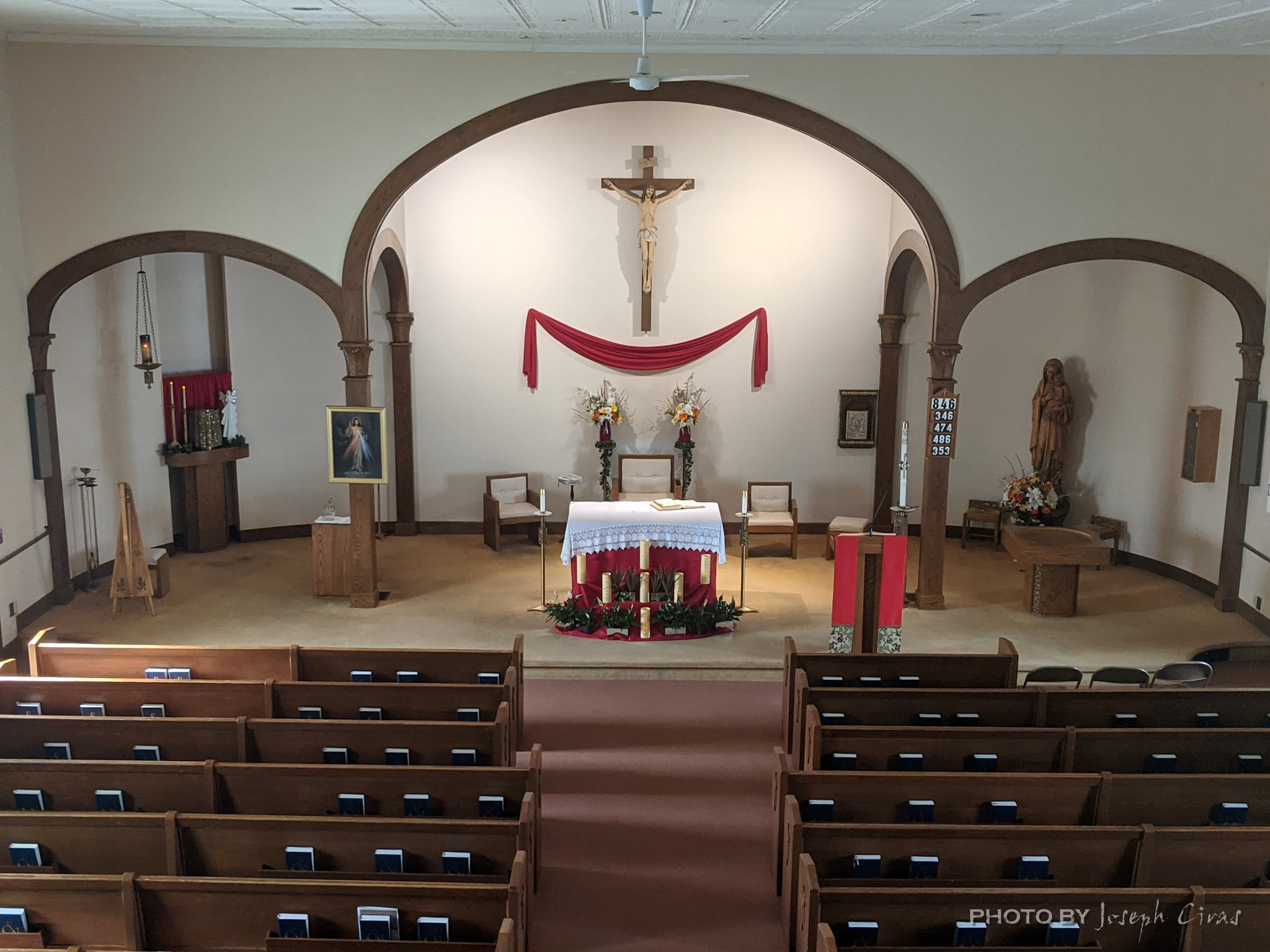

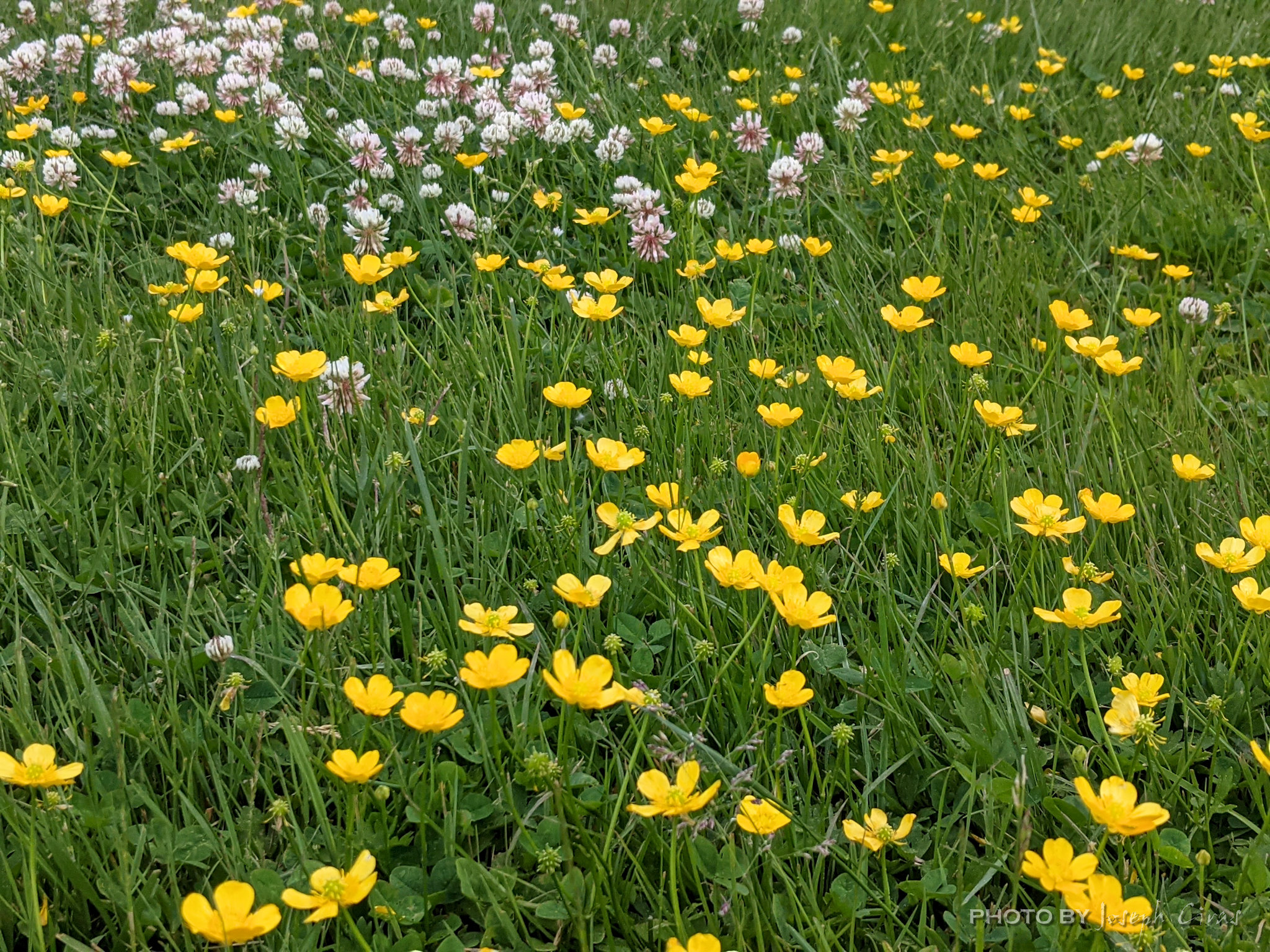
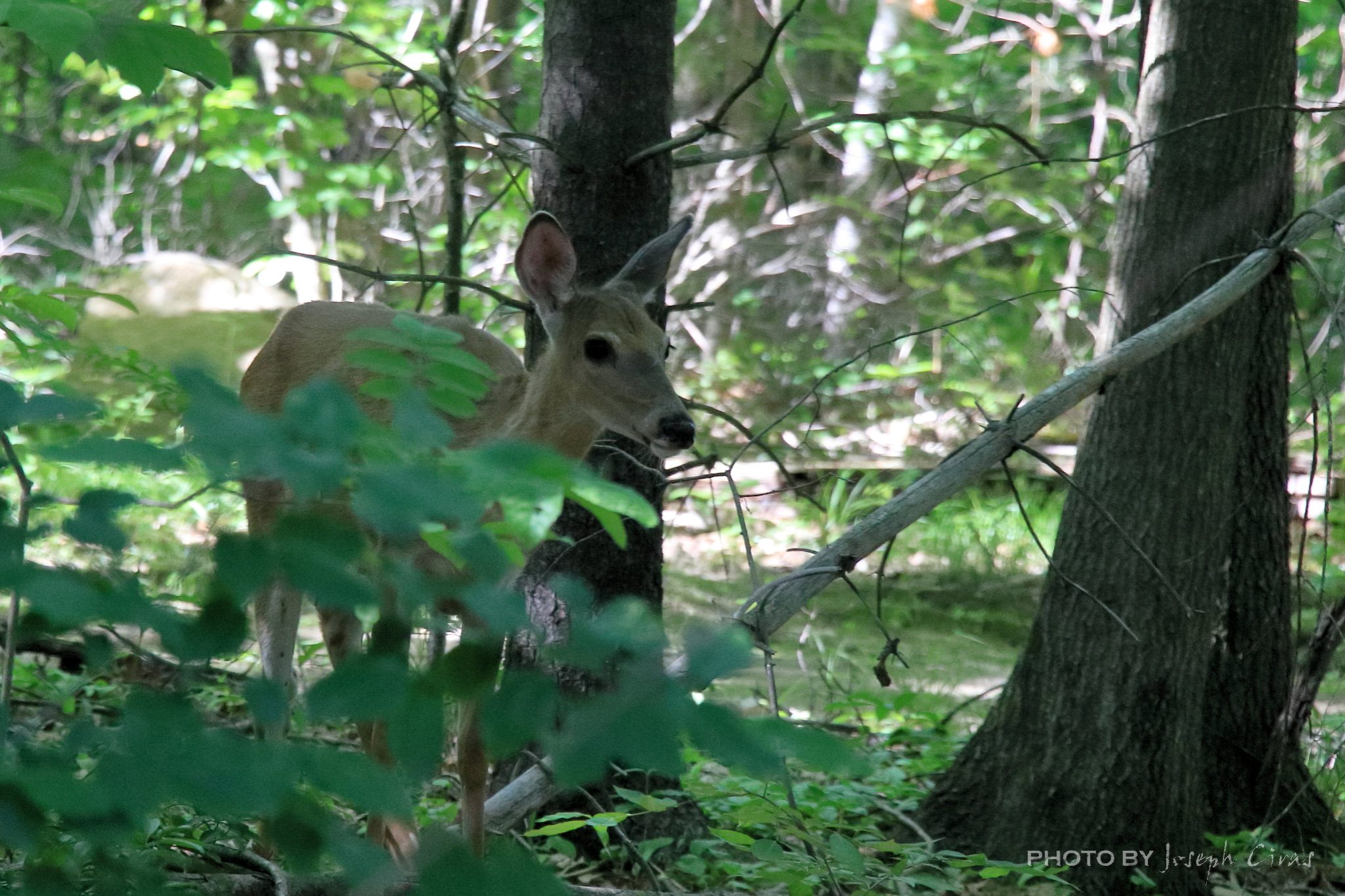
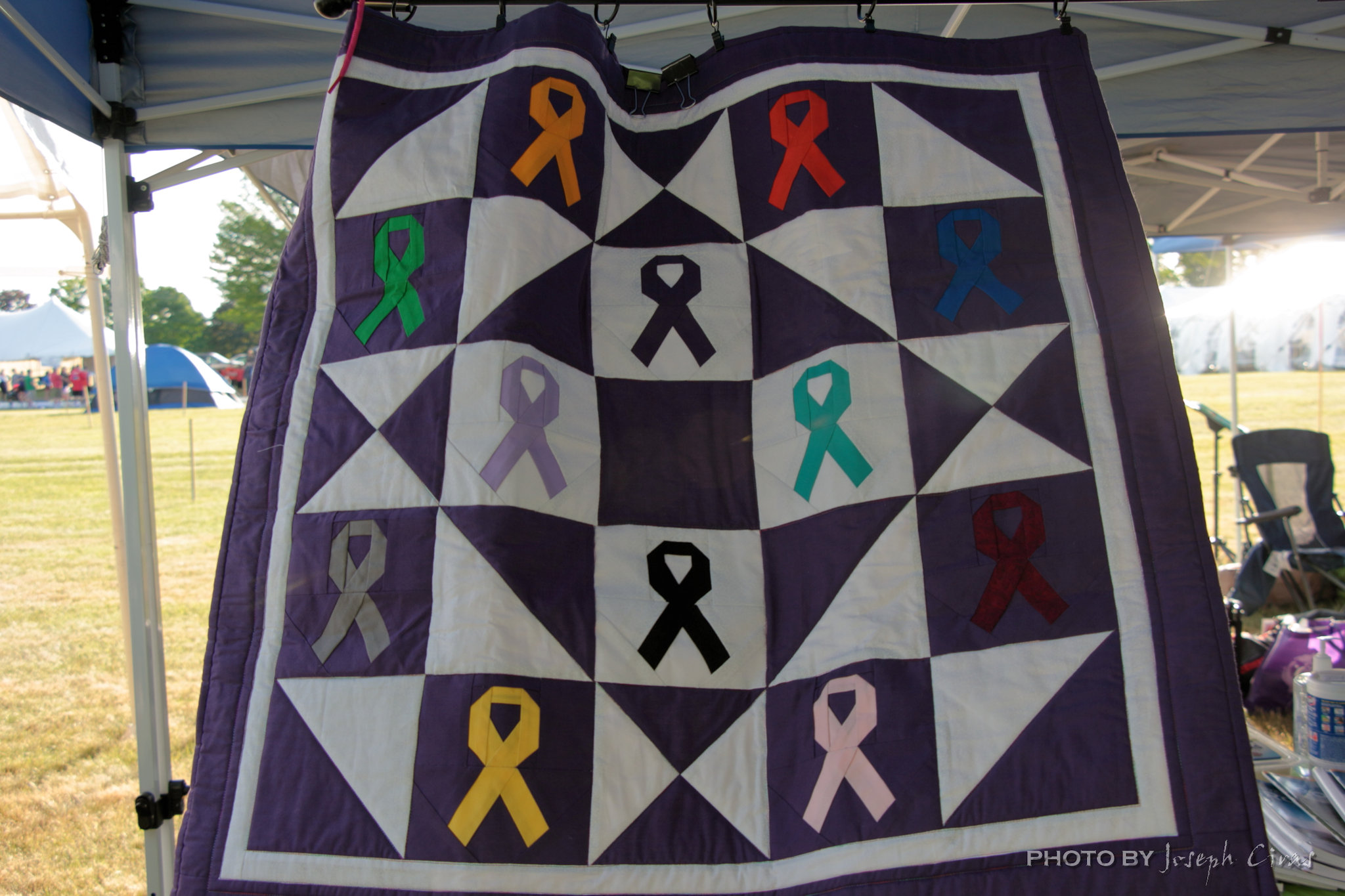


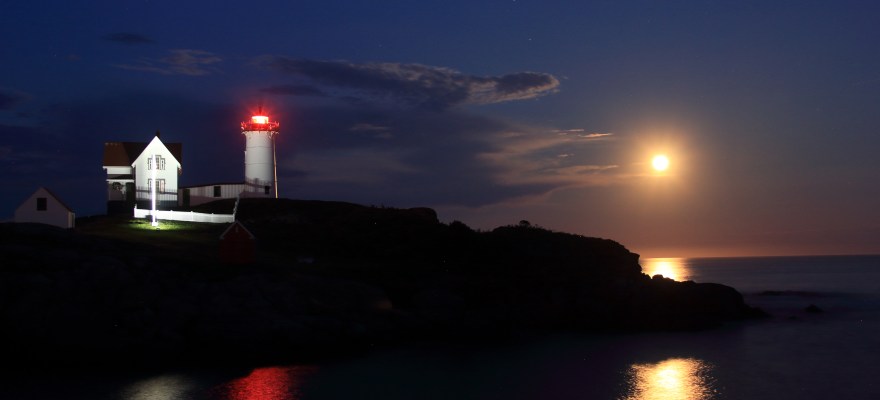


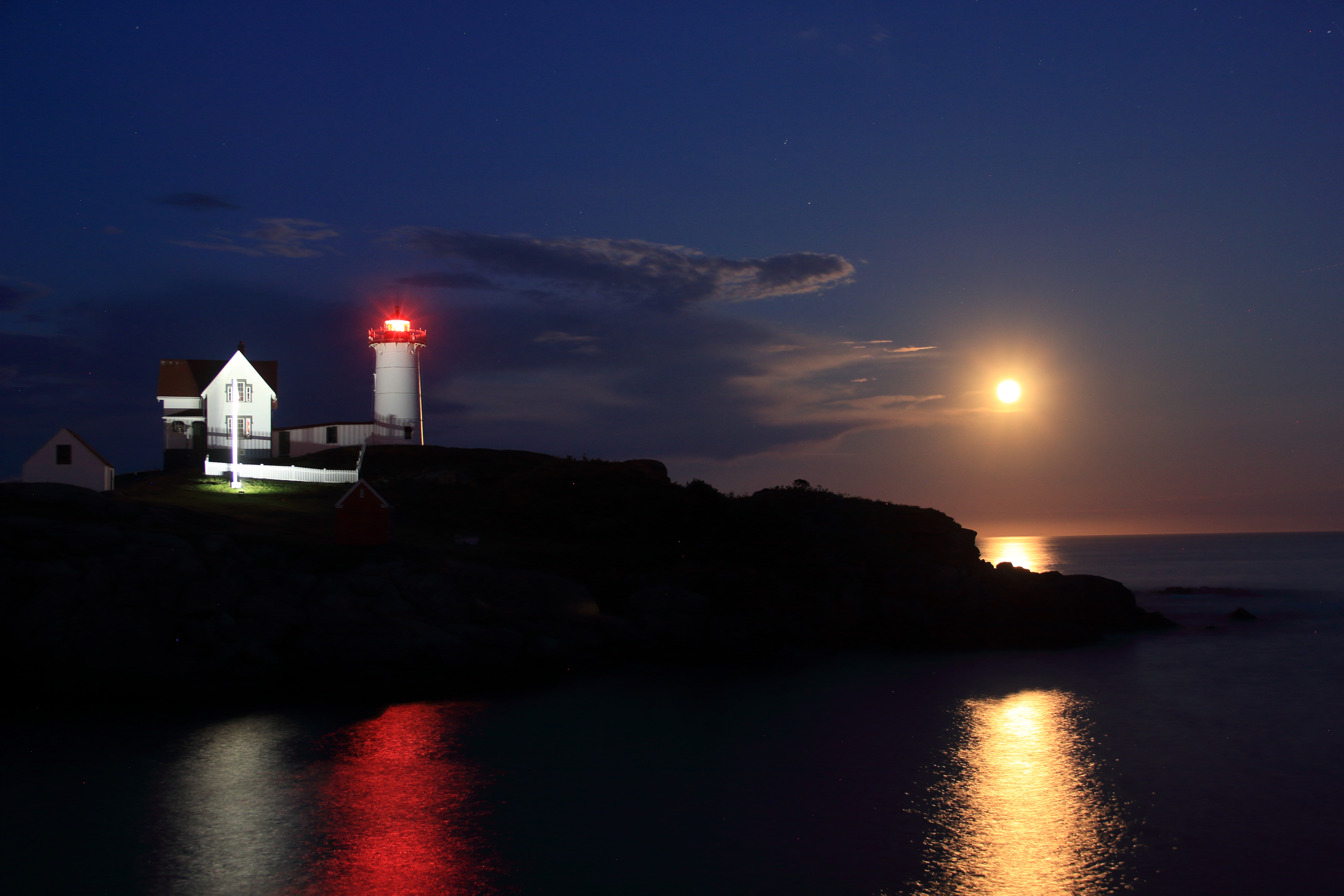
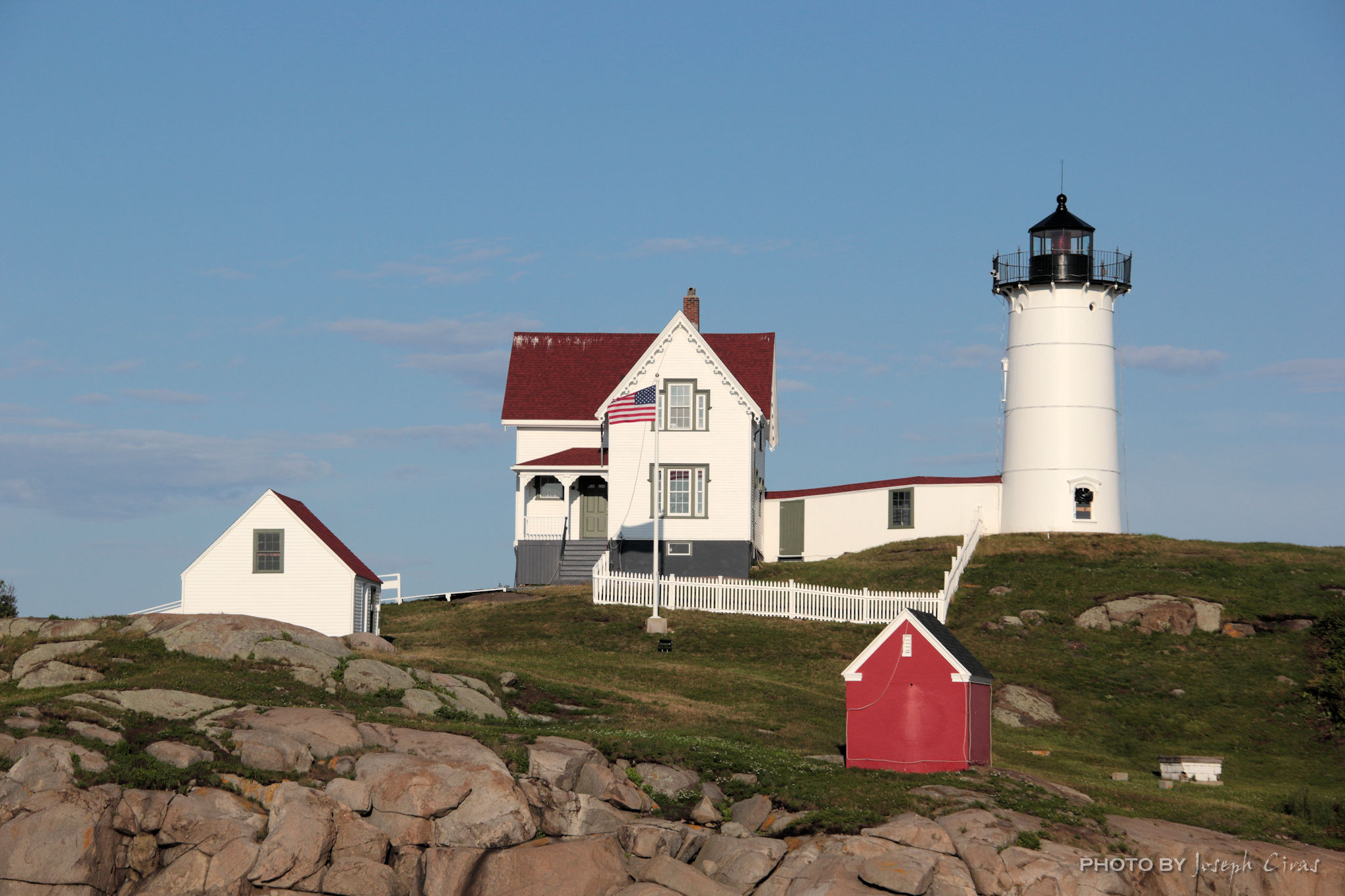
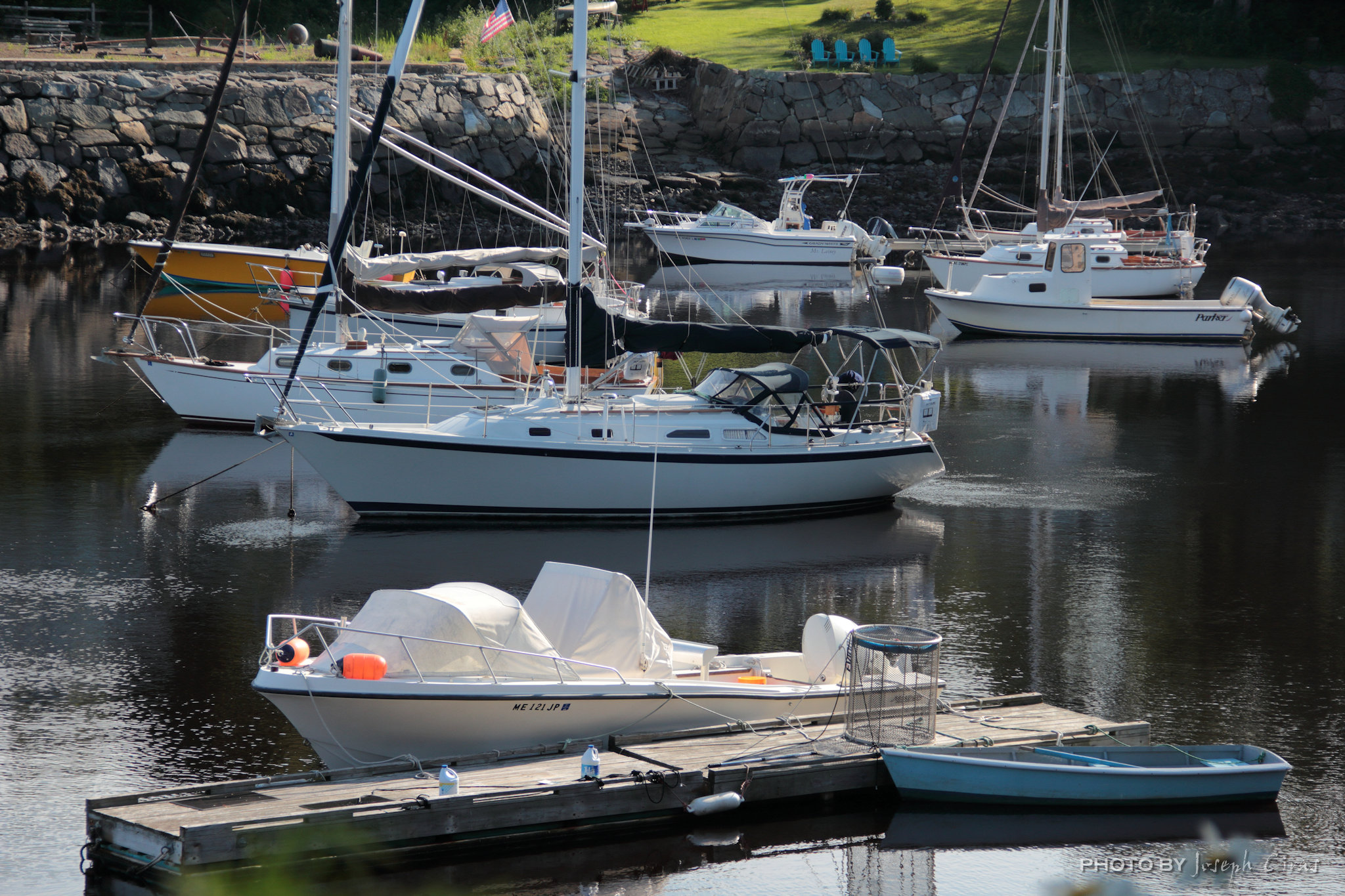


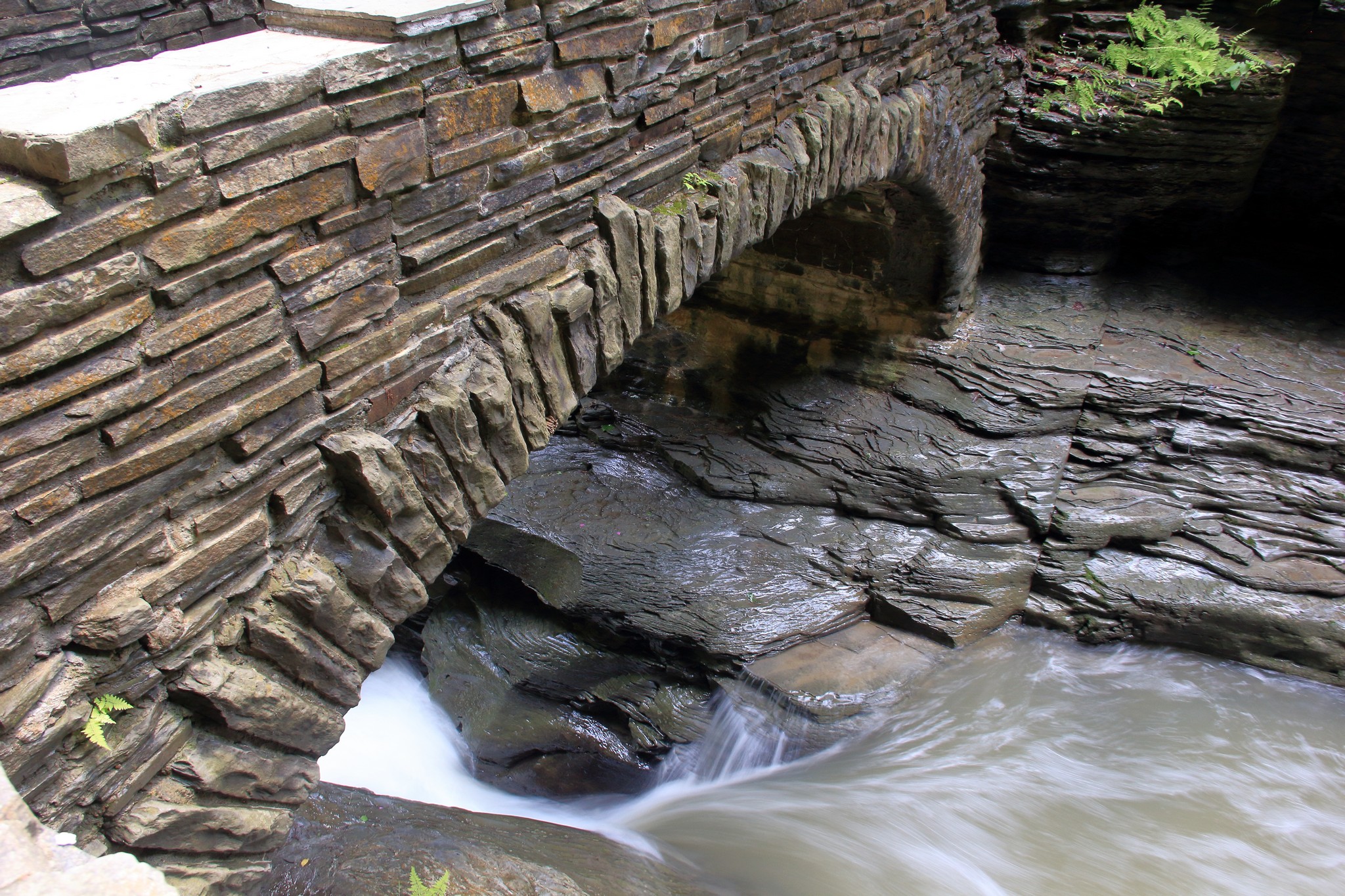
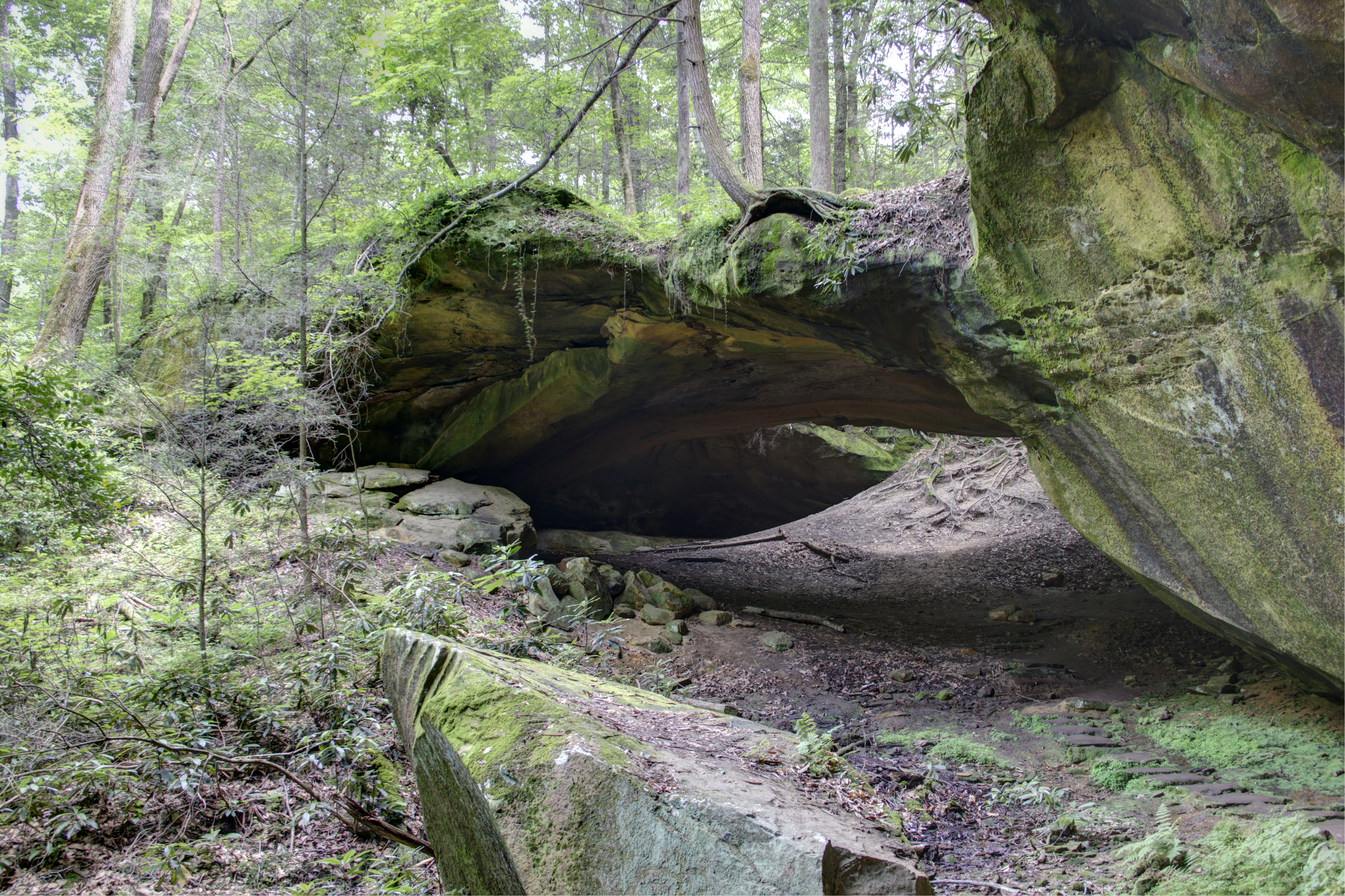

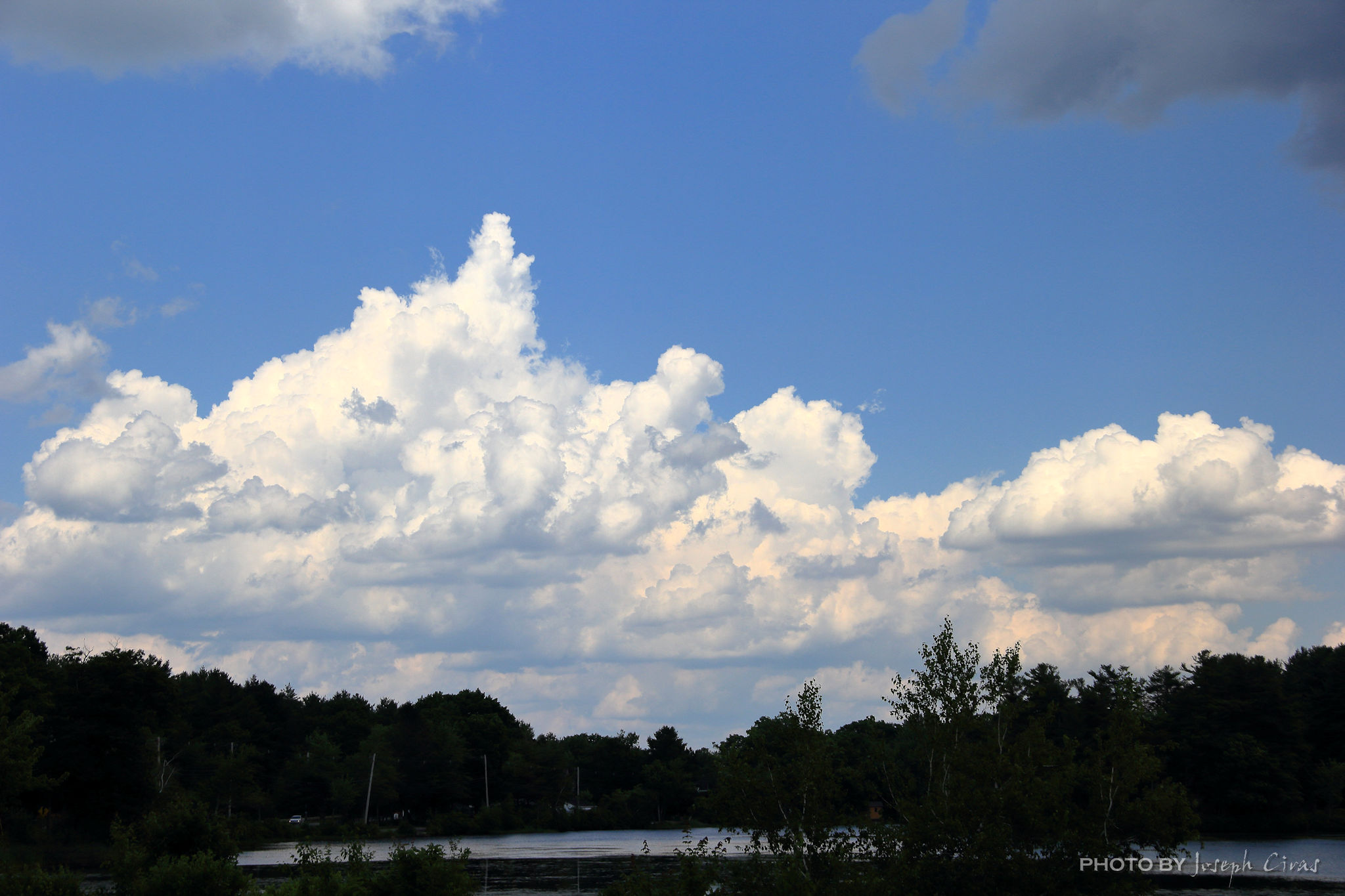

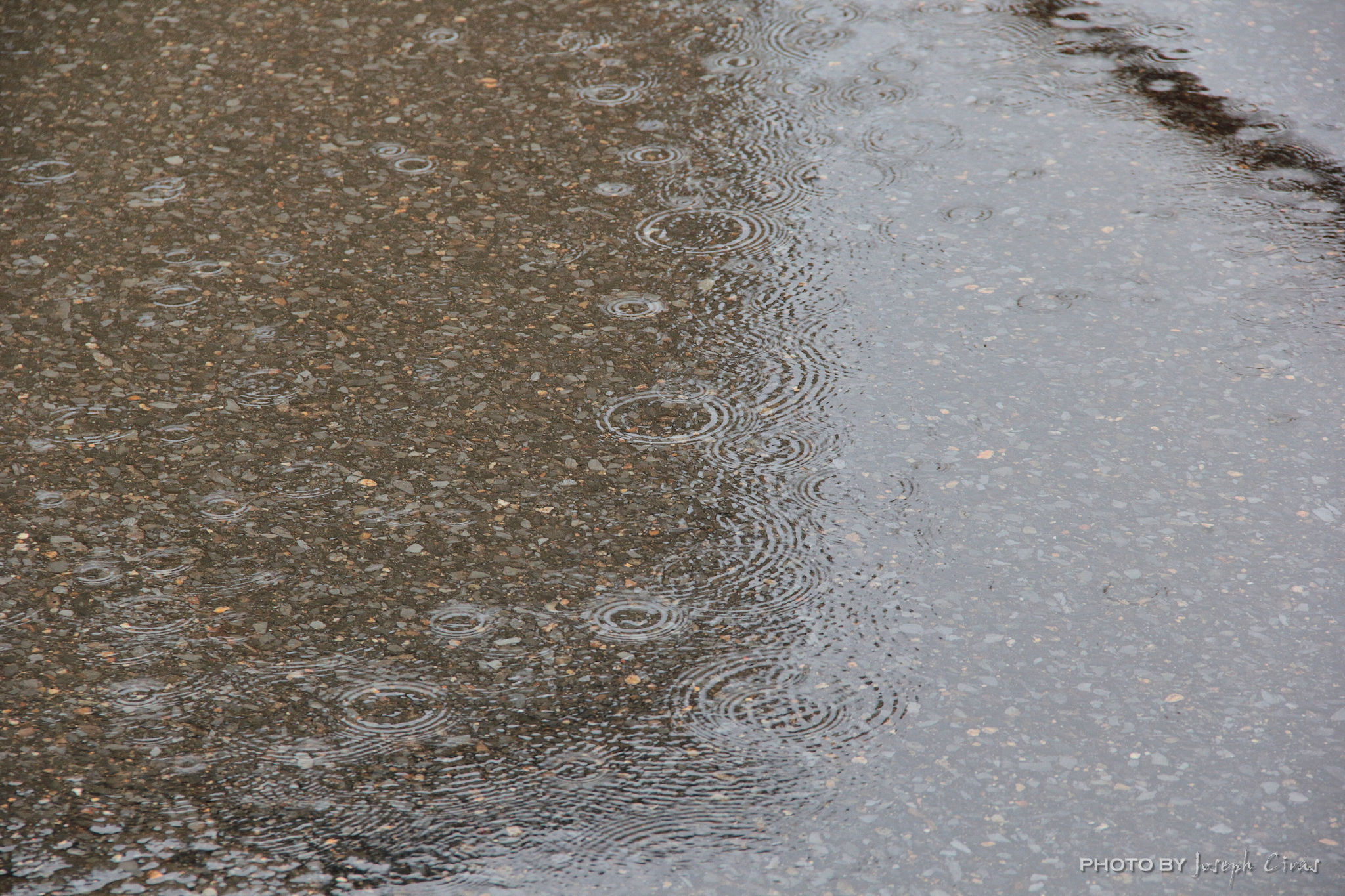
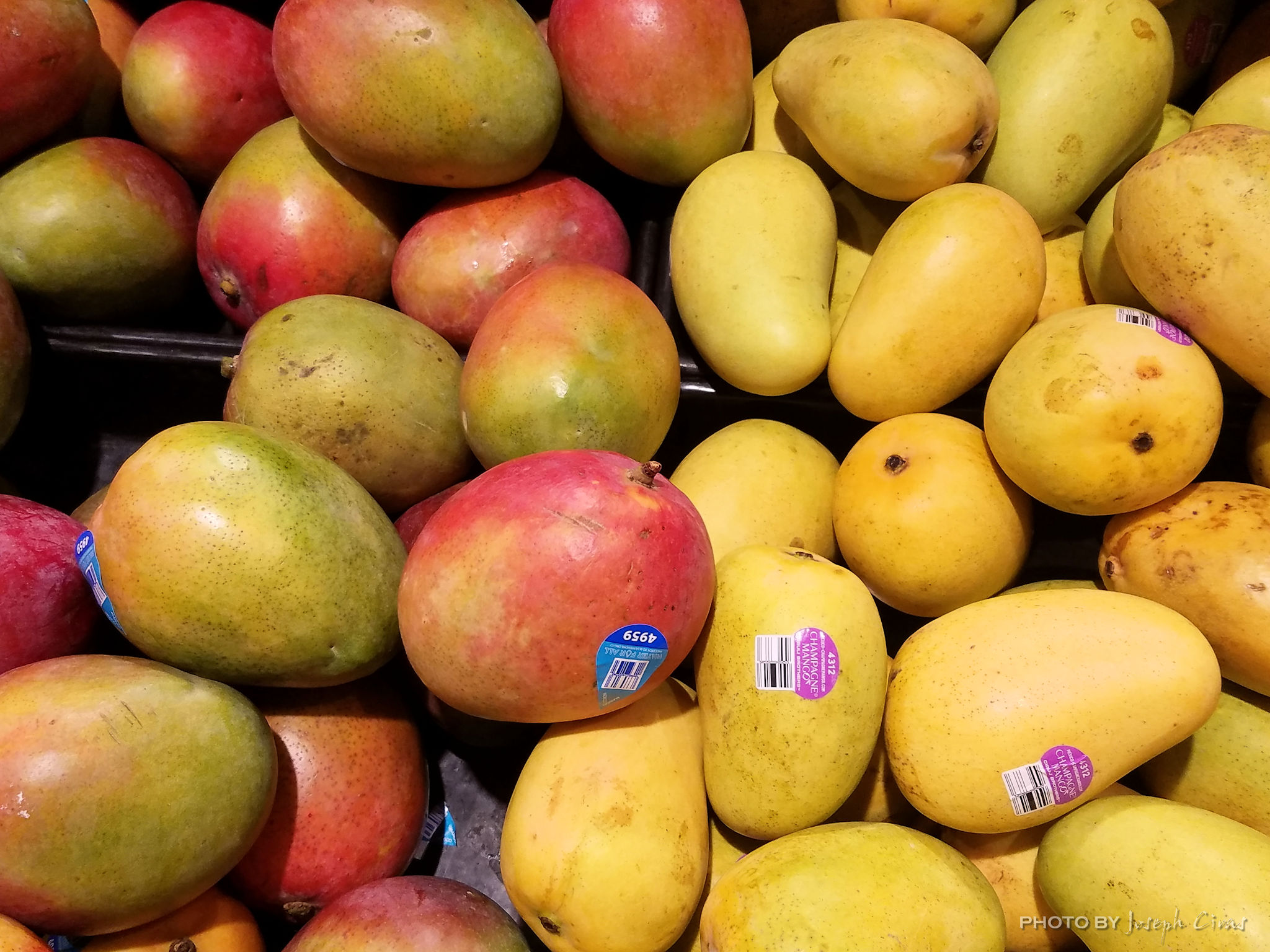
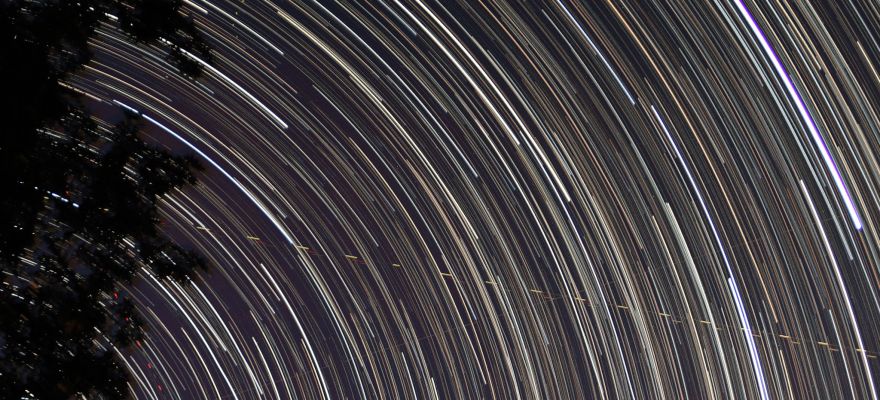
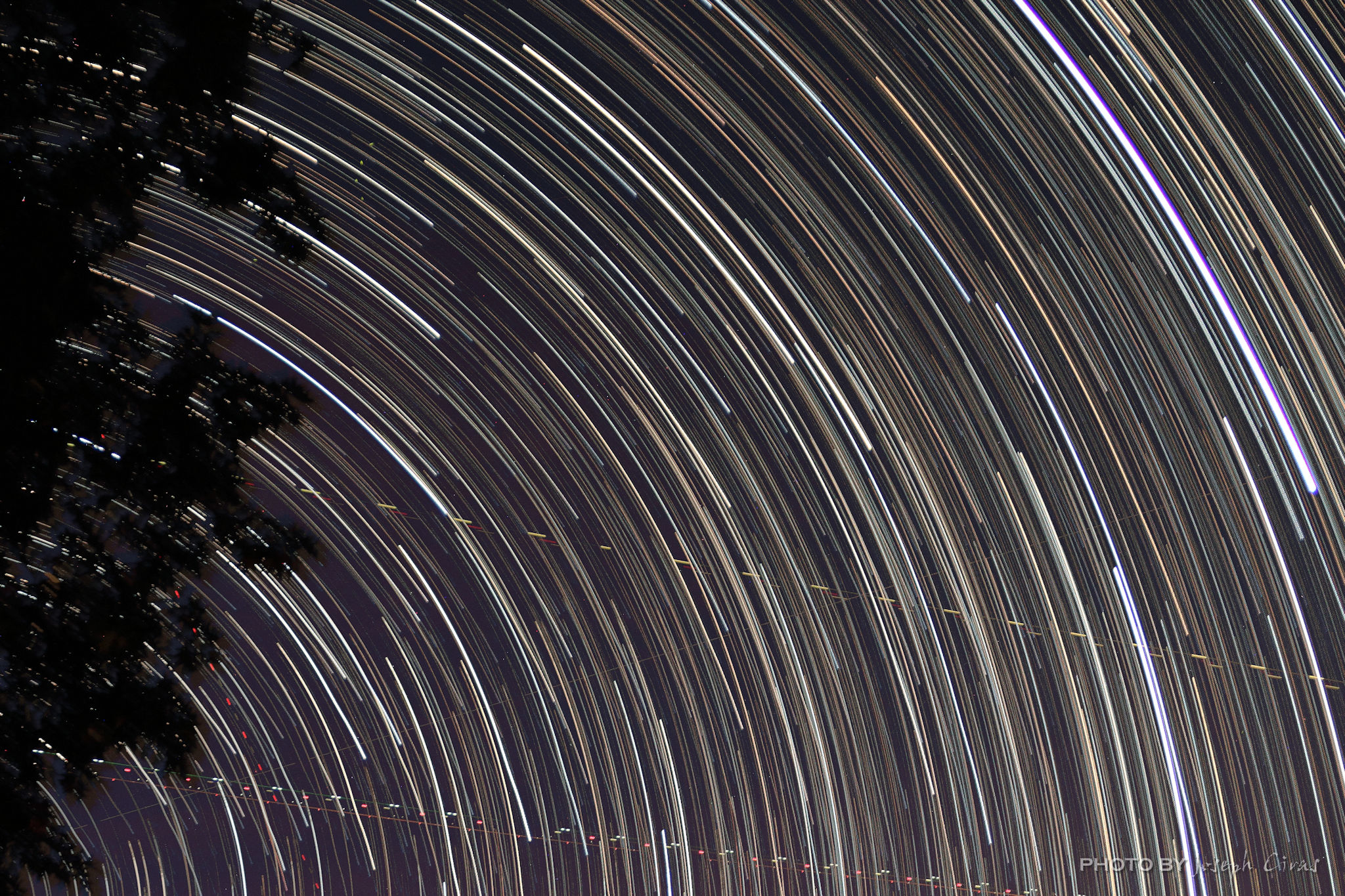

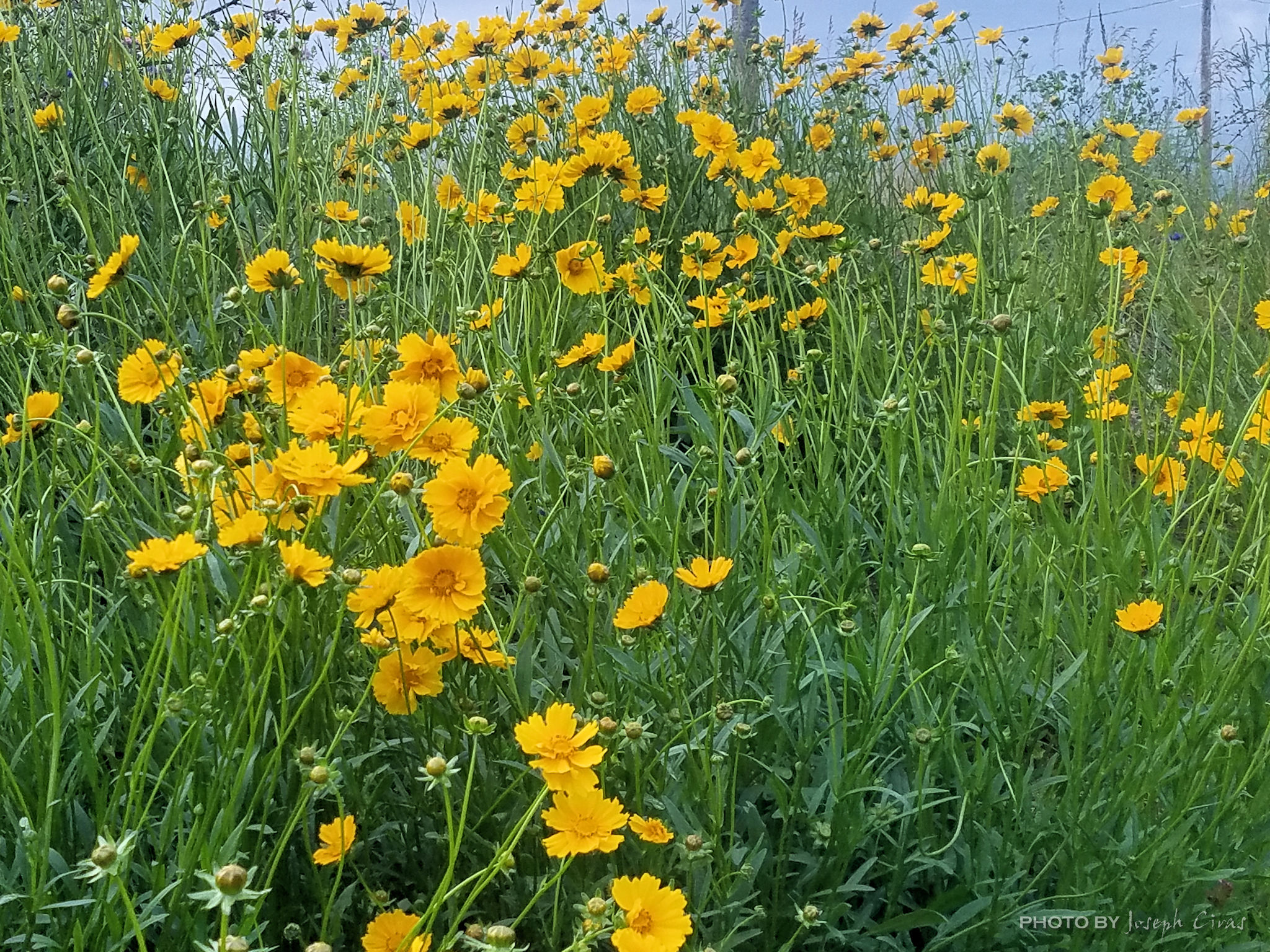


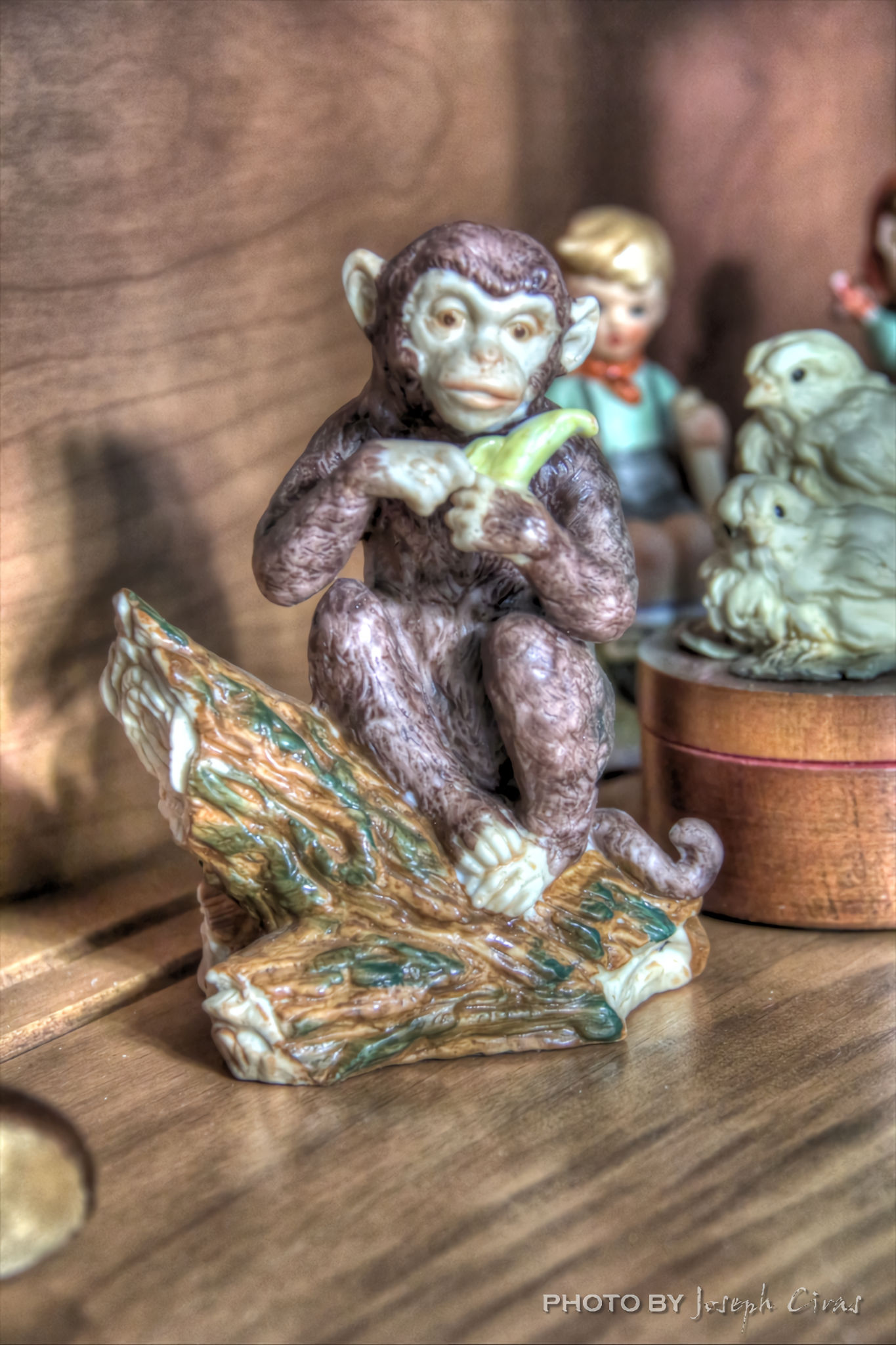
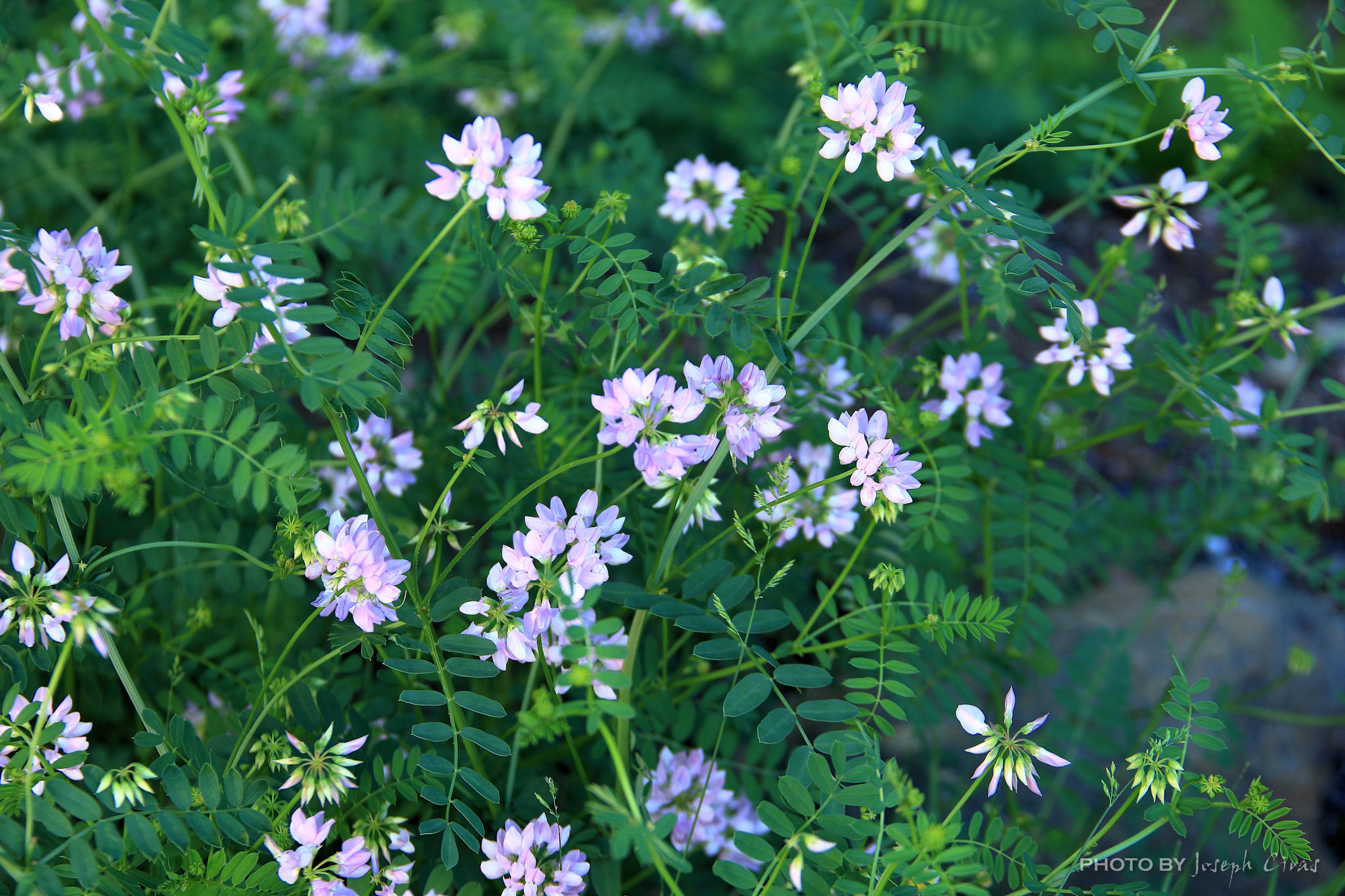

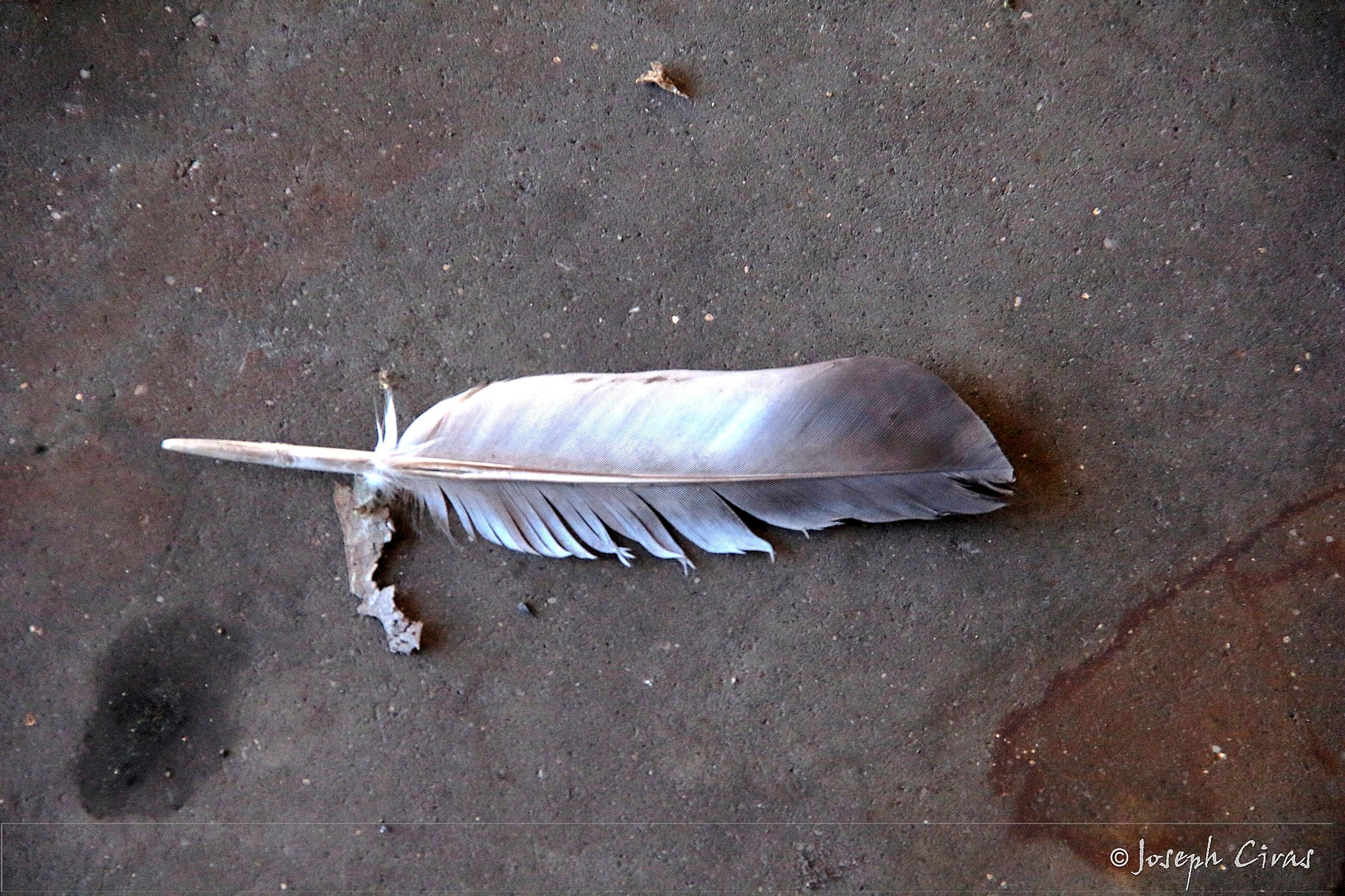


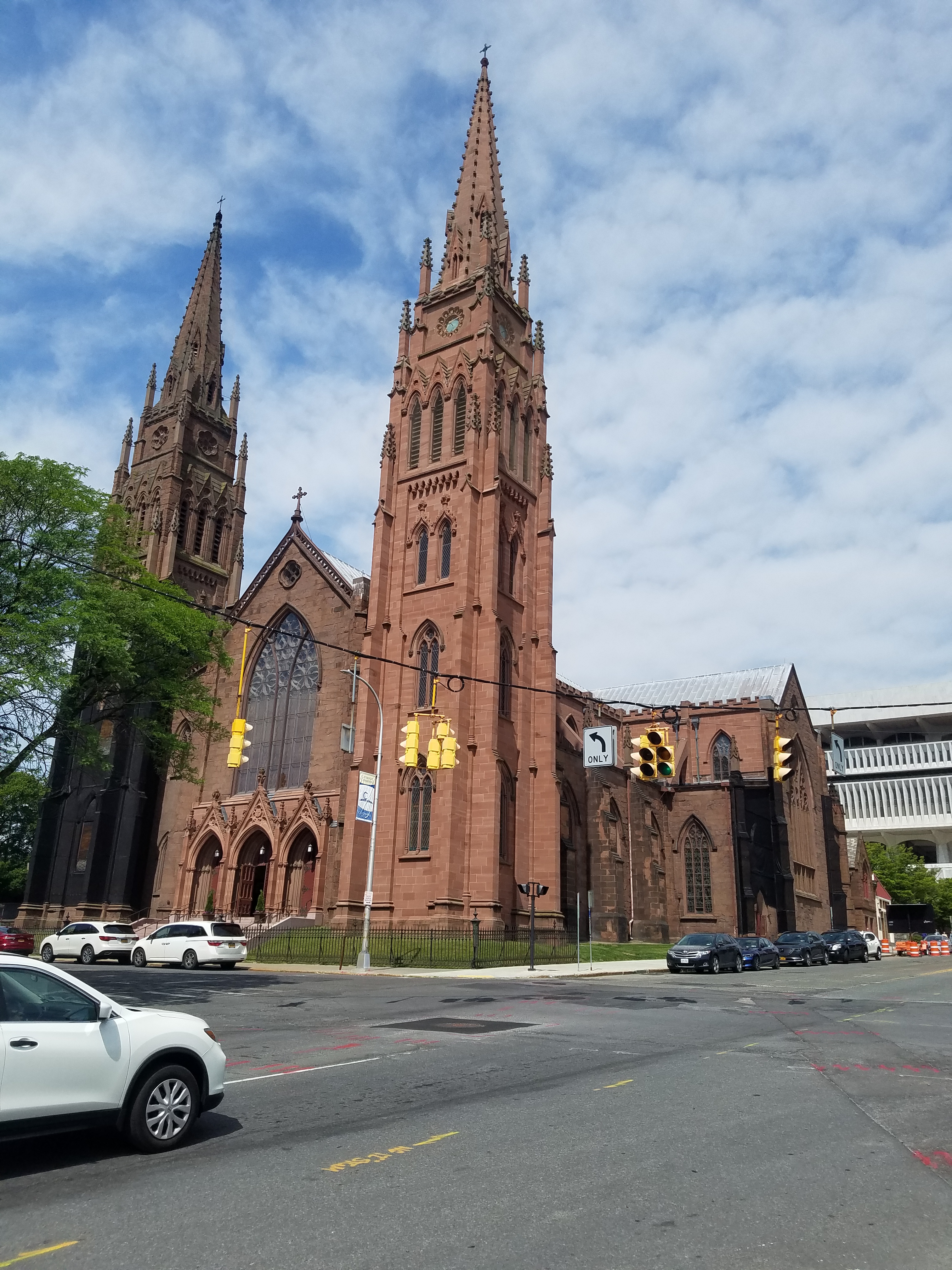
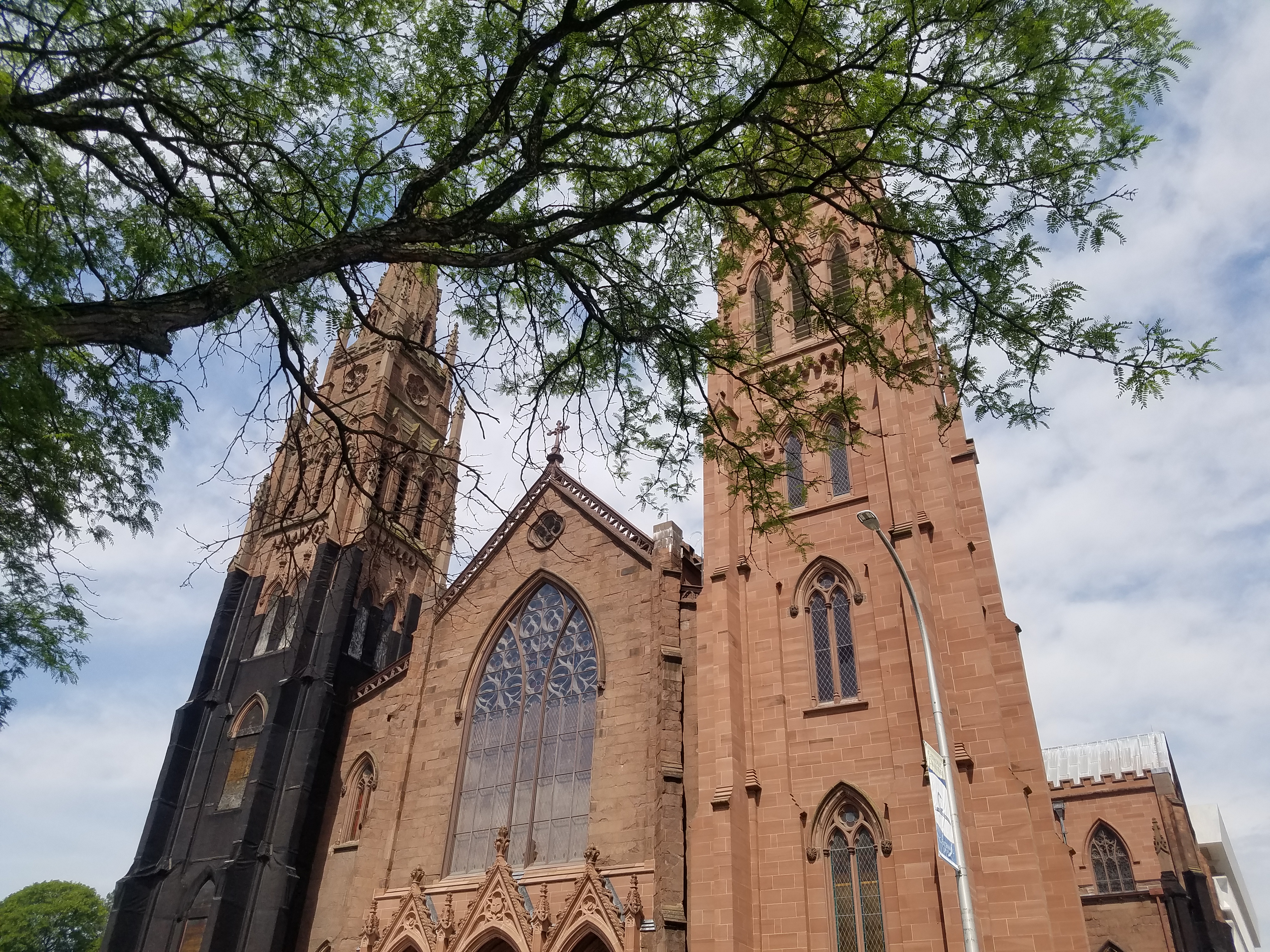
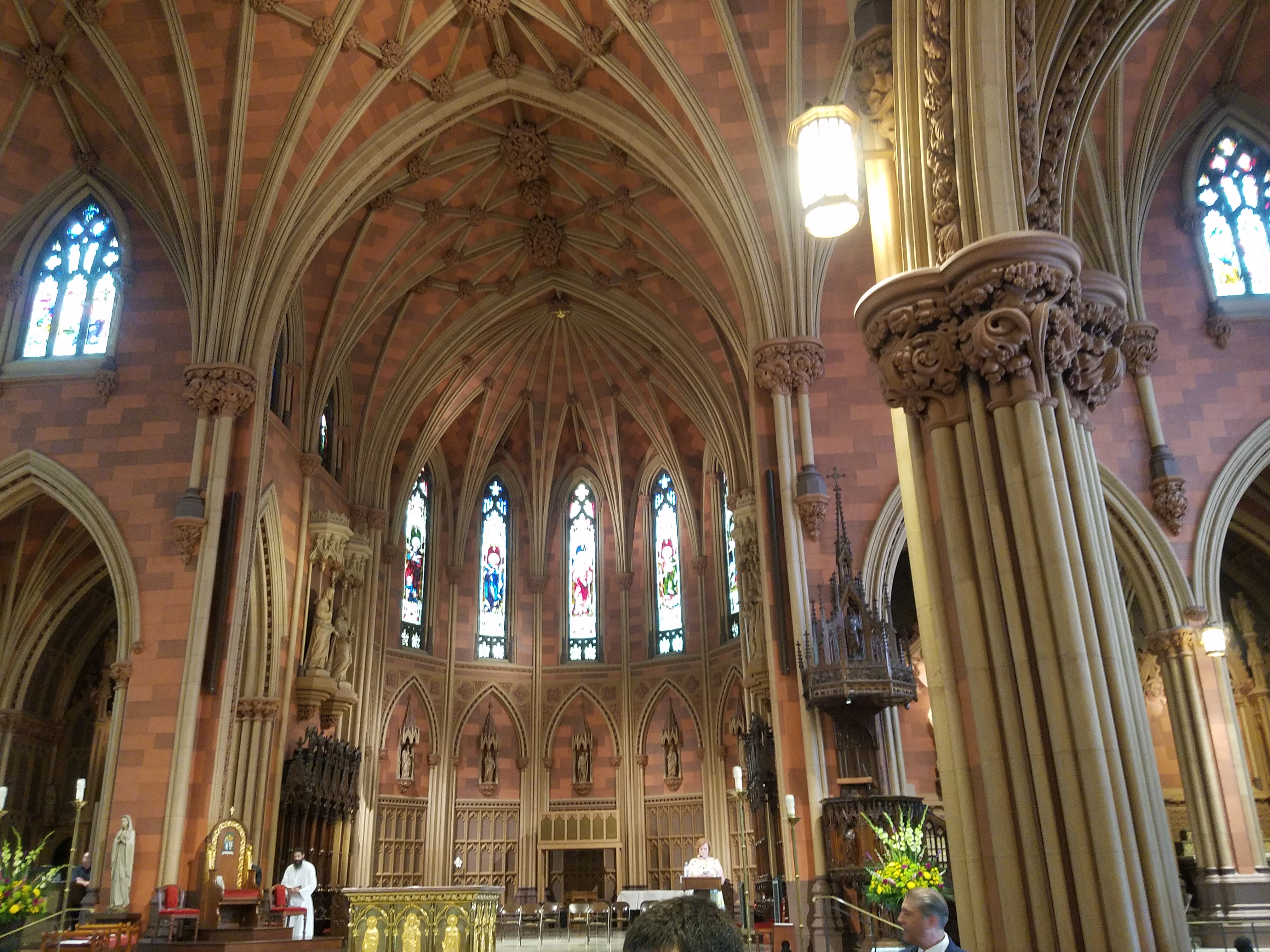

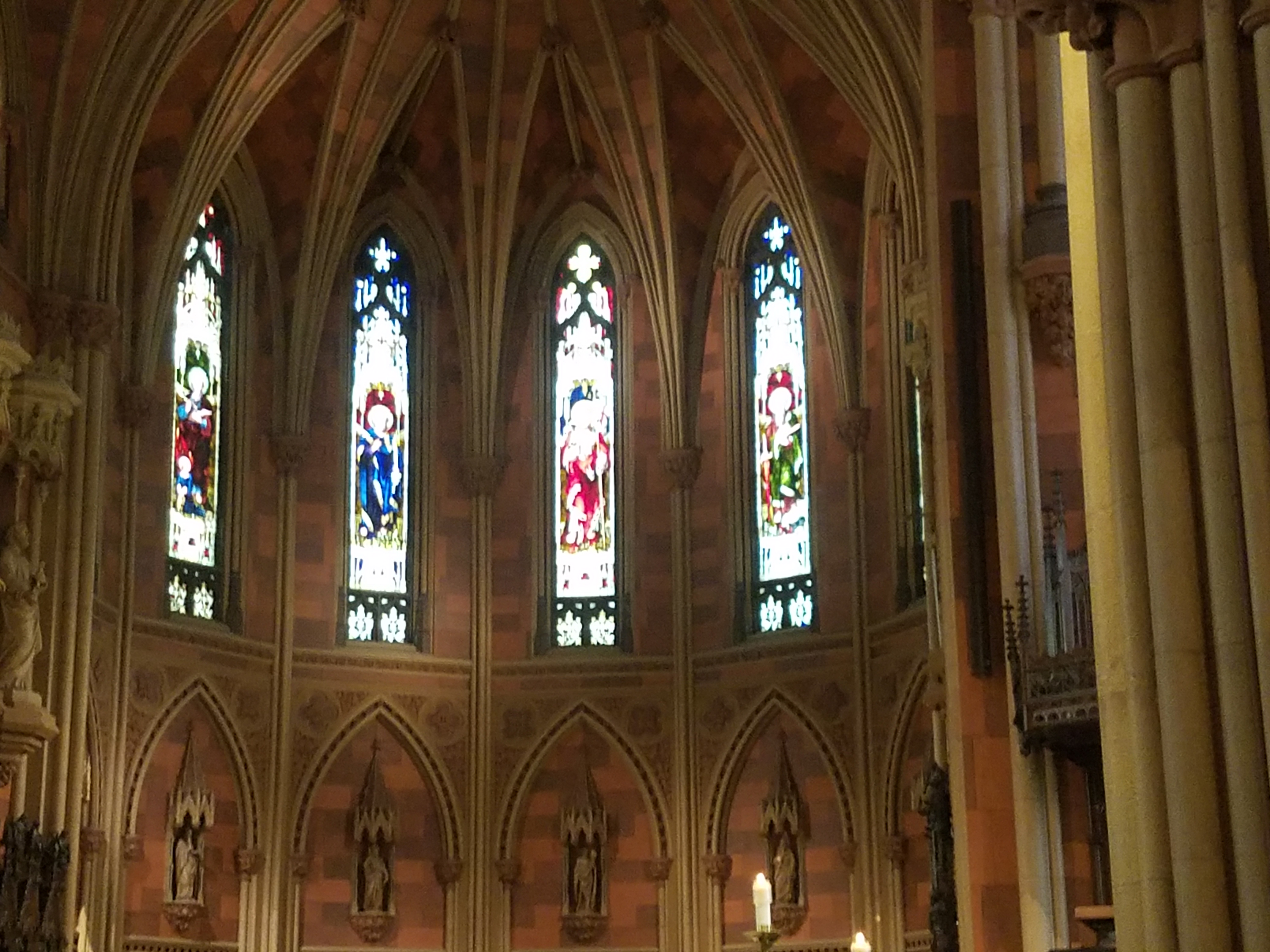
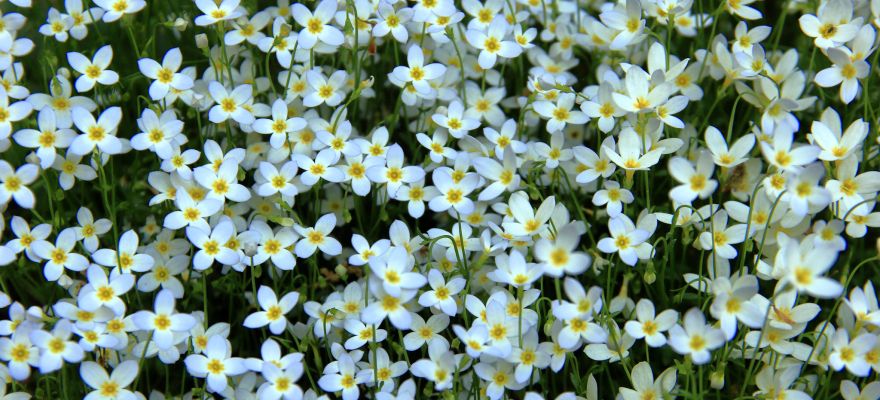
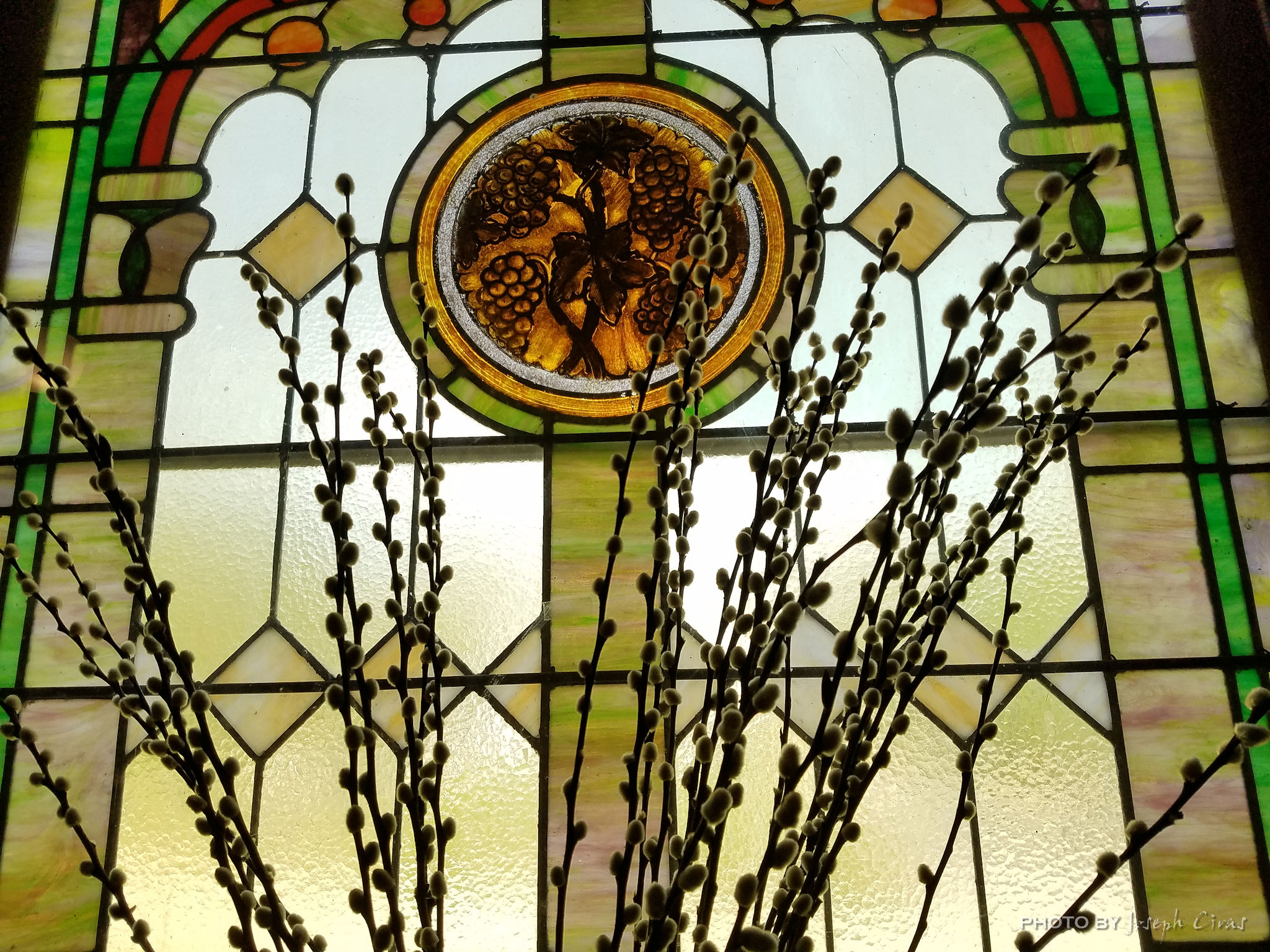
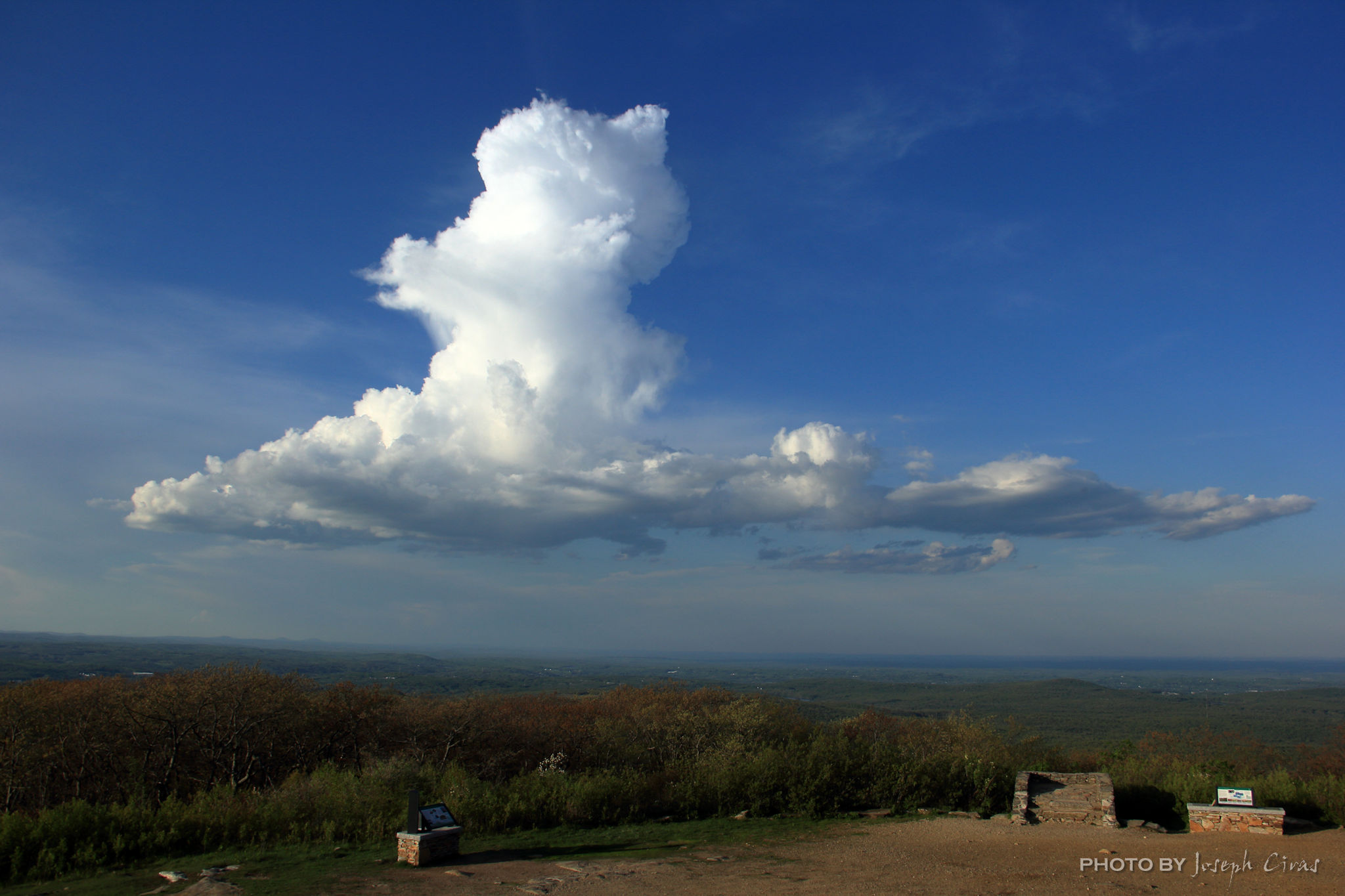

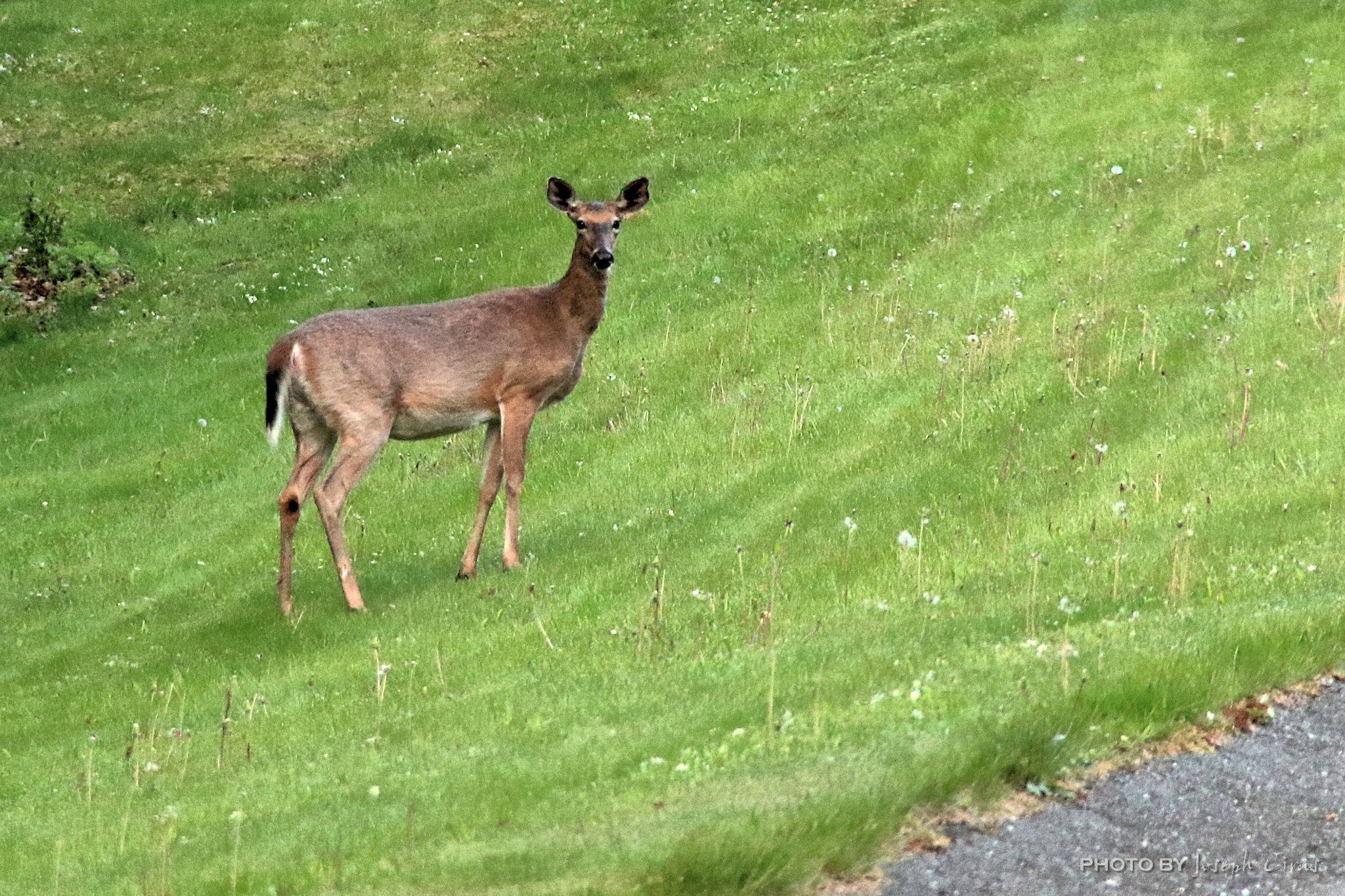

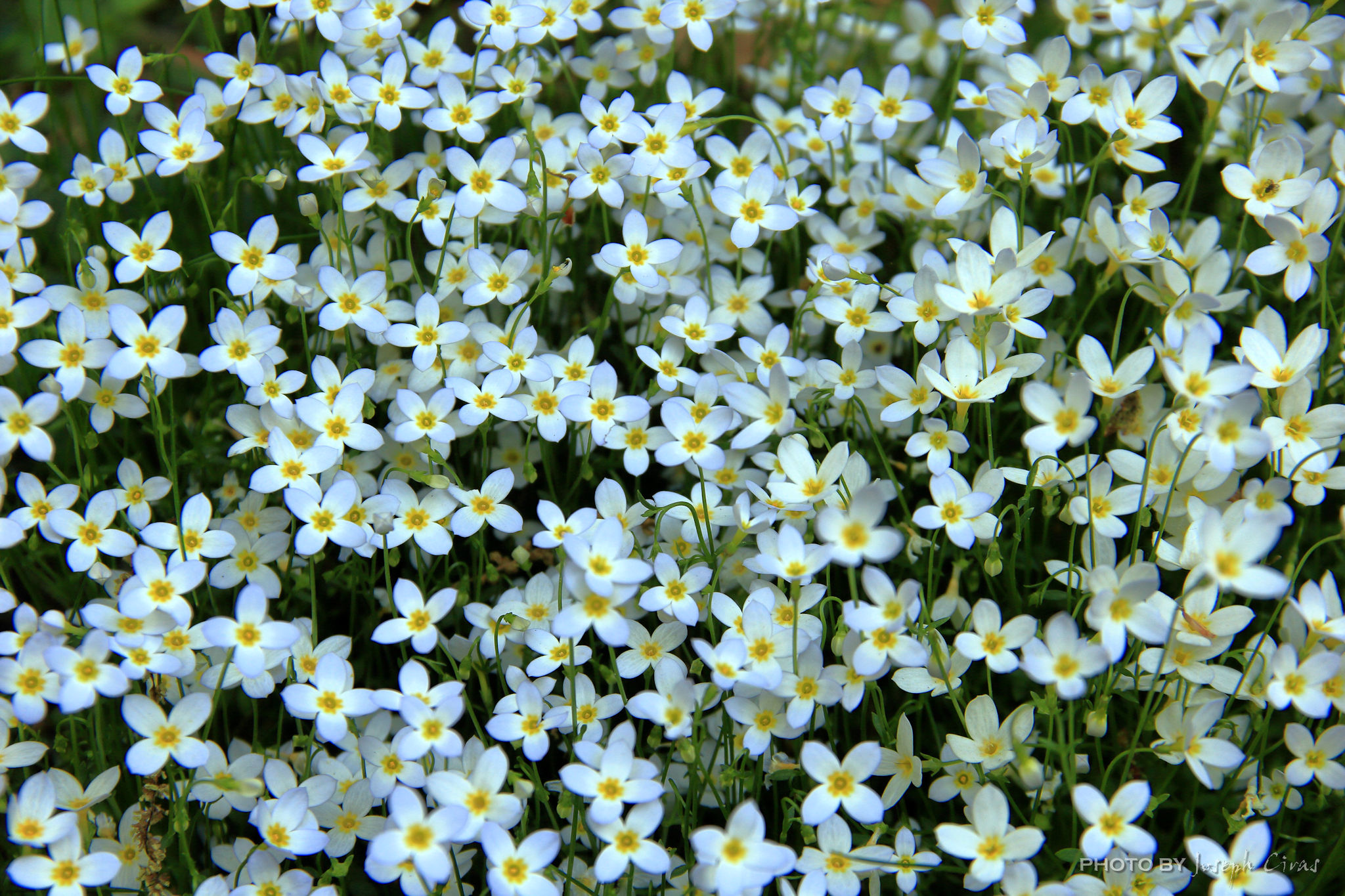
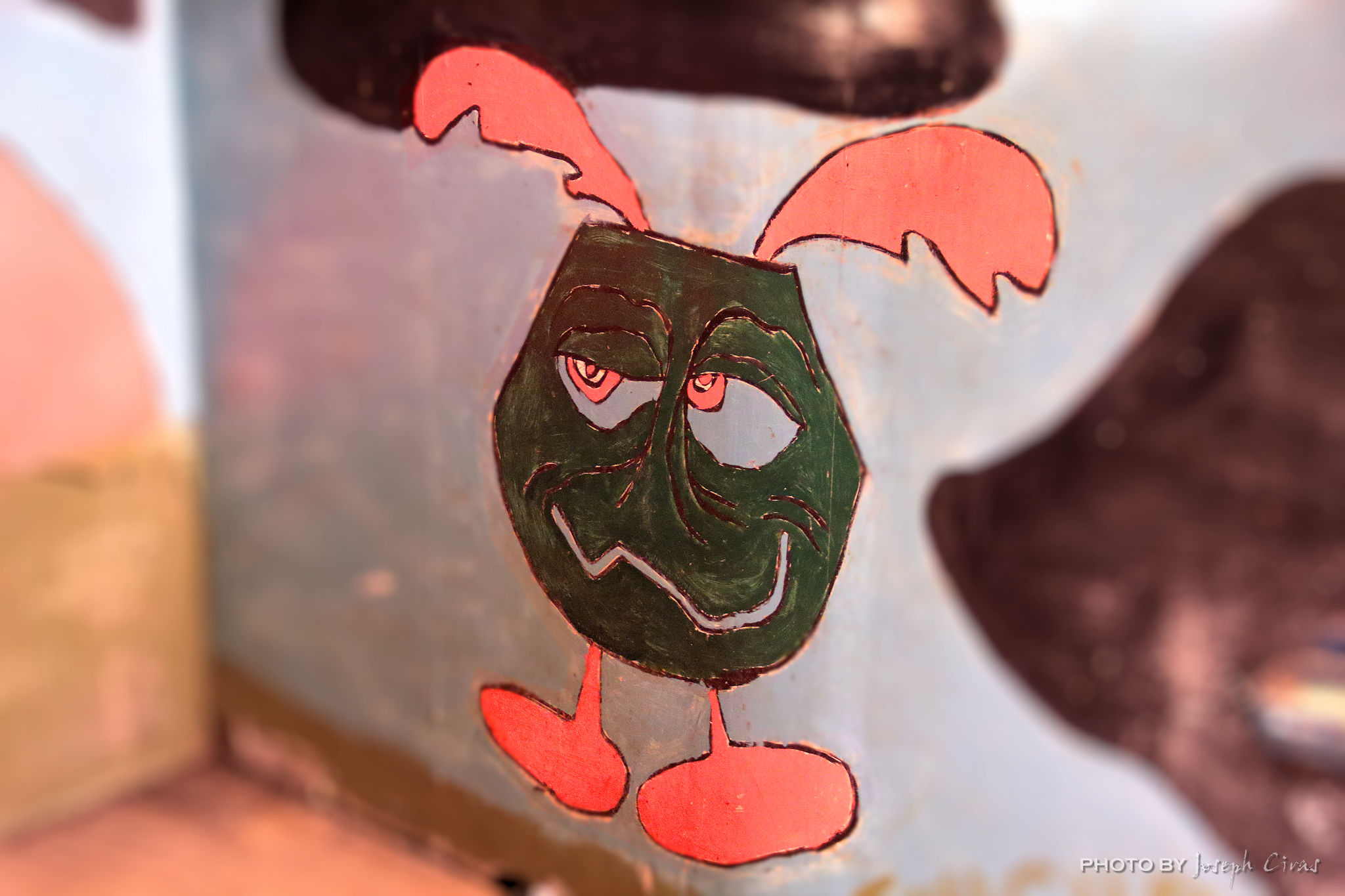

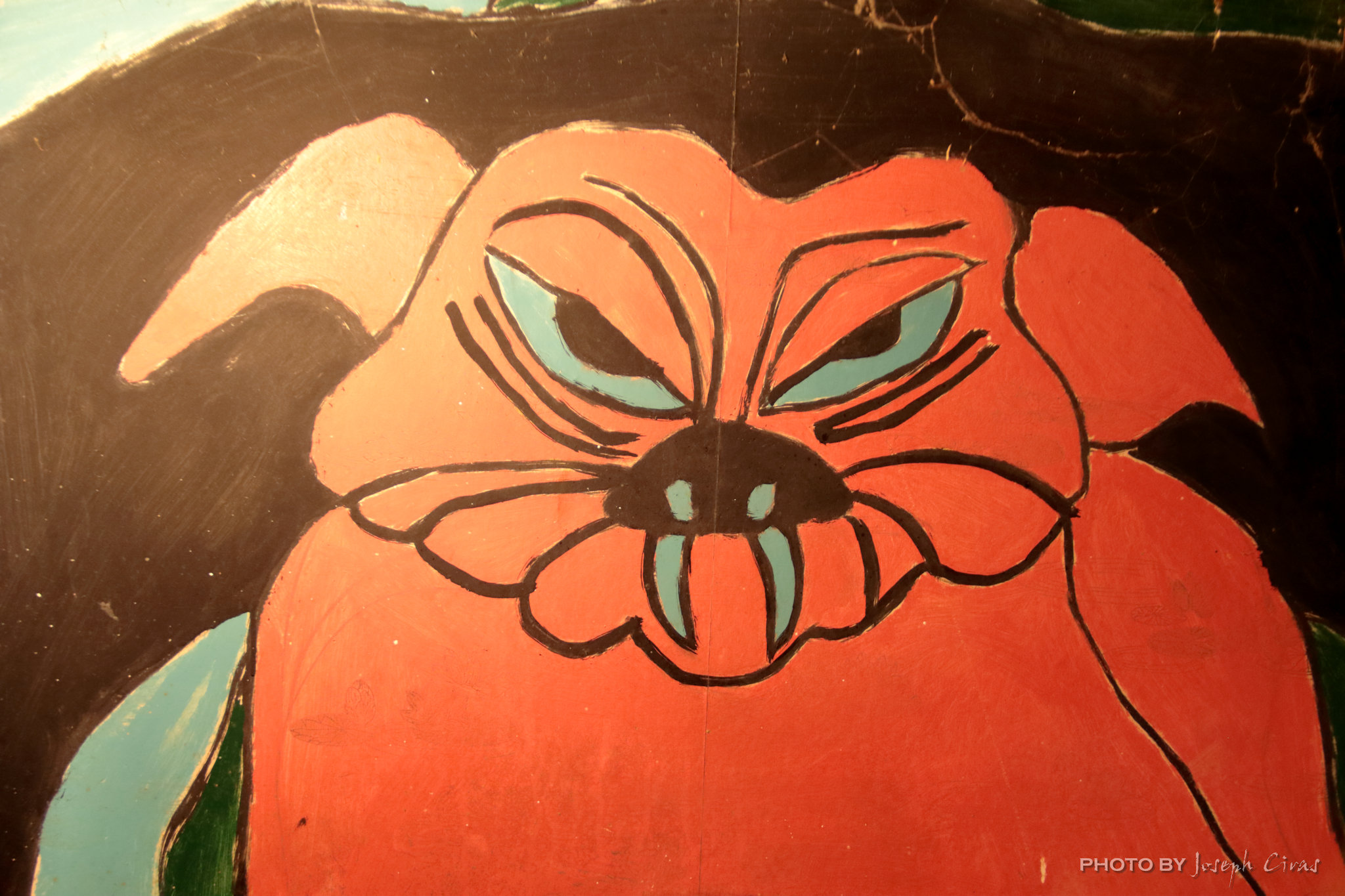
 Photo by Joseph Ciras