“The camera makes you forget you’re there. It’s not like you are hiding but you forget, you are just looking so much.” — Annie Leibovitz
Here are some mountains that I have seen during my travels.
Sunday, 03/03/2024: Posted photo — Sunrise.
A wonderful sunrise. Took this photo on Monday morning and not on Sunday. I was busy on Sunday with a birthday celebration from a member of my family.
Monday, 03/04/2024: Posted photo — Night Hike.
I lead the Monday night hike this week. As the weather is getting better, more people are hiking on Monday nights. We have had 2–4 people on hikes during the winter, tonight we had seven. More people are expected due to the warmer weather and it being lighter at night. Time for some sunsets!
Tuesday, 03/05/2024: Posted photo — Stream.
With the snow melt and the rain we have had recently, the streams on the mountain are running. This is a photo from tonight’s night hike. Again, I did not realize that my headlight had a blue tint to it.
Wednesday, 03/06/2024: Posted photo — Bouquet.
A bouquet of flower that I took while food shopping this week.
Thursday, 03/07/2024: Posted photo — Rabbit.
The rabbit that lives on our property has been seen for the first time this year. I have seen rabbit prints in the snow during, but this is the first time I have seen it. Glad to see it made it through the wet, cold winter.
Friday, 03/08/2024: Post photo — Cube Solving Robot.
I help the robotics team at my high school alma mater. They were practicing their judging speech for the state championships and showed us that they have designed a robot that will mix up a cube to create a pixel for a mosaic that will be making. They did this through a STEM (Science, Technology, Engineering and Math education program) that they started. This is the first STEM Rubik’s project in the country and they are sponsored by Rubik. I know a couple of the robotics team members from the speed cubing community. Here is a video of the robot: https://youtu.be/Id_YpwkuKww?si=U987aegensWYtoMc. It is long but it give you an idea of how these two cubers programmed the robot.
Saturday, 03/09/2024: Post photo — Covered Bridge.
This covered bridge is at the Bull Run Restaurant.
I attended Don White’s Annual Birthday Show at the Bull Run with some old college friends. It was not about the show, it was about connecting with people you spent a lot of time with earlier in your life and just getting together very sporadically over the years. The show was interesting, and the company was great. Will I remember who performed or what they sang, probably not. I will remember going out with some old friends.
When I was younger, people would tell me not to take family and friends for granted. As I get older, I understand what they mean. Thank you Chris for taking this group photo to keep the memories alive.
“Taking an image, freezing a moment, reveals how rich reality truly is.” — Anonymous
Thank you for all the new views and likes from last week, it helps keep me inspired.
This week I will be posting a few highlights of one of my trips. We called this trip our norther National Part trip. We traveled through Montana, Alberta, Banff, Jasper, Washington state, Idaho, Wyoming, South Dakota, Minnesota, and Iowa during this trip. This trip included visits to many national parks in the United States and Canada, visiting family, visiting natural movie sets, and when to an amusement park in the Mall of America in which I held with the design of a few of the rides.
Sunday, 03/27/2022: Posted photo — Lake McDonald.
Settings: Canon EOS DIGITAL REBEL XS, ISO 100, f/8, 1/400 s, 75 mm.
The first stop on our northern national park tour was in Glacier National Park in Montana. What a wonderful park. It does have many glaciers, some growing and some receding.
Monday, 03/28/2022: Posted photo — Mountain Goat.
Settings: Canon EOS DIGITAL REBEL XS, ISO 100, f/5, 1/125 s, 200 mm.
While we were in Glacier National Park, we took a hike out to Hidden Lake. On the way out to the lake, we had a few mountain goats walk along the trail with us.
Tuesday, 03/29/2022: Posted photo — Hidden Lake.
Settings: Canon EOS DIGITAL REBEL XS, ISO 100, f/9, 1/160 s, 25 mm.
This was a destination, Hidden Lake in Glacier National Park. For your information, this hike took place on July 4 and we did most of our hiking in the snow.
Settings: Canon EOS DIGITAL REBEL XS, ISO 200, f/11, 1/4 s, 33 mm.
Johnston Canyon to Lower Falls is an extremely popular and scenic trail in Banff National Park, in addition to being one of the busiest in the Canadian Rockies. We were driving around Banff and found the falls. We camped in Baff on our way to Jasper National Park.
Thursday, 03/31/2022: Posted photo — Lake Louise.
Settings: Canon EOS DIGITAL REBEL XS, ISO 200, f/13, 1/250 s, 29 mm.
Lake Louise is world famous for its turquoise lakes, the Victoria Glacier, soaring mountain backdrop. We went to Lake Louise on a weekend, so it was very busy. We took a few photos and then went on our way.
Friday, 04/01/2022: Post photo — Diablo Lake.
Settings: Canon EOS DIGITAL REBEL XS, ISO 200, f/13, 1/250 s, 35 mm.
On our way back from visiting family in Bellingham Washington, we took a trip to Northern Cascades National Park. One of the hikes we took was out to Diablo Lake.
From an information search, it was verified that Diablo Lake is a reservoir in the North Cascade mountains of northern Washington state. It was created by Diablo Dam and is located between Ross Lake and Gorge Lake on the Skagit River at an elevation of 1,201 feet above sea level.
I really like the color of the water in the lake.
Saturday, 04/02/2022: Post photo — Mount Rainier.
Settings: Canon EOS DIGITAL REBEL XS, ISO 200, f/11, 1/250 s, 42 mm.
Mount Rainier National Park. I am impressed every time I see this mountain. Either up close or from the city of Seattle. One time we flew past the mountain. That must have taken about five minutes to do since the girth on the mountain is so great.
Mount Rainier is a large active stratovolcano in the Cascade Range of the Pacific Northwest standing at 14,411′ in elevation. The volcano last erupted in 1894, and when Mount St. Helens erupted in 1980, all eyes were on Mount Rainier since the mountains are in the same chain. It is very interesting to camp in an area that has warnings about the possibility of lava flow. If the mountain erupted, I would think that the lava flow would be the least of our worries.
When we travel to Mount Rainier, we like to visit the Paradise area. I have photographed a few waterfalls in Paradise. When we visited this time, the snow was still very deep. Remember, this was early to mid-July. There was one waterfall that I wanted to photograph in the snow, and I could not find it. I had the GPS coordinates from the times before that I took photos of it. Looking at the GPS coordinates, I came to realize that I was standing on top of the falls.
“There is one thing the photograph must contain, the humanity of the moment.” —Robert Frank
Thank you for all the new views and likes from last week, it helps keep me inspired.
This week I will be just posting photos of posters that I made from various trips. I have been too busy and tired since I went back to the office midweek.
Thank you for all the new views and likes from last week, it helps keep me inspired.
Starting to take more photos. Still will be posting photos from past trips for a little while longer. Sill a long recovery ahead of me.
Enjoy some more travel photos from past trips.
Sunday, 03/13/2022: Posted photo — Low Key.
Settings: Canon EOS 60D, ISO 2500, f/3.5, 1/40 s, 18 mm.
A low key image is one that contains predominantly dark tones and colors. Low key photography conveys atmosphere and mood. One of my photo projects had a low key image challenge this week. I was thinking about what photo to take to meet this challenge. I would have had many options if I had not just been operated on. With limited mobility, I thought about what there might be around the house. Since low key images contain predominantly dark tones and colors, I took a photo of the fire in our wood stove.
Monday, 03/14/2022: Posted photo — Cameron Falls.
Settings: Canon EOS DIGITAL REBEL XS, ISO 100, f/22, 10 s, 28 mm.
Cameron Falls, Waterton Lakes National Park, Alberta.
Cameron Falls is a very uniquely shaped waterfall of about 75 feet in height found in the heart of the Waterton townsite in Waterton Lakes National Park. After heavy rainfall, the waters upriver from the falls get stirred up with a red mudstone called argillite. As the water flows towards the falls, it turns to a beautiful pink hue when light reflects on the mineral water. We did not see the pink falls since the weather was dry when we visited Waterton Lakes National Park just after we visited Glacier National Park in Montana.
Tuesday, 03/15/2022: Posted photo — New Boot.
Settings: Google Pixel 2, ISO 195, f/1.8, 1/60 s, 4 mm.
I had a post op follow-up today a week and a half after surgery. My recovery is going as planned. I was fitted with this very uncomfortable boot. I still cannot put pressure on my ankle for another four weeks. Need to go back on Tuesday for another follow-up since the first one was close to my surgical date and the doctor would like to see my progress and remove some items from my ankle.
Settings: Canon EOS DIGITAL REBEL XS, ISO 200, f/8, 1/2000 s, 160 mm.
Harvard Glacier, College Fjord, Alaska.
The glacier has a 1.5-mile (2 km) wide face where it calves into the College Fjord. It is 300 ft thick and covers 120,000 acres of Chugach National Forest. The Harvard Glacier is the second largest glacier in the Prince William Sound, after the Columbia Glacier.
It is amazing to see how large a glacier is when you look at it from a distance. In this photo, we were about a mile from the glacier.
The names of the glaciers in College Fjord are: Amherst, Barnard, Bryn Mawr, Harvard, Smith, Vassar, and Yale. The glaciers of the northwest side feature the names of women’s colleges, and the glaciers of the fork and the southeast side sport the names of men’s colleges. What of Princeton? According to my research on the names, the scholars that named the glaciers took delight in ignoring it since none of them were Princeton alum.
Thursday, 03/17/2022: Posted photo — Cairn.
Settings: Canon EOS DIGITAL REBEL XS, ISO 200, f/11, 1/200 s, 34 mm.
On the trail near the Athabasca Glacier, Jasper National Park, Alberta.
A cairn is a mound of rough stones built as a memorial or landmark, typically on a hilltop or skyline. This cairn is shaped like a person. In Canada this is called an Inuksuk.
The Athabasca Glacier is one of the six principal ‘toes’ of the Columbia Icefield, located in the Canadian Rockies. The glacier currently loses depth at a rate of about 16.4 feet (5 meters) per year and has receded more than 1 mile (1.5 km) and lost over half of its volume in the past 125 years.
From the Canadian Encyclopedia: “Inuksuk (also spelled inukshuk, plural inuksuit) is a figure made of piled stones or boulders constructed to communicate with humans throughout the Arctic. Traditionally constructed by the Inuit, inuksuit are integral to Inuit culture and are often intertwined with representations of Canada and the north.” — https://www.thecanadianencyclopedia.ca/en/article/inuksuk-inukshuk
Friday, 03/18/2022: Post photo — Pall (and Rekard).
Settings: Canon EOS DIGITAL REBEL XS, ISO 200, f/5.6, 1/160 s, 55 mm.
These are my two buddied from Denmark. Earlier on in my photo projects, I featured Pall every week with Pall telling a story about his life. When I went back to Denmark, I picked up Rekard. They ventured together for next year or two. Might be time to bring their adventures back.
Saturday, 03/19/2022: Post photo — Crater.
Settings: N/A.
Mount St. Helens National Volcanic Monument
From the USGS:
“Prior to 1980, Mt. St. Helens had the shape of a conical volcano sometimes referred to as the Mount Fuji of America. During the 1980 eruption the upper 400 m (1,300 ft) of the summit was removed by a huge debris avalanche, leaving a 2 x 3.5 km horseshoe-shaped crater now partially filled by a lava dome and a glacier. It is primarily an explosive dacite volcano.”
Quick Facts:
Location: Washington, Skamania County Latitude: 46.2° N Longitude: 122.18° W Elevation: 2,539 (m) 8,330 (f) Volcano type: Stratovolcano Composition: Basalt to Rhyodacite Most recent eruption: 1980, 2004-2008 Nearby towns: Castle Rock, WA; Olympia, WA; Vancouver, WA; Yakima, WA; Portland, OR Threat Potential: Very High
Dacite: Volcanic rock (or lava) that characteristically is light in color and contains 62 to 69 percent silica and moderate amounts of sodium and potassium.
Stratovolcano: Steep, conical volcanoes built by the eruption of viscous lava flows, tephra, and pyroclastic flows. They are usually constructed over tens to hundreds of thousands of years and may erupt a variety of magma types (basalt to rhyolite). They typically consist of many separate vents. Synonym is composite volcano.
I have been to Mt. St. Helens a few times over the years. The first time was about ten years after the eruption, and we saw the logs floating in Sprit Lake. I just pictured Harry Truman looking up at the mountain from his lodge and wondering why he did not leave. Then again, there were may false alarms in the past. I am amazed on how nature is recovering in the area. I can still remember the first time that I drove into the blast zone. Very lush, dense forest along the road, turn the corner and nothing. Trees looking like toothpicks laying down in the direction of the blast. There were some cars left for visitors to see how powerful the eruption was.
“A good photograph is one that communicates a fact, touches the heart and leaves the viewer a changed person for having seen it. It is, in a word, effective.” — Irving Penn
Thank you for all the new views and likes from last week, it helps keep me inspired.
Sunday, 08/29/2021: Posted photo — Hobblebush.
Settings: Samsung SM-G930V (Galaxy S7), ISO 125, f/1.7, 1/60 s, 4 mm
“The fruit of the Hobblebush reportedly may be eaten raw or cooked and is said to taste somewhat like raisins or dates. Hobblebush has a number of medicinal uses. The Algonquin Indians reportedly rubbed its mashed leaves on the head to treat migraines. Iroquois Indians are said to-have used a decoction of roots as a blood medicine. The plant was also used to treat chest and breathing problems.” — Adirondacks Forever Wild website.
Hobblebush on Wachusett Mountain
These Hobblebush berries are growing on Wachusett Mountain. I took this photo during a hike I took today. I have seen them during my weekly hikes and thought that they would look good in a photo. I was glad to see that one of the berries had turned blue.
Monday, 08/30/2021: Posted photo — Mushrooms.
Settings: Canon EOS 60D, ISO 400, f/7.1, 1/80 s, 62 mm.
According to the University of New Hampshire Agricultural department and Better Homes and Garden: “Mushrooms grow from spores (not seeds) that are so tiny you can’t see individual spores with the naked eye. Rather than soil, these spores rely on substances like sawdust, grain, straw, or wood chips for nourishment. A blend of the spores and these nutrient sources is called spawn. Mushrooms like dark, cool, and humid growing environments. Prolonged periods of wet, humid weather, such as we have had over the past few weeks, cause fungi to send up fruiting structures. Fungi disperse to new areas via windblown spores. When the spores land in a suitable location they develop into new fungi which will grow mushrooms given enough time.
Mushrooms in our yard
Mushrooms will go away on their own once the weather dries out. Keep in mind that although these fruiting bodies have disappeared, the fungal mycelia is still growing in the soil. The fungus will continue to grow and persist as long as there is plenty of organic matter to feed upon.”
These mushrooms were growing in my front yard. They are in the same spot each time they grow. We have had many days of rain, so it is a great growing condition for mushrooms.
Tuesday, 08/31/2021: Posted photo — Rose for an Angel.
Settings: Canon EOS 60D, ISO 800, f/5.6, 1/125 s, 79mm.
Our daughter had a rare disorder, Triploidy. I did have the medical definition of this disorder in this post. I removed that part of my post since it would be too sensitive to some people.
Pink rose
Almost every year I go and visit her to sing her Happy Birthday and to say a prayer with her. It is not easy losing a child. We have had this rose since she was born and it means a lot to me.
Wednesday, 09/01/2021: Posted photo — Bouquet.
Settings: Samsung SM-G930V (Galaxy S7), ISO 125, f/1.7, 1/60 s, 4 mm
To continue my two-day flower series, I took a photo of this bouquet. I liked the colors in the bouquet.
Flower bouquet
Once again this photo was taking during the day just in case, I did not take another photo that day.
Thursday, 09/02/2021: Posted photo — Mount Monadnock.
Settings: Canon EOS 60D, ISO 400, f/7.1, 1/15 s, 135 mm.
Mount Monadnock at sunset
I summited Wachusett Mountain twice today. The first time was with colleagues from work, the second time was with a hiking group. During the first hike of the day, I took the photo of the flowing water. During the second hike of the day, I arrived at the summit just after sunset. I looked to the north and saw the great colors of the sunset around Mount Monadnock in New Hampshire.
Flowing stream along the Bicentennial Trail on Wachusett Mountain
Friday, 09/03/2021: Post photo — Petroglyphs.
Settings: Canon EOS DIGITAL REBEL XS, ISO 200, f/8, 1/400 s, 190 mm.
These Petroglyphs are in Capital Reef National Park.
Petroglyph in Capital Reef National Park
A pictograph is an image or designs made by painting on rocks or in cave. A petroglyph is an image created by removing part of a rock surface by incising, picking, carving, or abrading, as a form of rock art. Petroglyphs tell stories of events that have happened. They are like the newspapers of today. There is one petroglyph outside the Needles section of Canyonlands National Park that the experts still have not deciphered.
Saturday, 09/04/2021: Post photo — Mount Whiteface.
Settings: Canon EOS 60D, ISO 200, f/7.1, 1/320 s, 50 mm.
I decided to take a warmup hike today before the Flags on the 48 event next weekend.
I chose a mountain that I need for my repeat 48 4,000 footers and that was close to home. I decided on Mount Whiteface since I have not done it as one of my repeat 48 and it was only two and a half hours from home. People normally hike Mount Passaconway with Mount Whiteface but today I did not do both since this was a warmup hike and I have some things that I needed to do at home tonight.
Mount Whiteface
Mount Whiteface is a 4,019 ft mountain located in Grafton County, New Hampshire. The mountain is part of the Sandwich Range of the White Mountains. Whiteface is flanked to the northwest by Mount Tripyramid, and to the northeast by Mount Passaconaway. Mount Passaconaway is a 4,043 ft mountain about three miles from Mount Whiteface.
Mount Passaconaway
Thank you again for having faith and my abilities. Now I need to go through the photo and pick some out.
“Taking pictures is savoring life intensely, every hundredth of a second.” — Marc Riboud
Thank you for all the new views and likes from last week, it helps keep me inspired.
Enjoy this week’s rambling mind of a mechanical engineer and photographer.
This is the last of the “catch up” series of blogs.
Sunday, 06/27/2021: Posted photo — Bridge.
Settings: Canon EOS 60D, ISO 400, f/7.1, 1/3 s, 18 mm.
This is one of the bridges in Watkins Glen State Park. This bridge is over Central Cascade, one of the 19 waterfalls that are in the park. We camped at the state park three nights, enjoying the Glen in-between storms.
Monday, 06/28/2021: Posted photo — Yahoo Arch.
Settings: Canon EOS 60D, ISO 100, f/7, 1/250 s, 24 mm
Yahoo Arch has a height of 17 feet and a base of 70 feet. It is in McCrary County, Kentucky. You get there by hiking 1.5 miles, one way, on a spur trail that brought you to Yahoo Falls. The height of Yahoo falls is 113 feet.
Tuesday, 06/29/2021: Posted photo — Clouds.
Settings: Canon EOS 60D, ISO 100, f/7.1, 1/1000 s, 44 mm
Now that we are back home, I needed a photo. The air was very humid, and clouds were forming near Round Meadow Pond.
Wednesday, 06/30/2021: Posted photo — St John’s Wort.
Settings: Canon EOS 60D, ISO 100, f/5.6, 1/25 s, 69 mm.
“St. John’s wort (Hypericum perforatum) is a flowering shrub native to Europe. It gets its name from the fact that it often blooms on the birthday of the biblical John the Baptist. The flowers and leaves of St. John’s wort contain active ingredients such as hyperforin. St. John’s wort is available as a supplement in teas, tablets, liquids and topical preparations. People use St. John’s wort to treat depression and menopausal symptoms.” — Mayo Clinic
binary comment
These wildflowers are in an area that I hike often. I stopped to take this photo since I was in a rush to take one for the day.
Settings: Canon EOS 60D, ISO 100, f/7.1, 1/25 s, 18 mm.
This is a new month, and I wanted a good photo for the first day of the month on my web page. This location is one that I photograph often and is one of the favorite locations for those who look at my photographs.
Rainy day today. No opportunity to get outside to take a photo. I took this when walking between buildings at work. This photo can also be used as a historic record of today’s weather.
binary comment
Saturday, 07/03/2021: Post photo — Mangos.
Settings: Samsung SM-G930V (Galaxy S7), ISO 64, f/1.7, 1/120 s, 4 mm
“A mango is a popular tropical fruit that is eaten in sweet and savory dishes around the world. It can be green, yellow, orange, red, or a combination of these colors, and has yellow or orange flesh surrounding a flat, hard pit. The fruit is typically peeled and cut away from the pit before use. A mango can be eaten raw unripe or ripe, or cooked into desserts, curries, and chutneys. It’s a moderately expensive piece of produce per fruit, but many varieties are large and heavy. It is also a popular dried fruit.” — The Spruce Eats
“Photograph: a picture painted by the sun without instruction in art.” — Ambrose Bierce
Thank you for all the new views and likes from last week, it helps keep me inspired.
Enjoy this week’s rambling mind of a mechanical engineer and photographer.
Sunday, 06/20/2021: Posted photo — Mass of Thanksgiving.
Settings: N/A.
Today was the Mass of Thanksgiving for Fr. Matt Duclos. What a great turn out for the mass. The reception following was full of family and friends. You could see how proud my wife’s cousin and her husband were of their newly ordained son.
Now off to Watkins Glen State Park.
Monday, 06/21/2021: Posted photo — Watkins Glen.
Settings: Canon EOS 60D, ISO 400, f/9, 1/3 s, 18 mm
“Watkins Glen State Park is the most famous of the Finger Lakes State Parks, with a reputation for leaving visitors spellbound. Within two miles, the glen’s stream descends 400 feet past 200-foot cliffs, generating 19 waterfalls along its course. The gorge path winds over and under waterfalls and through the spray of Cavern Cascade. Rim trails overlook the gorge. Campers and daytime visitors can enjoy the Olympic-size pool, modern playground, scheduled summer tours through the gorge, tent and trailer campsites, picnic facilities, and excellent fishing in nearby Seneca Lake or in Catherine Creek, which is renowned for its annual spring run of rainbow trout.” From the park website.
Here are the photos from day one.
Tuesday, 06/22/2021: Posted photo — Watkins Glen Day Two.
Settings: Canon EOS 60D, ISO 400, f/6.3, 1/2 s, 47 mm.
More photos from Watkins Glen before traveling to Cumberland Falls, Kentucky.
Wednesday, 06/23/2021: Posted photo — Moonbow.
Settings: Canon EOS 60D, ISO 800, f/5, 44 s, 18 mm.
Cumberland Falls is one of the few places in the world that regularly produces a moonbow. The “moonbow,” also called a white rainbow or lunar rainbow, is formed just like a rainbow—light is refracted in tiny water droplets—and appears for the two or so days, as long as the sky is clear, on either end of the full moon. The other place in the world that a moonbow occurs regularly is Victoria Falls.
This photo was taken at 11:30 p.m. on a great moonlit night.
Today we left the park to hike to Yahoo Falls and Yahoo Arch. Enjoy the photos.
Here are more photos on our hike out to Yahoo Arch.
When we came back to the park, we watch nature at work. Here is what happens when a grasshopper gets caught in a spider web. The grasshopper did put up a good fight.
Saturday, 06/26/2021: Post photo — Hanger.
Settings: Samsung SM-G930V (Galaxy S7), ISO 50, f/1.7, 1/238 s, 4 mm
There is a black bear that frequented the campground at Cumberland Falls. The sites have hooks on there posts to have garbage so the bear could not get at it.
Today we travel back home.
Next week’s blog will be the same as this week. They it will be back to normal.
“Taking pictures is like tiptoeing into the kitchen late at night and stealing Oreo cookies.” — Diane Arbus
Thank you for all the new views and likes from last week. It helps keep me going. Enjoy my blog post!
Enjoy this week’s rambling mind of a mechanical engineer and photographer.
Sunday, 05/02/2021: Posted photo — Seeds.
Settings: Canon EOS 60D, ISO 200, f/5.6, 1/1600 s, 62 mm
These are the pods of one of the sweet birches, or cheery birch, trees in our yard. This is a wonderful time of year when the trees and flowers are starting to bloom. They bloom later in our area because of elevation. Some locations, such as Worcester and Boston, have their trees and plants in full bloom.
Sweet birch pods
Information section of this blog. There are four Common Birch Species according to the Treehuggers website. The four most common birch species in North America are:
Paper birch (Betula papyrifera): Also known as canoe birch, silver birch, or white birch, this is the species more widely recognized as the iconic birch. In its native environment, it can be found in forest borders across the northern and central U.S. Its bark is dark when the tree is young, but quickly develops the characteristic bright white bark that peels so readily in thick layers that it was once used to make bark canoes. The species grows to about 60 feet tall but is relatively short-lived. It is susceptible to borer insects and is no longer used widely in landscape design due to its susceptibility to damage.
River birch (Betula nigra): Sometimes called black birch, this species has a much darker trunk than the paper birch, but still has the characteristic flaky surface. In its native environment, it is common to the eastern third of the U.S. Its trunk has a much rougher, coarser appearance than most of the other birches, and it is bigger than the paper birch, sometimes growing to 80 feet or more. It prefers moist soil, and although short-lived, it is relatively immune to most diseases. It is a common choice in residential landscape design.
Yellow birch (Betula alleghaniensis): This tree is native to forests of the northeast U.S. and is also known as the swamp birch since it is often found in marshy areas. It is the largest of the birches, easily growing to 100 feet in height. It has silvery-yellow bark that peels in very thin layers. Its bark does not have the thick layers seen in paper birches nor the very rough texture seen in river birches.
Sweet birch (Betula lenta): This species, also known in some areas as the cherry birch, is native to the eastern U.S., especially the Appalachian region. Growing to 80 feet, its bark is dark in color, but unlike the dark river birch, the skin is relatively tight and smooth, with deep vertical scores. From a distance, the impression is of a smooth, silver bark marked by irregular vertical black lines.
Monday, 05/03/2021: Posted photo — Clouds.
Settings: Canon EOS 60D, ISO 200, f/4, 1/125 s, 25 mm.
Here are some clouds I saw this morning before the rain. I liked the texture and colors in the clouds, so I took the photo. Here is a little information about clouds.
Clouds
While it is true that clouds contain water, they are not made of water vapor. If they were, you would not be able to see them. The air around us is partially made up of invisible water vapor. The cooler air causes the water droplets to start to stick to things like bits of dust, ice, or sea salt. It is only when that water vapor cools and condenses into liquid water droplets or solid ice crystals that visible clouds form. Clouds are important for many reasons. Rain and snow are two of those reasons. At night, clouds reflect heat and keep the ground warmer. During the day, clouds make shade that can keep us cooler.
Tuesday, 05/04/2021: Posted photo — Maple Growth.
Settings: Canon EOS 60D, ISO 400, f/7.1, 1/160 s, 106 mm.
Like the photo I took on Sunday, trees are budding in our yard. These are the leaves on one of the many sugar maples in our year. I have posted photos of these trees in the fall with their colorful leaves and during the winter/spring with they are tapped to make maple syrup.
How do I know this is a sugar maple and not a red maple? What is the difference between a sugar maple and a red maple? A Red maple has red twigs and buds (and red leaves in the fall and red flowers in the spring). The leaves of sugar maple, on the other hand, generally turn yellow or golden in the fall, and sugar maples have brown twigs and buds.
Sugar maple leaves starting to bud
The look great when they are in bloom. They do not look so great when I must rake the leaves in the fall. I would not have it any other way. I enjoy living in an area with many trees.
Wednesday, 05/05/2021: Posted photo — Mushrooms.
Settings: Canon EOS 60D, ISO 1000, f/5.6, 1/125 s, 100 mm.
These are mushroom that grew almost overnight due to the rain in recent days. I just like the clustering of them.
Although mushrooms are classified as vegetables, technically they are not plants, but part of the kingdom called fungi. Mushrooms are low in calories, have virtually no fat and no cholesterol, and are very low in sodium. Fungus, plural fungi, any of about 144,000 known species of organisms of the kingdom Fungi, which includes the yeasts, rusts, smuts, mildews, molds, and mushrooms. There are also many funguslike organisms, including slime molds and oomycetes (water molds), that do not belong to kingdom Fungi but are often called fungi. Mushrooms with white gills are often poisonous. So are those with a ring around the stem and those with a volva. Because the volva is often underground, it is important to dig around the base of a mushroom to look for it. Mushrooms with a red color on the cap or stem are also either poisonous or strongly hallucinogenic.
Mushrooms after the rains
Thursday, 05/06/2021: Posted photo — Dandelions.
Settings: Canon EOS 60D, ISO 100, f/7.1, 1/320 s, 87 mm.
Dandelion is a plant with yellow flowers. Taraxacum officinale is the most common variety of this plant, and it grows in many parts of the world. Botanists consider dandelions to be herbs. People use the leaves, stem, flower, and root of the dandelion for medicinal purposes.
There are five ways to eat dandelions according to Michigan State University:
Dandelion green salad: This is the simplest way to use dandelion greens. Simply pick young greens (older ones are more bitter) and add them to a tossed salad. While you can make a salad out of just the dandelion greens, it tends to be too bitter for many people, especially kids.
Sauteed greens: Cooking dandelions eliminates some of the bitterness. First boil the greens for about 5 minutes, then transfer to a pan with hot olive oil and garlic, and sauté for 3-5 minutes. Eat as is or add to other dishes like pasta or scrambled eggs.
Dandelion fritters: Collect flower heads and wash them. Then batter in a flour, egg, and milk batter mix. Add to a pan with hot oil and cook until brown, just like pancakes. Serve with a drizzle of honey or applesauce.
Baking with dandelion petals: The petals of the flower are extremely versatile. Collect flower heads and then remove the petals from the heads. These can be stored in a plastic bag in the freezer for longer keeping. Add petals to just about anything you can bake like muffins, bread, cookies, or quiche. They can also be added to things like hamburgers. The amount to use varies on your personal liking. Try adding a cup of petals to the mix the next time you make muffins or burgers.
Dandelion root coffee/tea: This by far the most labor-intensive use of dandelion but some say it is worth the effort. Collect and wash dandelion roots. Chop or food process the roots and dry in a food dehydrator or the oven at 250 degrees Fahrenheit until thoroughly dry. Once dry, roast them in the oven at 350 F until they turn brown (but not burnt). Put roots and water in a pan and bring to boil (2 Tbs root to 16 oz water), then simmer for 20 minutes. Strain and drink.
People either use chemicals to kill them or they pull up the dandelions to get them off their lawns. According to Bob Vila, to dig up the dandelions, as any plant is more easily pulled from the ground if the soil is moist, first use the watering can to dampen the soil around the dandelion, and wait a few minutes for the moisture to settle in. Then, work a weeding knife down along the base of the dandelion in two or three places. Push the soil away from the root of the plant by wiggling the knife. Finally, grasp the base of the plant between your fingers and gently pull. If it still feels stuck, work the weeding knife around some more, and then gently pull out the entire taproot with the dandelion.
Here is a way to kill dandelions without using chemicals. Simply pouring vinegar over the dandelions changes the acidity in the soil for long enough to kill the weeds. For a faster punch, mix pickling vinegar with boiling water in equal parts for your dandelion killer. Pickling vinegar has more acid that distilled white vinegar, so it makes a more effective herbicide.
Dandelion
There is much information in this week’s blog. Wonder if I will be keeping it up for the remainder of the week.
Friday, 05/07/2021: Post photo — Milky Way.
Settings: Canon EOS 60D, ISO 3200, f/3.5, 1/20 s, 18 mm.
These are some of the first “good” photos that I have taken of the Milky Way. The vertical Milky Way was taken at the Needles section of Canyonland National Park. This was the first photo of the Milky Way that I liked. I learned much about my settings and techniques while taking this photo. I made may rookie errors, such as incorrect camera settings and not taking a series of photos to stake. The Needles section of Canyonland National Park is one of the dark sky areas in the Unites States. This photo was taken very early in the morning, 2 a.m., after the moon had set. The second, or diagonal photo, was taken last year when we were observing the Comet Neowise.
The Milky Way is the galaxy that contains our Solar System, with the name describing the galaxy’s appearance from Earth: a hazy band of light seen in the night sky formed from stars that cannot be individually distinguished by the naked eye.
The Milky Way from Canyonlands National Park
This photo has been included in my blog at the request of another blogger. Thank you for the request. Posting this photo is incentive for me to get out and make the adjustments to my camera settings and post processing to get a better photo of the Milky Way. As with my moon photos, I need to get out and practice more.
Milky Way during my comet observation
Quick starting camera setting:ISO 2500, Shutter Speed 25 sec, and Aperture f/2.8 (or as wide as possible). A good steady tripod and a dark sky are also needed. There are many websites and books on how to photograph the Milky Way. And as a reminder when your camera is on a tripod, turn off image stabilization, or vibration stabilization, on your camera. With these settings on your photos will not be in focus.
Saturday, 05/08/2021: Post photo — Double Falls.
Settings: Canon EOS 60D, ISO 100, f/22, 1/10 s, 18 mm.
These falls are located at the end of Snows Millpond and lead into Whitman River. The building above the falls is a papermill. There are still a few papermills operating in the nearby town.
Snows Millpond is a reservoir located just 2.8 miles from Fitchburg. Fishermen will find a variety of fish including largemouth bass and others here. Alternate names for this reservoir include Snow Mill Pond and Snows Mill Pond.
Double falls
The Whitman River is an 8.4-mile-long (13.5 km) river in Massachusetts that flows through Ashburnham, Westminster, and Fitchburg. It arises from Lake Wampanoag in Ashburnham, travels through a couple of ponds in Westminster, and ultimately joins Phillips Brook in Fitchburg to form the North Nashua River. The North Nashua River flows 19.9 miles (32.0 km), generally southeastward, past Fitchburg and joins the South Nashua River, about 5 miles (8.0 km) below its issuance from the Wachusett Reservoir, to form the Nashua River. The Nashua River is 37.5 miles (60.4 km) long and is a tributary of the Merrimack River. The Merrimack River is a 117-mile-long (188 km) river that rises at the confluence of the Pemigewasset and Winnipesaukee rivers in Franklin, New Hampshire, flows southward into Massachusetts, and then flows northeast until it empties into the Gulf of Maine at Newburyport.





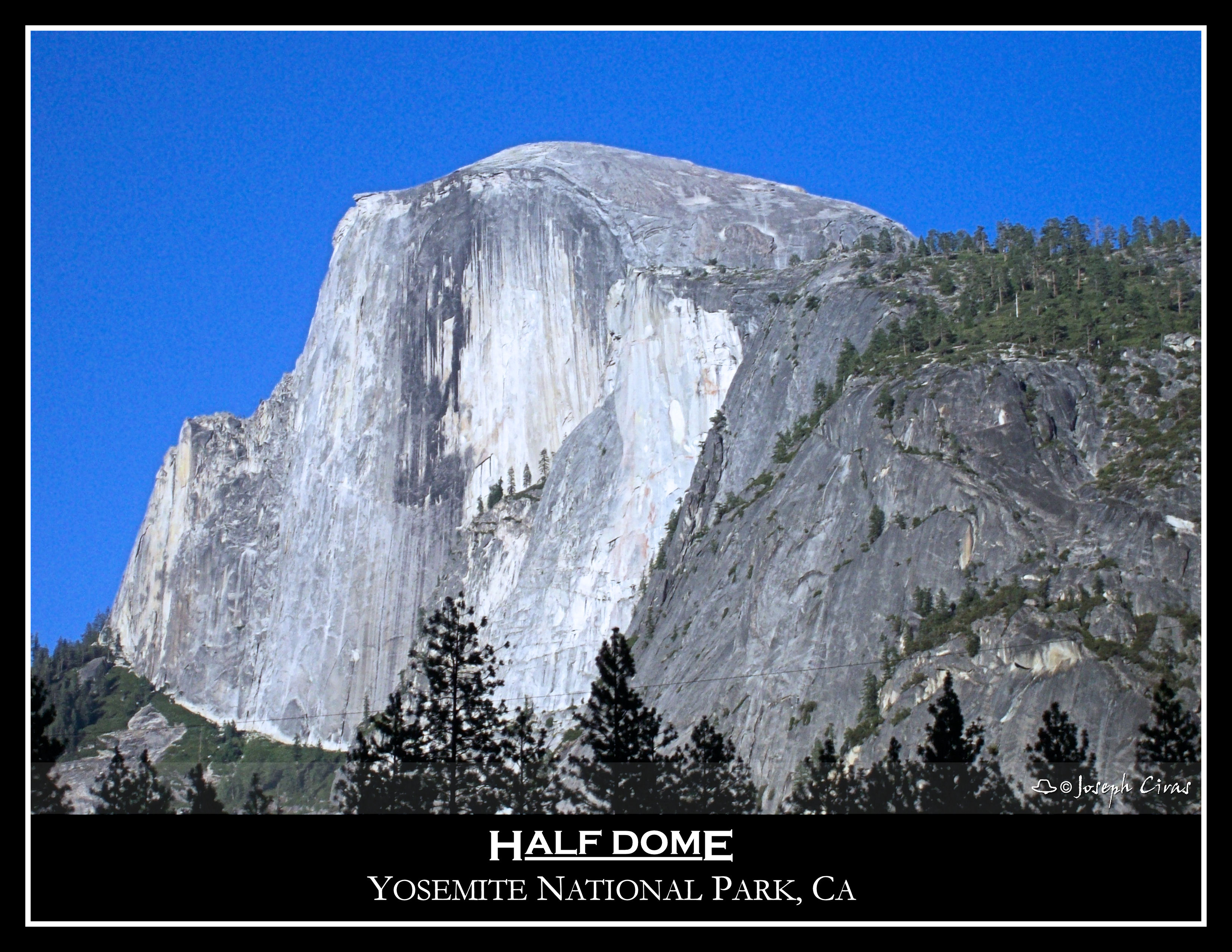
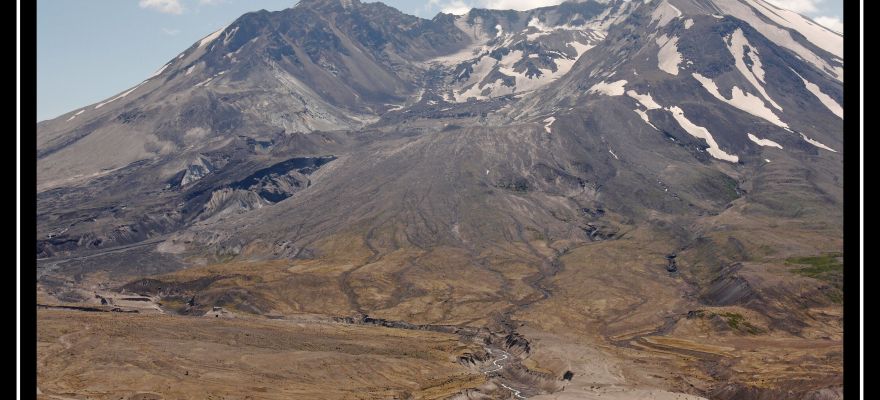
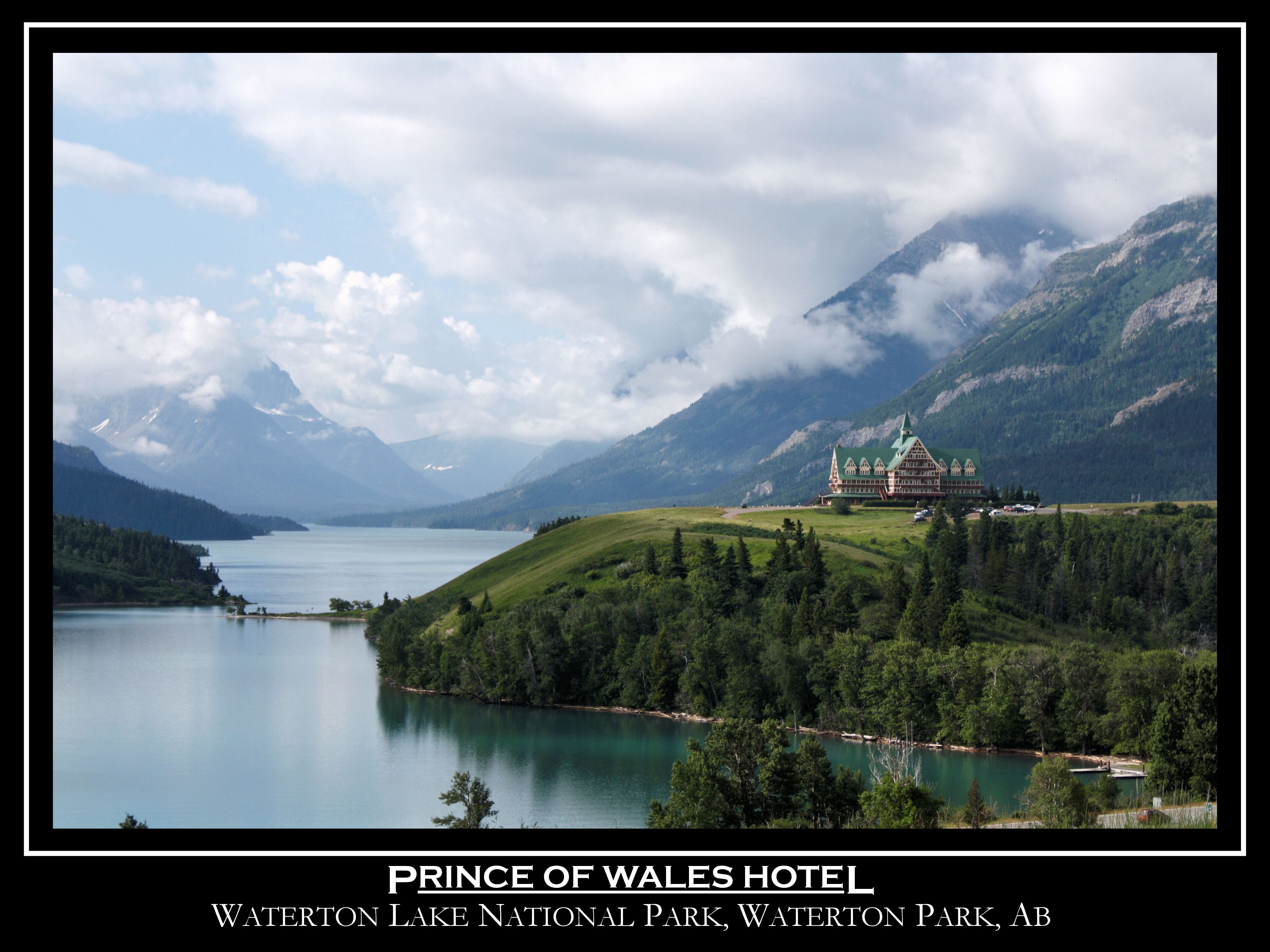
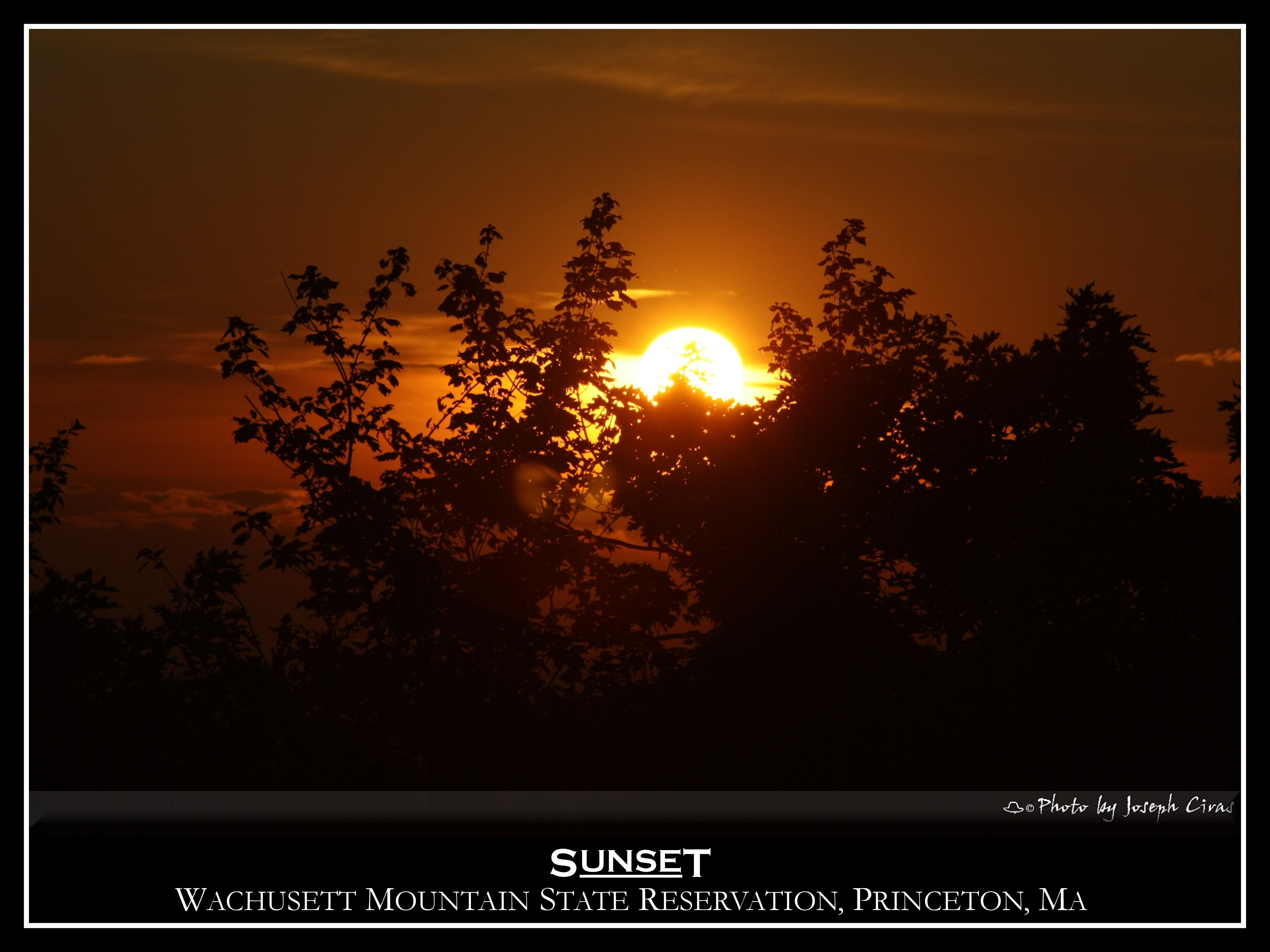


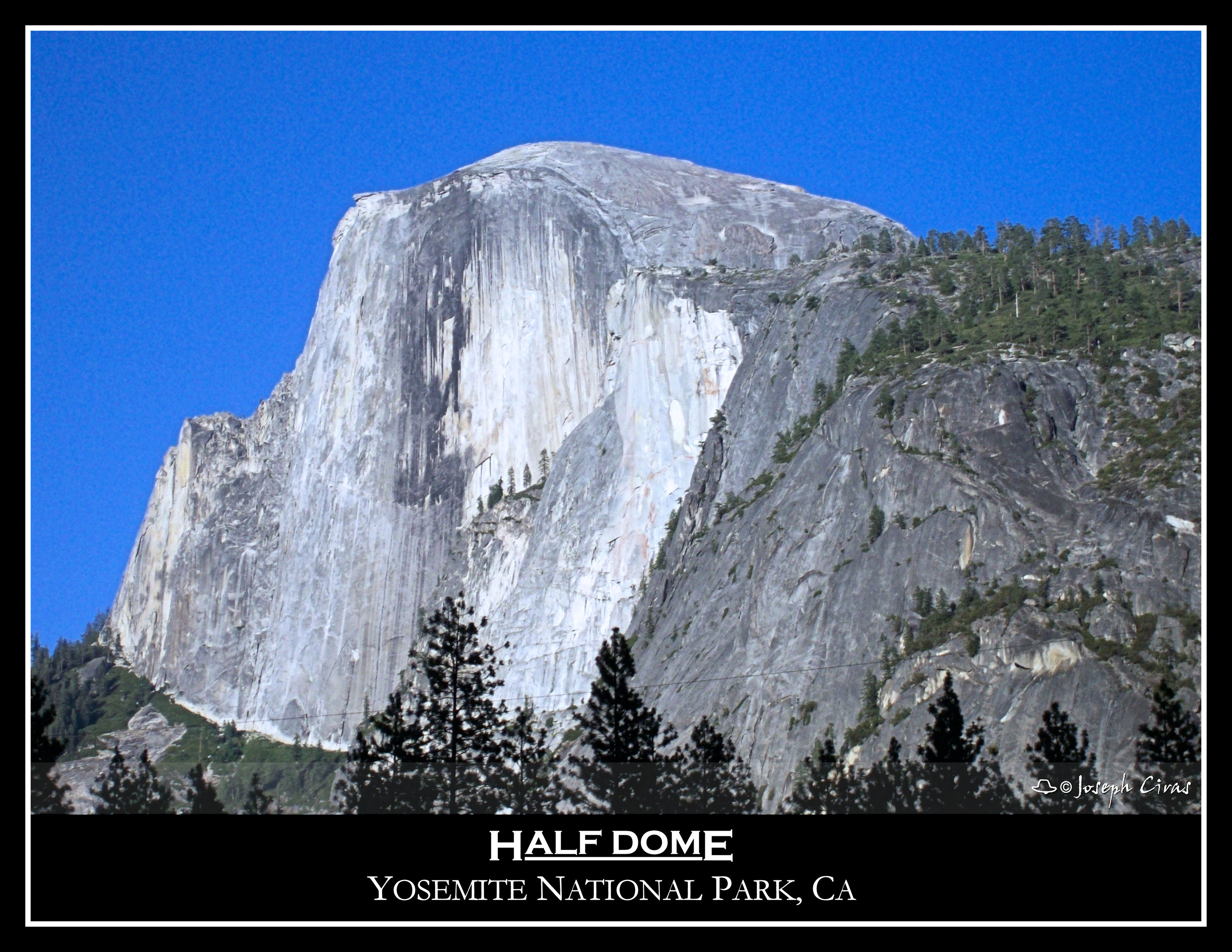

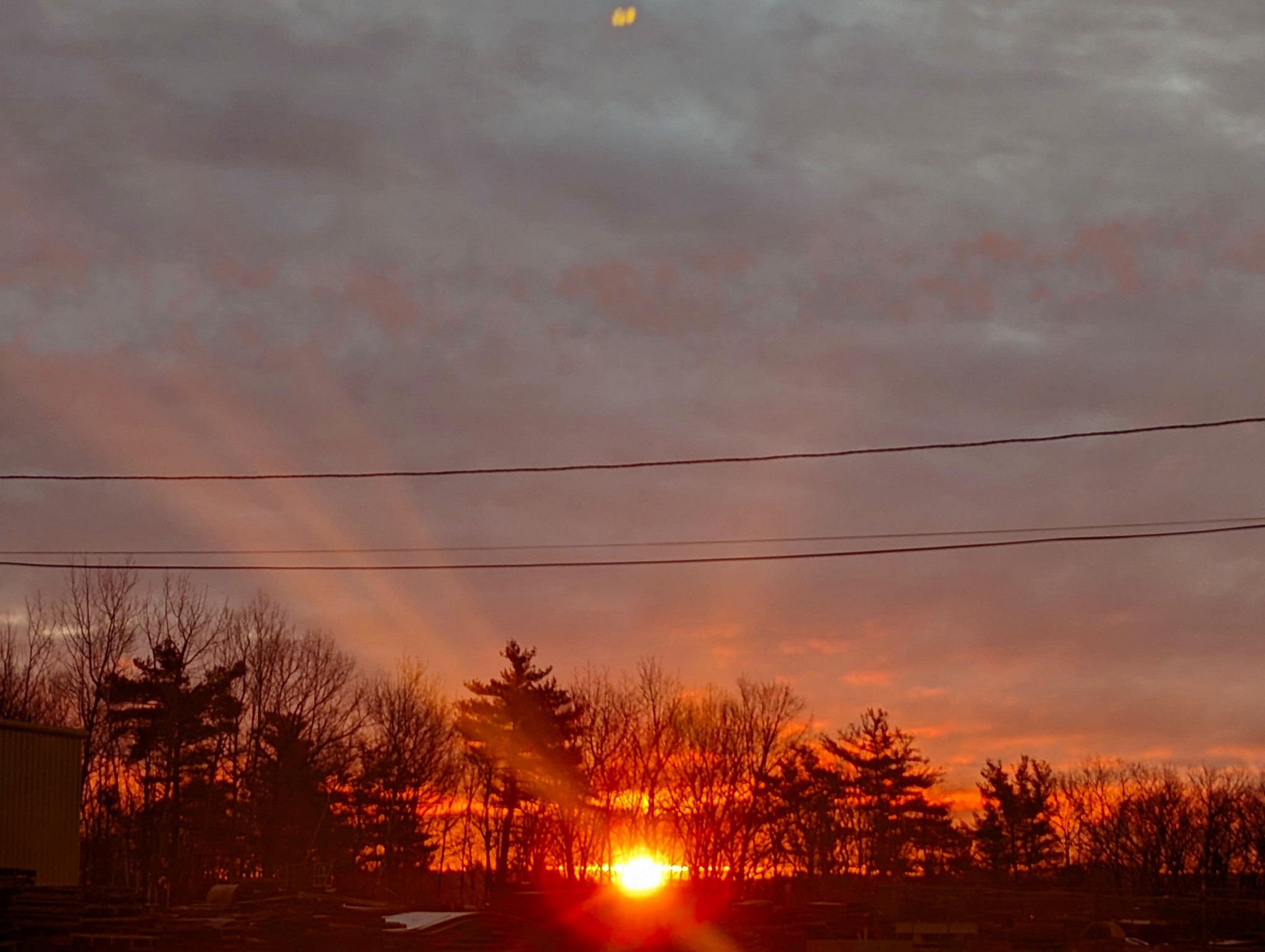
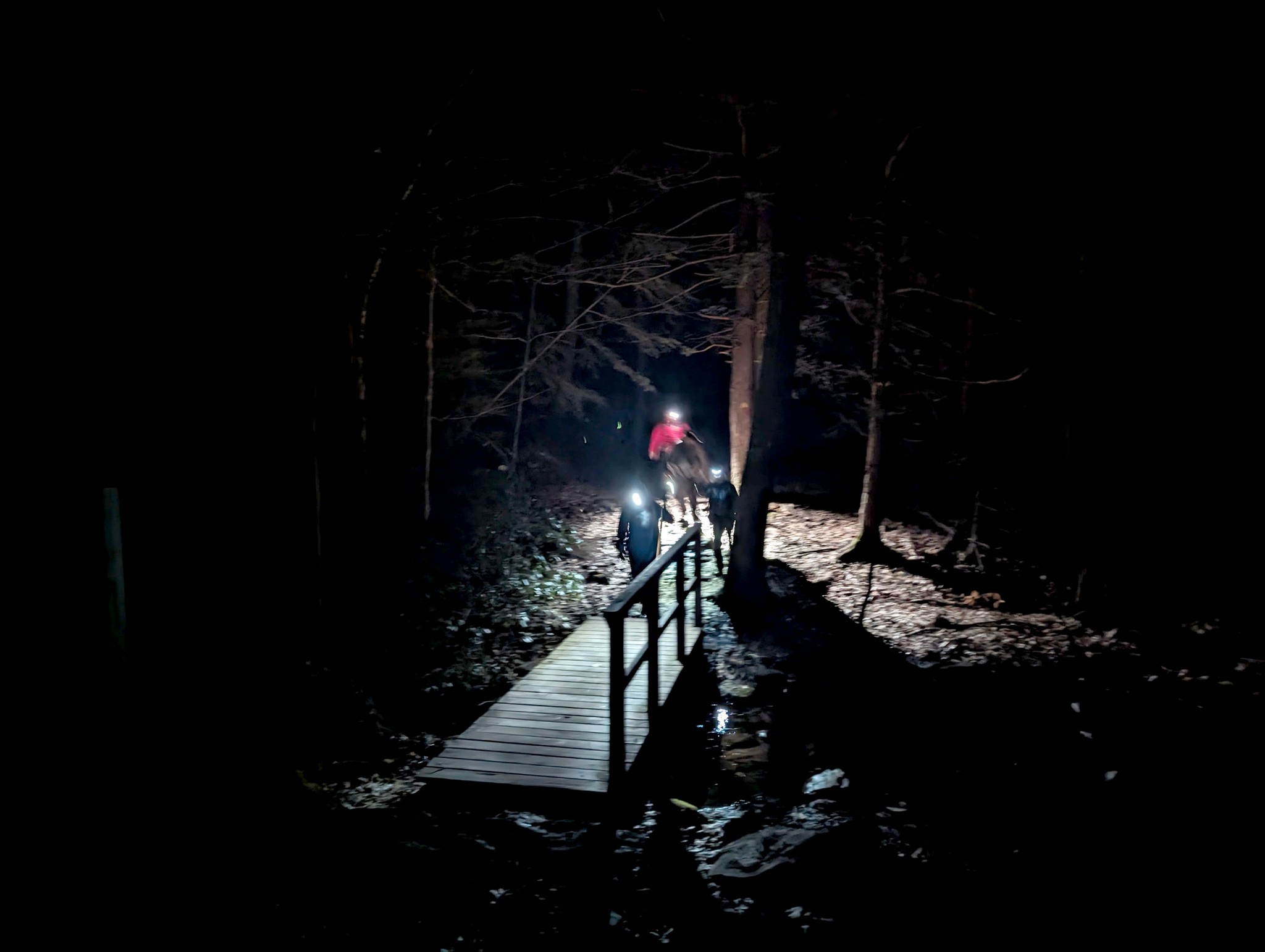

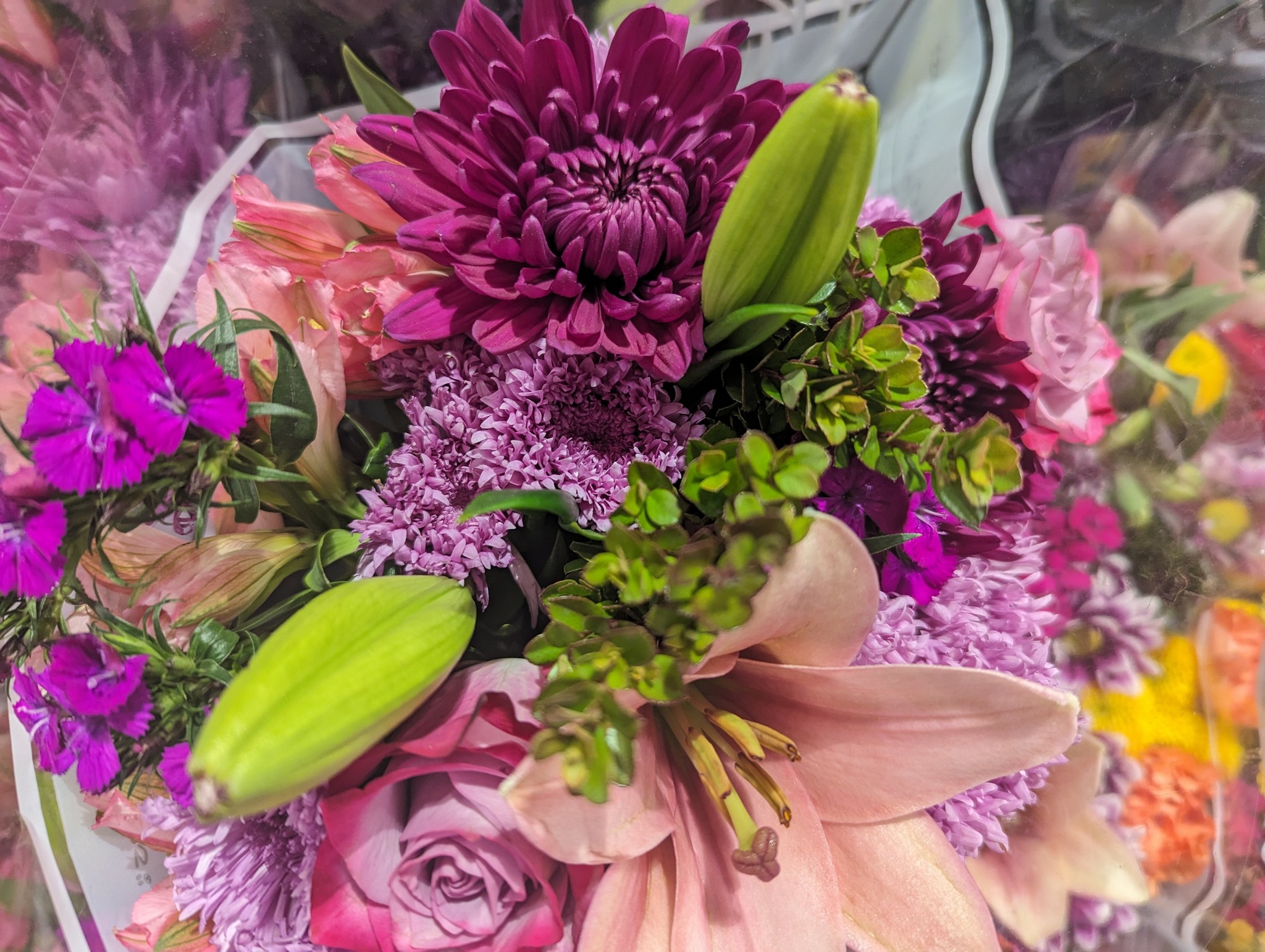
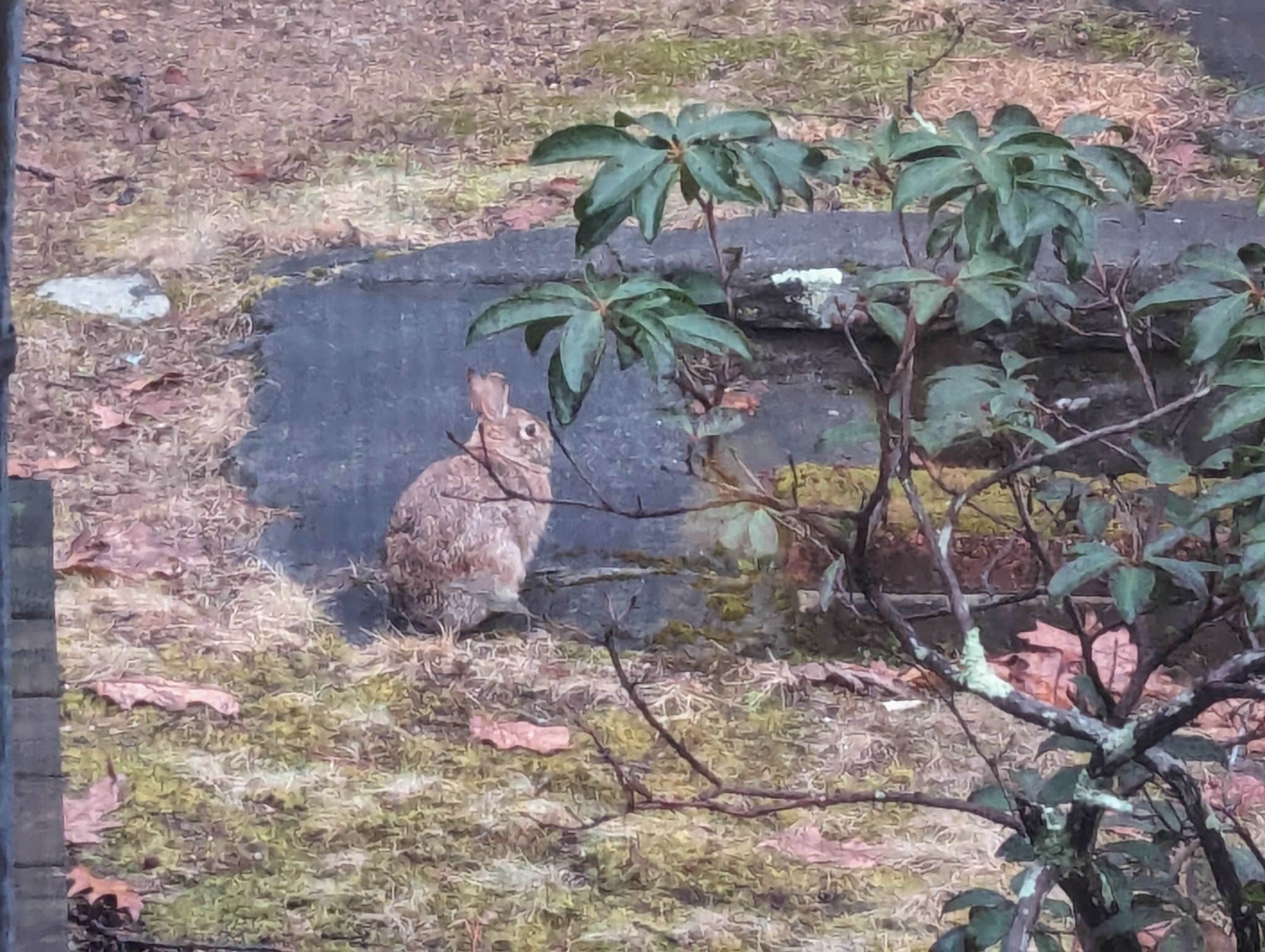

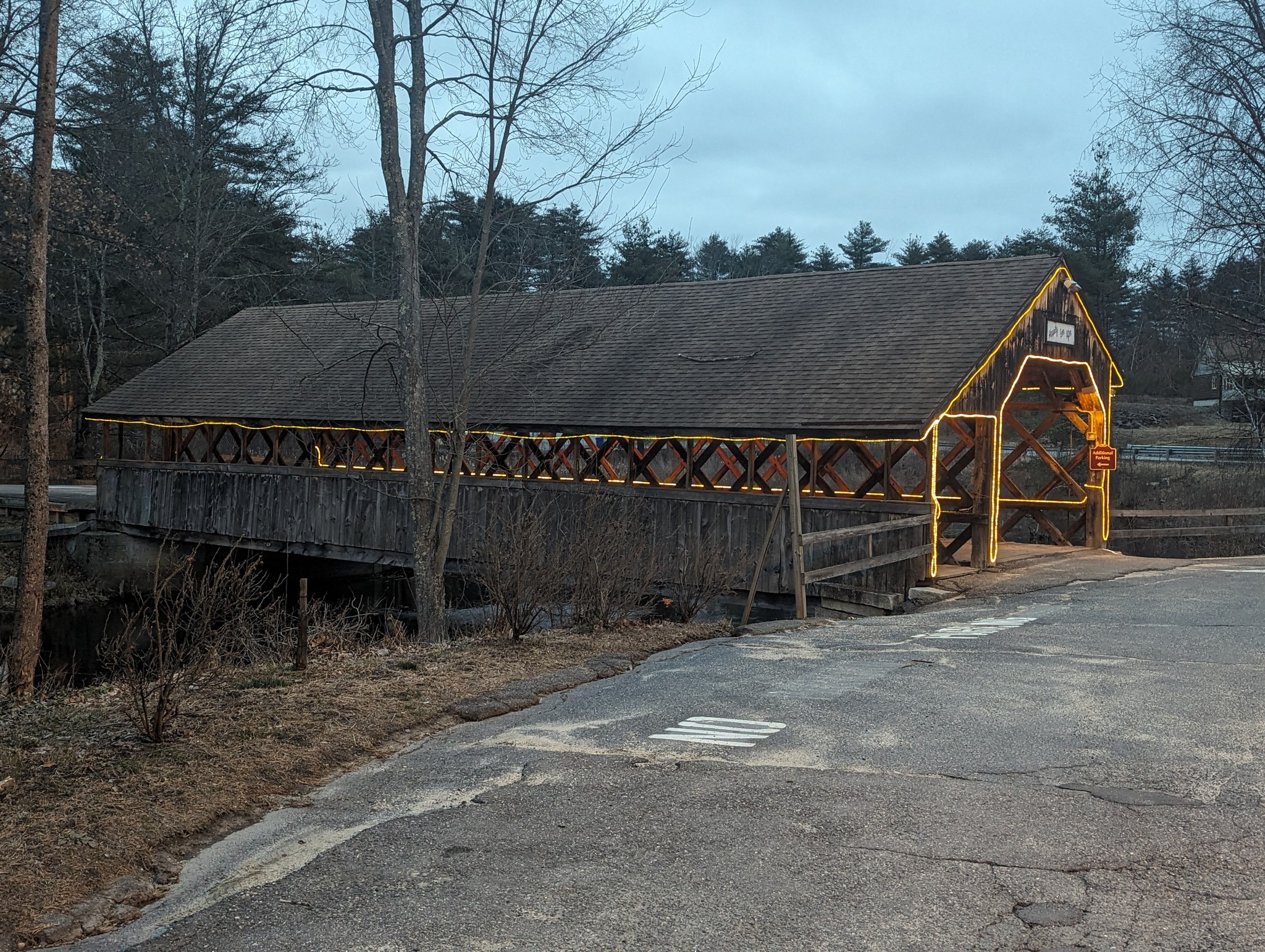


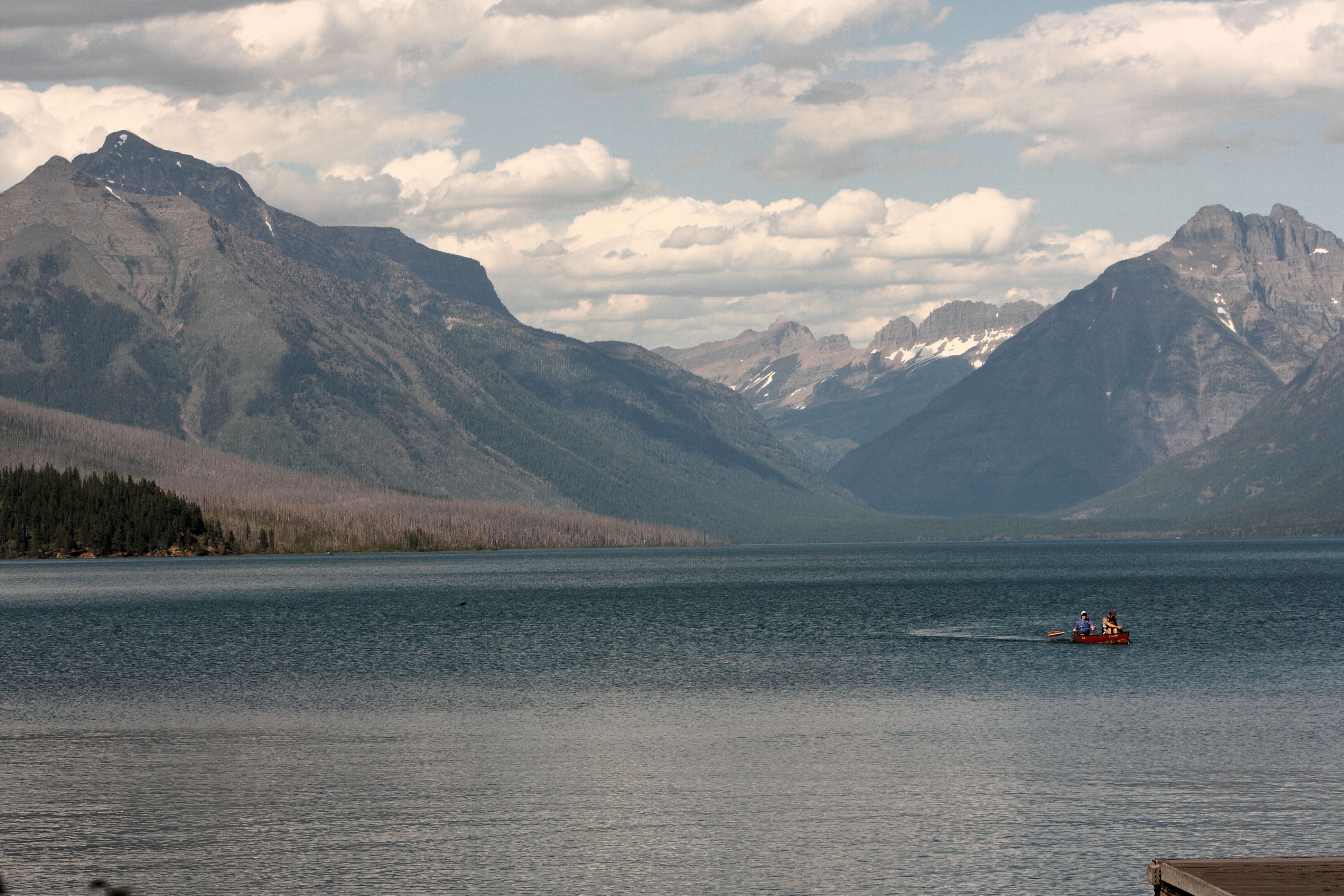


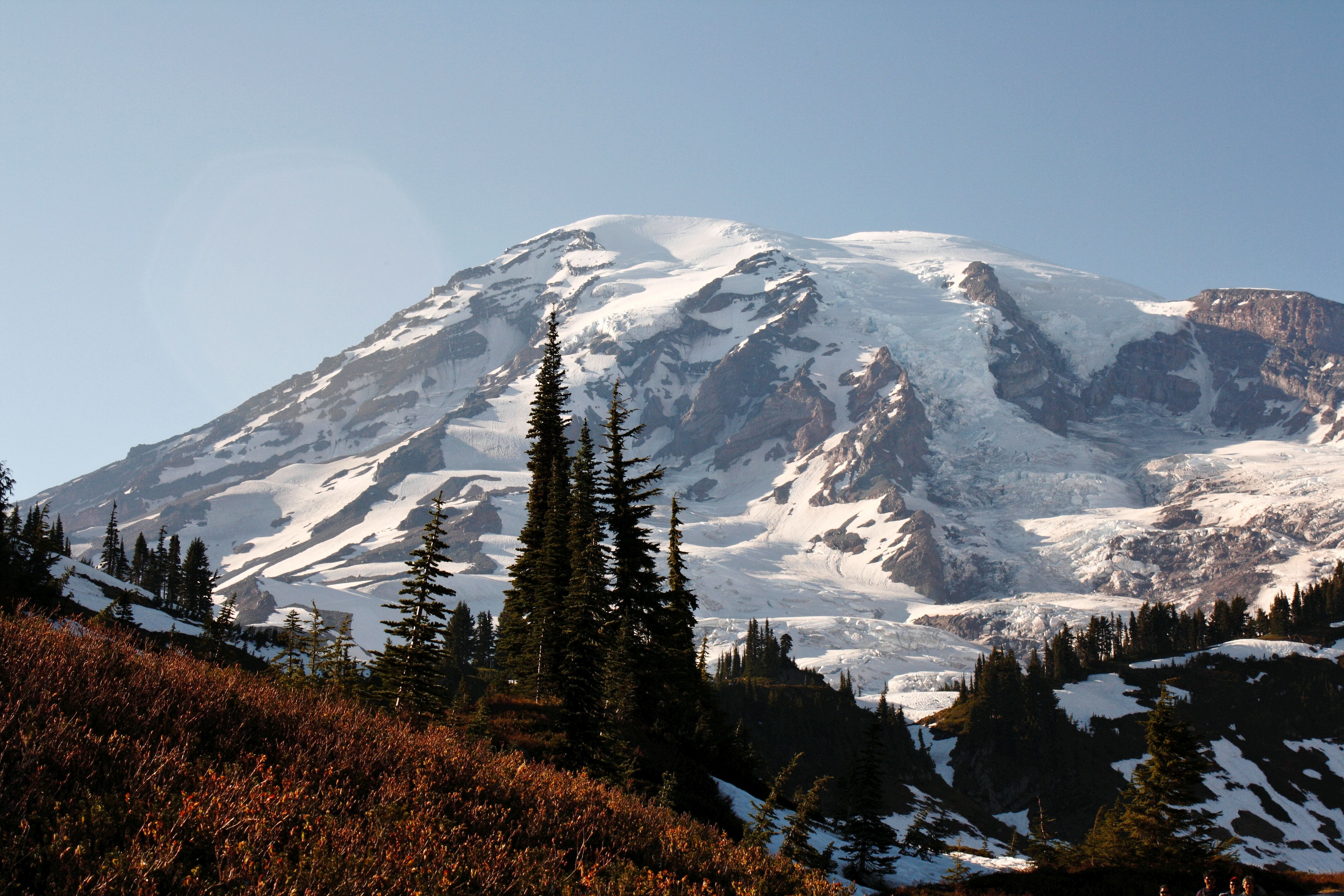


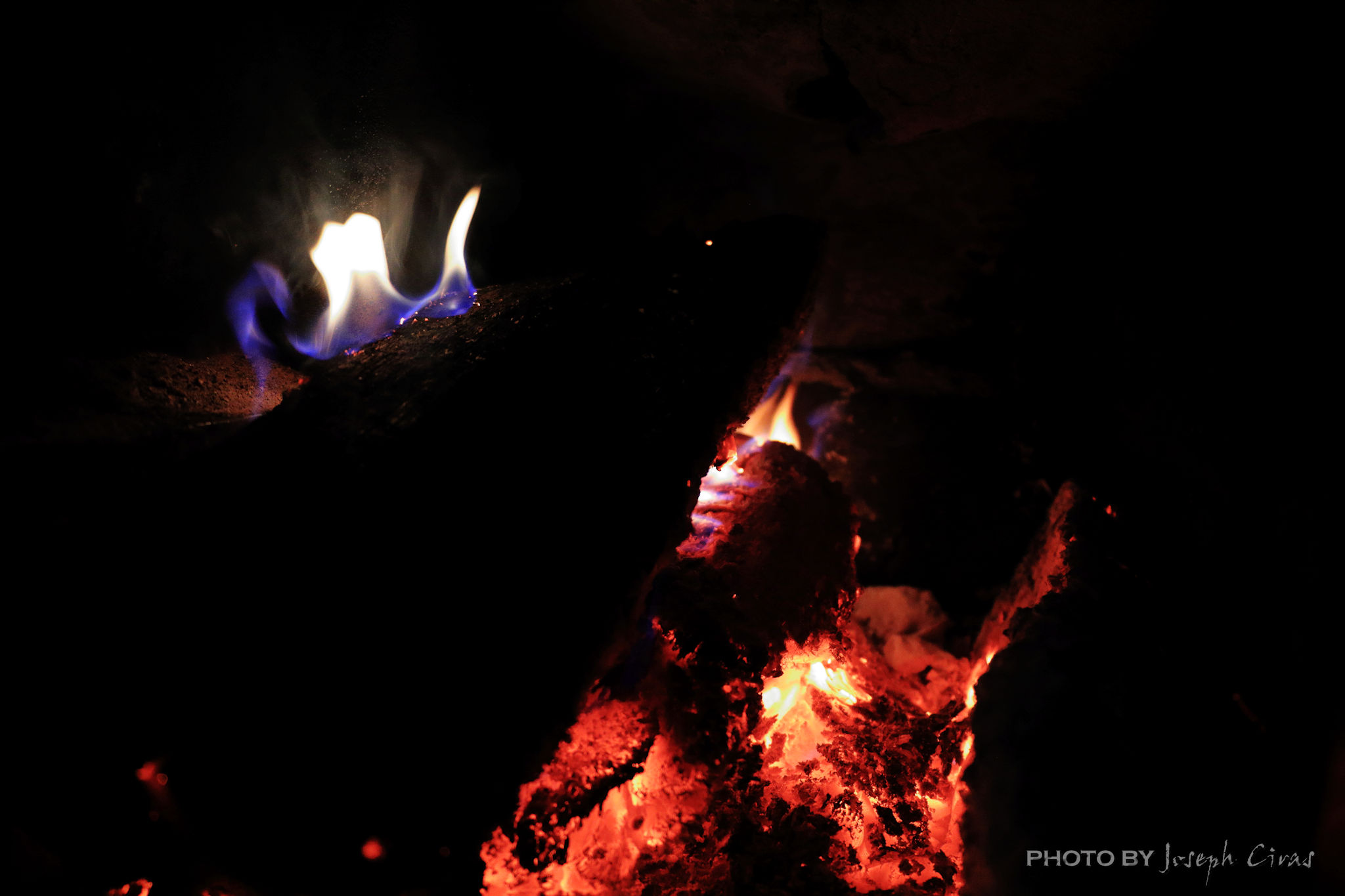


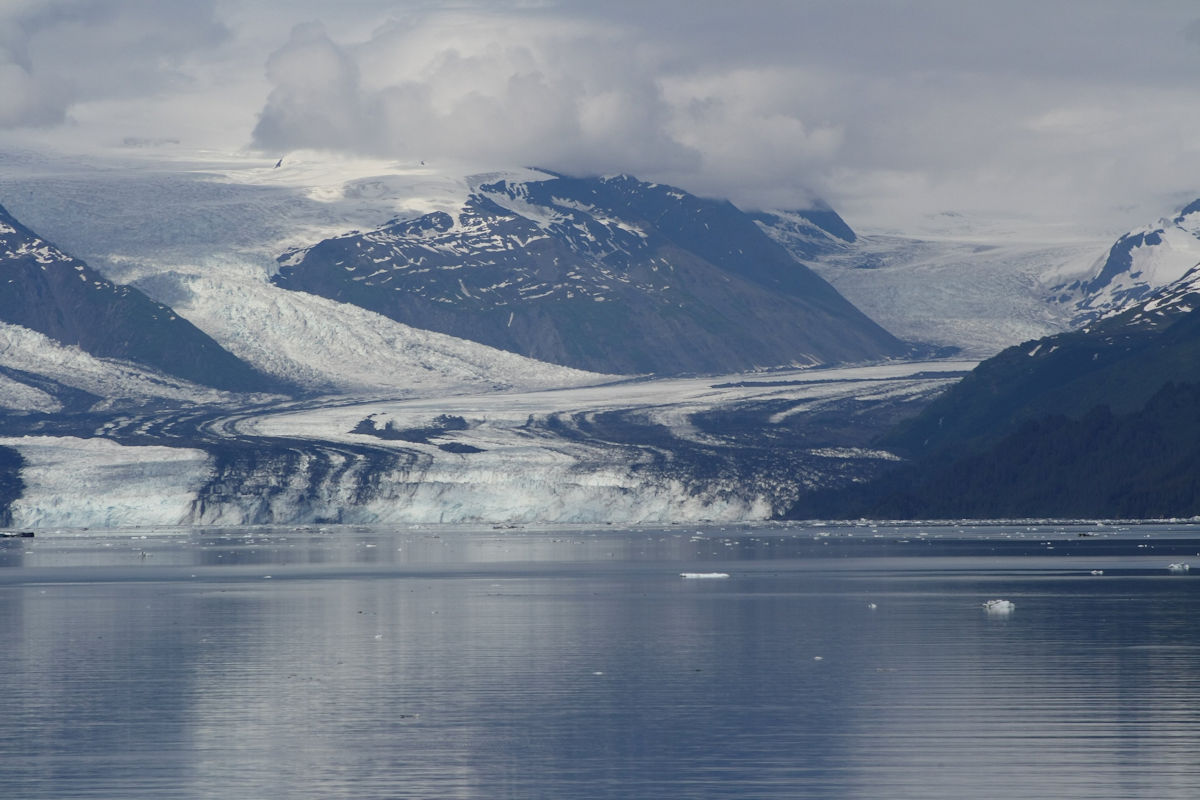
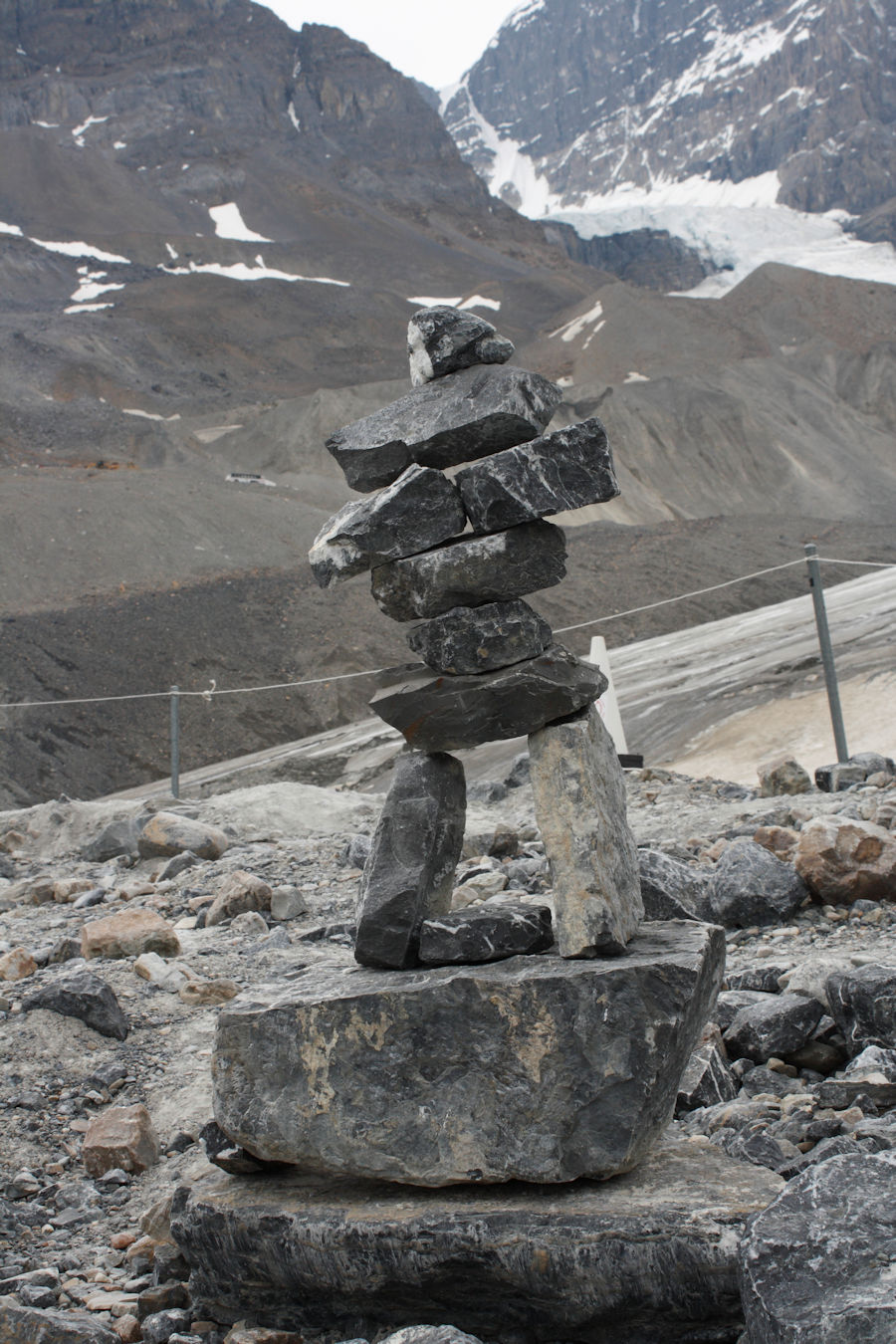
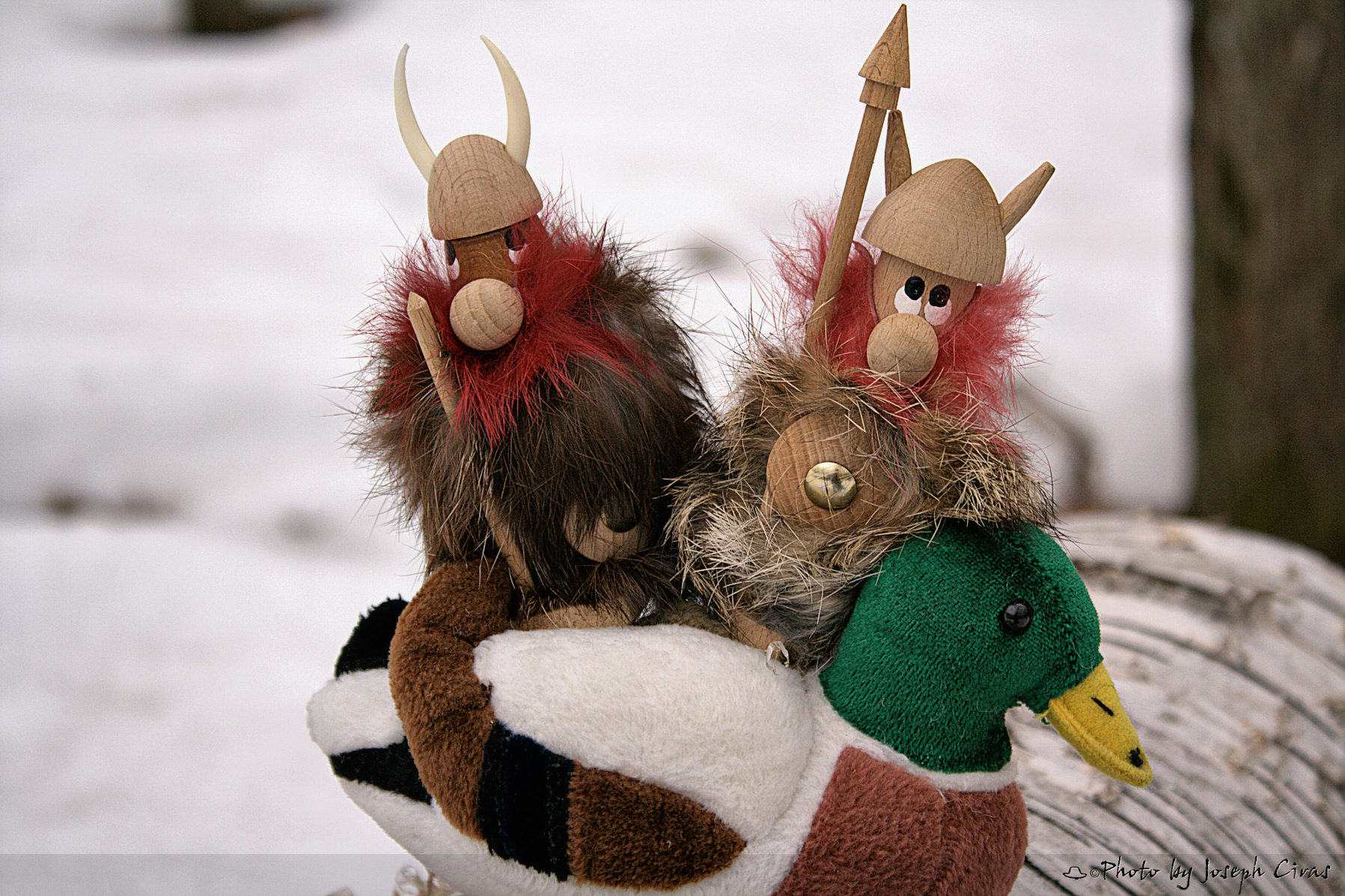
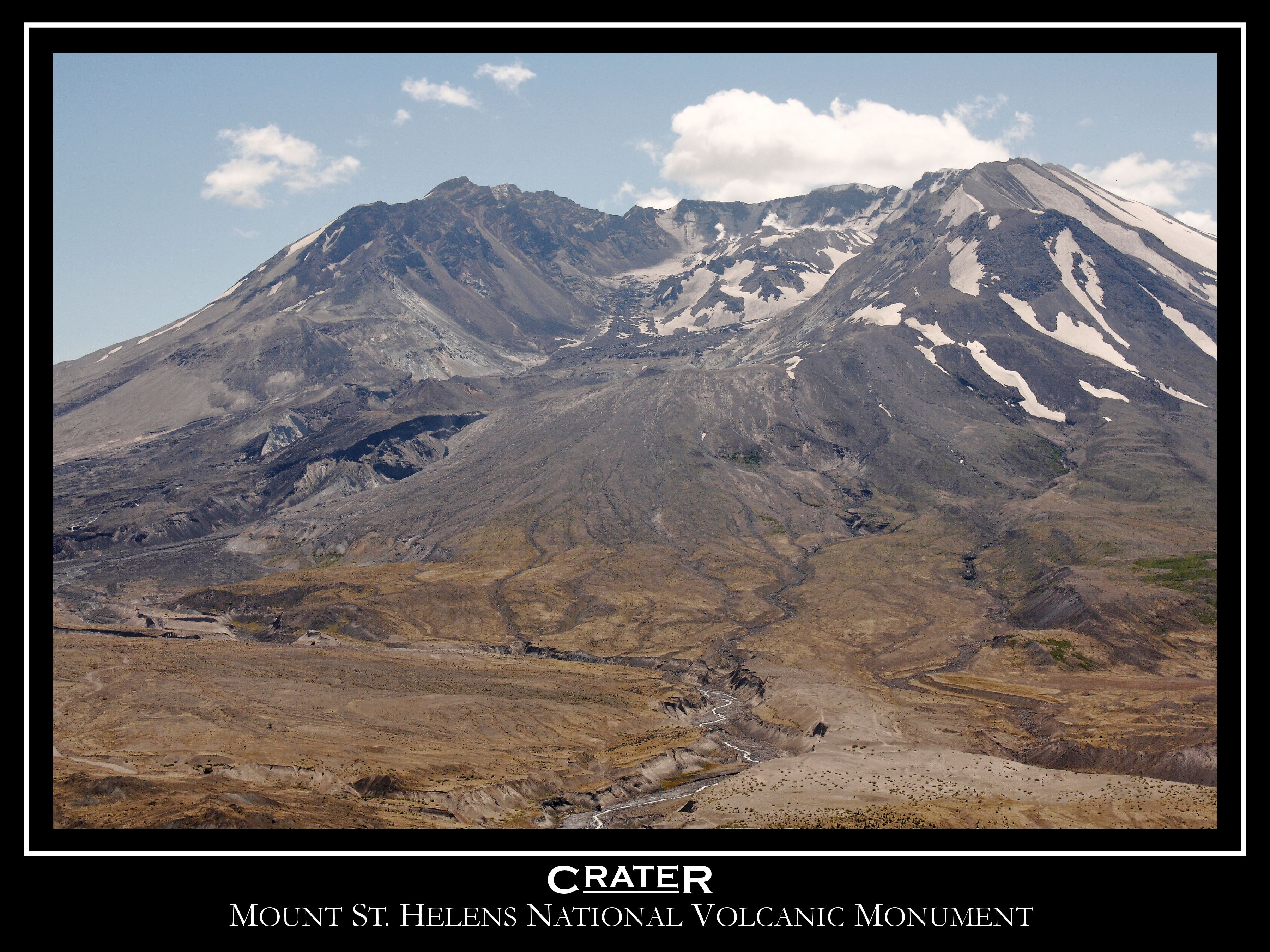

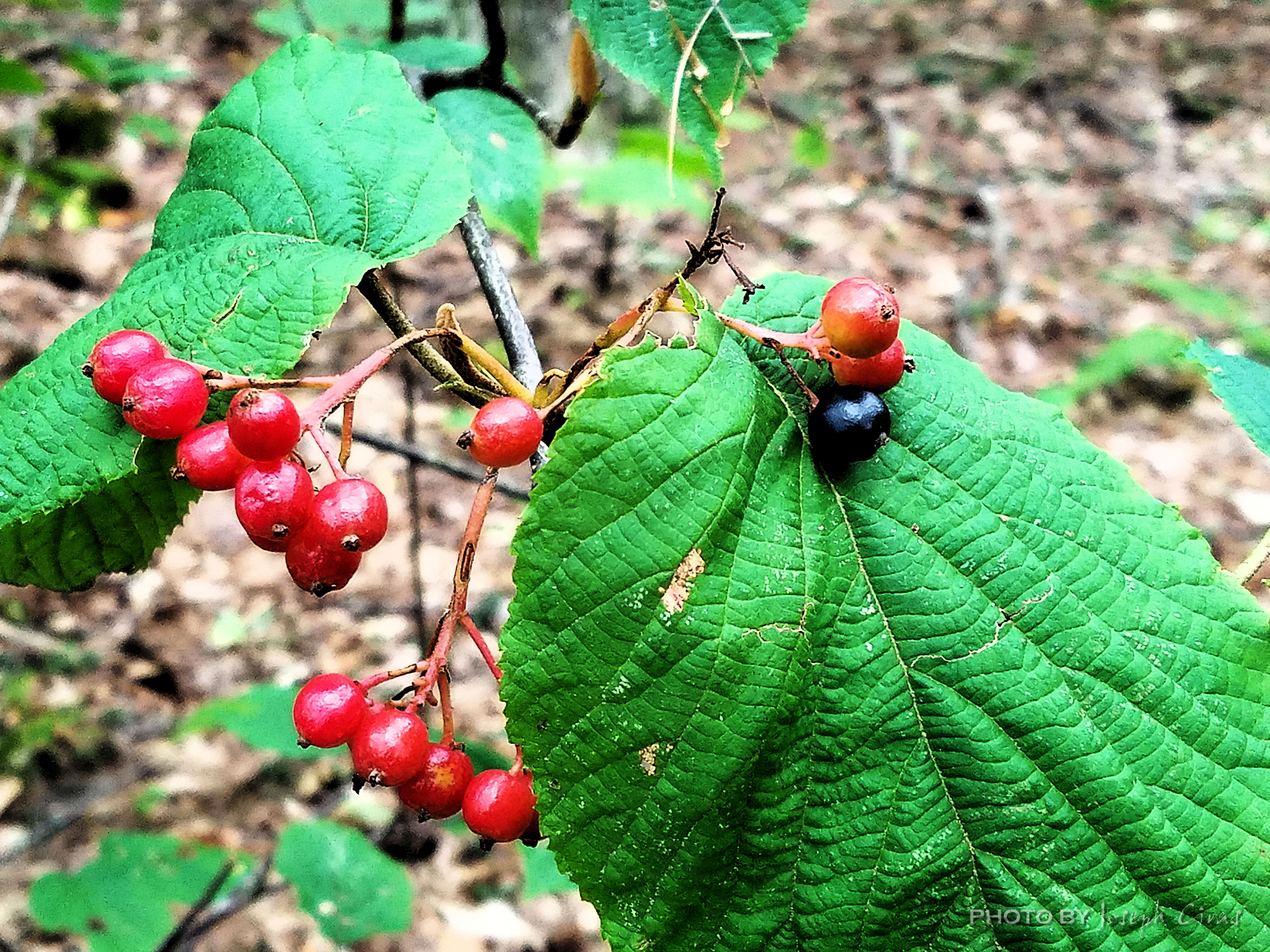

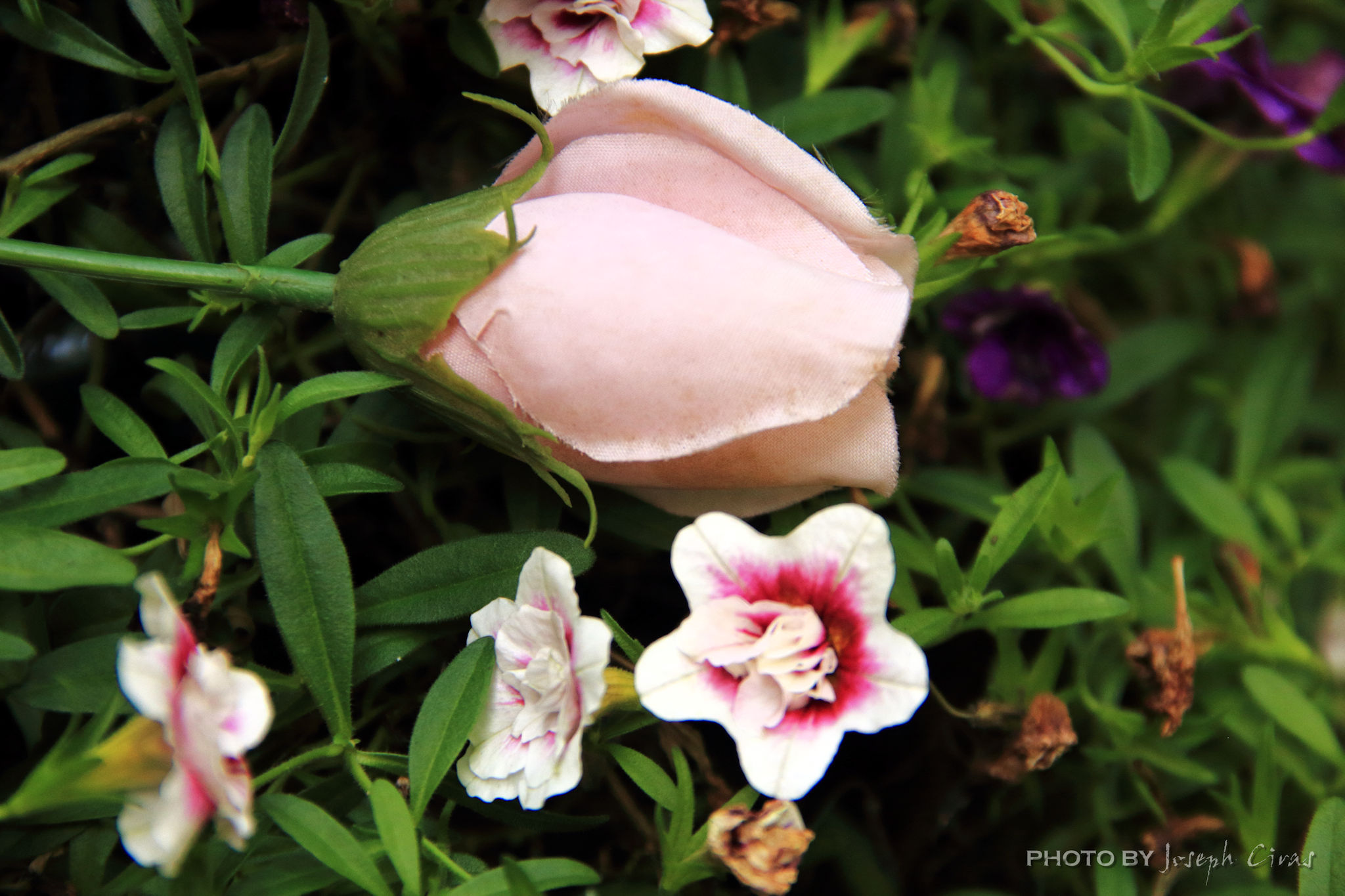

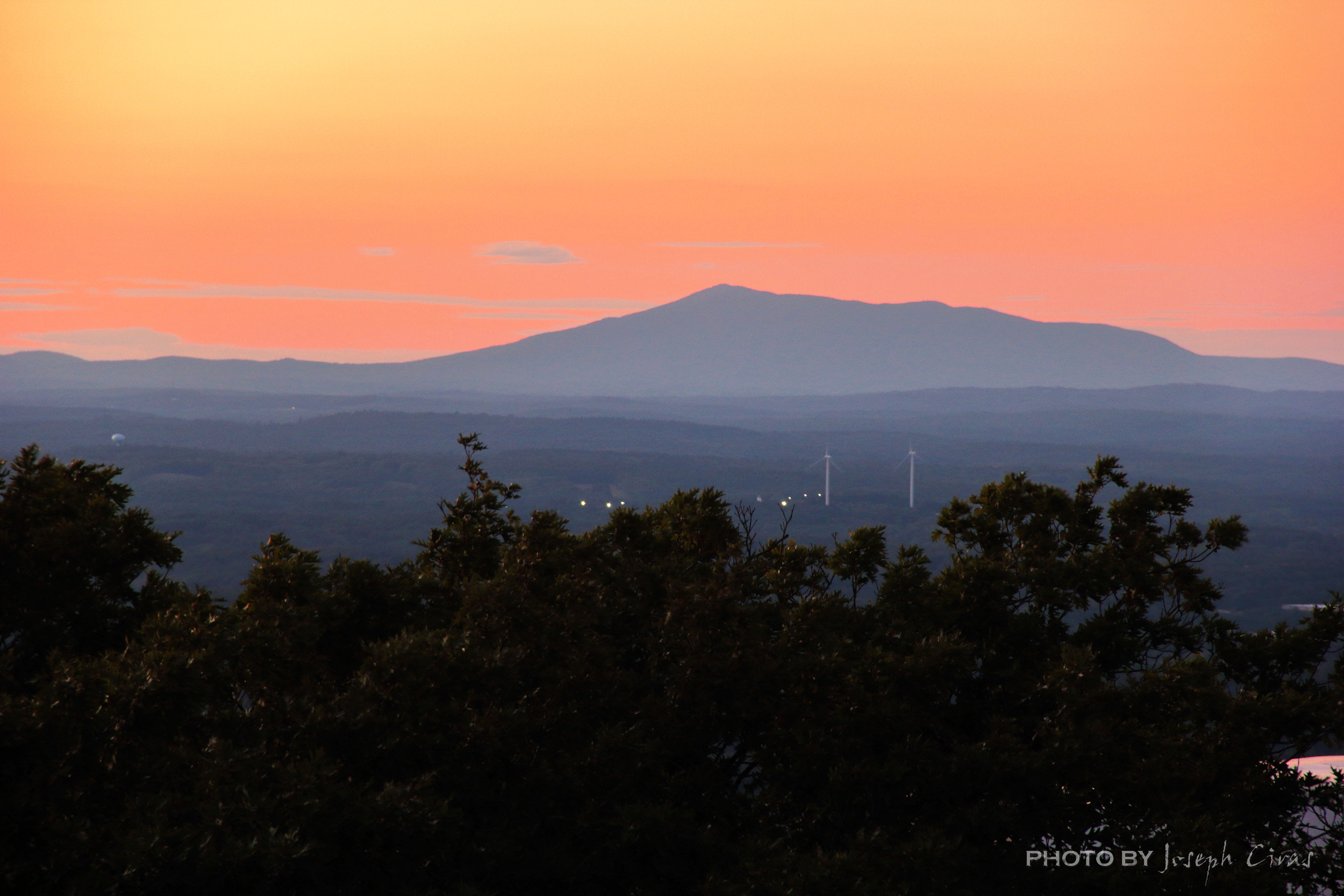
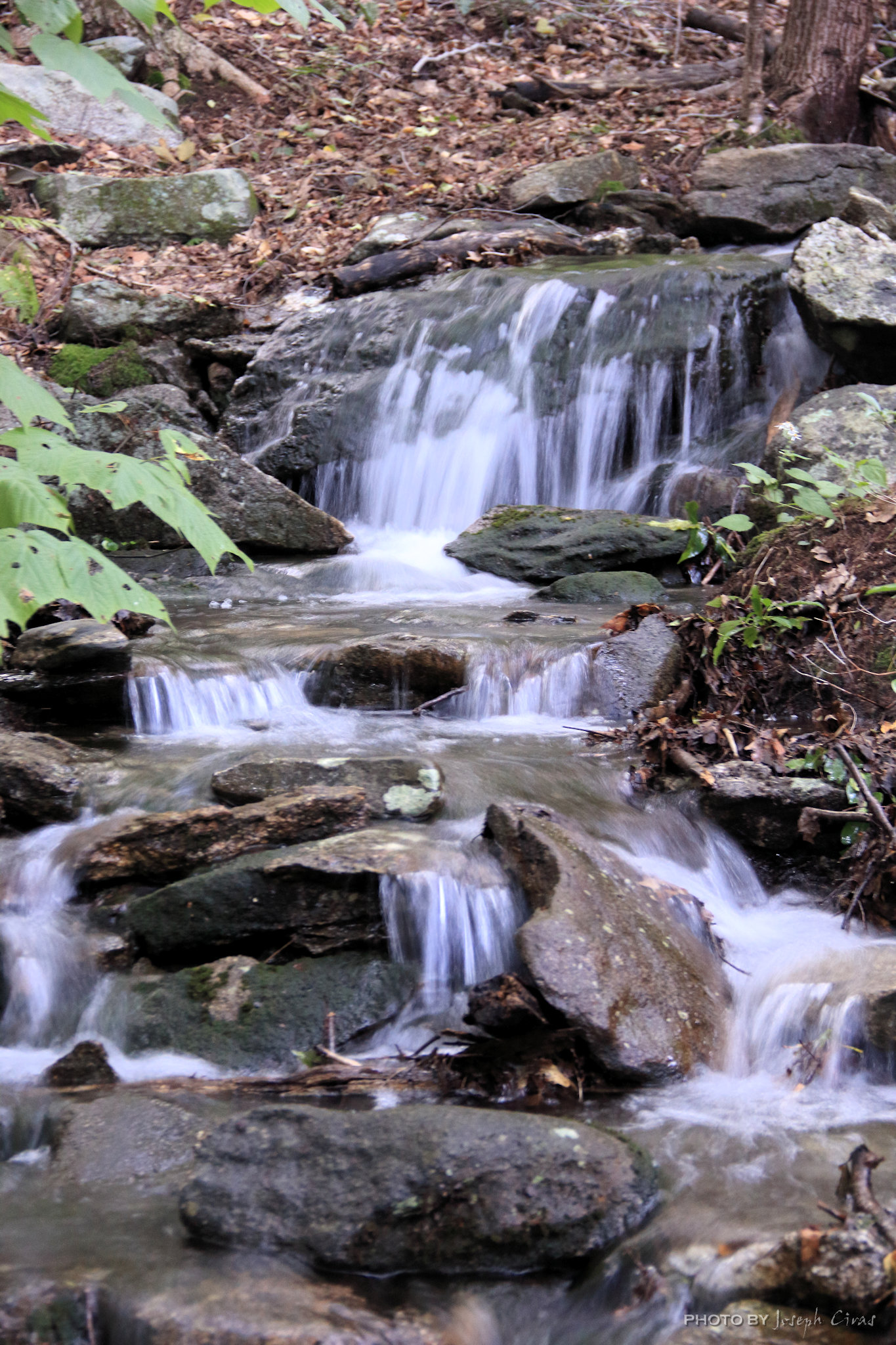
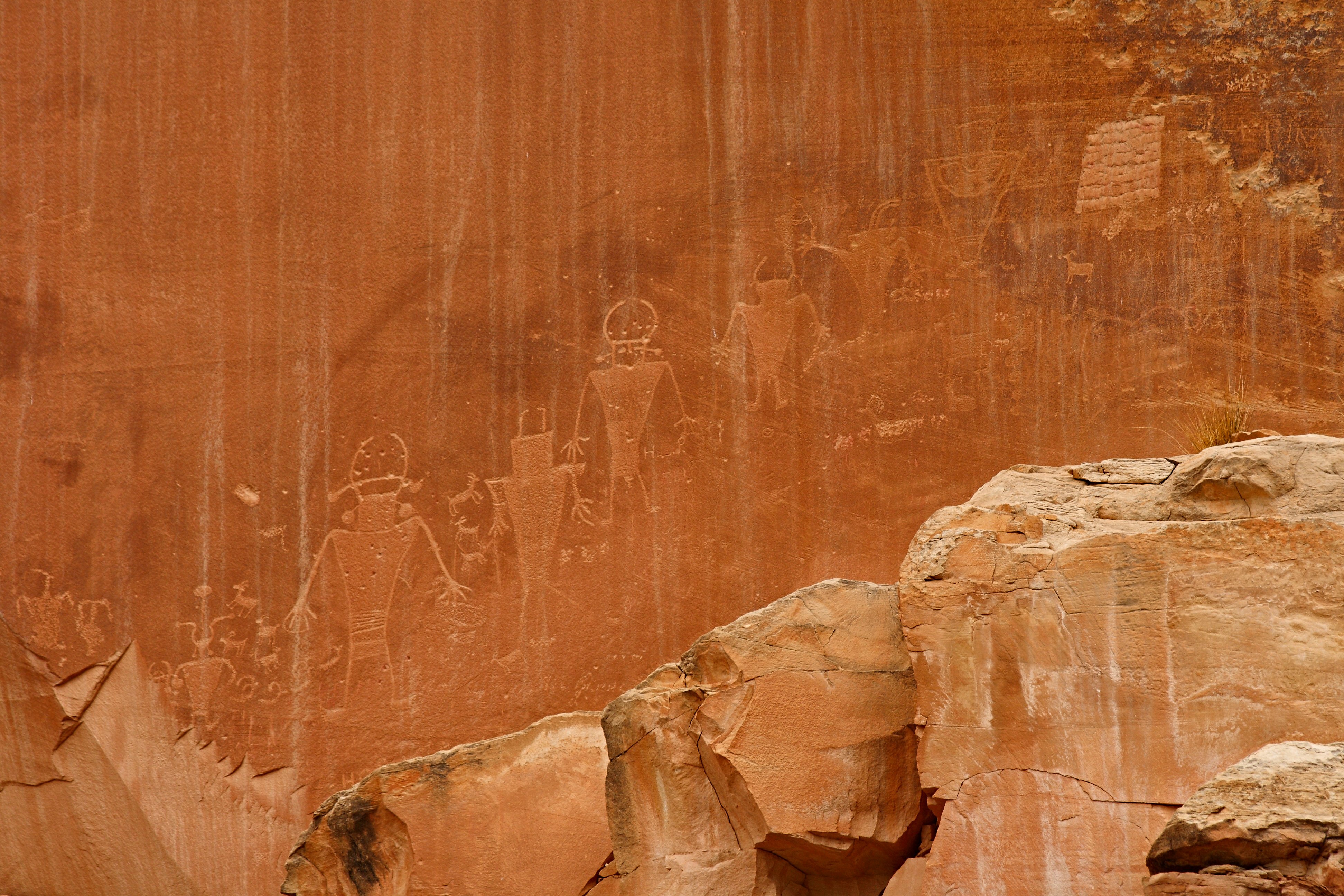

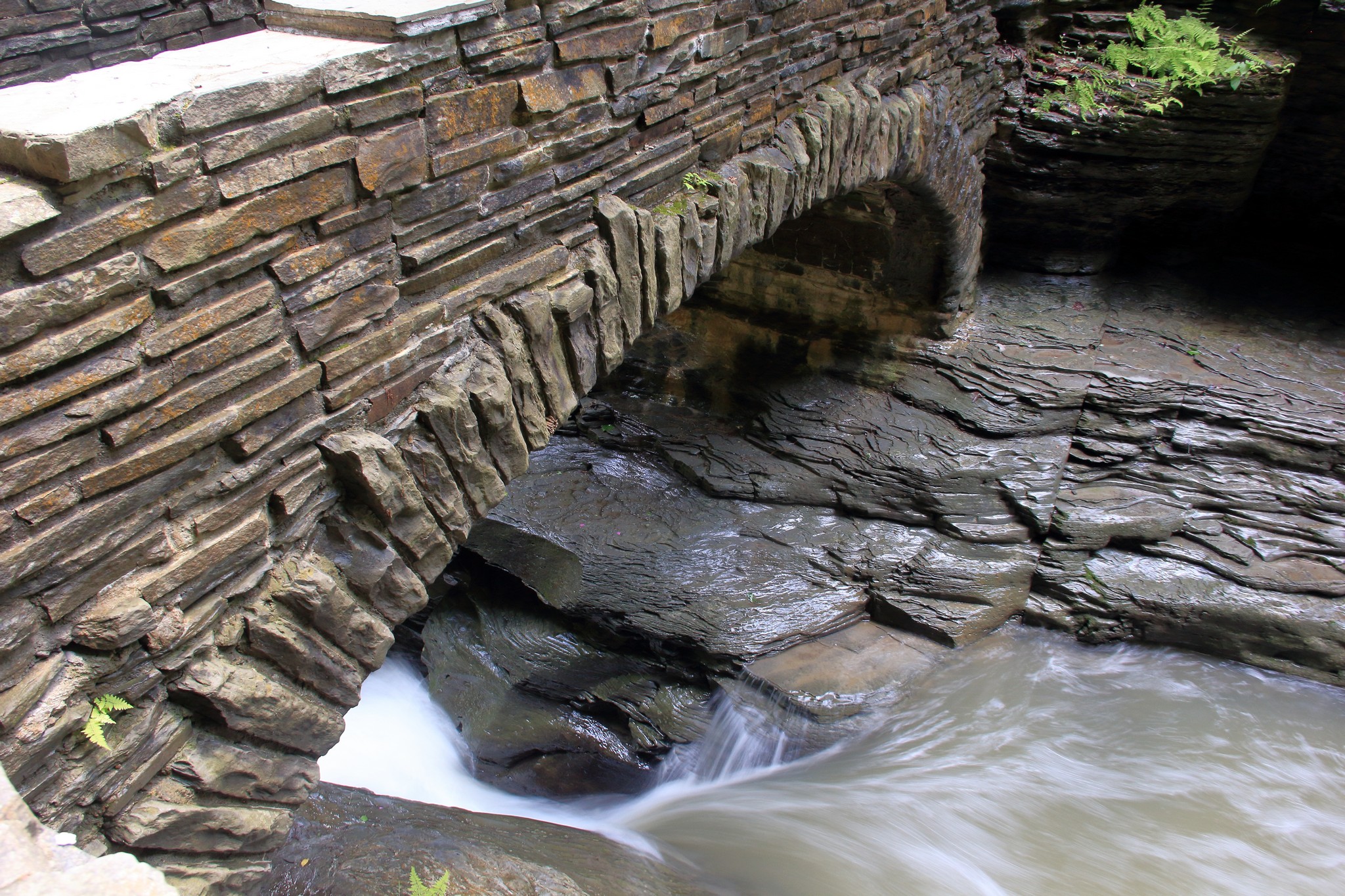
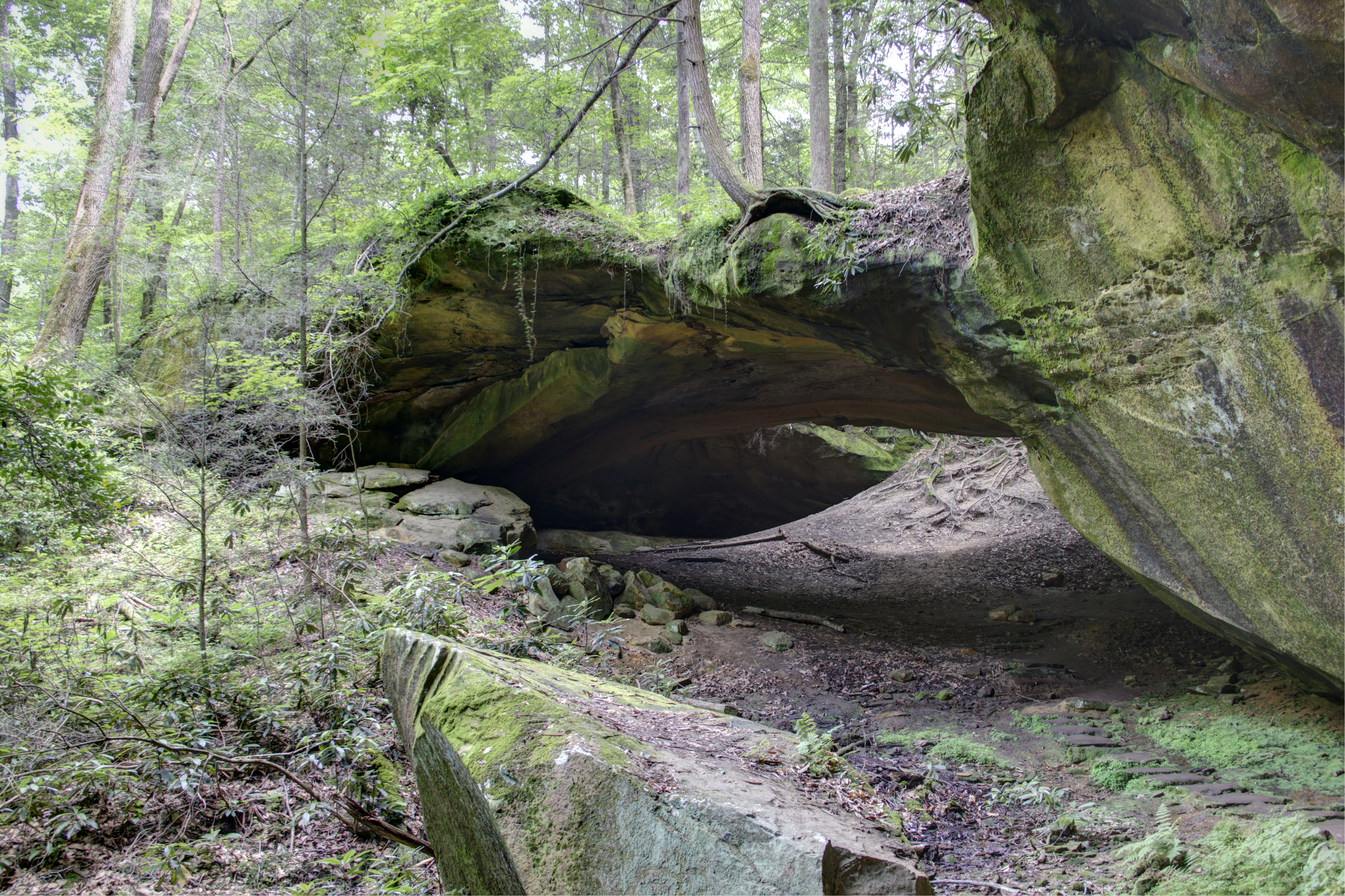

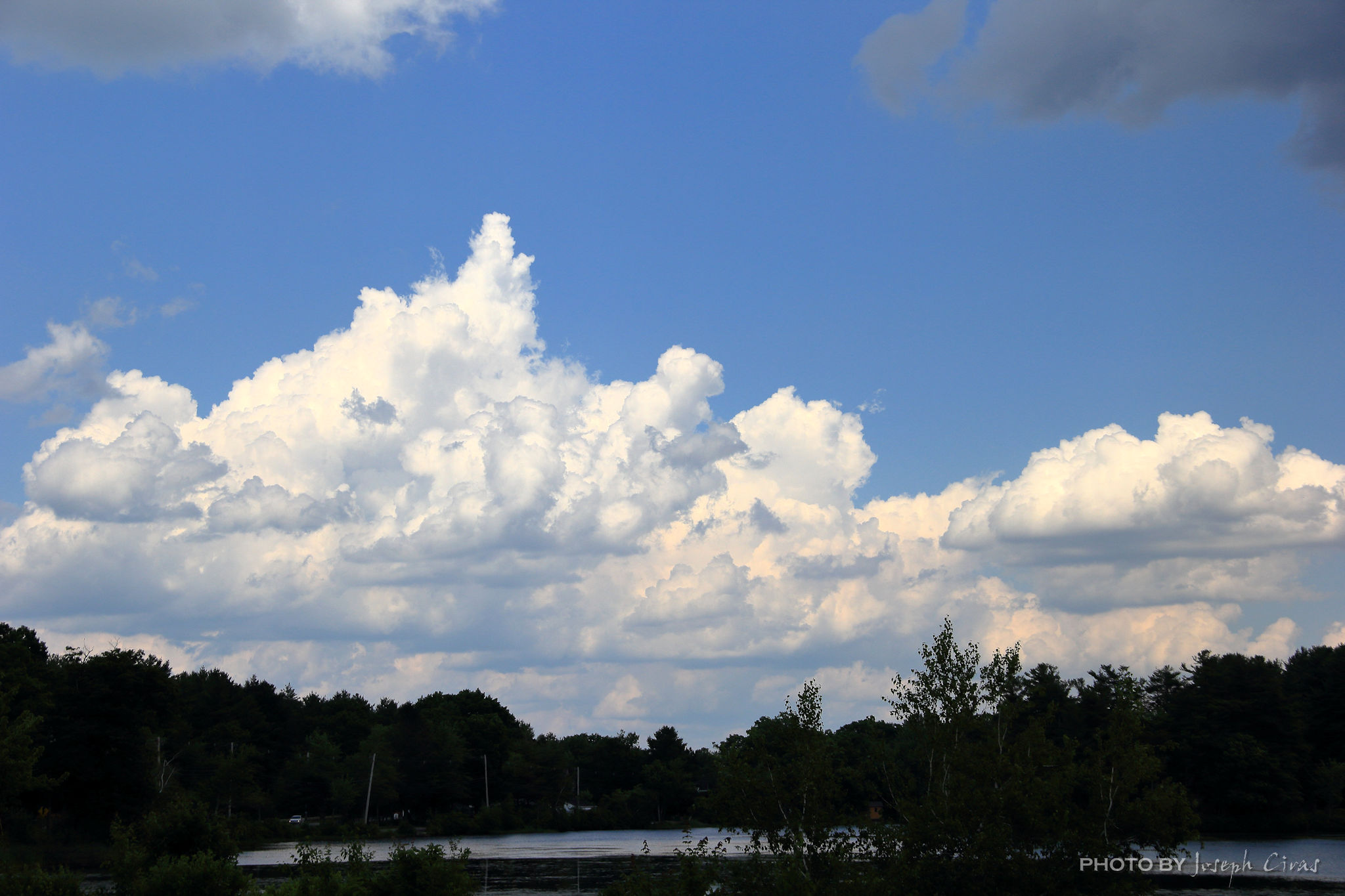

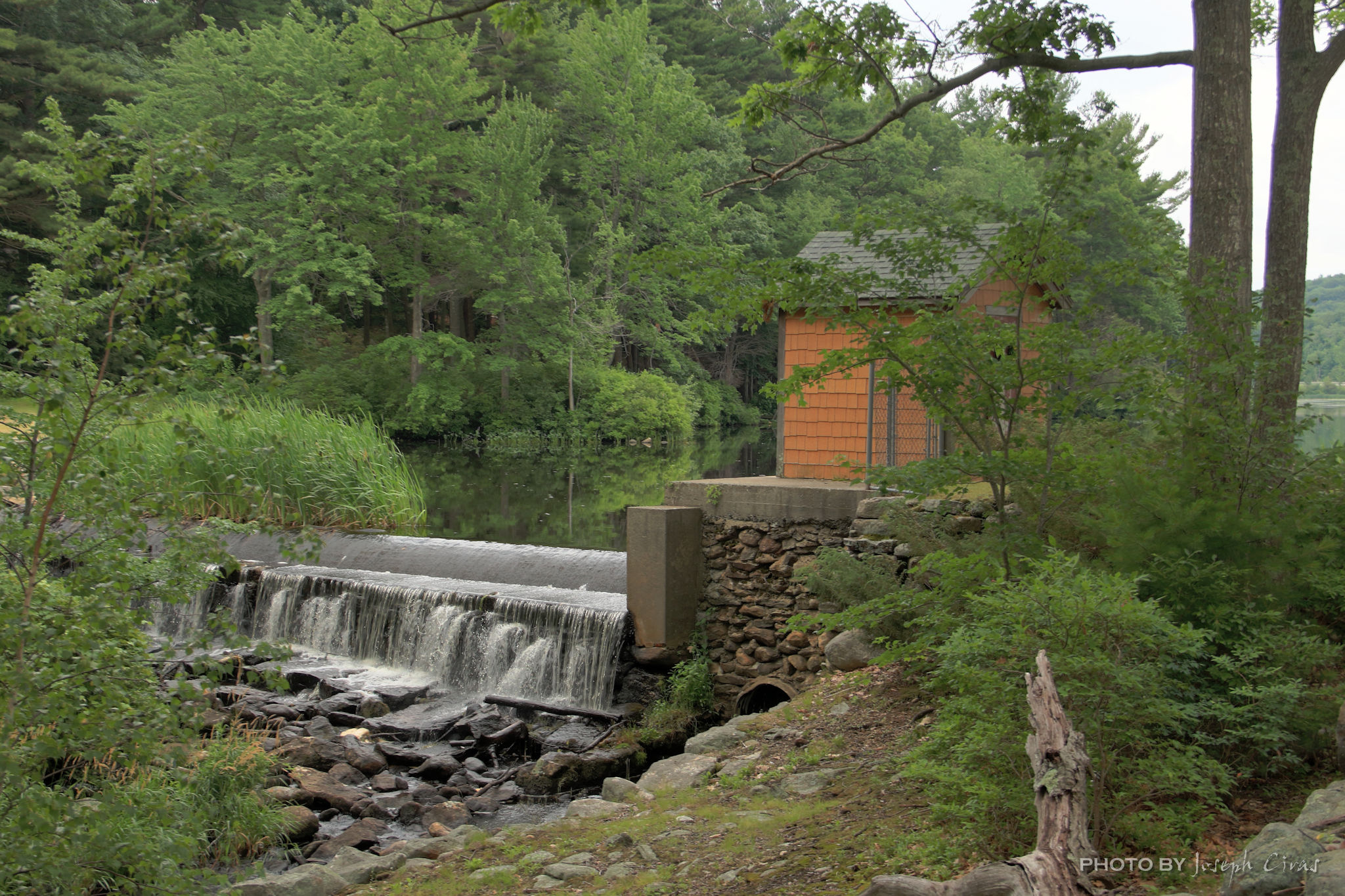
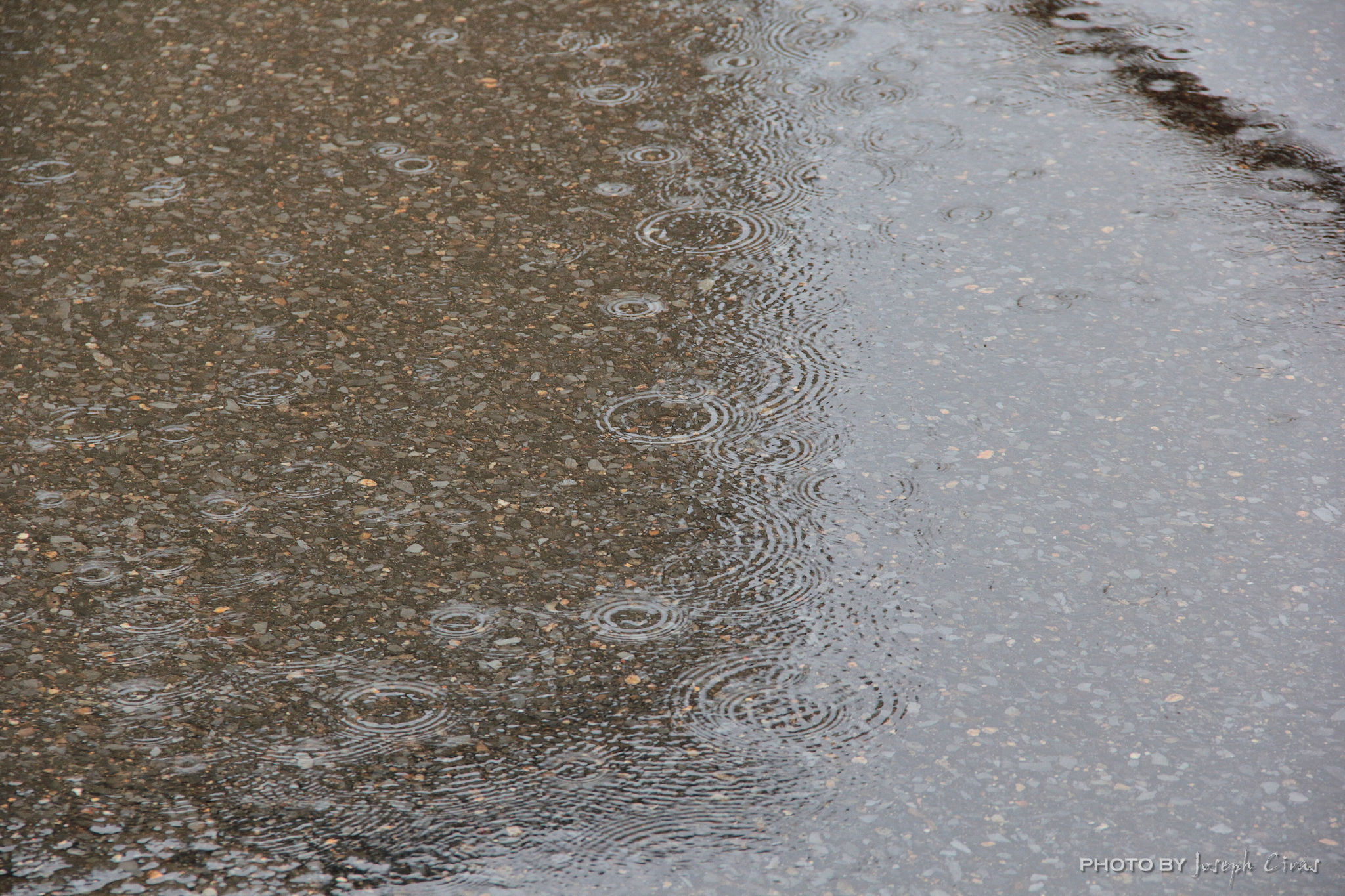
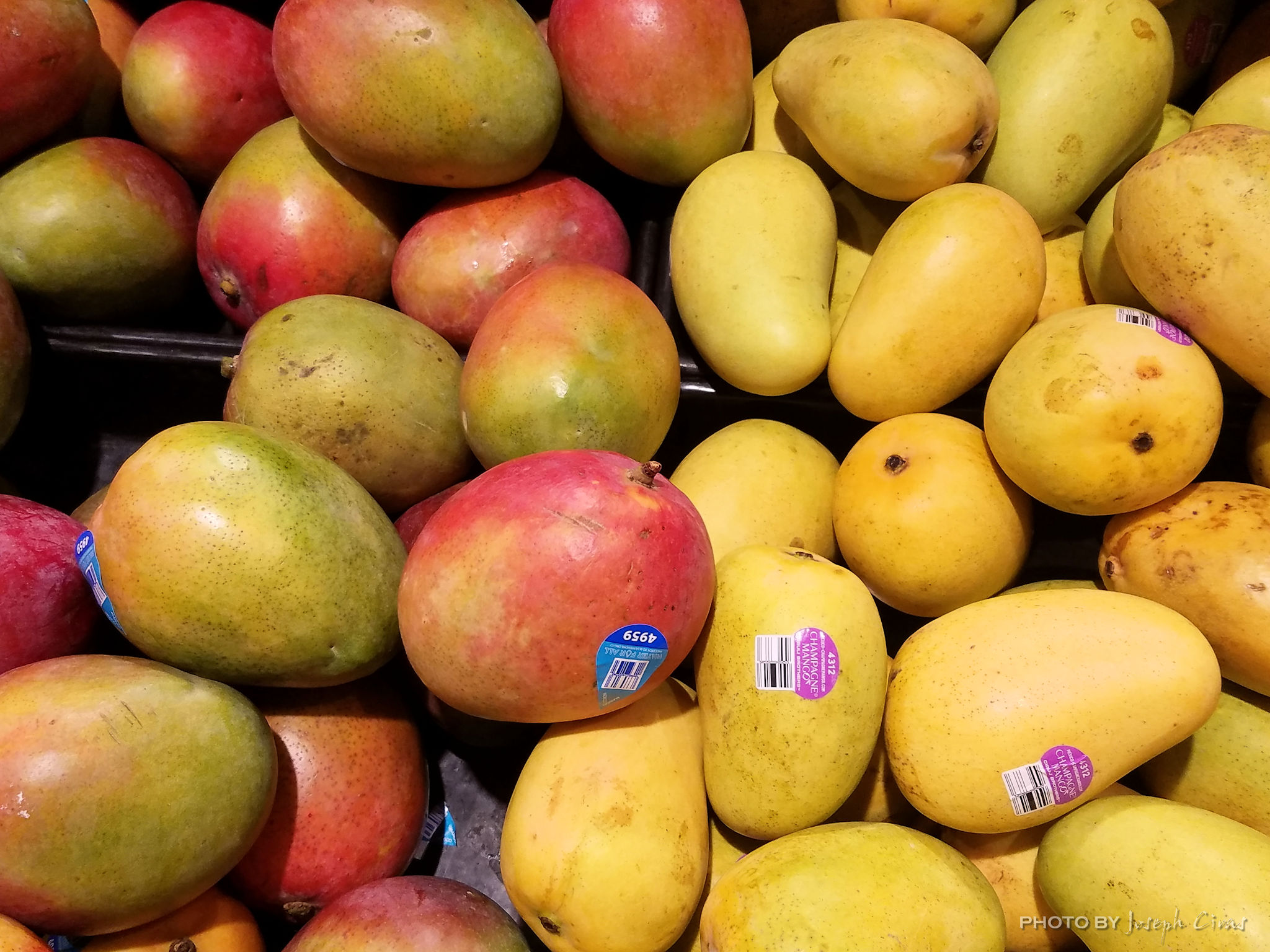



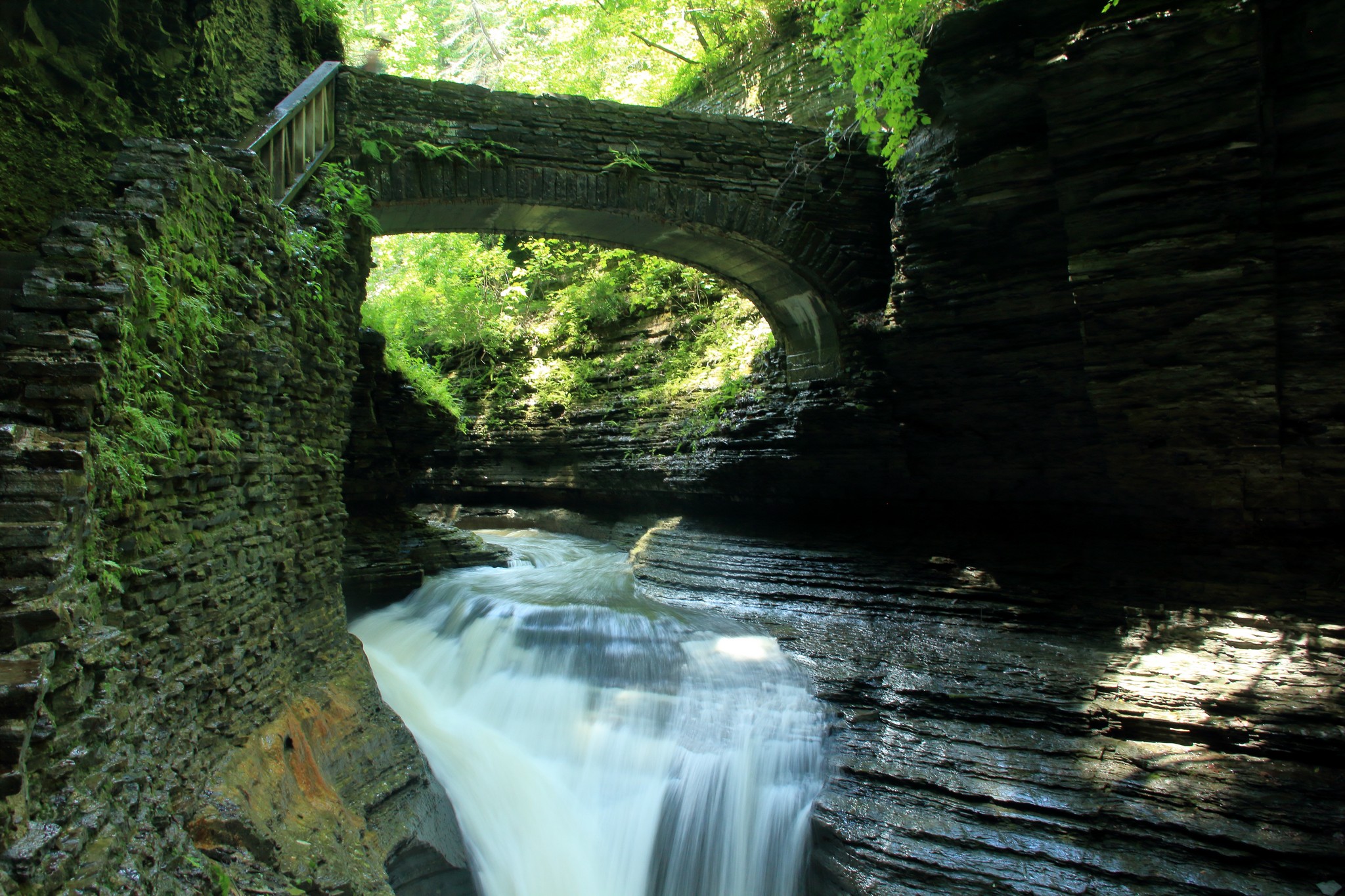

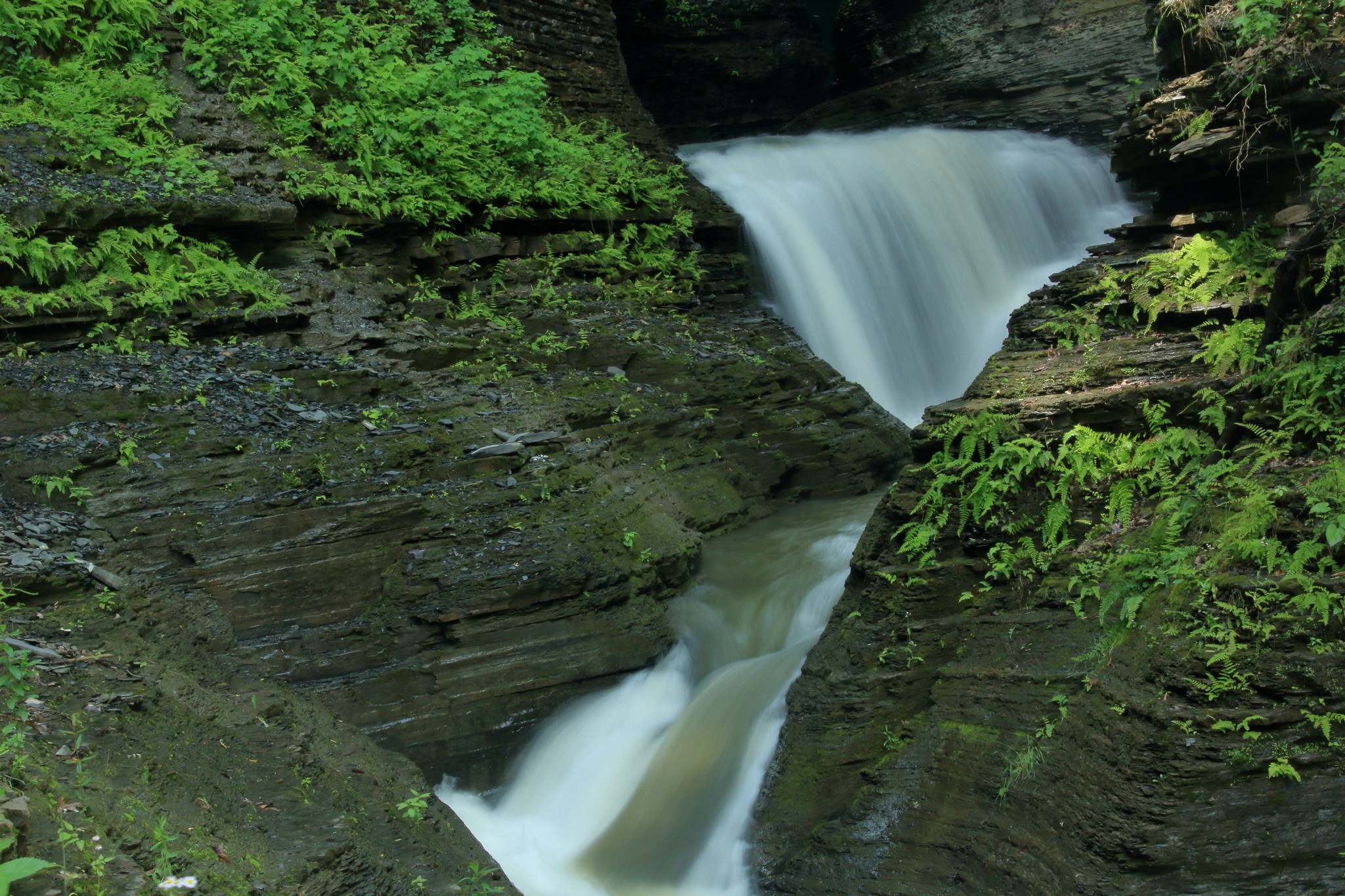

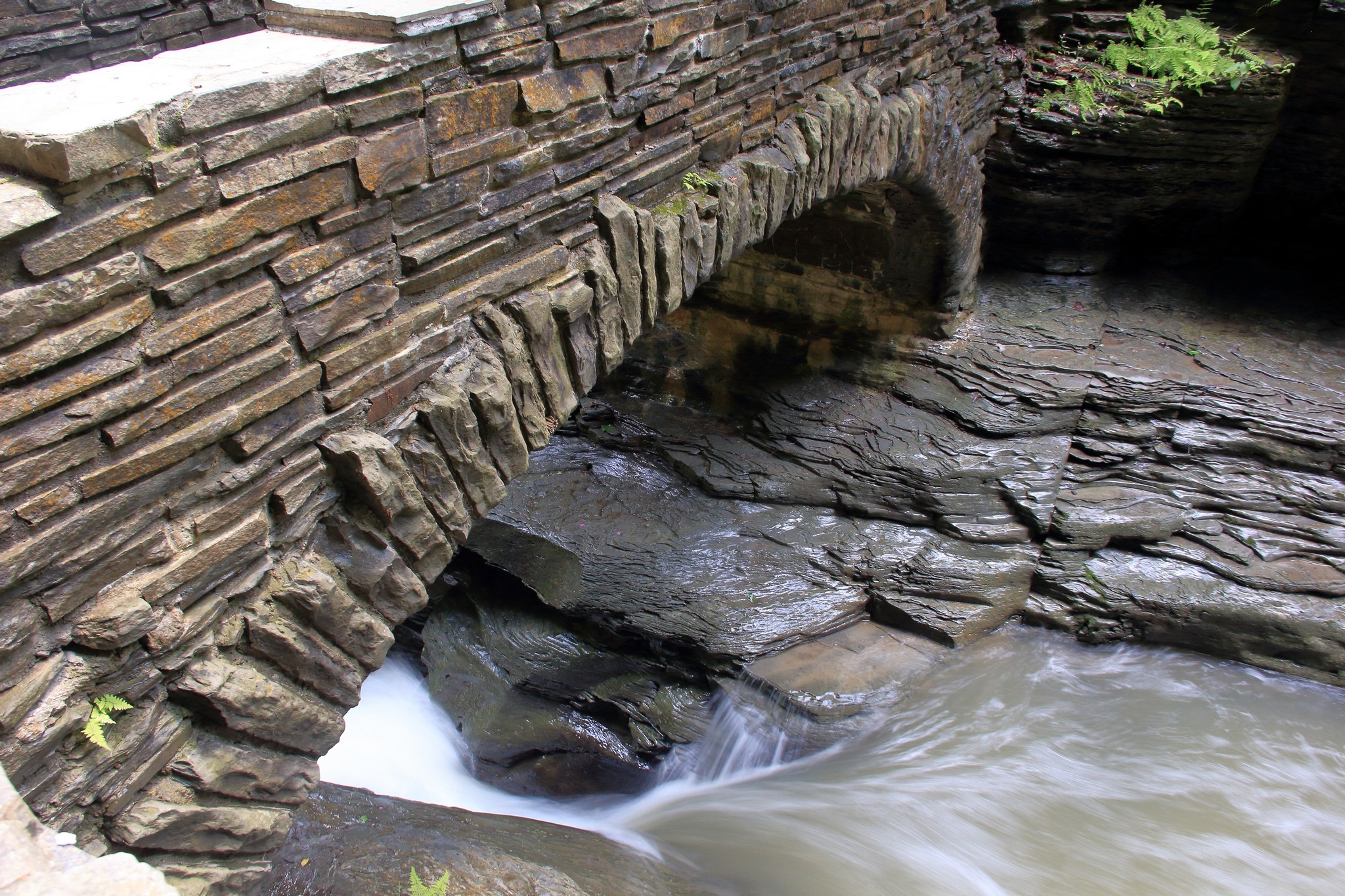

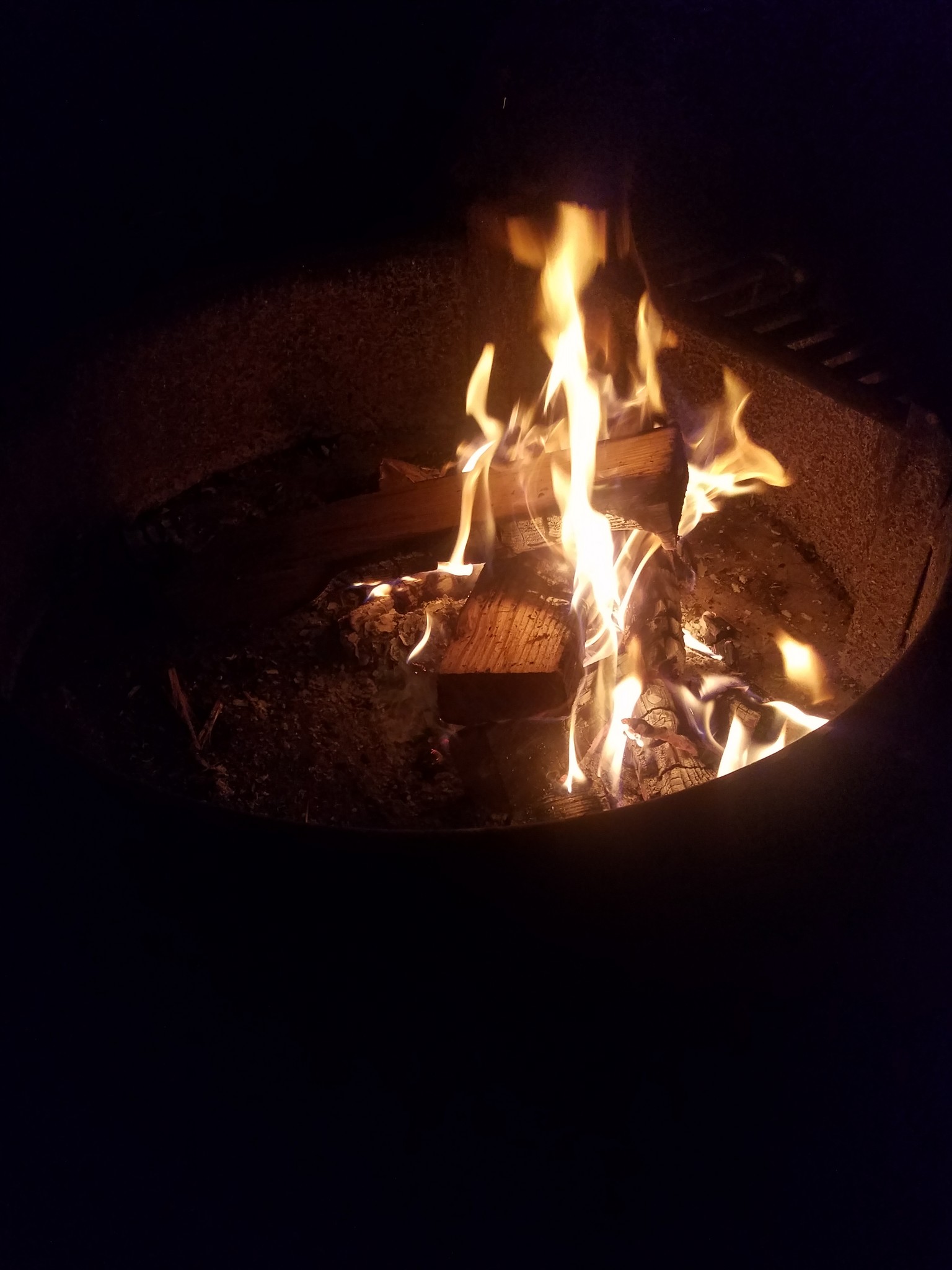

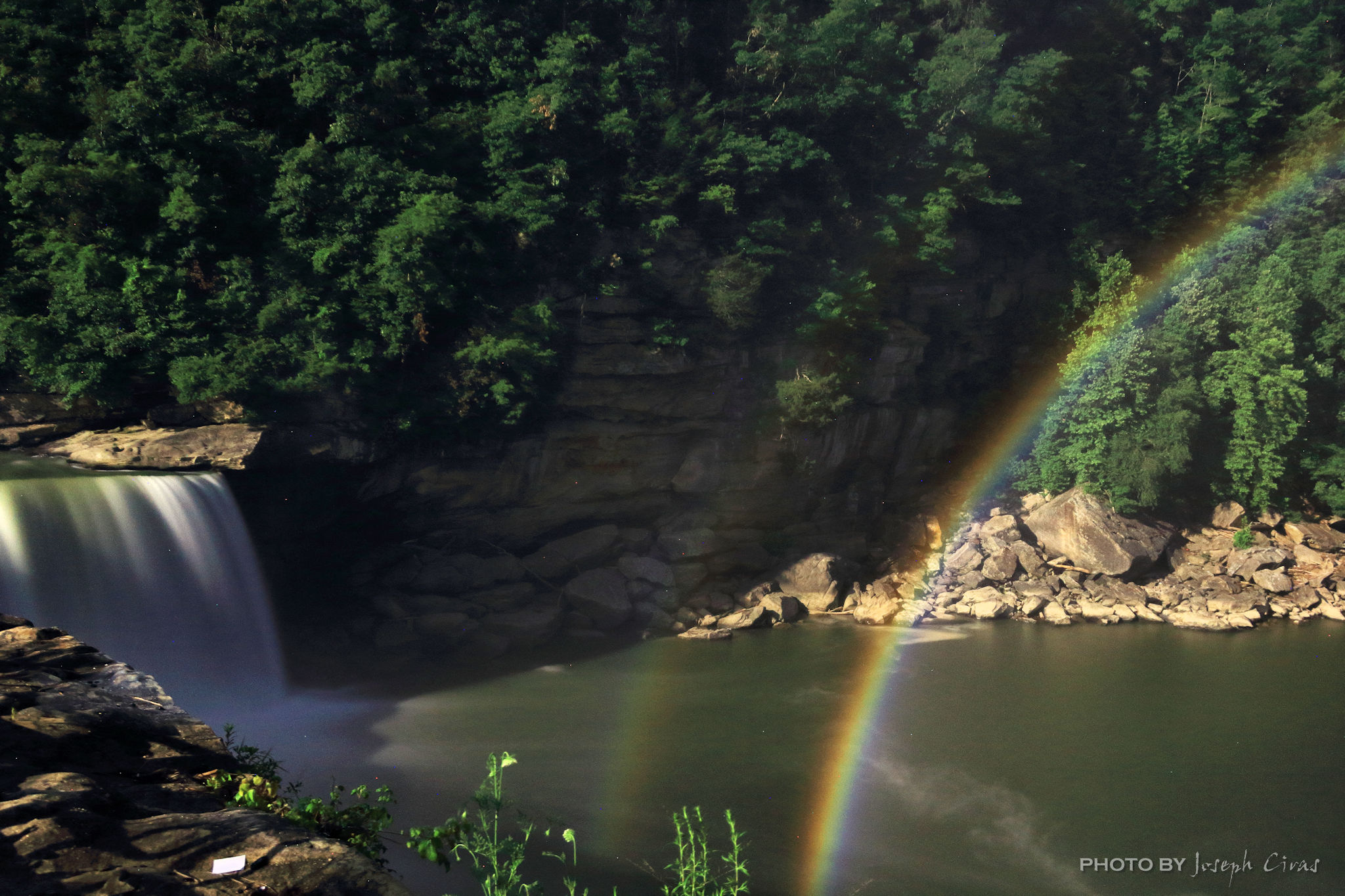
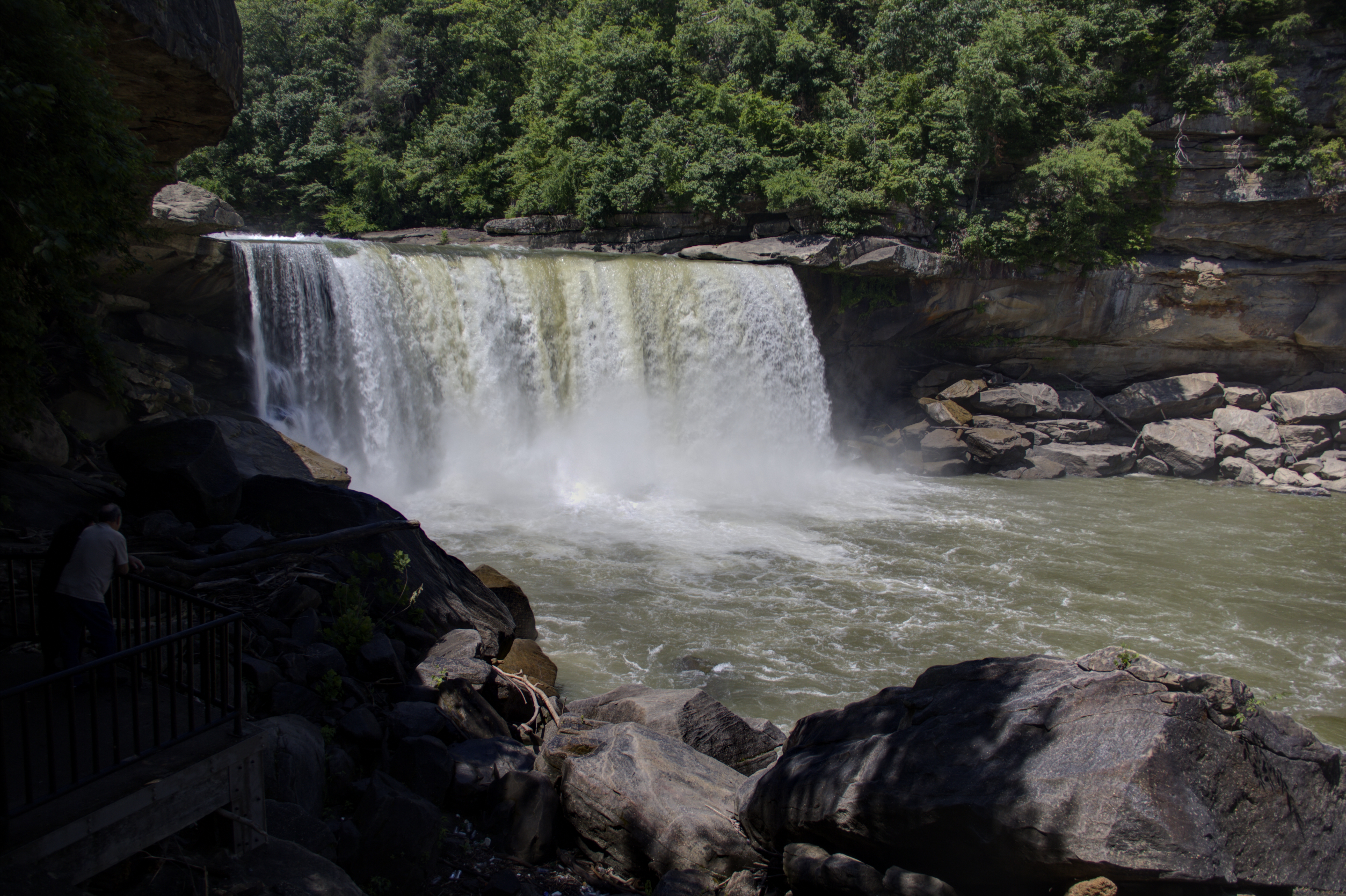
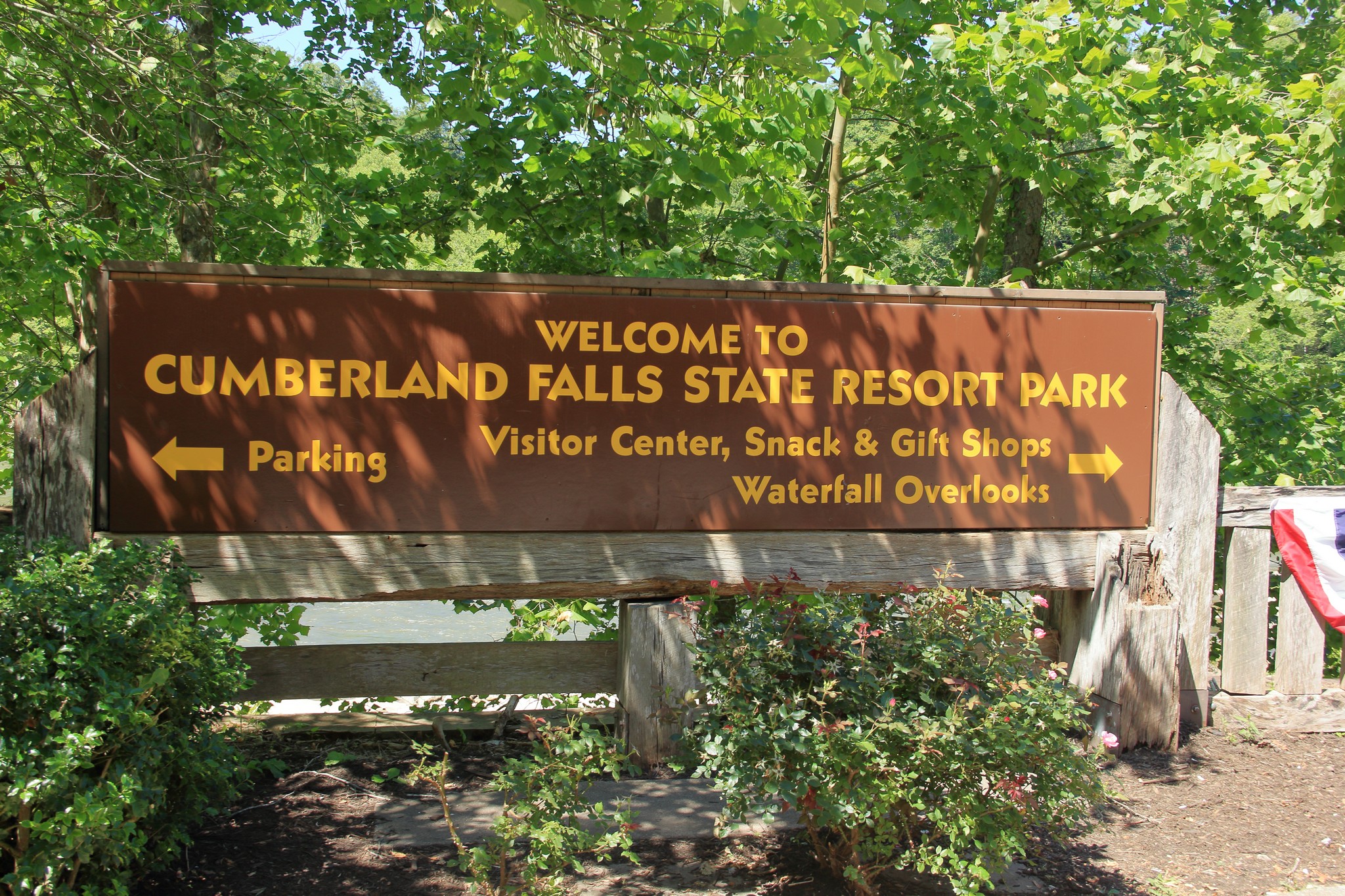
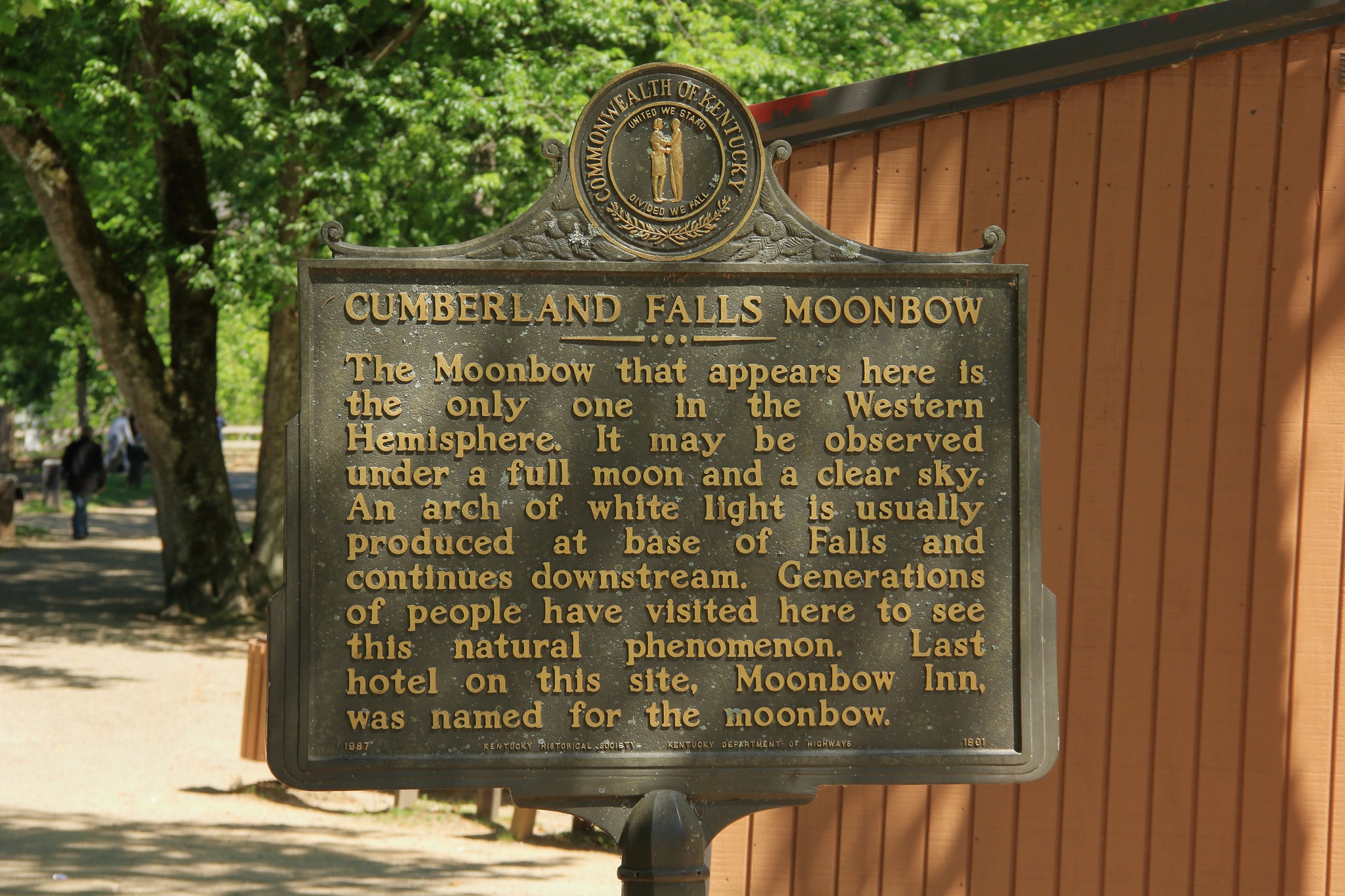
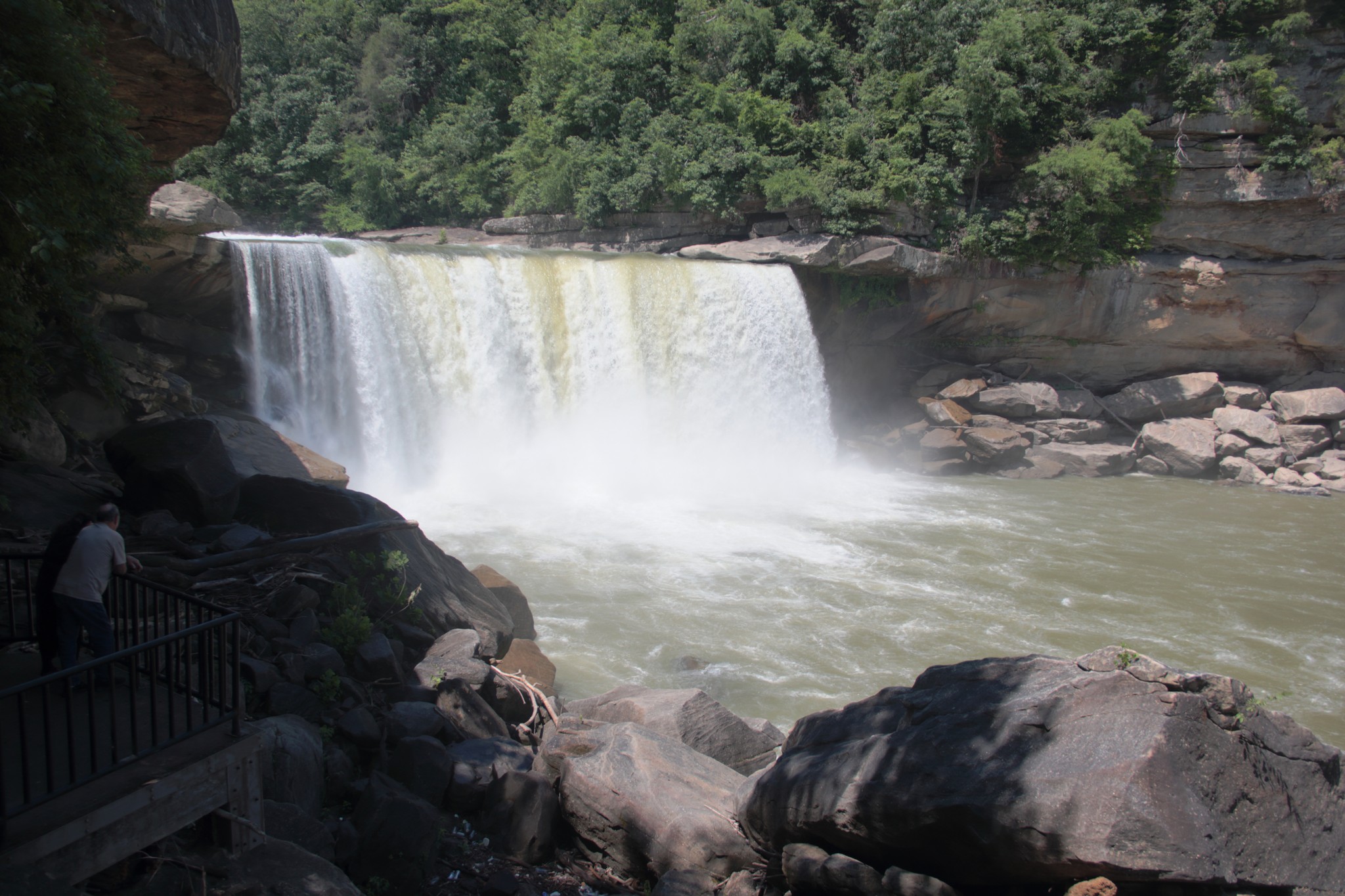
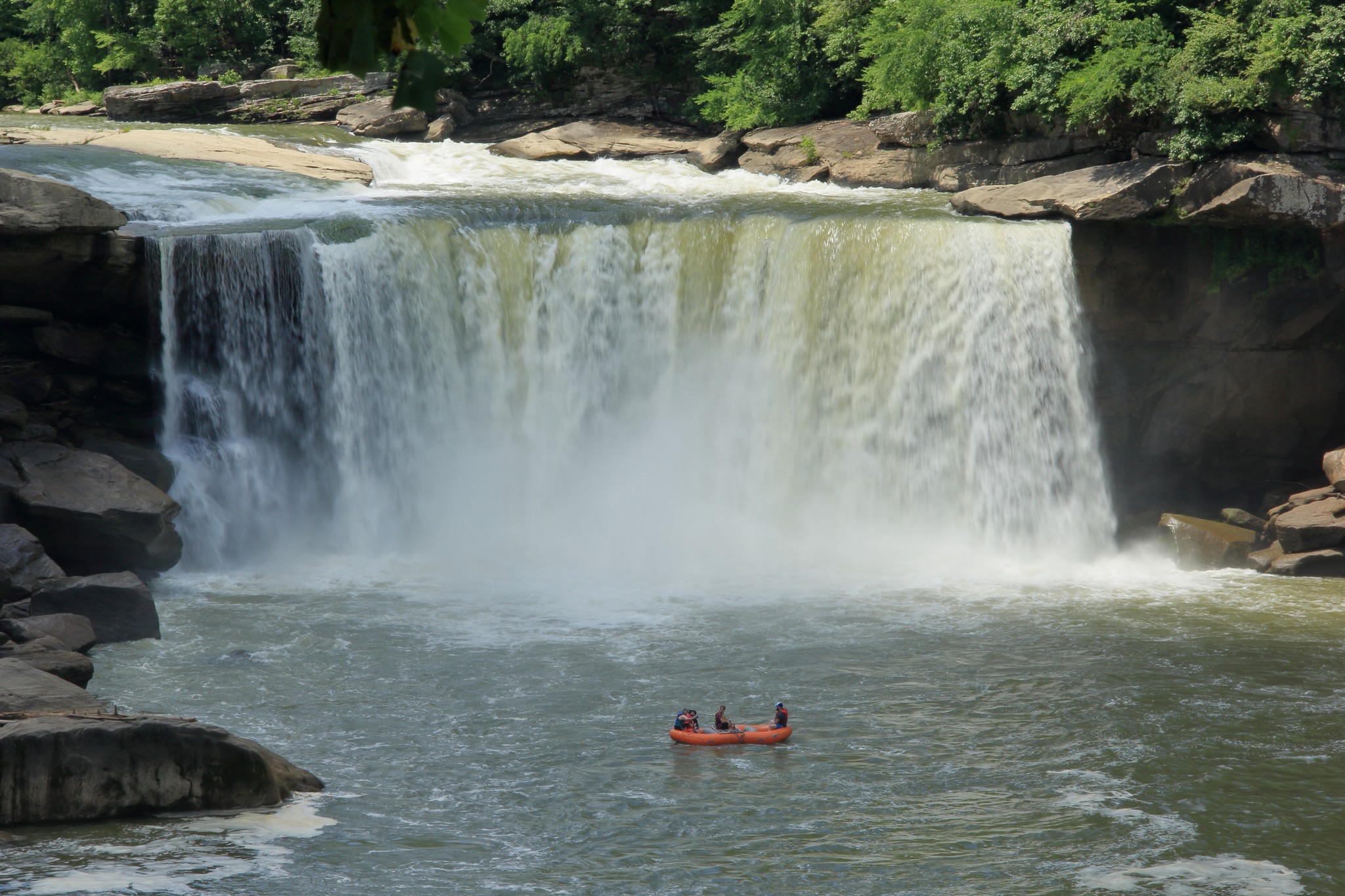

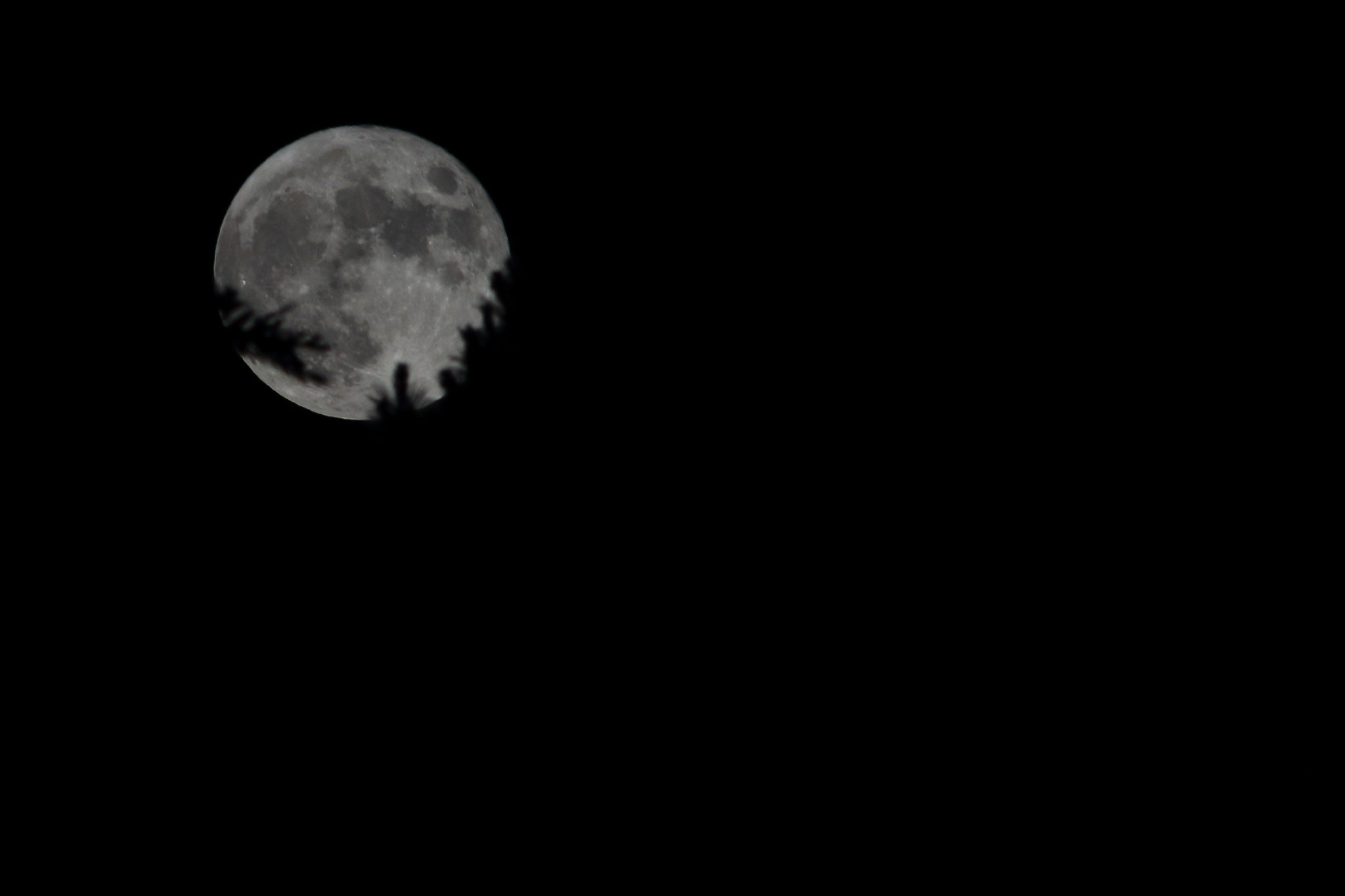
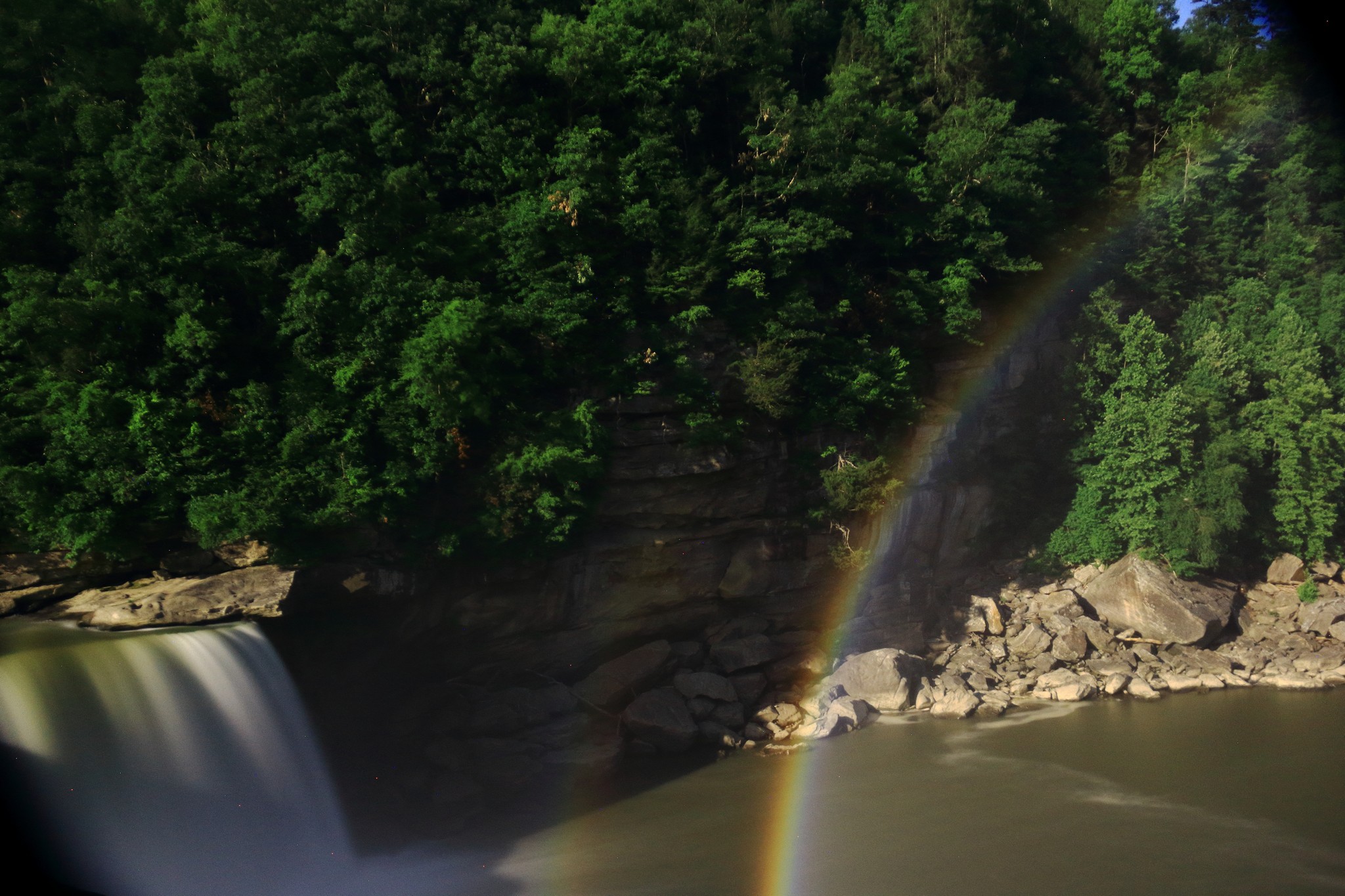

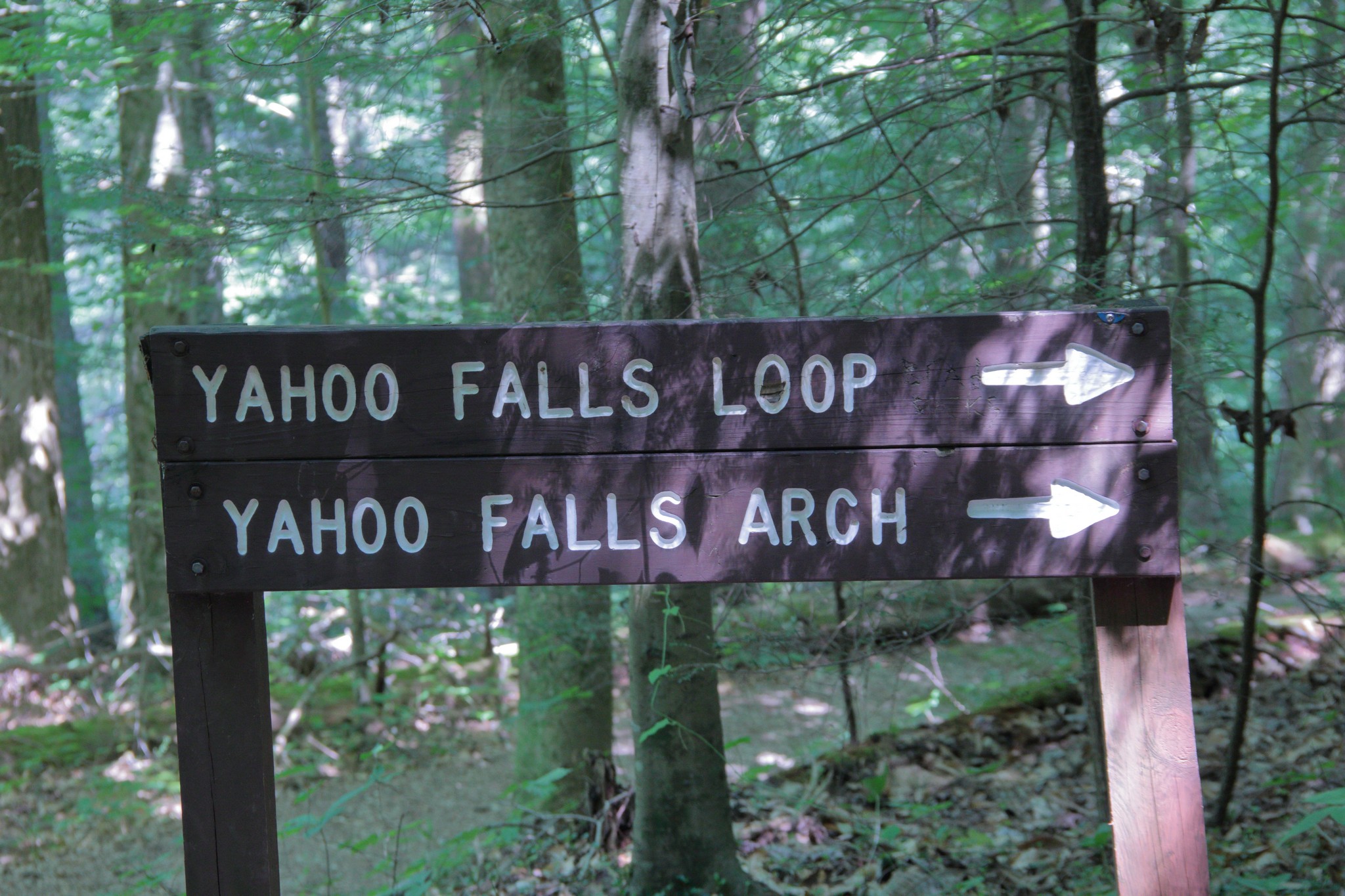

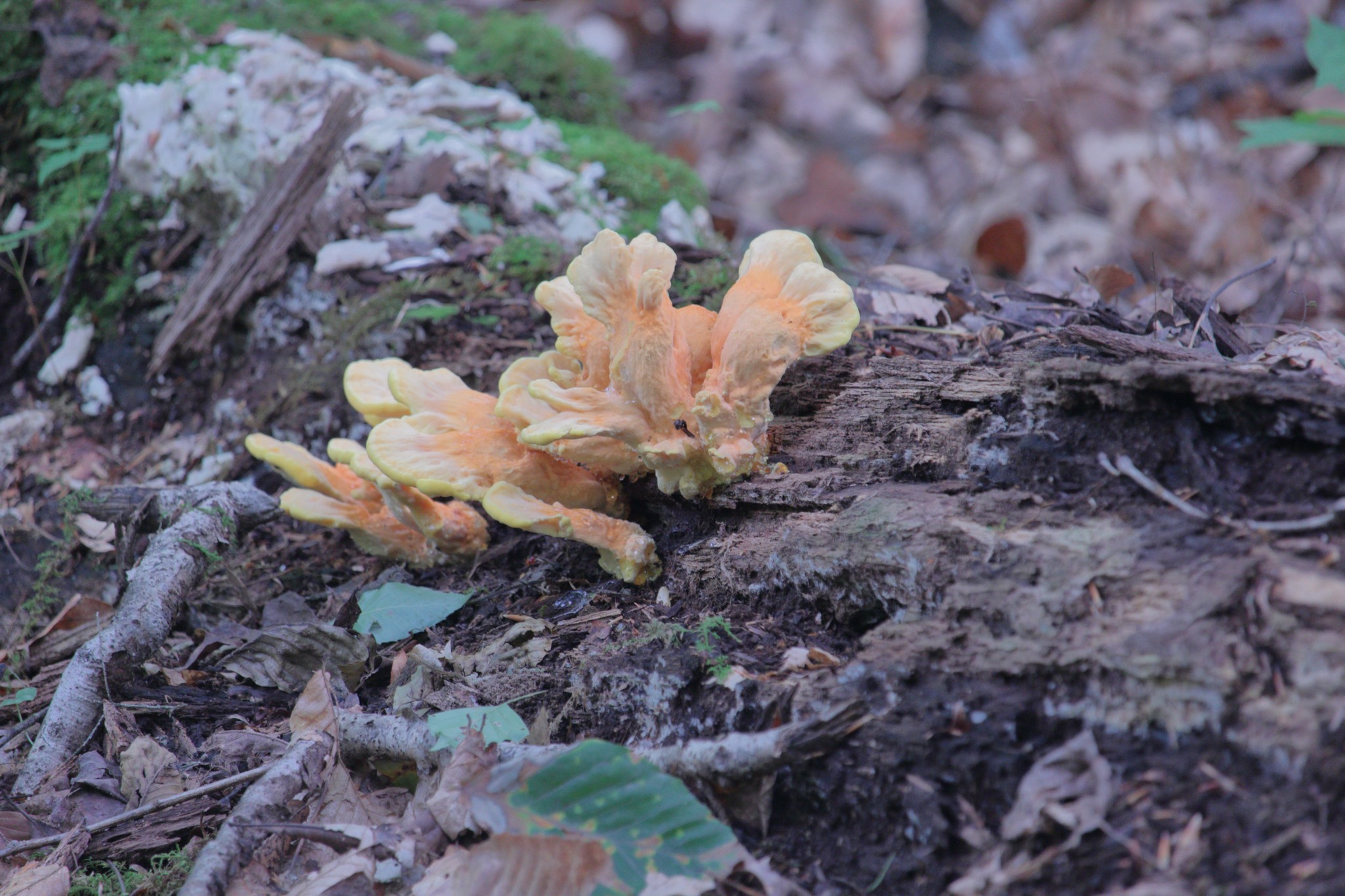
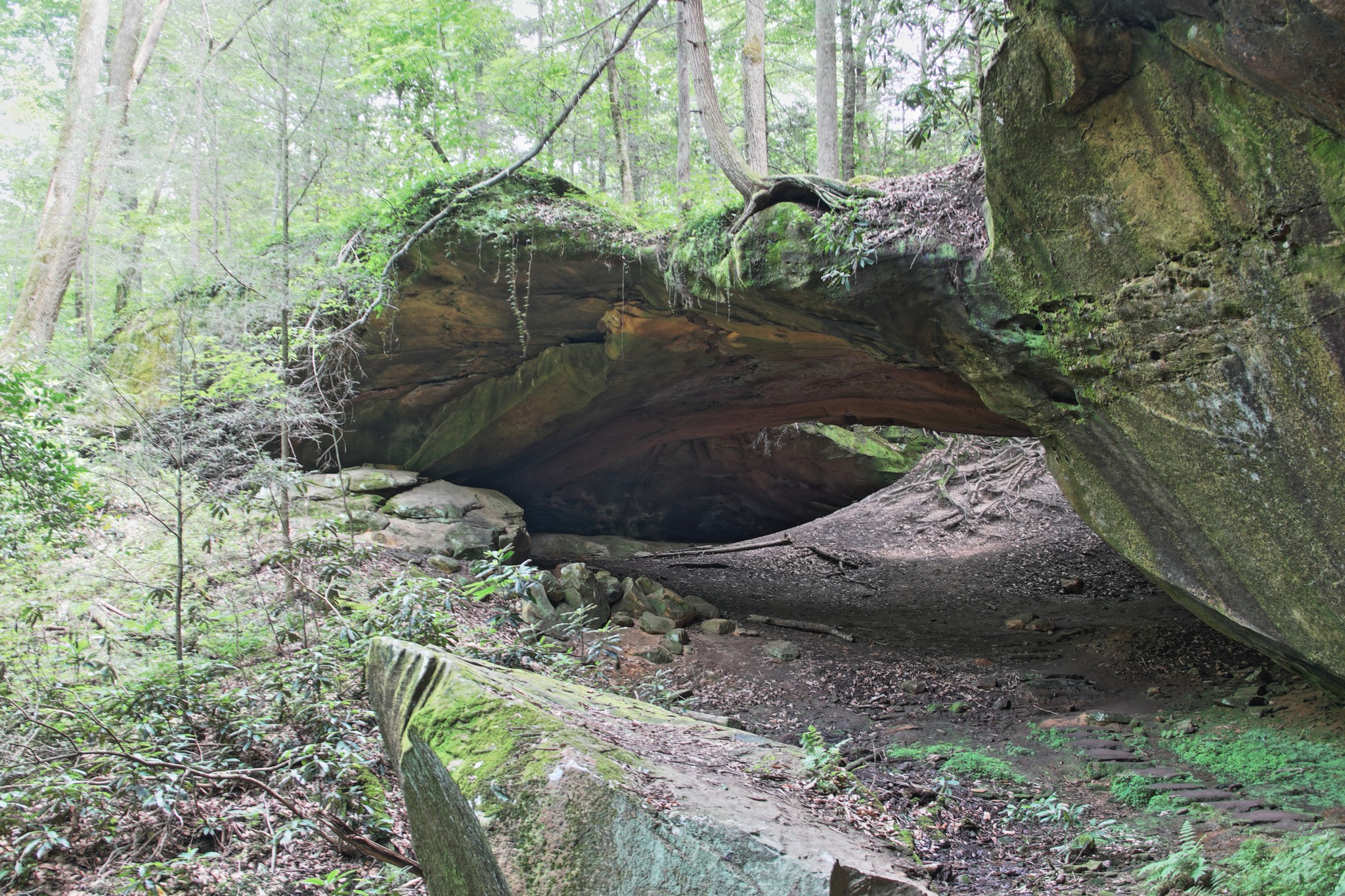


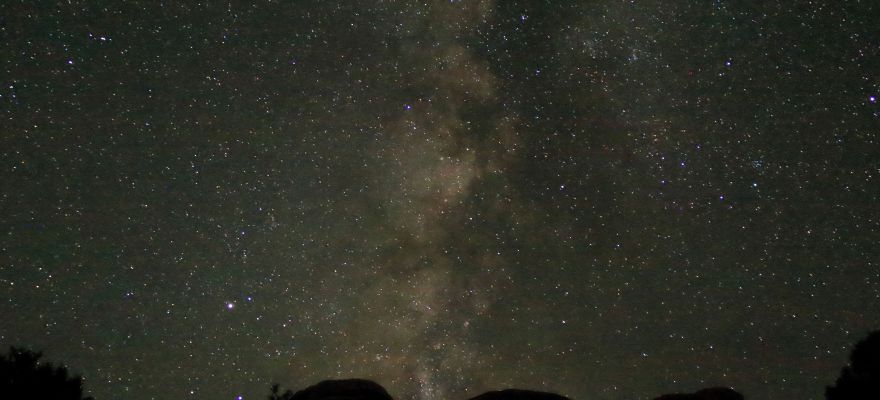

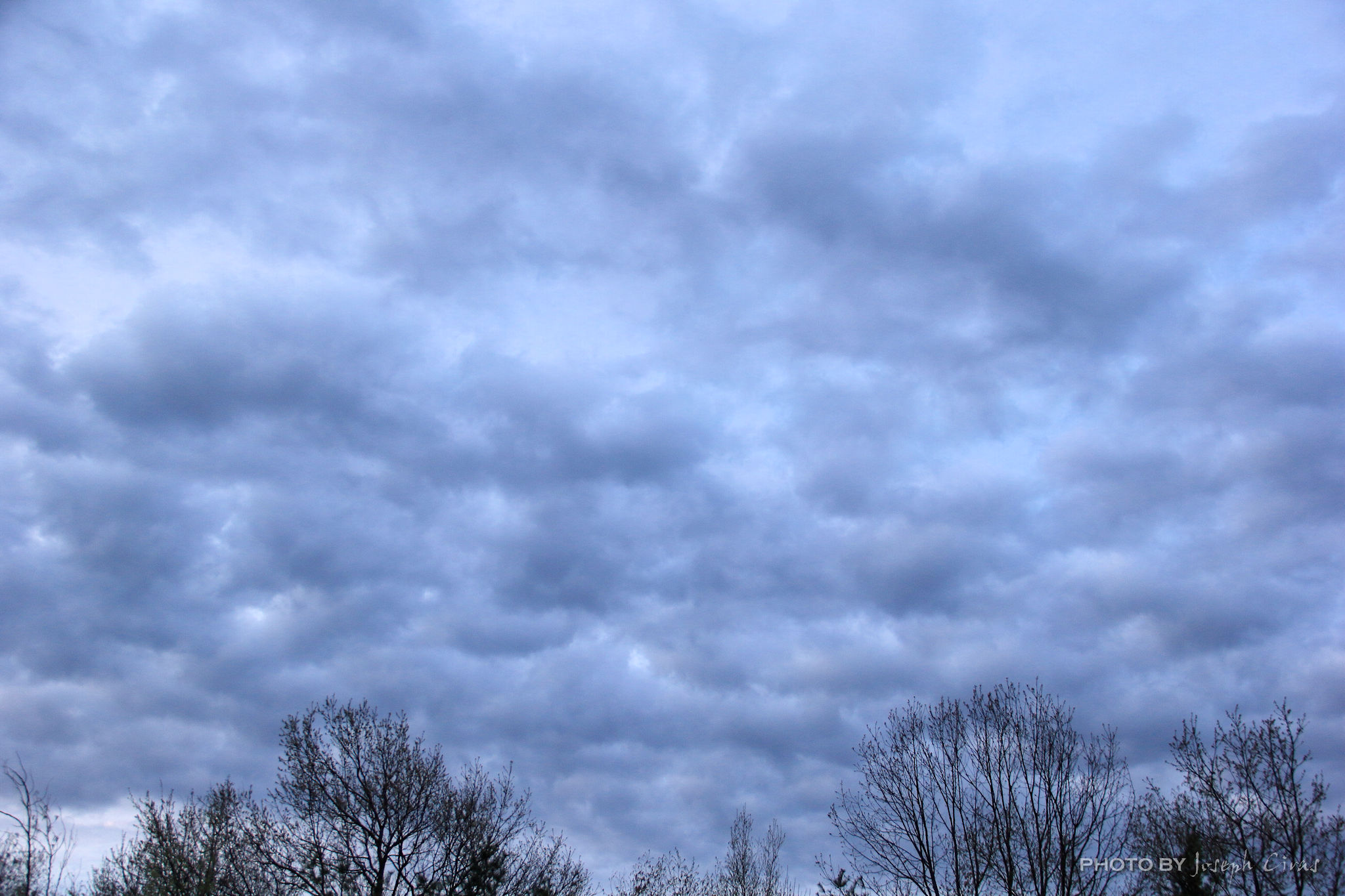

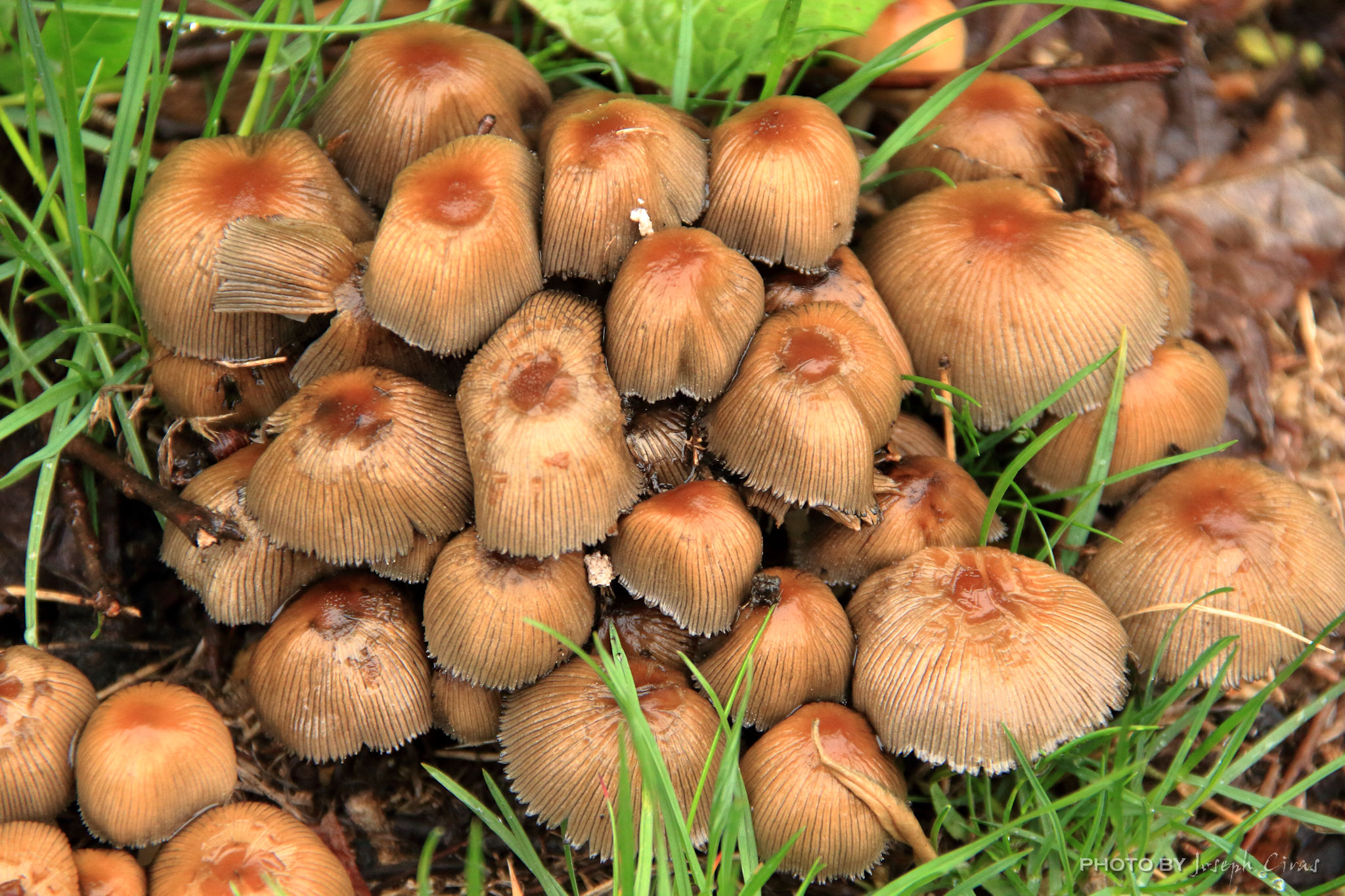
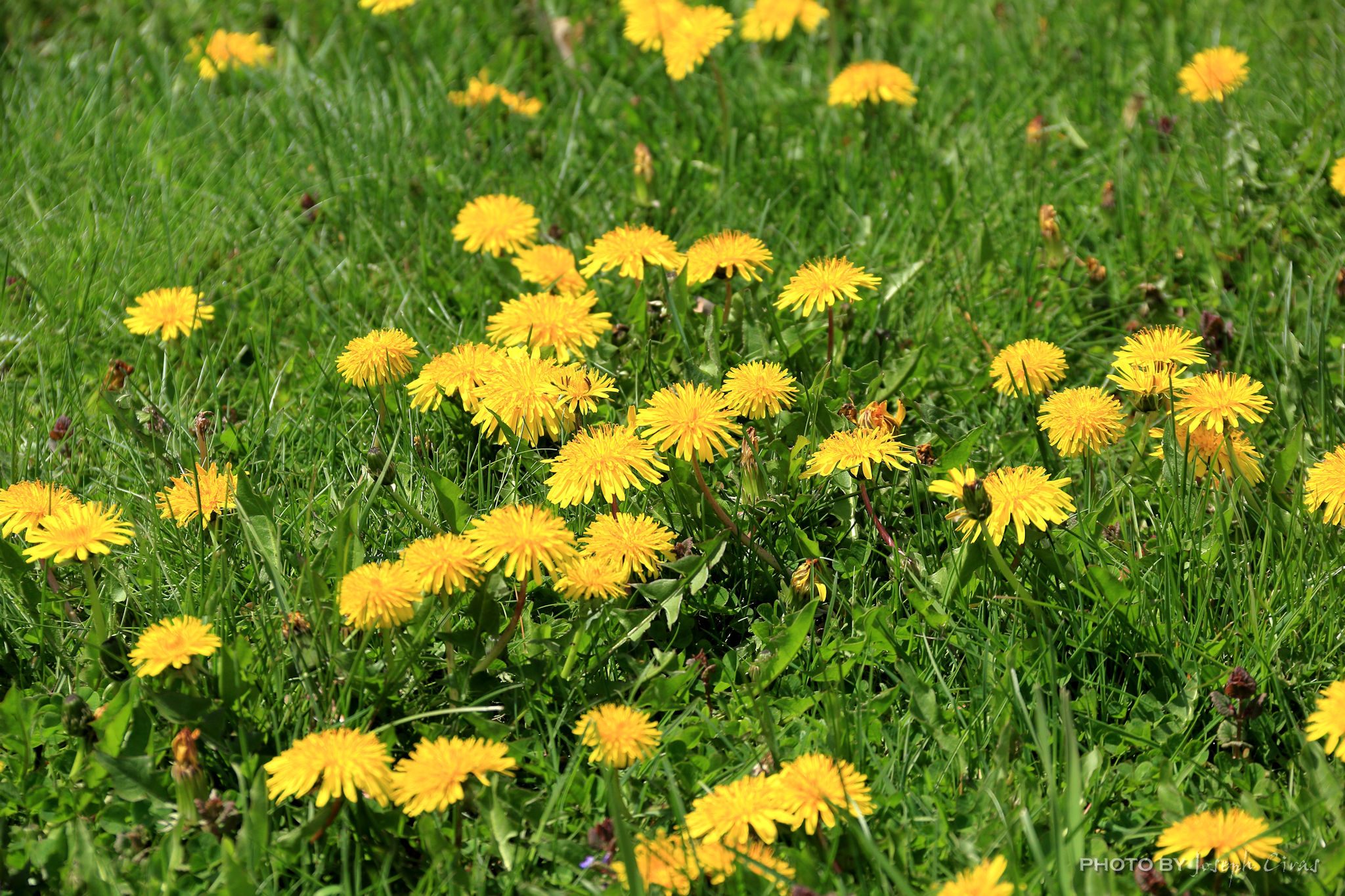

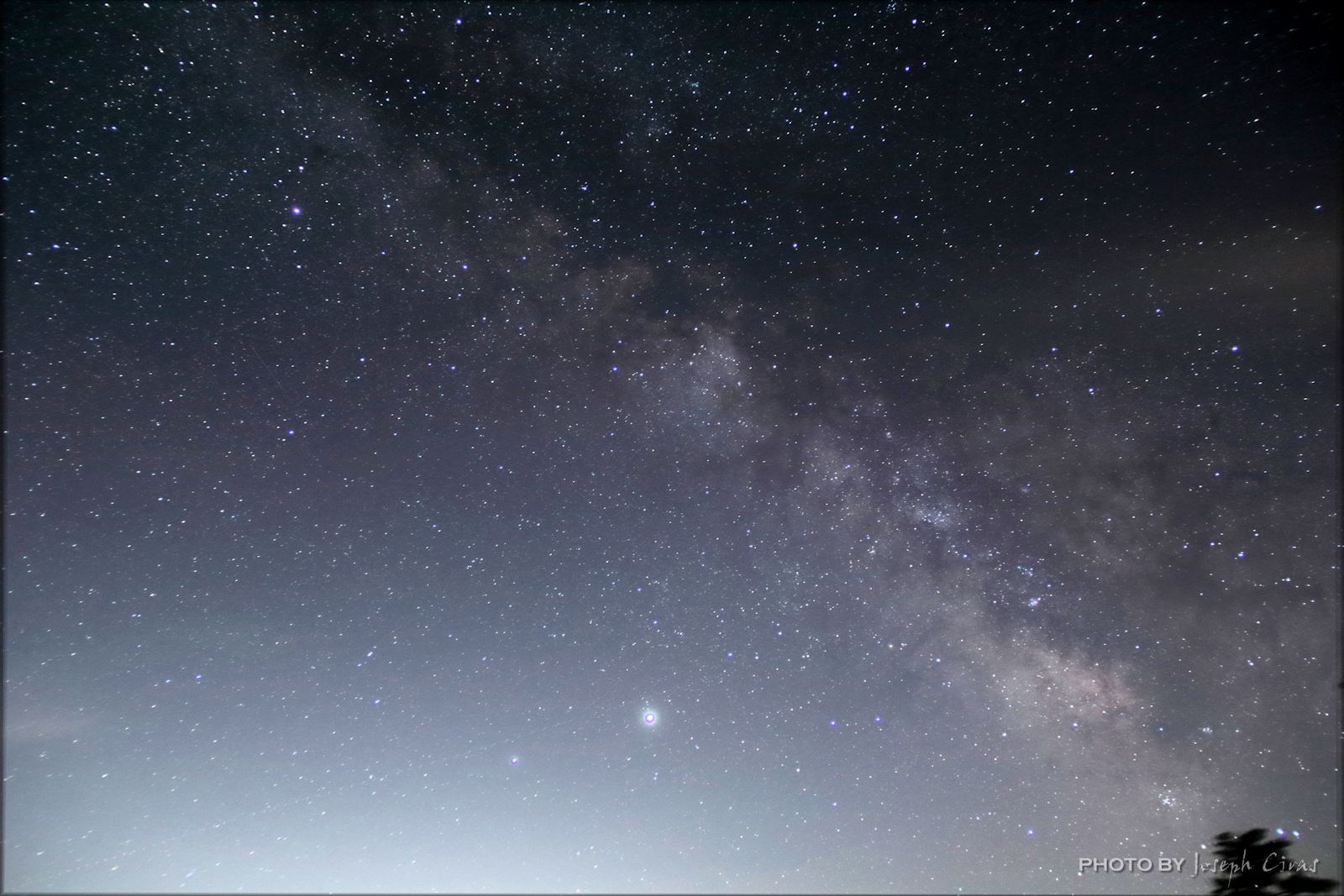

 Photo by Joseph Ciras