Photographic Thoughts — 09/06/2026 to 09/12/2026

“You don’t take a photograph, you make it.” — Ansel Adams

Thank you for all the new views and likes from last week, it helps keep me inspired.

We also celebrated Labor Day this Monday. Labor Day is, and should always be, a federal holiday and a day off from work. This week was also the 25th anniversary of the September 11 attacks. On Saturday September 12, I did my annual hike for the Flags on the 48 hiking the 4,358 feet South Kinsman Mountain.

Sunday, 09/06/2026: Posted photo — 3D View.

FinePix XP70 XP71 XP75, f/3.9, 1/70 sec, ISO 100

It has been a while since I posted 3D photos. We were at the cottage today, doing some planning on what to do to close it up for the season. We are not closing the cottage until Columbus Day, in about a month.
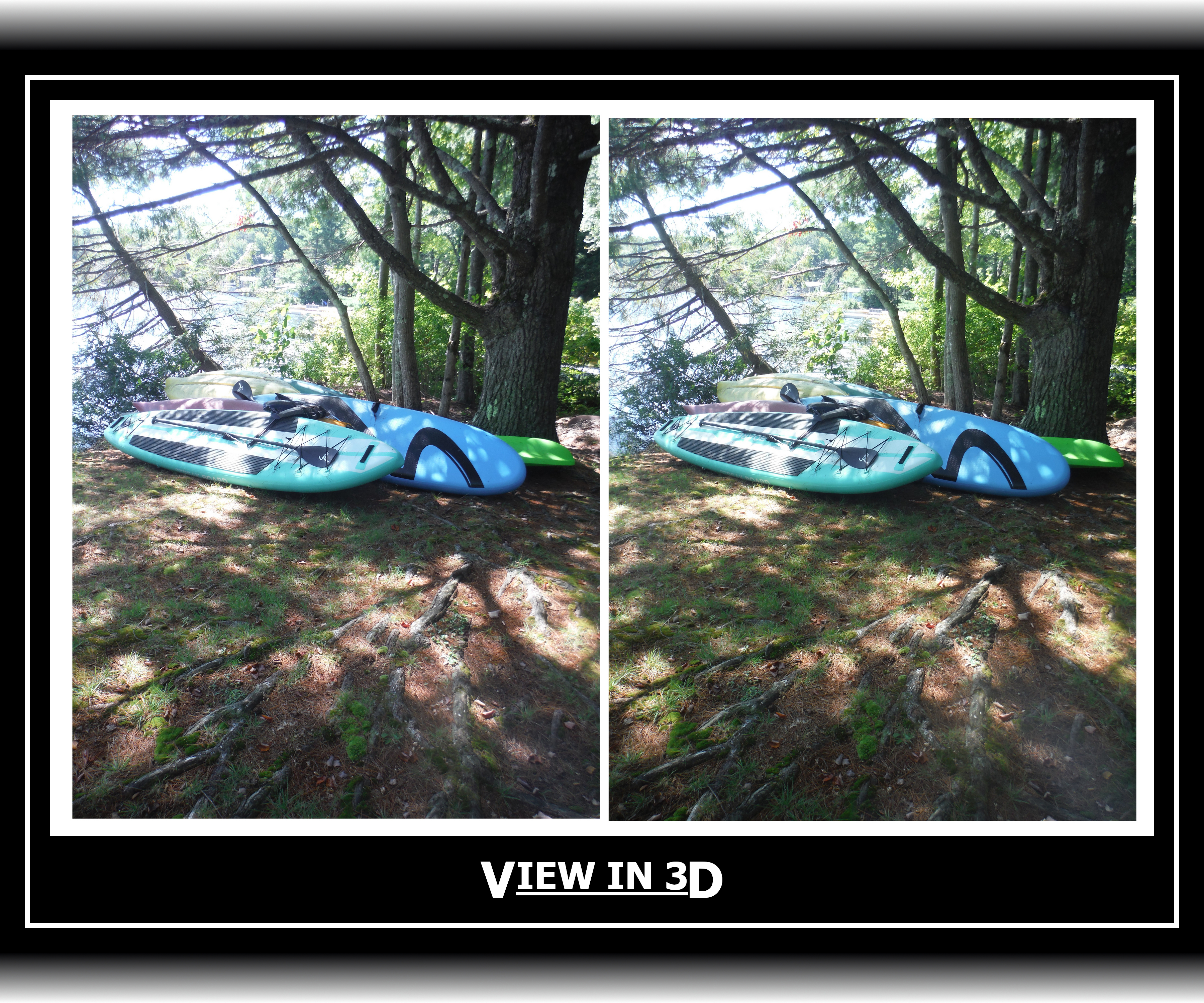
Do you see the 3D photo of the boats? This is how you should look at this image:

  1. Look at what looks like two identical images.
  2. Cross your eyes. A third image should appear in the middle. If you see 4 images, you’ll have to relax your eyes and cross them less.
  3. Focus on that middle image until it pops out in 3D.

To take a 3D image:

  1. Always take photos in portrait orientation.
  2. Set the camera to full manual and choose the correct exposure and focus.
  3. Put your feet square on to the subject of your 3D photo.
  4. Put your weight onto your right foot, without lifting your left.
  5. Take the first photo.
  6. Put your weight onto your left foot without raising your right.
  7. Unless your subject is very close, you don’t need to turn your camera to keep it in the center.
  8. Take the second photo.

Monday, 09/07/2026: Posted photo — Fish.

Canon EOS R50, f/5.7, 1/332 sec., ISO 2000

Happy Labor Day! Labor Day occurs on first Monday of September. The holiday pays tribute to the contributions and achievements of American. It was created by the labor movement in the late 19th century and became a federal holiday in 1894. This should always be a holiday and a day to be with family and friends, the ones we work to support.
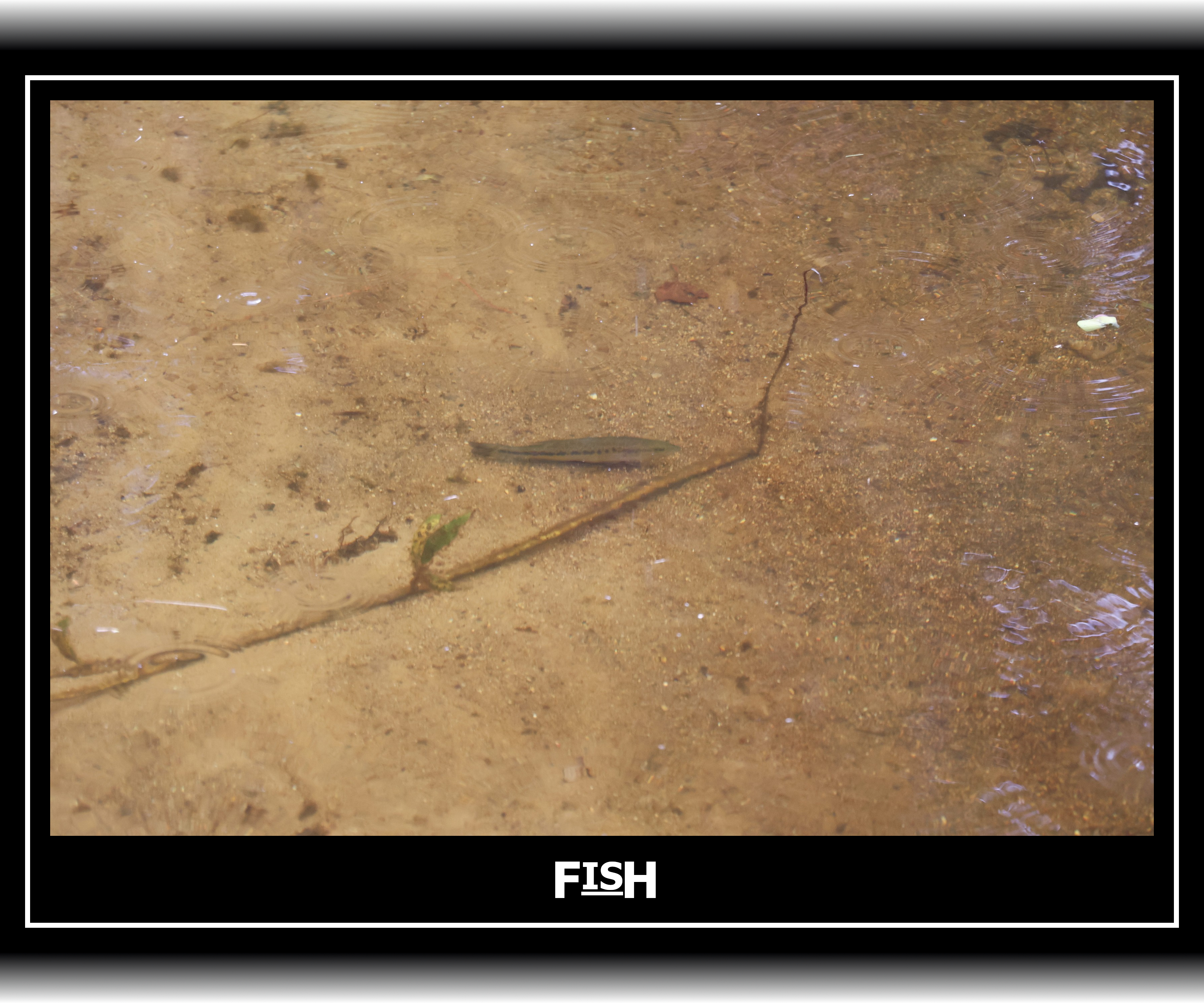
Now about this fish. I was at the cottage today and saw this fish swimming near our dock. The water is clear in this area since there are not any weeds. The fish was closer to the dock when I took out my camera, and it just stayed in the location of this photo for a while. The fish was just far enough away that it was at the end of the focal point of my regular lens and too close to me for my zoom lens.

Tuesday, 09/08/2026: Posted photo – Bananas.

Pixel 7, f/1.8, 1/24 sec, ISO 51

Bananas originated 10,000 years ago and some scientists believe they may have been the world’s first fruit. The first bananas are thought to have grown in the region that includes the Malaya Peninsula, Indonesia, the Philippines and New Guinea. The personal physician to Roman emperor Octavius Augustus is credited for promoting the cultivation of the fruit from 63 to 14 B.C. Historians believe that the Arabian slave traders are the ones who gave the banana its name.
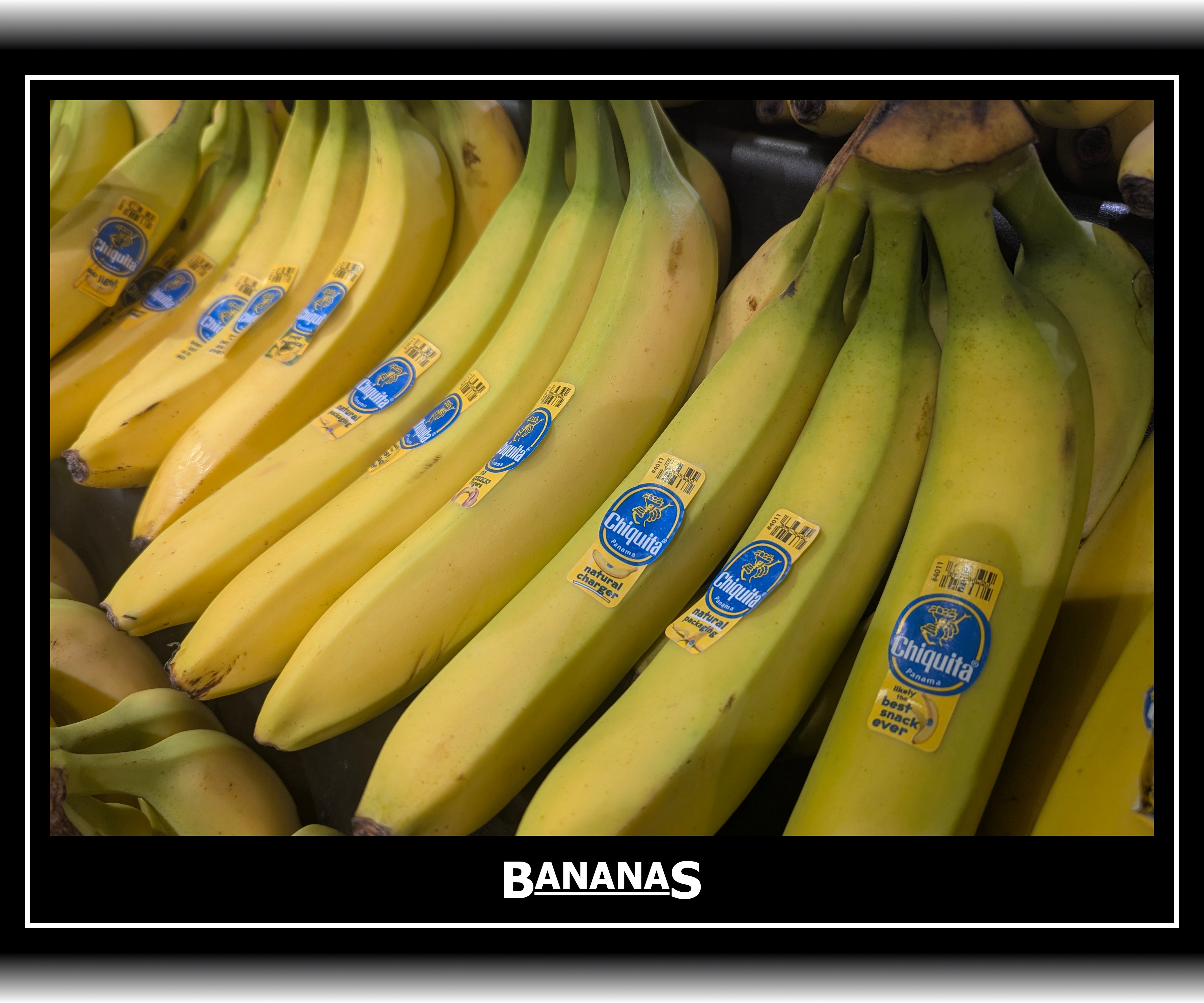
Bananas are a source of carbohydrates, potassium, vitamin B6, vitamin C, dietary fiber and antioxidants. Bananas have no fat, cholesterol or salt. Their potential benefits include Heart health, Digestive health, Weight control, Faster workout recovery, and Memory and mood help.

To peel a banana gently but firmly, pinch the bottom of the banana between your thumb and index finger. The skin splits into two clean sections, ready to peel away without any fuss. That is how animals peal a banana.

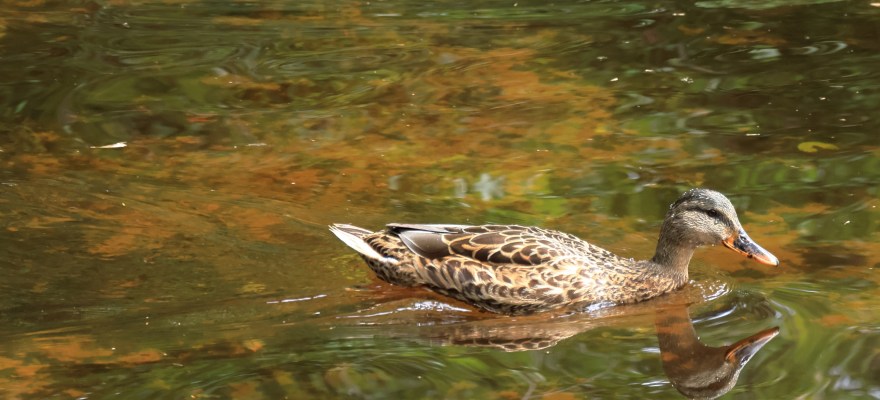
Wednesday, 09/09/2026: Posted photo — Reflection of a Duck.

Canon EOS R50, f/7.1, 1/250 sec., ISO 640

I was just taking photos testing out different settings on my camera. I took photos of the dock, sky, clouds, leaves staring to turn, and this duck. I was practicing panning.
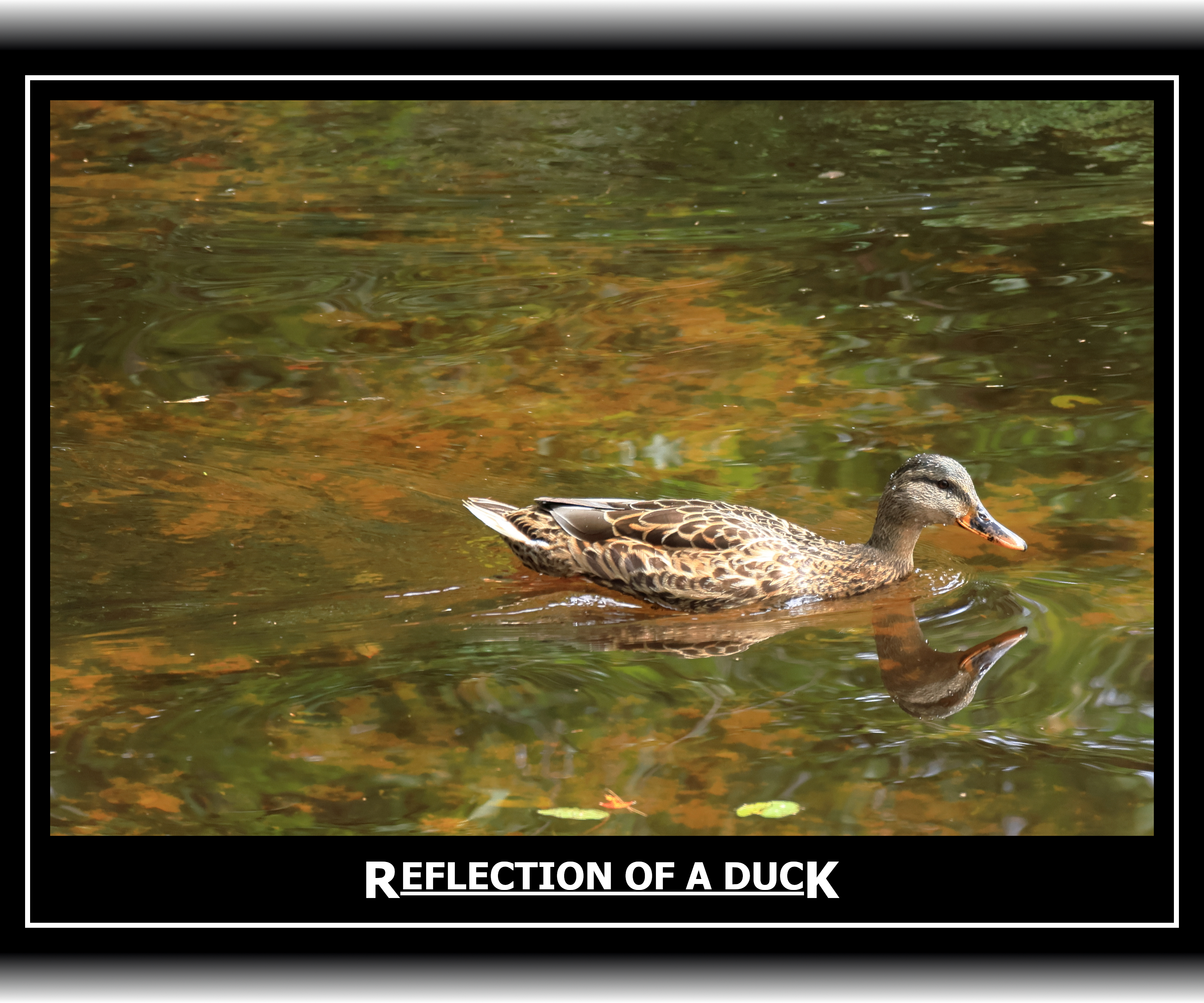
When I uploaded the photos to my computer, I saw the reflection of this duck in the water. It almost looks like the duck has two heads. Or is that my imagination going wild. I did not achieve my goal of taking a panning photo, but I like this photo better.

Thursday, 09/10/2026: Posted photo — Hidden Bug.

Canon EOS R50, f/5, 1/100 sec., ISO 1250

Last week at this time, I took a photo of a rosebud. This is the rose in bloom. When I developed it, I saw this little bug hiding. Do you see the bug?

Did he just type “when I developed it?” Yes, I did. I always take my photos in RAW format since I want my photo to be as I like and not as the camera predicts what I like. It is like not using AI since I want my results to be what I am looking for and not what AI thinks I am looking. A RAW file is a digital image file that contains the unprocessed data from your camera’s sensor. RAW is not the abbreviation for anything, it just means raw as the sensor sees it. I postprocess, or develop, my photos using either Canon’s Digital Photo Professional or Darktable, both free programs. I then use either GIMP or Paint Shop Pro to further edit and clean up my photos. I am using GIMP often now since I carry the program around with me on my thumb drive.

Many times, I can fix and recover a “bad” photo by editing the RAW file.

Friday, 09/11/2026: Posted photo – Northern Right Whale Skull.

Canon EOS R50, f/6.3, 1/125 sec., ISO 100

Today I am posting a photo from past travels. I am on my way to the White Mountains in New Hampshire to take part in the Flags on the 48 memorial hike.
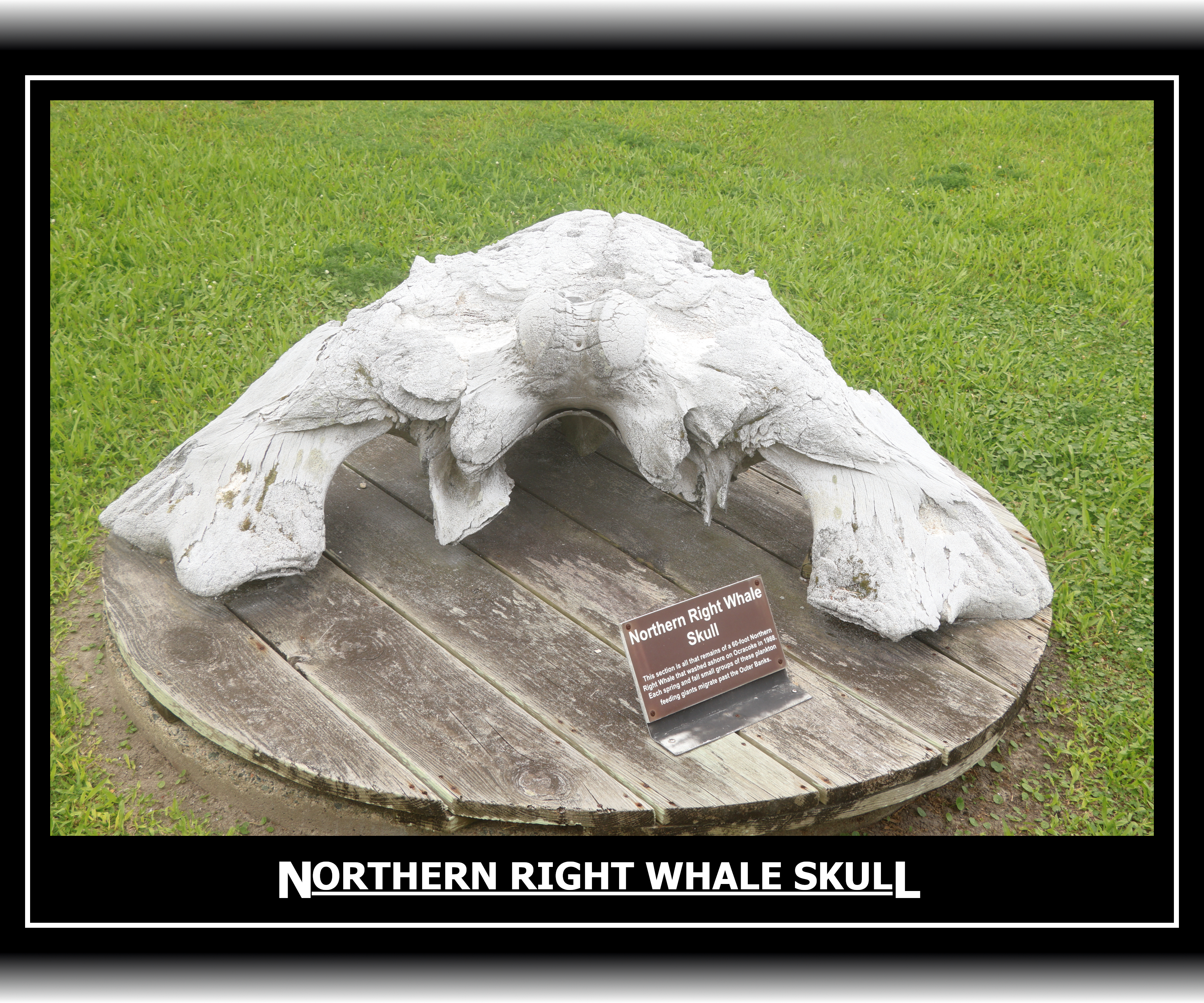
The plaque reads: “Northern Right Whale Skull. This section is all the remains of a 60-foot Northern Right Whale that washed ashore on Ocracoke in 1988. Each spring and fall small groups of these plankton feeding giants migrate past the Outer Banks.”

The Northern Right Whale is an endangered large whale species. It has been listed as endangered under the Endangered Species Act since 1970. The most recent estimate for the population is approximately 380 whales. The whale can weigh up to 140,000 pounds and can grow up to 52 feet long. It has a lifespan of up to 70 years. It must be a great sight to see one of these whales breaching.

Shortly after this photo was taken the sky opened with the rain so heavy you could not see out of the car. Now I have a better understanding of how quickly the Outer Banks flood during storms.

Saturday, 09/12/2026: Post photo — Flags on the 48: South Kingsman.

Canon EOS R50, f/4.5, 1/60 sec., ISO 1000

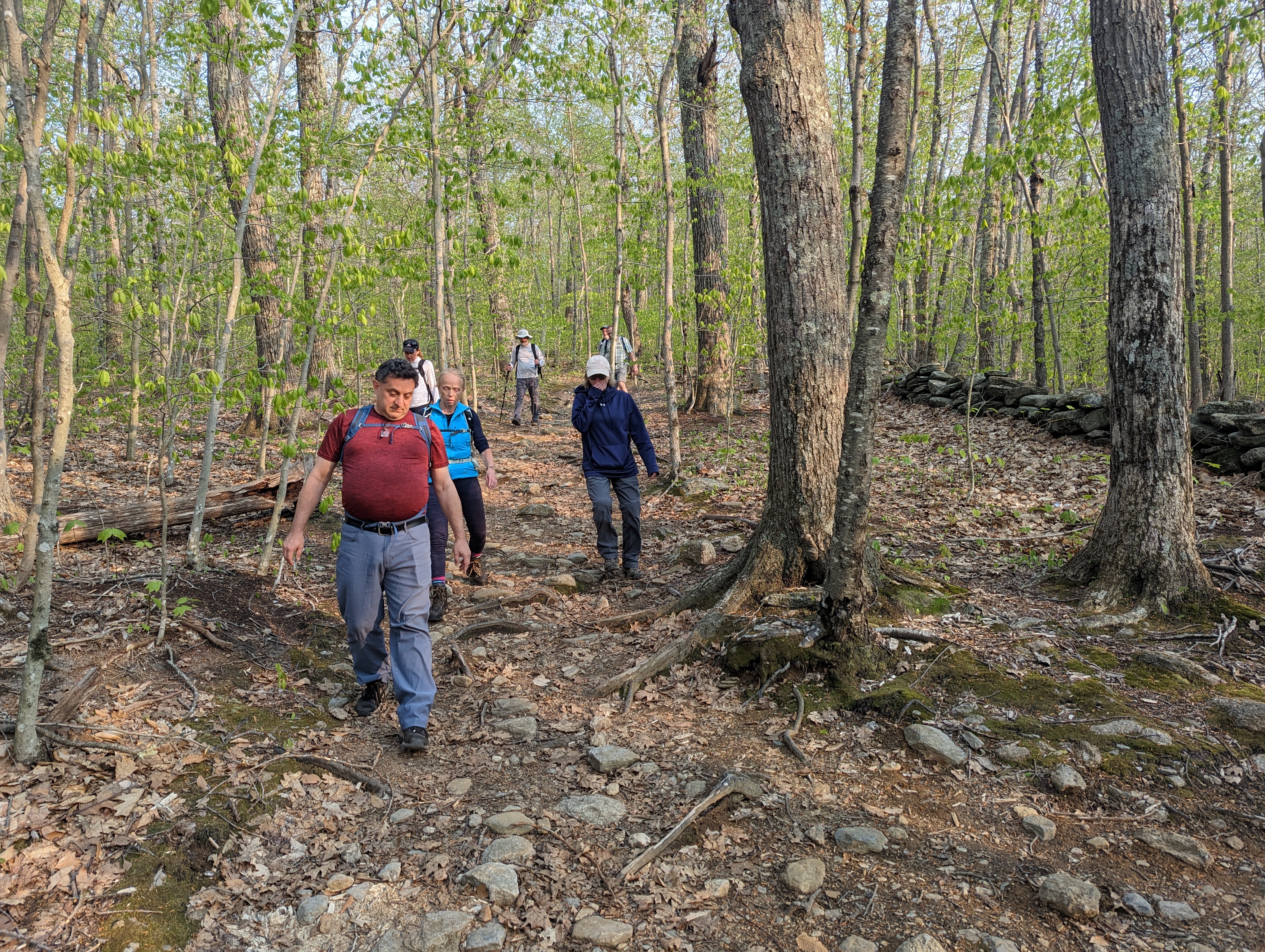
I co-lead a hike with the Worcester Chapter of the AMC up South Kingsman for this year’s Flags on the 48 (FOT48). The FOT48 event has been held every year since 9/11/01. It started out with a group of people hiking Mount Liberty to fly the flag shortly after the event. A few more peaks were covered the next year, and then all the peaks after that. The FOT48 is the hiking community’s way to honor the deceased with a tribute: flying the American flag atop all 48 four-thousand foot and higher mountains in New Hampshire for two hours the Saturday closes to September 11. This was my 12th year of doing this hike. I started in 2013 when I hiked Mt. Garfield, only missing a couple due to family events on the day of the hike. I have not yet repeated a peak. I will not fly the flag on all 48 during my lifetime. I will continue hiking in this event if I am able to do so.

It is a very emotional day, and we get many words of thanks and encouragement from other hikers who just happen upon it. Some people plan to hike to see how my summits, and flags, they can see during the day. It is great to take out the binoculars to see the flags flying on nearby peaks.

I have hiked this event in bad weather, high winds, hot and humid weather, cold and raw weather, and ideal weather. When you hike with a fellow group of hikers and friend, the weather does not matter, just the meaning of the event.

That is all for now. Until next week, be safe.

“Sumens imagines consolateur et inspirat me. Pulchritudinem mundi video per camera mean.”

“Quod scripsi, scripsi. Ingeniarius sum, non scriptor.”

.–. …. — – — / -… -.– / .— — … . .–. …. / -.-. .. .-. .- …
Photographic Thoughts — 03/08/2026 to 03/14/2026

“Essentially what photography is life lit up.” — Sam Abell

Thank you for all the new views and likes from last week, it helps keep me inspired.

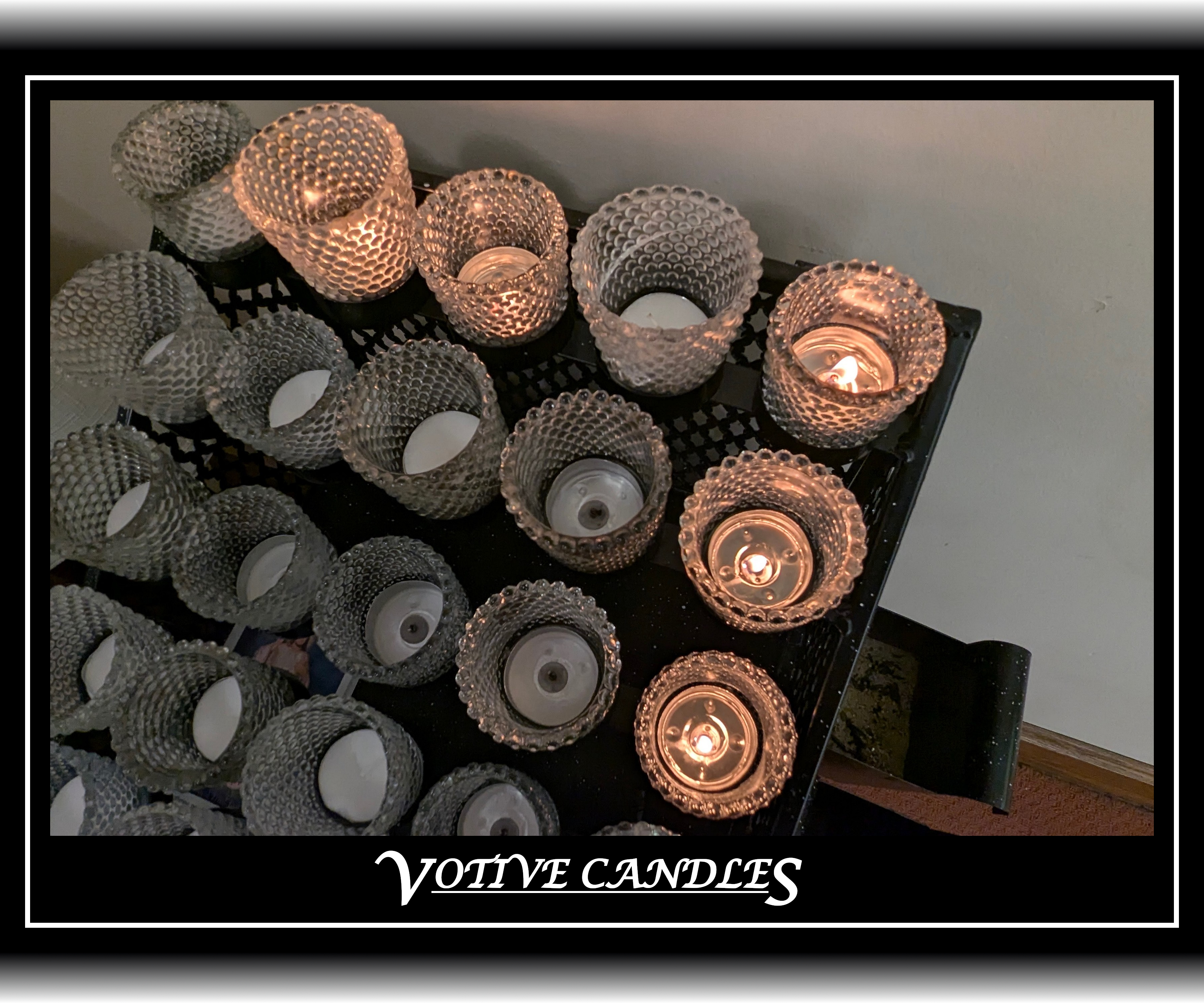
Sunday, 03/08/2026: Posted photo — Votive Candle.

A little candle in a church, often called a “votive candle”, represents a personal prayer, offering, or intention, allowing a worshiper’s devotion to continue even after they leave. These candles are in a frame that is dedicated to a friend and his wife who have passed. He passed from ASL and she passed from cancer.

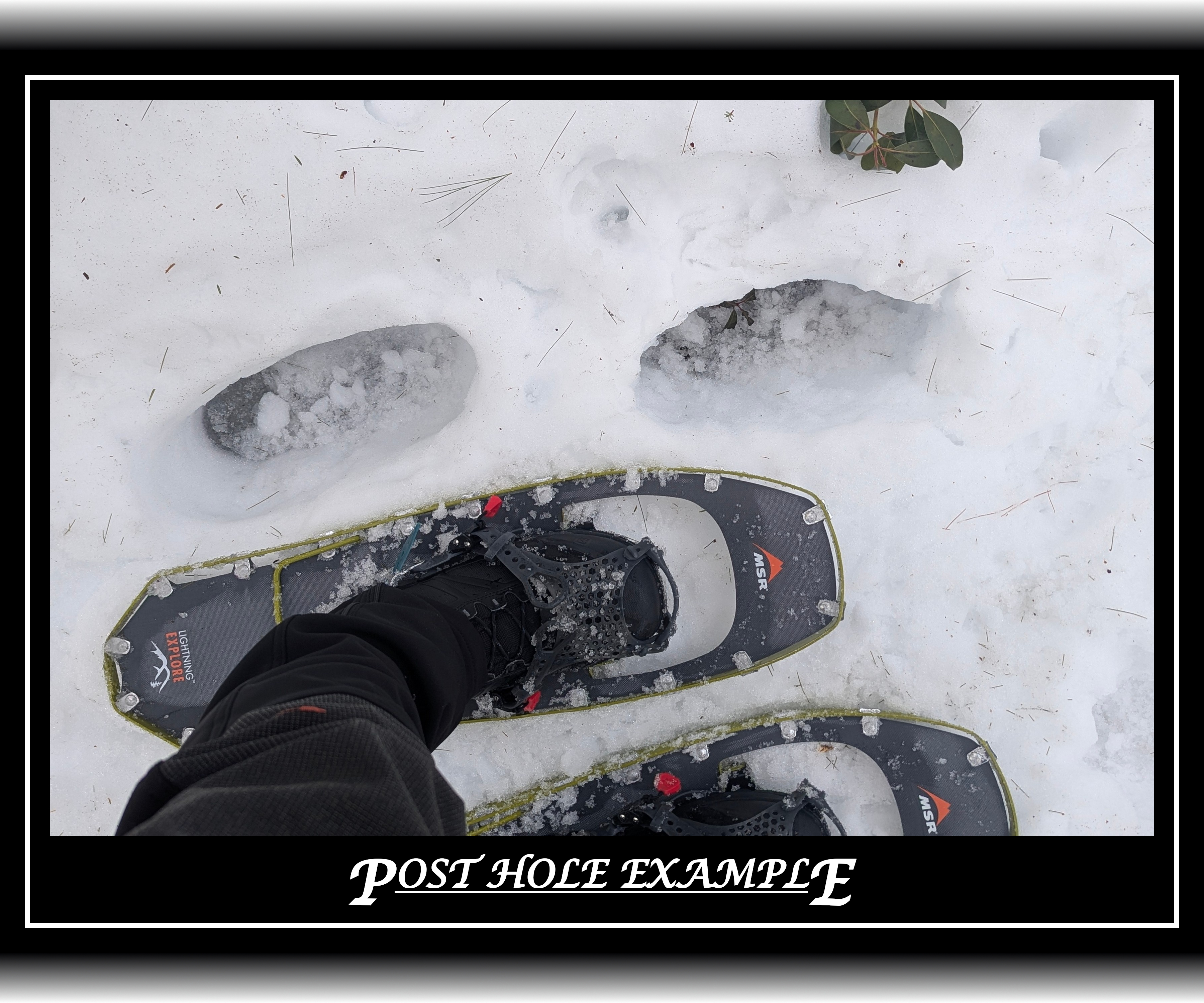
Monday, 03/09/2026: Posted photo — Post Hole.

Here is an example of the use of snowshoes vs not using snowshoes. This is from tonight’s hike. I used my snowshoes and others did not. I put my snowshoes next to their post hole to show the difference.

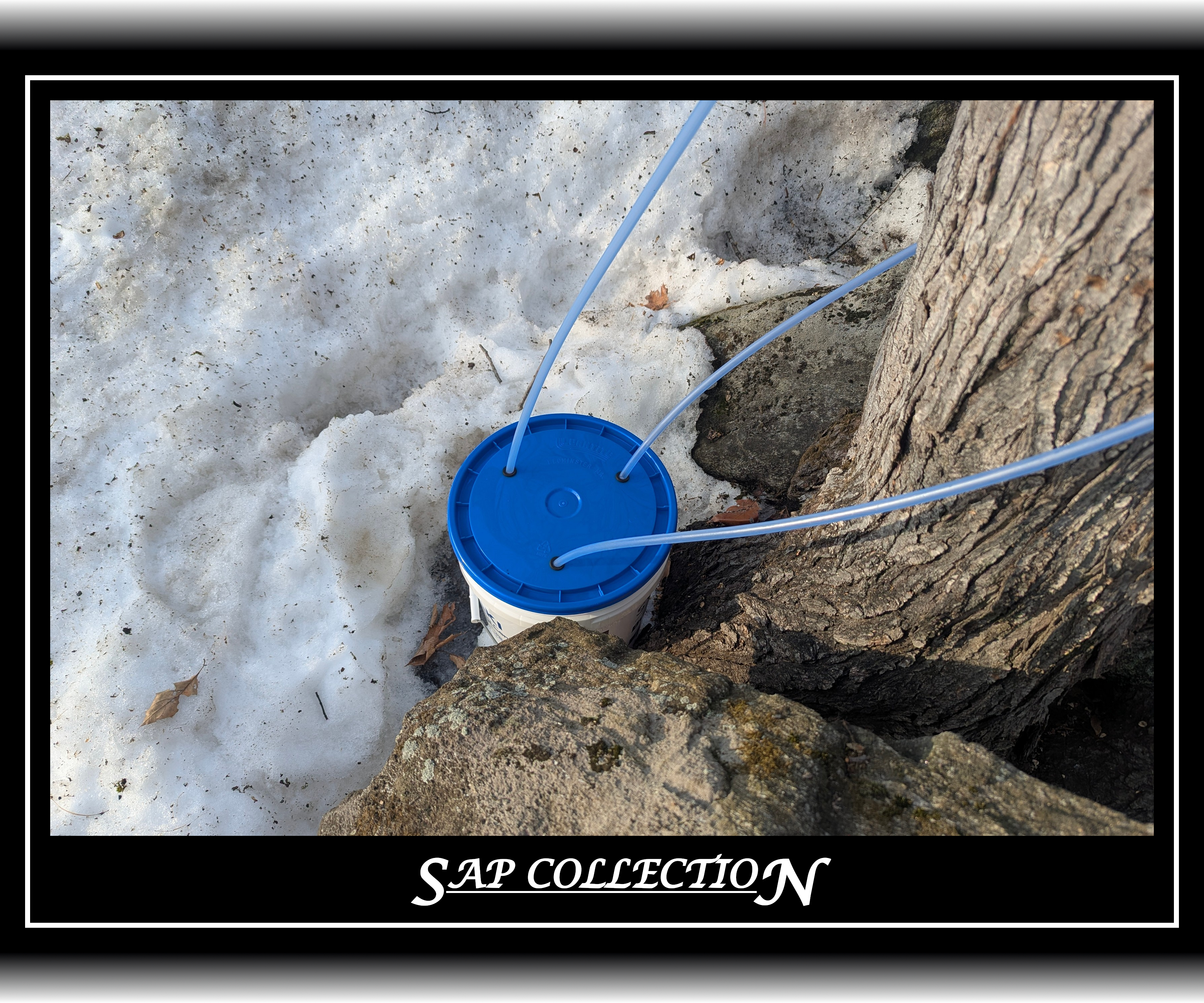
Tuesday, 03/10/2026: Posted photo — Collecting Sap.

The best weather to collect sap is a “freeze-thaw” cycle in late winter/early spring, characterized by nighttime temperatures below freezing and daytime temperatures rising to around 40–45 degrees F (4–7 degrees C). Stop collecting sap when tree buds appear, temperatures remain above freezing at night, or the sap turns yellow/cloudy.

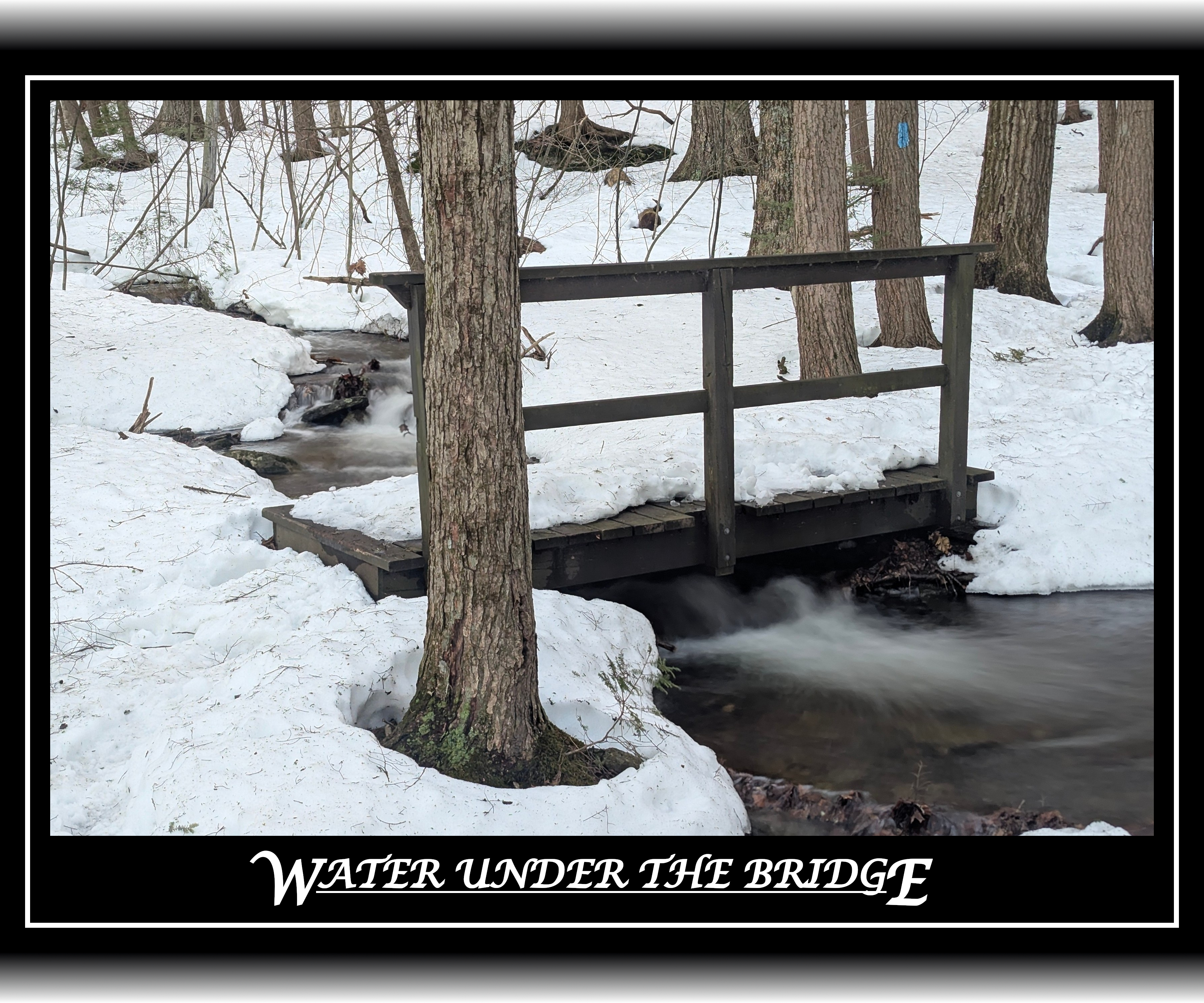
Wednesday, 03/11/2026: Posted photo — Water under the Bridge.

“Water under the bridge” is a phrase used to say that something happened in the past and is no longer important or worth arguing about. Even though I am not very old, I am at a stage where I do not get stressed out with life. I have had a few experiences in my life that I could not control, (loss of a child, loss of a sibling, loss of loved ones, loss of close relatives and friends), that just have me going with the flow, or saying that is just water under the bridge.

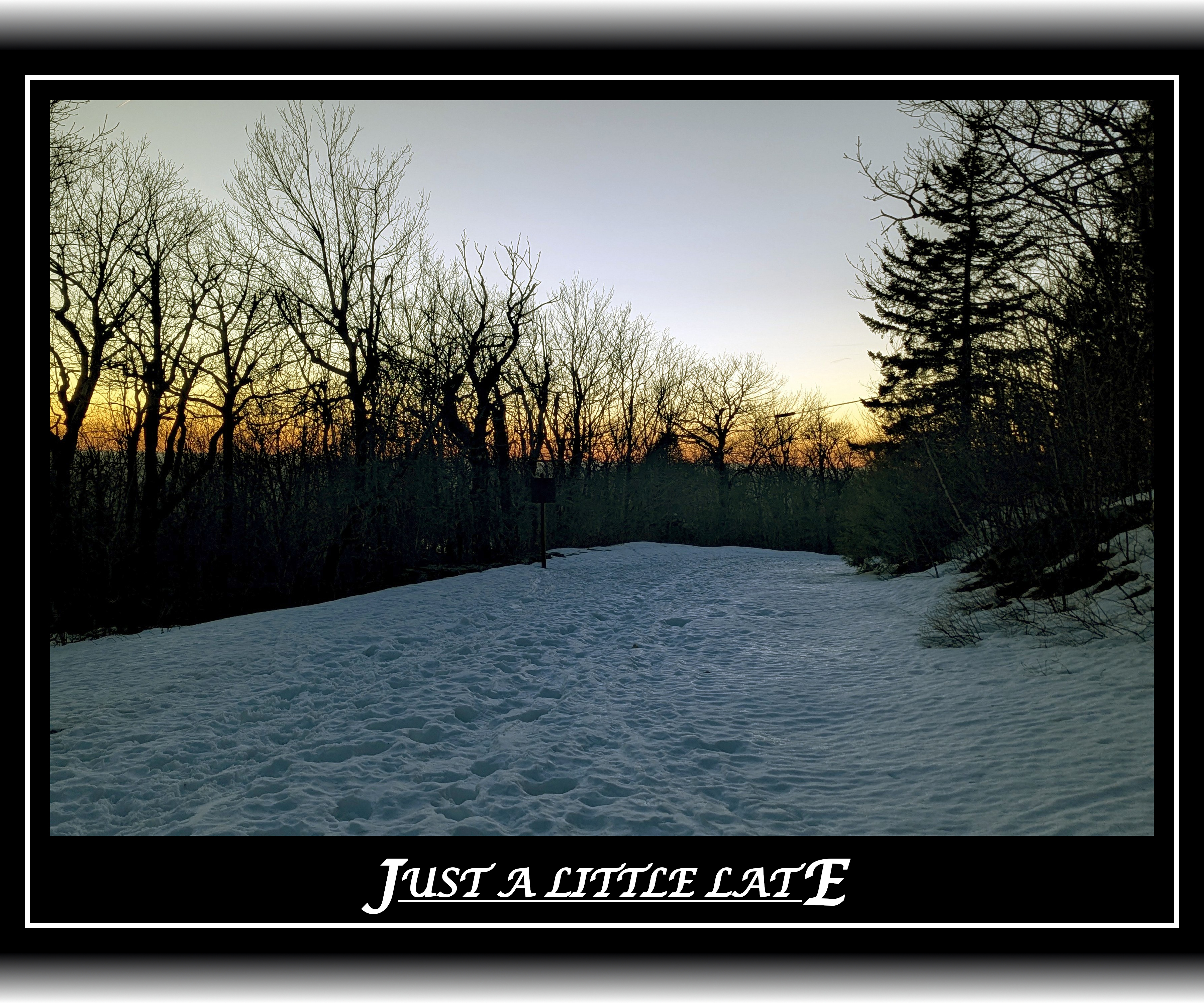
Thursday, 03/12/2026: Posted photo — Sunset Afterglow.

I did not make it to the summit for sunset. This was the first night in a few months that I saw the afterglow of the sunset. I did not think I would get a good photo and my intuition was correct. I feel that this photo is too dark. I attempted to edit it, with no luck.

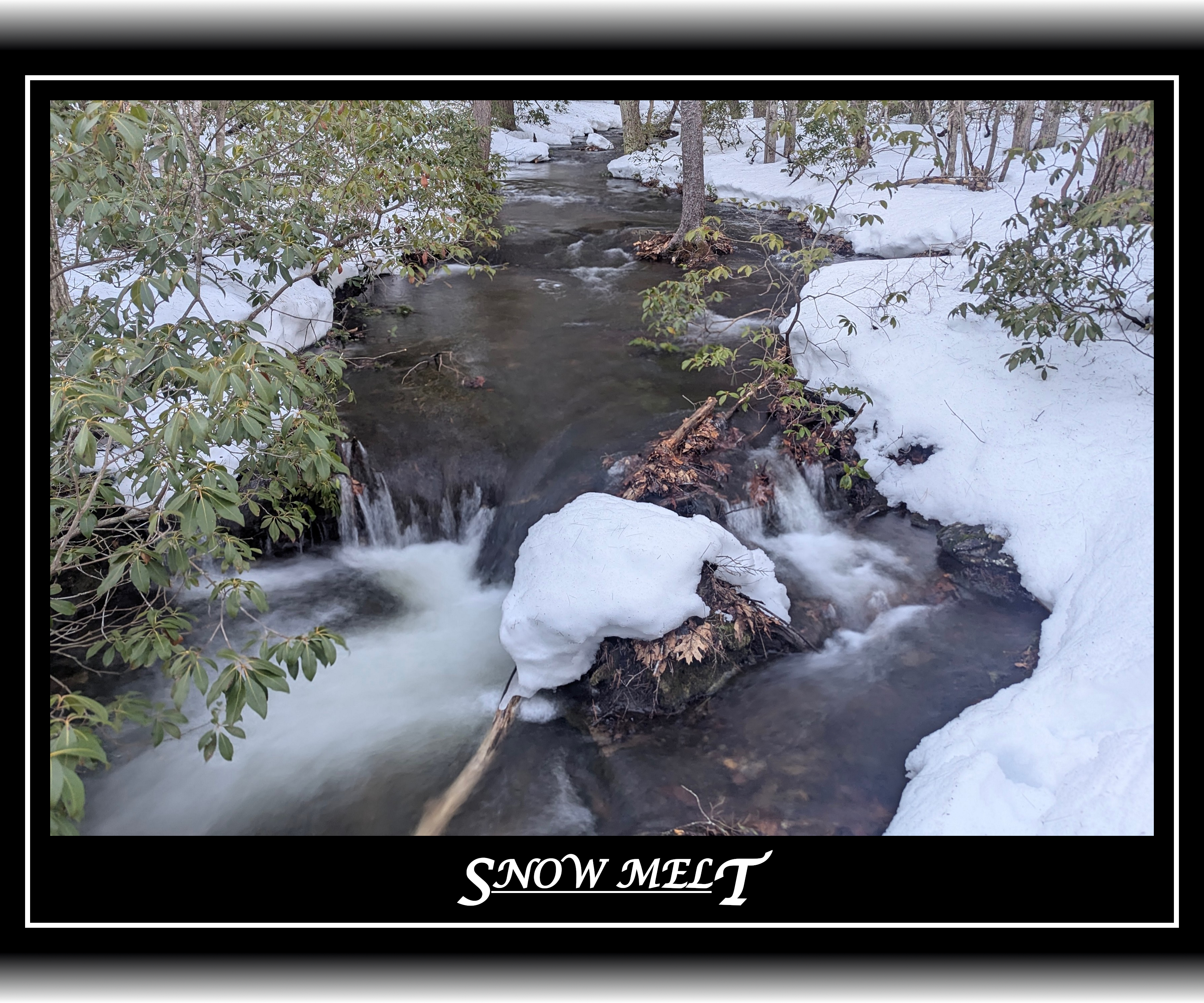
Friday, 03/13/2026: Post photo — Flowing Stream.

The temperatures this week so far had a high of 73 degrees F and a low of 29 degrees F. This was taken during one of the warm days this week. The streams on the mountain were running fast.

Hiking was not easy this week with the rapidly changing conditions. It started out this week where snowshoes were needed. Then the hiking was slow due to muddy trails. Now at the end of the week, we have much cooler temperatures and the muddy areas are starting to freeze. Snowshoes Monday and Tuesday, mud boots Wednesday and Thursday, and bear boot today. Will bear boot tomorrow with my microspike on my pack, just in case I need to use them.

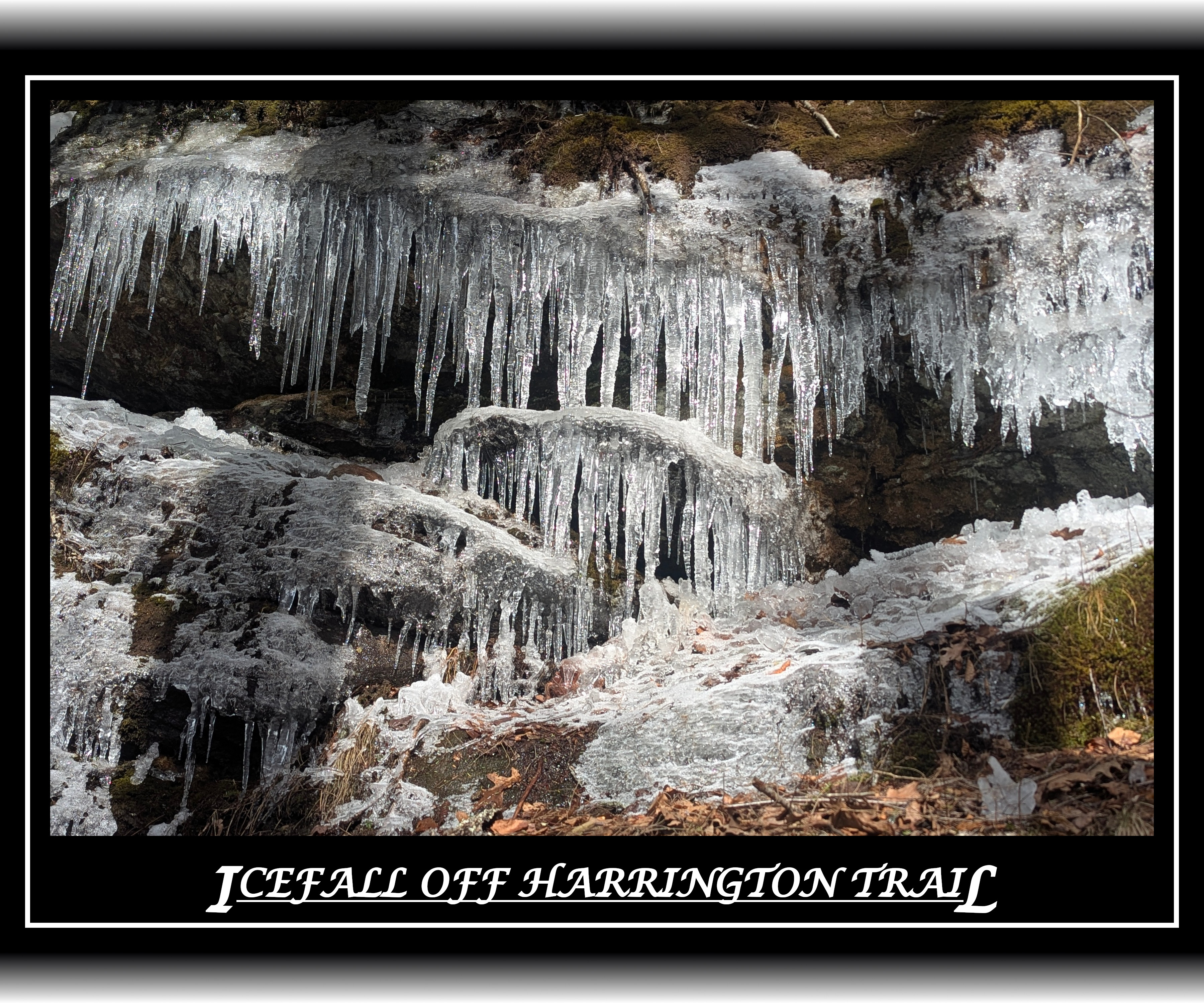
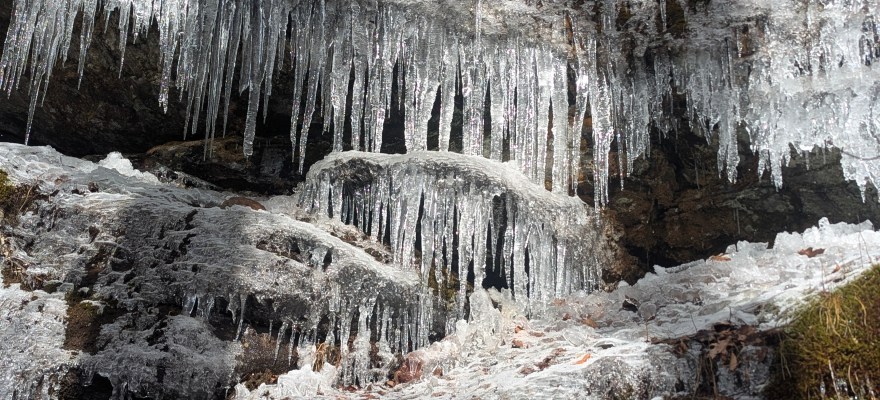
Saturday, 03/14/2026: Post photo — Icefall.

I do not know if this is technically an icefall, but that is what I am calling it.

When on a hike this afternoon with a family friend to stretch out my legs on this wonderful and sunny day. The weather today sums up the weather for this week. It started to be sunny, then the clouds came in and we had a snow squall. Then it was sunny and warm and then the temperature dropped when I was on the trail. The trail conditions were tough. I bear booted and used my spikes. I could have used my snowshoes in spots, but they were so short that it would have been longer to put on and take off my snowshoes as it would have been just walk in that section of snow with my spikes. The ice was hard is some steeper slopes and my spikes did not grip the snow well. I had to be very careful and take it very slowly in those locations.

Now it is time to look at my microspikes to see if they need sharpening. I did use my “rock” spikes, so the odds are great that they do need to be sharpened.

That is all for now. Until next week, be safe.

“Sumens imagines consolateur et inspirat me. Pulchritudinem mundi video per camera mean.”

“Quod scripsi, scripsi. Ingeniarius sum, non scriptor.”

.–. …. — – —  -… -.–  .— — … . .–. ….  -.-. .. .-. .- …

Photographic Thoughts — 03/16/2025 to 03/22/2025

“Taking pictures is like tiptoeing into the kitchen late at night and stealing Oreo cookies.” — Diane Arbus

Thank you for all the new views and likes from last week, it helps keep me inspired.

This week will show you some of the animals that I encountered during my travels.

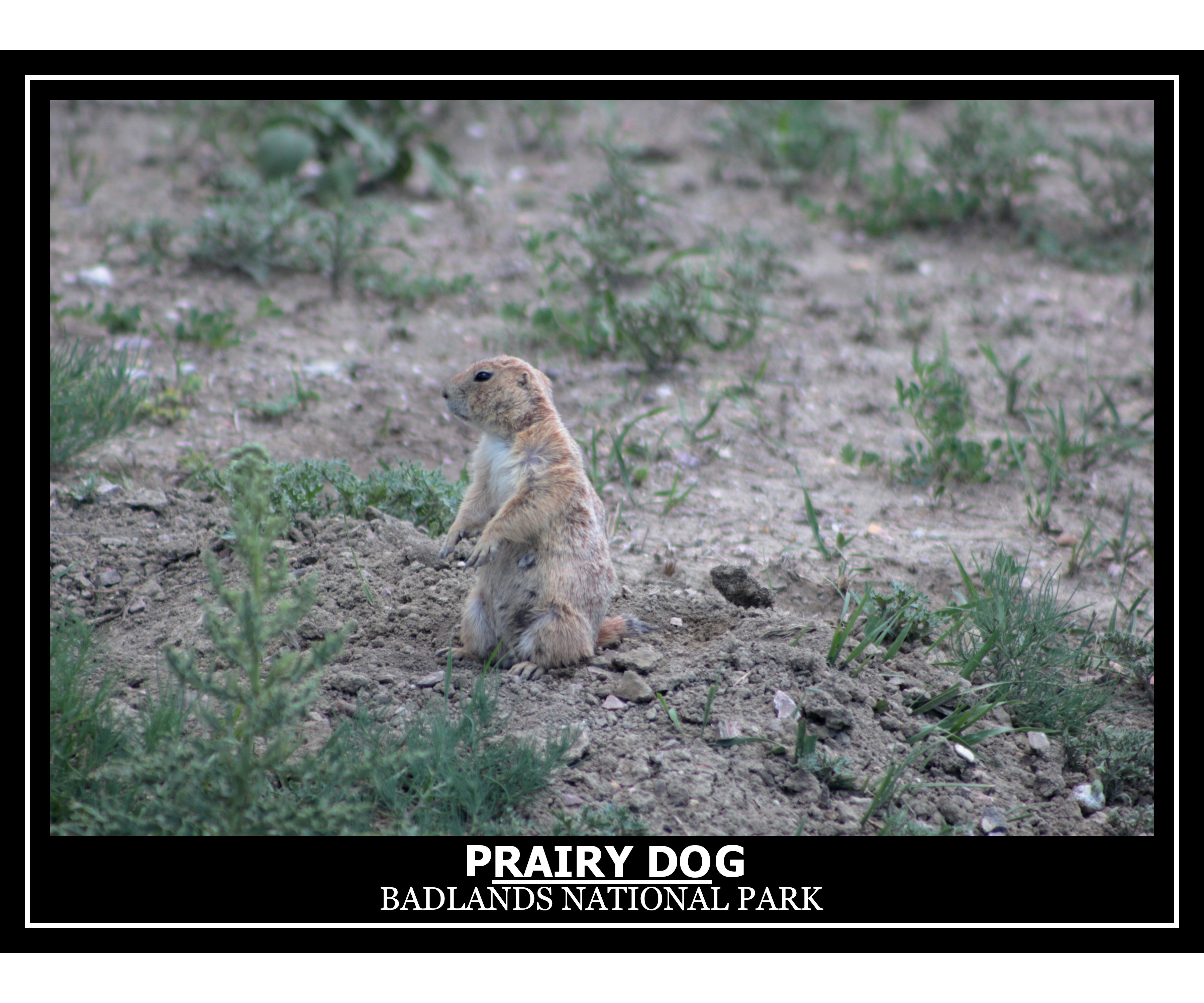
Sunday, 03/16/2025: Posted photo — Prairie Dog.

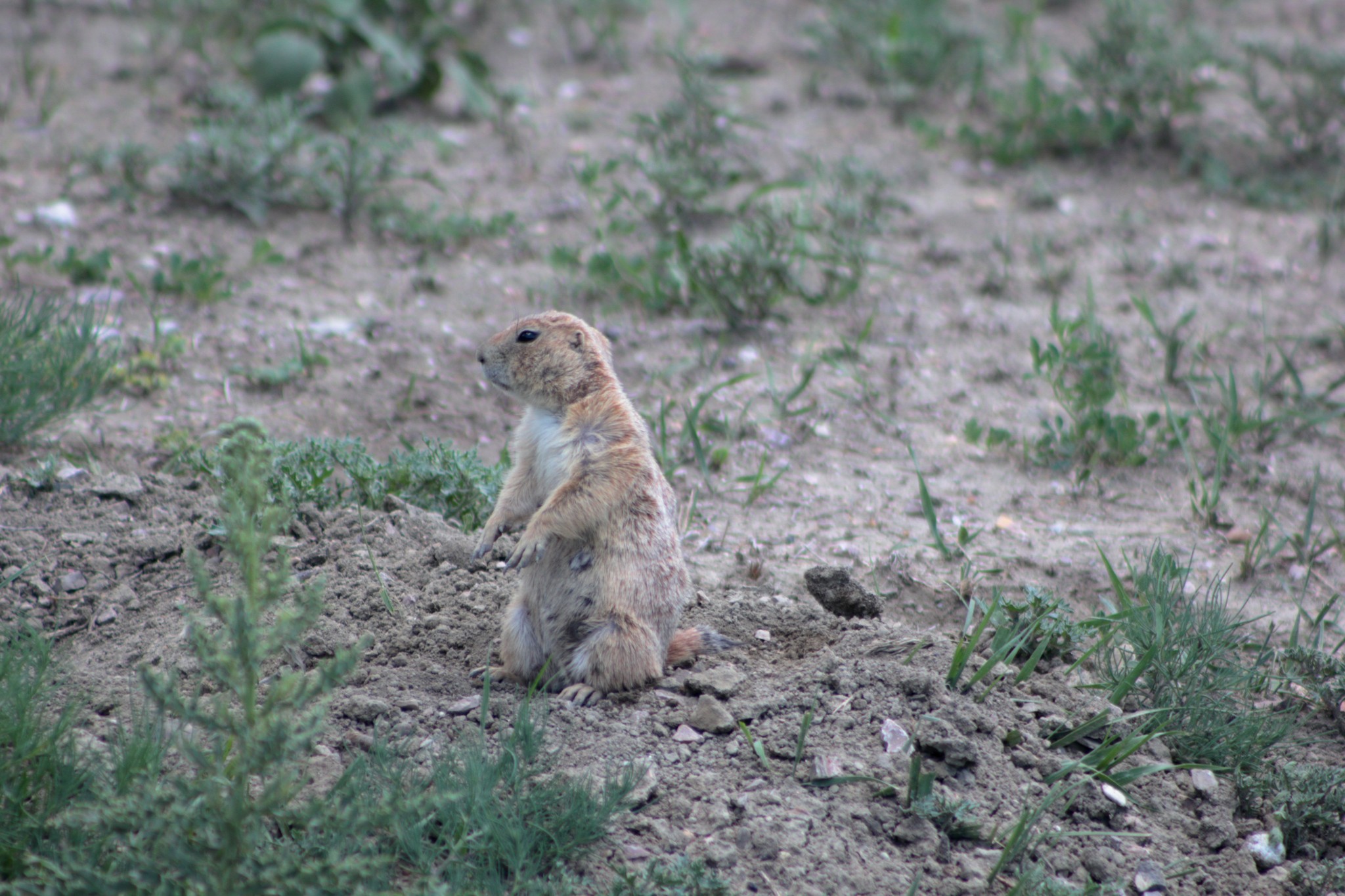
One of the campsites we were camped, was a remote campground in Badlands National Park. In this campground and the surrounding area, there USGA was doing a study on Prairie Dogs. These were some that were near my tent.

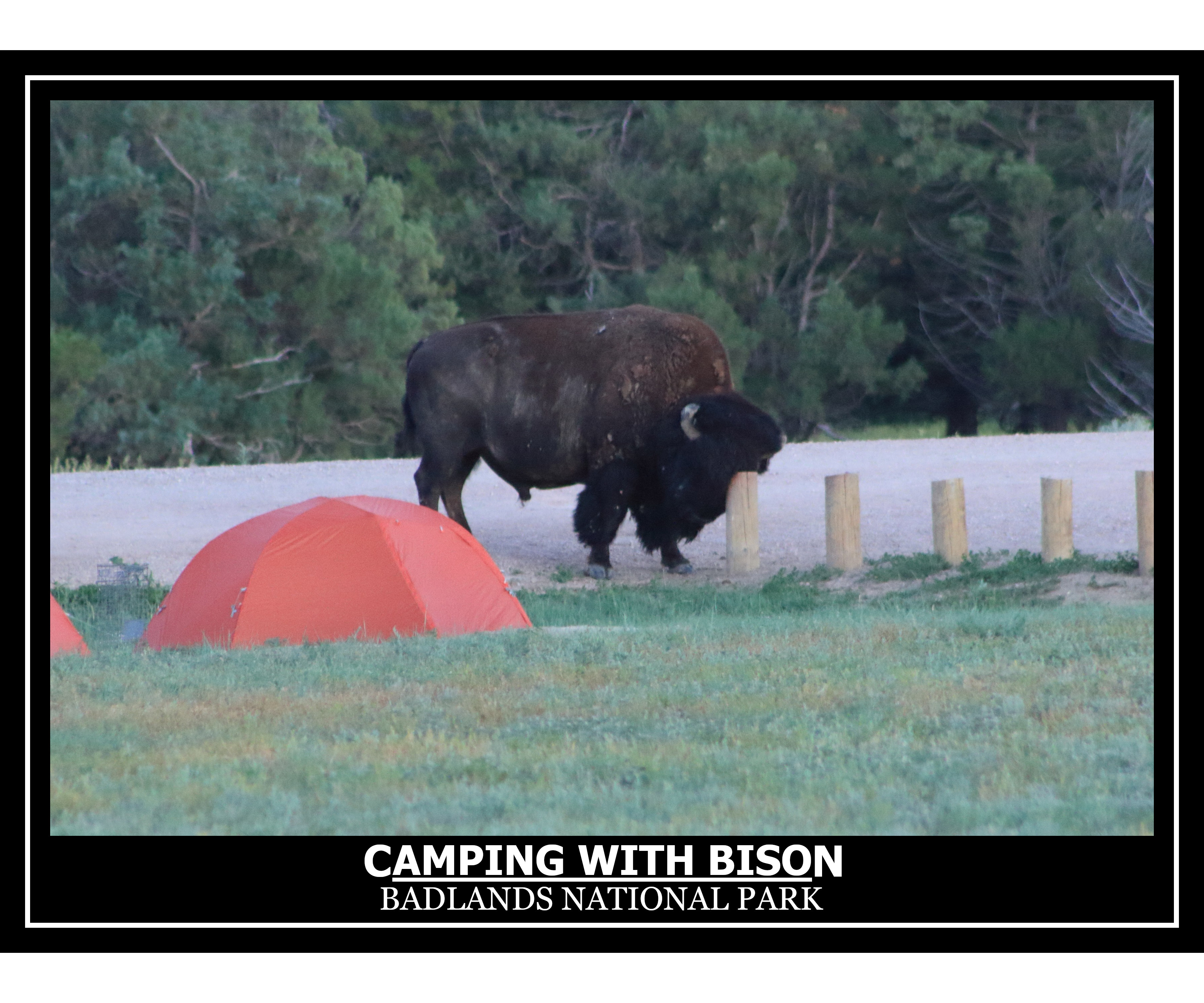
Monday, 03/17/2025: Posted photo — Camping Bison.

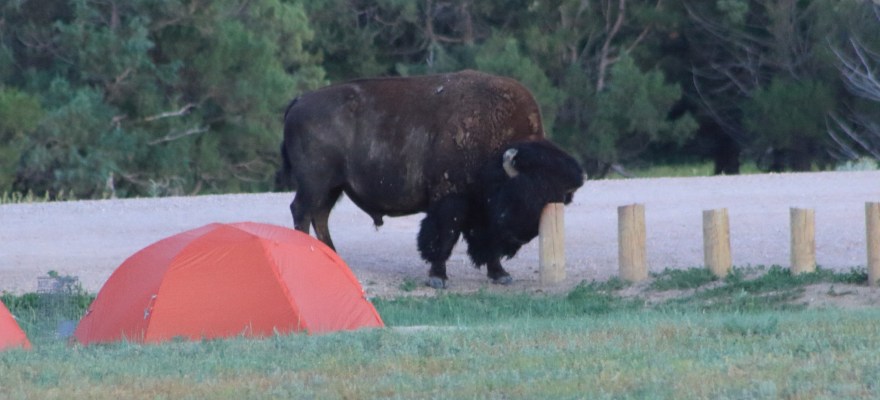
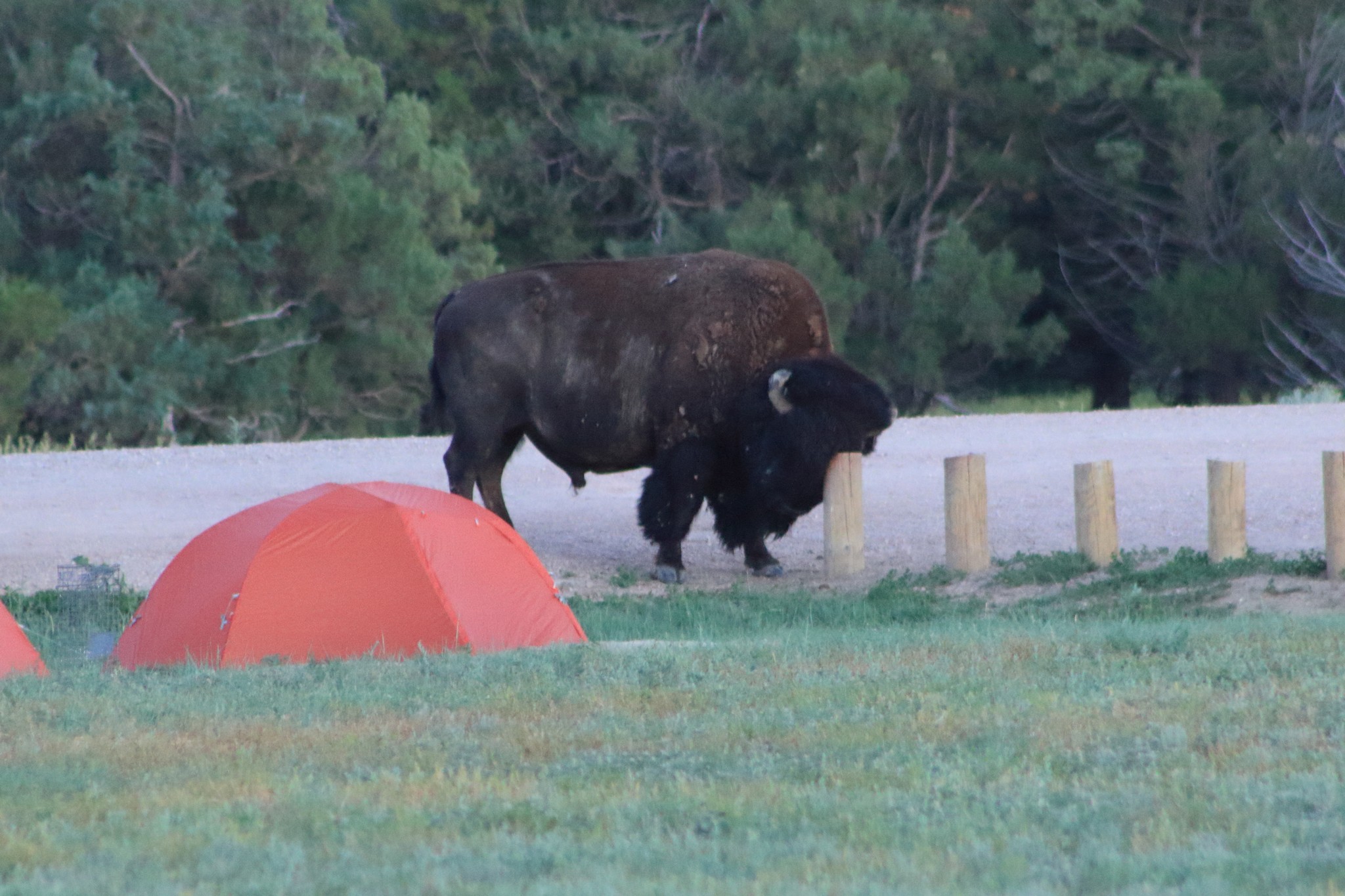
In the same campground, there was a bison that used the site markers as scratching posts. This bison also showed up in the morning. The remote campground had only 10 sites. All eyes were on the bison. People did come out of these tents as the bison moved away.

Tuesday, 03/18/2025: Posted photo — Ducks.

These ducks were in one of the rivers at Yellowstone National Park. I did look up the type of ducks these are but did not write it down.

Wednesday, 03/19/2025: Posted photo — Elk.

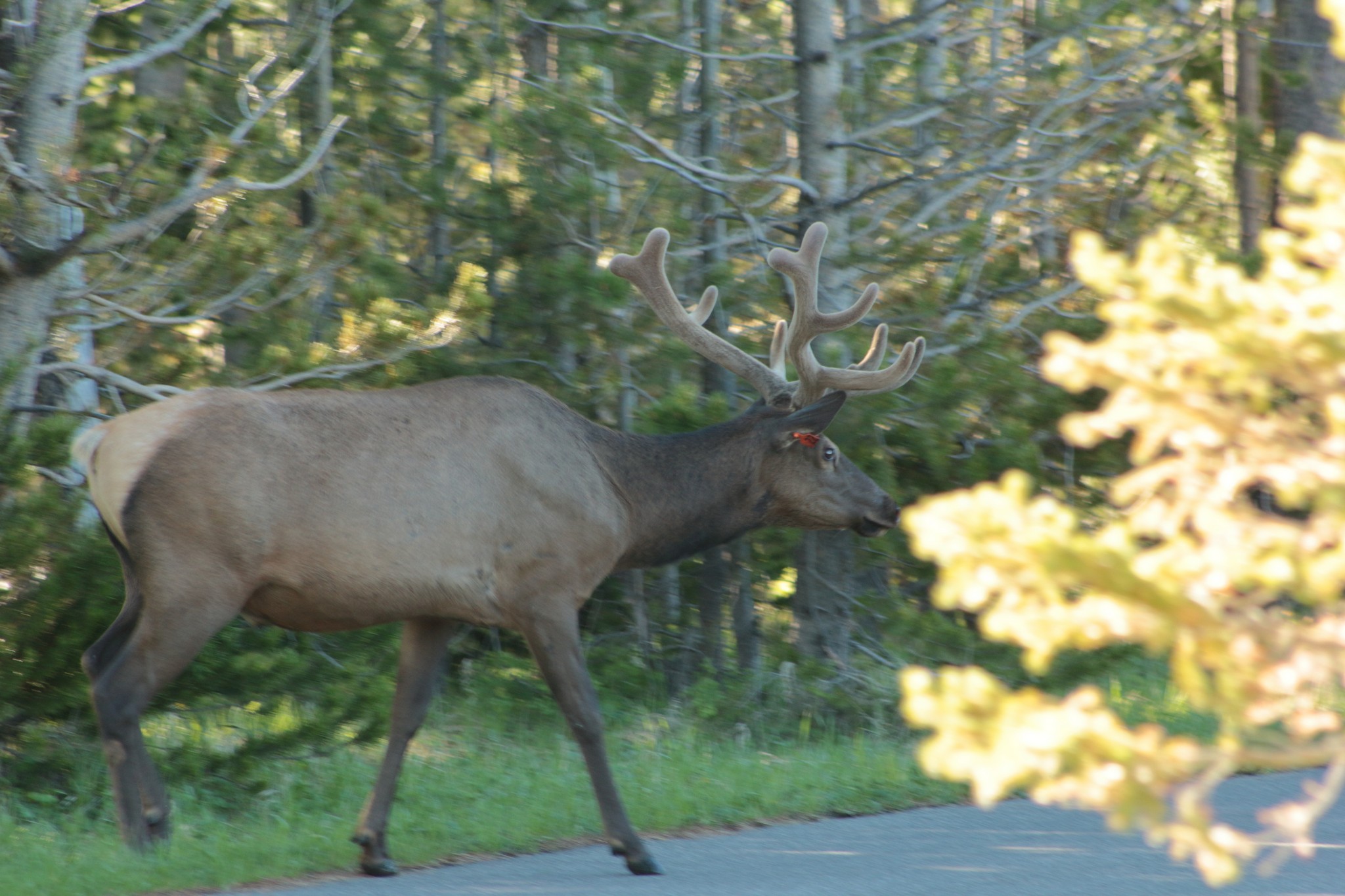
This elk came to visit us at the first campground we had in Yellowstone.

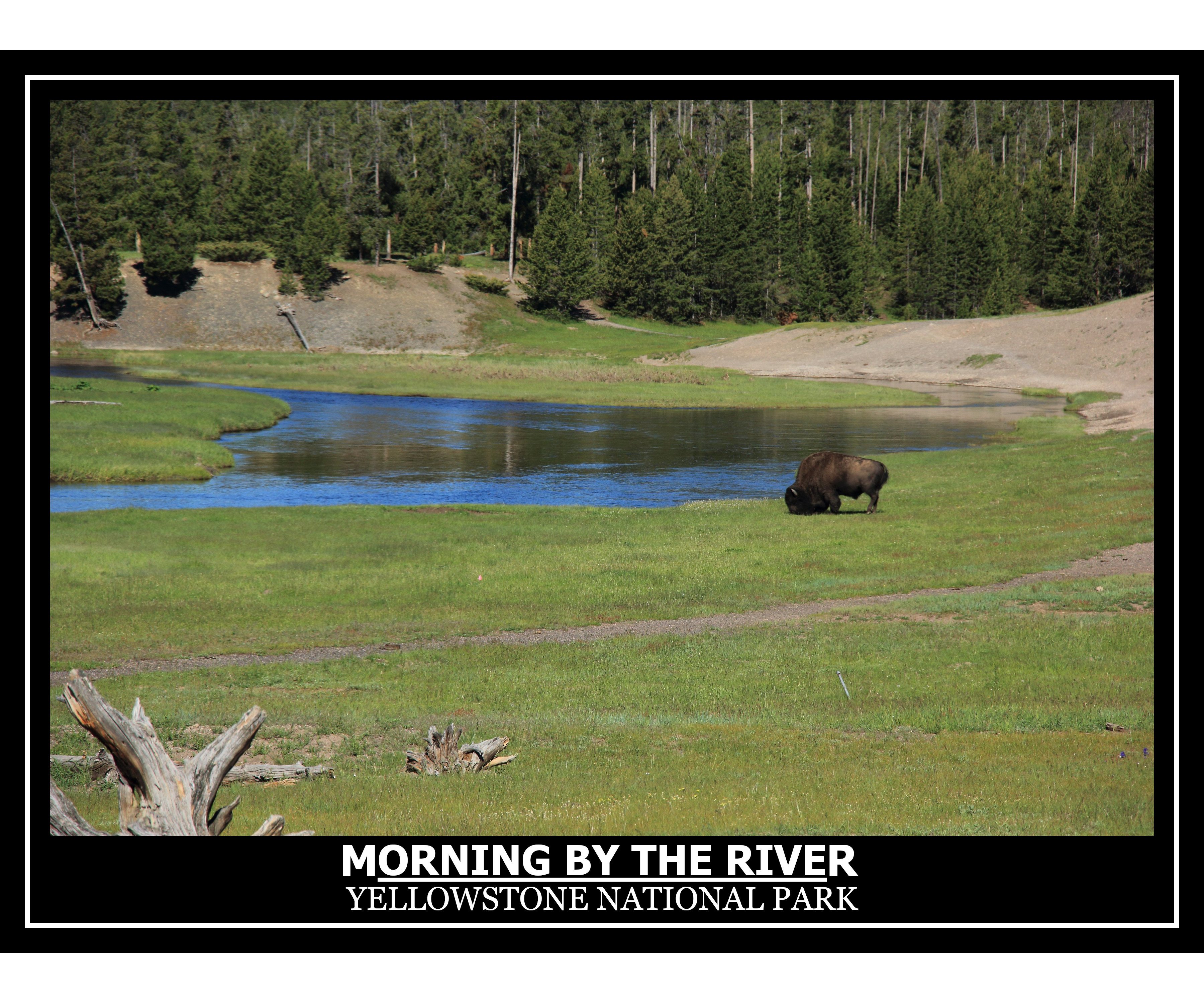
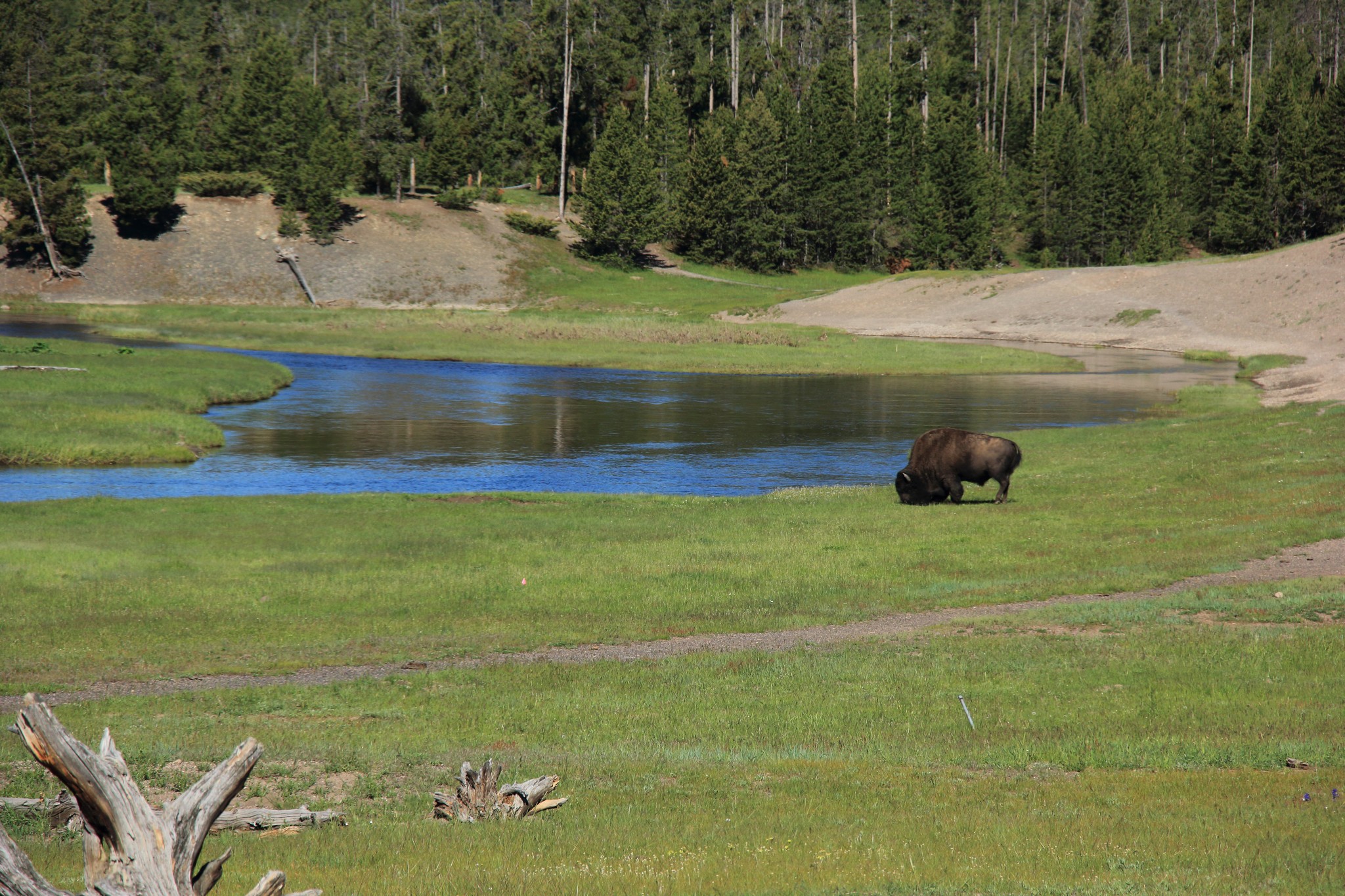
Thursday, 03/20/2025: Posted photo — Bison by River.

At the second campground in Yellowstone, we took a walk in the morning and saw this bison by the river. There was a plaque at this location that stated that this was the exact location that the idea to make Yellowstone a national park was born.

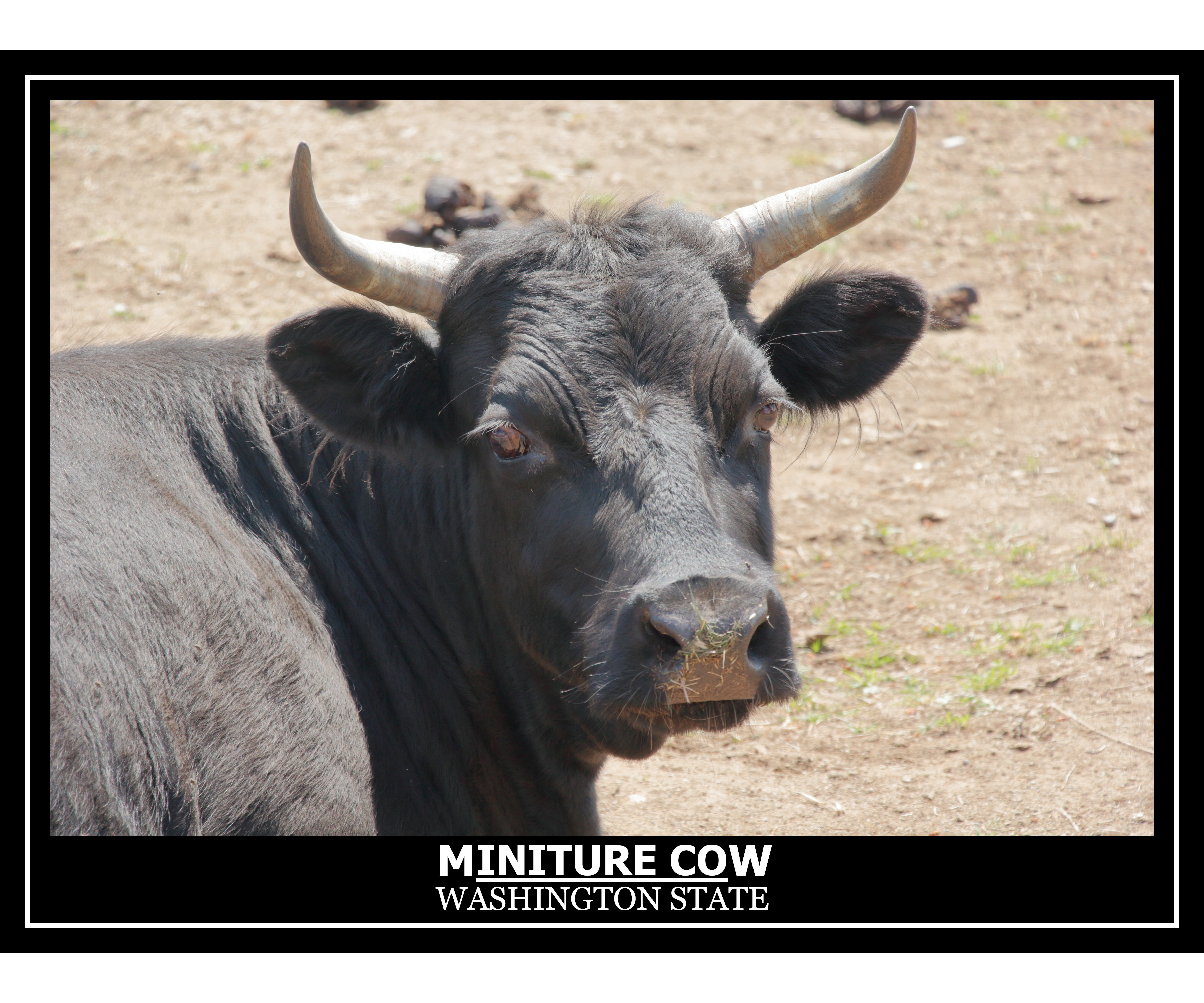
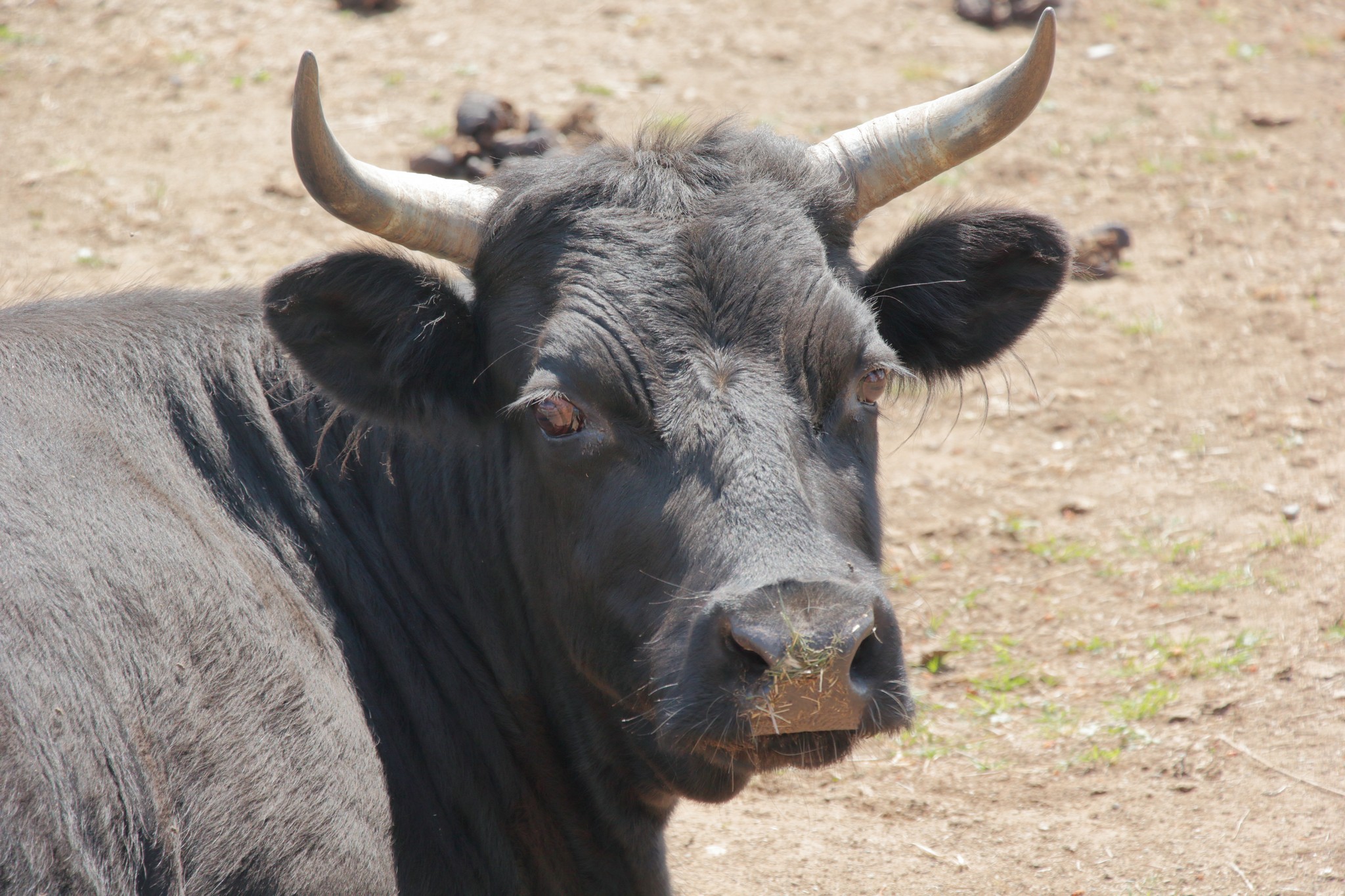
Friday, 03/21/2025: Post photo — Mini Cow.

One of my sister-in-law’s animals.

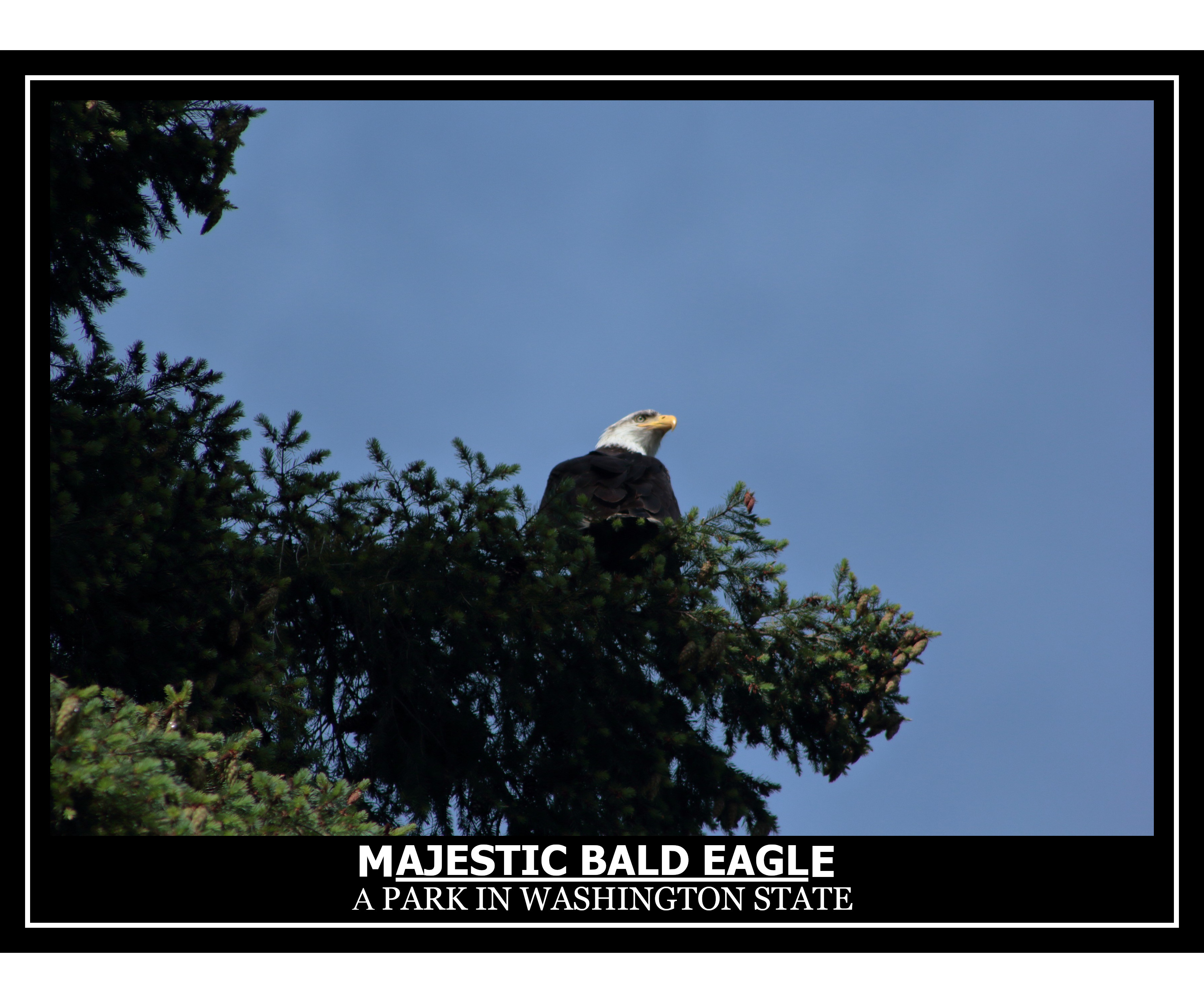
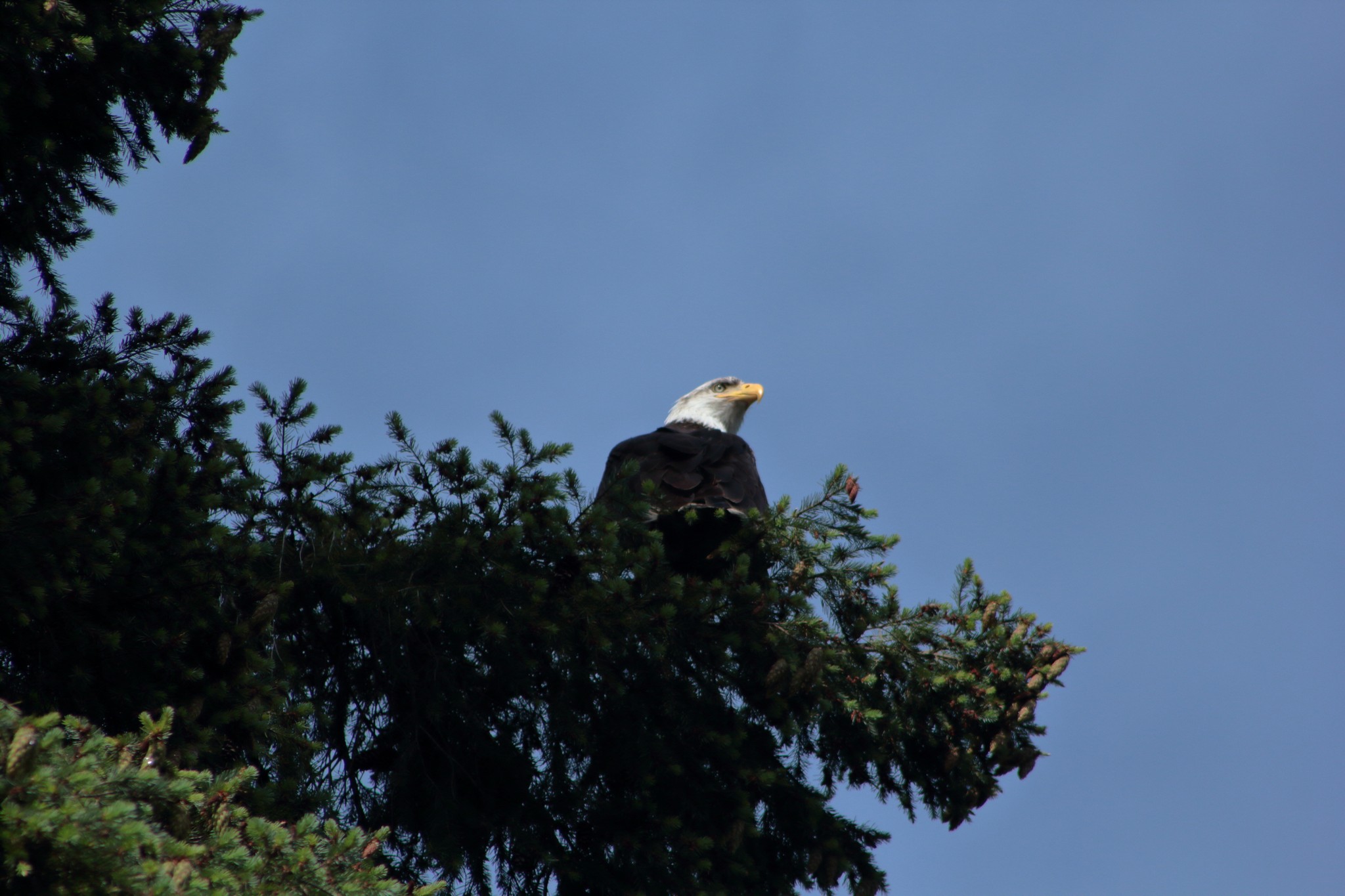
Saturday, 03/22/2025: Post photo — Feasting Bald Eagle.

This Bald Eagle just caught a fish, brought it to the top of this tree, and had its dinner.

That is all for now. Until next week, be safe.

“Sumens imagines consolatur et inspirat me.”

Photographic Thoughts — 04/14/2023 to 04/20/2024

“There is one thing the photograph must contain, the humanity of the moment.” —Robert Frank

Thank you for all the new views and likes from last week, it helps keep me inspired.

This week I will be re-posting photos of posters that I made from various trips.

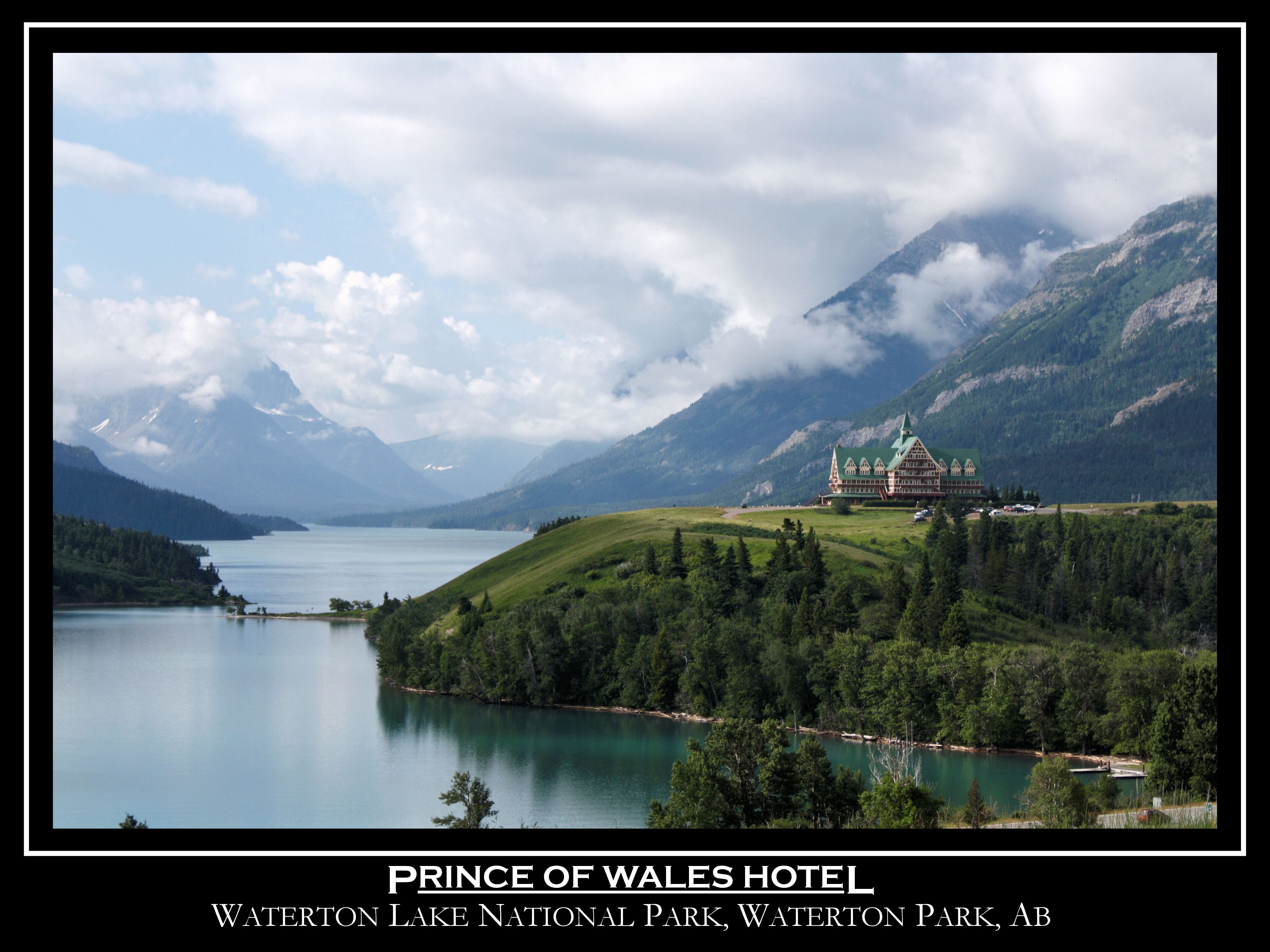
Sunday, 04/14/24: Posted photo — Prince of Wales Hotel.

Settings: N/A.

Prince of Wales Hotel, Waterton Lake National Park, Waterton Park, AB

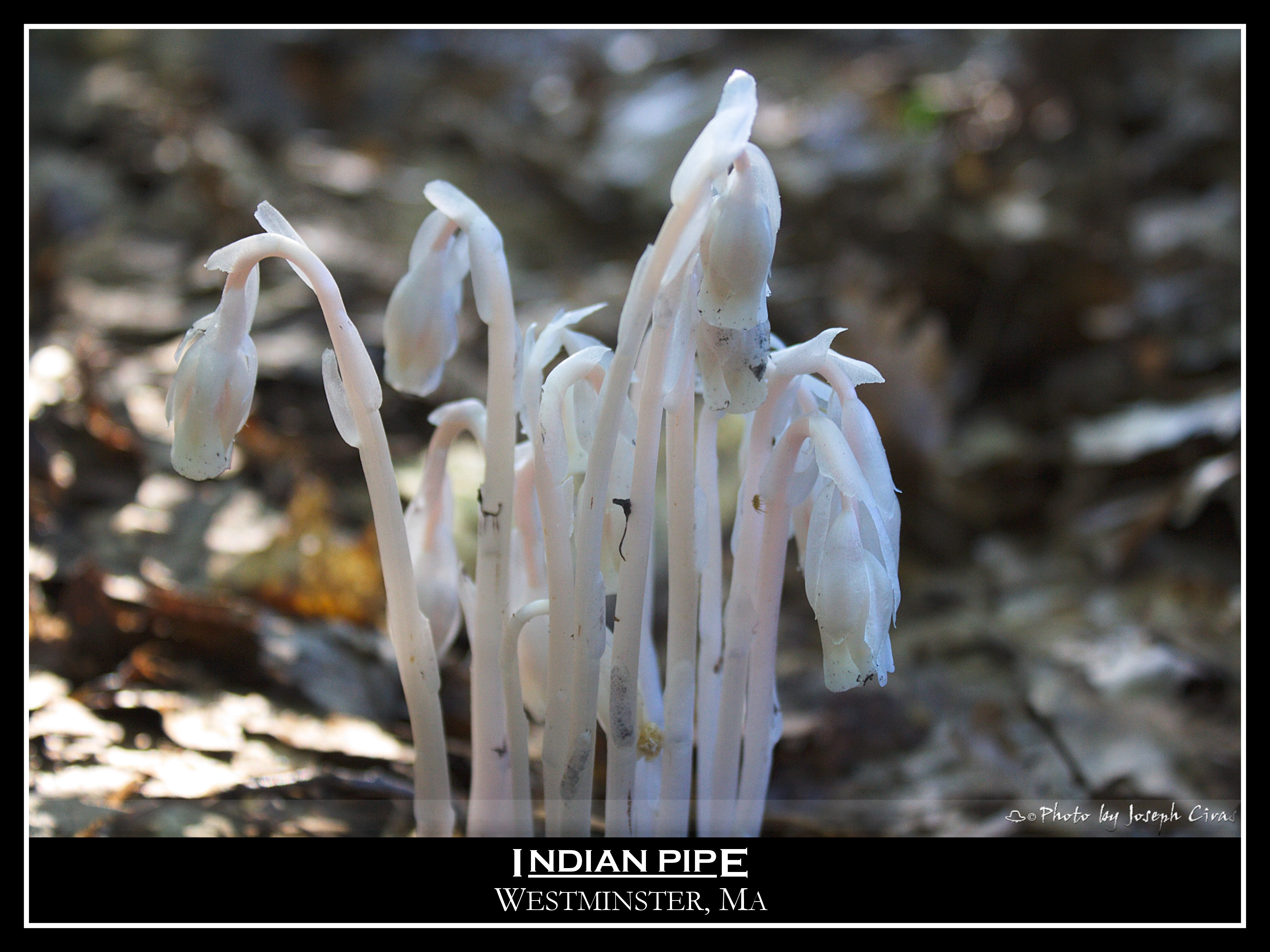
Monday, 04/15/2024: Posted photo — Indian Pipe.

Settings: N/A.

Indian Pipe from my backyard in Westminster, MA.

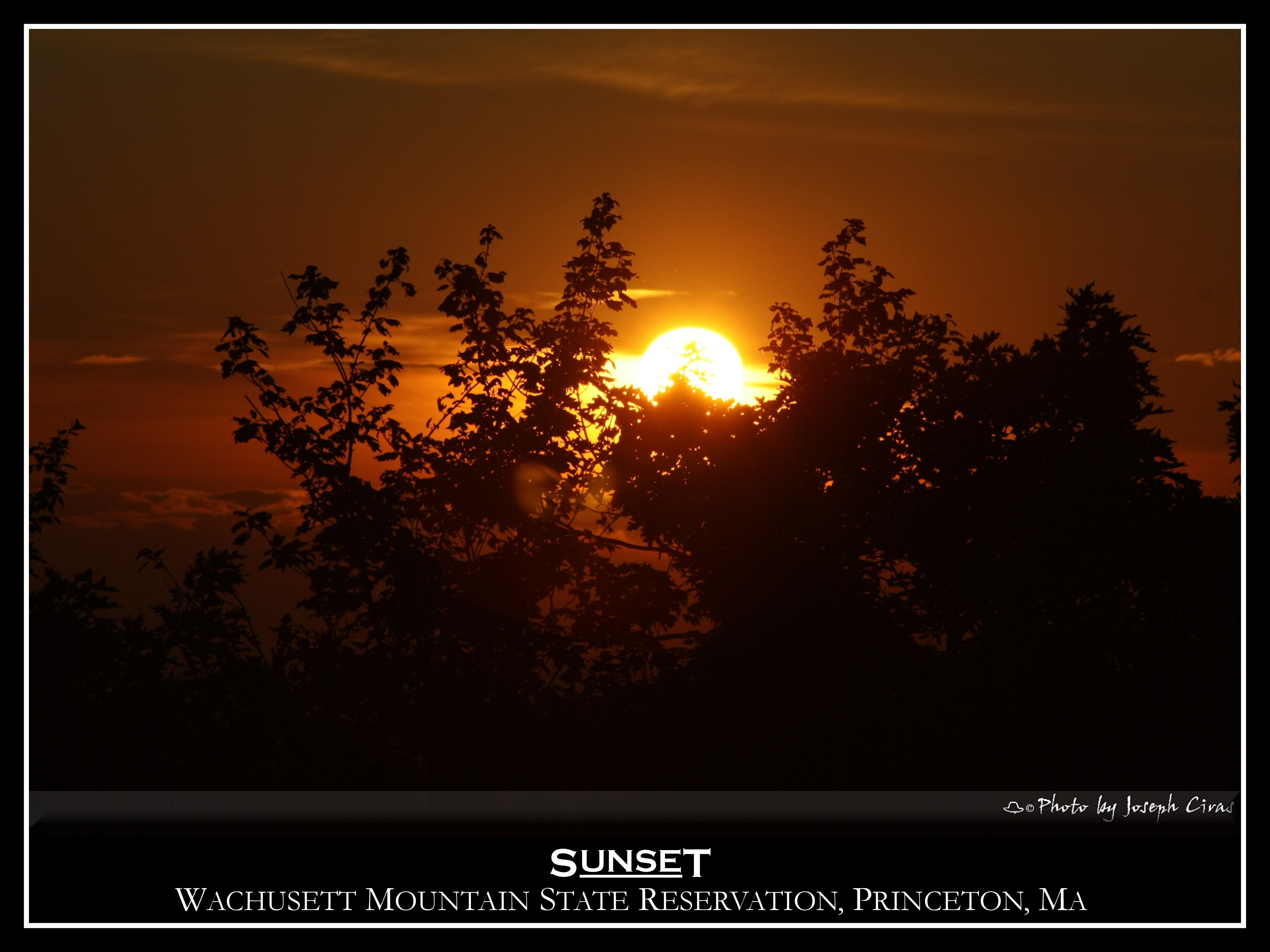
Tuesday, 04/16/2024: Posted photo — Mountain Sunset.

Settings: N/A.

One of the amazing sunsets seen from the summit of Wachusett Mountain in Princeton, MA.

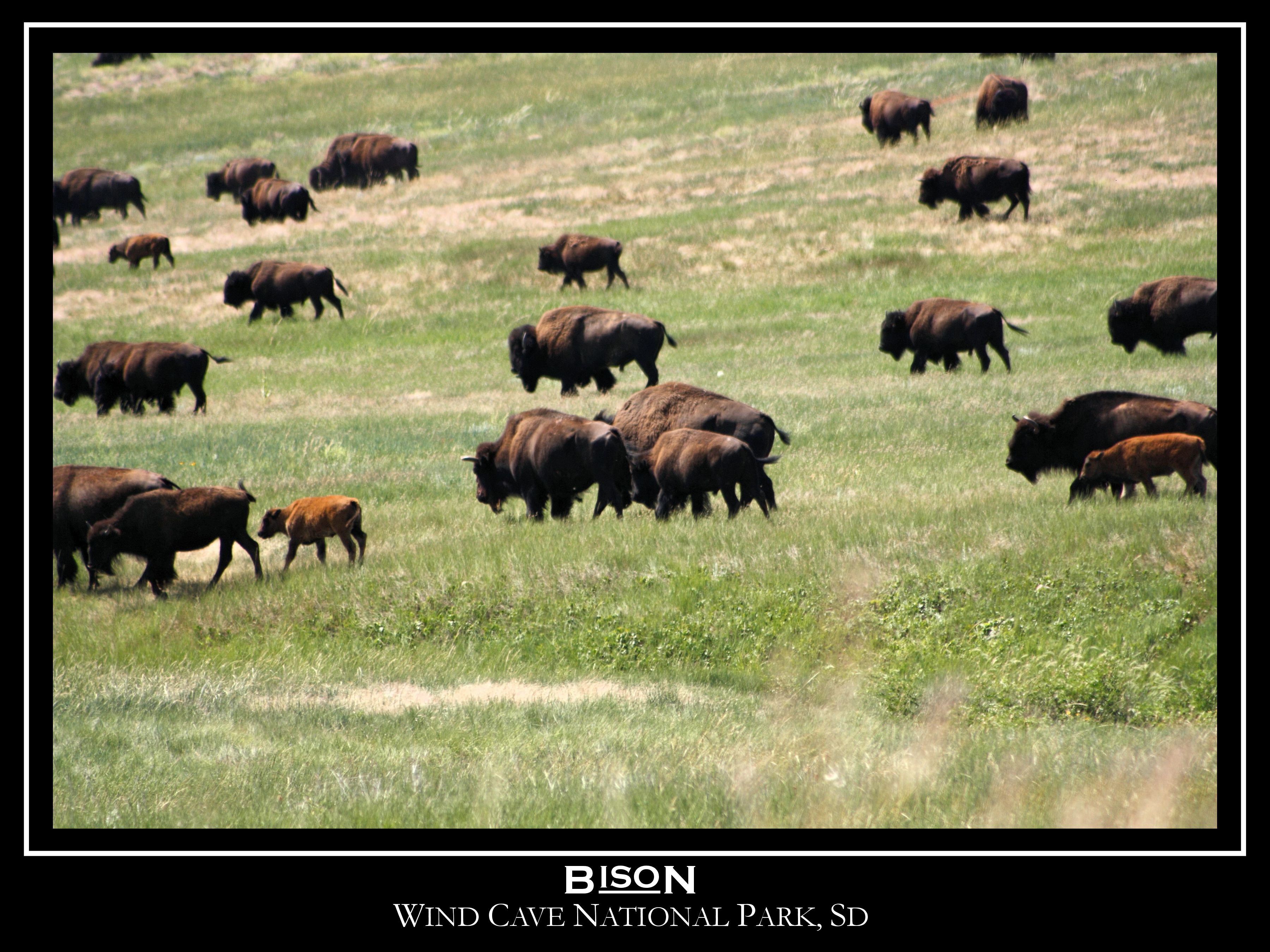
Wednesday, 04/17/2024: Posted photo — Bison.

Settings: N/A.

Part of a herd of bison in Wind Cave National Park in South Dakota.

Thursday, 04/18/2024: Posted photo — Washington HQ.

Settings: N/A.

General George Washington’s Headquarters in Valley Forge National Historic Park.

Friday, 04/19/2024: Post photo — Arethusa Falls.

Settings: N/A.

One of the many waterfalls in the White Mountain National Forest.

Saturday, 04/20/2024: Post photo — Devils Tower.

Settings: N/A.

The inside of an ancient volcano. Devils Tower in Devils Tower National Monument in Wyoming.

Here are a couple of bonus posters for this week.

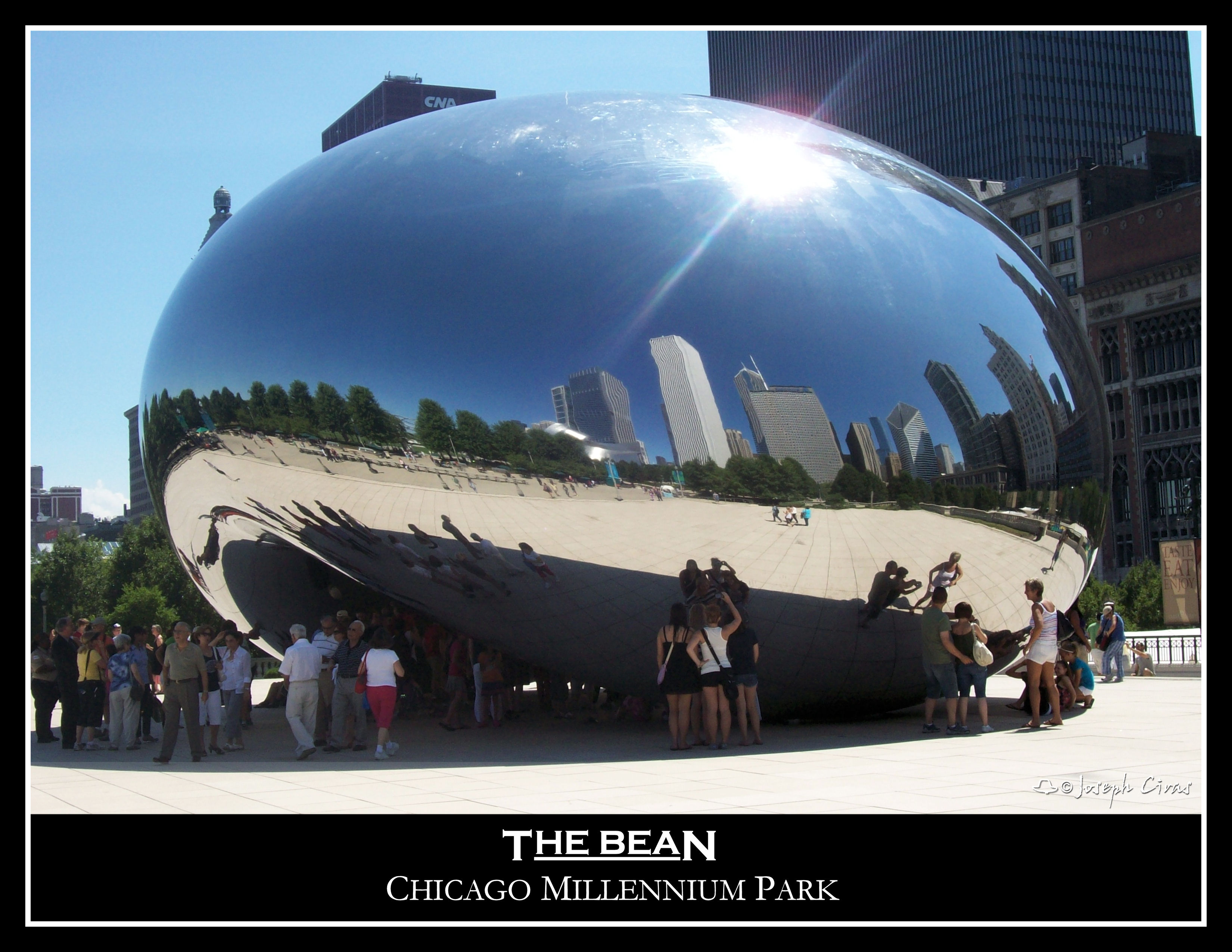
The Bean in Millennium Park in Chicago.

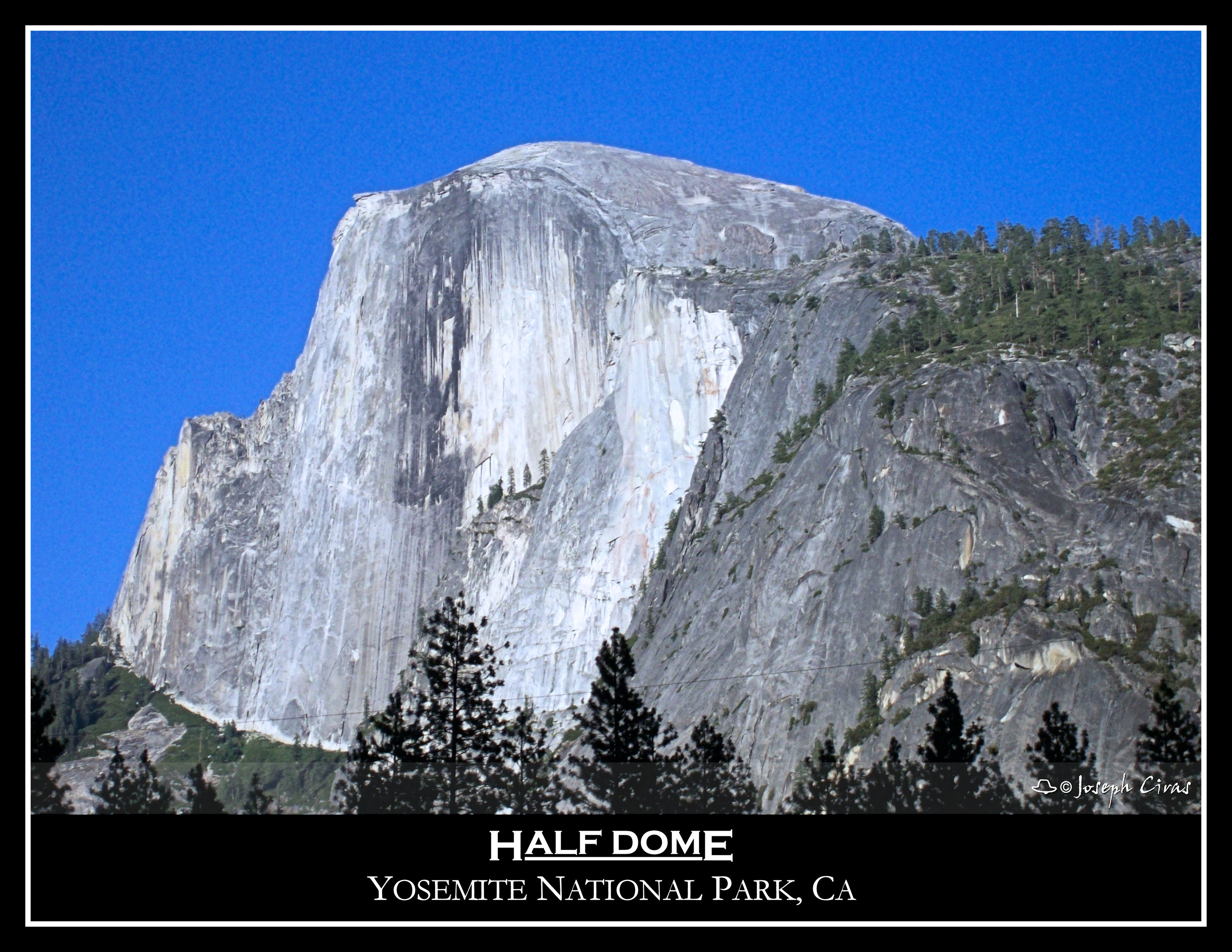
Half Dome in Yosemite National Park in California.

That is all for now. Until next week, be safe.

Photographic Thoughts — 03/17/2024 to 03/23/2024

“Once you learn to care, you can record images with your mind or on film. There is no difference between the two.” — Anonymous

Random photos of the week. Not my best week of photos.

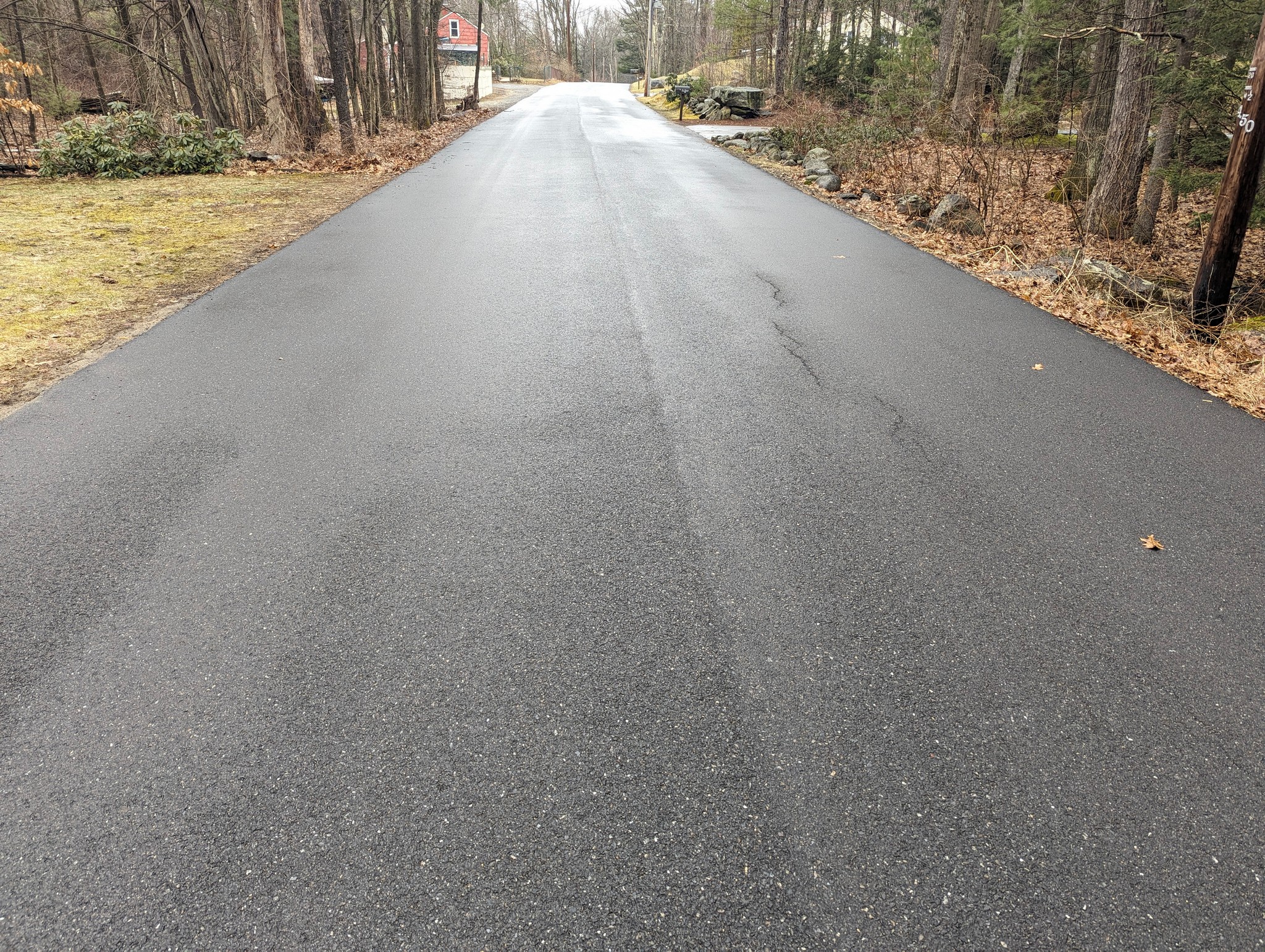
Sunday, 03/17/2024: Posted photo — Wet Road.

The subject of my weekly photo project this week was road. As with most weeks lately, I had full intention to take another photo for this project and time flew by. I am finding it more difficult to do this weekly project that it was to do the daily project.

This is a photo looking down my street from our driveway. The water on the road gives this photo my character that if the road were dry.

Monday, 03/18/2024: Posted photo — Boundary.

There are two Massachusetts State Parks withing 10 minutes of our house.

The 3,000-acre Wachusett Mountain State Reservation offers plenty of natural and recreational opportunities. And Leominster State Forest that has hiking, mountain biking, rock climbing and fishing. Both locations have segments of the 95-mile Midstate Trail in them and I hike and snowshoe in them, depending on the season. Leominster State Forest is flatter and easier to snowshoe in, and I have rock climbed the Crow Hill Ledges often when I was younger.

You have seen many posts from me about my hiking Wachusett Mountain and not many about my adventures in the Leominster State Forest. I will have to post more about those hikes.

Tuesday, 03/19/2024: Posted photo — First Day of Spring.

Today is the first day of spring, the vernal equinox. This was the earliest that the vernal equinox occurred across the contiguous United States in 128 years. Why was it the earliest that the vernal equinox occurred across the contiguous United States in 128 years.  According to space.com, there are two specific reasons for this: 1) The quadrennial intervention of leap year often causes a slight variation of the date, and 2) Daylight saving time (DST).

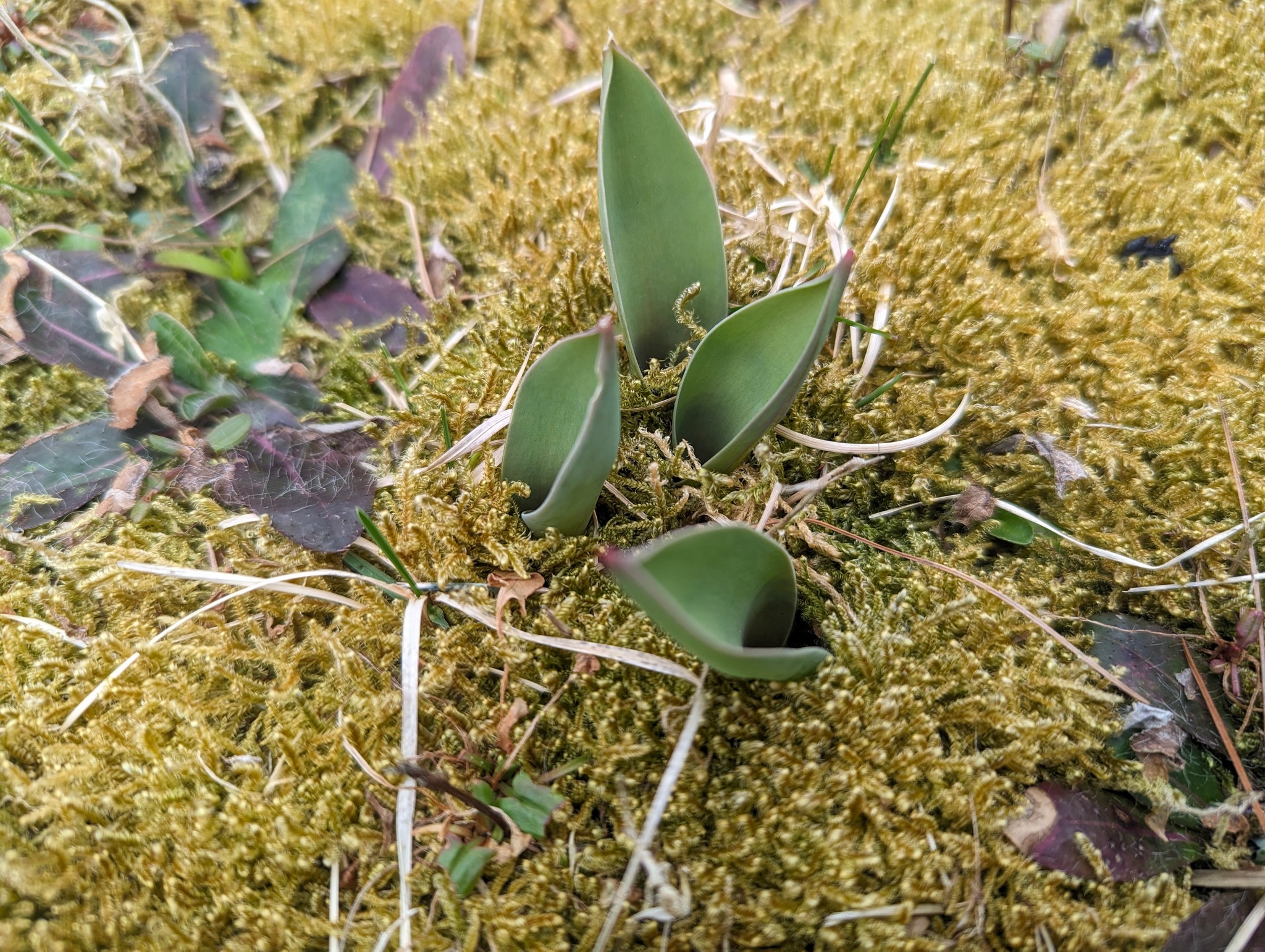
These are tulips that are starting to break through the soil at our house. I was looking to take photos of crocus, but have not seen any this year.

Wednesday, 03/20/2024: Posted photo — Are you Looking at Me.

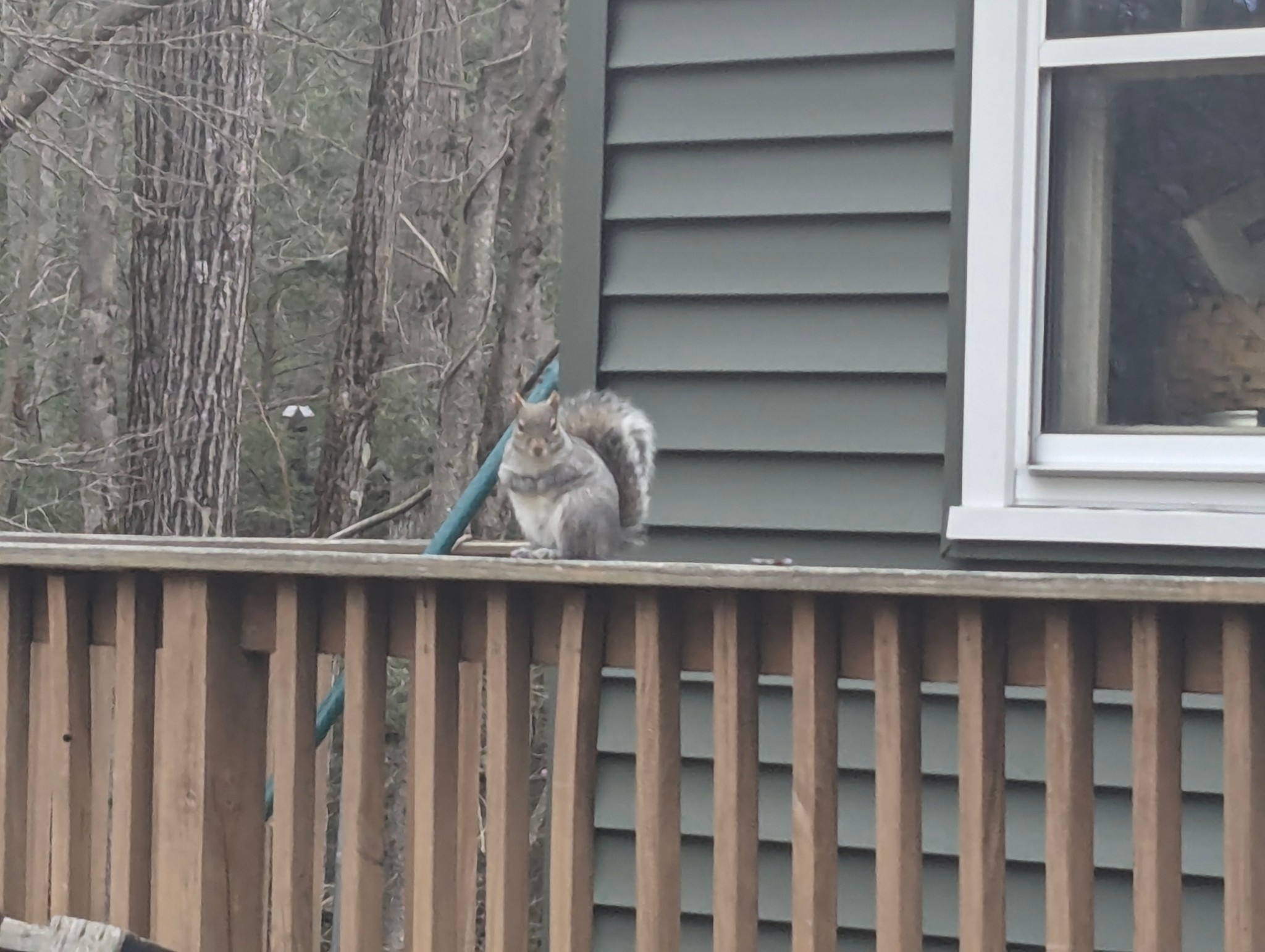
I came home from work today and saw this squirrel just looking at me. I took out my phone to take it photo expecting it to run away, but it just stayed there.

Sorry about the quality of this photo.

Thursday, 03/21/2024: Posted photo — Combinations.

One of my co-workers heard a story about a state running out of license plates numbers in a particular state so he wanted to know how many combinations of six digits there are. I sent this problem to my son, a mathematician, and these are his calculations.

He did the calculations with (36) six-character plates (26 letters and 10 numbers) and with five character with the last digit indicating the month of registration, as it is done here in Massachusetts. There are other special cases that he did not calculate.

Friday, 03/22/2024: Post photo — Good Morning.

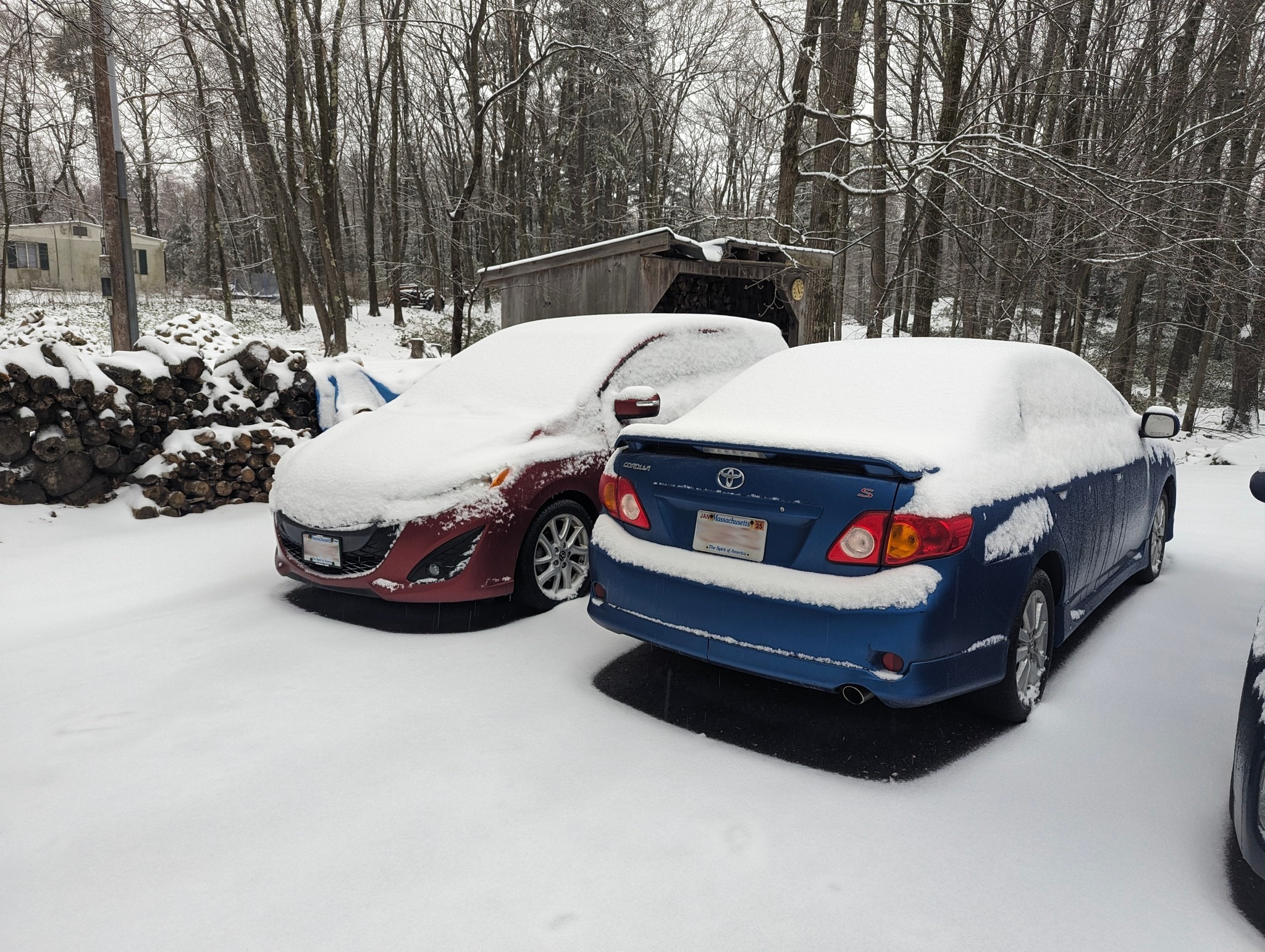
Some snow and ice on family vehicles. Taken in the future (Saturday morning, not today)

Saturday, 03/23/2024: Post photo — Snow and Ice.

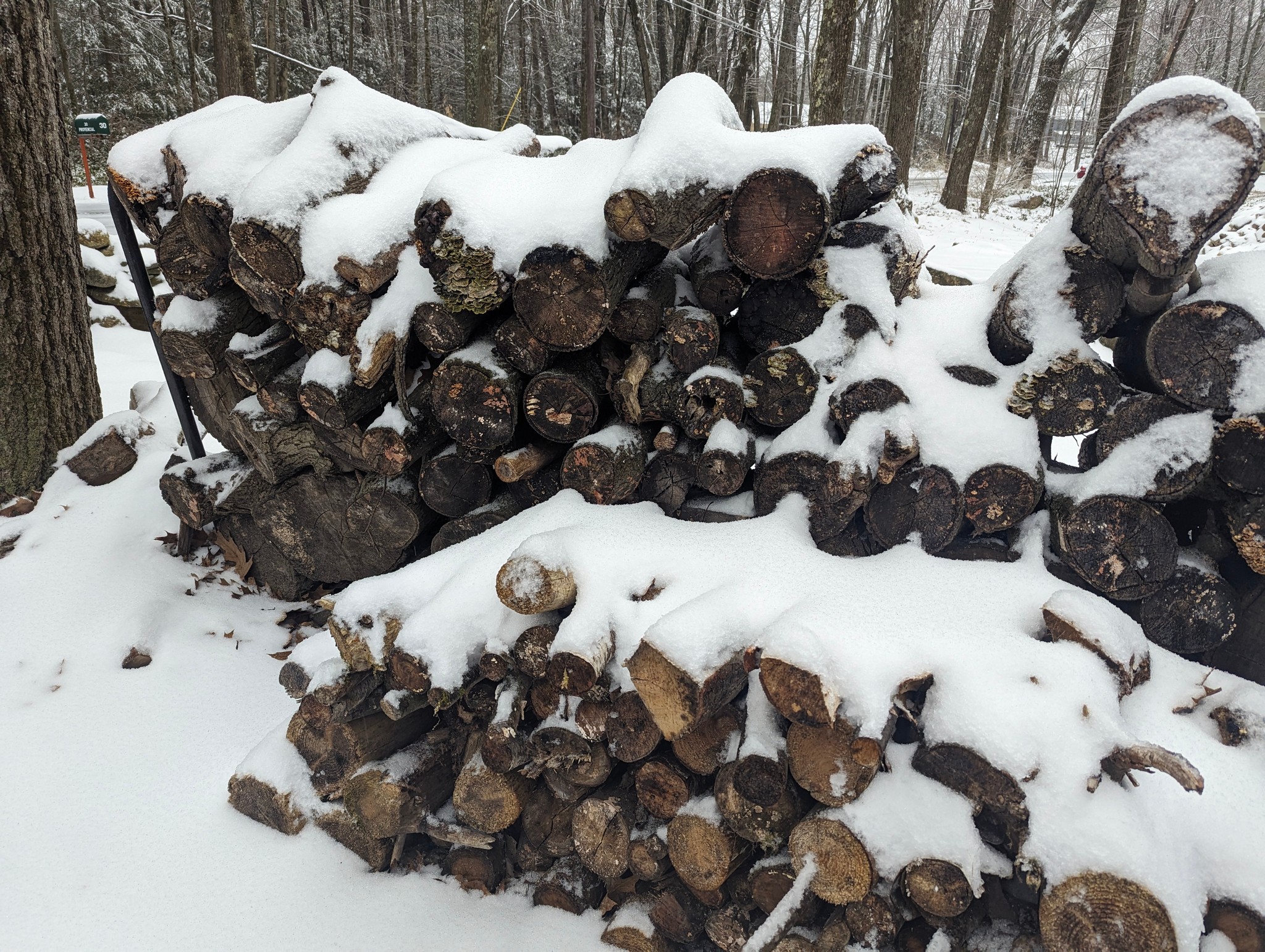
Woke up to snow and ice. This weather was expected. I had to run some errands in the morning and the roads were bad. I saw a few cars that have drive off the road. Some people are just invincible.

That is all for now. Until next week, be safe.

Photographic Thoughts — 01/28/2024 to 02/03/2024

“Taking pictures is like tiptoeing into the kitchen late at night and stealing Oreo cookies.” — Diane Arbus

In honor of Groundhog Day, I will be posting a previous post.

Thank you for all the new views and likes from last week, it helps keep me inspired.

These next few posts will be photos only that I have taken over my vacation. This week will show you some of the animals that I encountered.

Sunday, 01/28/2024: Posted photo — Prairie Dog.

One of the campsites we were camped, was a remote campground in Badlands National Park. In this campground and the surrounding area, there USGA was doing a study on Prairie Dogs. These were some that were near my tent.

Monday, 01/29/2024: Posted photo — Camping Bison.

In the same campground, there was a bison that used the site markers as scratching posts. This bison also showed up in the morning. The remote campground had only 10 sites. All eyes were on the bison. People did come out of these tents as the bison moved away.

Tuesday, 01/30/2024: Posted photo — Ducks.

These ducks were in one of the rivers at Yellowstone National Park. I did look up the type of ducks these are but did not write it down.

Wednesday, 01/31/2024: Posted photo — Elk.

This elk came to visit us at the first campground we had in Yellowstone.

Thursday, 02/01/2024: Posted photo — Bison by River.

At the second campground in Yellowstone, we took a walk in the morning and saw this bison by the river. There was a plaque at this location that stated that this was the exact location that the idea to make Yellowstone a national park was born.

Friday, 02/02/2024: Post photo — Mini Cow.

One of my sister-in-law’s animals. It is always great to take the trip to visit them.

Saturday, 02/03/2024: Post photo — Feasting Bald Eagle.

This Bald Eagle just caught a fish, brought it to the top of this tree, and had its dinner.

That is all for now. Until next week, be safe.

Photographic Thoughts — 05/07/2023 to 05/13/2023

“Your first 10,000 photographs are your worst.” — Henri Cartier-Bresson

Random thoughts and ideas for this week.

I have a flower of day this week. I am attempting to change the format of this blog to have one or more educational items per day to make reading my blog more interesting.

Sunday, 05/07/2023: Posted photo — Pyx.

A pyx is vessel containing the consecrated bread used in the service of Holy Communion. Although pyxes were made in various shapes, the most common form was that of a small cylindrical box fitted with a cover, which is generally conical. The pyx in this photo is the one that I use every week to give Holy Communion to the choir.

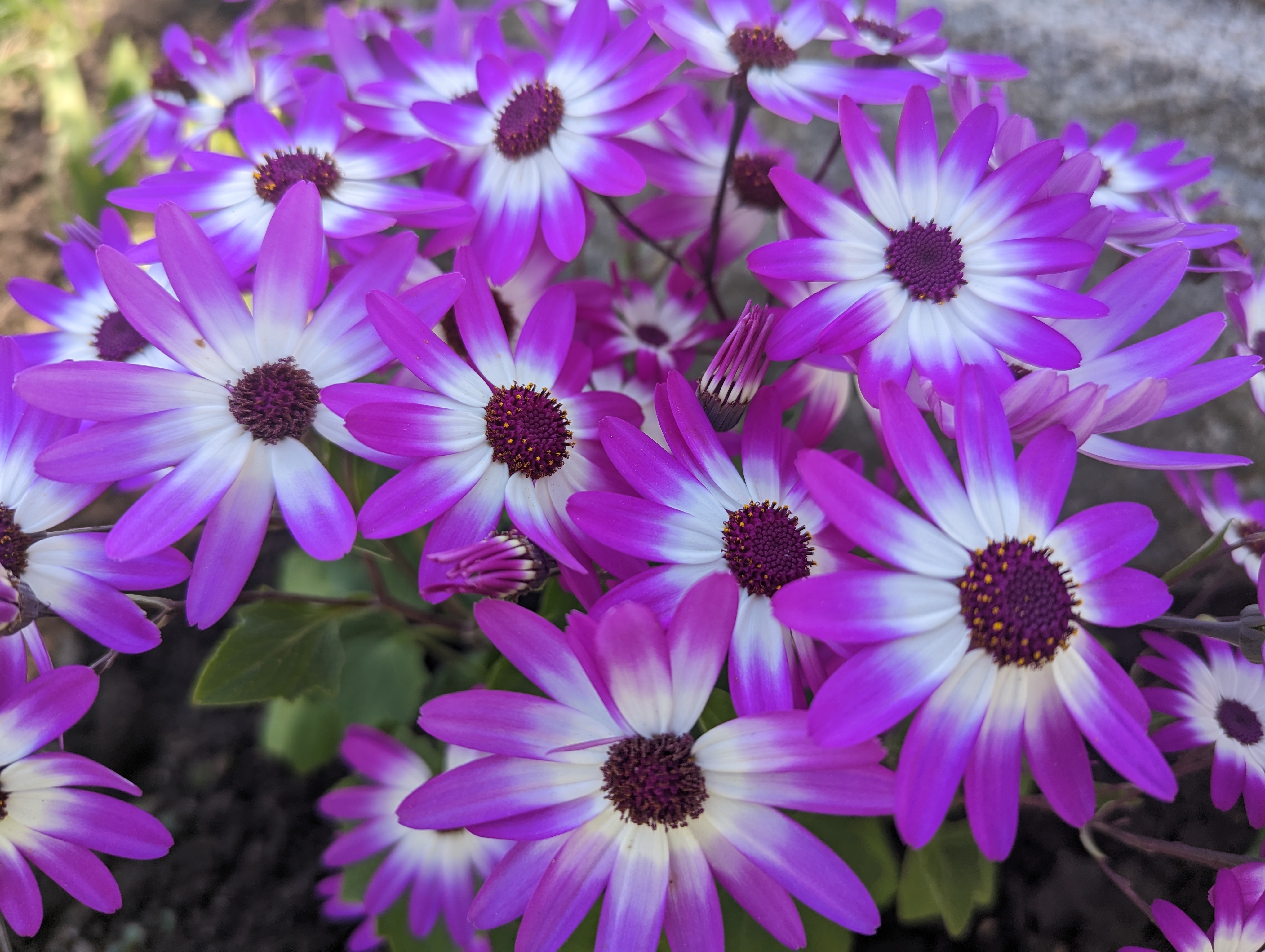
Flower of the day: Pericallis

Pericallis senetti provides daisy-like blooms in early spring when the weather is cool. They produce vibrant blues, magentas, violets, and can be bi-colored. They can tolerate low temperatures but are sensitive to frost. These are located outside our church.

Monday, 05/08/2023: Posted photo — On the Trail.

What would Monday night be without a hike? Don’t know. Every Monday that I hike does not happen is a disappointment. The good thing about missing a Monday night hike is that I can spend more time with my family. Today was a wonderful day to hike. The temperature was in the goldilocks zone, not to hot and not to cold. The black bugs were not bothering me as much as other members of the hiking group.

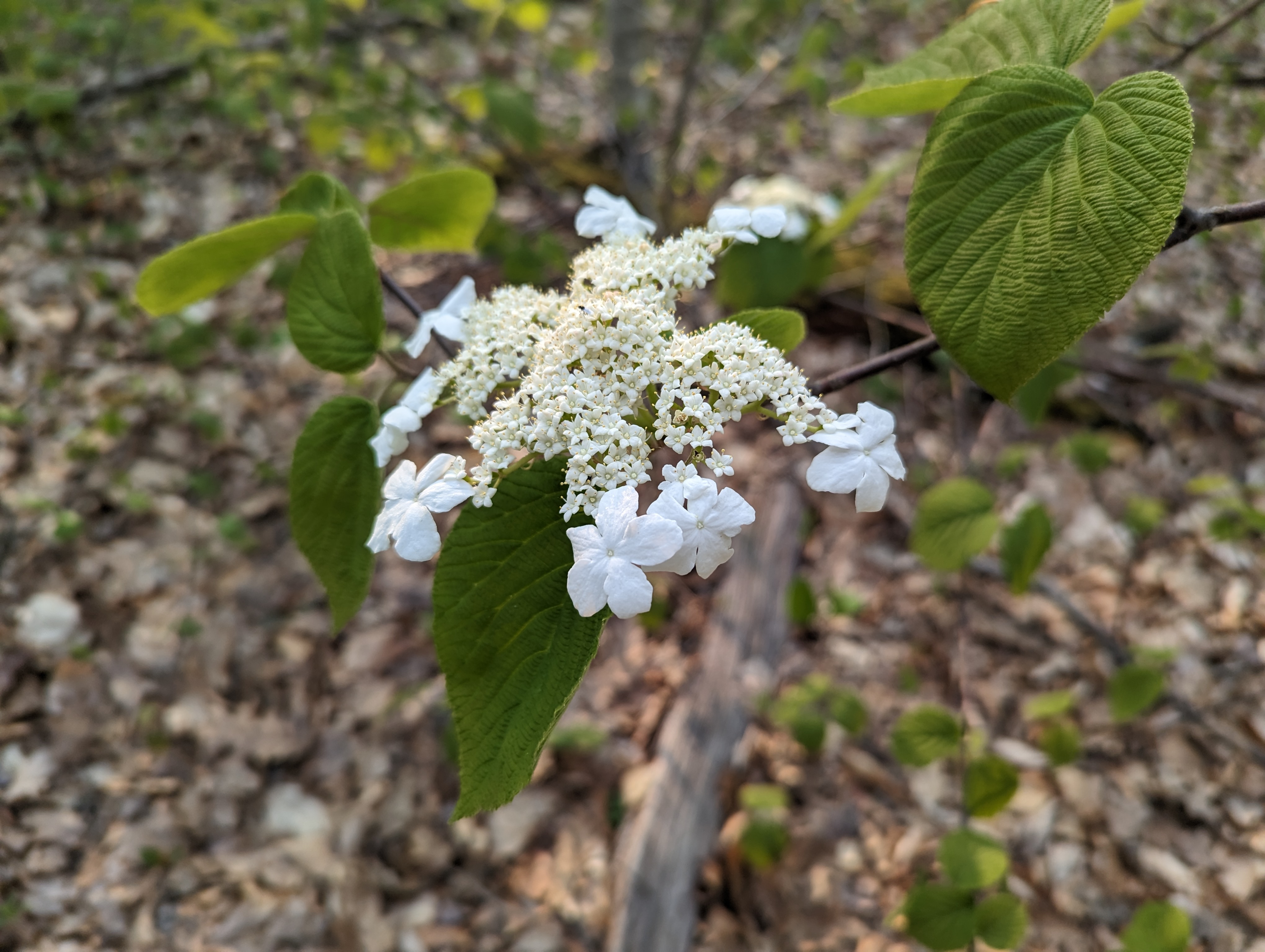
Flower of the day: Hobblebush

“Viburnum lantanoides, hobblebush (also known as moosebush, witch-withy, witch-hobble, witch-tangle and tangle legs) can grow more than ten feet tall, and often at least as wide, in its sprawling, errant, fashion. Branches extend outward, arch and descend, re-rooting where they touch the ground, forming a small copse. This lissome habit is most evident in winter when the hobblebush is leafless and the shrub’s structure can be traced. What appears to be a solitary shrub is usually an aggregate of clonal offspring called ramets.” https://wildseedproject.net/2015/06/viburnum-lantanoides-hobblebush-adoxaceae/

Tuesday, 05/09/2023: Posted photo — Abstract Rabbit.

Came home from shopping tonight and saw this rabbit in our yard. I took out my phone to take this photo. I took this photo from a distance so that I did not disturb the rabbit. It looks like my camera went into the digital zoom range causing this abstract effect. You can see the tree debris that I still need to clean up in this photo.

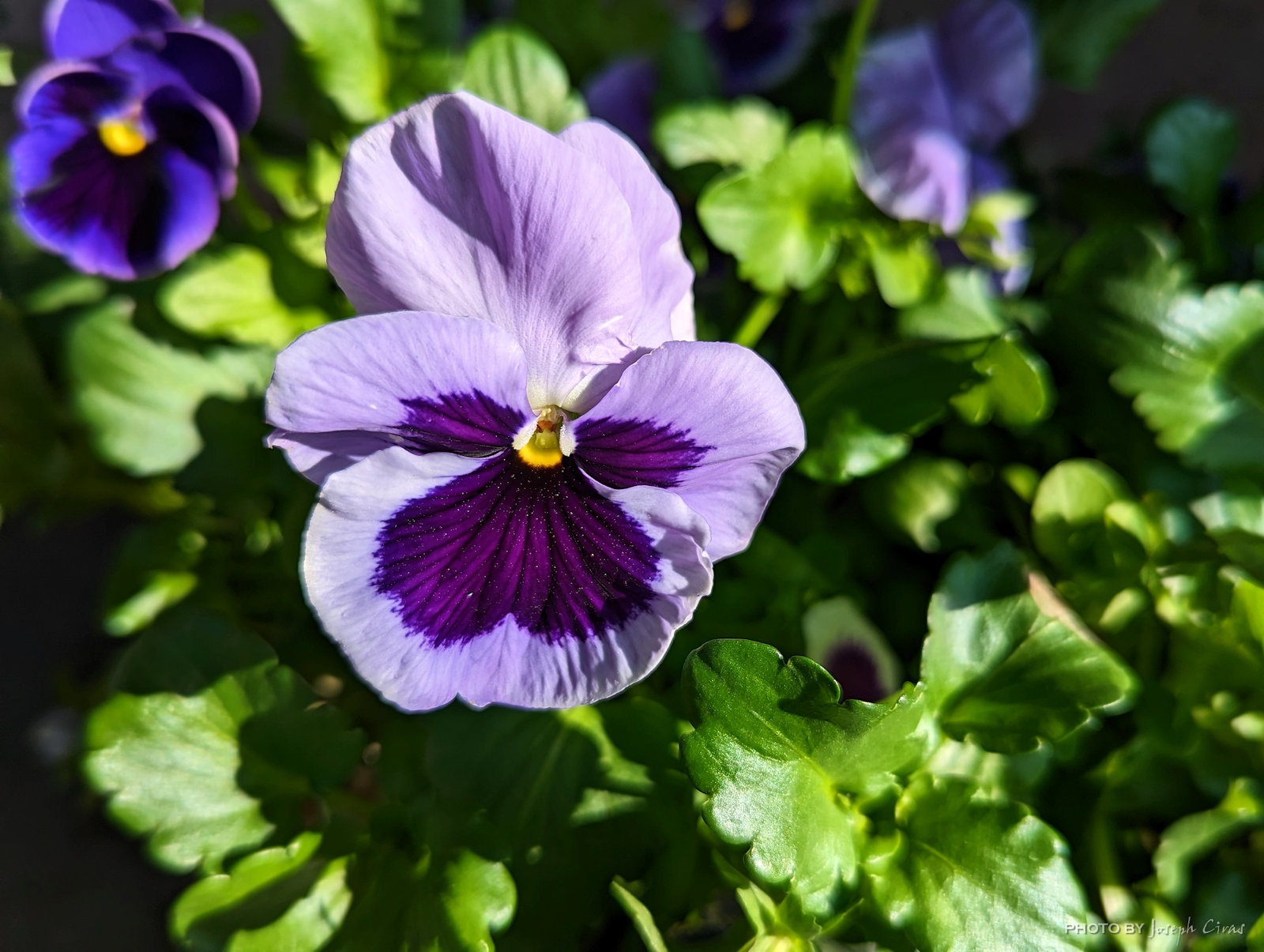
Flower of the day: Pansy

Pansies are the cheerful flowers with upturned “faces.” They love cool weather and are popular to grow in spring and fall. They’re also edible, adding color to salads, drinks, and cakes. Here’s how to plant pansies and keep them growing and blooming.

Wednesday, 05/10/2023: Posted photo — Start of Third Leg.

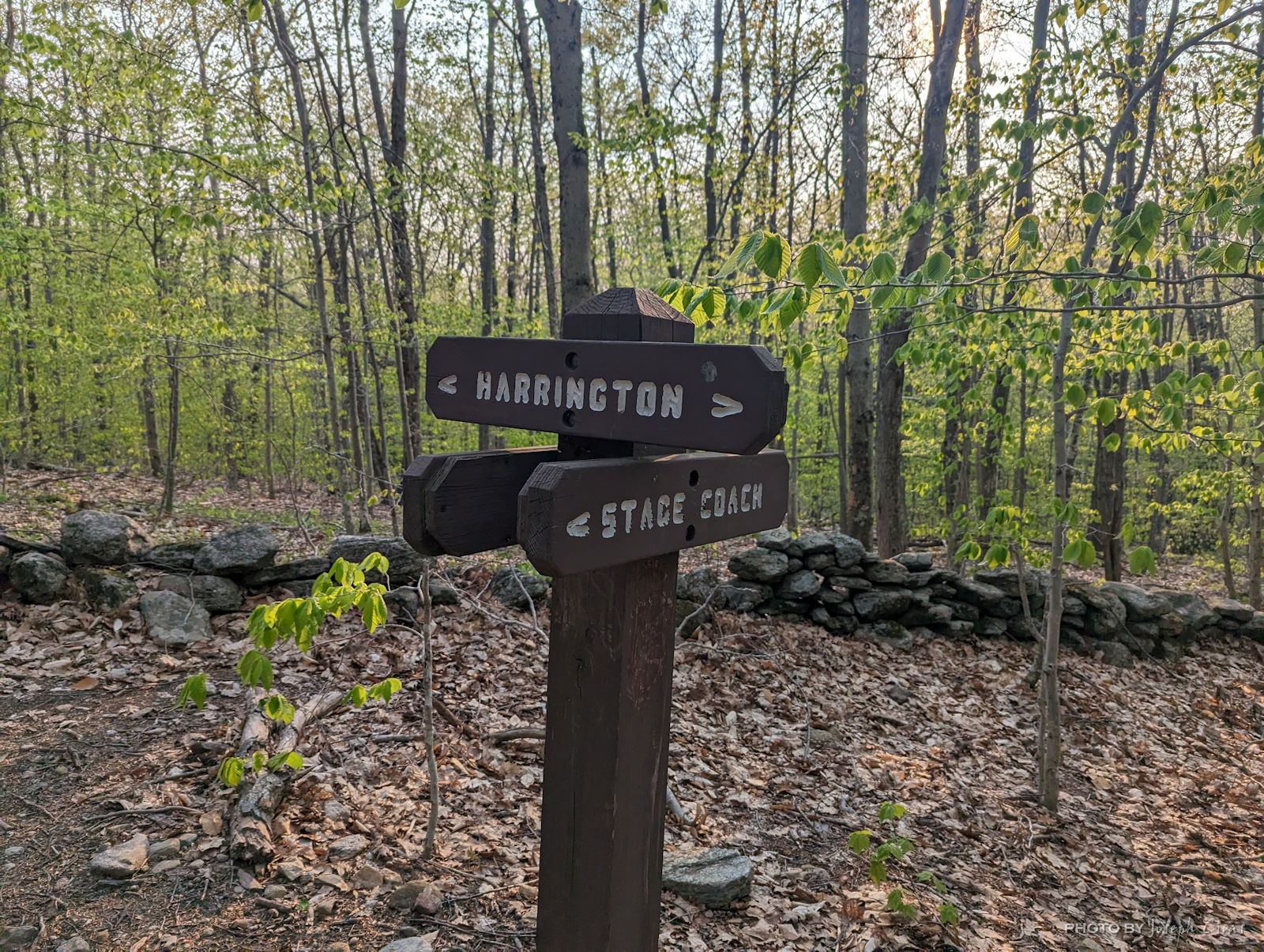
I am leading a mystery hike in a few weeks. The group is meeting at a trailhead, and I am giving them direction at trail junctions. The directions will only consist of bearings and distances. This is the location of the third leg of my trip.

If you are in the area and would like to join me, sign up for the trip on this web page: https://activities.outdoors.org/search/index.cfm/action/details/id/144329. You do not need to be an AMC member to join the hike.

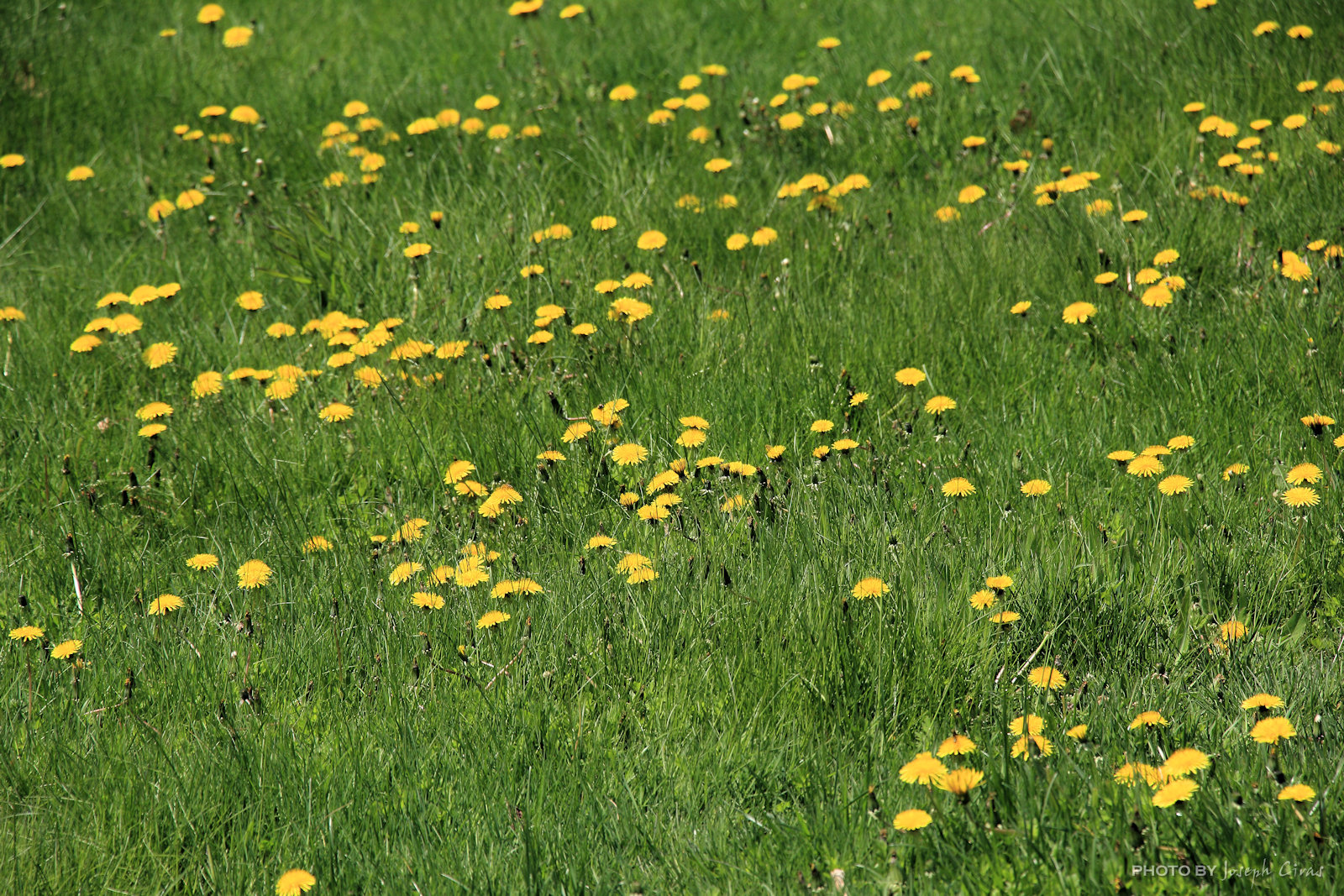
Flower of the day: Dandelions

To show the benefits of the once-beloved plant, here are items you might not know about dandelions.

  • Dandelions have deep roots in history throughout the ages.
  • Dandelions were world-famous for their beauty.
  • Dandelions are a green and growing first aid kit.
  • Dandelions are more nutritious than most of the vegetables in your garden.
  • Dandelions are good for your lawn.
  • Dandelions are masters of survival.
  • Dandelions are among the most expensive items in the grocery store.
  • Herbicides used on lawns to kill dandelions take a terrible toll on wildlife.
  • But there’s a safer way to have a dandelion-free lawn.

To learn more, go to https://www.mofga.org/resources/weeds/ten-things-you-might-not-know-about-dandelions/.

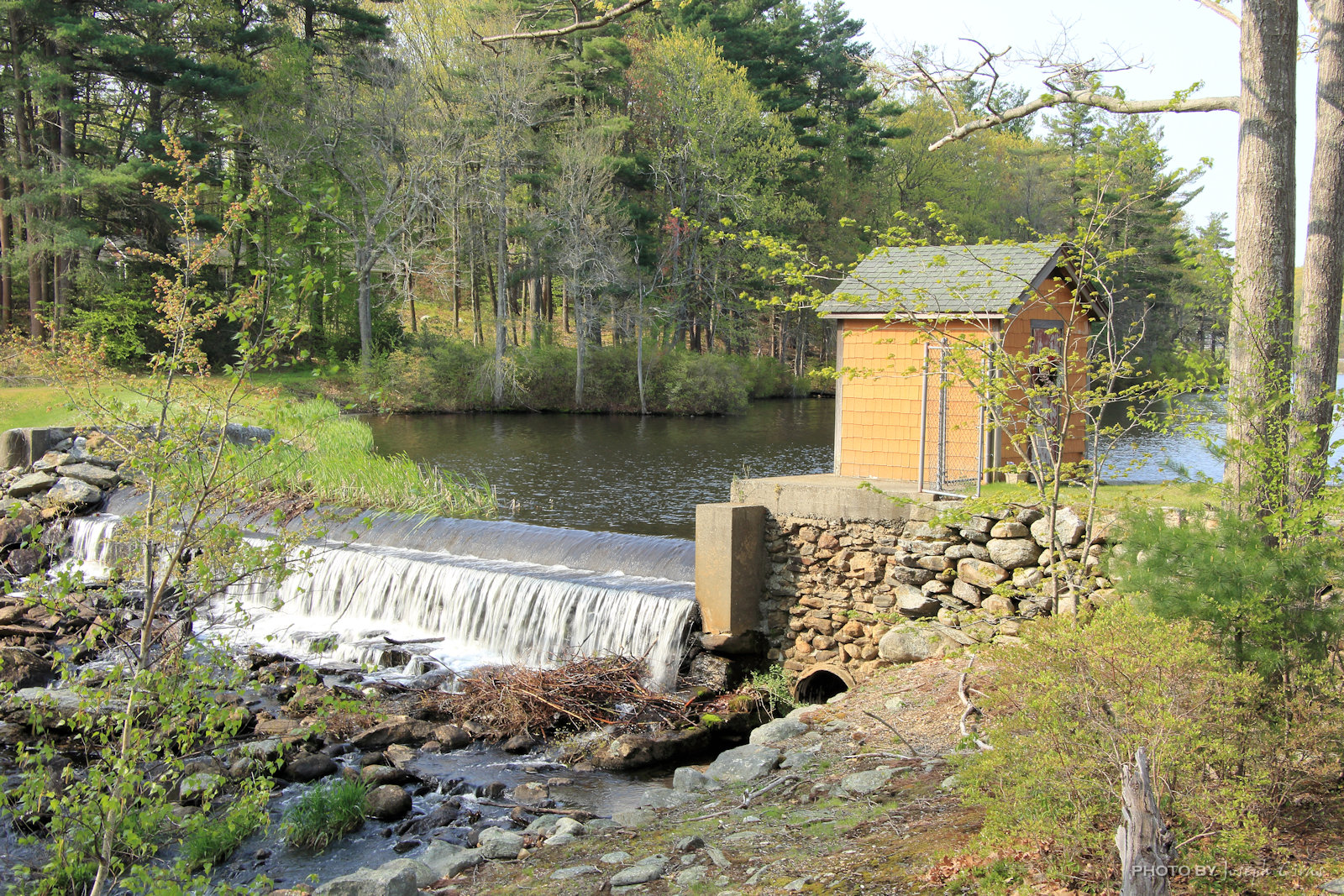
Thursday, 05/11/2023: Posted photo — Dam at Round Meadow Pond.

Here is a photo of the dam at Round Meadow Pond. This is a location that I photograph often.

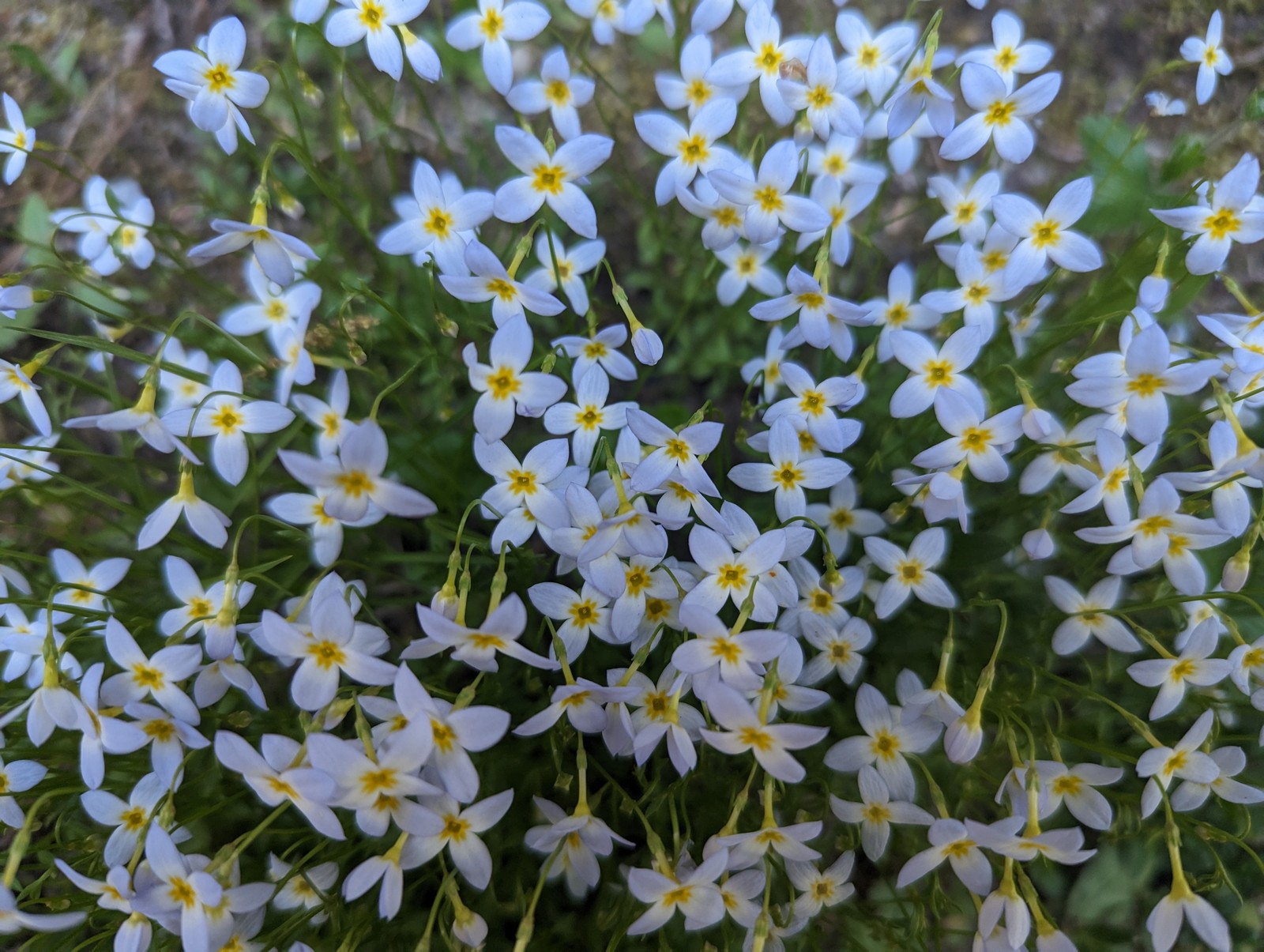
Flower of the day: Bluets

Common bluets produce both nectar and pollen. Their short flower tubes make their nectar accessible to our short-tongued native bees. Quite a few species of native bees including small carpenter bees and some of our sweat bees will visit common bluets. Several of our smaller species of early butterflies will also visit common bluets.

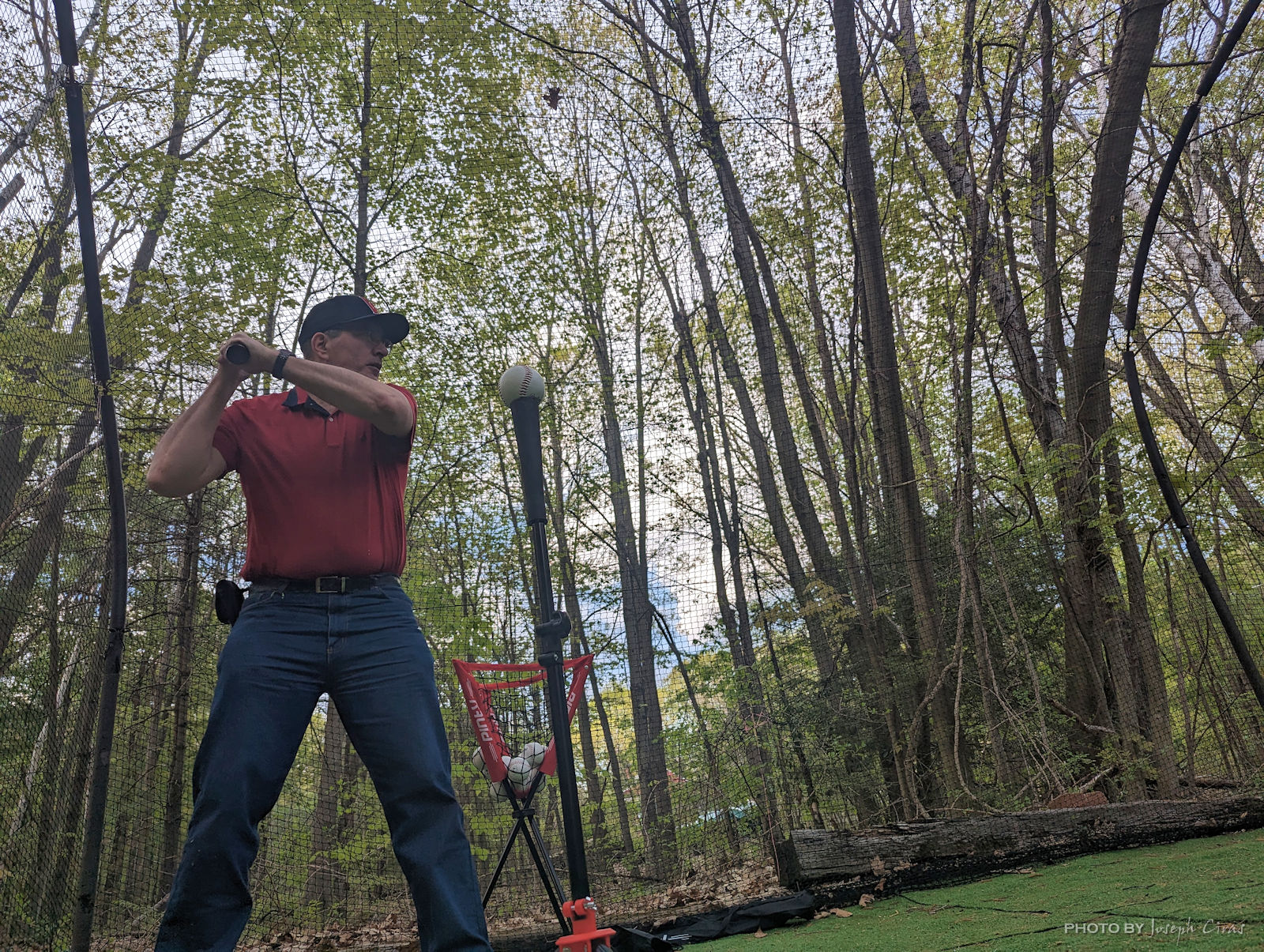
Friday, 05/12/2023: Post photo — Hitting Off the Tee.

My son purchased a hitting tee for the junior high baseball team he coached. I did some hitting practice. Have not swung a bat in a while. I swung the old way with two hands on the bat as Ted Williams did. He attempted to coach me by having me remove my top hand off the bat as the modern hitters do. I like the old way of hitting.

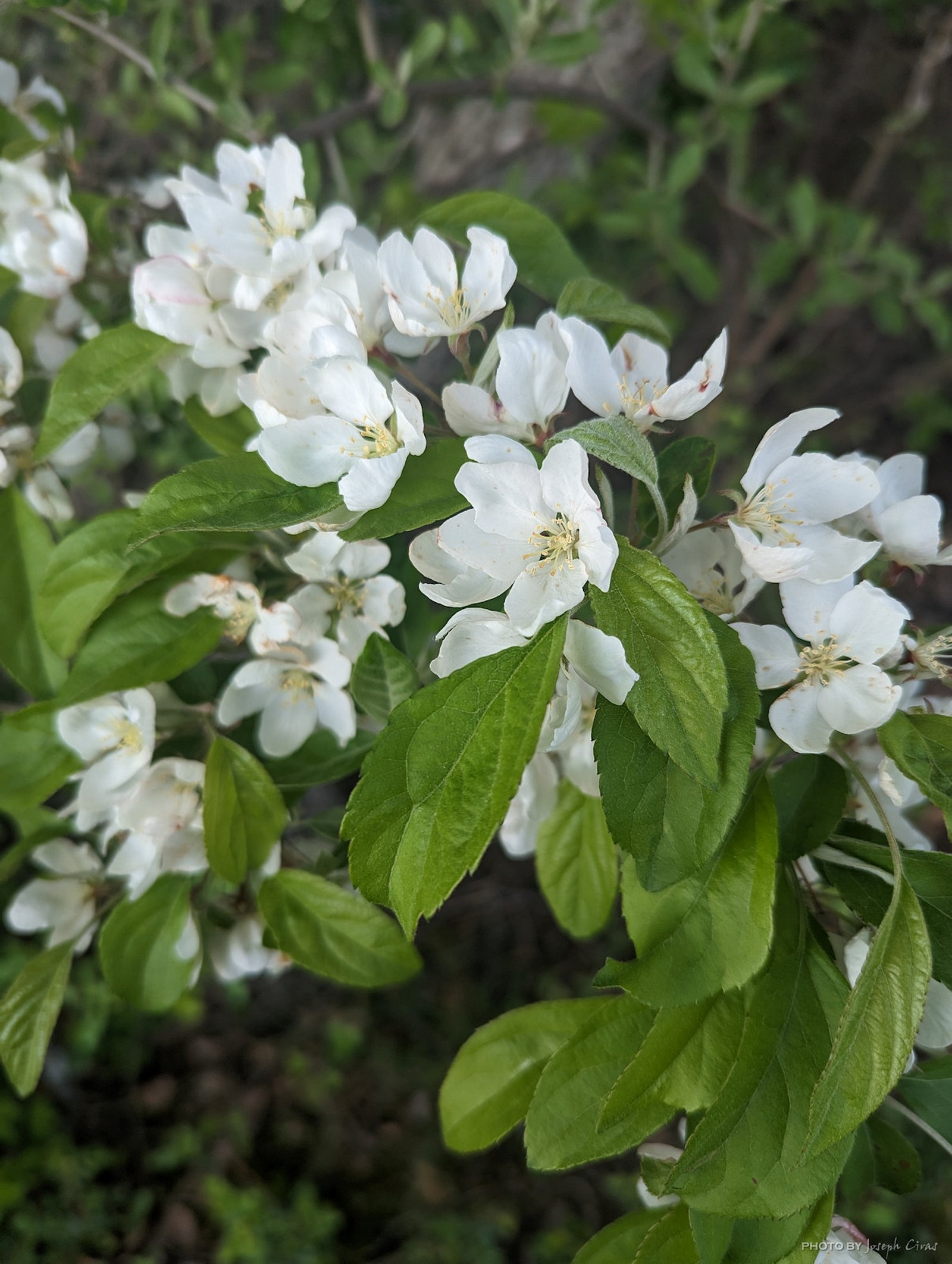
Flower of the day: Malus baccata (Siberian crab apple)

Siberian crab apple inhabits northerly areas of New England, although certain cultivars grow as far south as Florida. The tree produces white-pink, non-hairy (glabrous) flowers in spring along glabrous branches. With a pleasing, rounded crown, abundant flowers and small, edible fruits, this crabapple has been introduced widely as an ornamental tree.

Saturday, 05/13/2023: Post photo — Lilac.

I have a photo challenge this week that is titled detail. Chances. Details are having your eyes instinctively lock on to a small part of the image before looking at the whole picture. I attempted this by putting a mononuclear on my cell phone and taking this photo.

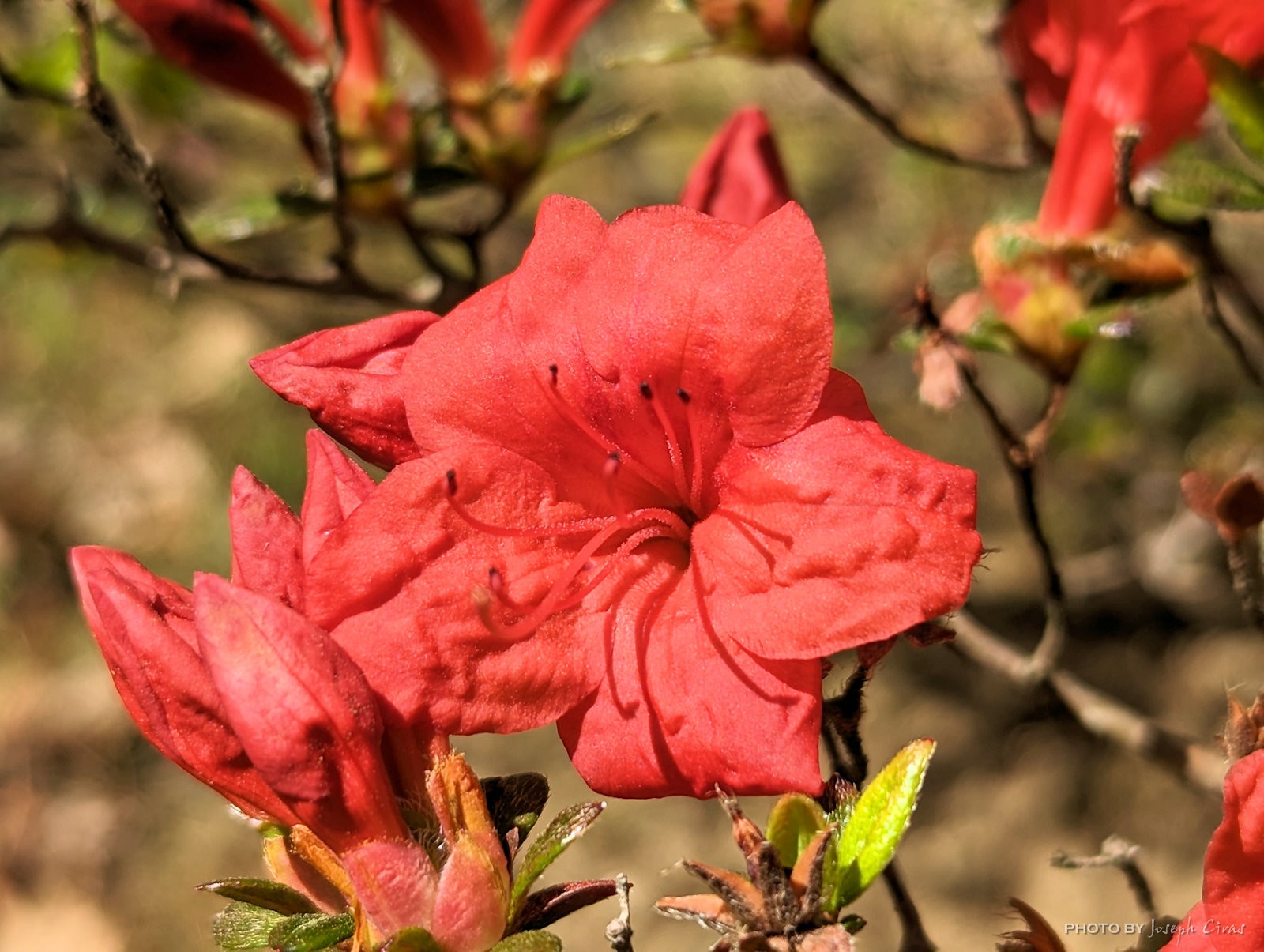
Flower of the day: Azaleas

Azaleas are typically deciduous while other rhododendrons are evergreen. Azalea flowers are funnel-shaped, somewhat two-lipped, and often fragrant. These azaleas in our yard have survived the last heavy snow that fell. The bush was heavily loaded with snow. There is still a large area of the bush that has not yet bloomed.

For more photo of other projects I have work, visit my website: https://photobyjosephciras.weebly.com or visit me on Facebook at https://www.facebook.com/PhotobyJosephCiras/.

Photographic Thoughts — 02/19/2023 to 02/25/2023

“All photographs are accurate. None of them is the truth.” — Richard Avedon

Photos for this week. On vacation (or holiday) depending the country your are reading this blog in. Looked forward to a relaxing week in the warmth.

Sunday, 02/19/2023: Posted photo — Flight Pattern.

Settings: Google Pixel 7, ISO 62, f/1.8, 1/678 s, 7 mm.

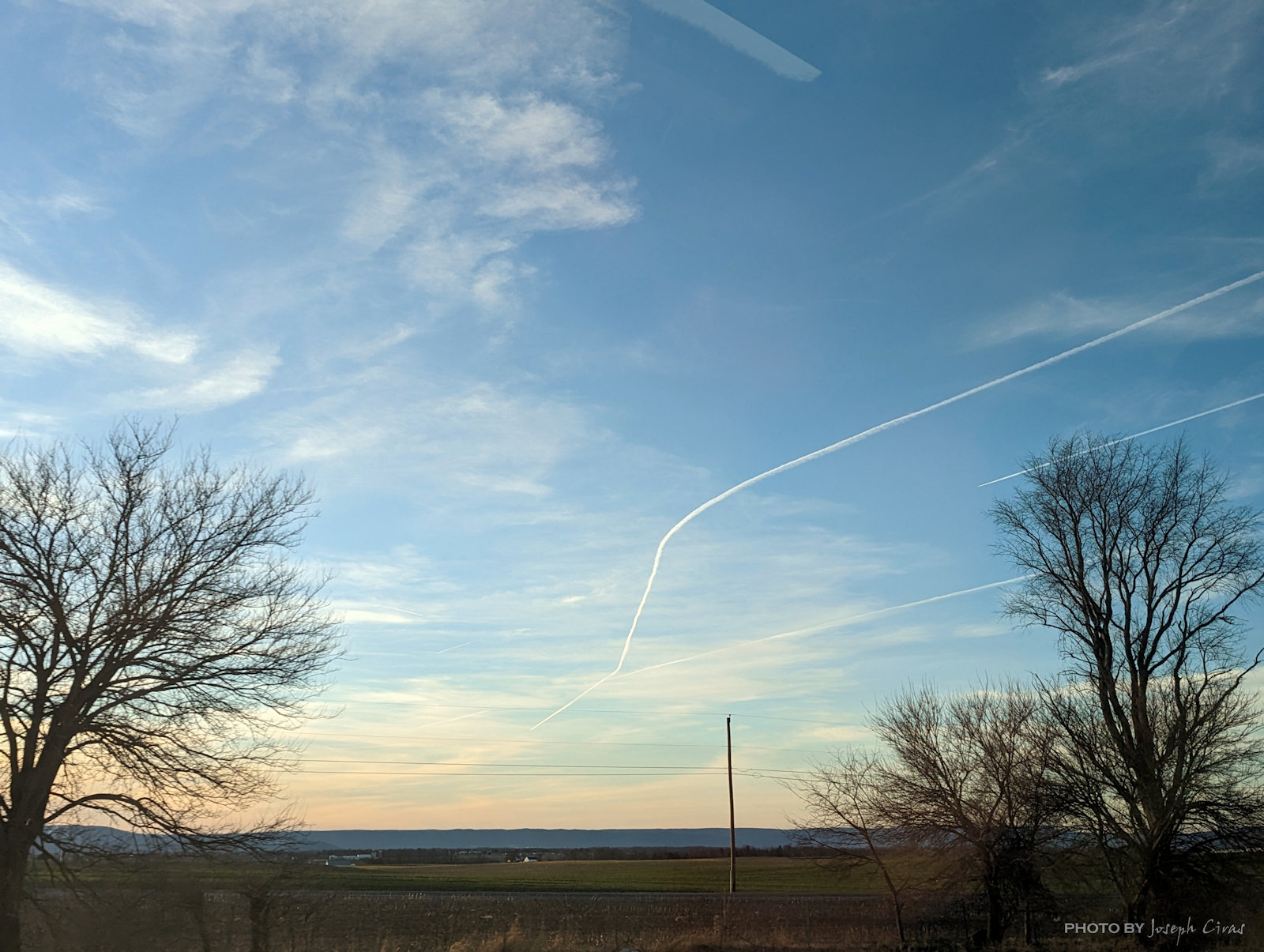
During the ride down to our vacation destination, I noticed the contrail left by at plane as it was turning. Contrails or vapor trails are line-shaped clouds produced by aircraft engine exhaust or changes in air pressure, typically at aircraft cruising altitudes several miles above the Earth’s surface. A little later, I noticed that a plane took a turn and flew in front of another plane. I took my phone out, since I was the navigator at this time, and took a photo.

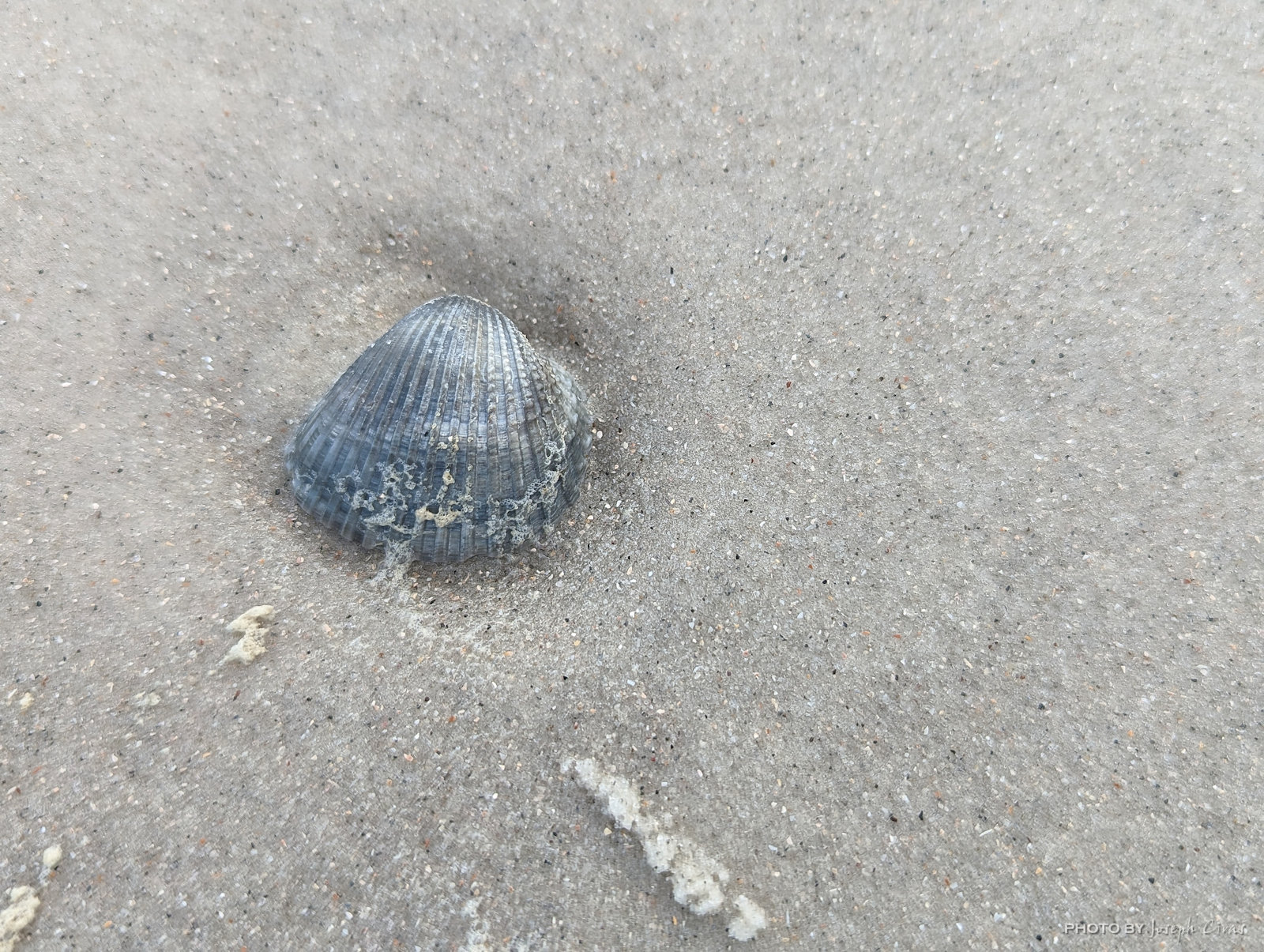
Monday, 02/20/2023: Posted photo — Shell.

Settings: Google Pixel 7, ISO 66, f/1.8, 1/593 s, 7 mm.

We reached our destination and took a walk on the beach. I took a photo of this shell because of its color. The beach was full of white shells. I did not see many shells that were dark. This shell is a common cockle shell. The common cockle (Cerastoderma edule) is a species of edible saltwater clam.

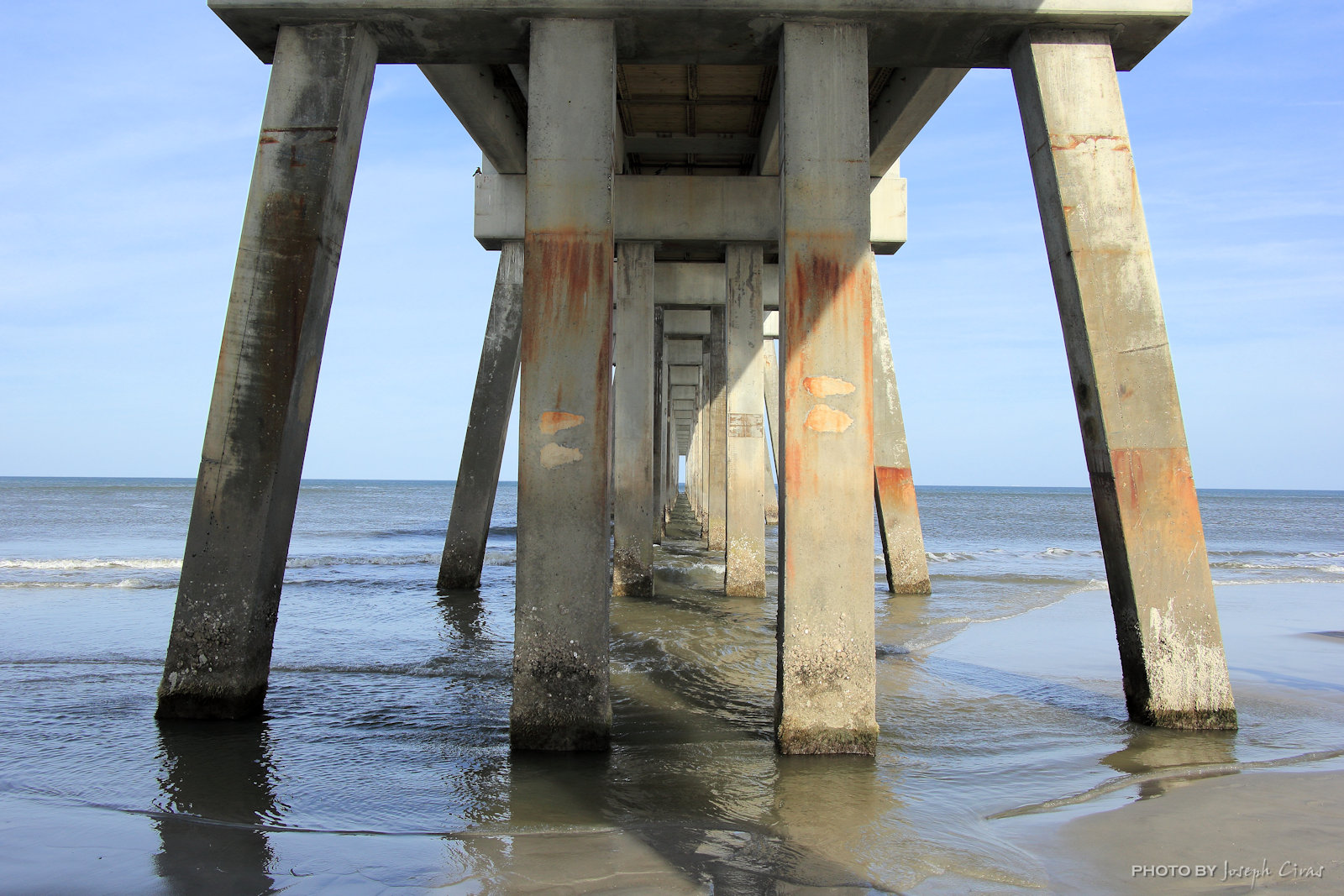
Tuesday, 02/21/2023: Posted photo — Under the Pier.

Settings: Canon EOS 60D, ISO 100, f/7.1, 1/320 s, 22 mm.

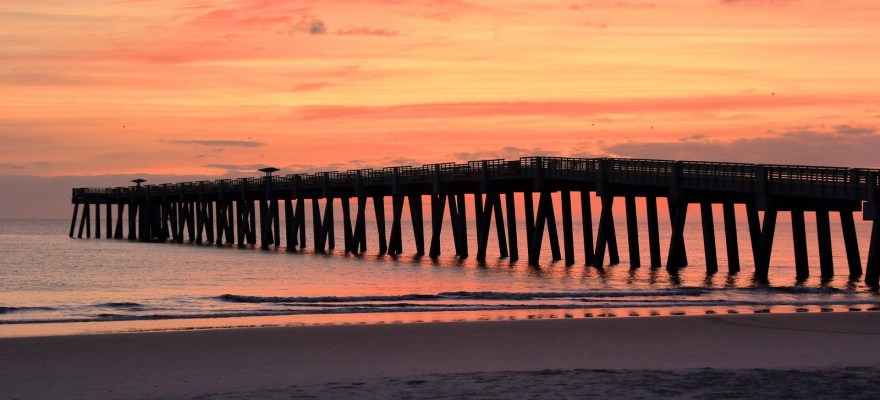
The Jacksonville Beach Fishing Pier is nearly a quarter of a mile long and offers visitors close-up views of the Atlantic Ocean. The pier was closed for years because Hurricane Matthew wiped out part of the pier in 2016, then Hurricane Irma damaged it some more in 2017. Unfortunately the pillions on the pier do not make a good of a photo as the last pier did. At least this one might hold up to hurricanes.

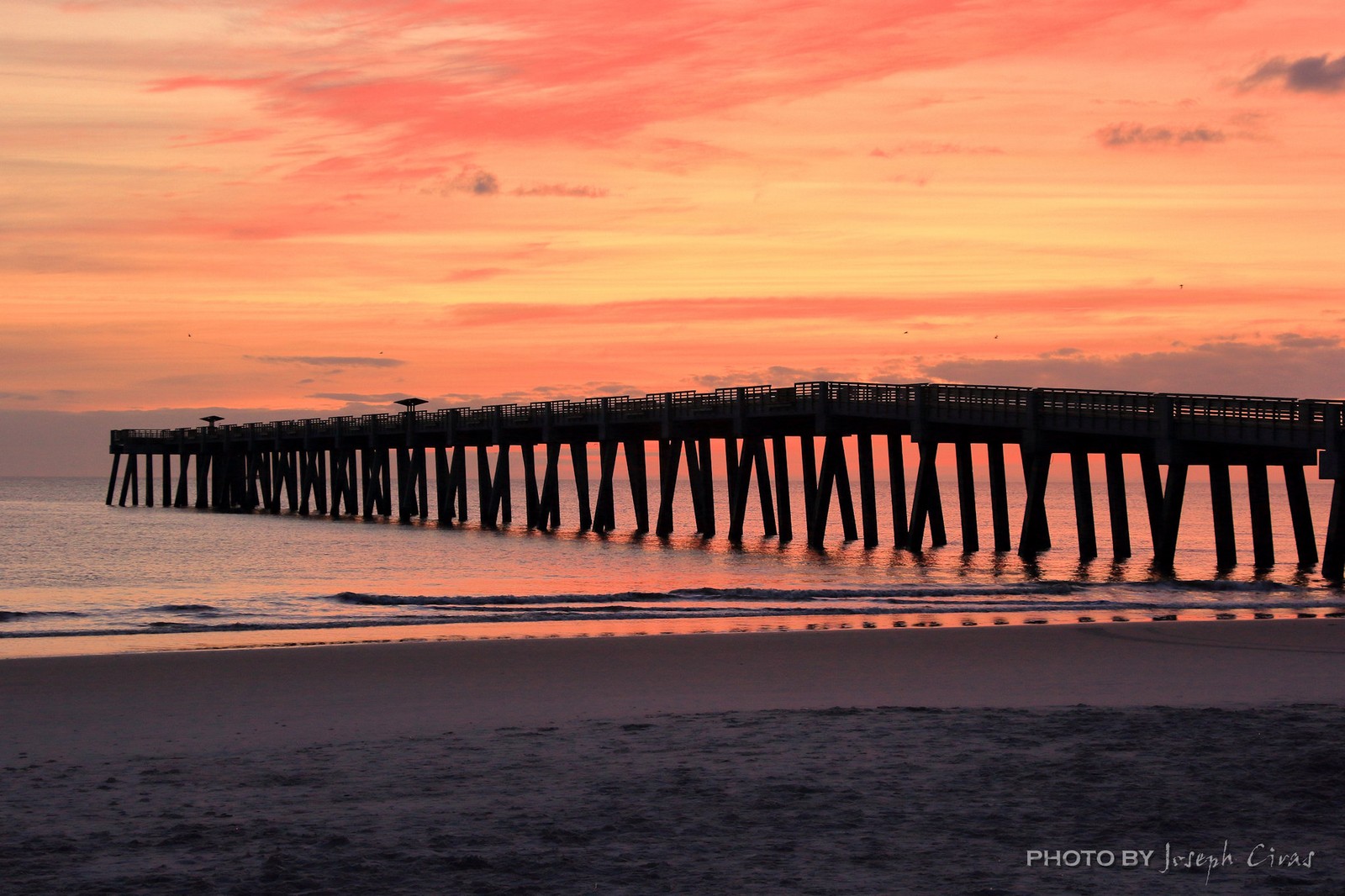
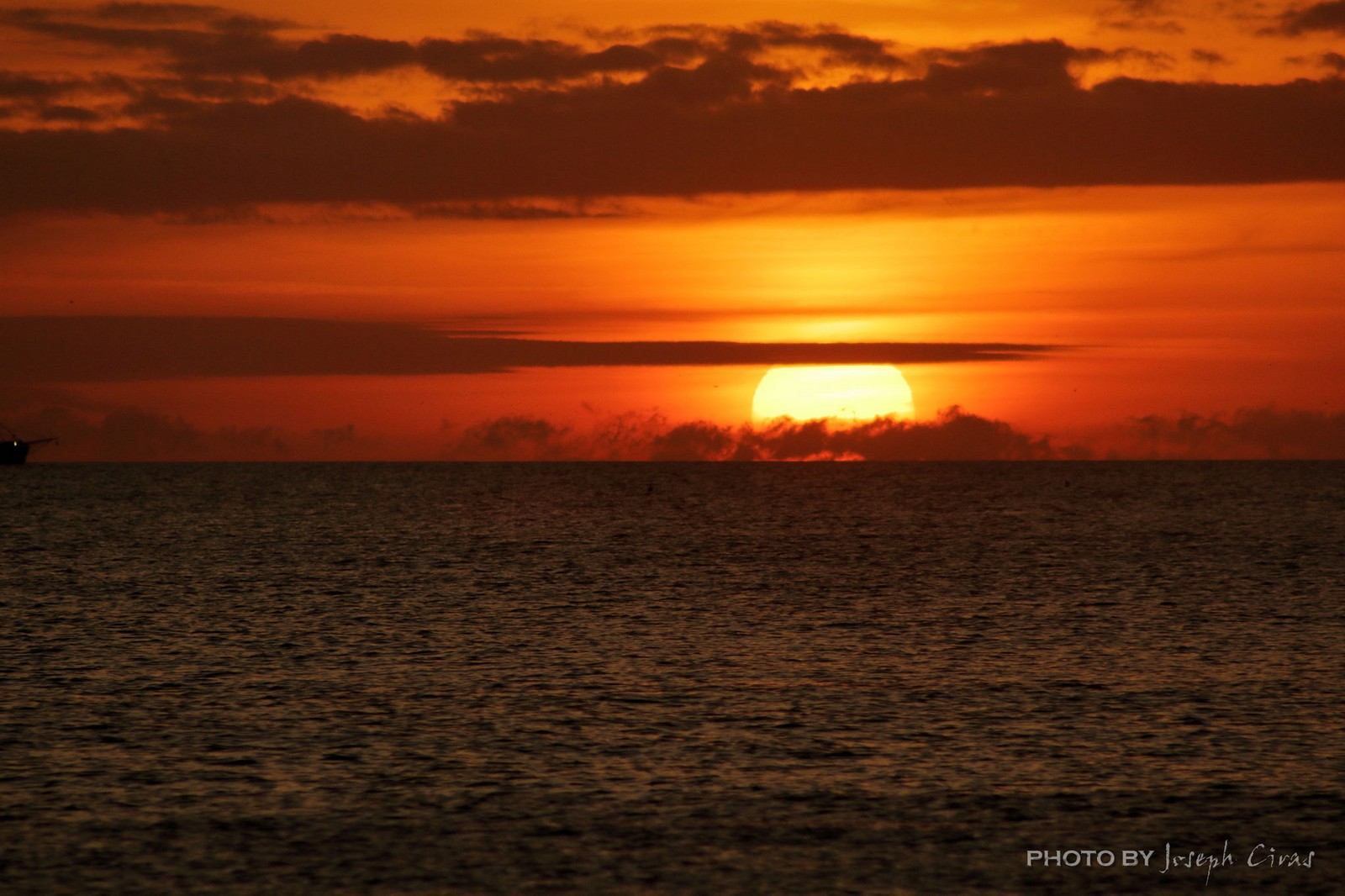
Wednesday, 02/22/2023: Posted photo — Sunrise.

Settings: Canon EOS 60D, ISO 400, f/7, 1/8000 s, 300 mm.

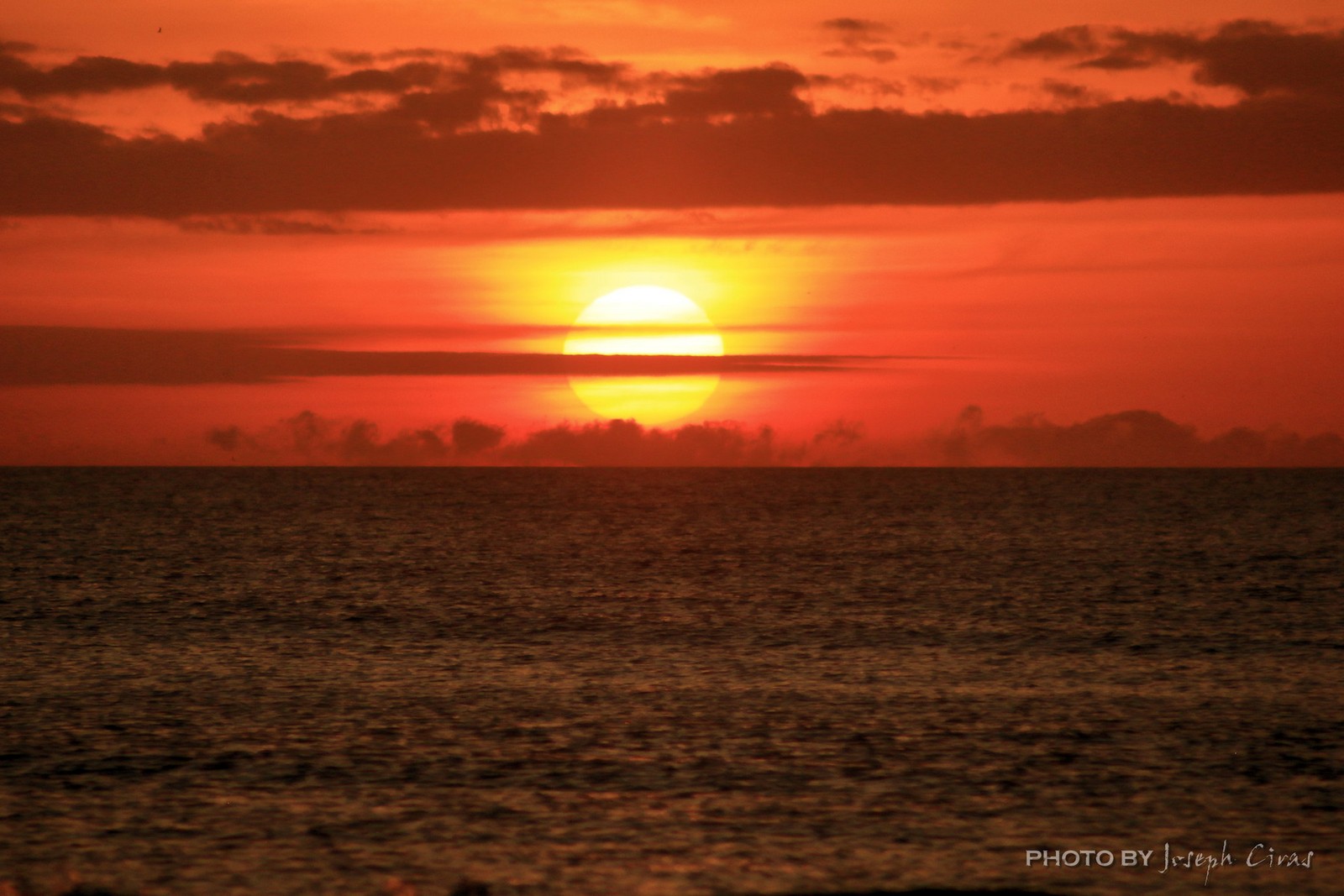
Woke up early this morning to take a photo of the sunrise. Drove down to the pier to get this photo. The cloud cover was sparse, but the sunrise was wonderful. Each sunrise is different.

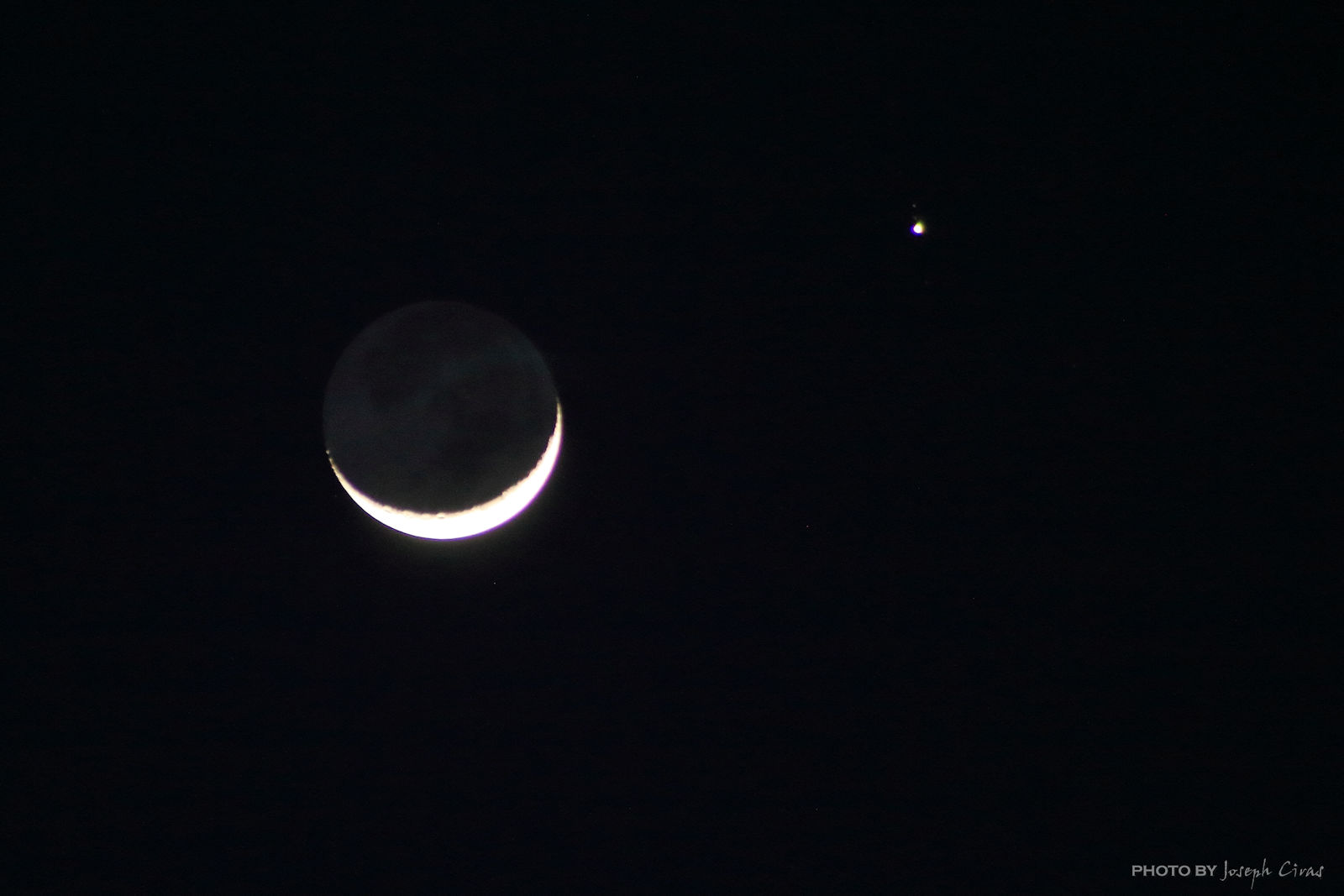
Tonight, while visiting family members, I saw the moon and Jupiter. Later on, I saw the moon, Jupiter, and Venus. I took out my camera and took a series of shots just after sunset. These photos are ones I took a little later at night at night time. These photos are handheld photos.

Thursday, 02/23/2023: Posted photo — Lizard.

Settings: Google Pixel 7, ISO 42, f/1.8, 1/234 s, 7 mm.

Don’t know if it is a brown anole or a Florida scrub lizard. Someone can tell me. All I know is that this little guy wanted to go with us to the beach today.

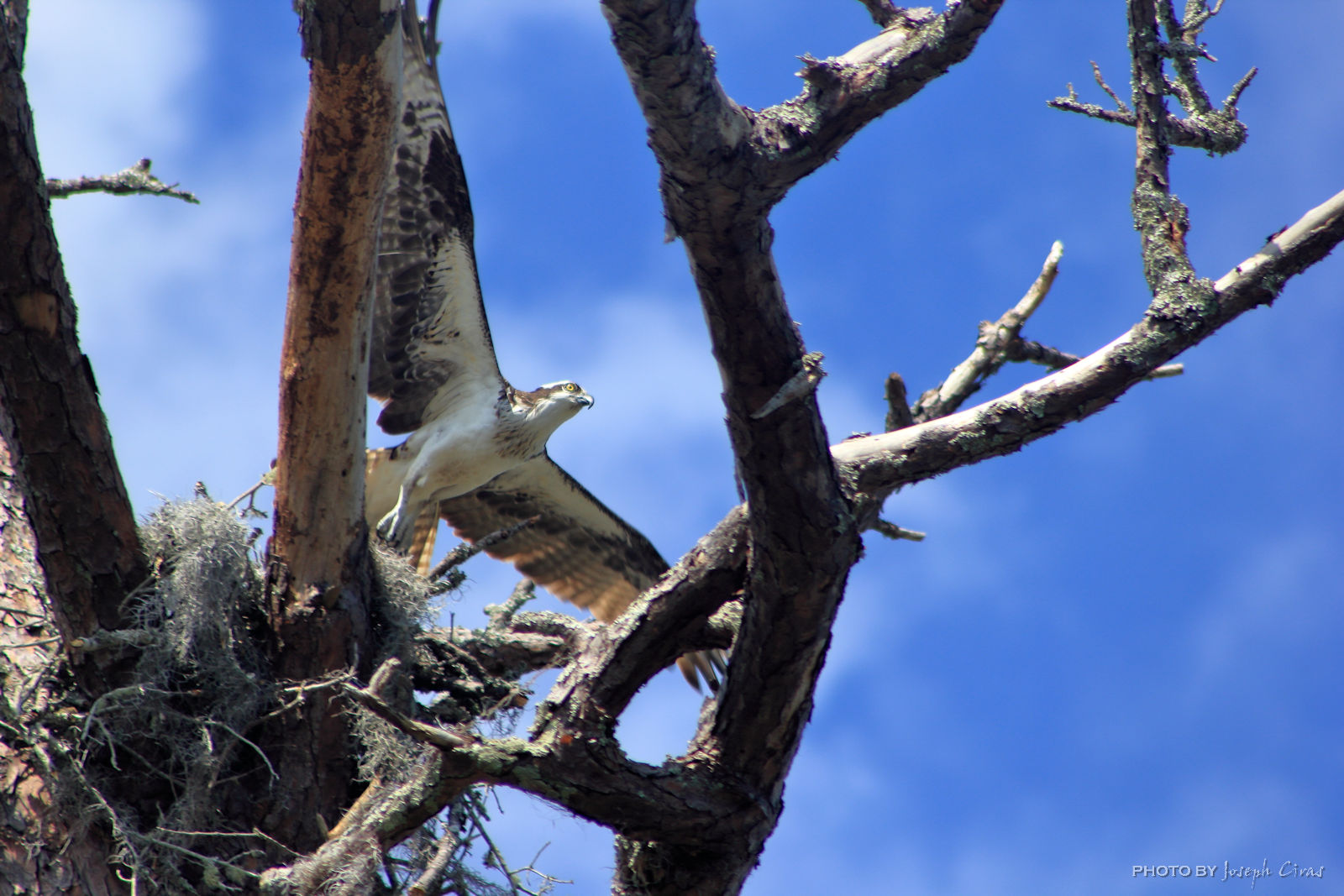
Friday, 02/24/2023: Post photo — Leaving the Nest.

Settings: Canon EOS 60D, ISO 100, f/7.1, 1/320 s, 300 mm.

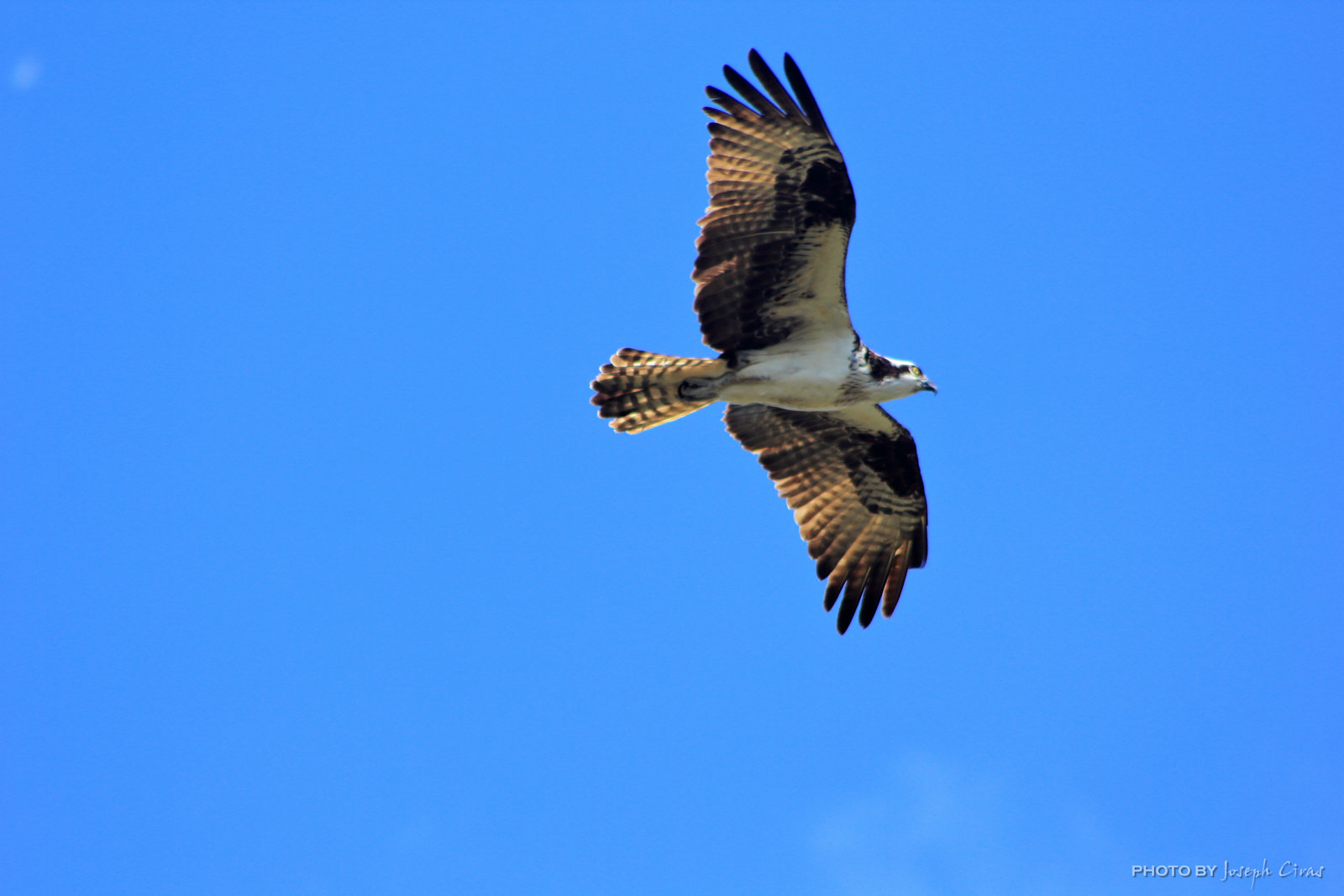
We watched this osprey flying around and gathering sticks for its nest. They move so quickly. This was the best photo that I got of the osprey. This photo was taken in Cradle Creek Preserve. Cradle Creek Preserve consists of 36 acres, purchased on August 9, 2001 by the City of Jacksonville Beach and the city of Jacksonville. The City of Jacksonville Beach holds title to the property. It a very peaceful place in the middle of the hustle of the beaches.

Saturday, 02/25/2023: Post photo — Feet in Ocean.

Settings: Google Pixel 7, ISO 42, f/1.8, 1/4049 s, 7 mm.

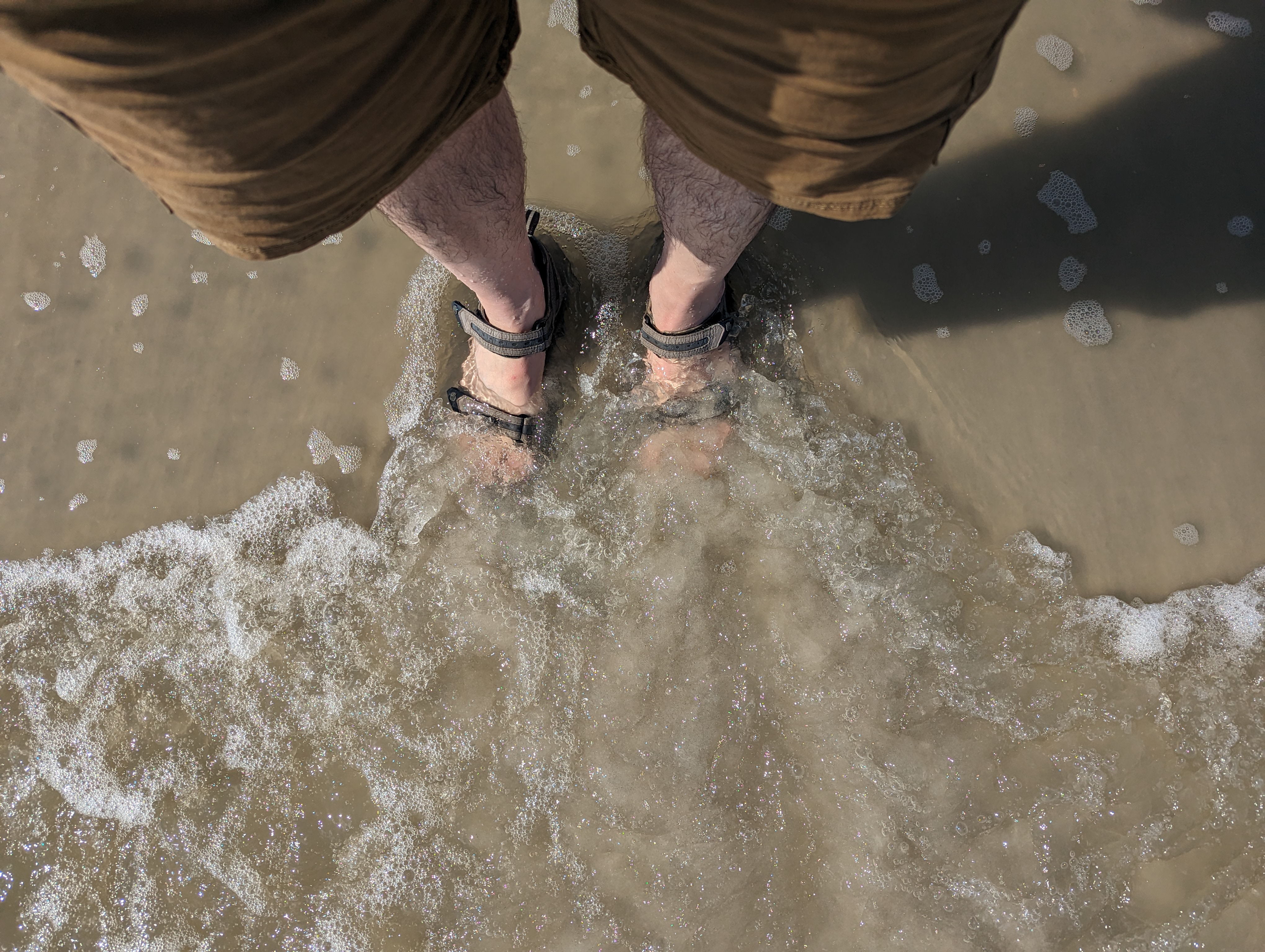
As my vacation winds down, and the snow and ice falling up north, I took this opportunity to put my feet in the ocean. With temperatures in the 80s F here and in the teens up north, just relaxing for one more day.

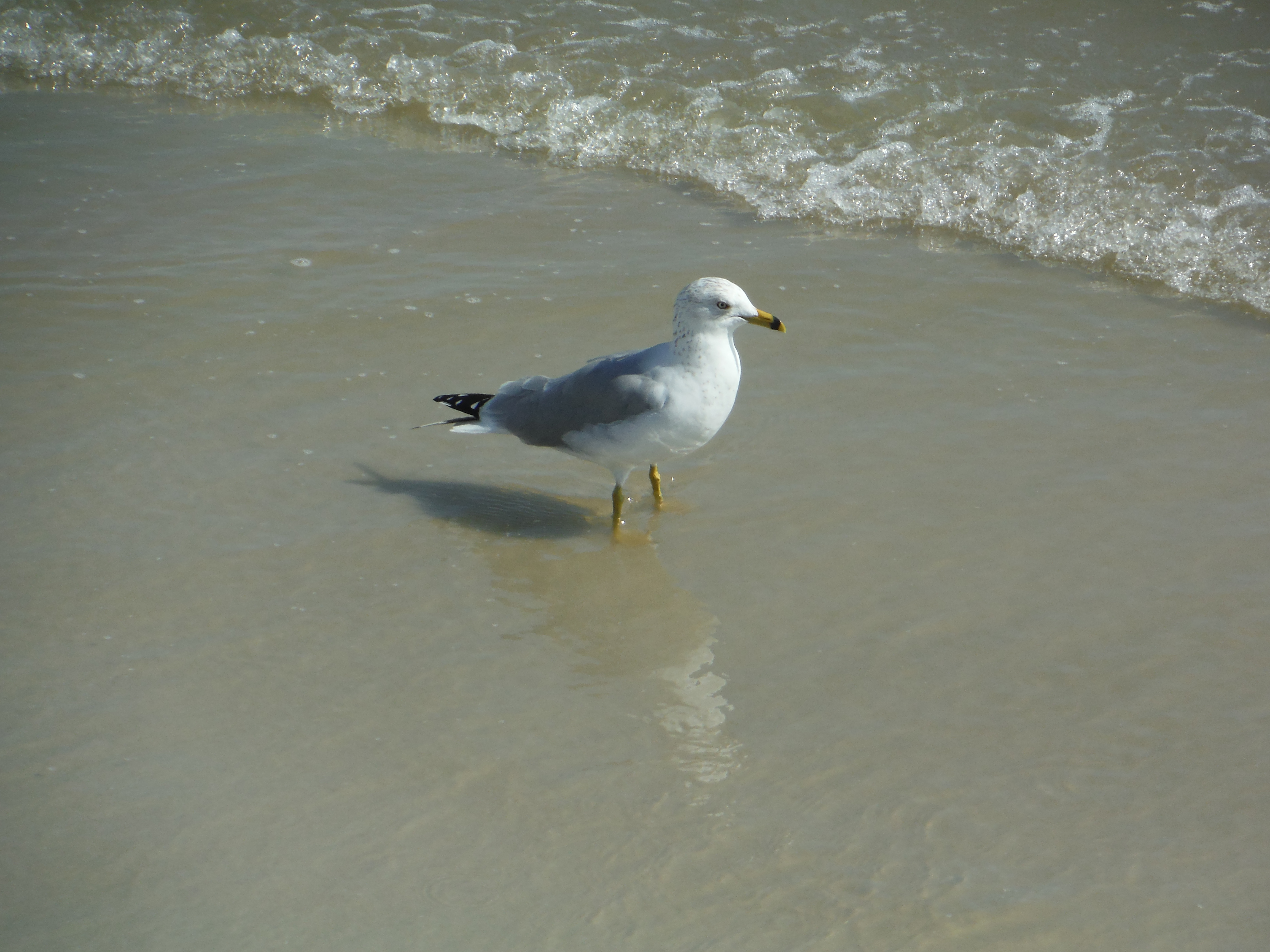
Here is a gull and a Royal Tern that was hanging out with us on the beach.

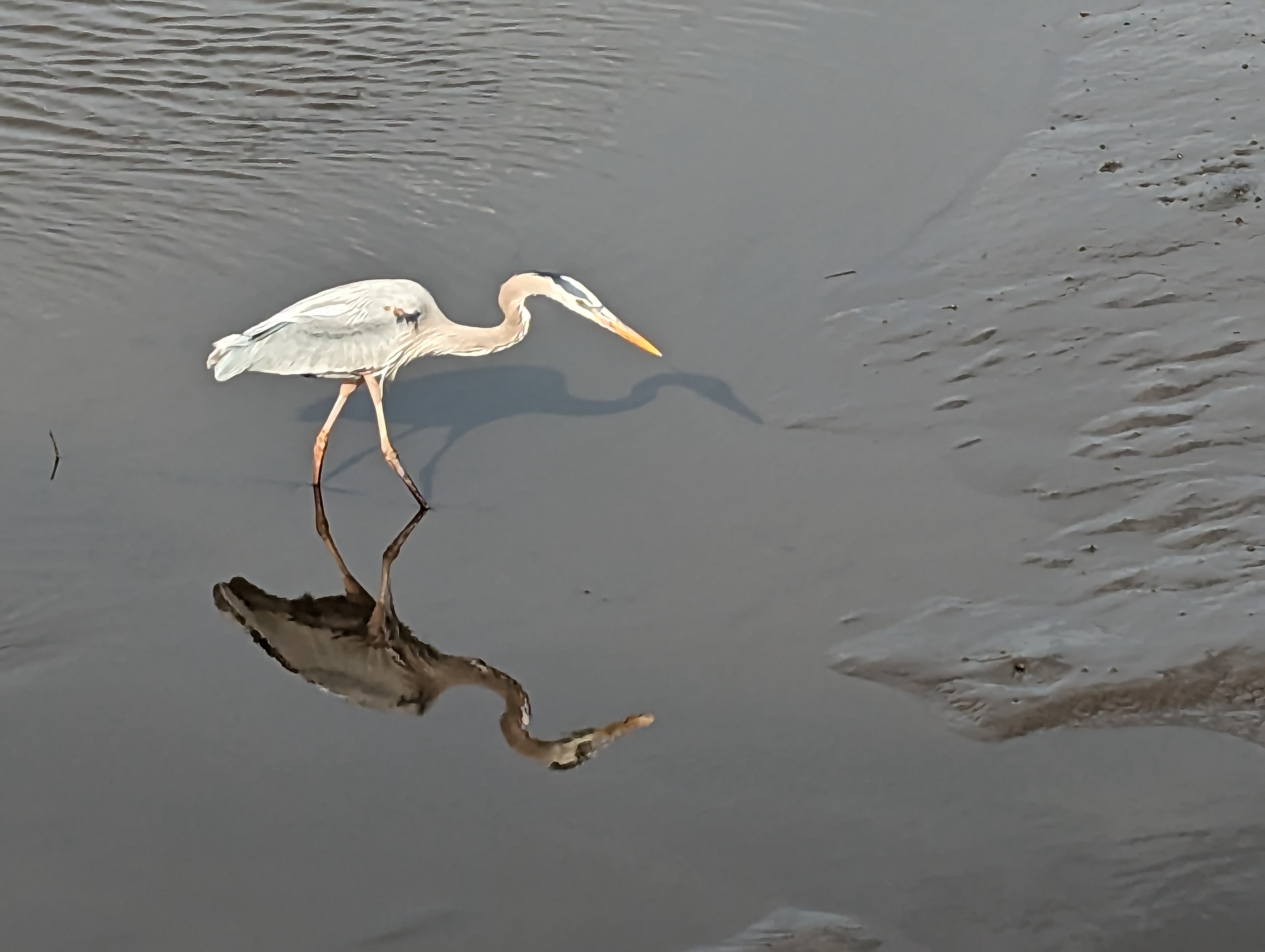
I also took a walk in a nature preserve and saw this great blue heron. It was going to be a quick walk so I only had my cell phone. Watched it for about 15 minutes and it did not catch a fish. I do like the reflection and the shadow.

Back to the cold weather and reality.

Went back the next day and this egret fished successfully caught a fish, a small fish, but a fish none the less.

For more photo of other projects I have work, visit my website: https://photobyjosephciras.weebly.com or visit me on Facebook at https://www.facebook.com/PhotobyJosephCiras/.

Photographic Thoughts — 01/08/2023 to 01/14/2023

“When people ask me what equipment I use – I tell them my eyes.” — Anonymous

One of the things that I like to do is to turn some of my photos into posters. Here is a few of the photos that I have turned into posters over the years.

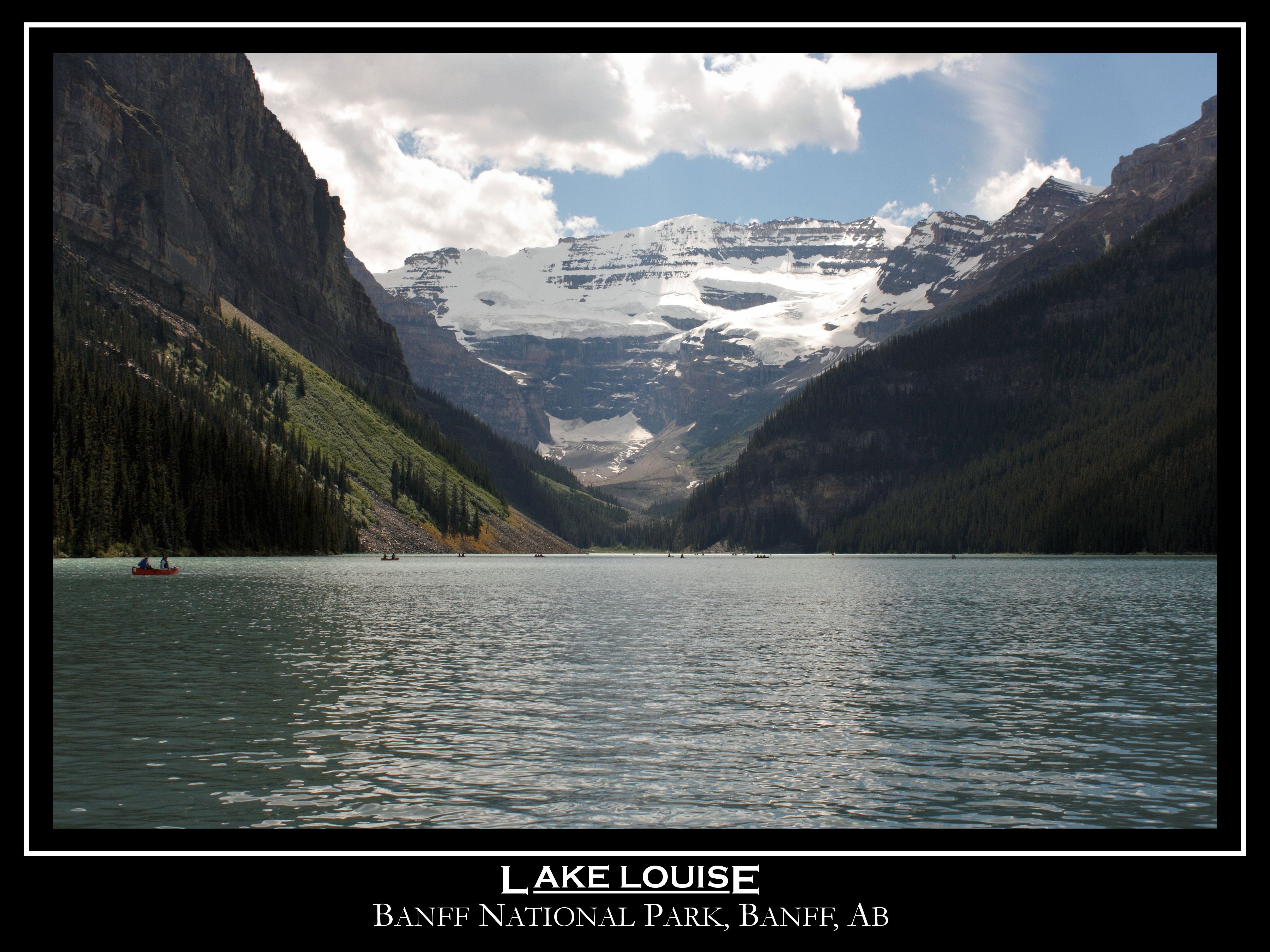
Sunday, 01/08/2023: Posted photo — Lake Louise.

Lake Louise is located in Banff National Park, Canada’s oldest national park, in the Canadian province of Alberta. It sits at an elevation of 5,679 ft (1,731 m) making it Canada’s highest permanent settlement. The lake extends northeast for around 1.5 mi (2.4 km) and is around 0.75 mi (1.2 km) at its widest point. The Lake Louise area is separated in two – the larger community is known as Lake Louise Village and is directly accessible via the Trans-Canada Highway, while Upper Lake Louise is directly next to the lake itself and contains the famous Lake Louise Chateau, along with a host of incredible hiking, biking, and horse-riding trails. https://adventures.com/canada/attractions/lakes/lake-louise/

Monday, 01/09/2023: Posted photo — Bubble Net Feeding.

Bubble-net feeding is a cooperative hunting strategy that occurs within a group of whales. It is a complex, highly synchronized set of behaviors that involve communication and cooperation, demonstrating signs of high social intelligence.

How it works

To bubble-net feed, whales dive deep below schools of fish and use bubbles blown from their blowholes to stun and trap fish closer to the surface. One whale generally leads the effort followed by the rest of the group. The leader will usually be responsible for blowing the bubbles and the other members will surround the fish, following them to the surface by swimming in spiral patterns to keep the fish trapped.

Humpback whales are known as “gulpers”, which means they feed by leaving their mouths open, swallowing everything in their paths before closing their mouths, pushing water out through their baleen plates and swallowing the critters (usually fish and small crustaceans) they caught. During bubble net feeding, the whales swimming toward the surface will have their mouths open and gulp fish from the school they have corralled.

Tuesday, 01/10/2023: Posted photo — Wellesley Glacier.

Wellesley Glacier is a 4-mile long glacier in the U.S. state of Alaska. It trends east for 4 mi to a lagoon on the west bank of College Fjord, 3.7 mi southwest of College Point and 54 mi west of Valdez. It was named for Wellesley College in Wellesley, Massachusetts by members of the 1899 Harriman Alaska Expedition. https://alaska.guide/glacier/wellesley-glacier

Wednesday, 01/11/2023: Posted photo — Wine Barrels.

For over a century, five generations of the Kunde family have farmed our 1,850-acre estate in the heart of Sonoma Valley. Our winemaking mission is to carry on that tradition by crafting elegant, estate-grown, sustainably-farmed wines with a real sense of place—beautifully balanced and expressive of our dramatic vineyard landscape. https://www.kunde.com/

I took this photo when we attended a wedding at the winery. The couple rented out the vineyard for the occasion.

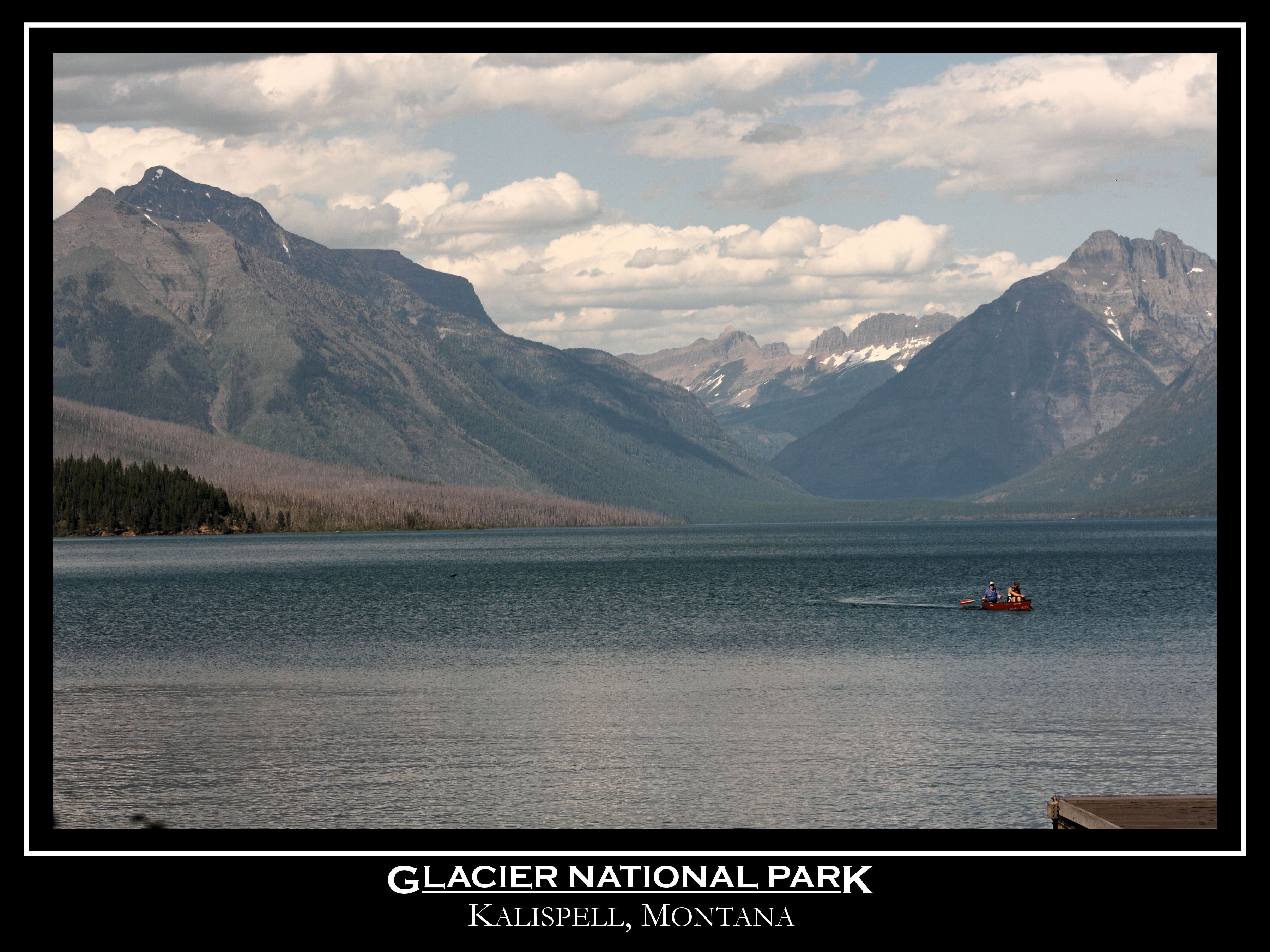
Thursday, 01/12/2023: Posted photo — Glacier National Park.

Glacier National Park is a 1,583-sq.-mi. wilderness area in Montana’s Rocky Mountains, with glacier-carved peaks and valleys running to the Canadian border. It’s crossed by the mountainous Going-to-the-Sun Road. Among more than 700 miles of hiking trails, it has a route to photogenic Hidden Lake. Other activities include backpacking, cycling and camping. Diverse wildlife ranges from mountain goats to grizzly bears. https://www.nps.gov/glac/index.htm

Friday, 01/13/2023: Post photo — Bear at Curry Village.

Curry Village is a resort in Mariposa County, California in Yosemite National Park within the Yosemite Valley. A rockfall in 2008 damaged a number of structures, and about one third of visitor units were closed because of risk. https://www.nps.gov/places/000/curry-village.htm

There was a fisher cat next to our tent site. It hid when this bear walked by. The ranger asked up if we were able to get a look at the number on the bear’s tag. Yosemite National Park is the only park that I know of that a bear will open the door of your car for you if they see something shinny in it or if they smell anything that might be food.

Saturday, 01/14/2023: Post photo — Royal Arches.

The Royal Arches refers to a cliff containing natural occurring granite exfoliation arches, located below North Dome and rising above Yosemite Valley, in Yosemite National Park, California. The Royal Arches are located on the north side of the valley, northeast of the Ahwahnee Hotel. http://www.supertopo.com/rock-climbing/Yosemite-Valley-Royal-Arches-Area-Royal-Arches

For more photo of other projects I have work, visit my website: https://photobyjosephciras.weebly.com or visit me on Facebook at https://www.facebook.com/PhotobyJosephCiras/.

Photographic Thoughts — 03/13/2022 to 03/19/2022

“In photography there is a reality so subtle that it becomes more real than reality.” — Alfred Stieglitz

Thank you for all the new views and likes from last week, it helps keep me inspired.

Starting to take more photos. Still will be posting photos from past trips for a little while longer. Sill a long recovery ahead of me.

Enjoy some more travel photos from past trips.

Sunday, 03/13/2022: Posted photo — Low Key.

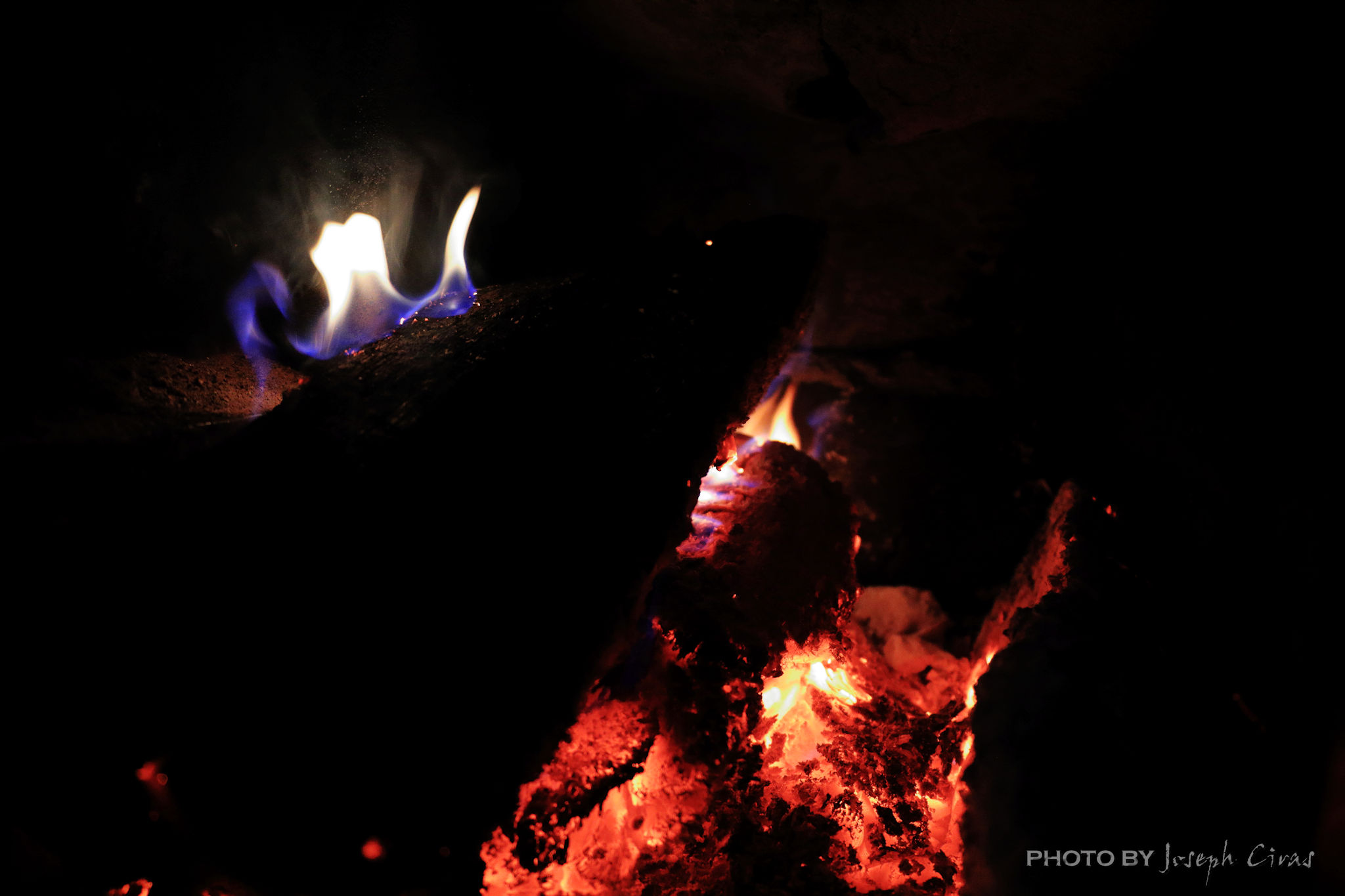
Settings: Canon EOS 60D, ISO 2500, f/3.5, 1/40 s, 18 mm.

A low key image is one that contains predominantly dark tones and colors. Low key photography conveys atmosphere and mood. One of my photo projects had a low key image challenge this week. I was thinking about what photo to take to meet this challenge. I would have had many options if I had not just been operated on. With limited mobility, I thought about what there might be around the house. Since low key images contain predominantly dark tones and colors, I took a photo of the fire in our wood stove.

Monday, 03/14/2022: Posted photo — Cameron Falls.

Settings: Canon EOS DIGITAL REBEL XS, ISO 100, f/22, 10 s, 28 mm.

Cameron Falls, Waterton Lakes National Park, Alberta.

Cameron Falls is a very uniquely shaped waterfall of about 75 feet in height found in the heart of the Waterton townsite in Waterton Lakes National Park. After heavy rainfall, the waters upriver from the falls get stirred up with a red mudstone called argillite. As the water flows towards the falls, it turns to a beautiful pink hue when light reflects on the mineral water. We did not see the pink falls since the weather was dry when we visited Waterton Lakes National Park just after we visited Glacier National Park in Montana.

Tuesday, 03/15/2022: Posted photo — New Boot.

Settings: Google Pixel 2, ISO 195, f/1.8, 1/60 s, 4 mm.

I had a post op follow-up today a week and a half after surgery. My recovery is going as planned. I was fitted with this very uncomfortable boot. I still cannot put pressure on my ankle for another four weeks. Need to go back on Tuesday for another follow-up since the first one was close to my surgical date and the doctor would like to see my progress and remove some items from my ankle.

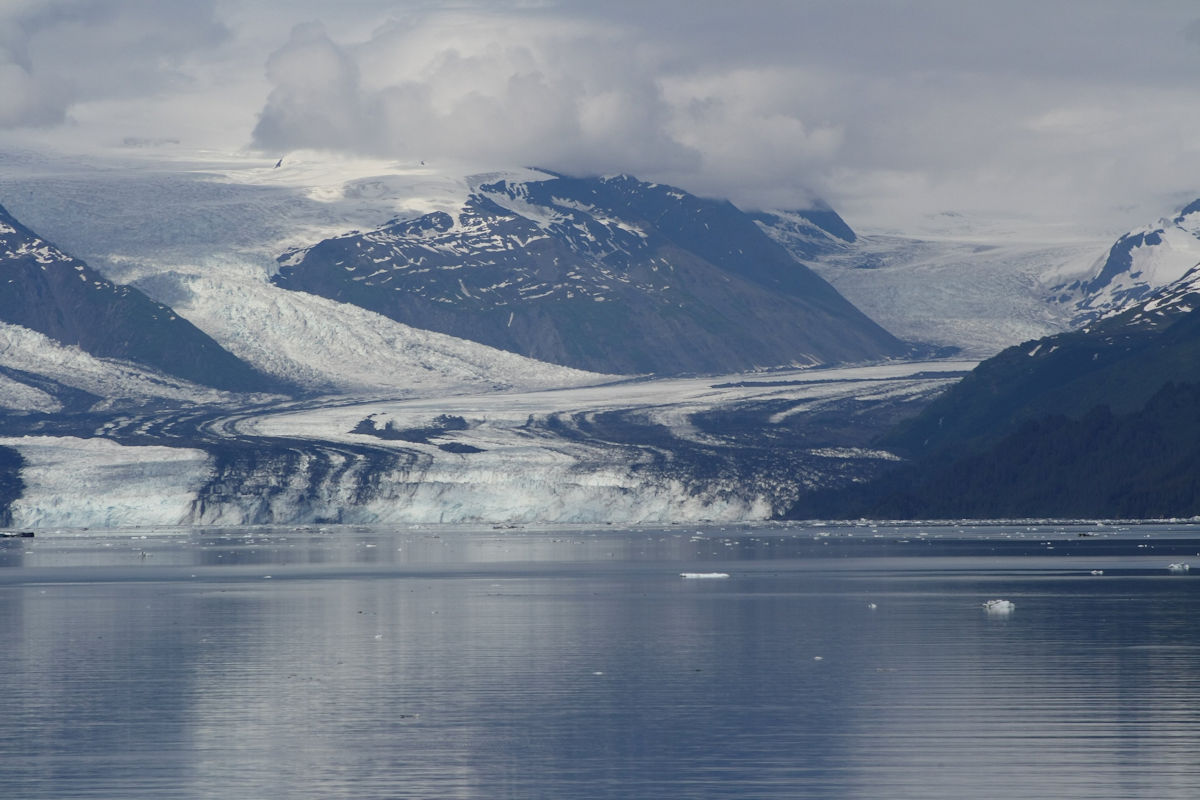
Wednesday, 03/16/2022: Posted photo — Harvard Glacier.

Settings: Canon EOS DIGITAL REBEL XS, ISO 200, f/8, 1/2000 s, 160 mm.

Harvard Glacier, College Fjord, Alaska.

The glacier has a 1.5-mile (2 km) wide face where it calves into the College Fjord. It is 300 ft thick and covers 120,000 acres of Chugach National Forest. The Harvard Glacier is the second largest glacier in the Prince William Sound, after the Columbia Glacier.

It is amazing to see how large a glacier is when you look at it from a distance. In this photo, we were about a mile from the glacier.

The names of the glaciers in College Fjord are: Amherst, Barnard, Bryn Mawr, Harvard, Smith, Vassar, and Yale. The glaciers of the northwest side feature the names of women’s colleges, and the glaciers of the fork and the southeast side sport the names of men’s colleges. What of Princeton? According to my research on the names, the scholars that named the glaciers took delight in ignoring it since none of them were Princeton alum.

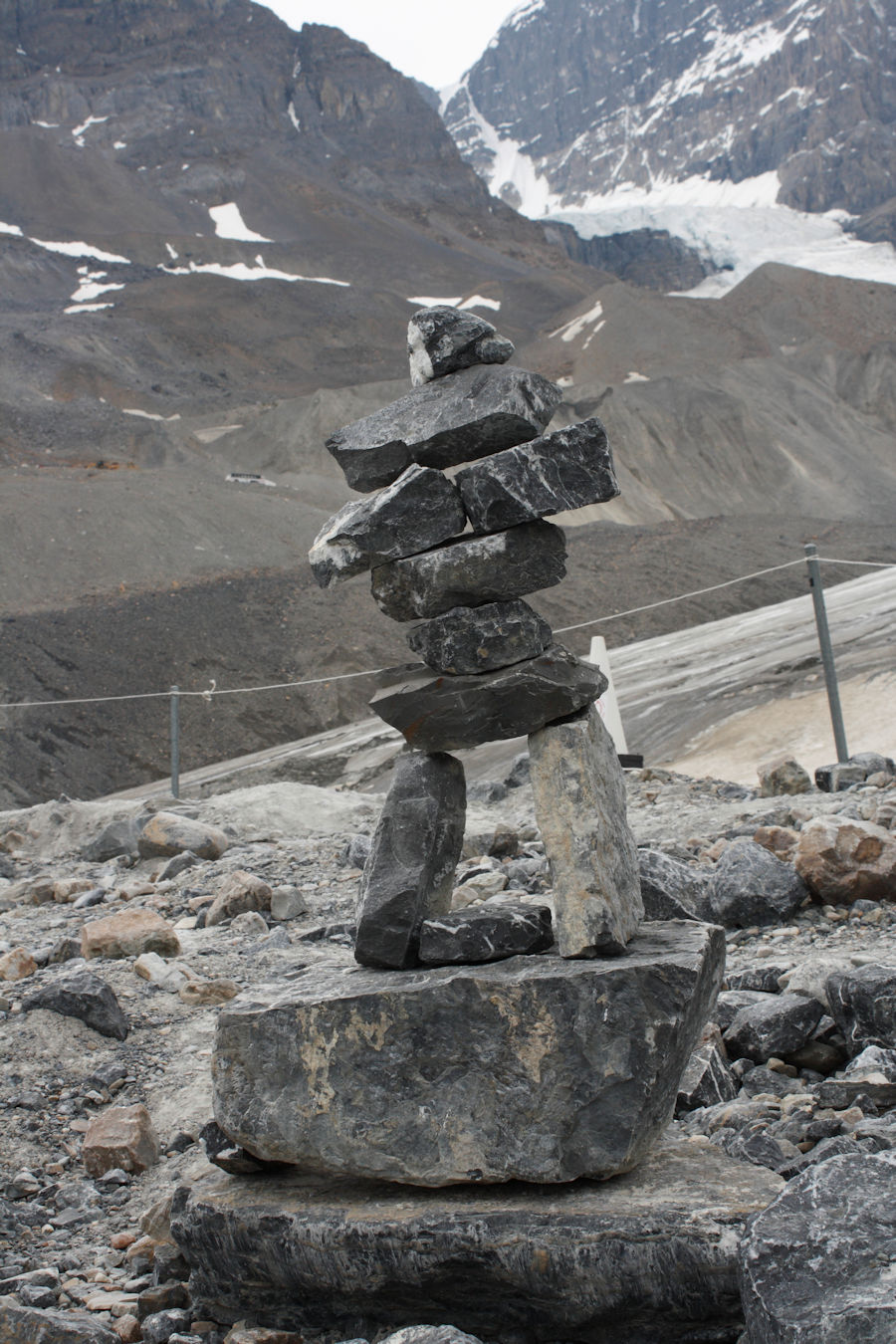
Thursday, 03/17/2022: Posted photo — Cairn.

Settings: Canon EOS DIGITAL REBEL XS, ISO 200, f/11, 1/200 s, 34 mm.

On the trail near the Athabasca Glacier, Jasper National Park, Alberta.

A cairn is a mound of rough stones built as a memorial or landmark, typically on a hilltop or skyline. This cairn is shaped like a person. In Canada this is called an Inuksuk.

The Athabasca Glacier is one of the six principal ‘toes’ of the Columbia Icefield, located in the Canadian Rockies. The glacier currently loses depth at a rate of about 16.4 feet (5 meters) per year and has receded more than 1 mile (1.5 km) and lost over half of its volume in the past 125 years.

From the Canadian Encyclopedia: “Inuksuk (also spelled inukshuk, plural inuksuit) is a figure made of piled stones or boulders constructed to communicate with humans throughout the Arctic. Traditionally constructed by the Inuit, inuksuit are integral to Inuit culture and are often intertwined with representations of Canada and the north.” — https://www.thecanadianencyclopedia.ca/en/article/inuksuk-inukshuk

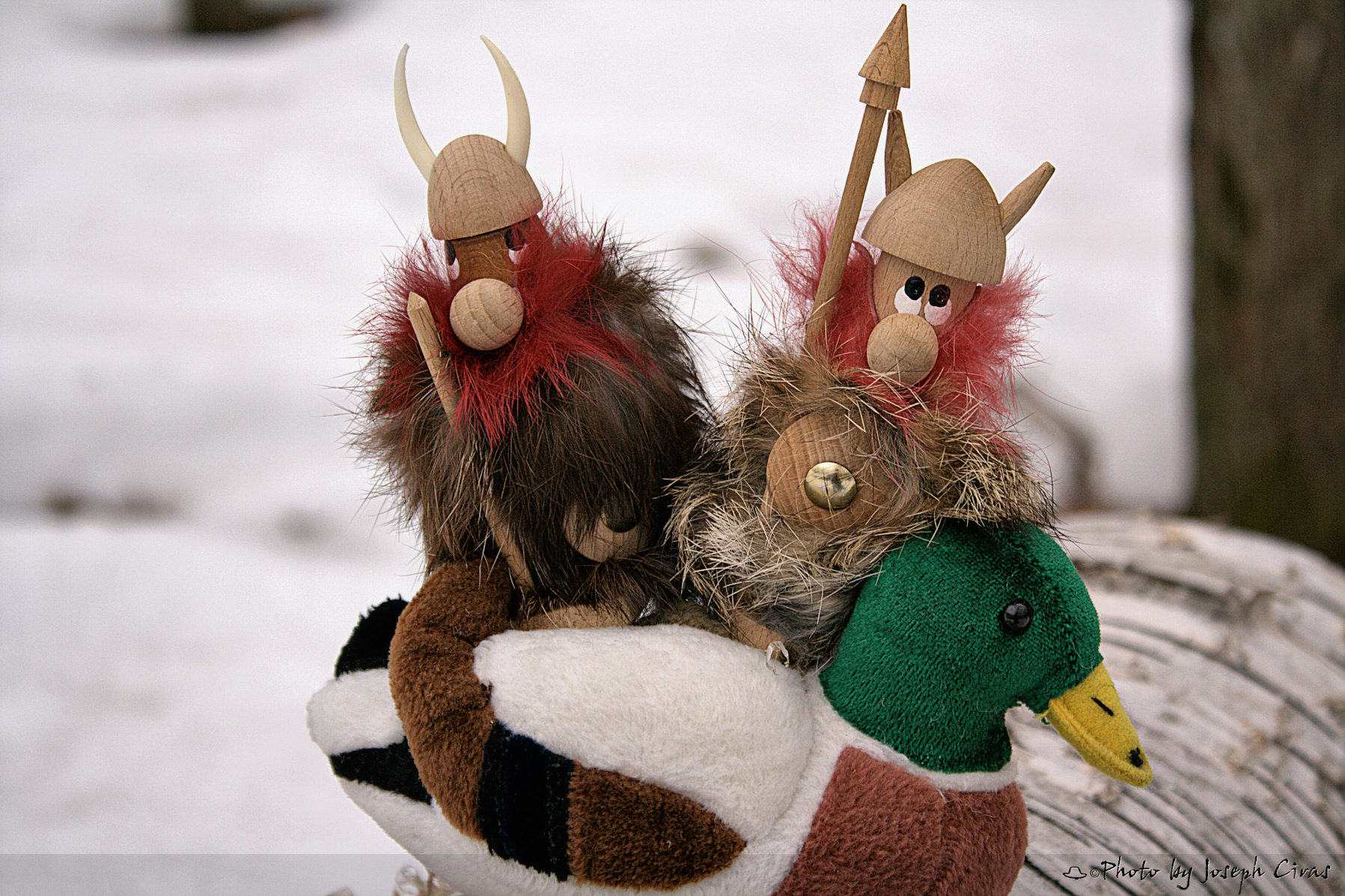
Friday, 03/18/2022: Post photo — Pall (and Rekard).

Settings: Canon EOS DIGITAL REBEL XS, ISO 200, f/5.6, 1/160 s, 55 mm.

These are my two buddied from Denmark. Earlier on in my photo projects, I featured Pall every week with Pall telling a story about his life. When I went back to Denmark, I picked up Rekard. They ventured together for next year or two. Might be time to bring their adventures back.

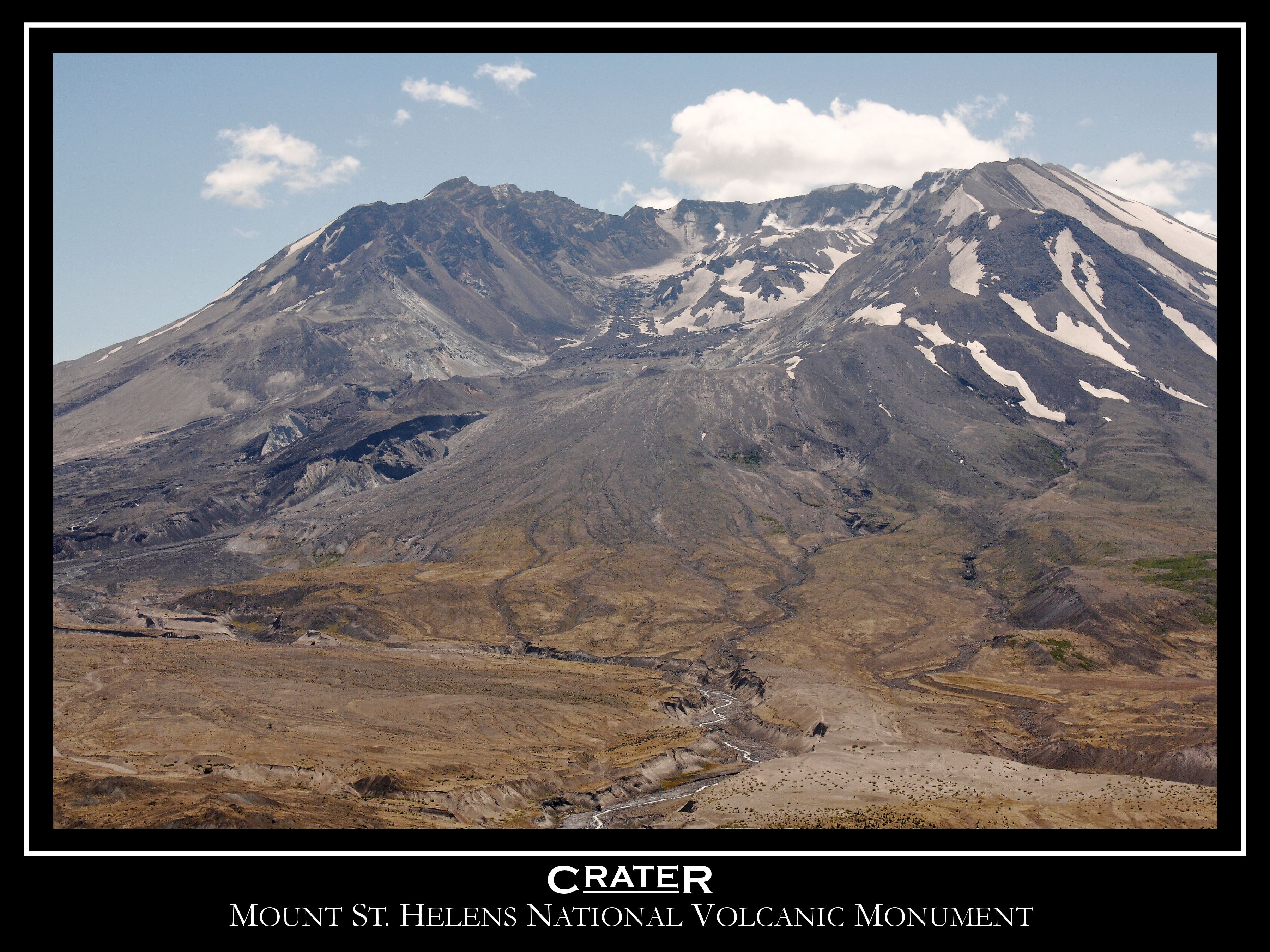
Saturday, 03/19/2022: Post photo — Crater.

Settings: N/A.

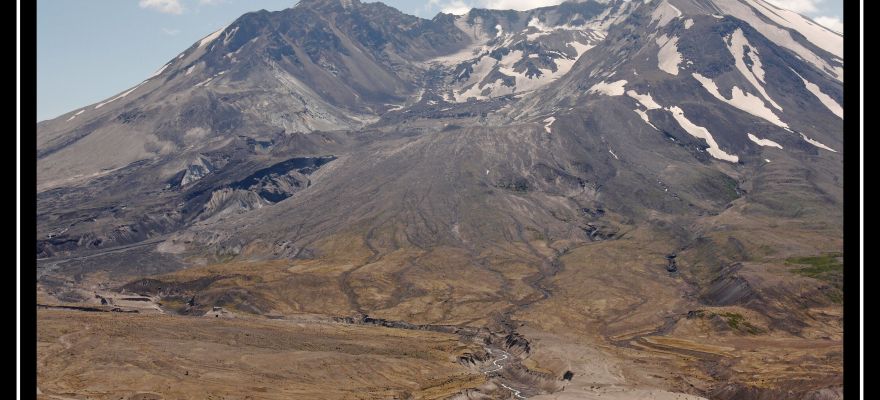
Mount St. Helens National Volcanic Monument

From the USGS:

“Prior to 1980, Mt. St. Helens had the shape of a conical volcano sometimes referred to as the Mount Fuji of America. During the 1980 eruption the upper 400 m (1,300 ft) of the summit was removed by a huge debris avalanche, leaving a 2 x 3.5 km horseshoe-shaped crater now partially filled by a lava dome and a glacier. It is primarily an explosive dacite volcano.”

Quick Facts:

Location: Washington, Skamania County
Latitude: 46.2° N
Longitude: 122.18° W
Elevation: 2,539 (m) 8,330 (f)
Volcano type: Stratovolcano
Composition: Basalt to Rhyodacite
Most recent eruption: 1980, 2004-2008
Nearby towns: Castle Rock, WA; Olympia, WA; Vancouver, WA; Yakima, WA; Portland, OR
Threat Potential: Very High

Dacite: Volcanic rock (or lava) that characteristically is light in color and contains 62 to 69 percent silica and moderate amounts of sodium and potassium.

Stratovolcano: Steep, conical volcanoes built by the eruption of viscous lava flows, tephra, and pyroclastic flows. They are usually constructed over tens to hundreds of thousands of years and may erupt a variety of magma types (basalt to rhyolite). They typically consist of many separate vents. Synonym is composite volcano.

I have been to Mt. St. Helens a few times over the years. The first time was about ten years after the eruption, and we saw the logs floating in Sprit Lake. I just pictured Harry Truman looking up at the mountain from his lodge and wondering why he did not leave. Then again, there were may false alarms in the past. I am amazed on how nature is recovering in the area. I can still remember the first time that I drove into the blast zone. Very lush, dense forest along the road, turn the corner and nothing. Trees looking like toothpicks laying down in the direction of the blast. There were some cars left for visitors to see how powerful the eruption was.

That is all for now. Until next week, be safe. For more photo of other project I have work, visit my website: https://photobyjosephciras.weebly.com or visit me on Facebook at https://www.facebook.com/PhotobyJosephCiras/.