“There is one thing the photograph must contain, the humanity of the moment.” —Robert Frank
Thank you for all the new views and likes from last week, it helps keep me inspired.
This week I will be just posting photos of posters that I made from various trips. I have been too busy and tired since I went back to the office midweek.
“Most things in life are moments of pleasure and a lifetime of embarrassment; photography is a moment of embarrassment and a lifetime of pleasure.” — Tony Benn
Thank you for all the new views and likes from last week, it helps keep me inspired.
Sunday, 12/05/2021: Posted photo — Second Week of Advent.
Settings: Samsung SM-G930V (Galaxy S7), ISO 125, f/1.7, 1/60 s, 4 mm
Advent, (from Latin adventus, “coming”), in the Christian church calendar, the period of preparation for the celebration of the birth of Jesus Christ at Christmas and the beginning of the Christmas season.
The four weeks of Advent are broken down into the themes: Hope, Peace, Joy, and Love. The three purple candles on the Advent Wreath represent the preparation and repentance. During the third week of Advent, or Gaudete Sunday, a pink candle is lit to indicate rejoice, the time of waiting is almost over.
This photo was taken from the choir loft at our church. My wife and son sing with the folk group, and I joint them for the celebration of the Mass.
Monday, 12/06/2021: Posted photo — Color “fish” Photo.
Settings: Samsung SM-G930V (Galaxy S7), ISO 125, f/1.7, 1/60 s, 4 mm
I cancelled the Monday night hike, for safety reasons, due to the high winds and rain we were experiencing. Since there are inexperienced hikers in the group, it was not safe to be on the mountain. We would have hit the summit just at the bad weather was peaking. Because I did not hike tonight, I went grocery shopping tonight instead of my normal Tuesday evening.
When I am grocery shopping, I look for some food to photograph. I do this more in the winter since I do not have much opportunity to go outside in daylight to take my photo. Today, I saw these Goldfish crackers that are Goldfish Colors. I thought it would be punny to post a title of “Color ‘fish’ Photo”, instead of “Colorful Photo”.
In 1962, Pepperidge Farm founder, Margaret Rudkin, launched Goldfish crackers in the United States.
Here are some things you didn’t know aboutGoldfish crackers:
While on vacation in Europe, Margaret visited a Swiss cookie manufacturer that had a similar product, and together they reached an agreement to bring the salty, fish-shaped crackers to the U.S.
Oscar J. Kambly, the original Swiss creator of the cracker, created them as a birthday present for his wife whose astrological sign was Pisces — which is often represented in Greek mythology as a fish.
The first five flavors of Goldfish that were launched were Lightly Salted (Original), Cheese, Barbecue, Pizza and Smoky, and it wasn’t until 1966, four years after the crackers were first launched, that the Cheddar Cheese flavor was introduced.
Willard, Ohio is the Goldfish capital of the world! Our bakery in Willard, a town of 6,000, can produce more than 50 million Goldfish crackers a day.
The Goldfish signature smiley face was added in 1997, and about 40% of the crackers feature the smile!
Tuesday, 12/07/2021: Posted photo — Anchor.
Settings: Canon EOS 60D, ISO 400, f/9, 1/1600 s, 18 mm.
“Yesterday, December 7, 1941— a date which will live in infamy— the United States of America was suddenly and deliberately attacked by the naval and air forces of the Empire of Japan.” — FDR. Thus started the United States entry into World War II.
This photo is from my second visit to Pearl Harbor. It still amazes me that there is oil floating out of the USS Arizona. Looking back, I posted the same photos a year ago. This is from that post — “’This anchor was recovered from the Arizona. The ship had three anchors. The crew used one in calm seas and two in foul weather, the third as a spare. Each weigh nearly 10 tons.’ This are the words on a placard near the USS Arizona Anchor at the World War II Valor in the Pacific National Monument in Hawaii. The sacrifice these men and women made to make our country the great country it is today.” See my original post on Pearl Harbor, and more photos from the National Monument, by clicking on this link, https://wordpress.com/post/photobyjosephciras.wordpress.com/568.
Wednesday, 12/08/2021: Posted photo — Wood Stove.
Settings: FLIR i5, ISO n/a, f/na, 1/30 s, 7 mm.
Some of you may know that I own an infrared camera. This camera takes photo of heat signatures of object. I use it to look at insulation in houses and efficiencies at power generating plants. Occasionally I use it to take artistic photos. Some of these photos are of footprints, handprints, car engines, warm tires, and even have used it as a stud finder.
Once or twice a year, I use it to check out my wood stove. My wood stove is old and not as efficient as some of the newer stoves. It is just a steel box with an exhaust pipe. One item that I often check is the temperature given on the stovepipe thermometer. This is a thermometer that has a magnetic backing and just sticks to the stove pipe. To my surprise, that thermometer and my thermal camera normally show the same temperature. The 518°F (250°C) temperature reading is the maximum temperature my camera can detect. The brand name of our stove is Nashua. You can just make out the name near the center of the photo next to the pointer.
Thursday, 12/09/2021: Posted photo — Footprints in the Snow.
Settings: Canon EOS 60D, ISO 100, f/5.6, 1/1000 s, 25 mm
It snowed last night. Well, I would not call it a storm, just a little more than a dusting. No need to shovel or plow. The roads were snow covered in the morning, so driving for some was not easy due to black ice. Black ice, sometimes called clear ice, is a thin coating of glaze ice on a surface, such as a road. As the name implies, you do not always know when it is present, and it is very dangerous.
I like footprints in the snow. They seem so mystical for me. I wonder where the footprints lead, where was the person going, or where did the person come from. I know this is not the first footprint photo that I have posted over the years. I liked the way the sun caused shadows in the prints.
Friday, 12/10/2021: Post photo — Sunset from Office.
Settings: Canon EOS 60D, ISO 100, f/5.6, 1/80 s, 38 mm
Came out of a meeting to this. Took out my camera before it was past. The colors at sunset disappear quickly so I was quick to the camera. During the meeting, I could see the light through the windows was changing as it does at sunset. I did not expect much when I went back to my office. Then I saw the red clouds just getting end of the sunset. Reminds me of the saying of always have your camera with you, you never know want photo opportunity you might have.
Saturday, 12/11/2021: Post photo — Star on Tree.
Settings: Canon EOS 60D, ISO 3200, f/5.6, 1/15 s, 33 mm.
Please note that I have not been able to post to my Weebly page for over a week, so the photos are a little behind there. Weebly technical support is still working on the issue.
“The camera is an excuse to be someplace you otherwise don’t belong. It gives me both a point of connection and a point of separation.” — Susan Meiselas
Thank you for all the new views and likes from last week, it helps keep me inspired.
Sunday, 11/28/2021: Posted photo — Summit of Mt Norwottuck.
Settings: Samsung SM-G930V (Galaxy S7), ISO 50, f/1.7, 1/268 s, 4 mm
Mount Norwottuck or Mount Norwottock, 1,106 feet above sea level, is the highest peak of the Holyoke Range. It was the first stop today. The second one was Long Mt at 920 feet. Not tall mountains, but the hike was 9 miles in length. Mount Norwottuck received its name from Edward Hitchcock, a former professor of geology at Amherst College. Hitchcock coined the term “Scenographical Geology” in 1841 to describe the dramatic geologic landscape of the Holyoke Range. Originally called Hilliard Knob, Hitchcock applied the Native American name Norwottuck to the mountain. Norwottuck is the Indian name of the village of Hadley.
Reference mark at on the summit of Mount Norwottock. The reference mark points to the summit.
An interesting fact about the Holyoke Range is that it is a Transverse Range. The mountain range runs east to west. There are two other major mountain ranges that are transverse in the United States. They are the Transverse Ranges in California and the Uinta Mountains in Utah.
Today would have been my mother’s 96th birthday. She passed away July 17 this year, so this is the first birthday without her. She is with my father who passed in 1993 and my daughter who passed in 1992. They get to meet their granddaughter together and celebrate their birthdays together for the first time in 28 years. My father would have turned 99 a few days ago.
Hiking clears your mind. Hiking with friends is very therapeutic.
Monday, 11/29/2021: Posted photo — Poles Against a Tree.
Settings: Samsung SM-G930V (Galaxy S7), ISO 1000, f/1.7, 1/10 s, 4 mm
Monday nights is hiking night. I hike with a Meetup group on Mondays for a few months now. It is a good group to hike with since the pace is a little faster than other groups that I have hiked with in the past.
My poles at the junction of the Jack Frost and High Meadow Trails on Wachuestt Mountain
Tonight’s hike was in the cold and dark. The temperature was in the high 20s (F). It was the first time that I used my microspikes to hike with this year. I did not need to use them, but I did not know the trail conditions on one of the hills on the hike and I wanted to get ready for possible ice. We did get snow last week and the trails were snow covered the ground was frozen.
Why do I hike at night? I hike at night for the peacefulness of it. Even with a group, your senses are challenged, and you are more aware of your surroundings. As a leader for the hike, I keep my eyes and ears open for the less experienced people in the group.
As you can see from the photo, it was cold. I wore my gloves and not my -30 F mittens for this hike. Dressing is layers for winter hiking is also important, so you do not overheat or become too cold. You should have at least three layers. A base layer (underwear layer) that wicks sweat off your skin, a Middle layer (insulating layer) that retains body heat to protect you from the cold, and an outer layer (shell layer) that shields you from wind and rain. Here is a website that describes layering, https://www.rei.com/learn/expert-advice/layering-basics.html.
Tuesday, 11/30/2021: Posted photo — Yes, We Have No….
Settings: Samsung SM-G930V (Galaxy S7), ISO 80, f/1.7, 1/120 s, 4 mm
“Yes! We Have No Bananas” was written by Frank Silver and Irving Cohn and was published March 23, 1923. “The story goes that one day in 1922, songwriting duo Frank Silver and Irving Cohn were on their way to work in New York City when they stopped for a snack. At a greengrocer’s, the Greek immigrant owner told the tunesmiths in his broken English, “Yes! We have no bananas today.” The reason the grocer had no bananas? A blight in Central America had caused a shortage.” (https://www.mentalfloss.com/article/31253/music-history-3-yes-we-have-no-bananas)
Bannanas
I thought about titling this photo “Going …” after the expression that has its roots on American college campuses in the 1960s. It is believed that the term going bananas is a term that evolved from the idiom going ape, which also means to go crazy, to explode with anger or to erupt with enthusiasm.
Wednesday, 12/01/2021: Posted photo — Just a Cloud or is it?
Settings: Canon EOS 60D, ISO 200, f/22, 1/6 s, 35 mm.
This could be just a cloud. Or it could be a winged buffalo tilting down to the left.
Cloud formation
I have posted in the past what seeing objects in clouds is called. Pareidolia is a sign of creativity. I took this photo today, not because I saw an object in it, it was because I needed a photo for today. I did not see the object until I was post processing the photos.
What do you see?
Thursday, 12/02/2021: Posted photo — American Bison.
Settings: Samsung SM-G930V (Galaxy S7), ISO 80, f/1.7, 1/120 s, 4 mm
This photo was taking at Wind Cave National Park in South Dakota. I have a feeling that I have posted this photo in a previous post. If I did, I am sorry for the repeat. I like this photo.
American Bison
Wind Cave, one of the longest and most complex caves in the world. Named for barometric winds at its entrance, this maze of passages is home to boxwork, a unique formation rarely found elsewhere.
Here are a few more photos from Wind Cave National Park.
The bull of the herdBoxwork in Wind Cave
Friday, 12/03/2021: Post photo — Star Trail.
Settings: Canon EOS 60D, ISO 3200, f/3.5, 9 s, 18 mm
I took a star trail photo today. It was great to take a star trail photo earlier in the evening and not after 10 p.m. The photo I posted was a composite of 437 photos stacked together. The secondary photo that I am posting in this post is a composite of 637 photos.
437 composite photo start trail
There is a lot of airplane activity north of my house at night.
637 composite photo start trail
Saturday, 12/04/2021: Post photo — Sunrise at the Pier.
Settings: Canon EOS 60D, ISO 100, f/22, 1/4 s, 62 mm.
I took this photo a few years ago on Jacksonville Beach. This pier was damaged by a hurricane a few years after I took this photo. This is one of my favorite photos that I took that morning. I took this because I liked the way the heron was silhouetted against the pier and the ocean.
Please note that I have not been able to post to my Weebly page for over a week, so the photos are a little behind there. Weebly technical support is still working on the issue.
“I never have taken a picture I’ve intended. They’re always better or worse.” — Diane Arbus
Thank you for all the new views and likes from last week, it helps keep me inspired.
Sunday, 10/03/2021: Posted photo — Reflection in the Fog.
Settings: Canon EOS 60D, ISO 400, f/7.1, 1/80 s, 113 mm.
Driving into church this morning, I notice fog off the lakes in the area. The location of this photo is one in which I take many practice photos. It is a difficult location to take a photo since I needed to stop on the edge of a busy road.
My initial thought on this photo was to get a picture of the mist rising from the surface of the lake with the foliage behind it. When I arrived at this location, the mist was thicker than I would like. I did see the reflections of the trees on the water and thought that that would take a good photo.
Monday, 10/04/2021: Posted photo — Western Tanager.
Settings: Canon EOS DIGITAL REBEL XS, ISO 200, f/6.3, 1/320 s, 300 mm.
Fact from All About Birds: “The oldest Western Tanager on record—a male originally banded in Nevada in 1965—had lived at least 6 years and 11 months by the time he was recaptured and rereleased during banding operations in Oregon in 1971.”
We were walking the north rim at Grand Canyon National Park when I spotted this male Western Tanager in a conifer tree. The color contrast between the bird and the tree caught my eye.
The range of the Western Tanger is the western parts for the United States, Canada, and Mexico.
Again, from All About Birds: “A clear look at a male Western Tanager is like looking at a flame: an orange-red head, brilliant yellow body, and coal-black wings, back and tail. Females and immatures are a somewhat dimmer yellow-green and blackish. These birds live in open woods all over the West, particularly among evergreens, where they often stay hidden in the canopy. Nevertheless, they’re a quintessential woodland denizen in summertime, where they fill the woods with their short, burry song and low, chuckling call notes.” (https://www.allaboutbirds.org/guide/Western_Tanager/overview)
Tuesday, 10/05/2021: Posted photo — The Gathering.
Settings: Canon EOS 60D, ISO 3200, f/7.1, 1/100 s, 135 mm.
On my way home from work today I saw this rafter of turkey. I have seen them many times before on the property and did not feel the need to photograph them. Today was different.
When I was approaching them today, it looked like it was a group of workers getting ready to clock out of work and were planning what they were going to do tonight. Just the way they were gather in pairs and it looked like they were talking to each other.
Also, I thought it would be a good picture to take.
Wednesday, 10/06/2021: Posted photo — Cattails.
Settings: Canon EOS 60D, ISO 800, f/5, 1/800 s, 52 mm.
I had a choice of photos to post today — a photo of an island or a photo of cattails. I decided on the cattails for the photo to put in my 365 project because I liked it just a little bit better than the photo of the island. I will be posting both in this blog for you to compare.
Cattails are a type of aquatic plant, approximately 5-10 feet tall. These plants have long, slender, branchless, and upward-growing leaves and a distinguishable brown, cylindrical flowering head at their apex. The grow around ponds and other wetland areas.
What is the difference between a pond and a lake? Here is something I found in my research: “To help determine the difference, both the depth and surface area must be considered. Lakes are normally much deeper than ponds and have a larger surface area. All the water in a pond is in the photic zone, meaning ponds are shallow enough to allow sunlight to reach the bottom. This causes plants (sometimes too many) to grow at the bottom of ponds as well as on their surface. However, sunlight can’t reach the bottom of all areas of lakes. Lakes have aphotic zones, which are deep areas of water that receive no sunlight, preventing plants from growing.” (https://lakes.grace.edu/ponds-vs-lakes-whats-the-difference/)
I took the cattail photo with a shallow depth of field (DOF) to blur the background and the make the cattails “pop”. As you can tell by this photo, the cattails are starting to spread their seeds.
Here is the photo of the island that I took and did not like as much as the cattail photo.
Thursday, 10/07/2021: Posted photo — Sunset Through Trees.
Settings: Canon EOS 60D, ISO 100, f/5.6, 1/160 s, 100 mm.
After a week and a half, I was back on the hiking trail today. It felt good to get back. I hiked 4.3 miles on Wachusett Mountain after work with some colleagues. I took a series of photos along the way to determine what one to post. I decided on this sunset photo. I had another sunset photo that I took from the summit, but I accidently deleted it. Rookie mistake.
The other choices of photos were a glacial erratic called Balanced Rock or a burl on a tree at a trail junction. Just a reminder that a glacial erratic is glacially deposited rock differing from the size and type of rock native to the area in which it rests. And a burl is a strange-looking collection of tree cells, which are called callus tissue. Normally, callus tissue is formed by a tree in response to an environmental injury such as a pruning cut, disease, or insect damage. If you have a piece of wooden furniture, such as an end table, it was most likely made with a burl.
These are the photos that I did not post for my 365 project.
Friday, 10/08/2021: Post photo — Pareidolia.
Settings: Canon EOS 60D, ISO 100, f/10, 1/250 s, 21 mm.
Pareidolia is the defined by Merriam-Webster as the tendency to perceive a specific, often meaningful image in a random or ambiguous visual pattern. I have posted about this tendency in the past.
Today I am posting a photo of a cloud. I see a couple items in this photo. I see an opera singer hitting a high note and I also see a ships figurehead. It is amazing how one can see an object when one is not there.
What to you see? Do you see what I see, due to the power of suggestion, or do you see something else. Please respond in the comment section.
Saturday, 10/09/2021: Post photo — Iris Bouquet.
Settings: Samsung SM-G930V (Galaxy S7), ISO 100, f/1.7, 1/60 s, 4 mm
From The Old Farmer’s Almanac: “The tall, beautiful iris, named after the Greek goddess who rode rainbows, comes in many magical colors. Despite its divine origins, this June bloomer is rugged, reliable, and easy to grow. Learn all about planting, growing, and caring for iris flowers.” (https://www.almanac.com/plant/irises)
Today was a shopping day from me. Saw this iris bouquet in one of the stores that I shopped. I like the colors.
Saturday’s posts are normally short because of the time between I take the photo and the time that I post my blog.
“To me, photography is an art of observation. It’s about finding something interesting an ordinary place… I’ve found it has little to do with the things you see and everything to do with the way you see them.” — Elliott Erwitt
Thank you for all the new views and likes from last week, it helps keep me inspired.
Sunday, 09/12/2021: Posted photo — Trail Mix.
Settings: Canon EOS 60D, ISO 800, f/7.1, 1/10 s, 135 mm.
Trail mix is typically a blend of cereals, dried fruits, nuts and often sweets, trail mix can be a mixture of crunchy and chewy, salty, or sweet. My trail mix is a mixture of different types of M&Ms, nuts, and Chex mix.
I snack on trail mix off and on the trail. I like the mixture of the different textures and tastes of the food. Trail mix may not be the most nutritious food to eat, but it does cut down on my hunger and keeps me energized on my hikes.
Monday, 09/13/2021: Posted photo — Sunset from the Summit.
Settings: Canon EOS 60D, ISO 800, f/7.1, 1/3200 s, 135 mm.
Every sunset is different, and none disappoint. Some are more spectacular and colorful than other. The anticipation of how the sunset will look is one of the great things about them.
This is why sunsets are so colorful according to Brian Resnick in an article in Science and Health “Sunset colors are created by a phenomenon called Rayleigh scattering. It is the same phenomenon that makes the sky appear blue during the day.
Sunlight contains all the colors of the rainbow. But not all the colors reach the ground in the same concentration. Nitrogen and oxygen molecules in our atmosphere act as little mirrors for blue and violet light. That means not as much blue or violet light reaches the ground. Instead, it bounces around in our atmosphere, creating the blue dome of sky we’re all so familiar with.
At sunset, light must travel through a greater distance of atmosphere to reach our eyes — so even more blue light, and even some green and yellow light, gets filtered out. That leaves us with the warmer hues of the visible light, the reds and oranges, and it’s why many sunsets look like fire.”
Tuesday, 09/14/2021: Posted photo — Maggiore Fun Flame.
Settings: Samsung SM-G930V (Galaxy S7), ISO 100, f/1.7, 1/60 s, 4 mm
A Maggiore Fun Flame is a stunning dahlia with huge, fiery red and yellow flowers. Its tall stems are perfect for cutting. It Reblooms effortlessly all season long. The dahlia is an eye-catching, fuss-free summer accent for containers, beds, and borders. The flower needs to be watered regularly — twice-weekly, or more often in extreme heat or containers. It also is good at attracting butterflies.
I saw this flower on my shopping trip this evening. I took a photo of it because I just liked the way it looked. The colors and textures caught my eyes.
Wednesday, 09/15/2021: Posted photo — Tent.
Settings: Canon EOS 60D, ISO 1600, f/7.1, 1/160 s, 26 mm.
A tent is an important piece of equipment if you are going on an overnight hiking trip or just camping in general. This is the tent that I use when hiking and/or camping when I am not using my roof top tent. This tent is lightweight and very easy to set up. It is well ventilated when the rain cover is not installed. My son was camping the last two weekends and borrowed my tent. All my hikes in the White Mountains were either day trips or I stayed in my brother’s condo. Setting up a tent is not as easy as one my think. You need to be aware of your surroundings to make sure that you will not get washed out in case of rain, or have blood rush to your head if you are setting up on a slopped surface.
Thursday, 09/16/2021: Posted photo — Mount Hancock.
Settings: Canon EOS 60D, ISO 200, f/6.3, 1/400 s, 47 mm.
This photo was taken a few years ago when I hiked Mount Hancock (4,403′) along with Mount South Hancock (4,278′) for the Flags on the 48 event. The event was sponsored by the Worcester Chapter of the Appalachian Mountain Club. I was the peak coordinator, while senior members of the AMC were leading and sweeping the hike.
Hancock Mountain is a 4,380 foot mountain in the Pemigewasset Wilderness area of the White Mountains between Franconia Notch and Crawford Notch. The mountain is named after John Hancock, one of the Founding Fathers of the United States. The mountain used to be the most remote and inaccessible peak in the White Mountains, before theKancamagus Highway was finished. Today, the trail begins on the well known hairpin turn on the Kancamagus Highway at the Hancock Overlook Parking area.
When I hiked it for the Flags on the 48, I hiked with the person who blazed the original trail up to the summit, Hancock Notch Trail. He showed us photos of the trail being blazed and would tell us stories of how they decided to make the trial were it is located. There is a landmark rock in the woods near the summit. We did some exploring to see if it was still there since it had been many years since he blazed the trail.
The weather is looking wet for my hike on Saturday. If I do not make it to the summits, the mountain will still be there. If I do make it to both peaks, I would have a total of ten 4,000 footers this year. 4,000 foot mountains my not seem difficult to some of you. I have heard from people that live and hike in the taller, younger mountains, in the western United Stated that the mountains in the Whites are more challenging. I have hiked a few mountains out west and agree with their assessment. The prominence of some of the mountains in the Whites is more than the prominence of the mountains out west.
Friday, 09/17/2021: Post photo — Foggy Hike.
Settings: Samsung SM-G930V (Galaxy S7), ISO 100, f/1.7, 1/120 s, 4 mm
Went on a group sunset hike tonight through Leominster State Forest. As you can see, it was foggy and misty, so I did not see the setting sun tonight. The hike was almost three miles long and easy. It was a good warm up for my hike tomorrow, weather permitting.
This tree is one that I have photographed a few times before. I just like the way that it is isolated in the middle of the pond.
Saturday, 09/18/2021: Post photo — Mount Osceola.
Settings: Canon EOS 60D, ISO 200, f/7.1, 1/640 s, 41 mm.
Mount Osceola as seen from the Mount Hancock trailhead this morning. Today I hiked Mounts Hancock and South Hancock with a few people associated with the group that I hike with on Monday nights. Rain was in the forecast for the later in the afternoon. The weather held up until the last 1.8 miles of the 9.8 mile hike.
Mount Osceola is one of the 4,000 footers that I have climbed.
“A good photograph is one that communicates a fact, touches the heart and leaves the viewer a changed person for having seen it. It is, in a word, effective.” — Irving Penn
Thank you for all the new views and likes from last week, it helps keep me inspired.
Sunday, 08/29/2021: Posted photo — Hobblebush.
Settings: Samsung SM-G930V (Galaxy S7), ISO 125, f/1.7, 1/60 s, 4 mm
“The fruit of the Hobblebush reportedly may be eaten raw or cooked and is said to taste somewhat like raisins or dates. Hobblebush has a number of medicinal uses. The Algonquin Indians reportedly rubbed its mashed leaves on the head to treat migraines. Iroquois Indians are said to-have used a decoction of roots as a blood medicine. The plant was also used to treat chest and breathing problems.” — Adirondacks Forever Wild website.
Hobblebush on Wachusett Mountain
These Hobblebush berries are growing on Wachusett Mountain. I took this photo during a hike I took today. I have seen them during my weekly hikes and thought that they would look good in a photo. I was glad to see that one of the berries had turned blue.
Monday, 08/30/2021: Posted photo — Mushrooms.
Settings: Canon EOS 60D, ISO 400, f/7.1, 1/80 s, 62 mm.
According to the University of New Hampshire Agricultural department and Better Homes and Garden: “Mushrooms grow from spores (not seeds) that are so tiny you can’t see individual spores with the naked eye. Rather than soil, these spores rely on substances like sawdust, grain, straw, or wood chips for nourishment. A blend of the spores and these nutrient sources is called spawn. Mushrooms like dark, cool, and humid growing environments. Prolonged periods of wet, humid weather, such as we have had over the past few weeks, cause fungi to send up fruiting structures. Fungi disperse to new areas via windblown spores. When the spores land in a suitable location they develop into new fungi which will grow mushrooms given enough time.
Mushrooms in our yard
Mushrooms will go away on their own once the weather dries out. Keep in mind that although these fruiting bodies have disappeared, the fungal mycelia is still growing in the soil. The fungus will continue to grow and persist as long as there is plenty of organic matter to feed upon.”
These mushrooms were growing in my front yard. They are in the same spot each time they grow. We have had many days of rain, so it is a great growing condition for mushrooms.
Tuesday, 08/31/2021: Posted photo — Rose for an Angel.
Settings: Canon EOS 60D, ISO 800, f/5.6, 1/125 s, 79mm.
Our daughter had a rare disorder, Triploidy. I did have the medical definition of this disorder in this post. I removed that part of my post since it would be too sensitive to some people.
Pink rose
Almost every year I go and visit her to sing her Happy Birthday and to say a prayer with her. It is not easy losing a child. We have had this rose since she was born and it means a lot to me.
Wednesday, 09/01/2021: Posted photo — Bouquet.
Settings: Samsung SM-G930V (Galaxy S7), ISO 125, f/1.7, 1/60 s, 4 mm
To continue my two-day flower series, I took a photo of this bouquet. I liked the colors in the bouquet.
Flower bouquet
Once again this photo was taking during the day just in case, I did not take another photo that day.
Thursday, 09/02/2021: Posted photo — Mount Monadnock.
Settings: Canon EOS 60D, ISO 400, f/7.1, 1/15 s, 135 mm.
Mount Monadnock at sunset
I summited Wachusett Mountain twice today. The first time was with colleagues from work, the second time was with a hiking group. During the first hike of the day, I took the photo of the flowing water. During the second hike of the day, I arrived at the summit just after sunset. I looked to the north and saw the great colors of the sunset around Mount Monadnock in New Hampshire.
Flowing stream along the Bicentennial Trail on Wachusett Mountain
Friday, 09/03/2021: Post photo — Petroglyphs.
Settings: Canon EOS DIGITAL REBEL XS, ISO 200, f/8, 1/400 s, 190 mm.
These Petroglyphs are in Capital Reef National Park.
Petroglyph in Capital Reef National Park
A pictograph is an image or designs made by painting on rocks or in cave. A petroglyph is an image created by removing part of a rock surface by incising, picking, carving, or abrading, as a form of rock art. Petroglyphs tell stories of events that have happened. They are like the newspapers of today. There is one petroglyph outside the Needles section of Canyonlands National Park that the experts still have not deciphered.
Saturday, 09/04/2021: Post photo — Mount Whiteface.
Settings: Canon EOS 60D, ISO 200, f/7.1, 1/320 s, 50 mm.
I decided to take a warmup hike today before the Flags on the 48 event next weekend.
I chose a mountain that I need for my repeat 48 4,000 footers and that was close to home. I decided on Mount Whiteface since I have not done it as one of my repeat 48 and it was only two and a half hours from home. People normally hike Mount Passaconway with Mount Whiteface but today I did not do both since this was a warmup hike and I have some things that I needed to do at home tonight.
Mount Whiteface
Mount Whiteface is a 4,019 ft mountain located in Grafton County, New Hampshire. The mountain is part of the Sandwich Range of the White Mountains. Whiteface is flanked to the northwest by Mount Tripyramid, and to the northeast by Mount Passaconaway. Mount Passaconaway is a 4,043 ft mountain about three miles from Mount Whiteface.
Mount Passaconaway
Thank you again for having faith and my abilities. Now I need to go through the photo and pick some out.
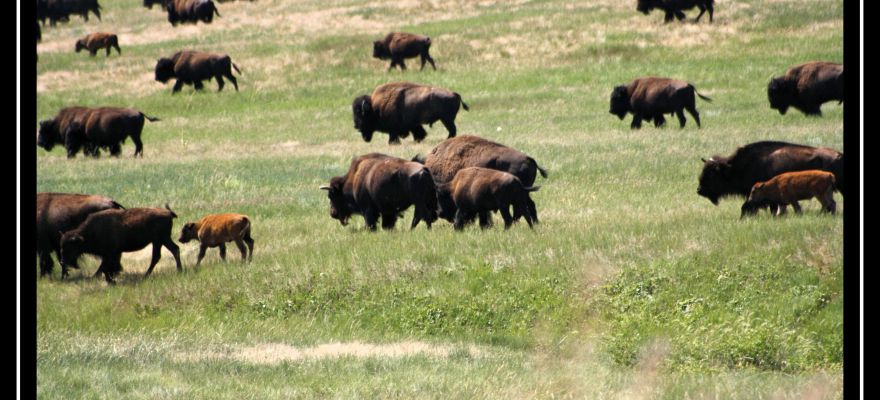

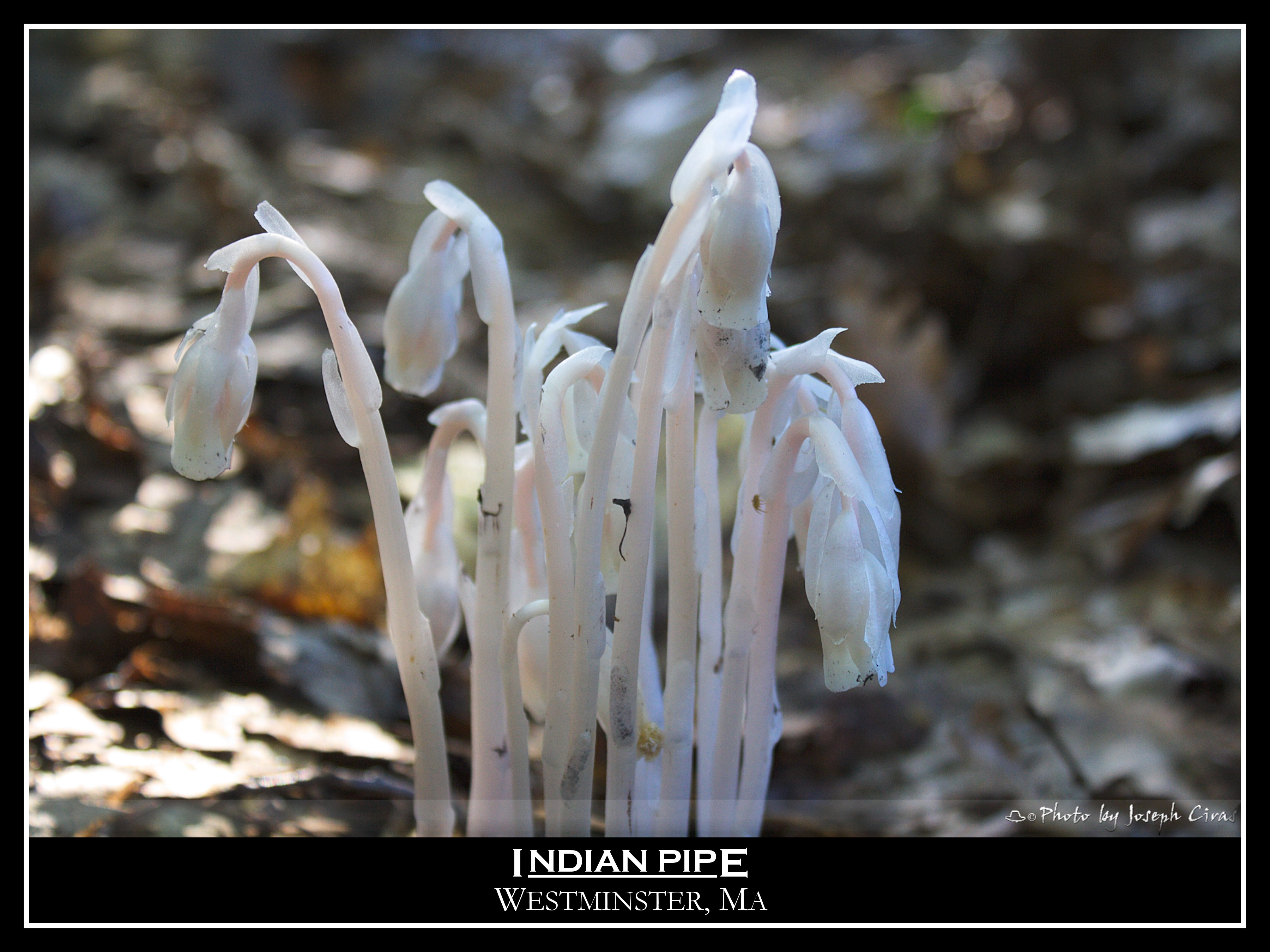


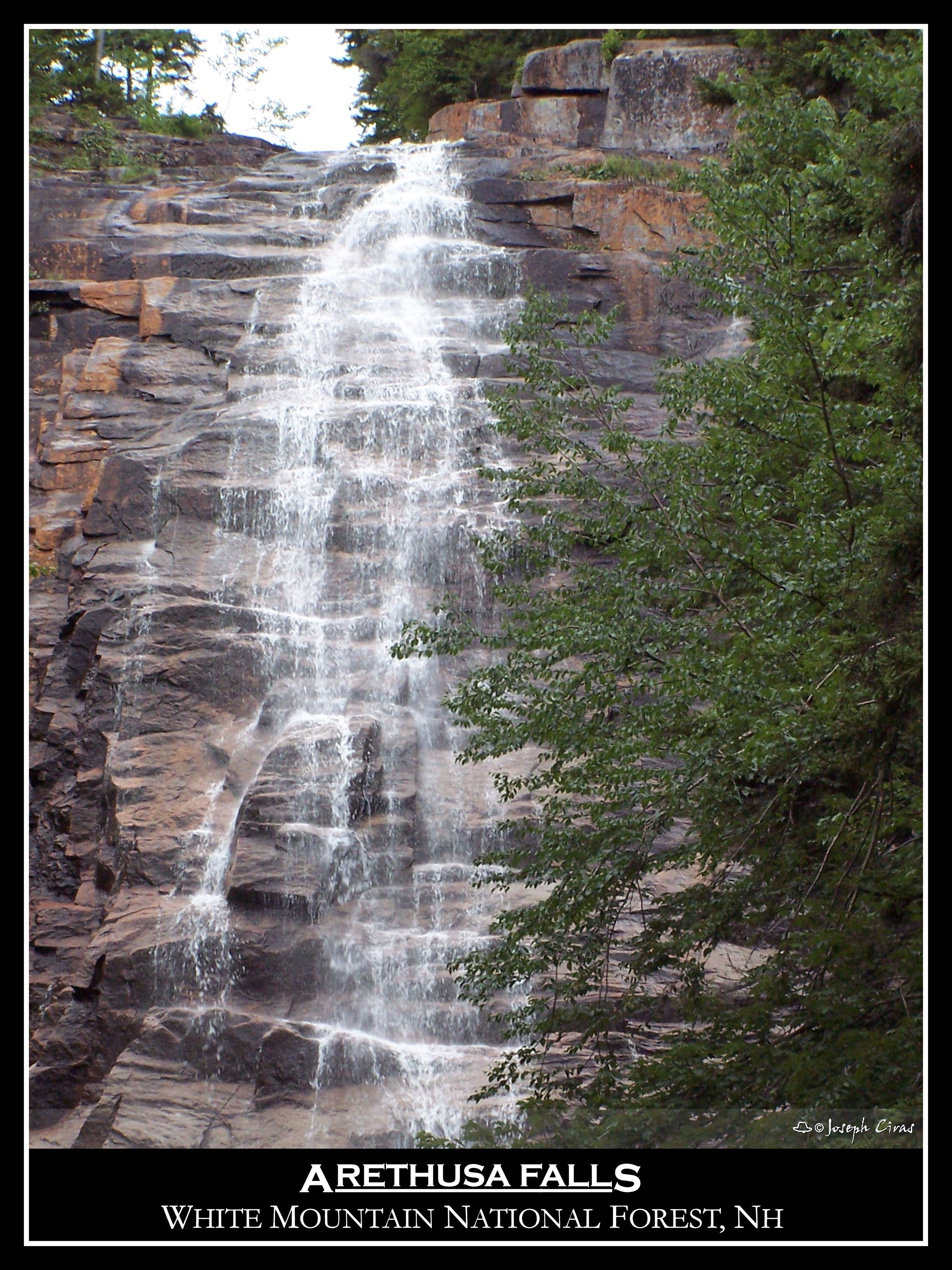


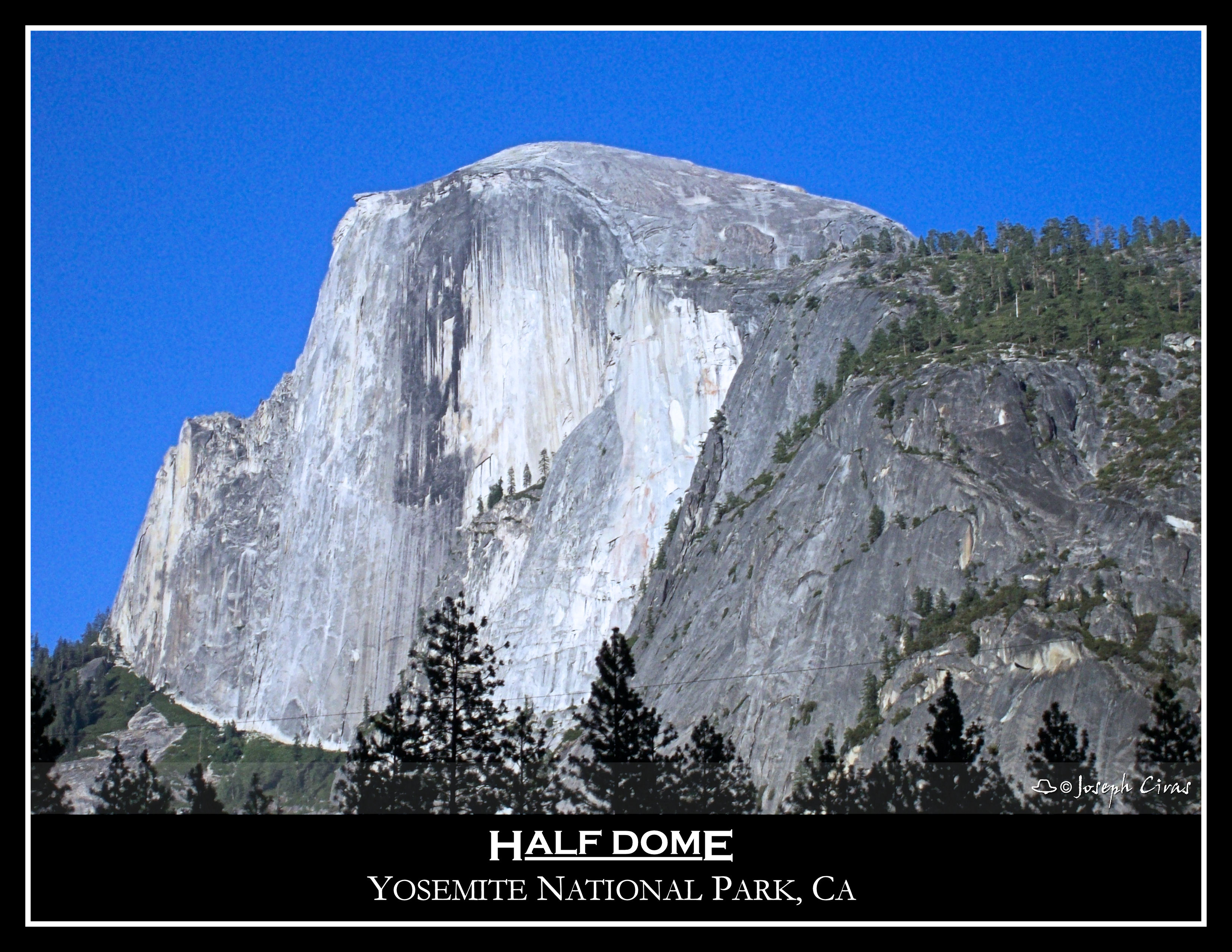

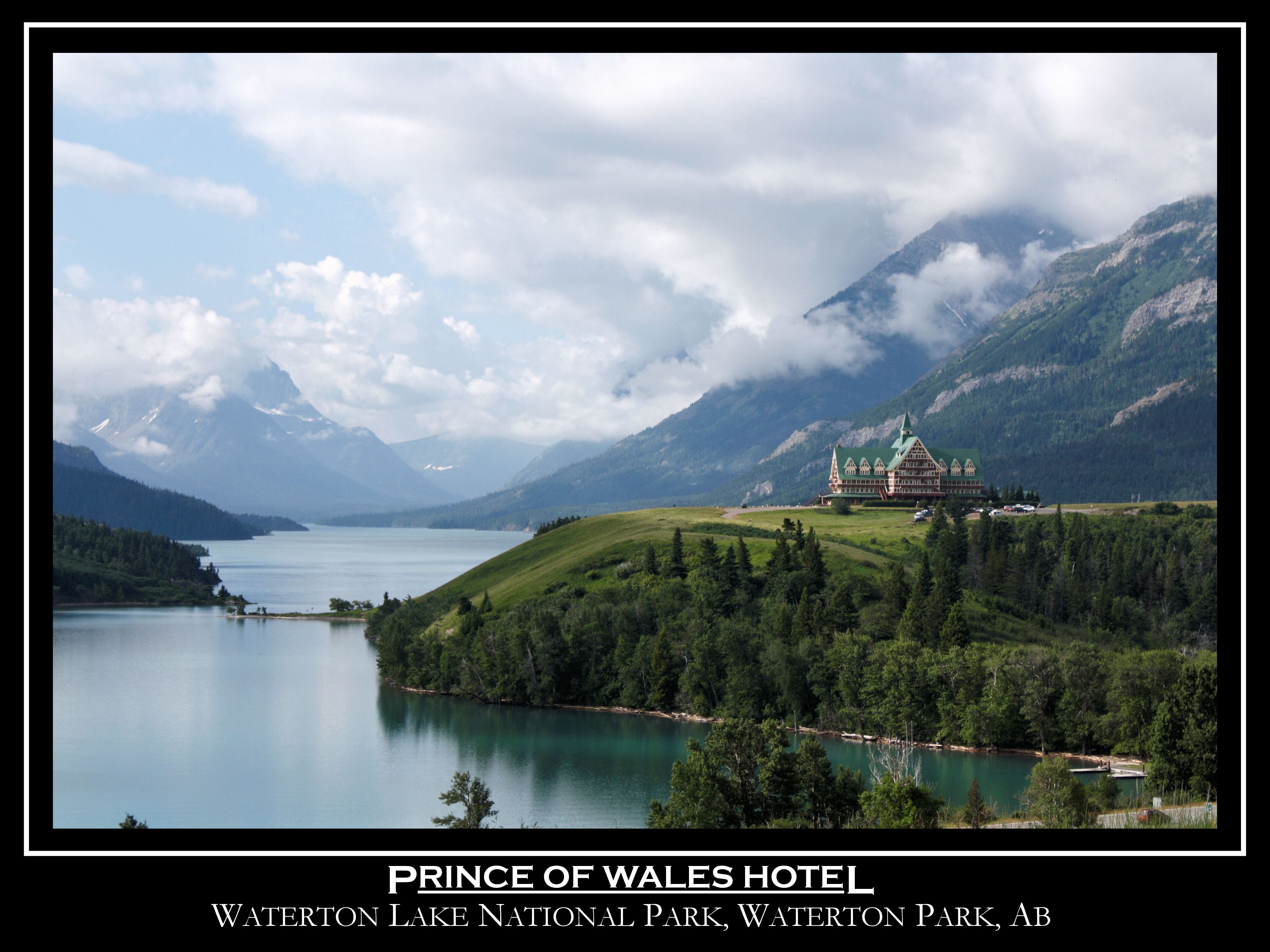
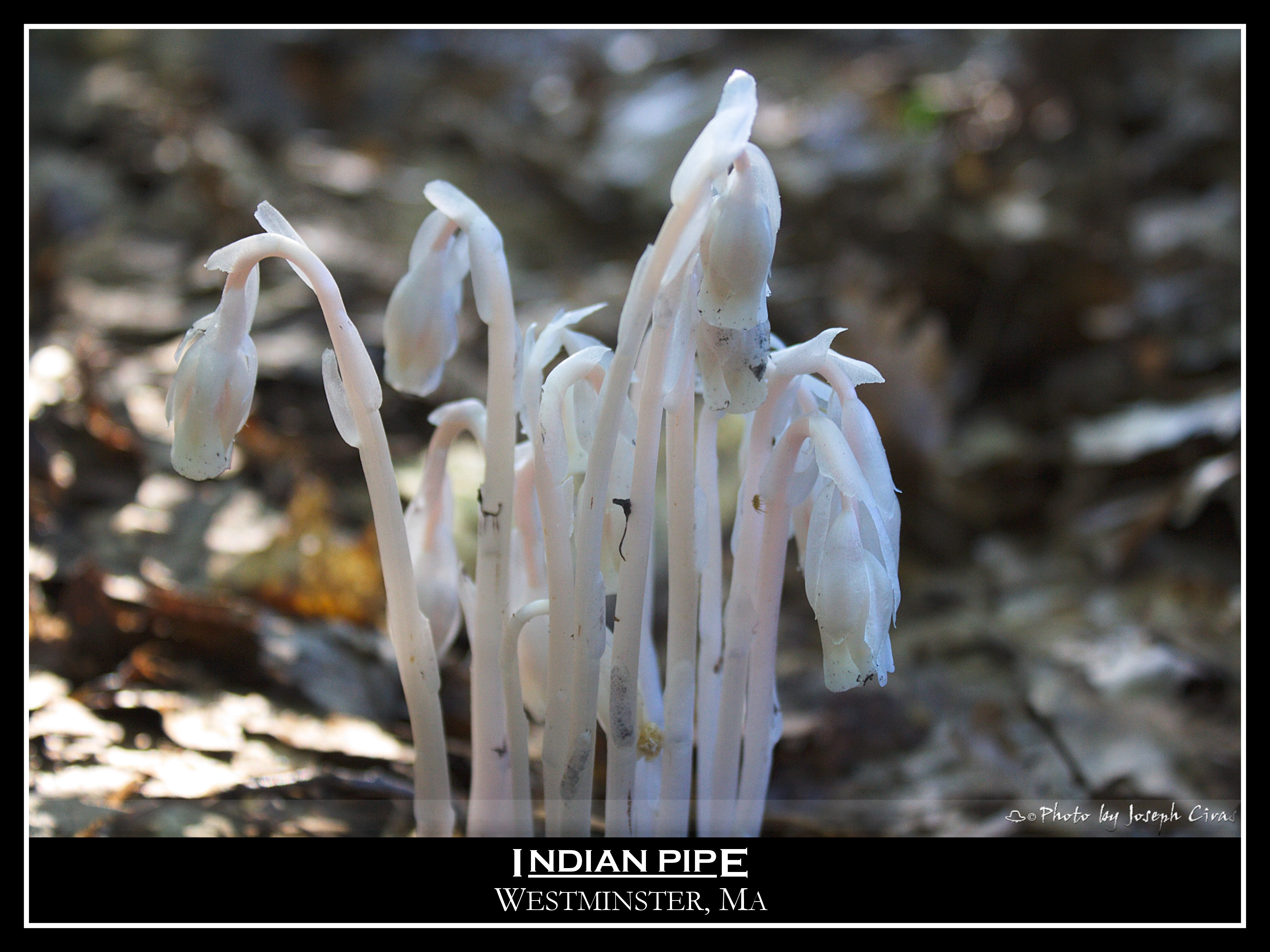
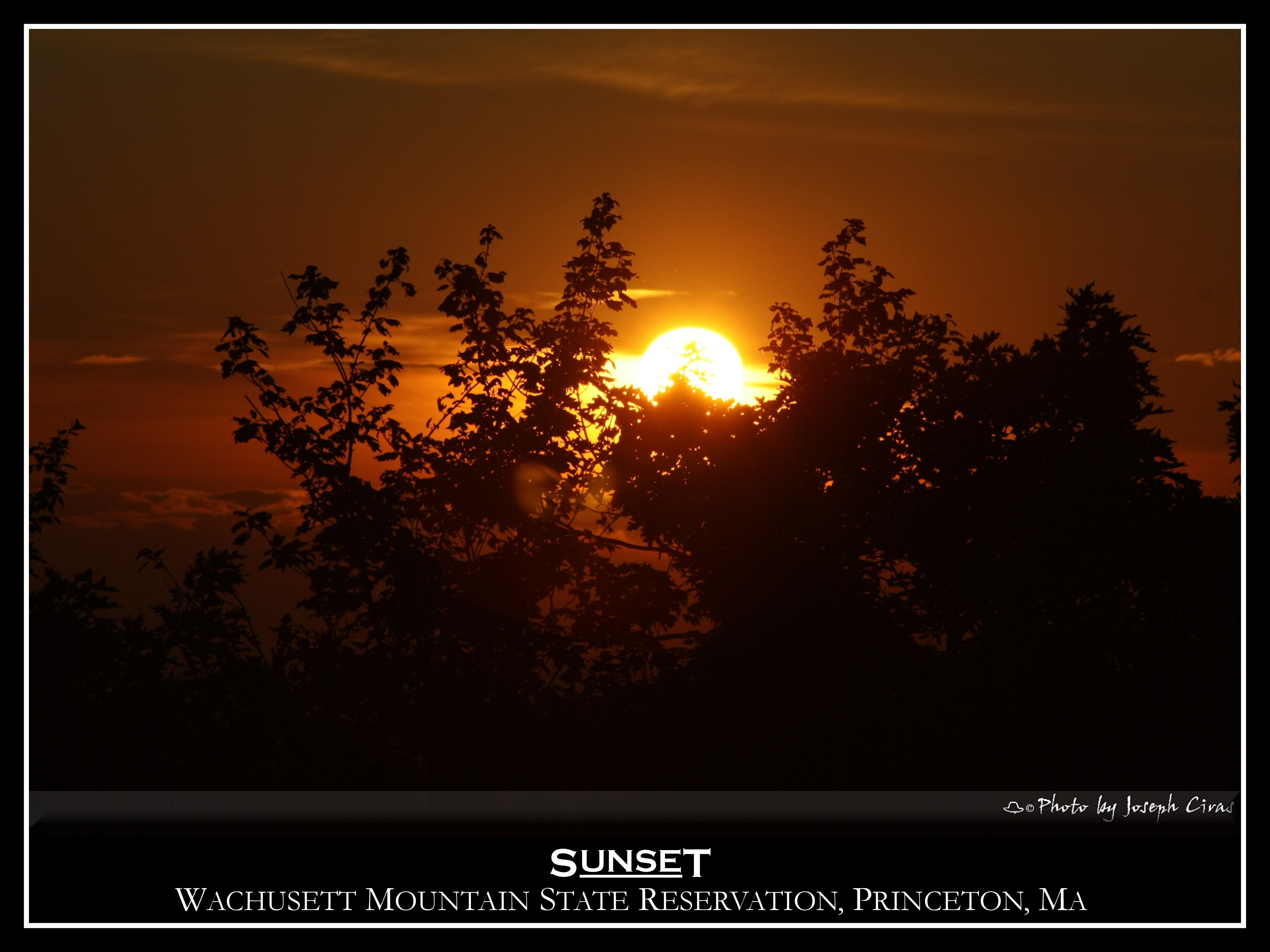
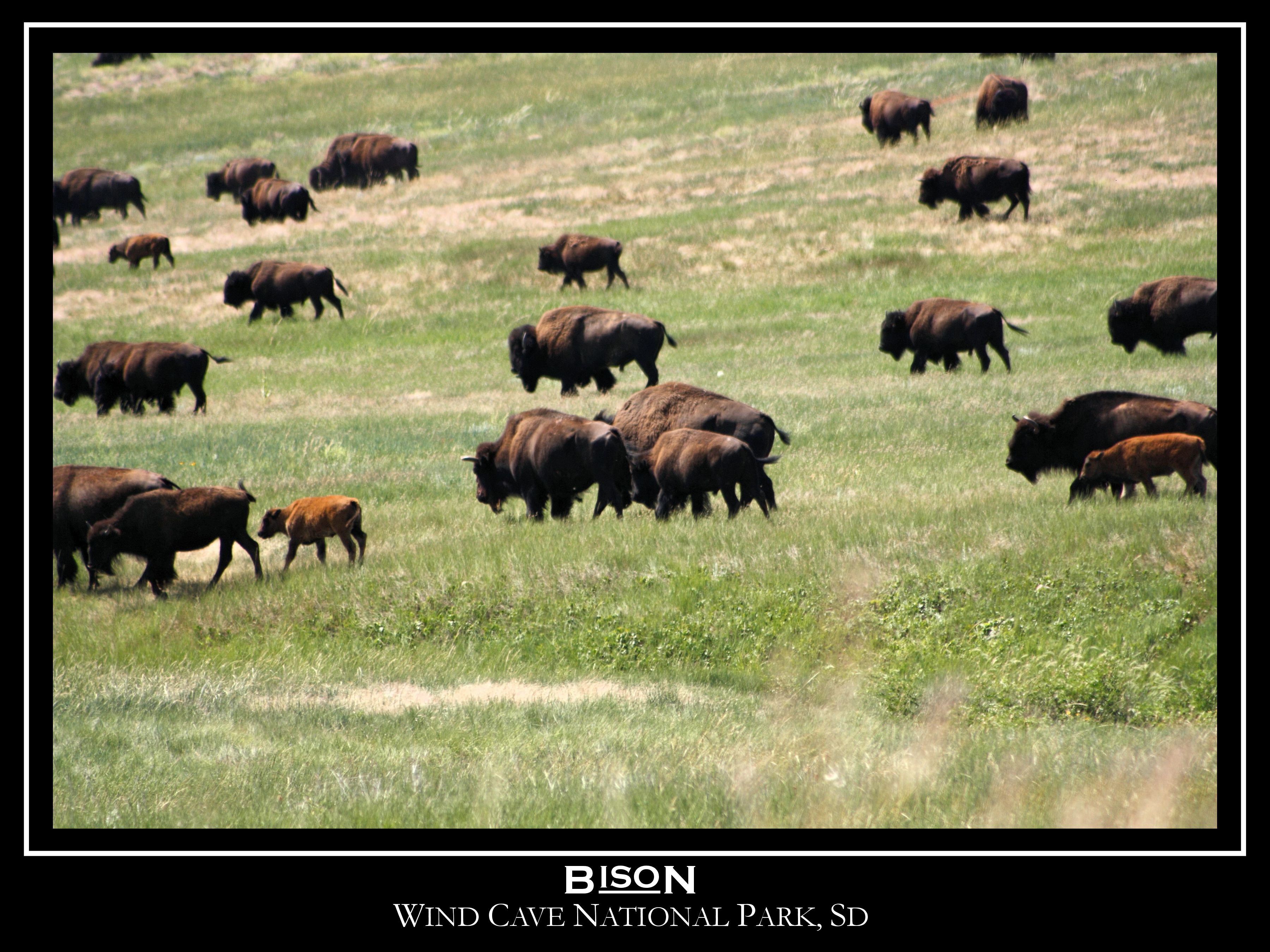


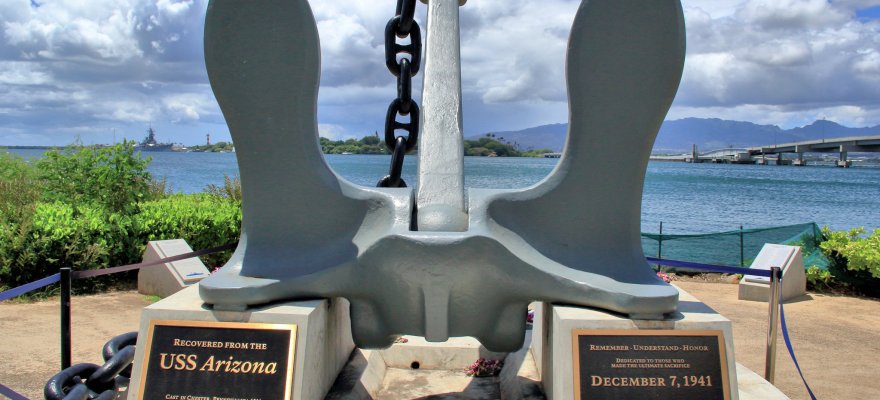
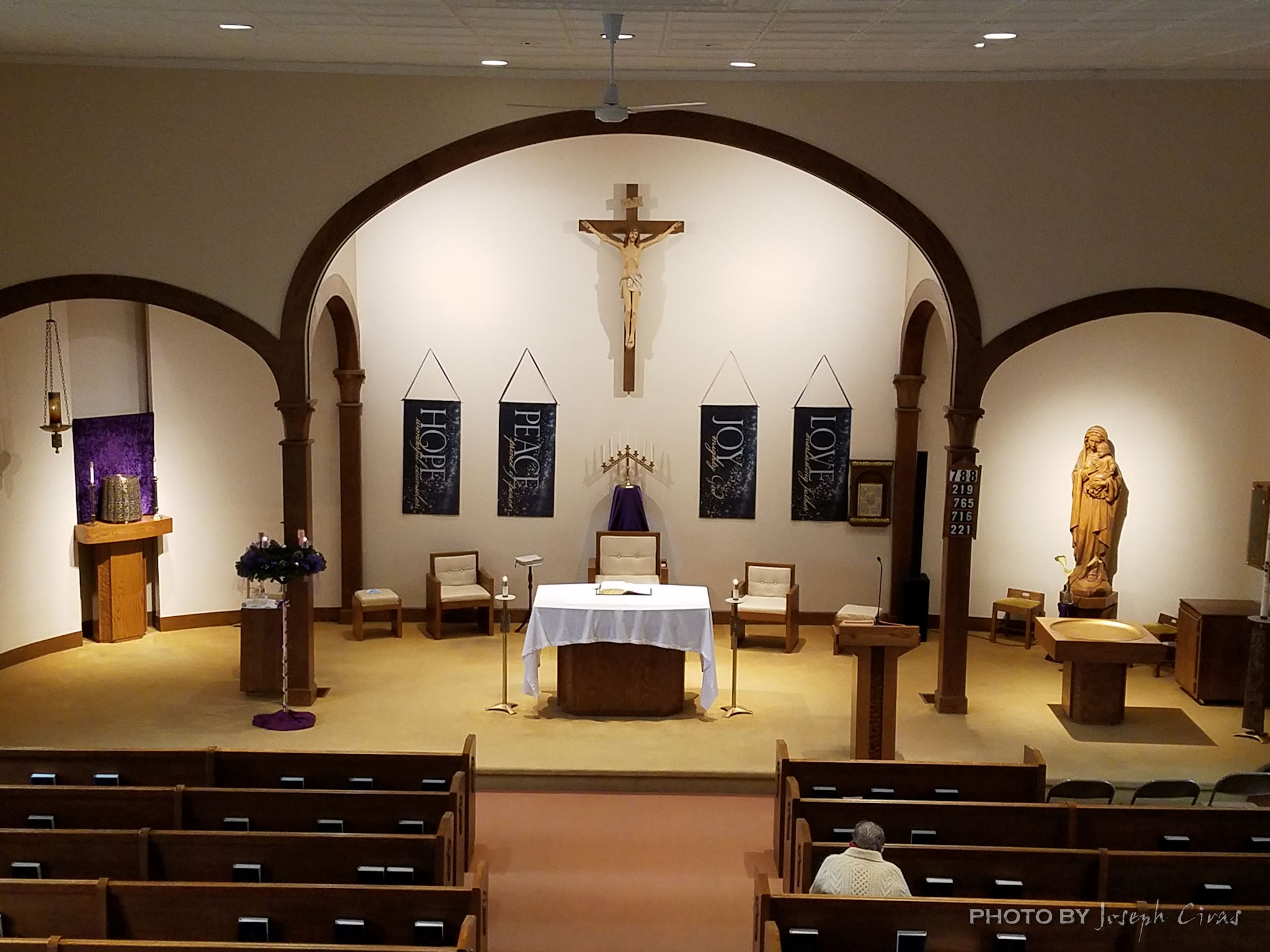


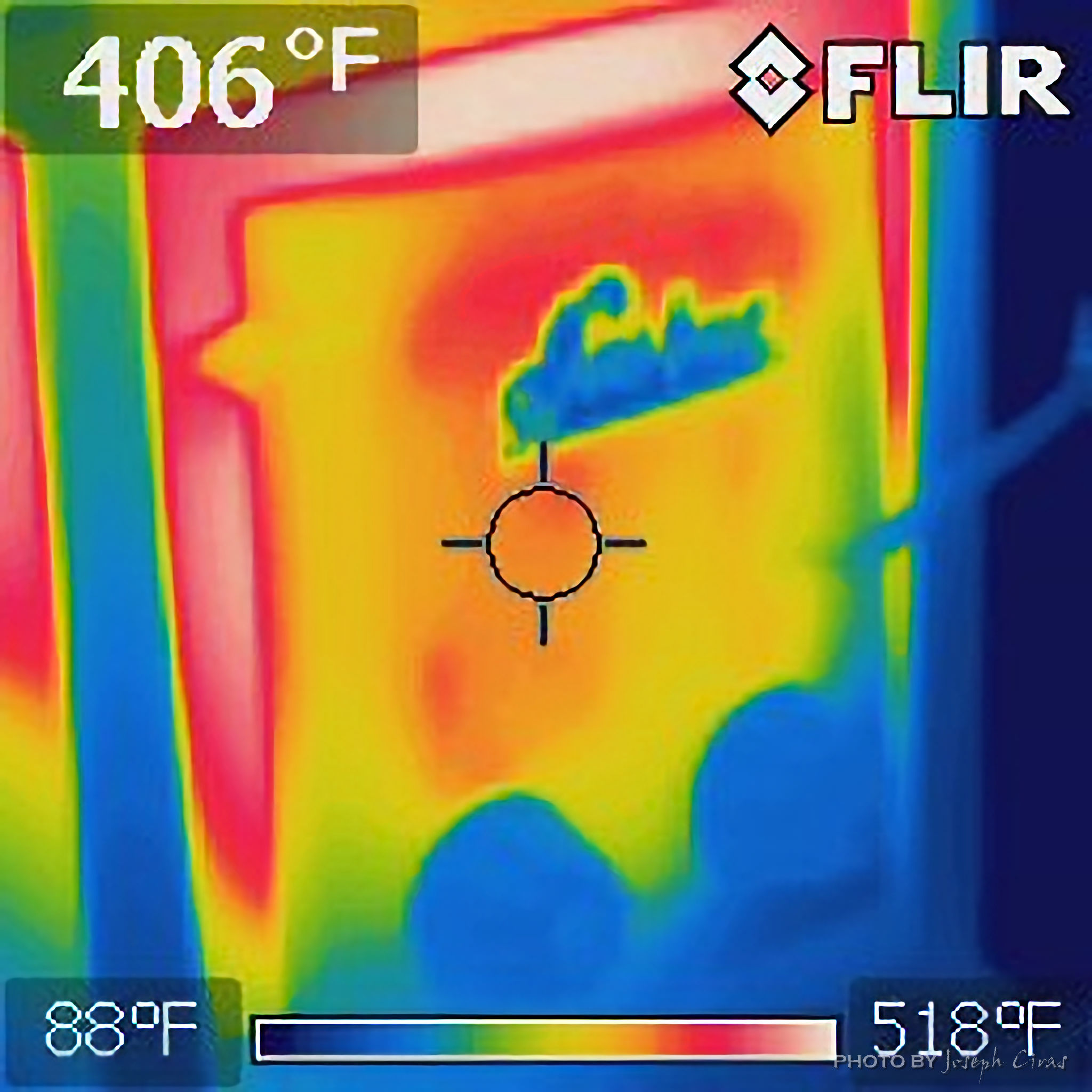

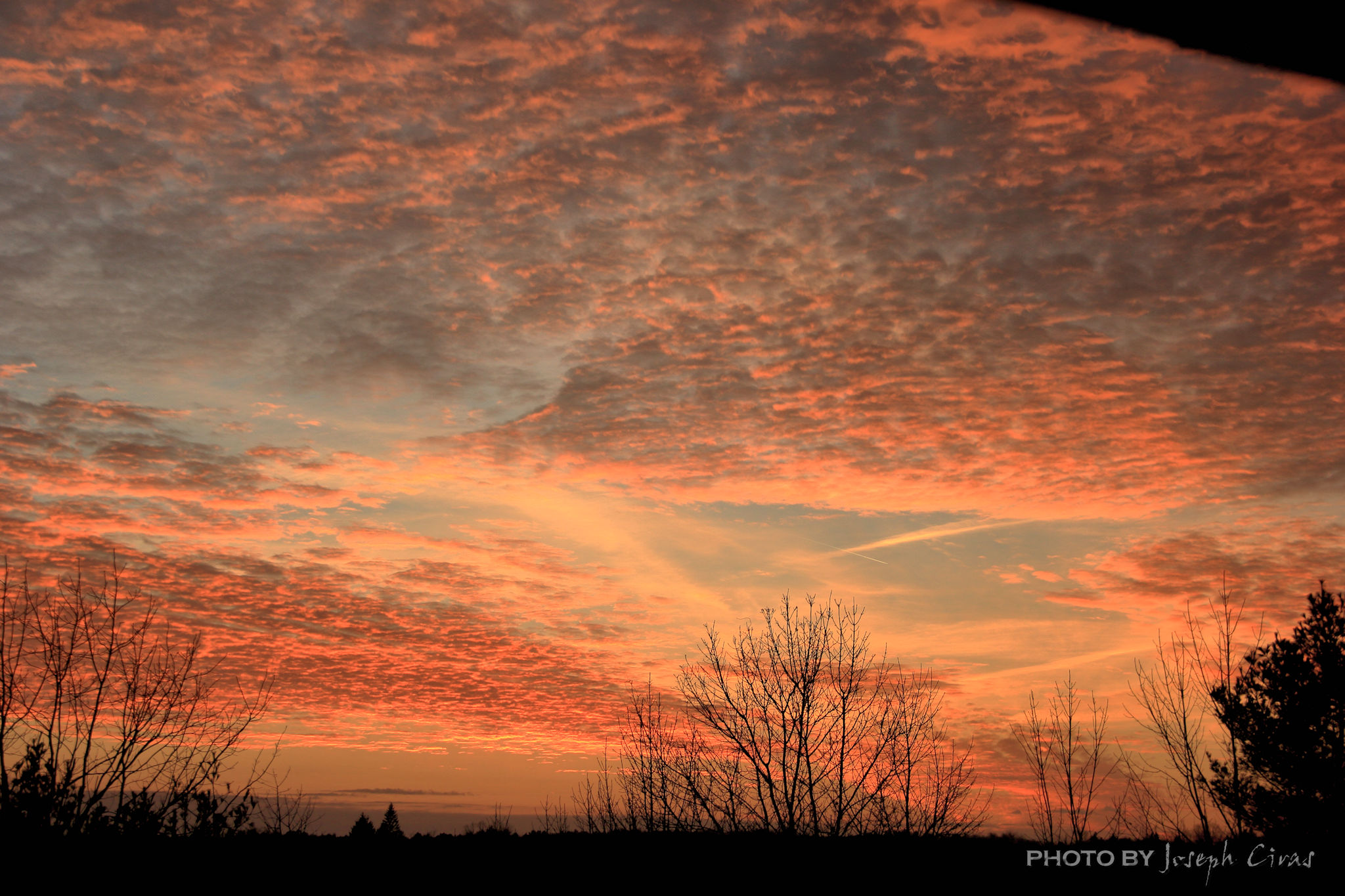
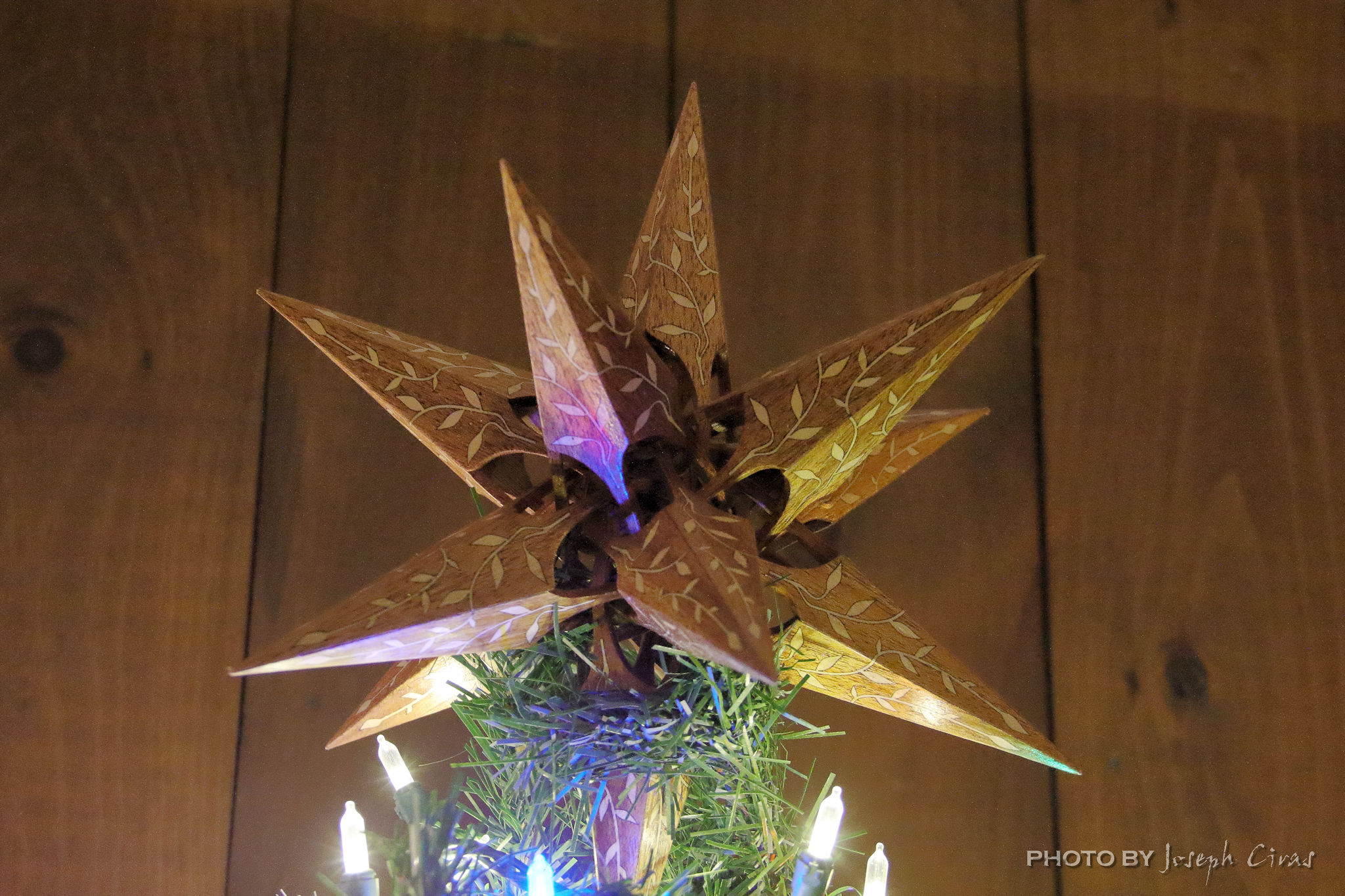


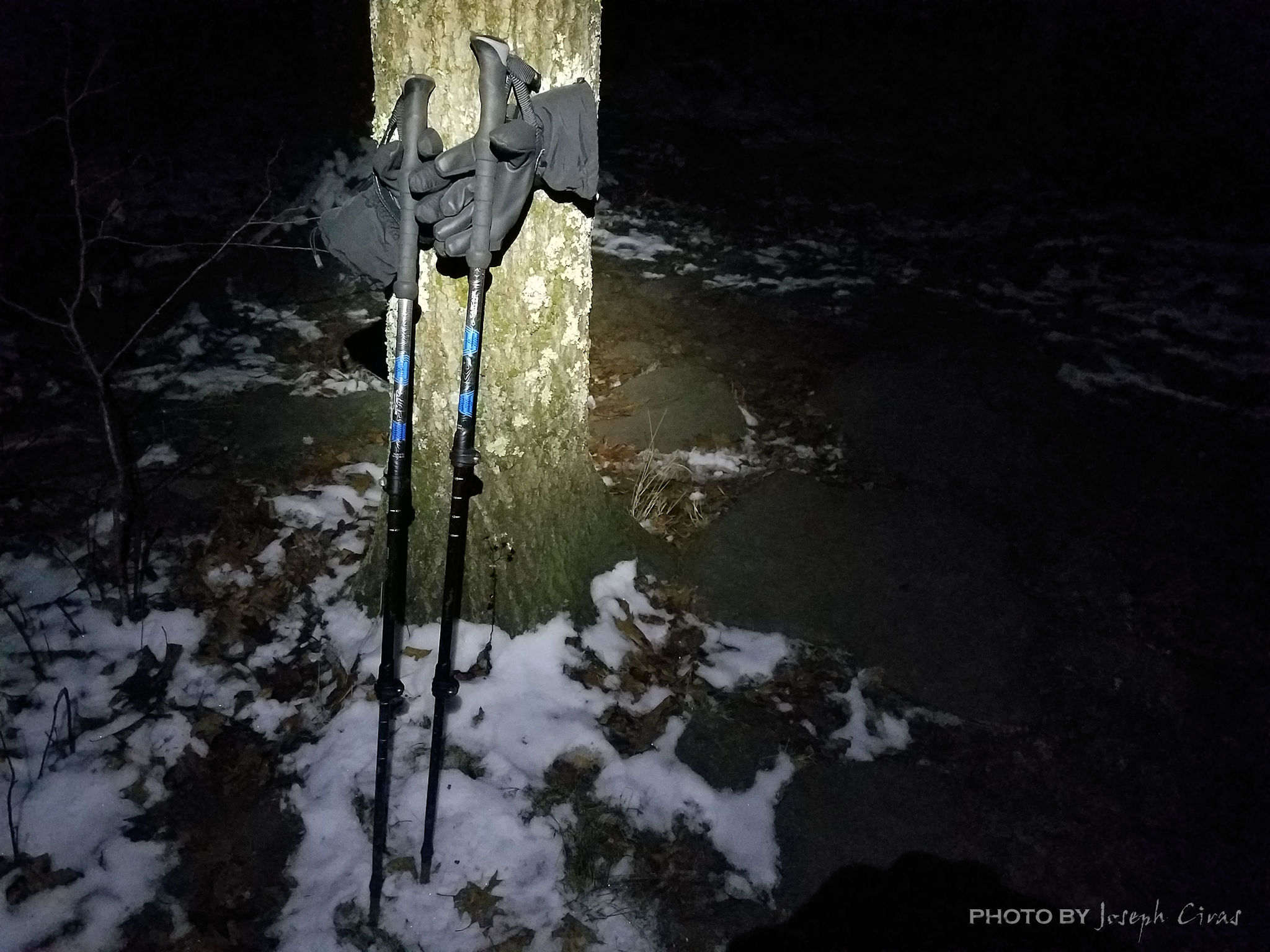
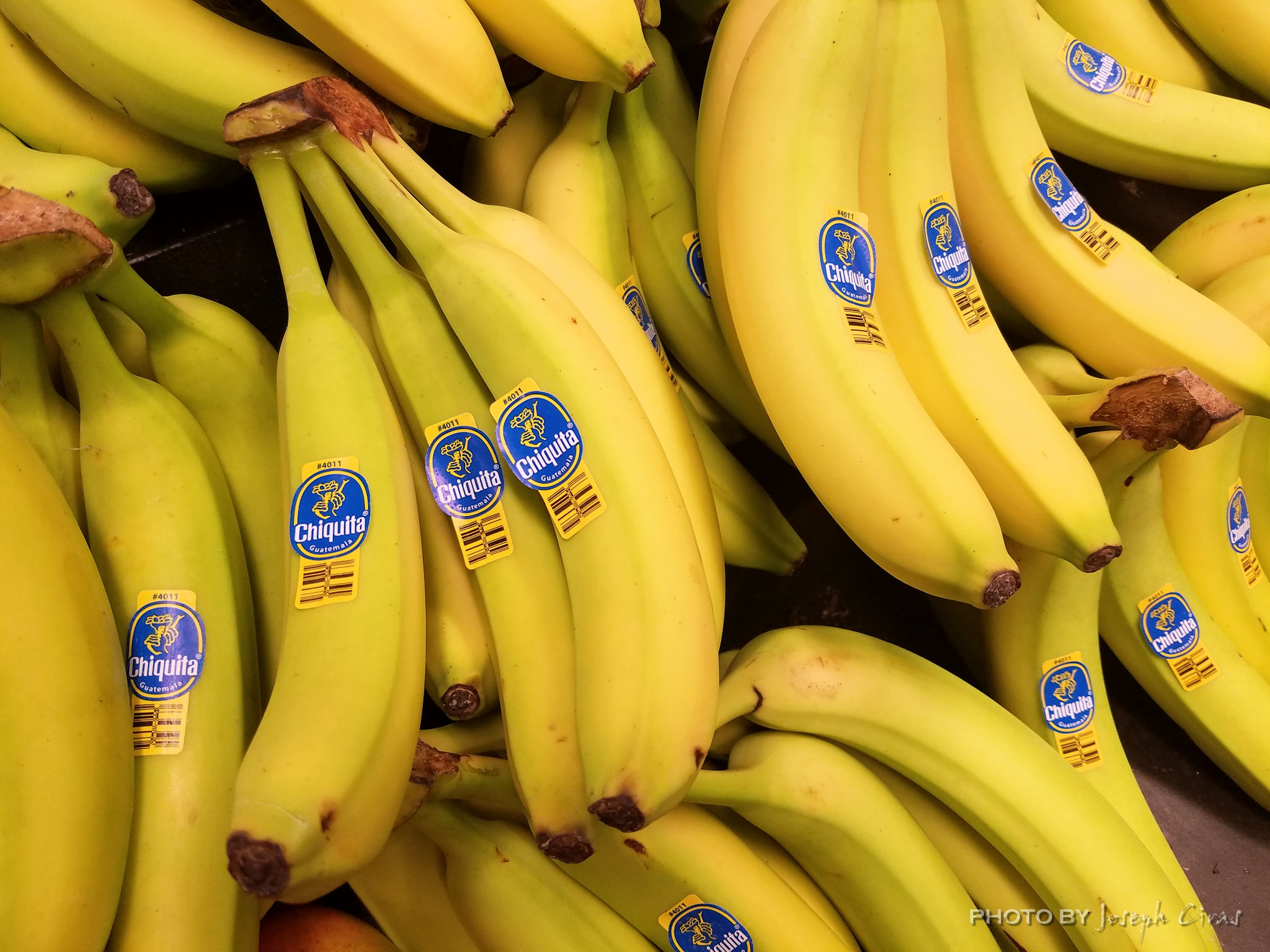
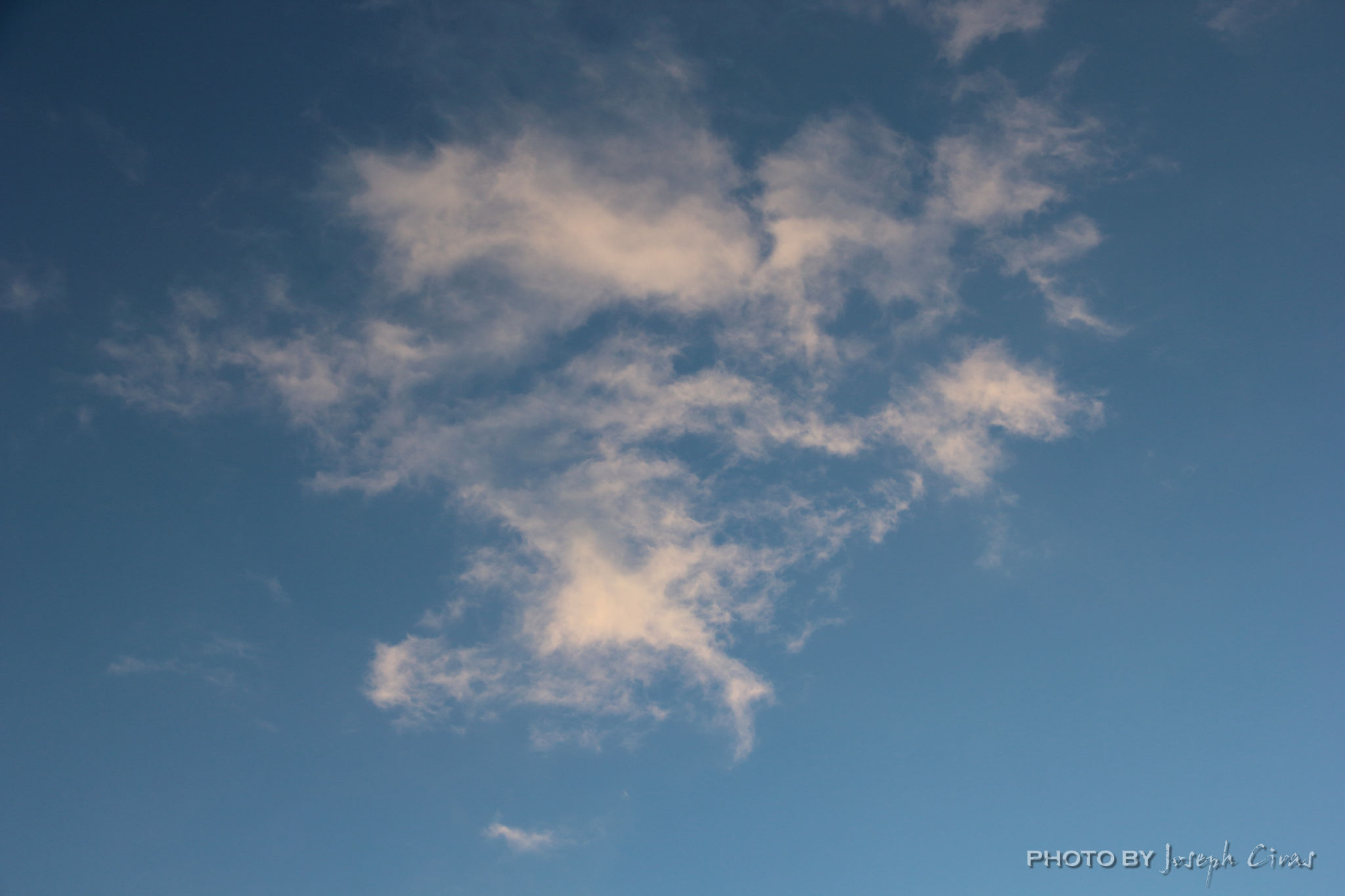
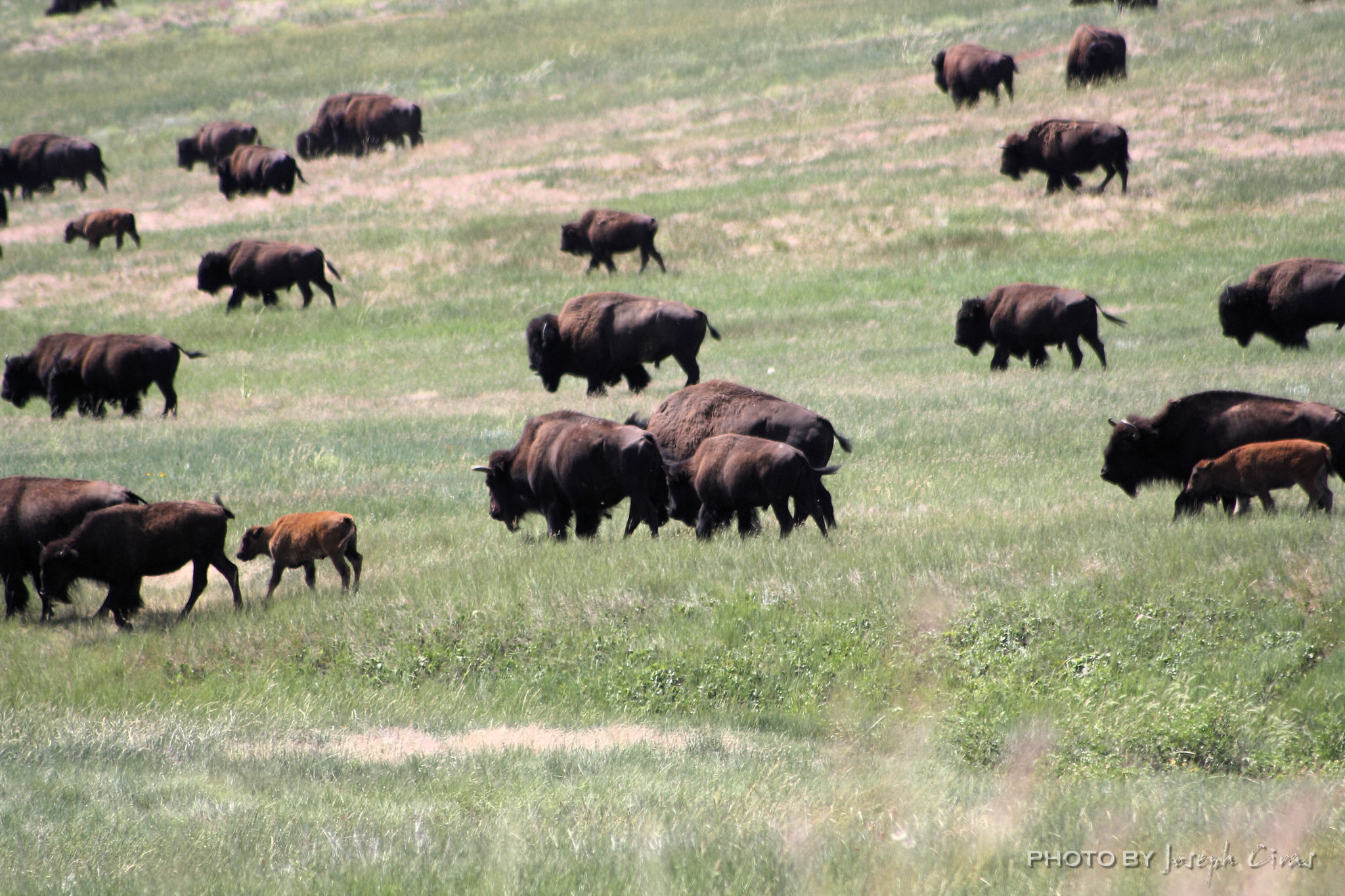
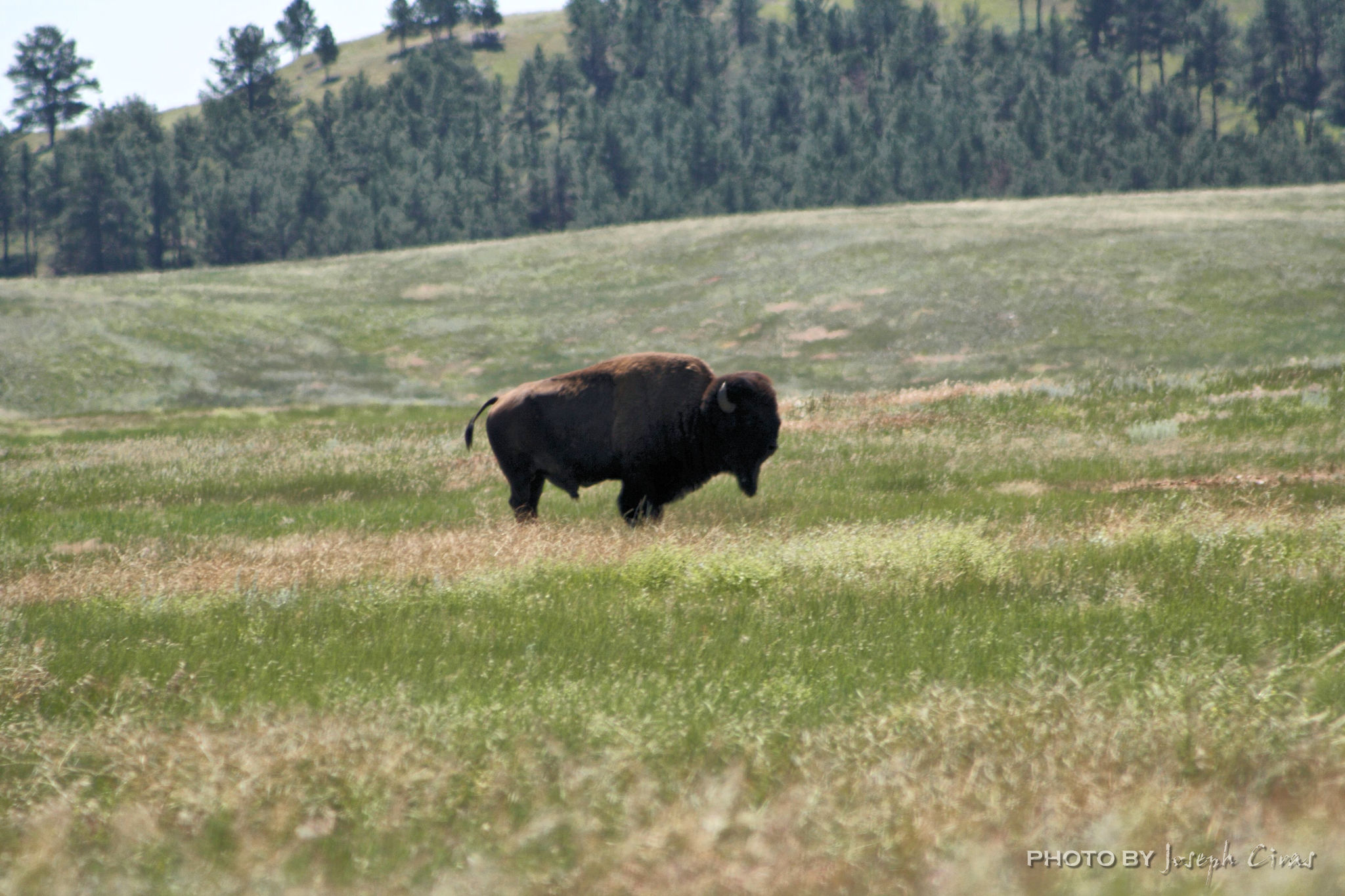
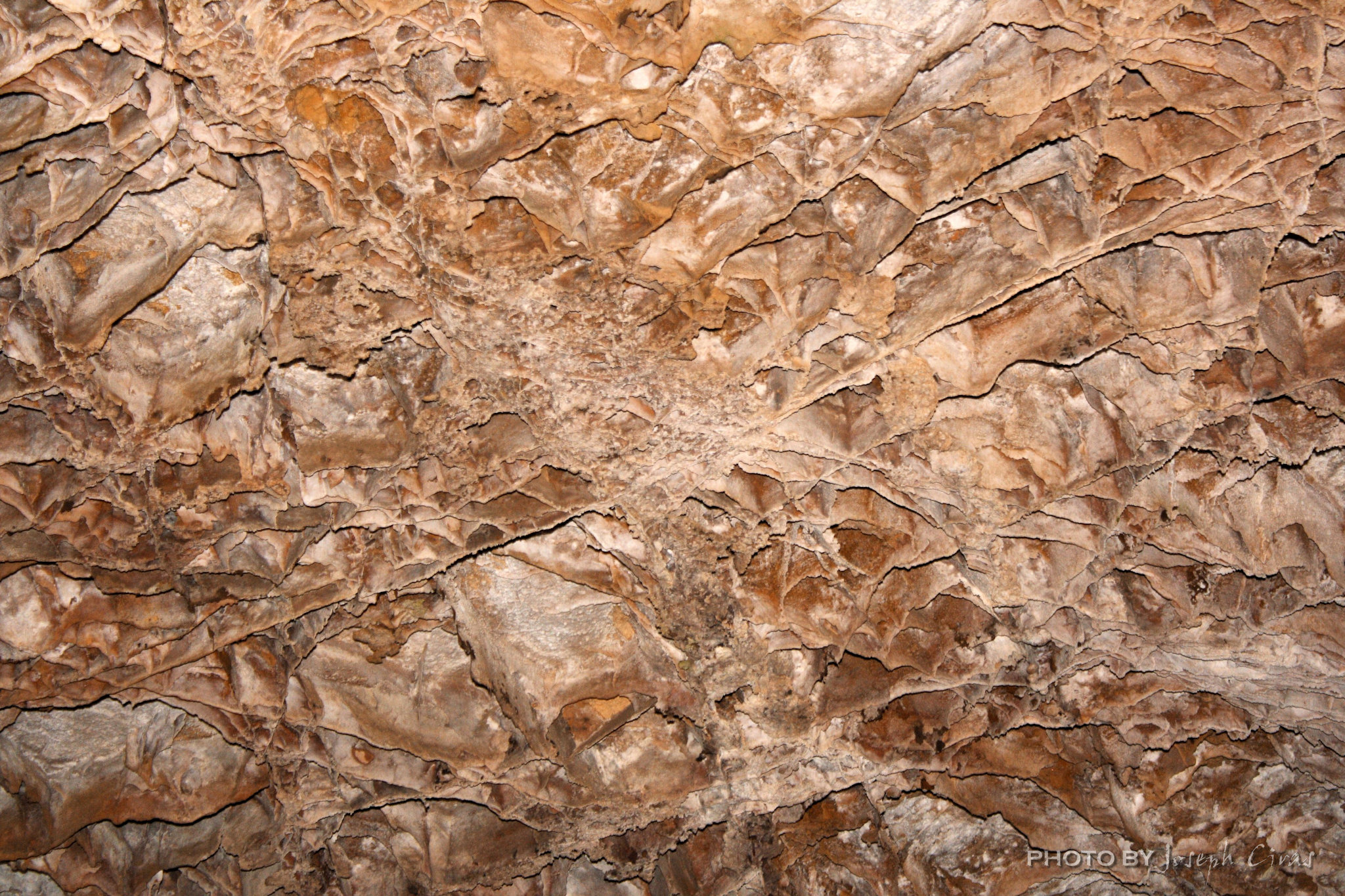
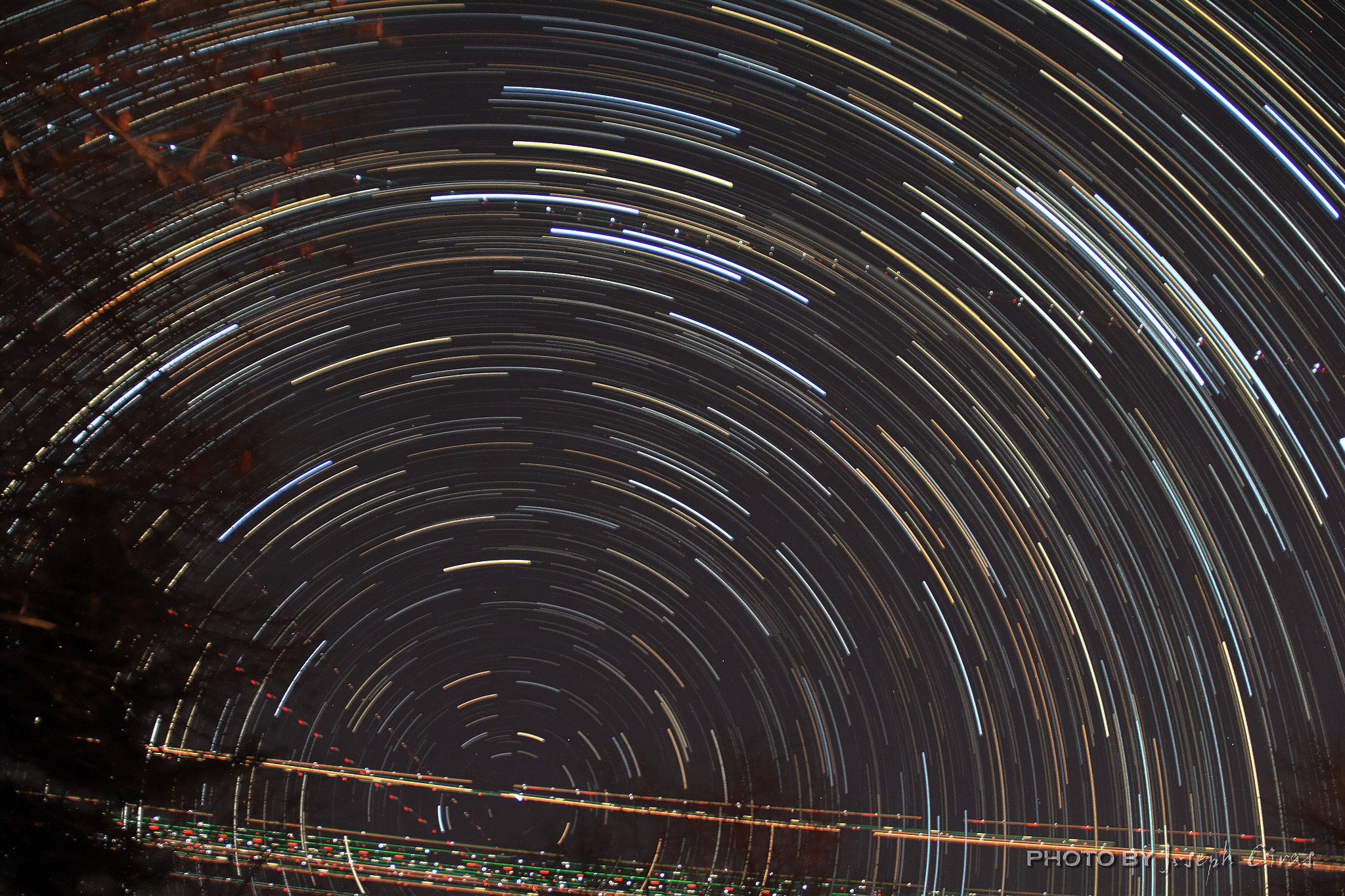
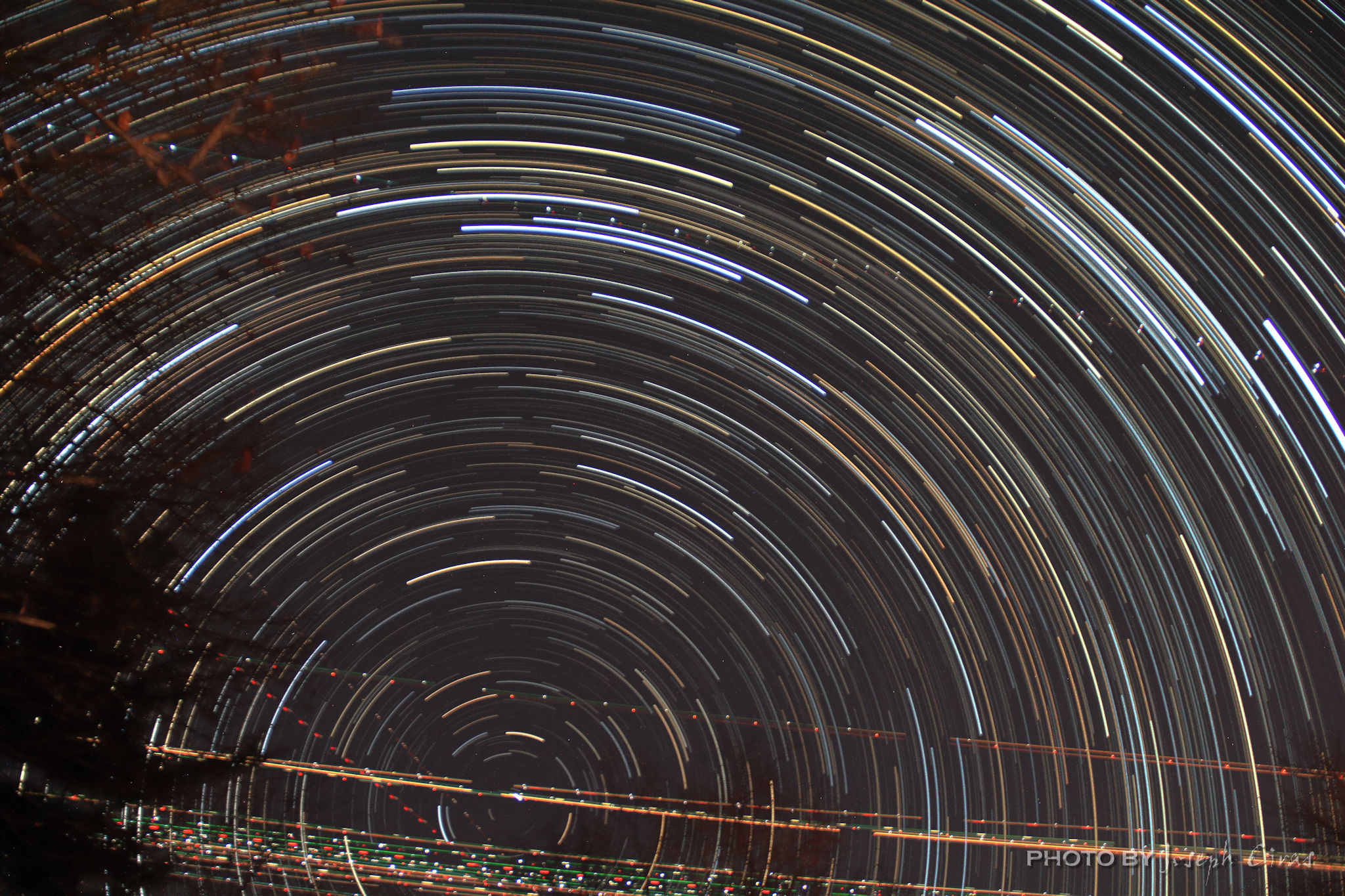

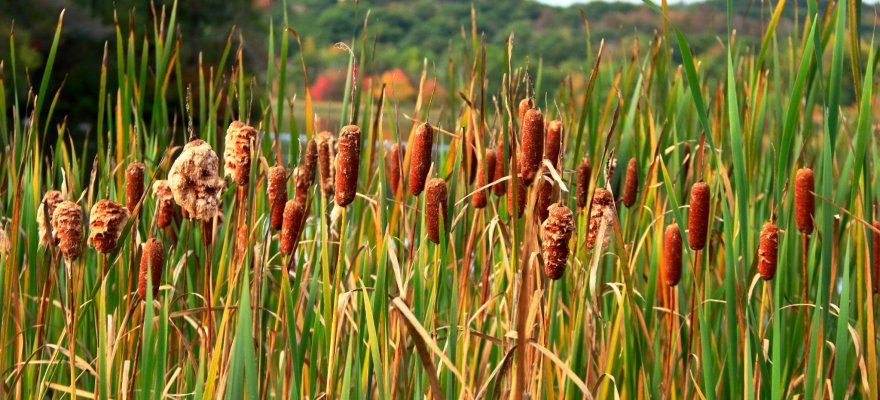
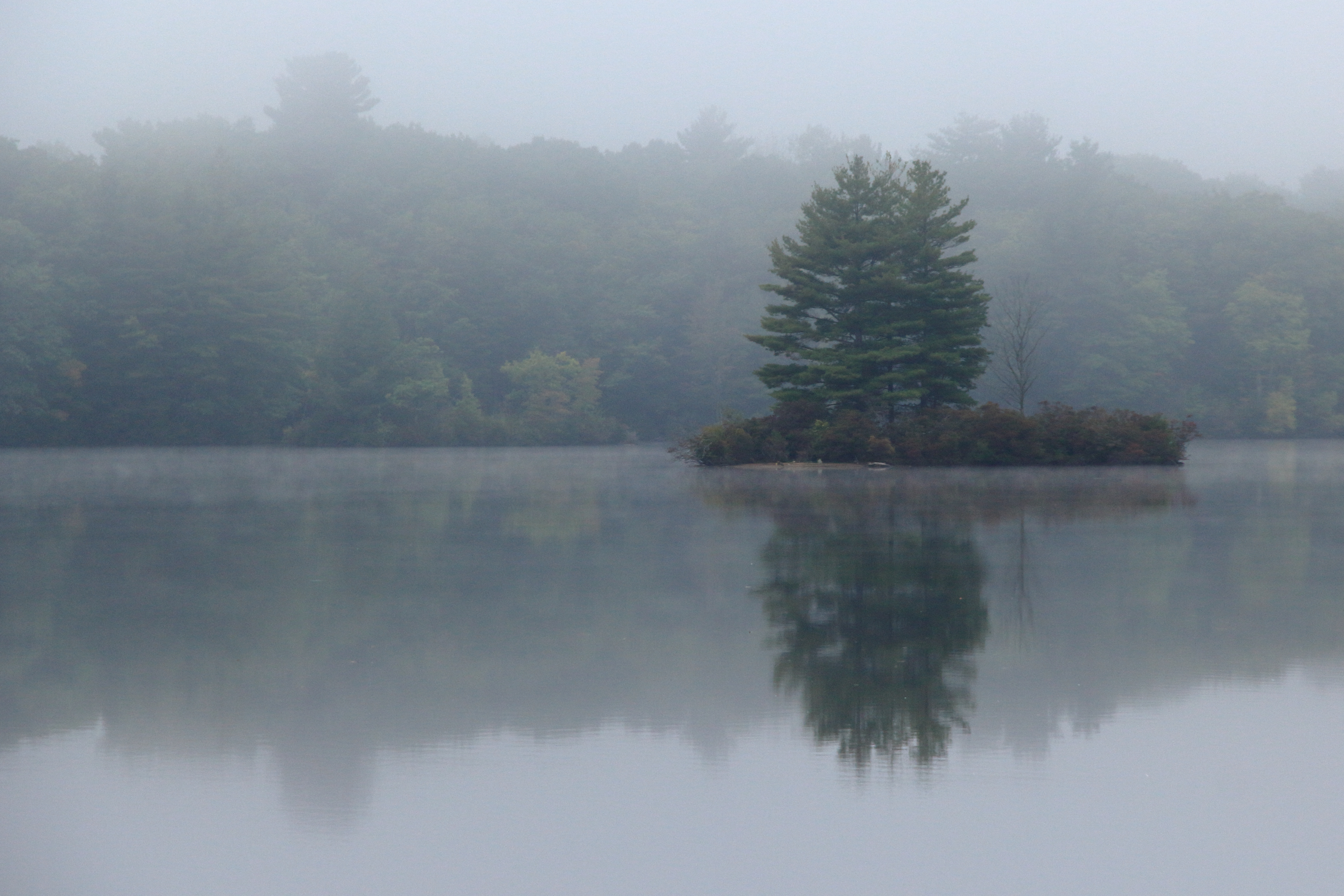


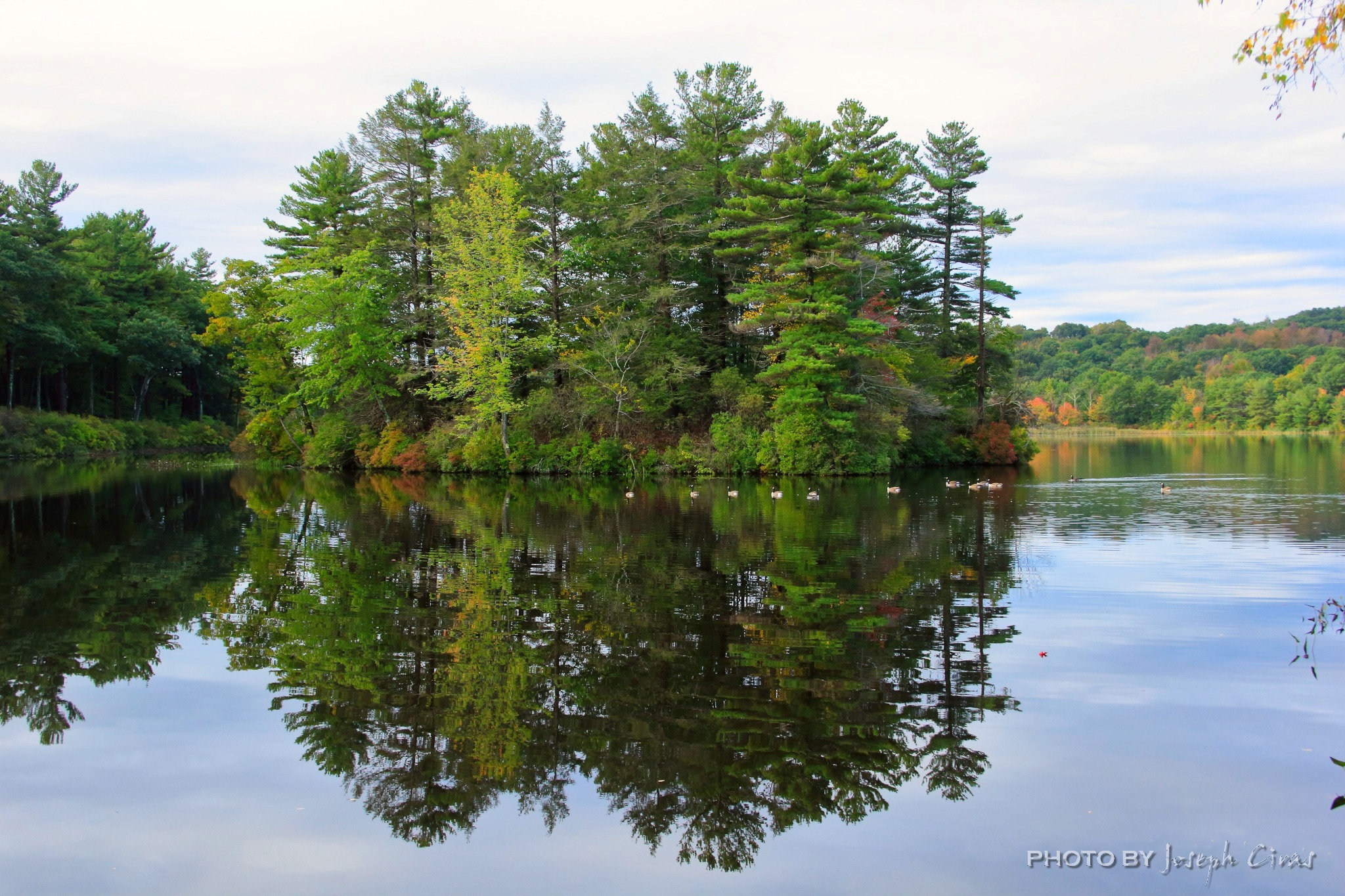

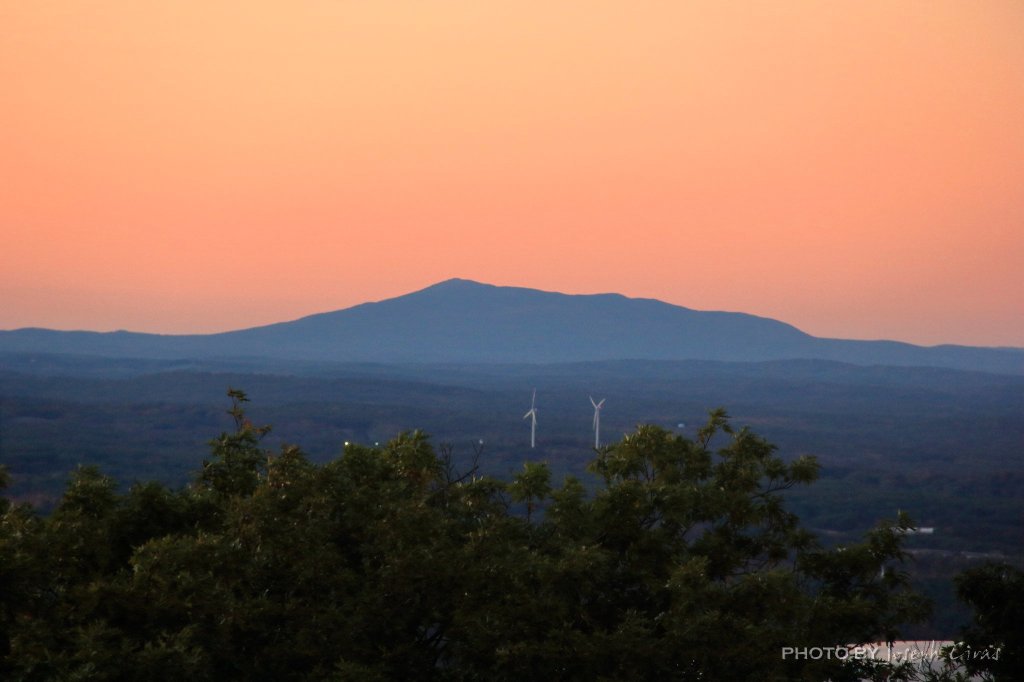
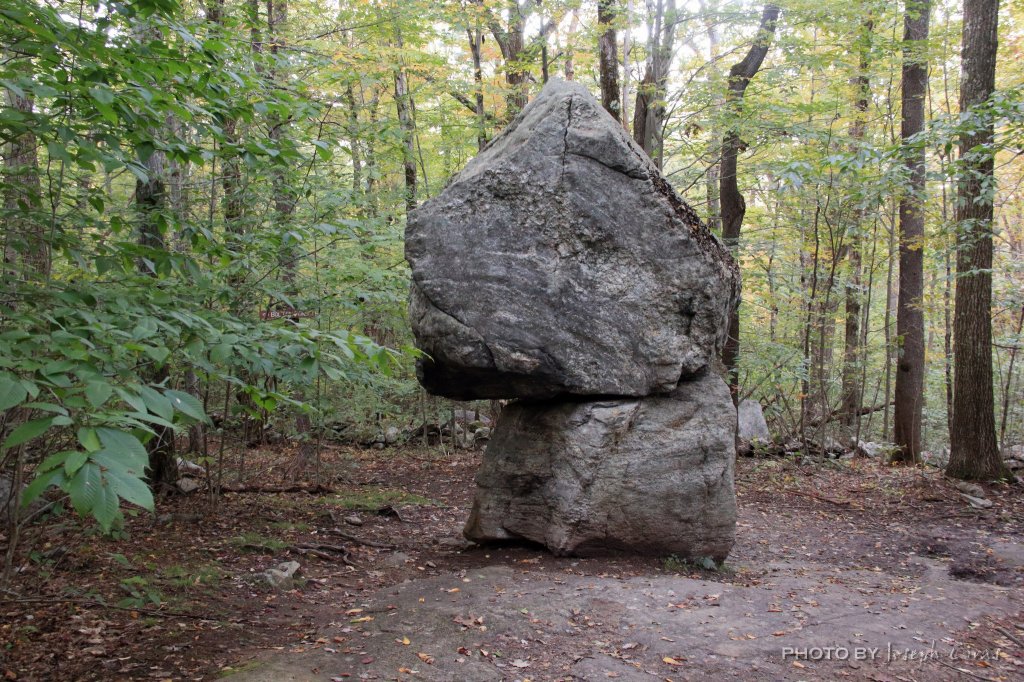


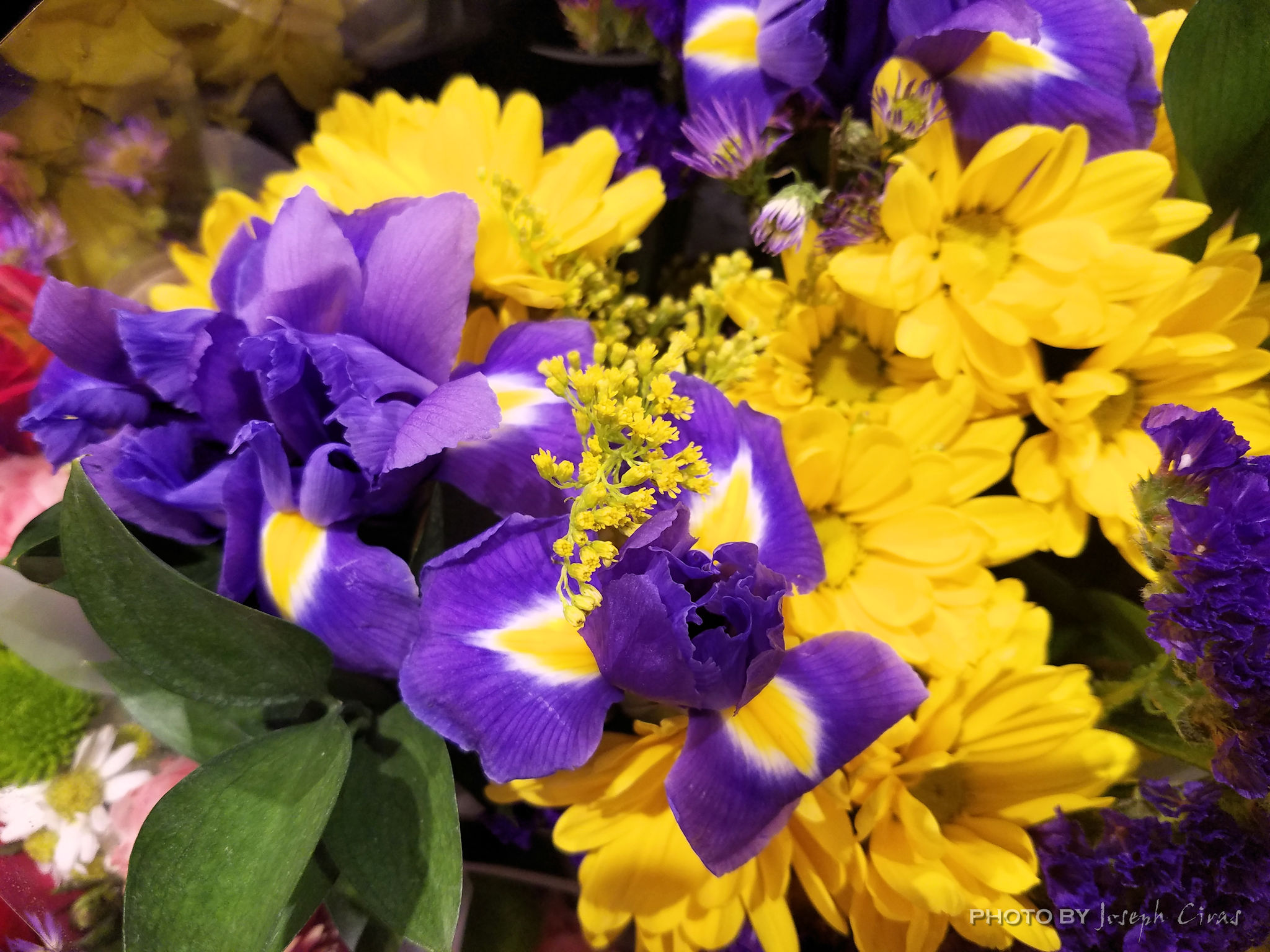
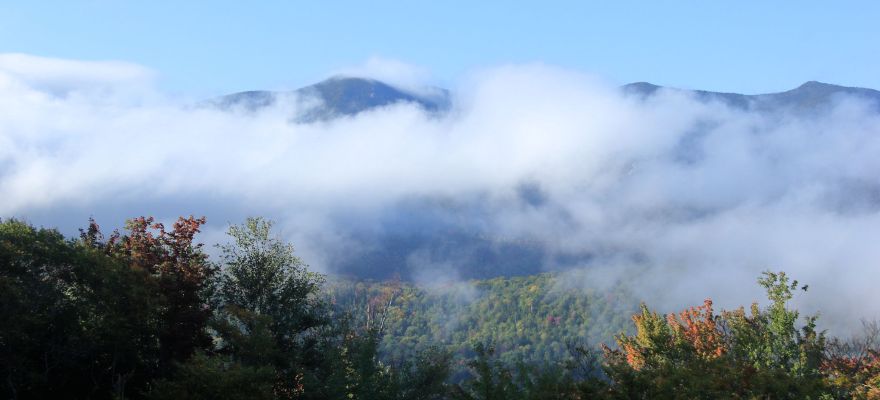
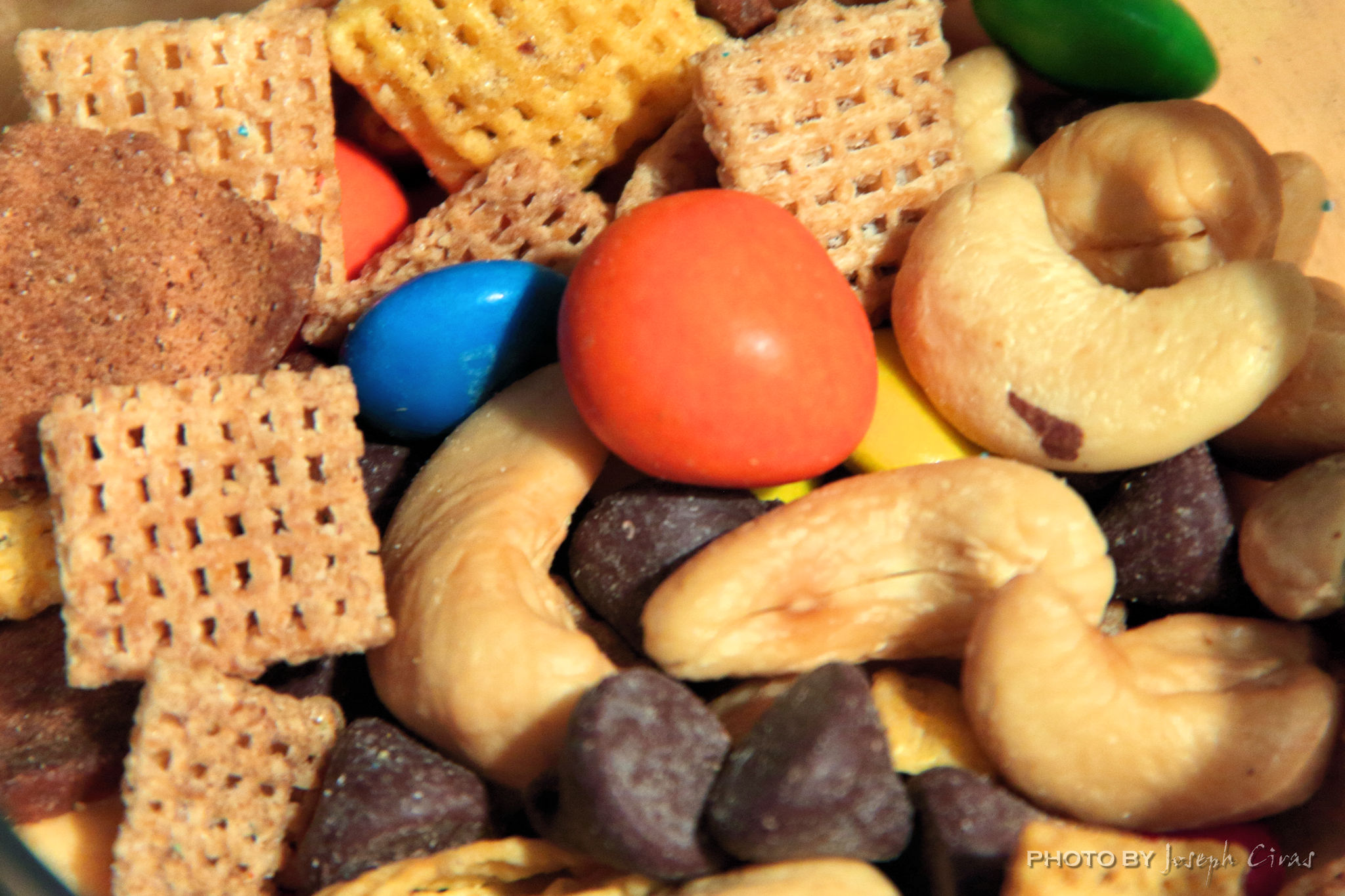

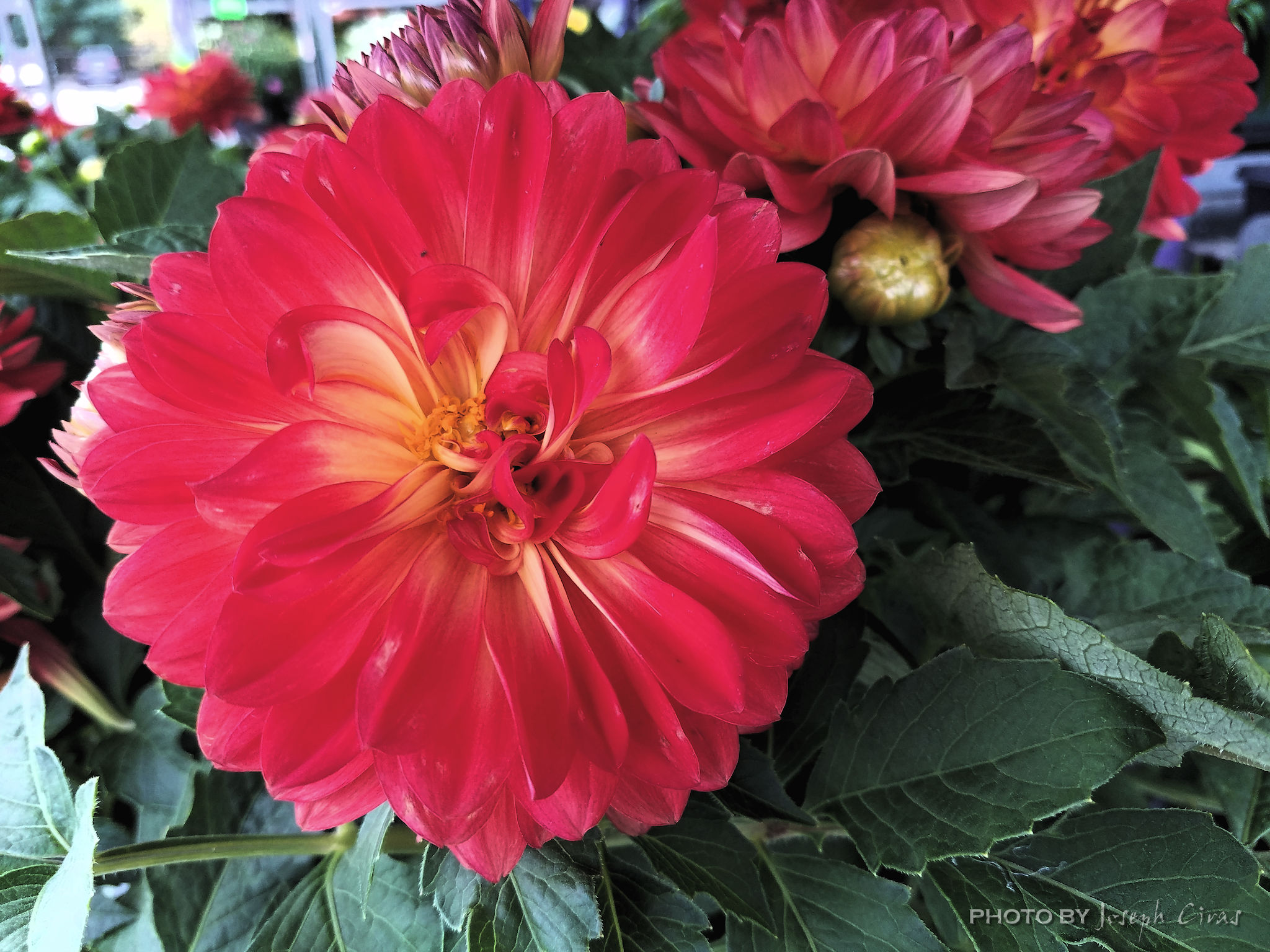


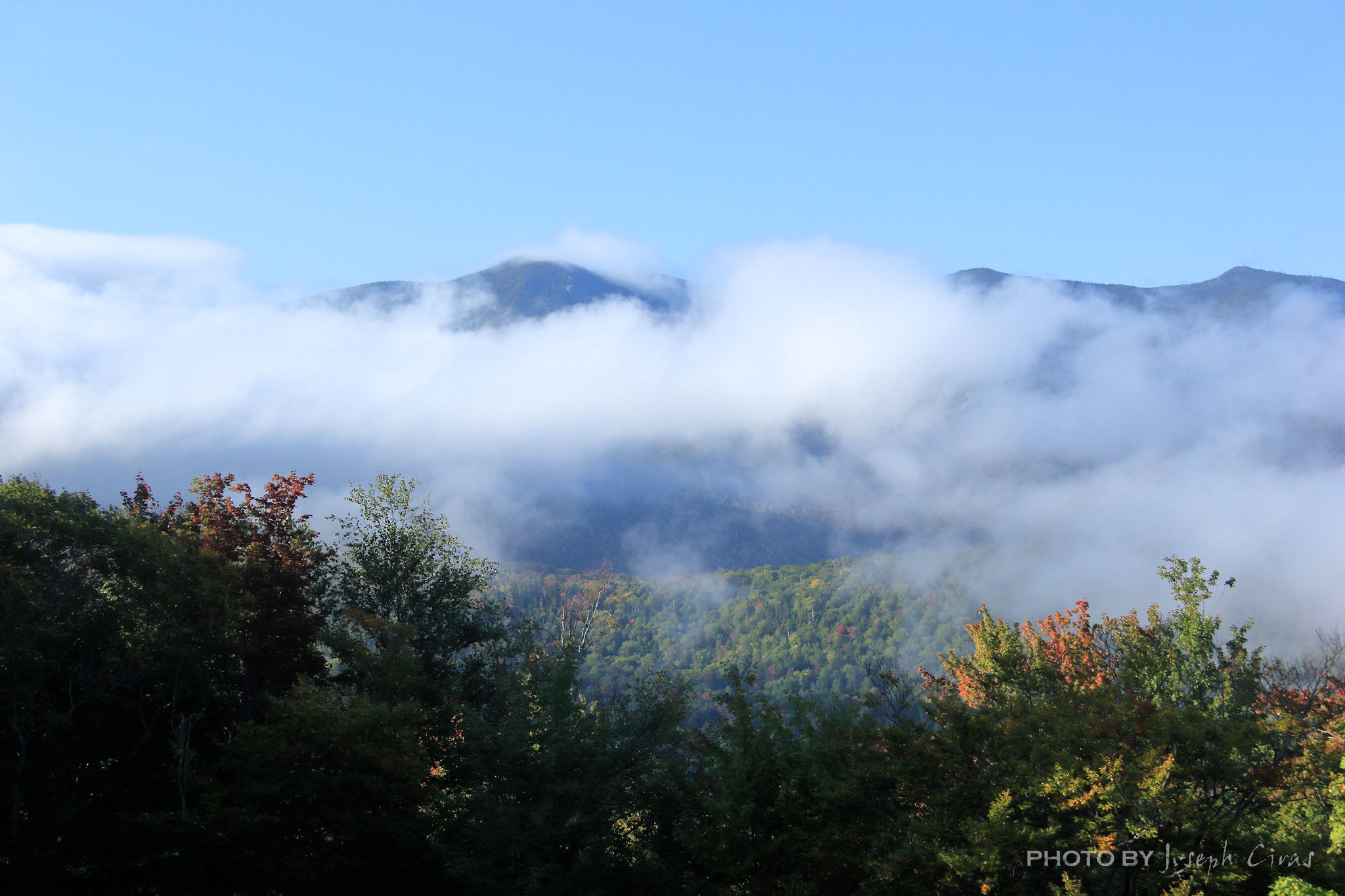

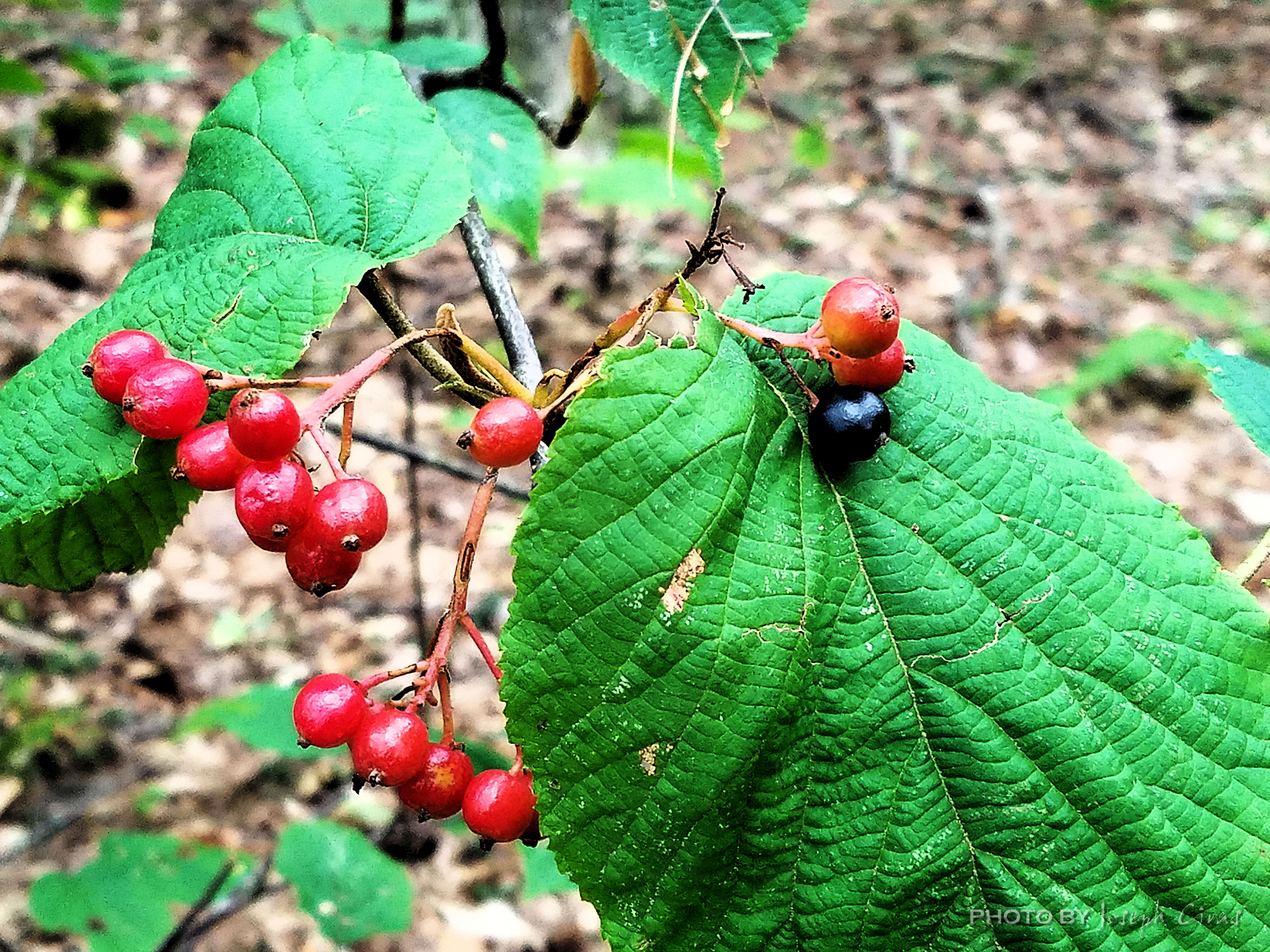

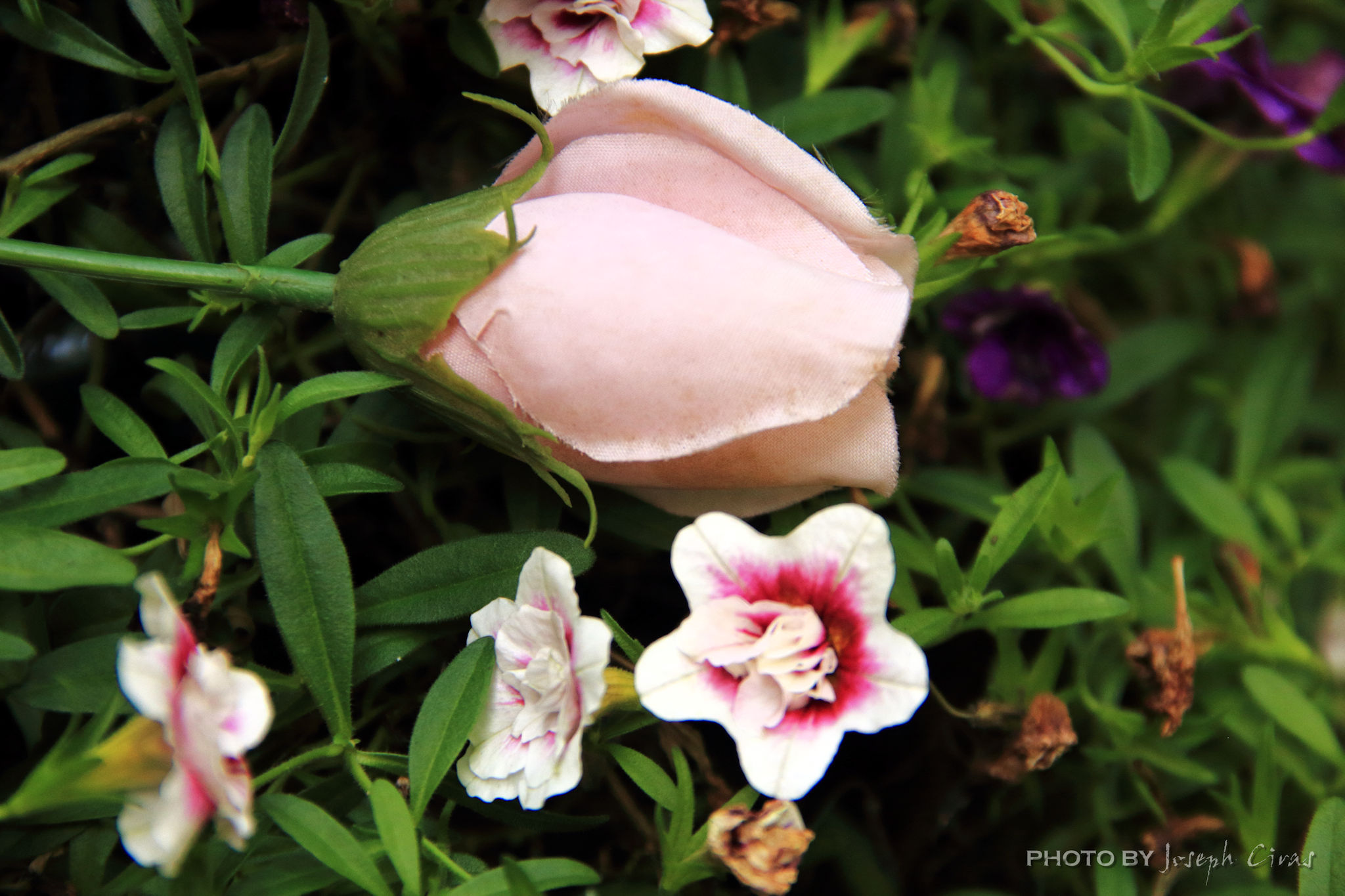

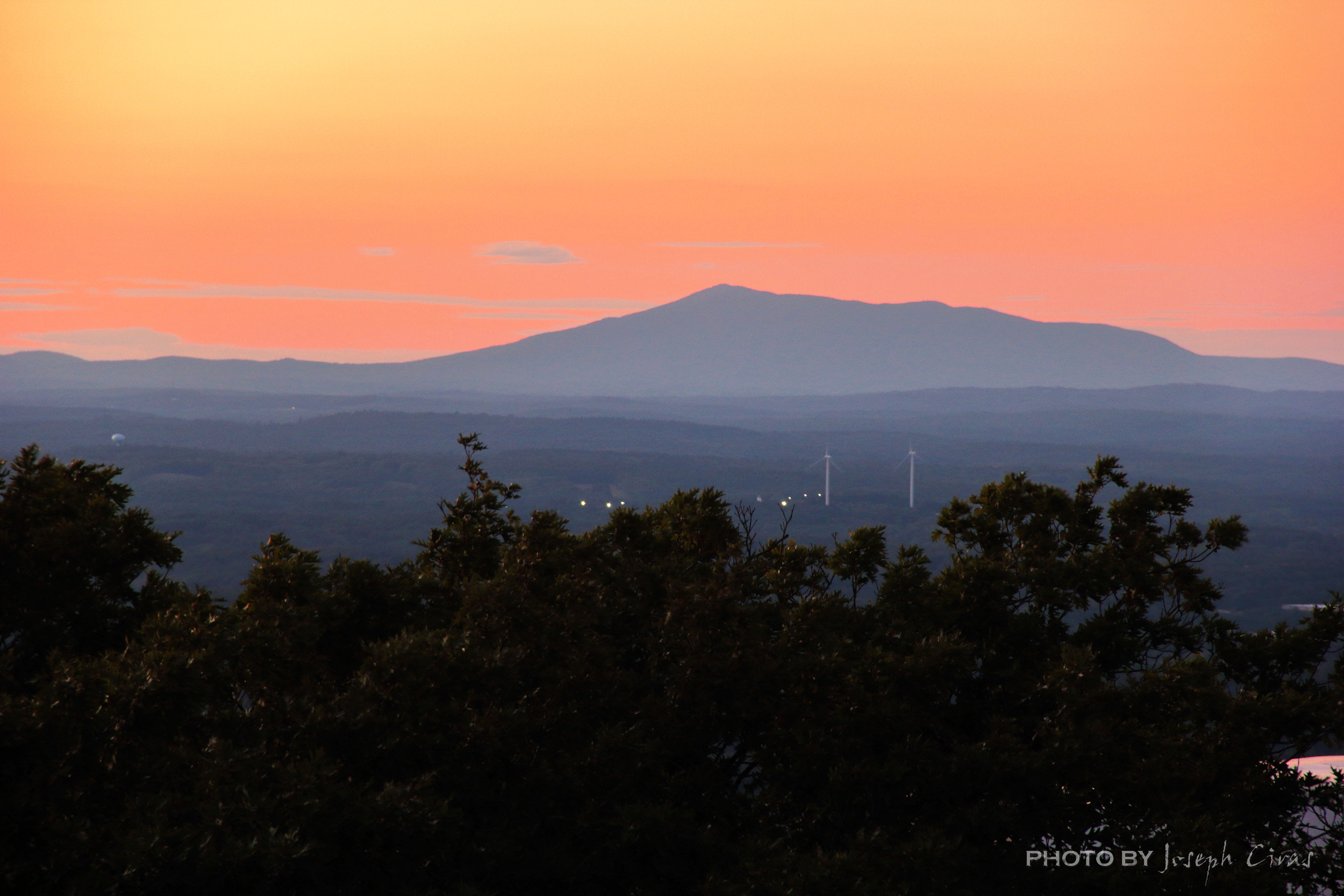
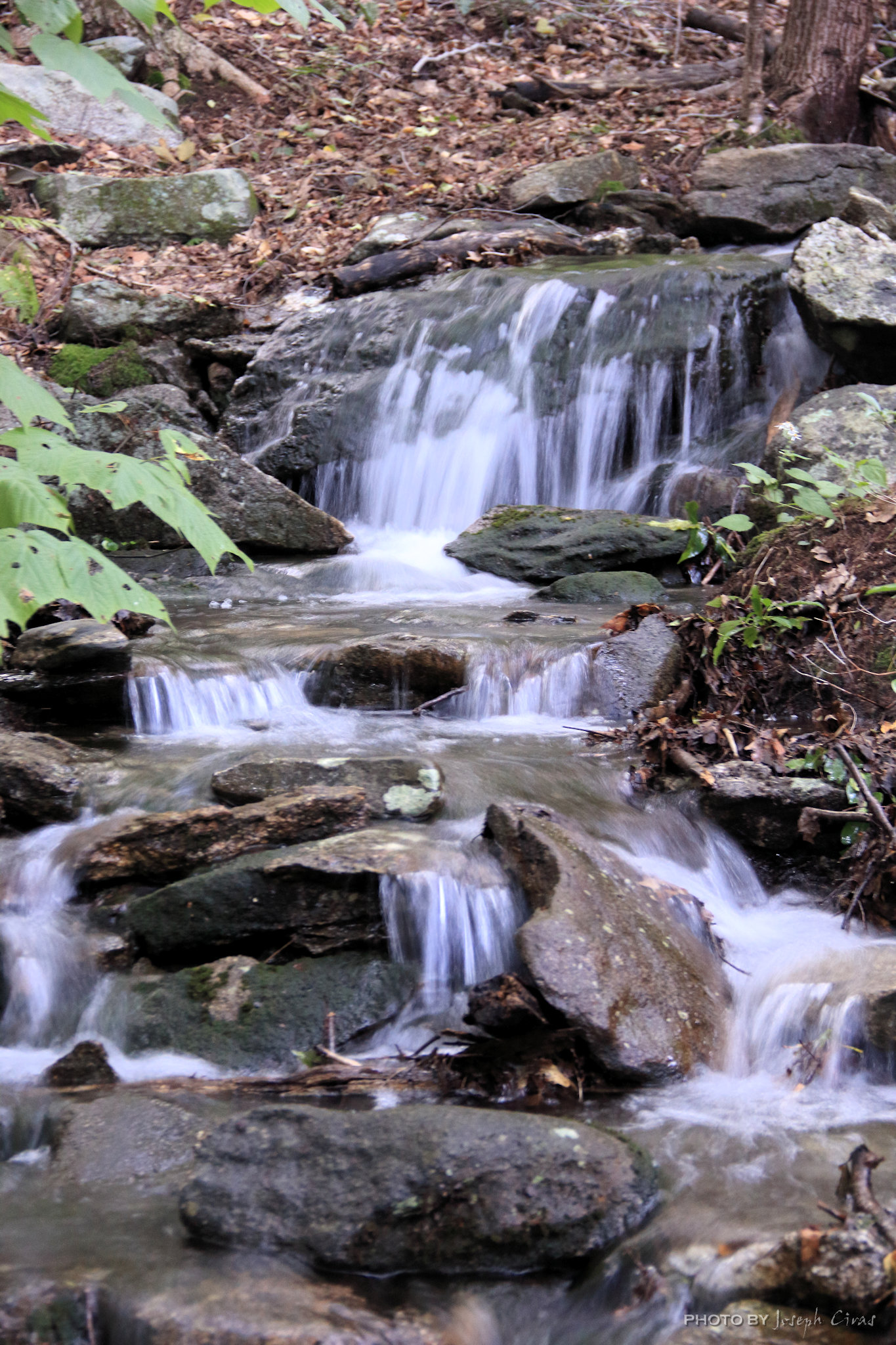
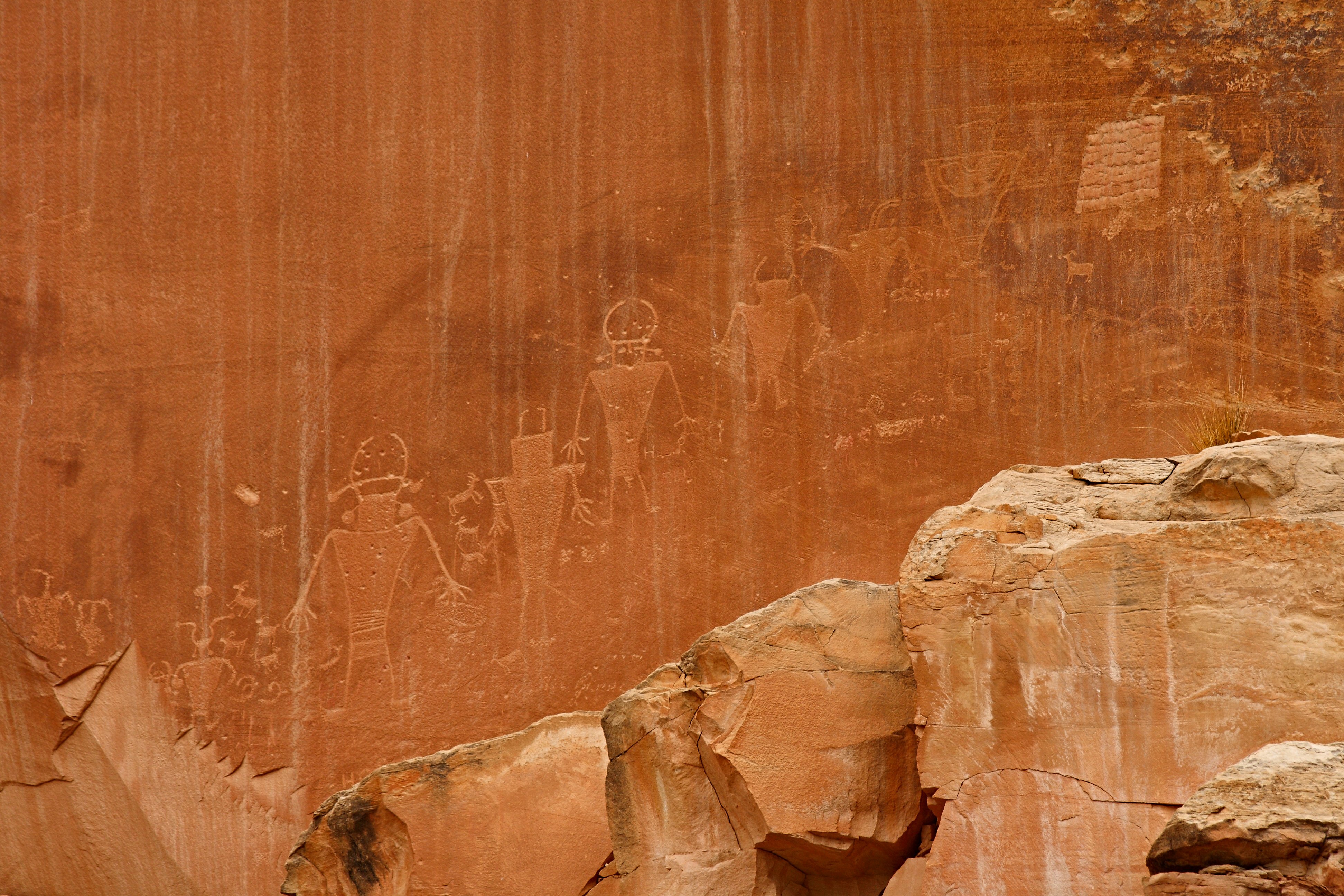
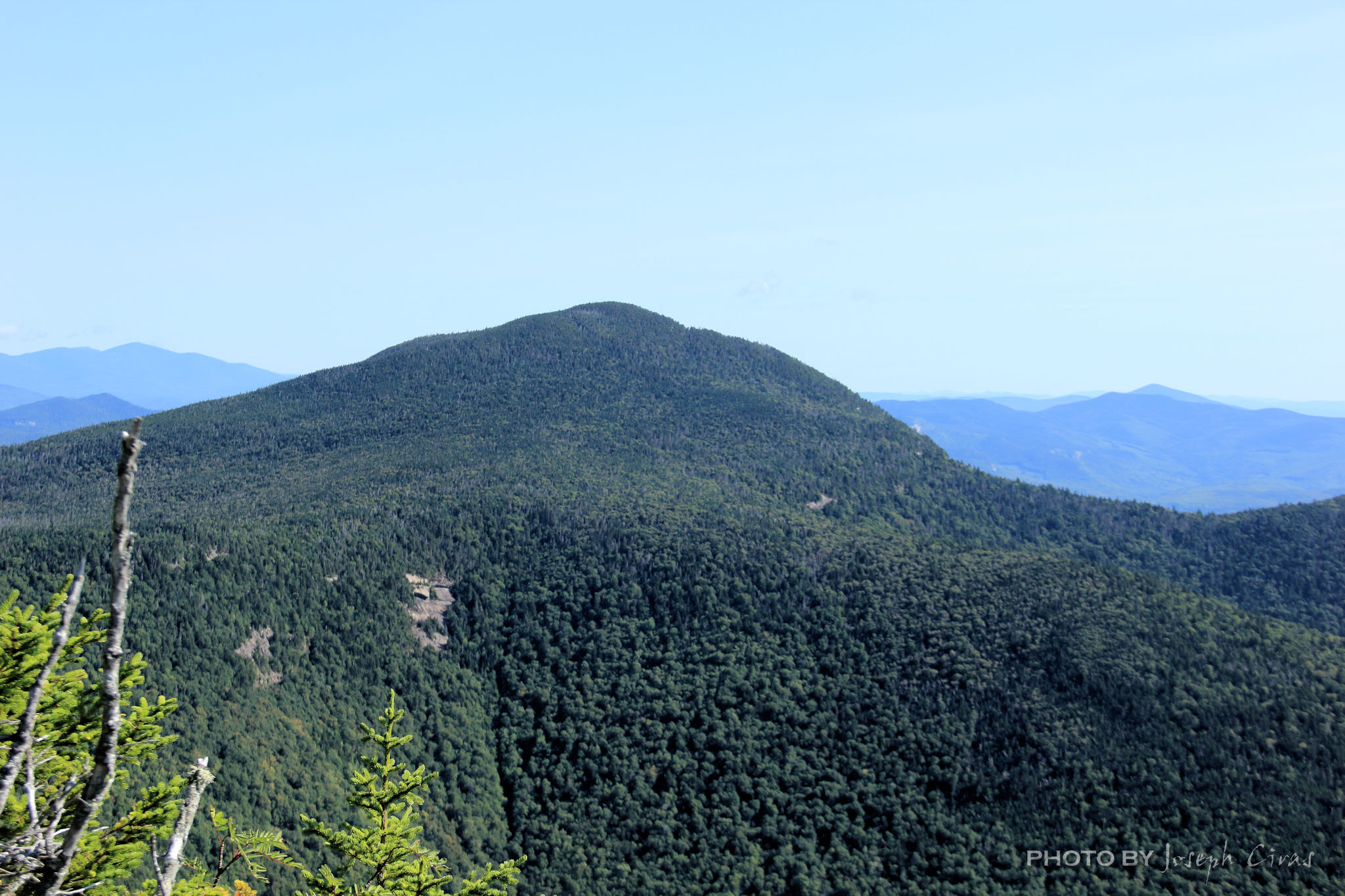
 Photo by Joseph Ciras