“What I like about photographs is that they capture a moment that’s gone forever, impossible to reproduce.” — Karl Lagerfeld
Thank you for all the new views and likes from last week, it helps keep me inspired.
Sunday, 02/01/2026: Posted photo — Mary with Jesus.
This is part of a statue in our church. The statue depicts Mary holding Jesus.
Monday, 02/02/2026: Posted photo — Chair.
The theme for last week’s project was chairs. I was at the dentist earlier in the week, so I could have taken a photo of the dentist chair. I did not feel that would be right, so I took a photo of the chair that our priest sits. The chair that a priest sits on during Mass is called a “Cathedra”.
Tuesday, 02/03/2026: Posted photo — Through Kitchen Window.
Looked out our kitchen window today so see these icicles. When I first saw them, the sun gave them a reddish color. By the time I was able to get a good photo, the reflection of the sun was gone.
Wednesday, 02/04/2026: Posted photo — Full Moon.
I when shopping on a different day this week due to commitments. When I came out of one of the stores, I saw a red moon. I attempted to get a photo of it with my cell photo. It did not work too well. Here is the photo.
Thursday, 02/05/2026: Posted photo — Orchid.
Fake flowers are more realistic these days. If I did not tell you they were fake, you may not have known that.
Friday, 02/06/2026: Post photo — Trying to Keep Warm.
Tonight, and this weekend is going to be cold. How cold do you ask? It will be below zero Fahrenheit, below -20 Celsius. We had the fire in the stove going and brought in a double-sized pile of wood. There has only been one day over the last few weeks, that was above freezing. We are also expending a few inches of snow overnight.
Say safe and warm.
Saturday, 02/07/2026: Post photo — Snow on Swing.
We did receive about 5 inches of snow last night and into this morning That is about 13 cm for those of you who are not from the United States.
I was out snowshoeing in our back yard and saw the snow on our swings. We built a swing set for our son many years ago. There have been grand nieces and nephews using them over the years. I would like to have grandchildren using them one day. Who knows if that will happen.
That is all for now. Until next week, be safe.
“Sumens imagines consolateur et inspirat me. Pulchritudinem mundi video per camera mean.”
“Quod scripsi, scripsi. Ingeniarius sum, non scriptor.”
“Most things in life are moments of pleasure and a lifetime of embarrassment; photography is a moment of embarrassment and a lifetime of pleasure.” — Tony Benn
Thank you for all the new views and likes from last week, it helps keep me inspired.
I will keep taking them as long as I can before the time of the sunrise does not allow for it.
Tuesday, 12/03/2024: Posted photo — Joke.
Shopping night. Here are some fruit. These are quick photos since I needed to get ready for my trip to Ohio this week. One of these photos reminds me of end of a knock-knock joke. As I write this, I realize I missed my opportunity for the full joke.
I have been busy at work, attempting to get more work done so when I return from my vacation, my backlog will not be so great.
Wednesday, 12/04/2024: Posted photo — Wood Stove.
Settings: FLIR i5, ISO n/a, f/na, 1/30 s, 7 mm.
Some of you may know that I own an infrared camera. This camera takes photo of heat signatures of object. I use it to look at insulation in houses and efficiencies at power generating plants. Occasionally I use it to take artistic photos. Some of these photos are of footprints, handprints, car engines, warm tires, and even have used it as a stud finder.
Once or twice a year, I use it to check out my wood stove. My wood stove is old and not as efficient as some of the newer stoves. It is just a steel box with an exhaust pipe. One item that I often check is the temperature given on the stovepipe thermometer. This is a thermometer that has a magnetic backing and just sticks to the stove pipe. To my surprise, that thermometer and my thermal camera normally show the same temperature. The 518°F (250°C) temperature reading is the maximum temperature my camera can detect. The brand name of our stove is Nashua. You can just make out the name near the center of the photo next to the pointer.
Thursday, 12/05/2024: Posted photo — Snow.
We left today go to Columbus OH to see our nephew dance with the Columbus Dance Theatre.
Here is some history from their web page: “COLUMBUS DANCE THEATRE (CDT) is a unique voice for dance in Columbus with work born out of a rich background in ballet, contemporary and modern dance, music and theatre. As a professional arts organization, CDT produces high-quality work in an intimate environment. CDT prides itself on creating collaborations with new and upcoming artists of all art mediums and has collaborated with many visual and musical artists local to the city. The work of the company is new, fresh, and innovative, offering central Ohio audiences a cutting edge performance experience.”
We left our house in a snow storm. The storm was ending and we had to drive through the snow most of the trip until we were in Western Pennsylvania, West Virginia, and Ohio.
Some photos of the snow around our house before we departed.
Friday, 12/06/2024: Post photo — Wonderment.
Our nephew did his last lead in the Columbus Dance Theatre’s production of Wonderment. He is aging out of the roll of Kai. This is the fourth year of this production. We went to Columbus four years ago for the world premier. His photo is not in the program since he is only in the intensive training program.
Here are photos from around the theatre.
Saturday, 12/07/2024: Post photo — Anchor.
Settings: Canon EOS 60D, ISO 400, f/9, 1/1600 s, 18 mm.
“Yesterday, December 7, 1941— a date which will live in infamy— the United States of America was suddenly and deliberately attacked by the naval and air forces of the Empire of Japan.” — FDR. Thus started the United States entry into World War II.
This photo is from my second visit to Pearl Harbor. It still amazes me that there is oil floating out of the USS Arizona. Looking back, I posted the same photos a year ago. This is from that post — “’This anchor was recovered from the Arizona. The ship had three anchors. The crew used one in calm seas and two in foul weather, the third as a spare. Each weigh nearly 10 tons.’ This are the words on a placard near the USS Arizona Anchor at the World War II Valor in the Pacific National Monument in Hawaii. The sacrifice these men and women made to make our country the great country it is today.”
“I never have taken a picture I’ve intended. They’re always better or worse.” — Diane Arbus
Photo for the week. Comments welcome.
Sunday, 04/28/2024: Posted photo — Leading Lines.
I needed a photo for one of my photos projects this week. The topic was leading lines. I kept my eye open for the perfect photo opportunity and did not find it. I saw the lines in the ceiling leading to the altar, so I took this photo to post if I did not see anything else that met the topic today.
Monday, 04/29/2024: Posted photo — Off on a Hike.
Monday night is hiking night, as you know if you have been following this blog. The last couple of hikes started and ended in daylight. The trails have been drying up over the last few weeks, so more people are out hiking.
These are some of the members of the Monday night hiking group enjoying the good weather.
This is the trail junction of Harrington and Semuhenna on Wachusett Mountain. Semuhenna trail a 1.1 mile connector trail. The trail I took tonight was a 0.5 mile sections between Harrington and West Side. Most of the time I go up Harrington. The section of Harrington after this trail junction is the steepest section on the mountain. It is steep and there are many scrambles for novice hikers.
Semuhenna is not an old Indian name, as most people believe. Looking at the name backwards, it is Annehumes or Anne Humes, the name of the wife (or daughter according to some people) of the person who made the trail.
Wednesday, 05/01/2024: Posted photo — Texture in the Sky.
When I looked at the cloudy sky tonight, I saw textures in the clouds. There is rain coming in tonight. I do not think that this photo does this justice. Sometimes it is difficult to relay the emotion of nature into a photo. Sometimes the photo puts more emotion into nature. I think this photo is too blown out to have the intended emotional value.
Thursday, 05/02/2024: Posted photo — Fiddleheads.
Fiddleheads are the tightly coiled tips of ferns that are eaten cooked. These delicate delights are available only in early spring when ferns grow their new shoots. These fiddleheads are growing near my mailbox. I may have posted photos of fiddleheads earlier this year and they are still growing. They are around for a very short period.
Friday, 05/03/2024: Post photo — Mount Rainier.
This mountain always inspires me. Either seeing it from Seattle, hiking on it, viewing from different sections of the national park, or flying past it, Mount Rainier is majestic. I feature Mount Rainier on the cover of my first photo book (portfolio book).
An active volcano, Mount Rainier is the most glaciated peak in the contiguous U.S.A., spawning five major rivers. I have camped at Mount Rainier a few times and always remember the signs stating that this is an active volcano, and I am camping in a lava flow path.
I took a photo of a waterfall one spring and went back a couple of years later to take a photo of the waterfall with more snow cover. I had the GPS location but could not find it. After looking at my path, I was standing on top of the waterfall and could not see it because of the snow cover.
Saturday, 05/04/2024: Post photo — Historic Marker.
I have Wilderness First Aid (WFA) training today and tomorrow. This class will certify my in doing first aid on people that are more than 1 hour away from definitive care. That means when I am leading groups or hiking in the mountains or a remote location.
On the way to the training, I passed this historical marker in the John Havard Mall adjacent to the Appalachian Mountain Club (AMC) headquarters.
“The picture that you took with your camera is the imagination you want to create with reality.” — Scott Lorenzo
Thank you for all the new views and likes from last week. It helps keep me going. Enjoy my blog post!
Please answer the question posed in one of my days. I would like an opinion on how you like this blog and how I can improve it. Leave a comment below or on my Facebook page.
Enjoy this week’s rambling mind of a mechanical engineer and photographer.
Sunday, 05/16/2021: Posted photo — Stained Glass.
Settings: Samsung SM-G930V (Galaxy S7), ISO 50, f/1.7, 1/415 s, 4 mm
From the Stained Glass Association of America: “Stained glass possesses an aura of mystery and romance. It is the interplay between light and color that sparks the imagination. It is one of the most unchanged crafts, still taking, as it did centuries ago, time and patience, and an appreciation for color and line design.”
The term stained glass refers to colored glass as a material and to works created from it. Throughout its thousand-year history, the term has been applied almost exclusively to the windows of churches and other significant religious buildings. Although traditionally made in flat panels and used as windows, the creations of modern stained glass artists also include three-dimensional structures and sculpture.
From Classroom website: “Stained glass windows play games with the light in many modern churches. The tradition of making those windows goes back a long way. As early as the fourth century, colored glass was used to ornament church windows, though it was not until the 12th century that making stained glass became an art form like sculpture or painting. Yet stained glass was not just a decoration. It was a way of communicating scenes and episodes from the Bible to everybody — including those unable to read.
Ultimately, the most important reason that stained glass windows remain a staple in churches even now is a matter of the Bible, not beauty. Stained glass was not merely attractive, it created an ethereal experience with a material object, glass, making the earthly into the divine. More important, stained glass was useful for a practical reason. In the medieval period, many church-goers were illiterate. The intricate scenes depicted in stained glass were not just decorations; they were ways of delivering religious messages to all viewers, even those who could not read the Bible for themselves. Stained glass embedded religious beliefs into the very walls.”
Stained glass window
The stained glass in this photo is in the foyer of St. Denis Church. I liked the light coming through the window. There was also a vase with pussy willows in front of the window. In Chinese tradition, the white blossoms of the pussy willow resemble silk represents the coming of prosperity.
Monday, 05/17/2021: Posted photo — Cloud.
Settings: Canon EOS 60D, ISO 100, f/7.1, 1/800 s, 18 mm
I hiked with a different group today. This was the first time I hiked with this group. I am looking for a group of hikers that socialize and not a social group that hikes. After one hike, this group meets my needs. They still socialize but they keep up a good pace and are stronger hikers that the group that I joined a couple of weeks ago. This group hikes earlier in the evening, which is better for me.
What do you see in this cloud formation
Today it was warmer that it has been in the past and there was rain around the summit. This is a cloud that was forming near the summit of the mountain. I had to keep my eye on its growth since it was developing into a thunderhead, or cumulonimbus cloud. I enjoy watching a thunderhead grow. Once the anvil forms, it is time to get off the summit. This cloud did not fully develop and was still interesting to watch grow.
Tuesday, 05/18/2021: Posted photo — Seeds.
Settings: Canon EOS 60D, ISO 2000, f/5.6, 1/200 s, 135 mm.
Dandelion seeds
A dandelion seed is a tiny seed that rides on the wind. “A dandelion seed is the plant’s mature fruit, known as a cypsela to botanists, and its parachute-like structure is known as a pappus. The pappus develops as the calyx of each floret dries and matures, so it serves two important roles for the plant.” (West Coast Seeds) The seeds can be carried away as far as 5 miles from their original location. Other methods of travel include rain runoff and sticking to clothing and animal fur.
It is so interesting to see how many things a dandelion is used for. To me, they are just a weed that is in my lawn. This year they seem to be more abundant than in past years.
I liked photographing the cotton like puff of a dandelion seeds because I can practice macro photography and/or practice the use of different aperture settings on my camera.
Wednesday, 05/19/2021: Posted photo — I Have My Eyes on You.
Settings: Canon EOS 60D, ISO 3200, f/7.1, 1/160 s, 135 mm.
Once again, I was greeted by wildlife on my way into work today. This time it was a deer. There were four at the edge of the woods. Shortly after this, there were six running down the driveway. Over the years at work, I have seen deer, moose, turkey, black bear, red foxes, great blue herrings, ducks, and snapping turtles on the campus of where I work. I have not seen the snapping turtle for a few years, so I am somewhat concerned if it is still alive. There were two that I would see laying eggs next to the driveway that I would photograph every year. I know they were the same turtles since they have distinctive markings on their shell.
Doe keeping an eye on me
I like the quietness of my place of employment.
Thursday, 05/20/2021: Posted photo — Pink Azalea.
Settings: Canon EOS 60D, ISO 200, f/5.6, 1/80 s, 135 mm.
Last Saturday I posted a photo of some red azalea plants. As a reminder, I stated that azaleas are flowering shrubs in the genus Rhododendron. I noted that we also have pink azalea plants that bloom after the red ones. This week the pink azaleas are blooming.
Pink azalea bush
For this photo, I used a script that I wrote in Paint Shop Pro to duplicate the Dave Hill look as closely as possible. Do not know how to explain this technique clearly. Just search the internet for the Dave Hill look and see for yourself.
Friday, 05/21/2021: Post photo — Bluets.
Settings: Canon EOS 60D, ISO 100, f/7.1, 1/60 s, 62 mm.
This small, delicate perennial is found growing in compact tufts, 8 in. high. The plants may cover broad expanses. Tiny flowers are pale blue with yellow centers, tubular, four-lobed, solitary, and terminal. Spatula-shaped leaves occur in basal rosettes. Stem leaves are small, and the stems are unbranched.
This lovely, delicate, flowering plant is often found in striking patches of light blue. The Star Violet (H. pusilla), to 4” (10 cm) high, has a tiny purple flower and occurs in fields and open woods from South Dakota east to Maryland and south to Florida and Texas. A tall southern species, 6–16” (15–40 cm) high, Large Houstonia (H. purpurea), has 3–5, ribbed, opposite, ovate leaves, and white or pink flowers. It occurs from Nebraska northeast to Maine and south to Florida and Texas. These and certain other Houstonia species have sometimes been placed in the genus Hedyotis.”
Bluets
These bluets are in our yard. Well, they were there until I mowed the lawn this evening. They are such a delicate flower to look at.
Question: Do you think that I copy too much information off the internet and not put my own thoughts into some of the items in this blog or do you like the history and educational information that I post?
Saturday, 05/22/2021: Post photo — Pop Art.
Settings: Canon EOS 60D, ISO 3200, f/4, 1/8 s, 28 mm.
50 years ago, you give a teenager a paint brush and ask him to paint what he wanted in a room, this is what happens. Here are some interesting artwork that still hang on basement/cellar walls at my mother’s house. We when over there today to do some cleanup. These photos are to keep as memories of this artwork before the walls come down.
Pop art
I am very tired, so I am not writing much for today. Here are a couple more pieces of art.
“To me, photography is an art of observation. It’s about finding something interesting in an ordinary place… I’ve found it has little to do with the things you see and everything to do with the way you see them.” — Elliott Erwitt
Thank you for all the new views and likes from last week. It helps keep me going. Enjoy my blog post!
Enjoy this week’s rambling mind of a mechanical engineer and photographer.
Sunday, 05/09/2021: Posted photo — True North.
Settings: Samsung SM-G930V (Galaxy S7), ISO 50, f/1.7, 1/3320 s, 4 mm
Summit compass, or sometimes call the Wachusett Rose, is a compass set on a pedestal on the summit of Wachusett Mountain. It shows people the direction that they are looking. This compass was at a different location on the summit a few year ago. Some kids pried if from its base and then later returned it to a ranger in the Visitor’s Center. When it was in its previous location, I took out my compass to verify its orientation. I did the same thing at this location.
Direction verification
If you notice, the needle on my compass and the north direction do not line up. This is due to magnetic declination. The needle points to magnetic north so I needed to adjust the declination on my compass so that the needle was set to the declination angle of 14° West in our area at this time. The magnetic declination changes every year since the magnetic pole of the Earth is in constant motion.
Monday, 05/10/2021: Posted photo — Owl.
Settings: Samsung SM-G930V (Galaxy S7), ISO 50, f/1.7, 1/179 s, 4 mm
During my hike this evening, I saw blue birds trying to knock something out of a tree. When I looked closer, it was this barred owl. I have seen one on the mountain a few years ago, and have heard them on the mountain many times, but have never seen one this close. I was going to bring my “good” camera on my hike and decided against it. I did not even have my backup camera. All I had with me was my cell phone. After many shots at bad angles, this owl just stayed on the branch allowing me to take this photo. Not bad for a cell phone camera.
Barred Owls are easiest to find when they are active at night — they are a lot easier to hear than to see. Visit forests near water (big bottomland forest along a river is prime Barred Owl habitat) and listen carefully, paying attention for the species’ barking “Who cooks for you?” call. At great distance, this can sound like a large dog. Try imitating the call with your own voice and then wait quietly. If you are lucky, a territorial Barred Owl will fly in to investigate you. During the daytime, a quiet walk-through mature forest might reveal a roosting Barred Owl if you are very lucky.
This part of the trail on Wachusett Mountain is a mature forest. It is one of the oldest forests around since it was not clear cut for farming when this country was settled.
Facts about the Barred Owl from All About Birds:
The Great Horned Owl is the most serious predatory threat to the Barred Owl. Although the two species often live in the same areas, a Barred Owl will move to another part of its territory when a Great Horned Owl is nearby.
Pleistocene fossils of Barred Owls, at least 11,000 years old, have been dug up in Florida, Tennessee, and Ontario.
Barred Owls do not migrate, and they do not even move around very much. Of 158 birds that were banded and then found later, none had moved farther than 6 miles away.
Despite their generally sedentary nature, Barred Owls have recently expanded their range into the Pacific Northwest. There, they are displacing and hybridizing with Spotted Owls — their slightly smaller, less aggressive cousins — which are already threatened from habitat loss.
Young Barred Owls can climb trees by grasping the bark with their bill and talons, flapping their wings, and walking their way up the trunk.
The oldest recorded Barred Owl was at least 24 years, 1 month old. It was banded in Minnesota in 1986, and found dead, entangled in fishing gear, in the same state in 2010.
Wonder why I like to hike? One of many reasons is so I can see wild animals and birds and to just enjoy nature.
Tuesday, 05/11/2021: Posted photo — Fiddlehead.
Settings: Canon EOS 60D, ISO 100, f/5.6, 1/1000 s, 135 mm.
From some site off the web: Fiddleheads or fiddlehead greens are the furled fronds of a young fern, harvested for use as a vegetable. Left on the plant, each fiddlehead would unroll into a new frond. As fiddleheads are harvested early in the season before the frond has opened and reached its full height, they are cut close to the ground.
Fiddleheads have antioxidant activity, are a source of omega-3 and omega-6 fatty acids and are high in iron and fiber. The fiddlehead resembles the curled ornamentation (called a scroll) on the end of a stringed instrument, such as a fiddle. It is also called a crozier, after the curved staff used by bishops, which has its origins in the shepherd’s crook.
Fiddlehead
Fiddleheads grow around our property this time of year. If you were to look back at my photo history, you would see that photograph them every year. I have not ventured into eating one yet.
Wednesday, 05/12/2021: Posted photo — Lilac.
Settings: Canon EOS 60D, ISO 100, f/5, 1/250 s, 60 mm.
Lilacs are hardy, easy to grow, and low maintenance. They can grow from 5 to 15 feet tall, depending on the variety. The fragrant flowers are good for cutting and attractive to butterflies.
These lilacs are growing in our yard. The lilacs are growing on a plant that was transplanted from a friend’s house. They were moving and liked the plant. It was too big for their new location, so we split the plant. That was a few years ago and the plant is doing well.
Lilac in our yard
Thursday, 05/13/2021: Posted photo — More Turkeys.
Settings: Canon EOS 60D, ISO 1250, f/5.6, 1/200 s, 135 mm.
Turkey, turkeys everywhere this year. This is the third time in just a couple of weeks when this rafter of turkeys has tried to stop me going to work. This was the first time the toms showed me their feathers.
Turkeys crossing the road
I had my “good” camera with me to take this photo through my windshield.
Friday, 05/14/2021: Post photo — Mesa Arch.
Settings: Canon EOS DIGITAL REBEL XS, ISO 200, f/11, 1/200 s, 48 mm.
Last week I posted a photo of the Milky Way from the Needles section of Canyonland National Park. Today I am posting a photo of the Mesa Arch from the Island in the Sky section of Canyonland National Park. I did not know that this arch was famous when I took this photo. I found out that photographers get up early to see the sunrise through the arch.
Masa Arch, Island in the Sky section of Canyonland National Park
Mesa Arch is a spectacular stone arch perched at the edge of a cliff with vast views of canyons, rock spires, and the La Sal Mountains in the distance. Mesa Arch formed as surface water pooled and eventually eroded through bedrock at the mesa’s edge.
Saturday, 05/15/2021: Post photo — Azalea.
Settings: Samsung SM-G930V (Galaxy S7), ISO 50, f/1.7, 1/2808 s, 4 mm
Azaleas are flowering shrubs in the genus Rhododendron. Azaleas bloom in the spring, their flowers often lasting several weeks. Shade tolerant, they prefer living near or under trees.
We have two azalea shrubs in our yard, one read and one pink. The red on blooms first and then the pink one.
Azaleas are starting to bloom
They are an easy subject to photograph when I need a quick photo.
“Taking pictures is like tiptoeing into the kitchen late at night and stealing Oreo cookies.” — Diane Arbus
Thank you for all the new views and likes from last week. It helps keep me going. Enjoy my blog post!
Enjoy this week’s rambling mind of a mechanical engineer and photographer.
Sunday, 05/02/2021: Posted photo — Seeds.
Settings: Canon EOS 60D, ISO 200, f/5.6, 1/1600 s, 62 mm
These are the pods of one of the sweet birches, or cheery birch, trees in our yard. This is a wonderful time of year when the trees and flowers are starting to bloom. They bloom later in our area because of elevation. Some locations, such as Worcester and Boston, have their trees and plants in full bloom.
Sweet birch pods
Information section of this blog. There are four Common Birch Species according to the Treehuggers website. The four most common birch species in North America are:
Paper birch (Betula papyrifera): Also known as canoe birch, silver birch, or white birch, this is the species more widely recognized as the iconic birch. In its native environment, it can be found in forest borders across the northern and central U.S. Its bark is dark when the tree is young, but quickly develops the characteristic bright white bark that peels so readily in thick layers that it was once used to make bark canoes. The species grows to about 60 feet tall but is relatively short-lived. It is susceptible to borer insects and is no longer used widely in landscape design due to its susceptibility to damage.
River birch (Betula nigra): Sometimes called black birch, this species has a much darker trunk than the paper birch, but still has the characteristic flaky surface. In its native environment, it is common to the eastern third of the U.S. Its trunk has a much rougher, coarser appearance than most of the other birches, and it is bigger than the paper birch, sometimes growing to 80 feet or more. It prefers moist soil, and although short-lived, it is relatively immune to most diseases. It is a common choice in residential landscape design.
Yellow birch (Betula alleghaniensis): This tree is native to forests of the northeast U.S. and is also known as the swamp birch since it is often found in marshy areas. It is the largest of the birches, easily growing to 100 feet in height. It has silvery-yellow bark that peels in very thin layers. Its bark does not have the thick layers seen in paper birches nor the very rough texture seen in river birches.
Sweet birch (Betula lenta): This species, also known in some areas as the cherry birch, is native to the eastern U.S., especially the Appalachian region. Growing to 80 feet, its bark is dark in color, but unlike the dark river birch, the skin is relatively tight and smooth, with deep vertical scores. From a distance, the impression is of a smooth, silver bark marked by irregular vertical black lines.
Monday, 05/03/2021: Posted photo — Clouds.
Settings: Canon EOS 60D, ISO 200, f/4, 1/125 s, 25 mm.
Here are some clouds I saw this morning before the rain. I liked the texture and colors in the clouds, so I took the photo. Here is a little information about clouds.
Clouds
While it is true that clouds contain water, they are not made of water vapor. If they were, you would not be able to see them. The air around us is partially made up of invisible water vapor. The cooler air causes the water droplets to start to stick to things like bits of dust, ice, or sea salt. It is only when that water vapor cools and condenses into liquid water droplets or solid ice crystals that visible clouds form. Clouds are important for many reasons. Rain and snow are two of those reasons. At night, clouds reflect heat and keep the ground warmer. During the day, clouds make shade that can keep us cooler.
Tuesday, 05/04/2021: Posted photo — Maple Growth.
Settings: Canon EOS 60D, ISO 400, f/7.1, 1/160 s, 106 mm.
Like the photo I took on Sunday, trees are budding in our yard. These are the leaves on one of the many sugar maples in our year. I have posted photos of these trees in the fall with their colorful leaves and during the winter/spring with they are tapped to make maple syrup.
How do I know this is a sugar maple and not a red maple? What is the difference between a sugar maple and a red maple? A Red maple has red twigs and buds (and red leaves in the fall and red flowers in the spring). The leaves of sugar maple, on the other hand, generally turn yellow or golden in the fall, and sugar maples have brown twigs and buds.
Sugar maple leaves starting to bud
The look great when they are in bloom. They do not look so great when I must rake the leaves in the fall. I would not have it any other way. I enjoy living in an area with many trees.
Wednesday, 05/05/2021: Posted photo — Mushrooms.
Settings: Canon EOS 60D, ISO 1000, f/5.6, 1/125 s, 100 mm.
These are mushroom that grew almost overnight due to the rain in recent days. I just like the clustering of them.
Although mushrooms are classified as vegetables, technically they are not plants, but part of the kingdom called fungi. Mushrooms are low in calories, have virtually no fat and no cholesterol, and are very low in sodium. Fungus, plural fungi, any of about 144,000 known species of organisms of the kingdom Fungi, which includes the yeasts, rusts, smuts, mildews, molds, and mushrooms. There are also many funguslike organisms, including slime molds and oomycetes (water molds), that do not belong to kingdom Fungi but are often called fungi. Mushrooms with white gills are often poisonous. So are those with a ring around the stem and those with a volva. Because the volva is often underground, it is important to dig around the base of a mushroom to look for it. Mushrooms with a red color on the cap or stem are also either poisonous or strongly hallucinogenic.
Mushrooms after the rains
Thursday, 05/06/2021: Posted photo — Dandelions.
Settings: Canon EOS 60D, ISO 100, f/7.1, 1/320 s, 87 mm.
Dandelion is a plant with yellow flowers. Taraxacum officinale is the most common variety of this plant, and it grows in many parts of the world. Botanists consider dandelions to be herbs. People use the leaves, stem, flower, and root of the dandelion for medicinal purposes.
There are five ways to eat dandelions according to Michigan State University:
Dandelion green salad: This is the simplest way to use dandelion greens. Simply pick young greens (older ones are more bitter) and add them to a tossed salad. While you can make a salad out of just the dandelion greens, it tends to be too bitter for many people, especially kids.
Sauteed greens: Cooking dandelions eliminates some of the bitterness. First boil the greens for about 5 minutes, then transfer to a pan with hot olive oil and garlic, and sauté for 3-5 minutes. Eat as is or add to other dishes like pasta or scrambled eggs.
Dandelion fritters: Collect flower heads and wash them. Then batter in a flour, egg, and milk batter mix. Add to a pan with hot oil and cook until brown, just like pancakes. Serve with a drizzle of honey or applesauce.
Baking with dandelion petals: The petals of the flower are extremely versatile. Collect flower heads and then remove the petals from the heads. These can be stored in a plastic bag in the freezer for longer keeping. Add petals to just about anything you can bake like muffins, bread, cookies, or quiche. They can also be added to things like hamburgers. The amount to use varies on your personal liking. Try adding a cup of petals to the mix the next time you make muffins or burgers.
Dandelion root coffee/tea: This by far the most labor-intensive use of dandelion but some say it is worth the effort. Collect and wash dandelion roots. Chop or food process the roots and dry in a food dehydrator or the oven at 250 degrees Fahrenheit until thoroughly dry. Once dry, roast them in the oven at 350 F until they turn brown (but not burnt). Put roots and water in a pan and bring to boil (2 Tbs root to 16 oz water), then simmer for 20 minutes. Strain and drink.
People either use chemicals to kill them or they pull up the dandelions to get them off their lawns. According to Bob Vila, to dig up the dandelions, as any plant is more easily pulled from the ground if the soil is moist, first use the watering can to dampen the soil around the dandelion, and wait a few minutes for the moisture to settle in. Then, work a weeding knife down along the base of the dandelion in two or three places. Push the soil away from the root of the plant by wiggling the knife. Finally, grasp the base of the plant between your fingers and gently pull. If it still feels stuck, work the weeding knife around some more, and then gently pull out the entire taproot with the dandelion.
Here is a way to kill dandelions without using chemicals. Simply pouring vinegar over the dandelions changes the acidity in the soil for long enough to kill the weeds. For a faster punch, mix pickling vinegar with boiling water in equal parts for your dandelion killer. Pickling vinegar has more acid that distilled white vinegar, so it makes a more effective herbicide.
Dandelion
There is much information in this week’s blog. Wonder if I will be keeping it up for the remainder of the week.
Friday, 05/07/2021: Post photo — Milky Way.
Settings: Canon EOS 60D, ISO 3200, f/3.5, 1/20 s, 18 mm.
These are some of the first “good” photos that I have taken of the Milky Way. The vertical Milky Way was taken at the Needles section of Canyonland National Park. This was the first photo of the Milky Way that I liked. I learned much about my settings and techniques while taking this photo. I made may rookie errors, such as incorrect camera settings and not taking a series of photos to stake. The Needles section of Canyonland National Park is one of the dark sky areas in the Unites States. This photo was taken very early in the morning, 2 a.m., after the moon had set. The second, or diagonal photo, was taken last year when we were observing the Comet Neowise.
The Milky Way is the galaxy that contains our Solar System, with the name describing the galaxy’s appearance from Earth: a hazy band of light seen in the night sky formed from stars that cannot be individually distinguished by the naked eye.
The Milky Way from Canyonlands National Park
This photo has been included in my blog at the request of another blogger. Thank you for the request. Posting this photo is incentive for me to get out and make the adjustments to my camera settings and post processing to get a better photo of the Milky Way. As with my moon photos, I need to get out and practice more.
Milky Way during my comet observation
Quick starting camera setting:ISO 2500, Shutter Speed 25 sec, and Aperture f/2.8 (or as wide as possible). A good steady tripod and a dark sky are also needed. There are many websites and books on how to photograph the Milky Way. And as a reminder when your camera is on a tripod, turn off image stabilization, or vibration stabilization, on your camera. With these settings on your photos will not be in focus.
Saturday, 05/08/2021: Post photo — Double Falls.
Settings: Canon EOS 60D, ISO 100, f/22, 1/10 s, 18 mm.
These falls are located at the end of Snows Millpond and lead into Whitman River. The building above the falls is a papermill. There are still a few papermills operating in the nearby town.
Snows Millpond is a reservoir located just 2.8 miles from Fitchburg. Fishermen will find a variety of fish including largemouth bass and others here. Alternate names for this reservoir include Snow Mill Pond and Snows Mill Pond.
Double falls
The Whitman River is an 8.4-mile-long (13.5 km) river in Massachusetts that flows through Ashburnham, Westminster, and Fitchburg. It arises from Lake Wampanoag in Ashburnham, travels through a couple of ponds in Westminster, and ultimately joins Phillips Brook in Fitchburg to form the North Nashua River. The North Nashua River flows 19.9 miles (32.0 km), generally southeastward, past Fitchburg and joins the South Nashua River, about 5 miles (8.0 km) below its issuance from the Wachusett Reservoir, to form the Nashua River. The Nashua River is 37.5 miles (60.4 km) long and is a tributary of the Merrimack River. The Merrimack River is a 117-mile-long (188 km) river that rises at the confluence of the Pemigewasset and Winnipesaukee rivers in Franklin, New Hampshire, flows southward into Massachusetts, and then flows northeast until it empties into the Gulf of Maine at Newburyport.
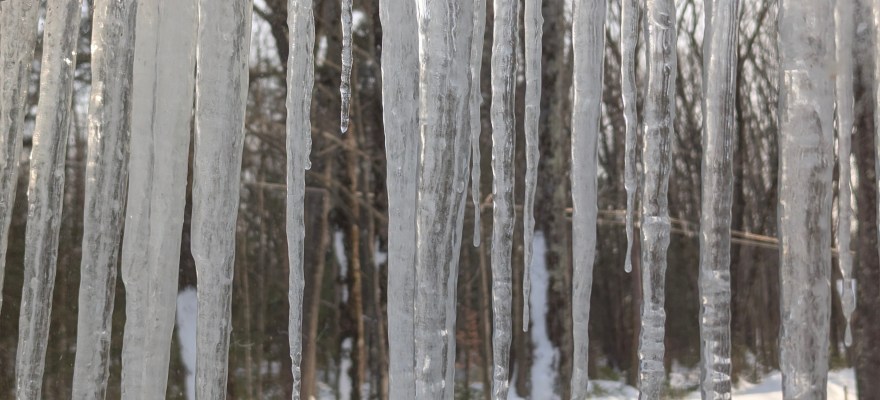


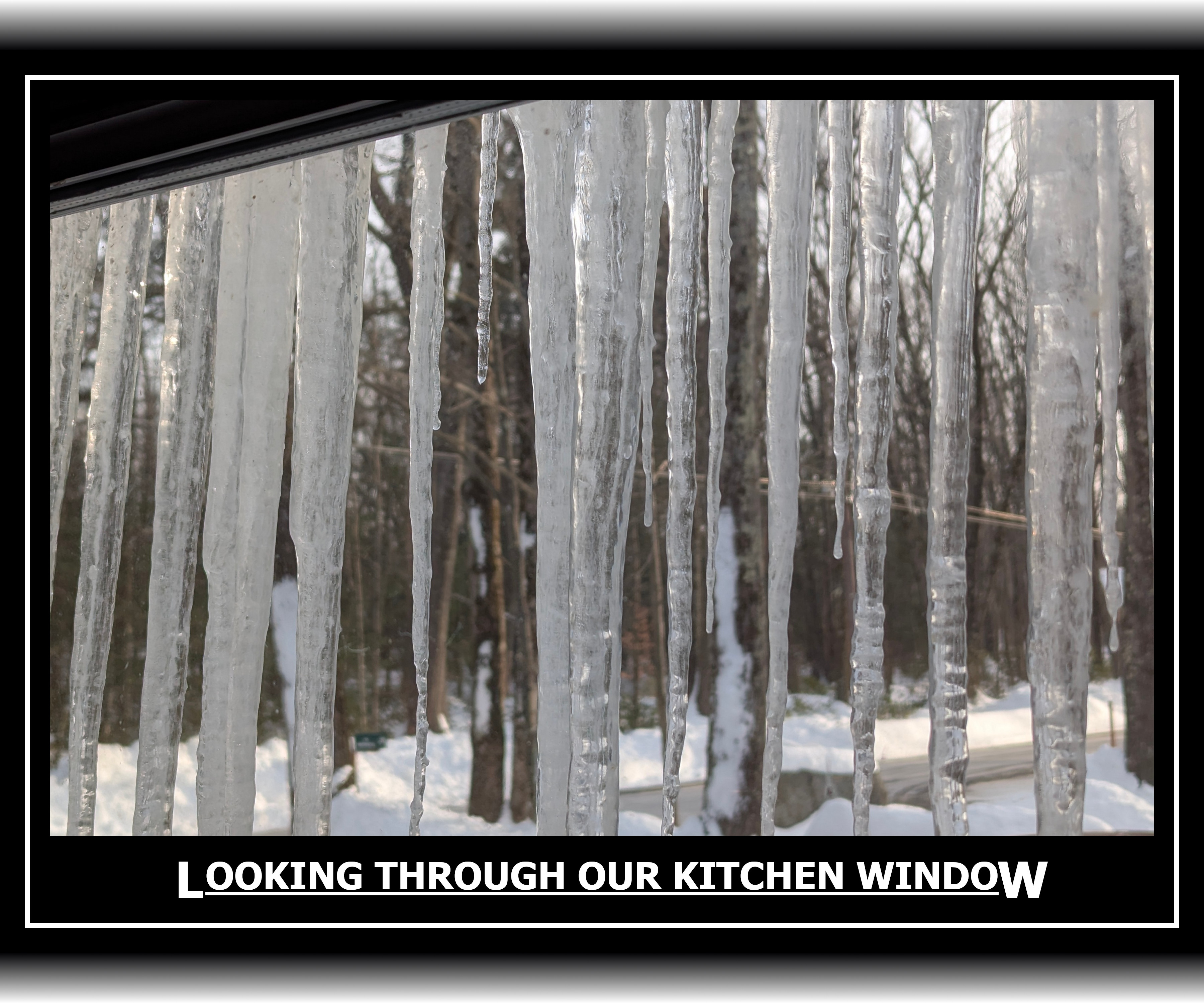
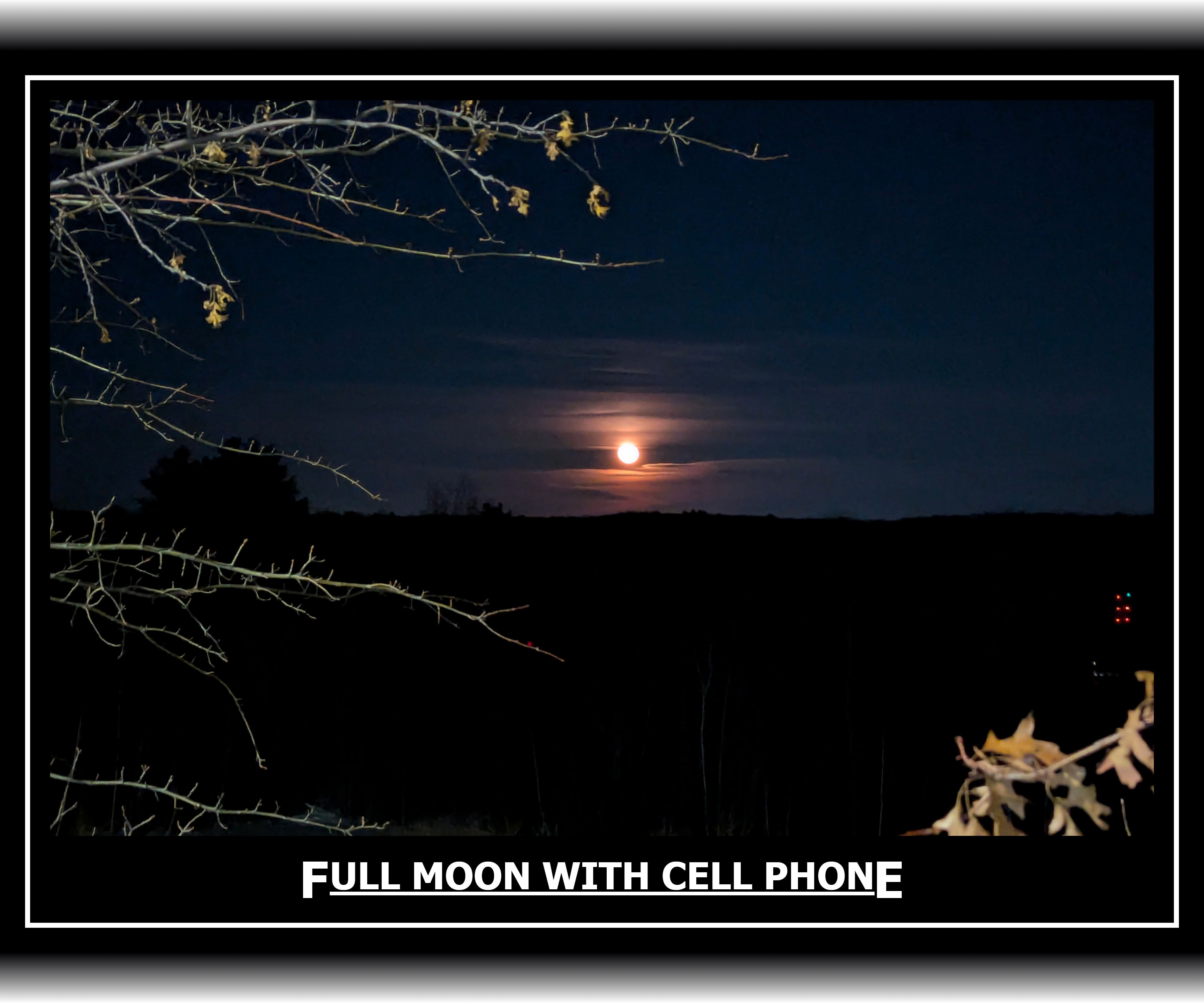
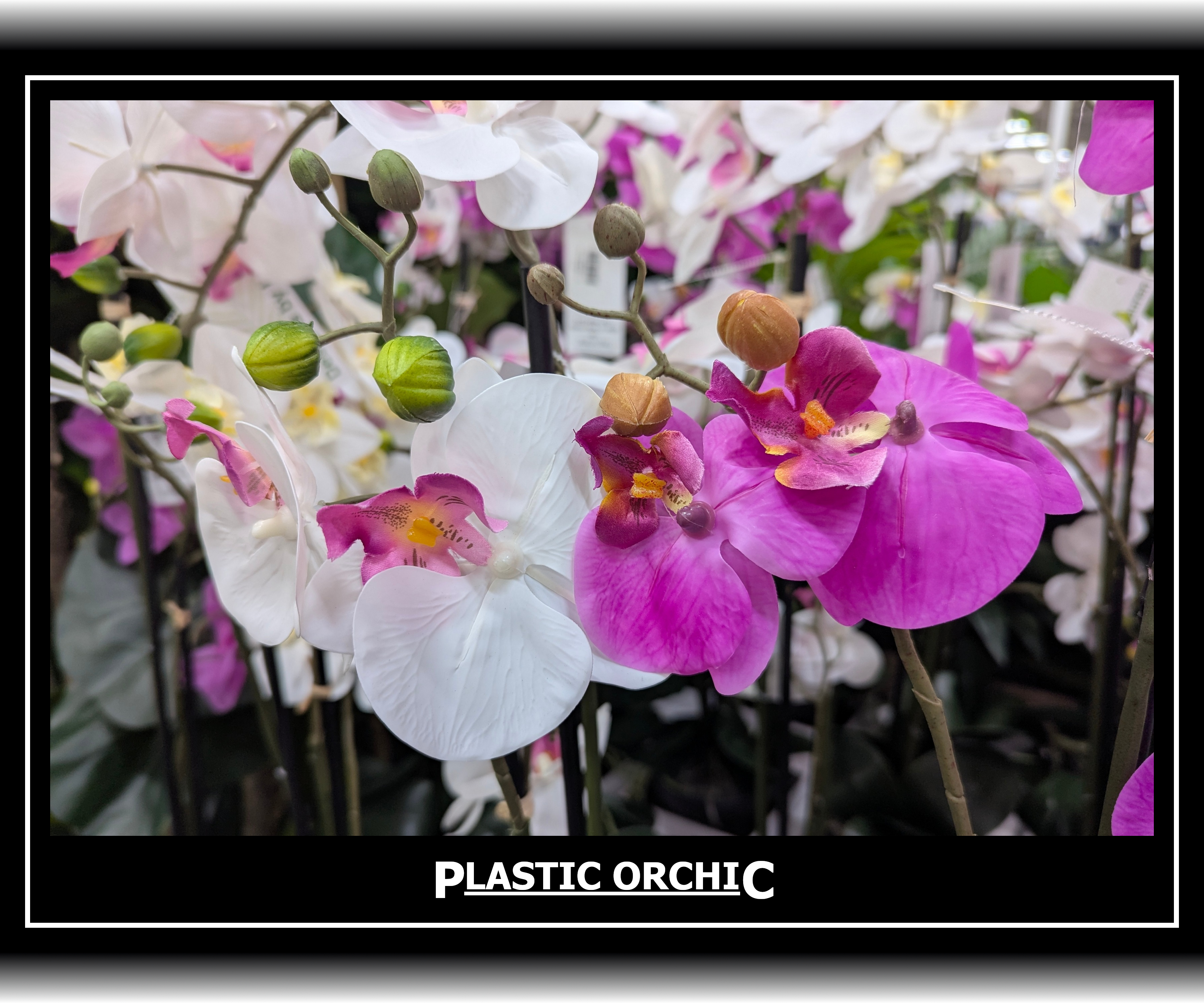
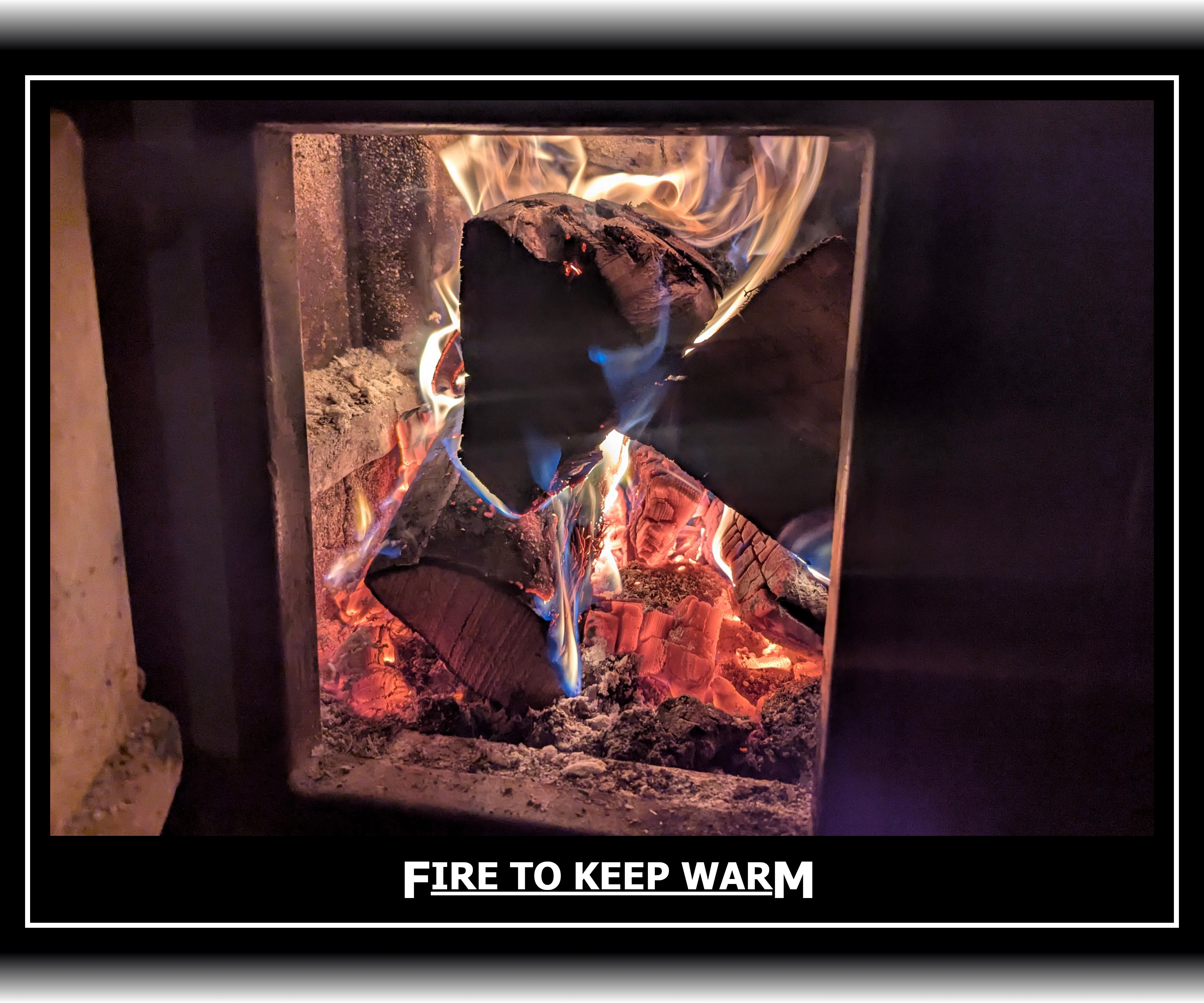
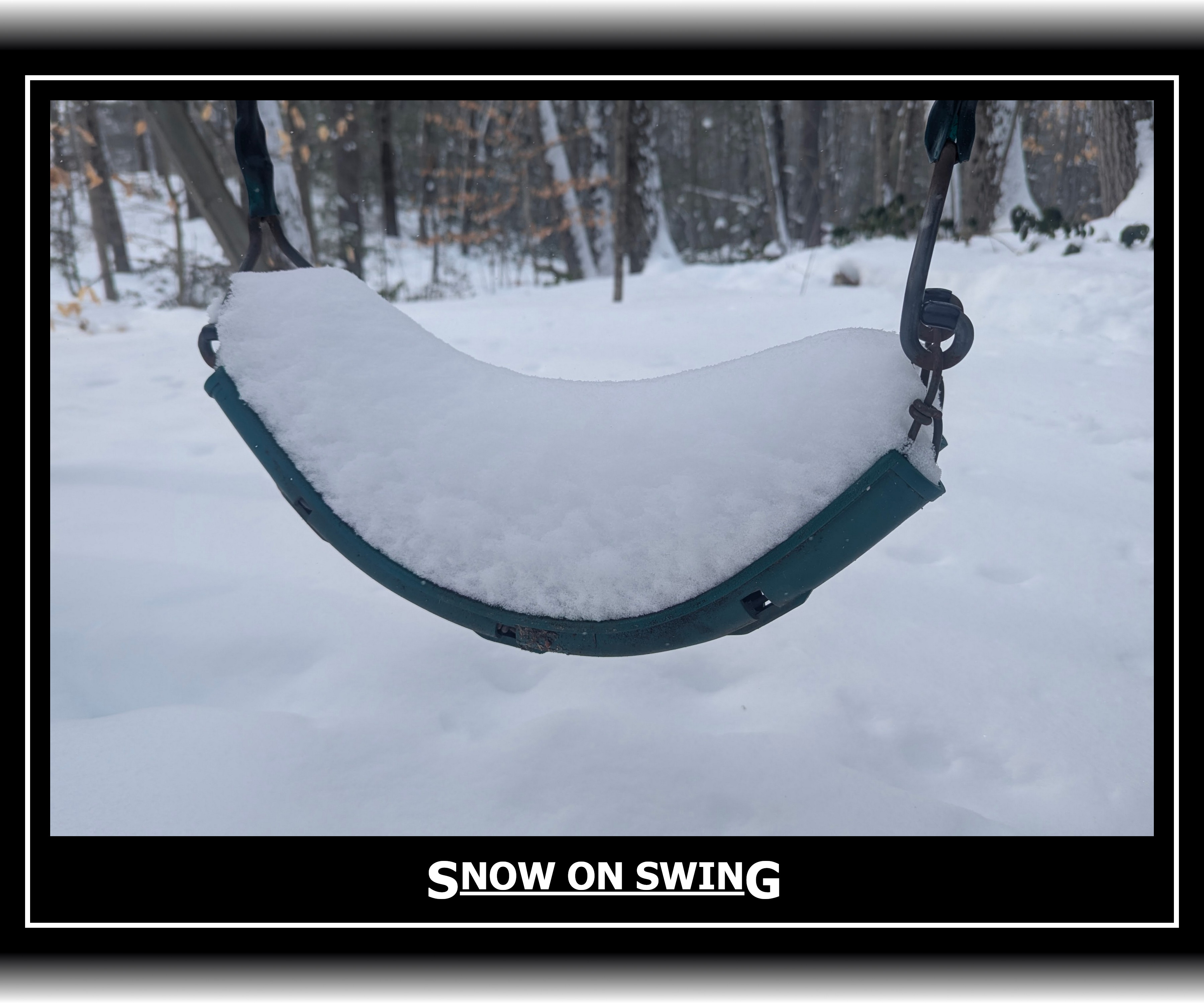

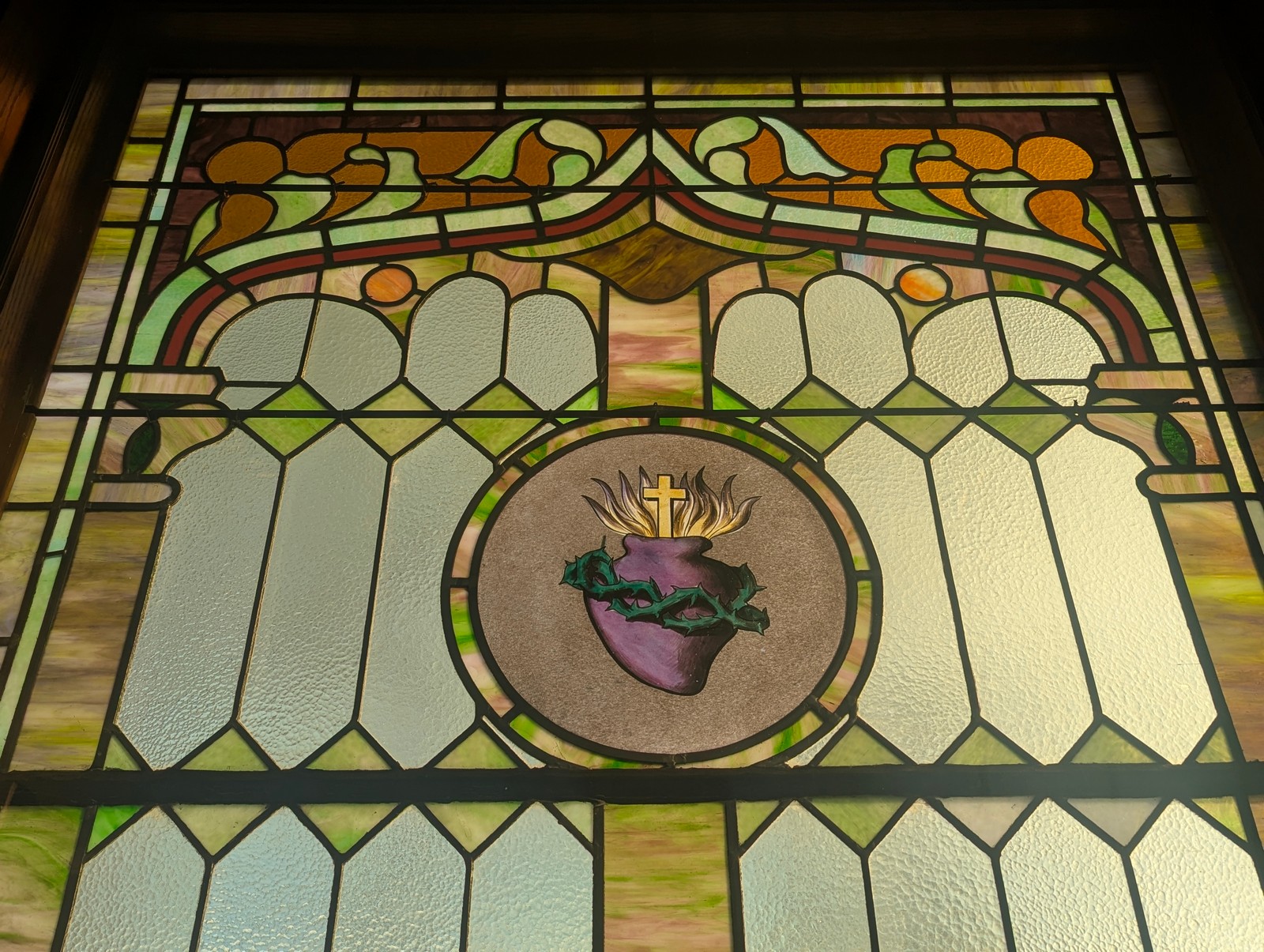



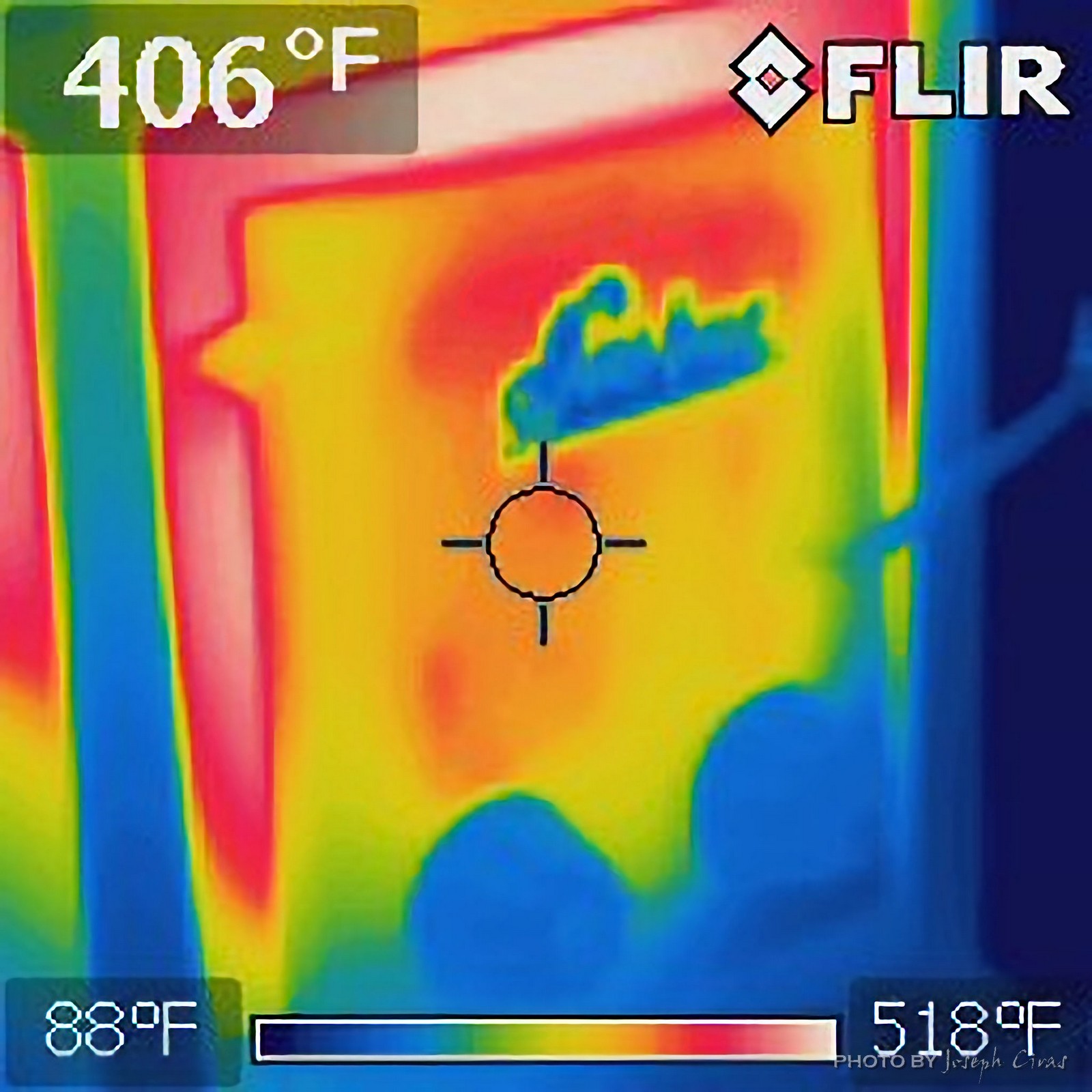

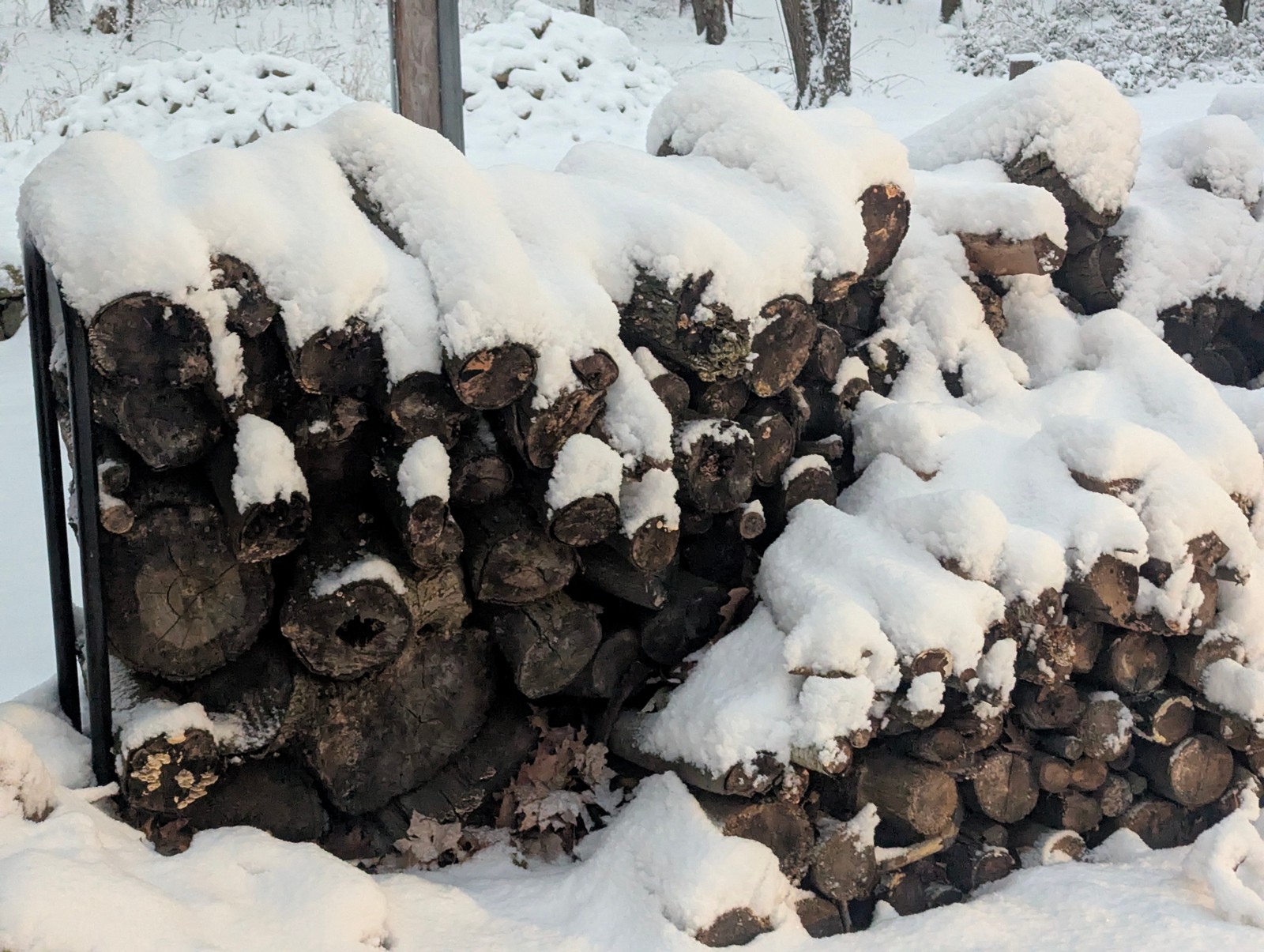
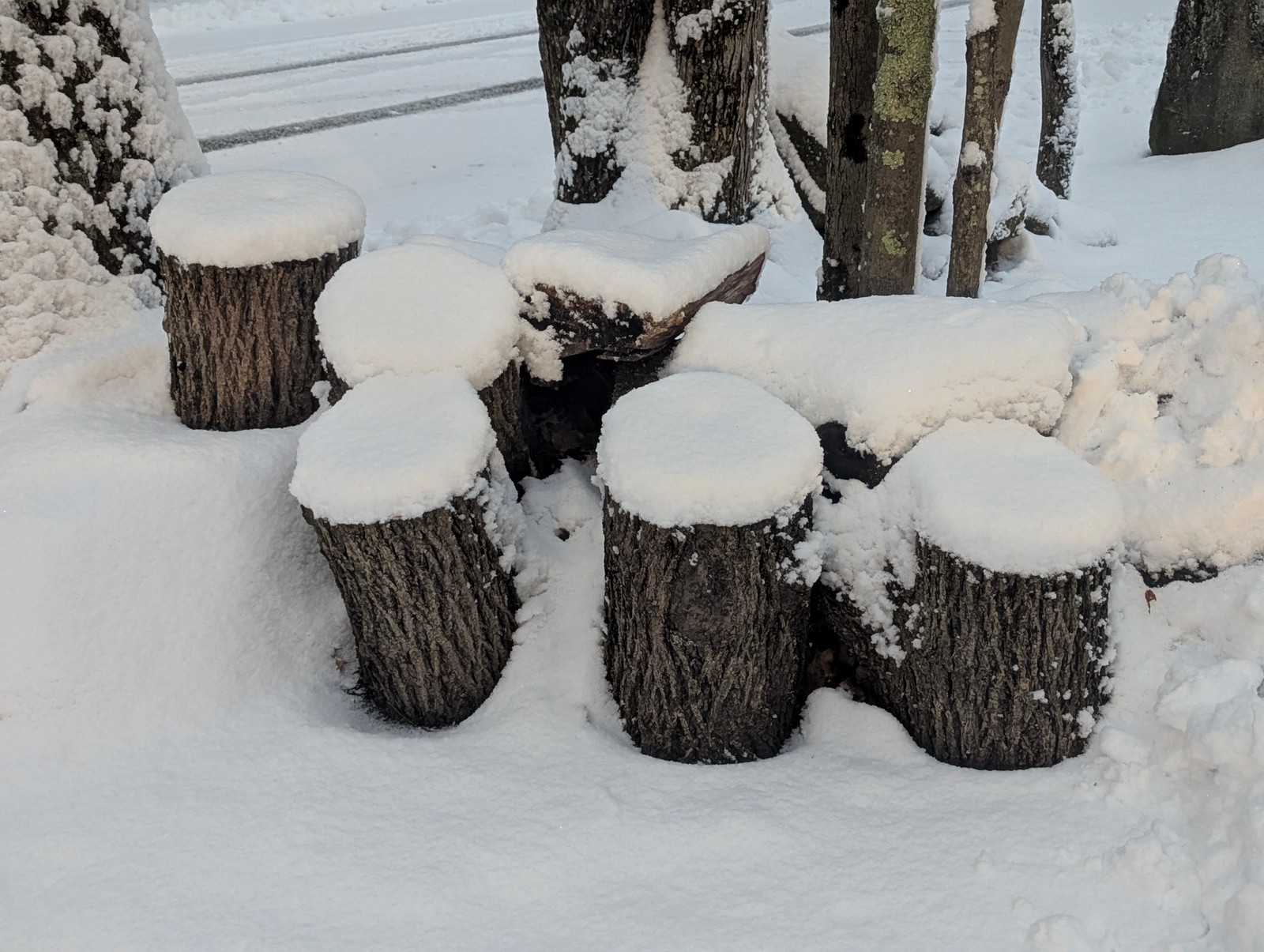


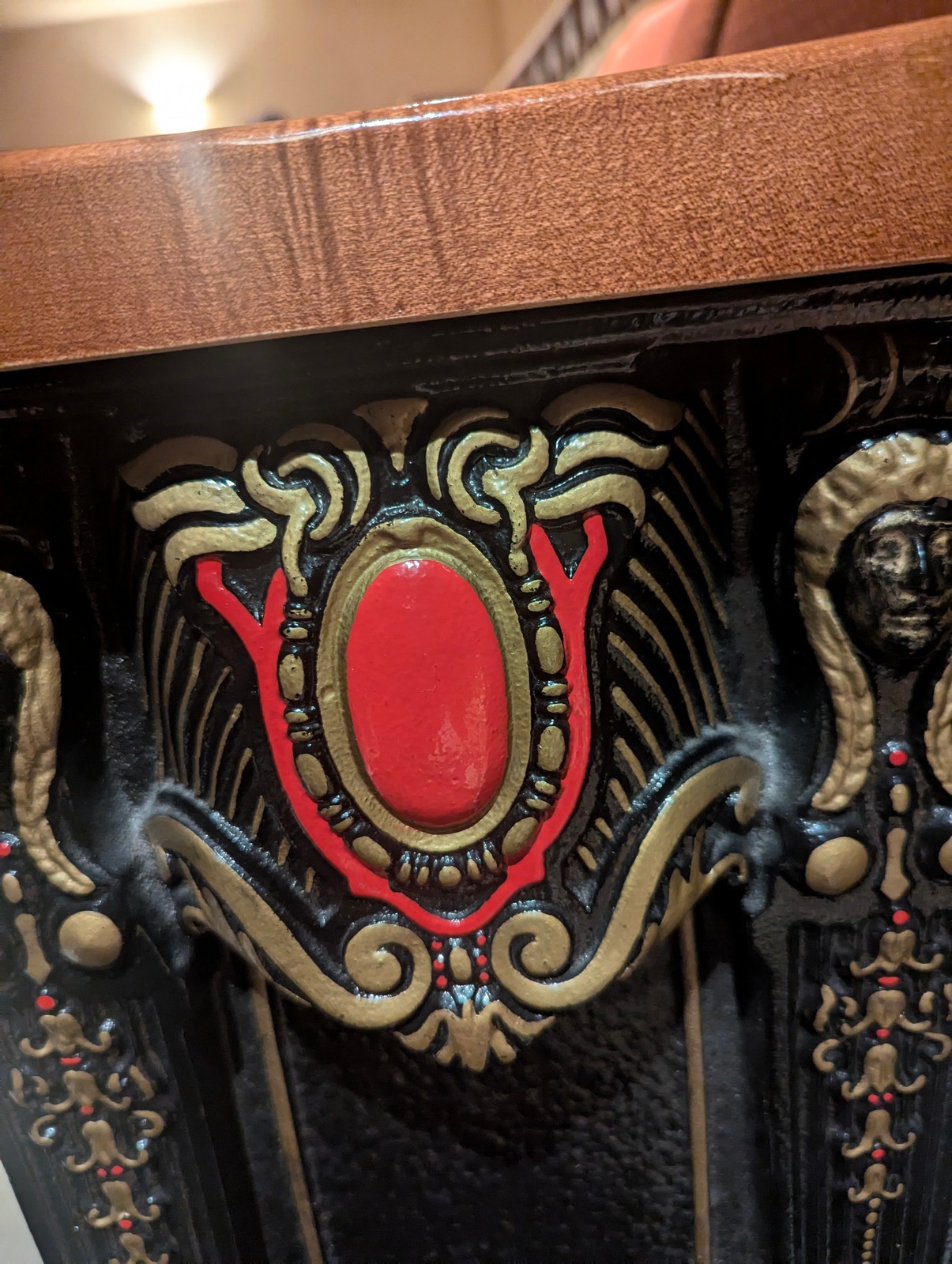
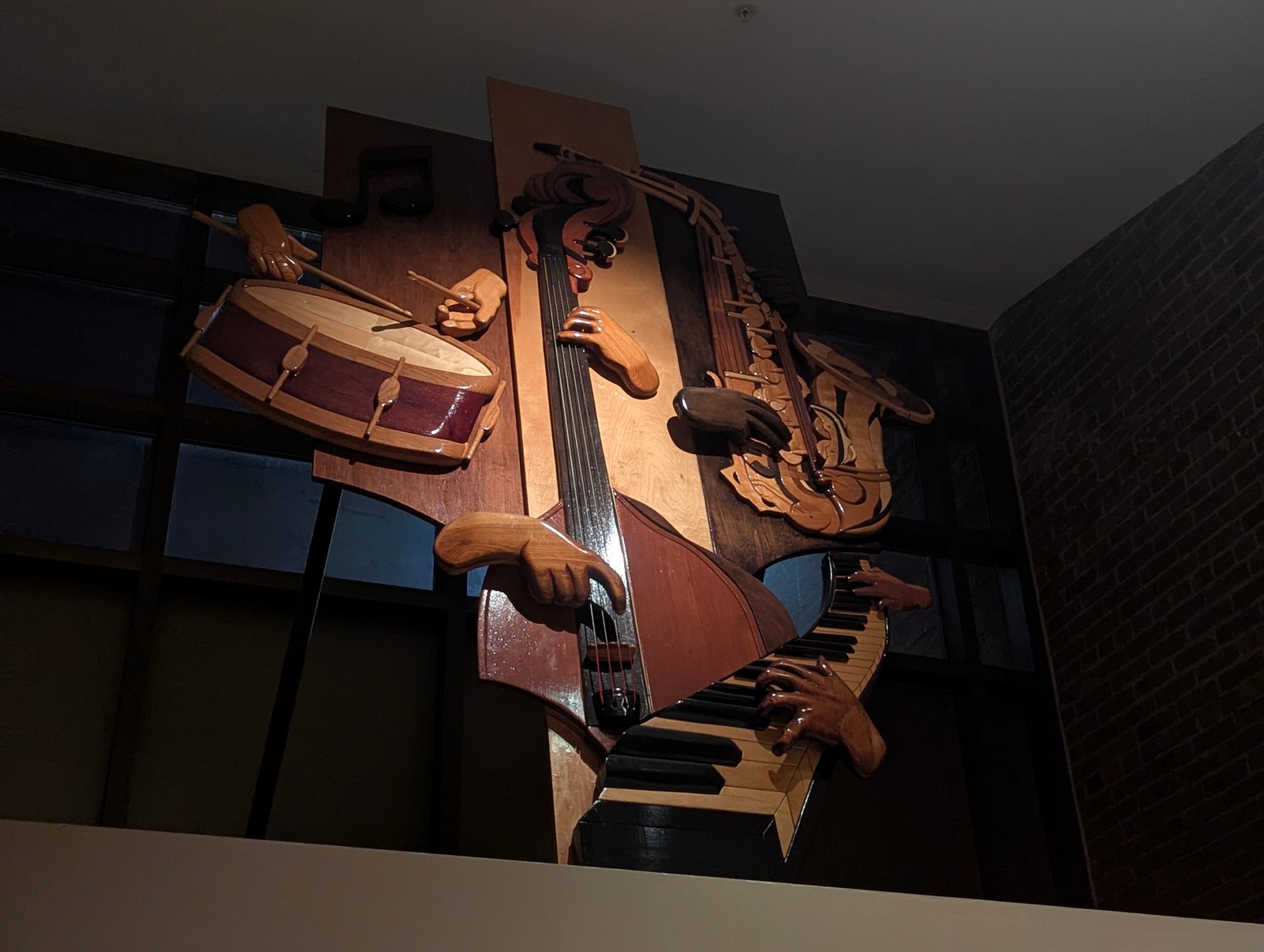

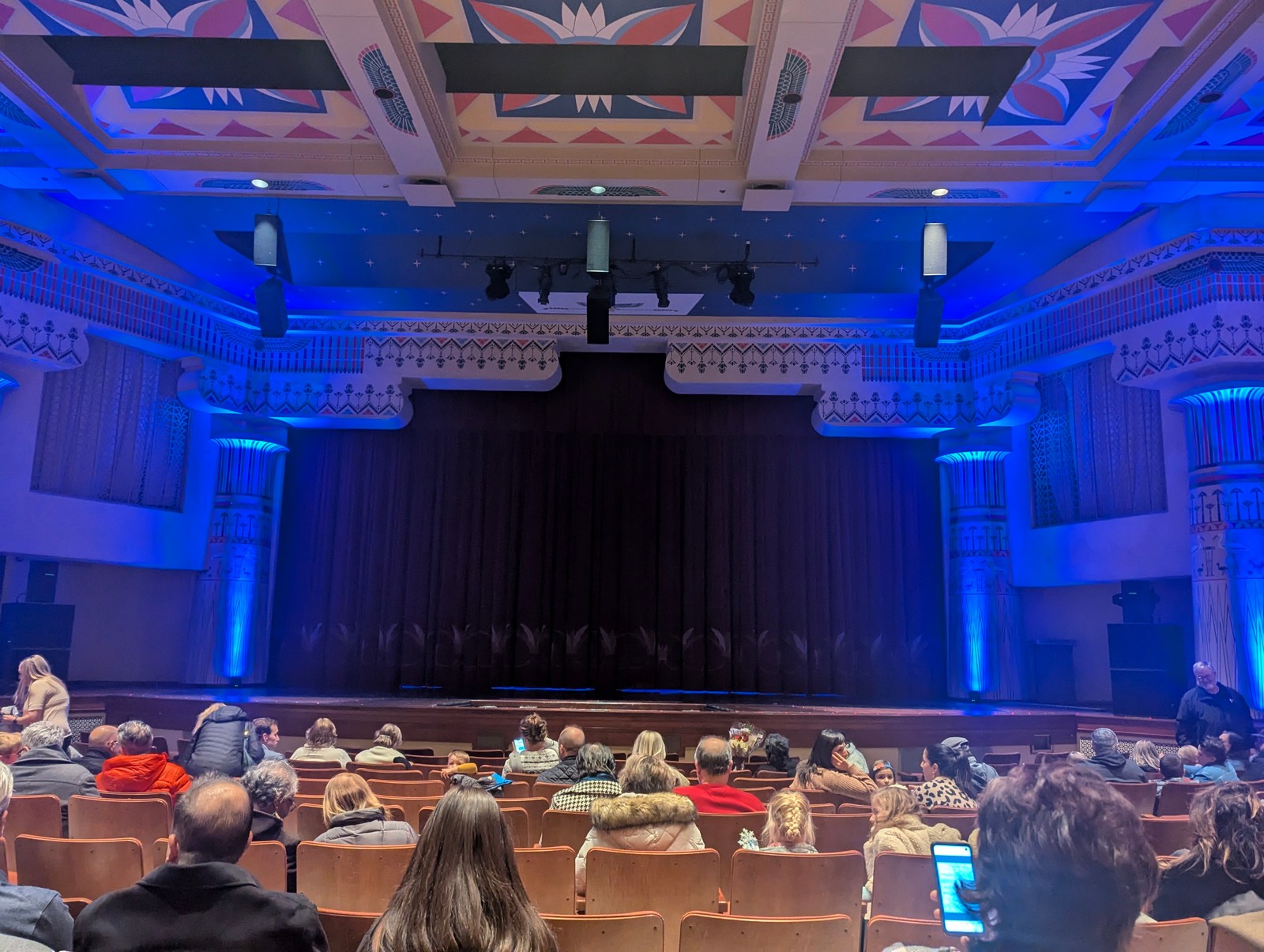


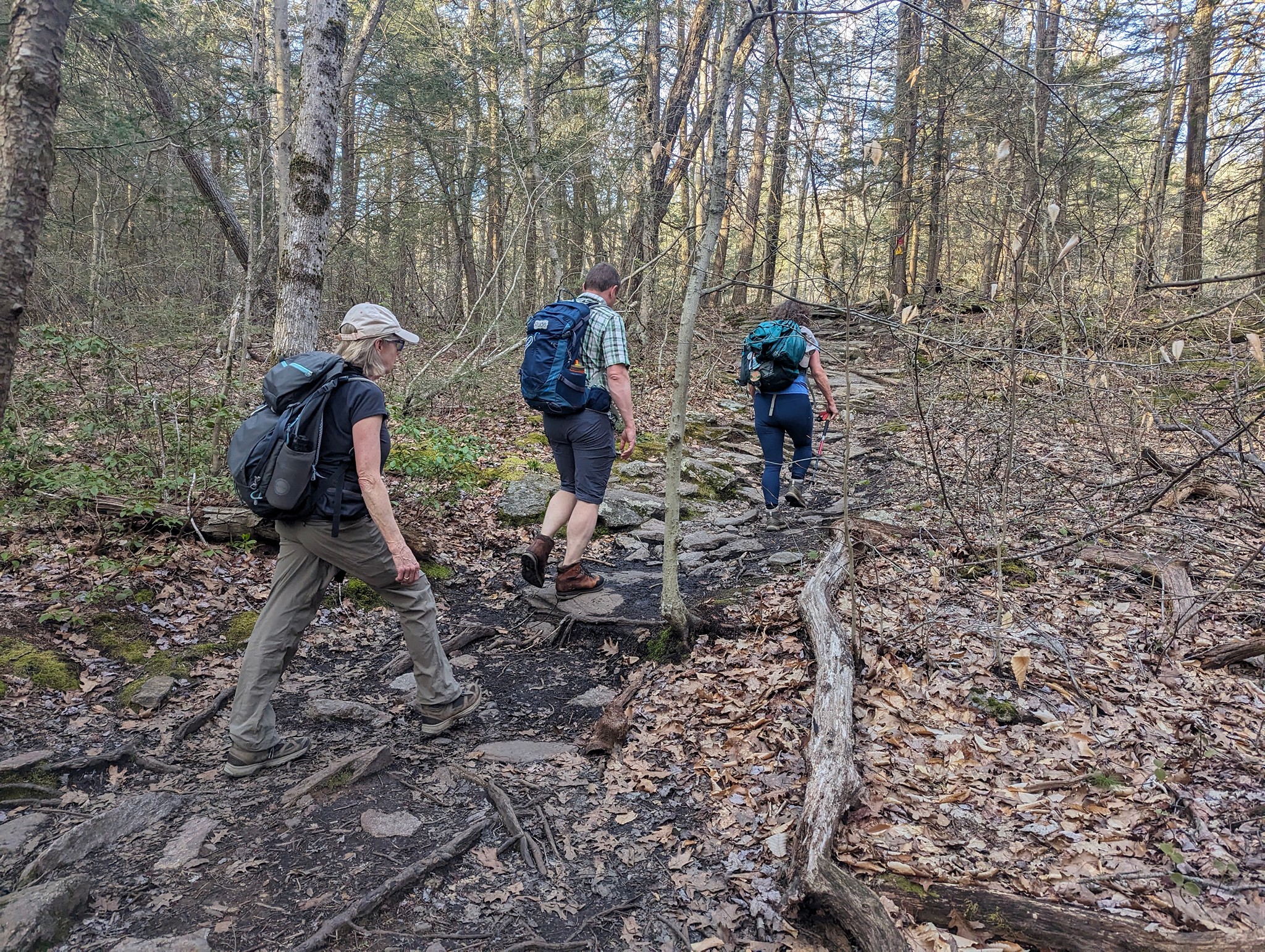
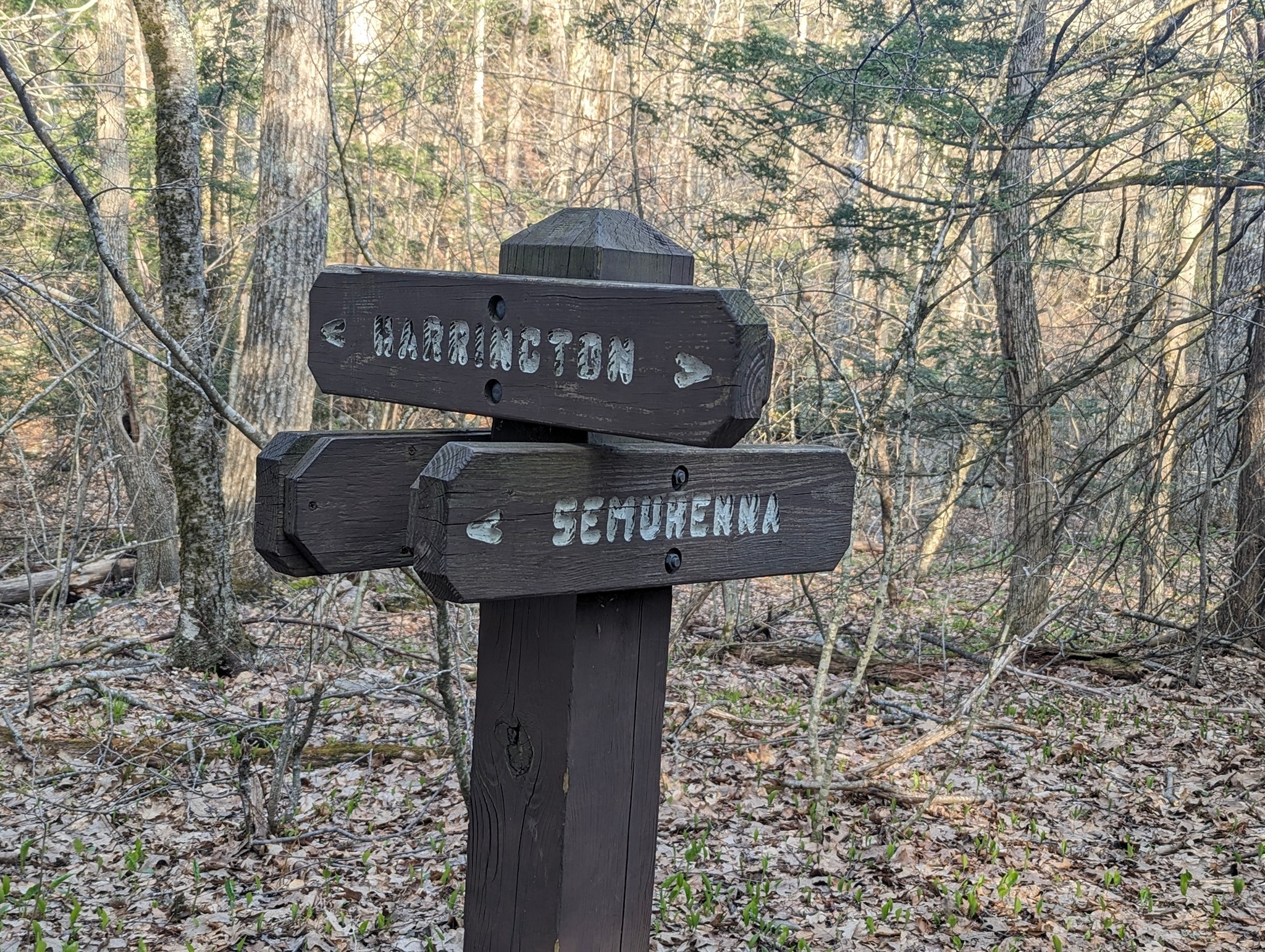
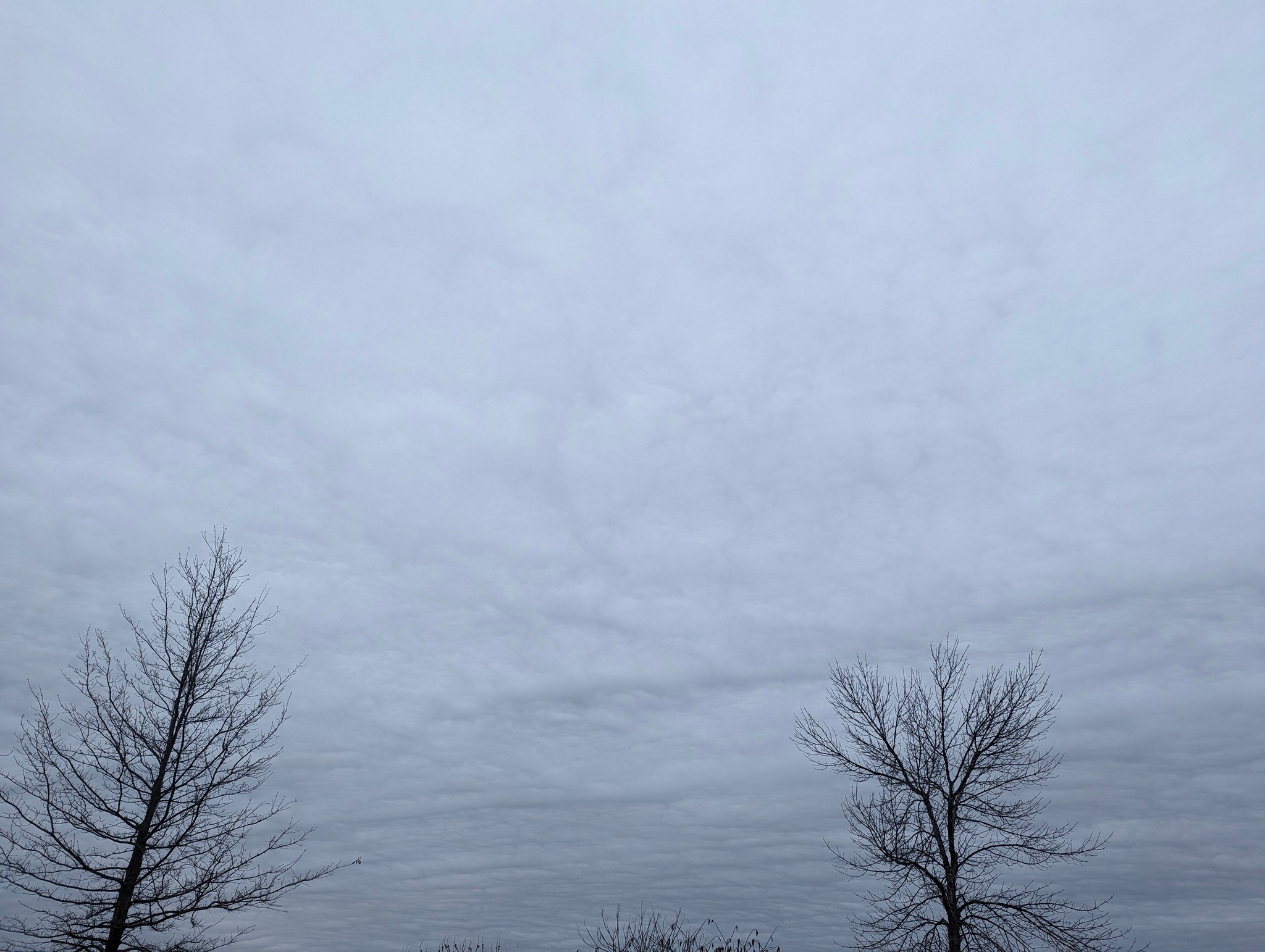


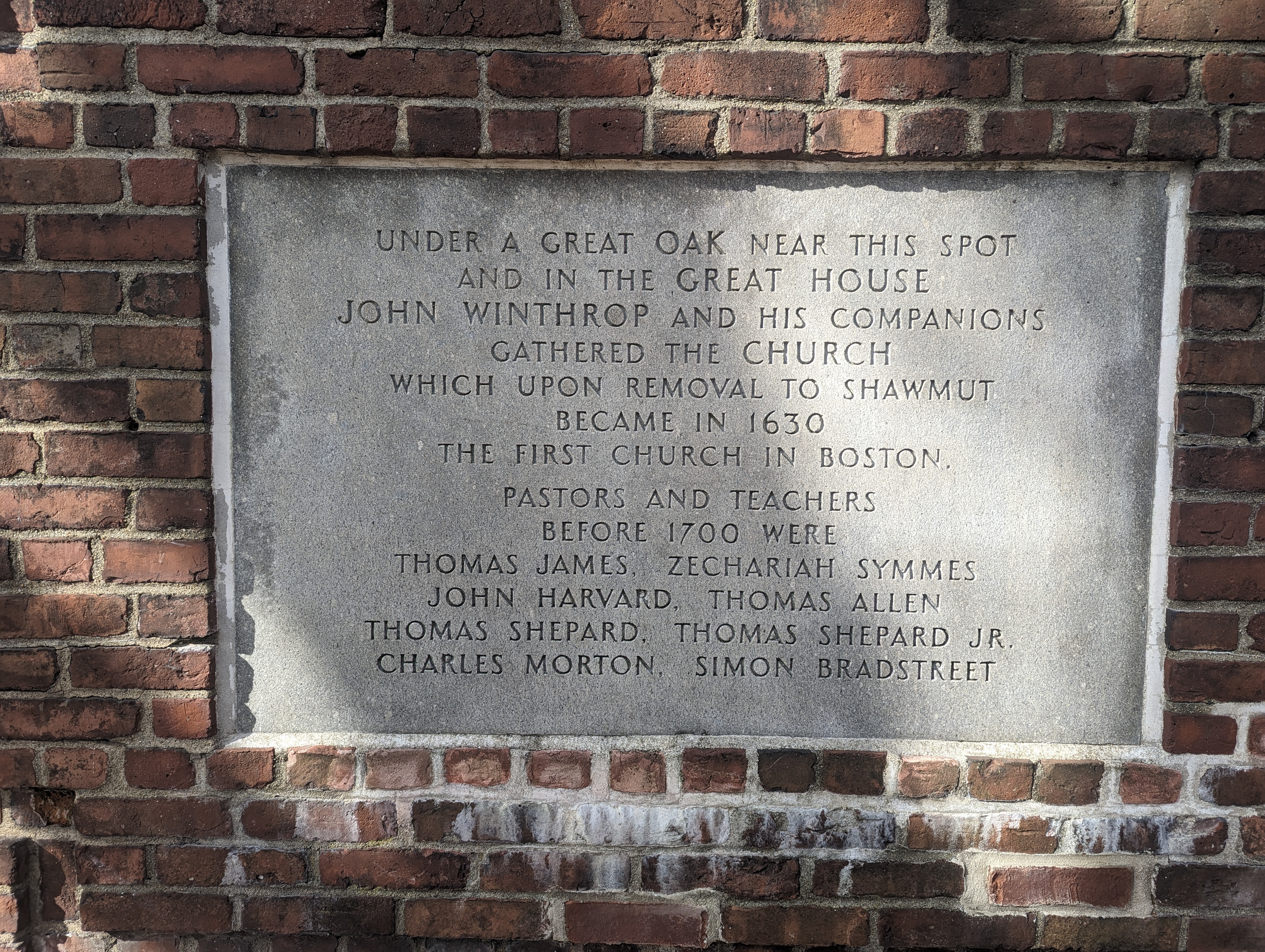
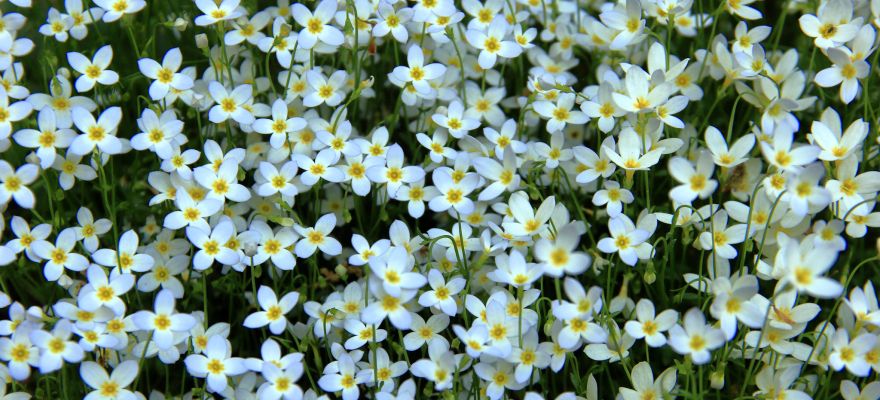
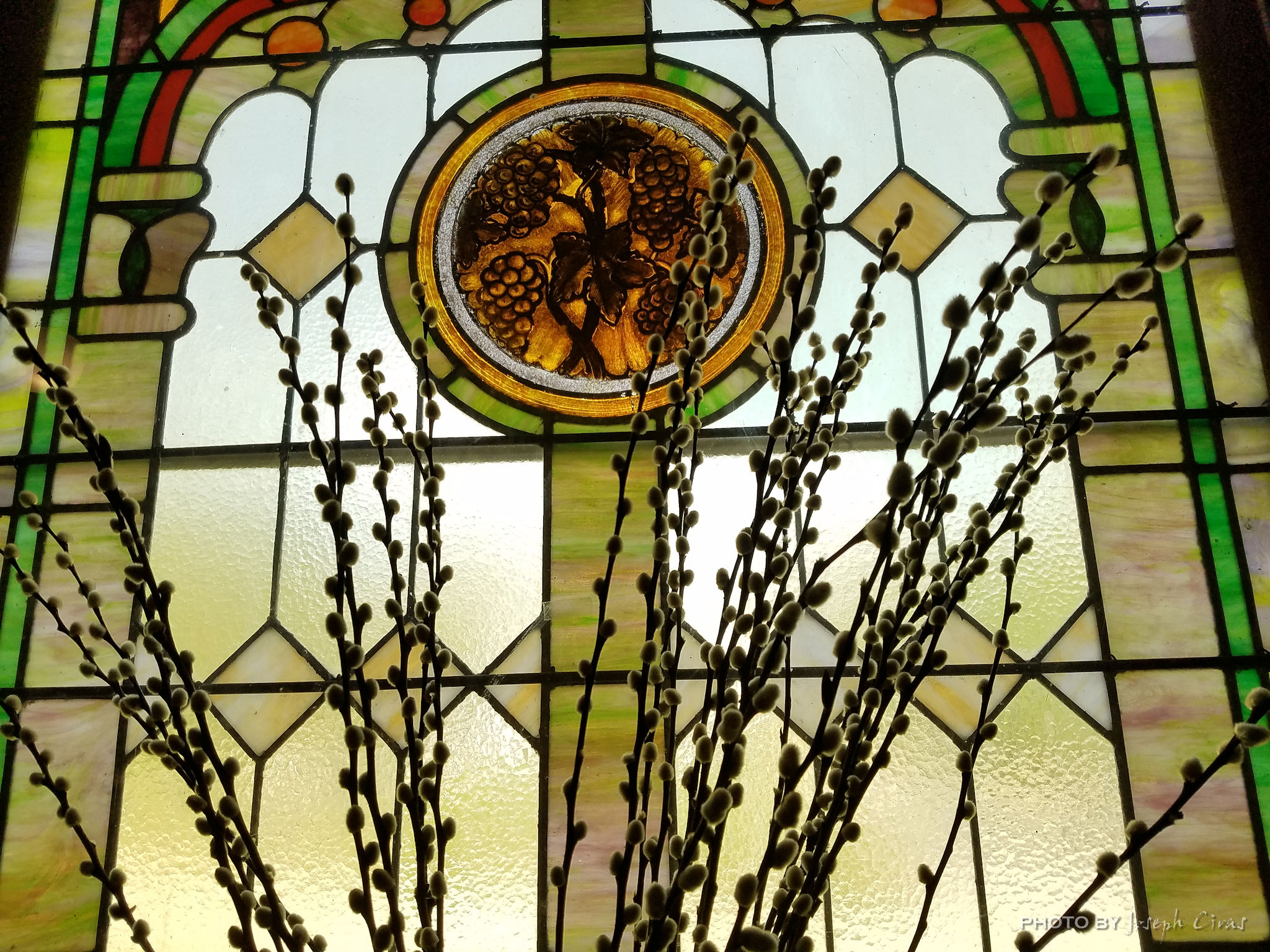
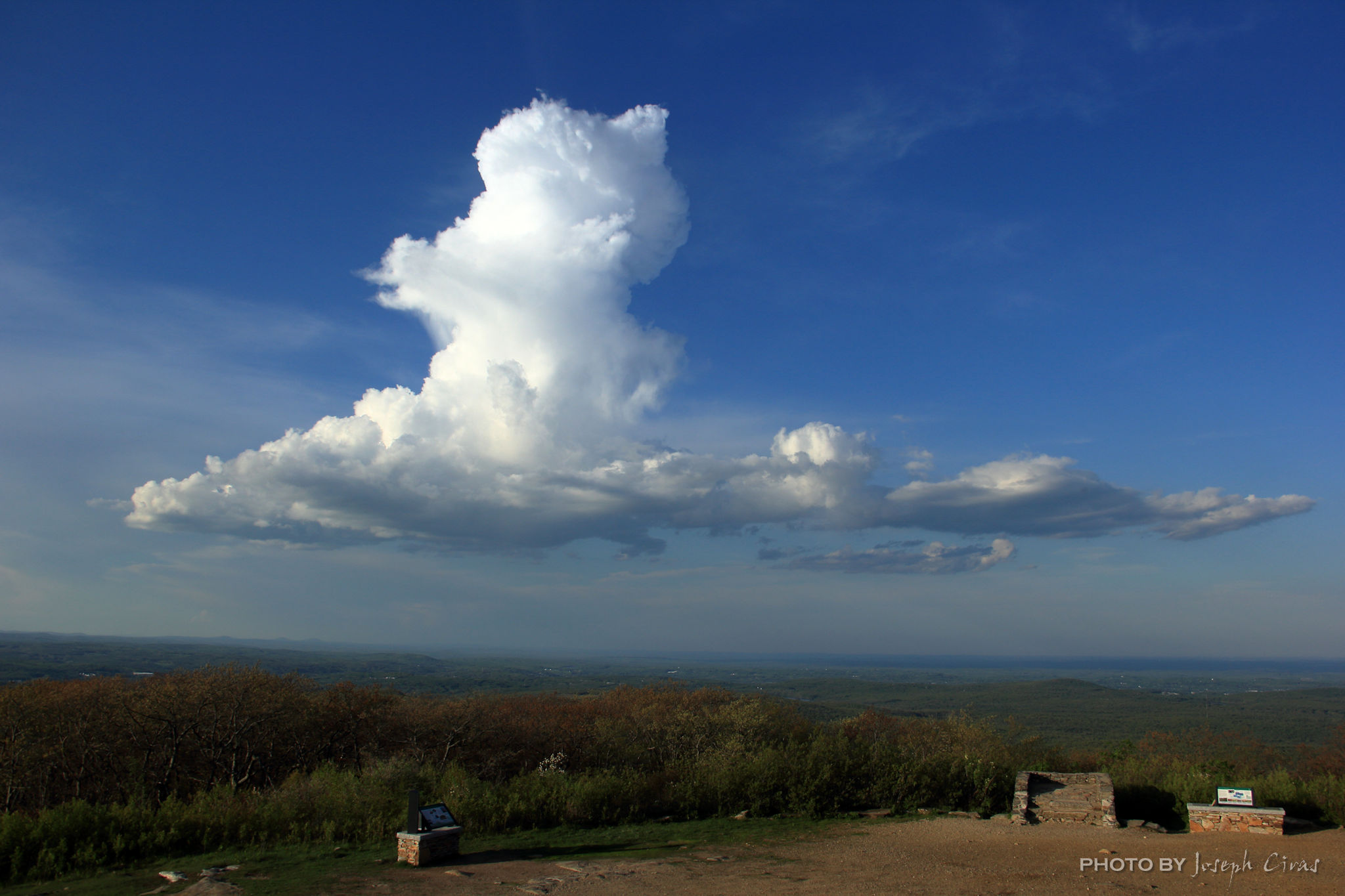

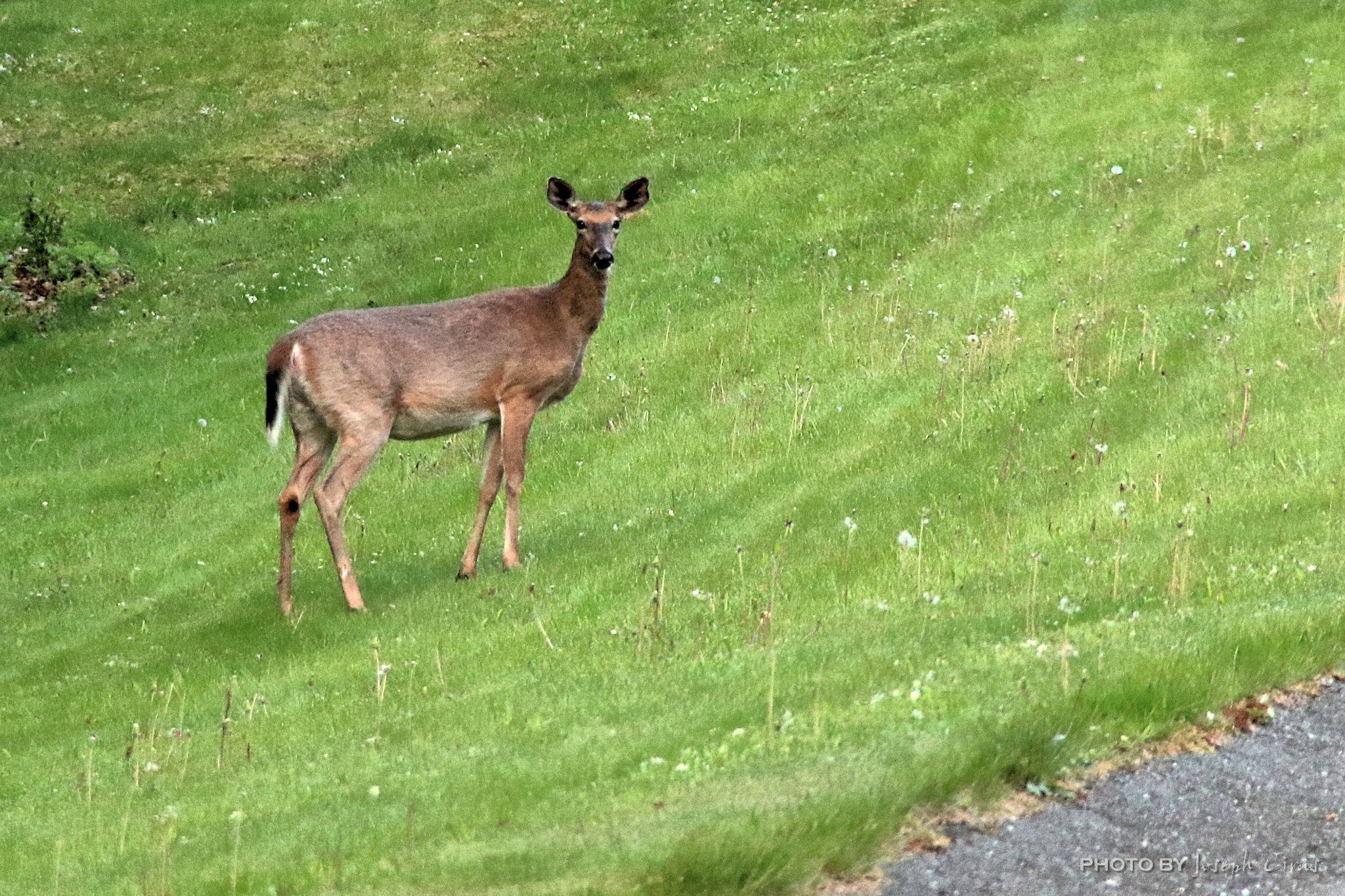

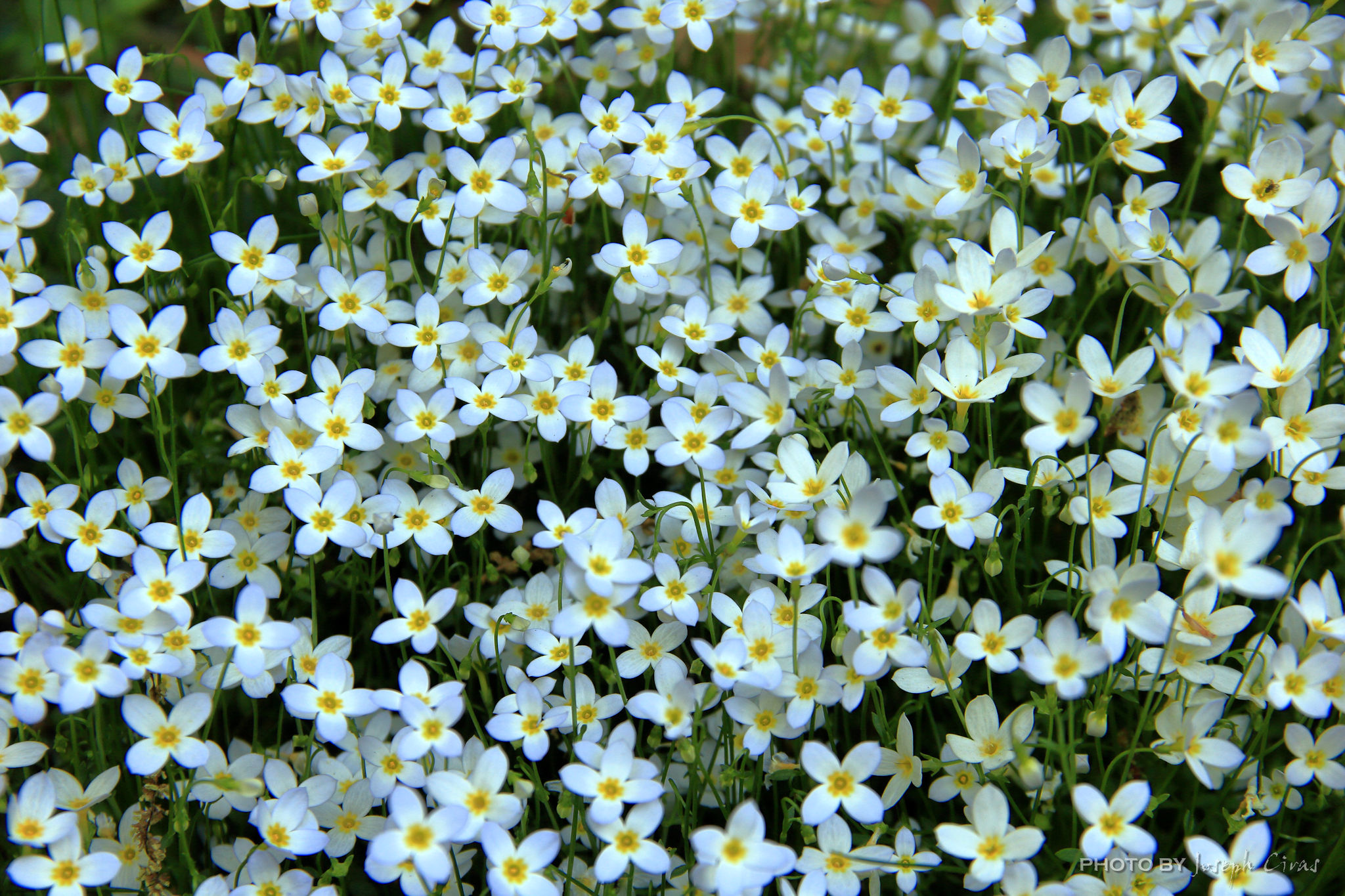
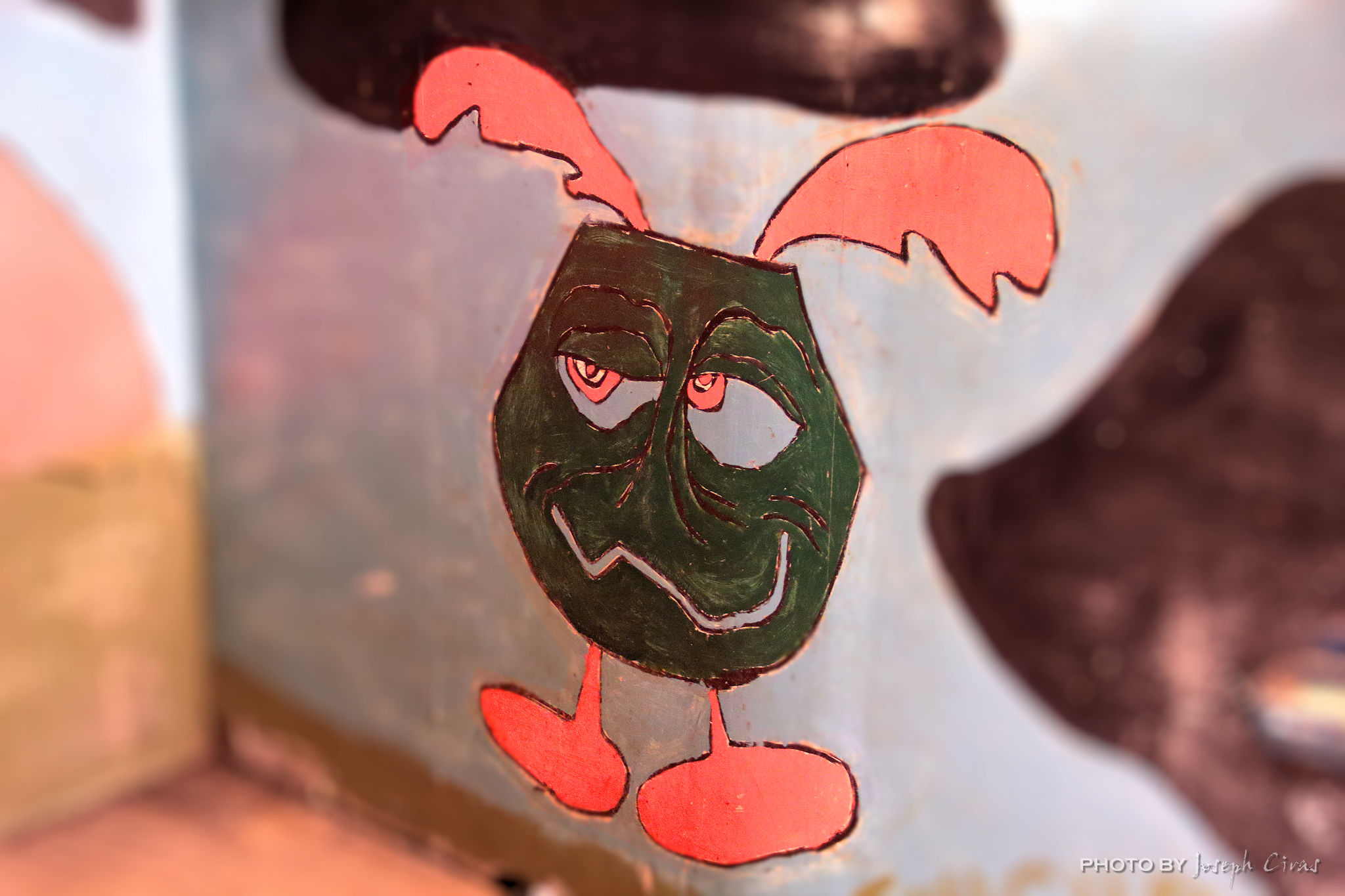


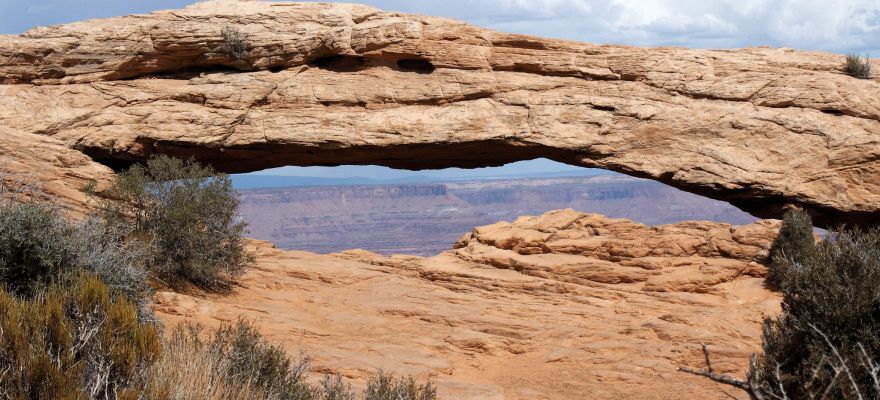
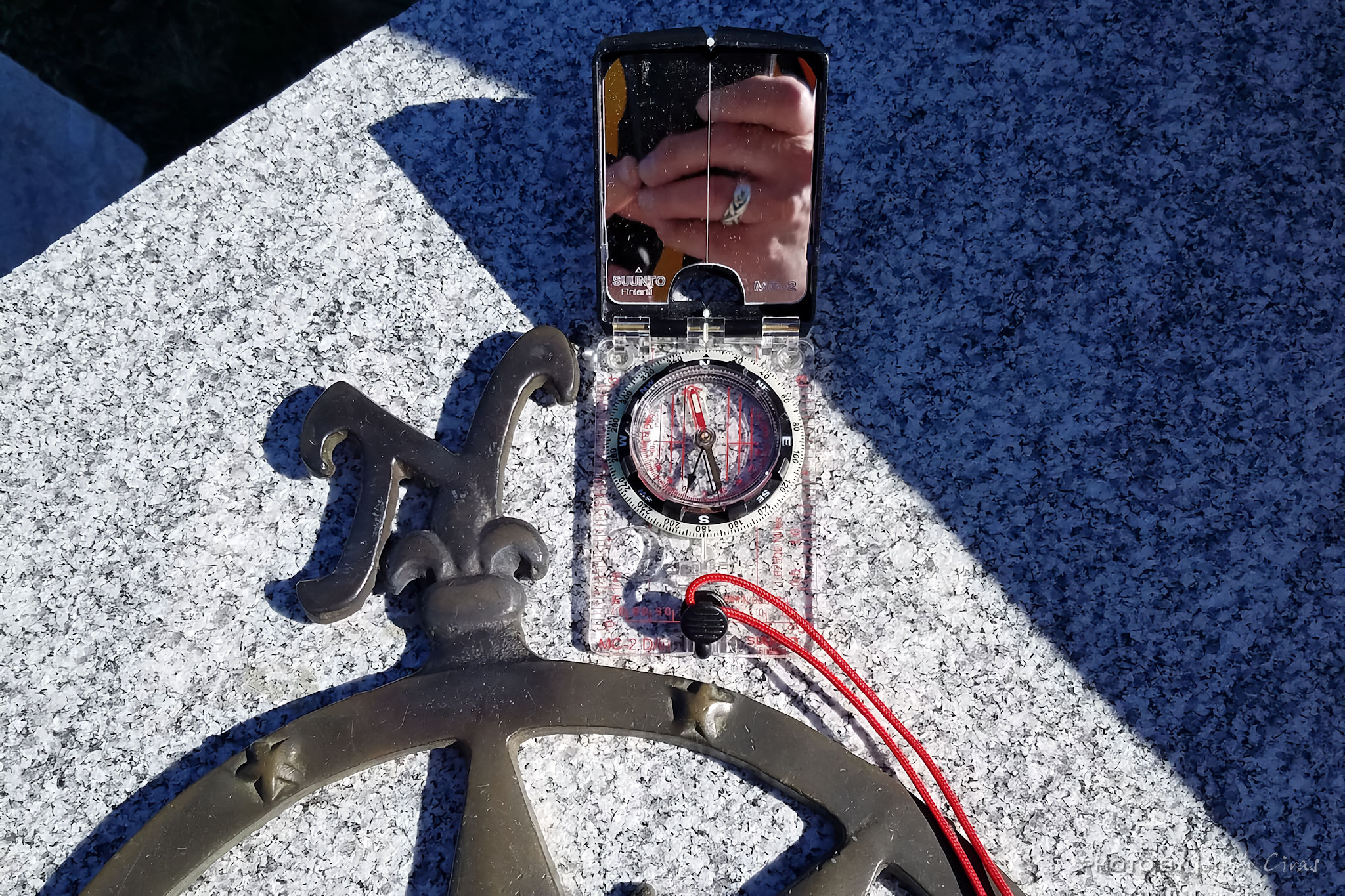
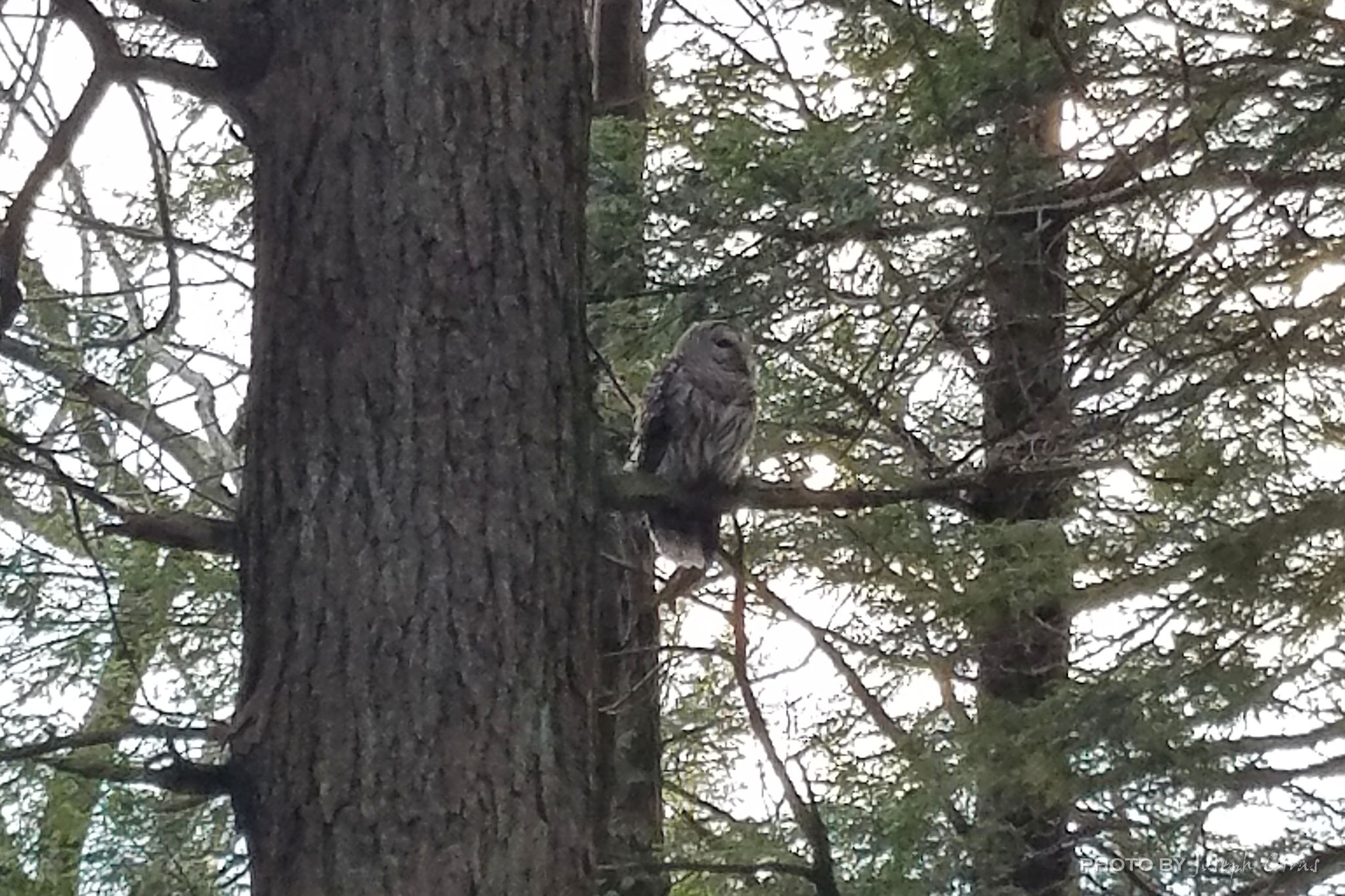
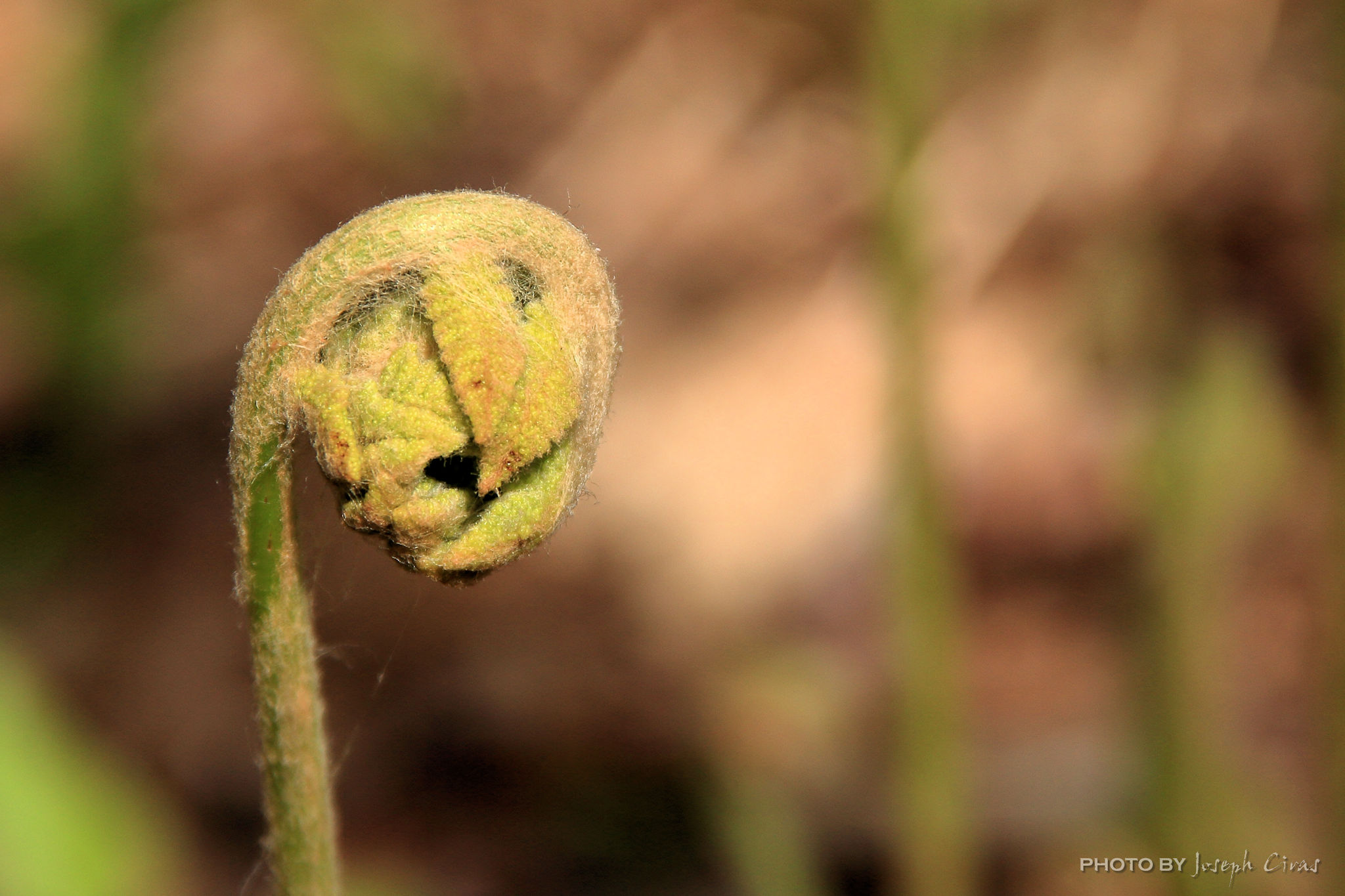
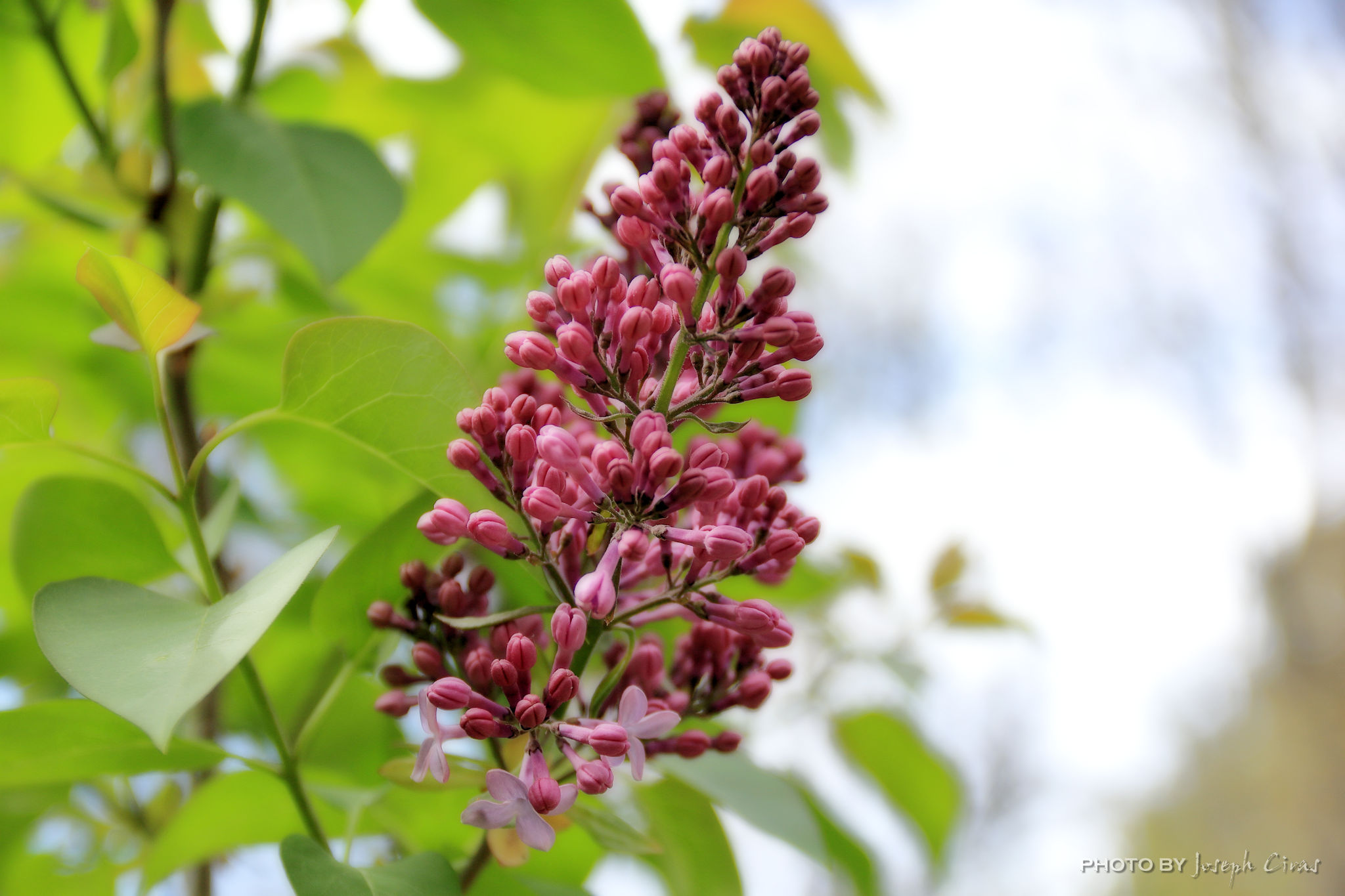
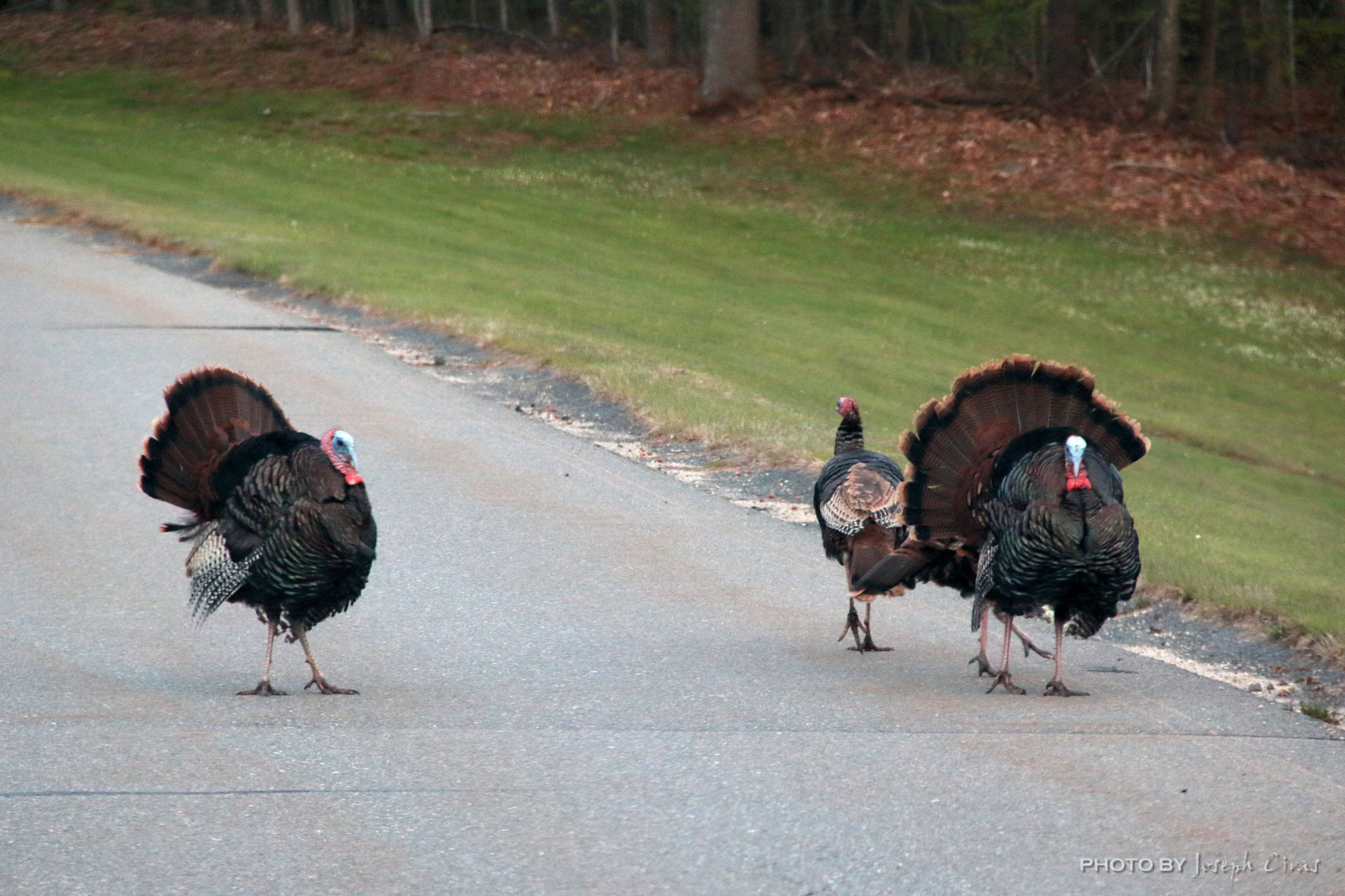
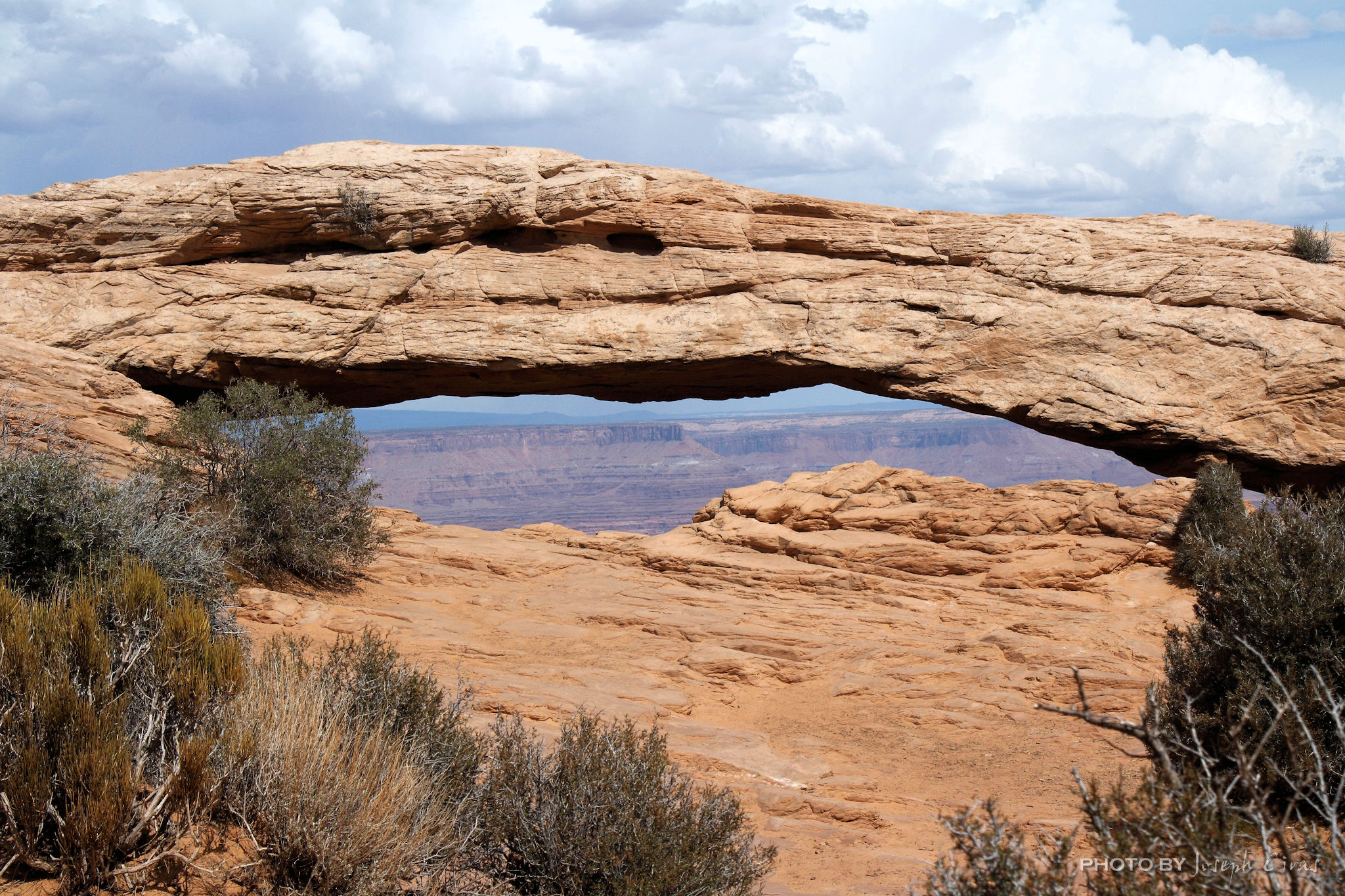


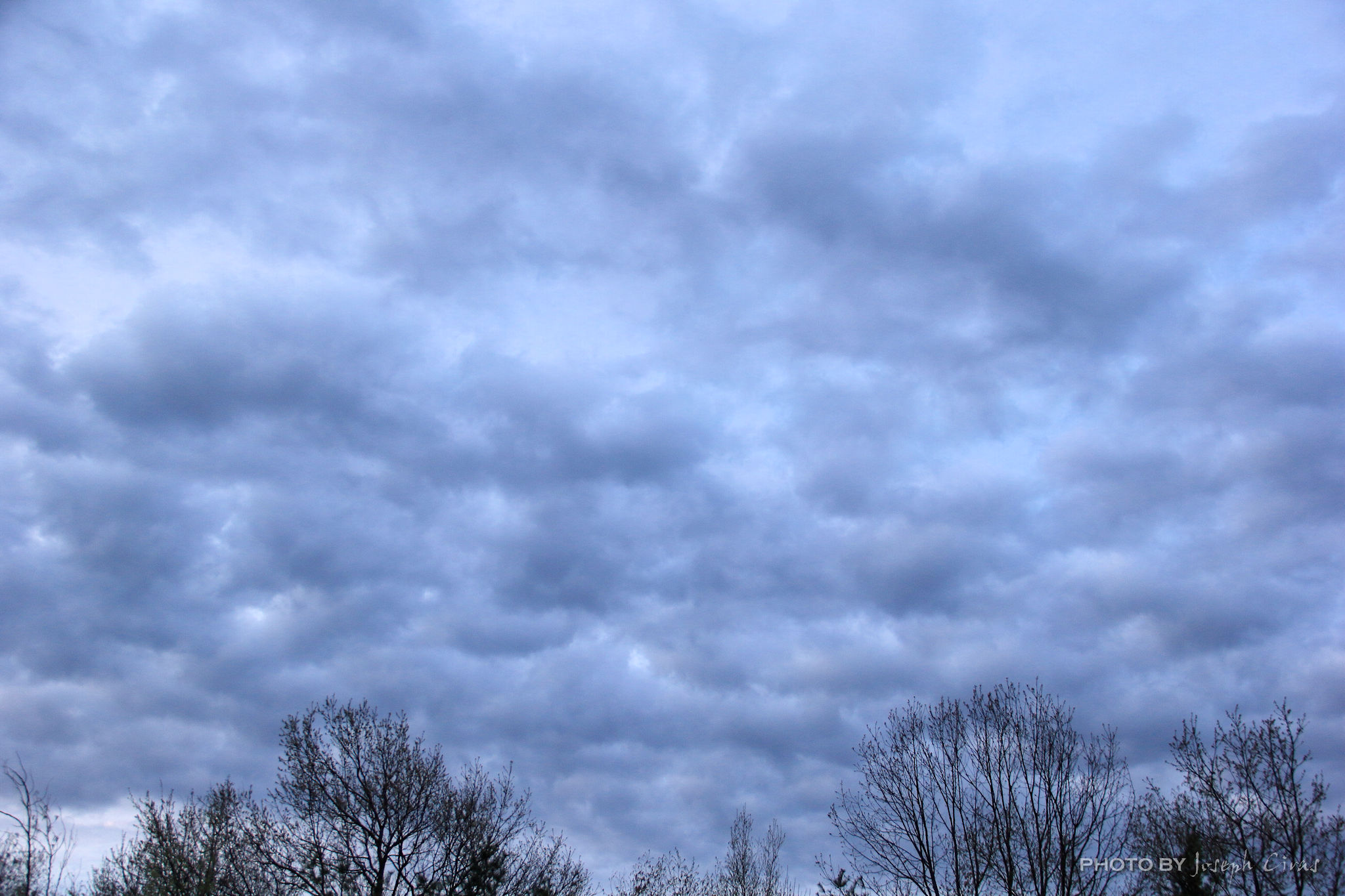

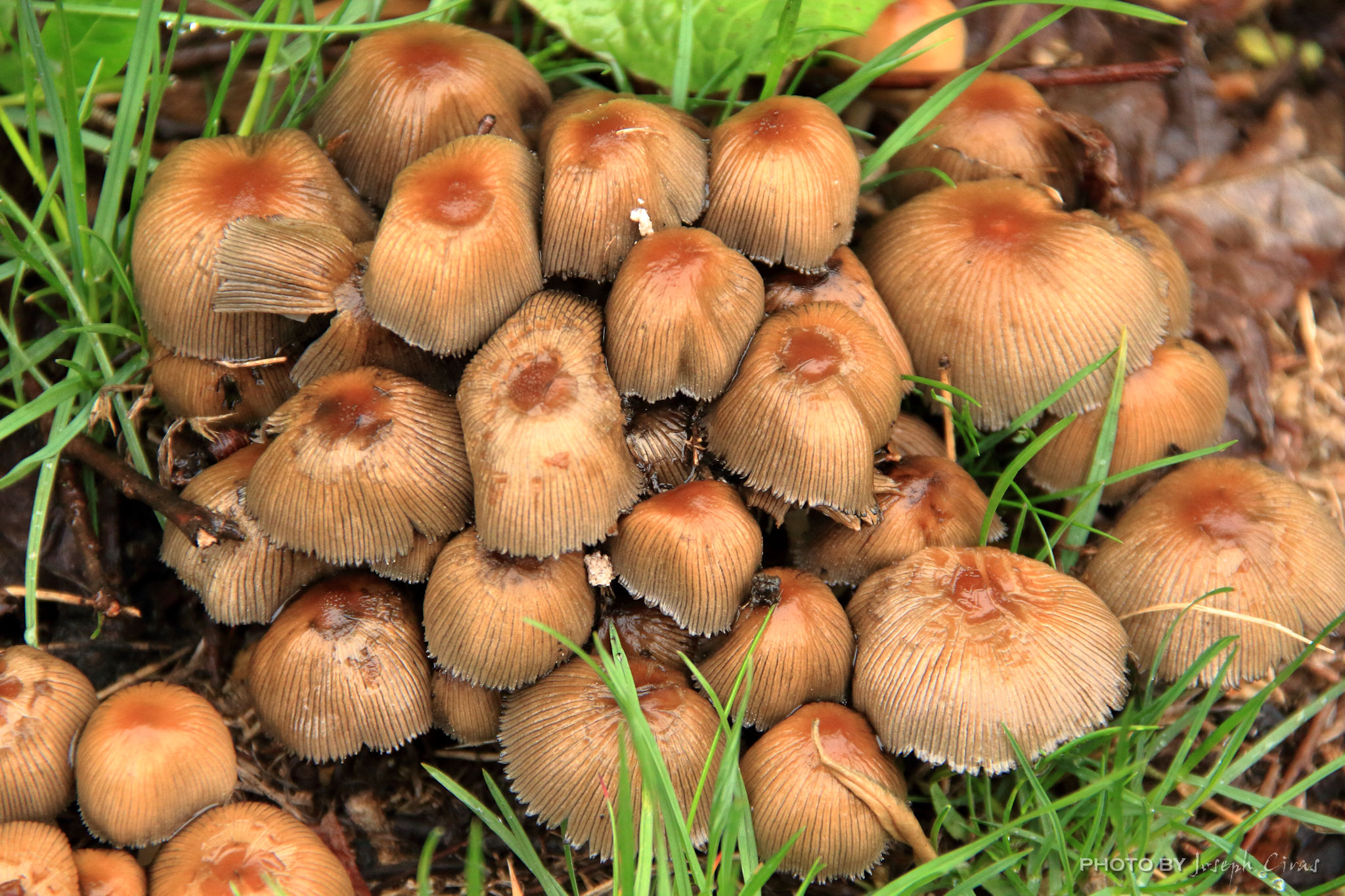
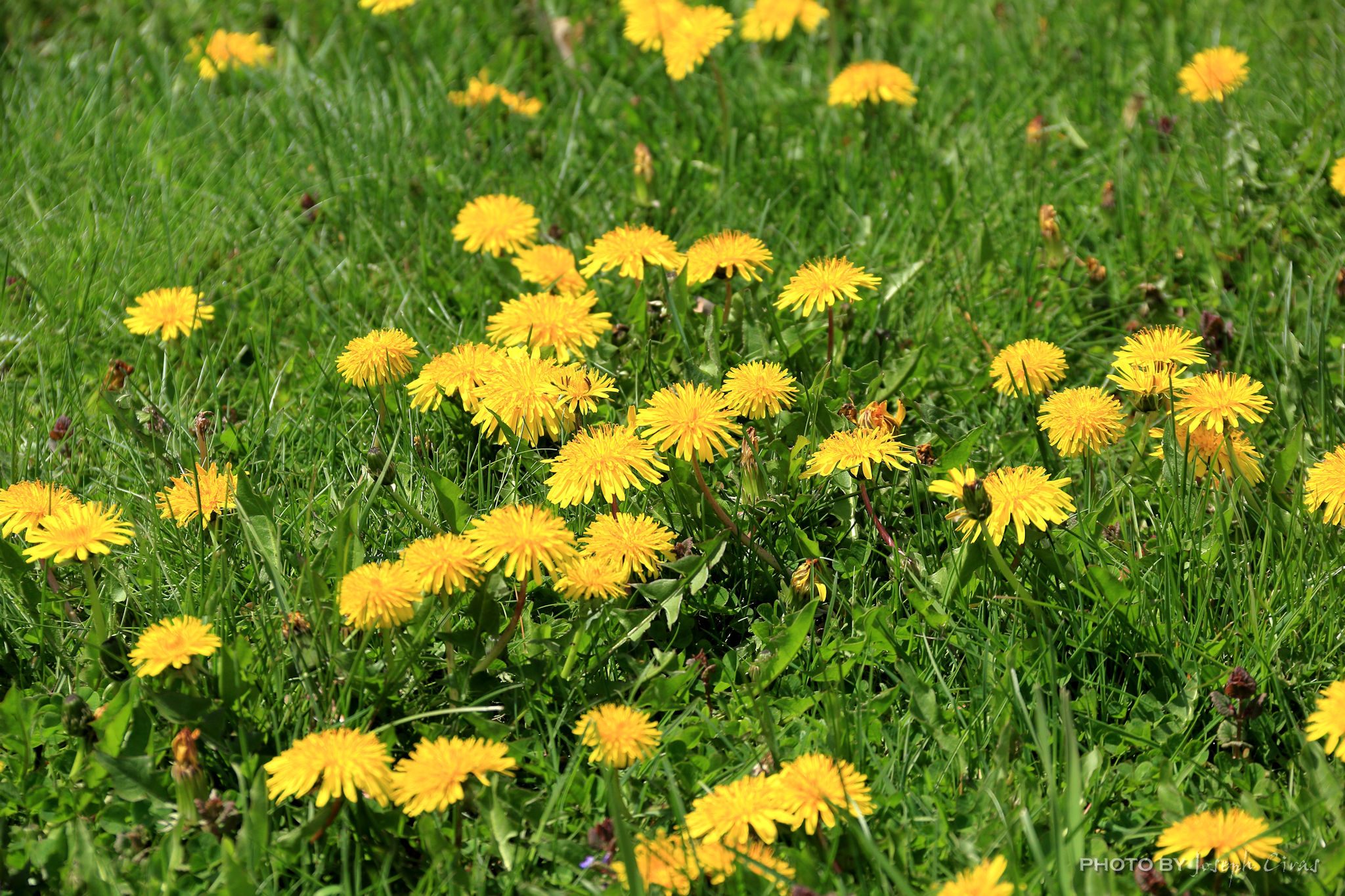

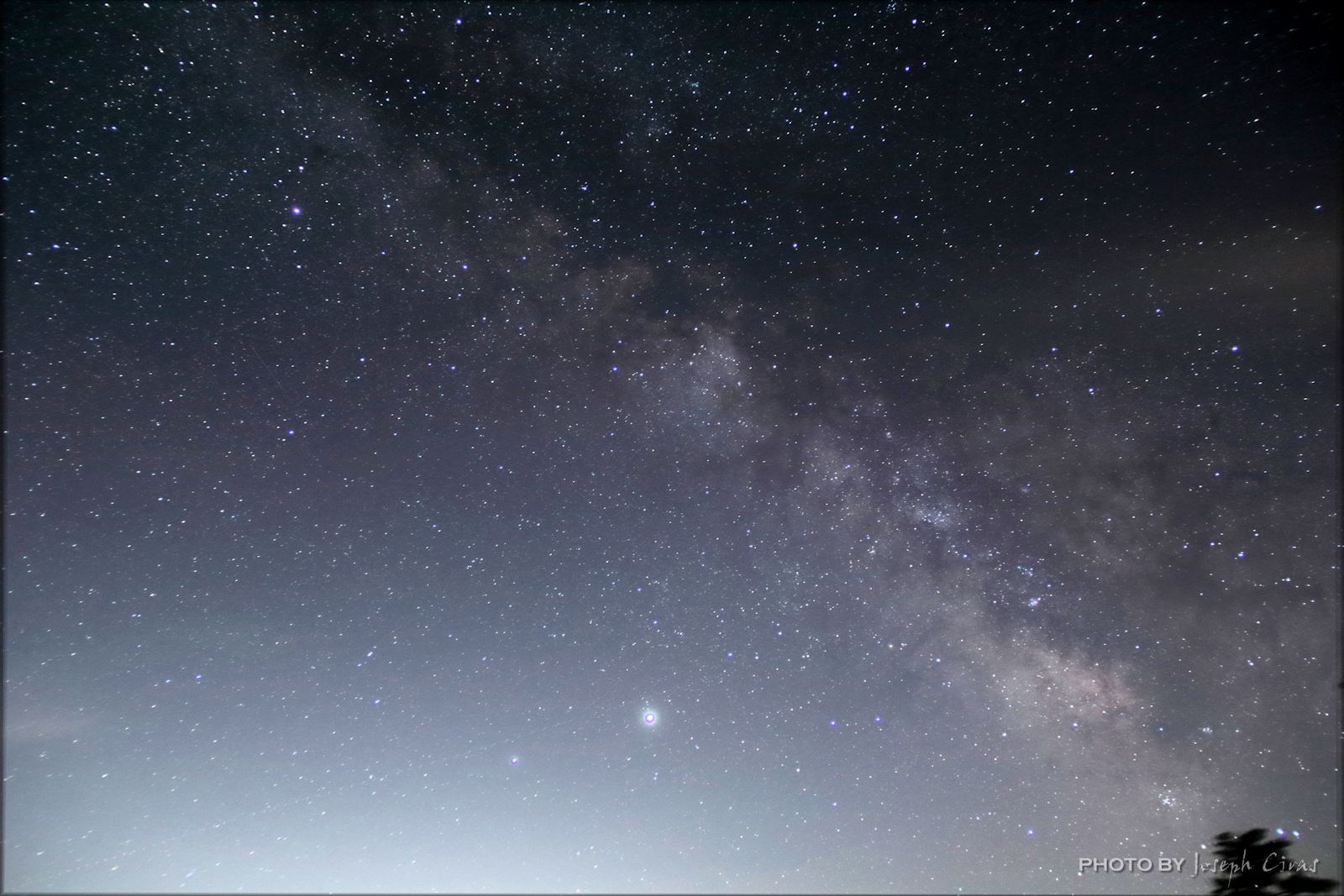

 Photo by Joseph Ciras