Photographic Thoughts — 08/21/2022 to 08/27/2022

“Essentially what photography is is life lit up.” — Sam Abell

Thank you for all the new views and likes from last week, it helps keep me inspired.

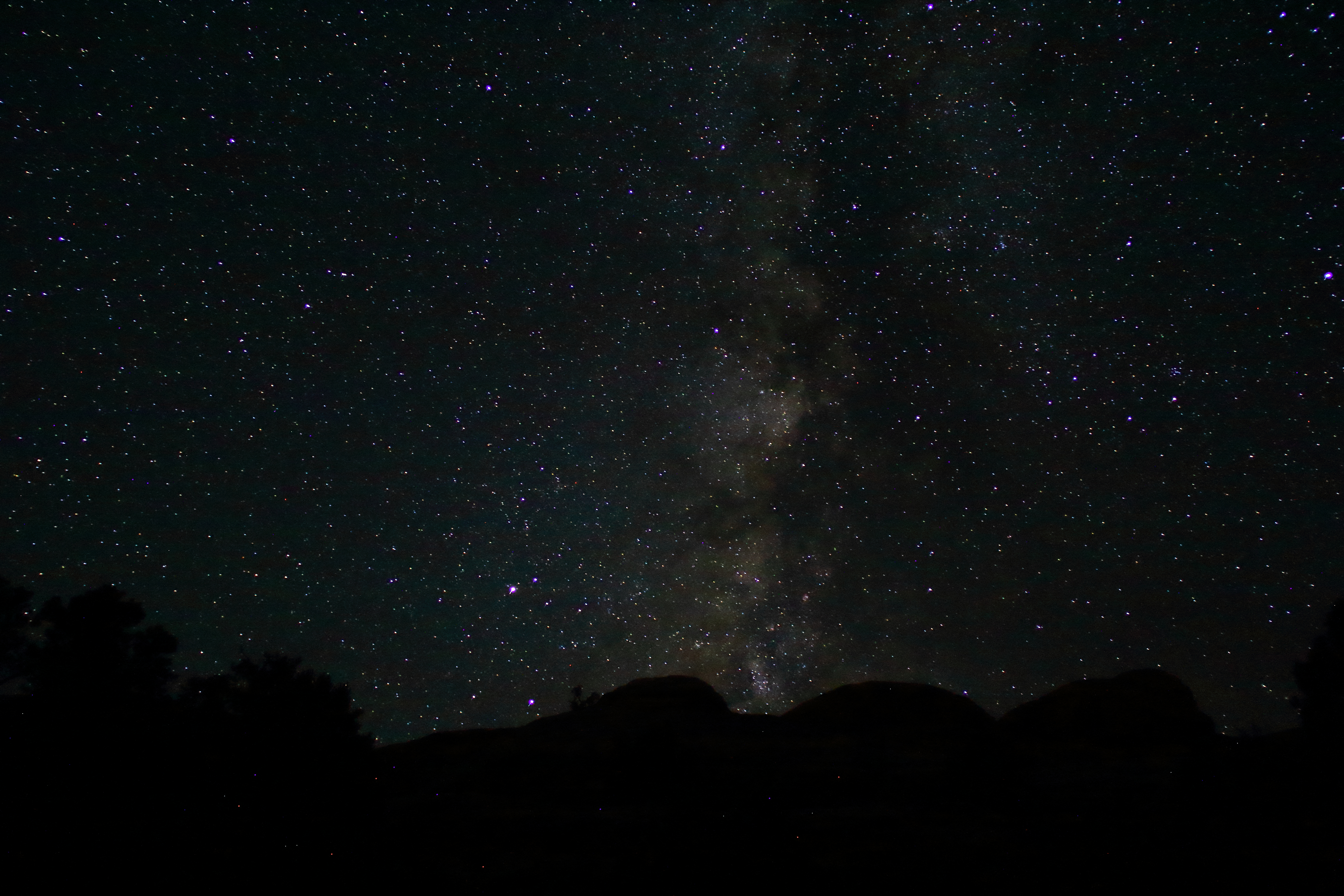
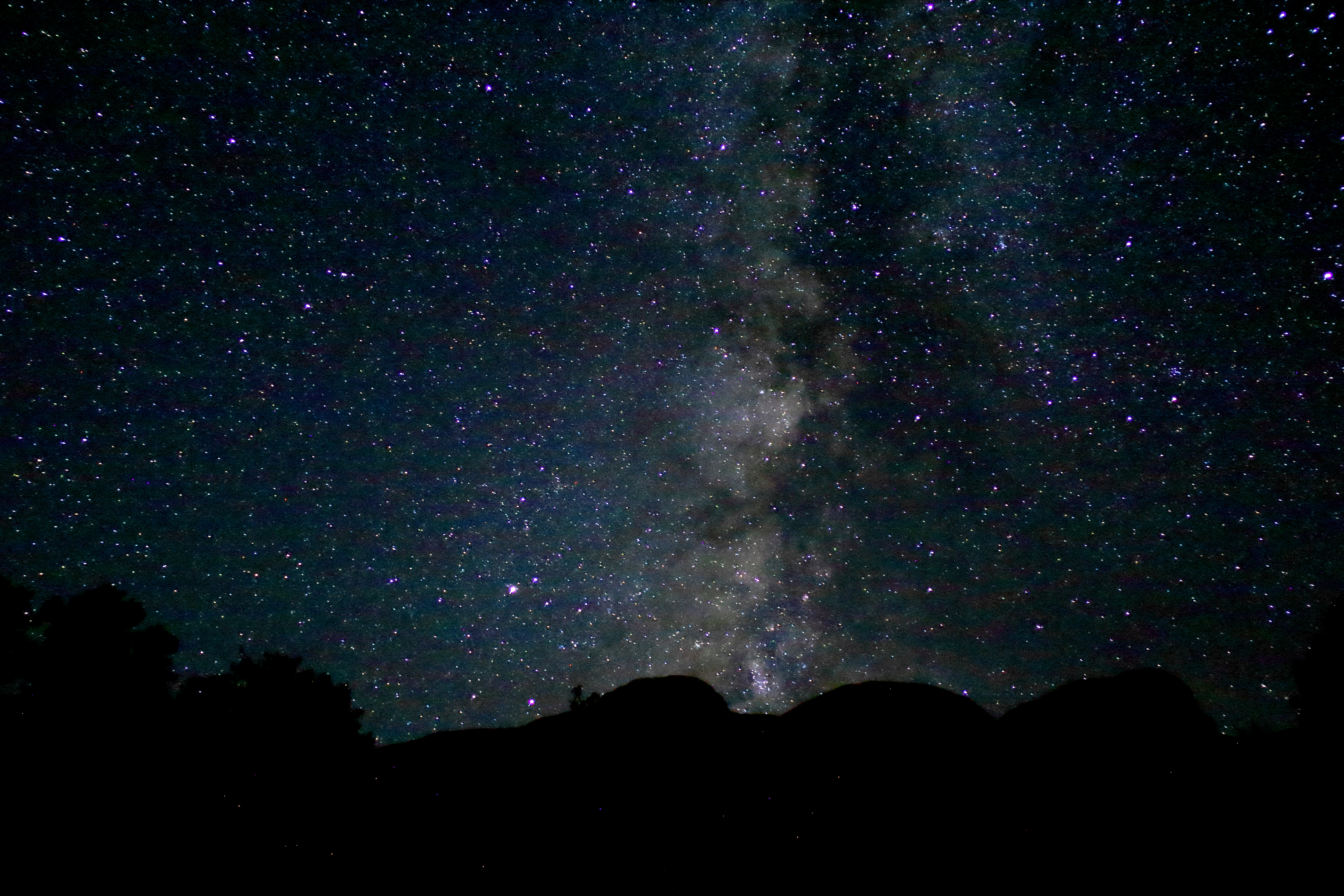
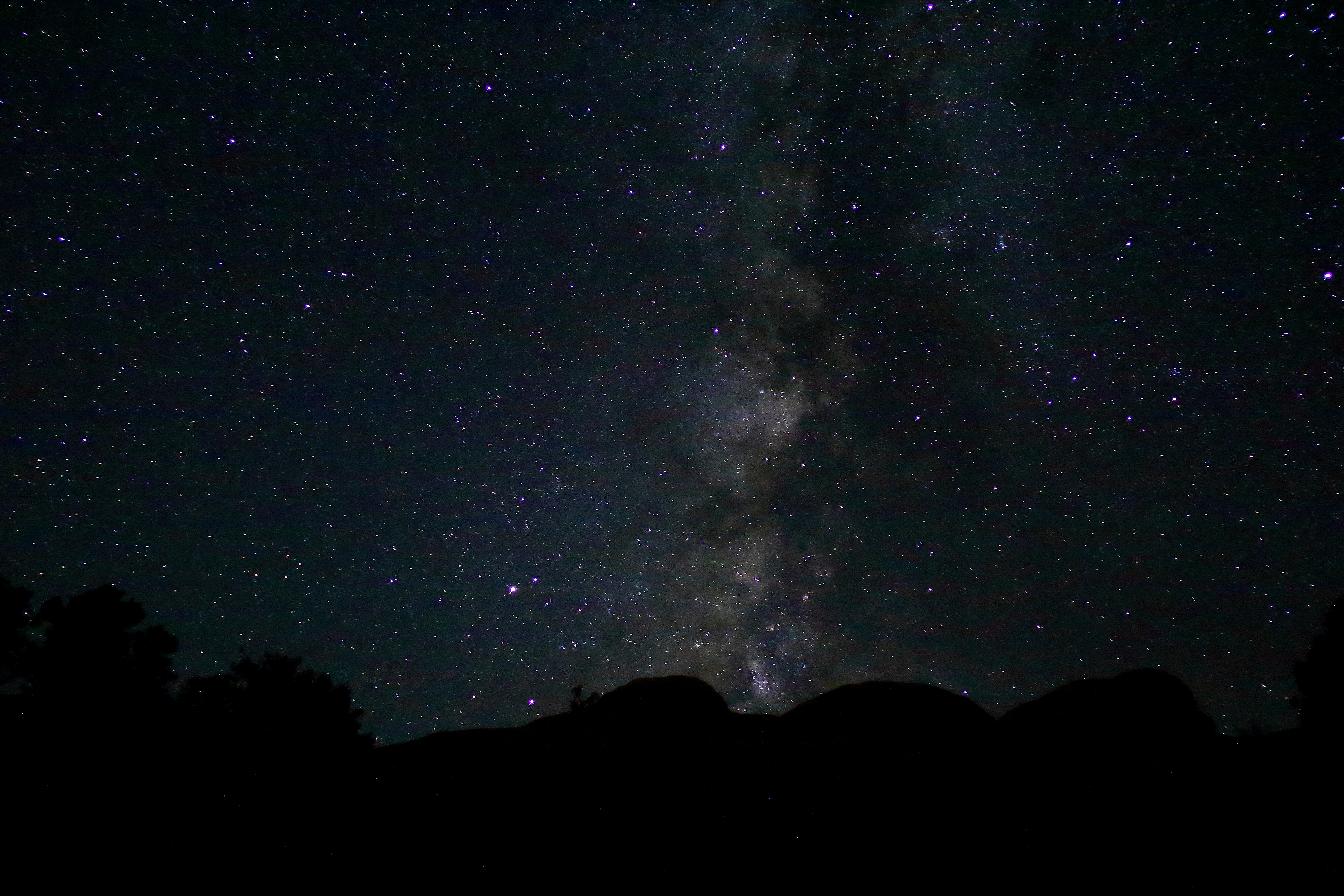
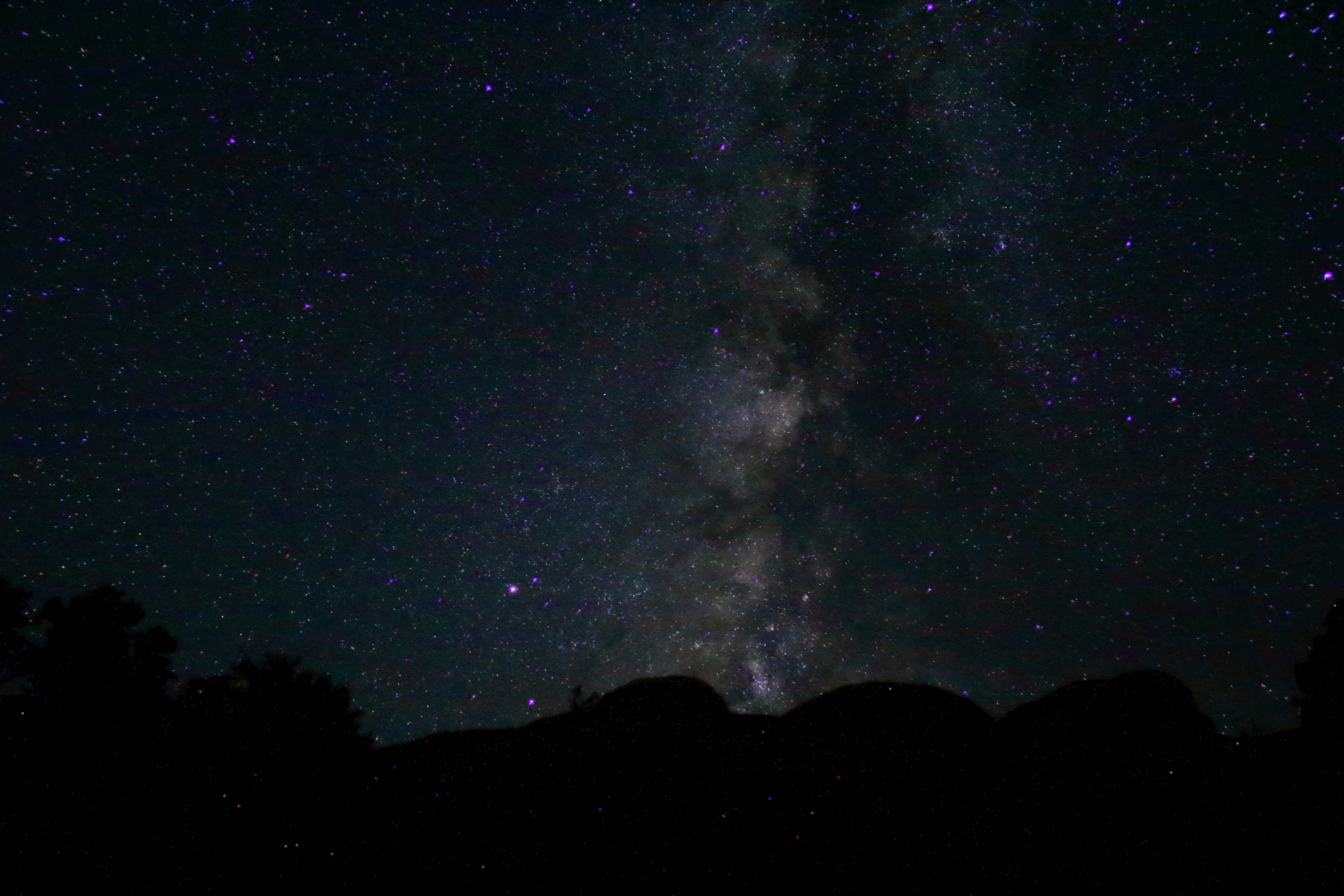
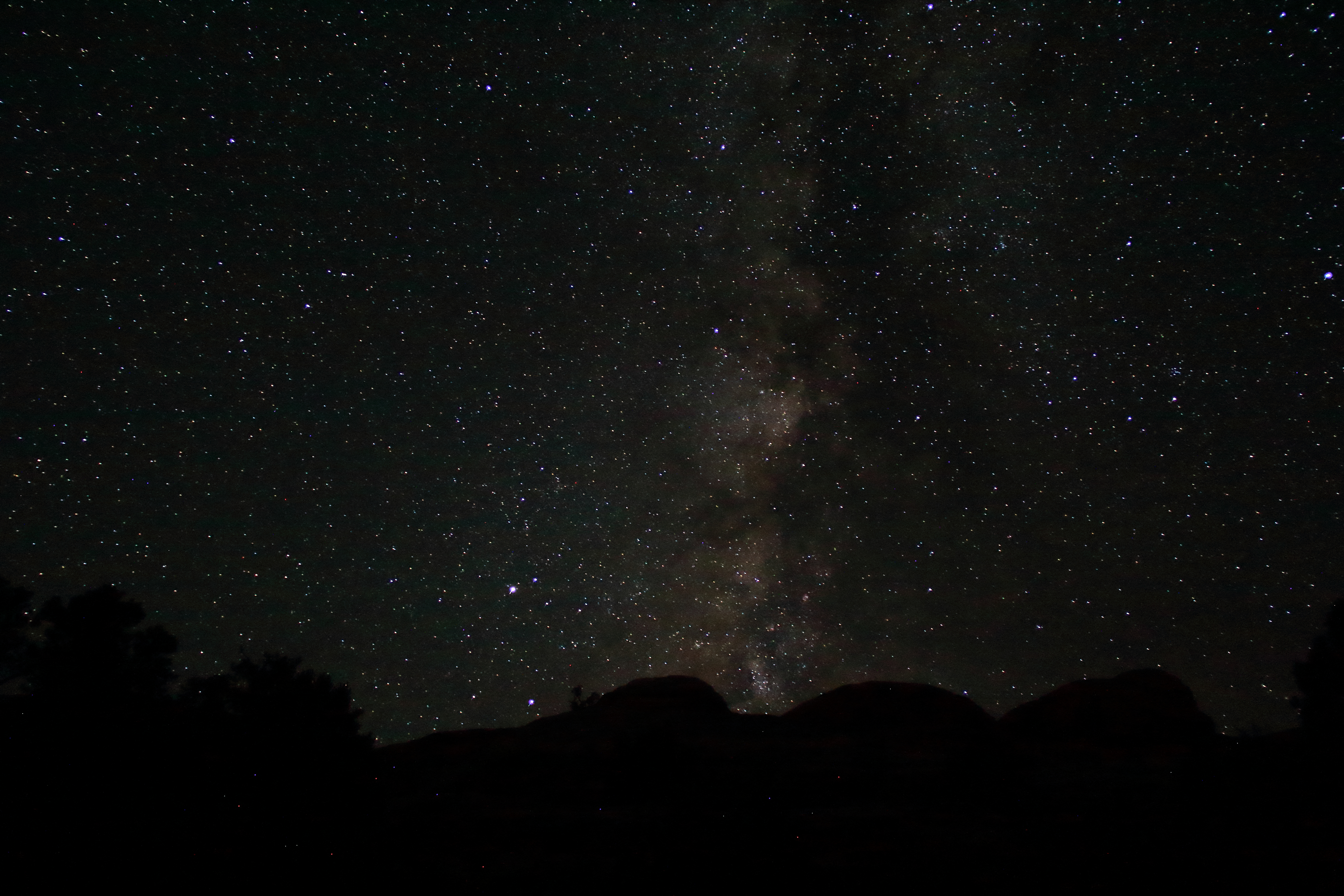
I need an opinion this week. Which Milky Way edit to you like the best?

Photos taken at the Needles section of Canyonland National Park.

Sunday, 08/21/2022: Posted photo — Milky Way_1.

Monday, 08/22/2022: Posted photo — Milky Way_2.

Tuesday, 08/23/2022: Posted photo — Milky Way_3.

Wednesday, 08/24/2022: Posted photo — Milky Way_4.

Thursday, 08/25/2022: Posted photo — Milky Way_5.

Friday, 08/26/2022: Post photo — Milky Way_6.

Saturday, 08/27/2022: Post photo — Milky Way_7.

That is all for now. Until next week, be safe.
For more photo of other project I have work, visit my website: https://photobyjosephciras.weebly.com or visit me on Facebook at https://www.facebook.com/PhotobyJosephCiras/.
Photographic Thoughts — 04/24/2022 to 04/30/2022

“A thing that you see in my pictures is that I was not afraid to fall in love with these people.” — Annie Leibovitz

Thank you for all the new views and likes from last week, it helps keep me inspired.

This week we visit Yosemite National Park in 2008. I was just starting out in photography at this time.

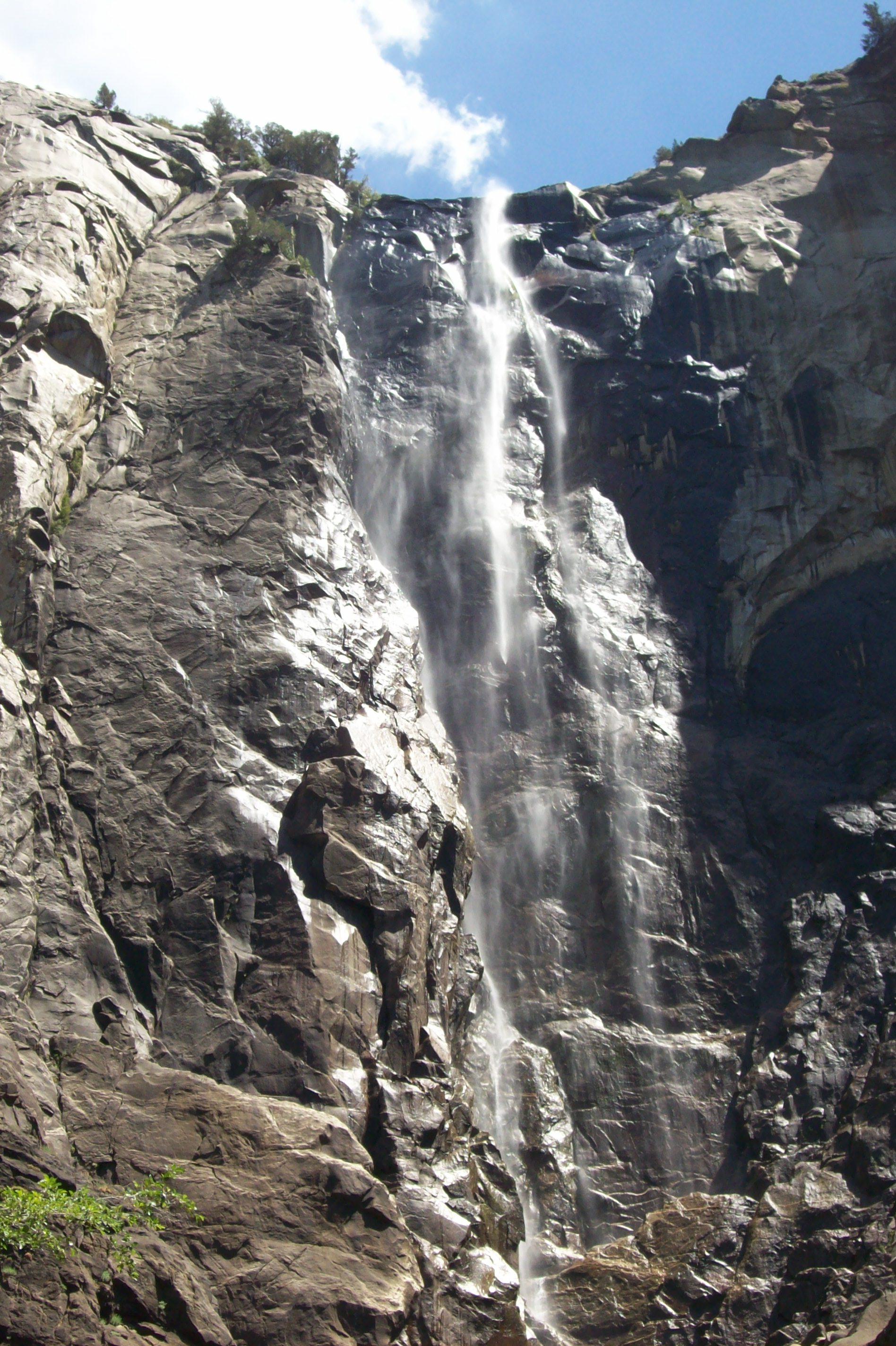
Sunday, 04/24/2022: Posted photo — Bridalveil Falls.

Settings: KODAK DX6490 ZOOM DIGITAL CAMERA, ISO 80, f/6, 1/253 s, 9 mm.

We arrived at Yosemite National Park late one evening in 2008 and did not see the valley. Today we went hiking to Bridalveil Falls. Since this trip took place in the summer, the water was not flowing over the falls as well as it does other times of the year.

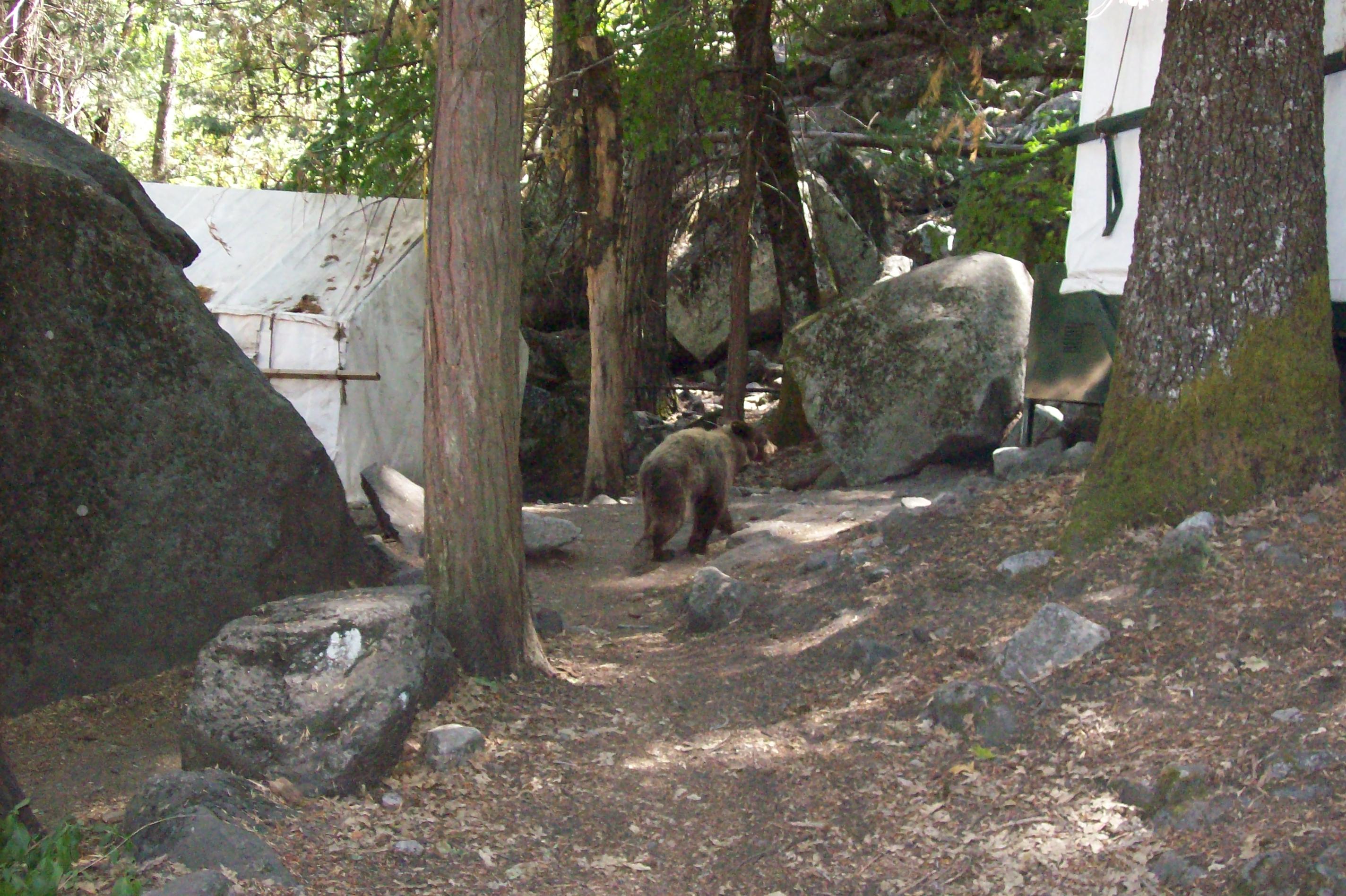
Monday, 04/25/2022: Posted photo — Camp Curry.

Settings: KODAK DX6490 ZOOM DIGITAL CAMERA, ISO 400, f/3, 1/147 s, 8 mm.

This is where we camped, Camp Curry. We occasionally had a visitor near our site. Yosemite bears will open your car doors to get food. All your items that have odor were to be placed inside a bear locker. Yosemite bears are the only bears in the National Park system that will open your door for you.

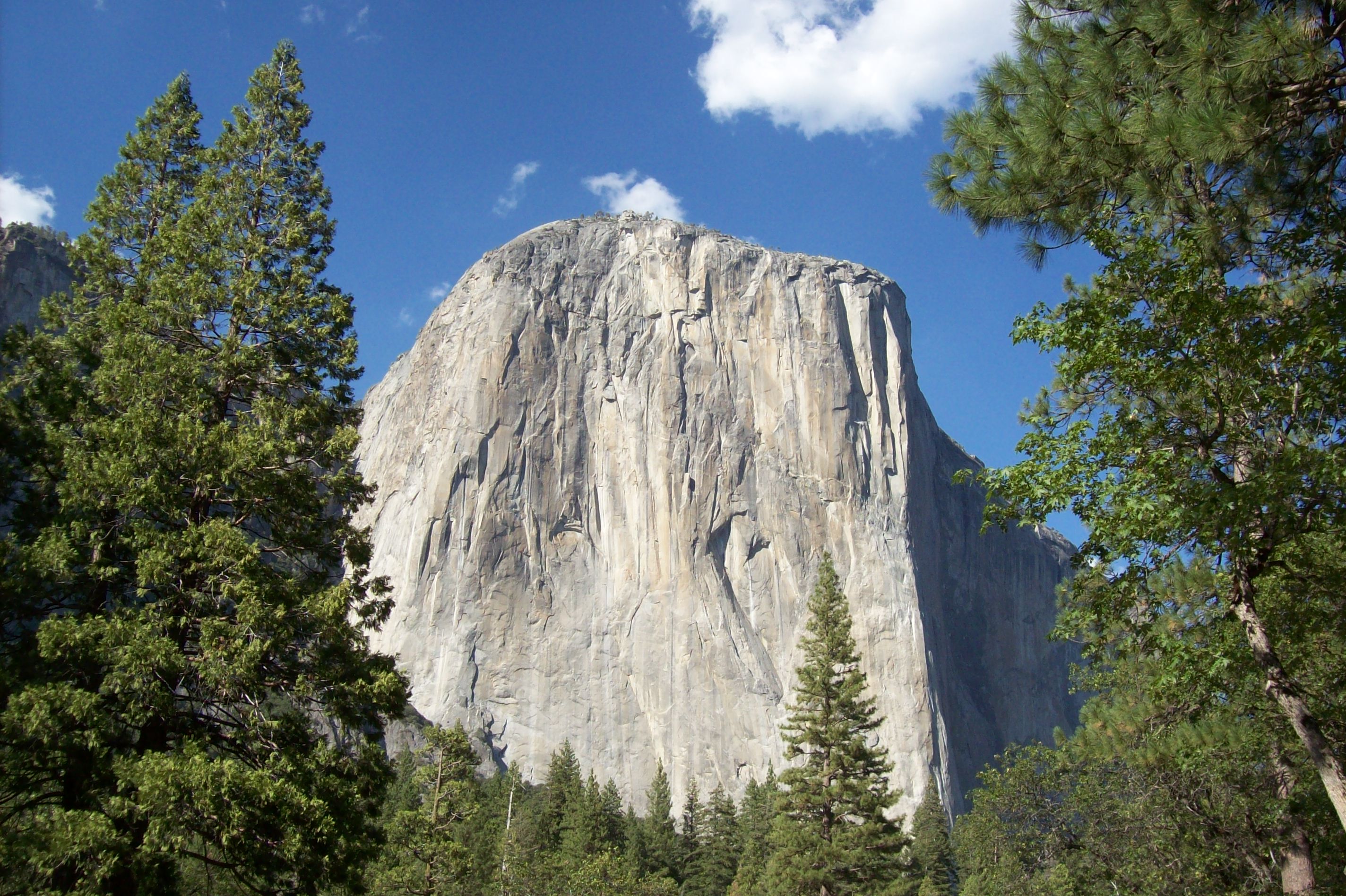
Tuesday, 04/26/2022: Posted photo — El Capitan.

Settings: KODAK DX6490 ZOOM DIGITAL CAMERA, ISO 80, f/4.8, 1/434 s, 6 mm.

The famous El Capitan. We saw some climbers on the side of the cliff. It is interesting at night to see their flashlights as they are setting up their sleeping ledges.

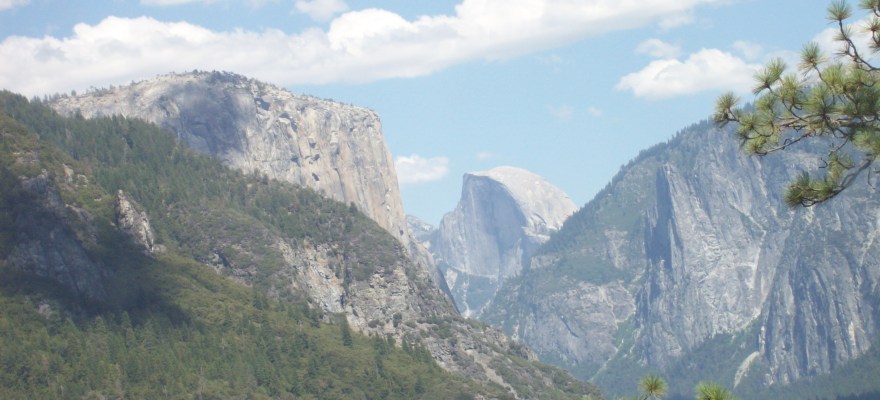
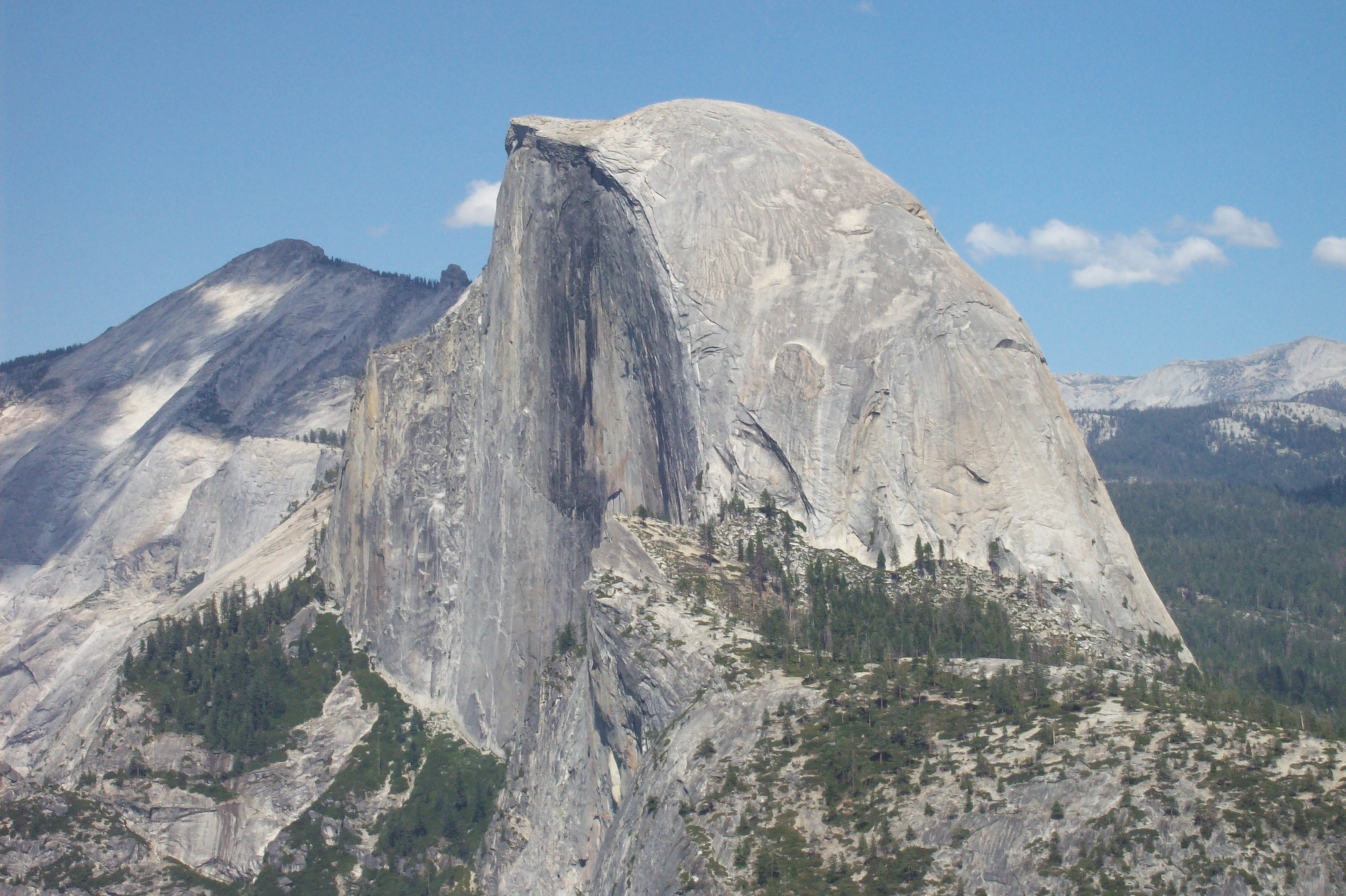
Wednesday, 04/27/2022: Posted photo — Half Dome.

Settings: KODAK DX6490 ZOOM DIGITAL CAMERA, ISO 80, f/8.5, 1/274 s, 18 mm.

Also next to our camp is Half Dome. We did some hiking around Half Dome but did not have the time to climb it ourselves.

Thursday, 04/28/2022: Posted photo — Yosemite Valley.

Settings: KODAK DX6490 ZOOM DIGITAL CAMERA, ISO 80, f/4.8, 1/360 s, 18 mm.

Here is Yosemite Valley. One of the most picturesque placed that I have visited. We drove in at night and did not see the valley. When we did see the valley later in our visit, we were not disappointed. As I stated above, this was the start of me taking photographs daily. I have an inexpensive camera and did not have much experience with post processing my images.

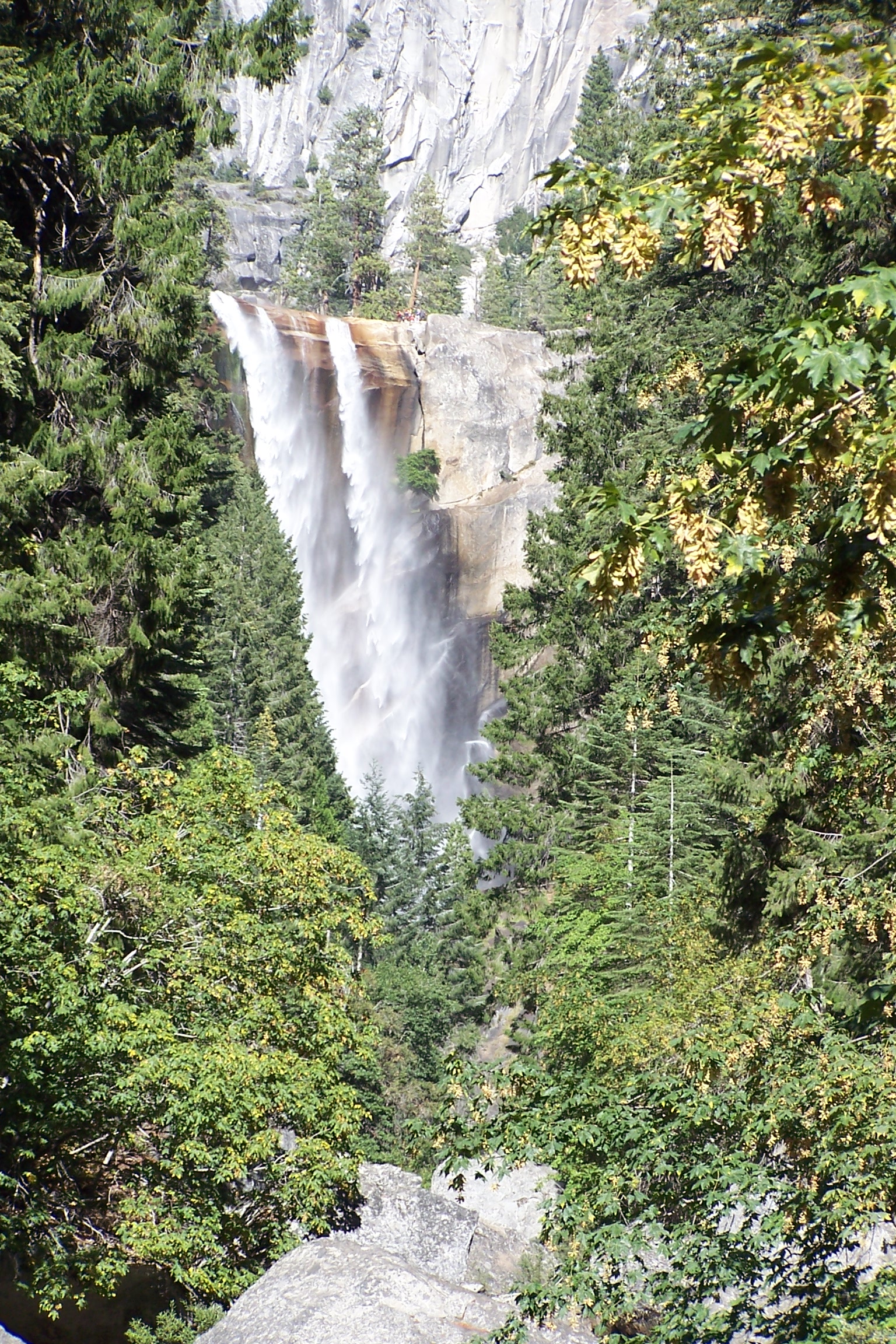
Friday, 04/29/2022: Post photo — Vernal Falls.

Settings: KODAK DX6490 ZOOM DIGITAL CAMERA, ISO N/A, f/3.2, 1/350 s, 28 mm.

Another hike, another waterfall.

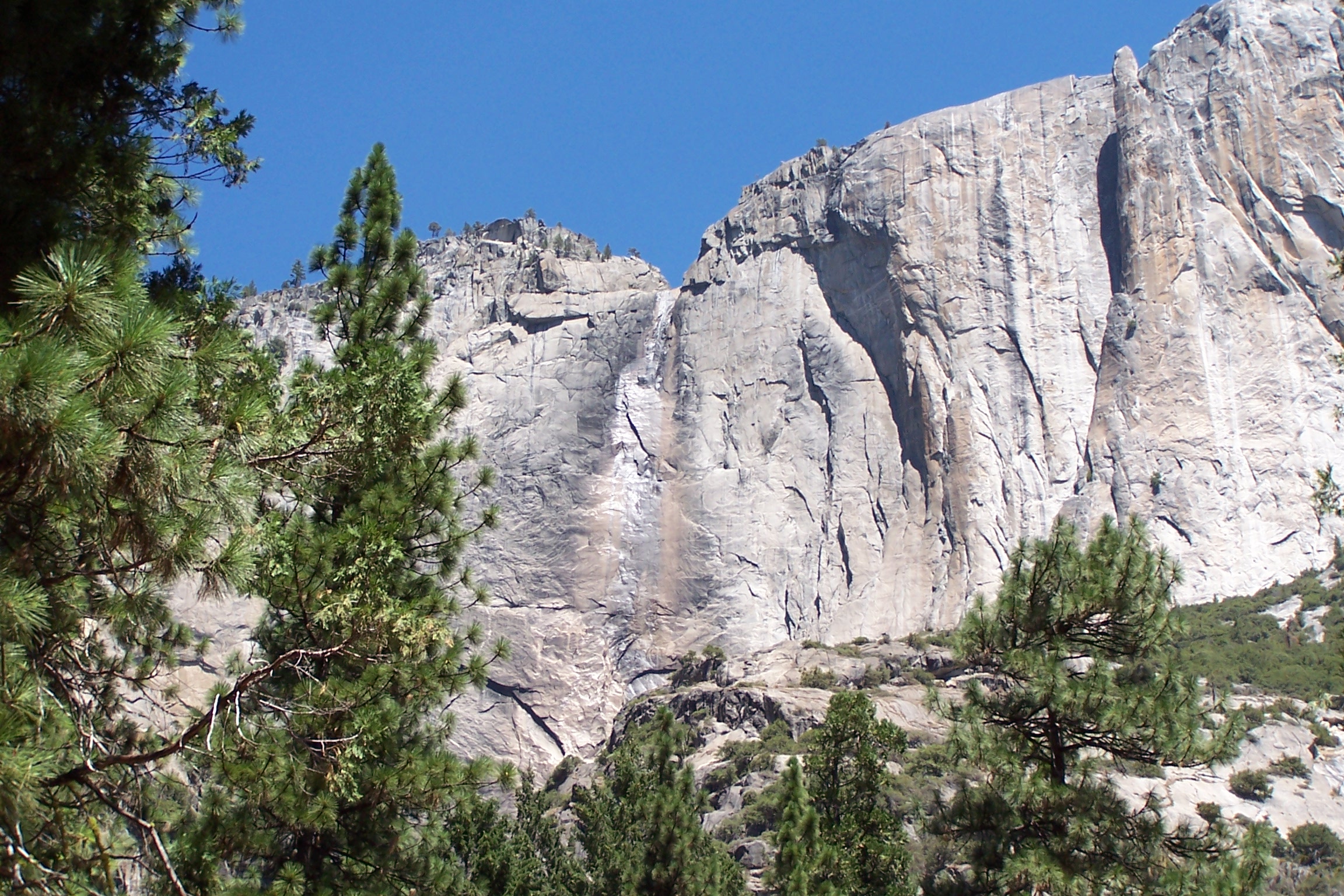
Saturday, 04/30/2022: Post photo — Yosemite Falls.

Settings: KODAK DX6490 ZOOM DIGITAL CAMERA, ISO N/A, f/3.2, 1/500 s, 11 mm.

Since our trip was in the middle of the summer, upper and lower Yosemite Falls were not flowing. Would be nice to get back to Yosemite National Park in the spring to see the water flowing.

That is all for now. Until next week, be safe.

For more photo of other project I have work, visit my website: https://photobyjosephciras.weebly.com or visit me on Facebook at https://www.facebook.com/PhotobyJosephCiras/.

Photographic Thoughts — 04/17/2022 to 04/23/2022

“A thing that you see in my pictures is that I was not afraid to fall in love with these people.” — Annie Leibovitz

Thank you for all the new views and likes from last week, it helps keep me inspired.

This week we visit the north rim of the Grand Canyon.

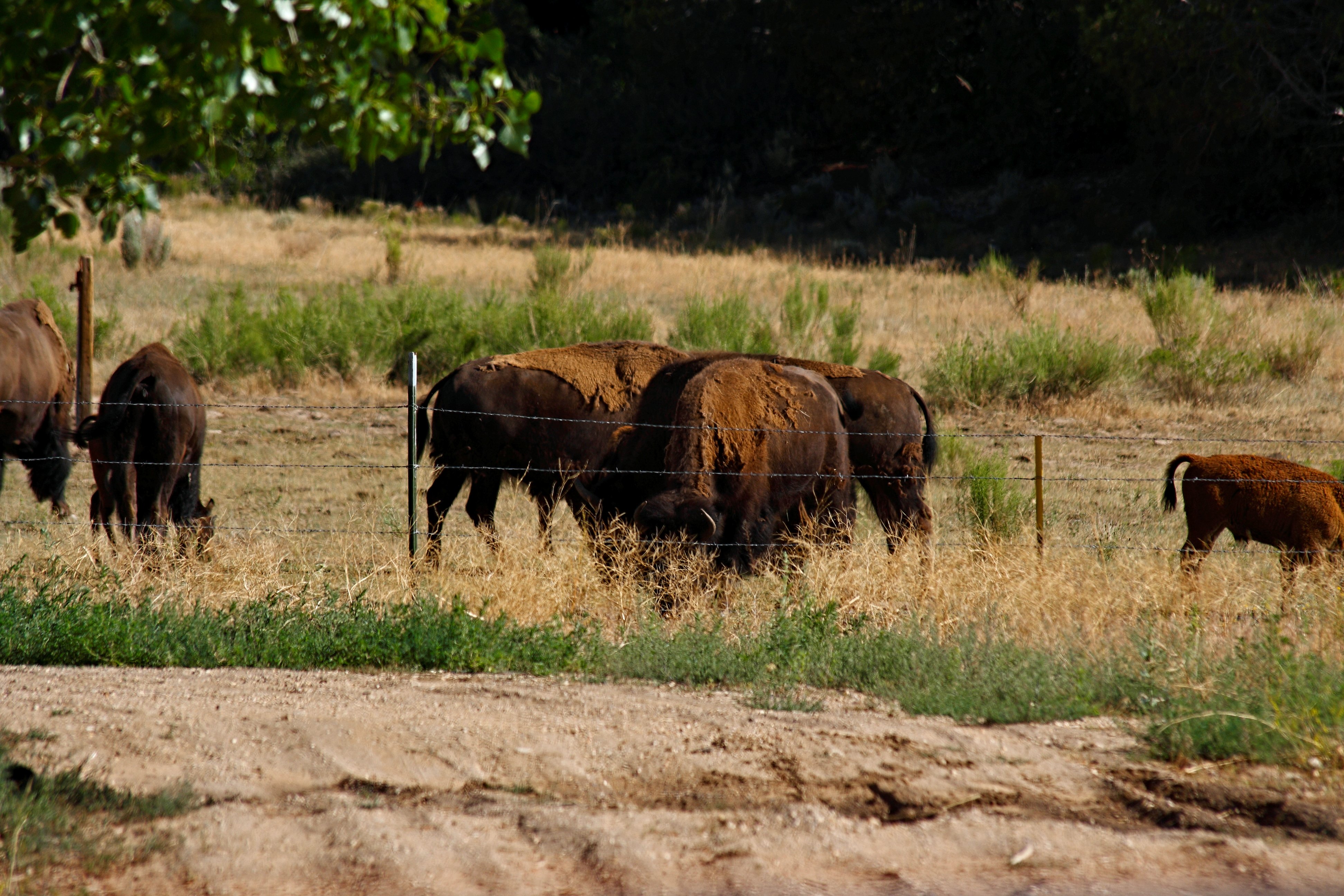
Sunday, 04/17/2022: Posted photo — Bison outside the Park.

Settings: Canon EOS DIGITAL REBEL XS, ISO 200, f/6, 1/500 s, 300 mm.

This week I am posting from a trip we took to the North Rim of the Grand Canyon. Not many people go to the north rim since it is not near any population area. To drive from the north rim to the south rim of the Grand Canyon takes about 8 hours from closest entrance to closes entrance.

Before you get the sign for the north rim, you go past a bison farm. What a majestic animal to see up close.

Monday, 04/18/2022: Posted photo — North Rim Entrance.

Settings: Canon EOS DIGITAL REBEL XS, ISO 200, f/5.6, 1/60 s, 32 mm.

Here is the sign for the north rim. I have signs from all the national parks that I have entered. It is a good way to remember what parks the following photos were taken. I also like to take photos of signs along the trails.

Tuesday, 04/19/2022: Posted photo — View from our Campsite.

Settings: Canon EOS DIGITAL REBEL XS, ISO 200, f/8, 1/100 s, 55 mm.

This is the view we had when we woke up the few days we were at the north rim. Not a bad view!

Wednesday, 04/20/2022: Posted photo — Prehistoric Ruin.

Settings: Canon EOS DIGITAL REBEL XS, ISO 200, f/6.3, 1/100 s, 20 mm.

We were walking the Transept Trail to Bright Angel Point to head into the canyon. We saw a sign for ruins that were used 1000 years ago by Pueblo people. There are many historical ruins in Grand Canyon National Park and other parks in the area.

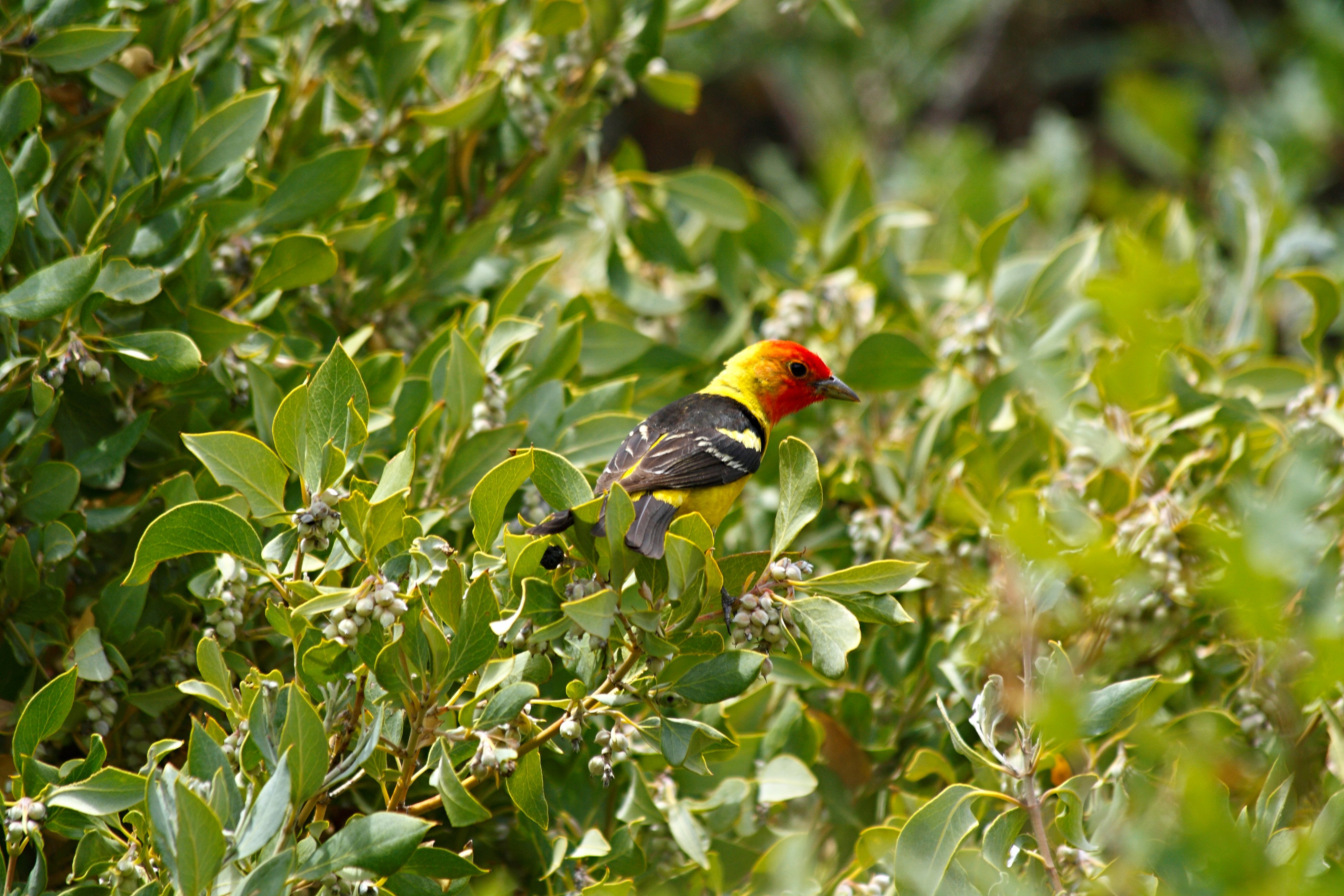
Thursday, 04/21/2022: Posted photo — Western Tanager.

Settings: Canon EOS DIGITAL REBEL XS, ISO 200, f/6.3, 1/320 s, 300 mm.

As we were approaching the trailhead area, I spotted this colorful bird in a bush. I like how colorful it is. I have sold a few prints of this photo during some of my gallery showings.

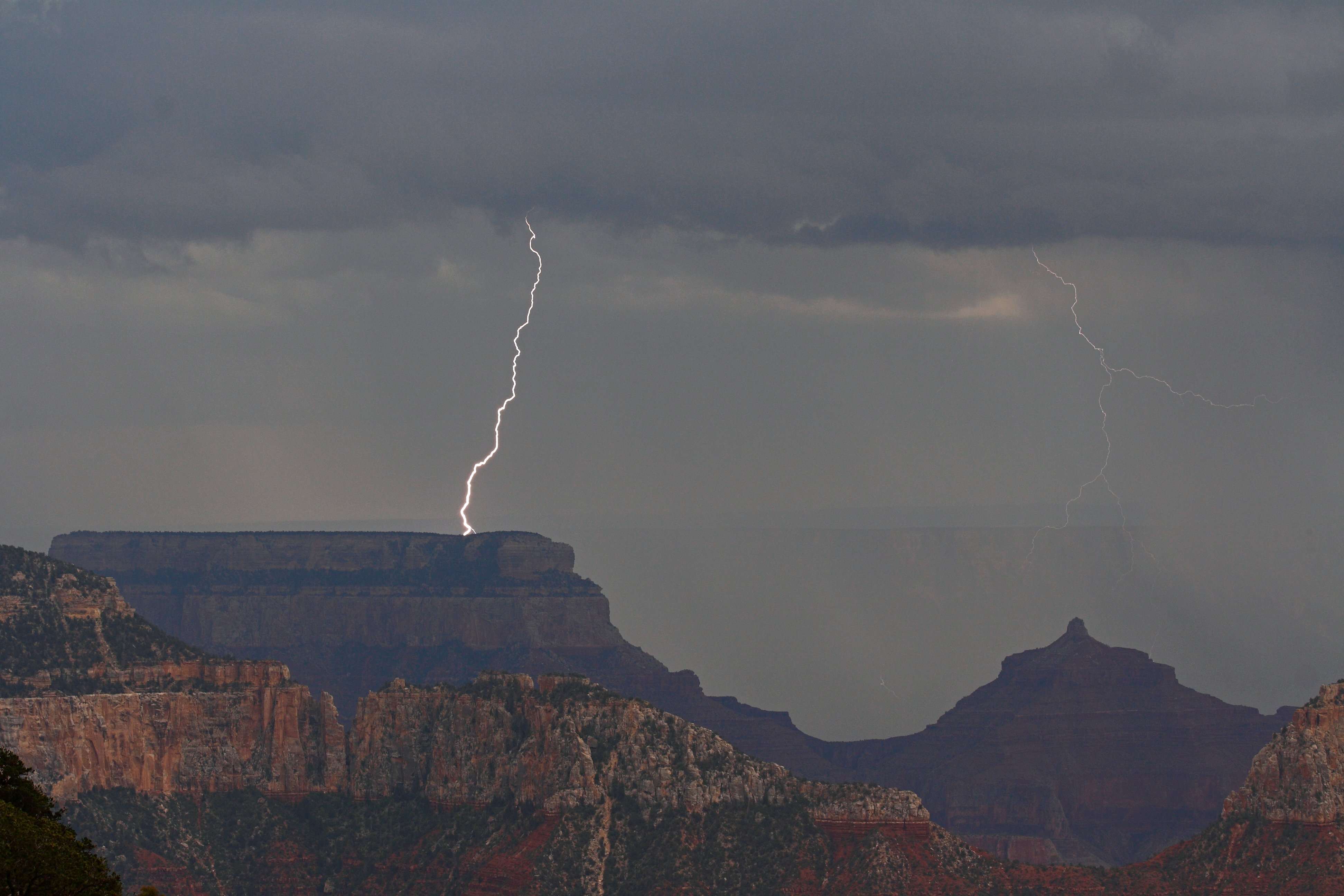
Friday, 04/22/2022: Post photo — Lightning.

Settings: Canon EOS DIGITAL REBEL XS, ISO 200, f/10, 1/400 s, 70 mm.

We did not go down into the canyon because of storms in the area. There was tornado and severe thunderstorm warning in the area. When this storm was approaching, I took out my camera and started to take photos. I did not see the second bolt of lightning until I looked at the photo on my computer.

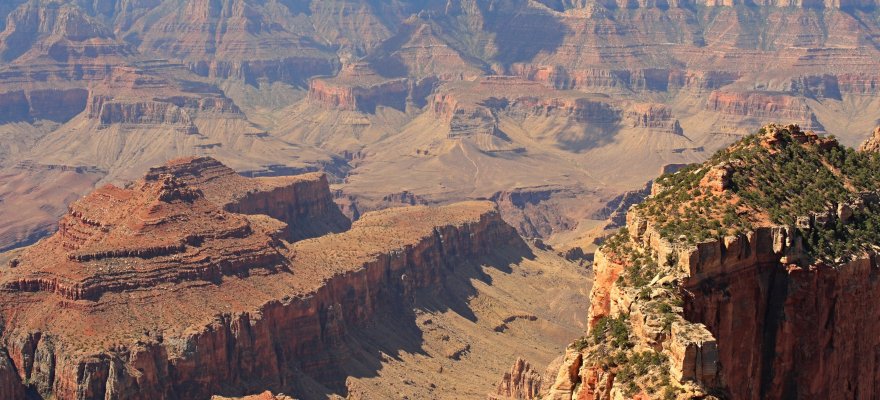
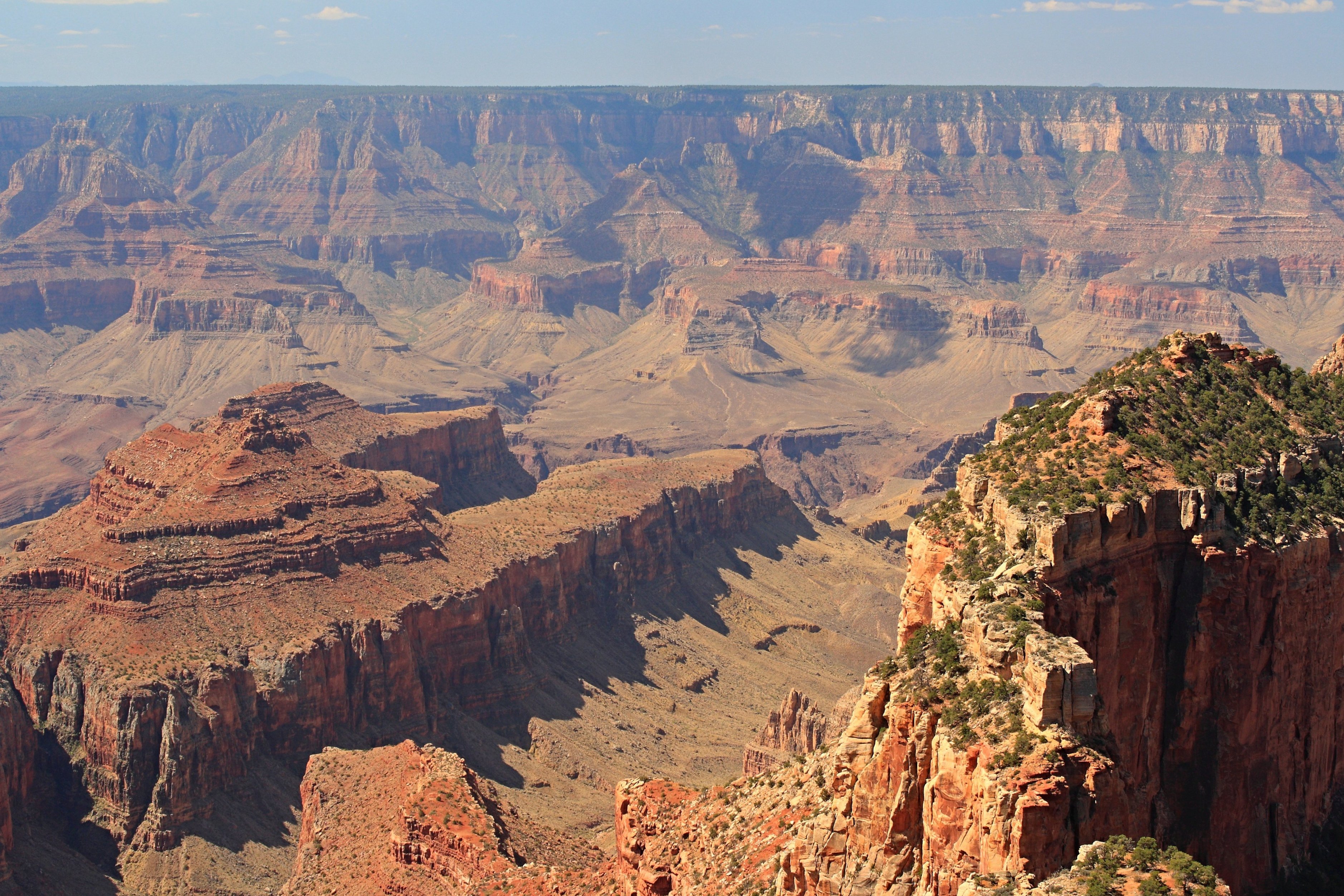
Saturday, 04/23/2022: Post photo — View of the Canyon.

Settings: Canon EOS DIGITAL REBEL XS, ISO 200, f/8, 1/125 s, 40 mm.

As we were leaving the canyon to go from the north rim to the south rim, we stopped an looked at the temples.

That is all for now. Until next week, be safe.

For more photo of other project I have work, visit my website: https://photobyjosephciras.weebly.com or visit me on Facebook at https://www.facebook.com/PhotobyJosephCiras/.

Photographic Thoughts — 04/03/2022 to 04/09/2022

“Photography is a way of feeling, of touching, of loving. What you have caught on film is captured forever… It remembers little things, long after you have forgotten everything.” — Aaron Siskind

Thank you for all the new views and likes from last week, it helps keep me inspired.

Here are some more photos of a road trip we took. Looking forward to traveling again this summer. Hiking will be limited, but I will pick up my 50th state (North Dakota).

This week’s blog will only contain information that I have referenced off various web sites. This was the easiest way for me to describe each location. I could ramble on and on about the wonders and beauties of each of these parks.

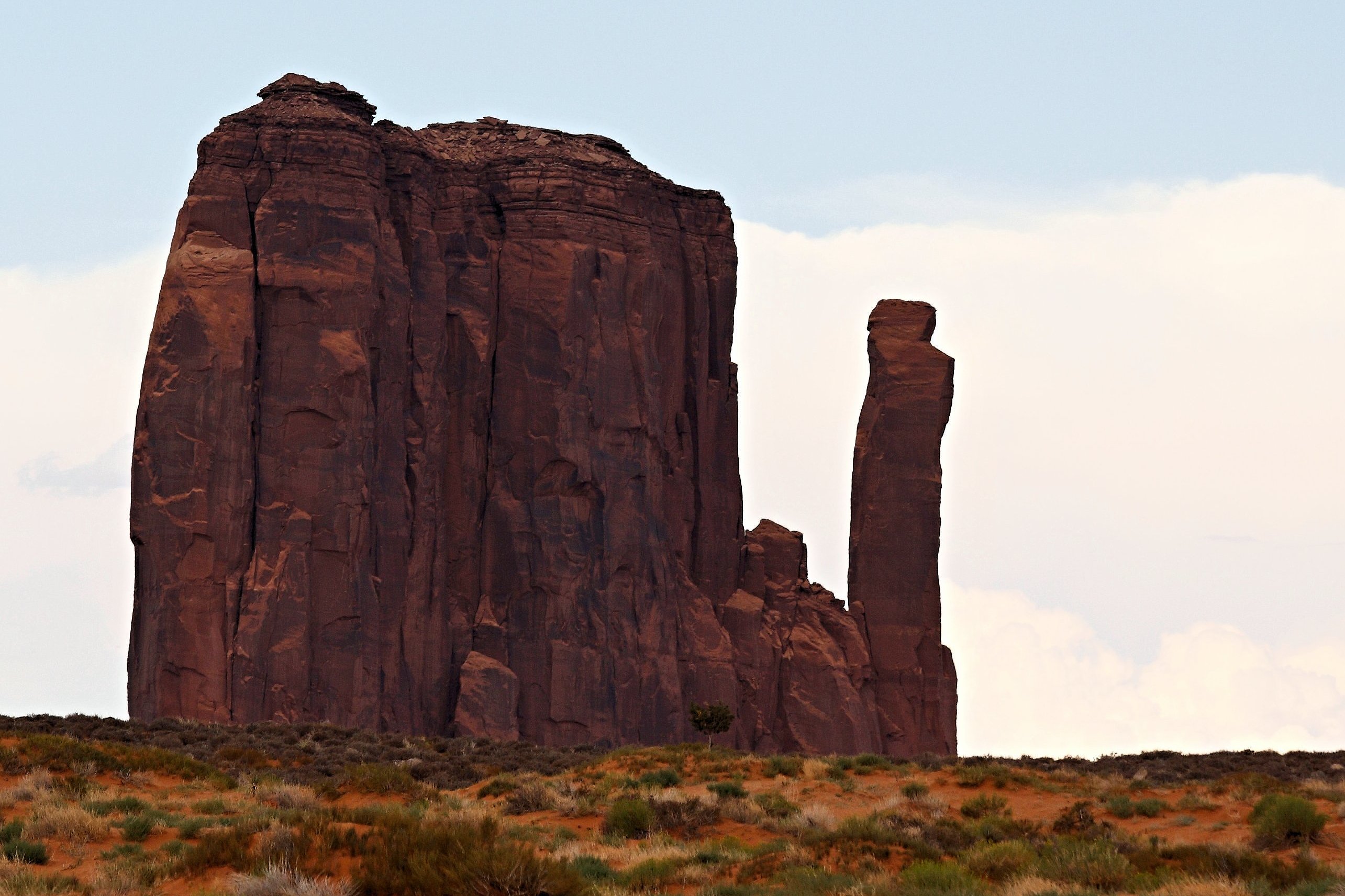
Sunday, 04/03/2022: Posted photo — Monument Valley.

Settings: Canon EOS DIGITAL REBEL XS, ISO 200, f/7.1, 1/400 s, 150 mm.

“Monument Valley, a red-sand desert region on the Arizona-Utah border, is known for the towering sandstone buttes of Monument Valley Navajo Tribal Park. The park, frequently a filming location for Western movies, is accessed by the looping, 17-mile Valley Drive. The famous, steeply sloped Mittens buttes can be viewed from the road or from overlooks such as John Ford’s Point.” ― Google

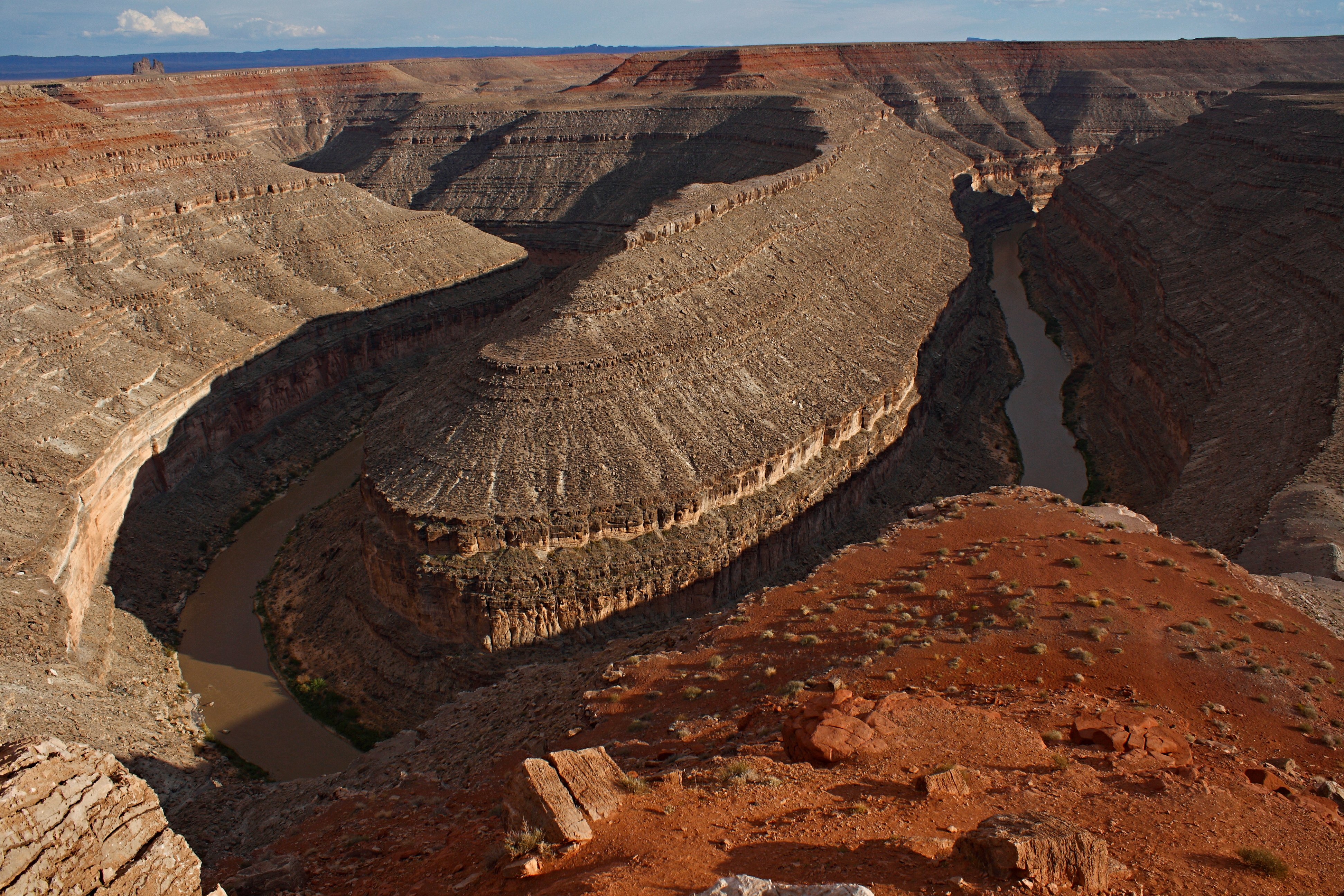
Monday, 04/04/2022: Posted photo — Goosnecks State Park.

Settings: Canon EOS DIGITAL REBEL XS, ISO 200, f/11, 1/250 s, 18 mm.

“On the edge of a deep canyon above the sinuous river meander known as a gooseneck, this small park affords impressive views of one of the most striking examples of an entrenched river meander on the North American continent. The San Juan River twists and turns through the meander, flowing a distance of over six miles while advancing one and a half miles west on its way to Lake Powell. Gaze at the results of 300 million years of geological activity, where the San Juan River winds and carves its way through the desert 1,000 feet below.”https://stateparks.utah.gov/parks/goosenecks/

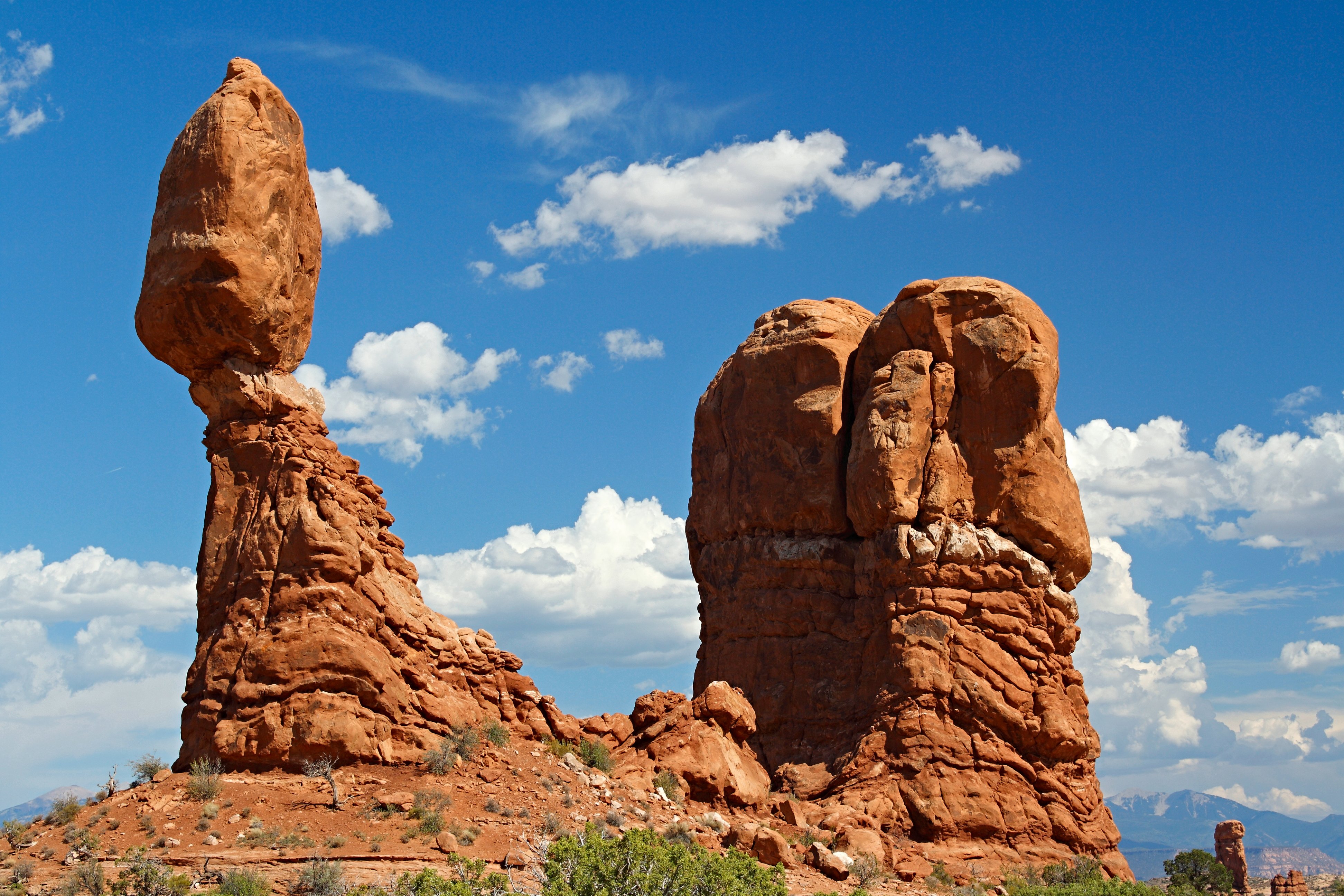
Tuesday, 04/05/2022: Posted photo — Balance Rock.

Settings: Canon EOS DIGITAL REBEL XS, ISO 100, f/8, 1/125 s, 45 mm.

Arches National Park

“Balanced Rock, one of the most iconic features in the park, stands a staggering 128 feet (39m) tall. While this formation may appear to be an epic balancing act, it’s actually not balanced at all. The slick rock boulder of Entrada Sandstone sits attached to its eroding pedestal of Dewey Bridge mudstone. The exposure of these two rock strata layers are ideal for the formation of arches and balanced rocks.”https://www.nps.gov/arch/planyourvisit/balancedrock.htm

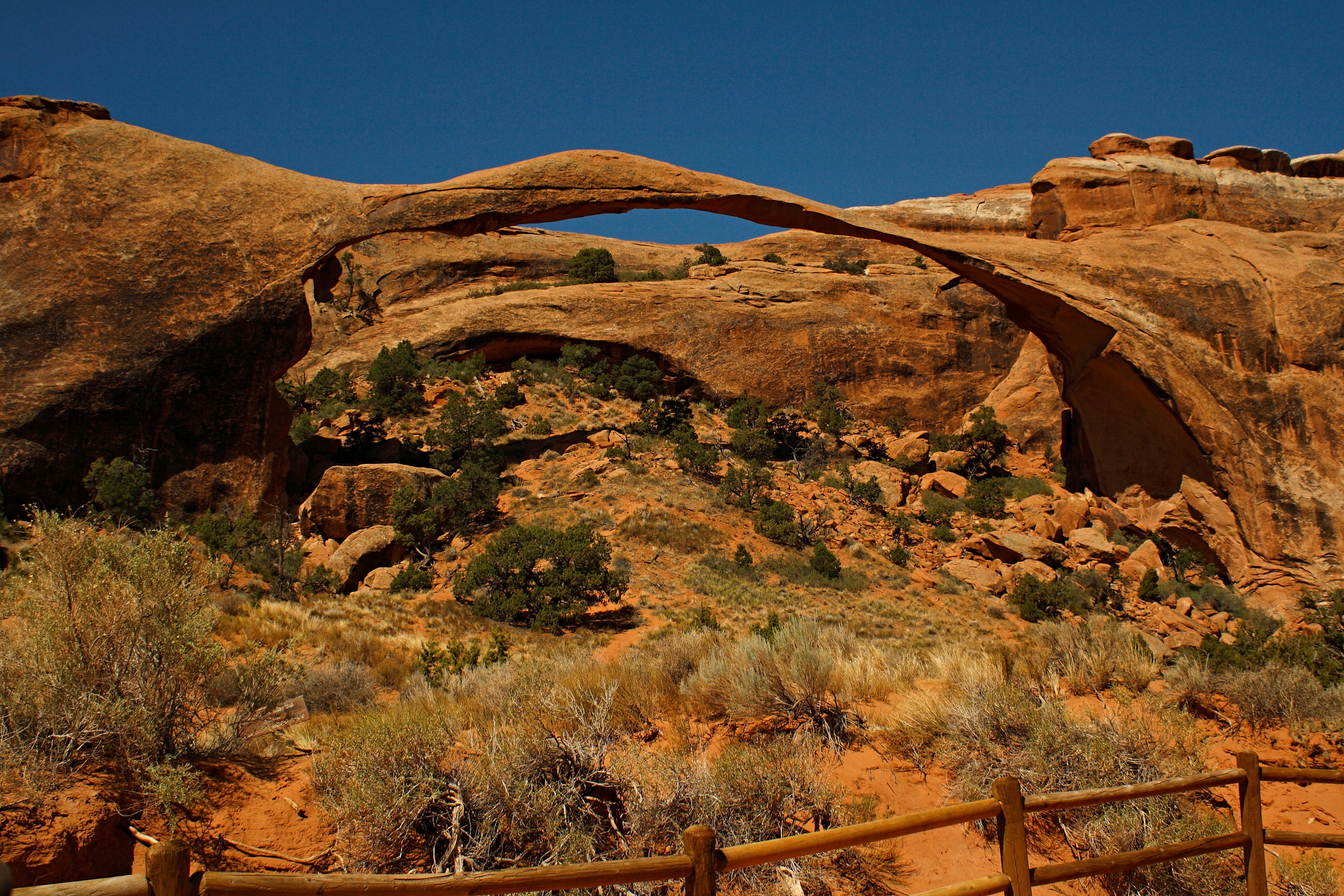
Wednesday, 04/06/2022: Posted photo — Landscape Arch.

Settings: Canon EOS DIGITAL REBEL XS, ISO 200, f/8, 1/125 s, 24 mm.

Arches National Park

“Landscape Arch is the longest arch in North America with a light opening of 306 feet (93.3 meters). This awe-inspiring expanse is only 6 feet (1.8 meters) in diameter at its narrowest. Large segments of the arch came crashing down in the 1990s – proof that the park’s landscape can change dramatically in a instant. Although other arches have fallen, Landscape Arch still hangs on by a very thin thread.”https://www.nps.gov/arch/planyourvisit/devils-garden.htm

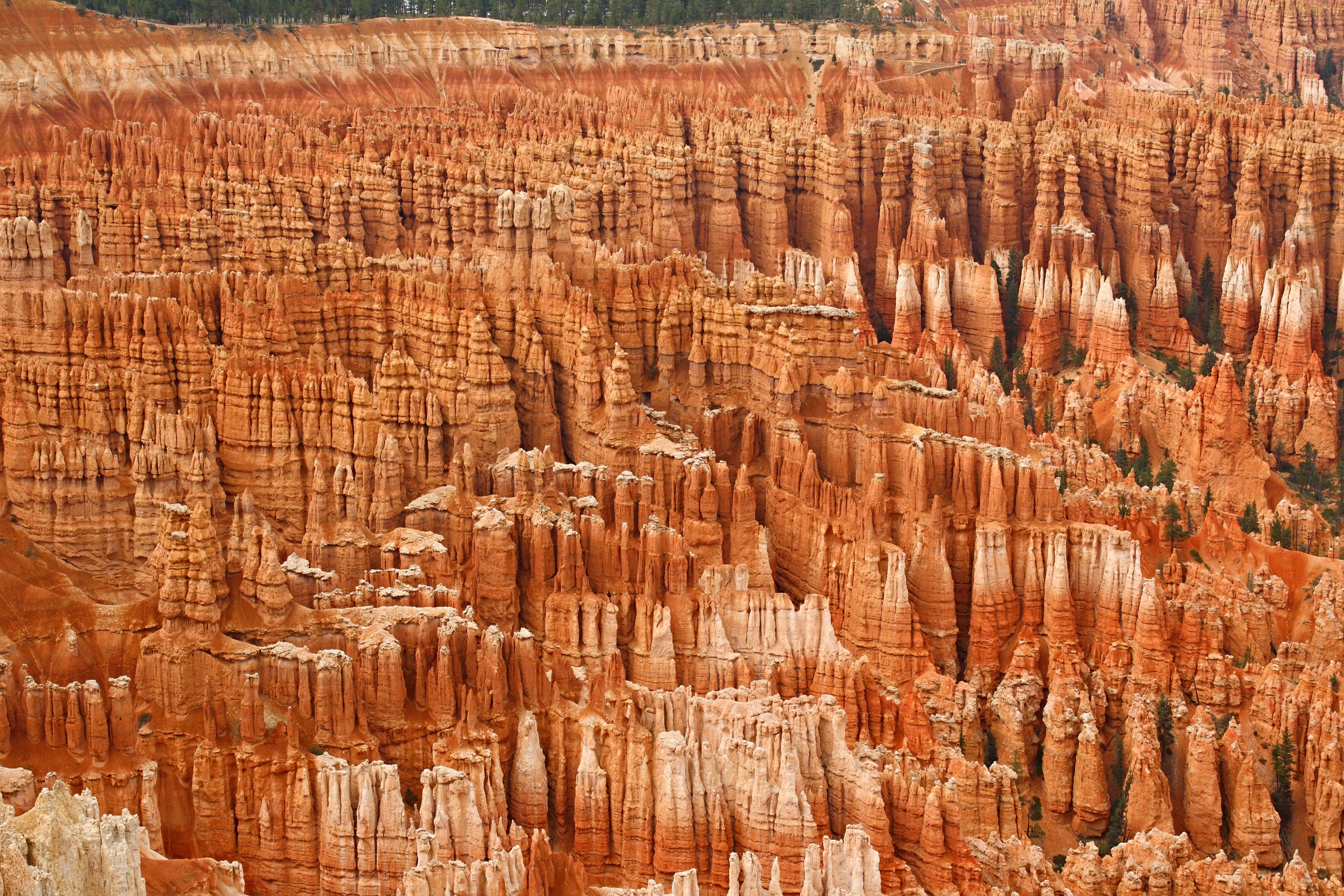
Thursday, 04/07/2022: Posted photo — Amphitheater.

Settings: Canon EOS DIGITAL REBEL XS, ISO 200, f/10, 1/200 s, 42 mm.

Bryce Canyon National Park

“By far the most iconic section of the park, the Bryce Amphitheater is home to the greatest concentration of irregular rock spires (called “hoodoos”) found anywhere on Earth. Viewpoints along the first 3 miles (4.8 km) of the main road provide access to views overlooking this area. This area is referred to as an “amphitheater” as it is a bowl-shaped area shaped by the drainage of seasonal rains and melting snow (not truly a canyon, as those are shaped by flowing rivers)”https://www.nps.gov/thingstodo/see-the-bryce-amphitheater.htm

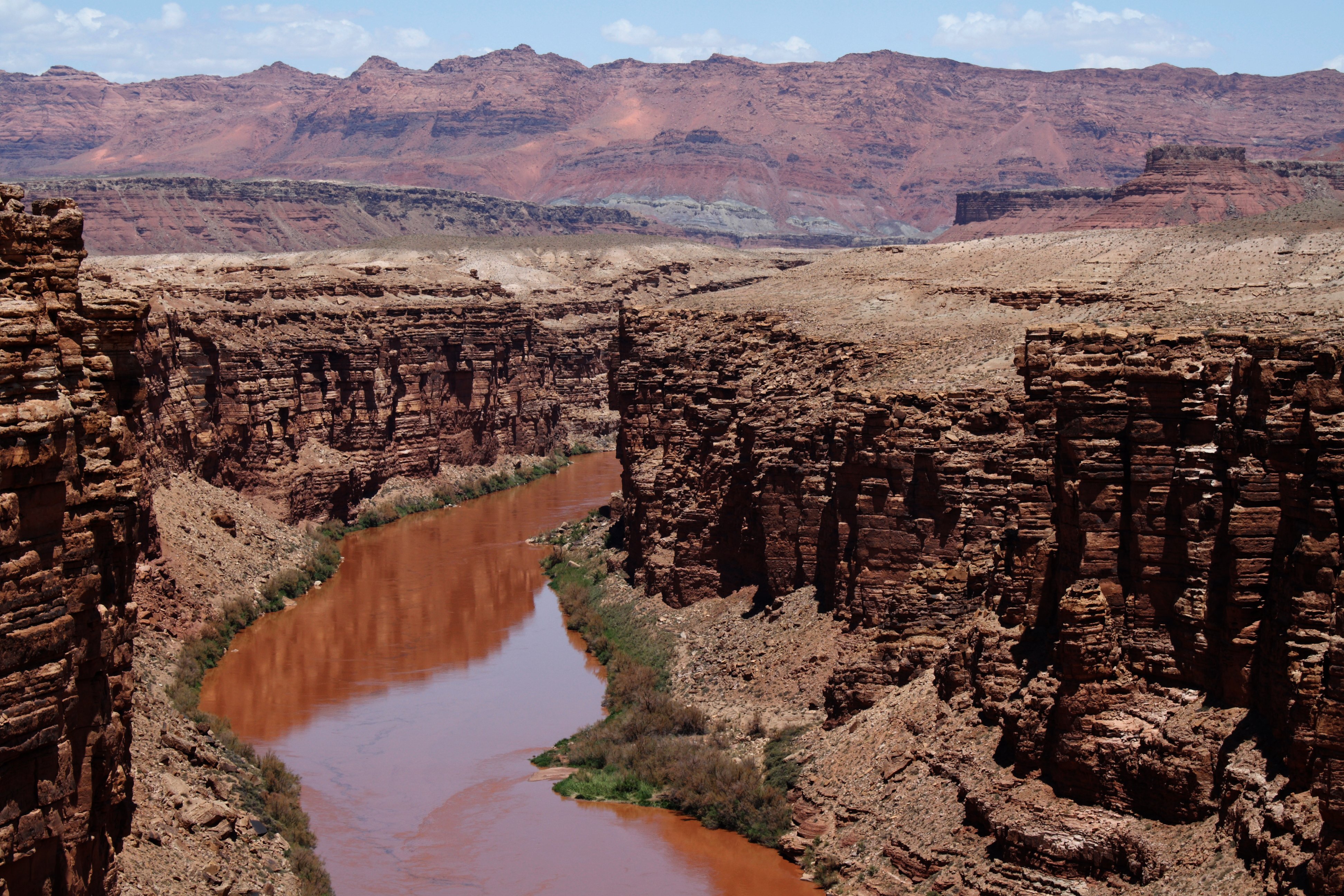
Friday, 04/08/2022: Post photo — View from Navajo Bridge.

Settings: Canon EOS DIGITAL REBEL XS, ISO 200, f/10, 1/125 s, 48 mm.

View from the Navajo Bridge

“Those traveling across the country on Highway 89A between Bitter Springs and Jacob Lake, AZ arrive at two bridges similar in appearance spanning the Colorado River. These two bridges, one historic and one new, represent one of only seven land crossings of the Colorado River for 750 miles (1207 km).”https://www.nps.gov/glca/learn/historyculture/navajobridge.htm

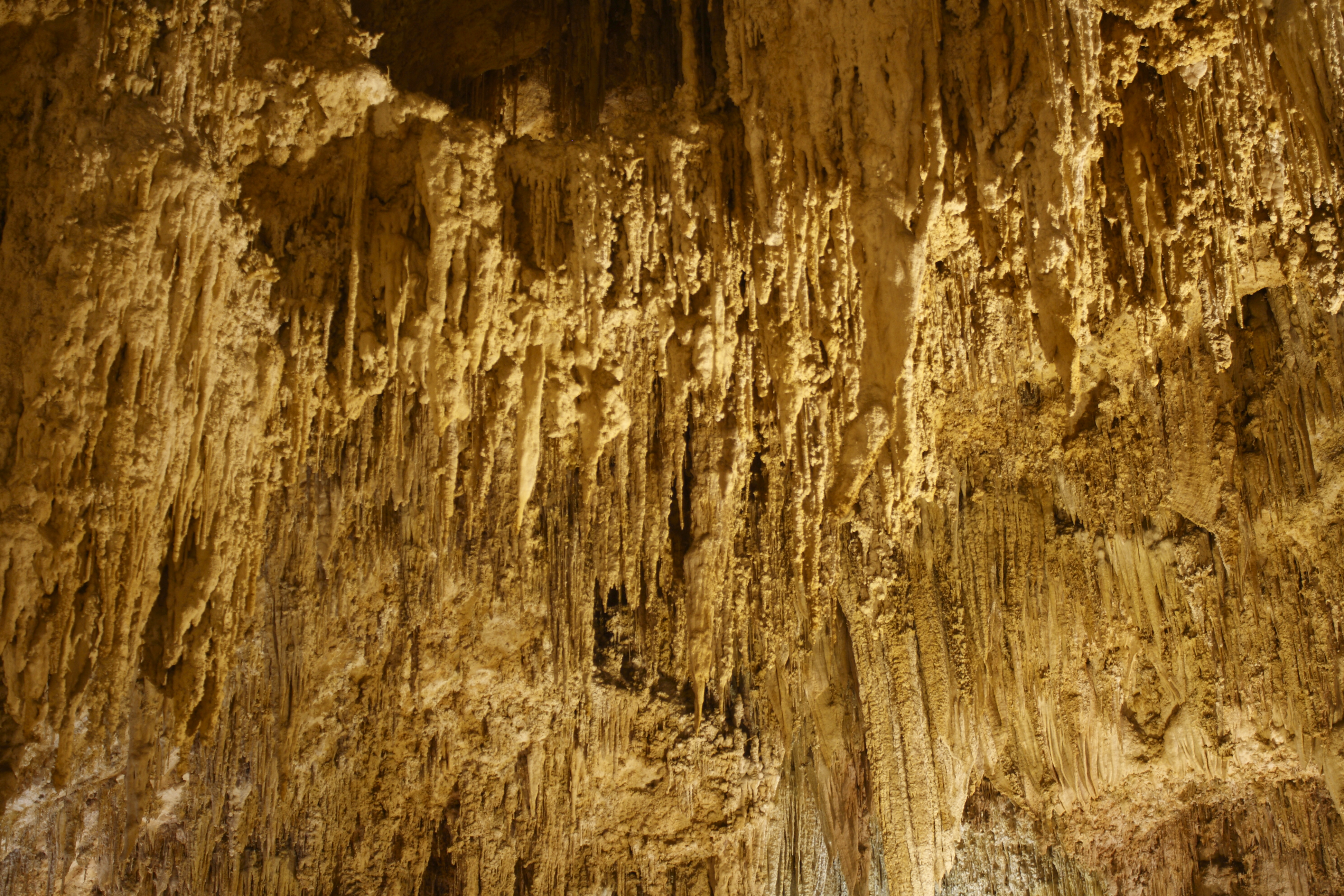
Saturday, 04/09/2022: Post photo — Carlsbad Caverns.

Settings: Canon EOS DIGITAL REBEL XS, ISO 200, f/4.5, 6 s, 33 mm.

“High ancient sea ledges, deep rocky canyons, flowering cactus, and desert wildlife—treasures above the ground in the Chihuahuan Desert. Hidden beneath the surface are more than 119 caves—formed when sulfuric acid dissolved limestone leaving behind caverns of all sizes.”https://www.nps.gov/cave/index.htm

That is all for now. Until next week, be safe.

For more photo of other project I have work, visit my website: https://photobyjosephciras.weebly.com or visit me on Facebook at https://www.facebook.com/PhotobyJosephCiras/.
Photographic Thoughts — 03/27/2022 to 04/02/2022

“Taking an image, freezing a moment, reveals how rich reality truly is.” — Anonymous

Thank you for all the new views and likes from last week, it helps keep me inspired.

This week I will be posting a few highlights of one of my trips. We called this trip our norther National Part trip. We traveled through Montana, Alberta, Banff, Jasper, Washington state, Idaho, Wyoming, South Dakota, Minnesota, and Iowa during this trip. This trip included visits to many national parks in the United States and Canada, visiting family, visiting natural movie sets, and when to an amusement park in the Mall of America in which I held with the design of a few of the rides.

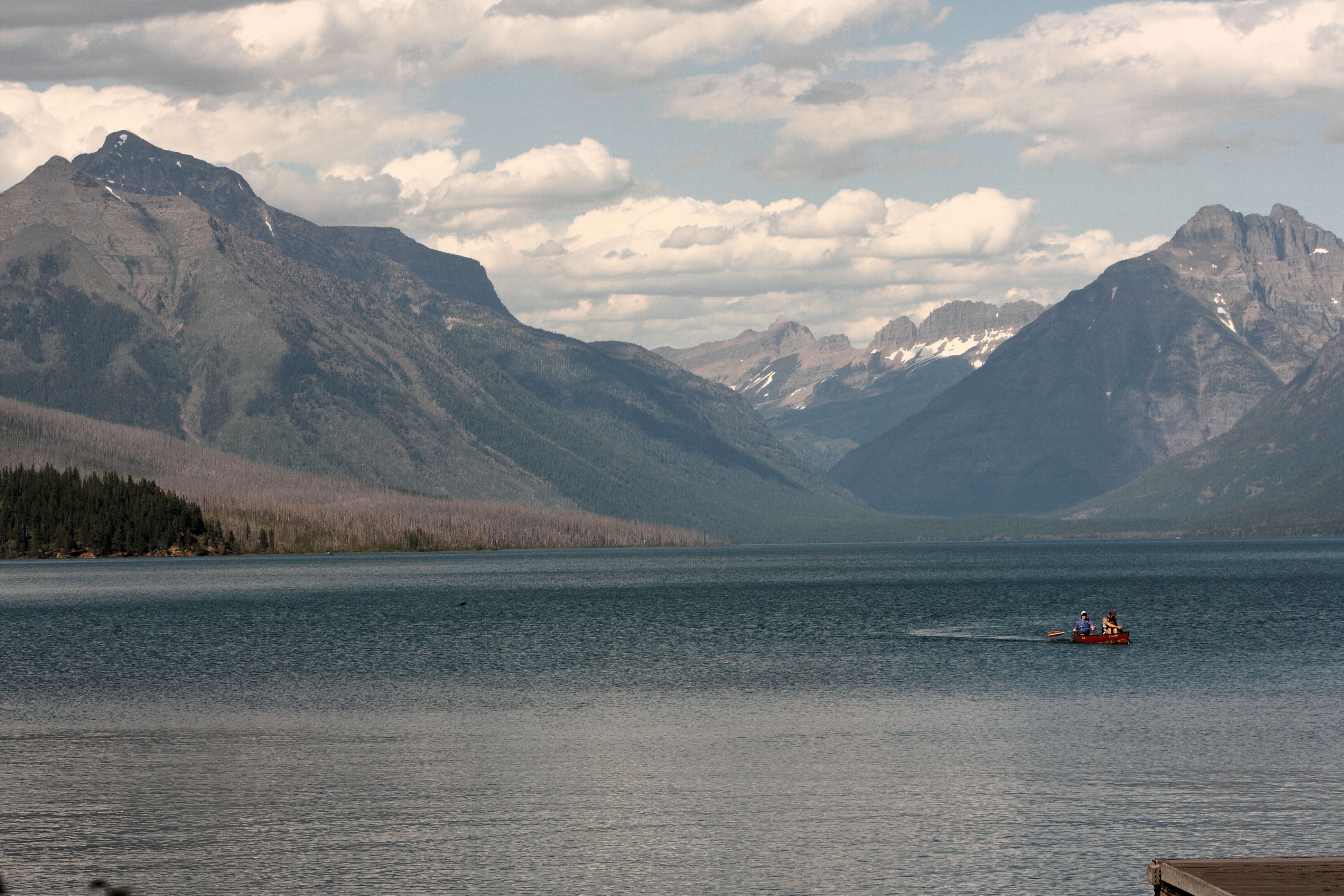
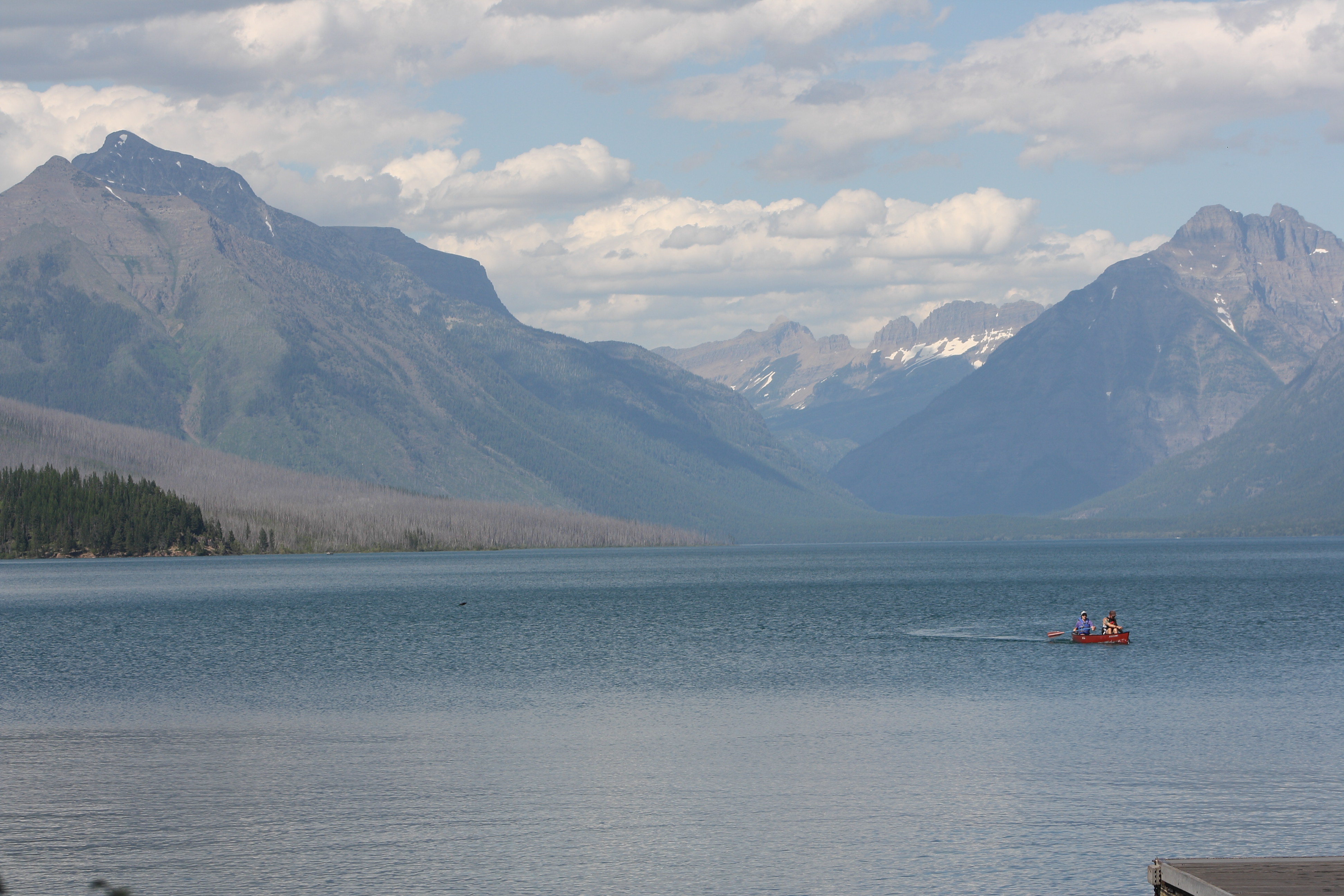
Sunday, 03/27/2022: Posted photo — Lake McDonald.

Settings: Canon EOS DIGITAL REBEL XS, ISO 100, f/8, 1/400 s, 75 mm.

The first stop on our northern national park tour was in Glacier National Park in Montana. What a wonderful park. It does have many glaciers, some growing and some receding.

Monday, 03/28/2022: Posted photo — Mountain Goat.

Settings: Canon EOS DIGITAL REBEL XS, ISO 100, f/5, 1/125 s, 200 mm.

While we were in Glacier National Park, we took a hike out to Hidden Lake. On the way out to the lake, we had a few mountain goats walk along the trail with us.

Tuesday, 03/29/2022: Posted photo — Hidden Lake.

Settings: Canon EOS DIGITAL REBEL XS, ISO 100, f/9, 1/160 s, 25 mm.

This was a destination, Hidden Lake in Glacier National Park. For your information, this hike took place on July 4 and we did most of our hiking in the snow.

Wednesday, 03/30/2022: Posted photo — Johnston Canyon, Lower Falls.

Settings: Canon EOS DIGITAL REBEL XS, ISO 200, f/11, 1/4 s, 33 mm.

Johnston Canyon to Lower Falls is an extremely popular and scenic trail in Banff National Park, in addition to being one of the busiest in the Canadian Rockies. We were driving around Banff and found the falls. We camped in Baff on our way to Jasper National Park.

Thursday, 03/31/2022: Posted photo — Lake Louise.

Settings: Canon EOS DIGITAL REBEL XS, ISO 200, f/13, 1/250 s, 29 mm.

Lake Louise is world famous for its turquoise lakes, the Victoria Glacier, soaring mountain backdrop. We went to Lake Louise on a weekend, so it was very busy. We took a few photos and then went on our way.

Friday, 04/01/2022: Post photo — Diablo Lake.

Settings: Canon EOS DIGITAL REBEL XS, ISO 200, f/13, 1/250 s, 35 mm.

On our way back from visiting family in Bellingham Washington, we took a trip to Northern Cascades National Park. One of the hikes we took was out to Diablo Lake.

From an information search, it was verified that Diablo Lake is a reservoir in the North Cascade mountains of northern Washington state. It was created by Diablo Dam and is located between Ross Lake and Gorge Lake on the Skagit River at an elevation of 1,201 feet above sea level.

I really like the color of the water in the lake.

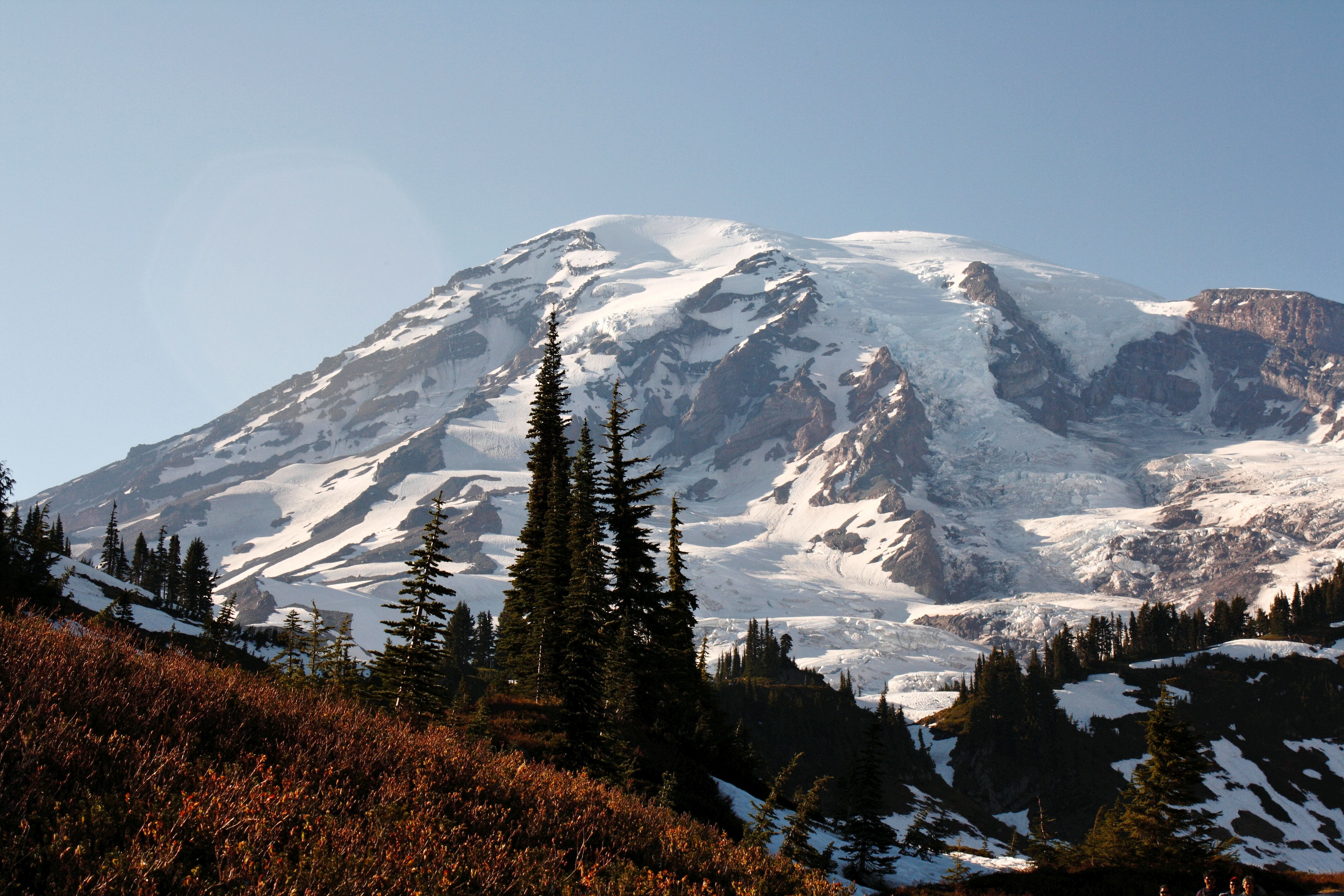
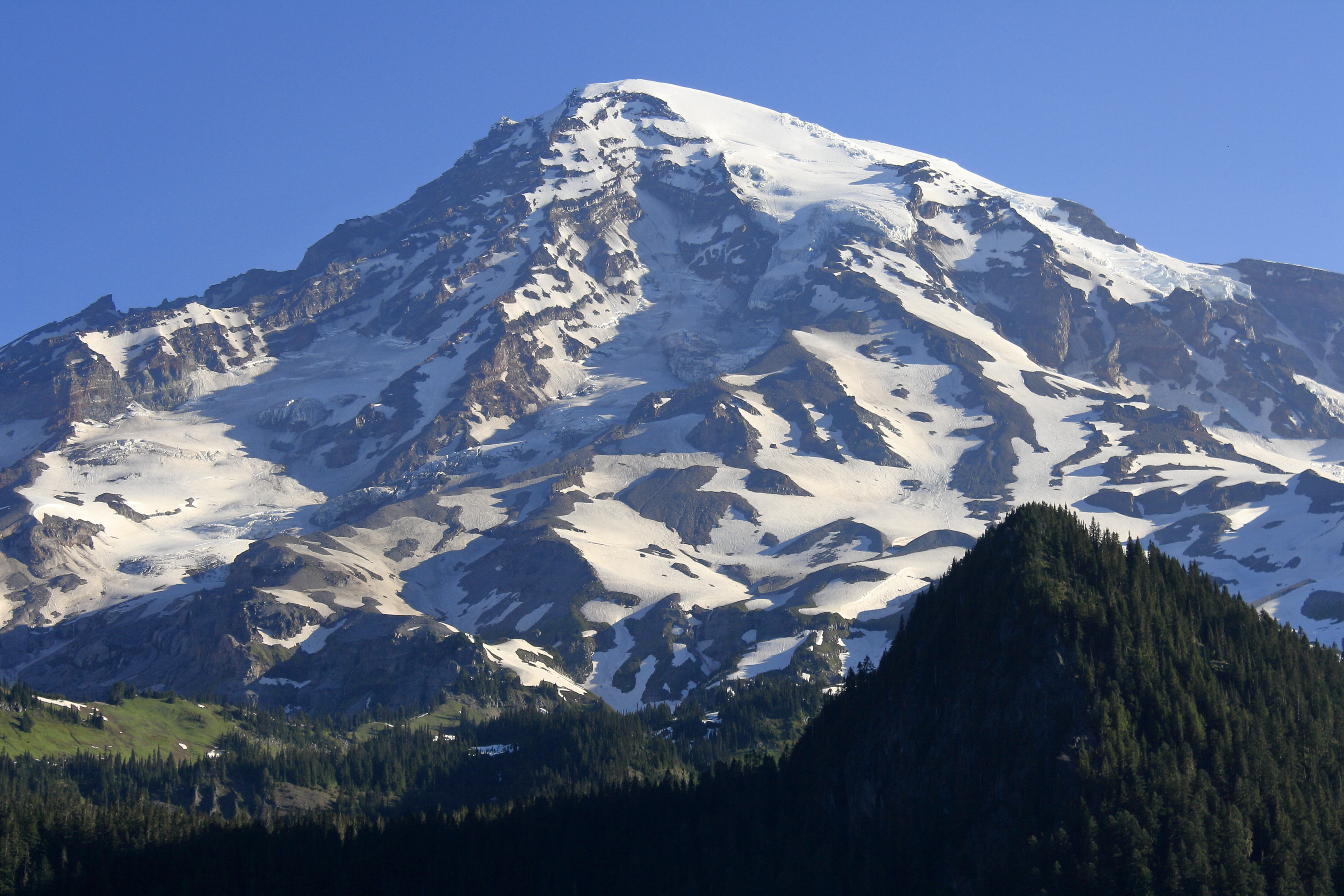
Saturday, 04/02/2022: Post photo — Mount Rainier.

Settings: Canon EOS DIGITAL REBEL XS, ISO 200, f/11, 1/250 s, 42 mm.

Mount Rainier National Park. I am impressed every time I see this mountain. Either up close or from the city of Seattle. One time we flew past the mountain. That must have taken about five minutes to do since the girth on the mountain is so great.

Mount Rainier is a large active stratovolcano in the Cascade Range of the Pacific Northwest standing at 14,411′ in elevation. The volcano last erupted in 1894, and when Mount St. Helens erupted in 1980, all eyes were on Mount Rainier since the mountains are in the same chain. It is very interesting to camp in an area that has warnings about the possibility of lava flow. If the mountain erupted, I would think that the lava flow would be the least of our worries.

When we travel to Mount Rainier, we like to visit the Paradise area. I have photographed a few waterfalls in Paradise. When we visited this time, the snow was still very deep. Remember, this was early to mid-July. There was one waterfall that I wanted to photograph in the snow, and I could not find it. I had the GPS coordinates from the times before that I took photos of it. Looking at the GPS coordinates, I came to realize that I was standing on top of the falls.

That is all for now. Until next week, be safe.

For more photo of other project I have work, visit my website: https://photobyjosephciras.weebly.com or visit me on Facebook at https://www.facebook.com/PhotobyJosephCiras/.
Photographic Thoughts — 03/13/2022 to 03/19/2022

“In photography there is a reality so subtle that it becomes more real than reality.” — Alfred Stieglitz

Thank you for all the new views and likes from last week, it helps keep me inspired.

Starting to take more photos. Still will be posting photos from past trips for a little while longer. Sill a long recovery ahead of me.

Enjoy some more travel photos from past trips.

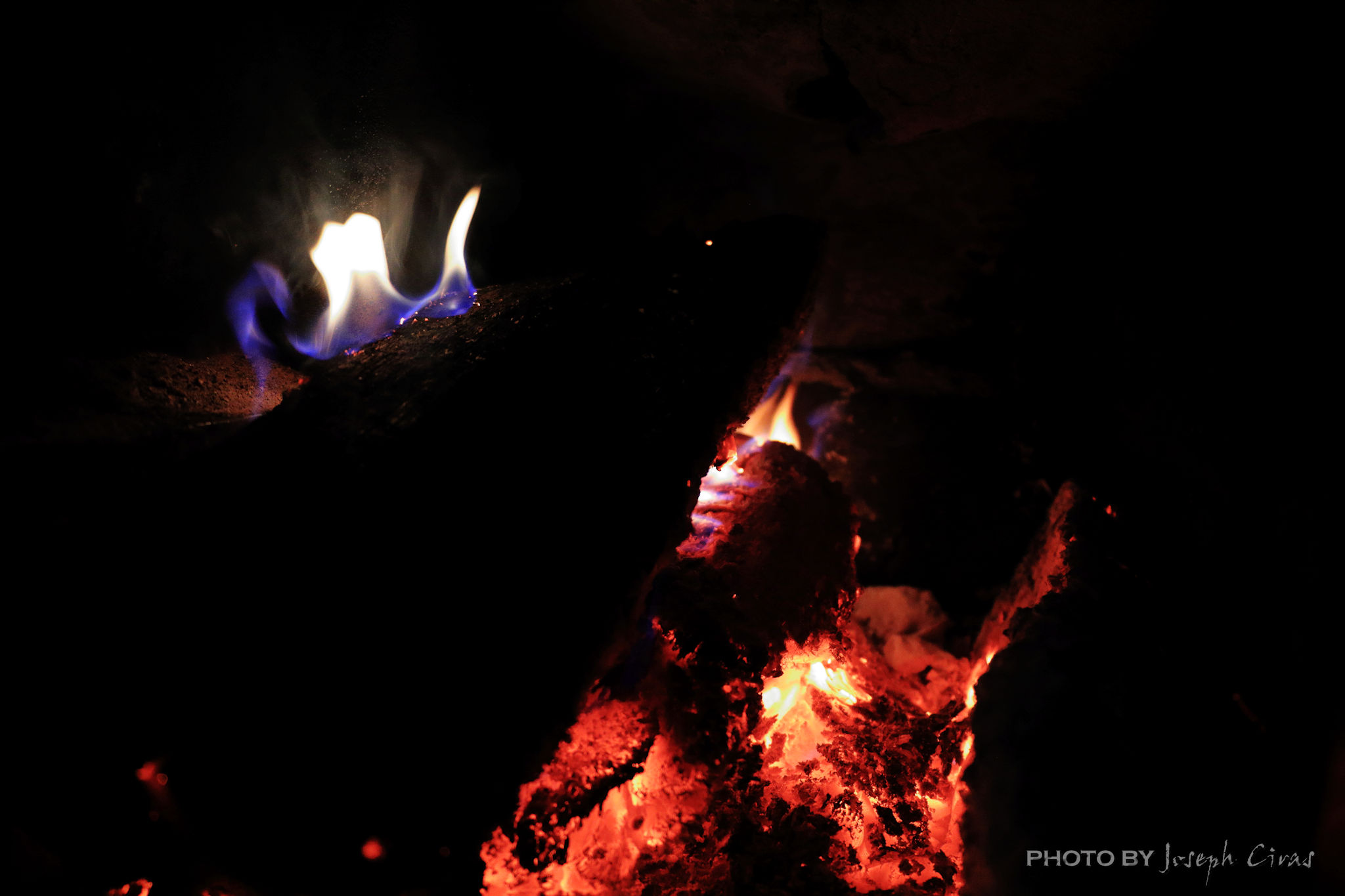
Sunday, 03/13/2022: Posted photo — Low Key.

Settings: Canon EOS 60D, ISO 2500, f/3.5, 1/40 s, 18 mm.

A low key image is one that contains predominantly dark tones and colors. Low key photography conveys atmosphere and mood. One of my photo projects had a low key image challenge this week. I was thinking about what photo to take to meet this challenge. I would have had many options if I had not just been operated on. With limited mobility, I thought about what there might be around the house. Since low key images contain predominantly dark tones and colors, I took a photo of the fire in our wood stove.

Monday, 03/14/2022: Posted photo — Cameron Falls.

Settings: Canon EOS DIGITAL REBEL XS, ISO 100, f/22, 10 s, 28 mm.

Cameron Falls, Waterton Lakes National Park, Alberta.

Cameron Falls is a very uniquely shaped waterfall of about 75 feet in height found in the heart of the Waterton townsite in Waterton Lakes National Park. After heavy rainfall, the waters upriver from the falls get stirred up with a red mudstone called argillite. As the water flows towards the falls, it turns to a beautiful pink hue when light reflects on the mineral water. We did not see the pink falls since the weather was dry when we visited Waterton Lakes National Park just after we visited Glacier National Park in Montana.

Tuesday, 03/15/2022: Posted photo — New Boot.

Settings: Google Pixel 2, ISO 195, f/1.8, 1/60 s, 4 mm.

I had a post op follow-up today a week and a half after surgery. My recovery is going as planned. I was fitted with this very uncomfortable boot. I still cannot put pressure on my ankle for another four weeks. Need to go back on Tuesday for another follow-up since the first one was close to my surgical date and the doctor would like to see my progress and remove some items from my ankle.

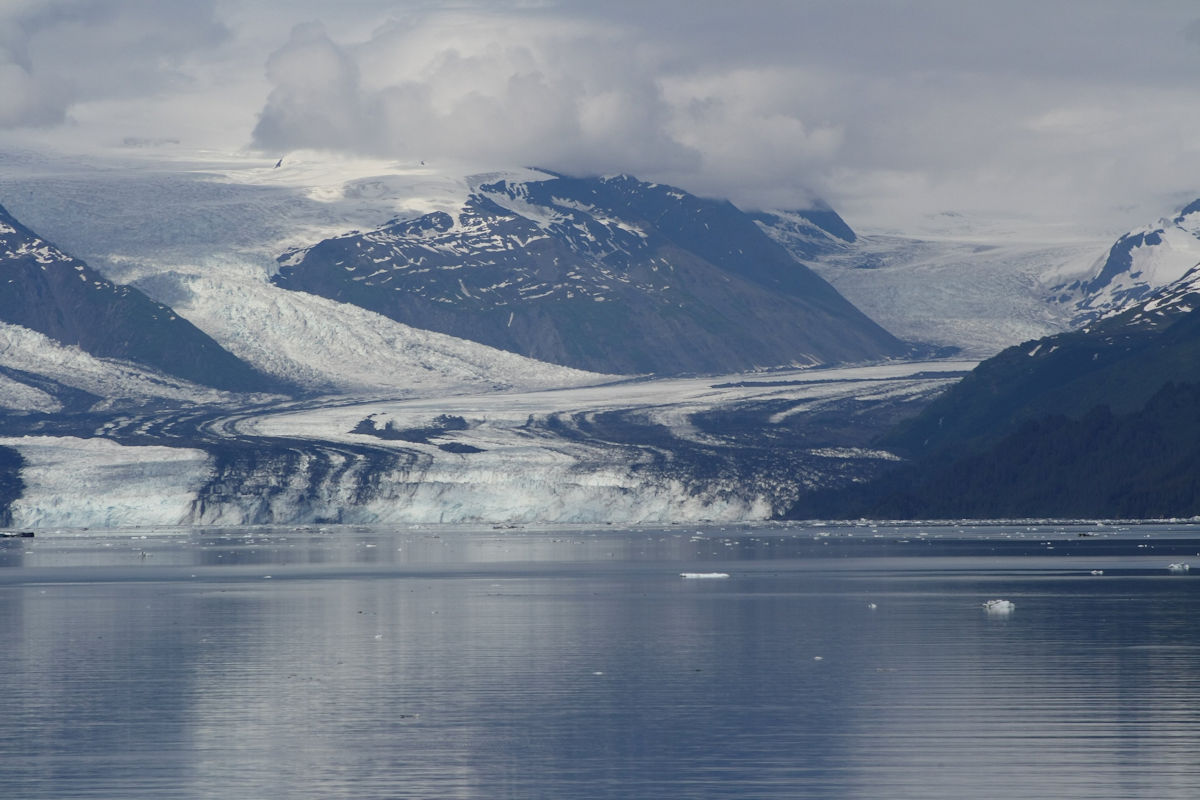
Wednesday, 03/16/2022: Posted photo — Harvard Glacier.

Settings: Canon EOS DIGITAL REBEL XS, ISO 200, f/8, 1/2000 s, 160 mm.

Harvard Glacier, College Fjord, Alaska.

The glacier has a 1.5-mile (2 km) wide face where it calves into the College Fjord. It is 300 ft thick and covers 120,000 acres of Chugach National Forest. The Harvard Glacier is the second largest glacier in the Prince William Sound, after the Columbia Glacier.

It is amazing to see how large a glacier is when you look at it from a distance. In this photo, we were about a mile from the glacier.

The names of the glaciers in College Fjord are: Amherst, Barnard, Bryn Mawr, Harvard, Smith, Vassar, and Yale. The glaciers of the northwest side feature the names of women’s colleges, and the glaciers of the fork and the southeast side sport the names of men’s colleges. What of Princeton? According to my research on the names, the scholars that named the glaciers took delight in ignoring it since none of them were Princeton alum.

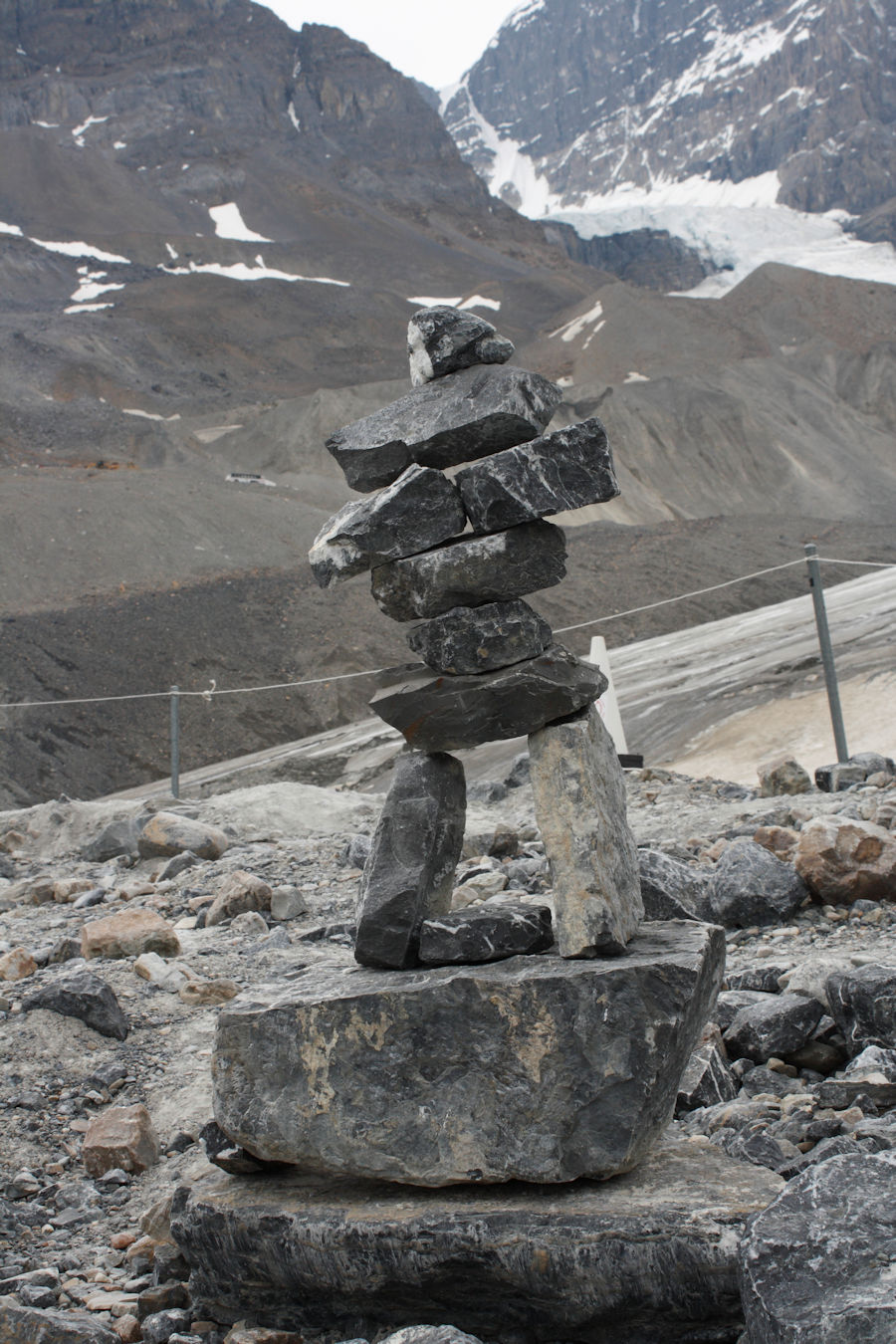
Thursday, 03/17/2022: Posted photo — Cairn.

Settings: Canon EOS DIGITAL REBEL XS, ISO 200, f/11, 1/200 s, 34 mm.

On the trail near the Athabasca Glacier, Jasper National Park, Alberta.

A cairn is a mound of rough stones built as a memorial or landmark, typically on a hilltop or skyline. This cairn is shaped like a person. In Canada this is called an Inuksuk.

The Athabasca Glacier is one of the six principal ‘toes’ of the Columbia Icefield, located in the Canadian Rockies. The glacier currently loses depth at a rate of about 16.4 feet (5 meters) per year and has receded more than 1 mile (1.5 km) and lost over half of its volume in the past 125 years.

From the Canadian Encyclopedia: “Inuksuk (also spelled inukshuk, plural inuksuit) is a figure made of piled stones or boulders constructed to communicate with humans throughout the Arctic. Traditionally constructed by the Inuit, inuksuit are integral to Inuit culture and are often intertwined with representations of Canada and the north.”https://www.thecanadianencyclopedia.ca/en/article/inuksuk-inukshuk

Friday, 03/18/2022: Post photo — Pall (and Rekard).

Settings: Canon EOS DIGITAL REBEL XS, ISO 200, f/5.6, 1/160 s, 55 mm.

These are my two buddied from Denmark. Earlier on in my photo projects, I featured Pall every week with Pall telling a story about his life. When I went back to Denmark, I picked up Rekard. They ventured together for next year or two. Might be time to bring their adventures back.

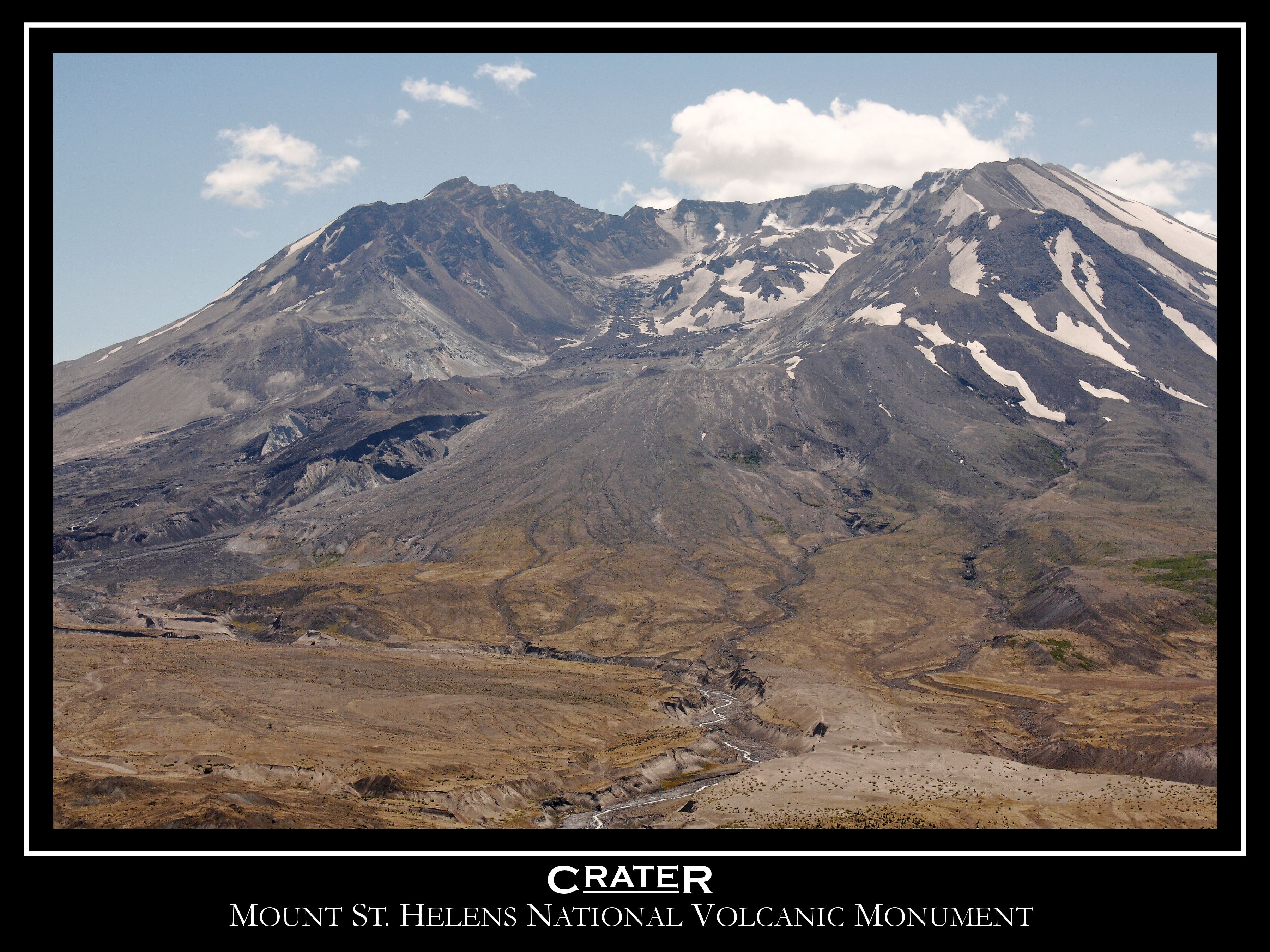
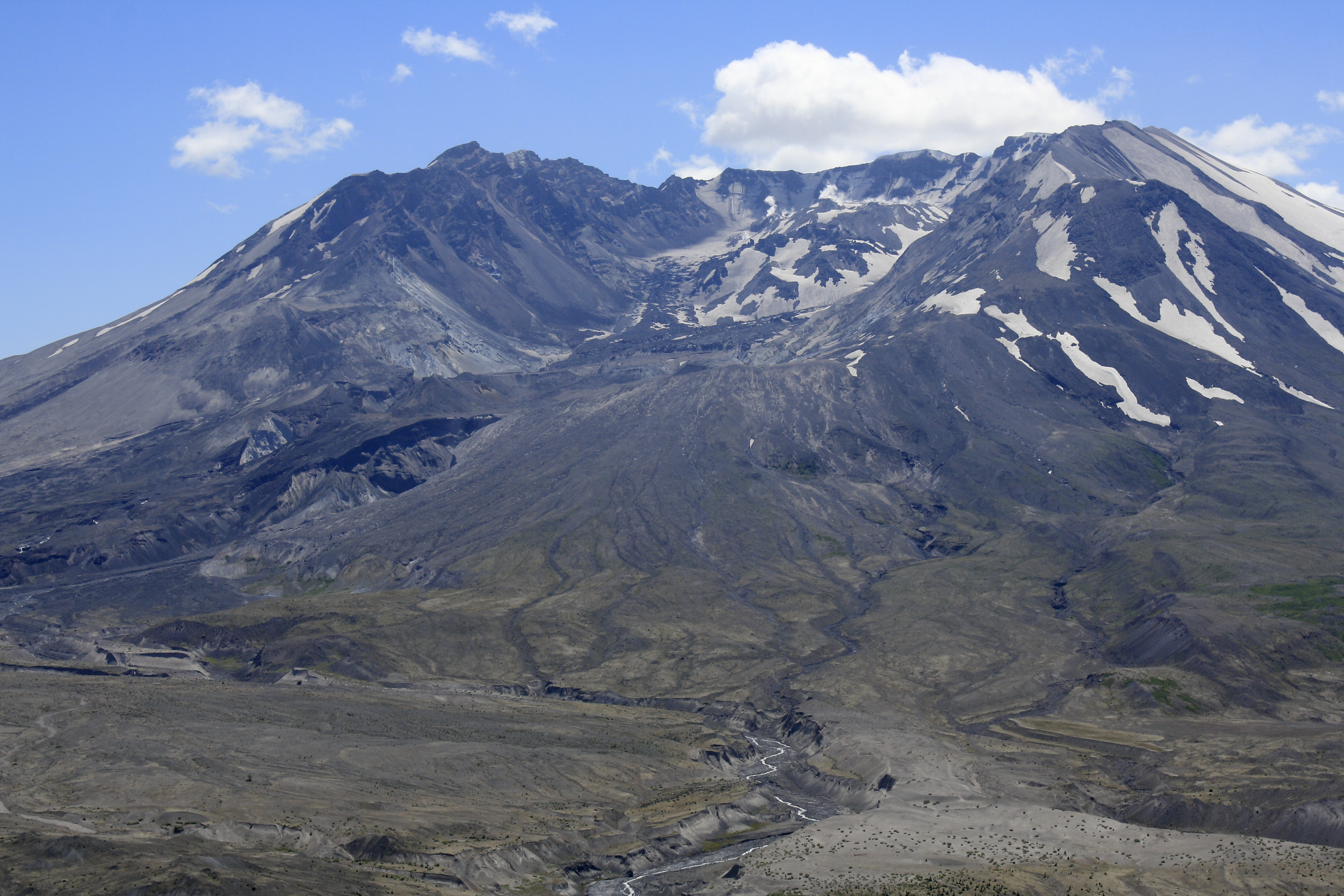
Saturday, 03/19/2022: Post photo — Crater.

Settings: N/A.

Mount St. Helens National Volcanic Monument

From the USGS:

“Prior to 1980, Mt. St. Helens had the shape of a conical volcano sometimes referred to as the Mount Fuji of America. During the 1980 eruption the upper 400 m (1,300 ft) of the summit was removed by a huge debris avalanche, leaving a 2 x 3.5 km horseshoe-shaped crater now partially filled by a lava dome and a glacier. It is primarily an explosive dacite volcano.”

Quick Facts:

Location: Washington, Skamania County
Latitude: 46.2° N
Longitude: 122.18° W
Elevation: 2,539 (m) 8,330 (f)
Volcano type: Stratovolcano
Composition: Basalt to Rhyodacite
Most recent eruption: 1980, 2004-2008
Nearby towns: Castle Rock, WA; Olympia, WA; Vancouver, WA; Yakima, WA; Portland, OR
Threat Potential: Very High

Dacite: Volcanic rock (or lava) that characteristically is light in color and contains 62 to 69 percent silica and moderate amounts of sodium and potassium.

Stratovolcano: Steep, conical volcanoes built by the eruption of viscous lava flows, tephra, and pyroclastic flows. They are usually constructed over tens to hundreds of thousands of years and may erupt a variety of magma types (basalt to rhyolite). They typically consist of many separate vents. Synonym is composite volcano.

I have been to Mt. St. Helens a few times over the years. The first time was about ten years after the eruption, and we saw the logs floating in Sprit Lake. I just pictured Harry Truman looking up at the mountain from his lodge and wondering why he did not leave. Then again, there were may false alarms in the past. I am amazed on how nature is recovering in the area. I can still remember the first time that I drove into the blast zone. Very lush, dense forest along the road, turn the corner and nothing. Trees looking like toothpicks laying down in the direction of the blast. There were some cars left for visitors to see how powerful the eruption was.

That is all for now. Until next week, be safe. For more photo of other project I have work, visit my website: https://photobyjosephciras.weebly.com or visit me on Facebook at https://www.facebook.com/PhotobyJosephCiras/.
Photographic Thoughts — 09/19/2021 to 09/25/2021

“You don’t take a photograph, you make it.” — Ansel Adams

Thank you for all the new views and likes from last week, it helps keep me inspired.

Sunday, 09/19/2021: Posted photo — Trail Marker.

Settings: Canon EOS 60D, ISO 200, f/7.1, 1/25 s, 31 mm.

This is an old trail marker on Wachusett Mountain. There are a few trails on the mountain that have the trail name carved into stone. When I see these markings, I wonder how long it took for someone to carve the marking.

I took this photo to show how the trails were marked many years ago.

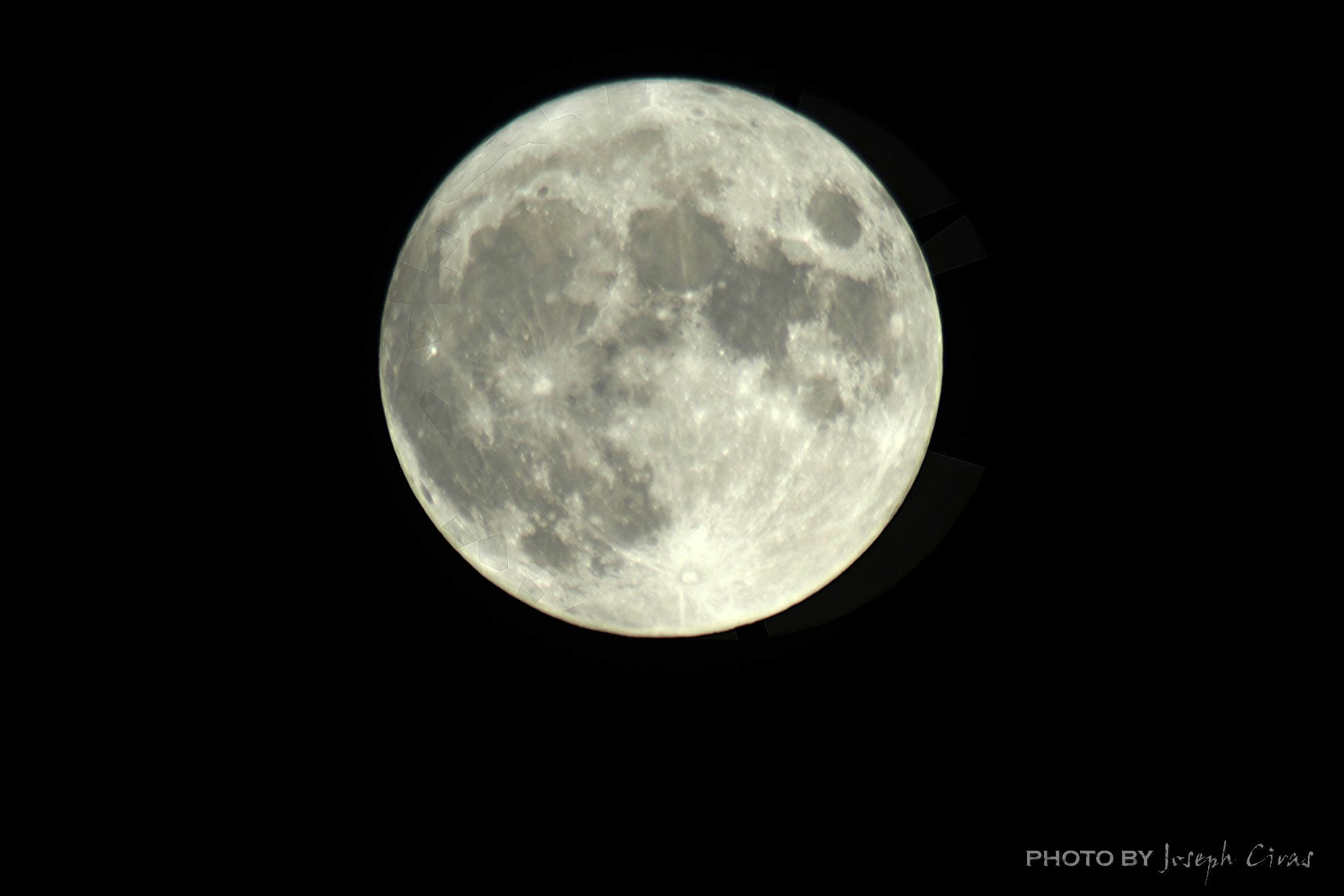
Monday, 09/20/2021: Posted photo — Harvest Moon.

Settings: Canon EOS 60D, ISO 100, f/13, 1/100 s, 1250 mm.

I take many moon photos. The moon is my primary subject matter and is very difficult to photograph. Many have tried but have not gotten a good photo since the moon is very bright and is moving very fast. I have taken hundreds of moon photos and decided to change my setting slightly for this photo.

For this photo, I changed the focal length of this moon photo to 1250 mm to see if I could get a better focus on this subject.

From space.com: “Traditionally, this designation goes to the full moon that occurs closest to the autumnal (fall) equinox — which is most often in September. On average, October Harvest Moons come at three-year intervals, although the time frame can be quite variable, and there can be situations where as many as eight years can elapse (the next such example will come between 2020 and 2028).

At the peak of the harvest, farmers can work into the night by the light of this moon. Usually, the full Moon rises an average of 50 minutes later each night, but for the few nights around the Harvest Moon, the moon seems to rise at nearly the same time each night: just 25 to 30 minutes later across the U.S., and only 10 to 20 minutes later for much of Canada and Europe. Corn, pumpkins, squash, beans, and wild rice — indigenous staples in North America — are ready for gathering.”

Tuesday, 09/21/2021: Posted photo — Wachusett Mountain.

Settings: Canon EOS 60D, ISO 200, f/7.1, 1/250 s, 79 mm.

Today I needed a quick photo, so I took a photo of Wachusett Mountain over Round Meadow Pond.

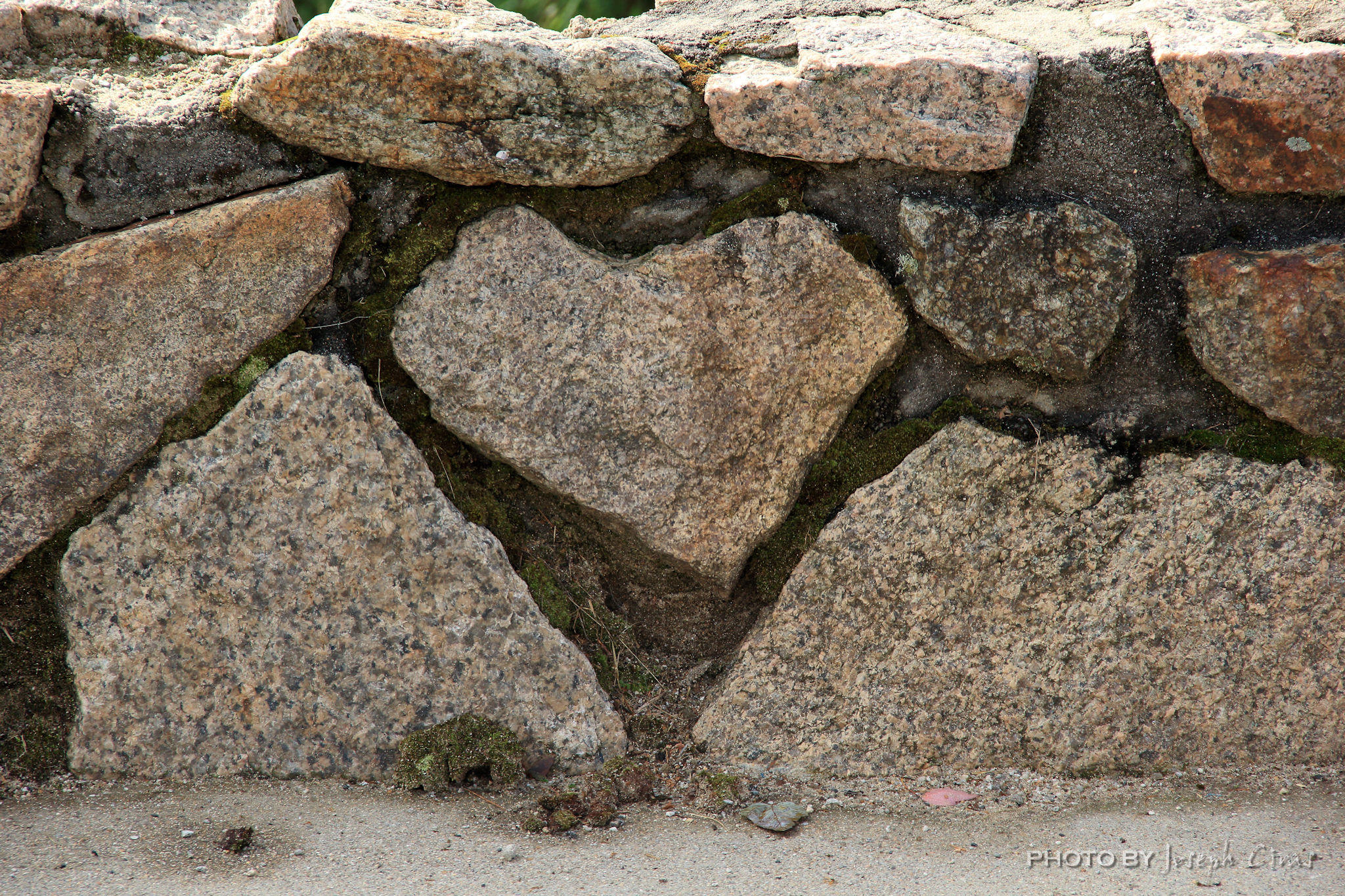
Wednesday, 09/22/2021: Posted photo — Heart.

Settings: Canon EOS 60D, ISO 200, f/7.1, 1/250 s, 135 mm.

People see items in ordinary item in the strangest places. This weekend I saw this rock looking like a hike at the trailhead of the Hancock’s in the White Mountains.

Seeing familiar objects or patterns in otherwise random or unrelated objects or patterns is called pareidolia. It’s a form of apophenia, which is a more general term for the human tendency to seek patterns in random information.

Thursday, 09/23/2021: Posted photo — Mushroom.

Settings: Canon EOS 60D, ISO 3200, f/7.1, 1/30 s, 87 mm.

Have you noticed that there are many more mushrooms this year then in the past? At least here in north central Massachusetts and in the mountains of New Hampshire. The photo I took today was on one of the trails on Wachusett Mountain. I took this photo on my way to the summit. I was planning on taking a sunset photo tonight but there was cloud cover at the summit. I was happy that I took this photo so I would have something to post today.

Friday, 09/24/2021: Post photo — Abstract Painting.

Settings: Canon EOS 60D, ISO 400, f/7.1, 1/8 s, 31 mm.

Abstract art is art that does not attempt to represent an accurate depiction of a visual reality but instead use shapes, colors, forms, and gestural marks to achieve its effect. Abstract art is made up of six basic elements: Line, Texture, Shape, Form, Color, and Value. You can go online to find more about these elements.

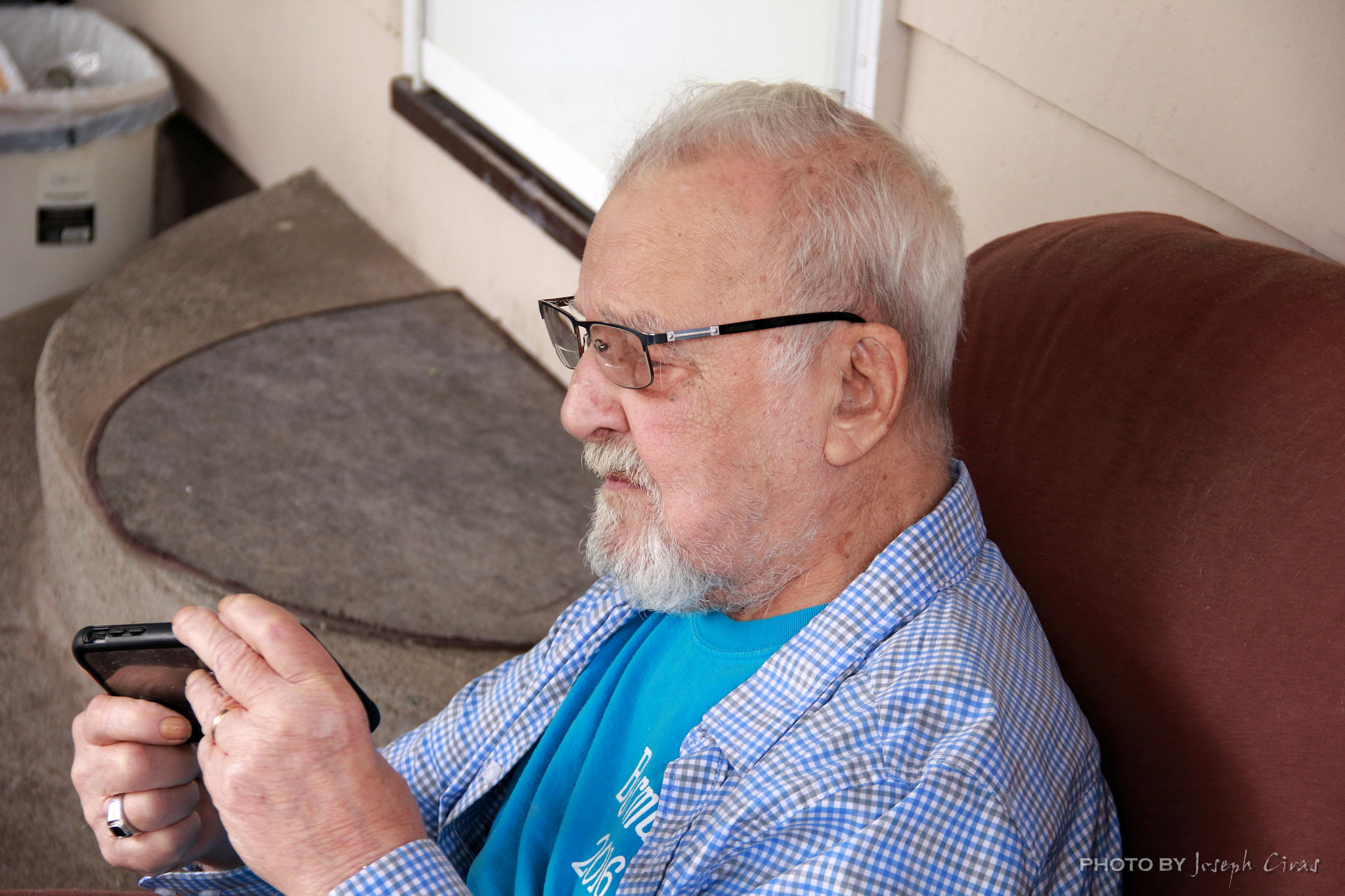
Saturday, 09/25/2021: Post photo — FaceTime with Daughter.

Settings: Canon EOS 60D, ISO 400, f/5, 1/100 s, 57 mm.

My uncle turned 92 years old this week. We had a party for him this afternoon.

During the party, his daughter from Maine called him to FaceTime. He was figuring out how to talk to her. It was difficult to hear them on the phone due to all the noise from the party.

That is all for now. Until next week, be safe.

For more photo of other project I have work, visit my website: https://photobyjosephciras.weebly.com/ or visit me on Facebook at https://www.facebook.com/PhotobyJosephCiras/.
COVID is real! Be safe out there, keep your social distance, and remember to always wear your mask and wash your hands. Get your vaccine!

Photographic Thoughts — 09/12/2021 to 09/18/2021

“To me, photography is an art of observation. It’s about finding something interesting an ordinary place… I’ve found it has little to do with the things you see and everything to do with the way you see them.” — Elliott Erwitt

Thank you for all the new views and likes from last week, it helps keep me inspired.

Sunday, 09/12/2021: Posted photo — Trail Mix.

Settings: Canon EOS 60D, ISO 800, f/7.1, 1/10 s, 135 mm.

Trail mix is typically a blend of cereals, dried fruits, nuts and often sweets, trail mix can be a mixture of crunchy and chewy, salty, or sweet. My trail mix is a mixture of different types of M&Ms, nuts, and Chex mix.

I snack on trail mix off and on the trail. I like the mixture of the different textures and tastes of the food. Trail mix may not be the most nutritious food to eat, but it does cut down on my hunger and keeps me energized on my hikes.

Monday, 09/13/2021: Posted photo — Sunset from the Summit.

Settings: Canon EOS 60D, ISO 800, f/7.1, 1/3200 s, 135 mm.

Every sunset is different, and none disappoint. Some are more spectacular and colorful than other. The anticipation of how the sunset will look is one of the great things about them.

This is why sunsets are so colorful according to Brian Resnick in an article in Science and Health “Sunset colors are created by a phenomenon called Rayleigh scattering. It is the same phenomenon that makes the sky appear blue during the day.

Sunlight contains all the colors of the rainbow. But not all the colors reach the ground in the same concentration. Nitrogen and oxygen molecules in our atmosphere act as little mirrors for blue and violet light. That means not as much blue or violet light reaches the ground. Instead, it bounces around in our atmosphere, creating the blue dome of sky we’re all so familiar with.

At sunset, light must travel through a greater distance of atmosphere to reach our eyes — so even more blue light, and even some green and yellow light, gets filtered out. That leaves us with the warmer hues of the visible light, the reds and oranges, and it’s why many sunsets look like fire.”

Tuesday, 09/14/2021: Posted photo — Maggiore Fun Flame.

Settings: Samsung SM-G930V (Galaxy S7), ISO 100, f/1.7, 1/60 s, 4 mm

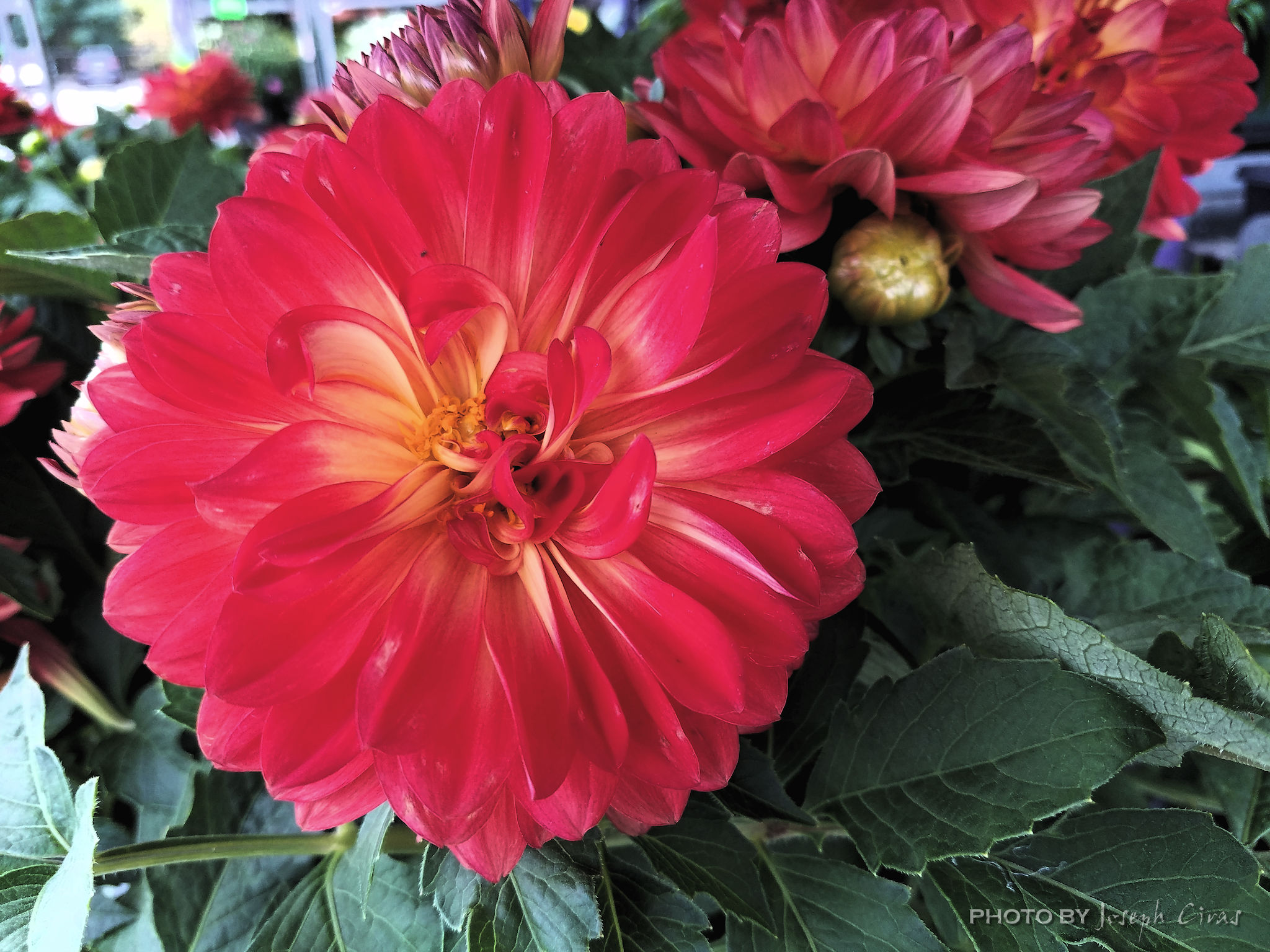
A Maggiore Fun Flame is a stunning dahlia with huge, fiery red and yellow flowers. Its tall stems are perfect for cutting. It Reblooms effortlessly all season long. The dahlia is an eye-catching, fuss-free summer accent for containers, beds, and borders. The flower needs to be watered regularly — twice-weekly, or more often in extreme heat or containers. It also is good at attracting butterflies.

I saw this flower on my shopping trip this evening. I took a photo of it because I just liked the way it looked. The colors and textures caught my eyes.

Wednesday, 09/15/2021: Posted photo — Tent.

Settings: Canon EOS 60D, ISO 1600, f/7.1, 1/160 s, 26 mm.

A tent is an important piece of equipment if you are going on an overnight hiking trip or just camping in general. This is the tent that I use when hiking and/or camping when I am not using my roof top tent. This tent is lightweight and very easy to set up. It is well ventilated when the rain cover is not installed. My son was camping the last two weekends and borrowed my tent. All my hikes in the White Mountains were either day trips or I stayed in my brother’s condo. Setting up a tent is not as easy as one my think. You need to be aware of your surroundings to make sure that you will not get washed out in case of rain, or have blood rush to your head if you are setting up on a slopped surface.

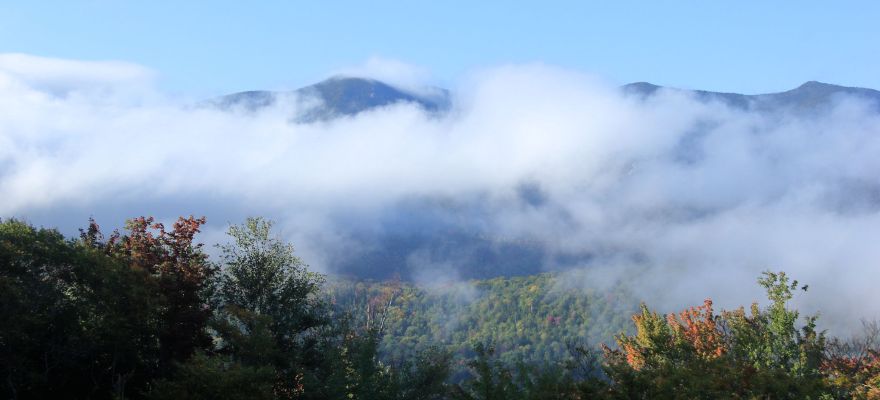
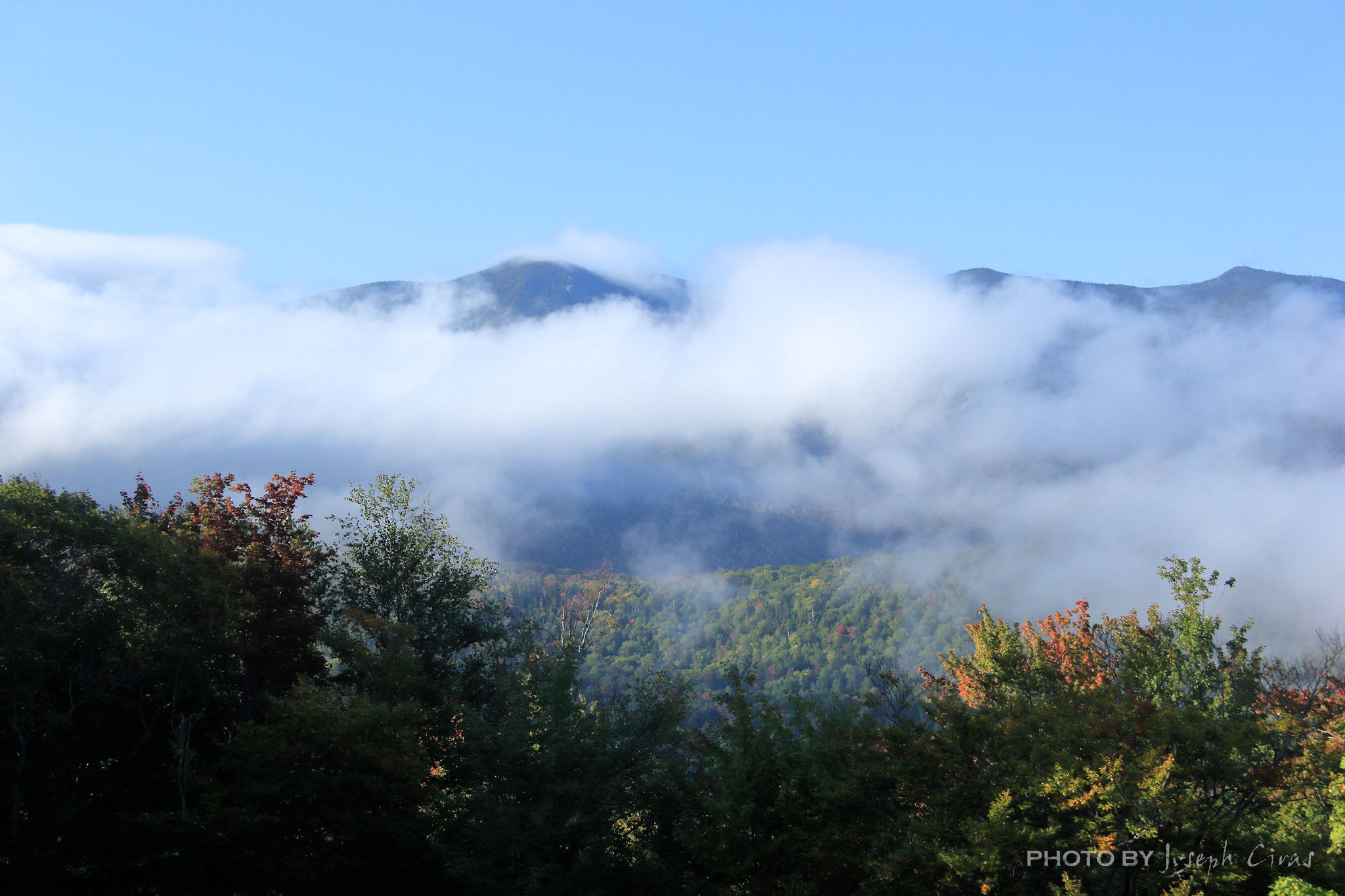
Thursday, 09/16/2021: Posted photo — Mount Hancock.

Settings: Canon EOS 60D, ISO 200, f/6.3, 1/400 s, 47 mm.

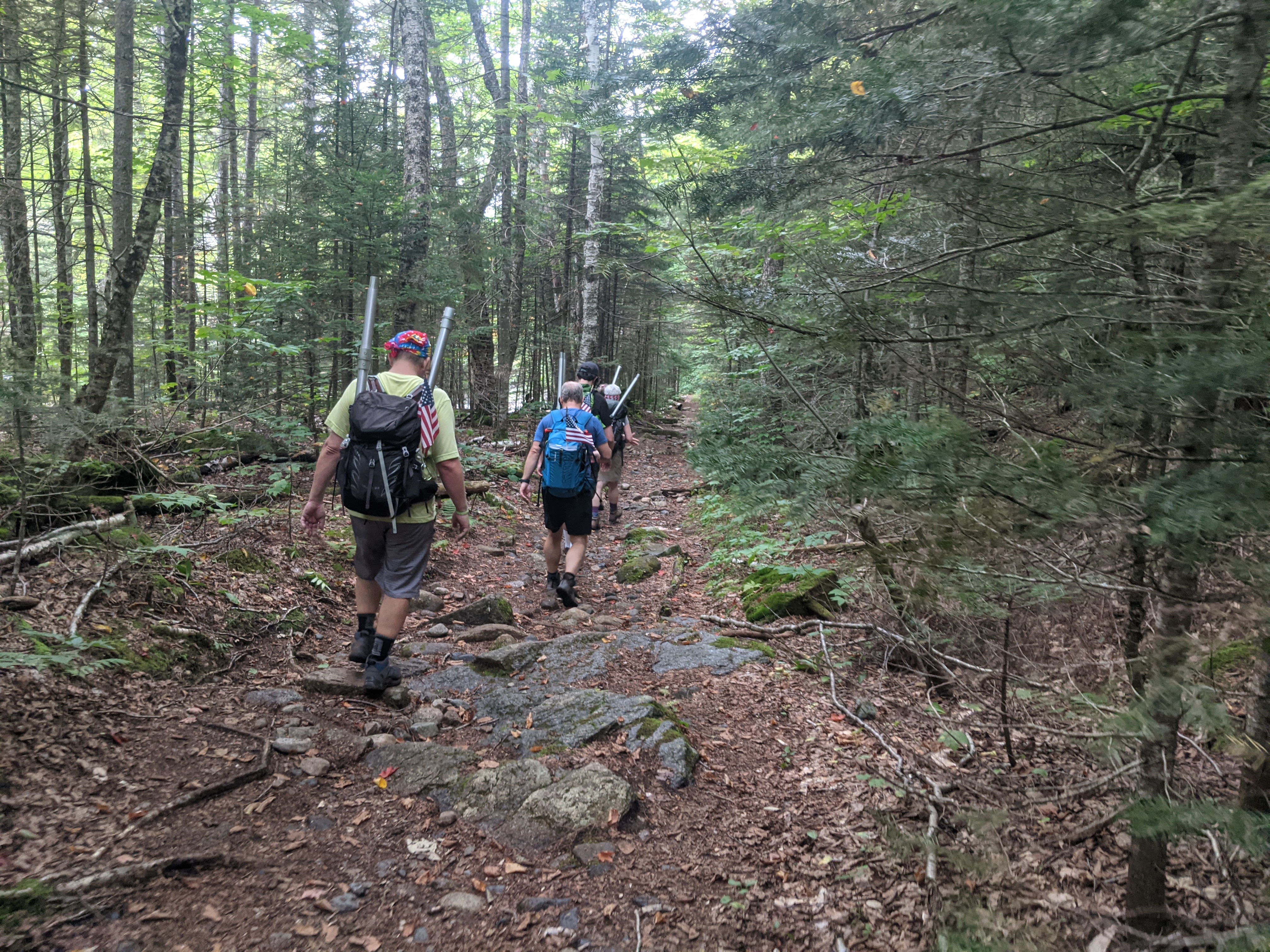
This photo was taken a few years ago when I hiked Mount Hancock (4,403′) along with Mount South Hancock (4,278′) for the Flags on the 48 event. The event was sponsored by the Worcester Chapter of the Appalachian Mountain Club. I was the peak coordinator, while senior members of the AMC were leading and sweeping the hike.

Hancock Mountain is a 4,380 foot mountain in the Pemigewasset Wilderness area of the White Mountains between Franconia Notch and Crawford Notch. The mountain is named after John Hancock, one of the Founding Fathers of the United States. The mountain used to be the most remote and inaccessible peak in the White Mountains, before theKancamagus Highway was finished. Today, the trail begins on the well known hairpin turn on the Kancamagus Highway at the Hancock Overlook Parking area.

When I hiked it for the Flags on the 48, I hiked with the person who blazed the original trail up to the summit, Hancock Notch Trail. He showed us photos of the trail being blazed and would tell us stories of how they decided to make the trial were it is located. There is a landmark rock in the woods near the summit. We did some exploring to see if it was still there since it had been many years since he blazed the trail.

The weather is looking wet for my hike on Saturday. If I do not make it to the summits, the mountain will still be there. If I do make it to both peaks, I would have a total of ten 4,000 footers this year. 4,000 foot mountains my not seem difficult to some of you. I have heard from people that live and hike in the taller, younger mountains, in the western United Stated that the mountains in the Whites are more challenging. I have hiked a few mountains out west and agree with their assessment. The prominence of some of the mountains in the Whites is more than the prominence of the mountains out west.

Friday, 09/17/2021: Post photo — Foggy Hike.

Settings: Samsung SM-G930V (Galaxy S7), ISO 100, f/1.7, 1/120 s, 4 mm

Went on a group sunset hike tonight through Leominster State Forest. As you can see, it was foggy and misty, so I did not see the setting sun tonight. The hike was almost three miles long and easy. It was a good warm up for my hike tomorrow, weather permitting.

This tree is one that I have photographed a few times before. I just like the way that it is isolated in the middle of the pond.

Saturday, 09/18/2021: Post photo — Mount Osceola.

Settings: Canon EOS 60D, ISO 200, f/7.1, 1/640 s, 41 mm.

Mount Osceola as seen from the Mount Hancock trailhead this morning. Today I hiked Mounts Hancock and South Hancock with a few people associated with the group that I hike with on Monday nights. Rain was in the forecast for the later in the afternoon. The weather held up until the last 1.8 miles of the 9.8 mile hike.

Mount Osceola is one of the 4,000 footers that I have climbed.

That is all for now. Until next week, be safe.

For more photo of other project I have work, visit my website: https://photobyjosephciras.weebly.com/ or visit me on Facebook at https://www.facebook.com/PhotobyJosephCiras/.
COVID is real! Be safe out there, keep your social distance, and remember to always wear your mask and wash your hands. Get your vaccine!

Photographic Thoughts — 09/05/2021 to 09/11/2021

“Beauty can be seen in all things, seeing and composing the beauty is what separates the snapshot from the photograph.” — Matt Hardy

Thank you for all the new views and likes from last week, it helps keep me inspired.

Sunday, 09/05/2021: Posted photo — Angel.

Settings: Canon EOS 60D, ISO 200, f/7.1, 1/100 s, 67 mm.

This is a statue in the flower garden near the rectory of the church I attend. I have never noticed this angel before, so the new priest could have put it in. It is a welcome addition to the grounds.

I like the black-eye Susan’s that blanket the statue making the statue stand out.

Monday, 09/06/2021: Posted photo — Playthings.

Settings: Canon EOS 60D, ISO 200, f/7.1, 1/60 s, 24 mm.

Today is a holiday, Labor Day. Labor Day is an annual celebration of workers and their achievements, originated during one of American labor history’s most dismal chapters. “In the wake of this massive unrest and to repair ties with American workers, Congress passed an act making Labor Day a legal holiday in the District of Columbia and the territories. On June 28, 1894, President Grover Cleveland signed it into law.” according to the History Channel.

Even though today is a holiday, I still planned on going on my Monday night hike. My in-laws called me and wanted to know if I wanted to go to the cottage to visit and to have some food. I only had a couple of hours between the call and the hike, so I went over. I noticed a new picnic table for my grandniece and liked the color contrast with the wet ground. The slide in this photo was in the water for many years, until she wanted to play on it. We took it out of the water and cleaned it the best that we could for her to play on.

Tuesday, 09/07/2021: Posted photo — Cannon.

Settings: Canon EOS 60D, ISO 100, f/7.1, 1/125 s, 25mm.

This cannon at the Westminster town common. The plaque states: “Dedicated to the memory of all the men and women from Westminster who have served their country in time of war and peace.” This cannon is not on display year-round.

I ran a few errands today and drove by town common on the way back looking for something to photograph. I saw the cannon and took this photo. The town common is being cleaned up with old trees being removed and new trees being planted.

Wednesday, 09/08/2021: Posted photo — Handheld Falls.

Settings: Canon EOS 60D, ISO 100, f/20, 1/4 s, 36 mm.

It was getting late today, and I was trying to decide what to photograph today. As I have stated many times in my blogs, I take photos of items during the day and decide later what photo to post. When I drove by one of my favorite locations to photograph, I wanted to test out how steady my hand can be. I practice long exposure photography a few times a month. During some of my hikes, I see flowing water and need to practice holding still while taking photos.

I did take many other photos today and liked this one the best. This is one of my favorite spots to photograph and it is one of the favorite locations for people looking at my photos.

Thursday, 09/09/2021: Posted photo — That Time of Year.

Settings: Canon EOS 60D, ISO 400, f/7.1, 1/15 s, 135 mm.

Some trees are changing, some trees are not changing. Our sugar maple is one of the first trees on our property to change colors in the fall. Because of changes in the length of daylight and changes in temperature, leaves stop their food-making process. The chlorophyll breaks down, the green color disappears, and the yellow to orange colors become visible.

Friday, 09/10/2021: Post photo — Red-Tailed Hawk.

Settings: Canon EOS 60D, ISO 800, f/5.6, 1/800 s, 135 mm.

This morning this red-tailed hawk was spotted on campus at work. First, we thought it was a rabbit and then an owl. I took my camera out to get a closer look at it and to photograph it. I was surprised to see that it was a red-tailed hawk. The hawk did not move from its position and allowed me to walk very close to it. I kept my eyes open and was very alert that the mother of this hawk could have been around, and I did not want to be attacked by her. It did not look like it was injured but it stayed in the same location for over an hour. Someone saw it walk across the lawn so I could have been injured.

I took many photos if it and like these the best. I did not know what one to post so I made a collage out of them to post as one photo. I liked the look of the closed eyes showing its eyelids and I like the profile of the hawk.

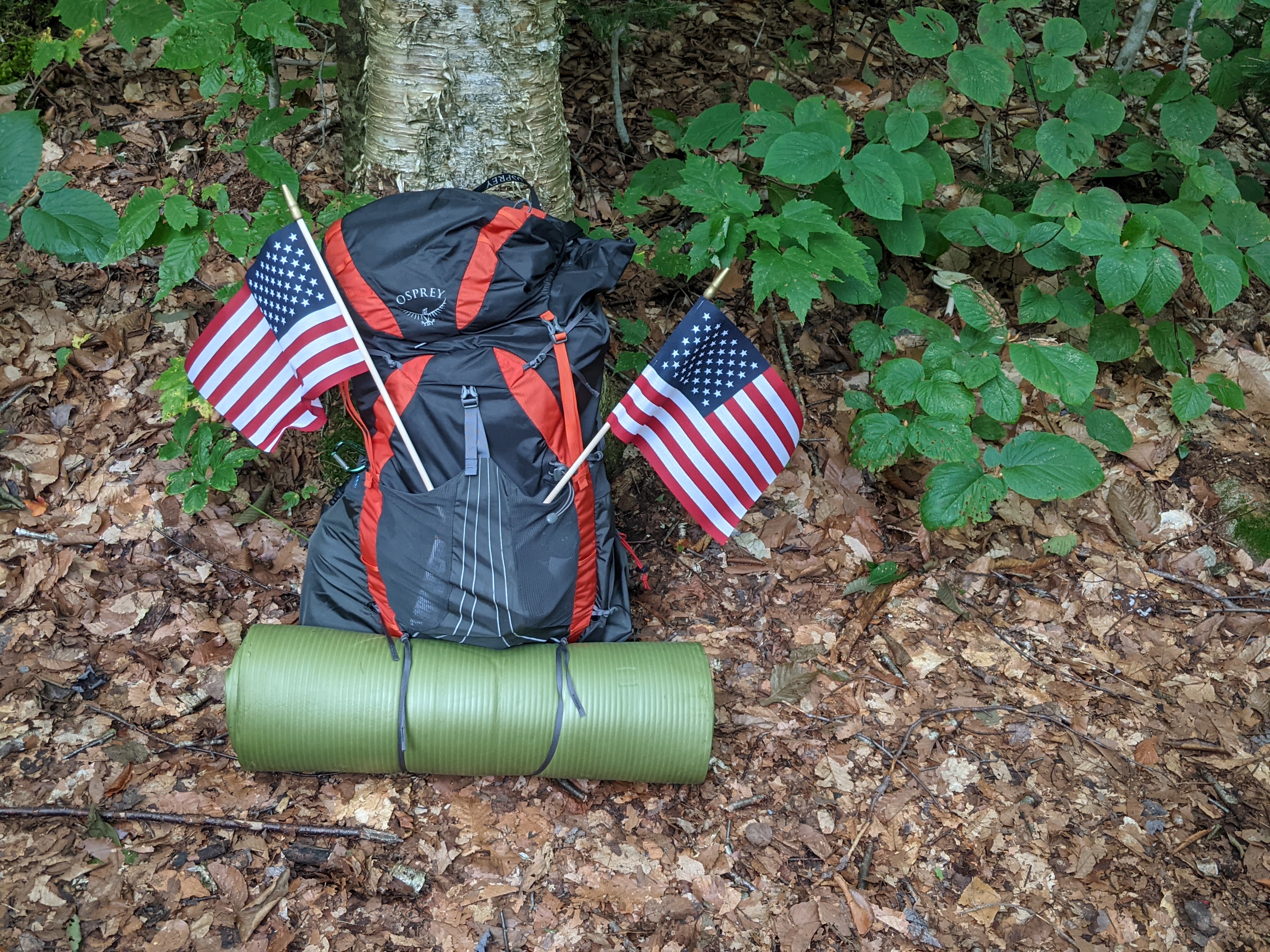
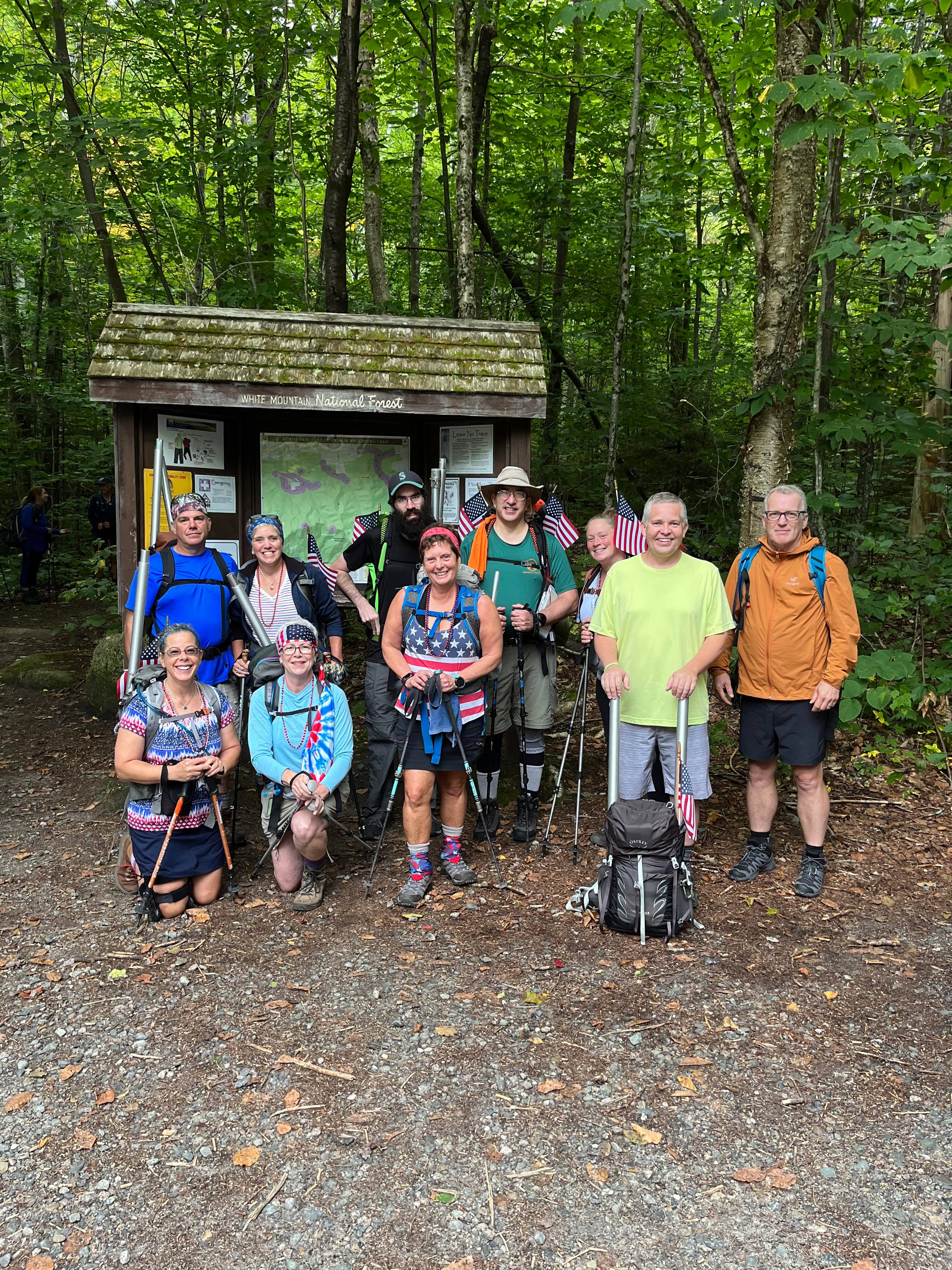
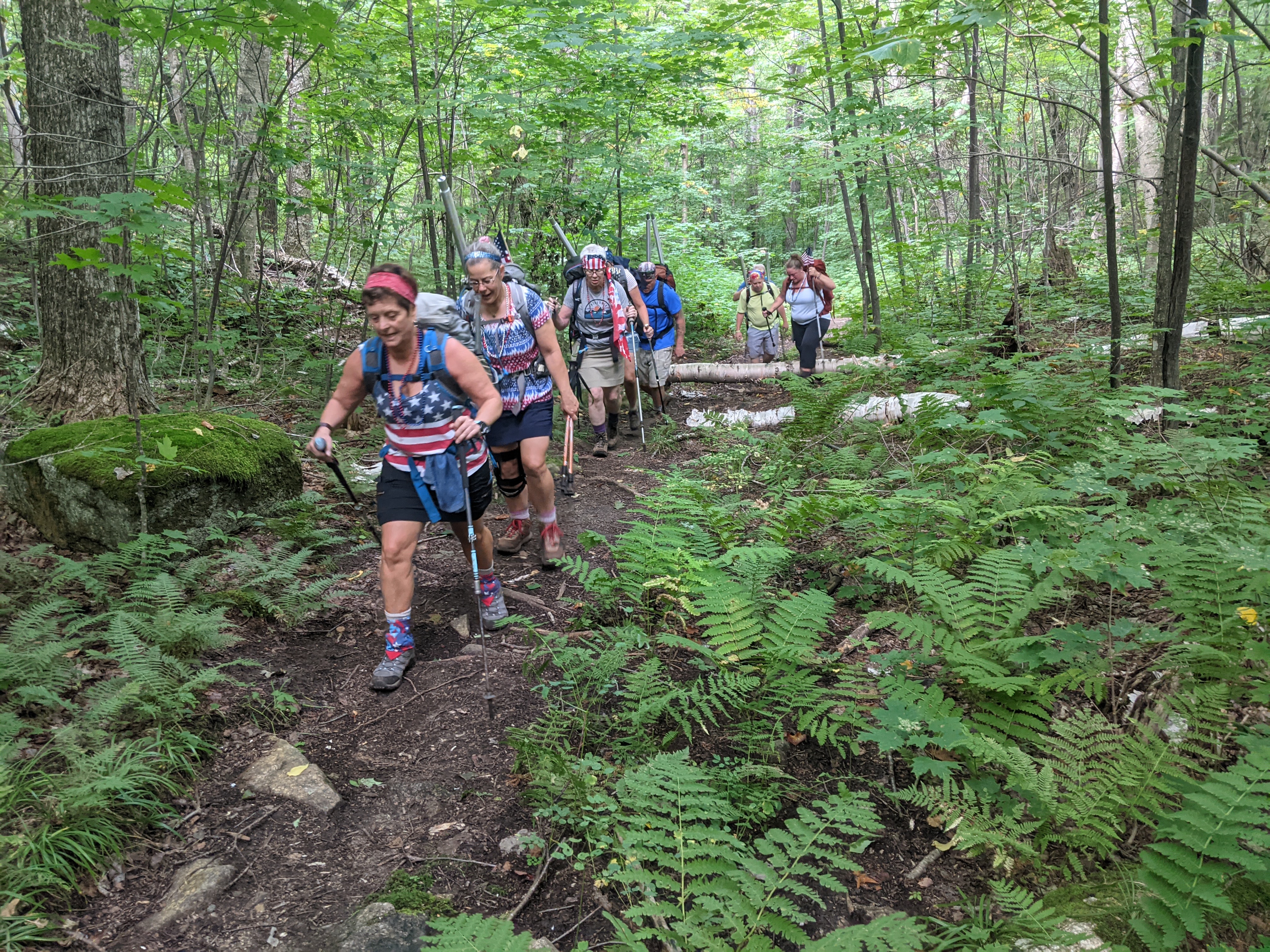
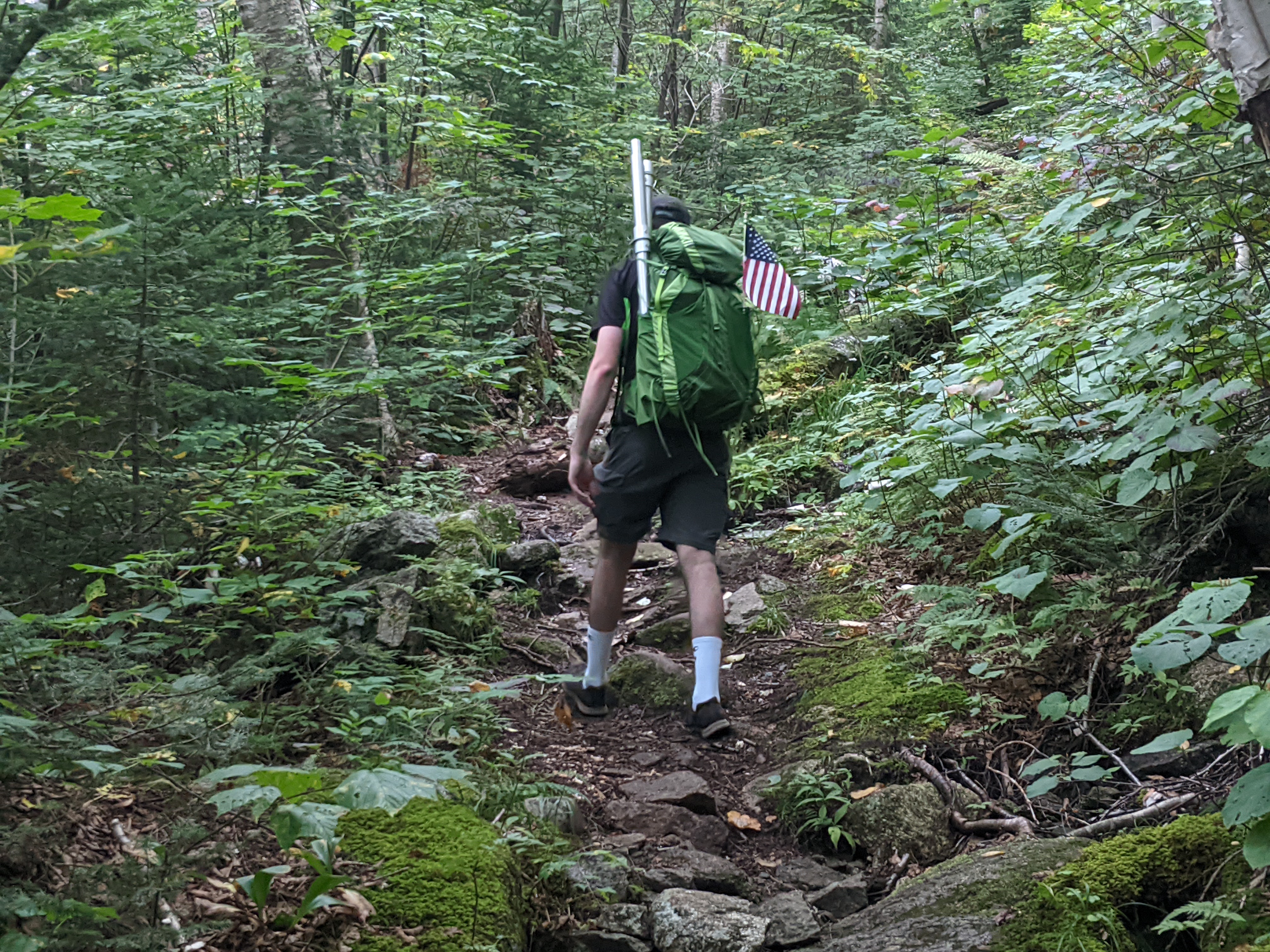
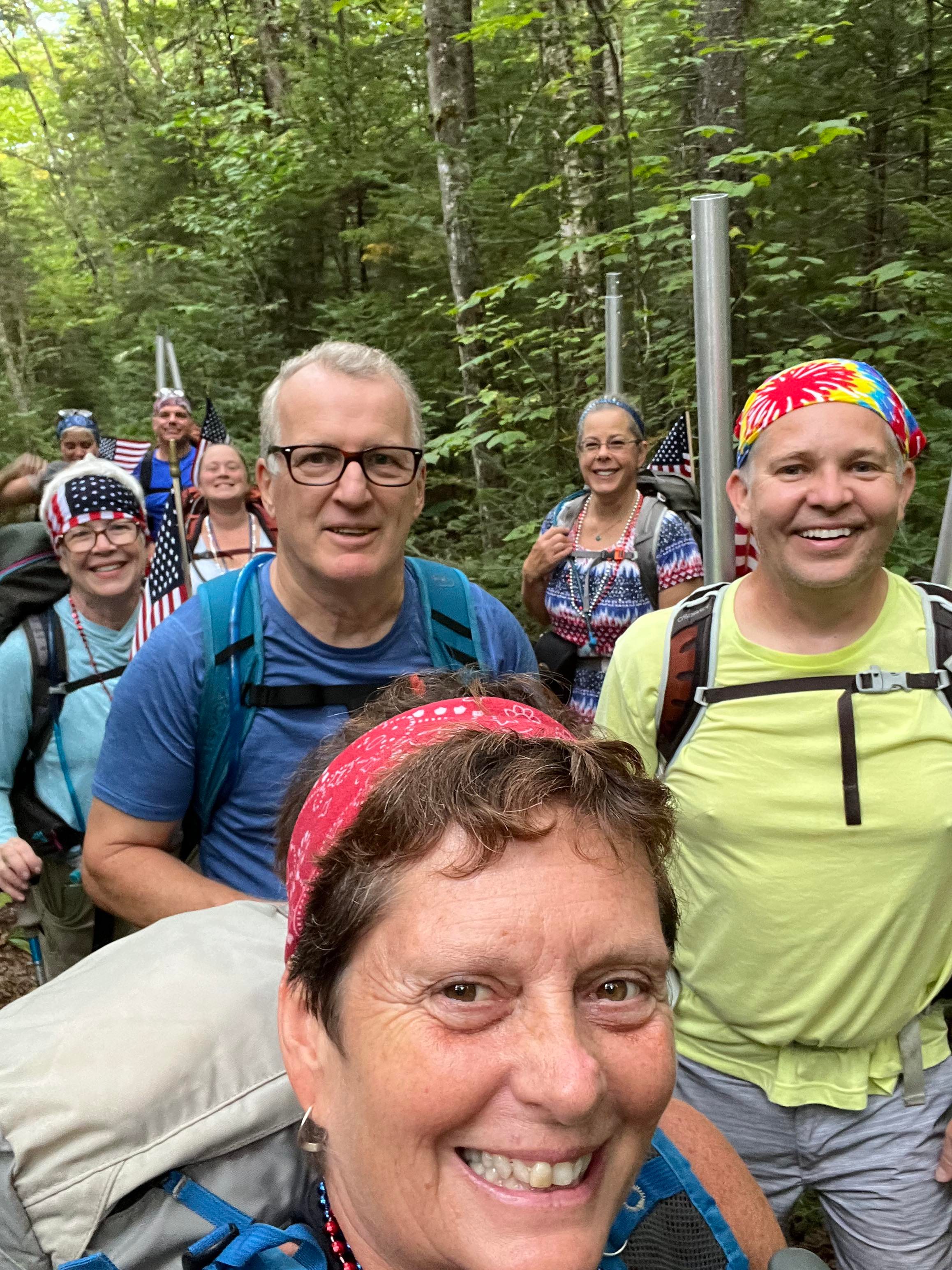
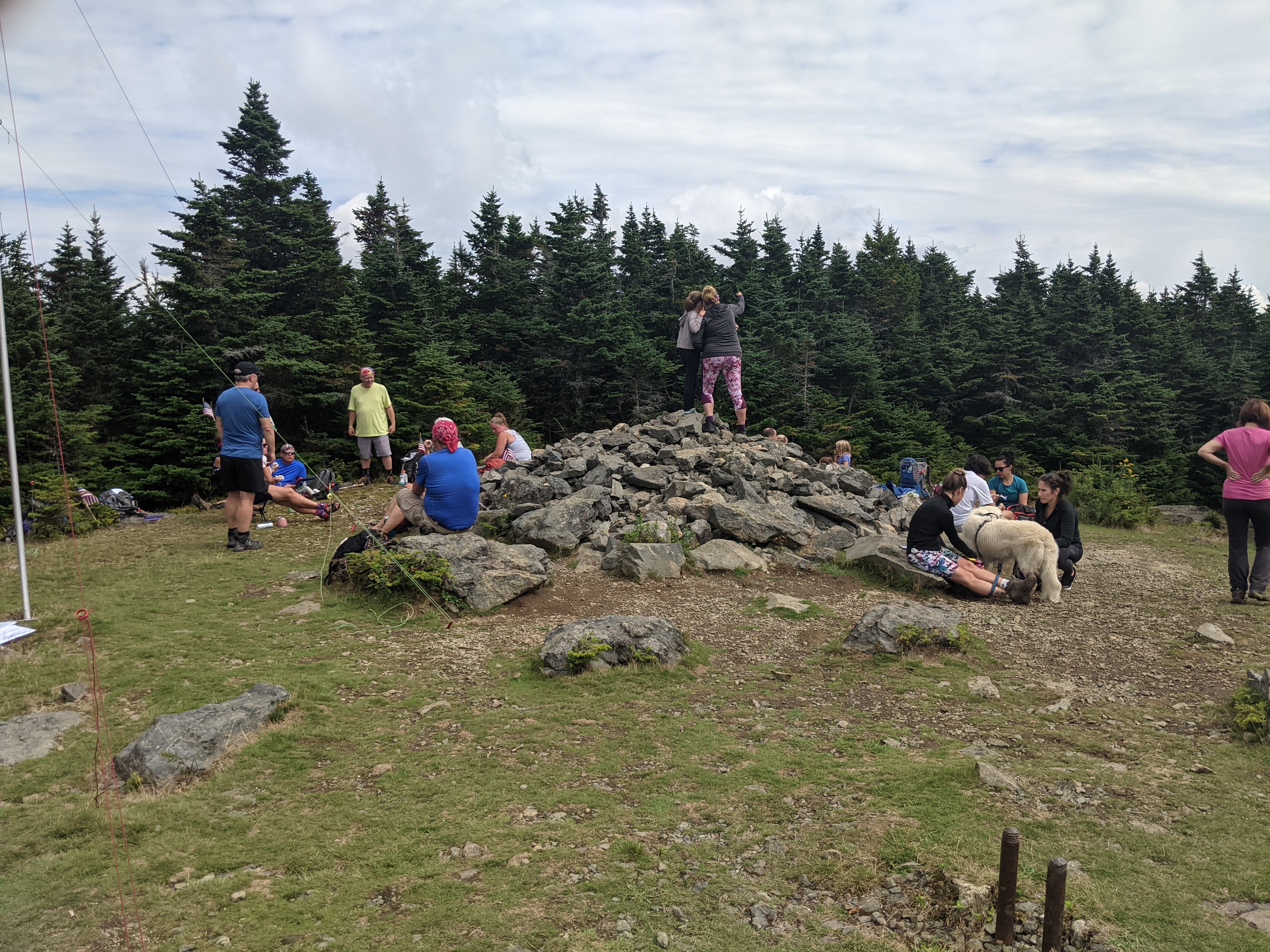
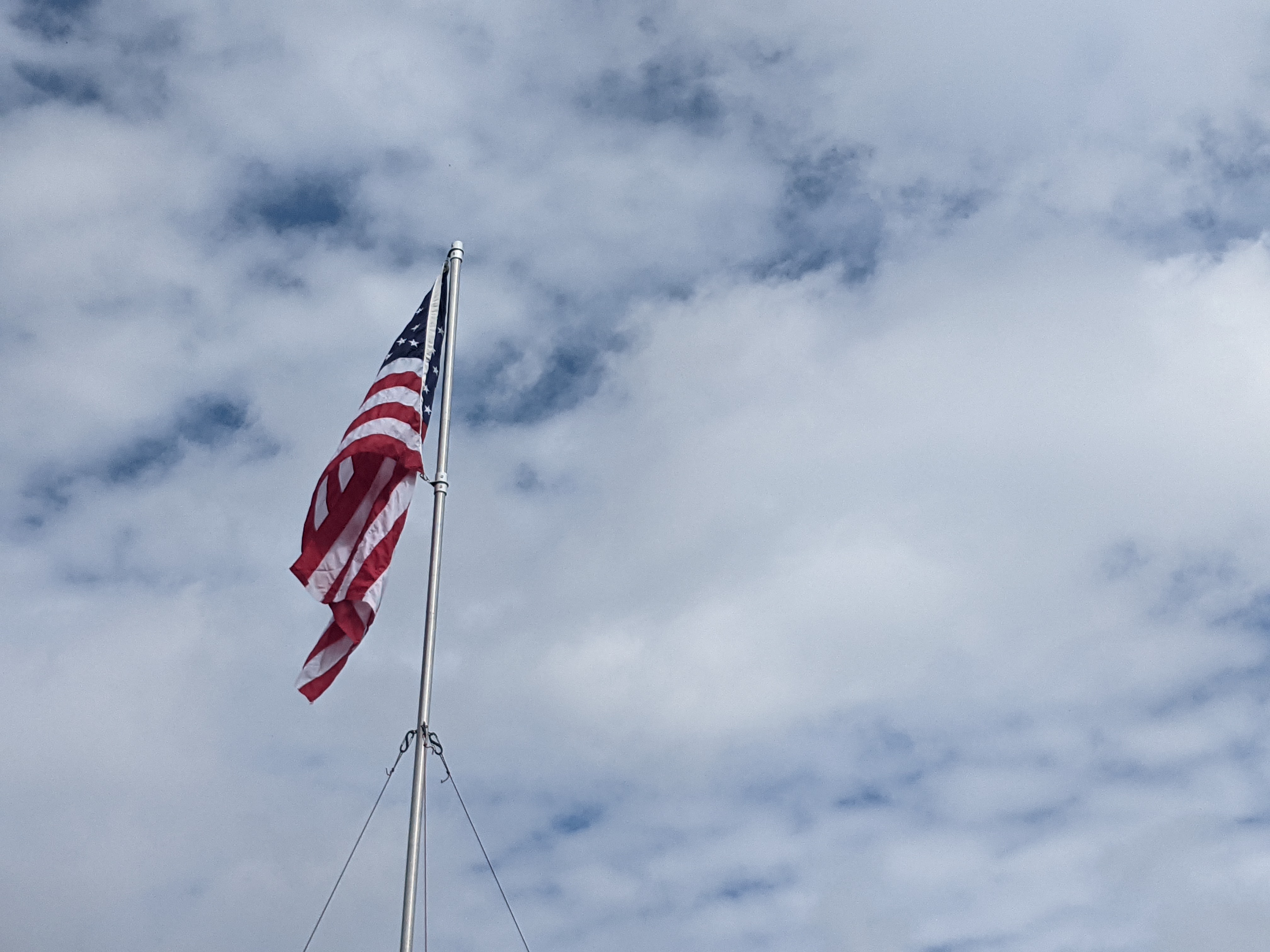
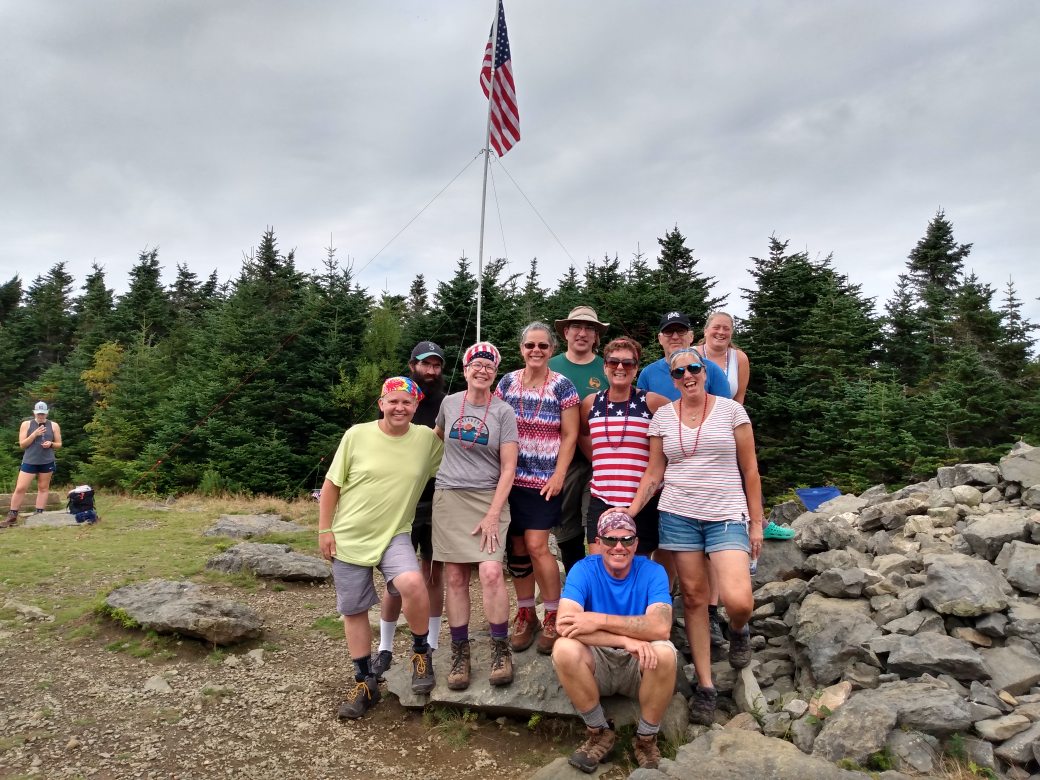
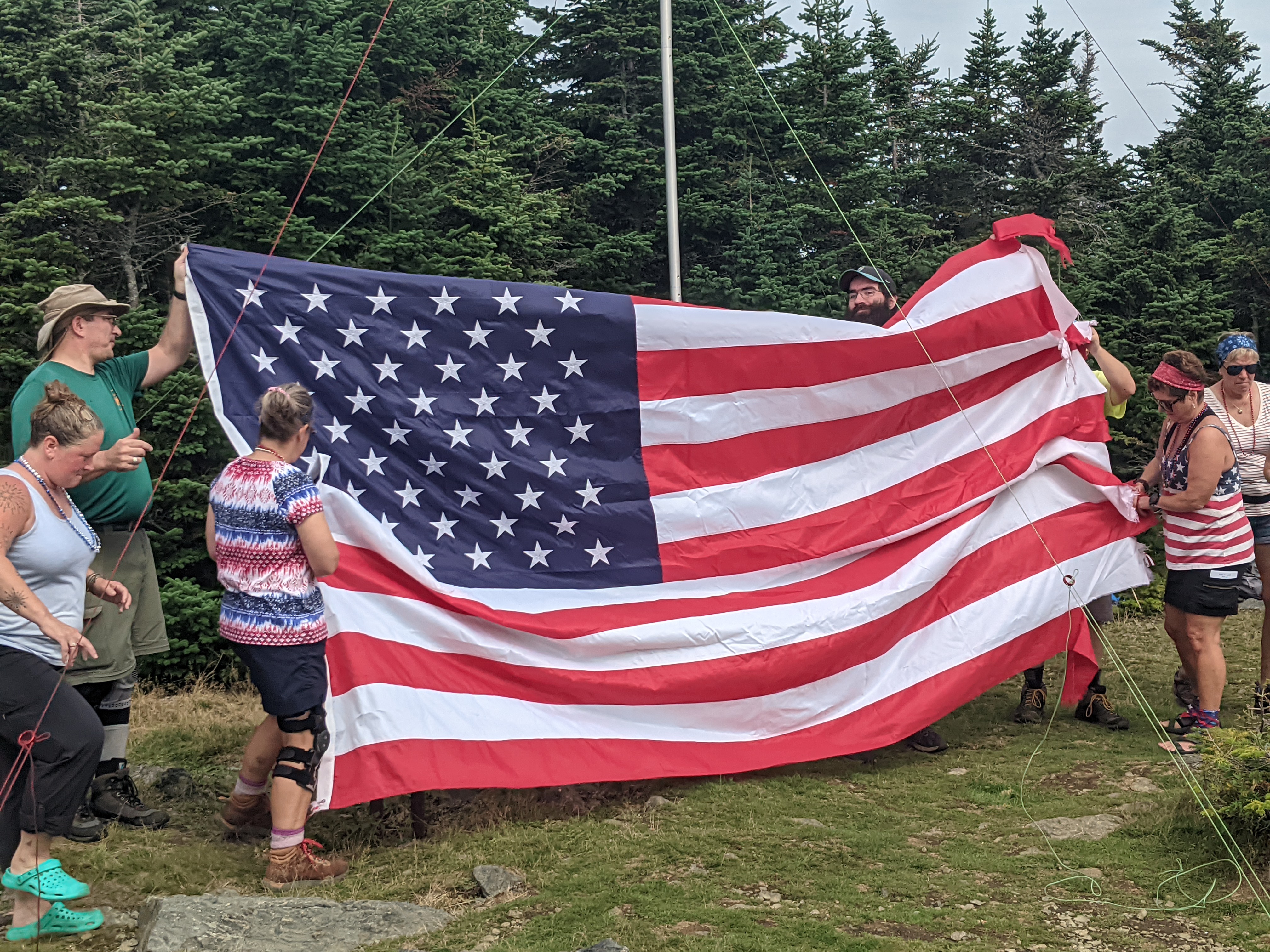
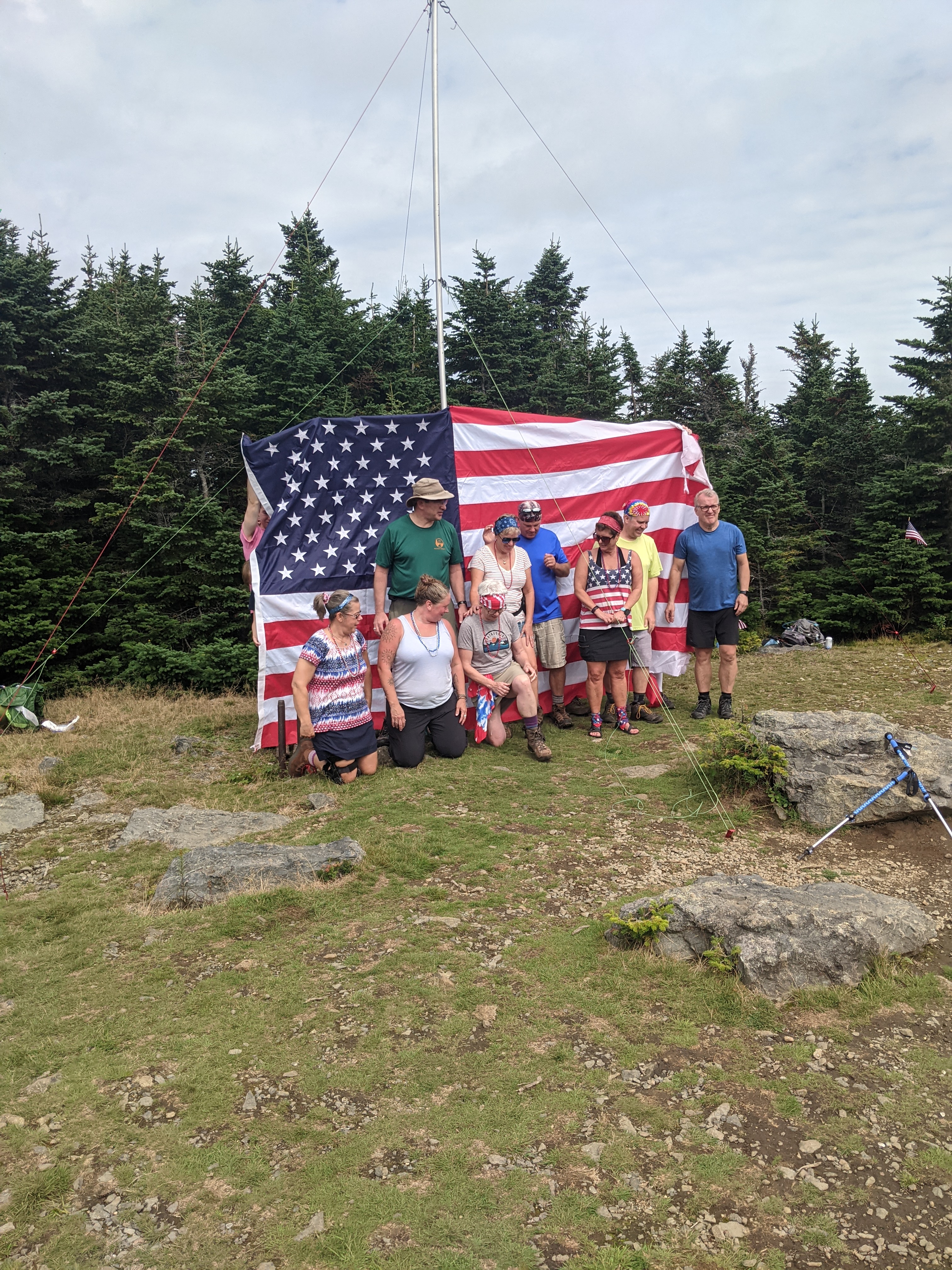
Saturday, 09/11/2021: Post photo — Flags on the 48.

Settings: Canon EOS 60D, ISO 800, f/7.1, 1/500 s, 18 mm.

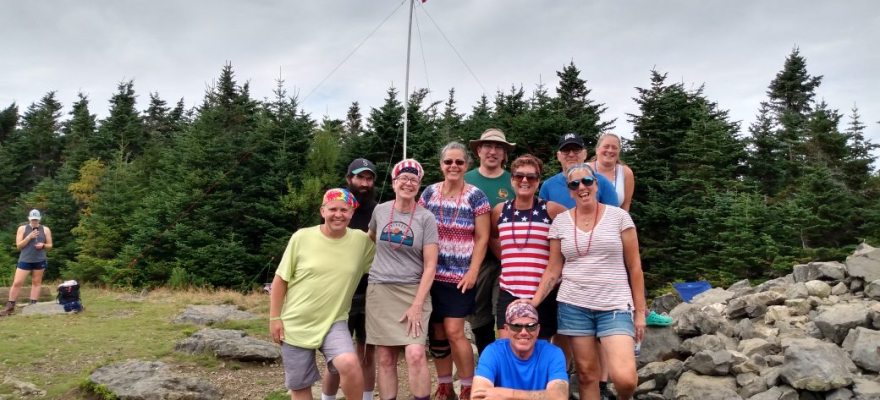
Not much room on Mount Willey for a group photo. Here is the group squeezed into the overlook for a photo. This hike was for the annual Flags on the 48 event.

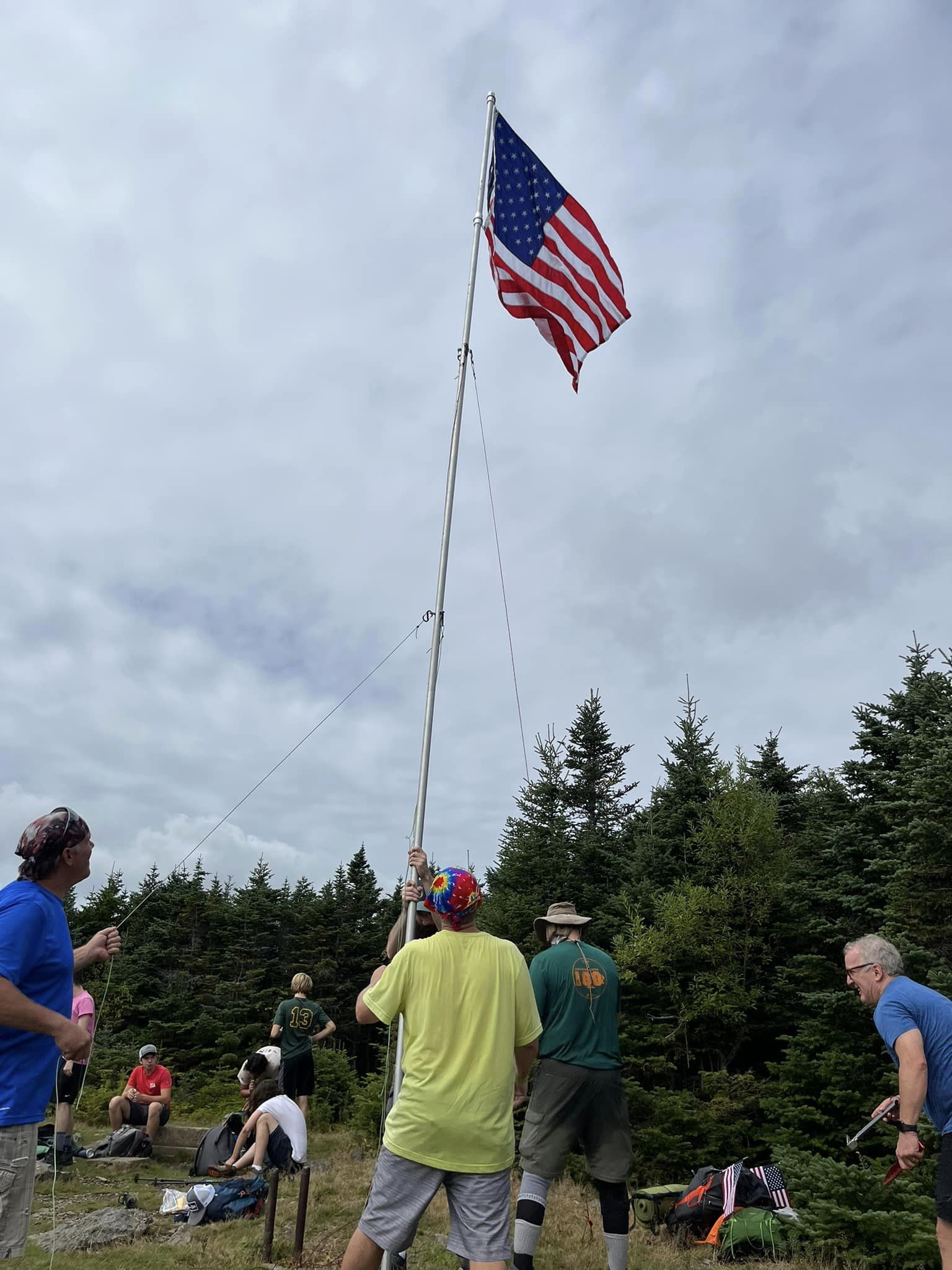
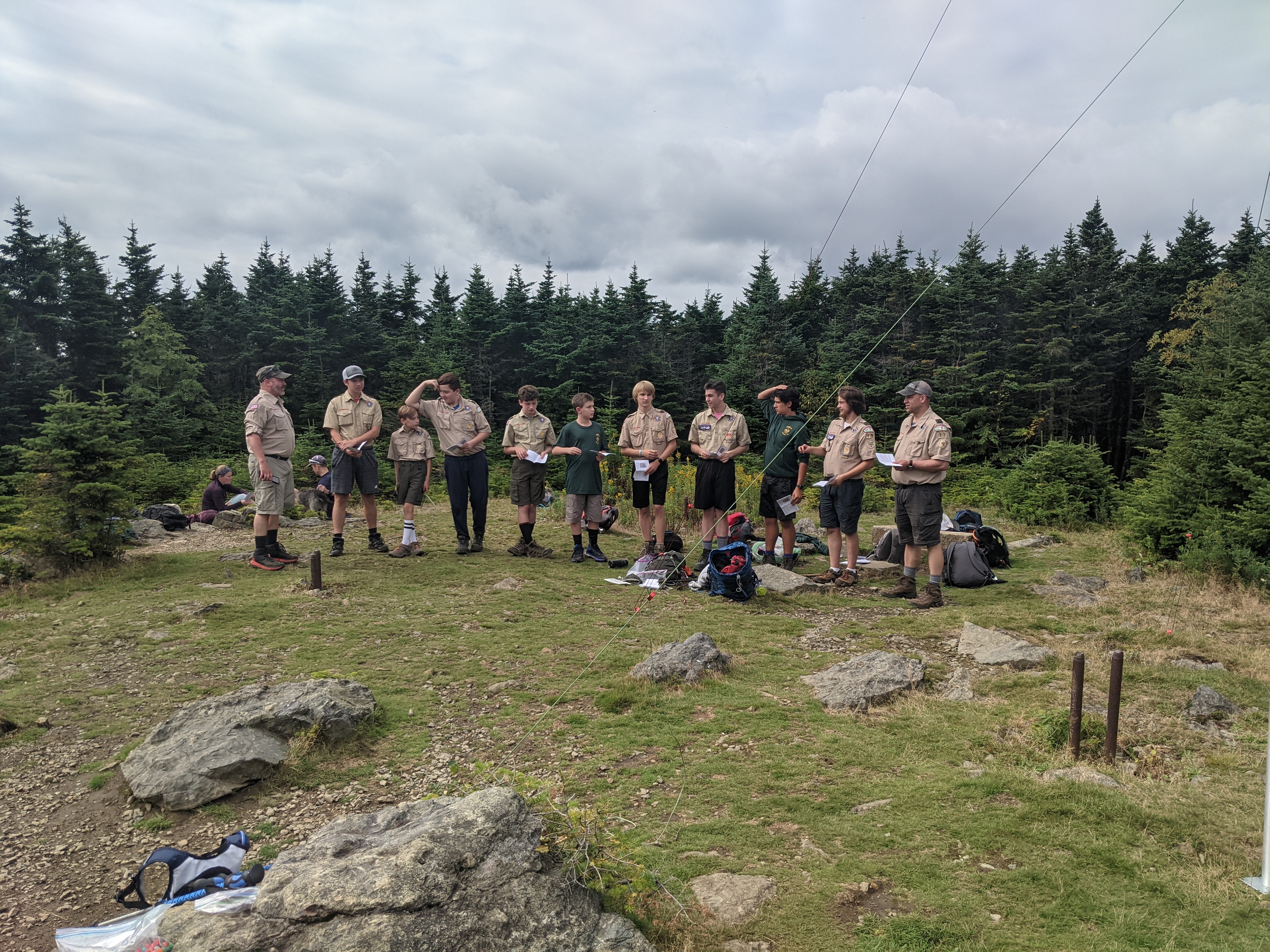
“We in the hiking community continue to honor the deceased with a tribute: flying the American flag atop all 48 four-thousand foot and higher mountains in New Hampshire on the Saturday closest to September 11. By demonstrating our steadfast unity in this challenging endeavor, we also hope to express our unwavering support to the families, friends, and communities whose losses are beyond comprehension and whose suffering we remember in our hearts.” — Flags on the 48 website.

I have been doing the Flags for the last 10 years mostly with the same core of people. There are two of us that have been doing if for all 10 years with various other people joining us. Out of all the people in this photo, nine of them have been hiking with us for several years. This group has not done the same peak twice.

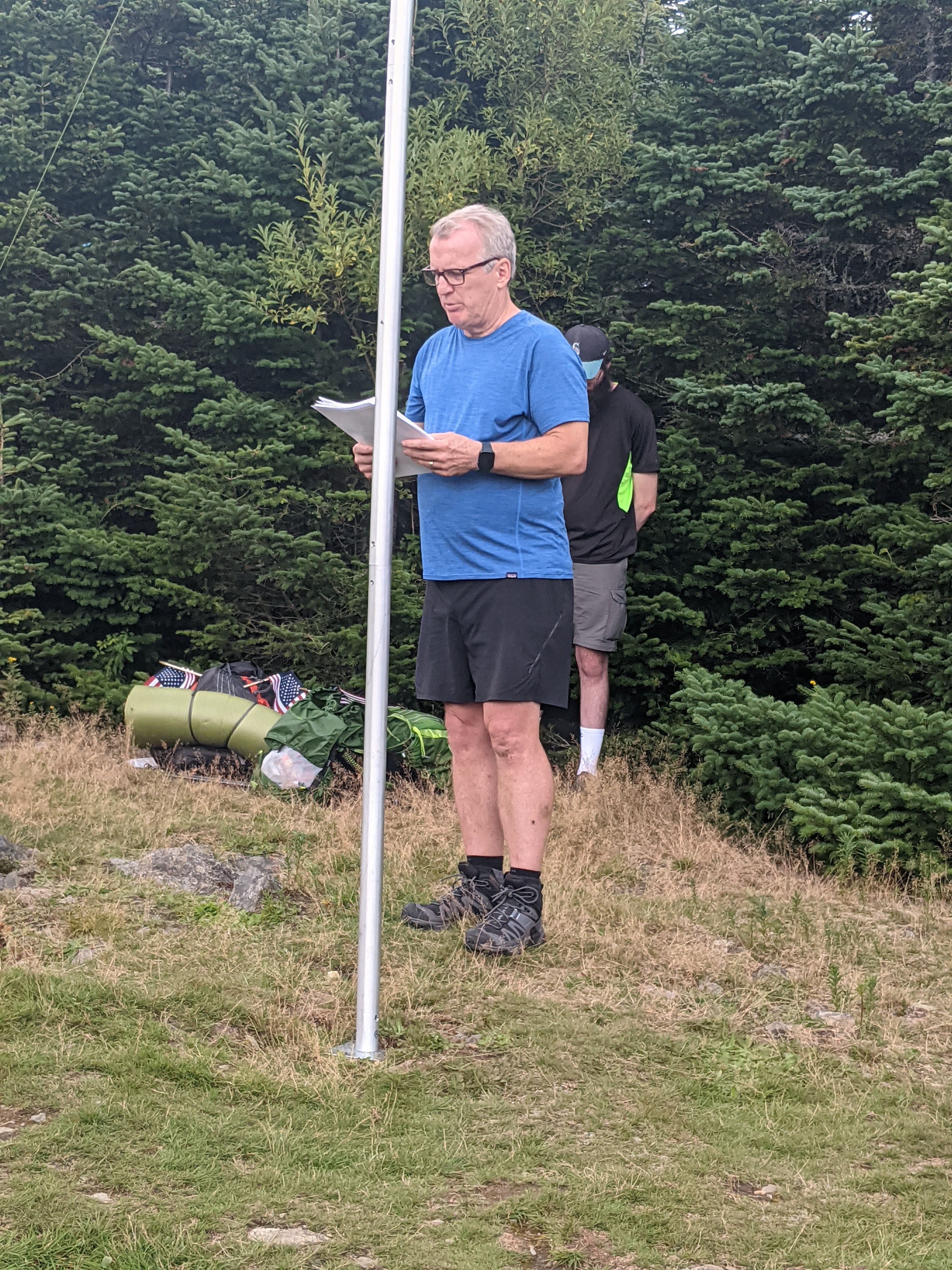
A member of our group does a great tribute to all that passed away from that day 20 years ago to the day of the hike. The names are placed at the base of our flag.

Thank you again for having faith and my abilities. Now I need to go through the photo and pick some out.

That is all for now. Until next week, be safe.

For more photo of other project I have work, visit my website: https://photobyjosephciras.weebly.com/ or visit me on Facebook at https://www.facebook.com/PhotobyJosephCiras/.
COVID is real! Be safe out there, keep your social distance, and remember to always wear your mask and wash your hands. Get your vaccine!

Photographic Thoughts — 08/29/2021 to 09/04/2021

“A good photograph is one that communicates a fact, touches the heart and leaves the viewer a changed person for having seen it. It is, in a word, effective.” — Irving Penn

Thank you for all the new views and likes from last week, it helps keep me inspired.

Sunday, 08/29/2021: Posted photo — Hobblebush.

Settings: Samsung SM-G930V (Galaxy S7), ISO 125, f/1.7, 1/60 s, 4 mm

“The fruit of the Hobblebush reportedly may be eaten raw or cooked and is said to taste somewhat like raisins or dates. Hobblebush has a number of medicinal uses. The Algonquin Indians reportedly rubbed its mashed leaves on the head to treat migraines. Iroquois Indians are said to-have used a decoction of roots as a blood medicine. The plant was also used to treat chest and breathing problems.” — Adirondacks Forever Wild website.

Hobblebush on Wachusett Mountain

These Hobblebush berries are growing on Wachusett Mountain. I took this photo during a hike I took today. I have seen them during my weekly hikes and thought that they would look good in a photo. I was glad to see that one of the berries had turned blue.

Monday, 08/30/2021: Posted photo — Mushrooms.

Settings: Canon EOS 60D, ISO 400, f/7.1, 1/80 s, 62 mm.

According to the University of New Hampshire Agricultural department and Better Homes and Garden: “Mushrooms grow from spores (not seeds) that are so tiny you can’t see individual spores with the naked eye. Rather than soil, these spores rely on substances like sawdust, grain, straw, or wood chips for nourishment. A blend of the spores and these nutrient sources is called spawn. Mushrooms like dark, cool, and humid growing environments. Prolonged periods of wet, humid weather, such as we have had over the past few weeks, cause fungi to send up fruiting structures. Fungi disperse to new areas via windblown spores. When the spores land in a suitable location they develop into new fungi which will grow mushrooms given enough time.

Mushrooms in our yard

Mushrooms will go away on their own once the weather dries out. Keep in mind that although these fruiting bodies have disappeared, the fungal mycelia is still growing in the soil. The fungus will continue to grow and persist as long as there is plenty of organic matter to feed upon.”

These mushrooms were growing in my front yard. They are in the same spot each time they grow. We have had many days of rain, so it is a great growing condition for mushrooms.

Tuesday, 08/31/2021: Posted photo — Rose for an Angel.

Settings: Canon EOS 60D, ISO 800, f/5.6, 1/125 s, 79mm.

Our daughter had a rare disorder, Triploidy. I did have the medical definition of this disorder in this post. I removed that part of my post since it would be too sensitive to some people.

Pink rose

Almost every year I go and visit her to sing her Happy Birthday and to say a prayer with her. It is not easy losing a child. We have had this rose since she was born and it means a lot to me.

Wednesday, 09/01/2021: Posted photo — Bouquet.

Settings: Samsung SM-G930V (Galaxy S7), ISO 125, f/1.7, 1/60 s, 4 mm

To continue my two-day flower series, I took a photo of this bouquet. I liked the colors in the bouquet.

Flower bouquet

Once again this photo was taking during the day just in case, I did not take another photo that day.

Thursday, 09/02/2021: Posted photo — Mount Monadnock.

Settings: Canon EOS 60D, ISO 400, f/7.1, 1/15 s, 135 mm.

Mount Monadnock at sunset

I summited Wachusett Mountain twice today. The first time was with colleagues from work, the second time was with a hiking group. During the first hike of the day, I took the photo of the flowing water. During the second hike of the day, I arrived at the summit just after sunset. I looked to the north and saw the great colors of the sunset around Mount Monadnock in New Hampshire.

Flowing stream along the Bicentennial Trail on Wachusett Mountain

Friday, 09/03/2021: Post photo — Petroglyphs.

Settings: Canon EOS DIGITAL REBEL XS, ISO 200, f/8, 1/400 s, 190 mm.

These Petroglyphs are in Capital Reef National Park.

Petroglyph in Capital Reef National Park

A pictograph is an image or designs made by painting on rocks or in cave. A petroglyph is an image created by removing part of a rock surface by incising, picking, carving, or abrading, as a form of rock art. Petroglyphs tell stories of events that have happened. They are like the newspapers of today. There is one petroglyph outside the Needles section of Canyonlands National Park that the experts still have not deciphered.

Saturday, 09/04/2021: Post photo — Mount Whiteface.

Settings: Canon EOS 60D, ISO 200, f/7.1, 1/320 s, 50 mm.

I decided to take a warmup hike today before the Flags on the 48 event next weekend.

I chose a mountain that I need for my repeat 48 4,000 footers and that was close to home. I decided on Mount Whiteface since I have not done it as one of my repeat 48 and it was only two and a half hours from home. People normally hike Mount Passaconway with Mount Whiteface but today I did not do both since this was a warmup hike and I have some things that I needed to do at home tonight.

Mount Whiteface

Mount Whiteface is a 4,019 ft mountain located in Grafton County, New Hampshire. The mountain is part of the Sandwich Range of the White Mountains. Whiteface is flanked to the northwest by Mount Tripyramid, and to the northeast by Mount Passaconaway. Mount Passaconaway is a 4,043 ft mountain about three miles from Mount Whiteface.

Mount Passaconaway

Thank you again for having faith and my abilities. Now I need to go through the photo and pick some out.

That is all for now. Until next week, be safe.

For more photo of other project I have work, visit my website: https://photobyjosephciras.weebly.com/ or visit me on Facebook at https://www.facebook.com/PhotobyJosephCiras/.
COVID is real! Be safe out there, keep your social distance, and remember to always wear your mask and wash your hands. Get your vaccine!