Photographic Thoughts — 09/08/2024 to 09/14/2024

“A good photograph is one that communicates a fact, touches the heart and leaves the viewer a changed person for having seen it. It is, in a word, effective.” — Irving Penn

This week ended with a special memorial hike.

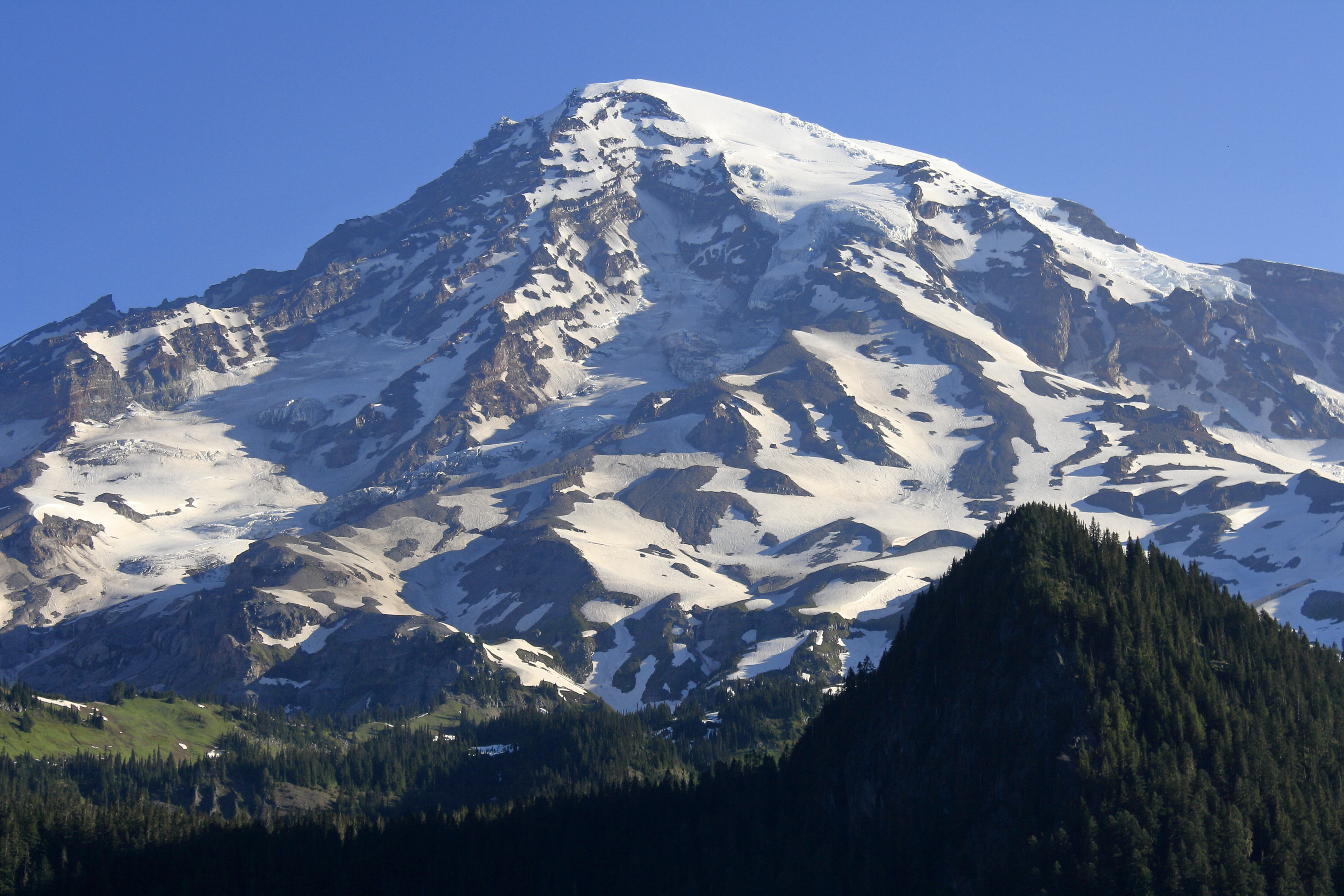
Sunday, 09/08/2024: Posted photo — Mount Rainier.

Ascending to 14,410 feet above sea level, Mount Rainier stands as an icon in the Washington landscape. An active volcano, Mount Rainier is the most glaciated peak in the contiguous U.S.A., spawning five major rivers. Subalpine wildflower meadows ring the icy volcano while ancient forest cloaks Mount Rainier’s lower slopes. Wildlife abounds in the park’s ecosystems. A lifetime of discovery awaits.
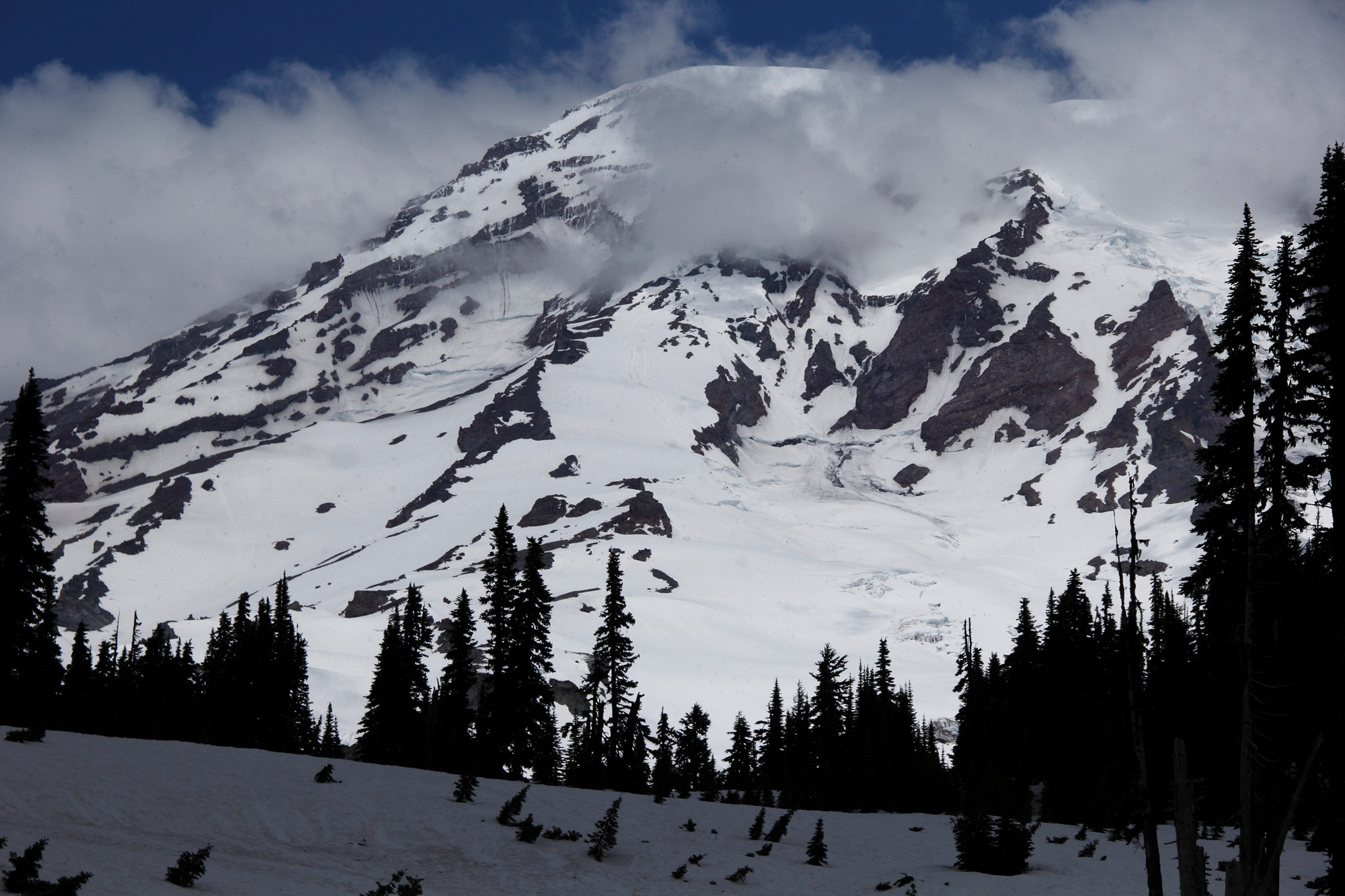
I have been to this mountain many times. We camped out in an area where we saw signs about being in a lava flow area.

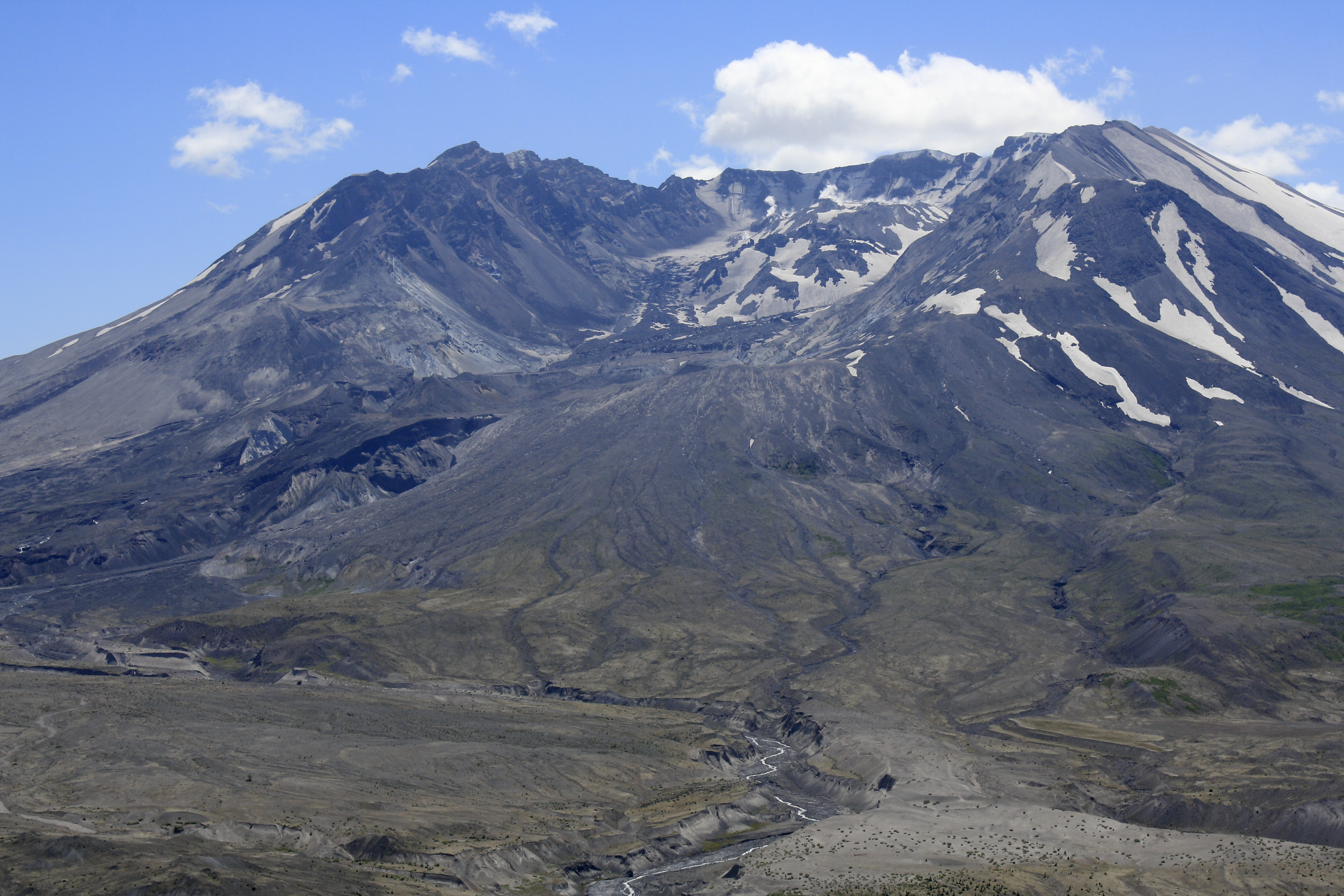
Monday, 09/09/2024: Posted photo — Mount St. Helens.

At 8:32 Sunday morning, May 18, 1980, Mount St. Helens erupted, shaken by an earthquake measuring 5.1 on the Richter scale, the north face of this tall symmetrical mountain collapsed in a massive rock debris avalanche. In a few moments this slab of rock and ice slammed into Spirit Lake, crossed a ridge 1,300 feet high, and roared 14 miles down the Toutle River.
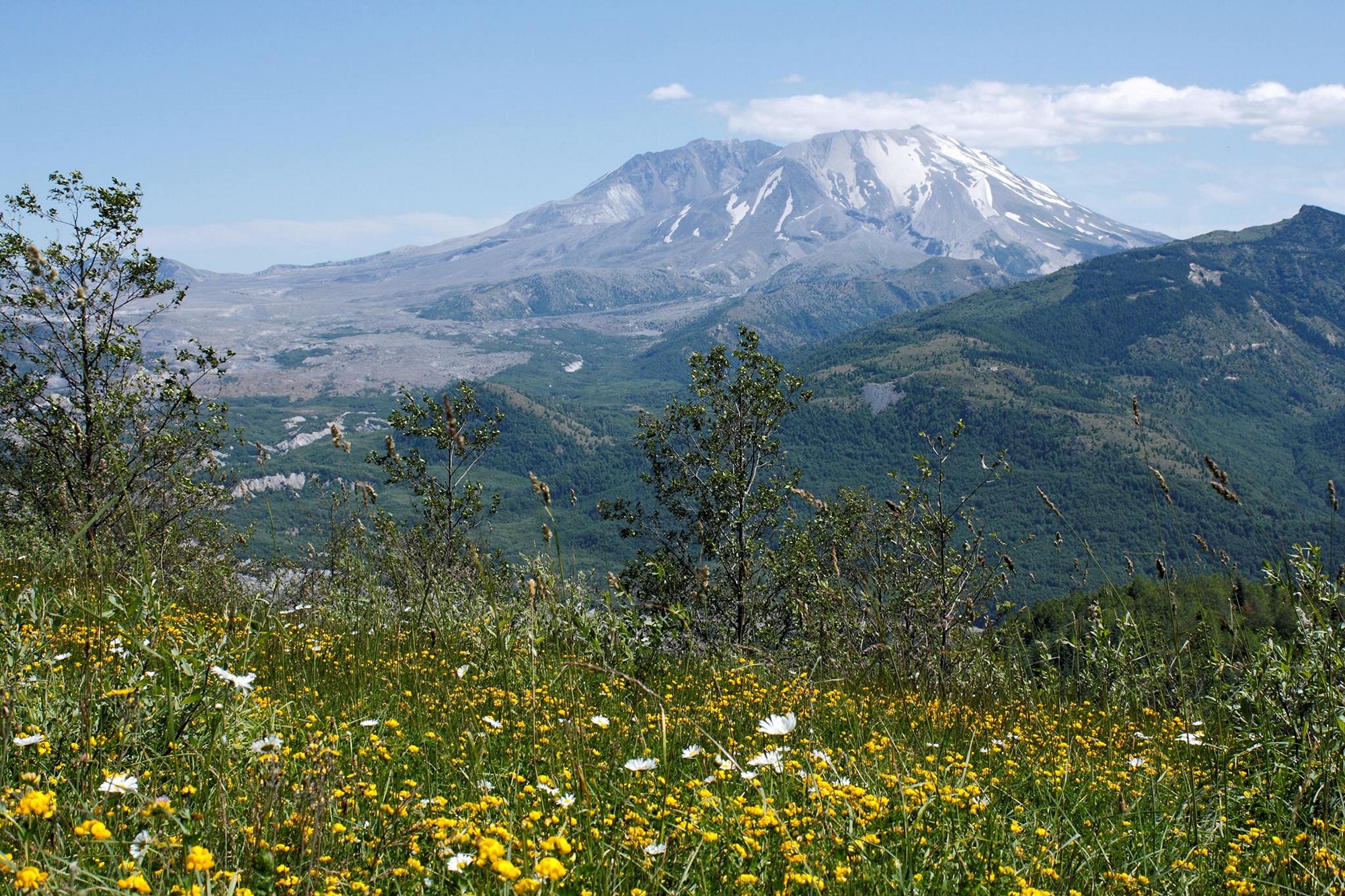
I have been to Mount St. Helens over the years since the eruption and have seen the trees grow back, trees leave Spirit Lake, and the dome inside the crater growing. When I first saw the blast zone, I had a loss for words. You go through lush and dense forests, turn the corner, and then nothing. Trees look like pickup sticks in the direction of the blast. You need to see it.

Tuesday, 09/10/2024: Posted photo — Mesa Arch.

Perched at the edge of the mesa top, this 27-foot-long (8.3 m) arch frames views of the canyon far below and the La Sal Mountains in the distance.

I took this photo before I knew Masa Arch was famous. I took this during my first year to Canyon Lands National Park in the Island in the Sky area. Since then, I have been to the Needles section, and looking forward to going to the Maze section someday.

Wednesday, 09/11/2024: Posted photo — Double Arch.

Visible from the parking loop at The Windows, Double Arch is an impressive feature—the tallest (112 ft/34 m) and second-longest (144 ft/44 m) arch in the park.

This is a composite photo. I took the sky from a photo of Balance Rock. If you look closely at the photo, you can see some people.

Thursday, 09/12/2024: Posted photo — Wachusett Mountain.

Mount Wachusett is a mountain in Massachusetts. It straddles towns of Princeton and Westminster, in Worcester County. It is the highest point in Massachusetts east of the Connecticut River. The mountain is named after a Native American term meaning “near the mountain” or “mountain place”.
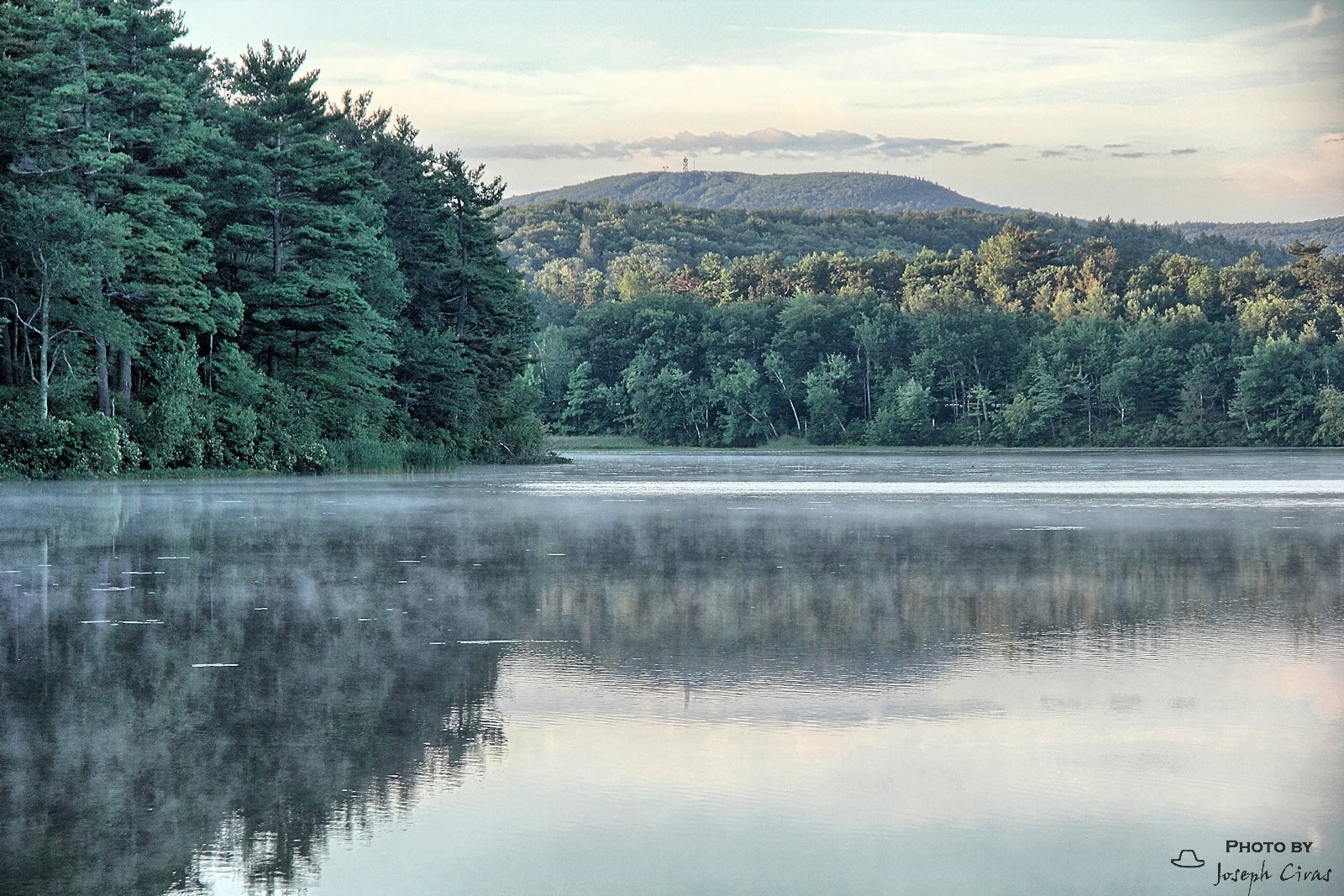
This is an HDR photo from Round Meadow Pond.

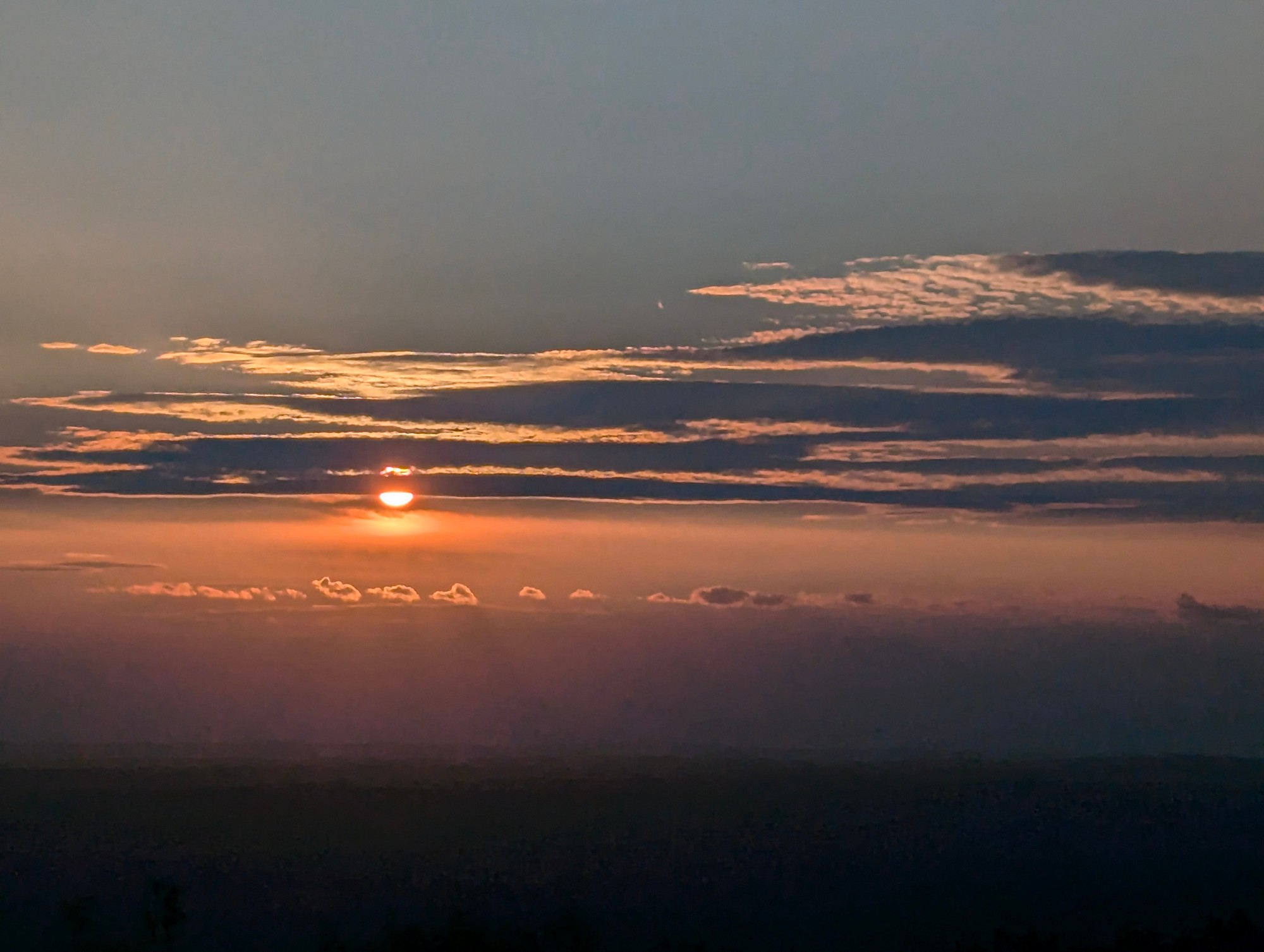
Friday, 09/13/2024: Post photo — Sunset.

During my hike this week, I captured this sunset from the summit of Wachusett Mountain. This week was the last week that we will be returning from the summit without headlamps. We made it down just as astronomical twilight was ending and Nighttime was beginning.
Saturday, 09/14/2024: Post photo — Mount Flume.

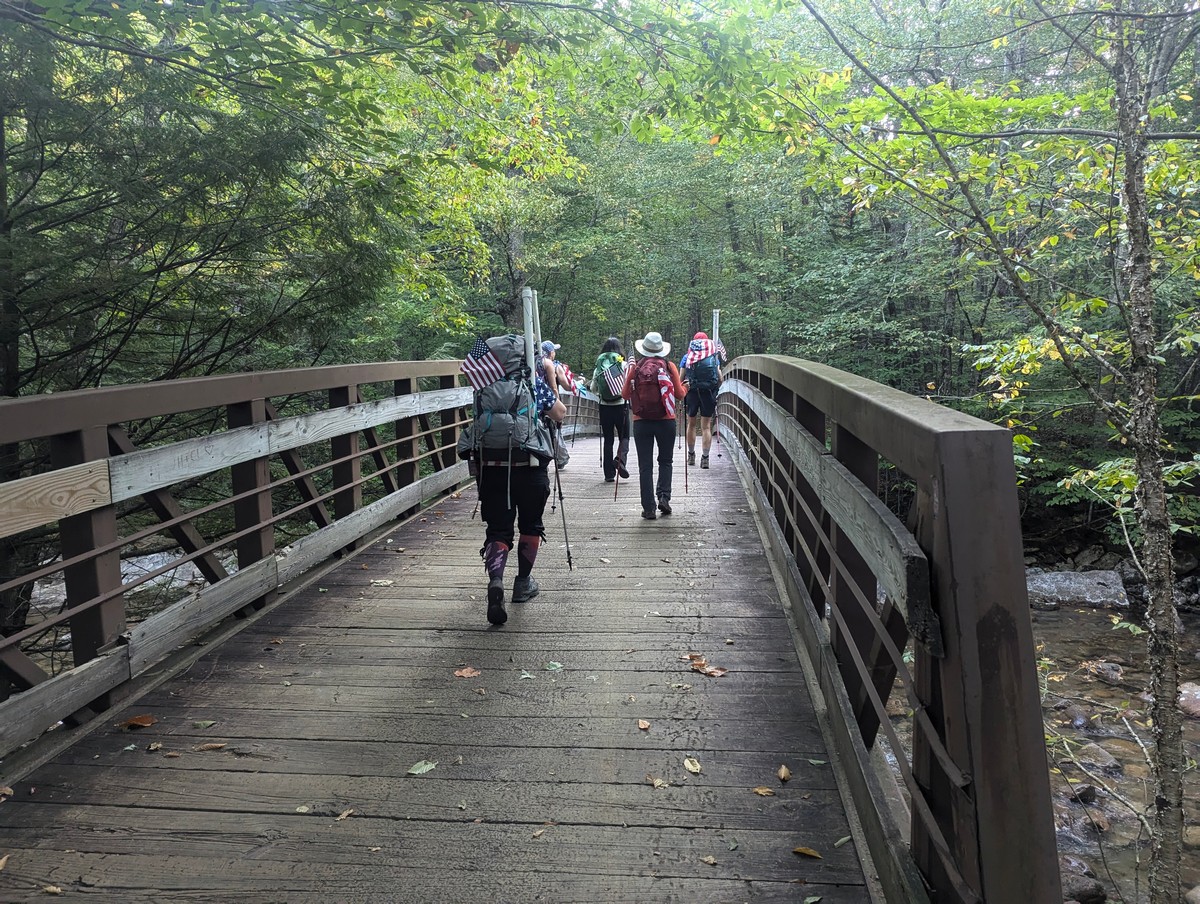
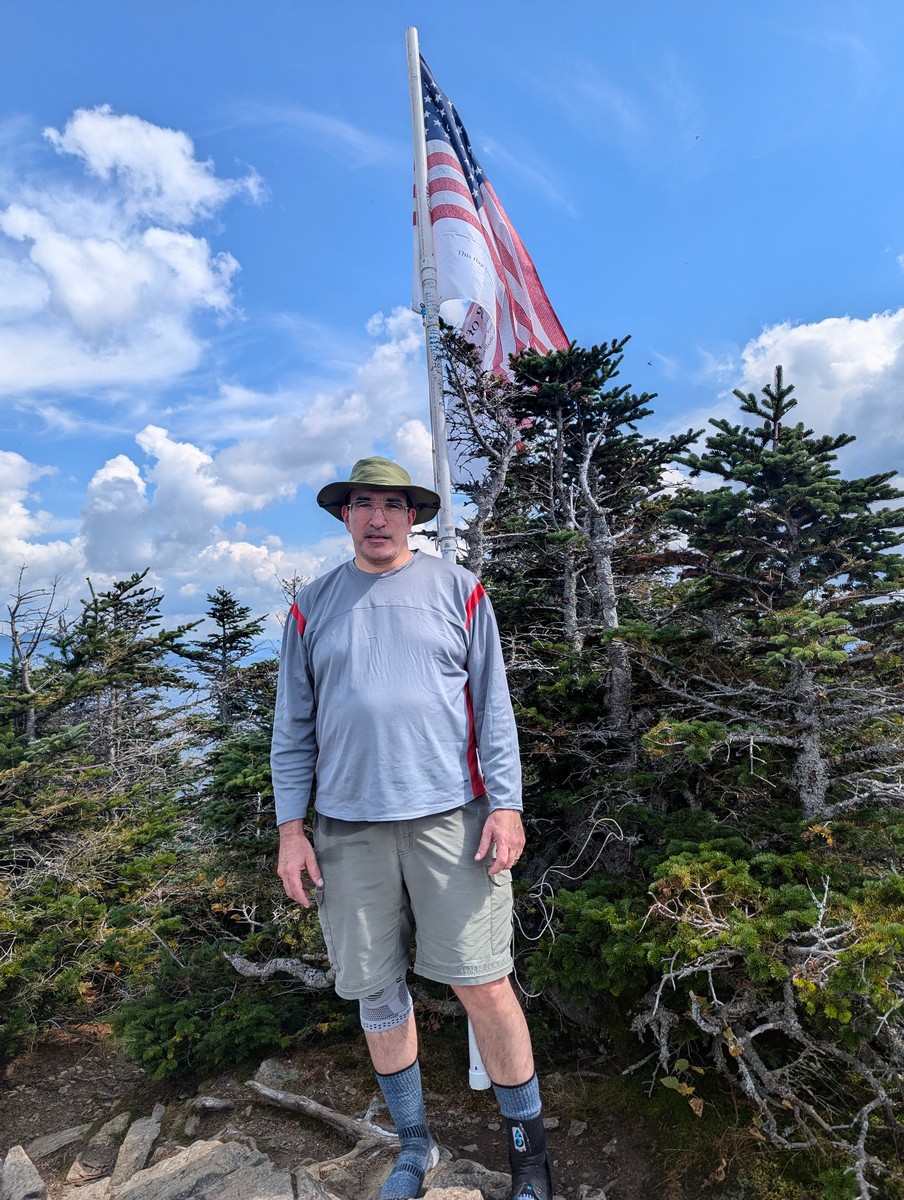
This year, I co-lead a hike to the summit of Mt. Flume for the Flags on the 48 event. This was an Appalachian Mountain Club (AMC) hike.
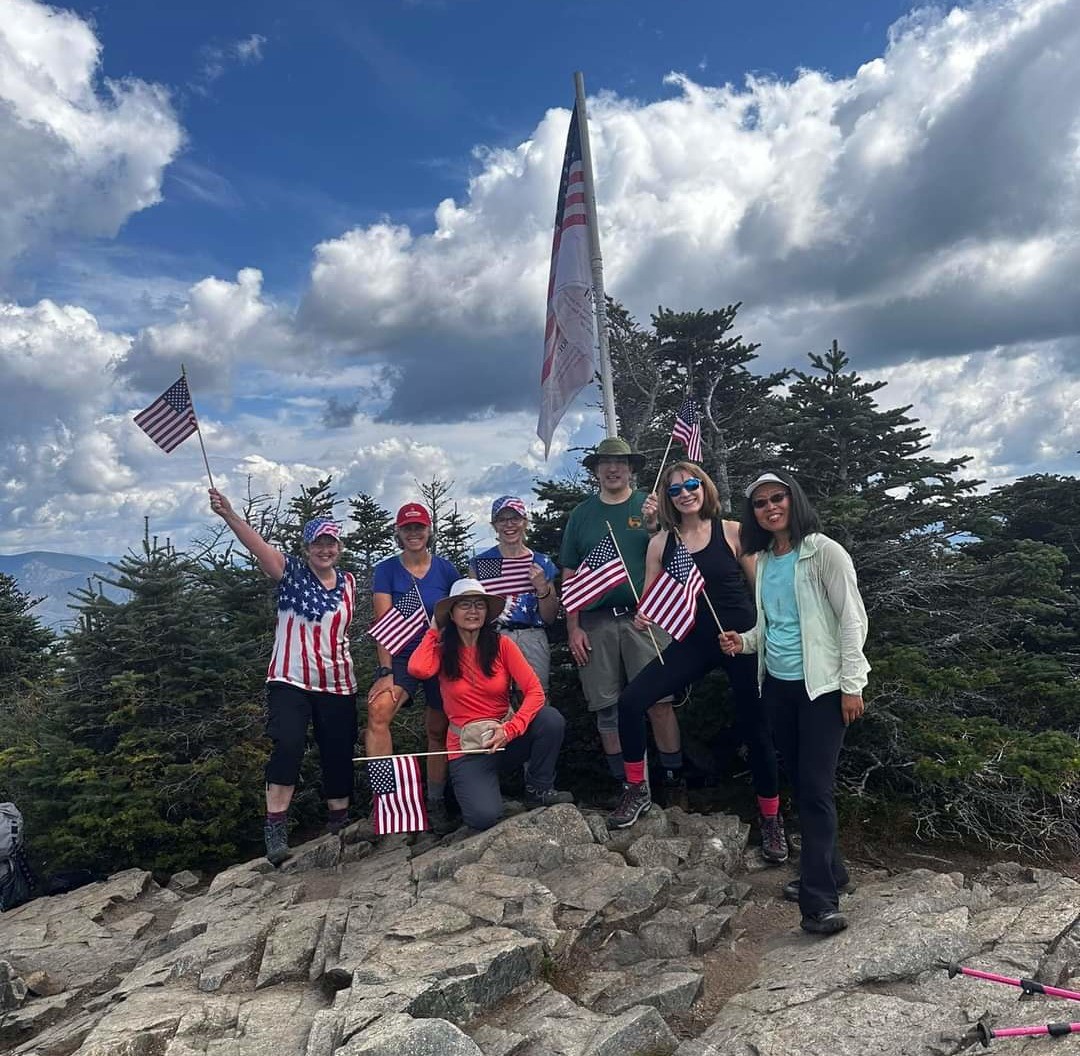
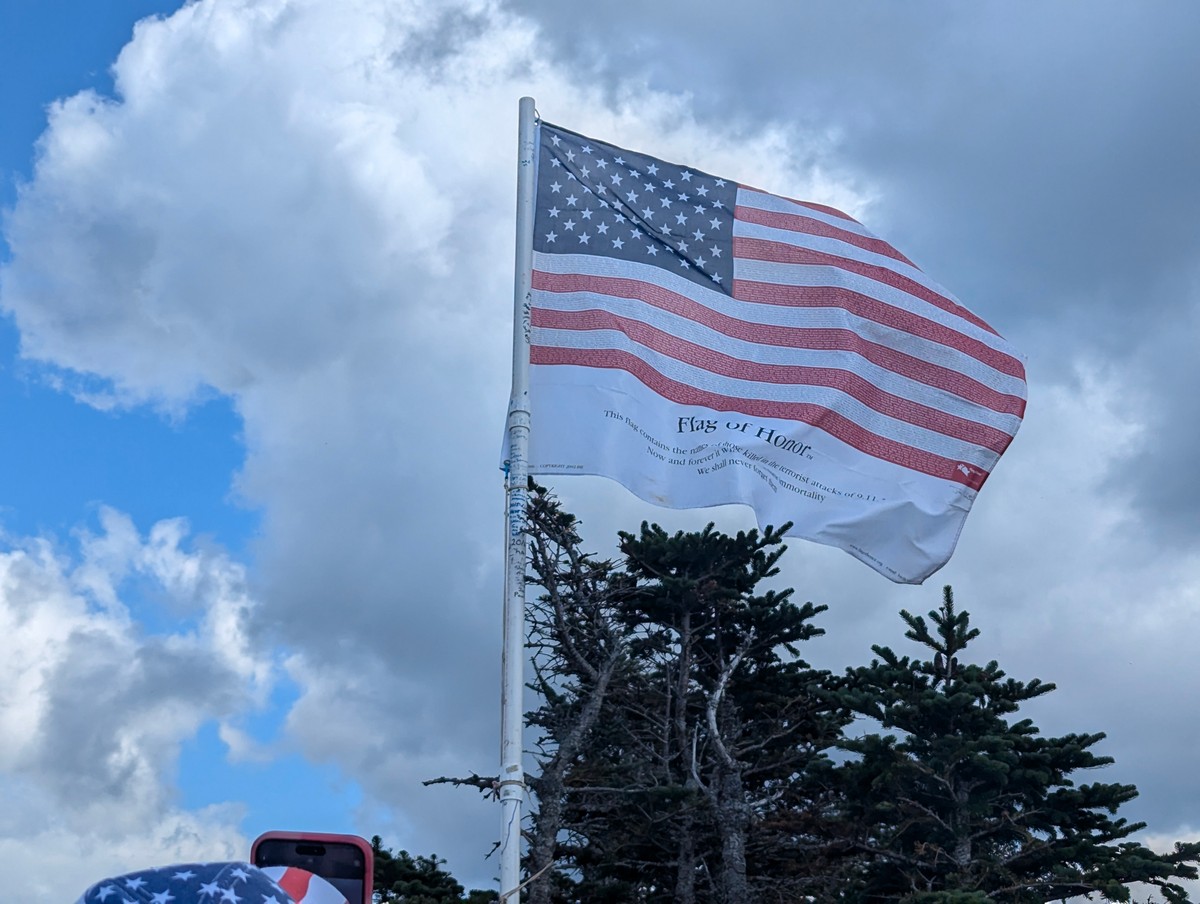
Flag raised on the of Mt Flume

From the official website: “We in the hiking community continue to honor the deceased with a tribute: flying the American flag atop all 48 four-thousand foot and higher mountains in New Hampshire”. This event happens on the closest Saturday to September 11. If September 11 falls on a Sunday, the hike is that Sunday.

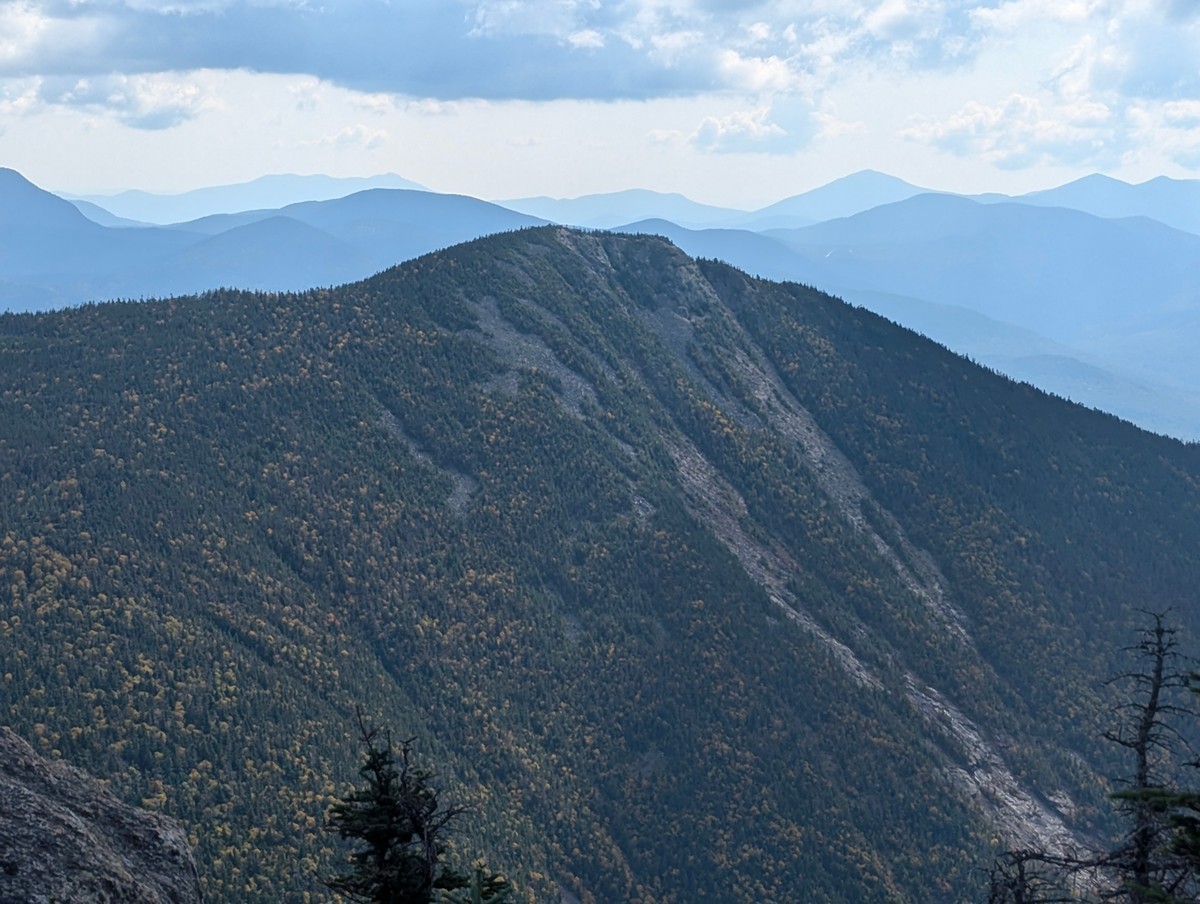
This is my 11th time doing this hike. The hike started on the Saturday after September 11, 2001 with one peak, Mt Liberty, and it quickly took off. Just a few peaks the next year, and then all the 48 4000 footers were covered. This event is now in Maine, Massachusetts and other locations.

That is all for now. Until next week, be safe.
Photographic Thoughts — 08/28/2022 to 09/03/2022

“I don’t trust words. I trust pictures.” — Gilles Peress

Thank you for all the new views and likes from last week, it helps keep me inspired.

Here are a few mountains that I have seen over the last few years.

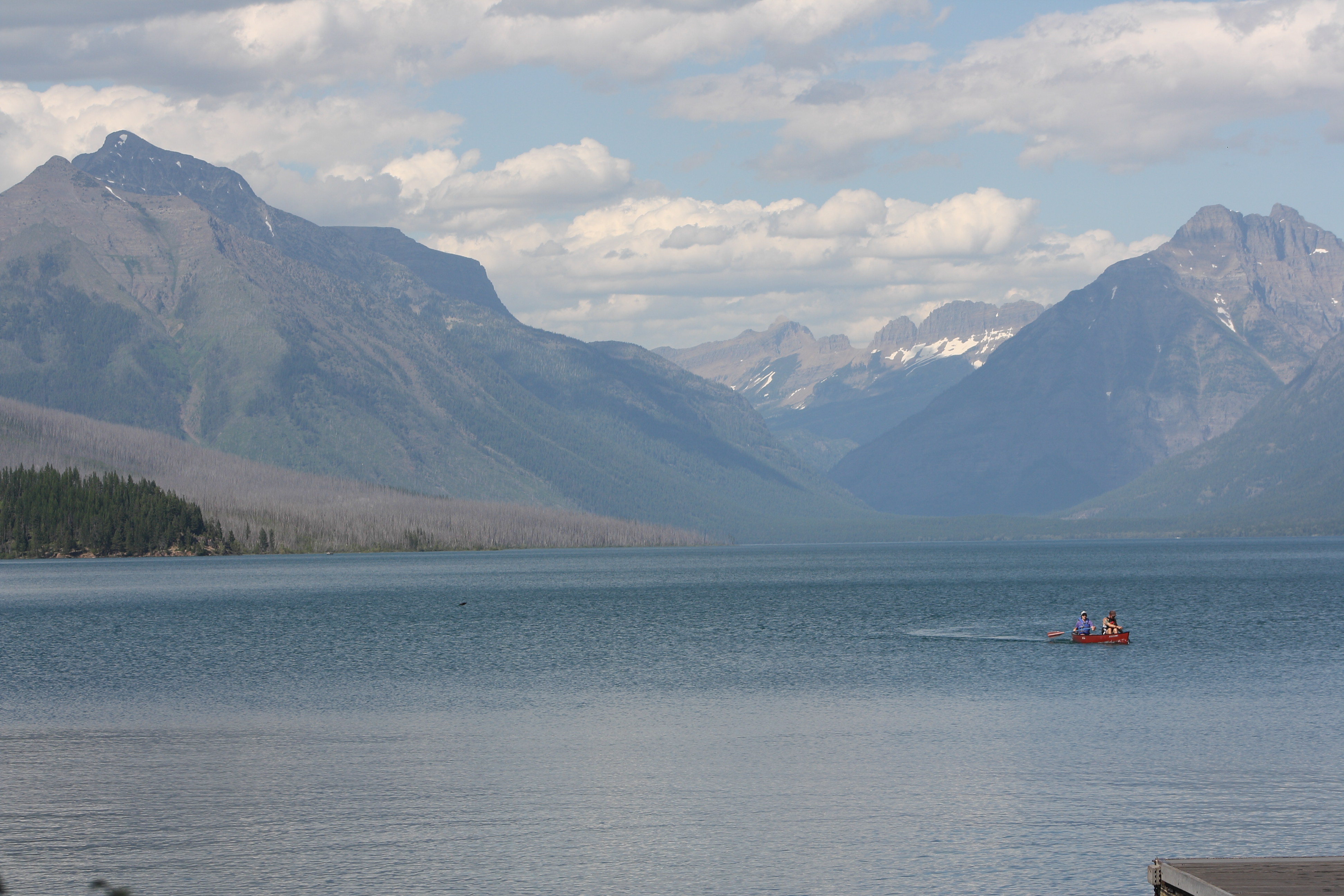
Sunday, 08/28/2022: Posted photo — Lake McDonald.

My first view at Glacier National Park in Montana. This was the start of my northern national park tour though the United States and Canada.

Monday, 08/29/2022: Posted photo — Camp View.

Here is the mountain view from our campsite in Glacier National Park. What a great view to start the day.

Tuesday, 08/30/2022: Posted photo — Lost Lake.

One of the destinations in our hiking adventures in Glacier National Park. We did some hiking along mountain goats and sheep. Most of the hike was in the snow. This hike took place in June.

Wednesday, 08/31/2022: Posted photo — Waterton Lakes.

This is the blue hour view from out campsite in Waterton Lakes National Park in Alberta Canada. A great place to camp with great views and many prairie dogs.

Thursday, 09/01/2022: Posted photo — Mount St. Helens.

I have visited Mount St. Helens three times over the last ten years. There has been a noticeable growth in the crater and in the forest around the mountain. It is very impressive to go from the dense forest around the mountain into the blast zone. The trees in the blast zone look like they are from the game pick up sticks, all facing away from the blast.

Friday, 09/02/2022: Post photo — Mount Rainier.

This has been the most impressive mountain I have seen so far. We did a few hikes on the mountain. Never to the summit, just middle elevation hikes on the snow and glaciers.

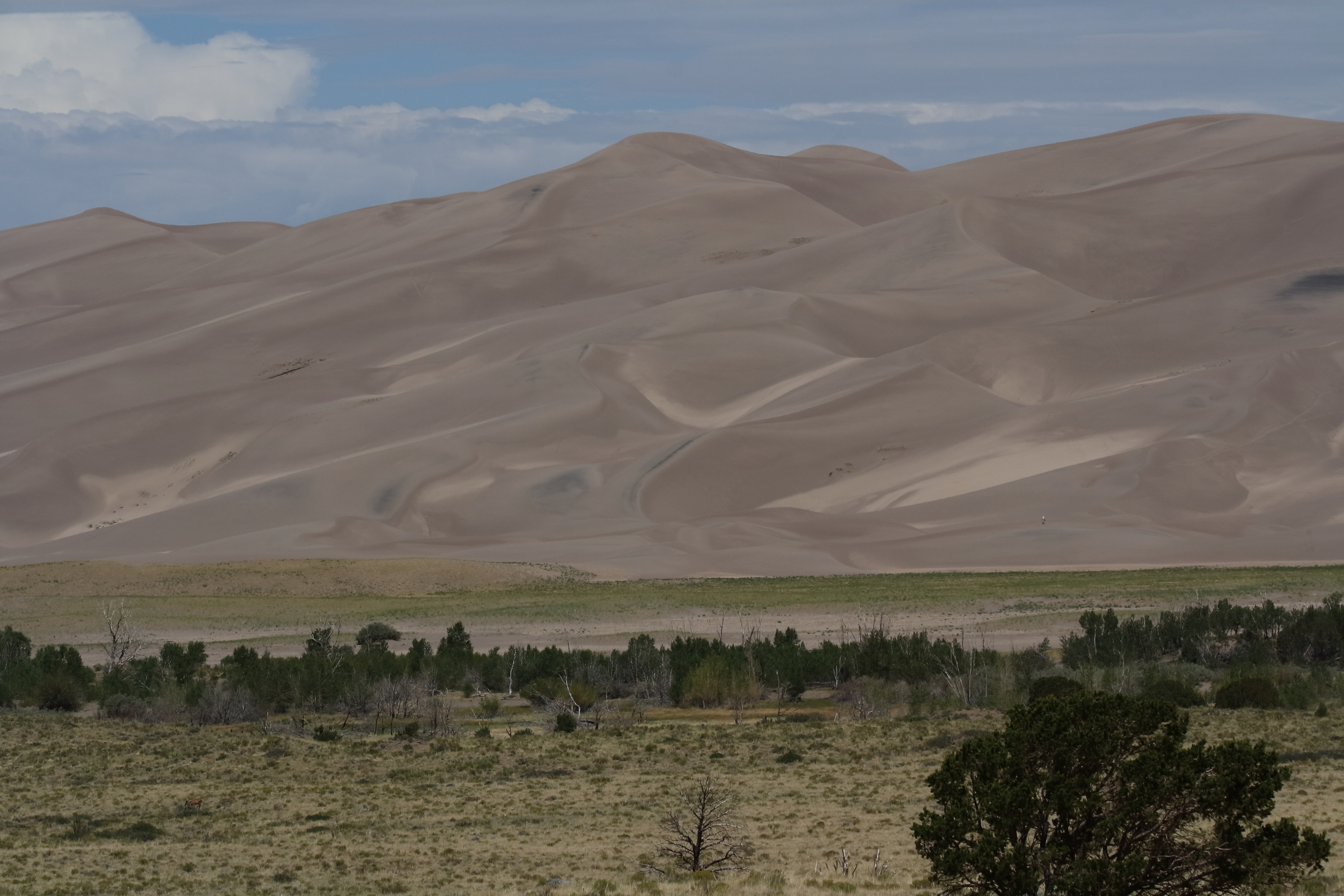
Saturday, 09/03/2022: Post photo — Mountain of Sand.

This is a different type of mountain. A mountain of sand in Great Sand Dunes National Park and Preserve in Colorado. This mountain keeps moving due to the weather. The sand is hot, and it feels like you are in the middle of a desert when you are hiking on the dunes.

That is all for now. Until next week, be safe.
For more photo of other project I have work, visit my website: https://photobyjosephciras.weebly.com or visit me on Facebook at https://www.facebook.com/PhotobyJosephCiras/.

Photographic Thoughts — 05/01/2022 to 05/07/2022

“Photography for me is not looking, it’s feeling. If you can’t feel what you’re looking at, then you’re never going to get others to feel anything when they look at your pictures.” — Don McCullin

Thank you for all the new views and likes from last week, it helps keep me inspired.

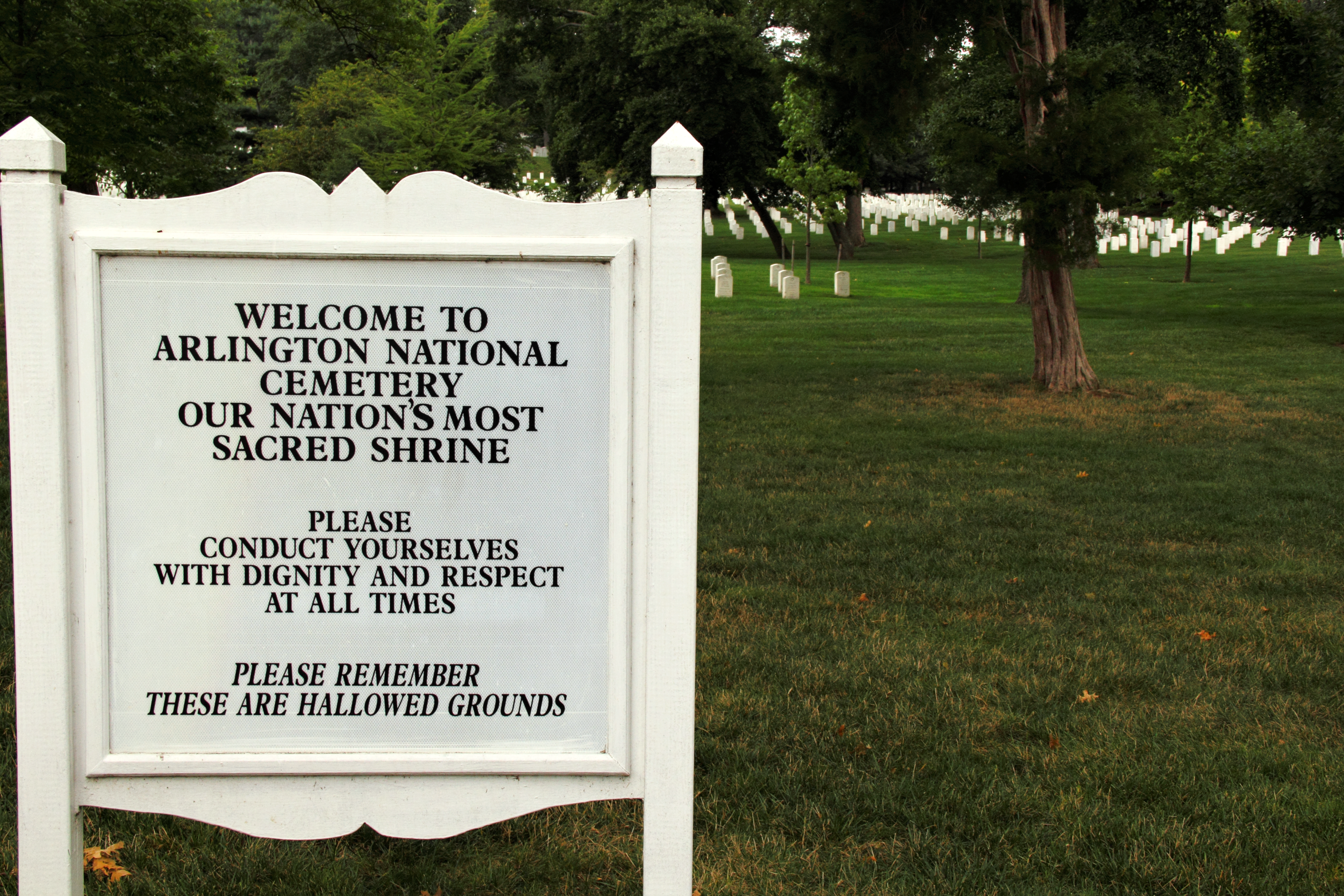
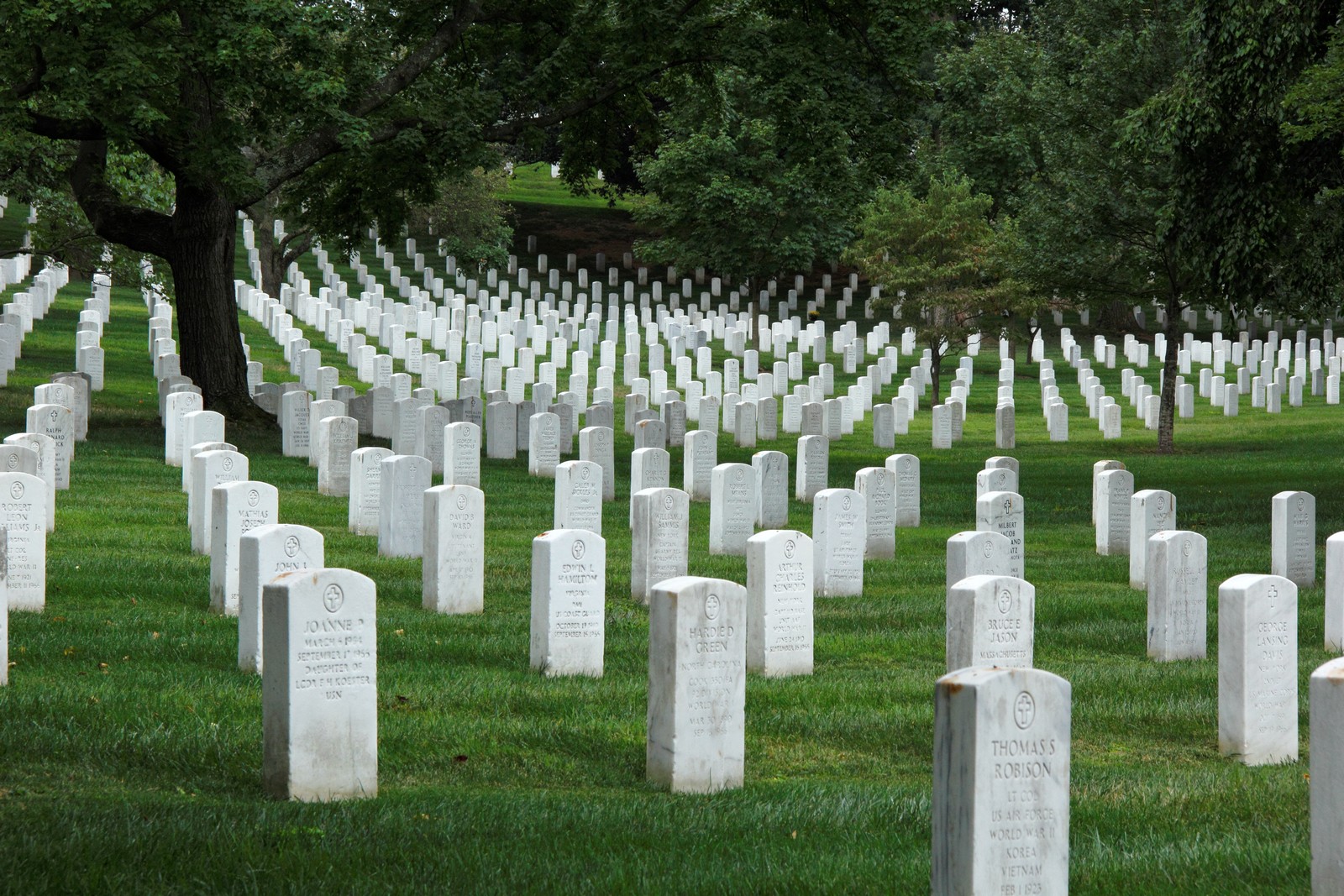
This week we are travelling to Arlington National Cemetery. I will not be commenting on the post, of giving photo information this week. I am only naming each photo. I want you to reflect on these photos. Arlington National Cemetery was one of the few places that made me cry as I entered. The feeling of pride, honor, and patriotism overwhelms you as you enter.

More than three million people visit Arlington National Cemetery each year. Many come to pay respects at graveside services, or to visit a loved one’s final resting place. Please remember that Arlington is an active cemetery — a place of honor, grieving and reflection. We ask that visitors abide by the following guidelines. 

  • Speak quietly and use headphones if you are listening to something, so that your experience does not distract or disturb other visitors. 
  • Enjoy the space appropriately. You are encouraged to explore the cemetery (you may walk on the grass to find a grave) and attend a public ceremony. However, activities such as running, climbing, bicycling, playing sports or picnicking are not allowed. 
  • Leave your pets at home. Only approved service animals and military working dogs are permitted. 
  • Respect the property. Do not damage or sit on monuments, gravestones, plants or other property. They are historic features of this sacred site, which is listed on the National Register of Historic Places.  
  • Respect funeral services by staying at a distance. If you encounter a funeral procession, please step aside and wait for the procession to pass. If your exploration of the cemetery brings you near a funeral service, please move along to an area that is not the site of active mourning. 
  • Show respect to the flag. When a flag is used in a ceremony or service, or a bugler plays Taps, civilians should place their right hand over their heart. Military service members and veterans may salute.  

Sunday, 05/01/2022: Posted photo — Welcome Sign.

Settings: N/A.

Monday, 05/02/2022: Posted photo — Price of Freedom.

Settings: N/A.

Tuesday, 05/03/2022: Posted photo — Graves.

Settings: N/A.

Wednesday, 05/04/2022: Posted photo — The Eternal Flame.

Settings: N/A.

Thursday, 05/05/2022: Posted photo — Secretary Robert McNamara.

Settings: N/A.

Friday, 05/06/2022: Post photo — Memorial Amphitheater.

Settings: N/A.

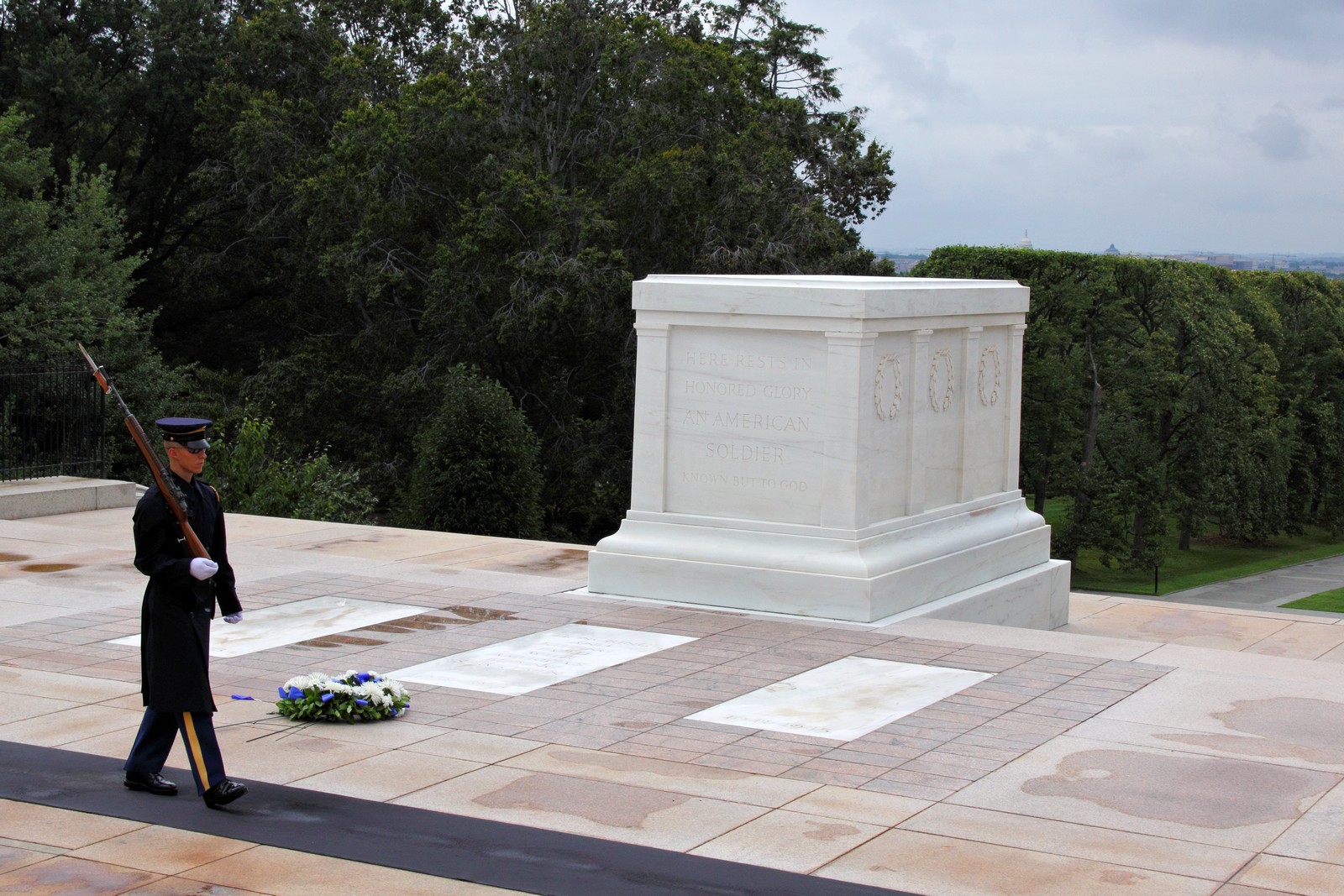
Saturday, 05/07/2022: Post photo — The Tomb of the Unknown Soldier.

Settings: N/A.

Hope you enjoyed your tour of Arlington National Cemetery.

Please comment if the blog moved you in any way.

That is all for now. Until next week, be safe.

My Weebly website has not been updated since February 16, the day before I broke my ankle. For more photo of other project I have work, visit my website: https://photobyjosephciras.weebly.com or visit me on Facebook at https://www.facebook.com/PhotobyJosephCiras/.

Photographic Thoughts — 04/24/2022 to 04/30/2022

“A thing that you see in my pictures is that I was not afraid to fall in love with these people.” — Annie Leibovitz

Thank you for all the new views and likes from last week, it helps keep me inspired.

This week we visit Yosemite National Park in 2008. I was just starting out in photography at this time.

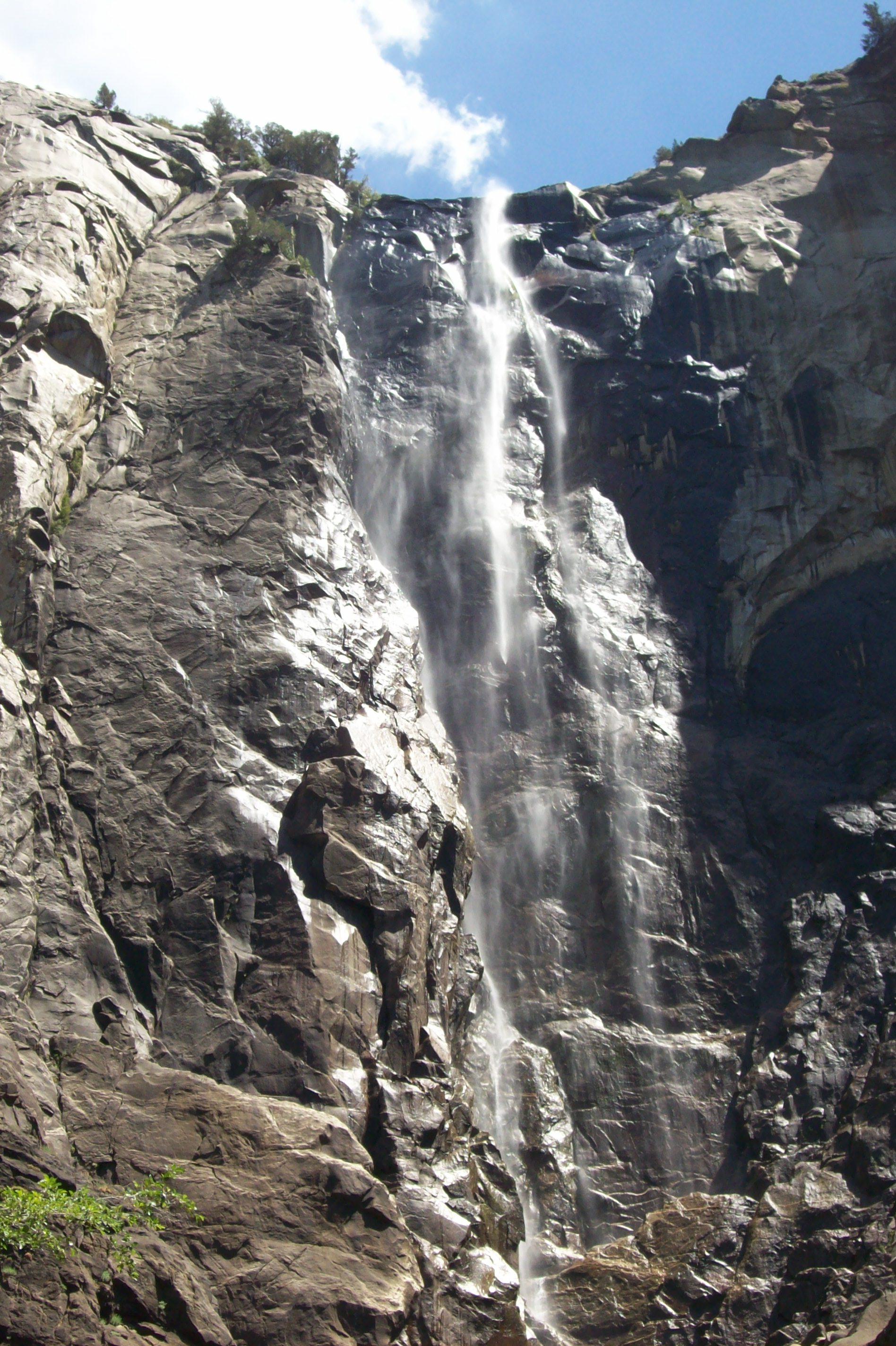
Sunday, 04/24/2022: Posted photo — Bridalveil Falls.

Settings: KODAK DX6490 ZOOM DIGITAL CAMERA, ISO 80, f/6, 1/253 s, 9 mm.

We arrived at Yosemite National Park late one evening in 2008 and did not see the valley. Today we went hiking to Bridalveil Falls. Since this trip took place in the summer, the water was not flowing over the falls as well as it does other times of the year.

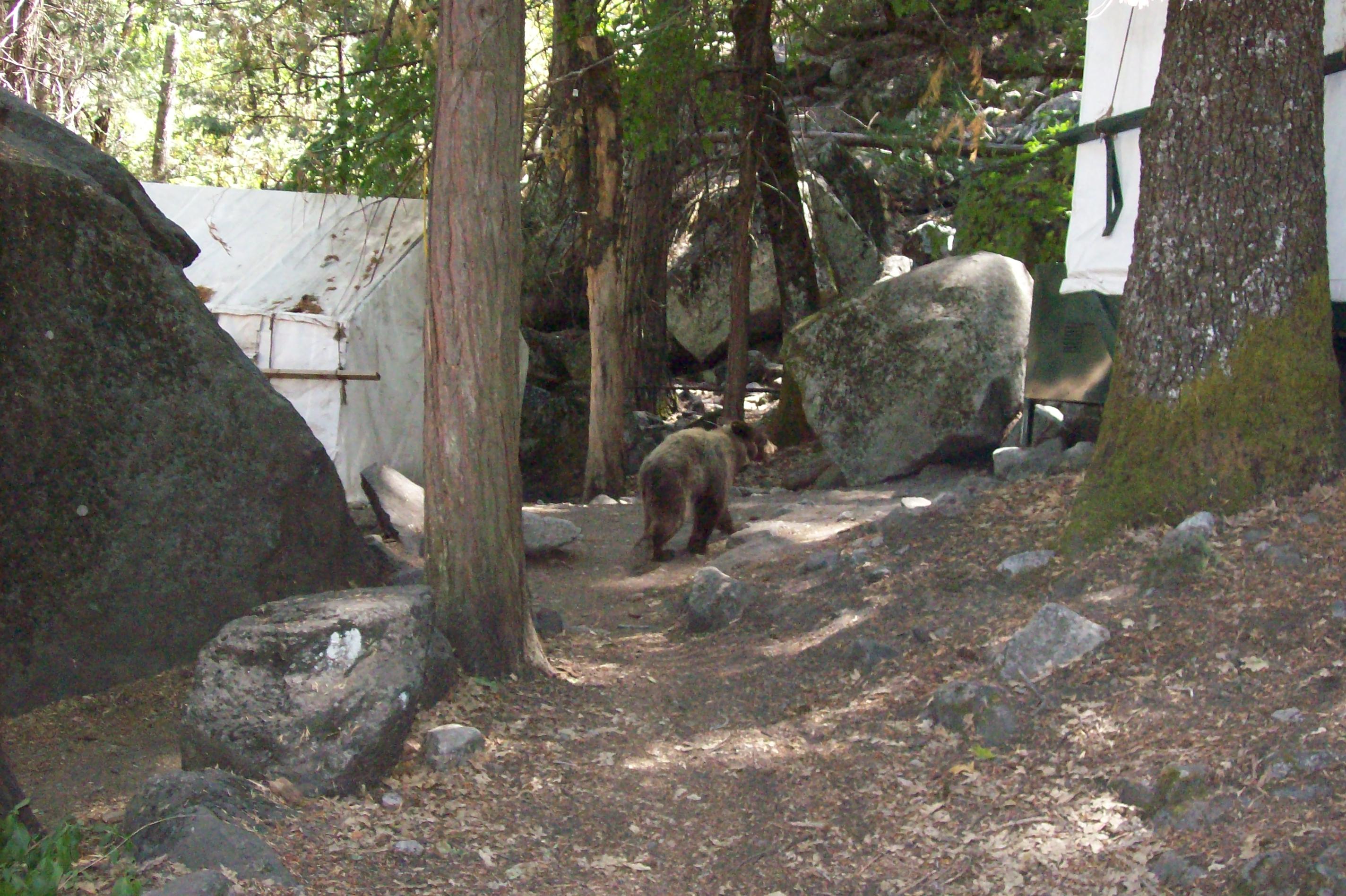
Monday, 04/25/2022: Posted photo — Camp Curry.

Settings: KODAK DX6490 ZOOM DIGITAL CAMERA, ISO 400, f/3, 1/147 s, 8 mm.

This is where we camped, Camp Curry. We occasionally had a visitor near our site. Yosemite bears will open your car doors to get food. All your items that have odor were to be placed inside a bear locker. Yosemite bears are the only bears in the National Park system that will open your door for you.

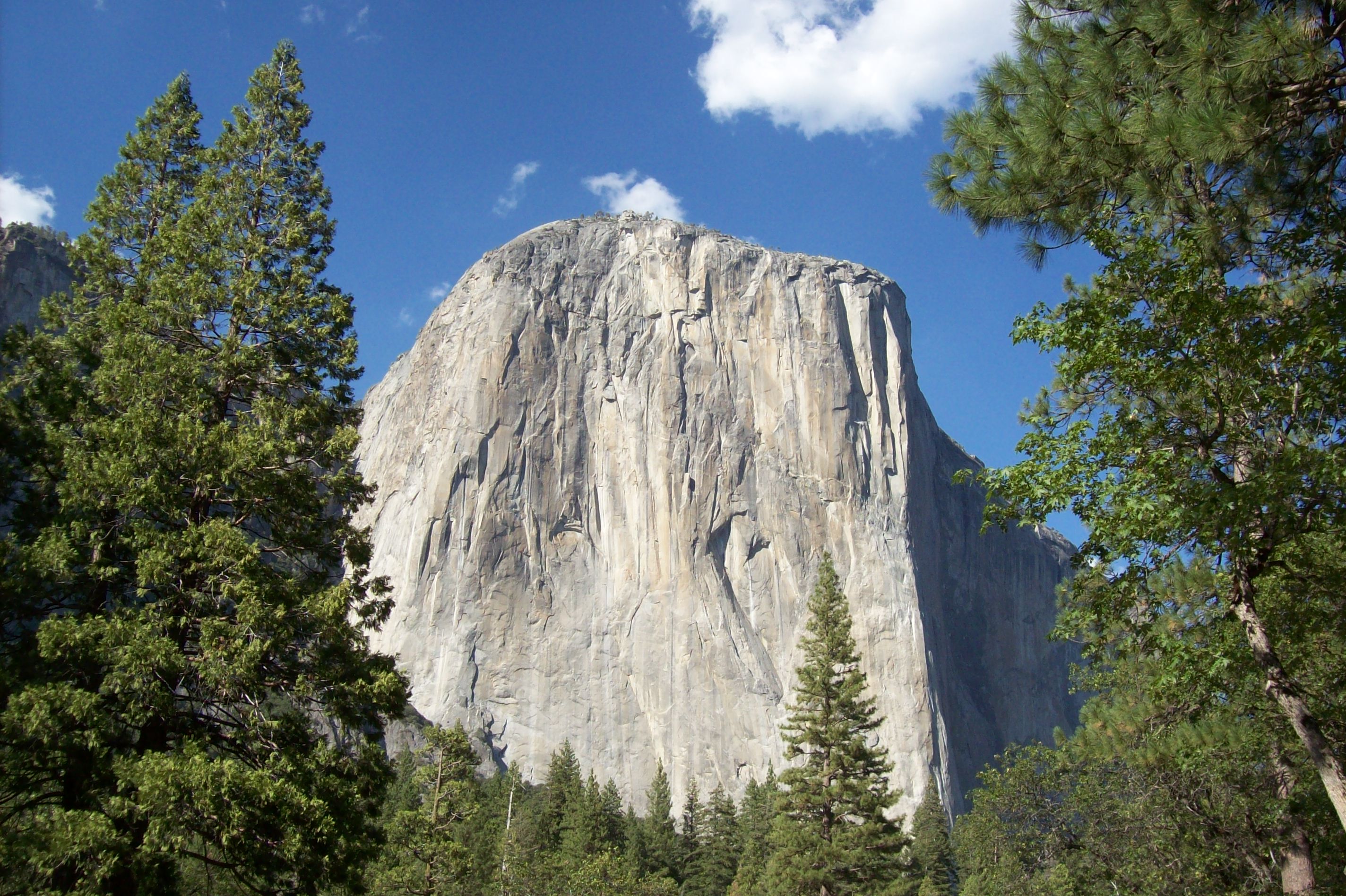
Tuesday, 04/26/2022: Posted photo — El Capitan.

Settings: KODAK DX6490 ZOOM DIGITAL CAMERA, ISO 80, f/4.8, 1/434 s, 6 mm.

The famous El Capitan. We saw some climbers on the side of the cliff. It is interesting at night to see their flashlights as they are setting up their sleeping ledges.

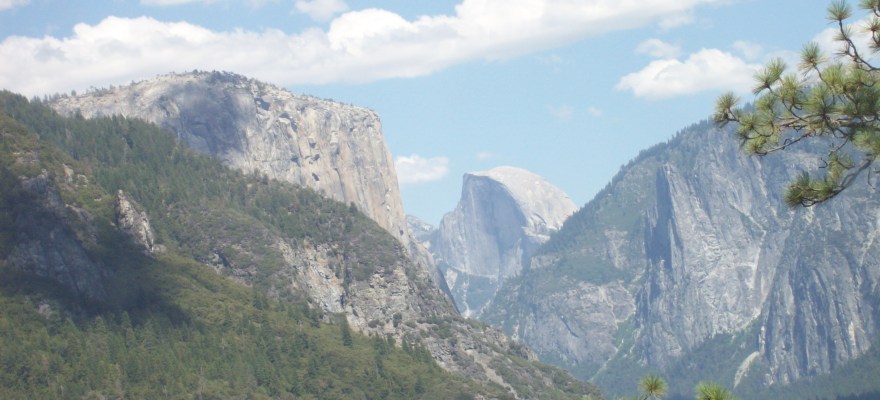
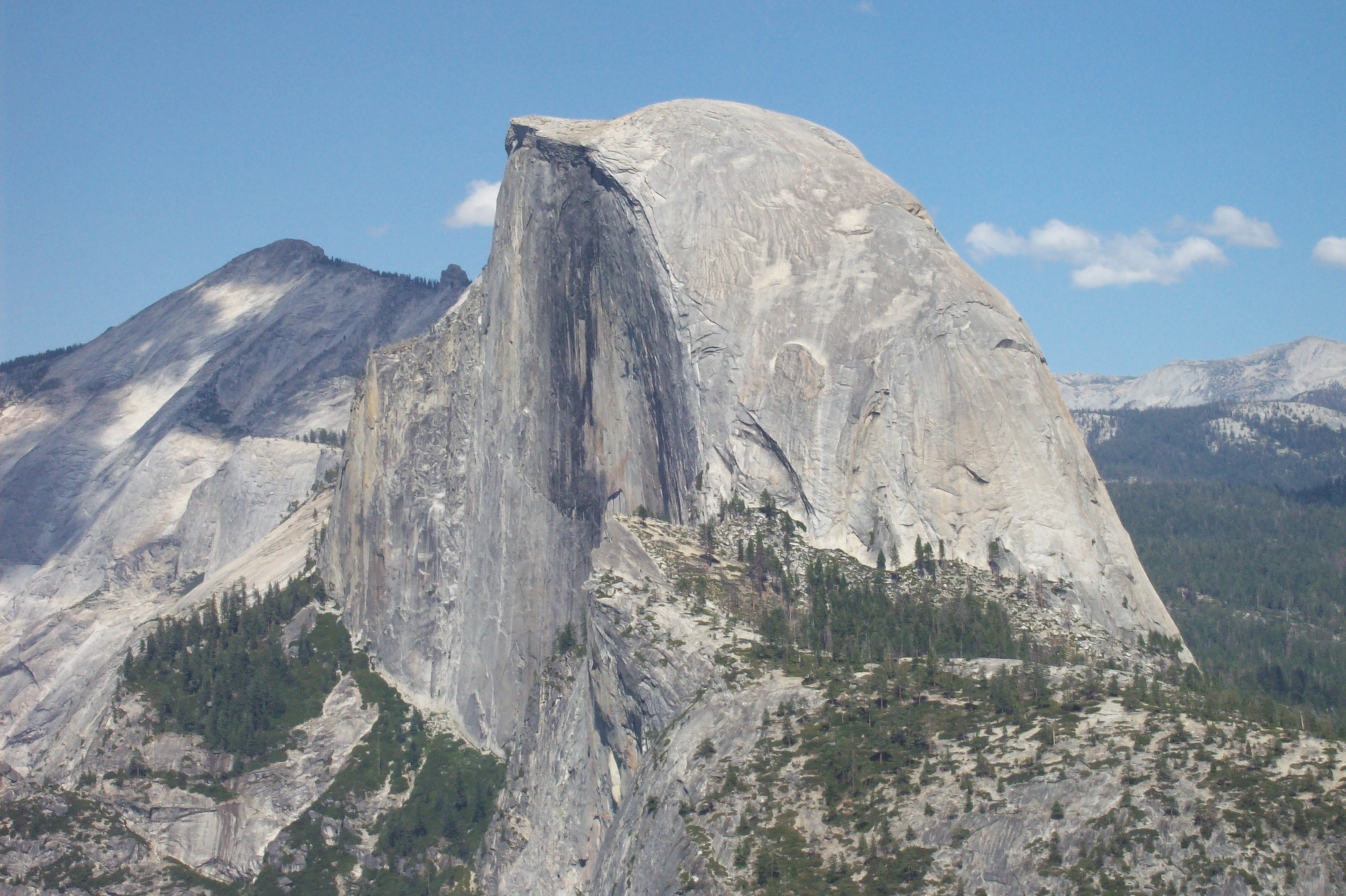
Wednesday, 04/27/2022: Posted photo — Half Dome.

Settings: KODAK DX6490 ZOOM DIGITAL CAMERA, ISO 80, f/8.5, 1/274 s, 18 mm.

Also next to our camp is Half Dome. We did some hiking around Half Dome but did not have the time to climb it ourselves.

Thursday, 04/28/2022: Posted photo — Yosemite Valley.

Settings: KODAK DX6490 ZOOM DIGITAL CAMERA, ISO 80, f/4.8, 1/360 s, 18 mm.

Here is Yosemite Valley. One of the most picturesque placed that I have visited. We drove in at night and did not see the valley. When we did see the valley later in our visit, we were not disappointed. As I stated above, this was the start of me taking photographs daily. I have an inexpensive camera and did not have much experience with post processing my images.

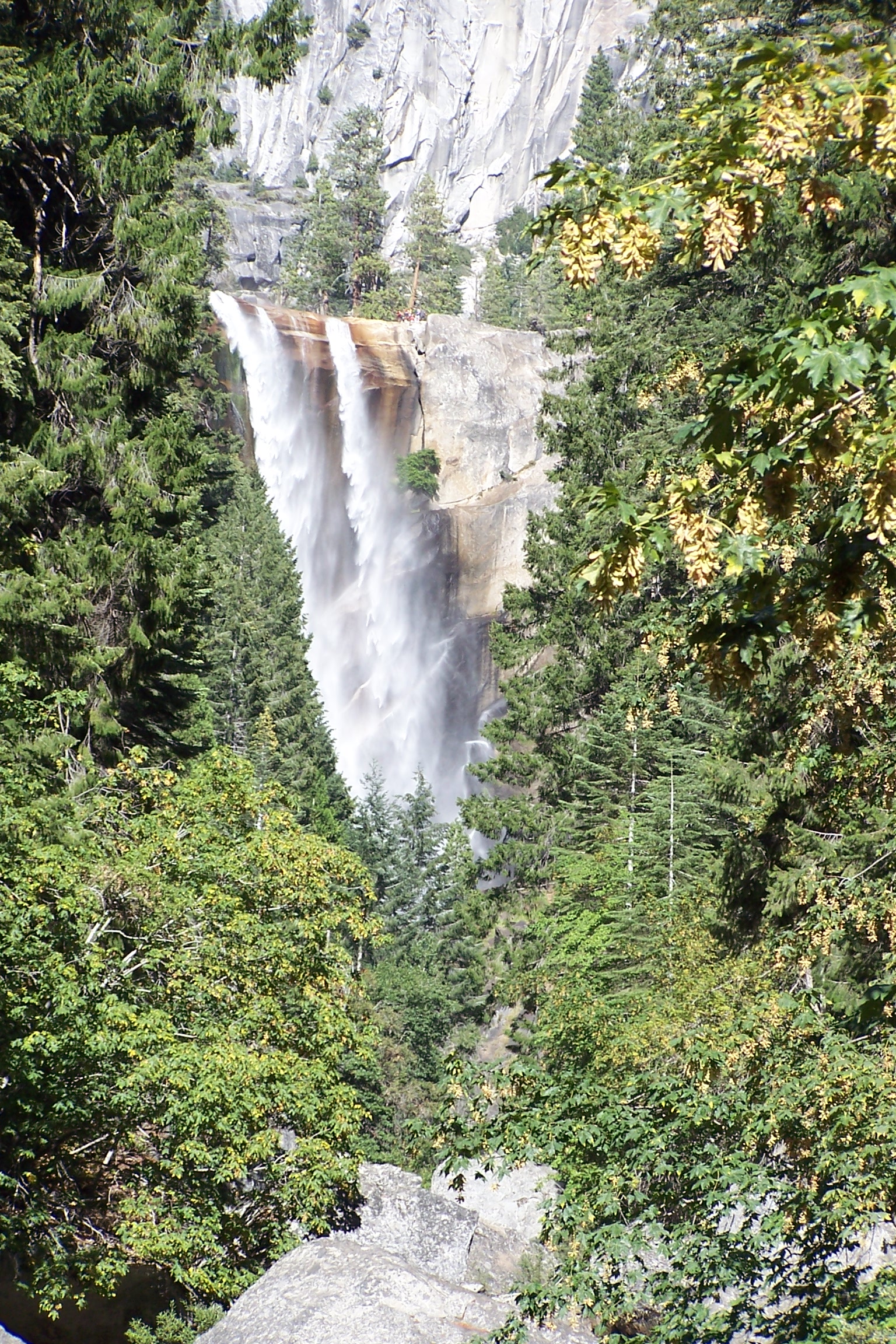
Friday, 04/29/2022: Post photo — Vernal Falls.

Settings: KODAK DX6490 ZOOM DIGITAL CAMERA, ISO N/A, f/3.2, 1/350 s, 28 mm.

Another hike, another waterfall.

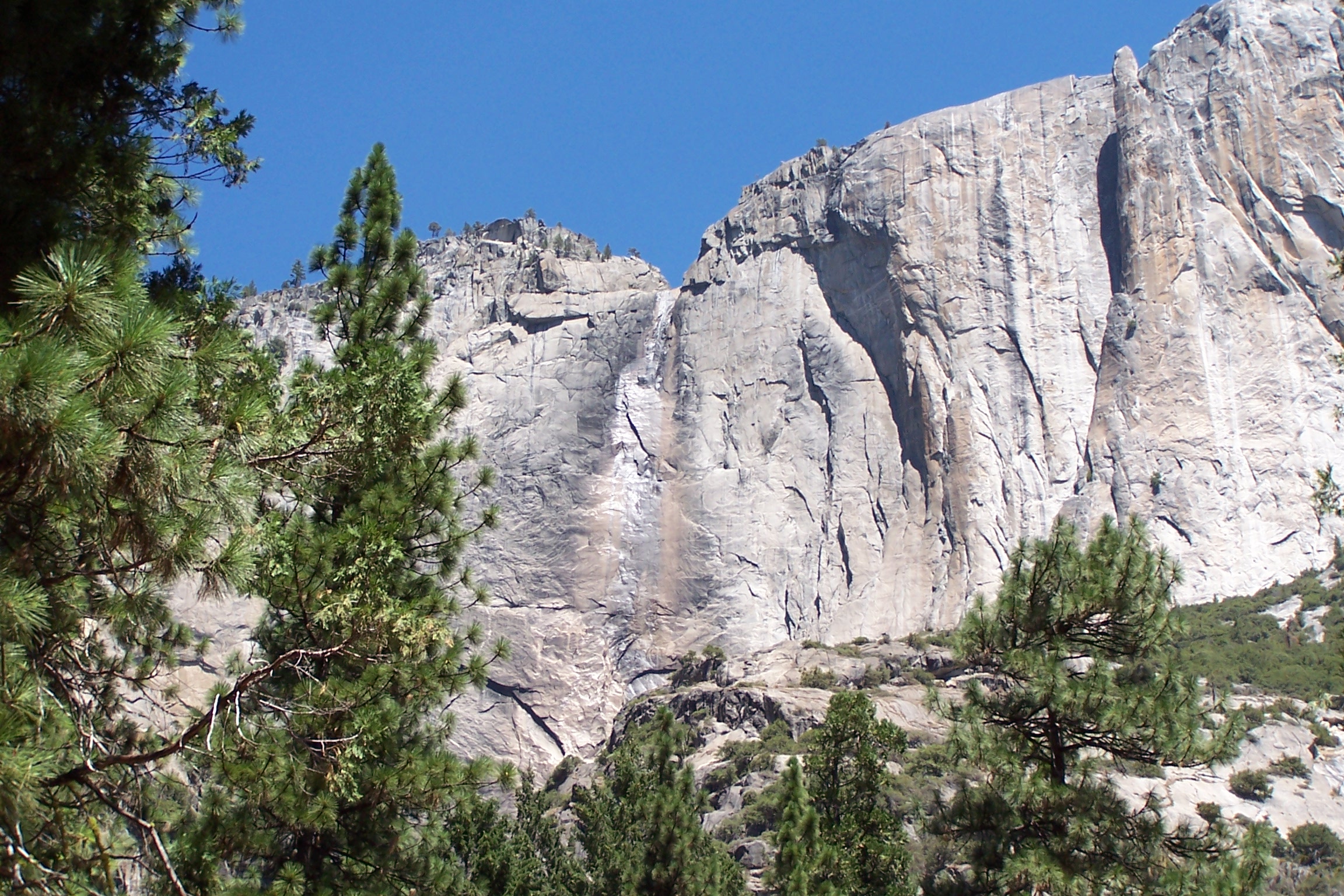
Saturday, 04/30/2022: Post photo — Yosemite Falls.

Settings: KODAK DX6490 ZOOM DIGITAL CAMERA, ISO N/A, f/3.2, 1/500 s, 11 mm.

Since our trip was in the middle of the summer, upper and lower Yosemite Falls were not flowing. Would be nice to get back to Yosemite National Park in the spring to see the water flowing.

That is all for now. Until next week, be safe.

For more photo of other project I have work, visit my website: https://photobyjosephciras.weebly.com or visit me on Facebook at https://www.facebook.com/PhotobyJosephCiras/.

Photographic Thoughts — 03/13/2022 to 03/19/2022

“In photography there is a reality so subtle that it becomes more real than reality.” — Alfred Stieglitz

Thank you for all the new views and likes from last week, it helps keep me inspired.

Starting to take more photos. Still will be posting photos from past trips for a little while longer. Sill a long recovery ahead of me.

Enjoy some more travel photos from past trips.

Sunday, 03/13/2022: Posted photo — Low Key.

Settings: Canon EOS 60D, ISO 2500, f/3.5, 1/40 s, 18 mm.

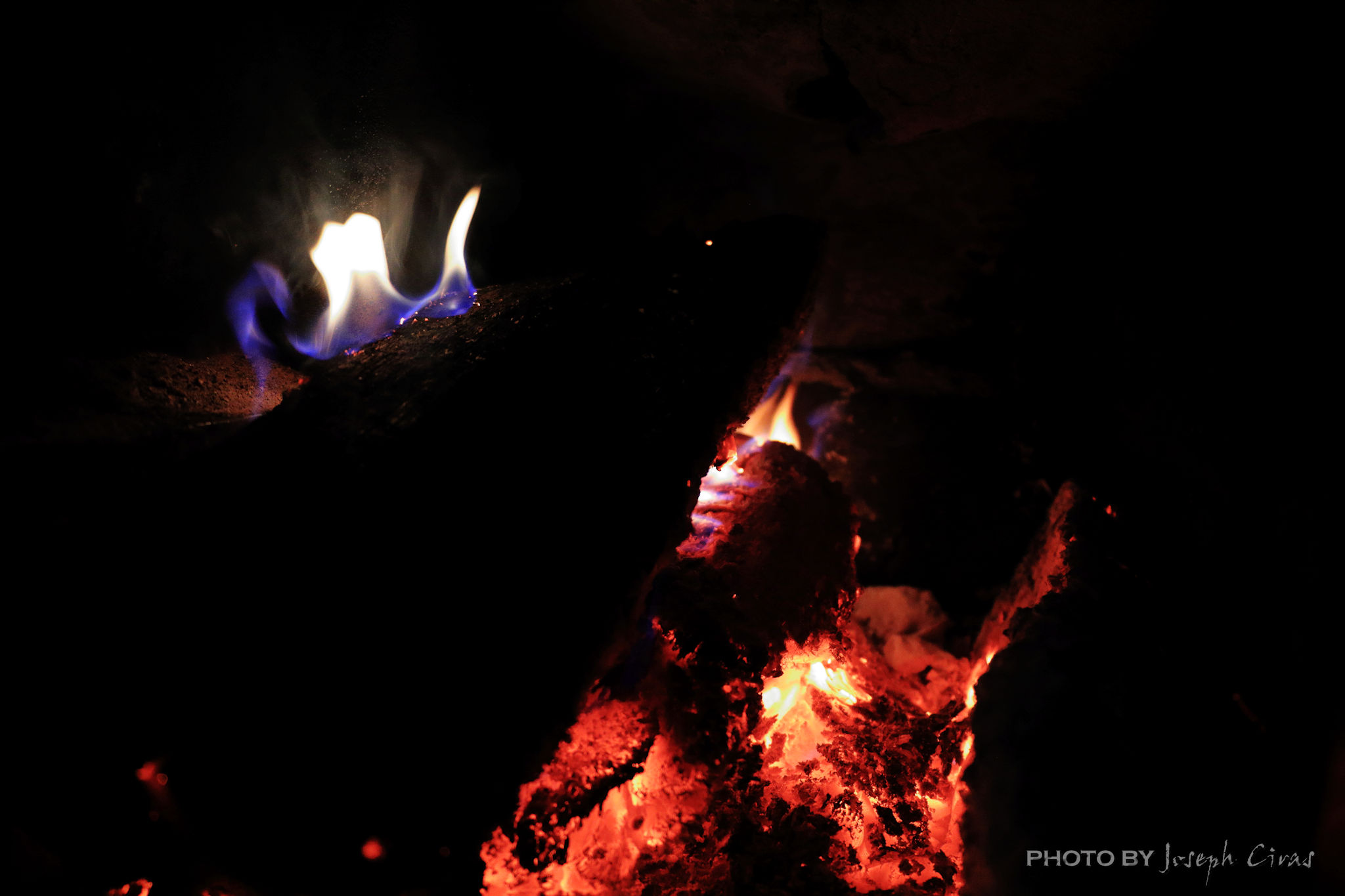
A low key image is one that contains predominantly dark tones and colors. Low key photography conveys atmosphere and mood. One of my photo projects had a low key image challenge this week. I was thinking about what photo to take to meet this challenge. I would have had many options if I had not just been operated on. With limited mobility, I thought about what there might be around the house. Since low key images contain predominantly dark tones and colors, I took a photo of the fire in our wood stove.

Monday, 03/14/2022: Posted photo — Cameron Falls.

Settings: Canon EOS DIGITAL REBEL XS, ISO 100, f/22, 10 s, 28 mm.

Cameron Falls, Waterton Lakes National Park, Alberta.

Cameron Falls is a very uniquely shaped waterfall of about 75 feet in height found in the heart of the Waterton townsite in Waterton Lakes National Park. After heavy rainfall, the waters upriver from the falls get stirred up with a red mudstone called argillite. As the water flows towards the falls, it turns to a beautiful pink hue when light reflects on the mineral water. We did not see the pink falls since the weather was dry when we visited Waterton Lakes National Park just after we visited Glacier National Park in Montana.

Tuesday, 03/15/2022: Posted photo — New Boot.

Settings: Google Pixel 2, ISO 195, f/1.8, 1/60 s, 4 mm.

I had a post op follow-up today a week and a half after surgery. My recovery is going as planned. I was fitted with this very uncomfortable boot. I still cannot put pressure on my ankle for another four weeks. Need to go back on Tuesday for another follow-up since the first one was close to my surgical date and the doctor would like to see my progress and remove some items from my ankle.

Wednesday, 03/16/2022: Posted photo — Harvard Glacier.

Settings: Canon EOS DIGITAL REBEL XS, ISO 200, f/8, 1/2000 s, 160 mm.

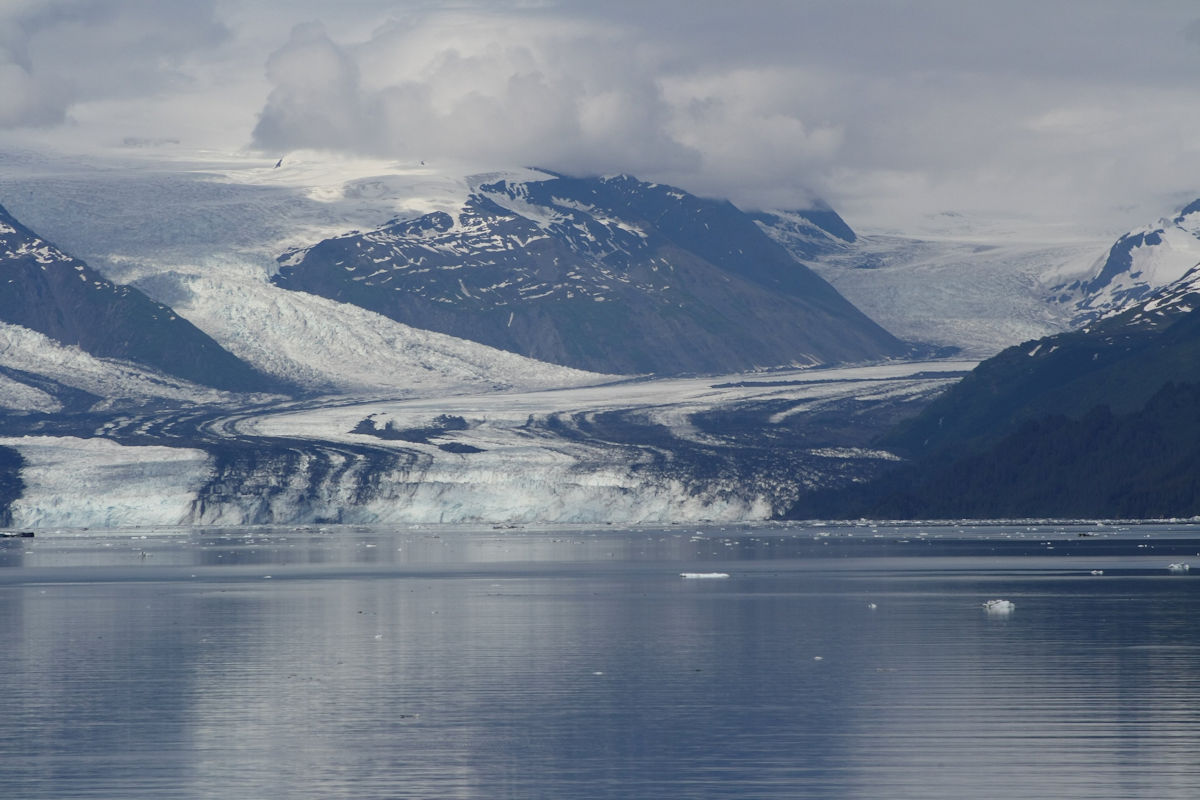
Harvard Glacier, College Fjord, Alaska.

The glacier has a 1.5-mile (2 km) wide face where it calves into the College Fjord. It is 300 ft thick and covers 120,000 acres of Chugach National Forest. The Harvard Glacier is the second largest glacier in the Prince William Sound, after the Columbia Glacier.

It is amazing to see how large a glacier is when you look at it from a distance. In this photo, we were about a mile from the glacier.

The names of the glaciers in College Fjord are: Amherst, Barnard, Bryn Mawr, Harvard, Smith, Vassar, and Yale. The glaciers of the northwest side feature the names of women’s colleges, and the glaciers of the fork and the southeast side sport the names of men’s colleges. What of Princeton? According to my research on the names, the scholars that named the glaciers took delight in ignoring it since none of them were Princeton alum.

Thursday, 03/17/2022: Posted photo — Cairn.

Settings: Canon EOS DIGITAL REBEL XS, ISO 200, f/11, 1/200 s, 34 mm.

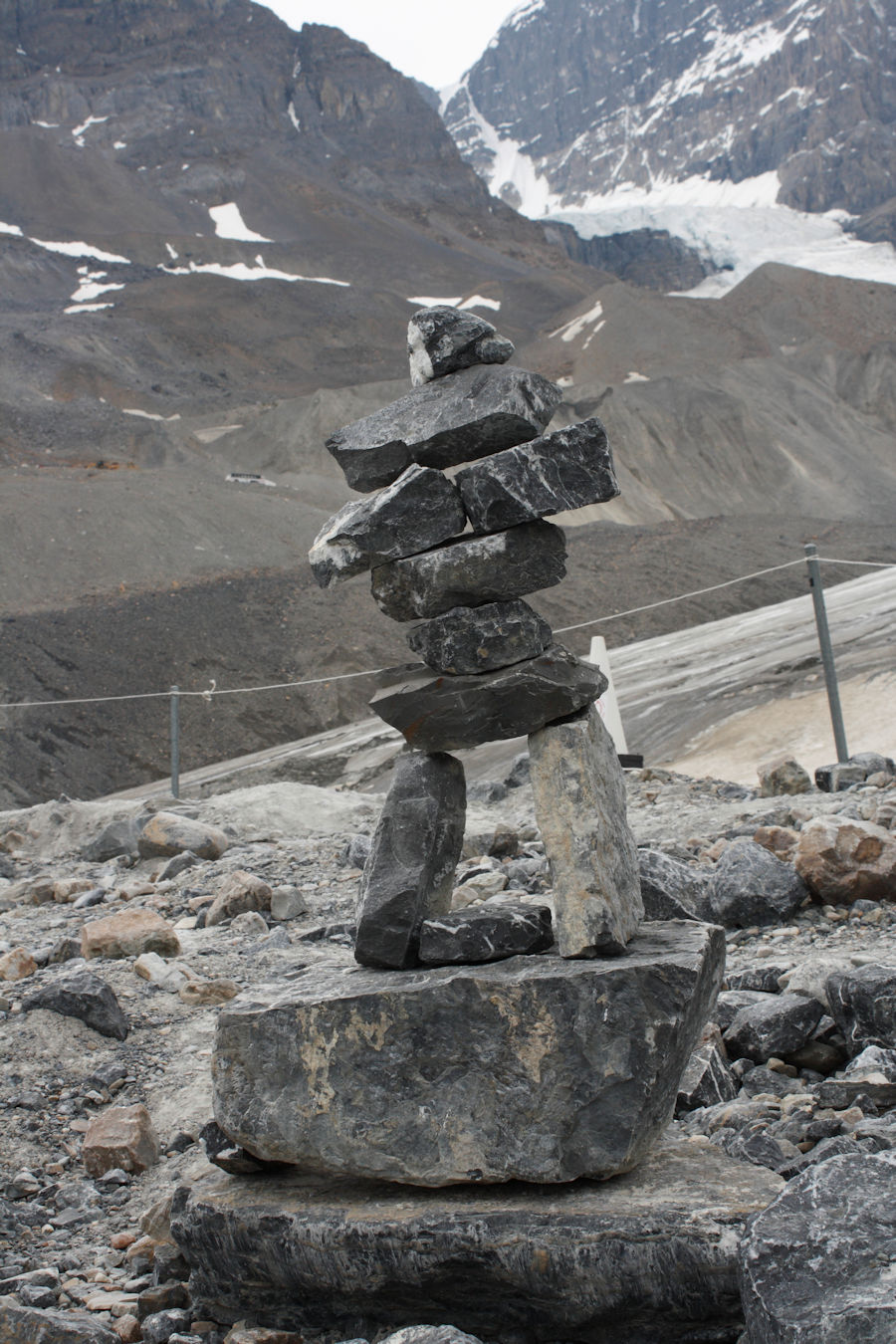
On the trail near the Athabasca Glacier, Jasper National Park, Alberta.

A cairn is a mound of rough stones built as a memorial or landmark, typically on a hilltop or skyline. This cairn is shaped like a person. In Canada this is called an Inuksuk.

The Athabasca Glacier is one of the six principal ‘toes’ of the Columbia Icefield, located in the Canadian Rockies. The glacier currently loses depth at a rate of about 16.4 feet (5 meters) per year and has receded more than 1 mile (1.5 km) and lost over half of its volume in the past 125 years.

From the Canadian Encyclopedia: “Inuksuk (also spelled inukshuk, plural inuksuit) is a figure made of piled stones or boulders constructed to communicate with humans throughout the Arctic. Traditionally constructed by the Inuit, inuksuit are integral to Inuit culture and are often intertwined with representations of Canada and the north.” — https://www.thecanadianencyclopedia.ca/en/article/inuksuk-inukshuk

Friday, 03/18/2022: Post photo — Pall (and Rekard).

Settings: Canon EOS DIGITAL REBEL XS, ISO 200, f/5.6, 1/160 s, 55 mm.

These are my two buddied from Denmark. Earlier on in my photo projects, I featured Pall every week with Pall telling a story about his life. When I went back to Denmark, I picked up Rekard. They ventured together for next year or two. Might be time to bring their adventures back.

Saturday, 03/19/2022: Post photo — Crater.

Settings: N/A.

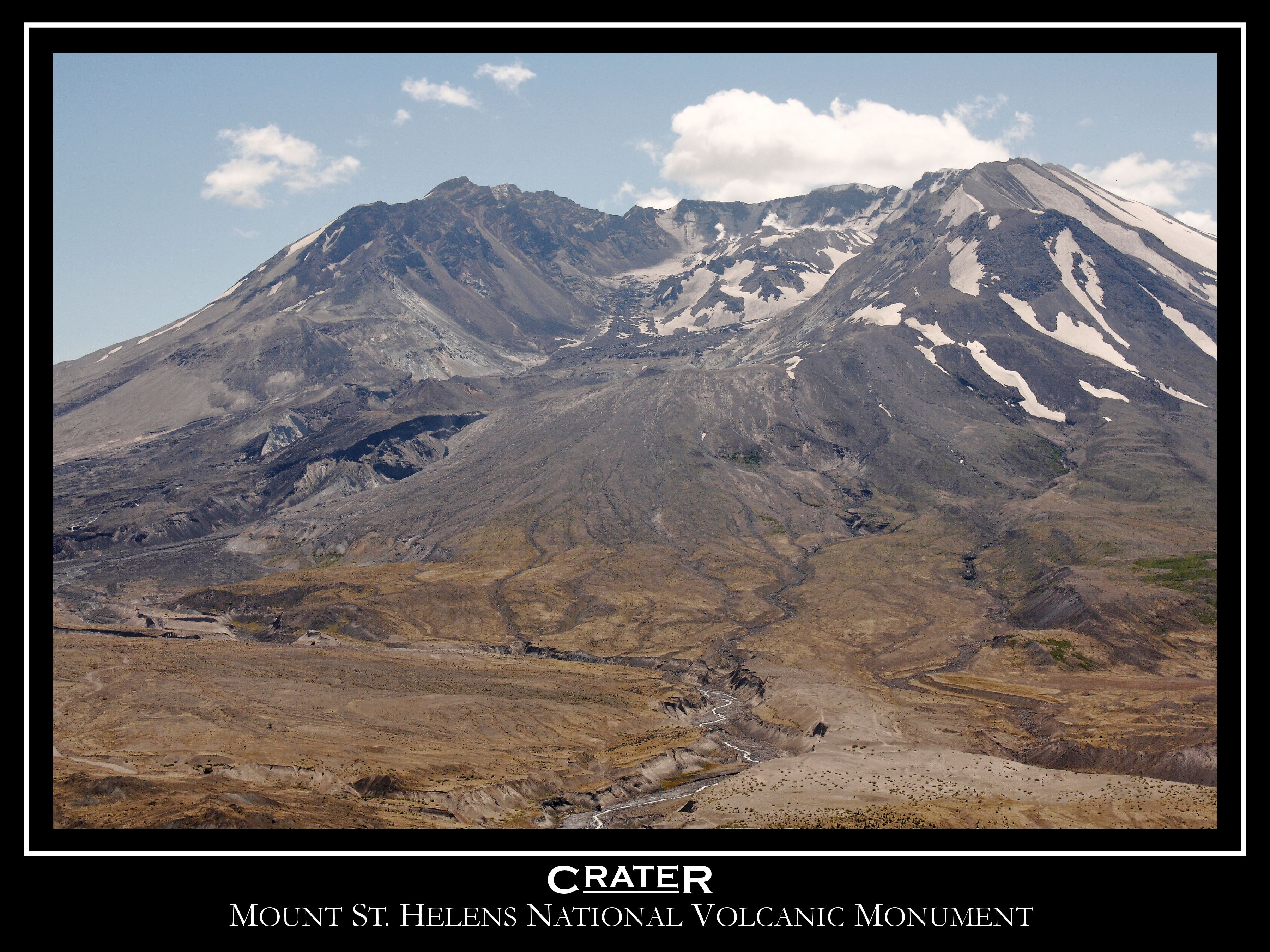
Mount St. Helens National Volcanic Monument

From the USGS:

“Prior to 1980, Mt. St. Helens had the shape of a conical volcano sometimes referred to as the Mount Fuji of America. During the 1980 eruption the upper 400 m (1,300 ft) of the summit was removed by a huge debris avalanche, leaving a 2 x 3.5 km horseshoe-shaped crater now partially filled by a lava dome and a glacier. It is primarily an explosive dacite volcano.”

Quick Facts:

Location: Washington, Skamania County
Latitude: 46.2° N
Longitude: 122.18° W
Elevation: 2,539 (m) 8,330 (f)
Volcano type: Stratovolcano
Composition: Basalt to Rhyodacite
Most recent eruption: 1980, 2004-2008
Nearby towns: Castle Rock, WA; Olympia, WA; Vancouver, WA; Yakima, WA; Portland, OR
Threat Potential: Very High

Dacite: Volcanic rock (or lava) that characteristically is light in color and contains 62 to 69 percent silica and moderate amounts of sodium and potassium.

Stratovolcano: Steep, conical volcanoes built by the eruption of viscous lava flows, tephra, and pyroclastic flows. They are usually constructed over tens to hundreds of thousands of years and may erupt a variety of magma types (basalt to rhyolite). They typically consist of many separate vents. Synonym is composite volcano.

I have been to Mt. St. Helens a few times over the years. The first time was about ten years after the eruption, and we saw the logs floating in Sprit Lake. I just pictured Harry Truman looking up at the mountain from his lodge and wondering why he did not leave. Then again, there were may false alarms in the past. I am amazed on how nature is recovering in the area. I can still remember the first time that I drove into the blast zone. Very lush, dense forest along the road, turn the corner and nothing. Trees looking like toothpicks laying down in the direction of the blast. There were some cars left for visitors to see how powerful the eruption was.

That is all for now. Until next week, be safe. For more photo of other project I have work, visit my website: https://photobyjosephciras.weebly.com or visit me on Facebook at https://www.facebook.com/PhotobyJosephCiras/.