“I don’t trust words. I trust pictures.” — Gilles Peress
Thank you for all the new views and likes from last week, it helps keep me inspired.
Here are a few mountains that I have seen over the last few years.
Sunday, 08/28/2022: Posted photo — Lake McDonald.
My first view at Glacier National Park in Montana. This was the start of my northern national park tour though the United States and Canada.
Monday, 08/29/2022: Posted photo — Camp View.
Here is the mountain view from our campsite in Glacier National Park. What a great view to start the day.
Tuesday, 08/30/2022: Posted photo — Lost Lake.
One of the destinations in our hiking adventures in Glacier National Park. We did some hiking along mountain goats and sheep. Most of the hike was in the snow. This hike took place in June.
This is the blue hour view from out campsite in Waterton Lakes National Park in Alberta Canada. A great place to camp with great views and many prairie dogs.
Thursday, 09/01/2022: Posted photo — Mount St. Helens.
I have visited Mount St. Helens three times over the last ten years. There has been a noticeable growth in the crater and in the forest around the mountain. It is very impressive to go from the dense forest around the mountain into the blast zone. The trees in the blast zone look like they are from the game pick up sticks, all facing away from the blast.
Friday, 09/02/2022: Post photo — Mount Rainier.
This has been the most impressive mountain I have seen so far. We did a few hikes on the mountain. Never to the summit, just middle elevation hikes on the snow and glaciers.
Saturday, 09/03/2022: Post photo — Mountain of Sand.
This is a different type of mountain. A mountain of sand in Great Sand Dunes National Park and Preserve in Colorado. This mountain keeps moving due to the weather. The sand is hot, and it feels like you are in the middle of a desert when you are hiking on the dunes.
“Photography is a way of feeling, of touching, of loving. What you have caught on film is captured forever… It remembers little things, long after you have forgotten everything.” — Aaron Siskind
Thank you for all the new views and likes from last week, it helps keep me inspired.
Here are some more photos of a road trip we took. Looking forward to traveling again this summer. Hiking will be limited, but I will pick up my 50th state (North Dakota).
This week’s blog will only contain information that I have referenced off various web sites. This was the easiest way for me to describe each location. I could ramble on and on about the wonders and beauties of each of these parks.
Settings: Canon EOS DIGITAL REBEL XS, ISO 200, f/7.1, 1/400 s, 150 mm.
“Monument Valley, a red-sand desert region on the Arizona-Utah border, is known for the towering sandstone buttes of Monument Valley Navajo Tribal Park. The park, frequently a filming location for Western movies, is accessed by the looping, 17-mile Valley Drive. The famous, steeply sloped Mittens buttes can be viewed from the road or from overlooks such as John Ford’s Point.” ― Google
Monday, 04/04/2022: Posted photo — Goosnecks State Park.
Settings: Canon EOS DIGITAL REBEL XS, ISO 200, f/11, 1/250 s, 18 mm.
“On the edge of a deep canyon above the sinuous river meander known as a gooseneck, this small park affords impressive views of one of the most striking examples of an entrenched river meander on the North American continent. The San Juan River twists and turns through the meander, flowing a distance of over six miles while advancing one and a half miles west on its way to Lake Powell. Gaze at the results of 300 million years of geological activity, where the San Juan River winds and carves its way through the desert 1,000 feet below.” — https://stateparks.utah.gov/parks/goosenecks/
Tuesday, 04/05/2022: Posted photo — Balance Rock.
Settings: Canon EOS DIGITAL REBEL XS, ISO 100, f/8, 1/125 s, 45 mm.
Arches National Park
“Balanced Rock, one of the most iconic features in the park, stands a staggering 128 feet (39m) tall. While this formation may appear to be an epic balancing act, it’s actually not balanced at all. The slick rock boulder of Entrada Sandstone sits attached to its eroding pedestal of Dewey Bridge mudstone. The exposure of these two rock strata layers are ideal for the formation of arches and balanced rocks.” — https://www.nps.gov/arch/planyourvisit/balancedrock.htm
Settings: Canon EOS DIGITAL REBEL XS, ISO 200, f/8, 1/125 s, 24 mm.
Arches National Park
“Landscape Arch is the longest arch in North America with a light opening of 306 feet (93.3 meters). This awe-inspiring expanse is only 6 feet (1.8 meters) in diameter at its narrowest. Large segments of the arch came crashing down in the 1990s – proof that the park’s landscape can change dramatically in a instant. Although other arches have fallen, Landscape Arch still hangs on by a very thin thread.” — https://www.nps.gov/arch/planyourvisit/devils-garden.htm
Settings: Canon EOS DIGITAL REBEL XS, ISO 200, f/10, 1/200 s, 42 mm.
Bryce Canyon National Park
“By far the most iconic section of the park, the Bryce Amphitheater is home to the greatest concentration of irregular rock spires (called “hoodoos”) found anywhere on Earth. Viewpoints along the first 3 miles (4.8 km) of the main road provide access to views overlooking this area. This area is referred to as an “amphitheater” as it is a bowl-shaped area shaped by the drainage of seasonal rains and melting snow (not truly a canyon, as those are shaped by flowing rivers)” — https://www.nps.gov/thingstodo/see-the-bryce-amphitheater.htm
Friday, 04/08/2022: Post photo — View from Navajo Bridge.
Settings: Canon EOS DIGITAL REBEL XS, ISO 200, f/10, 1/125 s, 48 mm.
View from the Navajo Bridge
“Those traveling across the country on Highway 89A between Bitter Springs and Jacob Lake, AZ arrive at two bridges similar in appearance spanning the Colorado River. These two bridges, one historic and one new, represent one of only seven land crossings of the Colorado River for 750 miles (1207 km).” — https://www.nps.gov/glca/learn/historyculture/navajobridge.htm
Saturday, 04/09/2022: Post photo — Carlsbad Caverns.
Settings: Canon EOS DIGITAL REBEL XS, ISO 200, f/4.5, 6 s, 33 mm.
“High ancient sea ledges, deep rocky canyons, flowering cactus, and desert wildlife—treasures above the ground in the Chihuahuan Desert. Hidden beneath the surface are more than 119 caves—formed when sulfuric acid dissolved limestone leaving behind caverns of all sizes.” — https://www.nps.gov/cave/index.htm
“Taking an image, freezing a moment, reveals how rich reality truly is.” — Anonymous
Thank you for all the new views and likes from last week, it helps keep me inspired.
This week I will be posting a few highlights of one of my trips. We called this trip our norther National Part trip. We traveled through Montana, Alberta, Banff, Jasper, Washington state, Idaho, Wyoming, South Dakota, Minnesota, and Iowa during this trip. This trip included visits to many national parks in the United States and Canada, visiting family, visiting natural movie sets, and when to an amusement park in the Mall of America in which I held with the design of a few of the rides.
Sunday, 03/27/2022: Posted photo — Lake McDonald.
Settings: Canon EOS DIGITAL REBEL XS, ISO 100, f/8, 1/400 s, 75 mm.
The first stop on our northern national park tour was in Glacier National Park in Montana. What a wonderful park. It does have many glaciers, some growing and some receding.
Monday, 03/28/2022: Posted photo — Mountain Goat.
Settings: Canon EOS DIGITAL REBEL XS, ISO 100, f/5, 1/125 s, 200 mm.
While we were in Glacier National Park, we took a hike out to Hidden Lake. On the way out to the lake, we had a few mountain goats walk along the trail with us.
Tuesday, 03/29/2022: Posted photo — Hidden Lake.
Settings: Canon EOS DIGITAL REBEL XS, ISO 100, f/9, 1/160 s, 25 mm.
This was a destination, Hidden Lake in Glacier National Park. For your information, this hike took place on July 4 and we did most of our hiking in the snow.
Settings: Canon EOS DIGITAL REBEL XS, ISO 200, f/11, 1/4 s, 33 mm.
Johnston Canyon to Lower Falls is an extremely popular and scenic trail in Banff National Park, in addition to being one of the busiest in the Canadian Rockies. We were driving around Banff and found the falls. We camped in Baff on our way to Jasper National Park.
Thursday, 03/31/2022: Posted photo — Lake Louise.
Settings: Canon EOS DIGITAL REBEL XS, ISO 200, f/13, 1/250 s, 29 mm.
Lake Louise is world famous for its turquoise lakes, the Victoria Glacier, soaring mountain backdrop. We went to Lake Louise on a weekend, so it was very busy. We took a few photos and then went on our way.
Friday, 04/01/2022: Post photo — Diablo Lake.
Settings: Canon EOS DIGITAL REBEL XS, ISO 200, f/13, 1/250 s, 35 mm.
On our way back from visiting family in Bellingham Washington, we took a trip to Northern Cascades National Park. One of the hikes we took was out to Diablo Lake.
From an information search, it was verified that Diablo Lake is a reservoir in the North Cascade mountains of northern Washington state. It was created by Diablo Dam and is located between Ross Lake and Gorge Lake on the Skagit River at an elevation of 1,201 feet above sea level.
I really like the color of the water in the lake.
Saturday, 04/02/2022: Post photo — Mount Rainier.
Settings: Canon EOS DIGITAL REBEL XS, ISO 200, f/11, 1/250 s, 42 mm.
Mount Rainier National Park. I am impressed every time I see this mountain. Either up close or from the city of Seattle. One time we flew past the mountain. That must have taken about five minutes to do since the girth on the mountain is so great.
Mount Rainier is a large active stratovolcano in the Cascade Range of the Pacific Northwest standing at 14,411′ in elevation. The volcano last erupted in 1894, and when Mount St. Helens erupted in 1980, all eyes were on Mount Rainier since the mountains are in the same chain. It is very interesting to camp in an area that has warnings about the possibility of lava flow. If the mountain erupted, I would think that the lava flow would be the least of our worries.
When we travel to Mount Rainier, we like to visit the Paradise area. I have photographed a few waterfalls in Paradise. When we visited this time, the snow was still very deep. Remember, this was early to mid-July. There was one waterfall that I wanted to photograph in the snow, and I could not find it. I had the GPS coordinates from the times before that I took photos of it. Looking at the GPS coordinates, I came to realize that I was standing on top of the falls.
“It is more important to click with people than to click the shutter.” — Alfred Eisenstaedt
Thank you for all the new views and likes from last week, it helps keep me inspired.
Sunday, 12/12/2021: Posted photo — Stream.
Settings: Samsung SM-G930V (Galaxy S7), ISO 50, f/1.7, 1/154 s, 4 mm
“The Cascades is made up of several parcels of land: Boynton Park, Cascades West, Cascades East, Cascades Park, and Cascading Waters. Most of the area is wooded, but there is a meadow in Cascades West that has been enlarged to expand the opportunities for wildlife habitat. Several trails follow along streams and there are vernal pools that can be explored in the Spring. Views of the falls are spectacular in the Spring or after a heavy rain.”https://www.gwlt.org/lands-and-trails/four-town-greenway/cascades/
When I was growing up in the city of Worcester, this trail system did not exist. It was established in 1991 and completed in 2005 by the Greater Worcester Land Trust. What a great trail to have in the city and a great location for families to get outdoors and explore nature and the hidden wonders of the city.
This was my first time hiking in the Cascades. I passed the trailheads many times when I was driving home from my mother’s house and have wondered how long the trail system was and why was it called the Cascades. The Appalachian Mountain Club (AMC) had a leadership meeting on the trail ending with a four mile hike on the trail system. At one of the trailheads is the AMC equipment hut. Part of the leadership trailing was to learn about the equipment hut and how to access its resources. It is place that equipment can be borrowed by families or individuals that are just starting out with outdoor activities and need to borrow equipment. It is a great way for those in the city who cannot afford the proper equipment to borrow some to be used in a guided hike or camping trip.
This photo is one of the many cascades along the trail. I only had my cell phone with me so please excuse the quality of this photo. I will be going back with my good camera to take better photos.
Monday, 12/13/2021: Posted photo — Ornament.
Settings: Canon EOS 60D, ISO 3200, f/7.1, 1/20 s, 98 mm.
This is the first photo I took with my new lens. My old lens was having issues focusing past 35 mm so I needed to replace it.
Thought to have originated in 16th century Germany, the first ornaments were nothing like what we know today. The ‘modern’ Christmas tree tradition is thought to have originated in 16th century Germany, where small evergreen trees were decorated with the likes of candles, apples, nuts, and berries as “Paradise trees” in church plays. Over time, devout Christians integrated these decorated trees into their homes during the holiday season. The tradition, which became a Christian ritual, began to spread across Europe. (https://theculturetrip.com/europe/germany/articles/a-brief-history-of-the-christmas-ornament-3/)
There is nothing particularly interesting about these ornaments. I just took my camera, pointed it at the tree, and took this photo.
Tuesday, 12/14/2021: Posted photo — Geminids.
Settings: Canon EOS 60D, ISO 3200, f/9, 14 s, 18 mm.
“The Geminids are considered one of the best meteor showers every year because the individual meteors are bright, and they come fast and furious. The Geminid meteor shower is nearly 200 years old, according to known records — the first recorded observation was in 1833 from a riverboat on the Mississippi River — and is still going strong. In fact, it’s growing stronger. That’s because Jupiter’s gravity has tugged the stream of particles from the shower’s source, the asteroid 3200 Phaethon, closer to Earth over the centuries.”https://www.space.com/34921-geminid-meteor-shower-guide.html
I was up this morning at 2:30 ET to watch the Geminids. What a spectacular show! I was planning on being outside for an hour before going back to bed. I was watching the show until 4 a.m. before taking a short nap to get up for work at 4:30 a.m. I did see some of the meteors during last night’s hike. They were not very bright since the moon did not set until 2:41 a.m. with the peak of the Geminids at 2:40 a.m.
One of the questions was were to direct my camera. I placed it heading north, then heading south, and then to the east. I was pointing it in the direct of the greatest activity at the time. The photo that I posted, the one where the meteor underlines the Big Dipper, was with my camera pointing north. The other photo, the one with the roofline of my house, was with the camera pointing east. There were no bright meteors in the photos with my camera facing south. This is the east facing photo.
Wednesday, 12/15/2021: Posted photo — Sunrise.
Settings: Canon EOS 60D, ISO 400, f/5.6, 1/400 s, 50 mm.
Last week I posted a photo of the sunset from my office. Today I am posting a photo of the sunrise.
I was going between buildings this morning and watching the sunrise. I saw different colors in the woods around the property and was looking at the clouds changing color. When I got back to my office, I went to an eastern facing window and looked at the clouds.
This photo is what I saw when looking out the window.
Thursday, 12/16/2021: Posted photo — Waterton Lake Sunset Alberta.
Settings: Canon EOS 60D, ISO 100, f/5.6, 1/1000 s, 25 mm
Waterton Lakes National Park is in southern Alberta, Canada, bordering Montana’s Glacier National Park. We camped there a few years ago after sending time in Glacier.
I took this photo the first night we were at the park. I took it at the blue hour. You need to search my previous blogs for the definition of blue hour as it pertains to sunsets. I was able to post edit this photo to make it look like what I saw. Most times the camera will wash out photos or make them look different that that you see. This proves the adage that you can never justify the colors that you can see with a photograph.
Friday, 12/17/2021: Post photo — Off We Go.
Settings: Canon EOS 60D, ISO 100, f/7.1, 1/1000 s, 121 mm
Off to Chicago Midway we go!
I was driving around this afternoon and stopped by an airport to watch the planes. It is very relaxing to see the plans take-off and land. Even after studying aerodynamics, I am still in wonder to see a plane fly. I know the time that I took this photo and then went to the airports website to see were that flight was heading. I took photos of the plans to practice AI Servo focusing.
The focus modes on my camera are:
ONE SHOT : One-Shot AF
AI FOCUS : AI Focus AF
AI SERVO : AI Servo AF
[One-Shot AF] for Still Subjects: Suited for still subjects. When you press the shutter button halfway, the camera will focus only once.
[AI Servo AF] for Moving Subjects: This AF mode is for moving subjects when the focusing distance keeps changing. While you hold down the shutter button halfway, the subject will be focused continuously. When you use this focus mode, the camera does not “beep” when the object is in focus, so you need to trust your skills.
[AI Focus AF] for AI Focus AF switches the AF mode from One-Shot AF to AI Servo AF automatically if the still subject starts moving. AI Focus AF mode is one that I do not use, and do not recommend using. It does not work very well.
Saturday, 12/18/2021: Post photo — Statehouse
Settings: Samsung SM-G930V (Galaxy S7), ISO 50, f/1.7, 1/154 s, 4 mm
The statehouse in Columbus OH. My nephew was the lead male in a ballet across the street today. He is 14 years old and is a great dancer. We saw the show twice. Great show.
“The camera is an excuse to be someplace you otherwise don’t belong. It gives me both a point of connection and a point of separation.” — Susan Meiselas
Thank you for all the new views and likes from last week, it helps keep me inspired.
Sunday, 11/28/2021: Posted photo — Summit of Mt Norwottuck.
Settings: Samsung SM-G930V (Galaxy S7), ISO 50, f/1.7, 1/268 s, 4 mm
Mount Norwottuck or Mount Norwottock, 1,106 feet above sea level, is the highest peak of the Holyoke Range. It was the first stop today. The second one was Long Mt at 920 feet. Not tall mountains, but the hike was 9 miles in length. Mount Norwottuck received its name from Edward Hitchcock, a former professor of geology at Amherst College. Hitchcock coined the term “Scenographical Geology” in 1841 to describe the dramatic geologic landscape of the Holyoke Range. Originally called Hilliard Knob, Hitchcock applied the Native American name Norwottuck to the mountain. Norwottuck is the Indian name of the village of Hadley.
Reference mark at on the summit of Mount Norwottock. The reference mark points to the summit.
An interesting fact about the Holyoke Range is that it is a Transverse Range. The mountain range runs east to west. There are two other major mountain ranges that are transverse in the United States. They are the Transverse Ranges in California and the Uinta Mountains in Utah.
Today would have been my mother’s 96th birthday. She passed away July 17 this year, so this is the first birthday without her. She is with my father who passed in 1993 and my daughter who passed in 1992. They get to meet their granddaughter together and celebrate their birthdays together for the first time in 28 years. My father would have turned 99 a few days ago.
Hiking clears your mind. Hiking with friends is very therapeutic.
Monday, 11/29/2021: Posted photo — Poles Against a Tree.
Settings: Samsung SM-G930V (Galaxy S7), ISO 1000, f/1.7, 1/10 s, 4 mm
Monday nights is hiking night. I hike with a Meetup group on Mondays for a few months now. It is a good group to hike with since the pace is a little faster than other groups that I have hiked with in the past.
My poles at the junction of the Jack Frost and High Meadow Trails on Wachuestt Mountain
Tonight’s hike was in the cold and dark. The temperature was in the high 20s (F). It was the first time that I used my microspikes to hike with this year. I did not need to use them, but I did not know the trail conditions on one of the hills on the hike and I wanted to get ready for possible ice. We did get snow last week and the trails were snow covered the ground was frozen.
Why do I hike at night? I hike at night for the peacefulness of it. Even with a group, your senses are challenged, and you are more aware of your surroundings. As a leader for the hike, I keep my eyes and ears open for the less experienced people in the group.
As you can see from the photo, it was cold. I wore my gloves and not my -30 F mittens for this hike. Dressing is layers for winter hiking is also important, so you do not overheat or become too cold. You should have at least three layers. A base layer (underwear layer) that wicks sweat off your skin, a Middle layer (insulating layer) that retains body heat to protect you from the cold, and an outer layer (shell layer) that shields you from wind and rain. Here is a website that describes layering, https://www.rei.com/learn/expert-advice/layering-basics.html.
Tuesday, 11/30/2021: Posted photo — Yes, We Have No….
Settings: Samsung SM-G930V (Galaxy S7), ISO 80, f/1.7, 1/120 s, 4 mm
“Yes! We Have No Bananas” was written by Frank Silver and Irving Cohn and was published March 23, 1923. “The story goes that one day in 1922, songwriting duo Frank Silver and Irving Cohn were on their way to work in New York City when they stopped for a snack. At a greengrocer’s, the Greek immigrant owner told the tunesmiths in his broken English, “Yes! We have no bananas today.” The reason the grocer had no bananas? A blight in Central America had caused a shortage.” (https://www.mentalfloss.com/article/31253/music-history-3-yes-we-have-no-bananas)
Bannanas
I thought about titling this photo “Going …” after the expression that has its roots on American college campuses in the 1960s. It is believed that the term going bananas is a term that evolved from the idiom going ape, which also means to go crazy, to explode with anger or to erupt with enthusiasm.
Wednesday, 12/01/2021: Posted photo — Just a Cloud or is it?
Settings: Canon EOS 60D, ISO 200, f/22, 1/6 s, 35 mm.
This could be just a cloud. Or it could be a winged buffalo tilting down to the left.
Cloud formation
I have posted in the past what seeing objects in clouds is called. Pareidolia is a sign of creativity. I took this photo today, not because I saw an object in it, it was because I needed a photo for today. I did not see the object until I was post processing the photos.
What do you see?
Thursday, 12/02/2021: Posted photo — American Bison.
Settings: Samsung SM-G930V (Galaxy S7), ISO 80, f/1.7, 1/120 s, 4 mm
This photo was taking at Wind Cave National Park in South Dakota. I have a feeling that I have posted this photo in a previous post. If I did, I am sorry for the repeat. I like this photo.
American Bison
Wind Cave, one of the longest and most complex caves in the world. Named for barometric winds at its entrance, this maze of passages is home to boxwork, a unique formation rarely found elsewhere.
Here are a few more photos from Wind Cave National Park.
The bull of the herdBoxwork in Wind Cave
Friday, 12/03/2021: Post photo — Star Trail.
Settings: Canon EOS 60D, ISO 3200, f/3.5, 9 s, 18 mm
I took a star trail photo today. It was great to take a star trail photo earlier in the evening and not after 10 p.m. The photo I posted was a composite of 437 photos stacked together. The secondary photo that I am posting in this post is a composite of 637 photos.
437 composite photo start trail
There is a lot of airplane activity north of my house at night.
637 composite photo start trail
Saturday, 12/04/2021: Post photo — Sunrise at the Pier.
Settings: Canon EOS 60D, ISO 100, f/22, 1/4 s, 62 mm.
I took this photo a few years ago on Jacksonville Beach. This pier was damaged by a hurricane a few years after I took this photo. This is one of my favorite photos that I took that morning. I took this because I liked the way the heron was silhouetted against the pier and the ocean.
Please note that I have not been able to post to my Weebly page for over a week, so the photos are a little behind there. Weebly technical support is still working on the issue.
“A good photograph is one that communicates a fact, touches the heart and leaves the viewer a changed person for having seen it. It is, in a word, effective.” — Irving Penn
Thank you for all the new views and likes from last week, it helps keep me inspired.
Sunday, 08/29/2021: Posted photo — Hobblebush.
Settings: Samsung SM-G930V (Galaxy S7), ISO 125, f/1.7, 1/60 s, 4 mm
“The fruit of the Hobblebush reportedly may be eaten raw or cooked and is said to taste somewhat like raisins or dates. Hobblebush has a number of medicinal uses. The Algonquin Indians reportedly rubbed its mashed leaves on the head to treat migraines. Iroquois Indians are said to-have used a decoction of roots as a blood medicine. The plant was also used to treat chest and breathing problems.” — Adirondacks Forever Wild website.
Hobblebush on Wachusett Mountain
These Hobblebush berries are growing on Wachusett Mountain. I took this photo during a hike I took today. I have seen them during my weekly hikes and thought that they would look good in a photo. I was glad to see that one of the berries had turned blue.
Monday, 08/30/2021: Posted photo — Mushrooms.
Settings: Canon EOS 60D, ISO 400, f/7.1, 1/80 s, 62 mm.
According to the University of New Hampshire Agricultural department and Better Homes and Garden: “Mushrooms grow from spores (not seeds) that are so tiny you can’t see individual spores with the naked eye. Rather than soil, these spores rely on substances like sawdust, grain, straw, or wood chips for nourishment. A blend of the spores and these nutrient sources is called spawn. Mushrooms like dark, cool, and humid growing environments. Prolonged periods of wet, humid weather, such as we have had over the past few weeks, cause fungi to send up fruiting structures. Fungi disperse to new areas via windblown spores. When the spores land in a suitable location they develop into new fungi which will grow mushrooms given enough time.
Mushrooms in our yard
Mushrooms will go away on their own once the weather dries out. Keep in mind that although these fruiting bodies have disappeared, the fungal mycelia is still growing in the soil. The fungus will continue to grow and persist as long as there is plenty of organic matter to feed upon.”
These mushrooms were growing in my front yard. They are in the same spot each time they grow. We have had many days of rain, so it is a great growing condition for mushrooms.
Tuesday, 08/31/2021: Posted photo — Rose for an Angel.
Settings: Canon EOS 60D, ISO 800, f/5.6, 1/125 s, 79mm.
Our daughter had a rare disorder, Triploidy. I did have the medical definition of this disorder in this post. I removed that part of my post since it would be too sensitive to some people.
Pink rose
Almost every year I go and visit her to sing her Happy Birthday and to say a prayer with her. It is not easy losing a child. We have had this rose since she was born and it means a lot to me.
Wednesday, 09/01/2021: Posted photo — Bouquet.
Settings: Samsung SM-G930V (Galaxy S7), ISO 125, f/1.7, 1/60 s, 4 mm
To continue my two-day flower series, I took a photo of this bouquet. I liked the colors in the bouquet.
Flower bouquet
Once again this photo was taking during the day just in case, I did not take another photo that day.
Thursday, 09/02/2021: Posted photo — Mount Monadnock.
Settings: Canon EOS 60D, ISO 400, f/7.1, 1/15 s, 135 mm.
Mount Monadnock at sunset
I summited Wachusett Mountain twice today. The first time was with colleagues from work, the second time was with a hiking group. During the first hike of the day, I took the photo of the flowing water. During the second hike of the day, I arrived at the summit just after sunset. I looked to the north and saw the great colors of the sunset around Mount Monadnock in New Hampshire.
Flowing stream along the Bicentennial Trail on Wachusett Mountain
Friday, 09/03/2021: Post photo — Petroglyphs.
Settings: Canon EOS DIGITAL REBEL XS, ISO 200, f/8, 1/400 s, 190 mm.
These Petroglyphs are in Capital Reef National Park.
Petroglyph in Capital Reef National Park
A pictograph is an image or designs made by painting on rocks or in cave. A petroglyph is an image created by removing part of a rock surface by incising, picking, carving, or abrading, as a form of rock art. Petroglyphs tell stories of events that have happened. They are like the newspapers of today. There is one petroglyph outside the Needles section of Canyonlands National Park that the experts still have not deciphered.
Saturday, 09/04/2021: Post photo — Mount Whiteface.
Settings: Canon EOS 60D, ISO 200, f/7.1, 1/320 s, 50 mm.
I decided to take a warmup hike today before the Flags on the 48 event next weekend.
I chose a mountain that I need for my repeat 48 4,000 footers and that was close to home. I decided on Mount Whiteface since I have not done it as one of my repeat 48 and it was only two and a half hours from home. People normally hike Mount Passaconway with Mount Whiteface but today I did not do both since this was a warmup hike and I have some things that I needed to do at home tonight.
Mount Whiteface
Mount Whiteface is a 4,019 ft mountain located in Grafton County, New Hampshire. The mountain is part of the Sandwich Range of the White Mountains. Whiteface is flanked to the northwest by Mount Tripyramid, and to the northeast by Mount Passaconaway. Mount Passaconaway is a 4,043 ft mountain about three miles from Mount Whiteface.
Mount Passaconaway
Thank you again for having faith and my abilities. Now I need to go through the photo and pick some out.
“If you see something that moves you, and then snap it, you keep a moment.” — Linda McCartney
Thank you for all the new views and likes from last week, it helps keep me inspired.
Enjoy this week’s rambling mind of a mechanical engineer and photographer.
Sunday, 07/25/2021: Posted photo — Flower from Bouquet.
Settings: Canon EOS 60D, ISO 800, f/5.6, 1/40 s, 67 mm.
These flowers are from the bouquet of flowers given to me from my employer. I have been very grateful at the flexibility and support the people at work have given me during the last few months as I cared for my mother three nights a week.
Monday, 07/26/2021: Posted photo — Mushroom.
Settings: FUGIFILM FinePix XP70, ISO 1600, f/4.9, 1/25 s, 15 mm.
The mushroom is growing at the junction of Bicentennial Trail and the Pine Hill Trail on Wachusett Mountain.
I went on my weekly hike with the Monday Meetup group and descended Pine Hill before the group, so I stopped and took this photo. The hike was wet due to all the rain we have been having in the area over the last few days, weeks, and months. I do not know my mushrooms very well. I am guessing that these are not edible because of the ring along the stem.
Settings: Canon EOS 60D, ISO 100, f/7.1, 1/125 s, 300 mm.
Driving into work this morning, I saw the moon. I was not expecting this. Maybe because of all the cloud cover we have been having lately. Since I took such a terrible photo of the moon last week, I decided to take out one of my smaller lenses to take this photo.
Wednesday, 07/28/2021: Posted photo — Owl.
Settings: Canon EOS 60D, ISO 400, f/7.1, 1/25 s, 60 mm.
There was a tree on the street next to ours that fell during a storm. The people had the tree removed leaving the stump. Instead of having the stump removed, they had an artisan turn the stump into a work of art.
Thursday, 07/29/2021: Posted photo — Morning Run.
Settings: Canon EOS 60D, ISO 1600, f/5.6, 1/30 s, 135 mm.
On my way into work this morning, I saw a family of deer on the side if the driveway. They just looked at me and I looked at them. I stopped and reached for my camera, and they still just looked at me. Shortly after I lowered my window to take a photo, the family of deer ran away stopping occasionally to look at me. This fawn was very interesting in me. I took this photo as the family was running into the woods. I was happy about how focused the fawn was in this photo. I cropped it some to isolate it.
Mount Baker, also known as Koma Kulshan or simply Kulshan, is a 10,781 ft active glacier-covered andesitic stratovolcano in the Cascade Volcanic Arc and the North Cascades of Washington in the United States. Mount Baker has the second-most thermally active crater in the Cascade Range after Mount St. Helens. This photo was taken in a park a few years ago.
Saturday, 07/31/2021: Post photo — Chris Sale.
Settings: Canon EOS 60D, ISO 100, f/7.1, 1/250 s, 300 mm.
Chris Sale is a pitcher for the Boston Red Sox. He had Tommy John surgery last year. Tommy John Surgery, more formally known as ulnar collateral ligament (UCL) reconstruction, is used to repair a torn ulnar collateral ligament inside the elbow. A UCL is a ligament on the inner side of your elbow that helps secure your elbow joint. Some people, typically athletes who play throwing sports, may experience UCL tears that may need surgical repair. A UCL reconstruction surgery involves harvesting a tendon from your own body, or from a donor, and attaching it to act as a new UCL. It may take overhead athletes more than a year or longer to return to their prior level of play after a UCL reconstruction. Tommy John didn’t invent this procedure—he was a baseball pitcher who was the first to undergo it and successfully return to his sport.
Today he had a rehab start for the Worcester Red Sox, the AAA team for the Boston Red Sox. The AAA level of baseball is a step below the major league level.
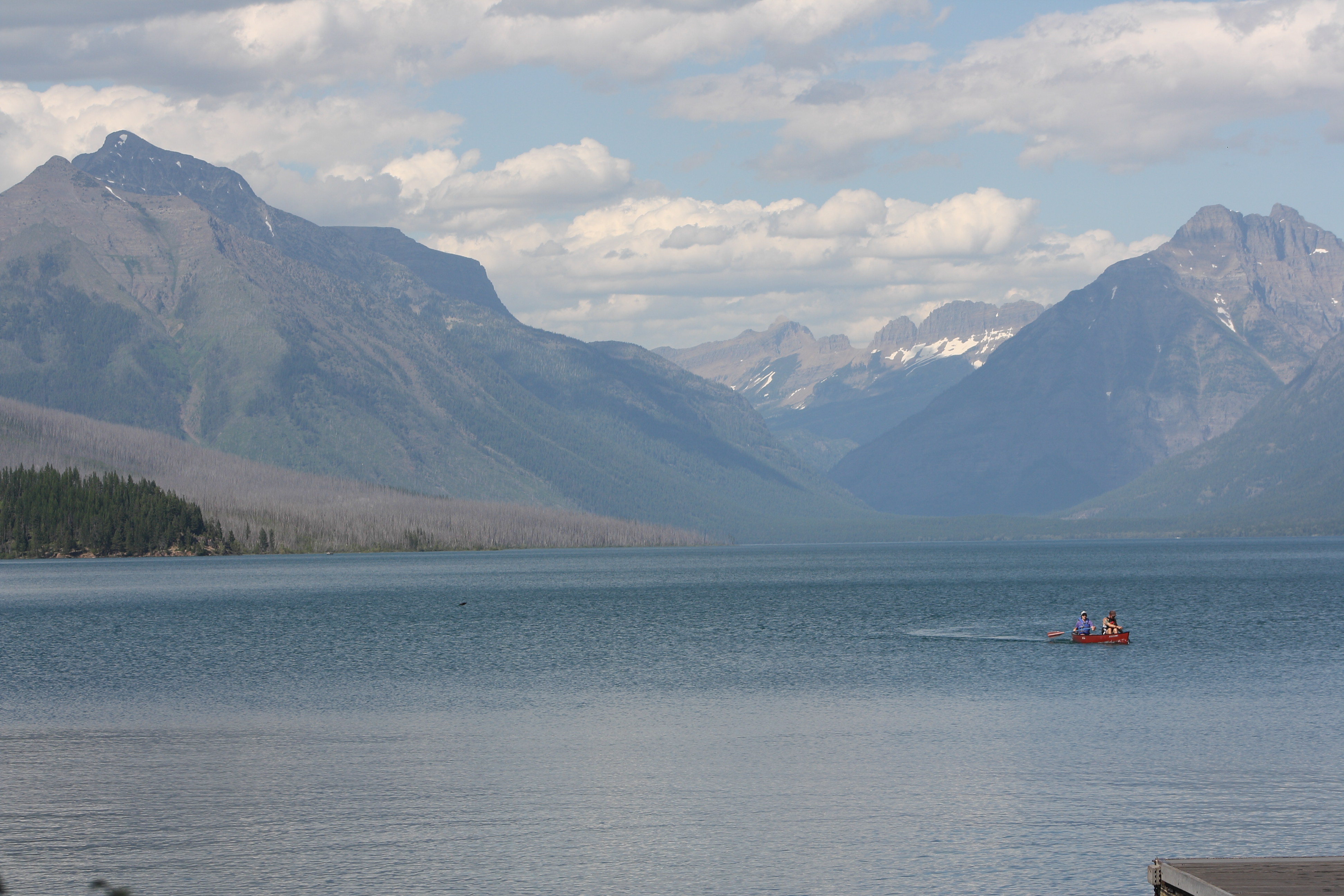


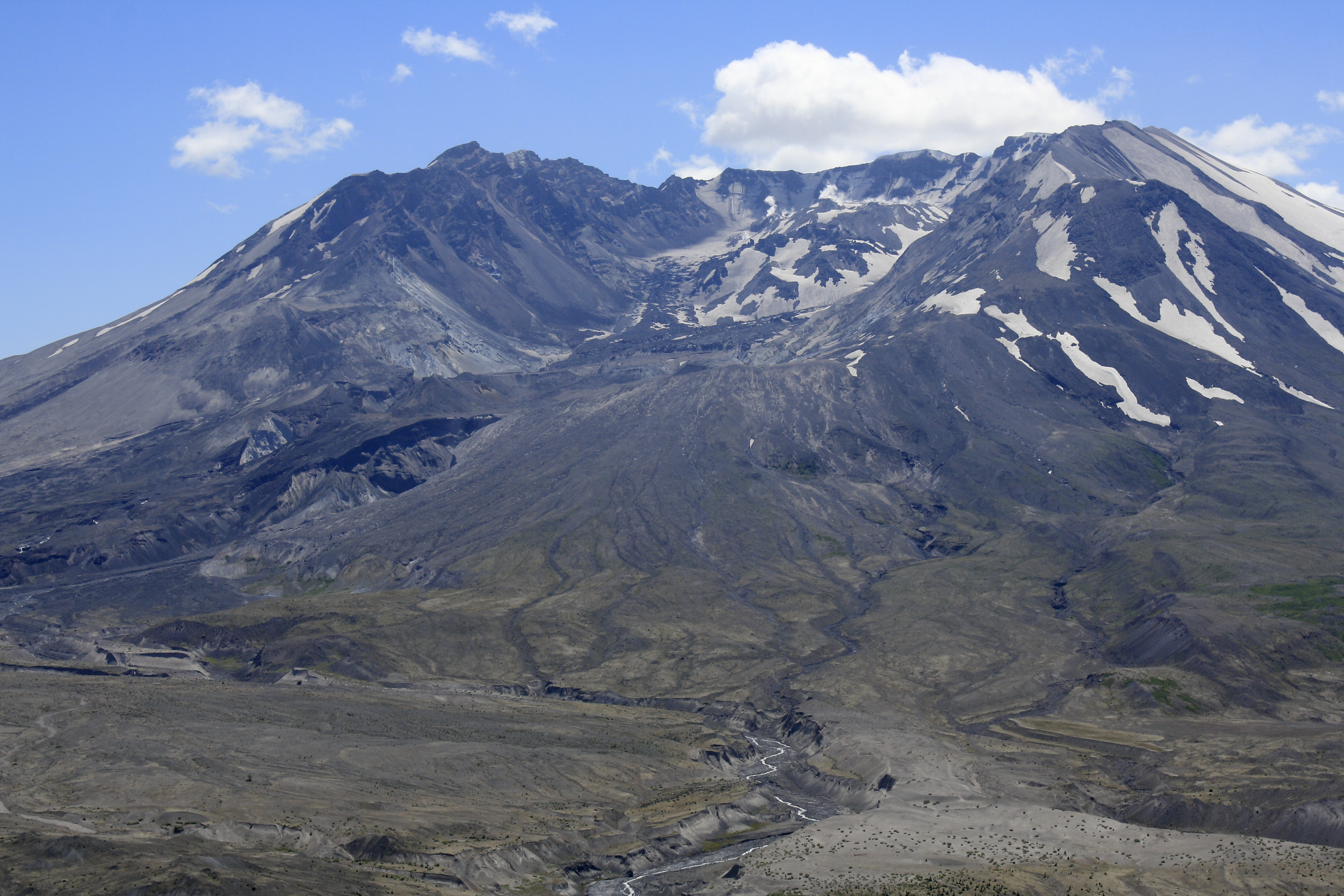
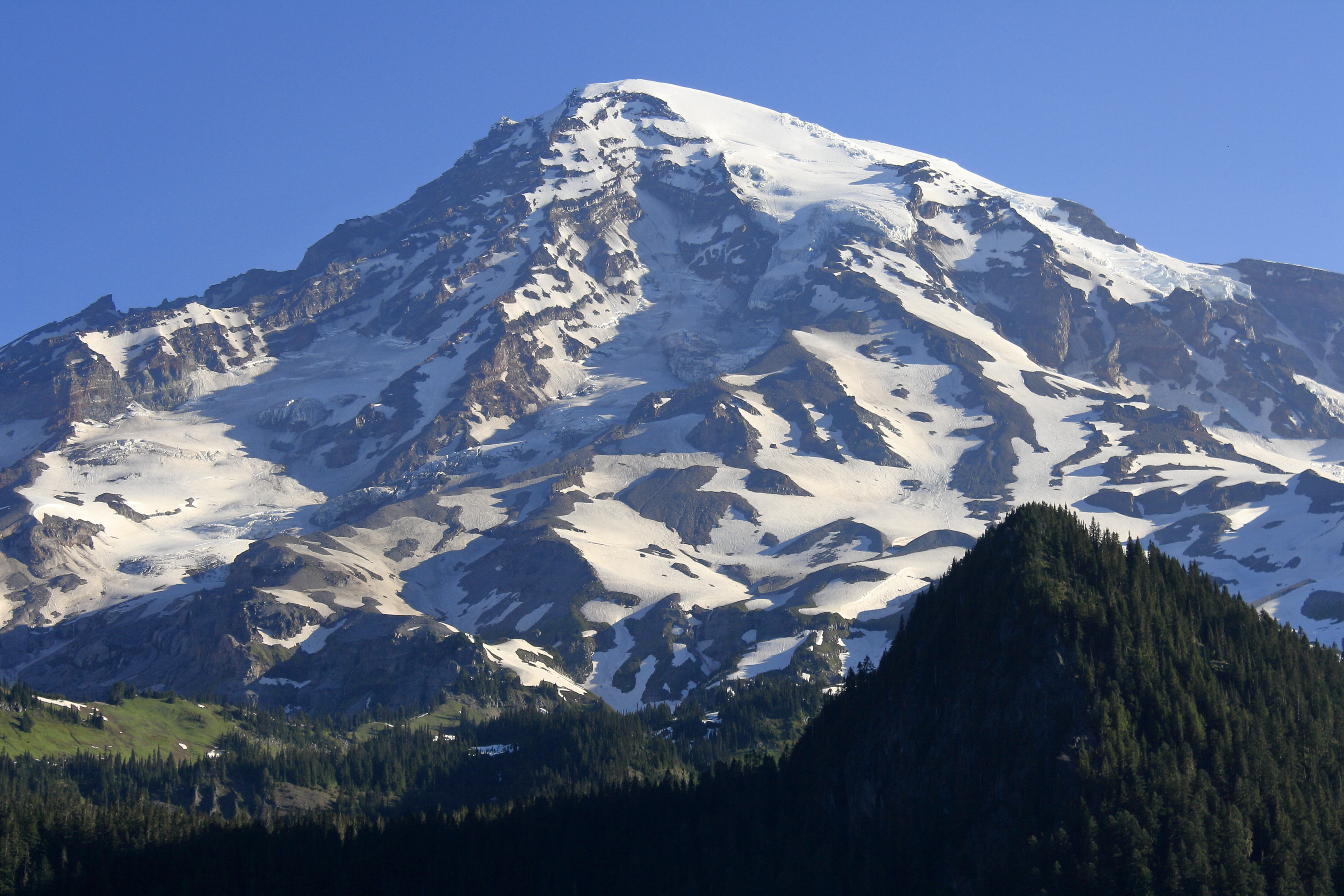
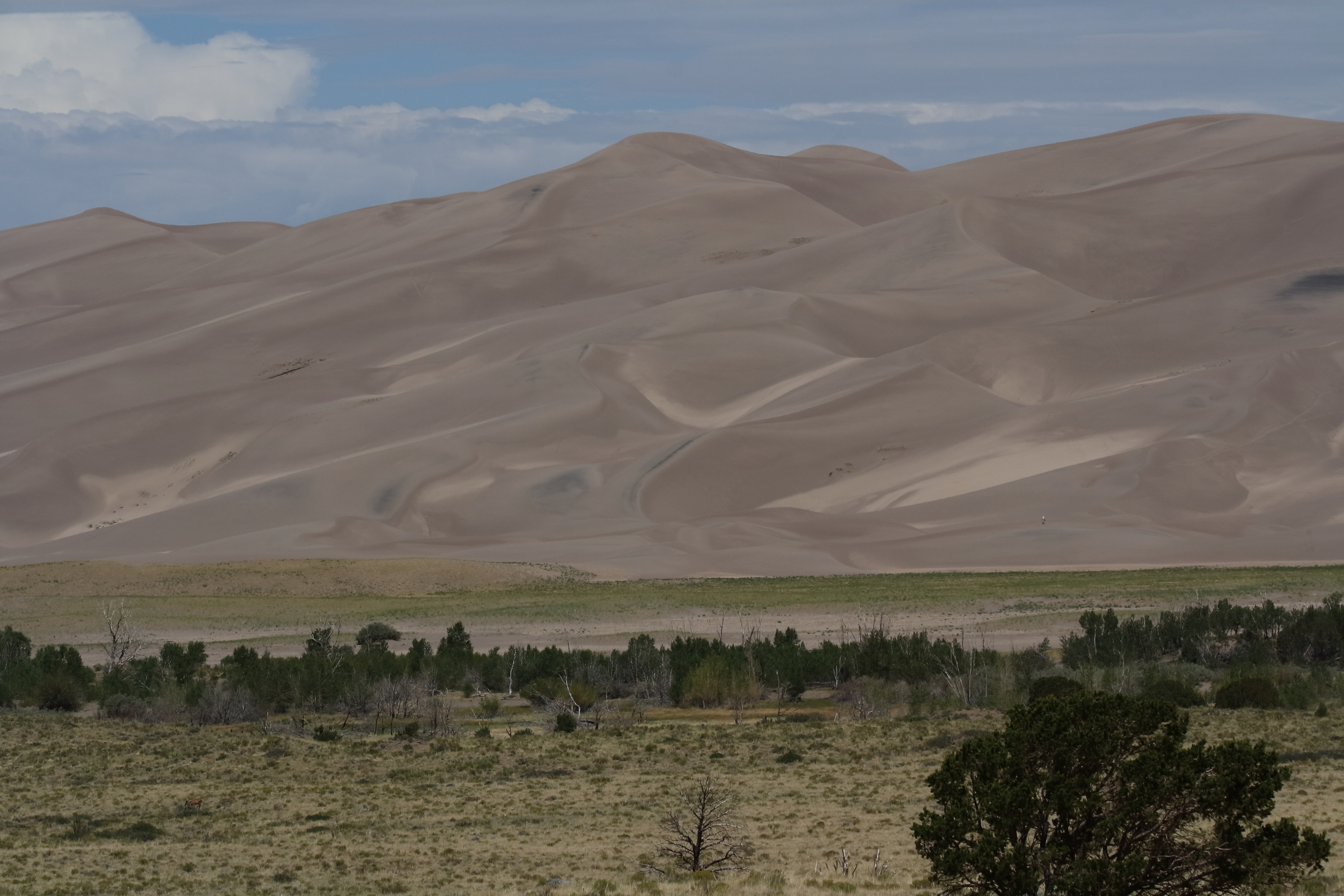


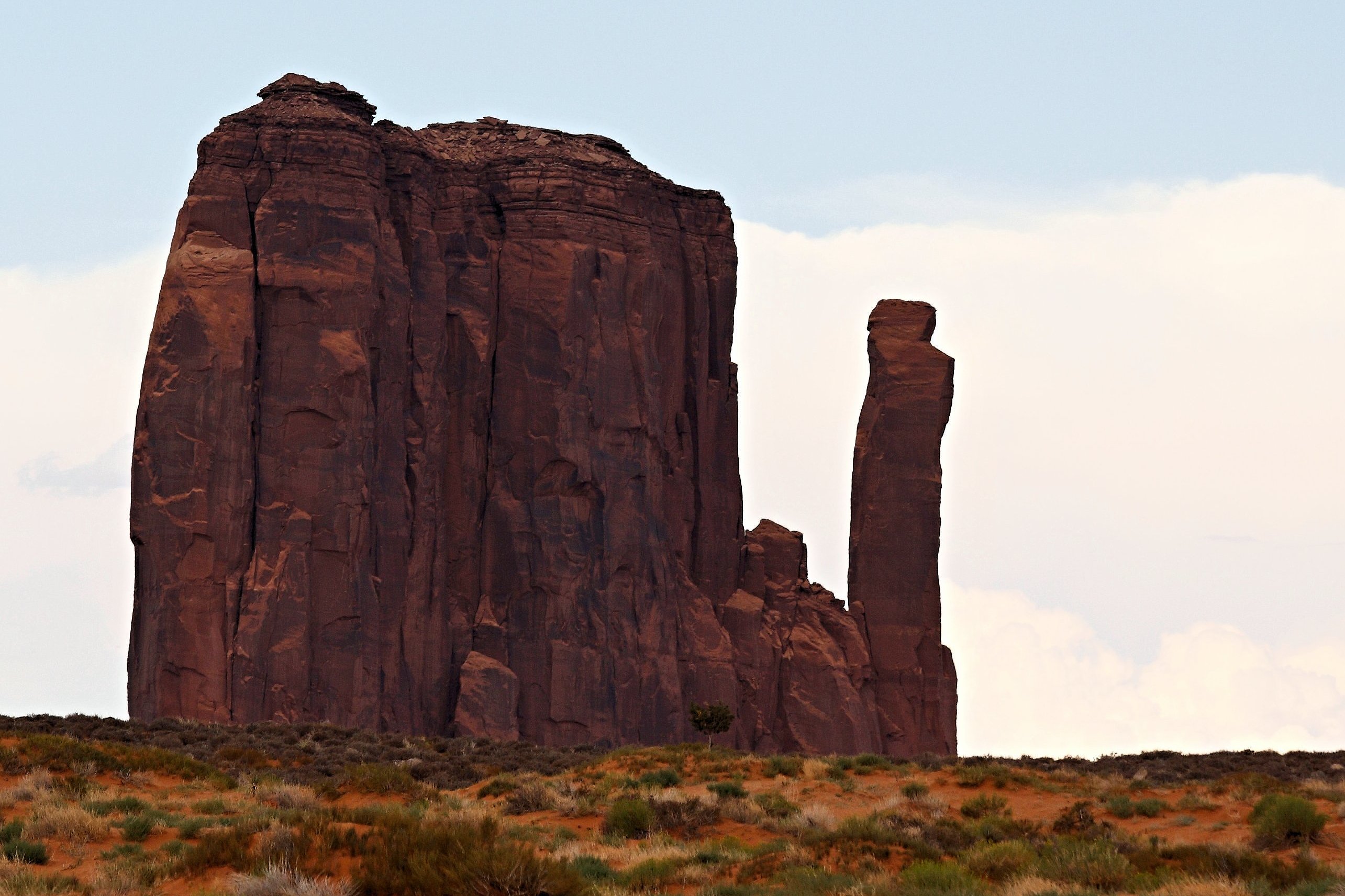
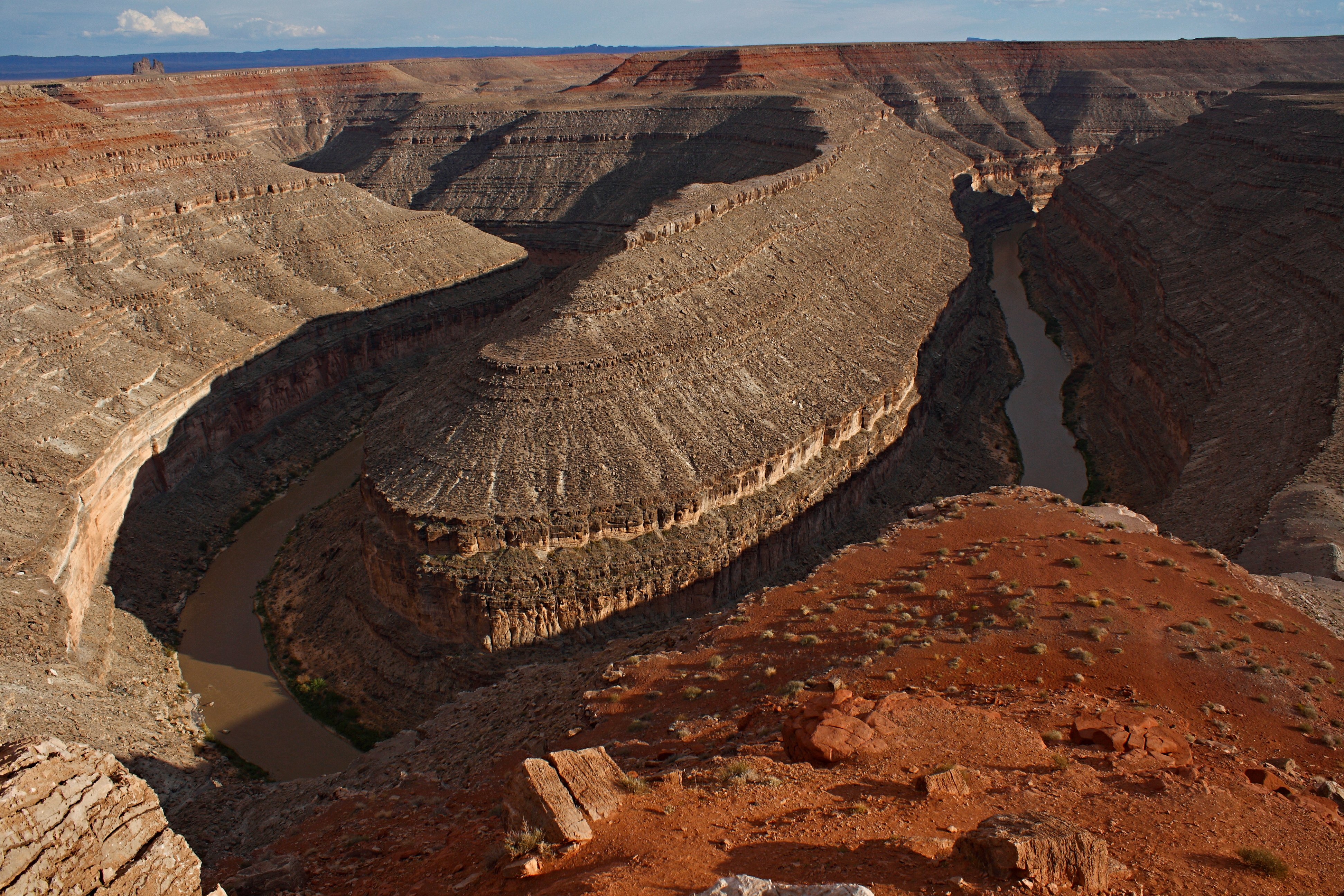
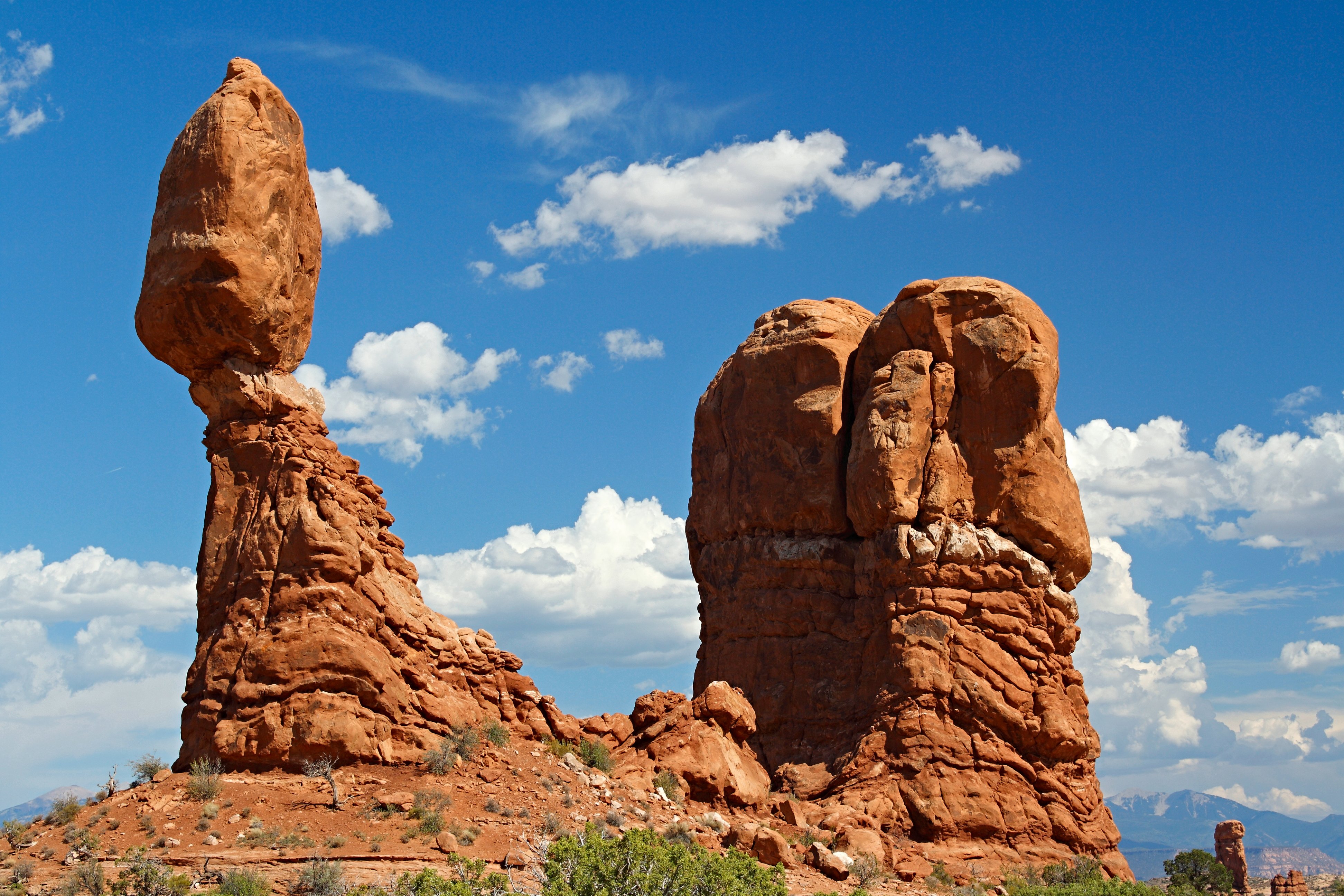
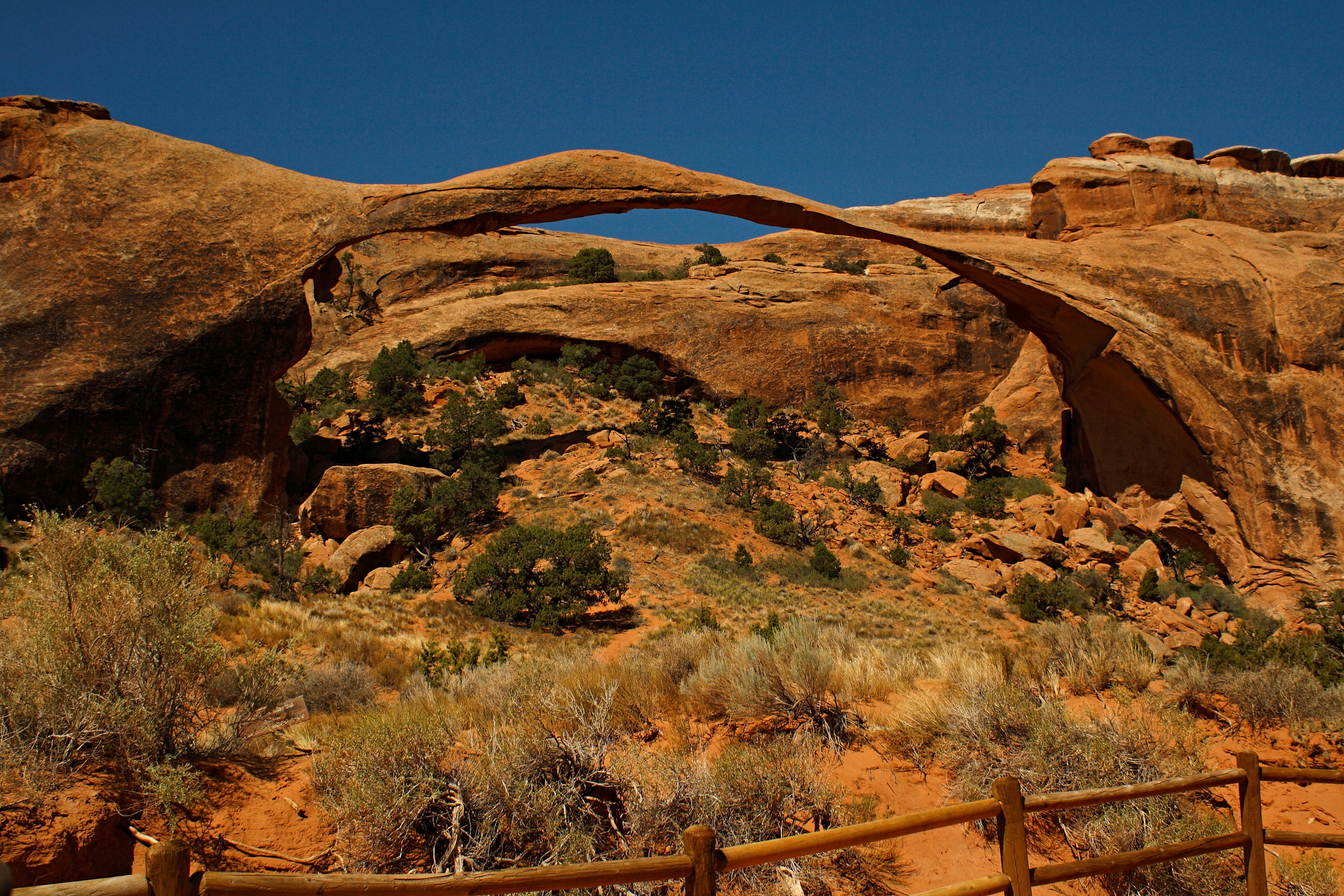
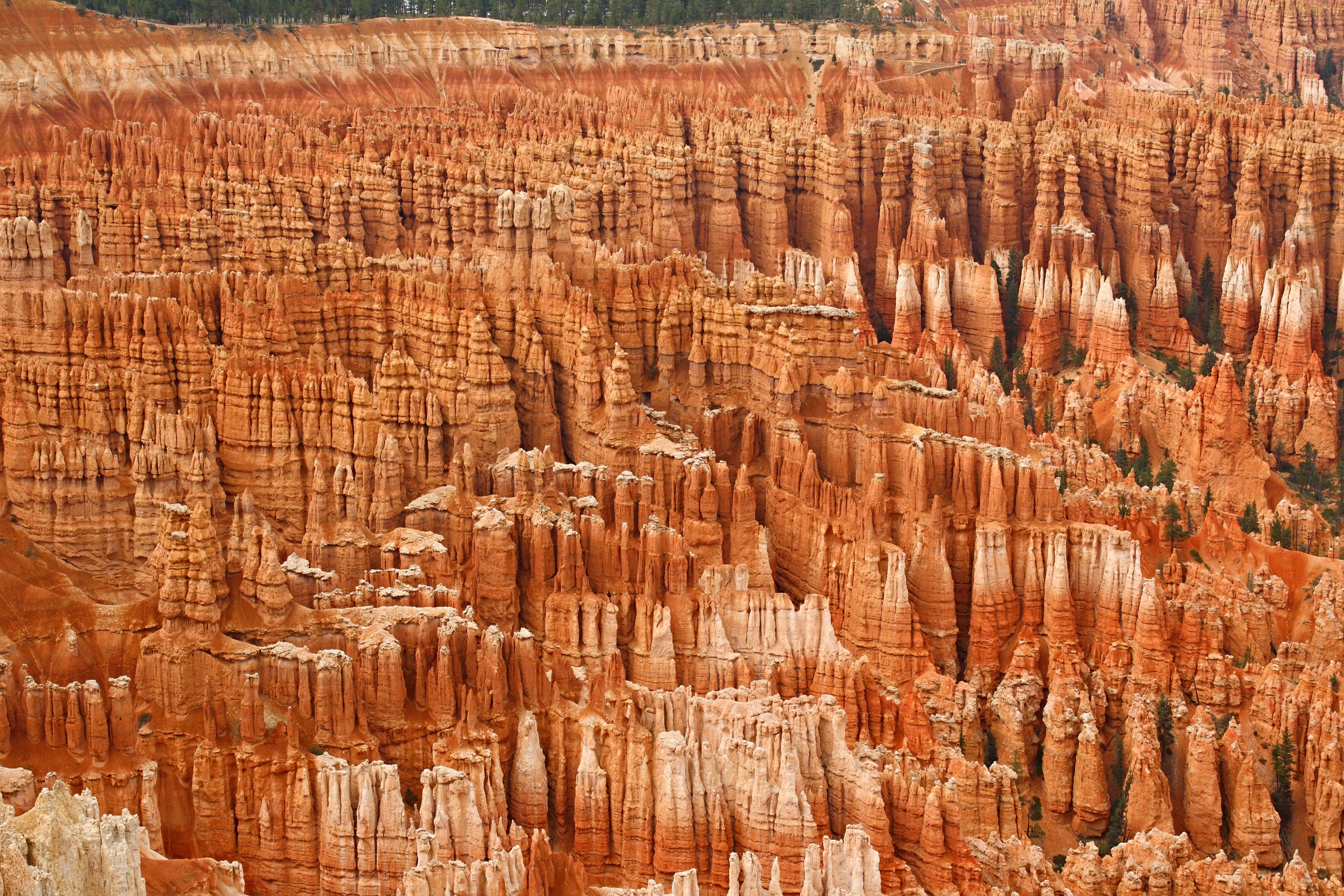
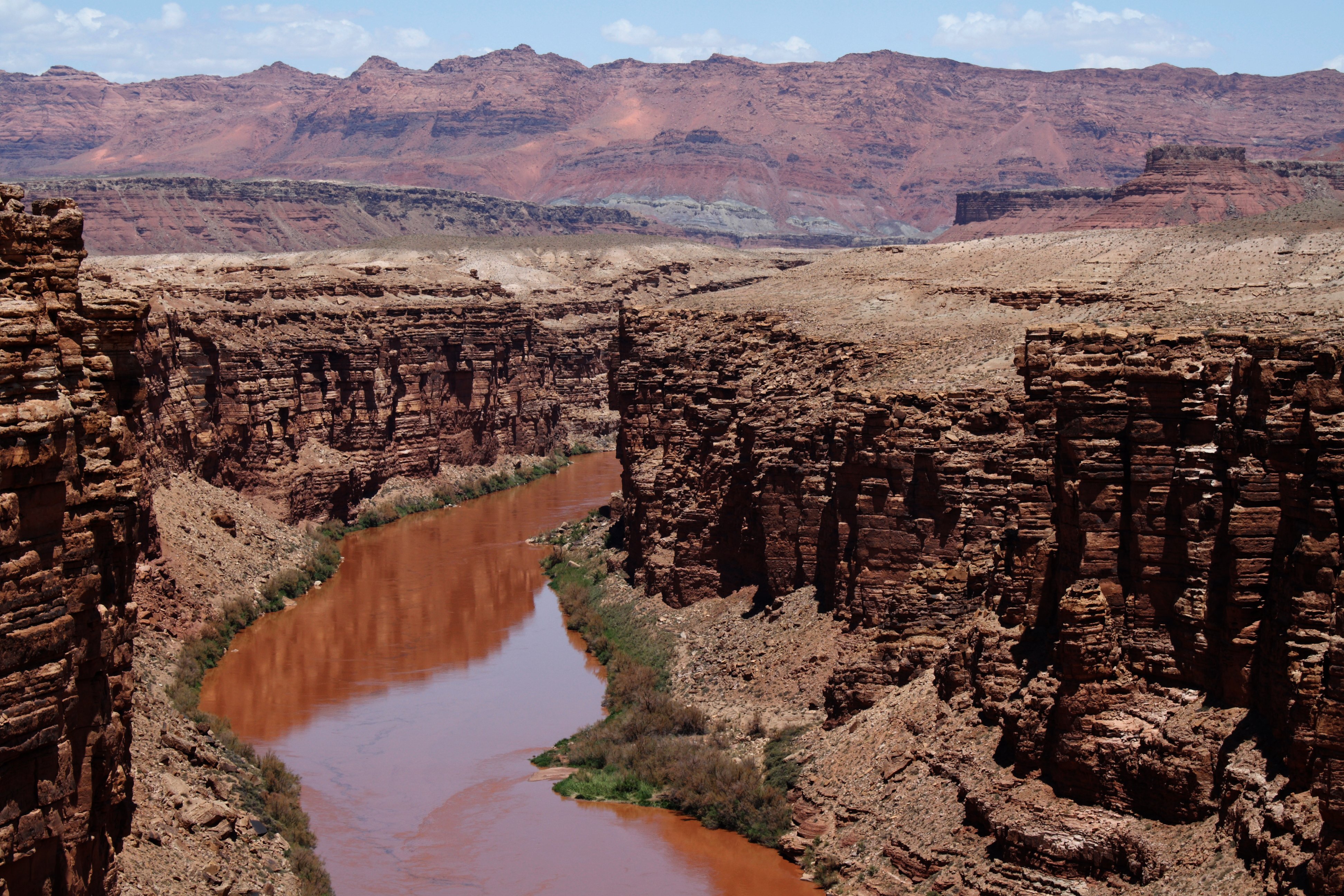
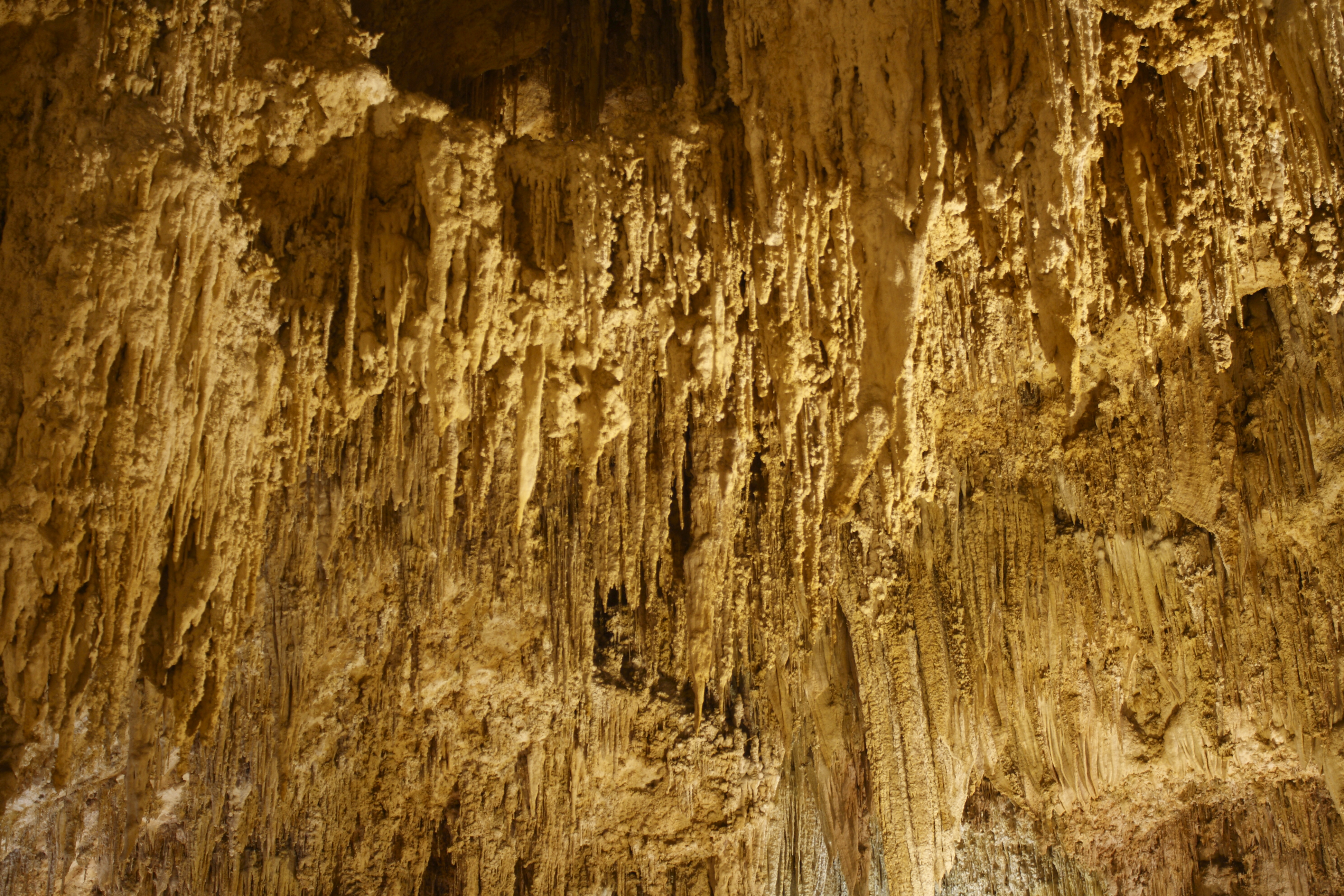

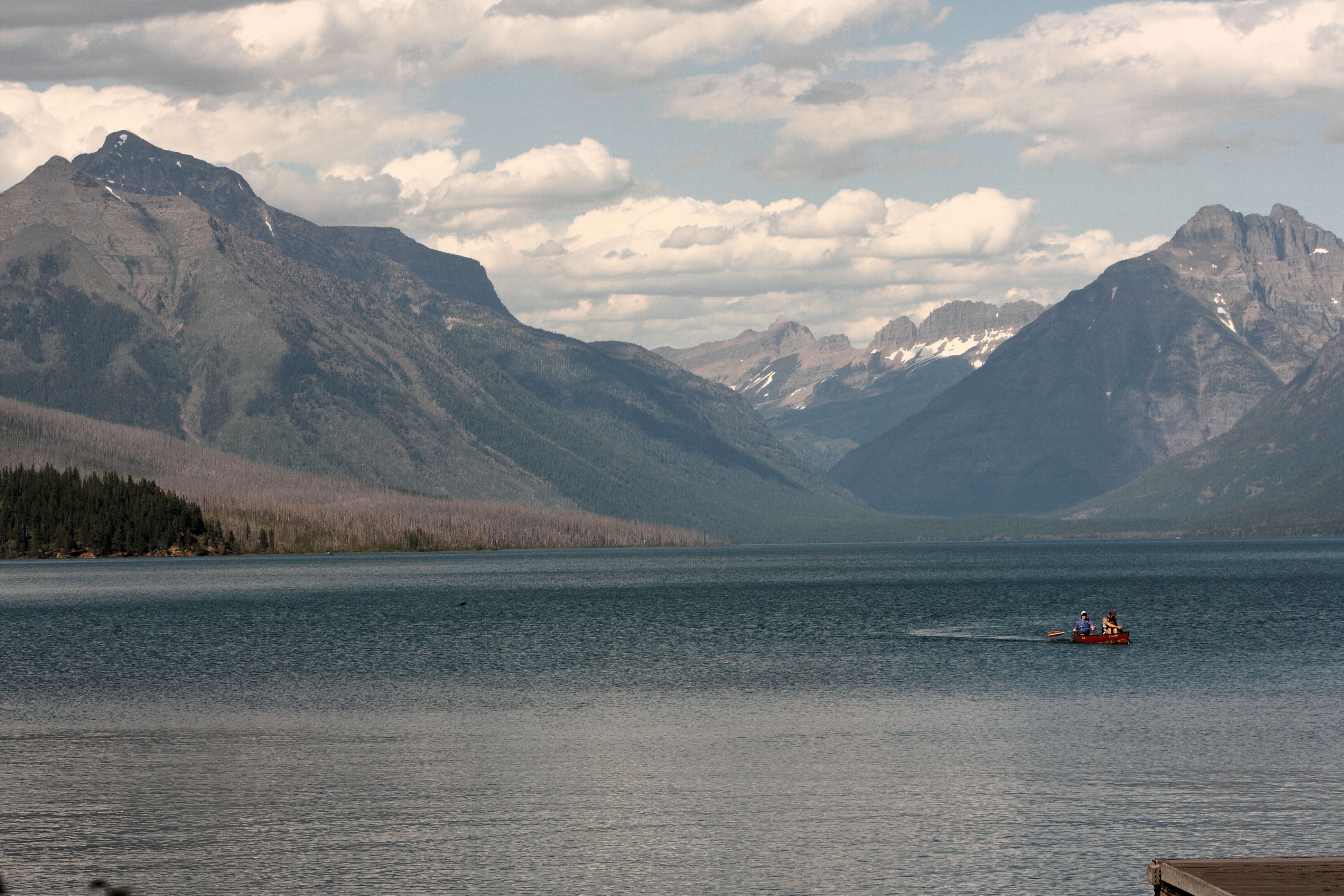


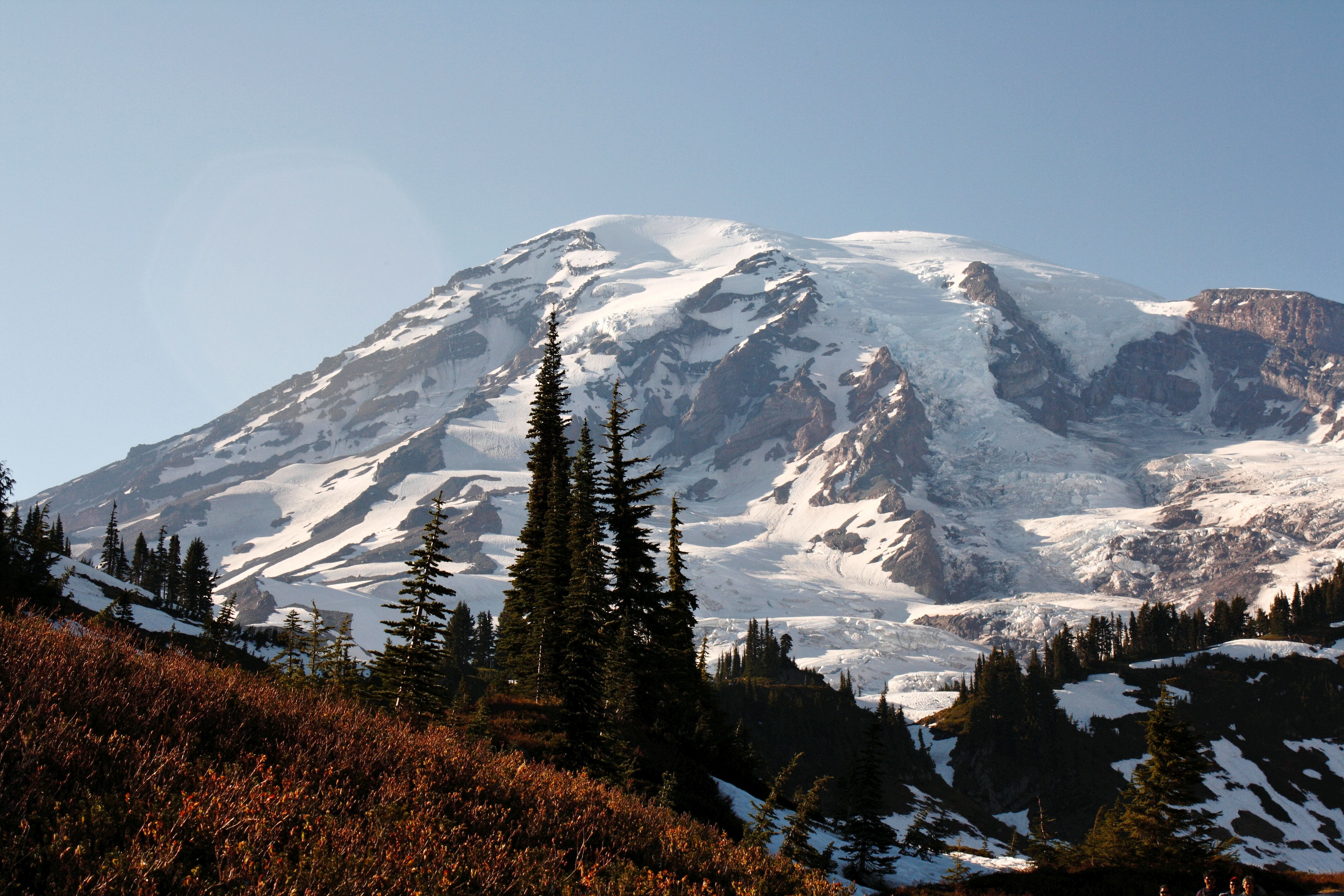

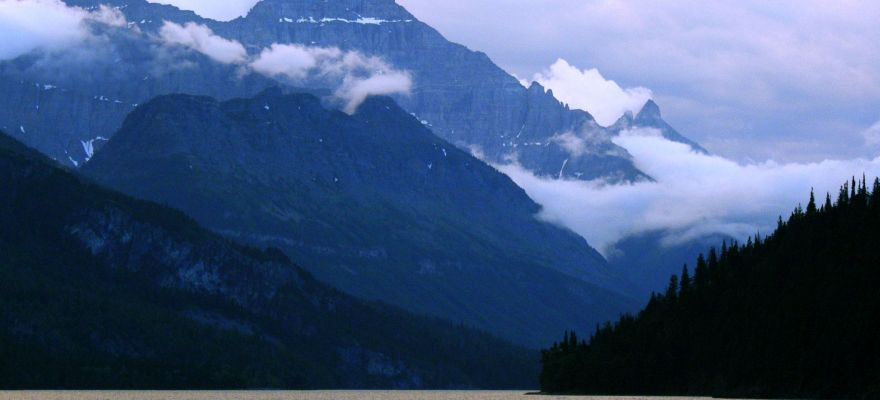
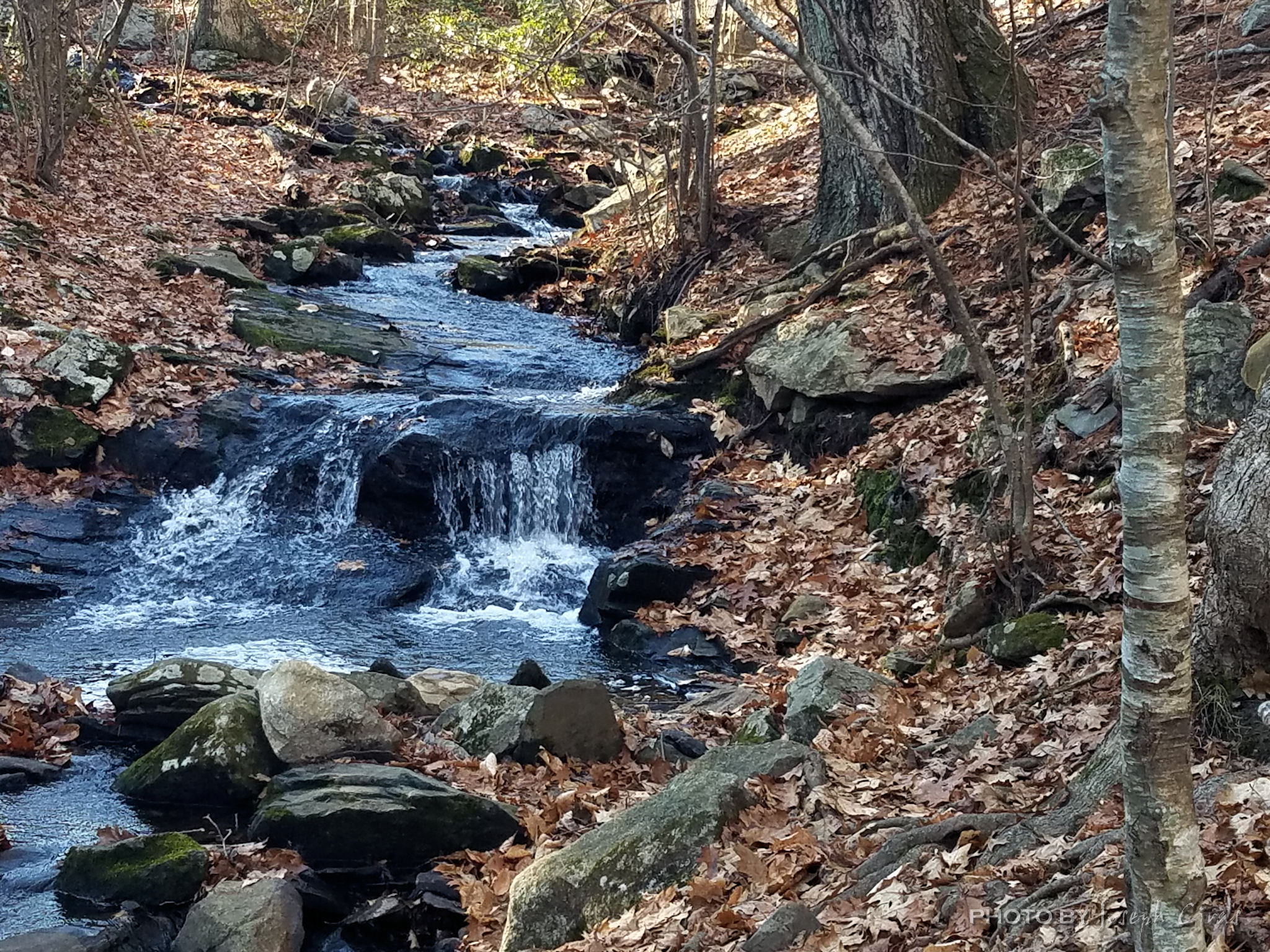

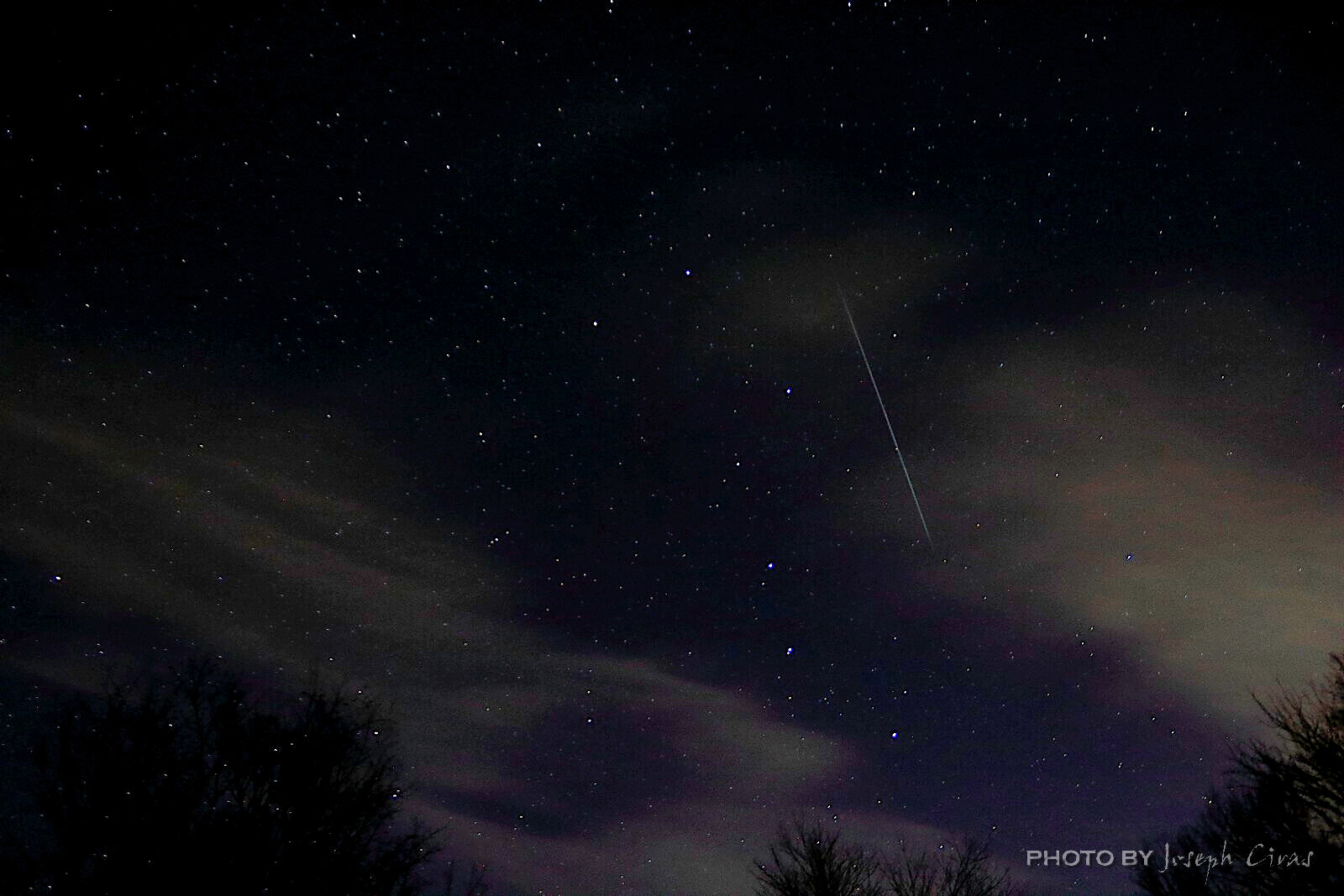
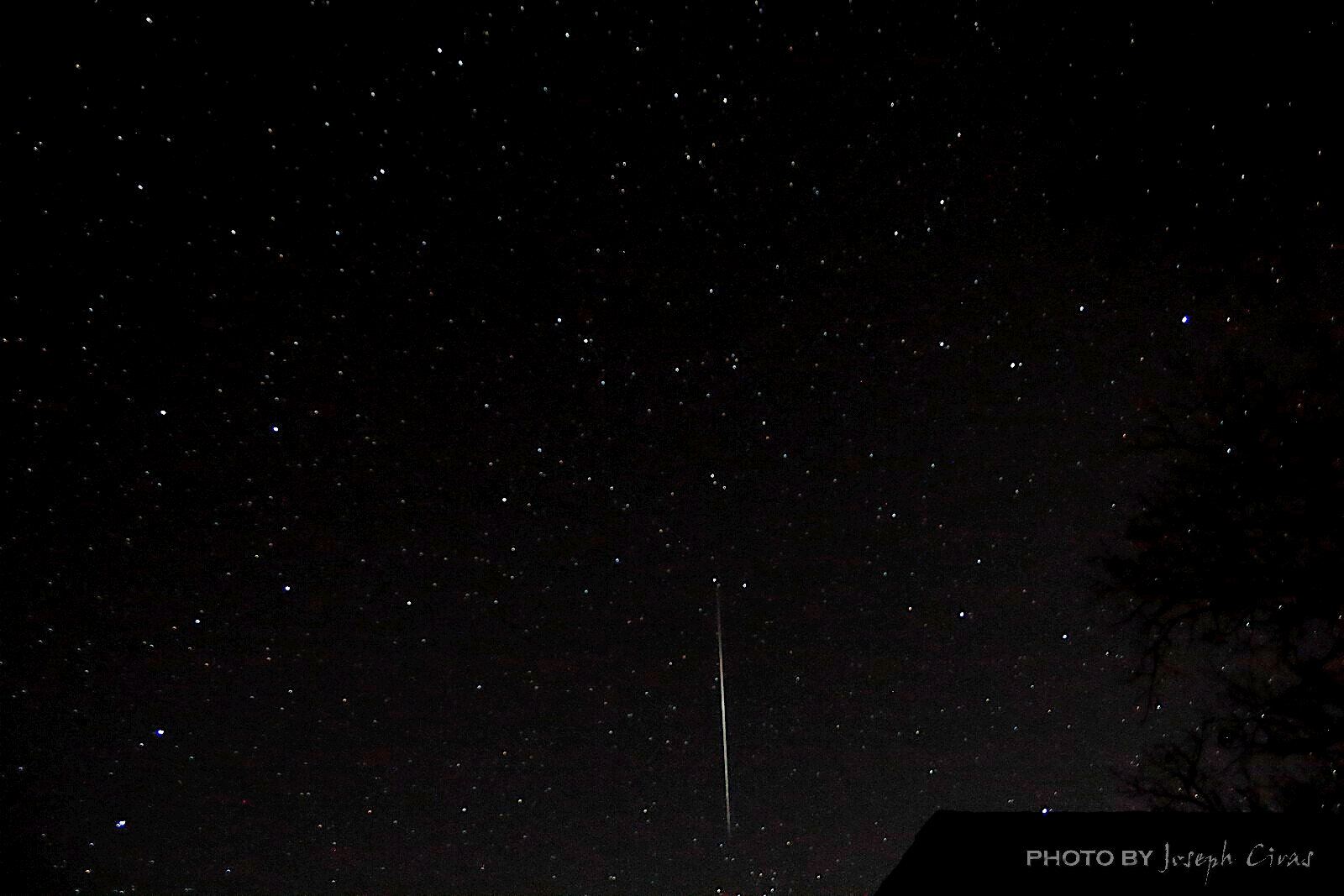
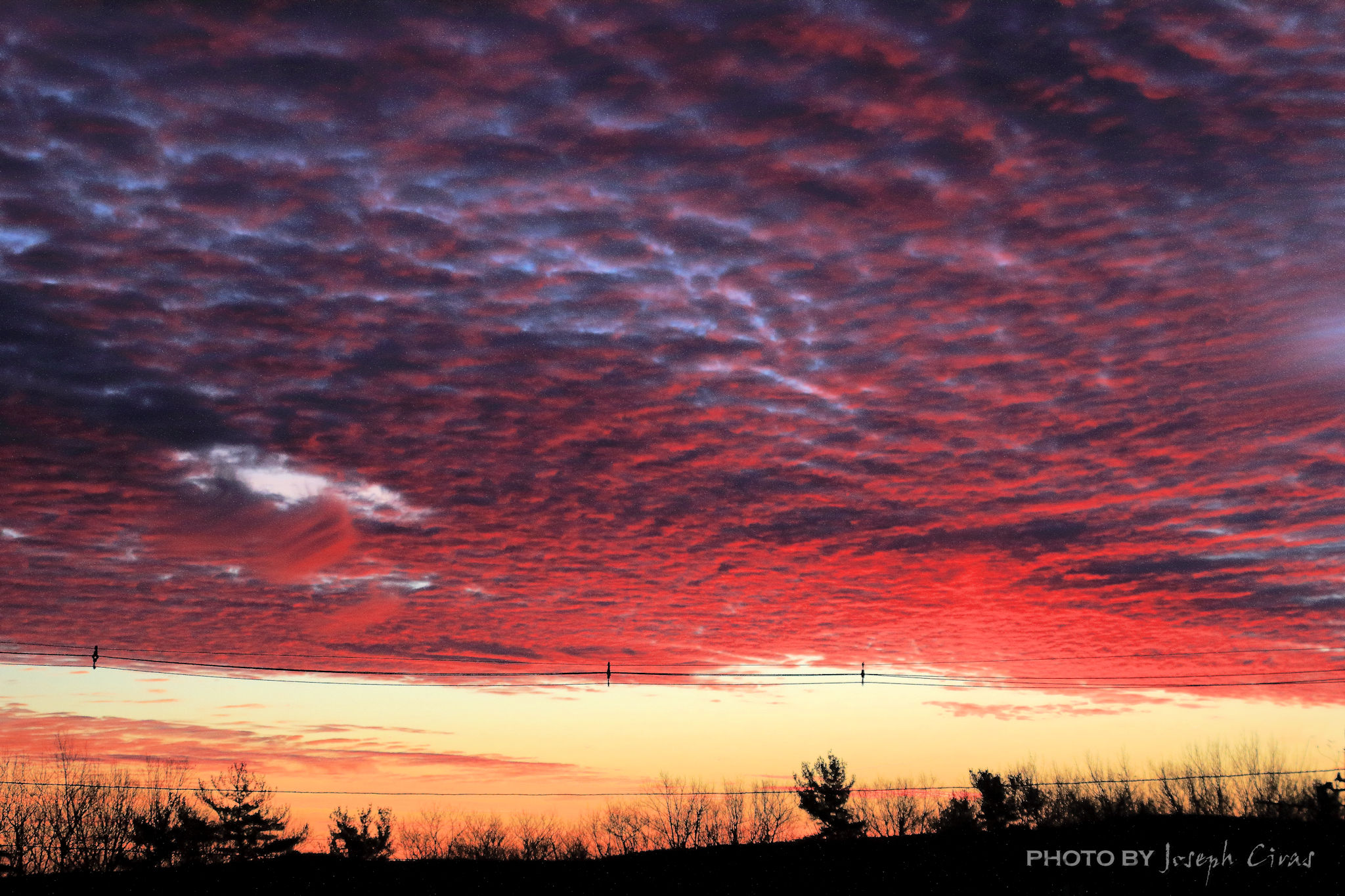
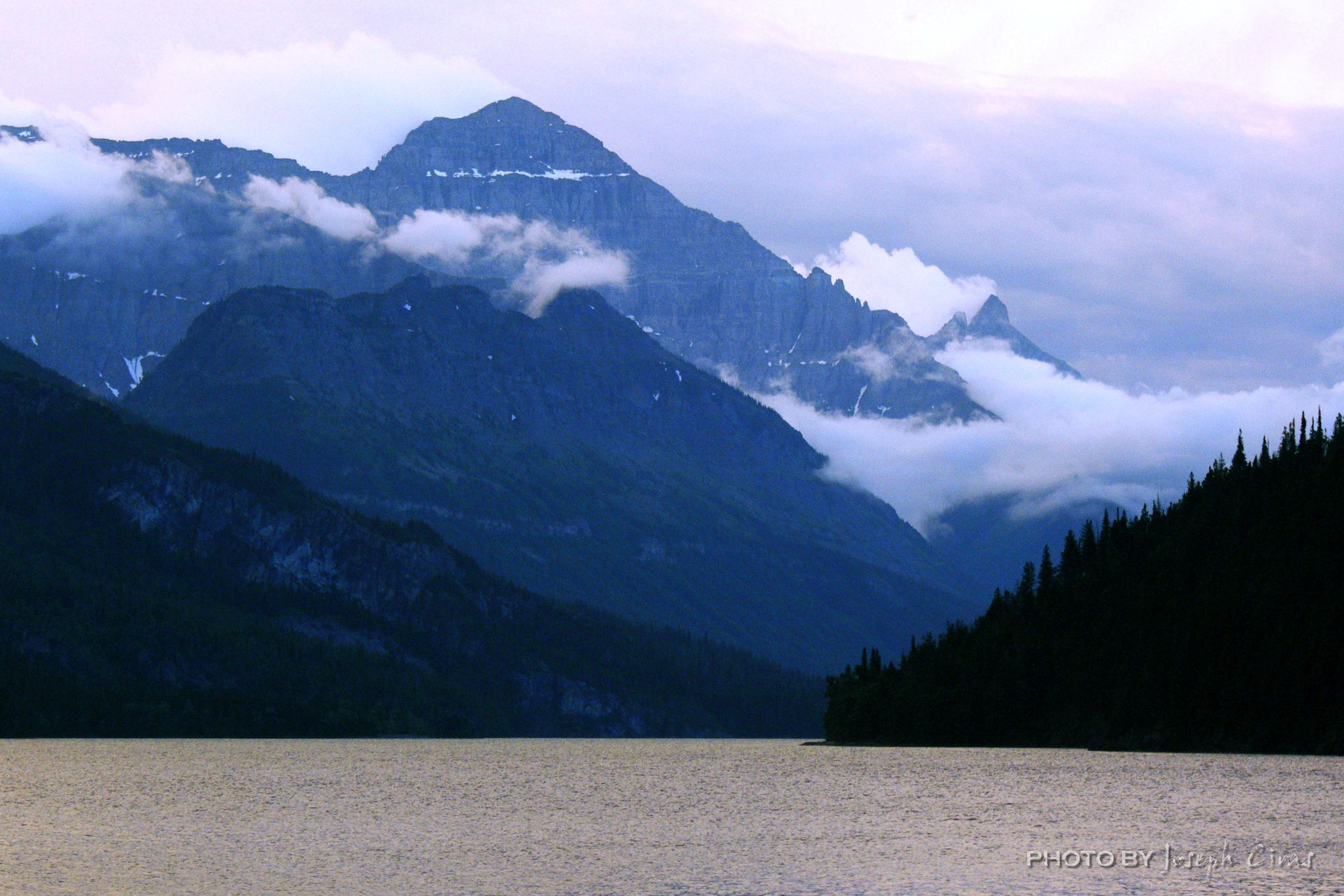


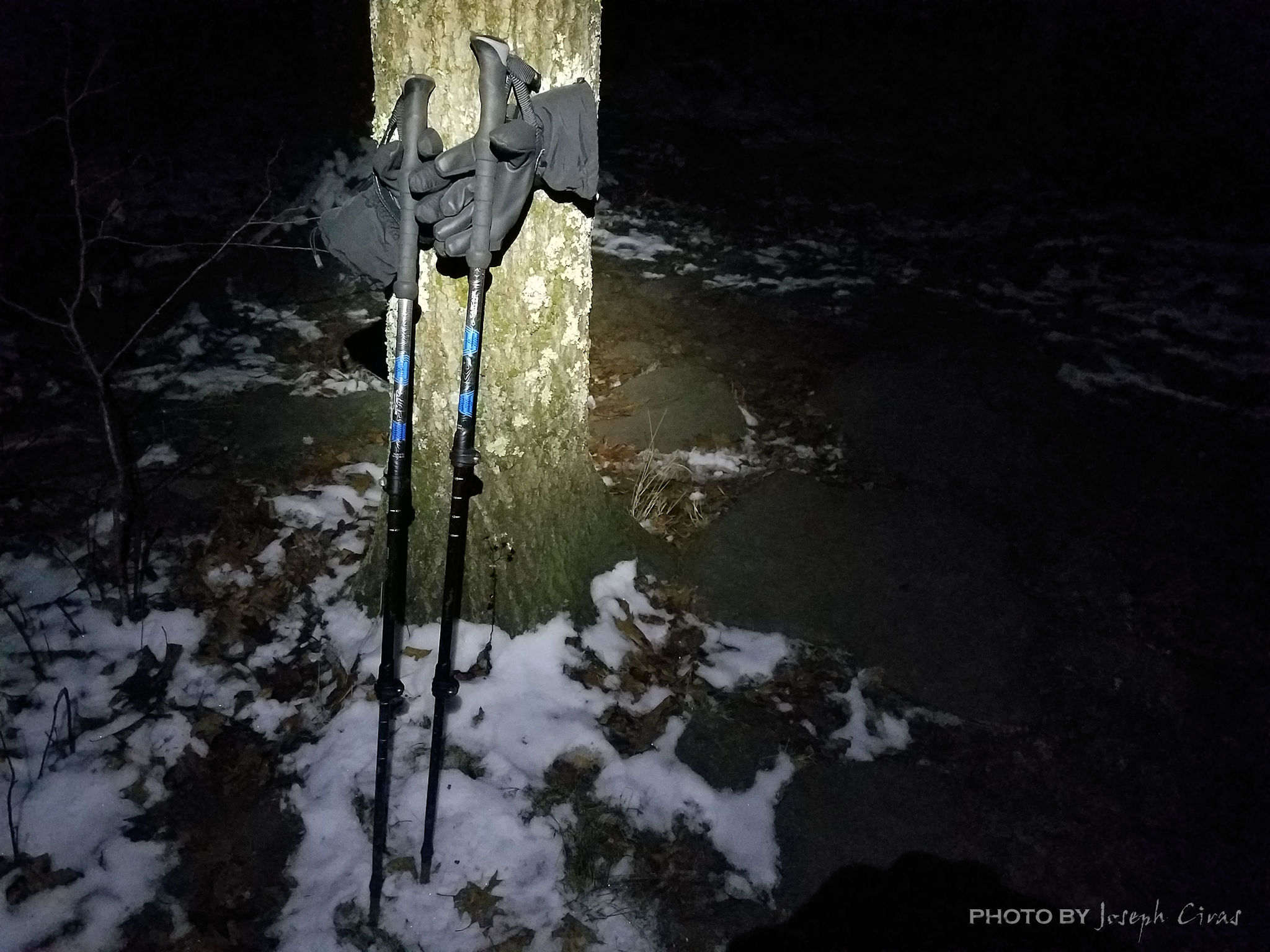
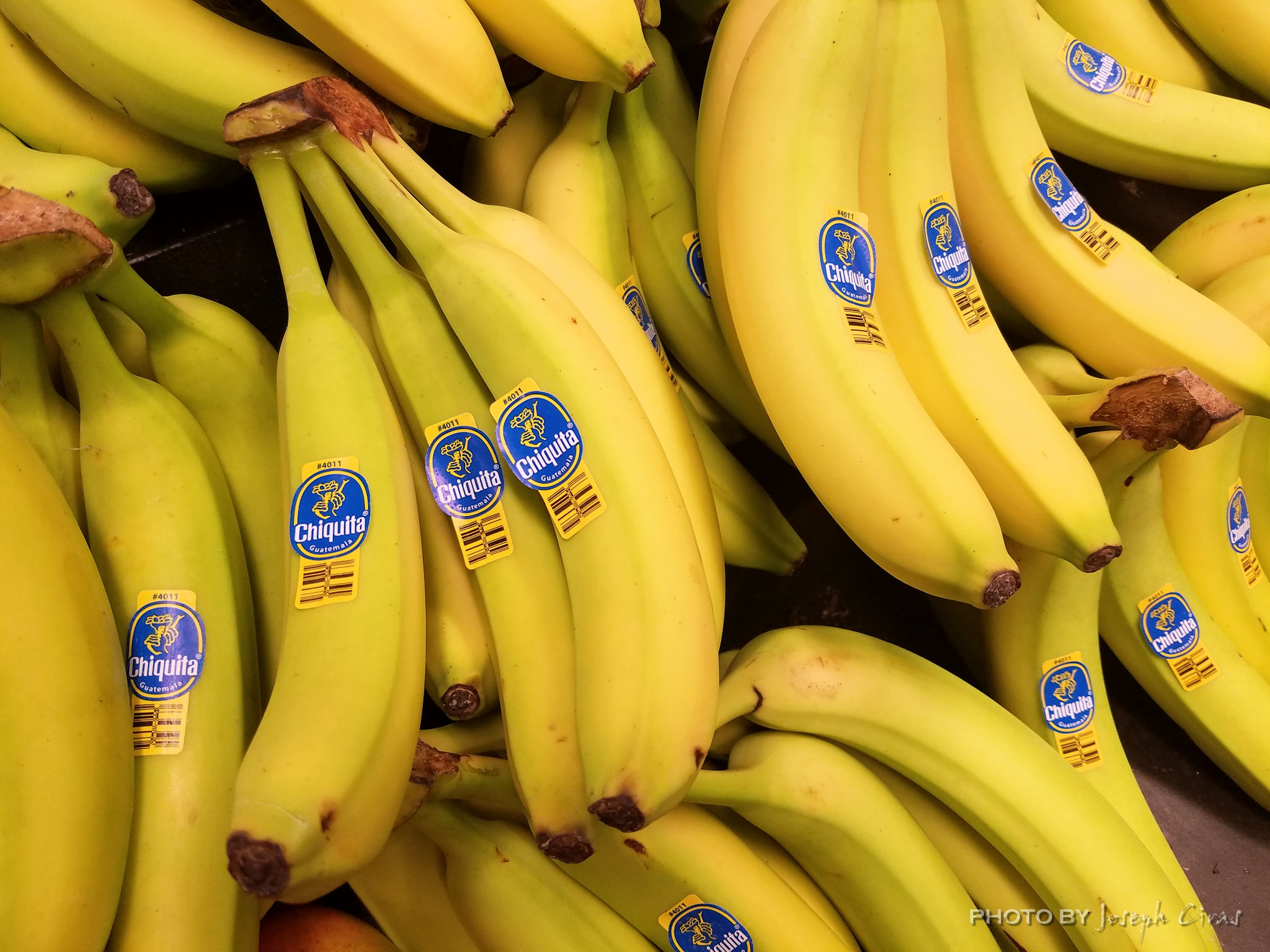
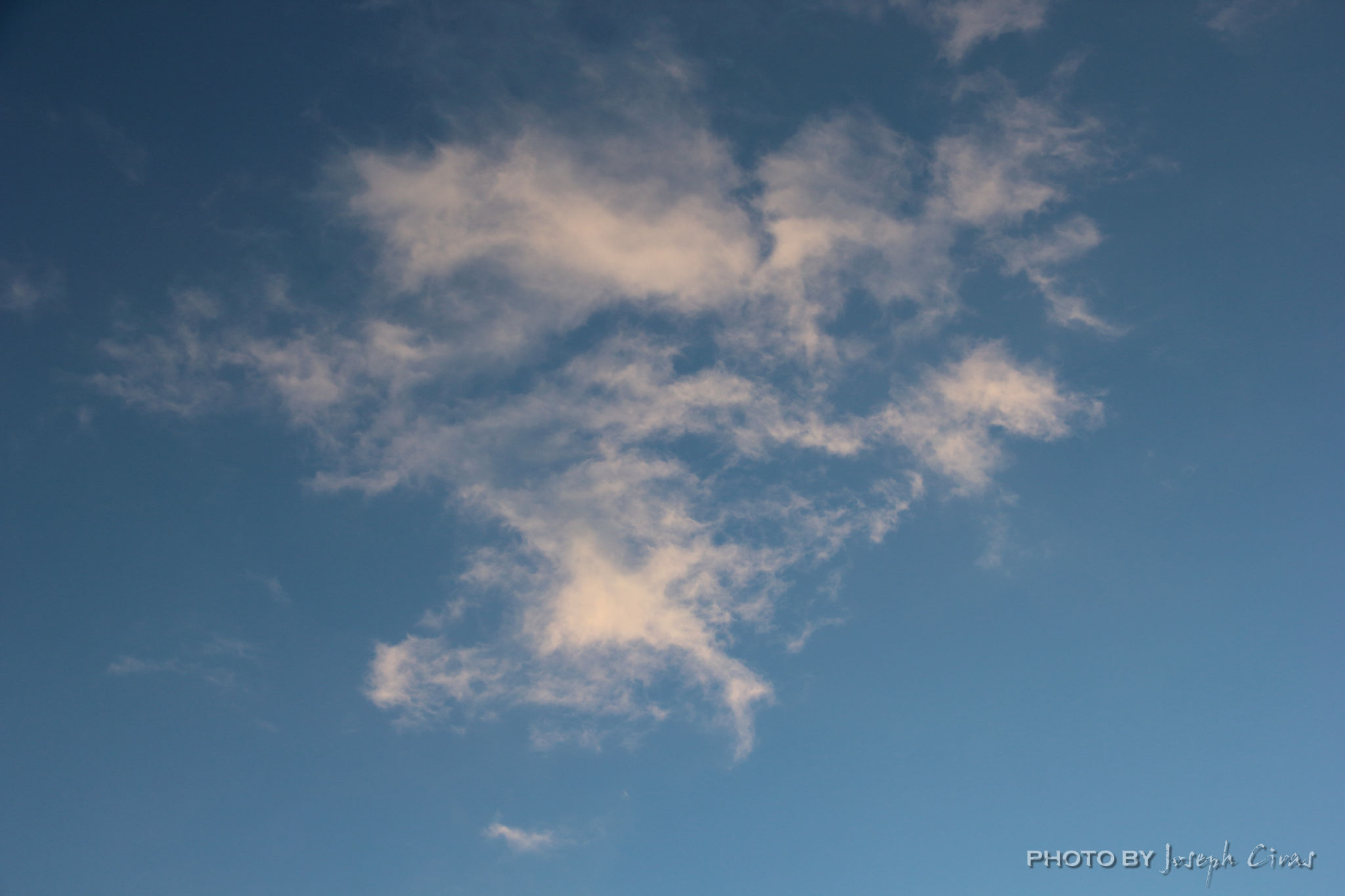
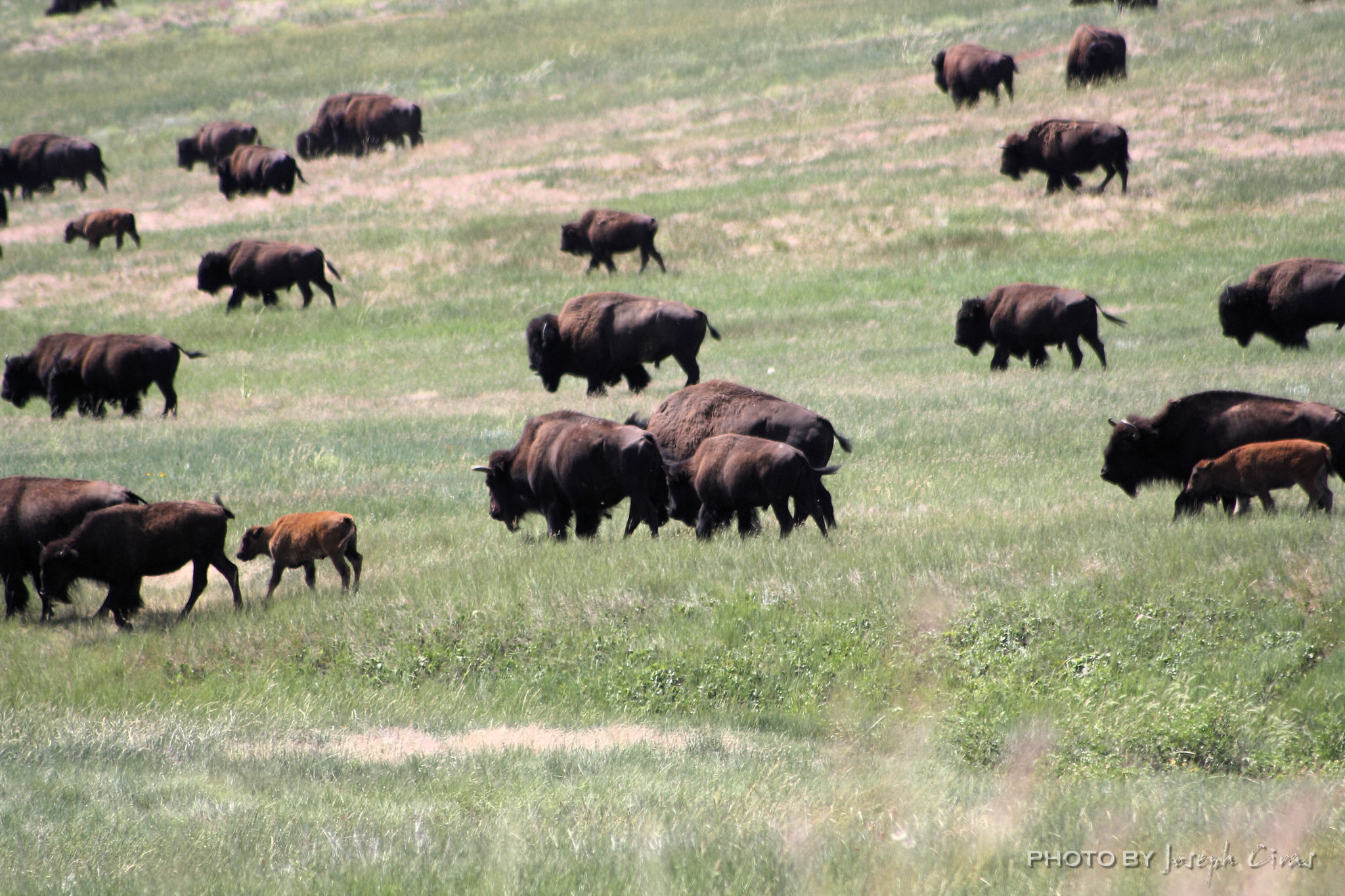
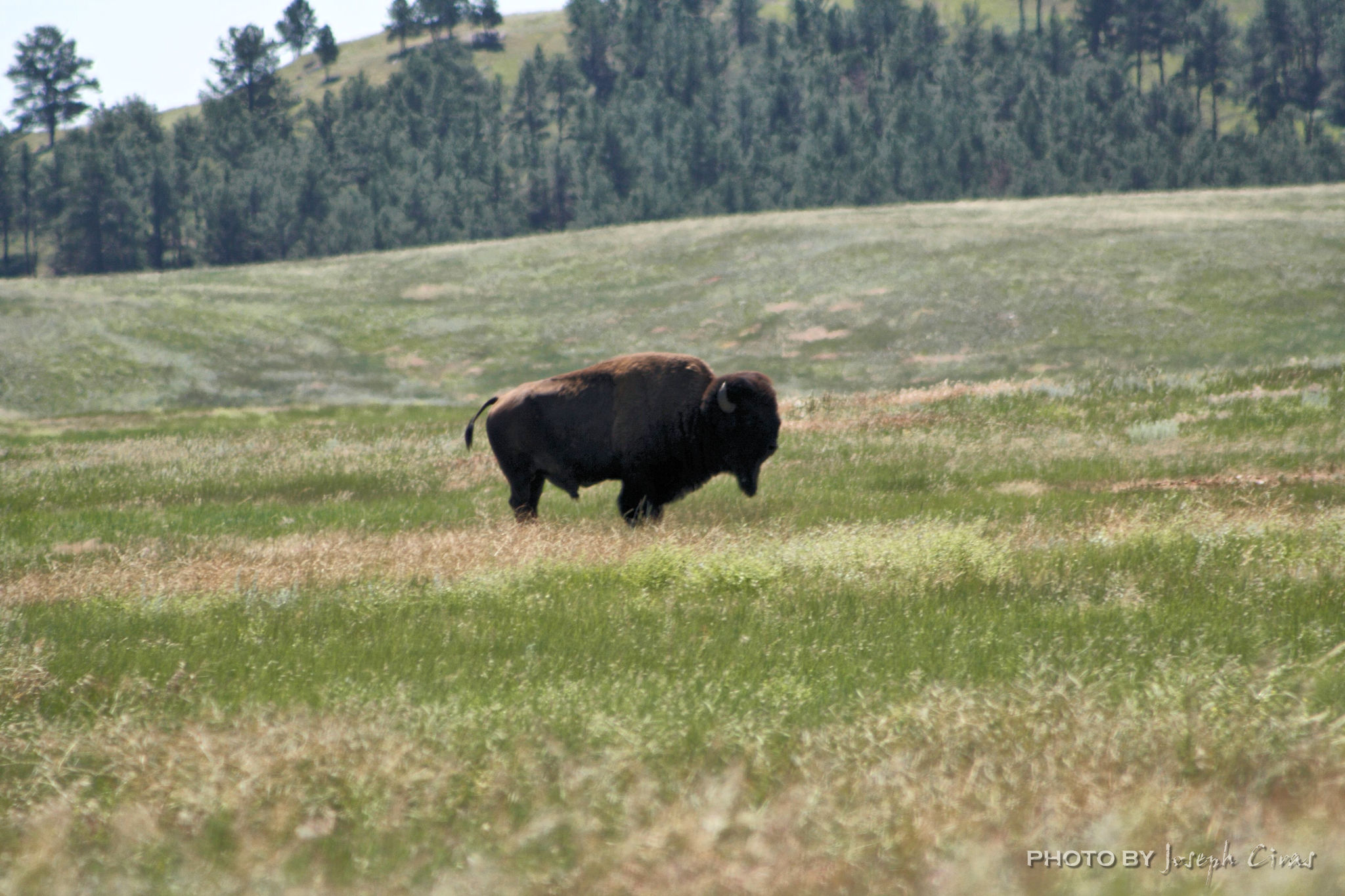
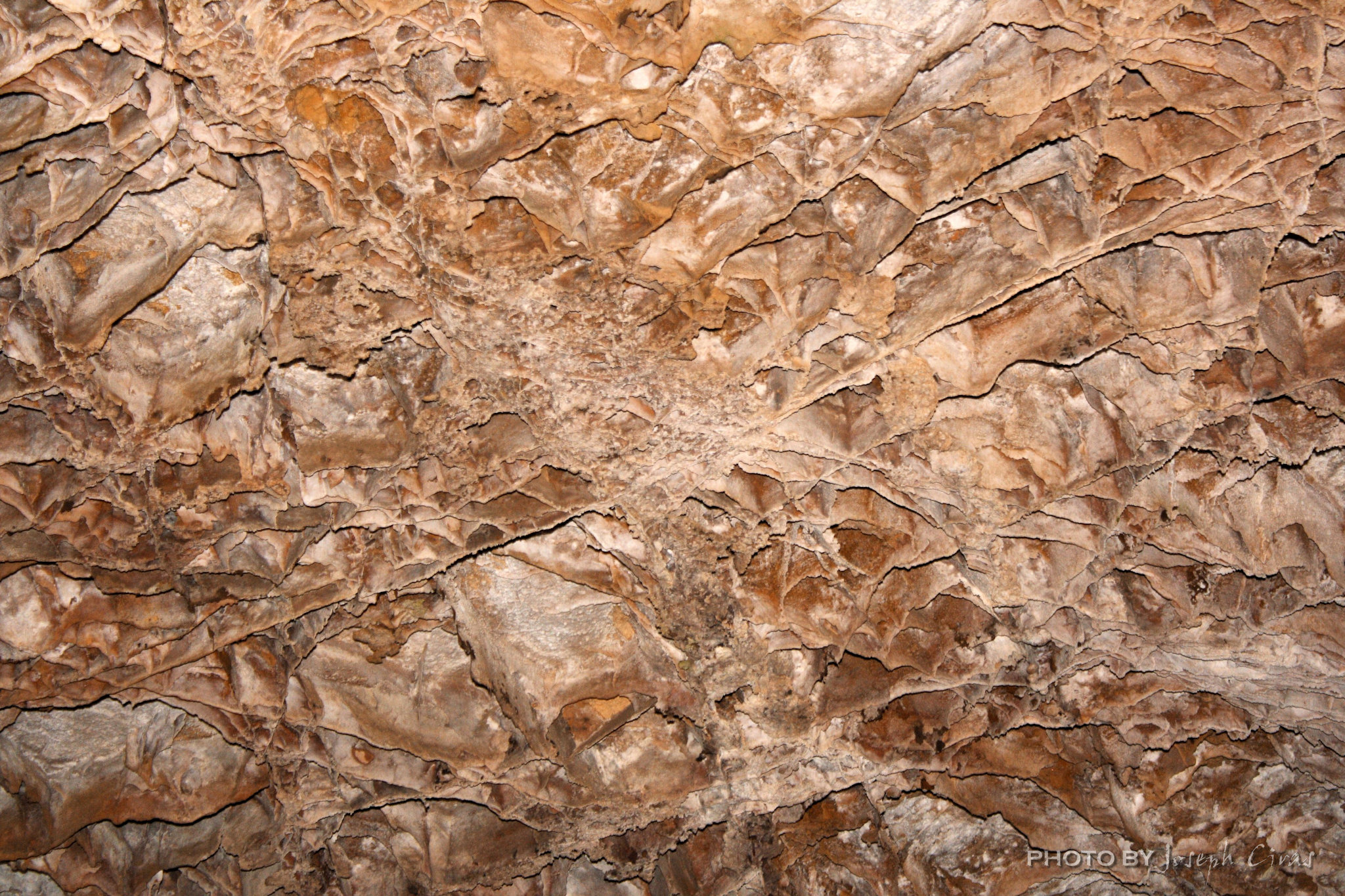
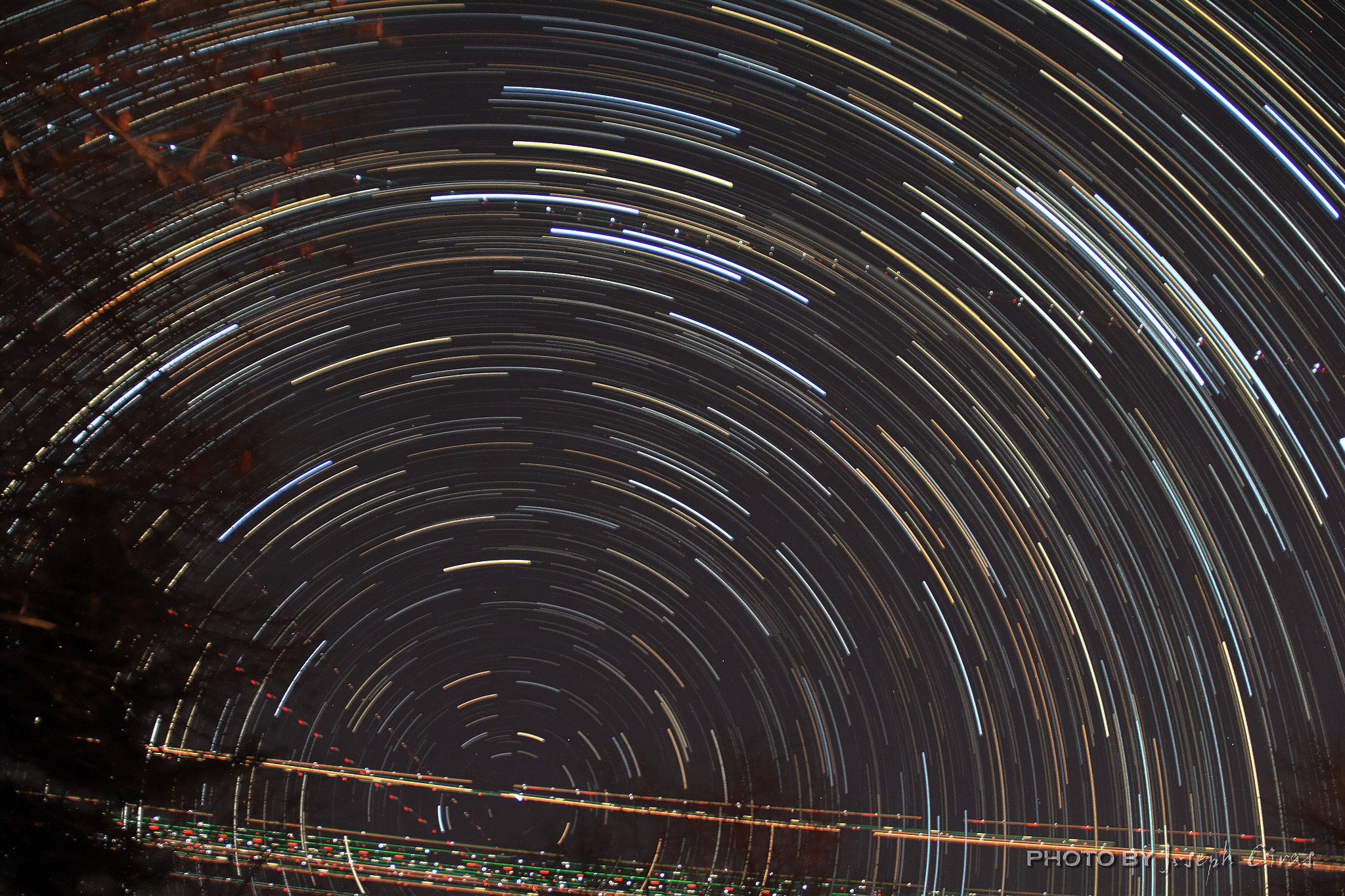
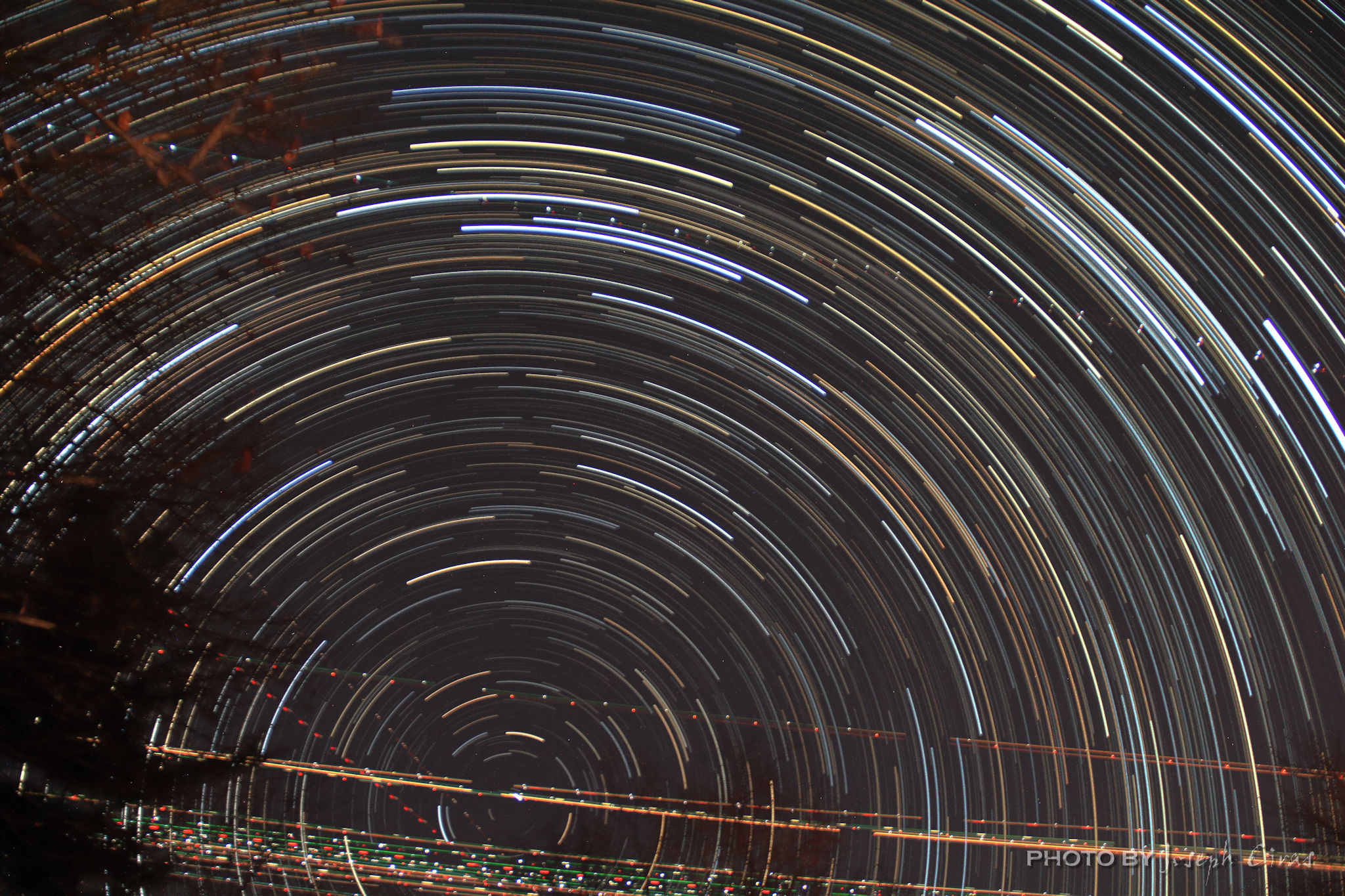


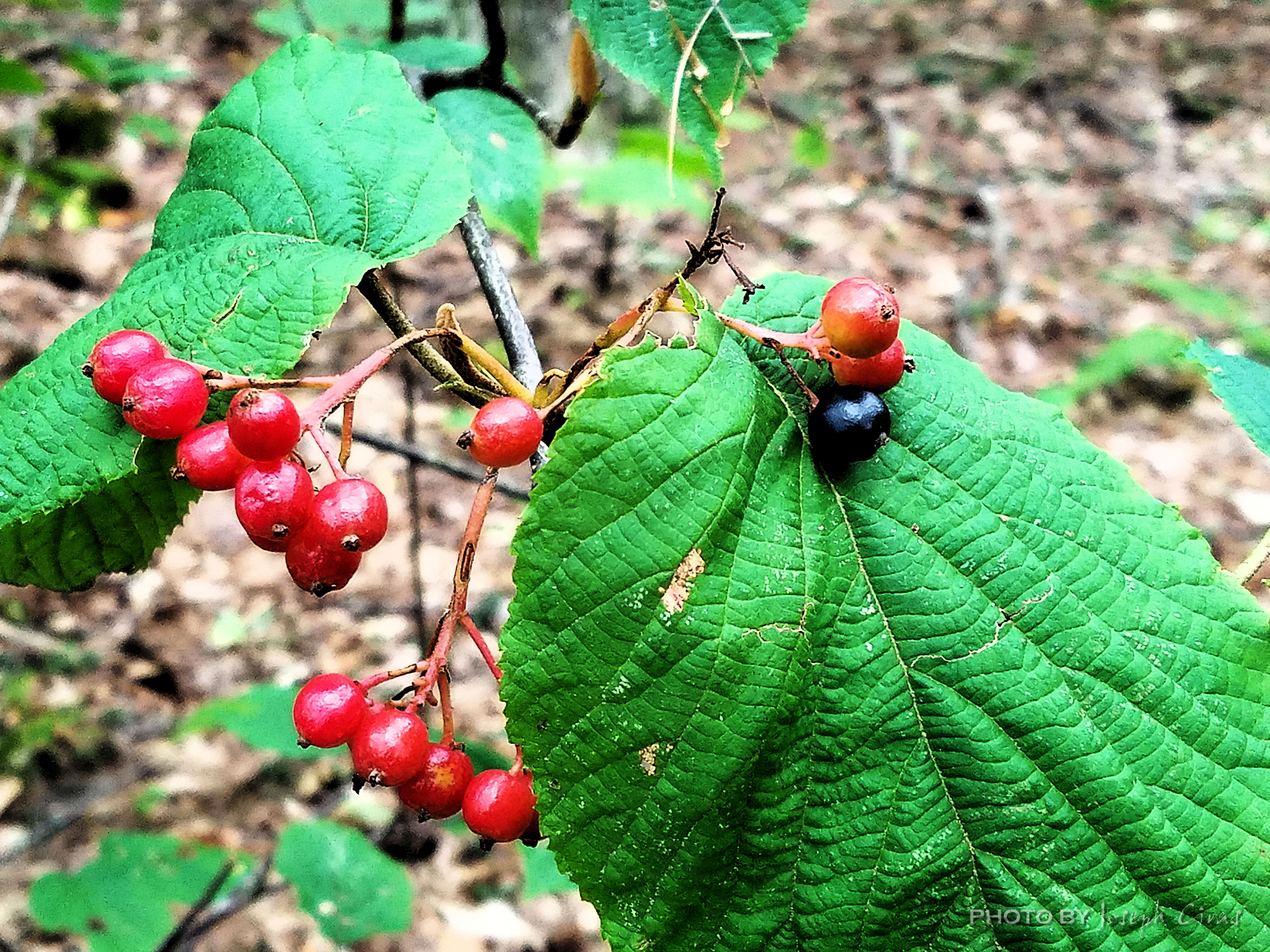

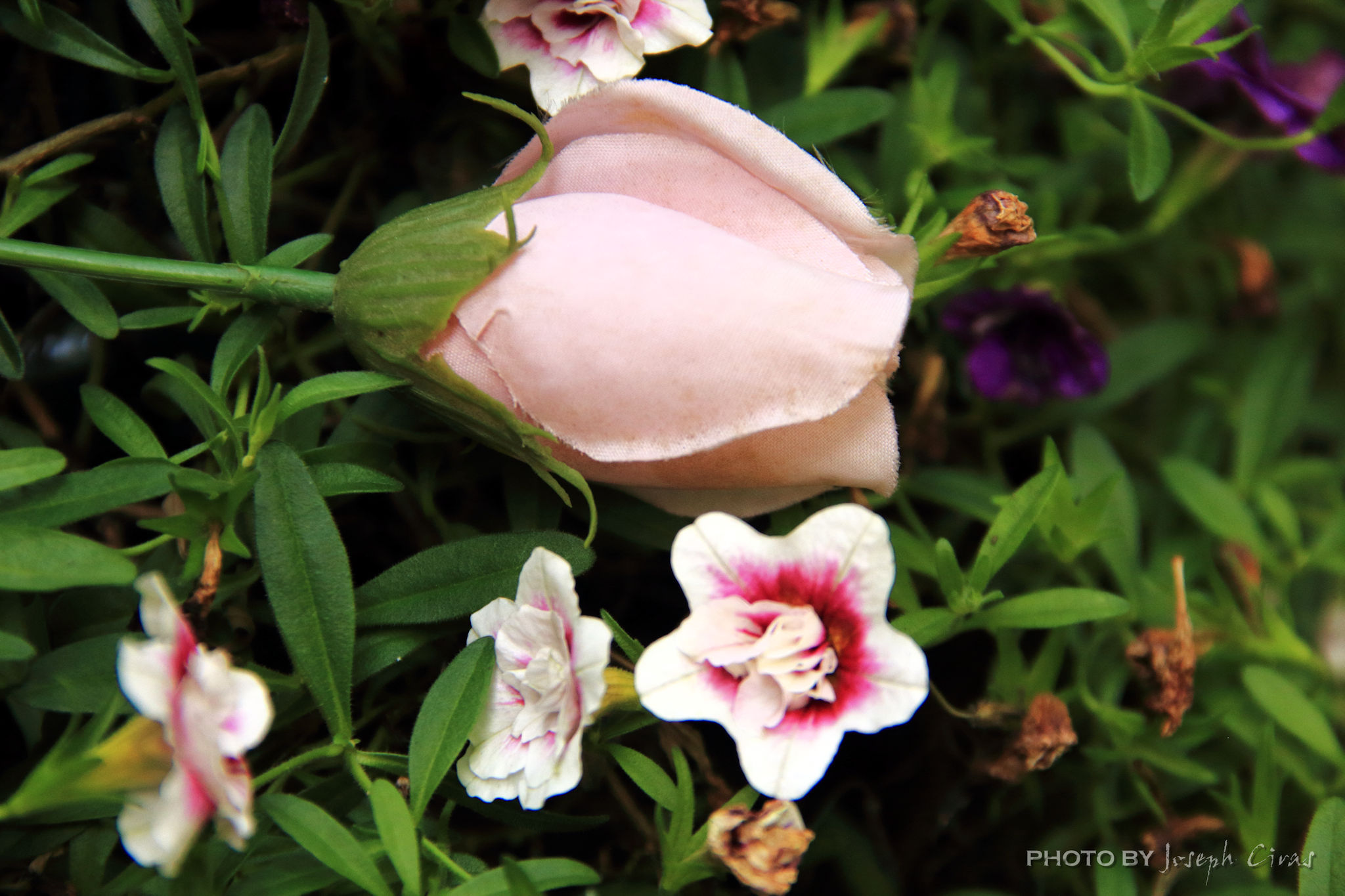

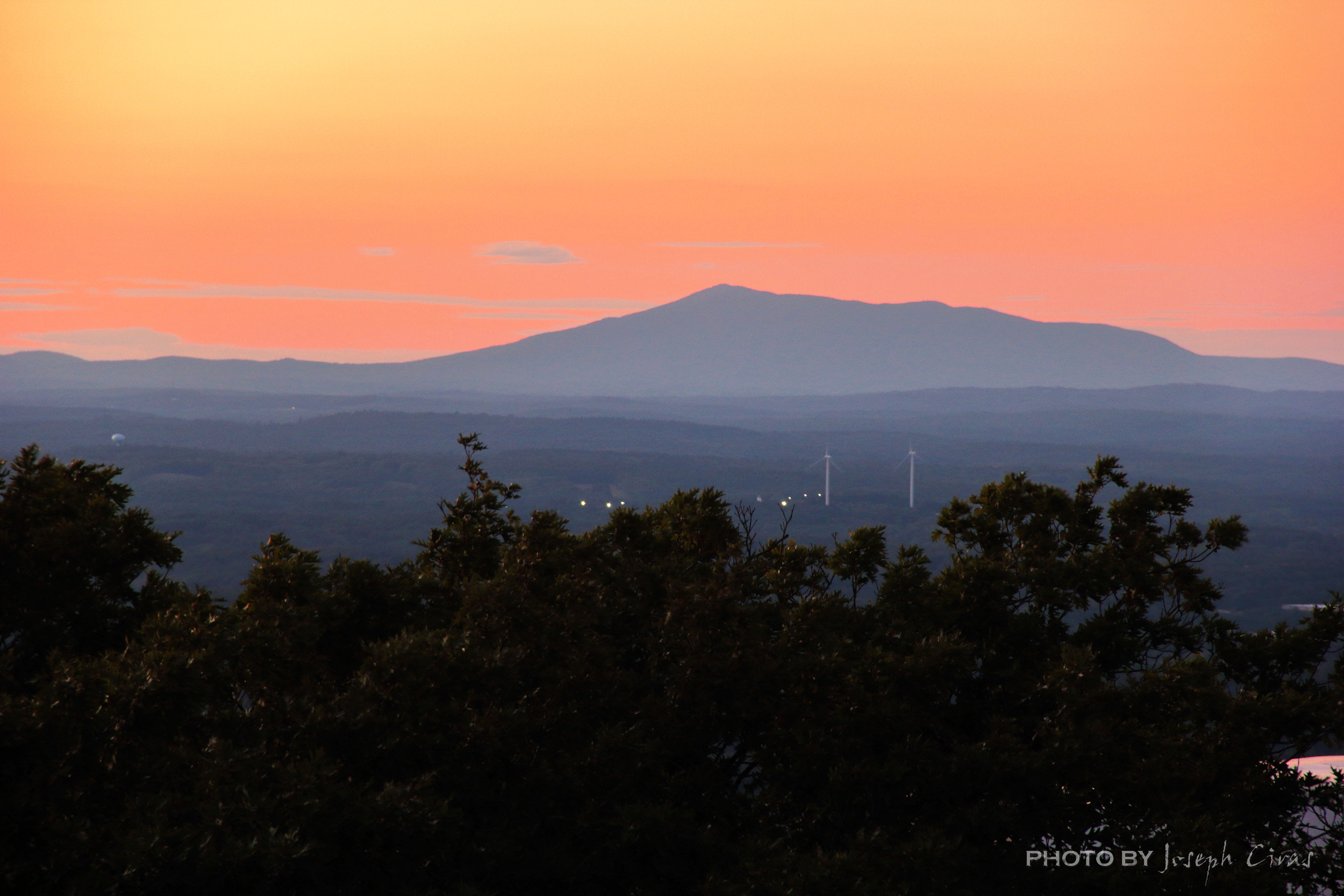
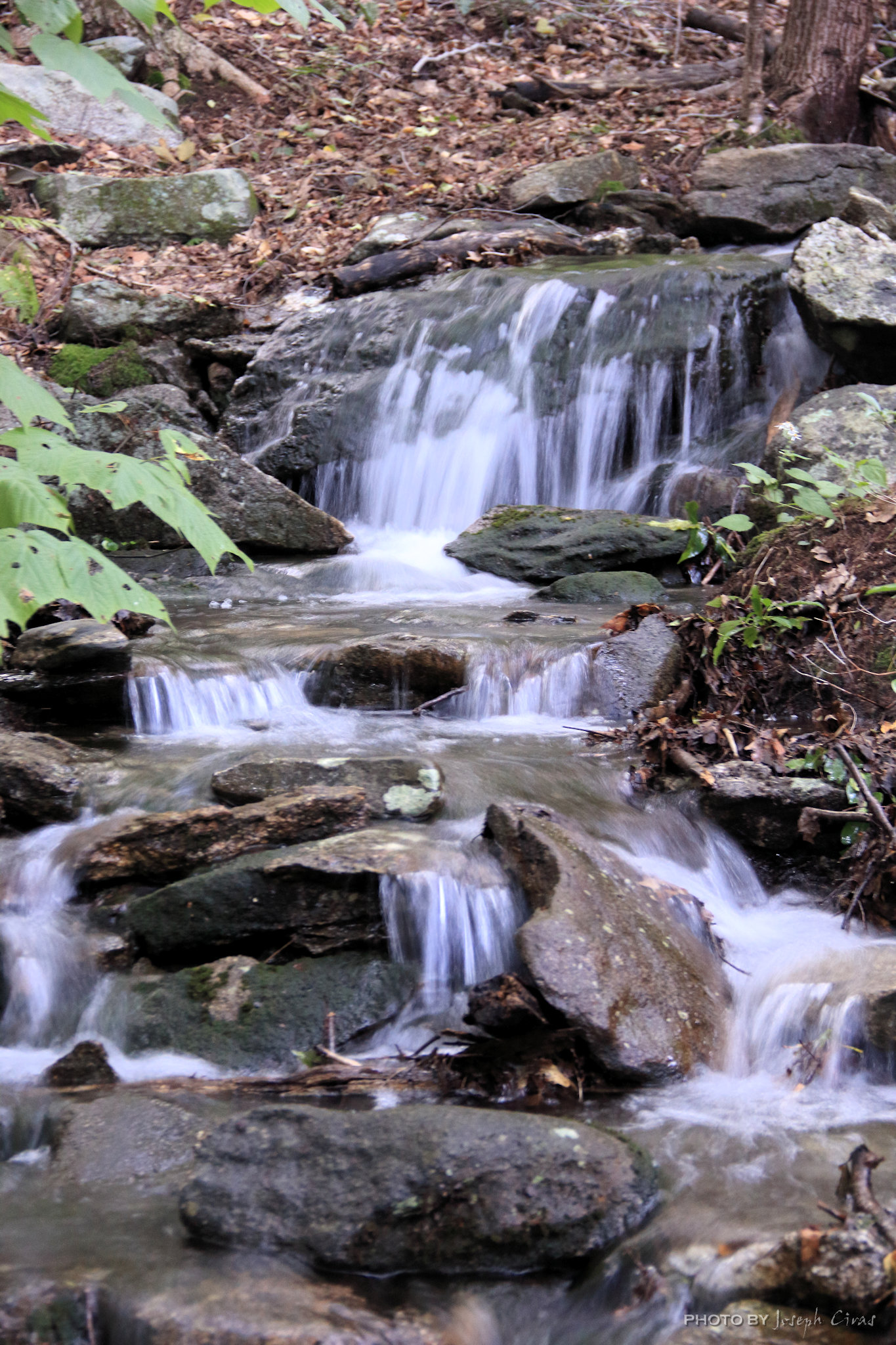
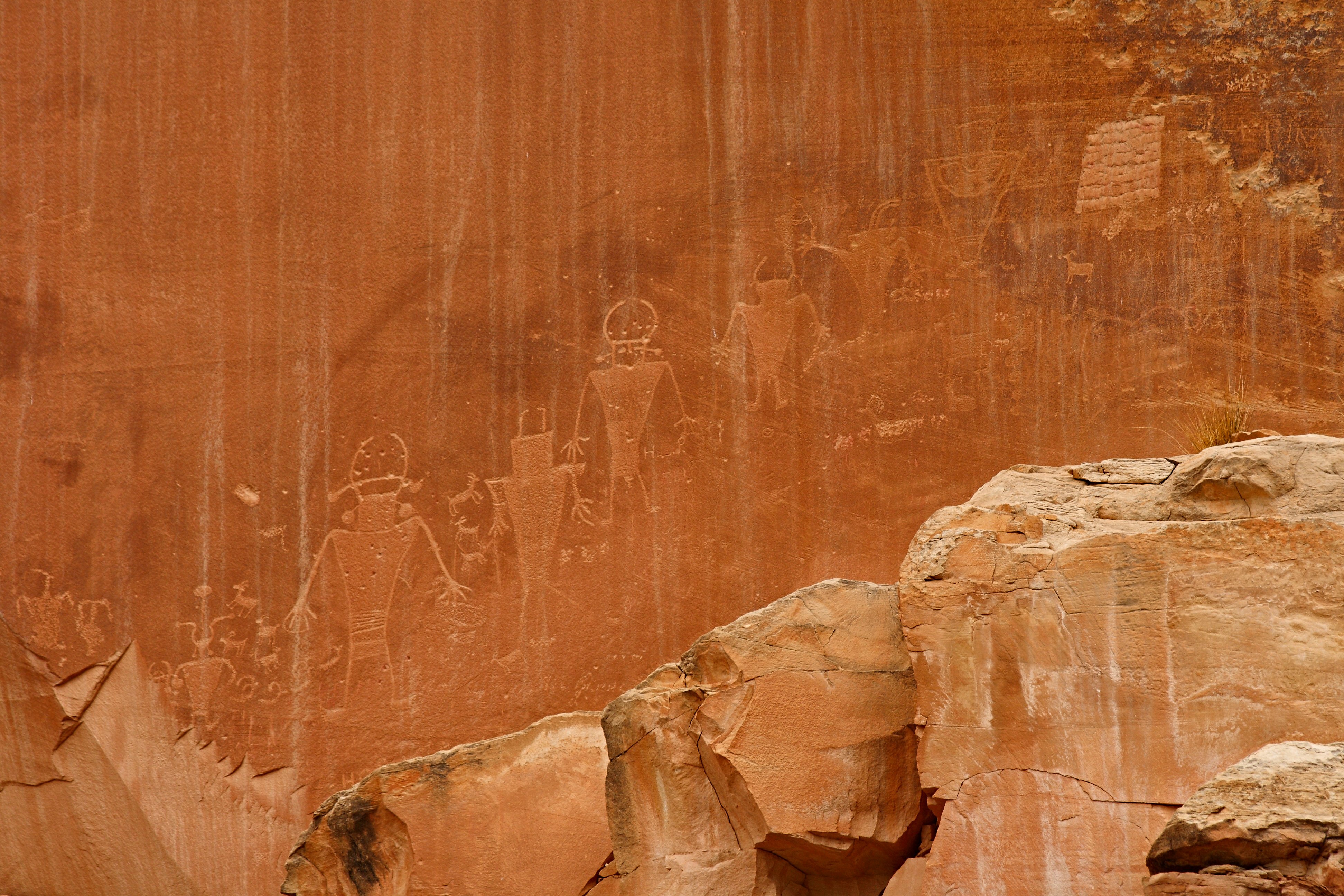
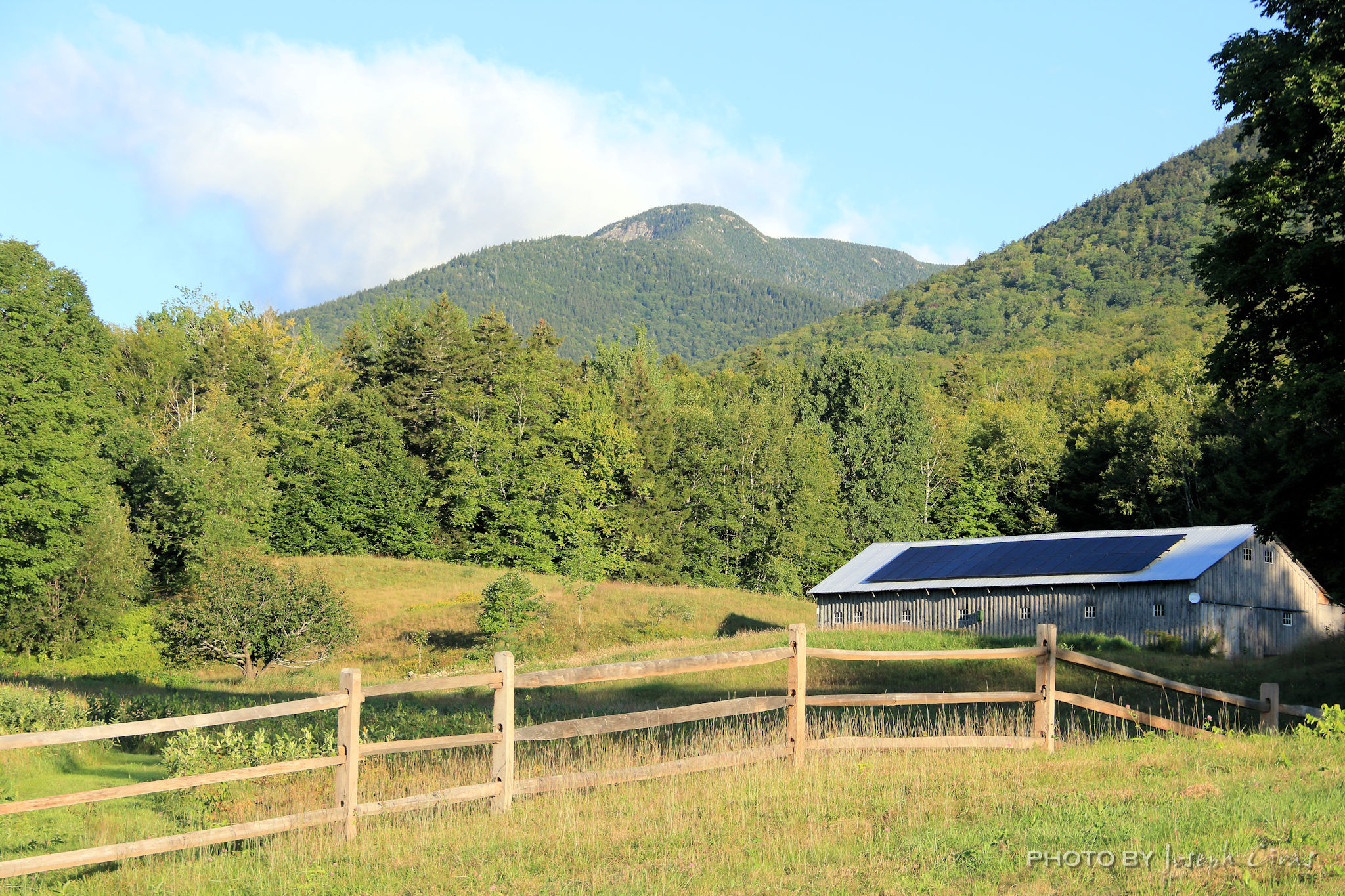
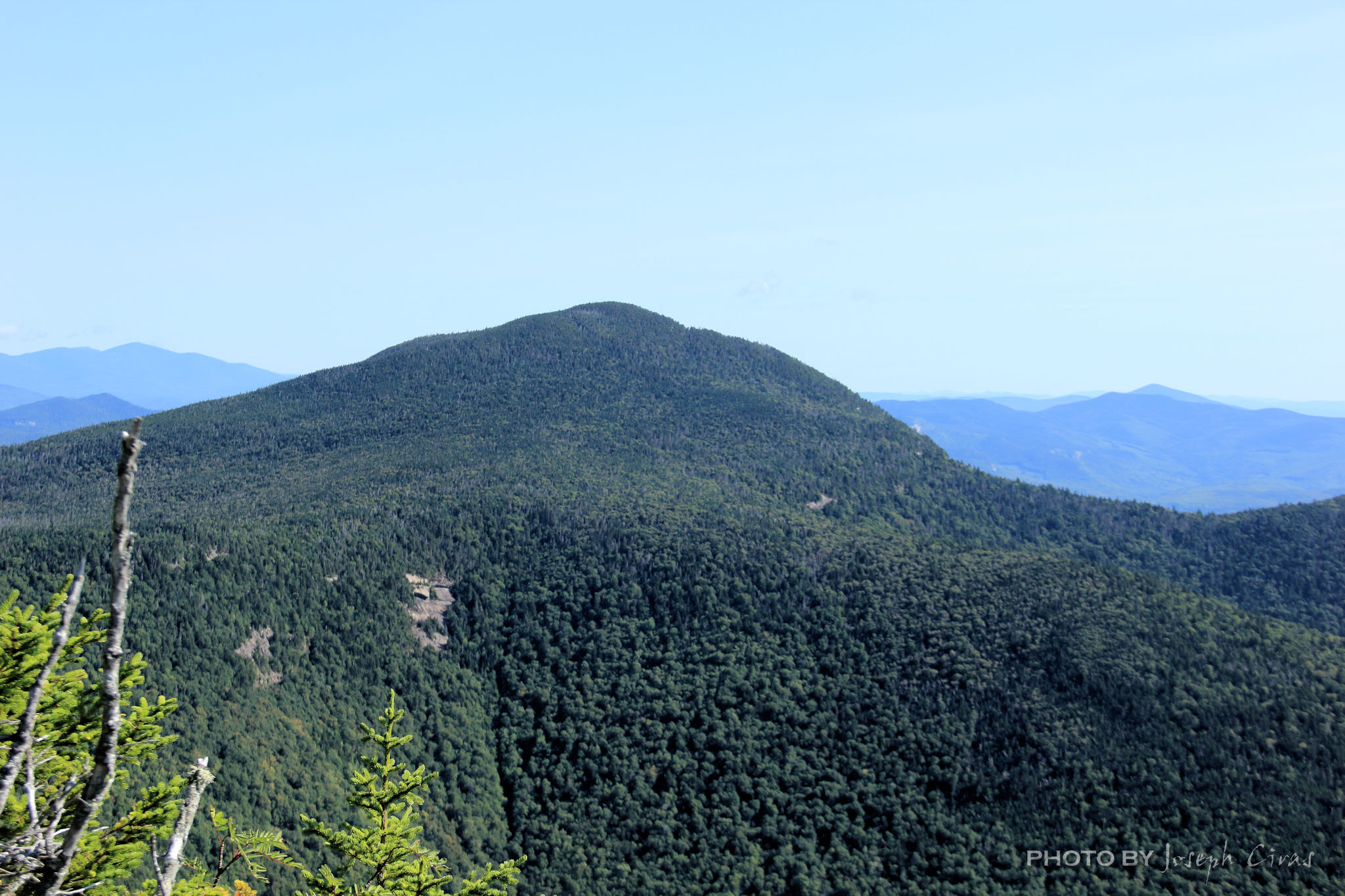
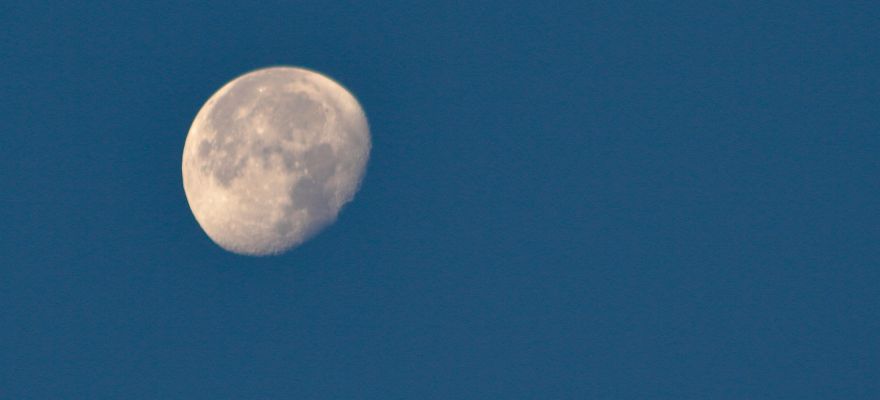
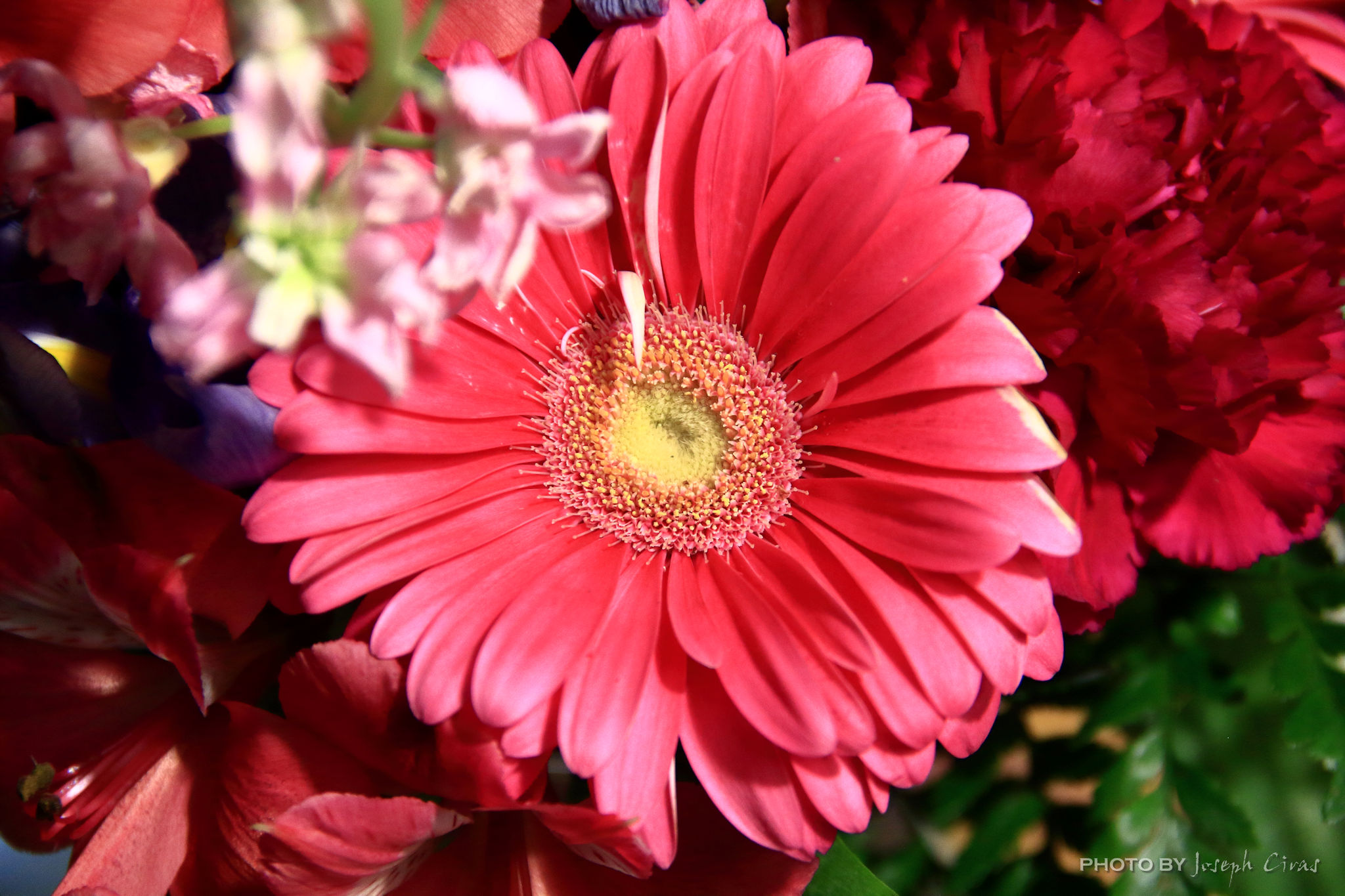
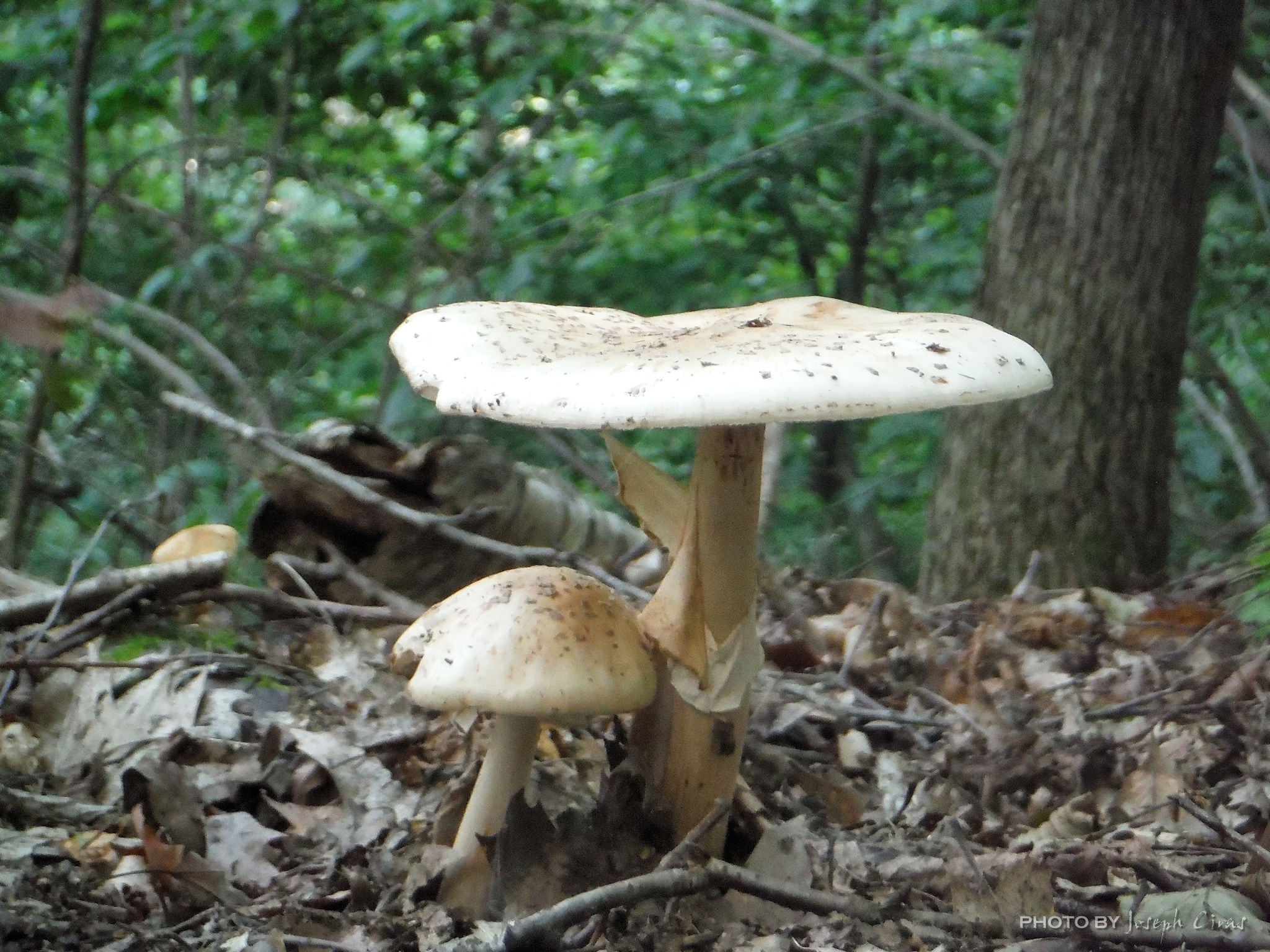

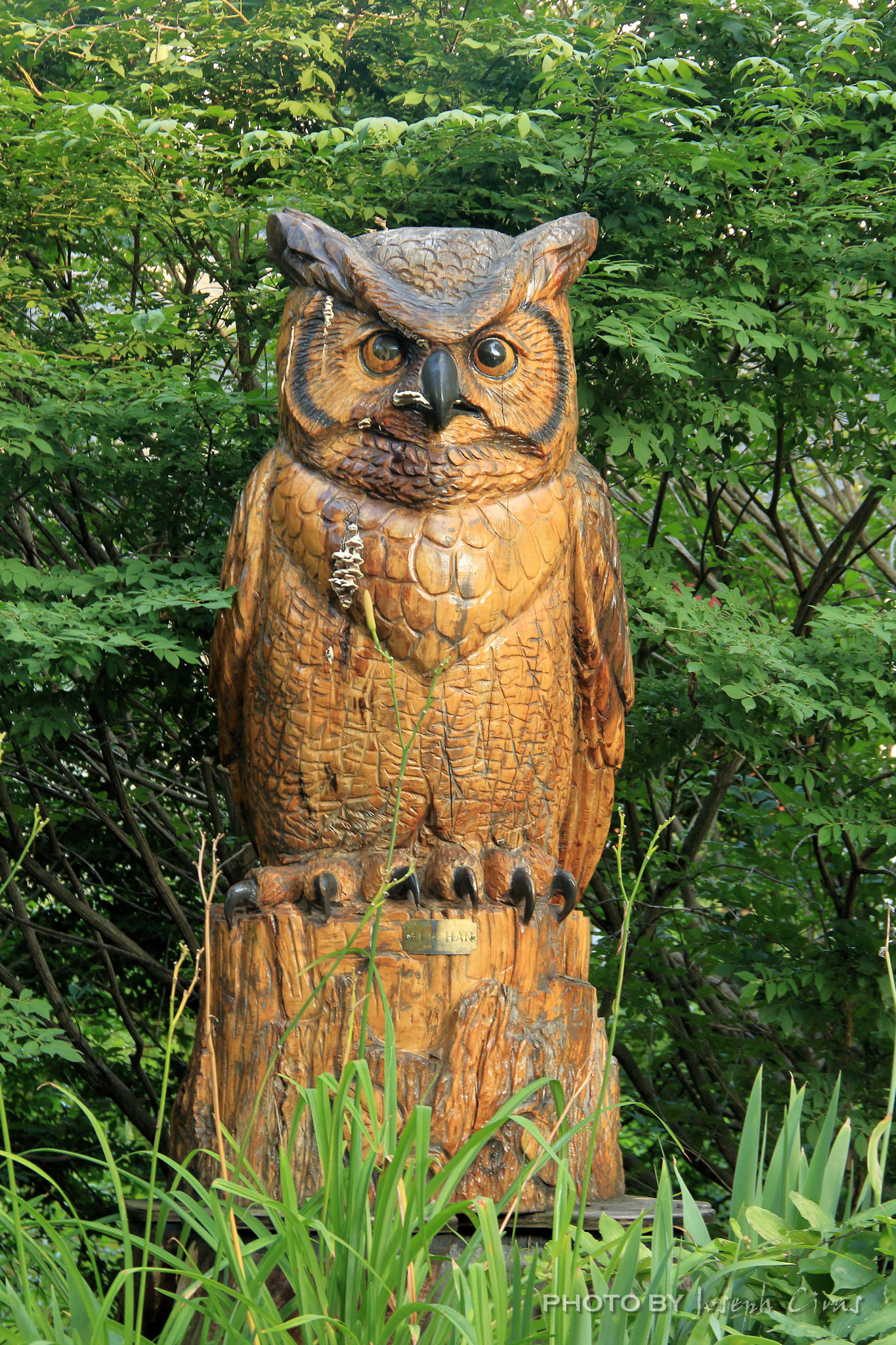
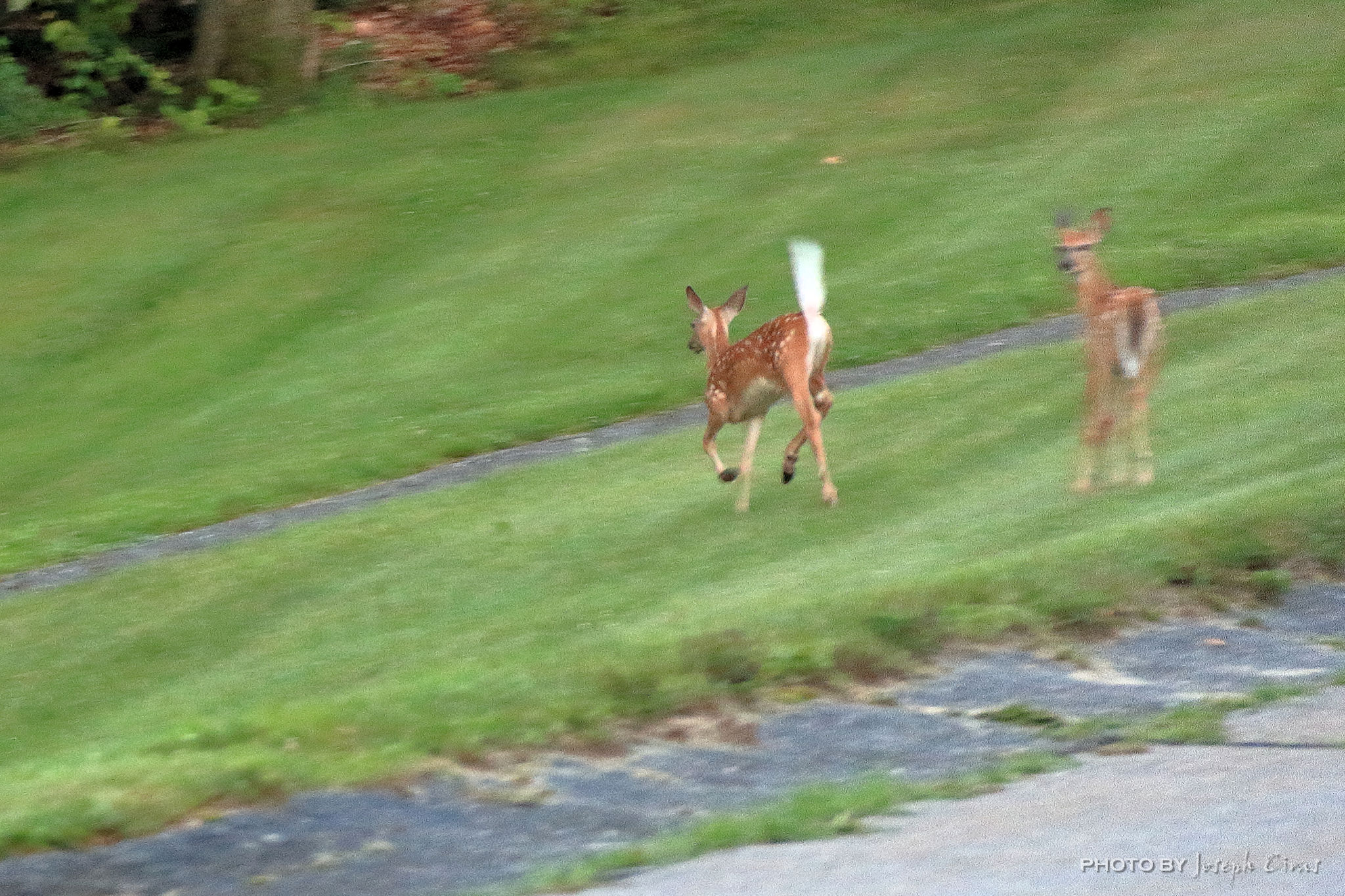
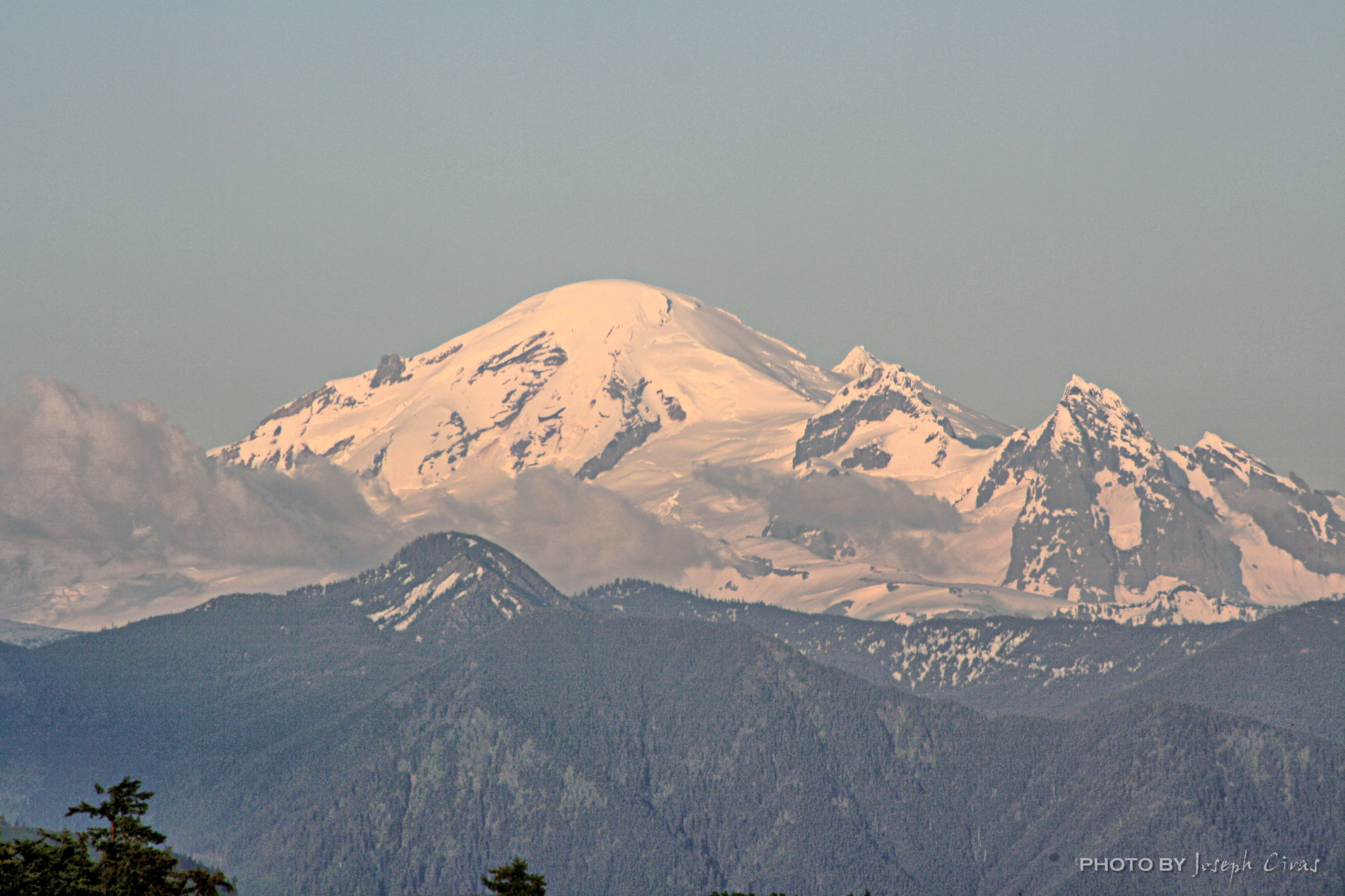

 Photo by Joseph Ciras