“Look and think before opening the shutter. The heart and mind are the true lens of the camera.” — Yousuf Karsh
Thank you for all the new views and likes from last week, it helps keep me inspired.
Sunday, 11/21/2021: Posted photo — Snow on the Trail.
Settings: Canon EOS 60D, ISO 200, f/7.1, 1/1000 s, 26 mm.
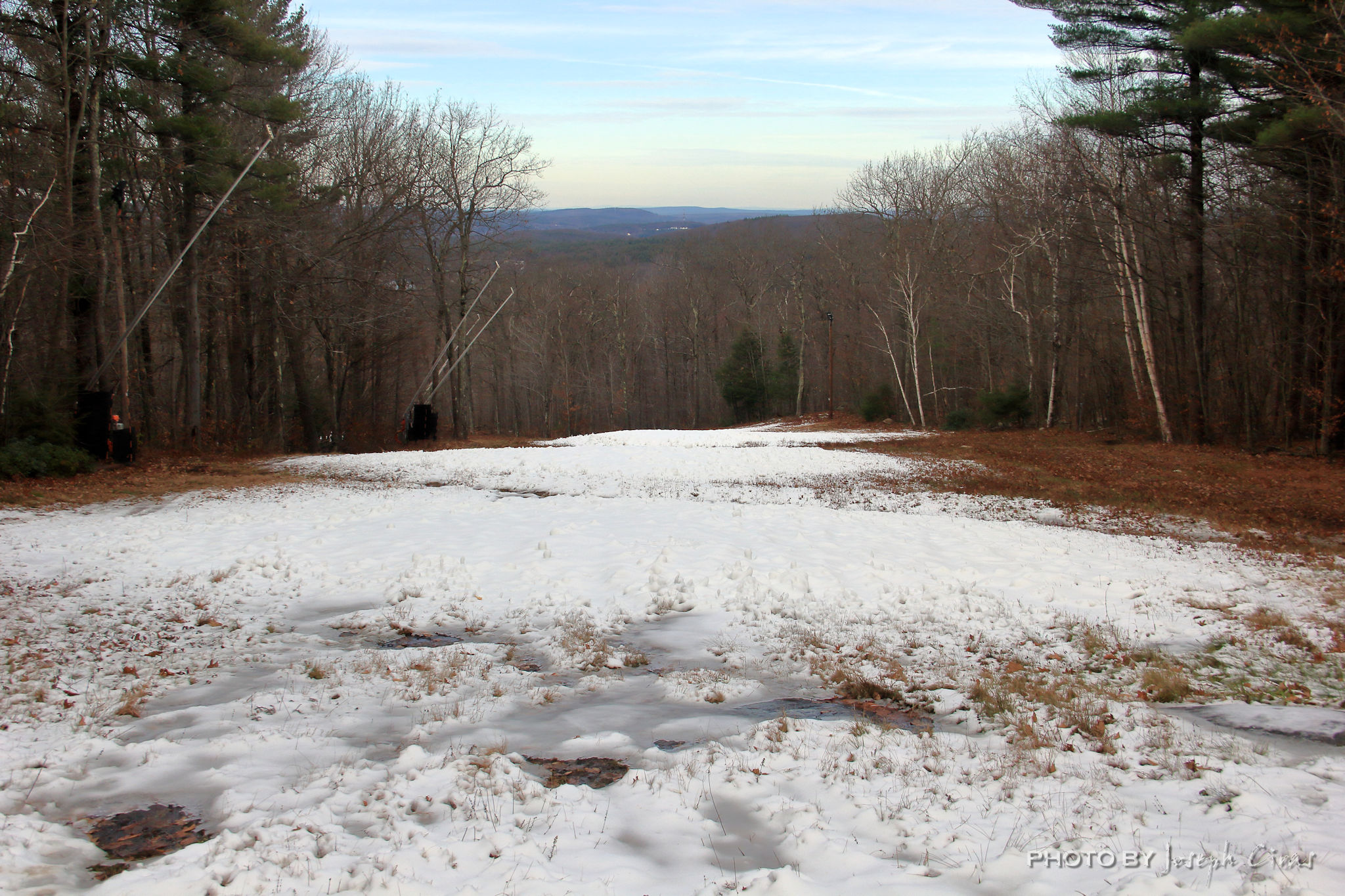
When on a hike this afternoon to complete my mapping of Wachusett Mountain. I am taking the bearing, elevation, and GPS location of all the trail intersections on the mountain. There are 23 marked routes on the mountain. This includes 18 hiking trails and the five internal service roads with close to 60 trail junctions. Some trail junctions have multiple readings, that is way I said close to 60 trail junctions.
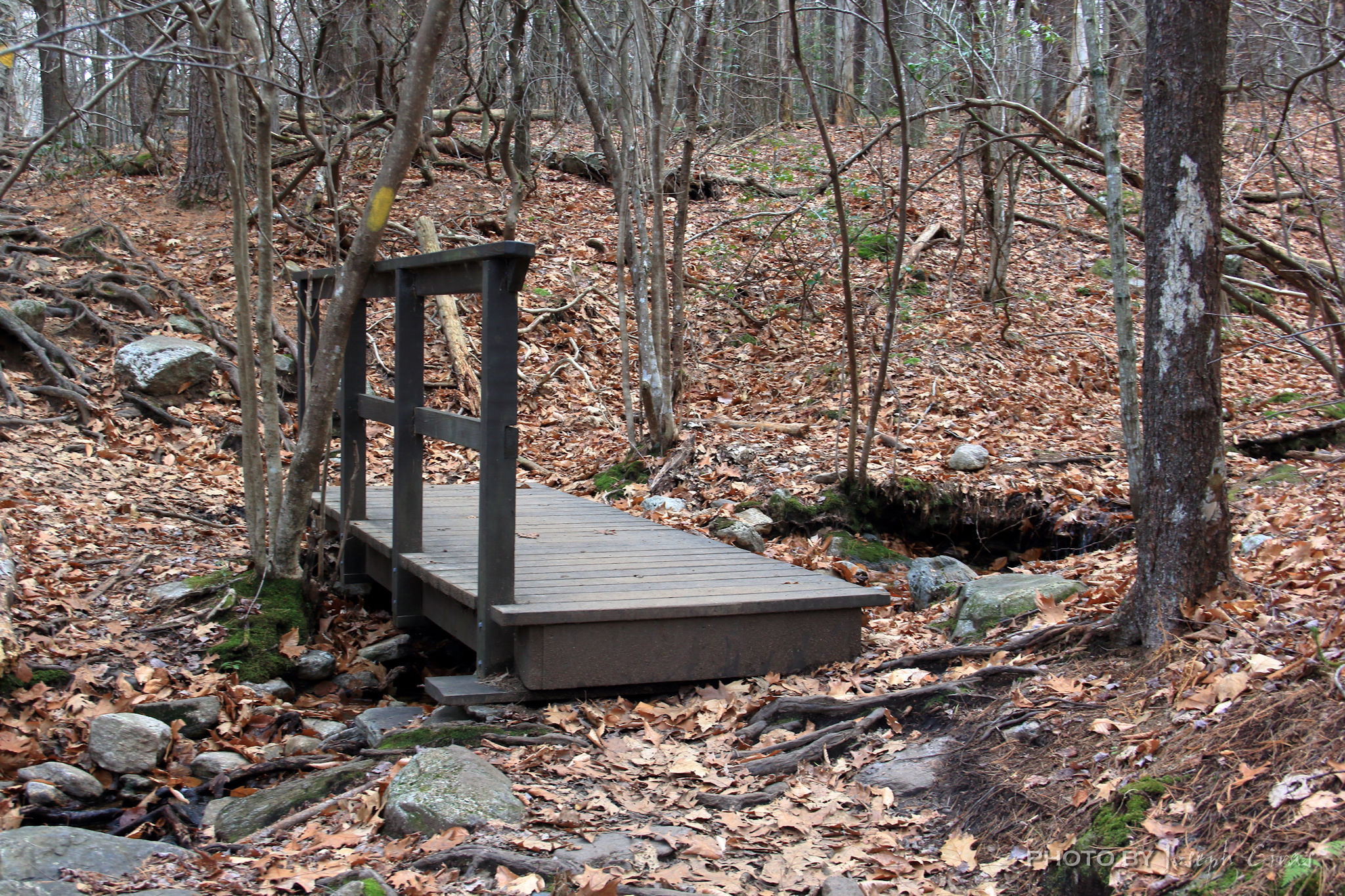
This section of Old Indian Trail is closed during the winter since it crosses for ski trails. There were making snow on the mountain so I did not know if I could cross. This was one of the last two trails I needed to triple verify.
The mountain tries each year to open on the Friday after the Thanksgiving holiday. Most of the years the do so. Snowmaking is the production of snow by forcing water and pressurized air through a “snow gun”, also known as a “snow cannon”. Snowmaking is mainly used at ski resorts to supplement natural snow. They just might make the desired opening date this year.
Here are a couple more photos from the hike. One is Balance Rock, a glacial erratic that I may have posted a photo of previously, and the other is a bridge over a brook on Old Indian Trail.

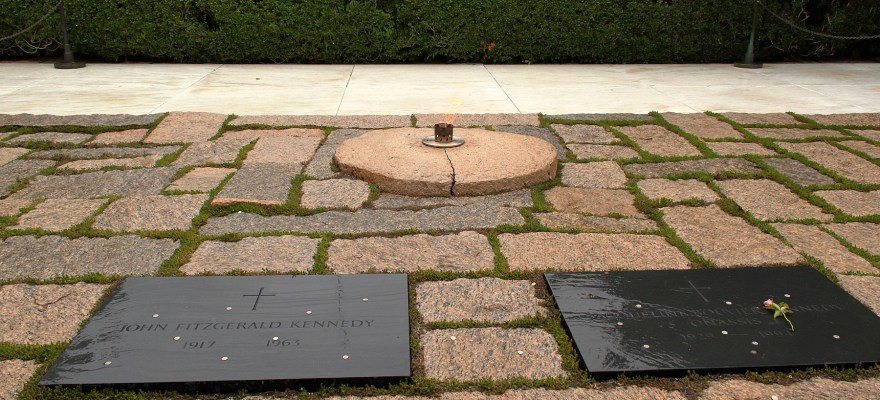
Monday, 11/22/2021: Posted photo — The John F. Kennedy Eternal Flame.
Settings: Canon EOS 60D, ISO 400, f/11, 1/500 s, 18 mm.
President John F. Kennedy, the 35th president of the Unites States was assassinated on November 11, 1963, less than a year before I was born.
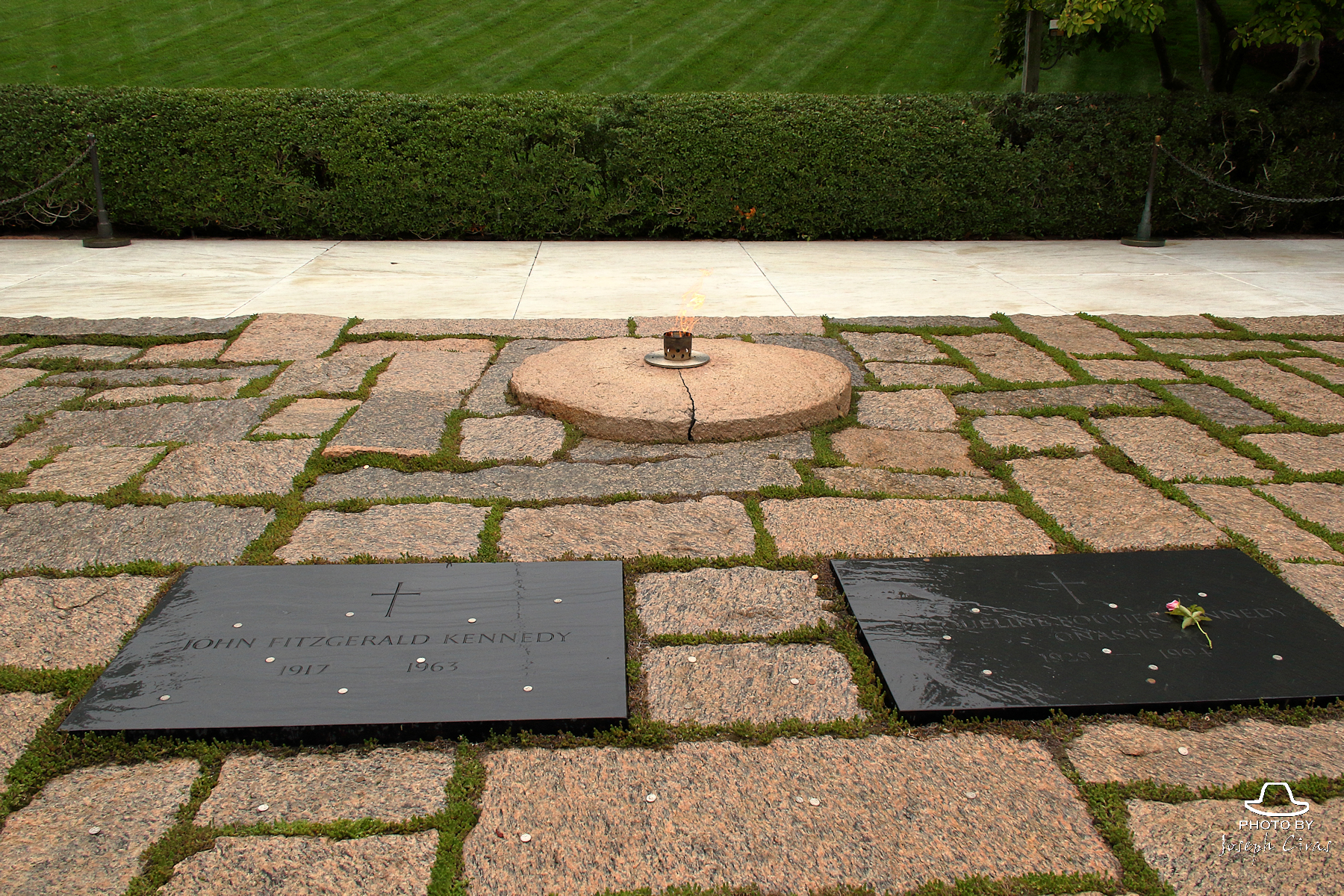
The eternal flame at the burial site of John F. Kennedy was First Lady Jackie’s idea, supposedly inspired by a similar grave flame that she’d seen in fashionable Paris. She lit the flame herself, with a gas-soaked rag on a stick, at the conclusion of JFK’s burial. Read more about the eternal flame here: https://www.arlingtoncemetery.mil/Explore/Monuments-and-Memorials/President-John-F-Kennedy-Gravesite.
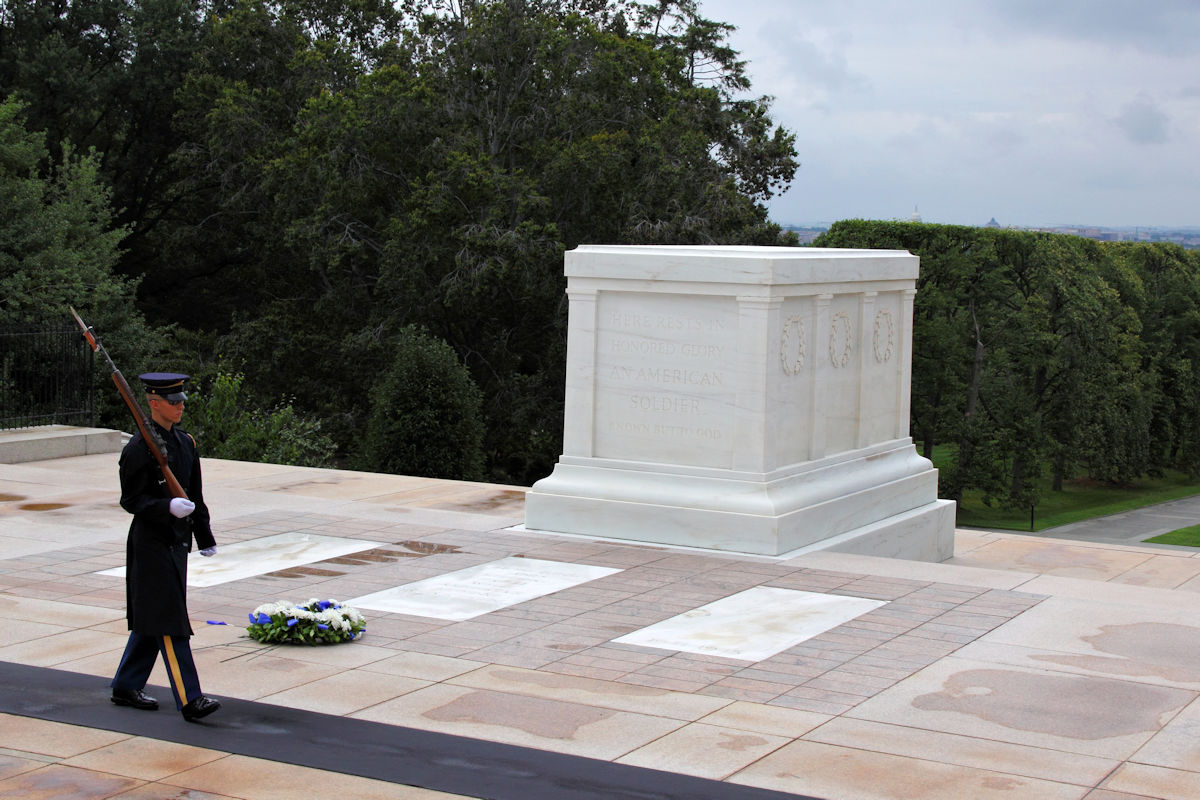
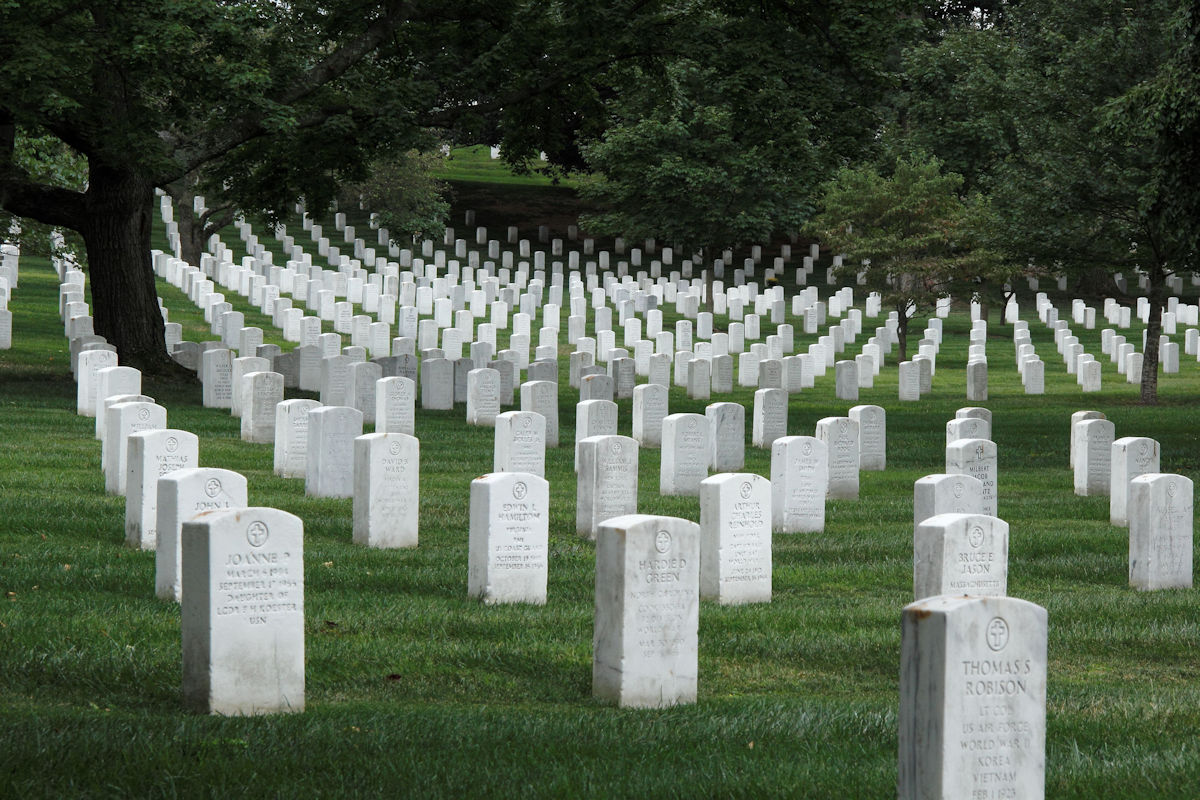
When I first entered Arlington National Cemetery, it brought tears to my eyes. I could just feel the patriotism and the honor of those entomb there. Going to the eternal flame and watching the changing of the guard are the Tomb of the Unknown Soldier are two things, among many, that everyone should experience. Here is a photo of the Tomb of the Unknown.
Tuesday, 11/23/2021: Posted photo — Christmas Cactus.
Settings: Settings: Canon EOS 60D, ISO 3200, f/5.6, 1/8 s, 62 mm.
Christmas Cactus (Schlumbergera bridgesii) is a popular, winter-flowering houseplant makes a great addition to nearly any indoor setting. It is not only easy to care for but propagates easily too, making it an exceptional candidate for holiday gift giving. (https://www.gardeningknowhow.com/ornamental/cacti-succulents/christmas-cactus/advice-for-christmas-cactus-care.htm)

This plant is in an office at work. I was looking for some information and I was drawn to the flower. I know a few people with this plant and know how hardy of a plant it is. Not much more to say about this photo today.
Wednesday, 11/24/2021: Posted photo — Round Meadow Pond.
Settings: Canon EOS 60D, ISO 200, f/22, 1/6 s, 35 mm.
We were let out of work early today because of the holiday tomorrow. This gave me the opportunity to take a photo in daylight. I like this location, so I took this photo.

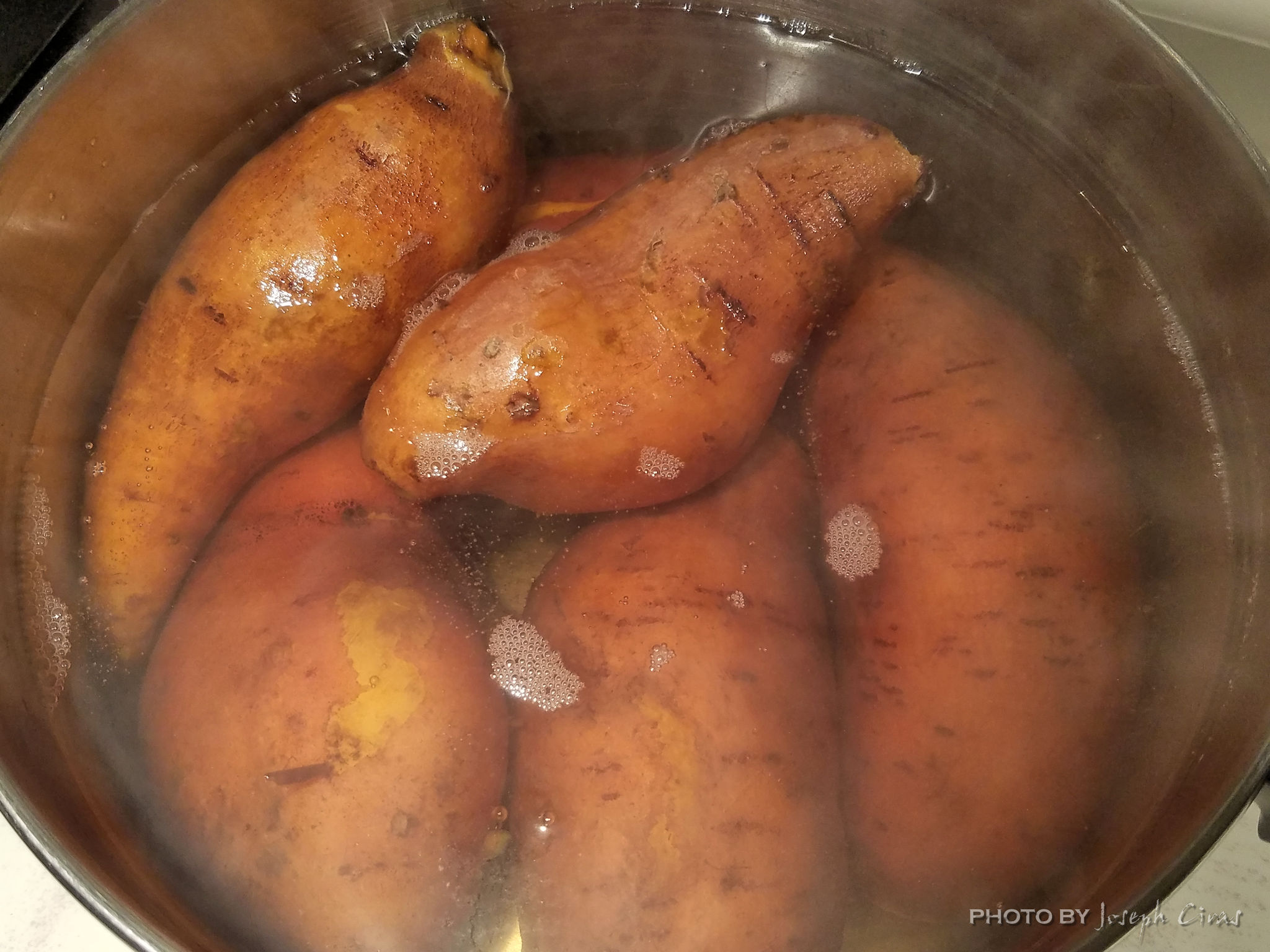
Thursday, 11/25/2021: Posted photo — Sweet Potatoes.
Settings: Samsung SM-G930V (Galaxy S7), ISO 80, f/1.7, 1/120 s, 4 mm
The terms “yam” and “sweet potato” are used interchangeably, but they are completely different vegetables. Yams are starchy and have a rough, brown exterior. They can grow up to 45 feet long and are eaten in parts of Latin America, West Africa, the Caribbean, and Asia. Sweet potatoes are a New World root vegetable, have a softer, reddish skin, a creamier interior, and often, a darker interior.
Friday, 11/26/2021: Post photo — After Thanksgiving Hike.
Settings: Samsung SM-G930V (Galaxy S7), ISO 100, f/1.7, 1/120 s, 4 mm
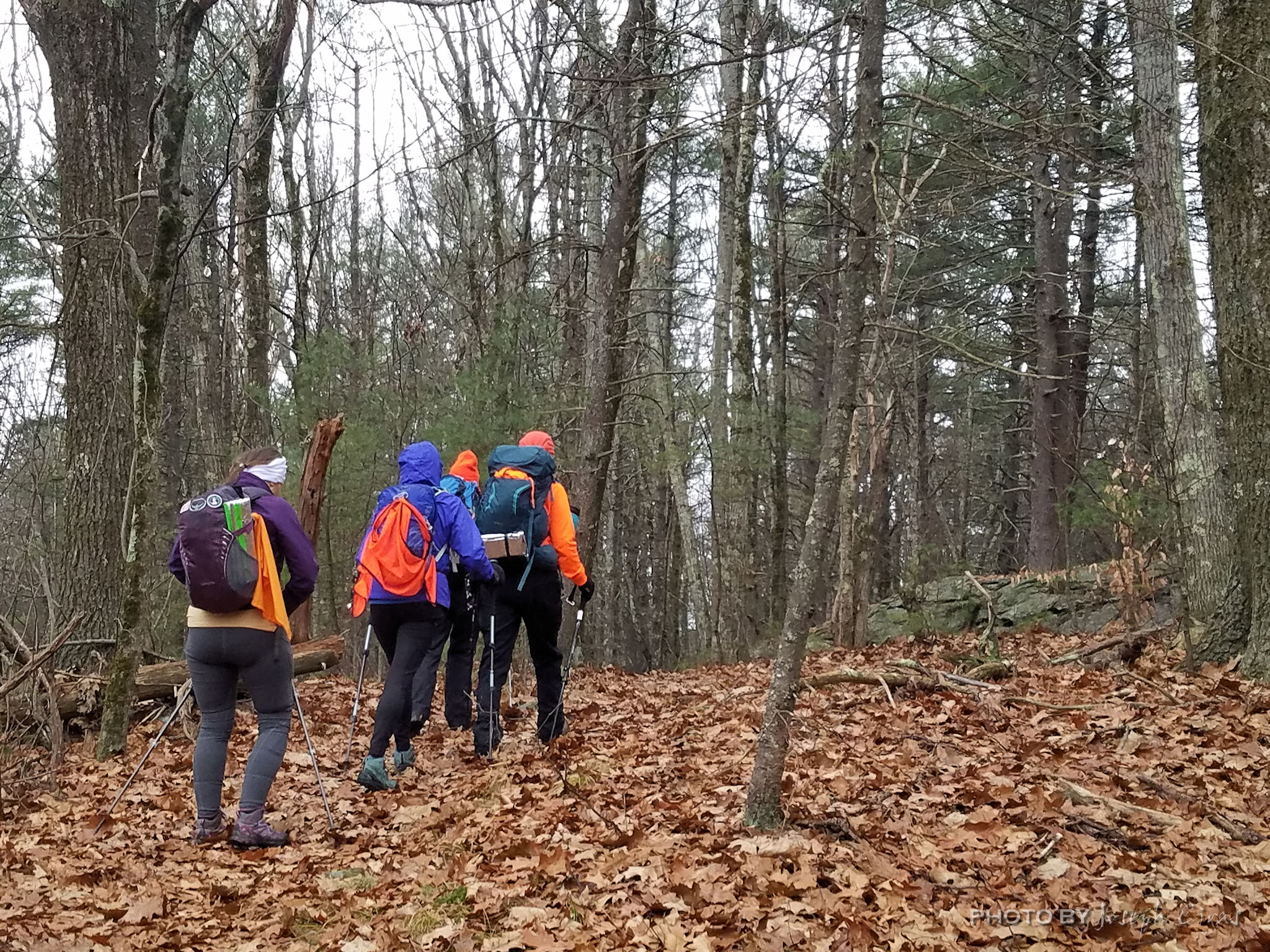
I am currently an Appalachian Mountain Club (AMC) leader and today was an AMC after Thanksgiving hike. The hike was six miles long from Crow Hill to Wachusett Mountain along the Midstate Trail.

Saturday, 11/27/2021: Post photo — Snow Fall.
Settings: Canon EOS 60D, ISO 200, f/7.1, 1/160 s, 20 mm.
We had the first measurable snowfall of the year. Here are some photos.
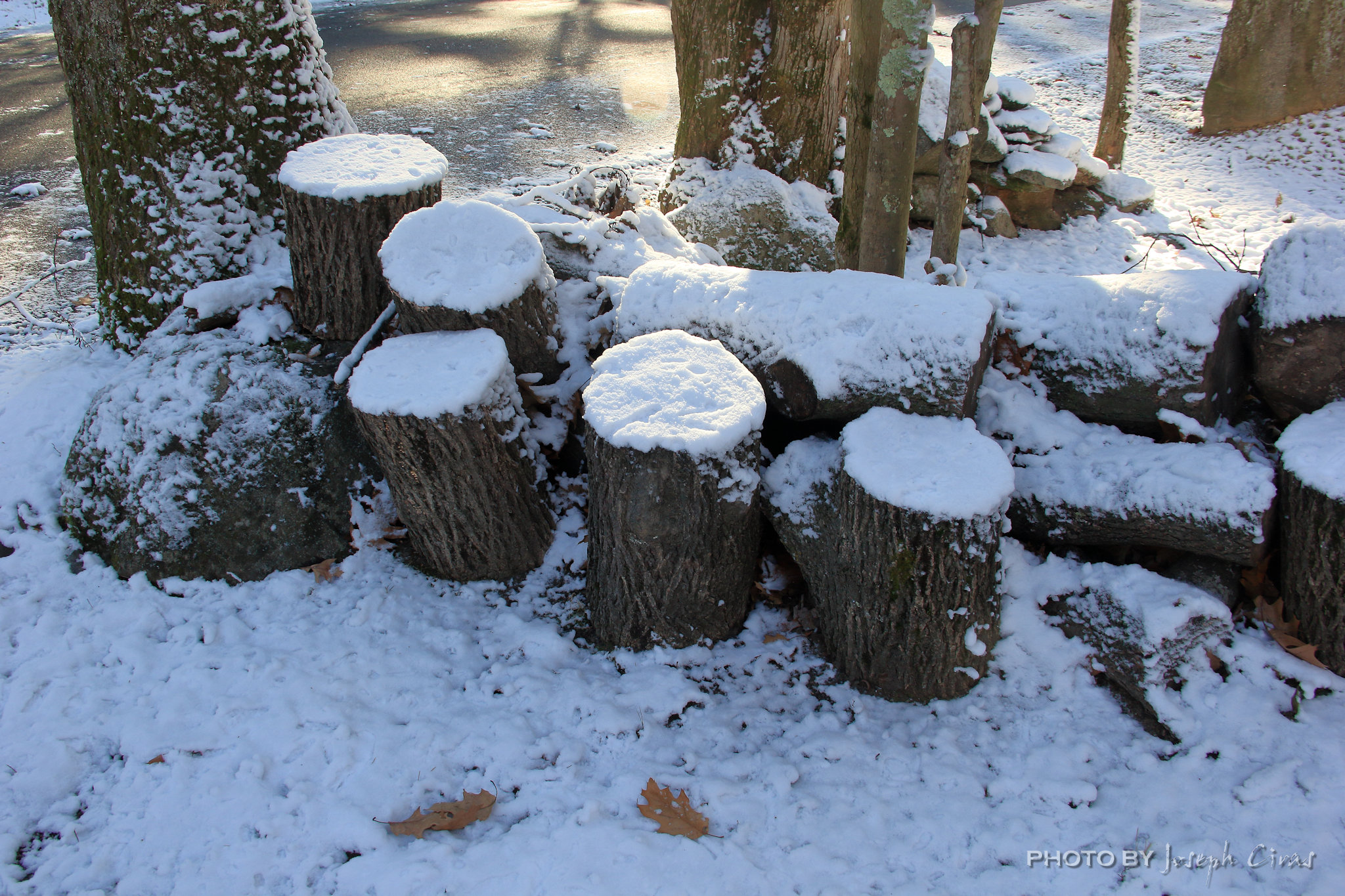
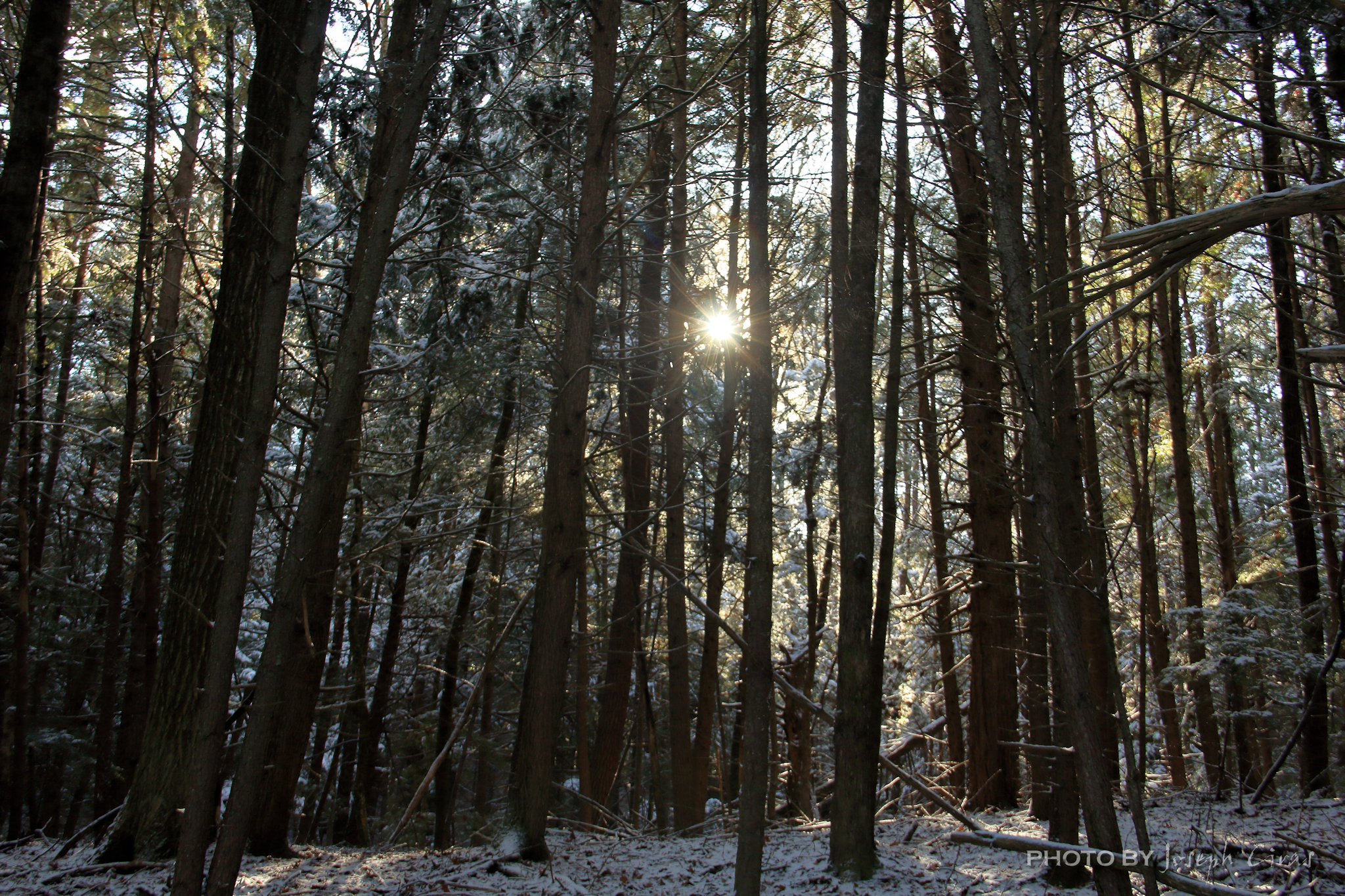

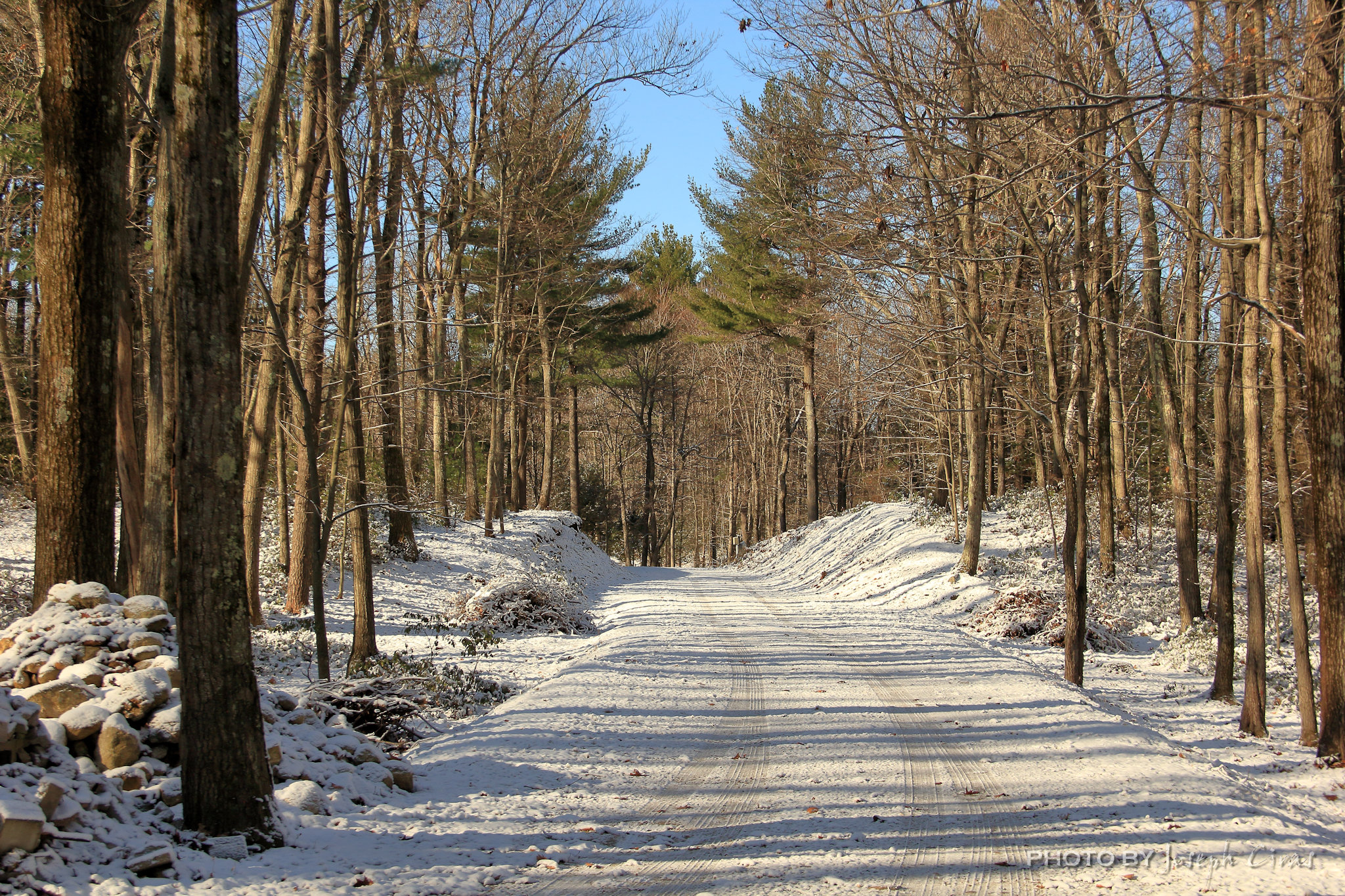
We also did a 4.5-mile hike with relatives this afternoon. Here are some photos.

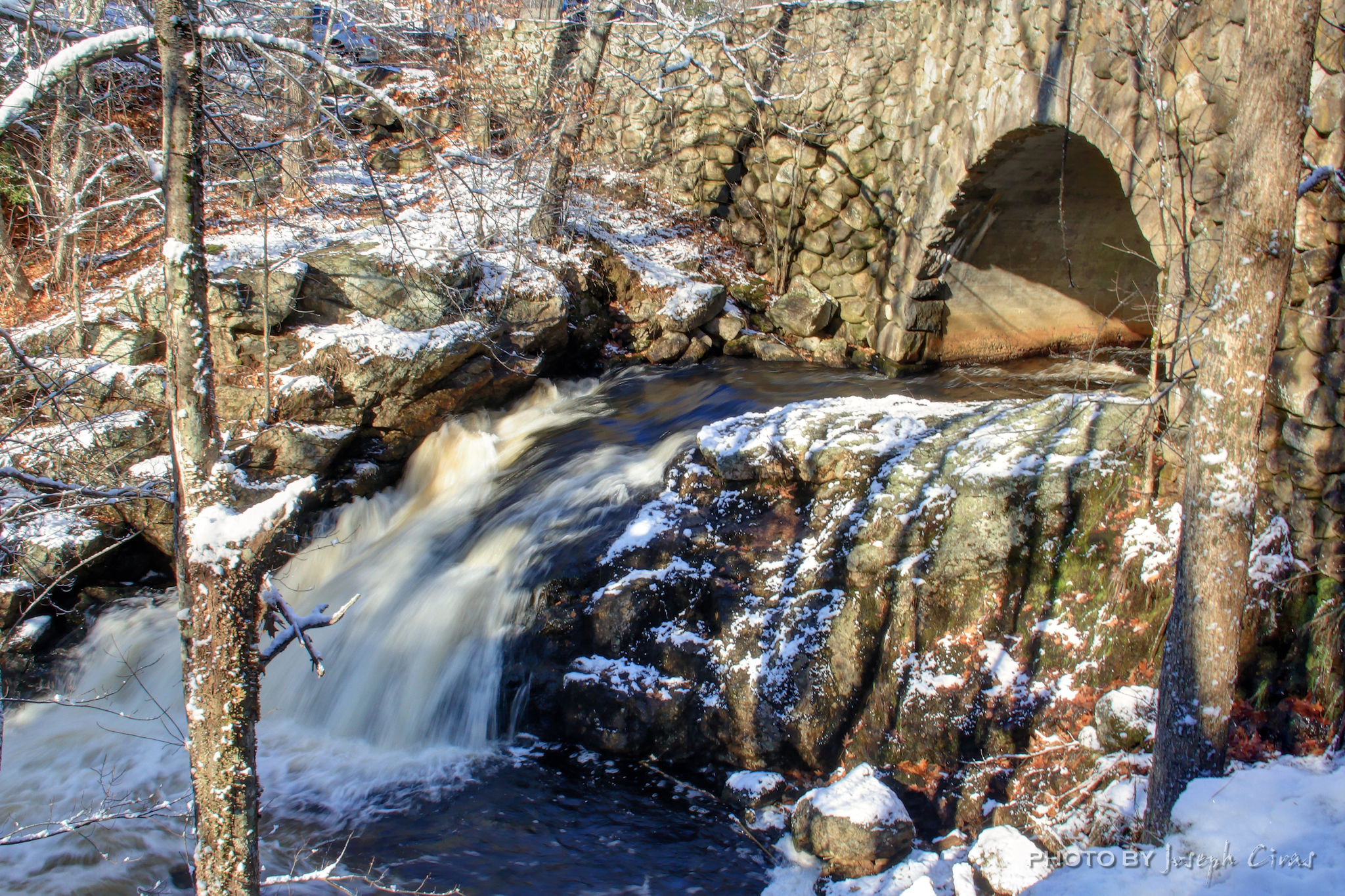
Now much to say about the photos the last couple of day since relatives were in the area. Spent more time with family and friends then with writing this blog.
That is all for now. Until next week, be safe.
For more photo of other project I have work, visit my website: https://photobyjosephciras.weebly.com or visit me on Facebook at https://www.facebook.com/PhotobyJosephCiras/.
Please note that I have not been able to post to my Weebly page for over a week, so the photos are a little behind there. Weebly technical support is still working on the issue.


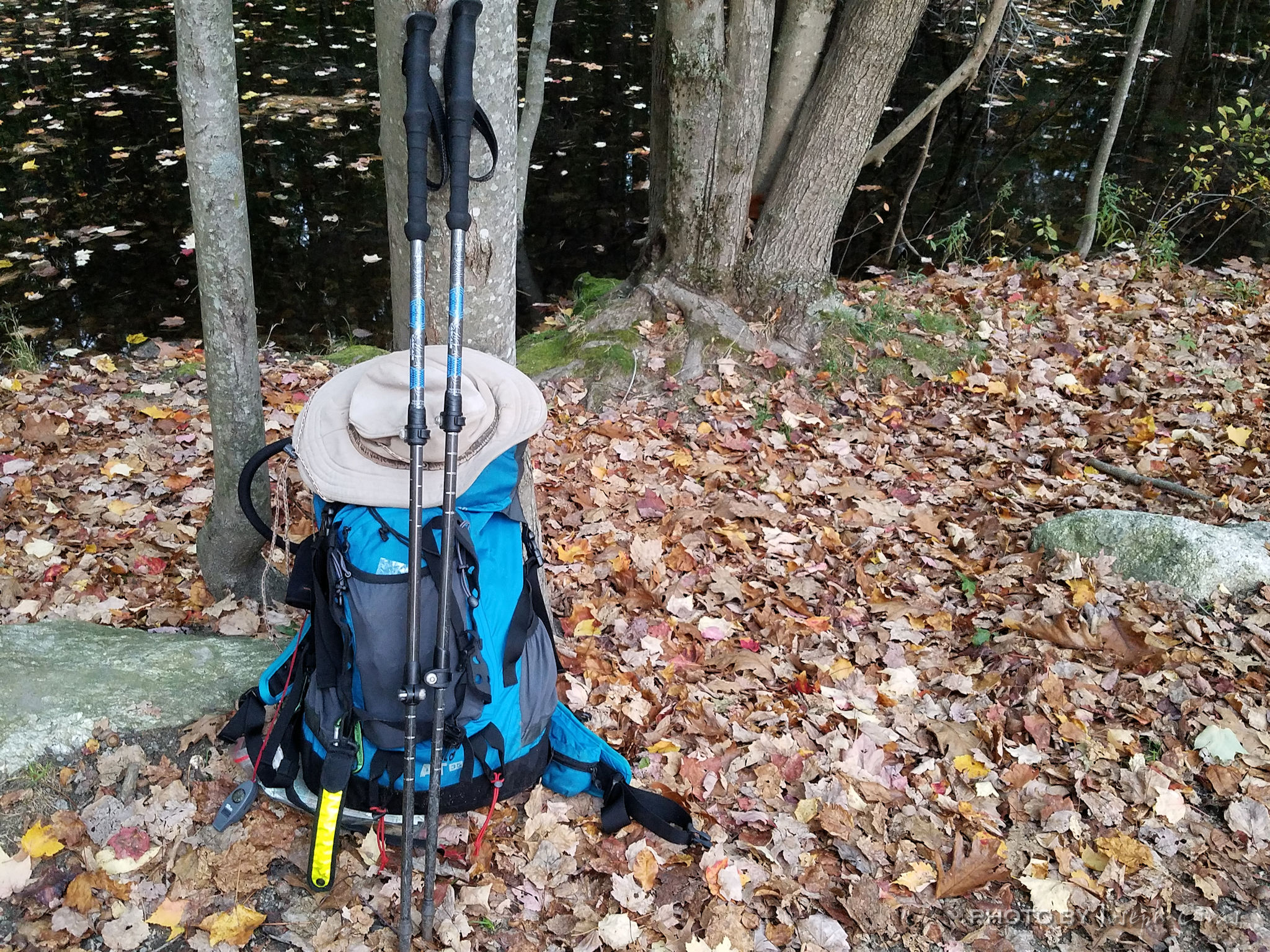


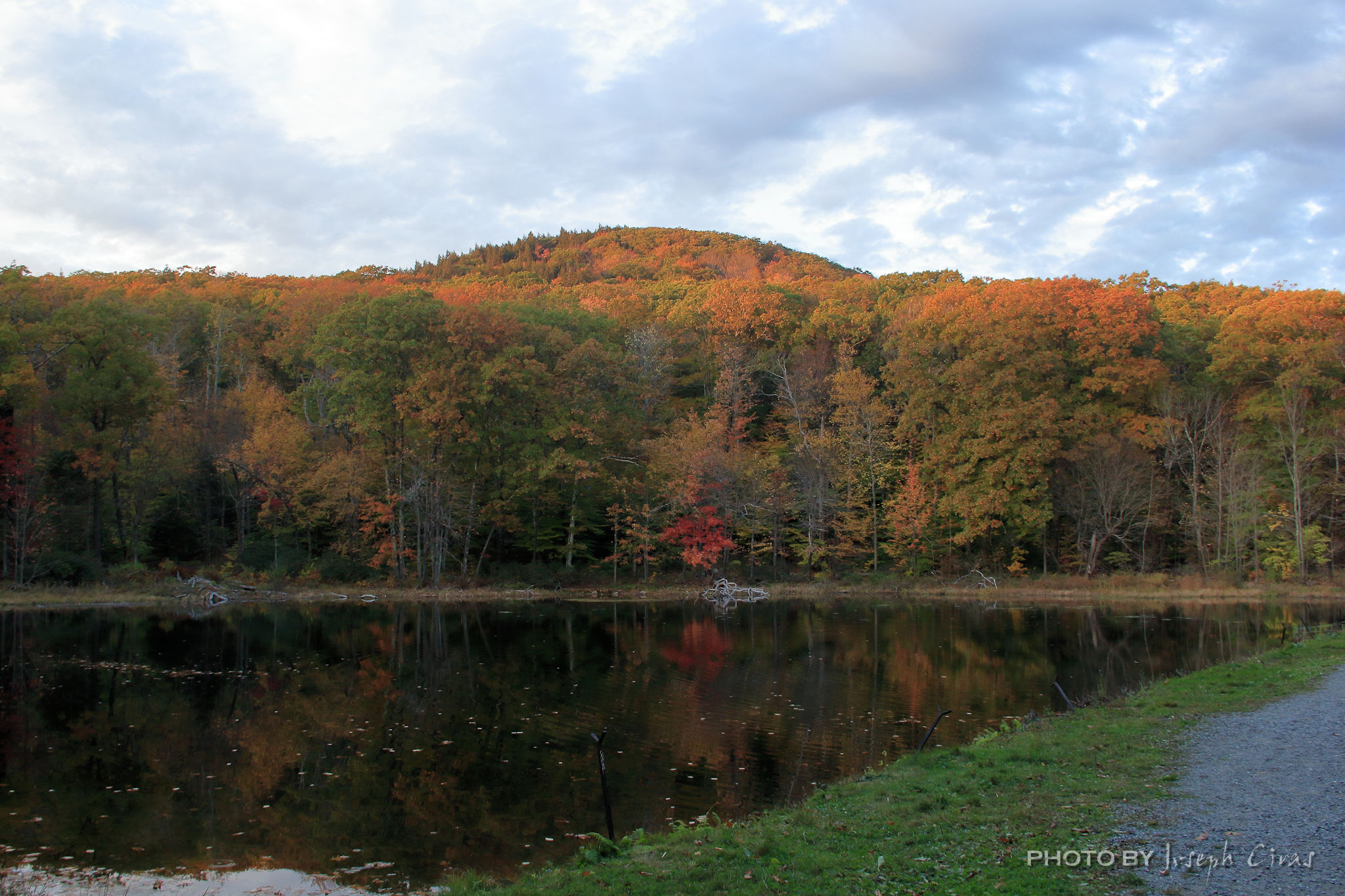
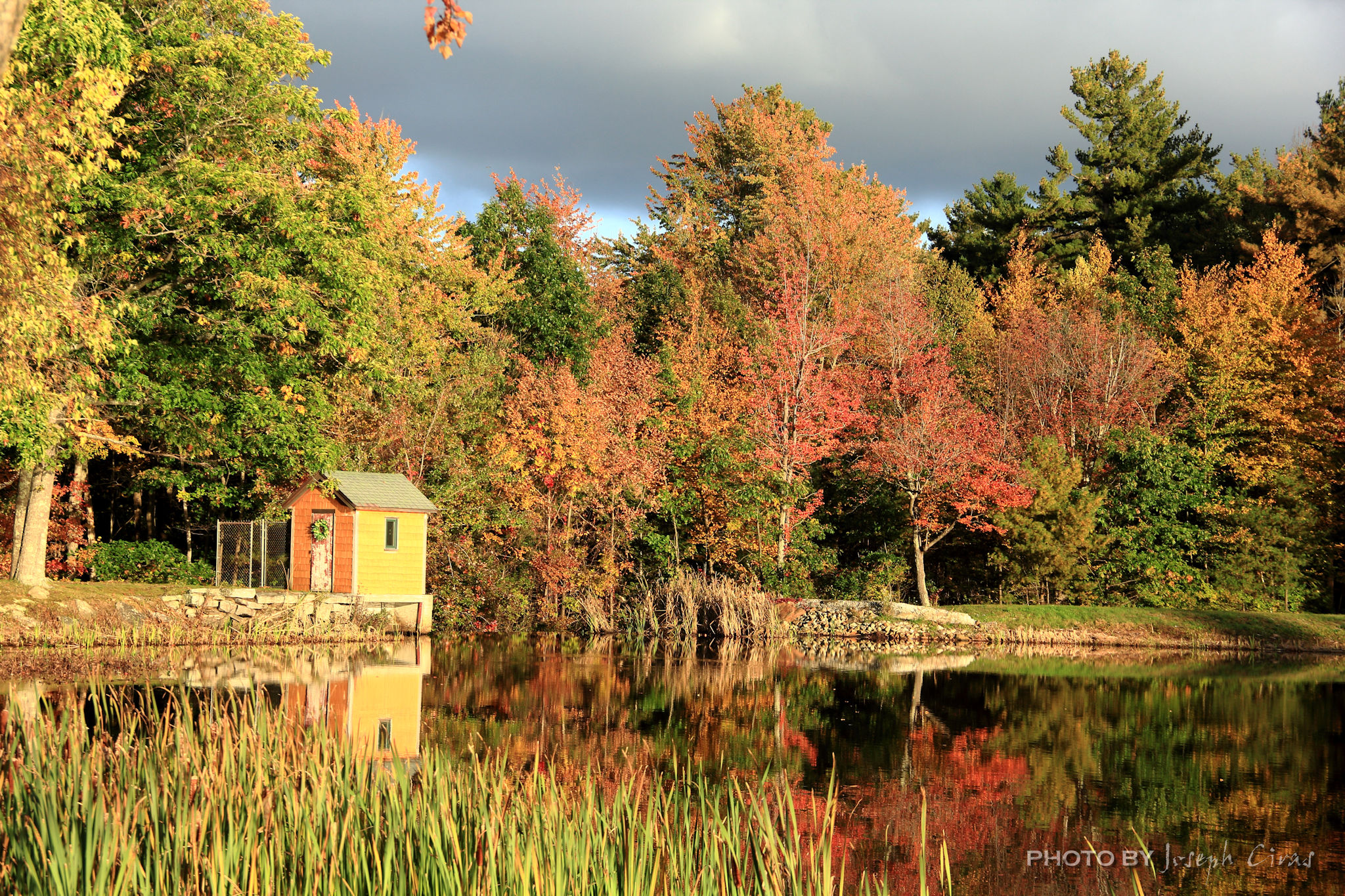




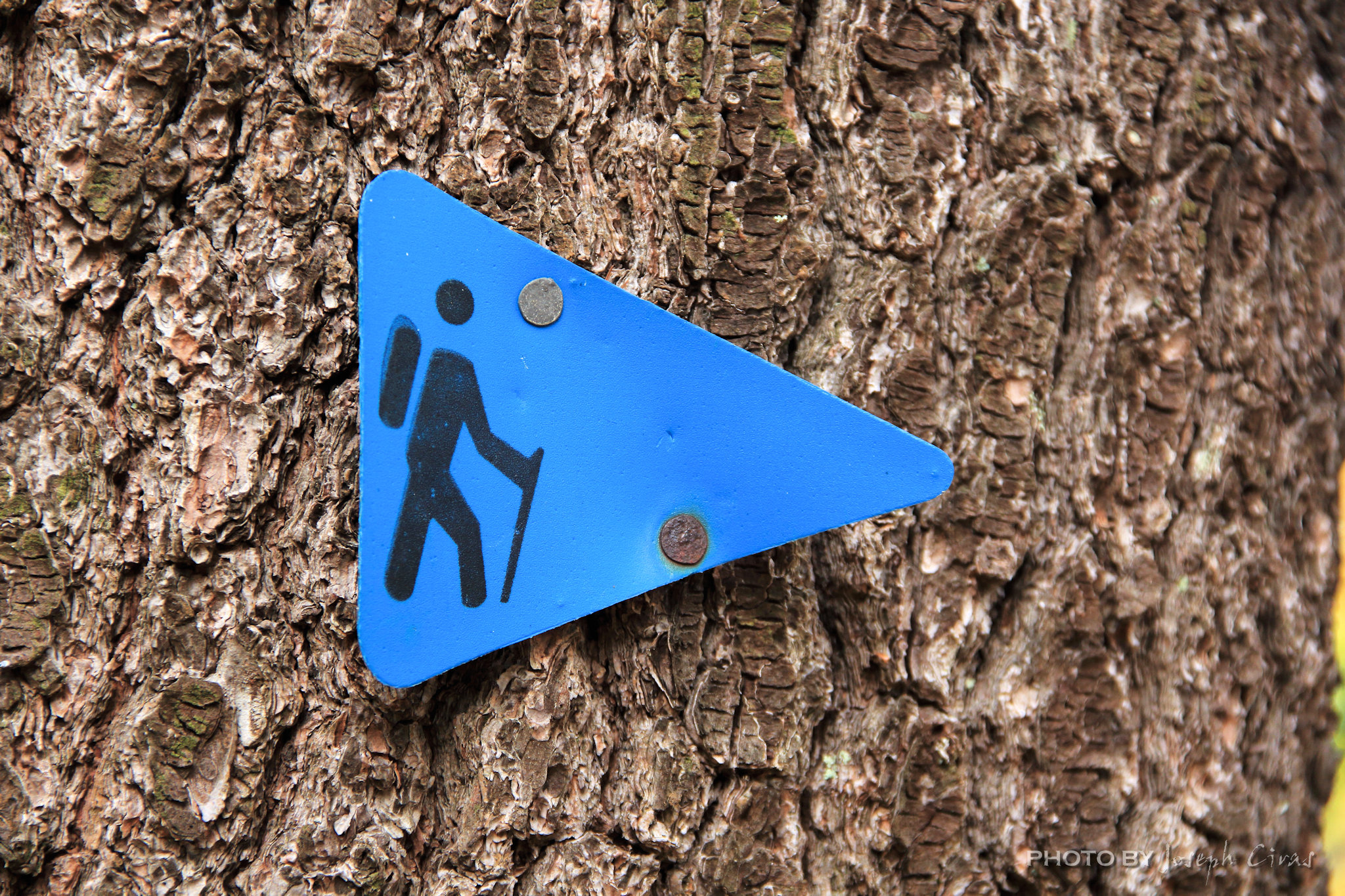



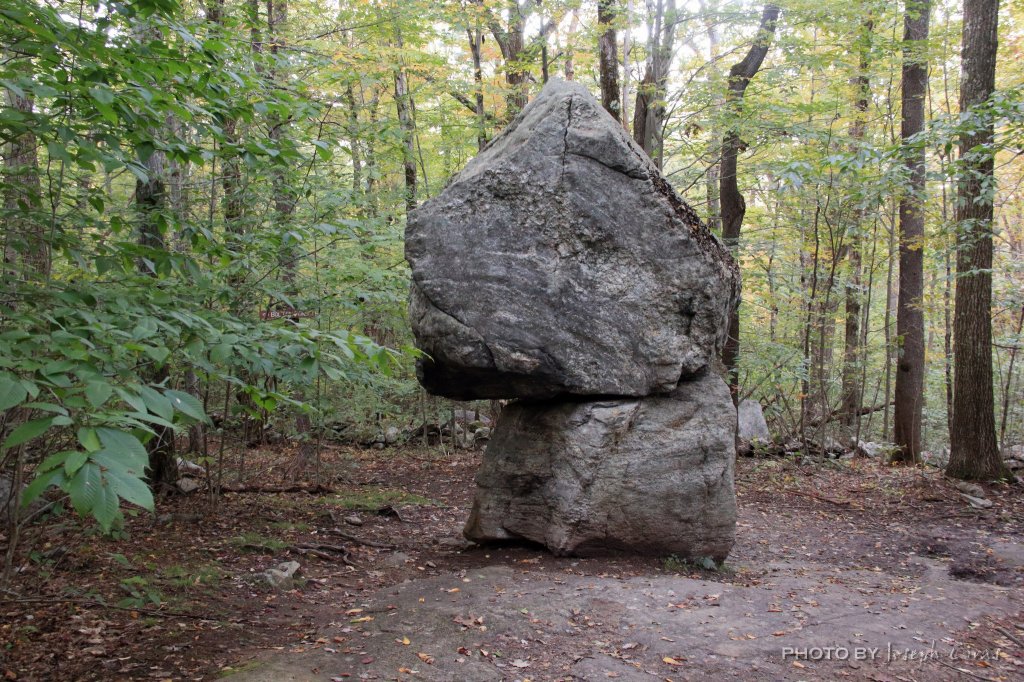









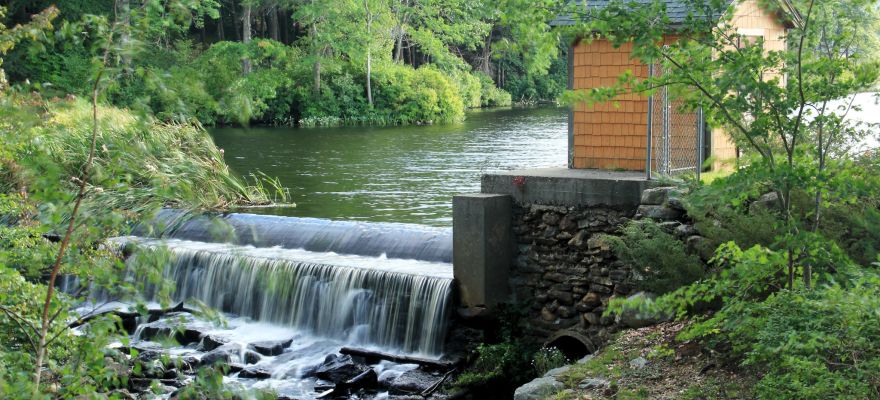


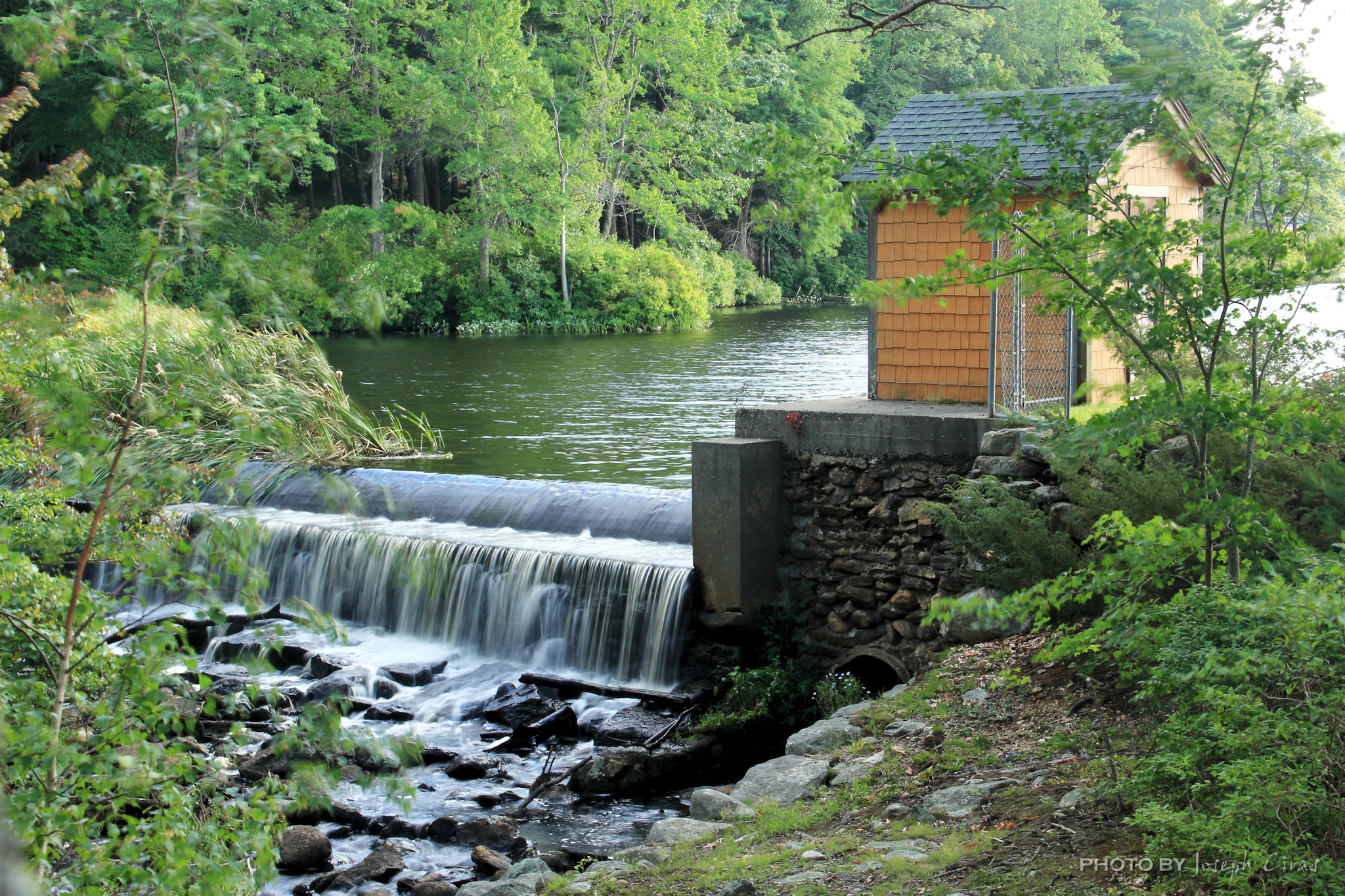





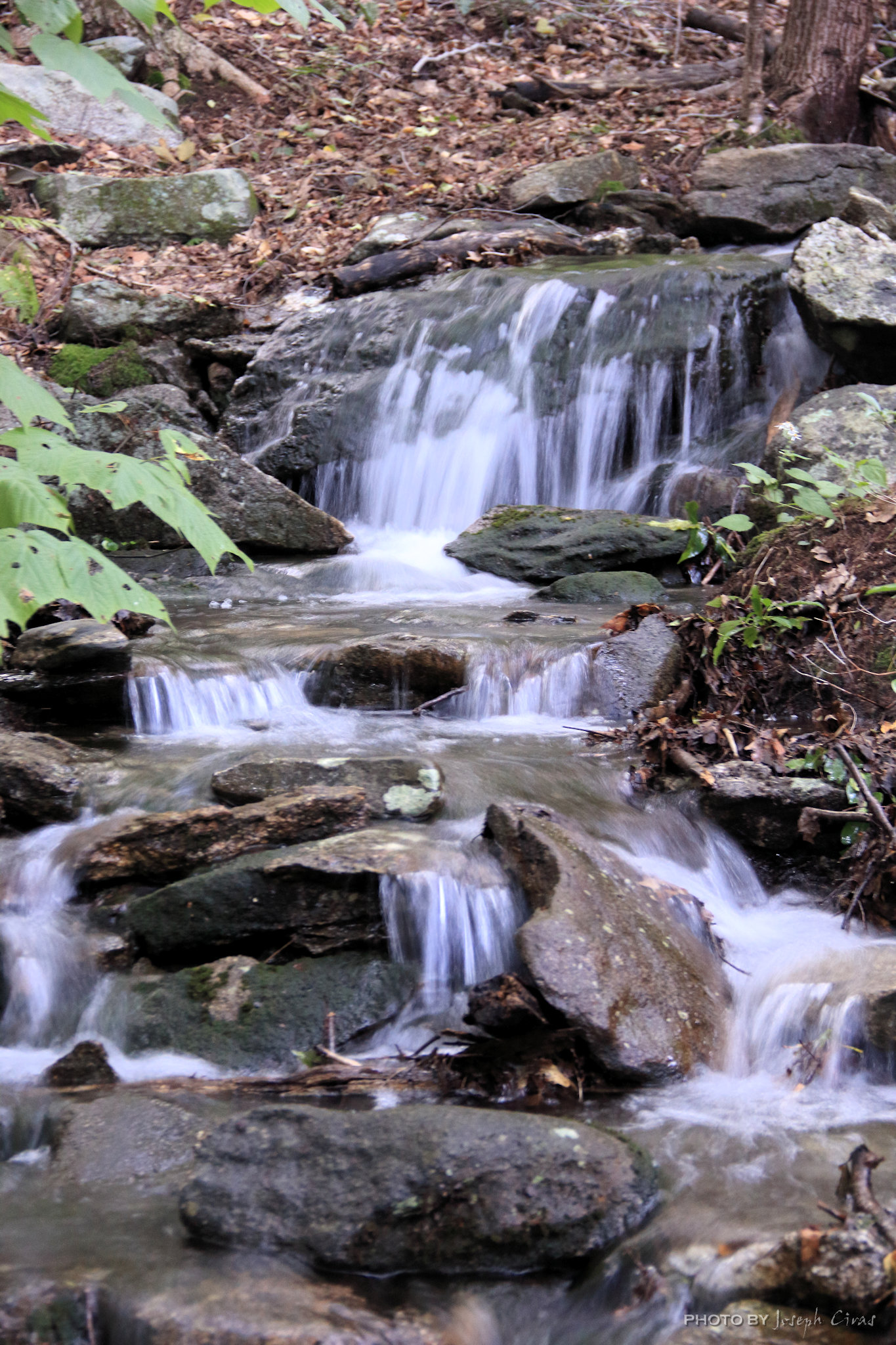














 Photo by Joseph Ciras