“The camera makes you forget you’re there. It’s not like you are hiding but you forget, you are just looking so much.” — Annie Leibovitz
Here are some mountains that I have seen during my travels.
Sunday, 03/03/2024: Posted photo — Sunrise.
A wonderful sunrise. Took this photo on Monday morning and not on Sunday. I was busy on Sunday with a birthday celebration from a member of my family.
Monday, 03/04/2024: Posted photo — Night Hike.
I lead the Monday night hike this week. As the weather is getting better, more people are hiking on Monday nights. We have had 2–4 people on hikes during the winter, tonight we had seven. More people are expected due to the warmer weather and it being lighter at night. Time for some sunsets!
Tuesday, 03/05/2024: Posted photo — Stream.
With the snow melt and the rain we have had recently, the streams on the mountain are running. This is a photo from tonight’s night hike. Again, I did not realize that my headlight had a blue tint to it.
Wednesday, 03/06/2024: Posted photo — Bouquet.
A bouquet of flower that I took while food shopping this week.
Thursday, 03/07/2024: Posted photo — Rabbit.
The rabbit that lives on our property has been seen for the first time this year. I have seen rabbit prints in the snow during, but this is the first time I have seen it. Glad to see it made it through the wet, cold winter.
Friday, 03/08/2024: Post photo — Cube Solving Robot.
I help the robotics team at my high school alma mater. They were practicing their judging speech for the state championships and showed us that they have designed a robot that will mix up a cube to create a pixel for a mosaic that will be making. They did this through a STEM (Science, Technology, Engineering and Math education program) that they started. This is the first STEM Rubik’s project in the country and they are sponsored by Rubik. I know a couple of the robotics team members from the speed cubing community. Here is a video of the robot: https://youtu.be/Id_YpwkuKww?si=U987aegensWYtoMc. It is long but it give you an idea of how these two cubers programmed the robot.
Saturday, 03/09/2024: Post photo — Covered Bridge.
This covered bridge is at the Bull Run Restaurant.
I attended Don White’s Annual Birthday Show at the Bull Run with some old college friends. It was not about the show, it was about connecting with people you spent a lot of time with earlier in your life and just getting together very sporadically over the years. The show was interesting, and the company was great. Will I remember who performed or what they sang, probably not. I will remember going out with some old friends.
When I was younger, people would tell me not to take family and friends for granted. As I get older, I understand what they mean. Thank you Chris for taking this group photo to keep the memories alive.
Settings: Google Pixel 7, ISO 62, f/1.8, 1/678 s, 7 mm.
During the ride down to our vacation destination, I noticed the contrail left by at plane as it was turning. Contrails or vapor trails are line-shaped clouds produced by aircraft engine exhaust or changes in air pressure, typically at aircraft cruising altitudes several miles above the Earth’s surface. A little later, I noticed that a plane took a turn and flew in front of another plane. I took my phone out, since I was the navigator at this time, and took a photo.
Monday, 02/20/2023: Posted photo — Shell.
Settings: Google Pixel 7, ISO 66, f/1.8, 1/593 s, 7 mm.
We reached our destination and took a walk on the beach. I took a photo of this shell because of its color. The beach was full of white shells. I did not see many shells that were dark. This shell is a common cockle shell. The common cockle (Cerastoderma edule) is a species of edible saltwater clam.
Tuesday, 02/21/2023: Posted photo — Under the Pier.
Settings: Canon EOS 60D, ISO 100, f/7.1, 1/320 s, 22 mm.
The Jacksonville Beach Fishing Pier is nearly a quarter of a mile long and offers visitors close-up views of the Atlantic Ocean. The pier was closed for years because Hurricane Matthew wiped out part of the pier in 2016, then Hurricane Irma damaged it some more in 2017. Unfortunately the pillions on the pier do not make a good of a photo as the last pier did. At least this one might hold up to hurricanes.
Wednesday, 02/22/2023: Posted photo — Sunrise.
Settings: Canon EOS 60D, ISO 400, f/7, 1/8000 s, 300 mm.
Woke up early this morning to take a photo of the sunrise. Drove down to the pier to get this photo. The cloud cover was sparse, but the sunrise was wonderful. Each sunrise is different.
Tonight, while visiting family members, I saw the moon and Jupiter. Later on, I saw the moon, Jupiter, and Venus. I took out my camera and took a series of shots just after sunset. These photos are ones I took a little later at night at night time. These photos are handheld photos.
Thursday, 02/23/2023: Posted photo — Lizard.
Settings: Google Pixel 7, ISO 42, f/1.8, 1/234 s, 7 mm.
Don’t know if it is a brown anole or a Florida scrub lizard. Someone can tell me. All I know is that this little guy wanted to go with us to the beach today.
Friday, 02/24/2023: Post photo — Leaving the Nest.
Settings: Canon EOS 60D, ISO 100, f/7.1, 1/320 s, 300 mm.
We watched this osprey flying around and gathering sticks for its nest. They move so quickly. This was the best photo that I got of the osprey. This photo was taken in Cradle Creek Preserve. Cradle Creek Preserve consists of 36 acres, purchased on August 9, 2001 by the City of Jacksonville Beach and the city of Jacksonville. The City of Jacksonville Beach holds title to the property. It a very peaceful place in the middle of the hustle of the beaches.
Saturday, 02/25/2023: Post photo — Feet in Ocean.
Settings: Google Pixel 7, ISO 42, f/1.8, 1/4049 s, 7 mm.
As my vacation winds down, and the snow and ice falling up north, I took this opportunity to put my feet in the ocean. With temperatures in the 80s F here and in the teens up north, just relaxing for one more day.
Here is a gull and a Royal Tern that was hanging out with us on the beach.
I also took a walk in a nature preserve and saw this great blue heron. It was going to be a quick walk so I only had my cell phone. Watched it for about 15 minutes and it did not catch a fish. I do like the reflection and the shadow.
Back to the cold weather and reality.
Went back the next day and this egret fished successfully caught a fish, a small fish, but a fish none the less.
“It’s weird that photographers spend years or even a whole lifetime, trying to capture moments that added together, don’t even amount to a couple of hours.” — James Lalropui Keivom
Thank you for all the new views and likes from last week, it helps keep me inspired.
Sunday, 01/23/2022: Posted photo — Music.
Settings: Google Pixel 2, ISO 252, f/1.8, 1/120 s, 4 mm.
Psalm 23, The Lord is my shepherd…
This is best known psalm out of the 150 psalms in the Bible. There are five books and four literary styles in the psalms. The styles are hymns, prayers of thanksgiving and petition, religious lyrics, and didactic psalms. You can go online or ask your religious leader for more information on the psalms.
Songs, or hymns, at mass are used to enhance the service. I played the organ/keyboard during Mass when I was in college. My family still plays and sings in the choir during Mass today. A good song will lift your spirits.
I did not intend to use this photo today. I used it because it was one of the only photos that I took and it was the one that I liked the best.
Monday, 01/24/2022: Posted photo — Dusting of Snow.
Settings: Canon EOS 60D, ISO 100, f/5, 1/15 s, 50 mm.
Last week we received heavy and wet snow. This week we received a dusting of snow.
In taking this photo, I was practicing depth of field (DOF) in my photos. I am in my 13 year of taking photos every day and I still need on practicing various techniques so my photos are of my liking. I am my own worst critic.
I did go on a great hike tonight. This is my normal Monday night hike on Wachusett Mountain. The trails were in great shape from all the people that have been hiking after the last snowstorm. Microspikes are needed. Some people say no to microspikes since there is no exposed ice on the trails. If I am leading a hike, I am requiring the use of microspikes, or other traction devices, since there is ice under the snow and the spikes give you better traction. I am cautions in a group situation.
Microspikes are great for hiking or in thick ice, nanospikes are good for walking the in areas where traction is needed, but they are not as aggressive as microspikes. I would not recommend the use of nonspikes while hiking since they do not have the grip you need on the snow or ice, or the inclines and declined on a hiking trail. A more aggressive means for traction is the use of crampons. I use my crampons in the higher elevations of the White Mountains, or on a very icy trail. When I hike in the winter, I carry two sets of microspikes: my inexpensive “rock” microspikes and my “good” microspikes and have my crampons with me. Occasionally I will also attach my snowshoes to my pack if there has been newly fallen snow and I know that trail that I will be hiking is an underutilized trail. The difference between my inexpensive “rock” microspikes and my “good” microspikes is the length of the spikes and the quality of the product.
Tuesday, 01/25/2022: Posted photo — Snow White.
Settings: Canon EOS 60D, ISO 800, f/36, 1/50 s, 93 mm.
Light dusting of snow received last night. This makes for a wonderful winter scene. When I was walking around yesterday, I was thinking of the challenge for the 52 frames project https://52frames.com/photographer/20931. The challenge is for this week is to take a minimalistic photo. This is my first minimalistic photo of the week. Look for a different photo later in the week.
Wednesday, 01/26/2022: Posted photo — Colors.
Settings: Canon EOS 60D, ISO 100, f/7.1, 1/160 s, 115 mm.
Last week at this time, I posted a sunrise photo. Today I did the same.
I would like to talk about the colors in a sunrise/sunset. When the sun is low on the horizon during sunrises and sunsets, the sunlight travels through more of the atmosphere. Shorter wavelength colors (blues and violets) get scattered out. This leaves more of the longer wavelength colors like yellow, orange, and red. Therefore, sunrises often take on such colors. Some of the colors of a sunrise or sunset are #95382c, #141b24, #4f3c54, #223444, and #9c4a44 for the more technical people that read my post. Sunrises and sunsets are also in the 1000–2000 K range. Other base settings for sunrise and sunset photos are f/6–f/16 and a shutter speed of 1/500 s. I also like to take my photos one step underexposed to bring out the colors. Shoot RAW so values can be adjusted post process if required.
As always, practice sunrise and sunset photos to find out the best settings for your camera.
Thursday, 01/27/2022: Posted photo — Sky.
Settings: Canon EOS 60D, ISO 100, f/7.1, 1/640 s, 24 mm.
Here is another minimalistic photo for the week. I like this one better than the snow photo so this is the one that I may post for the 52 frames project.
Some of the elements of minimalistic photography are simplicity, negative space, powerful composition, isolation, color, and lines and shapes. Minimalist photography shows the power of a simple solo object. In this case, it is the contrail against the blue sky.
Looking at the simplicity of this photo, my watermark may be taking away some of its impact. Need to think about that next time. There is a debate whether to watermark photos. It does take away from the aesthetic quality of some photos. I watermark the photos that I post and not the ones that I display in gallery showings or the ones that I sell.
Friday, 01/28/2022: Post photo — Hook.
Settings: Canon EOS 60D, ISO 100, f/5, 1/15 s, 62 mm.
I see a hook, a needlenose shark, or a stitch puller. What do you see? This is another pareidolia photo.
Today I am not writing much about this photo since I need to prepare our house for the snow storm that will happen tomorrow.
Saturday, 01/29/2022: Post photo — Looking Down the Street.
Settings: Canon EOS 60D, ISO 100, f/7.1, 1/80 s, 29 mm.
We received about 10 inches of snow out of today’s storm. It is much less than originally predicted. The storm moved out to sea, and we were on the outer edge of the storm.
I did go out every two hours today to shovel the snow. The first few times out there were a few inches of show to shovel. As the day went on, the shoveling was easier and quicker. Winter storm Kenan was another let down for us. Only 10 inches of snow. We are still waiting for the first big storm of the year.
Kenan was a bomb cyclone. A bomb cyclone is a storm that undergoes bombogenesis. Bombogenesis is a rapid intensification of a low-pressure system in which we measure in millibars. The lower the pressure is, the stronger the storm.
“It is more important to click with people than to click the shutter.” — Alfred Eisenstaedt
Thank you for all the new views and likes from last week, it helps keep me inspired.
Sunday, 12/12/2021: Posted photo — Stream.
Settings: Samsung SM-G930V (Galaxy S7), ISO 50, f/1.7, 1/154 s, 4 mm
“The Cascades is made up of several parcels of land: Boynton Park, Cascades West, Cascades East, Cascades Park, and Cascading Waters. Most of the area is wooded, but there is a meadow in Cascades West that has been enlarged to expand the opportunities for wildlife habitat. Several trails follow along streams and there are vernal pools that can be explored in the Spring. Views of the falls are spectacular in the Spring or after a heavy rain.”https://www.gwlt.org/lands-and-trails/four-town-greenway/cascades/
When I was growing up in the city of Worcester, this trail system did not exist. It was established in 1991 and completed in 2005 by the Greater Worcester Land Trust. What a great trail to have in the city and a great location for families to get outdoors and explore nature and the hidden wonders of the city.
This was my first time hiking in the Cascades. I passed the trailheads many times when I was driving home from my mother’s house and have wondered how long the trail system was and why was it called the Cascades. The Appalachian Mountain Club (AMC) had a leadership meeting on the trail ending with a four mile hike on the trail system. At one of the trailheads is the AMC equipment hut. Part of the leadership trailing was to learn about the equipment hut and how to access its resources. It is place that equipment can be borrowed by families or individuals that are just starting out with outdoor activities and need to borrow equipment. It is a great way for those in the city who cannot afford the proper equipment to borrow some to be used in a guided hike or camping trip.
This photo is one of the many cascades along the trail. I only had my cell phone with me so please excuse the quality of this photo. I will be going back with my good camera to take better photos.
Monday, 12/13/2021: Posted photo — Ornament.
Settings: Canon EOS 60D, ISO 3200, f/7.1, 1/20 s, 98 mm.
This is the first photo I took with my new lens. My old lens was having issues focusing past 35 mm so I needed to replace it.
Thought to have originated in 16th century Germany, the first ornaments were nothing like what we know today. The ‘modern’ Christmas tree tradition is thought to have originated in 16th century Germany, where small evergreen trees were decorated with the likes of candles, apples, nuts, and berries as “Paradise trees” in church plays. Over time, devout Christians integrated these decorated trees into their homes during the holiday season. The tradition, which became a Christian ritual, began to spread across Europe. (https://theculturetrip.com/europe/germany/articles/a-brief-history-of-the-christmas-ornament-3/)
There is nothing particularly interesting about these ornaments. I just took my camera, pointed it at the tree, and took this photo.
Tuesday, 12/14/2021: Posted photo — Geminids.
Settings: Canon EOS 60D, ISO 3200, f/9, 14 s, 18 mm.
“The Geminids are considered one of the best meteor showers every year because the individual meteors are bright, and they come fast and furious. The Geminid meteor shower is nearly 200 years old, according to known records — the first recorded observation was in 1833 from a riverboat on the Mississippi River — and is still going strong. In fact, it’s growing stronger. That’s because Jupiter’s gravity has tugged the stream of particles from the shower’s source, the asteroid 3200 Phaethon, closer to Earth over the centuries.”https://www.space.com/34921-geminid-meteor-shower-guide.html
I was up this morning at 2:30 ET to watch the Geminids. What a spectacular show! I was planning on being outside for an hour before going back to bed. I was watching the show until 4 a.m. before taking a short nap to get up for work at 4:30 a.m. I did see some of the meteors during last night’s hike. They were not very bright since the moon did not set until 2:41 a.m. with the peak of the Geminids at 2:40 a.m.
One of the questions was were to direct my camera. I placed it heading north, then heading south, and then to the east. I was pointing it in the direct of the greatest activity at the time. The photo that I posted, the one where the meteor underlines the Big Dipper, was with my camera pointing north. The other photo, the one with the roofline of my house, was with the camera pointing east. There were no bright meteors in the photos with my camera facing south. This is the east facing photo.
Wednesday, 12/15/2021: Posted photo — Sunrise.
Settings: Canon EOS 60D, ISO 400, f/5.6, 1/400 s, 50 mm.
Last week I posted a photo of the sunset from my office. Today I am posting a photo of the sunrise.
I was going between buildings this morning and watching the sunrise. I saw different colors in the woods around the property and was looking at the clouds changing color. When I got back to my office, I went to an eastern facing window and looked at the clouds.
This photo is what I saw when looking out the window.
Thursday, 12/16/2021: Posted photo — Waterton Lake Sunset Alberta.
Settings: Canon EOS 60D, ISO 100, f/5.6, 1/1000 s, 25 mm
Waterton Lakes National Park is in southern Alberta, Canada, bordering Montana’s Glacier National Park. We camped there a few years ago after sending time in Glacier.
I took this photo the first night we were at the park. I took it at the blue hour. You need to search my previous blogs for the definition of blue hour as it pertains to sunsets. I was able to post edit this photo to make it look like what I saw. Most times the camera will wash out photos or make them look different that that you see. This proves the adage that you can never justify the colors that you can see with a photograph.
Friday, 12/17/2021: Post photo — Off We Go.
Settings: Canon EOS 60D, ISO 100, f/7.1, 1/1000 s, 121 mm
Off to Chicago Midway we go!
I was driving around this afternoon and stopped by an airport to watch the planes. It is very relaxing to see the plans take-off and land. Even after studying aerodynamics, I am still in wonder to see a plane fly. I know the time that I took this photo and then went to the airports website to see were that flight was heading. I took photos of the plans to practice AI Servo focusing.
The focus modes on my camera are:
ONE SHOT : One-Shot AF
AI FOCUS : AI Focus AF
AI SERVO : AI Servo AF
[One-Shot AF] for Still Subjects: Suited for still subjects. When you press the shutter button halfway, the camera will focus only once.
[AI Servo AF] for Moving Subjects: This AF mode is for moving subjects when the focusing distance keeps changing. While you hold down the shutter button halfway, the subject will be focused continuously. When you use this focus mode, the camera does not “beep” when the object is in focus, so you need to trust your skills.
[AI Focus AF] for AI Focus AF switches the AF mode from One-Shot AF to AI Servo AF automatically if the still subject starts moving. AI Focus AF mode is one that I do not use, and do not recommend using. It does not work very well.
Saturday, 12/18/2021: Post photo — Statehouse
Settings: Samsung SM-G930V (Galaxy S7), ISO 50, f/1.7, 1/154 s, 4 mm
The statehouse in Columbus OH. My nephew was the lead male in a ballet across the street today. He is 14 years old and is a great dancer. We saw the show twice. Great show.
“Most things in life are moments of pleasure and a lifetime of embarrassment; photography is a moment of embarrassment and a lifetime of pleasure.” — Tony Benn
Thank you for all the new views and likes from last week, it helps keep me inspired.
Sunday, 12/05/2021: Posted photo — Second Week of Advent.
Settings: Samsung SM-G930V (Galaxy S7), ISO 125, f/1.7, 1/60 s, 4 mm
Advent, (from Latin adventus, “coming”), in the Christian church calendar, the period of preparation for the celebration of the birth of Jesus Christ at Christmas and the beginning of the Christmas season.
The four weeks of Advent are broken down into the themes: Hope, Peace, Joy, and Love. The three purple candles on the Advent Wreath represent the preparation and repentance. During the third week of Advent, or Gaudete Sunday, a pink candle is lit to indicate rejoice, the time of waiting is almost over.
This photo was taken from the choir loft at our church. My wife and son sing with the folk group, and I joint them for the celebration of the Mass.
Monday, 12/06/2021: Posted photo — Color “fish” Photo.
Settings: Samsung SM-G930V (Galaxy S7), ISO 125, f/1.7, 1/60 s, 4 mm
I cancelled the Monday night hike, for safety reasons, due to the high winds and rain we were experiencing. Since there are inexperienced hikers in the group, it was not safe to be on the mountain. We would have hit the summit just at the bad weather was peaking. Because I did not hike tonight, I went grocery shopping tonight instead of my normal Tuesday evening.
When I am grocery shopping, I look for some food to photograph. I do this more in the winter since I do not have much opportunity to go outside in daylight to take my photo. Today, I saw these Goldfish crackers that are Goldfish Colors. I thought it would be punny to post a title of “Color ‘fish’ Photo”, instead of “Colorful Photo”.
In 1962, Pepperidge Farm founder, Margaret Rudkin, launched Goldfish crackers in the United States.
Here are some things you didn’t know aboutGoldfish crackers:
While on vacation in Europe, Margaret visited a Swiss cookie manufacturer that had a similar product, and together they reached an agreement to bring the salty, fish-shaped crackers to the U.S.
Oscar J. Kambly, the original Swiss creator of the cracker, created them as a birthday present for his wife whose astrological sign was Pisces — which is often represented in Greek mythology as a fish.
The first five flavors of Goldfish that were launched were Lightly Salted (Original), Cheese, Barbecue, Pizza and Smoky, and it wasn’t until 1966, four years after the crackers were first launched, that the Cheddar Cheese flavor was introduced.
Willard, Ohio is the Goldfish capital of the world! Our bakery in Willard, a town of 6,000, can produce more than 50 million Goldfish crackers a day.
The Goldfish signature smiley face was added in 1997, and about 40% of the crackers feature the smile!
Tuesday, 12/07/2021: Posted photo — Anchor.
Settings: Canon EOS 60D, ISO 400, f/9, 1/1600 s, 18 mm.
“Yesterday, December 7, 1941— a date which will live in infamy— the United States of America was suddenly and deliberately attacked by the naval and air forces of the Empire of Japan.” — FDR. Thus started the United States entry into World War II.
This photo is from my second visit to Pearl Harbor. It still amazes me that there is oil floating out of the USS Arizona. Looking back, I posted the same photos a year ago. This is from that post — “’This anchor was recovered from the Arizona. The ship had three anchors. The crew used one in calm seas and two in foul weather, the third as a spare. Each weigh nearly 10 tons.’ This are the words on a placard near the USS Arizona Anchor at the World War II Valor in the Pacific National Monument in Hawaii. The sacrifice these men and women made to make our country the great country it is today.” See my original post on Pearl Harbor, and more photos from the National Monument, by clicking on this link, https://wordpress.com/post/photobyjosephciras.wordpress.com/568.
Wednesday, 12/08/2021: Posted photo — Wood Stove.
Settings: FLIR i5, ISO n/a, f/na, 1/30 s, 7 mm.
Some of you may know that I own an infrared camera. This camera takes photo of heat signatures of object. I use it to look at insulation in houses and efficiencies at power generating plants. Occasionally I use it to take artistic photos. Some of these photos are of footprints, handprints, car engines, warm tires, and even have used it as a stud finder.
Once or twice a year, I use it to check out my wood stove. My wood stove is old and not as efficient as some of the newer stoves. It is just a steel box with an exhaust pipe. One item that I often check is the temperature given on the stovepipe thermometer. This is a thermometer that has a magnetic backing and just sticks to the stove pipe. To my surprise, that thermometer and my thermal camera normally show the same temperature. The 518°F (250°C) temperature reading is the maximum temperature my camera can detect. The brand name of our stove is Nashua. You can just make out the name near the center of the photo next to the pointer.
Thursday, 12/09/2021: Posted photo — Footprints in the Snow.
Settings: Canon EOS 60D, ISO 100, f/5.6, 1/1000 s, 25 mm
It snowed last night. Well, I would not call it a storm, just a little more than a dusting. No need to shovel or plow. The roads were snow covered in the morning, so driving for some was not easy due to black ice. Black ice, sometimes called clear ice, is a thin coating of glaze ice on a surface, such as a road. As the name implies, you do not always know when it is present, and it is very dangerous.
I like footprints in the snow. They seem so mystical for me. I wonder where the footprints lead, where was the person going, or where did the person come from. I know this is not the first footprint photo that I have posted over the years. I liked the way the sun caused shadows in the prints.
Friday, 12/10/2021: Post photo — Sunset from Office.
Settings: Canon EOS 60D, ISO 100, f/5.6, 1/80 s, 38 mm
Came out of a meeting to this. Took out my camera before it was past. The colors at sunset disappear quickly so I was quick to the camera. During the meeting, I could see the light through the windows was changing as it does at sunset. I did not expect much when I went back to my office. Then I saw the red clouds just getting end of the sunset. Reminds me of the saying of always have your camera with you, you never know want photo opportunity you might have.
Saturday, 12/11/2021: Post photo — Star on Tree.
Settings: Canon EOS 60D, ISO 3200, f/5.6, 1/15 s, 33 mm.
Please note that I have not been able to post to my Weebly page for over a week, so the photos are a little behind there. Weebly technical support is still working on the issue.
“The camera is an excuse to be someplace you otherwise don’t belong. It gives me both a point of connection and a point of separation.” — Susan Meiselas
Thank you for all the new views and likes from last week, it helps keep me inspired.
Sunday, 11/28/2021: Posted photo — Summit of Mt Norwottuck.
Settings: Samsung SM-G930V (Galaxy S7), ISO 50, f/1.7, 1/268 s, 4 mm
Mount Norwottuck or Mount Norwottock, 1,106 feet above sea level, is the highest peak of the Holyoke Range. It was the first stop today. The second one was Long Mt at 920 feet. Not tall mountains, but the hike was 9 miles in length. Mount Norwottuck received its name from Edward Hitchcock, a former professor of geology at Amherst College. Hitchcock coined the term “Scenographical Geology” in 1841 to describe the dramatic geologic landscape of the Holyoke Range. Originally called Hilliard Knob, Hitchcock applied the Native American name Norwottuck to the mountain. Norwottuck is the Indian name of the village of Hadley.
Reference mark at on the summit of Mount Norwottock. The reference mark points to the summit.
An interesting fact about the Holyoke Range is that it is a Transverse Range. The mountain range runs east to west. There are two other major mountain ranges that are transverse in the United States. They are the Transverse Ranges in California and the Uinta Mountains in Utah.
Today would have been my mother’s 96th birthday. She passed away July 17 this year, so this is the first birthday without her. She is with my father who passed in 1993 and my daughter who passed in 1992. They get to meet their granddaughter together and celebrate their birthdays together for the first time in 28 years. My father would have turned 99 a few days ago.
Hiking clears your mind. Hiking with friends is very therapeutic.
Monday, 11/29/2021: Posted photo — Poles Against a Tree.
Settings: Samsung SM-G930V (Galaxy S7), ISO 1000, f/1.7, 1/10 s, 4 mm
Monday nights is hiking night. I hike with a Meetup group on Mondays for a few months now. It is a good group to hike with since the pace is a little faster than other groups that I have hiked with in the past.
My poles at the junction of the Jack Frost and High Meadow Trails on Wachuestt Mountain
Tonight’s hike was in the cold and dark. The temperature was in the high 20s (F). It was the first time that I used my microspikes to hike with this year. I did not need to use them, but I did not know the trail conditions on one of the hills on the hike and I wanted to get ready for possible ice. We did get snow last week and the trails were snow covered the ground was frozen.
Why do I hike at night? I hike at night for the peacefulness of it. Even with a group, your senses are challenged, and you are more aware of your surroundings. As a leader for the hike, I keep my eyes and ears open for the less experienced people in the group.
As you can see from the photo, it was cold. I wore my gloves and not my -30 F mittens for this hike. Dressing is layers for winter hiking is also important, so you do not overheat or become too cold. You should have at least three layers. A base layer (underwear layer) that wicks sweat off your skin, a Middle layer (insulating layer) that retains body heat to protect you from the cold, and an outer layer (shell layer) that shields you from wind and rain. Here is a website that describes layering, https://www.rei.com/learn/expert-advice/layering-basics.html.
Tuesday, 11/30/2021: Posted photo — Yes, We Have No….
Settings: Samsung SM-G930V (Galaxy S7), ISO 80, f/1.7, 1/120 s, 4 mm
“Yes! We Have No Bananas” was written by Frank Silver and Irving Cohn and was published March 23, 1923. “The story goes that one day in 1922, songwriting duo Frank Silver and Irving Cohn were on their way to work in New York City when they stopped for a snack. At a greengrocer’s, the Greek immigrant owner told the tunesmiths in his broken English, “Yes! We have no bananas today.” The reason the grocer had no bananas? A blight in Central America had caused a shortage.” (https://www.mentalfloss.com/article/31253/music-history-3-yes-we-have-no-bananas)
Bannanas
I thought about titling this photo “Going …” after the expression that has its roots on American college campuses in the 1960s. It is believed that the term going bananas is a term that evolved from the idiom going ape, which also means to go crazy, to explode with anger or to erupt with enthusiasm.
Wednesday, 12/01/2021: Posted photo — Just a Cloud or is it?
Settings: Canon EOS 60D, ISO 200, f/22, 1/6 s, 35 mm.
This could be just a cloud. Or it could be a winged buffalo tilting down to the left.
Cloud formation
I have posted in the past what seeing objects in clouds is called. Pareidolia is a sign of creativity. I took this photo today, not because I saw an object in it, it was because I needed a photo for today. I did not see the object until I was post processing the photos.
What do you see?
Thursday, 12/02/2021: Posted photo — American Bison.
Settings: Samsung SM-G930V (Galaxy S7), ISO 80, f/1.7, 1/120 s, 4 mm
This photo was taking at Wind Cave National Park in South Dakota. I have a feeling that I have posted this photo in a previous post. If I did, I am sorry for the repeat. I like this photo.
American Bison
Wind Cave, one of the longest and most complex caves in the world. Named for barometric winds at its entrance, this maze of passages is home to boxwork, a unique formation rarely found elsewhere.
Here are a few more photos from Wind Cave National Park.
The bull of the herdBoxwork in Wind Cave
Friday, 12/03/2021: Post photo — Star Trail.
Settings: Canon EOS 60D, ISO 3200, f/3.5, 9 s, 18 mm
I took a star trail photo today. It was great to take a star trail photo earlier in the evening and not after 10 p.m. The photo I posted was a composite of 437 photos stacked together. The secondary photo that I am posting in this post is a composite of 637 photos.
437 composite photo start trail
There is a lot of airplane activity north of my house at night.
637 composite photo start trail
Saturday, 12/04/2021: Post photo — Sunrise at the Pier.
Settings: Canon EOS 60D, ISO 100, f/22, 1/4 s, 62 mm.
I took this photo a few years ago on Jacksonville Beach. This pier was damaged by a hurricane a few years after I took this photo. This is one of my favorite photos that I took that morning. I took this because I liked the way the heron was silhouetted against the pier and the ocean.
Please note that I have not been able to post to my Weebly page for over a week, so the photos are a little behind there. Weebly technical support is still working on the issue.
“When I say I want to photograph someone, what it really means is that I’d like to know them. Anyone I know I photograph.” — Annie Leibovitz
Thank you for all the new views and likes from last week, it helps keep me inspired.
Sunday, 11/14/2021: Posted photo — Turkeys.
Settings: Canon EOS 60D, ISO 400, f/7.1, 1/60 s, 39 mm.
I was going to post another photo today. I will post it at the end of today’s commentary.
I was getting ready to go on the hike I did not go on Saturday and looked out our window and saw some turkeys on the road. As I watch, more and more turkeys arrived. I was just watching, and since there were so many of them, I decided to take out my camera to attempt photographing them. At one time I counted a dozen turkeys on our front lawn and about six or seven turkeys across the street. It has been a while since I have seen a rafter of turkeys this large.
Sorry about the quality of this photo. It was taken through my front window. The window is dirty and there is a screen on it.
Now for the second photo. The photo that is did not post is one of a pile of backpacks. Why backpacks you may ask. Well, these backpacks are meant for the homeless. Our church has been collecting backpacks for the homeless for a few years now. The go to Our Father’s House, a shelter in Fitchburg, MA. Our Father’s House is a private, non-sectarian agency providing shelter and related services to homeless men, women, and children. These backpacks are filled with food, shelter, and love for those who are in need.
Monday, 11/15/2021: Posted photo — Clouds.
Settings: Canon EOS 60D, ISO 200, f/7.1, 1/640 s, 24 mm.
This is the time of year when it is getting harder to take photos. It is getting harder because I go to work in the dark and leave work in the dark, not leaving much opportunity to take photos.
One of my duties is as the company photographer. Normally I am a mechanical engineering, but they know that I am a semi-professional or advance amateur photographer, so I take photos of produce for various reasons. I am not a product photographer, and these photos leave the company or are used for promotional purposes. As I was walking between buildings, I saw the sun reflecting off the clouds. I was just going to take a photo of the clouds, but I decided to add the flag and flagpole into it for scale and to break up the monotony of a photo of just the clouds.
Always keep your eyes open for a photo opportunity.
Tuesday, 11/16/2021: Posted photo — Movies.
Settings: Settings: Canon EOS 60D, ISO 3200, f/5.6, 1/8 s, 62 mm.
The Twilight Zone was a television show that ran from 1959–1964. This show, created by Rod Serling, is about “ordinary people finding themselves in extraordinarily astounding situations, which they each try to solve in a remarkable manner”. The show won nine awards and was nominated for 14 more.
This was one of my favorite shows as I was growing up. It stopped airing the year I was born, but I would watch in in reruns. Some of the shows are silly to watch and some of them cause nightmares. They would always keep you guessing.
I saw these DVDs a while ago and purchased them so I could watch the episodes again. This was before all the stream services currently on the web. I like the first season of a show since you can see the development of the shows format.
Wednesday, 11/17/2021: Posted photo — What am I.
Settings: Samsung SM-G930V (Galaxy S7), ISO 64, f/1.7, 1/60 s, 4 mm
I am an Aloha pepper.
Also known as Enjoya and Aloha, Striped Holland bell peppers are a new variety that was discovered as a surprise variation in a garden in the Netherlands and have been developed over time to showcase the bi-colored traits. This pepper was developed by the Sunset company (https://www.sunsetgrown.com/our-produce/peppers/aloha-peppers/) and have only been shipped to select retailers since 2018.
I do not like peppers, so I cannot describe what they taste like. I took this photo since I thought the pepper had a personality crisis and I liked the look.
Thursday, 11/18/2021: Posted photo — Focus Test.
Settings: Canon EOS 60D, ISO 3200, f/5.6, 1/125 s, 135 mm.
I have a lens that is 18–135mm. Today it decided not to focus if I had it past 50 mm. Need to send it out to get fixed again. It was already repaired once. This is a test of the focus range. This was the one and only time it focused in at 135 mm. I think put pressure on the side of the lens to get it to focus.
Found out that the version of my lens is out of service life, there are no longer any repair options available for it. I can purchase a discounted lens using Canon’s Upgrade Program. Something I need to investigate doing soon so that I can have a lens for the upcoming holidays. I purchased the camera in 2014.
Friday, 11/19/2021: Post photo — Partial Lunar Eclipse.
Settings: Canon EOS 60D, ISO 250, f/16, 1/50 s, 300 mm.
The Beaver Moon was full at 3:58 a.m. Four minutes later, at 4:02 a.m., a partial lunar eclipse occurred. The Beaver Moon was a micromoon. A Micromoon is when a Full Moon or a New Moon coincides with apogee, the point in the Moon’s orbit farthest away from Earth.
The moon was in the Earth’s shadow for just over six hours this morning, the longest lasting partial lunar eclipse in 580 years. The moon was only visible for about a half hour during those six hours in my area due to cloud cover. The rule around here seems to be if there is an astronomical event, there would be cloud cover. Really, it seems, there is a clear sky for such an event.
I set my alarm for 3 a.m. to watch the eclipse moving to maximum. It was cloudy. I took a half hour nap to see if the clouds would clear. It was cloudy. Took another half hour nap and the moon was still hidden by the clouds. I went back to bed for another half hour to get up at my normal time. When I got out of bed, I looked in the direction of the moon expecting to see it in the clouds once more. This time I saw it. I gathered my photo equipment, jumped in my car, and then went to an area where I could see the moon clearly. My house is in a wooded area, so I saw the moon through the trees.
When I got to a photo spot, the clouds were moving in. I quickly setup my camera and took a few shots blind. Set my camera on my tripod and took some shots as the clouds were starting to cover the moon once more. Not the best-case scenario for taking a photo of this historic event. I would have liked to set up my camera and do some test shoots to get my settings correct. Not enough time to do so.
Photo tip of the week — Baseline setting for a photo of partial lunar eclipse: 14-1000 mm, f/5.6–f/8, ISO 100-800, 1/250 s. Set you camera on a tripod and turn off image stabilization.
This morning I attempted to use my “moon” lens at 1250 mm but it was too windy for the lens. None of the photos were too my liking so I posted this photo I took with my 300 mm lens.
Saturday, 11/20/2021: Post photo — Woodshed.
Settings: Canon EOS 60D, ISO 200, f/7.1, 1/10 s, 25 mm.
Last week I posted a photo of our last wood delivery. After I posted that photo, someone wanted me to post a photo of the wood all stacked up. Here it is.
Please note that I have not been able to post to my Weebly page for over a week, so the photos are a little behind there. Weebly technical support is still working on the issue.
“You can look at a picture for a week and never think of it again. You can also look at a picture for a second and think of it all your life.” — Joan Miro
Thank you for all the new views and likes from last week, it helps keep me inspired.
Sunday, 10/24/2021: Posted photo — Ashburnham Community Church.
Settings: Canon EOS 60D, ISO 100, f/7.1, 1/640 s, 18 mm.
The Ashburnham Community Church is now home to the New Dawn Arts Center.
Information off the New Dawn Arts Center website (www.newdawnarts.org). The church was constructed in 1834, the steeple houses a church bell cast by a former apprentice of Paul Revere, and the 1886 pipe organ was installed by Boston organ builder George Hutchings. The church was part of The Underground Railroad.
The Community Church was sold to the Arts Center a few months ago. The congregation of the church was getting smaller so they could not afford to keep the church in operation. The Arts Center is allowing the church to hold services there and all other outreach services are still running at the church, such as a food pantry.
New Dawn Arts Center at the Ashburnham Community Church
I just like the look of churches with their steeples and stained glass. When I was going to church, I was drawn to the contrasting white church and the clear blue sky. The foliage looked to be past, but it did show well in this photo. The church that I belong to is across the street from the Community Church. I have taken photo of this church before and will again since I like its architecture.
Monday, 10/25/2021: Posted photo — Mountain View.
Settings: Canon EOS 60D, ISO 100, f/6.3, 1/80 s, 39 mm.
What a great view from the summit today! As you can see, the summited was fogged in. I had to use my map and compass to find my way down part of the trail. Using a map and compass on Wachusett Mountain is not very common since the fog has not been this dense in a very long time and people look at me strangely when I use them in good weather. I could see the trail ahead of me tonight. I was just verifying the bearings at each trail junction just so I did not head back up the mountain. It was good practice for me.
Fog on the mountain
Over the past few months, I have been taken the bearings at each junction and verifying elevations and coordinate locations with my trail map program and with the paper trail map of the mountain. I am in the process of putting together a detailed map of the mountain to help new and experienced hikers. Map and compass skills are essential to survival. Using these tools on a well hiked mountain is great for learning this skill.
The error most people will make is not accounting for magnetic declination (14° West on Wachusett Mountain). Magnetic declination is the angle between true north and magnetic north. Remember “West is best and East is least.” You add the declination to your reading if the declination is to the West or subtract the declination from the reading if it is to the East. I can adjust my compass for declination prior to use so I do not have to do the math if I am in a dangerous situation. Not all compasses can be adjusted. I would suggest spending a little more money on a compass that can be adjusted. It could save your life. Remember to always practice this skill in a known location prior to any “big” hike. Do not rely on the GPS on your phone.
Tuesday, 10/26/2021: Posted photo — Flowers.
Settings: Samsung SM-G930V (Galaxy S7), ISO 80, f/1.7, 1/60 s, 4 mm
Part of the opening paragraph from the novel “Paul Clifford” by Edward Bulwer-Lytton states, “It was a dark and stormy night; the rain fell in torrents …” It was a dark and stormy day today. Heavy rain, high winds and fog were the norm. I was going to post the following photo for today, a photo of wet foliage.
Bouquet to cheer up the day
I went grocery shopping before I posted my photo and saw the flowers that I posted. I thought of how flowers put smiles on people’s faces and wanted to brighten up this gloomy day. Here is another photo of some more flowers that I took today during my shopping trip to brighten your day.
Secondary post of flowers for the dayThe photo that I did not post
Wednesday, 10/27/2021: Posted photo — Reflection.
Settings: Canon EOS 60D, ISO 200, f/3.5, 1/25 s, 18 mm.
I was not intending to take this photo. I was intending to post a photo from either my trip to Alaska, or my trip to Hawaii, since the weather still is a little gloomy.
While on my way home from work, the reflection of the trees on Round Meadow Pond caught my eye. The lighting was iffy, but I made the quick decision to go to one of my favorite photographic locations and see if there was an opportunity for a reflection photo in the smooth water.
Reflections on the shoreline
I first took a photo of the island and its reflection. I did not quite like it lack leaves on the tree. It made the island look unattractive and scraggly. Then I took a photo of the trees along the shoreline. Trees along the shore usually take a good photo. I was happier with this photo. I was not excited about this photo, just happier than I was with the island photo.
The island shot I did not like
Sometimes it is better to post a bad photo from that day, then a good photo from the past for historical reference.
Settings: Canon EOS 60D, ISO 200, f/7.1, 1/800 s, 36 mm.
Weather front in the morning
A weather front is the transitional zone between two different air masses. An air mass a body of air with horizontally uniform temperature, humidity, and pressure. The high-pressure side of the front is the side with no clouds. In a high-pressure system, the warmer air is flowing downward. The low-pressure side of the front is the one with the clouds. In a low-pressure system, cold air is flowing upward causing condensation around dust particles in the sky, forming clouds and often precipitation. In this photo, the low-pressure system is moving out of the area. As the high-pressure system is moving in, the air temperature will be slightly higher that it was yesterday. A simple fact in physics is that if air pressure increases, the temperature must increase and if the air pressure decreases, the temperature will decrease. This explains why the air gets colder at higher altitudes, where pressure is lower.
Friday, 10/29/2021: Post photo — Footbridge Over the Virgin River.
Settings: Canon EOS DIGITAL REBEL XS, ISO 200, f/9, 1/200 s, 18 mm.
“In the summer of 1909, President of the United States William Taft declared the area as federally protected and officially named it Mukuntuweap National Monument, deciding to go with the Paiute name rather than the one chosen by Utah’s early pioneers. State residents were not pleased, to say the least, with President Taft passing over the name they had originally chosen for the area. In 1918, after almost a decade of grievances, the assistant director of the recently formed National Park Service, Horace Albright, changed the name of the park to Zion National Monument.” (https://zionnationalpark.com/zion-national-park/zion-national-park-history/)
Footbridge over the Virgin River in Zion National Park
Here is some information about the Virgin River. The Virgin River and its tributaries run through Zion National Park causing the erosion that continues to carve and shape Zion National Park. The North Fork of the Virgin River begins north of Zion National Park at Cascade Falls, near Cedar City, Utah, where it drains out of Navajo Lake in Dixie National Forest at 9,000 feet above sea level. The East Fork of the Virgin River originates above Long Valley in western Kane County, Utah. Both the North and East Forks of the Virgin River run through the park and empty into Lake Mead at about 1,000 feet above sea level, where it joins the Colorado River.
The view from the footbridge
The view from our campsite
Angry squirrel along the trail to to The Narrows
My wife took this photo of me hiking in The Narrows
Our time at Zion National Park included camping and hiking. We also had one of the better star filled night skies on our trip. One of the hikes we did was in The Narrows. A great place to hike in the heat of the summer. The Narrows is the narrowest section of Zion Canyon. The gorge has walls up to a thousand feet tall and the Virgin River is just twenty to thirty feet wide in some locations. The hike through The Narrows requires hiking in the Virgin River. The river when we hiked was a milky color so you did not know how deep the water would be in your next step. You need to be very careful of flash flooding in The Narrows since there is little to no room of escape due the height of the gorge walls.
Saturday, 10/30/2021: Post photo — Maple Leaf.
Settings: Canon EOS 60D, ISO 200, f/5.6, 1/60 s, 100 mm.
Last week an oak leaf, today it is a maple leaf. A sugar maple leaf to be precise.
Sugar maple leaf in our driveway
More rain today. I took this photo in my driveway while I was on my way to do some shopping.
“Today everything exists to end in a photograph.” — Susan Sontag
Thank you for all the new views and likes from last week, it helps keep me inspired.
Sunday, 10/10/2021: Posted photo — Lakeside.
Settings: Canon EOS 60D, ISO 400, f/7.1, 1/125 s, 32 mm.
Today we took the dock out of the water at the cottage. The water was cold when first going into it, and then it did not feel so bad. We need to go into the water to lift part of the dock off its foundation to bring it in. Many years ago, the tires on the bottle of the support legs on the dock fell off so we manually need to lift the dock out of the water.
Before the dock was removed, I went out on it to enjoy the foliage from out in the water. I took this photo shortly before the dock was removed from the water.
The day is always a fun filled day with family and friends.
Monday, 10/11/2021: Posted photo — Trees in the Sun.
Settings: Canon EOS 60D, ISO 100, f/7.1, 1/125 s, 50 mm.
This is the backside, or inlet side, of the falls at Round Meadow Pond. You have seen a few photos of the water flowing over the dam since that is one of my favorite spots to photograph. I took this photo because of the bright colors of the foliage, and I liked the way the light was reflecting off the trees.
Tuesday, 10/12/2021: Posted photo — More Foliage.
Settings: Canon EOS 60D, ISO 100, f/7.1, 1/160 s, 50 mm.
Not much to say about this photo. The foliage is starting to get to peak in this area, so I am taking as many foliage photos as I can.
One thing I can say about this photo, and my other foliage photos, is that they look very bright. The histogram looks good for these photos, but the photos look bright when viewing on some screens. It might be because I use calibrate monitors to edit my photos and the other monitors are not calibrated.
Time to do some research into this issue. Maybe I should get one or two of them printed to see how the colors come out.
Settings: Canon EOS 60D, ISO 100, f/7.1, 1/250 s, 72 mm.
I was going to post another foliage photos today but decided to post a photo of the morning dew. This photo was meant to show the dew and to break up my trend of foliage photos. Too much of a good thing is not always good.
I attempted to capture the light off the dew on the grass. Please leave a comment to let me know how well I captured the light and to give me some tips to improve.
Thursday, 10/14/2021: Posted photo — Lightning at Sea.
Settings: Canon EOS 60D, ISO 100, f/5.6, 15 s, 48 mm.
15 second exposure looking out to see in Jacksonville Beach, FL a few years ago.
During a past vacation, my family rented a condominium on Jacksonville Beach. My wife has relatives that live in both Jacksonville Beach and Neptune Beach, so we travel to the area relatively often. Most of the time we rent a house or condo not on the beach.
A common occurrence in Florida is a storm out to sea at night. It is such a great sight to see the lightning in the distance. On this night, I decided to put my camera on my tripod, set the exposure time to 15 seconds, to capture the storm. After looking at the photos, my only regret was that I did not leave my shutter open for 30 seconds.
There will always be another trip back to the beach.
Here are a few camera settings for photographing daytime and nighttime lightning that I have picked up over the years:
Camera settings tips for photographing daytime lightning photos:
Set up camera on a sturdy tripod.
Turn off any image stabilization you might have. If image stabilization is on, the camera will think it is moving when the shutter engages, even though there is not camera movement.
Focus camera lens on infinity or on an object in the distance.
Set the aperture of the lens to f/16 or smaller. This will close the iris inside the lens, allowing a longer shutter speed to be used.
Set ISO to lowest it will go, for example use ISO 100.
Take a test exposure using the slowest shutter speed allowed to see if the image is exposed correctly and your focus is correct.
Set your camera on manual or bulb.
Use a remote timer/intervalometer to fire the shutter continuously.
Here is an example of a daytime lightning photo. This photo was handheld since the storm arrived quickly. For your information, we did not hike down into the Grand Canyon that day.
Camera settings for photographing night-time lightning
Set up camera on a sturdy tripod.
Turn off any image stabilization you might have. If image stabilization is on, the camera will think it is moving when the shutter engages, even though there is not camera movement.
Focus camera lens on infinity or on an object in the distance.
Set the aperture of the lens to a medium value, such as f/5.6 or f/8. This will allow a longer shutter speed by bringing in more light and improve image quality at the same time by allowing the use of a lower ISO value.
Set ISO to lowest it will go, for example set your is to ISO 100. You may have to increase your ISO to ISO 200–ISO 400 depending on the lighting in the area. I prefer my ISO set at ISO 100 for all my lightning shots.
Set your camera on manual or bulb.
Set the shutter speed to between 5 and 20 seconds. You can set it up to 30 seconds if you are in a dark area.
Take a test shot to see if the scene is exposed correctly, remembering that if a strike does happen in the field of view it could light up the scene considerably, depending on how big the strike looks in the photo.
Use a remote timer/intervalometer to fire the shutter continuously.
Friday, 10/15/2021: Post photo — Clouds.
Settings: Canon EOS 60D, ISO 200, f/7.1, 1/1250 s, 37 mm.
Today I am posting a photo of a cloud. I took many photos today, but this one was the only one that I liked.
Saturday, 10/16/2021: Post photo — Aster.
Settings: Canon EOS 60D, ISO 200, f/5.6, 1/320 s, 106 mm.
I went to my mother’s house today to make sure everything was fine at the house. I also collected some of the wood from the tree that fell on her house about a year ago to bring home to burn. Earlier in the day, I took photos at Leominster State Forest. I went hiking at Leominster State Forest last night and went back today to get some more photos. I will be posting the photos I took in this blog for you to see what I did not post for my 365 project.
When I was at her house, I noticed a lot of asters. I also saw that there was an abundant number of bees flying around the asters. What a great photo opportunity. The aster flowers (Aster spp.) add color to the autumn landscape while offering beauty with little work when caring for asters.
“I never have taken a picture I’ve intended. They’re always better or worse.” — Diane Arbus
Thank you for all the new views and likes from last week, it helps keep me inspired.
Sunday, 10/03/2021: Posted photo — Reflection in the Fog.
Settings: Canon EOS 60D, ISO 400, f/7.1, 1/80 s, 113 mm.
Driving into church this morning, I notice fog off the lakes in the area. The location of this photo is one in which I take many practice photos. It is a difficult location to take a photo since I needed to stop on the edge of a busy road.
My initial thought on this photo was to get a picture of the mist rising from the surface of the lake with the foliage behind it. When I arrived at this location, the mist was thicker than I would like. I did see the reflections of the trees on the water and thought that that would take a good photo.
Monday, 10/04/2021: Posted photo — Western Tanager.
Settings: Canon EOS DIGITAL REBEL XS, ISO 200, f/6.3, 1/320 s, 300 mm.
Fact from All About Birds: “The oldest Western Tanager on record—a male originally banded in Nevada in 1965—had lived at least 6 years and 11 months by the time he was recaptured and rereleased during banding operations in Oregon in 1971.”
We were walking the north rim at Grand Canyon National Park when I spotted this male Western Tanager in a conifer tree. The color contrast between the bird and the tree caught my eye.
The range of the Western Tanger is the western parts for the United States, Canada, and Mexico.
Again, from All About Birds: “A clear look at a male Western Tanager is like looking at a flame: an orange-red head, brilliant yellow body, and coal-black wings, back and tail. Females and immatures are a somewhat dimmer yellow-green and blackish. These birds live in open woods all over the West, particularly among evergreens, where they often stay hidden in the canopy. Nevertheless, they’re a quintessential woodland denizen in summertime, where they fill the woods with their short, burry song and low, chuckling call notes.” (https://www.allaboutbirds.org/guide/Western_Tanager/overview)
Tuesday, 10/05/2021: Posted photo — The Gathering.
Settings: Canon EOS 60D, ISO 3200, f/7.1, 1/100 s, 135 mm.
On my way home from work today I saw this rafter of turkey. I have seen them many times before on the property and did not feel the need to photograph them. Today was different.
When I was approaching them today, it looked like it was a group of workers getting ready to clock out of work and were planning what they were going to do tonight. Just the way they were gather in pairs and it looked like they were talking to each other.
Also, I thought it would be a good picture to take.
Wednesday, 10/06/2021: Posted photo — Cattails.
Settings: Canon EOS 60D, ISO 800, f/5, 1/800 s, 52 mm.
I had a choice of photos to post today — a photo of an island or a photo of cattails. I decided on the cattails for the photo to put in my 365 project because I liked it just a little bit better than the photo of the island. I will be posting both in this blog for you to compare.
Cattails are a type of aquatic plant, approximately 5-10 feet tall. These plants have long, slender, branchless, and upward-growing leaves and a distinguishable brown, cylindrical flowering head at their apex. The grow around ponds and other wetland areas.
What is the difference between a pond and a lake? Here is something I found in my research: “To help determine the difference, both the depth and surface area must be considered. Lakes are normally much deeper than ponds and have a larger surface area. All the water in a pond is in the photic zone, meaning ponds are shallow enough to allow sunlight to reach the bottom. This causes plants (sometimes too many) to grow at the bottom of ponds as well as on their surface. However, sunlight can’t reach the bottom of all areas of lakes. Lakes have aphotic zones, which are deep areas of water that receive no sunlight, preventing plants from growing.” (https://lakes.grace.edu/ponds-vs-lakes-whats-the-difference/)
I took the cattail photo with a shallow depth of field (DOF) to blur the background and the make the cattails “pop”. As you can tell by this photo, the cattails are starting to spread their seeds.
Here is the photo of the island that I took and did not like as much as the cattail photo.
Thursday, 10/07/2021: Posted photo — Sunset Through Trees.
Settings: Canon EOS 60D, ISO 100, f/5.6, 1/160 s, 100 mm.
After a week and a half, I was back on the hiking trail today. It felt good to get back. I hiked 4.3 miles on Wachusett Mountain after work with some colleagues. I took a series of photos along the way to determine what one to post. I decided on this sunset photo. I had another sunset photo that I took from the summit, but I accidently deleted it. Rookie mistake.
The other choices of photos were a glacial erratic called Balanced Rock or a burl on a tree at a trail junction. Just a reminder that a glacial erratic is glacially deposited rock differing from the size and type of rock native to the area in which it rests. And a burl is a strange-looking collection of tree cells, which are called callus tissue. Normally, callus tissue is formed by a tree in response to an environmental injury such as a pruning cut, disease, or insect damage. If you have a piece of wooden furniture, such as an end table, it was most likely made with a burl.
These are the photos that I did not post for my 365 project.
Friday, 10/08/2021: Post photo — Pareidolia.
Settings: Canon EOS 60D, ISO 100, f/10, 1/250 s, 21 mm.
Pareidolia is the defined by Merriam-Webster as the tendency to perceive a specific, often meaningful image in a random or ambiguous visual pattern. I have posted about this tendency in the past.
Today I am posting a photo of a cloud. I see a couple items in this photo. I see an opera singer hitting a high note and I also see a ships figurehead. It is amazing how one can see an object when one is not there.
What to you see? Do you see what I see, due to the power of suggestion, or do you see something else. Please respond in the comment section.
Saturday, 10/09/2021: Post photo — Iris Bouquet.
Settings: Samsung SM-G930V (Galaxy S7), ISO 100, f/1.7, 1/60 s, 4 mm
From The Old Farmer’s Almanac: “The tall, beautiful iris, named after the Greek goddess who rode rainbows, comes in many magical colors. Despite its divine origins, this June bloomer is rugged, reliable, and easy to grow. Learn all about planting, growing, and caring for iris flowers.” (https://www.almanac.com/plant/irises)
Today was a shopping day from me. Saw this iris bouquet in one of the stores that I shopped. I like the colors.
Saturday’s posts are normally short because of the time between I take the photo and the time that I post my blog.

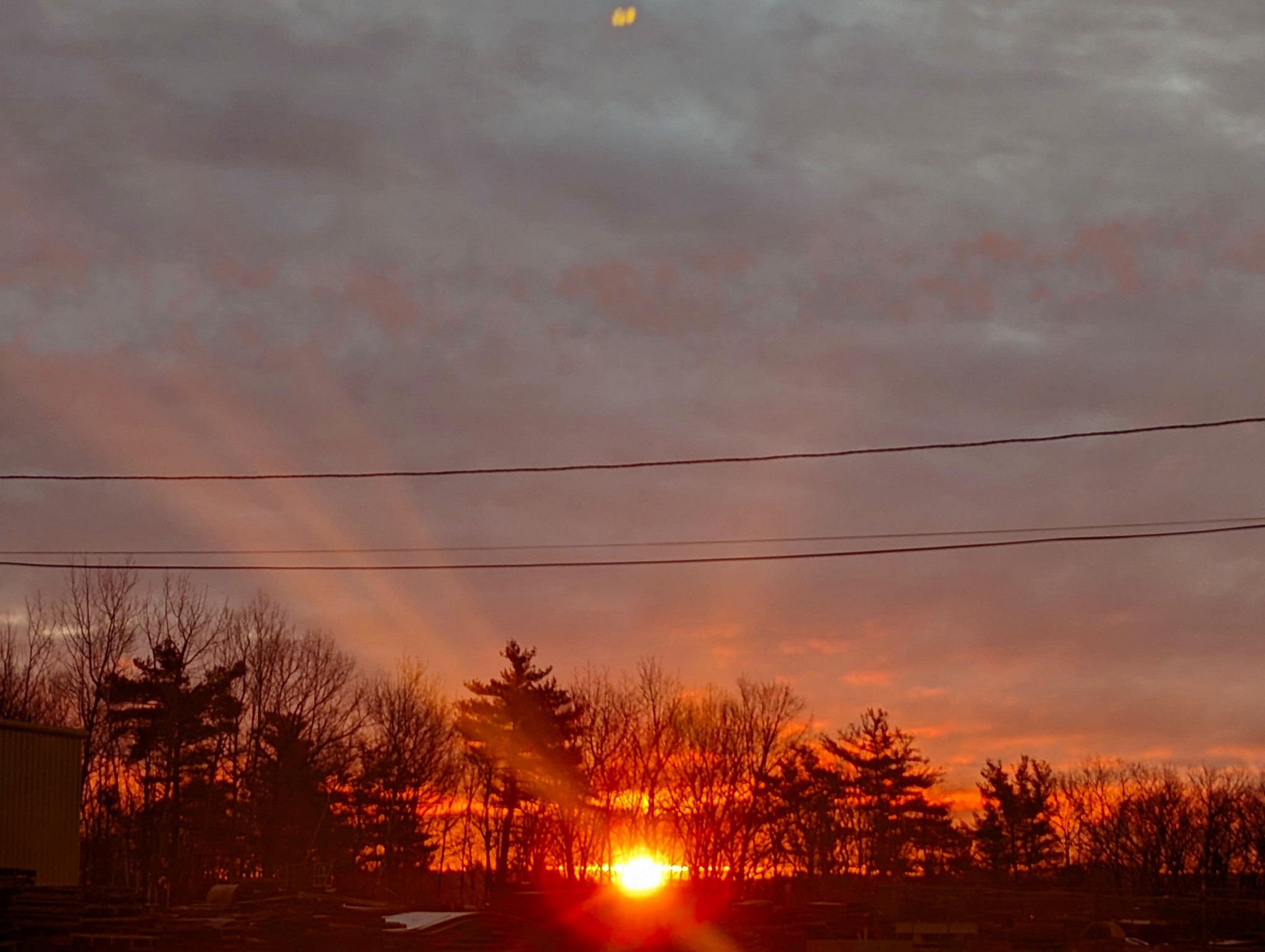
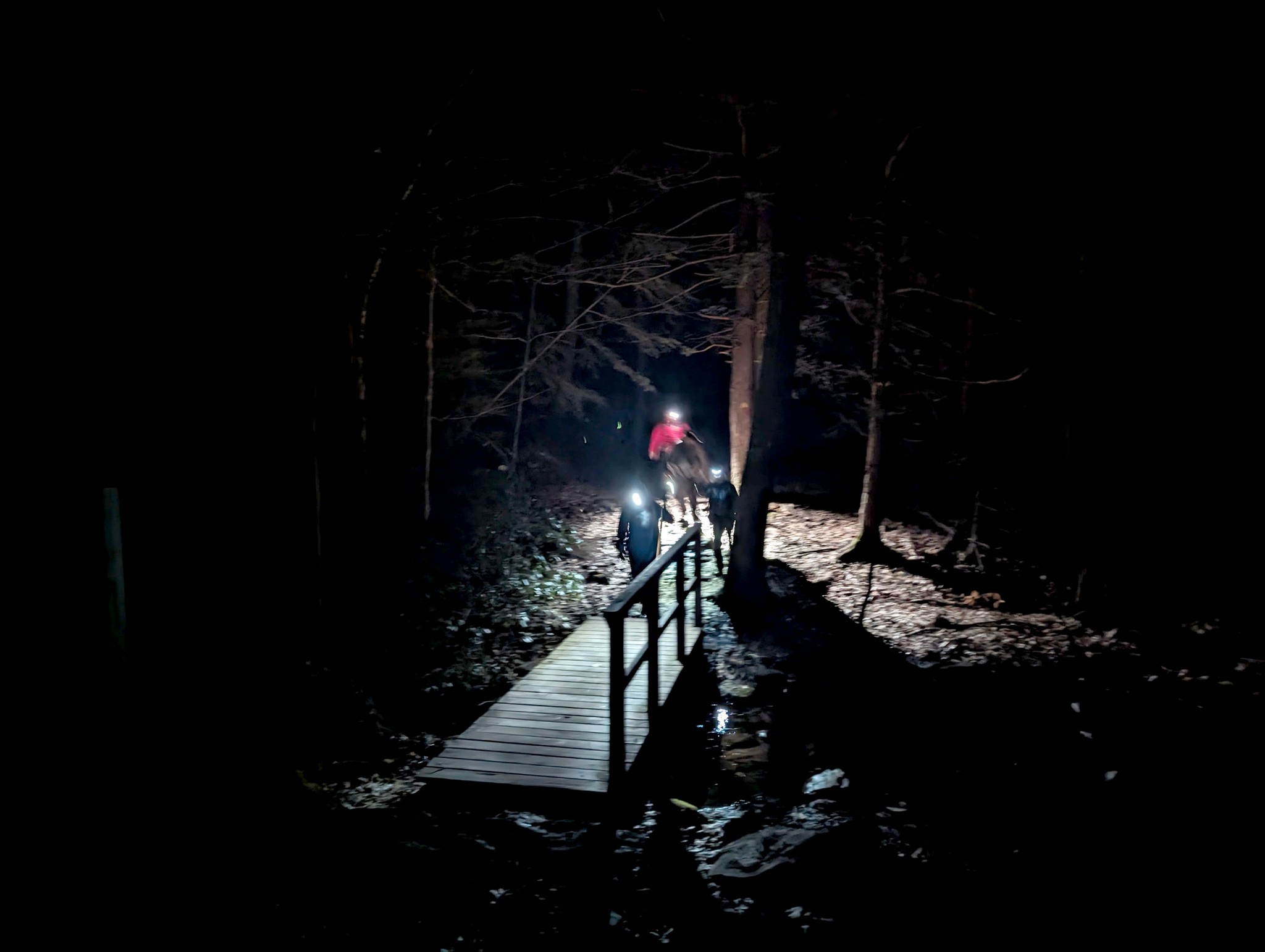

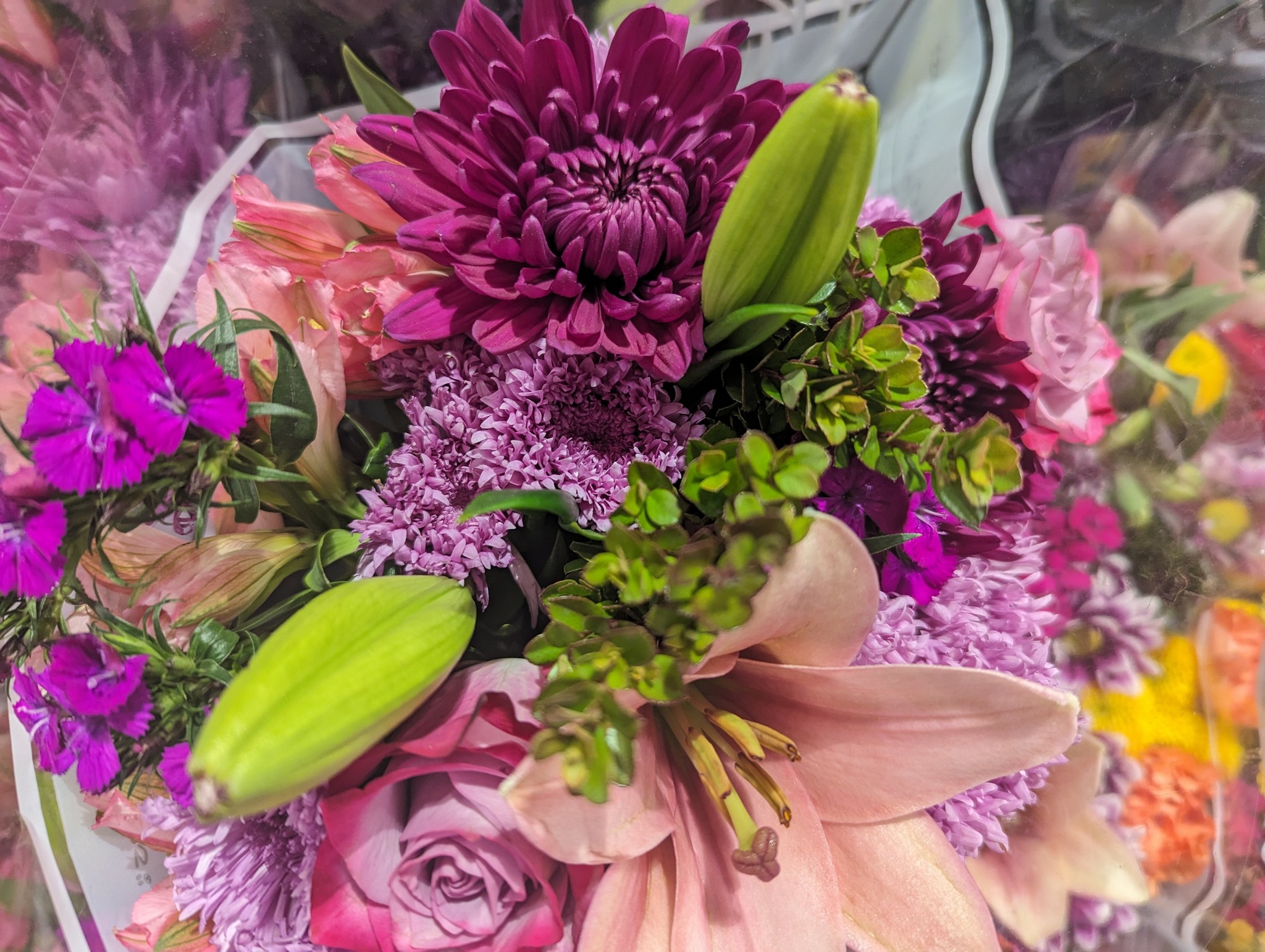
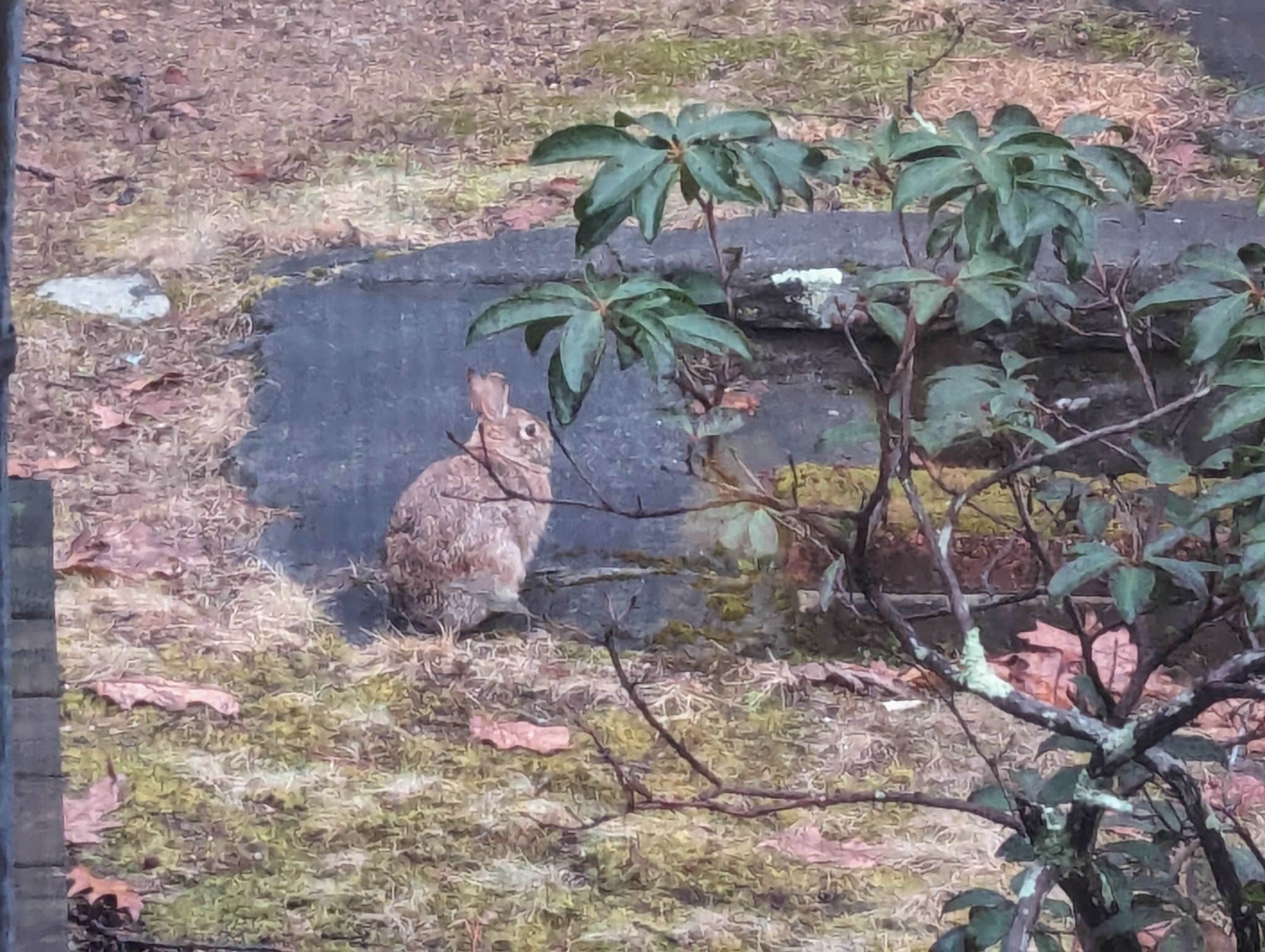
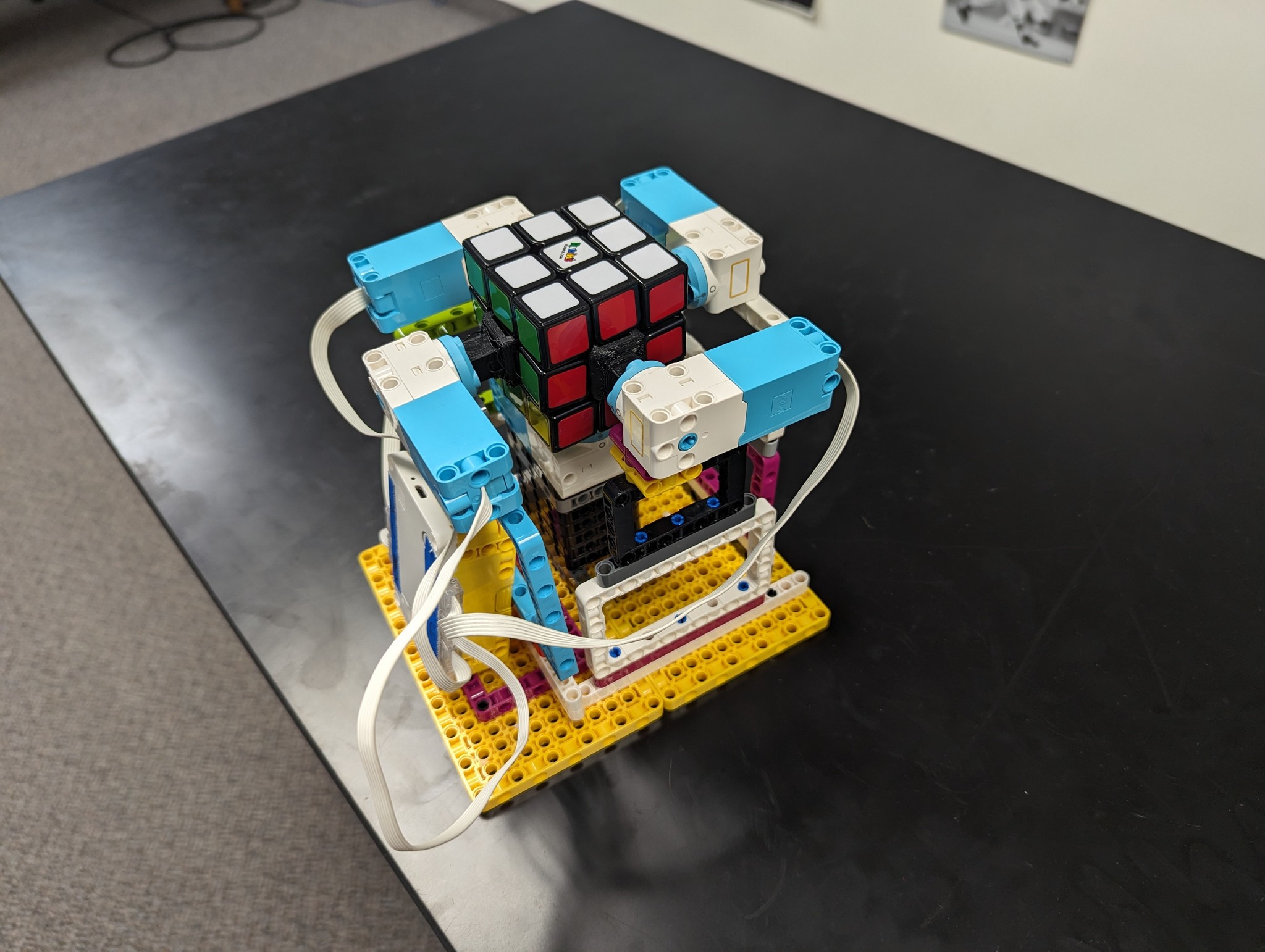
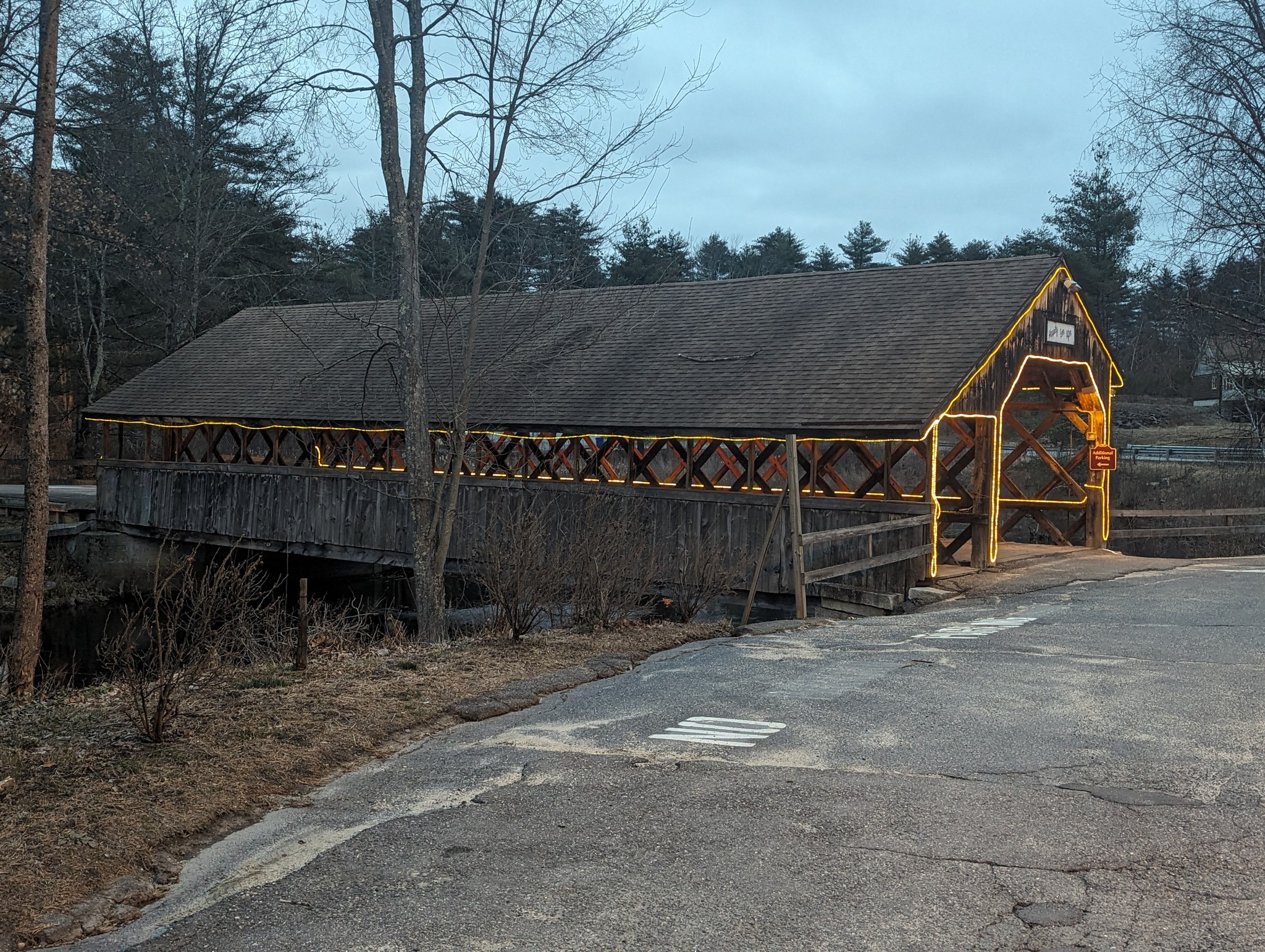
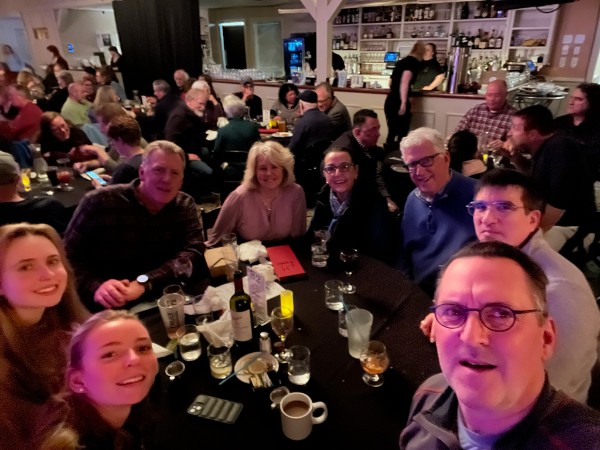
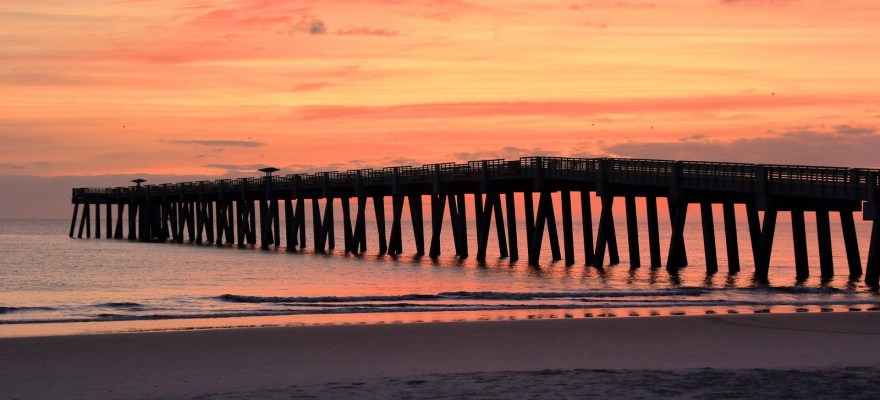
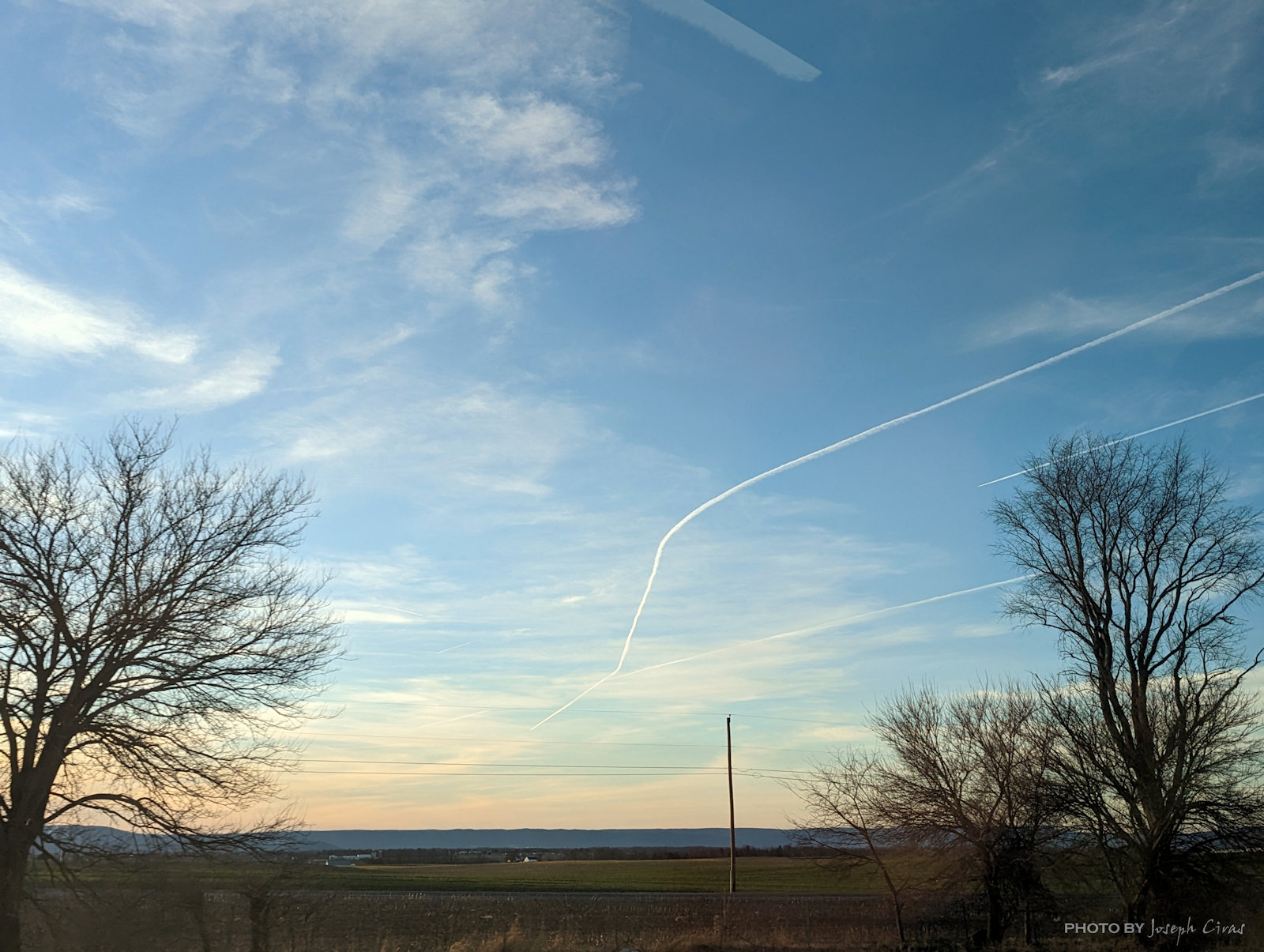
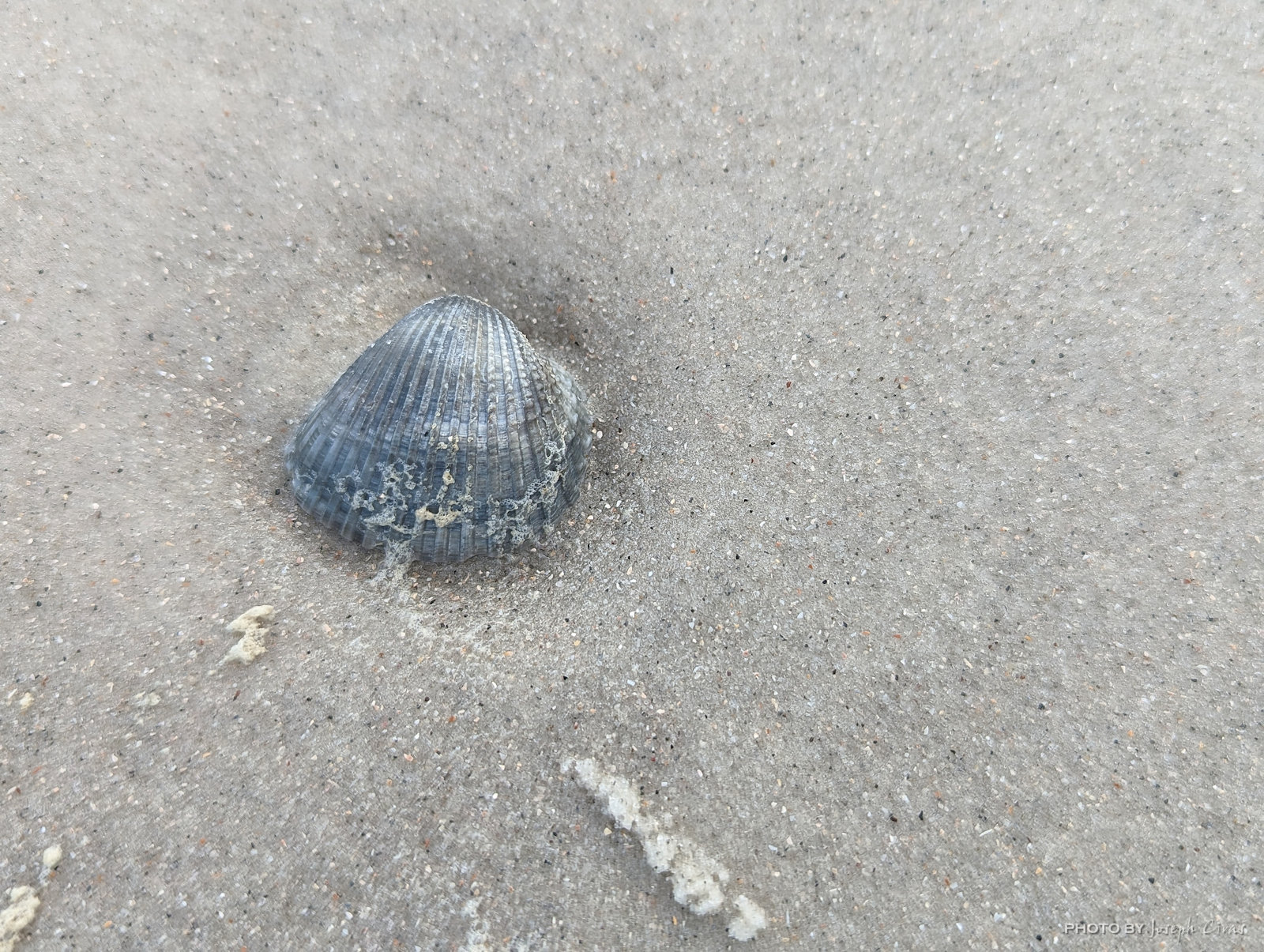
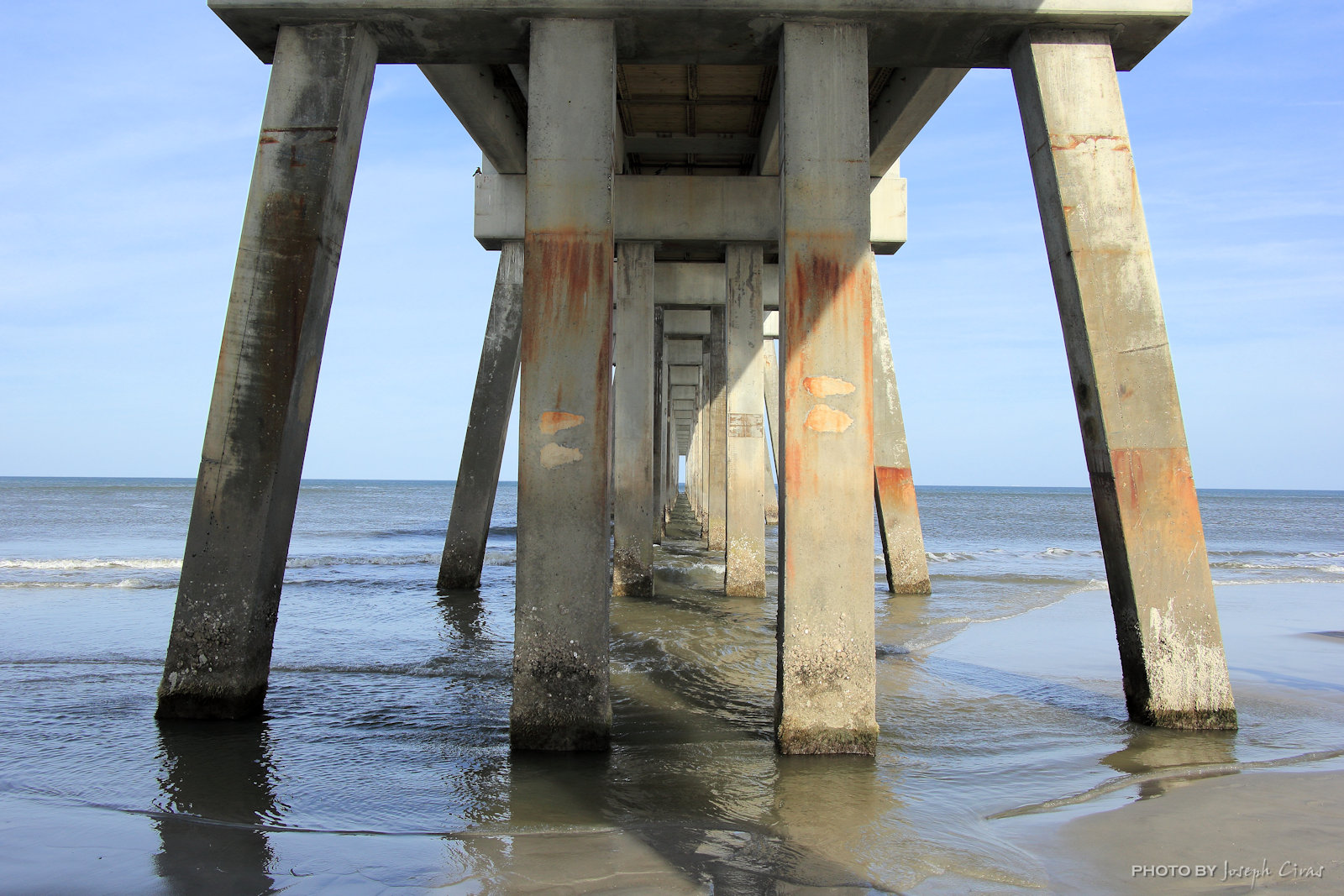
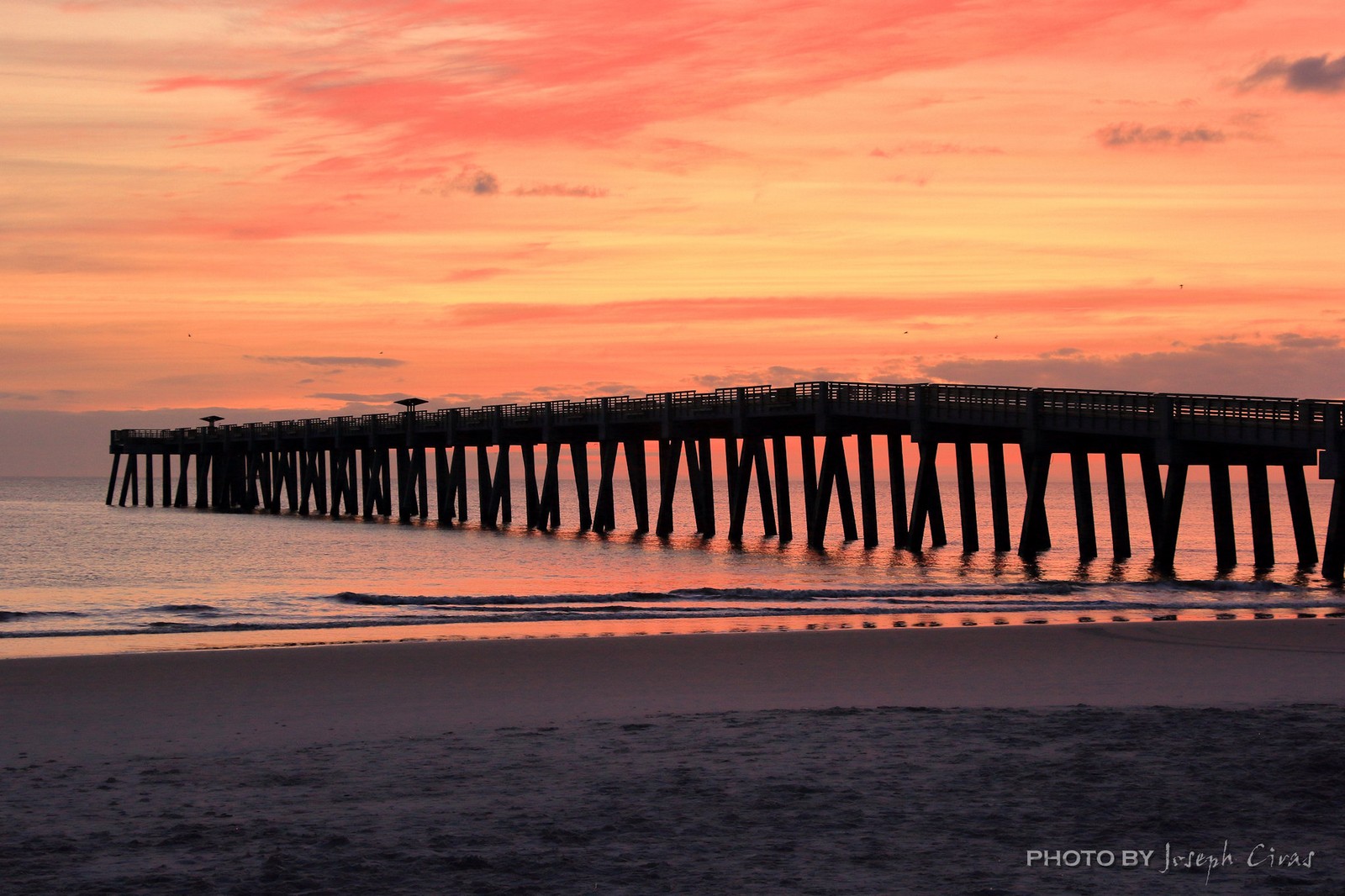
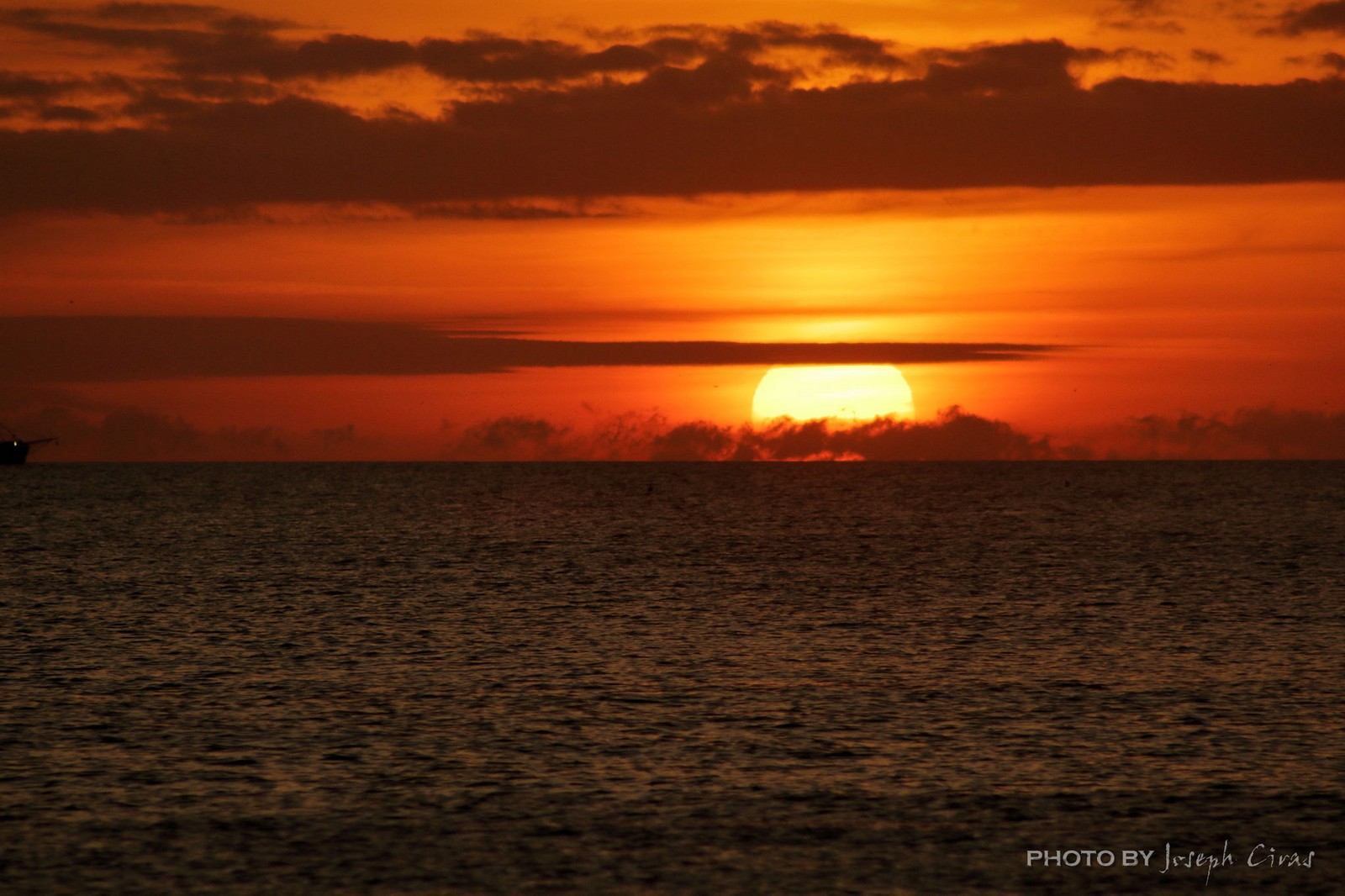
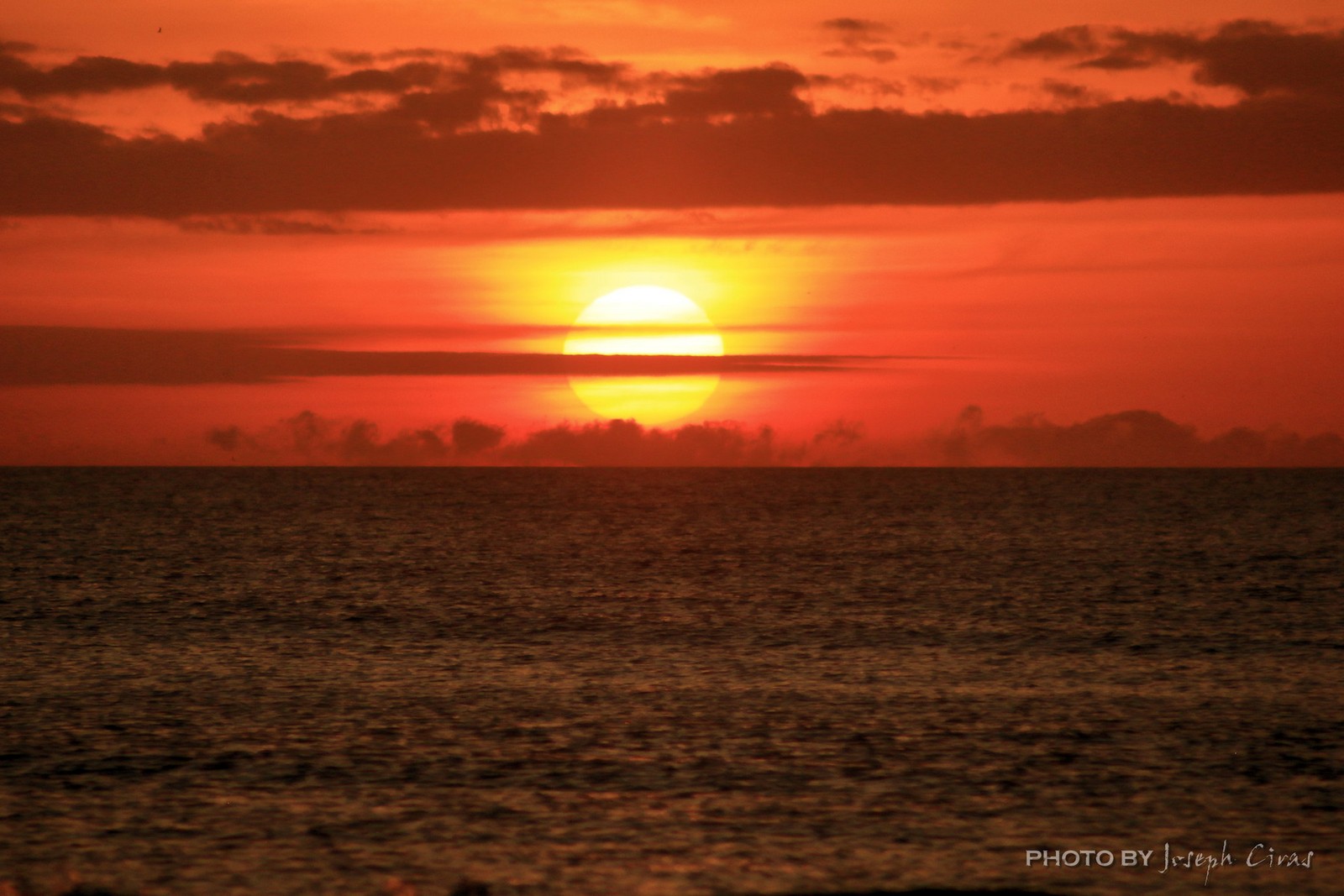

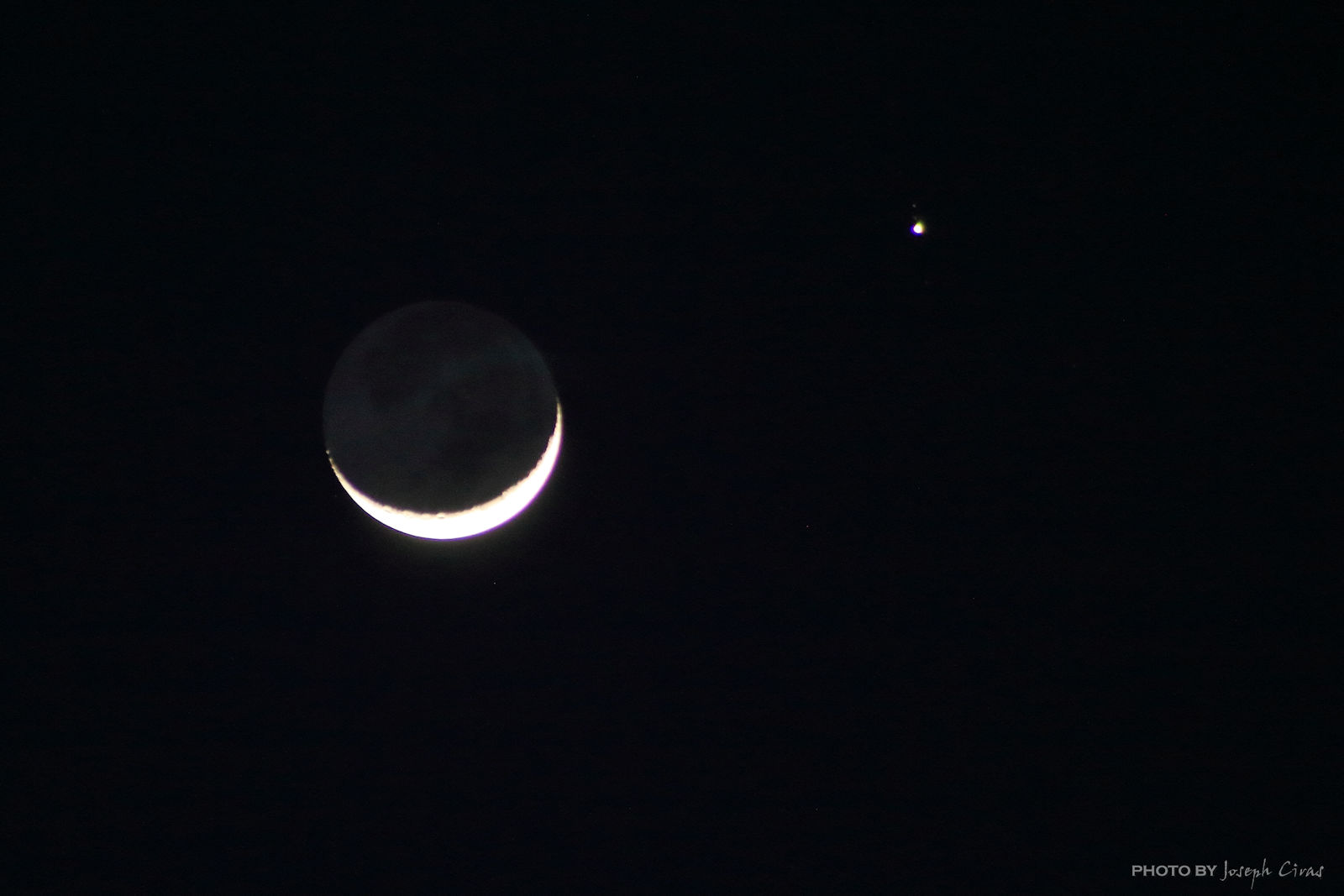

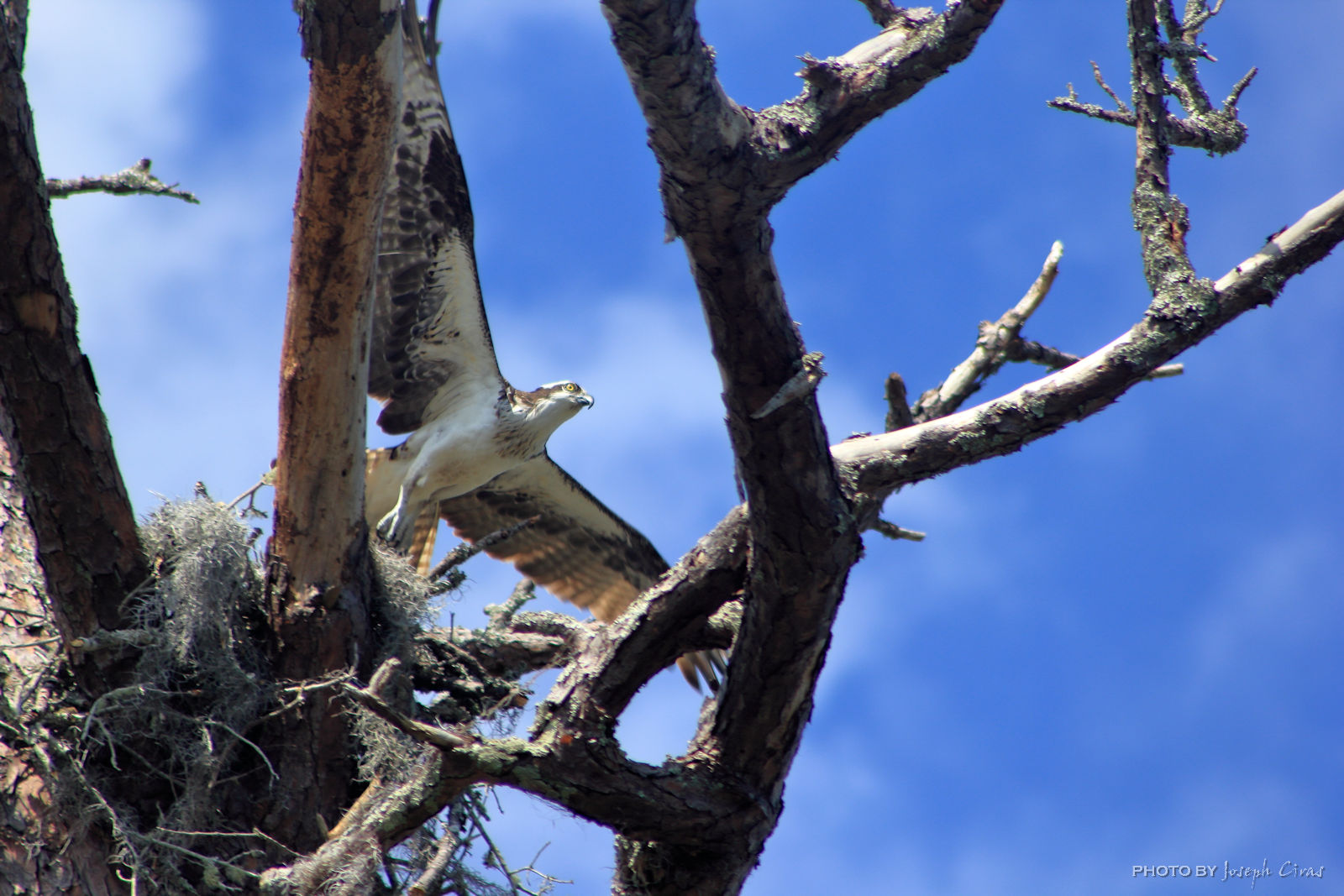
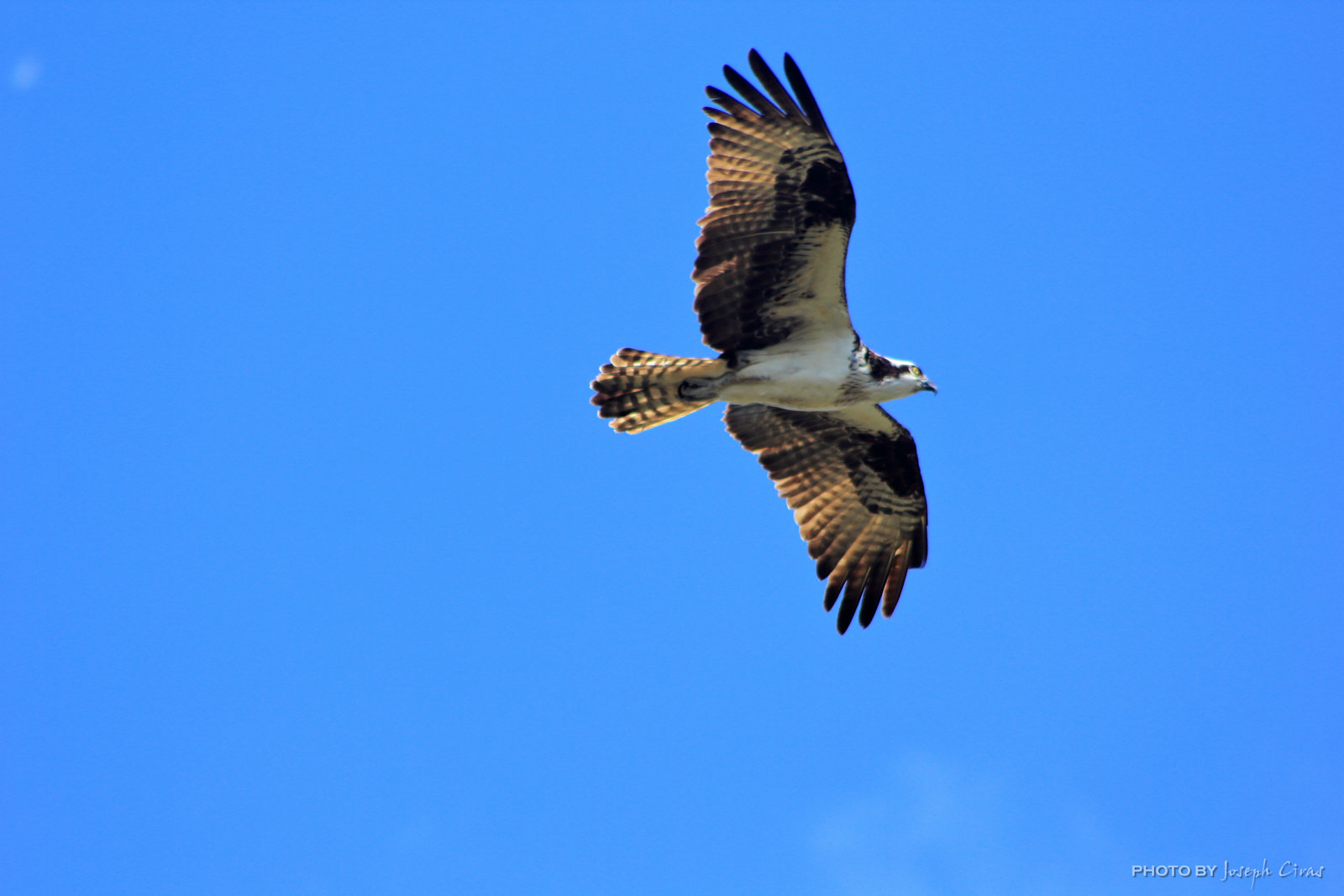
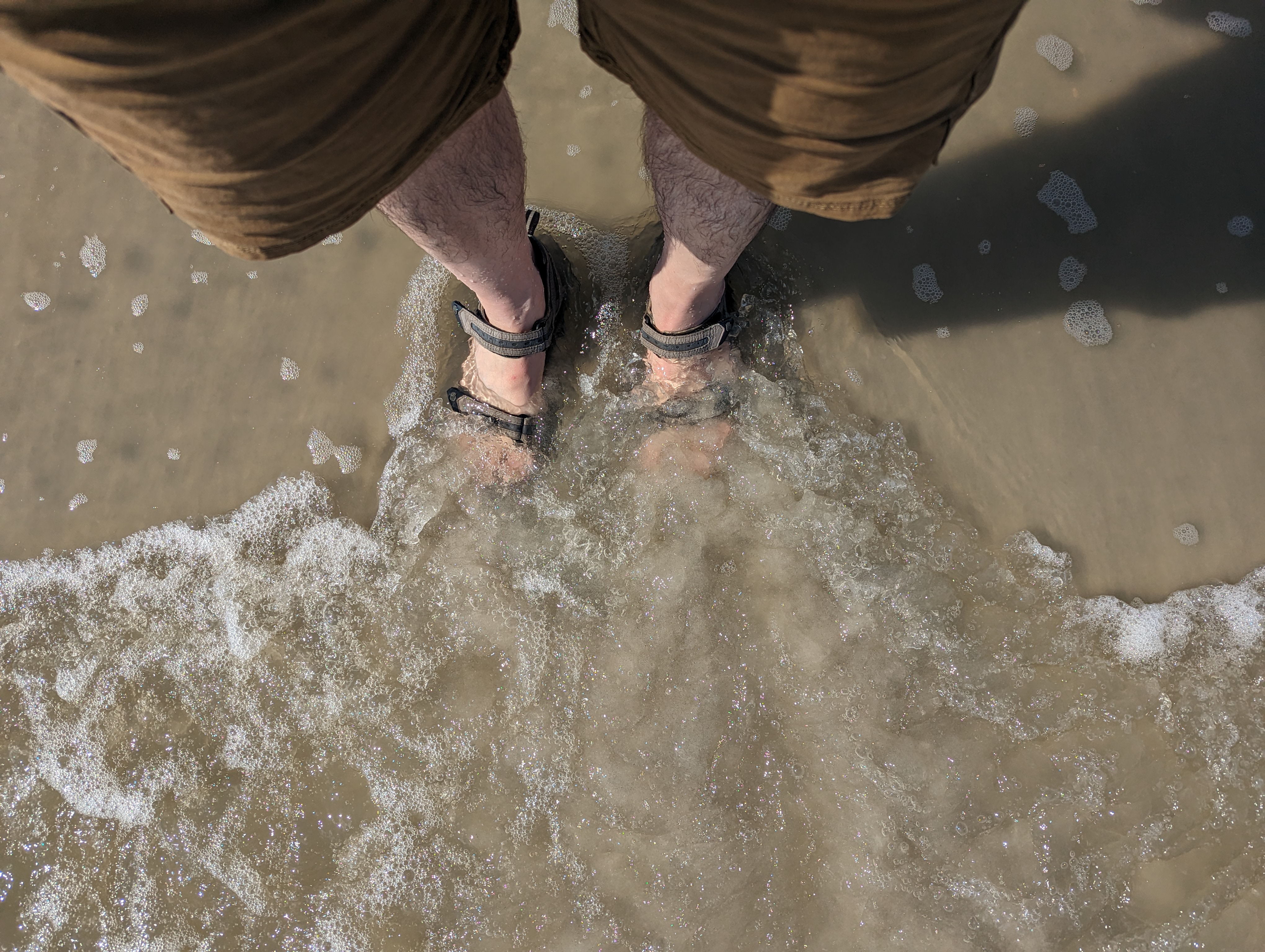

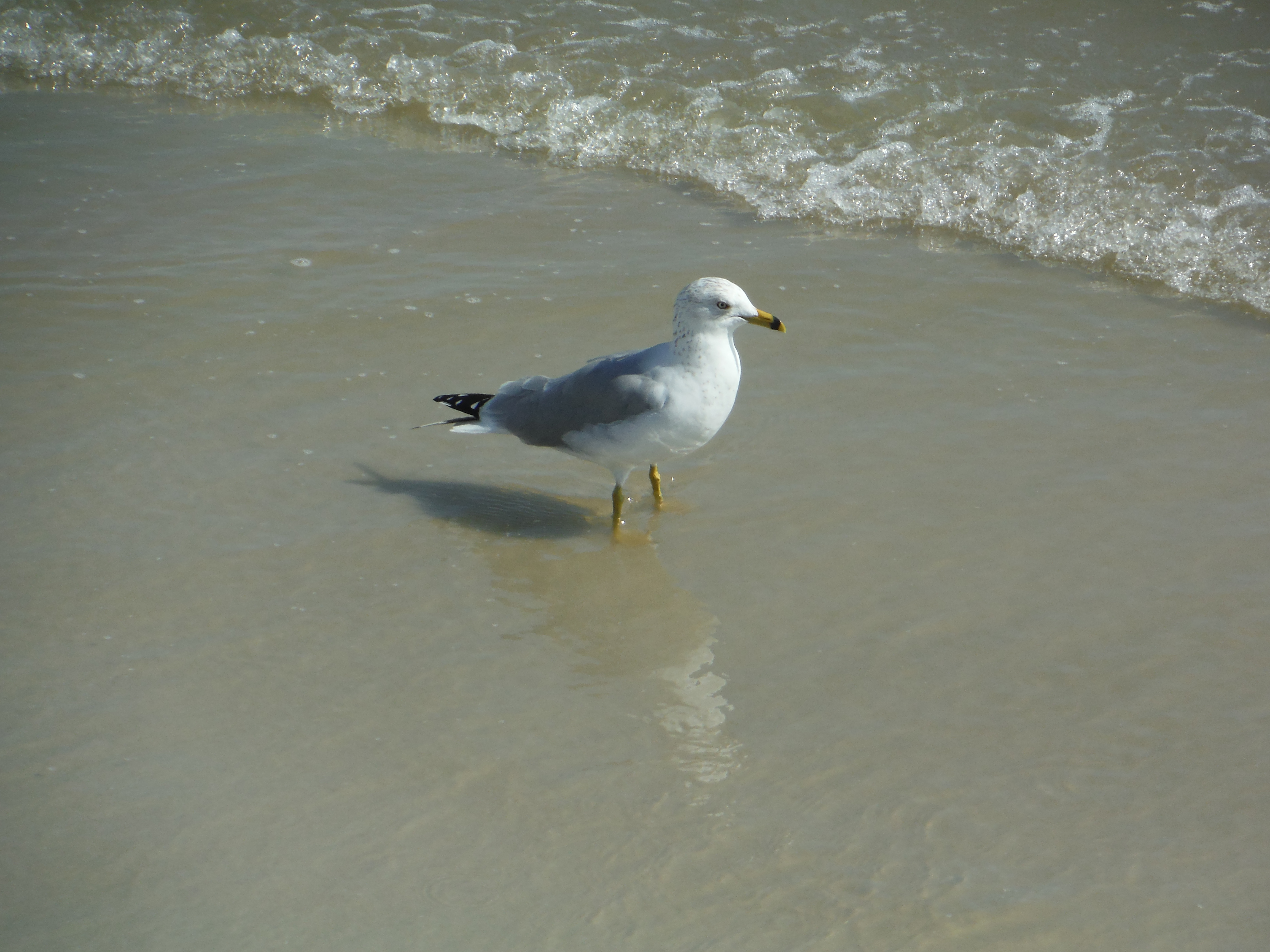
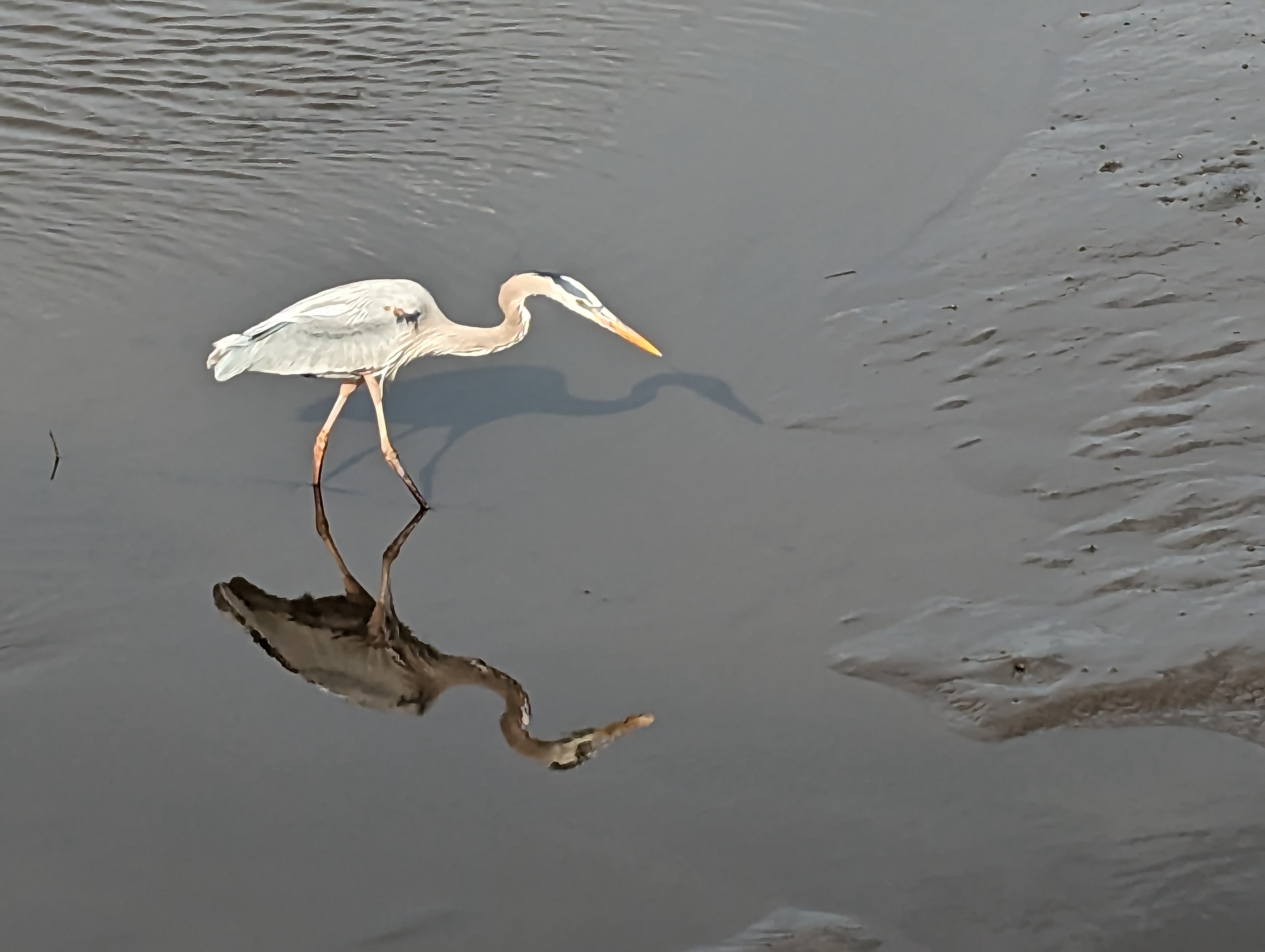




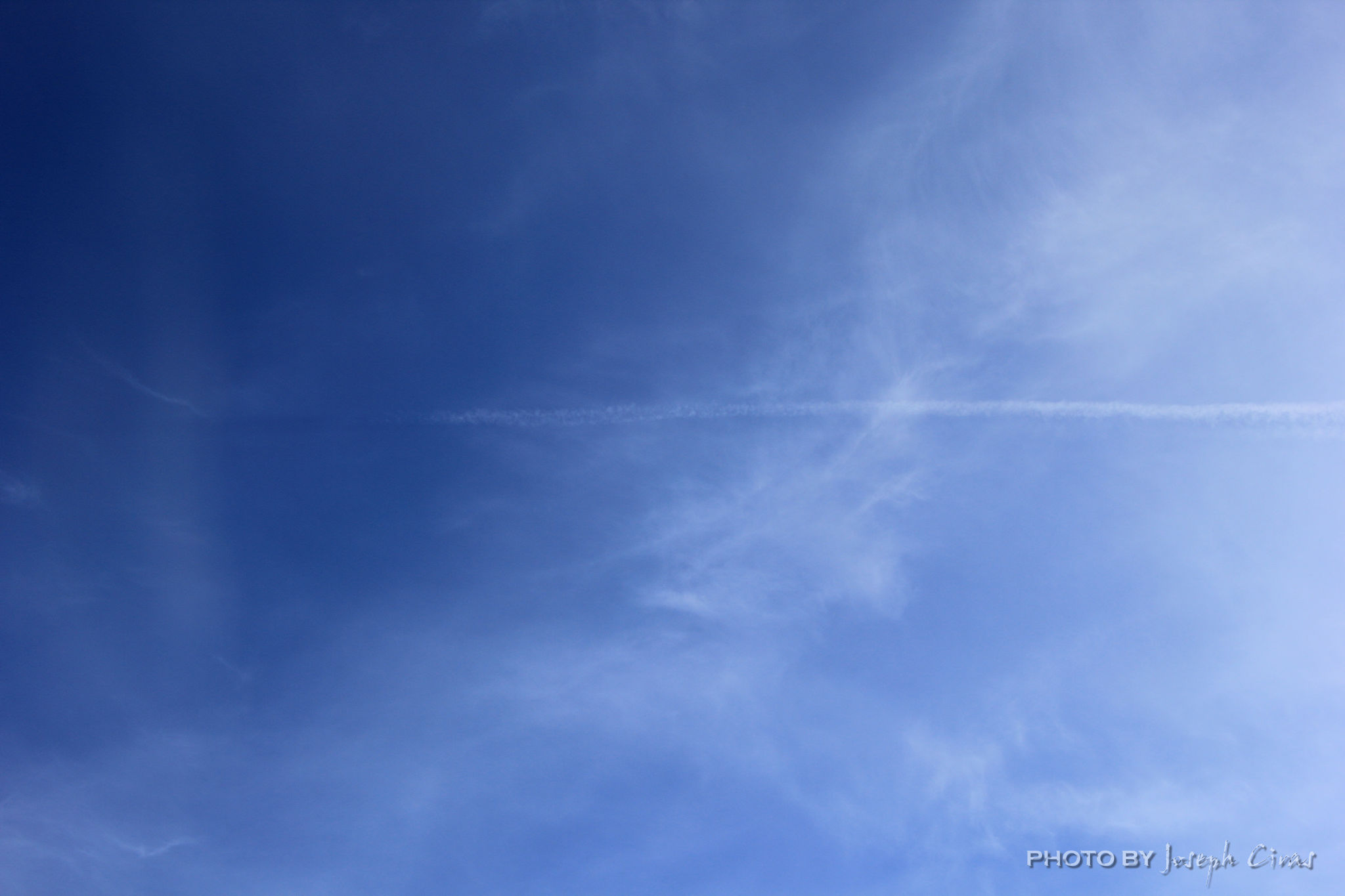

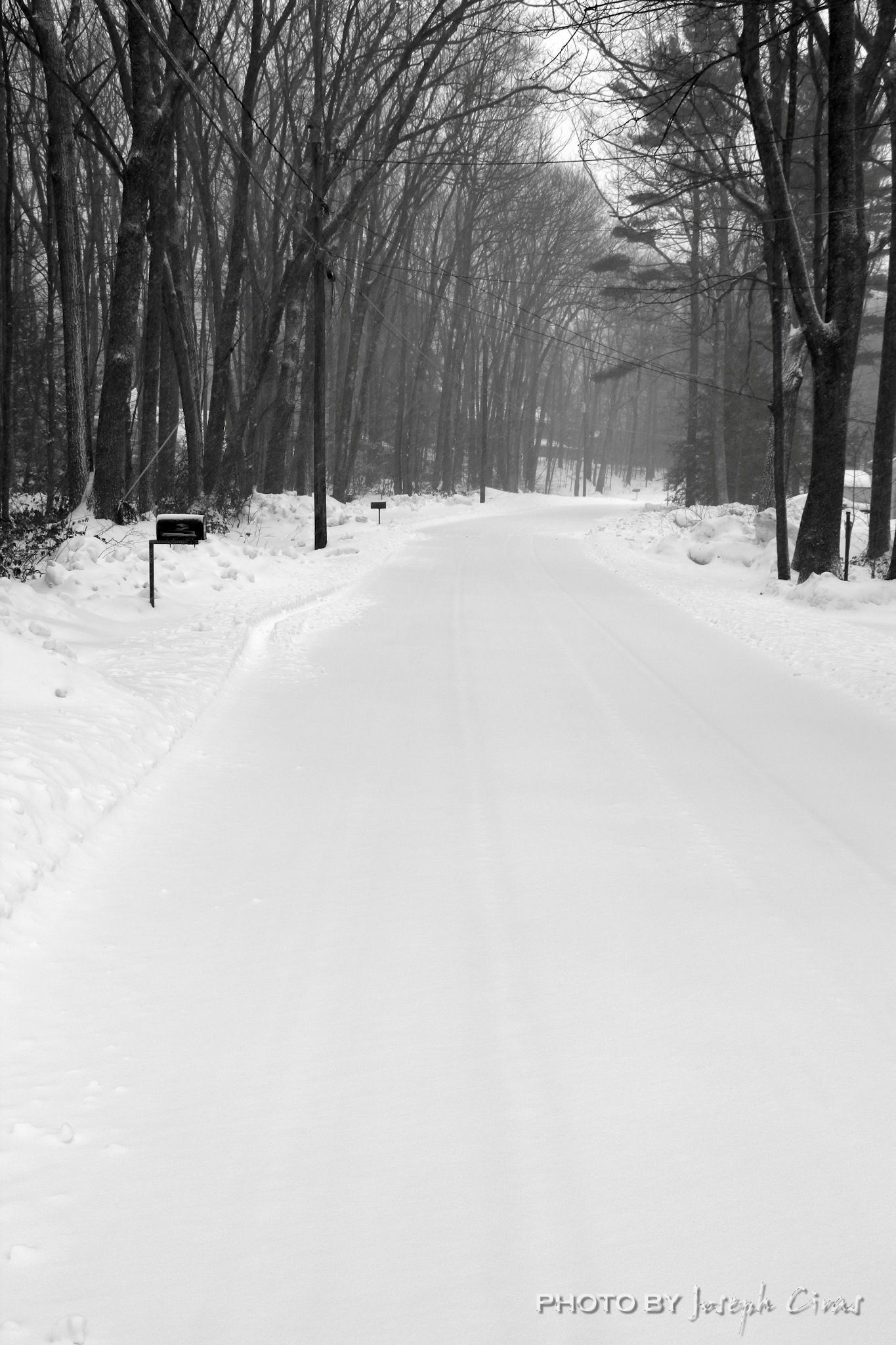
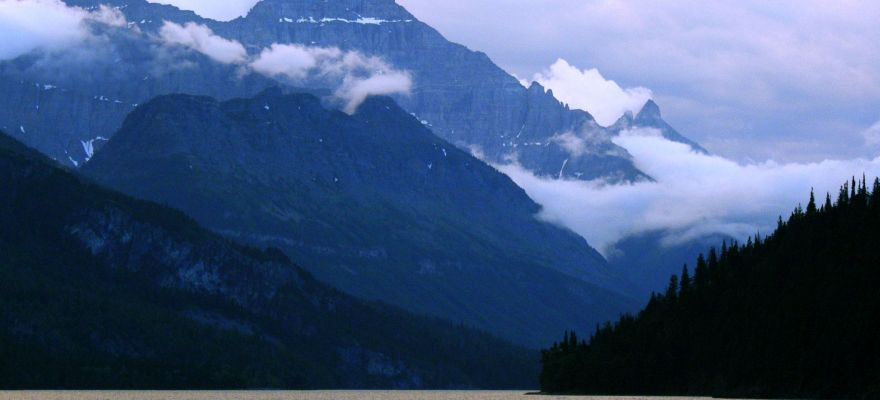
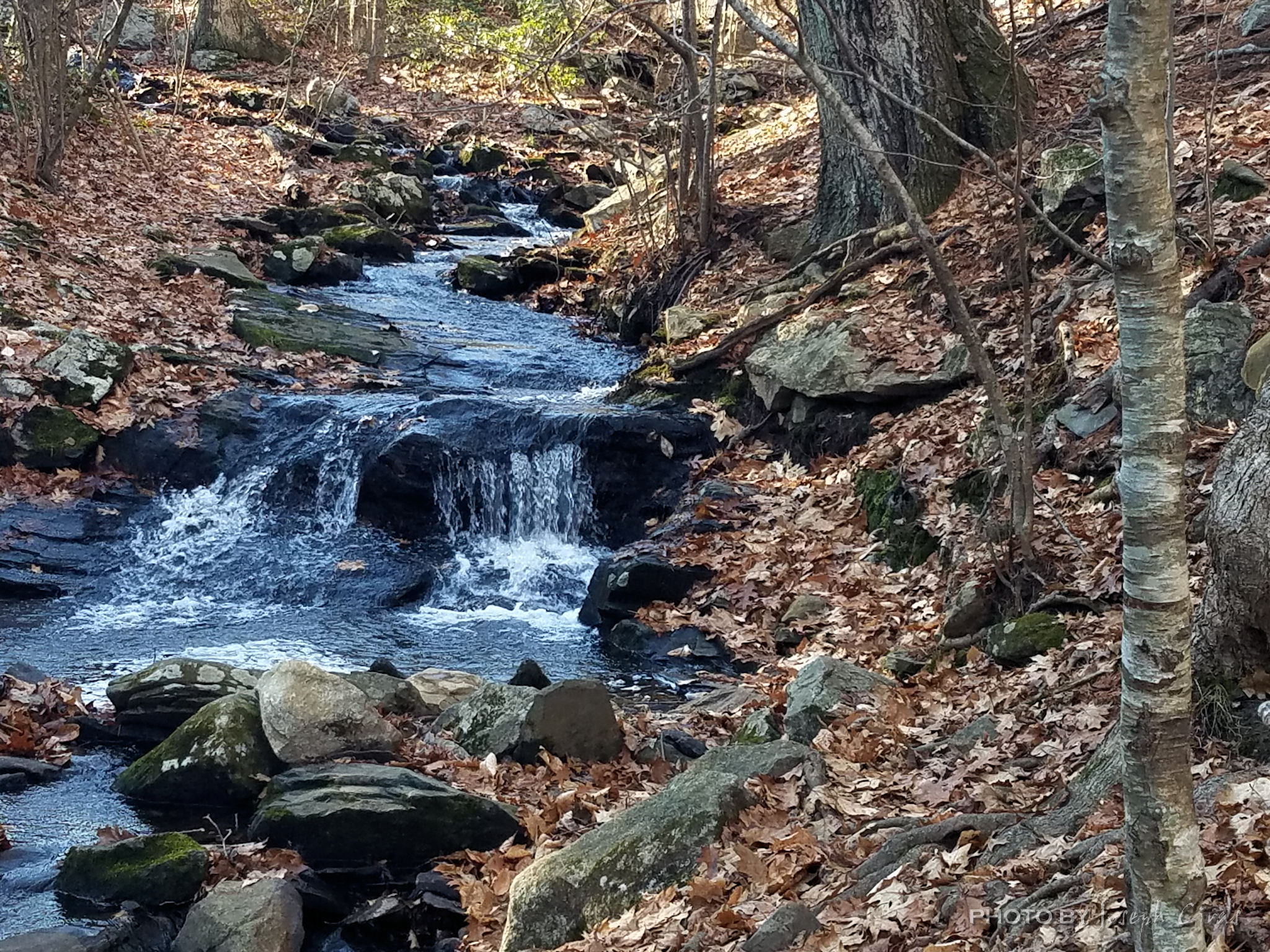
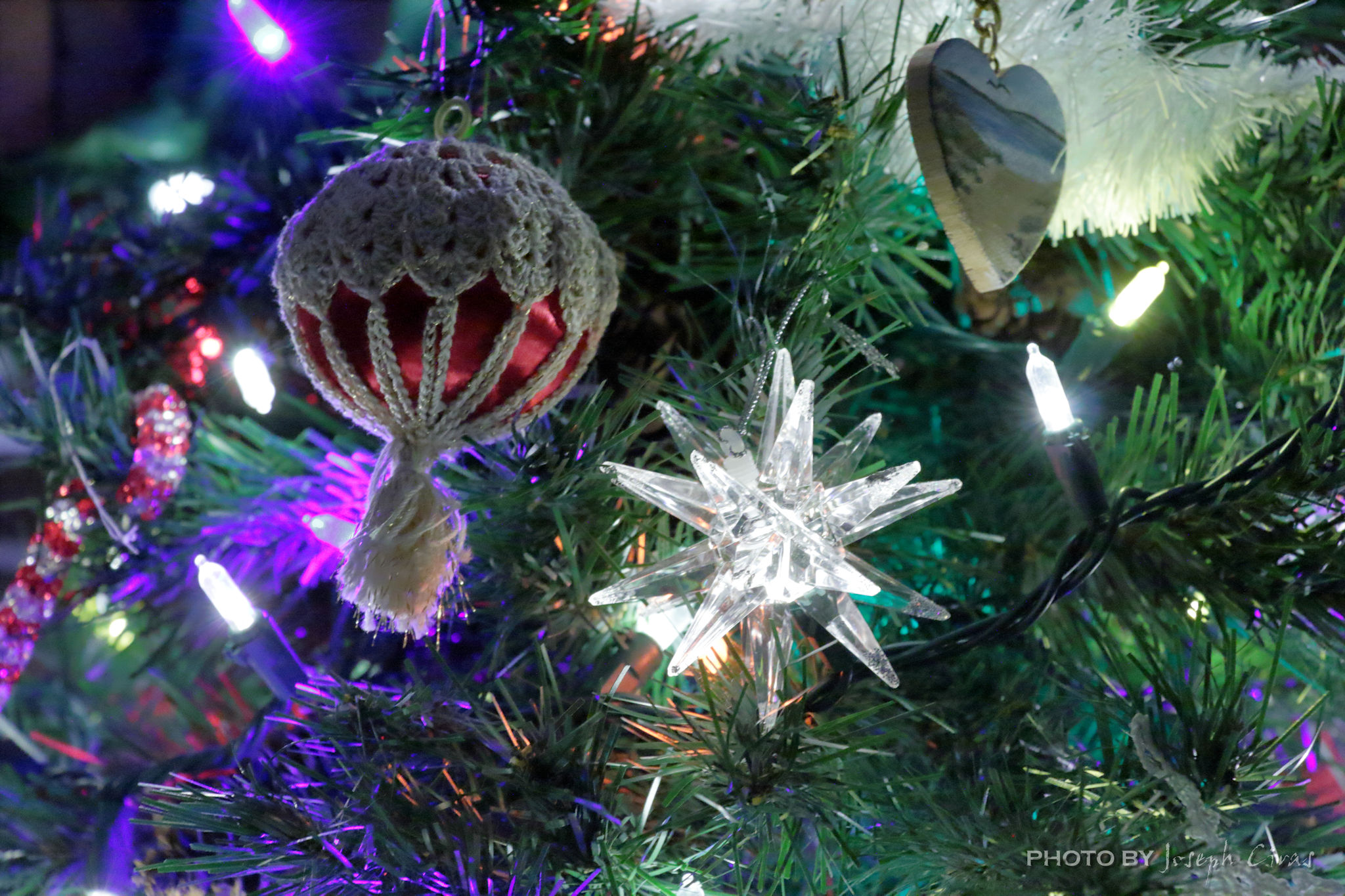
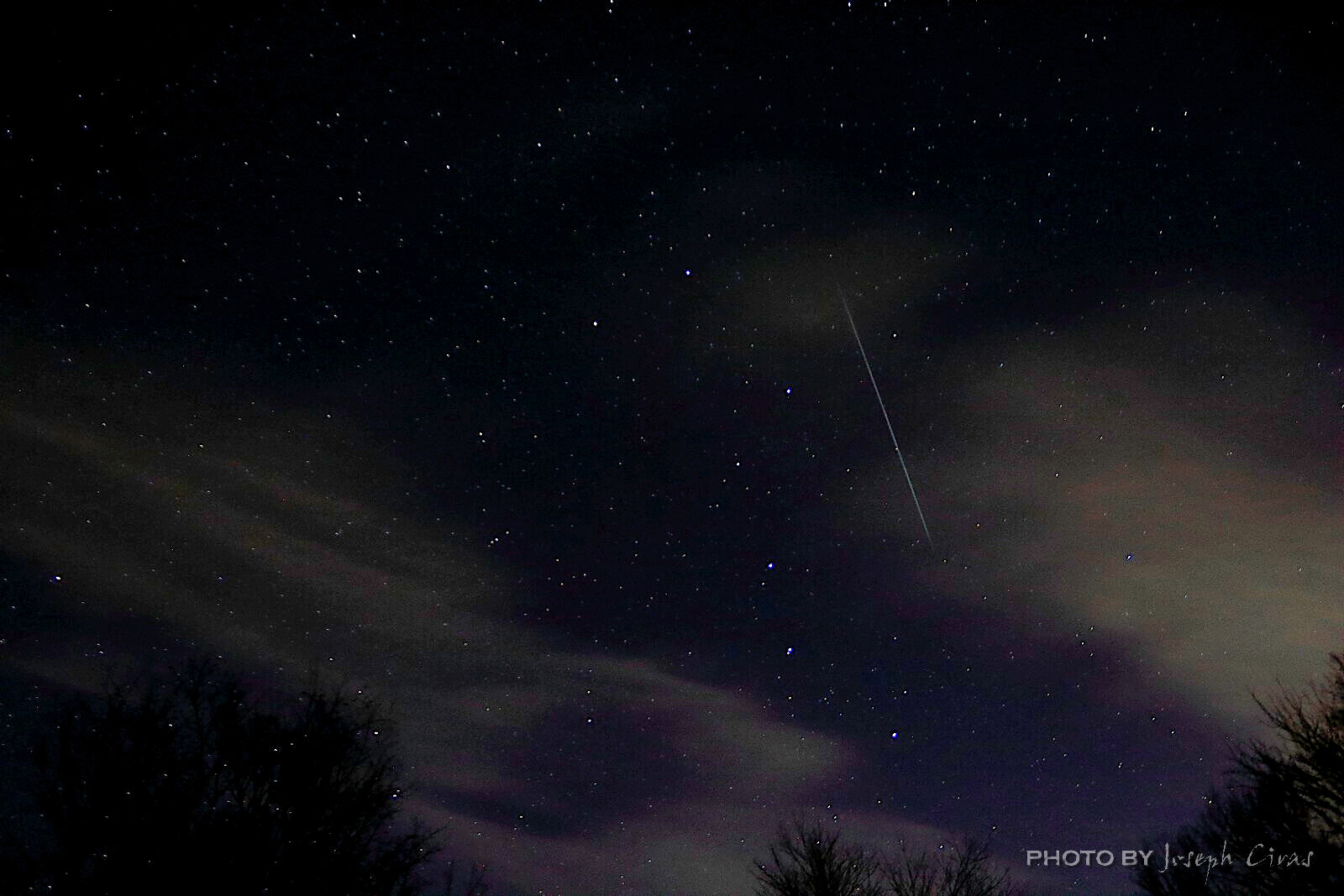
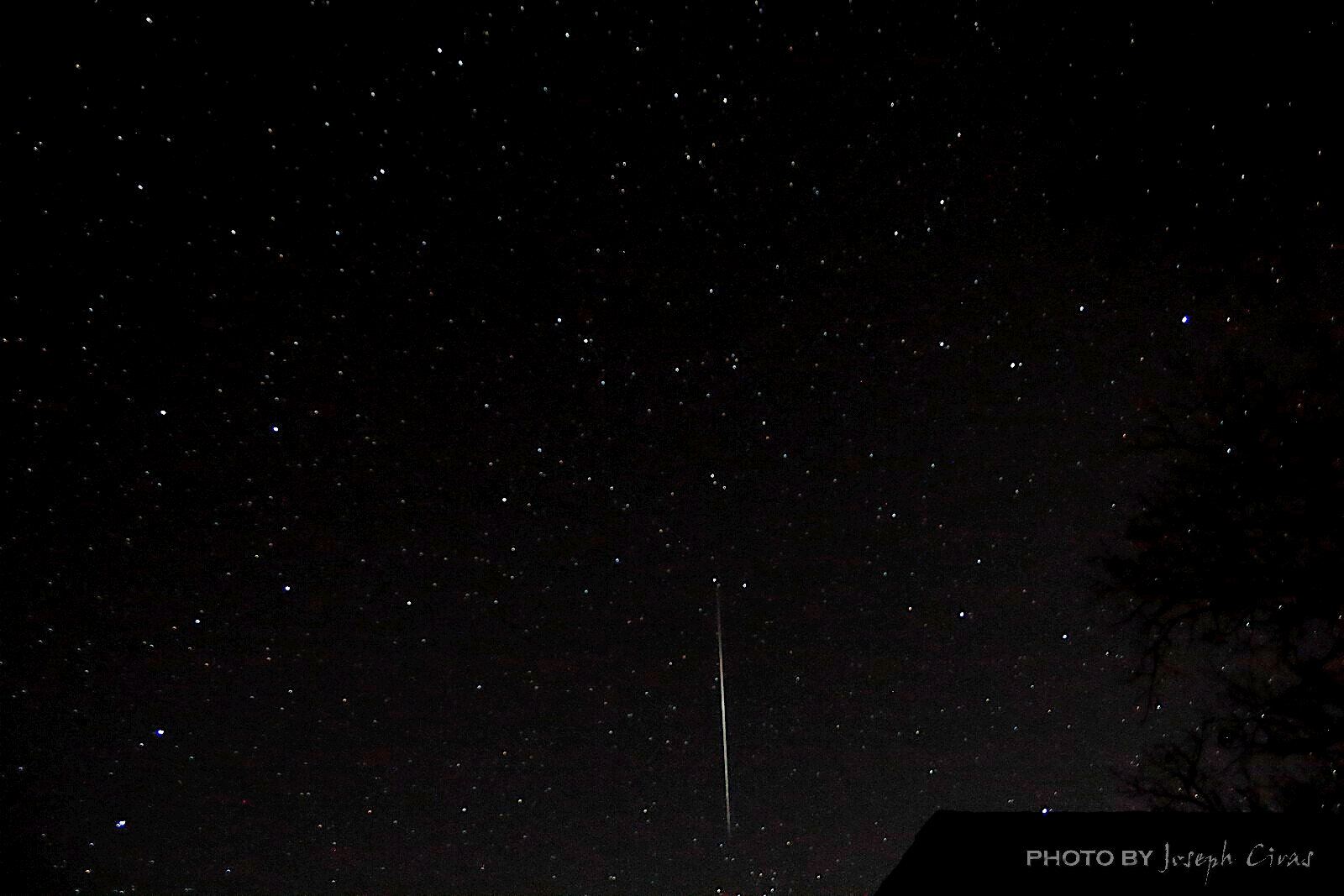
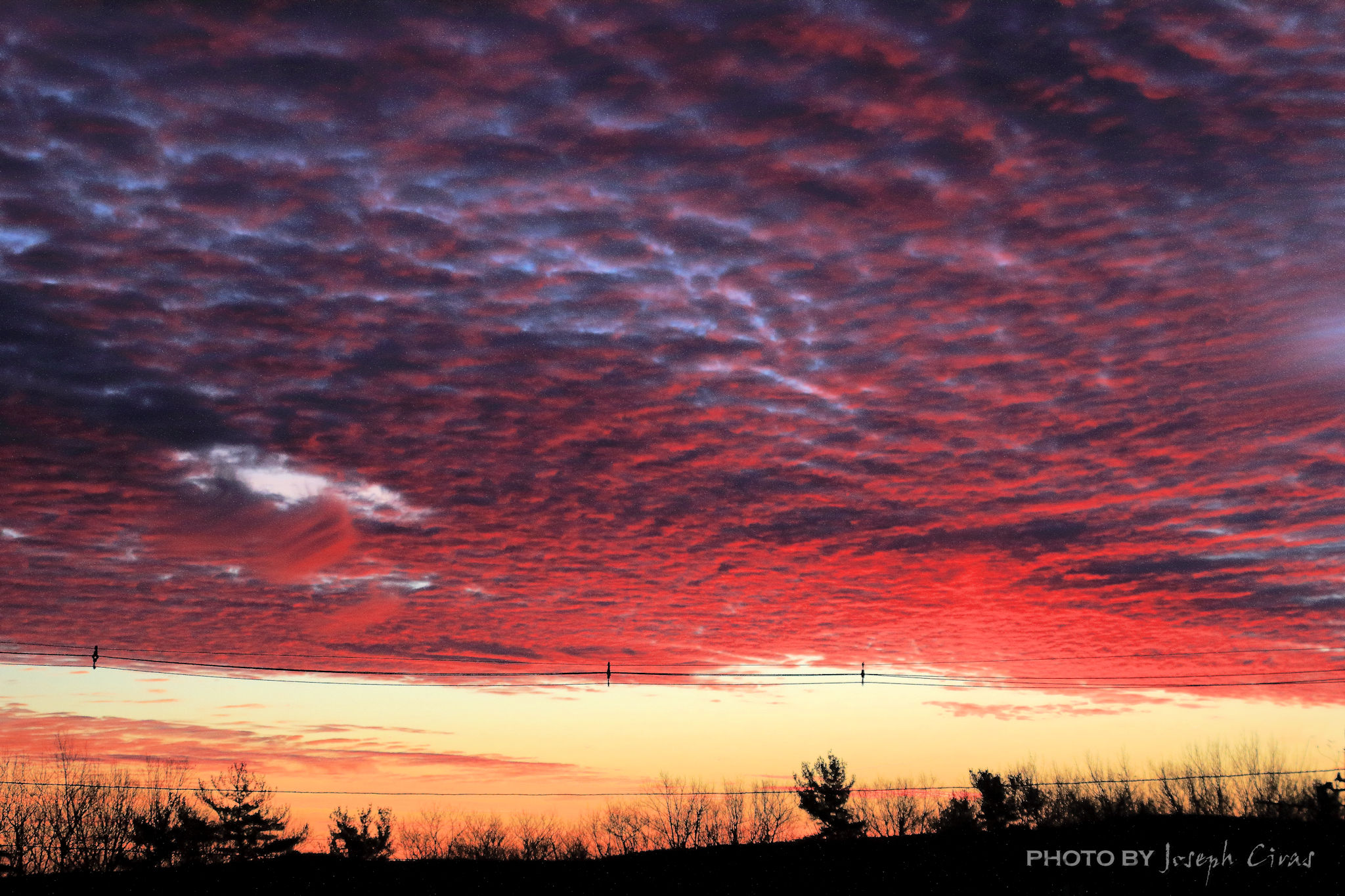
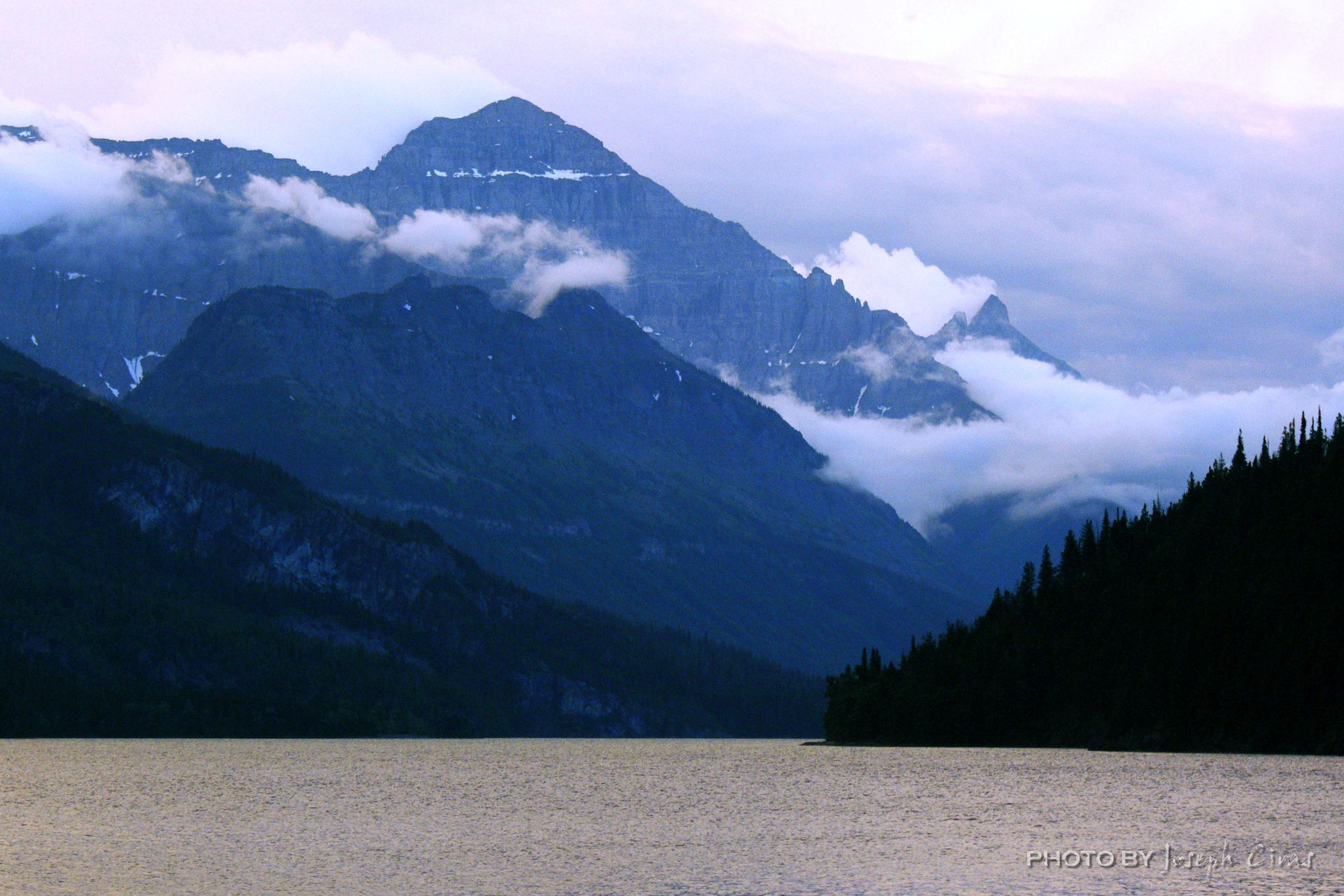


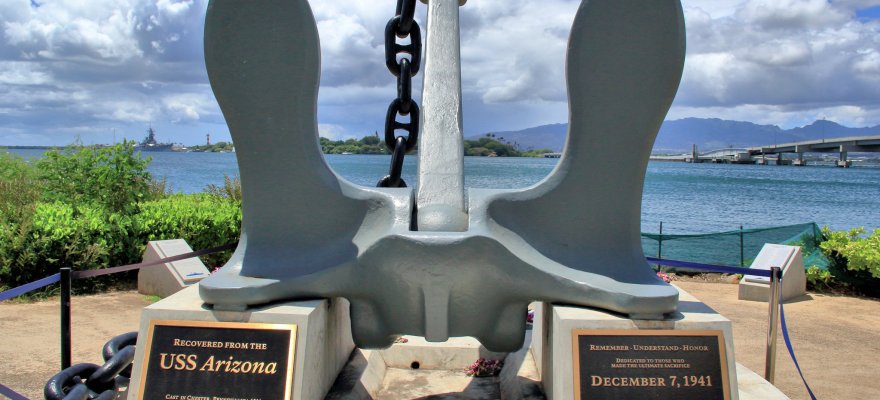
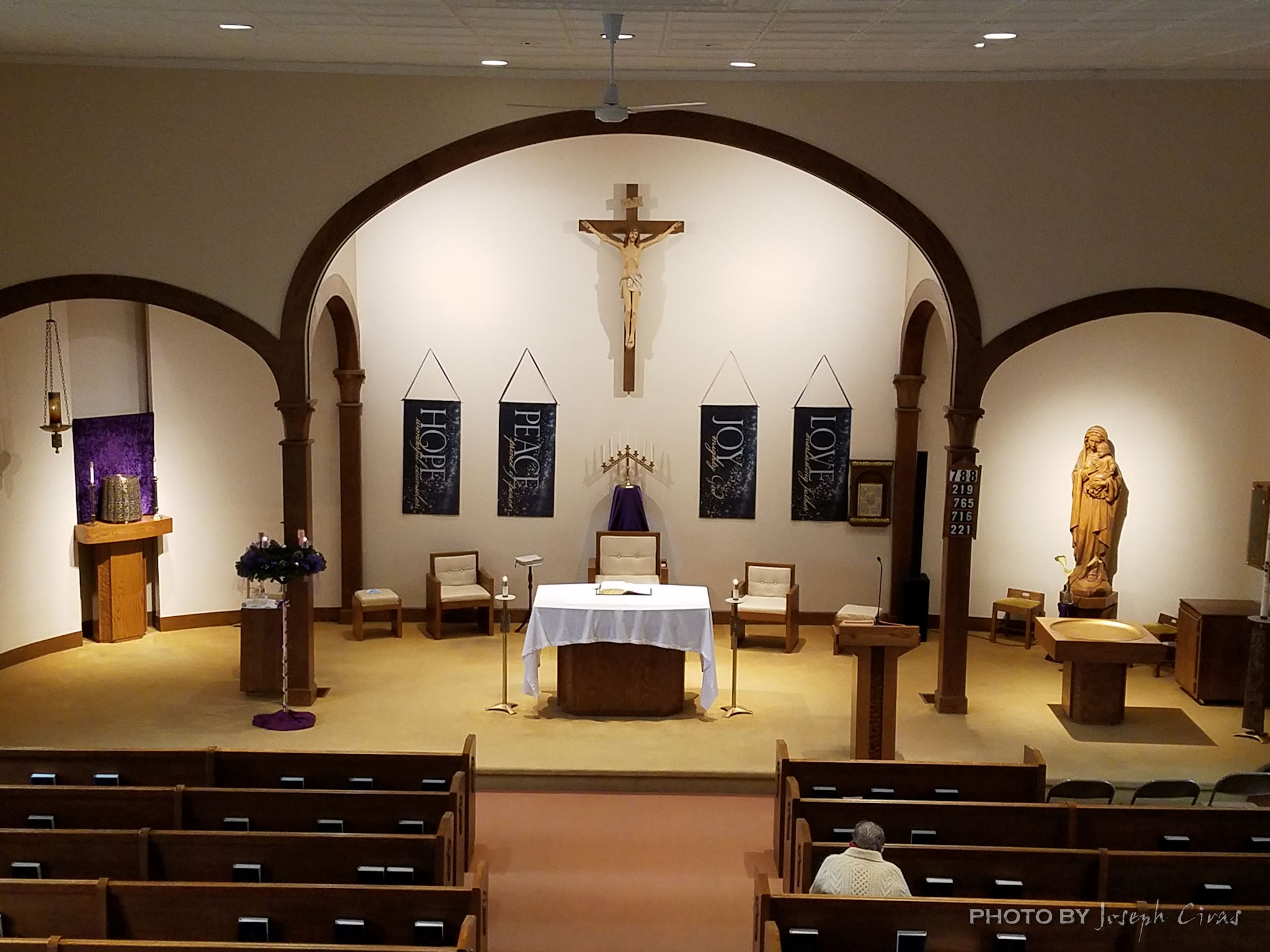


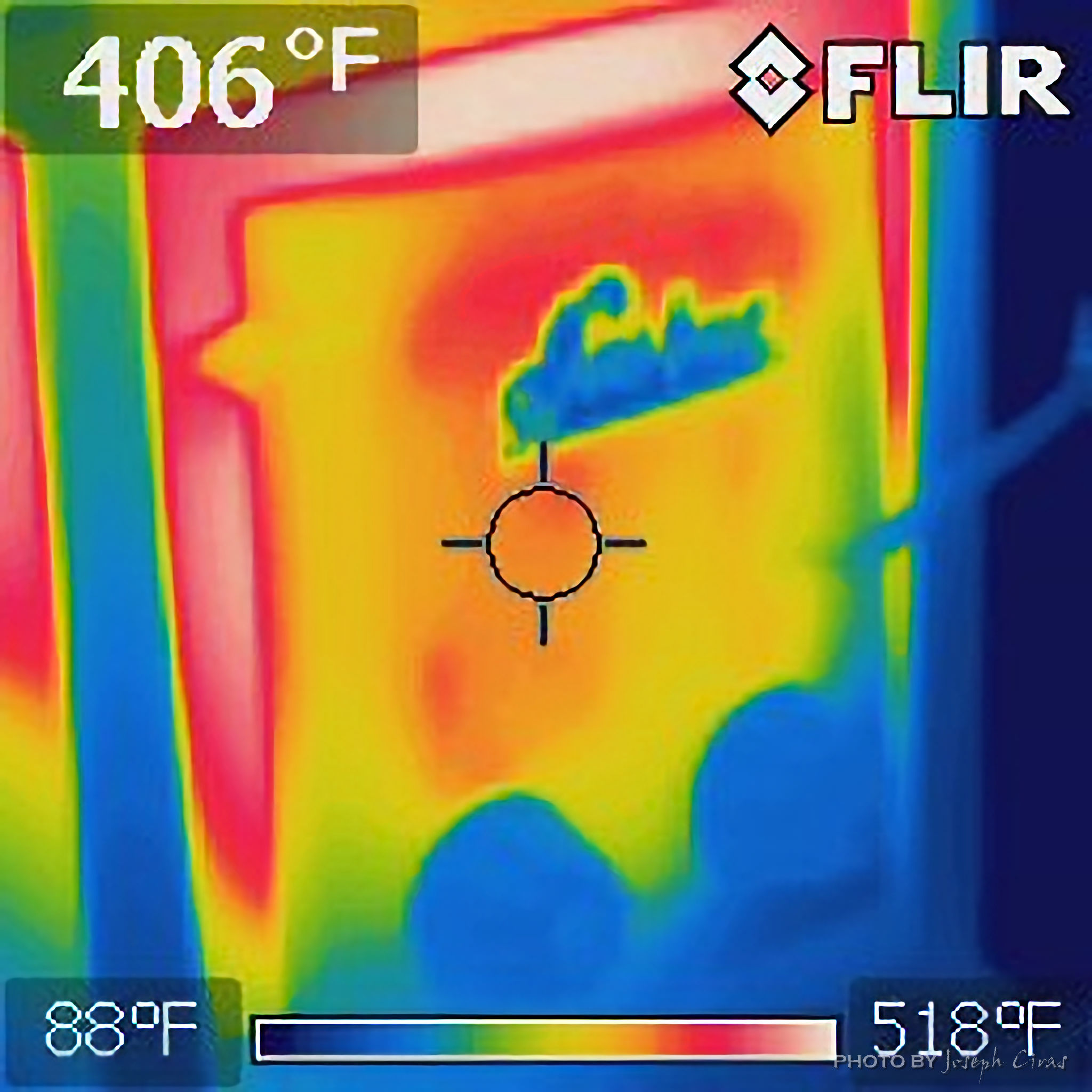

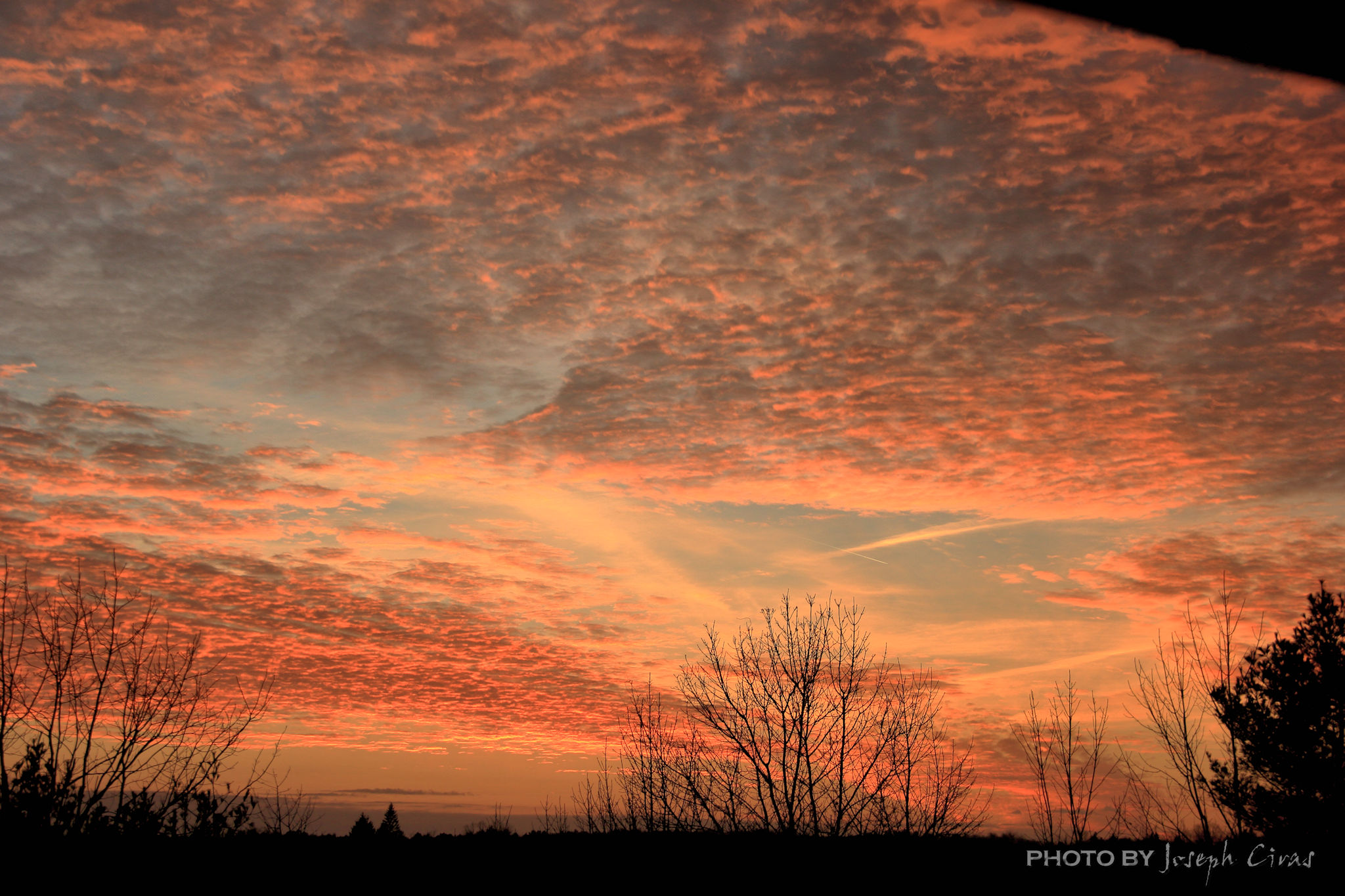
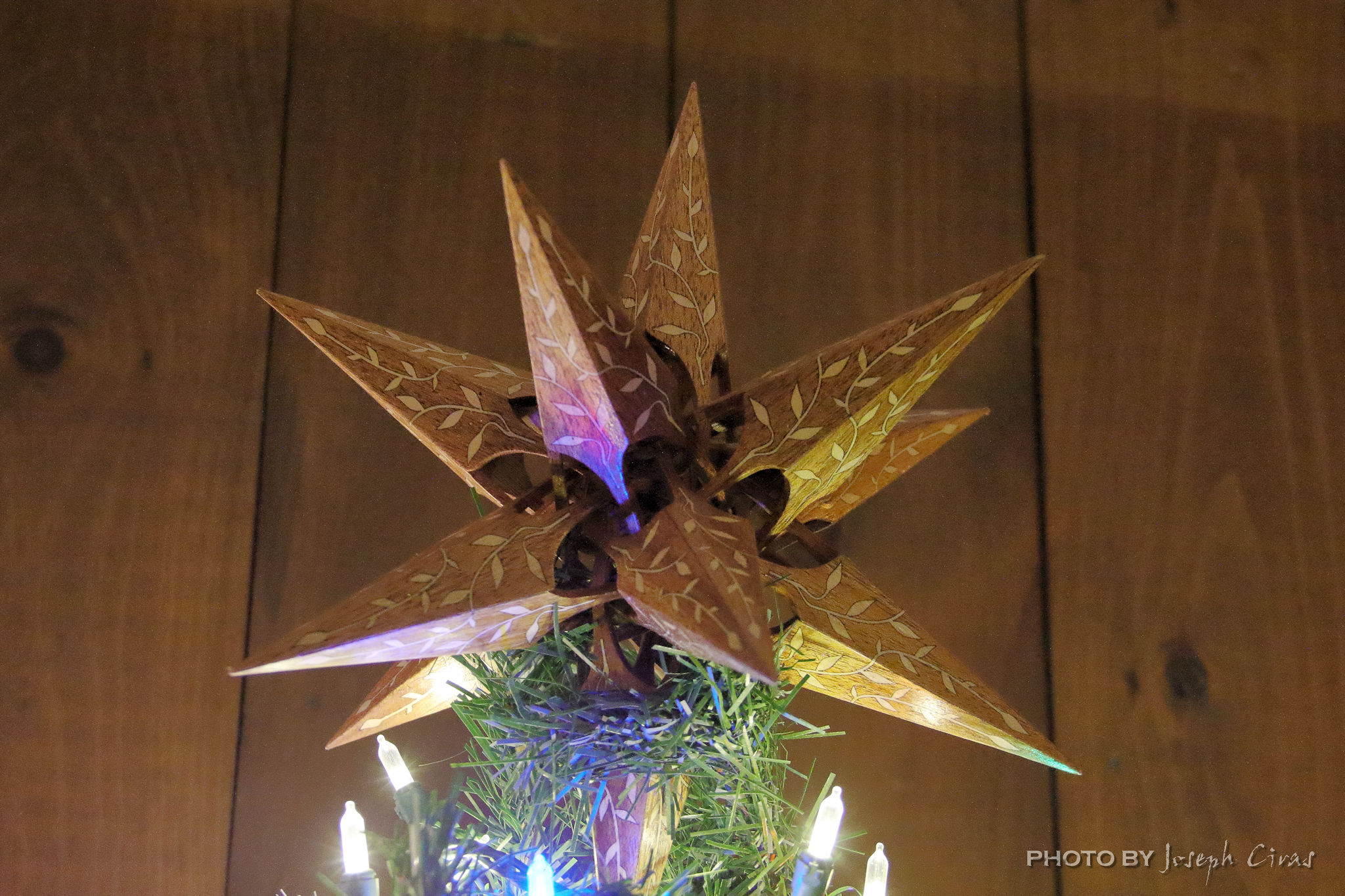


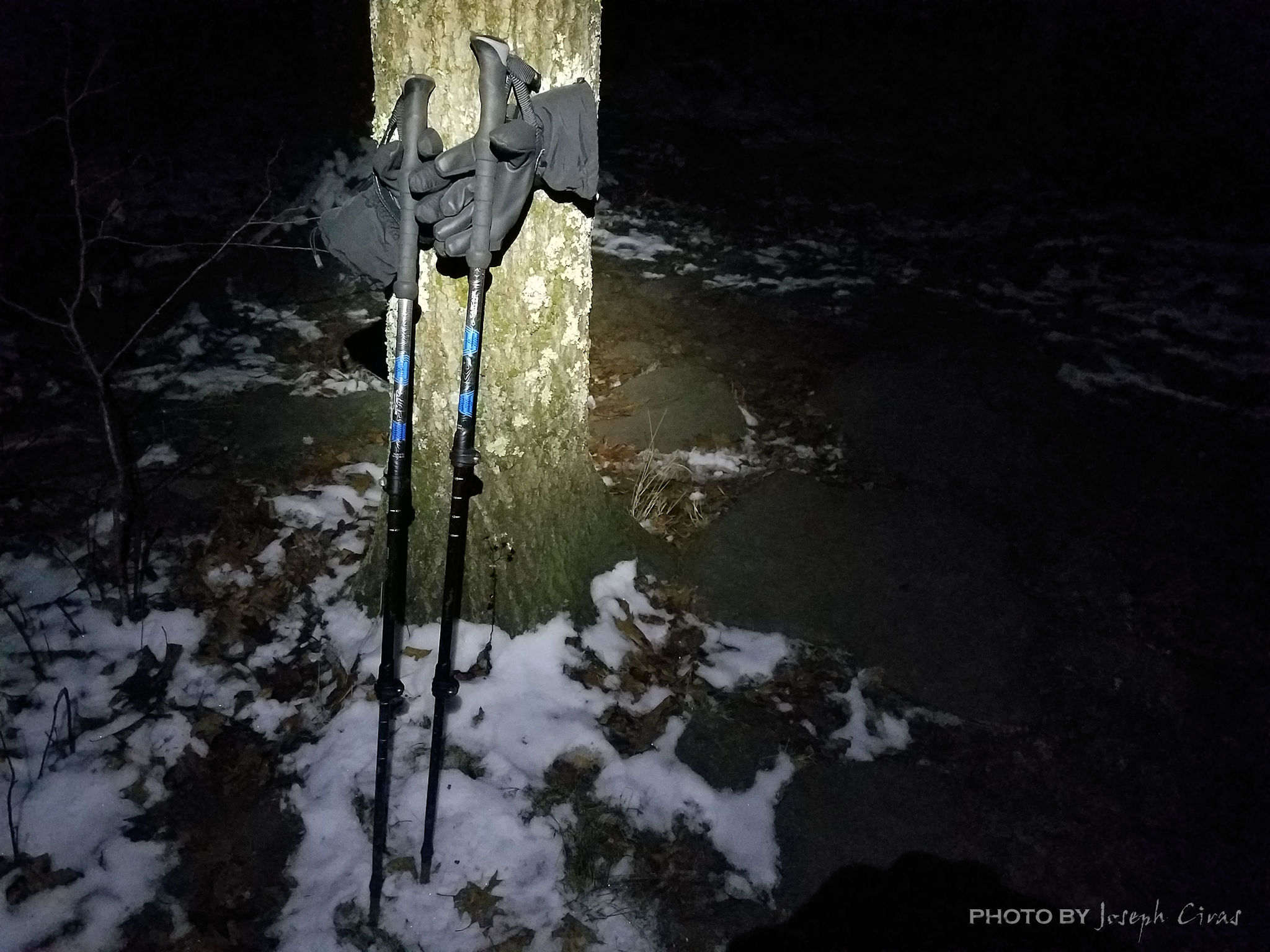
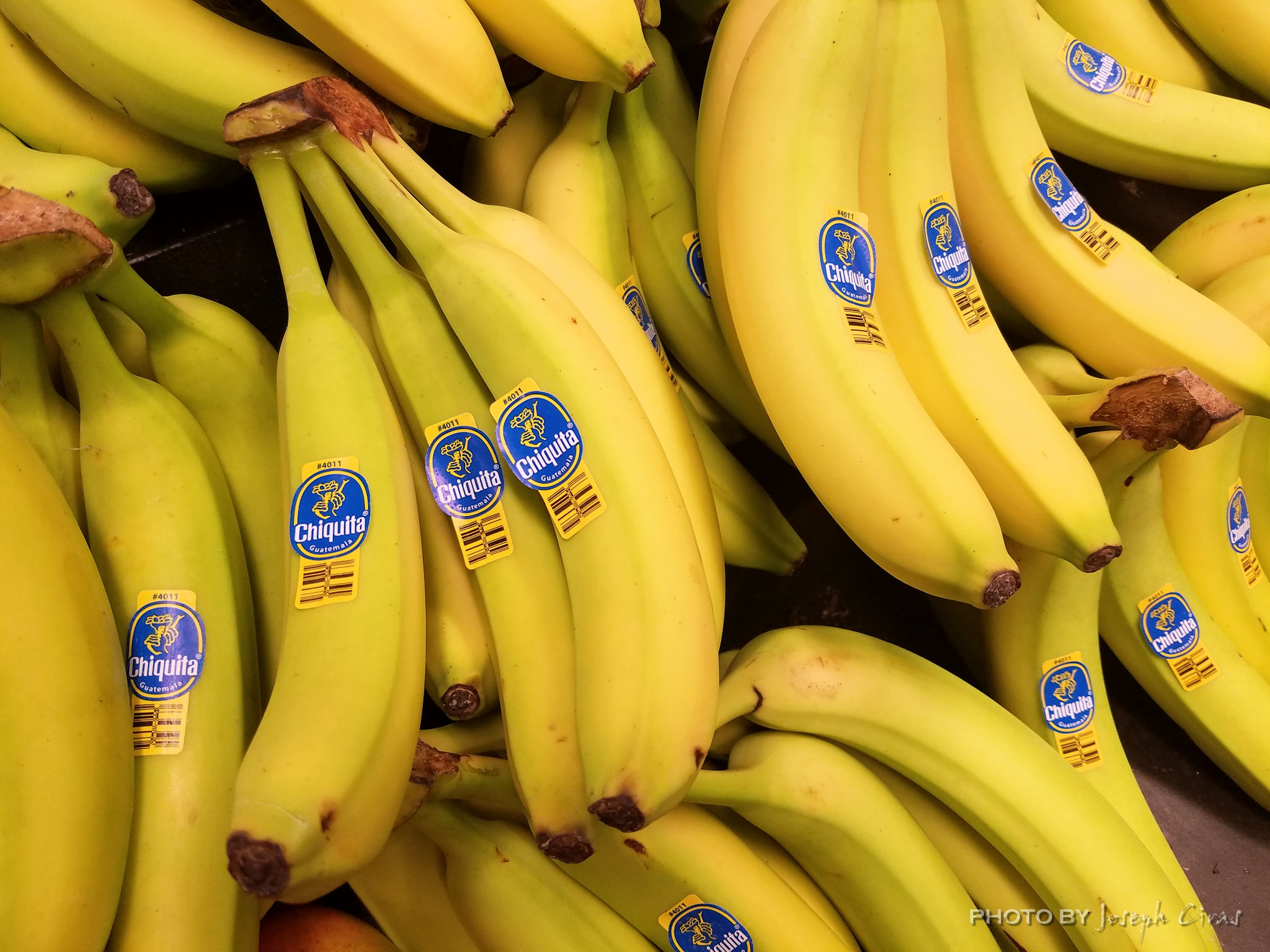
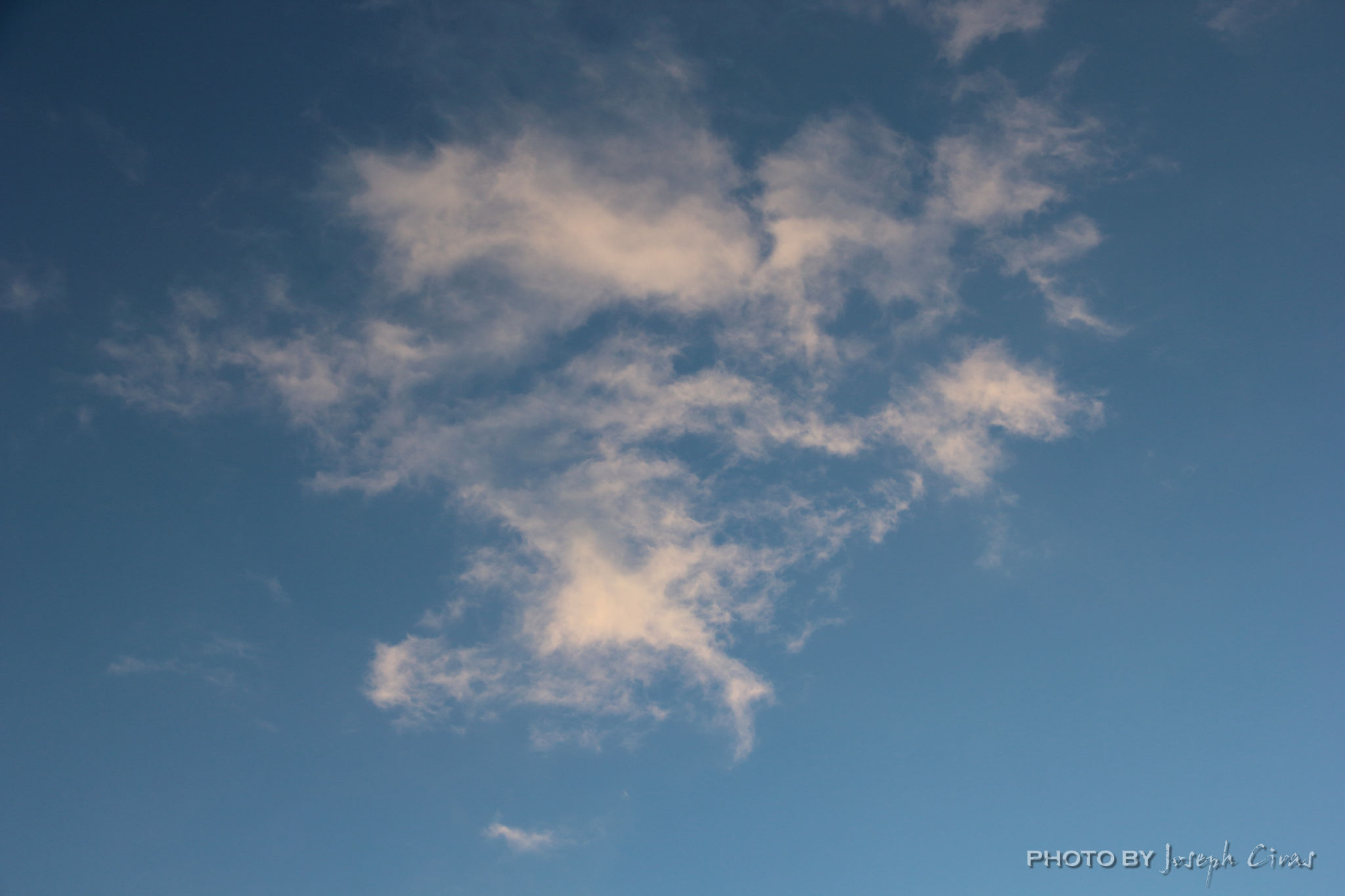
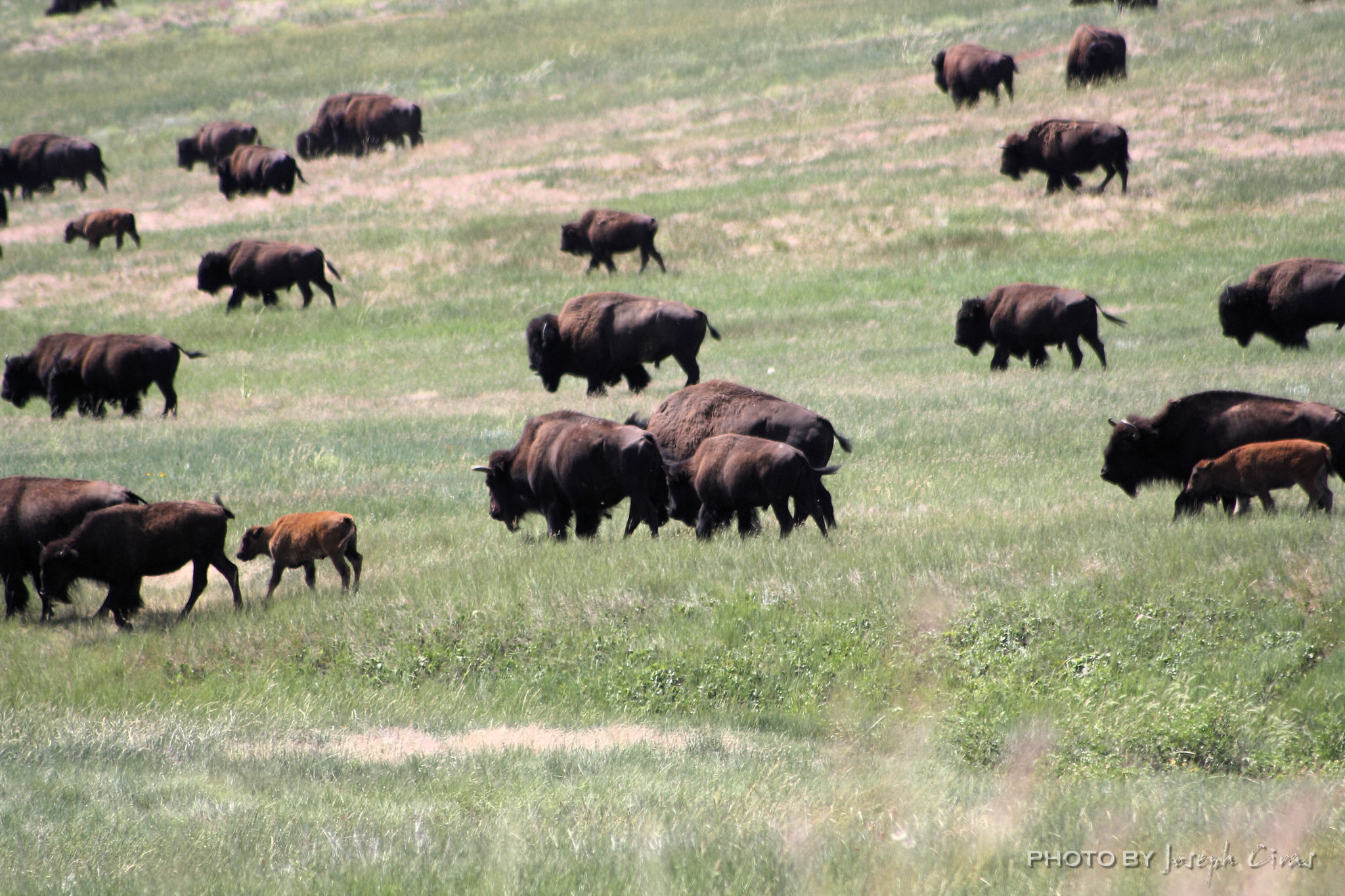
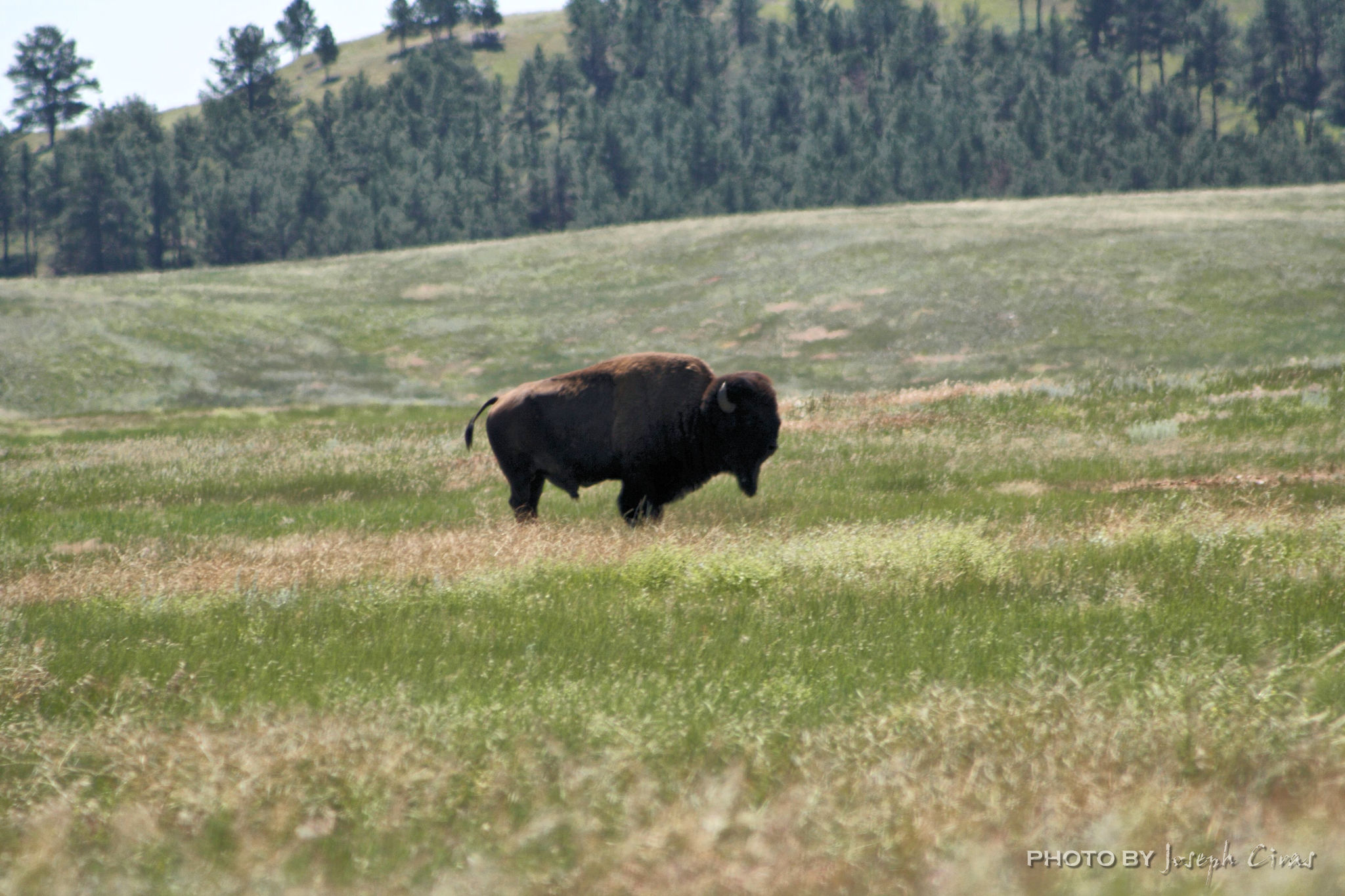
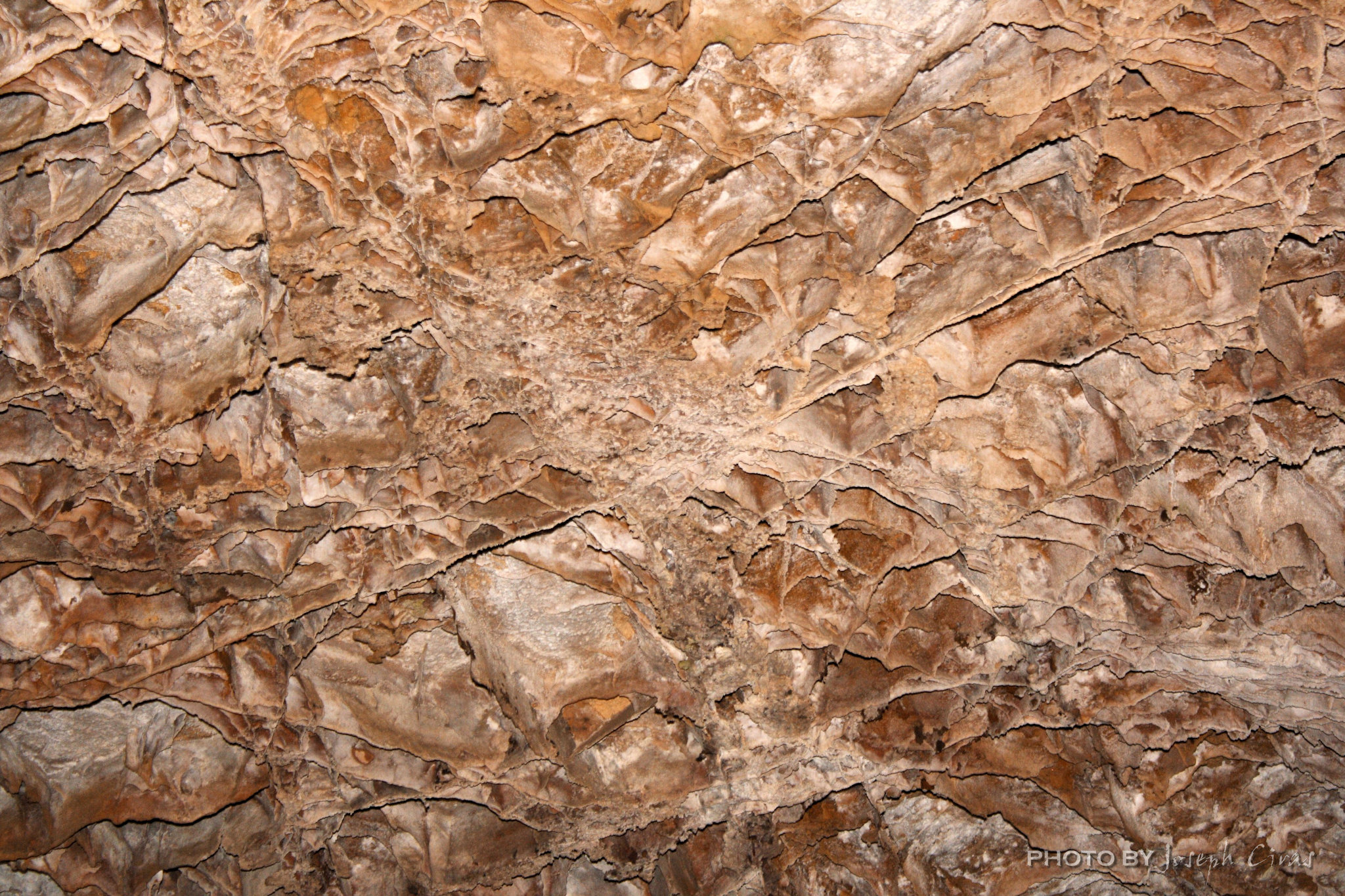
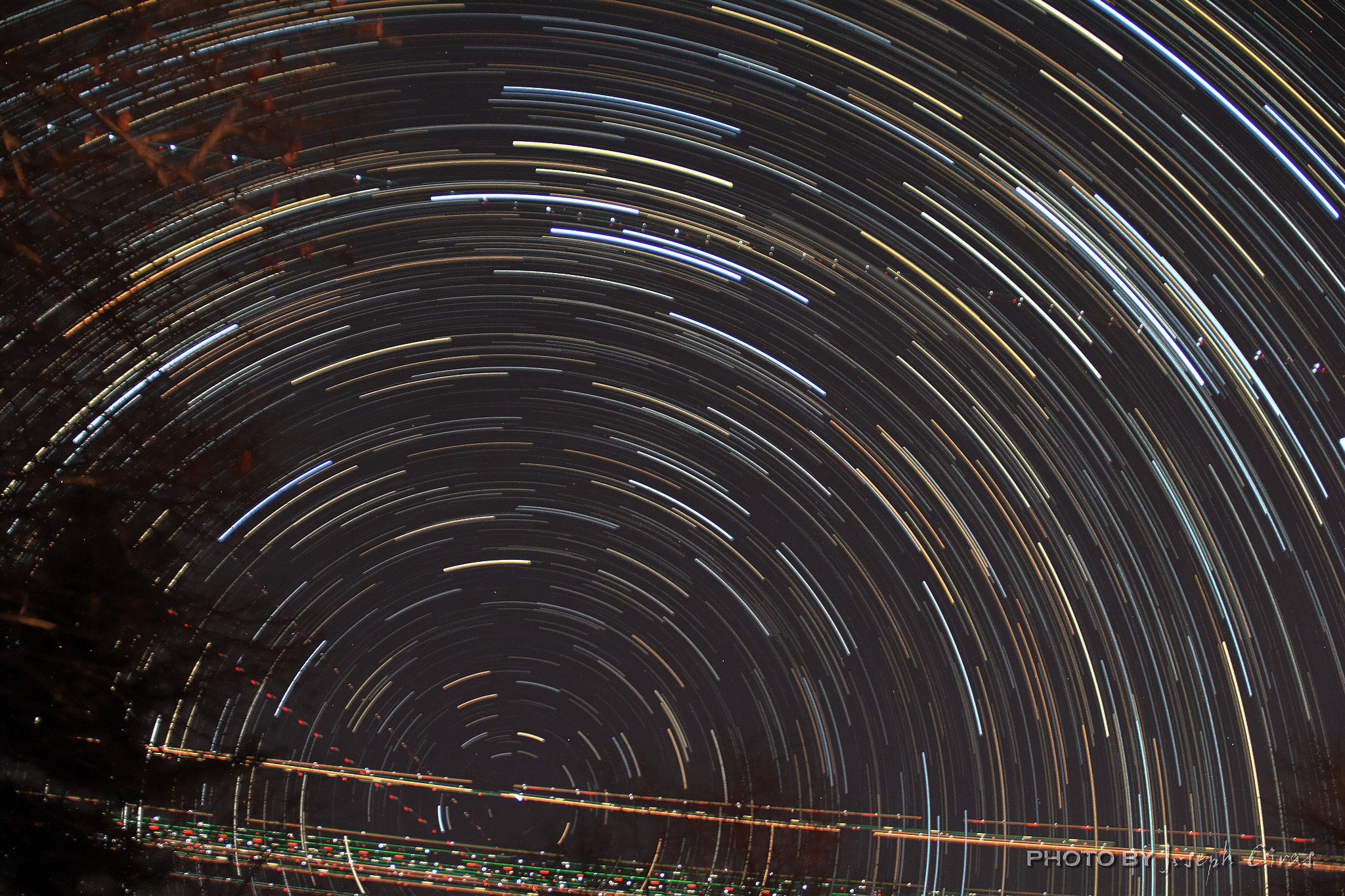
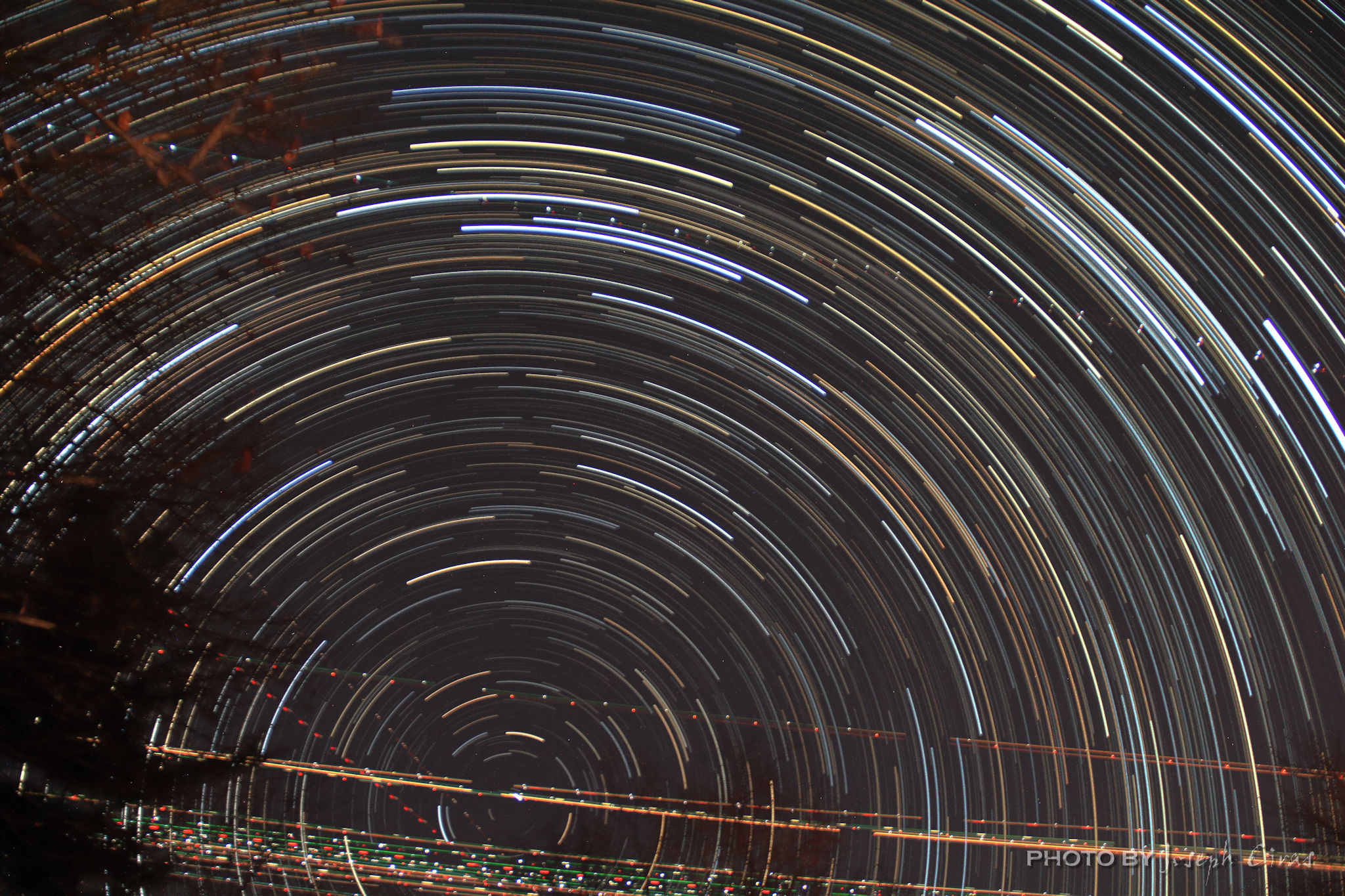


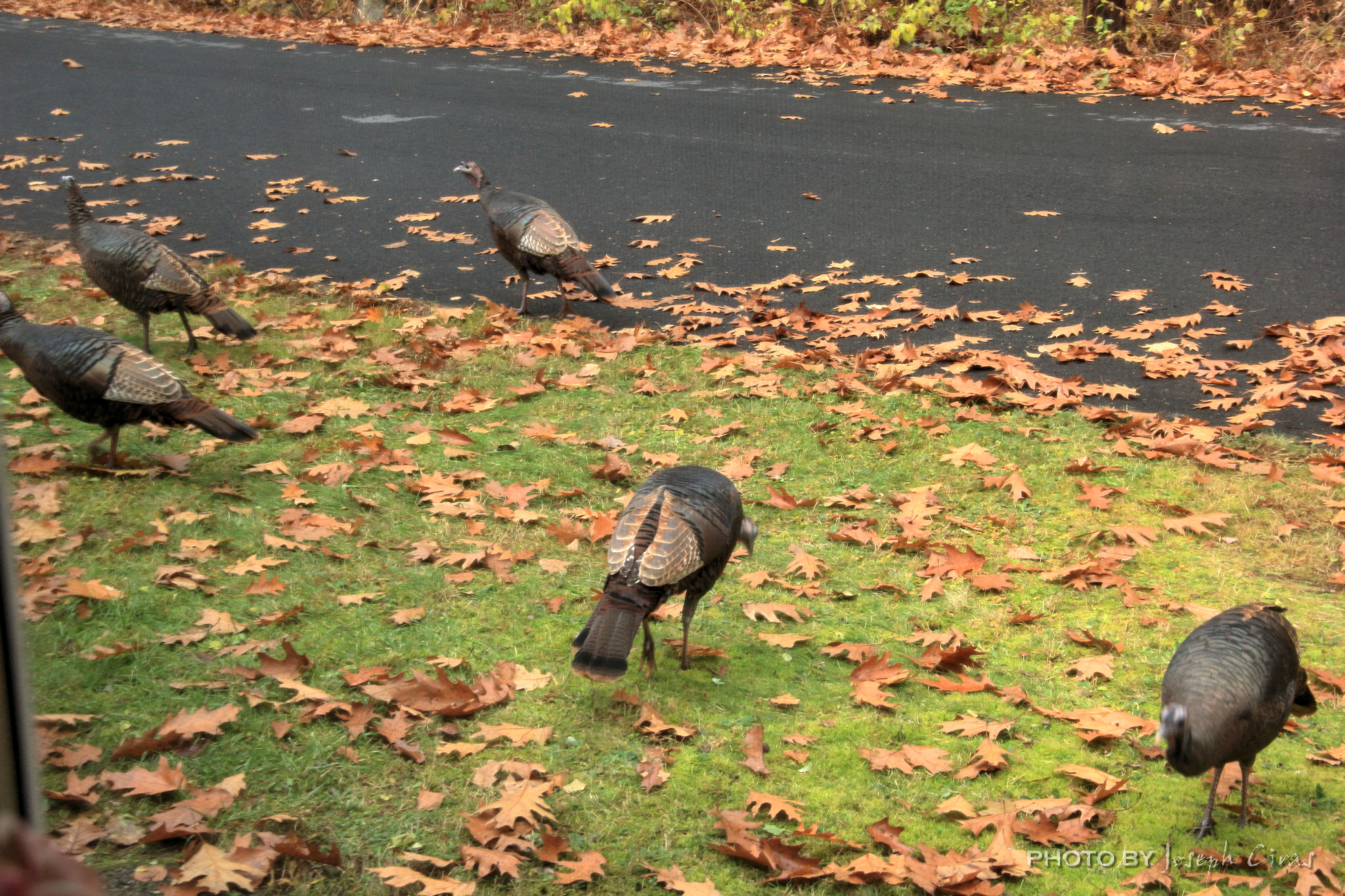


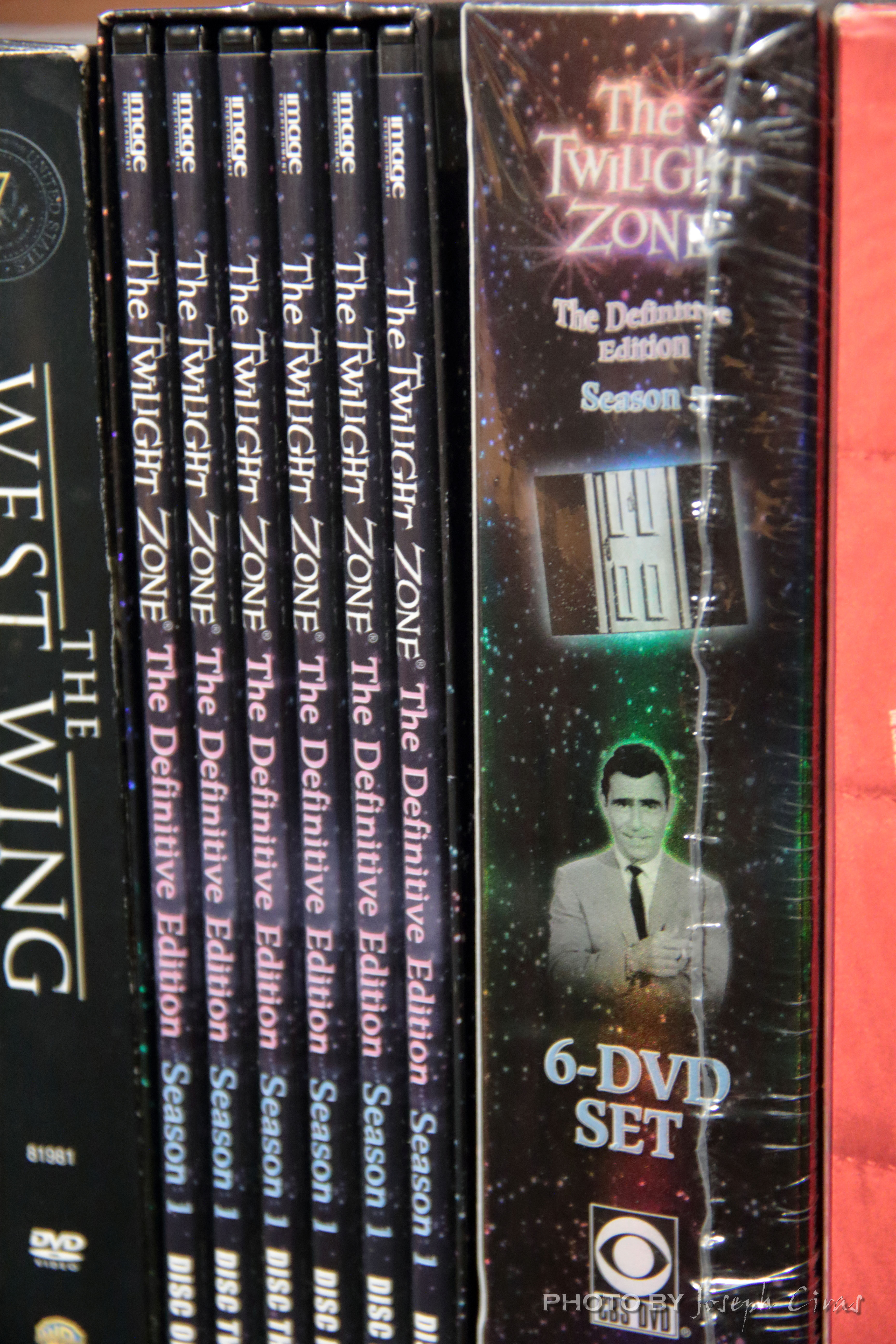
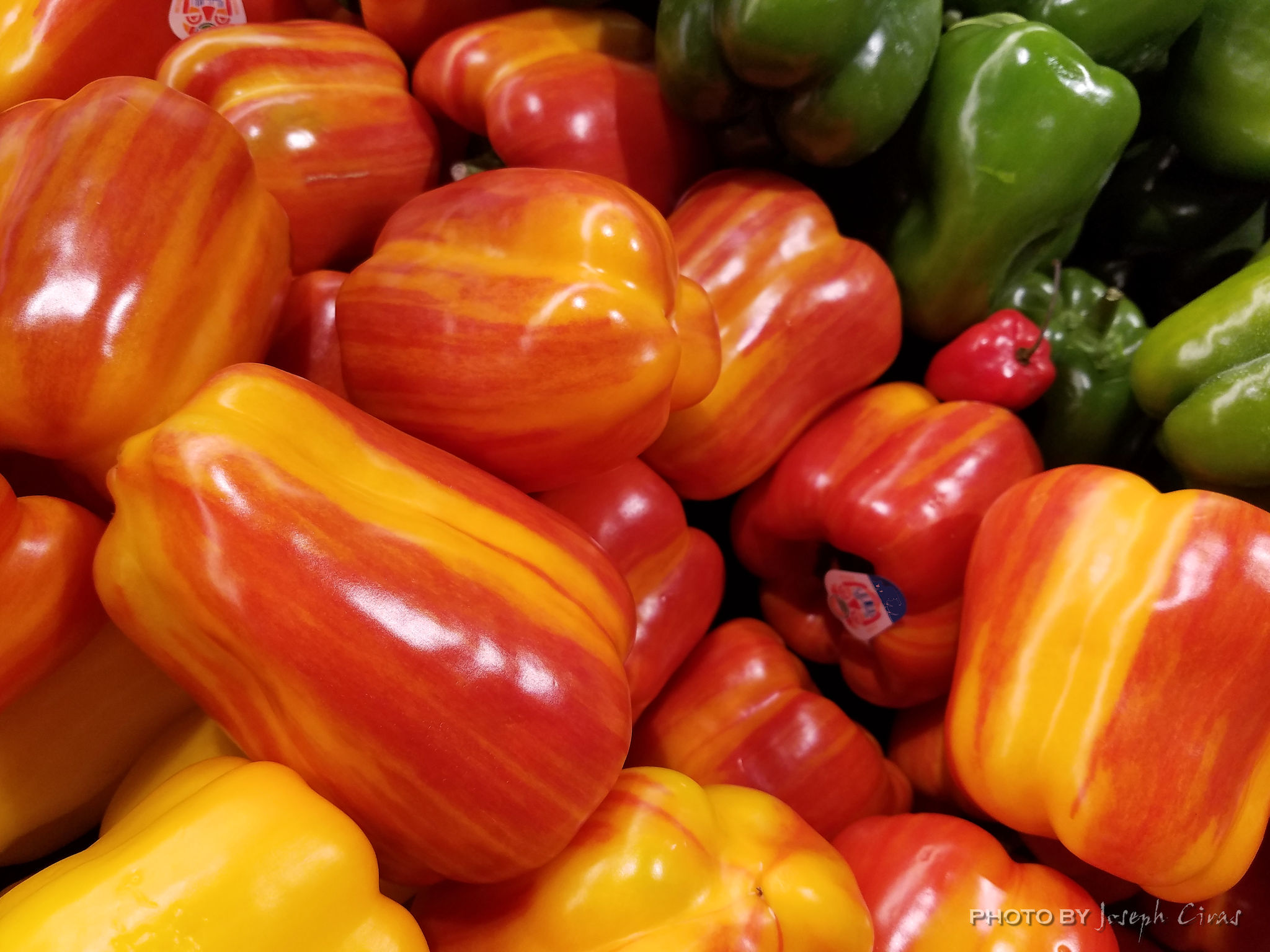


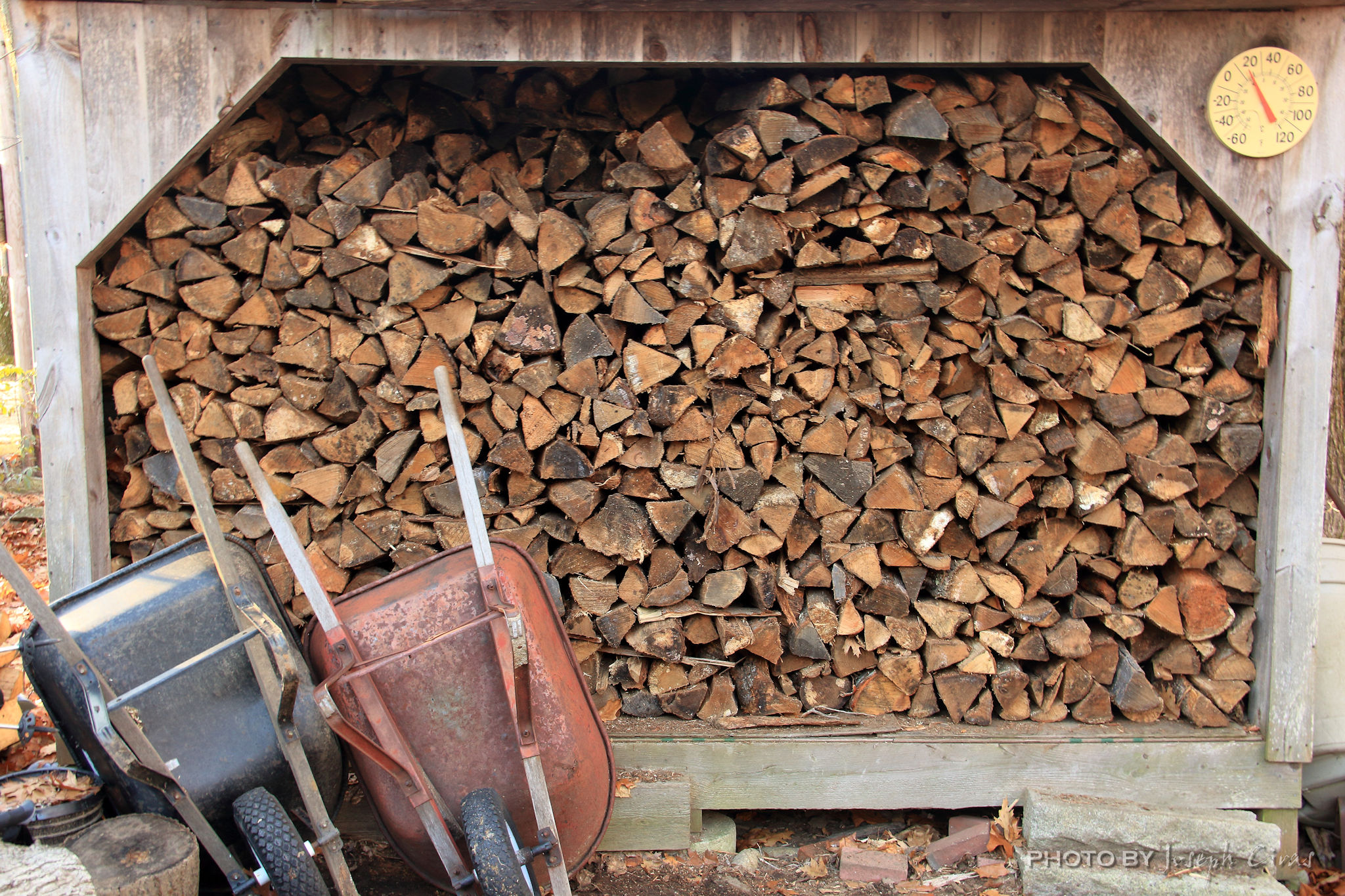
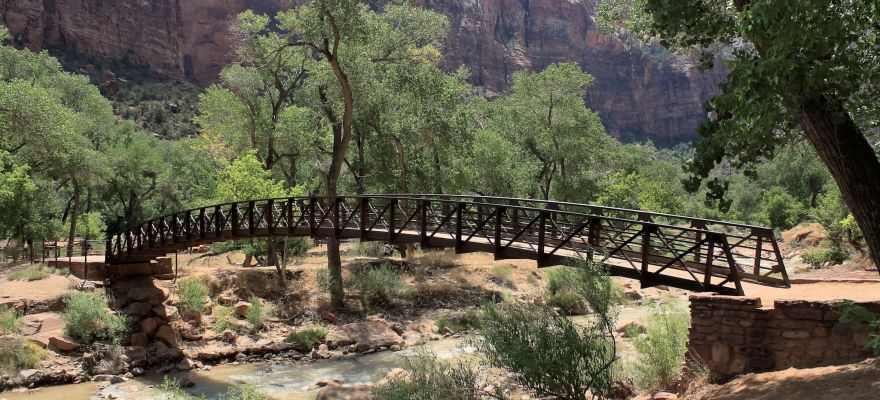
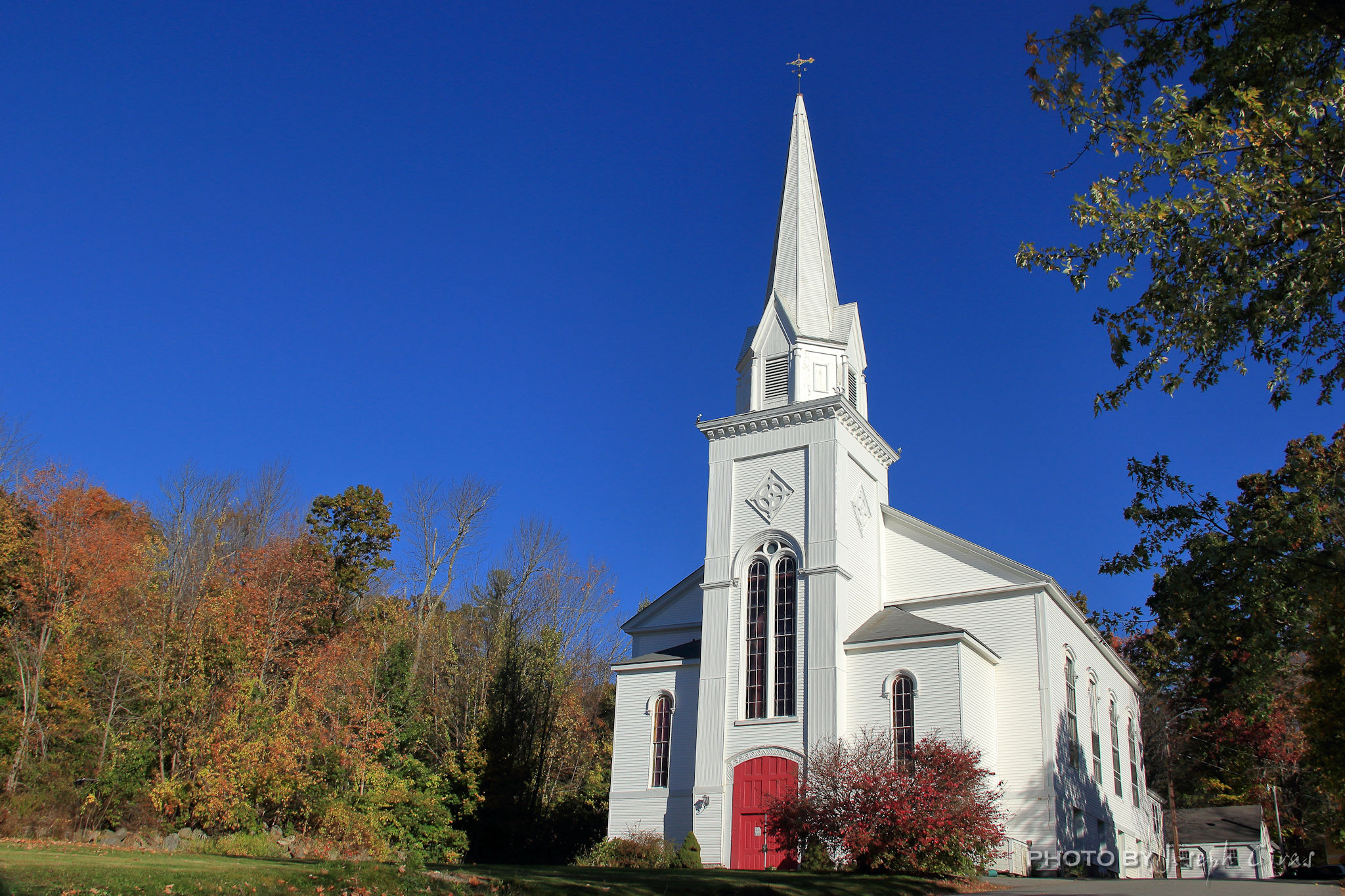

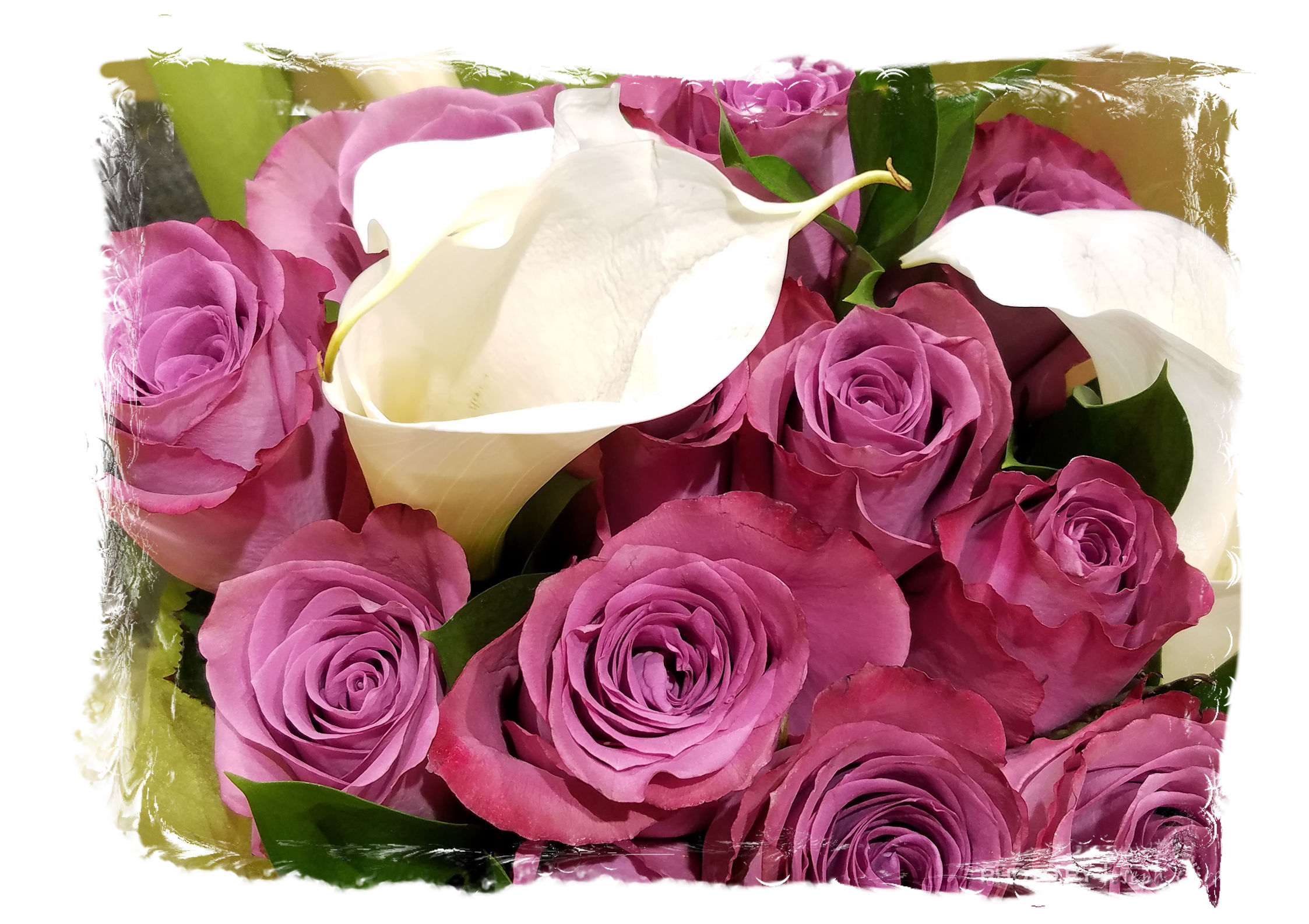


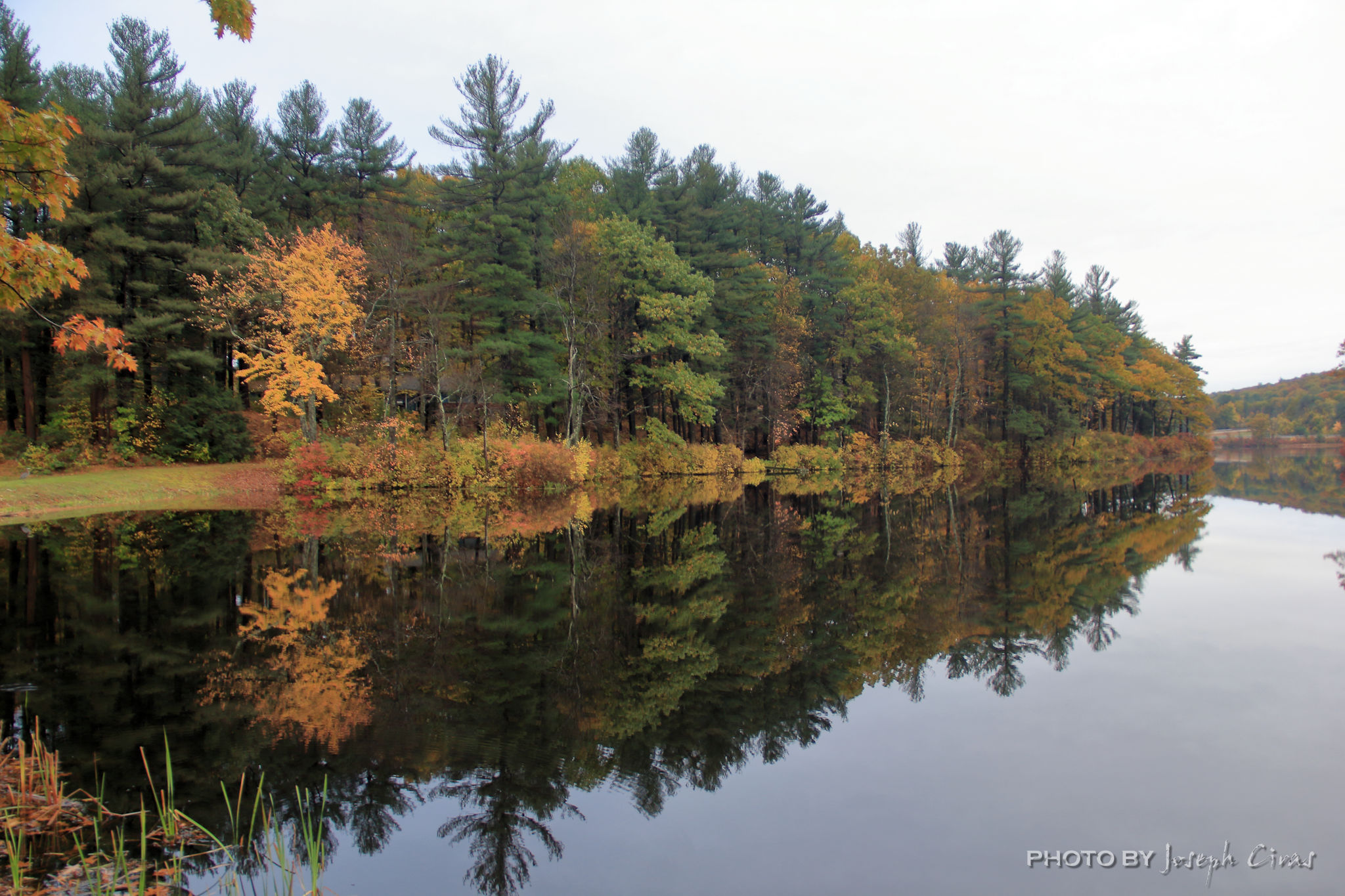
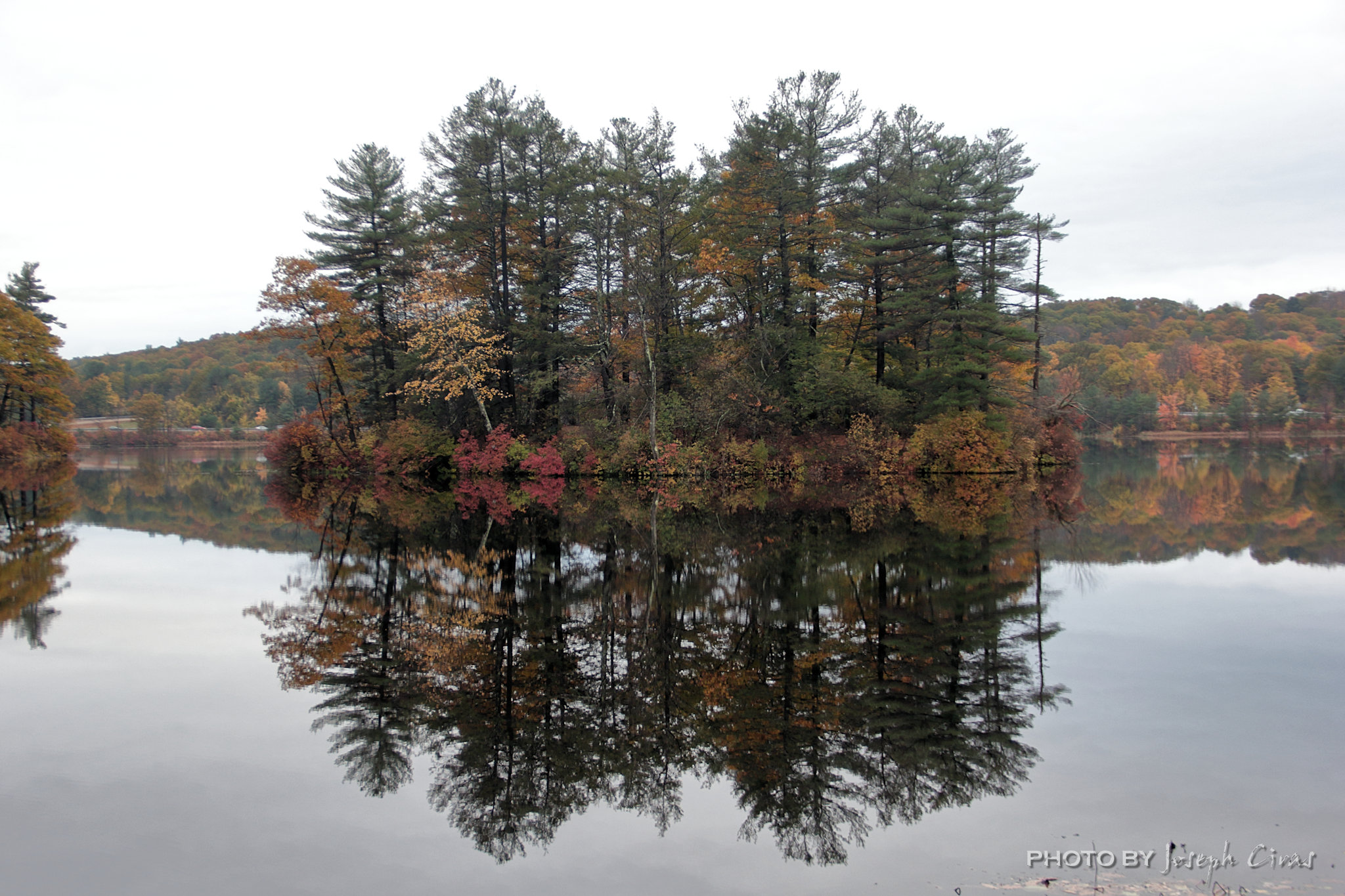
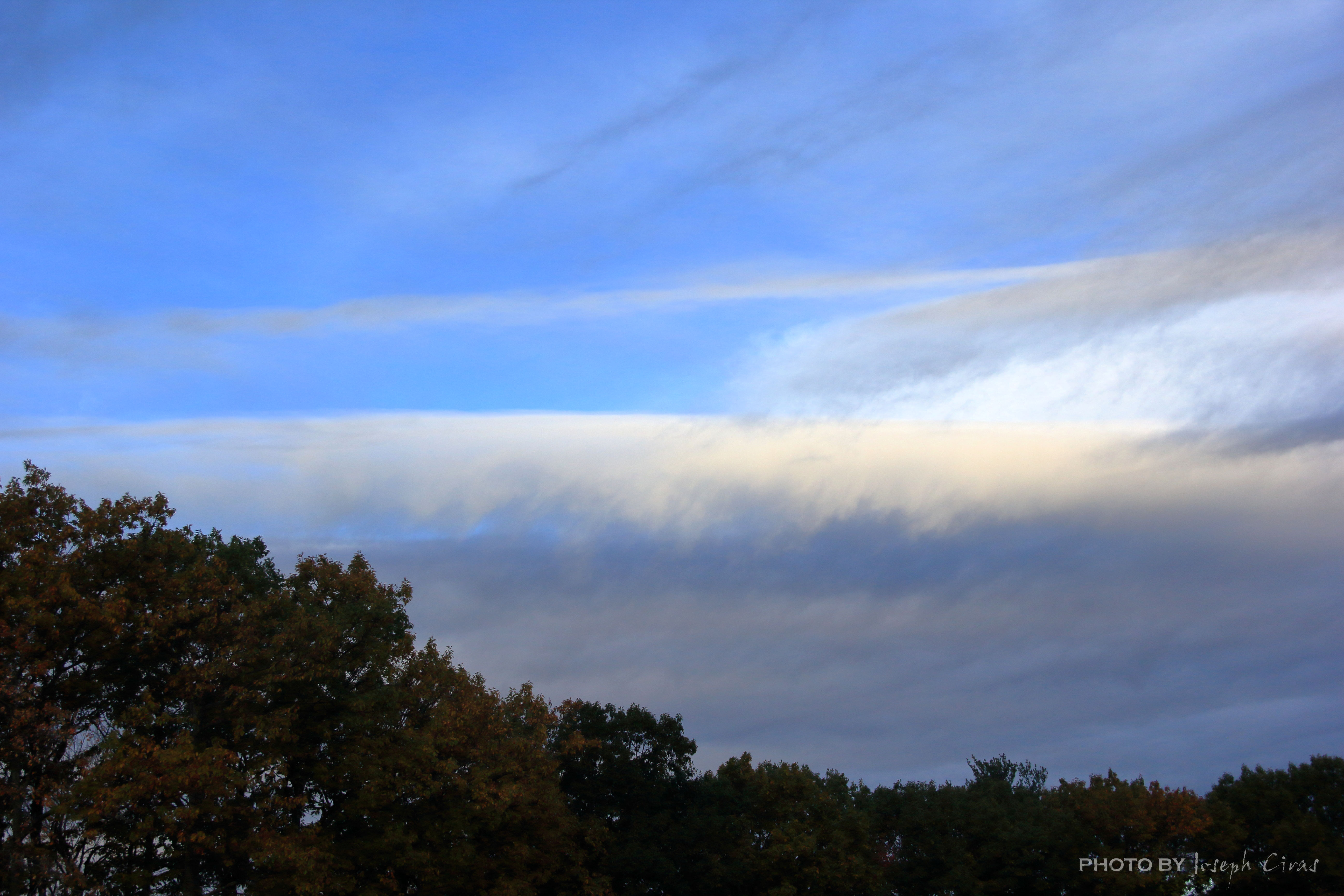
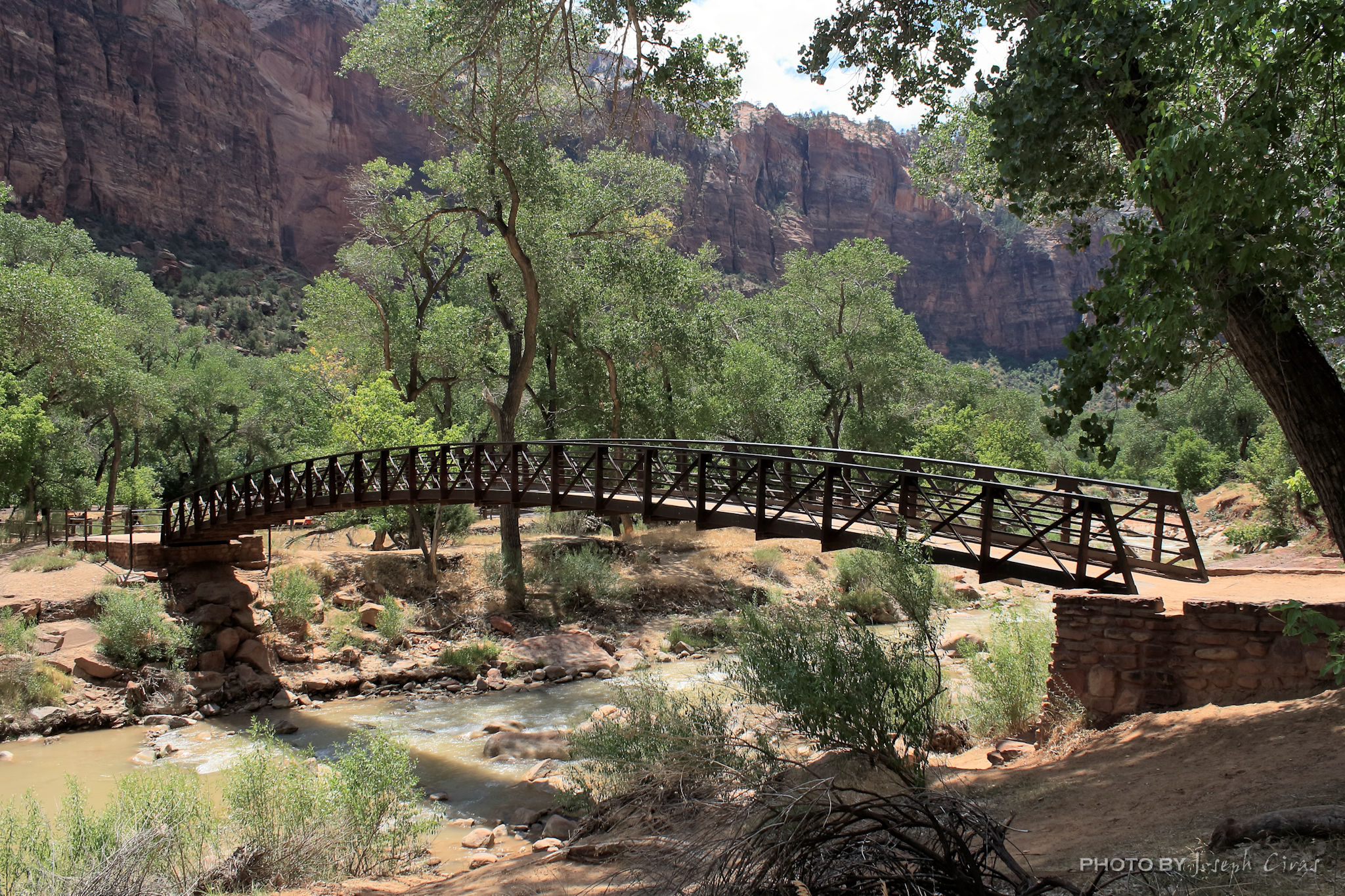
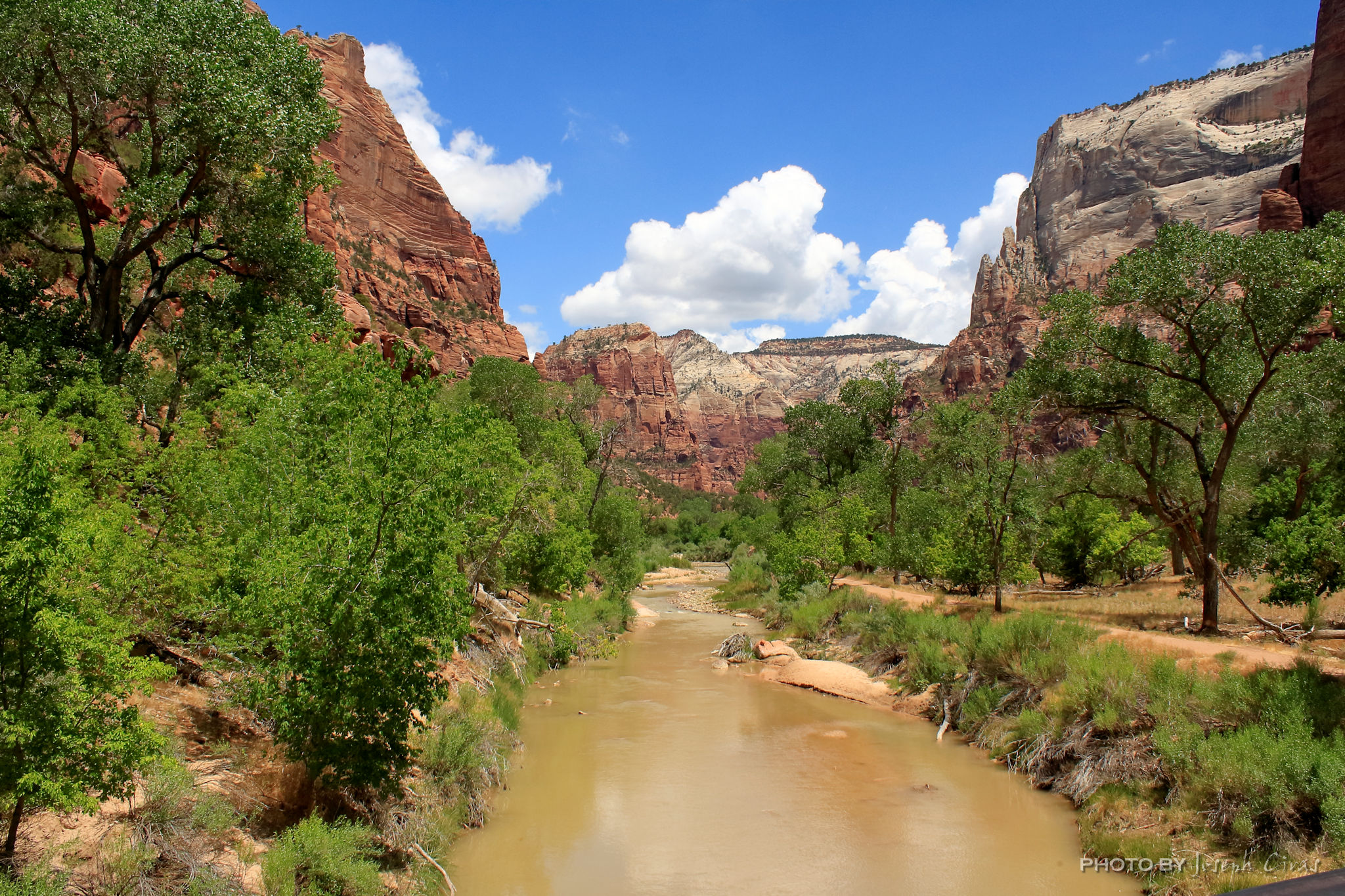
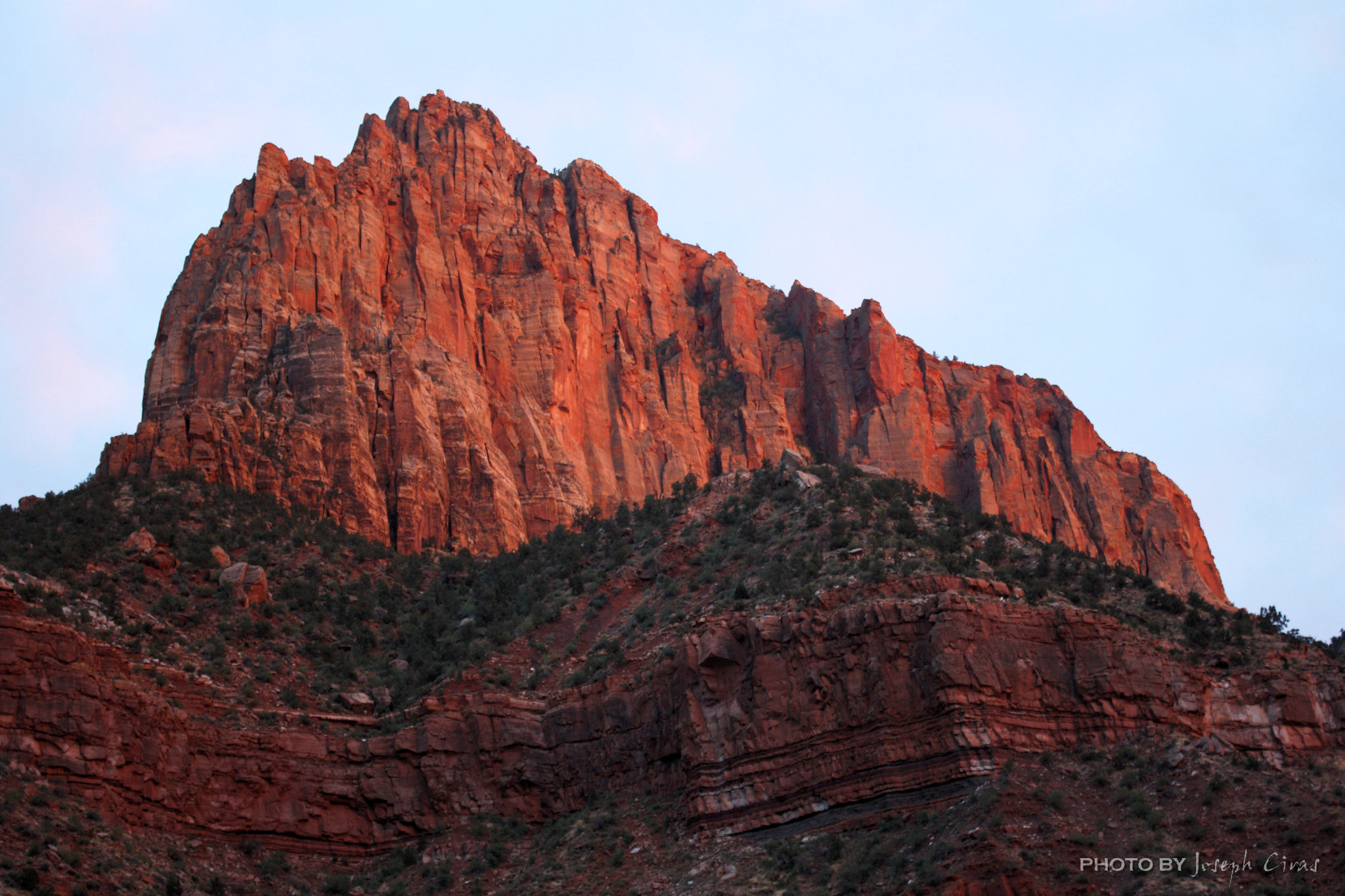

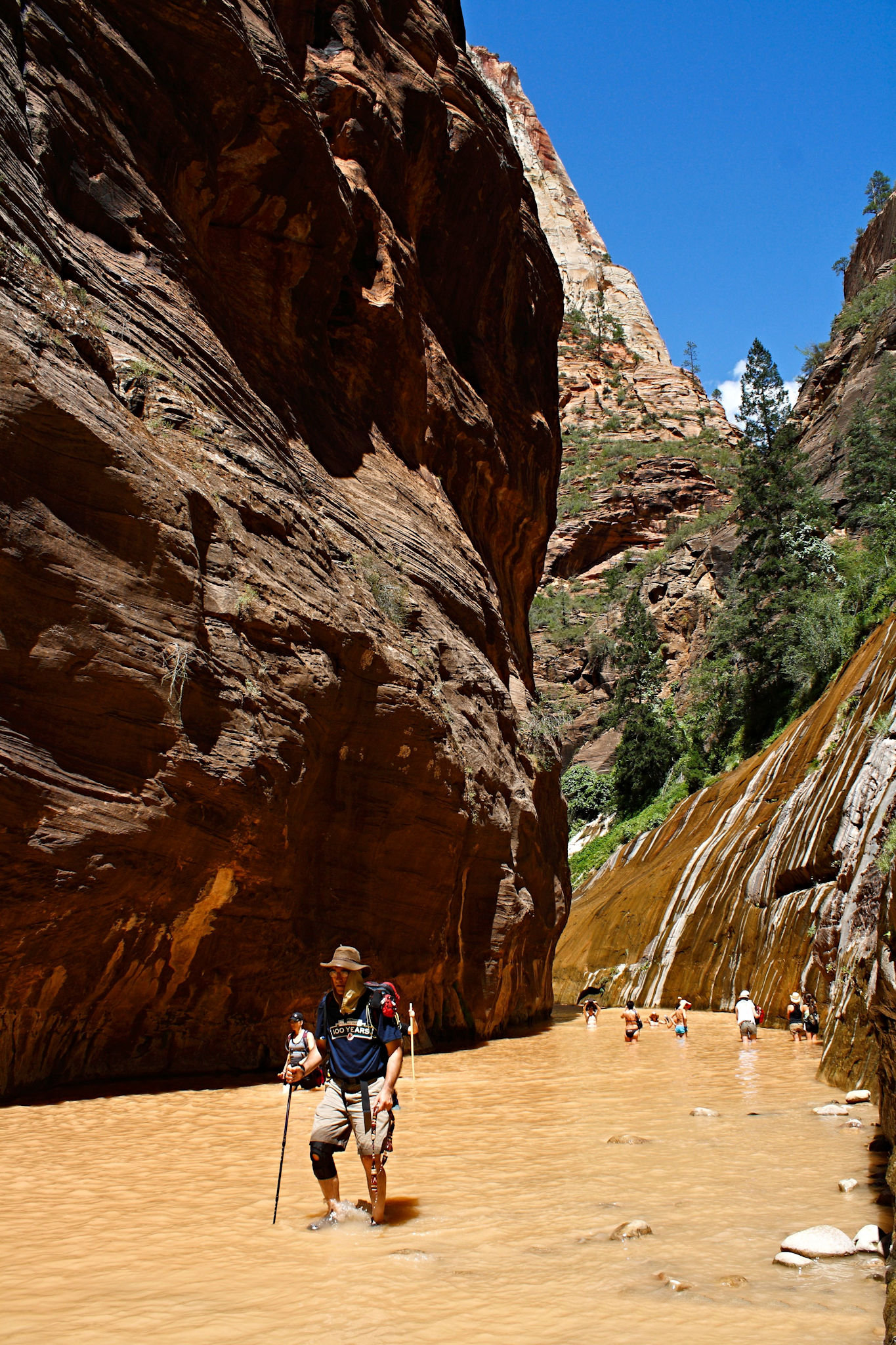
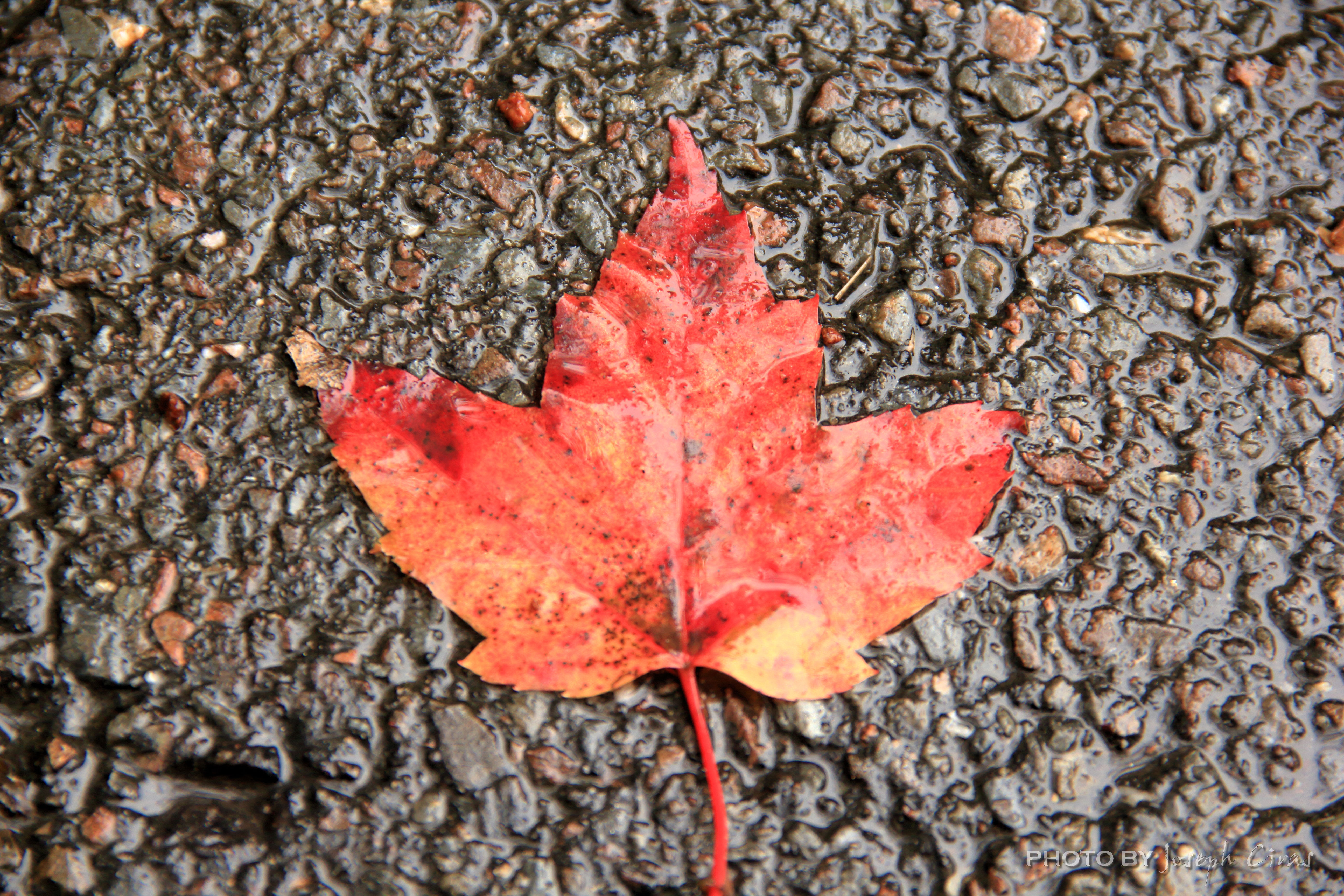
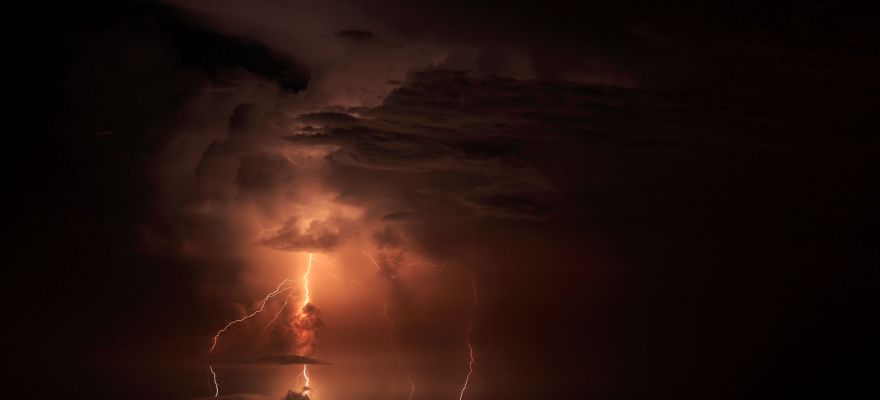
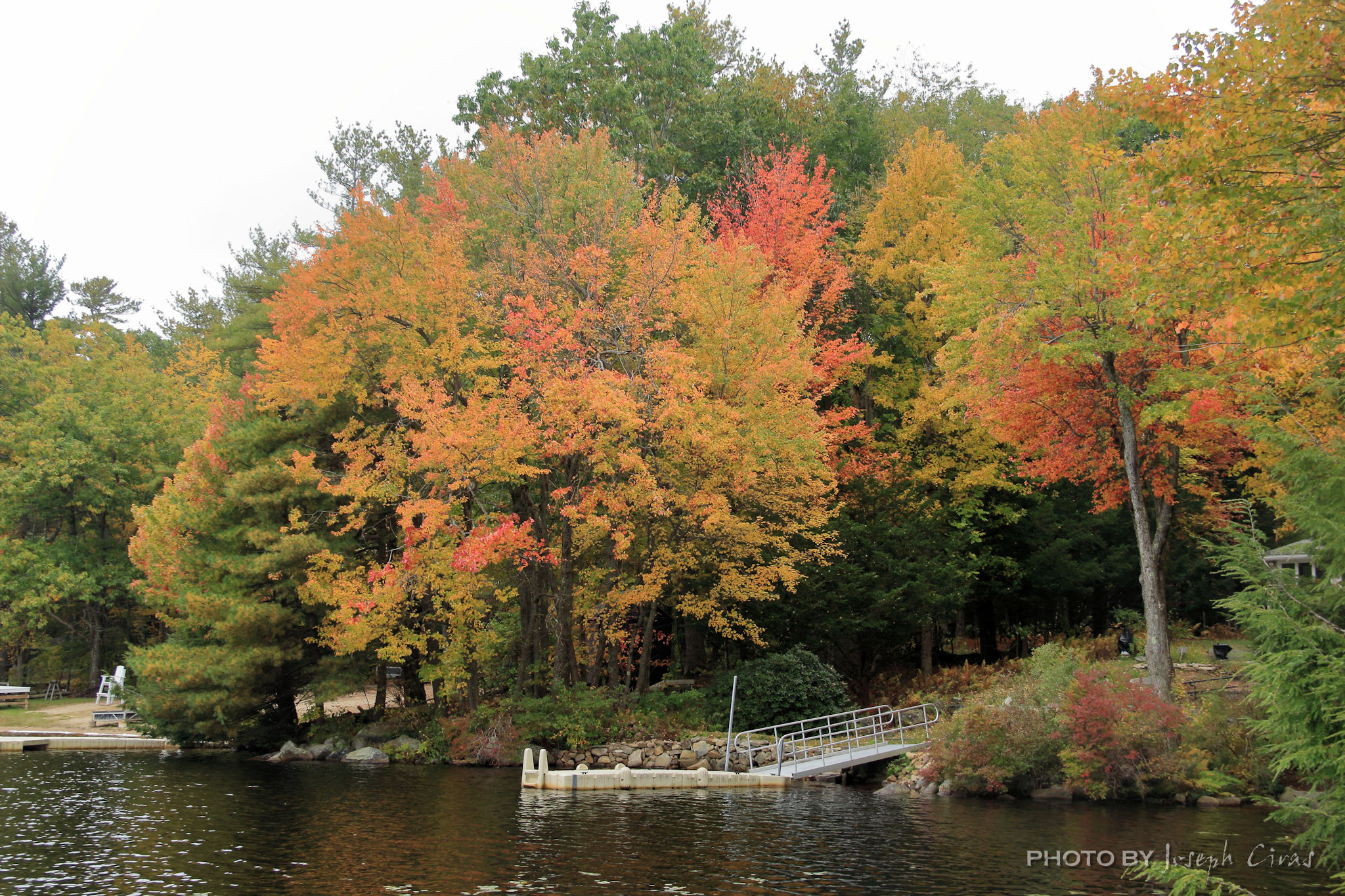
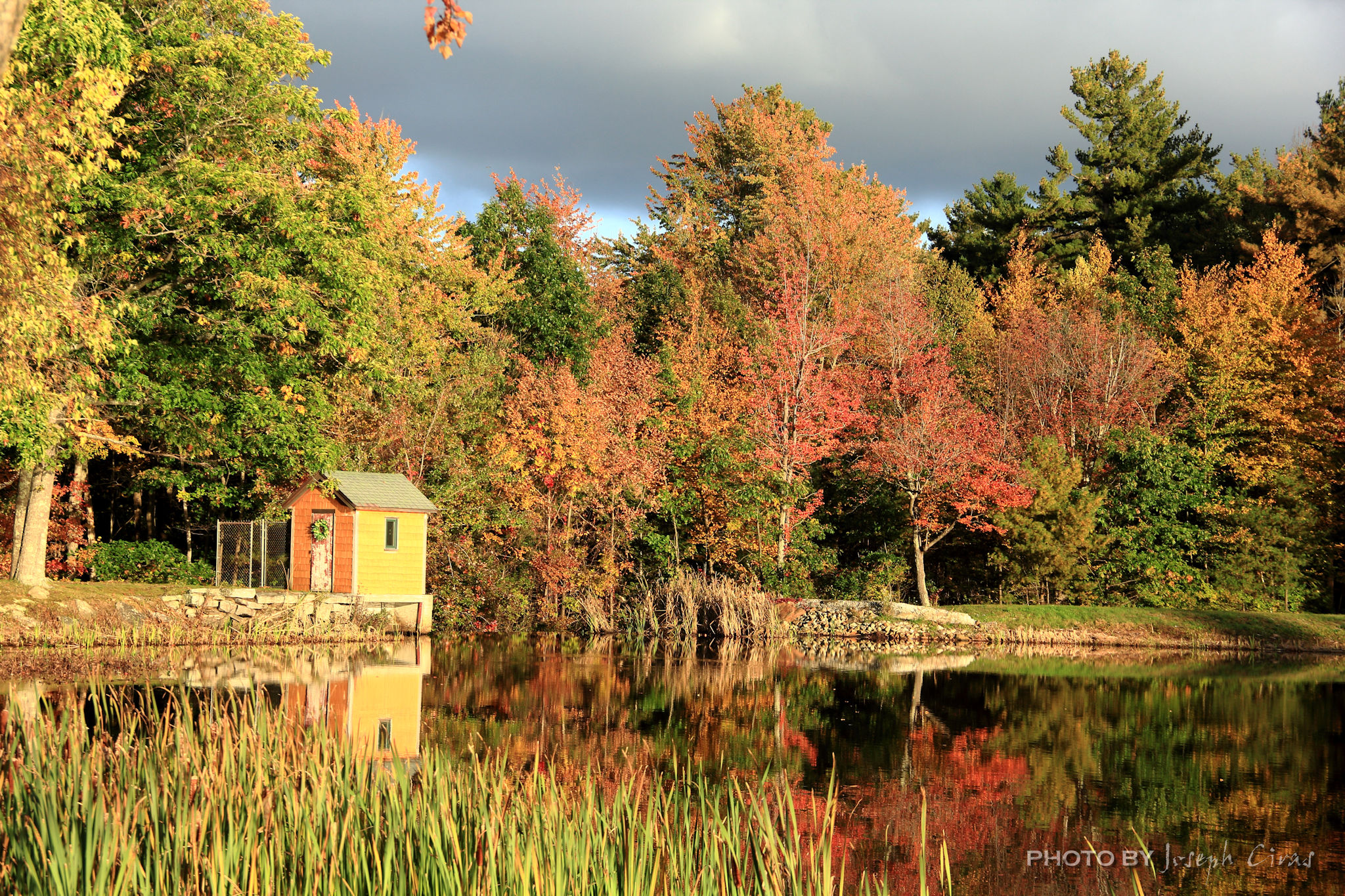

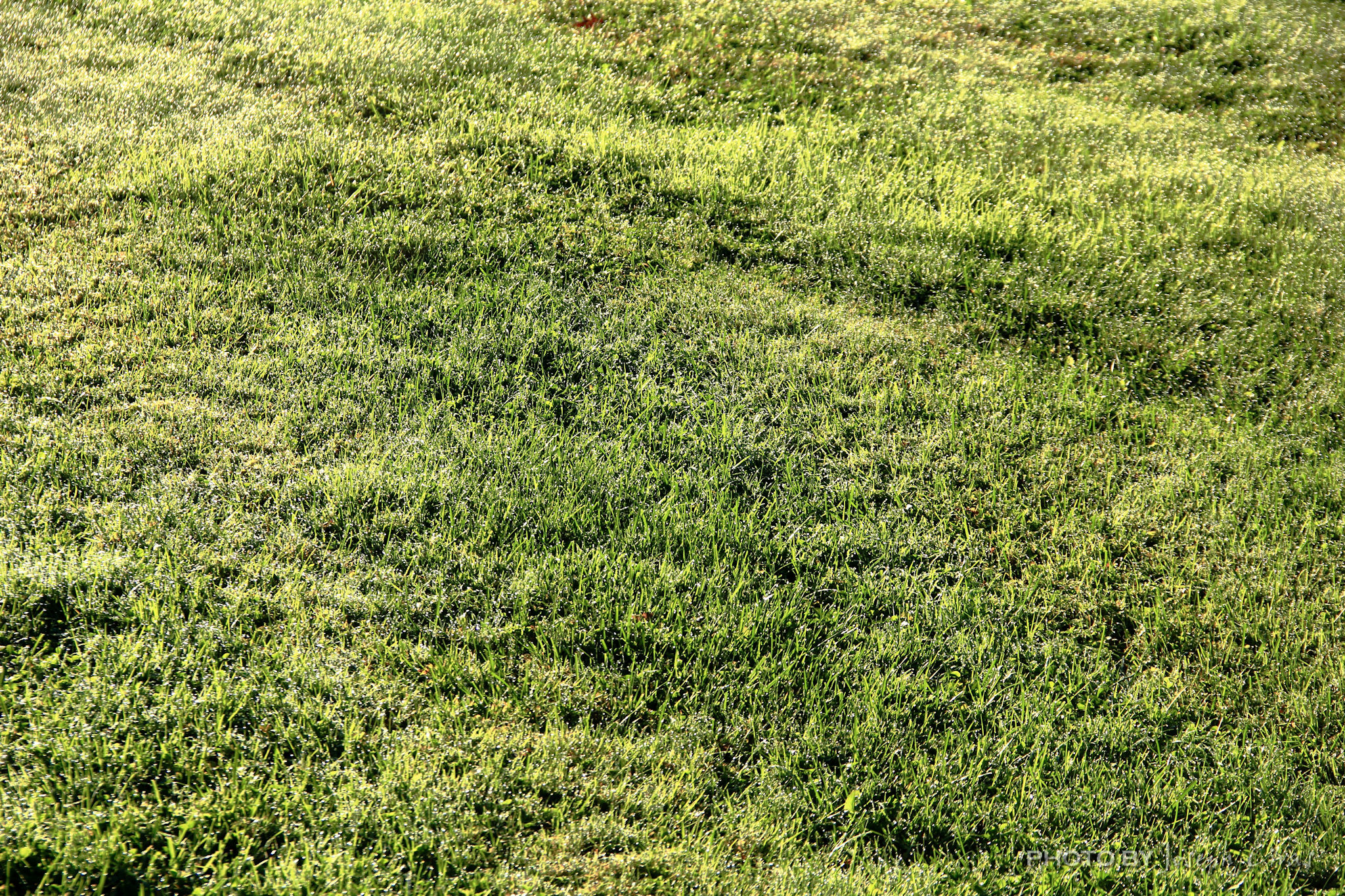
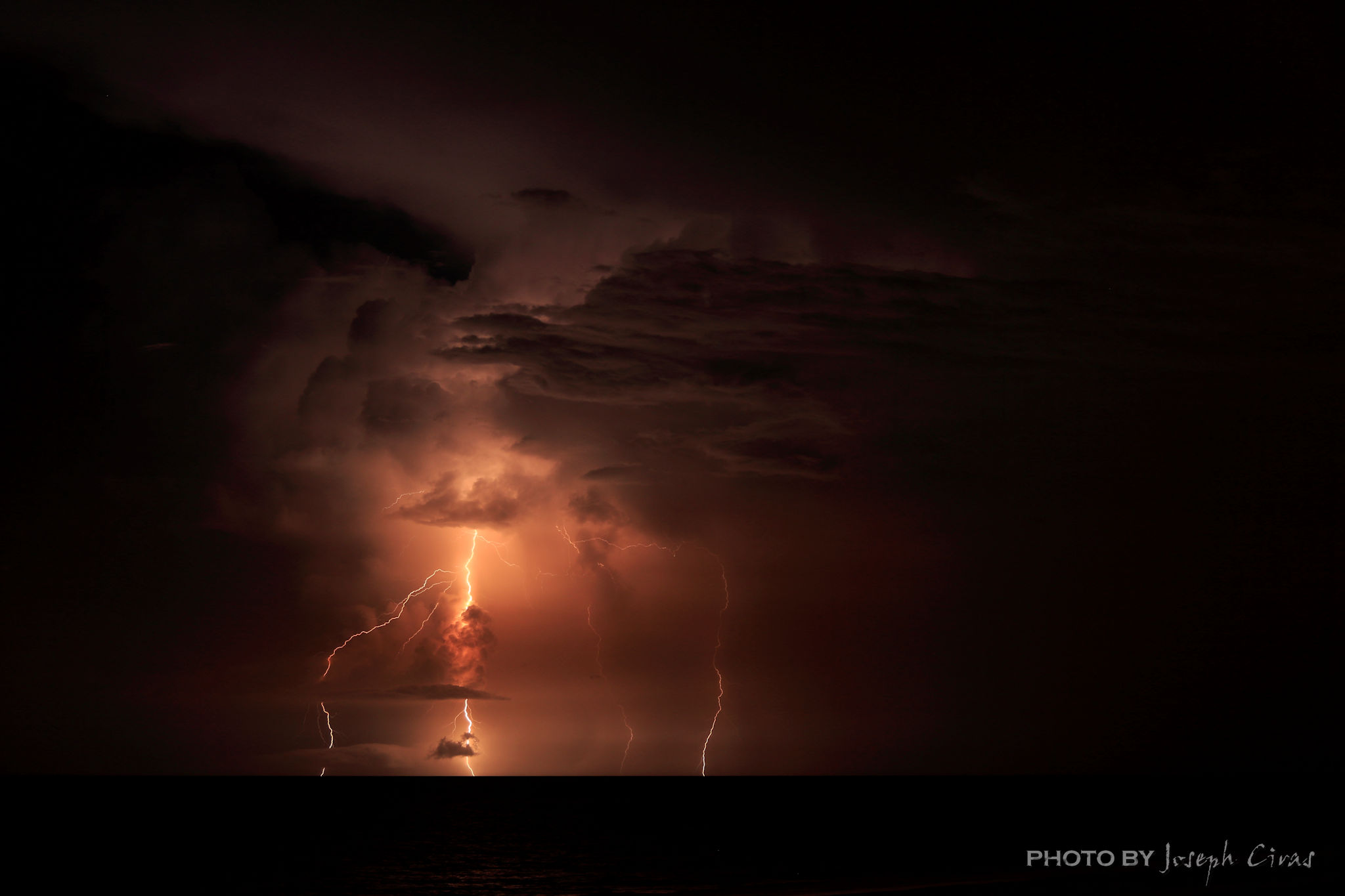


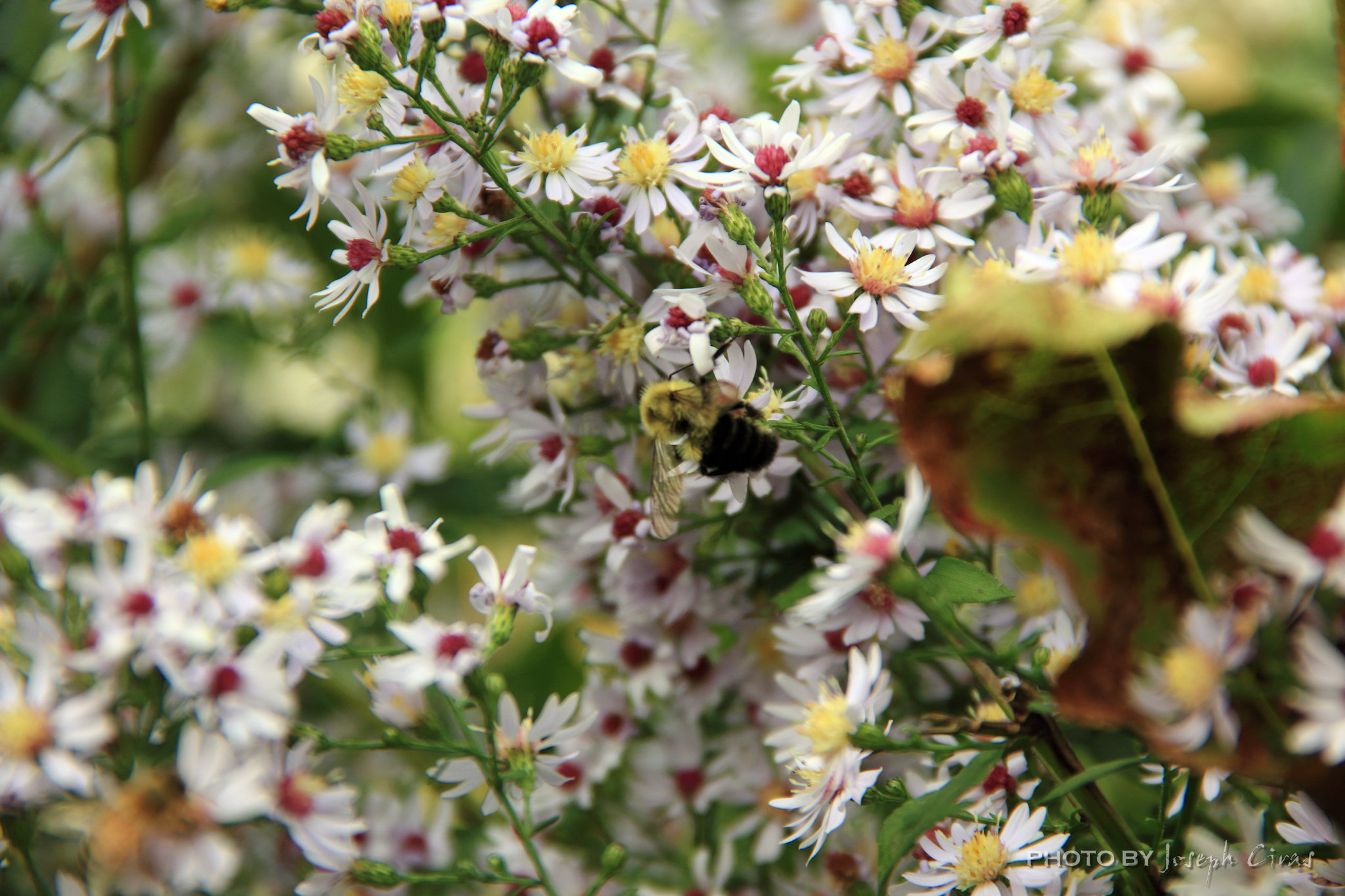

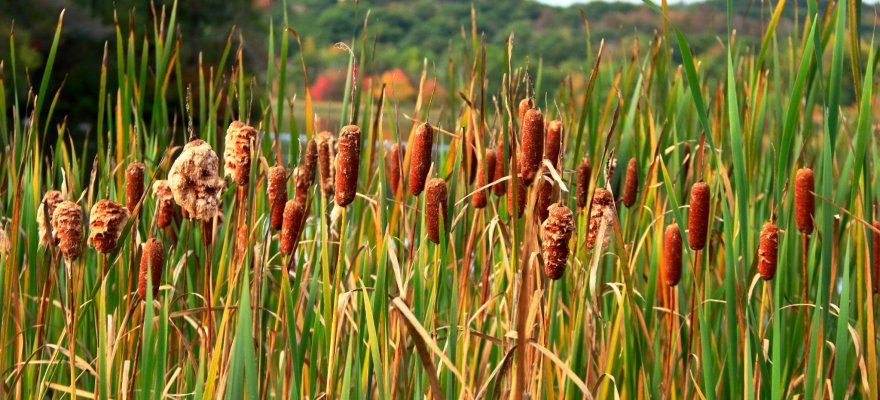
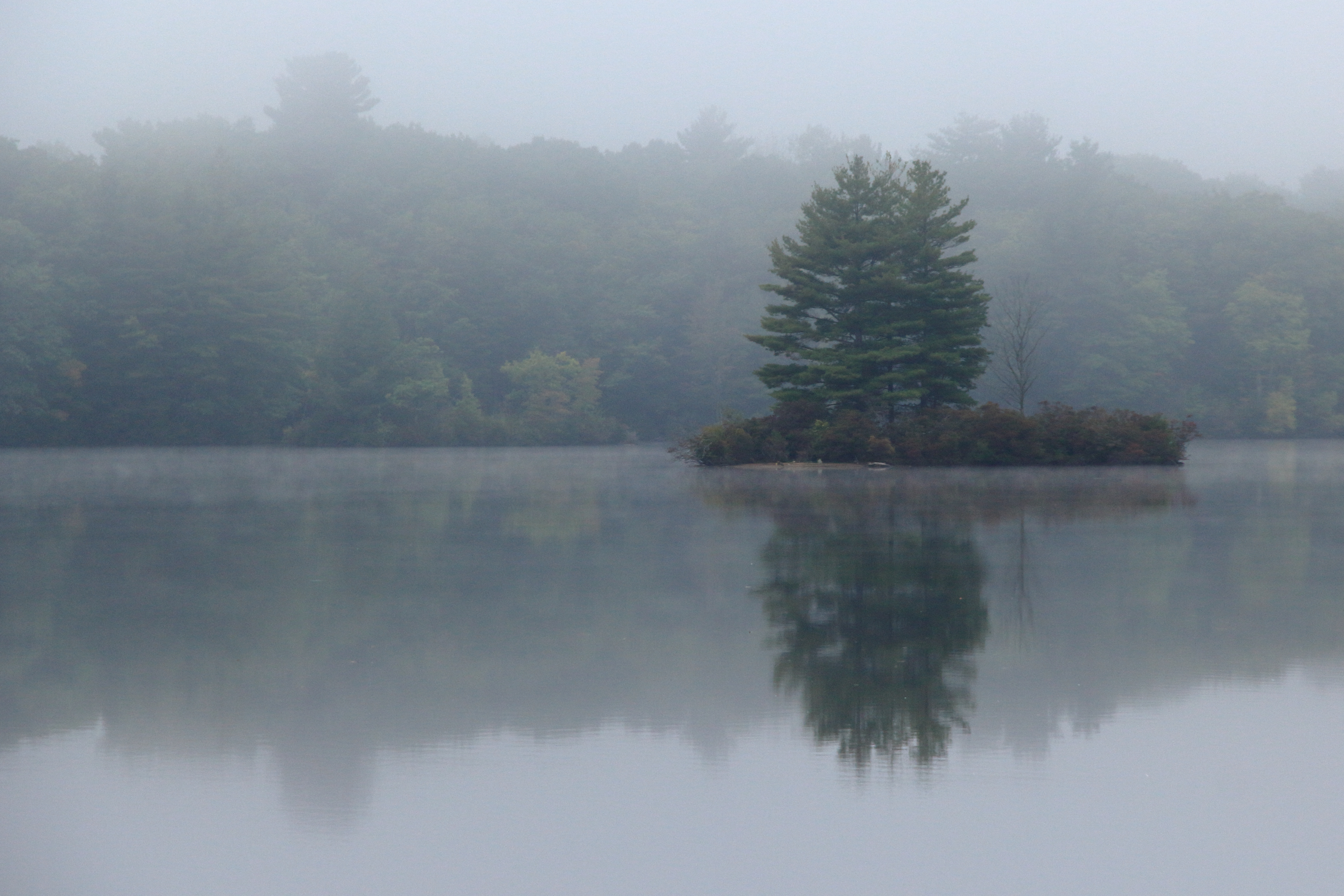


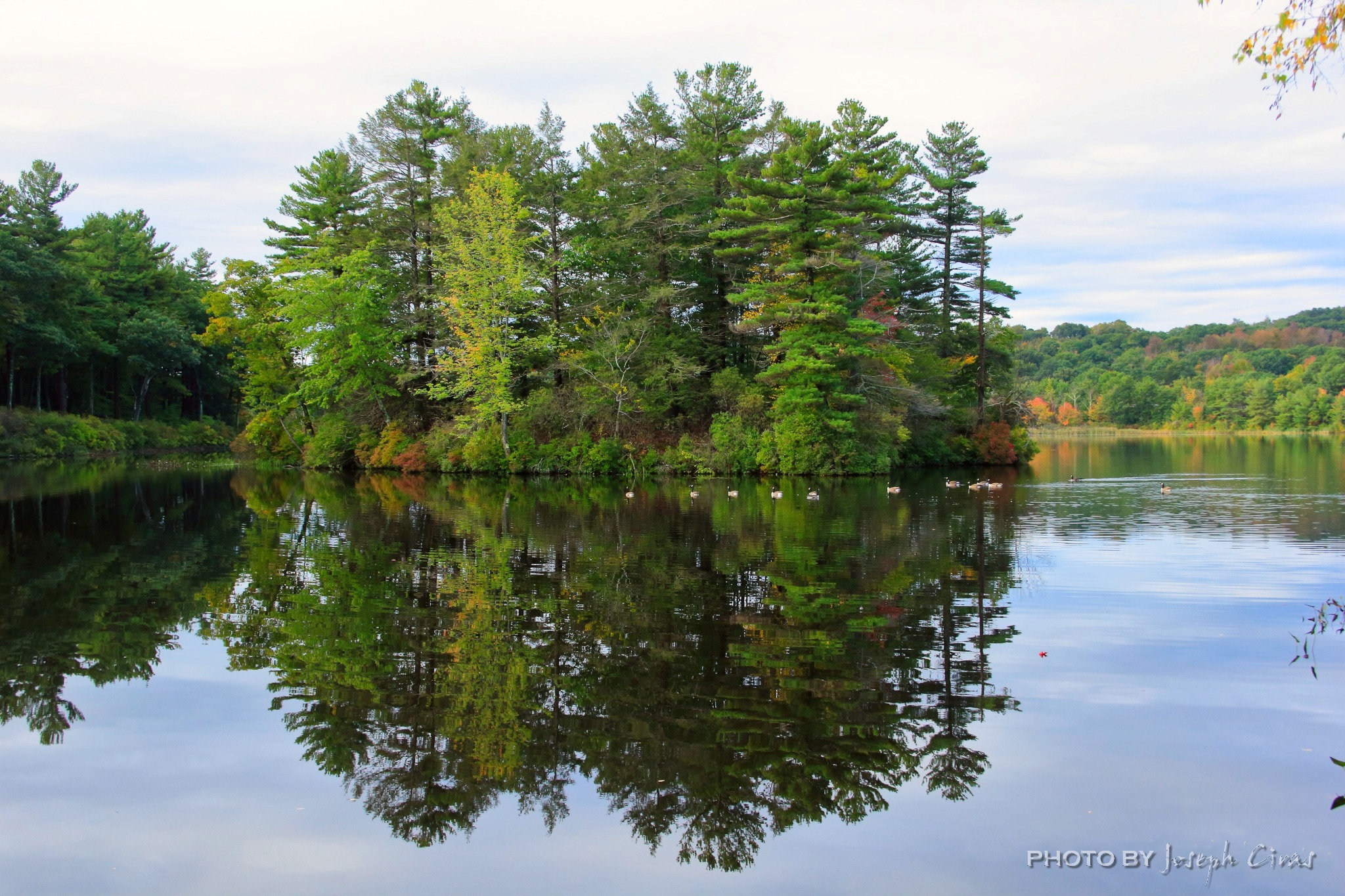

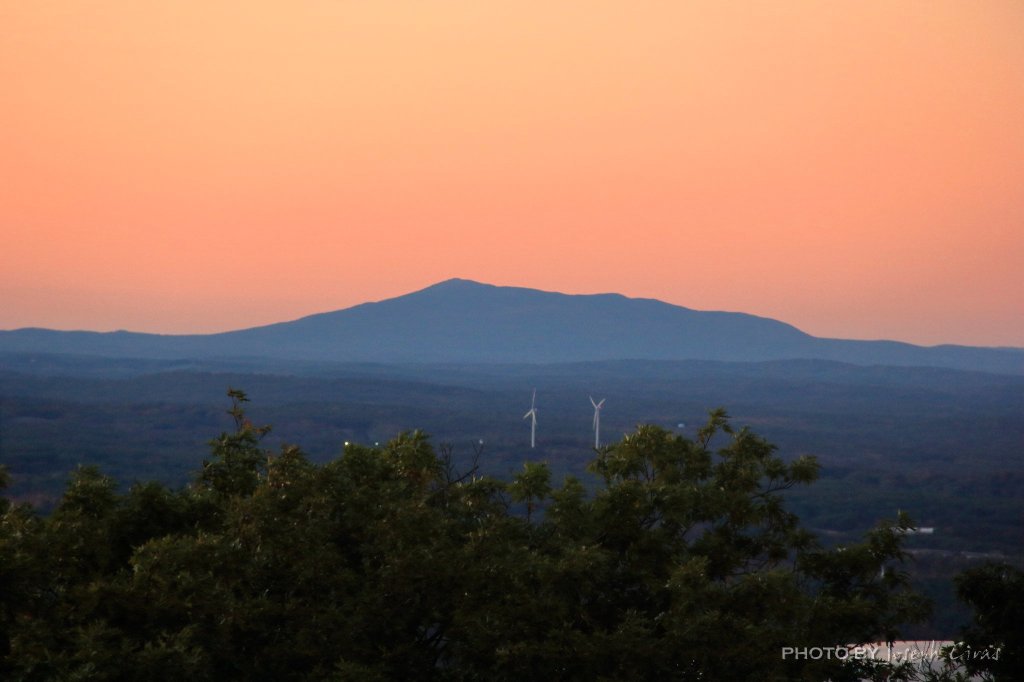
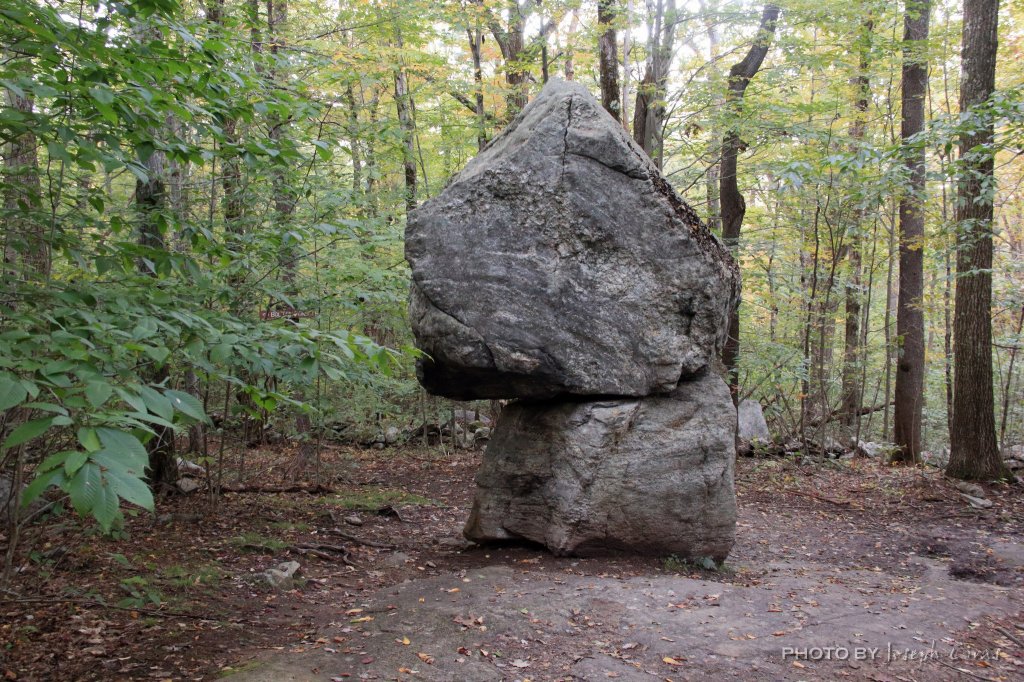


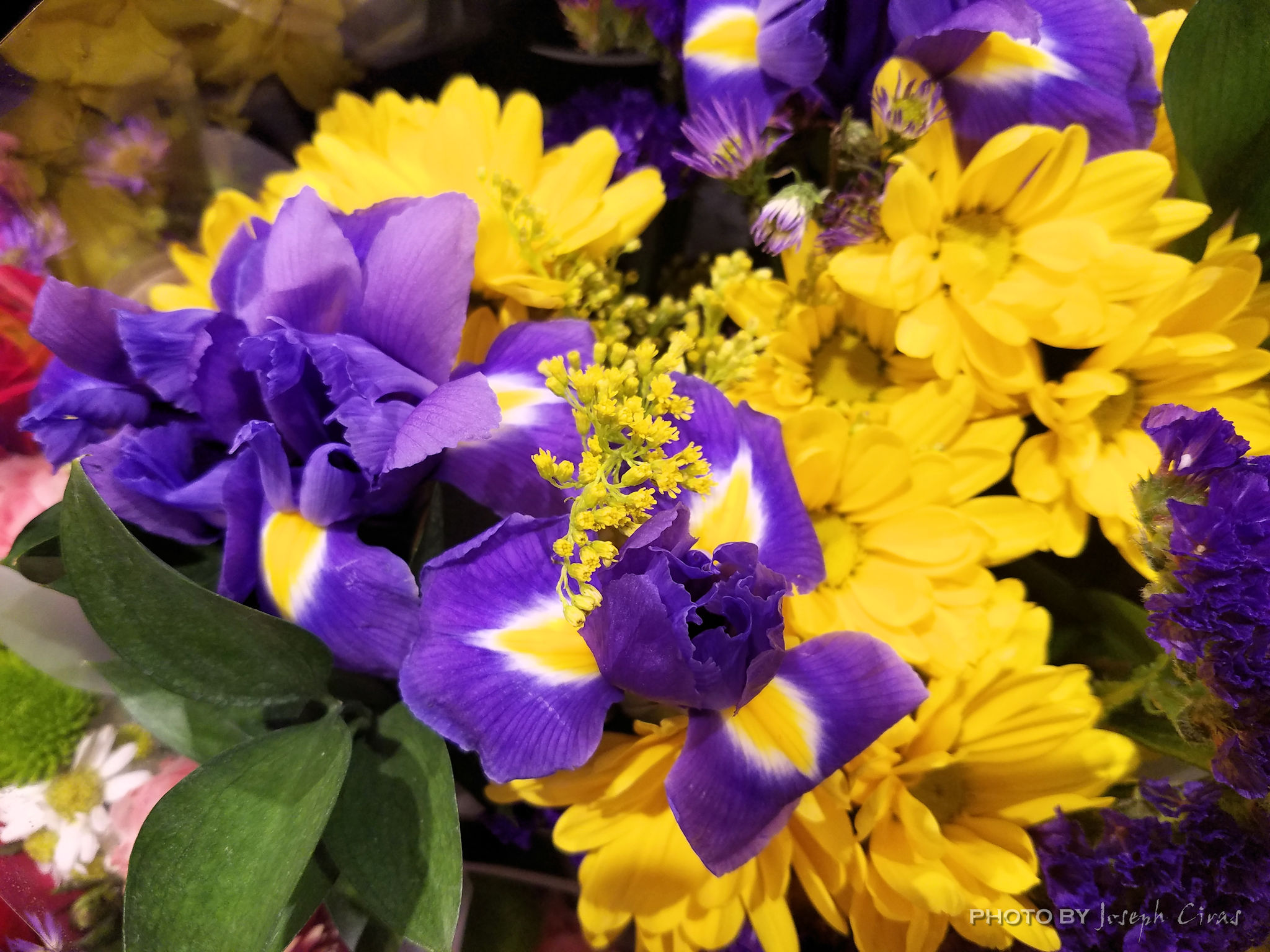
 Photo by Joseph Ciras