Photographic Thoughts — 01/23/2022 to 01/29/2022

“It’s weird that photographers spend years or even a whole lifetime, trying to capture moments that added together, don’t even amount to a couple of hours.” — James Lalropui Keivom

Thank you for all the new views and likes from last week, it helps keep me inspired.

Sunday, 01/23/2022: Posted photo — Music.

Settings: Google Pixel 2, ISO 252, f/1.8, 1/120 s, 4 mm.

Psalm 23, The Lord is my shepherd…

This is best known psalm out of the 150 psalms in the Bible. There are five books and four literary styles in the psalms. The styles are hymns, prayers of thanksgiving and petition, religious lyrics, and didactic psalms. You can go online or ask your religious leader for more information on the psalms.

Songs, or hymns, at mass are used to enhance the service. I played the organ/keyboard during Mass when I was in college. My family still plays and sings in the choir during Mass today. A good song will lift your spirits.

I did not intend to use this photo today. I used it because it was one of the only photos that I took and it was the one that I liked the best.

Monday, 01/24/2022: Posted photo — Dusting of Snow.

Settings: Canon EOS 60D, ISO 100, f/5, 1/15 s, 50 mm.

Last week we received heavy and wet snow. This week we received a dusting of snow.

In taking this photo, I was practicing depth of field (DOF) in my photos. I am in my 13 year of taking photos every day and I still need on practicing various techniques so my photos are of my liking. I am my own worst critic.
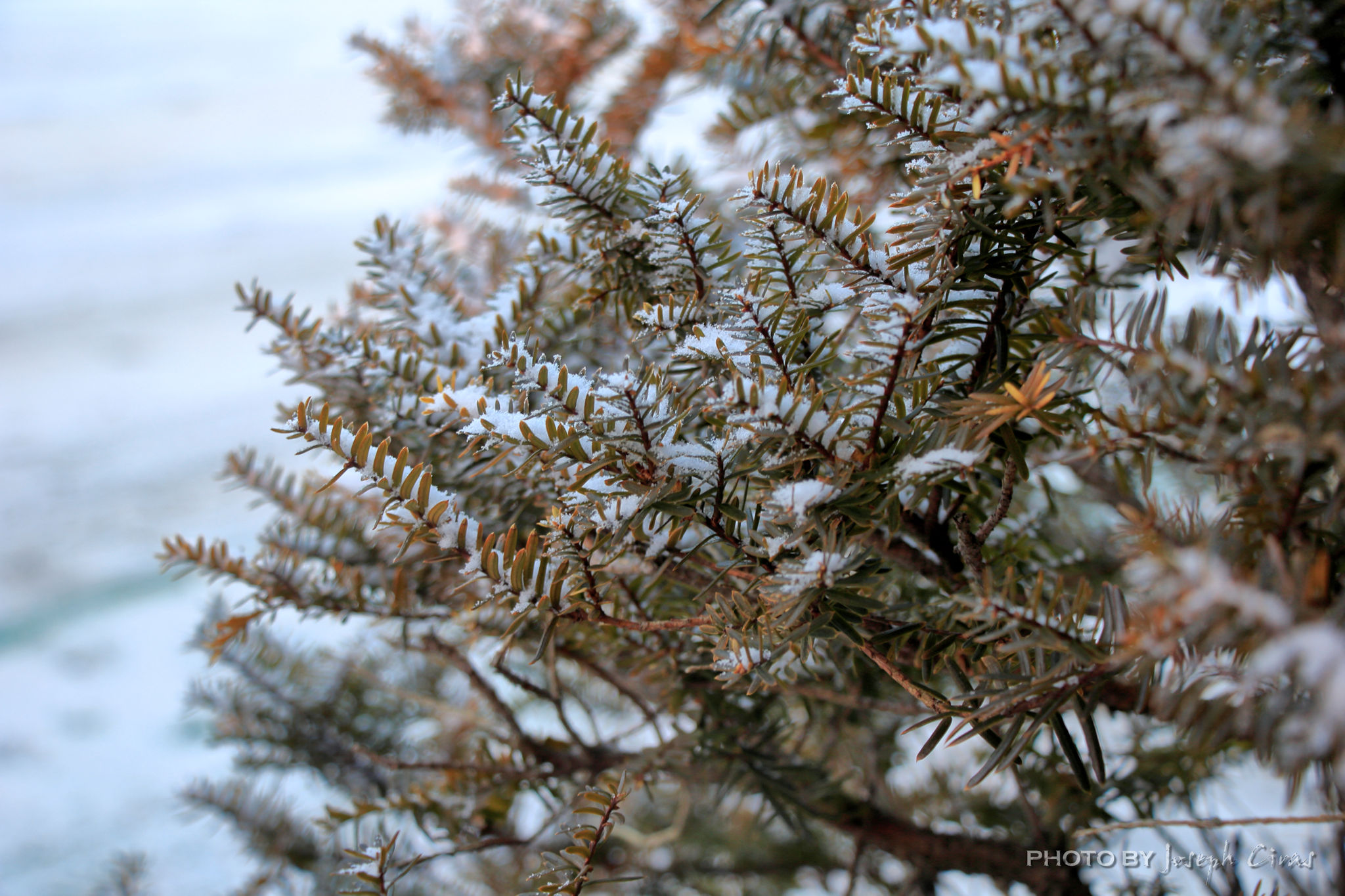
I did go on a great hike tonight. This is my normal Monday night hike on Wachusett Mountain. The trails were in great shape from all the people that have been hiking after the last snowstorm. Microspikes are needed. Some people say no to microspikes since there is no exposed ice on the trails. If I am leading a hike, I am requiring the use of microspikes, or other traction devices, since there is ice under the snow and the spikes give you better traction. I am cautions in a group situation.

Microspikes are great for hiking or in thick ice, nanospikes are good for walking the in areas where traction is needed, but they are not as aggressive as microspikes. I would not recommend the use of nonspikes while hiking since they do not have the grip you need on the snow or ice, or the inclines and declined on a hiking trail. A more aggressive means for traction is the use of crampons. I use my crampons in the higher elevations of the White Mountains, or on a very icy trail. When I hike in the winter, I carry two sets of microspikes: my inexpensive “rock” microspikes and my “good” microspikes and have my crampons with me. Occasionally I will also attach my snowshoes to my pack if there has been newly fallen snow and I know that trail that I will be hiking is an underutilized trail. The difference between my inexpensive “rock” microspikes and my “good” microspikes is the length of the spikes and the quality of the product.

Tuesday, 01/25/2022: Posted photo — Snow White.

Settings: Canon EOS 60D, ISO 800, f/36, 1/50 s, 93 mm.

Light dusting of snow received last night. This makes for a wonderful winter scene. When I was walking around yesterday, I was thinking of the challenge for the 52 frames project https://52frames.com/photographer/20931.  The challenge is for this week is to take a minimalistic photo. This is my first minimalistic photo of the week. Look for a different photo later in the week.

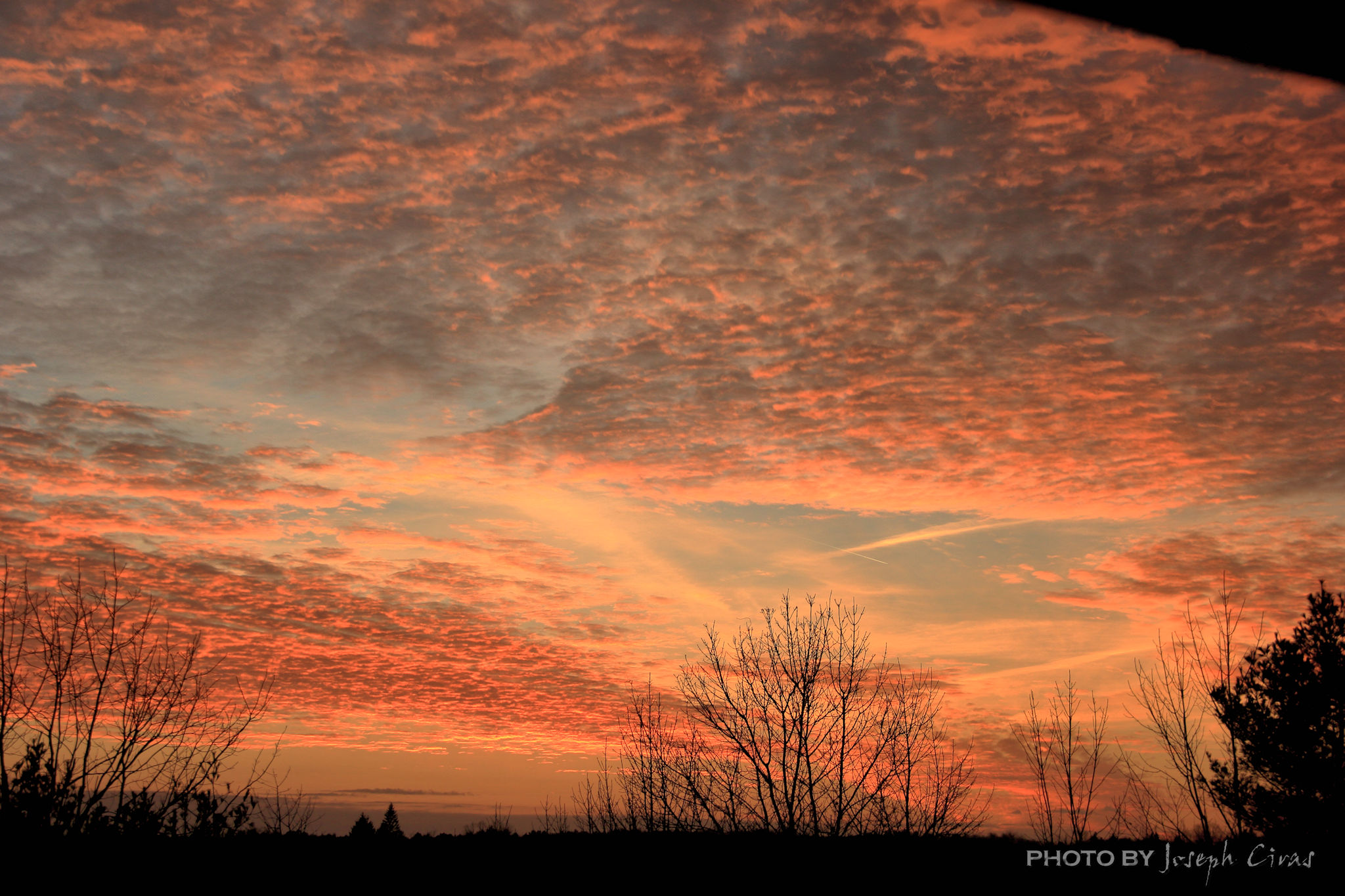
Wednesday, 01/26/2022: Posted photo — Colors.

Settings: Canon EOS 60D, ISO 100, f/7.1, 1/160 s, 115 mm.

Last week at this time, I posted a sunrise photo. Today I did the same.

I would like to talk about the colors in a sunrise/sunset. When the sun is low on the horizon during sunrises and sunsets, the sunlight travels through more of the atmosphere. Shorter wavelength colors (blues and violets) get scattered out. This leaves more of the longer wavelength colors like yellow, orange, and red. Therefore, sunrises often take on such colors. Some of the colors of a sunrise or sunset are #95382c, #141b24, #4f3c54, #223444, and #9c4a44 for the more technical people that read my post. Sunrises and sunsets are also in the 1000–2000 K range. Other base settings for sunrise and sunset photos are f/6–f/16 and a shutter speed of 1/500 s. I also like to take my photos one step underexposed to bring out the colors. Shoot RAW so values can be adjusted post process if required.

As always, practice sunrise and sunset photos to find out the best settings for your camera.

Thursday, 01/27/2022: Posted photo — Sky.

Settings: Canon EOS 60D, ISO 100, f/7.1, 1/640 s, 24 mm.

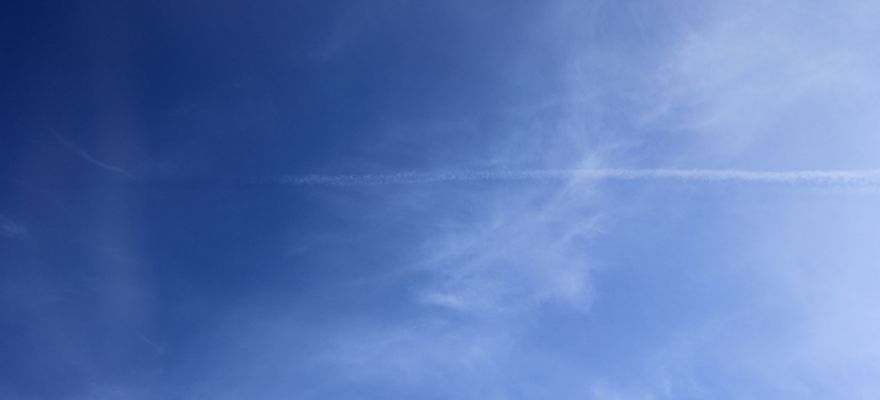
Here is another minimalistic photo for the week. I like this one better than the snow photo so this is the one that I may post for the 52 frames project.
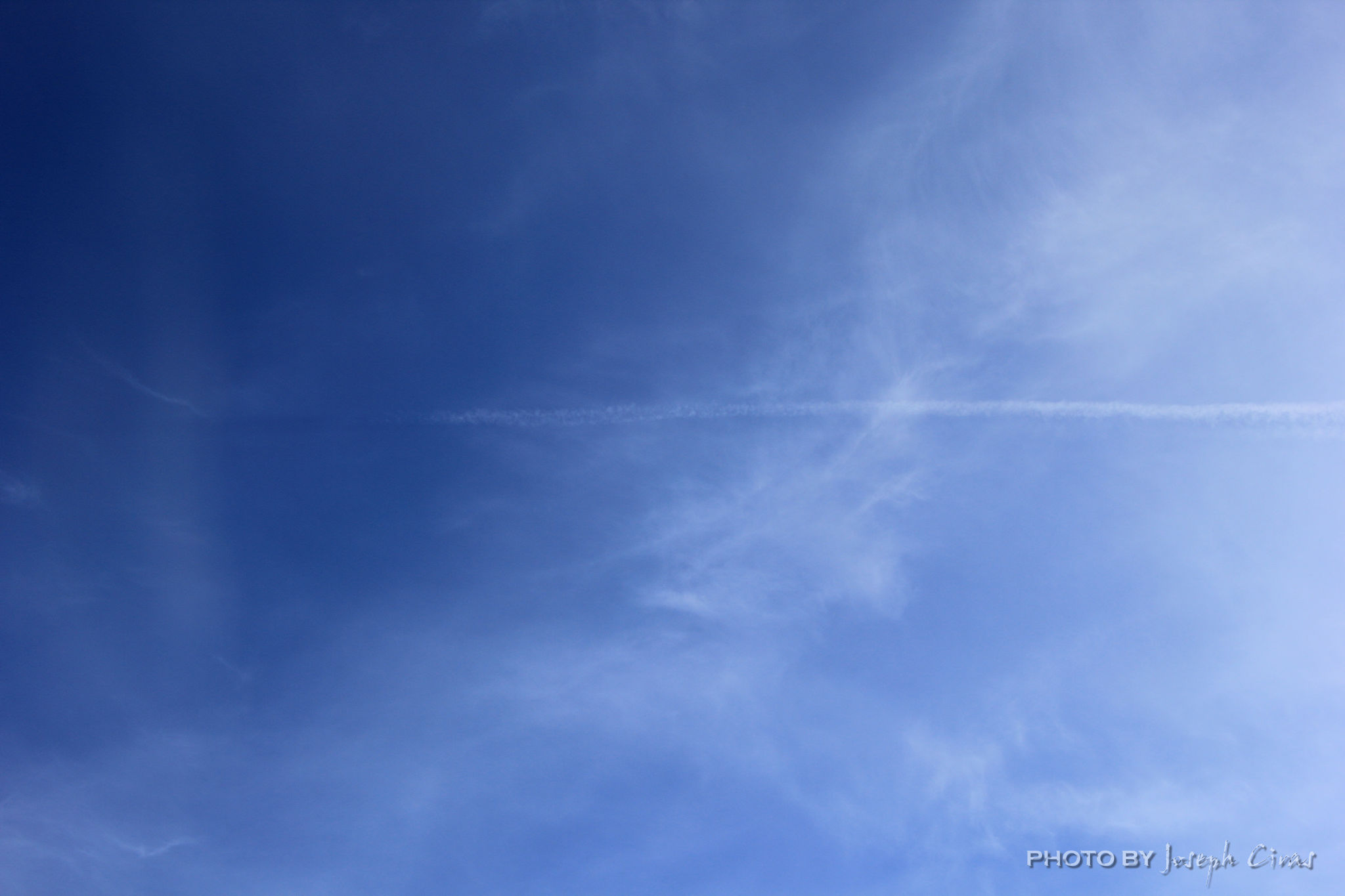
Some of the elements of minimalistic photography are simplicity, negative space, powerful composition, isolation, color, and lines and shapes. Minimalist photography shows the power of a simple solo object. In this case, it is the contrail against the blue sky.

Looking at the simplicity of this photo, my watermark may be taking away some of its impact. Need to think about that next time. There is a debate whether to watermark photos. It does take away from the aesthetic quality of some photos. I watermark the photos that I post and not the ones that I display in gallery showings or the ones that I sell.

Friday, 01/28/2022: Post photo — Hook.

Settings: Canon EOS 60D, ISO 100, f/5, 1/15 s, 62 mm.

I see a hook, a needlenose shark, or a stitch puller. What do you see? This is another pareidolia photo.

Today I am not writing much about this photo since I need to prepare our house for the snow storm that will happen tomorrow.

Saturday, 01/29/2022: Post photo — Looking Down the Street.

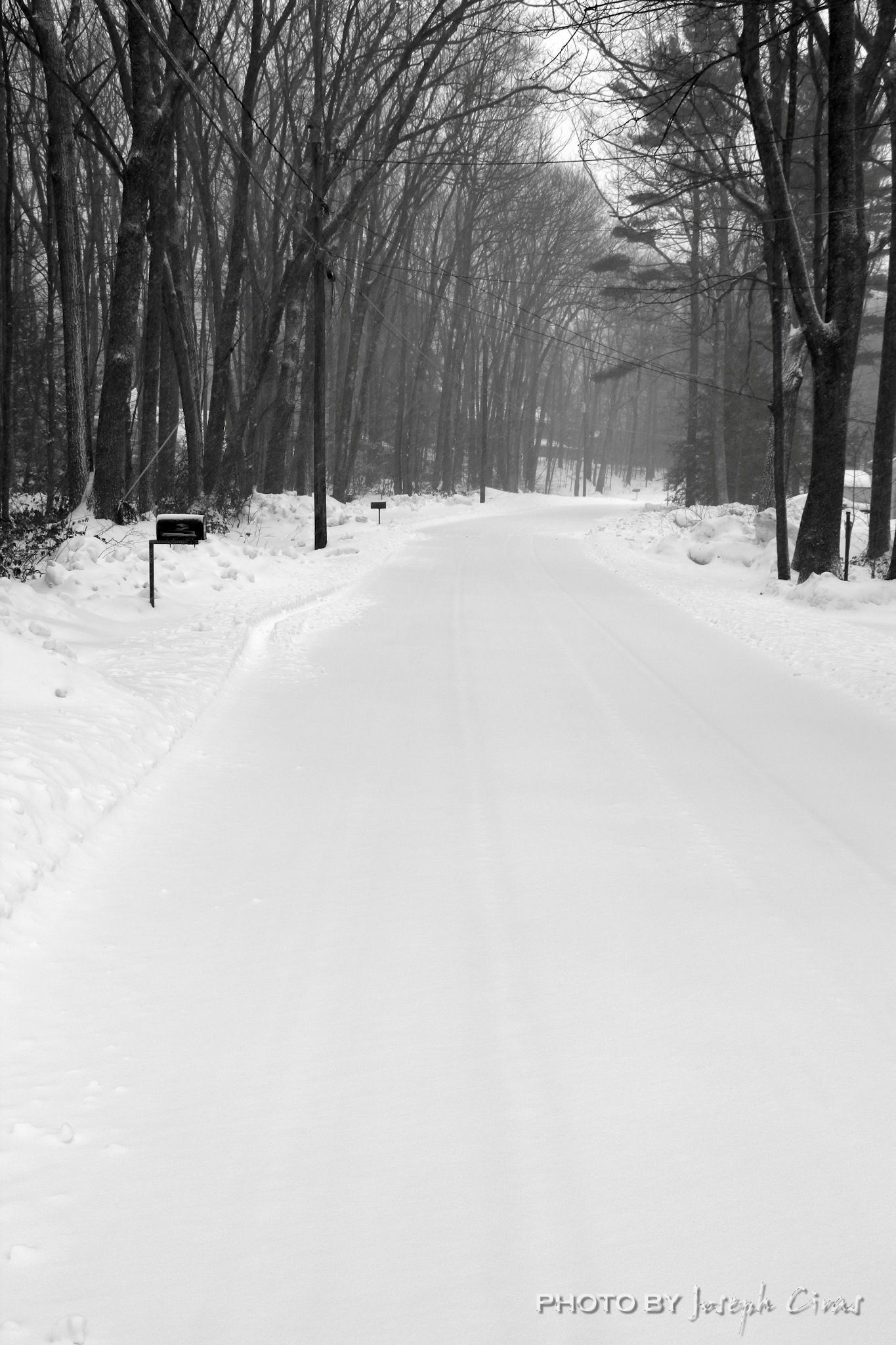
Settings: Canon EOS 60D, ISO 100, f/7.1, 1/80 s, 29 mm.

We received about 10 inches of snow out of today’s storm. It is much less than originally predicted. The storm moved out to sea, and we were on the outer edge of the storm.

I did go out every two hours today to shovel the snow. The first few times out there were a few inches of show to shovel. As the day went on, the shoveling was easier and quicker. Winter storm Kenan was another let down for us. Only 10 inches of snow. We are still waiting for the first big storm of the year.
Kenan was a bomb cyclone. A bomb cyclone is a storm that undergoes bombogenesis. Bombogenesis is a rapid intensification of a low-pressure system in which we measure in millibars. The lower the pressure is, the stronger the storm.

That is all for now. Until next week, be safe.

For more photo of other project I have work, visit my website: https://photobyjosephciras.weebly.com or visit me on Facebook at https://www.facebook.com/PhotobyJosephCiras/.

My Weebly website is back up and running. I am looking of suggestions on how to make it look better.
Photographic Thoughts — 12/05/2021 to 12/11/2021

“Most things in life are moments of pleasure and a lifetime of embarrassment; photography is a moment of embarrassment and a lifetime of pleasure.” — Tony Benn

Thank you for all the new views and likes from last week, it helps keep me inspired.

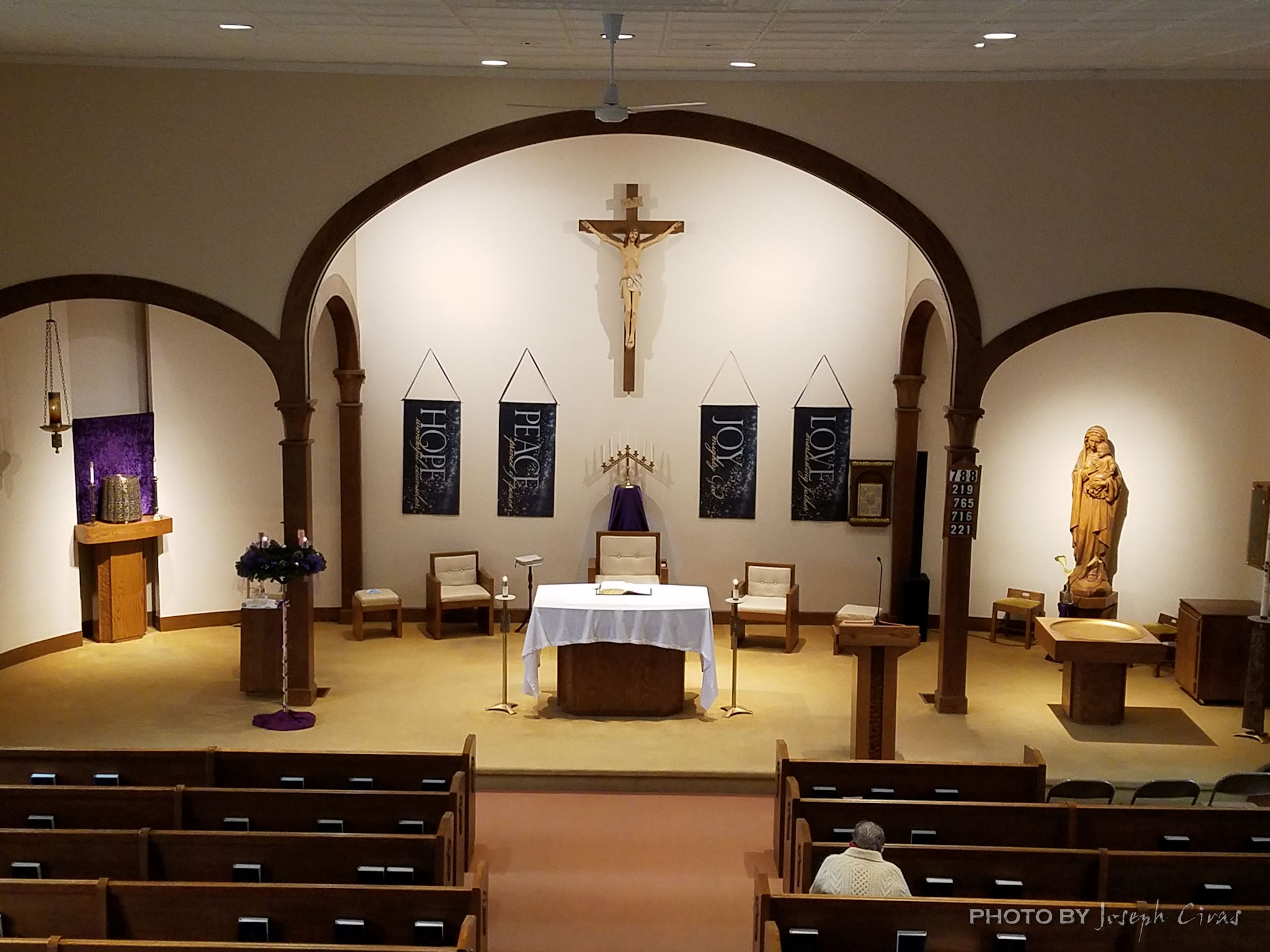
Sunday, 12/05/2021: Posted photo — Second Week of Advent.

Settings: Samsung SM-G930V (Galaxy S7), ISO 125, f/1.7, 1/60 s, 4 mm

Advent, (from Latin adventus, “coming”), in the Christian church calendar, the period of preparation for the celebration of the birth of Jesus Christ at Christmas and the beginning of the Christmas season.

The four weeks of Advent are broken down into the themes: Hope, Peace, Joy, and Love. The three purple candles on the Advent Wreath represent the preparation and repentance. During the third week of Advent, or Gaudete Sunday, a pink candle is lit to indicate rejoice, the time of waiting is almost over.

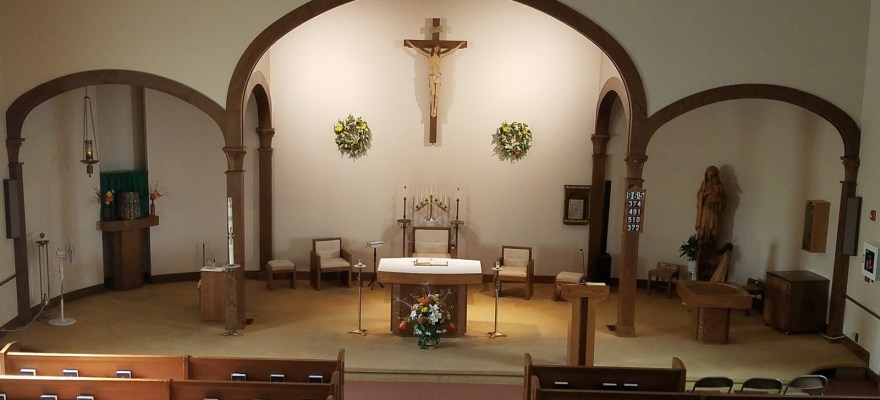
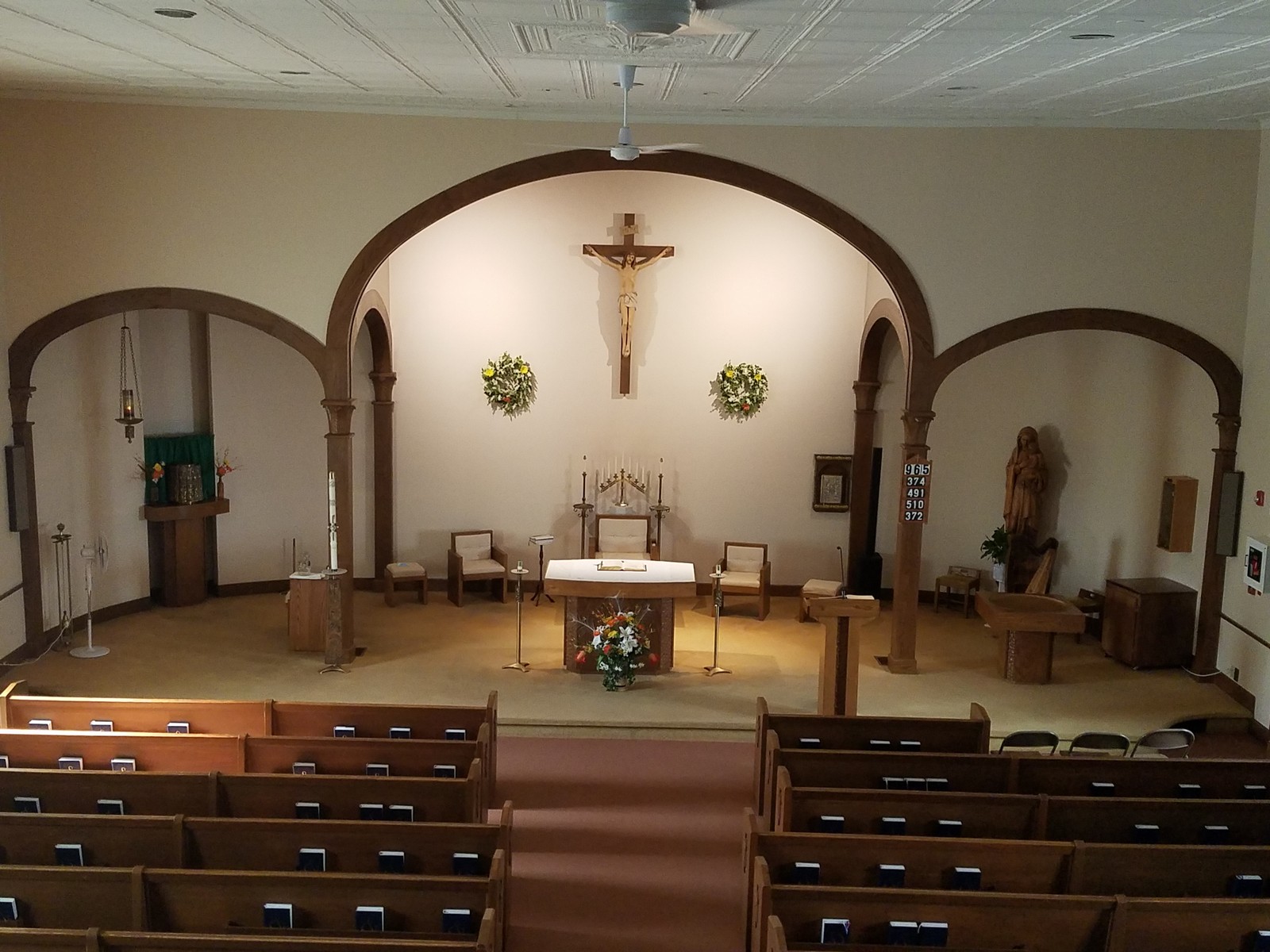
This photo was taken from the choir loft at our church. My wife and son sing with the folk group, and I joint them for the celebration of the Mass.

Monday, 12/06/2021: Posted photo — Color “fish” Photo.

Settings: Samsung SM-G930V (Galaxy S7), ISO 125, f/1.7, 1/60 s, 4 mm

I cancelled the Monday night hike, for safety reasons, due to the high winds and rain we were experiencing. Since there are inexperienced hikers in the group, it was not safe to be on the mountain. We would have hit the summit just at the bad weather was peaking. Because I did not hike tonight, I went grocery shopping tonight instead of my normal Tuesday evening.

When I am grocery shopping, I look for some food to photograph. I do this more in the winter since I do not have much opportunity to go outside in daylight to take my photo. Today, I saw these Goldfish crackers that are Goldfish Colors. I thought it would be punny to post a title of “Color ‘fish’ Photo”, instead of “Colorful Photo”.

https://www.campbellsoupcompany.com/newsroom/campbell-history/6-things-you-didnt-know-about-the-snack-that-smiles-back/

In 1962, Pepperidge Farm founder, Margaret Rudkin, launched Goldfish crackers in the United States.

Here are some things you didn’t know about Goldfish crackers:

  • While on vacation in Europe, Margaret visited a Swiss cookie manufacturer that had a similar product, and together they reached an agreement to bring the salty, fish-shaped crackers to the U.S.
  • Oscar J. Kambly, the original Swiss creator of the cracker, created them as a birthday present for his wife whose astrological sign was Pisces — which is often represented in Greek mythology as a fish.
  • The first five flavors of Goldfish that were launched were Lightly Salted (Original), Cheese, Barbecue, Pizza and Smoky, and it wasn’t until 1966, four years after the crackers were first launched, that the Cheddar Cheese flavor was introduced.
  • Willard, Ohio is the Goldfish capital of the world! Our bakery in Willard, a town of 6,000, can produce more than 50 million Goldfish crackers a day.
  • The Goldfish signature smiley face was added in 1997, and about 40% of the crackers feature the smile!

Tuesday, 12/07/2021: Posted photo — Anchor.

Settings: Canon EOS 60D, ISO 400, f/9, 1/1600 s, 18 mm.

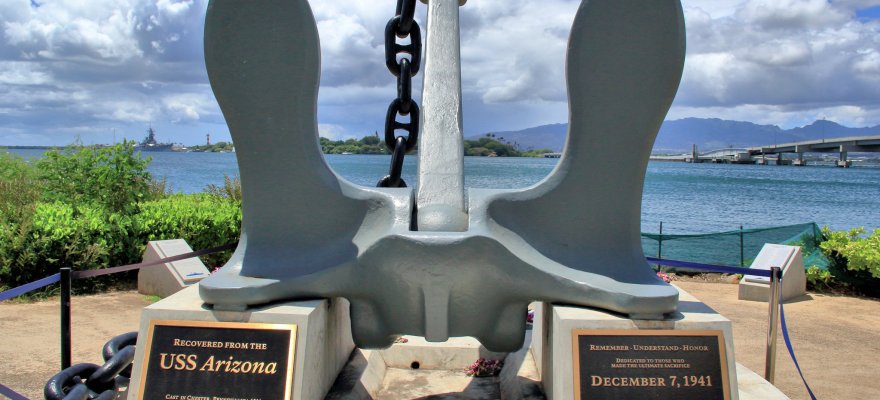
“Yesterday, December 7, 1941— a date which will live in infamy— the United States of America was suddenly and deliberately attacked by the naval and air forces of the Empire of Japan.” — FDR. Thus started the United States entry into World War II.

This photo is from my second visit to Pearl Harbor. It still amazes me that there is oil floating out of the USS Arizona. Looking back, I posted the same photos a year ago. This is from that post — “’This anchor was recovered from the Arizona. The ship had three anchors. The crew used one in calm seas and two in foul weather, the third as a spare. Each weigh nearly 10 tons.’ This are the words on a placard near the USS Arizona Anchor at the World War II Valor in the Pacific National Monument in Hawaii. The sacrifice these men and women made to make our country the great country it is today.” See my original post on Pearl Harbor, and more photos from the National Monument, by clicking on this link, https://wordpress.com/post/photobyjosephciras.wordpress.com/568.

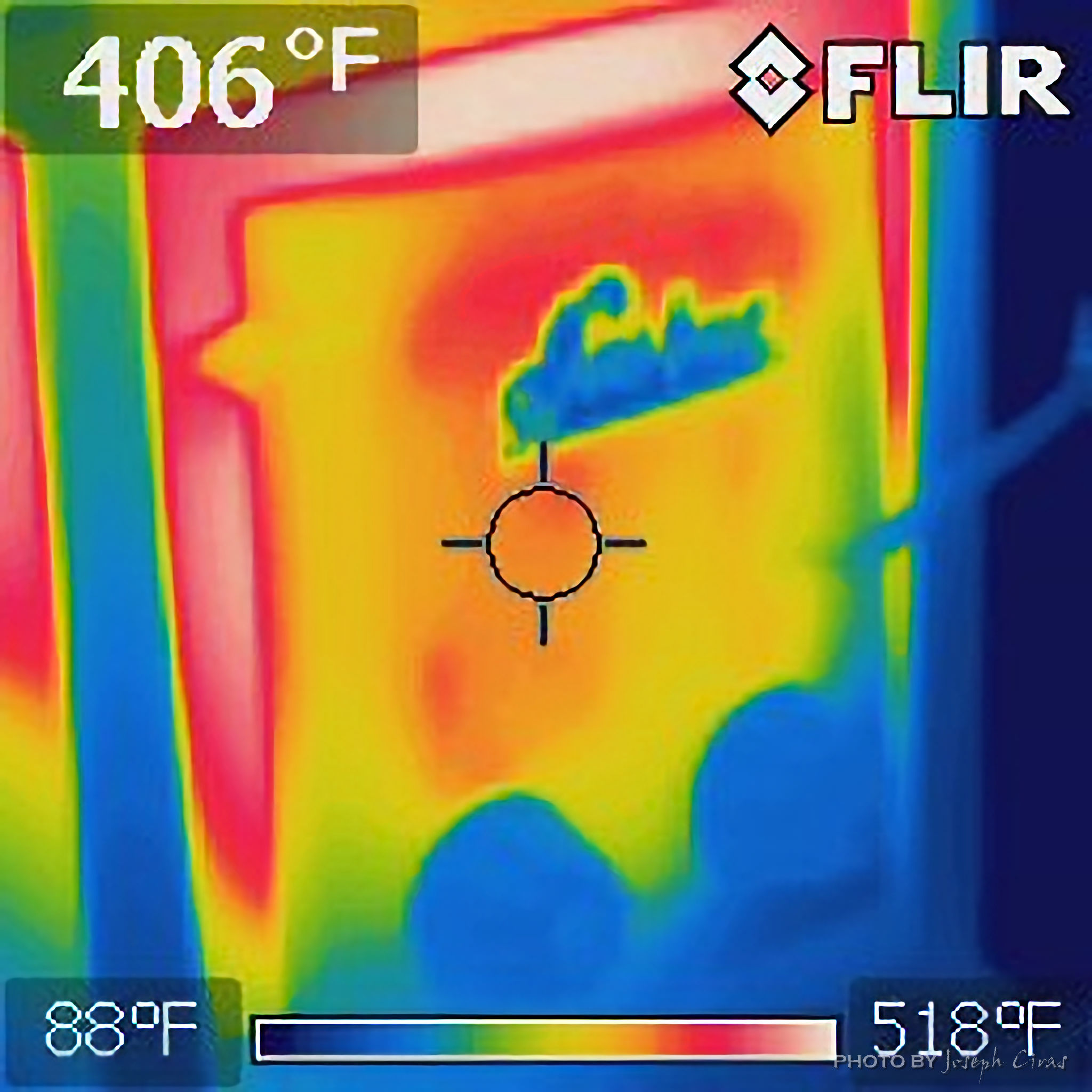
Wednesday, 12/08/2021: Posted photo — Wood Stove.

Settings: FLIR i5, ISO n/a, f/na, 1/30 s, 7 mm.

Some of you may know that I own an infrared camera. This camera takes photo of heat signatures of object. I use it to look at insulation in houses and efficiencies at power generating plants. Occasionally I use it to take artistic photos. Some of these photos are of footprints, handprints, car engines, warm tires, and even have used it as a stud finder.

Once or twice a year, I use it to check out my wood stove. My wood stove is old and not as efficient as some of the newer stoves. It is just a steel box with an exhaust pipe. One item that I often check is the temperature given on the stovepipe thermometer. This is a thermometer that has a magnetic backing and just sticks to the stove pipe. To my surprise, that thermometer and my thermal camera normally show the same temperature. The 518°F (250°C) temperature reading is the maximum temperature my camera can detect. The brand name of our stove is Nashua. You can just make out the name near the center of the photo next to the pointer.
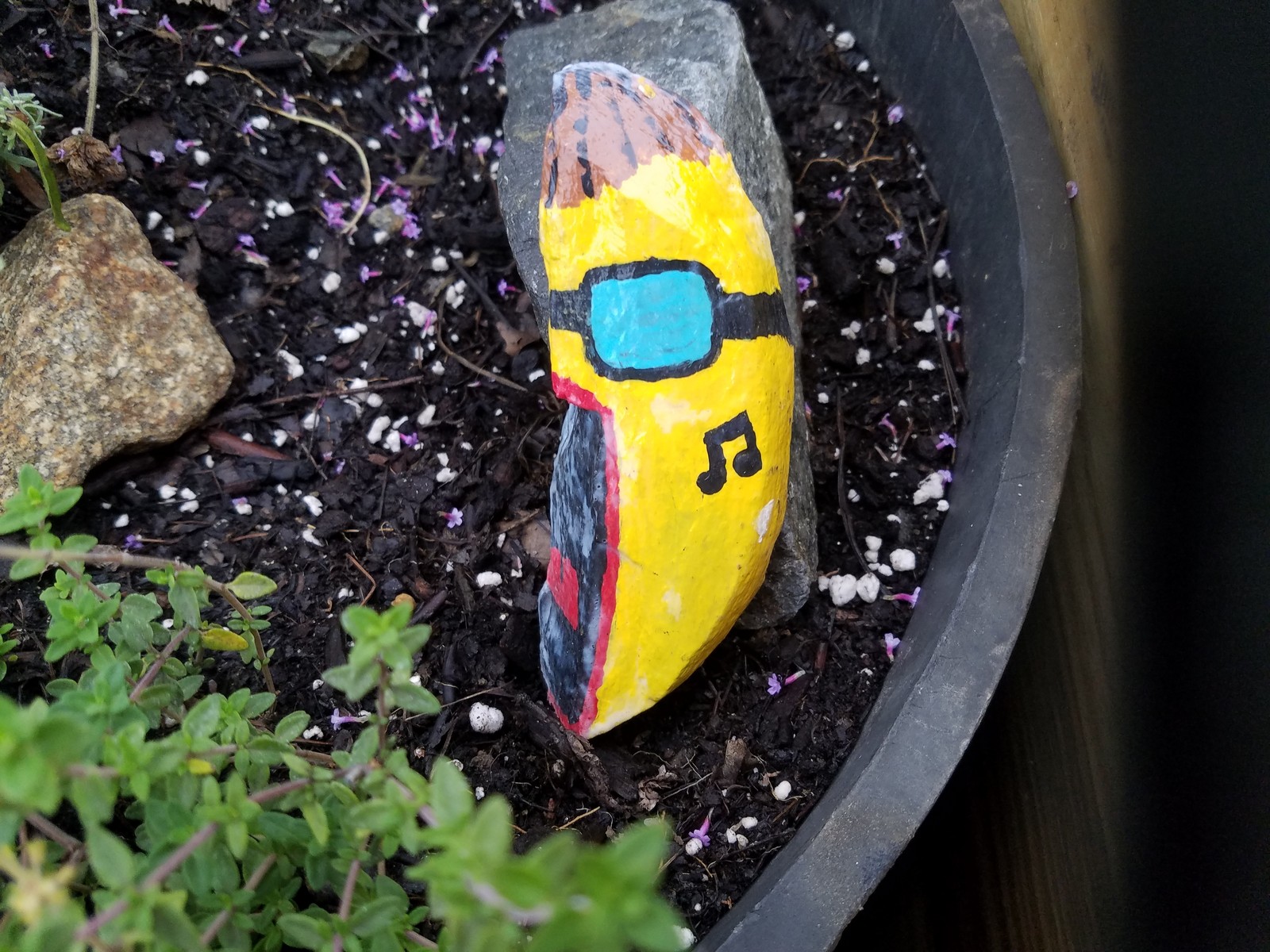
Thursday, 12/09/2021: Posted photo — Footprints in the Snow.

Settings: Canon EOS 60D, ISO 100, f/5.6, 1/1000 s, 25 mm

It snowed last night. Well, I would not call it a storm, just a little more than a dusting. No need to shovel or plow. The roads were snow covered in the morning, so driving for some was not easy due to black ice. Black ice, sometimes called clear ice, is a thin coating of glaze ice on a surface, such as a road. As the name implies, you do not always know when it is present, and it is very dangerous.

I like footprints in the snow. They seem so mystical for me. I wonder where the footprints lead, where was the person going, or where did the person come from. I know this is not the first footprint photo that I have posted over the years. I liked the way the sun caused shadows in the prints.

Friday, 12/10/2021: Post photo — Sunset from Office.

Settings: Canon EOS 60D, ISO 100, f/5.6, 1/80 s, 38 mm

Came out of a meeting to this. Took out my camera before it was past. The colors at sunset disappear quickly so I was quick to the camera. During the meeting, I could see the light through the windows was changing as it does at sunset. I did not expect much when I went back to my office. Then I saw the red clouds just getting end of the sunset. Reminds me of the saying of always have your camera with you, you never know want photo opportunity you might have.

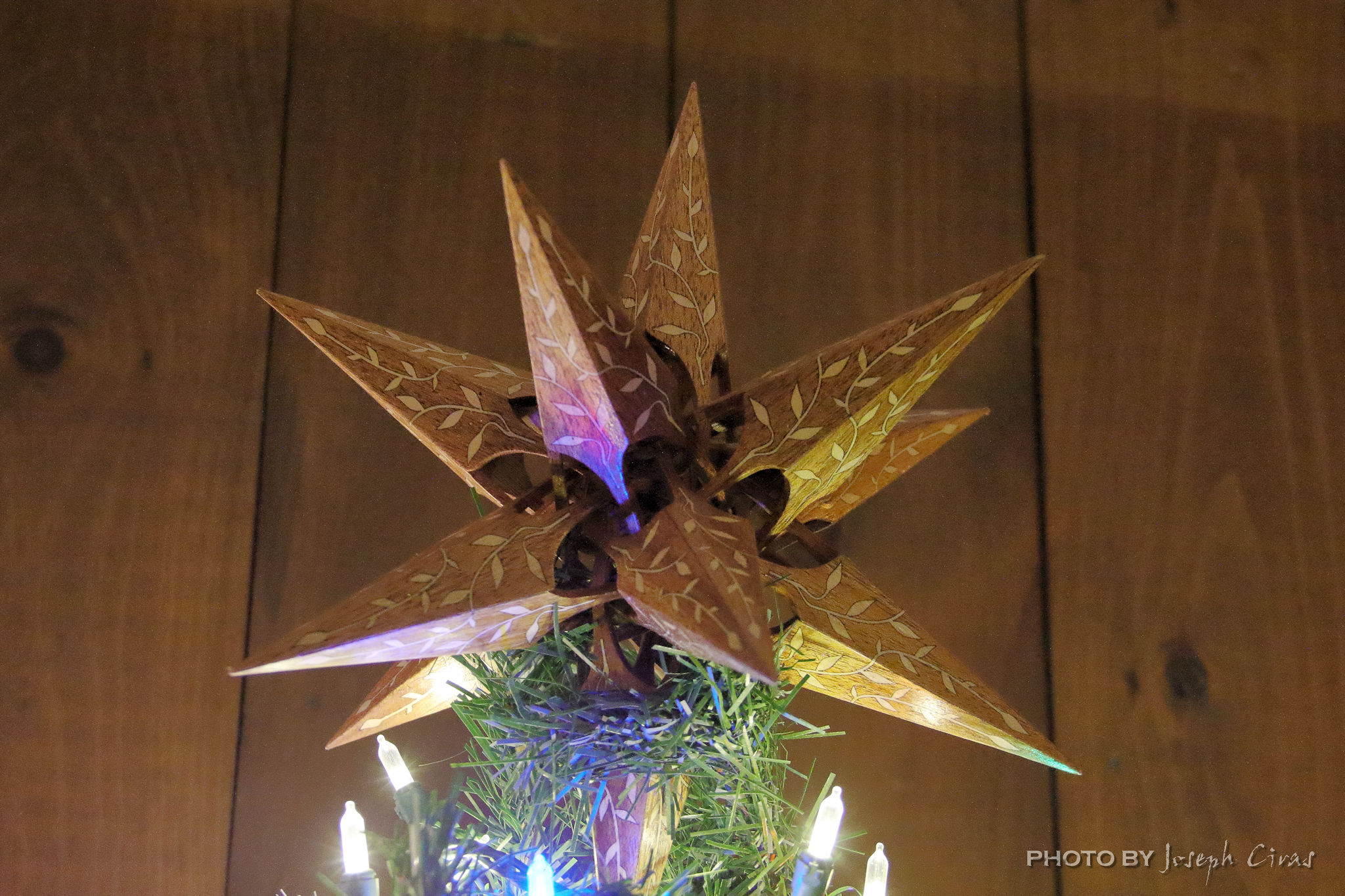
Saturday, 12/11/2021: Post photo — Star on Tree.

Settings: Canon EOS 60D, ISO 3200, f/5.6, 1/15 s, 33 mm.

The star on our Christmas tree. This star was created by my brother-in-law for our family. Check out more of his work at https://www.facebook.com/profile.php?id=100068315455341 or https://www.etsy.com/shop/PolyhedralPlayground.

That is all for now. Until next week, be safe.

For more photo of other project I have work, visit my website: https://photobyjosephciras.weebly.com or visit me on Facebook at https://www.facebook.com/PhotobyJosephCiras/.

Please note that I have not been able to post to my Weebly page for over a week, so the photos are a little behind there. Weebly technical support is still working on the issue.

Photographic Thoughts — 10/31/2021 to 11/06/2021

“I love the people I photograph. I mean, they’re my friends. I’ve never met most of them or I don’t know them at all, yet through my images I live with them.” — Bruce Gilden

Thank you for all the new views and likes from last week, it helps keep me inspired.

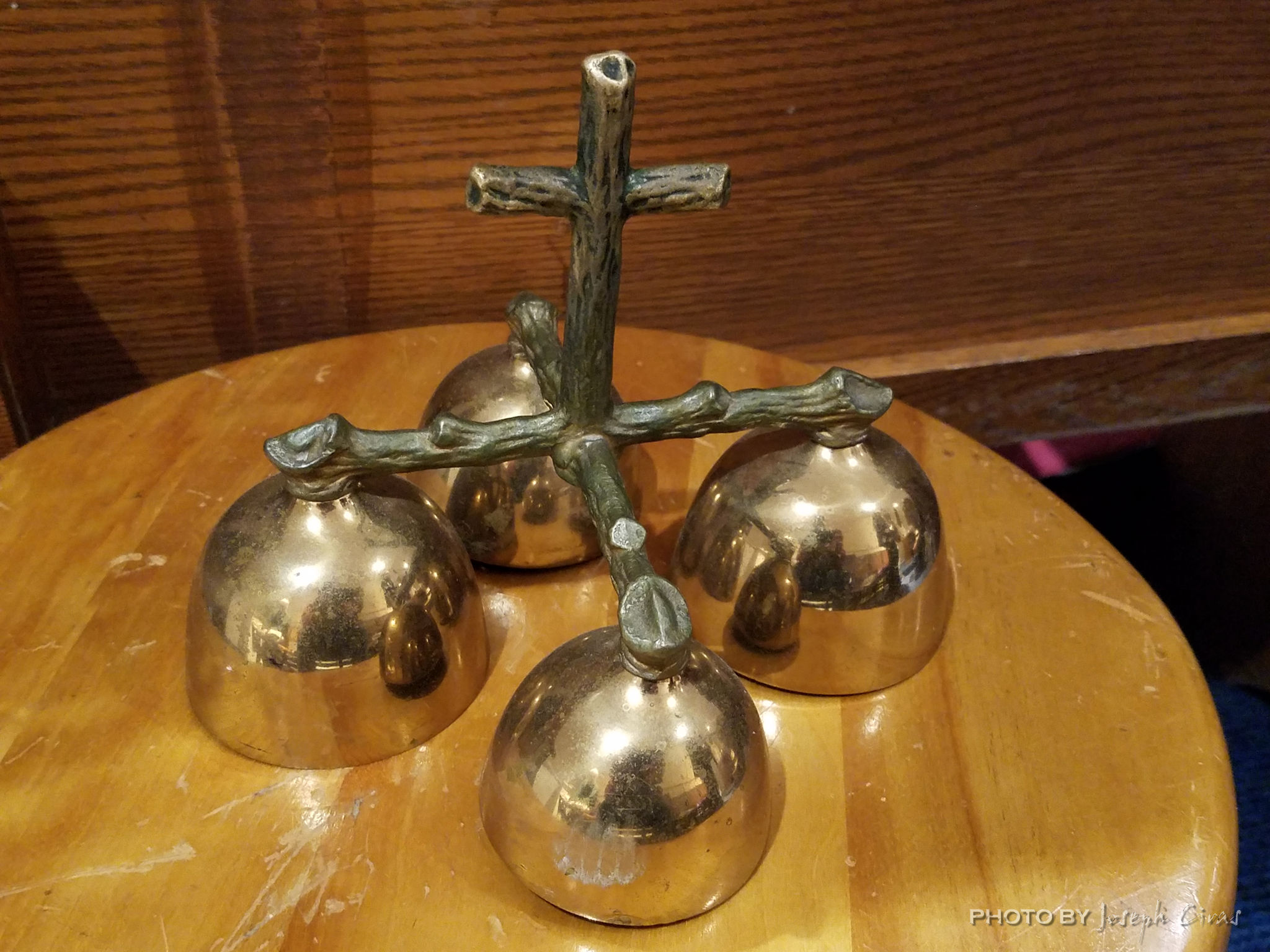
Sunday, 10/31/2021: Posted photo — Bells.

Settings: Samsung SM-G930V (Galaxy S7), ISO 320, f/1.7, 1/10 s, 4 mm

These are the bells that are rung at Saint Denis Church. I rang the bells this week since the deacon was on vacation. Brought me back to the days when I was and altar boy.

Bells were rung to alert the people to what they could not easily see or hear, so that they could attend to the important and solemn action at the altar. In the past, due to the architecture of a church, the people were physically separated from the altar by the choir — and in some cases a significant number of faithful were impeded from seeing the altar during Mass. So, a little before the consecration a server rings a bell as a signal to the faithful.
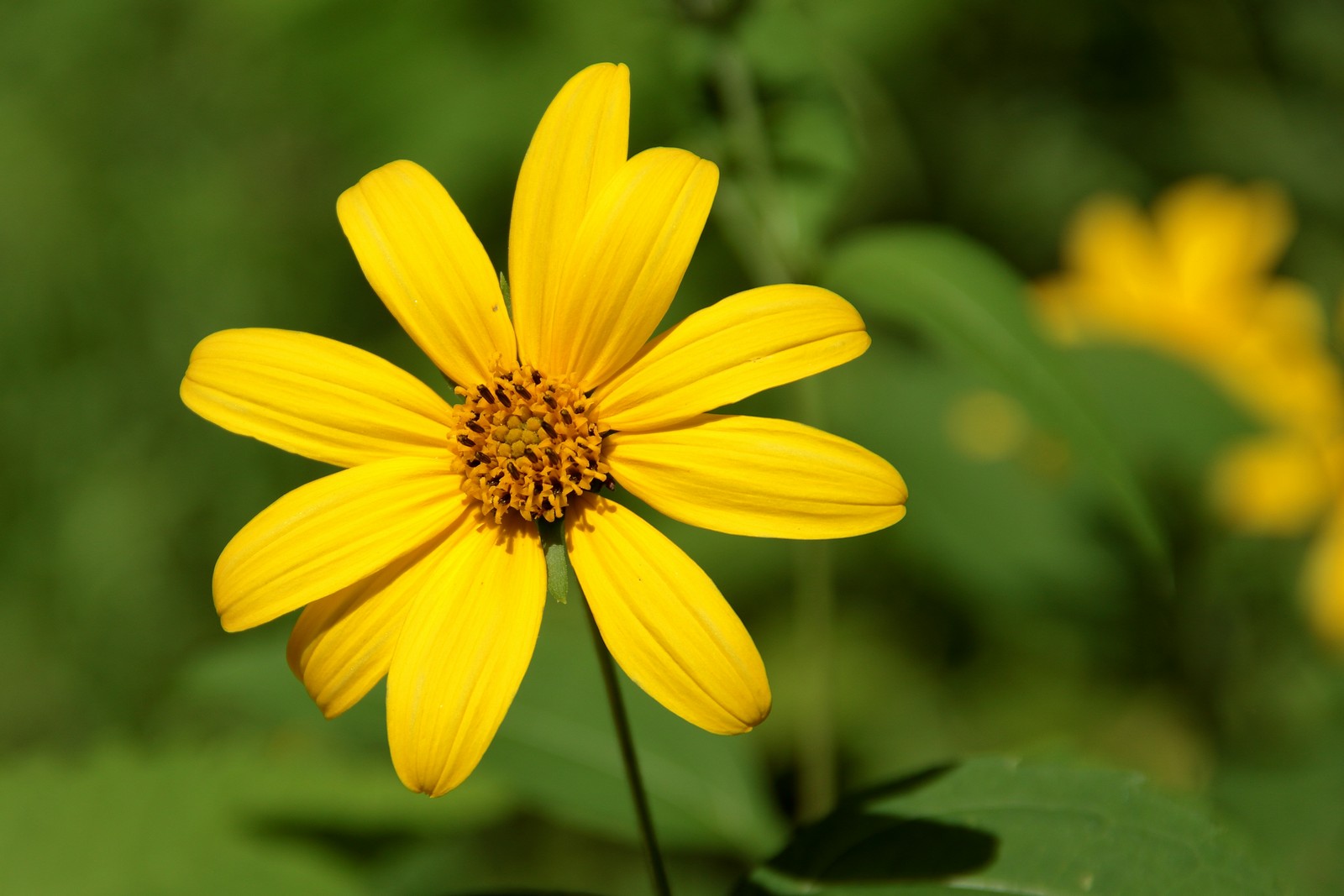

Monday, 11/01/2021: Posted photo — Pu’u’ula’ula.

Settings: Canon EOS 60D, ISO 100, f/9, 1/100 s, 32 mm.

Pu’u’ula’ula (Red Summit Hill) at Haleakalā National Park Makawao, HI on the island of Maui. This is the highest peak on the island at 10,023 feet. “The road to the cinder cone is paved and holds the world record for climbing to the highest elevation in the shortest distance. Starting from Kekaulike Avenue, the ascent is 34.11km (21.2 miles) long via 28 hairpin turns. Over this distance the elevation gain is 2.011 meters. The average gradient is 5.89%.” (https://www.dangerousroads.org/north-america/usa/3509-pu-u-ula-ula-red-hill.html) I did not mind the ride. I think the crazy people were the ones that rented bicycles and drove down the hill.

We attempted to get to the peak for sunrise since our initial plan was to spend the night on Maui. We had our tickets in hand to get into the park before it officially opened. Due to Hurricane Lane, we were only on Maui for one day since our cruise ship left Honolulu two days late due to the port being closed. We were able to drive up to the summit later in the day to take in the view. The view was wonderful. It was great to be above the clouds.

If you go to Maui, you should go to Haleakalā National Park for the sunrise. I hear it is spectacular.

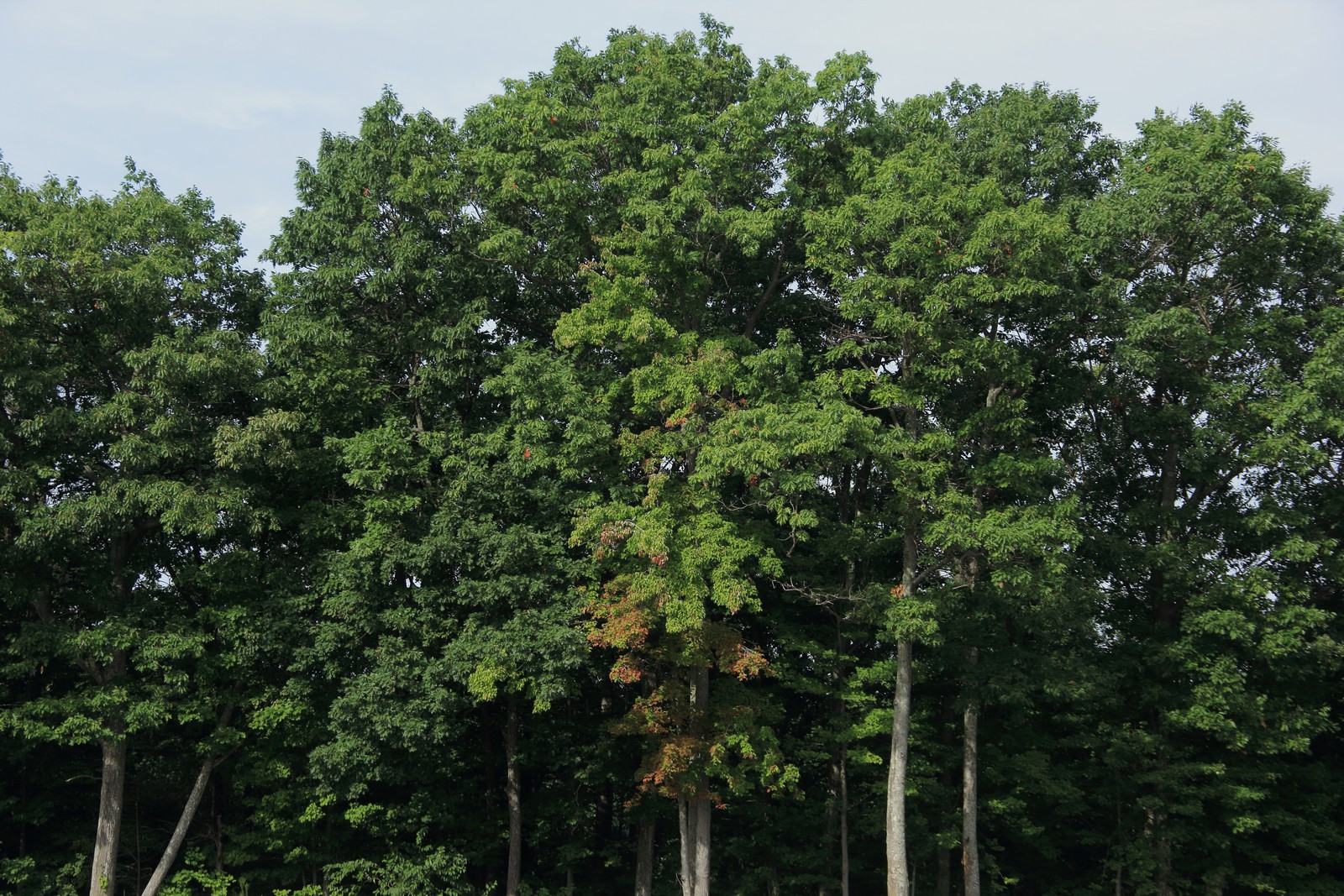
Tuesday, 11/02/2021: Posted photo — Foliage Again.

Settings: Canon EOS 60D, ISO 100, f/7.1, 1/320 s, 32 mm.

I took a photo of these set of trees a few weeks ago. I did so since I liked the brightness of the sun against the past colors of the tree. We are now past the colorful foliage season and into the fall browns.

Before long, all those leaves will “fall”, and someone will need to rake them up. Fortunately, it will not be me since these trees are not on my property.

If you cannot tell, this photo was done with an HDR, or High Dynamic Range, process. This is a single photo that I made into an HDR photo. I took the photo and processed it by stepping up and stepping down the exposure to blend into an HDR photo. The proper way of creating a HDR photo is to take three or more consecutive shot with your camera at the different exposure levels and then blending them together. HDR is a technique used to reproduce a greater range of luminosity than that which is possible with standard photographic techniques. This is done when the lighting is not that great for a single photo.

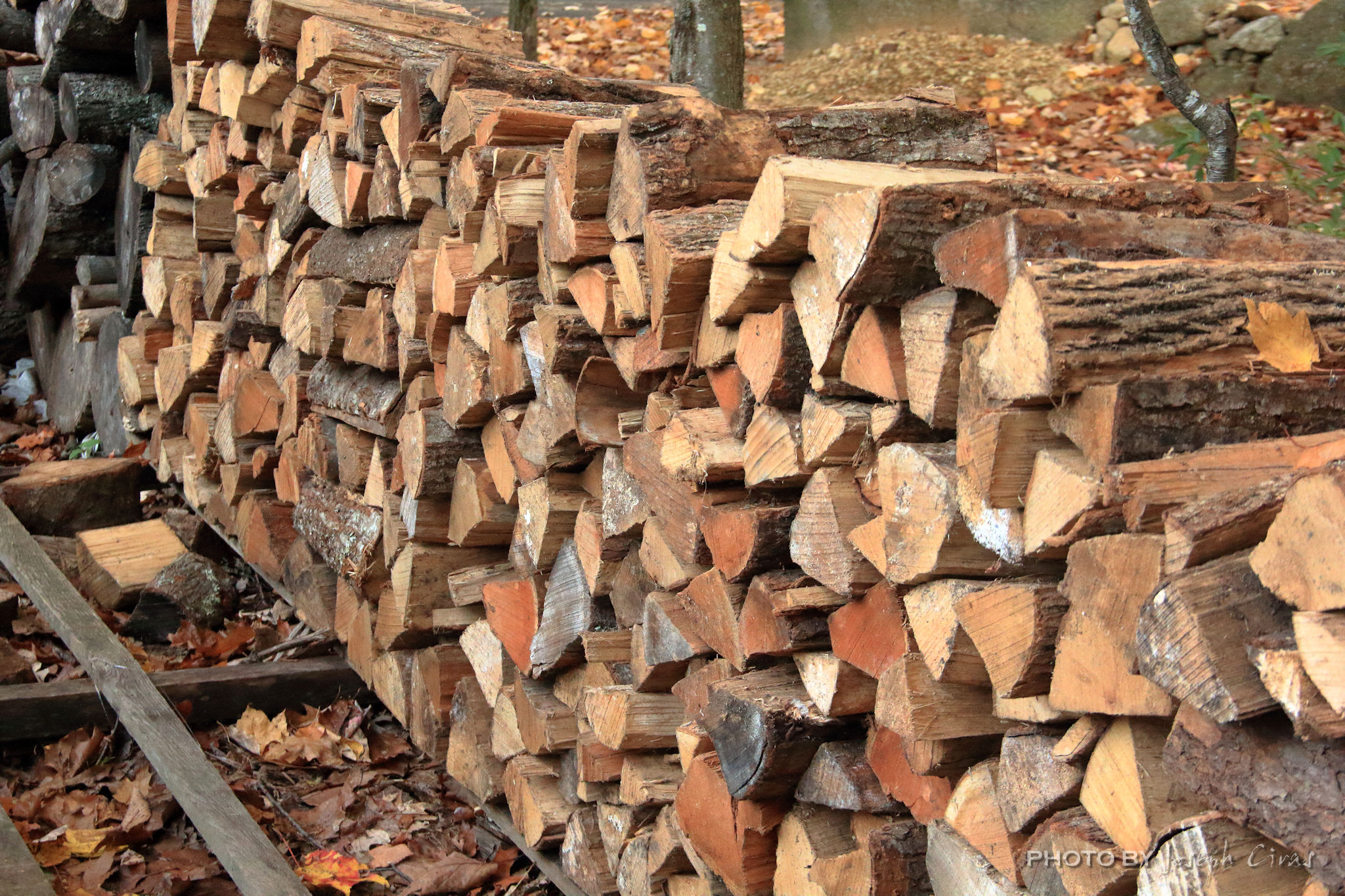
Wednesday, 11/03/2021: Posted photo — Stacked Wood.

Settings: Canon EOS 60D, ISO 3200, f/7.1, 1/50 s, 42 mm.

We had two of the five cords of wood I ordered delivered to the house on Monday. My son did a great job stacking over a cord in the woodshed. I stacked the remaining wood in the woodshed last night. This stack of wood is what is remaining from last year’s supply. We have been burning some in the last weeks to get the chill out of the house. When we get into the burning season, we will be mixing the old with the new wood to get a more efficient heat output.

This photo is a yearly photo that I take of our wood. It serves as documentation to when wood was ordered each year. It just happened that this wood was delivered 364 days after my last wood delivery.

Three cords of wood will be delivered to the house sometime soon and I will all need to be stacked in the woodshed. My woodshed is designed to hold four cords. A cord of wood is four feet wide, 4 feet high, and eight feet long. It has a volume of 128 cubic feet. The wood that I get is cut at 18 inches long to fit in out wood stove.

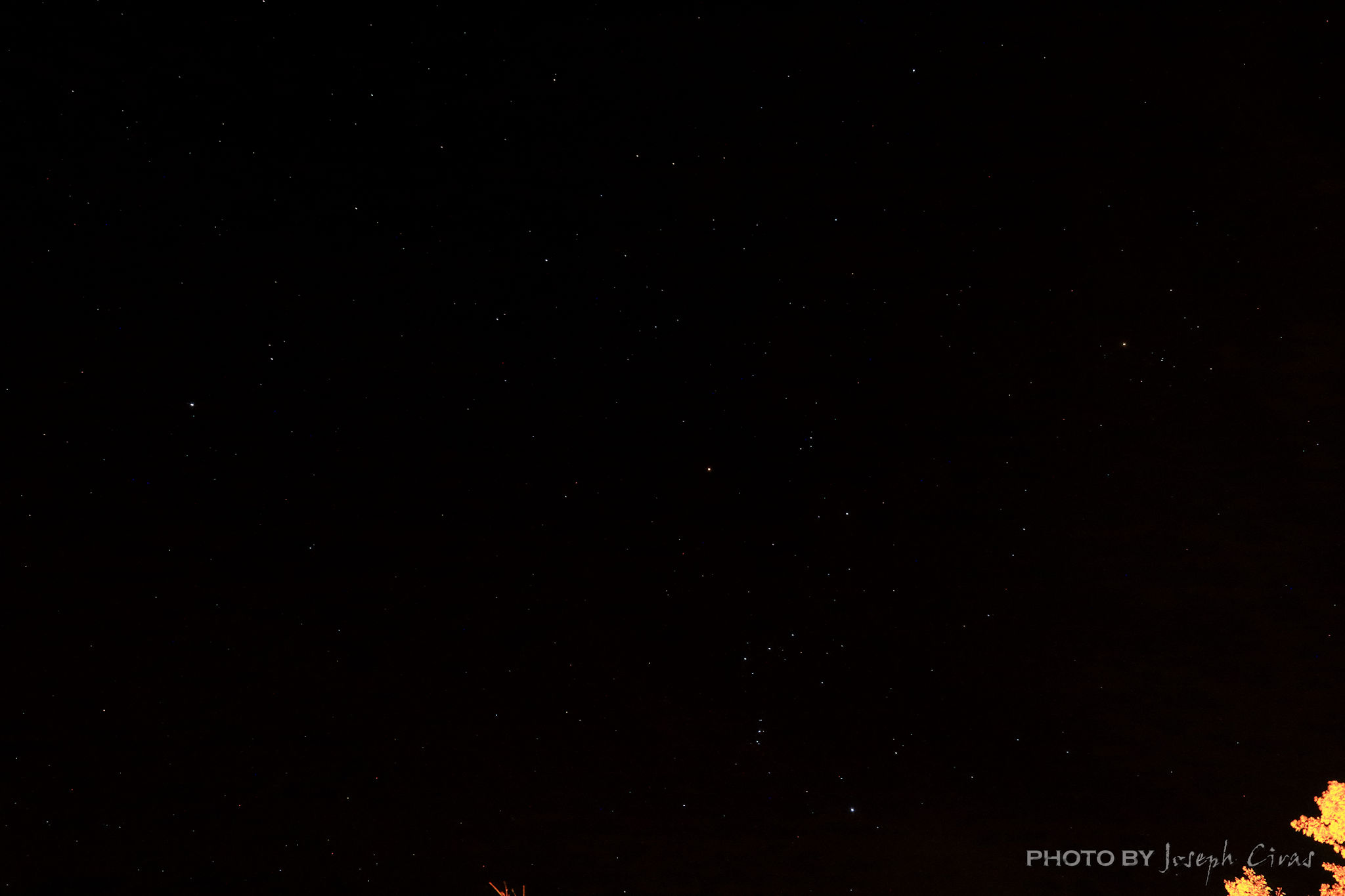
Thursday, 11/04/2021: Posted photo — Orion.

Settings: Canon EOS 60D, ISO 3200, f/11, 15 s, 18 mm.

Orion is the brightest and most beautiful of the winter constellations. Some of its stars, including Betelgeuse and Rigel, are among the brightest stars.

Orion is clearly visible in the night sky from November to February. Orion is in the southwestern sky if you are in the Northern Hemisphere or the northwestern sky if you are in the Southern Hemisphere. It is best seen between latitudes 85 and minus 75 degrees. Its right ascension is 5 hours, and its declination is 5 degrees.

There are several versions of the myth of Orion, but one of the more common iterations is that Orion proclaimed himself to be the greatest hunter in the world, much to the dismay of Hera, the wife of Zeus. She had a scorpion kill him, and Zeus put Orion into the sky as consolation. In another version, Orion is blinded for raping Merope, a granddaughter of the god Dionysus. He has to travel East to seek the sun’s rays to recover his sight.” (https://www.space.com/16659-constellation-orion.html)

I saw Orion yesterday morning when I was going into work. Today I decided to take a photo of the constellation. I knew at the time that I took this photo that I would not be the best one of a constellation since I was going to take it in the parking lot at work. (For your information, this is the third constellation photo that I have taken.) Today is the new moon so the conditions would be better to take this photo. I should have taken it in a darker location. Look in the bottom near the center. You can see the belt clearly.

Looking at the setting for my shot, it seems that I did not change the aperture setting that I used from my last moon photo. The f/11 setting is too small. I should have used a setting of f/3.5 to get more light in my photo. With a larger aperture setting, I could have reduced my ISO value taking noise out of the photo.

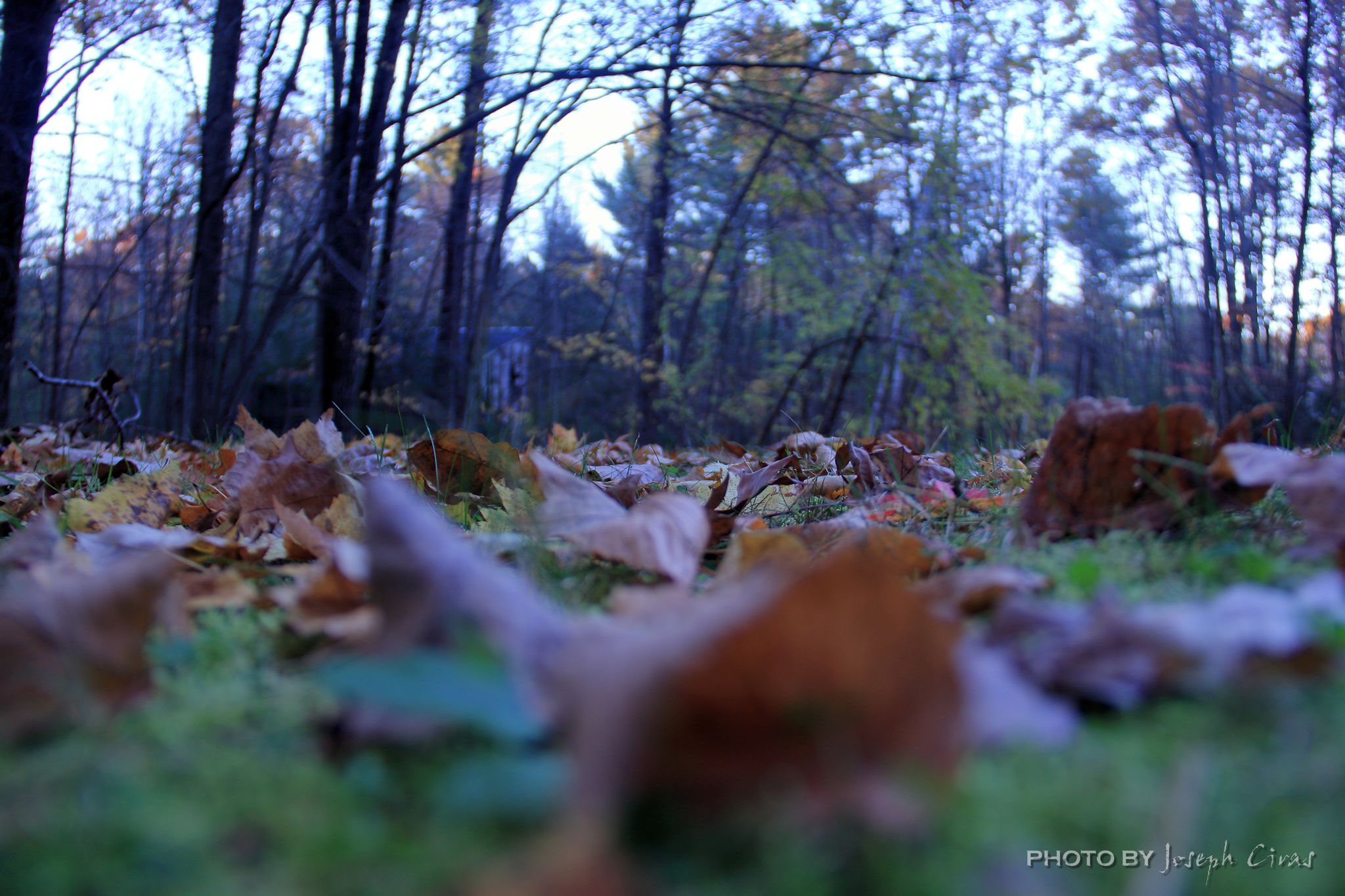
Friday, 11/05/2021: Post photo — Mouse Eye View.

Settings: Canon EOS 60D, ISO 100, f/3.5, 1/13 s, 18 mm.

This is what our yard might look to a mouse. I put my camera down in our lawn and took this shot. I will be cleaning up these leaves soon. There are still more to fall, so I just wait a day or two.

Saturday, 11/06/2021: Post photo — TBD.

Settings: TBD.

I have not decided what to post today. Come back later today or tomorrow to see my updated post.

That is all for now. Until next week, be safe.

For more photo of other project I have work, visit my website: https://photobyjosephciras.weebly.com or visit me on Facebook at https://www.facebook.com/PhotobyJosephCiras/.

Photographic Thoughts — 10/24/2021 to 10/30/2021

“You can look at a picture for a week and never think of it again. You can also look at a picture for a second and think of it all your life.” — Joan Miro

Thank you for all the new views and likes from last week, it helps keep me inspired.

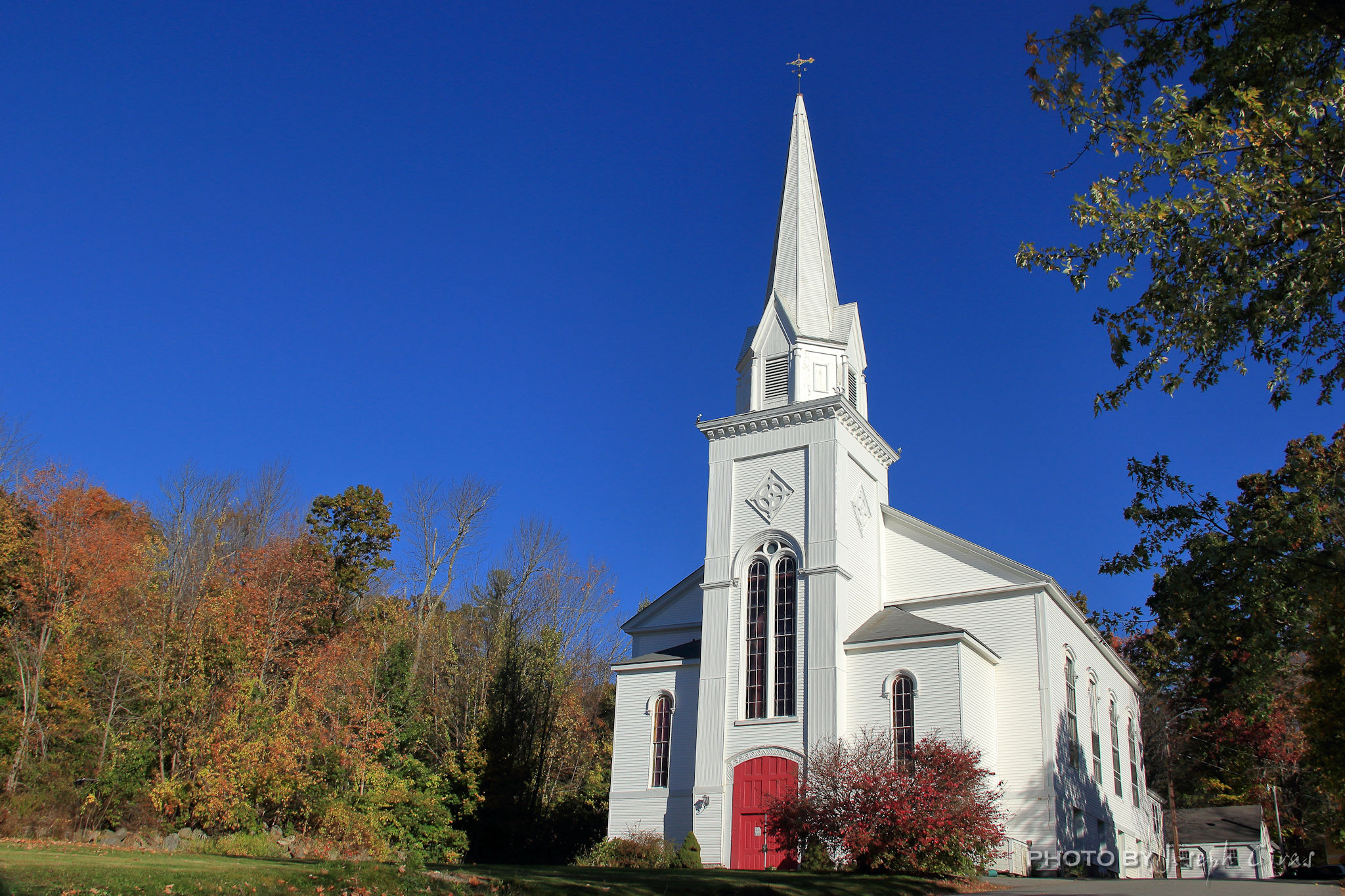
Sunday, 10/24/2021: Posted photo — Ashburnham Community Church.

Settings: Canon EOS 60D, ISO 100, f/7.1, 1/640 s, 18 mm.

The Ashburnham Community Church is now home to the New Dawn Arts Center.

Information off the New Dawn Arts Center website (www.newdawnarts.org). The church was constructed in 1834, the steeple houses a church bell cast by a former apprentice of Paul Revere, and the 1886 pipe organ was installed by Boston organ builder George Hutchings. The church was part of The Underground Railroad.

The Community Church was sold to the Arts Center a few months ago. The congregation of the church was getting smaller so they could not afford to keep the church in operation. The Arts Center is allowing the church to hold services there and all other outreach services are still running at the church, such as a food pantry.

New Dawn Arts Center at the Ashburnham Community Church

I just like the look of churches with their steeples and stained glass. When I was going to church, I was drawn to the contrasting white church and the clear blue sky. The foliage looked to be past, but it did show well in this photo. The church that I belong to is across the street from the Community Church. I have taken photo of this church before and will again since I like its architecture.

Monday, 10/25/2021: Posted photo — Mountain View.

Settings: Canon EOS 60D, ISO 100, f/6.3, 1/80 s, 39 mm.

What a great view from the summit today! As you can see, the summited was fogged in. I had to use my map and compass to find my way down part of the trail. Using a map and compass on Wachusett Mountain is not very common since the fog has not been this dense in a very long time and people look at me strangely when I use them in good weather. I could see the trail ahead of me tonight. I was just verifying the bearings at each trail junction just so I did not head back up the mountain. It was good practice for me.

Fog on the mountain

Over the past few months, I have been taken the bearings at each junction and verifying elevations and coordinate locations with my trail map program and with the paper trail map of the mountain. I am in the process of putting together a detailed map of the mountain to help new and experienced hikers. Map and compass skills are essential to survival. Using these tools on a well hiked mountain is great for learning this skill.

The error most people will make is not accounting for magnetic declination (14° West on Wachusett Mountain). Magnetic declination is the angle between true north and magnetic north. Remember “West is best and East is least.” You add the declination to your reading if the declination is to the West or subtract the declination from the reading if it is to the East. I can adjust my compass for declination prior to use so I do not have to do the math if I am in a dangerous situation. Not all compasses can be adjusted. I would suggest spending a little more money on a compass that can be adjusted. It could save your life. Remember to always practice this skill in a known location prior to any “big” hike. Do not rely on the GPS on your phone.

Tuesday, 10/26/2021: Posted photo — Flowers.

Settings: Samsung SM-G930V (Galaxy S7), ISO 80, f/1.7, 1/60 s, 4 mm

Part of the opening paragraph from the novel “Paul Clifford” by Edward Bulwer-Lytton states, “It was a dark and stormy night; the rain fell in torrents …” It was a dark and stormy day today. Heavy rain, high winds and fog were the norm. I was going to post the following photo for today, a photo of wet foliage.

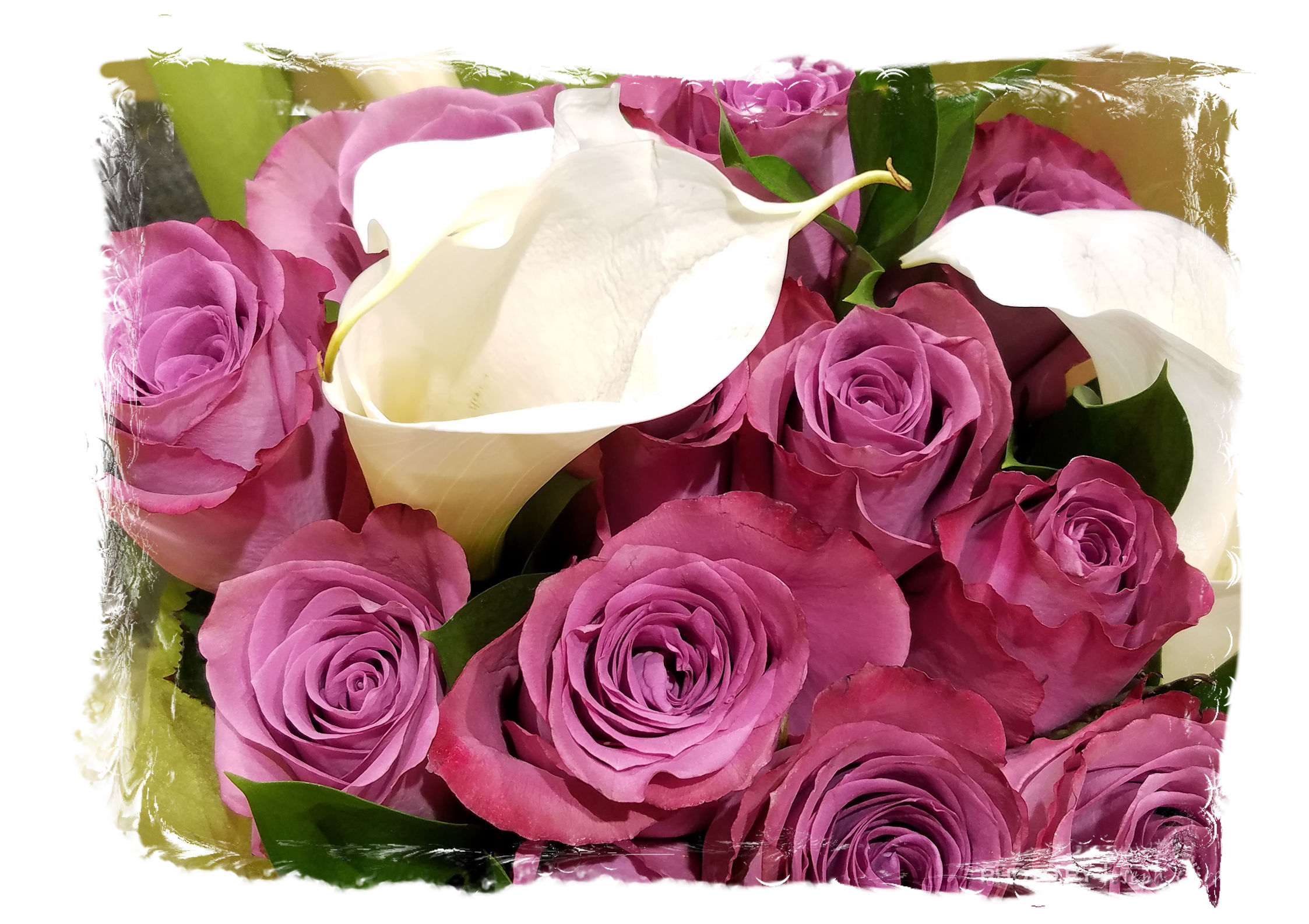
Bouquet to cheer up the day

I went grocery shopping before I posted my photo and saw the flowers that I posted. I thought of how flowers put smiles on people’s faces and wanted to brighten up this gloomy day. Here is another photo of some more flowers that I took today during my shopping trip to brighten your day.

Secondary post of flowers for the day
The photo that I did not post

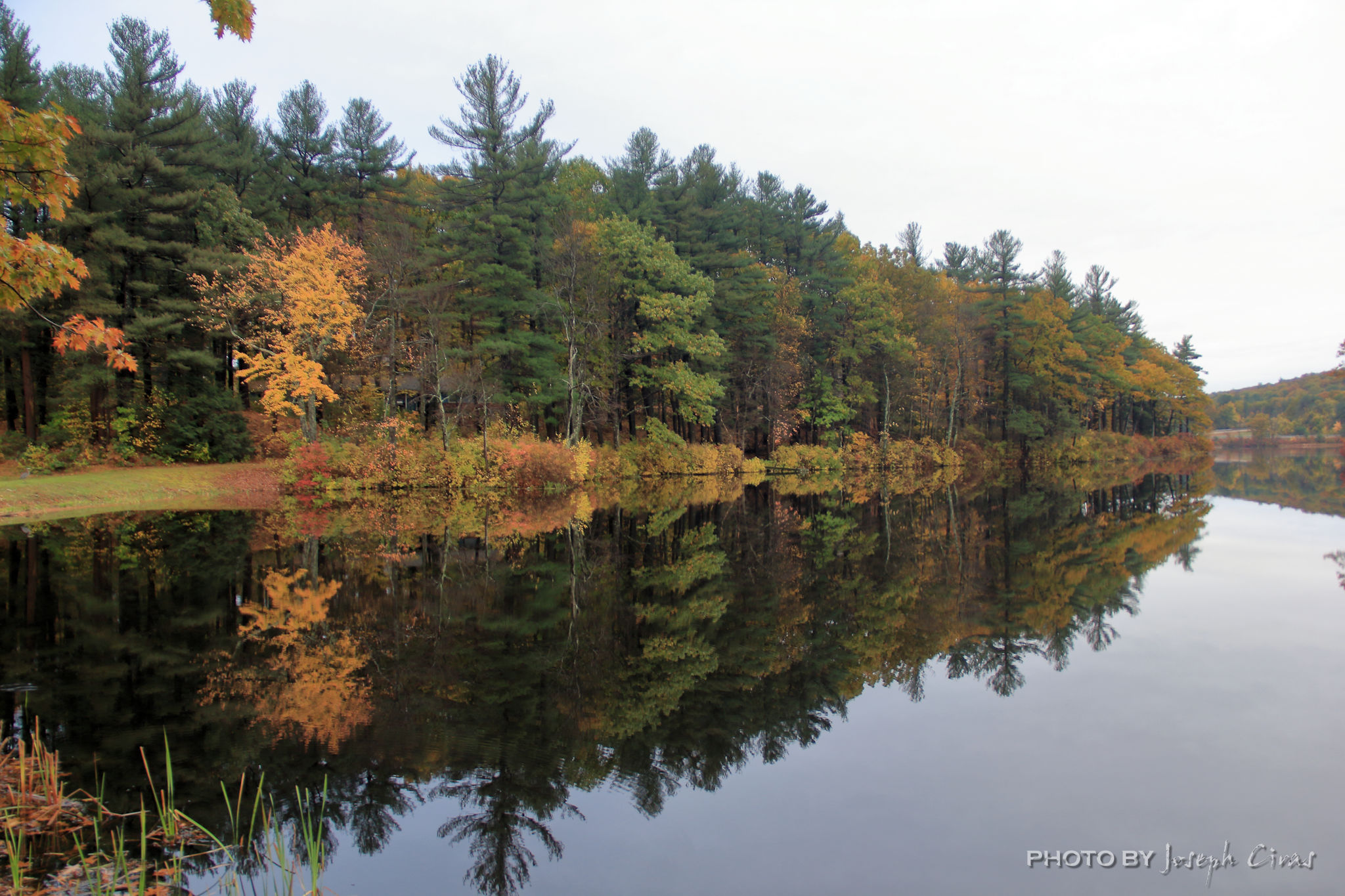
Wednesday, 10/27/2021: Posted photo — Reflection.

Settings: Canon EOS 60D, ISO 200, f/3.5, 1/25 s, 18 mm.

I was not intending to take this photo. I was intending to post a photo from either my trip to Alaska, or my trip to Hawaii, since the weather still is a little gloomy.

While on my way home from work, the reflection of the trees on Round Meadow Pond caught my eye. The lighting was iffy, but I made the quick decision to go to one of my favorite photographic locations and see if there was an opportunity for a reflection photo in the smooth water.

Reflections on the shoreline

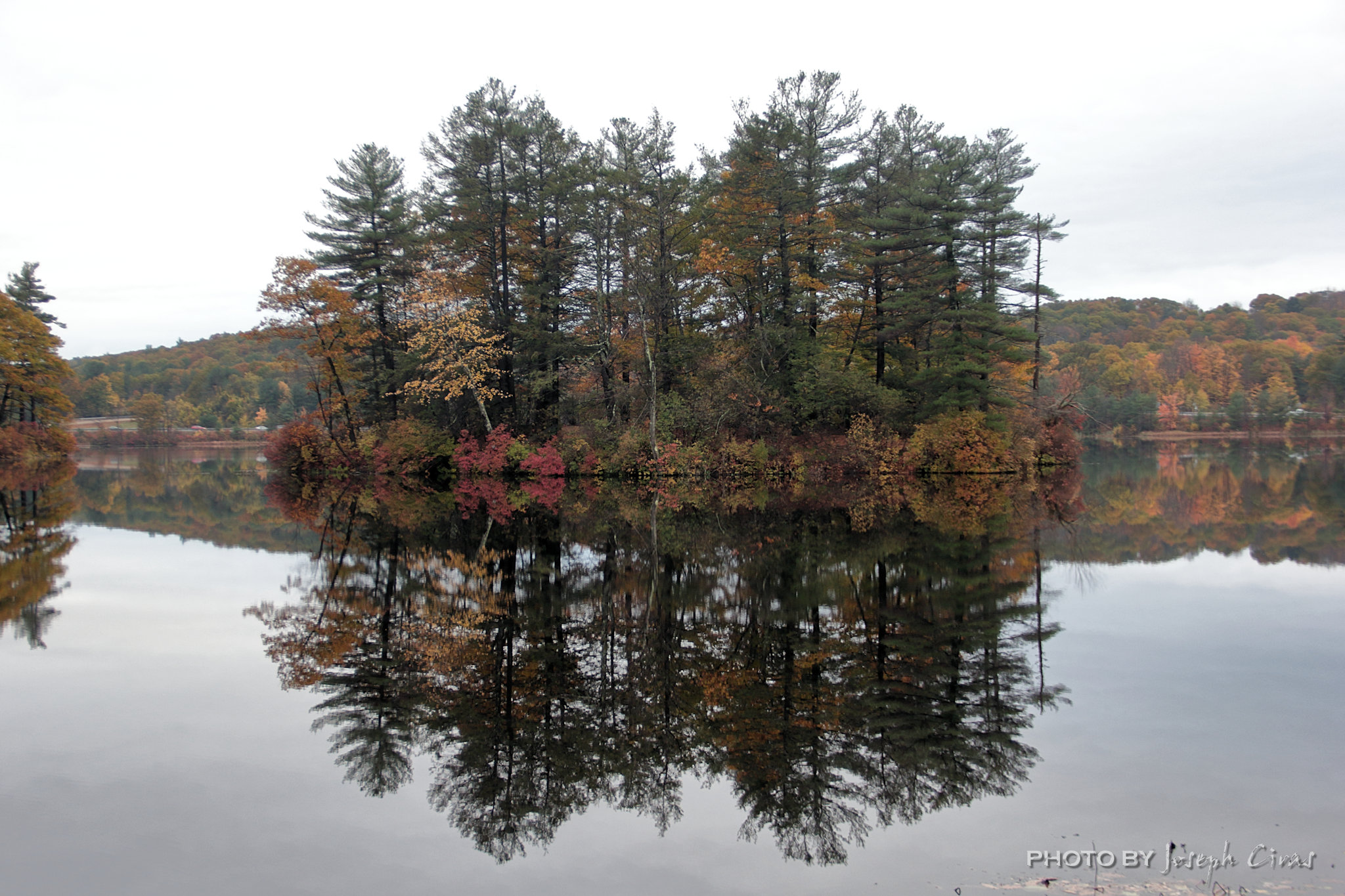
I first took a photo of the island and its reflection. I did not quite like it lack leaves on the tree. It made the island look unattractive and scraggly. Then I took a photo of the trees along the shoreline. Trees along the shore usually take a good photo. I was happier with this photo. I was not excited about this photo, just happier than I was with the island photo.

The island shot I did not like

Sometimes it is better to post a bad photo from that day, then a good photo from the past for historical reference.

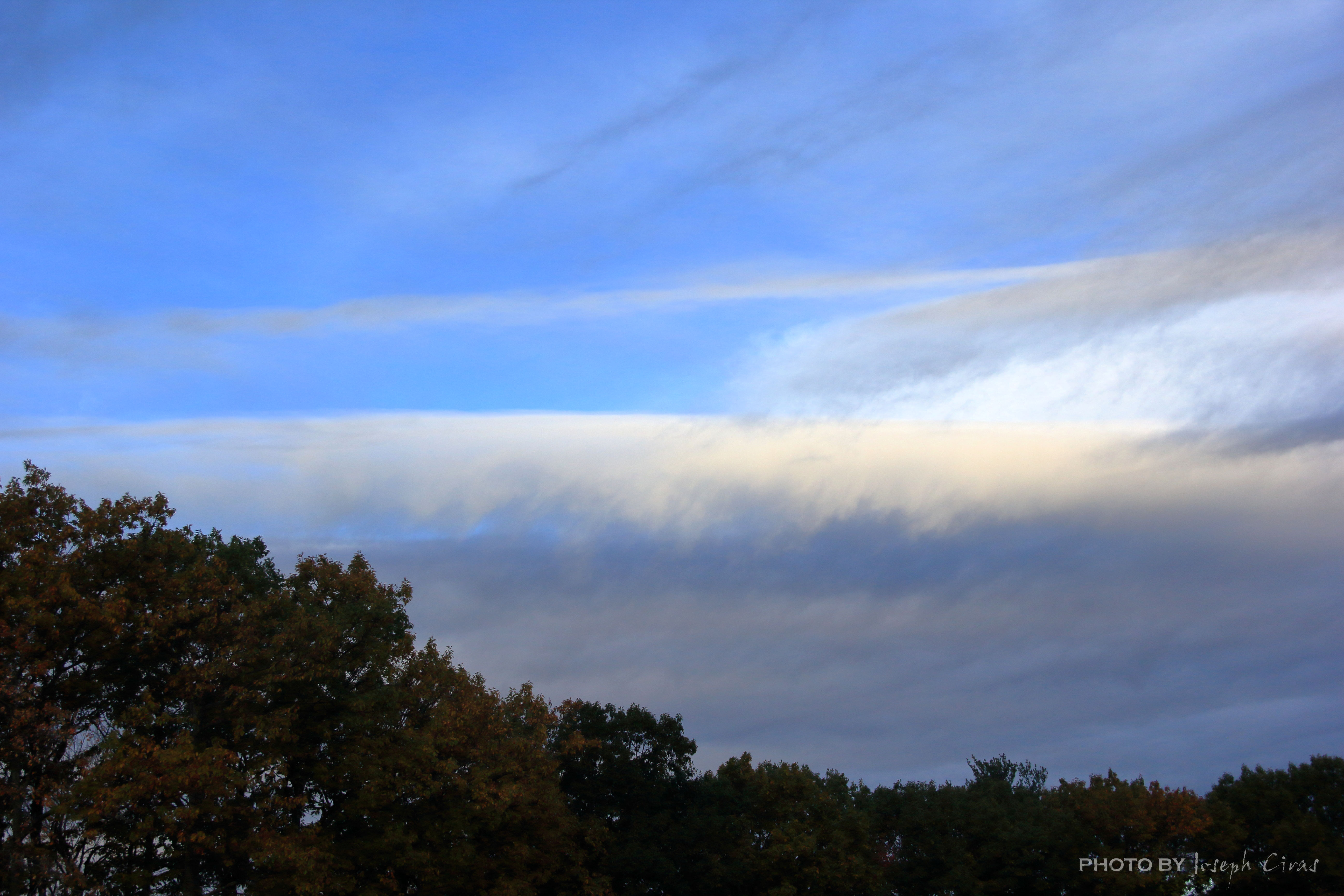
Thursday, 10/28/2021: Posted photo — Weather Front.

Settings: Canon EOS 60D, ISO 200, f/7.1, 1/800 s, 36 mm.

Weather front in the morning

A weather front is the transitional zone between two different air masses. An air mass a body of air with horizontally uniform temperature, humidity, and pressure. The high-pressure side of the front is the side with no clouds. In a high-pressure system, the warmer air is flowing downward. The low-pressure side of the front is the one with the clouds. In a low-pressure system, cold air is flowing upward causing condensation around dust particles in the sky, forming clouds and often precipitation. In this photo, the low-pressure system is moving out of the area. As the high-pressure system is moving in, the air temperature will be slightly higher that it was yesterday. A simple fact in physics is that if air pressure increases, the temperature must increase and if the air pressure decreases, the temperature will decrease. This explains why the air gets colder at higher altitudes, where pressure is lower.

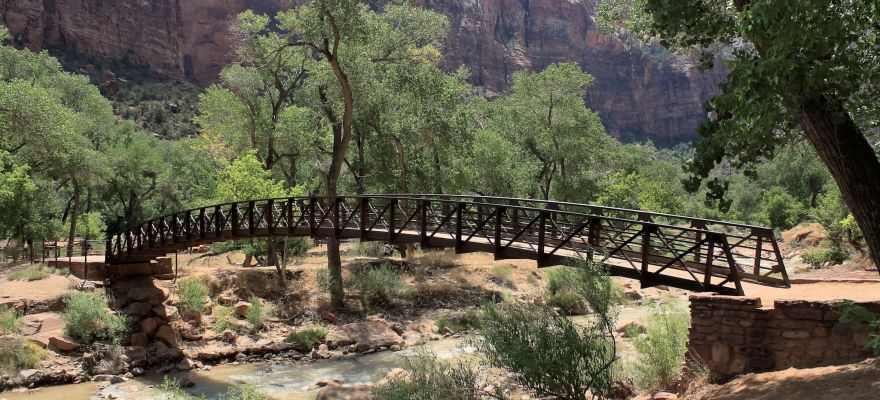
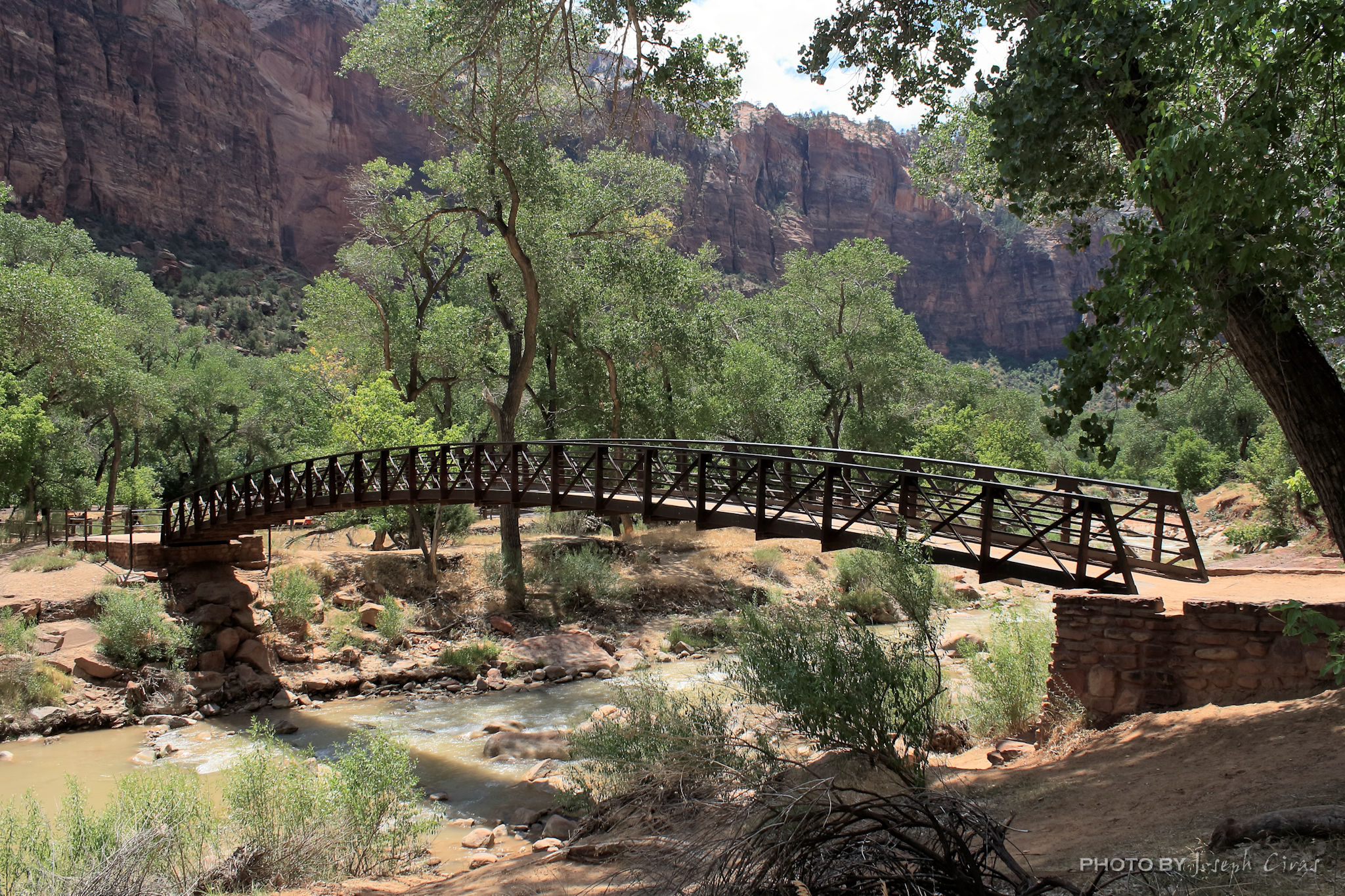
Friday, 10/29/2021: Post photo — Footbridge Over the Virgin River.

Settings: Canon EOS DIGITAL REBEL XS, ISO 200, f/9, 1/200 s, 18 mm.

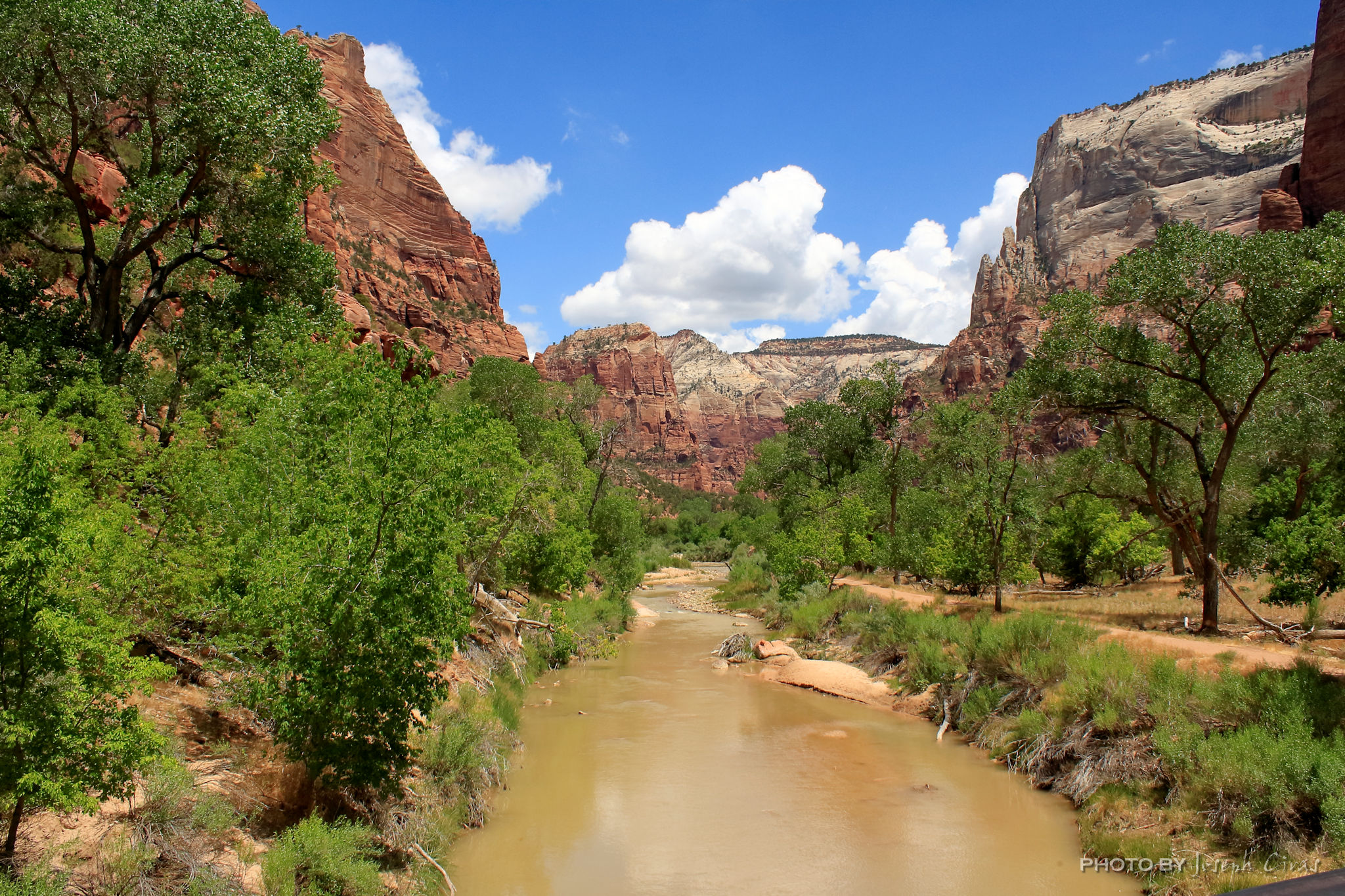
“In the summer of 1909, President of the United States William Taft declared the area as federally protected and officially named it Mukuntuweap National Monument, deciding to go with the Paiute name rather than the one chosen by Utah’s early pioneers. State residents were not pleased, to say the least, with President Taft passing over the name they had originally chosen for the area. In 1918, after almost a decade of grievances, the assistant director of the recently formed National Park Service, Horace Albright, changed the name of the park to Zion National Monument.” (https://zionnationalpark.com/zion-national-park/zion-national-park-history/)

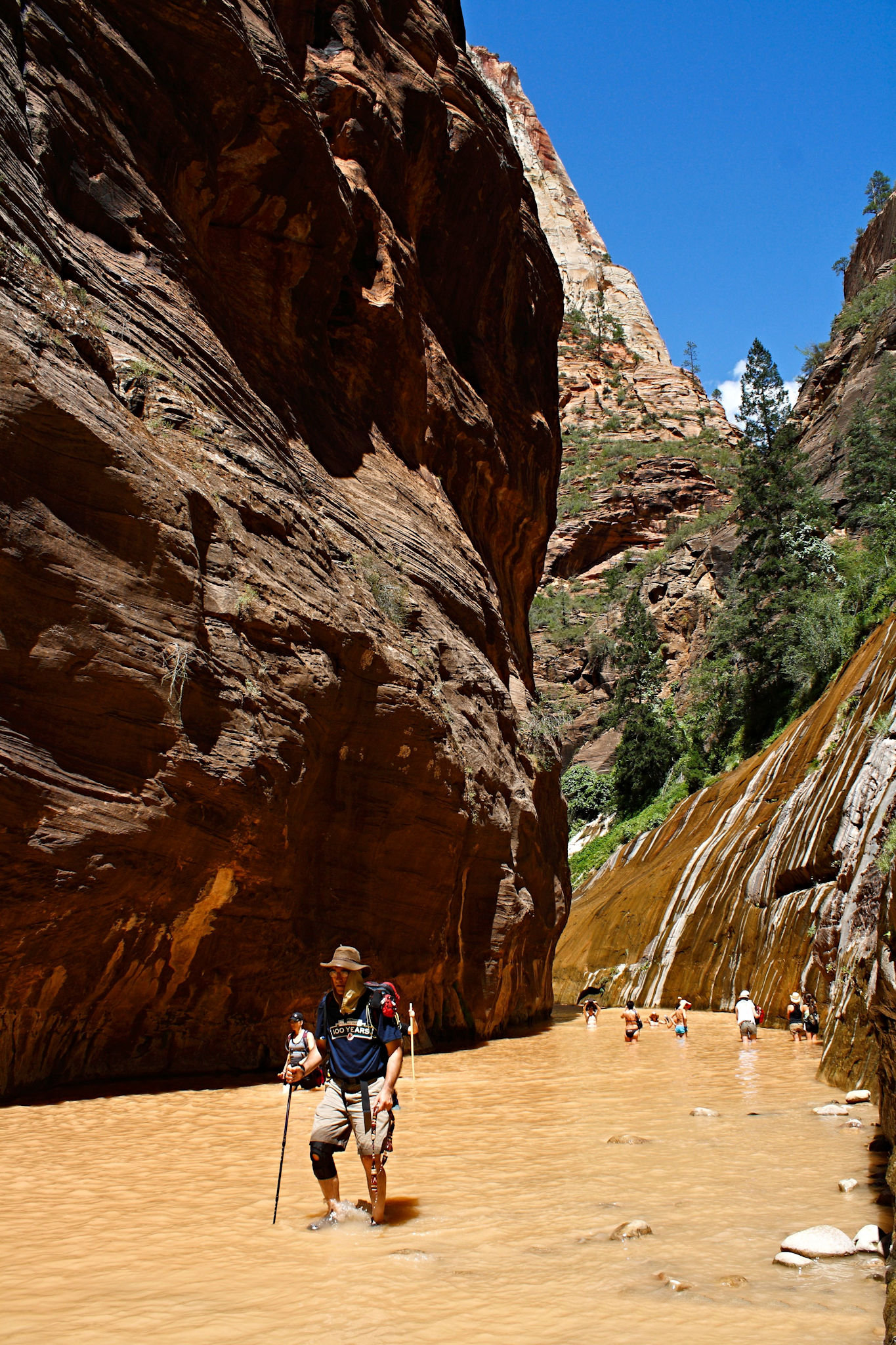
Footbridge over the Virgin River in Zion National Park

Here is some information about the Virgin River. The Virgin River and its tributaries run through Zion National Park causing the erosion that continues to carve and shape Zion National Park. The North Fork of the Virgin River begins north of Zion National Park at Cascade Falls, near Cedar City, Utah, where it drains out of Navajo Lake in Dixie National Forest at 9,000 feet above sea level. The East Fork of the Virgin River originates above Long Valley in western Kane County, Utah. Both the North and East Forks of the Virgin River run through the park and empty into Lake Mead at about 1,000 feet above sea level, where it joins the Colorado River.

Our time at Zion National Park included camping and hiking. We also had one of the better star filled night skies on our trip. One of the hikes we did was in The Narrows. A great place to hike in the heat of the summer. The Narrows is the narrowest section of Zion Canyon. The gorge has walls up to a thousand feet tall and the Virgin River is just twenty to thirty feet wide in some locations. The hike through The Narrows requires hiking in the Virgin River. The river when we hiked was a milky color so you did not know how deep the water would be in your next step. You need to be very careful of flash flooding in The Narrows since there is little to no room of escape due the height of the gorge walls.

Saturday, 10/30/2021: Post photo — Maple Leaf.

Settings: Canon EOS 60D, ISO 200, f/5.6, 1/60 s, 100 mm.

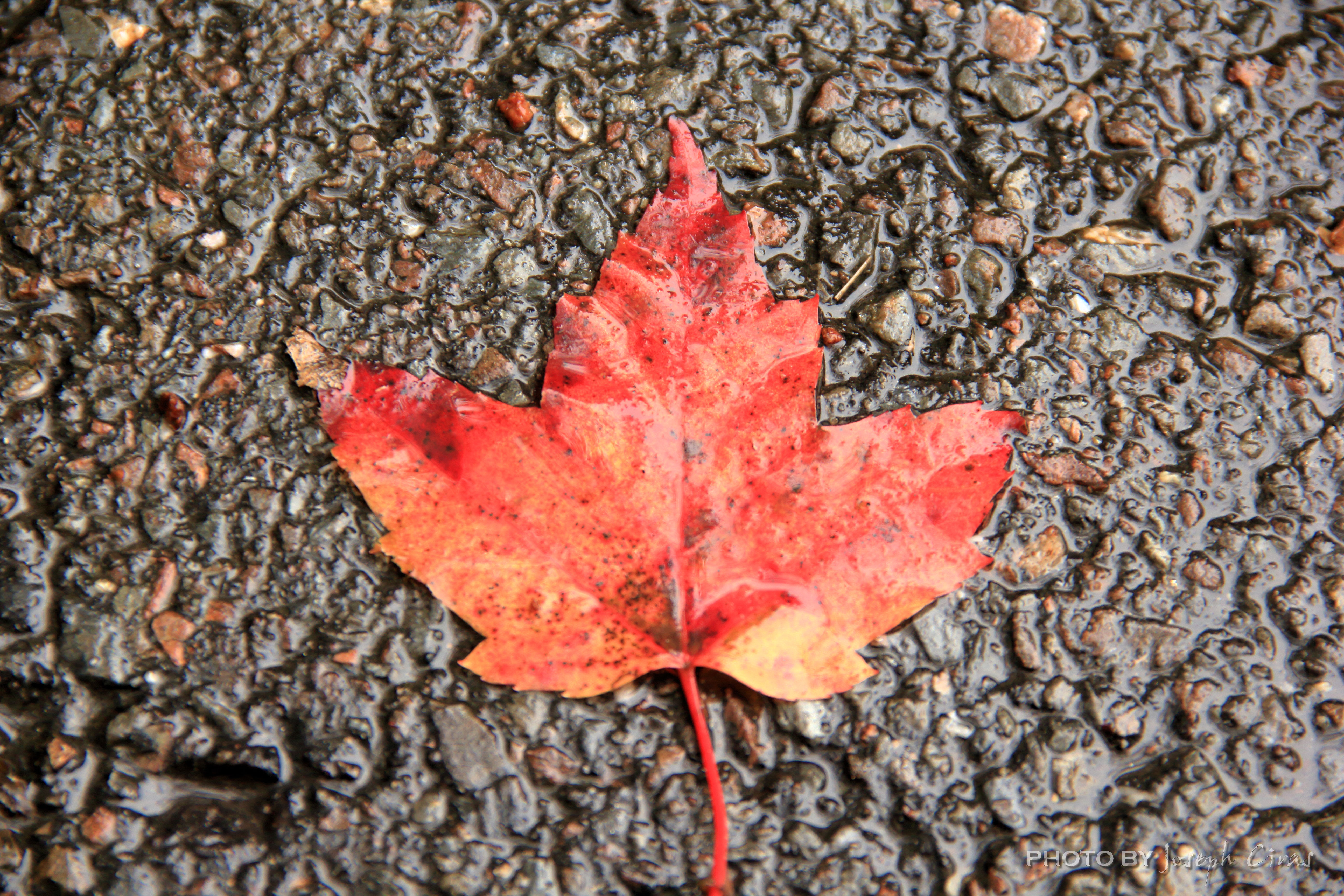
Last week an oak leaf, today it is a maple leaf. A sugar maple leaf to be precise.

Sugar maple leaf in our driveway

More rain today. I took this photo in my driveway while I was on my way to do some shopping.

Once again, a short and sweet Saturday post.

That is all for now. Until next week, be safe.

For more photo of other project I have work, visit my website: https://photobyjosephciras.weebly.com or visit me on Facebook at https://www.facebook.com/PhotobyJosephCiras/.

Photographic Thoughts — 08/15/2021 to 08/21/2021

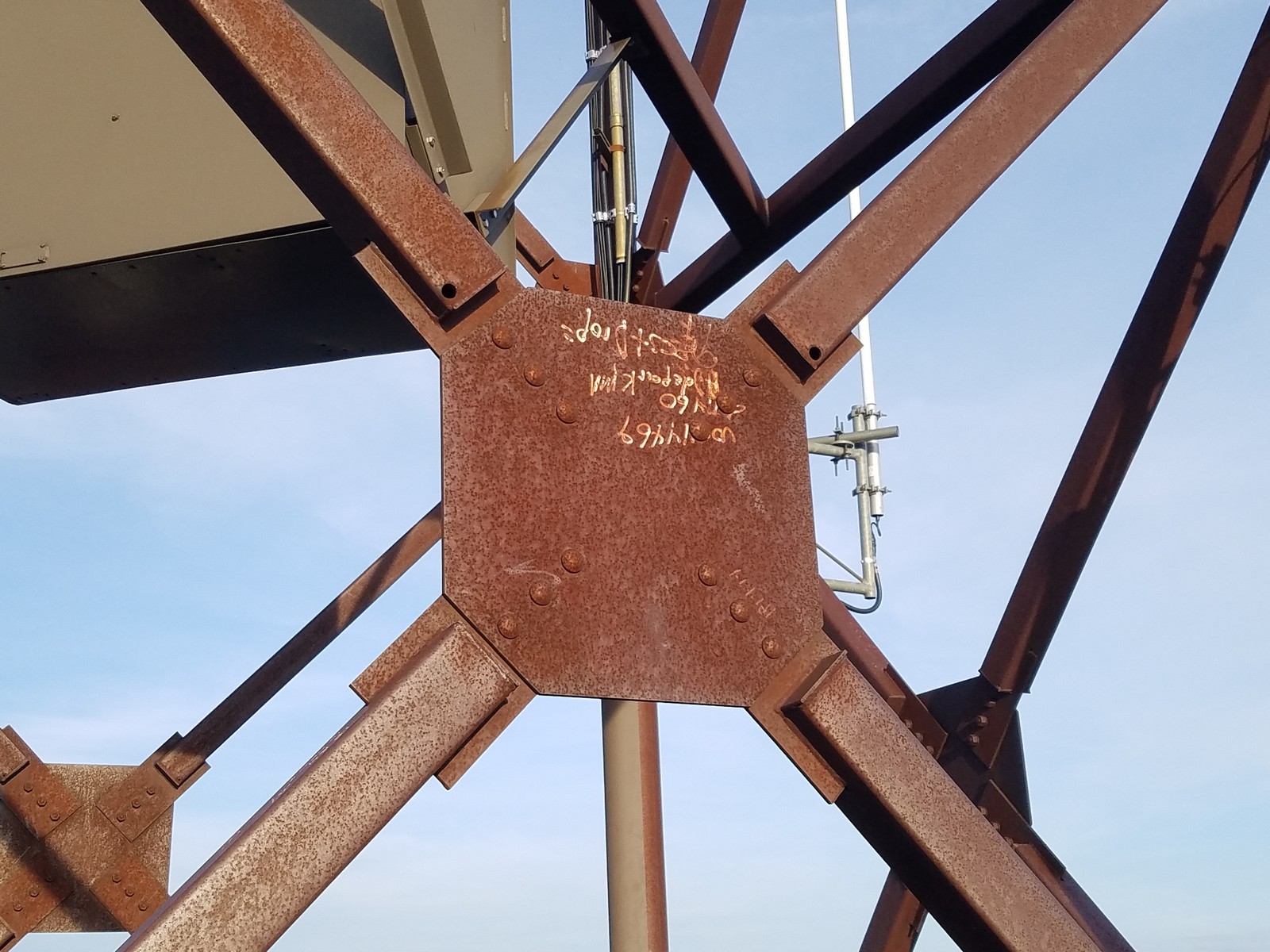
“One doesn’t stop seeing. One doesn’t stop framing. It doesn’t turn off and turn on. It’s on all the time.” — Annie Leibovitz

Thank you for all the new views and likes from last week, it helps keep me inspired.

This week will only be photos.

My computer hard drive crashed this week. I was able to recover information late Saturday so no commentary this week.

Sunday, 08/15/2021: Posted photo — Church.

Settings: Samsung SM-G930V (Galaxy S7), ISO 125, f/1.7, 1/60 s, 4 mm

Monday, 08/16/2021: Posted photo — Brace.

Settings: Samsung SM-G930V (Galaxy S7), ISO 50, f/1.7, 1/120 s84, 4 mm

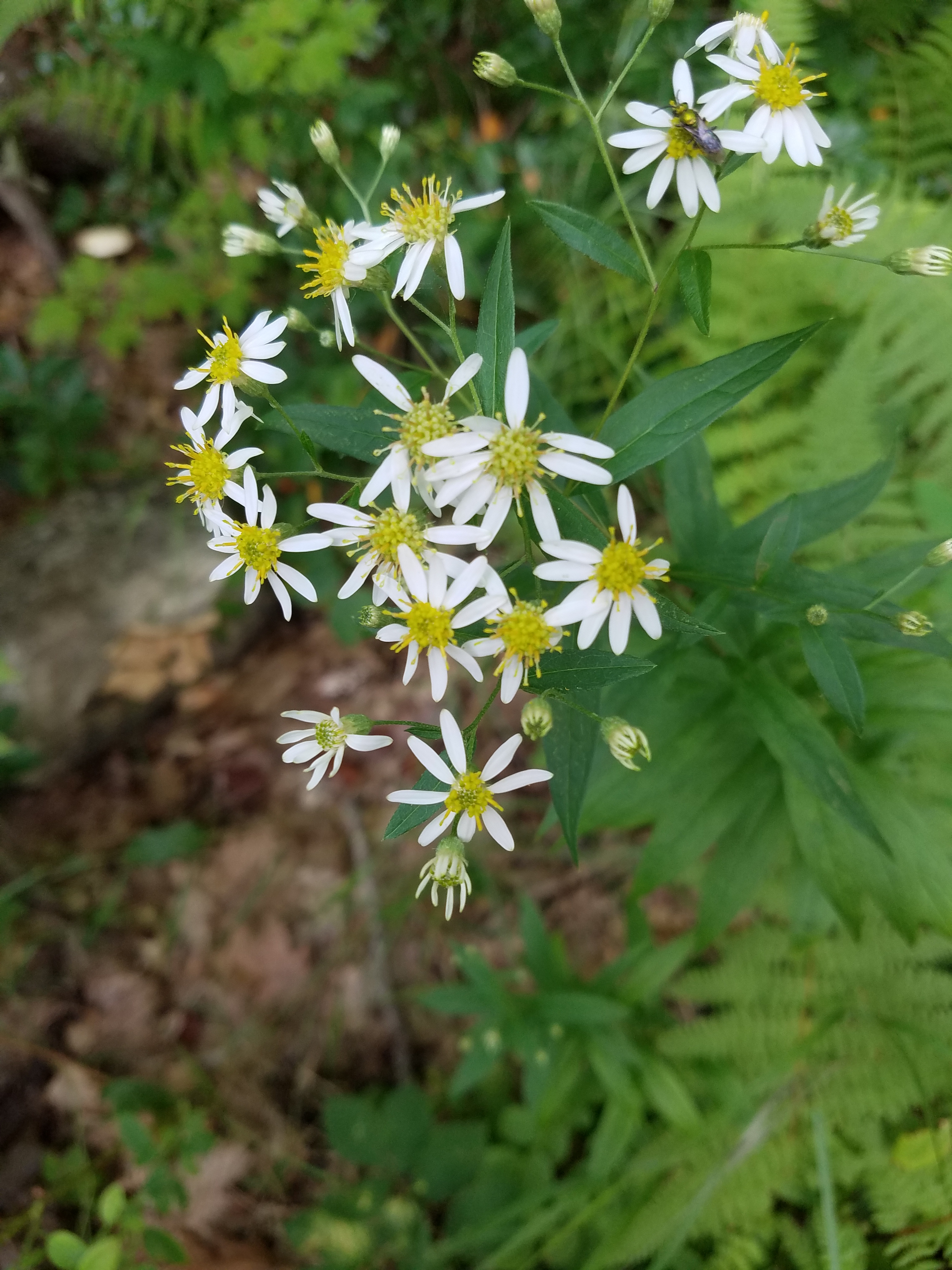
Tuesday, 08/17/2021: Posted photo — Change in Season.

Settings: Canon EOS 60D, ISO 200, f/7.1, 1/250 s, 52 mm.

Wednesday, 08/18/2021: Posted photo — Cloud.

Settings: Canon EOS 60D, ISO 800, f/7.1, 1/6 s, 48 mm.

Thursday, 08/19/2021: Posted photo — Rock.

Settings: Samsung SM-G930V (Galaxy S7), ISO 100, f/1.7, 1/60 s, 4 mm

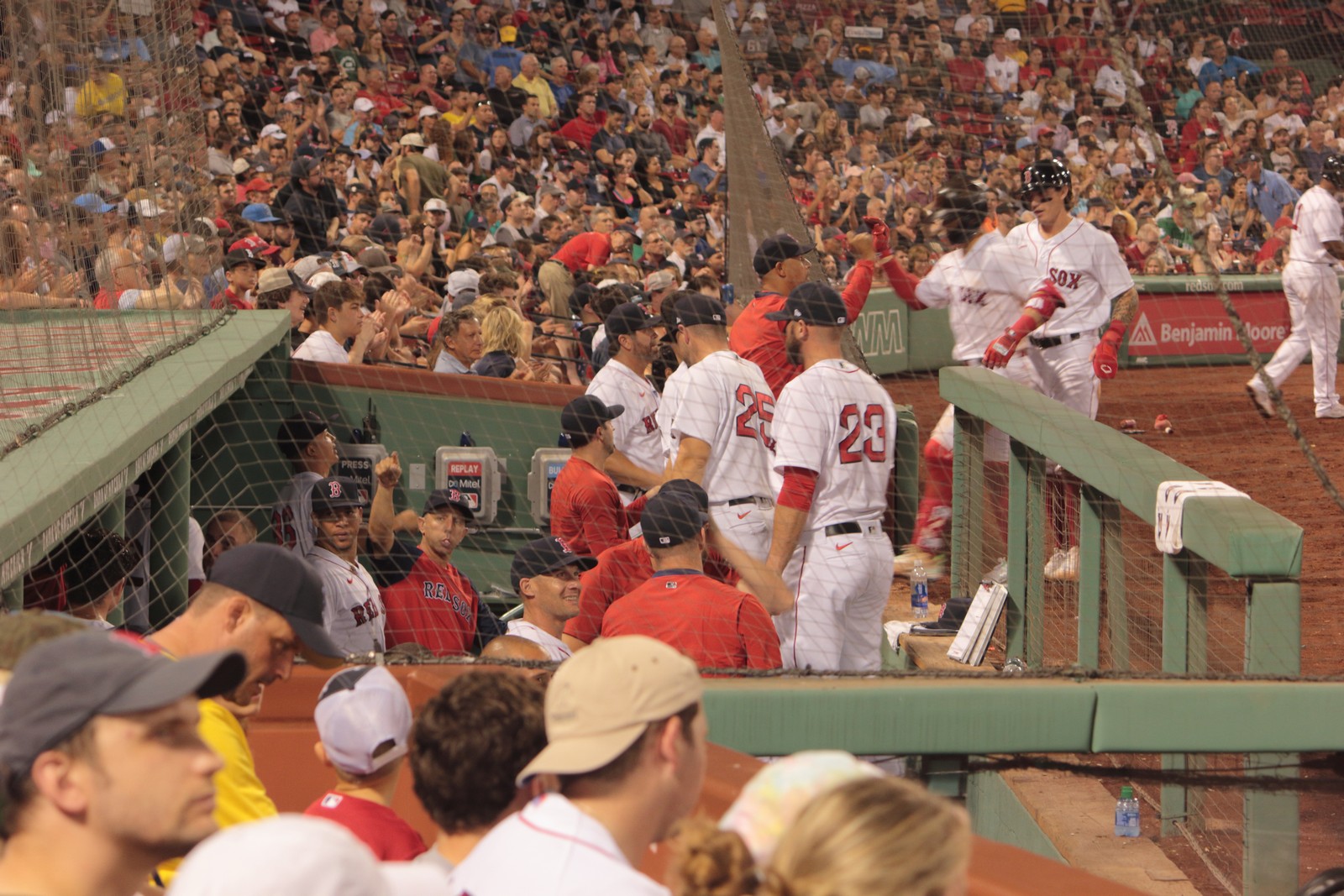
Friday, 08/20/2021: Post photo — Red Sox Win.

Settings: Canon EOS 60D, ISO 100, f/7.1, 1/100 s, 74 mm.

Saturday, 08/21/2021: Post photo — Clouds.

Settings: Samsung SM-G930V (Galaxy S7), ISO 50, f/1.7, 1/8144 s, 4 mm

That is all for now. Until next week, be safe. Back to normal next week.

For more photo of other project I have work, visit my website: https://photobyjosephciras.weebly.com/ or visit me on Facebook at https://www.facebook.com/PhotobyJosephCiras/.

COVID is real! Be safe out there, keep your social distance, and remember to always wear your mask and wash your hands. Get your vaccine!