“What makes photography a strange invention is that the primary raw materials are light and time.” — John Berger
Thank you for all the new views and likes from last week, it helps keep me inspired.
This week we are travelling to Goosenecks State Park on the San Juan River just outside of Mexican Hat, UT. At the time we camped in Goosenecks State Park, it was free camping. There was no water and just a drop toilet. It now costs $10 a night to camp. It was one of the darkest places that we have camped. No ambient light for miles and miles.
Sunday, 05/08/2022: Posted photo — First Gooseneck.
Settings: Canon EOS DIGITAL REBEL XS, ISO 200, f/11, 1/250 s, 18 mm.
Goosenecks State Park is located between Monument Valley – Four Corners Area, UT, CO, NM, AZ and
Natural Bridges National Monument, Blanding, UT just outside the town of Mexican Hat UT. It is situated near two goosenecks along the San Juan River. Many of you may know of Horseshoe Bend in Page AZ. These are the same. This park is not visited by many because of it remote location.
Monday, 05/09/2022: Posted photo — Second Gooseneck.
Settings: Canon EOS DIGITAL REBEL XS, ISO 200, f/10, 1/250 s, 18 mm.
In geology, “goosenecks” is a term used for sinuous canyons and valleys that resemble the curved neck of a goose. The Goosenecks of the San Juan River have rightfully earned themselves a state park designation.
Settings: Canon EOS DIGITAL REBEL XS, ISO 250, f/7.1, 1/400 s, 300 mm.
Here is a lizard that we watched for a while as it was hunting for food. It was very cooperative allowing me to take its photo. We saw a number of lizards in the park, along with black scorpions at night.
Wednesday, 05/11/2022: Posted photo — Second Desert Spiny Lizard.
Settings: Canon EOS DIGITAL REBEL XS, ISO 200, f/7.1, 1/400 s, 300 mm.
This was one of the many deserts spiny lizards we saw in the park.
Thursday, 05/12/2022: Posted photo — Sunset.
Settings: Canon EOS DIGITAL REBEL XS, ISO 100, f/13, 1/1250 s, 300 mm.
We experience a wonderful sunset since the air was very clear.
Friday, 05/13/2022: Post photo — Sunrise.
Settings: Canon EOS DIGITAL REBEL XS, ISO 100, f/4, 1/60 s, 70 mm.
After a night that was very windy due to desert cooling, we awoke to see the sun’s soft glow towards Monument Valley as we headed off to Natural Bridges National Monument.
Saturday, 05/14/2022: Post photo — Monument Valley.
Settings: Canon EOS DIGITAL REBEL XS, ISO 100, f/5.6, 1/160 s, 270 mm.
Here is looking back at Monument Valley from our campsite.
That is all for now. Until next week, be safe.
My Weebly website has not been updated since February 16, the day before I broke my ankle.
Settings: KODAK DX6490 ZOOM DIGITAL CAMERA, ISO 80, f/6, 1/253 s, 9 mm.
We arrived at Yosemite National Park late one evening in 2008 and did not see the valley. Today we went hiking to Bridalveil Falls. Since this trip took place in the summer, the water was not flowing over the falls as well as it does other times of the year.
Monday, 04/25/2022: Posted photo — Camp Curry.
Settings: KODAK DX6490 ZOOM DIGITAL CAMERA, ISO 400, f/3, 1/147 s, 8 mm.
This is where we camped, Camp Curry. We occasionally had a visitor near our site. Yosemite bears will open your car doors to get food. All your items that have odor were to be placed inside a bear locker. Yosemite bears are the only bears in the National Park system that will open your door for you.
Tuesday, 04/26/2022: Posted photo — El Capitan.
Settings: KODAK DX6490 ZOOM DIGITAL CAMERA, ISO 80, f/4.8, 1/434 s, 6 mm.
The famous El Capitan. We saw some climbers on the side of the cliff. It is interesting at night to see their flashlights as they are setting up their sleeping ledges.
Wednesday, 04/27/2022: Posted photo — Half Dome.
Settings: KODAK DX6490 ZOOM DIGITAL CAMERA, ISO 80, f/8.5, 1/274 s, 18 mm.
Also next to our camp is Half Dome. We did some hiking around Half Dome but did not have the time to climb it ourselves.
Settings: KODAK DX6490 ZOOM DIGITAL CAMERA, ISO 80, f/4.8, 1/360 s, 18 mm.
Here is Yosemite Valley. One of the most picturesque placed that I have visited. We drove in at night and did not see the valley. When we did see the valley later in our visit, we were not disappointed. As I stated above, this was the start of me taking photographs daily. I have an inexpensive camera and did not have much experience with post processing my images.
Friday, 04/29/2022: Post photo — Vernal Falls.
Settings: KODAK DX6490 ZOOM DIGITAL CAMERA, ISO N/A, f/3.2, 1/350 s, 28 mm.
Another hike, another waterfall.
Saturday, 04/30/2022: Post photo — Yosemite Falls.
Settings: KODAK DX6490 ZOOM DIGITAL CAMERA, ISO N/A, f/3.2, 1/500 s, 11 mm.
Since our trip was in the middle of the summer, upper and lower Yosemite Falls were not flowing. Would be nice to get back to Yosemite National Park in the spring to see the water flowing.
“A thing that you see in my pictures is that I was not afraid to fall in love with these people.” — Annie Leibovitz
Thank you for all the new views and likes from last week, it helps keep me inspired.
This week we visit the north rim of the Grand Canyon.
Sunday, 04/17/2022: Posted photo — Bison outside the Park.
Settings: Canon EOS DIGITAL REBEL XS, ISO 200, f/6, 1/500 s, 300 mm.
This week I am posting from a trip we took to the North Rim of the Grand Canyon. Not many people go to the north rim since it is not near any population area. To drive from the north rim to the south rim of the Grand Canyon takes about 8 hours from closest entrance to closes entrance.
Before you get the sign for the north rim, you go past a bison farm. What a majestic animal to see up close.
Monday, 04/18/2022: Posted photo — North Rim Entrance.
Settings: Canon EOS DIGITAL REBEL XS, ISO 200, f/5.6, 1/60 s, 32 mm.
Here is the sign for the north rim. I have signs from all the national parks that I have entered. It is a good way to remember what parks the following photos were taken. I also like to take photos of signs along the trails.
Tuesday, 04/19/2022: Posted photo — View from our Campsite.
Settings: Canon EOS DIGITAL REBEL XS, ISO 200, f/8, 1/100 s, 55 mm.
This is the view we had when we woke up the few days we were at the north rim. Not a bad view!
Settings: Canon EOS DIGITAL REBEL XS, ISO 200, f/6.3, 1/100 s, 20 mm.
We were walking the Transept Trail to Bright Angel Point to head into the canyon. We saw a sign for ruins that were used 1000 years ago by Pueblo people. There are many historical ruins in Grand Canyon National Park and other parks in the area.
Thursday, 04/21/2022: Posted photo — Western Tanager.
Settings: Canon EOS DIGITAL REBEL XS, ISO 200, f/6.3, 1/320 s, 300 mm.
As we were approaching the trailhead area, I spotted this colorful bird in a bush. I like how colorful it is. I have sold a few prints of this photo during some of my gallery showings.
Friday, 04/22/2022: Post photo — Lightning.
Settings: Canon EOS DIGITAL REBEL XS, ISO 200, f/10, 1/400 s, 70 mm.
We did not go down into the canyon because of storms in the area. There was tornado and severe thunderstorm warning in the area. When this storm was approaching, I took out my camera and started to take photos. I did not see the second bolt of lightning until I looked at the photo on my computer.
Saturday, 04/23/2022: Post photo — View of the Canyon.
Settings: Canon EOS DIGITAL REBEL XS, ISO 200, f/8, 1/125 s, 40 mm.
As we were leaving the canyon to go from the north rim to the south rim, we stopped an looked at the temples.
“We are making photographs to understand what our lives mean to us.” — Ralph Hattersley
Thank you for all the new views and likes from last week, it helps keep me inspired.
Happy and blessed Easter Sunday to your all. Here are my thought from last week. This week’s post has somethings new and somethings old.
Sunday, 04/10/2022: Posted photo — Daffodil.
Settings: Google Pixel 2, ISO 37, f/1.8, 1/125 s, 4 mm.
Sign of spring, our daffodils are blooming. I have not gotten out of the house much these last few months. Was able to get out today to walk around our yard. Nice to see plants flowering. We do have more daffodils and tulip in front of our house that I have been watching as I walk from the car to inside the house. I have not noticed any crocus this year. I must have been inside when they were blooming.
Monday, 04/11/2022: Posted photo — Roadblock.
Settings: Google Pixel 2, ISO 62, f/1.8, 1/198 s, 4 mm.
The turkeys are back. On my way into work, we ran into this rafter of turkeys. I am still not driving so I took this photo from the passenger seat.
Tuesday, 04/12/2022: Posted photo — The Cause of My Pain.
Settings: Google Pixel 2, ISO 251, f/1.8, 1/120 s, 4 mm.
I have not looked at my microspikes since my accident. There were put in the back seat of my car when one of my hiking companions drove my car back to my house. I just left them there since the car was not used that often. My car has a manual transmission, so I am not able to shift since I cannot use my left foot for the clutch. We are trading in my car for one with an automatic transmission so I can drive myself to work.
I took out my microspikes to see if they were broken. The first one I looked at had a stick embedded in one of the spikes. The was why I went down, no spike available to grip the ice! What a freak accident. I am glad that I know what happened and happy that it was not an equipment malfunction.
Wednesday, 04/13/2022: Posted photo — Hoodoos.
Settings: Canon EOS DIGITAL REBEL XS, ISO 200, f/8, 1/160 s, 37 mm.
These are hoodoos in Goblin Valley State Park. Goblin Valley State Park is in Green River, UT. Goblin Valley was the set for the movie “Galaxy Quest”, one of our favorite movies. We were surprised that we were able to into the goblins, which we did, and we reenacted some scenes from the movie. The park features thousands of hoodoos, referred to locally as goblins, which are formations of mushroom-shaped rock pinnacles, some as tall as several yards.
Thursday, 04/14/2022: Posted photo — Sunrise.
Settings: Canon EOS DIGITAL REBEL XS, ISO 200, f/16, 1/2000 s, 300 mm.
This is the sunrise from Goblin Valley. We had a wonderful dark sky night and a great sunrise.
Friday, 04/15/2022: Post photo — Delicate Arch.
Settings: Canon EOS DIGITAL REBEL XS, ISO 100, f/5.6, 1/200 s, 300 mm.
This is as close as we were to Delicate Arch in Arches National Park. Delicate Arch is a 52-foot-tall freestanding natural arch. What you do not see is the drop off just after the arch. Delicate Arch stands at the edge of a cliff. We arrived in the park late and did not do the hike out to the arch. We did other hikes in the park the couple of days we were there. The longest hike was about a 10-mile hike in extremely hot weather. We followed the rule of at least one gallon of water per person per day. I carried the water and my wife and son carried other supplies during our hike.
Saturday, 04/16/2022: Post photo — Upper Slot Canyon.
Settings: Canon EOS DIGITAL REBEL XS, ISO 640, f/3.5, 1/25 s, 18 mm.
We found Antelope Slot Canyon by accident. We were looking for grocery stores in the area as we were traveling between the north and south rim of the Grand Canyon. We saw pickup truck that had Antelope Slot Canyon on then. My wife had a friend that went to a canyon in that area that looked like a great stop for us. We did some research and found out the canyon was Antilope Slot Canyon. We arrived in Page, AZ midday to the upper slot canyon was the only place we could get tickets. I know of others that have gone to lower slot and they also looked impressive. Need to go back to visit.
For those of you who know the area, we did not go to Horseshoe Bend since we were just camping at Goosenecks State Park a few nights before.
“Photography is a way of feeling, of touching, of loving. What you have caught on film is captured forever… It remembers little things, long after you have forgotten everything.” — Aaron Siskind
Thank you for all the new views and likes from last week, it helps keep me inspired.
Here are some more photos of a road trip we took. Looking forward to traveling again this summer. Hiking will be limited, but I will pick up my 50th state (North Dakota).
This week’s blog will only contain information that I have referenced off various web sites. This was the easiest way for me to describe each location. I could ramble on and on about the wonders and beauties of each of these parks.
Settings: Canon EOS DIGITAL REBEL XS, ISO 200, f/7.1, 1/400 s, 150 mm.
“Monument Valley, a red-sand desert region on the Arizona-Utah border, is known for the towering sandstone buttes of Monument Valley Navajo Tribal Park. The park, frequently a filming location for Western movies, is accessed by the looping, 17-mile Valley Drive. The famous, steeply sloped Mittens buttes can be viewed from the road or from overlooks such as John Ford’s Point.” ― Google
Monday, 04/04/2022: Posted photo — Goosnecks State Park.
Settings: Canon EOS DIGITAL REBEL XS, ISO 200, f/11, 1/250 s, 18 mm.
“On the edge of a deep canyon above the sinuous river meander known as a gooseneck, this small park affords impressive views of one of the most striking examples of an entrenched river meander on the North American continent. The San Juan River twists and turns through the meander, flowing a distance of over six miles while advancing one and a half miles west on its way to Lake Powell. Gaze at the results of 300 million years of geological activity, where the San Juan River winds and carves its way through the desert 1,000 feet below.” — https://stateparks.utah.gov/parks/goosenecks/
Tuesday, 04/05/2022: Posted photo — Balance Rock.
Settings: Canon EOS DIGITAL REBEL XS, ISO 100, f/8, 1/125 s, 45 mm.
Arches National Park
“Balanced Rock, one of the most iconic features in the park, stands a staggering 128 feet (39m) tall. While this formation may appear to be an epic balancing act, it’s actually not balanced at all. The slick rock boulder of Entrada Sandstone sits attached to its eroding pedestal of Dewey Bridge mudstone. The exposure of these two rock strata layers are ideal for the formation of arches and balanced rocks.” — https://www.nps.gov/arch/planyourvisit/balancedrock.htm
Settings: Canon EOS DIGITAL REBEL XS, ISO 200, f/8, 1/125 s, 24 mm.
Arches National Park
“Landscape Arch is the longest arch in North America with a light opening of 306 feet (93.3 meters). This awe-inspiring expanse is only 6 feet (1.8 meters) in diameter at its narrowest. Large segments of the arch came crashing down in the 1990s – proof that the park’s landscape can change dramatically in a instant. Although other arches have fallen, Landscape Arch still hangs on by a very thin thread.” — https://www.nps.gov/arch/planyourvisit/devils-garden.htm
Settings: Canon EOS DIGITAL REBEL XS, ISO 200, f/10, 1/200 s, 42 mm.
Bryce Canyon National Park
“By far the most iconic section of the park, the Bryce Amphitheater is home to the greatest concentration of irregular rock spires (called “hoodoos”) found anywhere on Earth. Viewpoints along the first 3 miles (4.8 km) of the main road provide access to views overlooking this area. This area is referred to as an “amphitheater” as it is a bowl-shaped area shaped by the drainage of seasonal rains and melting snow (not truly a canyon, as those are shaped by flowing rivers)” — https://www.nps.gov/thingstodo/see-the-bryce-amphitheater.htm
Friday, 04/08/2022: Post photo — View from Navajo Bridge.
Settings: Canon EOS DIGITAL REBEL XS, ISO 200, f/10, 1/125 s, 48 mm.
View from the Navajo Bridge
“Those traveling across the country on Highway 89A between Bitter Springs and Jacob Lake, AZ arrive at two bridges similar in appearance spanning the Colorado River. These two bridges, one historic and one new, represent one of only seven land crossings of the Colorado River for 750 miles (1207 km).” — https://www.nps.gov/glca/learn/historyculture/navajobridge.htm
Saturday, 04/09/2022: Post photo — Carlsbad Caverns.
Settings: Canon EOS DIGITAL REBEL XS, ISO 200, f/4.5, 6 s, 33 mm.
“High ancient sea ledges, deep rocky canyons, flowering cactus, and desert wildlife—treasures above the ground in the Chihuahuan Desert. Hidden beneath the surface are more than 119 caves—formed when sulfuric acid dissolved limestone leaving behind caverns of all sizes.” — https://www.nps.gov/cave/index.htm
“Taking an image, freezing a moment, reveals how rich reality truly is.” — Anonymous
Thank you for all the new views and likes from last week, it helps keep me inspired.
This week I will be posting a few highlights of one of my trips. We called this trip our norther National Part trip. We traveled through Montana, Alberta, Banff, Jasper, Washington state, Idaho, Wyoming, South Dakota, Minnesota, and Iowa during this trip. This trip included visits to many national parks in the United States and Canada, visiting family, visiting natural movie sets, and when to an amusement park in the Mall of America in which I held with the design of a few of the rides.
Sunday, 03/27/2022: Posted photo — Lake McDonald.
Settings: Canon EOS DIGITAL REBEL XS, ISO 100, f/8, 1/400 s, 75 mm.
The first stop on our northern national park tour was in Glacier National Park in Montana. What a wonderful park. It does have many glaciers, some growing and some receding.
Monday, 03/28/2022: Posted photo — Mountain Goat.
Settings: Canon EOS DIGITAL REBEL XS, ISO 100, f/5, 1/125 s, 200 mm.
While we were in Glacier National Park, we took a hike out to Hidden Lake. On the way out to the lake, we had a few mountain goats walk along the trail with us.
Tuesday, 03/29/2022: Posted photo — Hidden Lake.
Settings: Canon EOS DIGITAL REBEL XS, ISO 100, f/9, 1/160 s, 25 mm.
This was a destination, Hidden Lake in Glacier National Park. For your information, this hike took place on July 4 and we did most of our hiking in the snow.
Settings: Canon EOS DIGITAL REBEL XS, ISO 200, f/11, 1/4 s, 33 mm.
Johnston Canyon to Lower Falls is an extremely popular and scenic trail in Banff National Park, in addition to being one of the busiest in the Canadian Rockies. We were driving around Banff and found the falls. We camped in Baff on our way to Jasper National Park.
Thursday, 03/31/2022: Posted photo — Lake Louise.
Settings: Canon EOS DIGITAL REBEL XS, ISO 200, f/13, 1/250 s, 29 mm.
Lake Louise is world famous for its turquoise lakes, the Victoria Glacier, soaring mountain backdrop. We went to Lake Louise on a weekend, so it was very busy. We took a few photos and then went on our way.
Friday, 04/01/2022: Post photo — Diablo Lake.
Settings: Canon EOS DIGITAL REBEL XS, ISO 200, f/13, 1/250 s, 35 mm.
On our way back from visiting family in Bellingham Washington, we took a trip to Northern Cascades National Park. One of the hikes we took was out to Diablo Lake.
From an information search, it was verified that Diablo Lake is a reservoir in the North Cascade mountains of northern Washington state. It was created by Diablo Dam and is located between Ross Lake and Gorge Lake on the Skagit River at an elevation of 1,201 feet above sea level.
I really like the color of the water in the lake.
Saturday, 04/02/2022: Post photo — Mount Rainier.
Settings: Canon EOS DIGITAL REBEL XS, ISO 200, f/11, 1/250 s, 42 mm.
Mount Rainier National Park. I am impressed every time I see this mountain. Either up close or from the city of Seattle. One time we flew past the mountain. That must have taken about five minutes to do since the girth on the mountain is so great.
Mount Rainier is a large active stratovolcano in the Cascade Range of the Pacific Northwest standing at 14,411′ in elevation. The volcano last erupted in 1894, and when Mount St. Helens erupted in 1980, all eyes were on Mount Rainier since the mountains are in the same chain. It is very interesting to camp in an area that has warnings about the possibility of lava flow. If the mountain erupted, I would think that the lava flow would be the least of our worries.
When we travel to Mount Rainier, we like to visit the Paradise area. I have photographed a few waterfalls in Paradise. When we visited this time, the snow was still very deep. Remember, this was early to mid-July. There was one waterfall that I wanted to photograph in the snow, and I could not find it. I had the GPS coordinates from the times before that I took photos of it. Looking at the GPS coordinates, I came to realize that I was standing on top of the falls.
“There is one thing the photograph must contain, the humanity of the moment.” —Robert Frank
Thank you for all the new views and likes from last week, it helps keep me inspired.
This week I will be just posting photos of posters that I made from various trips. I have been too busy and tired since I went back to the office midweek.
Thank you for all the new views and likes from last week, it helps keep me inspired.
Starting to take more photos. Still will be posting photos from past trips for a little while longer. Sill a long recovery ahead of me.
Enjoy some more travel photos from past trips.
Sunday, 03/13/2022: Posted photo — Low Key.
Settings: Canon EOS 60D, ISO 2500, f/3.5, 1/40 s, 18 mm.
A low key image is one that contains predominantly dark tones and colors. Low key photography conveys atmosphere and mood. One of my photo projects had a low key image challenge this week. I was thinking about what photo to take to meet this challenge. I would have had many options if I had not just been operated on. With limited mobility, I thought about what there might be around the house. Since low key images contain predominantly dark tones and colors, I took a photo of the fire in our wood stove.
Monday, 03/14/2022: Posted photo — Cameron Falls.
Settings: Canon EOS DIGITAL REBEL XS, ISO 100, f/22, 10 s, 28 mm.
Cameron Falls, Waterton Lakes National Park, Alberta.
Cameron Falls is a very uniquely shaped waterfall of about 75 feet in height found in the heart of the Waterton townsite in Waterton Lakes National Park. After heavy rainfall, the waters upriver from the falls get stirred up with a red mudstone called argillite. As the water flows towards the falls, it turns to a beautiful pink hue when light reflects on the mineral water. We did not see the pink falls since the weather was dry when we visited Waterton Lakes National Park just after we visited Glacier National Park in Montana.
Tuesday, 03/15/2022: Posted photo — New Boot.
Settings: Google Pixel 2, ISO 195, f/1.8, 1/60 s, 4 mm.
I had a post op follow-up today a week and a half after surgery. My recovery is going as planned. I was fitted with this very uncomfortable boot. I still cannot put pressure on my ankle for another four weeks. Need to go back on Tuesday for another follow-up since the first one was close to my surgical date and the doctor would like to see my progress and remove some items from my ankle.
Settings: Canon EOS DIGITAL REBEL XS, ISO 200, f/8, 1/2000 s, 160 mm.
Harvard Glacier, College Fjord, Alaska.
The glacier has a 1.5-mile (2 km) wide face where it calves into the College Fjord. It is 300 ft thick and covers 120,000 acres of Chugach National Forest. The Harvard Glacier is the second largest glacier in the Prince William Sound, after the Columbia Glacier.
It is amazing to see how large a glacier is when you look at it from a distance. In this photo, we were about a mile from the glacier.
The names of the glaciers in College Fjord are: Amherst, Barnard, Bryn Mawr, Harvard, Smith, Vassar, and Yale. The glaciers of the northwest side feature the names of women’s colleges, and the glaciers of the fork and the southeast side sport the names of men’s colleges. What of Princeton? According to my research on the names, the scholars that named the glaciers took delight in ignoring it since none of them were Princeton alum.
Thursday, 03/17/2022: Posted photo — Cairn.
Settings: Canon EOS DIGITAL REBEL XS, ISO 200, f/11, 1/200 s, 34 mm.
On the trail near the Athabasca Glacier, Jasper National Park, Alberta.
A cairn is a mound of rough stones built as a memorial or landmark, typically on a hilltop or skyline. This cairn is shaped like a person. In Canada this is called an Inuksuk.
The Athabasca Glacier is one of the six principal ‘toes’ of the Columbia Icefield, located in the Canadian Rockies. The glacier currently loses depth at a rate of about 16.4 feet (5 meters) per year and has receded more than 1 mile (1.5 km) and lost over half of its volume in the past 125 years.
From the Canadian Encyclopedia: “Inuksuk (also spelled inukshuk, plural inuksuit) is a figure made of piled stones or boulders constructed to communicate with humans throughout the Arctic. Traditionally constructed by the Inuit, inuksuit are integral to Inuit culture and are often intertwined with representations of Canada and the north.” — https://www.thecanadianencyclopedia.ca/en/article/inuksuk-inukshuk
Friday, 03/18/2022: Post photo — Pall (and Rekard).
Settings: Canon EOS DIGITAL REBEL XS, ISO 200, f/5.6, 1/160 s, 55 mm.
These are my two buddied from Denmark. Earlier on in my photo projects, I featured Pall every week with Pall telling a story about his life. When I went back to Denmark, I picked up Rekard. They ventured together for next year or two. Might be time to bring their adventures back.
Saturday, 03/19/2022: Post photo — Crater.
Settings: N/A.
Mount St. Helens National Volcanic Monument
From the USGS:
“Prior to 1980, Mt. St. Helens had the shape of a conical volcano sometimes referred to as the Mount Fuji of America. During the 1980 eruption the upper 400 m (1,300 ft) of the summit was removed by a huge debris avalanche, leaving a 2 x 3.5 km horseshoe-shaped crater now partially filled by a lava dome and a glacier. It is primarily an explosive dacite volcano.”
Quick Facts:
Location: Washington, Skamania County Latitude: 46.2° N Longitude: 122.18° W Elevation: 2,539 (m) 8,330 (f) Volcano type: Stratovolcano Composition: Basalt to Rhyodacite Most recent eruption: 1980, 2004-2008 Nearby towns: Castle Rock, WA; Olympia, WA; Vancouver, WA; Yakima, WA; Portland, OR Threat Potential: Very High
Dacite: Volcanic rock (or lava) that characteristically is light in color and contains 62 to 69 percent silica and moderate amounts of sodium and potassium.
Stratovolcano: Steep, conical volcanoes built by the eruption of viscous lava flows, tephra, and pyroclastic flows. They are usually constructed over tens to hundreds of thousands of years and may erupt a variety of magma types (basalt to rhyolite). They typically consist of many separate vents. Synonym is composite volcano.
I have been to Mt. St. Helens a few times over the years. The first time was about ten years after the eruption, and we saw the logs floating in Sprit Lake. I just pictured Harry Truman looking up at the mountain from his lodge and wondering why he did not leave. Then again, there were may false alarms in the past. I am amazed on how nature is recovering in the area. I can still remember the first time that I drove into the blast zone. Very lush, dense forest along the road, turn the corner and nothing. Trees looking like toothpicks laying down in the direction of the blast. There were some cars left for visitors to see how powerful the eruption was.
“When I have a camera in my hand, I know no fear” — Alfred Eisenstaedt
Thank you for all the new views and likes from last week, it helps keep me inspired.
Surgery went well last Friday. I have plenty of hardware in my ankle. It will be a while until I am able to hit the mountains again in full force. My goal to finish my second round of hiking the 48 highest peaks in New Hampshire will be delayed for at least a year until my ankle fully recovers. Thank you all for your words of encouragement and for all your support.
Settings: Canon EOS DIGITAL REBEL XS, ISO 200, f/5.6, 1/100 s, 20 mm.
Desert View Watchtower, South Rim Grand Canyon National Park.
Desert View Watchtower, Grand Canyon National Park
We arrived at the South Rim of the Grand Canyon just before sunset. We spent the last couple of nights camping and hiking along the North Rim of the Grand Canyon and would be spending time on the South Rim. I have been to the Canyon before, but never from this entrance.
From the National Parks Service: “A National Historic Landmark, the Watchtower was constructed in 1932.The design by Mary Colter, is based on the architecture of the Ancestral Puebloan people of the Southwest. This particular tower was patterned after those found at Hovenweep and the Round Tower of Mesa Verde.”
We have been to Hovenweep and to Mesa Verde and agree with that statement.
Settings: Canon EOS DIGITAL REBEL XS, ISO 200, f/16, 1/400 s, 49 mm.
The Four Corners Monument marks the quadripoint in the Southwestern United States where the states of Arizona, Colorado, New Mexico, and Utah meet. It is the only point in the United States shared by four states.
Four Corners USGS monument
Tuesday, 03/08/2022: Posted photo — Great Sand Dunes National Park and Preserve.
Settings: Canon EOS DIGITAL REBEL XS, ISO 200, f/13, 1/800 s, 90 mm.
Great Sand Dunes National Park and Preserve, Mosca, CO.
One of the amazing things about the Great Sand Dunes is that you can see them from miles away. As you turn off the main road and head towards the dunes, they are right in front of you. We spent the day hiking the dunes pretending we were in a desert. When you look at this photo, you see a couple of dots in the sand. Those are people. The sand was hot. According to Park Service, the sand surface can reach 150 degrees F (65 degrees C) on a summer afternoon or drop to minus 20 degrees F (minus 29 degrees C) on a winter night. It was close to the 150 degrees when we were walking on the sand.
Sand Dunes with the Sangre de Cristo Mountains as a backdrop
From the National Parks Service: “The tallest dunes in North America are the centerpiece in a diverse landscape of grasslands, wetlands, forests, alpine lakes, and tundra. Great Sand Dunes National Park is a complex geologic story going back millions of years. Intense volcanic activity built the San Juan mountain range to the west of the modern day dunes and tectonic activity raised the Sangre de Cristo Mountains to the north and east.”
Wednesday, 03/09/2022: Posted photo — Hiking the Narrows.
Settings: Canon EOS DIGITAL REBEL XS, ISO 200, f/9, 1/2050 s, 18 mm.
Zion National Park Springdale, UT.
This is a photo my wife took of me as we were hiking the Narrows in Zion National Park. It was a refreshing hike on a hot summer day. When you hike the Narrows, you need to be very aware of the weather. Because it is so narrow, there is no escape route if there happens to be a flash flood.
Hiking in the murky waters of the Narrows in Zion National Park
From the National Parks Service: “The Narrows is the narrowest section of Zion Canyon. This gorge, with walls a thousand feet tall and the river sometimes just twenty to thirty feet wide, is one of the most popular areas in Zion National Park. You can see The Narrows by hiking along the paved, wheelchair accessible Riverside Walk for one mile from the Temple of Sinawava. If you wish to see more, you will be walking in the Virgin River. This can involve wading upstream for just a few minutes or it can be an all day hike.”
Thursday, 03/10/2022: Posted photo — NRAO Very Large Array.
Settings: Canon EOS DIGITAL REBEL XS, ISO 200, f/10, 1/800 s, 165 mm.
NRAO Very Large Array, Magdalena, NM.
Radio Antennas in the Very Large Array
One of the most interesting places to visit. As you can see from the description below, the array can be very large. When we visited, there were 26 radio antennas pointing in one direction and one pointing in an opposite direction. We thought that was strange. They told up that the odd one was scanning the sky.
“The Very Large Array, one of the world’s premier astronomical radio observatories, consists of 27 radio antennas in a Y-shaped configuration on the Plains of San Agustin fifty miles west of Socorro, New Mexico. Each antenna is 25 meters (82 feet) in diameter. The data from the antennas is combined electronically to give the resolution of an antenna 36 km (22 miles) across, with the equivalent sensitivity of a dish 130 meters (422 feet) in diameter.” — http://www.vla.nrao.edu/
Friday, 03/11/2022: Post photo — Owachamo Bridge.
Settings: Canon EOS DIGITAL REBEL XS, ISO 100, f/7.1, 1/125 s, 18 mm.
Owachamo Bridge, Natural Bridges National Monument, UT.
Owachomoa Bridge looking from below
Owachomo is the smallest and thinnest of the three natural bridges in the National Monument and is commonly thought to be the oldest. We had a great hike out to the bridge.
We like to travel to the lesser know parks. These parks are lesser know mostly because of location. They are not close to any major city or town. We like to say it is great to have a park to ourselves.
Saturday, 03/12/2022: Post photo — Spruce Tree House.
Settings: Canon EOS DIGITAL REBEL XS, ISO 200, f/5, 1/50 s, 20 mm.
Spruce Tree House, Mesa Verde National Park, CO.
From the National Park Service: “Spruce Tree House, the third largest cliff dwelling (Cliff Palace and Long House are larger), was constructed between about 1211 and 1278 CE by the ancestors of the Pueblo peoples of the Southwest. The dwelling contains about 130 rooms and 8 kivas (kee-vahs), or ceremonial chambers, built into a natural alcove measuring 216 feet (66 meters) at greatest width and 89 feet (27 meters) at its greatest depth. It is thought to have been home for about 60 to 80 people.”
Spruce Tree House cliff dwelling
We were lucky enough to get to the park prior to 2012 during one of our northern National Park tours. We were able to explore the Spruce Tree House. We went into some of the rooms and into the kivas. Due to the unstable cliff about the Spruce Tree House, the entire site was closed to the public in October 2015. We have visited the park since then since I have a relative that works at the park. We were able to obtain permits to do some backcountry hiking with my relative guide to some dwellings that are off limits to the public.
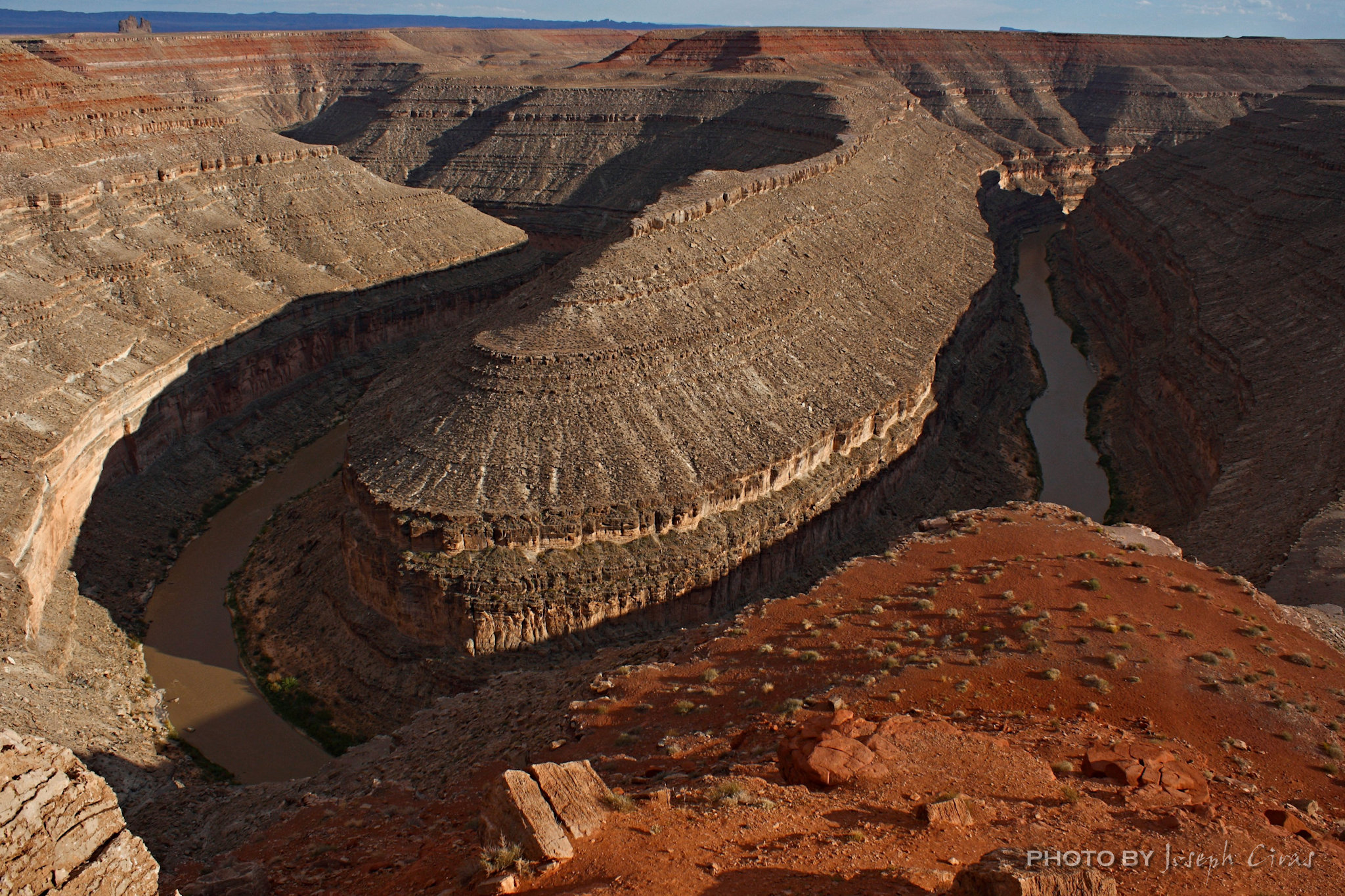
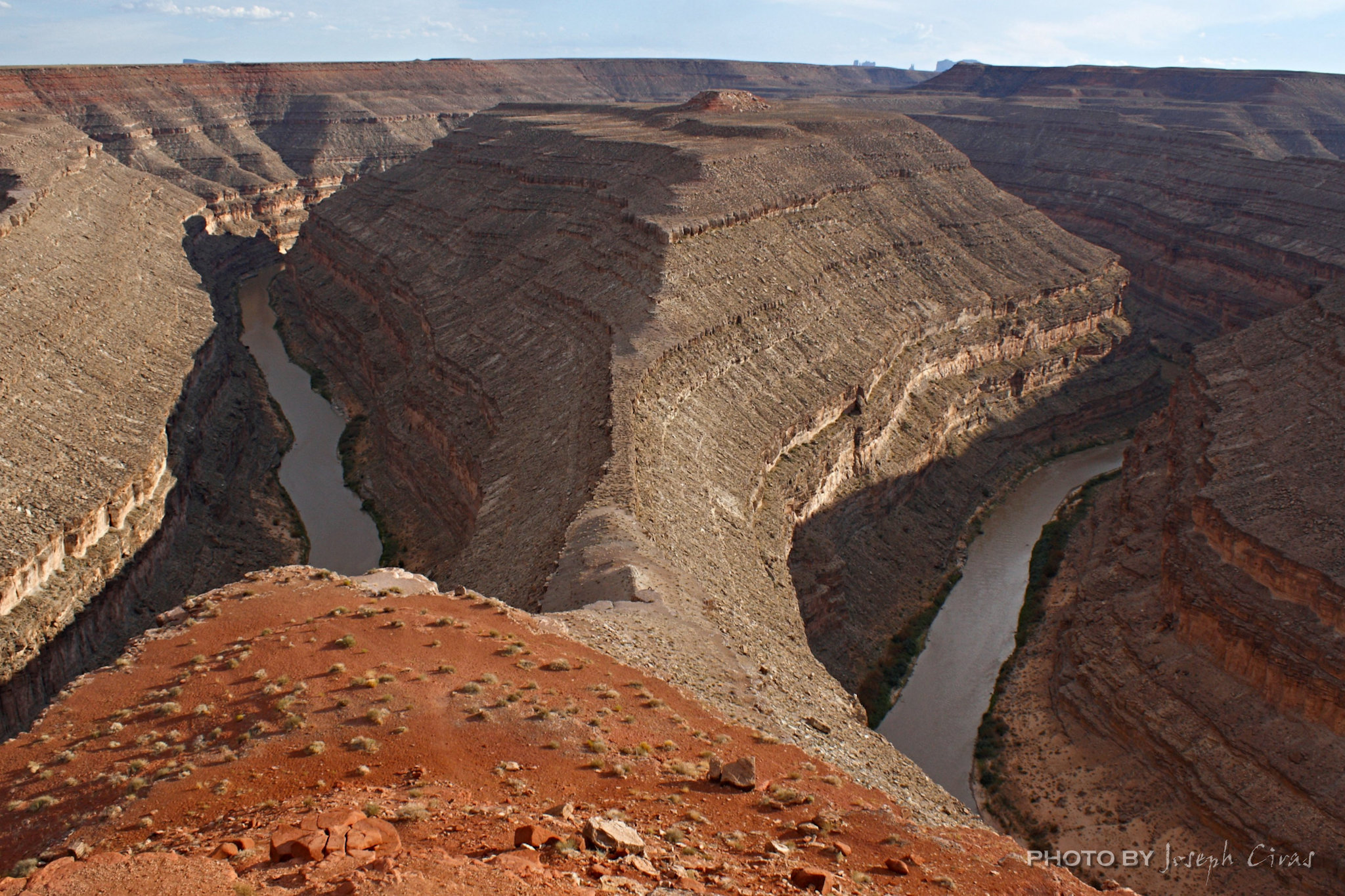
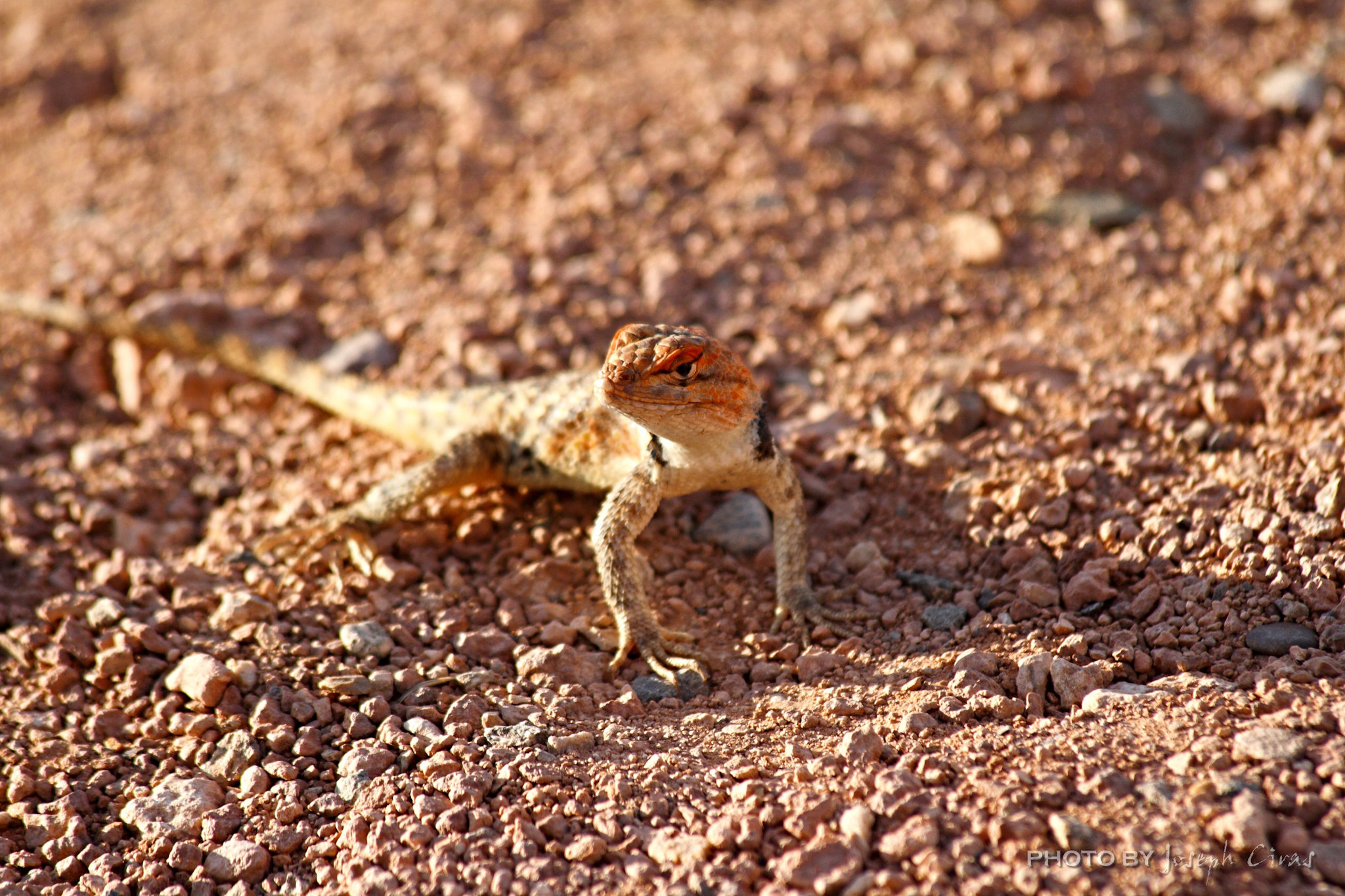
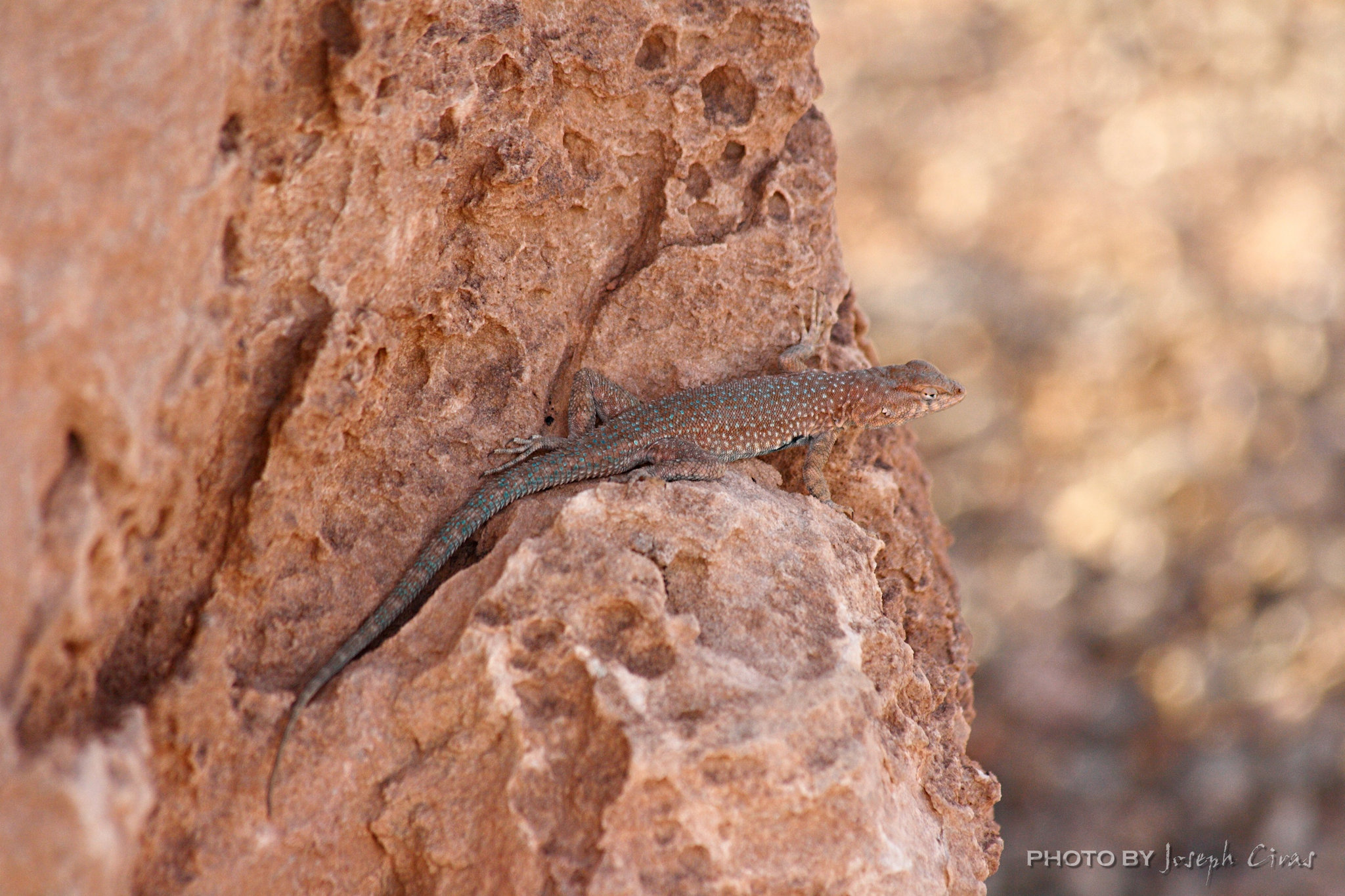
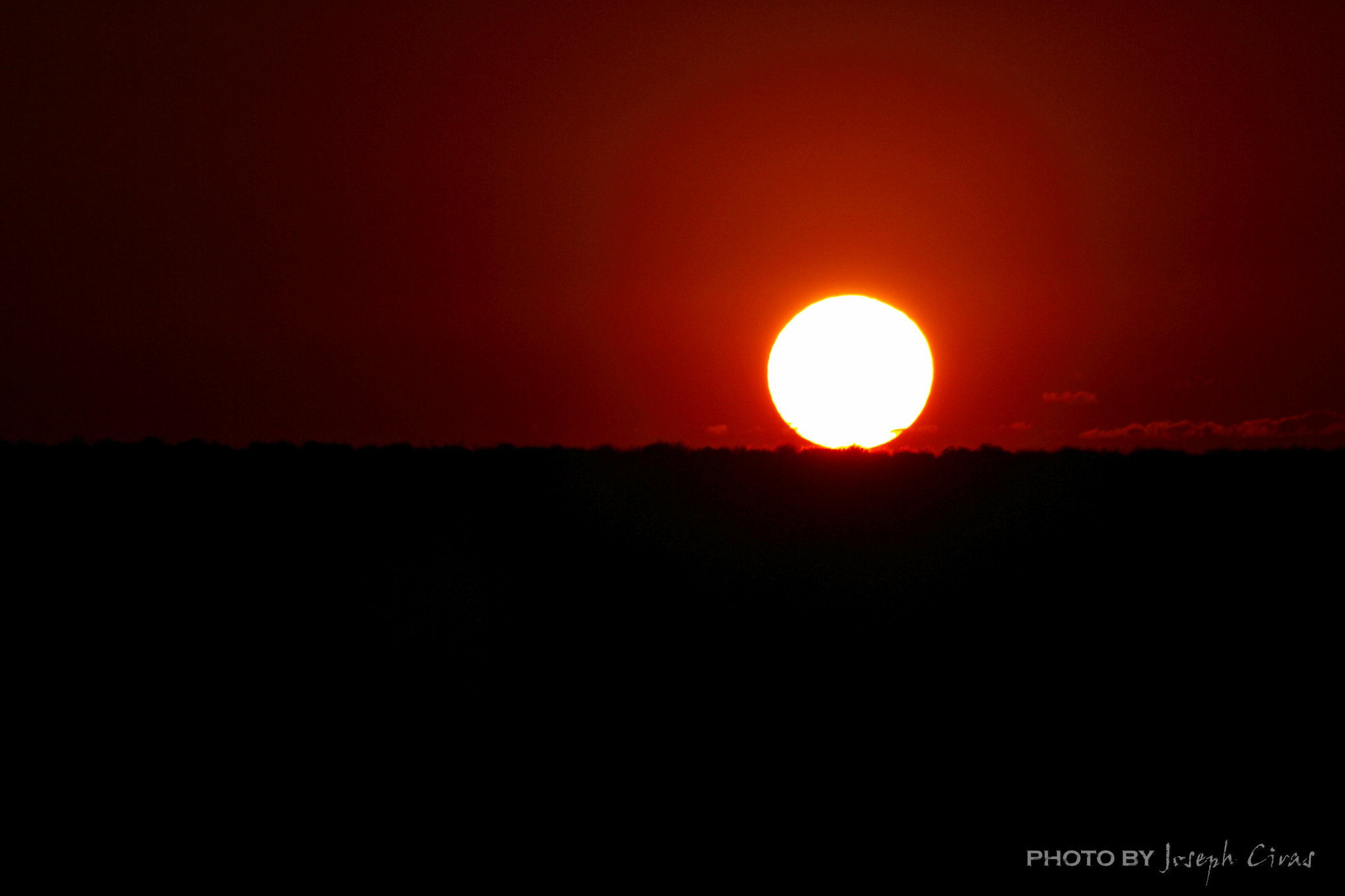
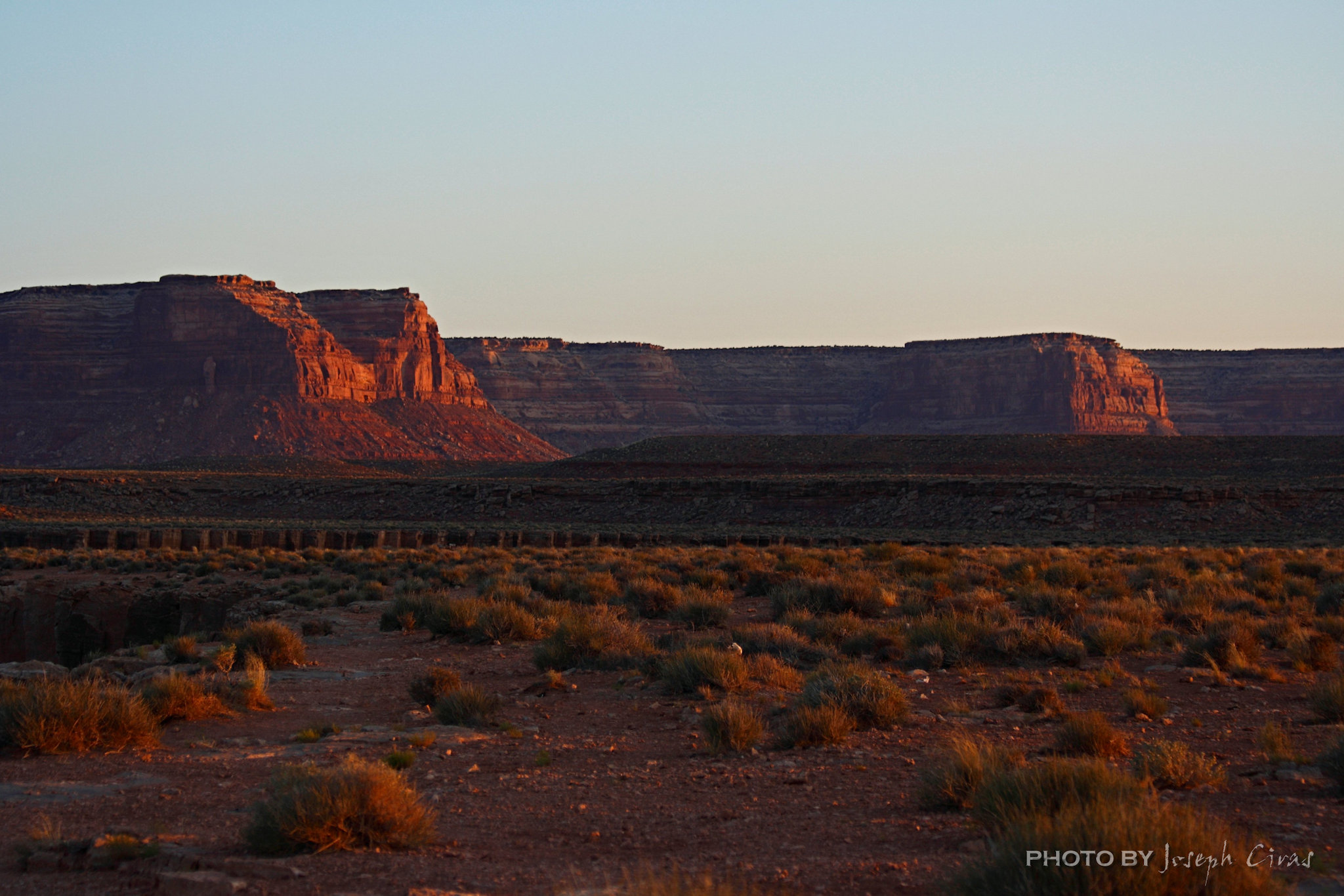

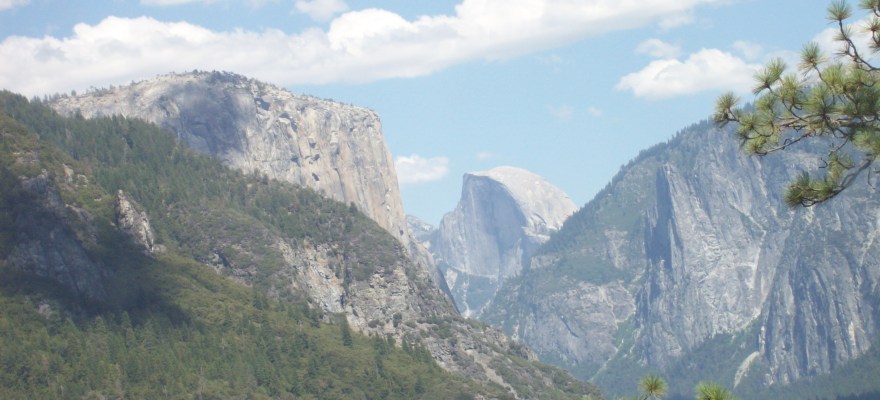
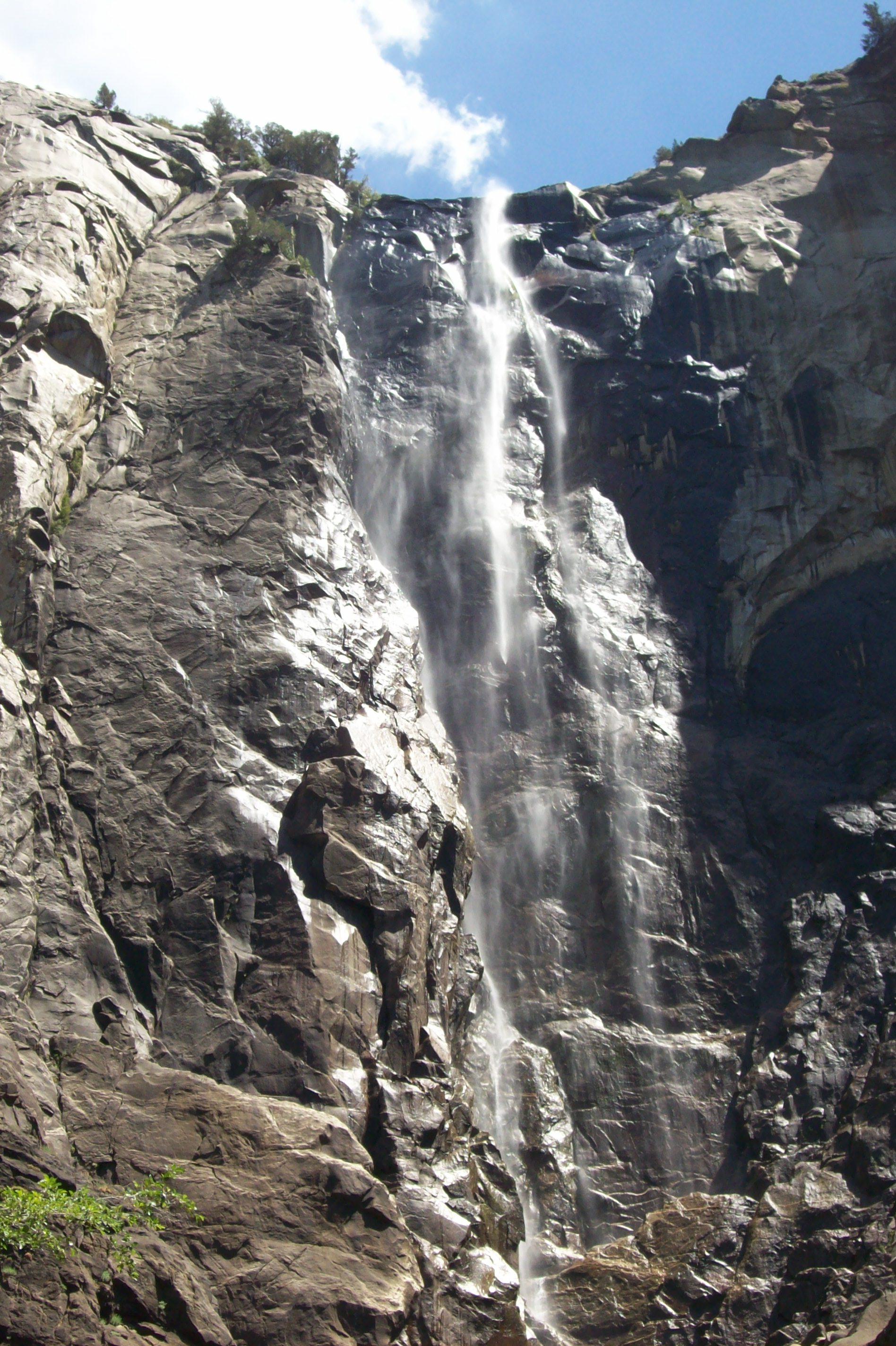
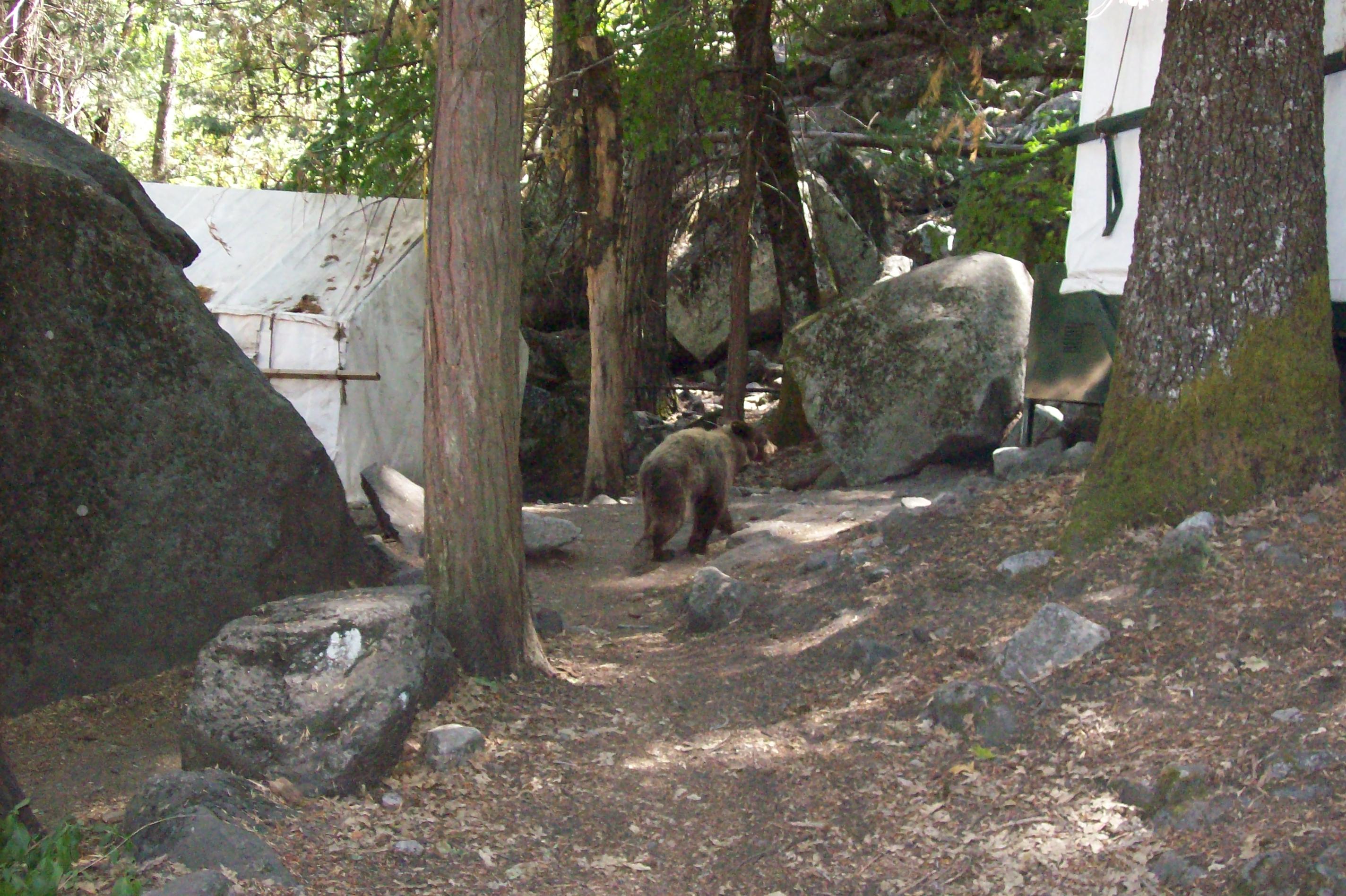
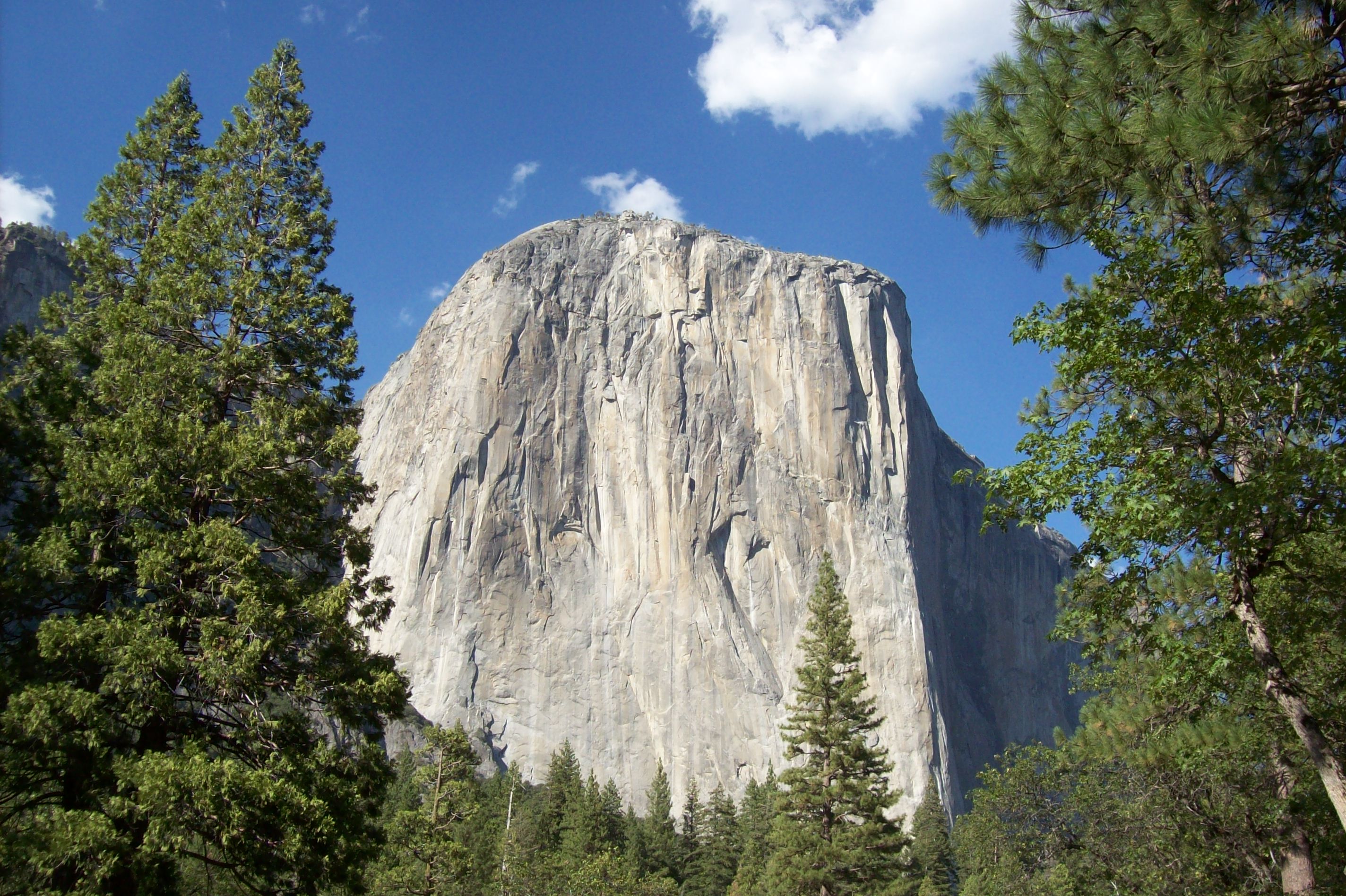
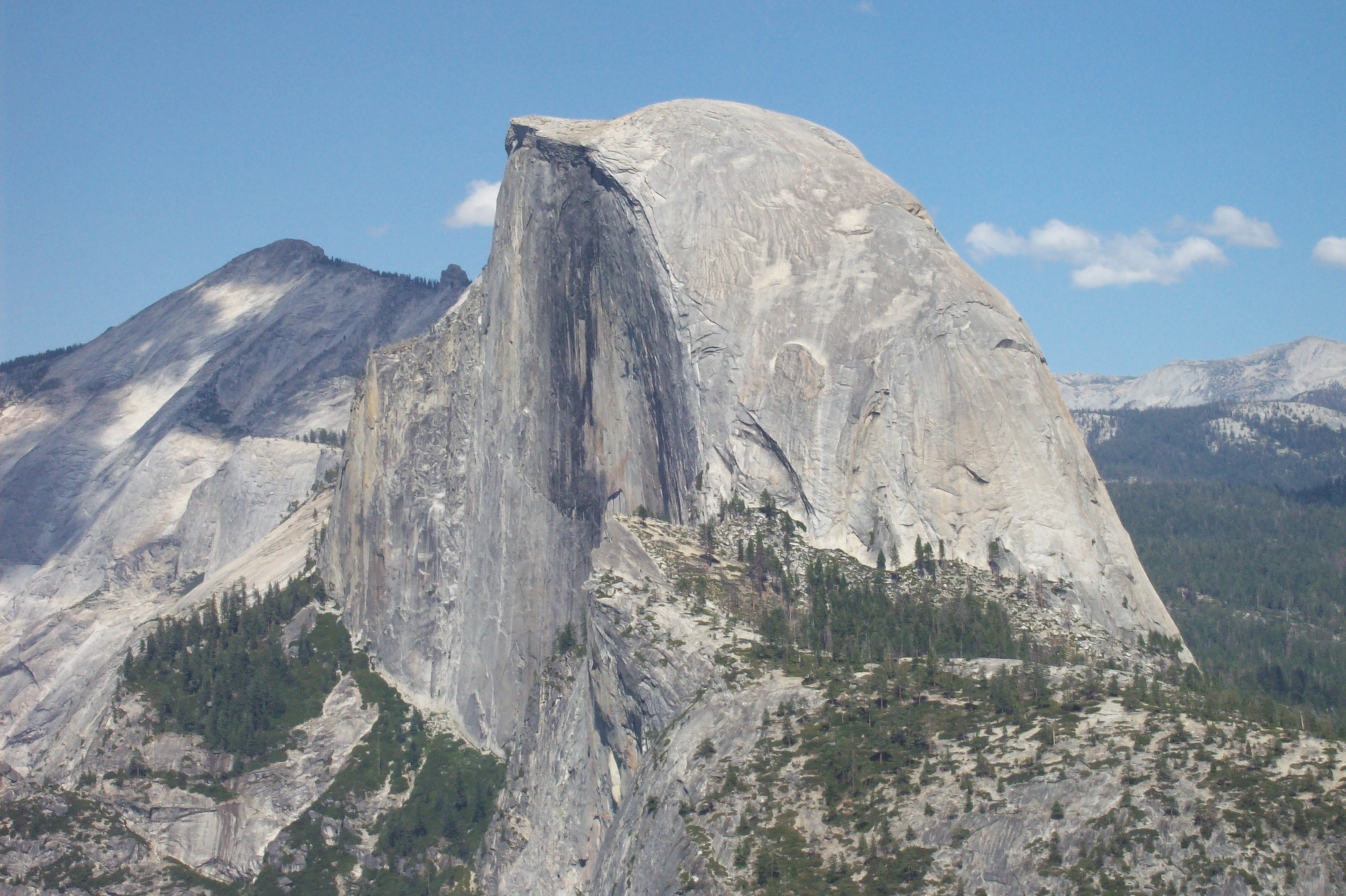

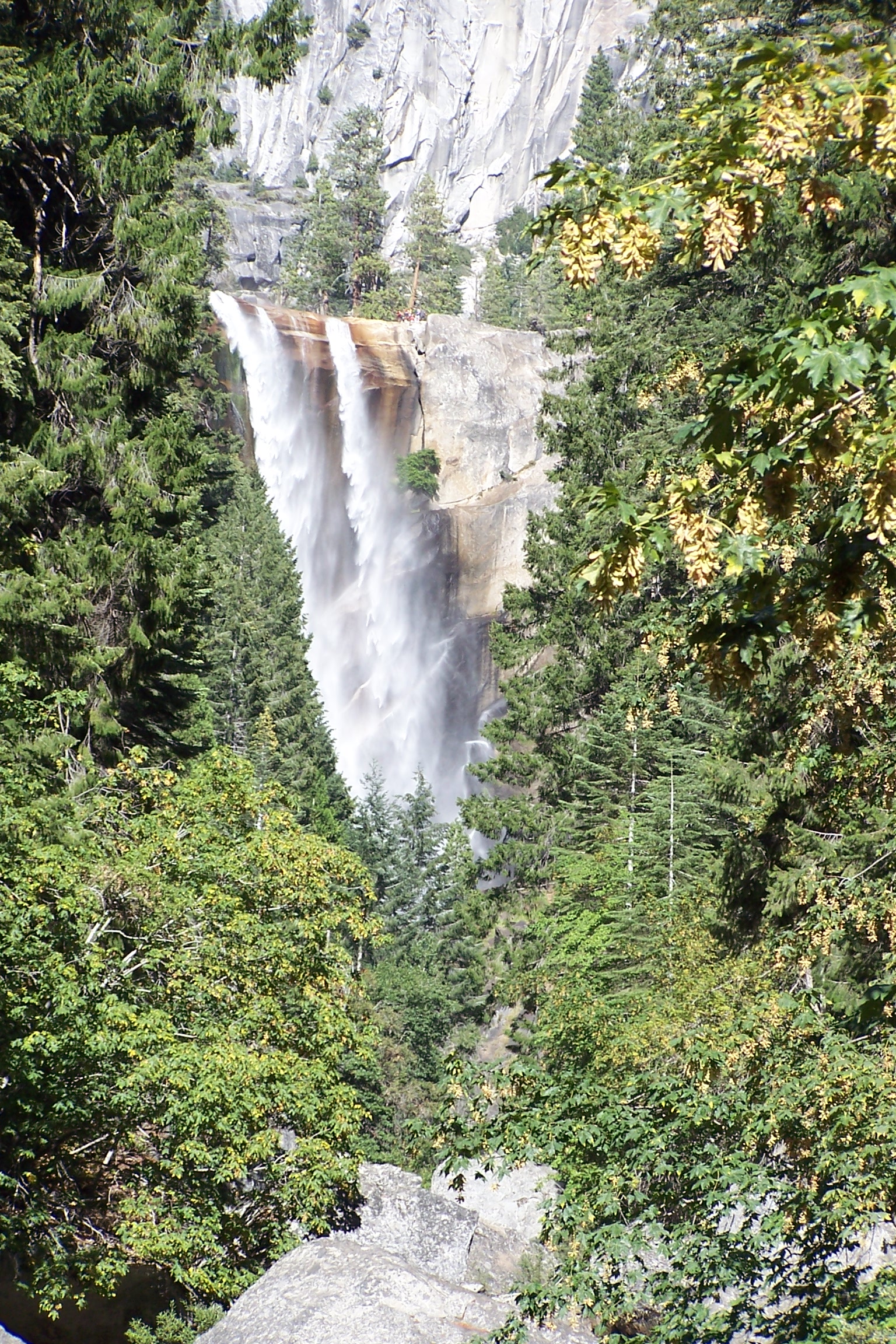
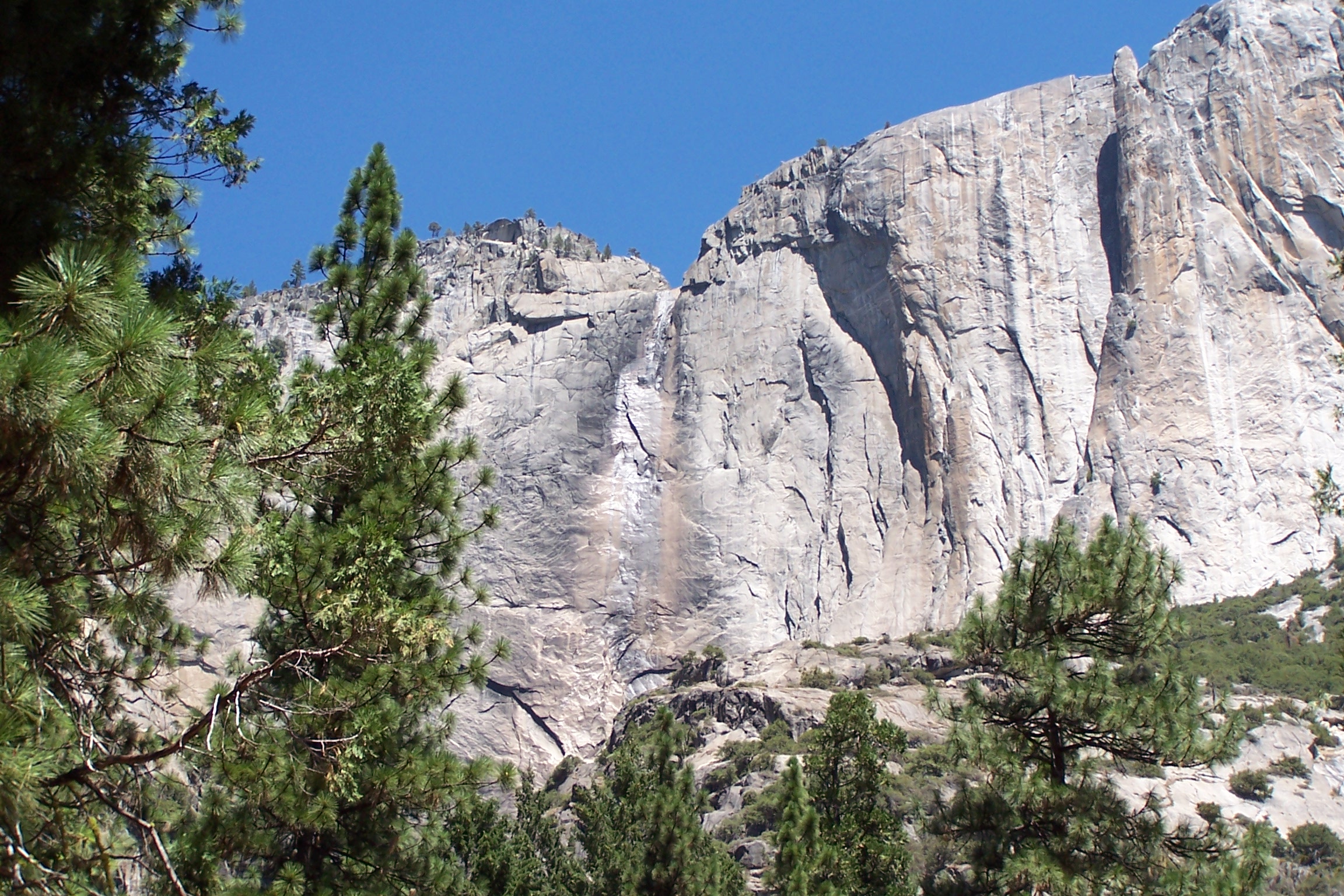
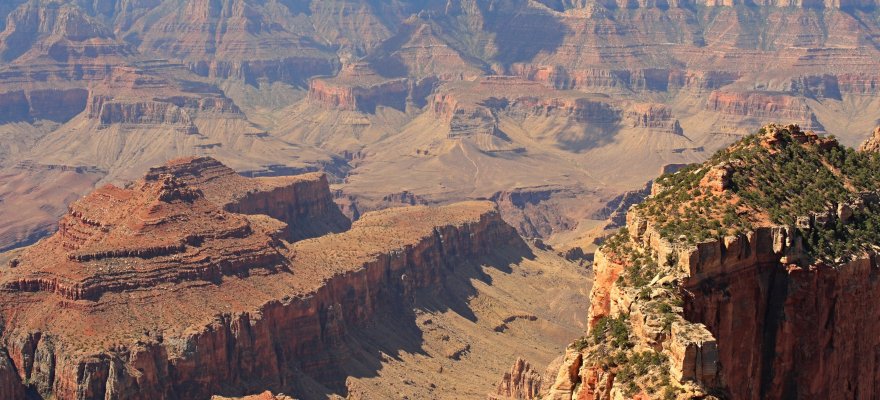
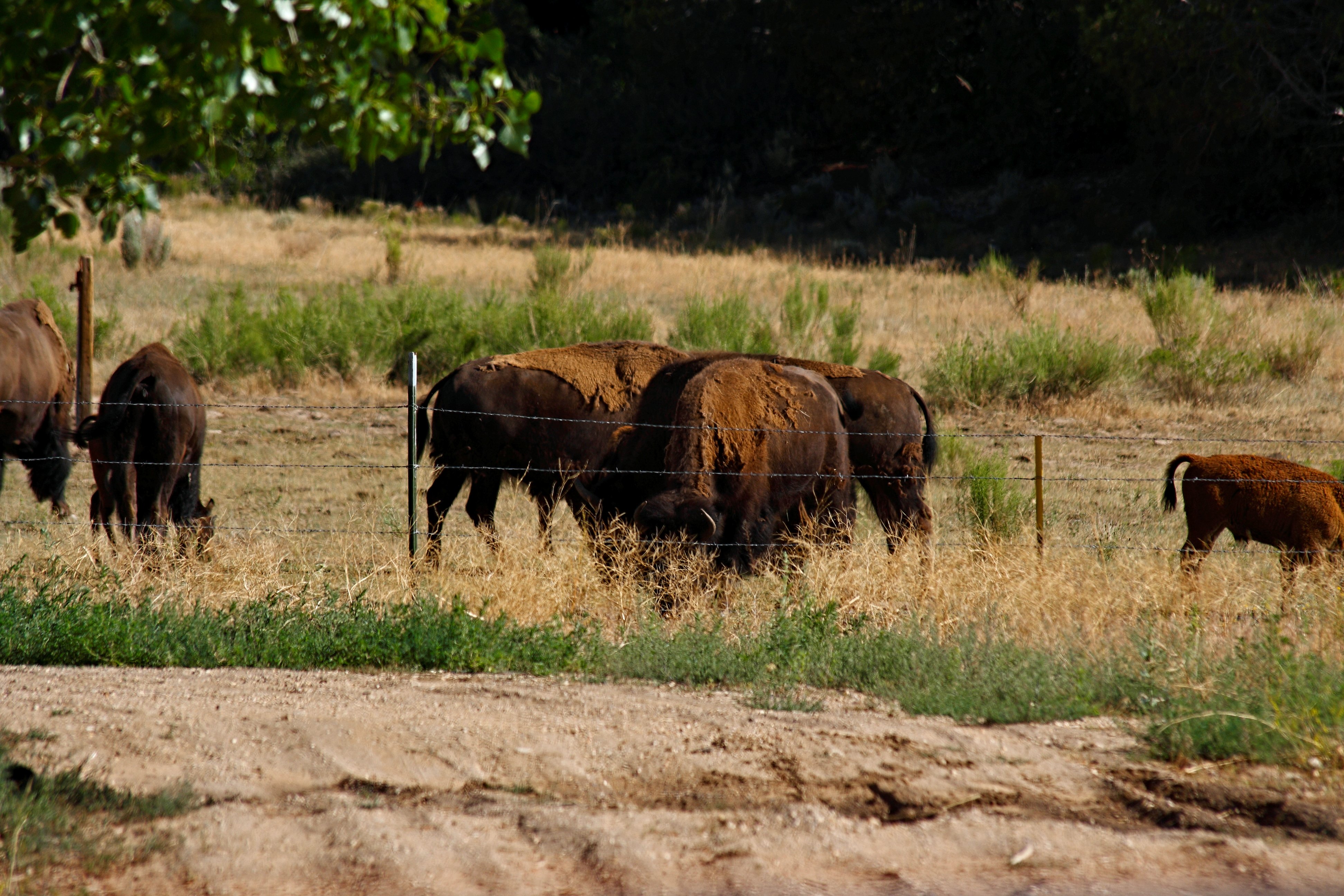


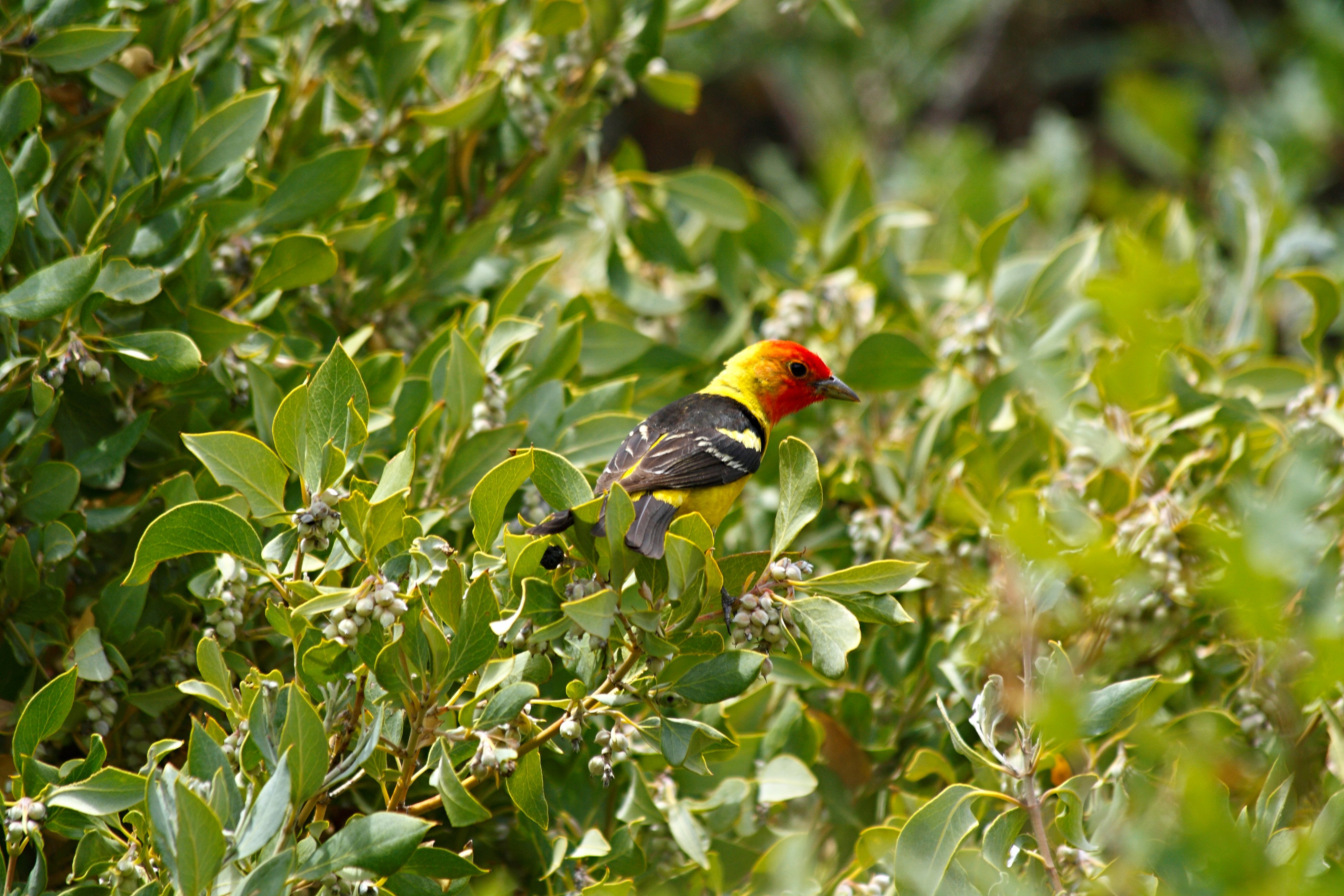
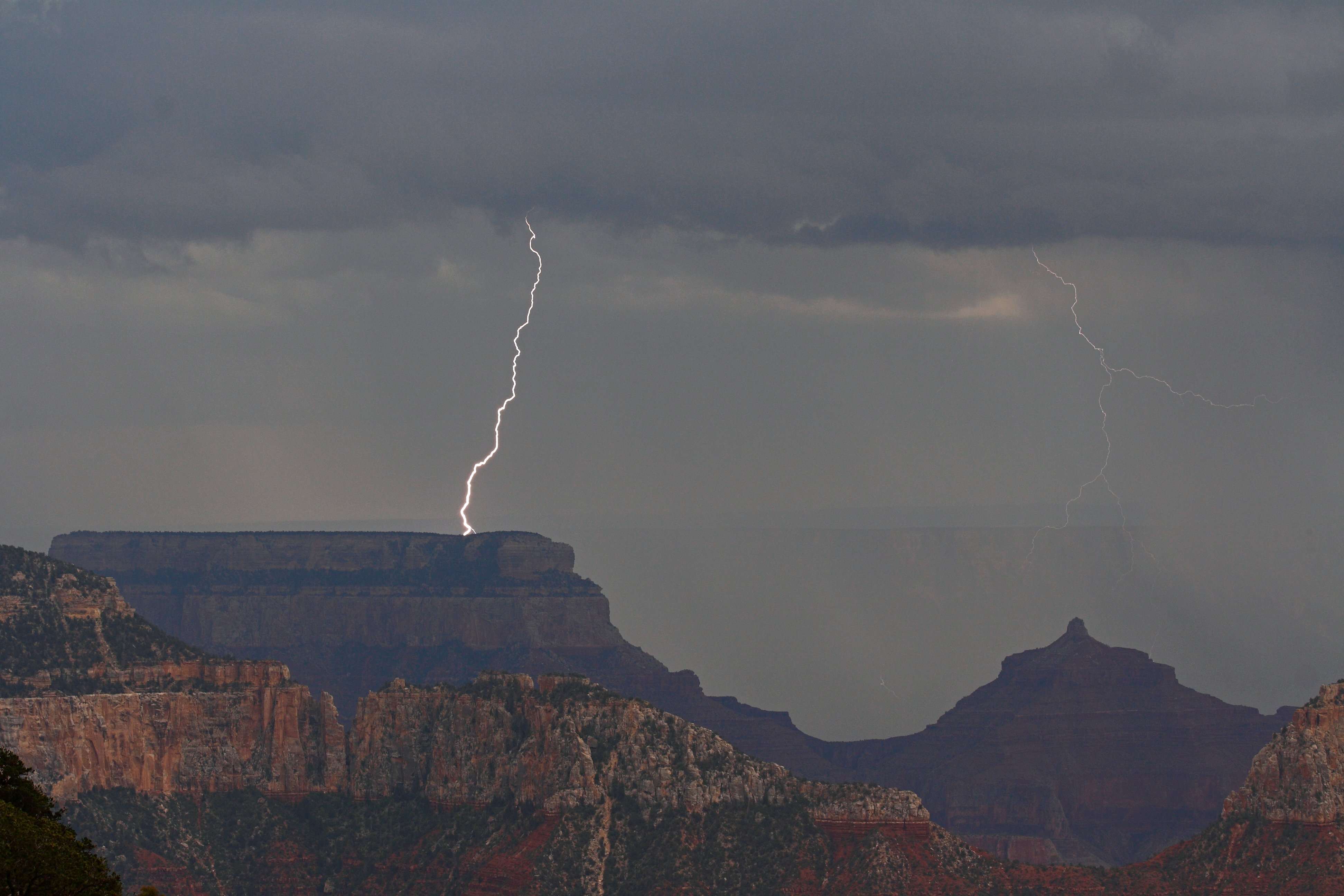
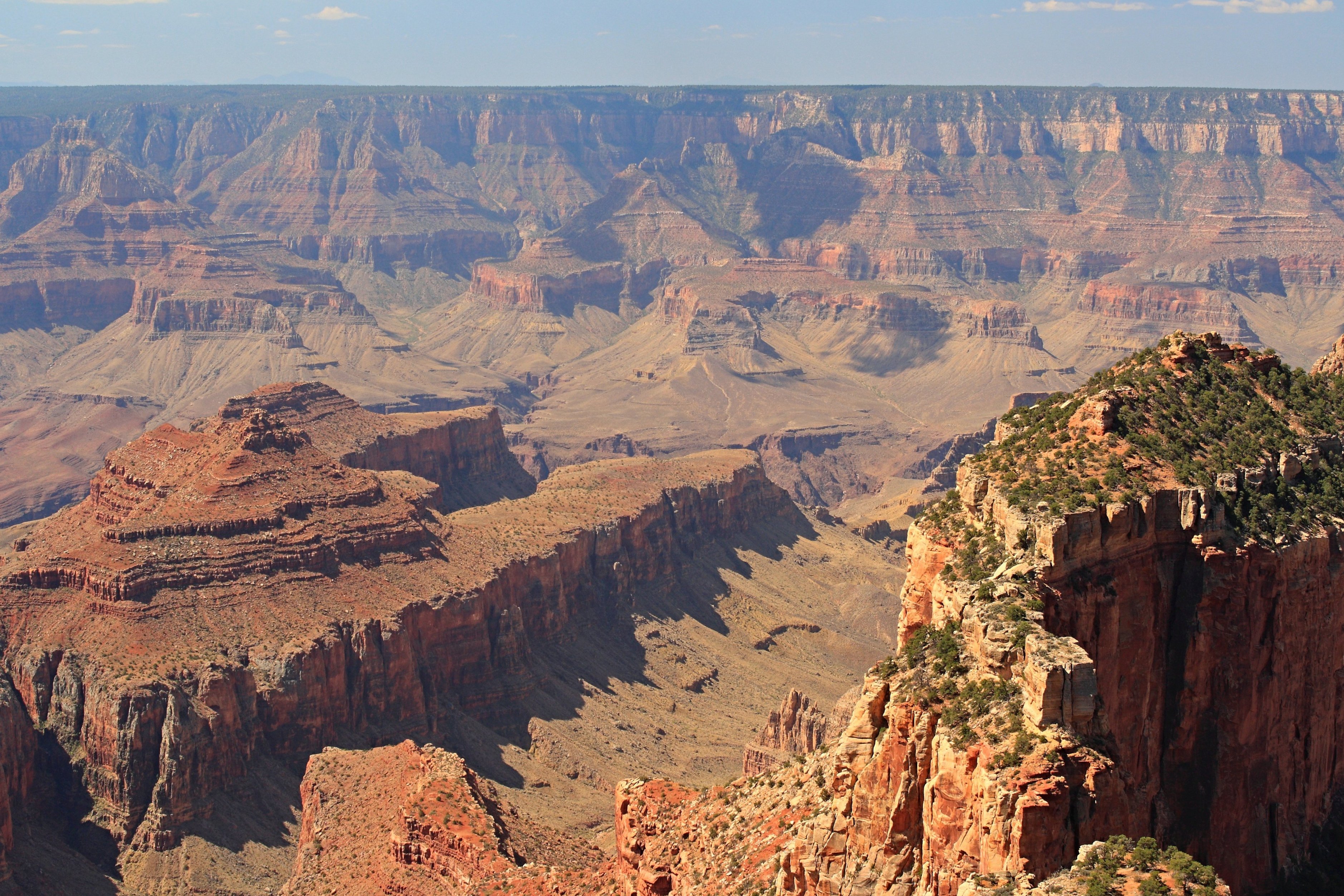
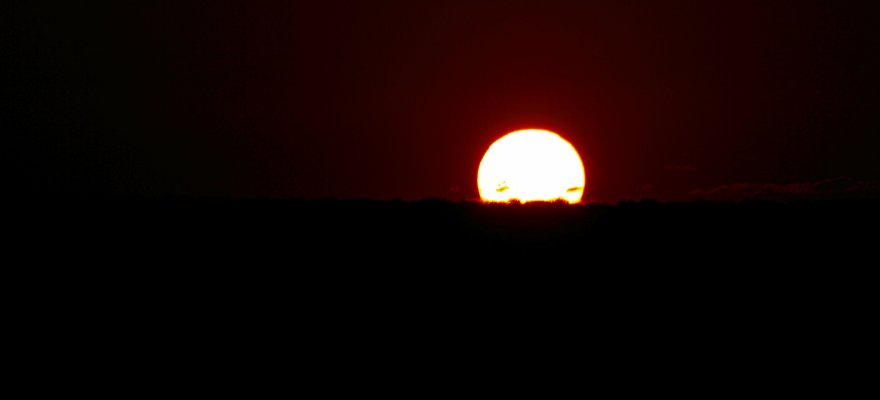
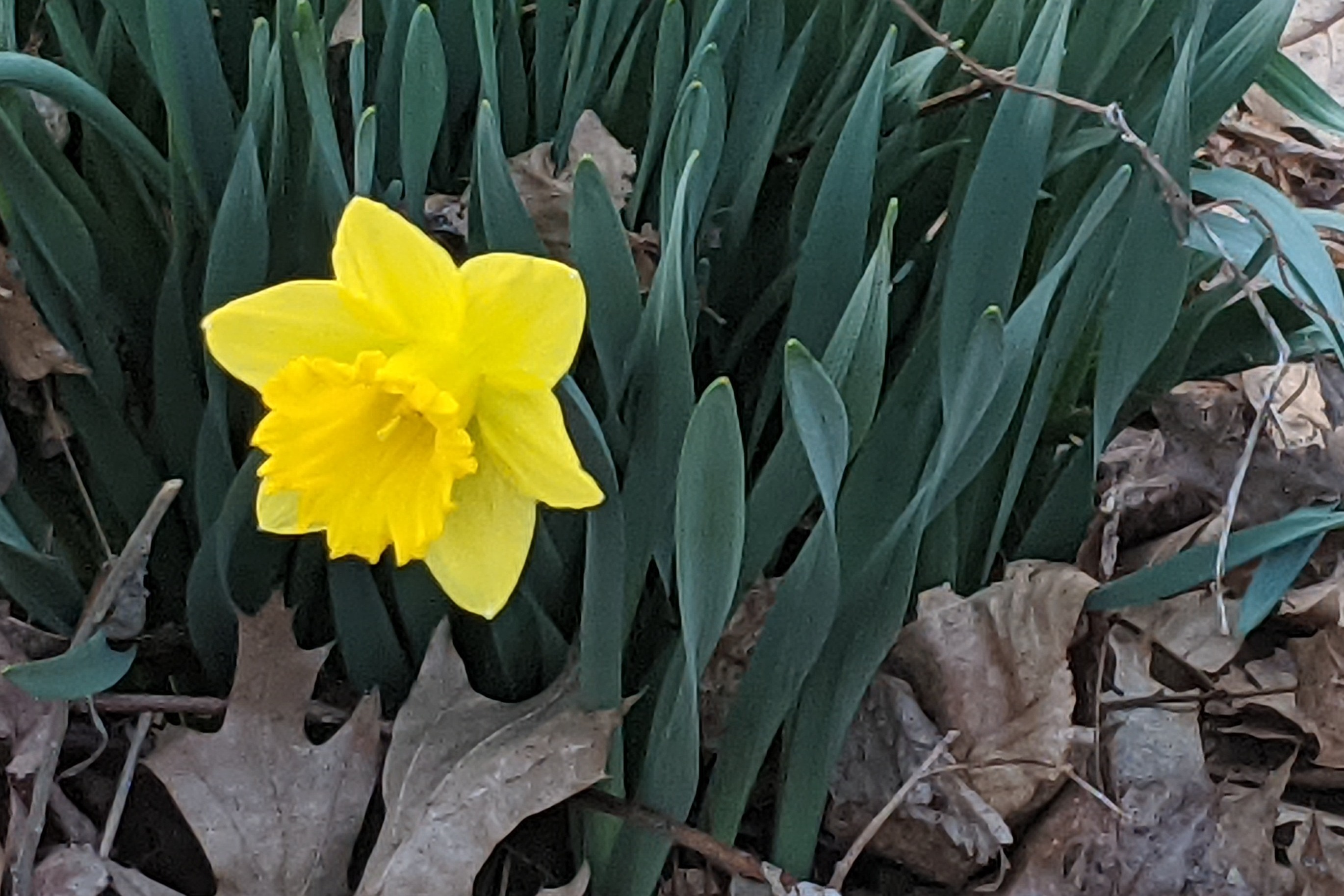
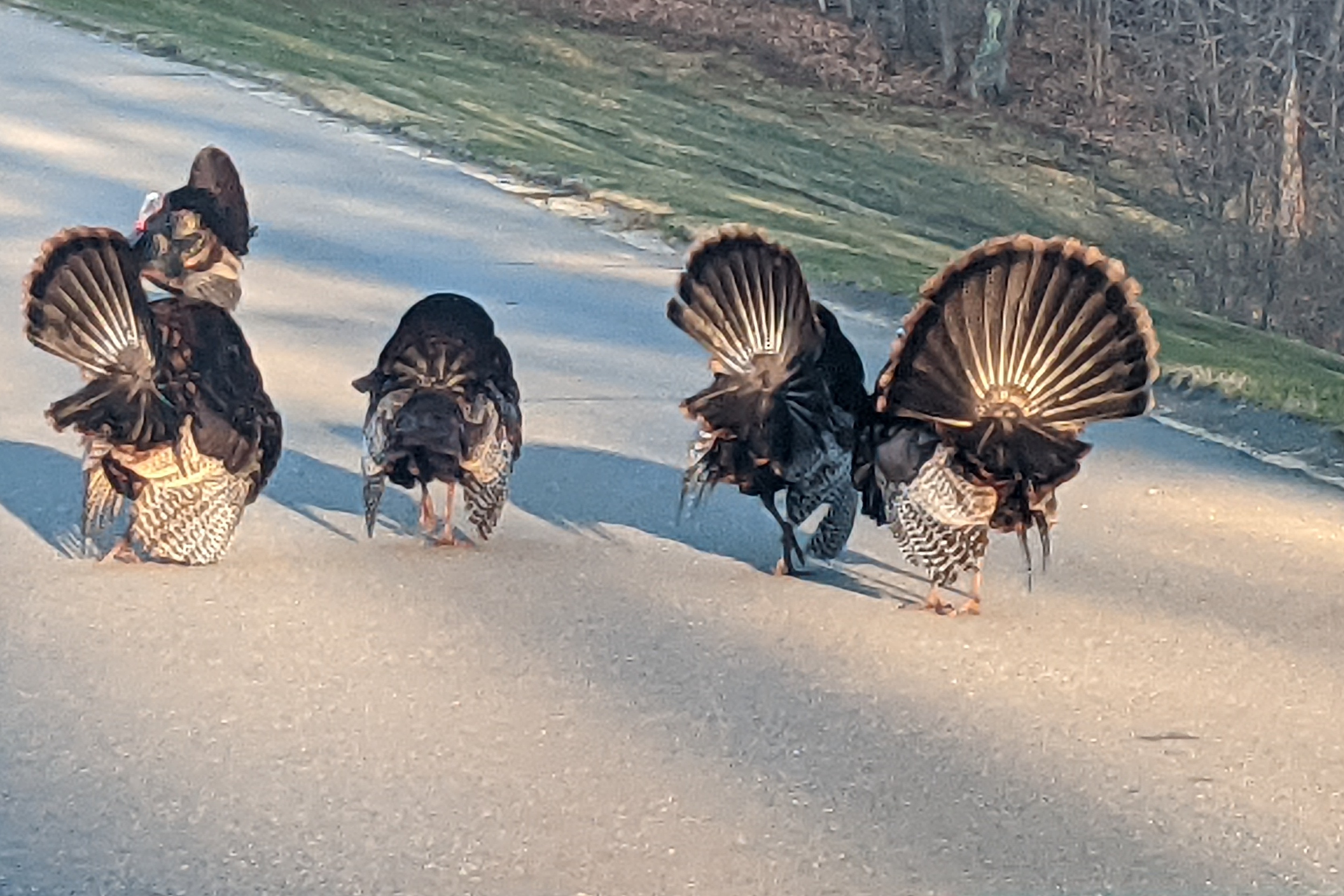

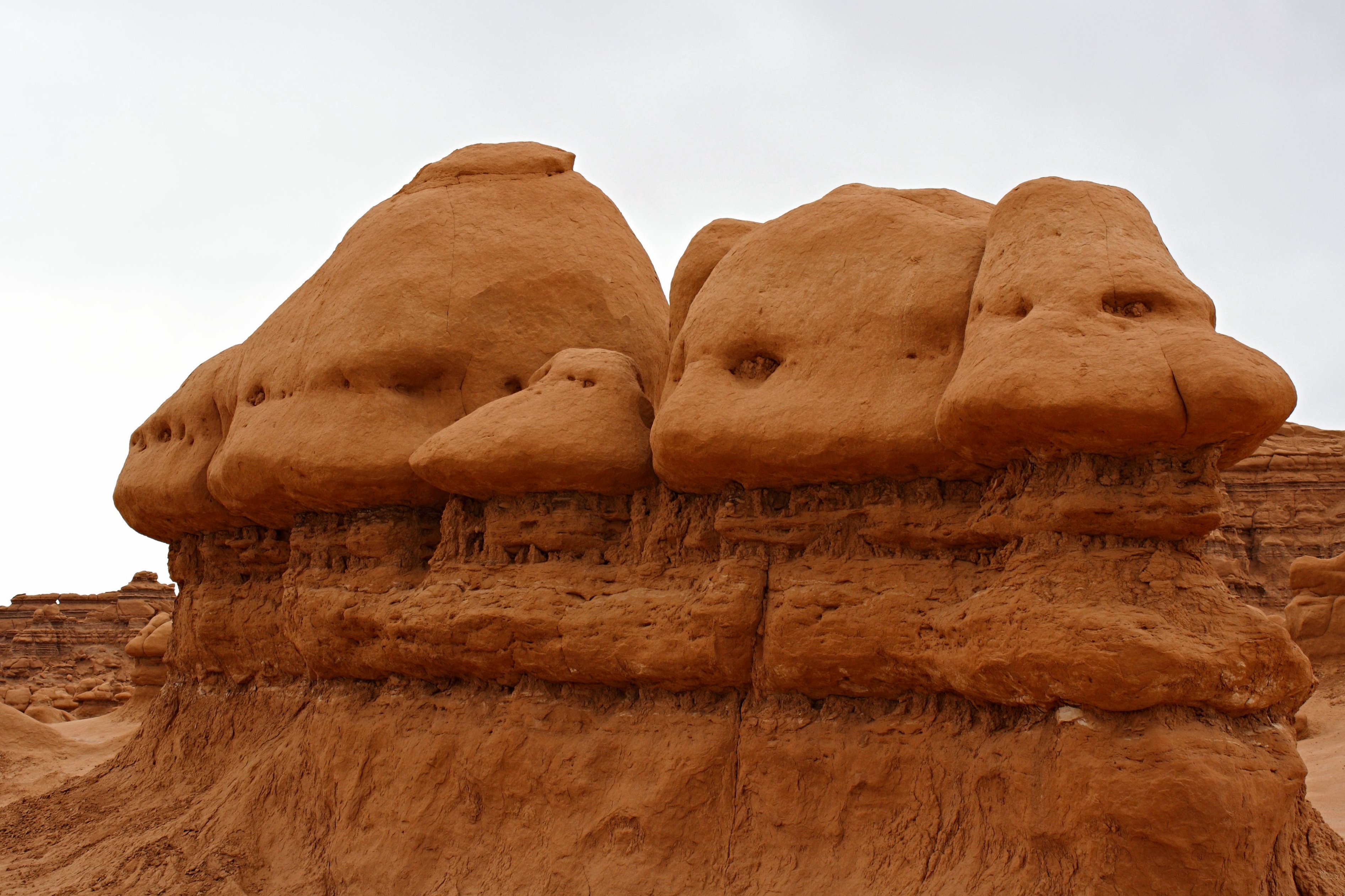
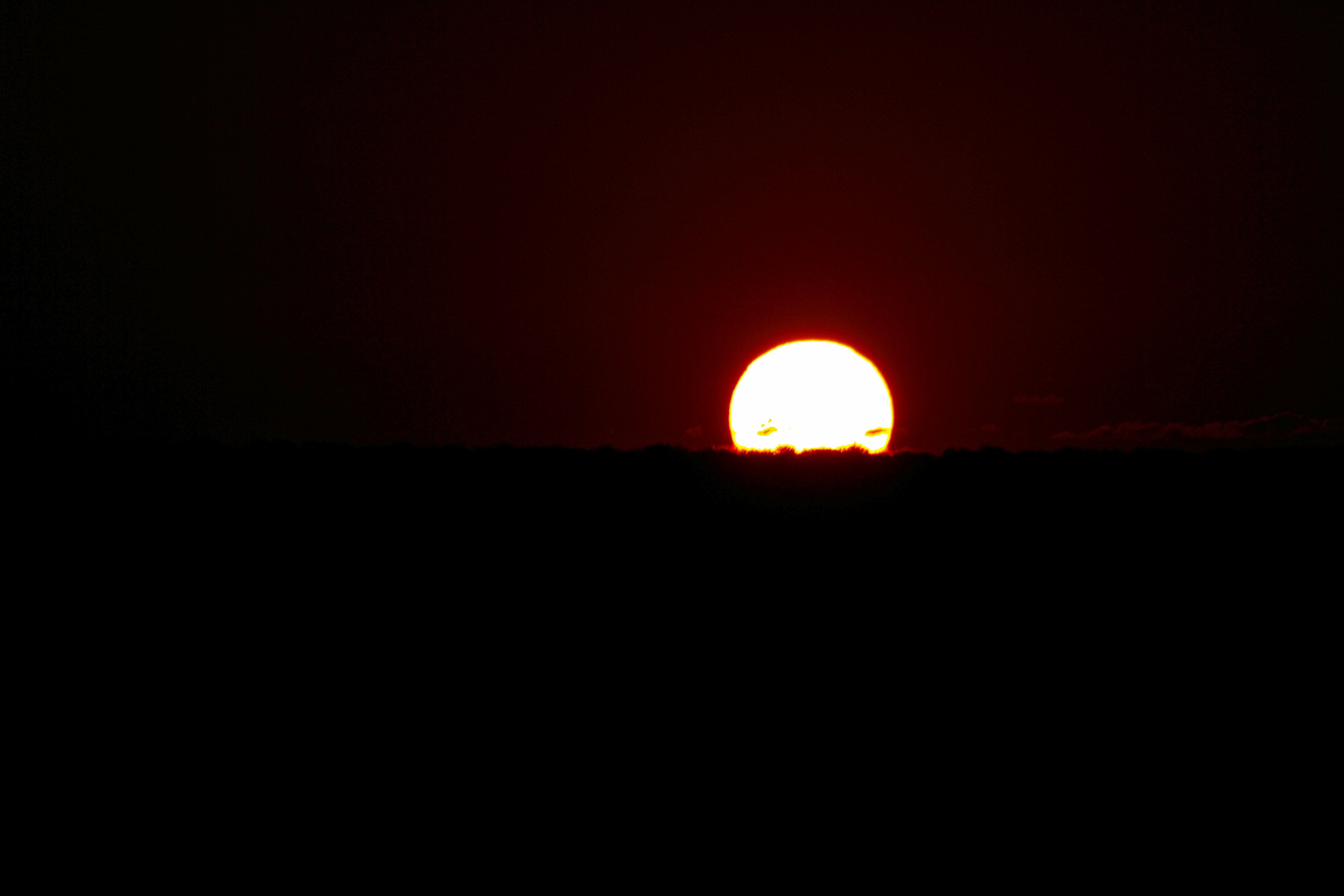


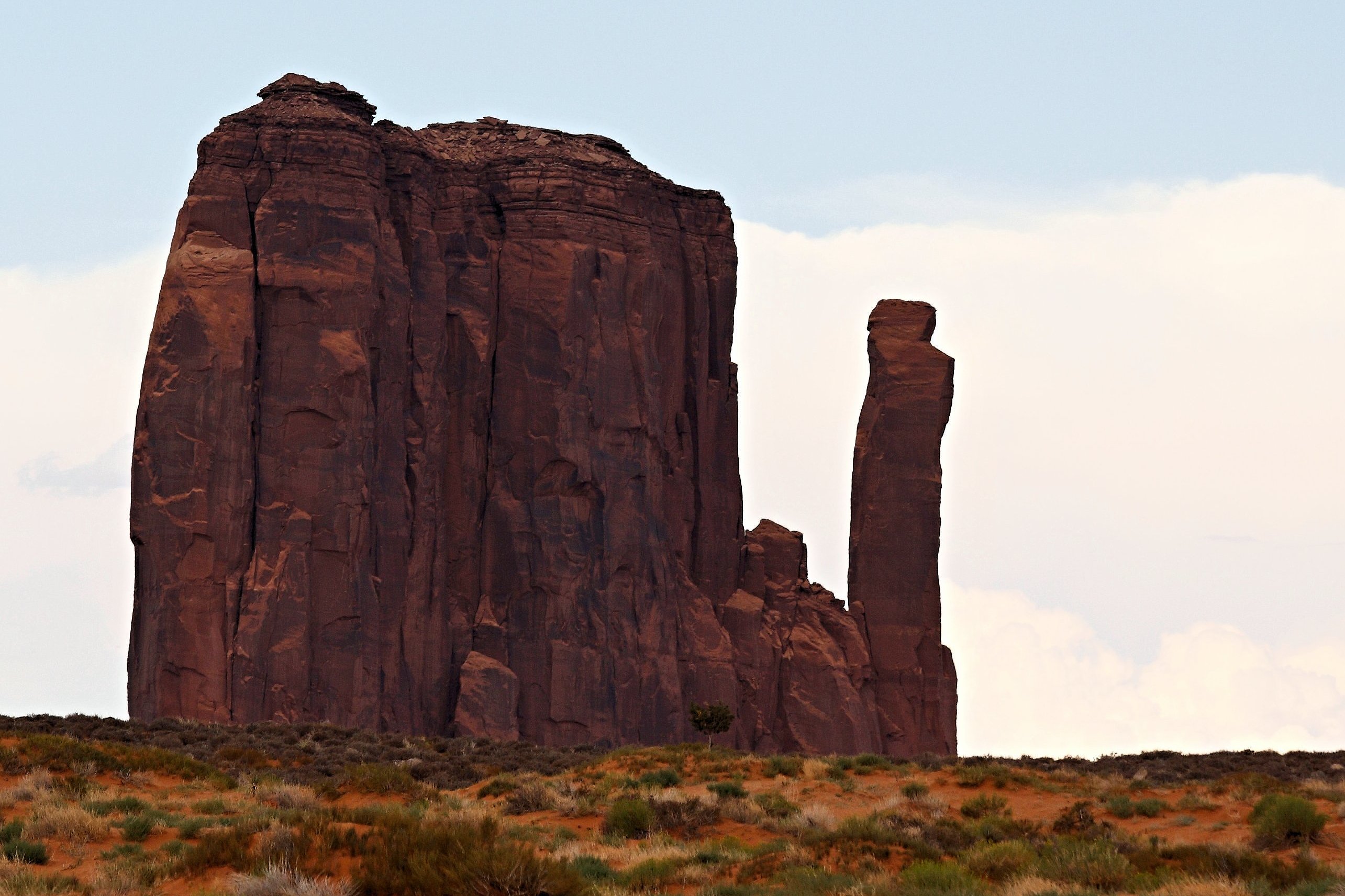
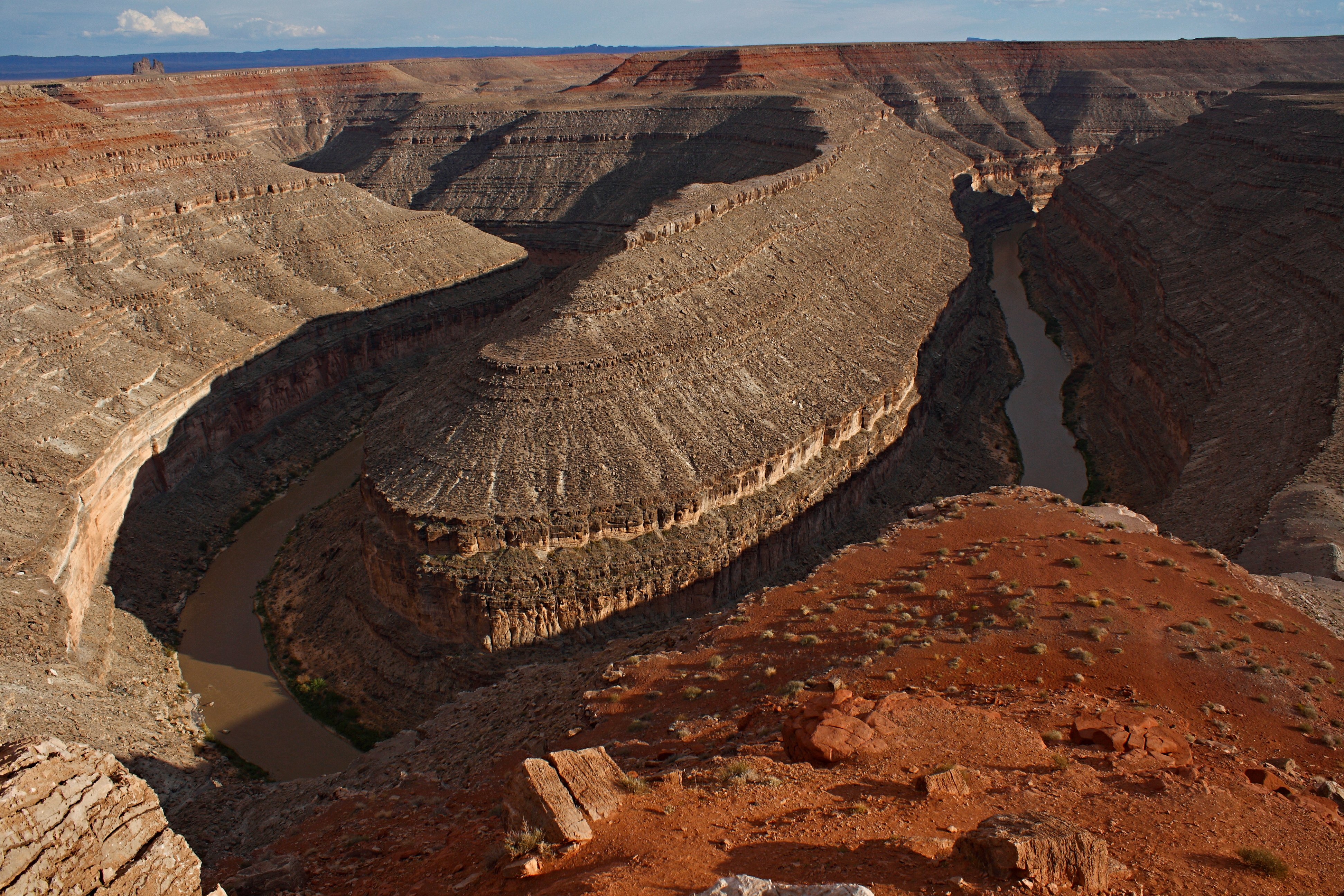
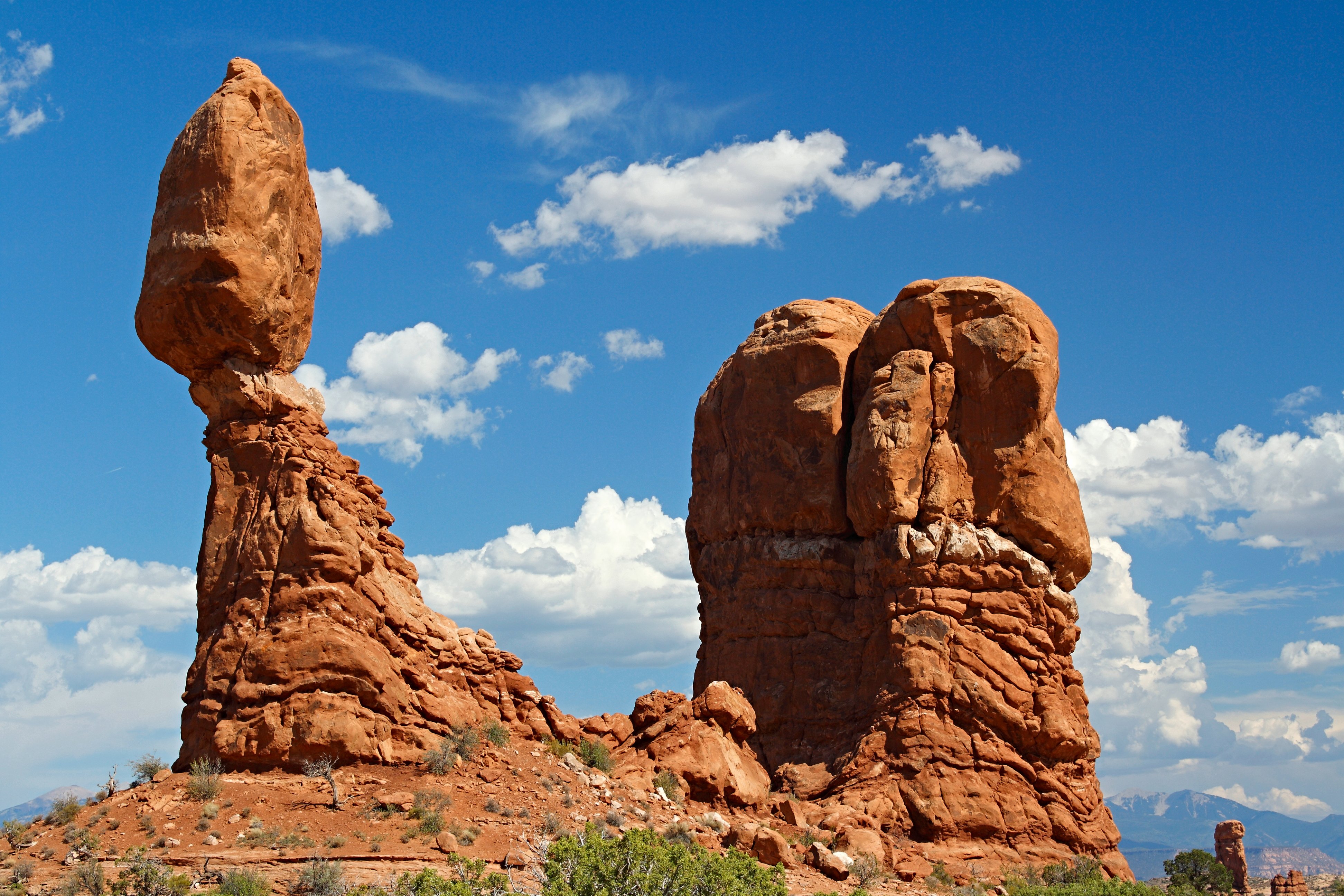
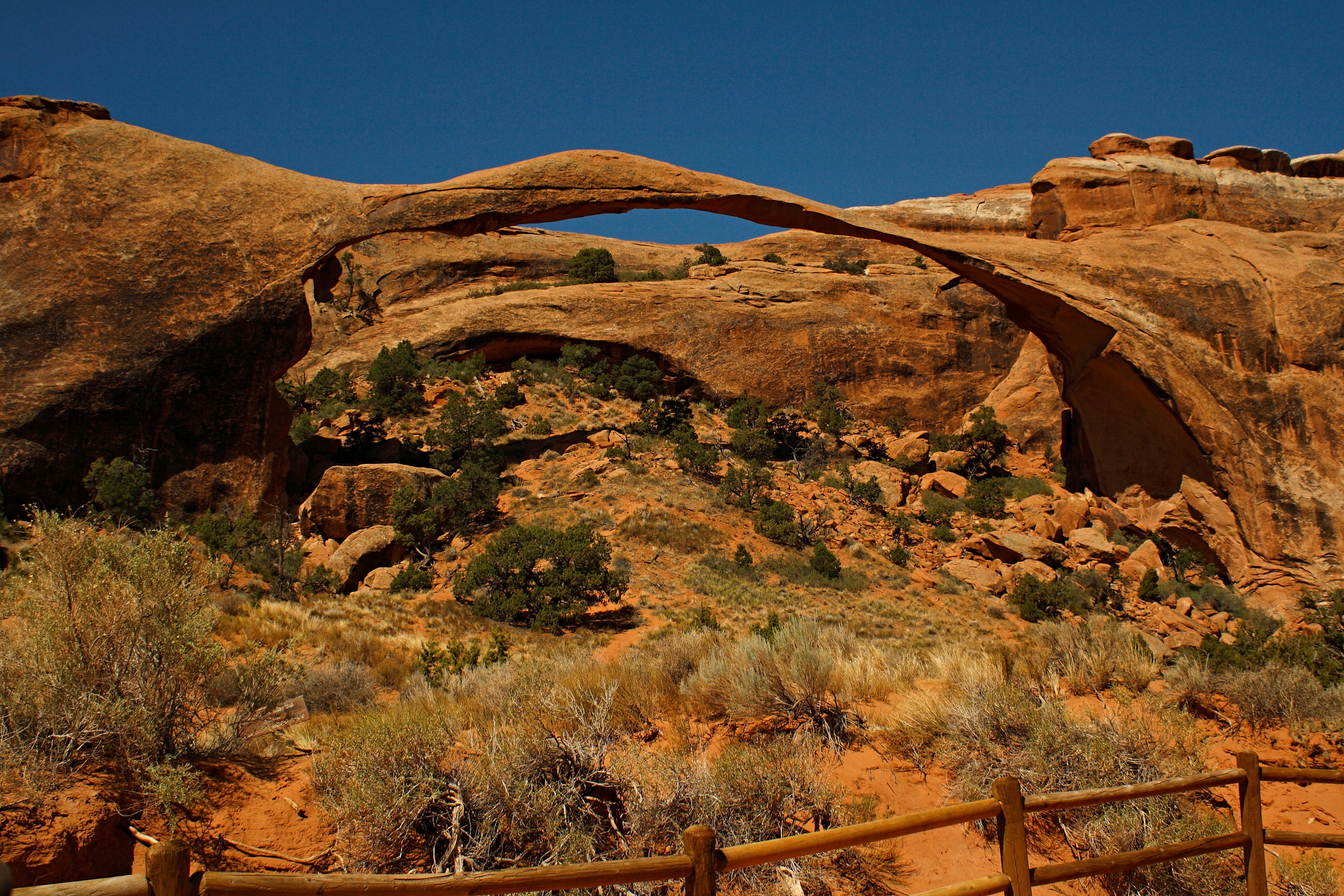
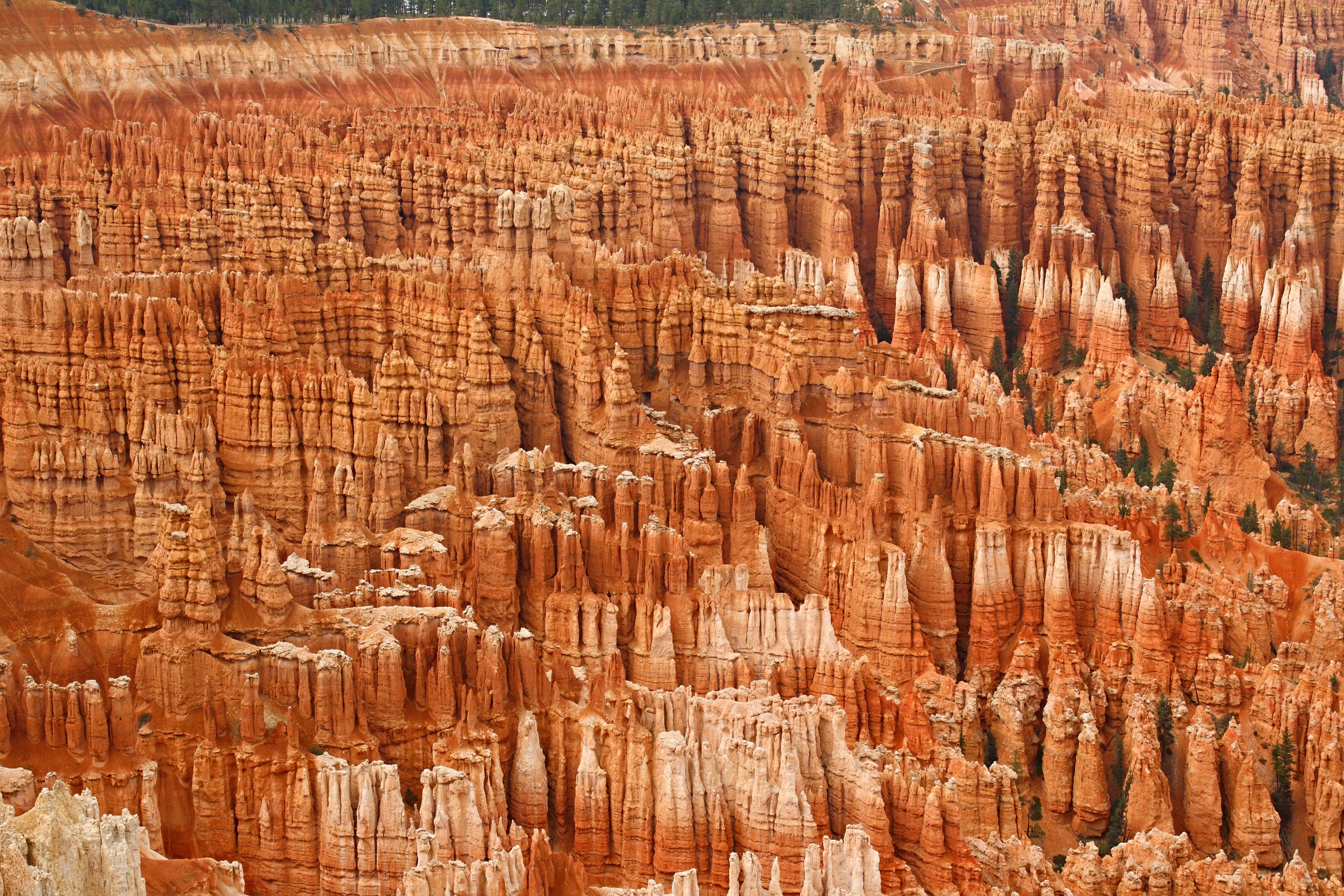
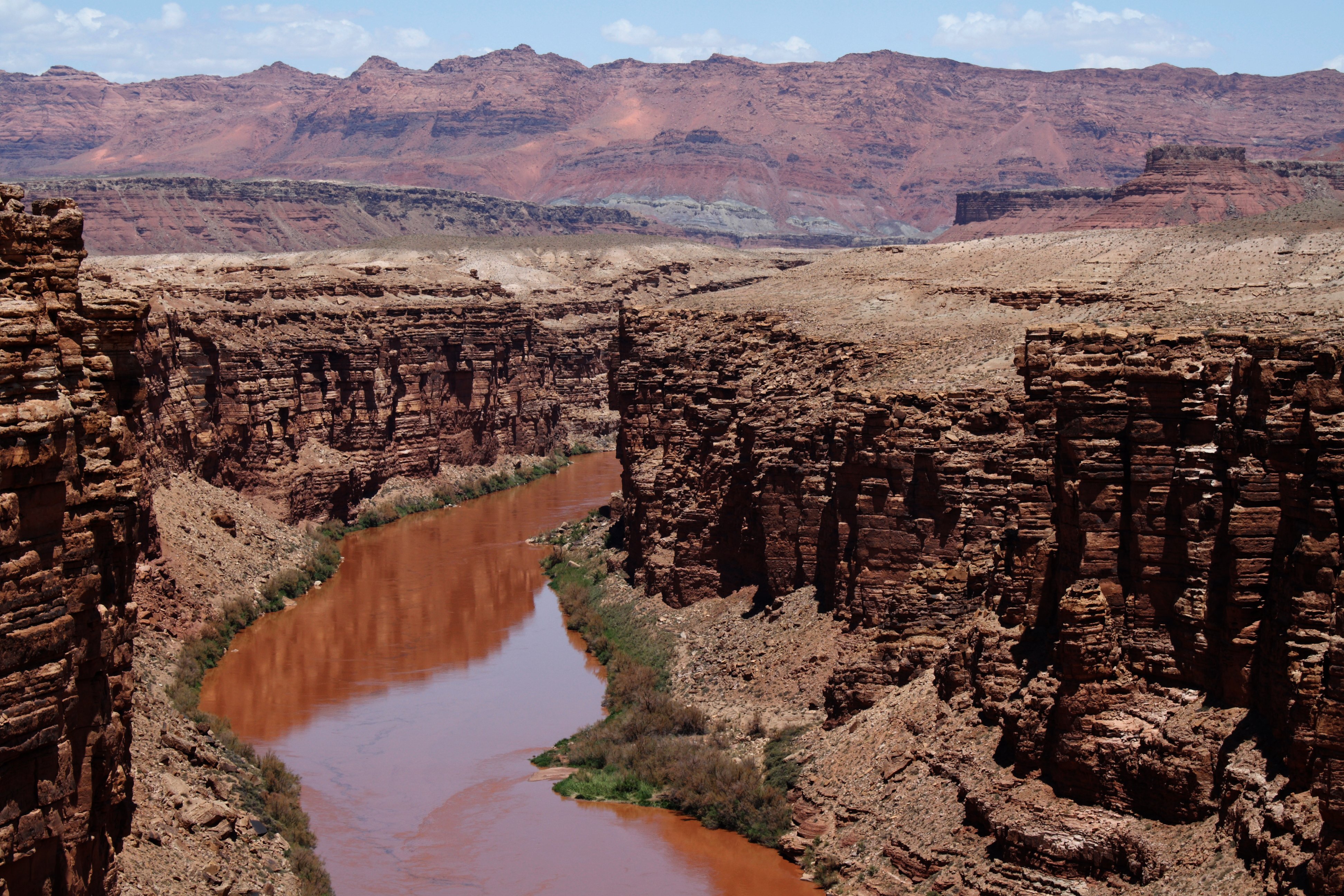
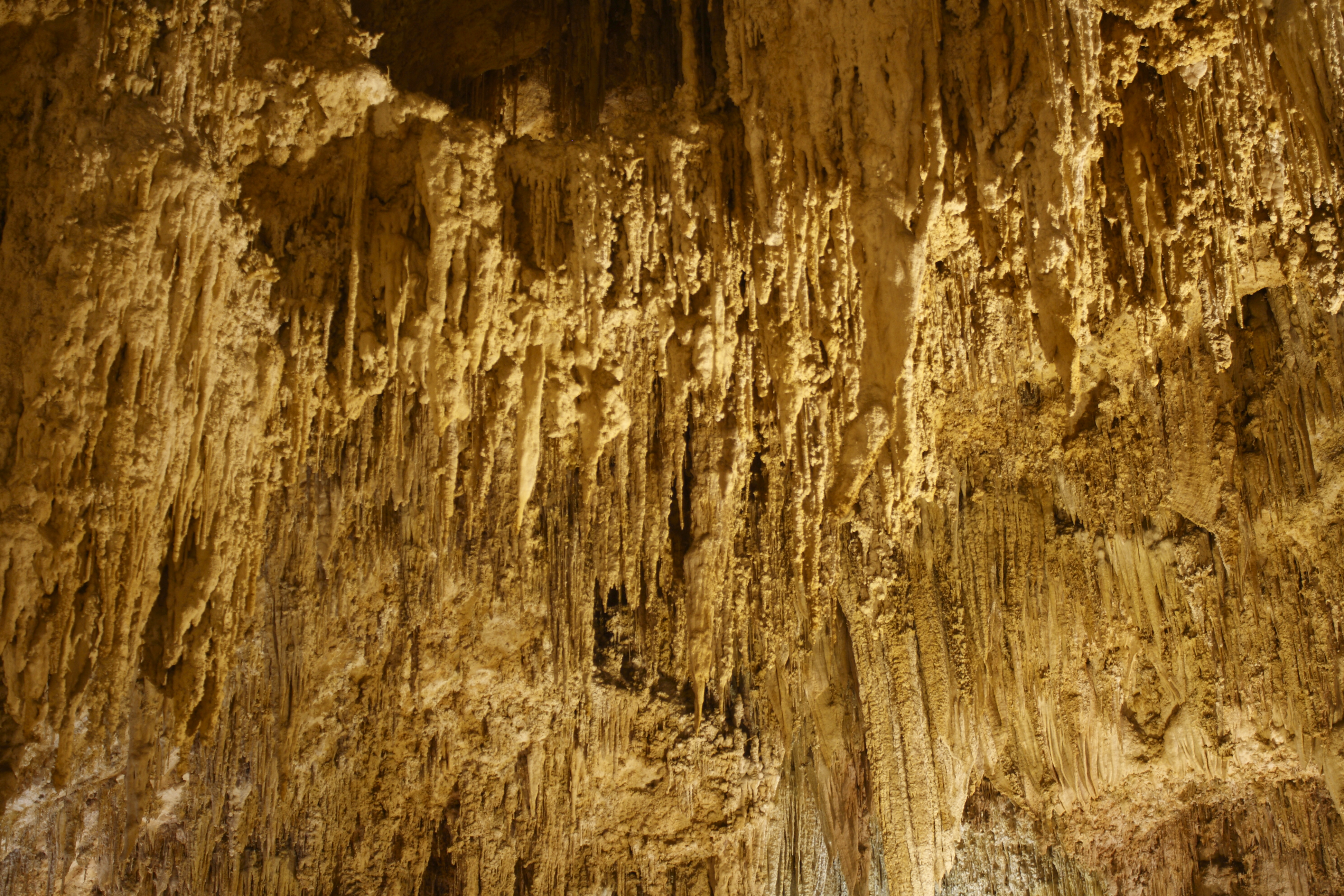

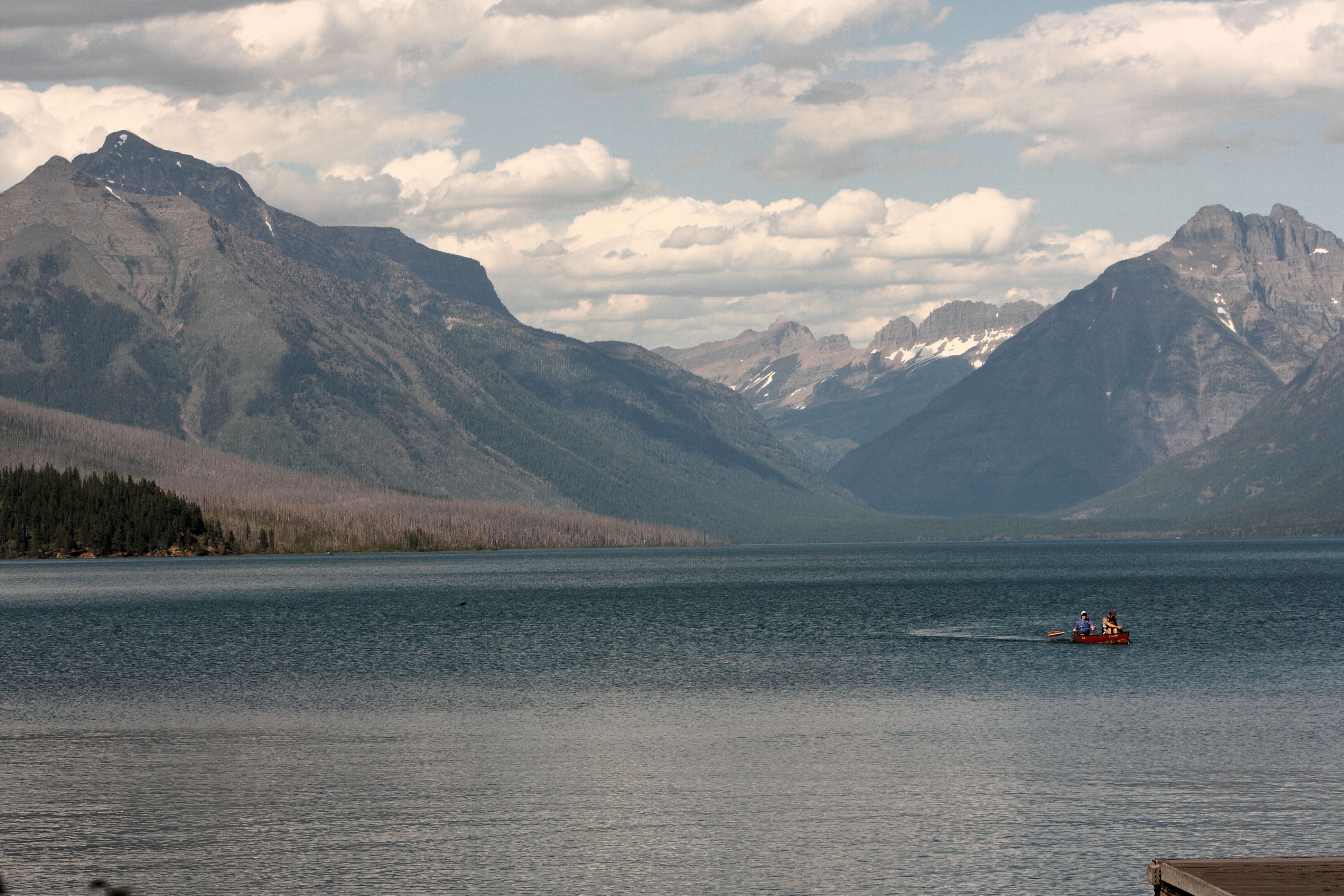


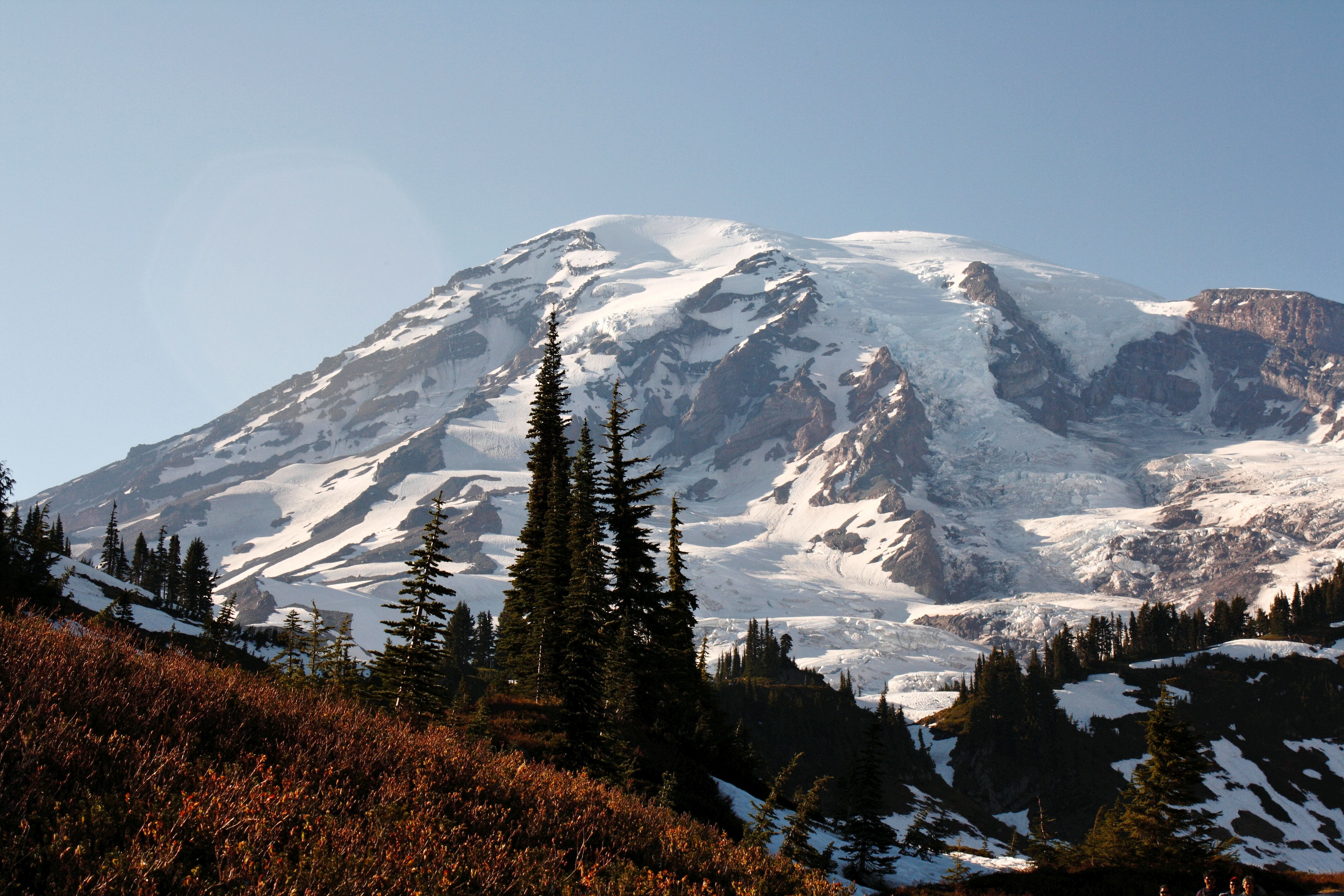


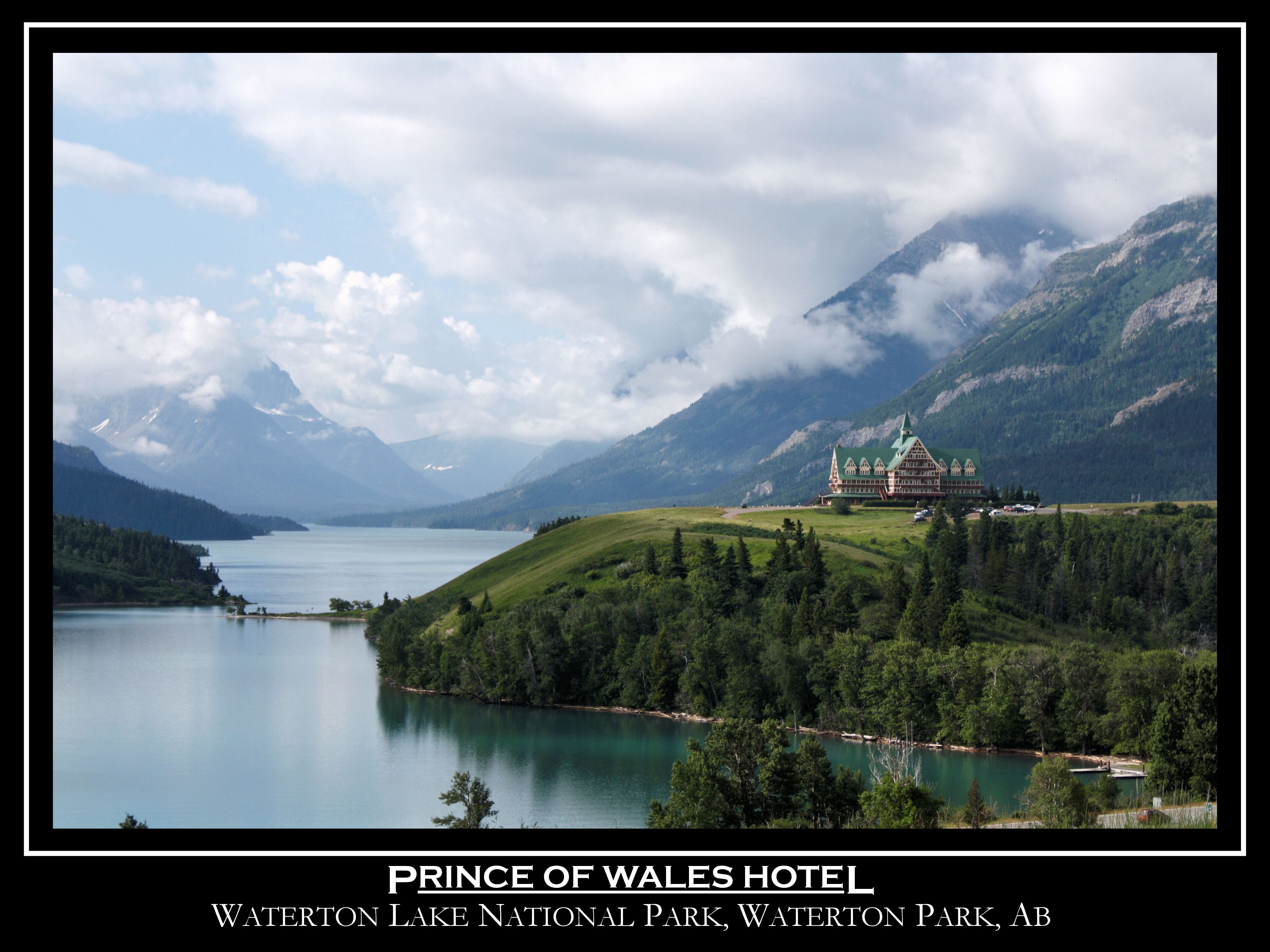
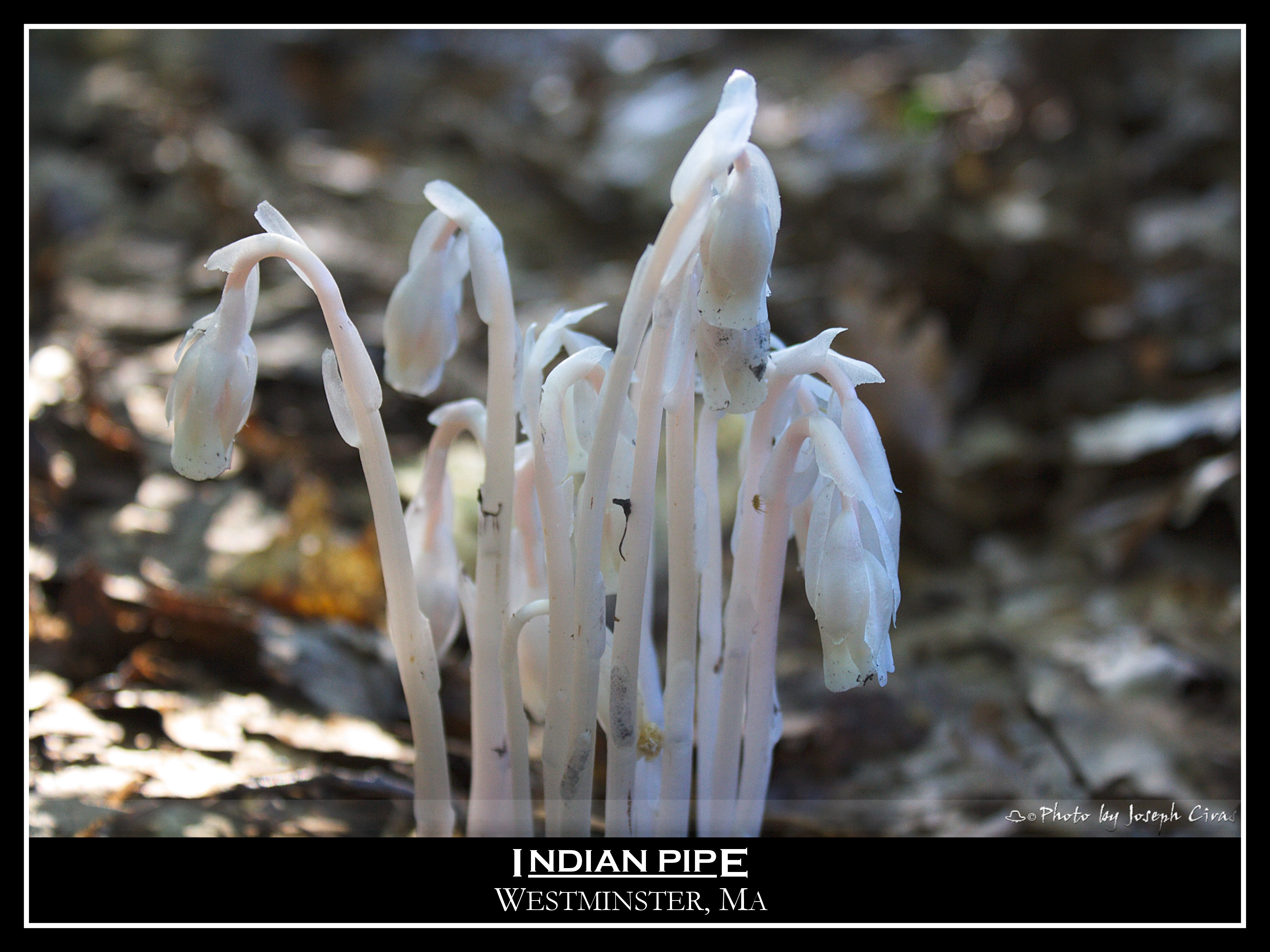
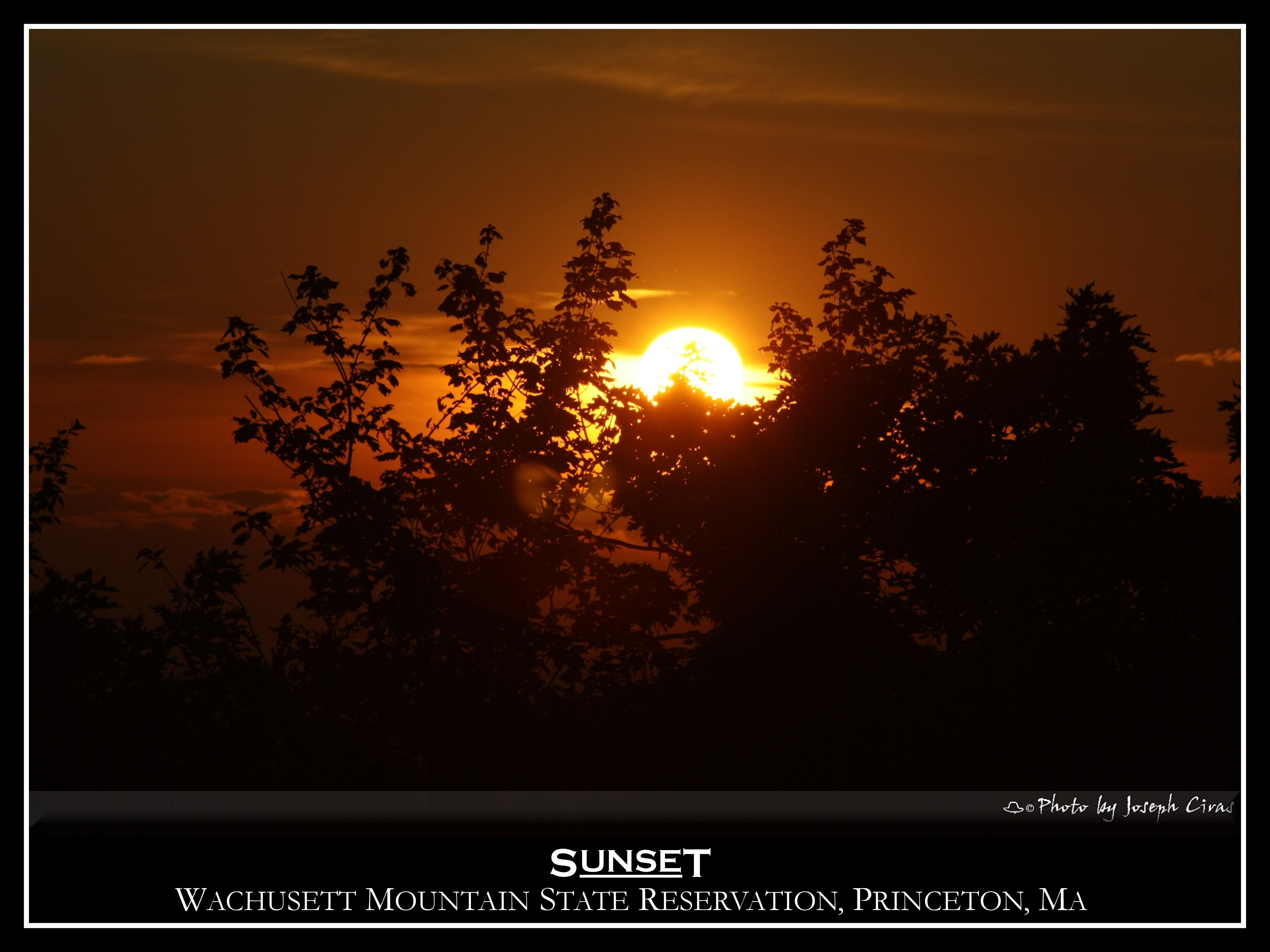
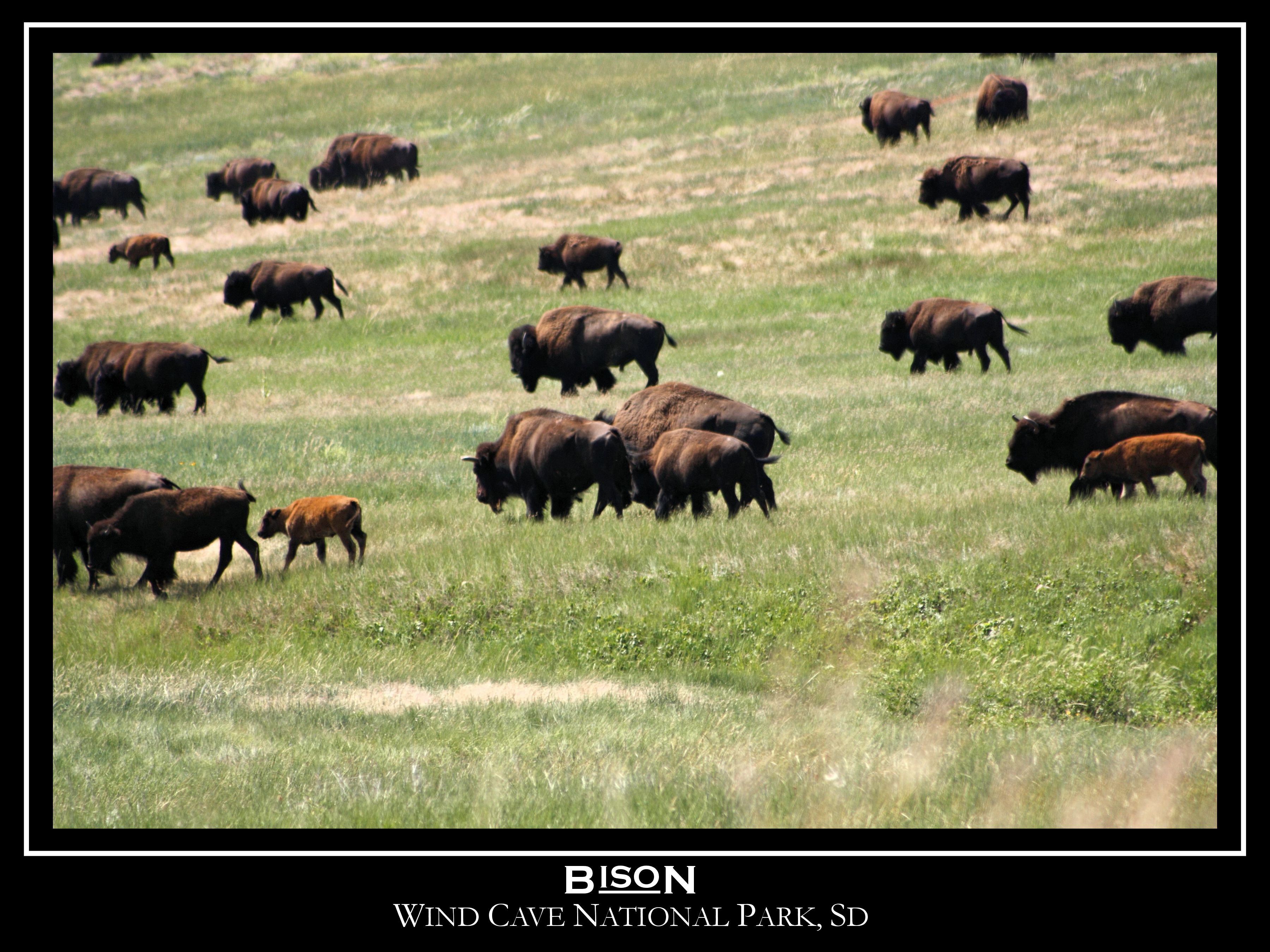


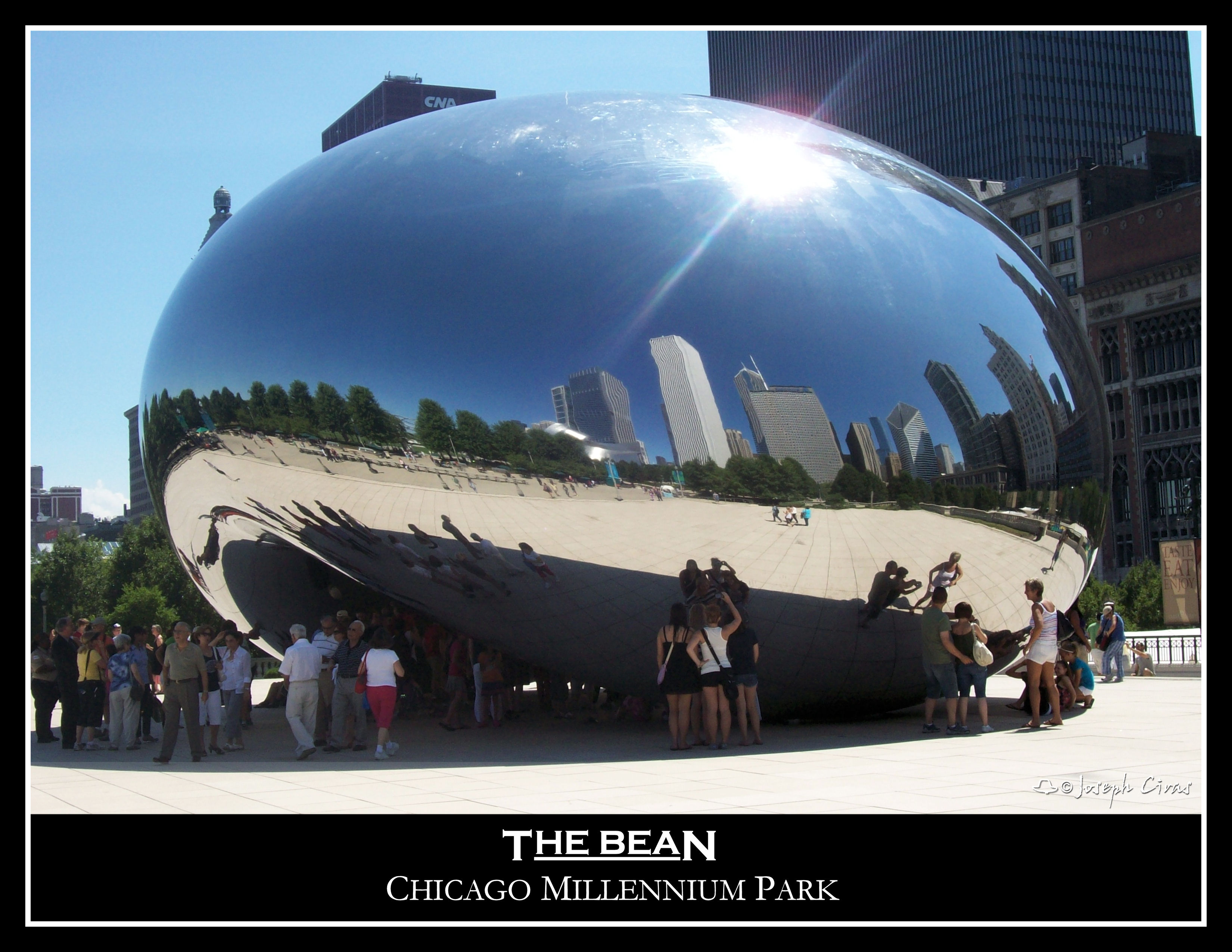
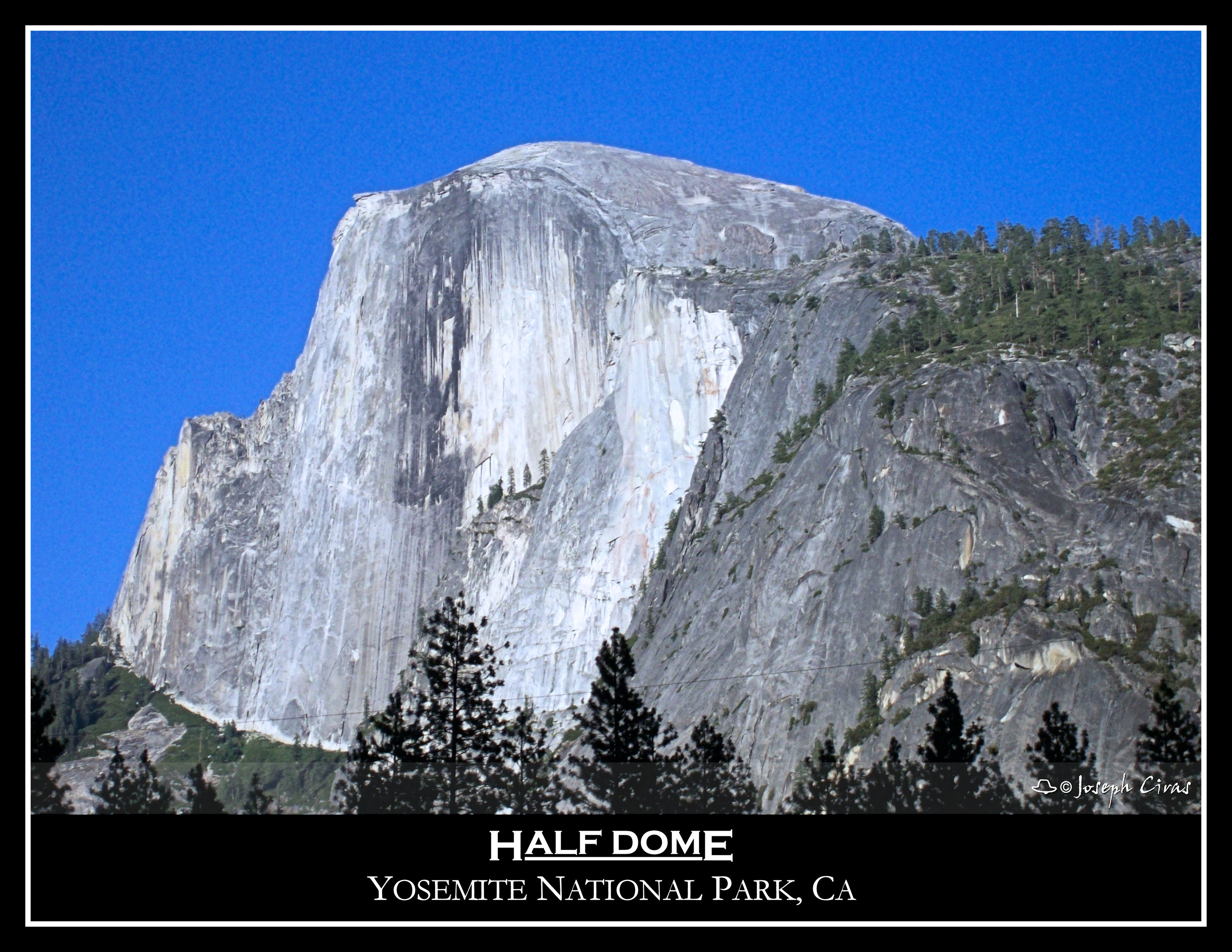

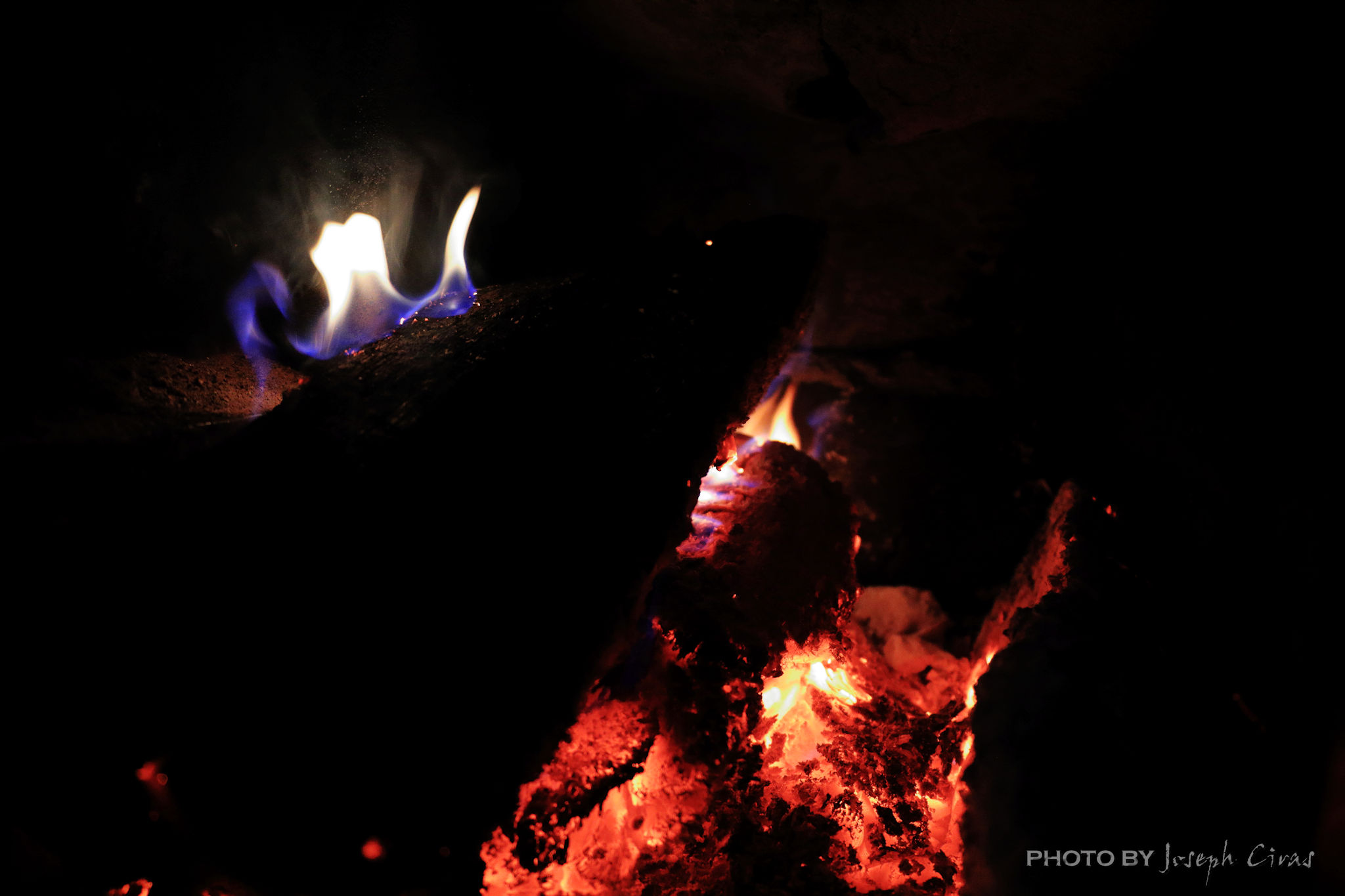


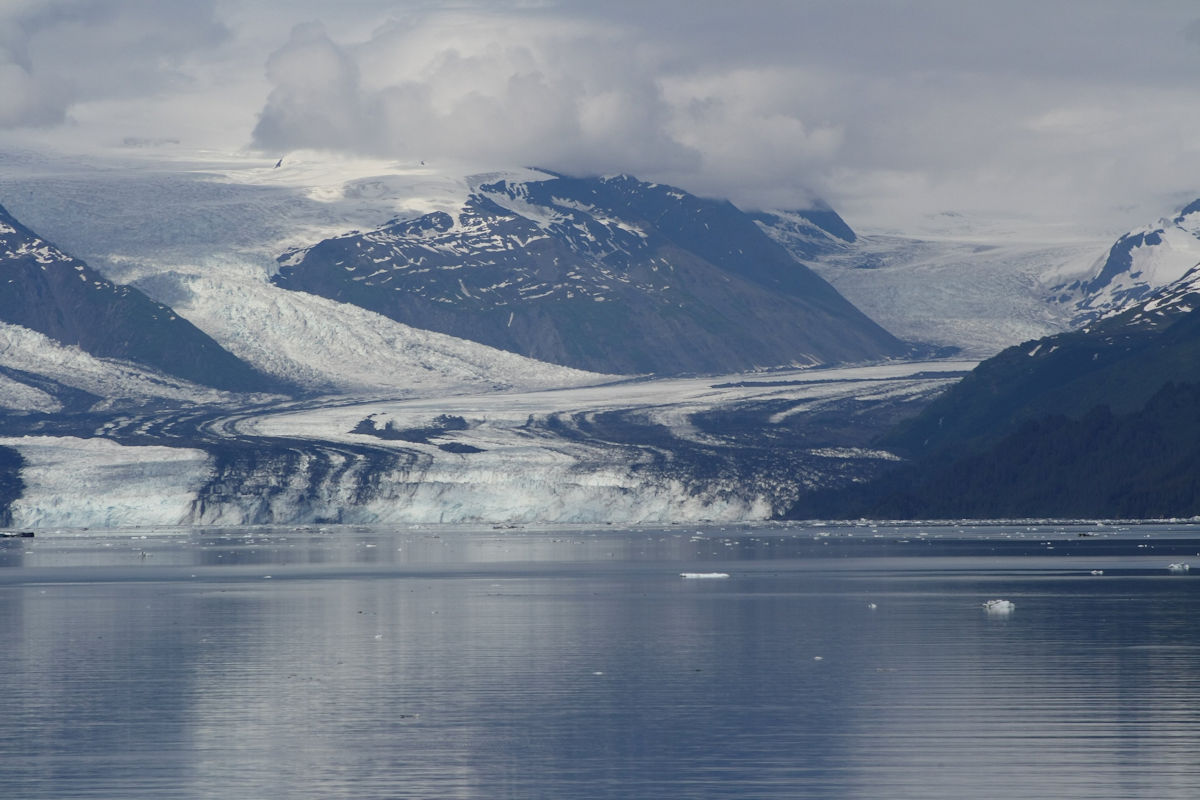
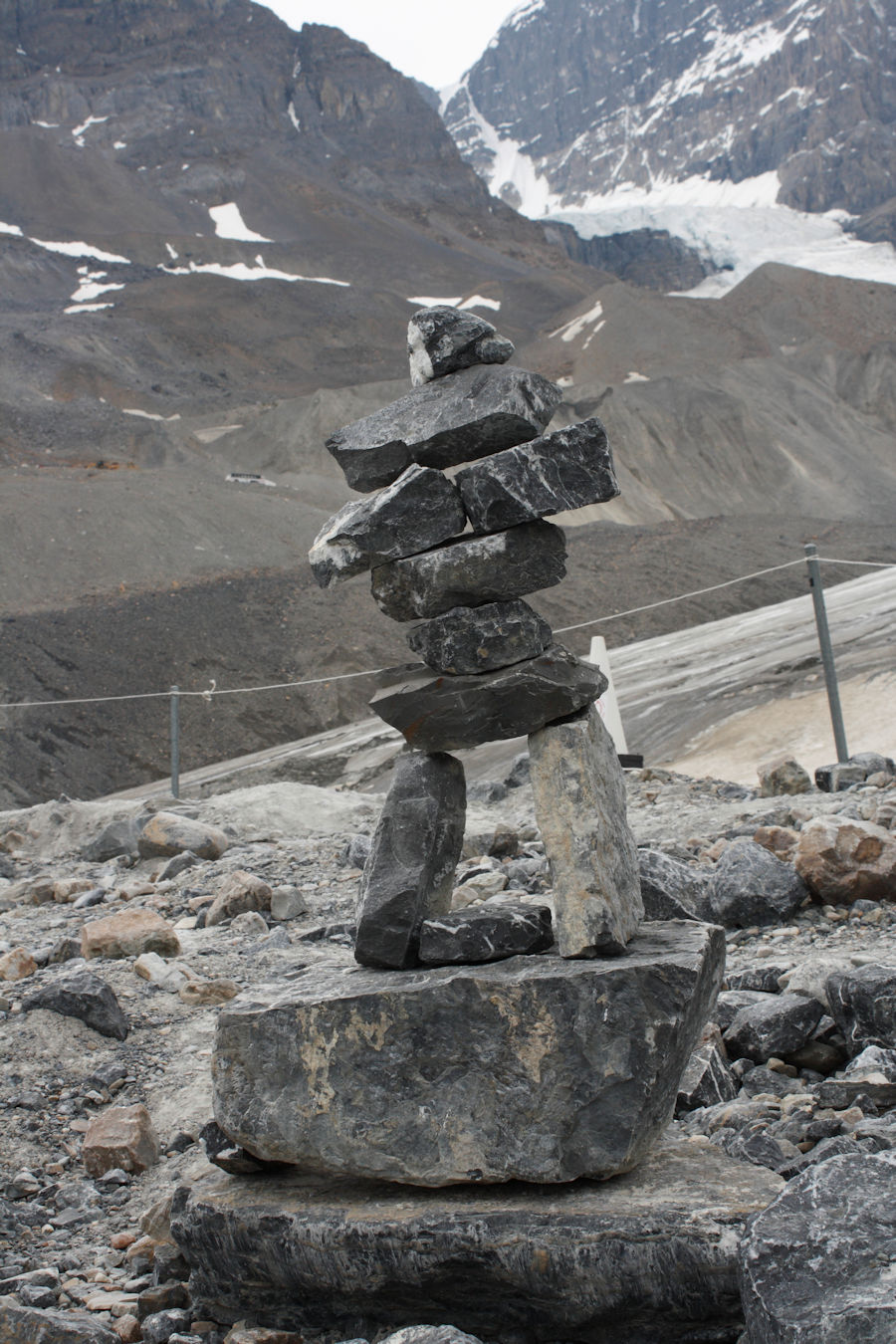
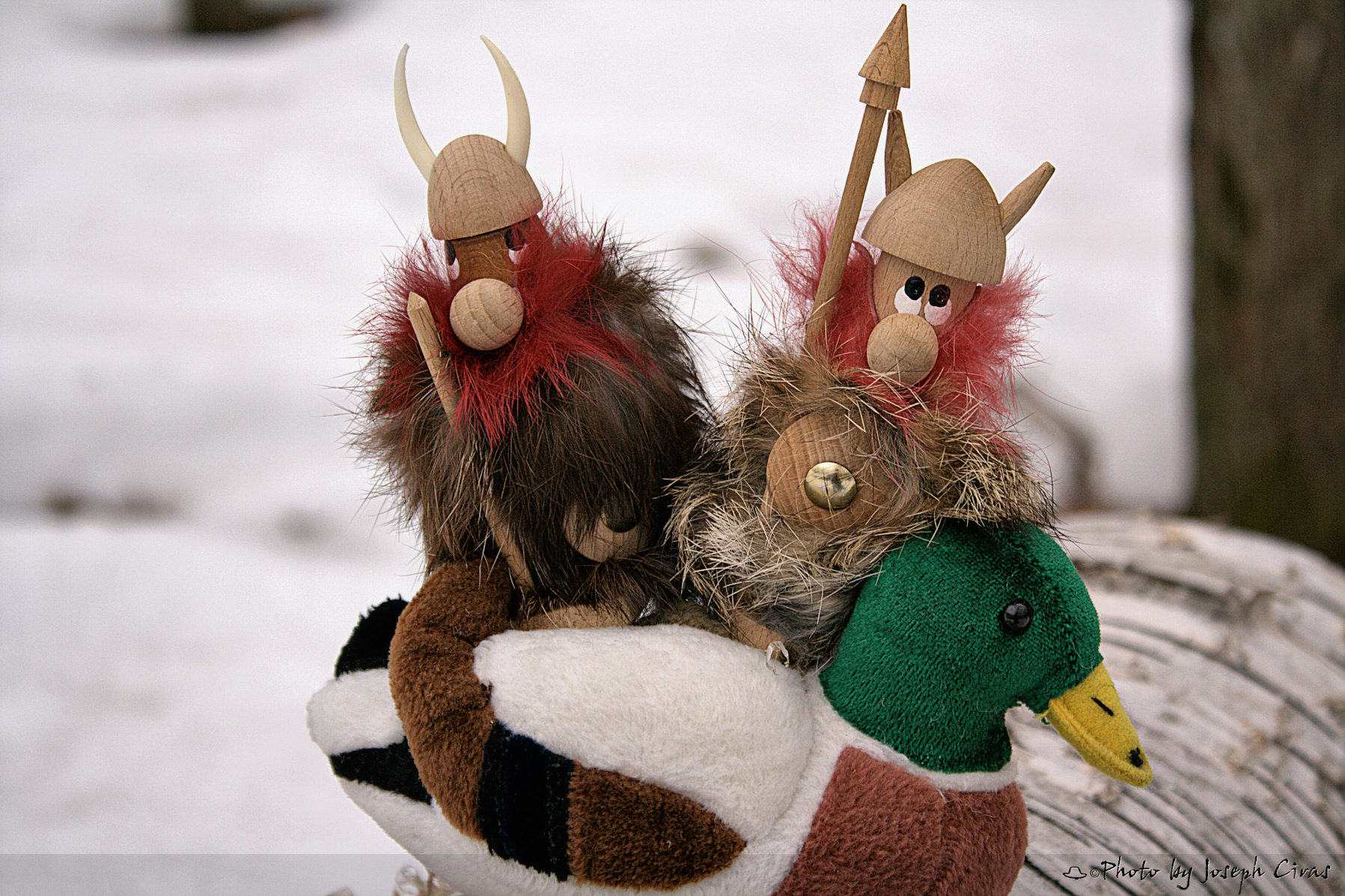
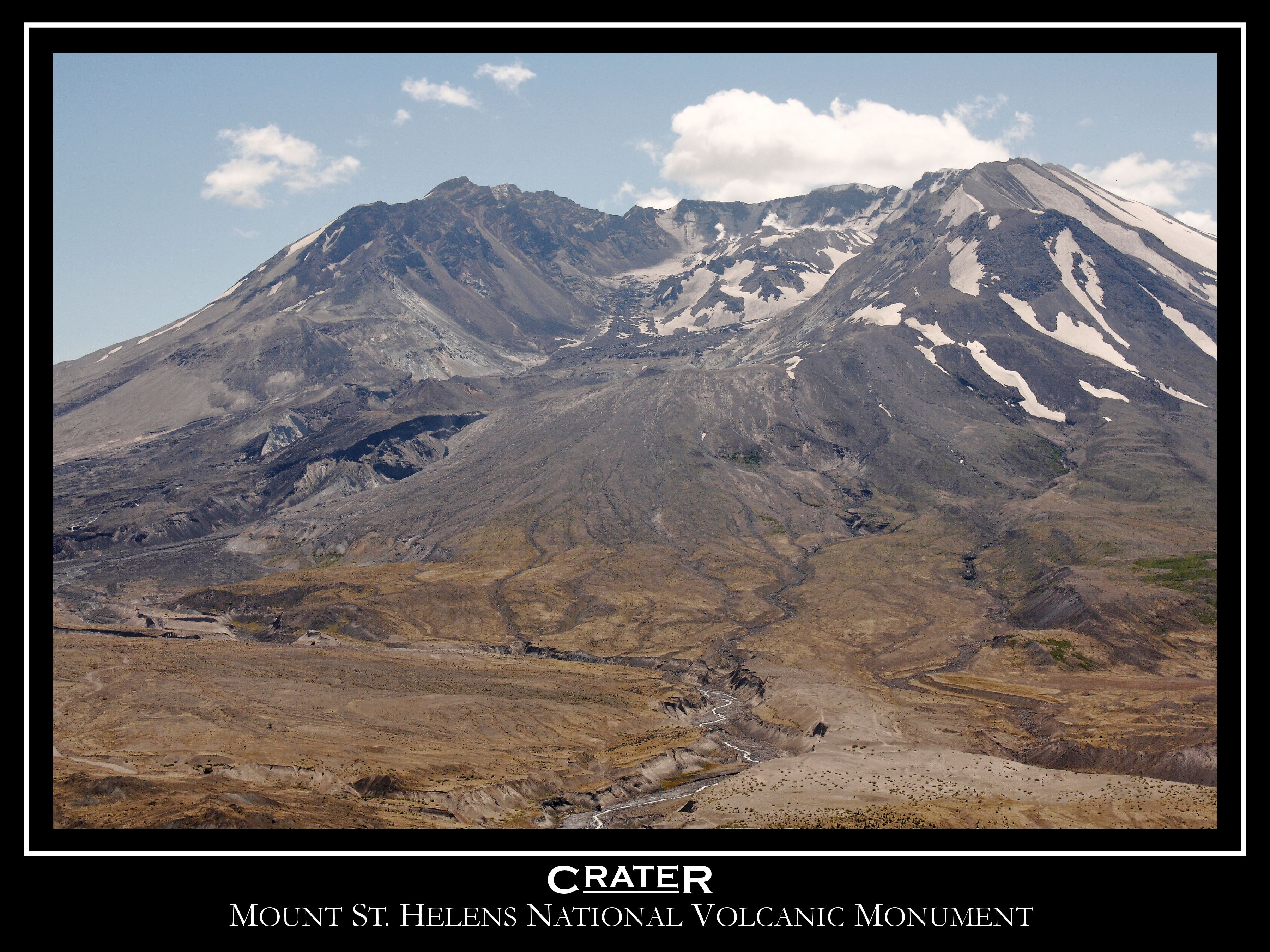
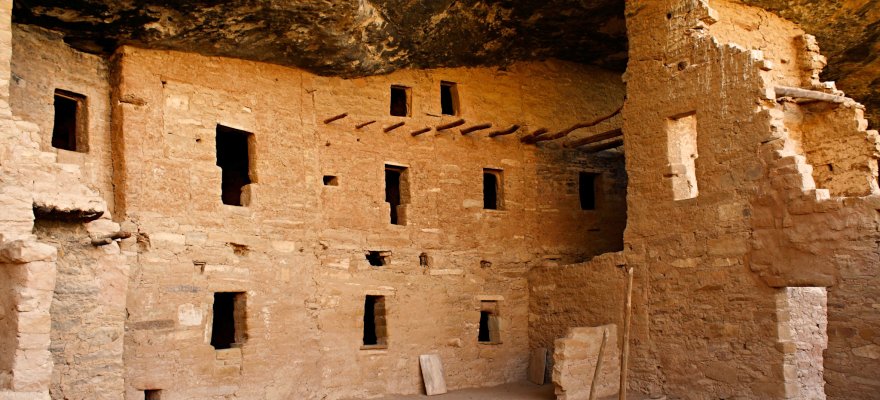
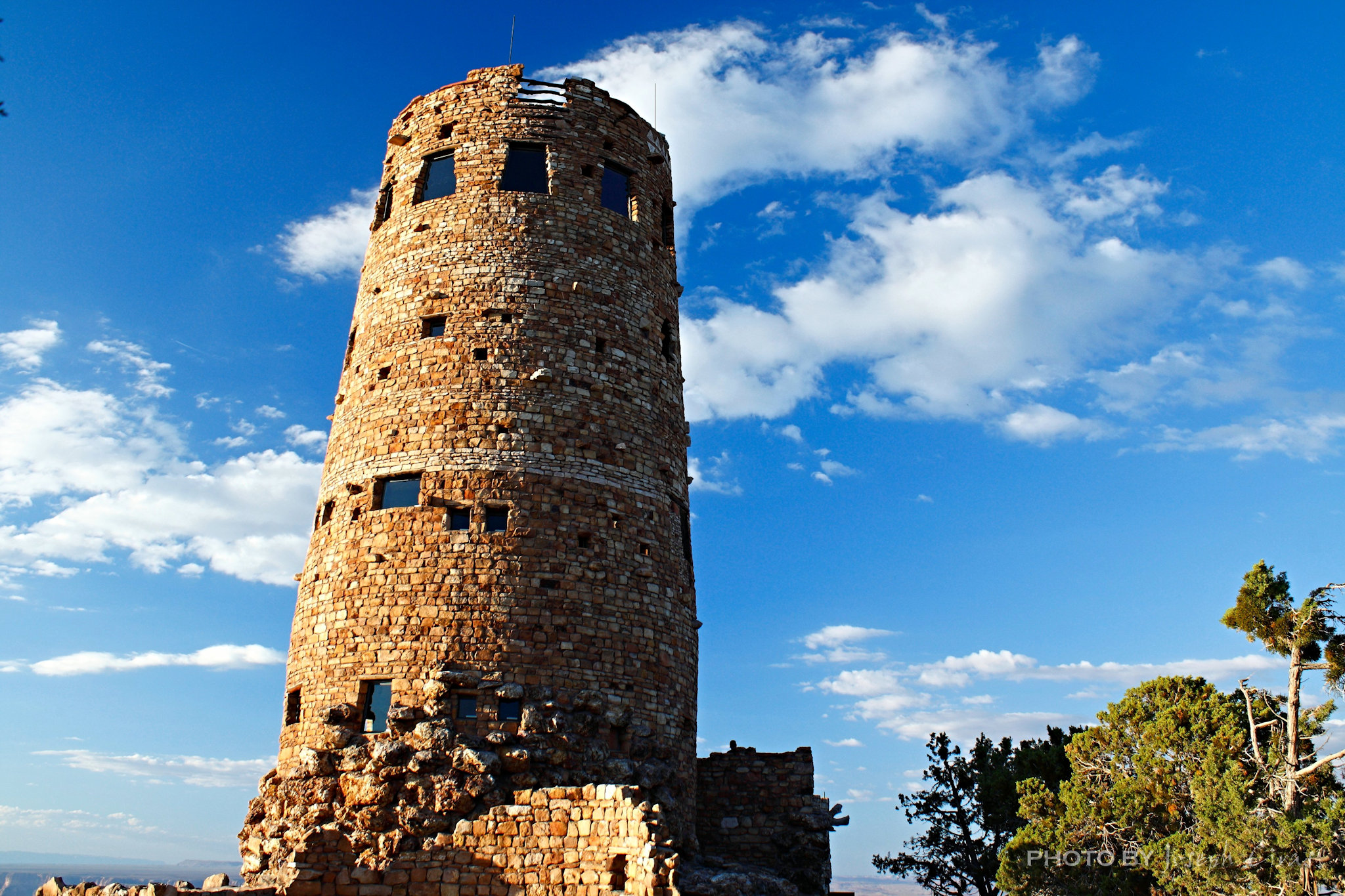


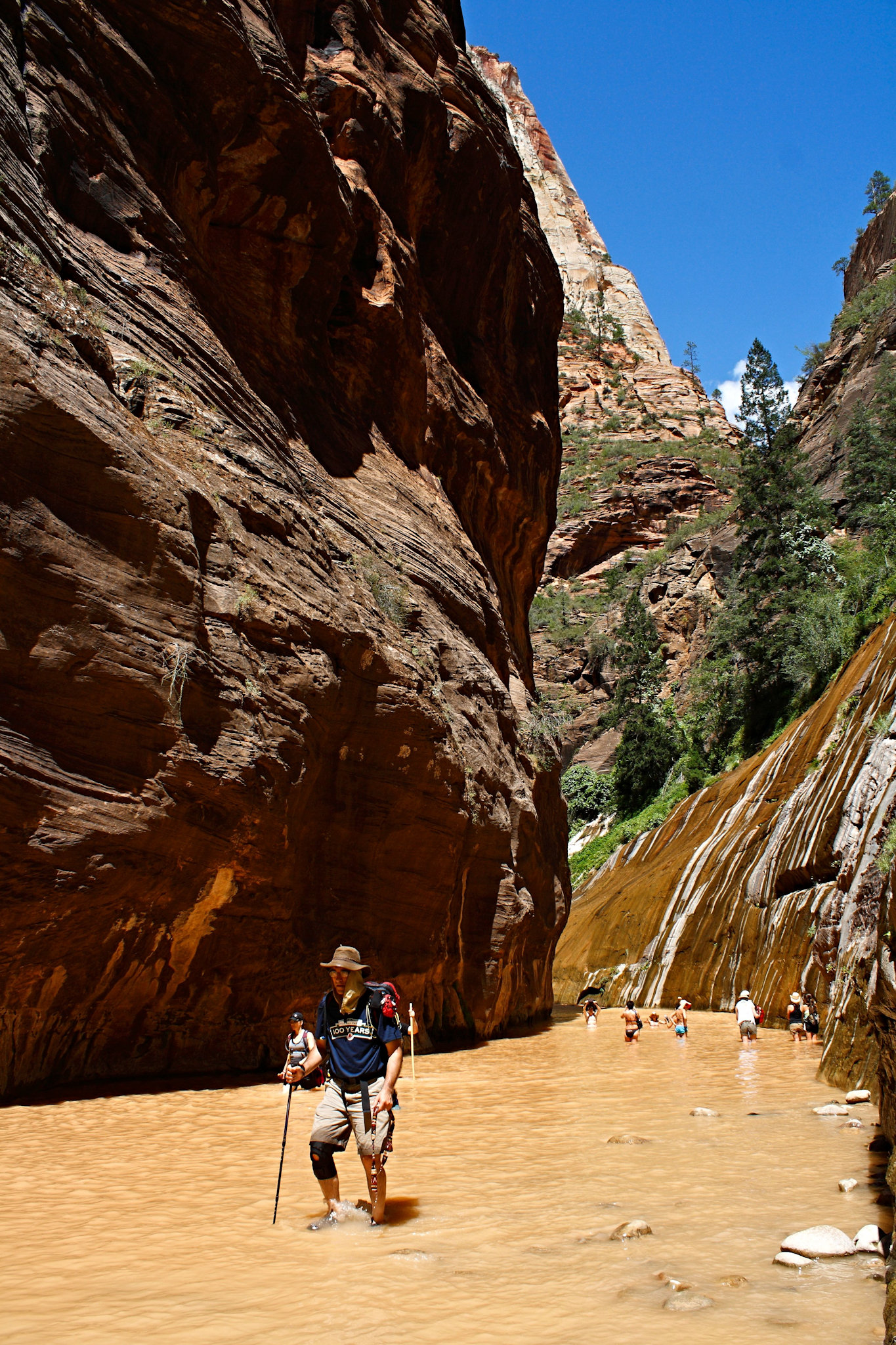
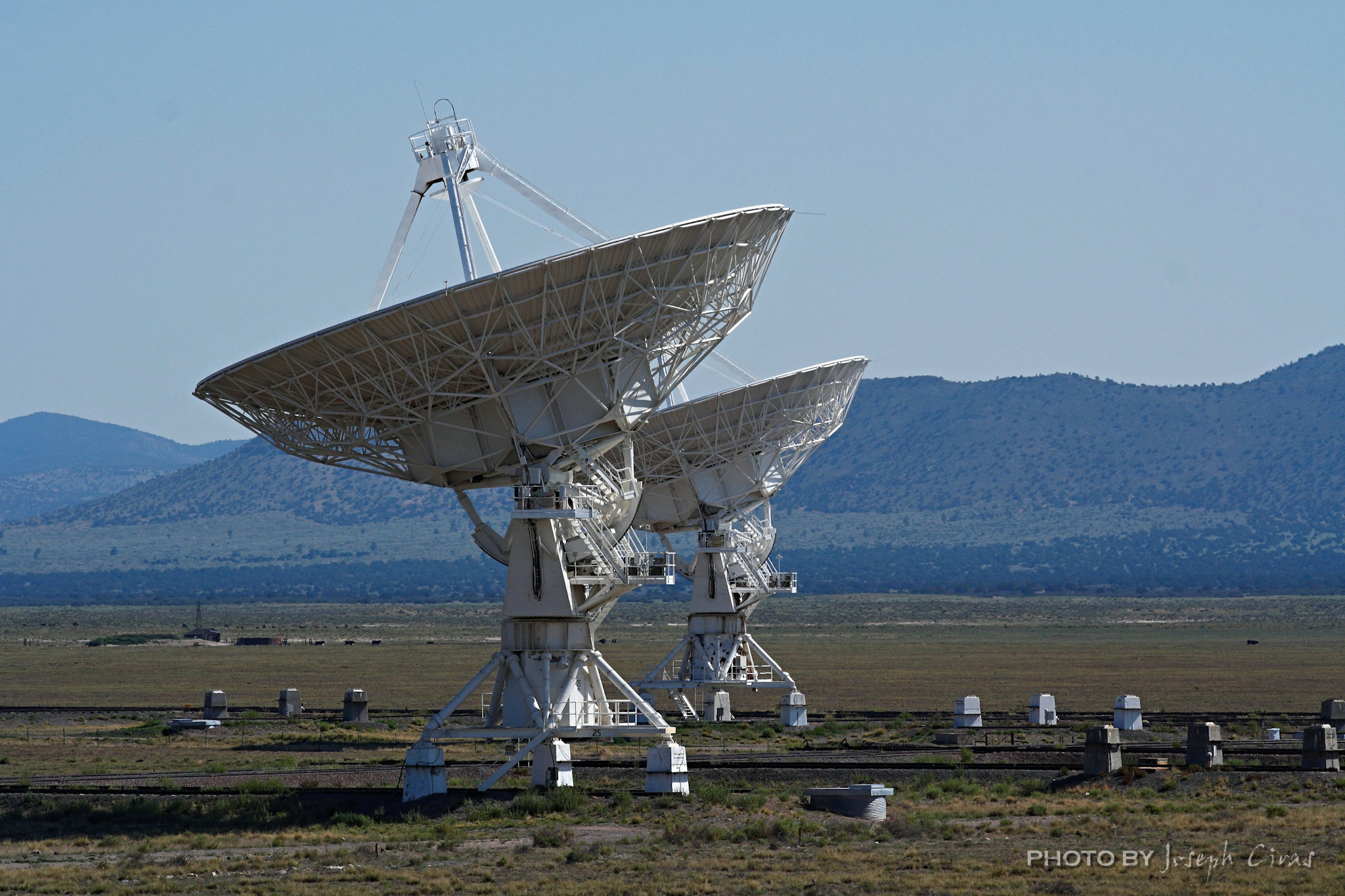


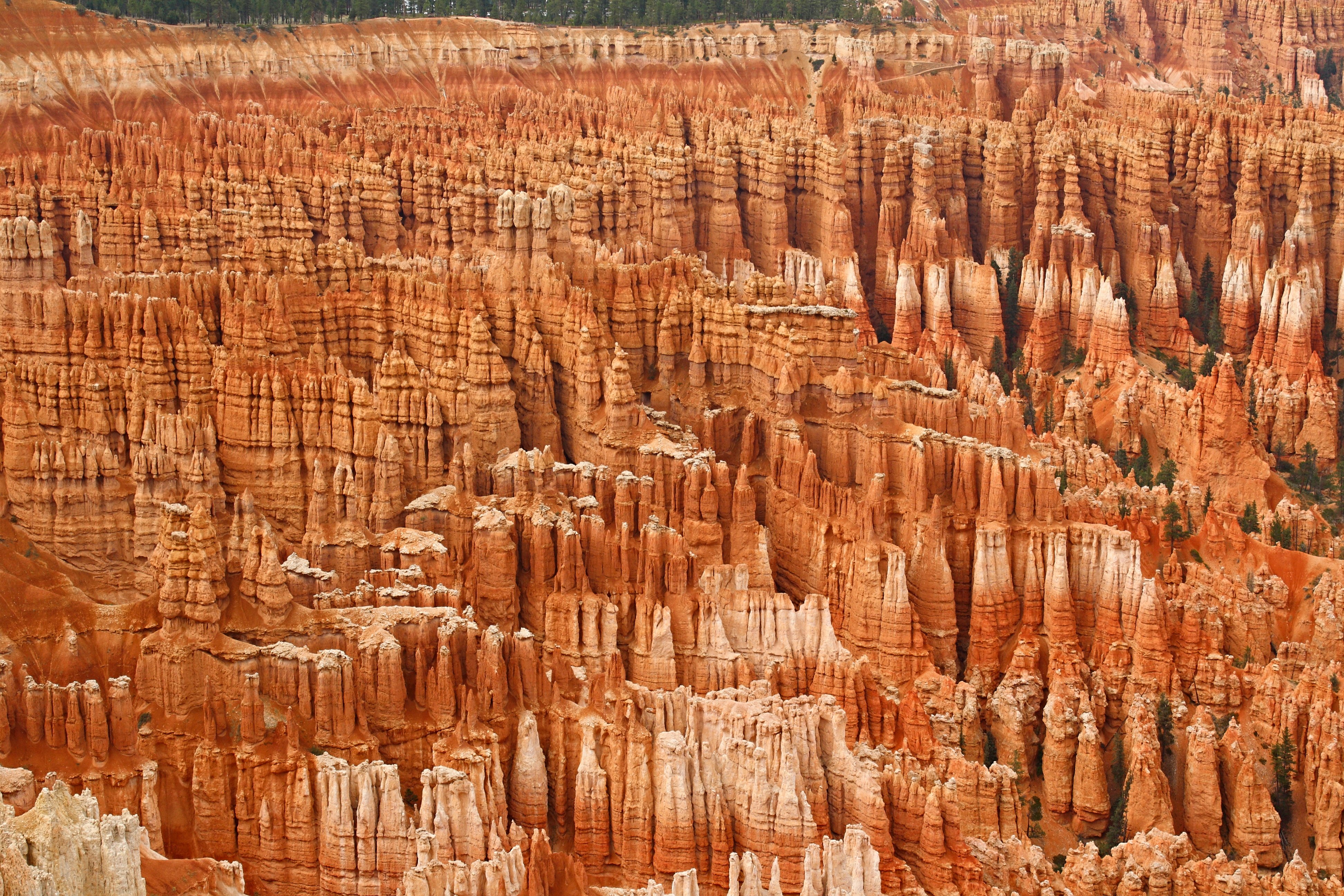
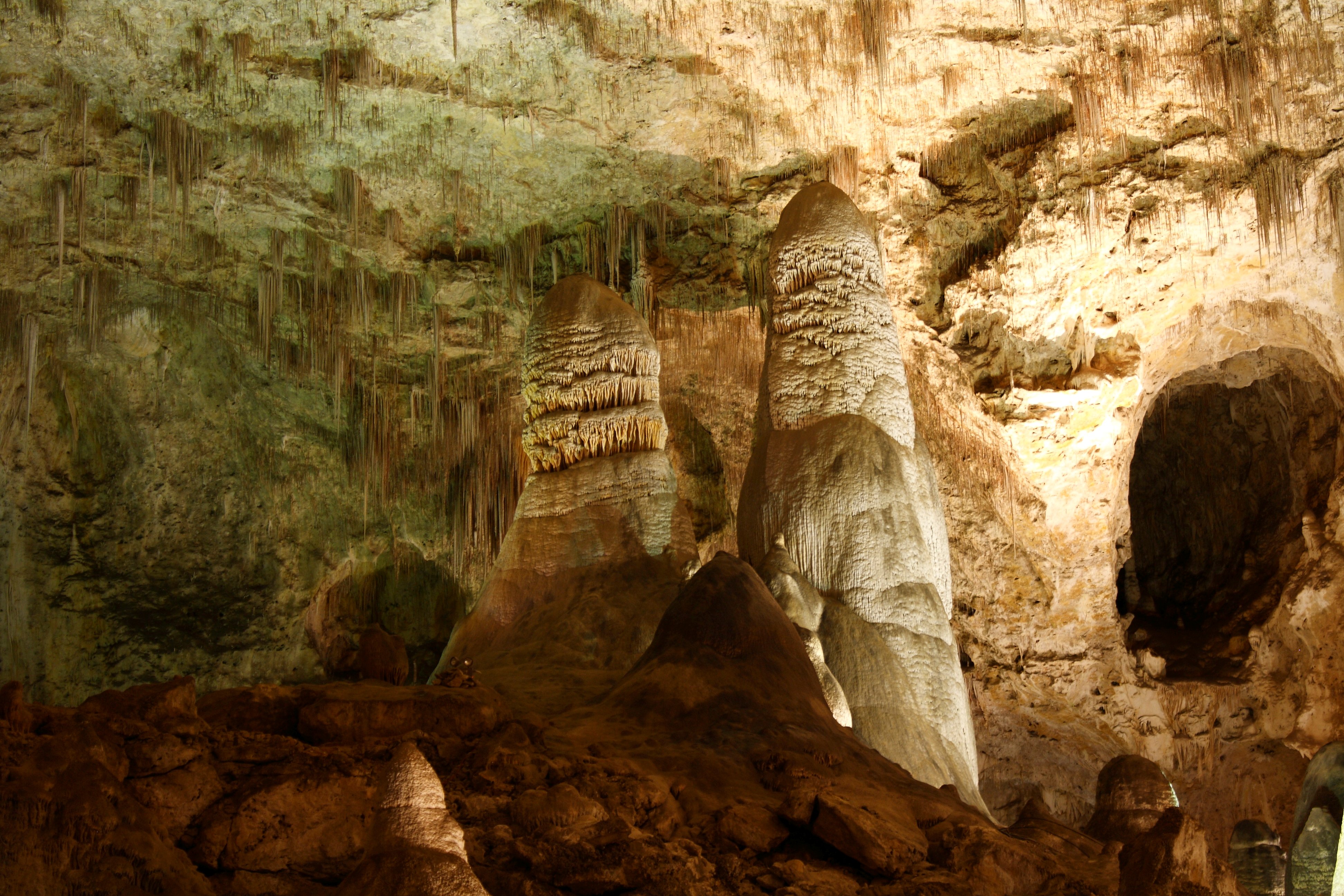
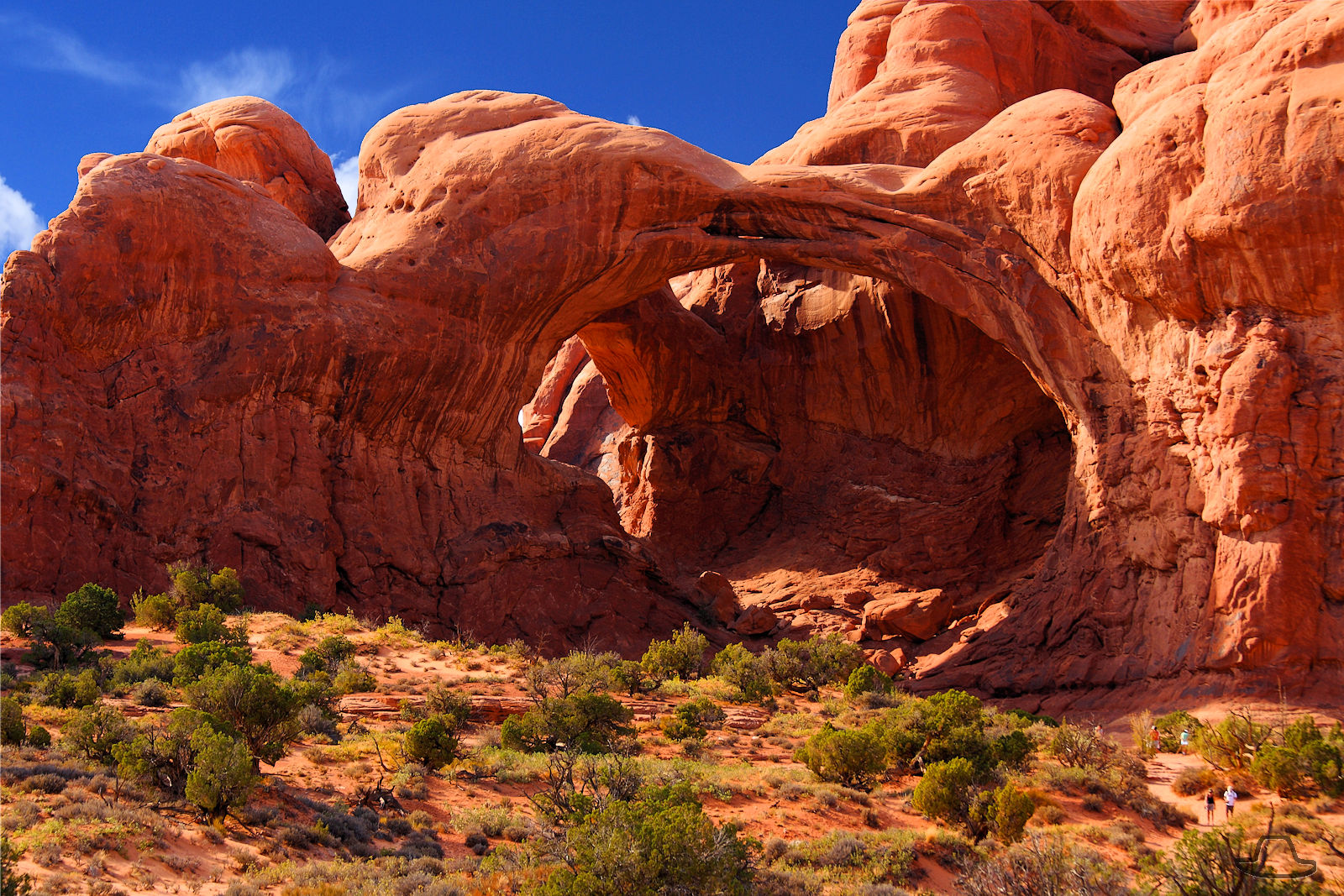
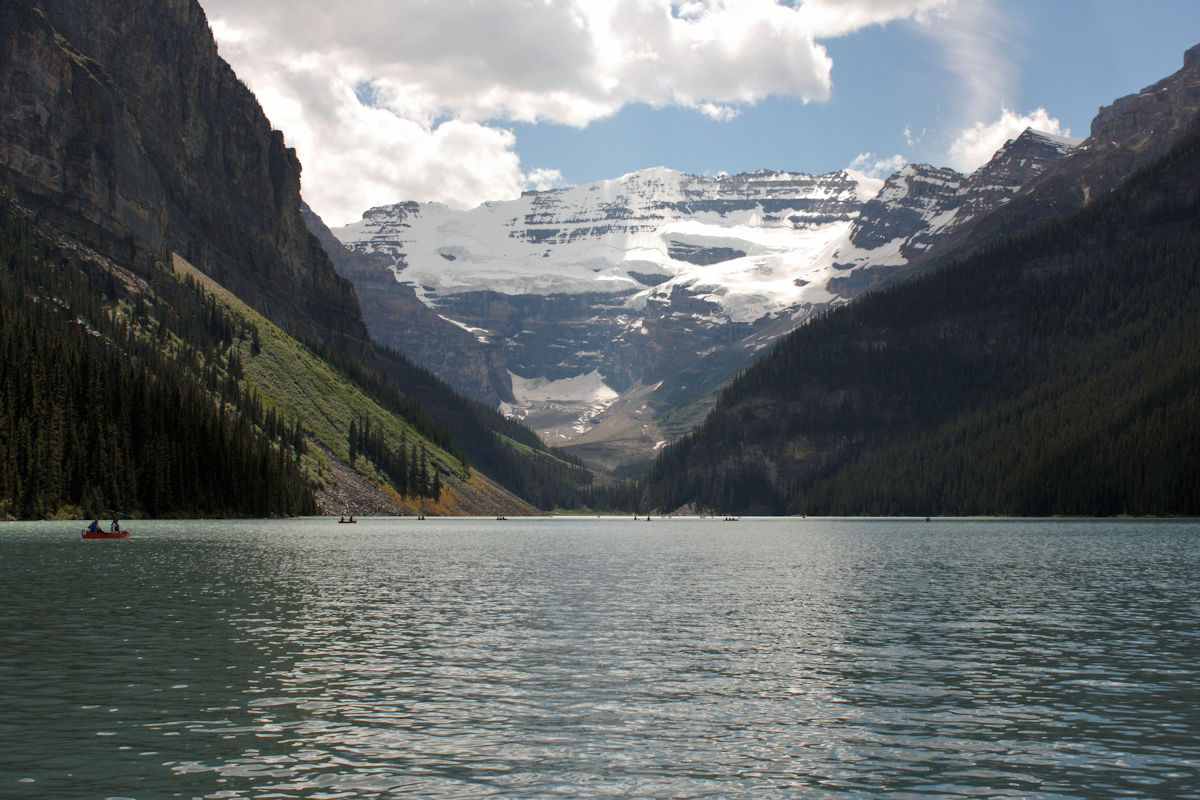
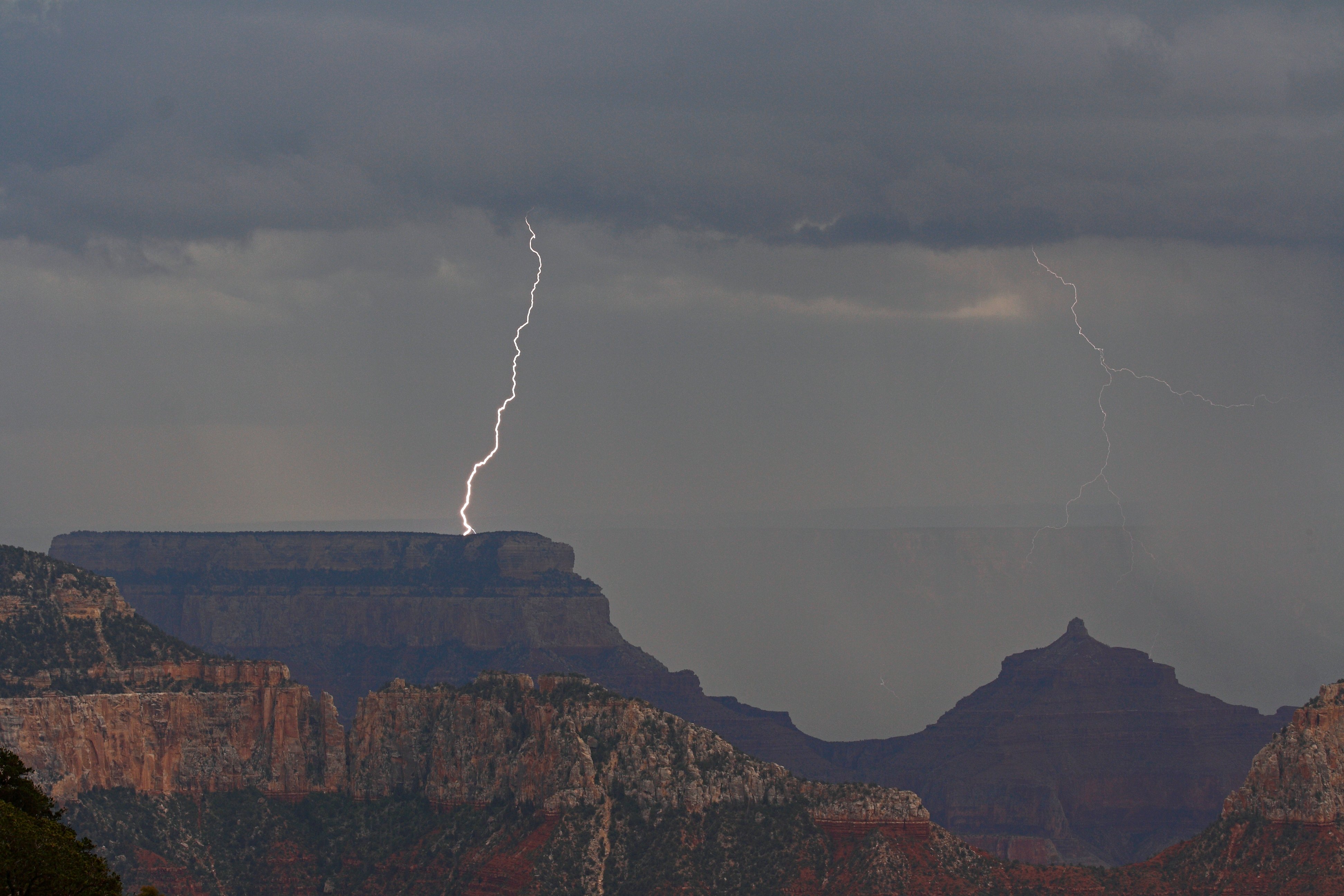

 Photo by Joseph Ciras