Photographic Thoughts — 03/27/2022 to 04/02/2022

“Taking an image, freezing a moment, reveals how rich reality truly is.” — Anonymous

Thank you for all the new views and likes from last week, it helps keep me inspired.

This week I will be posting a few highlights of one of my trips. We called this trip our norther National Part trip. We traveled through Montana, Alberta, Banff, Jasper, Washington state, Idaho, Wyoming, South Dakota, Minnesota, and Iowa during this trip. This trip included visits to many national parks in the United States and Canada, visiting family, visiting natural movie sets, and when to an amusement park in the Mall of America in which I held with the design of a few of the rides.

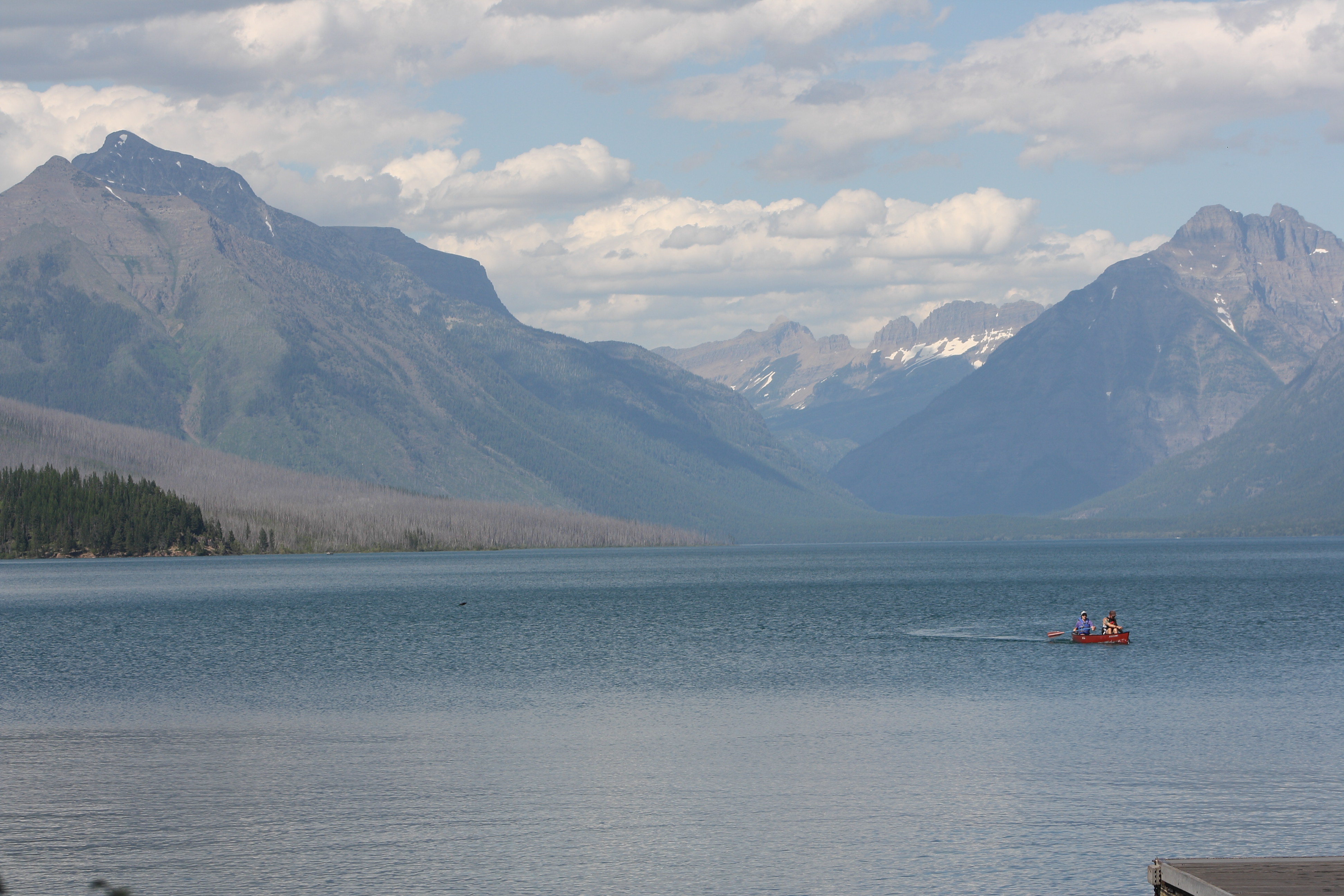
Sunday, 03/27/2022: Posted photo — Lake McDonald.

Settings: Canon EOS DIGITAL REBEL XS, ISO 100, f/8, 1/400 s, 75 mm.

The first stop on our northern national park tour was in Glacier National Park in Montana. What a wonderful park. It does have many glaciers, some growing and some receding.

Monday, 03/28/2022: Posted photo — Mountain Goat.

Settings: Canon EOS DIGITAL REBEL XS, ISO 100, f/5, 1/125 s, 200 mm.

While we were in Glacier National Park, we took a hike out to Hidden Lake. On the way out to the lake, we had a few mountain goats walk along the trail with us.

Tuesday, 03/29/2022: Posted photo — Hidden Lake.

Settings: Canon EOS DIGITAL REBEL XS, ISO 100, f/9, 1/160 s, 25 mm.

This was a destination, Hidden Lake in Glacier National Park. For your information, this hike took place on July 4 and we did most of our hiking in the snow.

Wednesday, 03/30/2022: Posted photo — Johnston Canyon, Lower Falls.

Settings: Canon EOS DIGITAL REBEL XS, ISO 200, f/11, 1/4 s, 33 mm.

Johnston Canyon to Lower Falls is an extremely popular and scenic trail in Banff National Park, in addition to being one of the busiest in the Canadian Rockies. We were driving around Banff and found the falls. We camped in Baff on our way to Jasper National Park.

Thursday, 03/31/2022: Posted photo — Lake Louise.

Settings: Canon EOS DIGITAL REBEL XS, ISO 200, f/13, 1/250 s, 29 mm.

Lake Louise is world famous for its turquoise lakes, the Victoria Glacier, soaring mountain backdrop. We went to Lake Louise on a weekend, so it was very busy. We took a few photos and then went on our way.

Friday, 04/01/2022: Post photo — Diablo Lake.

Settings: Canon EOS DIGITAL REBEL XS, ISO 200, f/13, 1/250 s, 35 mm.

On our way back from visiting family in Bellingham Washington, we took a trip to Northern Cascades National Park. One of the hikes we took was out to Diablo Lake.

From an information search, it was verified that Diablo Lake is a reservoir in the North Cascade mountains of northern Washington state. It was created by Diablo Dam and is located between Ross Lake and Gorge Lake on the Skagit River at an elevation of 1,201 feet above sea level.

I really like the color of the water in the lake.

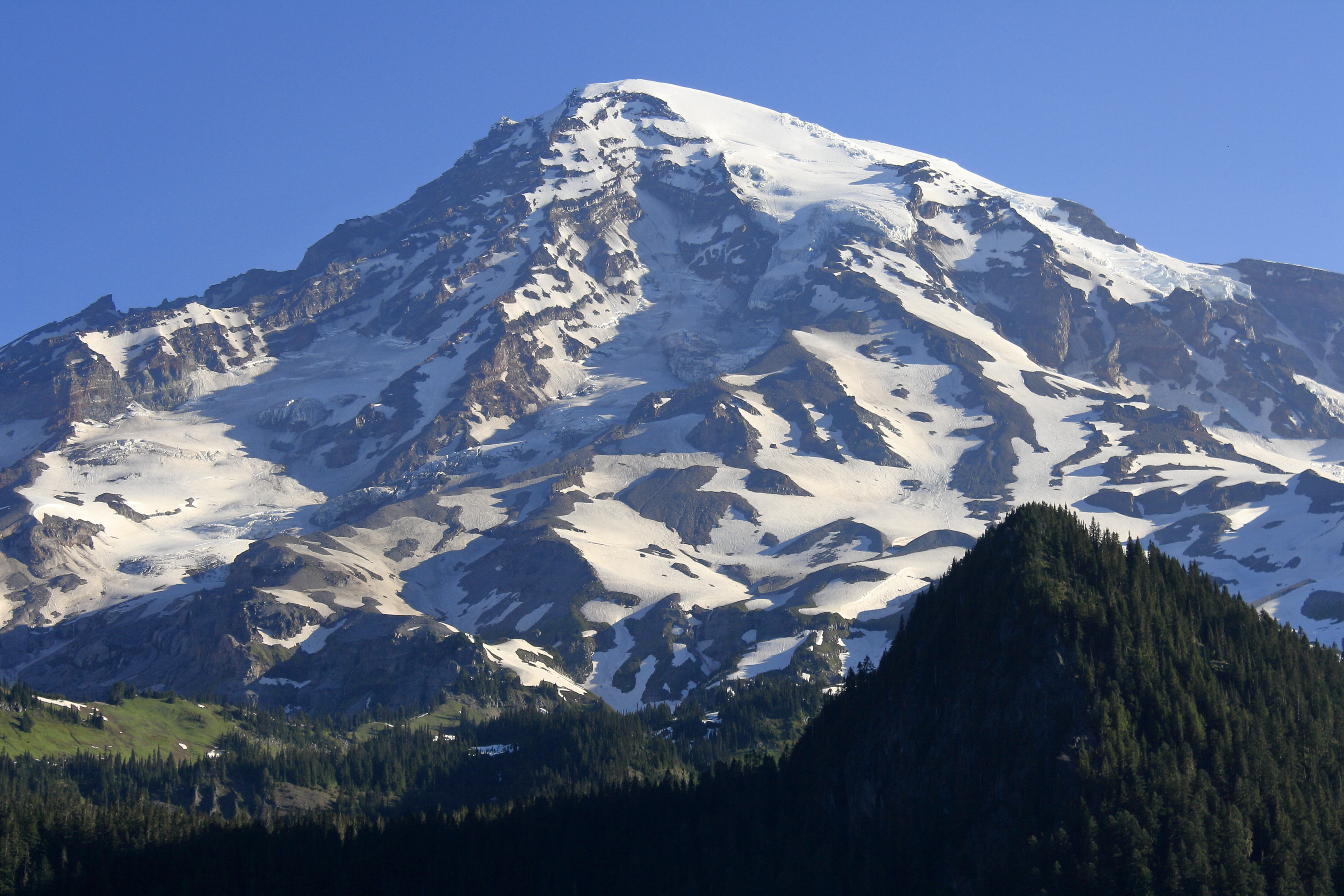
Saturday, 04/02/2022: Post photo — Mount Rainier.

Settings: Canon EOS DIGITAL REBEL XS, ISO 200, f/11, 1/250 s, 42 mm.

Mount Rainier National Park. I am impressed every time I see this mountain. Either up close or from the city of Seattle. One time we flew past the mountain. That must have taken about five minutes to do since the girth on the mountain is so great.

Mount Rainier is a large active stratovolcano in the Cascade Range of the Pacific Northwest standing at 14,411′ in elevation. The volcano last erupted in 1894, and when Mount St. Helens erupted in 1980, all eyes were on Mount Rainier since the mountains are in the same chain. It is very interesting to camp in an area that has warnings about the possibility of lava flow. If the mountain erupted, I would think that the lava flow would be the least of our worries.

When we travel to Mount Rainier, we like to visit the Paradise area. I have photographed a few waterfalls in Paradise. When we visited this time, the snow was still very deep. Remember, this was early to mid-July. There was one waterfall that I wanted to photograph in the snow, and I could not find it. I had the GPS coordinates from the times before that I took photos of it. Looking at the GPS coordinates, I came to realize that I was standing on top of the falls.

That is all for now. Until next week, be safe.
For more photo of other project I have work, visit my website: https://photobyjosephciras.weebly.com or visit me on Facebook at https://www.facebook.com/PhotobyJosephCiras/.
Photographic Thoughts — 03/20/2022 to 03/26/2022

“There is one thing the photograph must contain, the humanity of the moment.” Robert Frank

Thank you for all the new views and likes from last week, it helps keep me inspired.

This week I will be just posting photos of posters that I made from various trips. I have been too busy and tired since I went back to the office midweek.

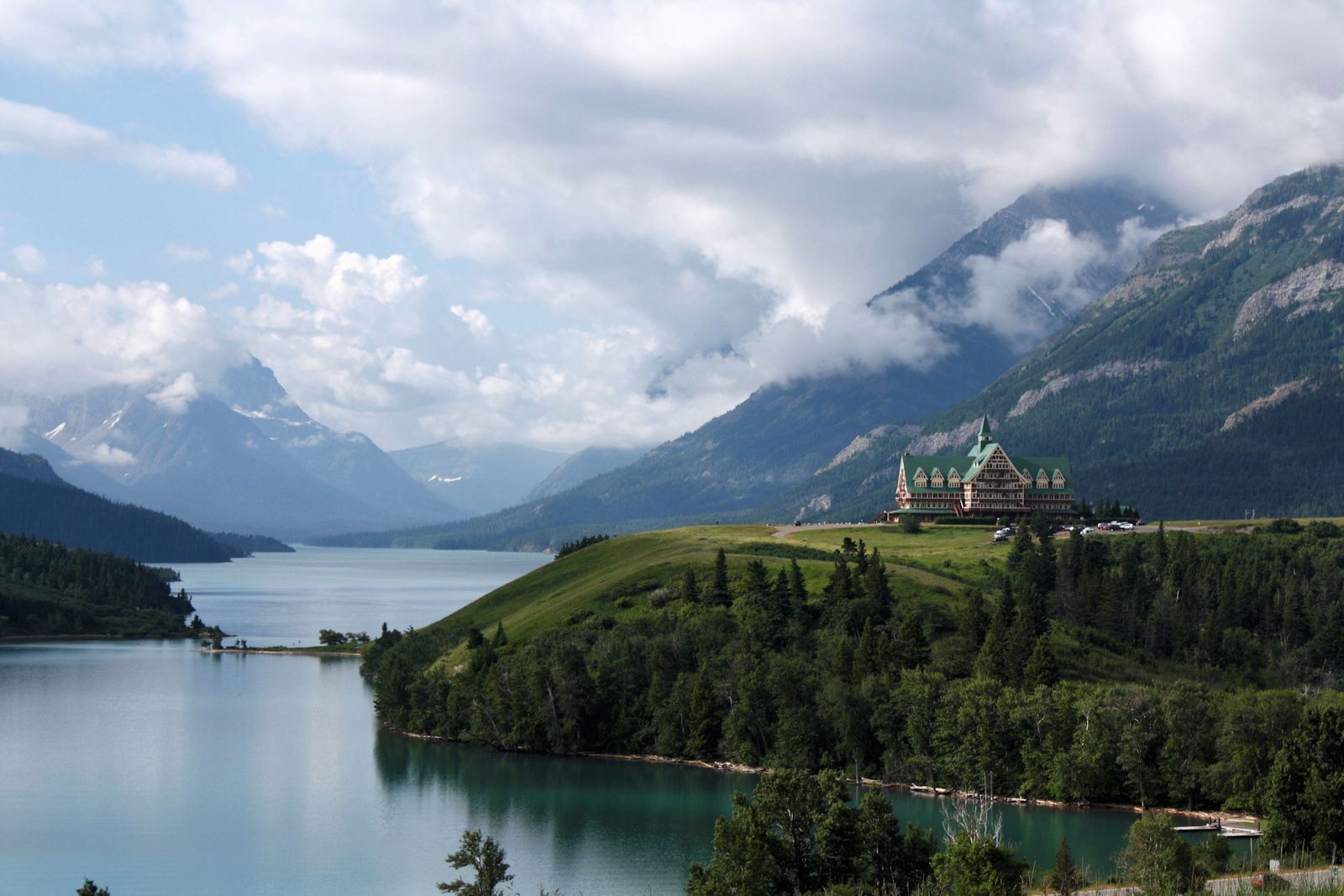
Sunday, 03/20/2022: Posted photo — Prince of Wales Hotel.

Settings: N/A.

Prince of Wales Hotel, Waterton Lake National Park, Waterton Park, AB

Monday, 03/21/2022: Posted photo — Indian Pipe.

Settings: N/A.

Indian Pipe from my backyard in Westminster, MA.

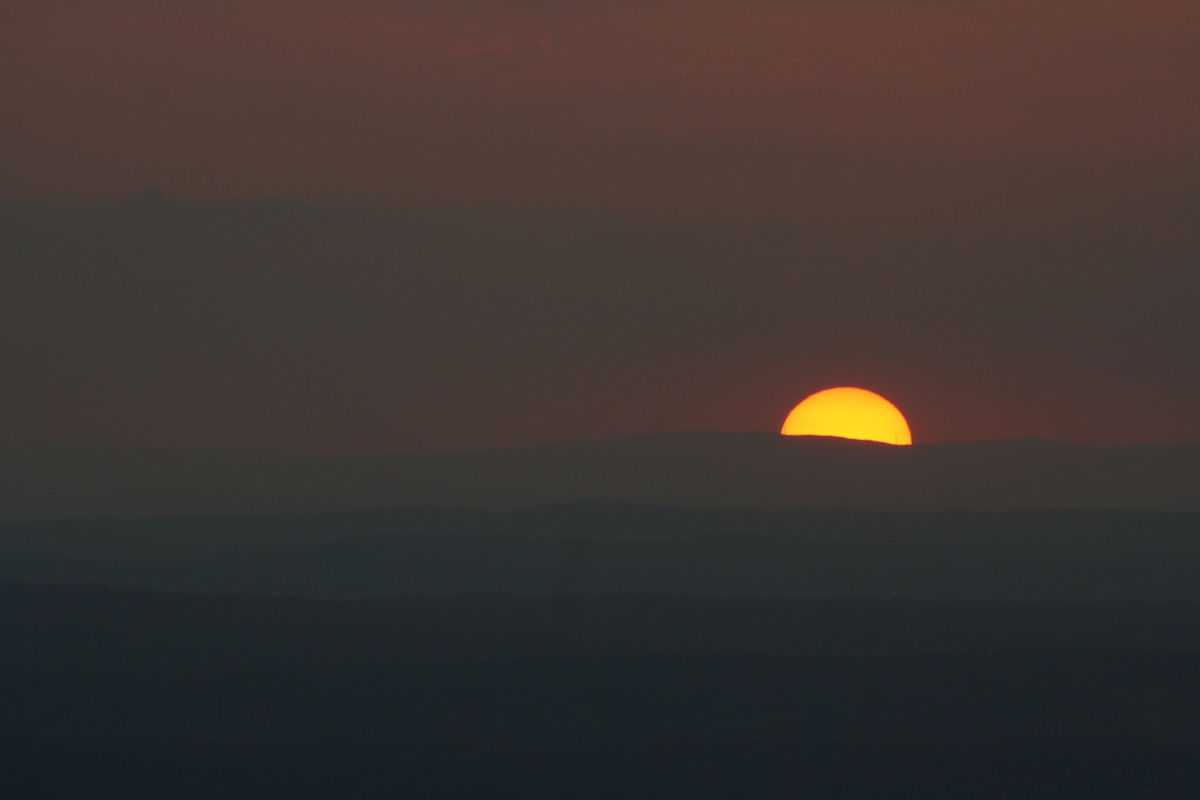
Tuesday, 03/22/2022: Posted photo — Mountain Sunset.

Settings: N/A.

One of the amazing sunsets seen from the summit of Wachusett Mountain in Princeton, MA.

Wednesday, 03/23/2022: Posted photo — Bison.

Settings: N/A.

Part of a herd of bison in Wind Cave National Park in South Dakota.

Thursday, 03/24/2022: Posted photo — Washington HQ.

Settings: N/A.

General George Washington’s Headquarters in Valley Forge National Historic Park.

Friday, 03/25/2022: Post photo — Arethusa Falls.

Settings: N/A.

One of the many waterfalls in the White Mountain National Forest.

Saturday, 03/26/2022: Post photo — Devils Tower.

Settings: N/A.

The inside of an ancient volcano. Devils Tower in Devils Tower National Monument in Wyoming.

Here are a couple of bonus posters for this week.

The Bean in Millennium Park in Chicago.

Half Dome in Yosemite National Park in California.

That is all for now. Until next week, be safe.

For more photo of other project I have work, visit my website: https://photobyjosephciras.weebly.com or visit me on Facebook at https://www.facebook.com/PhotobyJosephCiras/.

Photographic Thoughts — 03/13/2022 to 03/19/2022

“In photography there is a reality so subtle that it becomes more real than reality.” — Alfred Stieglitz

Thank you for all the new views and likes from last week, it helps keep me inspired.

Starting to take more photos. Still will be posting photos from past trips for a little while longer. Sill a long recovery ahead of me.

Enjoy some more travel photos from past trips.

Sunday, 03/13/2022: Posted photo — Low Key.

Settings: Canon EOS 60D, ISO 2500, f/3.5, 1/40 s, 18 mm.

A low key image is one that contains predominantly dark tones and colors. Low key photography conveys atmosphere and mood. One of my photo projects had a low key image challenge this week. I was thinking about what photo to take to meet this challenge. I would have had many options if I had not just been operated on. With limited mobility, I thought about what there might be around the house. Since low key images contain predominantly dark tones and colors, I took a photo of the fire in our wood stove.

Monday, 03/14/2022: Posted photo — Cameron Falls.

Settings: Canon EOS DIGITAL REBEL XS, ISO 100, f/22, 10 s, 28 mm.

Cameron Falls, Waterton Lakes National Park, Alberta.

Cameron Falls is a very uniquely shaped waterfall of about 75 feet in height found in the heart of the Waterton townsite in Waterton Lakes National Park. After heavy rainfall, the waters upriver from the falls get stirred up with a red mudstone called argillite. As the water flows towards the falls, it turns to a beautiful pink hue when light reflects on the mineral water. We did not see the pink falls since the weather was dry when we visited Waterton Lakes National Park just after we visited Glacier National Park in Montana.

Tuesday, 03/15/2022: Posted photo — New Boot.

Settings: Google Pixel 2, ISO 195, f/1.8, 1/60 s, 4 mm.

I had a post op follow-up today a week and a half after surgery. My recovery is going as planned. I was fitted with this very uncomfortable boot. I still cannot put pressure on my ankle for another four weeks. Need to go back on Tuesday for another follow-up since the first one was close to my surgical date and the doctor would like to see my progress and remove some items from my ankle.

Wednesday, 03/16/2022: Posted photo — Harvard Glacier.

Settings: Canon EOS DIGITAL REBEL XS, ISO 200, f/8, 1/2000 s, 160 mm.

Harvard Glacier, College Fjord, Alaska.

The glacier has a 1.5-mile (2 km) wide face where it calves into the College Fjord. It is 300 ft thick and covers 120,000 acres of Chugach National Forest. The Harvard Glacier is the second largest glacier in the Prince William Sound, after the Columbia Glacier.

It is amazing to see how large a glacier is when you look at it from a distance. In this photo, we were about a mile from the glacier.

The names of the glaciers in College Fjord are: Amherst, Barnard, Bryn Mawr, Harvard, Smith, Vassar, and Yale. The glaciers of the northwest side feature the names of women’s colleges, and the glaciers of the fork and the southeast side sport the names of men’s colleges. What of Princeton? According to my research on the names, the scholars that named the glaciers took delight in ignoring it since none of them were Princeton alum.

Thursday, 03/17/2022: Posted photo — Cairn.

Settings: Canon EOS DIGITAL REBEL XS, ISO 200, f/11, 1/200 s, 34 mm.

On the trail near the Athabasca Glacier, Jasper National Park, Alberta.

A cairn is a mound of rough stones built as a memorial or landmark, typically on a hilltop or skyline. This cairn is shaped like a person. In Canada this is called an Inuksuk.

The Athabasca Glacier is one of the six principal ‘toes’ of the Columbia Icefield, located in the Canadian Rockies. The glacier currently loses depth at a rate of about 16.4 feet (5 meters) per year and has receded more than 1 mile (1.5 km) and lost over half of its volume in the past 125 years.

From the Canadian Encyclopedia: “Inuksuk (also spelled inukshuk, plural inuksuit) is a figure made of piled stones or boulders constructed to communicate with humans throughout the Arctic. Traditionally constructed by the Inuit, inuksuit are integral to Inuit culture and are often intertwined with representations of Canada and the north.”https://www.thecanadianencyclopedia.ca/en/article/inuksuk-inukshuk

Friday, 03/18/2022: Post photo — Pall (and Rekard).

Settings: Canon EOS DIGITAL REBEL XS, ISO 200, f/5.6, 1/160 s, 55 mm.

These are my two buddied from Denmark. Earlier on in my photo projects, I featured Pall every week with Pall telling a story about his life. When I went back to Denmark, I picked up Rekard. They ventured together for next year or two. Might be time to bring their adventures back.

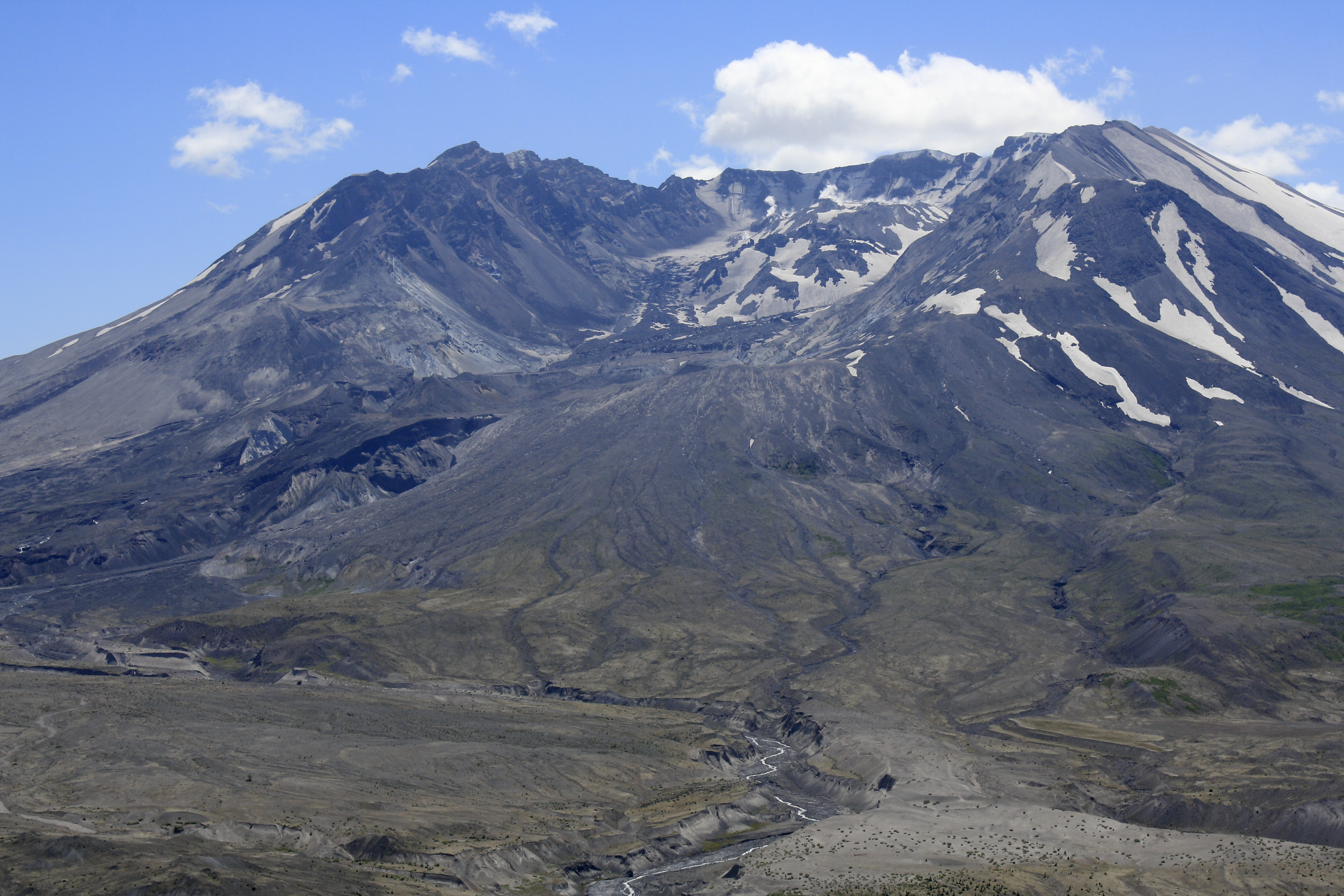
Saturday, 03/19/2022: Post photo — Crater.

Settings: N/A.

Mount St. Helens National Volcanic Monument

From the USGS:

“Prior to 1980, Mt. St. Helens had the shape of a conical volcano sometimes referred to as the Mount Fuji of America. During the 1980 eruption the upper 400 m (1,300 ft) of the summit was removed by a huge debris avalanche, leaving a 2 x 3.5 km horseshoe-shaped crater now partially filled by a lava dome and a glacier. It is primarily an explosive dacite volcano.”

Quick Facts:

Location: Washington, Skamania County
Latitude: 46.2° N
Longitude: 122.18° W
Elevation: 2,539 (m) 8,330 (f)
Volcano type: Stratovolcano
Composition: Basalt to Rhyodacite
Most recent eruption: 1980, 2004-2008
Nearby towns: Castle Rock, WA; Olympia, WA; Vancouver, WA; Yakima, WA; Portland, OR
Threat Potential: Very High

Dacite: Volcanic rock (or lava) that characteristically is light in color and contains 62 to 69 percent silica and moderate amounts of sodium and potassium.

Stratovolcano: Steep, conical volcanoes built by the eruption of viscous lava flows, tephra, and pyroclastic flows. They are usually constructed over tens to hundreds of thousands of years and may erupt a variety of magma types (basalt to rhyolite). They typically consist of many separate vents. Synonym is composite volcano.

I have been to Mt. St. Helens a few times over the years. The first time was about ten years after the eruption, and we saw the logs floating in Sprit Lake. I just pictured Harry Truman looking up at the mountain from his lodge and wondering why he did not leave. Then again, there were may false alarms in the past. I am amazed on how nature is recovering in the area. I can still remember the first time that I drove into the blast zone. Very lush, dense forest along the road, turn the corner and nothing. Trees looking like toothpicks laying down in the direction of the blast. There were some cars left for visitors to see how powerful the eruption was.

That is all for now. Until next week, be safe. For more photo of other project I have work, visit my website: https://photobyjosephciras.weebly.com or visit me on Facebook at https://www.facebook.com/PhotobyJosephCiras/.

Photographic Thoughts — 03/06/2022 to 03/12/2022

“When I have a camera in my hand, I know no fear” — Alfred Eisenstaedt

Thank you for all the new views and likes from last week, it helps keep me inspired.

Surgery went well last Friday. I have plenty of hardware in my ankle. It will be a while until I am able to hit the mountains again in full force. My goal to finish my second round of hiking the 48 highest peaks in New Hampshire will be delayed for at least a year until my ankle fully recovers. Thank you all for your words of encouragement and for all your support.

Enjoy some more travel photos from past trips.

Sunday, 03/06/2022: Posted photo — Desert View Watchtower.

Settings: Canon EOS DIGITAL REBEL XS, ISO 200, f/5.6, 1/100 s, 20 mm.

Desert View Watchtower, South Rim Grand Canyon National Park.

Desert View Watchtower, Grand Canyon National Park

We arrived at the South Rim of the Grand Canyon just before sunset. We spent the last couple of nights camping and hiking along the North Rim of the Grand Canyon and would be spending time on the South Rim. I have been to the Canyon before, but never from this entrance.

From the National Parks Service: “A National Historic Landmark, the Watchtower was constructed in 1932.The design by Mary Colter, is based on the architecture of the Ancestral Puebloan people of the Southwest. This particular tower was patterned after those found at Hovenweep and the Round Tower of Mesa Verde.”

We have been to Hovenweep and to Mesa Verde and agree with that statement.

Monday, 03/07/2022: Posted photo — Four Corners Monument Navajo Tribal Park.

Settings: Canon EOS DIGITAL REBEL XS, ISO 200, f/16, 1/400 s, 49 mm.

The Four Corners Monument marks the quadripoint in the Southwestern United States where the states of Arizona, Colorado, New Mexico, and Utah meet. It is the only point in the United States shared by four states.

Four Corners USGS monument

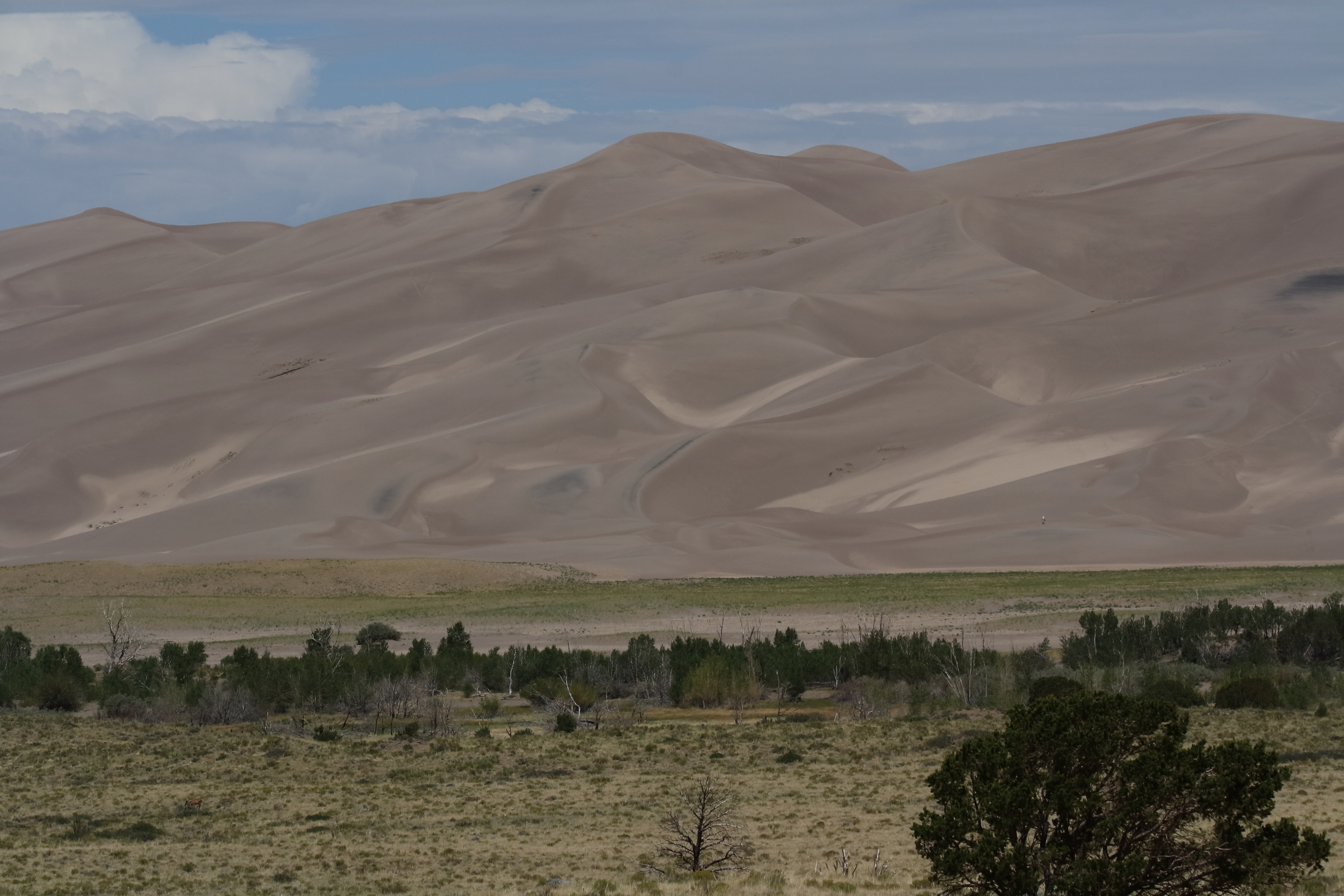
Tuesday, 03/08/2022: Posted photo — Great Sand Dunes National Park and Preserve.

Settings: Canon EOS DIGITAL REBEL XS, ISO 200, f/13, 1/800 s, 90 mm.

Great Sand Dunes National Park and Preserve, Mosca, CO.

One of the amazing things about the Great Sand Dunes is that you can see them from miles away. As you turn off the main road and head towards the dunes, they are right in front of you. We spent the day hiking the dunes pretending we were in a desert. When you look at this photo, you see a couple of dots in the sand. Those are people. The sand was hot. According to Park Service, the sand surface can reach 150 degrees F (65 degrees C) on a summer afternoon or drop to minus 20 degrees F (minus 29 degrees C) on a winter night. It was close to the 150 degrees when we were walking on the sand.

Sand Dunes with the Sangre de Cristo Mountains as a backdrop

From the National Parks Service: The tallest dunes in North America are the centerpiece in a diverse landscape of grasslands, wetlands, forests, alpine lakes, and tundra. Great Sand Dunes National Park is a complex geologic story going back millions of years. Intense volcanic activity built the San Juan mountain range to the west of the modern day dunes and tectonic activity raised the Sangre de Cristo Mountains to the north and east.”

Wednesday, 03/09/2022: Posted photo — Hiking the Narrows.

Settings: Canon EOS DIGITAL REBEL XS, ISO 200, f/9, 1/2050 s, 18 mm.

Zion National Park Springdale, UT.

This is a photo my wife took of me as we were hiking the Narrows in Zion National Park. It was a refreshing hike on a hot summer day. When you hike the Narrows, you need to be very aware of the weather. Because it is so narrow, there is no escape route if there happens to be a flash flood.

Hiking in the murky waters of the Narrows in Zion National Park

From the National Parks Service: “The Narrows is the narrowest section of Zion Canyon. This gorge, with walls a thousand feet tall and the river sometimes just twenty to thirty feet wide, is one of the most popular areas in Zion National Park. You can see The Narrows by hiking along the paved, wheelchair accessible Riverside Walk for one mile from the Temple of Sinawava. If you wish to see more, you will be walking in the Virgin River. This can involve wading upstream for just a few minutes or it can be an all day hike.”

Thursday, 03/10/2022: Posted photo — NRAO Very Large Array.

Settings: Canon EOS DIGITAL REBEL XS, ISO 200, f/10, 1/800 s, 165 mm.

NRAO Very Large Array, Magdalena, NM.

Radio Antennas in the Very Large Array

One of the most interesting places to visit. As you can see from the description below, the array can be very large. When we visited, there were 26 radio antennas pointing in one direction and one pointing in an opposite direction. We thought that was strange. They told up that the odd one was scanning the sky.

“The Very Large Array, one of the world’s premier astronomical radio observatories, consists of 27 radio antennas in a Y-shaped configuration on the Plains of San Agustin fifty miles west of Socorro, New Mexico. Each antenna is 25 meters (82 feet) in diameter. The data from the antennas is combined electronically to give the resolution of an antenna 36 km (22 miles) across, with the equivalent sensitivity of a dish 130 meters (422 feet) in diameter.”http://www.vla.nrao.edu/

Friday, 03/11/2022: Post photo — Owachamo Bridge.

Settings: Canon EOS DIGITAL REBEL XS, ISO 100, f/7.1, 1/125 s, 18 mm.

Owachamo Bridge, Natural Bridges National Monument, UT.

Owachomoa Bridge looking from below

Owachomo is the smallest and thinnest of the three natural bridges in the National Monument and is commonly thought to be the oldest. We had a great hike out to the bridge.

We like to travel to the lesser know parks. These parks are lesser know mostly because of location. They are not close to any major city or town. We like to say it is great to have a park to ourselves.

Dimensions

Height: 106 feet (32 meters)
Span: 180 feet (55 meters)
Width: 27 feet (8 meters)
Thickness: 9 feet (3 meters)

Saturday, 03/12/2022: Post photo — Spruce Tree House.

Settings: Canon EOS DIGITAL REBEL XS, ISO 200, f/5, 1/50 s, 20 mm.

Spruce Tree House, Mesa Verde National Park, CO.

From the National Park Service: “Spruce Tree House, the third largest cliff dwelling (Cliff Palace and Long House are larger), was constructed between about 1211 and 1278 CE by the ancestors of the Pueblo peoples of the Southwest. The dwelling contains about 130 rooms and 8 kivas (kee-vahs), or ceremonial chambers, built into a natural alcove measuring 216 feet (66 meters) at greatest width and 89 feet (27 meters) at its greatest depth. It is thought to have been home for about 60 to 80 people.”

Spruce Tree House cliff dwelling

We were lucky enough to get to the park prior to 2012 during one of our northern National Park tours. We were able to explore the Spruce Tree House. We went into some of the rooms and into the kivas. Due to the unstable cliff about the Spruce Tree House, the entire site was closed to the public in October 2015. We have visited the park since then since I have a relative that works at the park. We were able to obtain permits to do some backcountry hiking with my relative guide to some dwellings that are off limits to the public.

That is all for now. Until next week, be safe.

For more photo of other project I have work, visit my website: https://photobyjosephciras.weebly.com or visit me on Facebook at https://www.facebook.com/PhotobyJosephCiras/.
Photographic Thoughts — 02/27/2022 to 03/05/2022

“When words become unclear, I shall focus with photographs. When images become inadequate, I shall be content with silence.” — Ansel Adams

Thank you for all the new views and likes from last week, it helps keep me inspired.

I scheduled this post on Thursday before my surgery on Friday. I do not know how I will be feeling on Saturday, my regular posting day.

Enjoy some more travel photos from past trips.

Sunday, 02/27/2022: Posted photo — Bryce Amphitheater.

Settings: Canon EOS DIGITAL REBEL XS, ISO 200, f/10, 1/200 s, 42 mm.

Bryce Amphitheater, View from Inspiration Point, Bryce Canyon National Park, Utah.

Monday, 02/28/2022: Posted photo — Carlsbad Caverns National Park.

Settings: Canon EOS DIGITAL REBEL XS, ISO 200, f/5.6, 8 s, 47 mm.

Carlsbad Caverns National Park, New Mexico.

Tuesday, 03/01/2022: Posted photo — Double Arch.

Settings: Canon EOS DIGITAL REBEL XS, ISO 100, f/5, 1/125 s, 85 mm.

Double Arch, Arches National Park, Utah.

Wednesday, 03/02/2022: Posted photo — Lake Louise.

Settings: Canon EOS DIGITAL REBEL XS, ISO 200, f/13, 1/250 s, 29 mm.

Lake Louise, Banff National Park, Alberta.

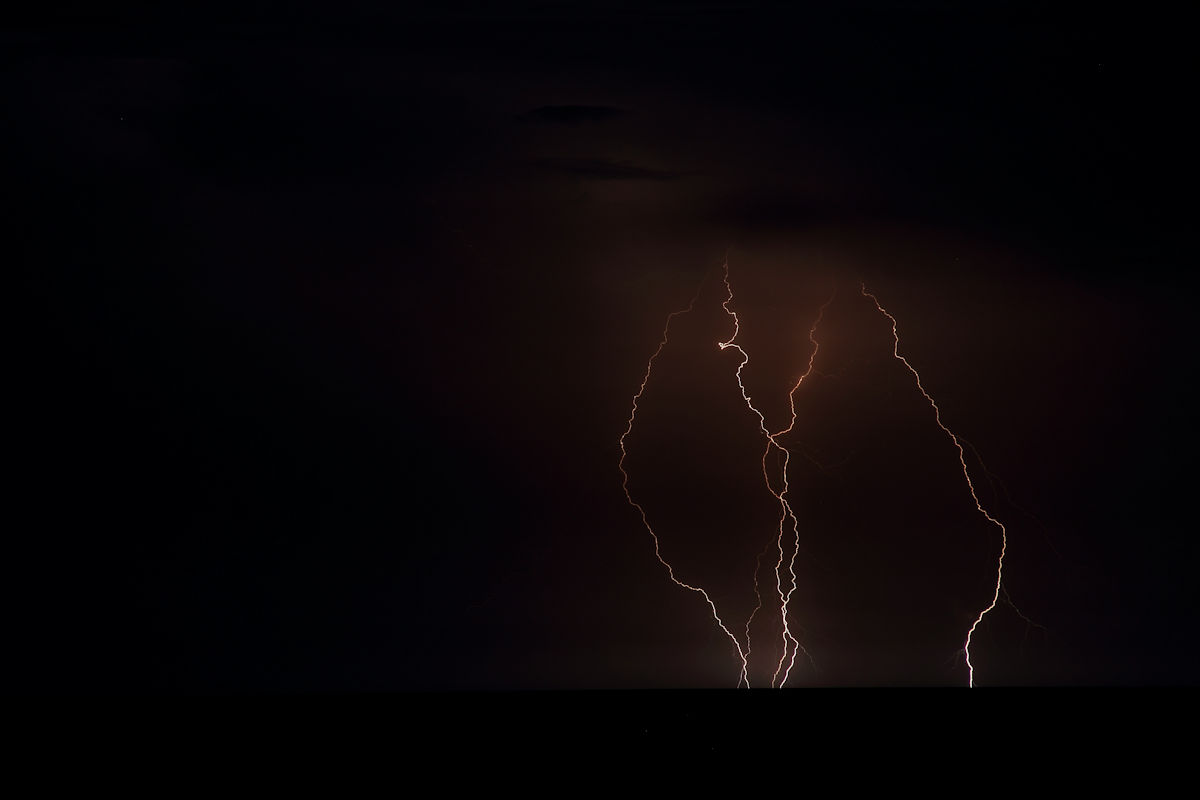
Thursday, 03/03/2022: Posted photo — Lightning over the Canyon.

Settings: Canon EOS DIGITAL REBEL XS, ISO 200, f/10, 1/400 s, 70 mm.

Lightning over the Canyon, North Rim, Grand Canyon National Park, Arizona.

Friday, 03/04/2022: Post photo — Petroglyphs.

Settings: Canon EOS DIGITAL REBEL XS, ISO 200, f/8, 1/400 s, 190 mm.

Petroglyphs Capitol Reef National Park, Torrey, UT.

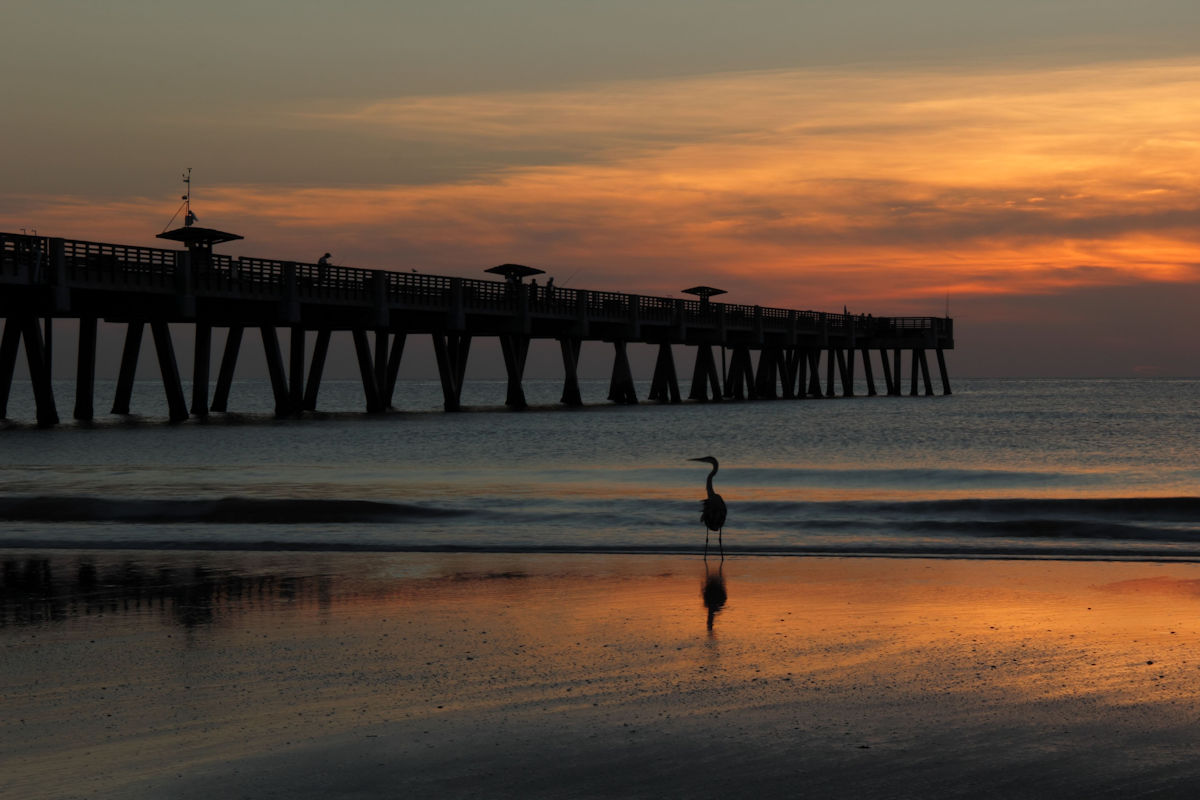
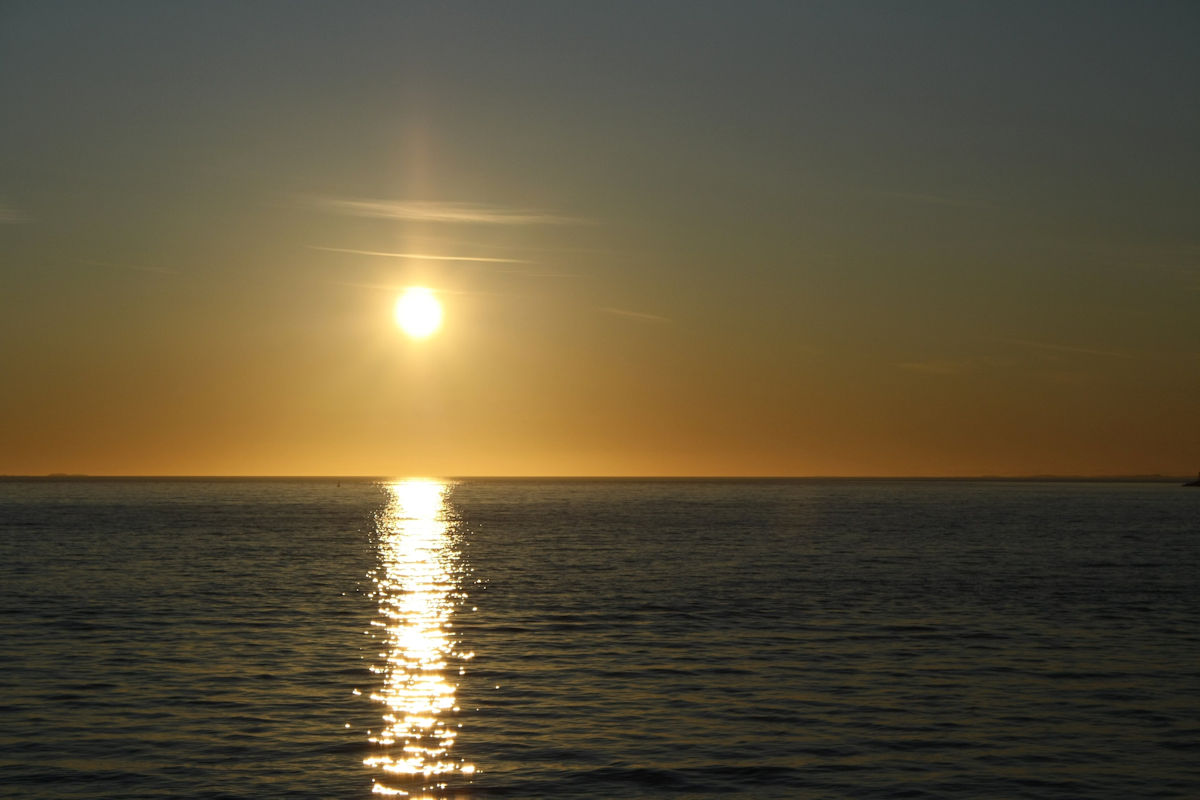
Saturday, 03/04/2022: Post photo — Sunrise.

Settings: Canon EOS 60D, ISO 100, f/22, 1/4 s, 62 mm.

Sunrise Jacksonville Beach Pier.

That is all for now. Until next week, be safe.

For more photo of other project I have work, visit my website: https://photobyjosephciras.weebly.com or visit me on Facebook at https://www.facebook.com/PhotobyJosephCiras/.
Photographic Thoughts — 02/20/2022 to 02/26/2022

“Photography is the story I fail to put into words.”Destin Sparks

Thank you for all the new views and likes from last week, it helps keep me inspired.

Since I broke my left Medial malleolus – inside part of the tibia, left Posterior malleolus – back part of the tibia, and left Lateral malleolus – end of the fibula in a hiking accident less than 10 feet from the end of the trail last week, I will be posting photos from my first photo book. I am awaiting surgery on my ankle next week, so my mobility is limited. My vehicle is a manual transmission so I will not be able to drive it for a while.

Sunday, 02/20/2022: Posted photo — Glen Canyon Dam.

Settings: Canon EOS DIGITAL REBEL XS, ISO 200, f/5.6, 1/100 s, 18 mm.

Page Arizona

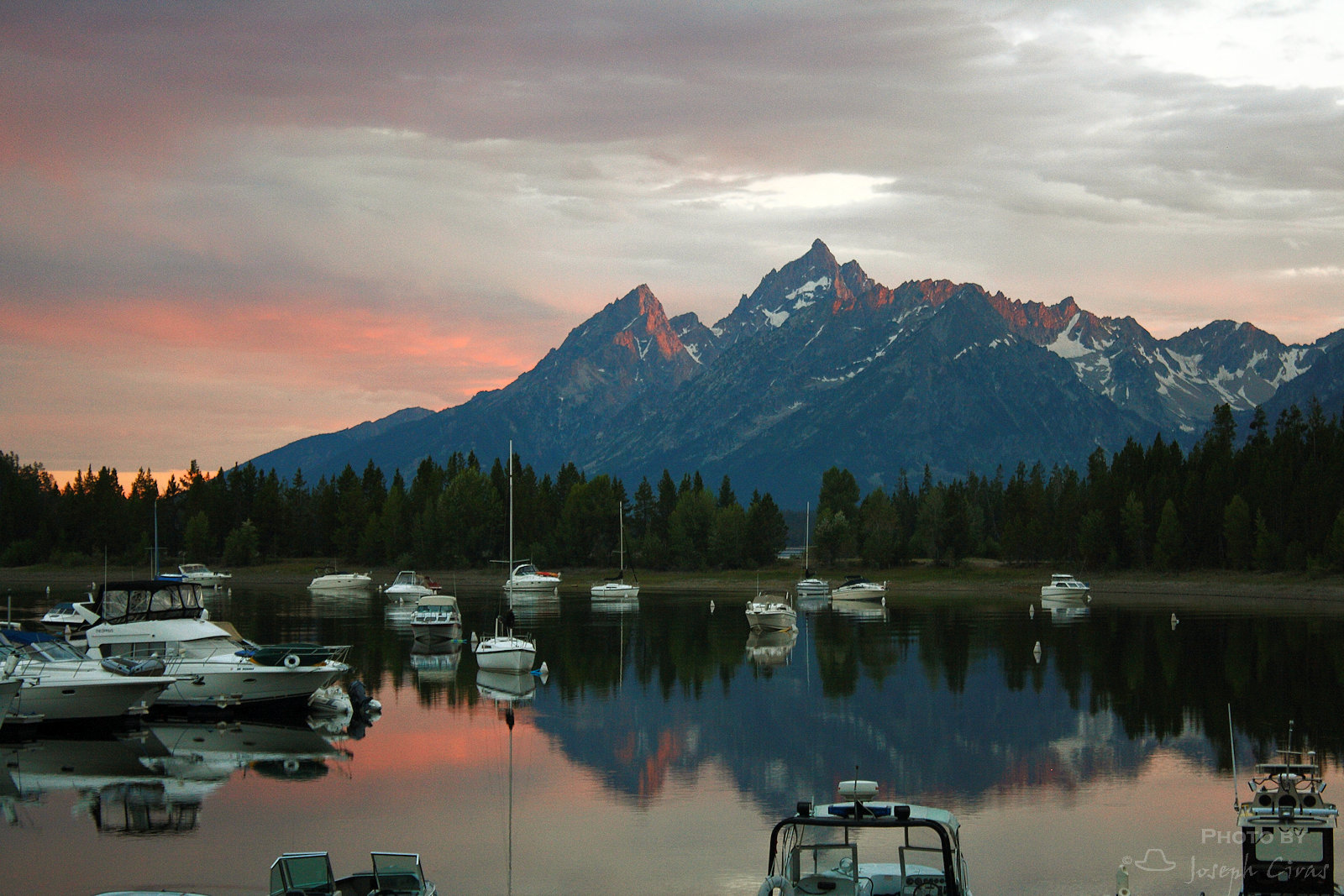
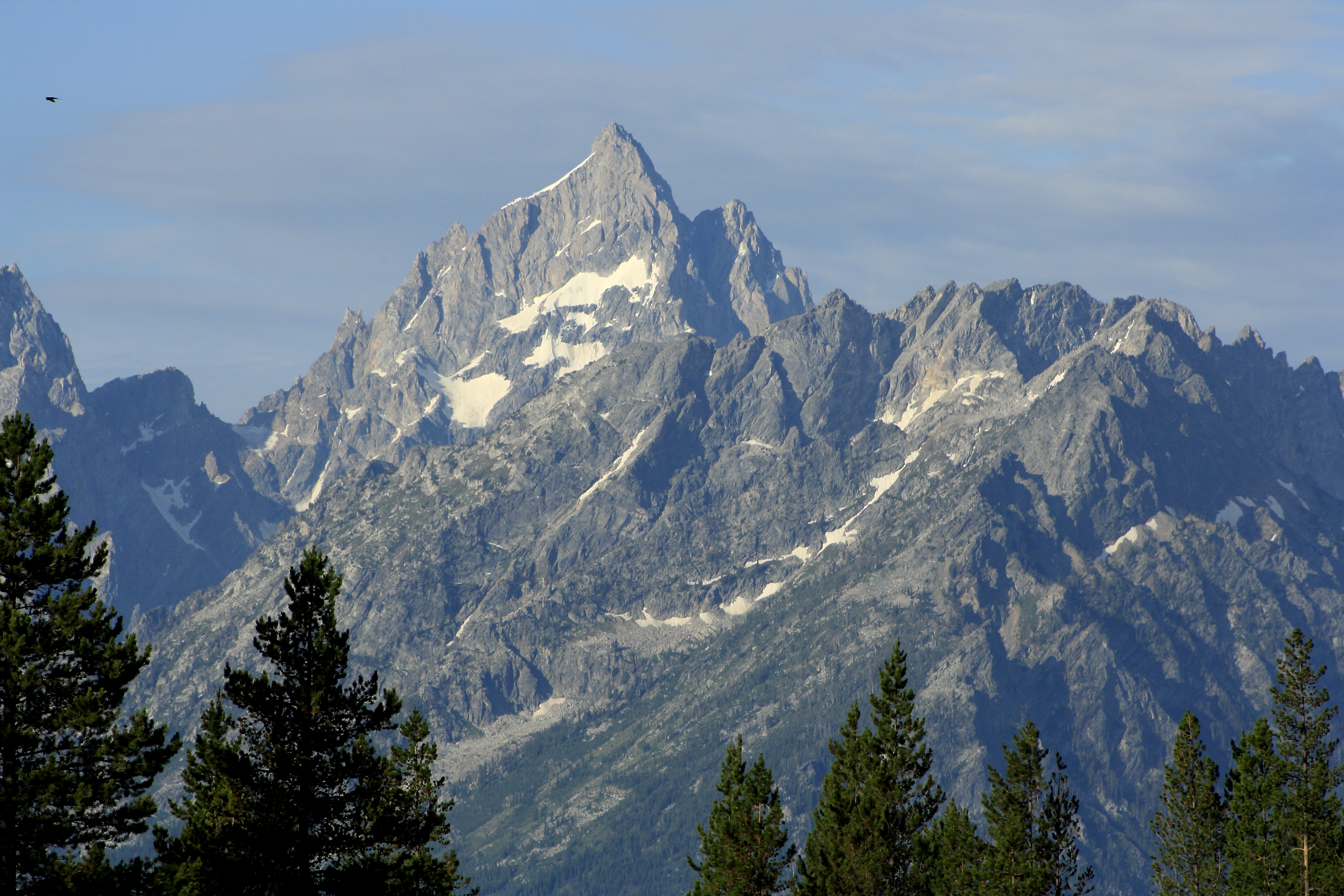
Monday, 02/21/2022: Posted photo — Grand Teton National Park.

Settings: Canon EOS DIGITAL REBEL XS, ISO 800, f/5.6, 1/60 s, 55 mm.

Wyoming

Tuesday, 02/22/2022: Posted photo — Gray-headed Junco.

Settings: Canon EOS DIGITAL REBEL XS, ISO 200, f/5, 1/50 s, 190 mm.

Gray-headed Junco (Junco hyemalis caniceps), Bryce Canyon National Park, Utah

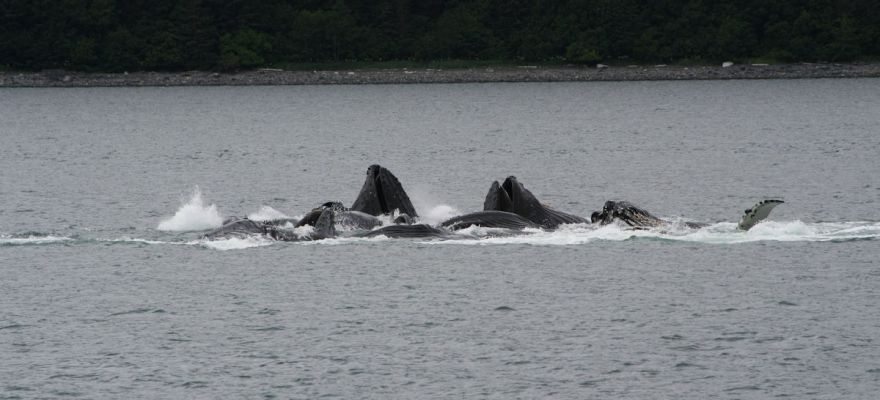
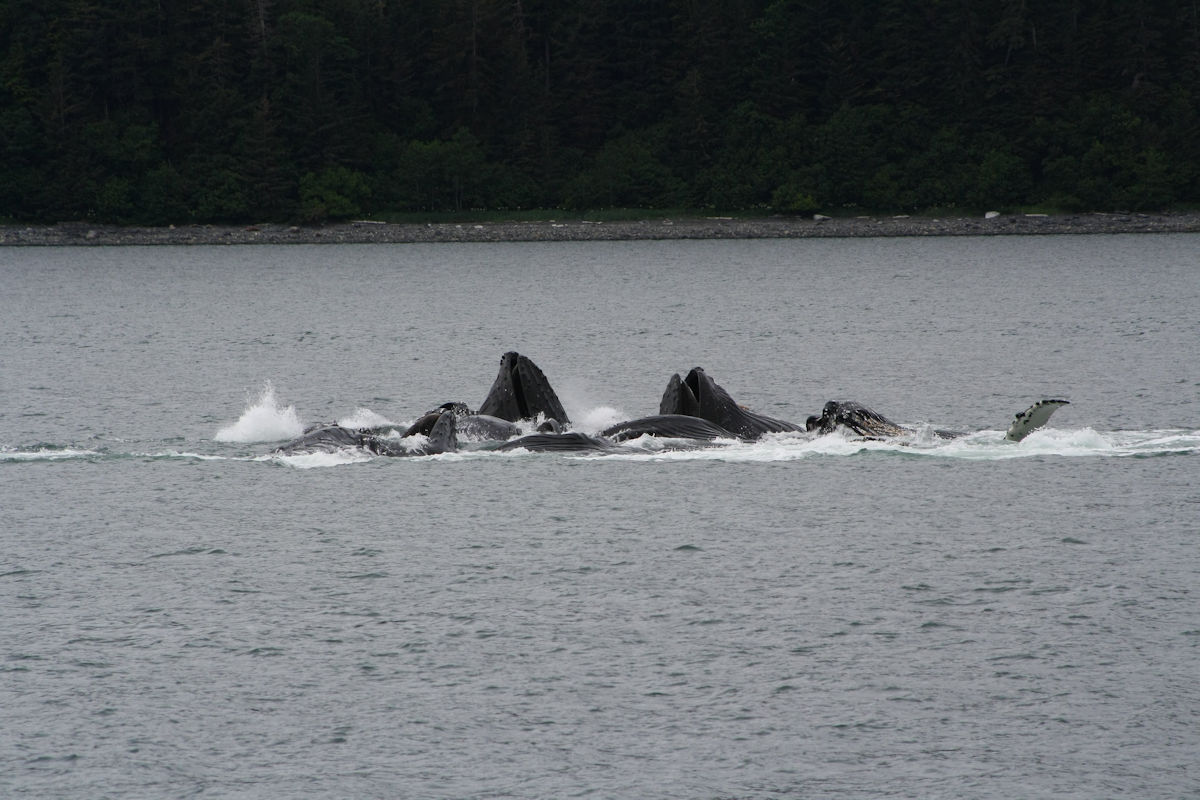
Wednesday, 02/23/2022: Posted photo — Humpback Whales.

Settings: Canon EOS DIGITAL REBEL XS, ISO 400, f/10, 1/1250 s, 210 mm.

Humpback Whales (Megaptera novaeangliae) Bubble Net Feeding, Alaska.

Thursday, 02/24/2022: Posted photo — Mesa Arch.

Settings: Canon EOS DIGITAL REBEL XS, ISO 200, f/11, 1/200 s, 48 mm.

Canyonlands National Park, Utah

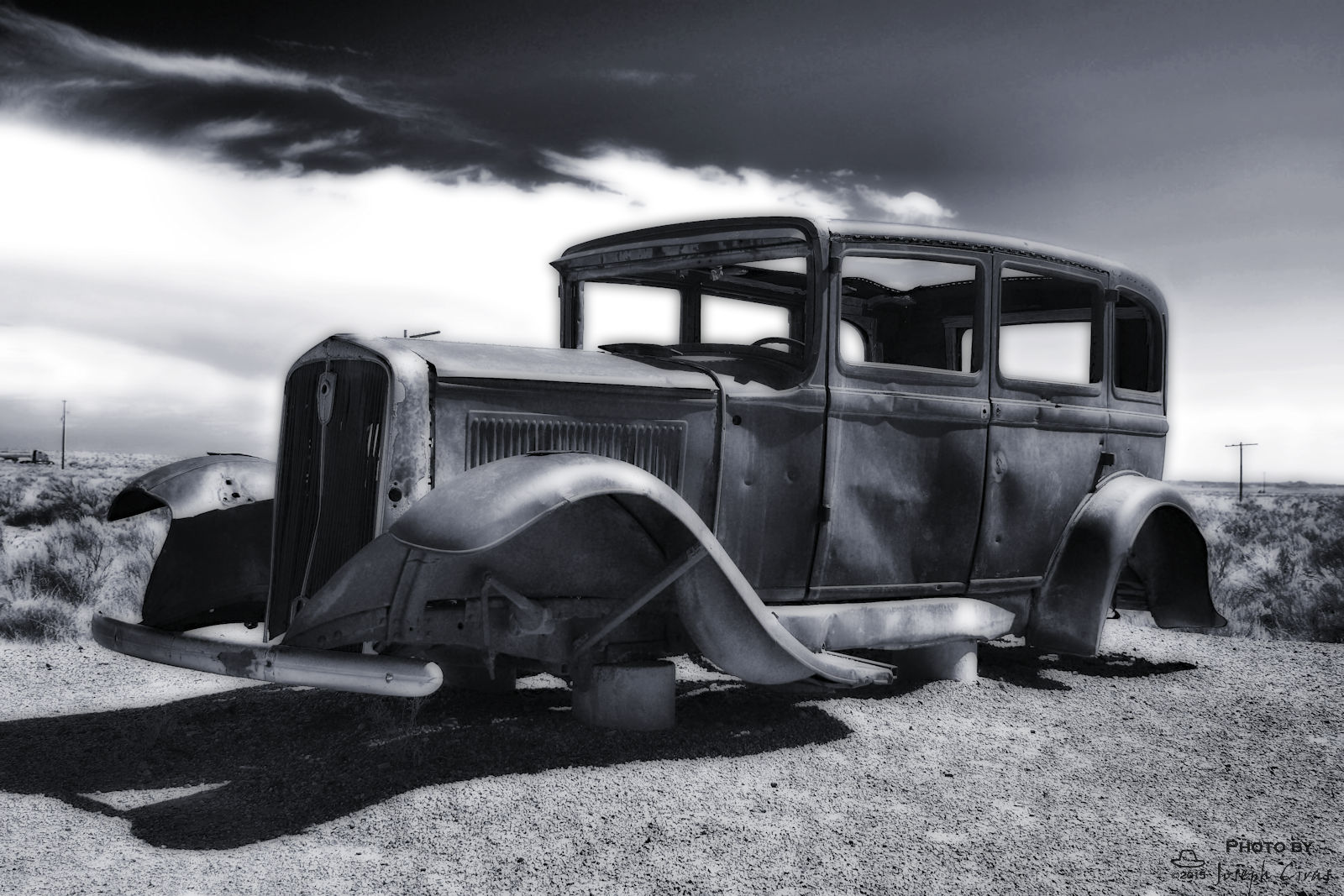
Friday, 02/25/2022: Post photo — Remembering Route 66.

Settings: Canon EOS DIGITAL REBEL XS, ISO 200, f/7.1, 1/100 s, 25 mm.

Petrified Forest National Park, Arizona

Saturday, 02/26/2022: Post photo — Ruby Beach.

Settings: Canon EOS DIGITAL REBEL XS, ISO 200, f/13, 1/250 s, 30 mm.

Olympic National Park, Washington.

That is all for now. Until next week, be safe.

For more photo of other project I have work, visit my website: https://photobyjosephciras.weebly.com or visit me on Facebook at https://www.facebook.com/PhotobyJosephCiras/.
Photographic Thoughts — 02/06/2022 to 02/12/2022

Photographic Thoughts — 02/06/2022 to 02/12/2022

“It’s weird that photographers spend years or even a whole lifetime, trying to capture moments that added together, don’t even amount to a couple of hours.” — James Lalropui Keivom

Thank you for all the new views and likes from last week, it helps keep me inspired.

This week will only be photos. I have been writing my blog every day this week on thumbdrive. That thumbdrive has been misplaced so I am just posting photos. A photo is worth a thousand words.  This phrase emerged in the USA in the early part of the 20th century. Its introduction is widely attributed to Frederick R. Barnard, who published a piece commending the effectiveness of graphics in advertising with the title “One look is worth a thousand words”, in Printer’s Ink, December 1921.

Sunday, 02/06/2022: Posted photo — Long Exposure.

Settings: Canon EOS 60D, ISO 100, f/16, 1/10 s, 42 mm.

Monday, 02/07/2022: Posted photo — Alaska.

Settings: Canon EOS DIGITAL REBEL XS, ISO 400, f/8, 1/4000 s, 75 mm.

Tuesday, 02/08/2022: Posted photo — Chain.

Settings: Canon EOS 60D, ISO 1600, f/5.6, 1/15 s, 88 mm.

Wednesday, 02/09/2022: Posted photo — DOF Photo One.

Settings: Canon EOS 60D, ISO 200, f/5.6, 1/13 s, 89 mm.

Thursday, 02/10/2022: Posted photo — Bat House.

Settings: Google Pixel 2, ISO 335, f/1.8, 1/40 s, 4 mm.

Friday, 02/11/2022: Post photo — Unknown Outcome.

Settings: Canon EOS 60D, ISO 800, f/3.5, 1/8000 s, 18 mm.

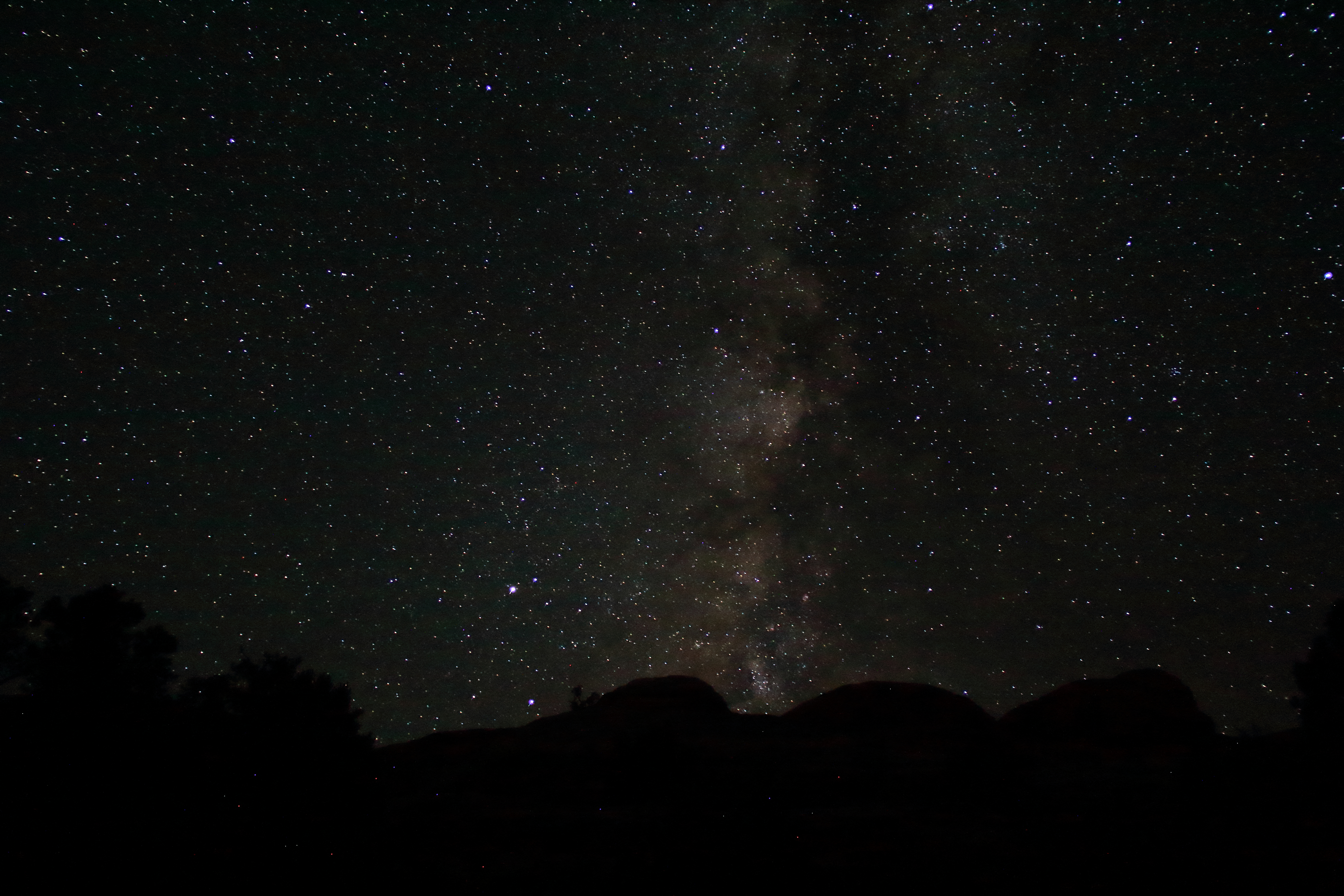
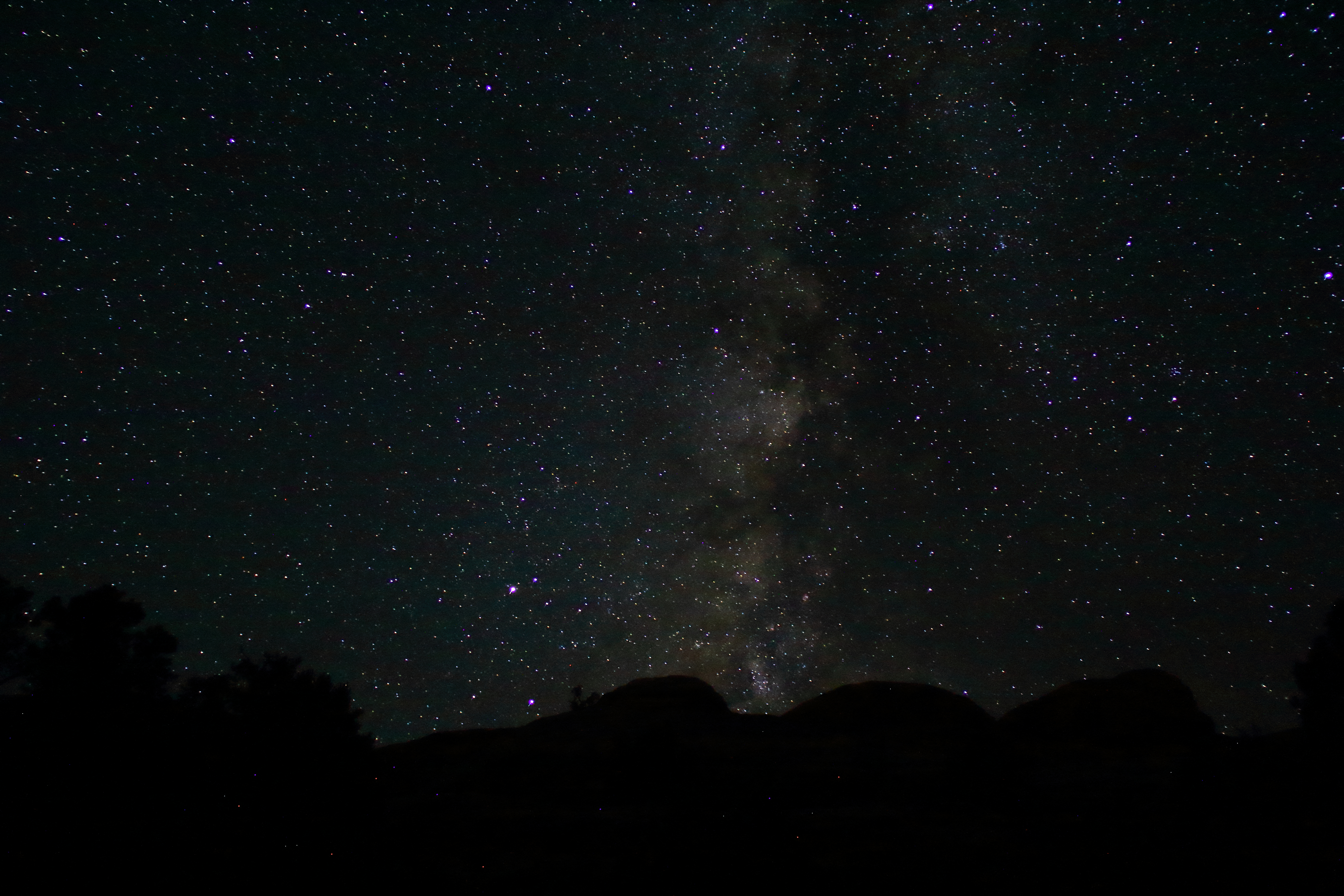
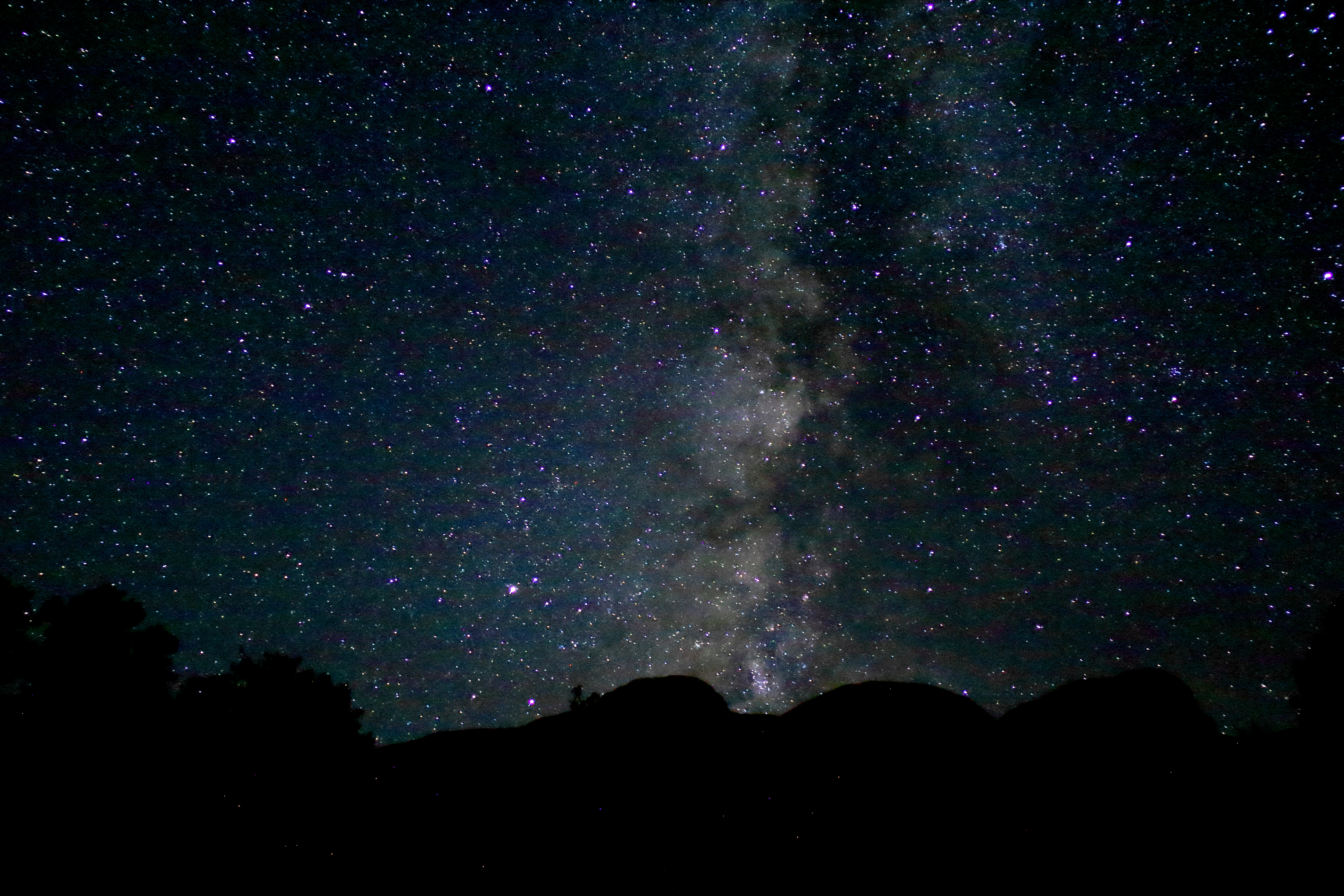
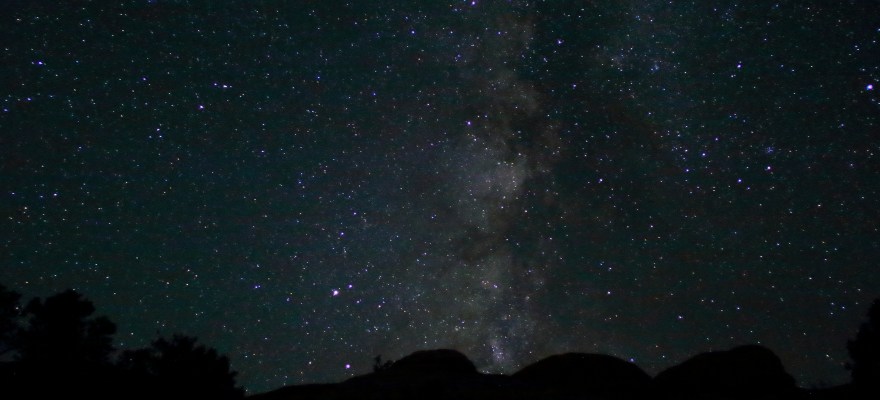
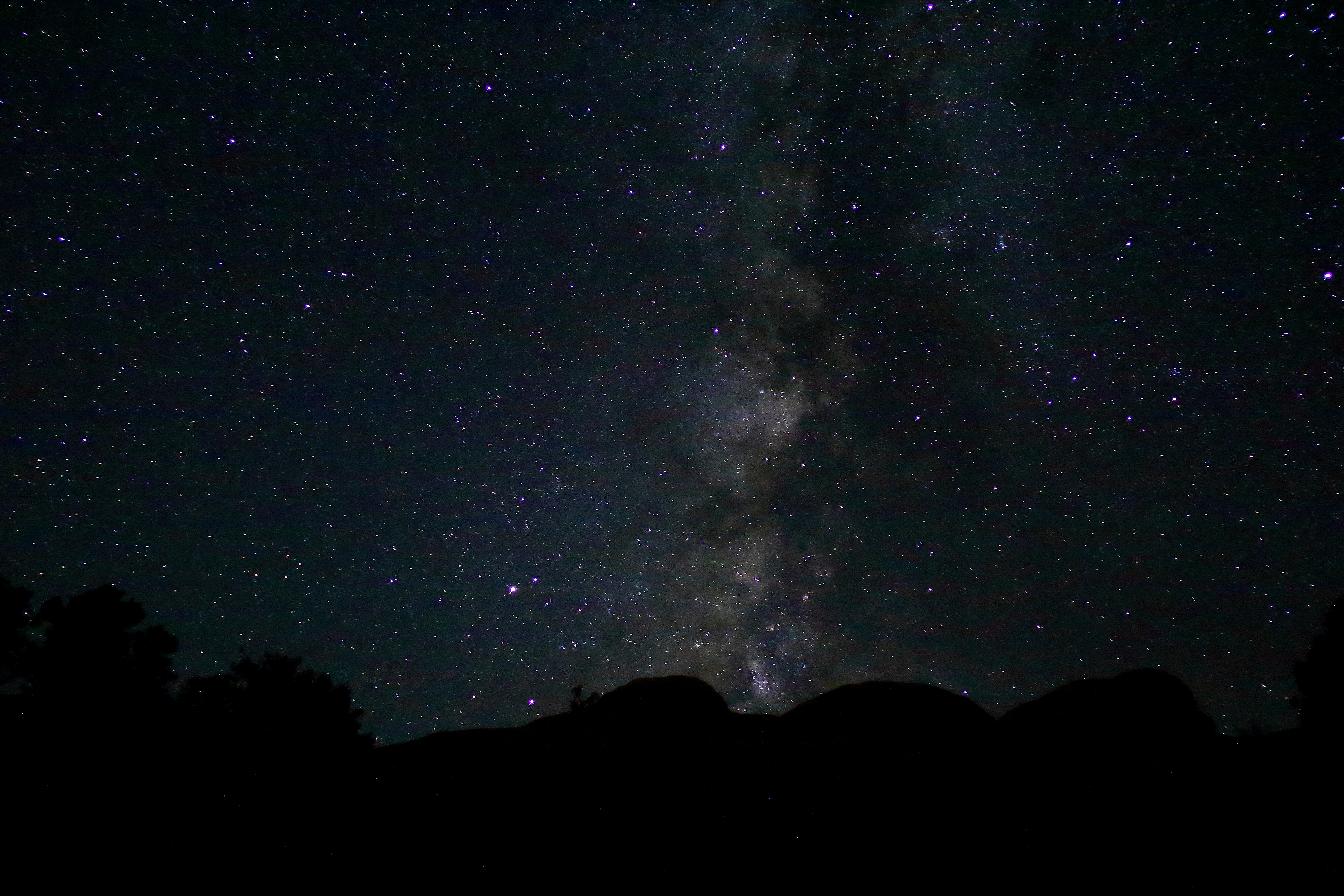
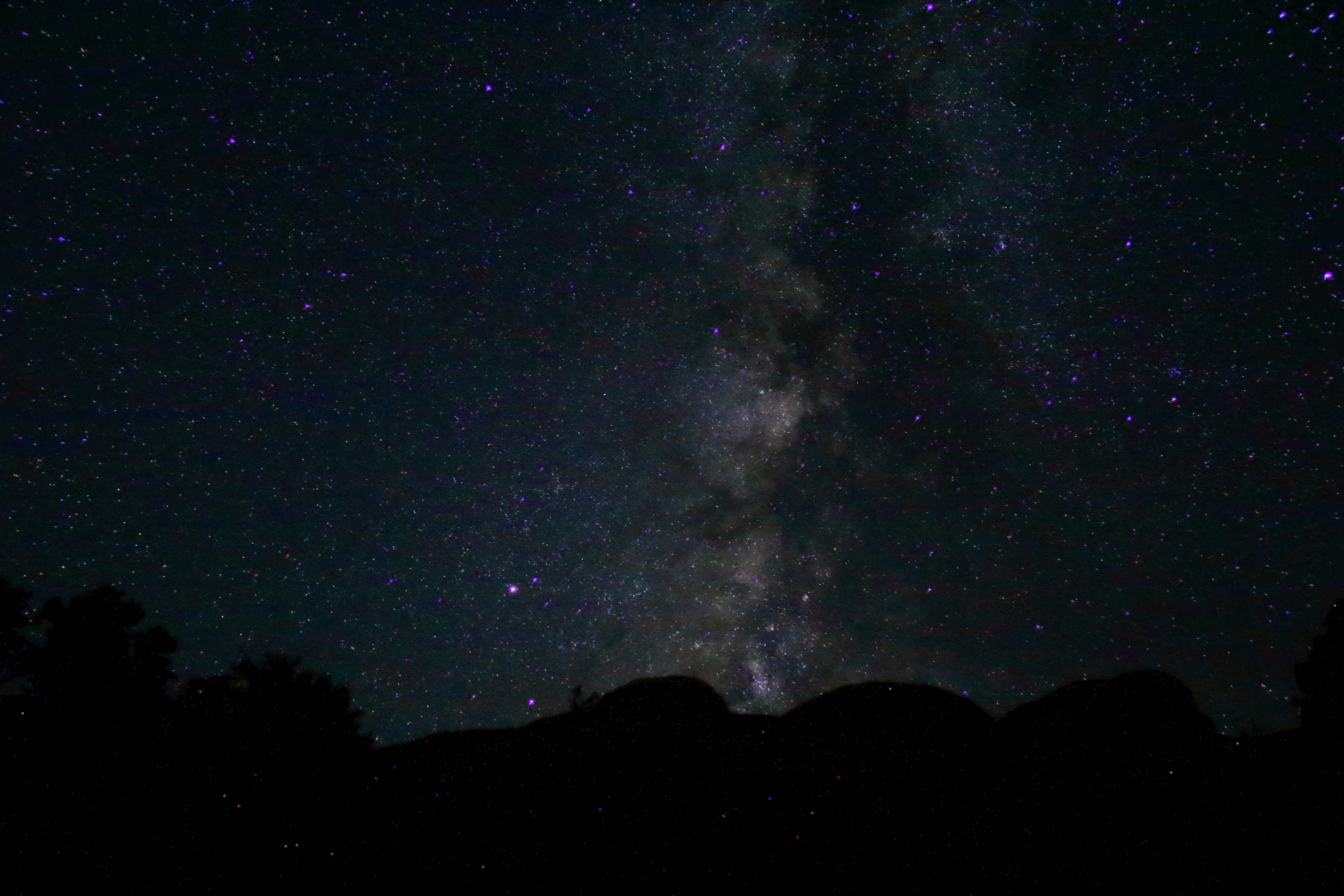
Saturday, 02/12/2022: Post photo — Milky Way.

Settings: Canon EOS 60D, ISO 3200, f/3.5, 20 s, 18 mm.

Write your own subtitles for theses photos. Please take one photo and write about it in the descriptions.

That is all for now. Until next week, be safe.

For more photo of other project I have work, visit my website: https://photobyjosephciras.weebly.com or visit me on Facebook at https://www.facebook.com/PhotobyJosephCiras/.
Photographic Thoughts — 01/30/2022 to 02/05/2022

“No place is boring, if you’ve had a good night’s sleep and have a pocket full of unexposed film” — Robert Adams

Thank you for all the new views and likes from last week, it helps keep me inspired.

Sunday, 01/30/2022: Posted photo — Squire Dustin House.

Settings: Canon EOS 60D, ISO 100, f/7.1, 1/640 s, 35 mm.

This is the first in what I hope will be a weeklong series of some of the historic houses around town. I will look for any information I can find on these houses. I have done a search of these housed prior to my starting my blog. There might me more information on them now.

The Squire Dusting house was built in 1810 and is located near the town commons.

Monday, 01/31/2022: Posted photo — Upton School.

Settings: Canon EOS 60D, ISO 200, f/7.1, 1/250 s, 35 mm.

“Westminster philanthropists Charles Upton and Frank Fenor donated the money and land to build the school, which opened in 1912 and taught all grades for the town. In 1927, it became crowded, and the last three grades were taught in neighboring towns, like Fitchburg and Gardner.

The grades got cut back again when the Oakmont School was built in 1960 for grades 7 through 12. The Upton School was supposed to close in 1993, when the Meetinghouse School was built. However, the roof of the new school building leaked and classes went on for an additional three months.” — Fitchburg Sentinel @ Enterprise, October 13, 2012.

Some of my relative remember going to school in the Upton Building. There still is some talks in town about what to do with the building. Should they renovate it, donate to some charity or organization, move a town office into it? Only time will tell.

Tuesday, 02/01/2022: Posted photo — Broken.

Settings: Google Pixel 2, ISO 604, f/1.8, 1/40 s, 4 mm.

Last night was my weekly Monday night Wachusett Mountain hike. Snowshoes were not needed but did help on the hike. Without the snowshoes there would be some “potholing”. I made it to summit and part of the way down before the heal strap on my left snowshoe broke. I did not expect it to last that long on the hike. The strap broke once already last year, and I was able to make some adjustments to make it last longer. The good people at the Tubbs will be sending me replacement straps to install.

Pays to spend some money on snowshoes of you used them as much as I do in the winter. These are the pair that I am using hiking to work; on Wachusett Mountain and other local mountains; and in the White Mountains of New Hampshire.

Wednesday, 02/02/2022: Posted photo — 1815 Reverend Cyrus Mann House.

Settings: Canon EOS 60D, ISO 100, f/8, 1/125 s, 38 mm.

Year built: 1815

Here is a continuation of my historic houses around town week.

The view of Wachusett Mountain from the Rev. Cyrus Mann House in on the Westminster town seal.

One of the houses in Westminster Village-Academy Hill Historic District in Westminster, MA. The district was founded in 1734 and added to the National Register of Historic Places in 1983. I just love the look of this house along with the other houses in this district.

Thursday, 02/03/2022: Posted photo — Philip Bemis House.

Settings: Canon EOS 60D, ISO 400, f/6.3, 1/1000 s, 33 mm.

This house was built in 1759 by Philip Bemis who owned the Old Mill nearby. The Old Mill is now the Old Mill Restaurant. I go to the Old Mill often to photograph the duck and geese that live in the duck pond year-round. They have covered walkways at the Old Mill that frame a waterfall.

“History of the Old Mill:

From its earliest beginning, the Old Mill has served a useful purpose in the community. Originally a sawmill where logs were processed for the new homes of the neighborhood, the Old Mill and its whirling saw sang a song of progress and industry through five generations of ownership before its wheels were stilled and it fell into disrepair in the late 1800’s.

In 1921, the sawmill was converted into a tea-room and operated as such during the summer months by Miss Keough, until 1942 when war restrictions forced her to close. Upon his return from serving in World War II, Ralph Foster and his wife Ruth bought the Old Mill and reopened it as a restaurant, making it a year-round operation, thus the mill was reborn.”http://www.1761oldmill.com/about.html

Friday, 02/04/2022: Post photo — Freezing Rain.

Settings: Canon EOS 60D, ISO 200, f/7.1, 1/50 s, 64 mm.

Once again, I need to pause my photo tour of the historic houses around town. We are in the middle of a rain/snow/sleet/freezing rain event, and I want to do as little driving as possible.

During a storm, I like to walk into work. Today I did not walk into work since the storm was mostly a heavy rain event in the morning and I wanted to get to work before the sleet and freezing rain arrived. If it is raining heavy and I was going to do a five-mile hike in the wood, or hike up a mountain, I would not mind the weather. Walking to work in the heavy rain is another story.

Other colleagues told me about all the accidents on the road when they arrived. Cars were off the road and a few of my colleague saw cars speeding down the highways and slipping off the road when they hit a patch of slush or ice. They came in after the change in weather. There was about an inch of slush in the parking lot at work. The maintenance people did a great job of keeping the parking lot clean.

I will wait for the rain to slow down before I go out and clean out my driveway and walkway.

Saturday, 02/05/2022: Post photo — Black and White.

Settings: Google Pixel 2, ISO 252, f/1.8, 1/120 s, 4 mm.

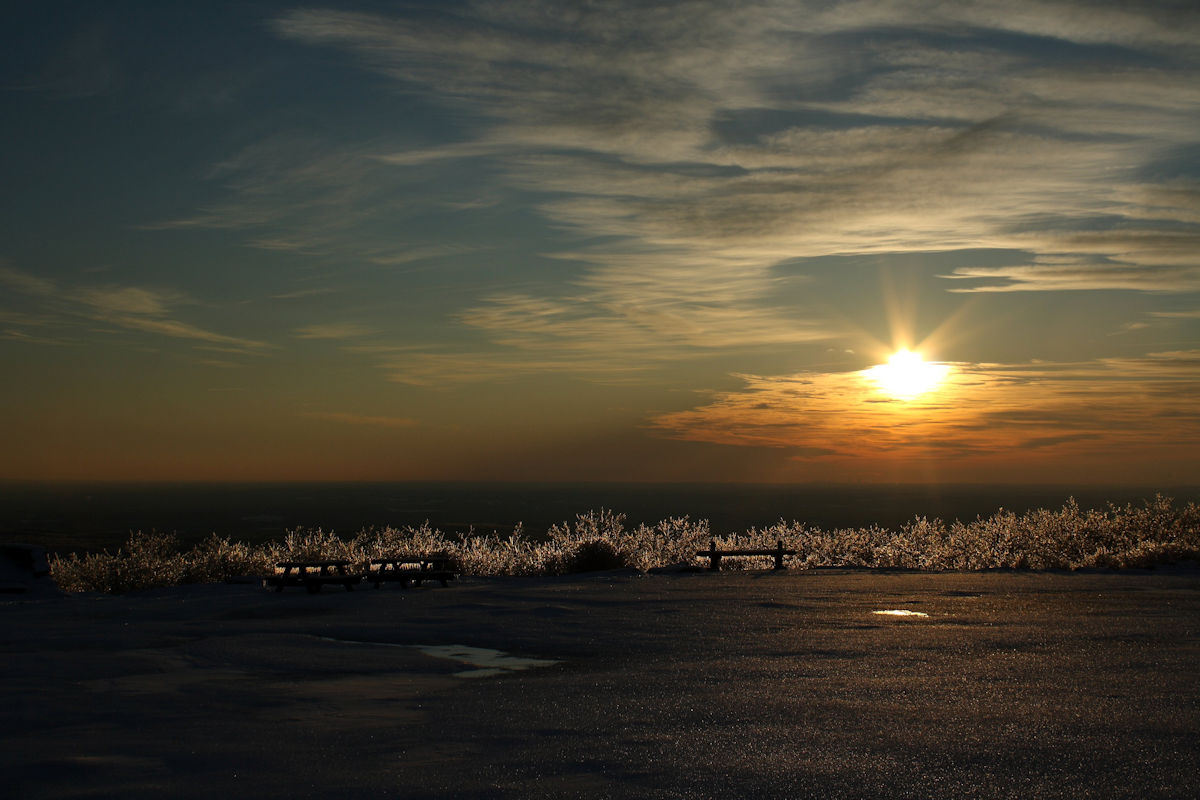
Cool morning today. I left the house early to run some errands. I was planning on hiking Wachusett Mountain this morning and it turned out to be an afternoon hike.

During the day I liked the way the sun was glistering off the ice-covered trees, so I took this photo. I needed a black and white photo for a photo project I am working on, so I converted the photo to black and white.

That is all for now. Until next week, be safe.

For more photo of other project I have work, visit my website: https://photobyjosephciras.weebly.com or visit me on Facebook at https://www.facebook.com/PhotobyJosephCiras/.
My Weebly website is back up and running. I am looking of suggestions on how to make it look better.

Photographic Thoughts — 01/23/2022 to 01/29/2022

“It’s weird that photographers spend years or even a whole lifetime, trying to capture moments that added together, don’t even amount to a couple of hours.” — James Lalropui Keivom

Thank you for all the new views and likes from last week, it helps keep me inspired.

Sunday, 01/23/2022: Posted photo — Music.

Settings: Google Pixel 2, ISO 252, f/1.8, 1/120 s, 4 mm.

Psalm 23, The Lord is my shepherd…

This is best known psalm out of the 150 psalms in the Bible. There are five books and four literary styles in the psalms. The styles are hymns, prayers of thanksgiving and petition, religious lyrics, and didactic psalms. You can go online or ask your religious leader for more information on the psalms.

Songs, or hymns, at mass are used to enhance the service. I played the organ/keyboard during Mass when I was in college. My family still plays and sings in the choir during Mass today. A good song will lift your spirits.

I did not intend to use this photo today. I used it because it was one of the only photos that I took and it was the one that I liked the best.

Monday, 01/24/2022: Posted photo — Dusting of Snow.

Settings: Canon EOS 60D, ISO 100, f/5, 1/15 s, 50 mm.

Last week we received heavy and wet snow. This week we received a dusting of snow.

In taking this photo, I was practicing depth of field (DOF) in my photos. I am in my 13 year of taking photos every day and I still need on practicing various techniques so my photos are of my liking. I am my own worst critic.

I did go on a great hike tonight. This is my normal Monday night hike on Wachusett Mountain. The trails were in great shape from all the people that have been hiking after the last snowstorm. Microspikes are needed. Some people say no to microspikes since there is no exposed ice on the trails. If I am leading a hike, I am requiring the use of microspikes, or other traction devices, since there is ice under the snow and the spikes give you better traction. I am cautions in a group situation.

Microspikes are great for hiking or in thick ice, nanospikes are good for walking the in areas where traction is needed, but they are not as aggressive as microspikes. I would not recommend the use of nonspikes while hiking since they do not have the grip you need on the snow or ice, or the inclines and declined on a hiking trail. A more aggressive means for traction is the use of crampons. I use my crampons in the higher elevations of the White Mountains, or on a very icy trail. When I hike in the winter, I carry two sets of microspikes: my inexpensive “rock” microspikes and my “good” microspikes and have my crampons with me. Occasionally I will also attach my snowshoes to my pack if there has been newly fallen snow and I know that trail that I will be hiking is an underutilized trail. The difference between my inexpensive “rock” microspikes and my “good” microspikes is the length of the spikes and the quality of the product.

Tuesday, 01/25/2022: Posted photo — Snow White.

Settings: Canon EOS 60D, ISO 800, f/36, 1/50 s, 93 mm.

Light dusting of snow received last night. This makes for a wonderful winter scene. When I was walking around yesterday, I was thinking of the challenge for the 52 frames project https://52frames.com/photographer/20931.  The challenge is for this week is to take a minimalistic photo. This is my first minimalistic photo of the week. Look for a different photo later in the week.

Wednesday, 01/26/2022: Posted photo — Colors.

Settings: Canon EOS 60D, ISO 100, f/7.1, 1/160 s, 115 mm.

Last week at this time, I posted a sunrise photo. Today I did the same.

I would like to talk about the colors in a sunrise/sunset. When the sun is low on the horizon during sunrises and sunsets, the sunlight travels through more of the atmosphere. Shorter wavelength colors (blues and violets) get scattered out. This leaves more of the longer wavelength colors like yellow, orange, and red. Therefore, sunrises often take on such colors. Some of the colors of a sunrise or sunset are #95382c, #141b24, #4f3c54, #223444, and #9c4a44 for the more technical people that read my post. Sunrises and sunsets are also in the 1000–2000 K range. Other base settings for sunrise and sunset photos are f/6–f/16 and a shutter speed of 1/500 s. I also like to take my photos one step underexposed to bring out the colors. Shoot RAW so values can be adjusted post process if required.

As always, practice sunrise and sunset photos to find out the best settings for your camera.

Thursday, 01/27/2022: Posted photo — Sky.

Settings: Canon EOS 60D, ISO 100, f/7.1, 1/640 s, 24 mm.

Here is another minimalistic photo for the week. I like this one better than the snow photo so this is the one that I may post for the 52 frames project.

Some of the elements of minimalistic photography are simplicity, negative space, powerful composition, isolation, color, and lines and shapes. Minimalist photography shows the power of a simple solo object. In this case, it is the contrail against the blue sky.

Looking at the simplicity of this photo, my watermark may be taking away some of its impact. Need to think about that next time. There is a debate whether to watermark photos. It does take away from the aesthetic quality of some photos. I watermark the photos that I post and not the ones that I display in gallery showings or the ones that I sell.

Friday, 01/28/2022: Post photo — Hook.

Settings: Canon EOS 60D, ISO 100, f/5, 1/15 s, 62 mm.

I see a hook, a needlenose shark, or a stitch puller. What do you see? This is another pareidolia photo.

Today I am not writing much about this photo since I need to prepare our house for the snow storm that will happen tomorrow.

Saturday, 01/29/2022: Post photo — Looking Down the Street.

Settings: Canon EOS 60D, ISO 100, f/7.1, 1/80 s, 29 mm.

We received about 10 inches of snow out of today’s storm. It is much less than originally predicted. The storm moved out to sea, and we were on the outer edge of the storm.

I did go out every two hours today to shovel the snow. The first few times out there were a few inches of show to shovel. As the day went on, the shoveling was easier and quicker. Winter storm Kenan was another let down for us. Only 10 inches of snow. We are still waiting for the first big storm of the year.

Kenan was a bomb cyclone. A bomb cyclone is a storm that undergoes bombogenesis. Bombogenesis is a rapid intensification of a low-pressure system in which we measure in millibars. The lower the pressure is, the stronger the storm.

That is all for now. Until next week, be safe.

For more photo of other project I have work, visit my website: https://photobyjosephciras.weebly.com or visit me on Facebook at https://www.facebook.com/PhotobyJosephCiras/.
My Weebly website is back up and running. I am looking of suggestions on how to make it look better.