“Photography has nothing to do with cameras.” — Lucas Gentry
Thank you for all the new views and likes from last week, it helps keep me inspired.
Sunday, 08/18/2024: Posted photo — American Bison.
Photo location: Wind Cave National Park, South Dakota
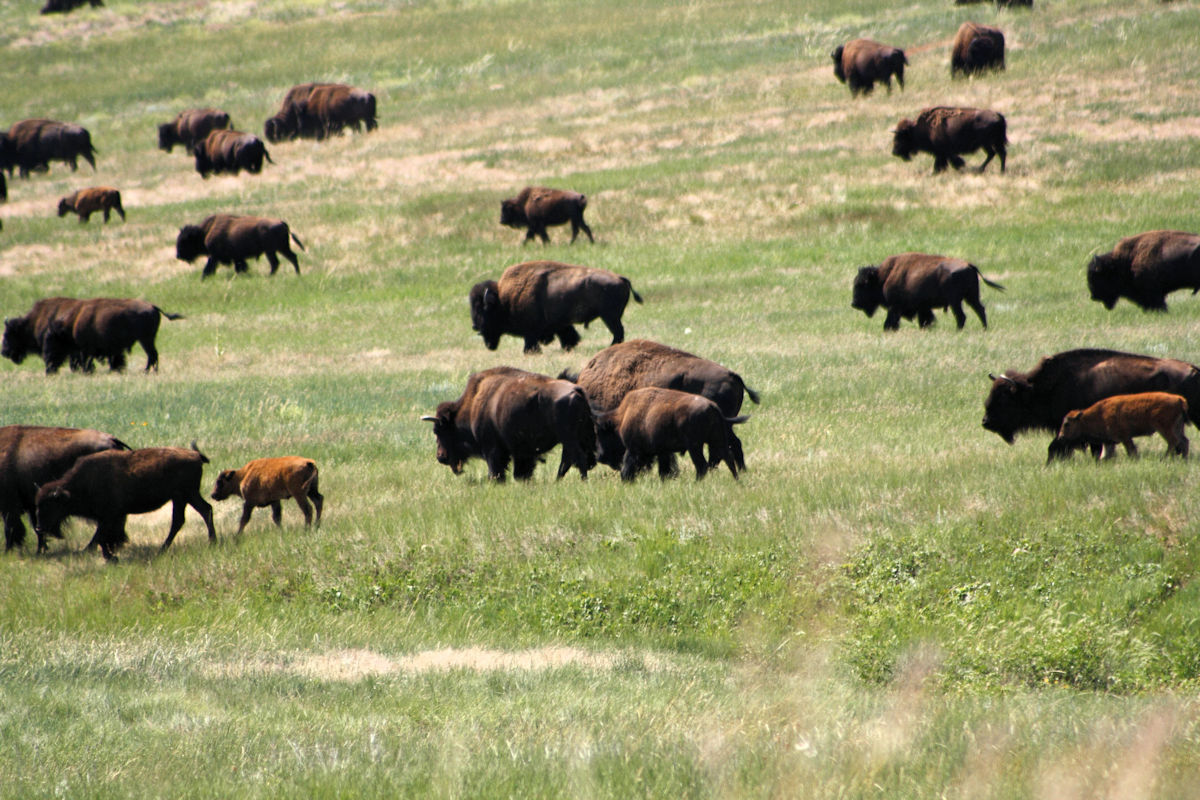
Difference between a bison and a buffalo:
Range: Wild American bison occur only in North America, European bison in Europe, water buffalo in Asia, and African buffalo in Africa.
Size: Most buffalo species are larger than bison species—1,900 to 2,600 pounds versus 1,600 to 2,000 pounds.1
Horns: Bison have short and stubby horns whereas buffalo’s are long and curvy.
Beard: Only bison have long, shaggy beards.
Shoulder hump: Only bison have a distinctive shoulder hump, the American bison’s more prominent than the European bison’s.
Source: https://www.treehugger.com/difference-between-bison-and-buffalo-6499776
Monday, 08/19/2024: Posted photo — Brown Pelican.
Photo location: Key West Florida
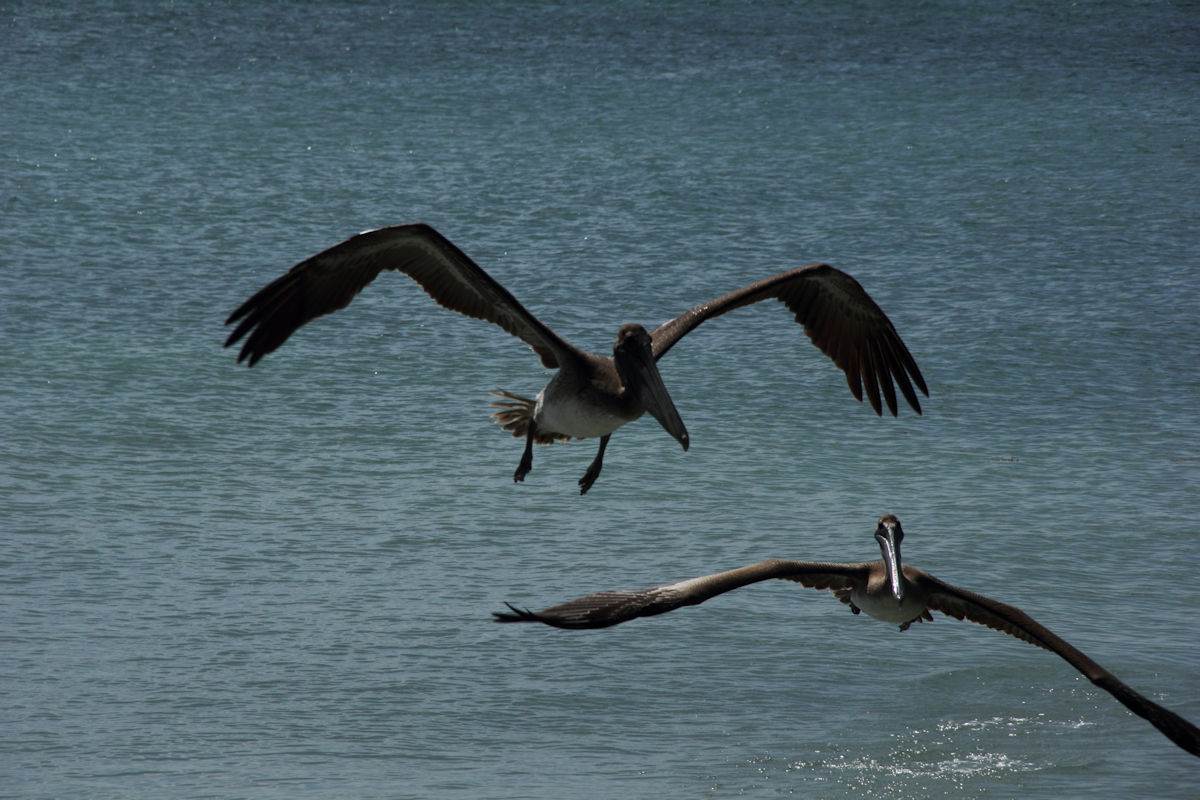
To find Brown Pelicans, head to the southern coasts of the US (Atlantic, Gulf, or Pacific) and look for huge birds gliding low over the water—check nearby gulls and cormorants as a size reference. These birds plunge into the water to feed. The huge splashes they make can, from out of the corner of your eye, look like a whale’s spout. If you see a splash, look for the bird on the water’s surface as it drains water from its throat pouch, or scan for other pelicans circling around to dive in the same spot. If you can’t find pelicans over the water, head to a jetty, mudflat, or estuary to look for groups of them resting.
Source: https://www.allaboutbirds.org/guide/Brown_Pelican/overview
Tuesday, 08/20/2024: Posted photo — Dall’s Porpoise.
Photo location: Kenai Fjords National Park, Alaska
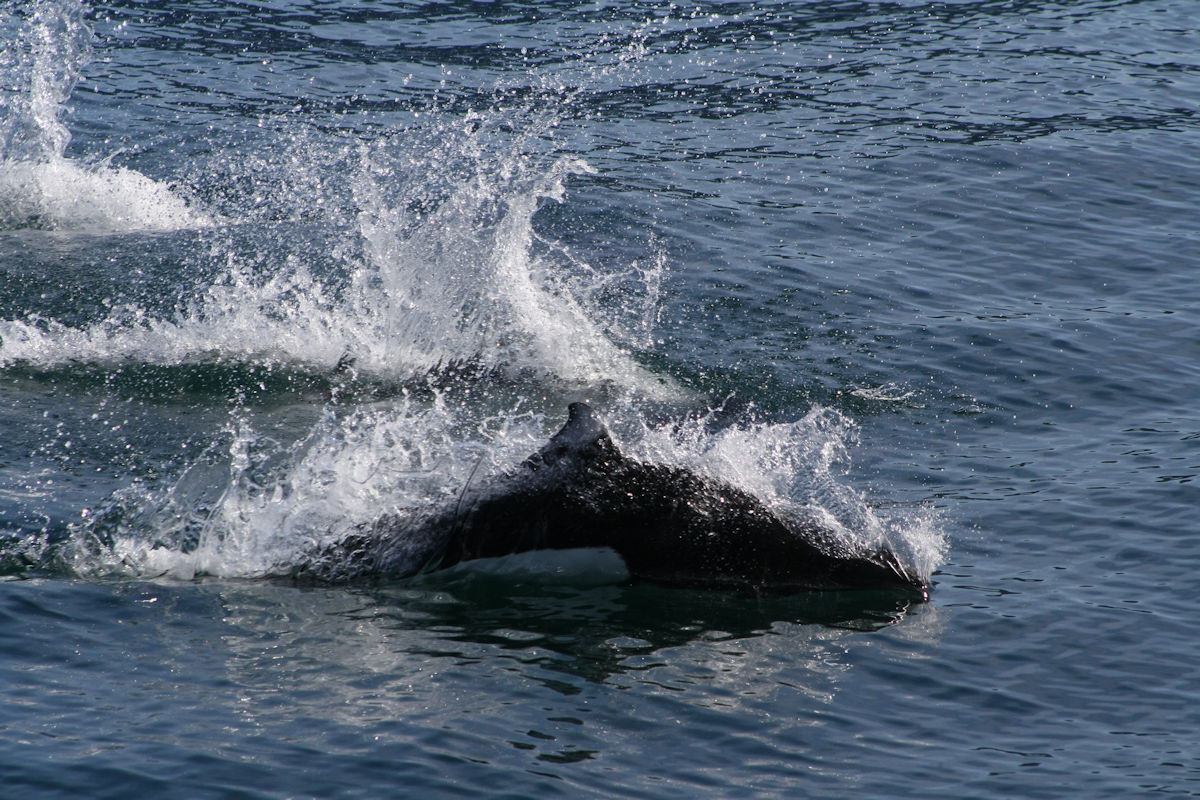
The Dall’s Porpoise is the largest porpoise species, reaching 210-220 cm long and 200 kg. There is some sexual dimorphism in size with females being slightly smaller at 160-206 cm long. The size difference between the sexes varies across the species range.
Source: https://porpoise.org/about-porpoises/dalls-porpoise/
Wednesday, 08/21/2024: Posted photo — Humpback Whales.
Photo location: Juno, Alaska
Bubble-net feeding is a feeding behavior engaged in by humpback whales and Bryde’s whales. It is one of the few surface feeding behaviors that humpback whales are known to engage in. This type of feeding can be done alone or in groups with as many as twenty whales participating at once.

Source: https://en.wikipedia.org/wiki/Bubble-net_feeding
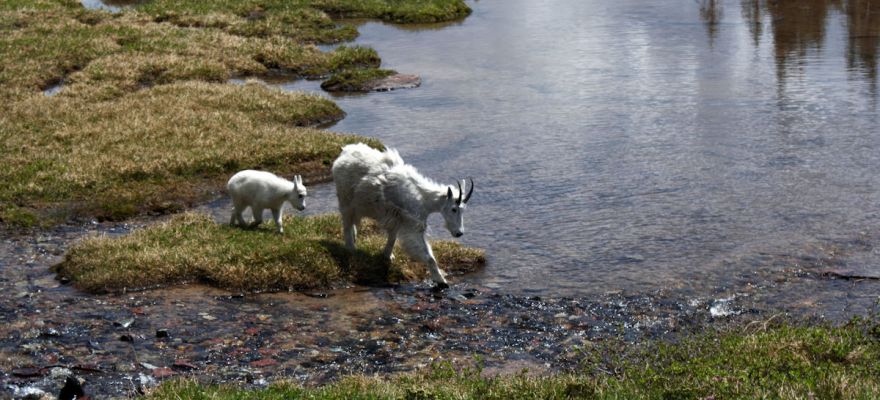
Thursday, 08/22/2024: Posted photo — Mountain Goats.
Photo location: Glacier National Park, Montana
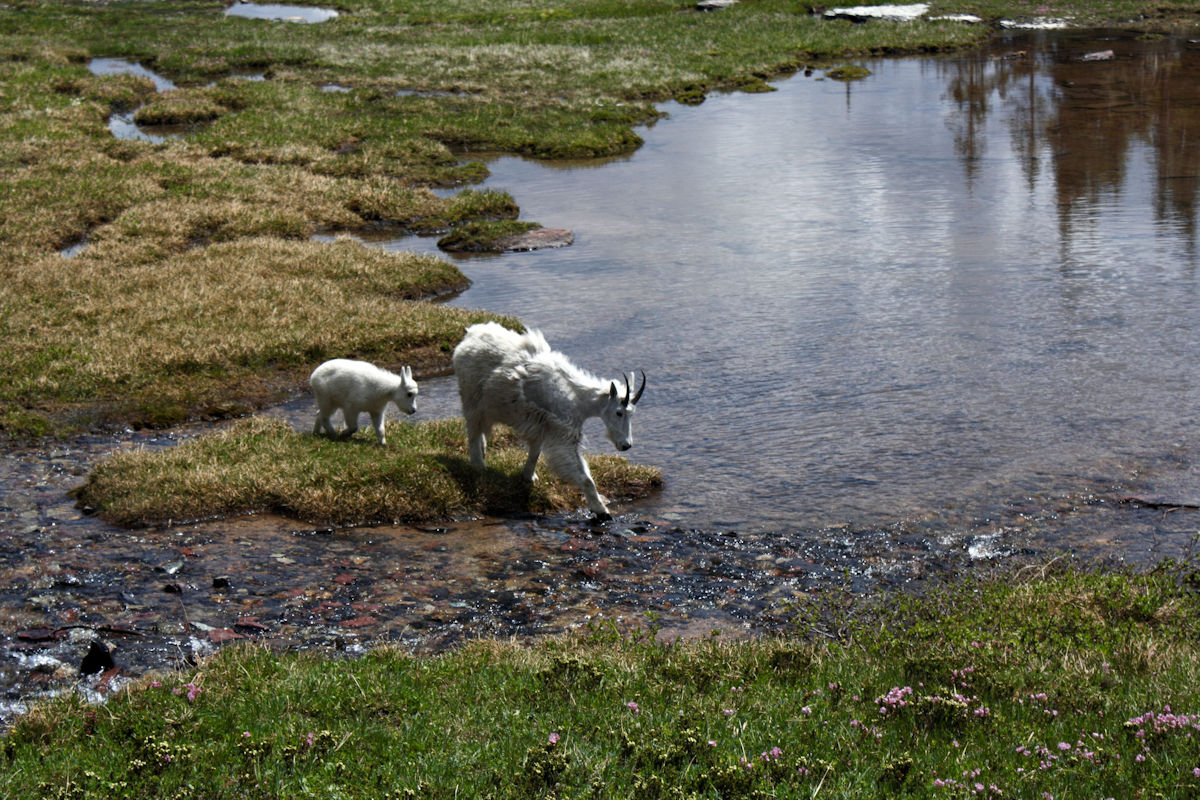
Mountain goat, (Oreamnos americanus), also called Rocky Mountain goat, a stocky North American ruminant of the family Bovidae (order Artiodactyla). Surefooted relatives of the chamois, mountain goats cling to steep cliffs in habitats ranging from ocean shores to glaciated mountain tops. They are agile, methodical climbers, adapted to the insecure footing of snow-covered and icy cliffs, where predators are loath to follow. On these cliffs, they readily turn on their pursuers, including humans.
Source: https://www.britannica.com/animal/mountain-goat
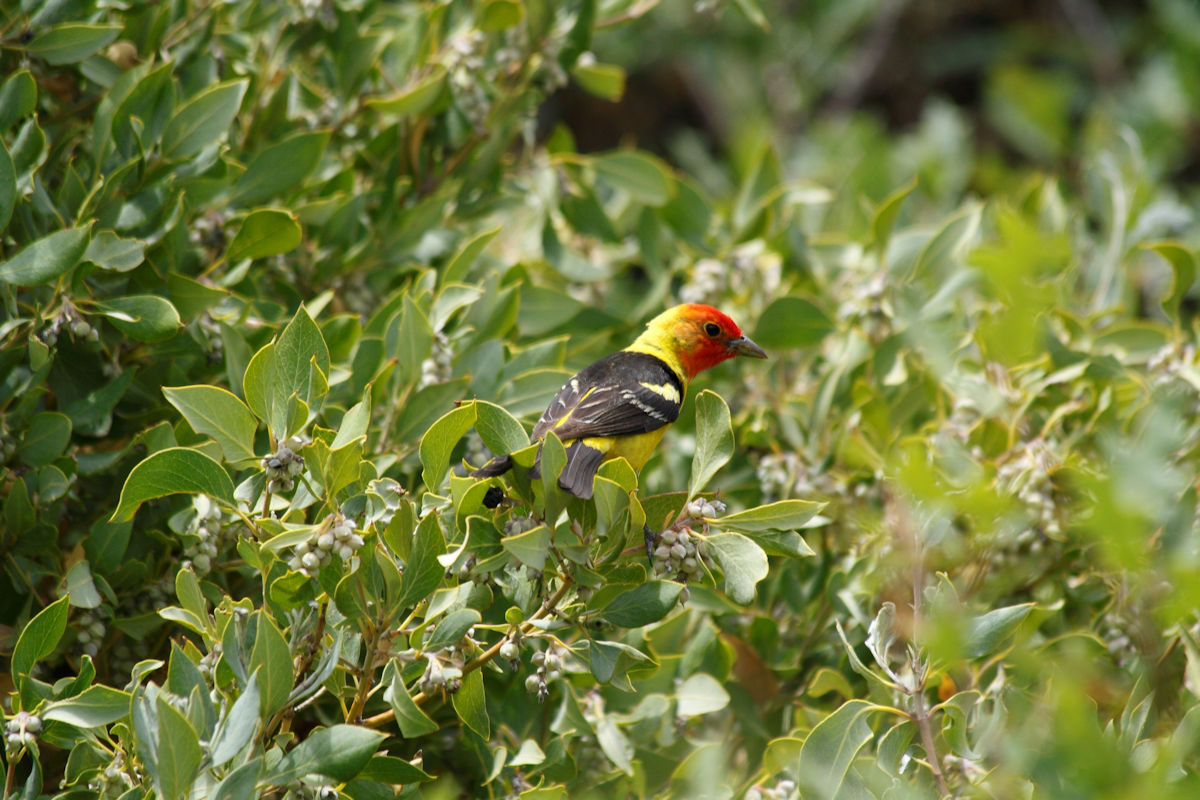
Friday, 08/23/2024: Post photo — Western Tanager.
Photo location: Grand Canyon National Park, Arizona
While most red birds owe their redness to a variety of plant pigments known as carotenoids, the Western Tanager gets its scarlet head feathers from a rare pigment called rhodoxanthin. Unable to make this substance in their own bodies, Western Tanagers probably obtain it from insects in their diet.
Source: https://www.allaboutbirds.org/guide/Western_Tanager/overview
Saturday, 08/24/2024: Post photo — Desert Spiny Lizard.
Photo location: Goosenecks State Park, Utah

An adult male desert spiny lizard usually has conspicuous blue/violet patches on the belly and throat, and a green/blue color on their tails and sides. Females and juveniles have large combined dark spots on their back and belly areas, and the blue/violet and green/blue coloring is absent. Both sexes have brownish/yellow triangular spots on their shoulders. A female desert spiny lizard will lay anywhere from 4 to 24 eggs during the summertime. A fully grown desert spiny lizard will reach a body length of up to 5.6 inches. Besides their bright colors, the desert spiny lizard changes to darker colors during the winter to allow them to absorb more heat from the sun and become lighter during the summer to reflect the sun’s radiation. It is frequently seen doing push-ups, pushing its body up and down, as a form of territorial display. The first recorded case of Leukemia in the family Phrynosomatidae was found in this species.
Source: https://en.wikipedia.org/wiki/Sceloporus_magister
That is all for now. Until next week, be safe.

















 Photo by Joseph Ciras