Photographic Thoughts — 11/13/2022 to 11/19/2022

“The whole point of taking pictures is so that you don’t have to explain things with words.” — Elliott Erwitt

Some photos from hikes.

Sunday, 11/13/2022: Posted photo — Groot.

Saw Groot today on Old Indian Trail on Wachusett Mountain. He was just greeting hikers as they passed.

Groot on the Trail

Monday, 11/14/2022: Posted photo — Friends.

My son with one of his friends from college, who is now his cousin-in-law.

Tuesday, 11/15/2022: Posted photo — Trail Marker.
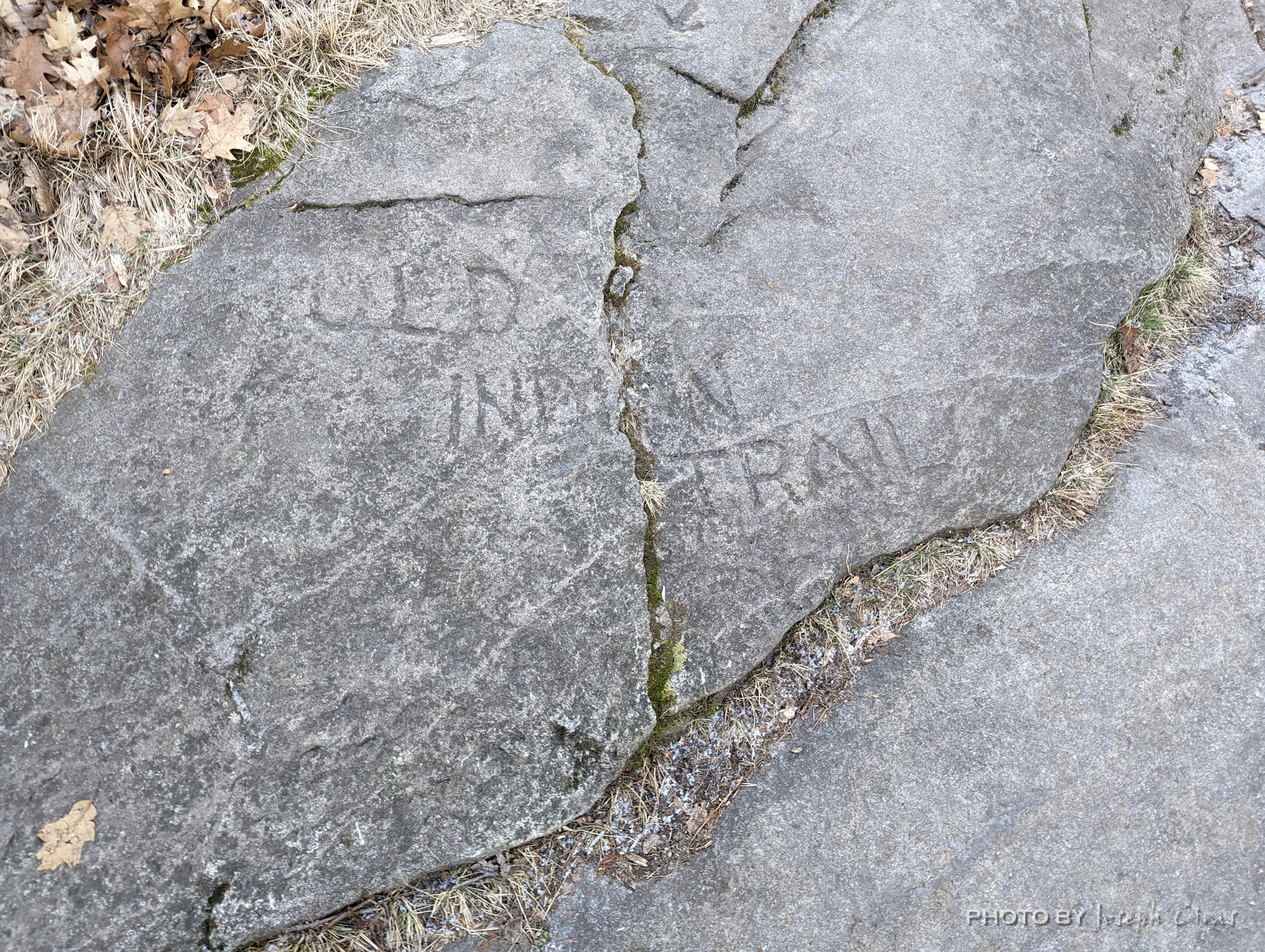
Before there were signs to mark the trails, people carved the trail names in rock. This is the trail marker for Old Indian Trail. I just wonder how long it took for someone to mark the trail.

Wednesday, 11/16/2022: Posted photo — USGS Markers.
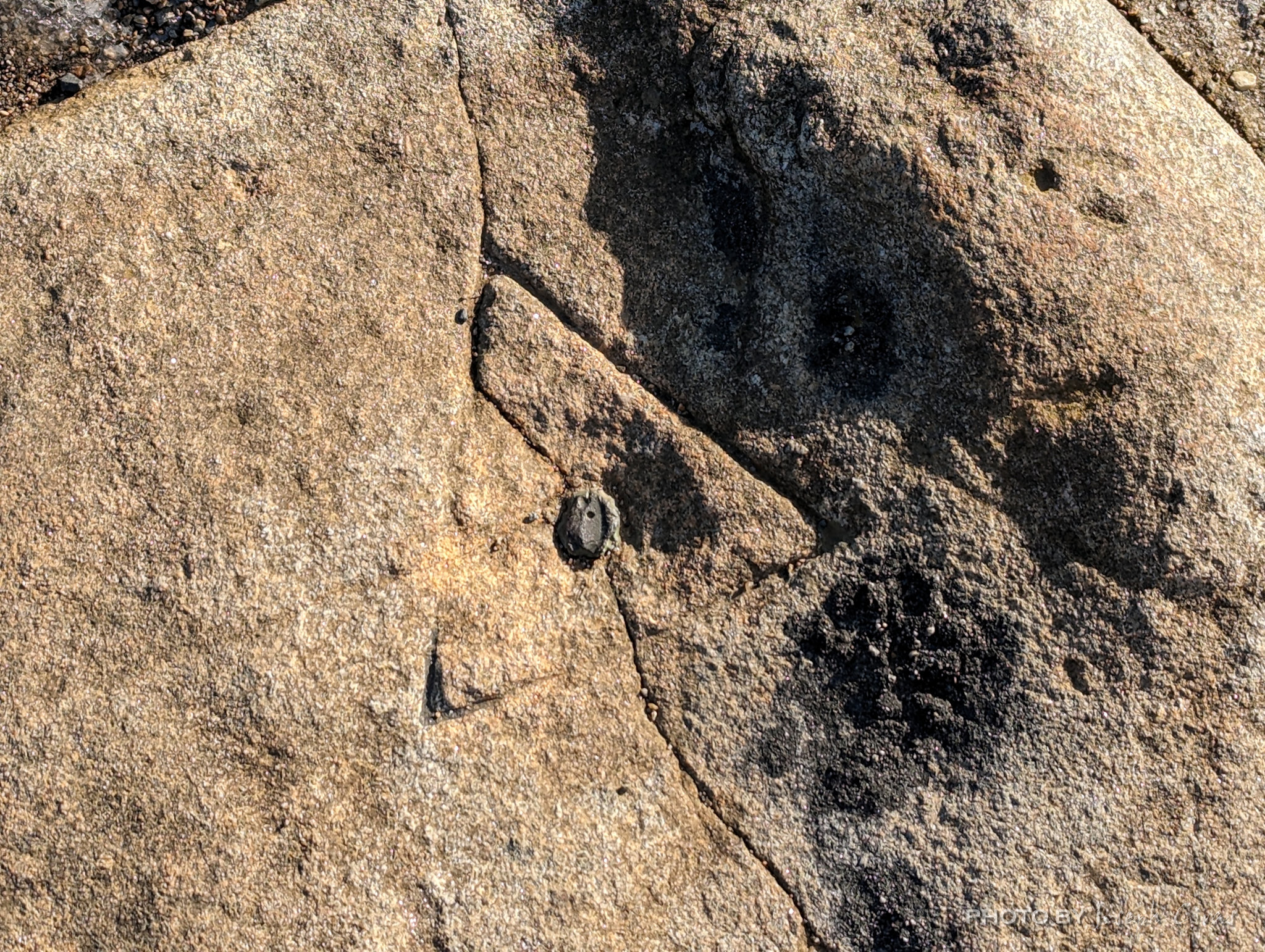
Benchmarks (survey marks, survey monuments, or geodetic marks) are objects placed to indicate key survey points along the Earth’s surface. They are used primarily in geodetic and land surveying. Informally, such marks are referred to as benchmarks, although strictly speaking the term “benchmark” is used to indicate elevation.

Reference marks point to benchmarks. People get them confused sometimes sing the benchmark is a pin or some other object that is difficult to see in some conditions.

Thursday, 11/17/2022: Posted photo — Summit Sign.
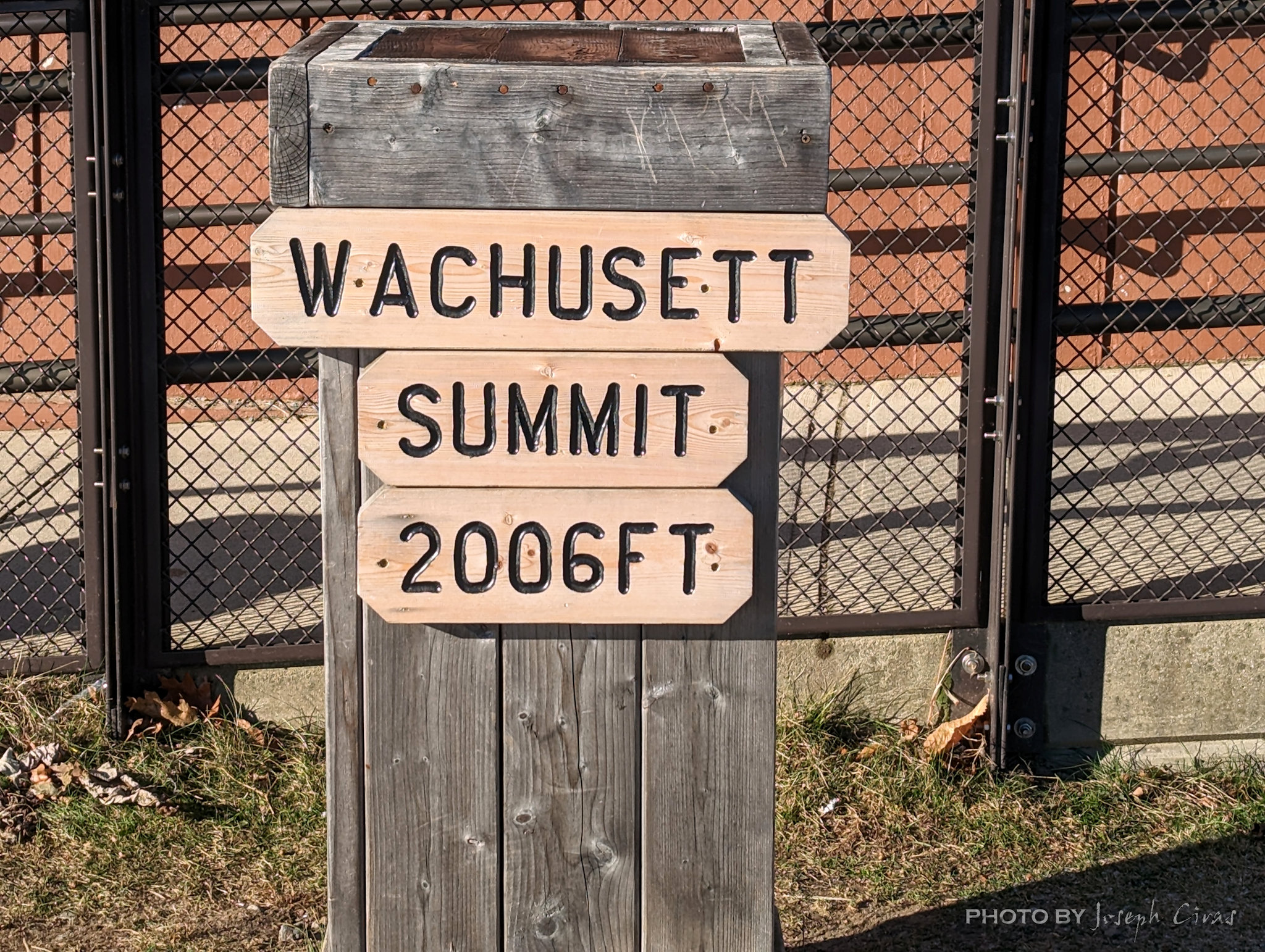
The sign that indicates the summit of Wachusett Mountain. Even though the mountain is not very tall, it should not be taken for granted. Many people had to be rescued or get lost on the mountain. The mountain was over 20,000 feet tall when it was young.

Friday, 11/18/2022: Post photo — Mount Monadnock.

Monadnock State Park is located in and around the 3,165-ft. Mount Monadnock. The park is surrounded by thousands of acres of protected highlands. In 1987, Mount Monadnock was designated a National Natural Landmark. The park offers year-round recreational opportunities.
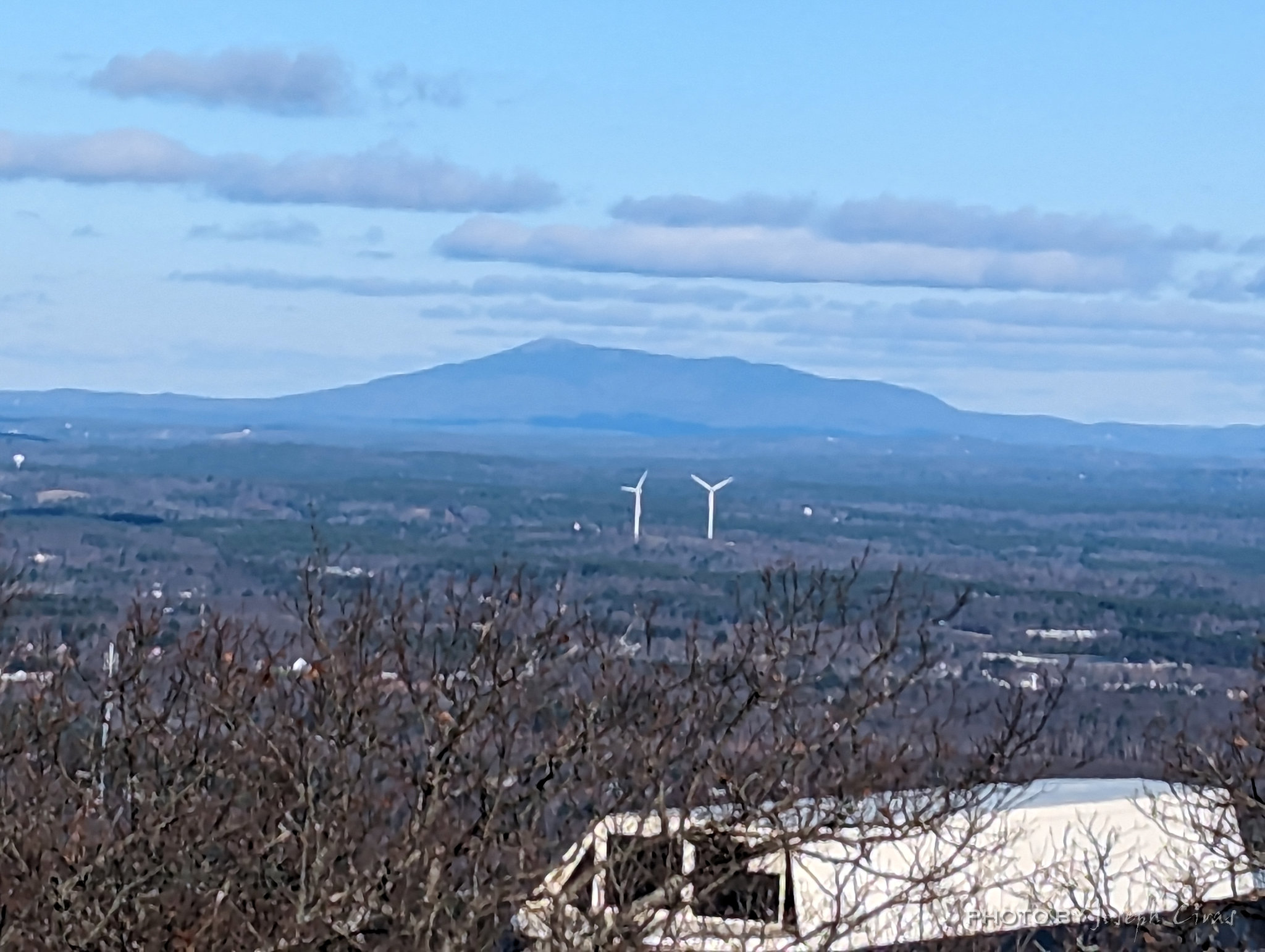
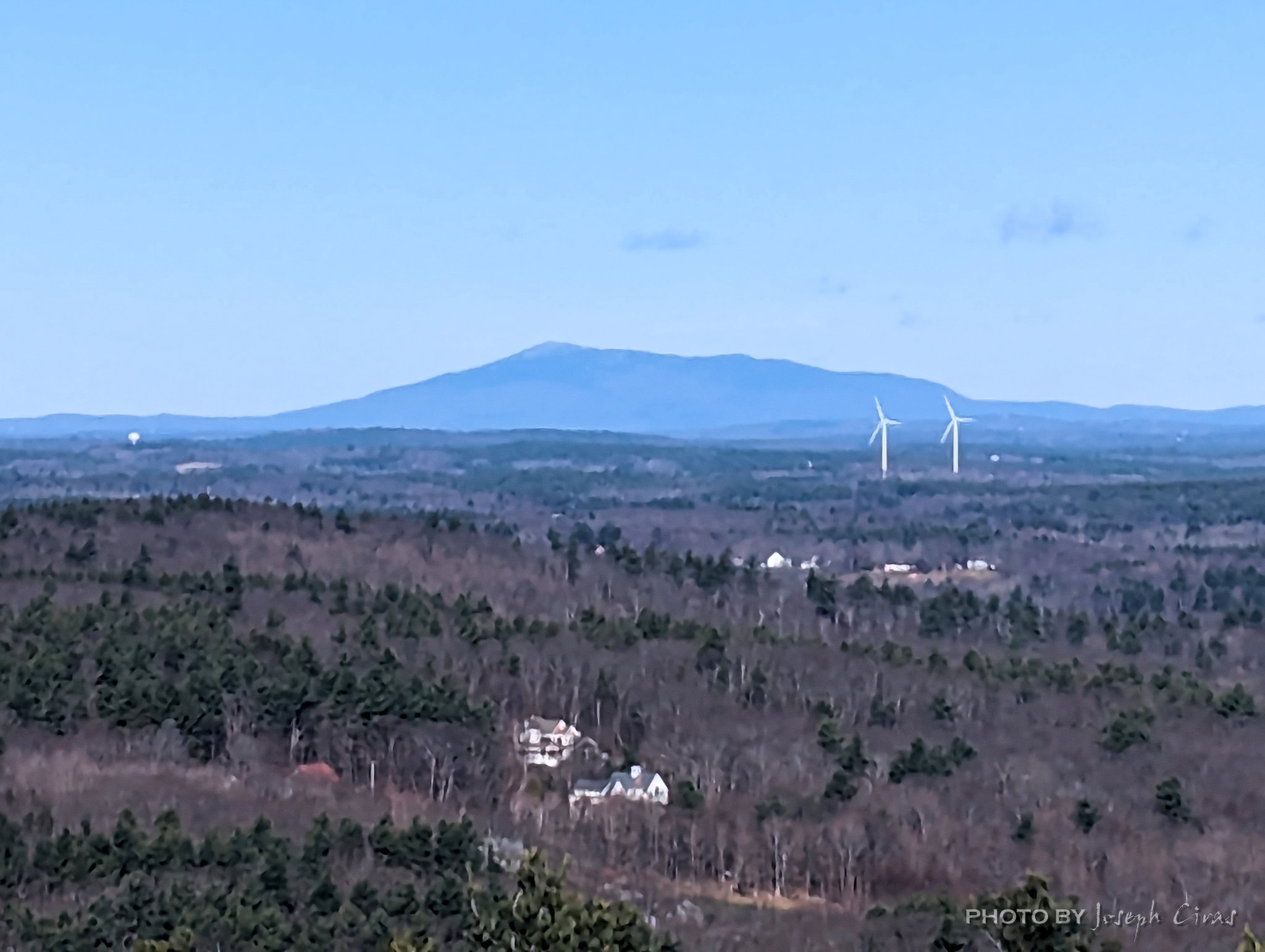
Monadnock is often claimed to be the second-most frequently climbed mountain in the world, after Mount Fuji in Japan. Monadnock is climbed by 125,000 hikers yearly, while Mount Fuji sees 200,000-300,000 hikers yearly.

This is the view of Mount Monadnock from the summit and from North Road.

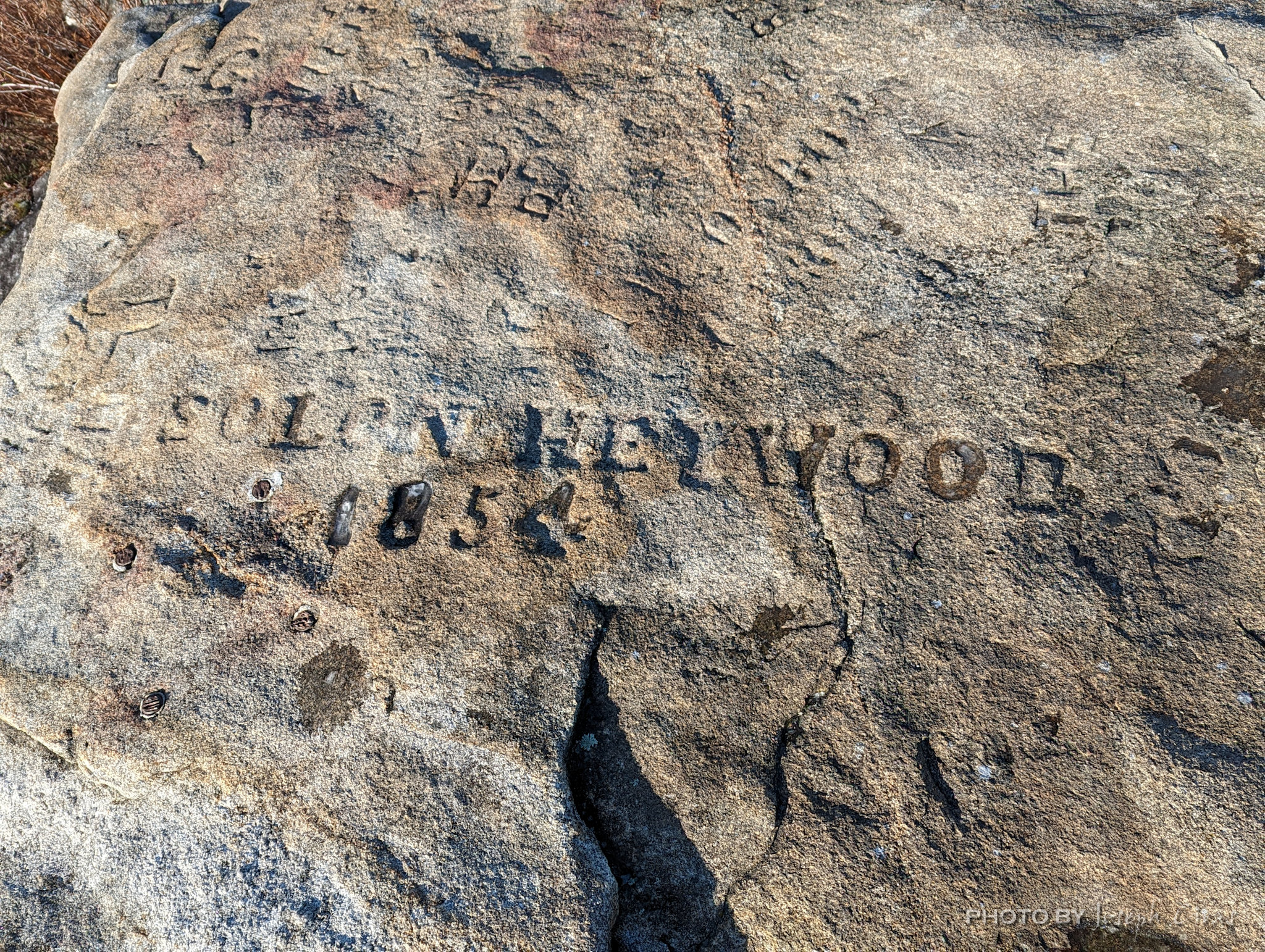
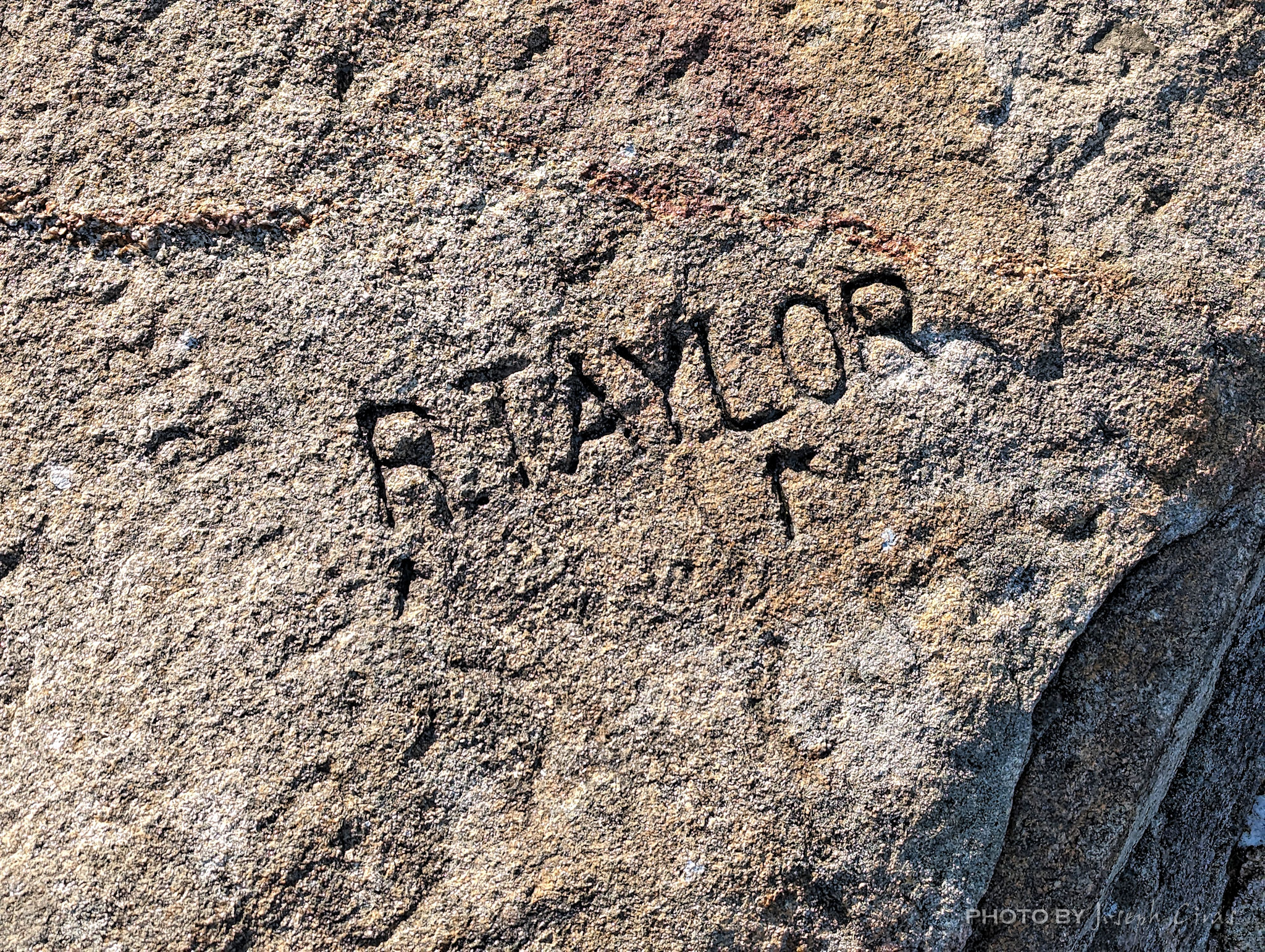
Saturday, 11/19/2022: Post photo — Graffiti.
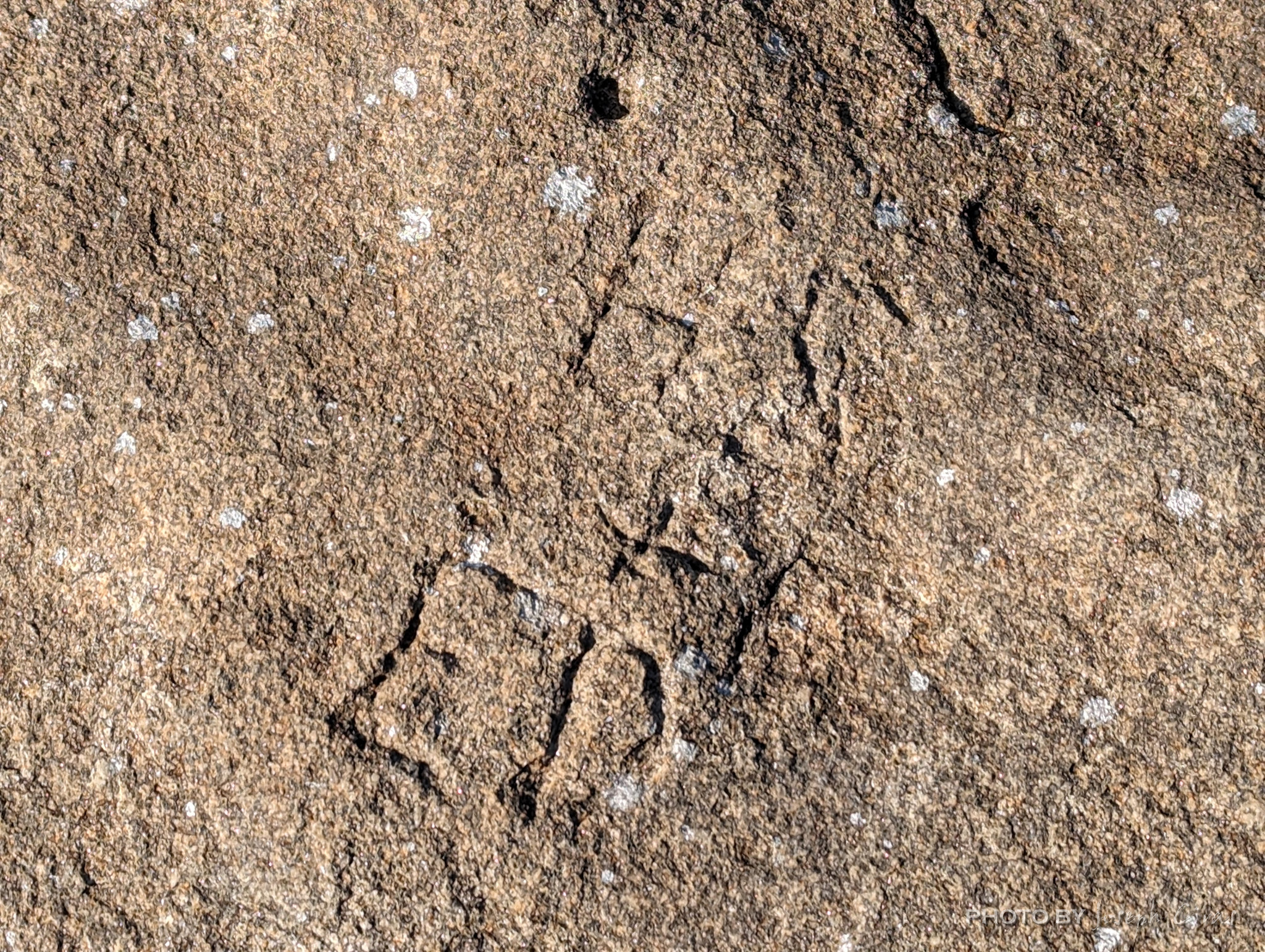
Some photo of old graffiti on the mountain.

That is all for now. Until next week, be safe.

For more photo of other projects I have work, visit my website: https://photobyjosephciras.weebly.com or visit me on Facebook at https://www.facebook.com/PhotobyJosephCiras/.

Photographic Thoughts — 11/06/2022 to 11/12/2022

“A photograph is a secret about a secret. The more it tells you the less you know.” — Diane Arbus

Events over this past week.

Sunday, 11/06/2022: Posted photo — Butternut Squash.

“What is butternut squash? Technically, a fruit, butternut squash is a type of winter squash that grows on a vine. It is long and oval in shape with a bell-bottom, yellow-orange, hard outer skin covering the inner orange flesh and seeds.” https://www.bbcgoodfood.com/howto/guide/health-benefits-butternut-squash

Monday, 11/07/2022: Posted photo — Bananas.

“Bananas are both a fruit and not a fruit. While the banana plant is colloquially called a banana tree, it’s actually an herb distantly related to ginger, since the plant has a succulent tree stem, instead of a wood one. The yellow thing you peel and eat is, in fact, a fruit because it contains the seeds of the plant.” https://www.medicalnewstoday.com/articles/271157

Tuesday, 11/08/2022: Posted photo — Cucumbers.

“Cucumbers are a member of the gourd, or cucurbitaceae, family of plants. People often eat them in savory dishes, such as salad and pickles.” https://www.healthline.com/nutrition/is-cucumber-a-fruit

Wednesday, 11/09/2022: Posted photo — Ginger Root.

“Although often referred to as ginger root, ginger actually comes from the rhizome (underground stem) of Zingiber officinale, a tropical flowering plant from the same family as cardamom and turmeric.” https://www.hopkinsmedicine.org/health/wellness-and-prevention/ginger-benefits

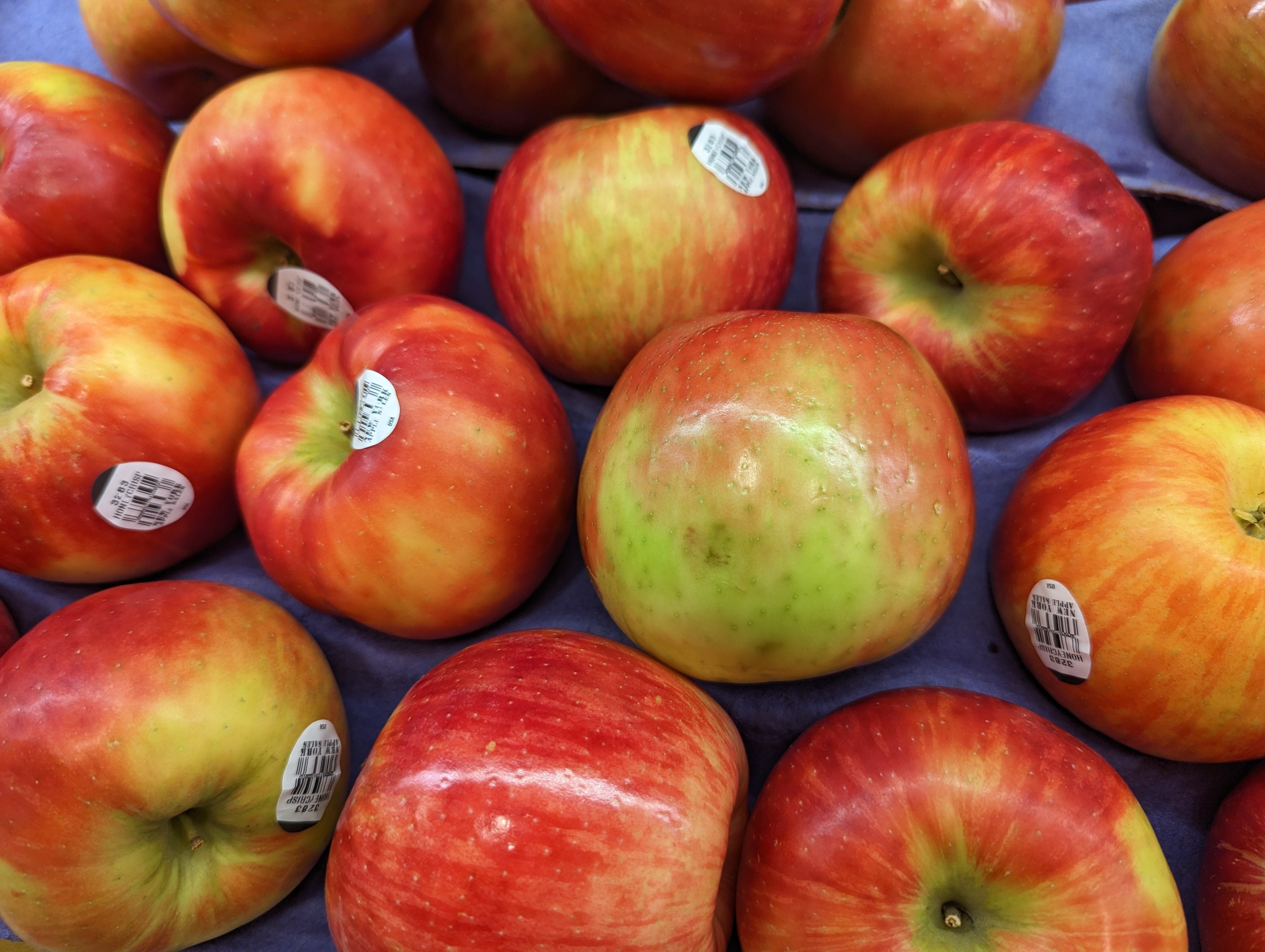
Thursday, 11/10/2022: Posted photo — Honeycrisp.

“Honeycrisp, or Honey Crisp, is a modern apple variety, developed in the 1960s and introduced to the market in the 1990s – sometimes trademarked as Honeycrunch. It is increasingly available in supermarkets. Honeycrisp comes from a long line of apples developed by the University of Minnesota from the 1930s onwards. One of the objectives of this breeding programme has been to develop varieties which can tolerate the bitter cold of winters in some parts of the USA, and most plantings have been in the northern USA, including New England, Minnesota and Washington State.” https://www.orangepippin.com/varieties/apples/honey-crisp

Friday, 11/11/2022: Post photo — Peas.

“Peas are the green seed pod or small spheres inside the pod of the pea plant (Pisum sativum). While often eaten as a vegetable, botanically, the pod is a fruit since it comes from a flower and contains seeds. The whole pods and the seeds inside them are eaten of some varieties, such as snow and snap peas. For garden peas (also called sweet peas), the seeds are removed from the pod, which is discarded.” https://www.thespruceeats.com/what-are-peas-and-what-can-you-do-with-them-4774699

Saturday, 11/12/2022: Post photo — Red Pepper.

“Red pepper—also called bell pepper, red bell pepper, capsicum, or sweet pepper—has a mildly sweet yet earthy taste. These peppers are fully mature versions of the more bitter green bell peppers.

The red pepper is a variety of Capsicum annuum, a family that also includes cultivars like jalapeño, cayenne pepper, chili pepper, and a few other hot peppers. While you’ll see other types of peppers that are red in color, only the red bell pepper is colloquially known as “red pepper.” https://www.webmd.com/diet/health-benefits-red-pepper

That is all for now. Until next week, be safe.

For more photo of other projects I have work, visit my website: https://photobyjosephciras.weebly.com or visit me on Facebook at https://www.facebook.com/PhotobyJosephCiras/.

Photographic Thoughts — 10/30/2022 to 11/05/2022

“There are always two people in every picture: the photographer and the viewer.” — Ansel Adams

Events over this past week.

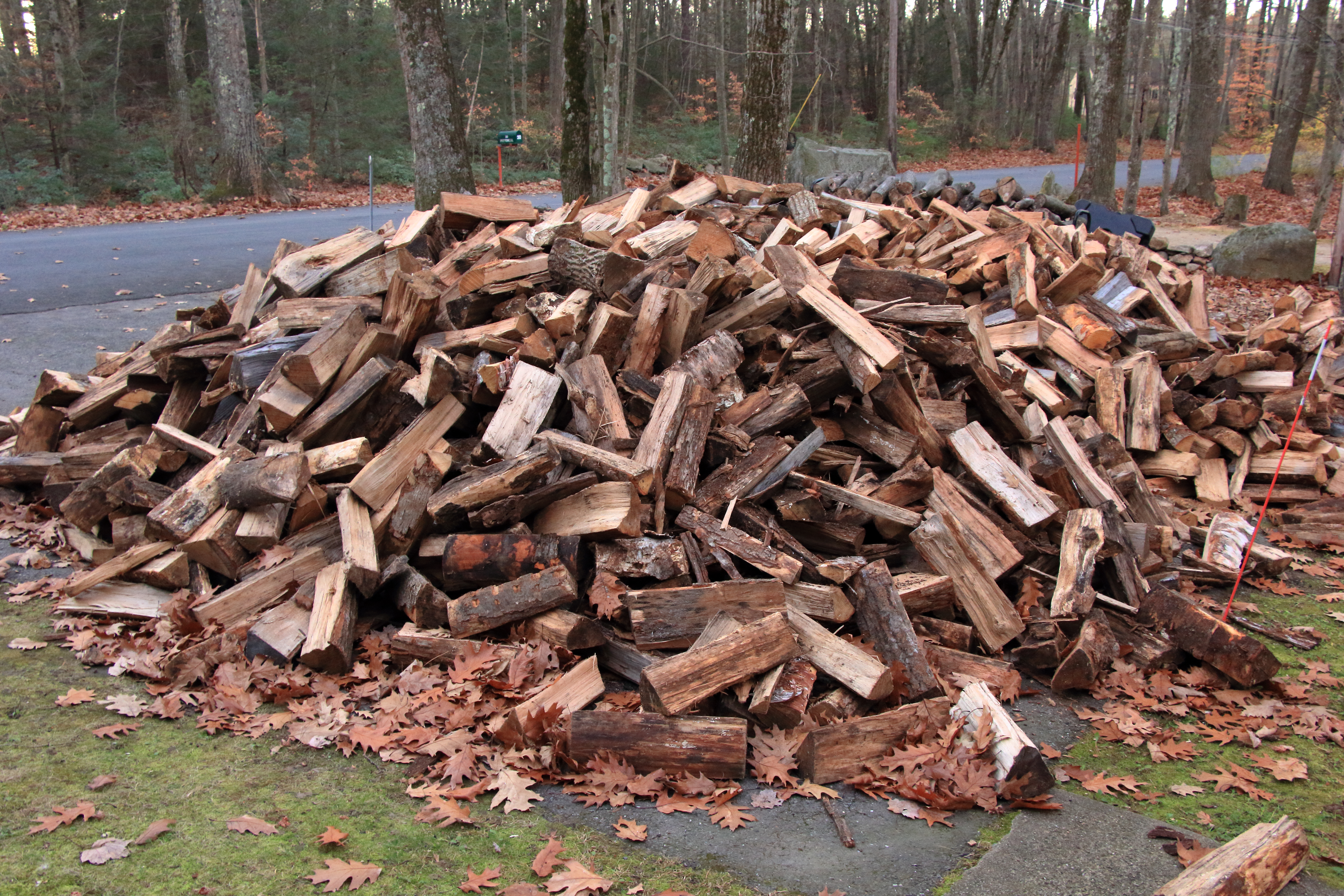
Sunday, 10/30/2022: Posted photo — Wood.

We had five cords of wood delivered. Looks like we have a few hours ahead of us putting into the wood shed. We normally receive two shipments a few days apart in order to put the first truckload away. This year we received all five at once.

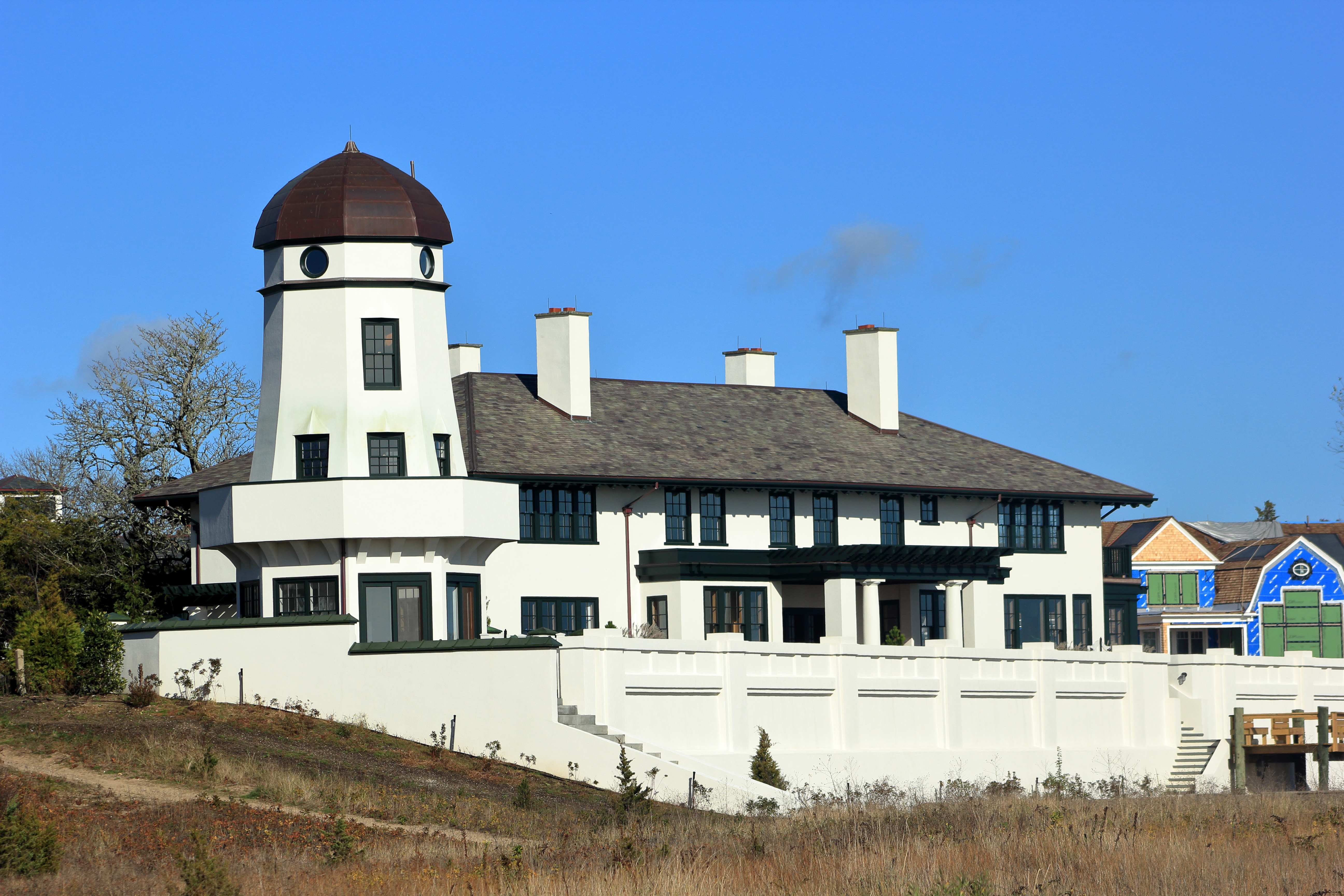
Monday, 10/31/2022: Posted photo — Residence.

A private residence near the Kennedy Compound on the Cape. Made to look like a lighthouse.

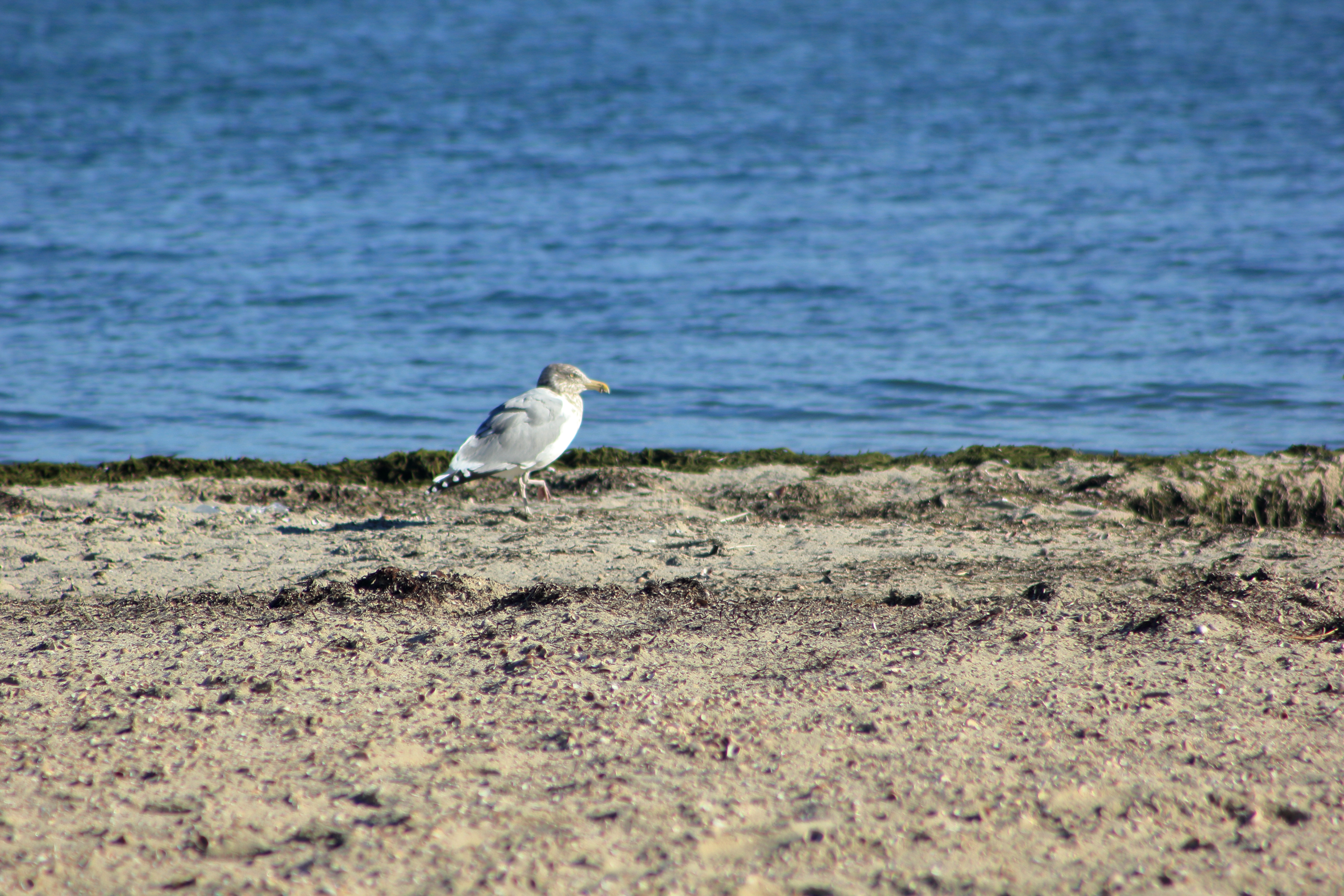
Tuesday, 11/01/2022: Posted photo — Gull.

Just a gull looking out at sea on this wonderful day. Hard to believe it is November.

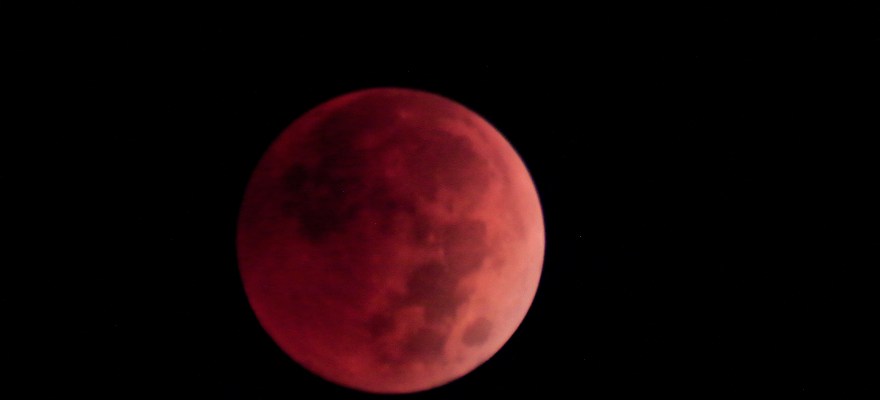
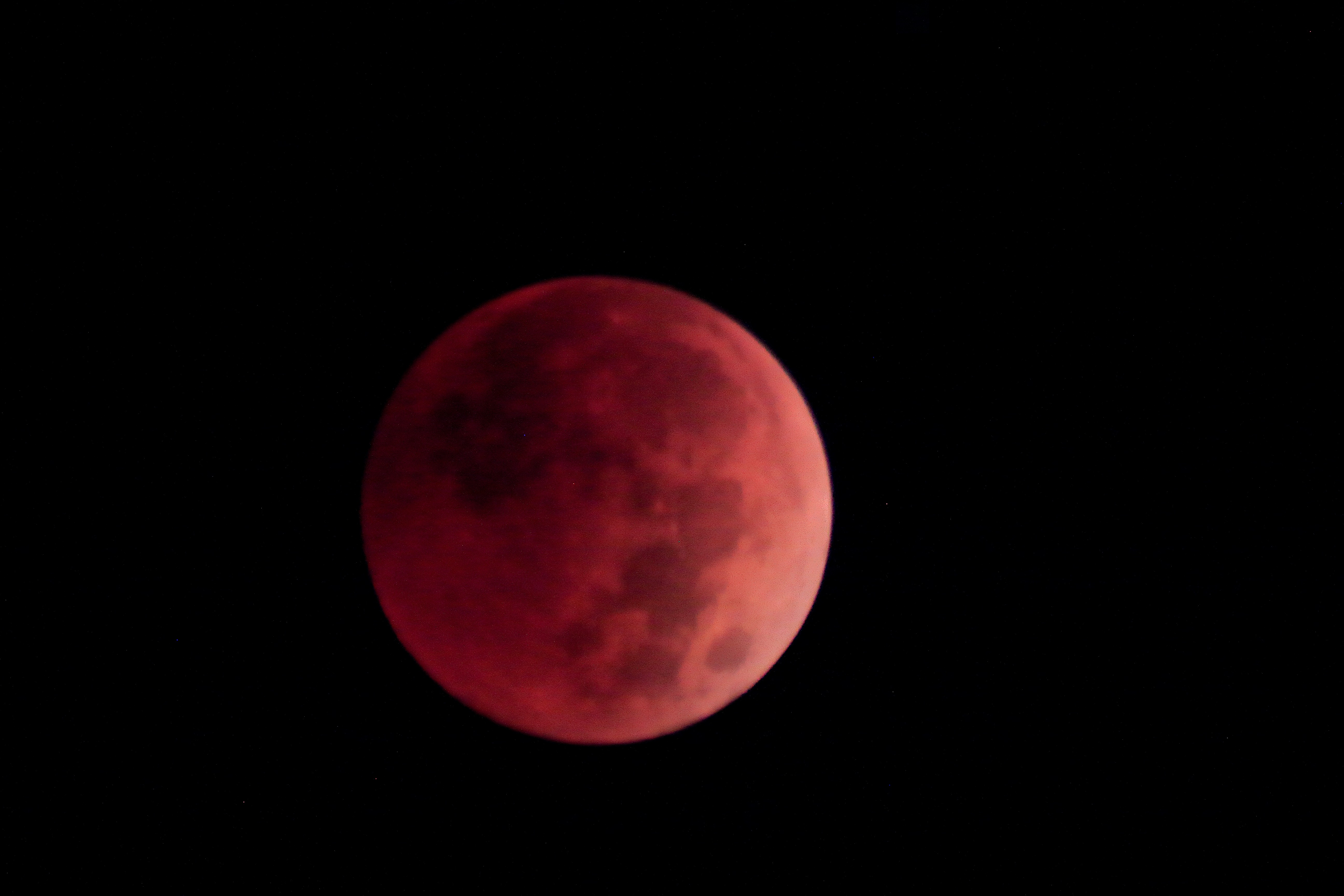
Wednesday, 11/02/2022: Posted photo — Lunar Eclipse.

Was not easy to get a photo of the lunar eclipse. The sky was very dark during totality. This is a two second exposure. Anything less that two seconds, the moon was too dark. Look at the movement in the moon.

Thursday, 11/03/2022: Posted photo — Sagamore Bridge.

From the web: “The Sagamore Bridge has a 616-foot-main span over the canal like the Bourne Bridge, but from abutment to abutment, the bridge is 976 feet shorter than its identical twin two and one-half miles to the west.”

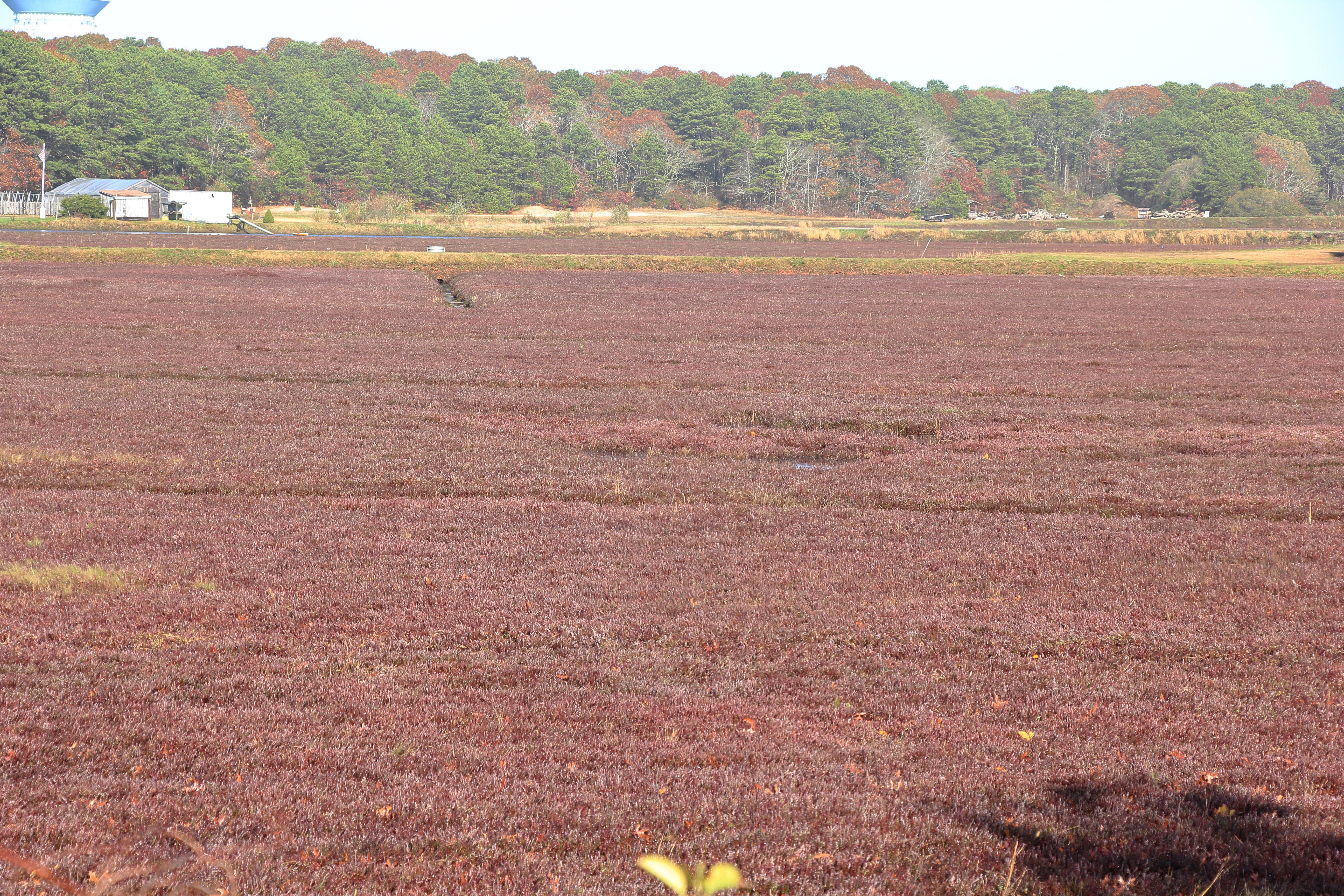
Friday, 11/04/2022: Post photo — Cranberry Bog.

From the web: “Cranberries grow in beds layered with sand, peat and gravel. These beds are commonly known as bogs or marshes and were originally formed as a result of glacial deposits. In Massachusetts we call the place where cranberries grow a BOG. Natural bogs evolved from deposits left by the glaciers more than 10,000 years ago.”

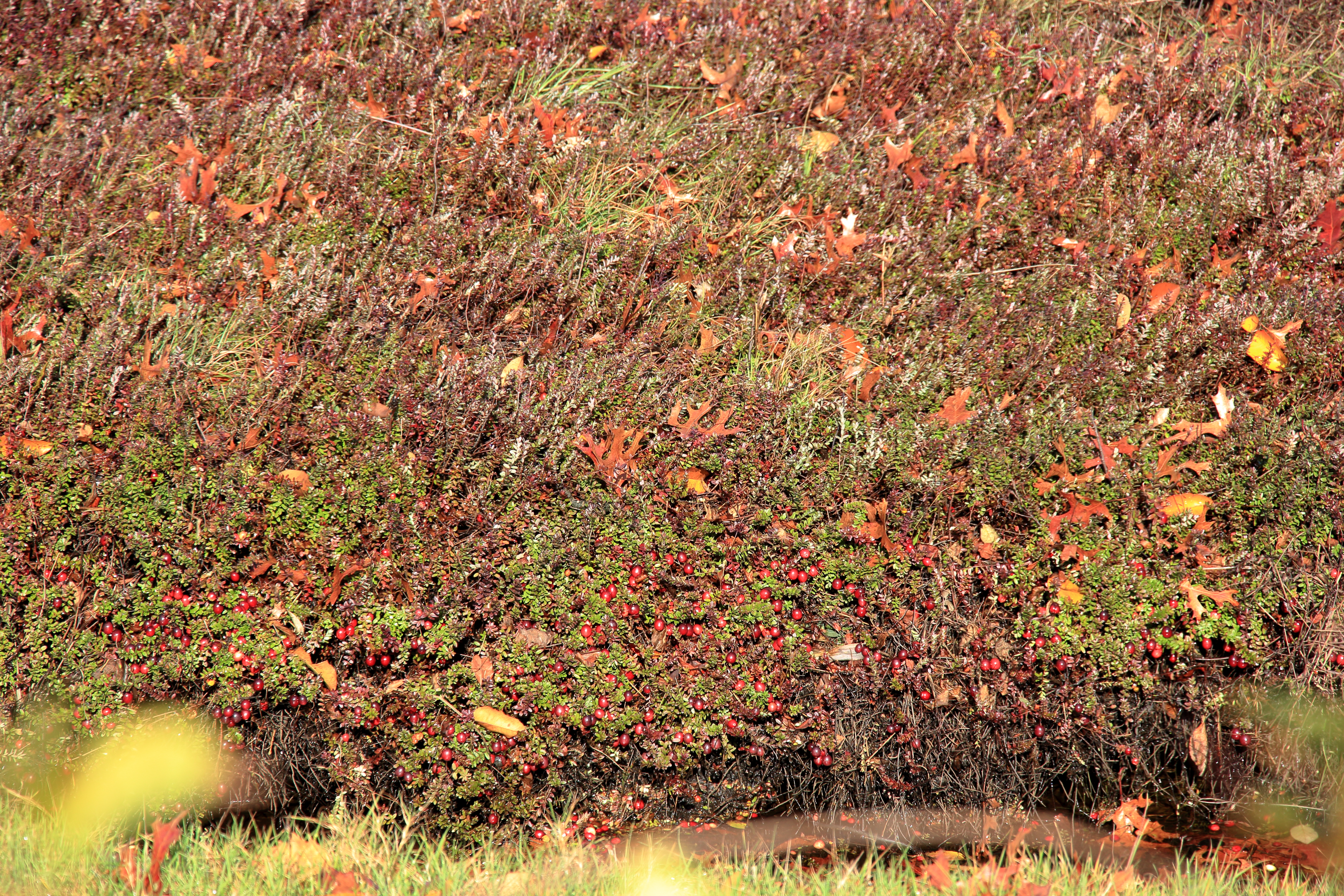
Saturday, 11/05/2022: Post photo — Cranberries.

From the web: “Both cranberries and their close cousin the blueberry are not actually berries. Rather, they’re classified as epigynous, a type of fruit commonly called false berries.”

That is all for now. Until next week, be safe.

Photographic Thoughts — 10/23/2022 to 10/29/2022

“If you see something that moves you, and then snap it, you keep a moment.” — Linda McCartney

This week I am posting 3D photos. These are two methods to see them.

Free-Vision Fusion (Cross-eyed method)This technique has the advantage of not requiring special viewing equipment. Fusion is the term used for the process for visually merging the left-eye image and the right-eye image into a single 3-dimensional image. When using a viewer, most of the work of achieving the needed abnormal convergence for stereo viewing is done by the optics and design of the stereo viewer.

Free-vision fusion requires patience and practice because your willpower and eyes must do the work of the stereo viewer. You must be able to focus where your eyes aren’t looking.

Place the image in the center of your screen.

  1. Sit at your normal distance.
  2. Slowly cross your eyes. You will see a double image, or four dots.
  3. Continue to cross until the middle two images overlap.
  4. Adjust focus on middle image, keeping the two images overlapped.
  5. You should see the blue circle floating above the black circle.

If you are having problems with this method, try the following alternate method:

  1. Place index finger between images.
  2. Focus on your index finger.
  3. Slowly bring your finger towards your nose, staying focused on your finger, but paying attention to the background images in your peripheral vision. You will notice that instead of two images, there are four images floating about.
  4. Continue bringing your finger closer to your nose- you will see the two middle images moving towards each other.
  5. When the two middle images are aligned, or are on top of each other, stop moving your finger. You will now see three images in the background. The middle one contains the left/right images overlapped.
  6. Slowly remove your finger from your field of vision, while keeping the middle two images aligned.
  7. Gradually force your focus out to the combined left/right image in the middle.
  8. If you have problems keeping a lock on the middle image, try leaving your finger in the image for a while, but still focusing on the center image. Use your finger to regain left/right fusion.

If at first you fail, don’t worry. It took me a while. Relax, go away and rest your eyes, and try it again later.

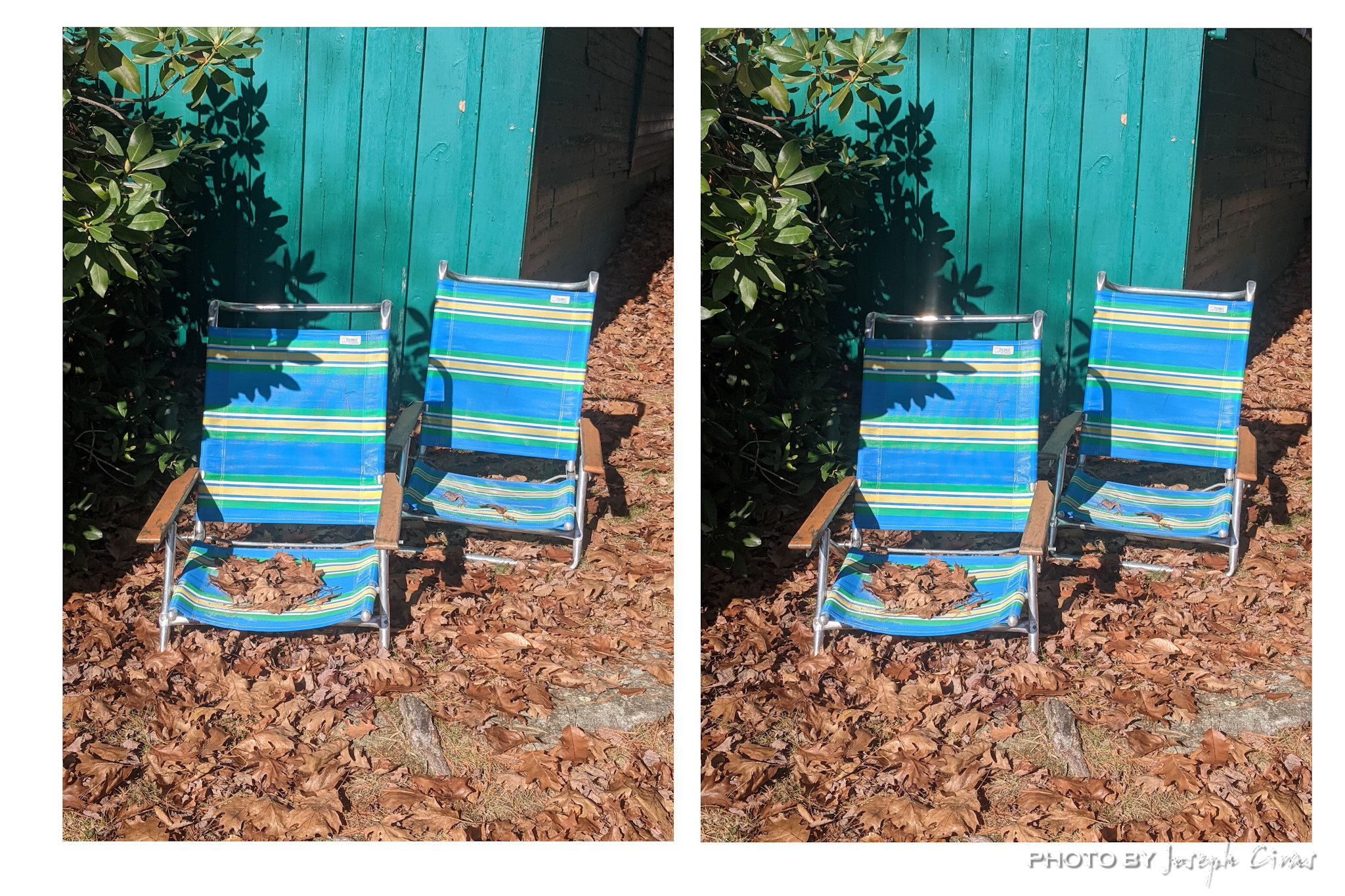
Sunday, 10/23/2022: Posted photo — Chairs.

Some chairs that appaired at the cottage.

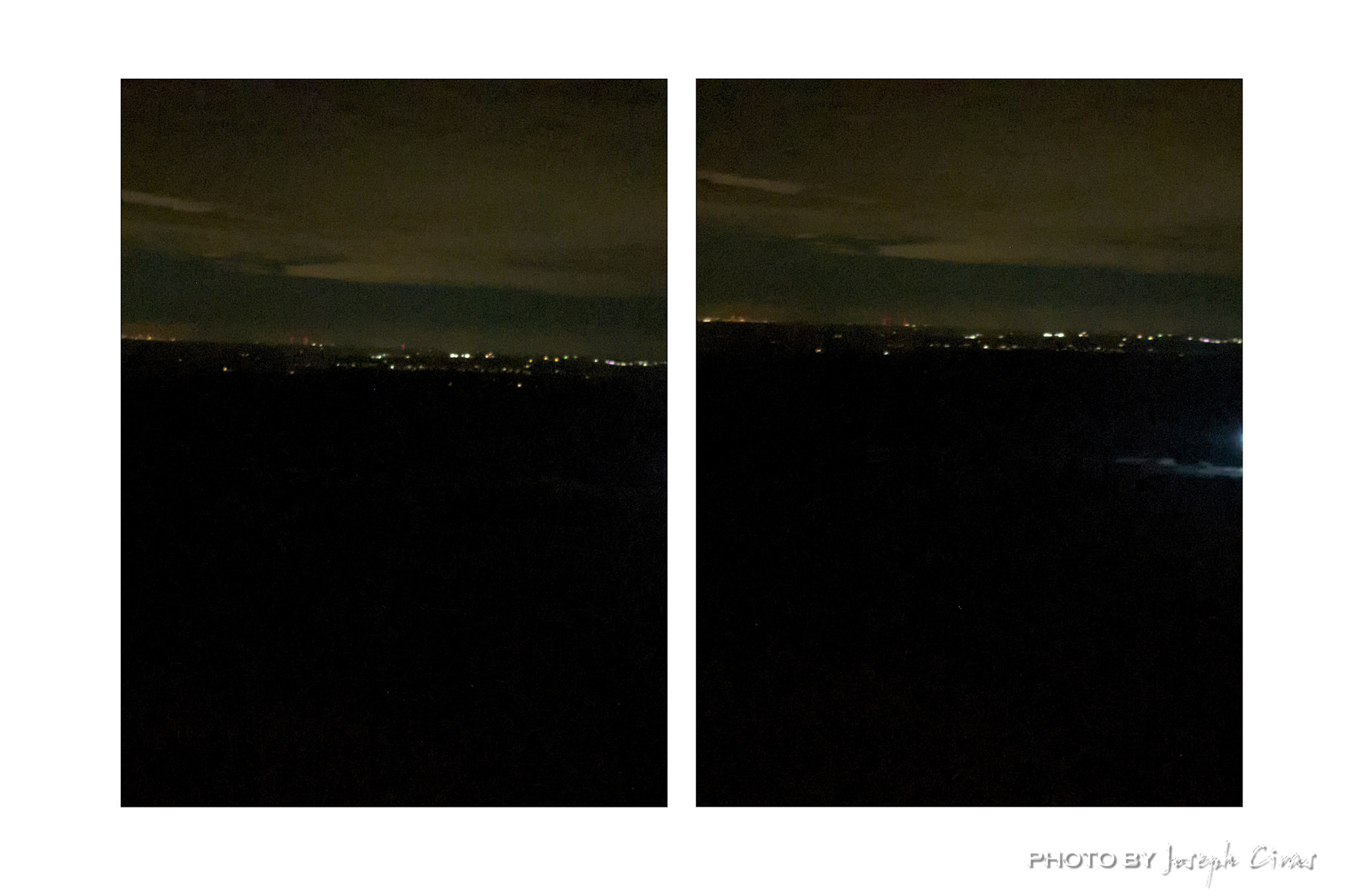
Monday, 10/24/2022: Posted photo — View of Boston at Night.

Not the best photo of the city, but a view of Boston from the summit of Wachusett Mountain.

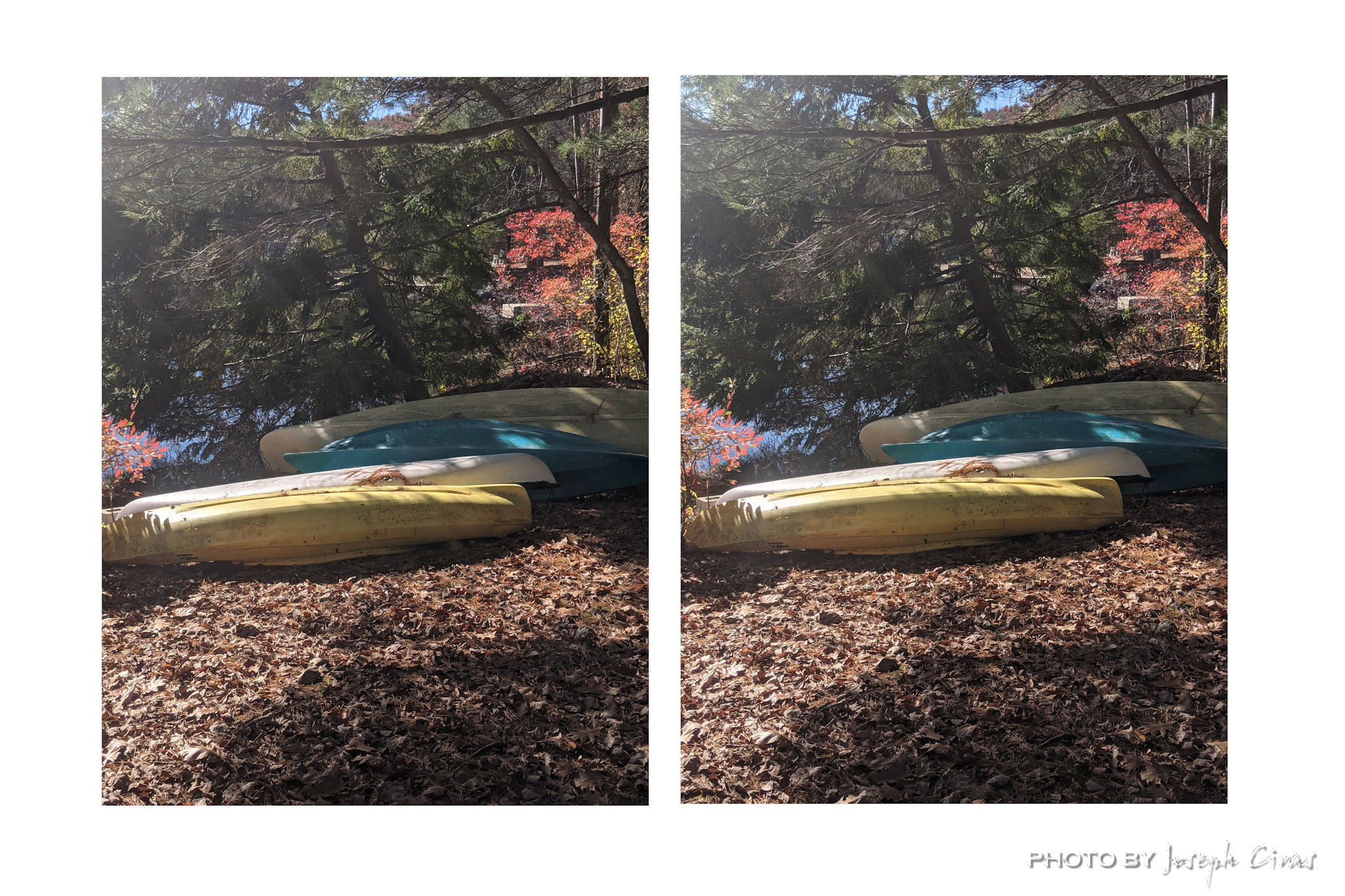
Tuesday, 10/25/2022: Posted photo — Boats.

Boats at the cottage before they were put away for the winter.

Wednesday, 10/26/2022: Posted photo — Logs.

Logs that are ageing at our house. These logs came from my mother’s house a couple of years ago.

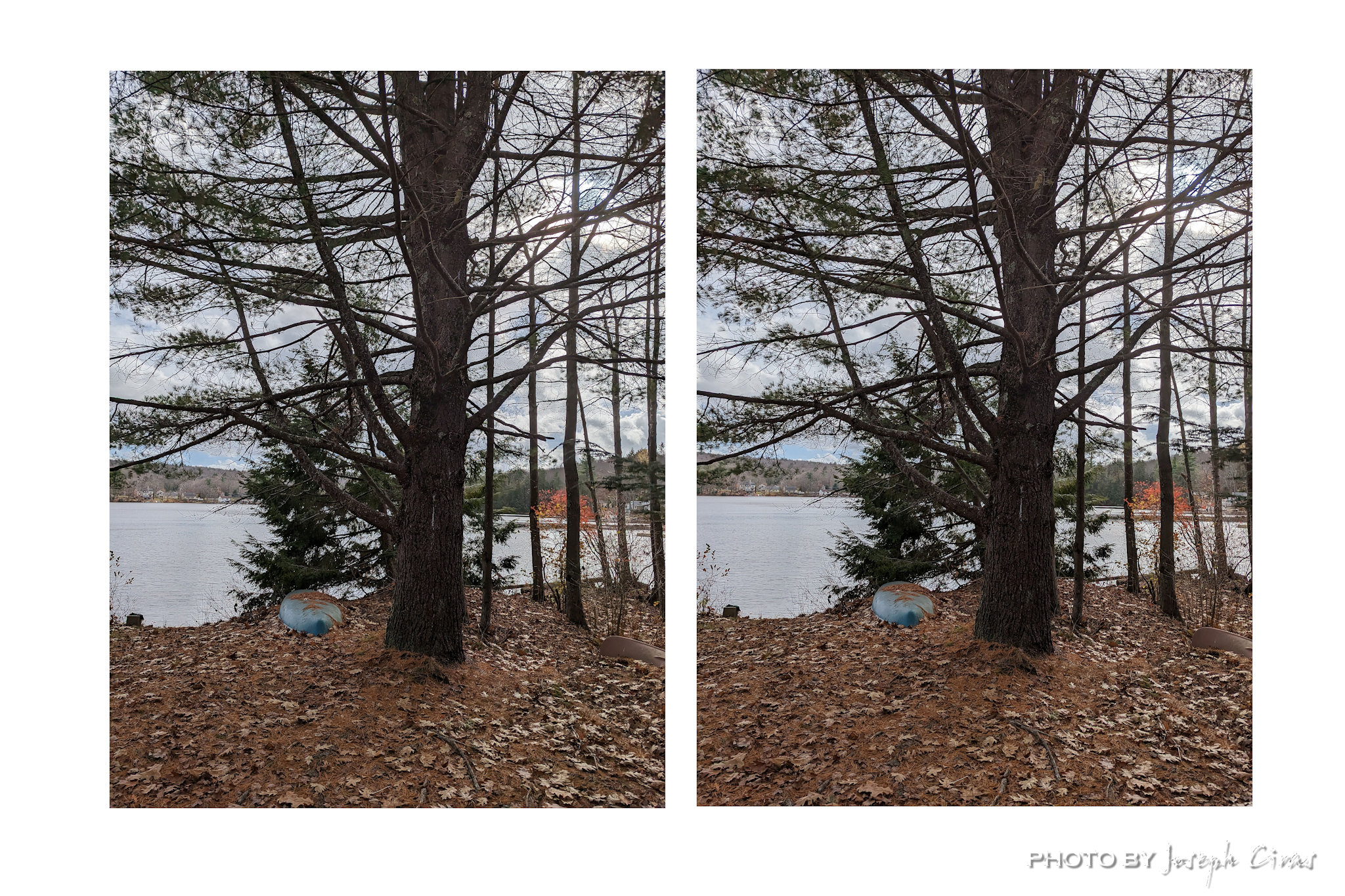
Thursday, 10/27/2022: Posted photo — Tree.

Here is one of the trees at the cottage.

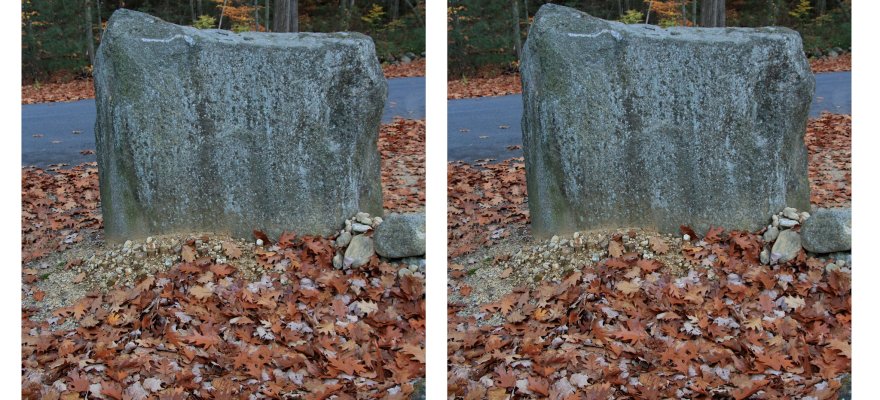
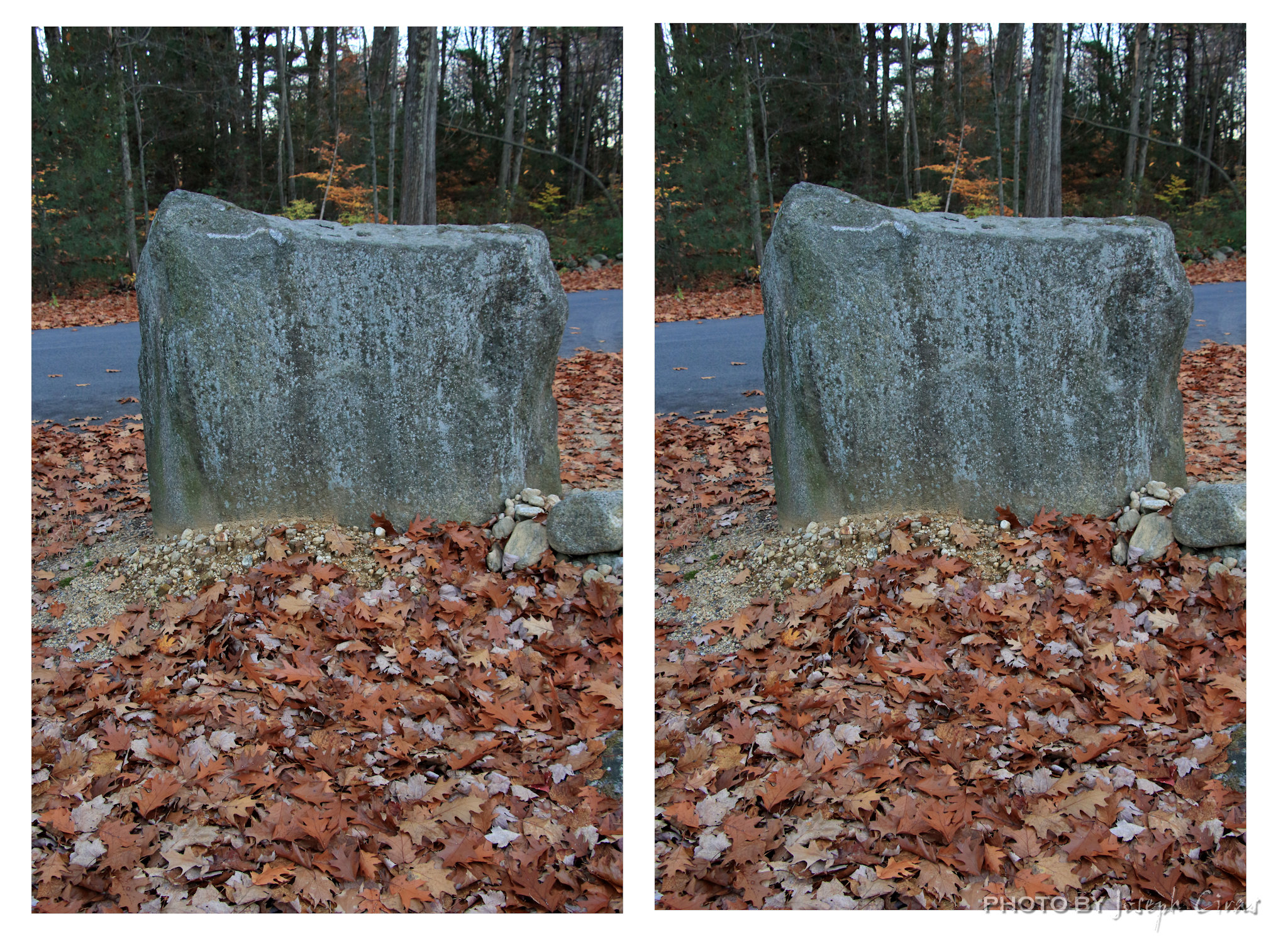
Friday, 10/28/2022: Post photo — Rock.

This rock is at my neighbor’s house at the start of their driveway.

Saturday, 10/29/2022: Post photo — Batting Cage.

This is my son’s batting cage.

Taking a 3D photo

Always take photos in portrait orientation.
Set the camera to full manual and choose the correct exposure and focus.
Put your feet square on to the subject of your 3D photo.
Put your weight onto your right foot, without lifting your left.
Take the first photo.
Put your weight onto your left foot without raising your right.
Unless your subject is very close, you don’t need to turn your camera to keep it in the center.
Take the second photo.

That is all for now. Until next week, be safe.

For more photo of other projects I have work, visit my website: https://photobyjosephciras.weebly.com or visit me on Facebook at https://www.facebook.com/PhotobyJosephCiras/.