Photographic Thoughts — 01/30/2022 to 02/05/2022

“No place is boring, if you’ve had a good night’s sleep and have a pocket full of unexposed film” — Robert Adams

Thank you for all the new views and likes from last week, it helps keep me inspired.

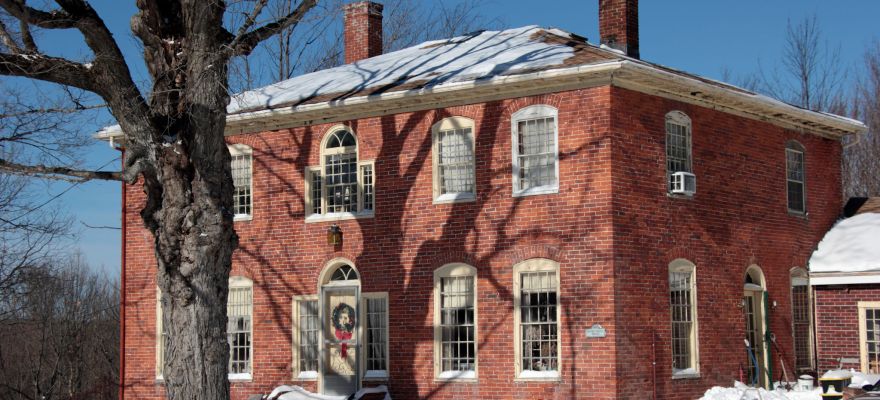
Sunday, 01/30/2022: Posted photo — Squire Dustin House.

Settings: Canon EOS 60D, ISO 100, f/7.1, 1/640 s, 35 mm.

This is the first in what I hope will be a weeklong series of some of the historic houses around town. I will look for any information I can find on these houses. I have done a search of these housed prior to my starting my blog. There might me more information on them now.

The Squire Dusting house was built in 1810 and is located near the town commons.

Monday, 01/31/2022: Posted photo — Upton School.

Settings: Canon EOS 60D, ISO 200, f/7.1, 1/250 s, 35 mm.

“Westminster philanthropists Charles Upton and Frank Fenor donated the money and land to build the school, which opened in 1912 and taught all grades for the town. In 1927, it became crowded, and the last three grades were taught in neighboring towns, like Fitchburg and Gardner.

The grades got cut back again when the Oakmont School was built in 1960 for grades 7 through 12. The Upton School was supposed to close in 1993, when the Meetinghouse School was built. However, the roof of the new school building leaked and classes went on for an additional three months.” — Fitchburg Sentinel @ Enterprise, October 13, 2012.
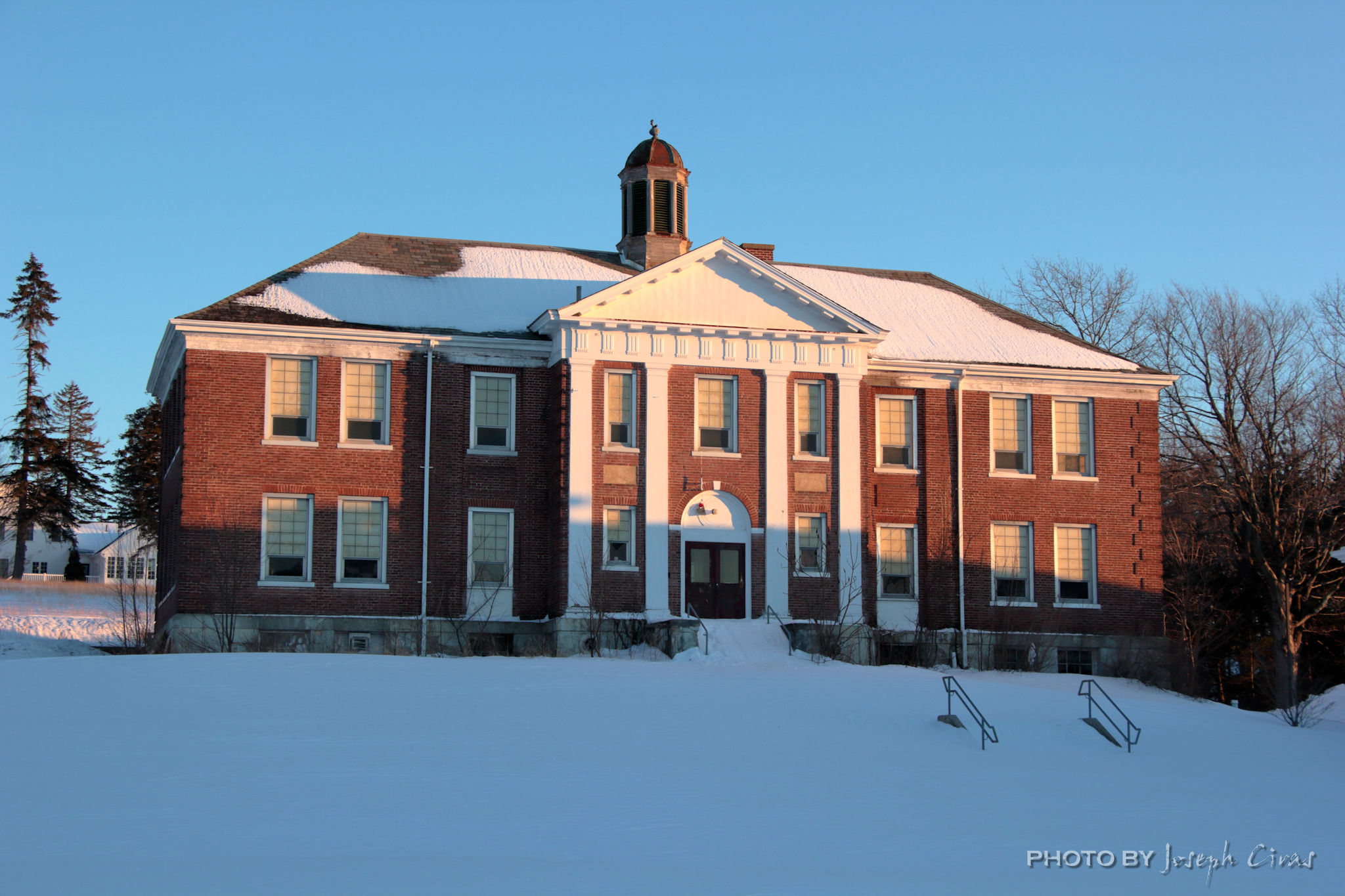
Some of my relative remember going to school in the Upton Building. There still is some talks in town about what to do with the building. Should they renovate it, donate to some charity or organization, move a town office into it? Only time will tell.

Tuesday, 02/01/2022: Posted photo — Broken.

Settings: Google Pixel 2, ISO 604, f/1.8, 1/40 s, 4 mm.

Last night was my weekly Monday night Wachusett Mountain hike. Snowshoes were not needed but did help on the hike. Without the snowshoes there would be some “potholing”. I made it to summit and part of the way down before the heal strap on my left snowshoe broke. I did not expect it to last that long on the hike. The strap broke once already last year, and I was able to make some adjustments to make it last longer. The good people at the Tubbs will be sending me replacement straps to install.
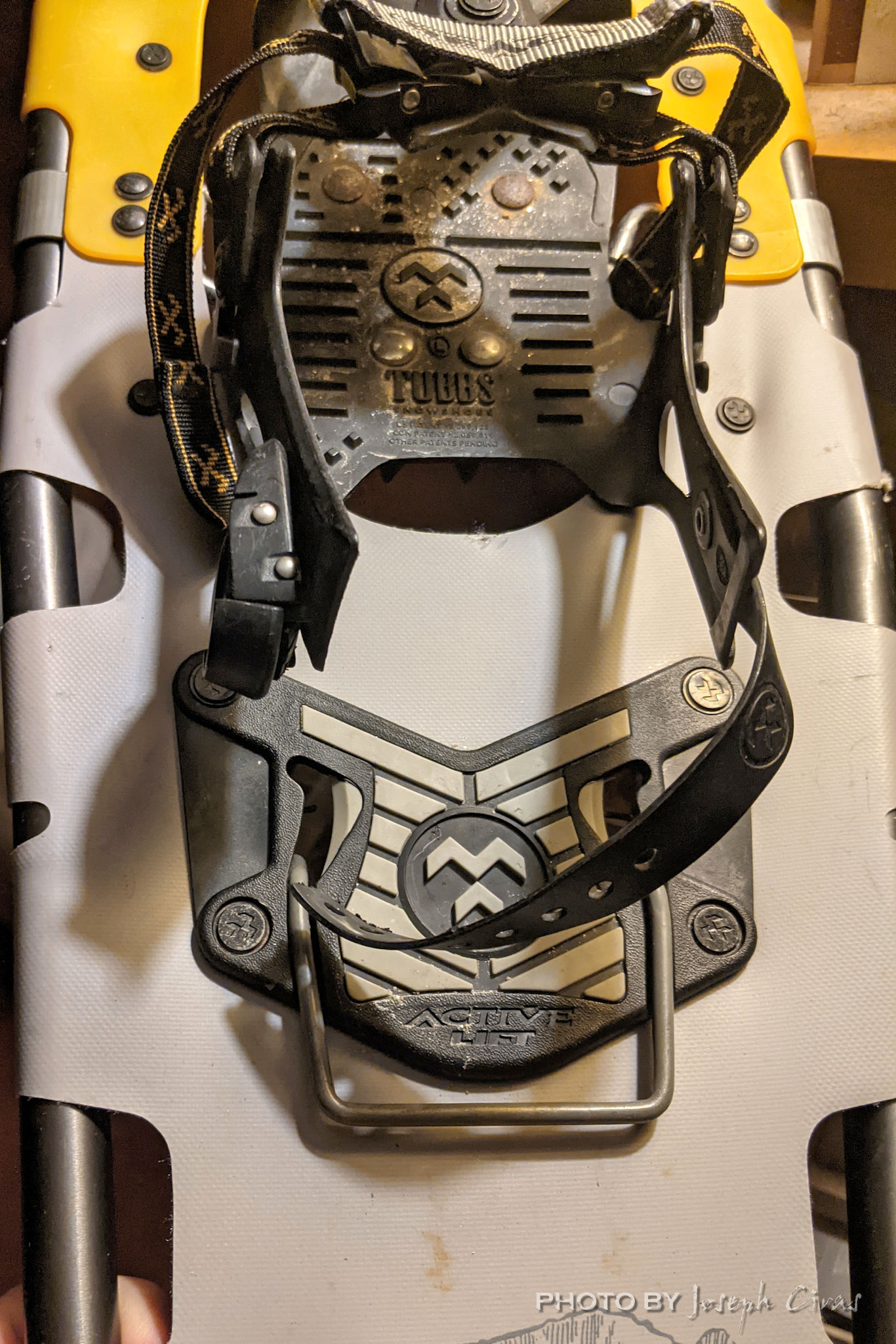
Pays to spend some money on snowshoes of you used them as much as I do in the winter. These are the pair that I am using hiking to work; on Wachusett Mountain and other local mountains; and in the White Mountains of New Hampshire.

Wednesday, 02/02/2022: Posted photo — 1815 Reverend Cyrus Mann House.

Settings: Canon EOS 60D, ISO 100, f/8, 1/125 s, 38 mm.

Year built: 1815

Here is a continuation of my historic houses around town week.

The view of Wachusett Mountain from the Rev. Cyrus Mann House in on the Westminster town seal.

One of the houses in Westminster Village-Academy Hill Historic District in Westminster, MA. The district was founded in 1734 and added to the National Register of Historic Places in 1983. I just love the look of this house along with the other houses in this district.

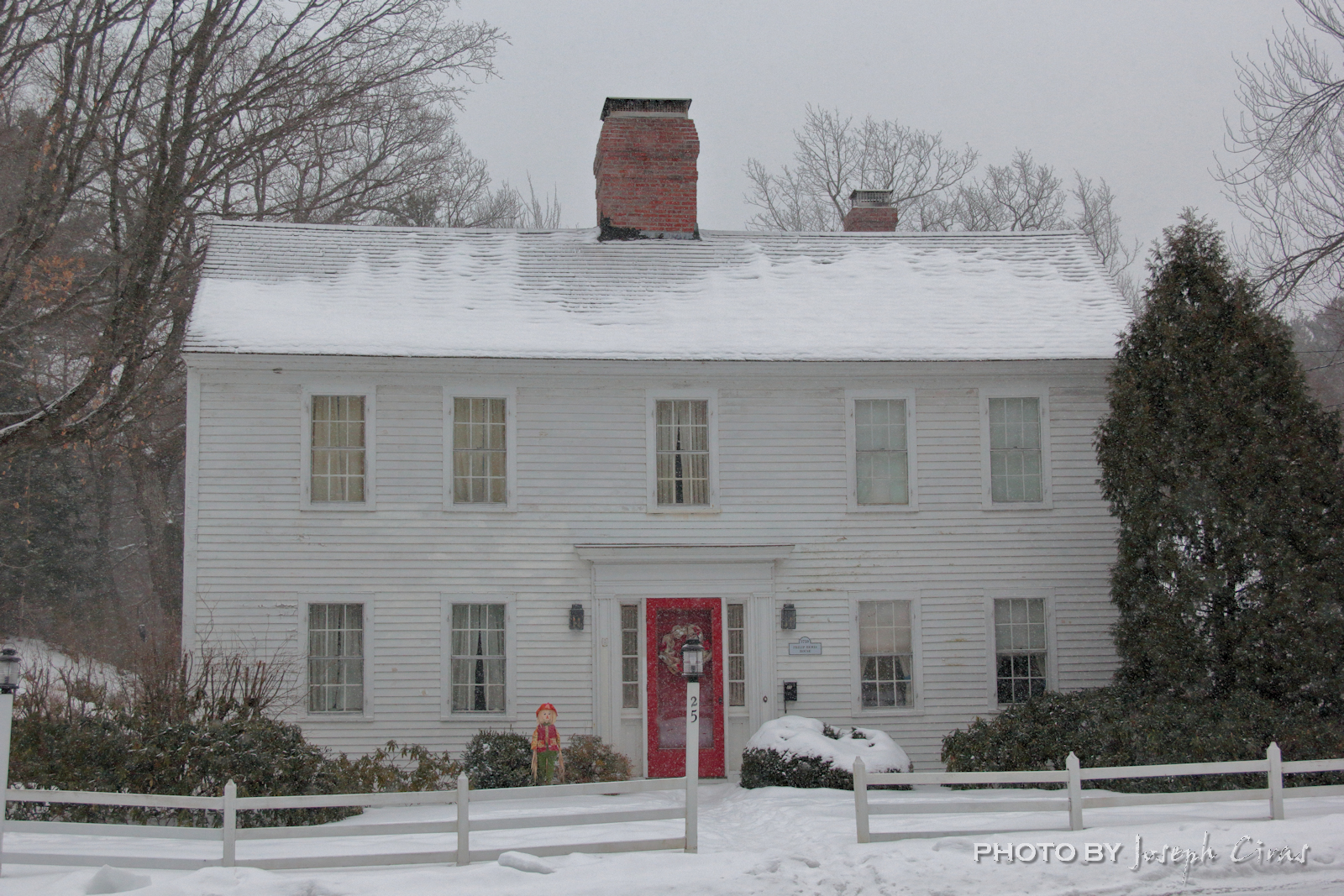
Thursday, 02/03/2022: Posted photo — Philip Bemis House.

Settings: Canon EOS 60D, ISO 400, f/6.3, 1/1000 s, 33 mm.

This house was built in 1759 by Philip Bemis who owned the Old Mill nearby. The Old Mill is now the Old Mill Restaurant. I go to the Old Mill often to photograph the duck and geese that live in the duck pond year-round. They have covered walkways at the Old Mill that frame a waterfall.
“History of the Old Mill:

From its earliest beginning, the Old Mill has served a useful purpose in the community. Originally a sawmill where logs were processed for the new homes of the neighborhood, the Old Mill and its whirling saw sang a song of progress and industry through five generations of ownership before its wheels were stilled and it fell into disrepair in the late 1800’s.

In 1921, the sawmill was converted into a tea-room and operated as such during the summer months by Miss Keough, until 1942 when war restrictions forced her to close. Upon his return from serving in World War II, Ralph Foster and his wife Ruth bought the Old Mill and reopened it as a restaurant, making it a year-round operation, thus the mill was reborn.”http://www.1761oldmill.com/about.html

Friday, 02/04/2022: Post photo — Freezing Rain.

Settings: Canon EOS 60D, ISO 200, f/7.1, 1/50 s, 64 mm.

Once again, I need to pause my photo tour of the historic houses around town. We are in the middle of a rain/snow/sleet/freezing rain event, and I want to do as little driving as possible.

During a storm, I like to walk into work. Today I did not walk into work since the storm was mostly a heavy rain event in the morning and I wanted to get to work before the sleet and freezing rain arrived. If it is raining heavy and I was going to do a five-mile hike in the wood, or hike up a mountain, I would not mind the weather. Walking to work in the heavy rain is another story.
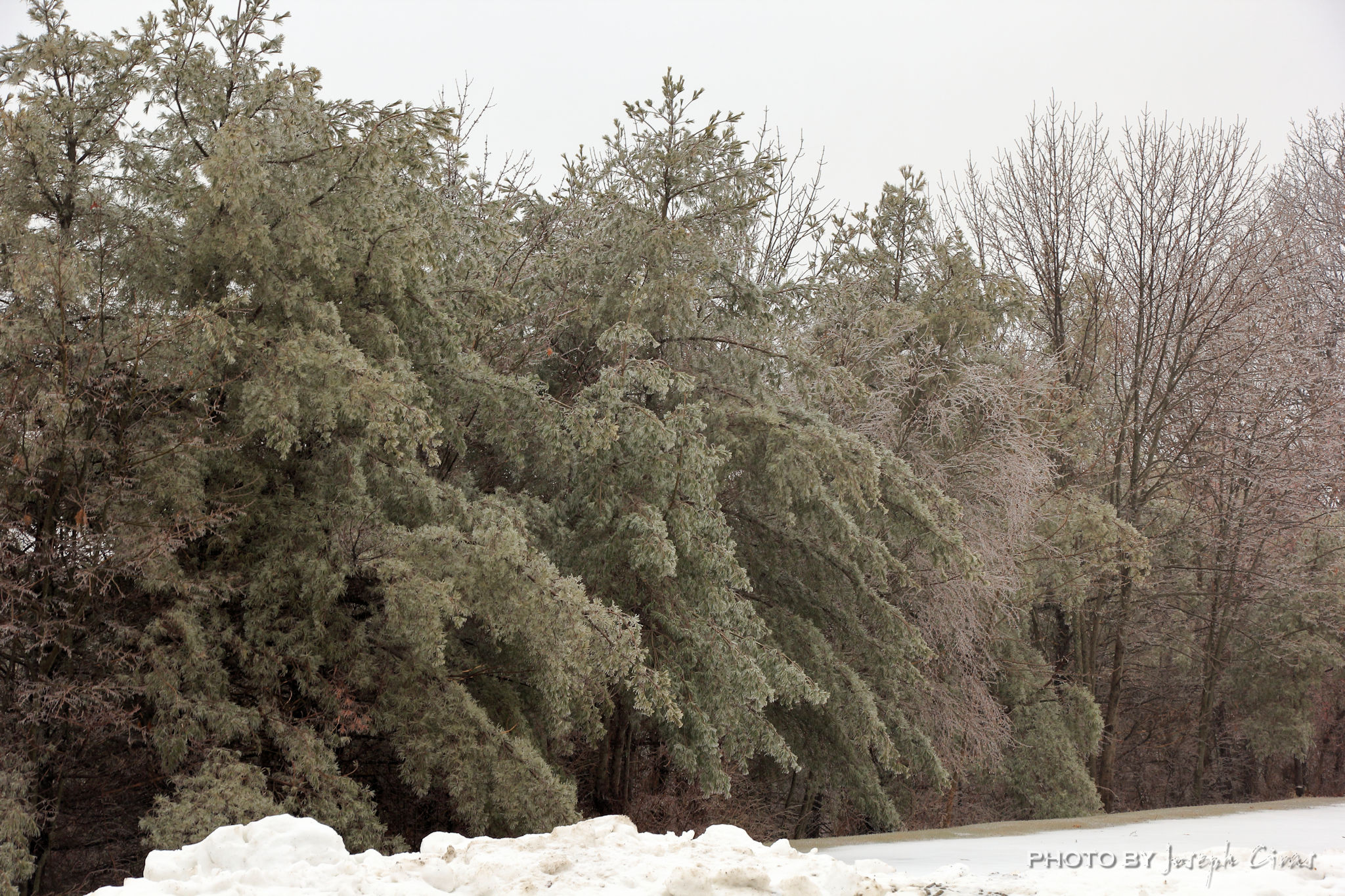
Other colleagues told me about all the accidents on the road when they arrived. Cars were off the road and a few of my colleague saw cars speeding down the highways and slipping off the road when they hit a patch of slush or ice. They came in after the change in weather. There was about an inch of slush in the parking lot at work. The maintenance people did a great job of keeping the parking lot clean.

I will wait for the rain to slow down before I go out and clean out my driveway and walkway.

Saturday, 02/05/2022: Post photo — Black and White.

Settings: Google Pixel 2, ISO 252, f/1.8, 1/120 s, 4 mm.

Cool morning today. I left the house early to run some errands. I was planning on hiking Wachusett Mountain this morning and it turned out to be an afternoon hike.
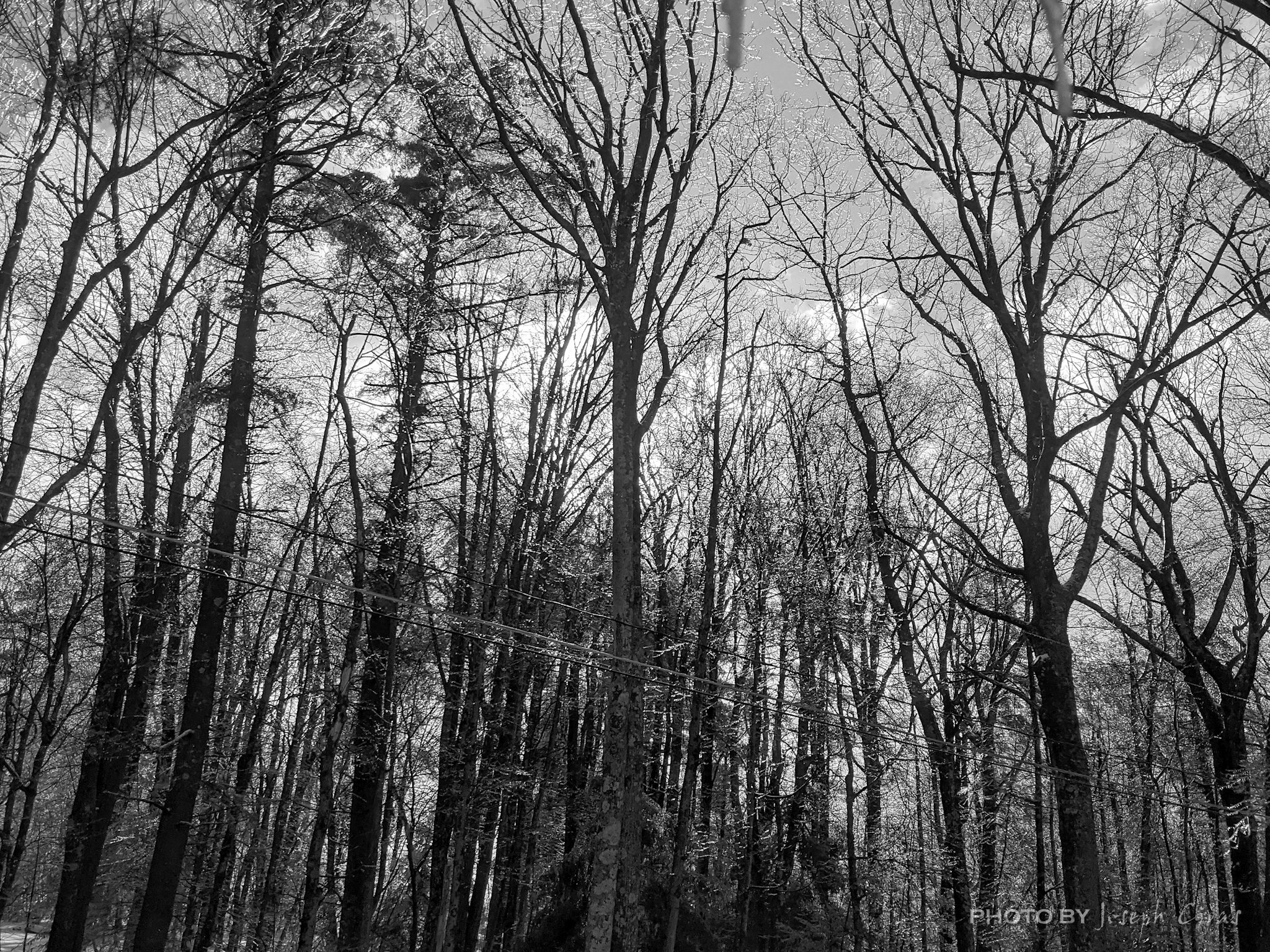
During the day I liked the way the sun was glistering off the ice-covered trees, so I took this photo. I needed a black and white photo for a photo project I am working on, so I converted the photo to black and white.

That is all for now. Until next week, be safe.

For more photo of other project I have work, visit my website: https://photobyjosephciras.weebly.com or visit me on Facebook at https://www.facebook.com/PhotobyJosephCiras/.

My Weebly website is back up and running. I am looking of suggestions on how to make it look better.

Photographic Thoughts — 10/17/2021 to 10/23/2021

“I think good dreaming is what leads to good photographs.” — Wayne Miller

Thank you for all the new views and likes from last week, it helps keep me inspired.

Sunday, 10/17/2021: Posted photo — Gear Shifter.

Settings: Canon EOS 60D, ISO 200, f/5.6, 1/160 s, 135 mm.

Not much to say about today’s photo. I have not taken an abstract, or still life, photo in a while so I took a photo of the gear shifter in one of our cars.

For your information, the “B” of the shifter is for breaking. It is an electronic means for mimicking engine braking in a traditional transmission.

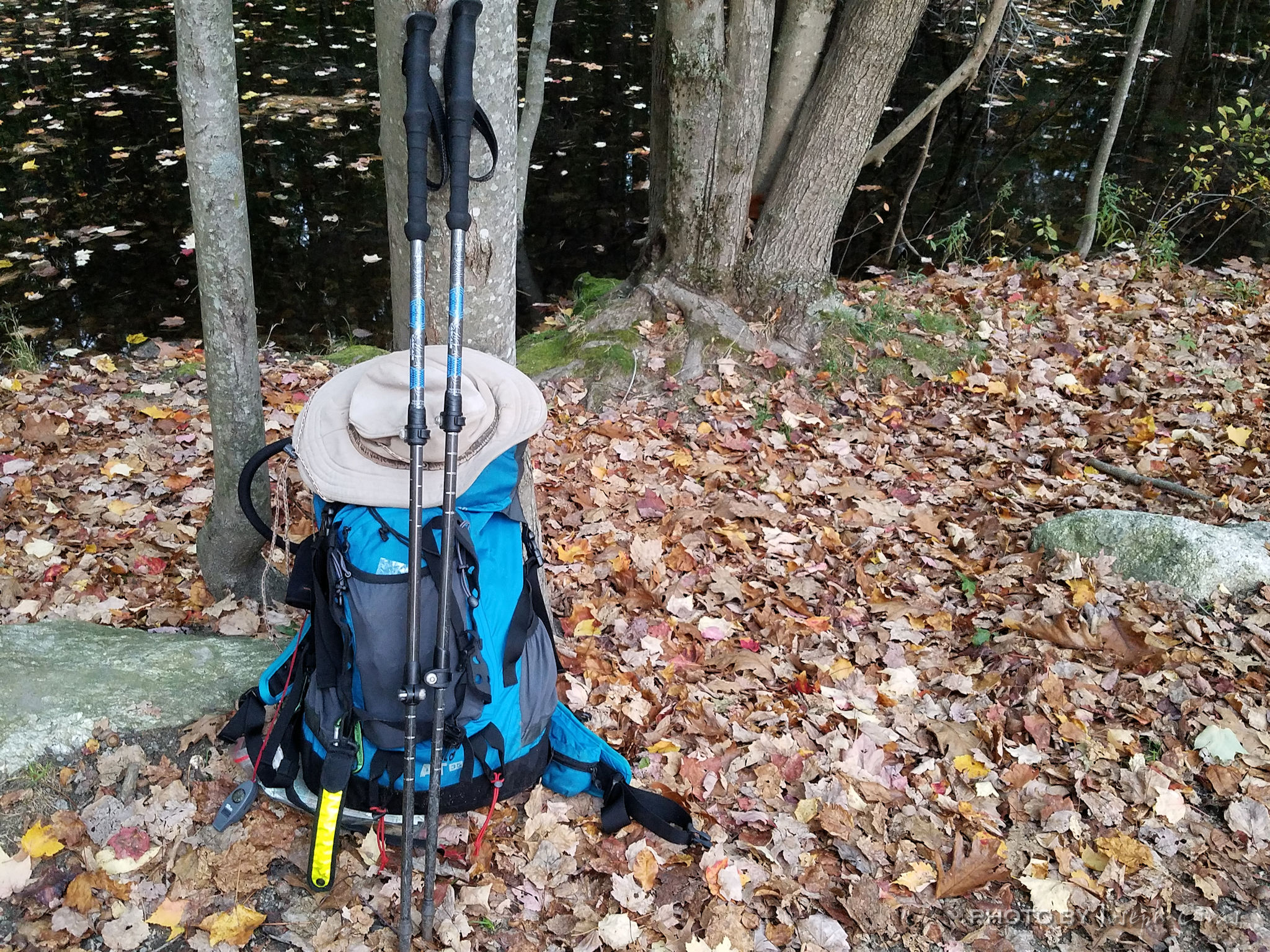
Monday, 10/18/2021: Posted photo — Ready to Hike.

Settings: Samsung SM-G930V (Galaxy S7), ISO 200, f/1.7, 1/16 s, 4 mm

Monday night is my main hiking night. There is a hiking group that I joined a few months ago that I hike with on Mondays, and I try not to miss a hike. I call this group a group of hikers that like to socialize versus another group that I call a social group that hikes. I do not hike with the social group very often. Only when I need a hike for the week.

I set a goal this year to hike 100 peaks. I set the same goal last year, but I fell well short of that goal last year due to COVID an the many people that were on the peaks. I did not want to hike with a great number of people because they just did not follow any protocols. Last year I took many hikes along the Mid State Trail since there is a trailhead about a quarter mile from my house. I obtained my goal of 100 peaks earlier in the year, so I am just adding on to my peak count. Next year’s goal is to finish my 48 four-thousand-foot mountains in New Hampshire. That is an achievable goal, weather permitting.

I took this photo at the start of tonight’s hike. I did not take any photos for myself yet today and took this photo. The group was hiking around sunset time and I was hoping to get a photo of the sunset. Unfortunately, I did not get a sunset photo tonight since the group was still on the trail in the woods at the time of sunset. We made it to the summit between Nautical twilight and Astronomical twilight.

Tuesday, 10/19/2021: Posted photo — Blue Sky.

Settings: Canon EOS 60D, ISO 100, f/7.1, 1/320 s, 52 mm.

I did not realize that today’s information would be so educational.

What a beautiful blue sky we had today. Why is the sky blue? It has to do with wavelengths of light. Here is some information that has been backed up by NASA (https://spaceplace.nasa.gov/blue-sky/en/).

As white light passes through our atmosphere, tiny air molecules cause it to ‘scatter’. The scattering caused by these tiny air molecules (known as Rayleigh scattering) increases as the wavelength of light decreases. Violet and blue light have the shortest wavelengths and red light has the longest. Therefore, blue light is scattered more than red light and the sky appears blue during the day. When the Sun is low in the sky during sunrise and sunset, the light must travel further through the Earth’s atmosphere. We don’t see the blue light because it gets scattered away, but the red light isn’t scattered very much – so the sky appears red.

Now, why did I take this photo. I liked the blue sky and I wanted to do my periodic senor check for dust.

A camera’s sensor dictates the quality of the images it can produce — the larger the sensor, the higher the image quality. Bigger image sensors have bigger pixels, which means better low-light performance, reduced noise, good dynamic range, and the ability to obtain more information.

You can quickly spot dust on your camera’s sensor by doing the following:

  1. Set your camera on Aperture Priority Mode.
  2. Set your metering mode to Matrix/Evaluative Metering.
  3. Set your camera ISO to the lowest number such as ISO 100.
  4. Turn off Auto ISO.
  5. Turn off autofocus and set your lens on manual focus.
  6. Set your aperture to the largest number available for your lens. For example, the minimum aperture on my Canon 60D is f/22, so I set my aperture to f/22.
  7. If you are outside, point your camera up at the clear blue sky and take a picture (purpose of his post). If you are indoors, find plain white paper, zoom in all the way so that the paper fits the whole frame, then make sure that the lens is completely out of focus and take a picture. If you are in front of a computer, open a text editor such as Notepad, maximize it to the screen and then get as close to the monitor as possible so that only the white color is visible in the frame. Make sure that your focus is way off (completely out of focus) – that way only dust particles will be visible.
  8. Zoom in on the image (rear camera LCD), scroll from left to right and top to bottom all over the image and see if you can find any dark spots. Sometimes it is hard for me to see the dust in the LCD screen, so I look for dust when I zoom into the photo on my computer.
  9. If you cannot see any, your sensor is clean. If you see dark spots like in the above example, then your sensor has dust on it.
  10. If you see dust, you can either purchase a senor cleaning kit (if you are brave enough to clean your sensor, I am) or send your camera out to get your sensor professionally cleaned.

Enough for the education. Thank you for reading today’s information and hope that you learned something this week.

Wednesday, 10/20/2021: Posted photo — Hunter’s Moon.

Settings: Canon EOS 60D, ISO 125, f/11, 1/125 s, 300 mm.

Once again, I am posting a photo of the full moon. This one is handheld, and I used the Loony 11 rule to capture it. I can never take enough photos of the moon. It is very difficult to capture because it is moving so fast, and it is very bright. Some people criticize my moon photos since they are just photos of the moon with nothing in the foreground. I challenge those people to show me their moon photos. I have been taking photos of the moon for over 12 years and am still experimenting with my settings. The moon is my primary subject matter, and I am still learning how to do it. I did mean to ramble on and to criticize others. It just upsets me when people criticize my photos and do not give me any tips to improve. Sorry for that.

This is October’s full moon. The name of this moon is the Hunter’s Moon. According to popular belief, the moon was named the Hunter’s Moon because it signaled the time to go hunting in preparation for cold winter months.

This chart shows the initial settings for using the Loony 11 rule.

Moon PhaseLight from the MoonAperture ValueISOShutter Speed
Full MoonMoon is 100% litf/111001/100 second
Half MoonMoon reflects off less light – about 50% compared to full moonf/81001/100 second
Quarter MoonMoon reflects off even lesser light – about 25% compared to full moonf/5.61001/100 second
Thin Crescent MoonVery less light reflected off the moonf/41001/100 second
Fully Eclipsed MoonMoon is shadowedf/2.81001/100 second

Enjoy my moon photos, there will be more.

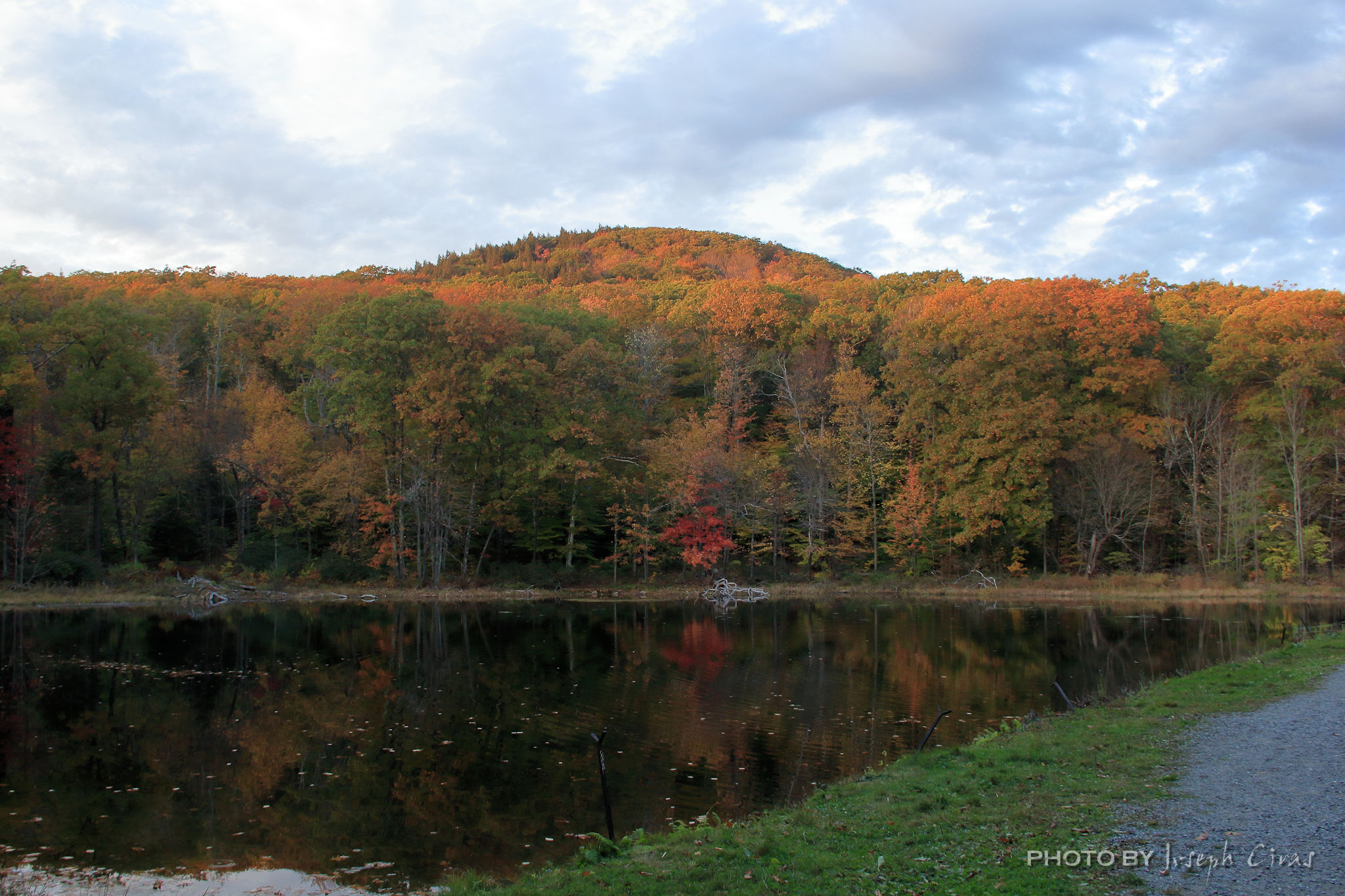
Thursday, 10/21/2021: Posted photo — Wachusett Mountain from Echo Lake.

Settings: Canon EOS 60D, ISO 400, f/7.1, 1/30 s, 18 mm.

Today was my biweekly hike with colleagues from work. It was a wonderful day for a hike.

We started the hike about a half hour before sunset and I took a trail that I was faster to summit. We did not make the summit at sunset. The hike normally takes about 45 minutes to complete to get to the summit and we hiked as fast a safely possible. Before the hike, I thought about changing the trail we hiked to a quicker way up the mountain. The trial was already choosing and Hike Safe and Leave No Trace both say that once a route was picked, you should not veer from the plan. On the way to the summit, the trail passed Echo Lake along the Echo Lake Trail and I saw this great view of the side of the mountain. The light was hitting the mountain in a way that I wanted to stop and take this photo.

The hill is not the summit of the mountain but the intersection of two or the trails, High Meadow Trail and Jack Frost Trail. I like the foliage on the hill in the background and Echo Lake on the foreground.

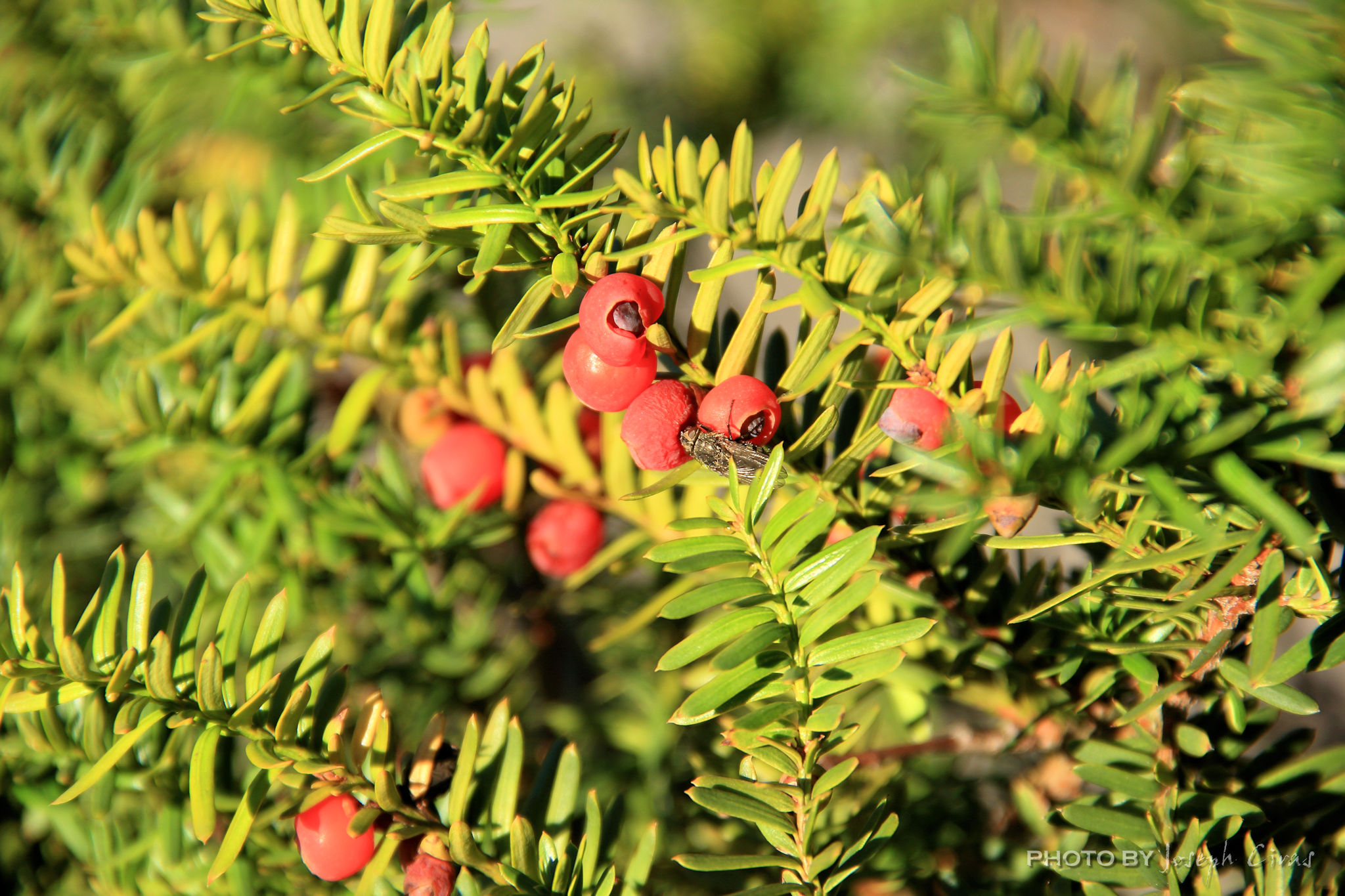
Friday, 10/22/2021: Post photo — Yew.

Settings: Canon EOS 60D, ISO 100, f/5.6, 1/320 s, 113 mm.

This Yew is at the entrance to work. I keep passing it and wanting to take a photo of it. Today I did. Here is some information about the Common Yew.

The Common Yew is an ornamental tree. While they are considered conifers, yew trees and shrubs don’t produce typical cones but rather modified versions of cones that look more like small red fruit. The taxine alkaloids contained in yew berries, needles or bark are poisonous. The lethal dose for an adult is reported to be 50 g of yew needles. Patients who ingest a lethal dose frequently die due to cardiogenic shock.

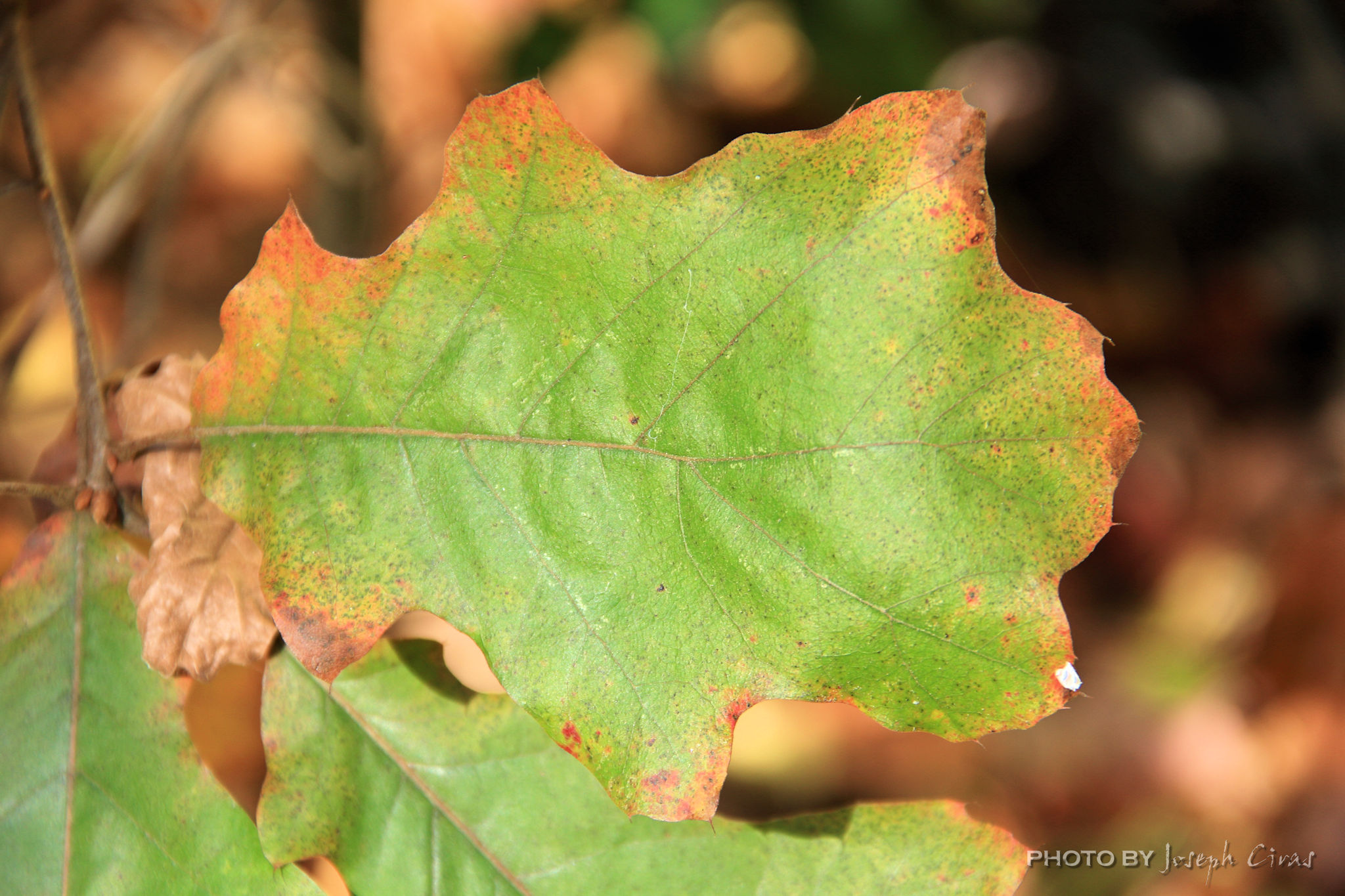
Saturday, 10/23/2021: Post photo — Oak.

Settings: Canon EOS 60D, ISO 100, f/5.6, 1/50 s, 92 mm.

Peak time for foliage: The color and intensity change quickly, but your best bet to see peak colors is from mid-October to early November. This oak leaf is past peak along with most of the other foliage in my area. I took this photo today when I was raking my lawn today.

That is all for now. Until next week, be safe.

For more photo of other project I have work, visit my website: https://photobyjosephciras.weebly.com or visit me on Facebook at https://www.facebook.com/PhotobyJosephCiras/.