“It is more important to click with people than to click the shutter.” — Alfred Eisenstaedt
Thank you for all the new views and likes from last week, it helps keep me inspired.
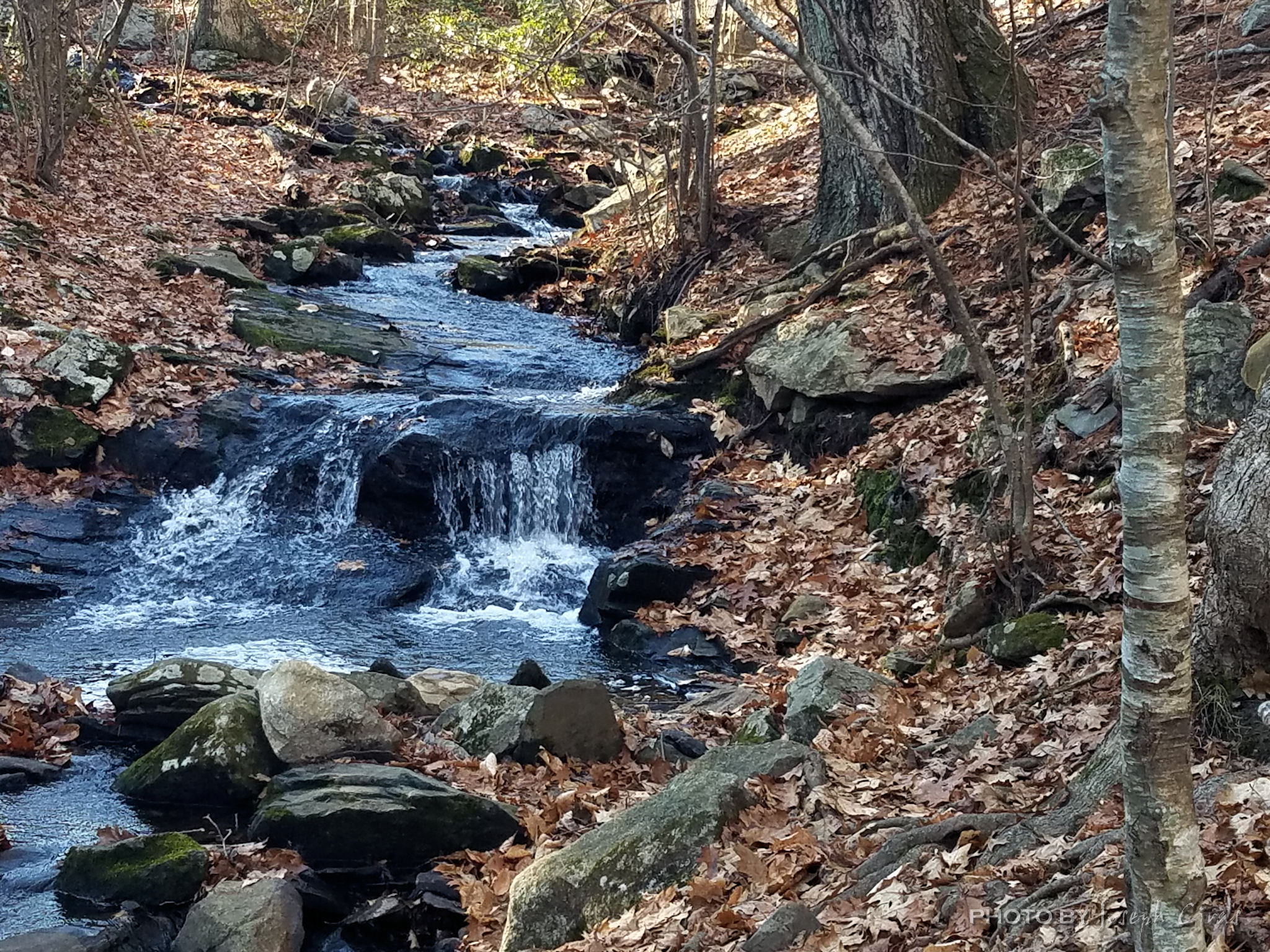
Sunday, 12/12/2021: Posted photo — Stream.
Settings: Samsung SM-G930V (Galaxy S7), ISO 50, f/1.7, 1/154 s, 4 mm
“The Cascades is made up of several parcels of land: Boynton Park, Cascades West, Cascades East, Cascades Park, and Cascading Waters. Most of the area is wooded, but there is a meadow in Cascades West that has been enlarged to expand the opportunities for wildlife habitat. Several trails follow along streams and there are vernal pools that can be explored in the Spring. Views of the falls are spectacular in the Spring or after a heavy rain.” https://www.gwlt.org/lands-and-trails/four-town-greenway/cascades/
When I was growing up in the city of Worcester, this trail system did not exist. It was established in 1991 and completed in 2005 by the Greater Worcester Land Trust. What a great trail to have in the city and a great location for families to get outdoors and explore nature and the hidden wonders of the city.
This was my first time hiking in the Cascades. I passed the trailheads many times when I was driving home from my mother’s house and have wondered how long the trail system was and why was it called the Cascades. The Appalachian Mountain Club (AMC) had a leadership meeting on the trail ending with a four mile hike on the trail system. At one of the trailheads is the AMC equipment hut. Part of the leadership trailing was to learn about the equipment hut and how to access its resources. It is place that equipment can be borrowed by families or individuals that are just starting out with outdoor activities and need to borrow equipment. It is a great way for those in the city who cannot afford the proper equipment to borrow some to be used in a guided hike or camping trip.
This photo is one of the many cascades along the trail. I only had my cell phone with me so please excuse the quality of this photo. I will be going back with my good camera to take better photos.
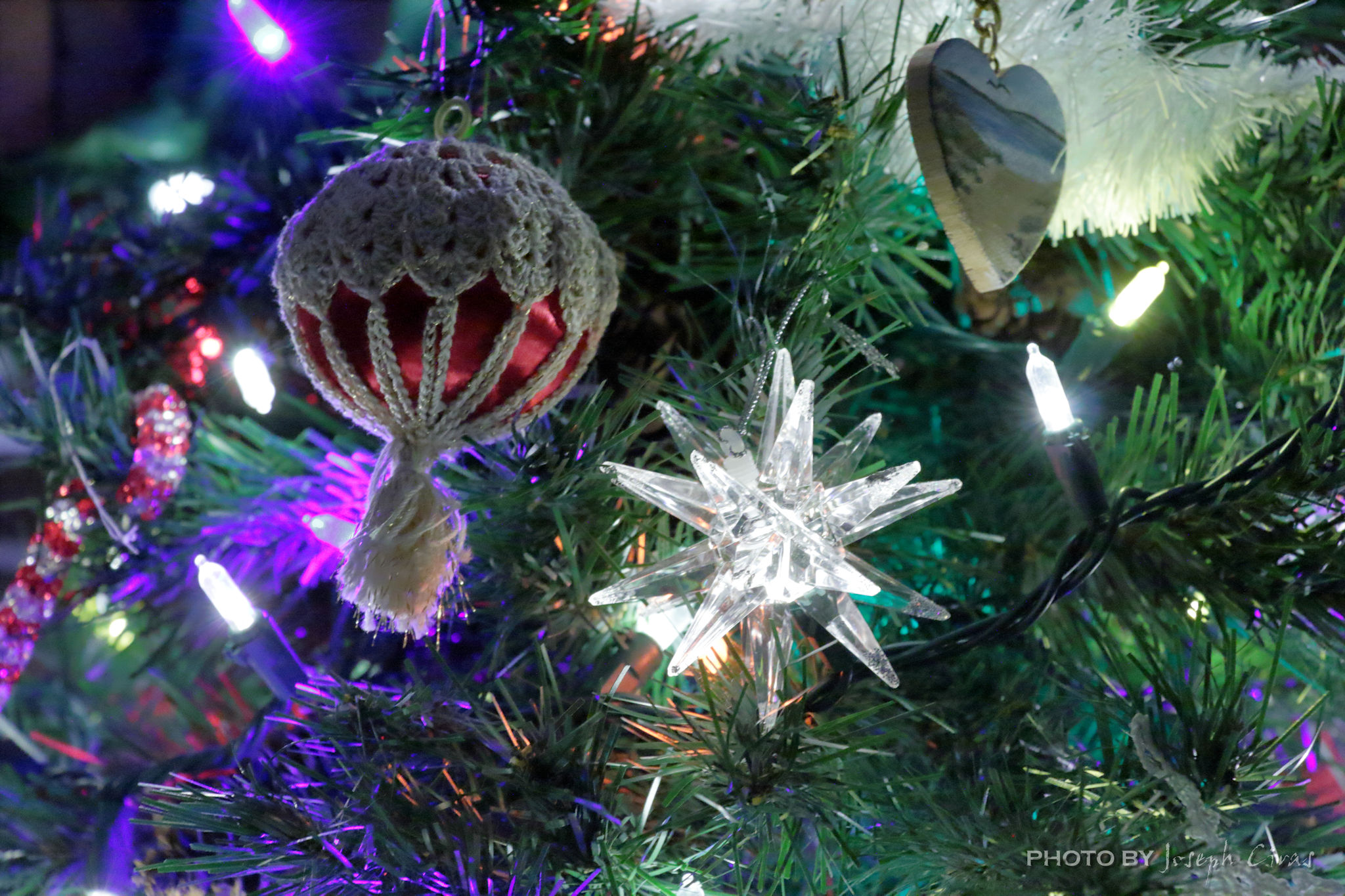
Monday, 12/13/2021: Posted photo — Ornament.
Settings: Canon EOS 60D, ISO 3200, f/7.1, 1/20 s, 98 mm.
This is the first photo I took with my new lens. My old lens was having issues focusing past 35 mm so I needed to replace it.
Thought to have originated in 16th century Germany, the first ornaments were nothing like what we know today. The ‘modern’ Christmas tree tradition is thought to have originated in 16th century Germany, where small evergreen trees were decorated with the likes of candles, apples, nuts, and berries as “Paradise trees” in church plays. Over time, devout Christians integrated these decorated trees into their homes during the holiday season. The tradition, which became a Christian ritual, began to spread across Europe. (https://theculturetrip.com/europe/germany/articles/a-brief-history-of-the-christmas-ornament-3/)
There is nothing particularly interesting about these ornaments. I just took my camera, pointed it at the tree, and took this photo.
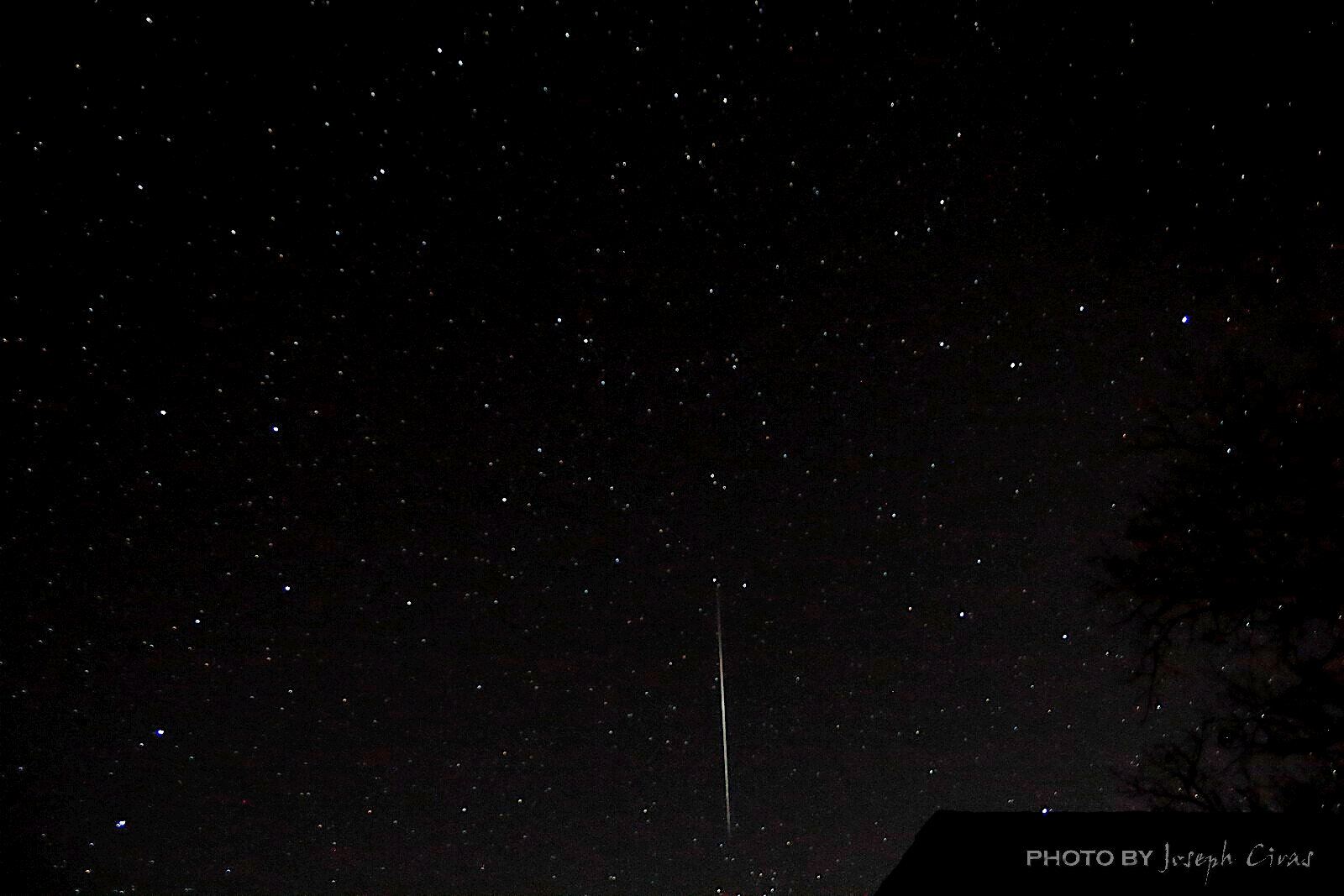
Tuesday, 12/14/2021: Posted photo — Geminids.
Settings: Canon EOS 60D, ISO 3200, f/9, 14 s, 18 mm.
“The Geminids are considered one of the best meteor showers every year because the individual meteors are bright, and they come fast and furious. The Geminid meteor shower is nearly 200 years old, according to known records — the first recorded observation was in 1833 from a riverboat on the Mississippi River — and is still going strong. In fact, it’s growing stronger. That’s because Jupiter’s gravity has tugged the stream of particles from the shower’s source, the asteroid 3200 Phaethon, closer to Earth over the centuries.” https://www.space.com/34921-geminid-meteor-shower-guide.html
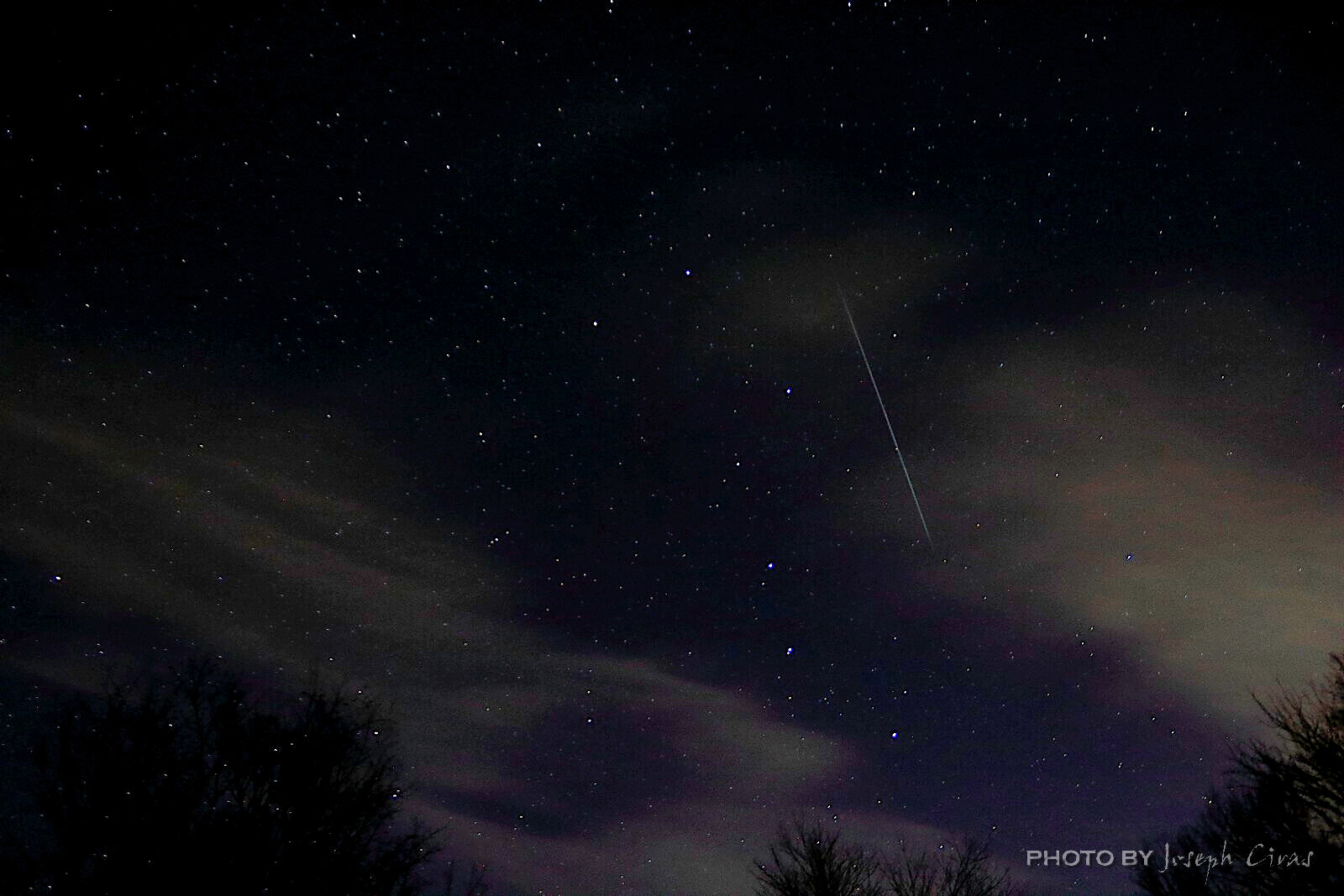
I was up this morning at 2:30 ET to watch the Geminids. What a spectacular show! I was planning on being outside for an hour before going back to bed. I was watching the show until 4 a.m. before taking a short nap to get up for work at 4:30 a.m. I did see some of the meteors during last night’s hike. They were not very bright since the moon did not set until 2:41 a.m. with the peak of the Geminids at 2:40 a.m.
One of the questions was were to direct my camera. I placed it heading north, then heading south, and then to the east. I was pointing it in the direct of the greatest activity at the time. The photo that I posted, the one where the meteor underlines the Big Dipper, was with my camera pointing north. The other photo, the one with the roofline of my house, was with the camera pointing east. There were no bright meteors in the photos with my camera facing south. This is the east facing photo.
Wednesday, 12/15/2021: Posted photo — Sunrise.
Settings: Canon EOS 60D, ISO 400, f/5.6, 1/400 s, 50 mm.
Last week I posted a photo of the sunset from my office. Today I am posting a photo of the sunrise.
I was going between buildings this morning and watching the sunrise. I saw different colors in the woods around the property and was looking at the clouds changing color. When I got back to my office, I went to an eastern facing window and looked at the clouds.
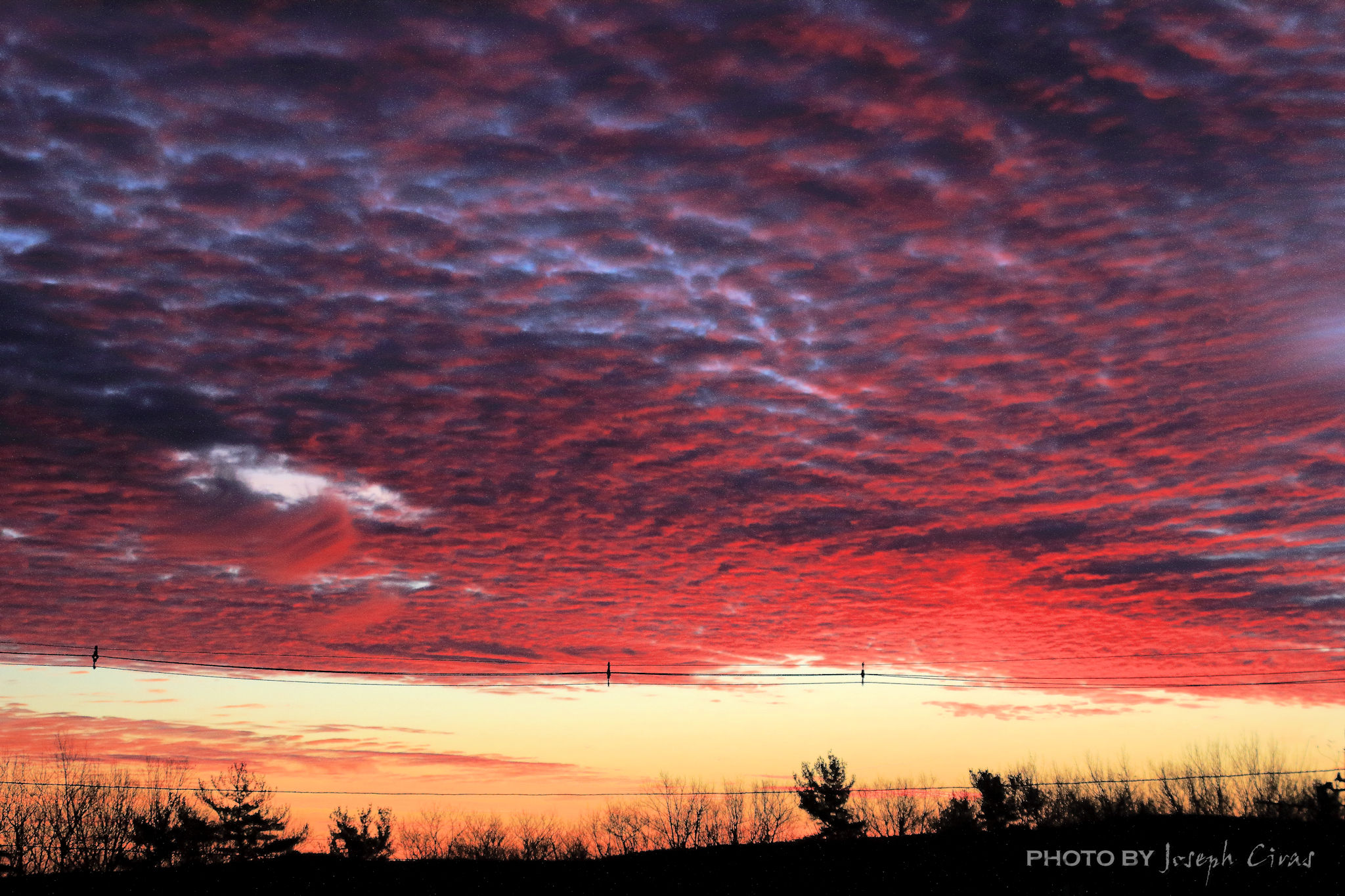
This photo is what I saw when looking out the window.
Thursday, 12/16/2021: Posted photo — Waterton Lake Sunset Alberta.
Settings: Canon EOS 60D, ISO 100, f/5.6, 1/1000 s, 25 mm
Waterton Lakes National Park is in southern Alberta, Canada, bordering Montana’s Glacier National Park. We camped there a few years ago after sending time in Glacier.
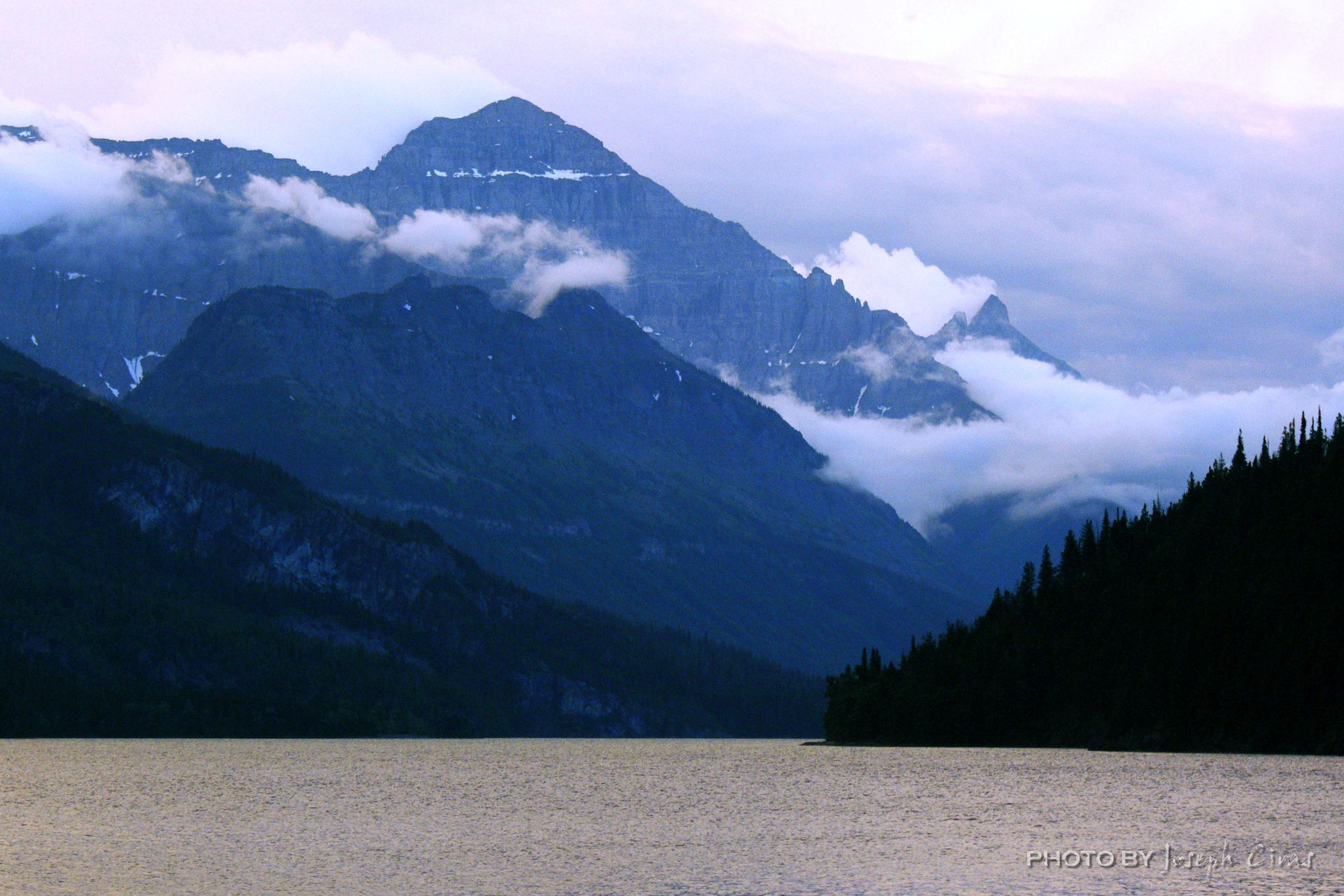
I took this photo the first night we were at the park. I took it at the blue hour. You need to search my previous blogs for the definition of blue hour as it pertains to sunsets. I was able to post edit this photo to make it look like what I saw. Most times the camera will wash out photos or make them look different that that you see. This proves the adage that you can never justify the colors that you can see with a photograph.
Friday, 12/17/2021: Post photo — Off We Go.
Settings: Canon EOS 60D, ISO 100, f/7.1, 1/1000 s, 121 mm
Off to Chicago Midway we go!
I was driving around this afternoon and stopped by an airport to watch the planes. It is very relaxing to see the plans take-off and land. Even after studying aerodynamics, I am still in wonder to see a plane fly. I know the time that I took this photo and then went to the airports website to see were that flight was heading. I took photos of the plans to practice AI Servo focusing.

The focus modes on my camera are:
- ONE SHOT : One-Shot AF
- AI FOCUS : AI Focus AF
- AI SERVO : AI Servo AF
[One-Shot AF] for Still Subjects: Suited for still subjects. When you press the shutter button halfway, the camera will focus only once.
[AI Servo AF] for Moving Subjects: This AF mode is for moving subjects when the focusing distance keeps changing. While you hold down the shutter button halfway, the subject will be focused continuously. When you use this focus mode, the camera does not “beep” when the object is in focus, so you need to trust your skills.
[AI Focus AF] for AI Focus AF switches the AF mode from One-Shot AF to AI Servo AF automatically if the still subject starts moving. AI Focus AF mode is one that I do not use, and do not recommend using. It does not work very well.
Saturday, 12/18/2021: Post photo — Statehouse
Settings: Samsung SM-G930V (Galaxy S7), ISO 50, f/1.7, 1/154 s, 4 mm

The statehouse in Columbus OH. My nephew was the lead male in a ballet across the street today. He is 14 years old and is a great dancer. We saw the show twice. Great show.



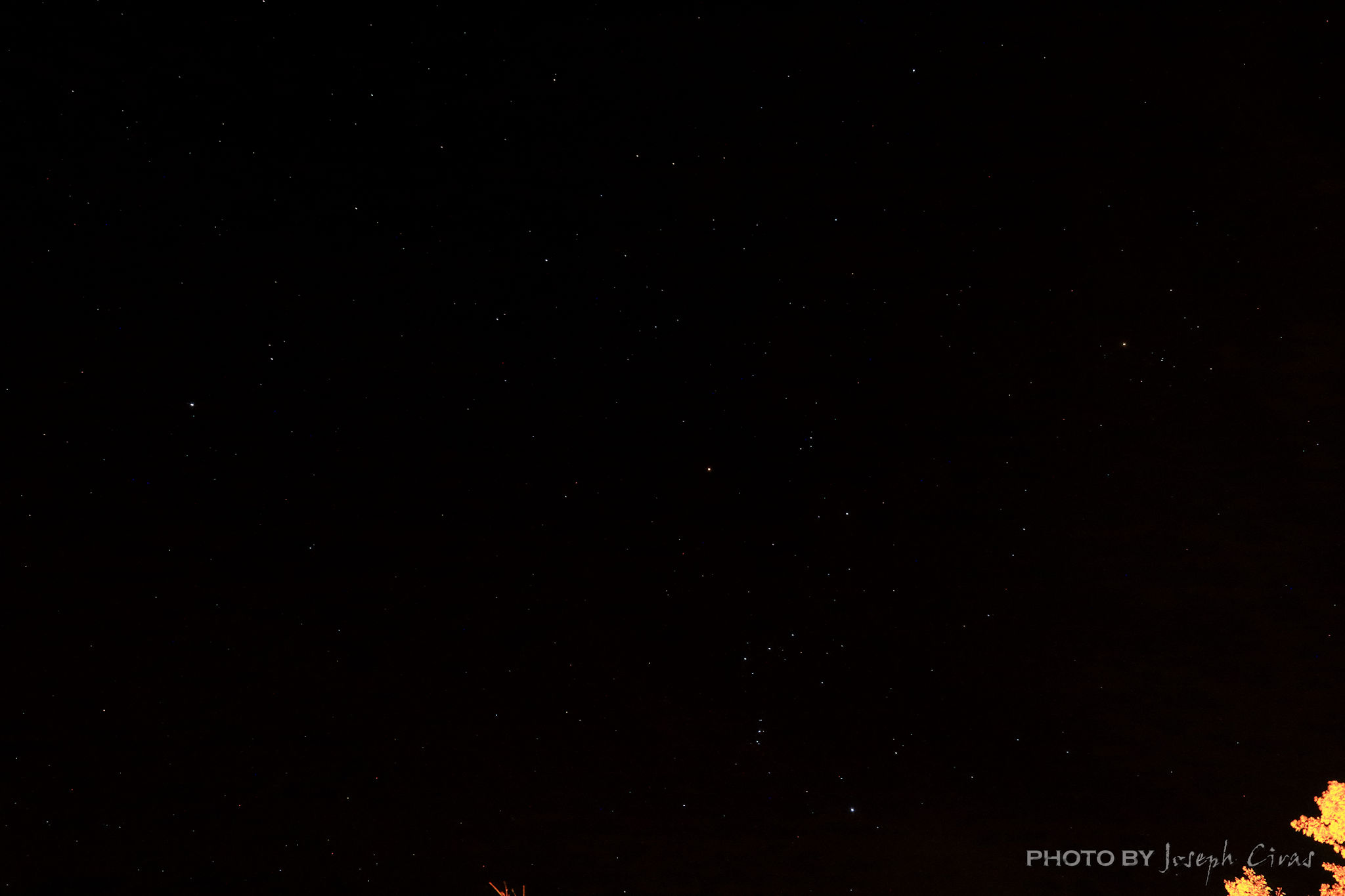
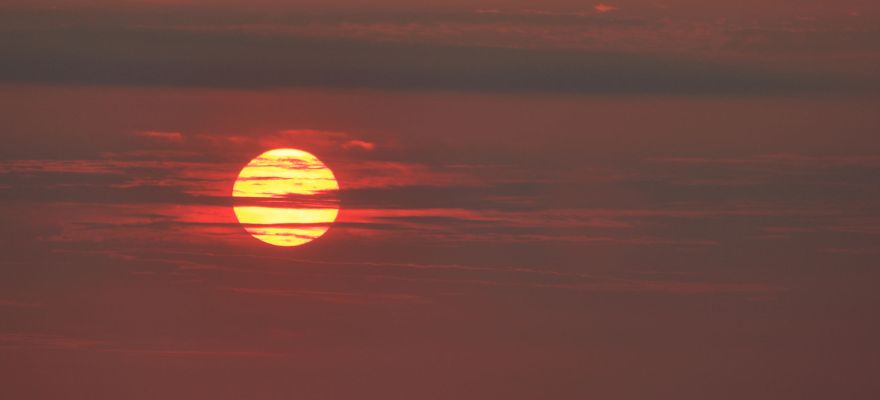


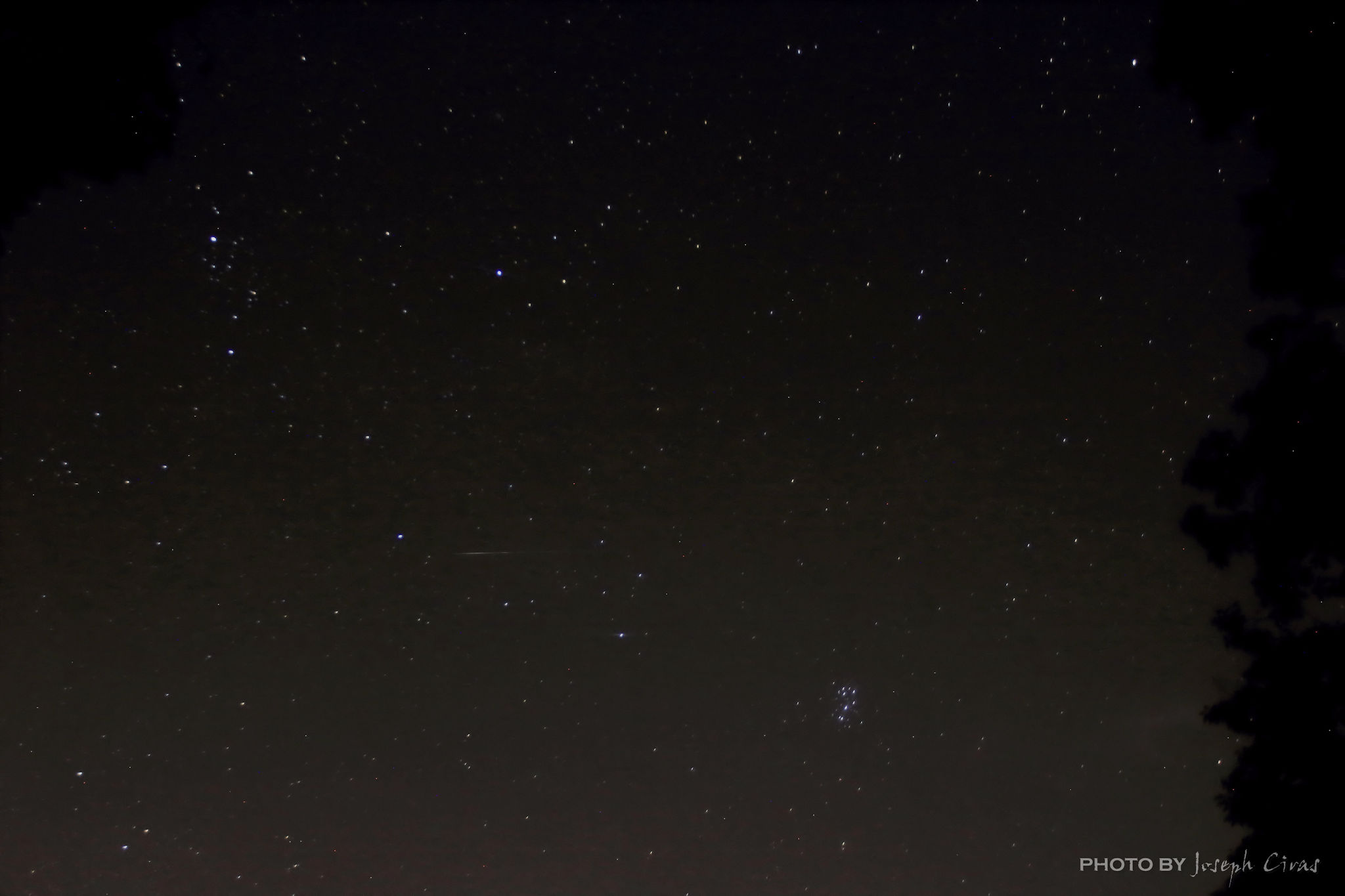
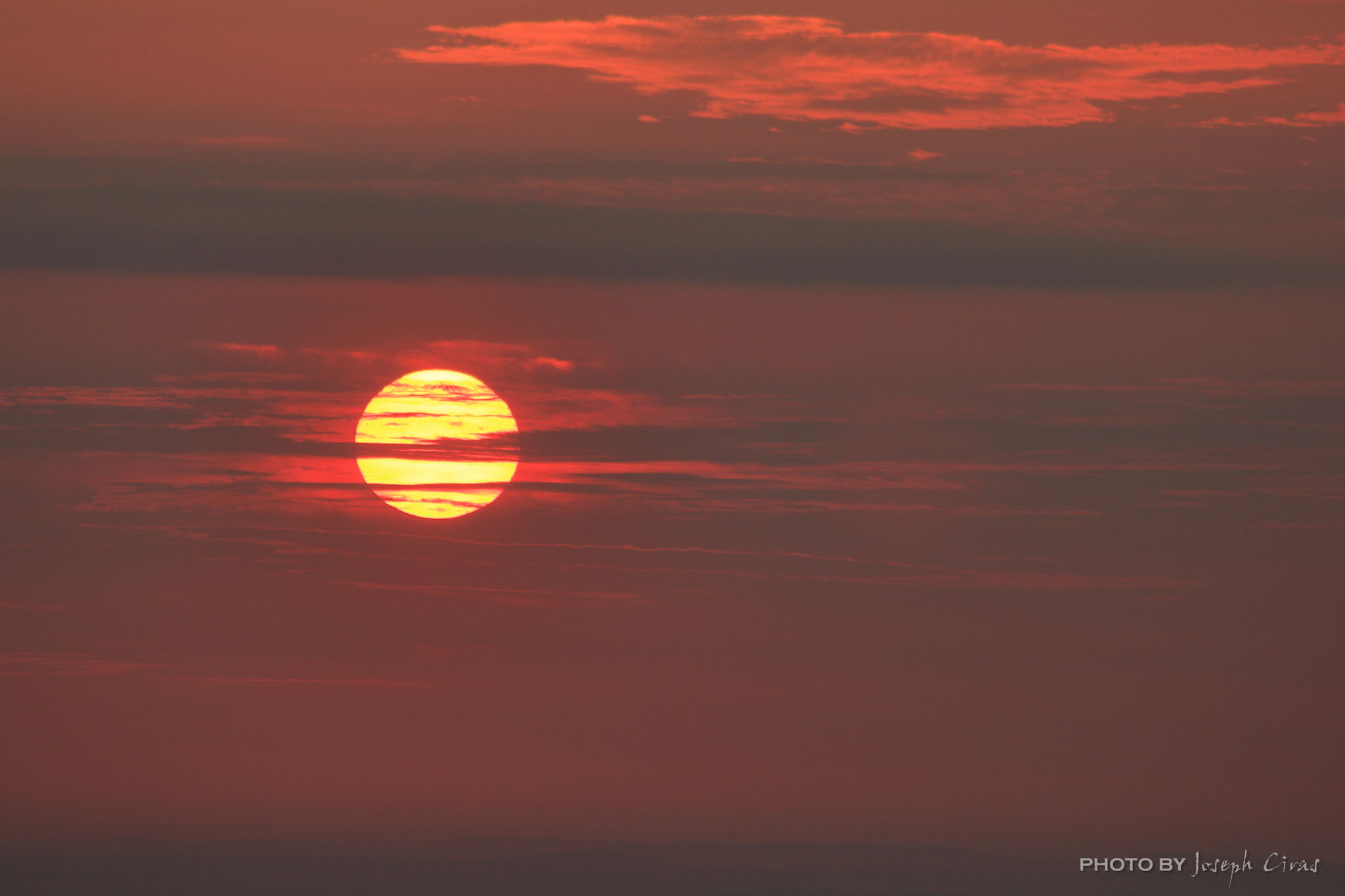
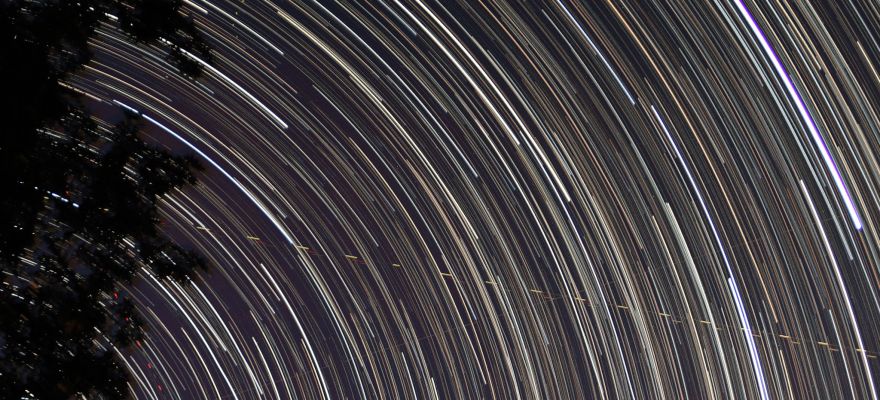
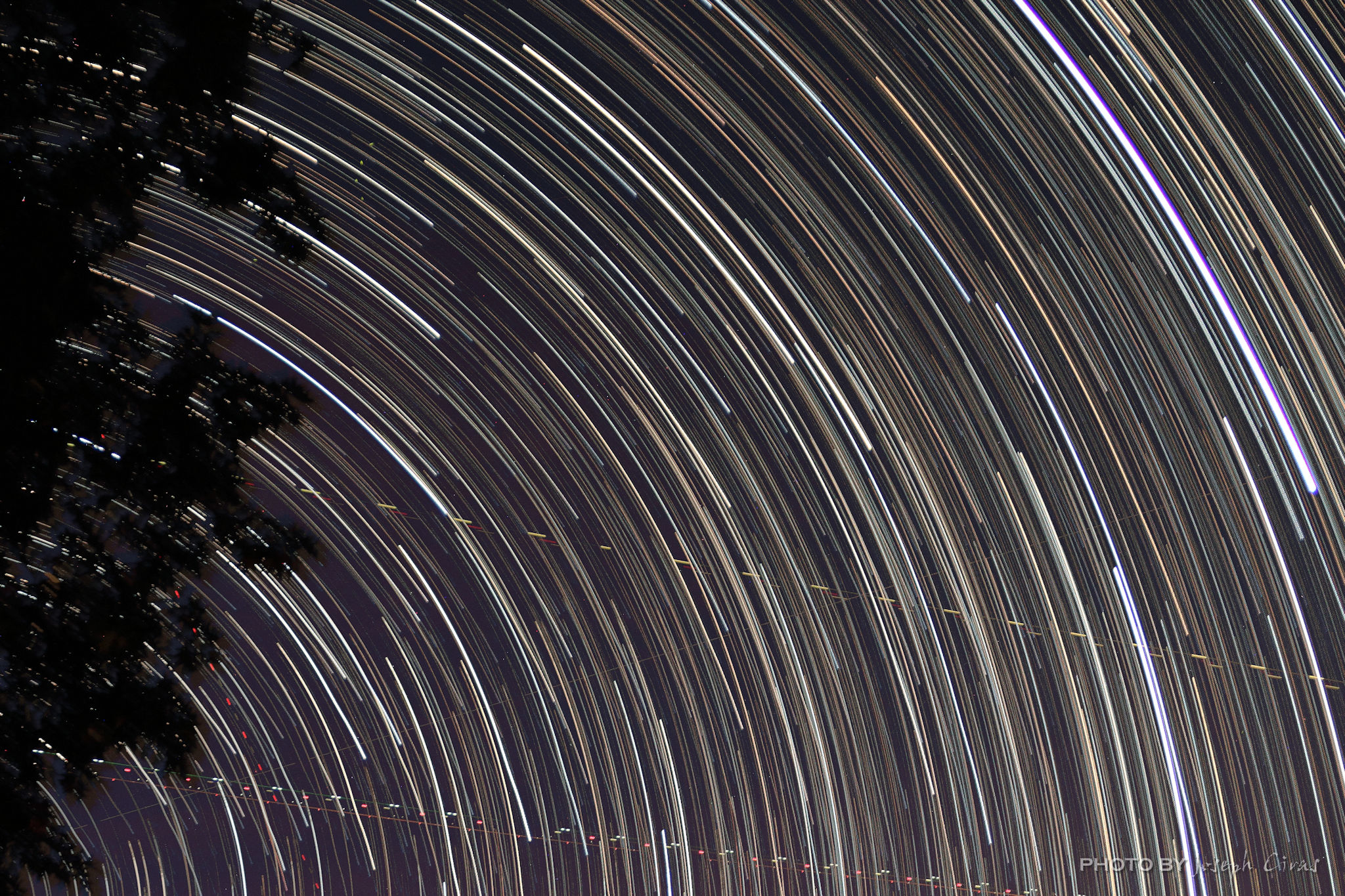



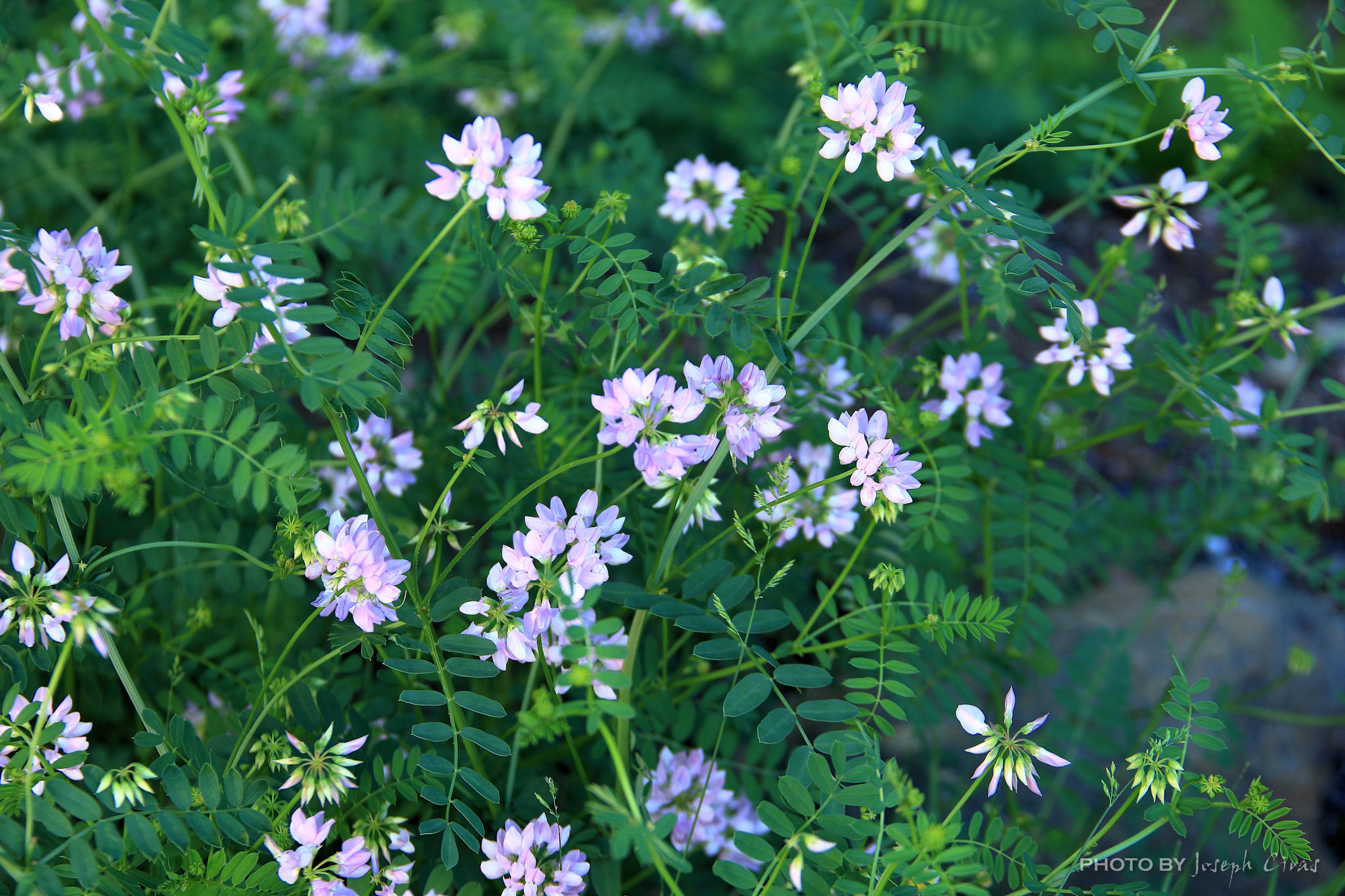




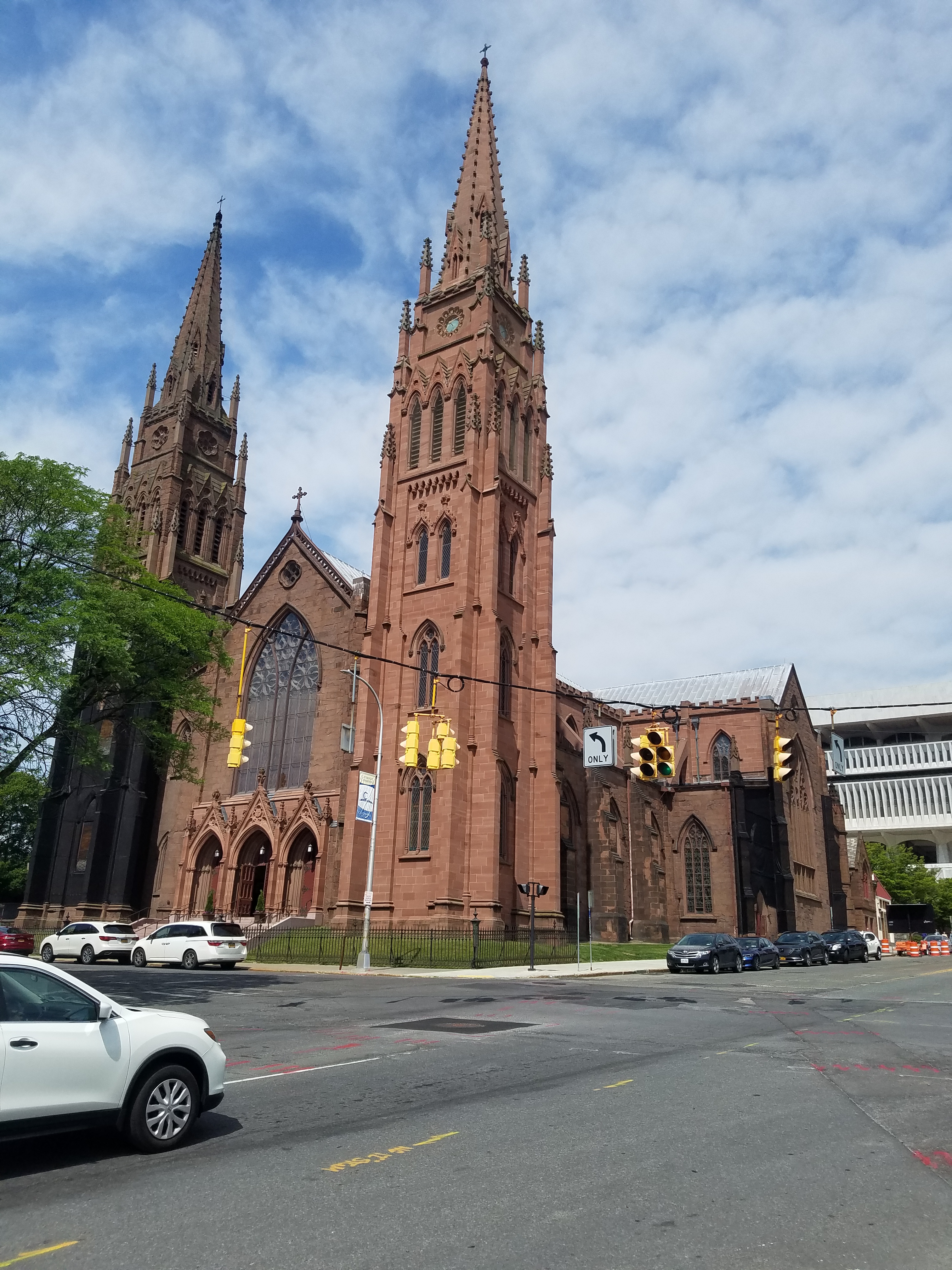
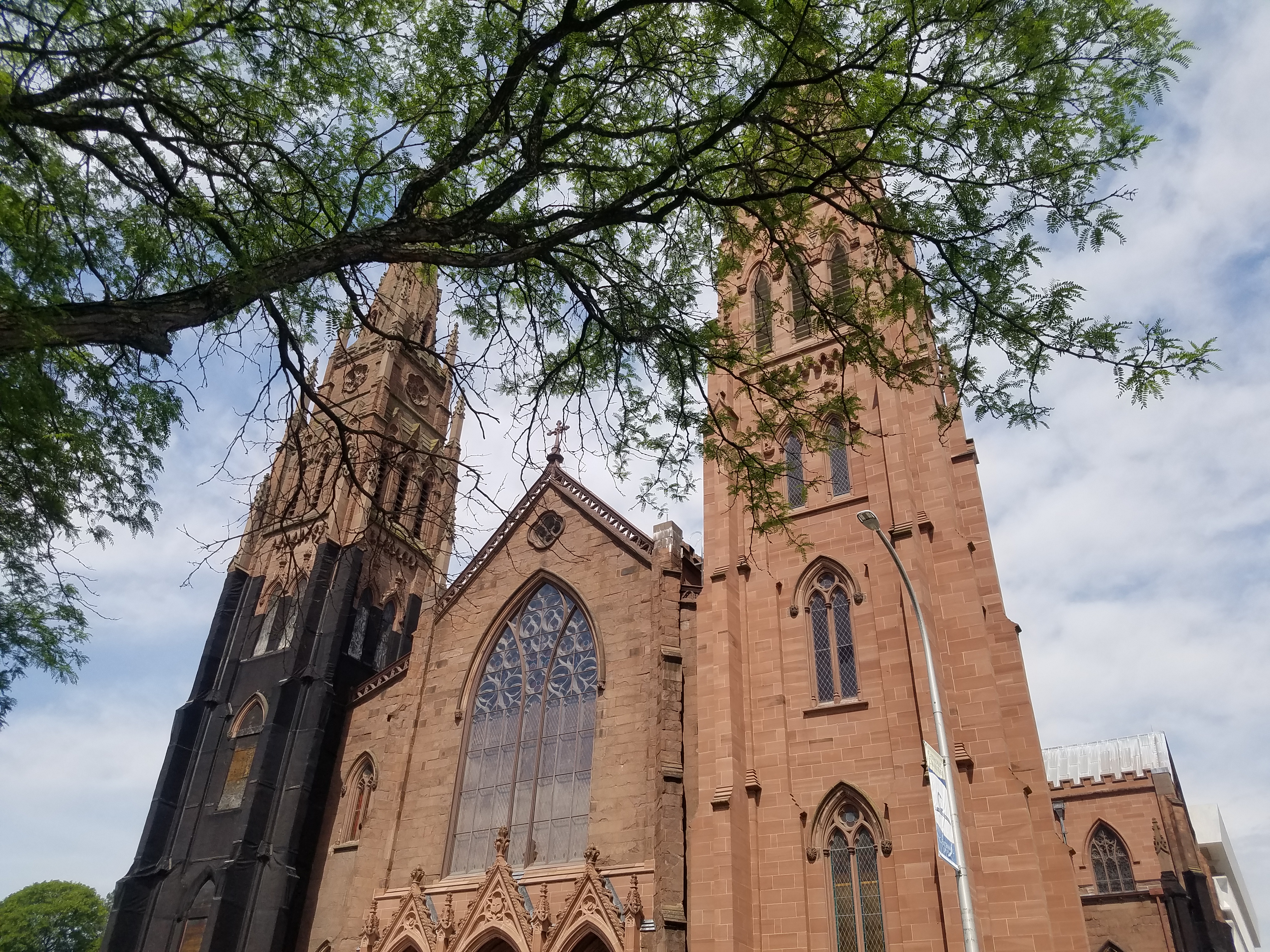
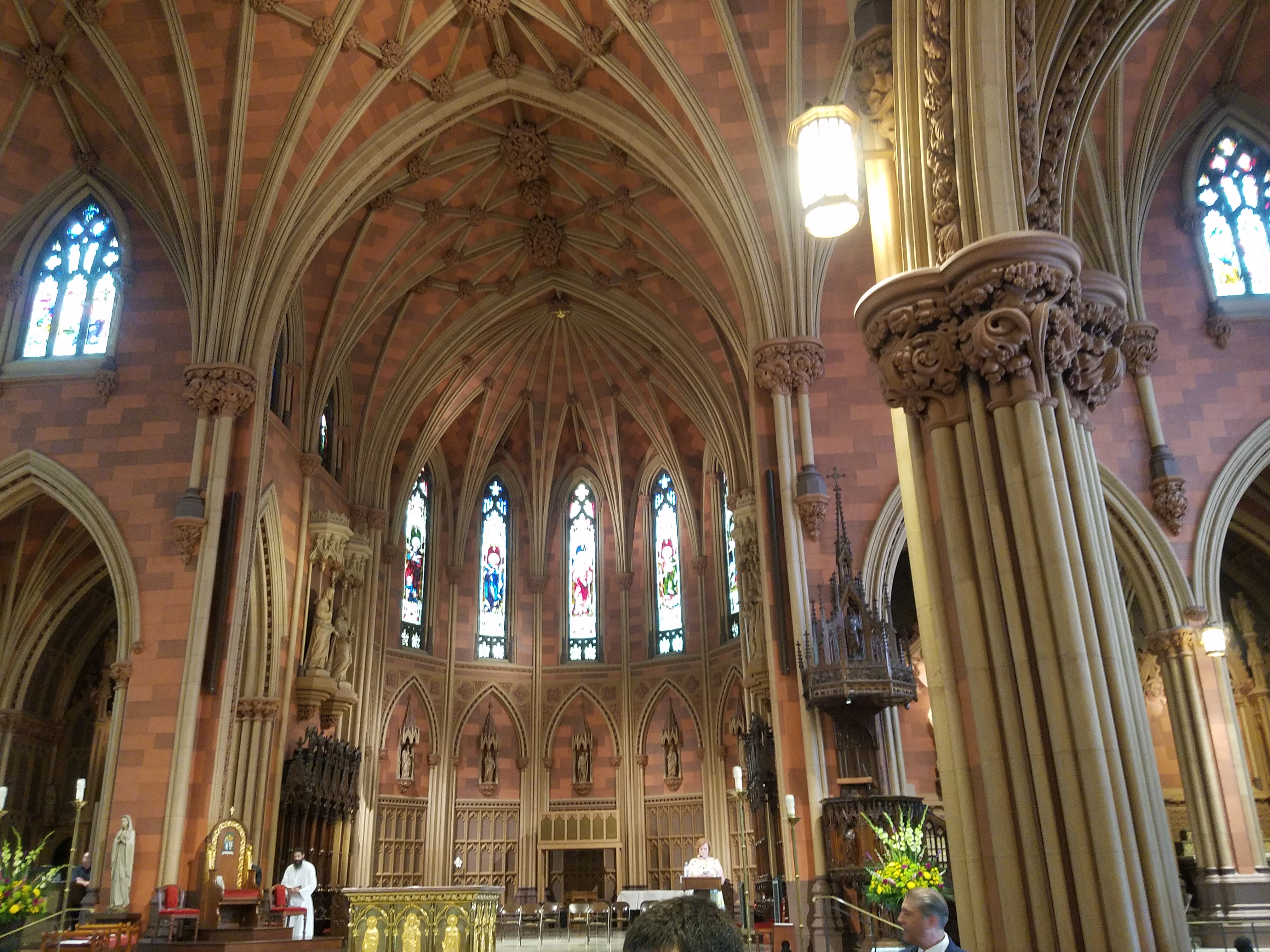

 Photo by Joseph Ciras