“An eclipse is one phenomenon that is actually more impressive from the ground.” — Leroy Chiao
This week’s blog will feature photos of one of nature’s wonders, a total solar eclipse.
Sunday, 04/07/2024: Posted photo — Moose.
Today was a travel day to Houlton ME to see the eclipse. We were looking to go to either western Ohio, northern New York, or Vermont to see the eclipse. We have relatives and friends in those areas. Looking at the weather for tomorrow’s eclipse, it was decided to head to Houlton ME. There is a Walmart in Houlton. Since we saw the last total solar eclipse seven years ago in a Walmart in TN, we thought it would be a good idea to go to one in Houlton. Walmart had a big open space and there would be many people. We also though we could sleep in the parking lot. This did not happen, we slept in a rest area on the way. Houlton ME was predicted to have the best weather in the country along the path of totality. It did not disappoint.
This moose is at the Kittery Trading Post. We stopped in Kittery to get candy and to go to the Trading Post. I needed another fuel can for my camping stove. If the weather was cold, we were going to have hot chocolate while we waited, and I did not want to run out of fuel. We also stopped in Freeport to go to LL Bean. We shop the outlet store and did not go to the main campus this trip.
The ride to ME was uneventful. There were signs in both NH and ME warning people about the traffic and not to stop on the side of the road to see the eclipse. We did not see many vehicles on the road.
Monday, 04/08/2024: Posted photo — Sundog.
While waiting for the eclipse, I saw a sundog and took a photo of it with my cell phone. I adjusted by camera setting for the eclipse and did not want to change them.
Sundogs are colored spots of light that develop due to the refraction of light through ice crystals. They are located approximately 22 degrees either left, right, or both, from the sun, depending on where the ice crystals are present. This sundog was in the little clouds there were.
Tuesday, 04/09/2024: Posted photo — Second Contact.
Second contact is the start of totality. First contact is when the eclipse starts, second is the start of totality, third is when totality ends, and fourth is when the eclipse ends. Between first contact and second contact, a special solar filter needs to be put on your camera. It is the same type of filter that are in solar glasses.
Just before totality, a single bright spot will remain, resembling a diamond in a ring. I missed taking a photo of this phenomenon during the eclipse seven years ago and was fully prepared for it this time.
Wednesday, 04/10/2024: Posted photo — Totality or Maximum Eclipse.
Totality lasted 3 minutes and 18 seconds in Houlton. It was very close to the maximum totality line. Three minutes and 18 seconds is not a long time, but it was worth it. Looking at the horizon and seeing sunset/sunrise. Seeing Jupiter and Venus on either side of the eclipse was another bonus. I was looking for comet 12P/Pons-Brooks near the eclipse but it was too bright to see.
Here are a few photos of totality. Unlike seven years ago in TN, the sky was cloud free and the eclipse as spectacular.
Thursday, 04/11/2024: Posted photo — Third Contact.
This is Baily’s beads just as third contact starts, or totality ends. During the last few seconds before totality, the crescent Sun breaks up to form Baily’s beads (those are typically only visible through a telescope with a solar filter attached). At the end of totality, this sequence happens in the reverse order, starting with Baily’s beads until the returning burst of sunlight becomes too bright to view with the naked eye. I also missed this during the eclipse seven years ago and did not want to miss it again.
When looking at this photo, you can see some solar prominences. Though they look like they could be made of fire, they are eruptions of plasma, known as coronal mass ejections (CMEs). They are a hot gas made of electrically charged hydrogen and helium, extending outward from the sun’s surface.
Friday, 04/12/2024: Post photo — Collage.
Here is a composite photo of different phases of the eclipse.
The timing for these photos were taken from the Partial Phase Images area in my Solar Eclipse Timer app. This was a great app to use since it gave verbal instructions and information on what was happening during the eclipse. It would tell you want to look for on ground level and it would count down to the different contacts.
Saturday, 04/13/2024: Post photo — Daffodil.
The daffodils are starting to bloom in our yard. This is a sign of spring. The cold and damp weather did not stop their growth.
“It’s weird that photographers spend years or even a whole lifetime, trying to capture moments that added together, don’t even amount to a couple of hours.” — James Lalropui Keivom
Thank you for all the new views and likes from last week, it helps keep me inspired.
Sunday, 01/23/2022: Posted photo — Music.
Settings: Google Pixel 2, ISO 252, f/1.8, 1/120 s, 4 mm.
Psalm 23, The Lord is my shepherd…
This is best known psalm out of the 150 psalms in the Bible. There are five books and four literary styles in the psalms. The styles are hymns, prayers of thanksgiving and petition, religious lyrics, and didactic psalms. You can go online or ask your religious leader for more information on the psalms.
Songs, or hymns, at mass are used to enhance the service. I played the organ/keyboard during Mass when I was in college. My family still plays and sings in the choir during Mass today. A good song will lift your spirits.
I did not intend to use this photo today. I used it because it was one of the only photos that I took and it was the one that I liked the best.
Monday, 01/24/2022: Posted photo — Dusting of Snow.
Settings: Canon EOS 60D, ISO 100, f/5, 1/15 s, 50 mm.
Last week we received heavy and wet snow. This week we received a dusting of snow.
In taking this photo, I was practicing depth of field (DOF) in my photos. I am in my 13 year of taking photos every day and I still need on practicing various techniques so my photos are of my liking. I am my own worst critic.
I did go on a great hike tonight. This is my normal Monday night hike on Wachusett Mountain. The trails were in great shape from all the people that have been hiking after the last snowstorm. Microspikes are needed. Some people say no to microspikes since there is no exposed ice on the trails. If I am leading a hike, I am requiring the use of microspikes, or other traction devices, since there is ice under the snow and the spikes give you better traction. I am cautions in a group situation.
Microspikes are great for hiking or in thick ice, nanospikes are good for walking the in areas where traction is needed, but they are not as aggressive as microspikes. I would not recommend the use of nonspikes while hiking since they do not have the grip you need on the snow or ice, or the inclines and declined on a hiking trail. A more aggressive means for traction is the use of crampons. I use my crampons in the higher elevations of the White Mountains, or on a very icy trail. When I hike in the winter, I carry two sets of microspikes: my inexpensive “rock” microspikes and my “good” microspikes and have my crampons with me. Occasionally I will also attach my snowshoes to my pack if there has been newly fallen snow and I know that trail that I will be hiking is an underutilized trail. The difference between my inexpensive “rock” microspikes and my “good” microspikes is the length of the spikes and the quality of the product.
Tuesday, 01/25/2022: Posted photo — Snow White.
Settings: Canon EOS 60D, ISO 800, f/36, 1/50 s, 93 mm.
Light dusting of snow received last night. This makes for a wonderful winter scene. When I was walking around yesterday, I was thinking of the challenge for the 52 frames project https://52frames.com/photographer/20931. The challenge is for this week is to take a minimalistic photo. This is my first minimalistic photo of the week. Look for a different photo later in the week.
Wednesday, 01/26/2022: Posted photo — Colors.
Settings: Canon EOS 60D, ISO 100, f/7.1, 1/160 s, 115 mm.
Last week at this time, I posted a sunrise photo. Today I did the same.
I would like to talk about the colors in a sunrise/sunset. When the sun is low on the horizon during sunrises and sunsets, the sunlight travels through more of the atmosphere. Shorter wavelength colors (blues and violets) get scattered out. This leaves more of the longer wavelength colors like yellow, orange, and red. Therefore, sunrises often take on such colors. Some of the colors of a sunrise or sunset are #95382c, #141b24, #4f3c54, #223444, and #9c4a44 for the more technical people that read my post. Sunrises and sunsets are also in the 1000–2000 K range. Other base settings for sunrise and sunset photos are f/6–f/16 and a shutter speed of 1/500 s. I also like to take my photos one step underexposed to bring out the colors. Shoot RAW so values can be adjusted post process if required.
As always, practice sunrise and sunset photos to find out the best settings for your camera.
Thursday, 01/27/2022: Posted photo — Sky.
Settings: Canon EOS 60D, ISO 100, f/7.1, 1/640 s, 24 mm.
Here is another minimalistic photo for the week. I like this one better than the snow photo so this is the one that I may post for the 52 frames project.
Some of the elements of minimalistic photography are simplicity, negative space, powerful composition, isolation, color, and lines and shapes. Minimalist photography shows the power of a simple solo object. In this case, it is the contrail against the blue sky.
Looking at the simplicity of this photo, my watermark may be taking away some of its impact. Need to think about that next time. There is a debate whether to watermark photos. It does take away from the aesthetic quality of some photos. I watermark the photos that I post and not the ones that I display in gallery showings or the ones that I sell.
Friday, 01/28/2022: Post photo — Hook.
Settings: Canon EOS 60D, ISO 100, f/5, 1/15 s, 62 mm.
I see a hook, a needlenose shark, or a stitch puller. What do you see? This is another pareidolia photo.
Today I am not writing much about this photo since I need to prepare our house for the snow storm that will happen tomorrow.
Saturday, 01/29/2022: Post photo — Looking Down the Street.
Settings: Canon EOS 60D, ISO 100, f/7.1, 1/80 s, 29 mm.
We received about 10 inches of snow out of today’s storm. It is much less than originally predicted. The storm moved out to sea, and we were on the outer edge of the storm.
I did go out every two hours today to shovel the snow. The first few times out there were a few inches of show to shovel. As the day went on, the shoveling was easier and quicker. Winter storm Kenan was another let down for us. Only 10 inches of snow. We are still waiting for the first big storm of the year.
Kenan was a bomb cyclone. A bomb cyclone is a storm that undergoes bombogenesis. Bombogenesis is a rapid intensification of a low-pressure system in which we measure in millibars. The lower the pressure is, the stronger the storm.
“Most things in life are moments of pleasure and a lifetime of embarrassment; photography is a moment of embarrassment and a lifetime of pleasure.” — Tony Benn
Thank you for all the new views and likes from last week, it helps keep me inspired.
Sunday, 12/05/2021: Posted photo — Second Week of Advent.
Settings: Samsung SM-G930V (Galaxy S7), ISO 125, f/1.7, 1/60 s, 4 mm
Advent, (from Latin adventus, “coming”), in the Christian church calendar, the period of preparation for the celebration of the birth of Jesus Christ at Christmas and the beginning of the Christmas season.
The four weeks of Advent are broken down into the themes: Hope, Peace, Joy, and Love. The three purple candles on the Advent Wreath represent the preparation and repentance. During the third week of Advent, or Gaudete Sunday, a pink candle is lit to indicate rejoice, the time of waiting is almost over.
This photo was taken from the choir loft at our church. My wife and son sing with the folk group, and I joint them for the celebration of the Mass.
Monday, 12/06/2021: Posted photo — Color “fish” Photo.
Settings: Samsung SM-G930V (Galaxy S7), ISO 125, f/1.7, 1/60 s, 4 mm
I cancelled the Monday night hike, for safety reasons, due to the high winds and rain we were experiencing. Since there are inexperienced hikers in the group, it was not safe to be on the mountain. We would have hit the summit just at the bad weather was peaking. Because I did not hike tonight, I went grocery shopping tonight instead of my normal Tuesday evening.
When I am grocery shopping, I look for some food to photograph. I do this more in the winter since I do not have much opportunity to go outside in daylight to take my photo. Today, I saw these Goldfish crackers that are Goldfish Colors. I thought it would be punny to post a title of “Color ‘fish’ Photo”, instead of “Colorful Photo”.
In 1962, Pepperidge Farm founder, Margaret Rudkin, launched Goldfish crackers in the United States.
Here are some things you didn’t know aboutGoldfish crackers:
While on vacation in Europe, Margaret visited a Swiss cookie manufacturer that had a similar product, and together they reached an agreement to bring the salty, fish-shaped crackers to the U.S.
Oscar J. Kambly, the original Swiss creator of the cracker, created them as a birthday present for his wife whose astrological sign was Pisces — which is often represented in Greek mythology as a fish.
The first five flavors of Goldfish that were launched were Lightly Salted (Original), Cheese, Barbecue, Pizza and Smoky, and it wasn’t until 1966, four years after the crackers were first launched, that the Cheddar Cheese flavor was introduced.
Willard, Ohio is the Goldfish capital of the world! Our bakery in Willard, a town of 6,000, can produce more than 50 million Goldfish crackers a day.
The Goldfish signature smiley face was added in 1997, and about 40% of the crackers feature the smile!
Tuesday, 12/07/2021: Posted photo — Anchor.
Settings: Canon EOS 60D, ISO 400, f/9, 1/1600 s, 18 mm.
“Yesterday, December 7, 1941— a date which will live in infamy— the United States of America was suddenly and deliberately attacked by the naval and air forces of the Empire of Japan.” — FDR. Thus started the United States entry into World War II.
This photo is from my second visit to Pearl Harbor. It still amazes me that there is oil floating out of the USS Arizona. Looking back, I posted the same photos a year ago. This is from that post — “’This anchor was recovered from the Arizona. The ship had three anchors. The crew used one in calm seas and two in foul weather, the third as a spare. Each weigh nearly 10 tons.’ This are the words on a placard near the USS Arizona Anchor at the World War II Valor in the Pacific National Monument in Hawaii. The sacrifice these men and women made to make our country the great country it is today.” See my original post on Pearl Harbor, and more photos from the National Monument, by clicking on this link, https://wordpress.com/post/photobyjosephciras.wordpress.com/568.
Wednesday, 12/08/2021: Posted photo — Wood Stove.
Settings: FLIR i5, ISO n/a, f/na, 1/30 s, 7 mm.
Some of you may know that I own an infrared camera. This camera takes photo of heat signatures of object. I use it to look at insulation in houses and efficiencies at power generating plants. Occasionally I use it to take artistic photos. Some of these photos are of footprints, handprints, car engines, warm tires, and even have used it as a stud finder.
Once or twice a year, I use it to check out my wood stove. My wood stove is old and not as efficient as some of the newer stoves. It is just a steel box with an exhaust pipe. One item that I often check is the temperature given on the stovepipe thermometer. This is a thermometer that has a magnetic backing and just sticks to the stove pipe. To my surprise, that thermometer and my thermal camera normally show the same temperature. The 518°F (250°C) temperature reading is the maximum temperature my camera can detect. The brand name of our stove is Nashua. You can just make out the name near the center of the photo next to the pointer.
Thursday, 12/09/2021: Posted photo — Footprints in the Snow.
Settings: Canon EOS 60D, ISO 100, f/5.6, 1/1000 s, 25 mm
It snowed last night. Well, I would not call it a storm, just a little more than a dusting. No need to shovel or plow. The roads were snow covered in the morning, so driving for some was not easy due to black ice. Black ice, sometimes called clear ice, is a thin coating of glaze ice on a surface, such as a road. As the name implies, you do not always know when it is present, and it is very dangerous.
I like footprints in the snow. They seem so mystical for me. I wonder where the footprints lead, where was the person going, or where did the person come from. I know this is not the first footprint photo that I have posted over the years. I liked the way the sun caused shadows in the prints.
Friday, 12/10/2021: Post photo — Sunset from Office.
Settings: Canon EOS 60D, ISO 100, f/5.6, 1/80 s, 38 mm
Came out of a meeting to this. Took out my camera before it was past. The colors at sunset disappear quickly so I was quick to the camera. During the meeting, I could see the light through the windows was changing as it does at sunset. I did not expect much when I went back to my office. Then I saw the red clouds just getting end of the sunset. Reminds me of the saying of always have your camera with you, you never know want photo opportunity you might have.
Saturday, 12/11/2021: Post photo — Star on Tree.
Settings: Canon EOS 60D, ISO 3200, f/5.6, 1/15 s, 33 mm.
Please note that I have not been able to post to my Weebly page for over a week, so the photos are a little behind there. Weebly technical support is still working on the issue.
“The camera is an excuse to be someplace you otherwise don’t belong. It gives me both a point of connection and a point of separation.” — Susan Meiselas
Thank you for all the new views and likes from last week, it helps keep me inspired.
Sunday, 11/28/2021: Posted photo — Summit of Mt Norwottuck.
Settings: Samsung SM-G930V (Galaxy S7), ISO 50, f/1.7, 1/268 s, 4 mm
Mount Norwottuck or Mount Norwottock, 1,106 feet above sea level, is the highest peak of the Holyoke Range. It was the first stop today. The second one was Long Mt at 920 feet. Not tall mountains, but the hike was 9 miles in length. Mount Norwottuck received its name from Edward Hitchcock, a former professor of geology at Amherst College. Hitchcock coined the term “Scenographical Geology” in 1841 to describe the dramatic geologic landscape of the Holyoke Range. Originally called Hilliard Knob, Hitchcock applied the Native American name Norwottuck to the mountain. Norwottuck is the Indian name of the village of Hadley.
Reference mark at on the summit of Mount Norwottock. The reference mark points to the summit.
An interesting fact about the Holyoke Range is that it is a Transverse Range. The mountain range runs east to west. There are two other major mountain ranges that are transverse in the United States. They are the Transverse Ranges in California and the Uinta Mountains in Utah.
Today would have been my mother’s 96th birthday. She passed away July 17 this year, so this is the first birthday without her. She is with my father who passed in 1993 and my daughter who passed in 1992. They get to meet their granddaughter together and celebrate their birthdays together for the first time in 28 years. My father would have turned 99 a few days ago.
Hiking clears your mind. Hiking with friends is very therapeutic.
Monday, 11/29/2021: Posted photo — Poles Against a Tree.
Settings: Samsung SM-G930V (Galaxy S7), ISO 1000, f/1.7, 1/10 s, 4 mm
Monday nights is hiking night. I hike with a Meetup group on Mondays for a few months now. It is a good group to hike with since the pace is a little faster than other groups that I have hiked with in the past.
My poles at the junction of the Jack Frost and High Meadow Trails on Wachuestt Mountain
Tonight’s hike was in the cold and dark. The temperature was in the high 20s (F). It was the first time that I used my microspikes to hike with this year. I did not need to use them, but I did not know the trail conditions on one of the hills on the hike and I wanted to get ready for possible ice. We did get snow last week and the trails were snow covered the ground was frozen.
Why do I hike at night? I hike at night for the peacefulness of it. Even with a group, your senses are challenged, and you are more aware of your surroundings. As a leader for the hike, I keep my eyes and ears open for the less experienced people in the group.
As you can see from the photo, it was cold. I wore my gloves and not my -30 F mittens for this hike. Dressing is layers for winter hiking is also important, so you do not overheat or become too cold. You should have at least three layers. A base layer (underwear layer) that wicks sweat off your skin, a Middle layer (insulating layer) that retains body heat to protect you from the cold, and an outer layer (shell layer) that shields you from wind and rain. Here is a website that describes layering, https://www.rei.com/learn/expert-advice/layering-basics.html.
Tuesday, 11/30/2021: Posted photo — Yes, We Have No….
Settings: Samsung SM-G930V (Galaxy S7), ISO 80, f/1.7, 1/120 s, 4 mm
“Yes! We Have No Bananas” was written by Frank Silver and Irving Cohn and was published March 23, 1923. “The story goes that one day in 1922, songwriting duo Frank Silver and Irving Cohn were on their way to work in New York City when they stopped for a snack. At a greengrocer’s, the Greek immigrant owner told the tunesmiths in his broken English, “Yes! We have no bananas today.” The reason the grocer had no bananas? A blight in Central America had caused a shortage.” (https://www.mentalfloss.com/article/31253/music-history-3-yes-we-have-no-bananas)
Bannanas
I thought about titling this photo “Going …” after the expression that has its roots on American college campuses in the 1960s. It is believed that the term going bananas is a term that evolved from the idiom going ape, which also means to go crazy, to explode with anger or to erupt with enthusiasm.
Wednesday, 12/01/2021: Posted photo — Just a Cloud or is it?
Settings: Canon EOS 60D, ISO 200, f/22, 1/6 s, 35 mm.
This could be just a cloud. Or it could be a winged buffalo tilting down to the left.
Cloud formation
I have posted in the past what seeing objects in clouds is called. Pareidolia is a sign of creativity. I took this photo today, not because I saw an object in it, it was because I needed a photo for today. I did not see the object until I was post processing the photos.
What do you see?
Thursday, 12/02/2021: Posted photo — American Bison.
Settings: Samsung SM-G930V (Galaxy S7), ISO 80, f/1.7, 1/120 s, 4 mm
This photo was taking at Wind Cave National Park in South Dakota. I have a feeling that I have posted this photo in a previous post. If I did, I am sorry for the repeat. I like this photo.
American Bison
Wind Cave, one of the longest and most complex caves in the world. Named for barometric winds at its entrance, this maze of passages is home to boxwork, a unique formation rarely found elsewhere.
Here are a few more photos from Wind Cave National Park.
The bull of the herdBoxwork in Wind Cave
Friday, 12/03/2021: Post photo — Star Trail.
Settings: Canon EOS 60D, ISO 3200, f/3.5, 9 s, 18 mm
I took a star trail photo today. It was great to take a star trail photo earlier in the evening and not after 10 p.m. The photo I posted was a composite of 437 photos stacked together. The secondary photo that I am posting in this post is a composite of 637 photos.
437 composite photo start trail
There is a lot of airplane activity north of my house at night.
637 composite photo start trail
Saturday, 12/04/2021: Post photo — Sunrise at the Pier.
Settings: Canon EOS 60D, ISO 100, f/22, 1/4 s, 62 mm.
I took this photo a few years ago on Jacksonville Beach. This pier was damaged by a hurricane a few years after I took this photo. This is one of my favorite photos that I took that morning. I took this because I liked the way the heron was silhouetted against the pier and the ocean.
Please note that I have not been able to post to my Weebly page for over a week, so the photos are a little behind there. Weebly technical support is still working on the issue.
“When I say I want to photograph someone, what it really means is that I’d like to know them. Anyone I know I photograph.” — Annie Leibovitz
Thank you for all the new views and likes from last week, it helps keep me inspired.
Sunday, 11/14/2021: Posted photo — Turkeys.
Settings: Canon EOS 60D, ISO 400, f/7.1, 1/60 s, 39 mm.
I was going to post another photo today. I will post it at the end of today’s commentary.
I was getting ready to go on the hike I did not go on Saturday and looked out our window and saw some turkeys on the road. As I watch, more and more turkeys arrived. I was just watching, and since there were so many of them, I decided to take out my camera to attempt photographing them. At one time I counted a dozen turkeys on our front lawn and about six or seven turkeys across the street. It has been a while since I have seen a rafter of turkeys this large.
Sorry about the quality of this photo. It was taken through my front window. The window is dirty and there is a screen on it.
Now for the second photo. The photo that is did not post is one of a pile of backpacks. Why backpacks you may ask. Well, these backpacks are meant for the homeless. Our church has been collecting backpacks for the homeless for a few years now. The go to Our Father’s House, a shelter in Fitchburg, MA. Our Father’s House is a private, non-sectarian agency providing shelter and related services to homeless men, women, and children. These backpacks are filled with food, shelter, and love for those who are in need.
Monday, 11/15/2021: Posted photo — Clouds.
Settings: Canon EOS 60D, ISO 200, f/7.1, 1/640 s, 24 mm.
This is the time of year when it is getting harder to take photos. It is getting harder because I go to work in the dark and leave work in the dark, not leaving much opportunity to take photos.
One of my duties is as the company photographer. Normally I am a mechanical engineering, but they know that I am a semi-professional or advance amateur photographer, so I take photos of produce for various reasons. I am not a product photographer, and these photos leave the company or are used for promotional purposes. As I was walking between buildings, I saw the sun reflecting off the clouds. I was just going to take a photo of the clouds, but I decided to add the flag and flagpole into it for scale and to break up the monotony of a photo of just the clouds.
Always keep your eyes open for a photo opportunity.
Tuesday, 11/16/2021: Posted photo — Movies.
Settings: Settings: Canon EOS 60D, ISO 3200, f/5.6, 1/8 s, 62 mm.
The Twilight Zone was a television show that ran from 1959–1964. This show, created by Rod Serling, is about “ordinary people finding themselves in extraordinarily astounding situations, which they each try to solve in a remarkable manner”. The show won nine awards and was nominated for 14 more.
This was one of my favorite shows as I was growing up. It stopped airing the year I was born, but I would watch in in reruns. Some of the shows are silly to watch and some of them cause nightmares. They would always keep you guessing.
I saw these DVDs a while ago and purchased them so I could watch the episodes again. This was before all the stream services currently on the web. I like the first season of a show since you can see the development of the shows format.
Wednesday, 11/17/2021: Posted photo — What am I.
Settings: Samsung SM-G930V (Galaxy S7), ISO 64, f/1.7, 1/60 s, 4 mm
I am an Aloha pepper.
Also known as Enjoya and Aloha, Striped Holland bell peppers are a new variety that was discovered as a surprise variation in a garden in the Netherlands and have been developed over time to showcase the bi-colored traits. This pepper was developed by the Sunset company (https://www.sunsetgrown.com/our-produce/peppers/aloha-peppers/) and have only been shipped to select retailers since 2018.
I do not like peppers, so I cannot describe what they taste like. I took this photo since I thought the pepper had a personality crisis and I liked the look.
Thursday, 11/18/2021: Posted photo — Focus Test.
Settings: Canon EOS 60D, ISO 3200, f/5.6, 1/125 s, 135 mm.
I have a lens that is 18–135mm. Today it decided not to focus if I had it past 50 mm. Need to send it out to get fixed again. It was already repaired once. This is a test of the focus range. This was the one and only time it focused in at 135 mm. I think put pressure on the side of the lens to get it to focus.
Found out that the version of my lens is out of service life, there are no longer any repair options available for it. I can purchase a discounted lens using Canon’s Upgrade Program. Something I need to investigate doing soon so that I can have a lens for the upcoming holidays. I purchased the camera in 2014.
Friday, 11/19/2021: Post photo — Partial Lunar Eclipse.
Settings: Canon EOS 60D, ISO 250, f/16, 1/50 s, 300 mm.
The Beaver Moon was full at 3:58 a.m. Four minutes later, at 4:02 a.m., a partial lunar eclipse occurred. The Beaver Moon was a micromoon. A Micromoon is when a Full Moon or a New Moon coincides with apogee, the point in the Moon’s orbit farthest away from Earth.
The moon was in the Earth’s shadow for just over six hours this morning, the longest lasting partial lunar eclipse in 580 years. The moon was only visible for about a half hour during those six hours in my area due to cloud cover. The rule around here seems to be if there is an astronomical event, there would be cloud cover. Really, it seems, there is a clear sky for such an event.
I set my alarm for 3 a.m. to watch the eclipse moving to maximum. It was cloudy. I took a half hour nap to see if the clouds would clear. It was cloudy. Took another half hour nap and the moon was still hidden by the clouds. I went back to bed for another half hour to get up at my normal time. When I got out of bed, I looked in the direction of the moon expecting to see it in the clouds once more. This time I saw it. I gathered my photo equipment, jumped in my car, and then went to an area where I could see the moon clearly. My house is in a wooded area, so I saw the moon through the trees.
When I got to a photo spot, the clouds were moving in. I quickly setup my camera and took a few shots blind. Set my camera on my tripod and took some shots as the clouds were starting to cover the moon once more. Not the best-case scenario for taking a photo of this historic event. I would have liked to set up my camera and do some test shoots to get my settings correct. Not enough time to do so.
Photo tip of the week — Baseline setting for a photo of partial lunar eclipse: 14-1000 mm, f/5.6–f/8, ISO 100-800, 1/250 s. Set you camera on a tripod and turn off image stabilization.
This morning I attempted to use my “moon” lens at 1250 mm but it was too windy for the lens. None of the photos were too my liking so I posted this photo I took with my 300 mm lens.
Saturday, 11/20/2021: Post photo — Woodshed.
Settings: Canon EOS 60D, ISO 200, f/7.1, 1/10 s, 25 mm.
Last week I posted a photo of our last wood delivery. After I posted that photo, someone wanted me to post a photo of the wood all stacked up. Here it is.
Please note that I have not been able to post to my Weebly page for over a week, so the photos are a little behind there. Weebly technical support is still working on the issue.
“I think good dreaming is what leads to good photographs.” — Wayne Miller
Thank you for all the new views and likes from last week, it helps keep me inspired.
Sunday, 10/17/2021: Posted photo — Gear Shifter.
Settings: Canon EOS 60D, ISO 200, f/5.6, 1/160 s, 135 mm.
Not much to say about today’s photo. I have not taken an abstract, or still life, photo in a while so I took a photo of the gear shifter in one of our cars.
For your information, the “B” of the shifter is for breaking. It is an electronic means for mimicking engine braking in a traditional transmission.
Monday, 10/18/2021: Posted photo — Ready to Hike.
Settings: Samsung SM-G930V (Galaxy S7), ISO 200, f/1.7, 1/16 s, 4 mm
Monday night is my main hiking night. There is a hiking group that I joined a few months ago that I hike with on Mondays, and I try not to miss a hike. I call this group a group of hikers that like to socialize versus another group that I call a social group that hikes. I do not hike with the social group very often. Only when I need a hike for the week.
I set a goal this year to hike 100 peaks. I set the same goal last year, but I fell well short of that goal last year due to COVID an the many people that were on the peaks. I did not want to hike with a great number of people because they just did not follow any protocols. Last year I took many hikes along the Mid State Trail since there is a trailhead about a quarter mile from my house. I obtained my goal of 100 peaks earlier in the year, so I am just adding on to my peak count. Next year’s goal is to finish my 48 four-thousand-foot mountains in New Hampshire. That is an achievable goal, weather permitting.
I took this photo at the start of tonight’s hike. I did not take any photos for myself yet today and took this photo. The group was hiking around sunset time and I was hoping to get a photo of the sunset. Unfortunately, I did not get a sunset photo tonight since the group was still on the trail in the woods at the time of sunset. We made it to the summit between Nautical twilight and Astronomical twilight.
Tuesday, 10/19/2021: Posted photo — Blue Sky.
Settings: Canon EOS 60D, ISO 100, f/7.1, 1/320 s, 52 mm.
I did not realize that today’s information would be so educational.
What a beautiful blue sky we had today. Why is the sky blue? It has to do with wavelengths of light. Here is some information that has been backed up by NASA (https://spaceplace.nasa.gov/blue-sky/en/).
As white light passes through our atmosphere, tiny air molecules cause it to ‘scatter’. The scattering caused by these tiny air molecules (known as Rayleigh scattering) increases as the wavelength of light decreases. Violet and blue light have the shortest wavelengths and red light has the longest. Therefore, blue light is scattered more than red lightand the sky appears blue during the day. When the Sun is low in the sky during sunrise and sunset, the light must travel further through the Earth’s atmosphere. We don’t see the blue light because it gets scattered away, but the red light isn’t scattered very much – so the sky appears red.
Now, why did I take this photo. I liked the blue sky and I wanted to do my periodic senor check for dust.
A camera’s sensor dictates the quality of the images it can produce — the larger the sensor, the higher the image quality. Bigger image sensors have bigger pixels, which means better low-light performance, reduced noise, good dynamic range, and the ability to obtain more information.
You can quickly spot dust on your camera’s sensor by doing the following:
Set your camera on Aperture Priority Mode.
Set your metering mode to Matrix/Evaluative Metering.
Set your camera ISO to the lowest number such as ISO 100.
Turn off Auto ISO.
Turn off autofocus and set your lens on manual focus.
Set your aperture to the largest number available for your lens. For example, the minimum aperture on my Canon 60D is f/22, so I set my aperture to f/22.
If you are outside, point your camera up at the clear blue sky and take a picture (purpose of his post). If you are indoors, find plain white paper, zoom in all the way so that the paper fits the whole frame, then make sure that the lens is completely out of focus and take a picture. If you are in front of a computer, open a text editor such as Notepad, maximize it to the screen and then get as close to the monitor as possible so that only the white color is visible in the frame. Make sure that your focus is way off (completely out of focus) – that way only dust particles will be visible.
Zoom in on the image (rear camera LCD), scroll from left to right and top to bottom all over the image and see if you can find any dark spots. Sometimes it is hard for me to see the dust in the LCD screen, so I look for dust when I zoom into the photo on my computer.
If you cannot see any, your sensor is clean. If you see dark spots like in the above example, then your sensor has dust on it.
If you see dust, you can either purchase a senor cleaning kit (if you are brave enough to clean your sensor, I am) or send your camera out to get your sensor professionally cleaned.
Enough for the education. Thank you for reading today’s information and hope that you learned something this week.
Settings: Canon EOS 60D, ISO 125, f/11, 1/125 s, 300 mm.
Once again, I am posting a photo of the full moon. This one is handheld, and I used the Loony 11 rule to capture it. I can never take enough photos of the moon. It is very difficult to capture because it is moving so fast, and it is very bright. Some people criticize my moon photos since they are just photos of the moon with nothing in the foreground. I challenge those people to show me their moon photos. I have been taking photos of the moon for over 12 years and am still experimenting with my settings. The moon is my primary subject matter, and I am still learning how to do it. I did mean to ramble on and to criticize others. It just upsets me when people criticize my photos and do not give me any tips to improve. Sorry for that.
This is October’s full moon. The name of this moon is the Hunter’s Moon. According to popular belief, the moon was named the Hunter’s Moon because it signaled the time to go hunting in preparation for cold winter months.
This chart shows the initial settings for using the Loony 11 rule.
Moon Phase
Light from the Moon
Aperture Value
ISO
Shutter Speed
Full Moon
Moon is 100% lit
f/11
100
1/100 second
Half Moon
Moon reflects off less light – about 50% compared to full moon
f/8
100
1/100 second
Quarter Moon
Moon reflects off even lesser light – about 25% compared to full moon
f/5.6
100
1/100 second
Thin Crescent Moon
Very less light reflected off the moon
f/4
100
1/100 second
Fully Eclipsed Moon
Moon is shadowed
f/2.8
100
1/100 second
Enjoy my moon photos, there will be more.
Thursday, 10/21/2021: Posted photo — Wachusett Mountain from Echo Lake.
Settings: Canon EOS 60D, ISO 400, f/7.1, 1/30 s, 18 mm.
Today was my biweekly hike with colleagues from work. It was a wonderful day for a hike.
We started the hike about a half hour before sunset and I took a trail that I was faster to summit. We did not make the summit at sunset. The hike normally takes about 45 minutes to complete to get to the summit and we hiked as fast a safely possible. Before the hike, I thought about changing the trail we hiked to a quicker way up the mountain. The trial was already choosing and Hike Safe and Leave No Trace both say that once a route was picked, you should not veer from the plan. On the way to the summit, the trail passed Echo Lake along the Echo Lake Trail and I saw this great view of the side of the mountain. The light was hitting the mountain in a way that I wanted to stop and take this photo.
The hill is not the summit of the mountain but the intersection of two or the trails, High Meadow Trail and Jack Frost Trail. I like the foliage on the hill in the background and Echo Lake on the foreground.
Friday, 10/22/2021: Post photo — Yew.
Settings: Canon EOS 60D, ISO 100, f/5.6, 1/320 s, 113 mm.
This Yew is at the entrance to work. I keep passing it and wanting to take a photo of it. Today I did. Here is some information about the Common Yew.
The Common Yew is an ornamental tree. While they are considered conifers, yew trees and shrubs don’t produce typical cones but rather modified versions of cones that look more like small red fruit. The taxine alkaloids contained in yew berries, needles or bark are poisonous. The lethal dose for an adult is reported to be 50 g of yew needles. Patients who ingest a lethal dose frequently die due to cardiogenic shock.
Saturday, 10/23/2021: Post photo — Oak.
Settings: Canon EOS 60D, ISO 100, f/5.6, 1/50 s, 92 mm.
Peak time for foliage: The color and intensity change quickly, but your best bet to see peak colors is from mid-October to early November. This oak leaf is past peak along with most of the other foliage in my area. I took this photo today when I was raking my lawn today.
“The whole point of taking pictures is so that you don’t have to explain things with words.” — Elliott Erwitt
Thank you for all the new views and likes from last week, it helps keep me inspired.
Enjoy this week’s rambling mind of a mechanical engineer and photographer.
Sunday, 08/08/2021: Posted photo — Balancing the World.
Settings: Canon EOS 60D, ISO 400, f/7.1, 1/160 s, 106 mm.
My wife’s family have a reunion the first Saturday of August every year. Relatives from all around the country, and sometimes the world, come to visit. The reunion is only schedule for one day yet it occurs over the course of the week.
My brother-in-law likes to juggle. He juggles clubs, balls, boxes, fire clubs, fire balls, scarfs, and people. He also does tricks for the younger members of the family. People young and old look forward to his juggling act. In this picture, he is spinning the parasols to balance the world.
Monday, 08/09/2021: Posted photo — Backpack.
Settings: Samsung SM-G930V (Galaxy S7), ISO 80, f/1.7, 1/120 s, 4 mm
Monday night is hiking night, as some of you may know by now. We purchased a new backpack for my son since his is old and losing padding. I tried out his backpack tonight to see how comfortable it is to use. This photo was taken on the summit fire watch tower on Wachusett Mountain.
For your information, the backpack was comfortable for short hikes. I may not be so for the longer hikes we have planned so we will be purchasing another backpack for him.
Tuesday, 08/10/2021: Posted photo — Can You Hear Me.
Settings: Canon EOS 60D, ISO 1600, f/5.6, 1/1600 s, 135 mm.
Hearing protection is required when one is exposed to a sound level over 85 dB for 8 hrs. Some examples of how loud that is are: Garbage disposal, dishwasher, average factory, freight train (at 15 meters). Car wash at 20 ft (89 dB); propeller plane flyover at 1000 ft (88 dB); diesel truck 40 mph at 50 ft (84 dB); diesel train at 45 mph at 100 ft (83 dB). Food blender (88 dB); milling machine (85 dB); garbage disposal (80 dB). Manufacturing plants have sound levels that exceed the 85 dB threshold so hearing protection is required.
binary comment
Why did I take this photo? I took it since I liked the mixture of colors in the container. This is one of the photos that I took today for my photo project. I liked this one over the other once that I took today. I will not be posting the other photos I took. That should be telling you the quality of those photos.
Wednesday, 08/11/2021: Posted photo — Feed Me.
Settings: Canon EOS 60D, ISO 200, f/7.1, 1/125 s, 135 mm.
These birds were waiting for their mother to feed them. I have walked past then a few times over the last two weeks and decided to take their photo today. I took a similar photo last year. I like the way that one of the birds is looking for food and the other one is just looking like he is annoyed.
Thursday, 08/12/2021: Posted photo — Find the Meteor.
Settings: Canon EOS 60D, ISO 1600, f/4, 15 s, 28 mm.
The Perseids are a prolific meteor shower associated with the comet Swift–Tuttle. The meteors are called the Perseids because the point from which they appear to hail lies in the constellation Perseus. The meteor shower reached it peak this year at 4:01 a.m. today. The photo is dark because I had to adjust for the light pollution in the area. I look online and see these great photos of the meteor shower taken from dark sky areas. Someday I will travel to a dark sky area during a meteor shower. Last year I posted my first photo of the Milky Way from a dark sky reserve, Canyonland National Park. Dark Sky Reserves are designated by the International Dark-Sky Association (IDA). They are areas that offer exceptional starry nights and are specifically protected for scientific, natural, educational, cultural, heritage and/or public enjoyment.
Did you find it? Look northwest of the “Seven Sisters”. What are the “Seven Sisters”?
From space.com: “The Pleiades are a group of more than 800 stars located about 410 light-years from Earth in the constellation Taurus. Most skywatchers are familiar with the assembly, which looks something like a smaller, hazier version of the Big Dipper in the night sky.
Also known as the “Seven Sisters” and Messier 45, the object derives its English name from Greek legend. The Pleiades are the seven daughters of the Titan god Atlas and the ocean nymph Pleione. During an ancient war, Atlas rebelled against Zeus, the king of the gods, who sentenced his foe to forever hold up the heavens on his shoulders. The sisters were so sad that Zeus allowed them a place in the sky in order to be close to their father.”
Friday, 08/13/2021: Post photo — Sunflower.
Settings: Samsung SM-G930V (Galaxy S7), ISO 50, f/1.7, 1/287 s, 4 mm
Sunflowers have symbolic meanings in love, luck, spirituality, and dreams. Why did I post a photo a sunflower today? Today is Friday the 13.
From my web research I found out more information. This is from the CNN website: “From Scandinavia, Panati explains, the superstition then spread south throughout Europe, becoming well established along the Mediterranean by the start of the Christian era. It was here that the unsettling power of the numerals was cemented through the story of the Last Supper, which was attended by Jesus Christ and his disciples on Maundy Thursday. The 13th and most infamous guest to arrive, Judas Iscariot, was the disciple who betrayed Jesus, leading to his crucifixion on Good Friday.”
For you that follow FOX news: “According to the history website, the association of 13 being unlucky likely started in Western culture the Last Supper in the Bible. In the biblical story, 13 people sat at the Last Supper table – Jesus and his 12 disciples – and the next day, Jesus was crucified.”
Here is wishing you luck today.
Saturday, 08/14/2021: Post photo — Sunrise.
Settings: Canon EOS 60D, ISO 100, f/7.1, 1/160 s, 300 mm.
Saturday is my day to sleep in. I wake up around 4:30 a.m. every day so I look forward to sleeping in on Saturday mornings. Today I woke up at 4 a.m. to climb Wachusett Mountain to take a photo of the sunrise.
When I arrived at the summit, I was the only one there. The sky was clear until just about the time the sun was to rise, 5:42 a.m. There was a fog bank that rolled in. I could see the sun over the horizon since I knew the location that it was to rise. I was giving up hope of seeing the sunrise. Then the fog burned off just enough for me to take this photo.
I went back to bed for a few hours when I came back home from my hike.
Thank you for all the new views and likes from last week, it helps keep me inspired.
Enjoy this week’s rambling mind of a mechanical engineer and photographer.
Sunday, 07/04/2021: Posted photo — Planter.
Settings: Canon EOS 60D, ISO 400, f/7.1, 1/50 s, 52 mm.
Planters are used on houses and cottages for plants. A planter is a decorative container in which plants are grown. This planter is located at my in-law’s cottage. I like the look of this, very rustic. A few of the leaves on this planter looked real to me when looking at it quickly.
Planter
Just for fun, I am posting a photo that I took today and that you should be able to see in 3D.
See if you can view this photo in three dimensions. Use the techniques below and a middle photo will appear.
Settings: Canon EOS 60D, ISO 100, f/6.3, 1/500 s, 45 mm
A cloud inversion, or temperature inversion is when the normal temperature distribution of air – warm at the bottom, colder as you go up – becomes inverted or flipped upside down. This means you have a cold layer of air trapped at ground level, overlain by warm air. I know that information may not be useful to you, but it may be useful to some.
Cloud inversion from the Glen Boulder Trail
This photo was taken on a 14-mile round trip hike to the summit of Mount Isolation in NH. I did this hike with my son and two of his friends. Mount Isolation is one of the 48 4,000-foot mountains in New Hampshire. The path we took was Glen Boulder Trail to Davis Path to Isolation Trail to Rocky Branch Trail. Mount Isolation is only 4,003 feet tall. To get to it we hiked over Gulf Peak (4,774 feet) and North Isolation (4,291 feet). Both mountains are not official 4,000 footers because they do not meet the official criteria to be counted. A 4,000-footer is a mountain that has an elevation of at least 4,000 feet and a minimum of 200 feet prominence. Today turned out to be the best day of the holiday weekend.
Here are some more photos of our hike.
Rocky Branch Saco River
Heading up to Glen Boulder
Wet and muddy trails
Sign to the summit
Mount Washington from the summit
Benchmark at the summit
Tuesday, 07/06/2021: Posted photo — Reflection.
Settings: Samsung SM-G930V (Galaxy S7), ISO 50, f/1.7, 1/385 s, 4 mm
I was on my way home from my mother’s house and was thinking about what photo I would be posting today. As it was much if the weekend, it was rainy and overcast. I drive past the Holden Reservoirs. The Holden Reservoirs supply the city of Worcester, Mass, and the surrounding communities.
Sunset reflection from one of the Holden Reservoirs
As I passed the last of the reservoirs, I say some color in the sky, so I took to take a photo of this. I took this photo not knowing if there was anything else to photograph for the remainder of the day. Cell phone photos do not do any justice to the beauty of sunsets.
Wednesday, 07/07/2021: Posted photo — More Clouds.
Settings: Canon EOS 60D, ISO 100, f/6.3, 1/1000 s, 25 mm.
One word for today, humid. It was not raining and very humid, with a severe weather warning. One of the things I like about a day like today is watching the clouds grow as the storm develops. I like the contrast between the white clouds and the blue sky. I also like when the sun rays seem to jump from cloud to cloud.
Storm clouds building
I took this photo with treetops in the foreground to have some contrast between the sky, trees, and clouds. There were better clouds to photograph down the road, but I decided to use this photo because it seemed dramatic to me.
Thursday, 07/08/2021: Posted photo — Calculator.
Settings: Samsung SM-G930V (Galaxy S7), ISO 400, f/1.7, 1/10 s, 4 mm
These are some of the keys on my HP 35s Scientific Calculator. It is an older RPN calculator and is one that is allowed into the professional engineering examination. I am not taking the examination for a little while longer since I need to study for it. Being a mechanical engineer for over 35 years, I need to get back to study topics that I do not use every day.
Key on my HP 35s calculator
Reverse Polish Notation (RPN) is a system of representing mathematical and logical operations in which the operands precede the operator, and which does not require the use of parentheses. I find RPN much faster to use and I now find it difficult at times to use regular, or normal, notation when using a calculator.
Rained today. Heavy rain today due to Tropical Storm Elsa. The storm brought very heavy rains in flooding to some towns in the area. Once the sun came out, the sky was a great blue.
Mushroom in our yard
On my way home from work, I was just going on settling on posting a photo from the past because the rain put a damper on taking a photo outside. When I arrived home, I saw some mushrooms growing in our front lawn. Great photo opportunity for me. A mushroom is the fleshy, spore-bearing fruiting body of a fungus, typically produced above ground, on soil, or on its food source. Some people eat mushrooms, some people can tell if it is poisonous or not. I am neither of these people. I do not eat mushrooms and cannot tell if one is poisonous or not. I should work on identifying edible and non-edible mushrooms since I see many on them on my hikes.
Saturday, 07/10/2021: Post photo — Rose.
Settings: Canon EOS 60D, ISO 400, f/5.6, 1/2500 s, 113 mm.
“A rose by any other name would smell as sweet” — William Shakespeare’s play Romeo and Juliet.
Yellow rose
Red roses are often considered the universal symbol of love. Pink roses symbolize gratitude, grace, and joy. White roses are a symbol of purity, innocence and in some cases, chastity. Purple roses are not nearly as common, they indicate a fascination or adoration. Yellow roses are a symbol of friendship and caring. Orange roses indicate enthusiasm and passion, making them a creative substitute for Valentine’s Day roses and other holidays when people typically buy red roses.
“The picture that you took with your camera is the imagination you want to create with reality.” — Scott Lorenzo
Thank you for all the new views and likes from last week. It helps keep me going. Enjoy my blog post!
Please answer the question posed in one of my days. I would like an opinion on how you like this blog and how I can improve it. Leave a comment below or on my Facebook page.
Enjoy this week’s rambling mind of a mechanical engineer and photographer.
Sunday, 05/16/2021: Posted photo — Stained Glass.
Settings: Samsung SM-G930V (Galaxy S7), ISO 50, f/1.7, 1/415 s, 4 mm
From the Stained Glass Association of America: “Stained glass possesses an aura of mystery and romance. It is the interplay between light and color that sparks the imagination. It is one of the most unchanged crafts, still taking, as it did centuries ago, time and patience, and an appreciation for color and line design.”
The term stained glass refers to colored glass as a material and to works created from it. Throughout its thousand-year history, the term has been applied almost exclusively to the windows of churches and other significant religious buildings. Although traditionally made in flat panels and used as windows, the creations of modern stained glass artists also include three-dimensional structures and sculpture.
From Classroom website: “Stained glass windows play games with the light in many modern churches. The tradition of making those windows goes back a long way. As early as the fourth century, colored glass was used to ornament church windows, though it was not until the 12th century that making stained glass became an art form like sculpture or painting. Yet stained glass was not just a decoration. It was a way of communicating scenes and episodes from the Bible to everybody — including those unable to read.
Ultimately, the most important reason that stained glass windows remain a staple in churches even now is a matter of the Bible, not beauty. Stained glass was not merely attractive, it created an ethereal experience with a material object, glass, making the earthly into the divine. More important, stained glass was useful for a practical reason. In the medieval period, many church-goers were illiterate. The intricate scenes depicted in stained glass were not just decorations; they were ways of delivering religious messages to all viewers, even those who could not read the Bible for themselves. Stained glass embedded religious beliefs into the very walls.”
Stained glass window
The stained glass in this photo is in the foyer of St. Denis Church. I liked the light coming through the window. There was also a vase with pussy willows in front of the window. In Chinese tradition, the white blossoms of the pussy willow resemble silk represents the coming of prosperity.
Monday, 05/17/2021: Posted photo — Cloud.
Settings: Canon EOS 60D, ISO 100, f/7.1, 1/800 s, 18 mm
I hiked with a different group today. This was the first time I hiked with this group. I am looking for a group of hikers that socialize and not a social group that hikes. After one hike, this group meets my needs. They still socialize but they keep up a good pace and are stronger hikers that the group that I joined a couple of weeks ago. This group hikes earlier in the evening, which is better for me.
What do you see in this cloud formation
Today it was warmer that it has been in the past and there was rain around the summit. This is a cloud that was forming near the summit of the mountain. I had to keep my eye on its growth since it was developing into a thunderhead, or cumulonimbus cloud. I enjoy watching a thunderhead grow. Once the anvil forms, it is time to get off the summit. This cloud did not fully develop and was still interesting to watch grow.
Tuesday, 05/18/2021: Posted photo — Seeds.
Settings: Canon EOS 60D, ISO 2000, f/5.6, 1/200 s, 135 mm.
Dandelion seeds
A dandelion seed is a tiny seed that rides on the wind. “A dandelion seed is the plant’s mature fruit, known as a cypsela to botanists, and its parachute-like structure is known as a pappus. The pappus develops as the calyx of each floret dries and matures, so it serves two important roles for the plant.” (West Coast Seeds) The seeds can be carried away as far as 5 miles from their original location. Other methods of travel include rain runoff and sticking to clothing and animal fur.
It is so interesting to see how many things a dandelion is used for. To me, they are just a weed that is in my lawn. This year they seem to be more abundant than in past years.
I liked photographing the cotton like puff of a dandelion seeds because I can practice macro photography and/or practice the use of different aperture settings on my camera.
Wednesday, 05/19/2021: Posted photo — I Have My Eyes on You.
Settings: Canon EOS 60D, ISO 3200, f/7.1, 1/160 s, 135 mm.
Once again, I was greeted by wildlife on my way into work today. This time it was a deer. There were four at the edge of the woods. Shortly after this, there were six running down the driveway. Over the years at work, I have seen deer, moose, turkey, black bear, red foxes, great blue herrings, ducks, and snapping turtles on the campus of where I work. I have not seen the snapping turtle for a few years, so I am somewhat concerned if it is still alive. There were two that I would see laying eggs next to the driveway that I would photograph every year. I know they were the same turtles since they have distinctive markings on their shell.
Doe keeping an eye on me
I like the quietness of my place of employment.
Thursday, 05/20/2021: Posted photo — Pink Azalea.
Settings: Canon EOS 60D, ISO 200, f/5.6, 1/80 s, 135 mm.
Last Saturday I posted a photo of some red azalea plants. As a reminder, I stated that azaleas are flowering shrubs in the genus Rhododendron. I noted that we also have pink azalea plants that bloom after the red ones. This week the pink azaleas are blooming.
Pink azalea bush
For this photo, I used a script that I wrote in Paint Shop Pro to duplicate the Dave Hill look as closely as possible. Do not know how to explain this technique clearly. Just search the internet for the Dave Hill look and see for yourself.
Friday, 05/21/2021: Post photo — Bluets.
Settings: Canon EOS 60D, ISO 100, f/7.1, 1/60 s, 62 mm.
This small, delicate perennial is found growing in compact tufts, 8 in. high. The plants may cover broad expanses. Tiny flowers are pale blue with yellow centers, tubular, four-lobed, solitary, and terminal. Spatula-shaped leaves occur in basal rosettes. Stem leaves are small, and the stems are unbranched.
This lovely, delicate, flowering plant is often found in striking patches of light blue. The Star Violet (H. pusilla), to 4” (10 cm) high, has a tiny purple flower and occurs in fields and open woods from South Dakota east to Maryland and south to Florida and Texas. A tall southern species, 6–16” (15–40 cm) high, Large Houstonia (H. purpurea), has 3–5, ribbed, opposite, ovate leaves, and white or pink flowers. It occurs from Nebraska northeast to Maine and south to Florida and Texas. These and certain other Houstonia species have sometimes been placed in the genus Hedyotis.”
Bluets
These bluets are in our yard. Well, they were there until I mowed the lawn this evening. They are such a delicate flower to look at.
Question: Do you think that I copy too much information off the internet and not put my own thoughts into some of the items in this blog or do you like the history and educational information that I post?
Saturday, 05/22/2021: Post photo — Pop Art.
Settings: Canon EOS 60D, ISO 3200, f/4, 1/8 s, 28 mm.
50 years ago, you give a teenager a paint brush and ask him to paint what he wanted in a room, this is what happens. Here are some interesting artwork that still hang on basement/cellar walls at my mother’s house. We when over there today to do some cleanup. These photos are to keep as memories of this artwork before the walls come down.
Pop art
I am very tired, so I am not writing much for today. Here are a couple more pieces of art.
“Taking pictures is like tiptoeing into the kitchen late at night and stealing Oreo cookies.” — Diane Arbus
Thank you for all the new views and likes from last week. It helps keep me going. Enjoy my blog post!
Enjoy this week’s rambling mind of a mechanical engineer and photographer.
Sunday, 05/02/2021: Posted photo — Seeds.
Settings: Canon EOS 60D, ISO 200, f/5.6, 1/1600 s, 62 mm
These are the pods of one of the sweet birches, or cheery birch, trees in our yard. This is a wonderful time of year when the trees and flowers are starting to bloom. They bloom later in our area because of elevation. Some locations, such as Worcester and Boston, have their trees and plants in full bloom.
Sweet birch pods
Information section of this blog. There are four Common Birch Species according to the Treehuggers website. The four most common birch species in North America are:
Paper birch (Betula papyrifera): Also known as canoe birch, silver birch, or white birch, this is the species more widely recognized as the iconic birch. In its native environment, it can be found in forest borders across the northern and central U.S. Its bark is dark when the tree is young, but quickly develops the characteristic bright white bark that peels so readily in thick layers that it was once used to make bark canoes. The species grows to about 60 feet tall but is relatively short-lived. It is susceptible to borer insects and is no longer used widely in landscape design due to its susceptibility to damage.
River birch (Betula nigra): Sometimes called black birch, this species has a much darker trunk than the paper birch, but still has the characteristic flaky surface. In its native environment, it is common to the eastern third of the U.S. Its trunk has a much rougher, coarser appearance than most of the other birches, and it is bigger than the paper birch, sometimes growing to 80 feet or more. It prefers moist soil, and although short-lived, it is relatively immune to most diseases. It is a common choice in residential landscape design.
Yellow birch (Betula alleghaniensis): This tree is native to forests of the northeast U.S. and is also known as the swamp birch since it is often found in marshy areas. It is the largest of the birches, easily growing to 100 feet in height. It has silvery-yellow bark that peels in very thin layers. Its bark does not have the thick layers seen in paper birches nor the very rough texture seen in river birches.
Sweet birch (Betula lenta): This species, also known in some areas as the cherry birch, is native to the eastern U.S., especially the Appalachian region. Growing to 80 feet, its bark is dark in color, but unlike the dark river birch, the skin is relatively tight and smooth, with deep vertical scores. From a distance, the impression is of a smooth, silver bark marked by irregular vertical black lines.
Monday, 05/03/2021: Posted photo — Clouds.
Settings: Canon EOS 60D, ISO 200, f/4, 1/125 s, 25 mm.
Here are some clouds I saw this morning before the rain. I liked the texture and colors in the clouds, so I took the photo. Here is a little information about clouds.
Clouds
While it is true that clouds contain water, they are not made of water vapor. If they were, you would not be able to see them. The air around us is partially made up of invisible water vapor. The cooler air causes the water droplets to start to stick to things like bits of dust, ice, or sea salt. It is only when that water vapor cools and condenses into liquid water droplets or solid ice crystals that visible clouds form. Clouds are important for many reasons. Rain and snow are two of those reasons. At night, clouds reflect heat and keep the ground warmer. During the day, clouds make shade that can keep us cooler.
Tuesday, 05/04/2021: Posted photo — Maple Growth.
Settings: Canon EOS 60D, ISO 400, f/7.1, 1/160 s, 106 mm.
Like the photo I took on Sunday, trees are budding in our yard. These are the leaves on one of the many sugar maples in our year. I have posted photos of these trees in the fall with their colorful leaves and during the winter/spring with they are tapped to make maple syrup.
How do I know this is a sugar maple and not a red maple? What is the difference between a sugar maple and a red maple? A Red maple has red twigs and buds (and red leaves in the fall and red flowers in the spring). The leaves of sugar maple, on the other hand, generally turn yellow or golden in the fall, and sugar maples have brown twigs and buds.
Sugar maple leaves starting to bud
The look great when they are in bloom. They do not look so great when I must rake the leaves in the fall. I would not have it any other way. I enjoy living in an area with many trees.
Wednesday, 05/05/2021: Posted photo — Mushrooms.
Settings: Canon EOS 60D, ISO 1000, f/5.6, 1/125 s, 100 mm.
These are mushroom that grew almost overnight due to the rain in recent days. I just like the clustering of them.
Although mushrooms are classified as vegetables, technically they are not plants, but part of the kingdom called fungi. Mushrooms are low in calories, have virtually no fat and no cholesterol, and are very low in sodium. Fungus, plural fungi, any of about 144,000 known species of organisms of the kingdom Fungi, which includes the yeasts, rusts, smuts, mildews, molds, and mushrooms. There are also many funguslike organisms, including slime molds and oomycetes (water molds), that do not belong to kingdom Fungi but are often called fungi. Mushrooms with white gills are often poisonous. So are those with a ring around the stem and those with a volva. Because the volva is often underground, it is important to dig around the base of a mushroom to look for it. Mushrooms with a red color on the cap or stem are also either poisonous or strongly hallucinogenic.
Mushrooms after the rains
Thursday, 05/06/2021: Posted photo — Dandelions.
Settings: Canon EOS 60D, ISO 100, f/7.1, 1/320 s, 87 mm.
Dandelion is a plant with yellow flowers. Taraxacum officinale is the most common variety of this plant, and it grows in many parts of the world. Botanists consider dandelions to be herbs. People use the leaves, stem, flower, and root of the dandelion for medicinal purposes.
There are five ways to eat dandelions according to Michigan State University:
Dandelion green salad: This is the simplest way to use dandelion greens. Simply pick young greens (older ones are more bitter) and add them to a tossed salad. While you can make a salad out of just the dandelion greens, it tends to be too bitter for many people, especially kids.
Sauteed greens: Cooking dandelions eliminates some of the bitterness. First boil the greens for about 5 minutes, then transfer to a pan with hot olive oil and garlic, and sauté for 3-5 minutes. Eat as is or add to other dishes like pasta or scrambled eggs.
Dandelion fritters: Collect flower heads and wash them. Then batter in a flour, egg, and milk batter mix. Add to a pan with hot oil and cook until brown, just like pancakes. Serve with a drizzle of honey or applesauce.
Baking with dandelion petals: The petals of the flower are extremely versatile. Collect flower heads and then remove the petals from the heads. These can be stored in a plastic bag in the freezer for longer keeping. Add petals to just about anything you can bake like muffins, bread, cookies, or quiche. They can also be added to things like hamburgers. The amount to use varies on your personal liking. Try adding a cup of petals to the mix the next time you make muffins or burgers.
Dandelion root coffee/tea: This by far the most labor-intensive use of dandelion but some say it is worth the effort. Collect and wash dandelion roots. Chop or food process the roots and dry in a food dehydrator or the oven at 250 degrees Fahrenheit until thoroughly dry. Once dry, roast them in the oven at 350 F until they turn brown (but not burnt). Put roots and water in a pan and bring to boil (2 Tbs root to 16 oz water), then simmer for 20 minutes. Strain and drink.
People either use chemicals to kill them or they pull up the dandelions to get them off their lawns. According to Bob Vila, to dig up the dandelions, as any plant is more easily pulled from the ground if the soil is moist, first use the watering can to dampen the soil around the dandelion, and wait a few minutes for the moisture to settle in. Then, work a weeding knife down along the base of the dandelion in two or three places. Push the soil away from the root of the plant by wiggling the knife. Finally, grasp the base of the plant between your fingers and gently pull. If it still feels stuck, work the weeding knife around some more, and then gently pull out the entire taproot with the dandelion.
Here is a way to kill dandelions without using chemicals. Simply pouring vinegar over the dandelions changes the acidity in the soil for long enough to kill the weeds. For a faster punch, mix pickling vinegar with boiling water in equal parts for your dandelion killer. Pickling vinegar has more acid that distilled white vinegar, so it makes a more effective herbicide.
Dandelion
There is much information in this week’s blog. Wonder if I will be keeping it up for the remainder of the week.
Friday, 05/07/2021: Post photo — Milky Way.
Settings: Canon EOS 60D, ISO 3200, f/3.5, 1/20 s, 18 mm.
These are some of the first “good” photos that I have taken of the Milky Way. The vertical Milky Way was taken at the Needles section of Canyonland National Park. This was the first photo of the Milky Way that I liked. I learned much about my settings and techniques while taking this photo. I made may rookie errors, such as incorrect camera settings and not taking a series of photos to stake. The Needles section of Canyonland National Park is one of the dark sky areas in the Unites States. This photo was taken very early in the morning, 2 a.m., after the moon had set. The second, or diagonal photo, was taken last year when we were observing the Comet Neowise.
The Milky Way is the galaxy that contains our Solar System, with the name describing the galaxy’s appearance from Earth: a hazy band of light seen in the night sky formed from stars that cannot be individually distinguished by the naked eye.
The Milky Way from Canyonlands National Park
This photo has been included in my blog at the request of another blogger. Thank you for the request. Posting this photo is incentive for me to get out and make the adjustments to my camera settings and post processing to get a better photo of the Milky Way. As with my moon photos, I need to get out and practice more.
Milky Way during my comet observation
Quick starting camera setting:ISO 2500, Shutter Speed 25 sec, and Aperture f/2.8 (or as wide as possible). A good steady tripod and a dark sky are also needed. There are many websites and books on how to photograph the Milky Way. And as a reminder when your camera is on a tripod, turn off image stabilization, or vibration stabilization, on your camera. With these settings on your photos will not be in focus.
Saturday, 05/08/2021: Post photo — Double Falls.
Settings: Canon EOS 60D, ISO 100, f/22, 1/10 s, 18 mm.
These falls are located at the end of Snows Millpond and lead into Whitman River. The building above the falls is a papermill. There are still a few papermills operating in the nearby town.
Snows Millpond is a reservoir located just 2.8 miles from Fitchburg. Fishermen will find a variety of fish including largemouth bass and others here. Alternate names for this reservoir include Snow Mill Pond and Snows Mill Pond.
Double falls
The Whitman River is an 8.4-mile-long (13.5 km) river in Massachusetts that flows through Ashburnham, Westminster, and Fitchburg. It arises from Lake Wampanoag in Ashburnham, travels through a couple of ponds in Westminster, and ultimately joins Phillips Brook in Fitchburg to form the North Nashua River. The North Nashua River flows 19.9 miles (32.0 km), generally southeastward, past Fitchburg and joins the South Nashua River, about 5 miles (8.0 km) below its issuance from the Wachusett Reservoir, to form the Nashua River. The Nashua River is 37.5 miles (60.4 km) long and is a tributary of the Merrimack River. The Merrimack River is a 117-mile-long (188 km) river that rises at the confluence of the Pemigewasset and Winnipesaukee rivers in Franklin, New Hampshire, flows southward into Massachusetts, and then flows northeast until it empties into the Gulf of Maine at Newburyport.

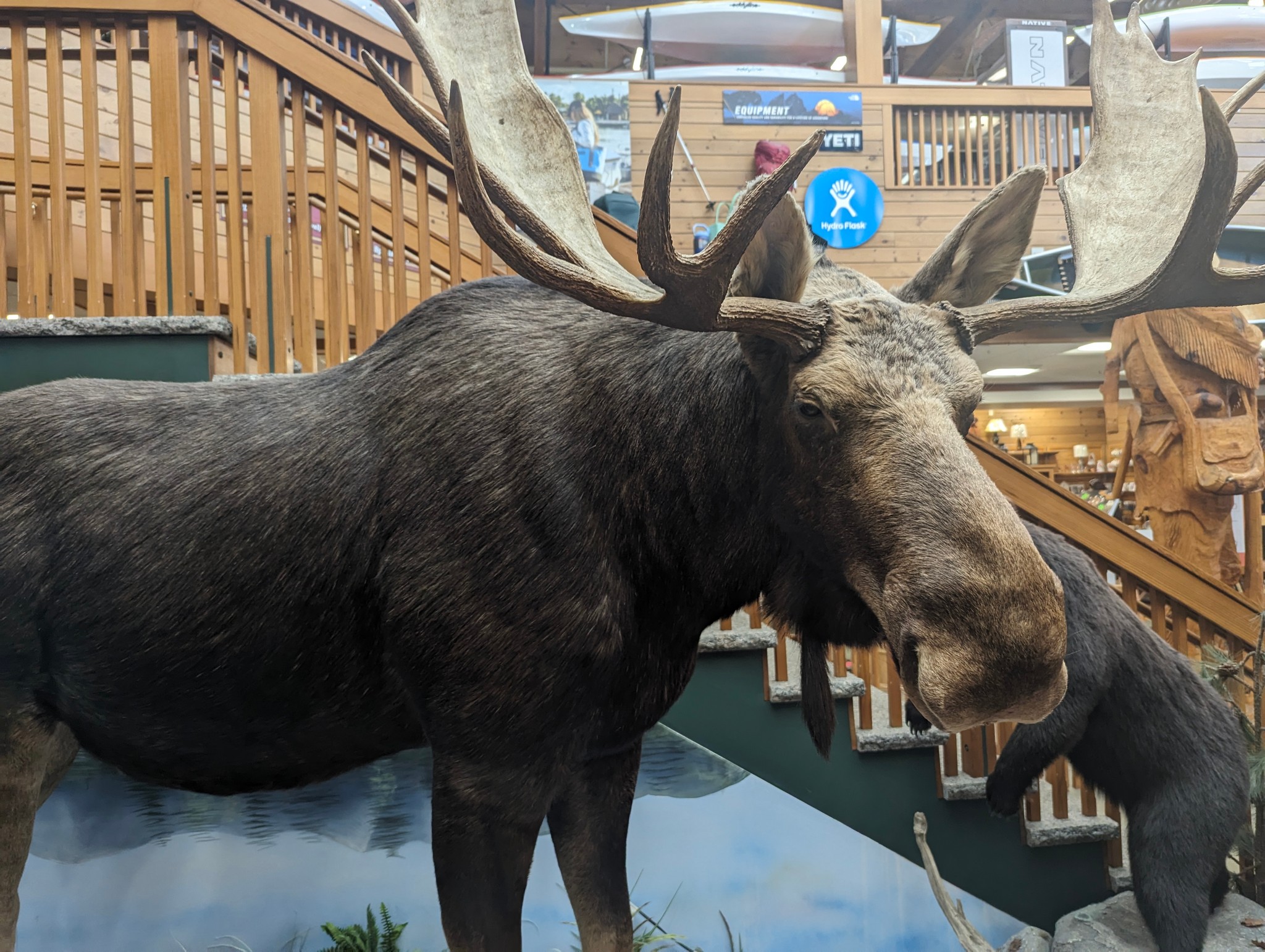
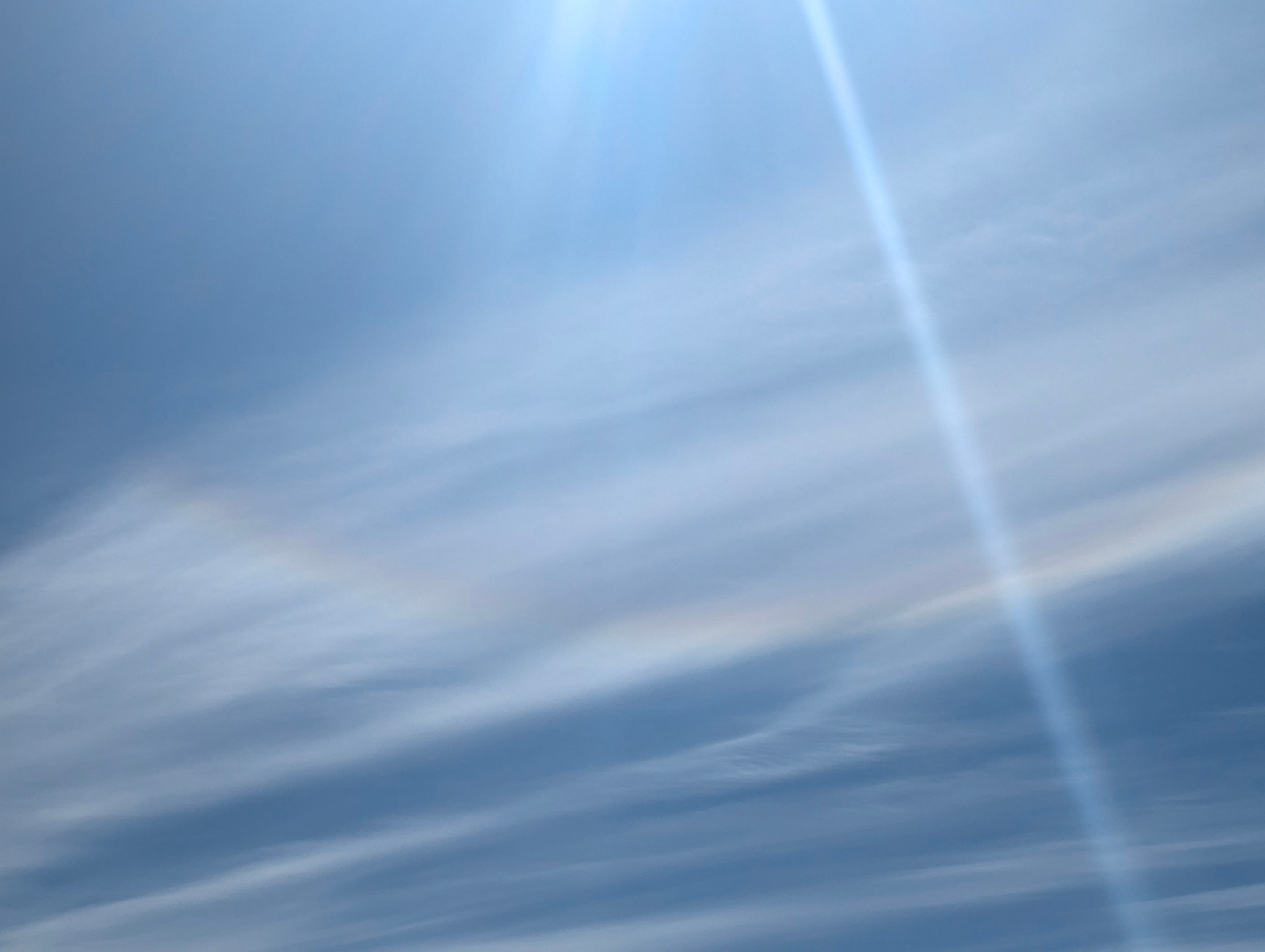
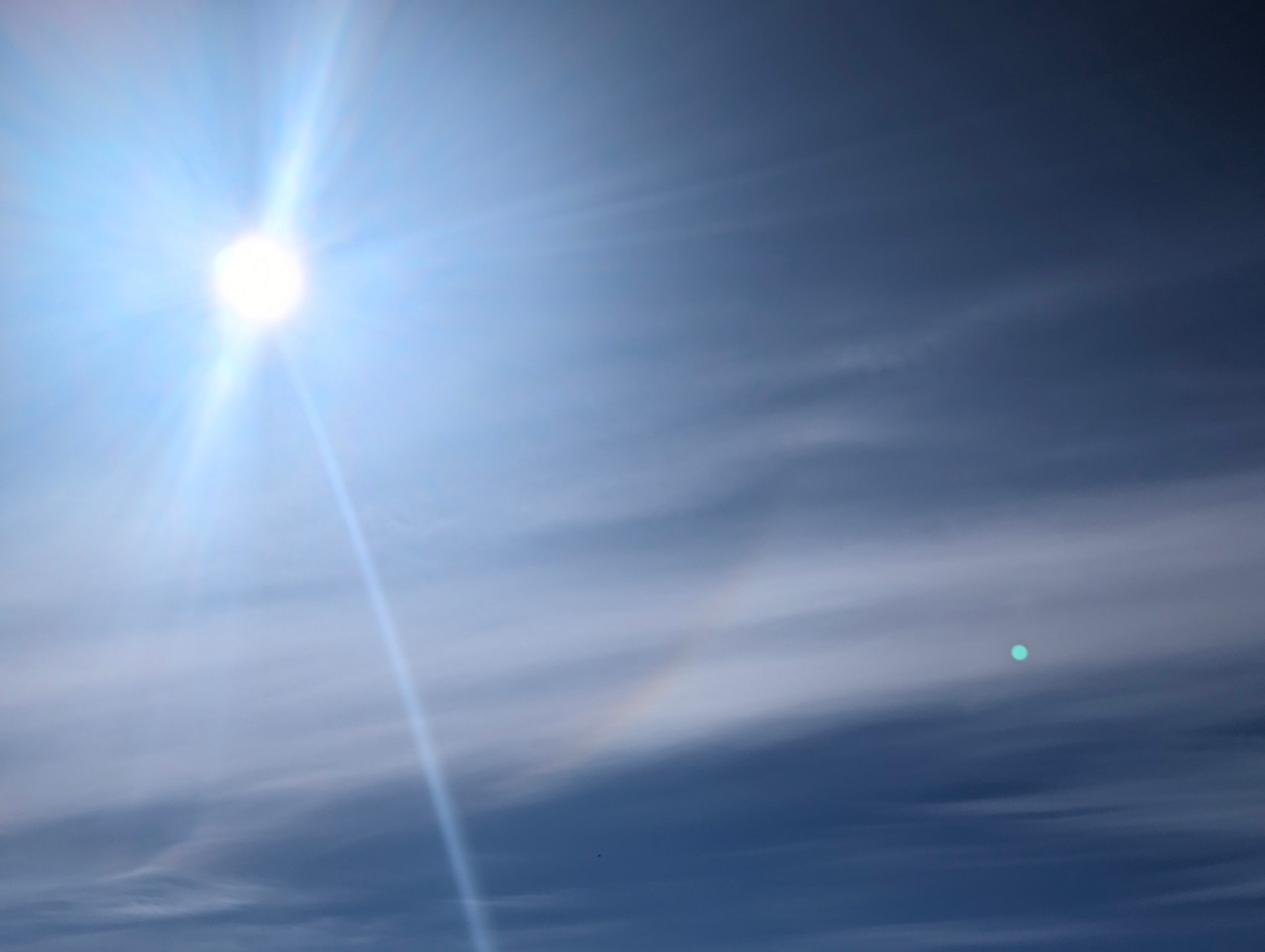
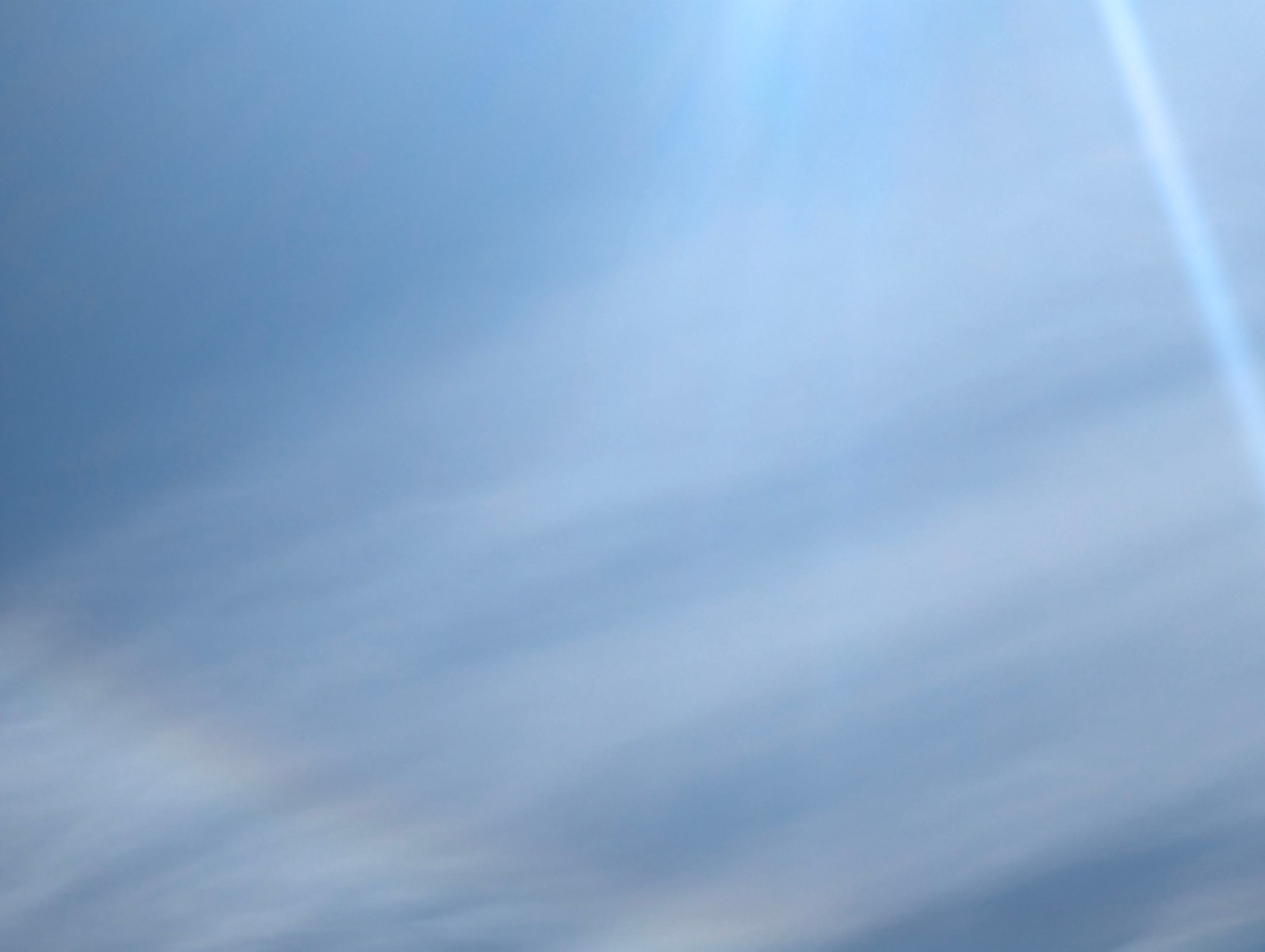
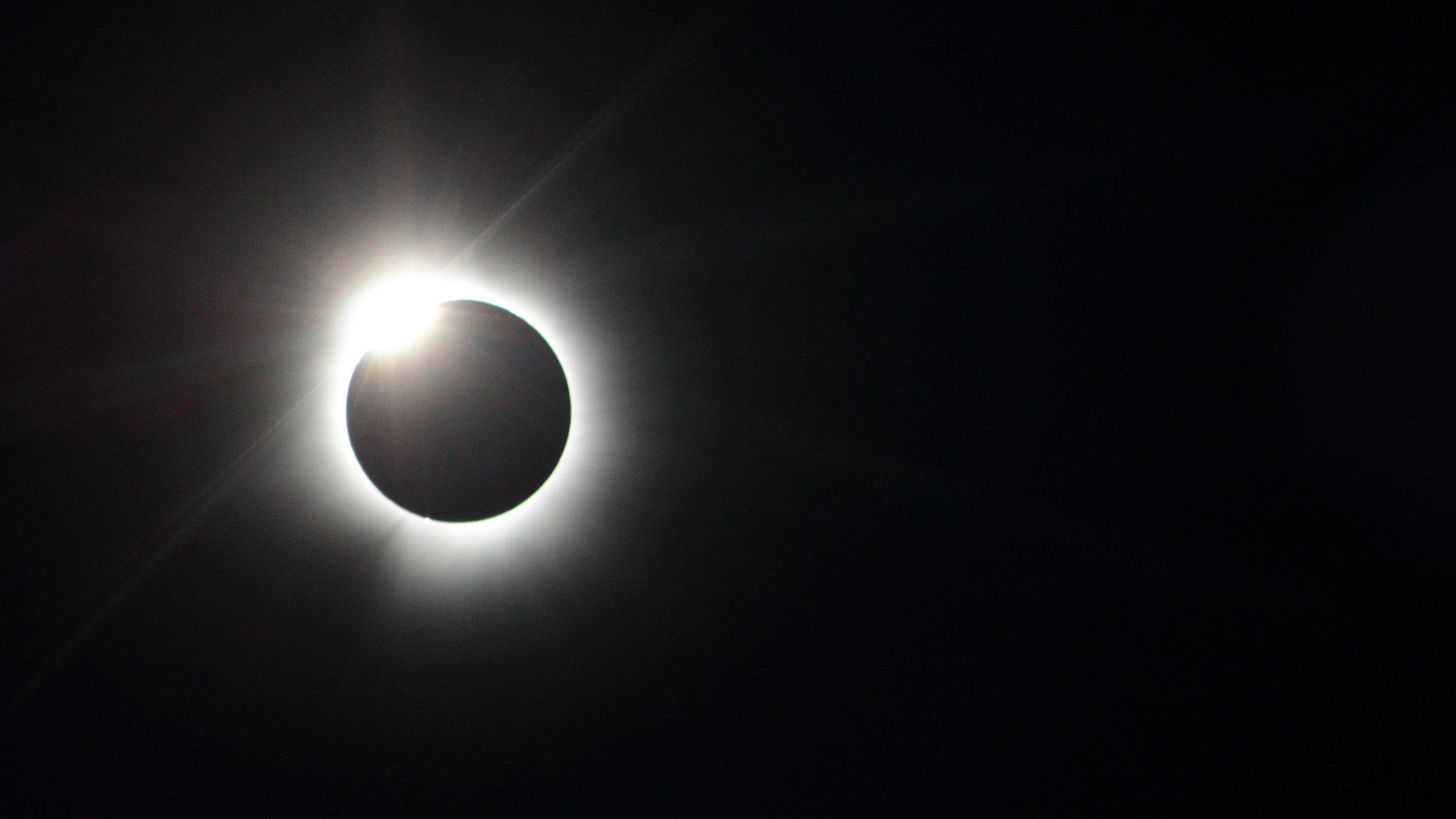

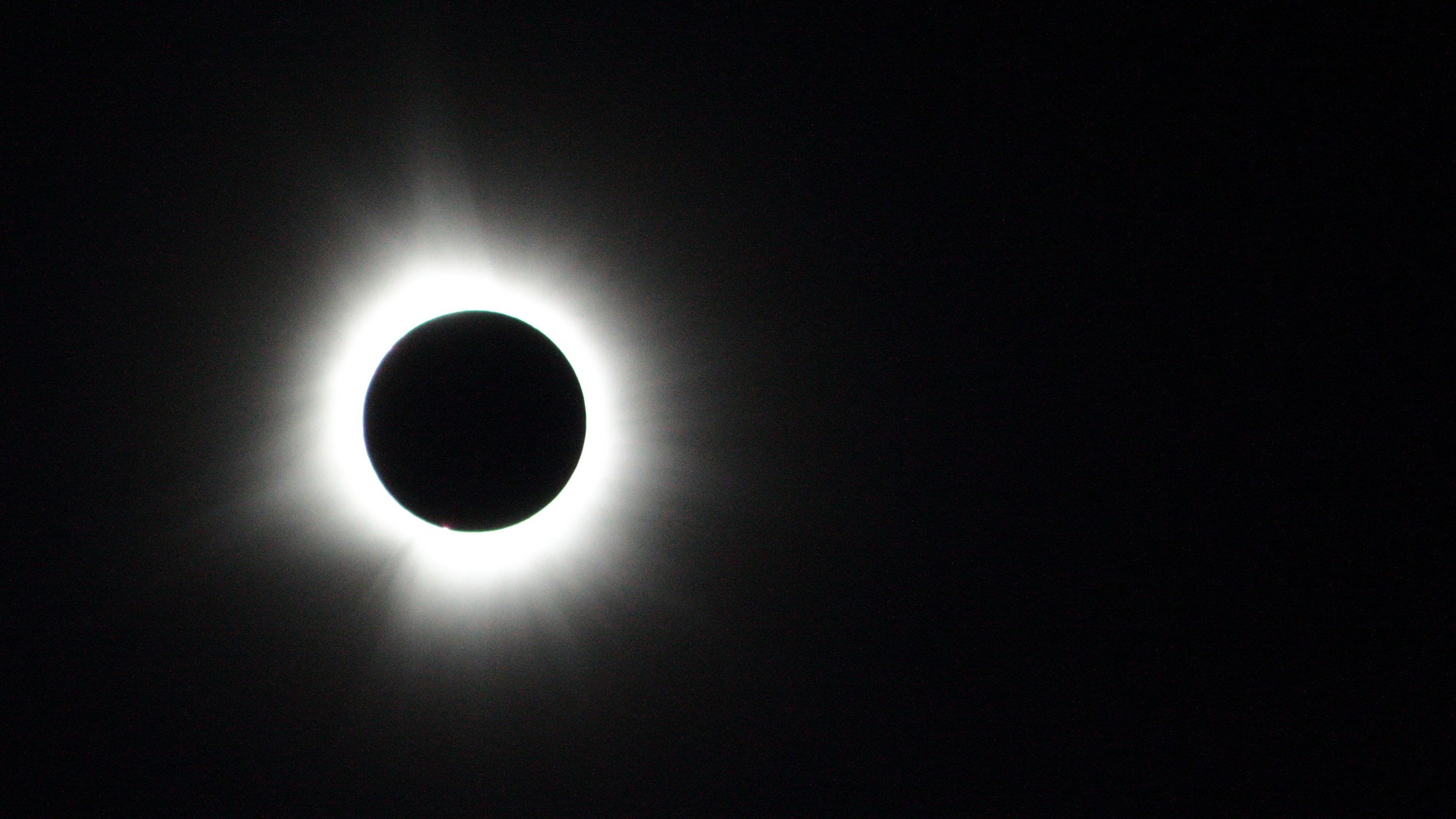

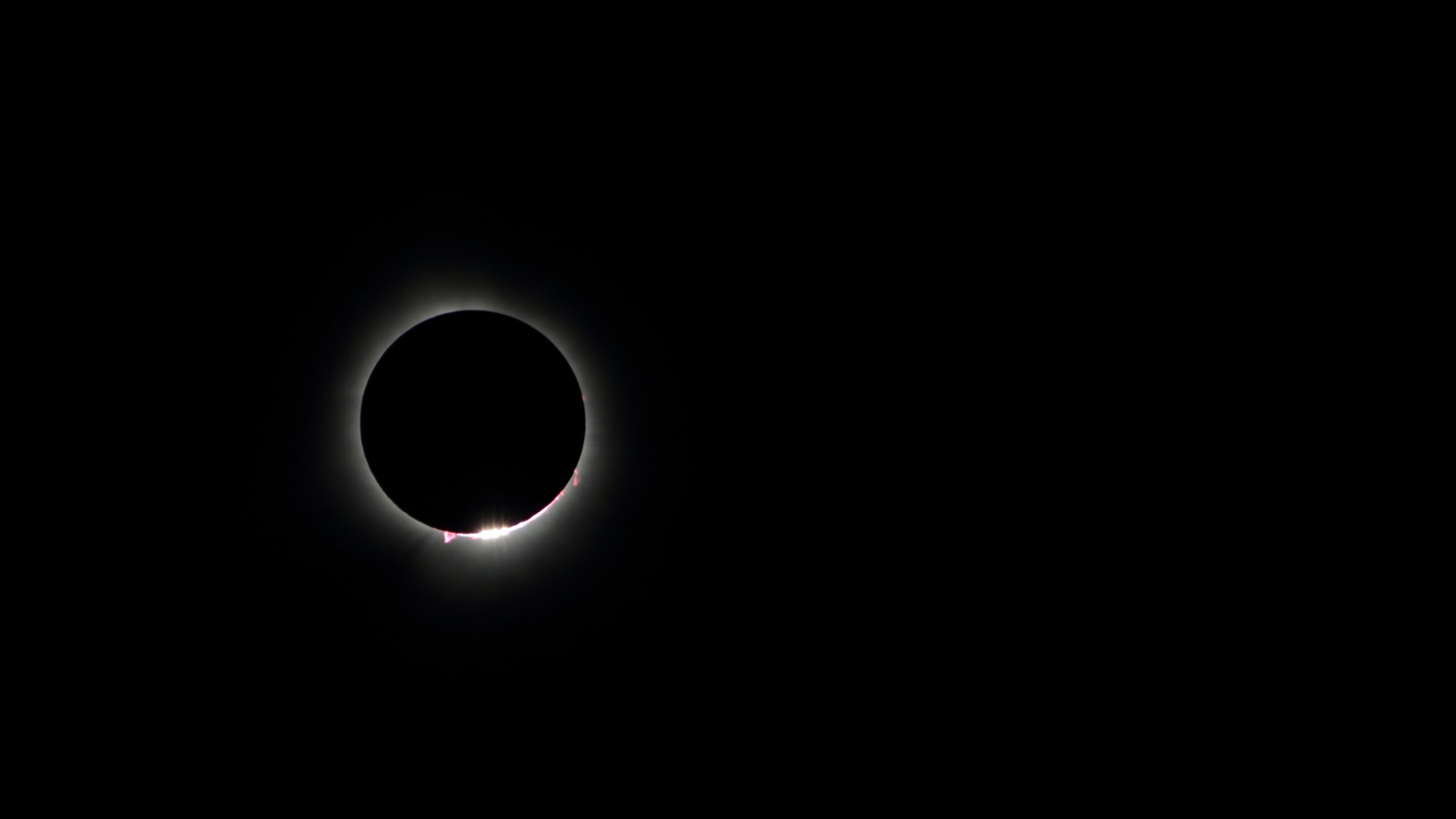


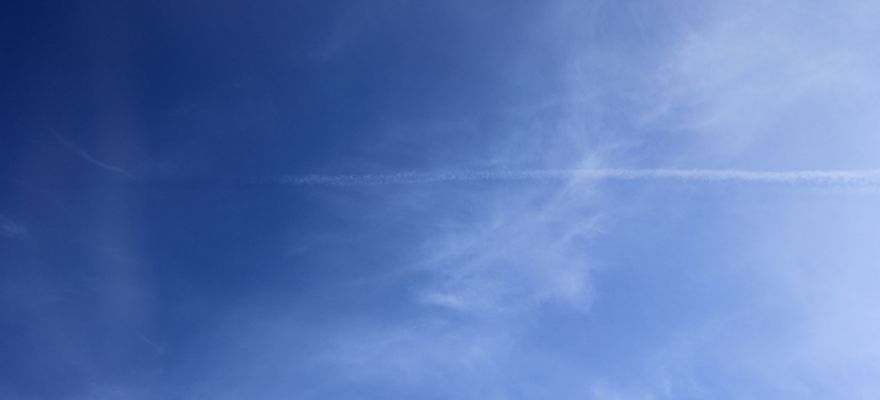

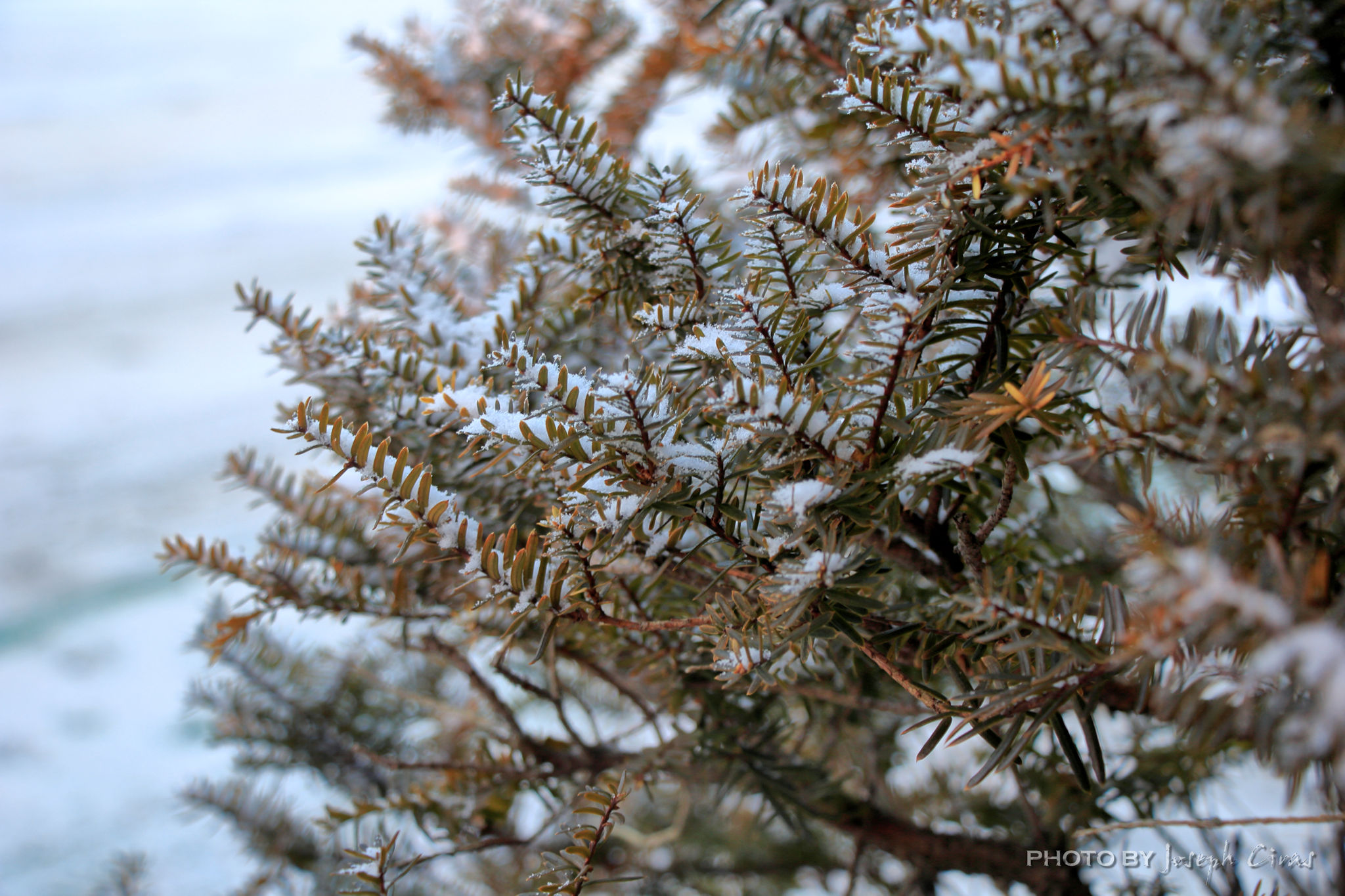


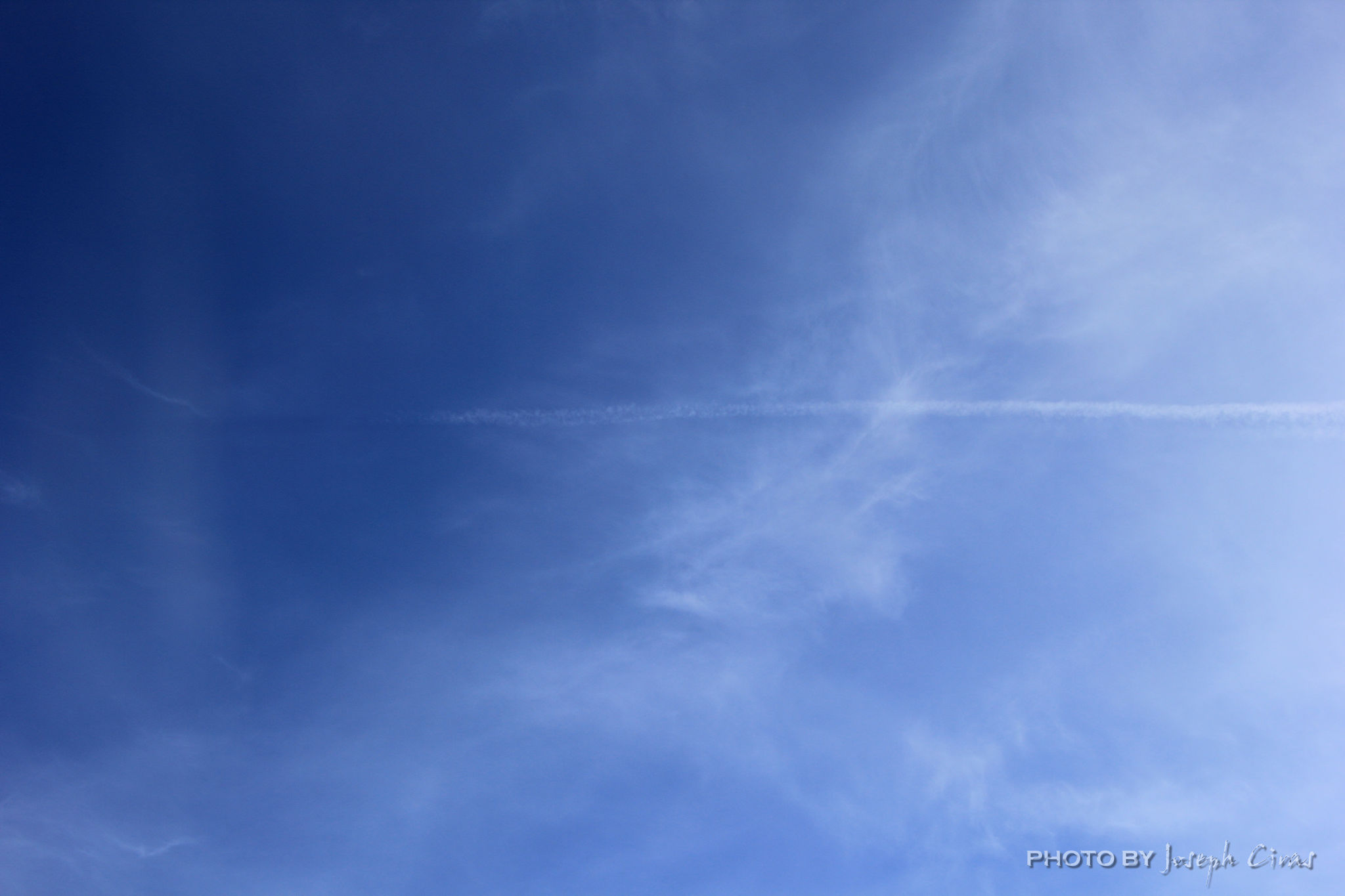

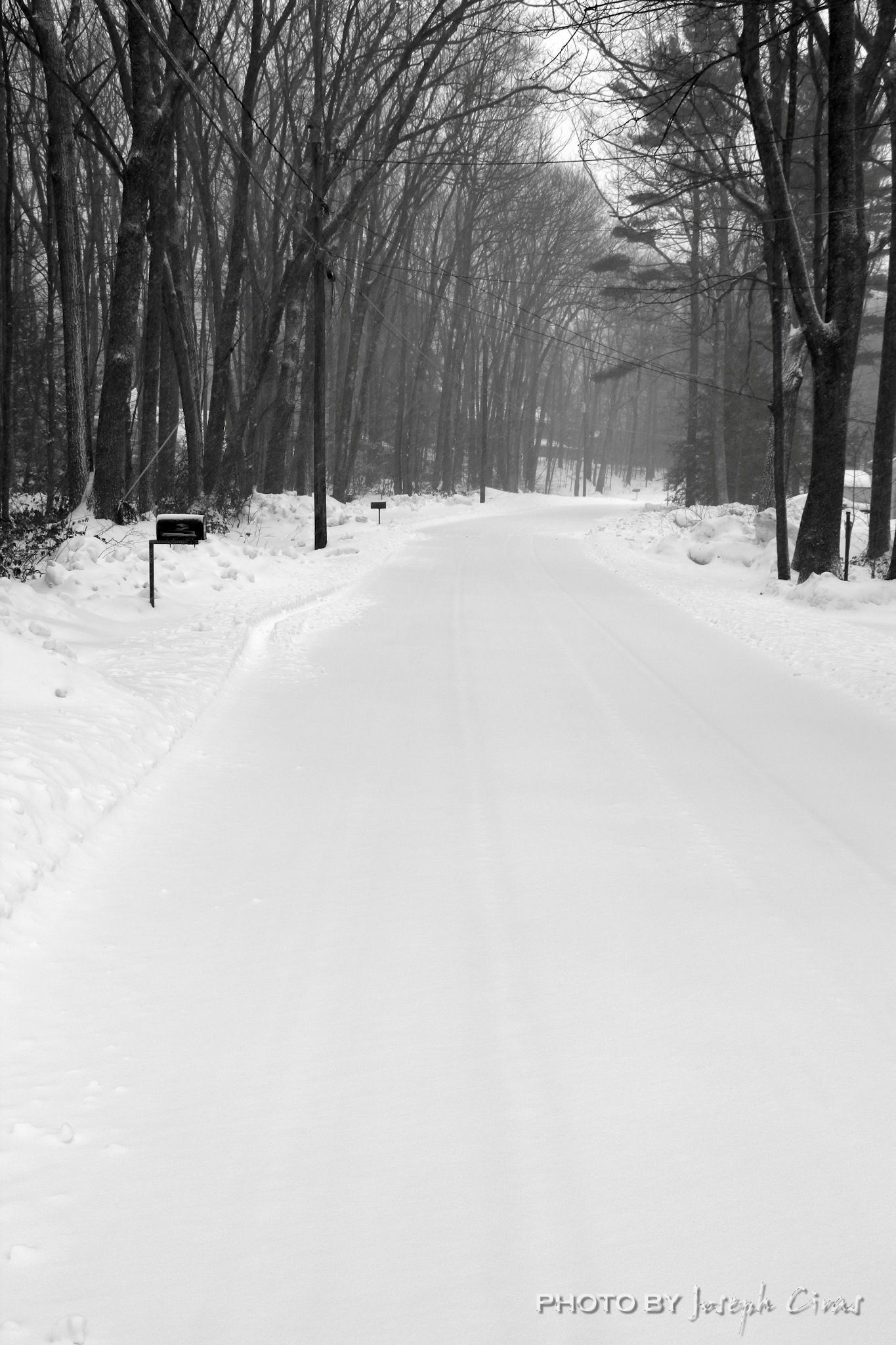

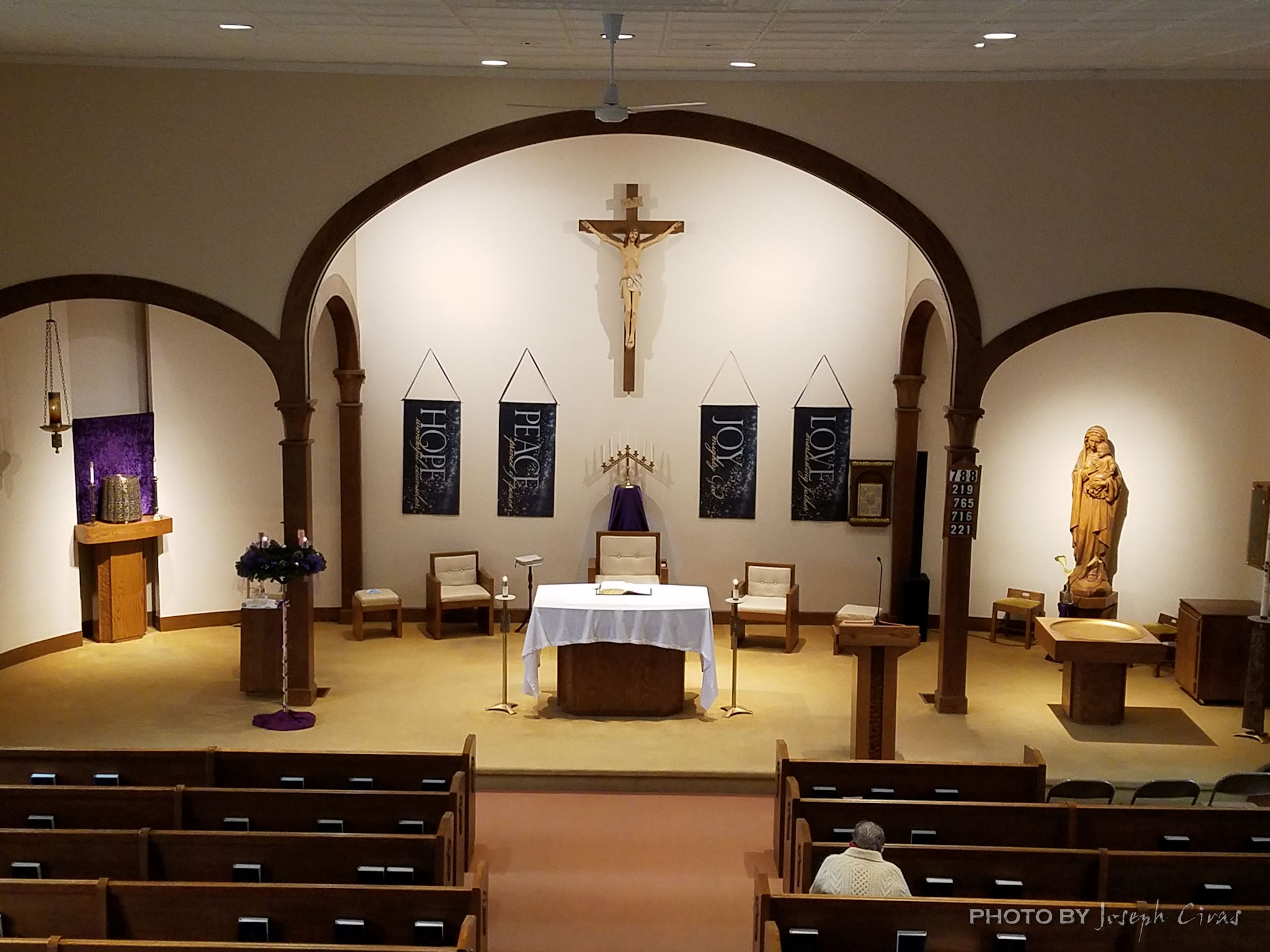


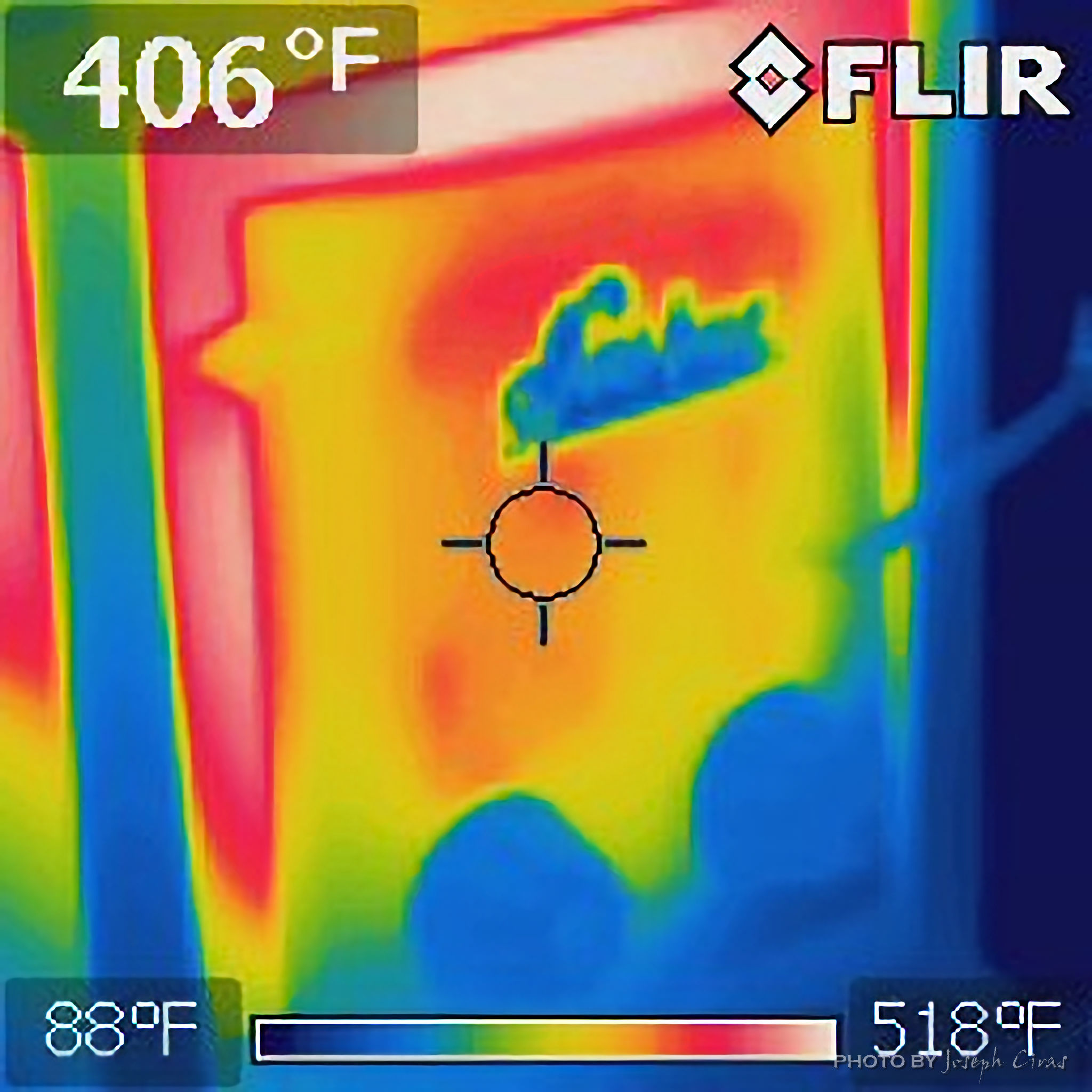

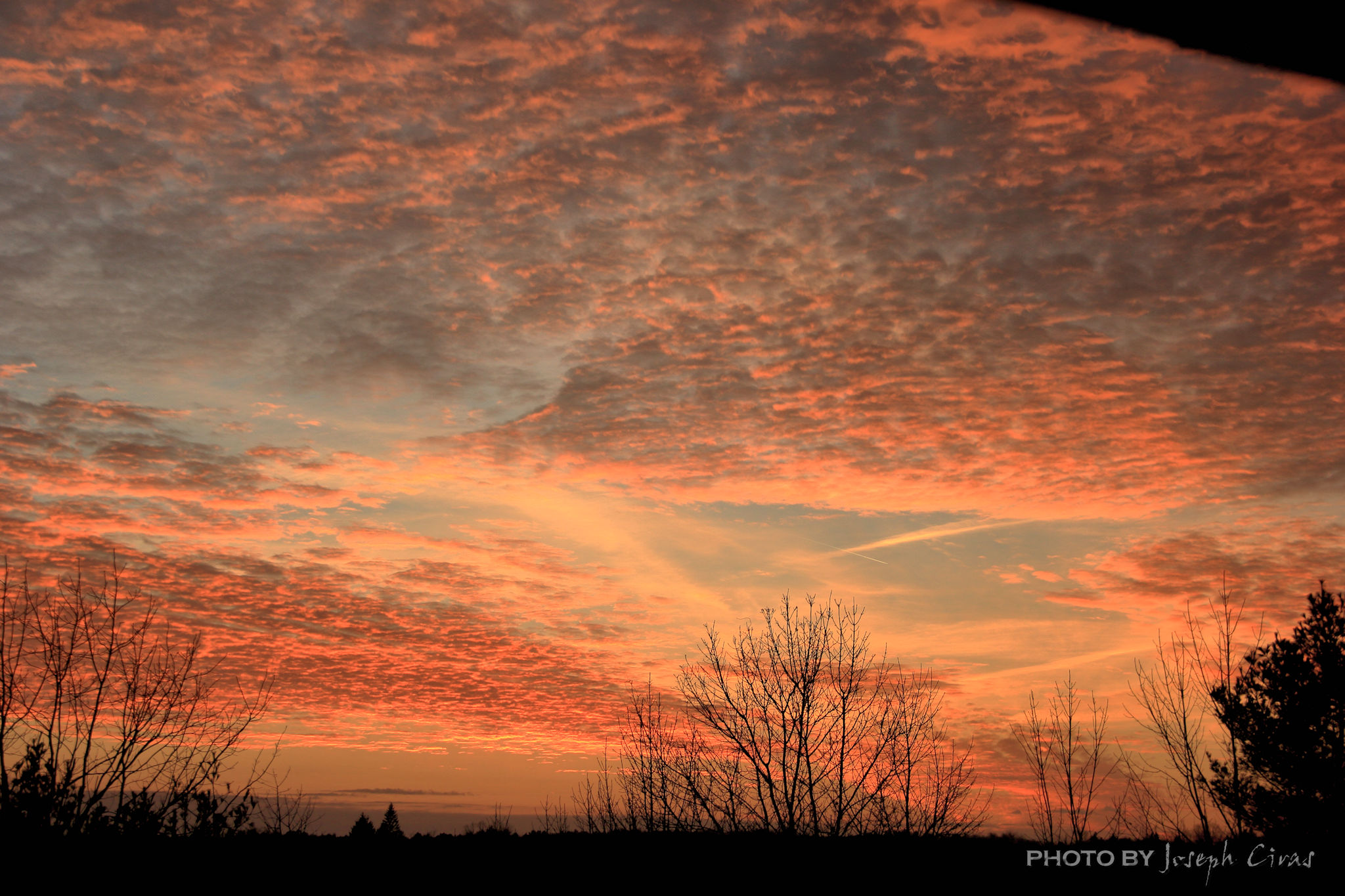
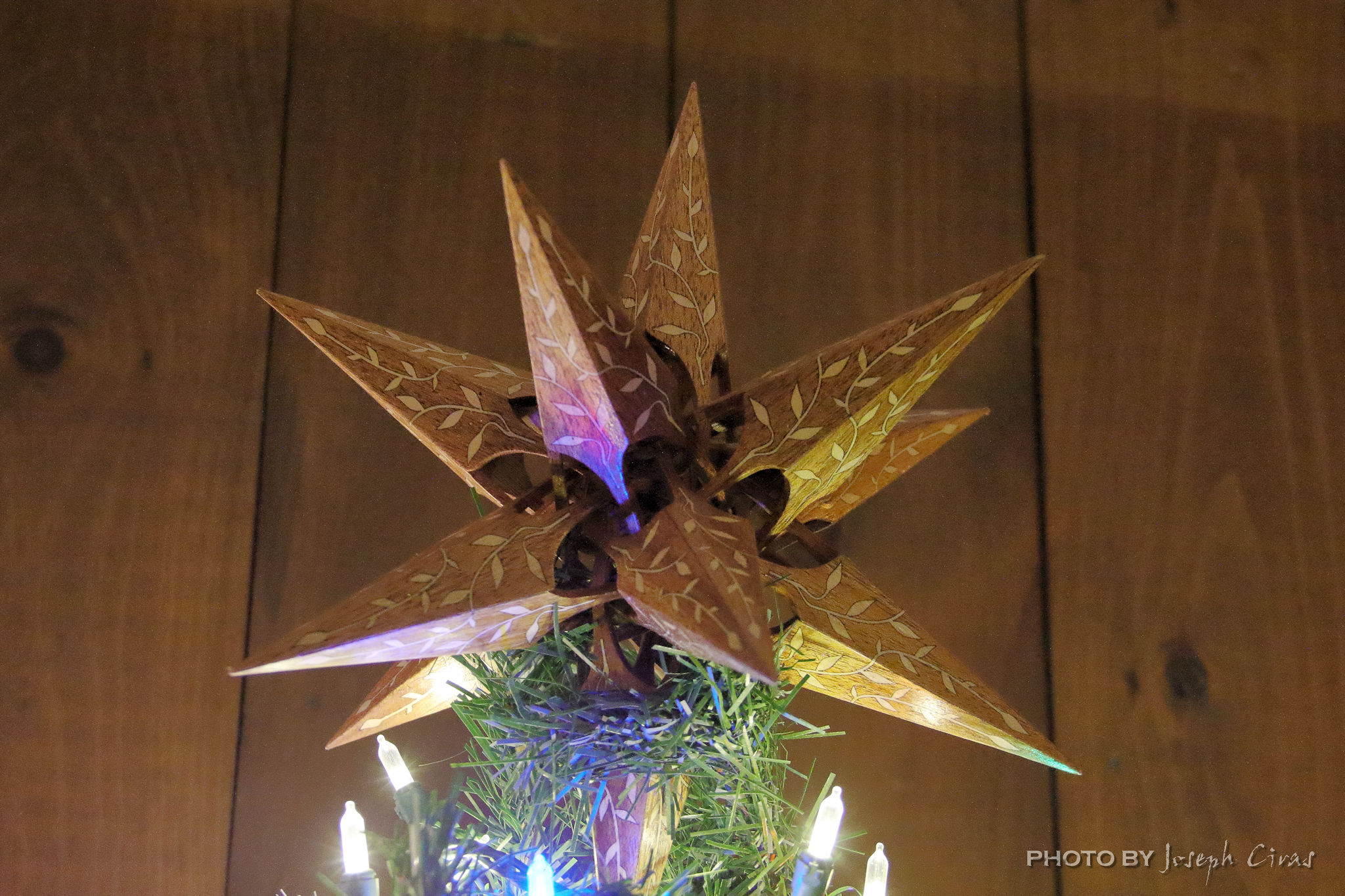


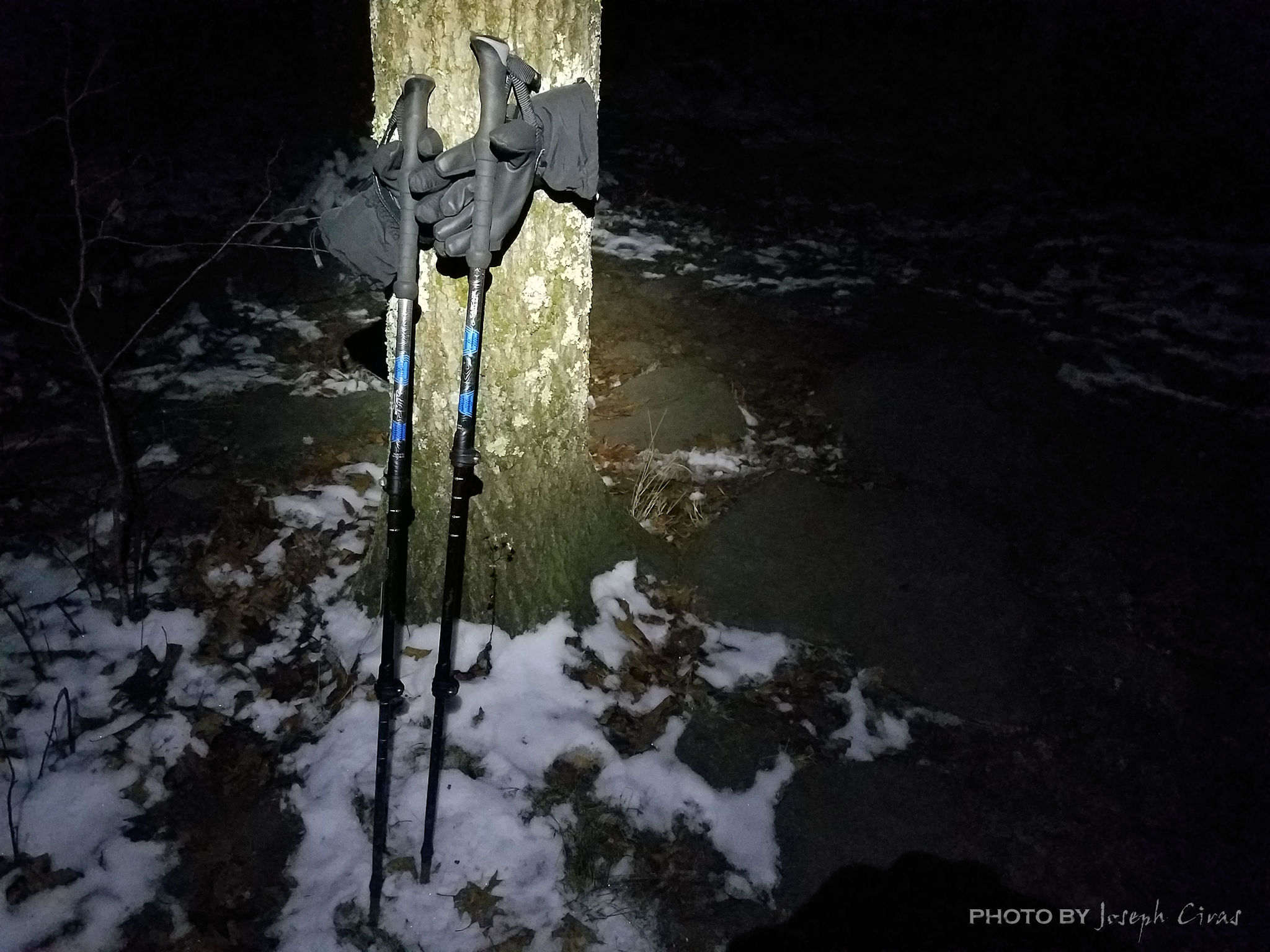
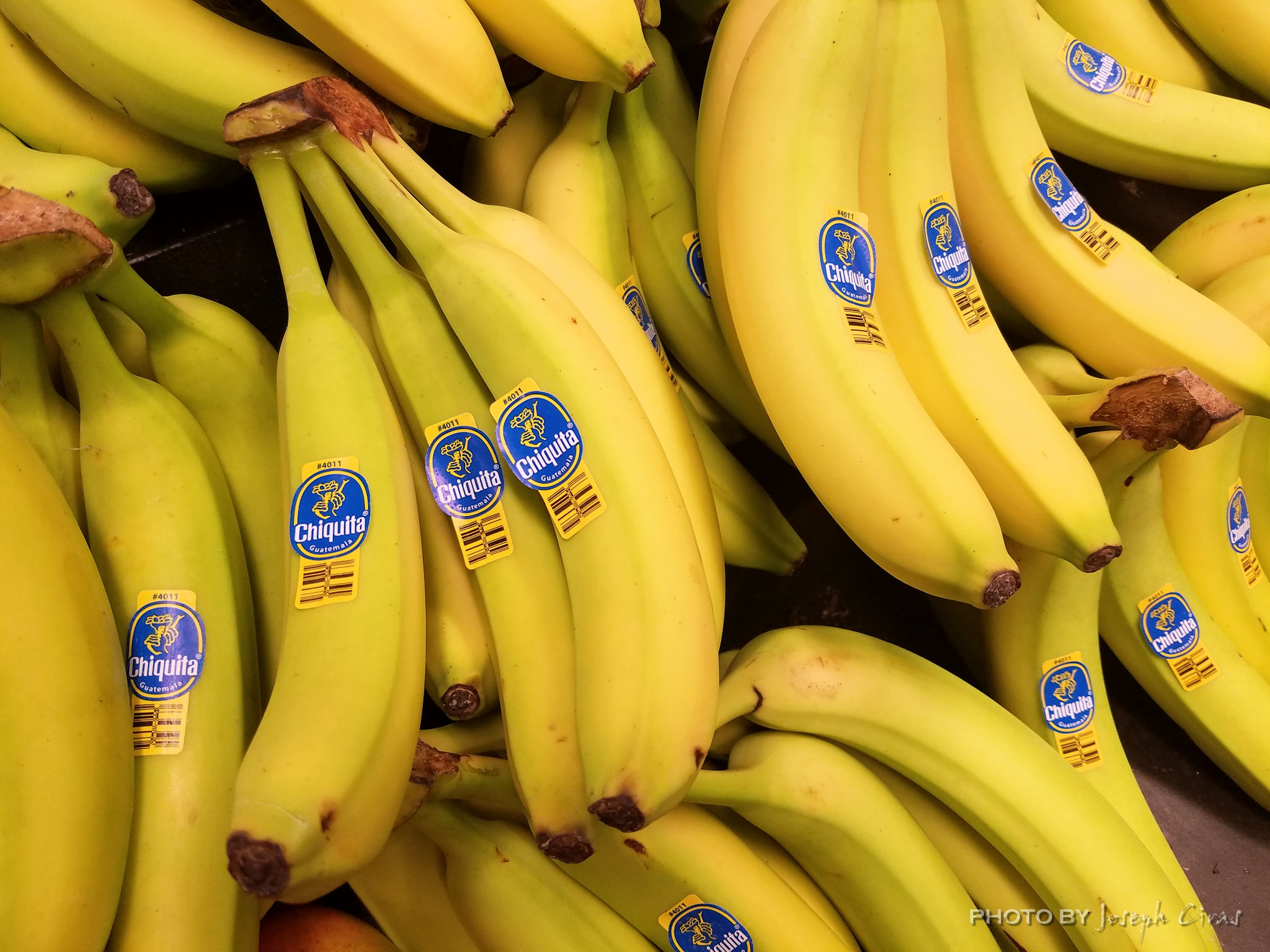
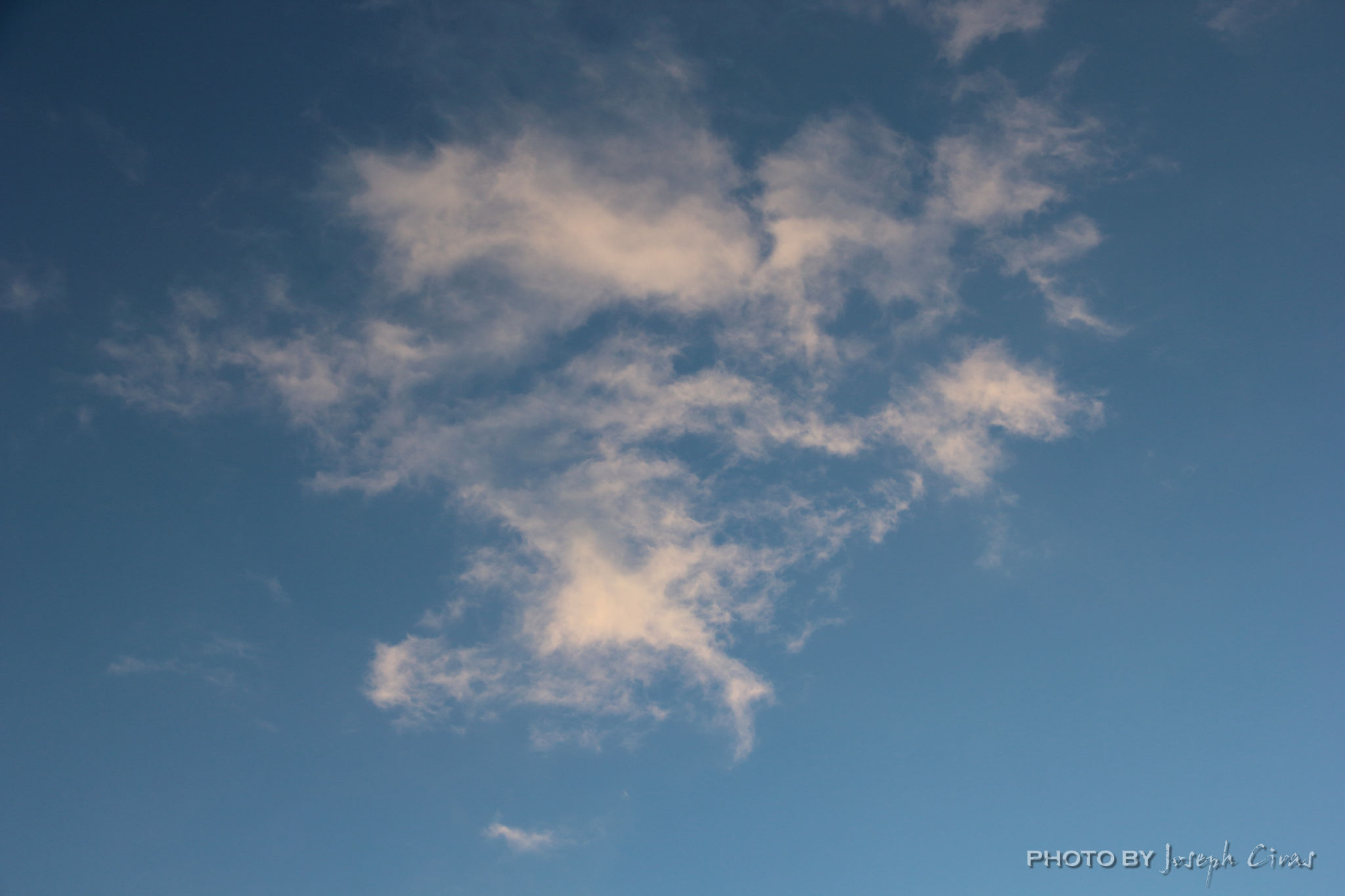
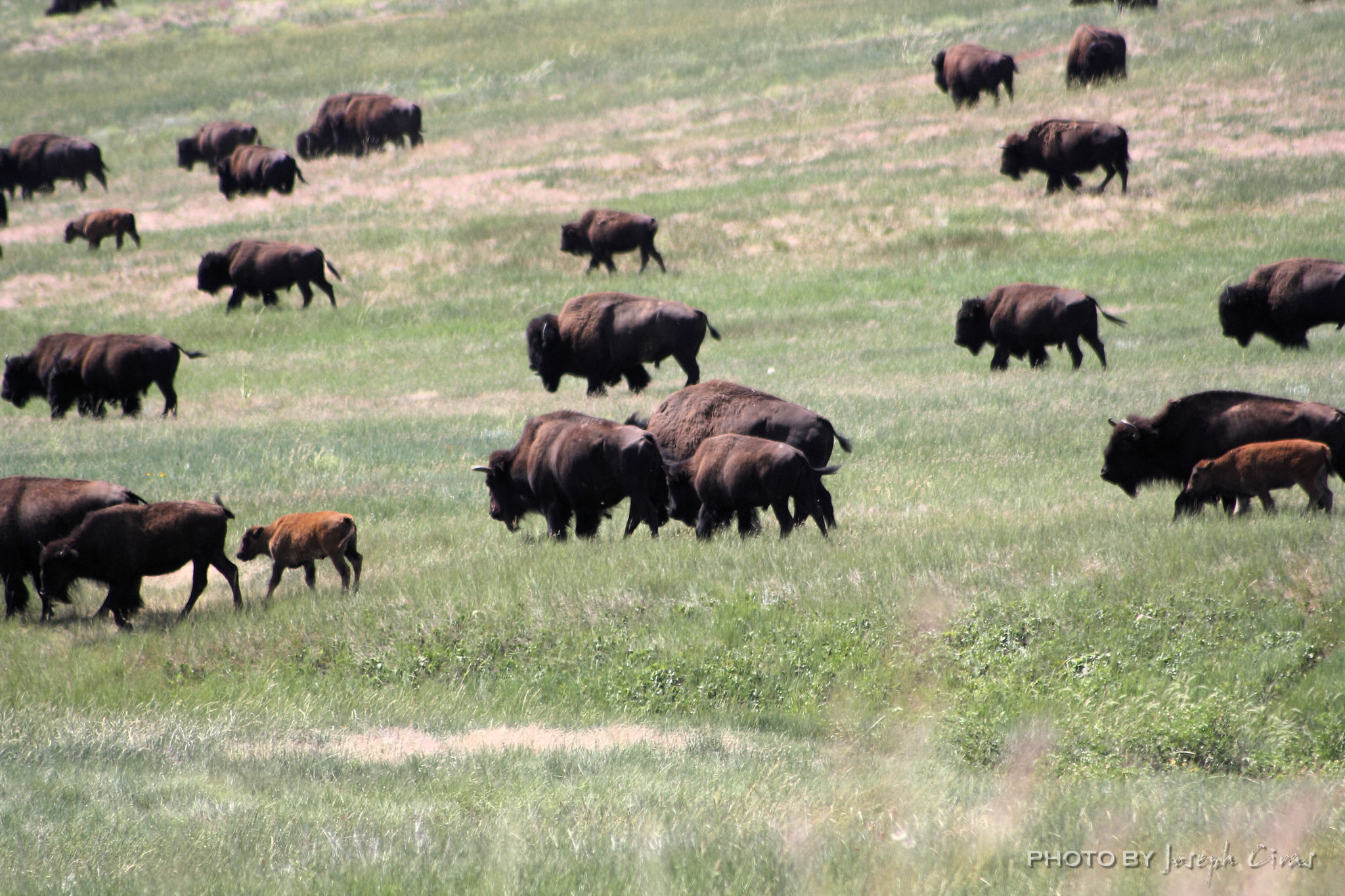
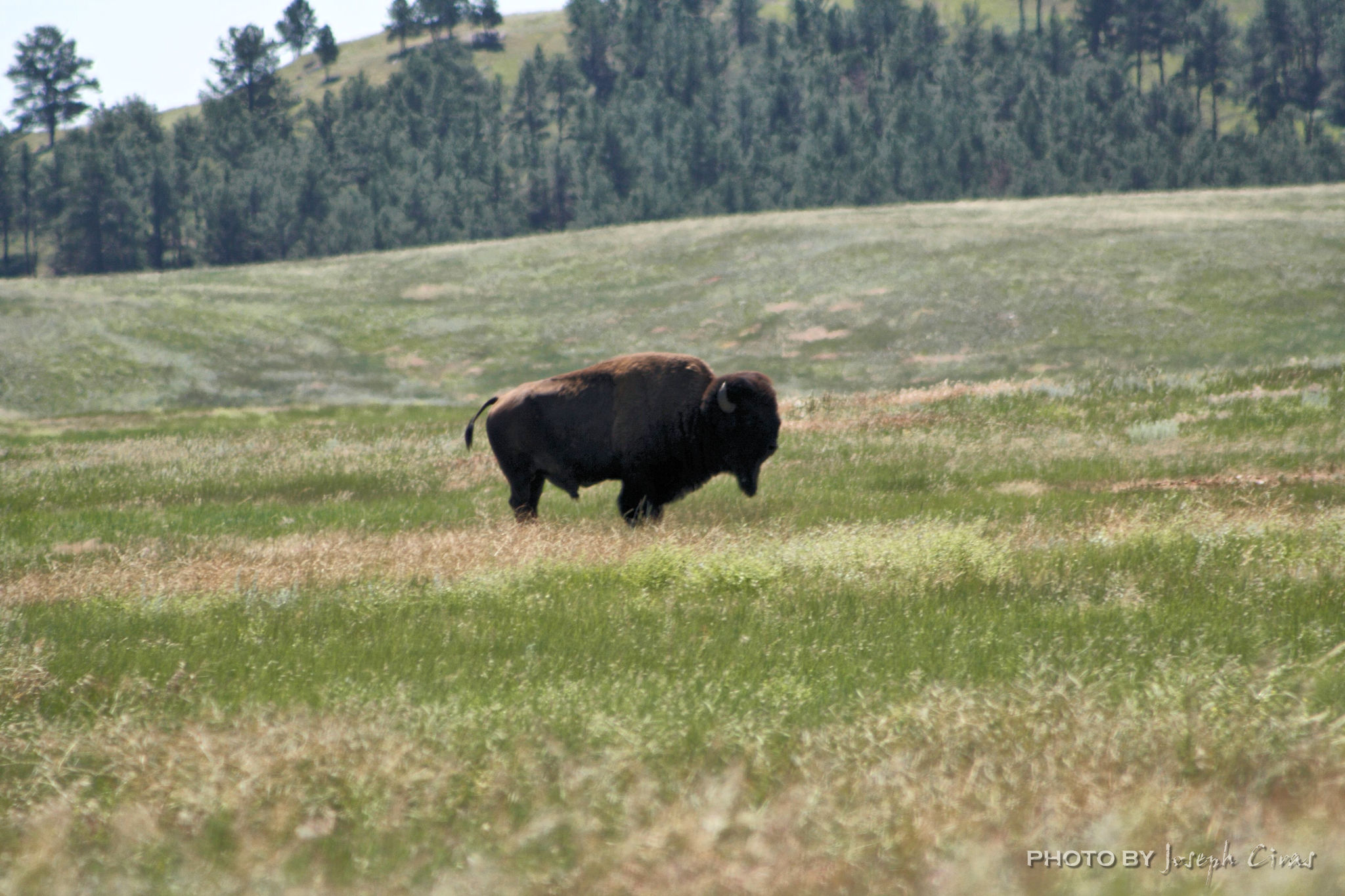
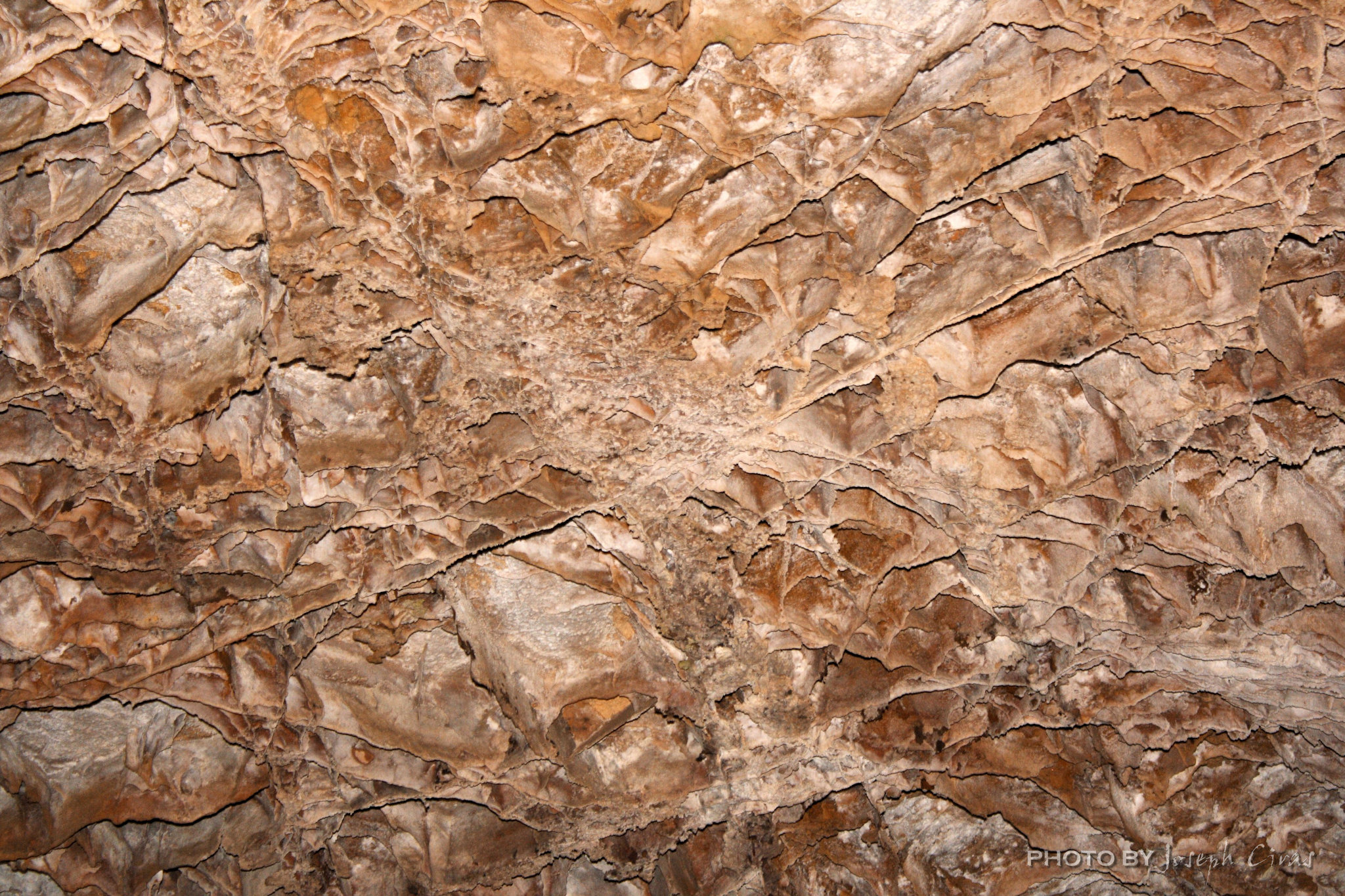
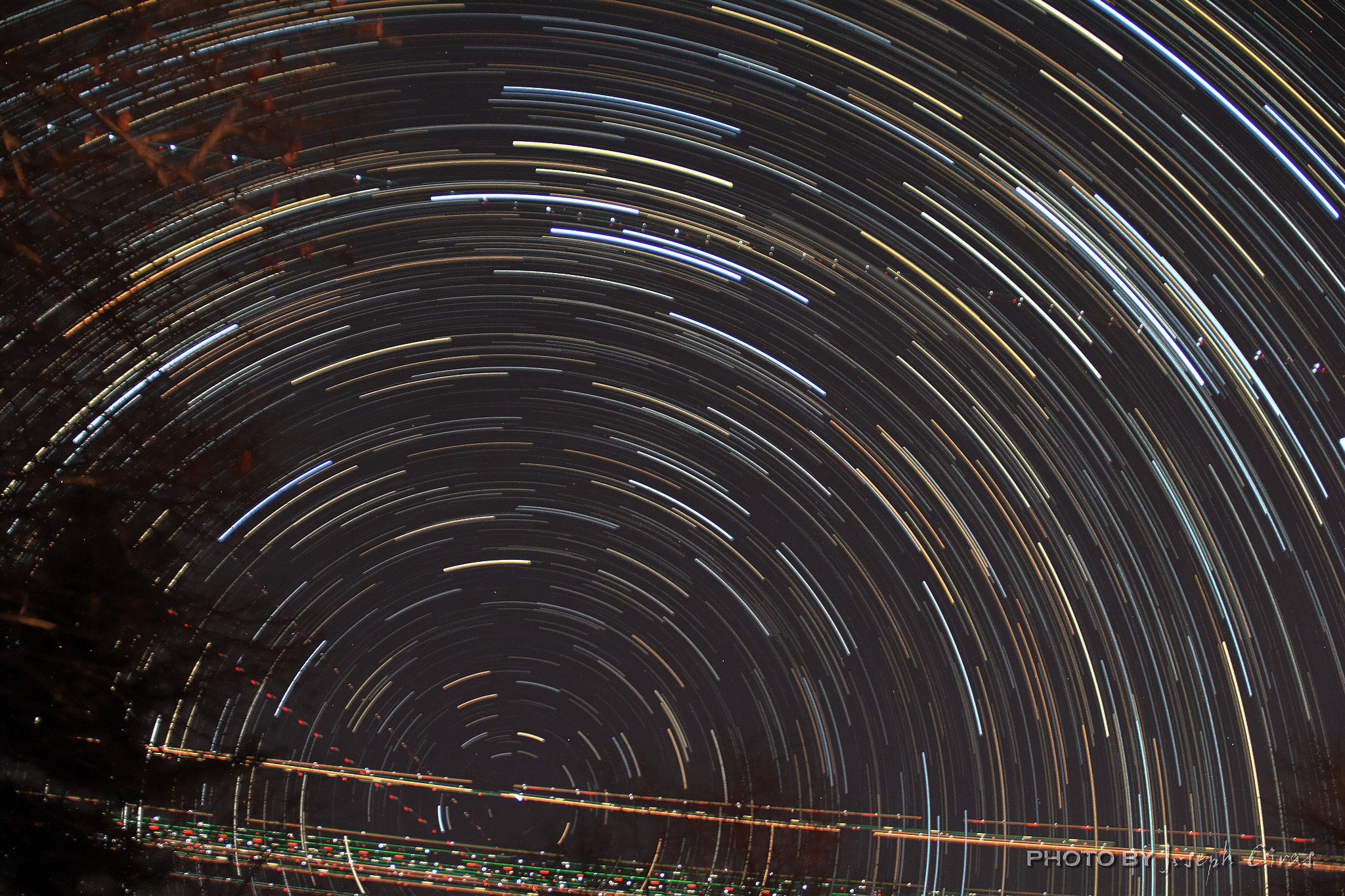
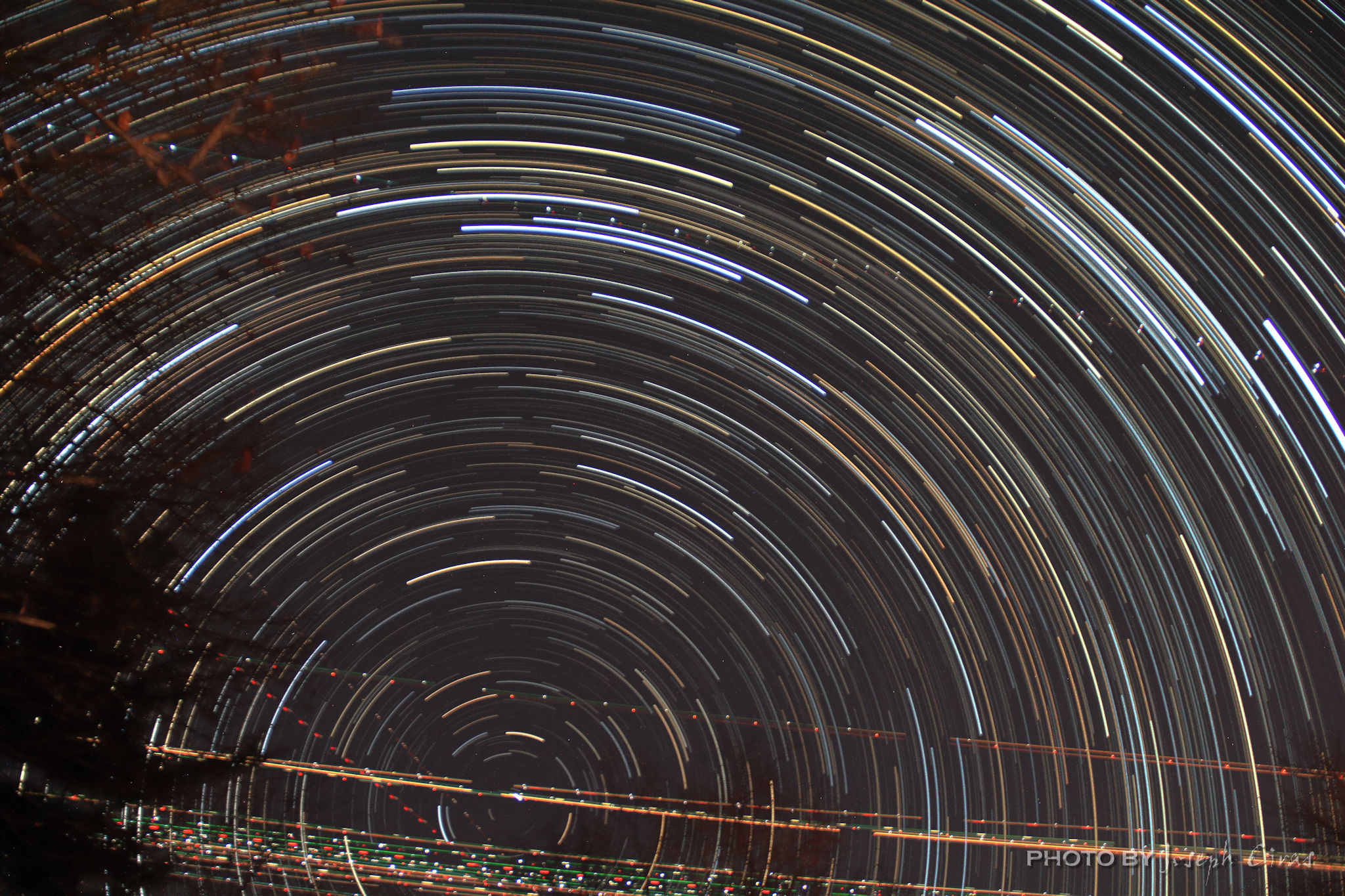


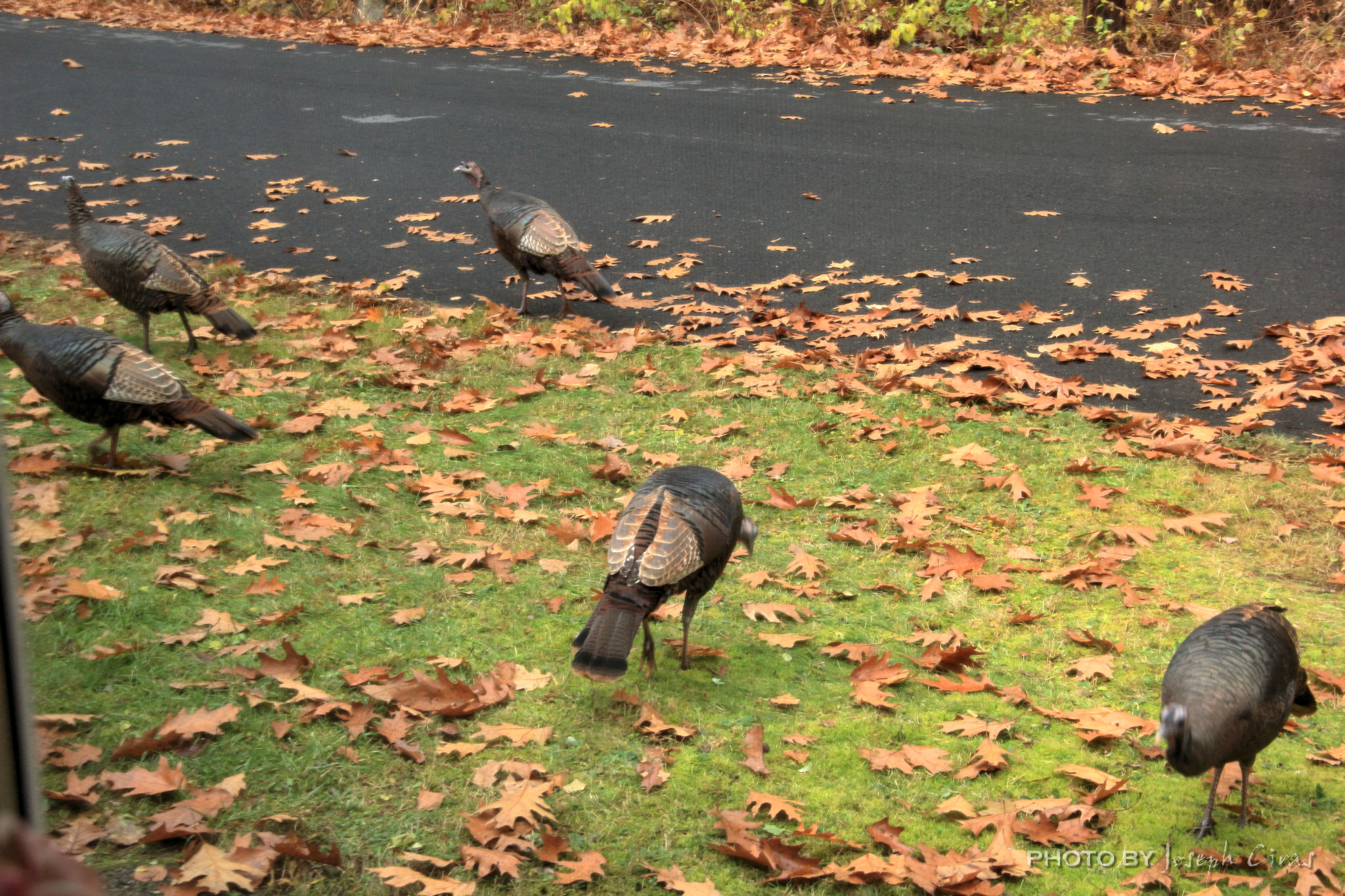



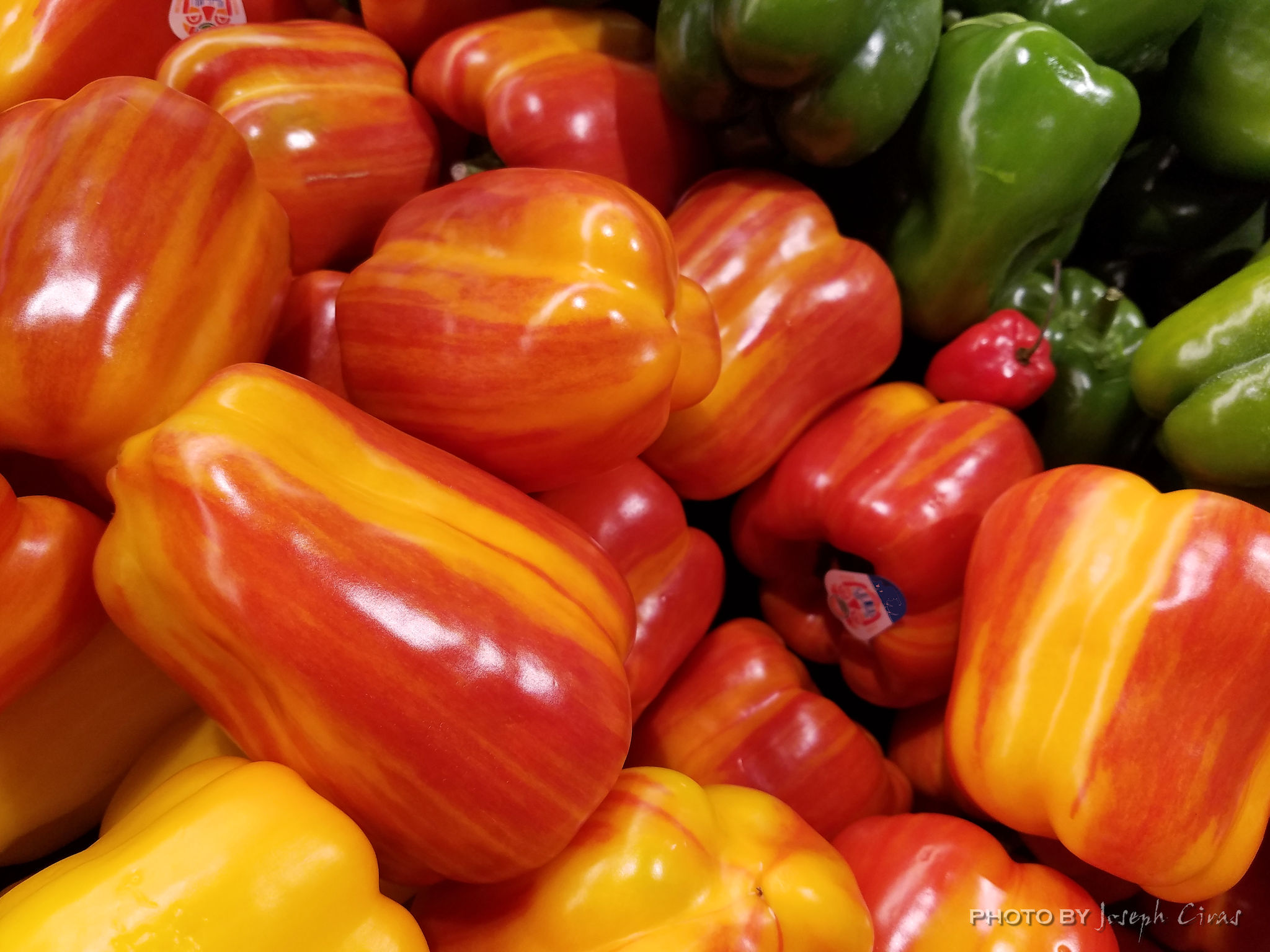


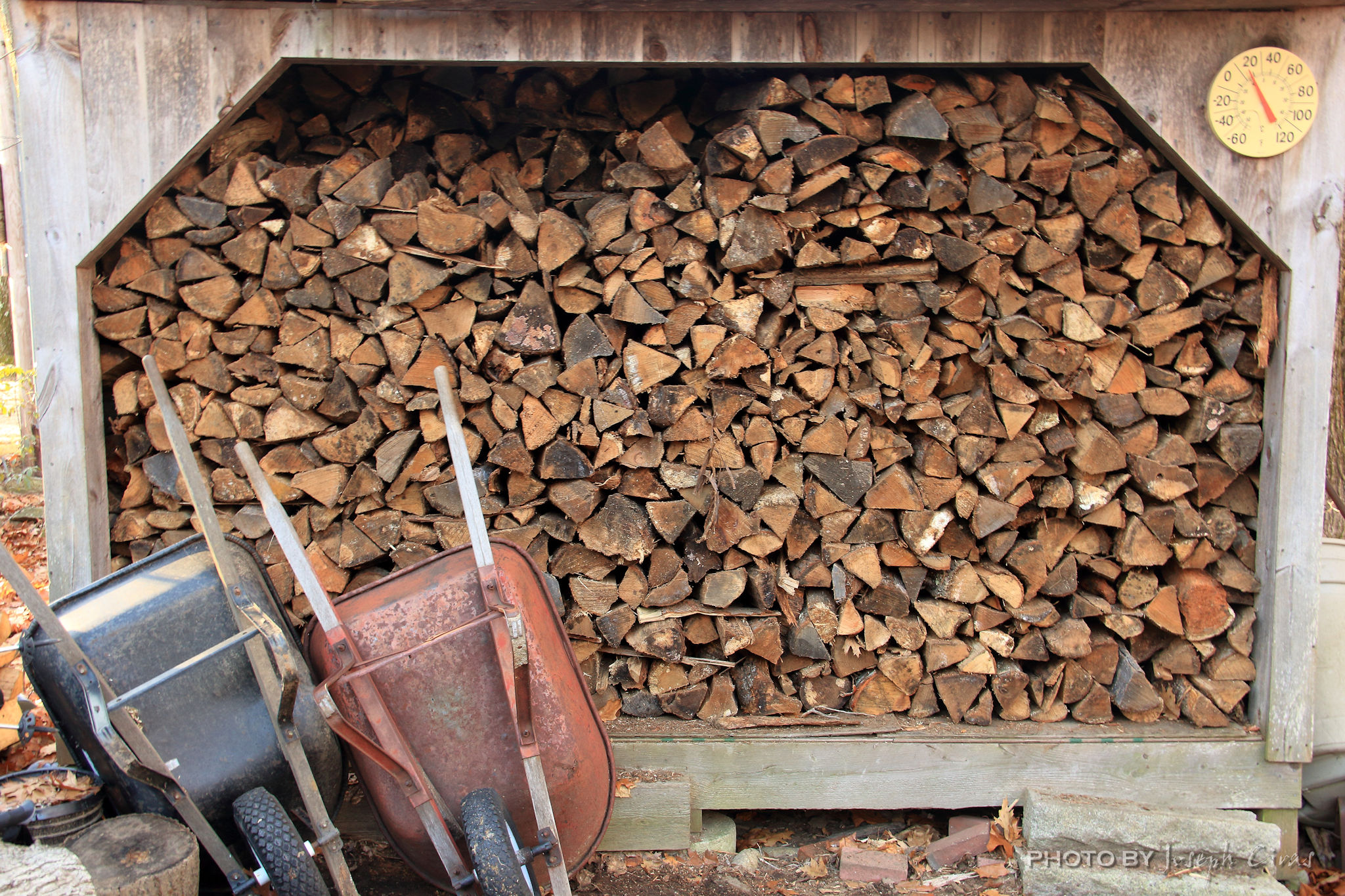


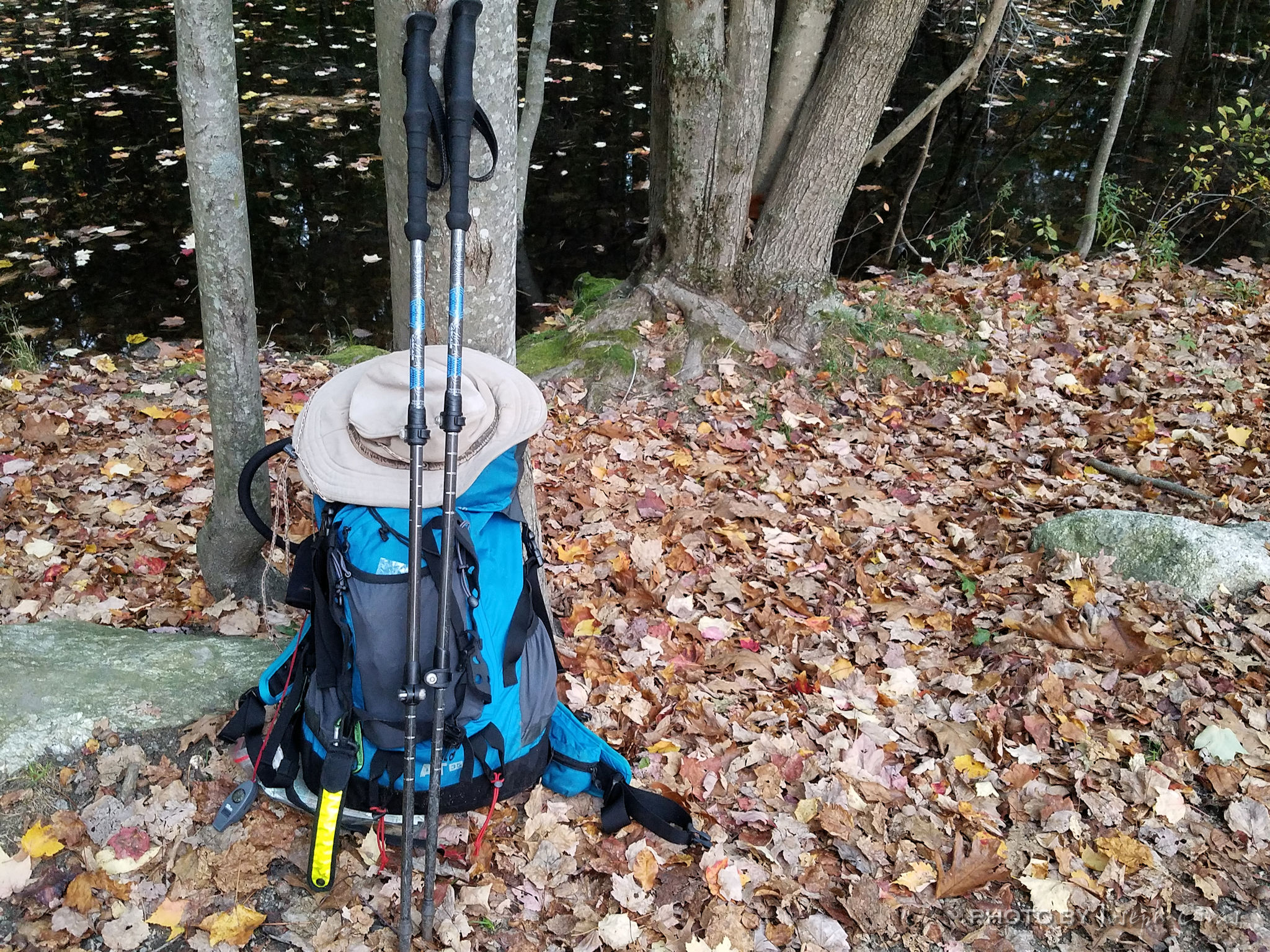


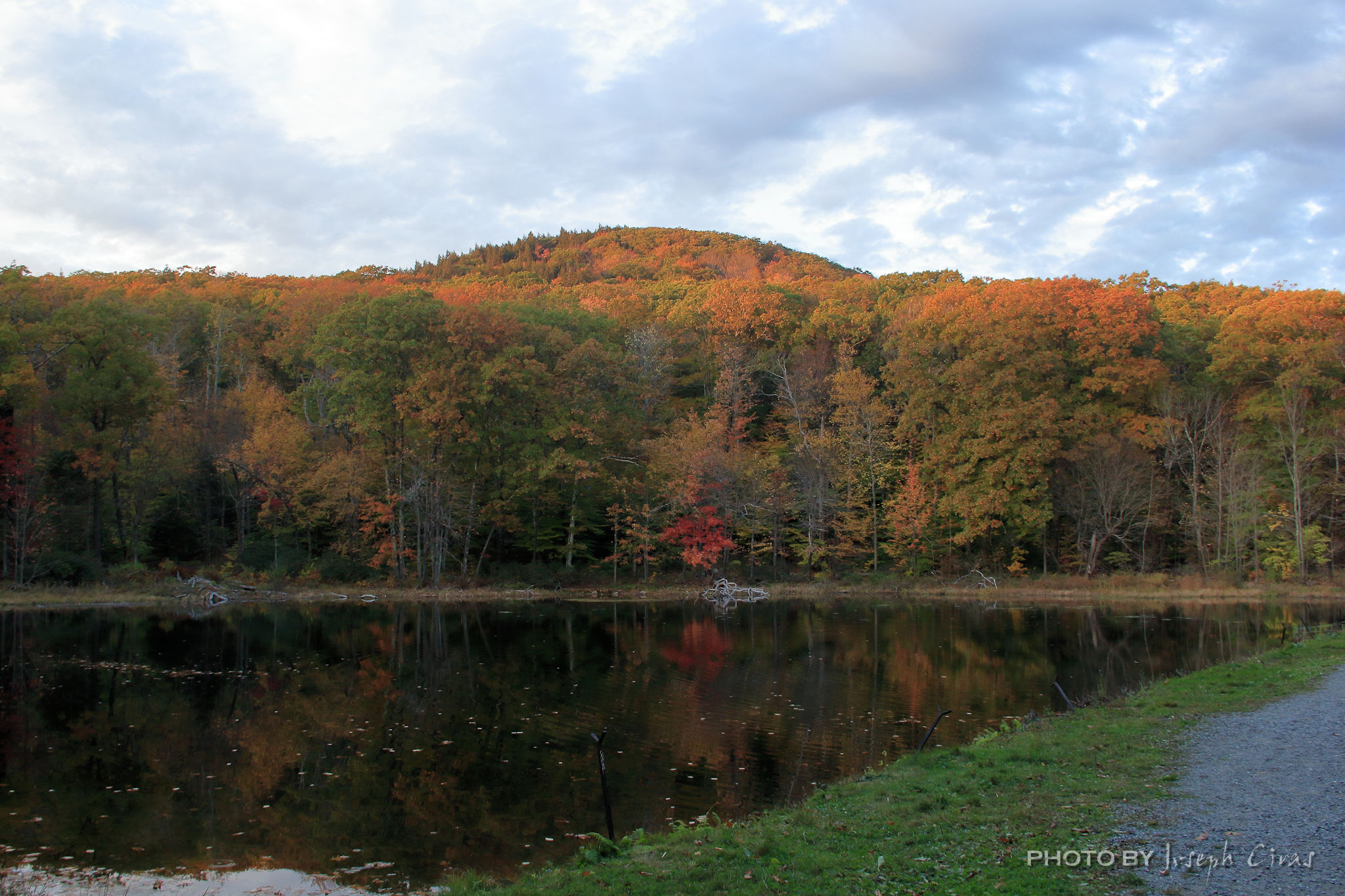
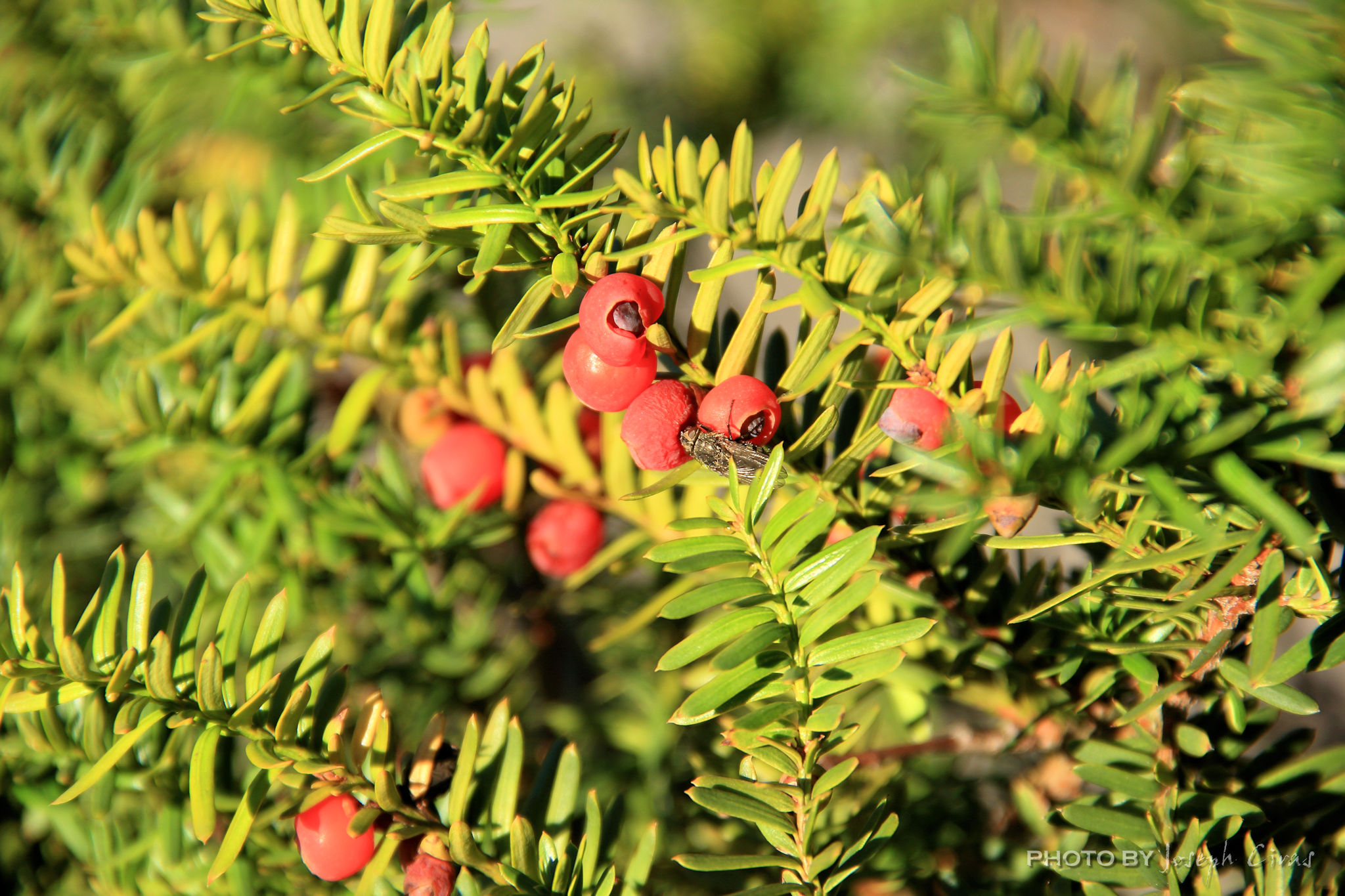
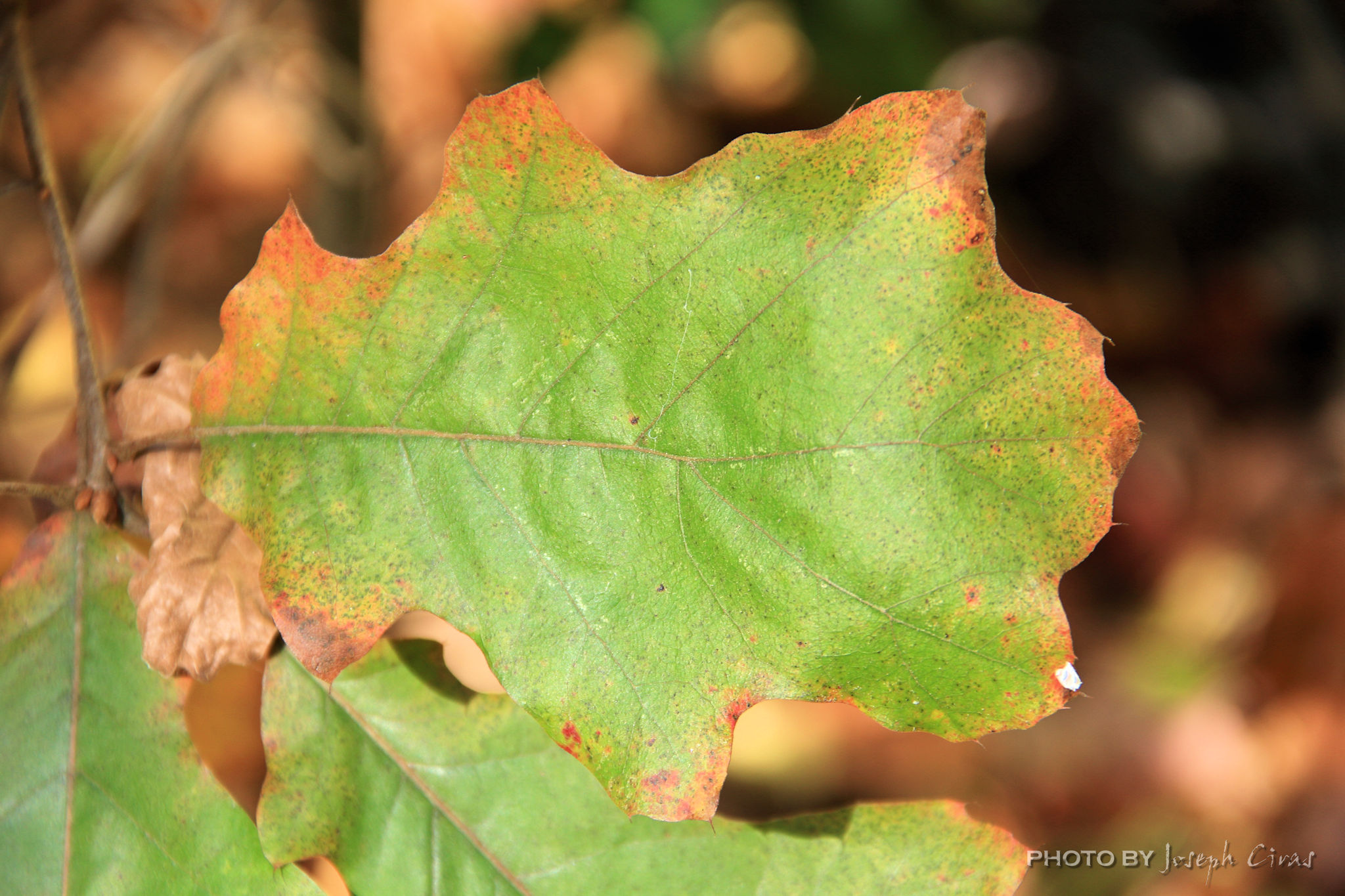
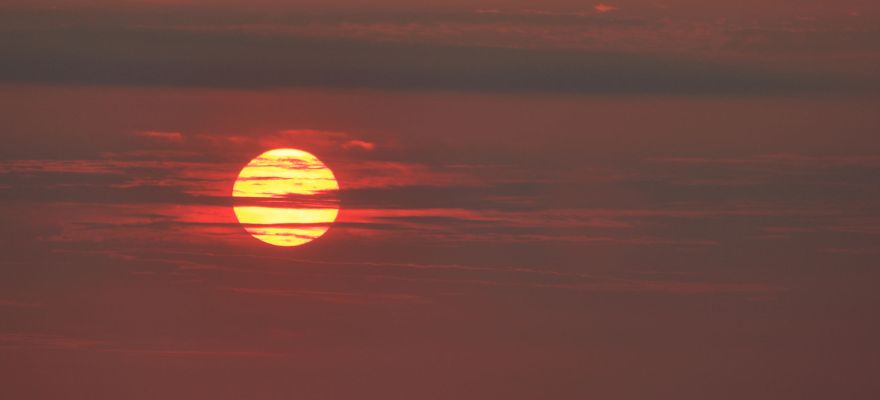
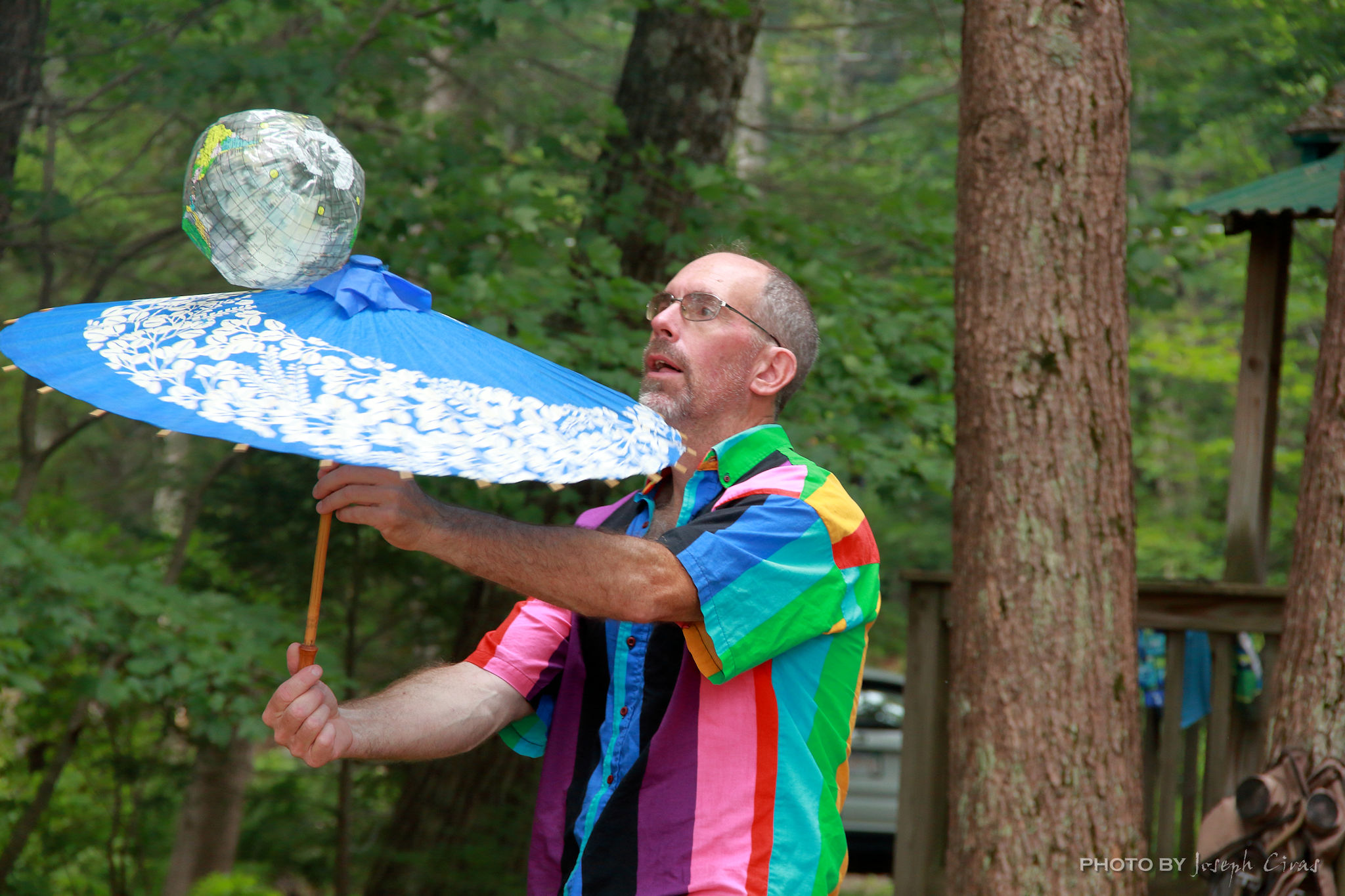


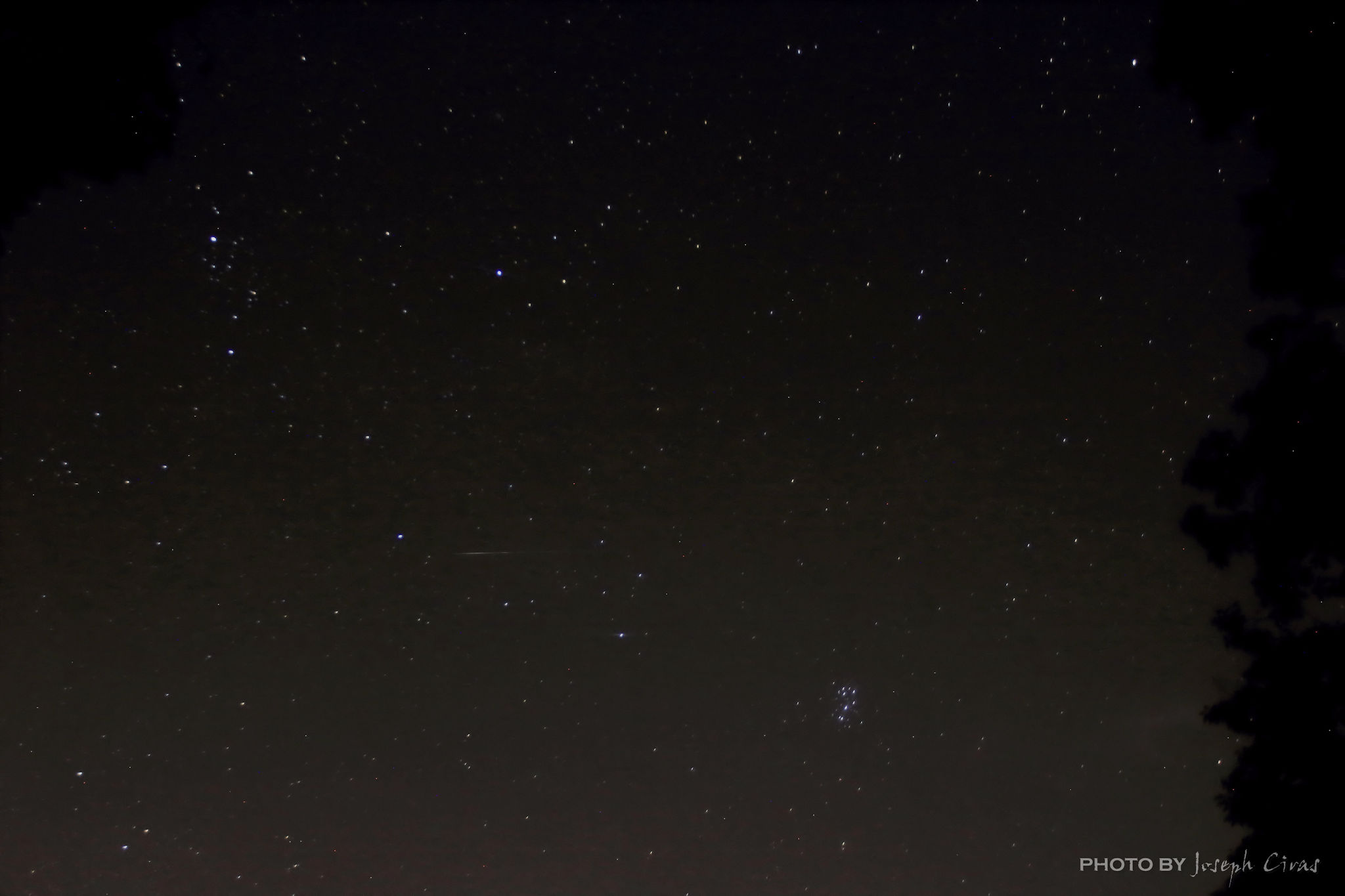
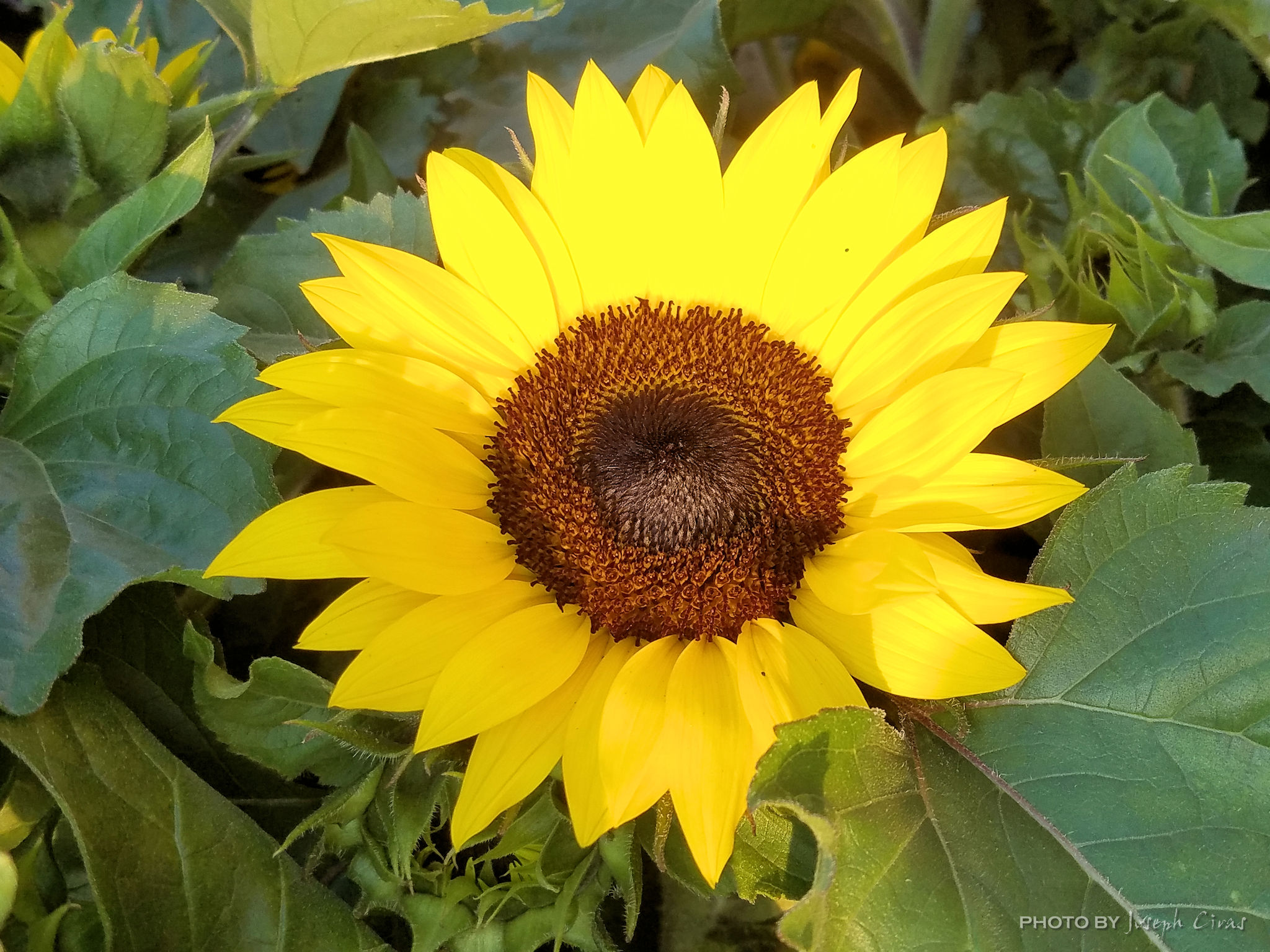
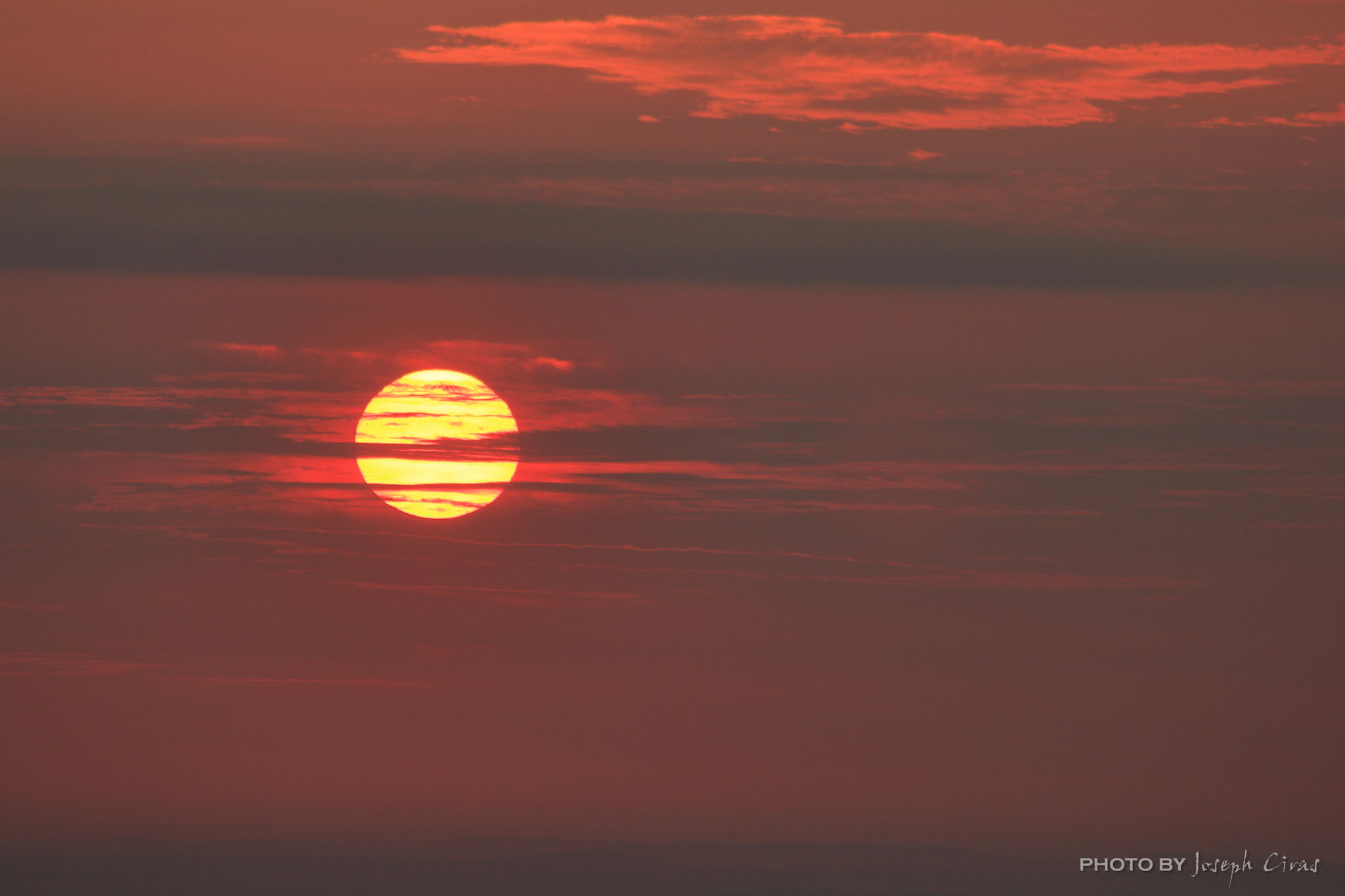

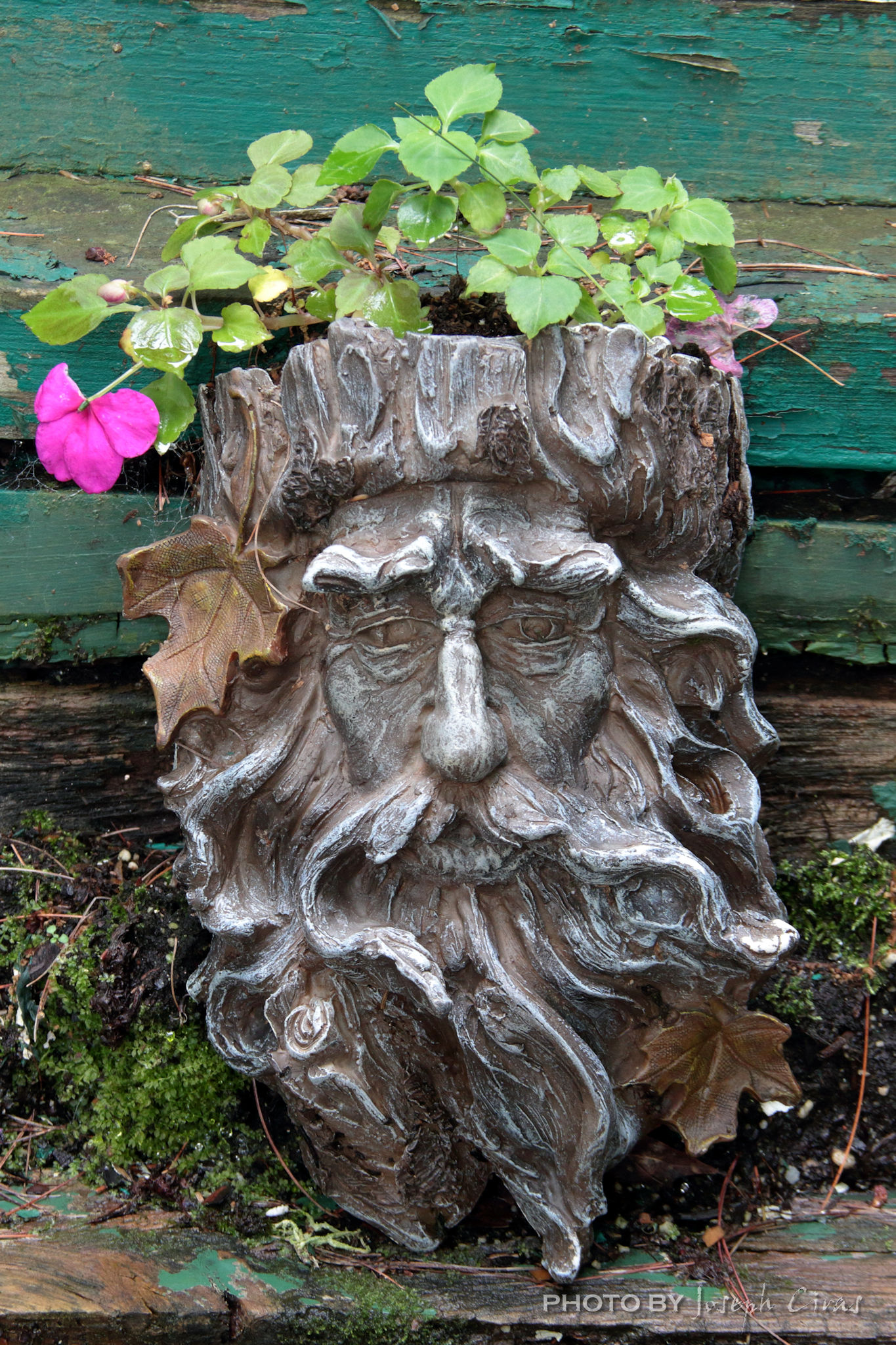
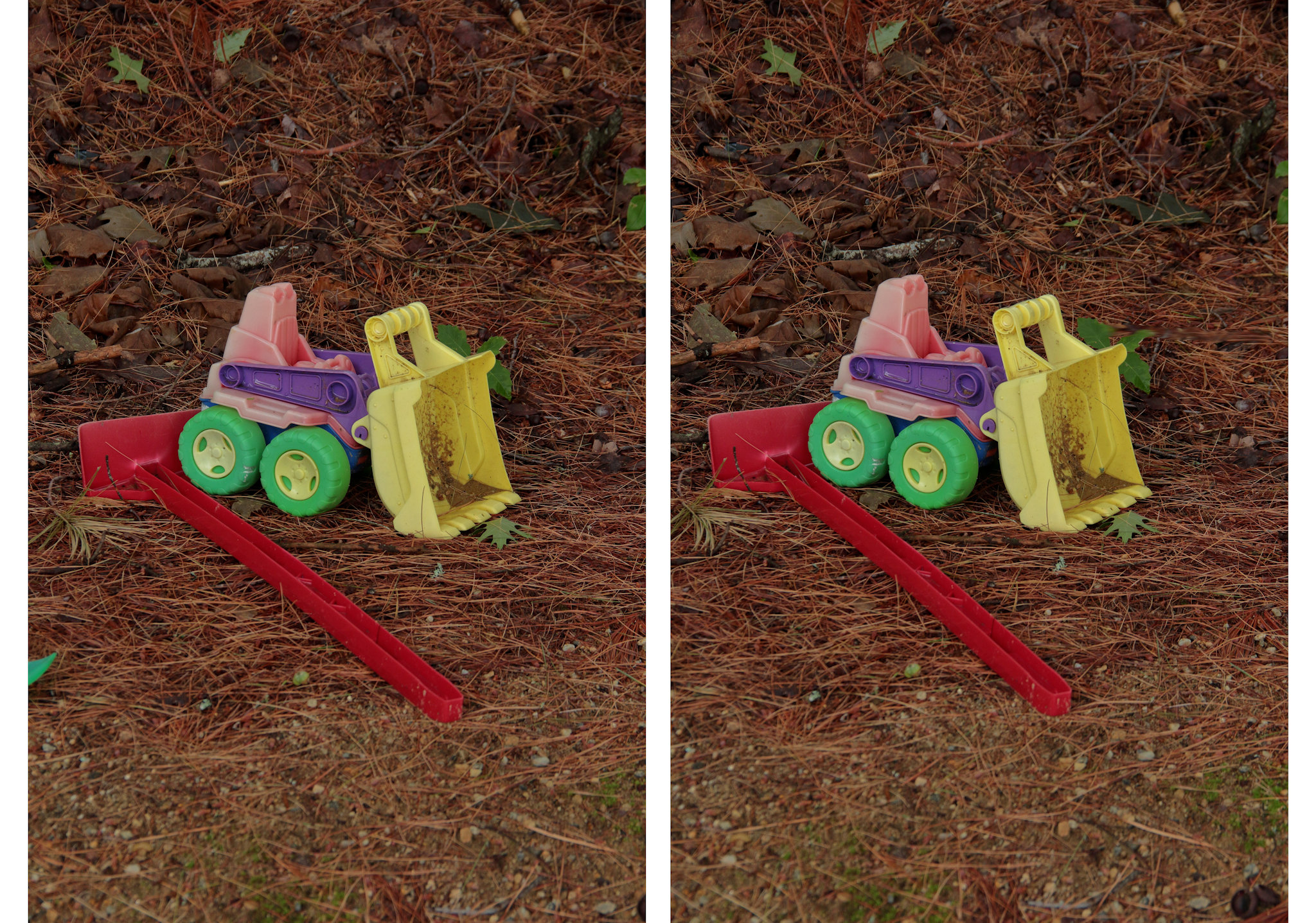

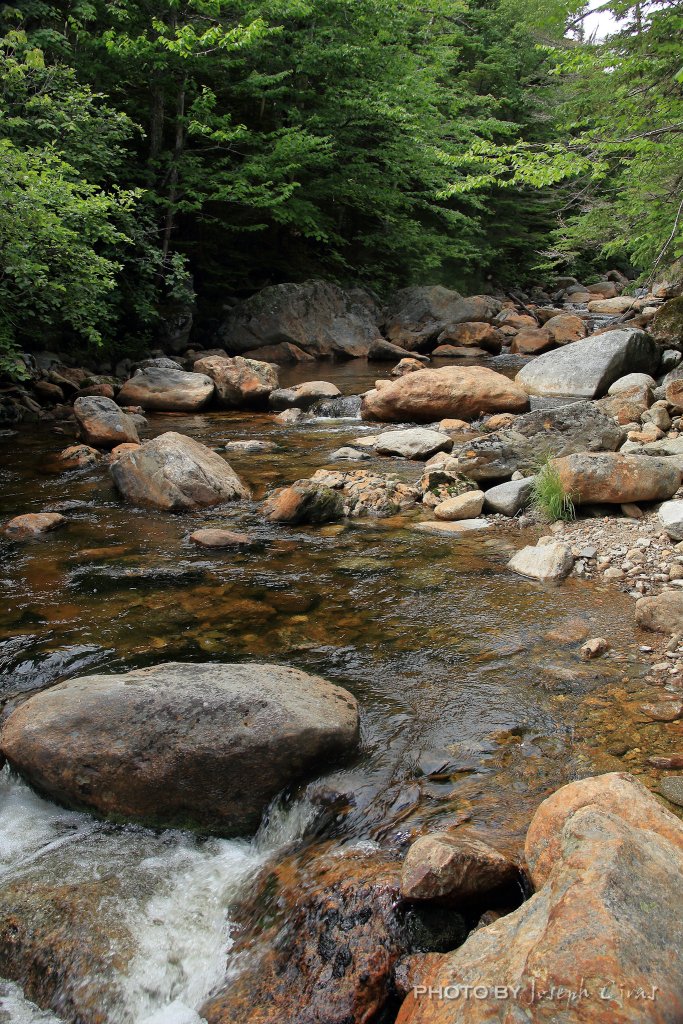
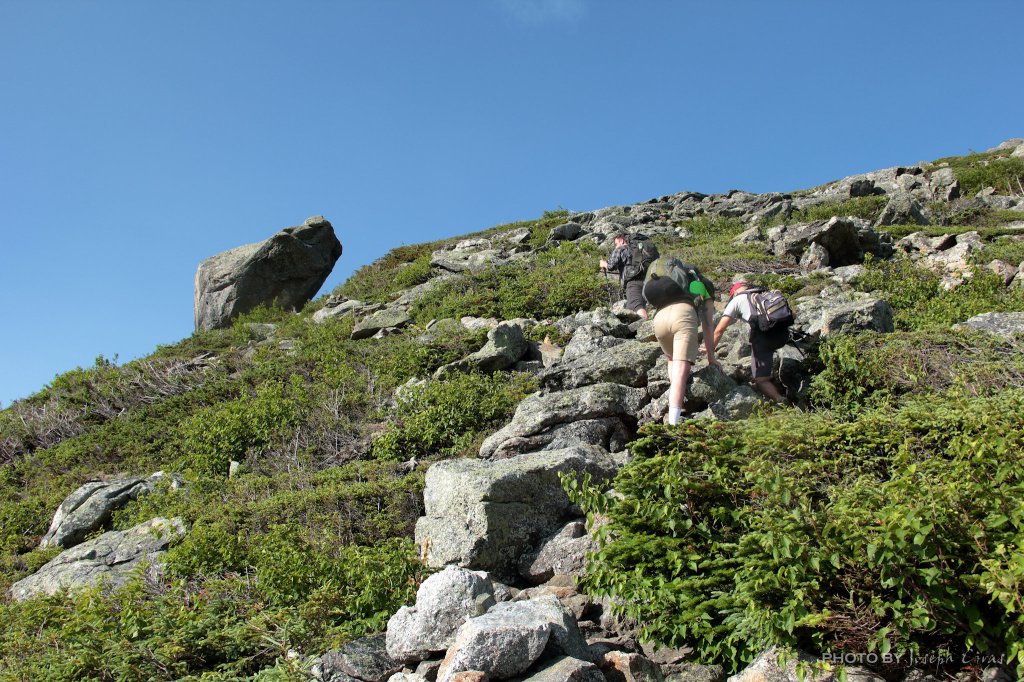
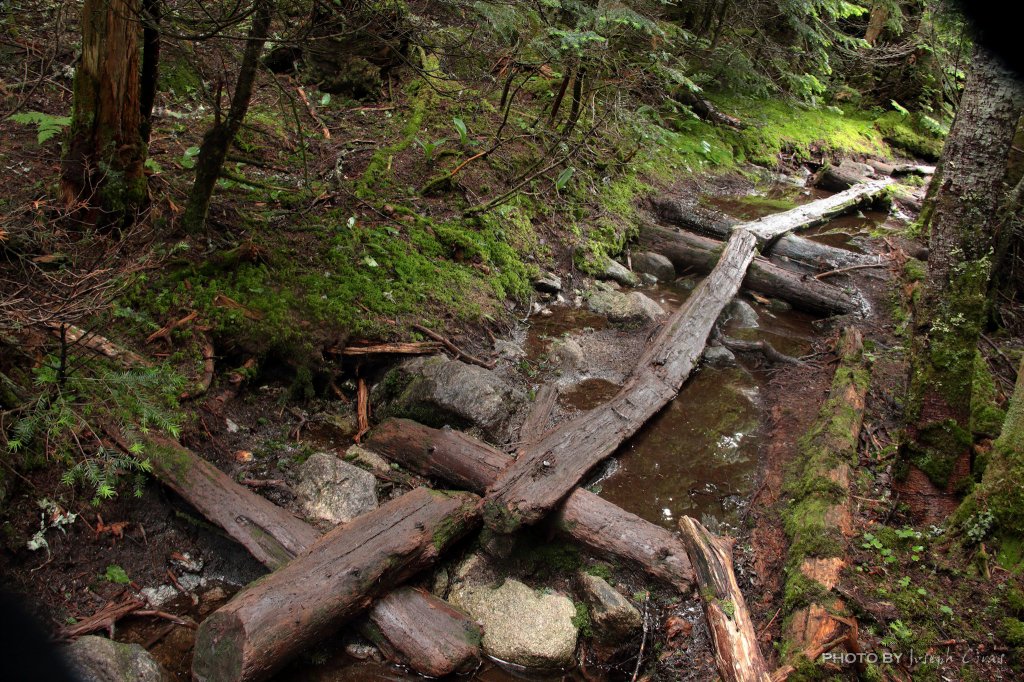


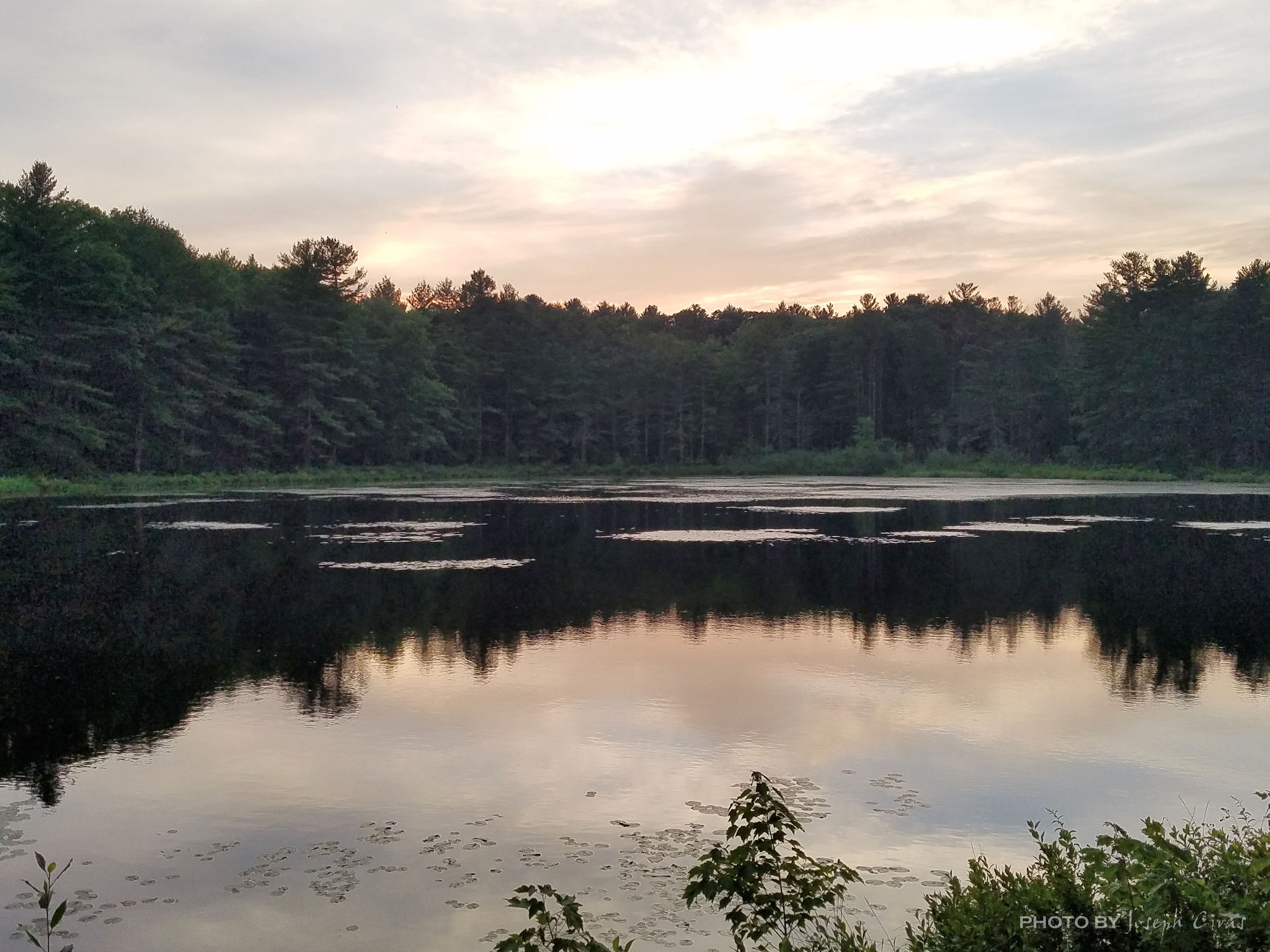
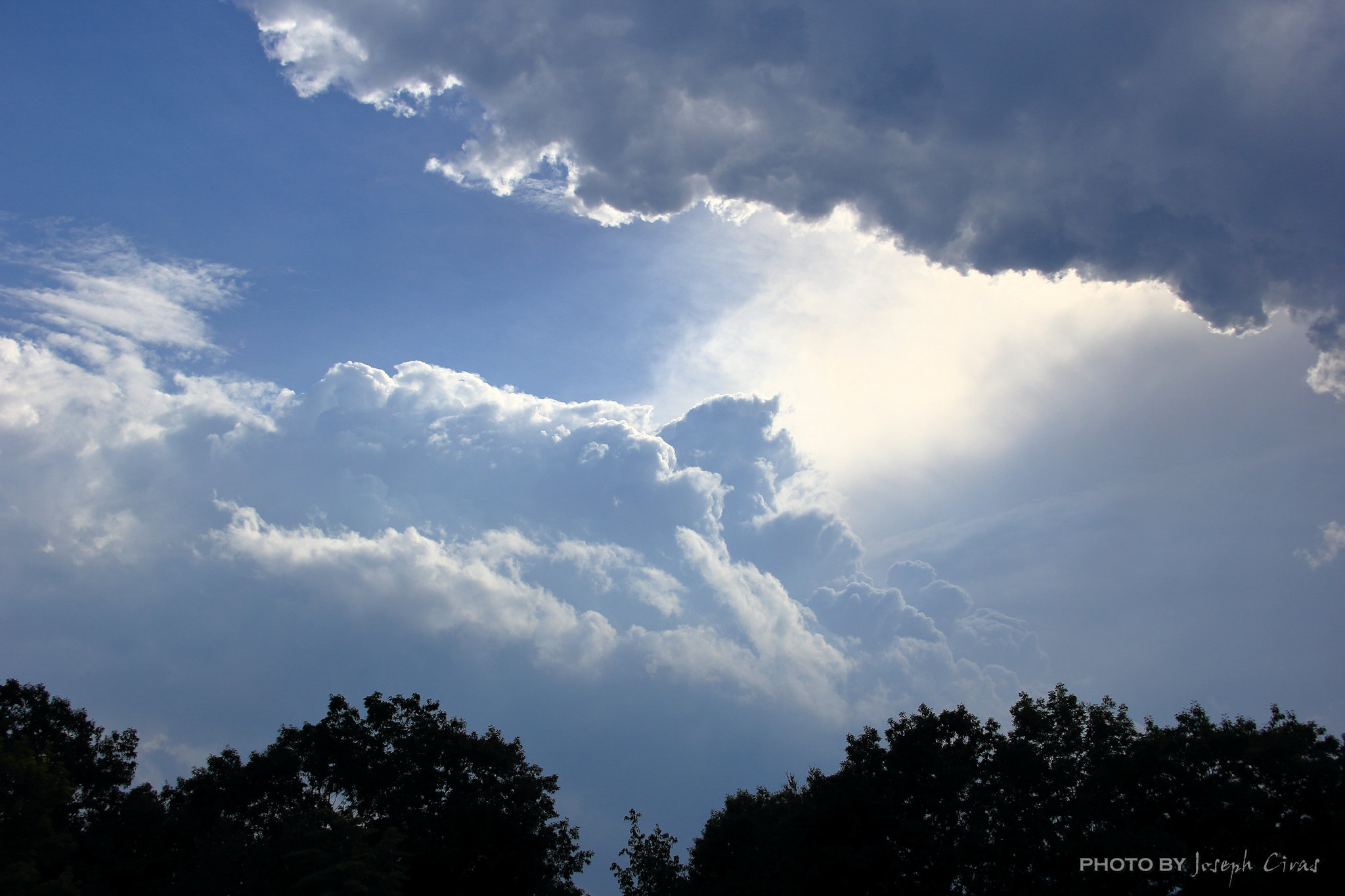



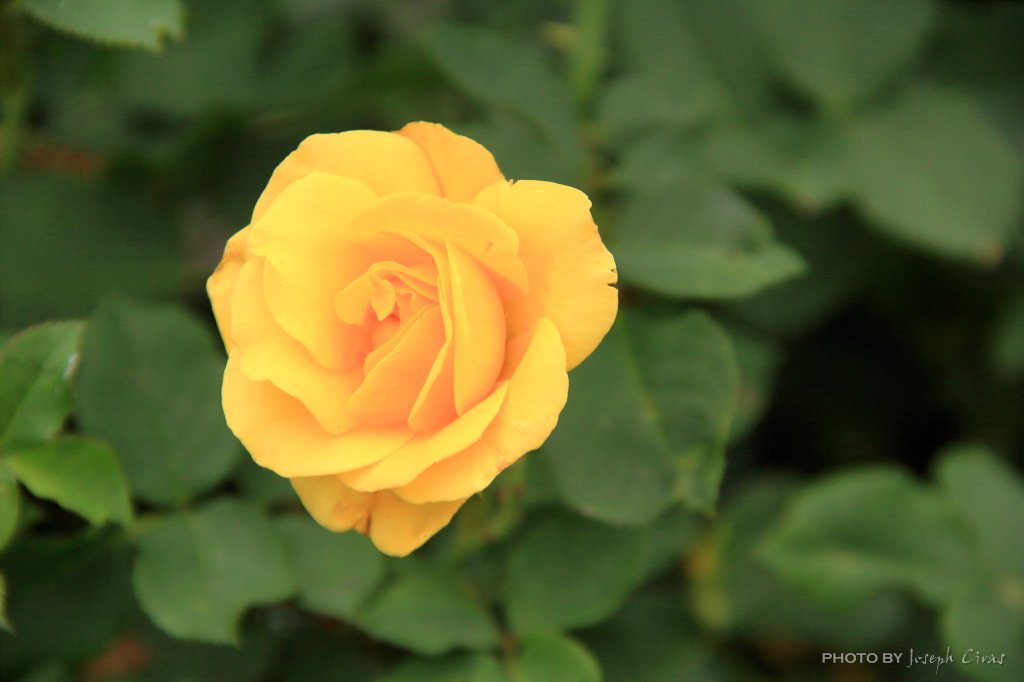

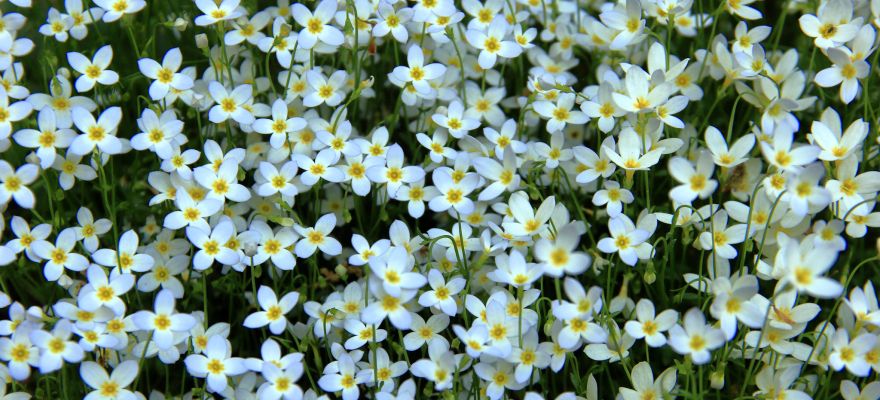
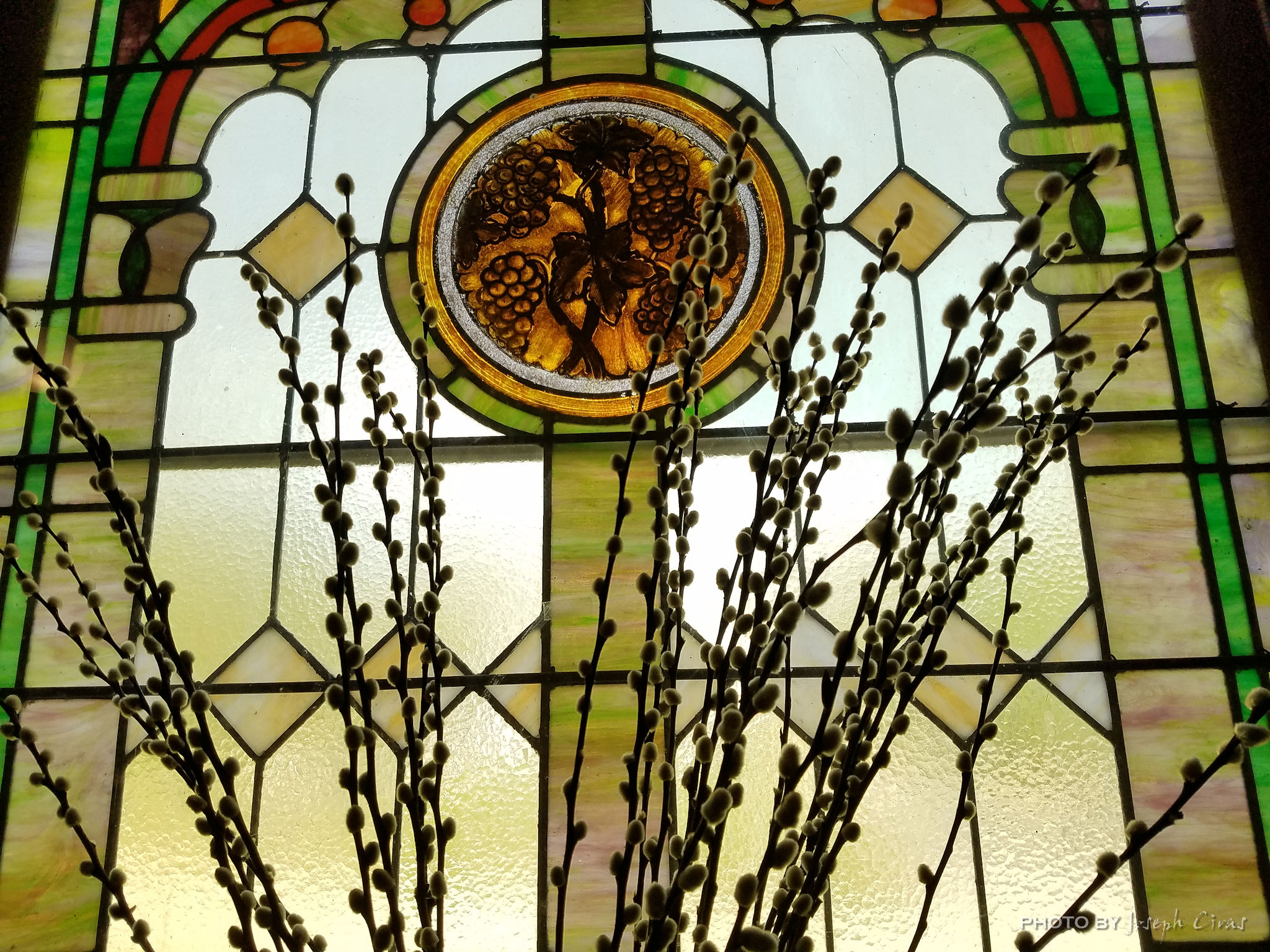
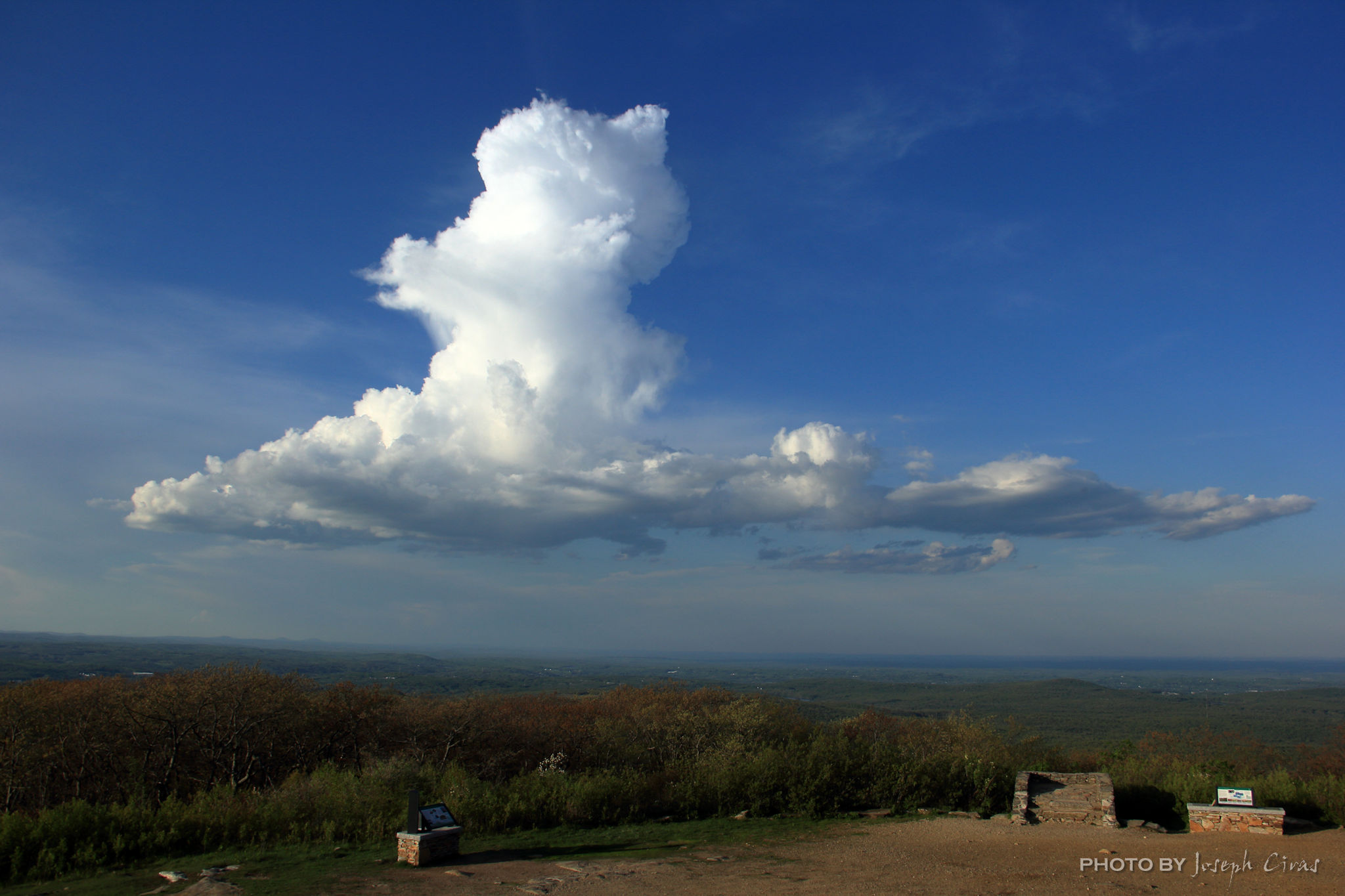

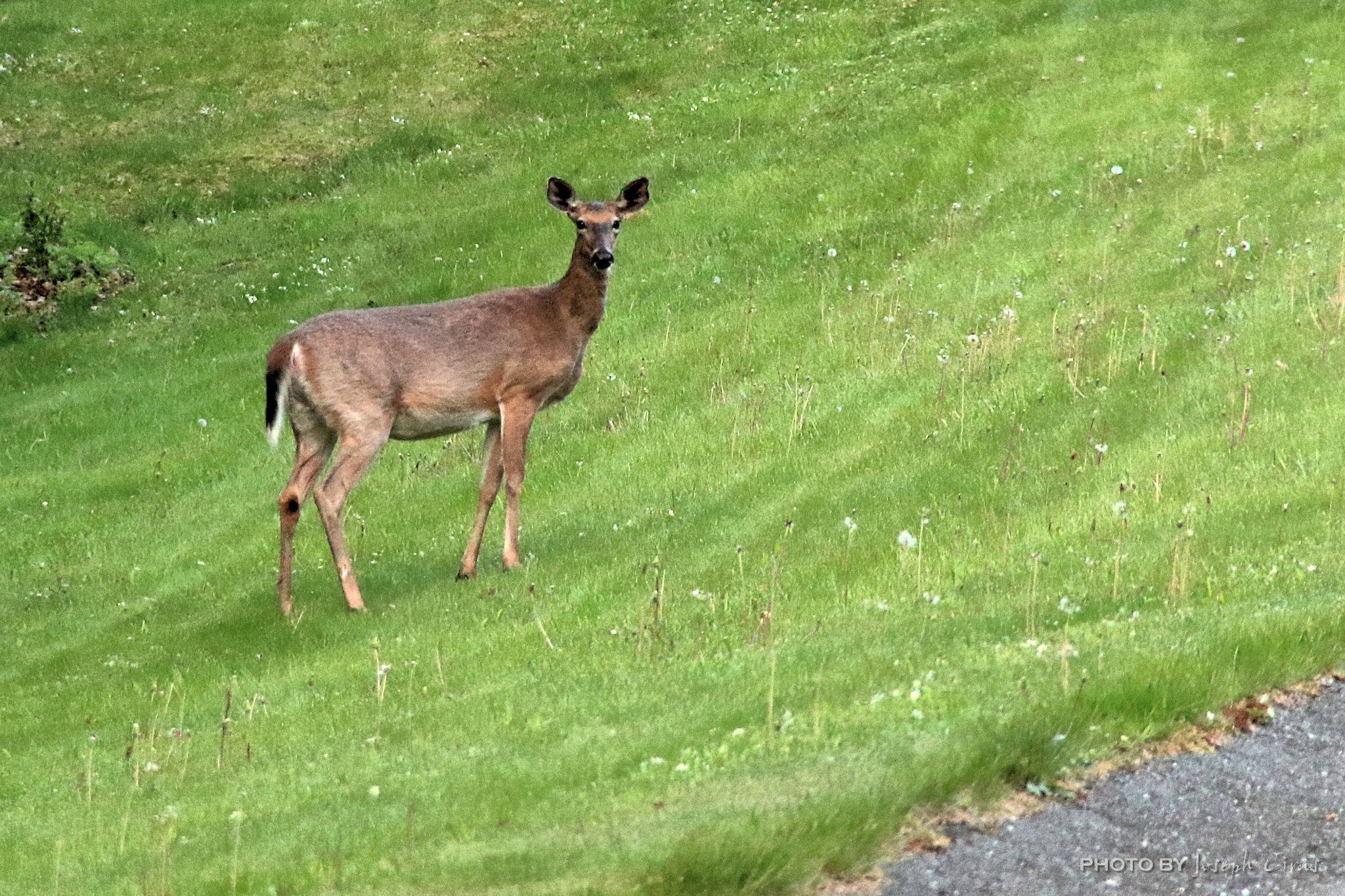

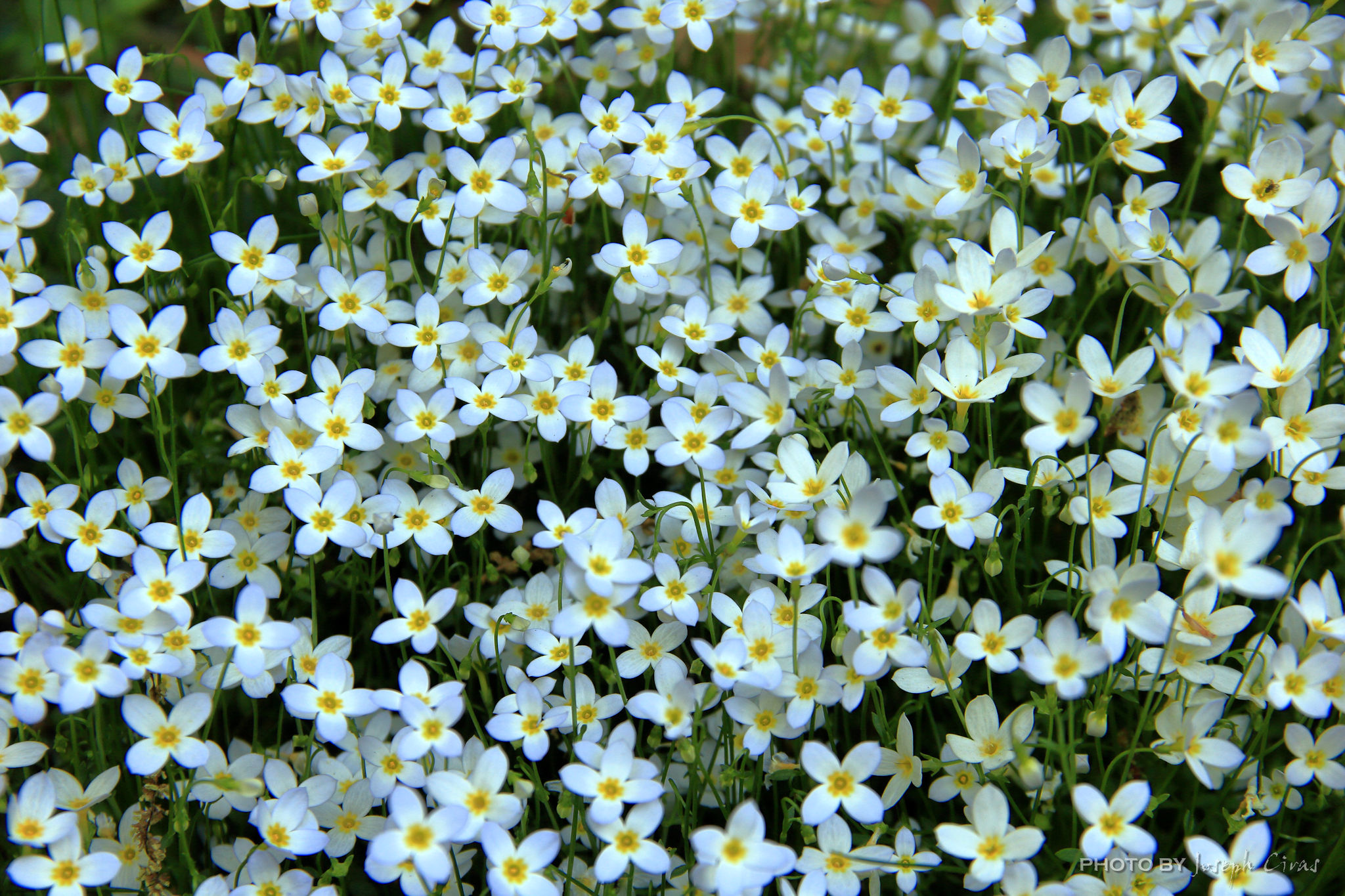


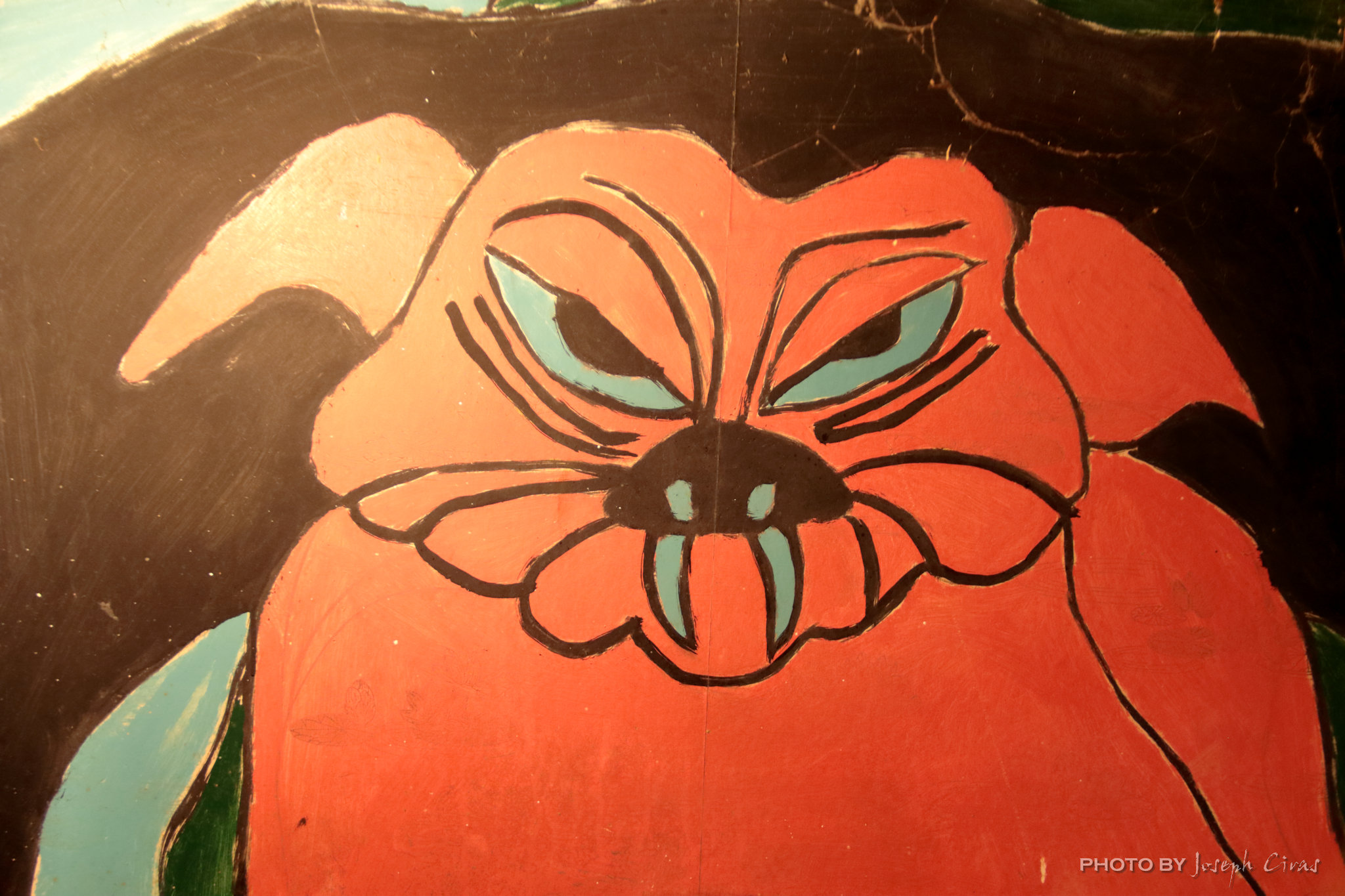
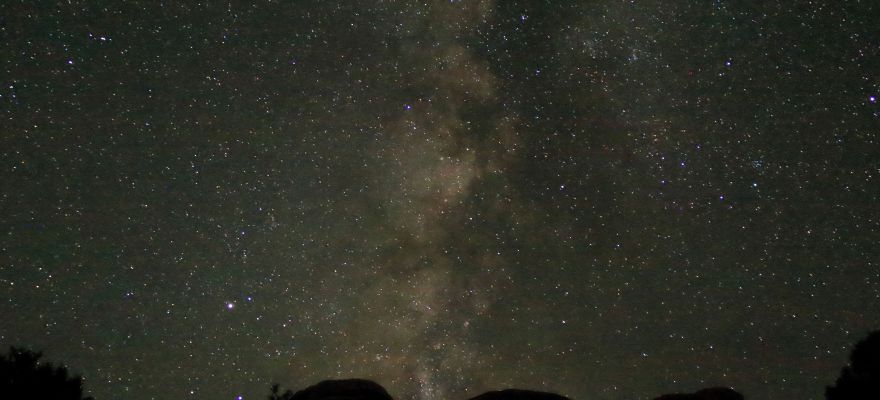

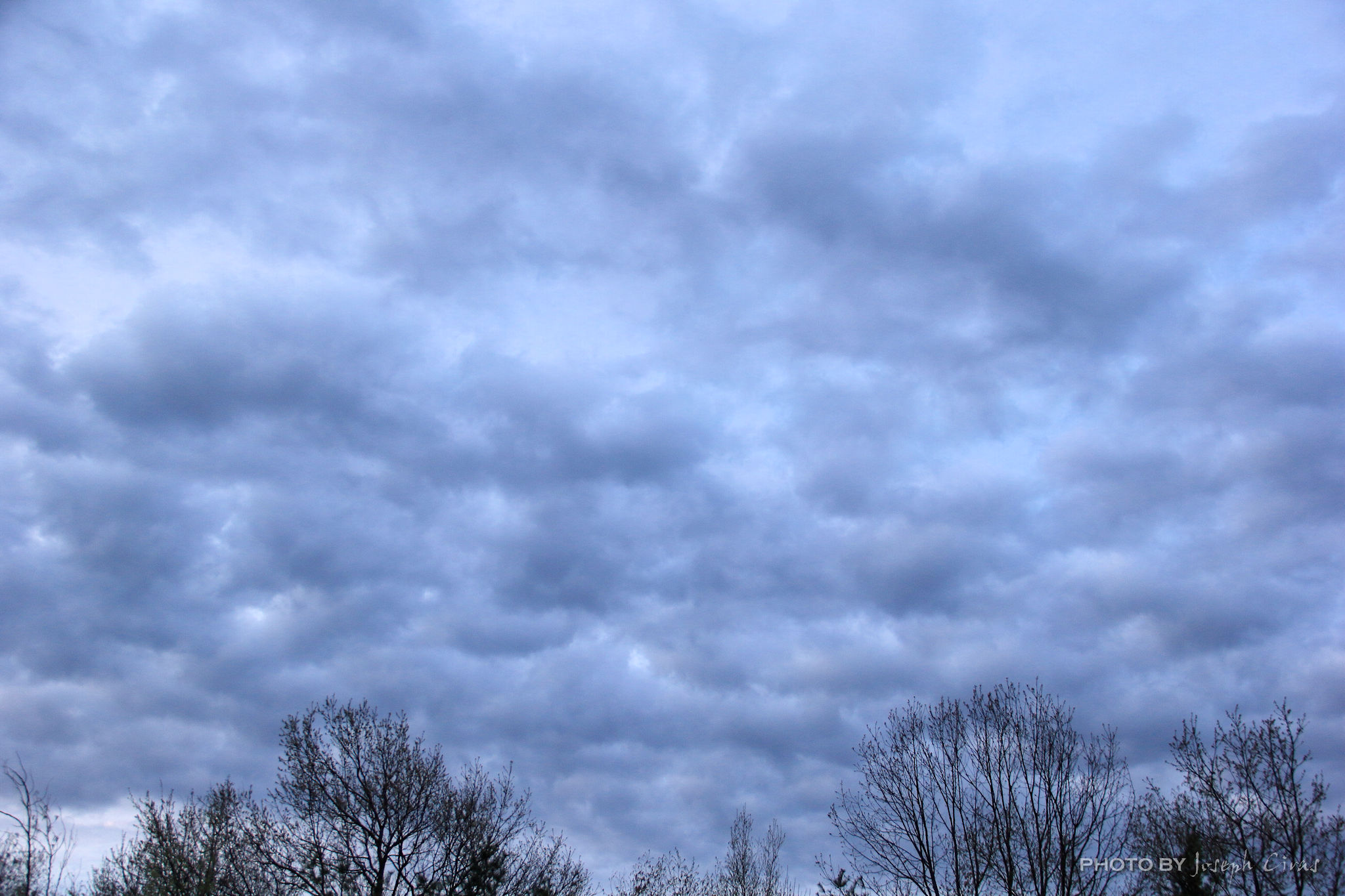

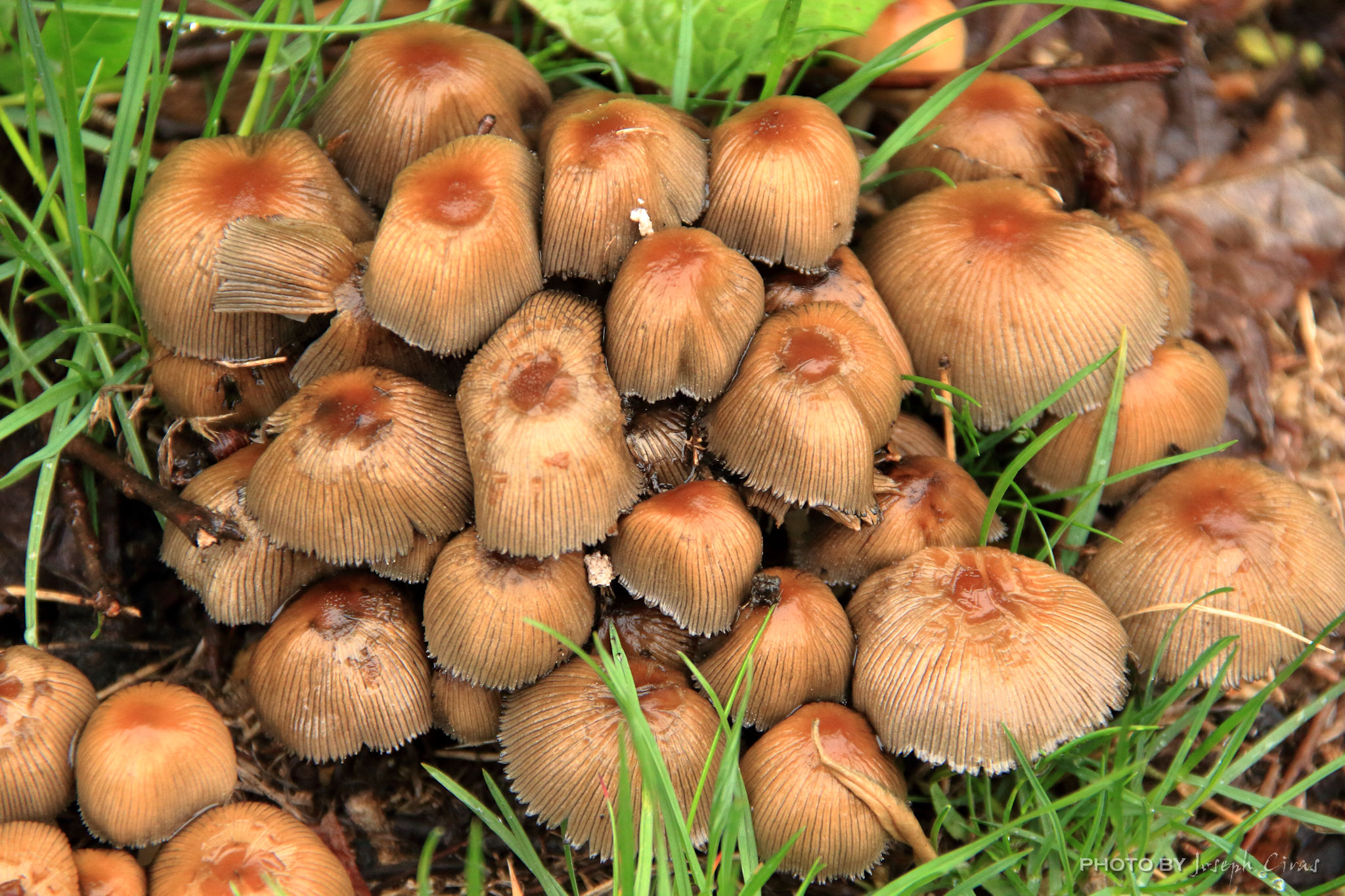
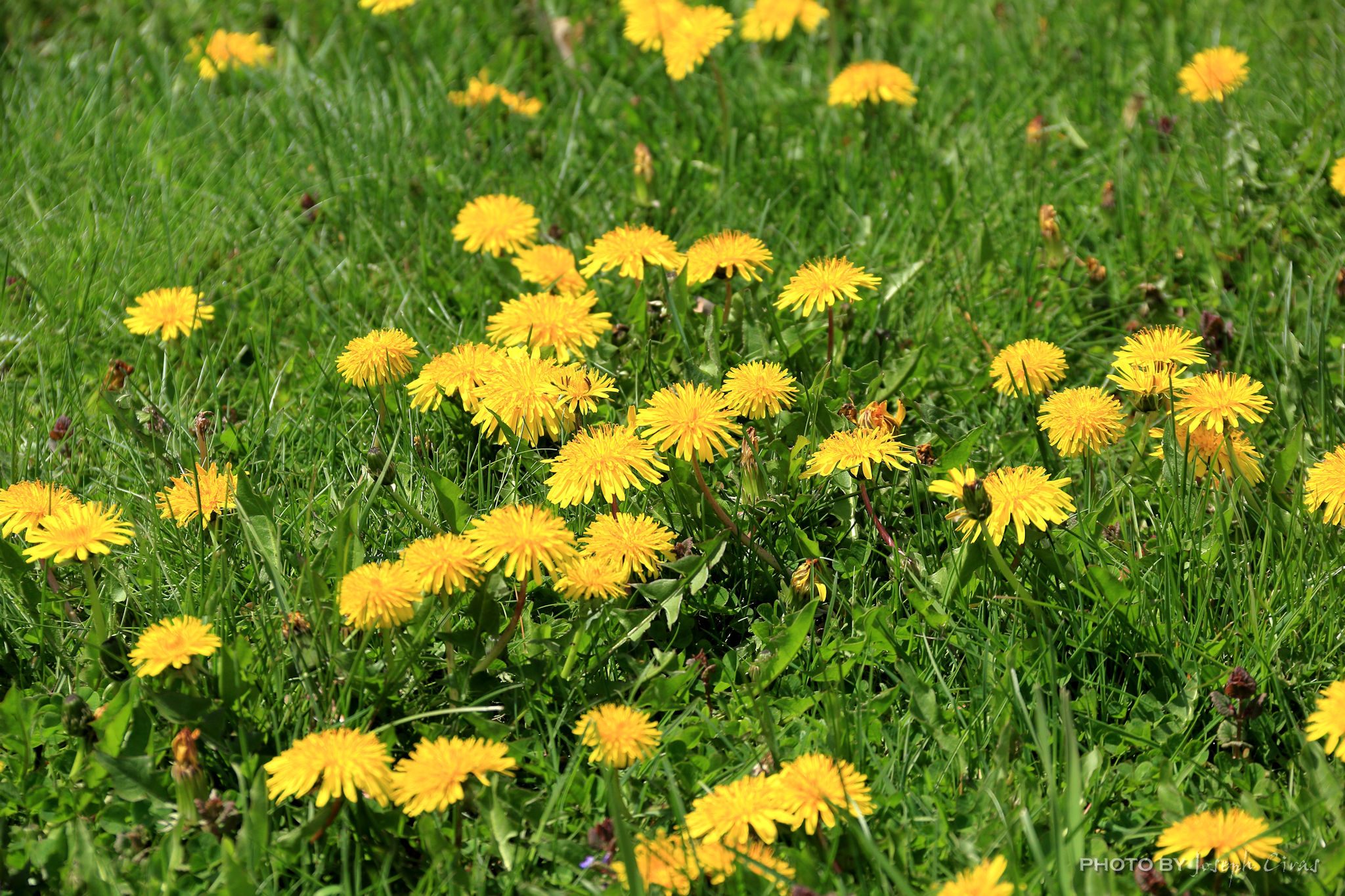

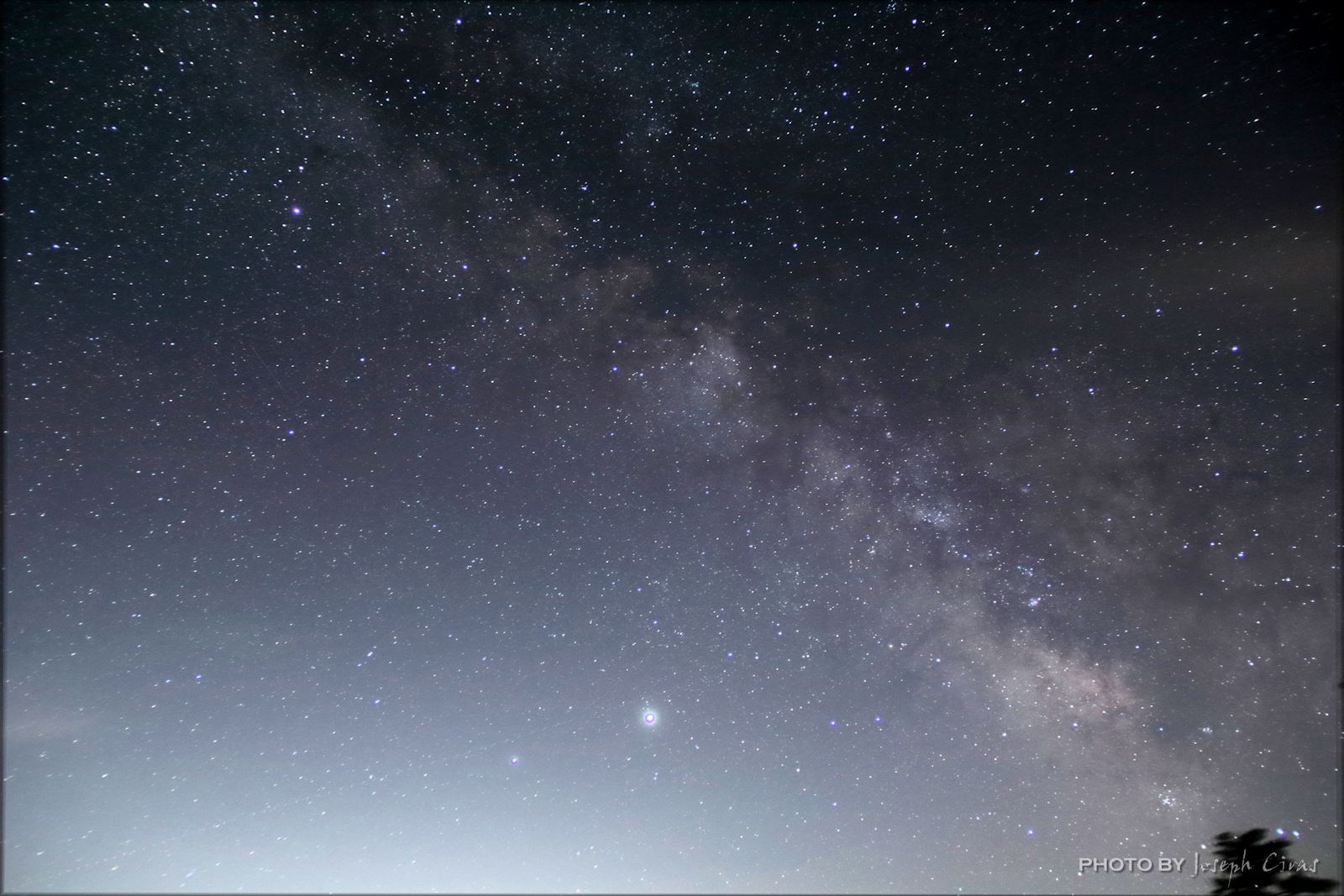

 Photo by Joseph Ciras