Photographic Thoughts — 09/19/2021 to 09/25/2021

“You don’t take a photograph, you make it.” — Ansel Adams

Thank you for all the new views and likes from last week, it helps keep me inspired.

Sunday, 09/19/2021: Posted photo — Trail Marker.

Settings: Canon EOS 60D, ISO 200, f/7.1, 1/25 s, 31 mm.

This is an old trail marker on Wachusett Mountain. There are a few trails on the mountain that have the trail name carved into stone. When I see these markings, I wonder how long it took for someone to carve the marking.

I took this photo to show how the trails were marked many years ago.

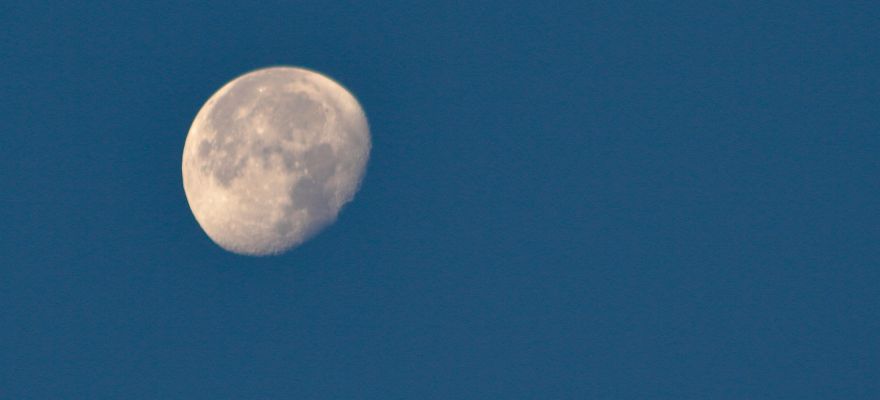
Monday, 09/20/2021: Posted photo — Harvest Moon.

Settings: Canon EOS 60D, ISO 100, f/13, 1/100 s, 1250 mm.

I take many moon photos. The moon is my primary subject matter and is very difficult to photograph. Many have tried but have not gotten a good photo since the moon is very bright and is moving very fast. I have taken hundreds of moon photos and decided to change my setting slightly for this photo.
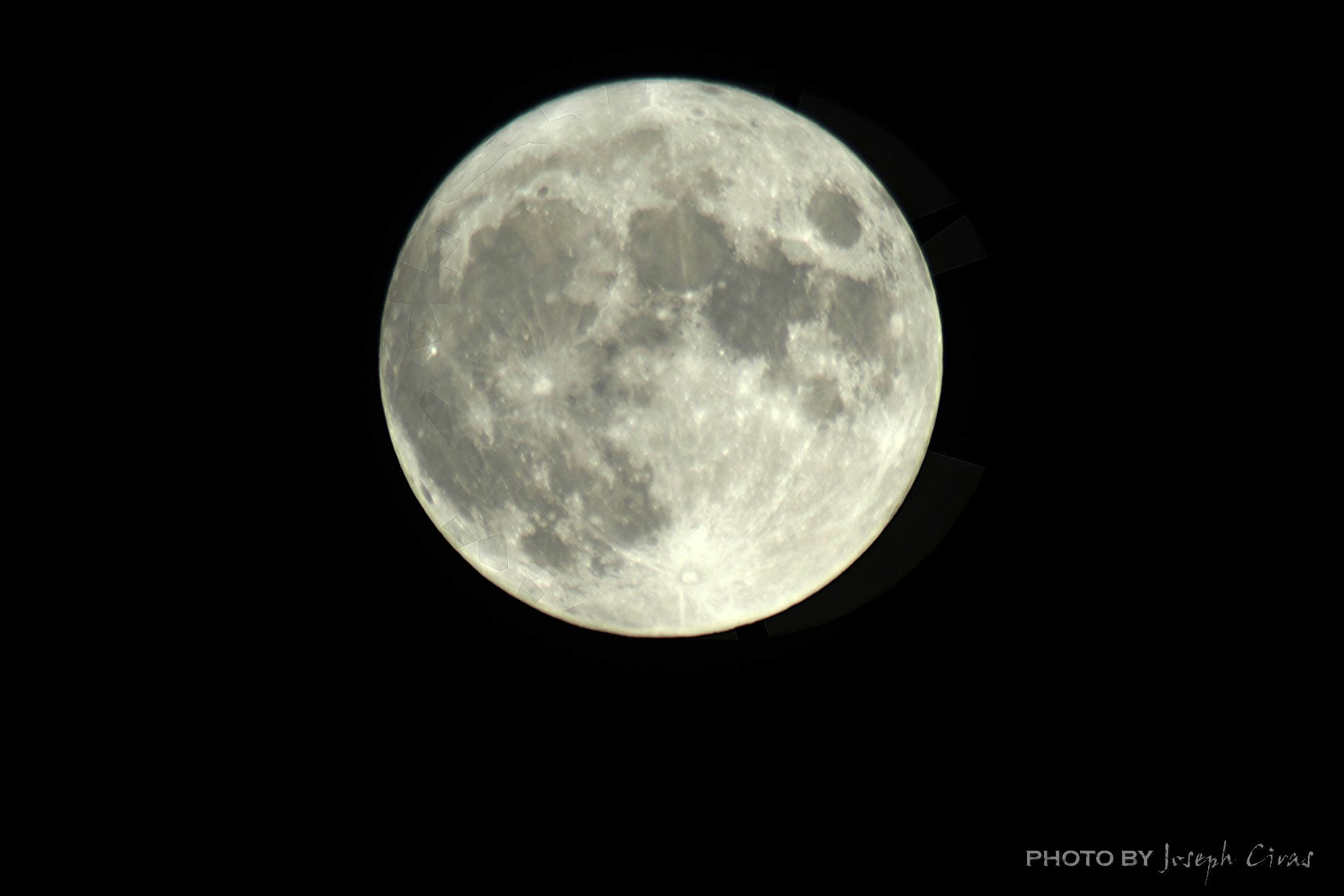
For this photo, I changed the focal length of this moon photo to 1250 mm to see if I could get a better focus on this subject.

From space.com: “Traditionally, this designation goes to the full moon that occurs closest to the autumnal (fall) equinox — which is most often in September. On average, October Harvest Moons come at three-year intervals, although the time frame can be quite variable, and there can be situations where as many as eight years can elapse (the next such example will come between 2020 and 2028).

At the peak of the harvest, farmers can work into the night by the light of this moon. Usually, the full Moon rises an average of 50 minutes later each night, but for the few nights around the Harvest Moon, the moon seems to rise at nearly the same time each night: just 25 to 30 minutes later across the U.S., and only 10 to 20 minutes later for much of Canada and Europe. Corn, pumpkins, squash, beans, and wild rice — indigenous staples in North America — are ready for gathering.”

Tuesday, 09/21/2021: Posted photo — Wachusett Mountain.

Settings: Canon EOS 60D, ISO 200, f/7.1, 1/250 s, 79 mm.

Today I needed a quick photo, so I took a photo of Wachusett Mountain over Round Meadow Pond.

Wednesday, 09/22/2021: Posted photo — Heart.

Settings: Canon EOS 60D, ISO 200, f/7.1, 1/250 s, 135 mm.

People see items in ordinary item in the strangest places. This weekend I saw this rock looking like a hike at the trailhead of the Hancock’s in the White Mountains.
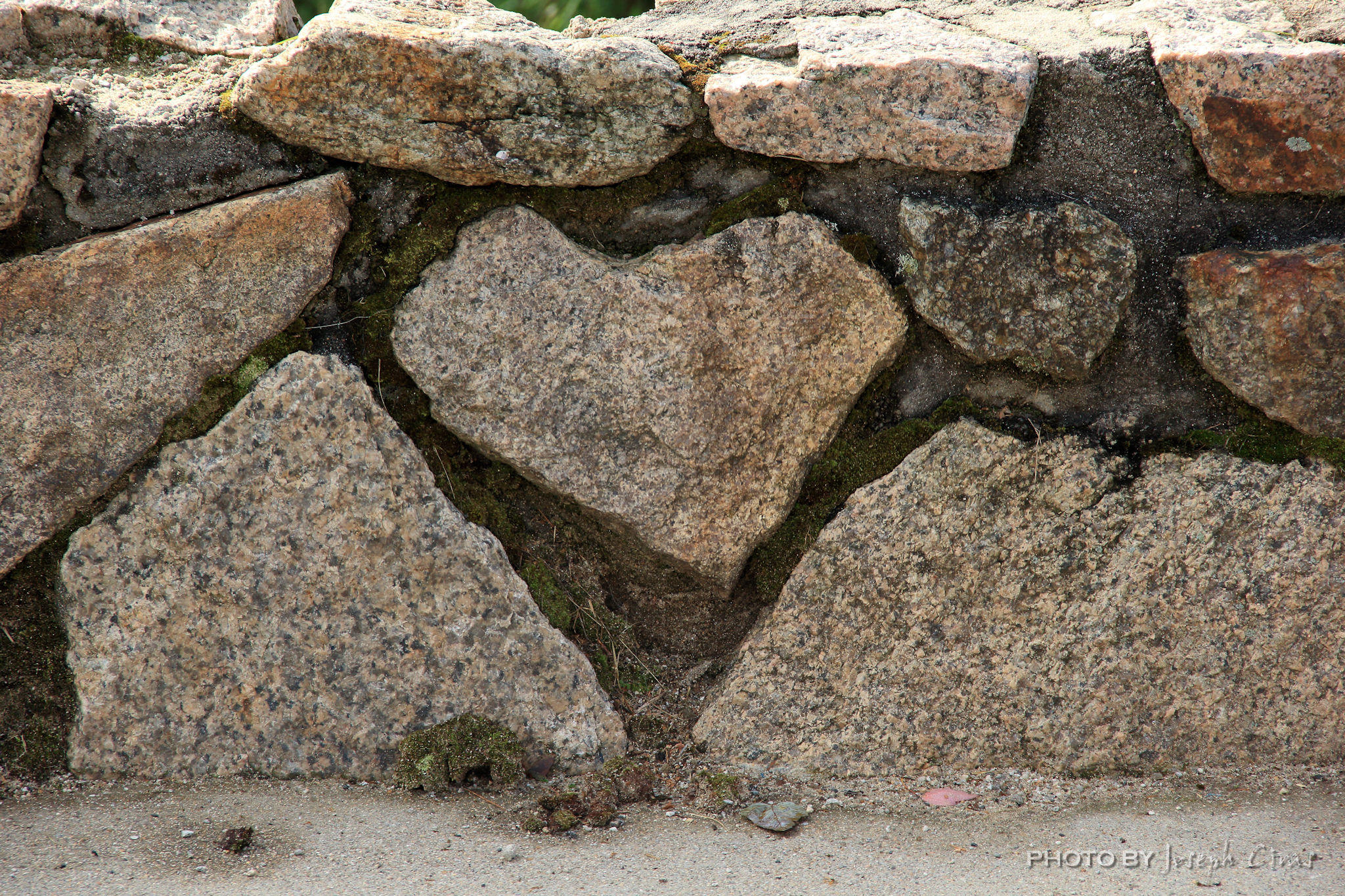
Seeing familiar objects or patterns in otherwise random or unrelated objects or patterns is called pareidolia. It’s a form of apophenia, which is a more general term for the human tendency to seek patterns in random information.

Thursday, 09/23/2021: Posted photo — Mushroom.

Settings: Canon EOS 60D, ISO 3200, f/7.1, 1/30 s, 87 mm.

Have you noticed that there are many more mushrooms this year then in the past? At least here in north central Massachusetts and in the mountains of New Hampshire. The photo I took today was on one of the trails on Wachusett Mountain. I took this photo on my way to the summit. I was planning on taking a sunset photo tonight but there was cloud cover at the summit. I was happy that I took this photo so I would have something to post today.

Friday, 09/24/2021: Post photo — Abstract Painting.

Settings: Canon EOS 60D, ISO 400, f/7.1, 1/8 s, 31 mm.

Abstract art is art that does not attempt to represent an accurate depiction of a visual reality but instead use shapes, colors, forms, and gestural marks to achieve its effect. Abstract art is made up of six basic elements: Line, Texture, Shape, Form, Color, and Value. You can go online to find more about these elements.

Saturday, 09/25/2021: Post photo — FaceTime with Daughter.

Settings: Canon EOS 60D, ISO 400, f/5, 1/100 s, 57 mm.

My uncle turned 92 years old this week. We had a party for him this afternoon.
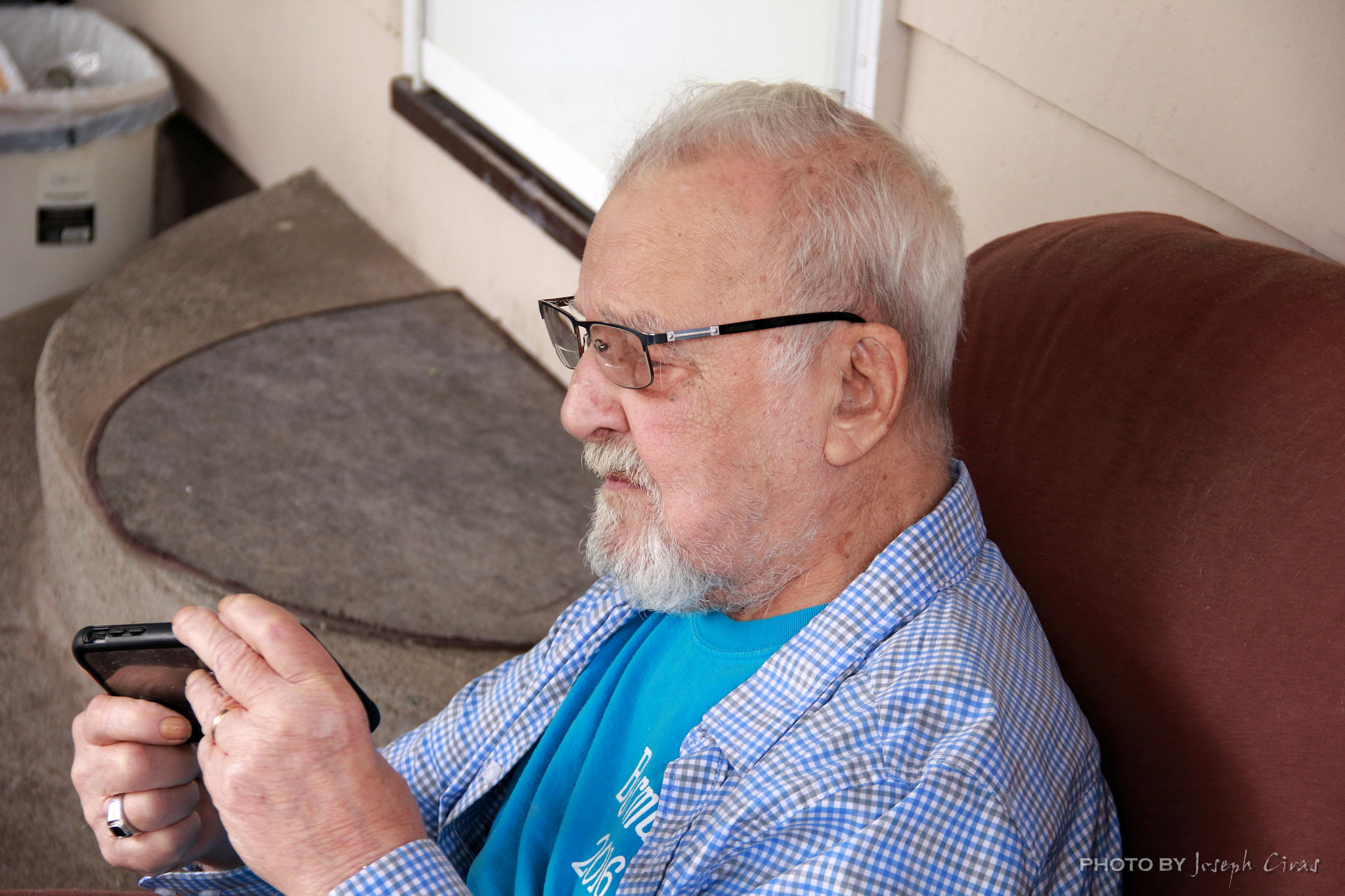
During the party, his daughter from Maine called him to FaceTime. He was figuring out how to talk to her. It was difficult to hear them on the phone due to all the noise from the party.

That is all for now. Until next week, be safe.

For more photo of other project I have work, visit my website: https://photobyjosephciras.weebly.com/ or visit me on Facebook at https://www.facebook.com/PhotobyJosephCiras/.

COVID is real! Be safe out there, keep your social distance, and remember to always wear your mask and wash your hands. Get your vaccine!

Photographic Thoughts — 08/29/2021 to 09/04/2021

“A good photograph is one that communicates a fact, touches the heart and leaves the viewer a changed person for having seen it. It is, in a word, effective.” — Irving Penn

Thank you for all the new views and likes from last week, it helps keep me inspired.

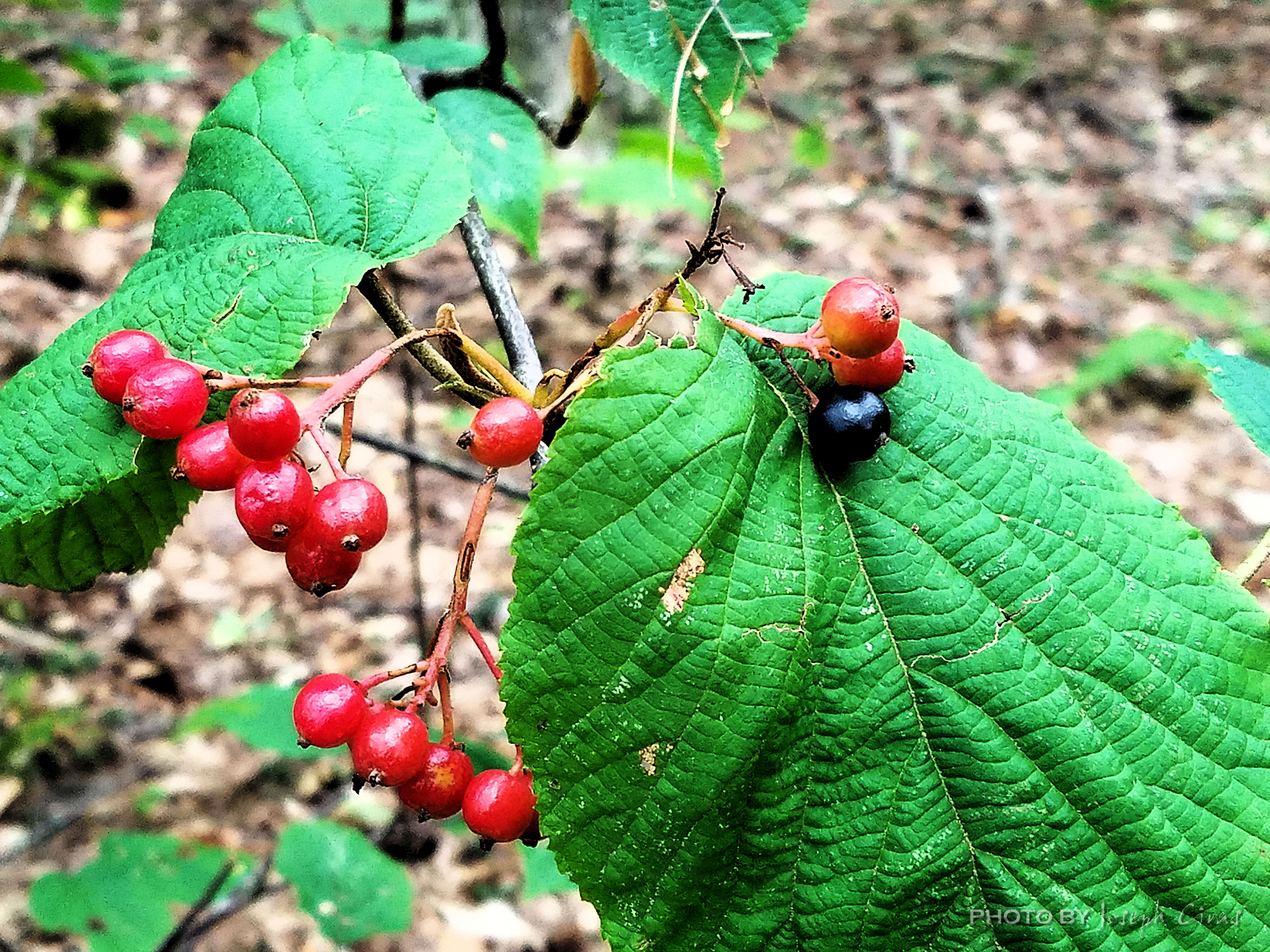
Sunday, 08/29/2021: Posted photo — Hobblebush.

Settings: Samsung SM-G930V (Galaxy S7), ISO 125, f/1.7, 1/60 s, 4 mm

“The fruit of the Hobblebush reportedly may be eaten raw or cooked and is said to taste somewhat like raisins or dates. Hobblebush has a number of medicinal uses. The Algonquin Indians reportedly rubbed its mashed leaves on the head to treat migraines. Iroquois Indians are said to-have used a decoction of roots as a blood medicine. The plant was also used to treat chest and breathing problems.” — Adirondacks Forever Wild website.

Hobblebush on Wachusett Mountain

These Hobblebush berries are growing on Wachusett Mountain. I took this photo during a hike I took today. I have seen them during my weekly hikes and thought that they would look good in a photo. I was glad to see that one of the berries had turned blue.

Monday, 08/30/2021: Posted photo — Mushrooms.

Settings: Canon EOS 60D, ISO 400, f/7.1, 1/80 s, 62 mm.

According to the University of New Hampshire Agricultural department and Better Homes and Garden: “Mushrooms grow from spores (not seeds) that are so tiny you can’t see individual spores with the naked eye. Rather than soil, these spores rely on substances like sawdust, grain, straw, or wood chips for nourishment. A blend of the spores and these nutrient sources is called spawn. Mushrooms like dark, cool, and humid growing environments. Prolonged periods of wet, humid weather, such as we have had over the past few weeks, cause fungi to send up fruiting structures. Fungi disperse to new areas via windblown spores. When the spores land in a suitable location they develop into new fungi which will grow mushrooms given enough time.

Mushrooms in our yard

Mushrooms will go away on their own once the weather dries out. Keep in mind that although these fruiting bodies have disappeared, the fungal mycelia is still growing in the soil. The fungus will continue to grow and persist as long as there is plenty of organic matter to feed upon.”

These mushrooms were growing in my front yard. They are in the same spot each time they grow. We have had many days of rain, so it is a great growing condition for mushrooms.

Tuesday, 08/31/2021: Posted photo — Rose for an Angel.

Settings: Canon EOS 60D, ISO 800, f/5.6, 1/125 s, 79mm.

Our daughter had a rare disorder, Triploidy. I did have the medical definition of this disorder in this post. I removed that part of my post since it would be too sensitive to some people.

Pink rose

Almost every year I go and visit her to sing her Happy Birthday and to say a prayer with her. It is not easy losing a child. We have had this rose since she was born and it means a lot to me.

Wednesday, 09/01/2021: Posted photo — Bouquet.

Settings: Samsung SM-G930V (Galaxy S7), ISO 125, f/1.7, 1/60 s, 4 mm

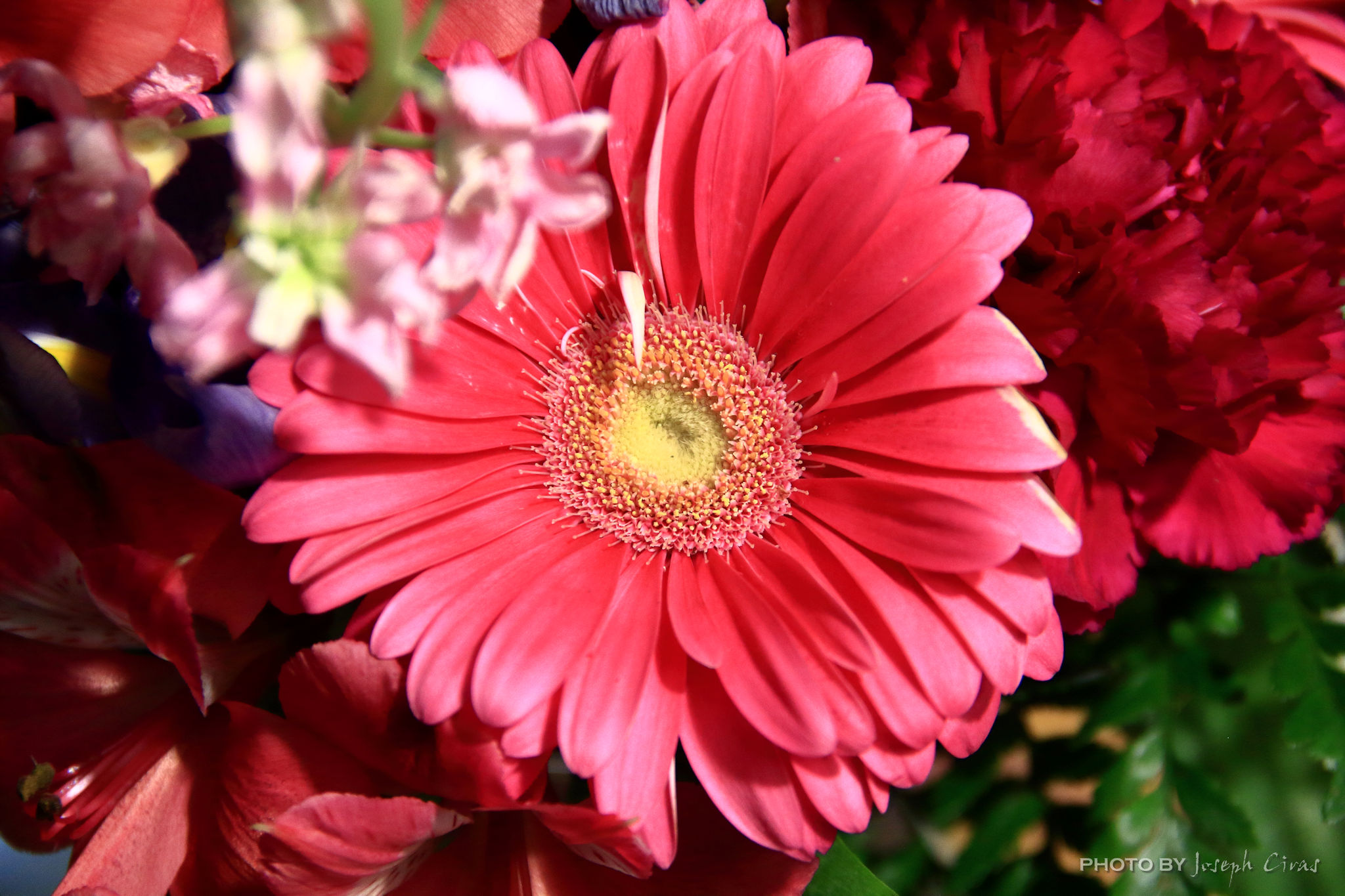
To continue my two-day flower series, I took a photo of this bouquet. I liked the colors in the bouquet.

Flower bouquet

Once again this photo was taking during the day just in case, I did not take another photo that day.

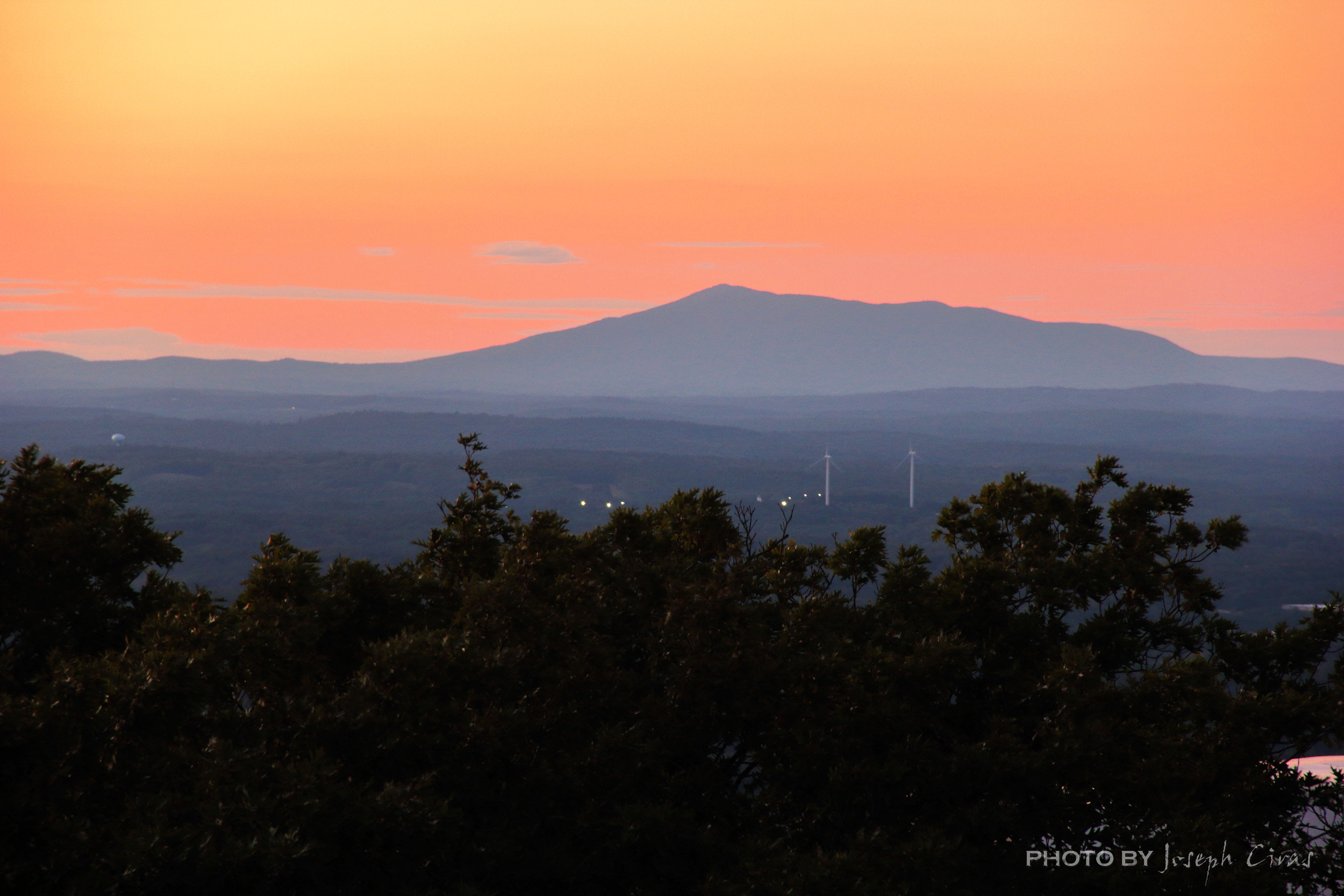
Thursday, 09/02/2021: Posted photo — Mount Monadnock.

Settings: Canon EOS 60D, ISO 400, f/7.1, 1/15 s, 135 mm.

Mount Monadnock at sunset

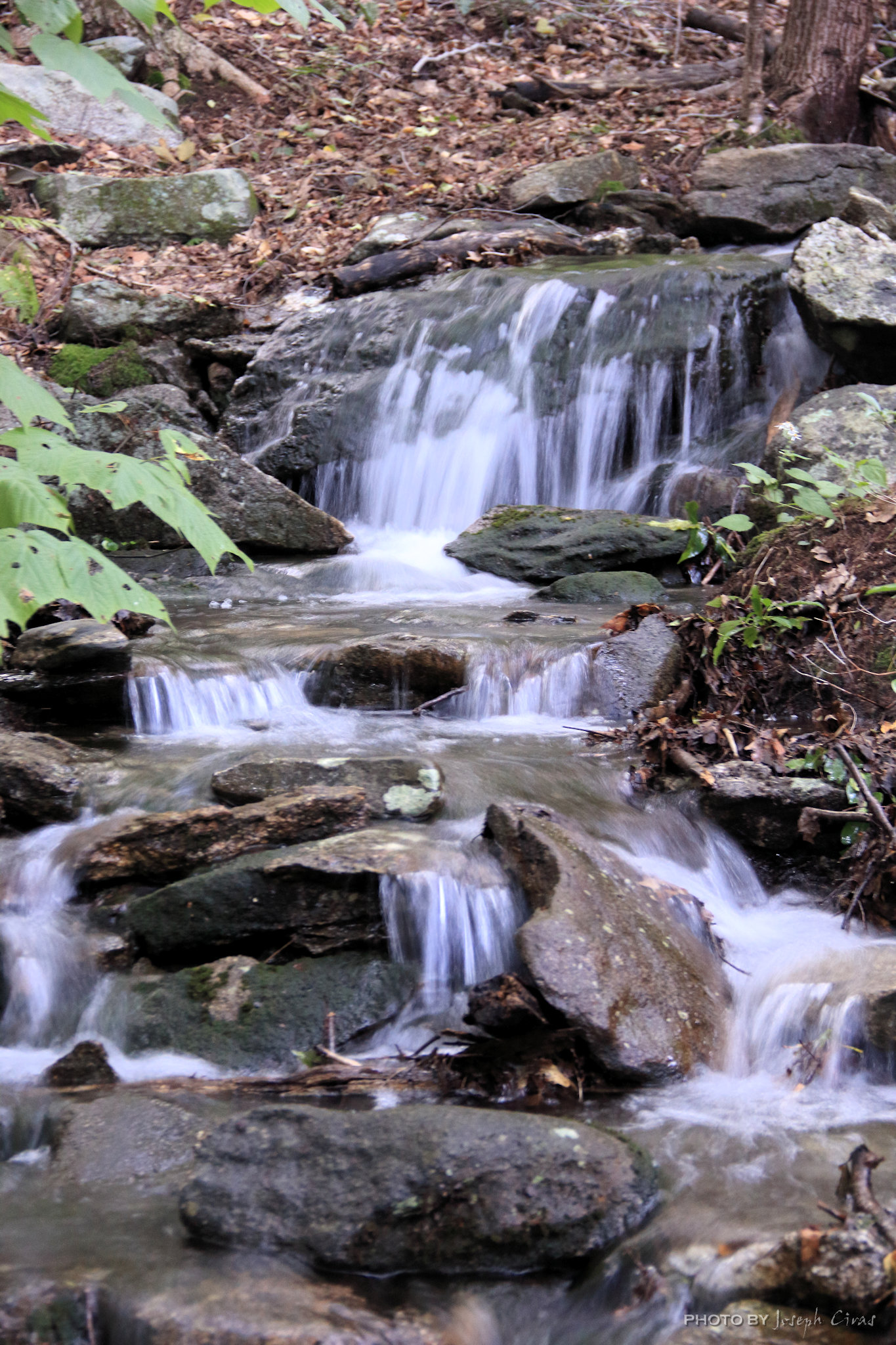
I summited Wachusett Mountain twice today. The first time was with colleagues from work, the second time was with a hiking group. During the first hike of the day, I took the photo of the flowing water. During the second hike of the day, I arrived at the summit just after sunset. I looked to the north and saw the great colors of the sunset around Mount Monadnock in New Hampshire.

Flowing stream along the Bicentennial Trail on Wachusett Mountain

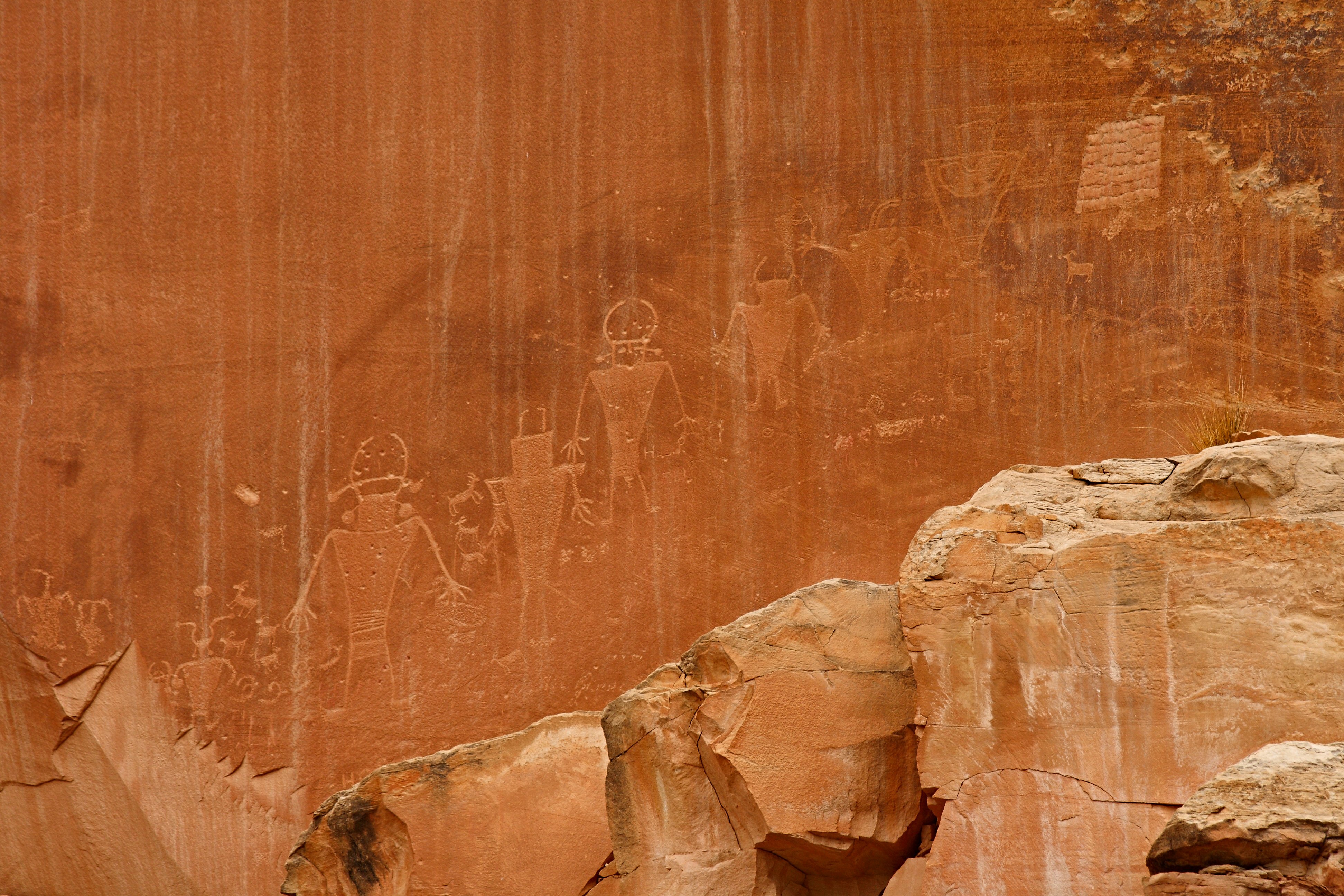
Friday, 09/03/2021: Post photo — Petroglyphs.

Settings: Canon EOS DIGITAL REBEL XS, ISO 200, f/8, 1/400 s, 190 mm.

These Petroglyphs are in Capital Reef National Park.

Petroglyph in Capital Reef National Park

A pictograph is an image or designs made by painting on rocks or in cave. A petroglyph is an image created by removing part of a rock surface by incising, picking, carving, or abrading, as a form of rock art. Petroglyphs tell stories of events that have happened. They are like the newspapers of today. There is one petroglyph outside the Needles section of Canyonlands National Park that the experts still have not deciphered.

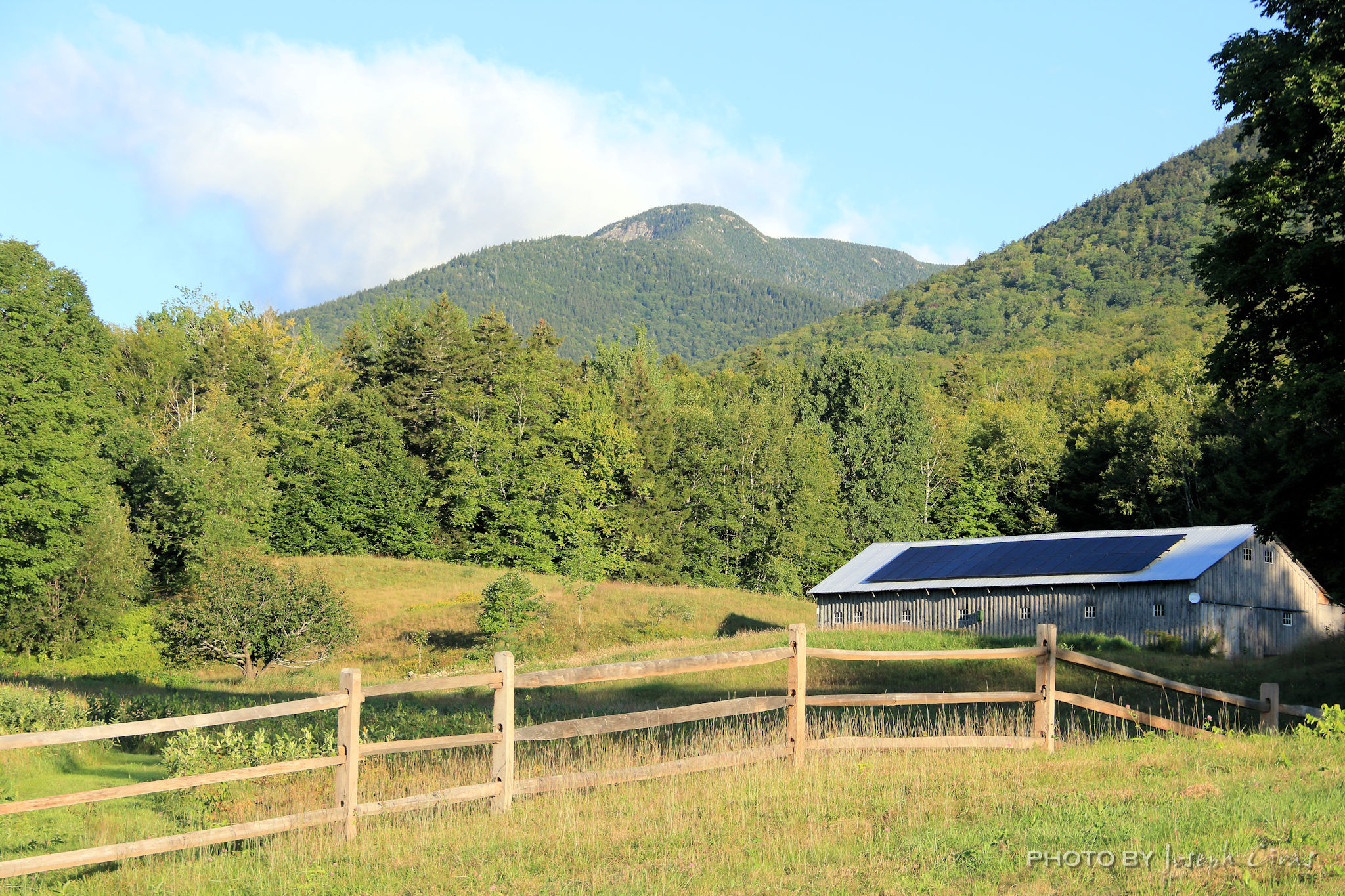
Saturday, 09/04/2021: Post photo — Mount Whiteface.

Settings: Canon EOS 60D, ISO 200, f/7.1, 1/320 s, 50 mm.

I decided to take a warmup hike today before the Flags on the 48 event next weekend.

I chose a mountain that I need for my repeat 48 4,000 footers and that was close to home. I decided on Mount Whiteface since I have not done it as one of my repeat 48 and it was only two and a half hours from home. People normally hike Mount Passaconway with Mount Whiteface but today I did not do both since this was a warmup hike and I have some things that I needed to do at home tonight.

Mount Whiteface

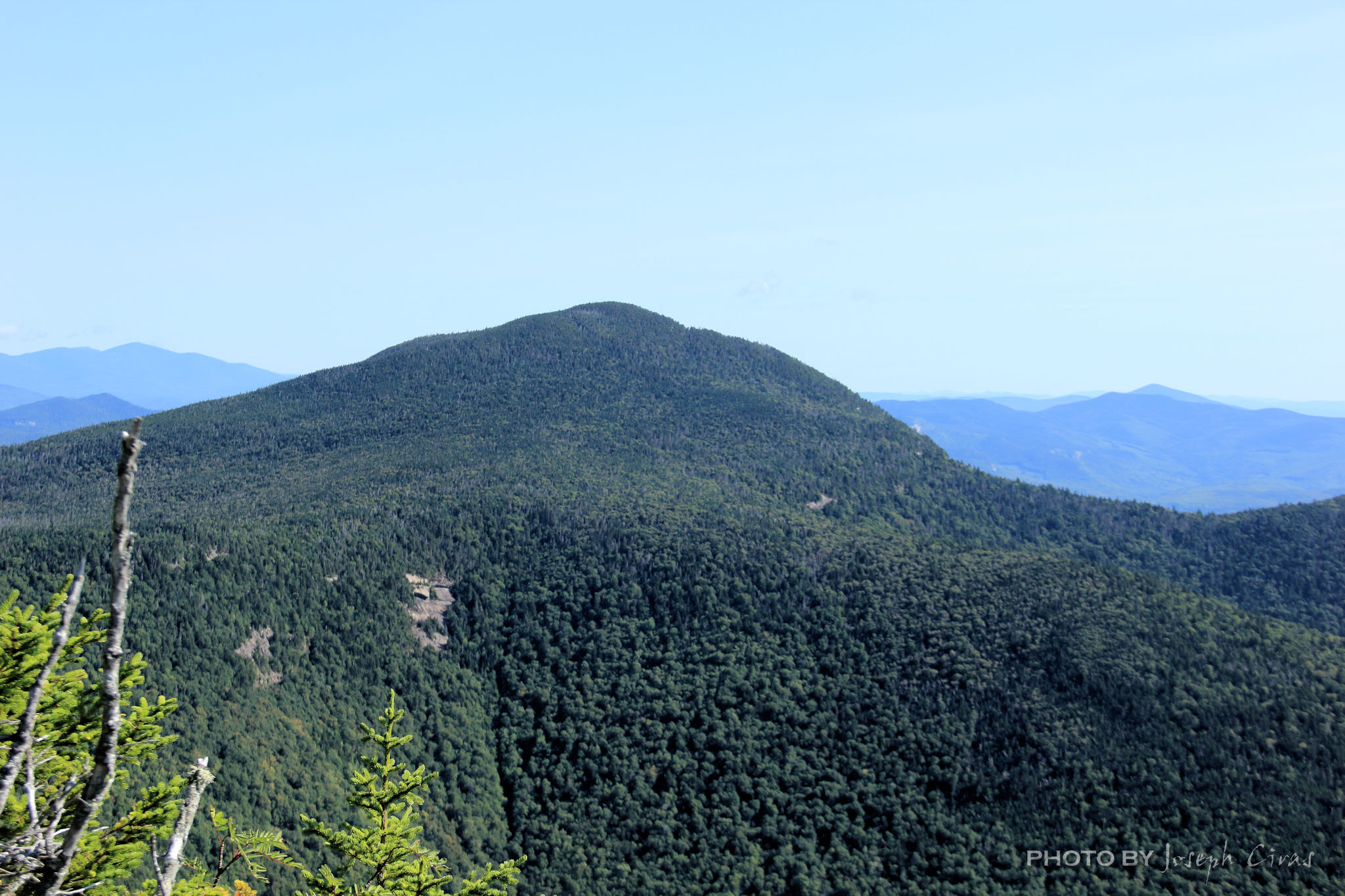
Mount Whiteface is a 4,019 ft mountain located in Grafton County, New Hampshire. The mountain is part of the Sandwich Range of the White Mountains. Whiteface is flanked to the northwest by Mount Tripyramid, and to the northeast by Mount Passaconaway. Mount Passaconaway is a 4,043 ft mountain about three miles from Mount Whiteface.

Mount Passaconaway

Thank you again for having faith and my abilities. Now I need to go through the photo and pick some out.

That is all for now. Until next week, be safe.

For more photo of other project I have work, visit my website: https://photobyjosephciras.weebly.com/ or visit me on Facebook at https://www.facebook.com/PhotobyJosephCiras/.

COVID is real! Be safe out there, keep your social distance, and remember to always wear your mask and wash your hands. Get your vaccine!

Photographic Thoughts — 07/25/2021 to 07/31/2021

“If you see something that moves you, and then snap it, you keep a moment.” — Linda McCartney

Thank you for all the new views and likes from last week, it helps keep me inspired.

Enjoy this week’s rambling mind of a mechanical engineer and photographer.

Sunday, 07/25/2021: Posted photo — Flower from Bouquet.

Settings: Canon EOS 60D, ISO 800, f/5.6, 1/40 s, 67 mm.

These flowers are from the bouquet of flowers given to me from my employer. I have been very grateful at the flexibility and support the people at work have given me during the last few months as I cared for my mother three nights a week.

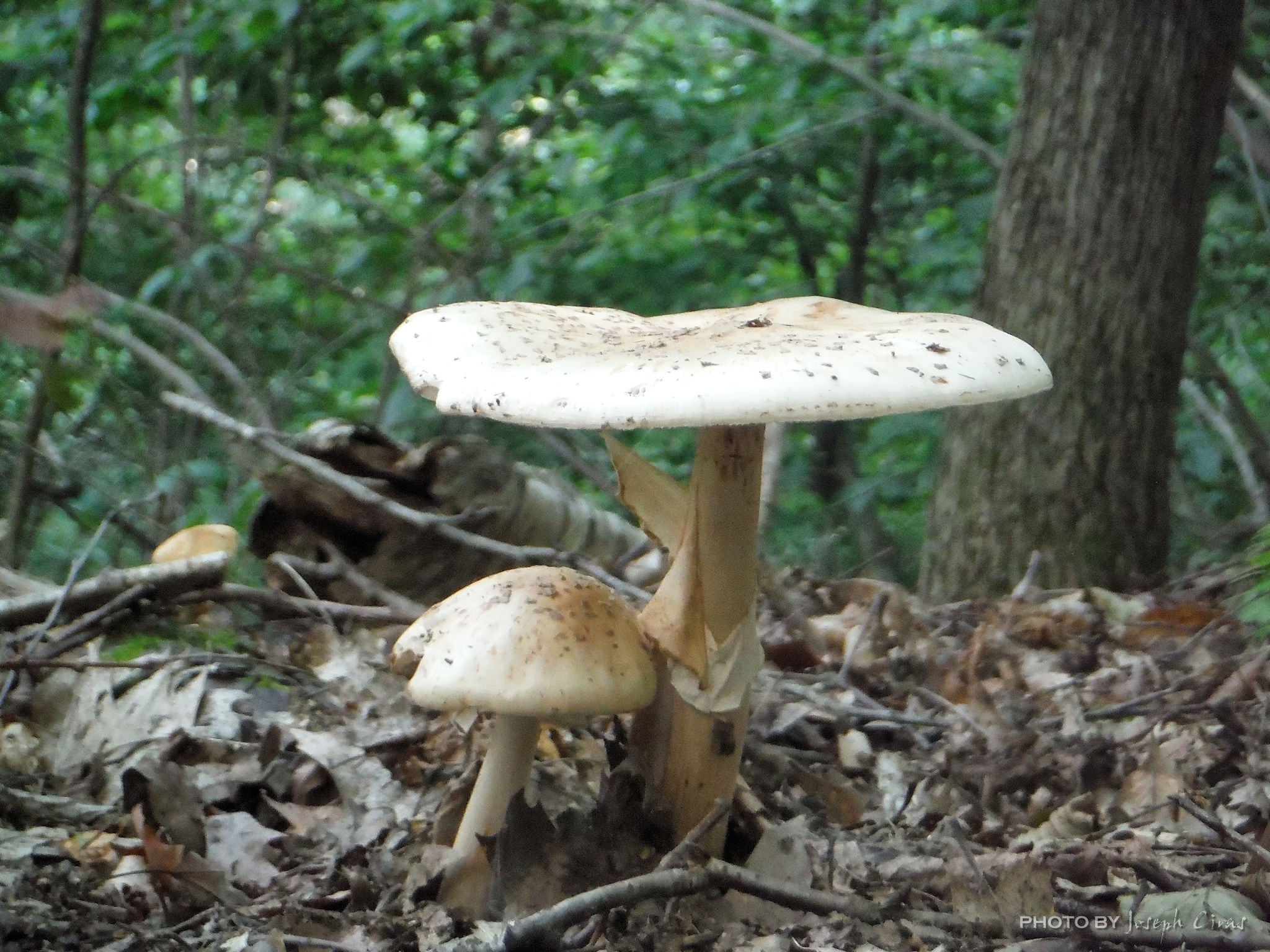
Monday, 07/26/2021: Posted photo — Mushroom.

Settings: FUGIFILM FinePix XP70, ISO 1600, f/4.9, 1/25 s, 15 mm.

The mushroom is growing at the junction of Bicentennial Trail and the Pine Hill Trail on Wachusett Mountain.

I went on my weekly hike with the Monday Meetup group and descended Pine Hill before the group, so I stopped and took this photo. The hike was wet due to all the rain we have been having in the area over the last few days, weeks, and months. I do not know my mushrooms very well. I am guessing that these are not edible because of the ring along the stem.

Tuesday, 07/27/2021: Posted photo — Quick Morning Moon.

Settings: Canon EOS 60D, ISO 100, f/7.1, 1/125 s, 300 mm.

Driving into work this morning, I saw the moon. I was not expecting this. Maybe because of all the cloud cover we have been having lately. Since I took such a terrible photo of the moon last week, I decided to take out one of my smaller lenses to take this photo.

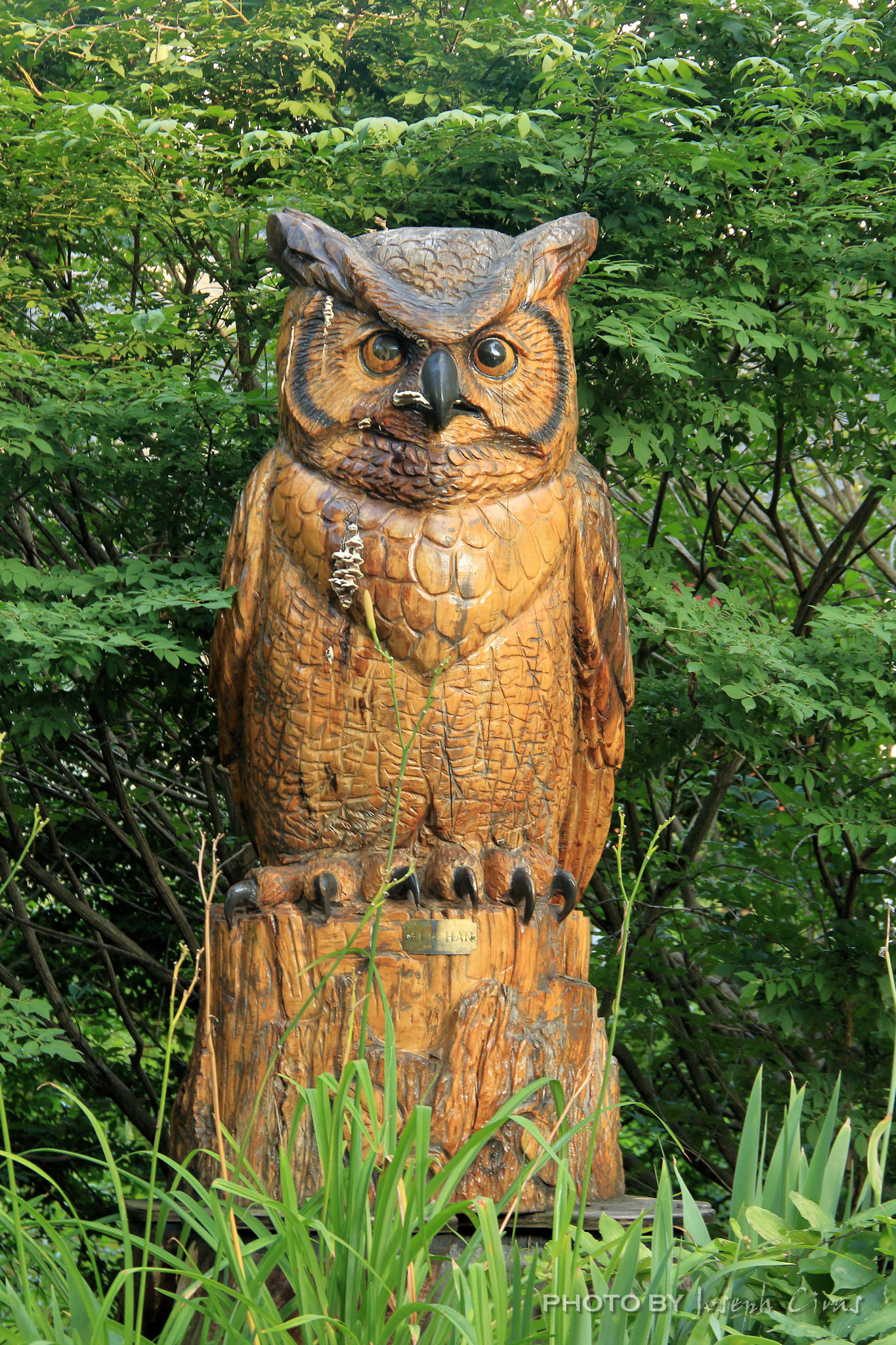
Wednesday, 07/28/2021: Posted photo — Owl.

Settings: Canon EOS 60D, ISO 400, f/7.1, 1/25 s, 60 mm.

There was a tree on the street next to ours that fell during a storm. The people had the tree removed leaving the stump. Instead of having the stump removed, they had an artisan turn the stump into a work of art.

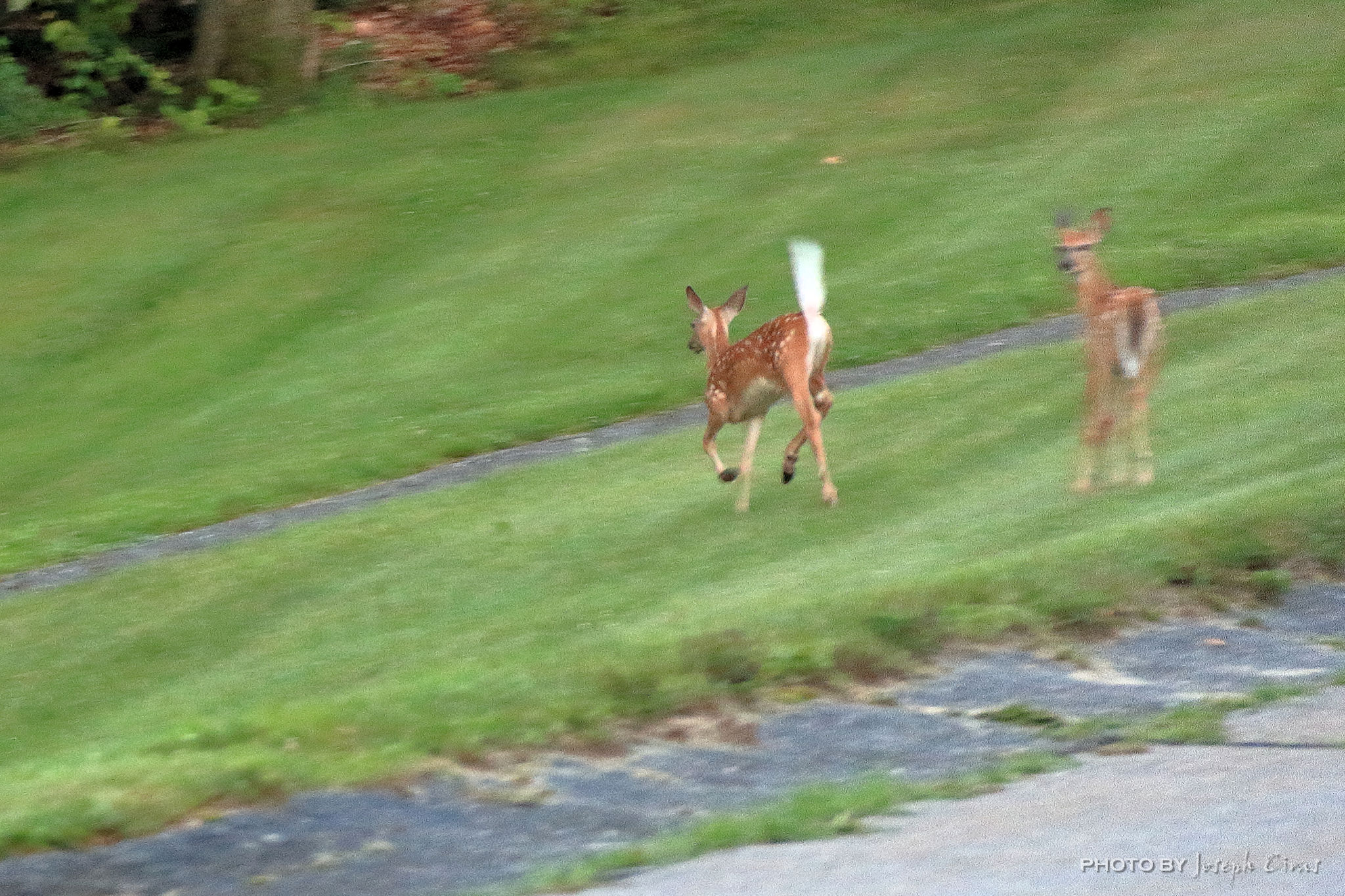
Thursday, 07/29/2021: Posted photo — Morning Run.

Settings: Canon EOS 60D, ISO 1600, f/5.6, 1/30 s, 135 mm.

On my way into work this morning, I saw a family of deer on the side if the driveway. They just looked at me and I looked at them. I stopped and reached for my camera, and they still just looked at me. Shortly after I lowered my window to take a photo, the family of deer ran away stopping occasionally to look at me. This fawn was very interesting in me. I took this photo as the family was running into the woods. I was happy about how focused the fawn was in this photo. I cropped it some to isolate it.

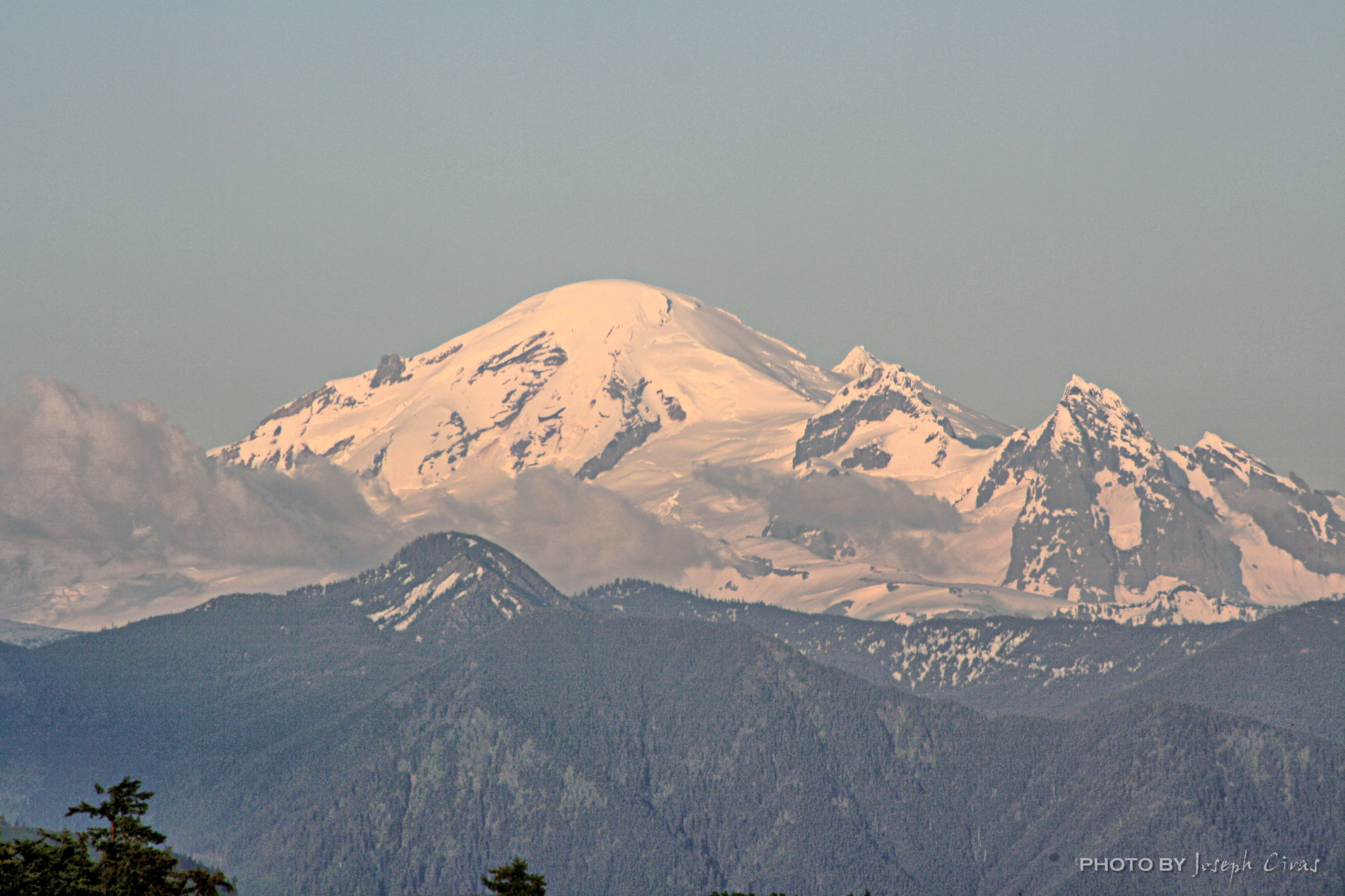
Friday, 07/30/2021: Post photo — Mount Baker.

Settings: Canon EOS DIGITAL REBEL XS, ISO 160, f/8, 1/500 s, 250 mm.

Mount Baker, also known as Koma Kulshan or simply Kulshan, is a 10,781 ft active glacier-covered andesitic stratovolcano in the Cascade Volcanic Arc and the North Cascades of Washington in the United States. Mount Baker has the second-most thermally active crater in the Cascade Range after Mount St. Helens. This photo was taken in a park a few years ago.

Saturday, 07/31/2021: Post photo — Chris Sale.

Settings: Canon EOS 60D, ISO 100, f/7.1, 1/250 s, 300 mm.

Chris Sale is a pitcher for the Boston Red Sox. He had Tommy John surgery last year. Tommy John Surgery, more formally known as ulnar collateral ligament (UCL) reconstruction, is used to repair a torn ulnar collateral ligament inside the elbow. A UCL is a ligament on the inner side of your elbow that helps secure your elbow joint. Some people, typically athletes who play throwing sports, may experience UCL tears that may need surgical repair. A UCL reconstruction surgery involves harvesting a tendon from your own body, or from a donor, and attaching it to act as a new UCL. It may take overhead athletes more than a year or longer to return to their prior level of play after a UCL reconstruction. Tommy John didn’t invent this procedure—he was a baseball pitcher who was the first to undergo it and successfully return to his sport.

Today he had a rehab start for the Worcester Red Sox, the AAA team for the Boston Red Sox. The AAA level of baseball is a step below the major league level.

That is all for now. Until next week, be safe.

For more photo of other project I have work, visit my website: https://photobyjosephciras.weebly.com/ or visit me on Facebook at https://www.facebook.com/PhotobyJosephCiras/.

COVID is real! Be safe out there, keep your social distance, and remember to always wear your mask and wash your hands. Get your vaccine!
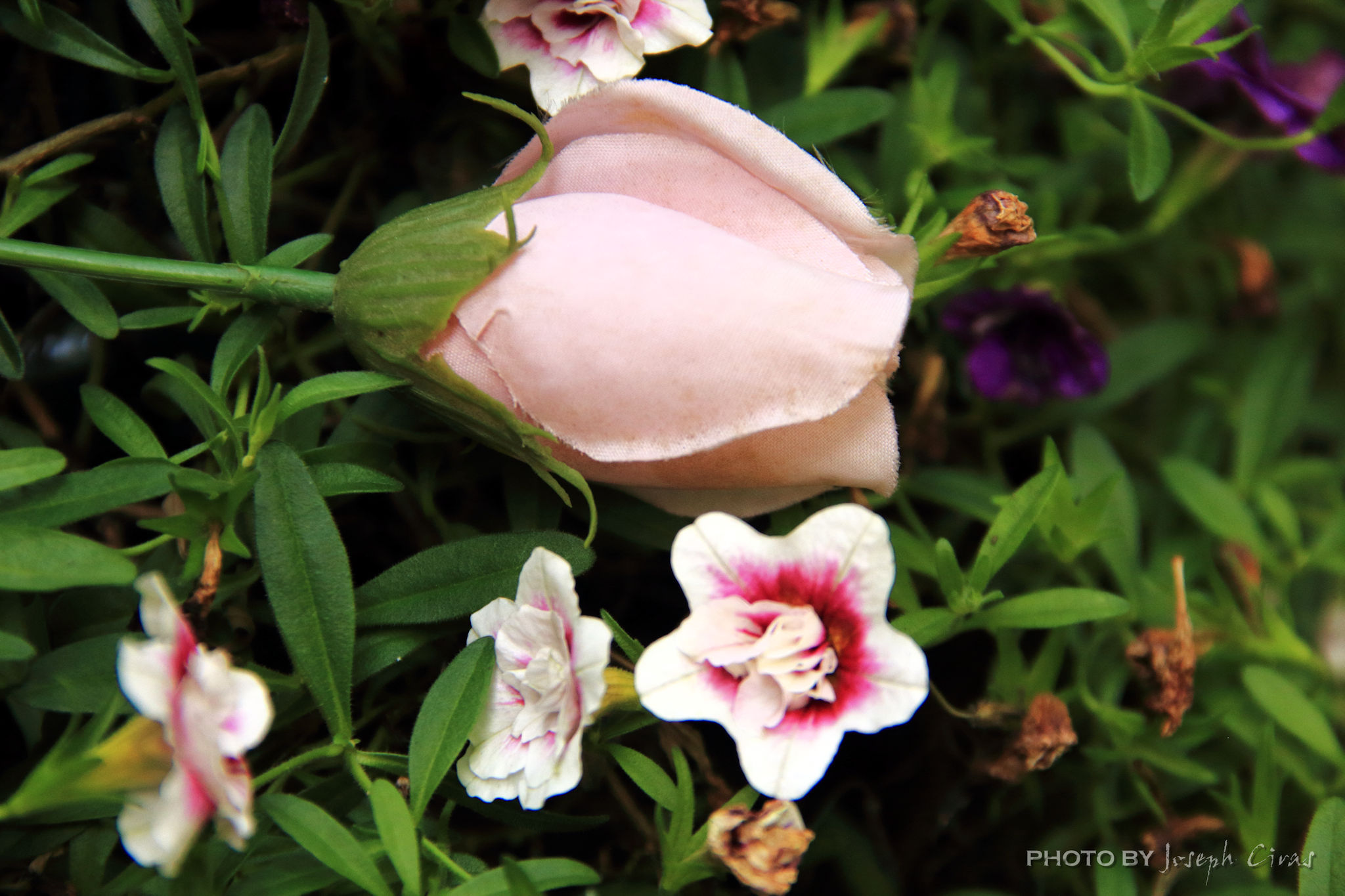
Photographic Thoughts — 07/04/2021 to 07/10/2021

“Photography is truth.” — Jean-Luc Godard

Thank you for all the new views and likes from last week, it helps keep me inspired.

Enjoy this week’s rambling mind of a mechanical engineer and photographer.

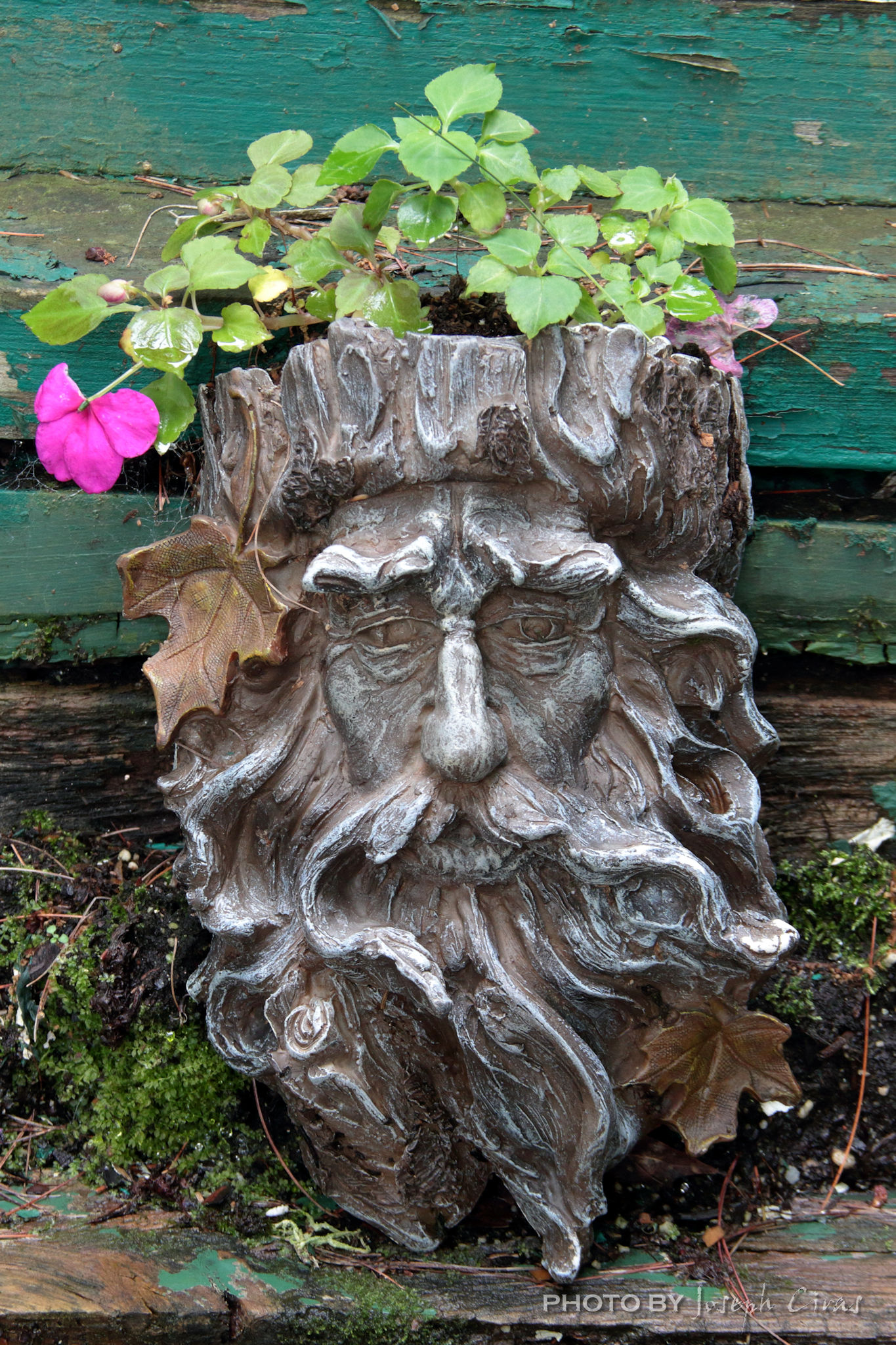
Sunday, 07/04/2021: Posted photo — Planter.

Settings: Canon EOS 60D, ISO 400, f/7.1, 1/50 s, 52 mm.

Planters are used on houses and cottages for plants. A planter is a decorative container in which plants are grown. This planter is located at my in-law’s cottage. I like the look of this, very rustic. A few of the leaves on this planter looked real to me when looking at it quickly.

Planter

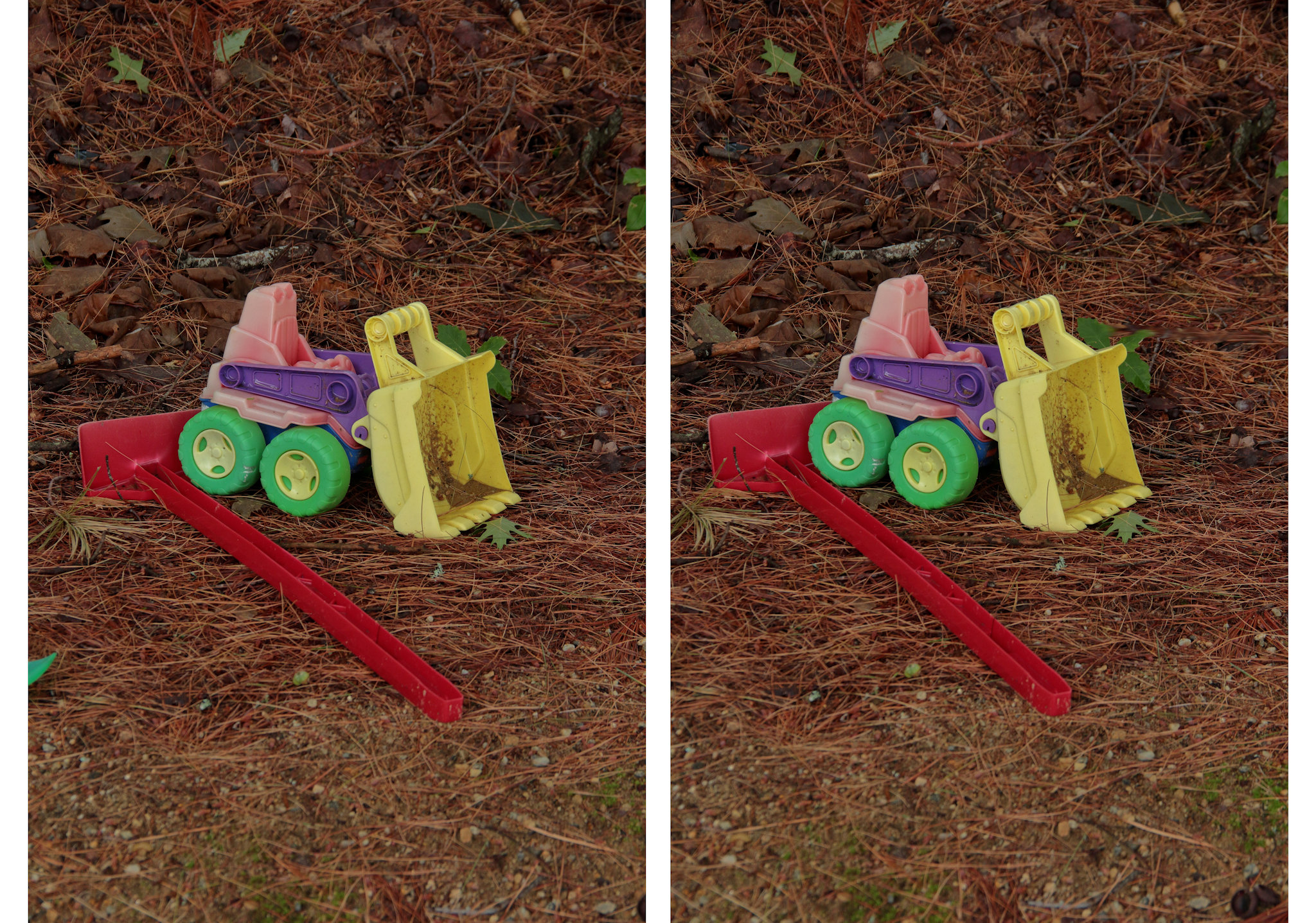
Just for fun, I am posting a photo that I took today and that you should be able to see in 3D.

See if you can view this photo in three dimensions. Use the techniques below and a middle photo will appear.

Go to this page to see the instructions on how to view this photo. “How to See 3D: Magic Eye 3D and more” (vision3d.com)

Monday, 07/05/2021: Posted photo — Inversion.

Settings: Canon EOS 60D, ISO 100, f/6.3, 1/500 s, 45 mm

A cloud inversion, or temperature inversion is when the normal temperature distribution of air – warm at the bottom, colder as you go up – becomes inverted or flipped upside down. This means you have a cold layer of air trapped at ground level, overlain by warm air. I know that information may not be useful to you, but it may be useful to some.

Cloud inversion from the Glen Boulder Trail

This photo was taken on a 14-mile round trip hike to the summit of Mount Isolation in NH. I did this hike with my son and two of his friends. Mount Isolation is one of the 48 4,000-foot mountains in New Hampshire. The path we took was Glen Boulder Trail to Davis Path to Isolation Trail to Rocky Branch Trail. Mount Isolation is only 4,003 feet tall. To get to it we hiked over Gulf Peak (4,774 feet) and North Isolation (4,291 feet). Both mountains are not official 4,000 footers because they do not meet the official criteria to be counted. A 4,000-footer is a mountain that has an elevation of at least 4,000 feet and a minimum of 200 feet prominence. Today turned out to be the best day of the holiday weekend.

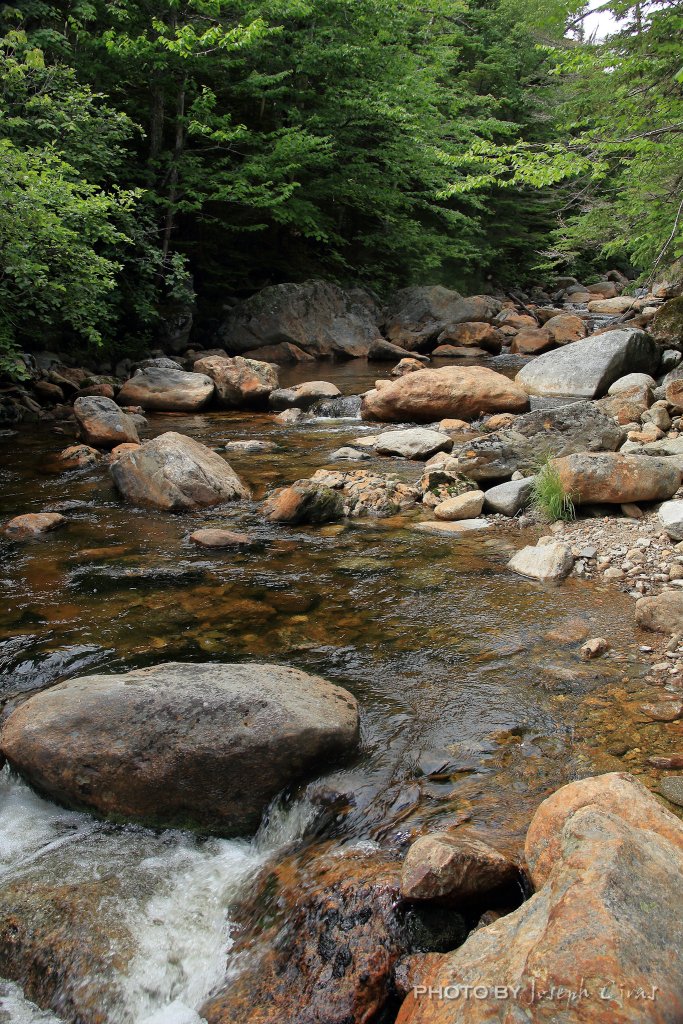
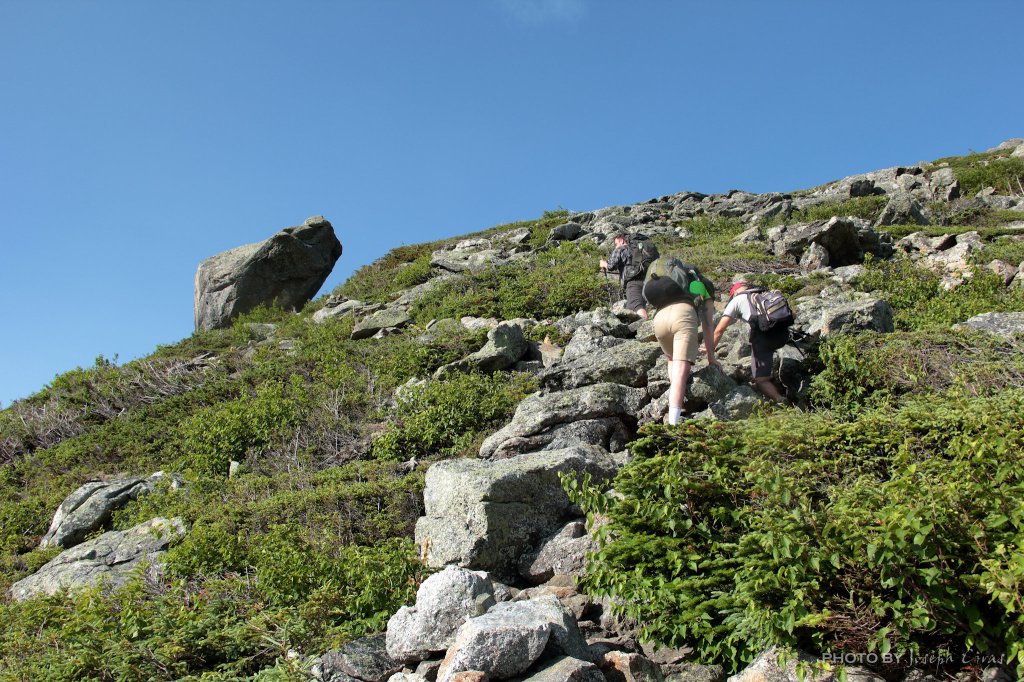
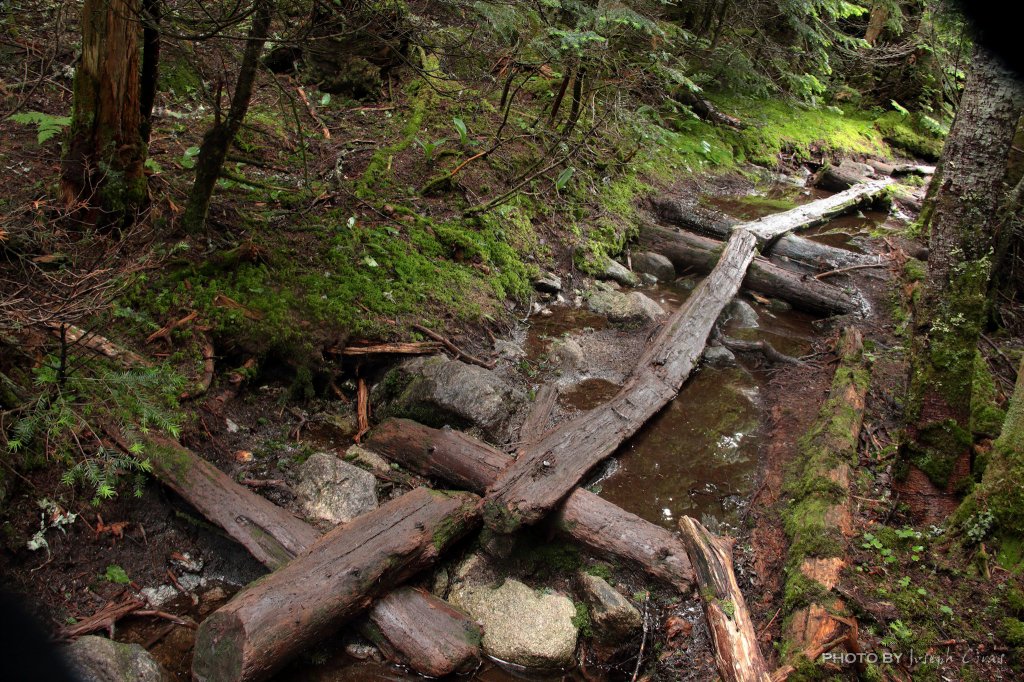
Here are some more photos of our hike.

Tuesday, 07/06/2021: Posted photo — Reflection.

Settings: Samsung SM-G930V (Galaxy S7), ISO 50, f/1.7, 1/385 s, 4 mm

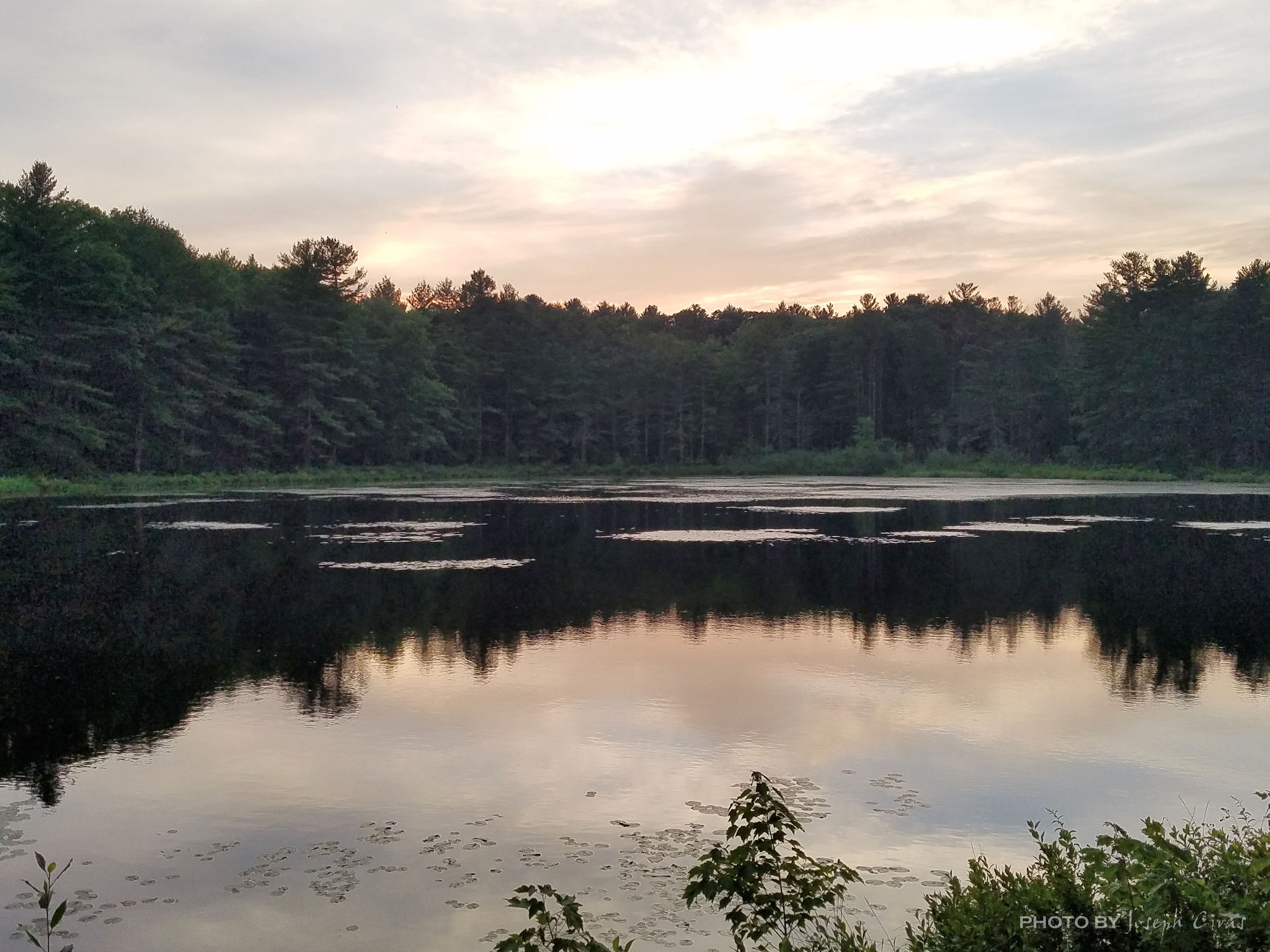
I was on my way home from my mother’s house and was thinking about what photo I would be posting today. As it was much if the weekend, it was rainy and overcast. I drive past the Holden Reservoirs. The Holden Reservoirs supply the city of Worcester, Mass, and the surrounding communities.

Sunset reflection from one of the Holden Reservoirs

As I passed the last of the reservoirs, I say some color in the sky, so I took to take a photo of this. I took this photo not knowing if there was anything else to photograph for the remainder of the day. Cell phone photos do not do any justice to the beauty of sunsets.

Wednesday, 07/07/2021: Posted photo — More Clouds.

Settings: Canon EOS 60D, ISO 100, f/6.3, 1/1000 s, 25 mm.

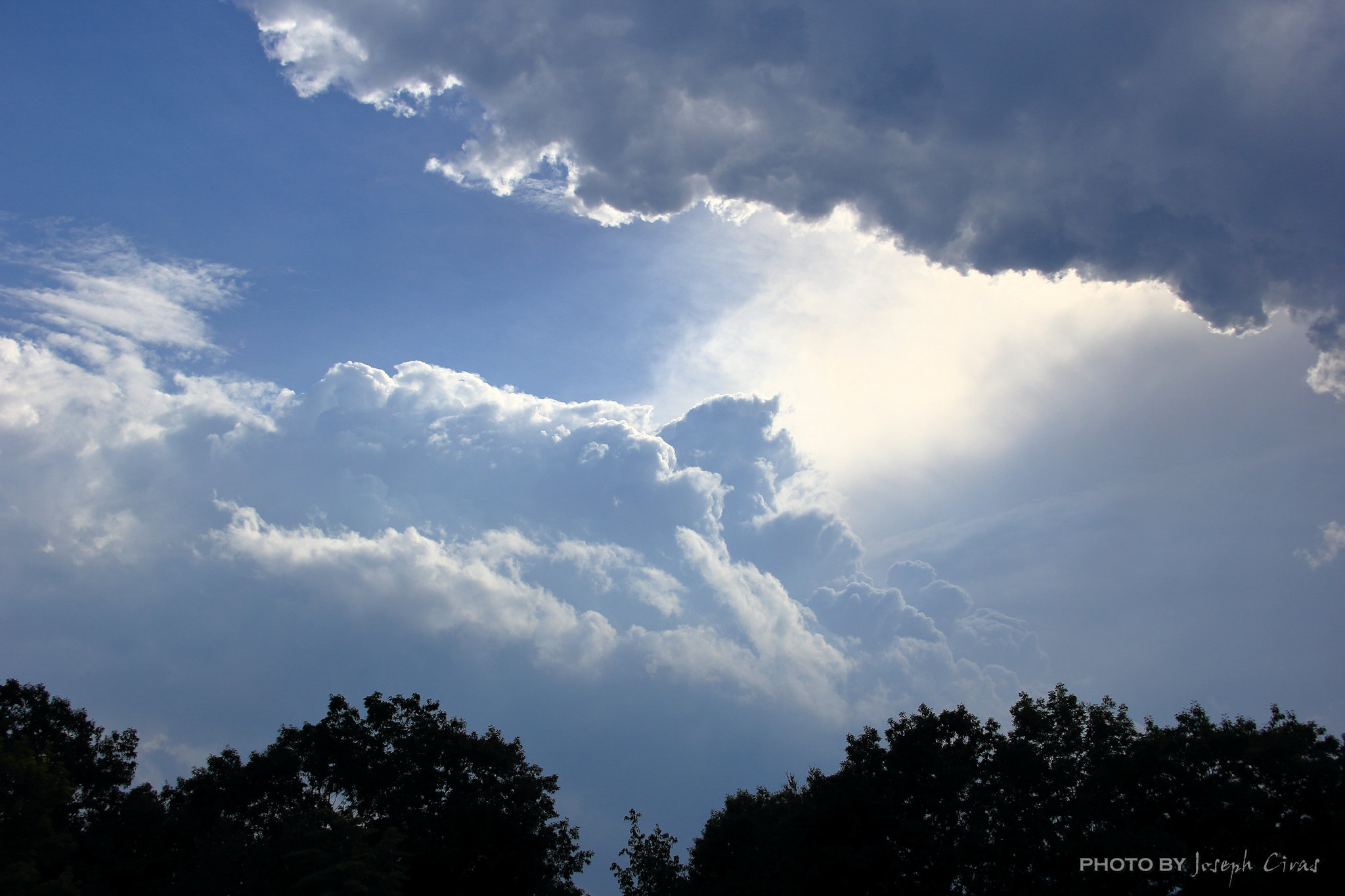
One word for today, humid. It was not raining and very humid, with a severe weather warning. One of the things I like about a day like today is watching the clouds grow as the storm develops. I like the contrast between the white clouds and the blue sky. I also like when the sun rays seem to jump from cloud to cloud.

Storm clouds building

I took this photo with treetops in the foreground to have some contrast between the sky, trees, and clouds. There were better clouds to photograph down the road, but I decided to use this photo because it seemed dramatic to me.

Thursday, 07/08/2021: Posted photo — Calculator.

Settings: Samsung SM-G930V (Galaxy S7), ISO 400, f/1.7, 1/10 s, 4 mm

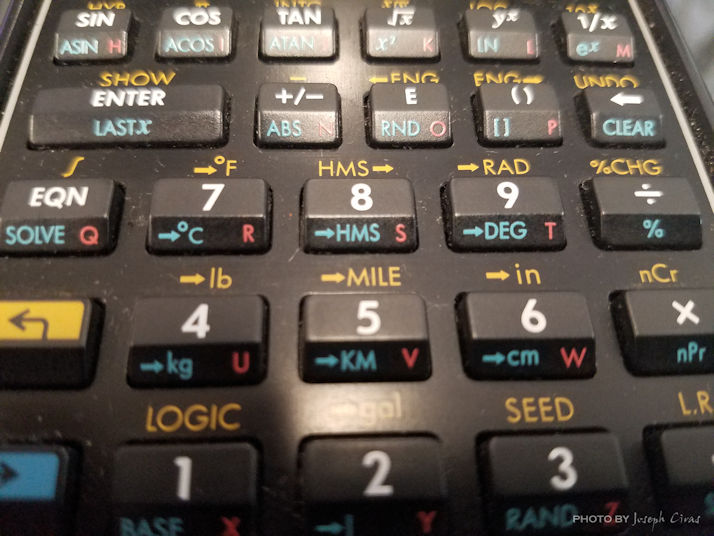
These are some of the keys on my HP 35s Scientific Calculator. It is an older RPN calculator and is one that is allowed into the professional engineering examination. I am not taking the examination for a little while longer since I need to study for it. Being a mechanical engineer for over 35 years, I need to get back to study topics that I do not use every day.

Key on my HP 35s calculator

Reverse Polish Notation (RPN) is a system of representing mathematical and logical operations in which the operands precede the operator, and which does not require the use of parentheses. I find RPN much faster to use and I now find it difficult at times to use regular, or normal, notation when using a calculator.

Friday, 07/09/2021: Post photo — Mushroom.

Settings: Canon EOS 60D, ISO 400, f/5.6, 1/320 s, 113 mm.

Rained today. Heavy rain today due to Tropical Storm Elsa. The storm brought very heavy rains in flooding to some towns in the area. Once the sun came out, the sky was a great blue.

Mushroom in our yard

On my way home from work, I was just going on settling on posting a photo from the past because the rain put a damper on taking a photo outside. When I arrived home, I saw some mushrooms growing in our front lawn. Great photo opportunity for me. A mushroom is the fleshy, spore-bearing fruiting body of a fungus, typically produced above ground, on soil, or on its food source. Some people eat mushrooms, some people can tell if it is poisonous or not. I am neither of these people. I do not eat mushrooms and cannot tell if one is poisonous or not. I should work on identifying edible and non-edible mushrooms since I see many on them on my hikes.

Saturday, 07/10/2021: Post photo — Rose.

Settings: Canon EOS 60D, ISO 400, f/5.6, 1/2500 s, 113 mm.

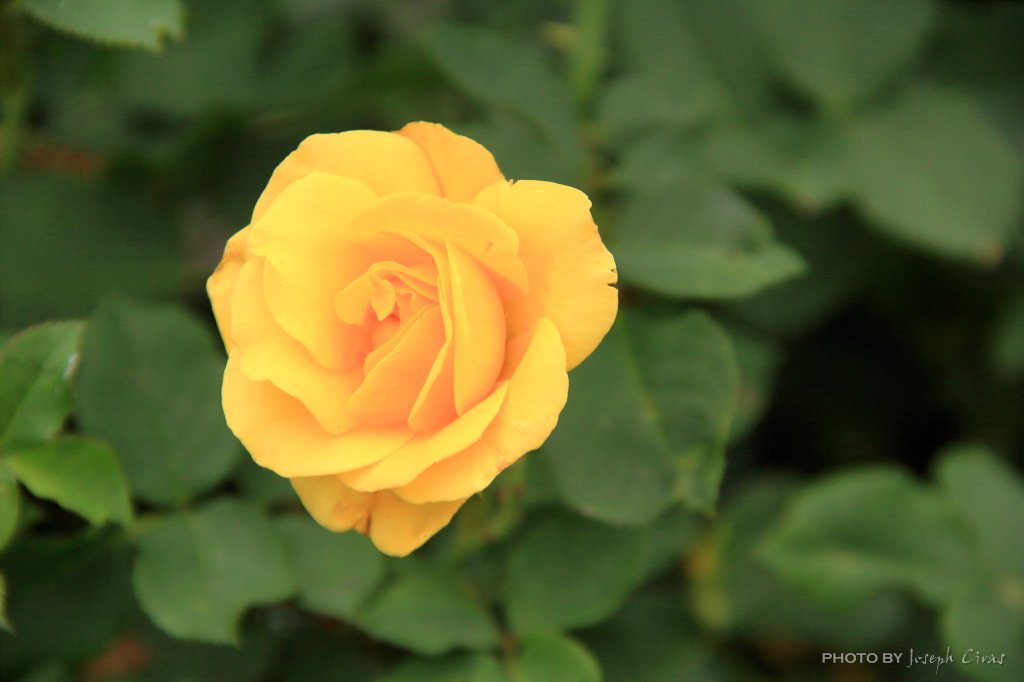
“A rose by any other name would smell as sweet” — William Shakespeare’s play Romeo and Juliet.

Yellow rose

Red roses are often considered the universal symbol of love.
Pink roses symbolize gratitude, grace, and joy.
White roses are a symbol of purity, innocence and in some cases, chastity.
Purple roses are not nearly as common, they indicate a fascination or adoration.
Yellow roses are a symbol of friendship and caring.
Orange roses indicate enthusiasm and passion, making them a creative substitute for Valentine’s Day roses and other holidays when people typically buy red roses.

That is all for now. Until next week, be safe.

For more photo of other project I have work, visit my website: https://photobyjosephciras.weebly.com/ or visit me on Facebook at https://www.facebook.com/PhotobyJosephCiras/.

COVID is real! Be safe out there, keep your social distance, and remember to always wear your mask and wash your hands. Get your vaccine!