Photographic Thoughts — 03/13/2022 to 03/19/2022

“In photography there is a reality so subtle that it becomes more real than reality.” — Alfred Stieglitz

Thank you for all the new views and likes from last week, it helps keep me inspired.

Starting to take more photos. Still will be posting photos from past trips for a little while longer. Sill a long recovery ahead of me.

Enjoy some more travel photos from past trips.

Sunday, 03/13/2022: Posted photo — Low Key.

Settings: Canon EOS 60D, ISO 2500, f/3.5, 1/40 s, 18 mm.
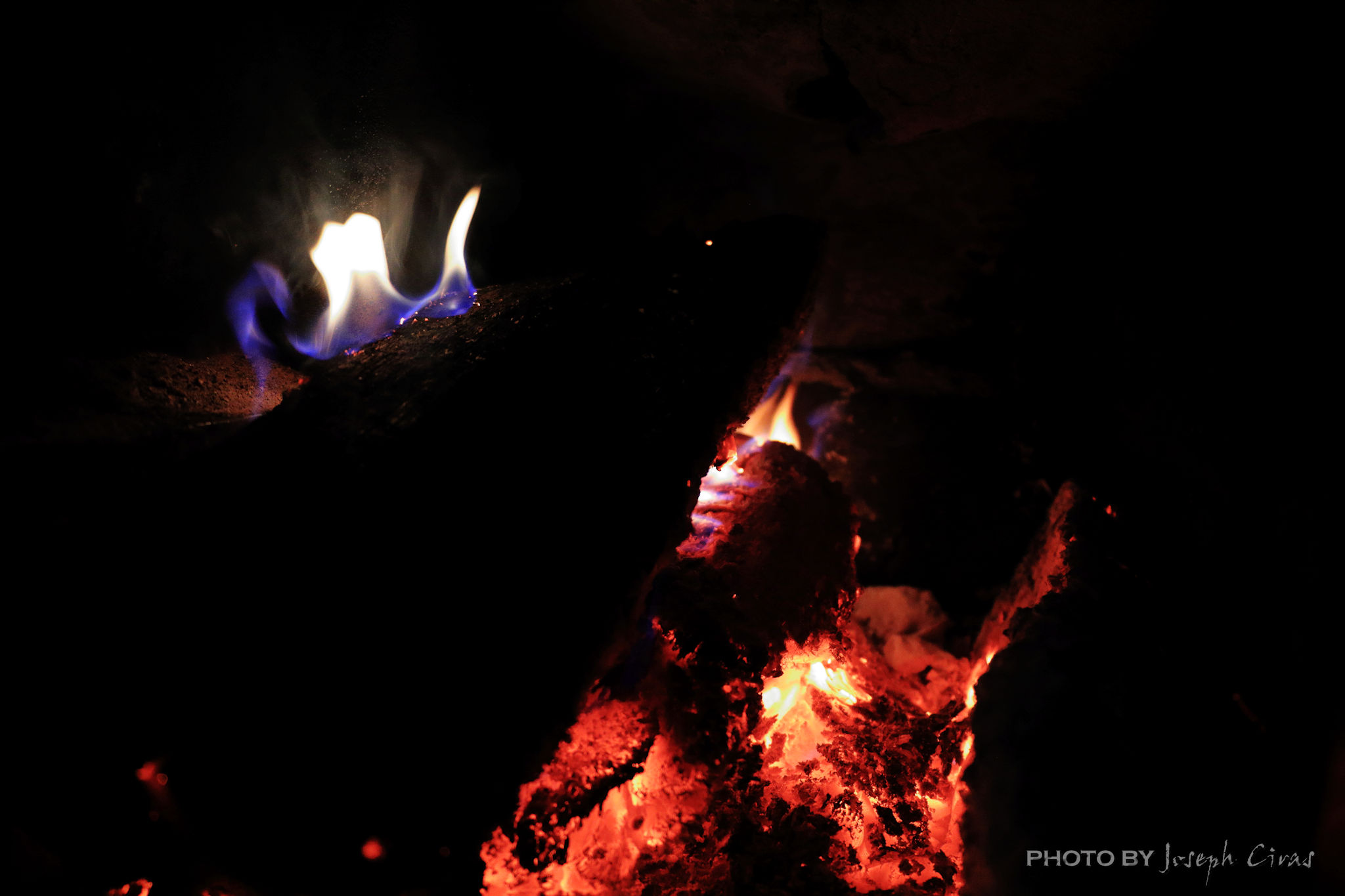
A low key image is one that contains predominantly dark tones and colors. Low key photography conveys atmosphere and mood. One of my photo projects had a low key image challenge this week. I was thinking about what photo to take to meet this challenge. I would have had many options if I had not just been operated on. With limited mobility, I thought about what there might be around the house. Since low key images contain predominantly dark tones and colors, I took a photo of the fire in our wood stove.

Monday, 03/14/2022: Posted photo — Cameron Falls.

Settings: Canon EOS DIGITAL REBEL XS, ISO 100, f/22, 10 s, 28 mm.

Cameron Falls, Waterton Lakes National Park, Alberta.

Cameron Falls is a very uniquely shaped waterfall of about 75 feet in height found in the heart of the Waterton townsite in Waterton Lakes National Park. After heavy rainfall, the waters upriver from the falls get stirred up with a red mudstone called argillite. As the water flows towards the falls, it turns to a beautiful pink hue when light reflects on the mineral water. We did not see the pink falls since the weather was dry when we visited Waterton Lakes National Park just after we visited Glacier National Park in Montana.

Tuesday, 03/15/2022: Posted photo — New Boot.

Settings: Google Pixel 2, ISO 195, f/1.8, 1/60 s, 4 mm.

I had a post op follow-up today a week and a half after surgery. My recovery is going as planned. I was fitted with this very uncomfortable boot. I still cannot put pressure on my ankle for another four weeks. Need to go back on Tuesday for another follow-up since the first one was close to my surgical date and the doctor would like to see my progress and remove some items from my ankle.

Wednesday, 03/16/2022: Posted photo — Harvard Glacier.

Settings: Canon EOS DIGITAL REBEL XS, ISO 200, f/8, 1/2000 s, 160 mm.

Harvard Glacier, College Fjord, Alaska.

The glacier has a 1.5-mile (2 km) wide face where it calves into the College Fjord. It is 300 ft thick and covers 120,000 acres of Chugach National Forest. The Harvard Glacier is the second largest glacier in the Prince William Sound, after the Columbia Glacier.
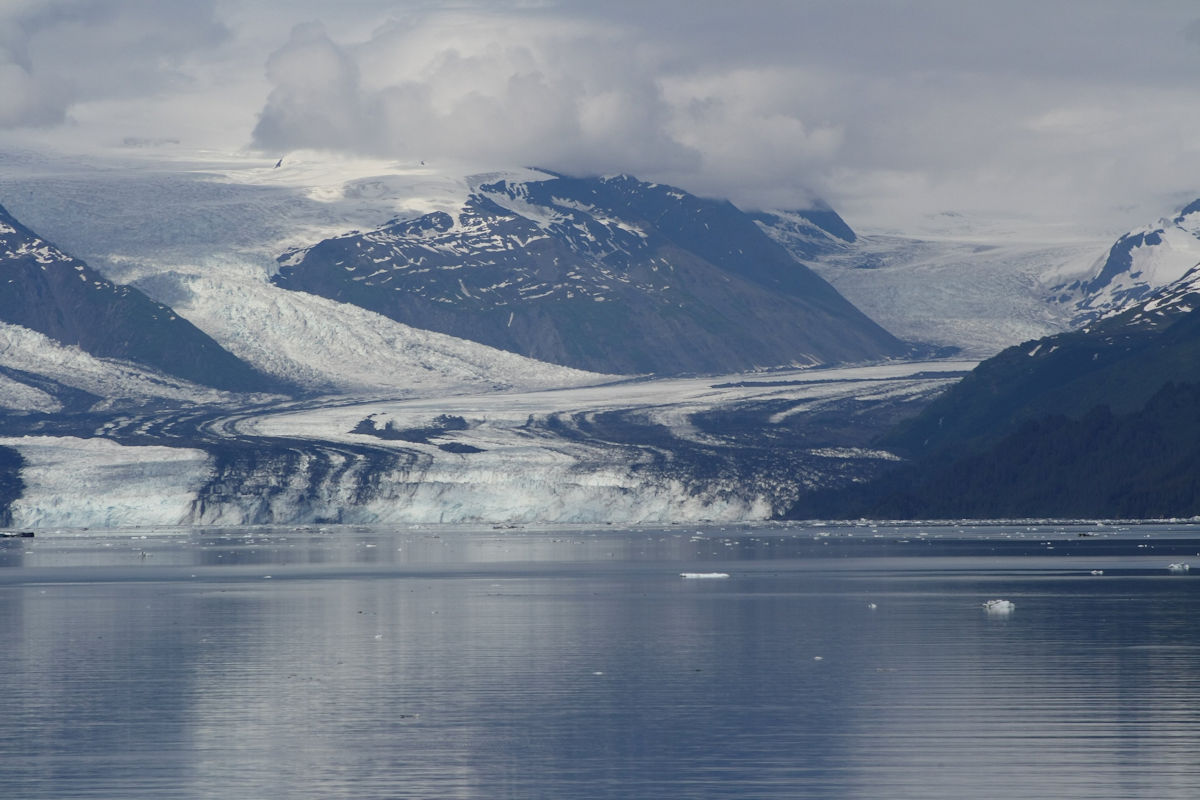
It is amazing to see how large a glacier is when you look at it from a distance. In this photo, we were about a mile from the glacier.

The names of the glaciers in College Fjord are: Amherst, Barnard, Bryn Mawr, Harvard, Smith, Vassar, and Yale. The glaciers of the northwest side feature the names of women’s colleges, and the glaciers of the fork and the southeast side sport the names of men’s colleges. What of Princeton? According to my research on the names, the scholars that named the glaciers took delight in ignoring it since none of them were Princeton alum.

Thursday, 03/17/2022: Posted photo — Cairn.

Settings: Canon EOS DIGITAL REBEL XS, ISO 200, f/11, 1/200 s, 34 mm.

On the trail near the Athabasca Glacier, Jasper National Park, Alberta.

A cairn is a mound of rough stones built as a memorial or landmark, typically on a hilltop or skyline. This cairn is shaped like a person. In Canada this is called an Inuksuk.
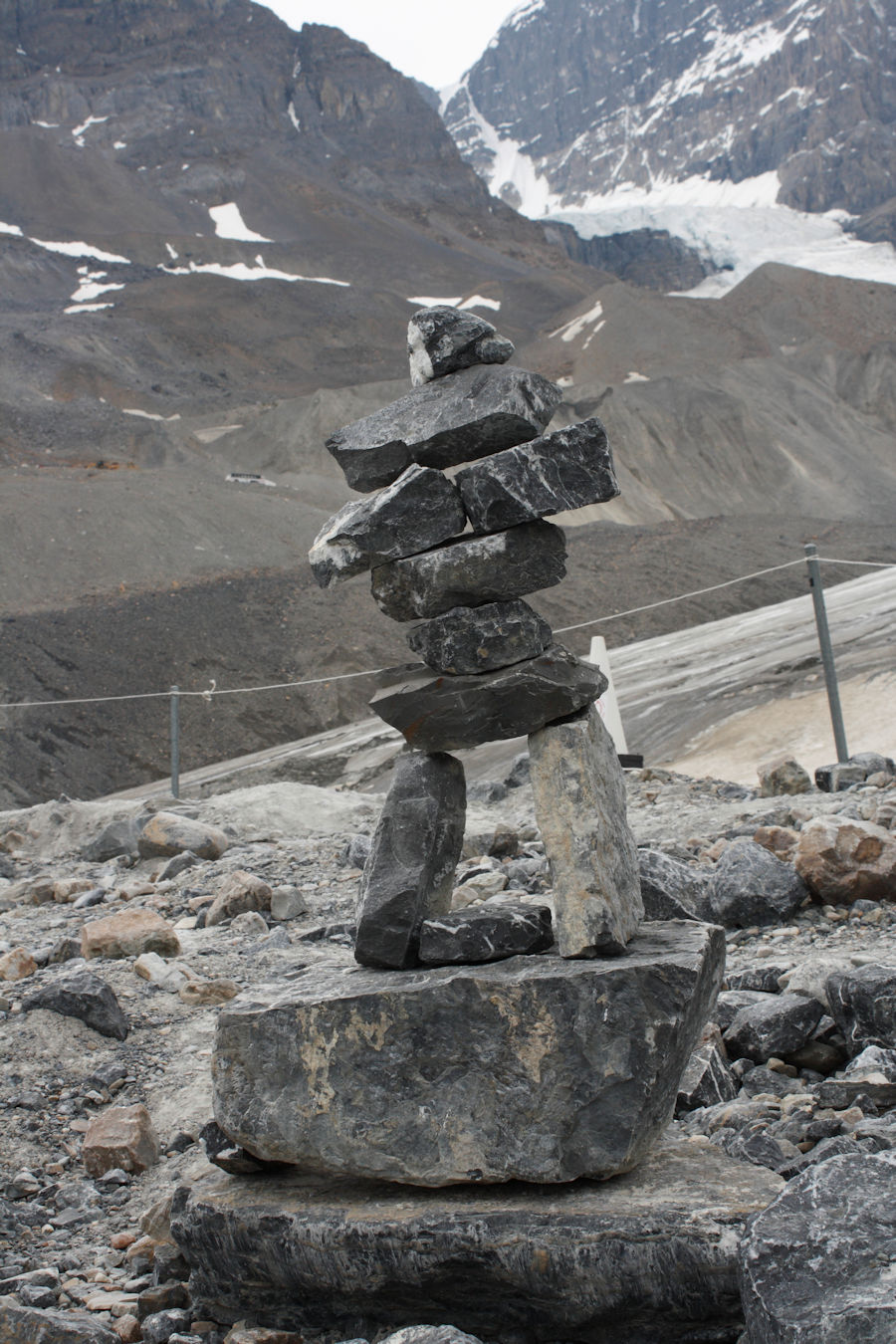
The Athabasca Glacier is one of the six principal ‘toes’ of the Columbia Icefield, located in the Canadian Rockies. The glacier currently loses depth at a rate of about 16.4 feet (5 meters) per year and has receded more than 1 mile (1.5 km) and lost over half of its volume in the past 125 years.

From the Canadian Encyclopedia: “Inuksuk (also spelled inukshuk, plural inuksuit) is a figure made of piled stones or boulders constructed to communicate with humans throughout the Arctic. Traditionally constructed by the Inuit, inuksuit are integral to Inuit culture and are often intertwined with representations of Canada and the north.”https://www.thecanadianencyclopedia.ca/en/article/inuksuk-inukshuk

Friday, 03/18/2022: Post photo — Pall (and Rekard).

Settings: Canon EOS DIGITAL REBEL XS, ISO 200, f/5.6, 1/160 s, 55 mm.
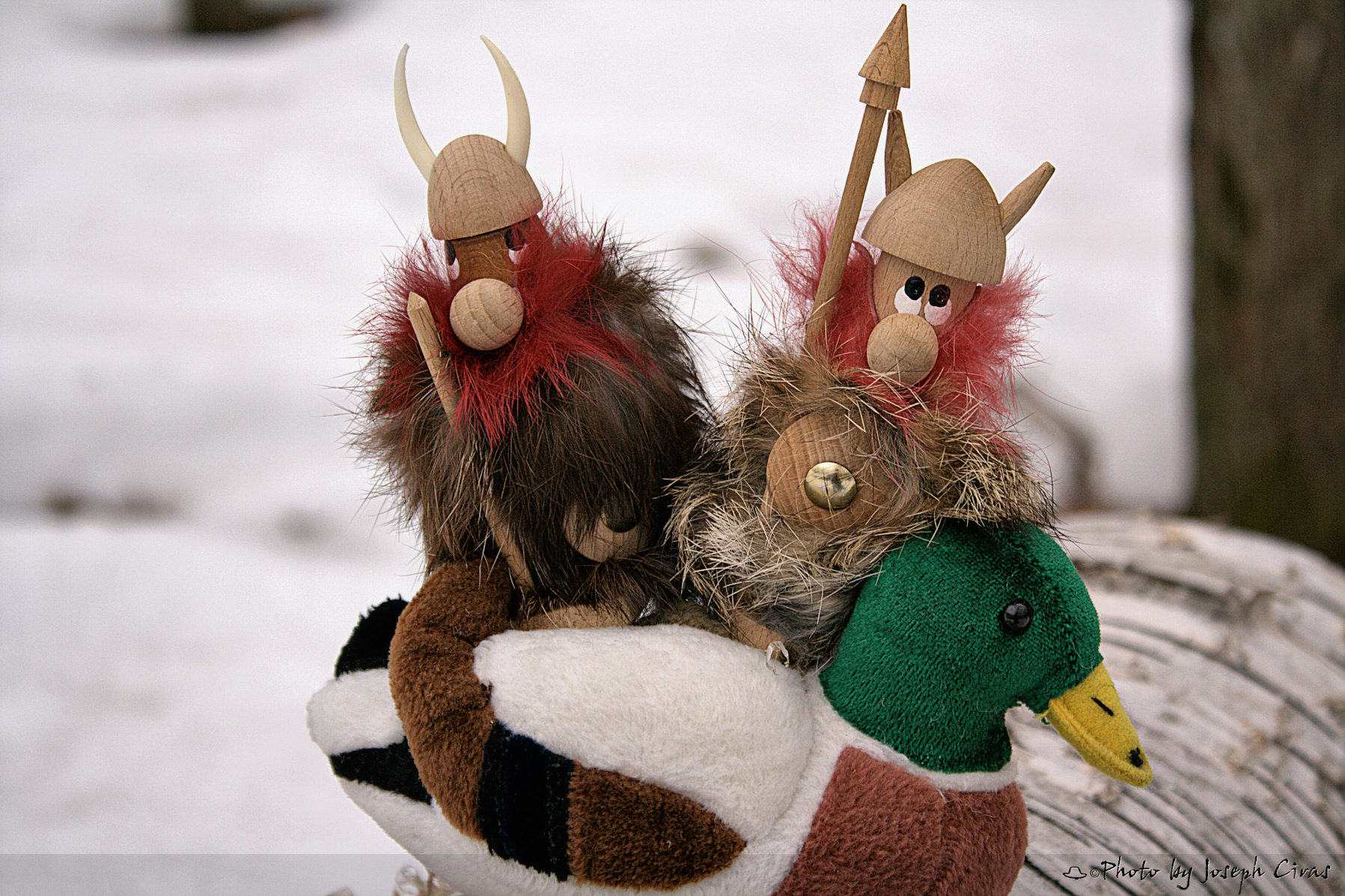
These are my two buddied from Denmark. Earlier on in my photo projects, I featured Pall every week with Pall telling a story about his life. When I went back to Denmark, I picked up Rekard. They ventured together for next year or two. Might be time to bring their adventures back.

Saturday, 03/19/2022: Post photo — Crater.

Settings: N/A.

Mount St. Helens National Volcanic Monument
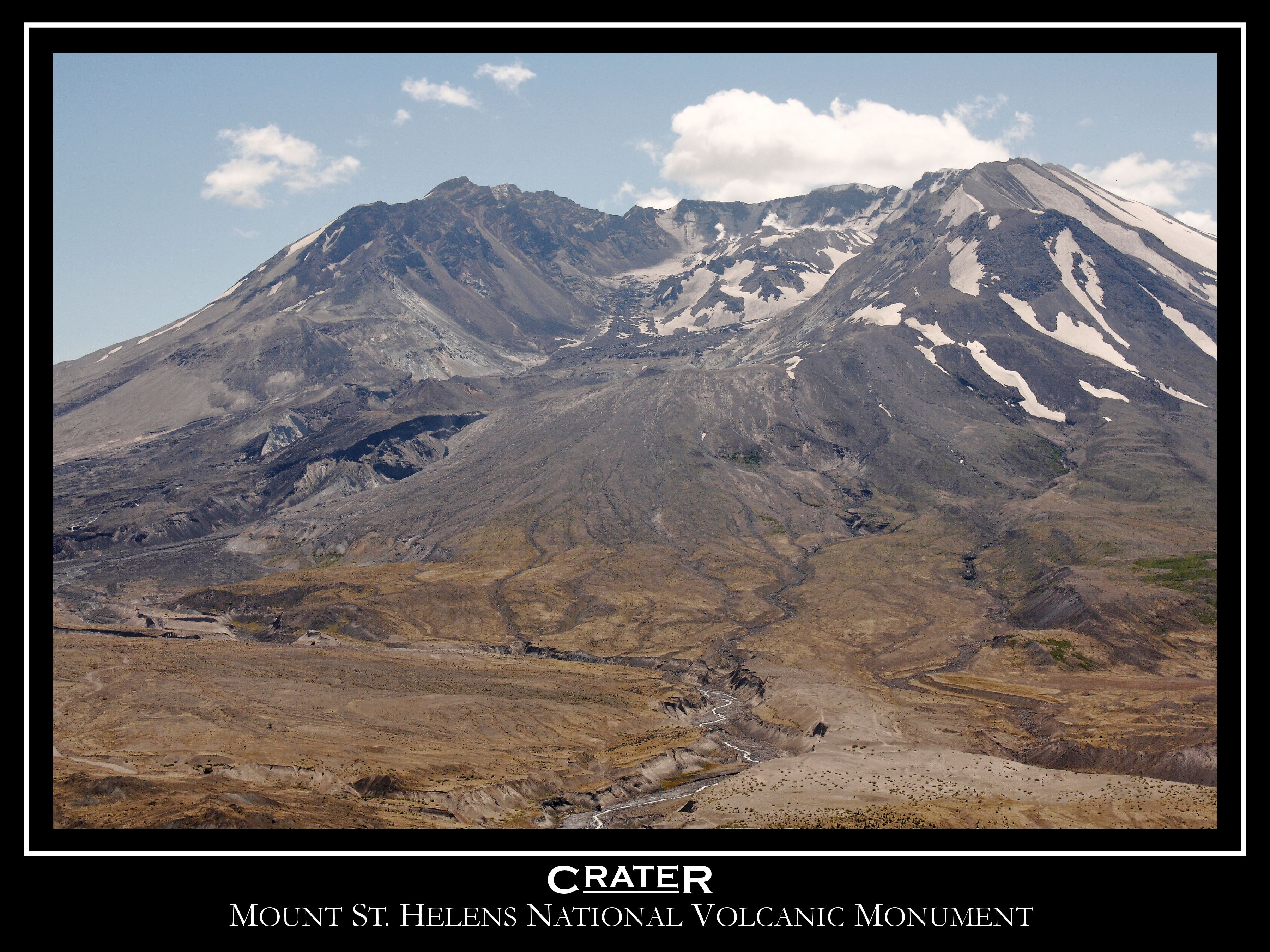
From the USGS:

“Prior to 1980, Mt. St. Helens had the shape of a conical volcano sometimes referred to as the Mount Fuji of America. During the 1980 eruption the upper 400 m (1,300 ft) of the summit was removed by a huge debris avalanche, leaving a 2 x 3.5 km horseshoe-shaped crater now partially filled by a lava dome and a glacier. It is primarily an explosive dacite volcano.”

Quick Facts:

Location: Washington, Skamania County
Latitude: 46.2° N
Longitude: 122.18° W
Elevation: 2,539 (m) 8,330 (f)
Volcano type: Stratovolcano
Composition: Basalt to Rhyodacite
Most recent eruption: 1980, 2004-2008
Nearby towns: Castle Rock, WA; Olympia, WA; Vancouver, WA; Yakima, WA; Portland, OR
Threat Potential: Very High

Dacite: Volcanic rock (or lava) that characteristically is light in color and contains 62 to 69 percent silica and moderate amounts of sodium and potassium.

Stratovolcano: Steep, conical volcanoes built by the eruption of viscous lava flows, tephra, and pyroclastic flows. They are usually constructed over tens to hundreds of thousands of years and may erupt a variety of magma types (basalt to rhyolite). They typically consist of many separate vents. Synonym is composite volcano.

I have been to Mt. St. Helens a few times over the years. The first time was about ten years after the eruption, and we saw the logs floating in Sprit Lake. I just pictured Harry Truman looking up at the mountain from his lodge and wondering why he did not leave. Then again, there were may false alarms in the past. I am amazed on how nature is recovering in the area. I can still remember the first time that I drove into the blast zone. Very lush, dense forest along the road, turn the corner and nothing. Trees looking like toothpicks laying down in the direction of the blast. There were some cars left for visitors to see how powerful the eruption was.

That is all for now. Until next week, be safe. For more photo of other project I have work, visit my website: https://photobyjosephciras.weebly.com or visit me on Facebook at https://www.facebook.com/PhotobyJosephCiras/.

Photographic Thoughts — 10/31/2021 to 11/06/2021

“I love the people I photograph. I mean, they’re my friends. I’ve never met most of them or I don’t know them at all, yet through my images I live with them.” — Bruce Gilden

Thank you for all the new views and likes from last week, it helps keep me inspired.

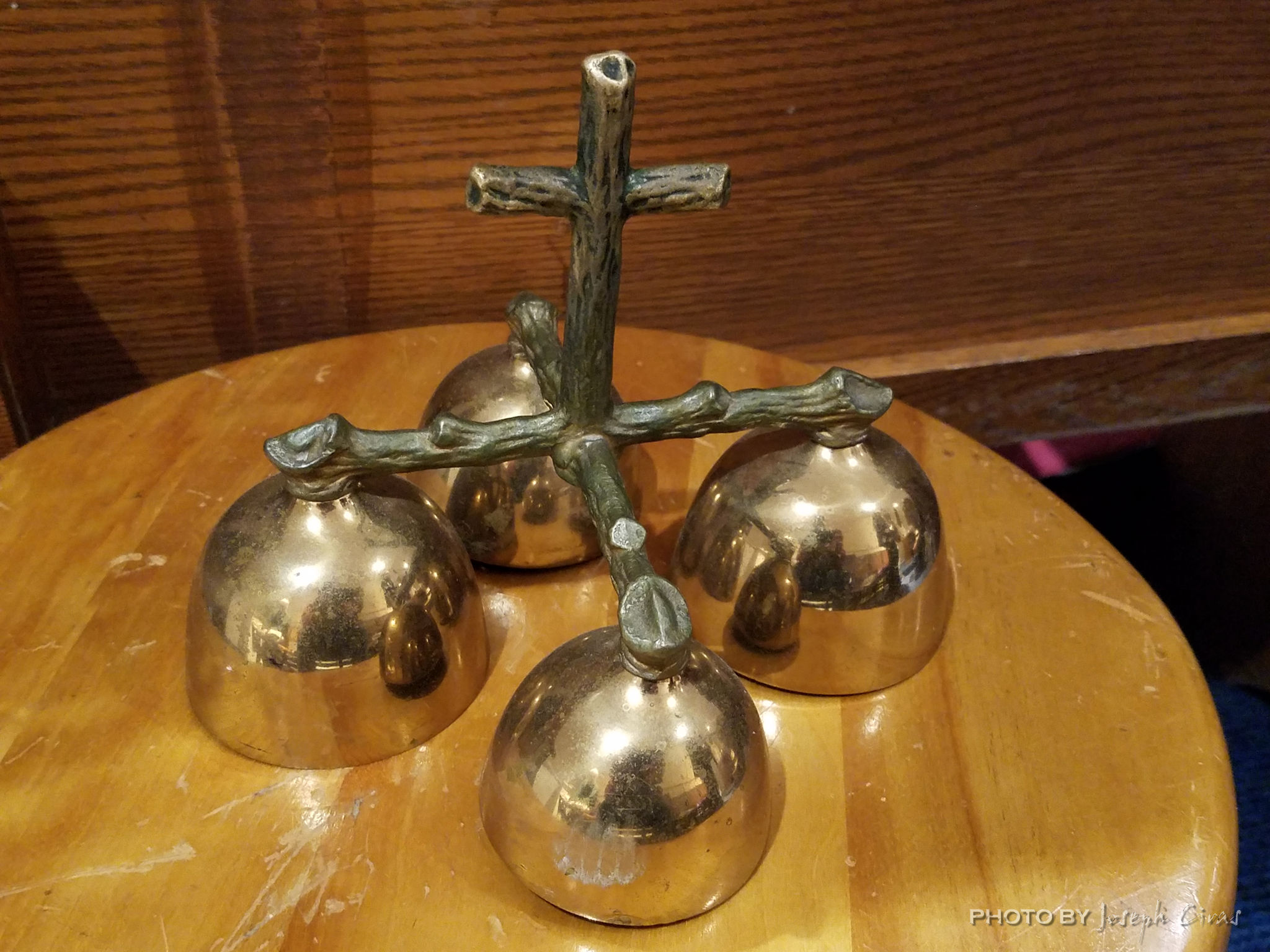
Sunday, 10/31/2021: Posted photo — Bells.

Settings: Samsung SM-G930V (Galaxy S7), ISO 320, f/1.7, 1/10 s, 4 mm

These are the bells that are rung at Saint Denis Church. I rang the bells this week since the deacon was on vacation. Brought me back to the days when I was and altar boy.

Bells were rung to alert the people to what they could not easily see or hear, so that they could attend to the important and solemn action at the altar. In the past, due to the architecture of a church, the people were physically separated from the altar by the choir — and in some cases a significant number of faithful were impeded from seeing the altar during Mass. So, a little before the consecration a server rings a bell as a signal to the faithful.

Monday, 11/01/2021: Posted photo — Pu’u’ula’ula.

Settings: Canon EOS 60D, ISO 100, f/9, 1/100 s, 32 mm.

Pu’u’ula’ula (Red Summit Hill) at Haleakalā National Park Makawao, HI on the island of Maui. This is the highest peak on the island at 10,023 feet. “The road to the cinder cone is paved and holds the world record for climbing to the highest elevation in the shortest distance. Starting from Kekaulike Avenue, the ascent is 34.11km (21.2 miles) long via 28 hairpin turns. Over this distance the elevation gain is 2.011 meters. The average gradient is 5.89%.” (https://www.dangerousroads.org/north-america/usa/3509-pu-u-ula-ula-red-hill.html) I did not mind the ride. I think the crazy people were the ones that rented bicycles and drove down the hill.

We attempted to get to the peak for sunrise since our initial plan was to spend the night on Maui. We had our tickets in hand to get into the park before it officially opened. Due to Hurricane Lane, we were only on Maui for one day since our cruise ship left Honolulu two days late due to the port being closed. We were able to drive up to the summit later in the day to take in the view. The view was wonderful. It was great to be above the clouds.

If you go to Maui, you should go to Haleakalā National Park for the sunrise. I hear it is spectacular.

Tuesday, 11/02/2021: Posted photo — Foliage Again.

Settings: Canon EOS 60D, ISO 100, f/7.1, 1/320 s, 32 mm.

I took a photo of these set of trees a few weeks ago. I did so since I liked the brightness of the sun against the past colors of the tree. We are now past the colorful foliage season and into the fall browns.

Before long, all those leaves will “fall”, and someone will need to rake them up. Fortunately, it will not be me since these trees are not on my property.

If you cannot tell, this photo was done with an HDR, or High Dynamic Range, process. This is a single photo that I made into an HDR photo. I took the photo and processed it by stepping up and stepping down the exposure to blend into an HDR photo. The proper way of creating a HDR photo is to take three or more consecutive shot with your camera at the different exposure levels and then blending them together. HDR is a technique used to reproduce a greater range of luminosity than that which is possible with standard photographic techniques. This is done when the lighting is not that great for a single photo.

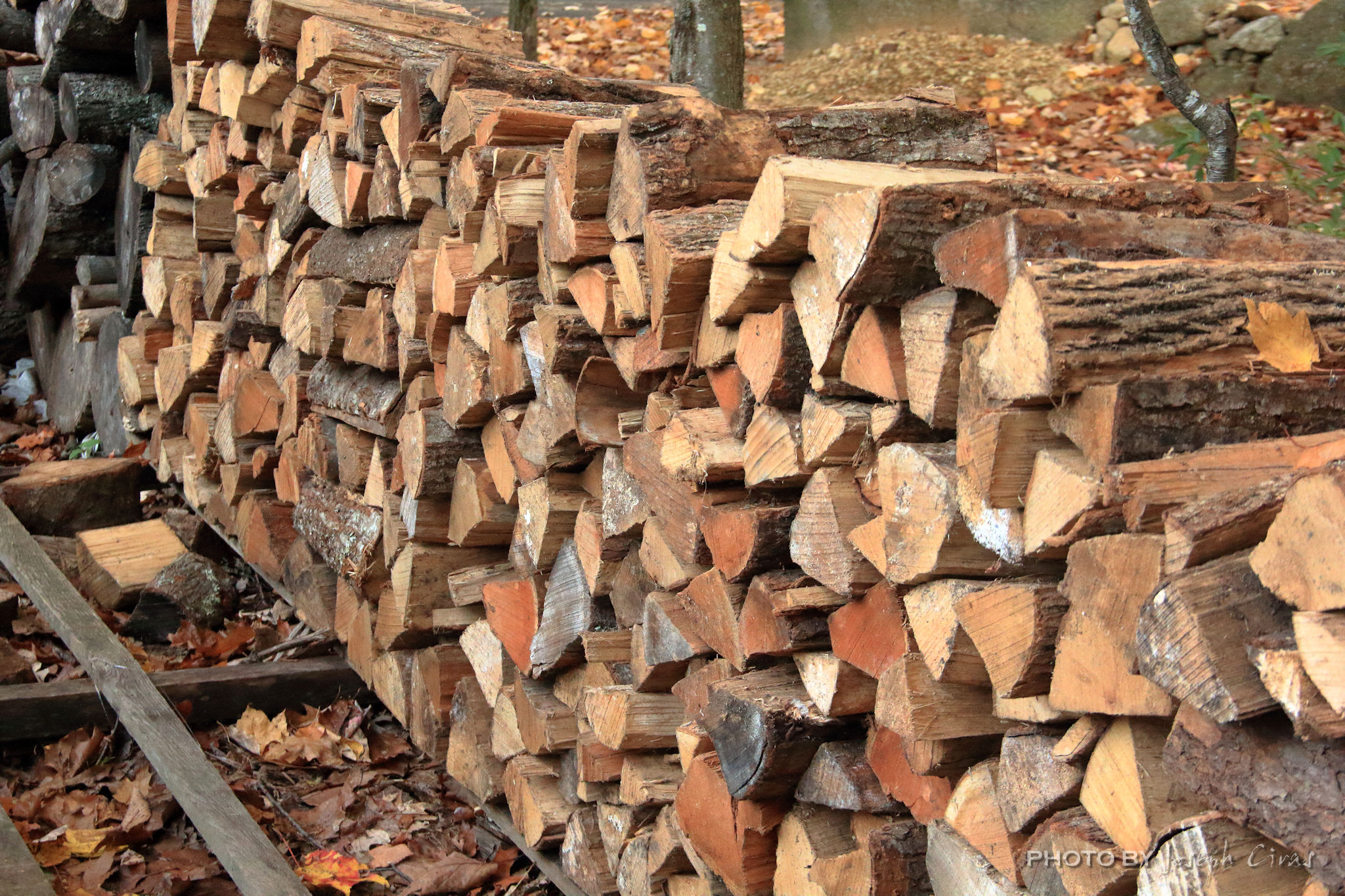
Wednesday, 11/03/2021: Posted photo — Stacked Wood.

Settings: Canon EOS 60D, ISO 3200, f/7.1, 1/50 s, 42 mm.

We had two of the five cords of wood I ordered delivered to the house on Monday. My son did a great job stacking over a cord in the woodshed. I stacked the remaining wood in the woodshed last night. This stack of wood is what is remaining from last year’s supply. We have been burning some in the last weeks to get the chill out of the house. When we get into the burning season, we will be mixing the old with the new wood to get a more efficient heat output.

This photo is a yearly photo that I take of our wood. It serves as documentation to when wood was ordered each year. It just happened that this wood was delivered 364 days after my last wood delivery.

Three cords of wood will be delivered to the house sometime soon and I will all need to be stacked in the woodshed. My woodshed is designed to hold four cords. A cord of wood is four feet wide, 4 feet high, and eight feet long. It has a volume of 128 cubic feet. The wood that I get is cut at 18 inches long to fit in out wood stove.

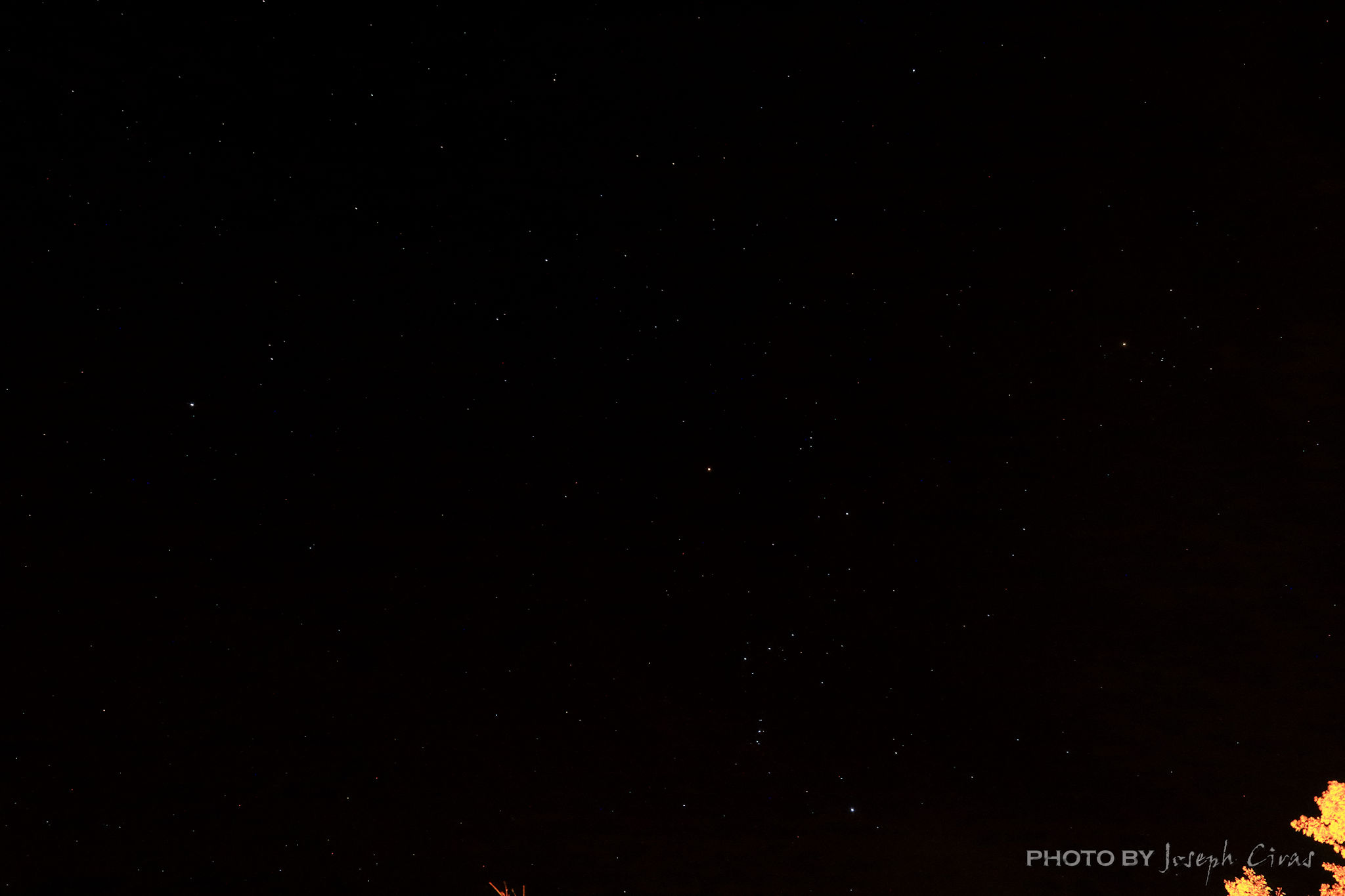
Thursday, 11/04/2021: Posted photo — Orion.

Settings: Canon EOS 60D, ISO 3200, f/11, 15 s, 18 mm.

Orion is the brightest and most beautiful of the winter constellations. Some of its stars, including Betelgeuse and Rigel, are among the brightest stars.

Orion is clearly visible in the night sky from November to February. Orion is in the southwestern sky if you are in the Northern Hemisphere or the northwestern sky if you are in the Southern Hemisphere. It is best seen between latitudes 85 and minus 75 degrees. Its right ascension is 5 hours, and its declination is 5 degrees.

There are several versions of the myth of Orion, but one of the more common iterations is that Orion proclaimed himself to be the greatest hunter in the world, much to the dismay of Hera, the wife of Zeus. She had a scorpion kill him, and Zeus put Orion into the sky as consolation. In another version, Orion is blinded for raping Merope, a granddaughter of the god Dionysus. He has to travel East to seek the sun’s rays to recover his sight.” (https://www.space.com/16659-constellation-orion.html)

I saw Orion yesterday morning when I was going into work. Today I decided to take a photo of the constellation. I knew at the time that I took this photo that I would not be the best one of a constellation since I was going to take it in the parking lot at work. (For your information, this is the third constellation photo that I have taken.) Today is the new moon so the conditions would be better to take this photo. I should have taken it in a darker location. Look in the bottom near the center. You can see the belt clearly.

Looking at the setting for my shot, it seems that I did not change the aperture setting that I used from my last moon photo. The f/11 setting is too small. I should have used a setting of f/3.5 to get more light in my photo. With a larger aperture setting, I could have reduced my ISO value taking noise out of the photo.

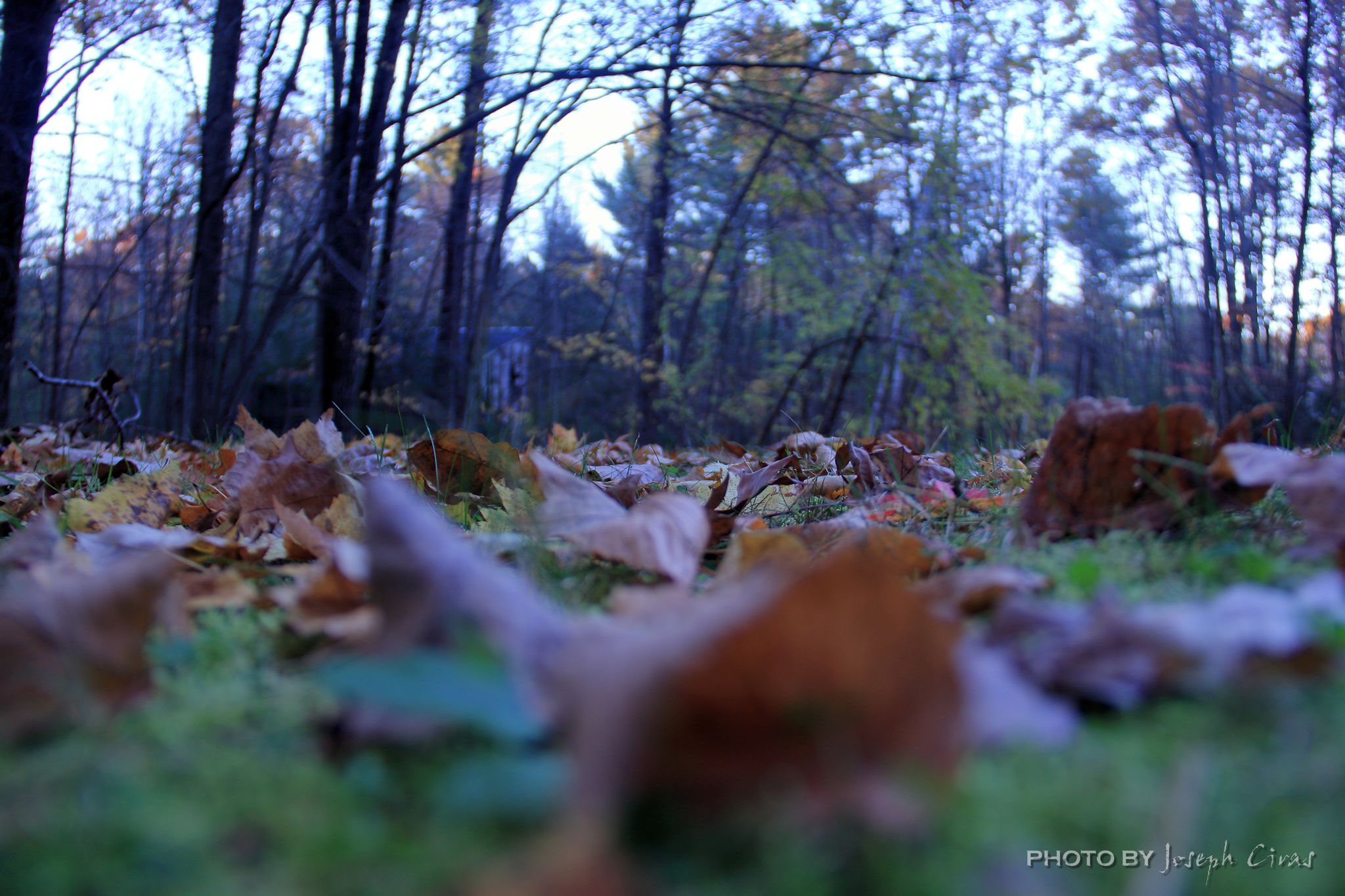
Friday, 11/05/2021: Post photo — Mouse Eye View.

Settings: Canon EOS 60D, ISO 100, f/3.5, 1/13 s, 18 mm.

This is what our yard might look to a mouse. I put my camera down in our lawn and took this shot. I will be cleaning up these leaves soon. There are still more to fall, so I just wait a day or two.

Saturday, 11/06/2021: Post photo — TBD.

Settings: TBD.

I have not decided what to post today. Come back later today or tomorrow to see my updated post.

That is all for now. Until next week, be safe.

For more photo of other project I have work, visit my website: https://photobyjosephciras.weebly.com or visit me on Facebook at https://www.facebook.com/PhotobyJosephCiras/.

Photographic Thoughts — 09/19/2021 to 09/25/2021

“You don’t take a photograph, you make it.” — Ansel Adams

Thank you for all the new views and likes from last week, it helps keep me inspired.

Sunday, 09/19/2021: Posted photo — Trail Marker.

Settings: Canon EOS 60D, ISO 200, f/7.1, 1/25 s, 31 mm.

This is an old trail marker on Wachusett Mountain. There are a few trails on the mountain that have the trail name carved into stone. When I see these markings, I wonder how long it took for someone to carve the marking.

I took this photo to show how the trails were marked many years ago.

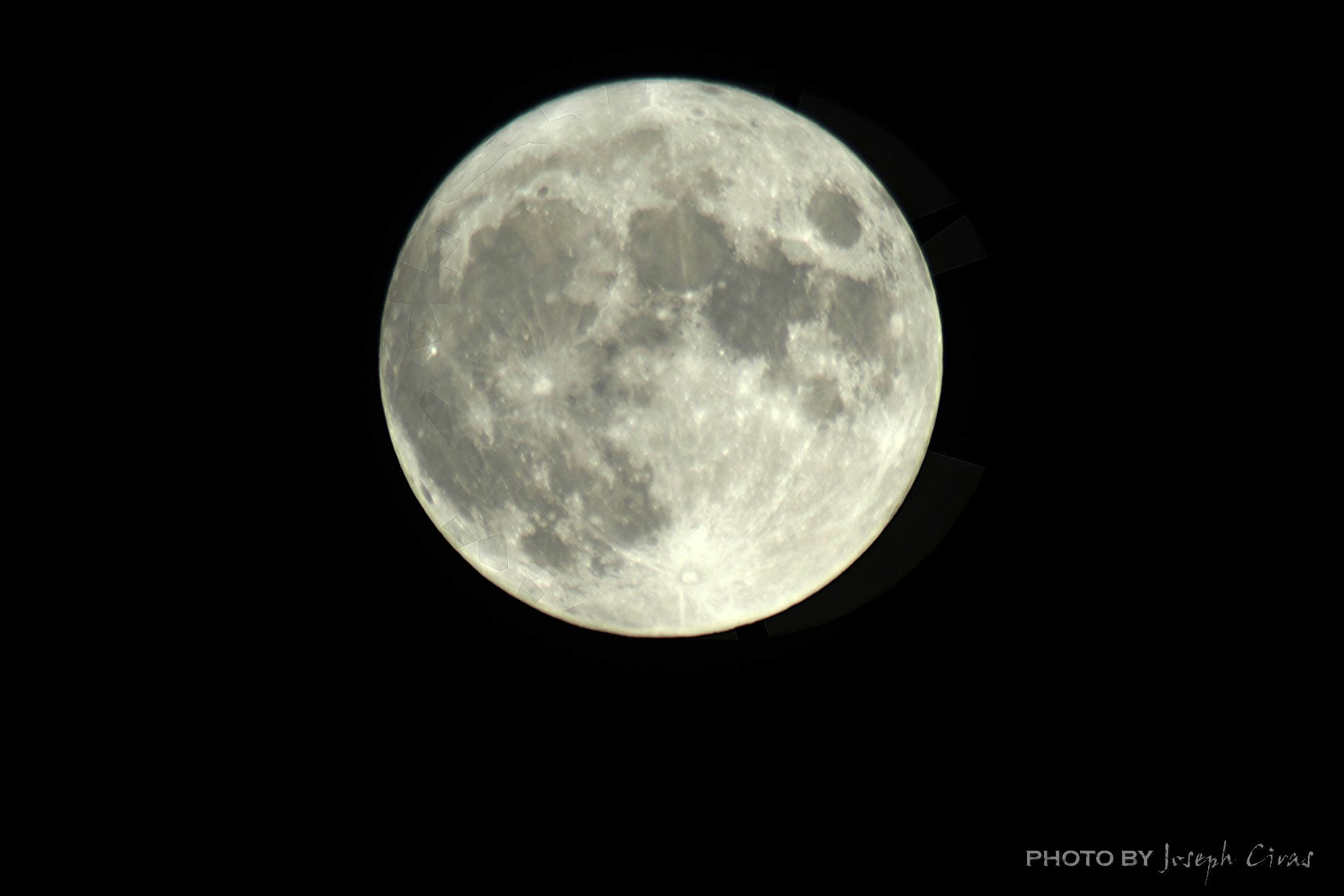
Monday, 09/20/2021: Posted photo — Harvest Moon.

Settings: Canon EOS 60D, ISO 100, f/13, 1/100 s, 1250 mm.

I take many moon photos. The moon is my primary subject matter and is very difficult to photograph. Many have tried but have not gotten a good photo since the moon is very bright and is moving very fast. I have taken hundreds of moon photos and decided to change my setting slightly for this photo.

For this photo, I changed the focal length of this moon photo to 1250 mm to see if I could get a better focus on this subject.

From space.com: “Traditionally, this designation goes to the full moon that occurs closest to the autumnal (fall) equinox — which is most often in September. On average, October Harvest Moons come at three-year intervals, although the time frame can be quite variable, and there can be situations where as many as eight years can elapse (the next such example will come between 2020 and 2028).

At the peak of the harvest, farmers can work into the night by the light of this moon. Usually, the full Moon rises an average of 50 minutes later each night, but for the few nights around the Harvest Moon, the moon seems to rise at nearly the same time each night: just 25 to 30 minutes later across the U.S., and only 10 to 20 minutes later for much of Canada and Europe. Corn, pumpkins, squash, beans, and wild rice — indigenous staples in North America — are ready for gathering.”

Tuesday, 09/21/2021: Posted photo — Wachusett Mountain.

Settings: Canon EOS 60D, ISO 200, f/7.1, 1/250 s, 79 mm.

Today I needed a quick photo, so I took a photo of Wachusett Mountain over Round Meadow Pond.

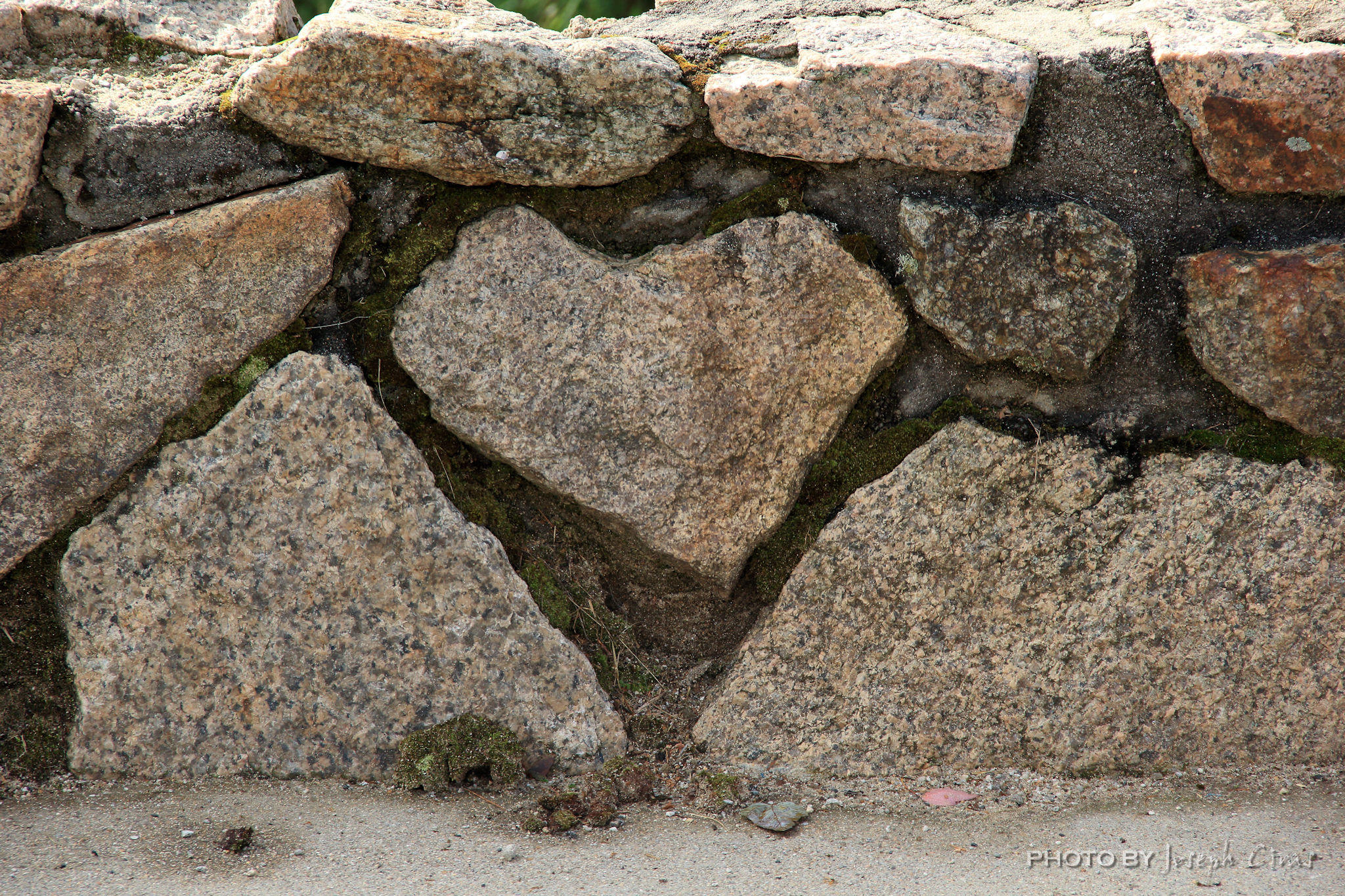
Wednesday, 09/22/2021: Posted photo — Heart.

Settings: Canon EOS 60D, ISO 200, f/7.1, 1/250 s, 135 mm.

People see items in ordinary item in the strangest places. This weekend I saw this rock looking like a hike at the trailhead of the Hancock’s in the White Mountains.

Seeing familiar objects or patterns in otherwise random or unrelated objects or patterns is called pareidolia. It’s a form of apophenia, which is a more general term for the human tendency to seek patterns in random information.

Thursday, 09/23/2021: Posted photo — Mushroom.

Settings: Canon EOS 60D, ISO 3200, f/7.1, 1/30 s, 87 mm.

Have you noticed that there are many more mushrooms this year then in the past? At least here in north central Massachusetts and in the mountains of New Hampshire. The photo I took today was on one of the trails on Wachusett Mountain. I took this photo on my way to the summit. I was planning on taking a sunset photo tonight but there was cloud cover at the summit. I was happy that I took this photo so I would have something to post today.

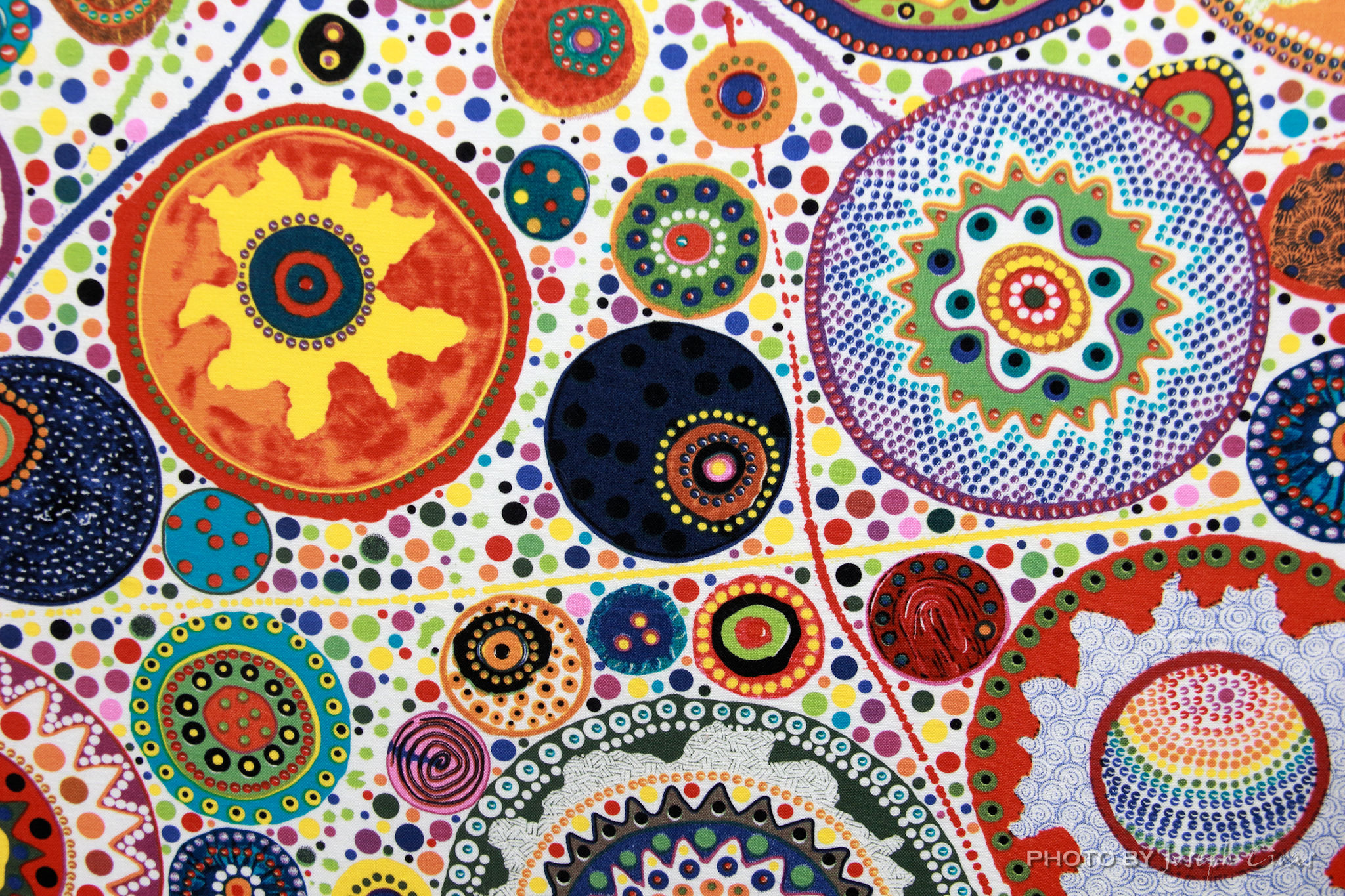
Friday, 09/24/2021: Post photo — Abstract Painting.

Settings: Canon EOS 60D, ISO 400, f/7.1, 1/8 s, 31 mm.

Abstract art is art that does not attempt to represent an accurate depiction of a visual reality but instead use shapes, colors, forms, and gestural marks to achieve its effect. Abstract art is made up of six basic elements: Line, Texture, Shape, Form, Color, and Value. You can go online to find more about these elements.

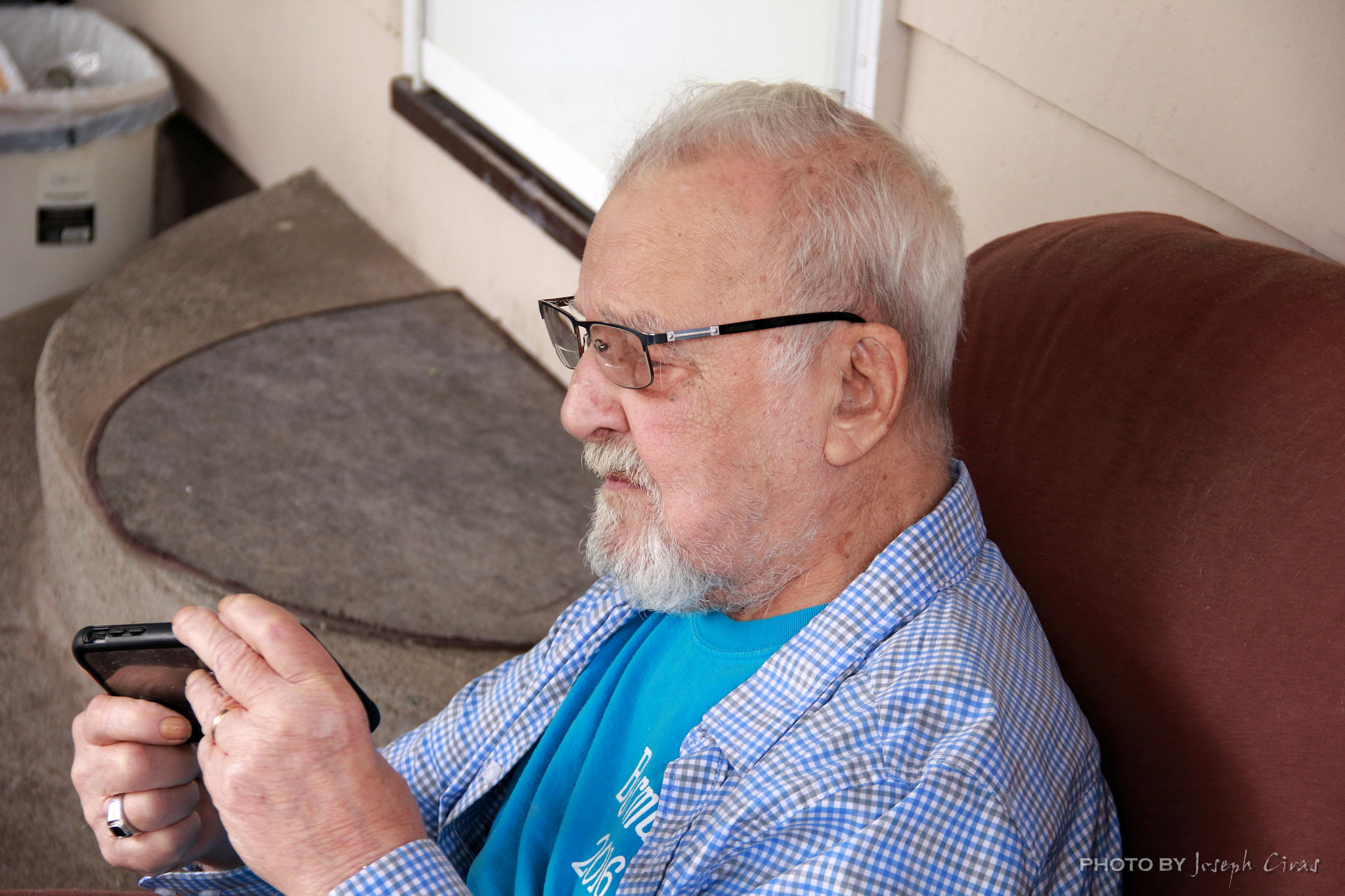
Saturday, 09/25/2021: Post photo — FaceTime with Daughter.

Settings: Canon EOS 60D, ISO 400, f/5, 1/100 s, 57 mm.

My uncle turned 92 years old this week. We had a party for him this afternoon.

During the party, his daughter from Maine called him to FaceTime. He was figuring out how to talk to her. It was difficult to hear them on the phone due to all the noise from the party.

That is all for now. Until next week, be safe.

For more photo of other project I have work, visit my website: https://photobyjosephciras.weebly.com/ or visit me on Facebook at https://www.facebook.com/PhotobyJosephCiras/.

COVID is real! Be safe out there, keep your social distance, and remember to always wear your mask and wash your hands. Get your vaccine!

Photographic Thoughts — 07/11/2021 to 07/17/2021

“Photography takes an instant out of time, altering life by holding it still.” — Dorothea Lange

Thank you for all the new views and likes from last week, it helps keep me inspired.

Enjoy this week’s rambling mind of a mechanical engineer and photographer.

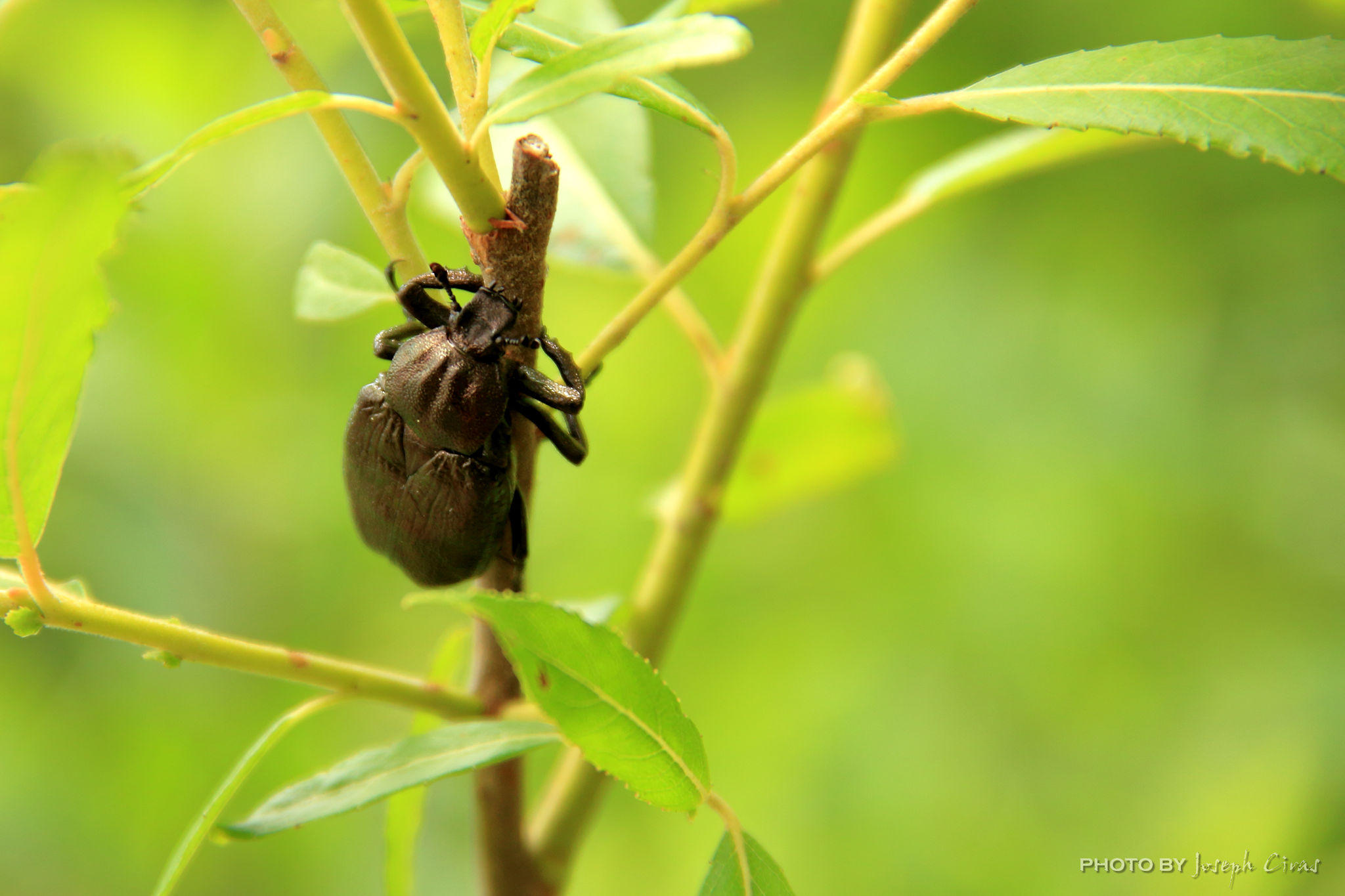
Sunday, 07/11/2021: Posted photo — Rough Hermit Beetle.

Settings: Canon EOS 60D, ISO 200, f/5.6, 1/125 s, 135 mm.

The rough hermit beetle is a near threatened species with its population decreasing. The adult beetle lives two to three months. These beetles do not bite. They grow inside rotting, hollow trees. The larvae feed for three years on the wet, decaying wood. They are harmless and probably make great fish bait.

The beetle in my photo was at my in-law’s cottage. I did not see it at first and be wife pointed it out to me. I took out my Seek app to identify it.

I was going to post a photo of a hammock or a photo of water lilies before taking a photo of this beetle. Since I did not post these photos in my 365 project or on my website, I will post them here for you to enjoy as a bonus for reading my blog.

Monday, 07/12/2021: Posted photo — Wachusett Mountain Ski Area.

Settings: Samsung SM-G930V (Galaxy S7), ISO 50, f/1.7, 1/171 s, 4 mm

Mountain Stats:

Summit Elevation: 2006 ft
Vertical Drop: 1000 ft
Trails: 27
Lifts: 8
Uphill Capacity: 9200 skiers per hour
Snowmaking: 100%
Grooming: 2x per day
Times I have skied on the mountain: 1 or 2 times in my life.

As you can tell, I do not ski. I would rather hike the mountain than to ski the mountain.

Today I hiked 4.6 miles on the mountain. It has been a week since I hike Mount Isolation and just took my time to relax and stretch out my legs. I hike with a group on Monday nights which is a great motivator. Tonight, we hiked in the rain and fog and being with a group made the hike easier. You could not see the mountain much due to cloud covering so my gear was damp at the end of the hike.

This is a photo of the fountain at the base of the mountain. This location is used for many events, such as weddings, reunions, and other celebrations. The Midstate trail goes past this location giving my fellow hikers a great view to refresh their mind during a long hike.

Tuesday, 07/13/2021: Posted photo — Unicorn.

Settings: Canon EOS 60D, ISO 1600, f/5.6, 1/50 s, 135 mm.

A unicorn is a mythical, usually white animal generally depicted with the body and head of a horse with long flowing mane and tail and a single often spiraled horn in the middle of the forehead, or it is an animal mentioned in the Bible that is usually considered an aurochs, a one-horned rhinoceros, or an antelope.

Many people are into unicorns. My mother is one of those people. She is not a crazy unicorn woman by any means. She has a collection of unicorns in her China cabinet. This one is a Christmas unicorn as you can tell by the wreath around its neck.

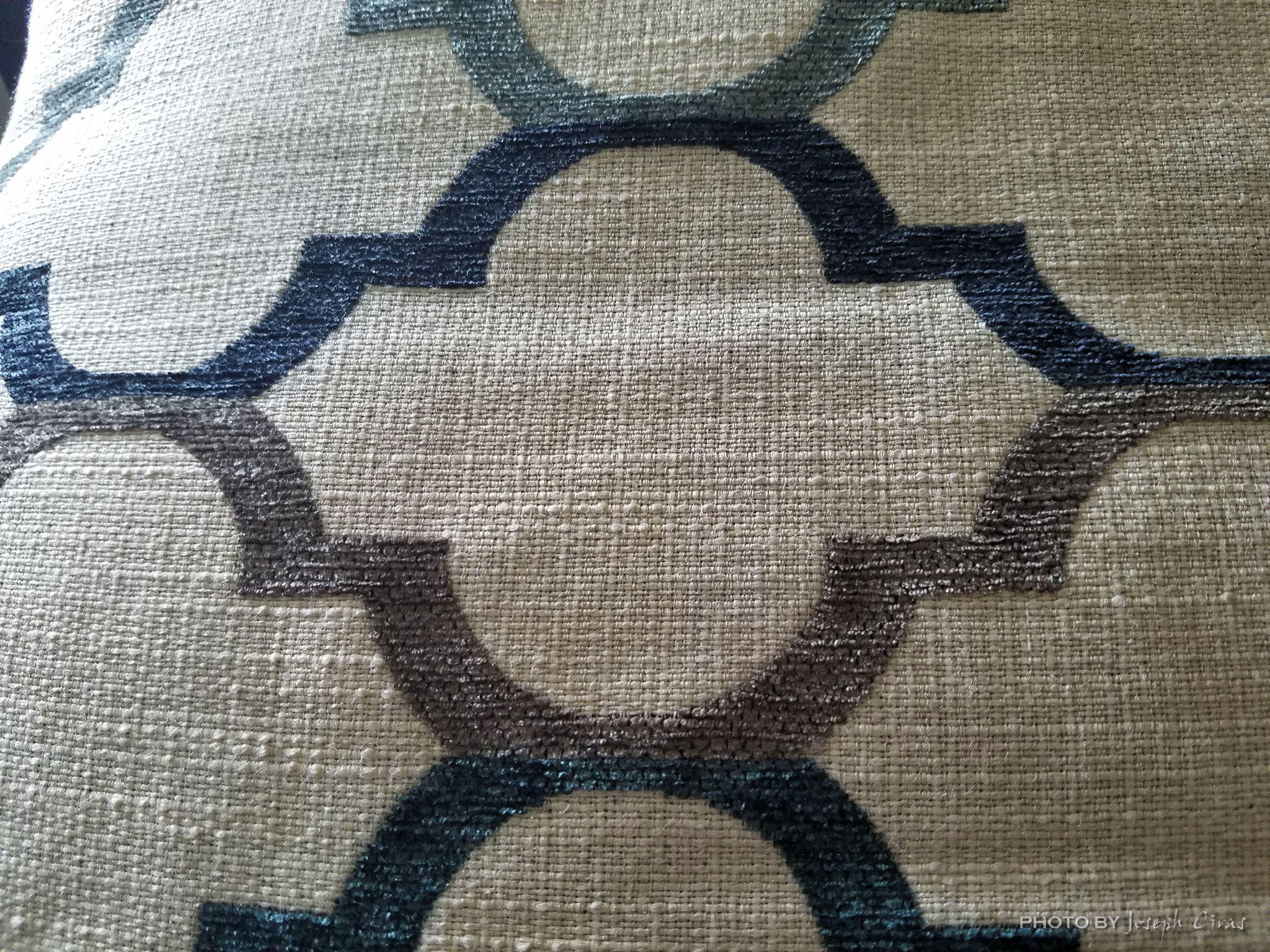
Wednesday, 07/14/2021: Posted photo — Pillow Pattern.

Settings: Samsung SM-G930V (Galaxy S7), ISO 160, f/1.7, 1/30 s, 4 mm

Sitting at my mother’s house, I needed a photo (surprising is it not) and I saw these pillows. Pillows have some interesting pattern in them. I took this photo and did not think anything about it.

When I went to process it to post, the pattern looked to me to be either and alien spaceship, an alien, or one person doing a handstand on the hands of another person. Apophenia is a general term for interpreting patterns or meaning in meaningless data. This data may be meaningless, but the power of suggestion will make someone see something that is not there.

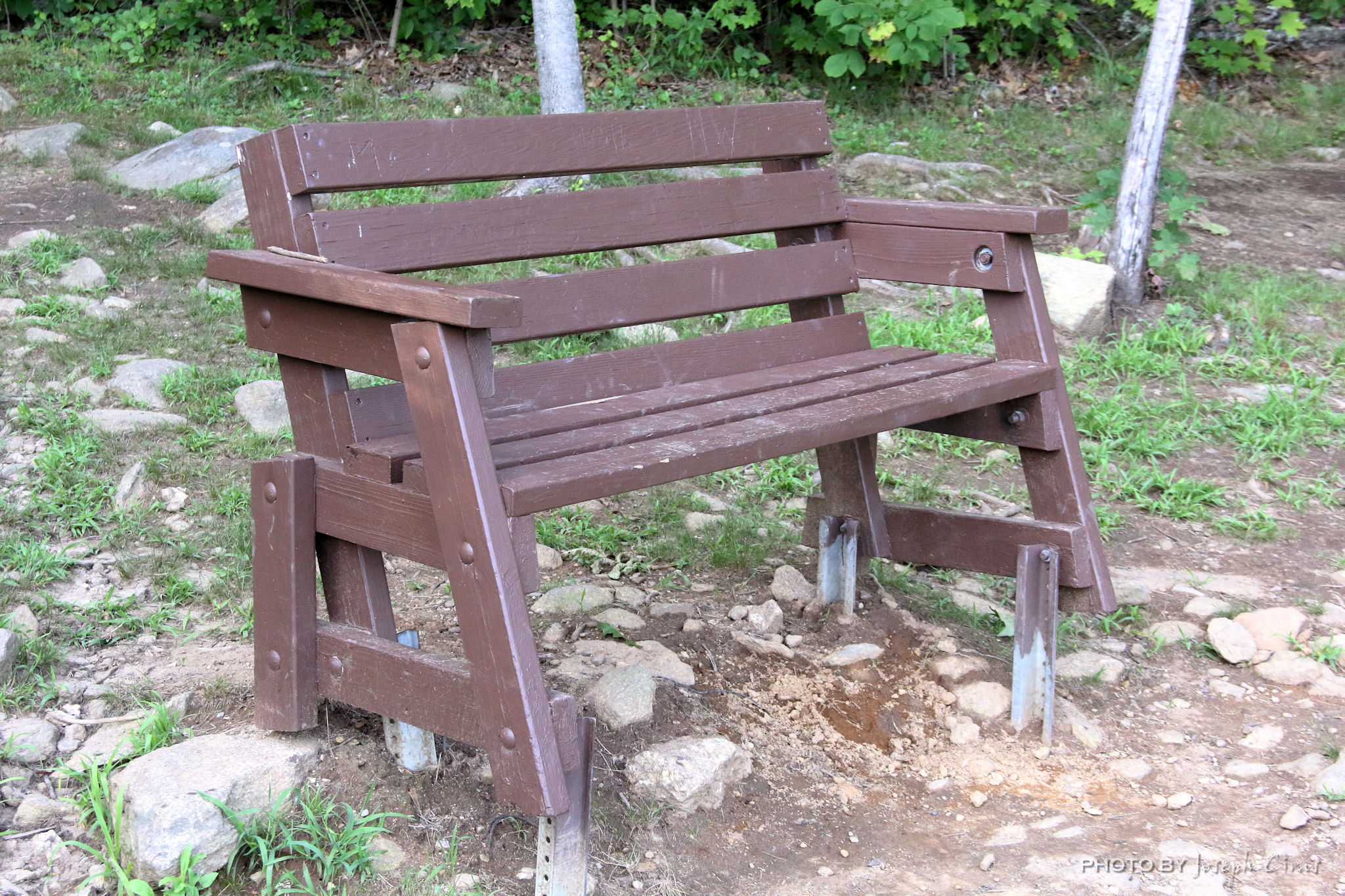
Thursday, 07/15/2021: Posted photo — Bench.

Settings: Canon EOS 60D, ISO 1600, f/8, 1/200 s, 41 mm.

At the intersection of Bicentennial Trail and High Meadow Trail is a bench for people to rest. This bench looks over high meadow and faces to the due south and has great views of the surrounding hills.

I meet a hiker there that told me that a local college was doing a snake study in the high meadow. I checked out the study one day only to find a snakeskin. I was going to look for a snake tonight, but I did not want to walk in the high grass in the study area because I did not want to get any ticks on me. I had my camera ready to take the photo, and my son with me to lift the board so I could get a photo of any snake that was resting.

I thought I knew everything that goes on at the mountain, but I am learning new things. You can teach and old dog something new!

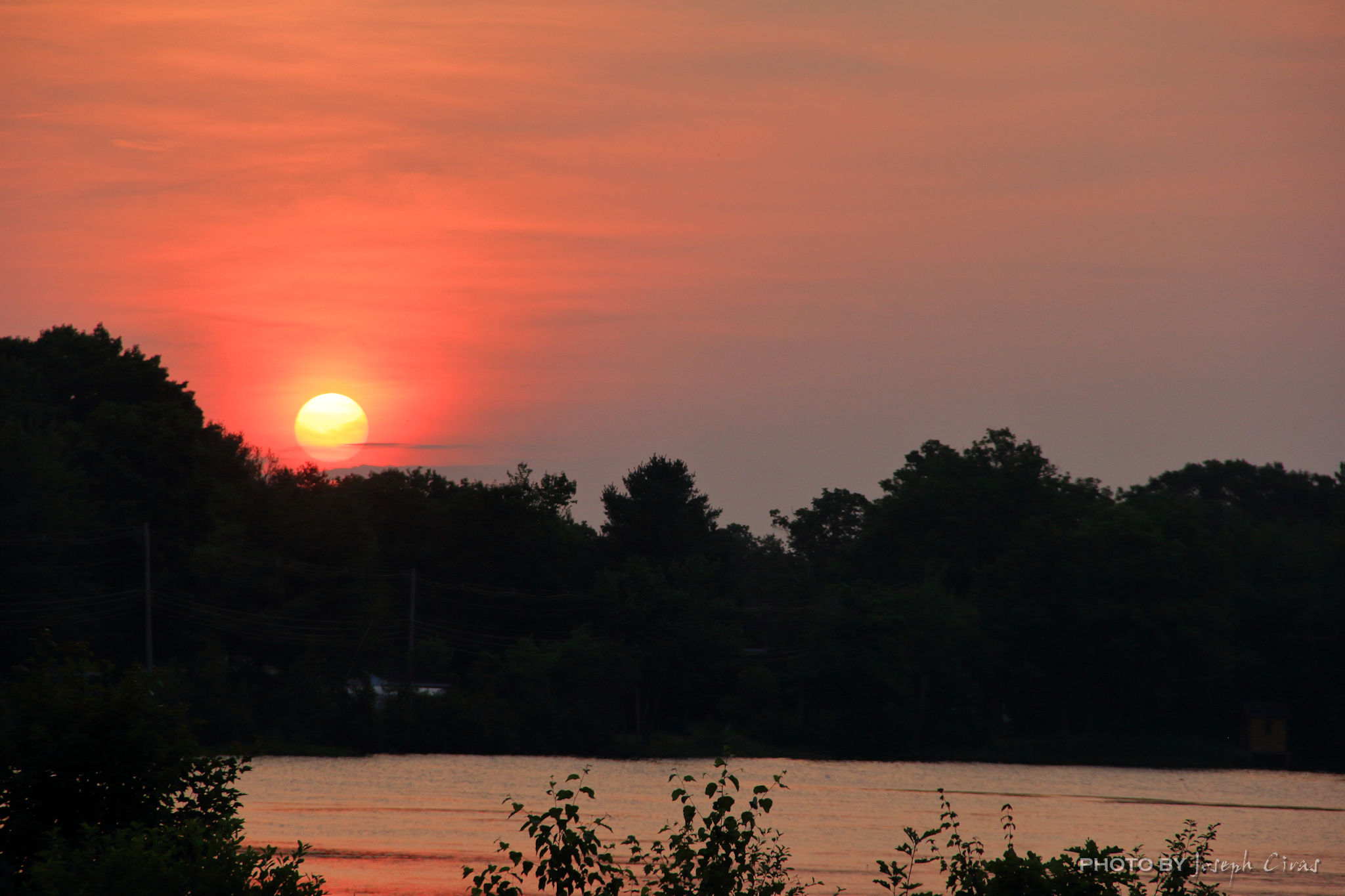
Friday, 07/16/2021: Post photo — Sunrise.

Settings: Canon EOS 60D, ISO 400, f/7.1, 1/500 s, 135 mm.

What a wonderful sunrise this morning. The hazy sky made the reds jump out at me.

As I was driving into work, I saw this wonderful sunrise over Round Meadow Pond. I drove around the area of the pond to find a good location for taking a photo of the sunrise. I could not find a good location off the main road, so I stopped in the breakdown lane to take this one. Good thing I live in a town where there is not much traffic, especially at 5:40 a.m. when I was on my way to work.

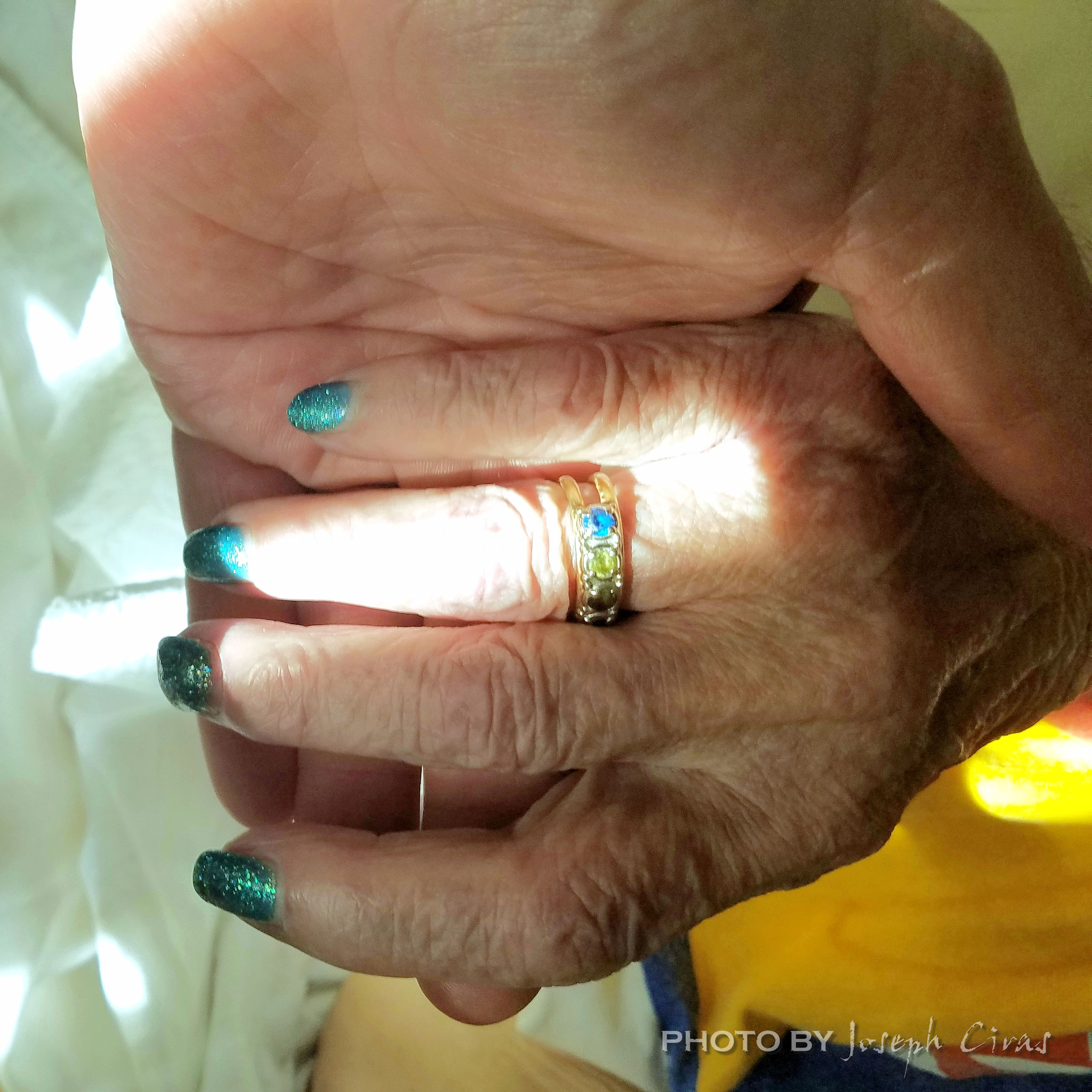
Saturday, 07/17/2021: Post photo — Mother’s Hand.

Settings: Samsung SM-G930V (Galaxy S7), ISO 50, f/1.7, 1/167 s, 4 mm

My hand in the hand of an angel.

That is all for now. Until next week, be safe.

For more photo of other project I have work, visit my website: https://photobyjosephciras.weebly.com/ or visit me on Facebook at https://www.facebook.com/PhotobyJosephCiras/.
COVID is real! Be safe out there, keep your social distance, and remember to always wear your mask and wash your hands. Get your vaccine!