“A photograph is a secret about a secret. The more it tells you the less you know.” — Diane Arbus
Thank you for all the new views and likes from last week, it helps keep me inspired.
Enjoy this week’s rambling mind of a mechanical engineer and photographer.
Sunday, 08/01/2021: Posted photo — Calibrachoa.
Settings: Samsung SM-G930V (Galaxy S7), ISO 50, f/1.7, 1/258 s, 4 mm
Calibrachoa, commonly called million bells or trailing petunia, is a tender perennial that produces mounds of foliage, growing only 3 to 9 inches (7.5-23 cm.) tall, along trailing stems and flowers in shades of violet, blue, pink, red, magenta, yellow, bronze and white.
Today when I went shopping, I saw these flowers and took this photo. As always, I take many photos as I can during the day, so I have a photo for this project.
Monday, 08/02/2021: Posted photo — Hiking Group.
Settings: Canon EOS 60D, ISO 3200, f/7.1, 1/50 s, 44 mm.
Monday night hike. I joined a Monday night hiking group a few months ago and like this group. They are a group of hikers of different abilities, yet the hikes are safe and challenging. I have tried other hiking groups during the week. I like this one the best, so I plan on hiking with them every week.
I am one of the faster hikers in this group. I hiked ahead of the group to take this photo as they were hiking done the Pine Hill Trail on Wachusett Mountain.
Tuesday, 08/03/2021: Posted photo — Boat.
Settings: Canon EOS 60D, ISO 1600, f/14, 1/800 s, 79 mm.
Pontoon boats are a type of recreational boat that relies on structures called “pontoons” to float. A pontoon is a type of floating device used to add buoyancy to a structure. These tubes are airtight and hollow, making them water resistant and virtually unsinkable. Pontoon boats utilize two or more pontoon tubes to float effortlessly on the water.
This pontoon boat belongs to the neighbor at my in-law’s cottage. They go out in it every evening to watch the sunset from the lake. The neighbor has had many different style boats over the years and now have this one to leisurely float in the lake.
Wednesday, 08/04/2021: Posted photo — Flight.
Settings: Canon EOS 60D, ISO 100, f/5, 1/400 s, 50 mm.
I was taking photos of purple loosestrife today. When I was taking photos, this bumble bee flew into the loosestrife giving me the opportunity to capture it in flight. I am always glad when a bee flies into my flower photos. Most of the time the bee is too quick for my camera settings. I was very happy with this photo.
I was going to title this photo The Flight of the Bumble Bee towards the Purple Loosestrife, but that would be too long.
Thursday, 08/05/2021: Posted photo — Mammoth Hot Springs.
Settings: Canon EOS DIGITAL REBEL XS, ISO 100, f/10, 1/200 s, 55 mm.
“Mammoth Hot Springs is a large complex of hot springs on a hill of travertine in Yellowstone National Park adjacent to Fort Yellowstone and the Mammoth Hot Springs Historic District. It was created over thousands of years as hot water from the spring cooled and deposited calcium carbonate.” (Wikipedia) The springs are incredible to see. Hot springs in volcanic areas are often at or near the boiling point. People have been seriously scalded and even killed by accidentally or intentionally entering these springs.
This photo was taken a few years ago during one of our National Park tours. Yellowstone is a great National Park with many different features. One day my family will get back to the park and visit the less know areas of the park and more of the lesser visited geysers.
“The Wych Elm tree is a hardy specimen that has evolved into a popular landscaping addition over the years. Its towering appearance, pretty purple flowers and winged fruit are just some of its many attributes. In addition to its natural beauty, the Wych Elm is not terribly challenging to propagate, which is why growers of varying experience choose to plant the tree on their property.” Wych Elm Tree | LoveToKnow
Some of you may recognize this location and this tree. It is the cemetery near my house that I photograph a few times a year. I just like the majesty of this tree. I always wanted to know what type of tree it was, so I took out my Seek app and the app identified the tree as a Wych Elm.
If you know it by another name, let me know in the comments.
Saturday, 08/07/2021: Post photo — Milky Way in Light Pollution.
Settings: Canon EOS 60D, ISO 1600, f/3.5, 15 s, 18 mm.
Photographing the Milky Way is not easy. I live in an area were there is some light pollution from the surrounding towns and the rehab place down the street.
I came home from my wife’s family reunion and took this shot. The moon was low, and the stars were bright. Besides the light pollution in the area, I may have forgotten to take the image stabilization off on my lens when it was on my tripod when taking this photo.
After 4237 days in a row of taking photos, I still make rookie mistakes occasionally.
“Taking pictures is like tiptoeing into the kitchen late at night and stealing Oreo cookies.” — Diane Arbus
Thank you for all the new views and likes from last week. It helps keep me going. Enjoy my blog post!
Enjoy this week’s rambling mind of a mechanical engineer and photographer.
Sunday, 05/02/2021: Posted photo — Seeds.
Settings: Canon EOS 60D, ISO 200, f/5.6, 1/1600 s, 62 mm
These are the pods of one of the sweet birches, or cheery birch, trees in our yard. This is a wonderful time of year when the trees and flowers are starting to bloom. They bloom later in our area because of elevation. Some locations, such as Worcester and Boston, have their trees and plants in full bloom.
Sweet birch pods
Information section of this blog. There are four Common Birch Species according to the Treehuggers website. The four most common birch species in North America are:
Paper birch (Betula papyrifera): Also known as canoe birch, silver birch, or white birch, this is the species more widely recognized as the iconic birch. In its native environment, it can be found in forest borders across the northern and central U.S. Its bark is dark when the tree is young, but quickly develops the characteristic bright white bark that peels so readily in thick layers that it was once used to make bark canoes. The species grows to about 60 feet tall but is relatively short-lived. It is susceptible to borer insects and is no longer used widely in landscape design due to its susceptibility to damage.
River birch (Betula nigra): Sometimes called black birch, this species has a much darker trunk than the paper birch, but still has the characteristic flaky surface. In its native environment, it is common to the eastern third of the U.S. Its trunk has a much rougher, coarser appearance than most of the other birches, and it is bigger than the paper birch, sometimes growing to 80 feet or more. It prefers moist soil, and although short-lived, it is relatively immune to most diseases. It is a common choice in residential landscape design.
Yellow birch (Betula alleghaniensis): This tree is native to forests of the northeast U.S. and is also known as the swamp birch since it is often found in marshy areas. It is the largest of the birches, easily growing to 100 feet in height. It has silvery-yellow bark that peels in very thin layers. Its bark does not have the thick layers seen in paper birches nor the very rough texture seen in river birches.
Sweet birch (Betula lenta): This species, also known in some areas as the cherry birch, is native to the eastern U.S., especially the Appalachian region. Growing to 80 feet, its bark is dark in color, but unlike the dark river birch, the skin is relatively tight and smooth, with deep vertical scores. From a distance, the impression is of a smooth, silver bark marked by irregular vertical black lines.
Monday, 05/03/2021: Posted photo — Clouds.
Settings: Canon EOS 60D, ISO 200, f/4, 1/125 s, 25 mm.
Here are some clouds I saw this morning before the rain. I liked the texture and colors in the clouds, so I took the photo. Here is a little information about clouds.
Clouds
While it is true that clouds contain water, they are not made of water vapor. If they were, you would not be able to see them. The air around us is partially made up of invisible water vapor. The cooler air causes the water droplets to start to stick to things like bits of dust, ice, or sea salt. It is only when that water vapor cools and condenses into liquid water droplets or solid ice crystals that visible clouds form. Clouds are important for many reasons. Rain and snow are two of those reasons. At night, clouds reflect heat and keep the ground warmer. During the day, clouds make shade that can keep us cooler.
Tuesday, 05/04/2021: Posted photo — Maple Growth.
Settings: Canon EOS 60D, ISO 400, f/7.1, 1/160 s, 106 mm.
Like the photo I took on Sunday, trees are budding in our yard. These are the leaves on one of the many sugar maples in our year. I have posted photos of these trees in the fall with their colorful leaves and during the winter/spring with they are tapped to make maple syrup.
How do I know this is a sugar maple and not a red maple? What is the difference between a sugar maple and a red maple? A Red maple has red twigs and buds (and red leaves in the fall and red flowers in the spring). The leaves of sugar maple, on the other hand, generally turn yellow or golden in the fall, and sugar maples have brown twigs and buds.
Sugar maple leaves starting to bud
The look great when they are in bloom. They do not look so great when I must rake the leaves in the fall. I would not have it any other way. I enjoy living in an area with many trees.
Wednesday, 05/05/2021: Posted photo — Mushrooms.
Settings: Canon EOS 60D, ISO 1000, f/5.6, 1/125 s, 100 mm.
These are mushroom that grew almost overnight due to the rain in recent days. I just like the clustering of them.
Although mushrooms are classified as vegetables, technically they are not plants, but part of the kingdom called fungi. Mushrooms are low in calories, have virtually no fat and no cholesterol, and are very low in sodium. Fungus, plural fungi, any of about 144,000 known species of organisms of the kingdom Fungi, which includes the yeasts, rusts, smuts, mildews, molds, and mushrooms. There are also many funguslike organisms, including slime molds and oomycetes (water molds), that do not belong to kingdom Fungi but are often called fungi. Mushrooms with white gills are often poisonous. So are those with a ring around the stem and those with a volva. Because the volva is often underground, it is important to dig around the base of a mushroom to look for it. Mushrooms with a red color on the cap or stem are also either poisonous or strongly hallucinogenic.
Mushrooms after the rains
Thursday, 05/06/2021: Posted photo — Dandelions.
Settings: Canon EOS 60D, ISO 100, f/7.1, 1/320 s, 87 mm.
Dandelion is a plant with yellow flowers. Taraxacum officinale is the most common variety of this plant, and it grows in many parts of the world. Botanists consider dandelions to be herbs. People use the leaves, stem, flower, and root of the dandelion for medicinal purposes.
There are five ways to eat dandelions according to Michigan State University:
Dandelion green salad: This is the simplest way to use dandelion greens. Simply pick young greens (older ones are more bitter) and add them to a tossed salad. While you can make a salad out of just the dandelion greens, it tends to be too bitter for many people, especially kids.
Sauteed greens: Cooking dandelions eliminates some of the bitterness. First boil the greens for about 5 minutes, then transfer to a pan with hot olive oil and garlic, and sauté for 3-5 minutes. Eat as is or add to other dishes like pasta or scrambled eggs.
Dandelion fritters: Collect flower heads and wash them. Then batter in a flour, egg, and milk batter mix. Add to a pan with hot oil and cook until brown, just like pancakes. Serve with a drizzle of honey or applesauce.
Baking with dandelion petals: The petals of the flower are extremely versatile. Collect flower heads and then remove the petals from the heads. These can be stored in a plastic bag in the freezer for longer keeping. Add petals to just about anything you can bake like muffins, bread, cookies, or quiche. They can also be added to things like hamburgers. The amount to use varies on your personal liking. Try adding a cup of petals to the mix the next time you make muffins or burgers.
Dandelion root coffee/tea: This by far the most labor-intensive use of dandelion but some say it is worth the effort. Collect and wash dandelion roots. Chop or food process the roots and dry in a food dehydrator or the oven at 250 degrees Fahrenheit until thoroughly dry. Once dry, roast them in the oven at 350 F until they turn brown (but not burnt). Put roots and water in a pan and bring to boil (2 Tbs root to 16 oz water), then simmer for 20 minutes. Strain and drink.
People either use chemicals to kill them or they pull up the dandelions to get them off their lawns. According to Bob Vila, to dig up the dandelions, as any plant is more easily pulled from the ground if the soil is moist, first use the watering can to dampen the soil around the dandelion, and wait a few minutes for the moisture to settle in. Then, work a weeding knife down along the base of the dandelion in two or three places. Push the soil away from the root of the plant by wiggling the knife. Finally, grasp the base of the plant between your fingers and gently pull. If it still feels stuck, work the weeding knife around some more, and then gently pull out the entire taproot with the dandelion.
Here is a way to kill dandelions without using chemicals. Simply pouring vinegar over the dandelions changes the acidity in the soil for long enough to kill the weeds. For a faster punch, mix pickling vinegar with boiling water in equal parts for your dandelion killer. Pickling vinegar has more acid that distilled white vinegar, so it makes a more effective herbicide.
Dandelion
There is much information in this week’s blog. Wonder if I will be keeping it up for the remainder of the week.
Friday, 05/07/2021: Post photo — Milky Way.
Settings: Canon EOS 60D, ISO 3200, f/3.5, 1/20 s, 18 mm.
These are some of the first “good” photos that I have taken of the Milky Way. The vertical Milky Way was taken at the Needles section of Canyonland National Park. This was the first photo of the Milky Way that I liked. I learned much about my settings and techniques while taking this photo. I made may rookie errors, such as incorrect camera settings and not taking a series of photos to stake. The Needles section of Canyonland National Park is one of the dark sky areas in the Unites States. This photo was taken very early in the morning, 2 a.m., after the moon had set. The second, or diagonal photo, was taken last year when we were observing the Comet Neowise.
The Milky Way is the galaxy that contains our Solar System, with the name describing the galaxy’s appearance from Earth: a hazy band of light seen in the night sky formed from stars that cannot be individually distinguished by the naked eye.
The Milky Way from Canyonlands National Park
This photo has been included in my blog at the request of another blogger. Thank you for the request. Posting this photo is incentive for me to get out and make the adjustments to my camera settings and post processing to get a better photo of the Milky Way. As with my moon photos, I need to get out and practice more.
Milky Way during my comet observation
Quick starting camera setting:ISO 2500, Shutter Speed 25 sec, and Aperture f/2.8 (or as wide as possible). A good steady tripod and a dark sky are also needed. There are many websites and books on how to photograph the Milky Way. And as a reminder when your camera is on a tripod, turn off image stabilization, or vibration stabilization, on your camera. With these settings on your photos will not be in focus.
Saturday, 05/08/2021: Post photo — Double Falls.
Settings: Canon EOS 60D, ISO 100, f/22, 1/10 s, 18 mm.
These falls are located at the end of Snows Millpond and lead into Whitman River. The building above the falls is a papermill. There are still a few papermills operating in the nearby town.
Snows Millpond is a reservoir located just 2.8 miles from Fitchburg. Fishermen will find a variety of fish including largemouth bass and others here. Alternate names for this reservoir include Snow Mill Pond and Snows Mill Pond.
Double falls
The Whitman River is an 8.4-mile-long (13.5 km) river in Massachusetts that flows through Ashburnham, Westminster, and Fitchburg. It arises from Lake Wampanoag in Ashburnham, travels through a couple of ponds in Westminster, and ultimately joins Phillips Brook in Fitchburg to form the North Nashua River. The North Nashua River flows 19.9 miles (32.0 km), generally southeastward, past Fitchburg and joins the South Nashua River, about 5 miles (8.0 km) below its issuance from the Wachusett Reservoir, to form the Nashua River. The Nashua River is 37.5 miles (60.4 km) long and is a tributary of the Merrimack River. The Merrimack River is a 117-mile-long (188 km) river that rises at the confluence of the Pemigewasset and Winnipesaukee rivers in Franklin, New Hampshire, flows southward into Massachusetts, and then flows northeast until it empties into the Gulf of Maine at Newburyport.
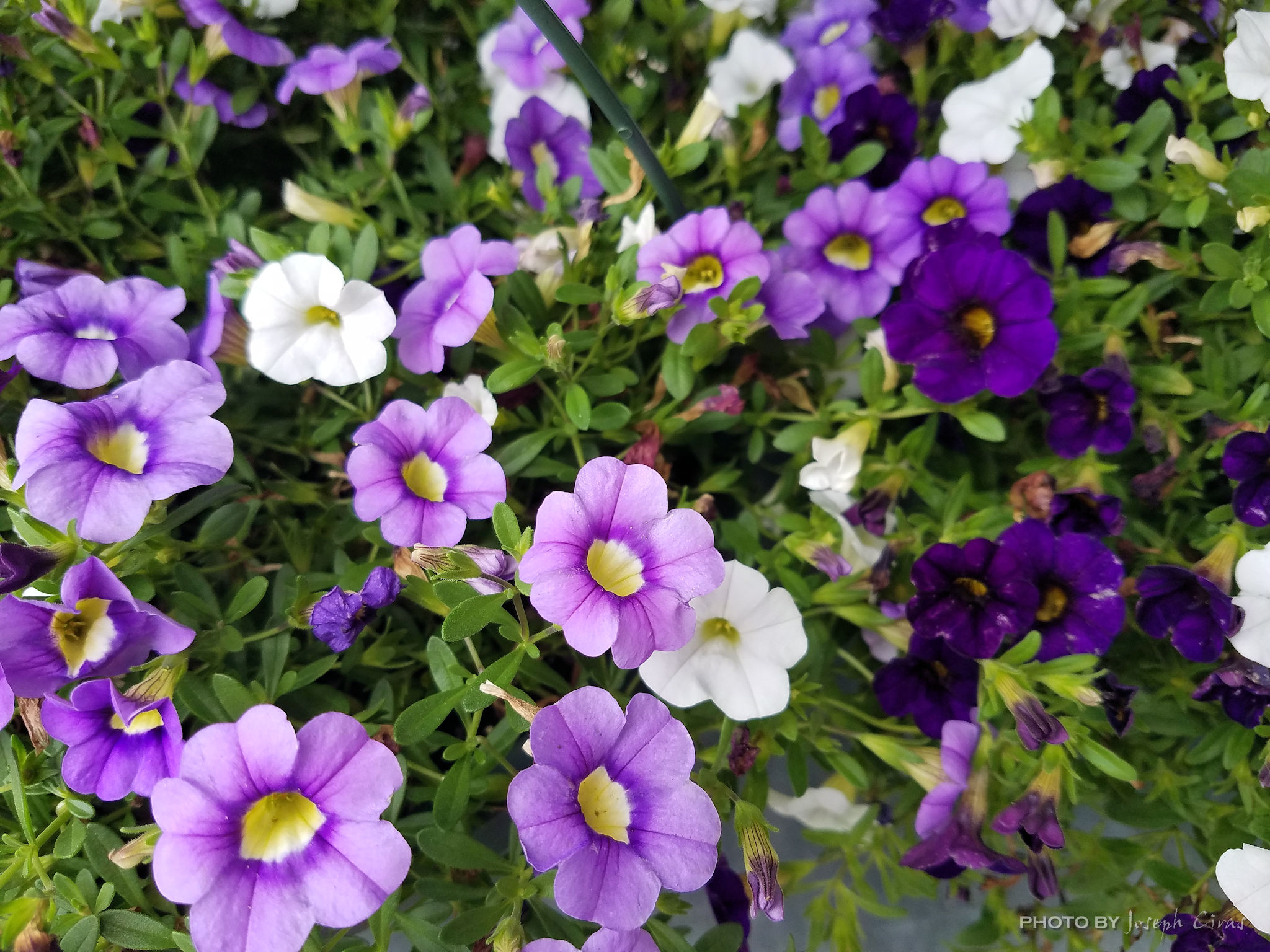
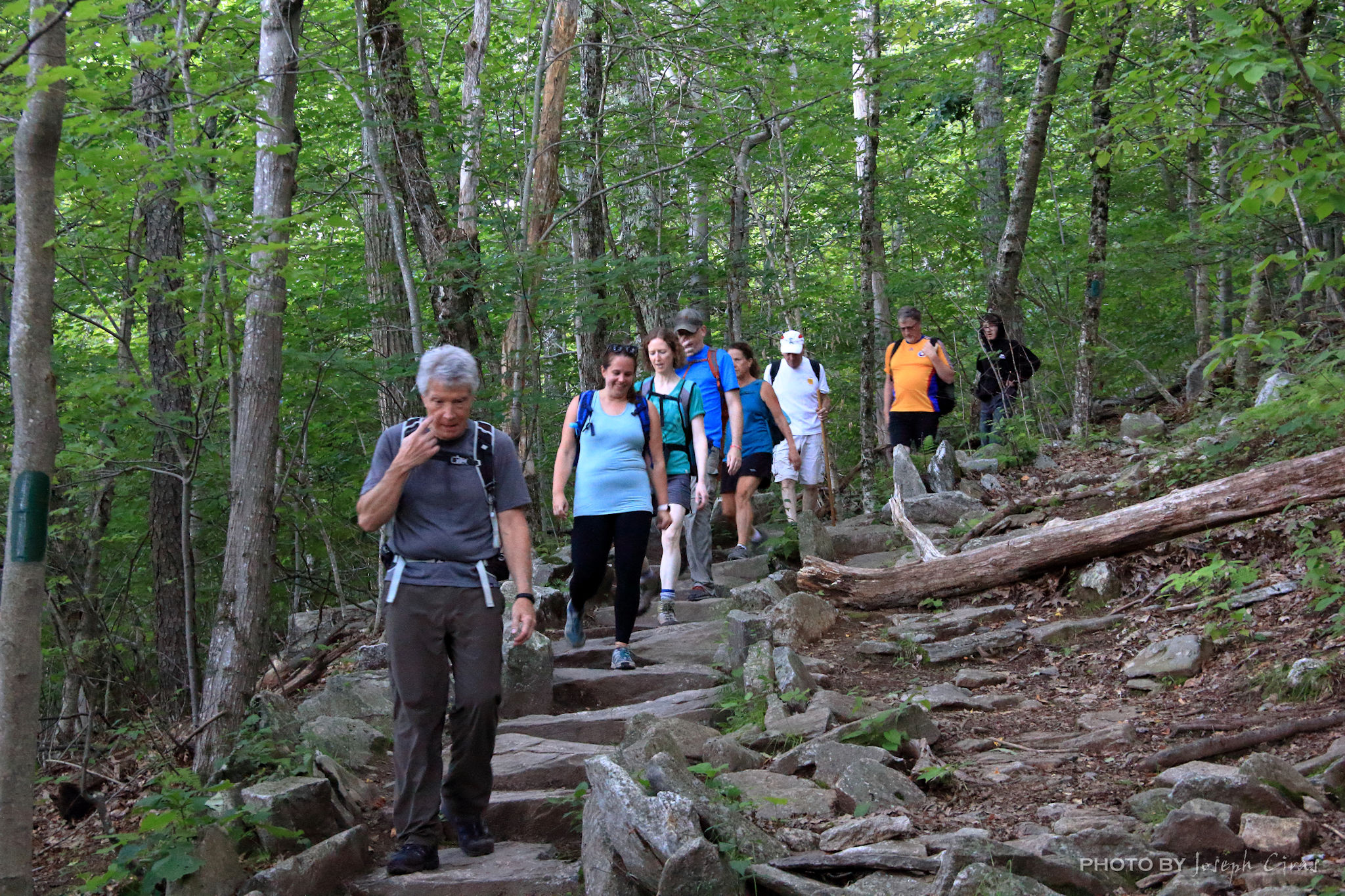


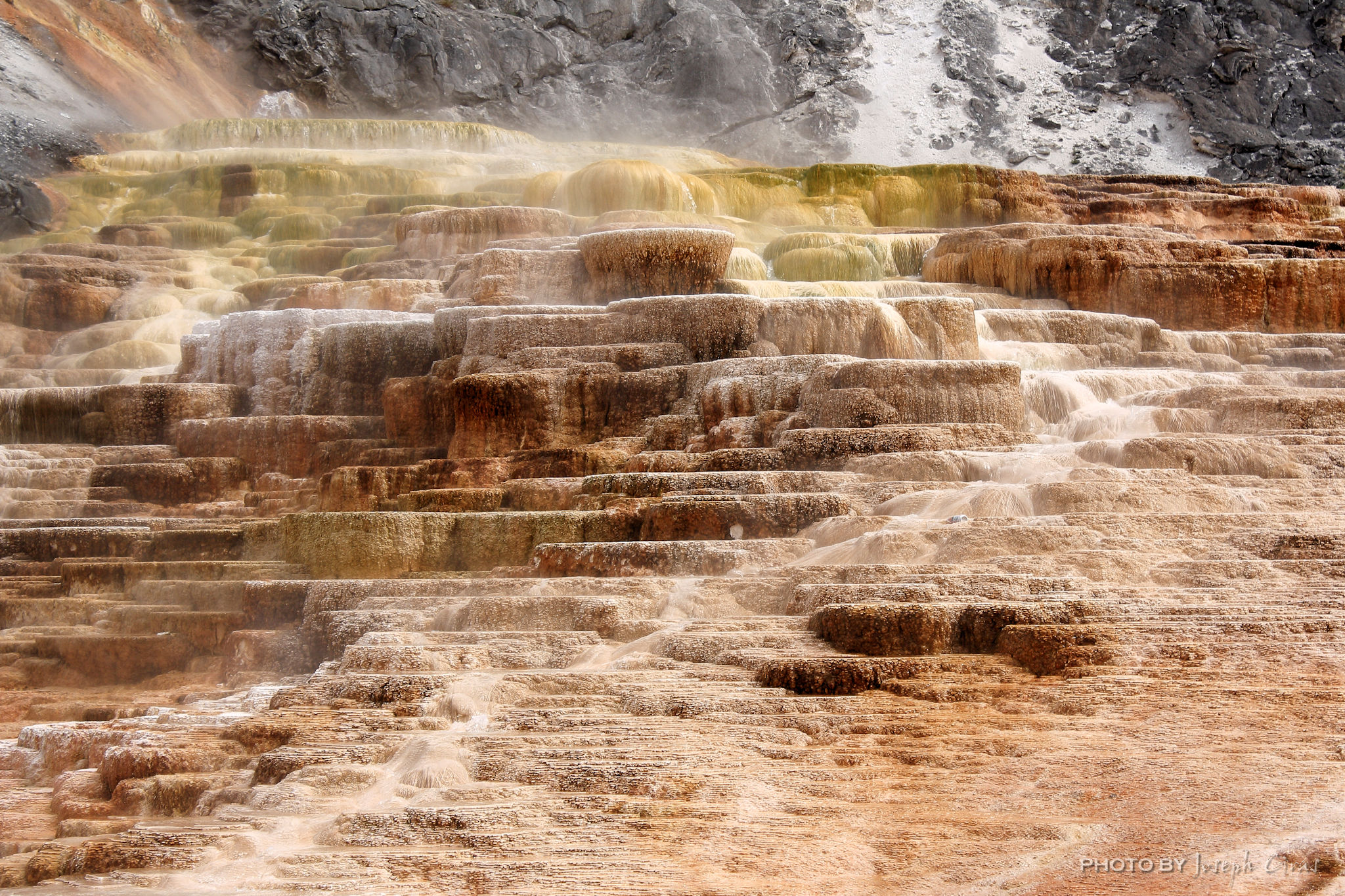
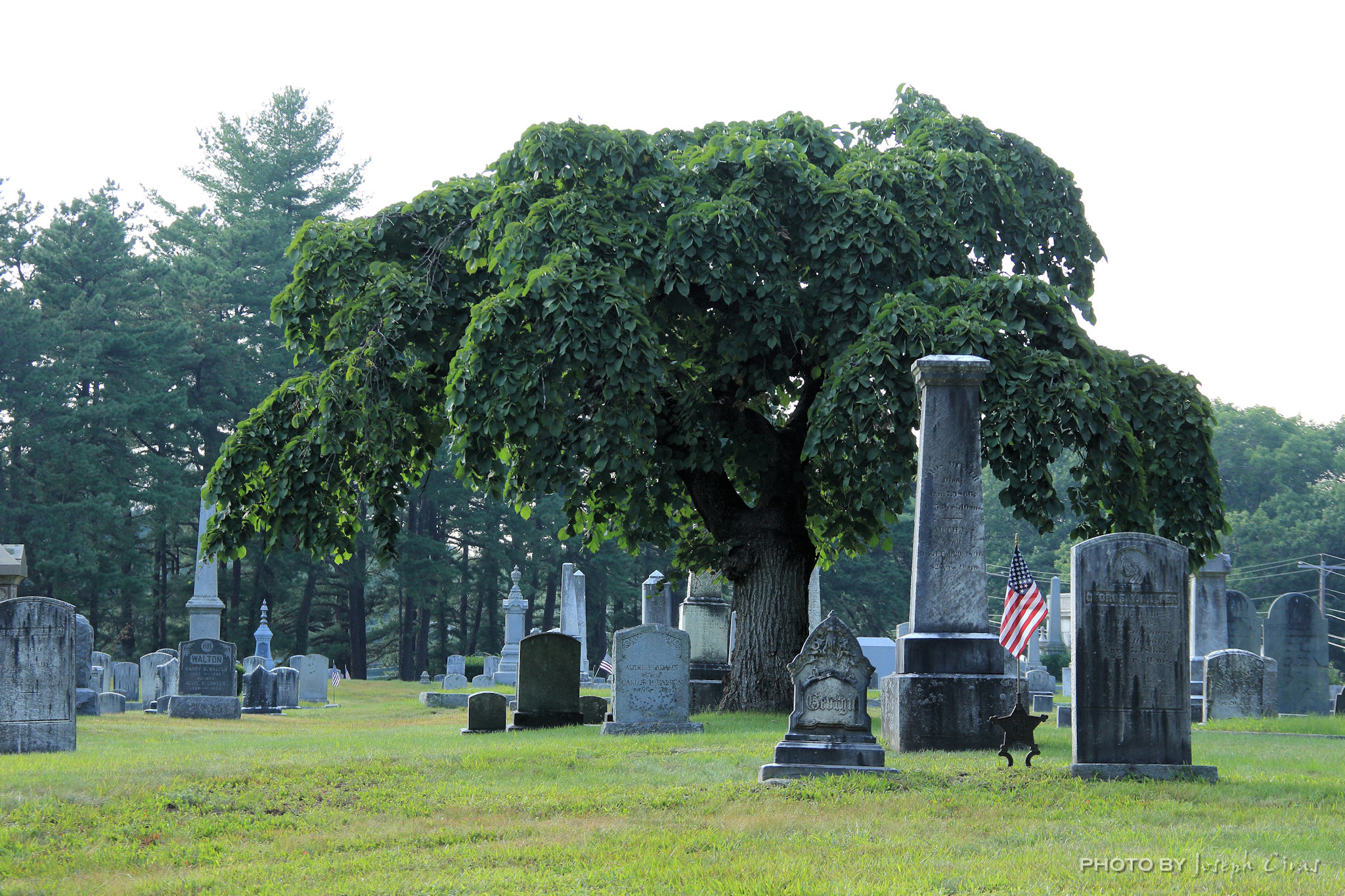
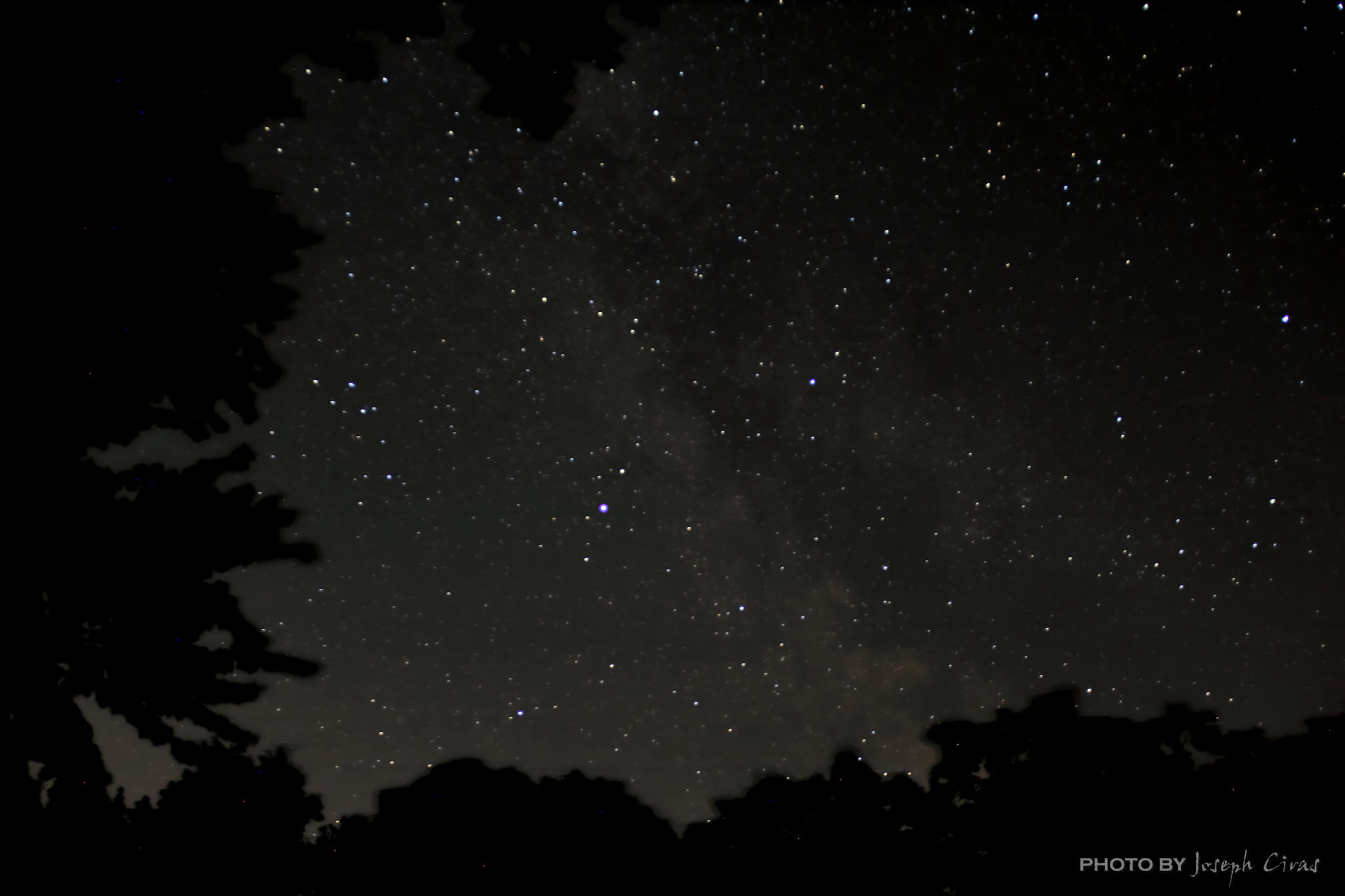
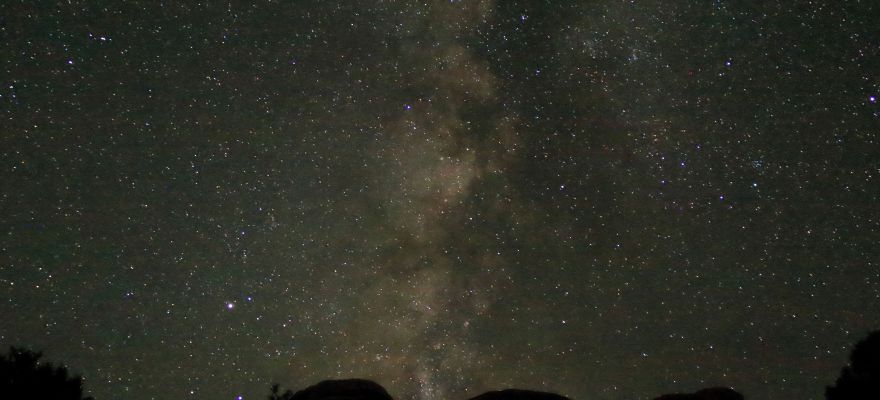

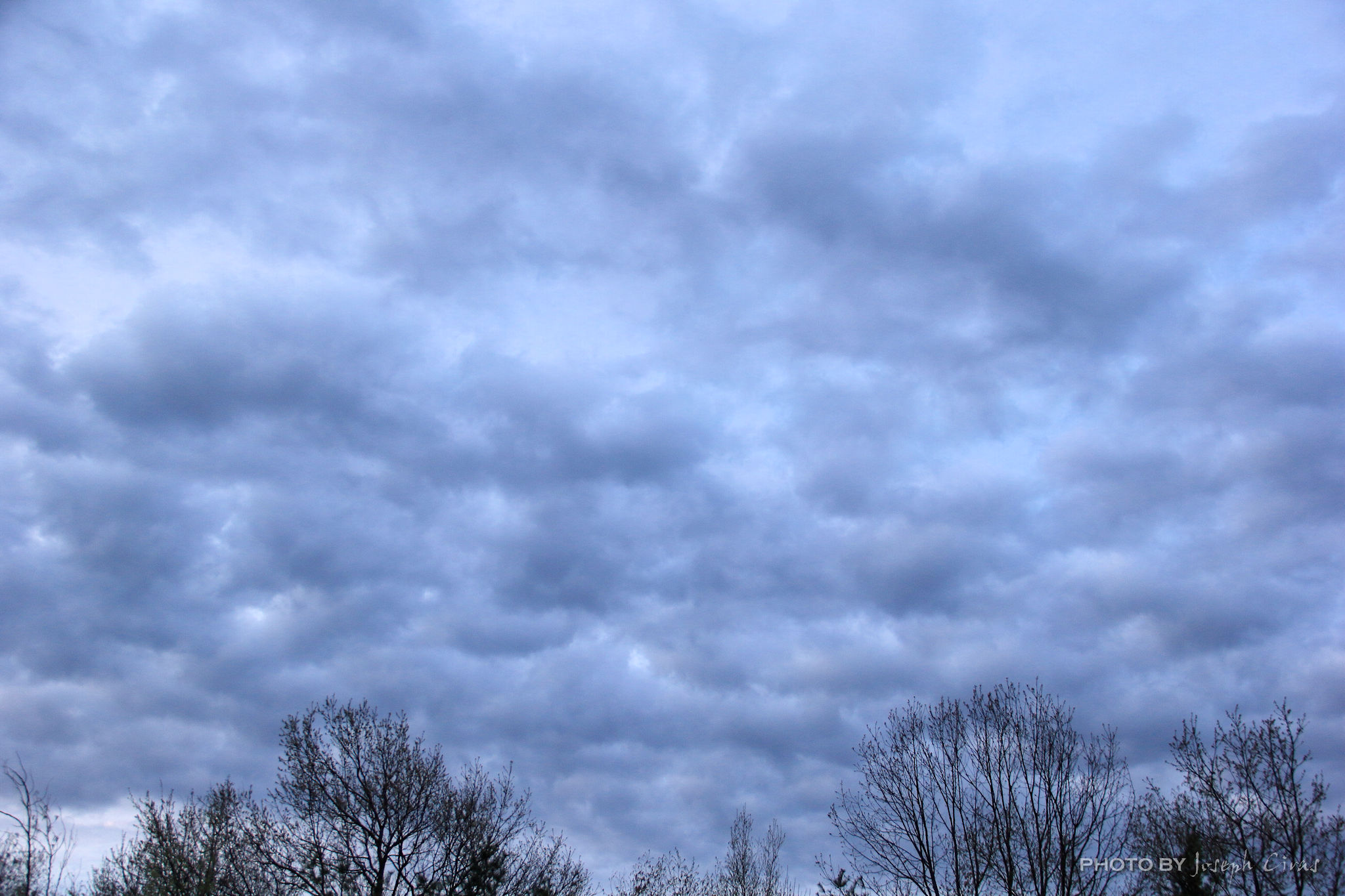

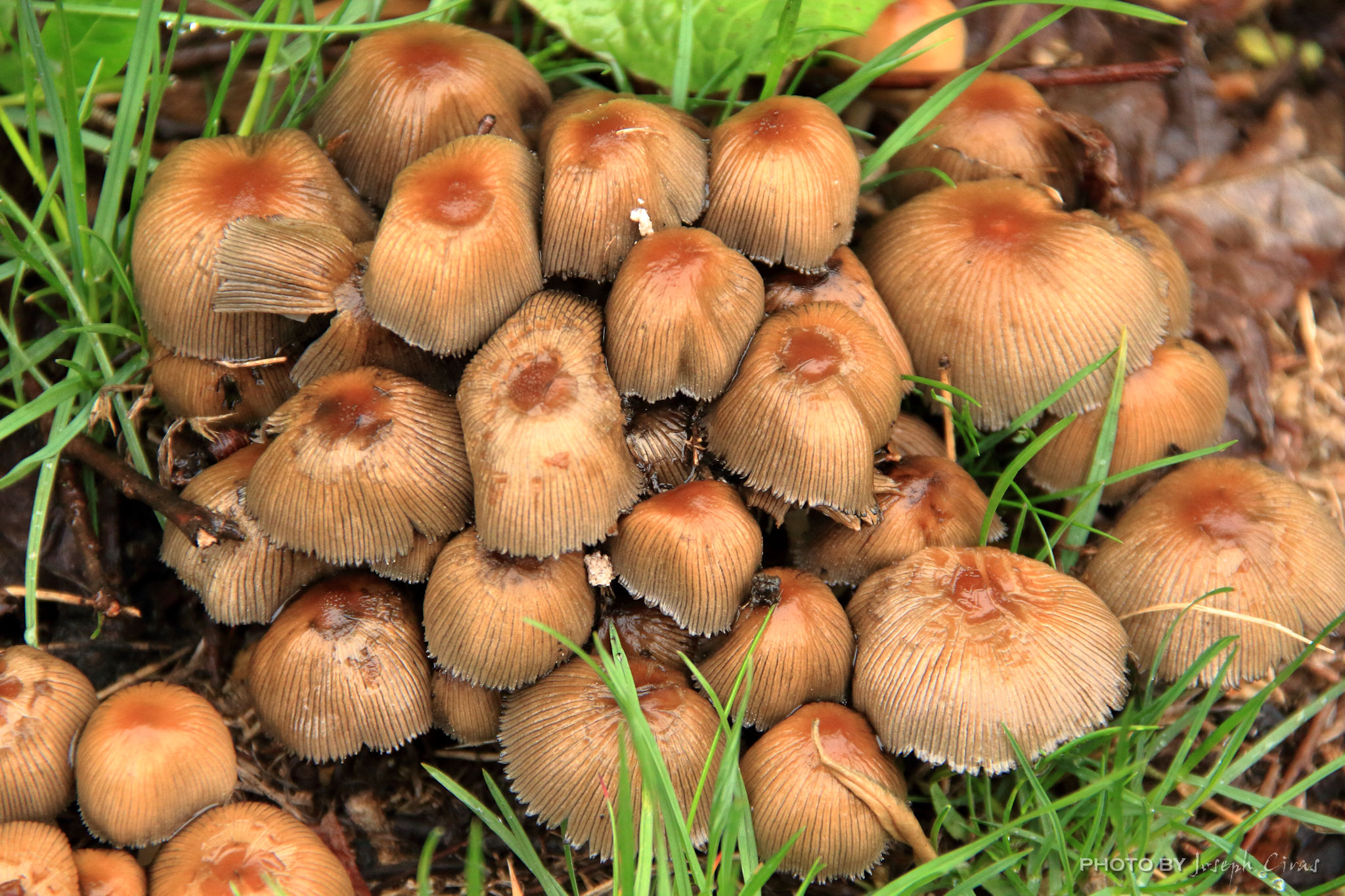
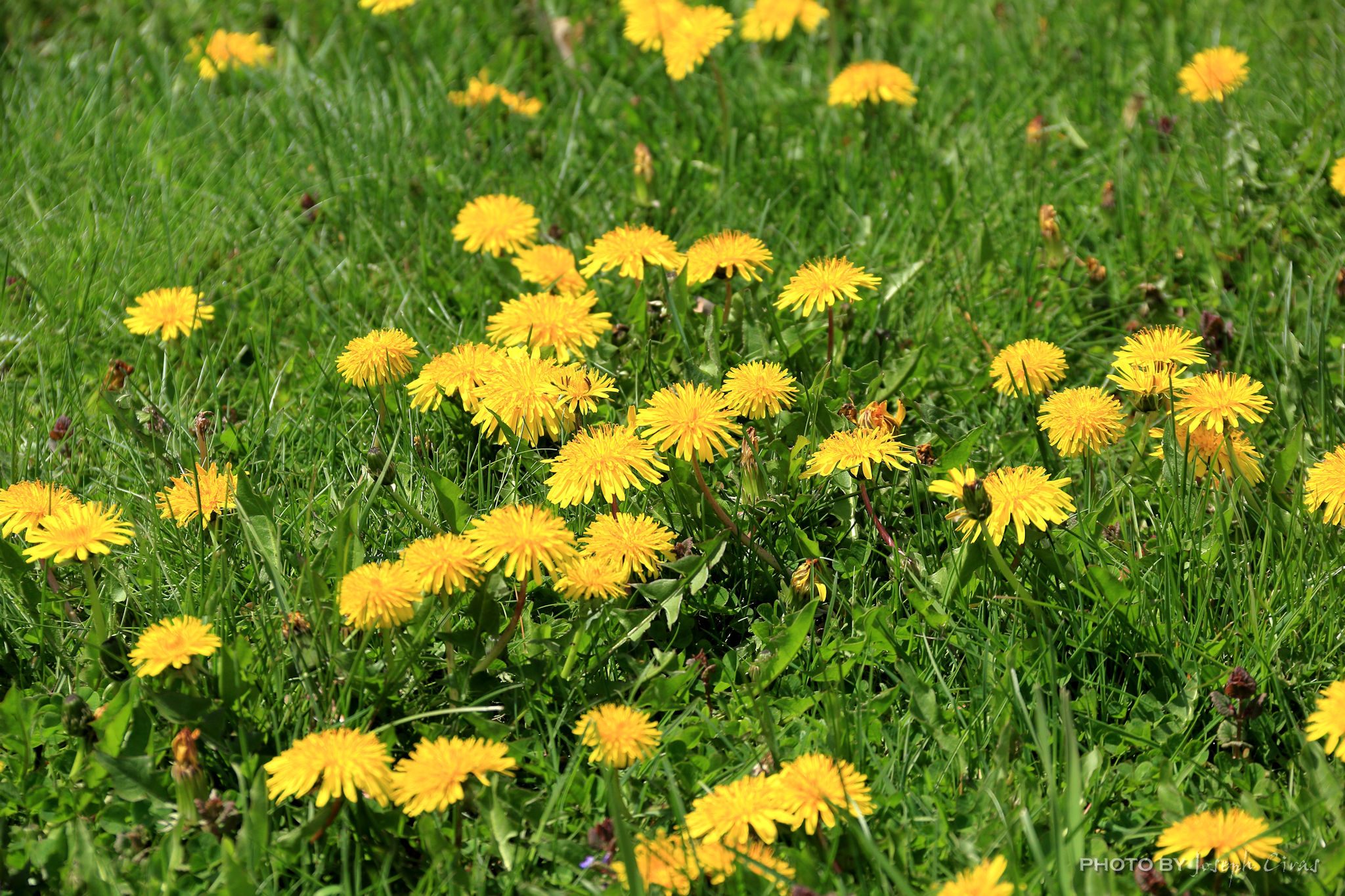

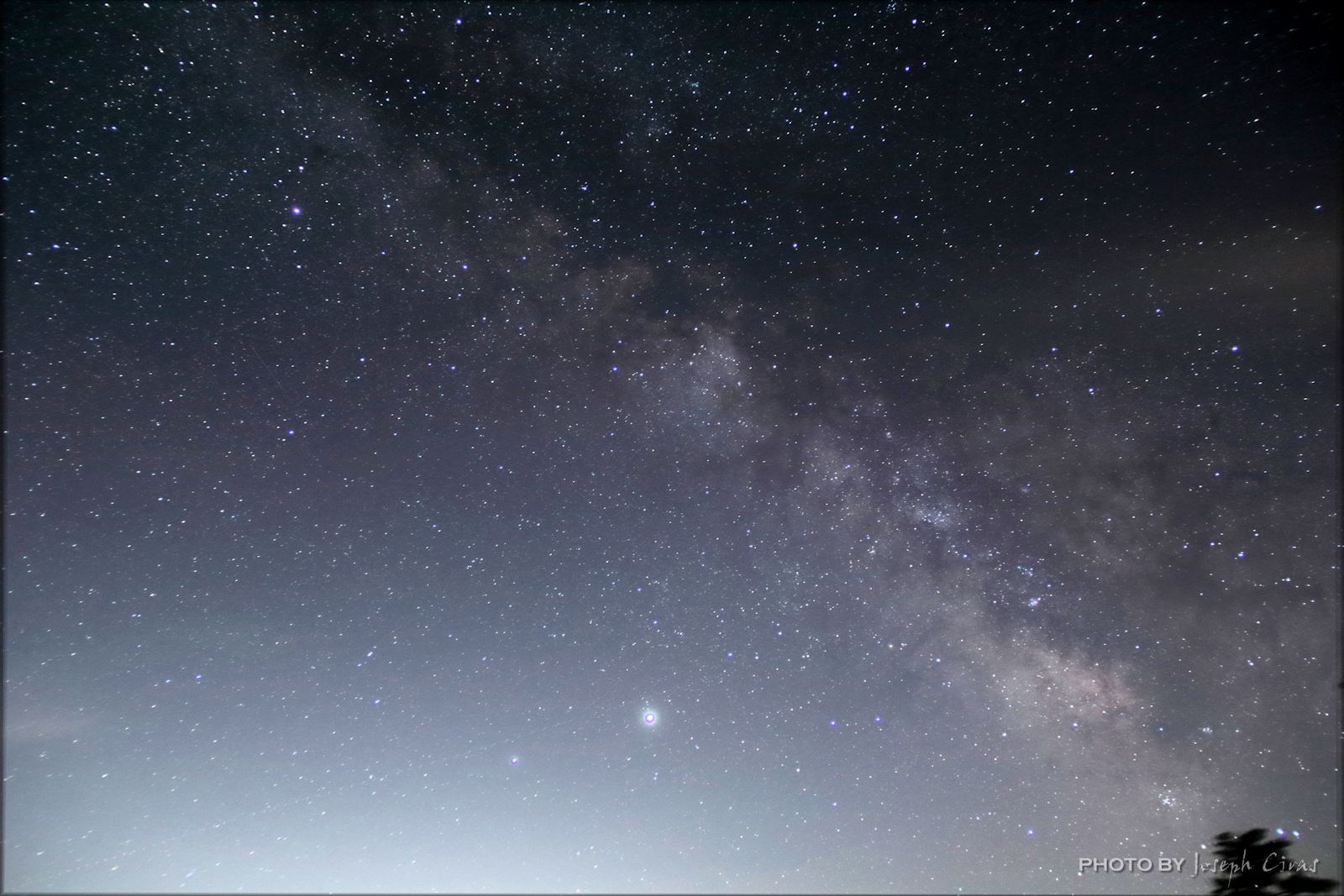

 Photo by Joseph Ciras