Photographic Thoughts — 01/16/2022 to 01/22/2022

“Character, like a photograph, develops in darkness.” — Yousuf Karsh

Thank you for all the new views and likes from last week, it helps keep me inspired.

Sunday, 01/16/2022: Posted photo — It’s Cold Outside.

Settings: Canon EOS 60D, ISO 100, f/7.1, 1/30 s, 113 mm.

Last week I wrote about how cold it was in this area. Here is a photo of this morning’s temperature. As you can see, it is still cold in this area. The temperature will warm up tomorrow since we are expecting eight inches of snow. Looks like I will be snowshoeing to work tomorrow.

From AccuWeather:

A question meteorologist get asked all the time during the cold winter months is “can it ever be too cold to snow”? Well, the short answer is no.

The ingredients for snow are:

1. A temperature profile that allows snow to reach the surface
2. Saturated air
3. Enough lifting of that saturated air to allow snow to develop aloft and fall to reach the surface

The phrase “it’s too cold to snow” probably originated as a misapplication of the relationship between temperature and the maximum amount of water vapor that can be in the air. When temperature decreases, the maximum capacity of water vapor that can be in the air decreases. Therefore, the colder it gets the less water vapor there will be in the air.

Monday, 01/17/2022: Posted photo — My Commute.

Settings: Google Pixel 2, ISO 186, f/1.8, 1/60 s, 4 mm.

It snowed last night, and it was snowing during my morning commute. I like to say that my commute took longer that usual to get to work. What normally takes me five minutes, took me 45 minutes. It is much safer for me to walk to work in the snow than it is for me to drive in the snow. A little more than half of my hike is on the Midstate Trail. It is nice to live so close to a trail junction or trailhead.

During my three mile hike to work, I may see one or two cars and a half dozen plows. On my way home from work, there will be some more cars, depending on the road conditions. People stay home from work when it is snowing. The funny thing about that is that I live in north central Massachusetts, in a snowy part of New England, so people should be used to driving in the snow.

I did not go on my normal Monday night hike on Wachusett Mountain today. If I were to hike it, I would have to leave work a little early, take the three mile, 45 minute hike home; get in my car; and then hike three to four more miles on the mountain.

Walking generally occurs on flat paths, while hiking often occurs in areas of high elevation. It can include hills and mountains. Some people think of hiking as anything that has above a 500 foot change in elevation.

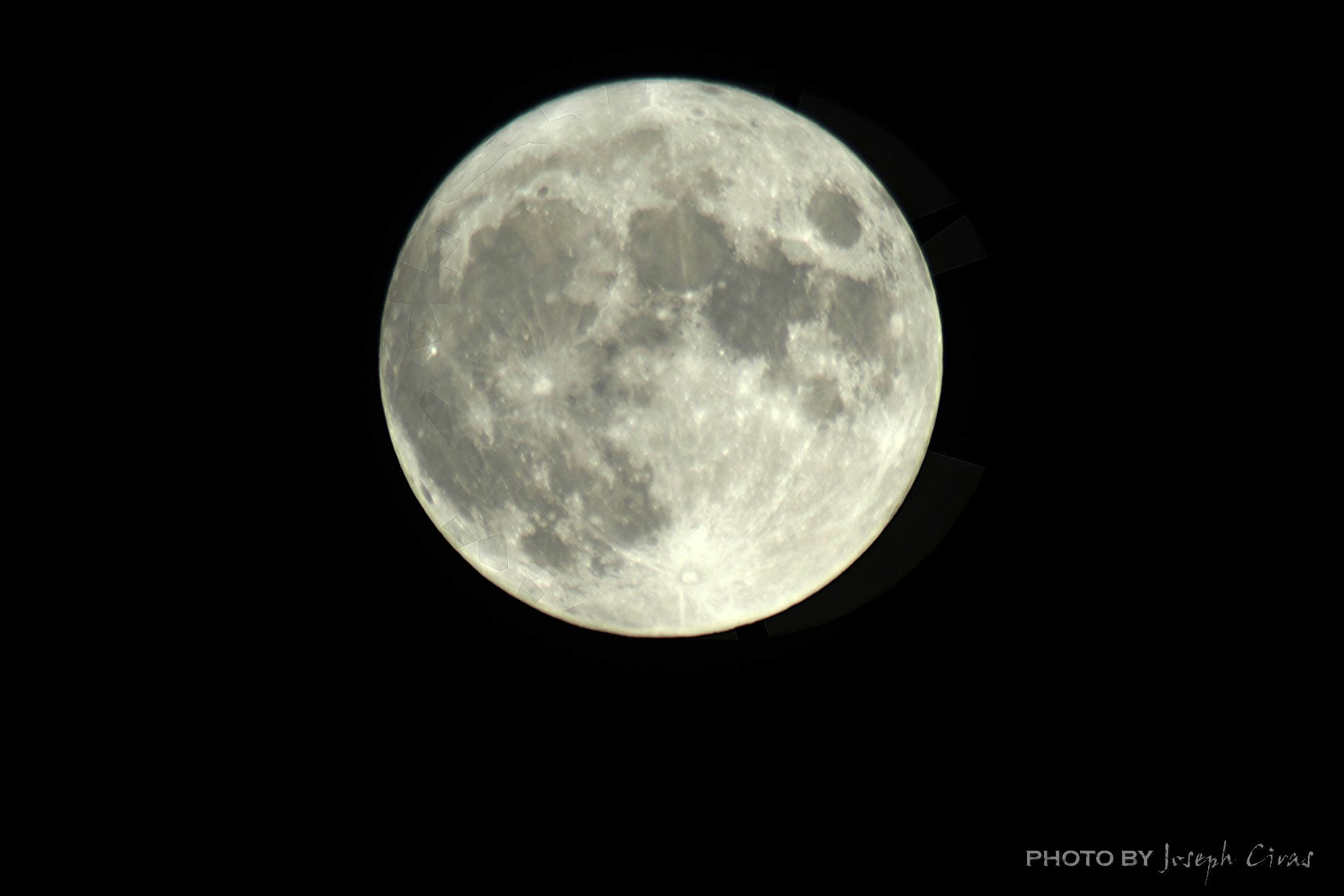
Tuesday, 01/18/2022: Posted photo — Moon — Handheld Practice.

Settings: Canon EOS 60D, ISO 100, f/16, 1/250 s, 300 mm.

The full moon was yesterday. It was snowing yesterday so I did not have the opportunity to do my full moon without a headlamp nighttime hike on Wachusett Mountain. As written yesterday, I walked to and from work because of the weather.
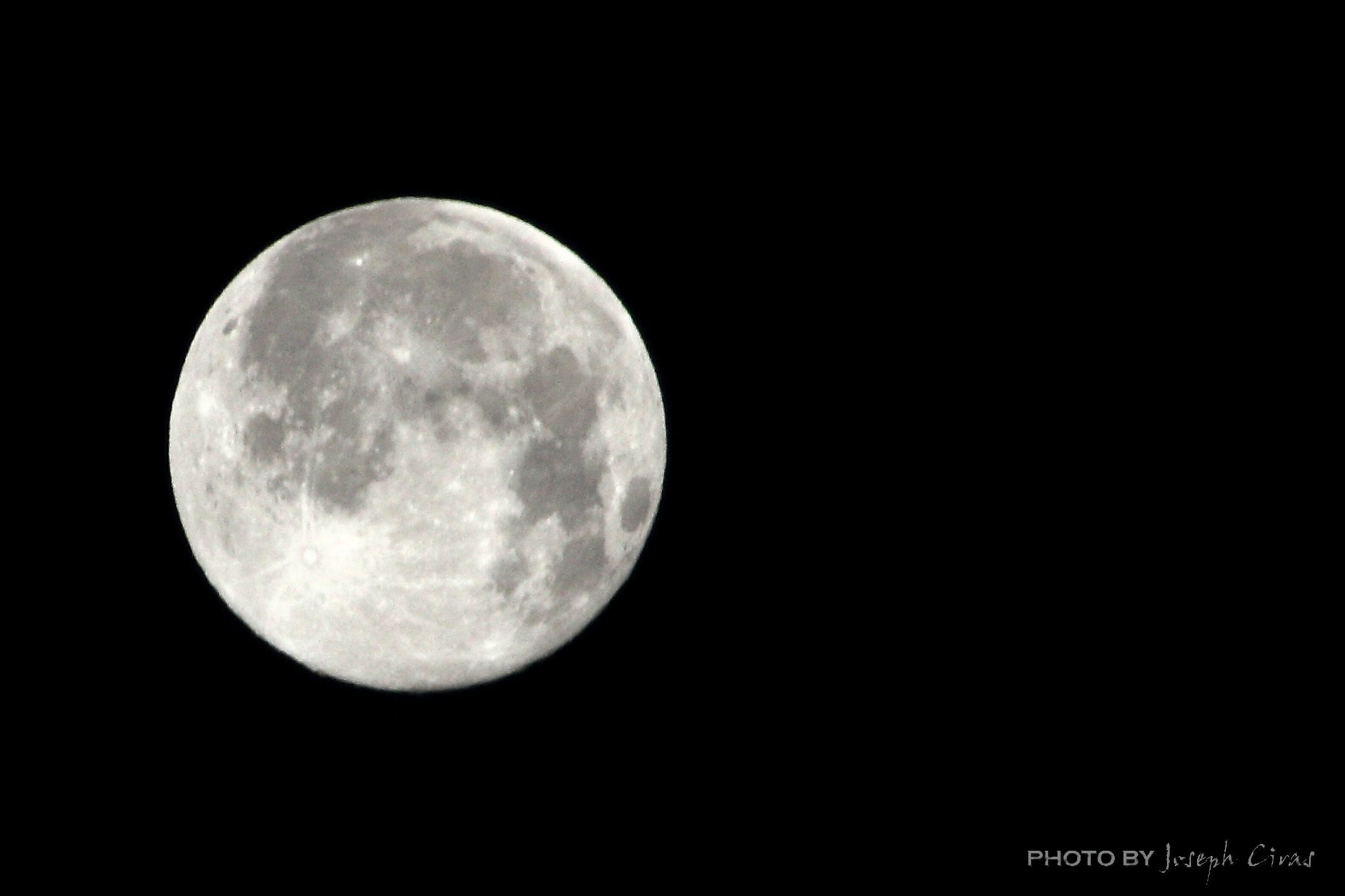
This morning I saw the moon and wanted to take a photo of it for this month.

From the Old Farmer’s Almanac: “It’s thought that January’s full Moon came to be known as the Wolf Moon because wolves were more likely to be heard howling at this time. It was traditionally believed that wolves howled due to hunger during winter, but we know today that wolves howl for different reasons. Howling and other wolf vocalizations are generally used to define territory, locate pack members, reinforce social bonds, and coordinate hunting.”

Wednesday, 01/19/2022: Posted photo — Sunrise.

Settings: Canon EOS 60D, ISO 200, f/7.1, 1/30 s, 50 mm.
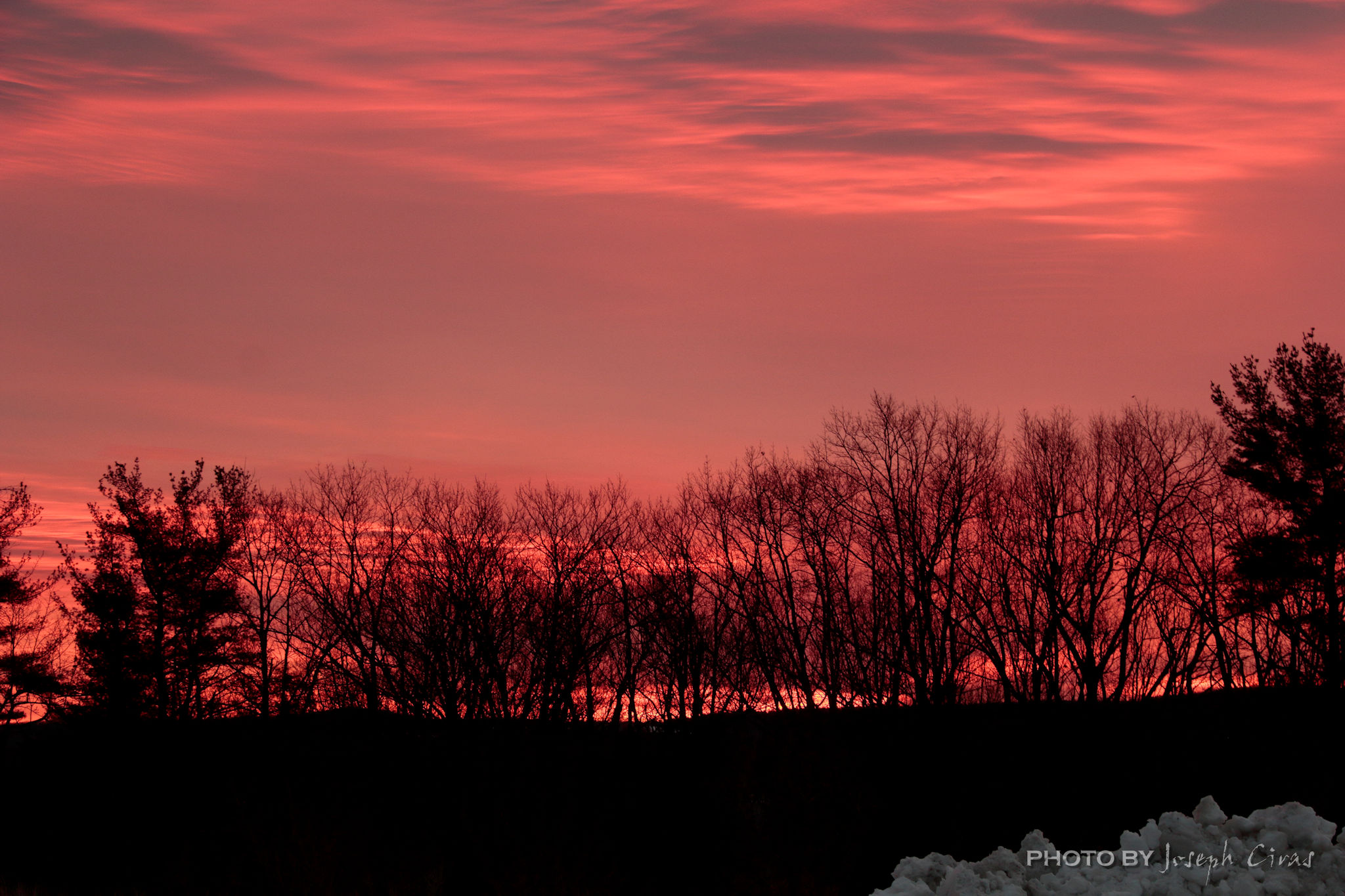
The sky caught my eye this morning, so I took a photo of it. The photo itself will explain why. What great colors. Too bad a photo does not do it justice.

Thursday, 01/20/2022: Posted photo — Aialik Glacier.

Settings: Canon EOS DIGITAL REBEL XS, ISO 200, f/11, 1/640 s, 75 mm.

The Aialik Glacier is a glacier in the Kenai Peninsula Borough of Alaska. It drains into Aialik Bay. Part of Kenai Fjords National Park, it drains the Harding Icefield. Aialik Glacier, a little over 15 miles from Seward, is the largest glacier in Aialik Bay.

Icefields are expanses of glacial ice flowing in multiple directions. Like ice caps, icefields usually cover less than 50,000 square kilometers (19,300 square miles), so they are much smaller than the ice sheets blanketing Greenland and Antarctica. In contrast to ice caps, icefields are interrupted by peaks of the underlying mountain ridges, and those mountains influence the flow of the icefield.

This is one of the amazing sites in Alaska.

Friday, 01/21/2022: Post photo — Morning View.

Settings: Canon EOS 60D, ISO 100, f/7.1, 1/160 s, 101 mm.

What a great view this morning. As I walk around, I am seeing the sunrise more since the sun is rising earlier in the day. The colors this week on the sunrises have been spectacular.

Saturday, 01/22/2022: Post photo — Colors.

Settings: Google Pixel 2, ISO 124, f/1.8, 1/125 s, 4 mm.

I am posting to another website weekly, https://52frames.com/photographer/20931. This week’s theme is Complementary Colors. I had to go to the store today to get somethings to repair my roof and took this photo of the color samples. There are many sets of Complementary Colors in this shot.

That is all for now. Until next week, be safe.

For more photo of other project I have work, visit my website: https://photobyjosephciras.weebly.com or visit me on Facebook at https://www.facebook.com/PhotobyJosephCiras/.

My Weebly website is back up and running. I am looking of suggestions on how to make it look better.
Photographic Thoughts — 10/17/2021 to 10/23/2021

“I think good dreaming is what leads to good photographs.” — Wayne Miller

Thank you for all the new views and likes from last week, it helps keep me inspired.

Sunday, 10/17/2021: Posted photo — Gear Shifter.

Settings: Canon EOS 60D, ISO 200, f/5.6, 1/160 s, 135 mm.

Not much to say about today’s photo. I have not taken an abstract, or still life, photo in a while so I took a photo of the gear shifter in one of our cars.

For your information, the “B” of the shifter is for breaking. It is an electronic means for mimicking engine braking in a traditional transmission.

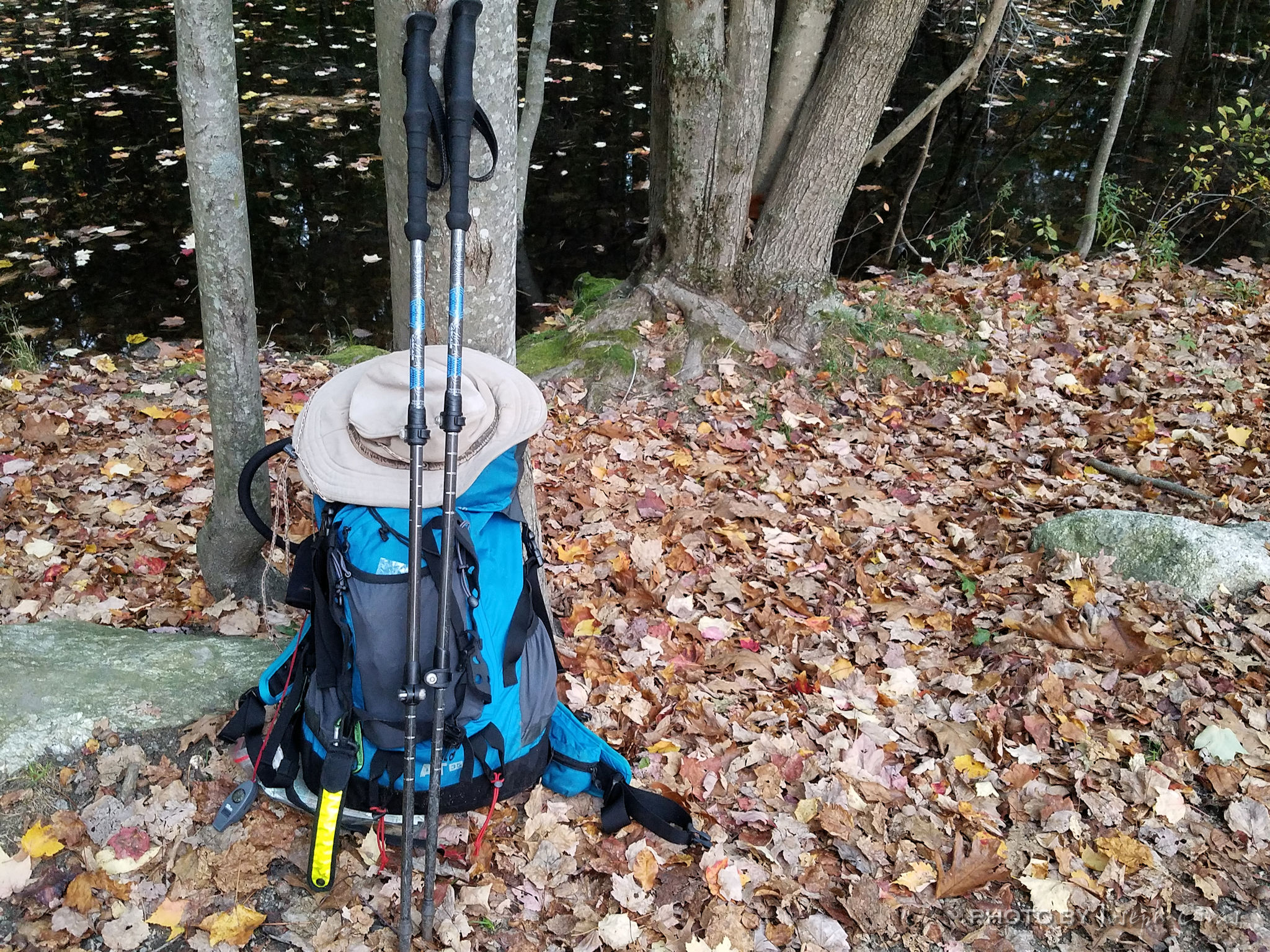
Monday, 10/18/2021: Posted photo — Ready to Hike.

Settings: Samsung SM-G930V (Galaxy S7), ISO 200, f/1.7, 1/16 s, 4 mm

Monday night is my main hiking night. There is a hiking group that I joined a few months ago that I hike with on Mondays, and I try not to miss a hike. I call this group a group of hikers that like to socialize versus another group that I call a social group that hikes. I do not hike with the social group very often. Only when I need a hike for the week.

I set a goal this year to hike 100 peaks. I set the same goal last year, but I fell well short of that goal last year due to COVID an the many people that were on the peaks. I did not want to hike with a great number of people because they just did not follow any protocols. Last year I took many hikes along the Mid State Trail since there is a trailhead about a quarter mile from my house. I obtained my goal of 100 peaks earlier in the year, so I am just adding on to my peak count. Next year’s goal is to finish my 48 four-thousand-foot mountains in New Hampshire. That is an achievable goal, weather permitting.

I took this photo at the start of tonight’s hike. I did not take any photos for myself yet today and took this photo. The group was hiking around sunset time and I was hoping to get a photo of the sunset. Unfortunately, I did not get a sunset photo tonight since the group was still on the trail in the woods at the time of sunset. We made it to the summit between Nautical twilight and Astronomical twilight.

Tuesday, 10/19/2021: Posted photo — Blue Sky.

Settings: Canon EOS 60D, ISO 100, f/7.1, 1/320 s, 52 mm.

I did not realize that today’s information would be so educational.

What a beautiful blue sky we had today. Why is the sky blue? It has to do with wavelengths of light. Here is some information that has been backed up by NASA (https://spaceplace.nasa.gov/blue-sky/en/).

As white light passes through our atmosphere, tiny air molecules cause it to ‘scatter’. The scattering caused by these tiny air molecules (known as Rayleigh scattering) increases as the wavelength of light decreases. Violet and blue light have the shortest wavelengths and red light has the longest. Therefore, blue light is scattered more than red light and the sky appears blue during the day. When the Sun is low in the sky during sunrise and sunset, the light must travel further through the Earth’s atmosphere. We don’t see the blue light because it gets scattered away, but the red light isn’t scattered very much – so the sky appears red.

Now, why did I take this photo. I liked the blue sky and I wanted to do my periodic senor check for dust.

A camera’s sensor dictates the quality of the images it can produce — the larger the sensor, the higher the image quality. Bigger image sensors have bigger pixels, which means better low-light performance, reduced noise, good dynamic range, and the ability to obtain more information.

You can quickly spot dust on your camera’s sensor by doing the following:

  1. Set your camera on Aperture Priority Mode.
  2. Set your metering mode to Matrix/Evaluative Metering.
  3. Set your camera ISO to the lowest number such as ISO 100.
  4. Turn off Auto ISO.
  5. Turn off autofocus and set your lens on manual focus.
  6. Set your aperture to the largest number available for your lens. For example, the minimum aperture on my Canon 60D is f/22, so I set my aperture to f/22.
  7. If you are outside, point your camera up at the clear blue sky and take a picture (purpose of his post). If you are indoors, find plain white paper, zoom in all the way so that the paper fits the whole frame, then make sure that the lens is completely out of focus and take a picture. If you are in front of a computer, open a text editor such as Notepad, maximize it to the screen and then get as close to the monitor as possible so that only the white color is visible in the frame. Make sure that your focus is way off (completely out of focus) – that way only dust particles will be visible.
  8. Zoom in on the image (rear camera LCD), scroll from left to right and top to bottom all over the image and see if you can find any dark spots. Sometimes it is hard for me to see the dust in the LCD screen, so I look for dust when I zoom into the photo on my computer.
  9. If you cannot see any, your sensor is clean. If you see dark spots like in the above example, then your sensor has dust on it.
  10. If you see dust, you can either purchase a senor cleaning kit (if you are brave enough to clean your sensor, I am) or send your camera out to get your sensor professionally cleaned.

Enough for the education. Thank you for reading today’s information and hope that you learned something this week.

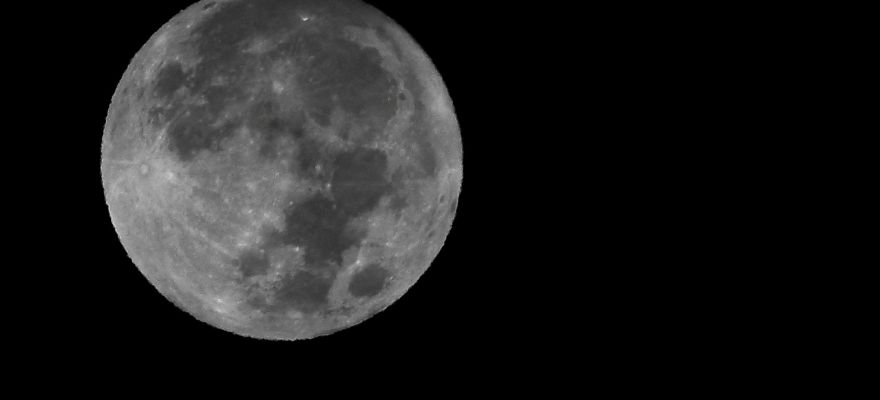
Wednesday, 10/20/2021: Posted photo — Hunter’s Moon.

Settings: Canon EOS 60D, ISO 125, f/11, 1/125 s, 300 mm.

Once again, I am posting a photo of the full moon. This one is handheld, and I used the Loony 11 rule to capture it. I can never take enough photos of the moon. It is very difficult to capture because it is moving so fast, and it is very bright. Some people criticize my moon photos since they are just photos of the moon with nothing in the foreground. I challenge those people to show me their moon photos. I have been taking photos of the moon for over 12 years and am still experimenting with my settings. The moon is my primary subject matter, and I am still learning how to do it. I did mean to ramble on and to criticize others. It just upsets me when people criticize my photos and do not give me any tips to improve. Sorry for that.

This is October’s full moon. The name of this moon is the Hunter’s Moon. According to popular belief, the moon was named the Hunter’s Moon because it signaled the time to go hunting in preparation for cold winter months.

This chart shows the initial settings for using the Loony 11 rule.

Moon PhaseLight from the MoonAperture ValueISOShutter Speed
Full MoonMoon is 100% litf/111001/100 second
Half MoonMoon reflects off less light – about 50% compared to full moonf/81001/100 second
Quarter MoonMoon reflects off even lesser light – about 25% compared to full moonf/5.61001/100 second
Thin Crescent MoonVery less light reflected off the moonf/41001/100 second
Fully Eclipsed MoonMoon is shadowedf/2.81001/100 second

Enjoy my moon photos, there will be more.

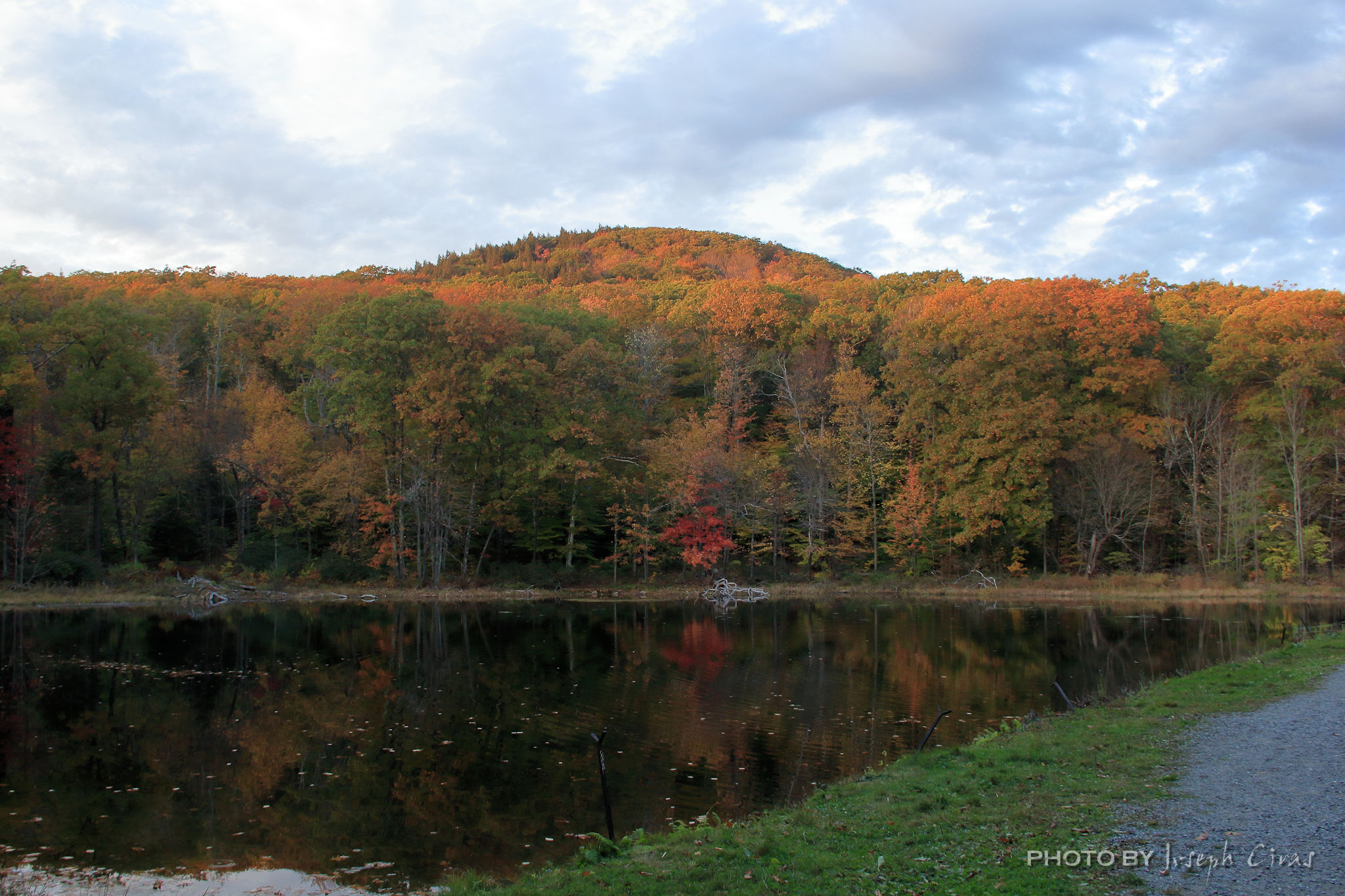
Thursday, 10/21/2021: Posted photo — Wachusett Mountain from Echo Lake.

Settings: Canon EOS 60D, ISO 400, f/7.1, 1/30 s, 18 mm.

Today was my biweekly hike with colleagues from work. It was a wonderful day for a hike.

We started the hike about a half hour before sunset and I took a trail that I was faster to summit. We did not make the summit at sunset. The hike normally takes about 45 minutes to complete to get to the summit and we hiked as fast a safely possible. Before the hike, I thought about changing the trail we hiked to a quicker way up the mountain. The trial was already choosing and Hike Safe and Leave No Trace both say that once a route was picked, you should not veer from the plan. On the way to the summit, the trail passed Echo Lake along the Echo Lake Trail and I saw this great view of the side of the mountain. The light was hitting the mountain in a way that I wanted to stop and take this photo.

The hill is not the summit of the mountain but the intersection of two or the trails, High Meadow Trail and Jack Frost Trail. I like the foliage on the hill in the background and Echo Lake on the foreground.

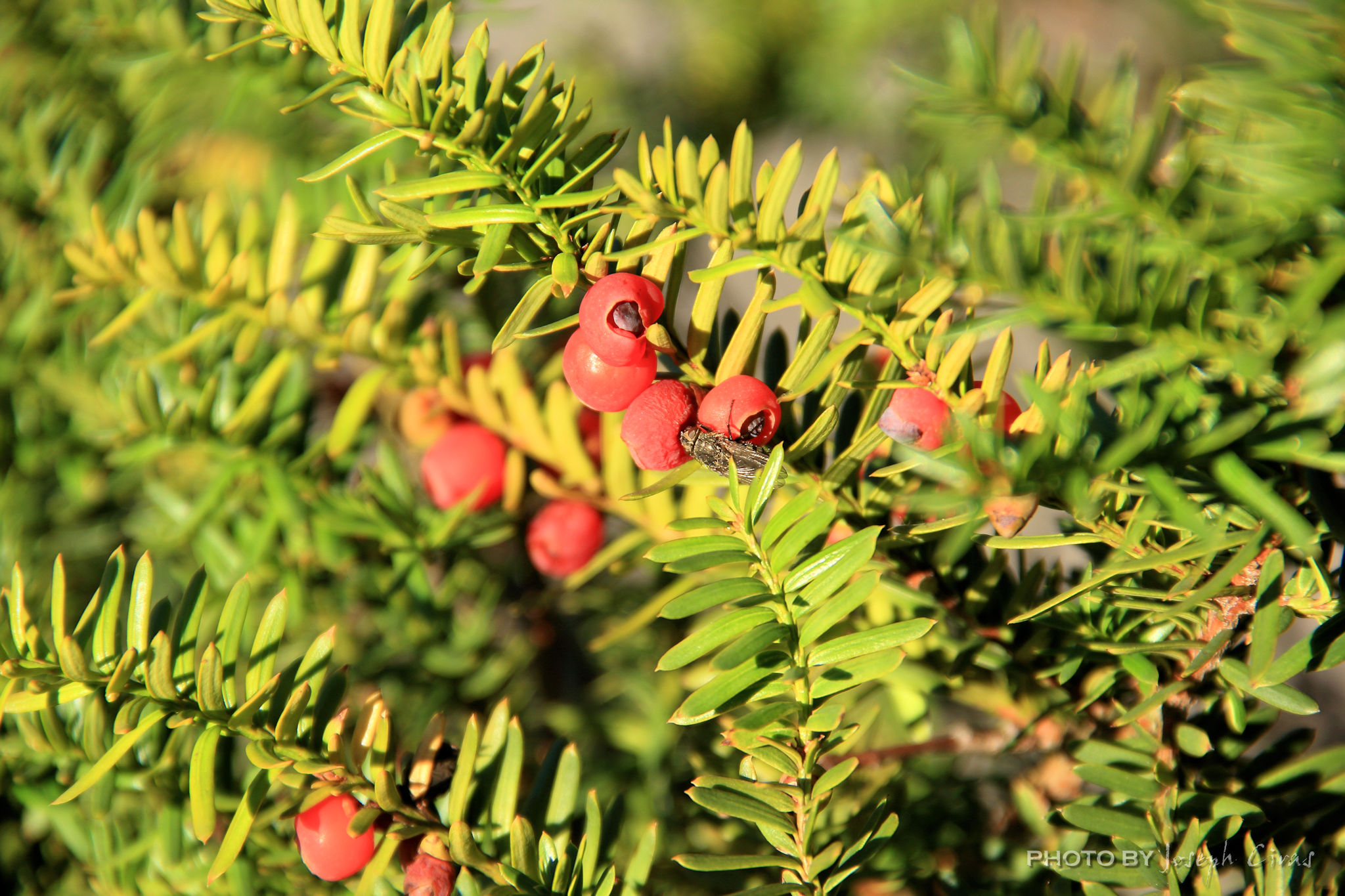
Friday, 10/22/2021: Post photo — Yew.

Settings: Canon EOS 60D, ISO 100, f/5.6, 1/320 s, 113 mm.

This Yew is at the entrance to work. I keep passing it and wanting to take a photo of it. Today I did. Here is some information about the Common Yew.

The Common Yew is an ornamental tree. While they are considered conifers, yew trees and shrubs don’t produce typical cones but rather modified versions of cones that look more like small red fruit. The taxine alkaloids contained in yew berries, needles or bark are poisonous. The lethal dose for an adult is reported to be 50 g of yew needles. Patients who ingest a lethal dose frequently die due to cardiogenic shock.

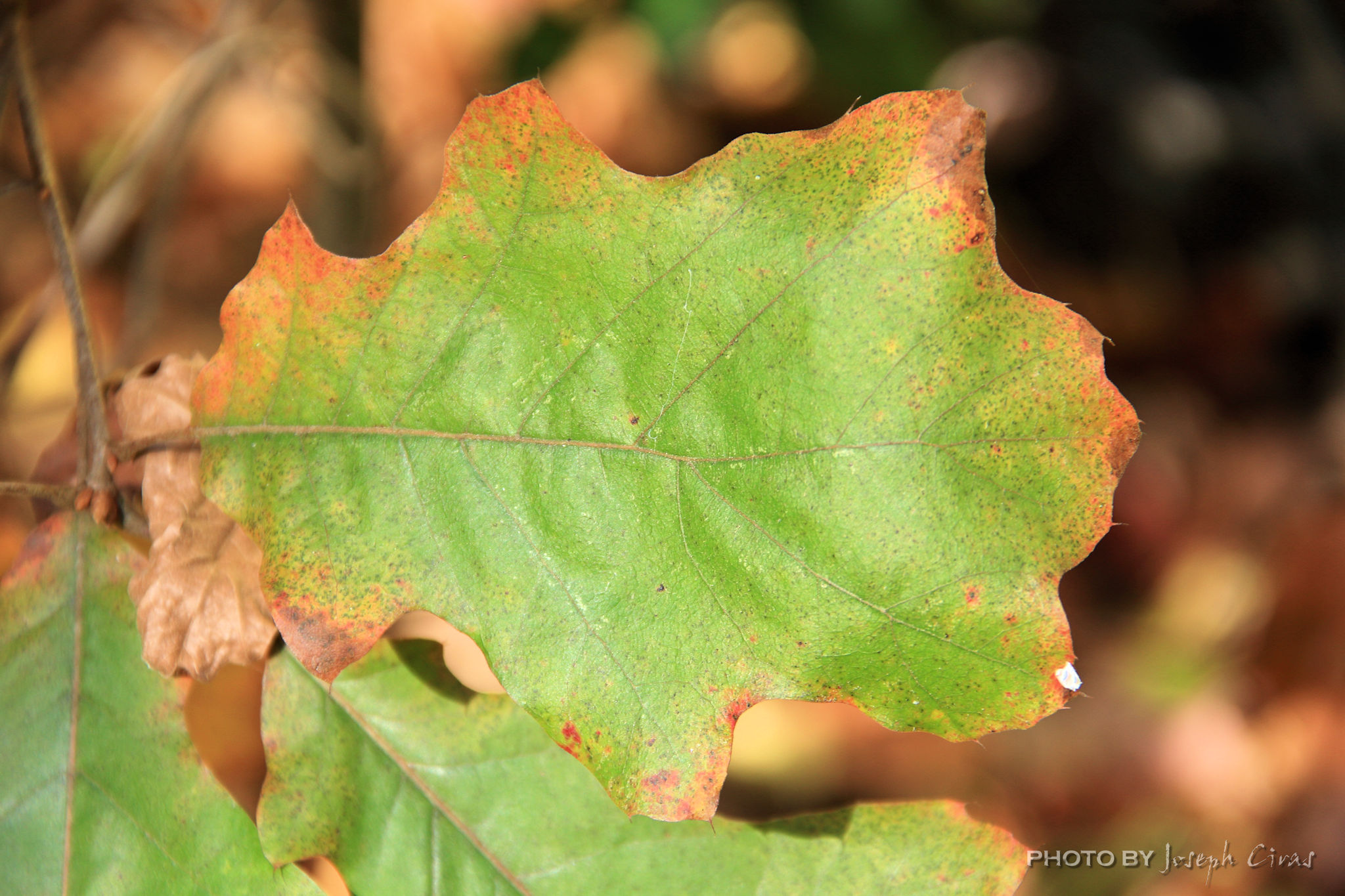
Saturday, 10/23/2021: Post photo — Oak.

Settings: Canon EOS 60D, ISO 100, f/5.6, 1/50 s, 92 mm.

Peak time for foliage: The color and intensity change quickly, but your best bet to see peak colors is from mid-October to early November. This oak leaf is past peak along with most of the other foliage in my area. I took this photo today when I was raking my lawn today.

That is all for now. Until next week, be safe.

For more photo of other project I have work, visit my website: https://photobyjosephciras.weebly.com or visit me on Facebook at https://www.facebook.com/PhotobyJosephCiras/.

Photographic Thoughts — 09/19/2021 to 09/25/2021

“You don’t take a photograph, you make it.” — Ansel Adams

Thank you for all the new views and likes from last week, it helps keep me inspired.

Sunday, 09/19/2021: Posted photo — Trail Marker.

Settings: Canon EOS 60D, ISO 200, f/7.1, 1/25 s, 31 mm.

This is an old trail marker on Wachusett Mountain. There are a few trails on the mountain that have the trail name carved into stone. When I see these markings, I wonder how long it took for someone to carve the marking.

I took this photo to show how the trails were marked many years ago.

Monday, 09/20/2021: Posted photo — Harvest Moon.

Settings: Canon EOS 60D, ISO 100, f/13, 1/100 s, 1250 mm.

I take many moon photos. The moon is my primary subject matter and is very difficult to photograph. Many have tried but have not gotten a good photo since the moon is very bright and is moving very fast. I have taken hundreds of moon photos and decided to change my setting slightly for this photo.

For this photo, I changed the focal length of this moon photo to 1250 mm to see if I could get a better focus on this subject.

From space.com: “Traditionally, this designation goes to the full moon that occurs closest to the autumnal (fall) equinox — which is most often in September. On average, October Harvest Moons come at three-year intervals, although the time frame can be quite variable, and there can be situations where as many as eight years can elapse (the next such example will come between 2020 and 2028).

At the peak of the harvest, farmers can work into the night by the light of this moon. Usually, the full Moon rises an average of 50 minutes later each night, but for the few nights around the Harvest Moon, the moon seems to rise at nearly the same time each night: just 25 to 30 minutes later across the U.S., and only 10 to 20 minutes later for much of Canada and Europe. Corn, pumpkins, squash, beans, and wild rice — indigenous staples in North America — are ready for gathering.”

Tuesday, 09/21/2021: Posted photo — Wachusett Mountain.

Settings: Canon EOS 60D, ISO 200, f/7.1, 1/250 s, 79 mm.

Today I needed a quick photo, so I took a photo of Wachusett Mountain over Round Meadow Pond.

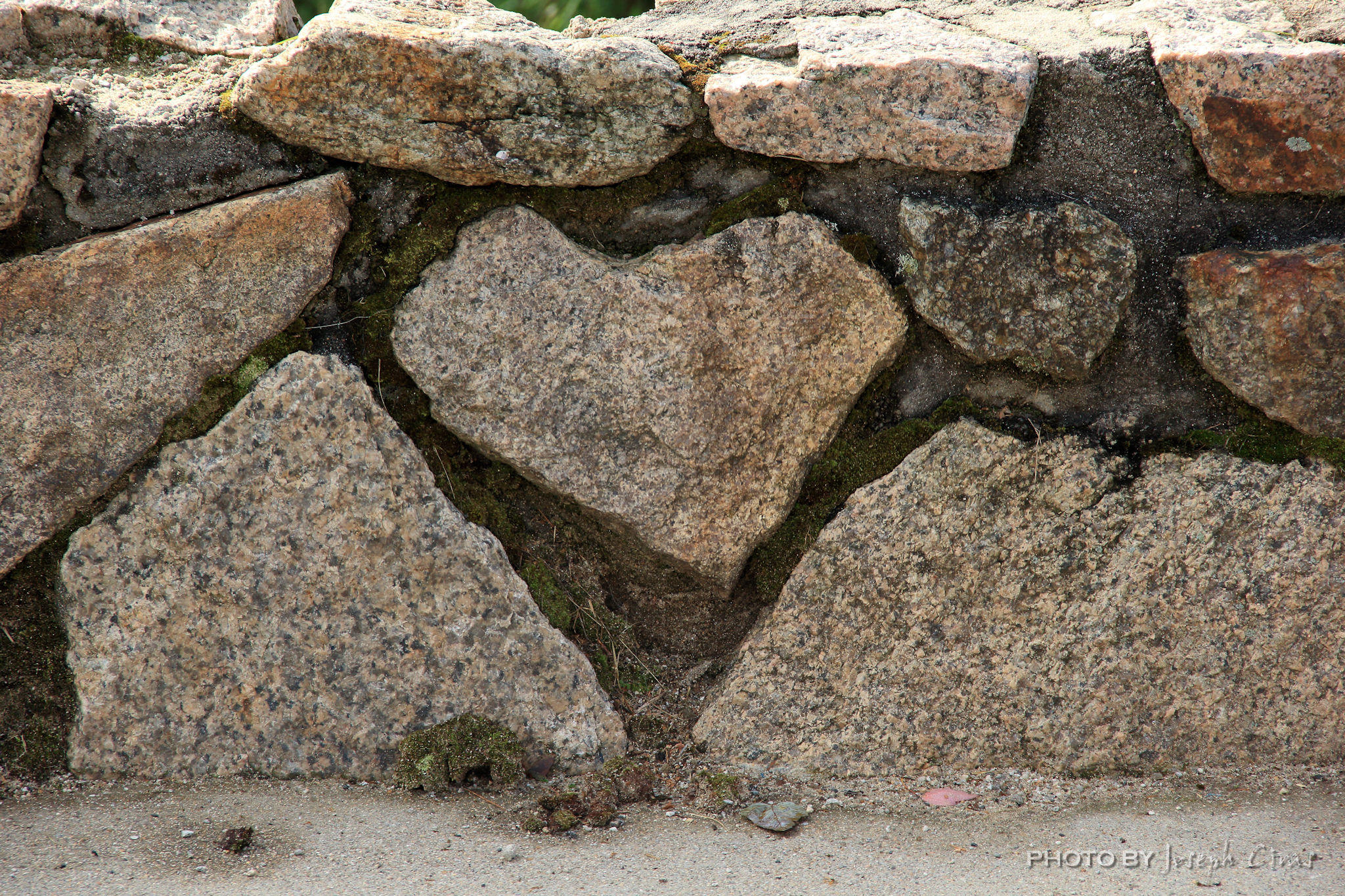
Wednesday, 09/22/2021: Posted photo — Heart.

Settings: Canon EOS 60D, ISO 200, f/7.1, 1/250 s, 135 mm.

People see items in ordinary item in the strangest places. This weekend I saw this rock looking like a hike at the trailhead of the Hancock’s in the White Mountains.

Seeing familiar objects or patterns in otherwise random or unrelated objects or patterns is called pareidolia. It’s a form of apophenia, which is a more general term for the human tendency to seek patterns in random information.

Thursday, 09/23/2021: Posted photo — Mushroom.

Settings: Canon EOS 60D, ISO 3200, f/7.1, 1/30 s, 87 mm.

Have you noticed that there are many more mushrooms this year then in the past? At least here in north central Massachusetts and in the mountains of New Hampshire. The photo I took today was on one of the trails on Wachusett Mountain. I took this photo on my way to the summit. I was planning on taking a sunset photo tonight but there was cloud cover at the summit. I was happy that I took this photo so I would have something to post today.

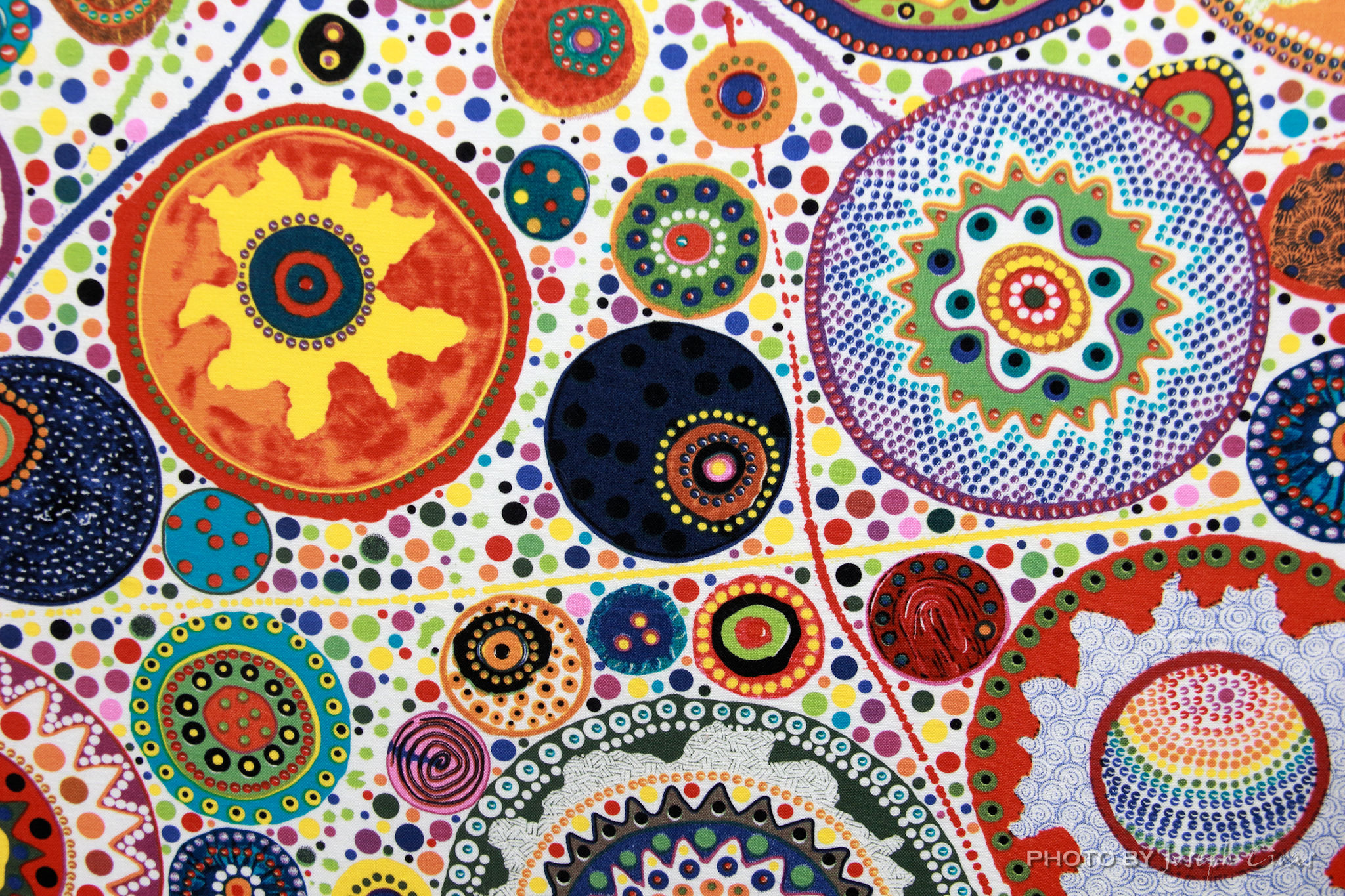
Friday, 09/24/2021: Post photo — Abstract Painting.

Settings: Canon EOS 60D, ISO 400, f/7.1, 1/8 s, 31 mm.

Abstract art is art that does not attempt to represent an accurate depiction of a visual reality but instead use shapes, colors, forms, and gestural marks to achieve its effect. Abstract art is made up of six basic elements: Line, Texture, Shape, Form, Color, and Value. You can go online to find more about these elements.

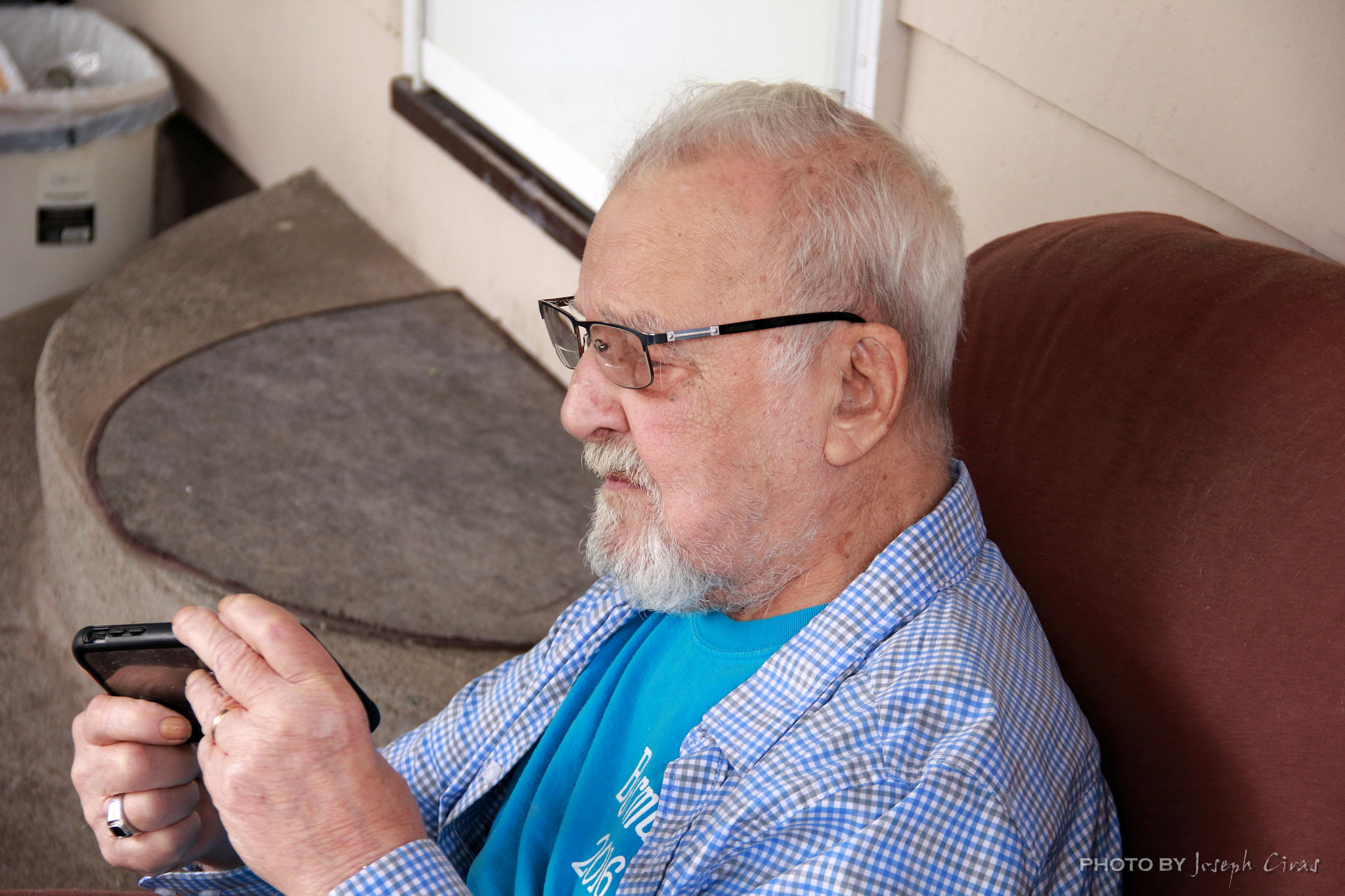
Saturday, 09/25/2021: Post photo — FaceTime with Daughter.

Settings: Canon EOS 60D, ISO 400, f/5, 1/100 s, 57 mm.

My uncle turned 92 years old this week. We had a party for him this afternoon.

During the party, his daughter from Maine called him to FaceTime. He was figuring out how to talk to her. It was difficult to hear them on the phone due to all the noise from the party.

That is all for now. Until next week, be safe.

For more photo of other project I have work, visit my website: https://photobyjosephciras.weebly.com/ or visit me on Facebook at https://www.facebook.com/PhotobyJosephCiras/.

COVID is real! Be safe out there, keep your social distance, and remember to always wear your mask and wash your hands. Get your vaccine!

Photographic Thoughts — 07/17/2021 to 07/24/2021

“The camera makes you forget you’re there. It’s not like you are hiding but you forget, you are just looking so much.” — Annie Leibovitz

Thank you for all the new views and likes from last week, it helps keep me inspired.

Enjoy this week’s rambling mind of a mechanical engineer and photographer.

This week’s post is short. I spent most of the week doing final preparations for my mother’s funeral and relaxing after.

Sunday, 07/17/2021: Posted photo — Roses.

Settings: Samsung SM-G930V (Galaxy S7), ISO 100, f/1.7, 1/60 s, 4 mm

Yellow is bright and conveys happy thoughts, so it is no wonder that yellow roses showcase positive feelings of warmth. The yellow rose meaning is often considered that of friendship.

I am posting this photo to thank all the people that have supported my family during the last few months when my mother was ill. She passed in her sleep, at home, last Saturday at the age of 95. I would like to thank family and friends, her doctors and caretakers, and anyone that had her in their prayers. She was playing cards up to the end. Raising seven boys was not easy. She did it lovingly.

As my mother said in the hospital last Tuesday, she did live 95 wonderful years.

Mom — may your rest in peace. Until we meet again. Love you.

Monday, 07/18/2021: Posted photo — Ten Commandments.

Settings: Canon EOS 60D, ISO 400, f/7.1, 1/160 s, 37 mm.

This monument is on Mountain Road in Princeton, Mass. It is very easy to drive by since it is small and not near any landmark. It has been on the side of the road since 1927. The monument was produced by S.D. Sargent in Gardner Mass. The monument starts with “God Sake All these Words I the Lord thy God”.

I had the history of the monument once. Now I cannot find out any information about why this monument was place where it located.

I took a similar photo last week on the way back home from my mother’s house and did not like it enough to post. I took this one today as I was returning home from finalizing the funeral arrangements. The arrangements were easy to finalize since my mother was supposed to pass last March. She was a strong French woman that had many card games left in her.

Tuesday, 07/19/2021: Posted photo — Blue Vervain.

Settings: Canon EOS 60D, ISO 200, f/5.6, 1/640 s, 85 mm.

“Blue vervain is a flowering plant that belongs to the vervain family, Verbenaceae. It has purple flowers and simple leaves with double-serrate margins. The scientific name of blue vervain is Verbena hastata and it is also known by other names like American vervain, simpler’s joy, and swamp verbena.” — Organic Facts website

Wednesday, 07/20/2021: Posted photo — Turkeys Through Windshield.

Settings: Canon EOS 60D, ISO 3200, f/5.6, 1/600 s, 135 mm.

Turkeys this morning on my way to work. Took this through my windshield.

Thursday, 07/15/2021: Posted photo — Mass Card.

Settings: Samsung SM-G930V (Galaxy S7), ISO 160, f/1.7, 1/60 s, 4 mm

The mass card from my mother. We had her wake and funeral today. I will always love you mom!

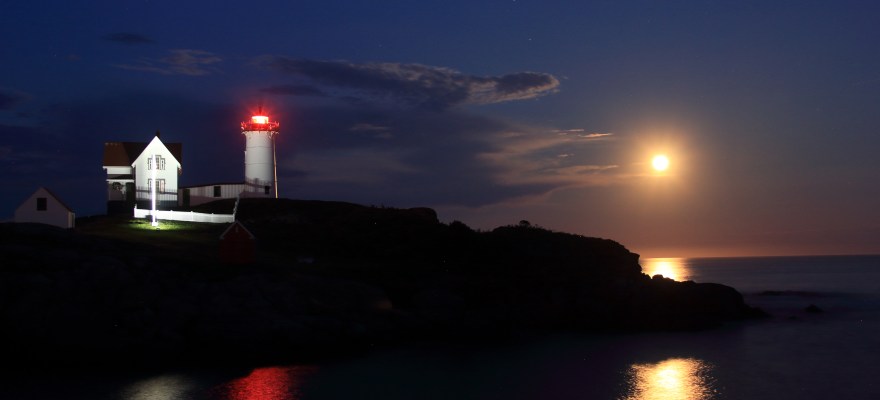
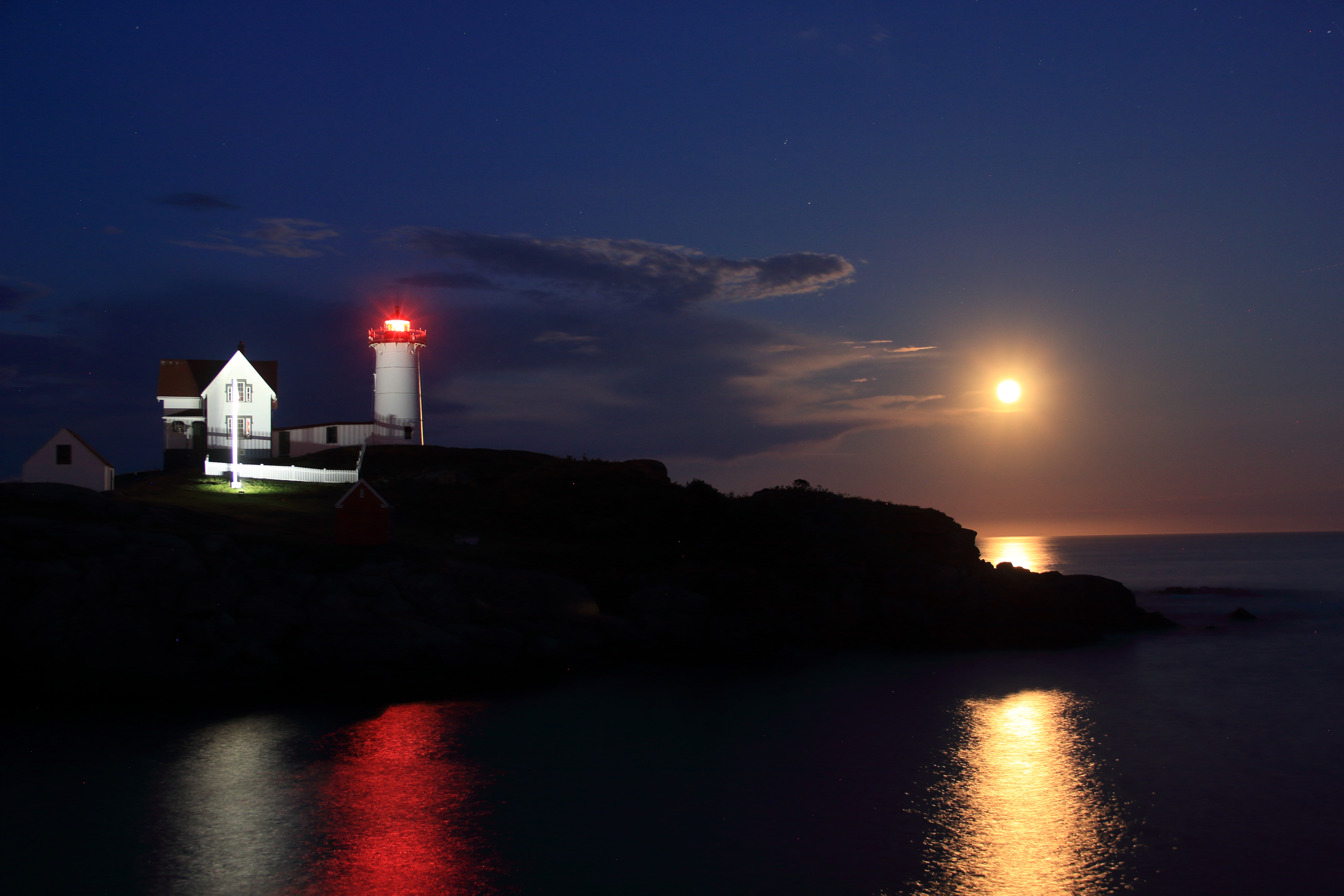
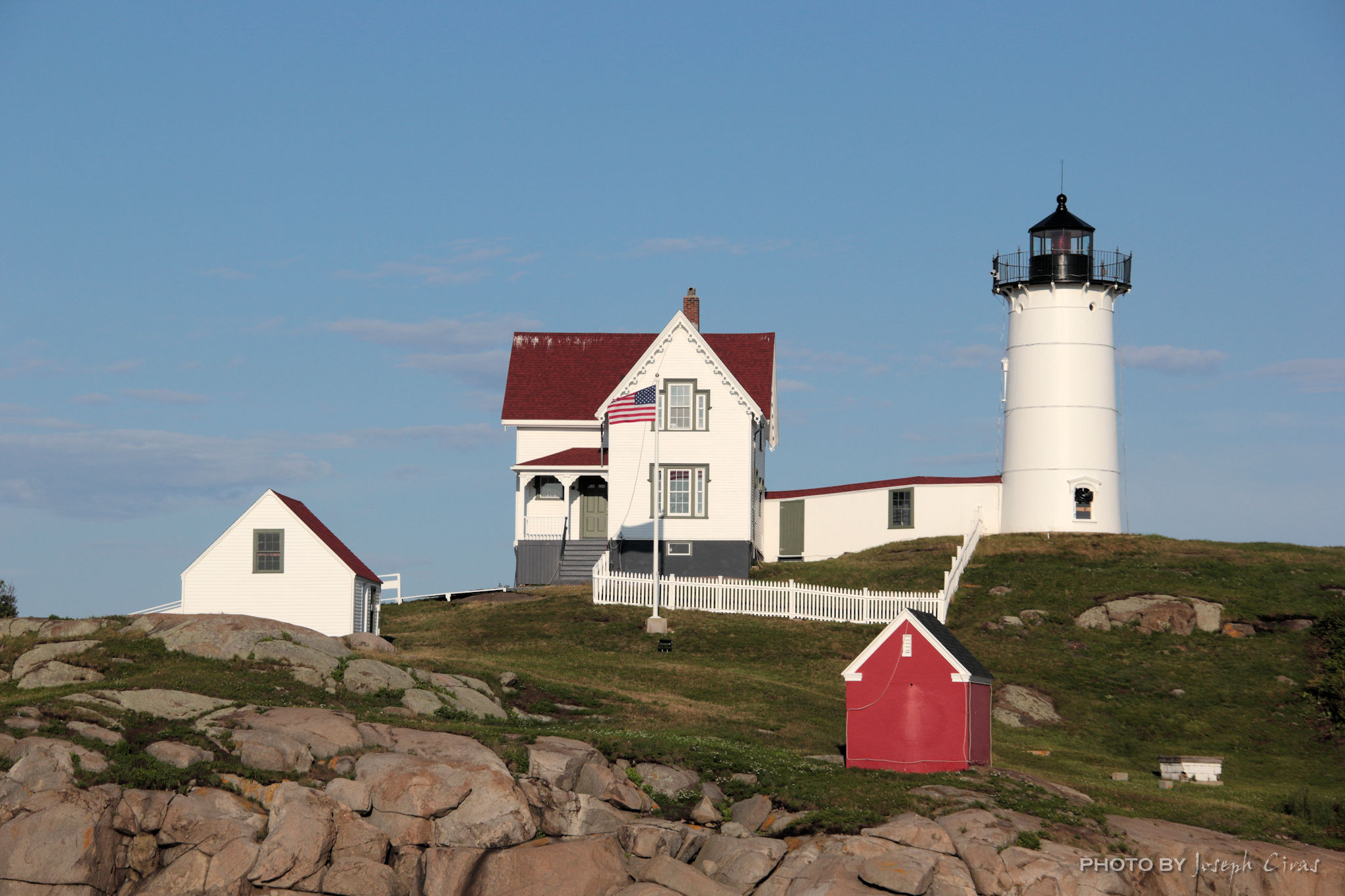
Friday, 07/21/2021: Post photo — Nubble Light.

Settings: Canon EOS 60D, ISO 400, f/5.6, 10 s, 25 mm.

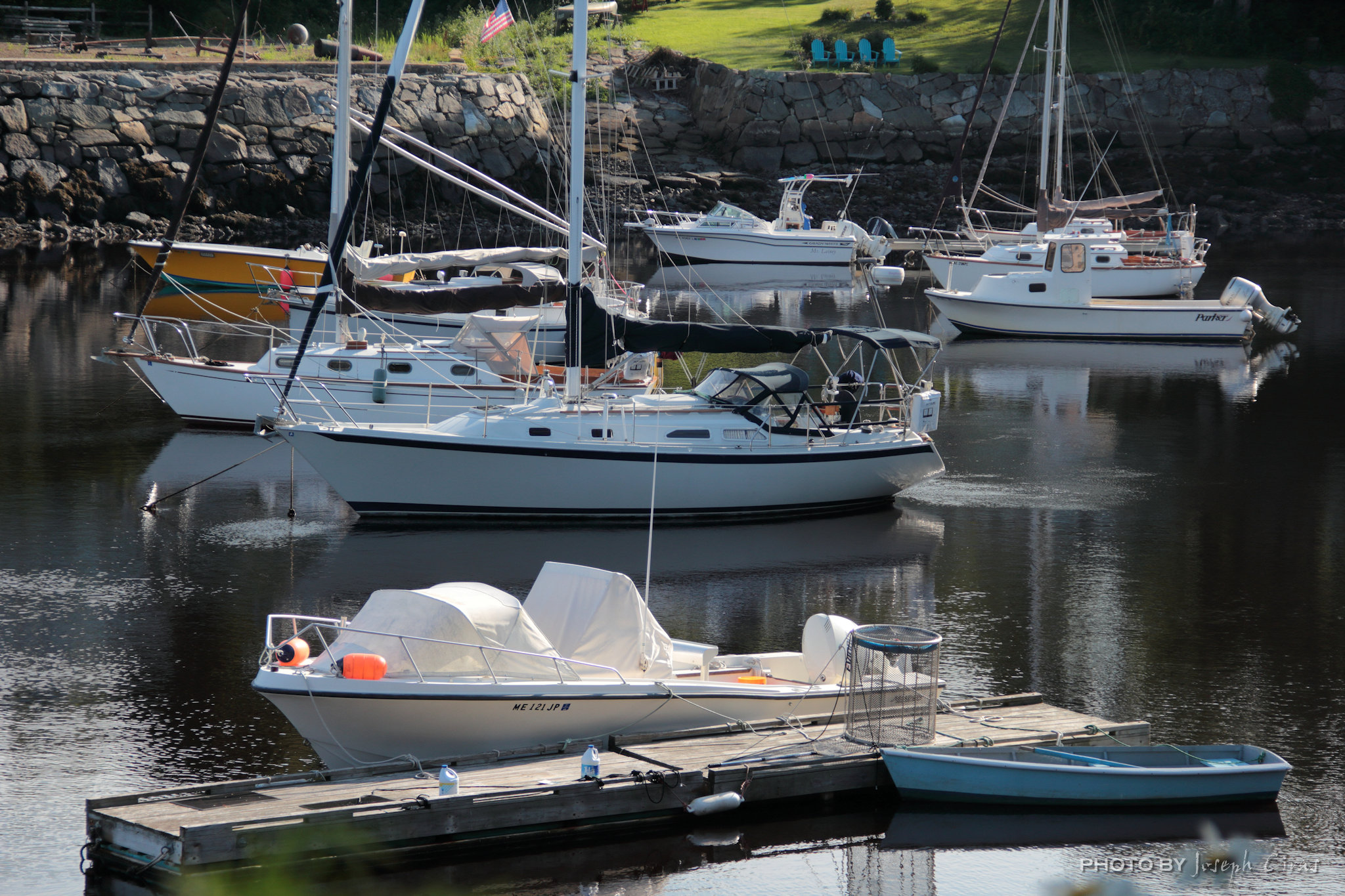
Today my wife and took a trip up north to Maine to get away and relax. Here are some photos from Perkins Cove where we had our lunch and photo of the Nubble Light where we ended out day before driving home.

Saturday, 07/22/2021: Post photo — View from the Trail.

Settings: FUGIFILM FinePix XP70, ISO 100, f/4.7, 1/350 s, 12 mm.

The view from Old Indian trail looking down the Look Mom ski trail on Wachusett Mountain.

That is all for now. Until next week, be safe.

For more photo of other project I have work, visit my website: https://photobyjosephciras.weebly.com/ or visit me on Facebook at https://www.facebook.com/PhotobyJosephCiras/.

COVID is real! Be safe out there, keep your social distance, and remember to always wear your mask and wash your hands. Get your vaccine!