Thank you for all the new views and likes from last week, it helps keep me inspired.
Enjoy this week’s rambling mind of a mechanical engineer and photographer.
Sunday, 07/04/2021: Posted photo — Planter.
Settings: Canon EOS 60D, ISO 400, f/7.1, 1/50 s, 52 mm.
Planters are used on houses and cottages for plants. A planter is a decorative container in which plants are grown. This planter is located at my in-law’s cottage. I like the look of this, very rustic. A few of the leaves on this planter looked real to me when looking at it quickly.
Planter
Just for fun, I am posting a photo that I took today and that you should be able to see in 3D.
See if you can view this photo in three dimensions. Use the techniques below and a middle photo will appear.
Settings: Canon EOS 60D, ISO 100, f/6.3, 1/500 s, 45 mm
A cloud inversion, or temperature inversion is when the normal temperature distribution of air – warm at the bottom, colder as you go up – becomes inverted or flipped upside down. This means you have a cold layer of air trapped at ground level, overlain by warm air. I know that information may not be useful to you, but it may be useful to some.
Cloud inversion from the Glen Boulder Trail
This photo was taken on a 14-mile round trip hike to the summit of Mount Isolation in NH. I did this hike with my son and two of his friends. Mount Isolation is one of the 48 4,000-foot mountains in New Hampshire. The path we took was Glen Boulder Trail to Davis Path to Isolation Trail to Rocky Branch Trail. Mount Isolation is only 4,003 feet tall. To get to it we hiked over Gulf Peak (4,774 feet) and North Isolation (4,291 feet). Both mountains are not official 4,000 footers because they do not meet the official criteria to be counted. A 4,000-footer is a mountain that has an elevation of at least 4,000 feet and a minimum of 200 feet prominence. Today turned out to be the best day of the holiday weekend.
Here are some more photos of our hike.
Rocky Branch Saco River
Heading up to Glen Boulder
Wet and muddy trails
Sign to the summit
Mount Washington from the summit
Benchmark at the summit
Tuesday, 07/06/2021: Posted photo — Reflection.
Settings: Samsung SM-G930V (Galaxy S7), ISO 50, f/1.7, 1/385 s, 4 mm
I was on my way home from my mother’s house and was thinking about what photo I would be posting today. As it was much if the weekend, it was rainy and overcast. I drive past the Holden Reservoirs. The Holden Reservoirs supply the city of Worcester, Mass, and the surrounding communities.
Sunset reflection from one of the Holden Reservoirs
As I passed the last of the reservoirs, I say some color in the sky, so I took to take a photo of this. I took this photo not knowing if there was anything else to photograph for the remainder of the day. Cell phone photos do not do any justice to the beauty of sunsets.
Wednesday, 07/07/2021: Posted photo — More Clouds.
Settings: Canon EOS 60D, ISO 100, f/6.3, 1/1000 s, 25 mm.
One word for today, humid. It was not raining and very humid, with a severe weather warning. One of the things I like about a day like today is watching the clouds grow as the storm develops. I like the contrast between the white clouds and the blue sky. I also like when the sun rays seem to jump from cloud to cloud.
Storm clouds building
I took this photo with treetops in the foreground to have some contrast between the sky, trees, and clouds. There were better clouds to photograph down the road, but I decided to use this photo because it seemed dramatic to me.
Thursday, 07/08/2021: Posted photo — Calculator.
Settings: Samsung SM-G930V (Galaxy S7), ISO 400, f/1.7, 1/10 s, 4 mm
These are some of the keys on my HP 35s Scientific Calculator. It is an older RPN calculator and is one that is allowed into the professional engineering examination. I am not taking the examination for a little while longer since I need to study for it. Being a mechanical engineer for over 35 years, I need to get back to study topics that I do not use every day.
Key on my HP 35s calculator
Reverse Polish Notation (RPN) is a system of representing mathematical and logical operations in which the operands precede the operator, and which does not require the use of parentheses. I find RPN much faster to use and I now find it difficult at times to use regular, or normal, notation when using a calculator.
Rained today. Heavy rain today due to Tropical Storm Elsa. The storm brought very heavy rains in flooding to some towns in the area. Once the sun came out, the sky was a great blue.
Mushroom in our yard
On my way home from work, I was just going on settling on posting a photo from the past because the rain put a damper on taking a photo outside. When I arrived home, I saw some mushrooms growing in our front lawn. Great photo opportunity for me. A mushroom is the fleshy, spore-bearing fruiting body of a fungus, typically produced above ground, on soil, or on its food source. Some people eat mushrooms, some people can tell if it is poisonous or not. I am neither of these people. I do not eat mushrooms and cannot tell if one is poisonous or not. I should work on identifying edible and non-edible mushrooms since I see many on them on my hikes.
Saturday, 07/10/2021: Post photo — Rose.
Settings: Canon EOS 60D, ISO 400, f/5.6, 1/2500 s, 113 mm.
“A rose by any other name would smell as sweet” — William Shakespeare’s play Romeo and Juliet.
Yellow rose
Red roses are often considered the universal symbol of love. Pink roses symbolize gratitude, grace, and joy. White roses are a symbol of purity, innocence and in some cases, chastity. Purple roses are not nearly as common, they indicate a fascination or adoration. Yellow roses are a symbol of friendship and caring. Orange roses indicate enthusiasm and passion, making them a creative substitute for Valentine’s Day roses and other holidays when people typically buy red roses.
“Taking pictures is savoring life intensely, every hundredth of a second.” — Marc Riboud
Thank you for all the new views and likes from last week, it helps keep me inspired.
Enjoy this week’s rambling mind of a mechanical engineer and photographer.
This is the last of the “catch up” series of blogs.
Sunday, 06/27/2021: Posted photo — Bridge.
Settings: Canon EOS 60D, ISO 400, f/7.1, 1/3 s, 18 mm.
This is one of the bridges in Watkins Glen State Park. This bridge is over Central Cascade, one of the 19 waterfalls that are in the park. We camped at the state park three nights, enjoying the Glen in-between storms.
Monday, 06/28/2021: Posted photo — Yahoo Arch.
Settings: Canon EOS 60D, ISO 100, f/7, 1/250 s, 24 mm
Yahoo Arch has a height of 17 feet and a base of 70 feet. It is in McCrary County, Kentucky. You get there by hiking 1.5 miles, one way, on a spur trail that brought you to Yahoo Falls. The height of Yahoo falls is 113 feet.
Tuesday, 06/29/2021: Posted photo — Clouds.
Settings: Canon EOS 60D, ISO 100, f/7.1, 1/1000 s, 44 mm
Now that we are back home, I needed a photo. The air was very humid, and clouds were forming near Round Meadow Pond.
Wednesday, 06/30/2021: Posted photo — St John’s Wort.
Settings: Canon EOS 60D, ISO 100, f/5.6, 1/25 s, 69 mm.
“St. John’s wort (Hypericum perforatum) is a flowering shrub native to Europe. It gets its name from the fact that it often blooms on the birthday of the biblical John the Baptist. The flowers and leaves of St. John’s wort contain active ingredients such as hyperforin. St. John’s wort is available as a supplement in teas, tablets, liquids and topical preparations. People use St. John’s wort to treat depression and menopausal symptoms.” — Mayo Clinic
binary comment
These wildflowers are in an area that I hike often. I stopped to take this photo since I was in a rush to take one for the day.
Settings: Canon EOS 60D, ISO 100, f/7.1, 1/25 s, 18 mm.
This is a new month, and I wanted a good photo for the first day of the month on my web page. This location is one that I photograph often and is one of the favorite locations for those who look at my photographs.
Rainy day today. No opportunity to get outside to take a photo. I took this when walking between buildings at work. This photo can also be used as a historic record of today’s weather.
binary comment
Saturday, 07/03/2021: Post photo — Mangos.
Settings: Samsung SM-G930V (Galaxy S7), ISO 64, f/1.7, 1/120 s, 4 mm
“A mango is a popular tropical fruit that is eaten in sweet and savory dishes around the world. It can be green, yellow, orange, red, or a combination of these colors, and has yellow or orange flesh surrounding a flat, hard pit. The fruit is typically peeled and cut away from the pit before use. A mango can be eaten raw unripe or ripe, or cooked into desserts, curries, and chutneys. It’s a moderately expensive piece of produce per fruit, but many varieties are large and heavy. It is also a popular dried fruit.” — The Spruce Eats
“A tear contains an ocean. A photographer is aware of the tiny moments in a person’s life that reveal greater truths.” — Anonymous
Thank you for all the new views and likes from last week. It helps keep me going. Enjoy my blog post!
Enjoy this week’s rambling mind of a mechanical engineer and photographer.
Sunday, 05/23/2021: Posted photo — Get Out of my Tree.
Settings: Canon EOS 60D, ISO 200, f/5.6, 1/80 s, 135 mm
The photo I posted today was of two squirrels that were running around in our yard. These were two of five squirrels that were chasing after each other, knocking each other off trees, trying to hide from each other, and fighting each other. Most squirrels mate twice a year, once during the summertime and once towards the end of wintertime or early springtime. When one female is ready to mate, males will either chase after her or they will complete for the right to mate with her. What I was seeing was the competition to mate with her. There was one female squirrel on another tree watching the activity. Boys will be boys. It is very interesting to see nature at work.
A photo that I almost posted was at the other end of the spectrum. It was a photo of a statue of St. Anne reading to Mary. This statue was in front of St. Denis’ sister church that was in town. St. Anne’s church was torn down due to safety concerns a few years ago. “St. Anne is the patron saint of unmarried women, housewives, women in labor, grandmothers, childless people, equestrians, lacemakers, miners, the poor, and seamstresses. The most well-known patronage of St. Anne is that of grandmothers. Certainly, as the mother of the Virgin Mary and the grandmother of Jesus Christ, St. Anne was a woman of great virtue and love.
St. Anne is often shown seated with a book on her lap. The child Mary stands against her, eager to listen. This depiction of St. Anne is a small explanation of what we know of this holy woman. God entrusted to St. Anne the task of raising Our Lady in a holy and virtuous home, and from a very young age Mary looked to St. Anne to learn about God and how He works in the lives of those who love and serve Him.” — Catholic Saint Metals, (https://catholicsaintmedals.com/saints/st-anne/)
Monday, 05/24/2021: Posted photo — Buttercups.
Settings: Canon EOS 60D, ISO 100, f/7.1, 1/400 s, 69 mm
Buttercup is a type of herbaceous plant that belongs to the Ranunculaceae family. There are nearly 2000 species of buttercups that mostly inhabit northern hemisphere. Buttercups are usually found in cold and temperate regions. They prefer moist habitats and live in the fields, meadows, near the roads, in the woodlands, swamps and bogs. Buttercups are widely distributed and abundant in the wild. Some species of buttercups are rare and endangered due to habitat destruction and introduction of new, invasive plant species. Reflexive properties of buttercup flowers are applied in children’s game aimed to determine fondness for the butter. If yellow reflection appears on the skin after placing buttercup under the chin – then child likes to eat butter. Signs of intoxication appear immediately after ingestion of the plant. They include bloody diarrhea, excessive salivation, colic and blistering of the intestines. They have acrid taste, so even animals cannot eat them fresh. (https://www.softschools.com/facts/plants/buttercup_facts)
These buttercups are in the lawn near were I park my car at work. I took this photo on my way home from work before tonight’s hike. I took this photo just in case I did not take any photos during my hike. On my hike, I just hiked with the group of hikers I met last week. Great to go hiking with a group of hikers that socialize and not a social group that hikes.
Tuesday, 05/25/2021: Posted photo — Rhododendron.
Settings: Canon EOS 60D, ISO 100, f/7.1, 1/200 s, 92 mm.
Short and sweet. We have a red rhododendron that blooms after our azaleas. They are such wonderful plants that attract bumble bees and other insects.
Wednesday, 05/26/2021: Posted photo — Pants.
Settings: Canon EOS 60D, ISO 400, f/7.1, 1/60 s, 35 mm.
Pants for Groot perhaps? Groot is a fictional character appearing in American comic books published by Marvel Comics. Created by Stan Lee, Larry Lieber and Jack Kirby, the character first appeared in Tales to Astonish #13. He is a man made out of wood.
Thursday, 05/27/2021: Posted photo — Rabbit.
Settings: Canon EOS 60D, ISO 3200, f/5.6, 1/50 s, 135 mm.
Imagine our two-year-old grandniece’s excitement every time this rabbit came out from under our deck. “There it is!!” She was so excited that she would run toward the rabbit and then it would hide. She would then sit down next to our son and wait and get excited repeatedly.
Needed a quick photo today since I was traveling north to go hiking. Took this one in the morning before the rains came in.
binary comment
Saturday, 05/29/2021: Post photo — Hiking.
Settings: FUGIFILM FinePix XP70, ISO 100, f/6.2, 1/240 s, 5 mm.
My son and his friend hiking in NH. This is from Wildcat D looking towards Mount Washington.
Hiking down the trail. Mount Washington in the distance
Five 4000-foot mountains, two official 4000 footers, wet river crossing to start the hike, 1600 feet of vertical gain in less than one-half mile, and hiking with your son and one of his friends. It was a great day. I feel in the river to start the hike. Not a great way to start, but I recovered quickly. Lucky, I brought a second pair of socks to change into. The first pair did not get very wet since I had on a good pair of hiking boots. I have my warm cloths on since the temperature was not to get above freezing in the mountains, so the wetness did not affect my hike.
“The picture that you took with your camera is the imagination you want to create with reality.” — Scott Lorenzo
Thank you for all the new views and likes from last week. It helps keep me going. Enjoy my blog post!
Please answer the question posed in one of my days. I would like an opinion on how you like this blog and how I can improve it. Leave a comment below or on my Facebook page.
Enjoy this week’s rambling mind of a mechanical engineer and photographer.
Sunday, 05/16/2021: Posted photo — Stained Glass.
Settings: Samsung SM-G930V (Galaxy S7), ISO 50, f/1.7, 1/415 s, 4 mm
From the Stained Glass Association of America: “Stained glass possesses an aura of mystery and romance. It is the interplay between light and color that sparks the imagination. It is one of the most unchanged crafts, still taking, as it did centuries ago, time and patience, and an appreciation for color and line design.”
The term stained glass refers to colored glass as a material and to works created from it. Throughout its thousand-year history, the term has been applied almost exclusively to the windows of churches and other significant religious buildings. Although traditionally made in flat panels and used as windows, the creations of modern stained glass artists also include three-dimensional structures and sculpture.
From Classroom website: “Stained glass windows play games with the light in many modern churches. The tradition of making those windows goes back a long way. As early as the fourth century, colored glass was used to ornament church windows, though it was not until the 12th century that making stained glass became an art form like sculpture or painting. Yet stained glass was not just a decoration. It was a way of communicating scenes and episodes from the Bible to everybody — including those unable to read.
Ultimately, the most important reason that stained glass windows remain a staple in churches even now is a matter of the Bible, not beauty. Stained glass was not merely attractive, it created an ethereal experience with a material object, glass, making the earthly into the divine. More important, stained glass was useful for a practical reason. In the medieval period, many church-goers were illiterate. The intricate scenes depicted in stained glass were not just decorations; they were ways of delivering religious messages to all viewers, even those who could not read the Bible for themselves. Stained glass embedded religious beliefs into the very walls.”
Stained glass window
The stained glass in this photo is in the foyer of St. Denis Church. I liked the light coming through the window. There was also a vase with pussy willows in front of the window. In Chinese tradition, the white blossoms of the pussy willow resemble silk represents the coming of prosperity.
Monday, 05/17/2021: Posted photo — Cloud.
Settings: Canon EOS 60D, ISO 100, f/7.1, 1/800 s, 18 mm
I hiked with a different group today. This was the first time I hiked with this group. I am looking for a group of hikers that socialize and not a social group that hikes. After one hike, this group meets my needs. They still socialize but they keep up a good pace and are stronger hikers that the group that I joined a couple of weeks ago. This group hikes earlier in the evening, which is better for me.
What do you see in this cloud formation
Today it was warmer that it has been in the past and there was rain around the summit. This is a cloud that was forming near the summit of the mountain. I had to keep my eye on its growth since it was developing into a thunderhead, or cumulonimbus cloud. I enjoy watching a thunderhead grow. Once the anvil forms, it is time to get off the summit. This cloud did not fully develop and was still interesting to watch grow.
Tuesday, 05/18/2021: Posted photo — Seeds.
Settings: Canon EOS 60D, ISO 2000, f/5.6, 1/200 s, 135 mm.
Dandelion seeds
A dandelion seed is a tiny seed that rides on the wind. “A dandelion seed is the plant’s mature fruit, known as a cypsela to botanists, and its parachute-like structure is known as a pappus. The pappus develops as the calyx of each floret dries and matures, so it serves two important roles for the plant.” (West Coast Seeds) The seeds can be carried away as far as 5 miles from their original location. Other methods of travel include rain runoff and sticking to clothing and animal fur.
It is so interesting to see how many things a dandelion is used for. To me, they are just a weed that is in my lawn. This year they seem to be more abundant than in past years.
I liked photographing the cotton like puff of a dandelion seeds because I can practice macro photography and/or practice the use of different aperture settings on my camera.
Wednesday, 05/19/2021: Posted photo — I Have My Eyes on You.
Settings: Canon EOS 60D, ISO 3200, f/7.1, 1/160 s, 135 mm.
Once again, I was greeted by wildlife on my way into work today. This time it was a deer. There were four at the edge of the woods. Shortly after this, there were six running down the driveway. Over the years at work, I have seen deer, moose, turkey, black bear, red foxes, great blue herrings, ducks, and snapping turtles on the campus of where I work. I have not seen the snapping turtle for a few years, so I am somewhat concerned if it is still alive. There were two that I would see laying eggs next to the driveway that I would photograph every year. I know they were the same turtles since they have distinctive markings on their shell.
Doe keeping an eye on me
I like the quietness of my place of employment.
Thursday, 05/20/2021: Posted photo — Pink Azalea.
Settings: Canon EOS 60D, ISO 200, f/5.6, 1/80 s, 135 mm.
Last Saturday I posted a photo of some red azalea plants. As a reminder, I stated that azaleas are flowering shrubs in the genus Rhododendron. I noted that we also have pink azalea plants that bloom after the red ones. This week the pink azaleas are blooming.
Pink azalea bush
For this photo, I used a script that I wrote in Paint Shop Pro to duplicate the Dave Hill look as closely as possible. Do not know how to explain this technique clearly. Just search the internet for the Dave Hill look and see for yourself.
Friday, 05/21/2021: Post photo — Bluets.
Settings: Canon EOS 60D, ISO 100, f/7.1, 1/60 s, 62 mm.
This small, delicate perennial is found growing in compact tufts, 8 in. high. The plants may cover broad expanses. Tiny flowers are pale blue with yellow centers, tubular, four-lobed, solitary, and terminal. Spatula-shaped leaves occur in basal rosettes. Stem leaves are small, and the stems are unbranched.
This lovely, delicate, flowering plant is often found in striking patches of light blue. The Star Violet (H. pusilla), to 4” (10 cm) high, has a tiny purple flower and occurs in fields and open woods from South Dakota east to Maryland and south to Florida and Texas. A tall southern species, 6–16” (15–40 cm) high, Large Houstonia (H. purpurea), has 3–5, ribbed, opposite, ovate leaves, and white or pink flowers. It occurs from Nebraska northeast to Maine and south to Florida and Texas. These and certain other Houstonia species have sometimes been placed in the genus Hedyotis.”
Bluets
These bluets are in our yard. Well, they were there until I mowed the lawn this evening. They are such a delicate flower to look at.
Question: Do you think that I copy too much information off the internet and not put my own thoughts into some of the items in this blog or do you like the history and educational information that I post?
Saturday, 05/22/2021: Post photo — Pop Art.
Settings: Canon EOS 60D, ISO 3200, f/4, 1/8 s, 28 mm.
50 years ago, you give a teenager a paint brush and ask him to paint what he wanted in a room, this is what happens. Here are some interesting artwork that still hang on basement/cellar walls at my mother’s house. We when over there today to do some cleanup. These photos are to keep as memories of this artwork before the walls come down.
Pop art
I am very tired, so I am not writing much for today. Here are a couple more pieces of art.
“Taking pictures is like tiptoeing into the kitchen late at night and stealing Oreo cookies.” — Diane Arbus
Thank you for all the new views and likes from last week. It helps keep me going. Enjoy my blog post!
Enjoy this week’s rambling mind of a mechanical engineer and photographer.
Sunday, 05/02/2021: Posted photo — Seeds.
Settings: Canon EOS 60D, ISO 200, f/5.6, 1/1600 s, 62 mm
These are the pods of one of the sweet birches, or cheery birch, trees in our yard. This is a wonderful time of year when the trees and flowers are starting to bloom. They bloom later in our area because of elevation. Some locations, such as Worcester and Boston, have their trees and plants in full bloom.
Sweet birch pods
Information section of this blog. There are four Common Birch Species according to the Treehuggers website. The four most common birch species in North America are:
Paper birch (Betula papyrifera): Also known as canoe birch, silver birch, or white birch, this is the species more widely recognized as the iconic birch. In its native environment, it can be found in forest borders across the northern and central U.S. Its bark is dark when the tree is young, but quickly develops the characteristic bright white bark that peels so readily in thick layers that it was once used to make bark canoes. The species grows to about 60 feet tall but is relatively short-lived. It is susceptible to borer insects and is no longer used widely in landscape design due to its susceptibility to damage.
River birch (Betula nigra): Sometimes called black birch, this species has a much darker trunk than the paper birch, but still has the characteristic flaky surface. In its native environment, it is common to the eastern third of the U.S. Its trunk has a much rougher, coarser appearance than most of the other birches, and it is bigger than the paper birch, sometimes growing to 80 feet or more. It prefers moist soil, and although short-lived, it is relatively immune to most diseases. It is a common choice in residential landscape design.
Yellow birch (Betula alleghaniensis): This tree is native to forests of the northeast U.S. and is also known as the swamp birch since it is often found in marshy areas. It is the largest of the birches, easily growing to 100 feet in height. It has silvery-yellow bark that peels in very thin layers. Its bark does not have the thick layers seen in paper birches nor the very rough texture seen in river birches.
Sweet birch (Betula lenta): This species, also known in some areas as the cherry birch, is native to the eastern U.S., especially the Appalachian region. Growing to 80 feet, its bark is dark in color, but unlike the dark river birch, the skin is relatively tight and smooth, with deep vertical scores. From a distance, the impression is of a smooth, silver bark marked by irregular vertical black lines.
Monday, 05/03/2021: Posted photo — Clouds.
Settings: Canon EOS 60D, ISO 200, f/4, 1/125 s, 25 mm.
Here are some clouds I saw this morning before the rain. I liked the texture and colors in the clouds, so I took the photo. Here is a little information about clouds.
Clouds
While it is true that clouds contain water, they are not made of water vapor. If they were, you would not be able to see them. The air around us is partially made up of invisible water vapor. The cooler air causes the water droplets to start to stick to things like bits of dust, ice, or sea salt. It is only when that water vapor cools and condenses into liquid water droplets or solid ice crystals that visible clouds form. Clouds are important for many reasons. Rain and snow are two of those reasons. At night, clouds reflect heat and keep the ground warmer. During the day, clouds make shade that can keep us cooler.
Tuesday, 05/04/2021: Posted photo — Maple Growth.
Settings: Canon EOS 60D, ISO 400, f/7.1, 1/160 s, 106 mm.
Like the photo I took on Sunday, trees are budding in our yard. These are the leaves on one of the many sugar maples in our year. I have posted photos of these trees in the fall with their colorful leaves and during the winter/spring with they are tapped to make maple syrup.
How do I know this is a sugar maple and not a red maple? What is the difference between a sugar maple and a red maple? A Red maple has red twigs and buds (and red leaves in the fall and red flowers in the spring). The leaves of sugar maple, on the other hand, generally turn yellow or golden in the fall, and sugar maples have brown twigs and buds.
Sugar maple leaves starting to bud
The look great when they are in bloom. They do not look so great when I must rake the leaves in the fall. I would not have it any other way. I enjoy living in an area with many trees.
Wednesday, 05/05/2021: Posted photo — Mushrooms.
Settings: Canon EOS 60D, ISO 1000, f/5.6, 1/125 s, 100 mm.
These are mushroom that grew almost overnight due to the rain in recent days. I just like the clustering of them.
Although mushrooms are classified as vegetables, technically they are not plants, but part of the kingdom called fungi. Mushrooms are low in calories, have virtually no fat and no cholesterol, and are very low in sodium. Fungus, plural fungi, any of about 144,000 known species of organisms of the kingdom Fungi, which includes the yeasts, rusts, smuts, mildews, molds, and mushrooms. There are also many funguslike organisms, including slime molds and oomycetes (water molds), that do not belong to kingdom Fungi but are often called fungi. Mushrooms with white gills are often poisonous. So are those with a ring around the stem and those with a volva. Because the volva is often underground, it is important to dig around the base of a mushroom to look for it. Mushrooms with a red color on the cap or stem are also either poisonous or strongly hallucinogenic.
Mushrooms after the rains
Thursday, 05/06/2021: Posted photo — Dandelions.
Settings: Canon EOS 60D, ISO 100, f/7.1, 1/320 s, 87 mm.
Dandelion is a plant with yellow flowers. Taraxacum officinale is the most common variety of this plant, and it grows in many parts of the world. Botanists consider dandelions to be herbs. People use the leaves, stem, flower, and root of the dandelion for medicinal purposes.
There are five ways to eat dandelions according to Michigan State University:
Dandelion green salad: This is the simplest way to use dandelion greens. Simply pick young greens (older ones are more bitter) and add them to a tossed salad. While you can make a salad out of just the dandelion greens, it tends to be too bitter for many people, especially kids.
Sauteed greens: Cooking dandelions eliminates some of the bitterness. First boil the greens for about 5 minutes, then transfer to a pan with hot olive oil and garlic, and sauté for 3-5 minutes. Eat as is or add to other dishes like pasta or scrambled eggs.
Dandelion fritters: Collect flower heads and wash them. Then batter in a flour, egg, and milk batter mix. Add to a pan with hot oil and cook until brown, just like pancakes. Serve with a drizzle of honey or applesauce.
Baking with dandelion petals: The petals of the flower are extremely versatile. Collect flower heads and then remove the petals from the heads. These can be stored in a plastic bag in the freezer for longer keeping. Add petals to just about anything you can bake like muffins, bread, cookies, or quiche. They can also be added to things like hamburgers. The amount to use varies on your personal liking. Try adding a cup of petals to the mix the next time you make muffins or burgers.
Dandelion root coffee/tea: This by far the most labor-intensive use of dandelion but some say it is worth the effort. Collect and wash dandelion roots. Chop or food process the roots and dry in a food dehydrator or the oven at 250 degrees Fahrenheit until thoroughly dry. Once dry, roast them in the oven at 350 F until they turn brown (but not burnt). Put roots and water in a pan and bring to boil (2 Tbs root to 16 oz water), then simmer for 20 minutes. Strain and drink.
People either use chemicals to kill them or they pull up the dandelions to get them off their lawns. According to Bob Vila, to dig up the dandelions, as any plant is more easily pulled from the ground if the soil is moist, first use the watering can to dampen the soil around the dandelion, and wait a few minutes for the moisture to settle in. Then, work a weeding knife down along the base of the dandelion in two or three places. Push the soil away from the root of the plant by wiggling the knife. Finally, grasp the base of the plant between your fingers and gently pull. If it still feels stuck, work the weeding knife around some more, and then gently pull out the entire taproot with the dandelion.
Here is a way to kill dandelions without using chemicals. Simply pouring vinegar over the dandelions changes the acidity in the soil for long enough to kill the weeds. For a faster punch, mix pickling vinegar with boiling water in equal parts for your dandelion killer. Pickling vinegar has more acid that distilled white vinegar, so it makes a more effective herbicide.
Dandelion
There is much information in this week’s blog. Wonder if I will be keeping it up for the remainder of the week.
Friday, 05/07/2021: Post photo — Milky Way.
Settings: Canon EOS 60D, ISO 3200, f/3.5, 1/20 s, 18 mm.
These are some of the first “good” photos that I have taken of the Milky Way. The vertical Milky Way was taken at the Needles section of Canyonland National Park. This was the first photo of the Milky Way that I liked. I learned much about my settings and techniques while taking this photo. I made may rookie errors, such as incorrect camera settings and not taking a series of photos to stake. The Needles section of Canyonland National Park is one of the dark sky areas in the Unites States. This photo was taken very early in the morning, 2 a.m., after the moon had set. The second, or diagonal photo, was taken last year when we were observing the Comet Neowise.
The Milky Way is the galaxy that contains our Solar System, with the name describing the galaxy’s appearance from Earth: a hazy band of light seen in the night sky formed from stars that cannot be individually distinguished by the naked eye.
The Milky Way from Canyonlands National Park
This photo has been included in my blog at the request of another blogger. Thank you for the request. Posting this photo is incentive for me to get out and make the adjustments to my camera settings and post processing to get a better photo of the Milky Way. As with my moon photos, I need to get out and practice more.
Milky Way during my comet observation
Quick starting camera setting:ISO 2500, Shutter Speed 25 sec, and Aperture f/2.8 (or as wide as possible). A good steady tripod and a dark sky are also needed. There are many websites and books on how to photograph the Milky Way. And as a reminder when your camera is on a tripod, turn off image stabilization, or vibration stabilization, on your camera. With these settings on your photos will not be in focus.
Saturday, 05/08/2021: Post photo — Double Falls.
Settings: Canon EOS 60D, ISO 100, f/22, 1/10 s, 18 mm.
These falls are located at the end of Snows Millpond and lead into Whitman River. The building above the falls is a papermill. There are still a few papermills operating in the nearby town.
Snows Millpond is a reservoir located just 2.8 miles from Fitchburg. Fishermen will find a variety of fish including largemouth bass and others here. Alternate names for this reservoir include Snow Mill Pond and Snows Mill Pond.
Double falls
The Whitman River is an 8.4-mile-long (13.5 km) river in Massachusetts that flows through Ashburnham, Westminster, and Fitchburg. It arises from Lake Wampanoag in Ashburnham, travels through a couple of ponds in Westminster, and ultimately joins Phillips Brook in Fitchburg to form the North Nashua River. The North Nashua River flows 19.9 miles (32.0 km), generally southeastward, past Fitchburg and joins the South Nashua River, about 5 miles (8.0 km) below its issuance from the Wachusett Reservoir, to form the Nashua River. The Nashua River is 37.5 miles (60.4 km) long and is a tributary of the Merrimack River. The Merrimack River is a 117-mile-long (188 km) river that rises at the confluence of the Pemigewasset and Winnipesaukee rivers in Franklin, New Hampshire, flows southward into Massachusetts, and then flows northeast until it empties into the Gulf of Maine at Newburyport.












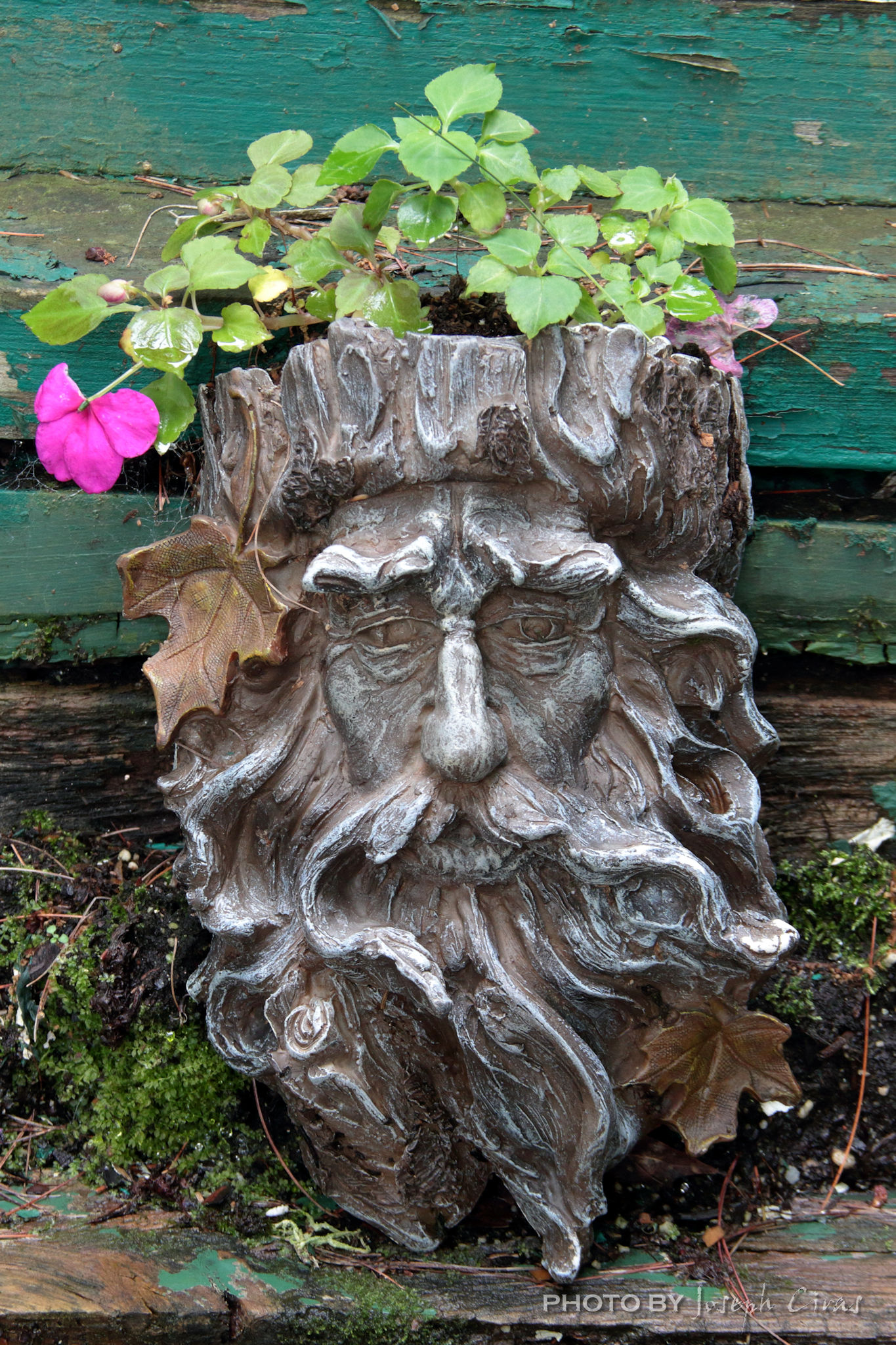
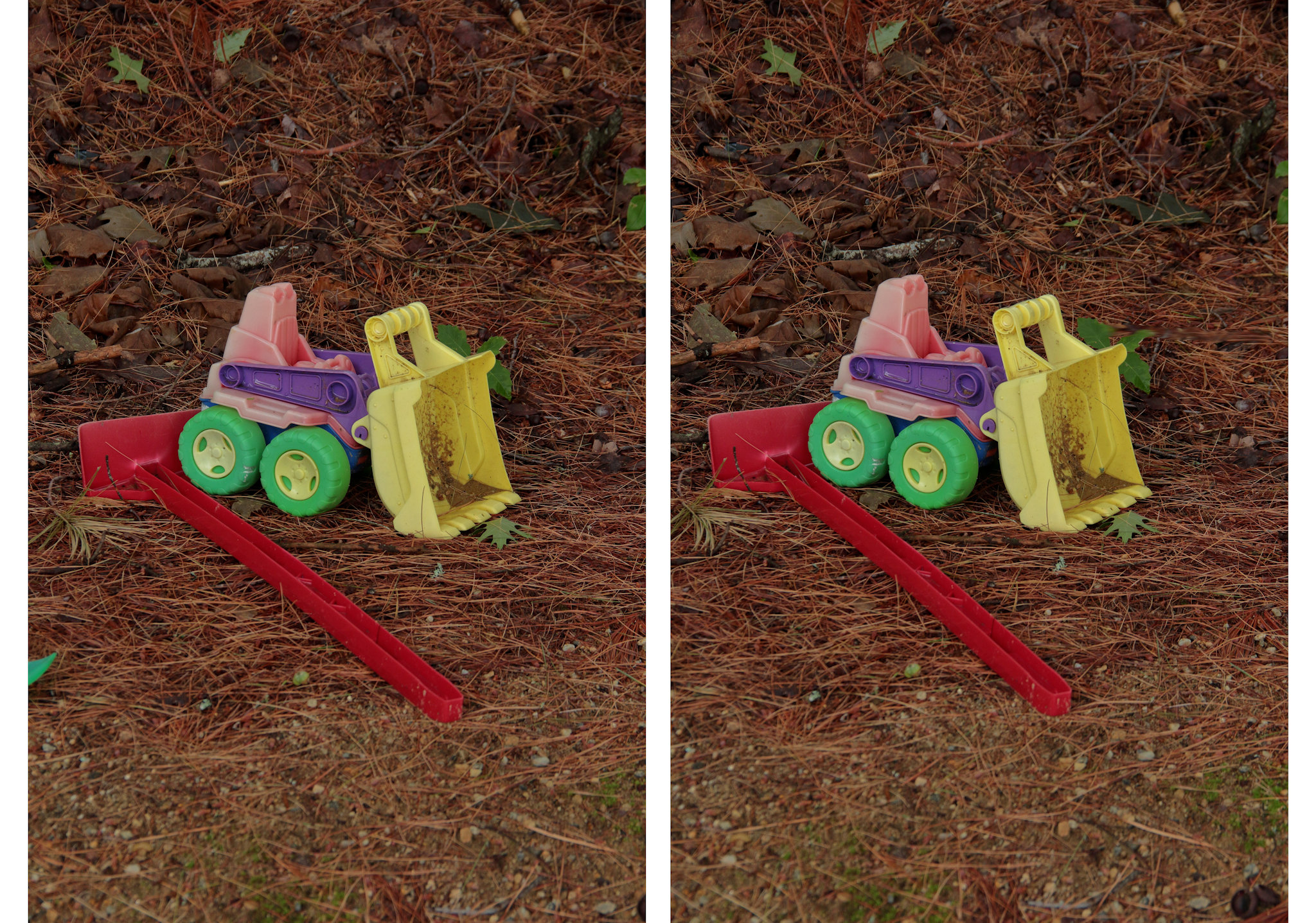

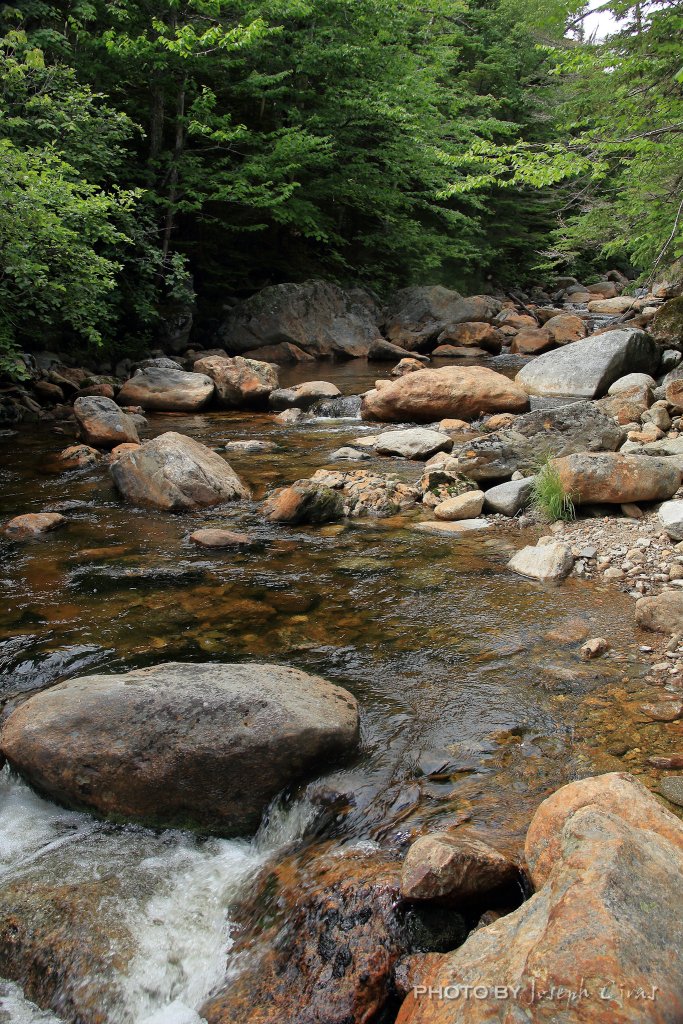
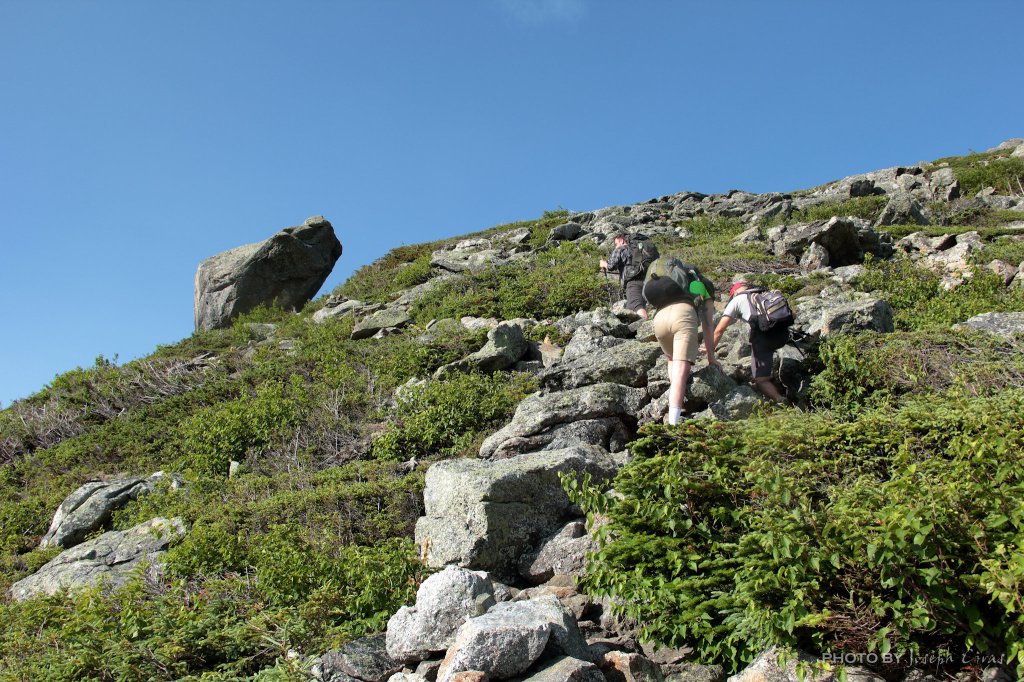
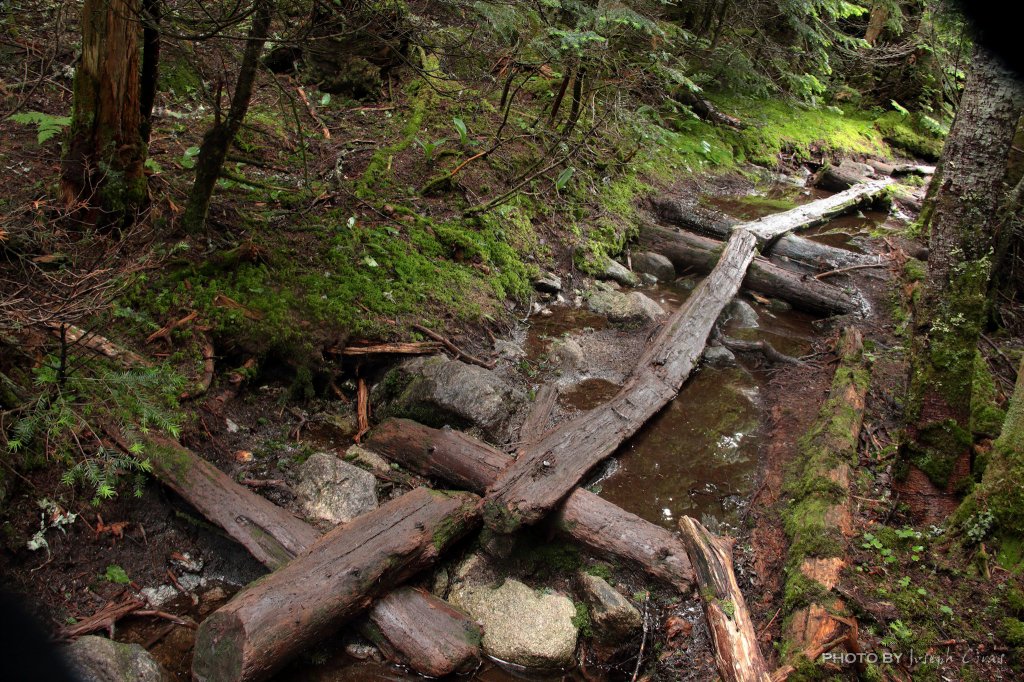


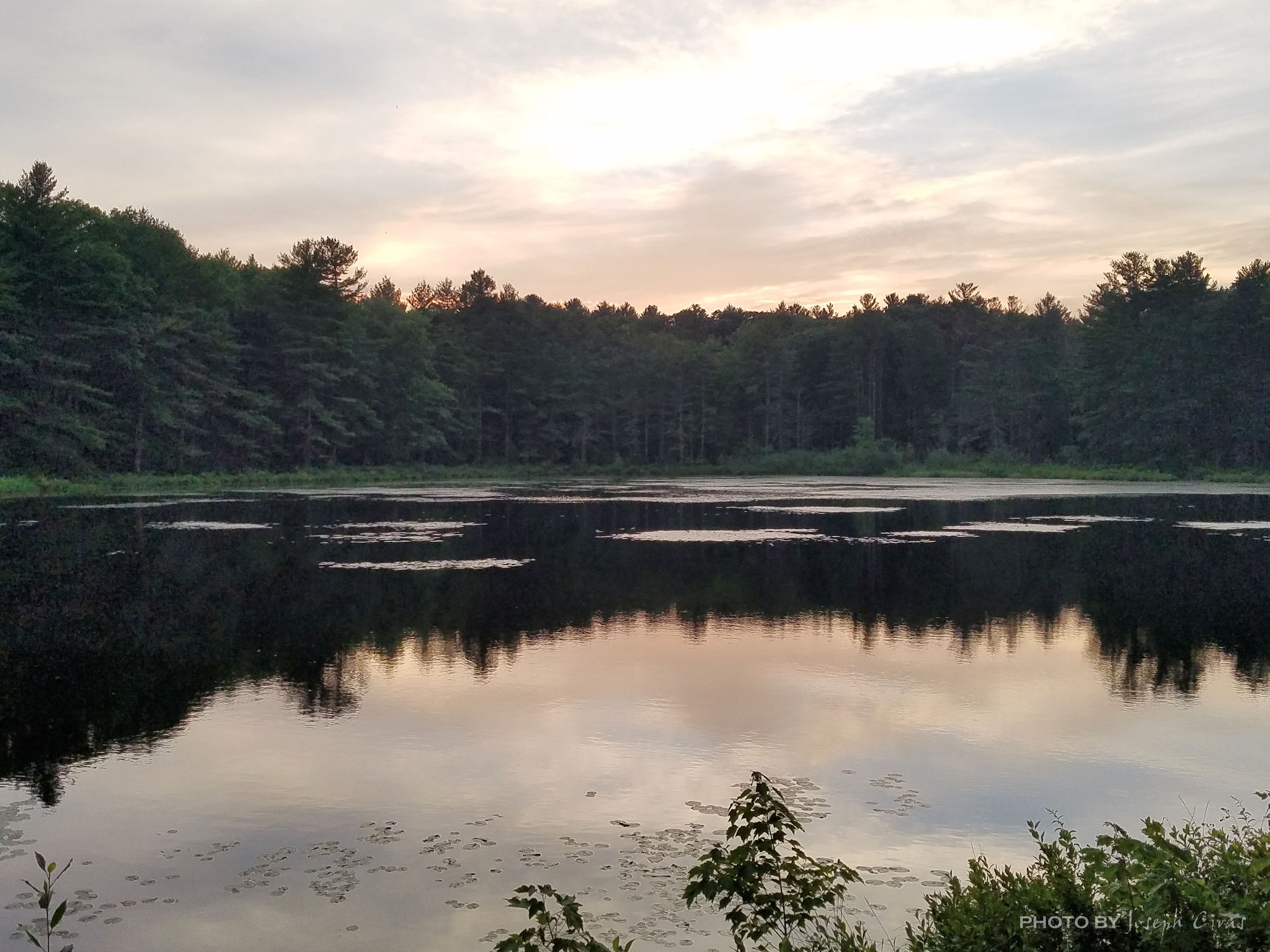
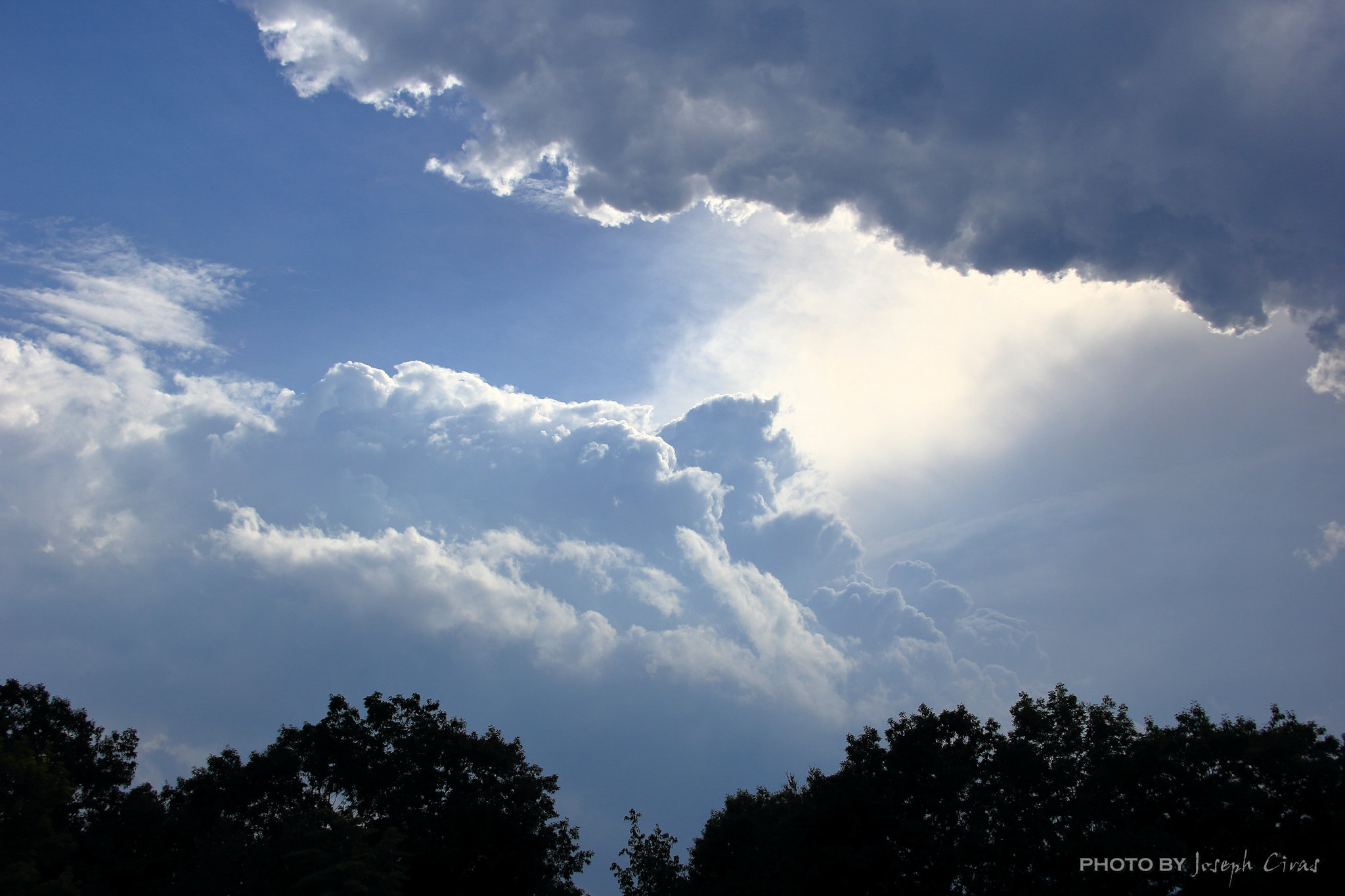



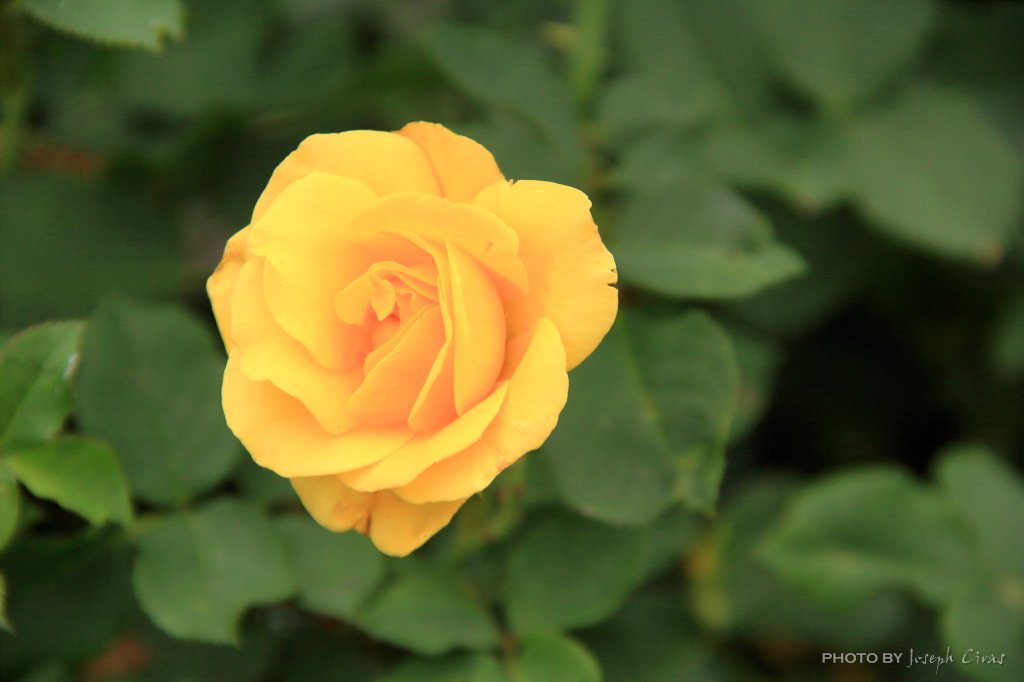


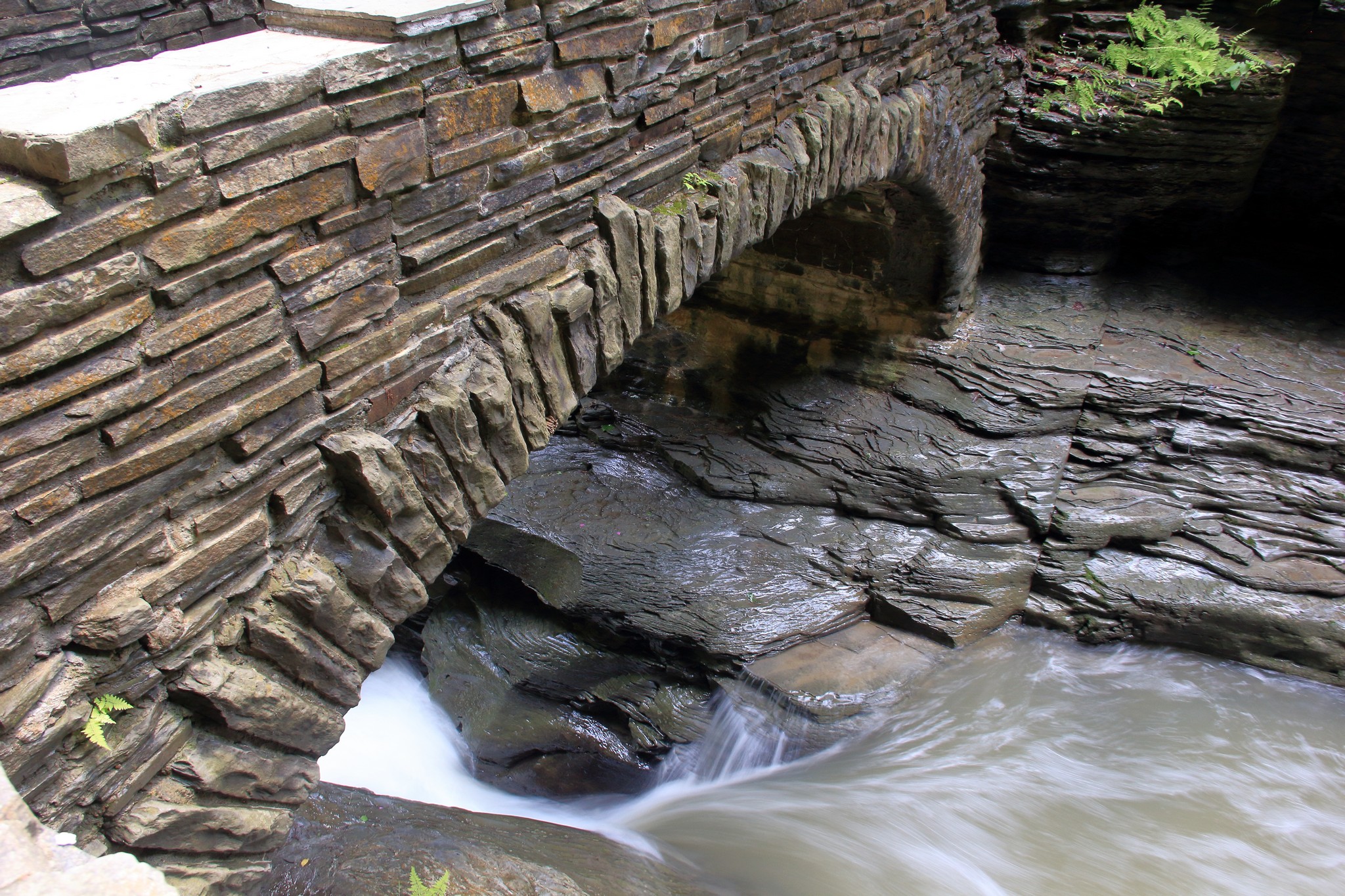
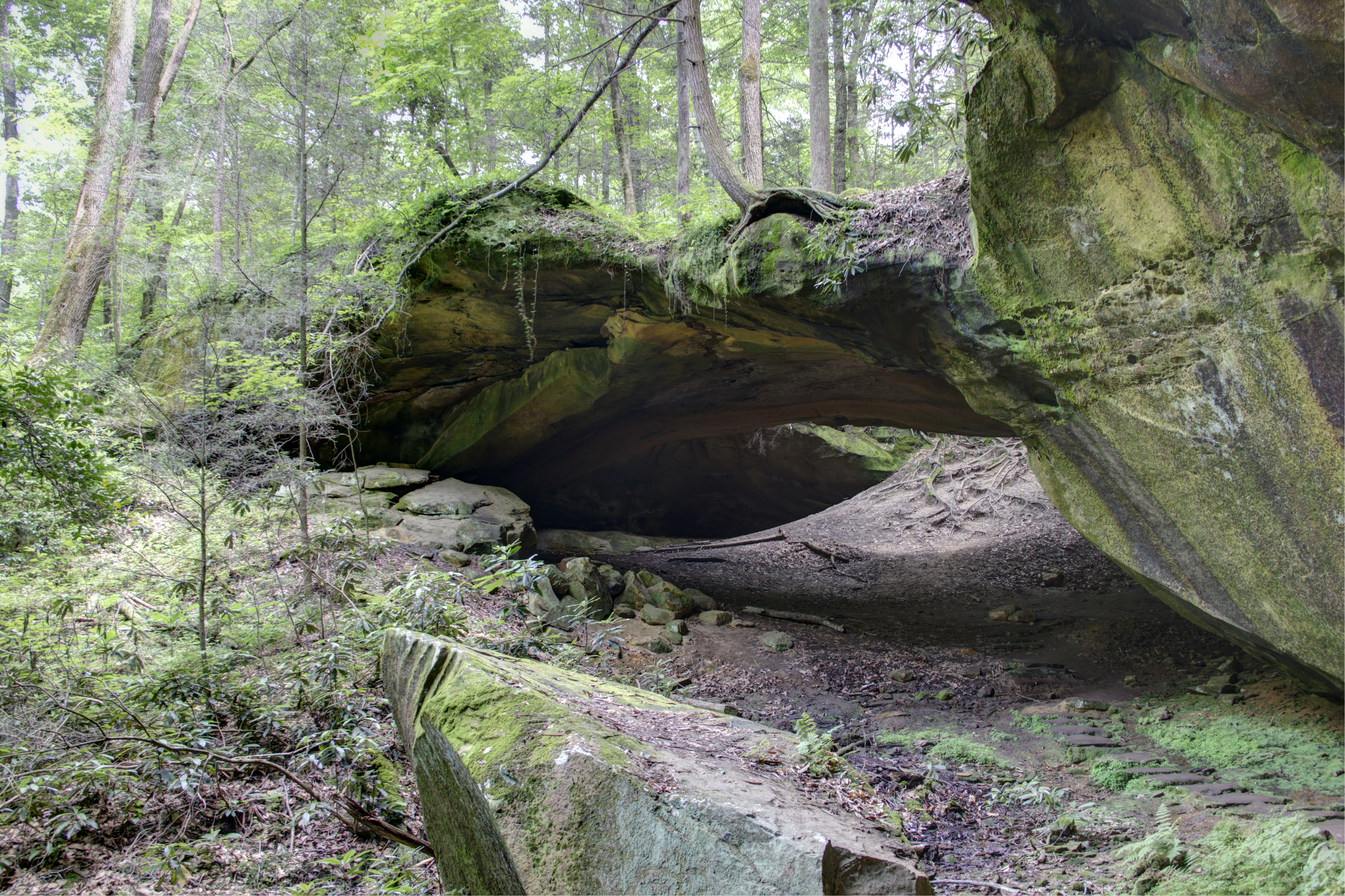

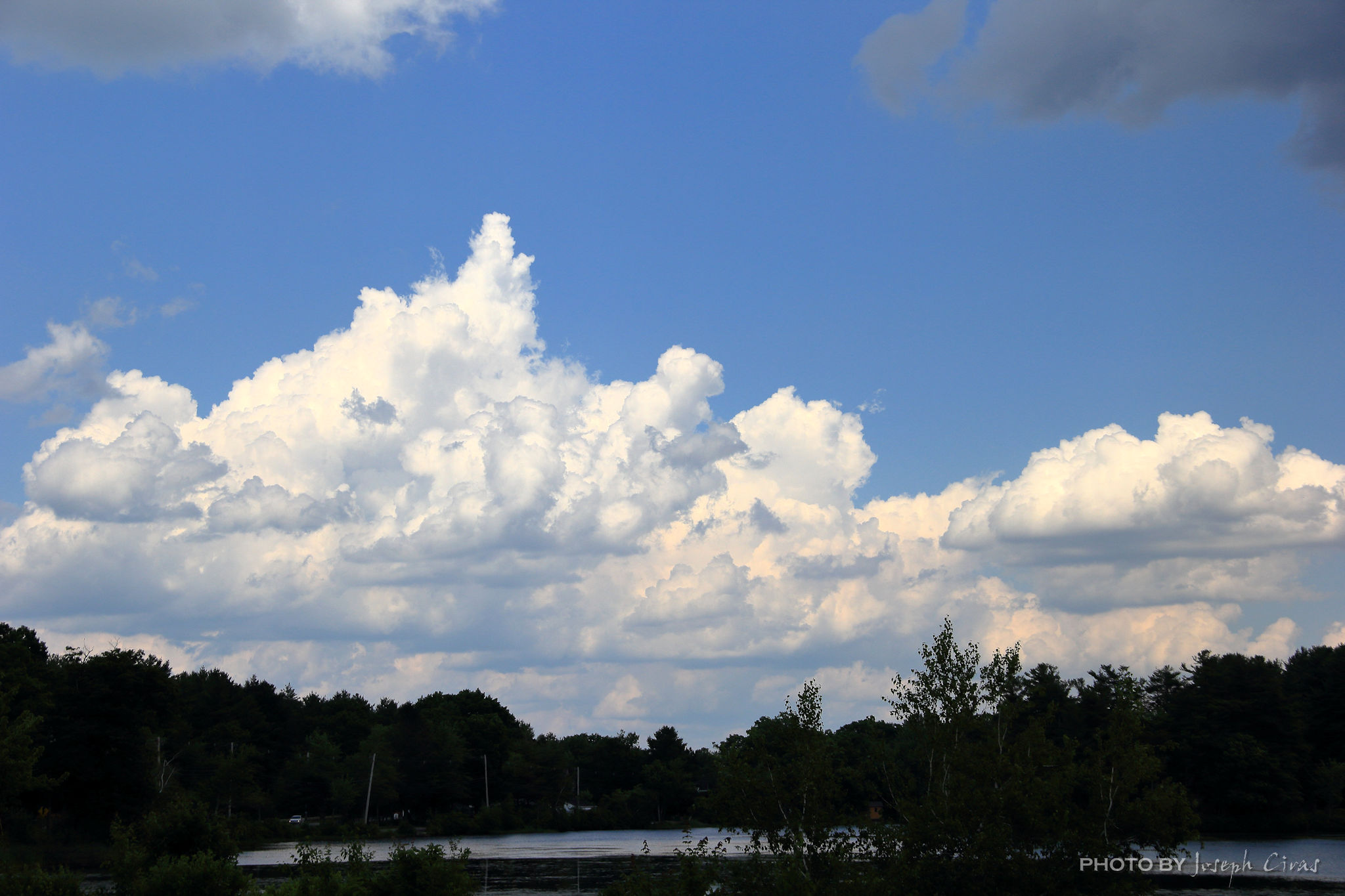

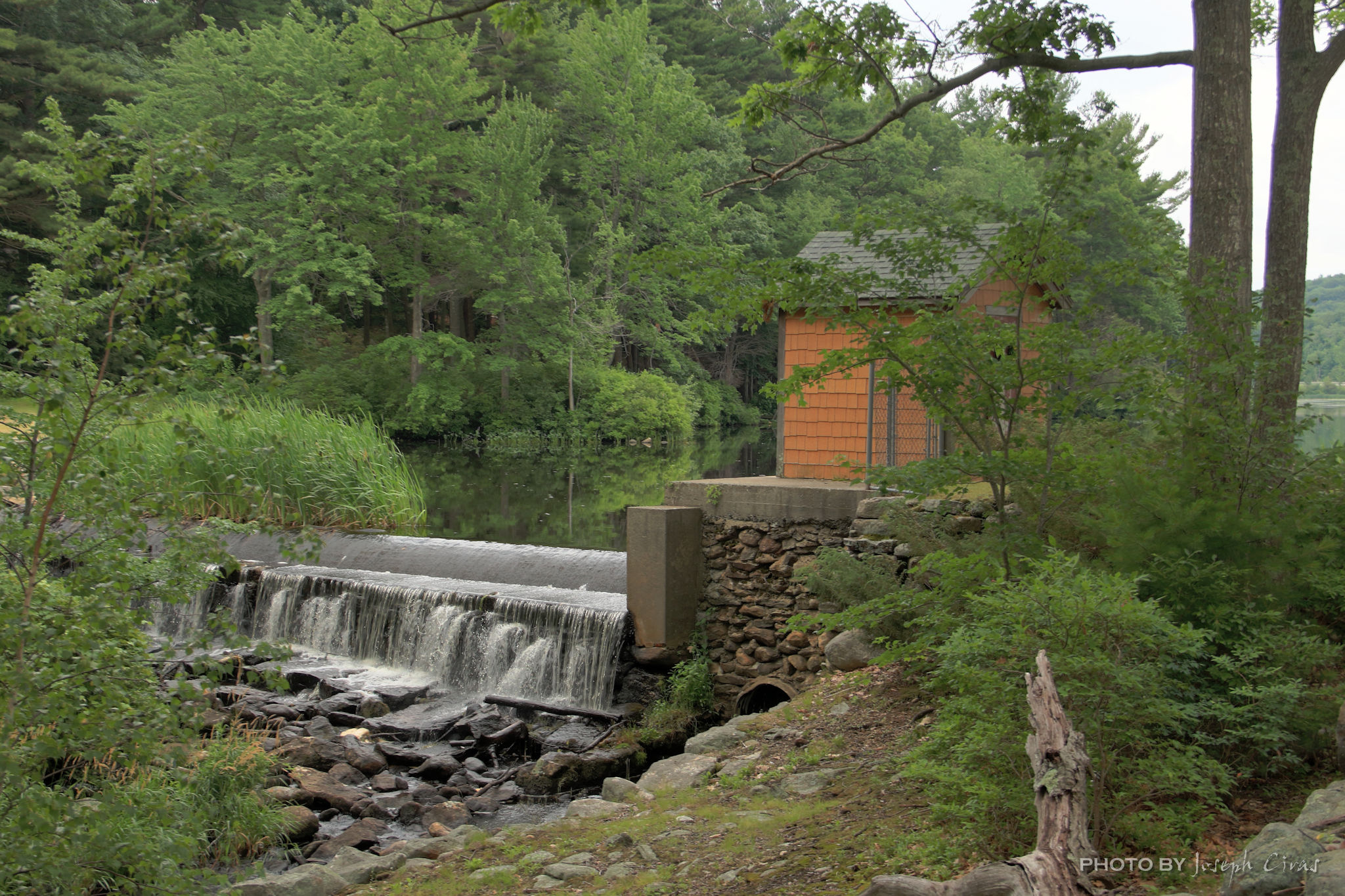
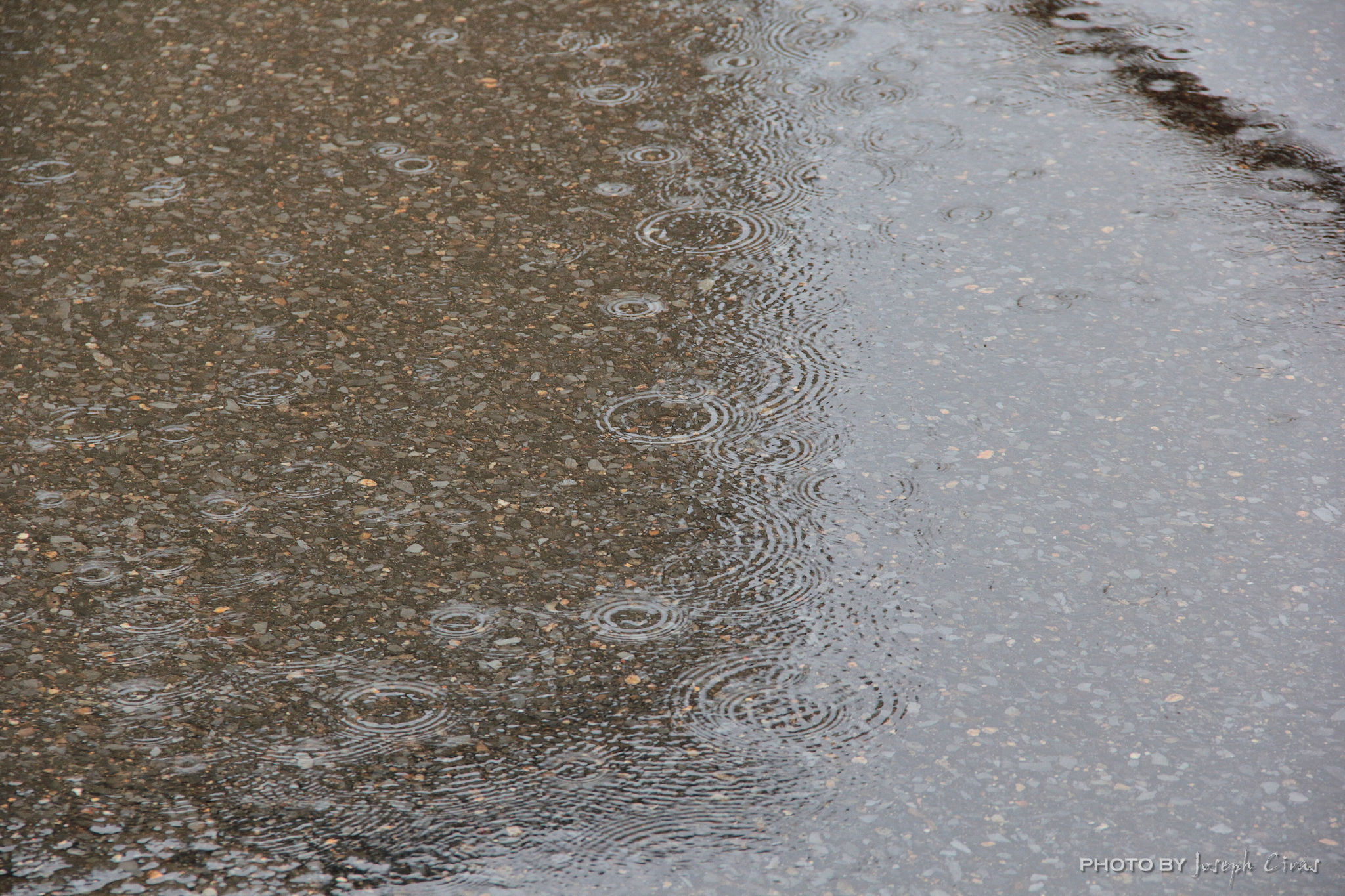
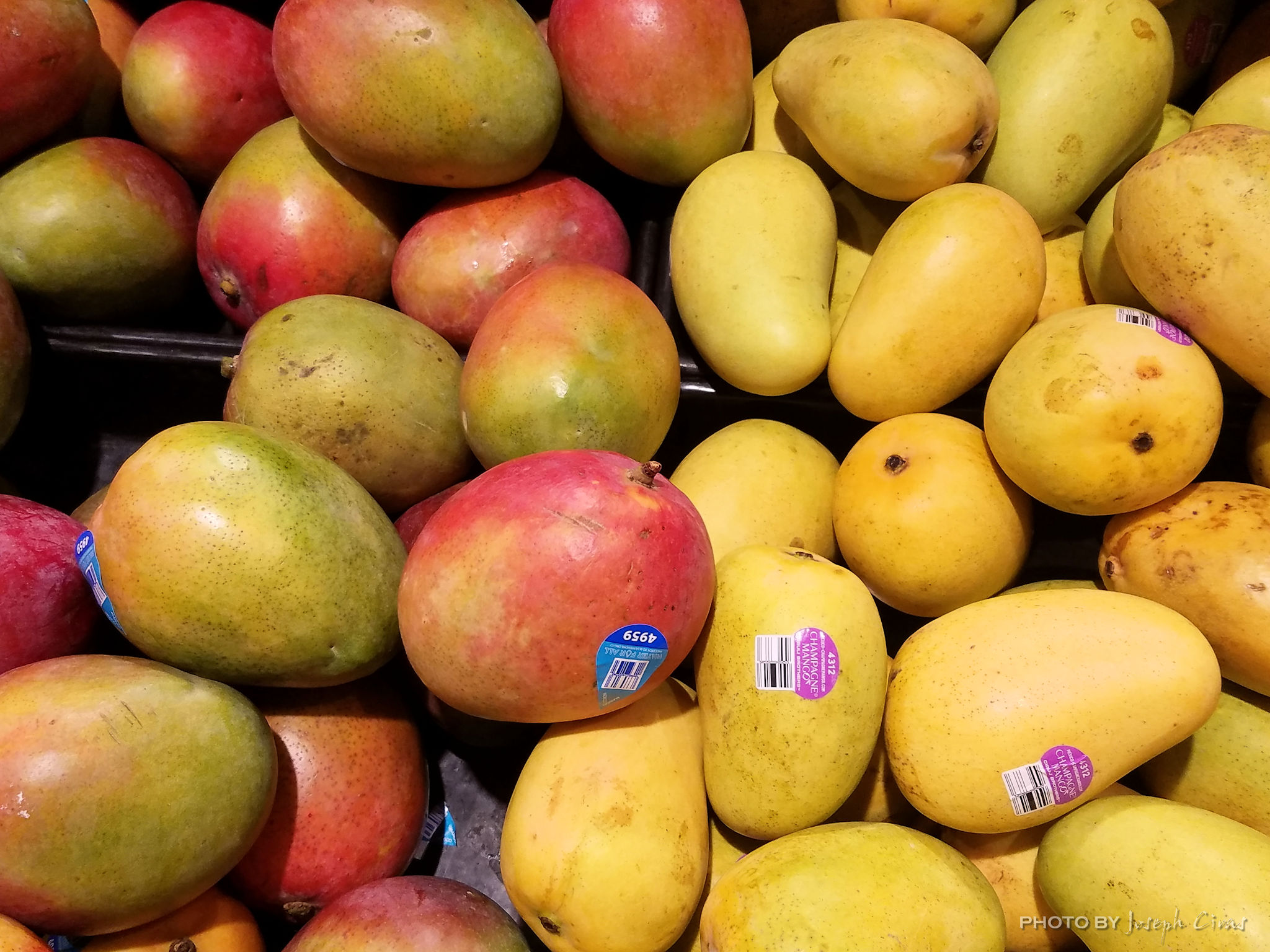


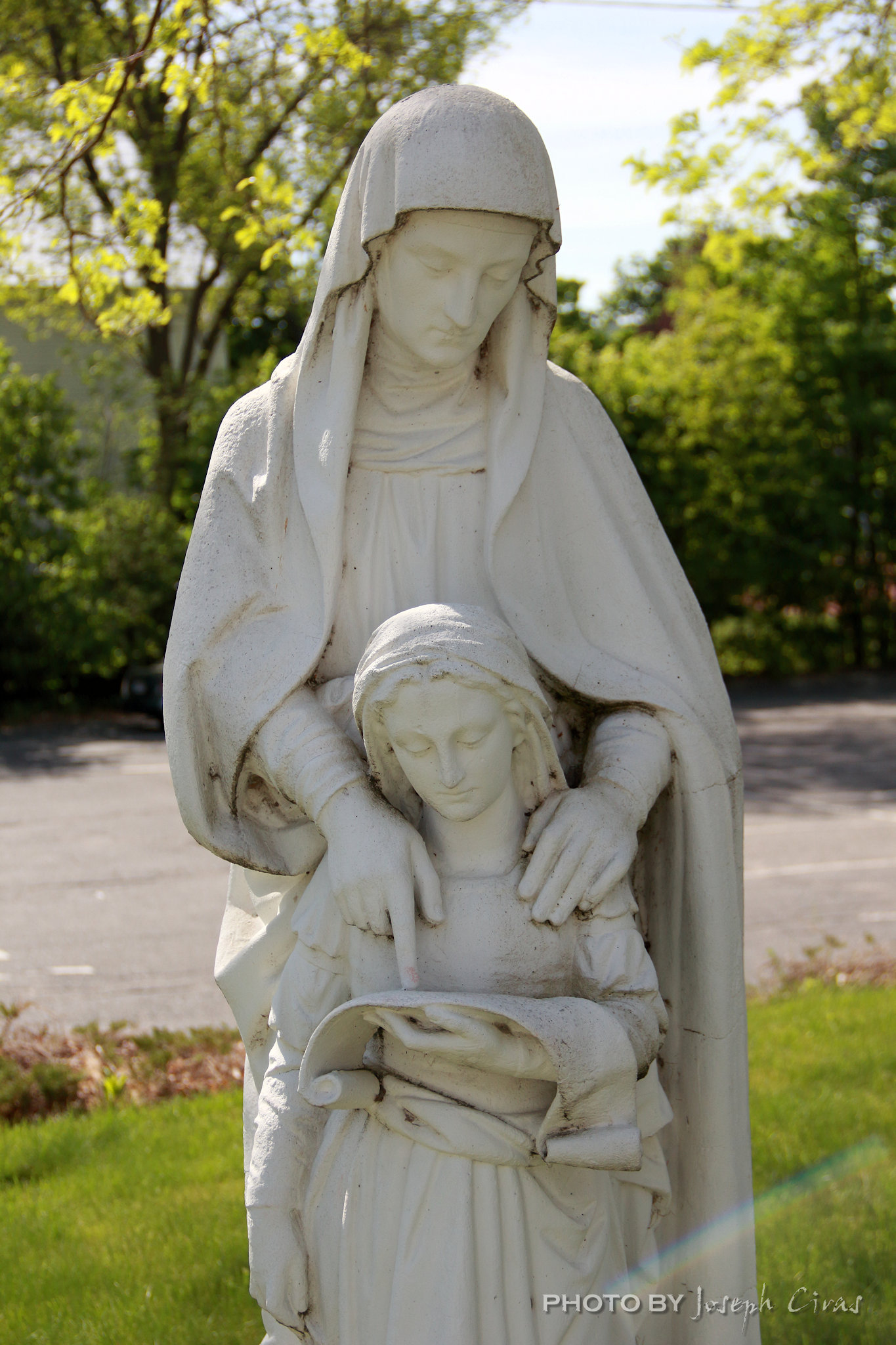
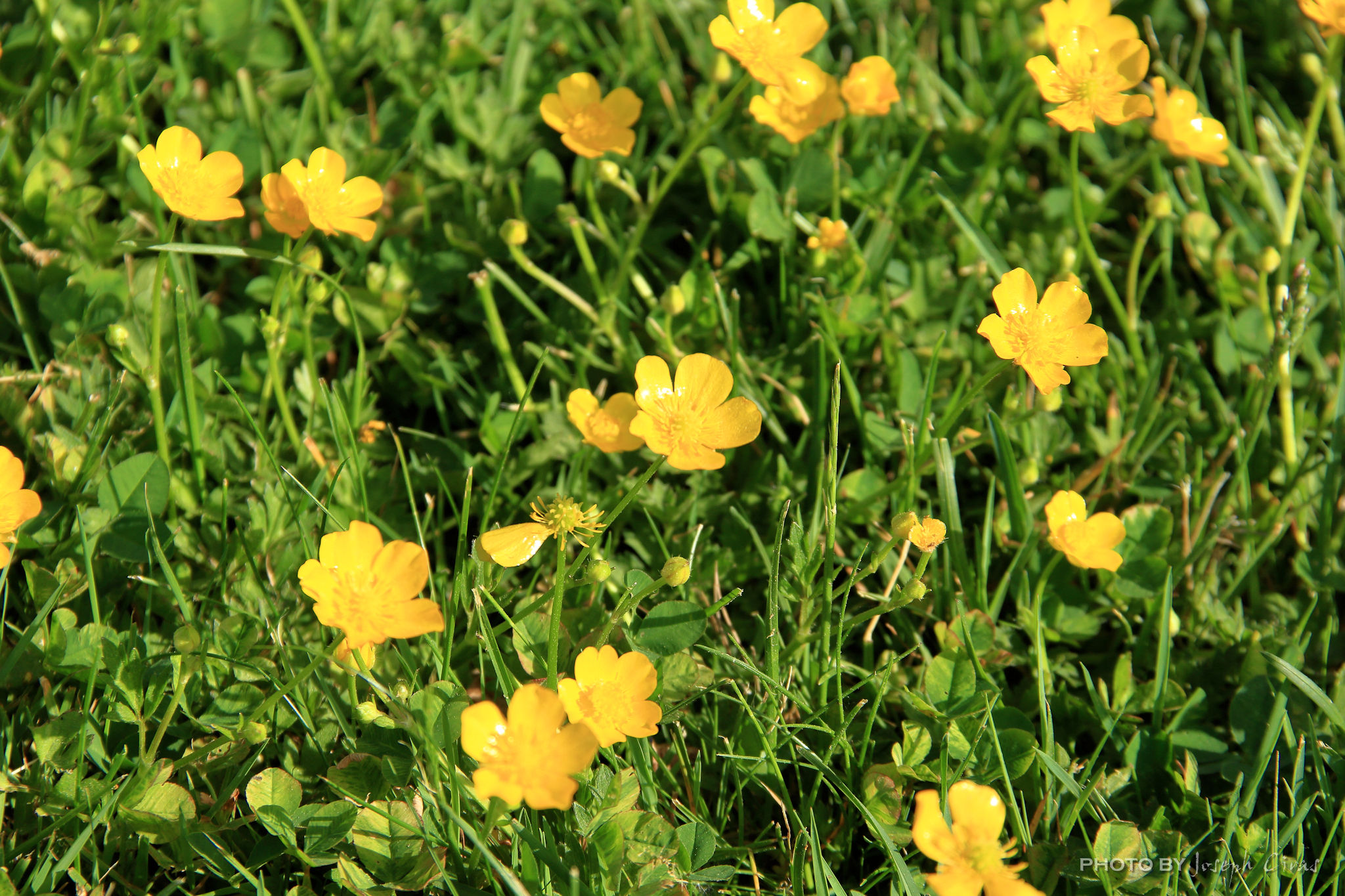
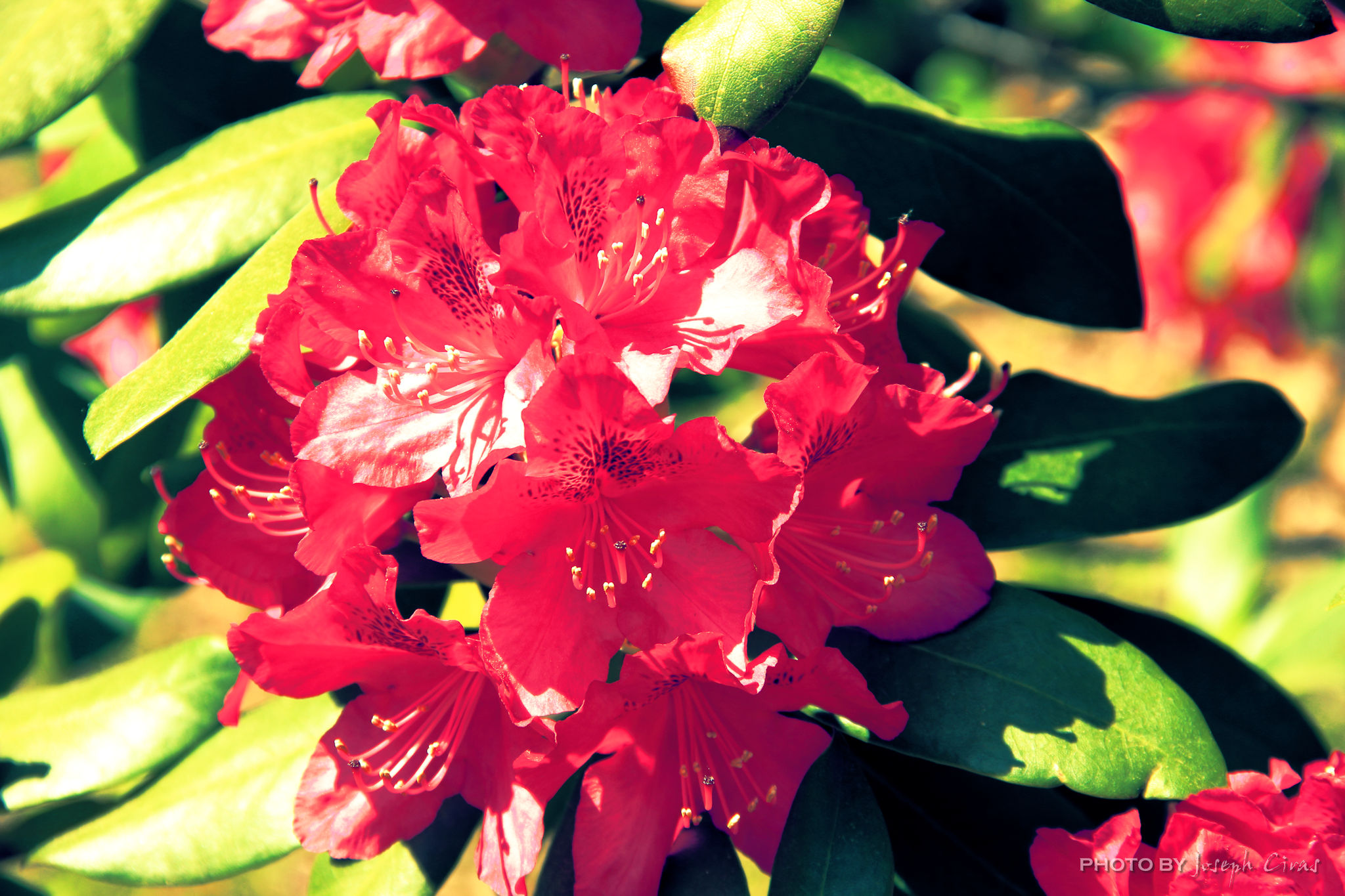
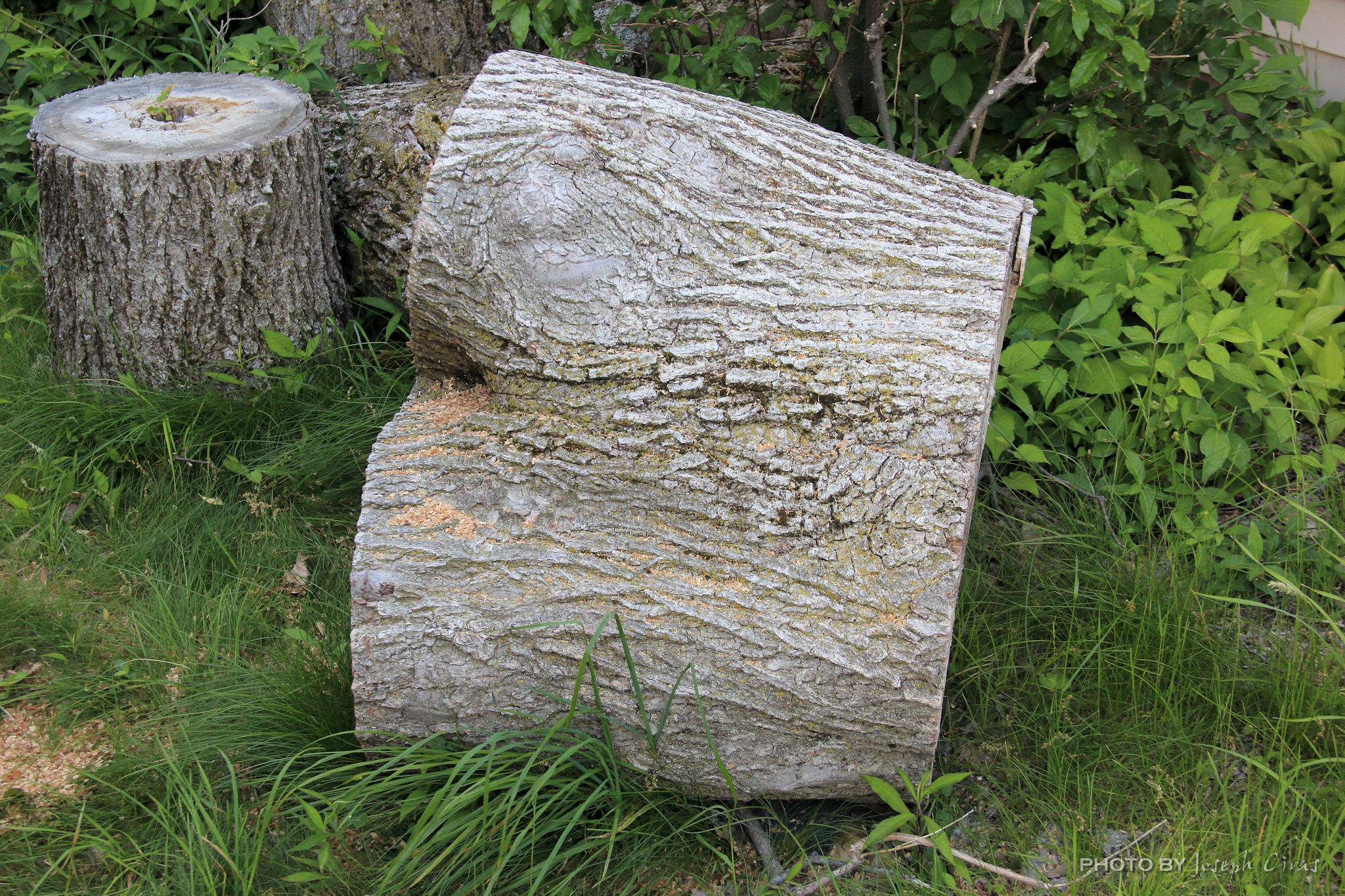
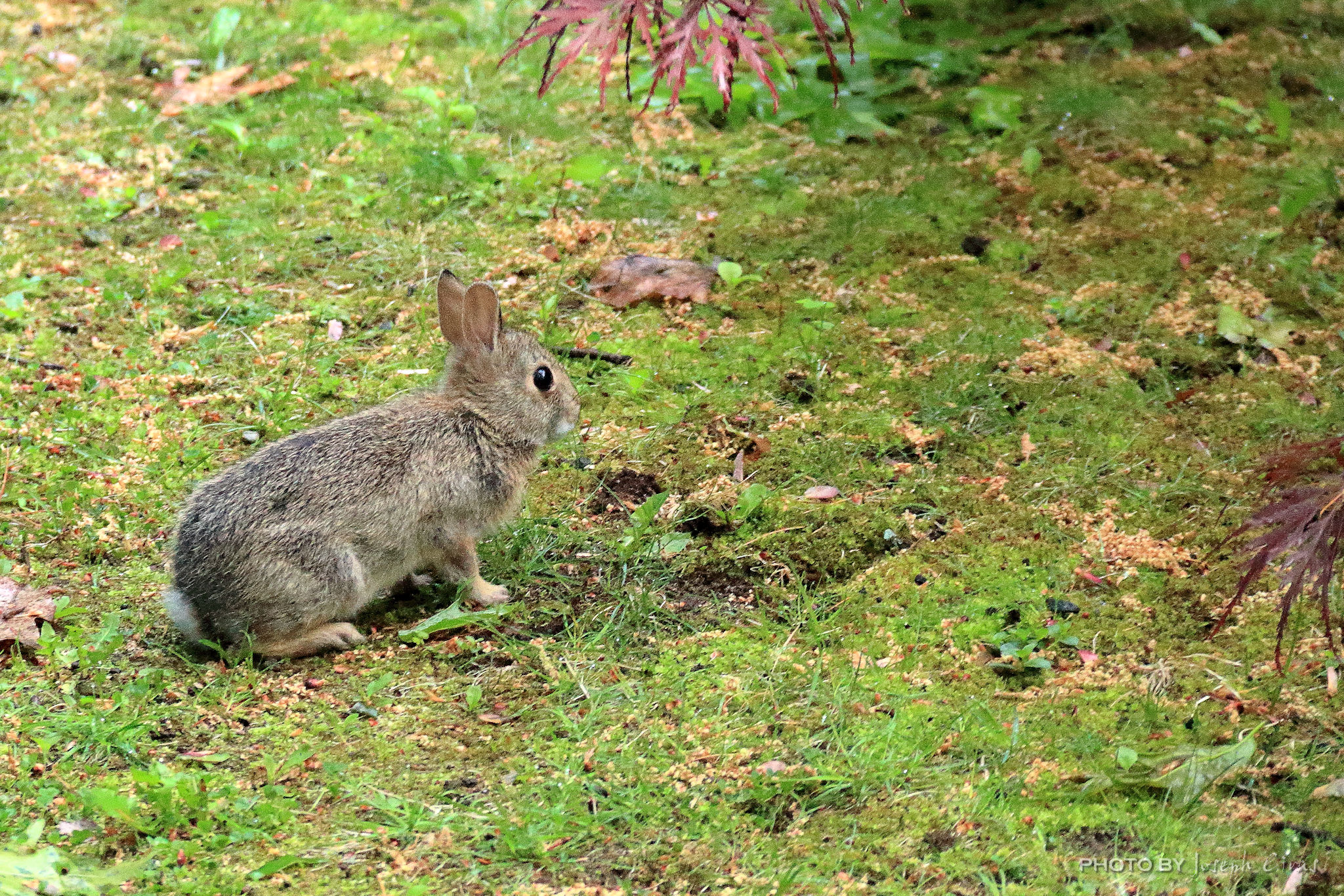
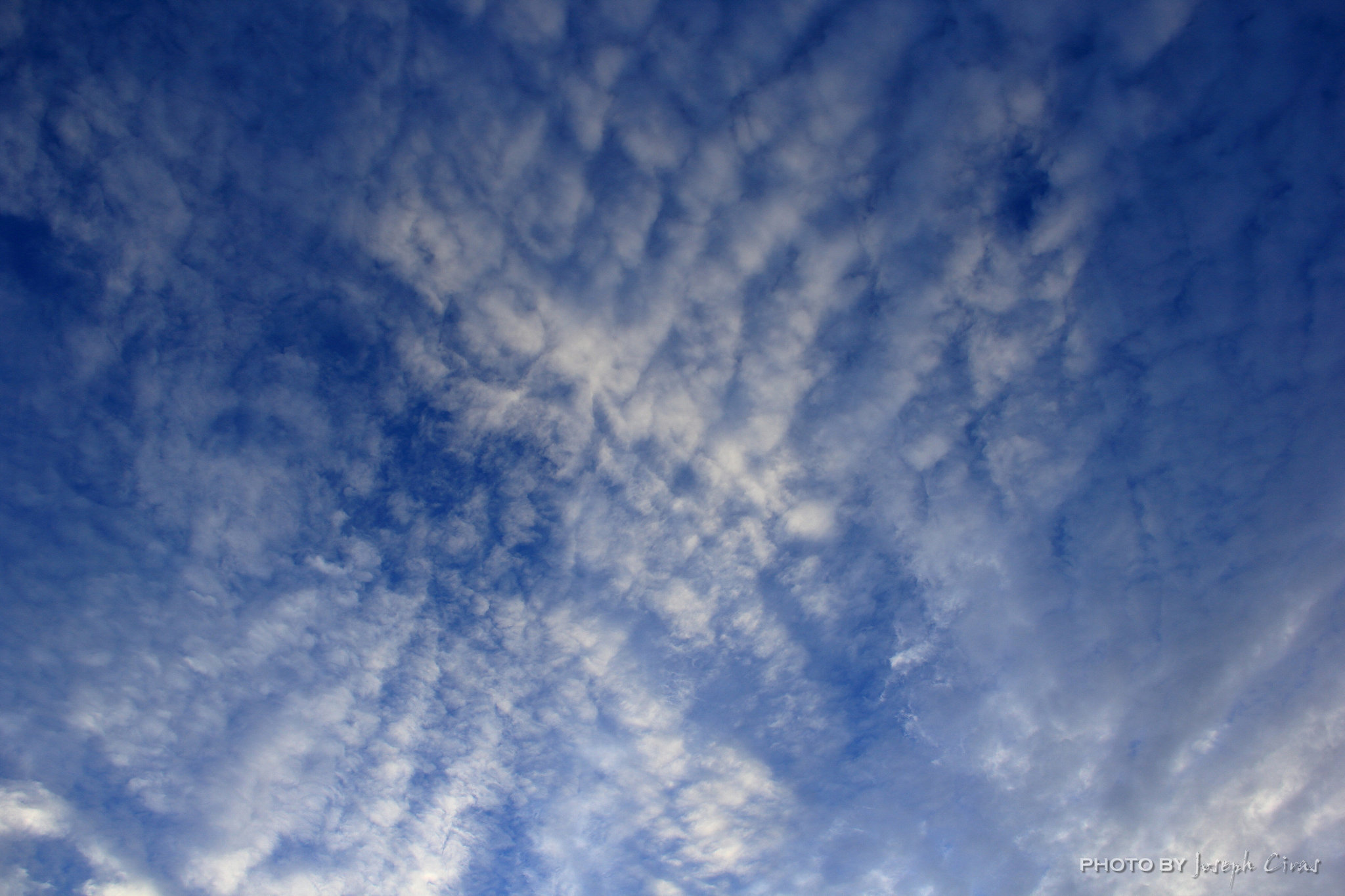
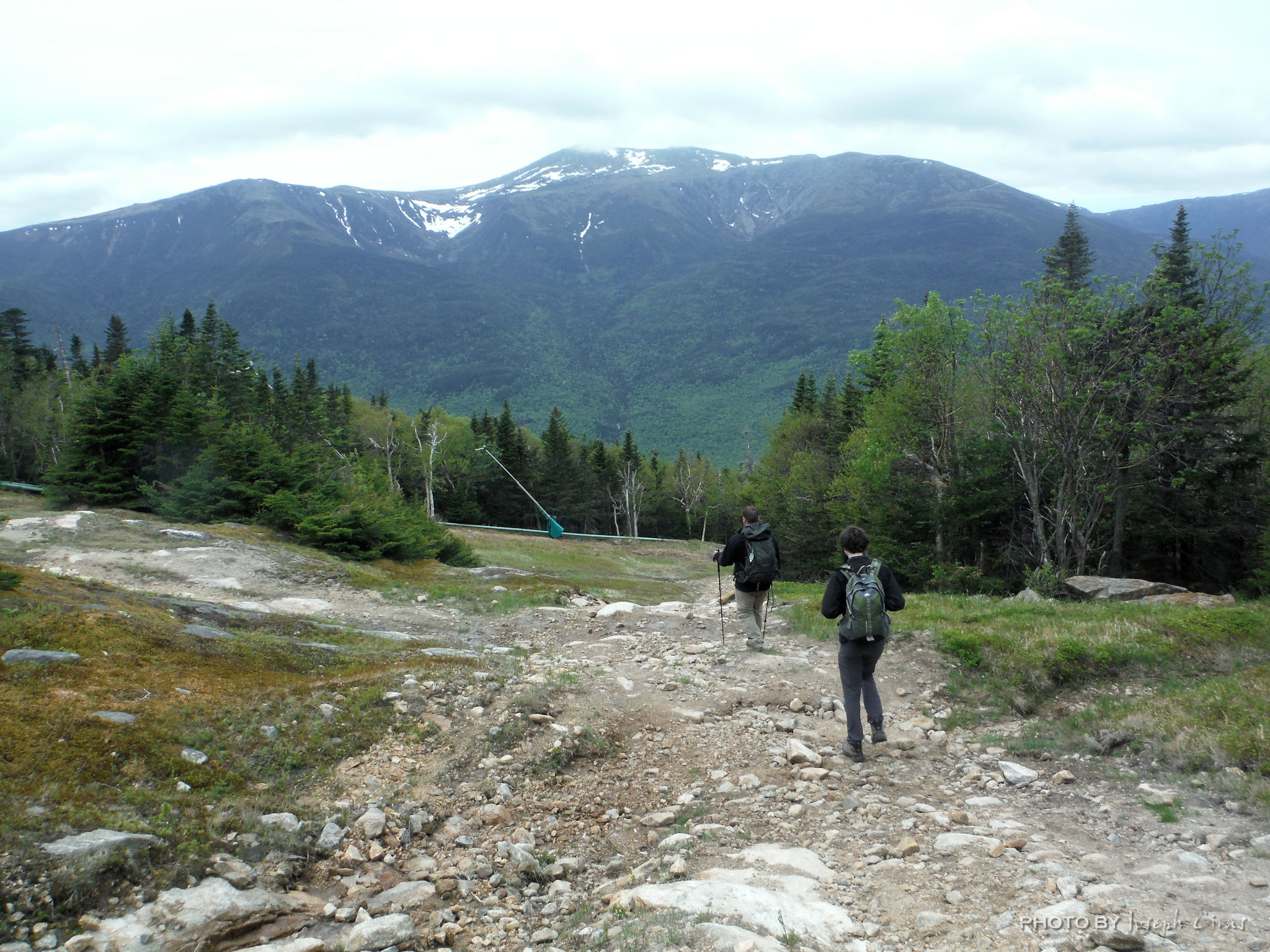
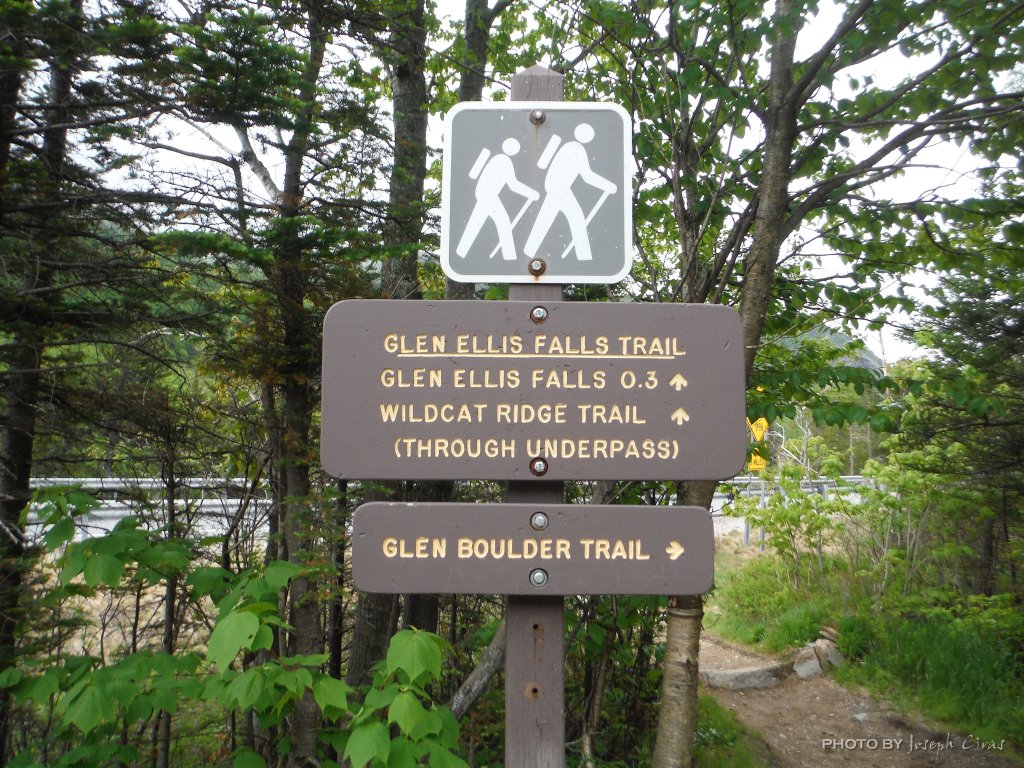


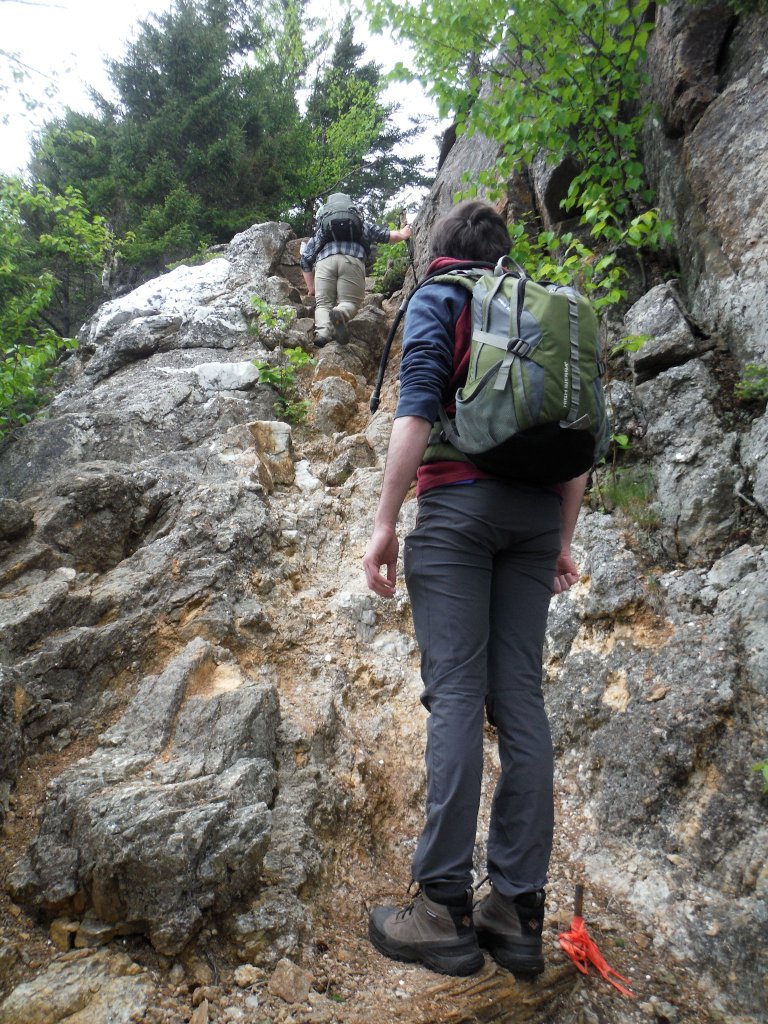

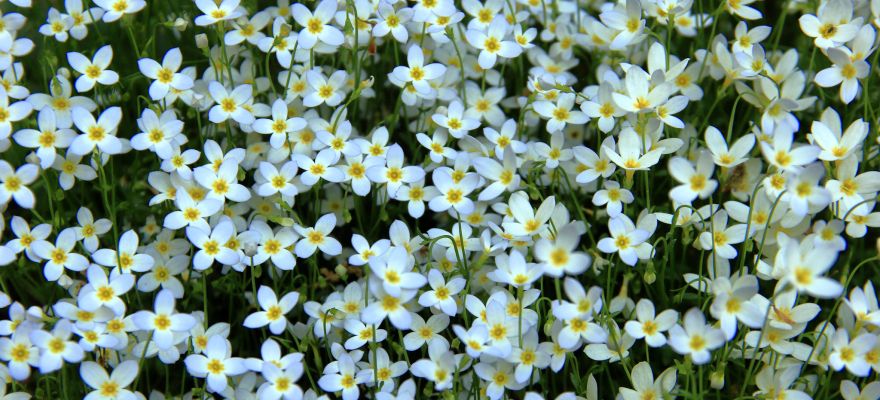
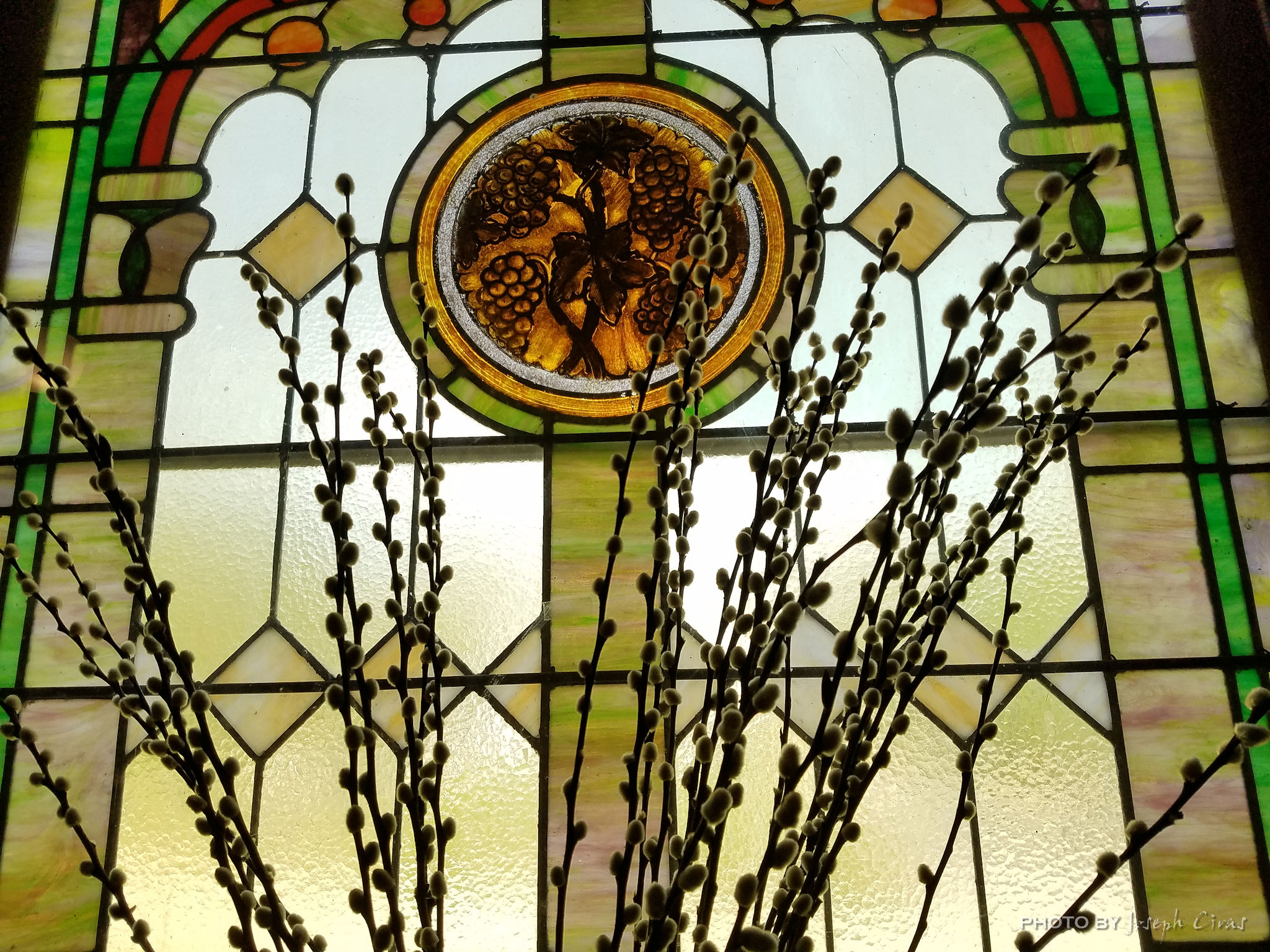
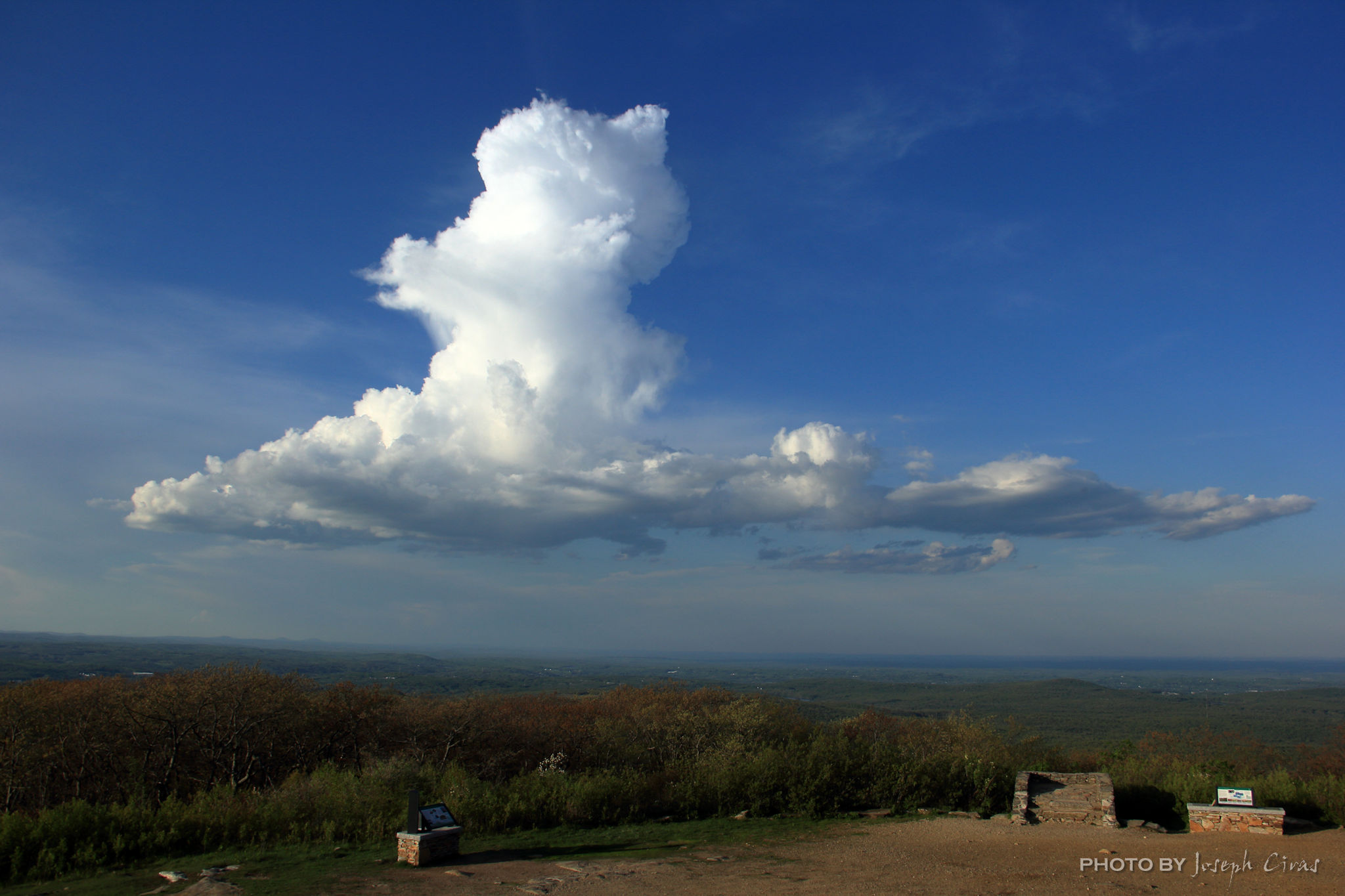

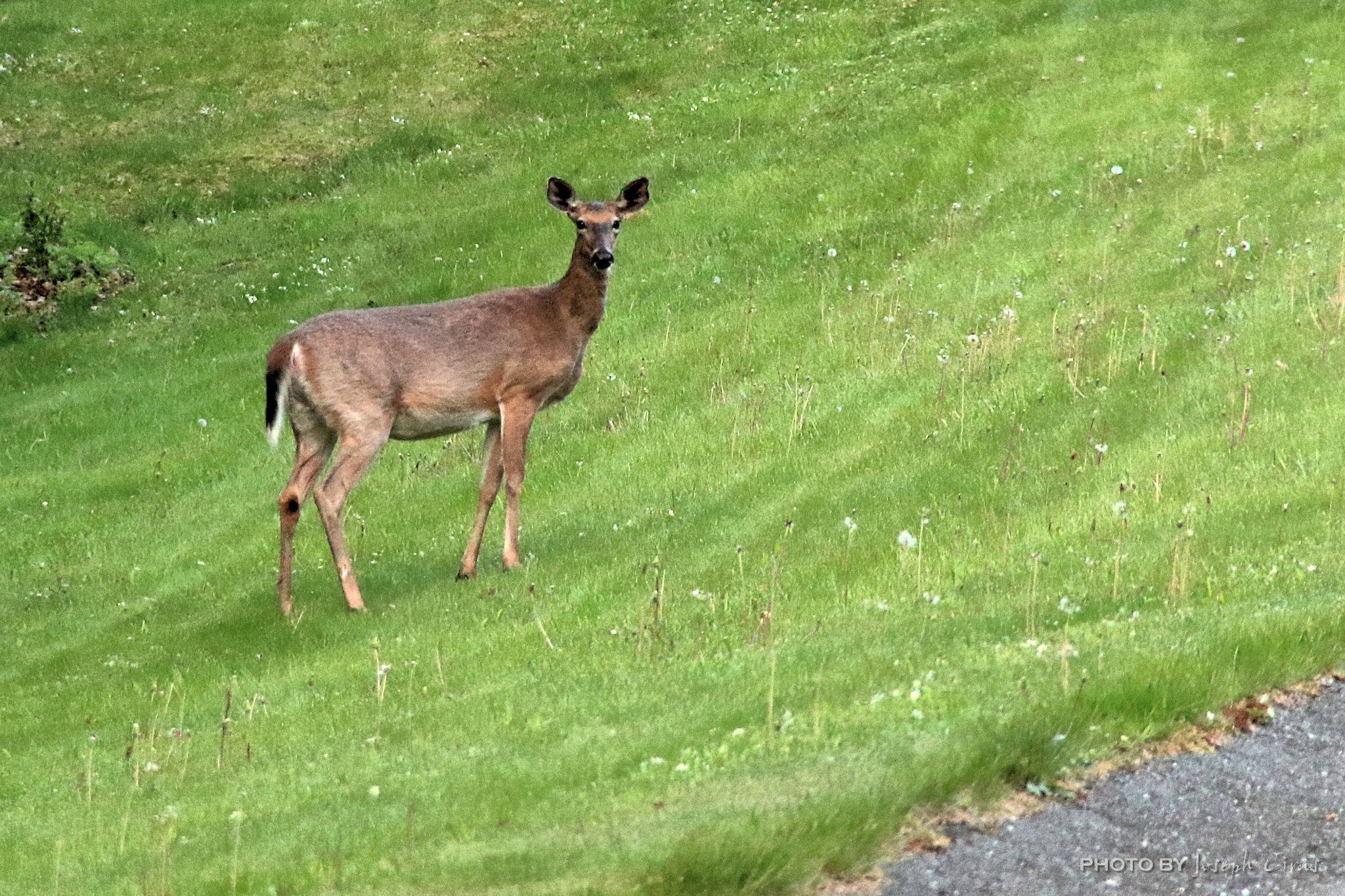

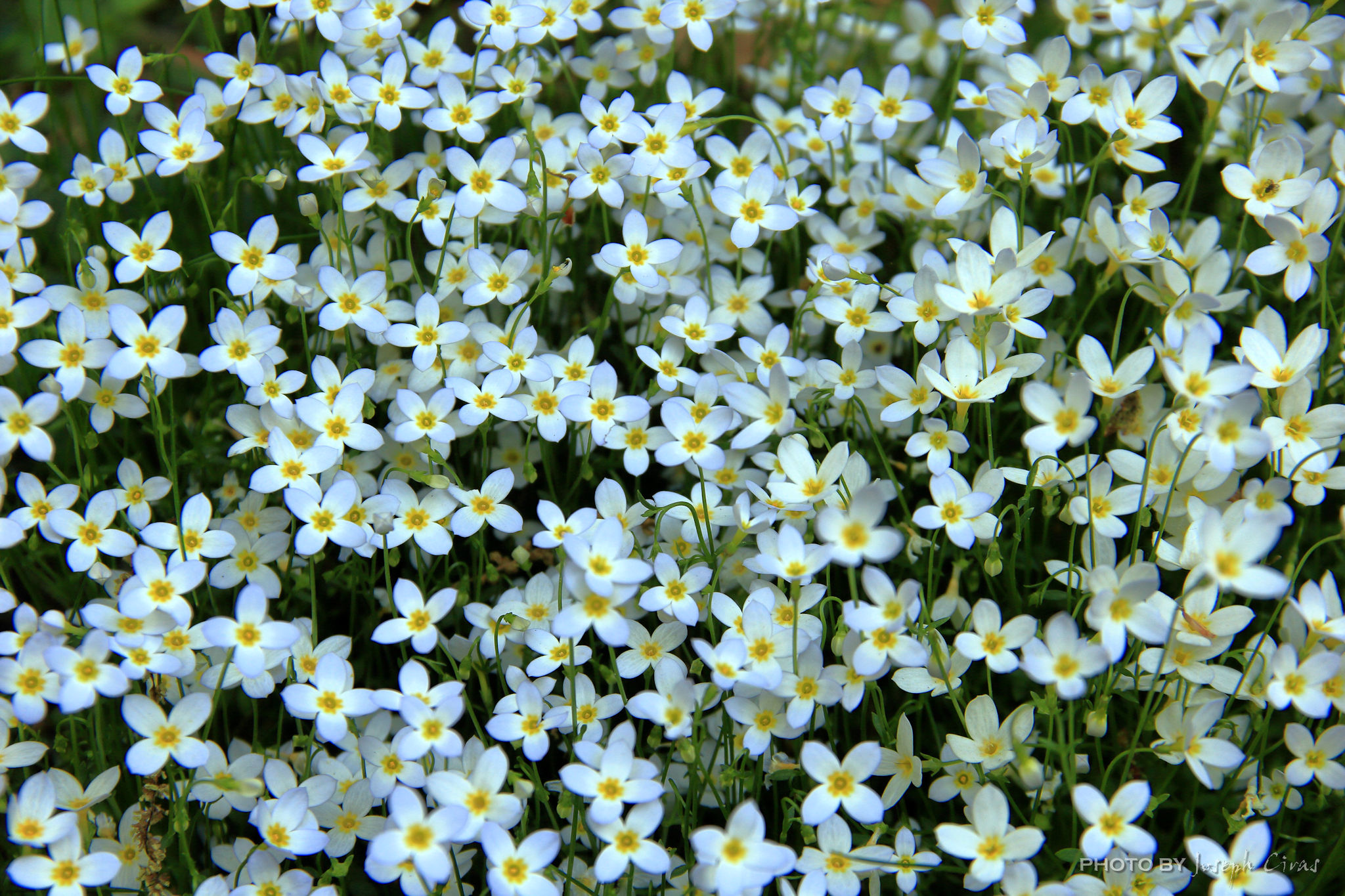


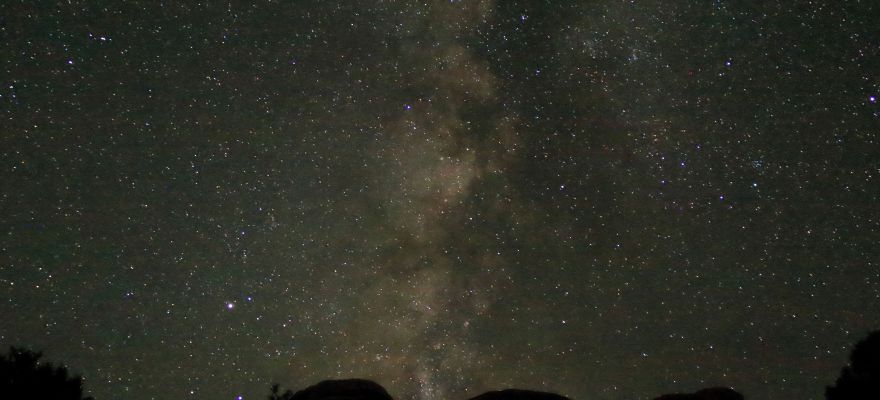

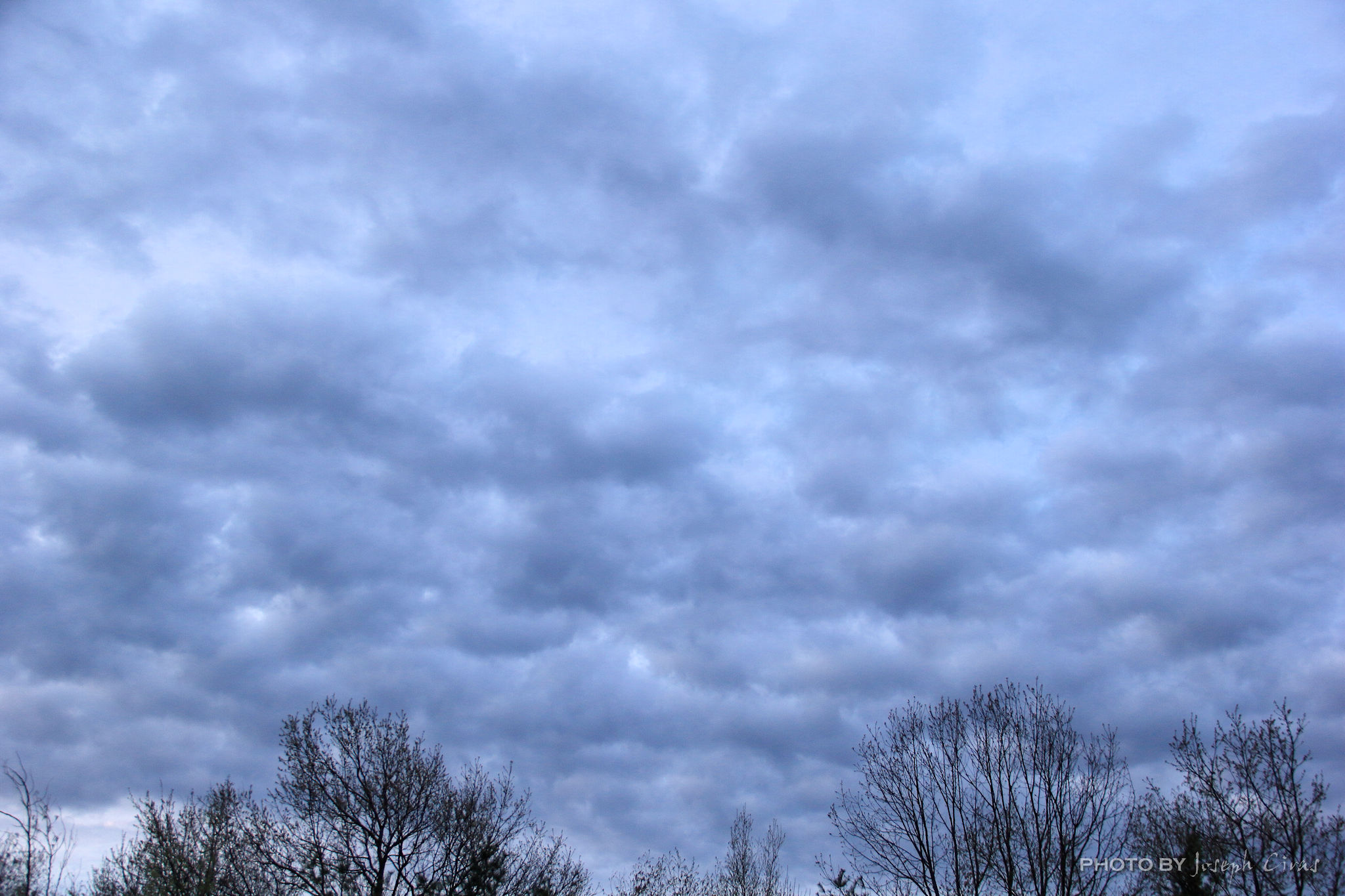

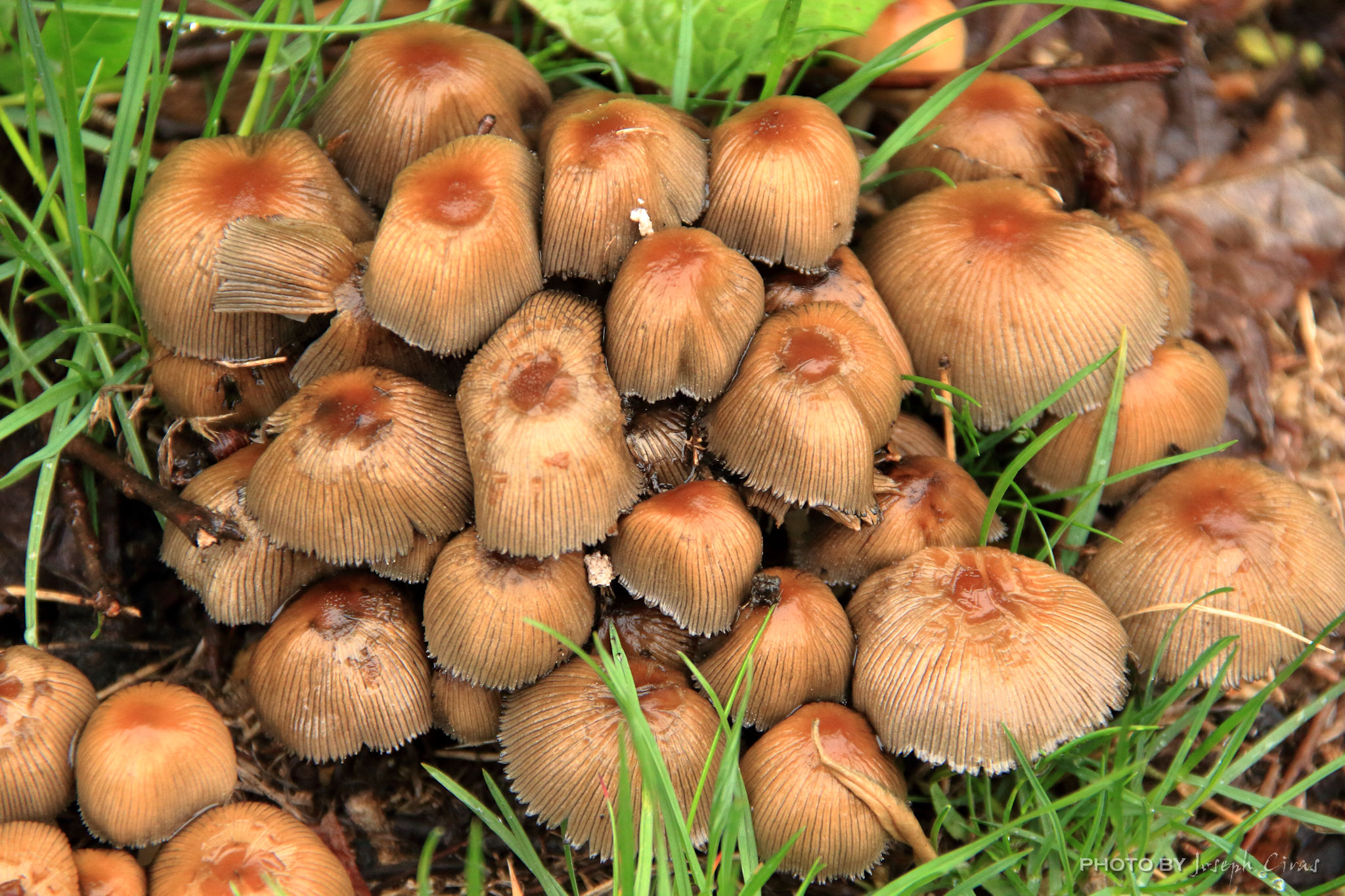
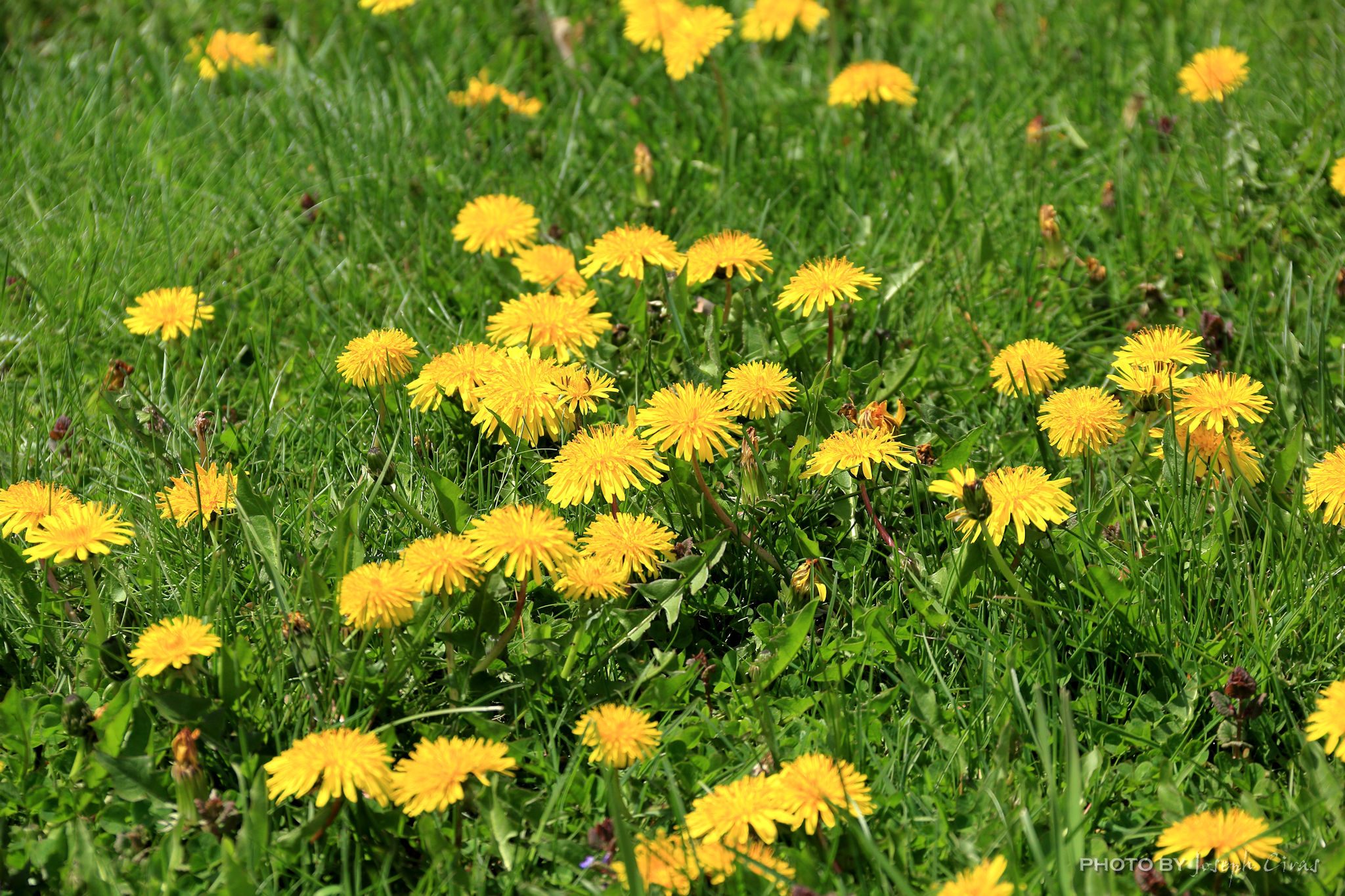

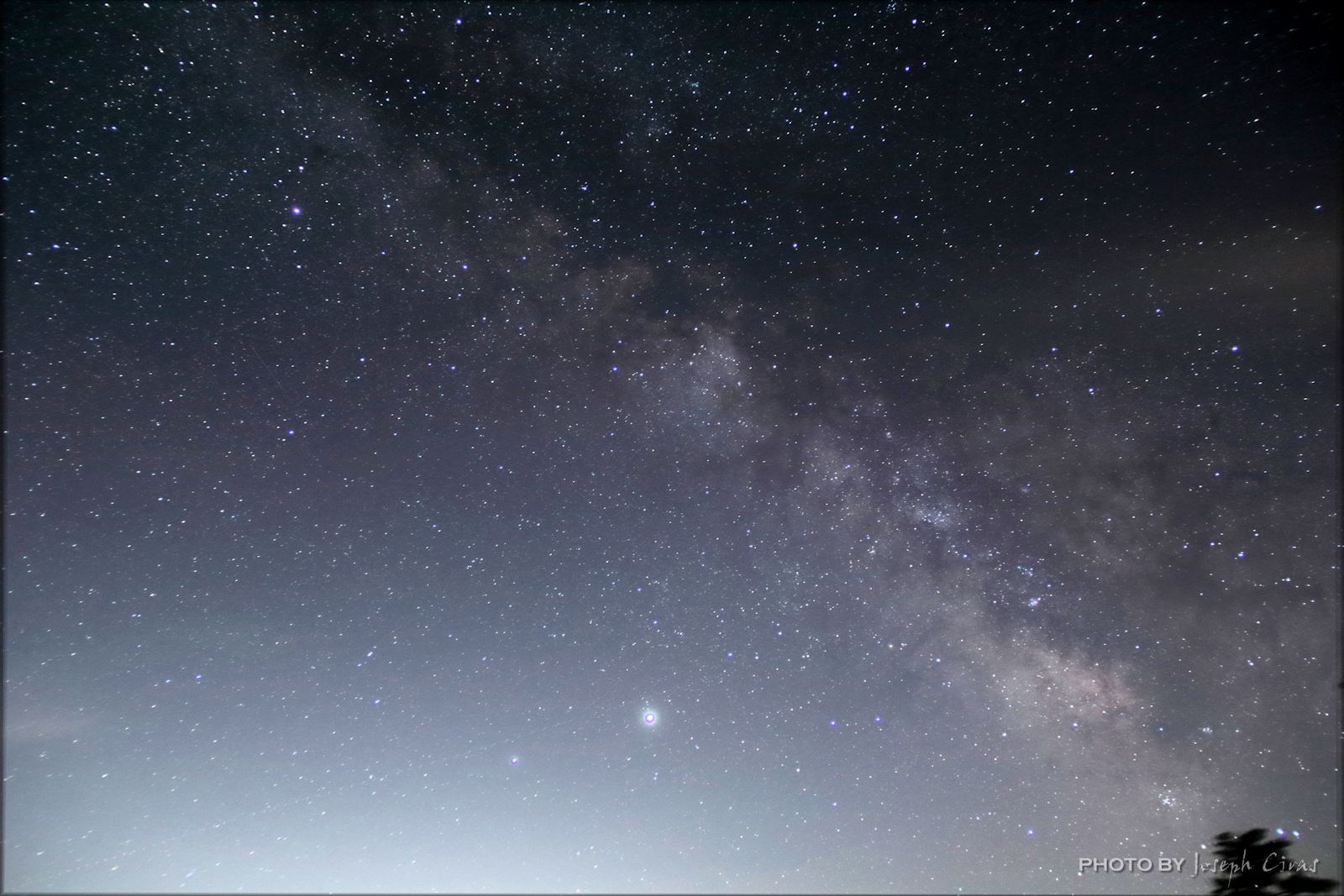

 Photo by Joseph Ciras