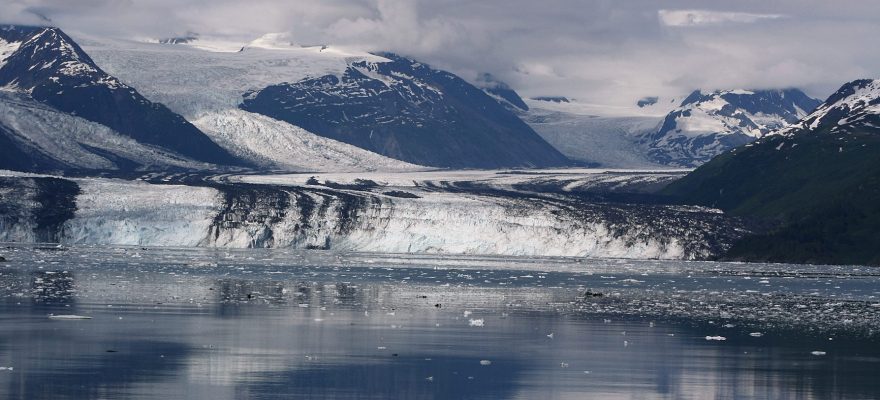
“If you want to be a better photographer, stand in front of more interesting stuff.” — Jim Richardson
Thank you for all the new views and likes from last week, it helps keep me inspired.
Sunday, 11/07/2021: Posted photo — Pratt’s Falls.
Settings: Canon EOS 60D, ISO 100, f/7.1, 1/15 s, 22 mm.
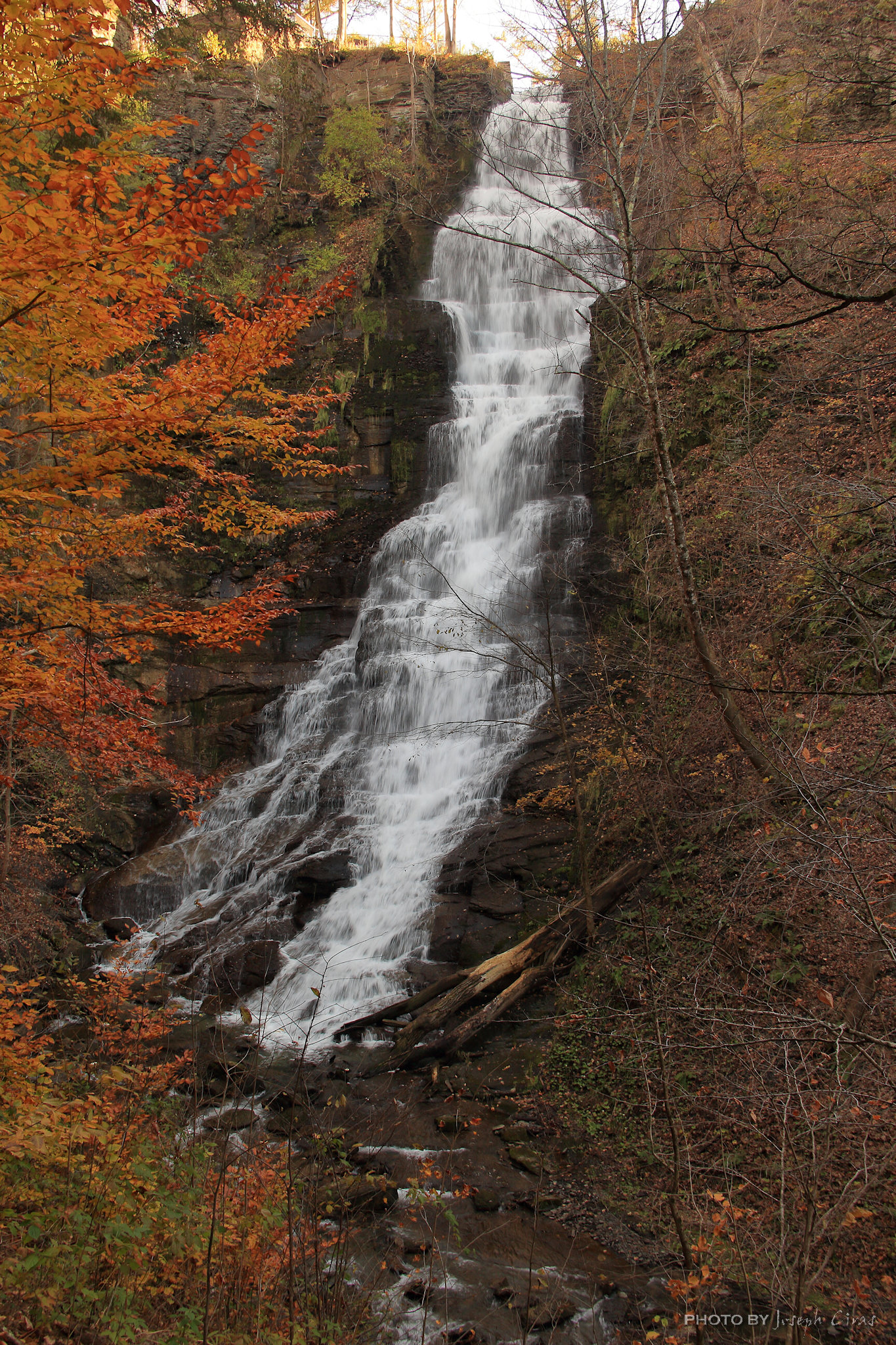
Pratt’s Falls, a 137 ft ribbon or cascade style waterfall located in Manlius, NY. The site was originally a sawmill and was the site of Onondaga County’s first mill operation in 1796. The hike out to the falls is only a half mile long (one-mile round trip) and could be step for some. There are stairs that take you down to the lower viewing location.
We stopped by the falls on the way to my nephew’s Eagle Scout Court of Honor.
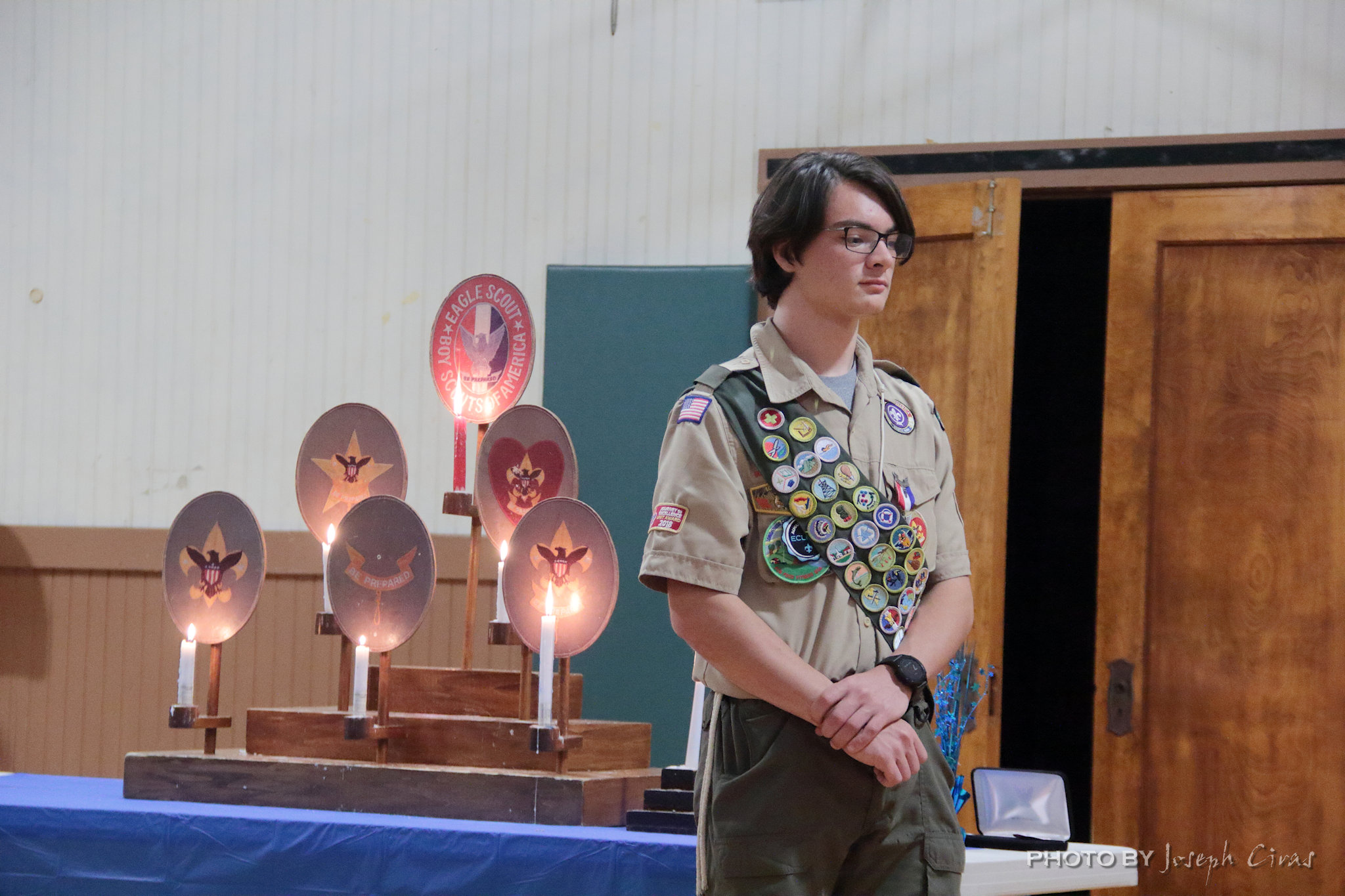
Photo tip of the week — Lessons learned from taking waterfall photos.
- Set you camera to manual with a slow shutter speed. I use between 1/4 sec to 10 sec depending on the lighting.
- Set your aperture to a value between f/16 and f/22. I sometimes open up, or close up, my aperture depending on the light and how I am taking the photo (with a tripod or handheld).
- Use a tripod with image stabilization off. If you do not have a tripod, find a tree or other object to hold yourself steady.
- Turn you ISO to the lowest setting. I use ISO 100 for my shots.
- Use a ND filter if you have one. I use from a ND3 to a ND10, depending on the lighting.
- Take time to get your composition the way you would like to have it. Try both portrait and landscape photos of the falls.
- Pick a focal point, such as a rock or a tree near the falls. It is difficult to focus on the water.
- Lighting is important. Take your photo in the morning or in the evening when the light is not on the waterfall. If it is on the waterfall, use the appropriate ND filter.
- Use a remote, or your camera’s timer, for your shot to cut down on camera shake.
Monday, 11/08/2021: Posted photo — Tinkers Falls.
Settings: Canon EOS 60D, ISO 100, f/32, 1/6 s, 79 mm.
Tinkers Falls in the Labrador Hollow Unique Area and is about 50 feet tall. The Labrador Hollow Unique Area is a 1,474-acre (5.97 km2) conservation area located in Cortland and Onondaga counties, New York, and was the first property to be designated as a Unique Area by New York. A unique area, according to the state New York Department of Environmental Conservation, is “land owned by the state that was acquired due to its special natural beauty, wilderness character, or for its geological, ecological or historical significance.”

When I took the photo of these falls, I did not use my tripod. I was practicing my handheld long exposure photography. I was either leaning against a tree, sitting on a log, or using long exposure breathing techniques. The hike to these falls is very short, only about a quarter mile, and the trail is relatively flat.
Bonus photo tip — how to breathe and hold your camera for long exposures.
The way you hold your camera can have a big effect on the amount of blur caused by your own movement. Hold the camera with two hands close to your body and make sure your feet are shoulder-width apart. Being conscious of your breathing can further minimize shake. Inhale or exhale and then take a gentle half breath in and hold it there in a relaxed way.
Tuesday, 11/09/2021: Posted photo — Peas.
Settings: Samsung SM-G930V (Galaxy S7), ISO 125, f/1.7, 1/60 s, 4 mm
A pea is a cultivated climbing vine having compound leaves and edible seeds enclosed in a green, elongated pod. The seed of this plant is used as a vegetable.
Shopping night tonight. Instead of taking photos of flowers, I took a photo of some peas. Why did I do that? I did it for variety. I often wonder who the first person was to eat peas and how they knew that they could open the pod to get the seeds out.

Some information about the health benefits of peas according to WebMD (https://www.webmd.com/diet/health-benefits-peas#1) are:
- Eye Health
- Digestive Health
- Immune Health and Anti-Inflammatory Properties
- Blood Sugar Control
- Heart Health
- Nutrition
You can look up the health benefits yourself for details on each of these benefits.
Wednesday, 11/10/2021: Posted photo — Bryn Mawr Glacier.
Settings: Canon EOS DIGITAL REBEL XS, ISO 200, f/25, 1/30 s, 48 mm.
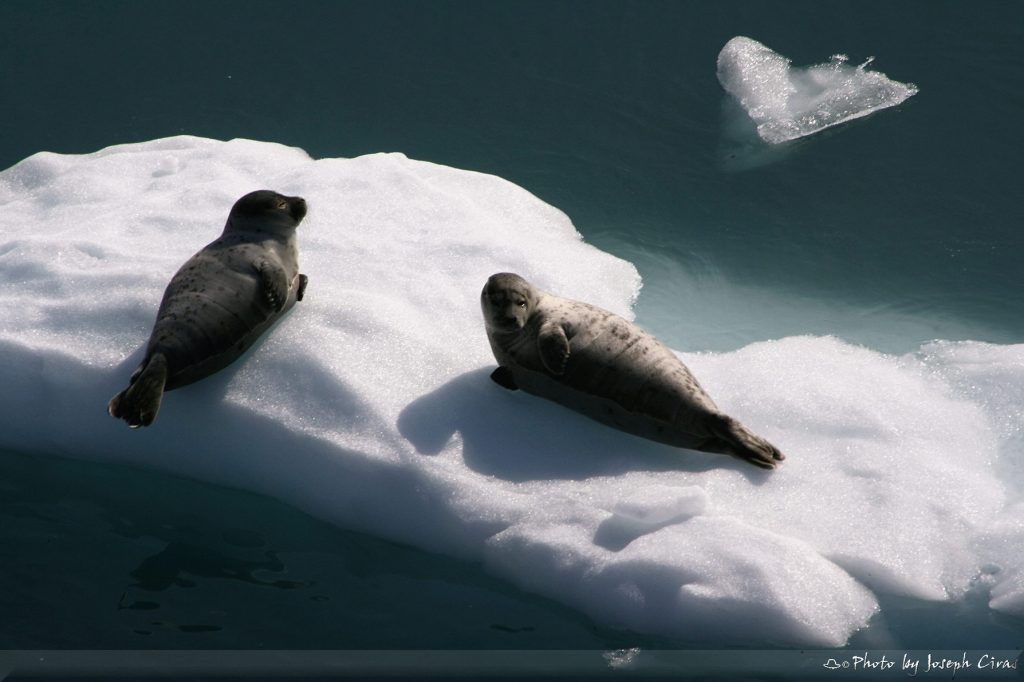
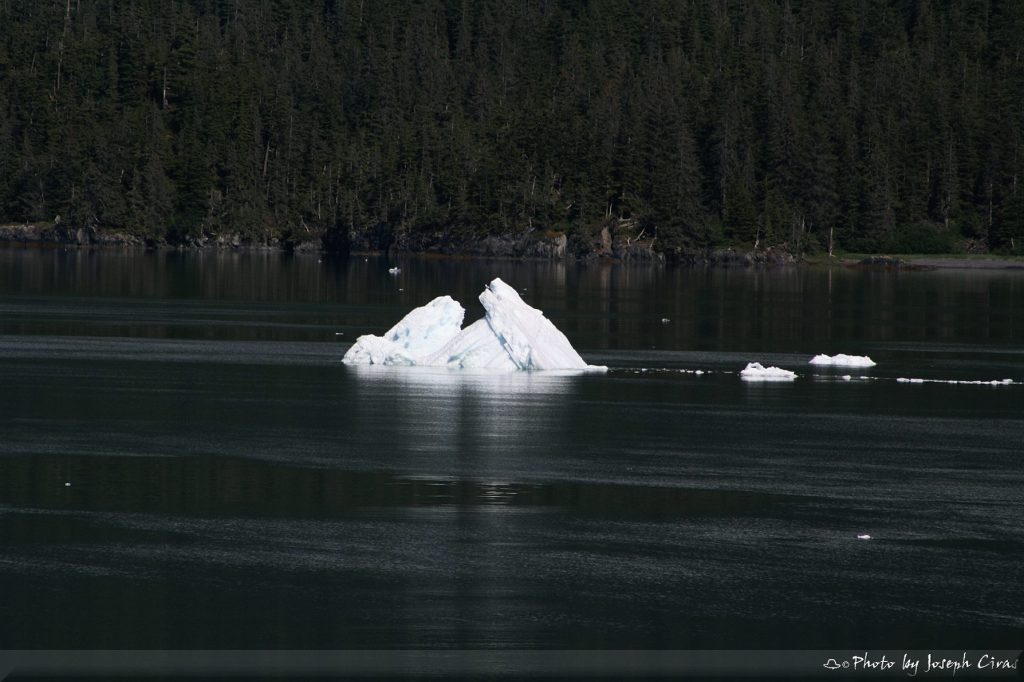
Bryn Mawr Glacier flows southeast for about 4.5 miles (7 km) to Harvard Arm of College Fjord in northwestern Prince William Sound, about 45 miles west of Valdez and 44 miles northeast of Whittier, Alaska (61° 15′ 13″ N, 147° 49′ 29″ W). As you travel into College Fjord, the glaciers on the left are named for women’s colleges and those on the right are named for men’s colleges. The names are Amherst, Barnard, Bryn Mawr, Harvard, Smith, Vassar, and Yale). Harvard Glacier is the biggest – its face is a mile and a half across.
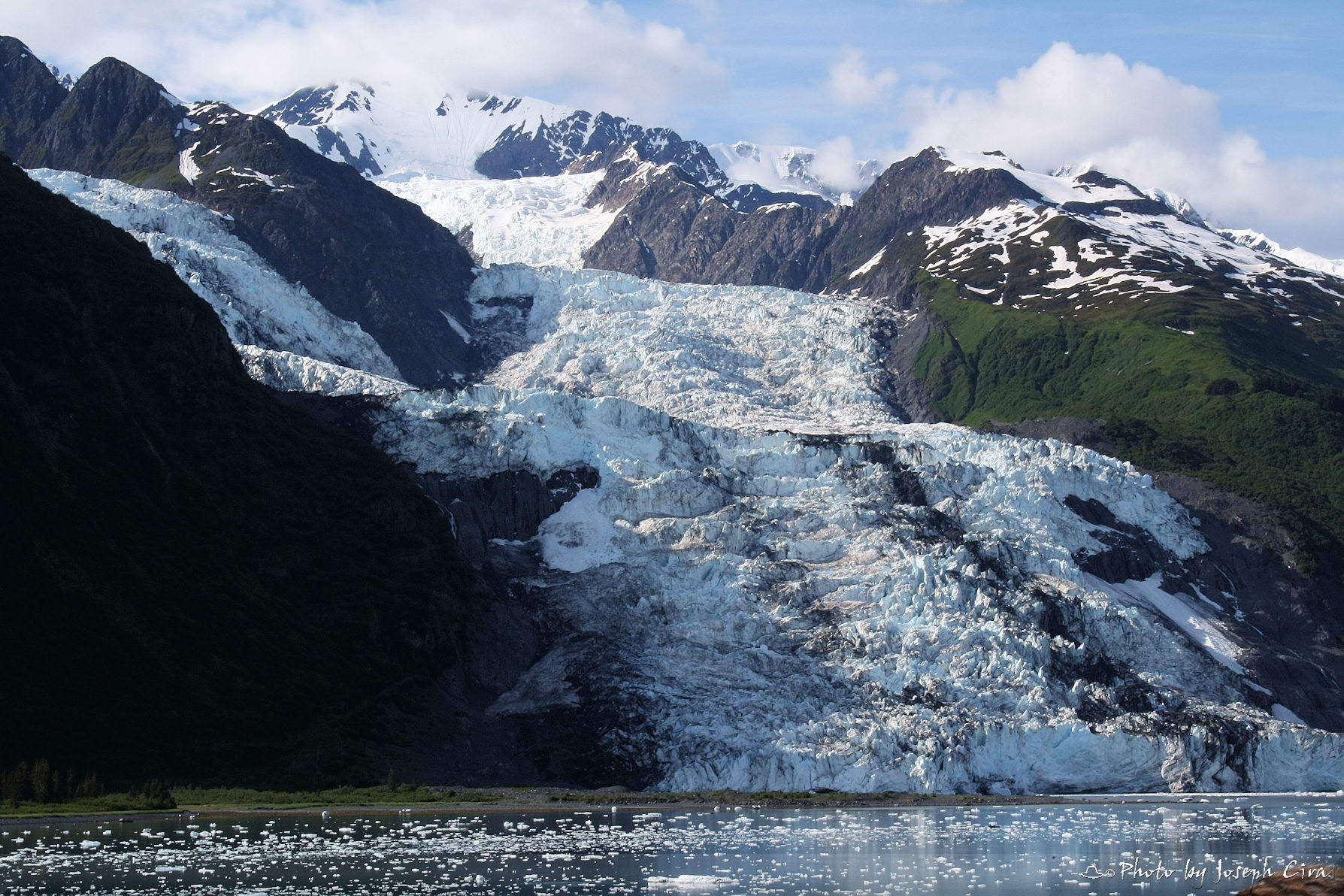
Alaska is such an amazing place to visit. The landscape keeps getting better and better as we headed north from Vancouver on our cruise. Here are a few more photos taken in College Fjord.



Thursday, 11/11/2021: Posted photo — Veterans Day.
Settings: N/A, scanned photo.
The Allied powers signed a ceasefire agreement with Germany at Compiégne, France, at 11:00 a.m. on November 11, 1918, bringing the war now known as World War I to a close. President Wilson proclaimed the first Armistice Day the following year on November 11, 1919, with these words: “To us in America, the reflections of Armistice Day will be filled with solemn pride in the heroism of those who died in the country’s service and with gratitude for the victory, both because of the thing from which it has freed us and because of the opportunity it has given America to show her sympathy with peace and justice in the councils of the nations…”
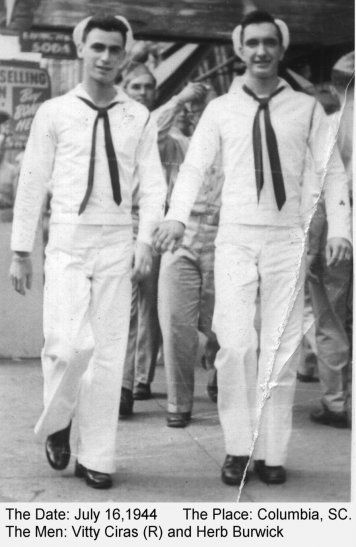
In 1954, Congress passed the bill that President Eisenhower signed proclaiming November 11 as Veterans Day, changing the name from Armistice Day. Veterans Day is the day set aside to thank and honor all who have served, living, or deceased, but particular the living veterans among us.
In the past, I have posted photos of Arlington National Cemetery, American flags, and other memorials for Veterans Day. Today am posting a photo of my father from 1944 when he was serving in the Navy during World War II. My father entered service in the Navy on November 30, 1943 and was received his Honorary Discharge on February 26, 1946. He was discharged as a Fireman First Class. He was stationed at NTS, Sampson, New York; NTS, NOB, Norfolk, Virginia, and the University of South Carolina Columbia South Carolina.
Friday, 11/12/2021: Post photo — Cashews.
Settings: Canon EOS 60D, ISO 3200, f/5.6, 1/20 s, 106 mm.
Cashews are low in sugar and rich in fiber, heart-healthy fats, and plant protein. They’re also a good source of copper, magnesium, and manganese — nutrients important for energy production, brain health, immunity, and bone health.
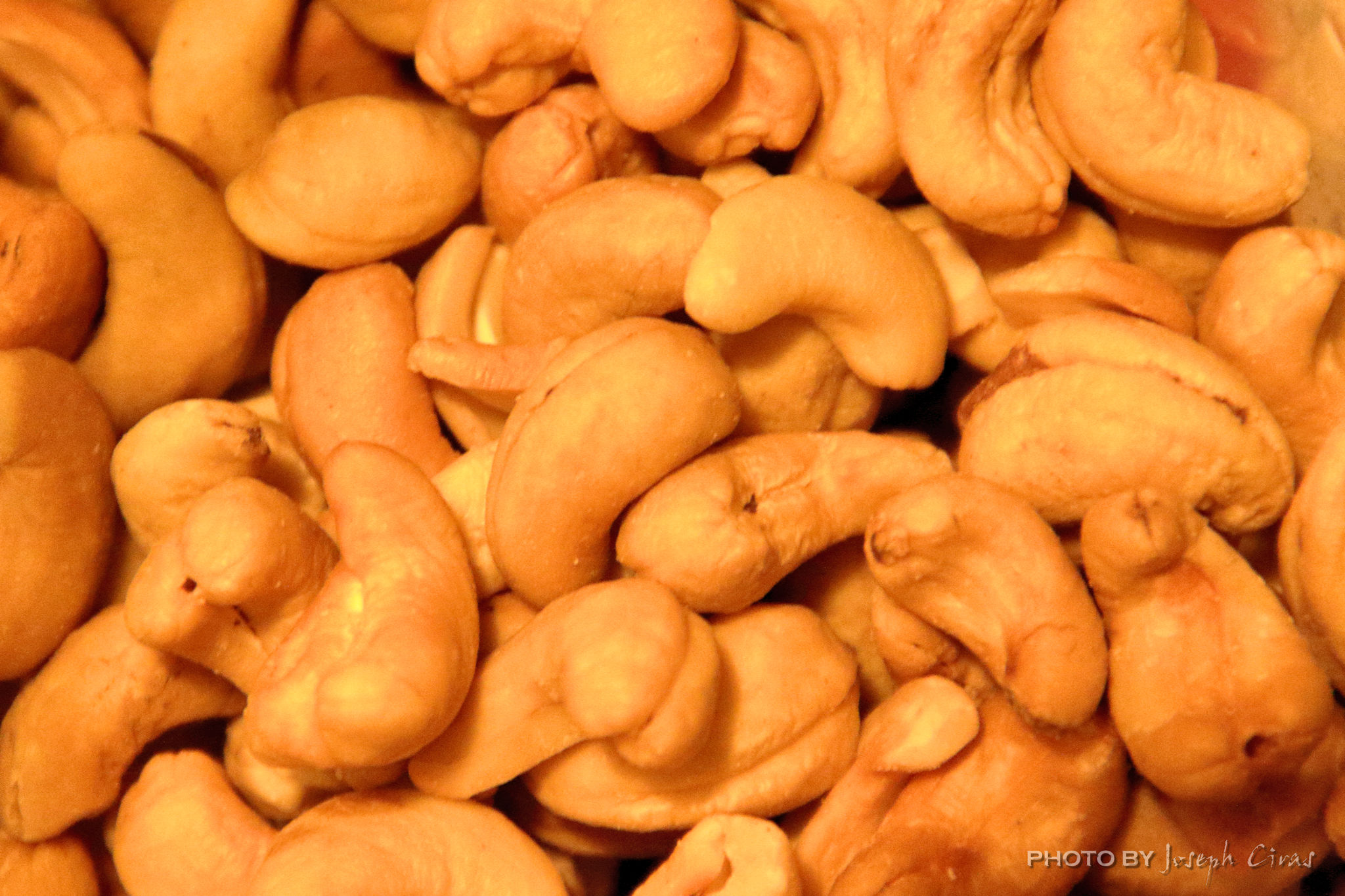
I needed a photo; I had some cashews in the house, so I took this photo.
Saturday, 11/13/2021: Post photo — Last Wood Delivery.
Settings: Canon EOS 60D, ISO 100, f/7.1, 1/13 s, 24 mm.
The last three cords of wood arrived this morning. No hiking today, just yard work. My son stacked some of the wood. He has friends coming over later tonight if the rain stops. Five cords total for the winter.
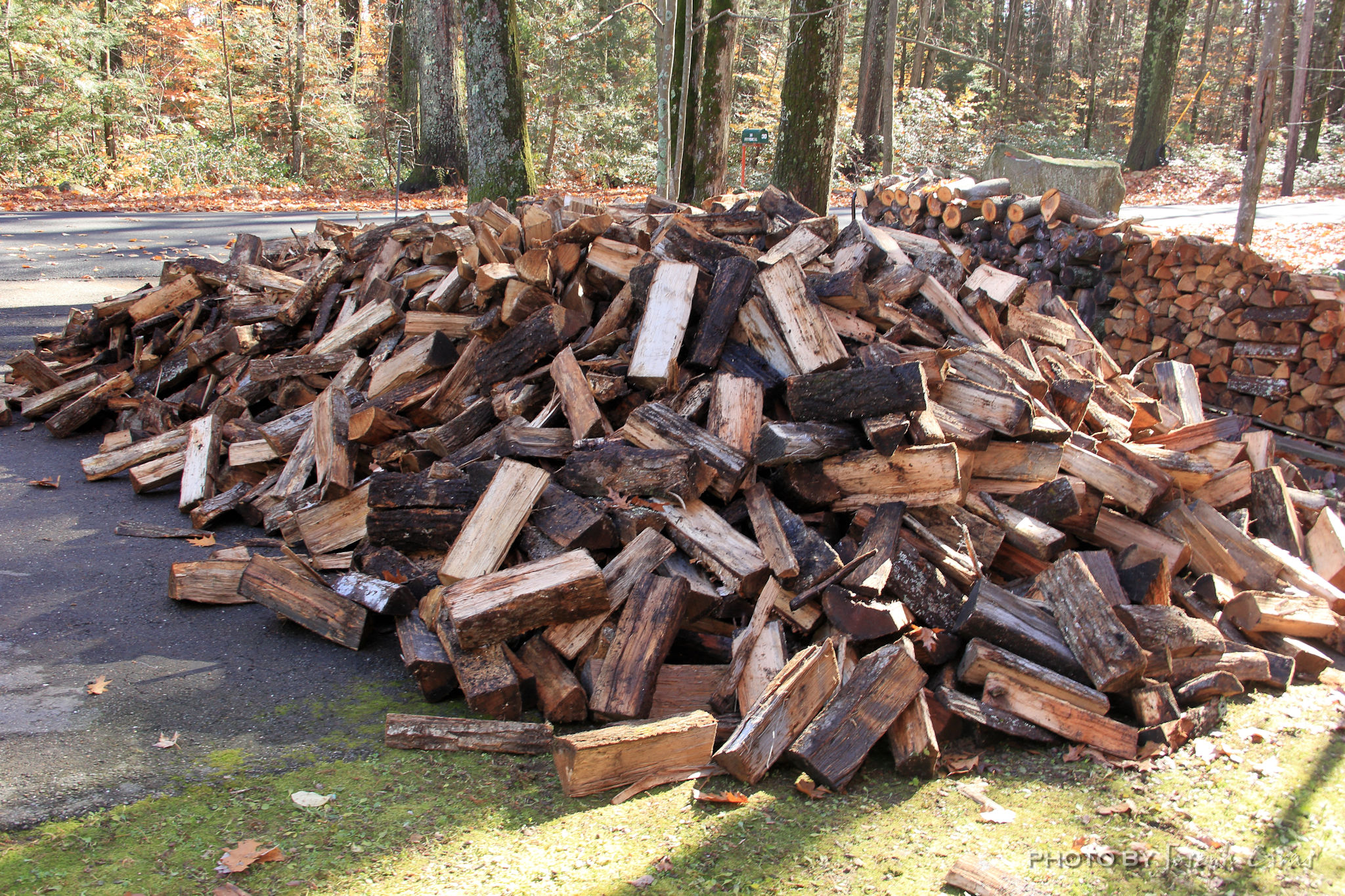
It was a great day for a hike, but I did not go just in case we did receive our wood. Also, the yard need raking. All the rain we had lately took most of them down.
That is all for now. Until next week, be safe.
For more photo of other project I have work, visit my website: https://photobyjosephciras.weebly.com or visit me on Facebook at https://www.facebook.com/PhotobyJosephCiras/.
Please note that I have not been able to post to my Weebly page since last Monday, so the photos are a little behind there. Weebly technical support is working on the issue.
 Photo by Joseph Ciras