“A thing that you see in my pictures is that I was not afraid to fall in love with these people.” — Annie Leibovitz
Thank you for all the new views and likes from last week, it helps keep me inspired.
This week we visit the north rim of the Grand Canyon.
Sunday, 04/17/2022: Posted photo — Bison outside the Park.
Settings: Canon EOS DIGITAL REBEL XS, ISO 200, f/6, 1/500 s, 300 mm.
This week I am posting from a trip we took to the North Rim of the Grand Canyon. Not many people go to the north rim since it is not near any population area. To drive from the north rim to the south rim of the Grand Canyon takes about 8 hours from closest entrance to closes entrance.
Before you get the sign for the north rim, you go past a bison farm. What a majestic animal to see up close.
Monday, 04/18/2022: Posted photo — North Rim Entrance.
Settings: Canon EOS DIGITAL REBEL XS, ISO 200, f/5.6, 1/60 s, 32 mm.
Here is the sign for the north rim. I have signs from all the national parks that I have entered. It is a good way to remember what parks the following photos were taken. I also like to take photos of signs along the trails.
Tuesday, 04/19/2022: Posted photo — View from our Campsite.
Settings: Canon EOS DIGITAL REBEL XS, ISO 200, f/8, 1/100 s, 55 mm.
This is the view we had when we woke up the few days we were at the north rim. Not a bad view!
Settings: Canon EOS DIGITAL REBEL XS, ISO 200, f/6.3, 1/100 s, 20 mm.
We were walking the Transept Trail to Bright Angel Point to head into the canyon. We saw a sign for ruins that were used 1000 years ago by Pueblo people. There are many historical ruins in Grand Canyon National Park and other parks in the area.
Thursday, 04/21/2022: Posted photo — Western Tanager.
Settings: Canon EOS DIGITAL REBEL XS, ISO 200, f/6.3, 1/320 s, 300 mm.
As we were approaching the trailhead area, I spotted this colorful bird in a bush. I like how colorful it is. I have sold a few prints of this photo during some of my gallery showings.
Friday, 04/22/2022: Post photo — Lightning.
Settings: Canon EOS DIGITAL REBEL XS, ISO 200, f/10, 1/400 s, 70 mm.
We did not go down into the canyon because of storms in the area. There was tornado and severe thunderstorm warning in the area. When this storm was approaching, I took out my camera and started to take photos. I did not see the second bolt of lightning until I looked at the photo on my computer.
Saturday, 04/23/2022: Post photo — View of the Canyon.
Settings: Canon EOS DIGITAL REBEL XS, ISO 200, f/8, 1/125 s, 40 mm.
As we were leaving the canyon to go from the north rim to the south rim, we stopped an looked at the temples.
“Photography has nothing to do with cameras.” — Lucas Gentry
Sorry about the late post last week. With the hike and Memorial Day, I did not find the time to post on time. Thank you for understanding.
Thank you for all the new views and likes from last week. It helps keep me going. Enjoy my blog post!
Enjoy this week’s rambling mind of a mechanical engineer and photographer.
Sunday, 05/30/2021: Posted photo — Lupine.
Settings: FUGIFILM FinePix XP70, ISO 100, f/4.5, 1/100 s, 9 mm.
From the Garden Design website: “If you’re looking for a showy summer-flowering perennial that will stand out from the crowd, lupine is a sure front-runner. The tall, lush spires of vividly colored flowers are like floral traffic cones, compelling you to slow down and take notice. In addition to their irresistible beauty, lupines are also valued for their ability to flourish in challenging environments, including sandy nutrient-poor soils, high elevations, and areas with cool summers.”
Lupines grow wild in this area. They are tall in this area and make fields look very colorful. I saw lupine in Colorado, and they were not as tall as New England because of the altitude that they grow. These lupines are in the parking lot of the church. I have seen them year after year and have photographed them yearly. There does not seem to be as many as in the past for some reason. Maybe someone who reads this can educate me.
Monday, 05/31/2021: Posted photo — National Memorial Cemetery of the Pacific.
Settings: Canon EOS 60D, ISO 400, f/9, 1/1600 s, 31 mm
“Few national cemeteries can compete with the dramatic natural setting of the National Memorial Cemetery of the Pacific. The “Punchbowl” was formed some 75,000 to 100,000 years ago during the Honolulu period of secondary volcanic activity. A crater resulted from the ejection of hot lava through cracks in the old coral reefs which, at the time, extended to the foot of the Koolau Mountain Range.
In August 2001, about 70 generic unknown markers for the graves of men known to have died during the attack on Pearl Harbor were replaced with markers that included “USS Arizona” after it was determined they perished on this vessel. In addition, new information that identified grave locations of 175 men whose graves were previously marked as unknown resulted in the installation of new markers in October 2002. The National Memorial Cemetery of the Pacific was placed on the National Register of Historic Places in 1976.” National Memorial Cemetery of the Pacific.
When I took this photo, it was the second time that I visited the National Memorial Cemetery of the Pacific. I have been to both Arlington National Cemetery and this one. Arlington has a feel that overtakes you emotionally. This one also does in a different way. It does not have all the “famous” people there since Hawaii is new to this country. There are no headstones, so everyone is equal. The National Cemetery is a must visit if you get the opportunity to visit Hawaii. When we visited, there was a memorial wreath for the late Senator John McCain in the Vietnam War section laid there by Senator Brian Schatz of Hawaii.
People post photos of Arlington National Cemetery for Memorial Day. I posted this photo since most people to not have the opportunity to see the National Cemetery in person.
The quote is from the Bixby Letter. Mrs. Lydia Bixby, a widow believed to have lost five sons during the Civil War.
“Executive Mansion, Washington, Nov. 21, 1864.
Dear Madam,–
I have been shown in the files of the War Department a statement of the Adjutant General of Massachusetts that you are the mother of five sons who have died gloriously on the field of battle.
I feel how weak and fruitless must be any word of mine which should attempt to beguile you from the grief of a loss so overwhelming. But I cannot refrain from tendering you the consolation that may be found in the thanks of the Republic they died to save.
I pray that our Heavenly Father may assuage the anguish of your bereavement, and leave you only the cherished memory of the loved and lost, and the solemn pride that must be yours to have laid so costly a sacrifice upon the altar of freedom.
Settings: Canon EOS 60D, ISO 100, f/7.1, 1/250 s, 135 mm.
Short and sweet. We have a red rhododendron that blooms after our azaleas. They are such wonderful plants that attract bumble bees and other insects.
Wednesday, 06/02/2021: Posted photo — Mothering.
Settings: Canon EOS 60D, ISO 100, f/7.1, 1/250 s, 135 mm.
Birds incubate their eggs to keep them at the proper temperature to ensure normal development. Female songbirds usually begin incubation after they have finished laying all their eggs so that they will hatch at approximately the same time.
These are smart birds. The mother has made the nest under shelter in a protected area. There is little chance that the nest will be washes away, or that a predator will disturb the nest.
Thursday, 06/03/2021: Posted photo — Fire Tower.
Settings: FUGIFILM FinePix XP70, ISO 100, f/4.5, 1/110 s, 9 mm.
I took one of my work colleagues up Wachusett Mountain today. It was his first time up the mountain. When I hike, I see the same people most of the time. Today these people stopped and introduced themselves to me. I know a few more hikers now and my colleague just thinks that I talk to everyone when I hike. Not the case.
I needed a photo for today and like the way the fire tower looked against the clouds. There was a low ceiling since there was rain in the area. We were dry but the trails were very muddy due to the rain over the weekend.
Quick photo Friday. I took a photo of this piece of wood to see how well the wood is drying. You can tell how well the wood is drying, or seasoning, by the way the wood is changing color.
Saturday, 06/05/2021: Post photo — Spools of Thread.
Settings: Samsung SM-G930V (Galaxy S7), ISO 160, f/1.7, 1/24 s, 4 mm
One of my wife’s friend is the owner of a new consignment shop. It is a women own company. Today was the opening day for the shop. My wife’s friend was very surprised to see her at the shop since it is about an hour away from our house.
I took a photo of these spools of threads since I liked the colors of the threads and the pattern they were in. The shop is in North Andover, MA. If you would like to know the location of this shop, please message me and I will send it to you.
“To me, photography is an art of observation. It’s about finding something interesting in an ordinary place… I’ve found it has little to do with the things you see and everything to do with the way you see them.” — Elliott Erwitt
Thank you for all the new views and likes from last week. It helps keep me going. Enjoy my blog post!
Enjoy this week’s rambling mind of a mechanical engineer and photographer.
Sunday, 05/09/2021: Posted photo — True North.
Settings: Samsung SM-G930V (Galaxy S7), ISO 50, f/1.7, 1/3320 s, 4 mm
Summit compass, or sometimes call the Wachusett Rose, is a compass set on a pedestal on the summit of Wachusett Mountain. It shows people the direction that they are looking. This compass was at a different location on the summit a few year ago. Some kids pried if from its base and then later returned it to a ranger in the Visitor’s Center. When it was in its previous location, I took out my compass to verify its orientation. I did the same thing at this location.
Direction verification
If you notice, the needle on my compass and the north direction do not line up. This is due to magnetic declination. The needle points to magnetic north so I needed to adjust the declination on my compass so that the needle was set to the declination angle of 14° West in our area at this time. The magnetic declination changes every year since the magnetic pole of the Earth is in constant motion.
Monday, 05/10/2021: Posted photo — Owl.
Settings: Samsung SM-G930V (Galaxy S7), ISO 50, f/1.7, 1/179 s, 4 mm
During my hike this evening, I saw blue birds trying to knock something out of a tree. When I looked closer, it was this barred owl. I have seen one on the mountain a few years ago, and have heard them on the mountain many times, but have never seen one this close. I was going to bring my “good” camera on my hike and decided against it. I did not even have my backup camera. All I had with me was my cell phone. After many shots at bad angles, this owl just stayed on the branch allowing me to take this photo. Not bad for a cell phone camera.
Barred Owls are easiest to find when they are active at night — they are a lot easier to hear than to see. Visit forests near water (big bottomland forest along a river is prime Barred Owl habitat) and listen carefully, paying attention for the species’ barking “Who cooks for you?” call. At great distance, this can sound like a large dog. Try imitating the call with your own voice and then wait quietly. If you are lucky, a territorial Barred Owl will fly in to investigate you. During the daytime, a quiet walk-through mature forest might reveal a roosting Barred Owl if you are very lucky.
This part of the trail on Wachusett Mountain is a mature forest. It is one of the oldest forests around since it was not clear cut for farming when this country was settled.
Facts about the Barred Owl from All About Birds:
The Great Horned Owl is the most serious predatory threat to the Barred Owl. Although the two species often live in the same areas, a Barred Owl will move to another part of its territory when a Great Horned Owl is nearby.
Pleistocene fossils of Barred Owls, at least 11,000 years old, have been dug up in Florida, Tennessee, and Ontario.
Barred Owls do not migrate, and they do not even move around very much. Of 158 birds that were banded and then found later, none had moved farther than 6 miles away.
Despite their generally sedentary nature, Barred Owls have recently expanded their range into the Pacific Northwest. There, they are displacing and hybridizing with Spotted Owls — their slightly smaller, less aggressive cousins — which are already threatened from habitat loss.
Young Barred Owls can climb trees by grasping the bark with their bill and talons, flapping their wings, and walking their way up the trunk.
The oldest recorded Barred Owl was at least 24 years, 1 month old. It was banded in Minnesota in 1986, and found dead, entangled in fishing gear, in the same state in 2010.
Wonder why I like to hike? One of many reasons is so I can see wild animals and birds and to just enjoy nature.
Tuesday, 05/11/2021: Posted photo — Fiddlehead.
Settings: Canon EOS 60D, ISO 100, f/5.6, 1/1000 s, 135 mm.
From some site off the web: Fiddleheads or fiddlehead greens are the furled fronds of a young fern, harvested for use as a vegetable. Left on the plant, each fiddlehead would unroll into a new frond. As fiddleheads are harvested early in the season before the frond has opened and reached its full height, they are cut close to the ground.
Fiddleheads have antioxidant activity, are a source of omega-3 and omega-6 fatty acids and are high in iron and fiber. The fiddlehead resembles the curled ornamentation (called a scroll) on the end of a stringed instrument, such as a fiddle. It is also called a crozier, after the curved staff used by bishops, which has its origins in the shepherd’s crook.
Fiddlehead
Fiddleheads grow around our property this time of year. If you were to look back at my photo history, you would see that photograph them every year. I have not ventured into eating one yet.
Wednesday, 05/12/2021: Posted photo — Lilac.
Settings: Canon EOS 60D, ISO 100, f/5, 1/250 s, 60 mm.
Lilacs are hardy, easy to grow, and low maintenance. They can grow from 5 to 15 feet tall, depending on the variety. The fragrant flowers are good for cutting and attractive to butterflies.
These lilacs are growing in our yard. The lilacs are growing on a plant that was transplanted from a friend’s house. They were moving and liked the plant. It was too big for their new location, so we split the plant. That was a few years ago and the plant is doing well.
Lilac in our yard
Thursday, 05/13/2021: Posted photo — More Turkeys.
Settings: Canon EOS 60D, ISO 1250, f/5.6, 1/200 s, 135 mm.
Turkey, turkeys everywhere this year. This is the third time in just a couple of weeks when this rafter of turkeys has tried to stop me going to work. This was the first time the toms showed me their feathers.
Turkeys crossing the road
I had my “good” camera with me to take this photo through my windshield.
Friday, 05/14/2021: Post photo — Mesa Arch.
Settings: Canon EOS DIGITAL REBEL XS, ISO 200, f/11, 1/200 s, 48 mm.
Last week I posted a photo of the Milky Way from the Needles section of Canyonland National Park. Today I am posting a photo of the Mesa Arch from the Island in the Sky section of Canyonland National Park. I did not know that this arch was famous when I took this photo. I found out that photographers get up early to see the sunrise through the arch.
Masa Arch, Island in the Sky section of Canyonland National Park
Mesa Arch is a spectacular stone arch perched at the edge of a cliff with vast views of canyons, rock spires, and the La Sal Mountains in the distance. Mesa Arch formed as surface water pooled and eventually eroded through bedrock at the mesa’s edge.
Saturday, 05/15/2021: Post photo — Azalea.
Settings: Samsung SM-G930V (Galaxy S7), ISO 50, f/1.7, 1/2808 s, 4 mm
Azaleas are flowering shrubs in the genus Rhododendron. Azaleas bloom in the spring, their flowers often lasting several weeks. Shade tolerant, they prefer living near or under trees.
We have two azalea shrubs in our yard, one read and one pink. The red on blooms first and then the pink one.
Azaleas are starting to bloom
They are an easy subject to photograph when I need a quick photo.
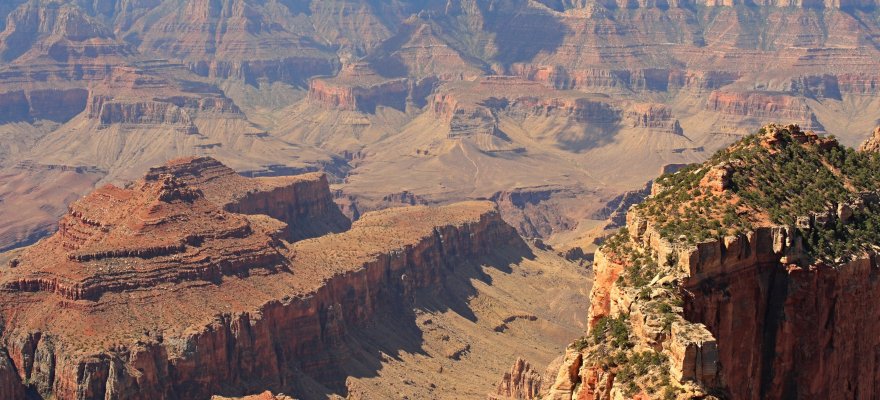
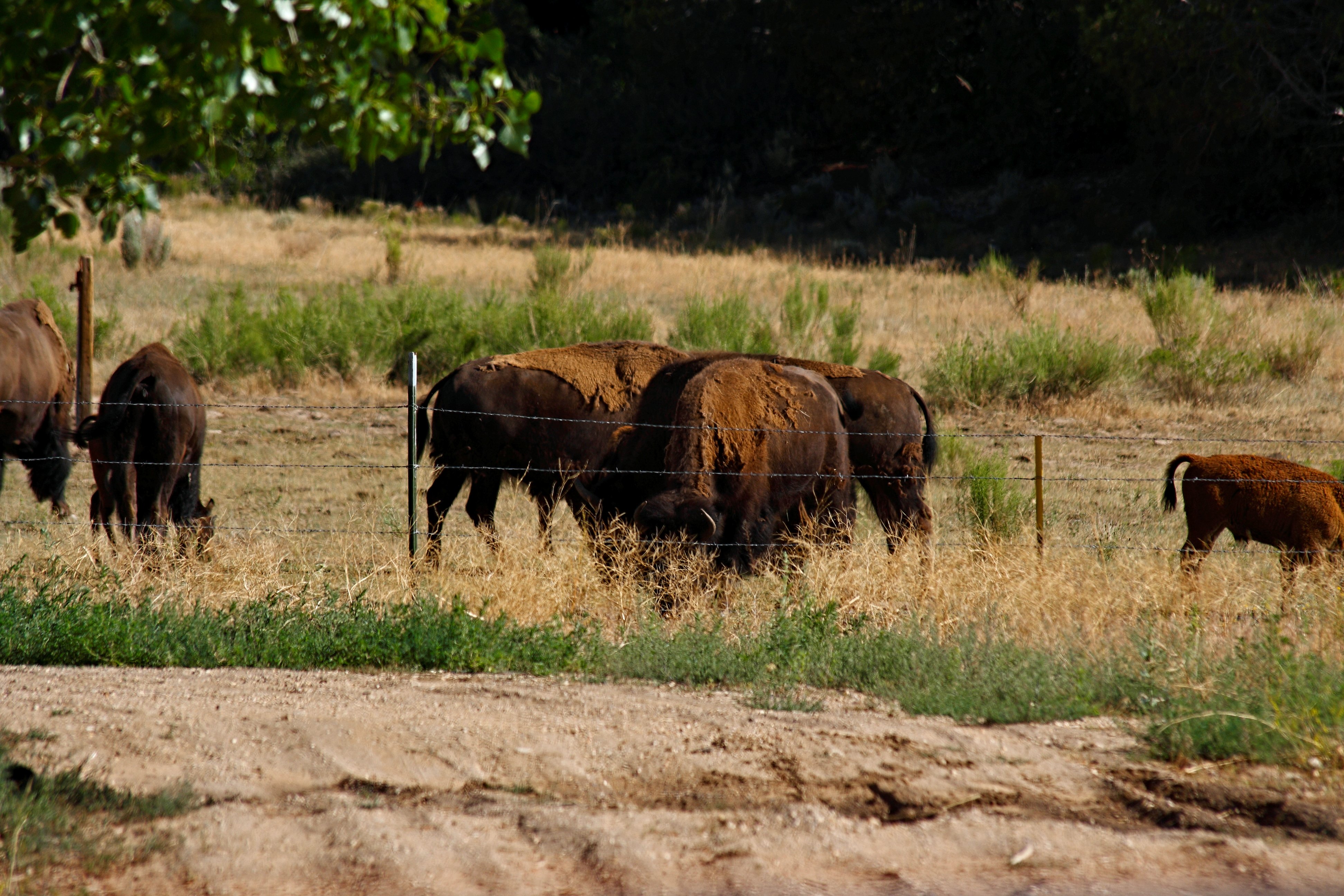


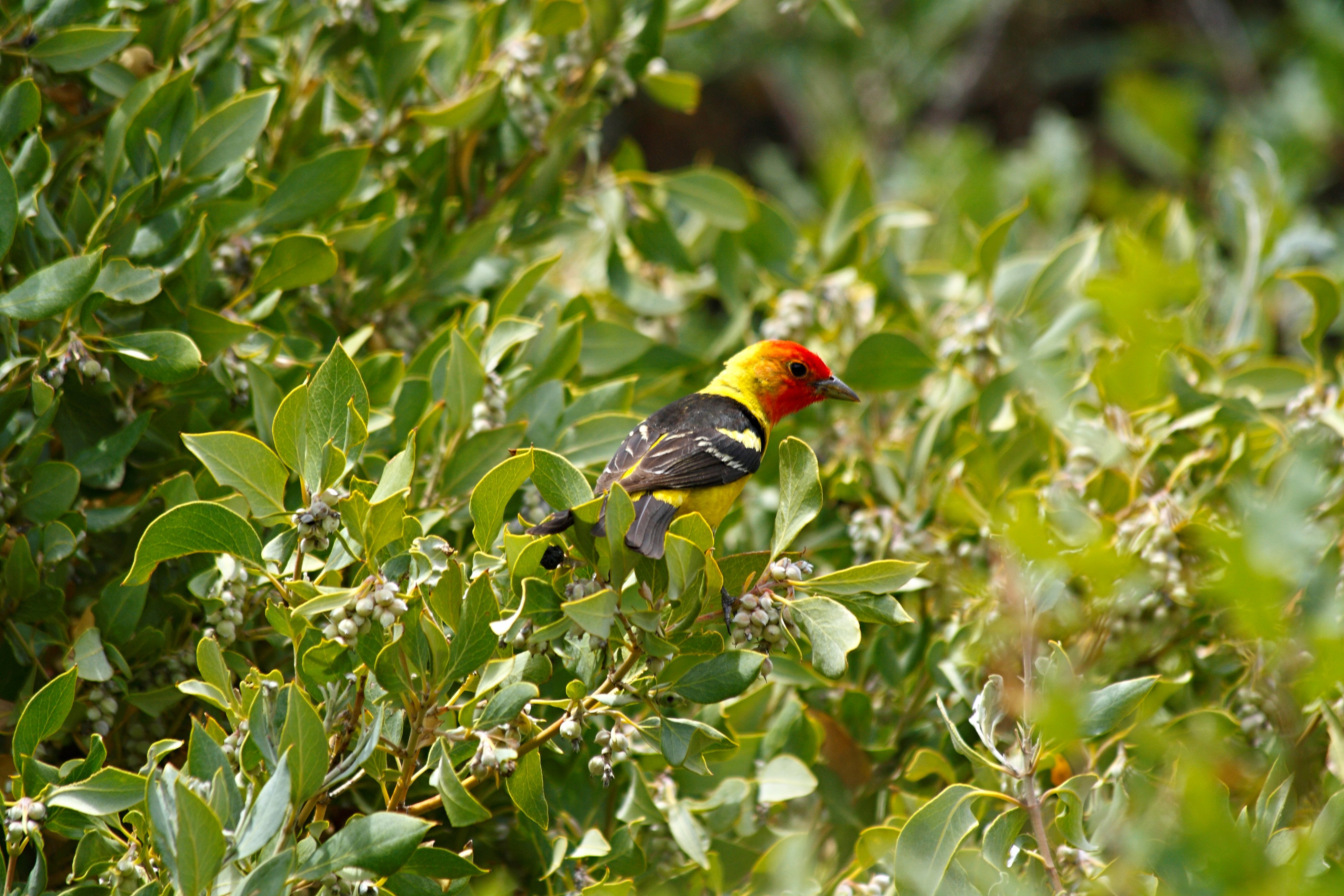
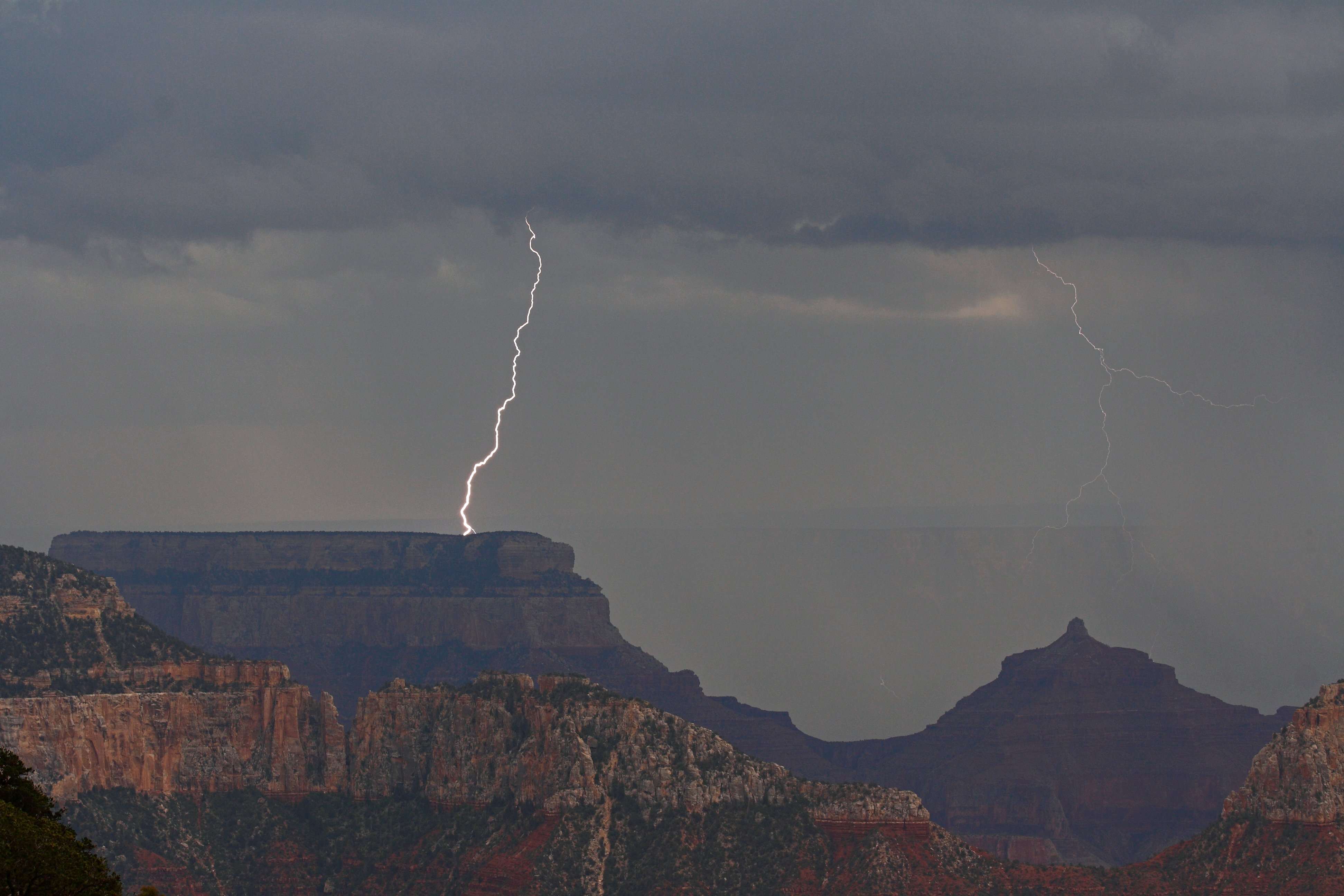
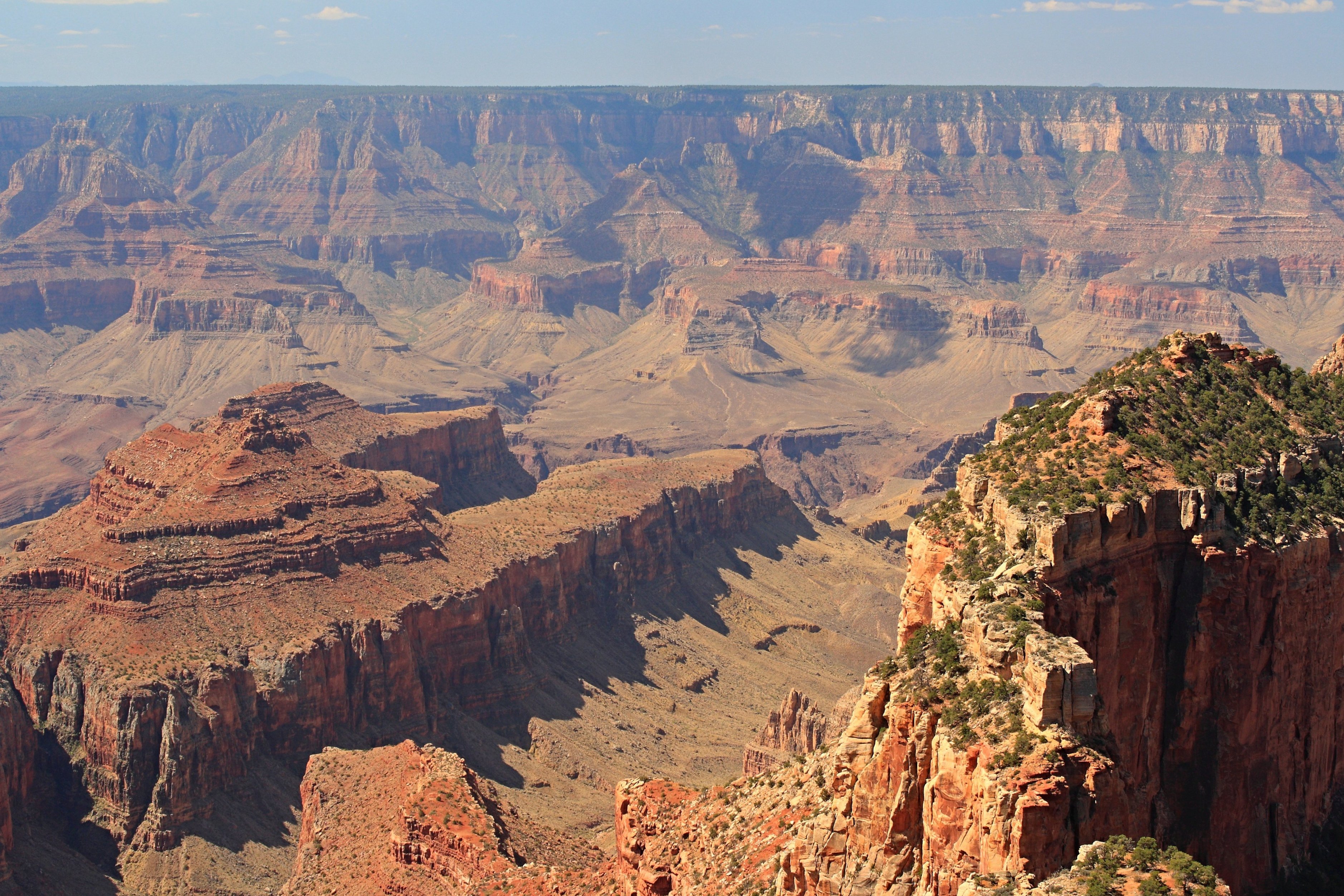
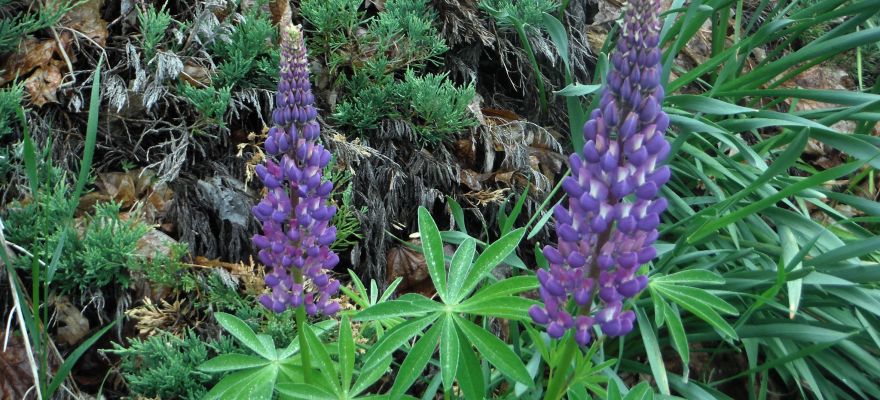

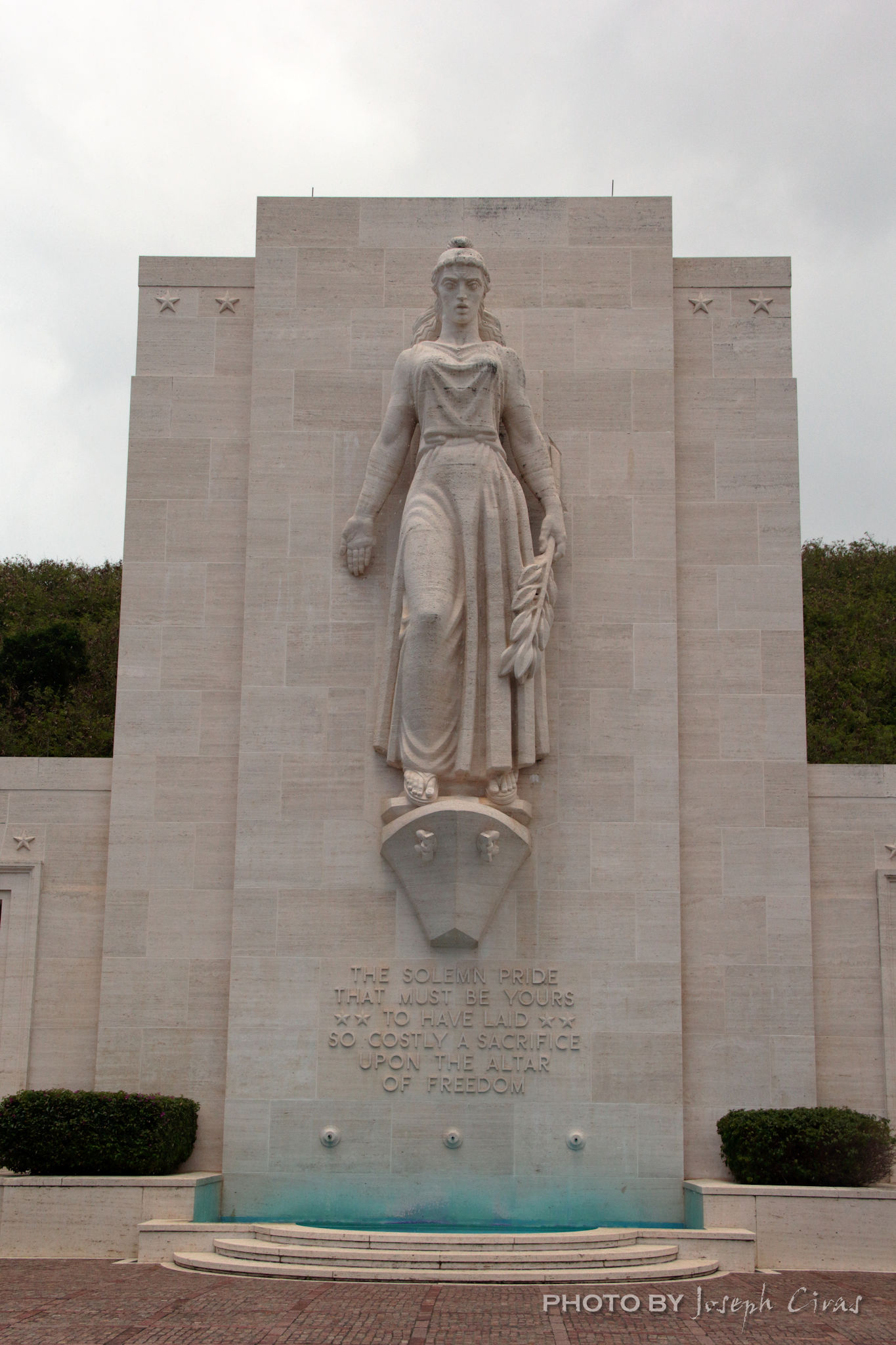



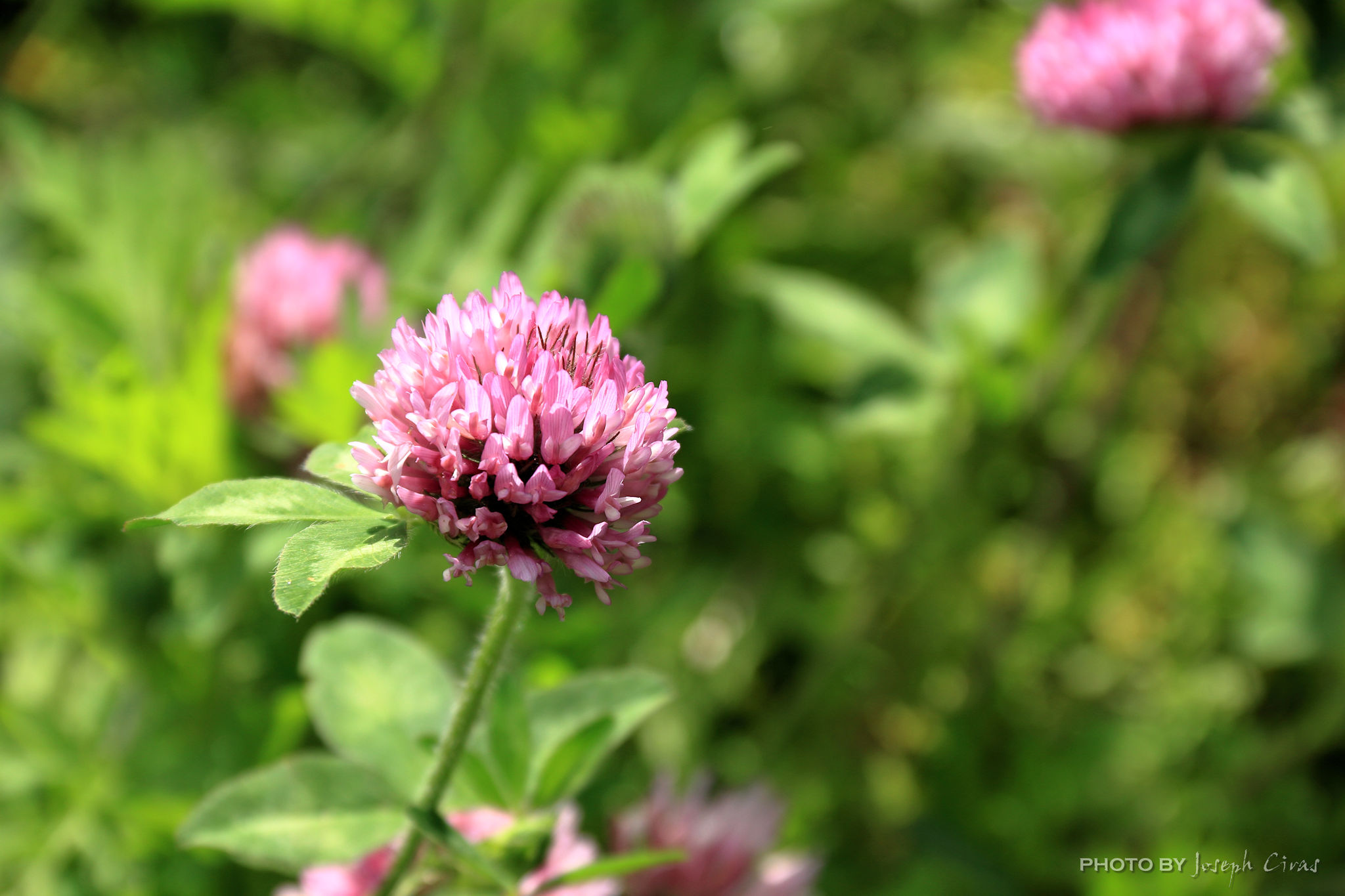

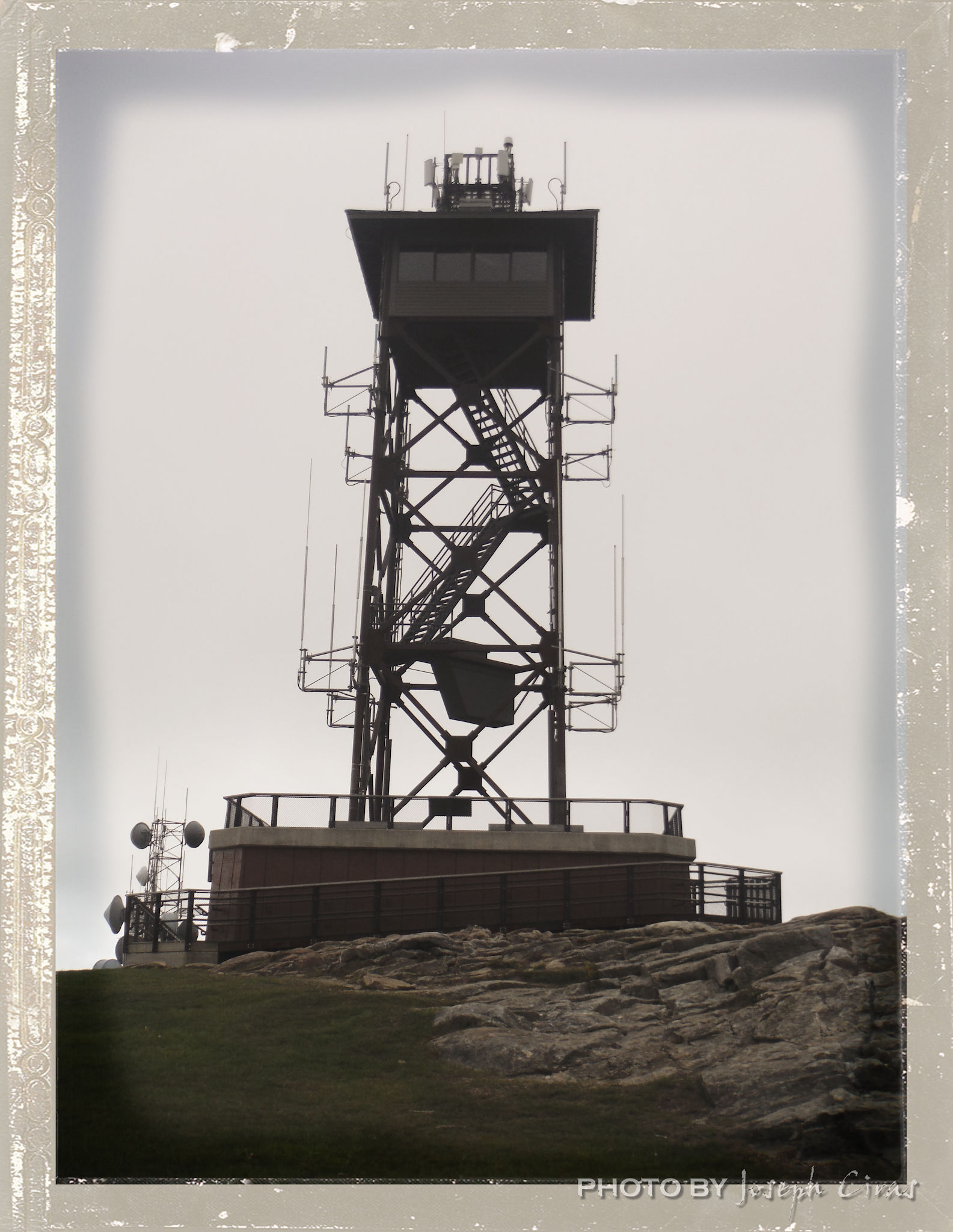
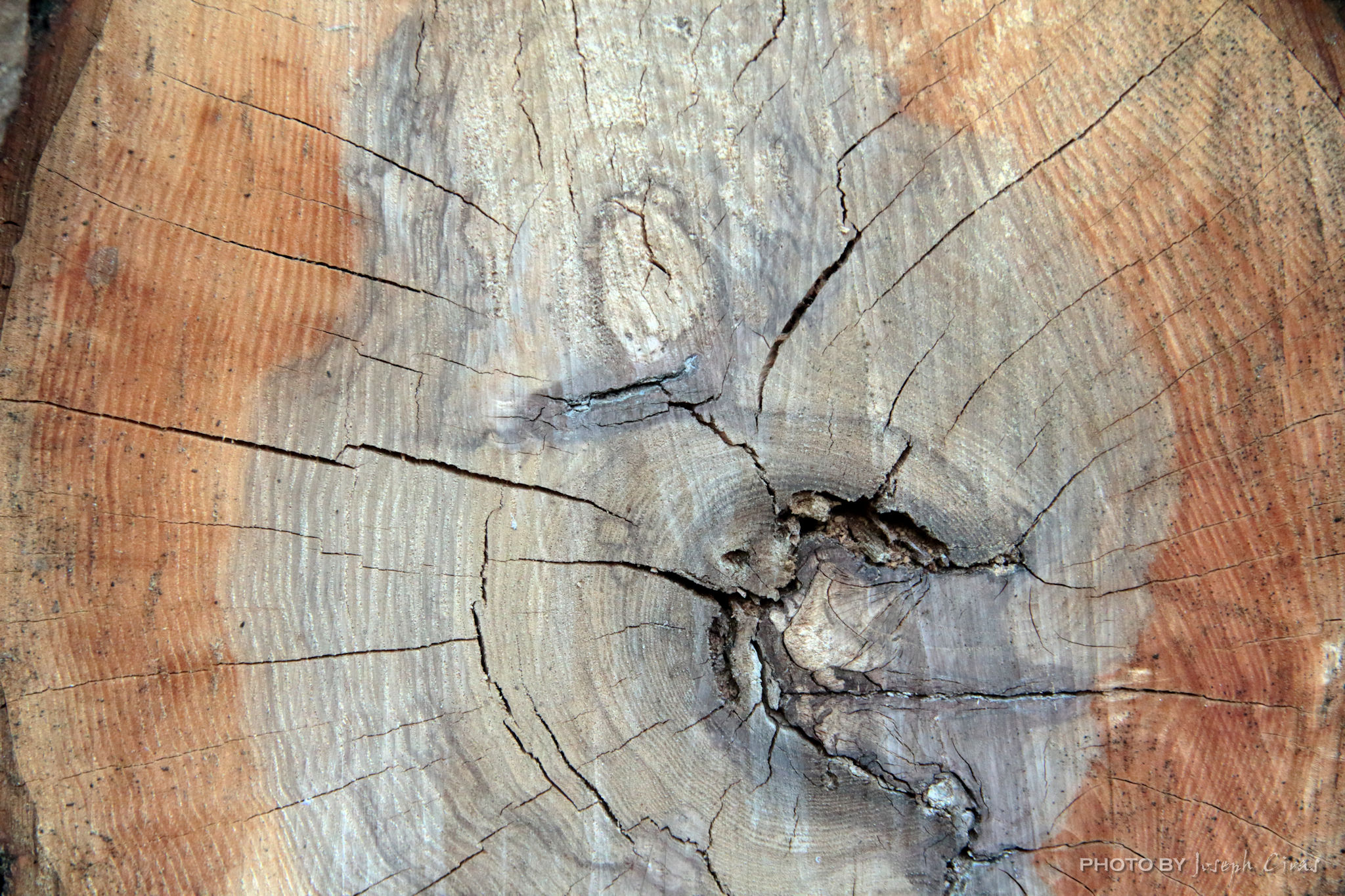
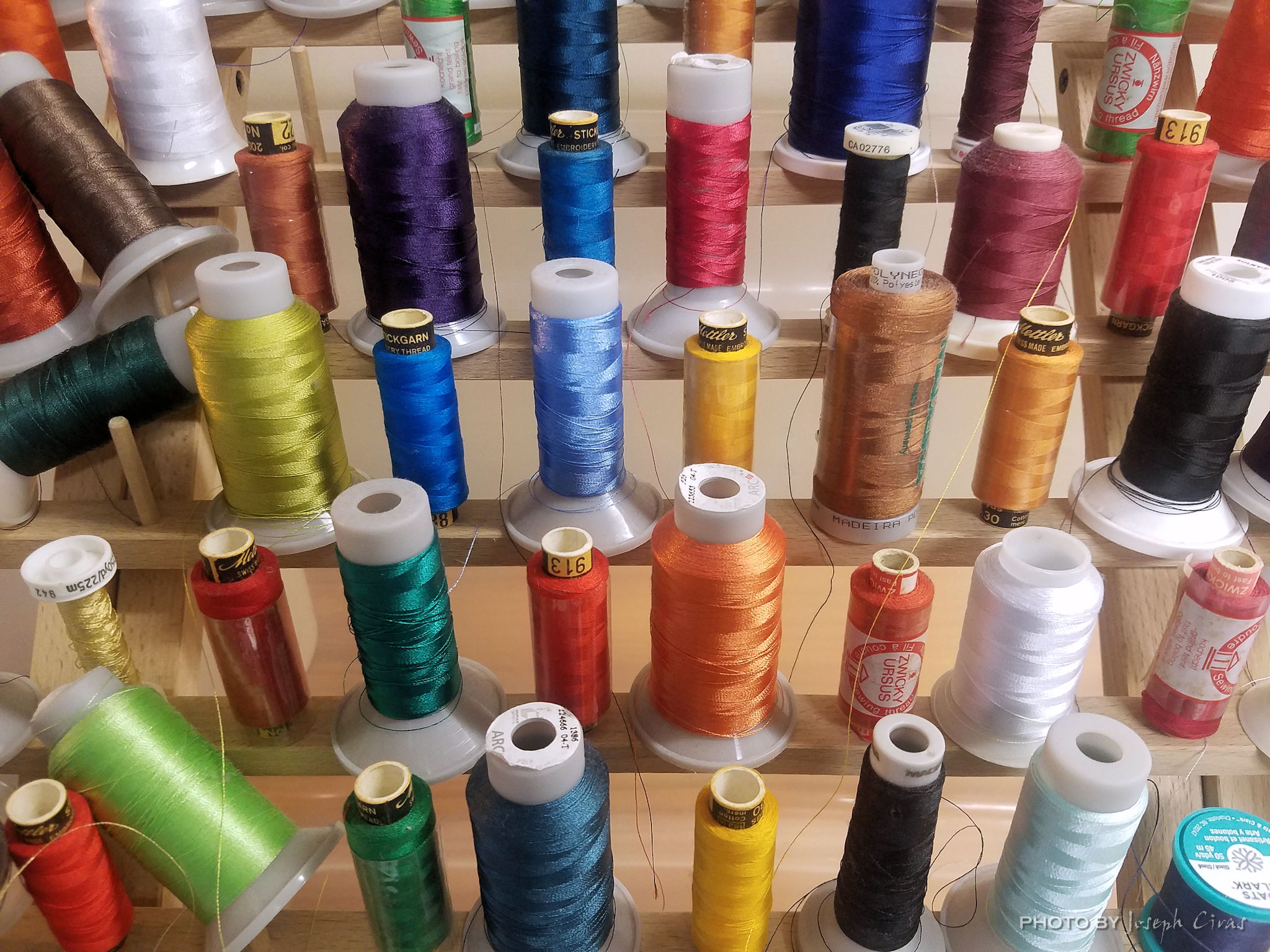
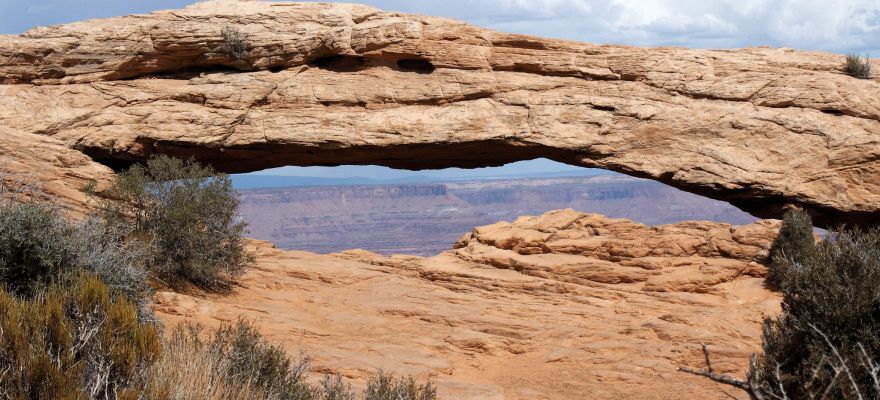
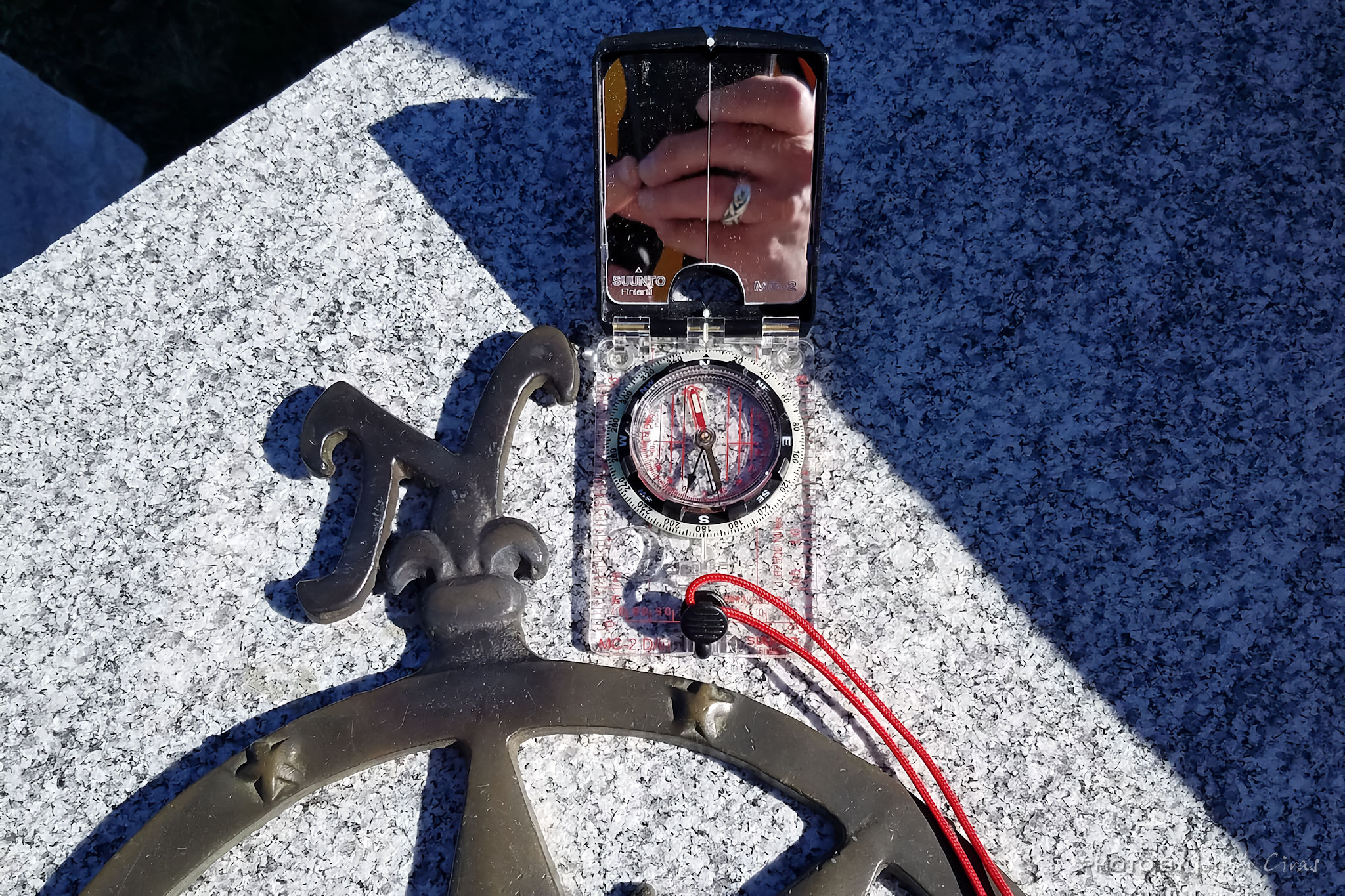
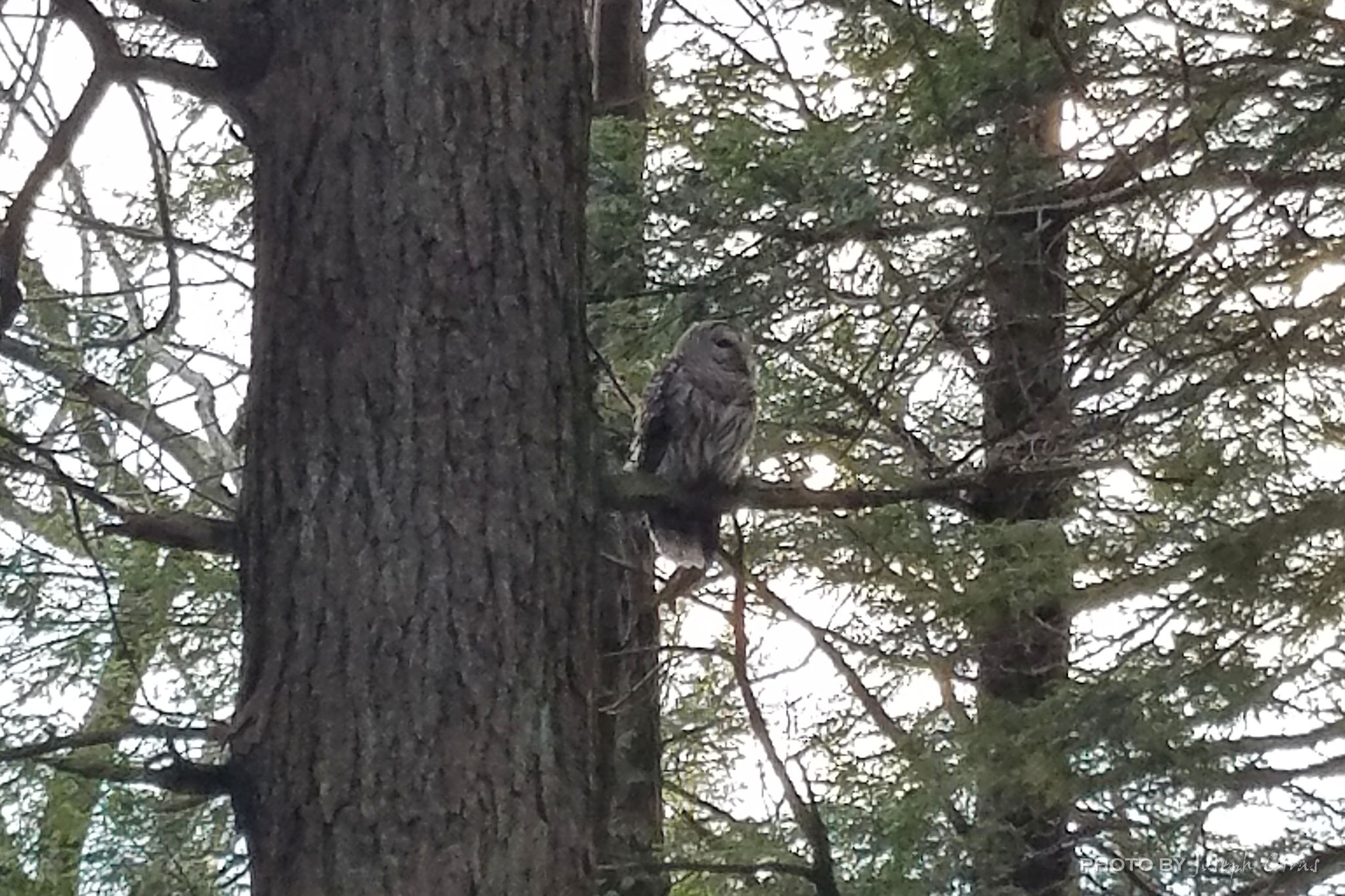
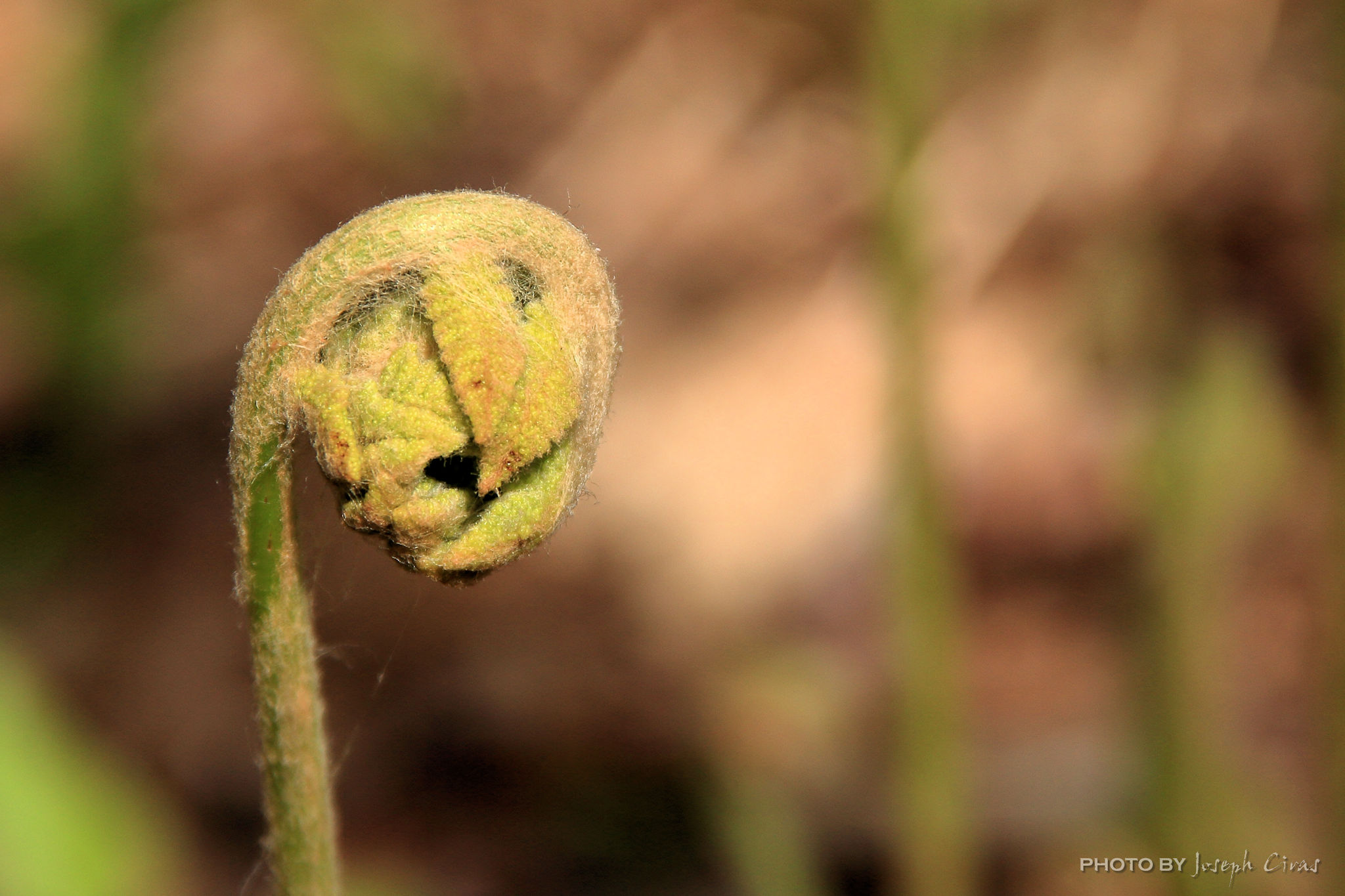
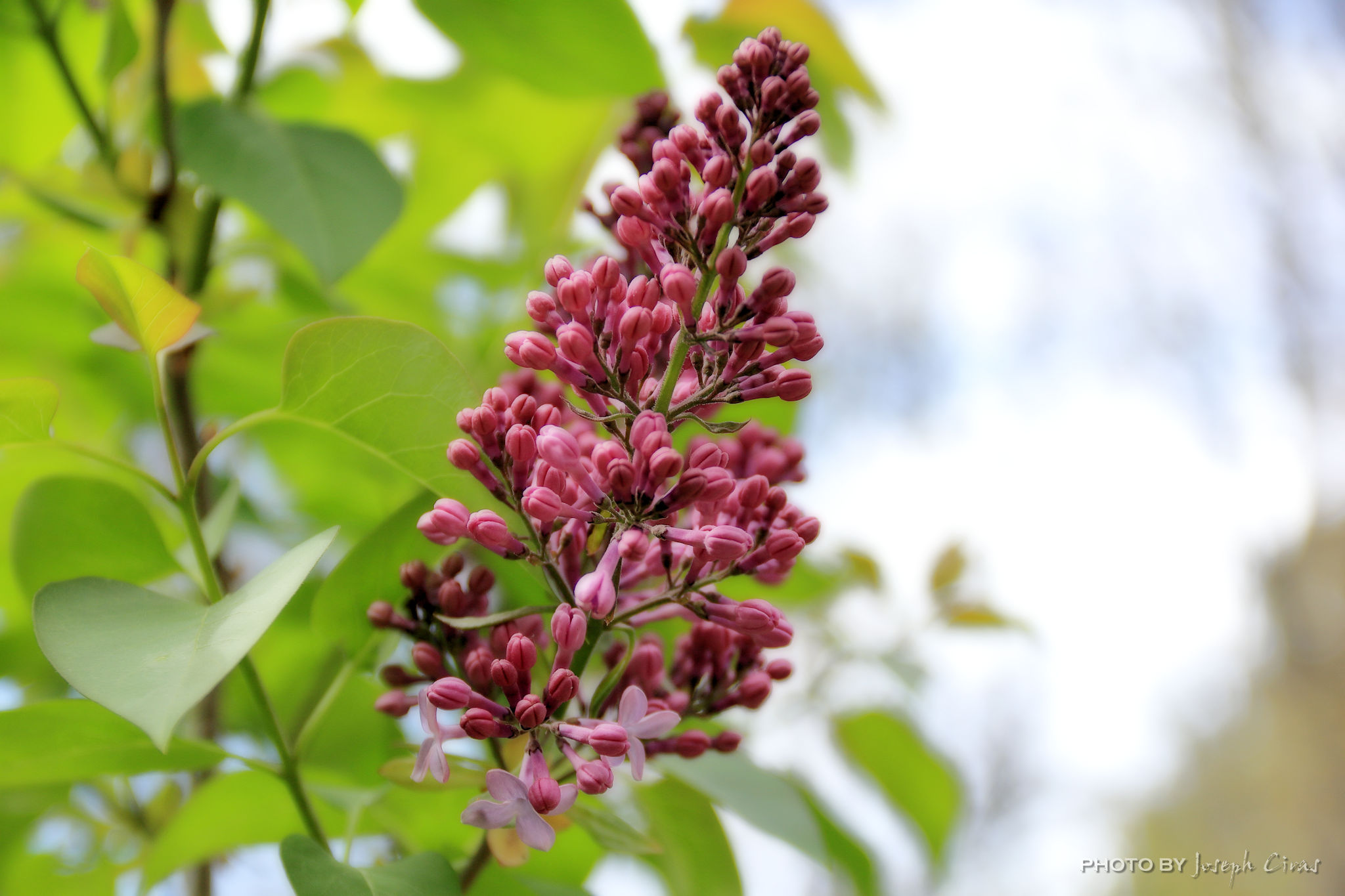
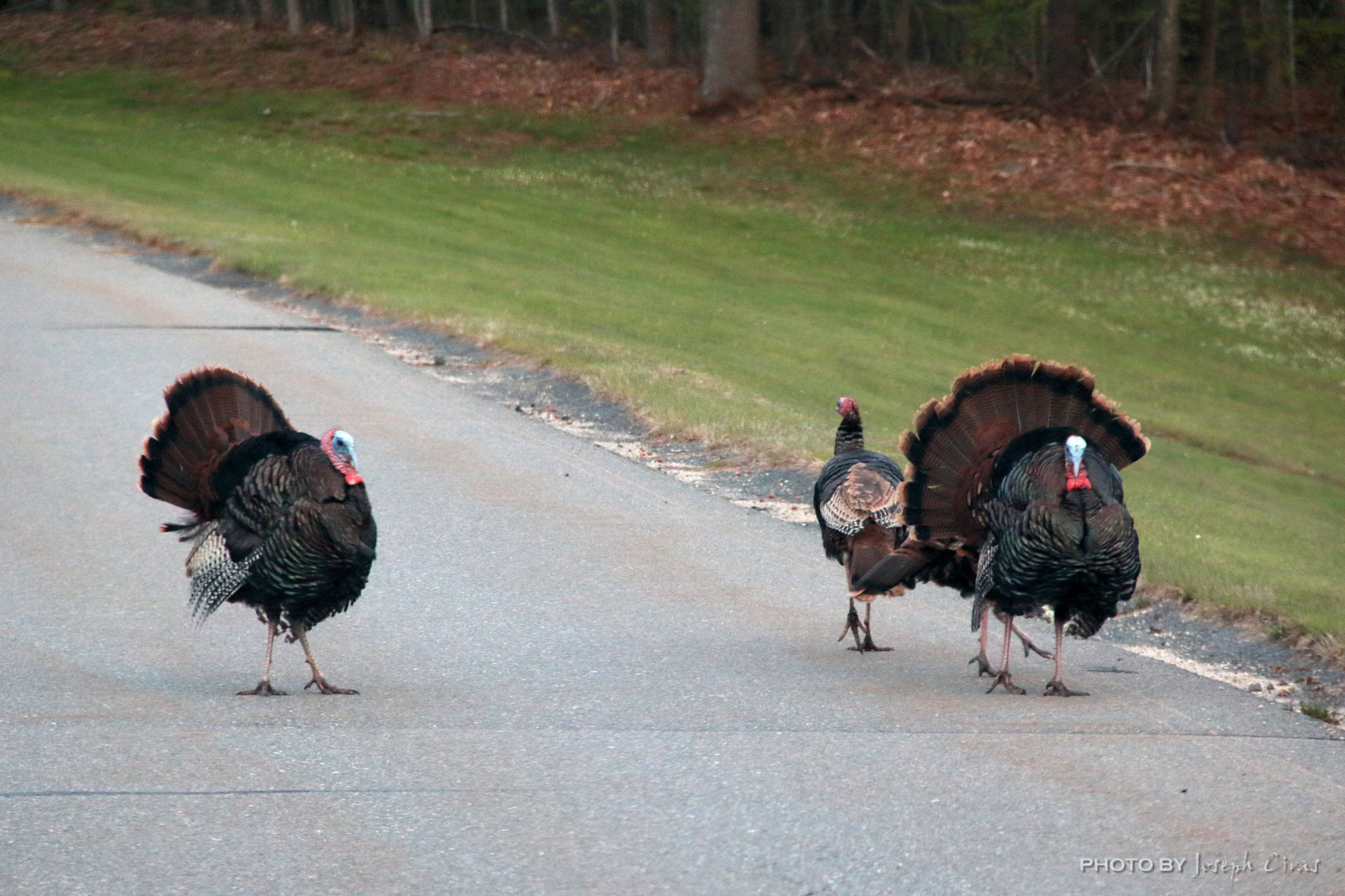
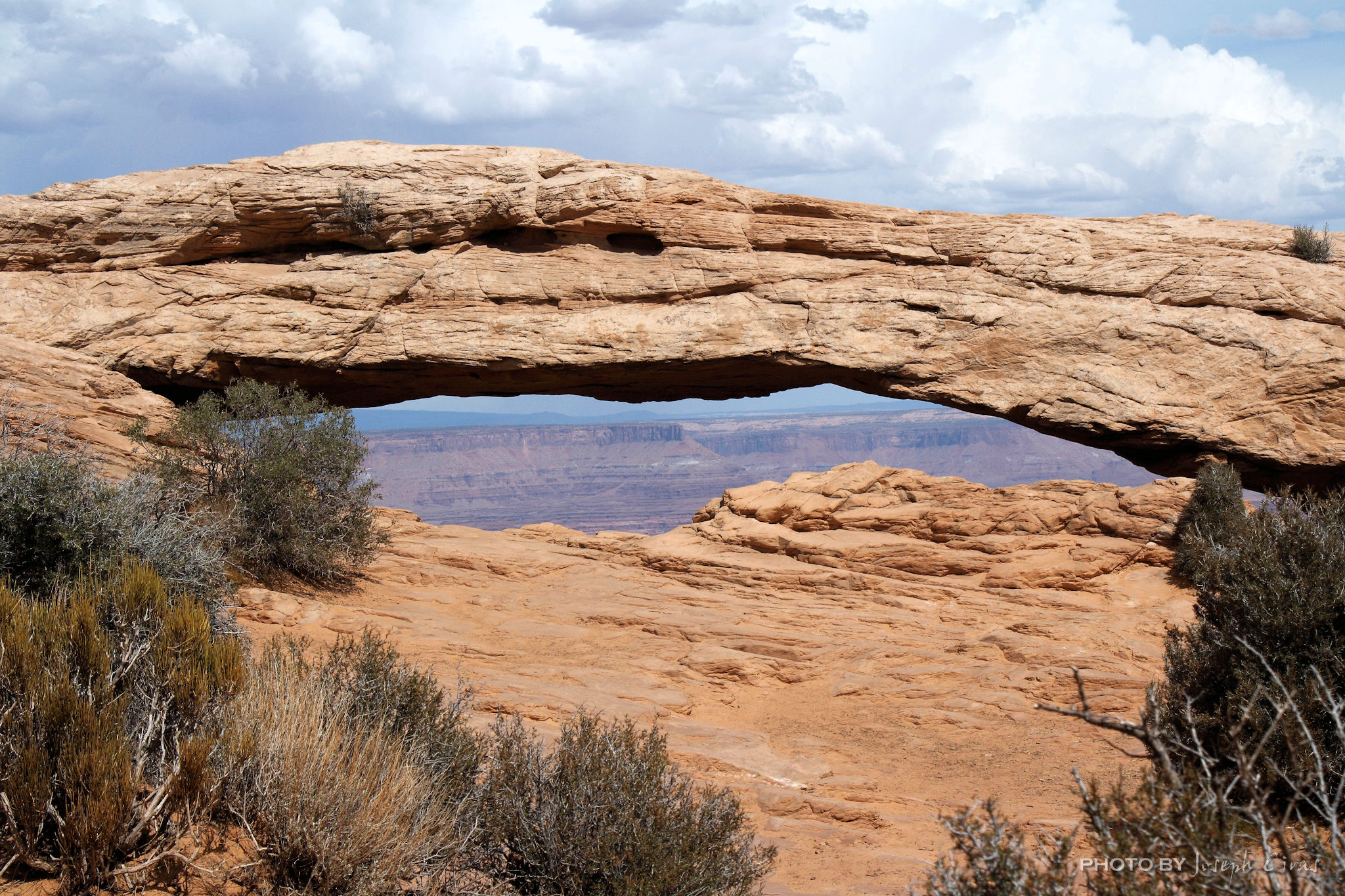

 Photo by Joseph Ciras