“Photography is the story I fail to put into words.” — Destin Sparks
Thank you for all the new views and likes from last week, it helps keep me inspired.
Since I broke my left Medial malleolus – inside part of the tibia, left Posterior malleolus – back part of the tibia, and left Lateral malleolus – end of the fibula in a hiking accident less than 10 feet from the end of the trail last week, I will be posting photos from my first photo book. I am awaiting surgery on my ankle next week, so my mobility is limited. My vehicle is a manual transmission so I will not be able to drive it for a while.
Settings: Canon EOS 60D, ISO 100, f/7.1, 1/640 s, 35 mm.
This is the first in what I hope will be a weeklong series of some of the historic houses around town. I will look for any information I can find on these houses. I have done a search of these housed prior to my starting my blog. There might me more information on them now.
The Squire Dusting house was built in 1810 and is located near the town commons.
Monday, 01/31/2022: Posted photo — Upton School.
Settings: Canon EOS 60D, ISO 200, f/7.1, 1/250 s, 35 mm.
“Westminster philanthropists Charles Upton and Frank Fenor donated the money and land to build the school, which opened in 1912 and taught all grades for the town. In 1927, it became crowded, and the last three grades were taught in neighboring towns, like Fitchburg and Gardner.
The grades got cut back again when the Oakmont School was built in 1960 for grades 7 through 12. The Upton School was supposed to close in 1993, when the Meetinghouse School was built. However, the roof of the new school building leaked and classes went on for an additional three months.” — Fitchburg Sentinel @ Enterprise, October 13, 2012.
Some of my relative remember going to school in the Upton Building. There still is some talks in town about what to do with the building. Should they renovate it, donate to some charity or organization, move a town office into it? Only time will tell.
Tuesday, 02/01/2022: Posted photo — Broken.
Settings: Google Pixel 2, ISO 604, f/1.8, 1/40 s, 4 mm.
Last night was my weekly Monday night Wachusett Mountain hike. Snowshoes were not needed but did help on the hike. Without the snowshoes there would be some “potholing”. I made it to summit and part of the way down before the heal strap on my left snowshoe broke. I did not expect it to last that long on the hike. The strap broke once already last year, and I was able to make some adjustments to make it last longer. The good people at the Tubbs will be sending me replacement straps to install.
Pays to spend some money on snowshoes of you used them as much as I do in the winter. These are the pair that I am using hiking to work; on Wachusett Mountain and other local mountains; and in the White Mountains of New Hampshire.
Wednesday, 02/02/2022: Posted photo — 1815 Reverend Cyrus Mann House.
Settings: Canon EOS 60D, ISO 100, f/8, 1/125 s, 38 mm.
Year built: 1815
Here is a continuation of my historic houses around town week.
The view of Wachusett Mountain from the Rev. Cyrus Mann House in on the Westminster town seal.
One of the houses in Westminster Village-Academy Hill Historic District in Westminster, MA. The district was founded in 1734 and added to the National Register of Historic Places in 1983. I just love the look of this house along with the other houses in this district.
Thursday, 02/03/2022: Posted photo — Philip Bemis House.
Settings: Canon EOS 60D, ISO 400, f/6.3, 1/1000 s, 33 mm.
This house was built in 1759 by Philip Bemis who owned the Old Mill nearby. The Old Mill is now the Old Mill Restaurant. I go to the Old Mill often to photograph the duck and geese that live in the duck pond year-round. They have covered walkways at the Old Mill that frame a waterfall.
“History of the Old Mill:
From its earliest beginning, the Old Mill has served a useful purpose in the community. Originally a sawmill where logs were processed for the new homes of the neighborhood, the Old Mill and its whirling saw sang a song of progress and industry through five generations of ownership before its wheels were stilled and it fell into disrepair in the late 1800’s.
In 1921, the sawmill was converted into a tea-room and operated as such during the summer months by Miss Keough, until 1942 when war restrictions forced her to close. Upon his return from serving in World War II, Ralph Foster and his wife Ruth bought the Old Mill and reopened it as a restaurant, making it a year-round operation, thus the mill was reborn.” — http://www.1761oldmill.com/about.html
Friday, 02/04/2022: Post photo — Freezing Rain.
Settings: Canon EOS 60D, ISO 200, f/7.1, 1/50 s, 64 mm.
Once again, I need to pause my photo tour of the historic houses around town. We are in the middle of a rain/snow/sleet/freezing rain event, and I want to do as little driving as possible.
During a storm, I like to walk into work. Today I did not walk into work since the storm was mostly a heavy rain event in the morning and I wanted to get to work before the sleet and freezing rain arrived. If it is raining heavy and I was going to do a five-mile hike in the wood, or hike up a mountain, I would not mind the weather. Walking to work in the heavy rain is another story.
Other colleagues told me about all the accidents on the road when they arrived. Cars were off the road and a few of my colleague saw cars speeding down the highways and slipping off the road when they hit a patch of slush or ice. They came in after the change in weather. There was about an inch of slush in the parking lot at work. The maintenance people did a great job of keeping the parking lot clean.
I will wait for the rain to slow down before I go out and clean out my driveway and walkway.
Saturday, 02/05/2022: Post photo — Black and White.
Settings: Google Pixel 2, ISO 252, f/1.8, 1/120 s, 4 mm.
Cool morning today. I left the house early to run some errands. I was planning on hiking Wachusett Mountain this morning and it turned out to be an afternoon hike.
During the day I liked the way the sun was glistering off the ice-covered trees, so I took this photo. I needed a black and white photo for a photo project I am working on, so I converted the photo to black and white.
Settings: Canon EOS 60D, ISO 100, f/7.1, 1/30 s, 113 mm.
Last week I wrote about how cold it was in this area. Here is a photo of this morning’s temperature. As you can see, it is still cold in this area. The temperature will warm up tomorrow since we are expecting eight inches of snow. Looks like I will be snowshoeing to work tomorrow.
From AccuWeather:
A question meteorologist get asked all the time during the cold winter months is “can it ever be too cold to snow”? Well, the short answer is no.
The ingredients for snow are:
1. A temperature profile that allows snow to reach the surface 2. Saturated air 3. Enough lifting of that saturated air to allow snow to develop aloft and fall to reach the surface
The phrase “it’s too cold to snow” probably originated as a misapplication of the relationship between temperature and the maximum amount of water vapor that can be in the air. When temperature decreases, the maximum capacity of water vapor that can be in the air decreases. Therefore, the colder it gets the less water vapor there will be in the air.
Monday, 01/17/2022: Posted photo — My Commute.
Settings: Google Pixel 2, ISO 186, f/1.8, 1/60 s, 4 mm.
It snowed last night, and it was snowing during my morning commute. I like to say that my commute took longer that usual to get to work. What normally takes me five minutes, took me 45 minutes. It is much safer for me to walk to work in the snow than it is for me to drive in the snow. A little more than half of my hike is on the Midstate Trail. It is nice to live so close to a trail junction or trailhead.
During my three mile hike to work, I may see one or two cars and a half dozen plows. On my way home from work, there will be some more cars, depending on the road conditions. People stay home from work when it is snowing. The funny thing about that is that I live in north central Massachusetts, in a snowy part of New England, so people should be used to driving in the snow.
I did not go on my normal Monday night hike on Wachusett Mountain today. If I were to hike it, I would have to leave work a little early, take the three mile, 45 minute hike home; get in my car; and then hike three to four more miles on the mountain.
Walking generally occurs on flat paths, while hiking often occurs in areas of high elevation. It can include hills and mountains. Some people think of hiking as anything that has above a 500 foot change in elevation.
Settings: Canon EOS 60D, ISO 100, f/16, 1/250 s, 300 mm.
The full moon was yesterday. It was snowing yesterday so I did not have the opportunity to do my full moon without a headlamp nighttime hike on Wachusett Mountain. As written yesterday, I walked to and from work because of the weather.
This morning I saw the moon and wanted to take a photo of it for this month.
From the Old Farmer’s Almanac: “It’s thought that January’s full Moon came to be known as the Wolf Moon because wolves were more likely to be heard howling at this time. It was traditionally believed that wolves howled due to hunger during winter, but we know today that wolves howl for different reasons. Howling and other wolf vocalizations are generally used to define territory, locate pack members, reinforce social bonds, and coordinate hunting.”
Wednesday, 01/19/2022: Posted photo — Sunrise.
Settings: Canon EOS 60D, ISO 200, f/7.1, 1/30 s, 50 mm.
The sky caught my eye this morning, so I took a photo of it. The photo itself will explain why. What great colors. Too bad a photo does not do it justice.
Settings: Canon EOS DIGITAL REBEL XS, ISO 200, f/11, 1/640 s, 75 mm.
The Aialik Glacier is a glacier in the Kenai Peninsula Borough of Alaska. It drains into Aialik Bay. Part of Kenai Fjords National Park, it drains the Harding Icefield. Aialik Glacier, a little over 15 miles from Seward, is the largest glacier in Aialik Bay.
Icefields are expanses of glacial ice flowing in multiple directions. Like ice caps, icefields usually cover less than 50,000 square kilometers (19,300 square miles), so they are much smaller than the ice sheets blanketing Greenland and Antarctica. In contrast to ice caps, icefields are interrupted by peaks of the underlying mountain ridges, and those mountains influence the flow of the icefield.
This is one of the amazing sites in Alaska.
Friday, 01/21/2022: Post photo — Morning View.
Settings: Canon EOS 60D, ISO 100, f/7.1, 1/160 s, 101 mm.
What a great view this morning. As I walk around, I am seeing the sunrise more since the sun is rising earlier in the day. The colors this week on the sunrises have been spectacular.
Saturday, 01/22/2022: Post photo — Colors.
Settings: Google Pixel 2, ISO 124, f/1.8, 1/125 s, 4 mm.
I am posting to another website weekly, https://52frames.com/photographer/20931. This week’s theme is Complementary Colors. I had to go to the store today to get somethings to repair my roof and took this photo of the color samples. There are many sets of Complementary Colors in this shot.
“When I photograph, what I’m really doing is seeking answers to things.” — Wynn Bullock
Thank you for all the new views and likes from last week, it helps keep me inspired.
Sunday, 01/09/2022: Posted photo — Tricky Santa.
Settings: Google Pixel 2, ISO 193, f/1.8, 1/125 s, 4 mm.
This figurine looks like my in-laws. My father-in-law is Santa to many people during the holidays. He goes to many parties and events as Santa. Before Covid, he took calls from children on the local cable channel. He likes to eat cookies.
My mother-in-law bakes cookies around the holiday. Some of the cookies she bakes look the cookies on this tray. She is Mrs. Clause to some people since my father-in-law is Santa. Tricking Mrs. Clause to sneak cookies is something my father-in-law would do.
I took this photo today because it is a figurine that I often photograph during the holiday season. We took our tree and decorations down today, so I wanted to post it this year since I have not done so.
Monday, 01/10/2022: Posted photo — Ice.
Settings: Canon EOS 60D, ISO 100, f/7.1, 1/60 s, 42 mm.
Not one of my best shots. I took this photo to show how cold it is her today and will be for the remainder of the week. I was hoping the photo came out better than it did. After posting photo for 4393 days in a row, there are a few you do not like.
Tuesday, 01/11/2022: Posted photo — Cold.
Settings: Canon EOS 60D, ISO 100, f/5.6, 1/60 s, 106 mm.
Yesterday it was cold. Today it was frigid. The temperature did not get out of the single digits (°F) and it was windy. The wind chill was well below 0° F. Last night’s hike was very cold, but it was 10–20° F warmer than today. The cold and the wind do not bother me since I know how to dress for it. Dress in layers.
Your layering system is as follows: a base layer that wicks sweat off your skin, a middle layer that is an insulating layer to retain your body heat and protect you from the cold, and an outer layer that shields you from wind and rain.
“The wind chill temperature is how cold people and animals feel when outside. Wind chill is based on the rate of heat loss from exposed skin caused by wind and cold. As the wind increases, it draws heat from the body, driving down skin temperature and eventually the internal body temperature. Therefore, the wind makes it FEEL much colder. If the temperature is 0°F and the wind is blowing at 15 mph, the wind chill is -19°F. At this wind chill temperature, exposed skin can freeze in 30 minutes.” — From the National Weather Service.
Wednesday, 01/12/2022: Posted photo — Droplets.
Settings: Canon EOS 60D, ISO 100, f/0, 1/125 s, 50 mm.
This is one of my favorite photos. I took this during the summer when the grass in our yard was tall and needed cutting. I saw the water droplets glistering in the sun and wanted to capture it.
I was very happy with the way this turned out.
Thursday, 01/13/2022: Posted photo — Playground.
Settings: Canon EOS 60D, ISO 125, f/7.1, 1/100 s, 18 mm.
I had a follow up appointment today and took my camera to take a photo in the daylight. The appointment was near Dunn State Park, so I decided to take my photo there. Hiking, canoeing and kayaking, boating (non-motorized), fishing, and cross-country skiing can all be done at Dunn State Park. Sometimes there is a great shot of the water, trees, snow, and blue sky. The sky was gray, so I did not get that shot. What I did see was one of the play areas in the park. It looked to be a great photo that would tell a story about how cold it has been around this area in the last few days. I have hiked the easy one mile trail around Dunn Pond a few time, just hiking it and looking for Geocaches.
“Dunn State Park is named after its benefactor, John Ainsworth Dunn (1831- 1915) who had a lifelong career in the chair manufacturing industry, eventually founding the John A. Dunn Company with a large factory in Gardner and offices across the country. Dunn was seen by the people of Gardner as a man of strong personality who made the city known in the woodworking/chair industry. He was also very involved in the civic life of Gardner. In his will, Dunn gave this park property to the city of Gardner. At that time, a picnic area, 7-acre pond, field for baseball games, tennis courts and horseshoe pits were added. Over the years, Dunn Park grew to the current 120-acre day area that includes a 20-acre pond, playground, beach, picnic area and trails for us all to enjoy.” — From the Dunn State Park Trail Map.
Friday, 01/14/2022: Post photo — Fan.
Settings: FLIR i5, ISO N/A, N/A, 1/30 s, 7 mm.
This is a thermal photo of the fan on our wood stove. The heat of the stove makes the fan blades turn. The faster the turning, the hotter the fire.
Saturday, 01/15/2022: Post photo — Westminster Crackers.
Settings: Canon EOS 60D, ISO 100, f/7.1, 1/320 s, 56 mm.
In my town is the original Westminster Cracker factory. If you ever had oyster crackers, you may have seen this building. The old locals tell me that they use to put out the defective crackers for people to scoop up.
“Not so many years after the American Revolution, at the hearth of a colonial house in Westminster, Massachusetts, our first Master Baker pulled a batch of warm crackers from the oven, and a New England tradition was born. Back then, the bakery’s power came from a horse and treadmill; dough was mixed and rolled by hand, then individually stamped into crackers and baked in a wood-fired brick oven. Neighbors and passers-by delighted in the fresh-baked, hearty goodness of our breads and crackers.” Read more at https://www.westminstercrackers.com/about-wbc.
Thank you for all the new views and likes from last week, it helps keep me inspired.
Happy New Year to all!
Sunday, 01/02/2022: Posted photo — Boot Scraper.
Settings: Google Pixel 2, ISO 193, f/1.8, 1/125 s, 4 mm.
Have you ever walked around a historic district and noted a metal “H” shaped object on the sides of stairways? Those are boot scrapers.
Before roads were paved, people walked, or rode horsed to their destination. When they did, their boots became muddy. To keep the insides of their houses clean, boot scrapers were place on the stairway leading to the entrances of the dwellings. Modern boot scrapers use a brush. You might have seen them at golf courses or visitor centers at national park or other hiking trails since they do a better job cleaning boots. They can get into the groves of the treads much better than just scraping boot on a metal rod.
Monday, 01/03/2022: Posted photo — Academy Hill.
Settings: Canon EOS 60D, ISO 200, f/7.1, 1/80 s, 35 mm.
Westminster Village–Academy Hill Historic District encompasses the historic first town center of my town, Westminster, MA. It was the commercial core of the town in the early-19th century. Centered at the junction Main and South Streets with Academy Hill Road, it contains fine examples of Colonial, Federal, and Greek Revival architecture, including the 1839 town hall. The district was listed on the National Register of Historic Places in 1983.
Shown in this photo is the gazebo that hosts events, such as band concerts, during the warmer weather and in the background is the Rev. Cyrus Mann House that was built in 1815.
Tuesday, 01/04/2022: Posted photo — Xylophone.
Settings: Canon EOS 60D, ISO 800, f/7.1, 1/13 s, 50 mm.
This toy xylophone belongs to my son. He used it just over 20 years ago. It is now being used by my almost three year old grandniece. She had a great time this afternoon playing with it, naming the colors on it, and just making up songs.
How do I know it is a xylophone and not a glockenspiel? They both have bars. They’re both melodic pieces of percussion. You hit them with a stick. There is one notable difference: A Glockenspiel is made from metal and a xylophone is made with wood. Glock in German is Bell, ergo the Glockenspiel. The Xylophone is made of Xylos, aka wood. Metal bars and Wooden bars. Glock and Xylos.
Wednesday, 01/05/2022: Posted photo — Off to Play.
Settings: Canon EOS 60D, ISO 800, f/7.1, 1/25 s, 64 mm.
This compass is pointing to the direction of the mountains in the area. It is the direction that I do most of my playing or hiking and mountain climbing.
Historians think China may have been the first civilization to develop a magnetic compass that could be used for navigation. Chinese scientists may have developed navigational compasses as early as the 11th or 12th century. Western Europeans soon followed at the end of the 12th century.
“The First compass was invented in China during the Han Dynasty between the 2nd century BC and 1st century AD, (we don’t know precisely when). At first, it was used for divination, fortune-telling and geomancy, for finding precious gems and in Feng Shui but in time people discovered that it can be used for navigation and orientation. People knew about magnetite even before then, but it took centuries for it to get at least some purpose.” (http://www.historyofcompass.com/)
The compass in this photo does not work very well. It does not always point in the correct direction, so I use it only for demonstration purposes. It was defective from the first time I received it. REI was very nice to me and sent me a new working compass at no cost to replace this one.
Thursday, 01/06/2022: Posted photo — Sunrise.
Settings: Canon EOS 60D, ISO 400, f/7.1, 1/640 s, 85 mm.
Some day I take many photos for myself, other days I do not. Today was one of those days that I did not take many photos for myself. I took this photo at work. Not the best sunrise to photograph. I took it just incase I did not take another one for myself during the day. I was correct, I did not. This just proves that you should take a photo of anything during the day just incase you do not have the opportunity to take another.
Friday, 01/07/2022: Post photo — Tree in Snow.
Settings: Canon EOS 60D, ISO 200, f/7.1, 1/250 s, 50 mm.
Today it snowed. We did not get much, many five inches in this area, but it snowed all day. I walked into work and home from work. A great five mile round trip hike from my house to work and back. I am luck to live within walking distance of work with most of it being through the Midstate Trail. I did not bring my snowshoes since there was not going to be enough snow to use them so I only had my microspikes with me, just in case I needed them.
This photo was taken during the day while it was still snowing. There was going to be not much of an opportunity to take outside photos today and I did not want to take an indoor photo because I wanted to show the day as a snowy day for historical purposes.
Saturday, 01/08/2022: Post photo — Motor.
Settings: Google Pixel 2, ISO 332, f/1.8, 1/60 s, 4 mm.
This motor is off my father’s lathe. My father passed almost 29 years ago so the lathe has not been turned on for at least 25 years. Not that I have it, I plan on cleaning it up to use. The motor was made in 1952 by the name plate. It will be great to get it working and to turn some wood on my father’s old lathe.
“I like to photograph anyone before they know what their best angles are.” — Ellen Von Unwerth
Thank you for all the new views and likes from last week, it helps keep me inspired.
This week’s post will have short descriptions each day since I am getting ready for Christmas.
Sunday, 12/19/2021: Posted photo — Totem.
Settings: Samsung SM-G930V (Galaxy S7), ISO 50, f/1.7, 1/346 s, 4 mm
This totem is in one of the rest areas in Pennsylvania. It has a plaque that is inscribed: “Dedicated to the American Indians (Seneca) …but they won’t be forgotten, but will be remembered in the minds and in our hearts. Love is life.” Peter Toth June 30, 1973
Totem
I took this photo on my way back from watching my nephew’s dance performance in Columbus, OH this weekend. It was a great show, and he did wonderful. He was one of the main dancers in this new ballet called Wonderland. He is a typical 14-year-old boy that enjoys what he is doing.
A totem is a natural object or animal that is believed by a particular society to have spiritual significance and that is adopted by it as an emblem. I took this photo today on our drive home. I took other photos during the trip and decided to use this one for my photo of the day.
Monday, 12/20/2021: Posted photo — Icicles on Yew.
Settings: Canon EOS 60D, ISO 100, f/5.6, 1/200 s, 135 mm.
We had some rain and ice overnight. It is dangerous to drive on but looks great to photograph.
Icicles on a Yew
I also went on my weekly Monday night hike and took this photo of the ice on the trees on the summit being light up by the lights of the ski trail.
Ice covered tress on the summit.
Tuesday, 12/21/2021: Posted photo — Hockey Ornament.
This is an ornament that I have had for a while. I played hockey for almost 45 years. I have not played in a few years and would like to get back on the ice to play.
Settings: Canon EOS 60D, ISO 400, f/7.1, 1/1250 s, 135 mm.
The lighting was of interest this morning, so I took this photo. I did not like the way the original photo looked so I made it into an HDR photo. Good thing that I always photograph in RAW format.
Settings: Canon EOS 60D, ISO 400, f/7.1, 1/40 s, 29 mm
Treated Road
Getting ready for a storm. Most of the streets in town have this treatment on it. Sodium chloride (salt), magnesium chloride, calcium chloride, calcium magnesium acetate and potassium acetate are chemicals used to prevent and remove snow and ice from roadways.
Friday, 12/24/2021: Post photo — Driveway.
Settings: Canon EOS 60D, ISO 200, f/7.1, 1/80 s, 35 mm
We did get a dusting of snow last night so yesterday’s road treatment worked.
Snow down the Driveway
This is a photo of our neighbors’ driveway. I just like the way it looks in the snow, lined with the trees and the driveway being a dirt driveway.
Saturday, 12/25/2021: Post photo — Christmas Lights.
Settings: Canon EOS 60D, ISO 3200, f/7.1, 1/8 s, 33 mm.
Merry Christmas to all!
Christmas is the celebration of the birth of Jesus. Christmas means “mass on Christ’s day”. The placement of lights on a tree goes back to when Christmas trees were decorated with candles, which symbolized Christ being the light of the world. The Christmas trees were brought by Christians into their homes in early modern Germany. Here is a page I found with the history of lights on a tree: https://www.christmas-light-source.com/pages/history-of-christmas-lights.
Christmas Lights
On another note, we have freezing rain today so we went to church and then postponed a family event until tomorrow. When I was clearing off my car this morning, I saw some tracks in the snow and took these photos.
Please note that I have not been able to post to my Weebly page for over a month, so the photos are a little behind there. Weebly technical support is still working on the issue.
“It is more important to click with people than to click the shutter.” — Alfred Eisenstaedt
Thank you for all the new views and likes from last week, it helps keep me inspired.
Sunday, 12/12/2021: Posted photo — Stream.
Settings: Samsung SM-G930V (Galaxy S7), ISO 50, f/1.7, 1/154 s, 4 mm
“The Cascades is made up of several parcels of land: Boynton Park, Cascades West, Cascades East, Cascades Park, and Cascading Waters. Most of the area is wooded, but there is a meadow in Cascades West that has been enlarged to expand the opportunities for wildlife habitat. Several trails follow along streams and there are vernal pools that can be explored in the Spring. Views of the falls are spectacular in the Spring or after a heavy rain.”https://www.gwlt.org/lands-and-trails/four-town-greenway/cascades/
When I was growing up in the city of Worcester, this trail system did not exist. It was established in 1991 and completed in 2005 by the Greater Worcester Land Trust. What a great trail to have in the city and a great location for families to get outdoors and explore nature and the hidden wonders of the city.
This was my first time hiking in the Cascades. I passed the trailheads many times when I was driving home from my mother’s house and have wondered how long the trail system was and why was it called the Cascades. The Appalachian Mountain Club (AMC) had a leadership meeting on the trail ending with a four mile hike on the trail system. At one of the trailheads is the AMC equipment hut. Part of the leadership trailing was to learn about the equipment hut and how to access its resources. It is place that equipment can be borrowed by families or individuals that are just starting out with outdoor activities and need to borrow equipment. It is a great way for those in the city who cannot afford the proper equipment to borrow some to be used in a guided hike or camping trip.
This photo is one of the many cascades along the trail. I only had my cell phone with me so please excuse the quality of this photo. I will be going back with my good camera to take better photos.
Monday, 12/13/2021: Posted photo — Ornament.
Settings: Canon EOS 60D, ISO 3200, f/7.1, 1/20 s, 98 mm.
This is the first photo I took with my new lens. My old lens was having issues focusing past 35 mm so I needed to replace it.
Thought to have originated in 16th century Germany, the first ornaments were nothing like what we know today. The ‘modern’ Christmas tree tradition is thought to have originated in 16th century Germany, where small evergreen trees were decorated with the likes of candles, apples, nuts, and berries as “Paradise trees” in church plays. Over time, devout Christians integrated these decorated trees into their homes during the holiday season. The tradition, which became a Christian ritual, began to spread across Europe. (https://theculturetrip.com/europe/germany/articles/a-brief-history-of-the-christmas-ornament-3/)
There is nothing particularly interesting about these ornaments. I just took my camera, pointed it at the tree, and took this photo.
Tuesday, 12/14/2021: Posted photo — Geminids.
Settings: Canon EOS 60D, ISO 3200, f/9, 14 s, 18 mm.
“The Geminids are considered one of the best meteor showers every year because the individual meteors are bright, and they come fast and furious. The Geminid meteor shower is nearly 200 years old, according to known records — the first recorded observation was in 1833 from a riverboat on the Mississippi River — and is still going strong. In fact, it’s growing stronger. That’s because Jupiter’s gravity has tugged the stream of particles from the shower’s source, the asteroid 3200 Phaethon, closer to Earth over the centuries.”https://www.space.com/34921-geminid-meteor-shower-guide.html
I was up this morning at 2:30 ET to watch the Geminids. What a spectacular show! I was planning on being outside for an hour before going back to bed. I was watching the show until 4 a.m. before taking a short nap to get up for work at 4:30 a.m. I did see some of the meteors during last night’s hike. They were not very bright since the moon did not set until 2:41 a.m. with the peak of the Geminids at 2:40 a.m.
One of the questions was were to direct my camera. I placed it heading north, then heading south, and then to the east. I was pointing it in the direct of the greatest activity at the time. The photo that I posted, the one where the meteor underlines the Big Dipper, was with my camera pointing north. The other photo, the one with the roofline of my house, was with the camera pointing east. There were no bright meteors in the photos with my camera facing south. This is the east facing photo.
Wednesday, 12/15/2021: Posted photo — Sunrise.
Settings: Canon EOS 60D, ISO 400, f/5.6, 1/400 s, 50 mm.
Last week I posted a photo of the sunset from my office. Today I am posting a photo of the sunrise.
I was going between buildings this morning and watching the sunrise. I saw different colors in the woods around the property and was looking at the clouds changing color. When I got back to my office, I went to an eastern facing window and looked at the clouds.
This photo is what I saw when looking out the window.
Thursday, 12/16/2021: Posted photo — Waterton Lake Sunset Alberta.
Settings: Canon EOS 60D, ISO 100, f/5.6, 1/1000 s, 25 mm
Waterton Lakes National Park is in southern Alberta, Canada, bordering Montana’s Glacier National Park. We camped there a few years ago after sending time in Glacier.
I took this photo the first night we were at the park. I took it at the blue hour. You need to search my previous blogs for the definition of blue hour as it pertains to sunsets. I was able to post edit this photo to make it look like what I saw. Most times the camera will wash out photos or make them look different that that you see. This proves the adage that you can never justify the colors that you can see with a photograph.
Friday, 12/17/2021: Post photo — Off We Go.
Settings: Canon EOS 60D, ISO 100, f/7.1, 1/1000 s, 121 mm
Off to Chicago Midway we go!
I was driving around this afternoon and stopped by an airport to watch the planes. It is very relaxing to see the plans take-off and land. Even after studying aerodynamics, I am still in wonder to see a plane fly. I know the time that I took this photo and then went to the airports website to see were that flight was heading. I took photos of the plans to practice AI Servo focusing.
The focus modes on my camera are:
ONE SHOT : One-Shot AF
AI FOCUS : AI Focus AF
AI SERVO : AI Servo AF
[One-Shot AF] for Still Subjects: Suited for still subjects. When you press the shutter button halfway, the camera will focus only once.
[AI Servo AF] for Moving Subjects: This AF mode is for moving subjects when the focusing distance keeps changing. While you hold down the shutter button halfway, the subject will be focused continuously. When you use this focus mode, the camera does not “beep” when the object is in focus, so you need to trust your skills.
[AI Focus AF] for AI Focus AF switches the AF mode from One-Shot AF to AI Servo AF automatically if the still subject starts moving. AI Focus AF mode is one that I do not use, and do not recommend using. It does not work very well.
Saturday, 12/18/2021: Post photo — Statehouse
Settings: Samsung SM-G930V (Galaxy S7), ISO 50, f/1.7, 1/154 s, 4 mm
The statehouse in Columbus OH. My nephew was the lead male in a ballet across the street today. He is 14 years old and is a great dancer. We saw the show twice. Great show.
“The camera is an excuse to be someplace you otherwise don’t belong. It gives me both a point of connection and a point of separation.” — Susan Meiselas
Thank you for all the new views and likes from last week, it helps keep me inspired.
Sunday, 11/28/2021: Posted photo — Summit of Mt Norwottuck.
Settings: Samsung SM-G930V (Galaxy S7), ISO 50, f/1.7, 1/268 s, 4 mm
Mount Norwottuck or Mount Norwottock, 1,106 feet above sea level, is the highest peak of the Holyoke Range. It was the first stop today. The second one was Long Mt at 920 feet. Not tall mountains, but the hike was 9 miles in length. Mount Norwottuck received its name from Edward Hitchcock, a former professor of geology at Amherst College. Hitchcock coined the term “Scenographical Geology” in 1841 to describe the dramatic geologic landscape of the Holyoke Range. Originally called Hilliard Knob, Hitchcock applied the Native American name Norwottuck to the mountain. Norwottuck is the Indian name of the village of Hadley.
Reference mark at on the summit of Mount Norwottock. The reference mark points to the summit.
An interesting fact about the Holyoke Range is that it is a Transverse Range. The mountain range runs east to west. There are two other major mountain ranges that are transverse in the United States. They are the Transverse Ranges in California and the Uinta Mountains in Utah.
Today would have been my mother’s 96th birthday. She passed away July 17 this year, so this is the first birthday without her. She is with my father who passed in 1993 and my daughter who passed in 1992. They get to meet their granddaughter together and celebrate their birthdays together for the first time in 28 years. My father would have turned 99 a few days ago.
Hiking clears your mind. Hiking with friends is very therapeutic.
Monday, 11/29/2021: Posted photo — Poles Against a Tree.
Settings: Samsung SM-G930V (Galaxy S7), ISO 1000, f/1.7, 1/10 s, 4 mm
Monday nights is hiking night. I hike with a Meetup group on Mondays for a few months now. It is a good group to hike with since the pace is a little faster than other groups that I have hiked with in the past.
My poles at the junction of the Jack Frost and High Meadow Trails on Wachuestt Mountain
Tonight’s hike was in the cold and dark. The temperature was in the high 20s (F). It was the first time that I used my microspikes to hike with this year. I did not need to use them, but I did not know the trail conditions on one of the hills on the hike and I wanted to get ready for possible ice. We did get snow last week and the trails were snow covered the ground was frozen.
Why do I hike at night? I hike at night for the peacefulness of it. Even with a group, your senses are challenged, and you are more aware of your surroundings. As a leader for the hike, I keep my eyes and ears open for the less experienced people in the group.
As you can see from the photo, it was cold. I wore my gloves and not my -30 F mittens for this hike. Dressing is layers for winter hiking is also important, so you do not overheat or become too cold. You should have at least three layers. A base layer (underwear layer) that wicks sweat off your skin, a Middle layer (insulating layer) that retains body heat to protect you from the cold, and an outer layer (shell layer) that shields you from wind and rain. Here is a website that describes layering, https://www.rei.com/learn/expert-advice/layering-basics.html.
Tuesday, 11/30/2021: Posted photo — Yes, We Have No….
Settings: Samsung SM-G930V (Galaxy S7), ISO 80, f/1.7, 1/120 s, 4 mm
“Yes! We Have No Bananas” was written by Frank Silver and Irving Cohn and was published March 23, 1923. “The story goes that one day in 1922, songwriting duo Frank Silver and Irving Cohn were on their way to work in New York City when they stopped for a snack. At a greengrocer’s, the Greek immigrant owner told the tunesmiths in his broken English, “Yes! We have no bananas today.” The reason the grocer had no bananas? A blight in Central America had caused a shortage.” (https://www.mentalfloss.com/article/31253/music-history-3-yes-we-have-no-bananas)
Bannanas
I thought about titling this photo “Going …” after the expression that has its roots on American college campuses in the 1960s. It is believed that the term going bananas is a term that evolved from the idiom going ape, which also means to go crazy, to explode with anger or to erupt with enthusiasm.
Wednesday, 12/01/2021: Posted photo — Just a Cloud or is it?
Settings: Canon EOS 60D, ISO 200, f/22, 1/6 s, 35 mm.
This could be just a cloud. Or it could be a winged buffalo tilting down to the left.
Cloud formation
I have posted in the past what seeing objects in clouds is called. Pareidolia is a sign of creativity. I took this photo today, not because I saw an object in it, it was because I needed a photo for today. I did not see the object until I was post processing the photos.
What do you see?
Thursday, 12/02/2021: Posted photo — American Bison.
Settings: Samsung SM-G930V (Galaxy S7), ISO 80, f/1.7, 1/120 s, 4 mm
This photo was taking at Wind Cave National Park in South Dakota. I have a feeling that I have posted this photo in a previous post. If I did, I am sorry for the repeat. I like this photo.
American Bison
Wind Cave, one of the longest and most complex caves in the world. Named for barometric winds at its entrance, this maze of passages is home to boxwork, a unique formation rarely found elsewhere.
Here are a few more photos from Wind Cave National Park.
The bull of the herdBoxwork in Wind Cave
Friday, 12/03/2021: Post photo — Star Trail.
Settings: Canon EOS 60D, ISO 3200, f/3.5, 9 s, 18 mm
I took a star trail photo today. It was great to take a star trail photo earlier in the evening and not after 10 p.m. The photo I posted was a composite of 437 photos stacked together. The secondary photo that I am posting in this post is a composite of 637 photos.
437 composite photo start trail
There is a lot of airplane activity north of my house at night.
637 composite photo start trail
Saturday, 12/04/2021: Post photo — Sunrise at the Pier.
Settings: Canon EOS 60D, ISO 100, f/22, 1/4 s, 62 mm.
I took this photo a few years ago on Jacksonville Beach. This pier was damaged by a hurricane a few years after I took this photo. This is one of my favorite photos that I took that morning. I took this because I liked the way the heron was silhouetted against the pier and the ocean.
Please note that I have not been able to post to my Weebly page for over a week, so the photos are a little behind there. Weebly technical support is still working on the issue.
“Look and think before opening the shutter. The heart and mind are the true lens of the camera.” — Yousuf Karsh
Thank you for all the new views and likes from last week, it helps keep me inspired.
Sunday, 11/21/2021: Posted photo — Snow on the Trail.
Settings: Canon EOS 60D, ISO 200, f/7.1, 1/1000 s, 26 mm.
When on a hike this afternoon to complete my mapping of Wachusett Mountain. I am taking the bearing, elevation, and GPS location of all the trail intersections on the mountain. There are 23 marked routes on the mountain. This includes 18 hiking trails and the five internal service roads with close to 60 trail junctions. Some trail junctions have multiple readings, that is way I said close to 60 trail junctions.
This section of Old Indian Trail is closed during the winter since it crosses for ski trails. There were making snow on the mountain so I did not know if I could cross. This was one of the last two trails I needed to triple verify.
The mountain tries each year to open on the Friday after the Thanksgiving holiday. Most of the years the do so. Snowmaking is the production of snow by forcing water and pressurized air through a “snow gun”, also known as a “snow cannon”. Snowmaking is mainly used at ski resorts to supplement natural snow. They just might make the desired opening date this year.
Here are a couple more photos from the hike. One is Balance Rock, a glacial erratic that I may have posted a photo of previously, and the other is a bridge over a brook on Old Indian Trail.
Monday, 11/22/2021: Posted photo — The John F. Kennedy Eternal Flame.
Settings: Canon EOS 60D, ISO 400, f/11, 1/500 s, 18 mm.
President John F. Kennedy, the 35th president of the Unites States was assassinated on November 11, 1963, less than a year before I was born.
The eternal flame at the burial site of John F. Kennedy was First Lady Jackie’s idea, supposedly inspired by a similar grave flame that she’d seen in fashionable Paris. She lit the flame herself, with a gas-soaked rag on a stick, at the conclusion of JFK’s burial. Read more about the eternal flame here: https://www.arlingtoncemetery.mil/Explore/Monuments-and-Memorials/President-John-F-Kennedy-Gravesite.
When I first entered Arlington National Cemetery, it brought tears to my eyes. I could just feel the patriotism and the honor of those entomb there. Going to the eternal flame and watching the changing of the guard are the Tomb of the Unknown Soldier are two things, among many, that everyone should experience. Here is a photo of the Tomb of the Unknown.
This plant is in an office at work. I was looking for some information and I was drawn to the flower. I know a few people with this plant and know how hardy of a plant it is. Not much more to say about this photo today.
Settings: Canon EOS 60D, ISO 200, f/22, 1/6 s, 35 mm.
We were let out of work early today because of the holiday tomorrow. This gave me the opportunity to take a photo in daylight. I like this location, so I took this photo.
Settings: Samsung SM-G930V (Galaxy S7), ISO 80, f/1.7, 1/120 s, 4 mm
The terms “yam” and “sweet potato” are used interchangeably, but they are completely different vegetables. Yams are starchy and have a rough, brown exterior. They can grow up to 45 feet long and are eaten in parts of Latin America, West Africa, the Caribbean, and Asia. Sweet potatoes are a New World root vegetable, have a softer, reddish skin, a creamier interior, and often, a darker interior.
Friday, 11/26/2021: Post photo — After Thanksgiving Hike.
Settings: Samsung SM-G930V (Galaxy S7), ISO 100, f/1.7, 1/120 s, 4 mm
I am currently an Appalachian Mountain Club (AMC) leader and today was an AMC after Thanksgiving hike. The hike was six miles long from Crow Hill to Wachusett Mountain along the Midstate Trail.
Saturday, 11/27/2021: Post photo — Snow Fall.
Settings: Canon EOS 60D, ISO 200, f/7.1, 1/160 s, 20 mm.
We had the first measurable snowfall of the year. Here are some photos.
We also did a 4.5-mile hike with relatives this afternoon. Here are some photos.
Now much to say about the photos the last couple of day since relatives were in the area. Spent more time with family and friends then with writing this blog.
Please note that I have not been able to post to my Weebly page for over a week, so the photos are a little behind there. Weebly technical support is still working on the issue.





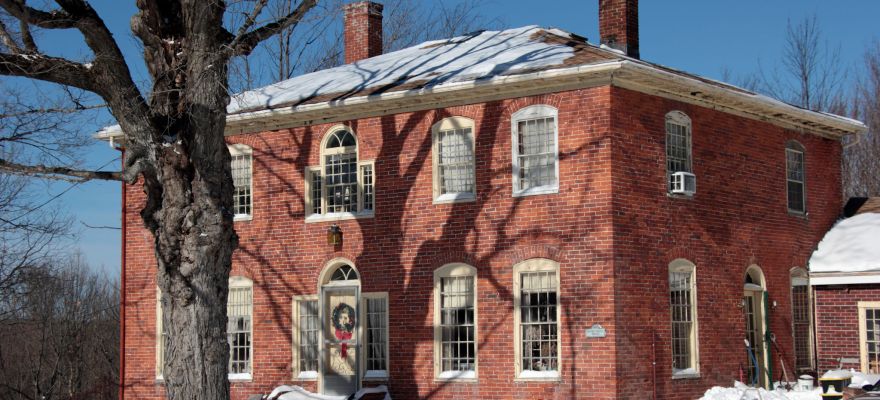

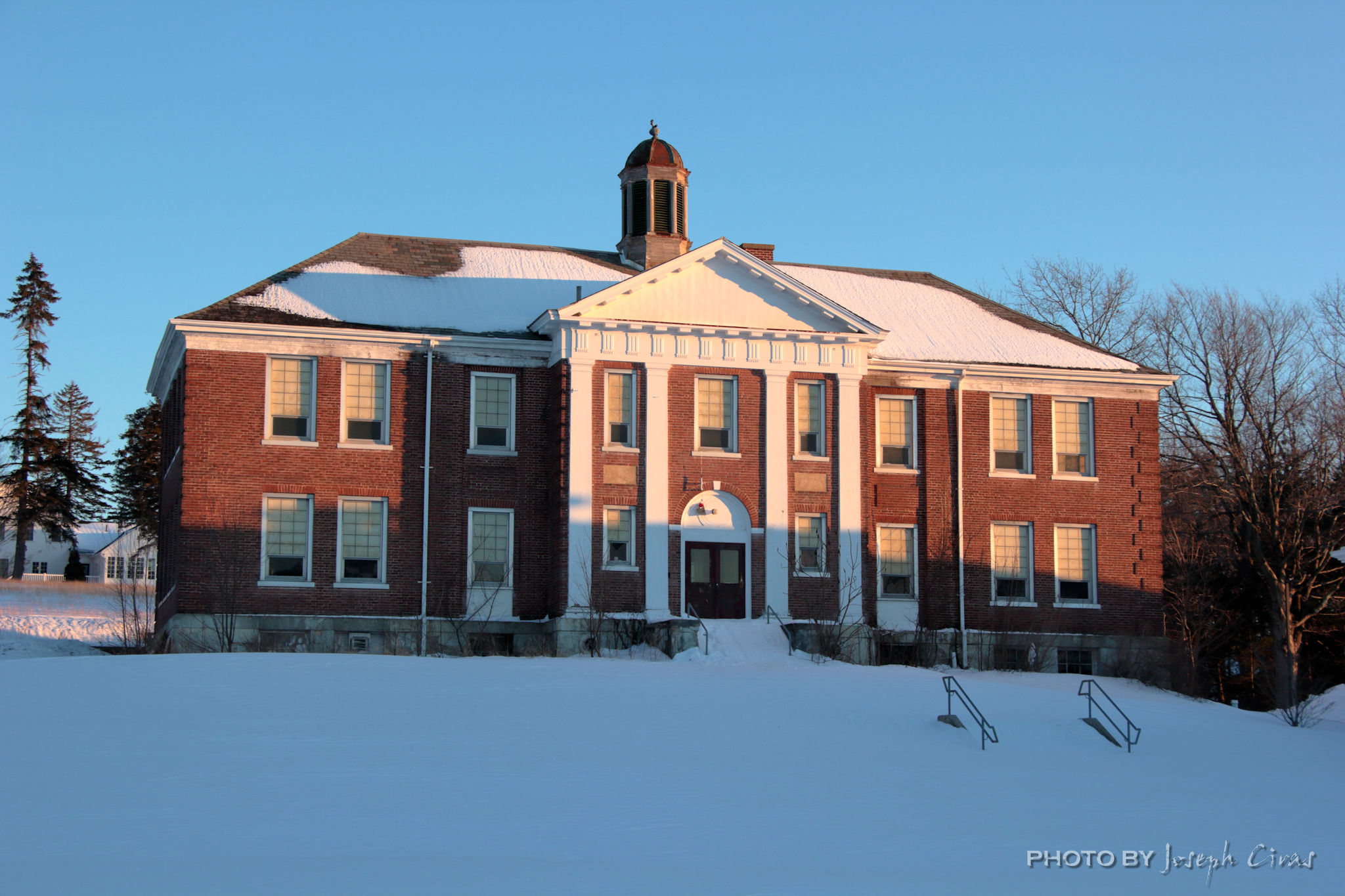
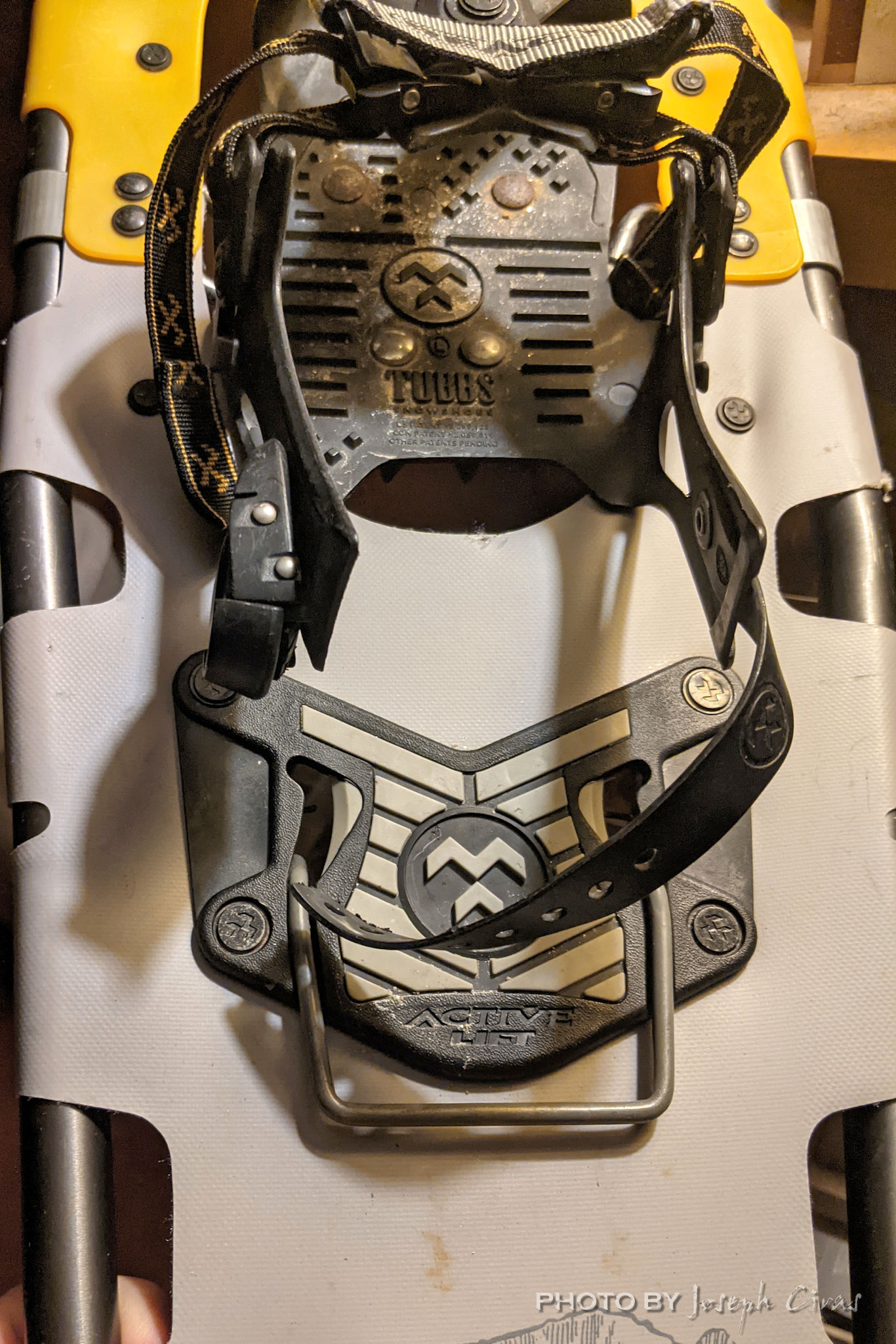

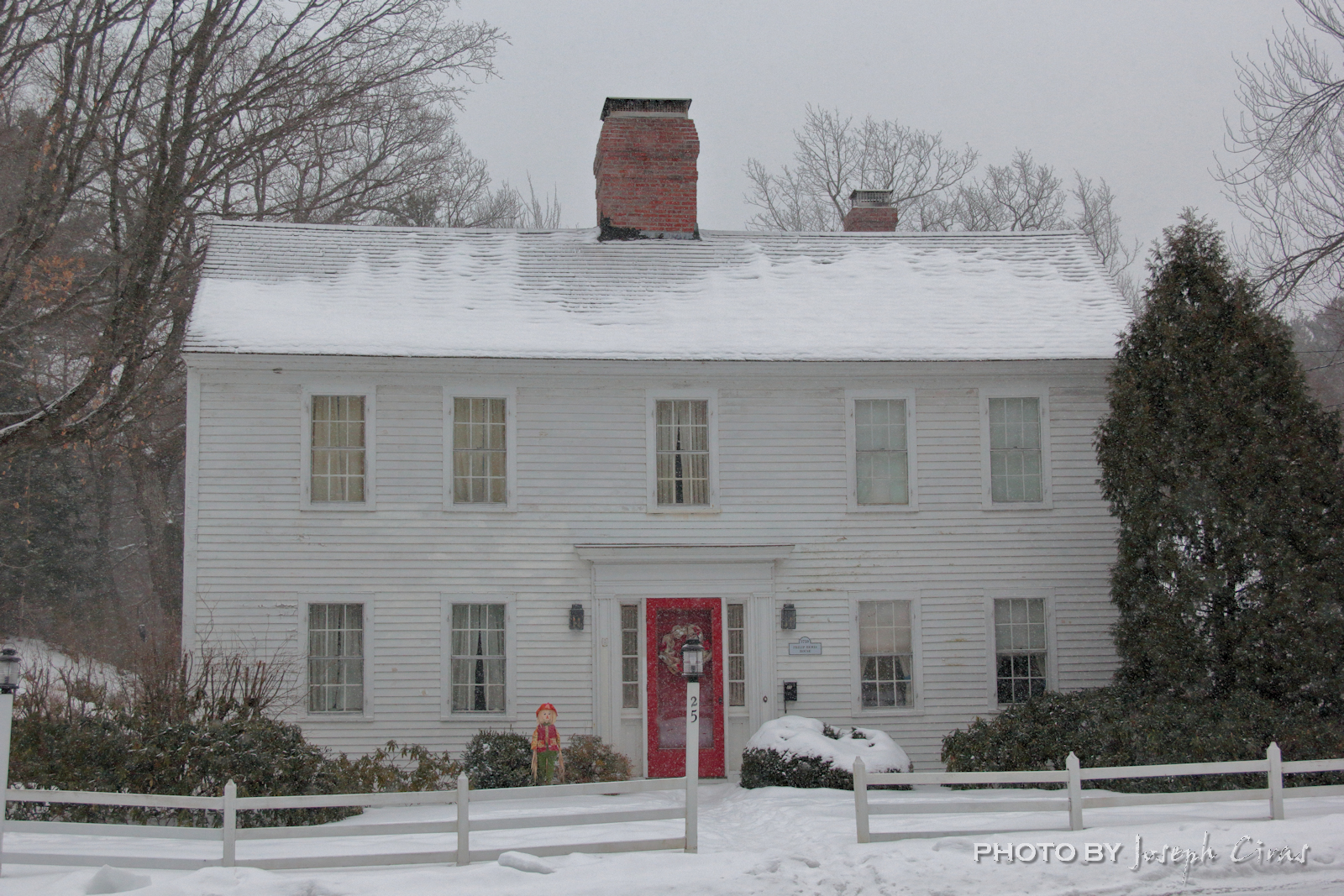
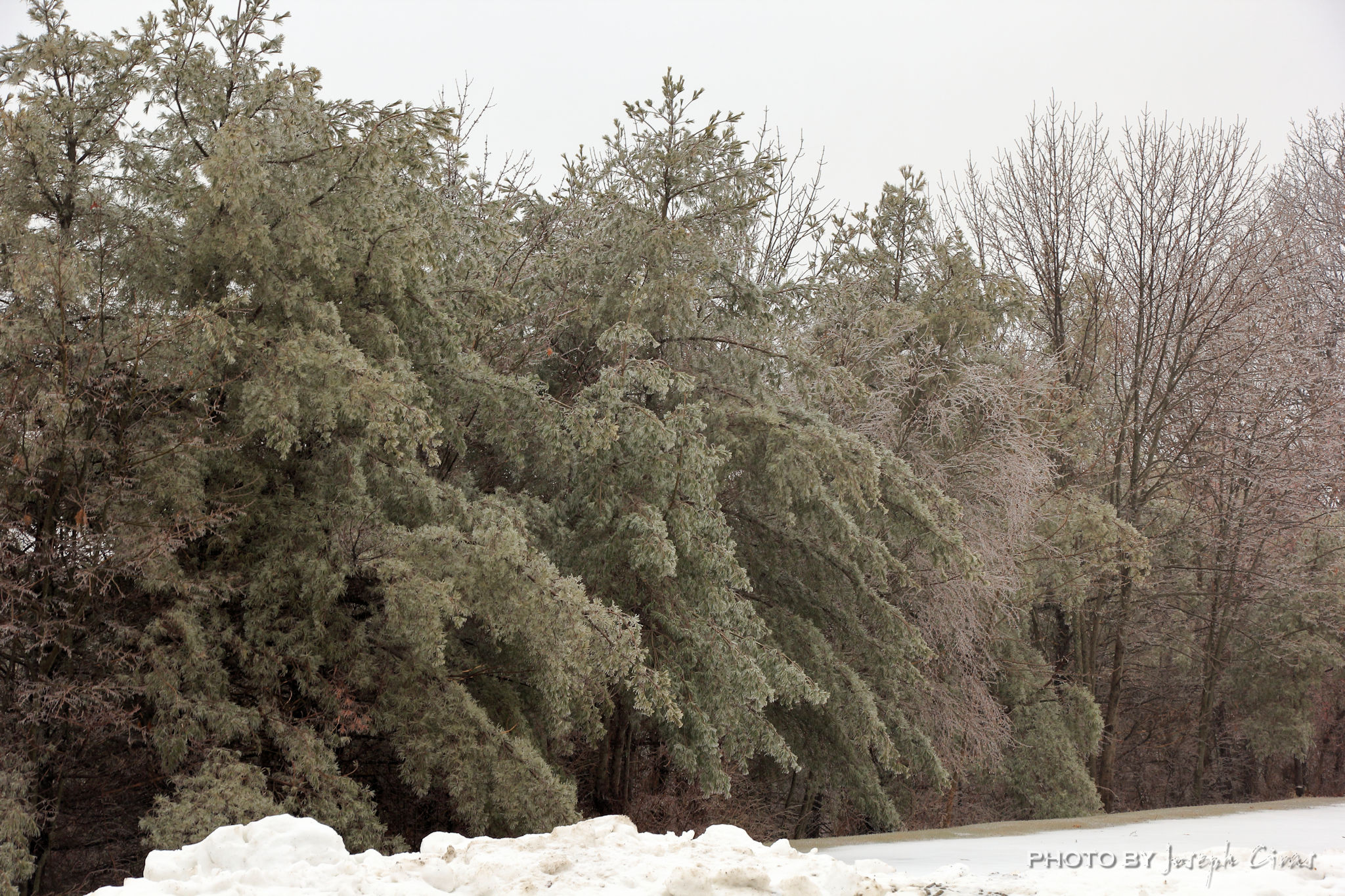
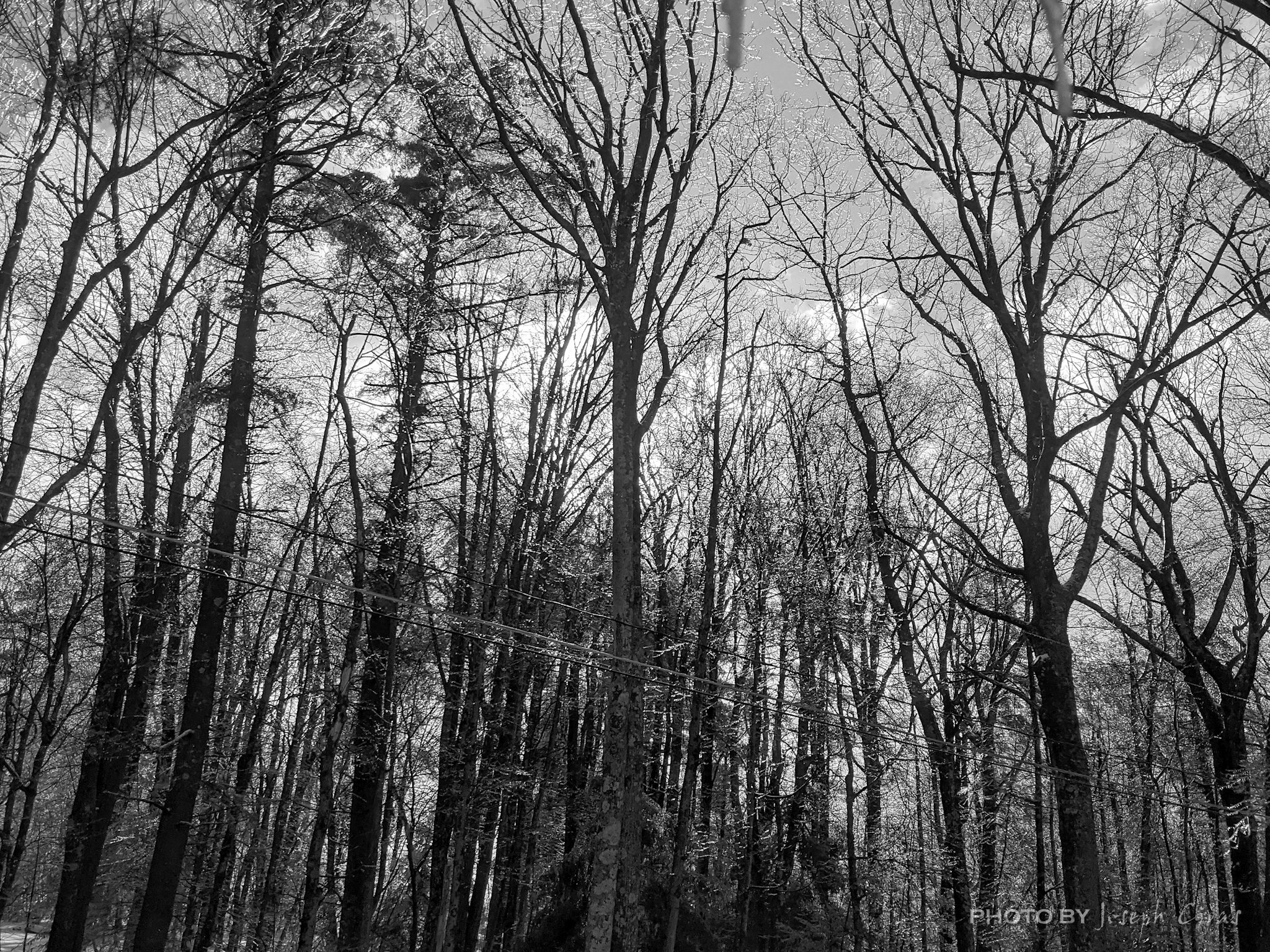


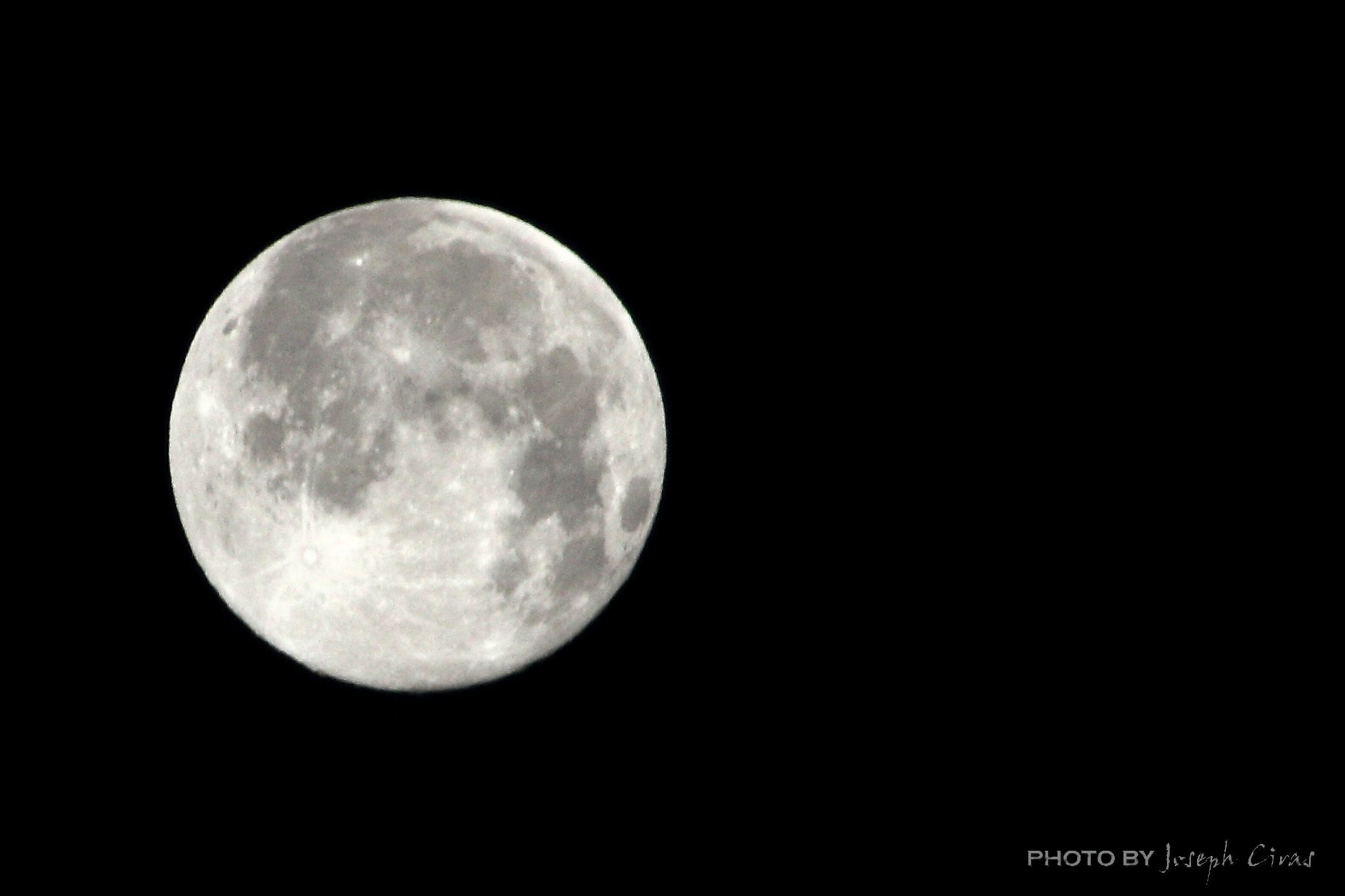
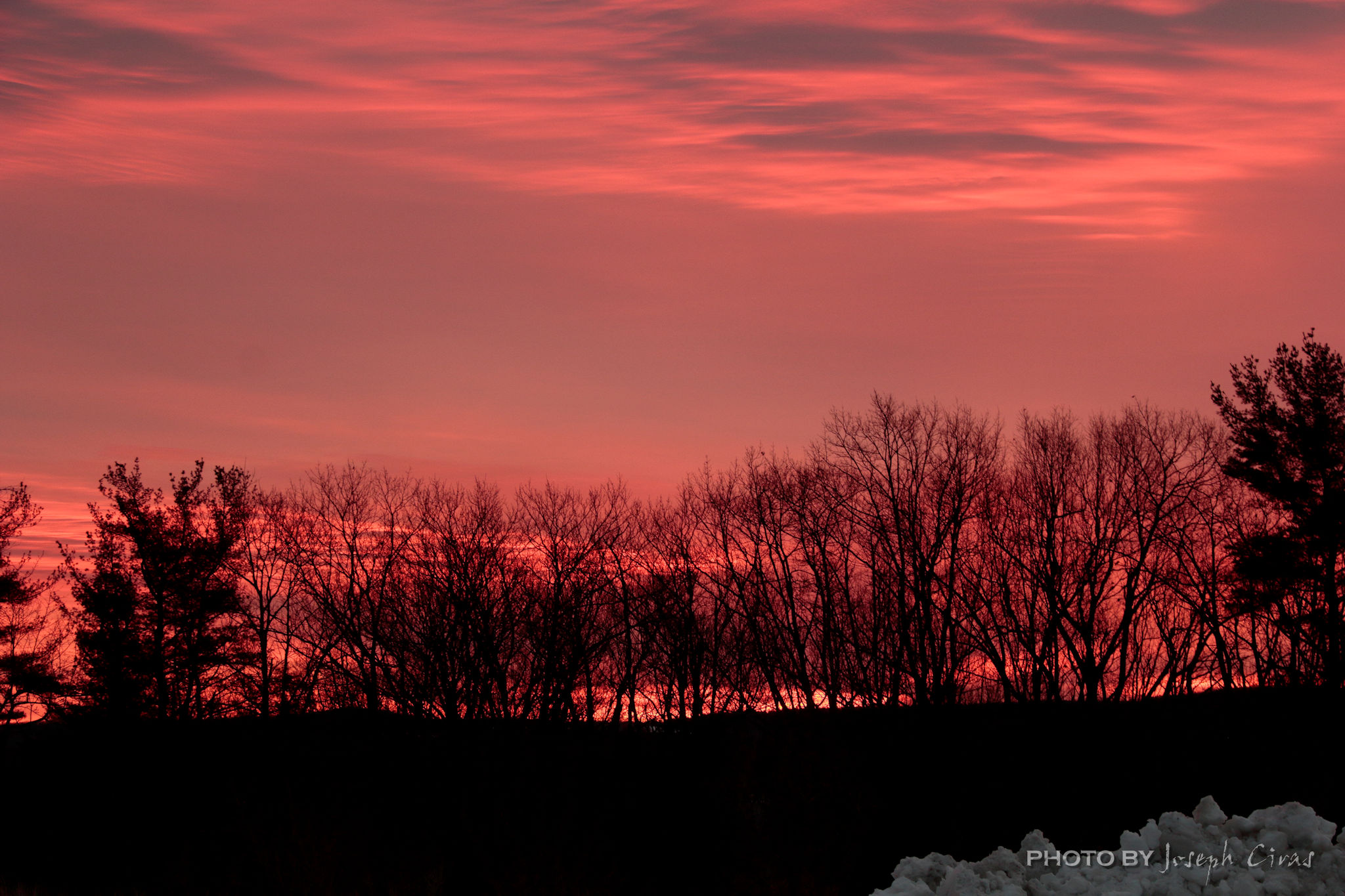


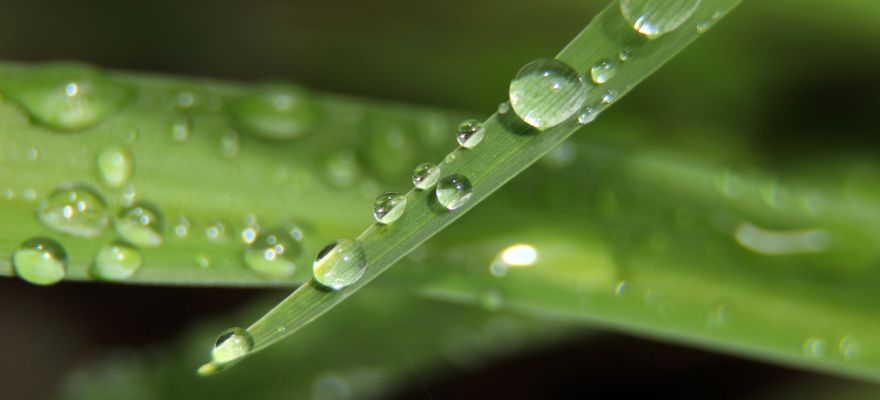
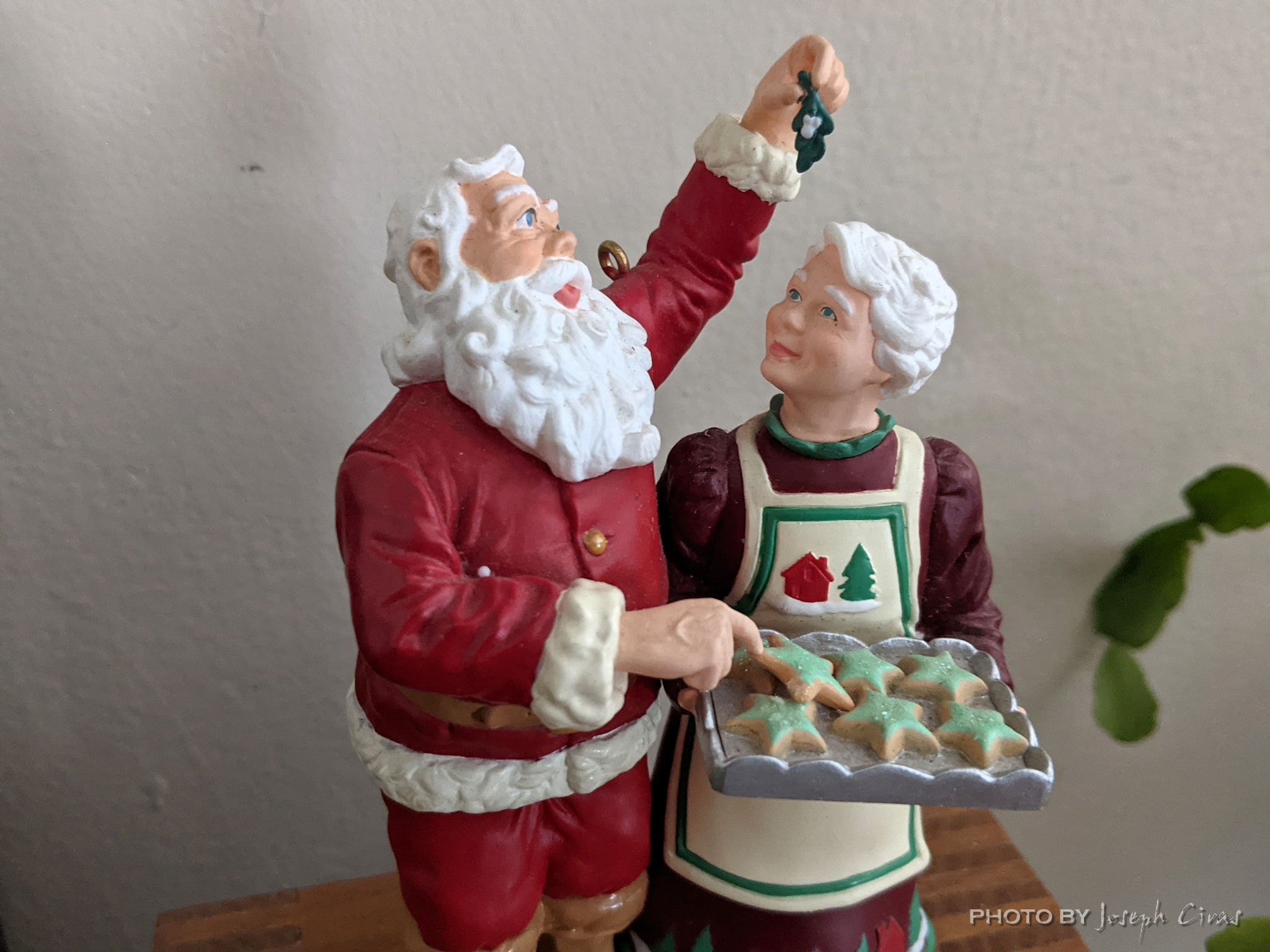
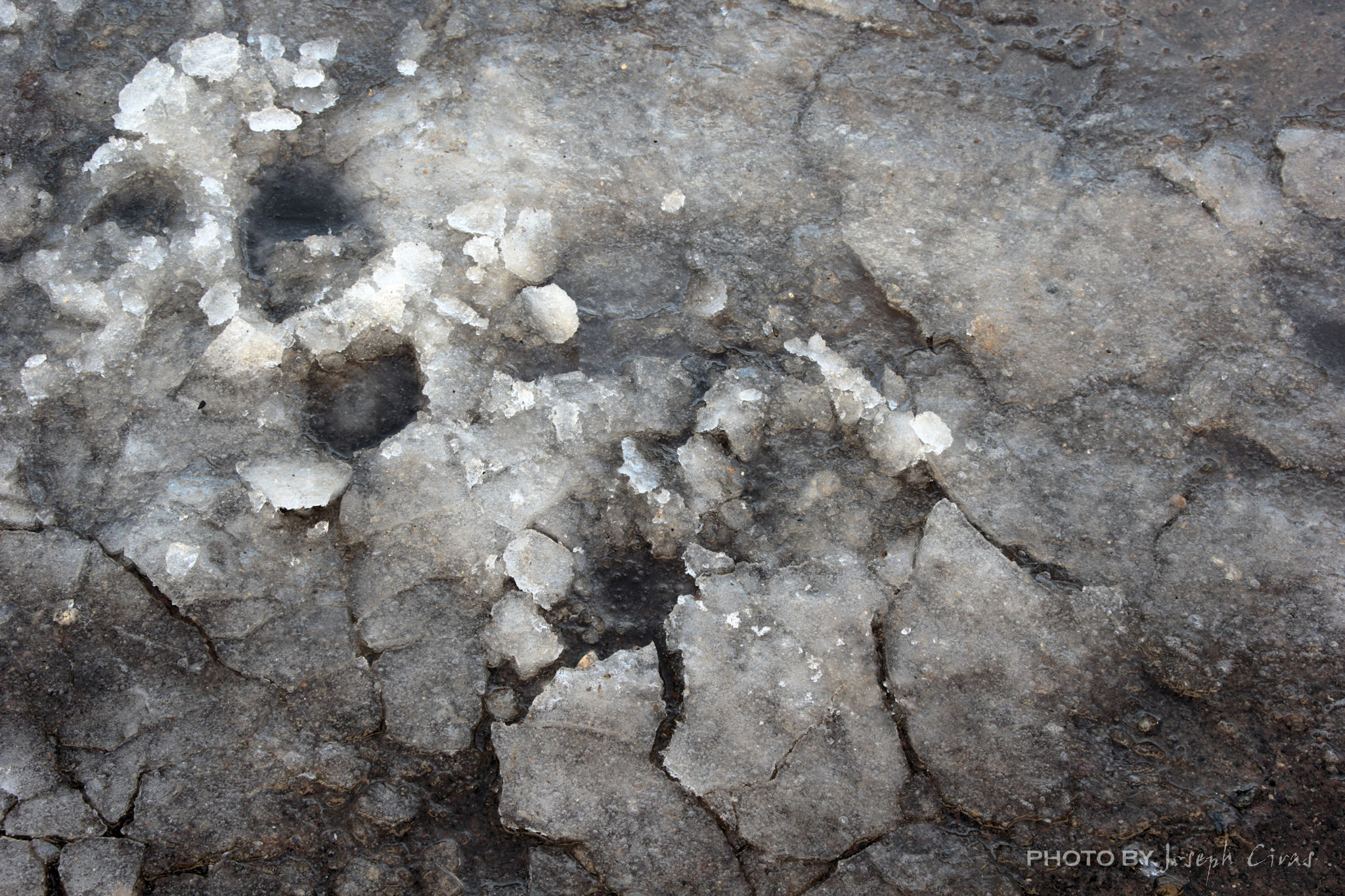
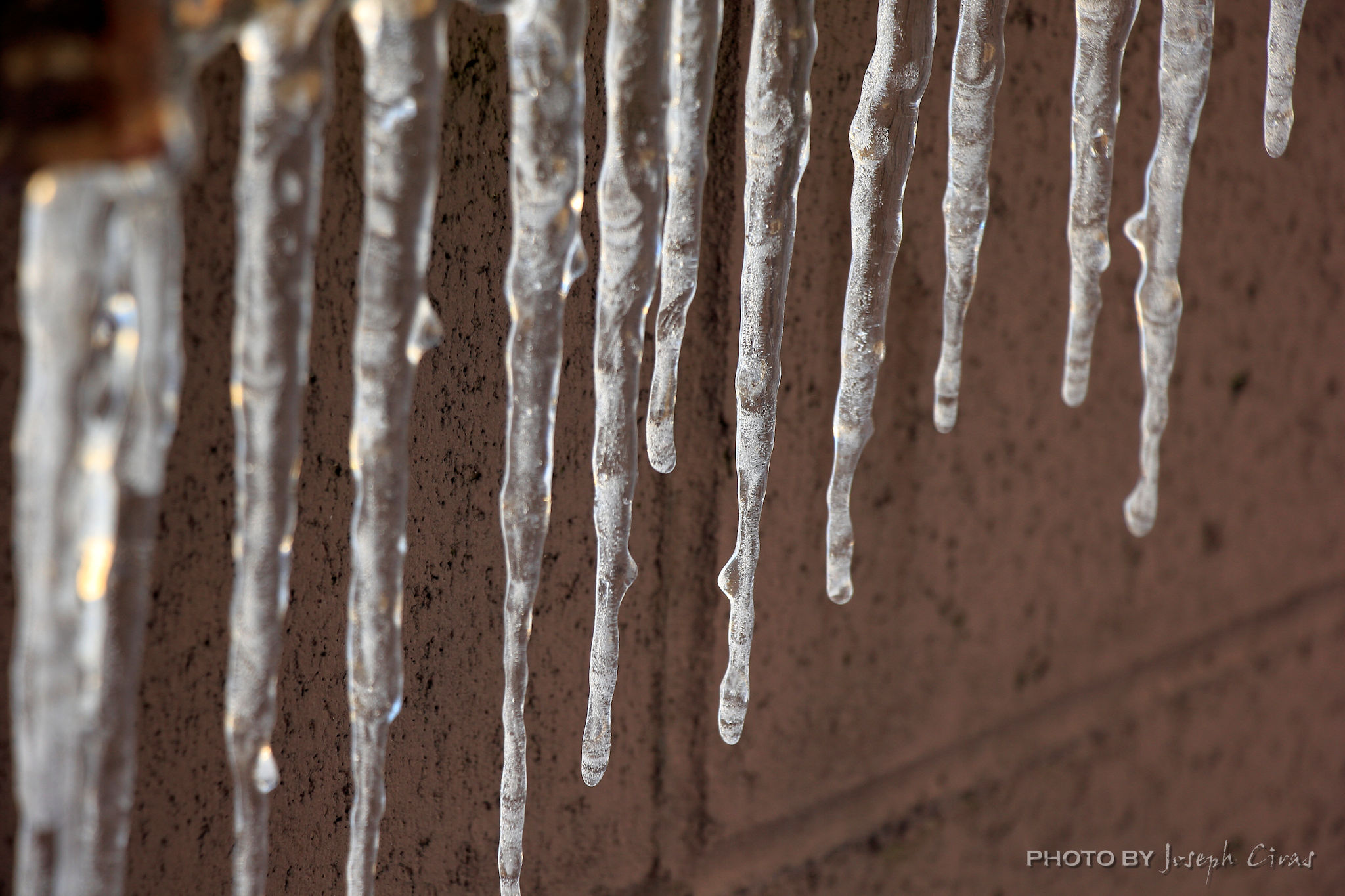

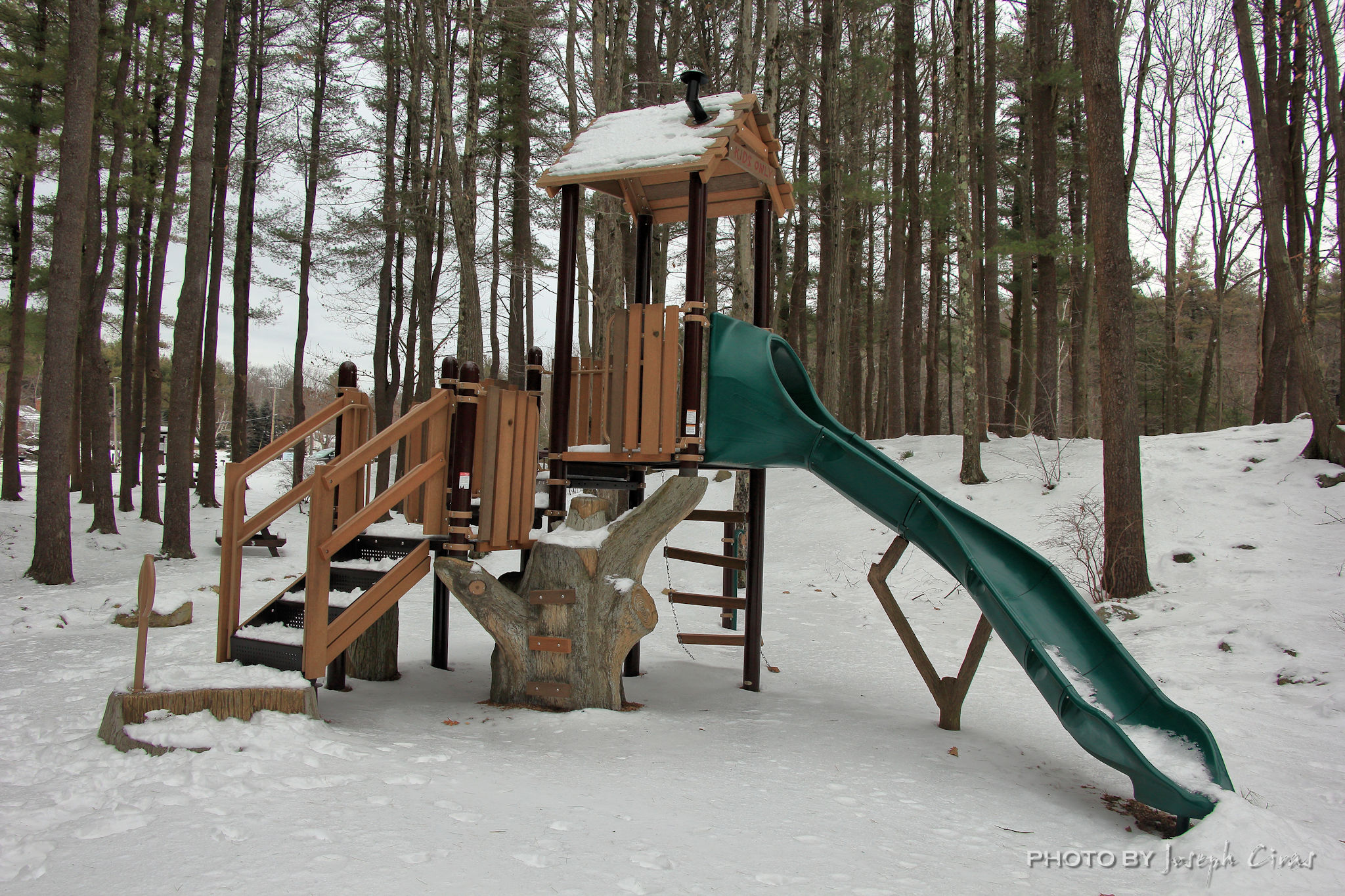

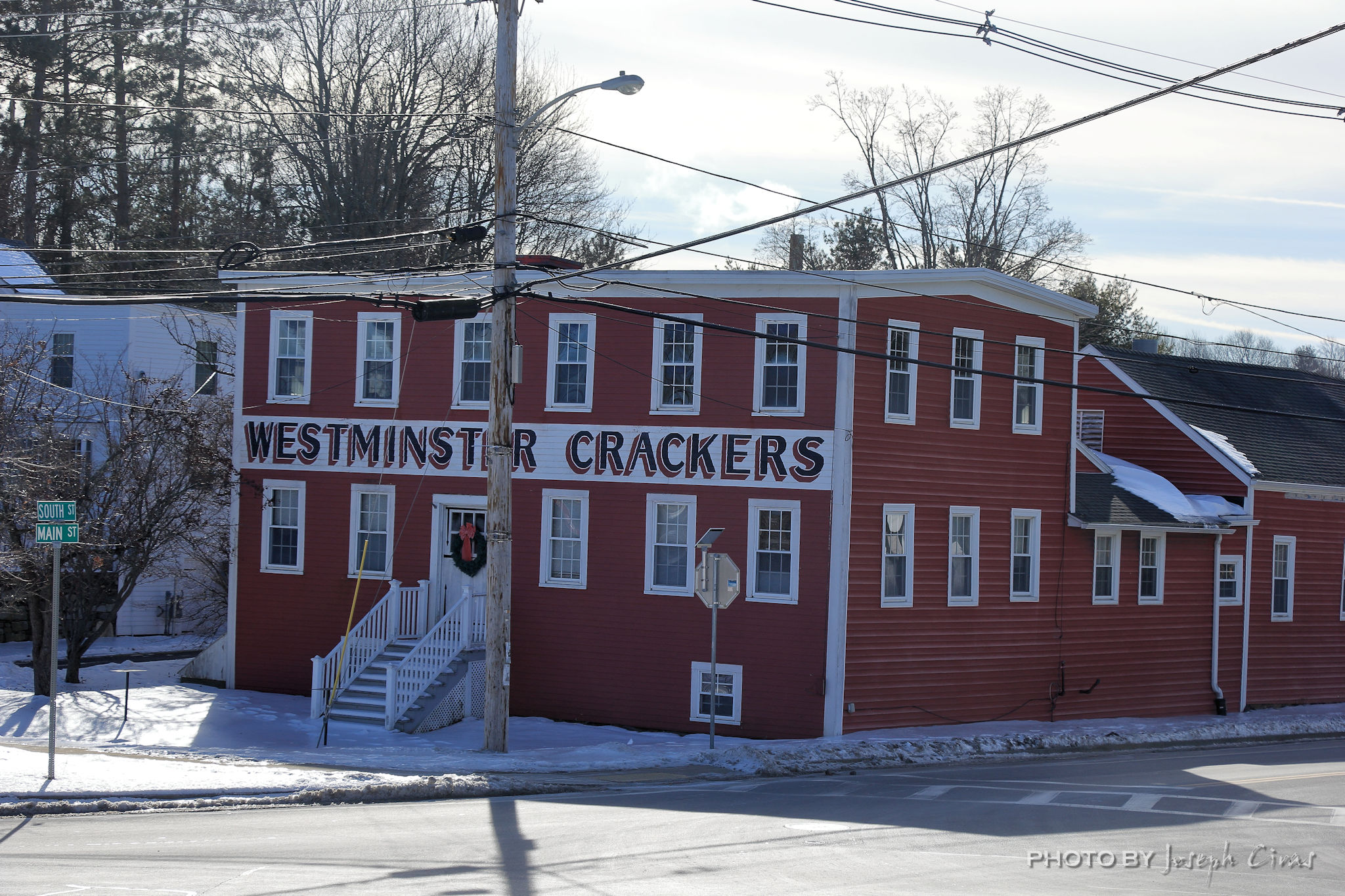
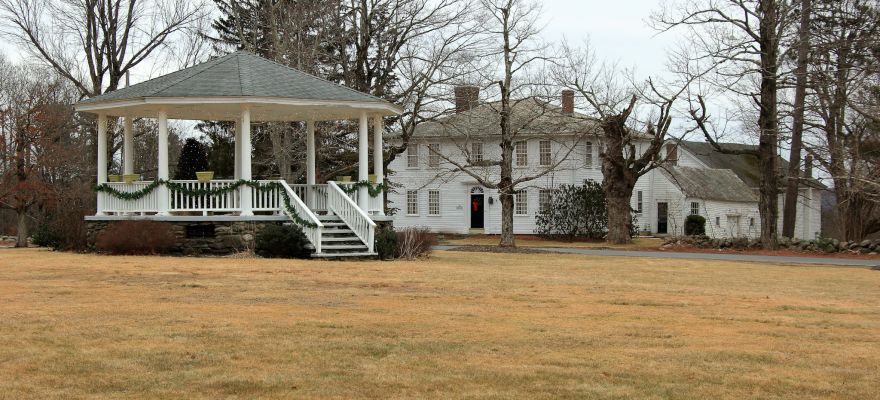
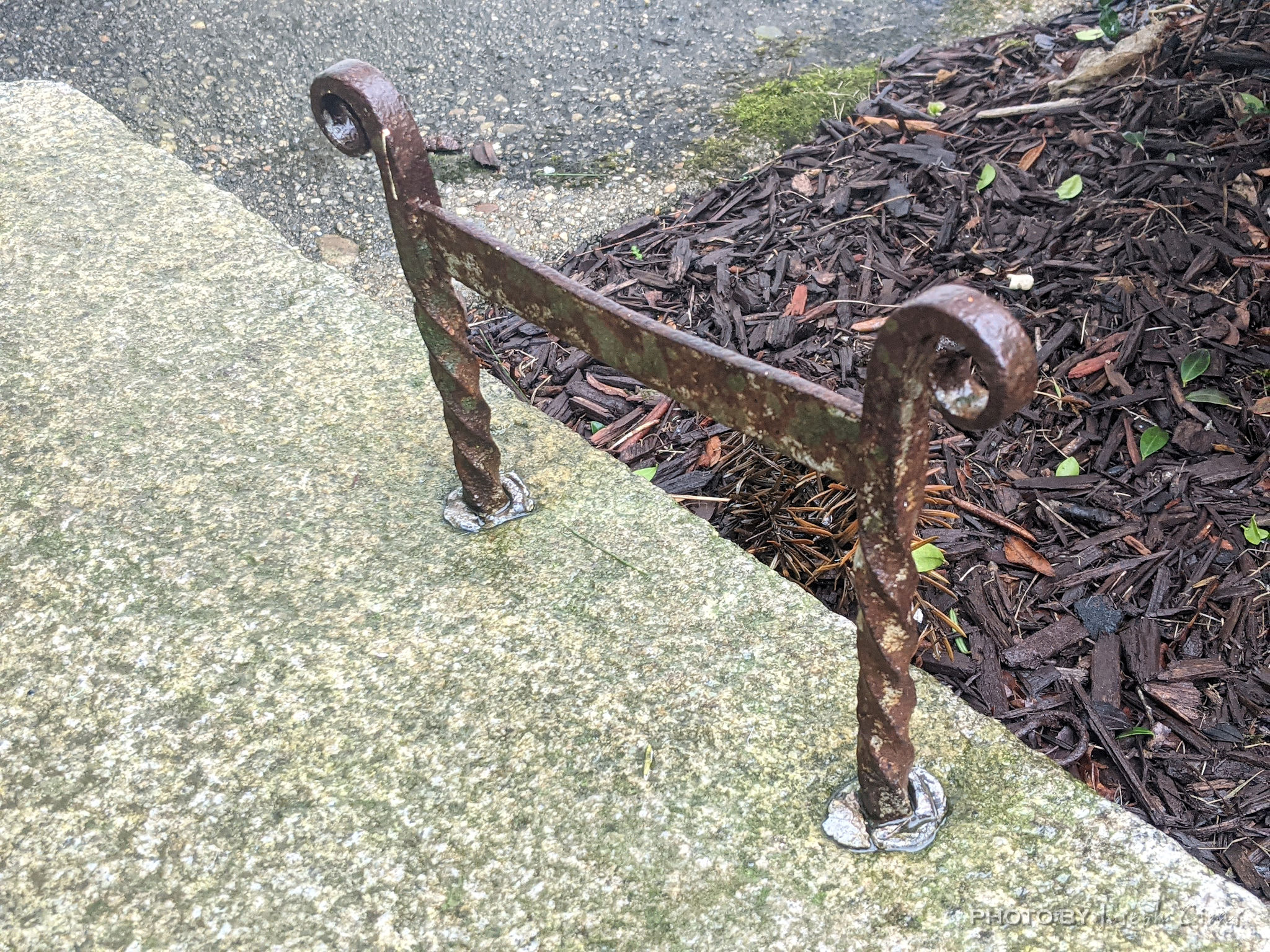

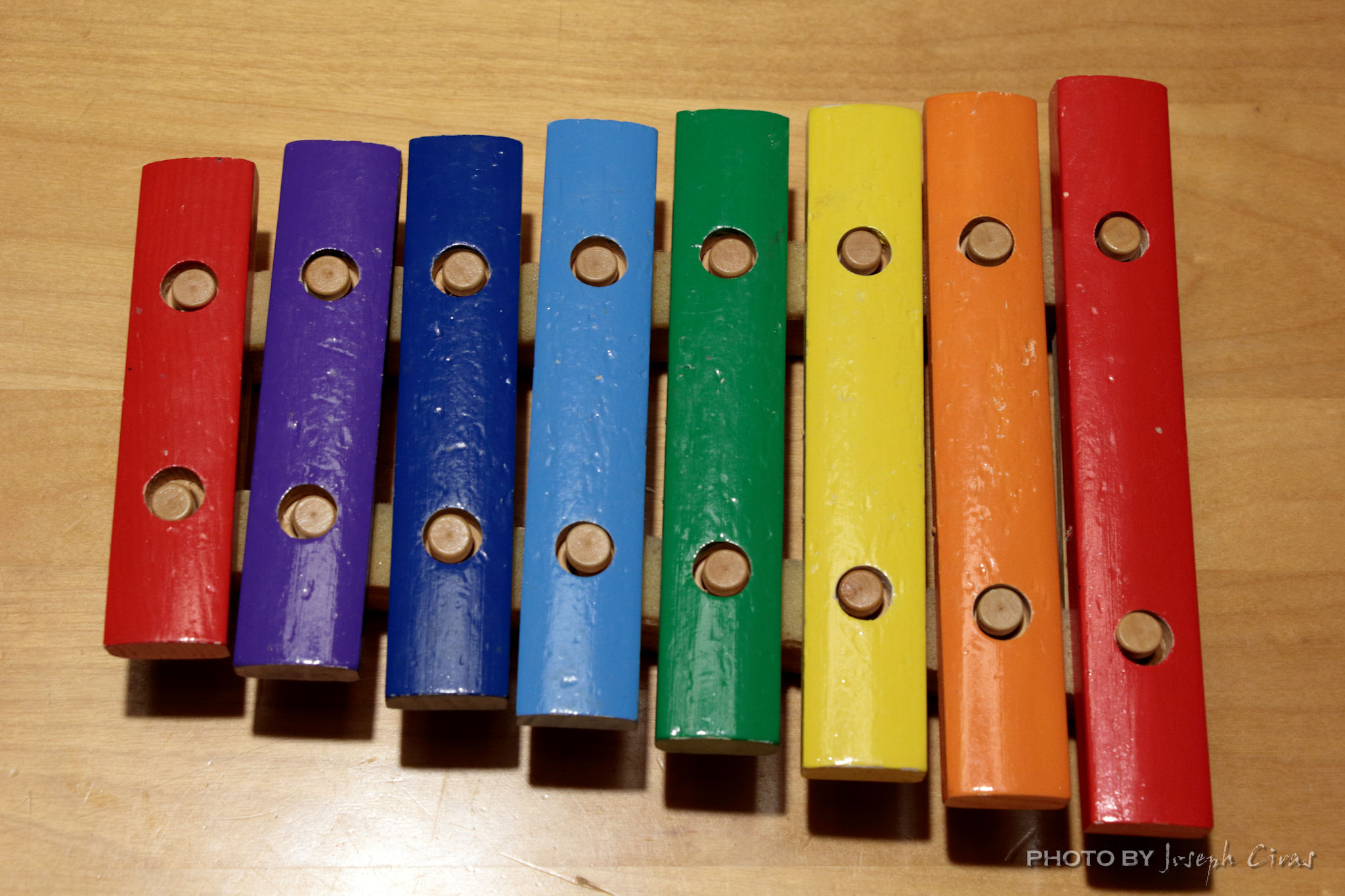

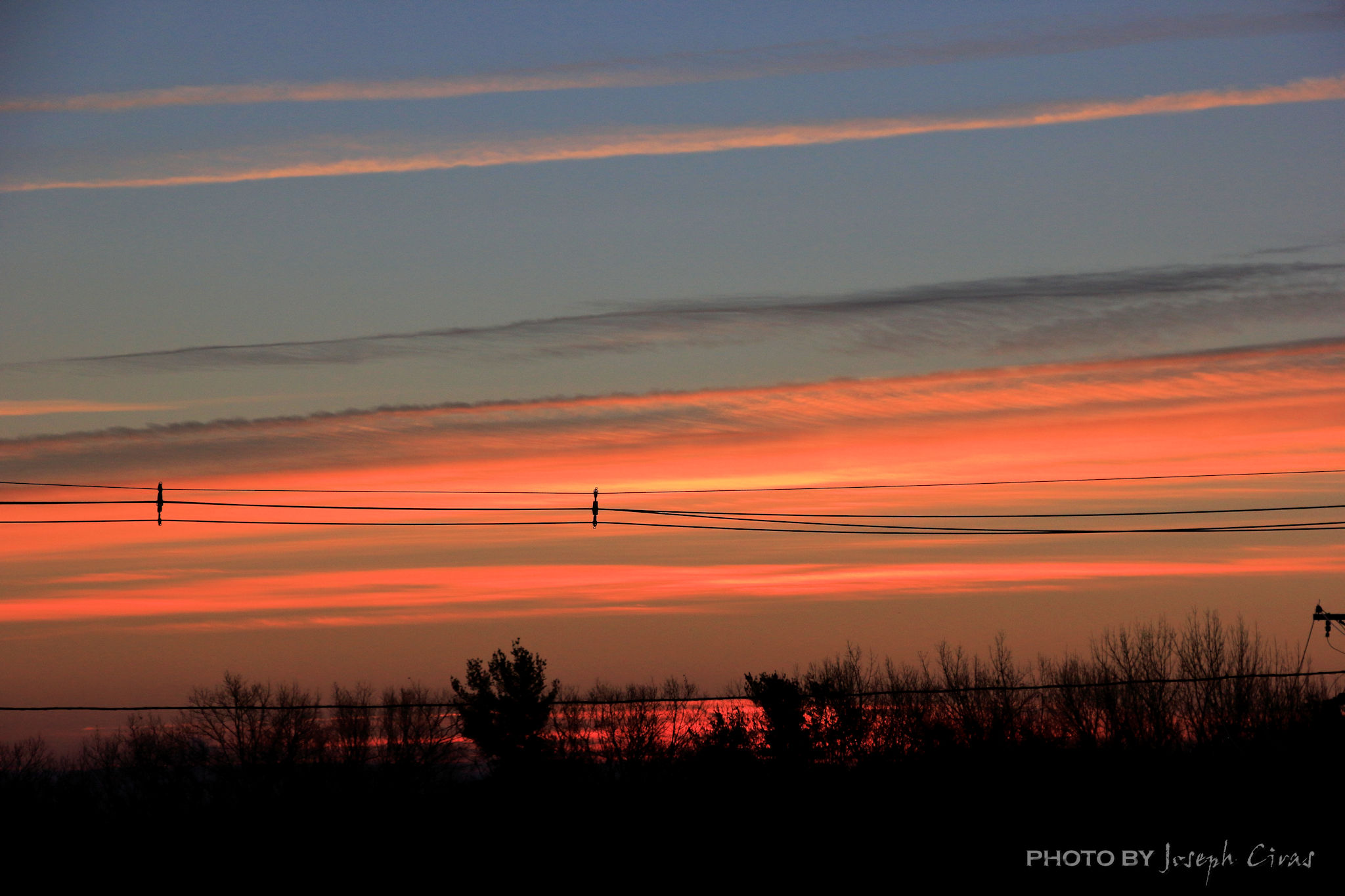
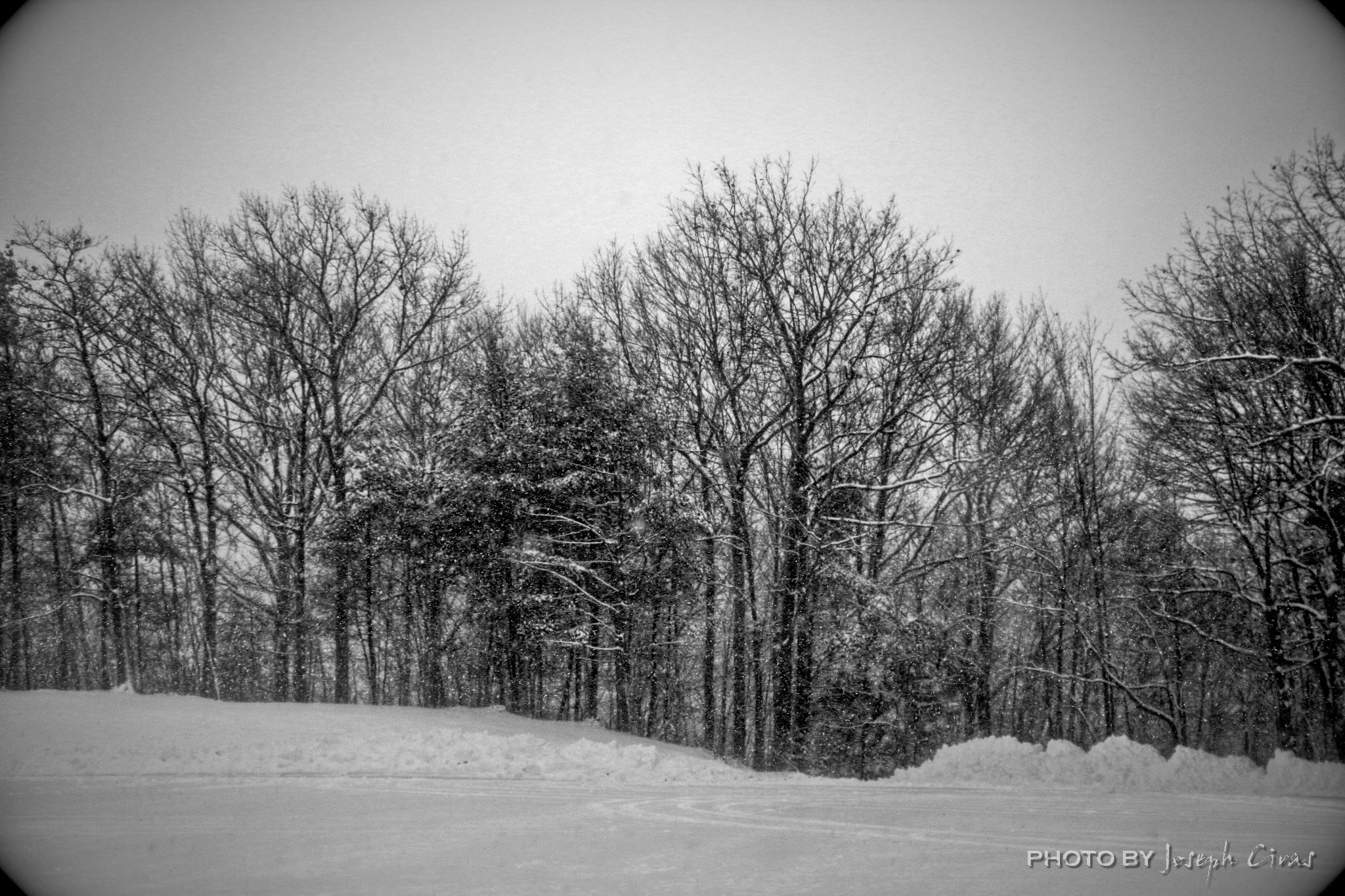

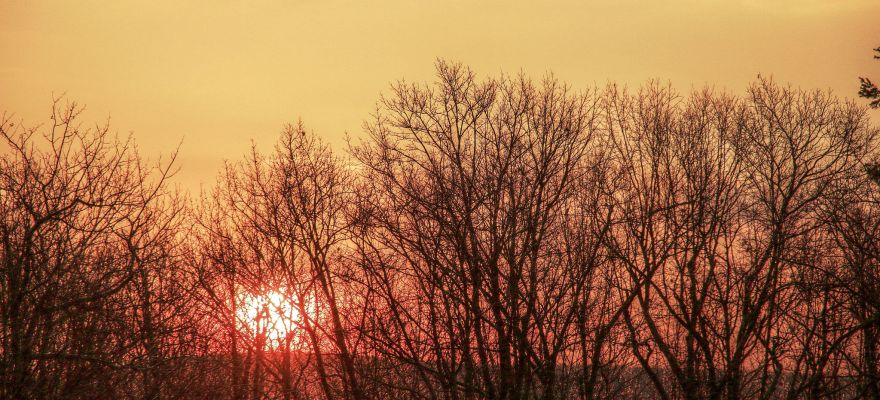
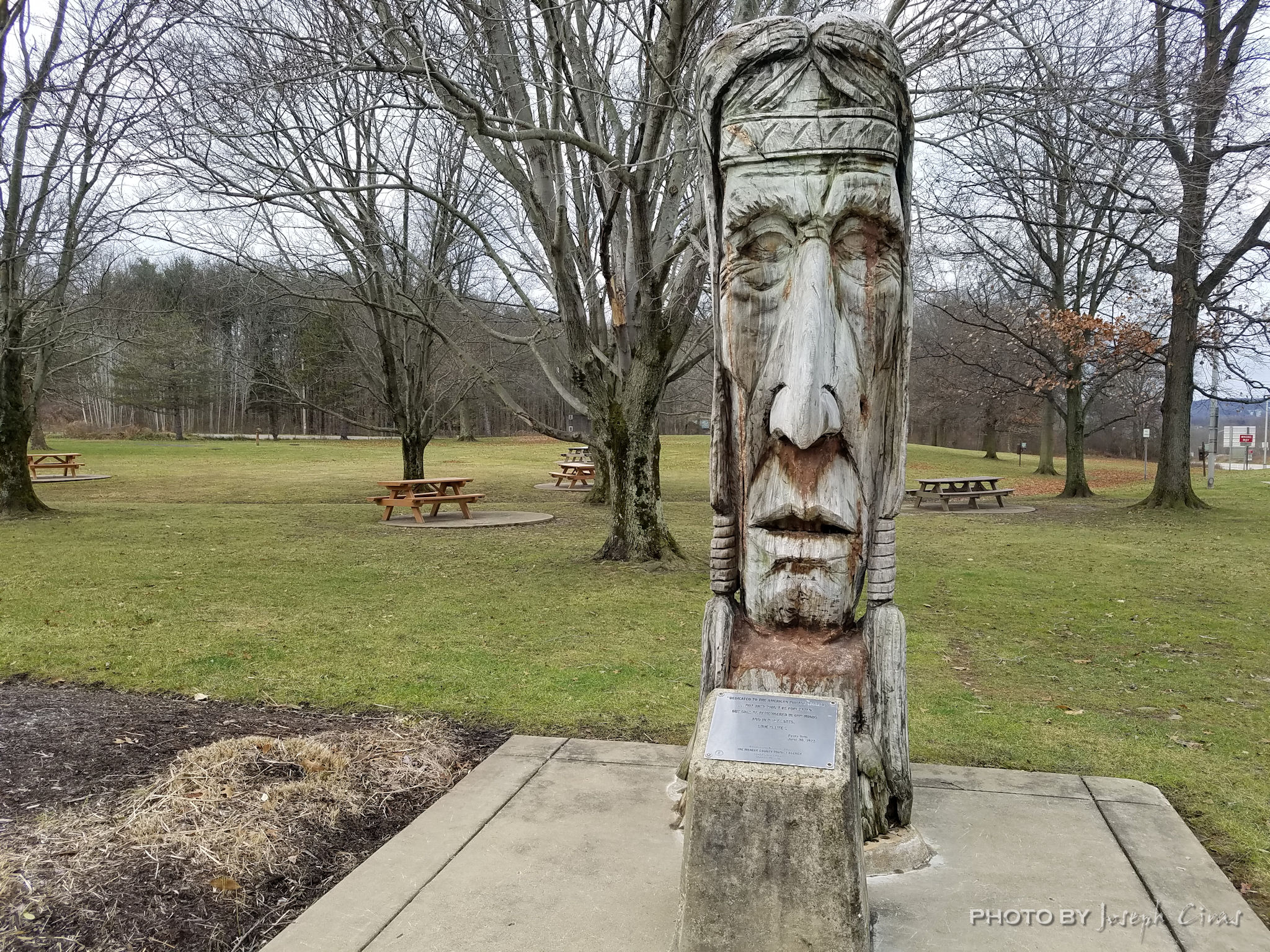

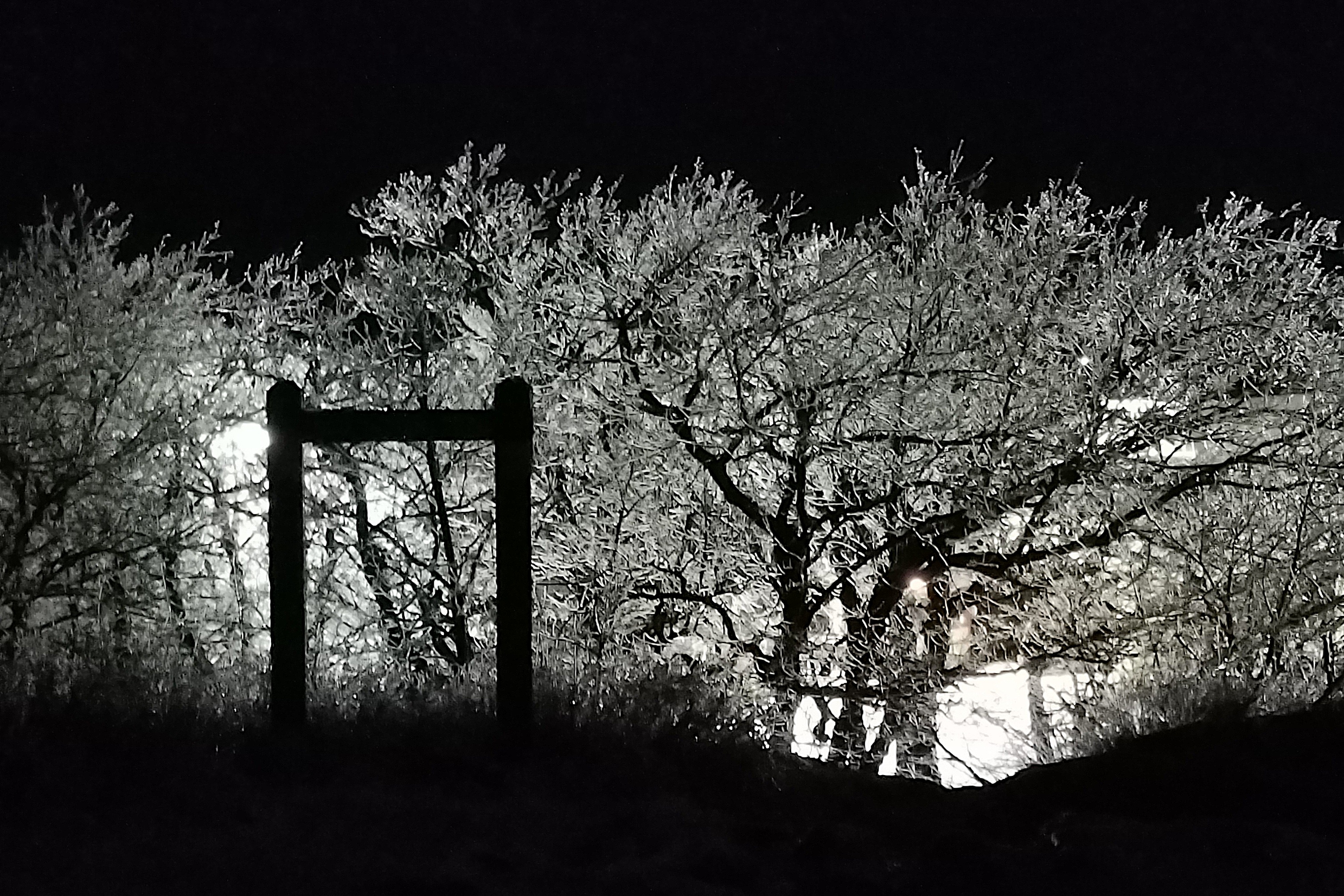
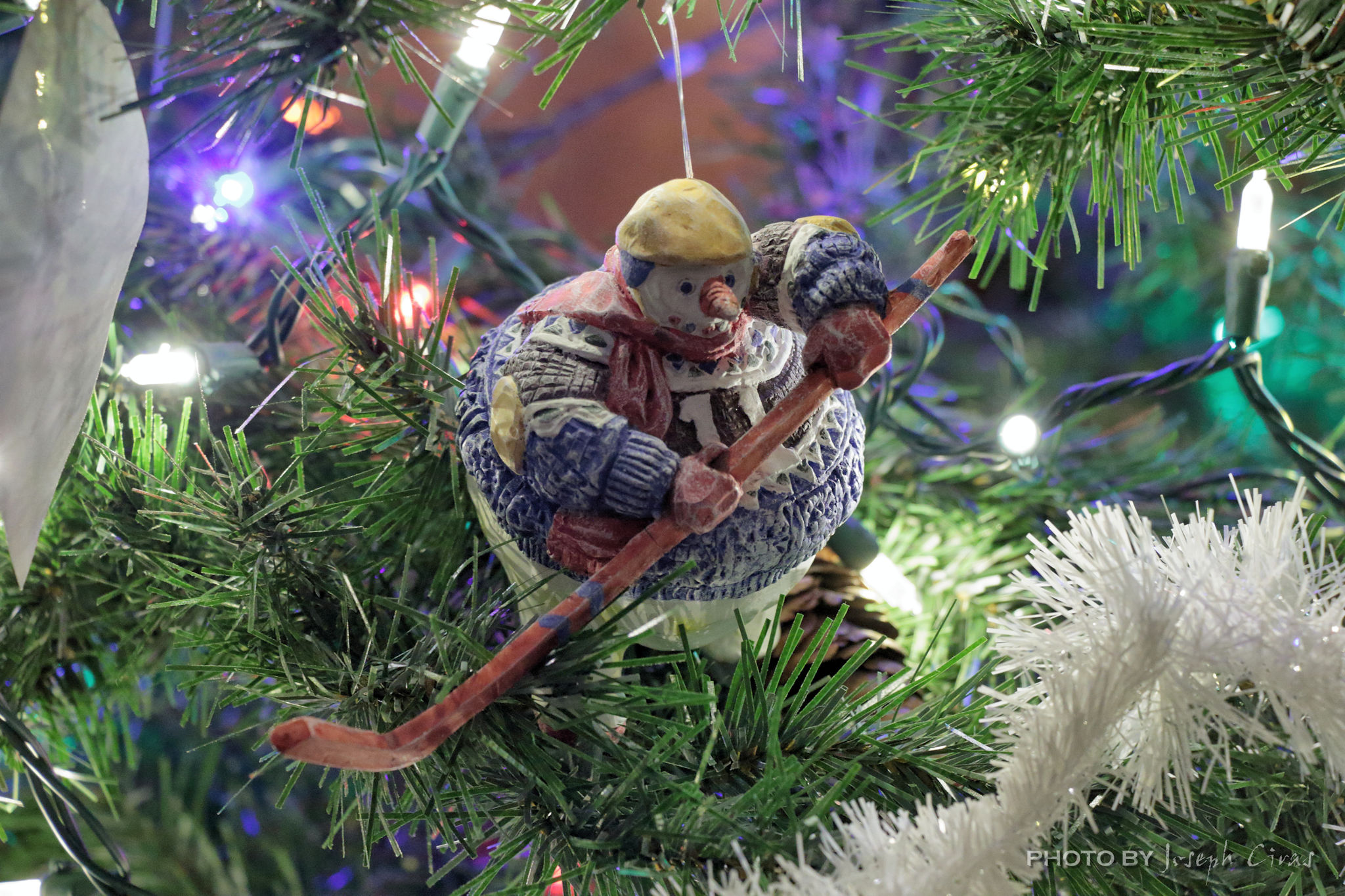


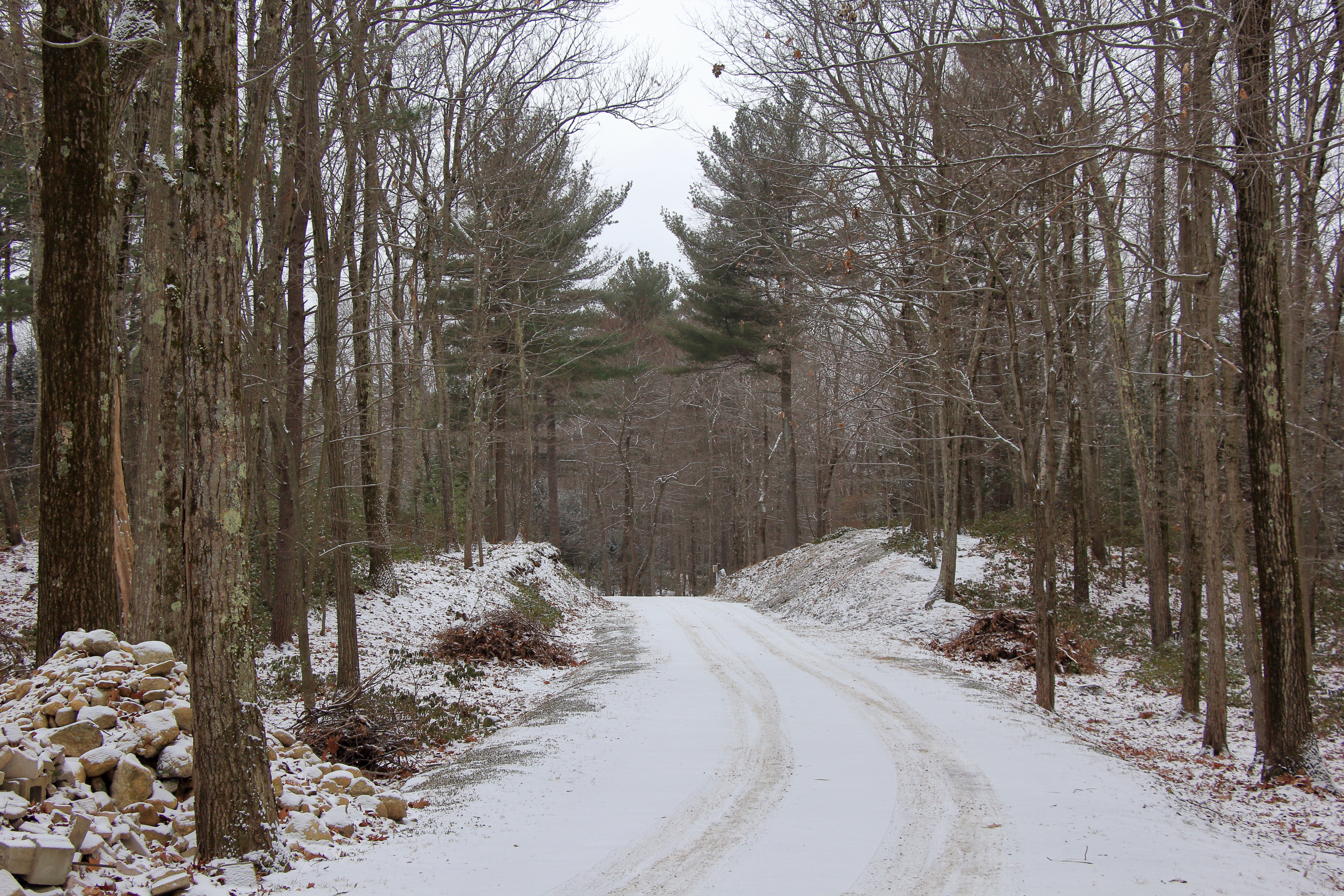
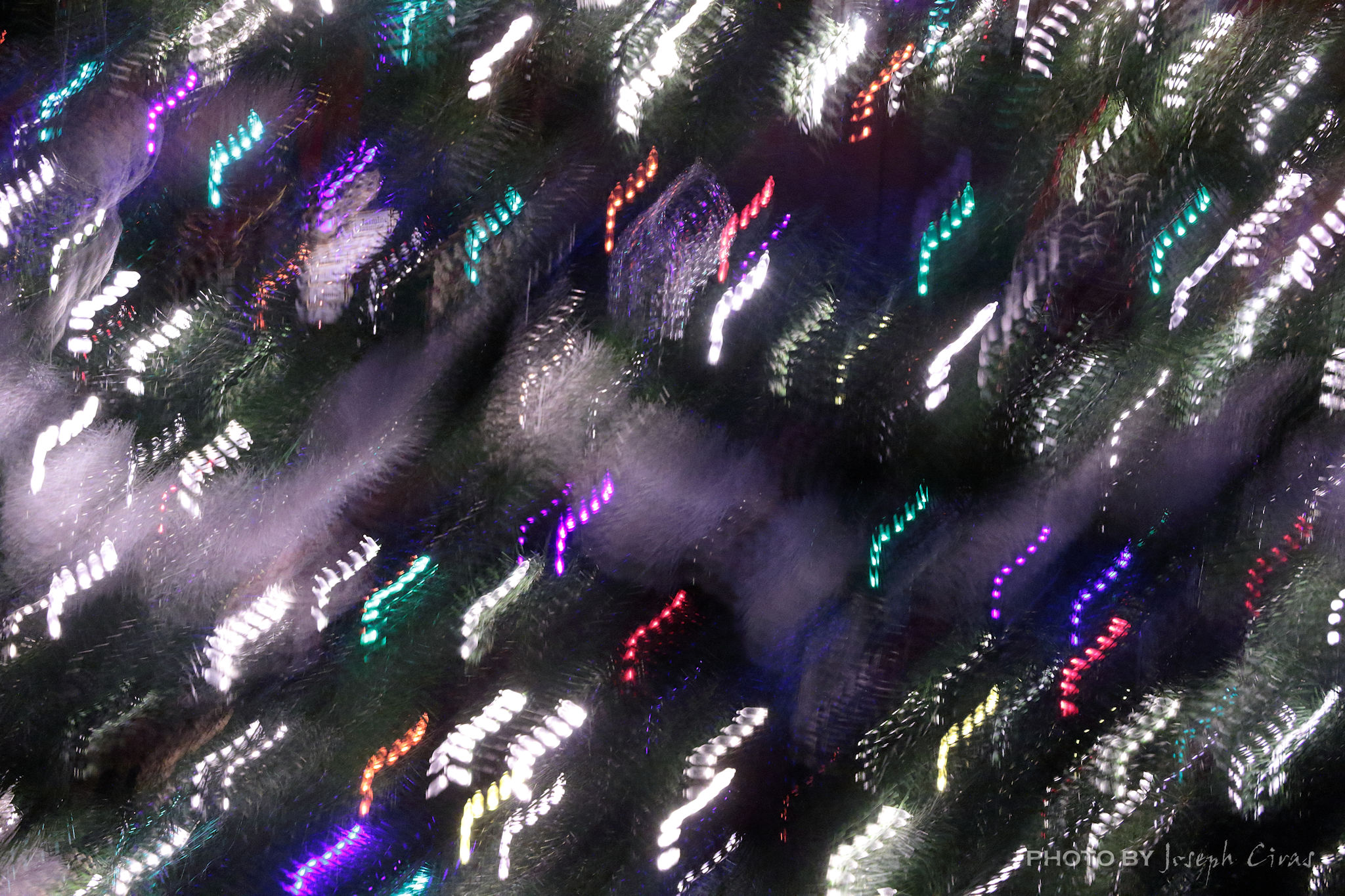

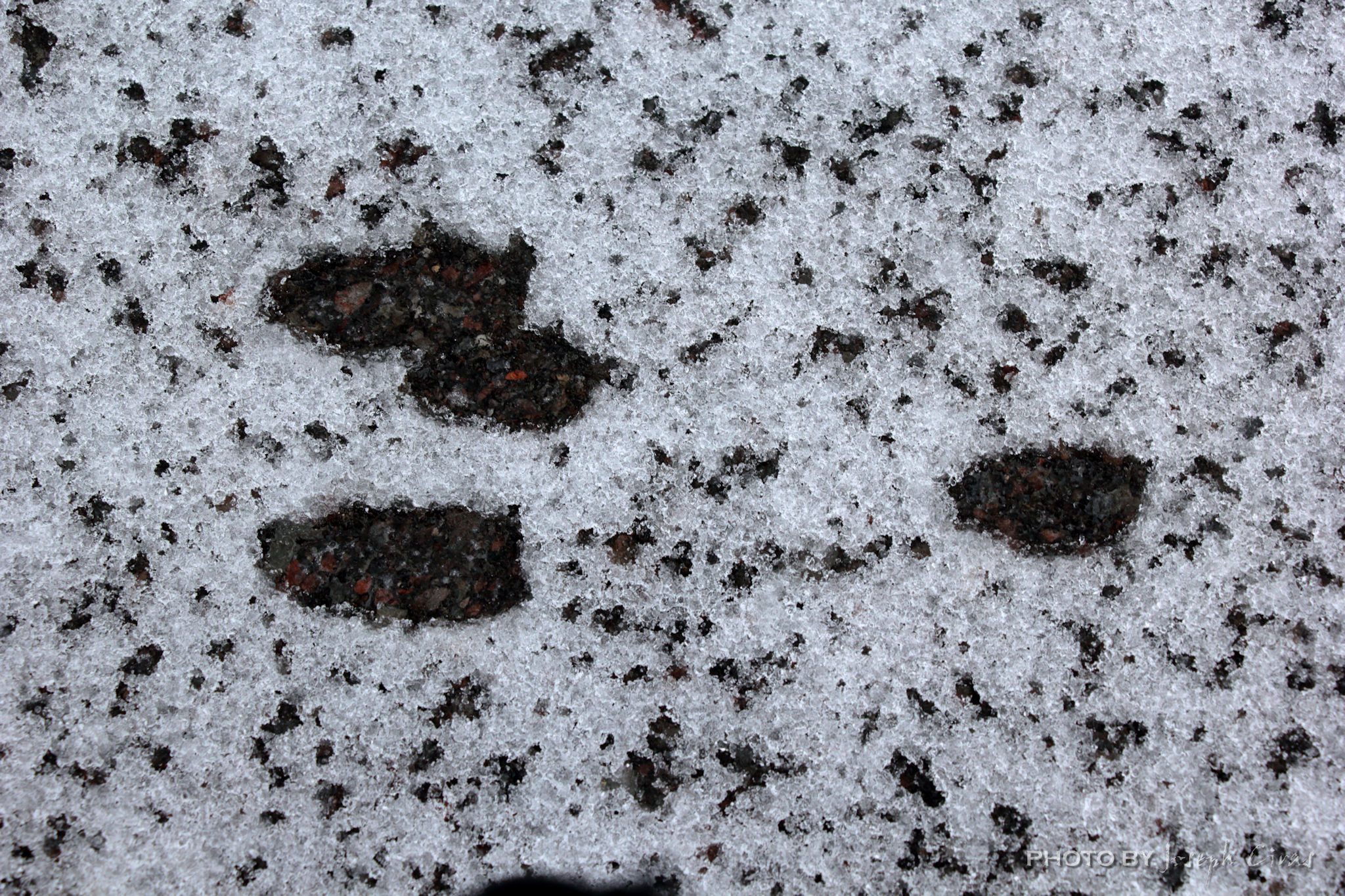
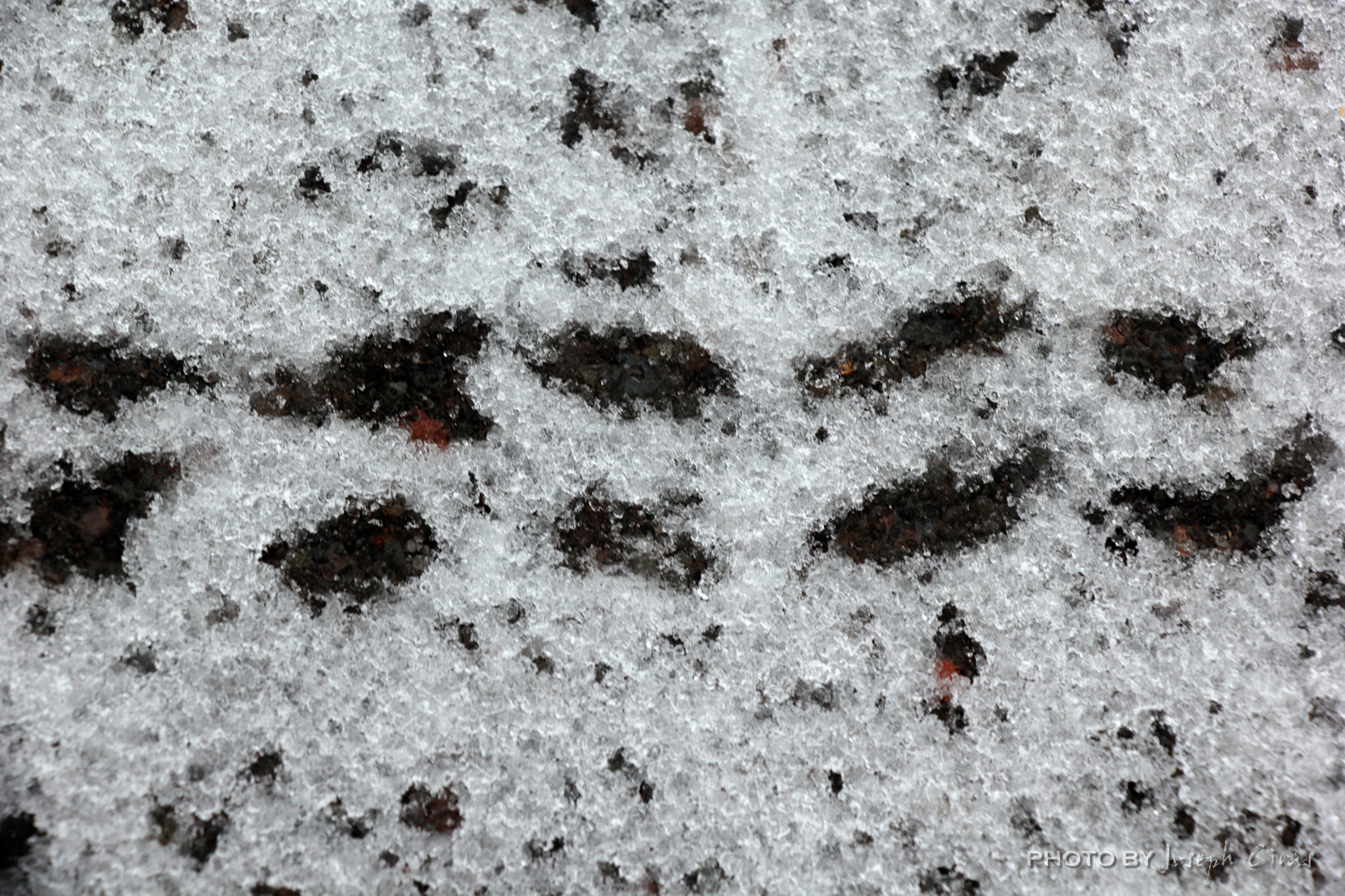
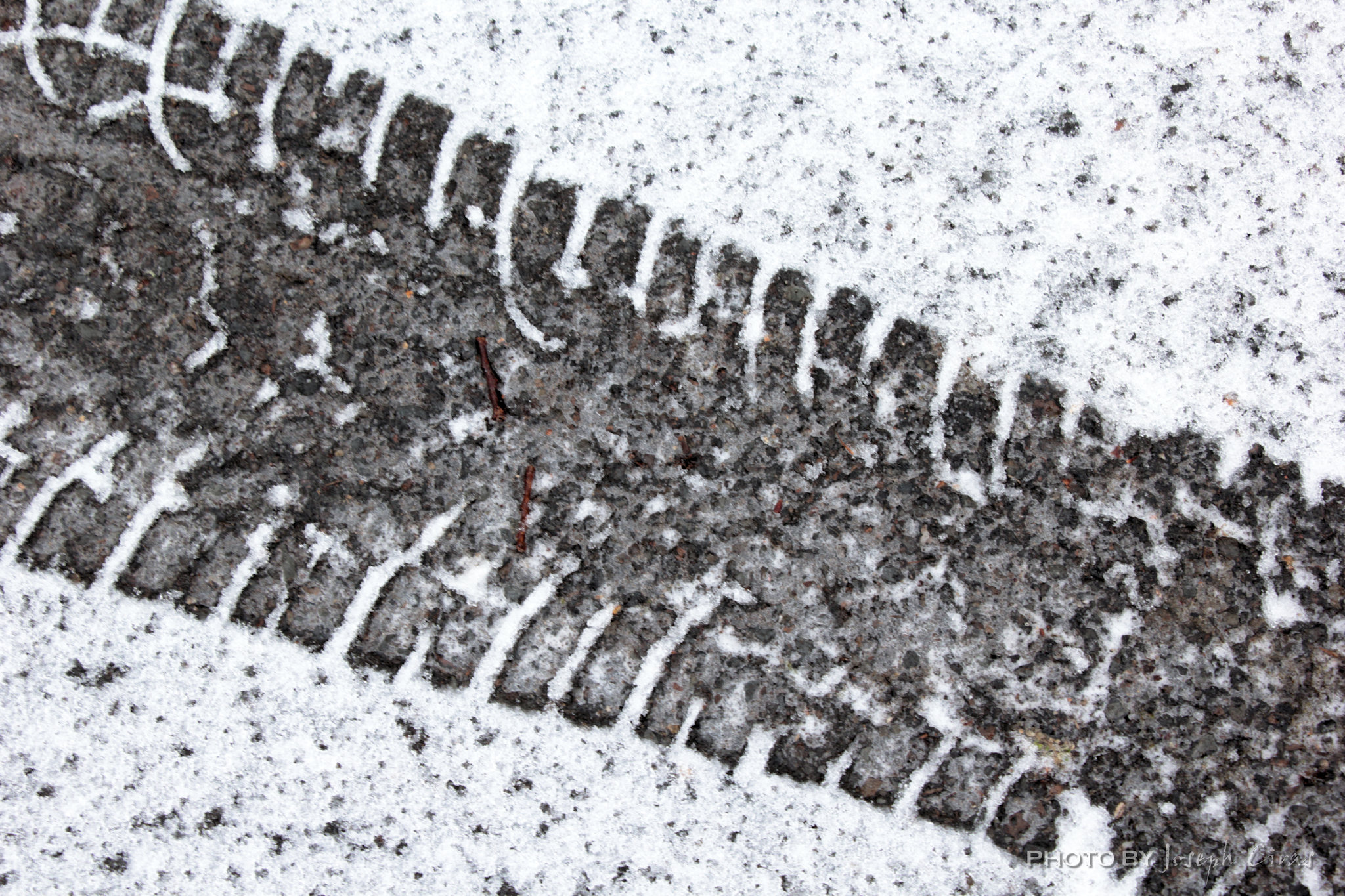
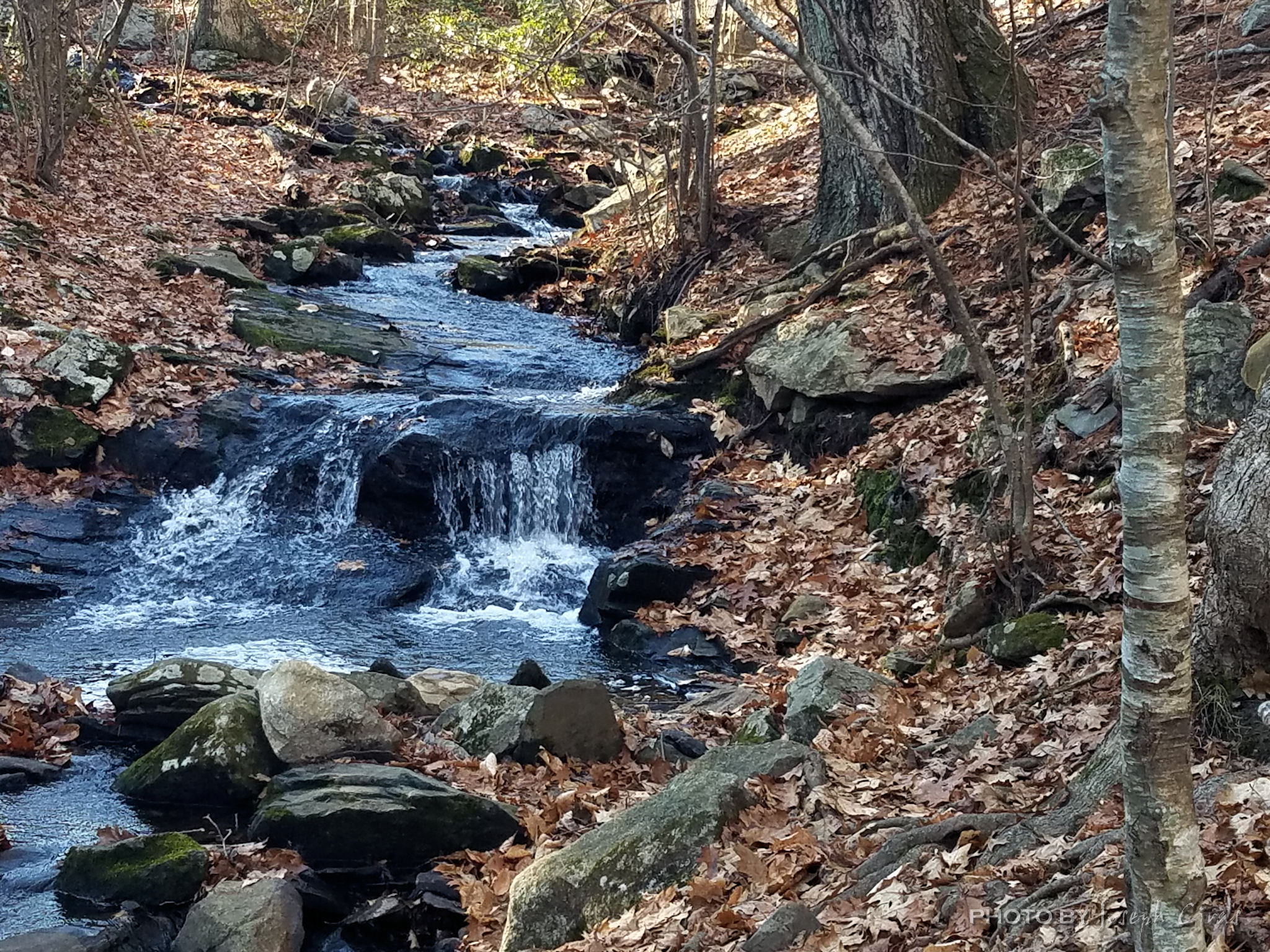
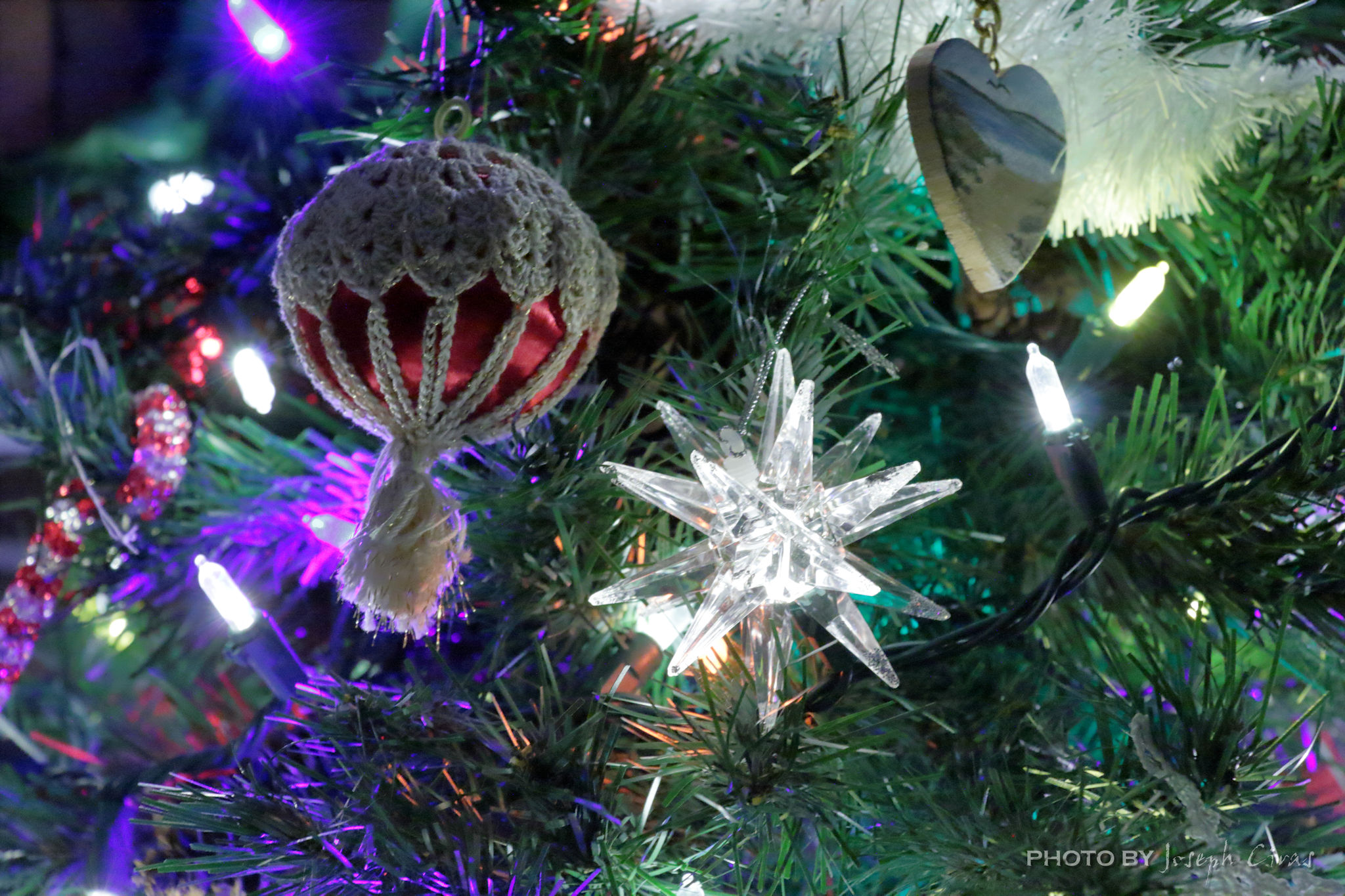
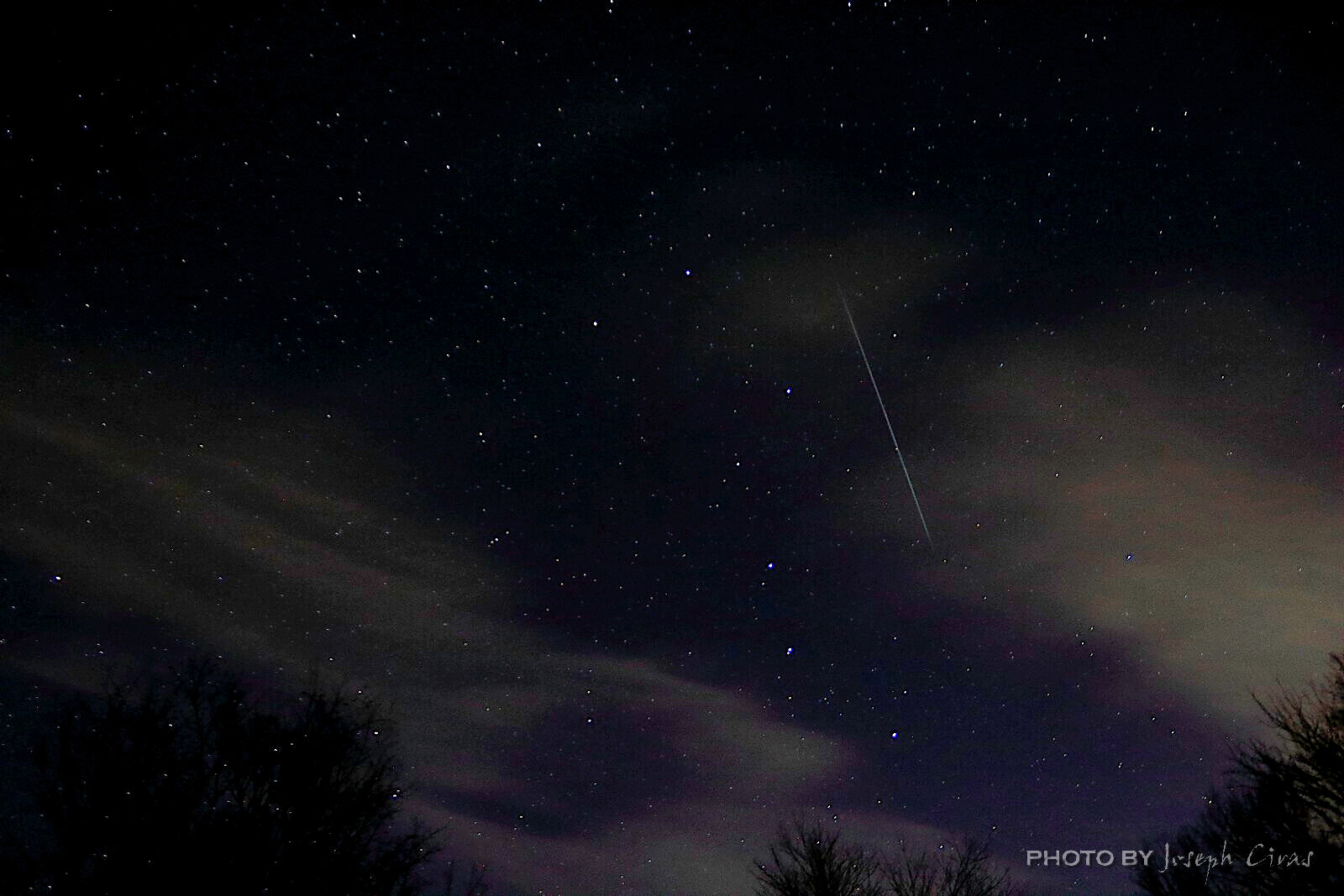
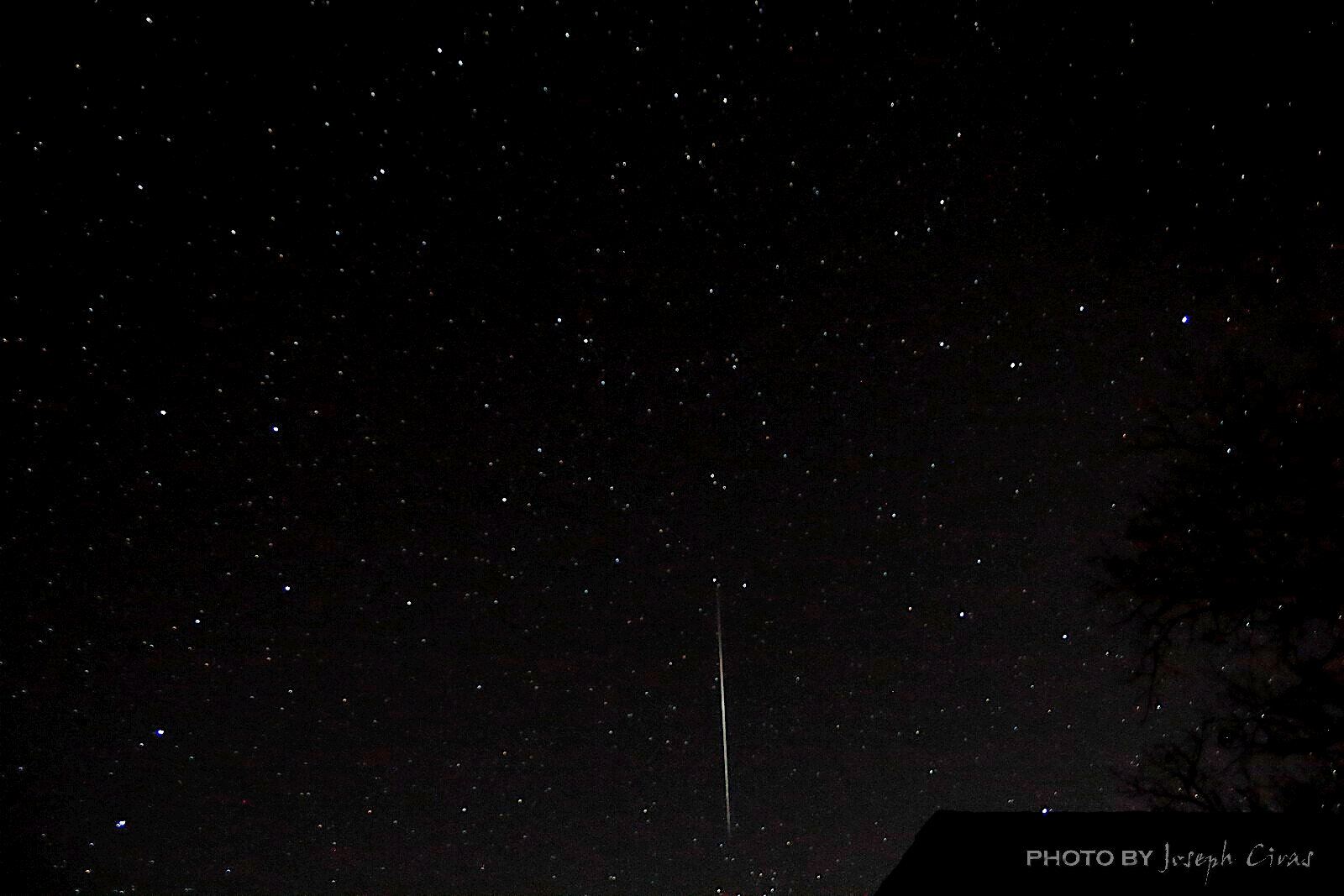
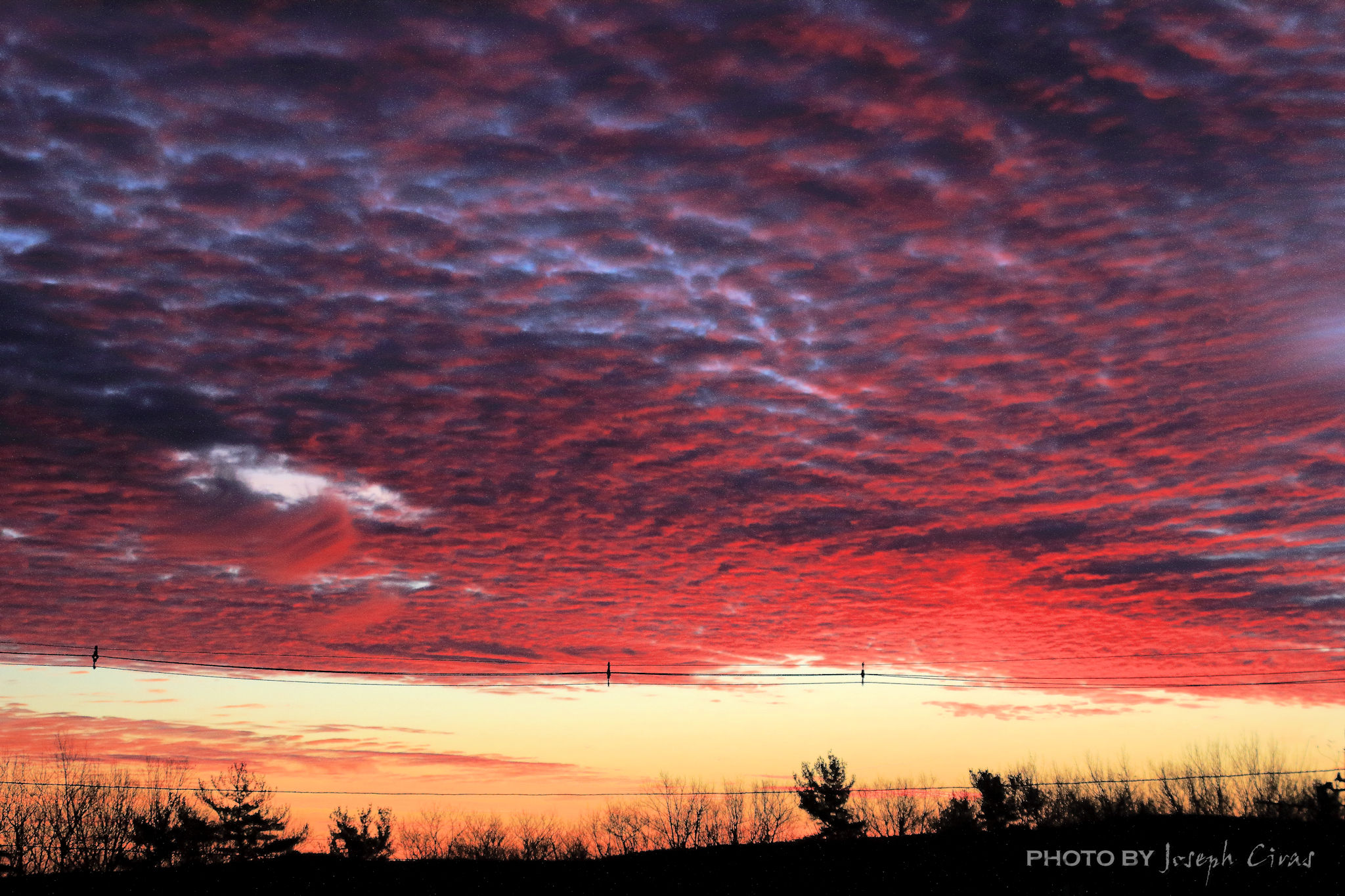
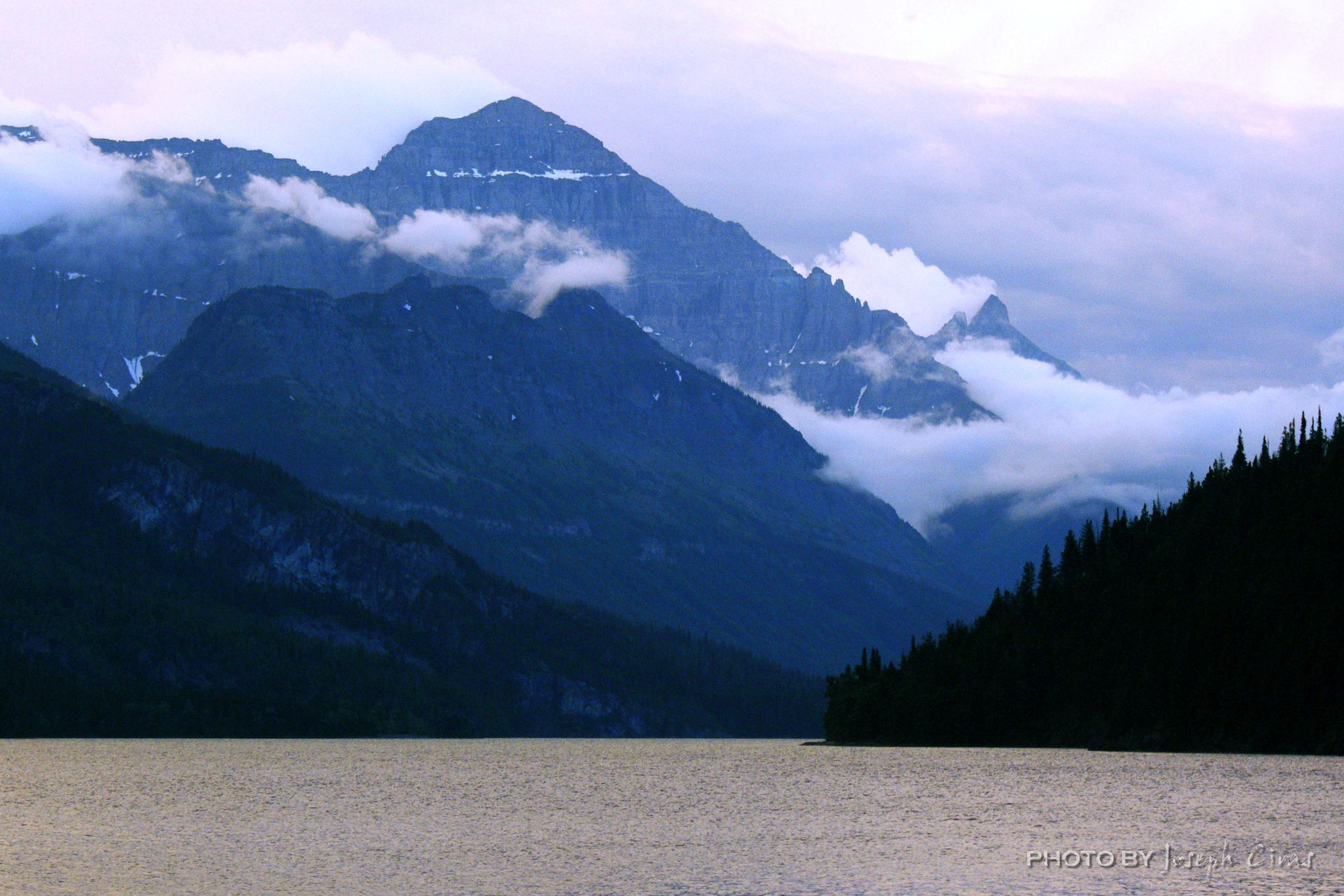


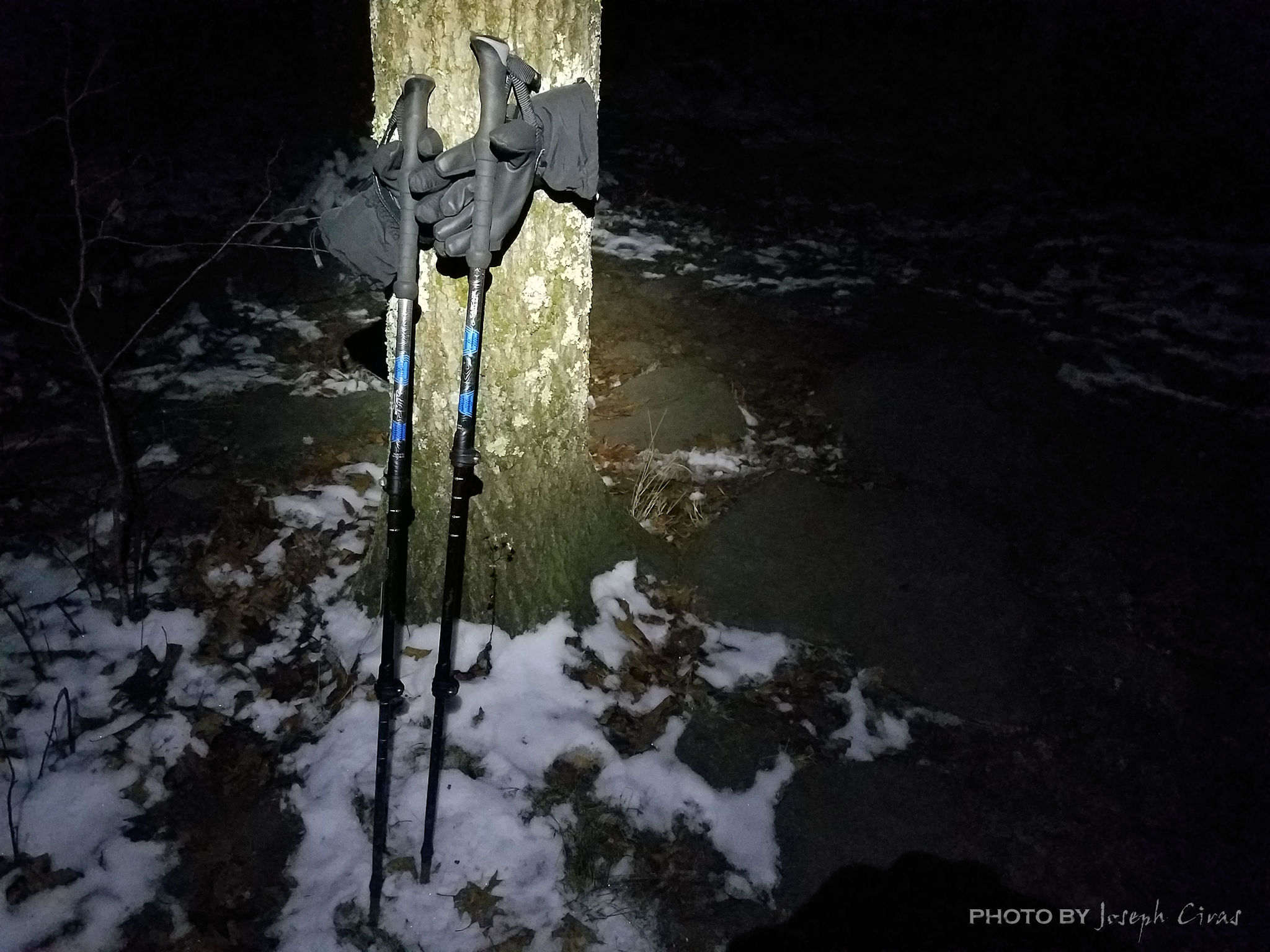
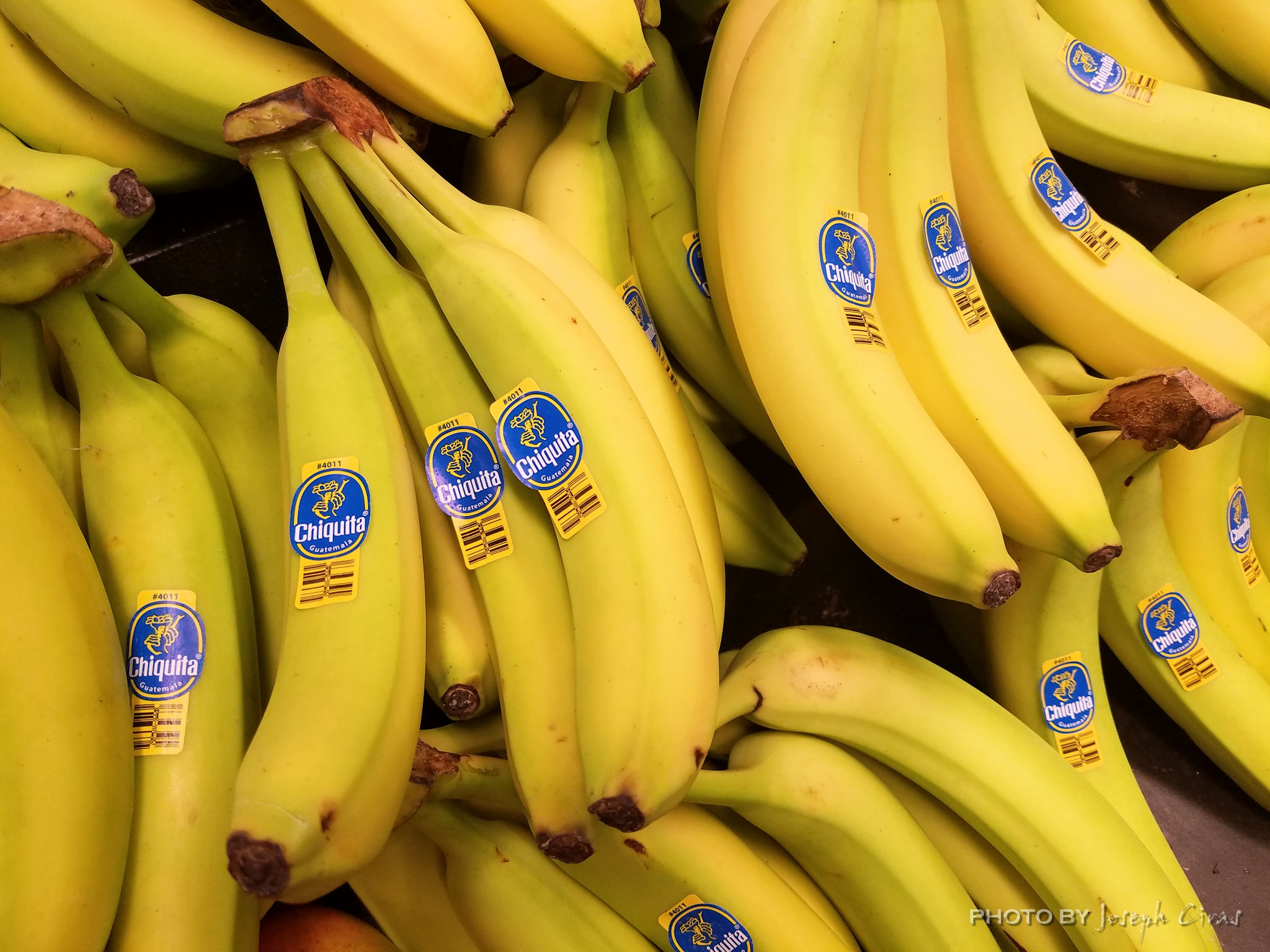
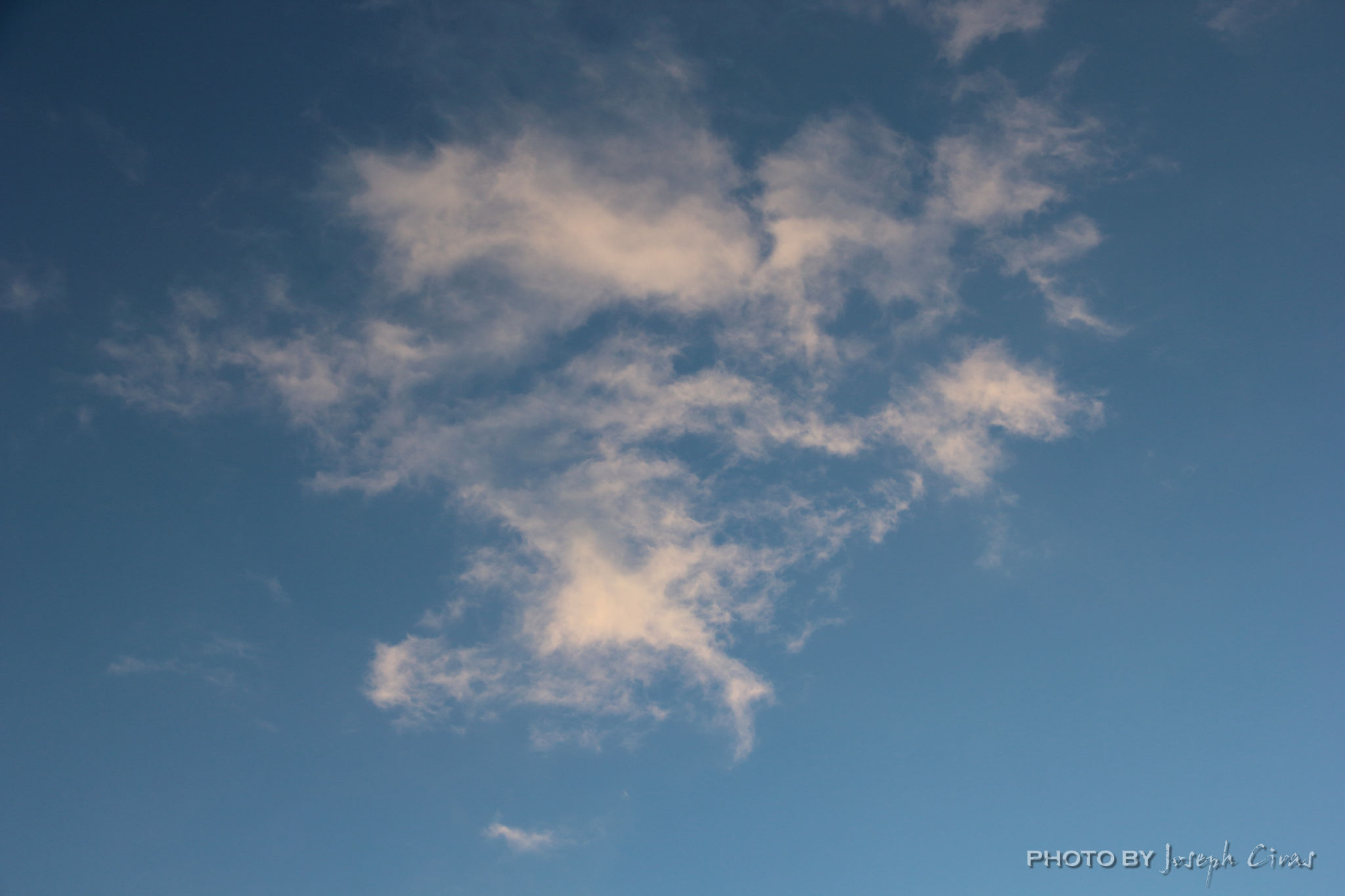
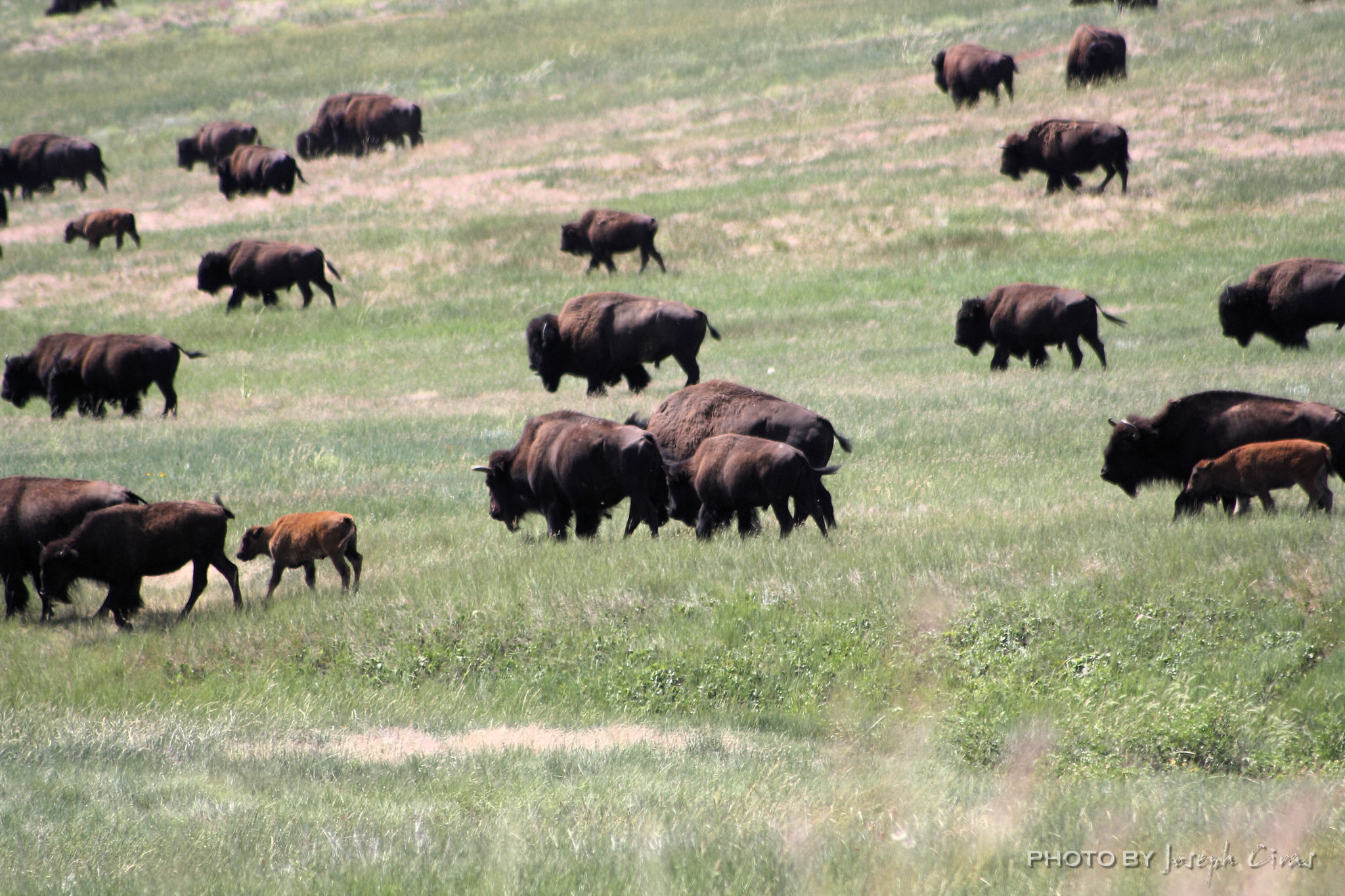
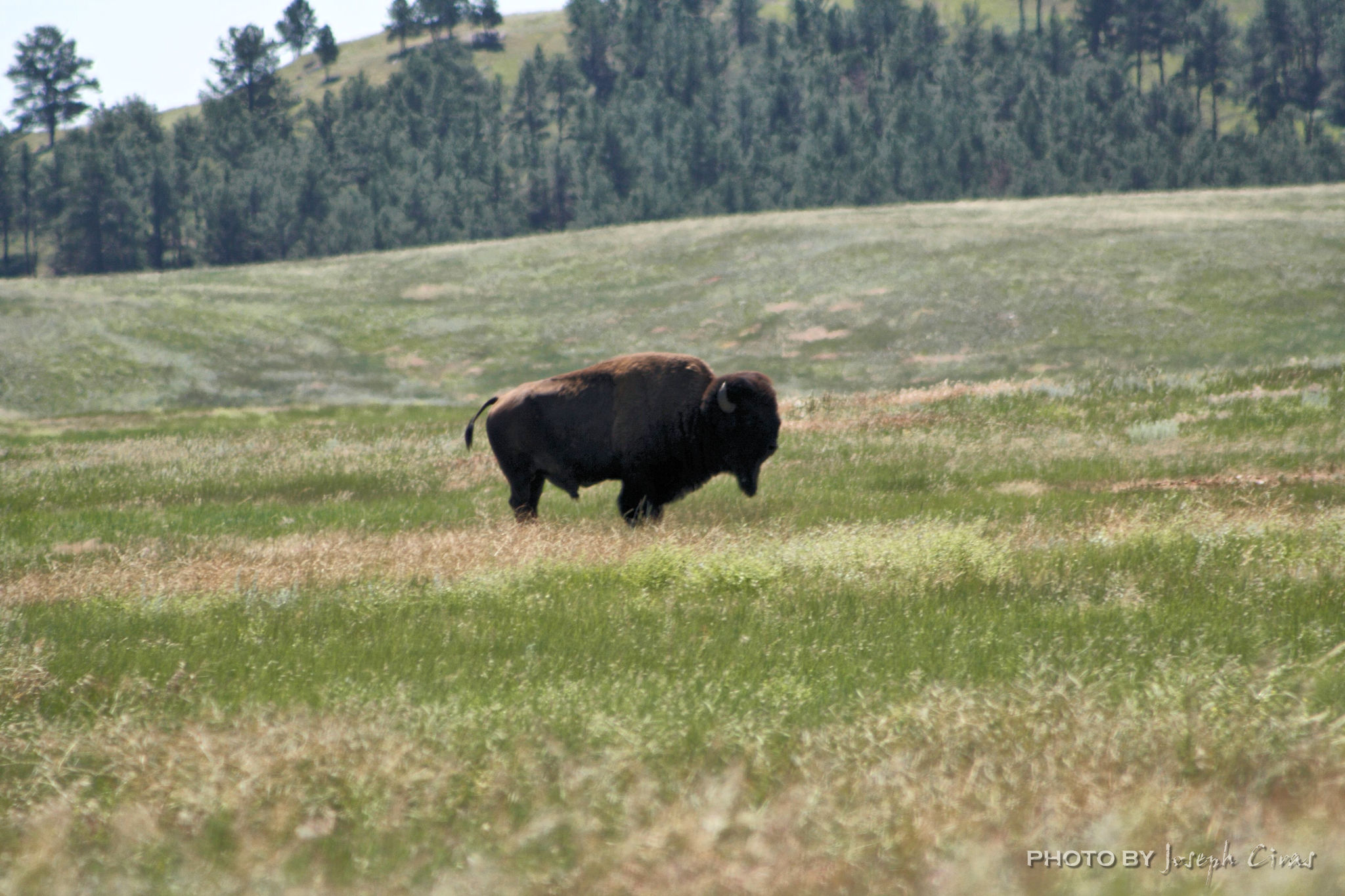
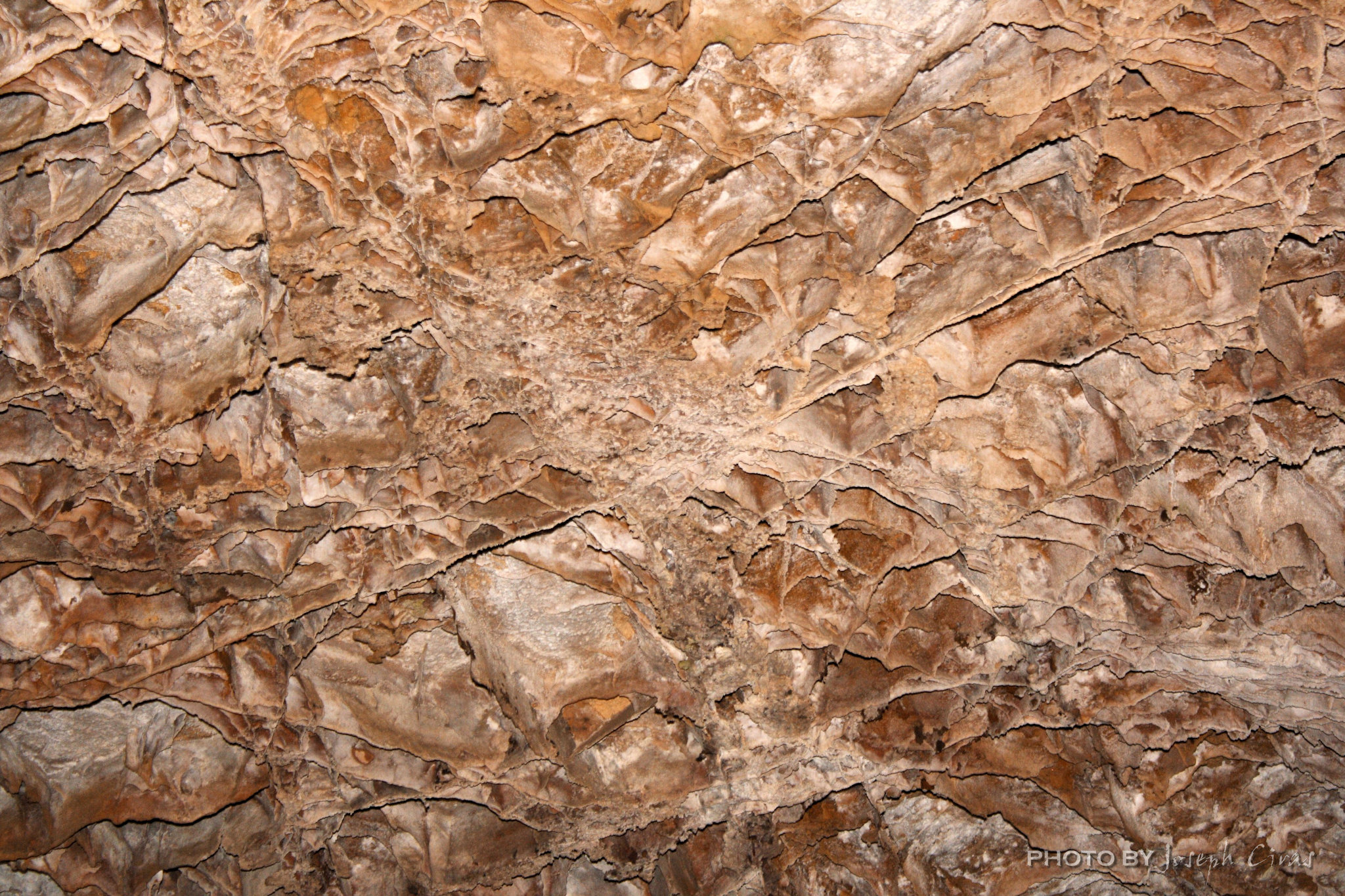
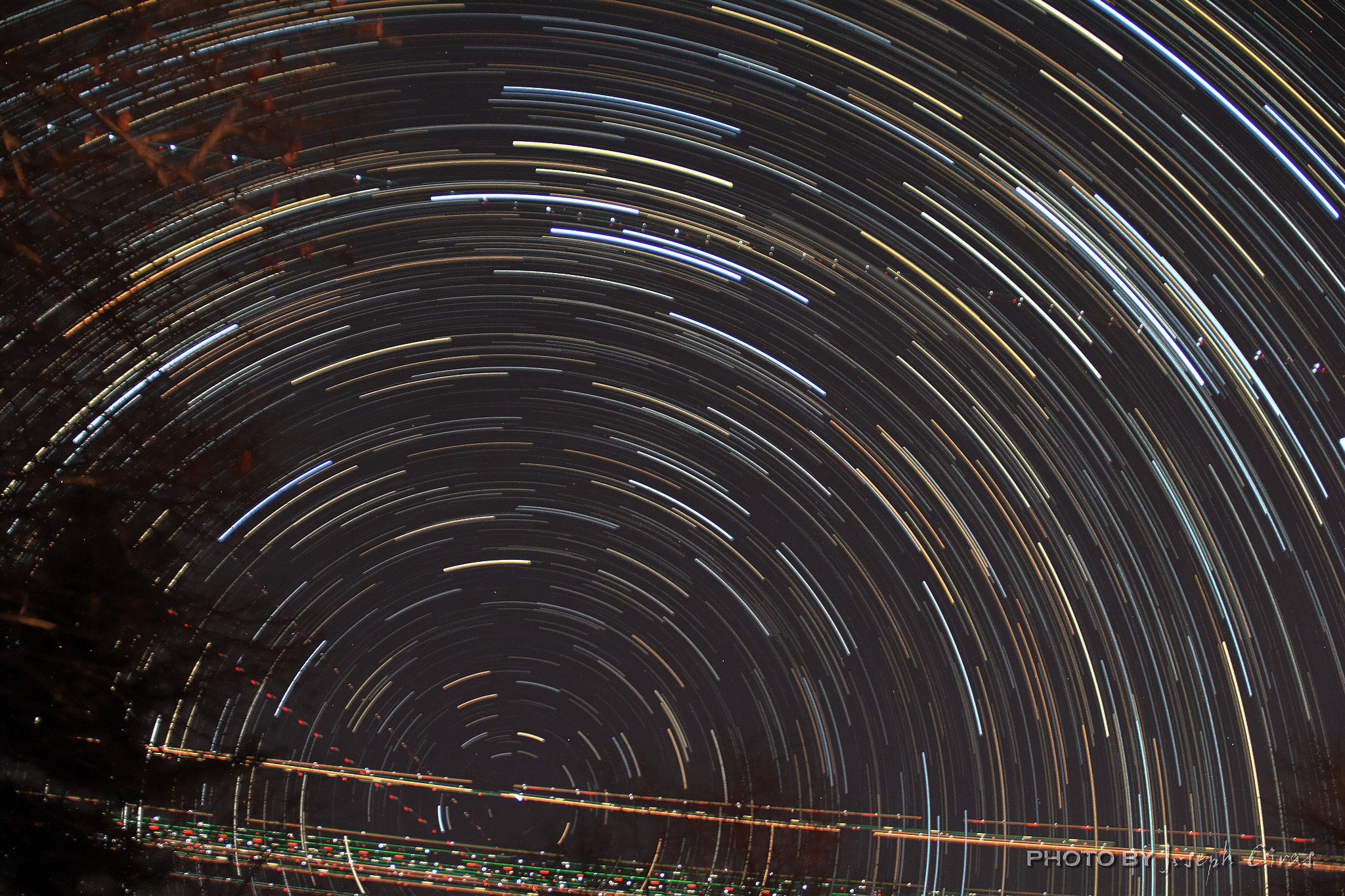
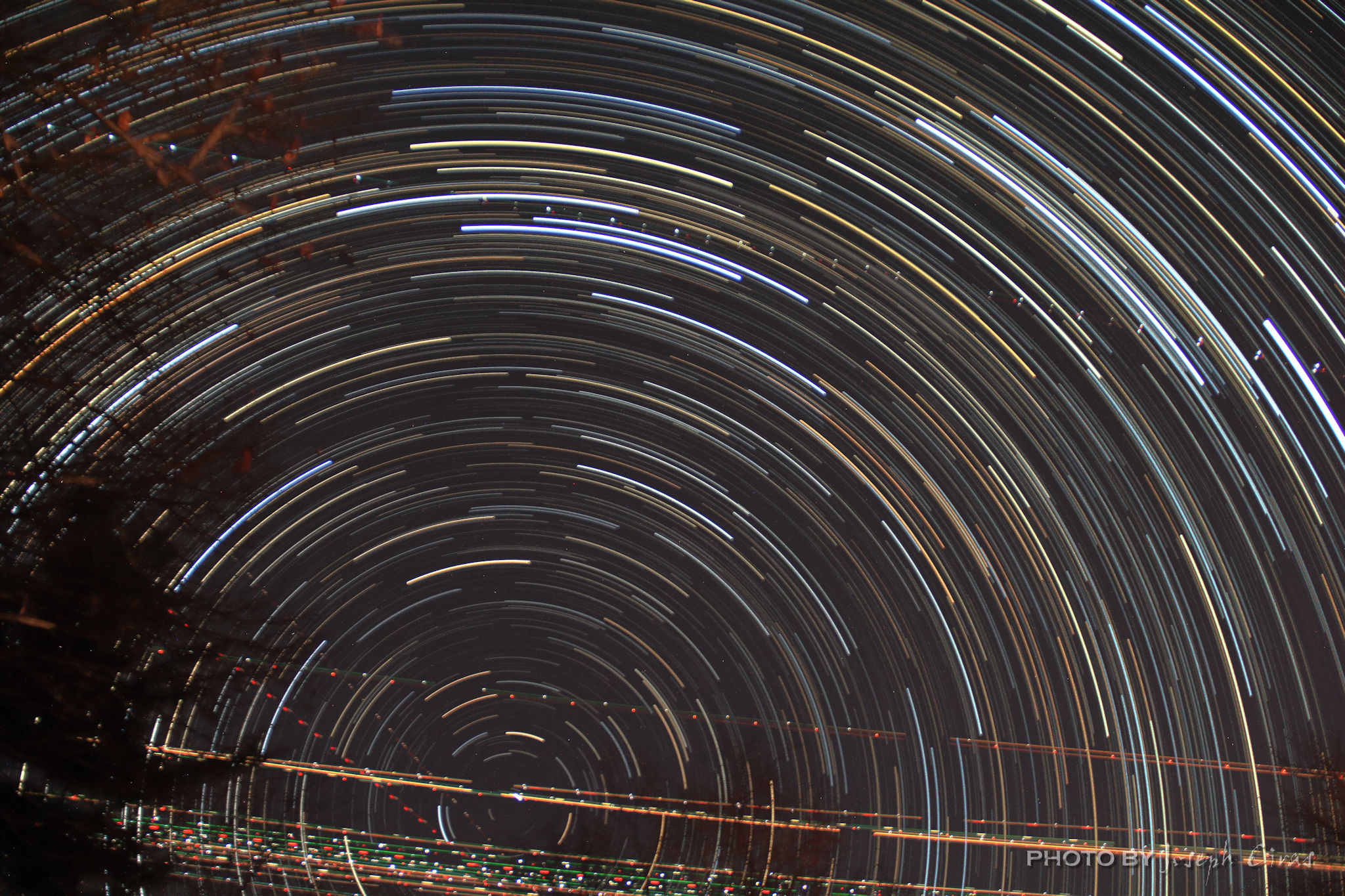

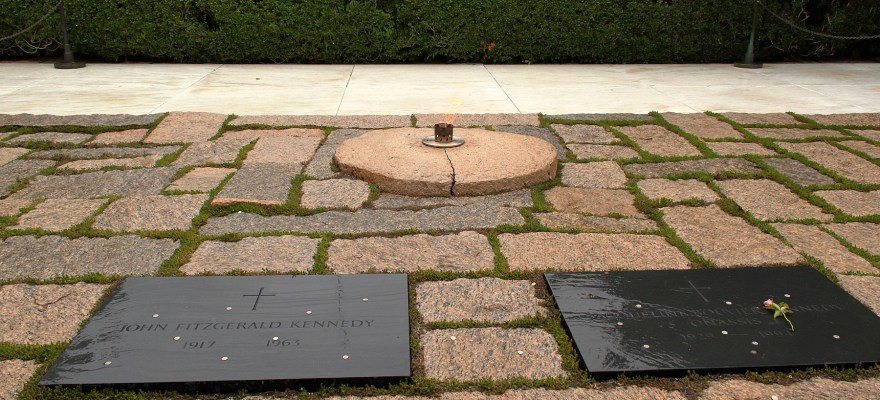
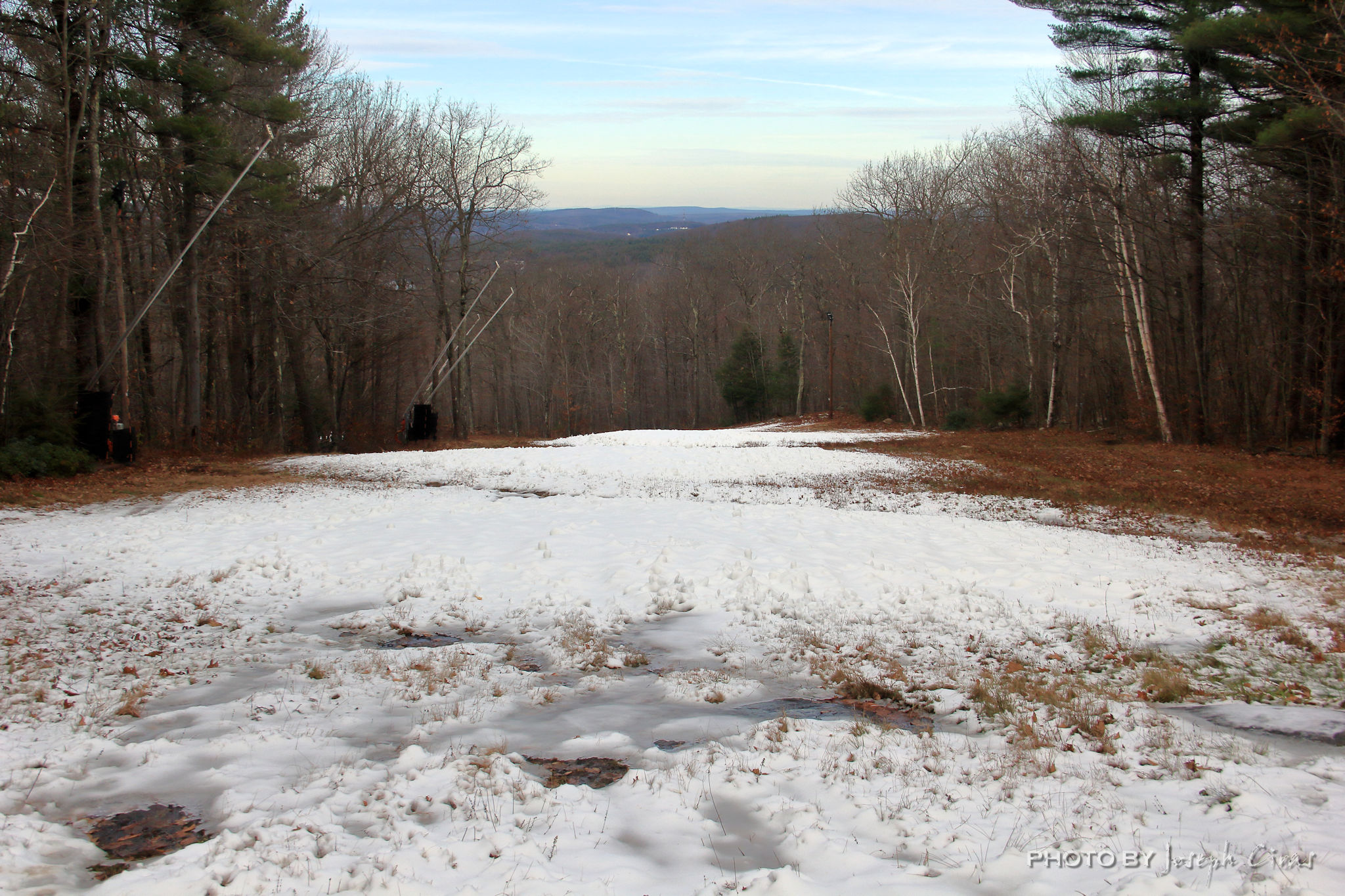
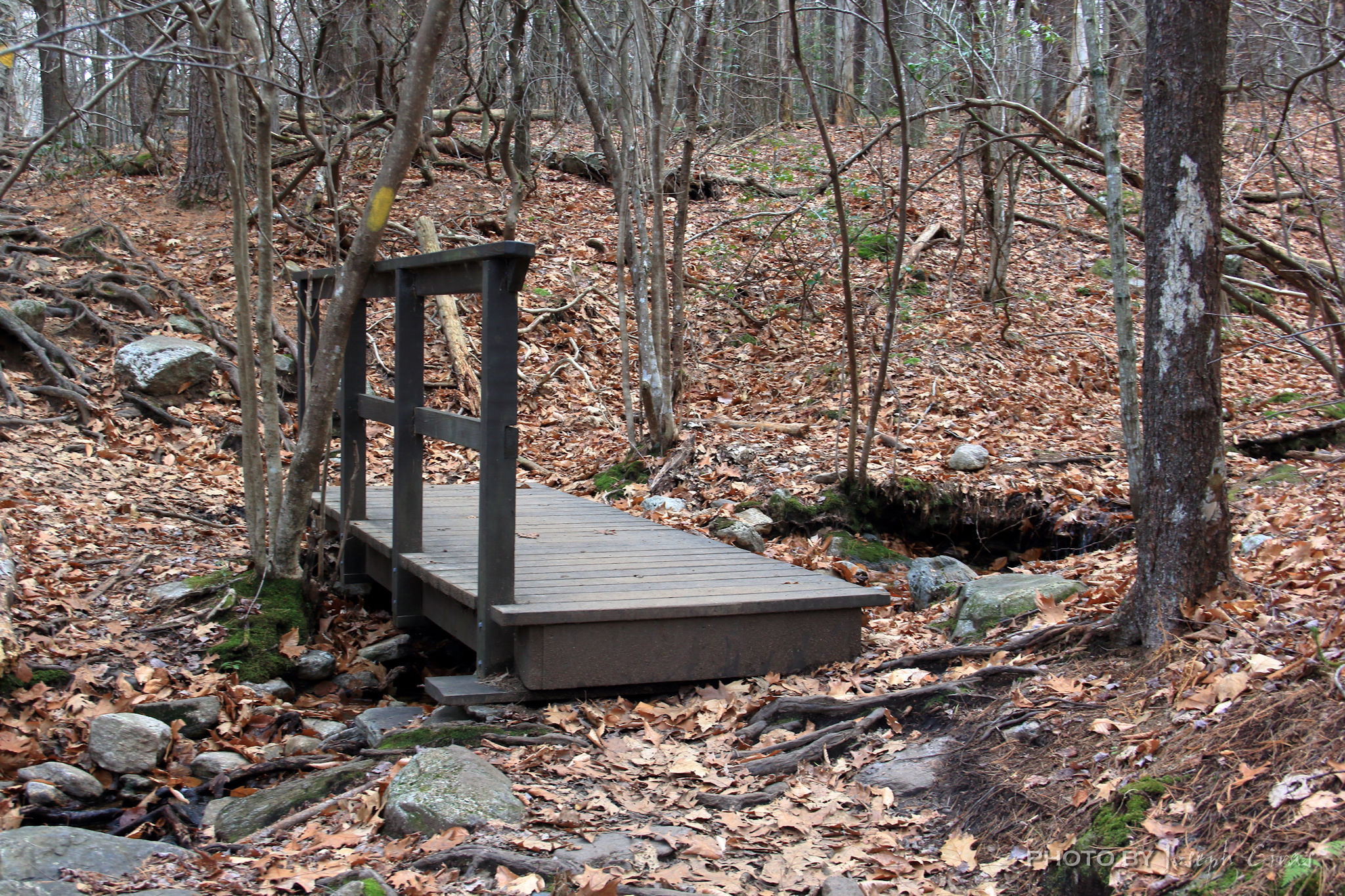

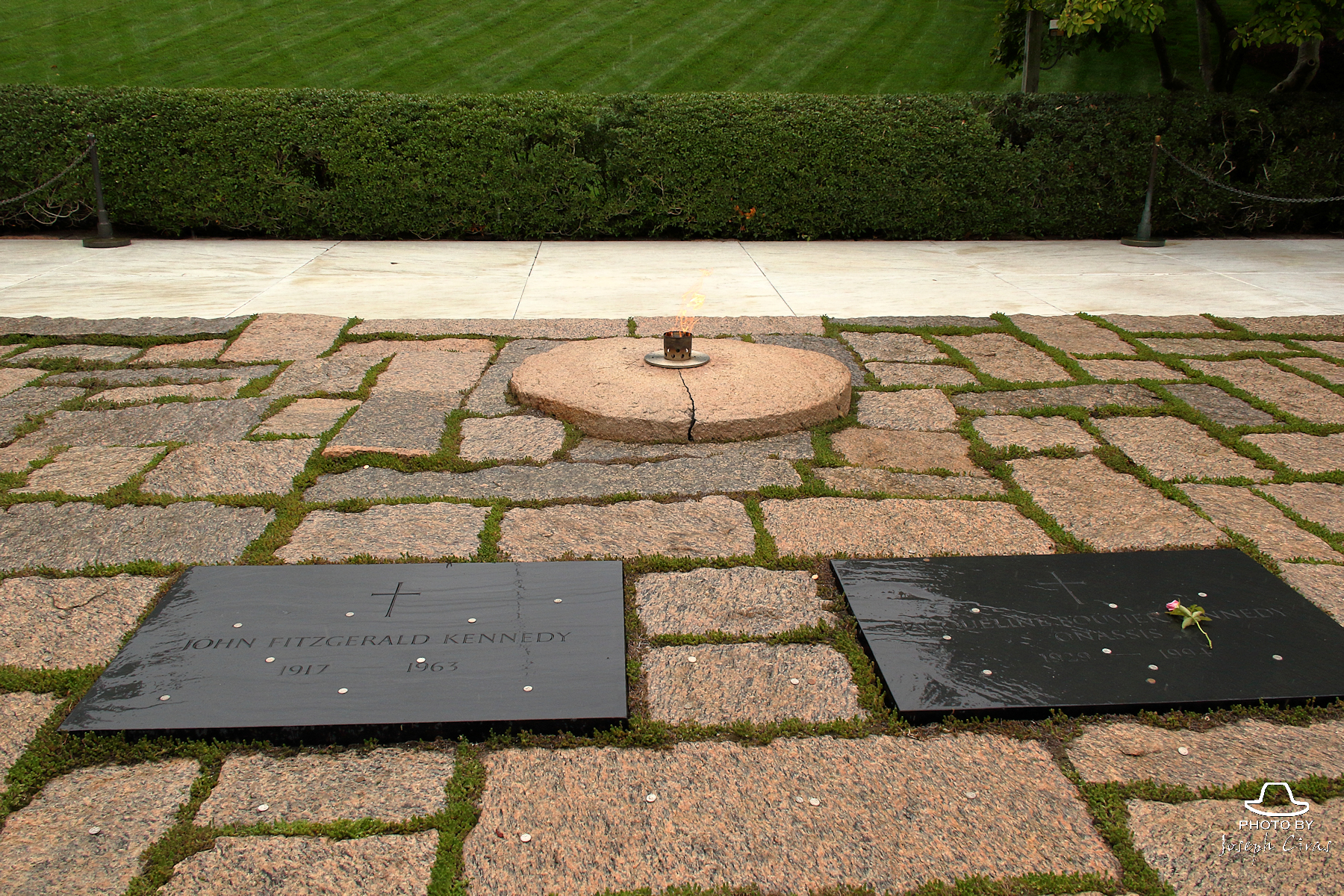
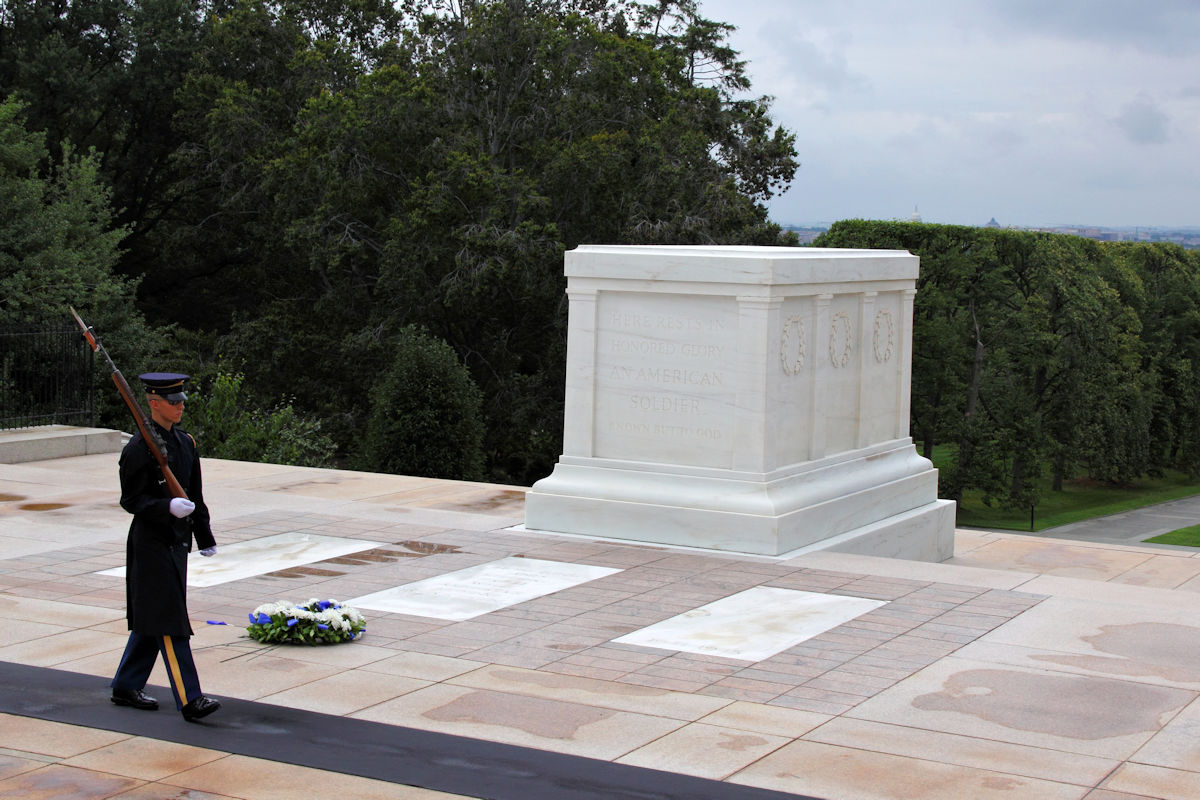
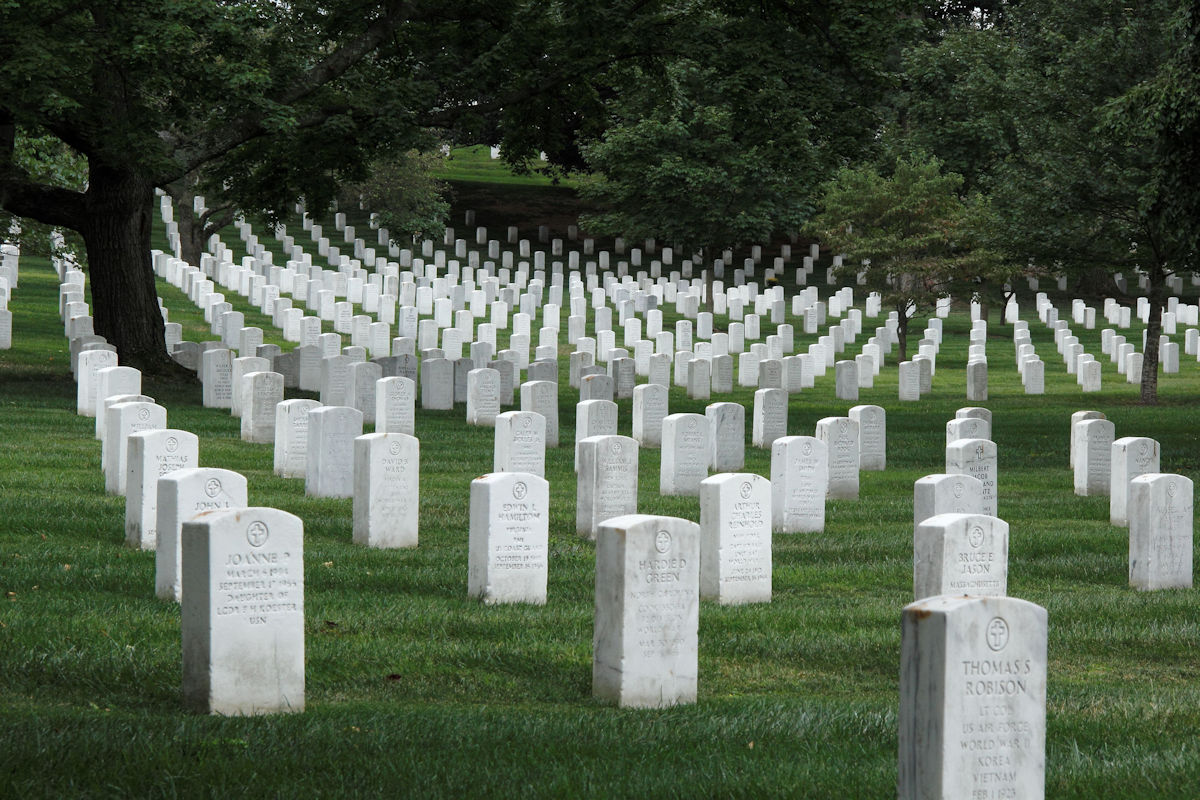


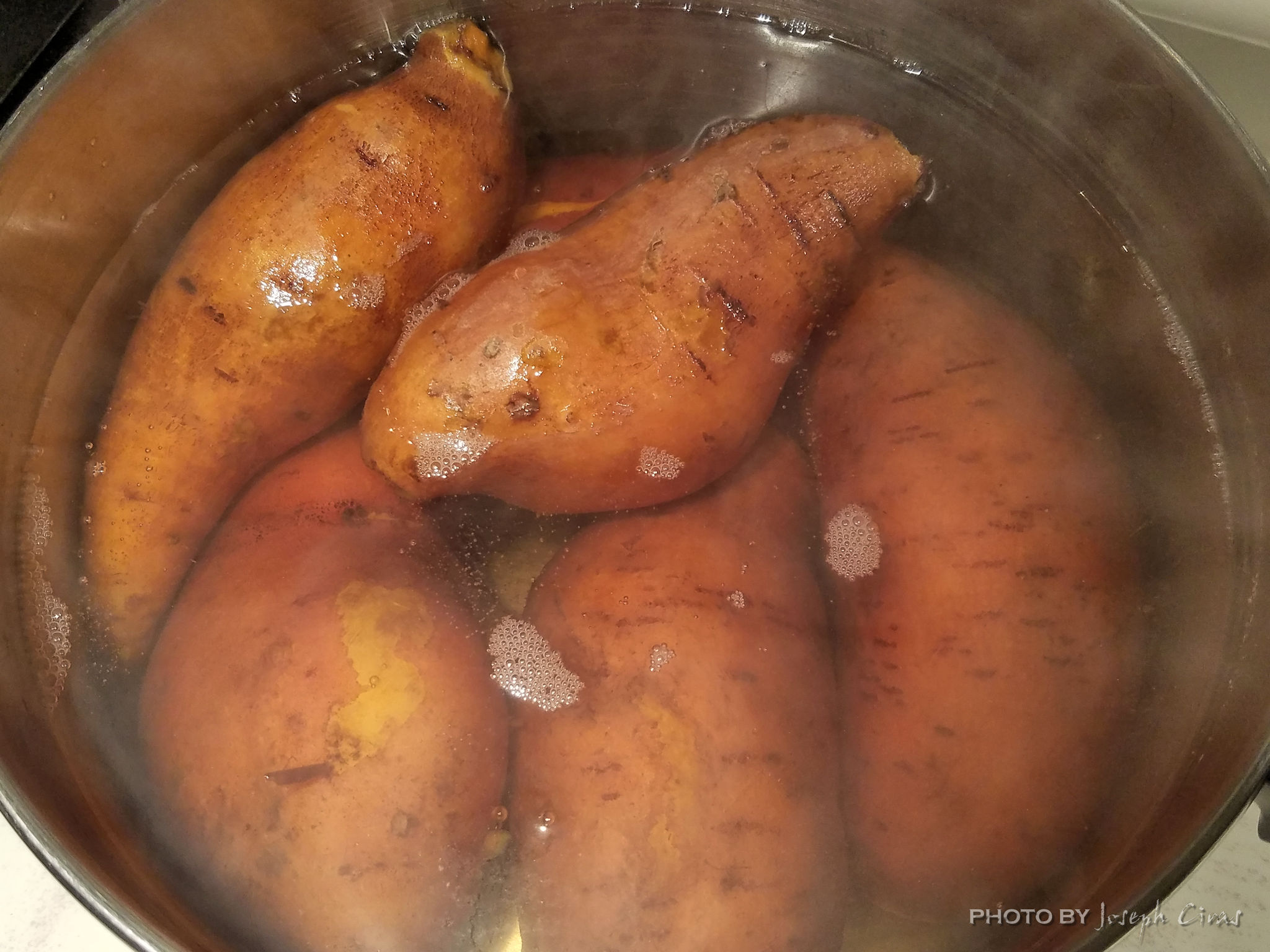
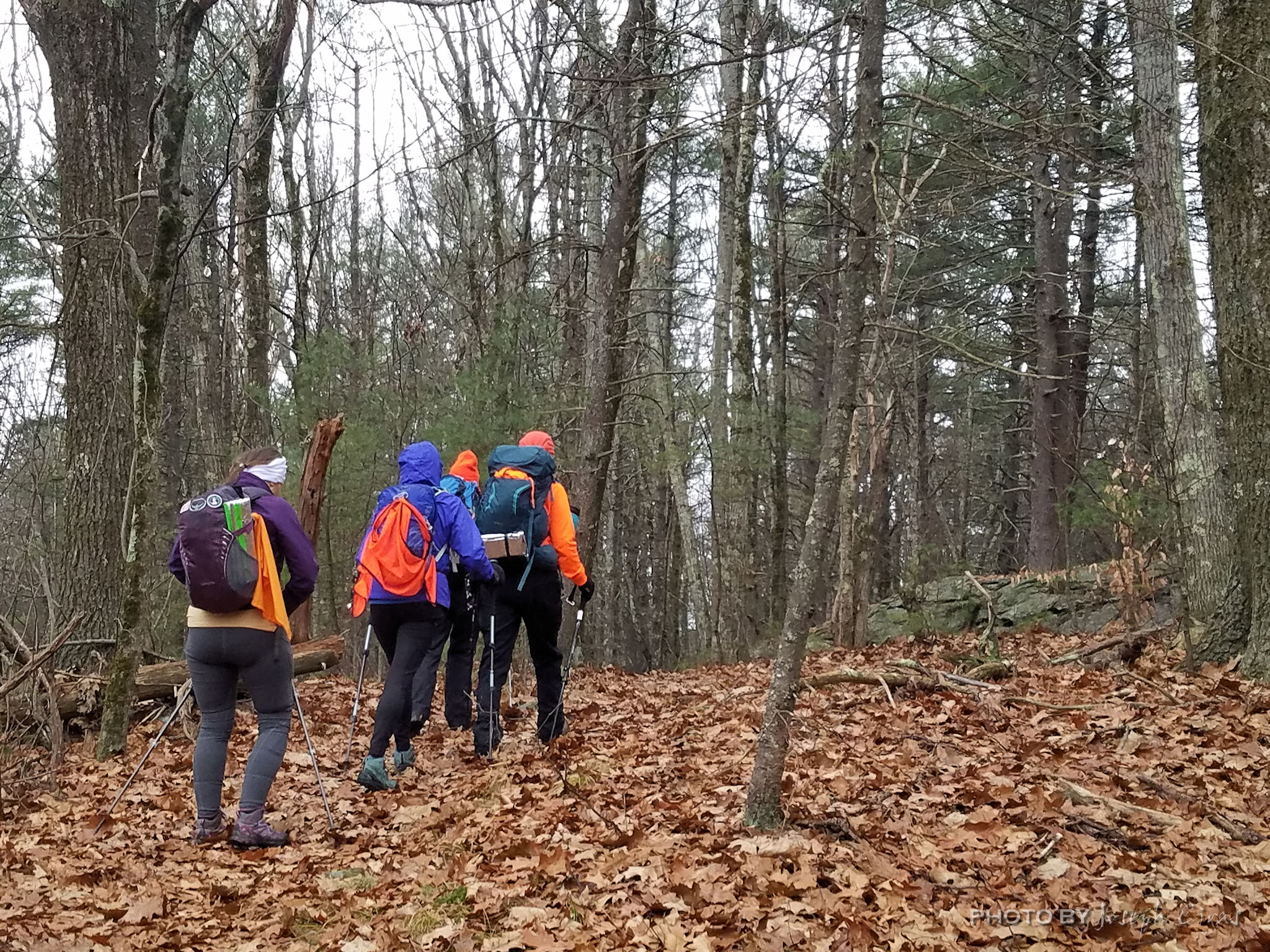

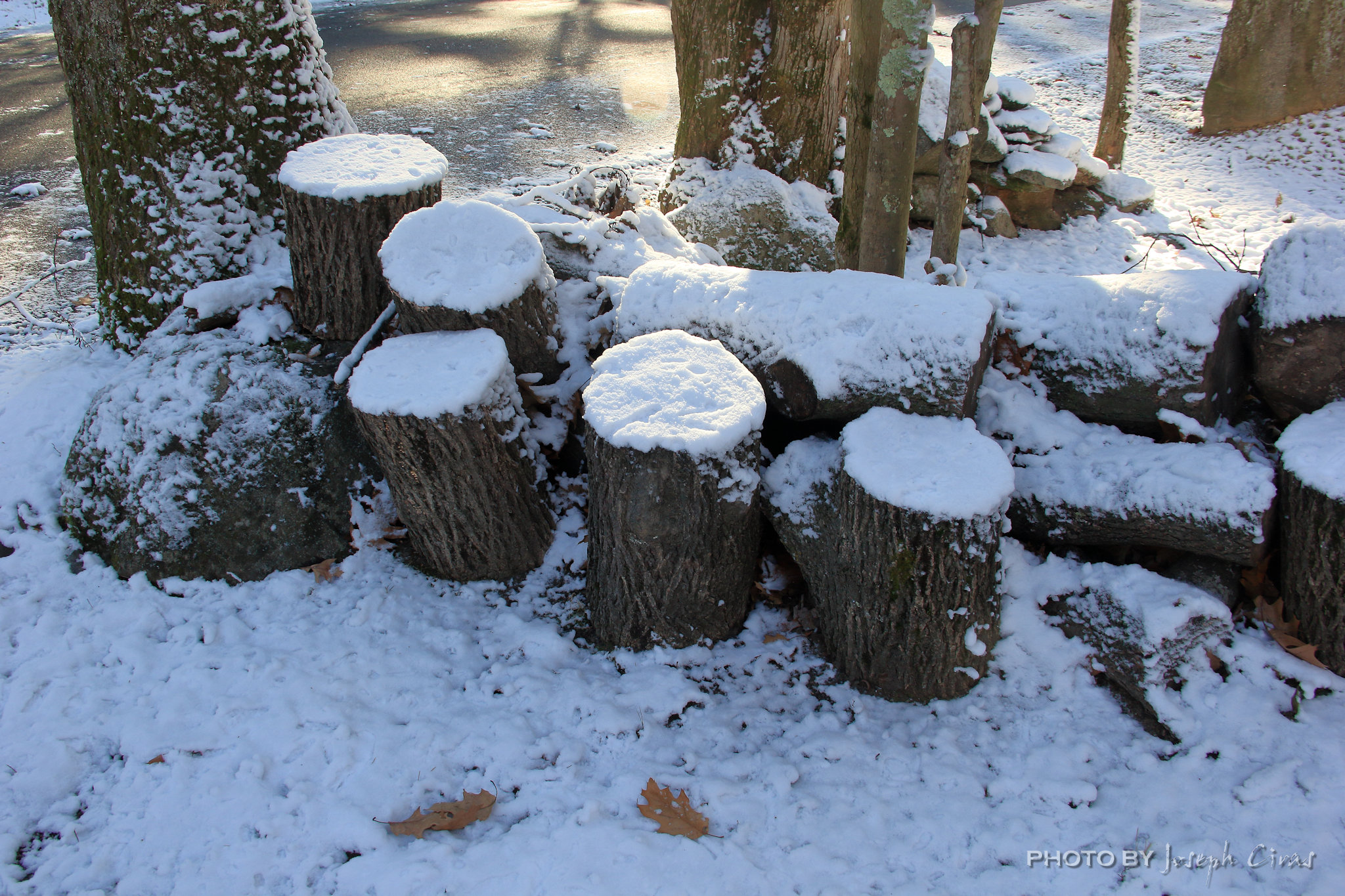
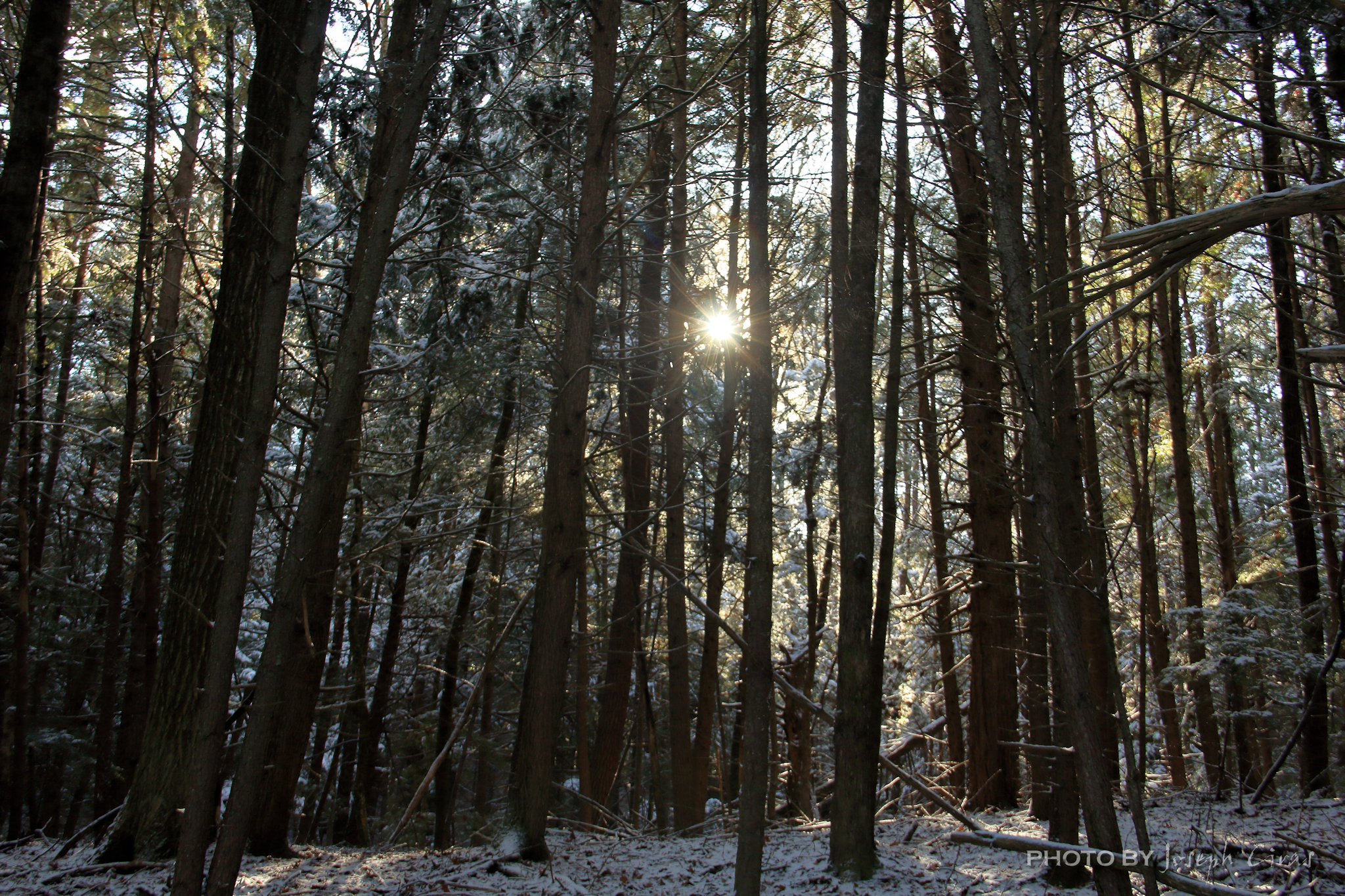

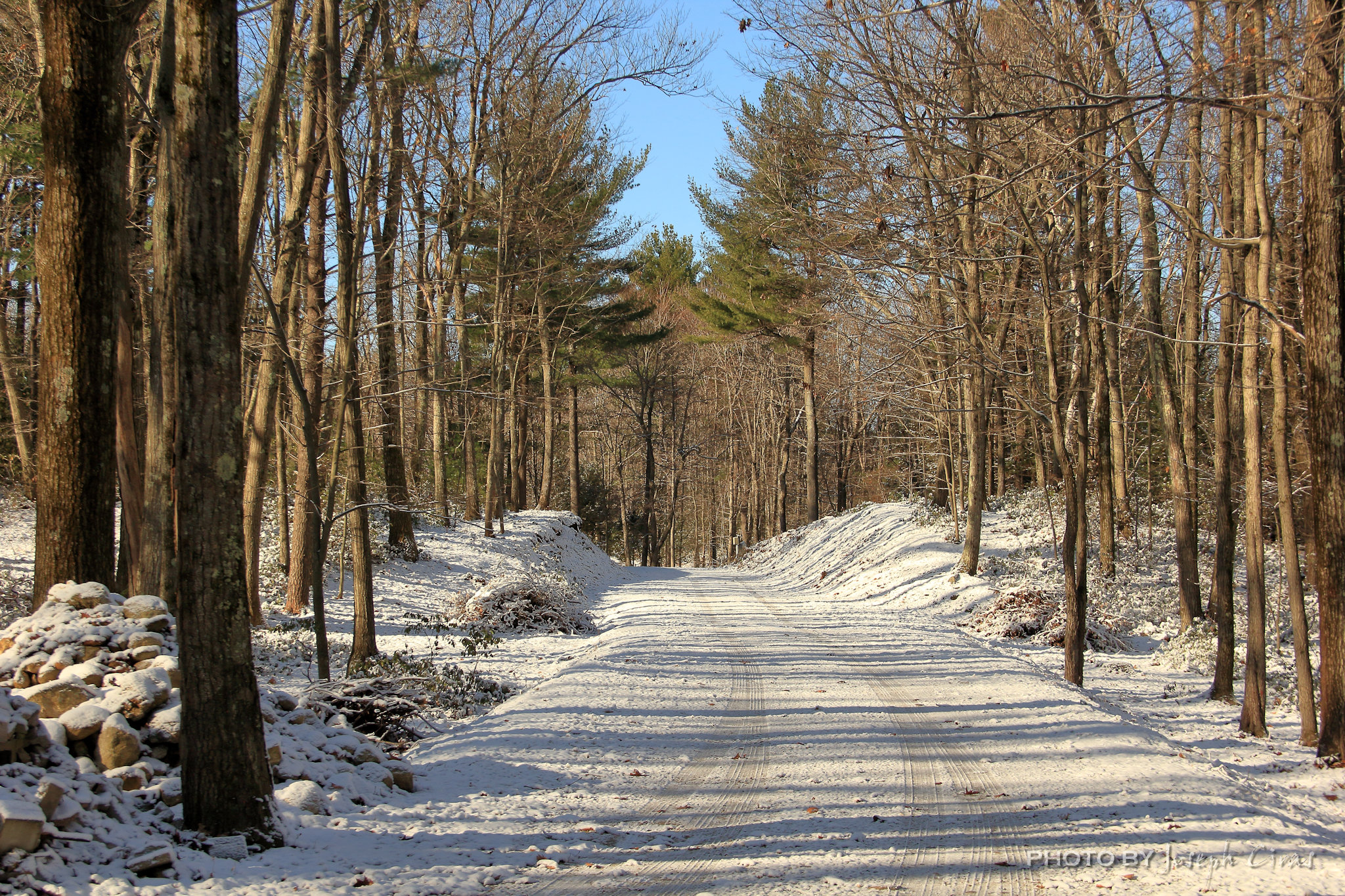

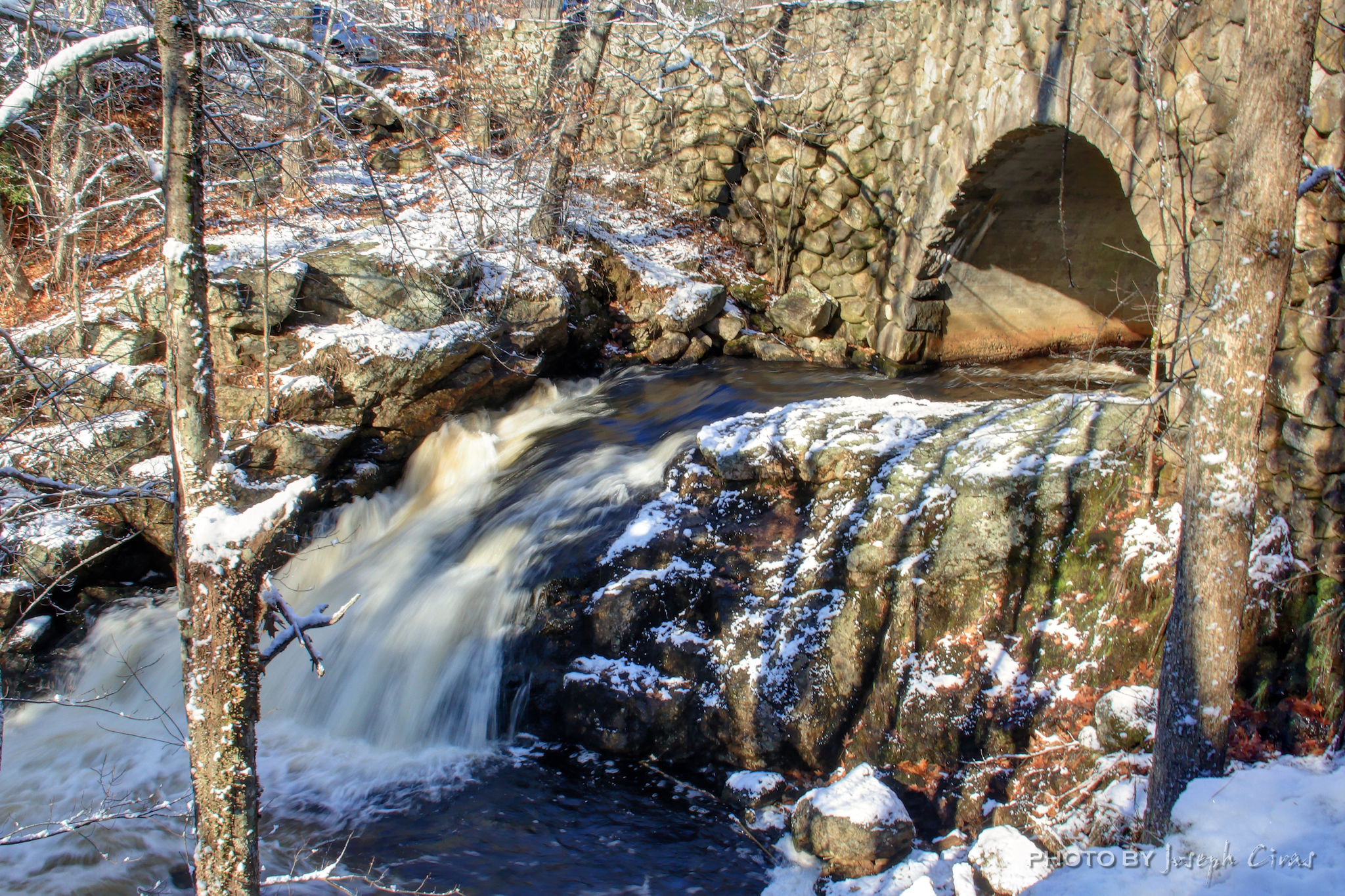
 Photo by Joseph Ciras