“I really believe there are things nobody would see if I didn’t photograph them.” — Diane Arbus
Some thought and event for the week.
Sunday, 08/25/2024: Posted photo — Moon.
Bright blue sky today. The moon was looking impressive against the blue sky. The moon is my main photograph subject and I feel that I still need practice taking photos of it. Some people say my moon photos are boring since that is not much in the foreground. Sometimes I believe them and attempt to take photo of the moon with a foreground. I do not want to “Photoshop” the moon into a photo, so I just keep doing what I do best—practice my moon photography.
Monday, 08/26/2024: Posted photo — New Hat.
OK, this is what I look like during a hike. I am not very good at taking selfies. I had a hat for over 25 years. It traveled the country and the world with me. It has been in all 50 states with me, and in the 10 countries I have visited. Just for your information, the 10 countries include: The United States, Canada, Mexico, Iceland, Norway, Denmark, Netherlands, Belgium, France, and the Bahamas. I almost lost it a few years ago riding the roller coaster in Legoland in Bulland Denmark. My hat and I have put in thousands of miles hiking.
The brim of that hat stated to fray and needs repair. I attempted to get the same type of hat as a replacement, but the company is out of business. This hat is similar and a different color than my previous one. I may repair it since we have been together for so long.
Let us see if they make them like they used to. If I last 25 more years, I hope to have this hat with me.
Tuesday, 08/27/2024: Posted photo — Robert Goddard.
Robert Hutchings Goddard was an American engineer, professor, physicist, and inventor who is credited with creating and building the world’s first liquid-fueled rocket, which was successfully launched on March 16, 1926. This is a photo of a scale model of that rocket.
The Goddard family lived near where I grew up in Worcester, MA and I have passed his family home many times in my youth. I was always proud to know that such an important person and his family once lived not far from the house I grew up in.
He did some of his research at Worcester Polytechnic Institute (WPI), the school that I attended for my post graduate work in Mechanical Engineering. I have been to his lab a few times when on campus.
This park is in Auburn MA not to far from the location that he fired off the fist liquid-fueled rocket.
I wanted to do something a little different for today’s photo. I took a photo of a bouquet of flowers and colorized the rose. Hope you like it. I have mixed feelings about how it turned out.
Setaria pumila, or Yellow Foxtail, is a summer annual grass that is quite weedy. Its natural habits include gravelly areas along rivers, vacant lots, lawns, grassy areas along roads and railroad tracks, fields, pastures. It is seldom found in natural areas, it prefers full sun with moist to slightly dry conditions.
I was out breaking in a new pair of hiking boots, and I walk by this grass. I just purchase my boots last Saturday and am going on a long hike in a few weeks. Do not want to go on a long hike in the White Mountains with boots that are not broken in. I pass by this type of grass many times during hikes. Today the sun was hitting just right for it to call to me to take its photo.
Friday, 08/30/2024: Post photo — Sunrise.
What a beautiful sunrise this morning. Captured this as I walked into work this morning.
As always, photo do not do sunrises or sunsets justice.
Saturday, 08/31/2024: Post photo — Composite.
I would like to start off by saying happy 32nd birthday to our little angel. Miss you and love you.
It has been a while since I did a composite photo. This is a photo of Round Meadow Pond looking at the dam. This is a composite of 16 photos stitched together using the Brenizer method. The Brenizer method combines multiple files to achieve a shallow depth of field effect in a wide-angle image.
I shot this with my cell phone since I was out walking so I do not know if it technically fall under this method. Always trying out new things with my phone camera. Still not as good as a DSLR, but cellphone cameras are getting better.
To find Brown Pelicans, head to the southern coasts of the US (Atlantic, Gulf, or Pacific) and look for huge birds gliding low over the water—check nearby gulls and cormorants as a size reference. These birds plunge into the water to feed. The huge splashes they make can, from out of the corner of your eye, look like a whale’s spout. If you see a splash, look for the bird on the water’s surface as it drains water from its throat pouch, or scan for other pelicans circling around to dive in the same spot. If you can’t find pelicans over the water, head to a jetty, mudflat, or estuary to look for groups of them resting.
Photo location: Kenai Fjords National Park, Alaska
The Dall’s Porpoise is the largest porpoise species, reaching 210-220 cm long and 200 kg. There is some sexual dimorphism in size with females being slightly smaller at 160-206 cm long. The size difference between the sexes varies across the species range.
Bubble-net feeding is a feeding behavior engaged in by humpback whales and Bryde’s whales. It is one of the few surface feeding behaviors that humpback whales are known to engage in. This type of feeding can be done alone or in groups with as many as twenty whales participating at once.
Mountain goat, (Oreamnos americanus), also called Rocky Mountain goat, a stocky North American ruminant of the family Bovidae (order Artiodactyla). Surefooted relatives of the chamois, mountain goats cling to steep cliffs in habitats ranging from ocean shores to glaciated mountain tops. They are agile, methodical climbers, adapted to the insecure footing of snow-covered and icy cliffs, where predators are loath to follow. On these cliffs, they readily turn on their pursuers, including humans.
Photo location: Grand Canyon National Park, Arizona
While most red birds owe their redness to a variety of plant pigments known as carotenoids, the Western Tanager gets its scarlet head feathers from a rare pigment called rhodoxanthin. Unable to make this substance in their own bodies, Western Tanagers probably obtain it from insects in their diet.
Saturday, 08/24/2024: Post photo — Desert Spiny Lizard.
Photo location: Goosenecks State Park, Utah
An adult male desert spiny lizard usually has conspicuous blue/violet patches on the belly and throat, and a green/blue color on their tails and sides. Females and juveniles have large combined dark spots on their back and belly areas, and the blue/violet and green/blue coloring is absent. Both sexes have brownish/yellow triangular spots on their shoulders. A female desert spiny lizard will lay anywhere from 4 to 24 eggs during the summertime. A fully grown desert spiny lizard will reach a body length of up to 5.6 inches. Besides their bright colors, the desert spiny lizard changes to darker colors during the winter to allow them to absorb more heat from the sun and become lighter during the summer to reflect the sun’s radiation. It is frequently seen doing push-ups, pushing its body up and down, as a form of territorial display. The first recorded case of Leukemia in the family Phrynosomatidae was found in this species.
“Photograph: a picture painted by the sun without instruction in art.” — Ambrose Bierce
Short comments this week.
Sunday, 08/11/2024: Posted photo — Mushrooms.
Some mushrooms seen on a hike.
Monday, 08/12/2024: Posted photo — Falls.
Some flowing water on Wachusett Mountain.
Tuesday, 08/13/2024: Posted photo — Steam.
Pavement being cooled off.
Wednesday, 08/14/2024: Posted photo — Wildfires.
The sun seen through the smoke from the Canadian wildfires.
Thursday, 08/15/2024: Posted photo — Second Day.
Second day in a row with a strange looking sun.
Friday, 08/16/2024: Post photo — Oyster Mushroom.
Mushrooms in our yard due to all the recent rain.
Saturday, 08/17/2024: Post photo — Bird Watching.
Some bird watching equipment on Wachusett Mountain. I forget how this works. I did talk to people quickly last year and they said something about listening to bird migration.
“The picture that you took with your camera is the imagination you want to create with reality.” — Scott Lorenzo
Things I did this week.
Sunday, 08/04/2024: Posted photo — Birthday.
Today is my birthday. It is also my brother’s birthday. We turned 60 years old today. When I was younger 60 years old was old. Now that I am 60, and still actively hiking, it does not seem so bad.
This is a photo of my brother, our dog, and myself in the mid 1960’s.
Monday, 08/05/2024: Posted photo — Heavy Rain.
Over the last couple of days, we have had periods of very heavy rain. This is a photo of the croquet course at the cottage. People were sitting around enjoying the day when the rain came and flooded the area.
There is great drainage in this area. Within an hour of the rain stopping, the flood waters were no longer. Before it drained, I was able to play a couple of games of water croquet.
Tuesday, 08/06/2024: Posted photo — Distortion.
The topic for one of my photo projects this week was distortion. Being at the lake, thee is always distortion of the sun on the water when there are waves.
I just happen to get lucky as a drop of water from a tree causes a splash on the sun making this photo better than I planned.
For fun tonight, I wanted to make a star trail photo. I will post the star trail photo later this week. Tonight was the only clear night of the week. With the early week’s rain and the remanence of a hurricane this weekend, this was the best, and only night, to do so.
This is a composite photo of 10 of the over 600 photos I took last night. I live in an area with ambient light, as you can see around the tree line. I did take these photos during astronomical night, but the neighbor left his light on all night.
Thursday, 08/08/2024: Posted photo — Flies on Goldenrod.
During my walk this afternoon, I saw some goldenrod. Not unusual for this area. I did notice that this plant had several flies on it. I took out my cellphone and took this photo.
I was expecting the flies to fly away, but they did not seem to be bothered by my presents.
Friday, 08/09/2024: Post photo — Star Trail.
This is the start trail photo that I noted in my Wednesday post. This is a composite photo of over 600 seventeen second shots.
When I was reviewing the photos, I did notice what looked like the Milky Way. The photo on Wednesday was my attempt of developing the Milky Way in my photos. If I thought about it, my settings would have used Milky Way settings on my camera and not star trail settings. Poor planning on my part.
Saturday, 08/10/2024: Post photo — Hike.
This morning, I took a hike to check out the trail conditions on Wachusett Mountain. There are relatives here from Florida, and I wanted to check out the trail conditions as a possible hike. The trails were very muddy so I would find an alternative hike.
As of the time of this writing, we have not hiked yet. I do have a plan on a drier hike when we do hike.
“Photography has nothing to do with cameras.” — Lucas Gentry
This week’s blog features some of the scenes from my vacation.
Sunday, 07/28/2024: Posted photo — Milky Way.
During my vacation, I attempted to take a Milky Way shot. The first two nights, I practiced at a couple of different locations. Both these locations had a large amount of ambient light. I was hoping that when we traveled away for civilization, the sky would be darker. No luck. When we were away from civilization, either the moon was too bright, or there was cloud cover. Here are my test shots.
Monday, 07/29/2024: Posted photo — Ganoga Falls.
We went to Ricketts Glen State Park in PA during this trip. This park features 23 waterfalls along a 5 to 7 mile trail (depending on your direction). We were able to see 18 of these waterfalls. This is the largest of the falls. Ganoga Falls has a height of 94 feet.
Another fall at the park is RB Bicketts Falls. This 36 feet waterfall is a wonderful example of the cascading falls in the park. The hike we took had about 800 feet in elevation change over some easy and difficult trails. The trail we took was marked the most difficult trail in the park. It was well worth the hike.
Ozone Falls is the second highest falls at 60 feet tall. The water was flowing well in the park. It will be great to go back in the fall, after the snowmelt, to see how much water is in the river. We camped two nights at Ricketts Glen to be able to hike and rest up before we moved onward.
Thursday, 08/01/2024: Posted photo — Bee on Flower.
Back home after vacation, we went to the cottage. My wife’s family has their reunion the first Saturday in August every year. I am always in the lookout for bees on flowers since I need practice on talking high speed photography.
Friday, 08/02/2024: Post photo — Rainbow.
Rain today. Rain this time of year produces rainbows. The strange thing about rainbows is that no two people see the same rainbow at the same time. They are based on your perspective.
This one started out weak, and then became stronger and then a double. The photo is an attempt to capture the full rainbow using the panorama setting on my cellphone.
Saturday, 08/03/2024: Post photo — Nature.
Just a shot of a log with moss on it to close out the week. When I returned to the office, I had one day to get up to date with my work before customers and auditor paid me a visit.
This photo was taken during the family reunion. Great to see old and new faces once a year.
“Essentially what photography is life lit up.” — Sam Abell
Various photos from this week. This week we visited all the Great Lakes and the headwaters of the Mississippi River on our way to the WCA North American Rubik’s Cube compitition.
Sunday, 07/14/2024: Posted photo — Lake Ontario.
Lake Ontario is one of the five Great Lakes of North America. It is bounded on the north, west, and southwest by the Canadian province of Ontario, and on the south and east by the U.S. state of New York. The Canada–United States border spans the center of the lake.
Shore of Lake OntarioLake Ontario DriftwoodFeet in Lake Ontario
Average depth: 283 ft (86 m) Fish: Chinook salmon, Walleye, Lake trout, Atlantic salmon, Coho salmon, Brown trout, Rainbow trout, Largemouth bass Area: 7,320 mi² Outflow location: Saint Lawrence River Cities: Toronto, Rochester, Hamilton, Mississauga Length: 193 mi Inflow source: Niagara River.
Monday, 07/15/2024: Posted photo — Lake Erie.
Lake Erie is the fourth-largest lake by surface area of the five Great Lakes in North America and the eleventh largest globally. It is the southernmost, shallowest, and smallest by volume of the Great Lakes and also has the shortest average water residence time.
Feet in Lake Erie
Average depth: 62 ft (19 m) Fish: Walleye, Smallmouth bass, Yellow perch, Bigmouth buffalo Islands: Pelee Island, South Bass Island, Johnson’s Island Area: 9,940 mi² Cities: Erie, Cleveland, Buffalo, Toledo, Monroe, Port Colborne Deepest spot: 210 ft.
Tuesday, 07/16/2024: Posted photo — Lake Huron.
Lake Huron is one of the five Great Lakes of North America. It is shared on the north and east by the Canadian province of Ontario and on the south and west by the U.S. state of Michigan.
Feet in Lake Huron
Fish: Walleye, Lake trout, Smallmouth bass, Lake sturgeon Islands: Manitoulin Island Area: 23,012 mi² Volume: 850 cubic miles Cities: Port Huron, Goderich, Sarnia, Alpena, Bay City, Cheboygan, Saginaw, Owen Sound, St. Ignace Length: 206.3 mi
Wednesday, 07/17/2024: Posted photo — Lake Michigan.
Lake Michigan is one of the five Great Lakes of North America. It is the second largest of the Great Lakes by volume and the third largest by surface area, after Lake Superior and Lake Huron.
Mackinac BridgeFeet in Lake Michigan
Average depth: 279 ft (85 m) Fish: Lake trout, Yellow perch, Smallmouth bass, Largemouth bass, Bowfin Area: 22,406 mi² Islands: Beaver Island, South Manitou Island Cities: Chicago, Milwaukee, Michigan City, Muskegon, Holland
The Mackinac bridge is the third longest suspension bridge in the world. It is the longest suspend bridge in the western hemisphere. It was the longest when it was built. It goes over the Mackinac straight between Lake Huron and Lake Michigan.
Thursday, 07/18/2024: Posted photo — Lake Superior.
Lake Superior is the largest freshwater lake in the world by surface area and the third-largest freshwater lake by volume, holding 10% of the world’s surface fresh water.
Feet in Lake Superior
Fish: Lake trout, Walleye, Lake whitefish, Muskellunge Area: 31,700 mi² Islands: Isle Royale Volume: 2,903 cubic miles Cities: Duluth, Thunder Bay, Marquette, Superior, Sault Ste. Marie Water capacity: 2,900 cubic miles
Friday, 07/19/2024: Post photo — Lake Itasca.
Lake Itasca is a small glacial lake, approximately 1.8 square miles in area. It is located in Itasca State Park, in south-eastern Clearwater County, in the Headwaters area of north-central Minnesota, and is notable for being the headwater of the Mississippi River.
Fire at our campsiteFeet in the HeadwatersMississippi River HeadwatersNicollet CreekNicollet Creek
Outflow location: Mississippi River Fish: Bluegill, Largemouth bass, Muskellunge, Black crappie, Brown bullhead Average depth: 20–35 ft (6–11 m) Area: 1.815 mi² Acres: 1065-acre Islands: Schoolcraft Island Location: Itasca State Park, Clearwater County, Minnesota, US
Some people call Nicollet Creek the headwaters since it flows into Lake Itasca.
Saturday, 07/20/2024: Post photo — North American Championship.
Traveled out to Minneapolis to be at the North American Rubix’s Cube Championship. My son competed and was on staff. My wife was also on staff. I put in my staff application in too late to be on staff.
Working on staffFirst solve at NACMax Park on his way to a 5x5x5 world record average
Max Park set the world record in the 7x7x7 (single) and 6x6x6 (average) cube at the time I wrote this post. The featured event is Sunday, the 3x3x3 where he has the word record of 3.13 seconds.
“My life is shaped by the urgent need to wander and observe, and my camera is my passport.” — Steve McCurry
Thank you for reading and interpretation my ramblings and sometimes poor grammar. I think as I type so sometimes the words make sense to me at the time. I do not always to back and proofread.
Sunday, 07/07/2024: Posted photo — Triangle.
Was working on triangular composition this week. Took this photo today to use as a submission if I did not like the ones I took last week. There were many opportunities for triangular composition this week and decided on posting a different photo.
I am posting this one today since I like the contrast between the white and the blue sky.
Monday, 07/08/2024: Posted photo — Robin.
I was out spraying the roof of the cottage with a bio solution to remove the moss from the roof. I looked over at the barn and saw this robin in a nest waiting for food.
I climbed down from the ladder I was on, gathered my camera, and took this photo. I am not happy with the quality of photo that comes out of my 300mm lens, so I attempted to edit this photo to make it sharper.
Tuesday, 07/09/2024: Posted photo — Butterfly.
During my hike, one of the members of the group spotted this baby monarch butterfly. She had a difficult time taking a photo of it.
When we were hiking off the fire tower, the butterfly was still fluttering around the area. I keep my phone handy for emergencies, took it out and photographed the butterfly. I had to take a few photos to capture it with its wings open.
On the summit of Wachusett Mountain, there is an area fenced off. This area is normally not fenced during the winter months, just during the summer months. I noticed it last year for the first time.
There is a sign on the fence that stated that there is an endangered plant that is growing in the summit and this fence it to keep people out.
Thursday, 07/11/2024: Posted photo — Web.
I posted a web from this location a few weeks ago. This morning, I saw a different web. This time the sun was shining of it. Still not the greatest since there wasn’t any dew on it, but it was better defined.
Friday, 07/12/2024: Post photo — Rabbit.
I came home from work today and saw our friendly rabbit greeting me. I slowly stopped my car, took out my cell phone, and took this photo.
At times like this, I wish that I keep my good camera out of its camera bag and next to me. I have seen so many wild animals on my way home that I am not fast enough to take their photos.
Saturday, 07/13/2024: Post photo — Spoons in Cookie Dough.
This week’s photo challenge was spoons. This is my attempt at it.
I have been busy planning for a trip and did not have much time this week to do anything better. I wanted to do a fancy edit of this photo. Maybe I will do the edit soon and then post this photo again.
Negative space photography is a style of photography that emphasizes the empty space around a subject.
This was my attempt at negative space. My original plan was to take a photo of an object against a bright blue sky. The sky did not cooperate this week.
Monday, 07/01/2024: Posted photo — Burl.
The cause of burls is hard to pinpoint entirely, but they most often form because your tree is under invasion or being affected by some external stressing factor.
This burl is at the junction of the West Side Trail and Old Indian Trail on Wachusett Mountain. The section of Old Indian Trail that we are hiking is considered by most, myself included, as the second most difficult part of the mountain. It is long and steep and then gets steeper towards the end of the incline.
The Red Elderberry is a large native deciduous shrub or small tree. It produces clusters of tiny white or cream flowers in early spring, followed by bright red berries in mid-July through early August.
These are found on Wachusett Mountain during my hike.
Wednesday, 07/03/2024: Posted photo — Newt.
Newt is generic name used to describe several partially terrestrial salamanders. An interesting fact about newts from the Encyclopaedia Britannica, some newt larvae can become terrestrial juveniles, but remain aquatic as adults. Adult newts that return to water to breed may undergo a partial “reverse metamorphosis” back into a larval state.
There are many newts on Wachusett Mountain. When you hike and the ground is wet, you need to take your steps with care so you do not step on a newt.
Thursday, 07/04/2024: Posted photo — Tiger Lilly.
Tiger Lilies symbolize wealth, prosperity, and strength, reflecting cultural significance.
Tiger lilies are one of the most interesting flowers to me. They almost look fake, like plastic, and I like their colors.
Friday, 07/05/2024: Post photo — Annual Fleabane.
Annual fleabane is an annual native to the eastern United States but introduced across much of North America.
These are in my in-law’s flower patch. They are native flowers but look like weeds to me.
Saturday, 07/06/2024: Post photo — Daylily.
Daylilies are rugged, adaptable, vigorous perennials that endure in a garden for many years with little or no care. Daylilies adapt to a wide range of soil and light conditions. They establish quickly, grow vigorously, and survive winters with little or no injury.
This is another flower from my in-law’s flower garden.


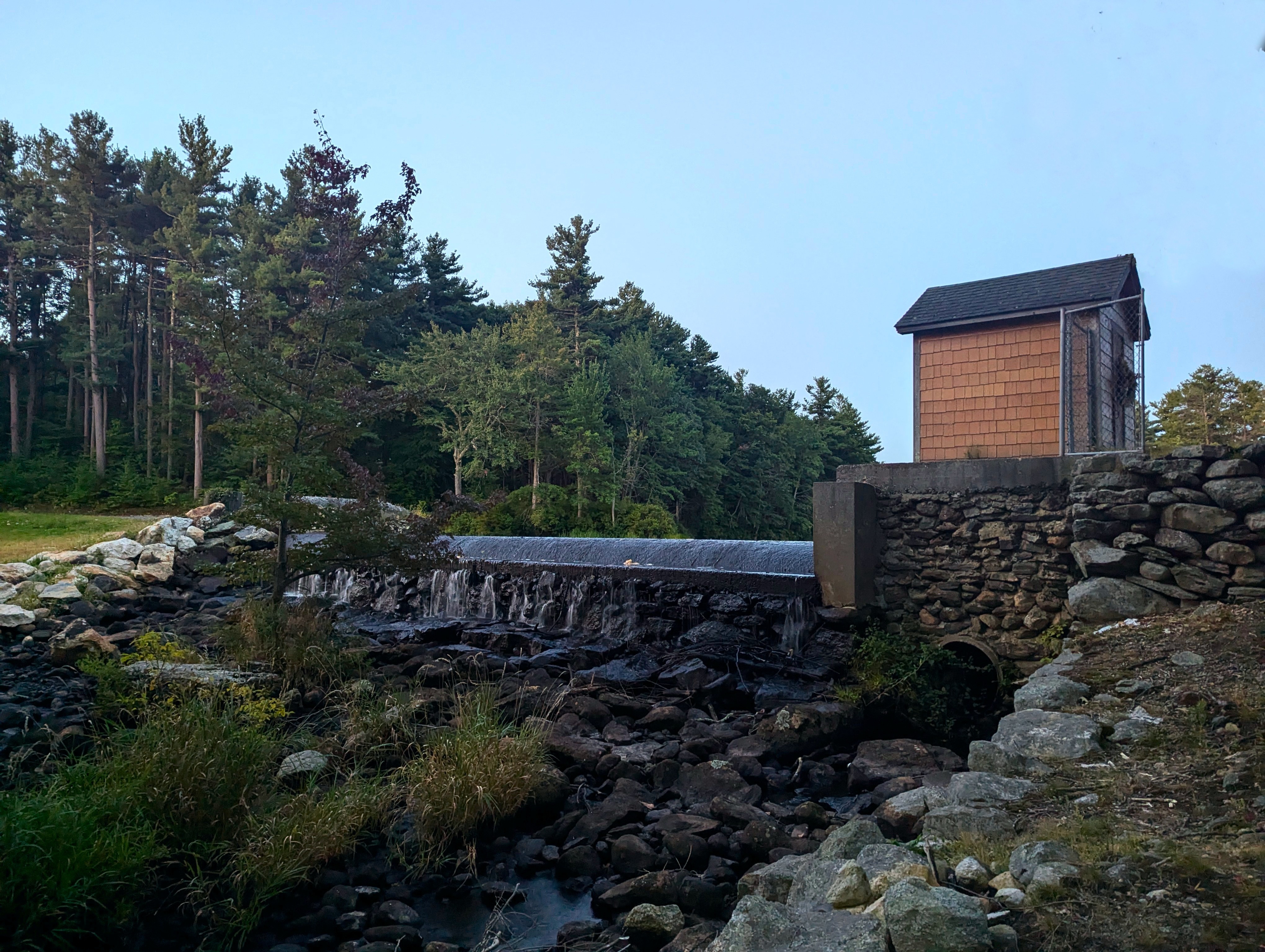


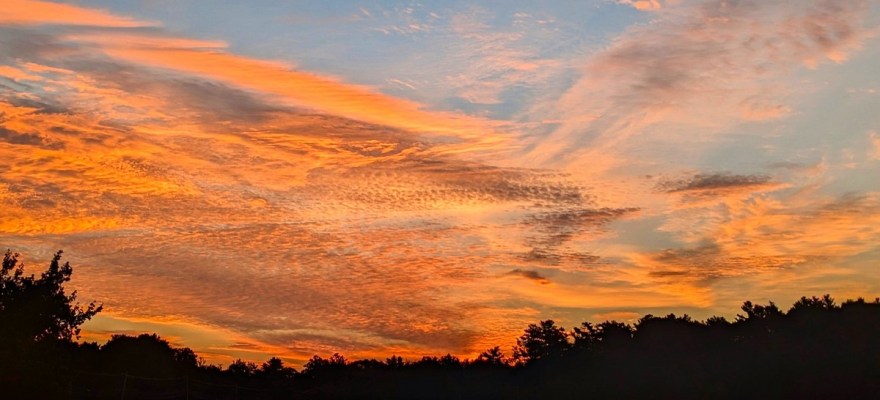
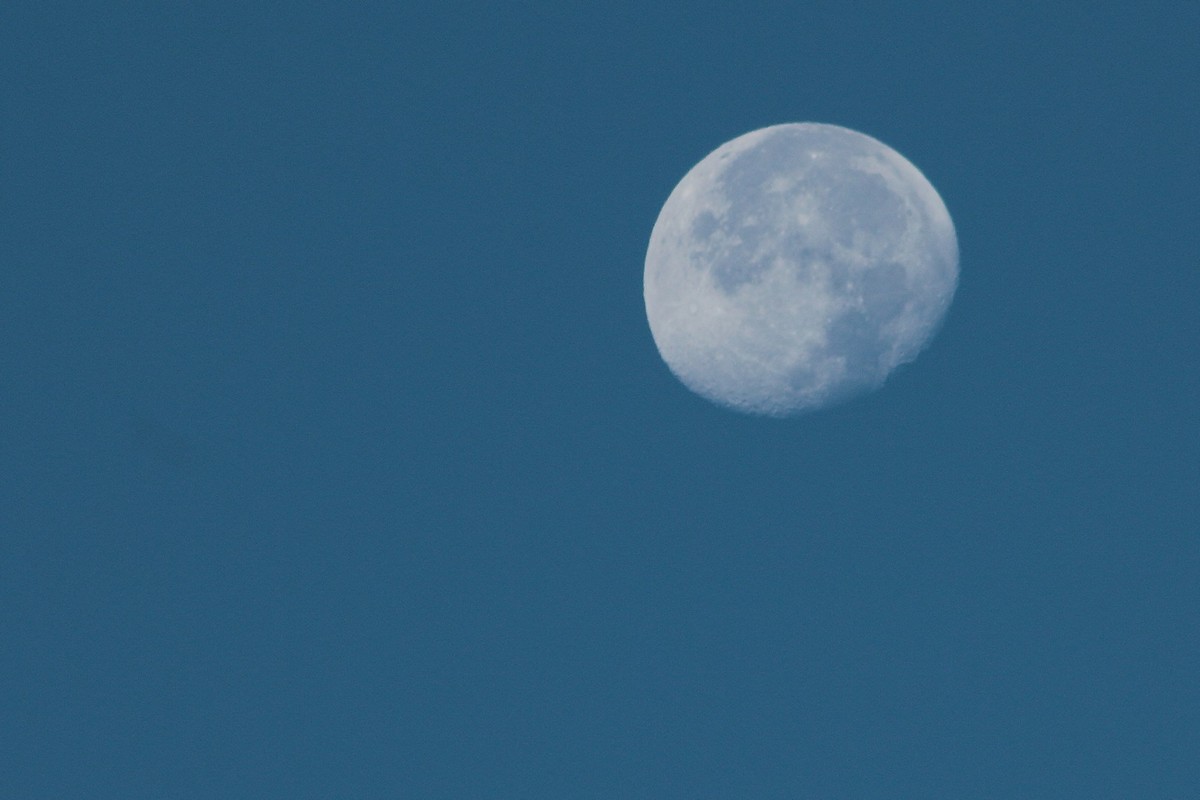
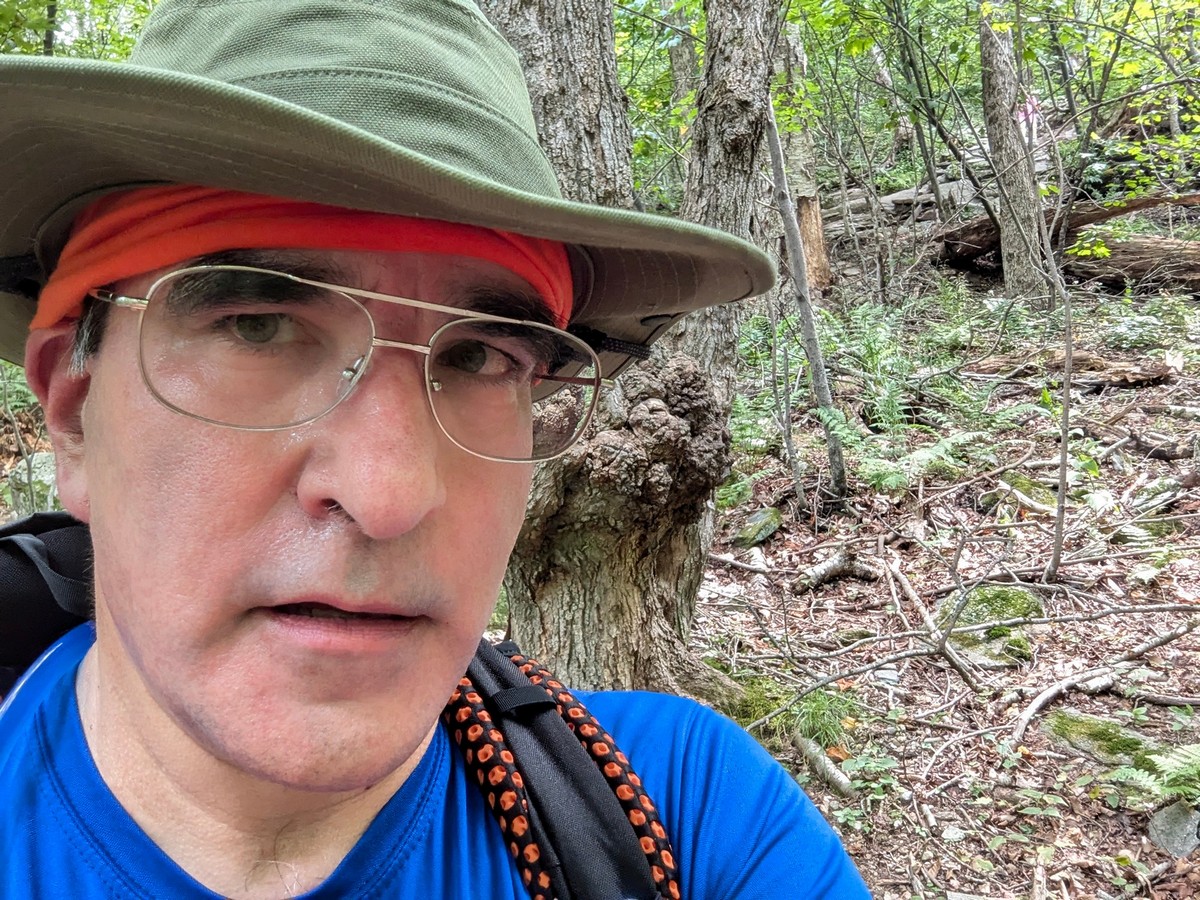
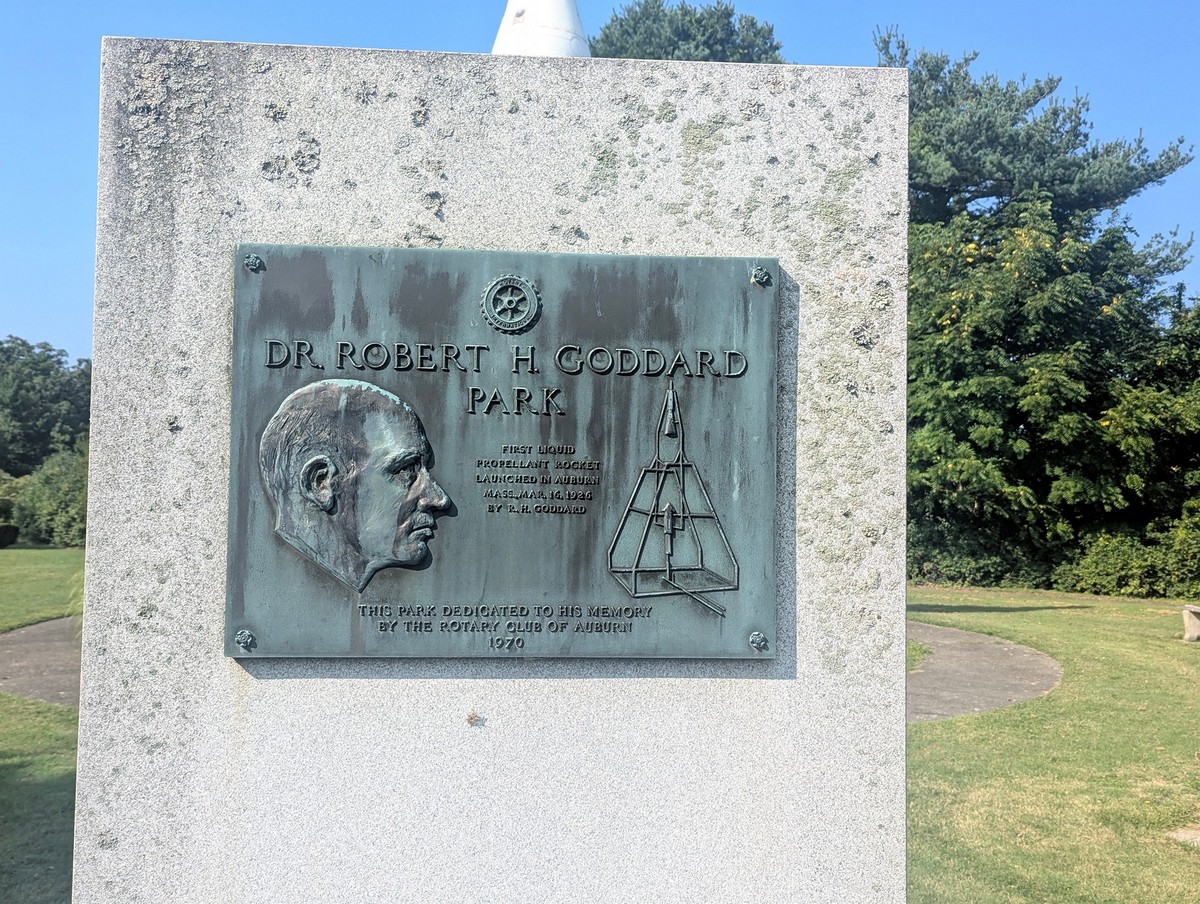



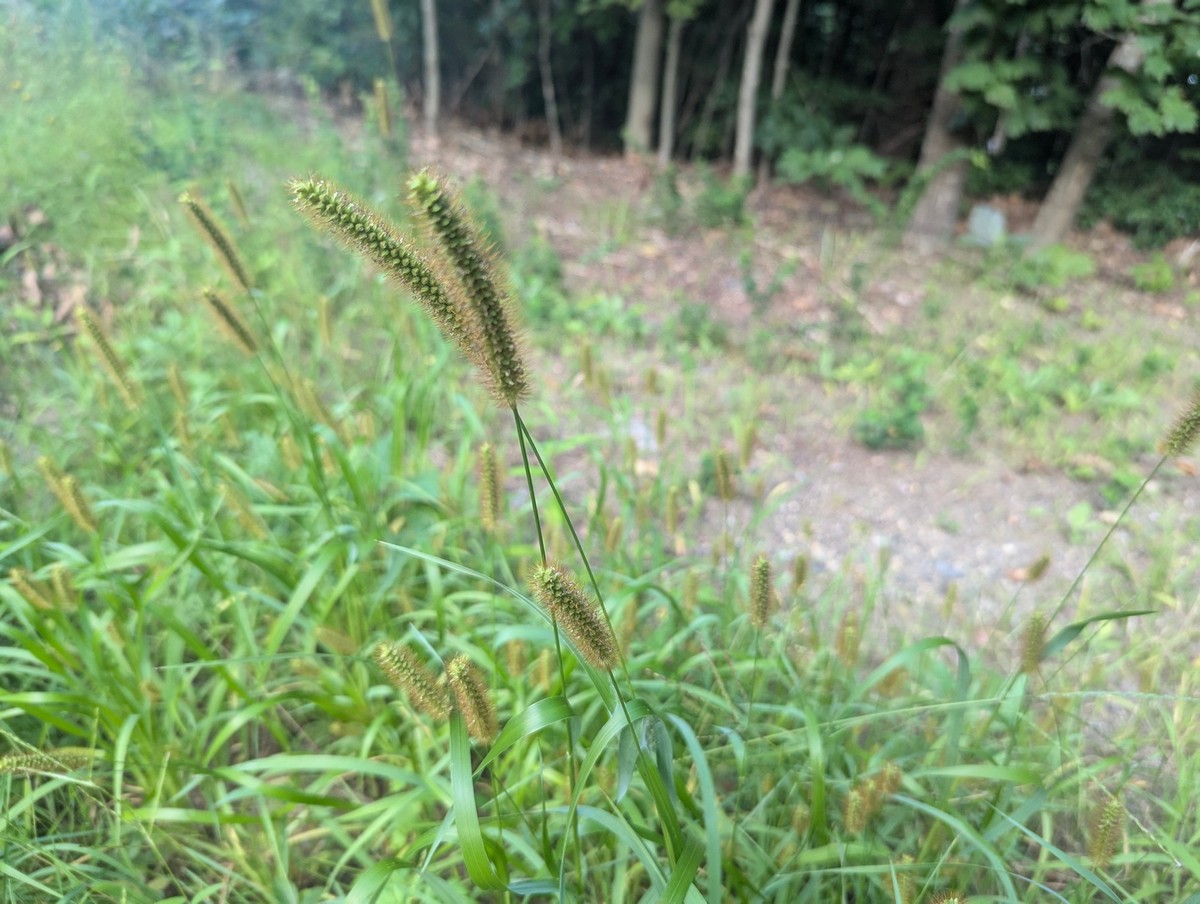
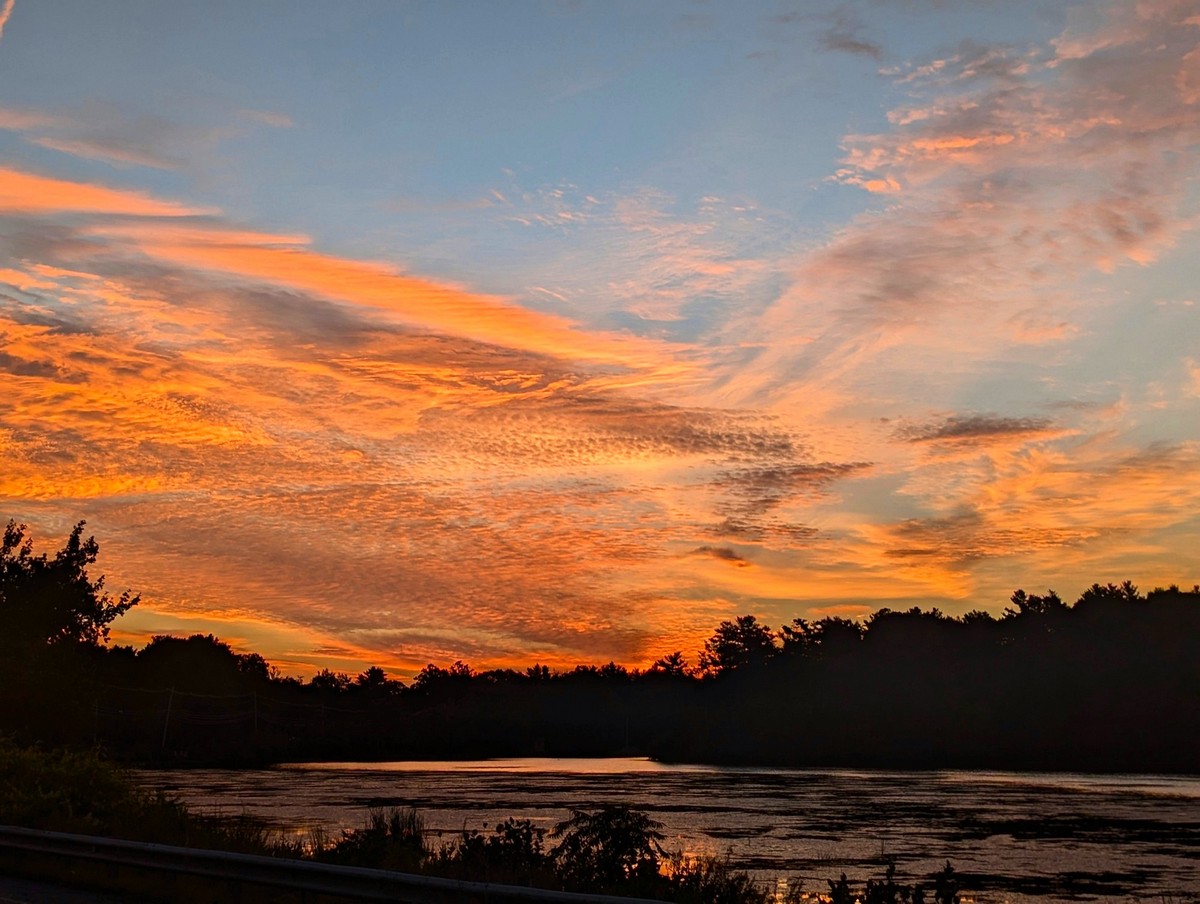

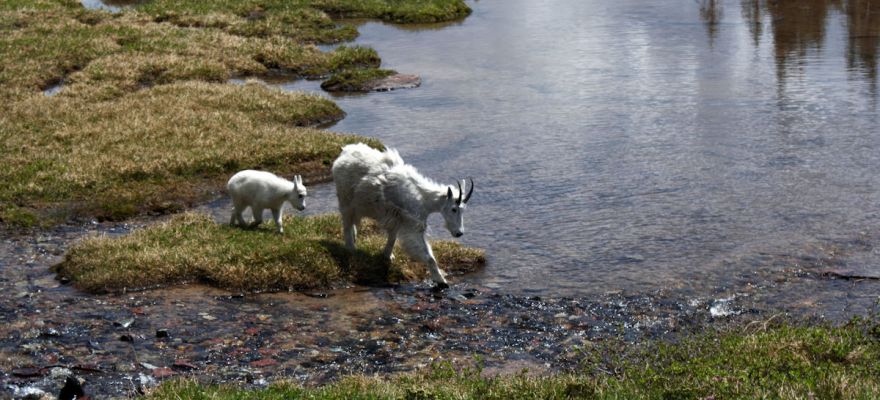
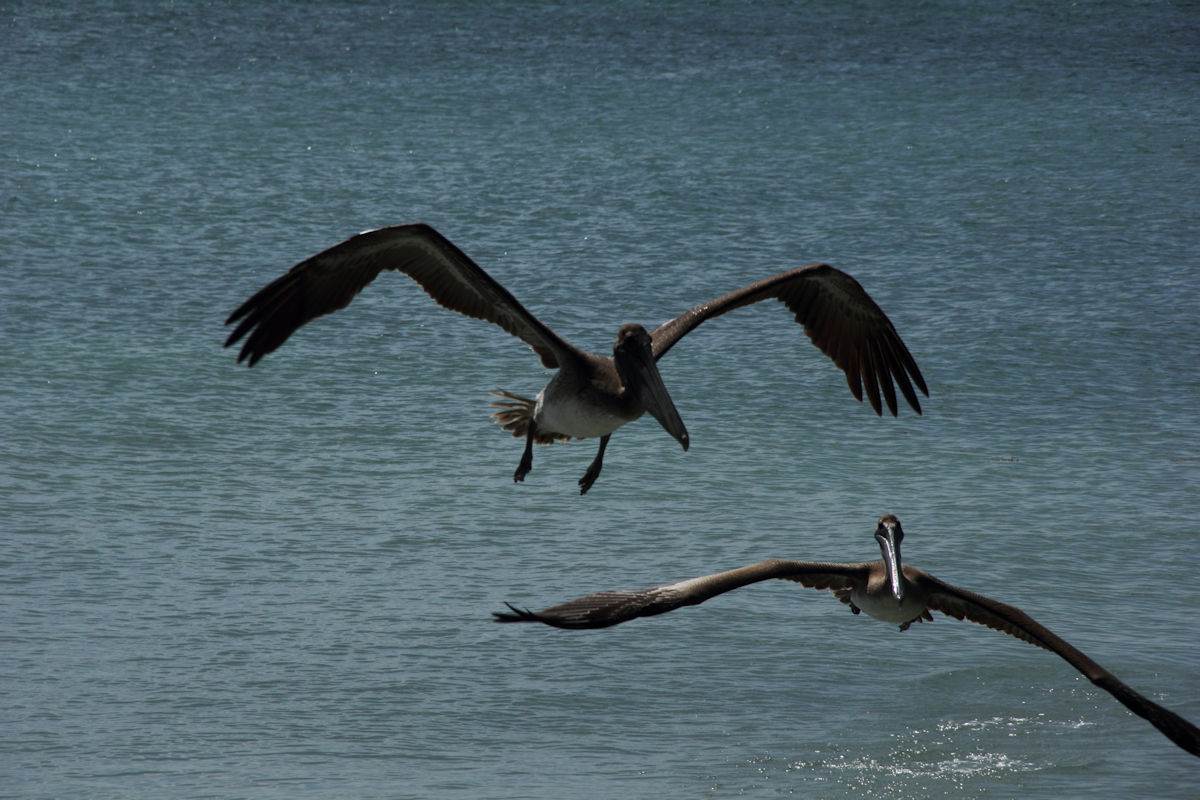
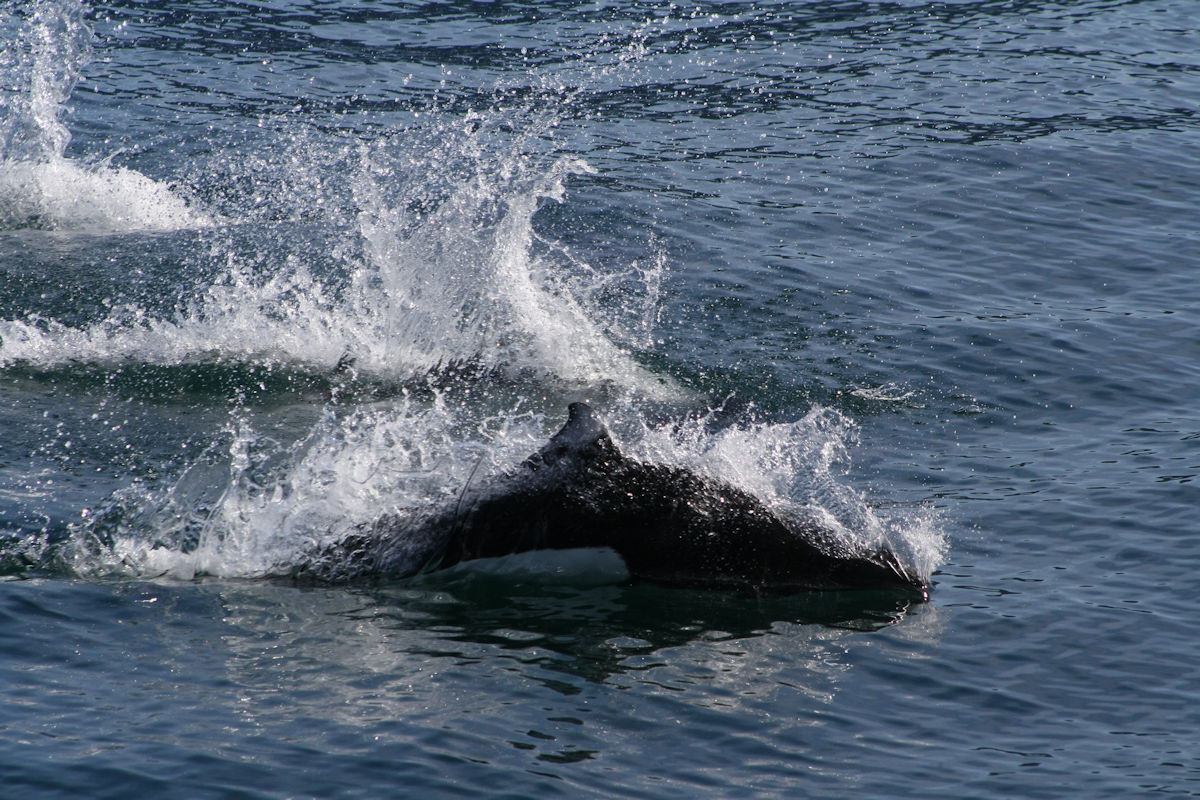
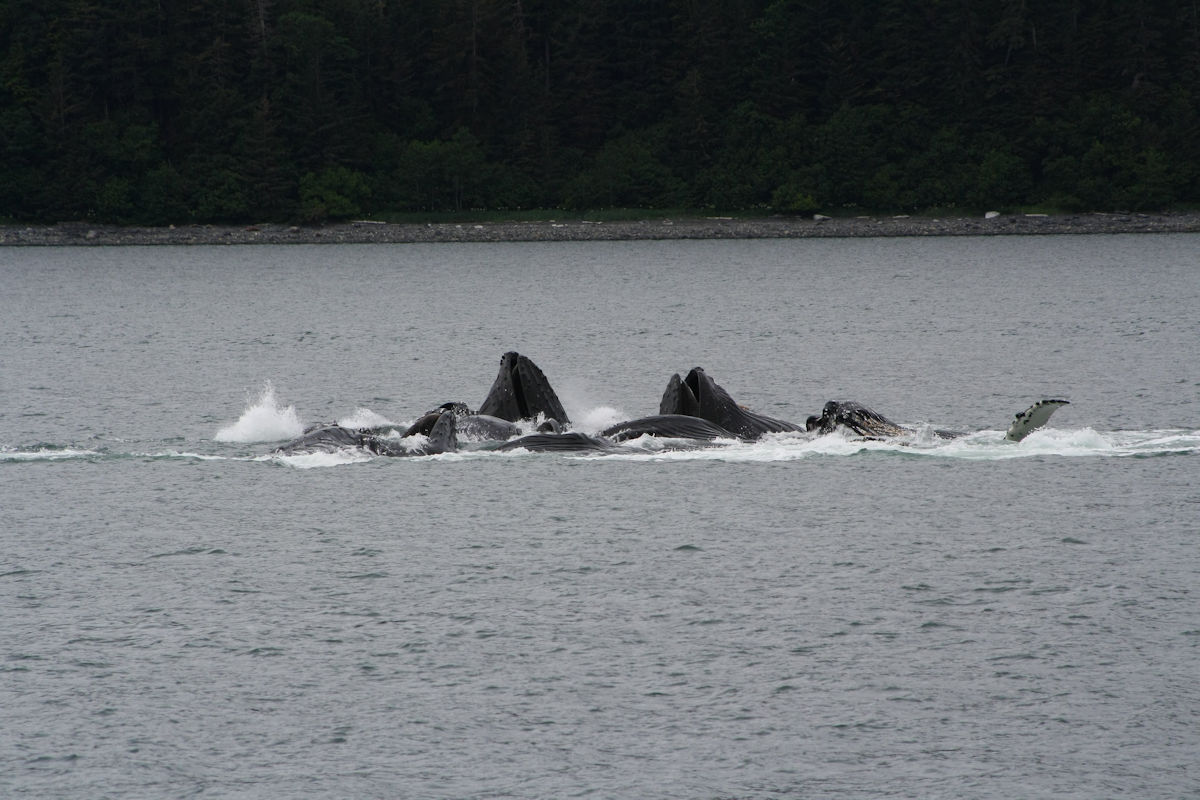
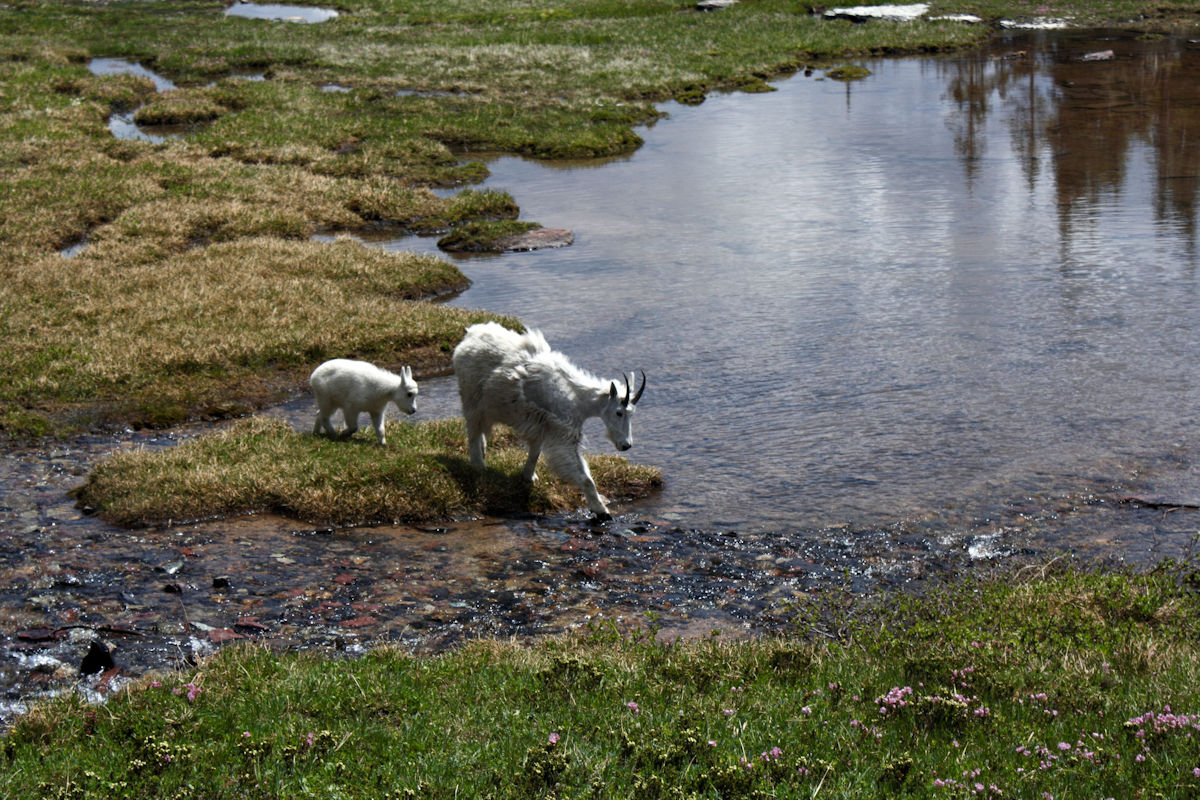
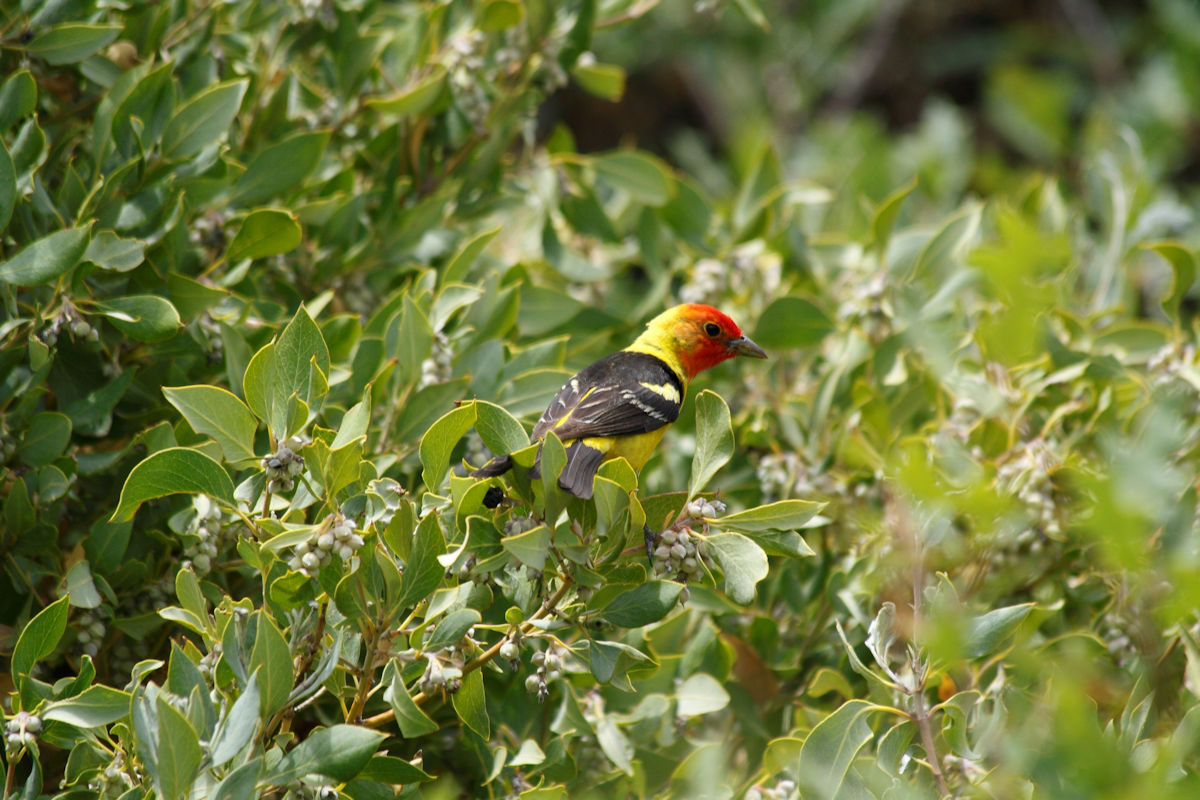


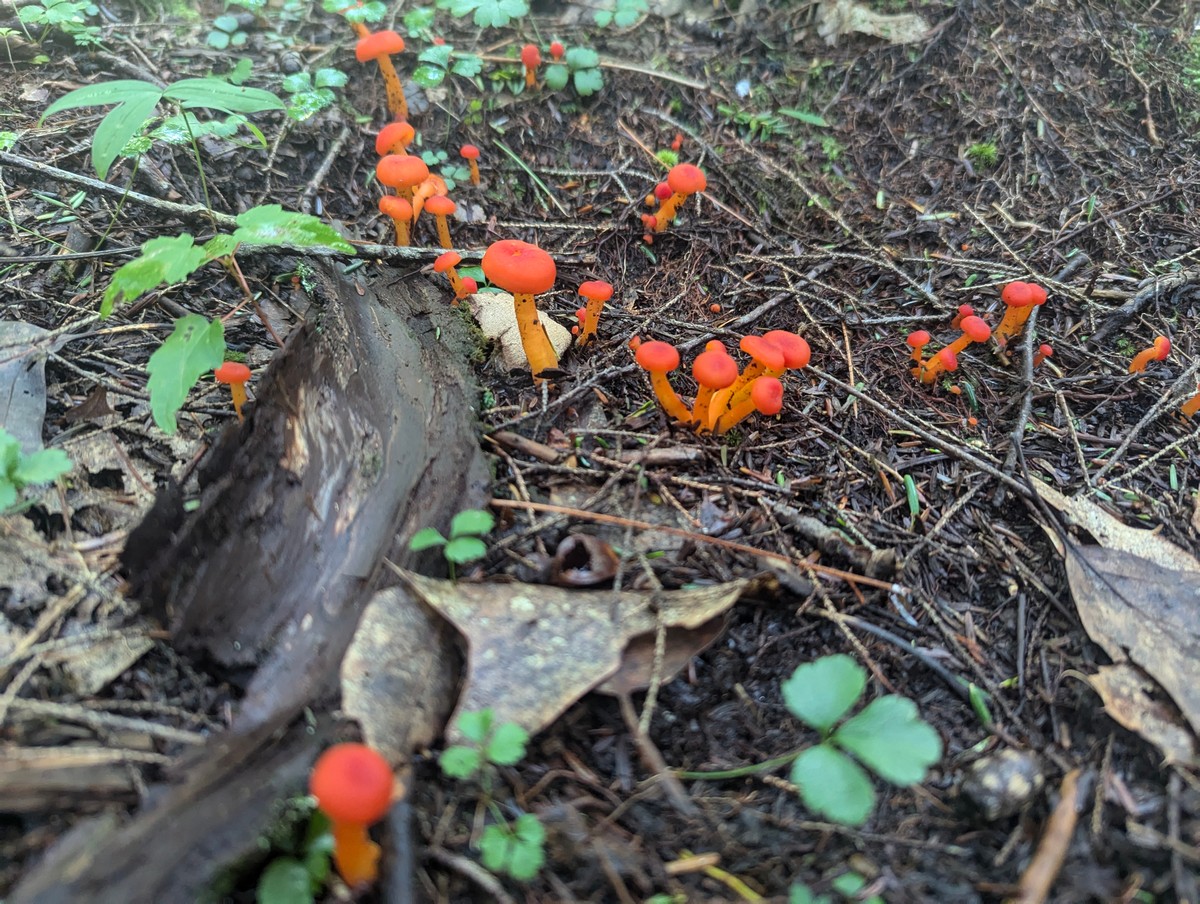
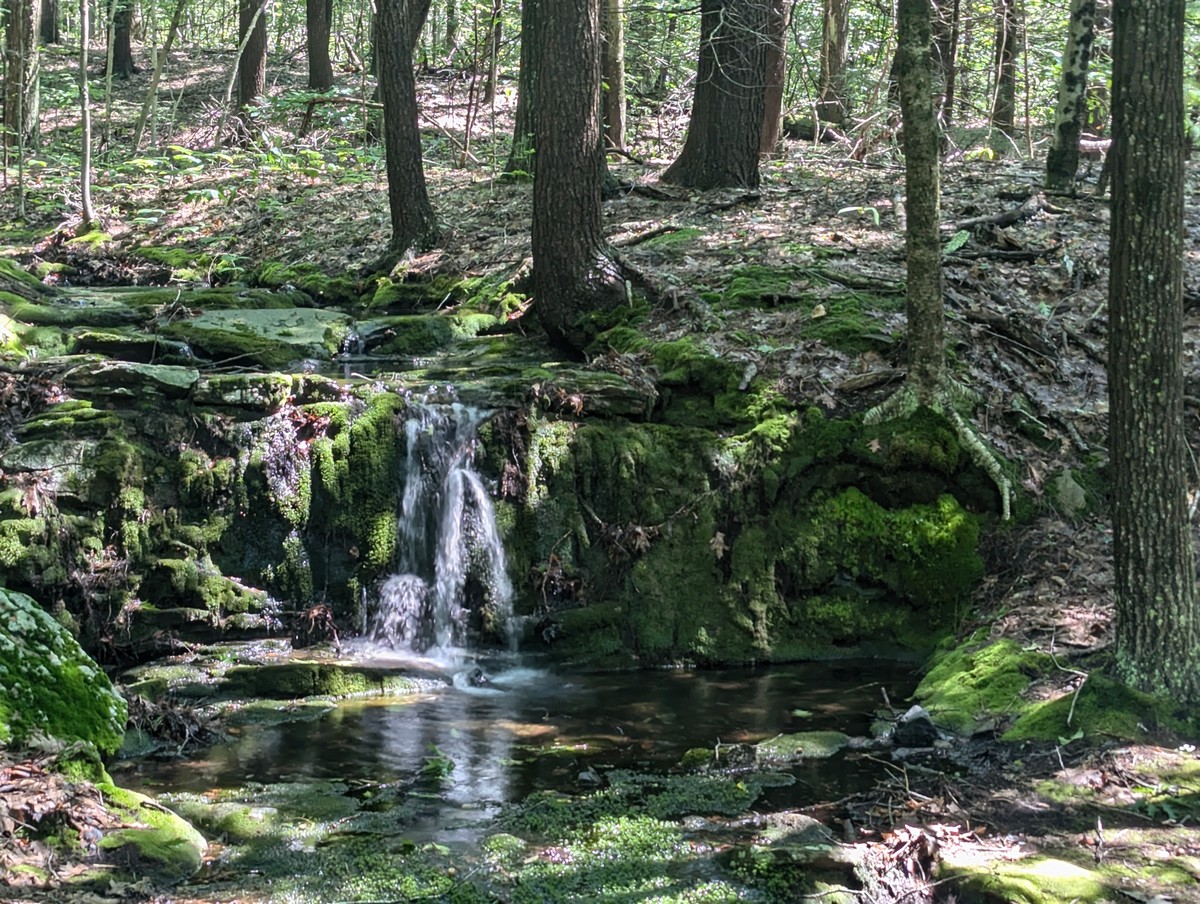
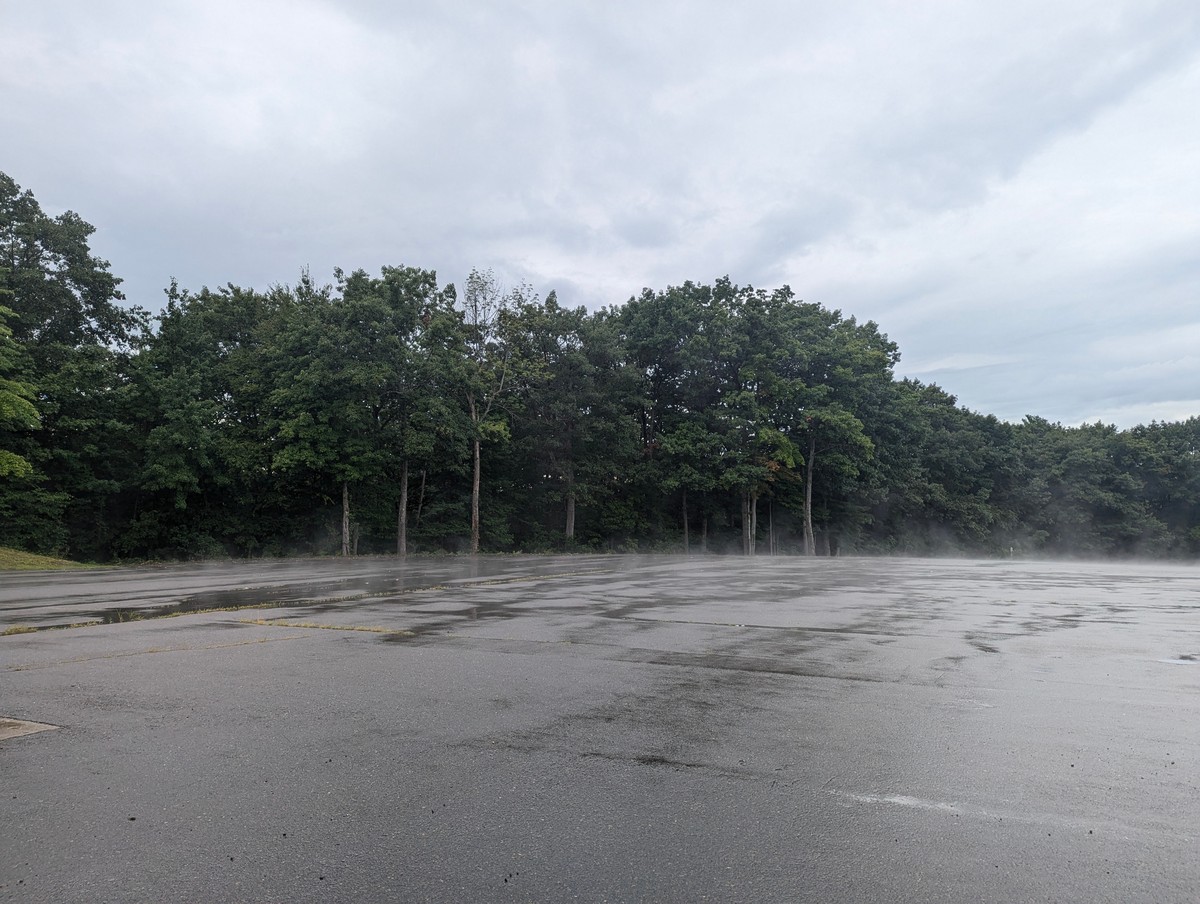
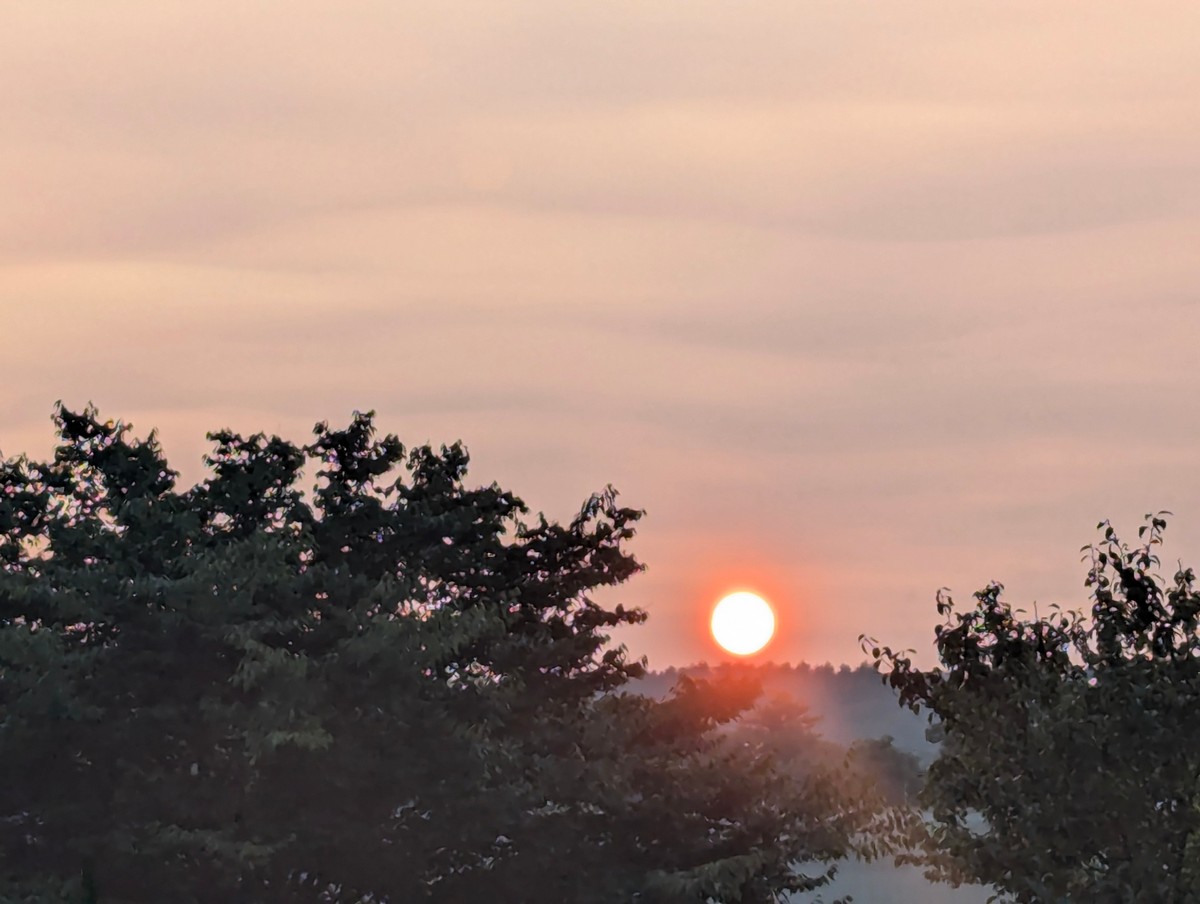
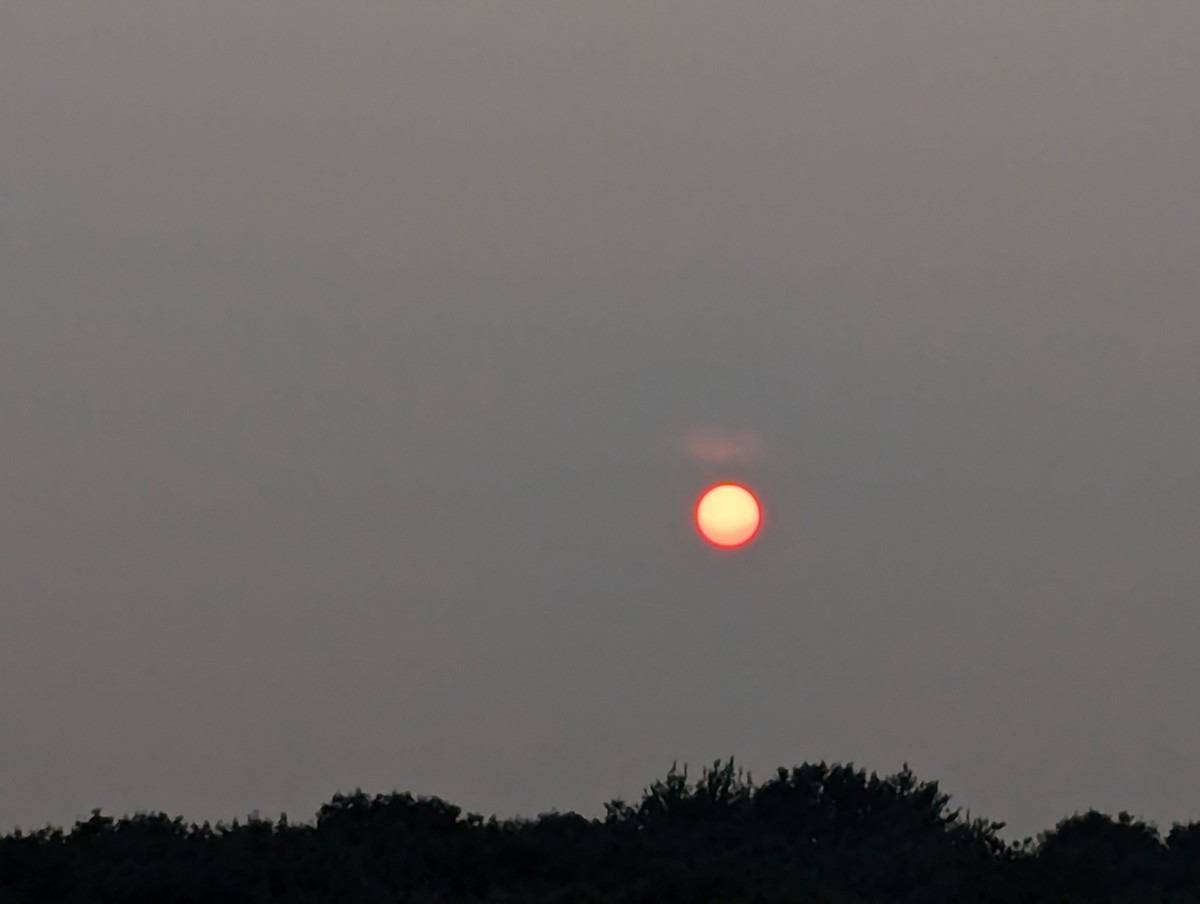
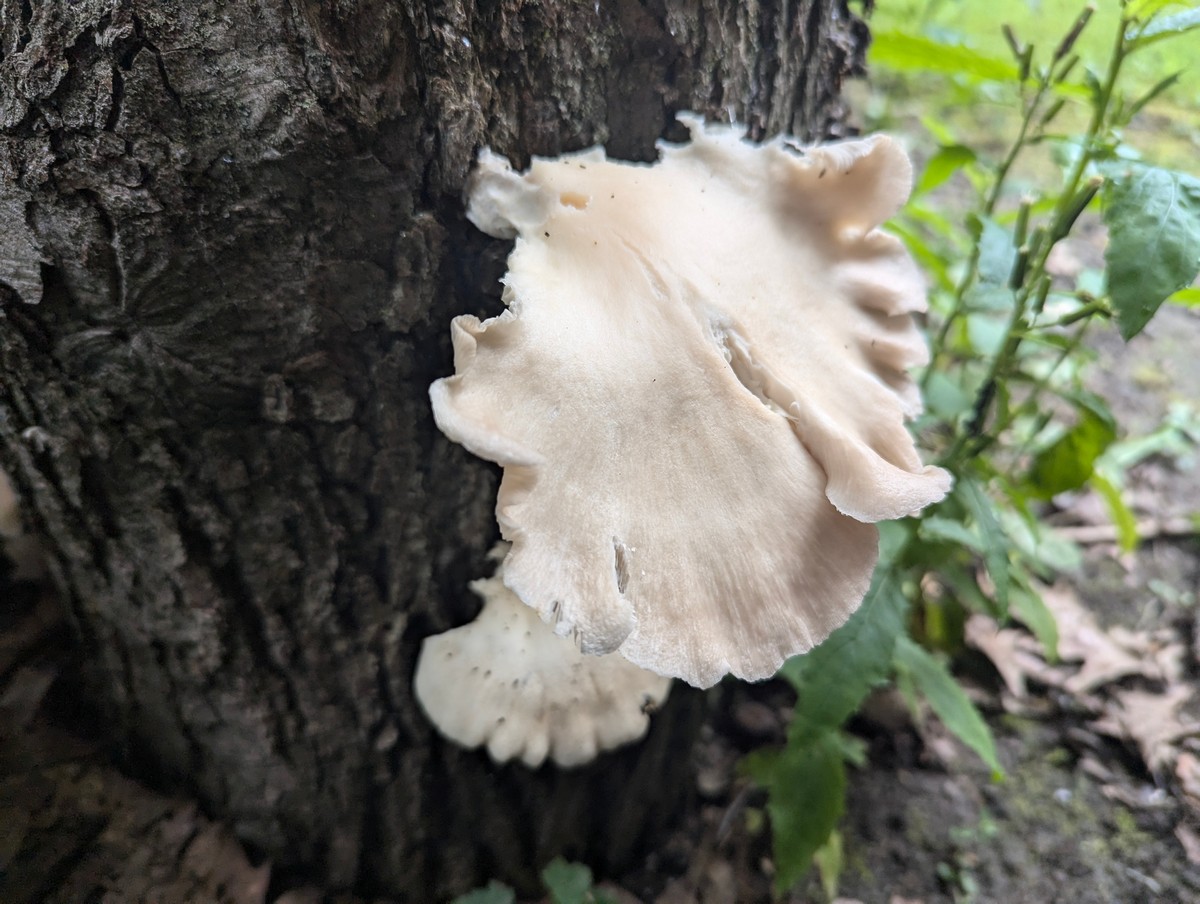
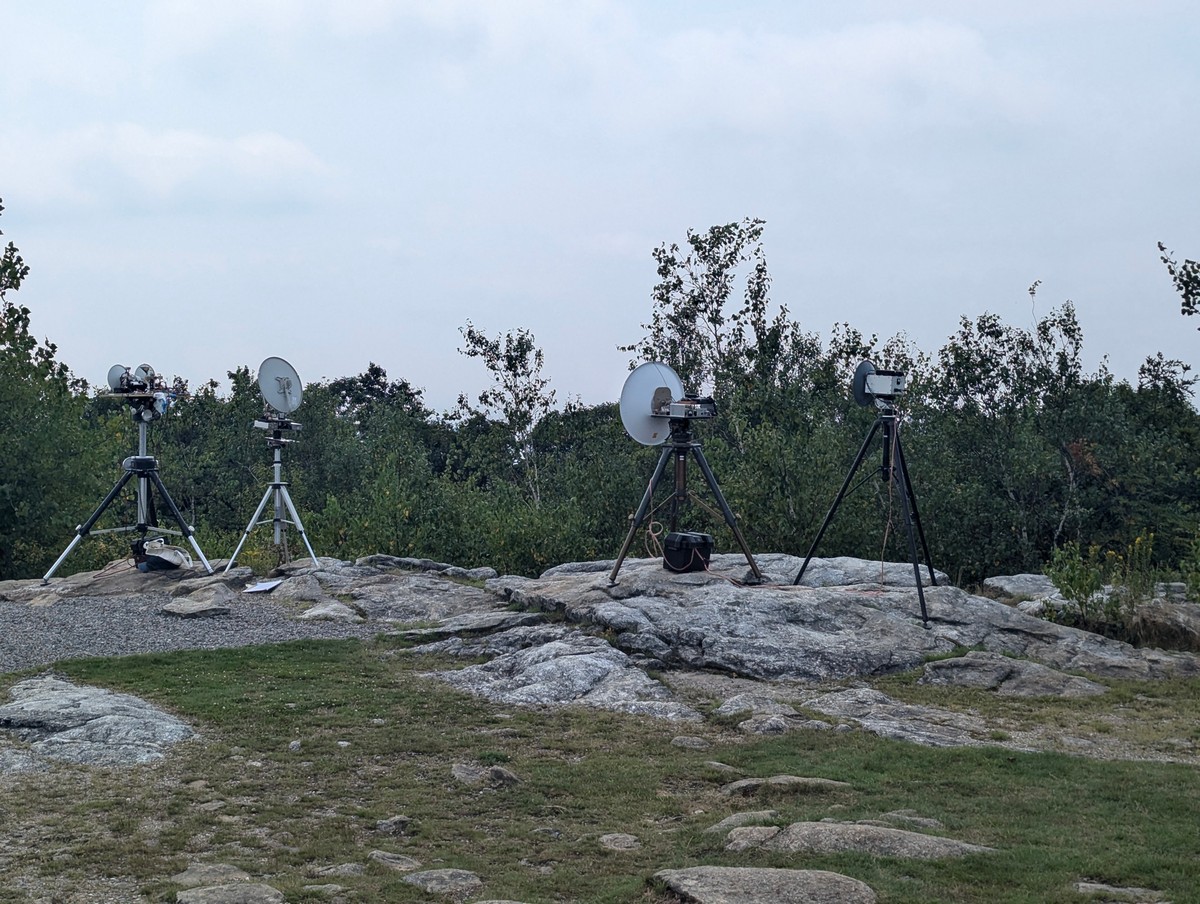

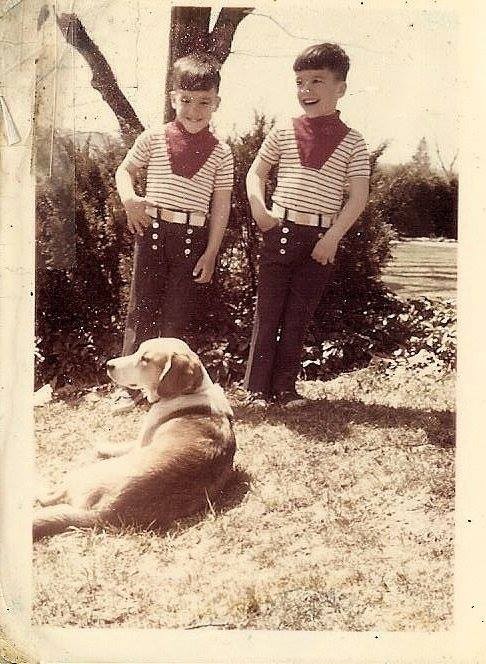
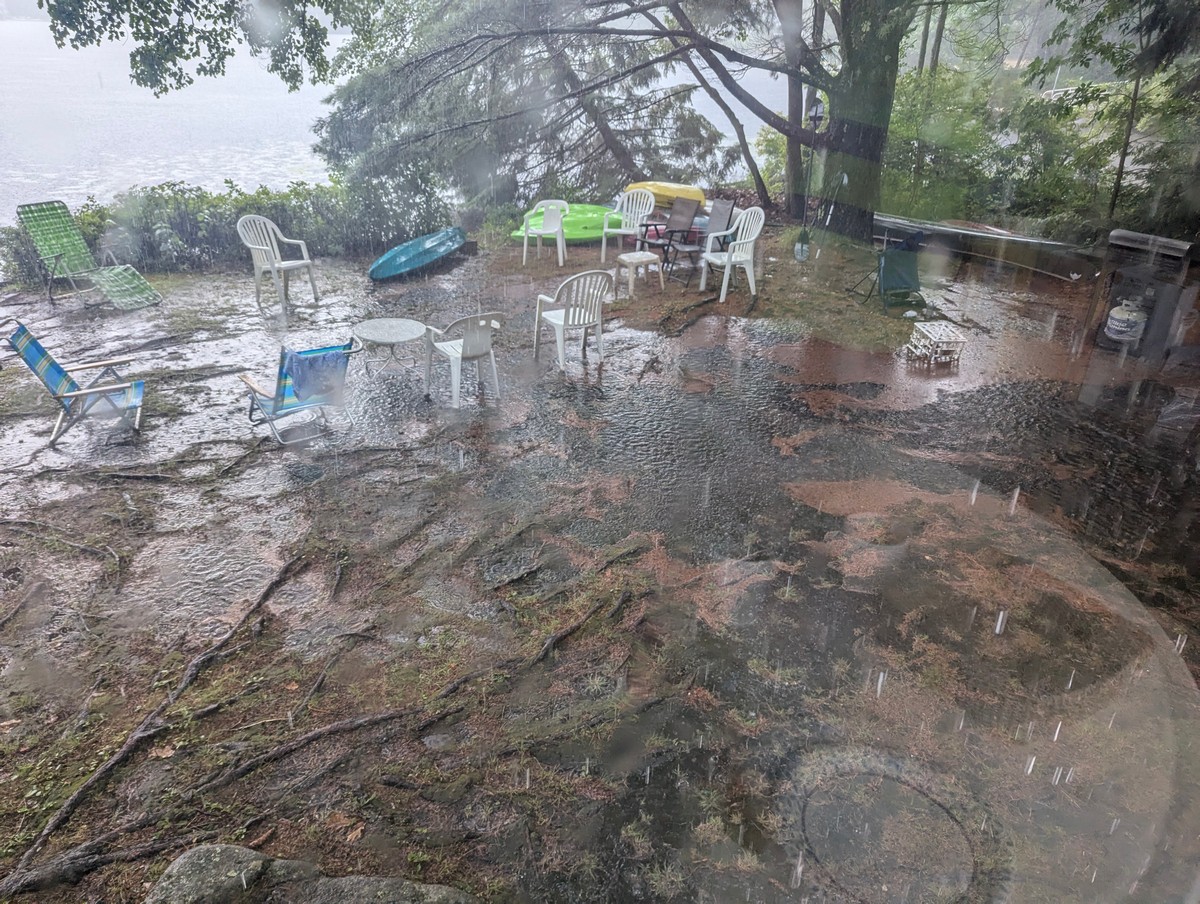


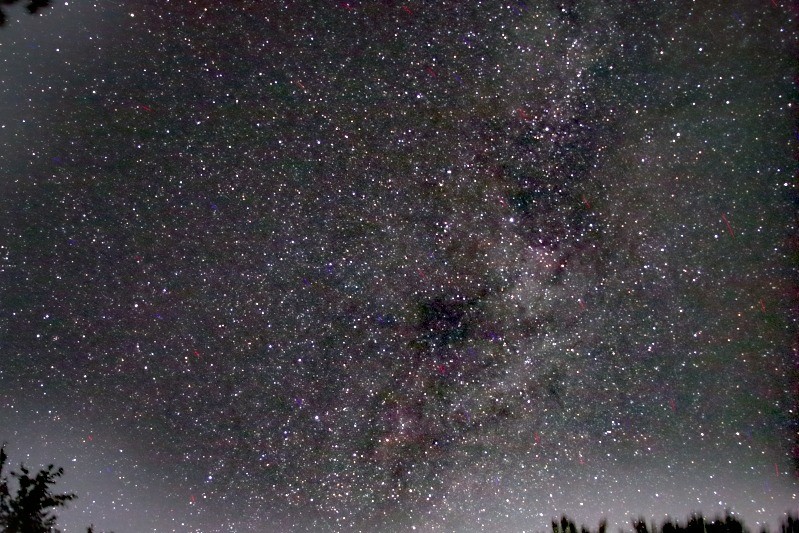
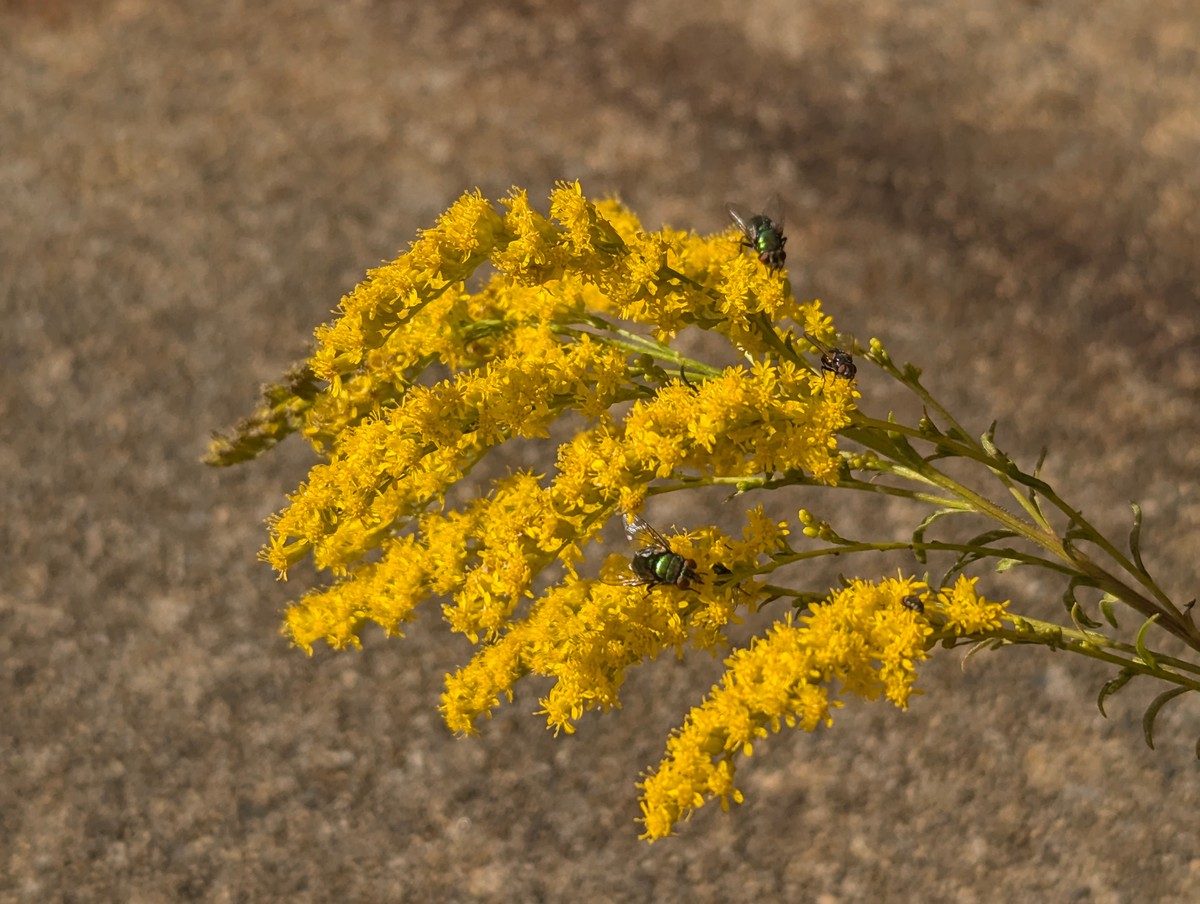
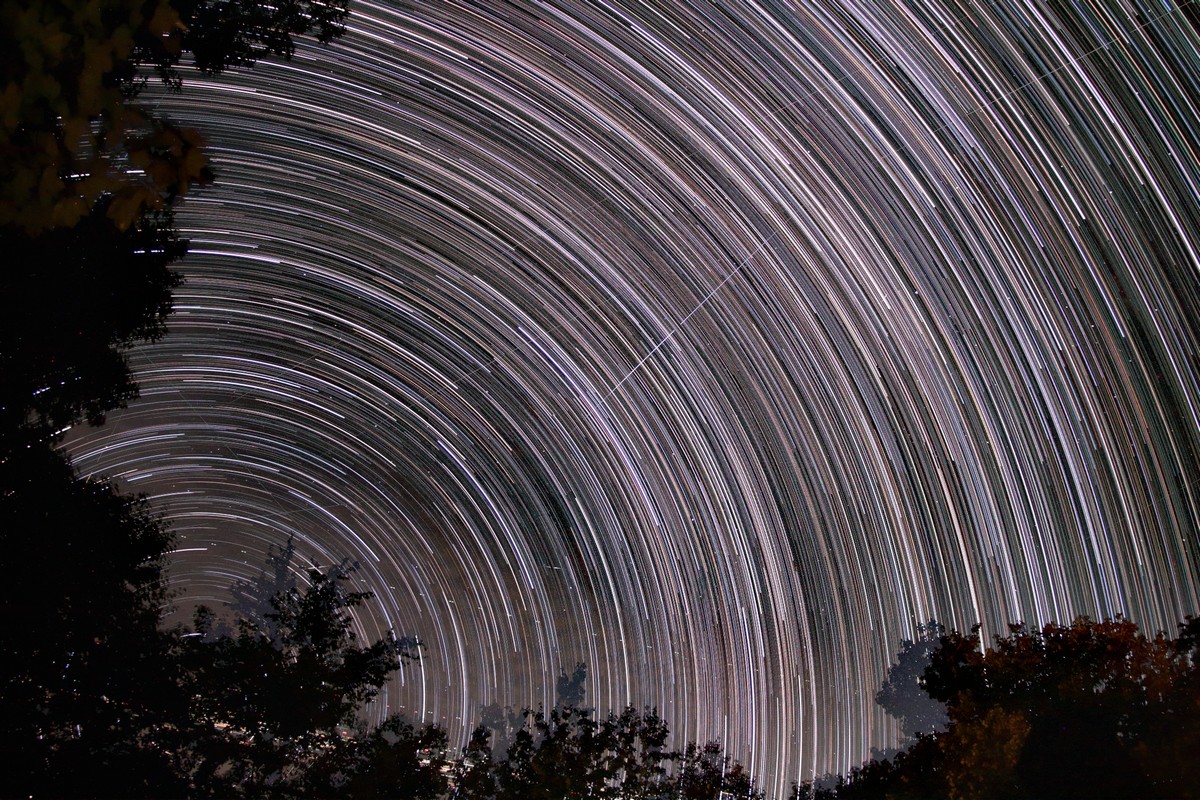
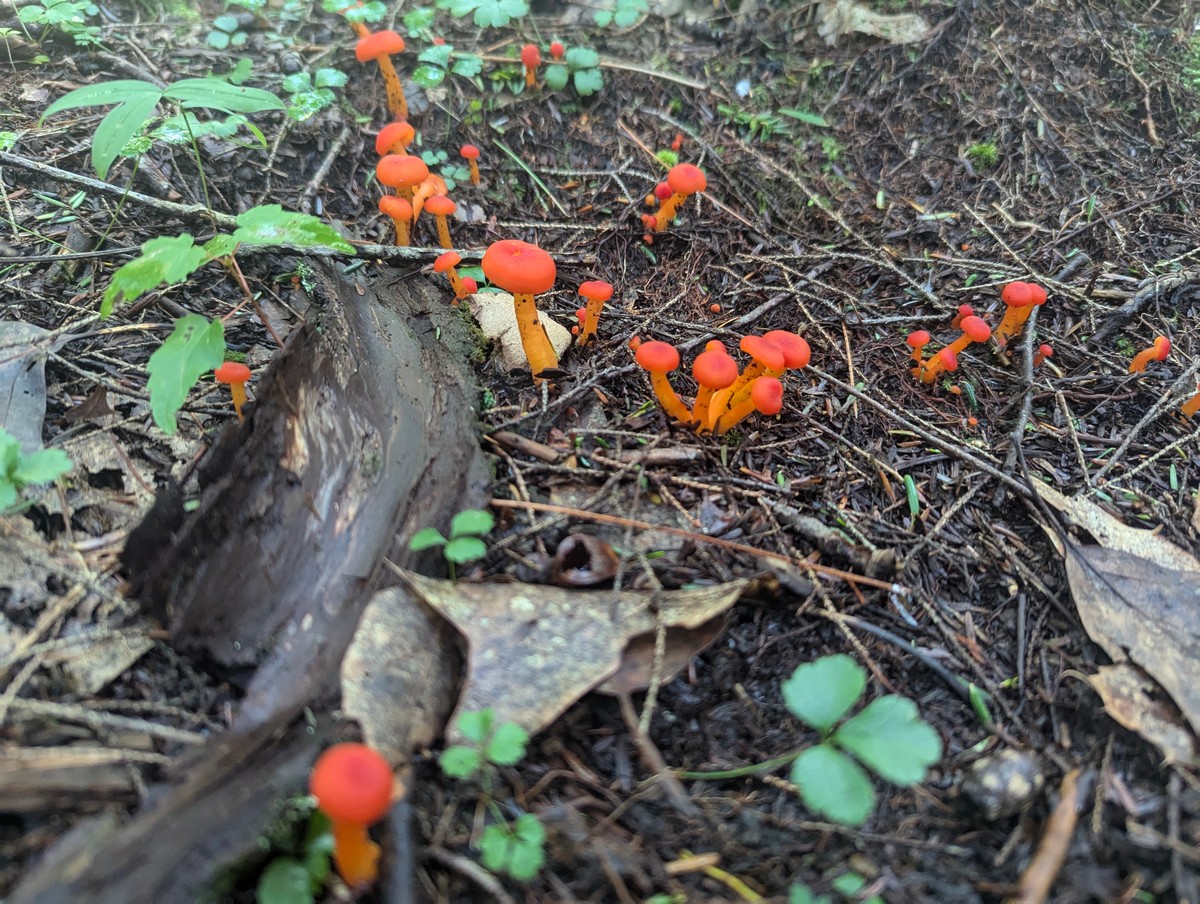

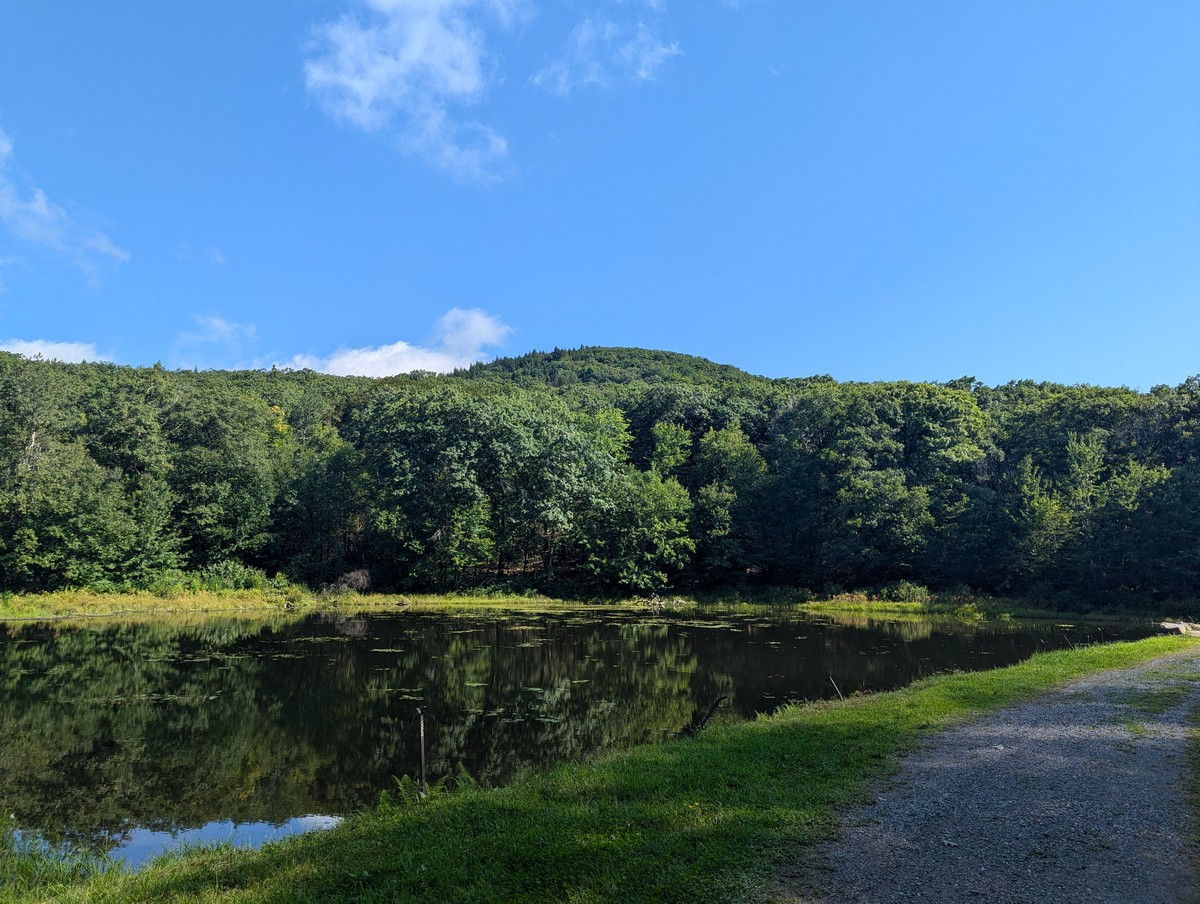

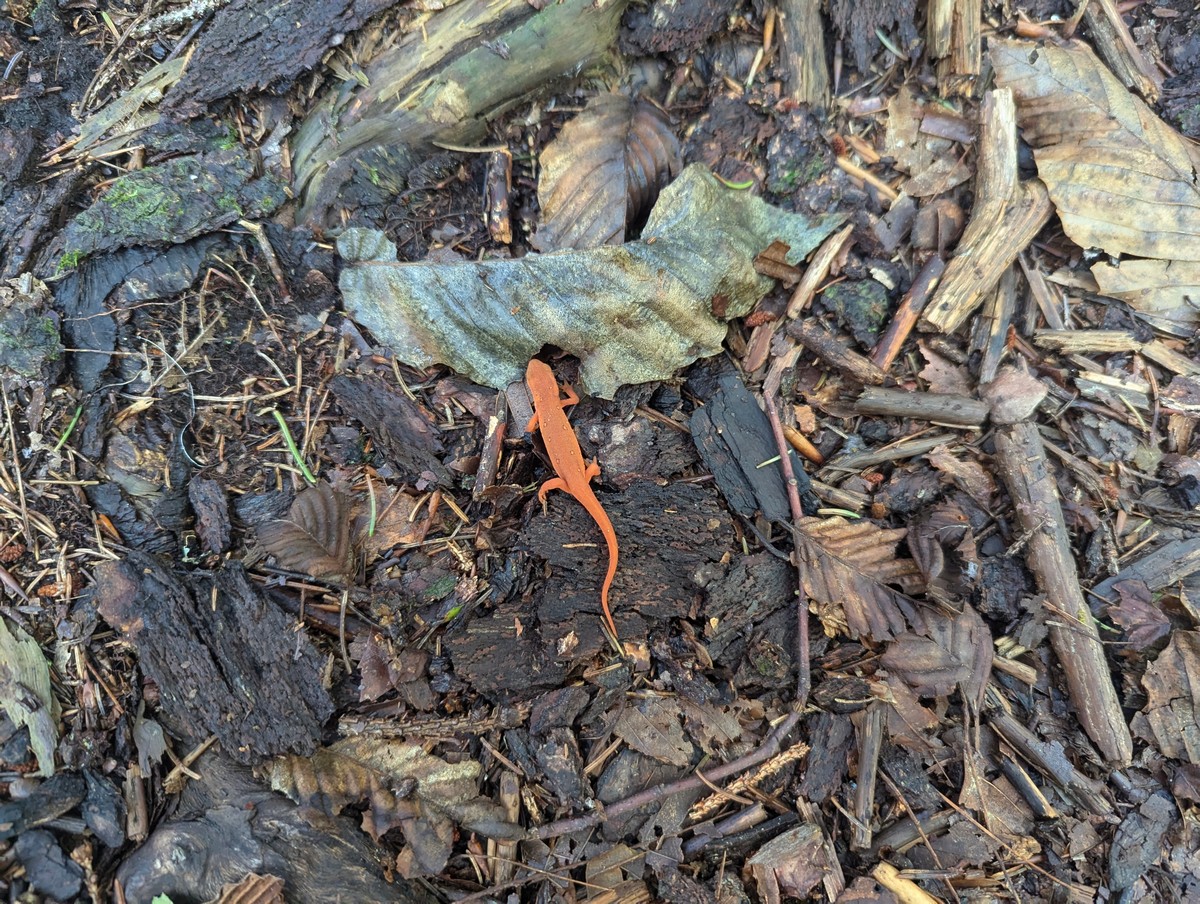
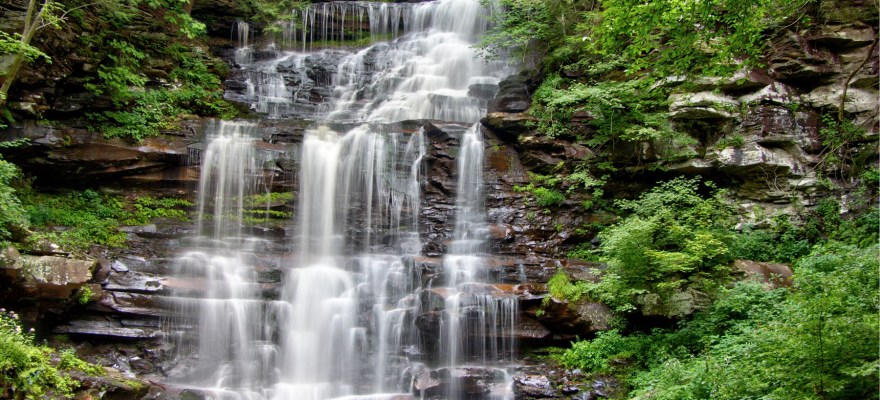


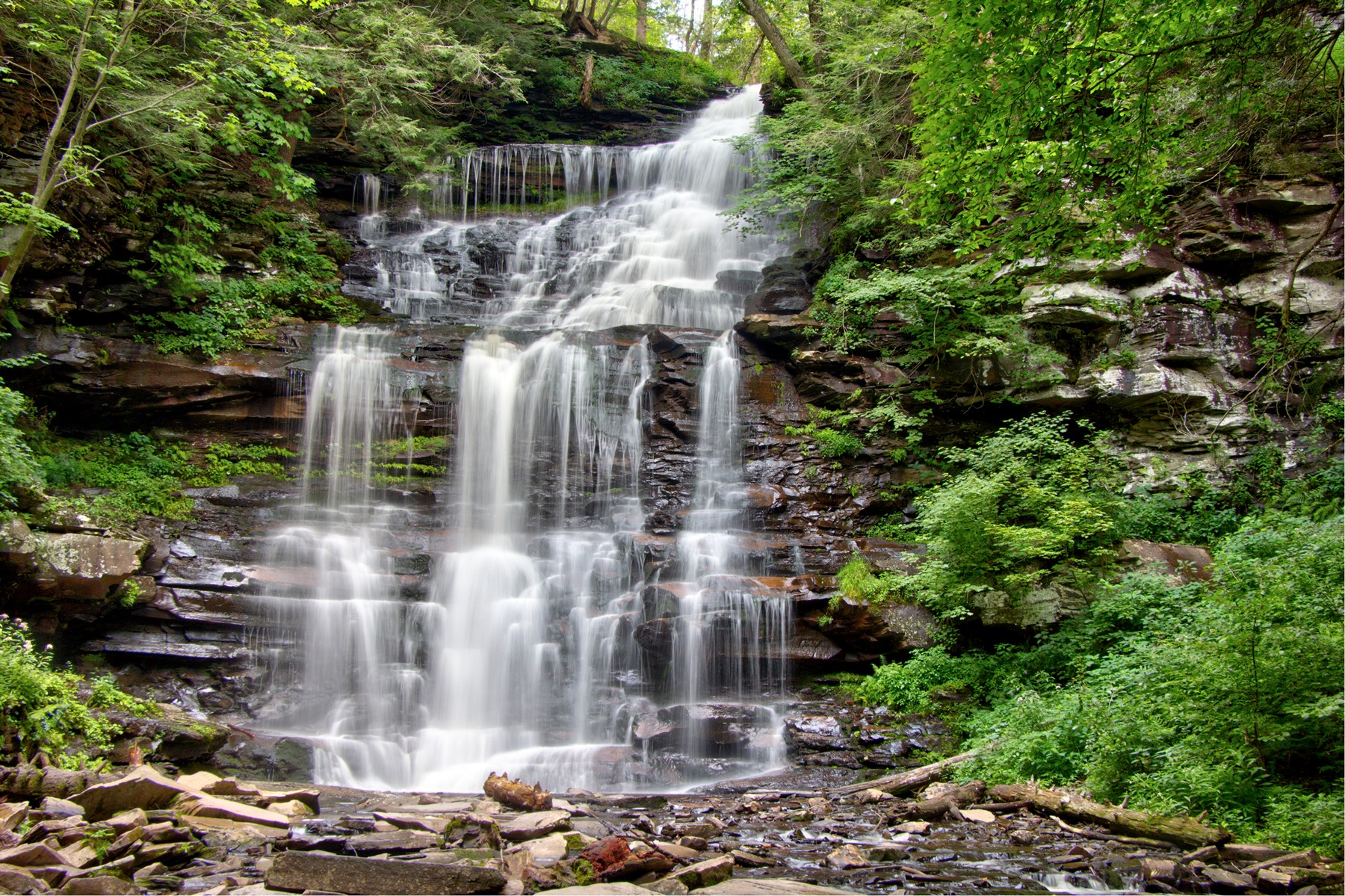

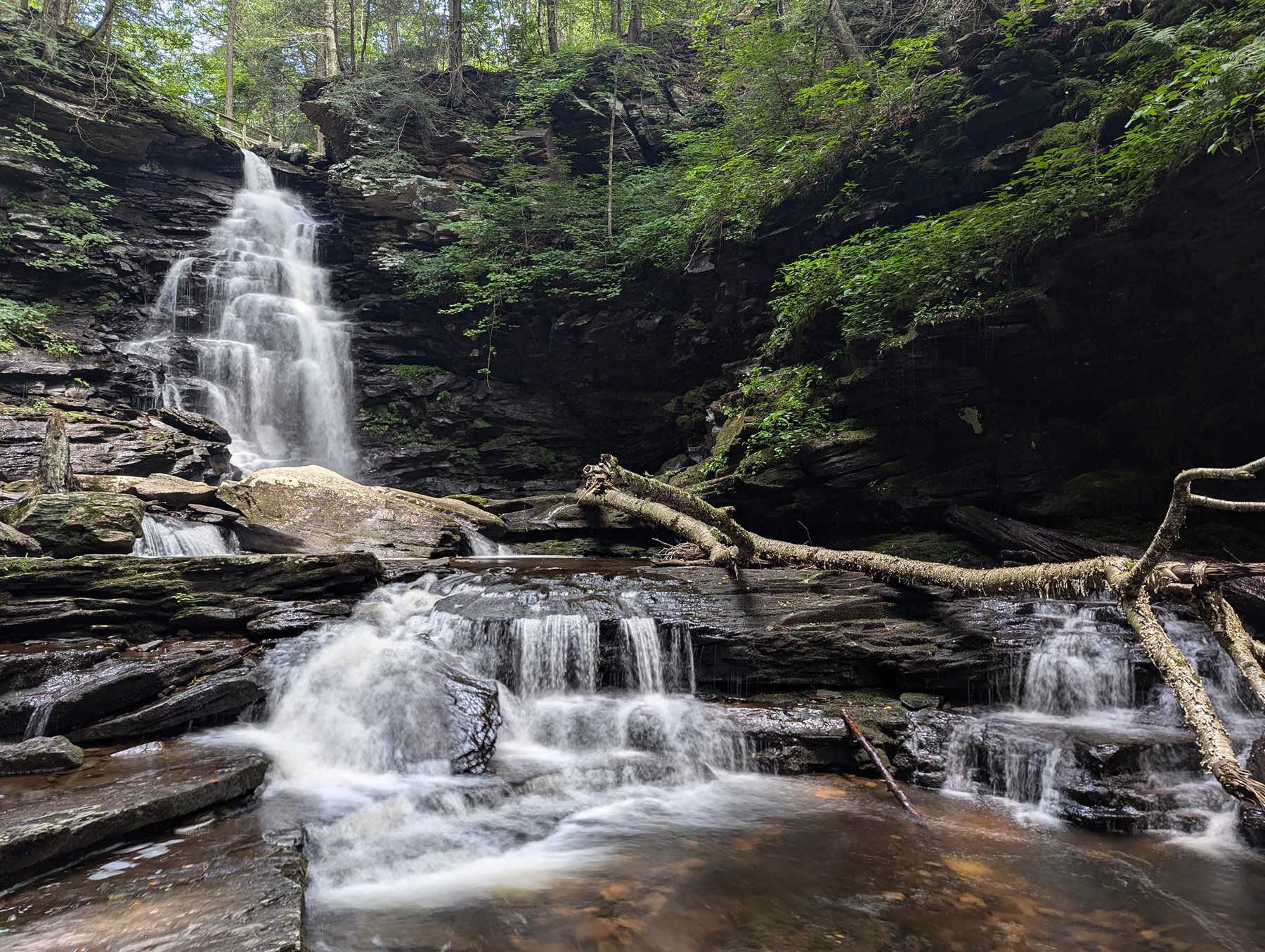

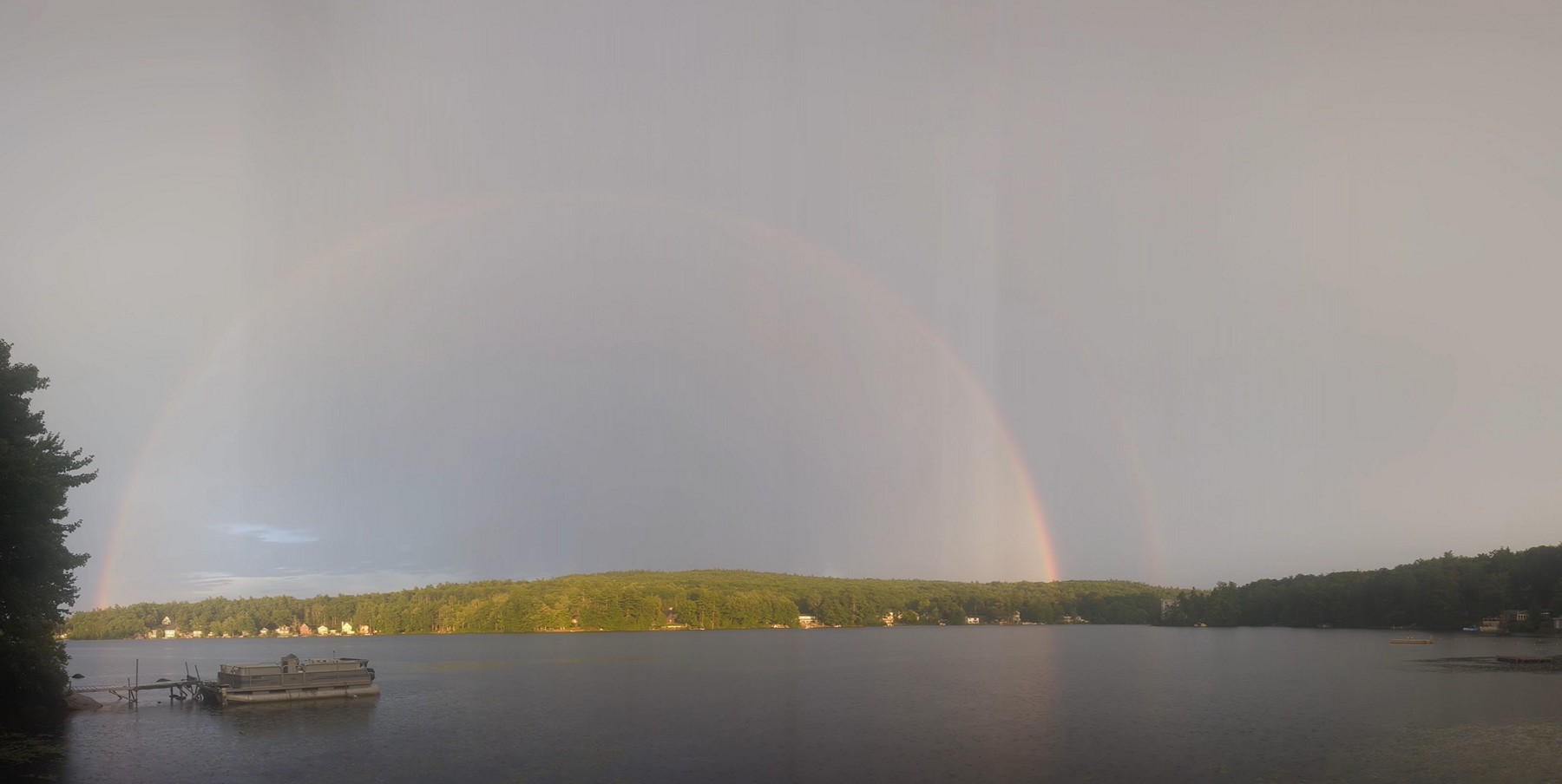
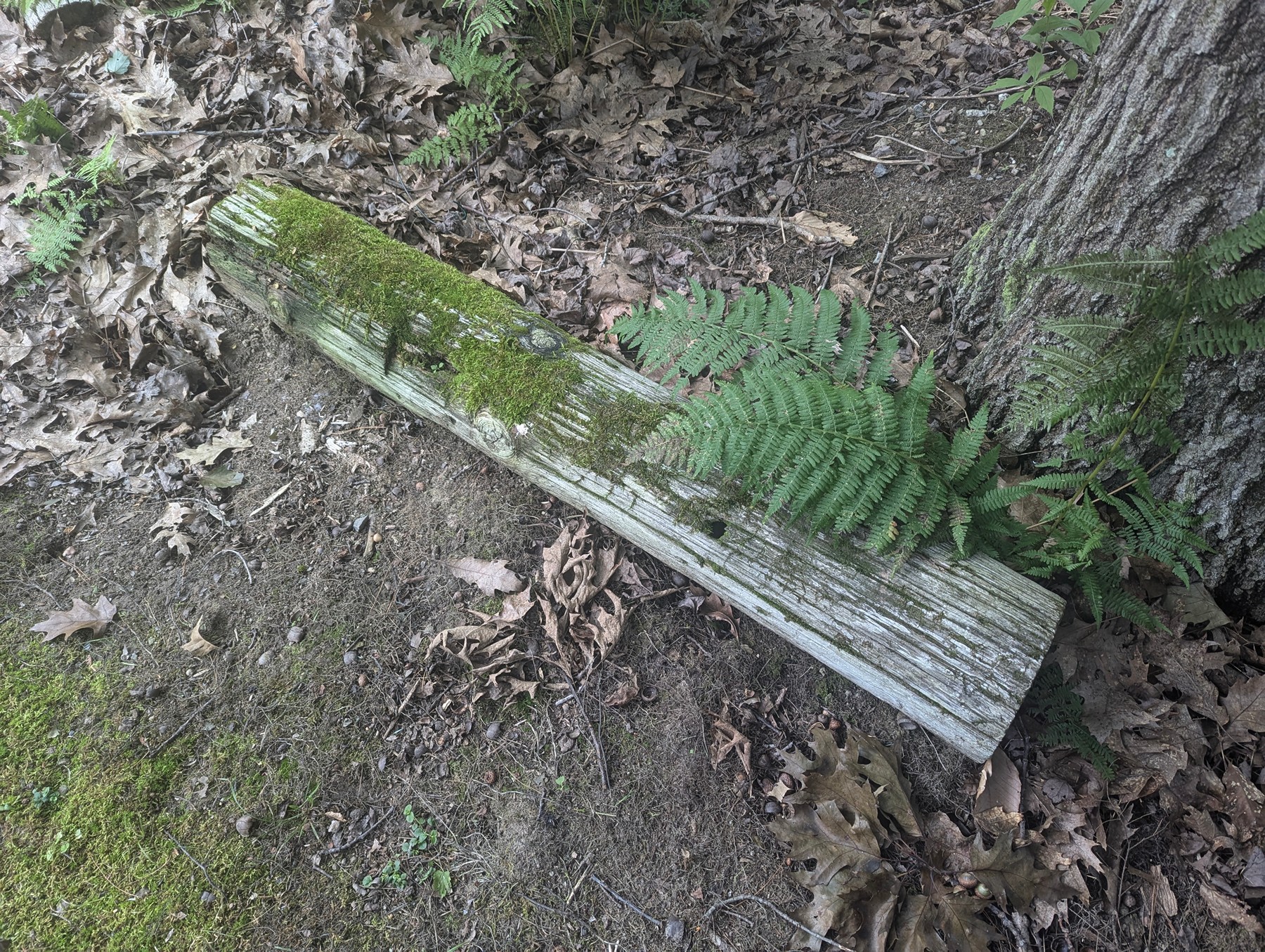

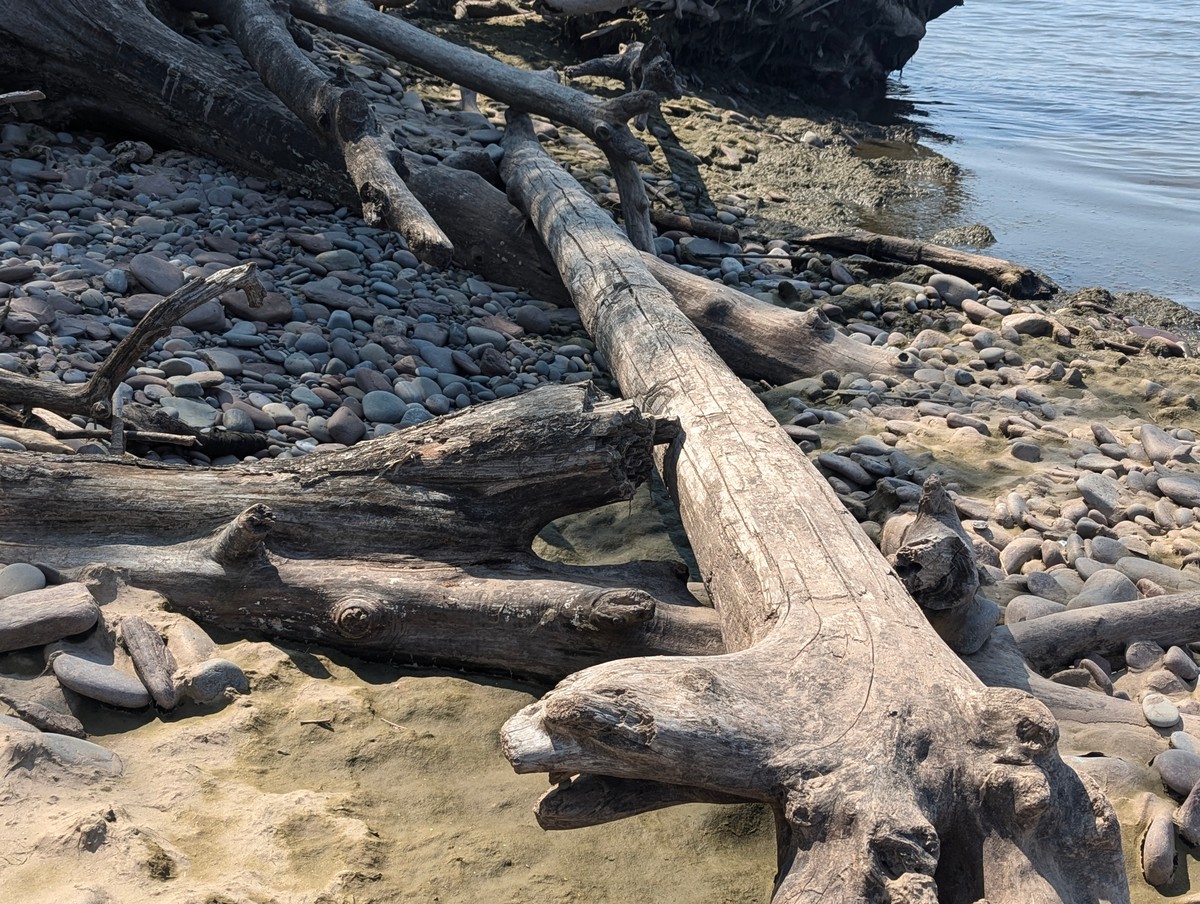
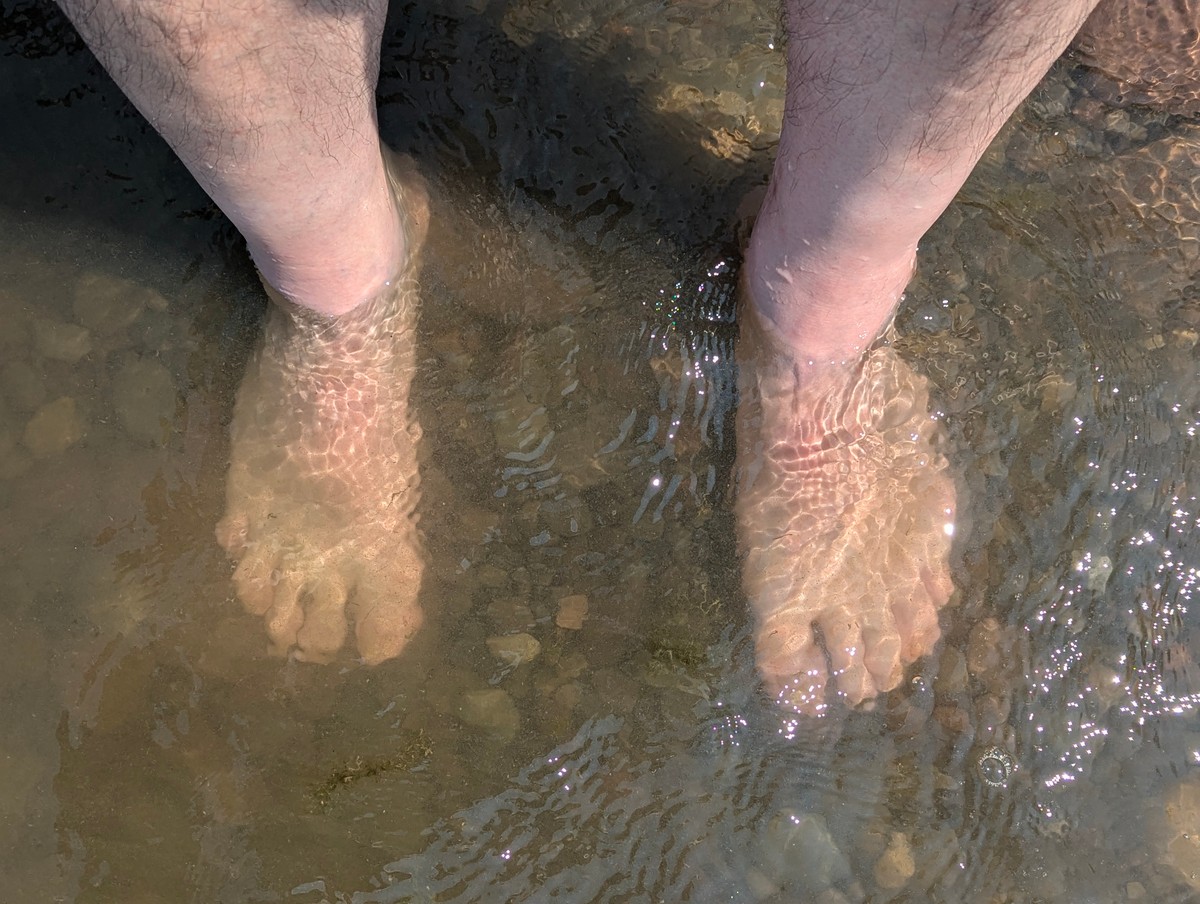
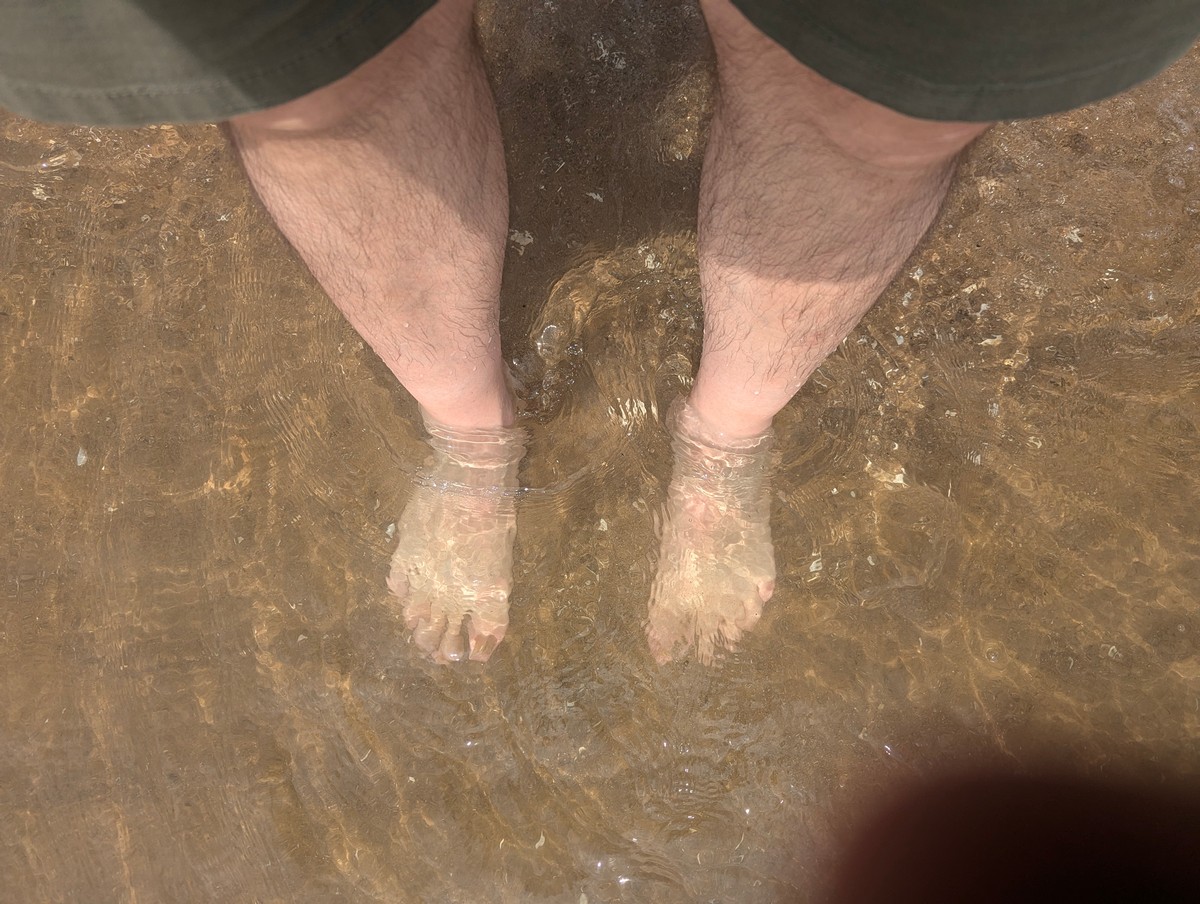
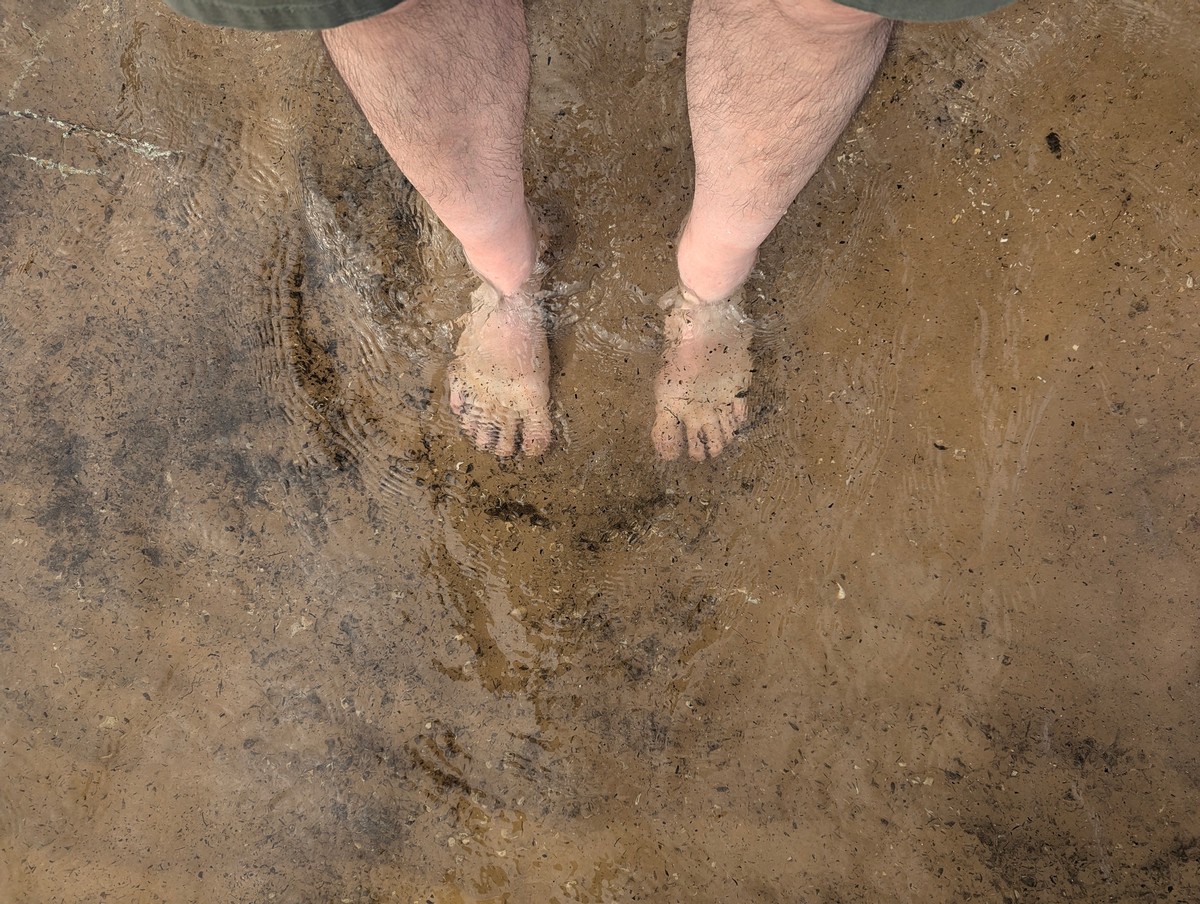
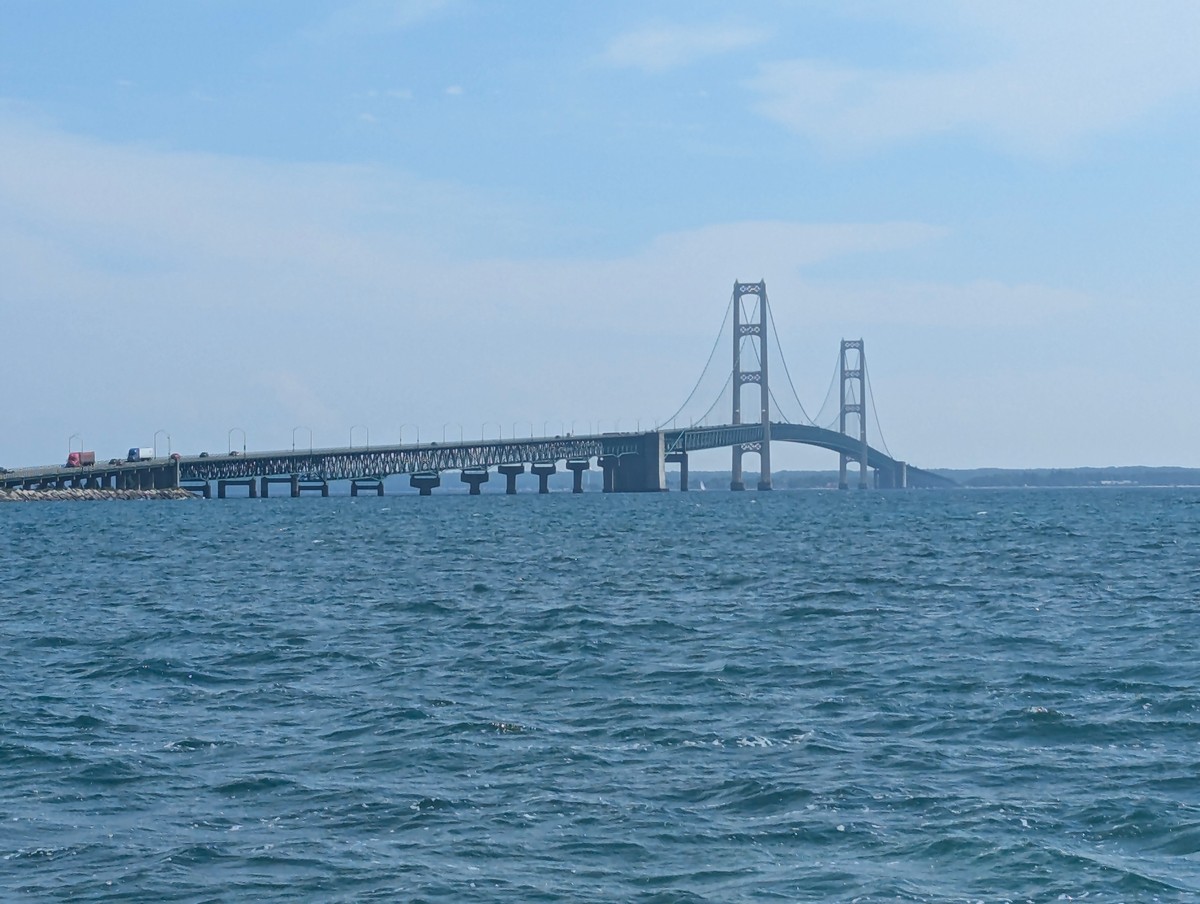
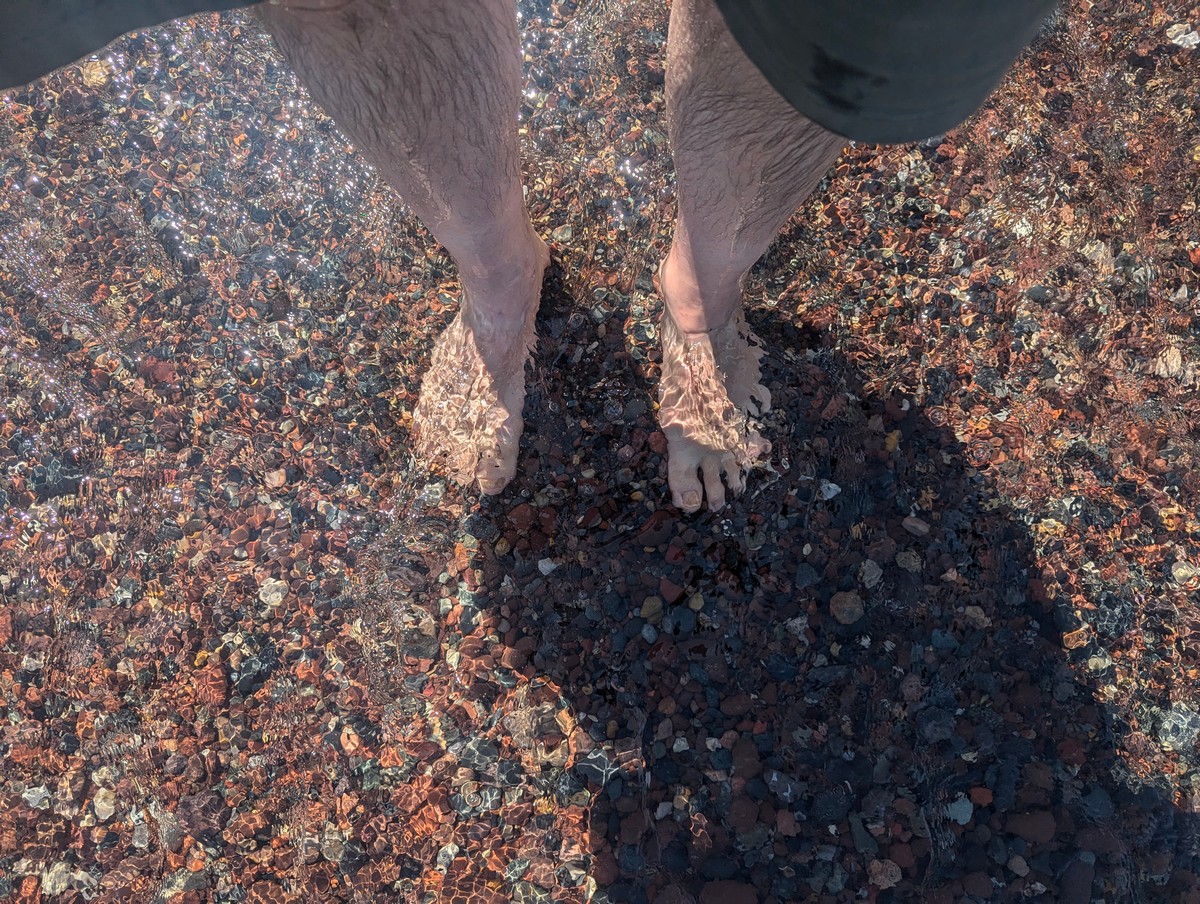
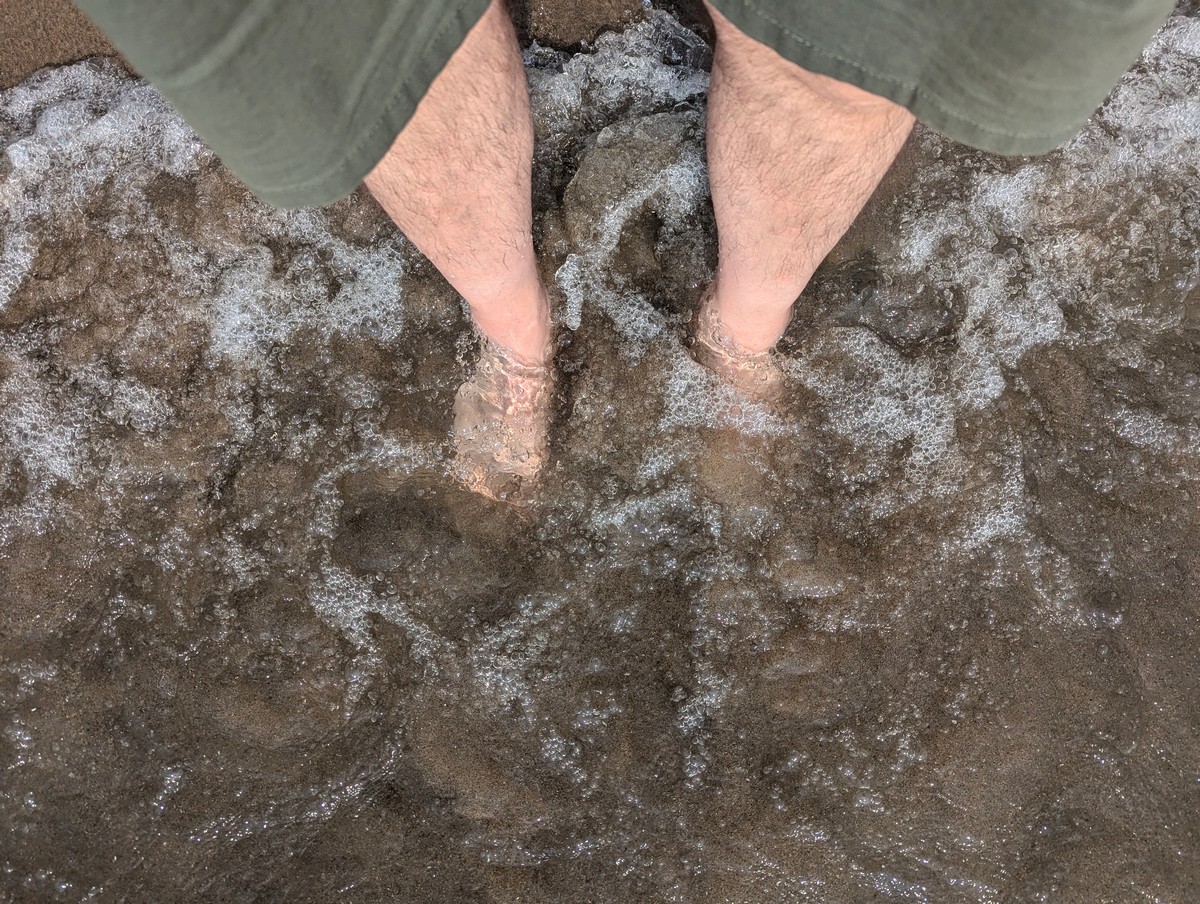
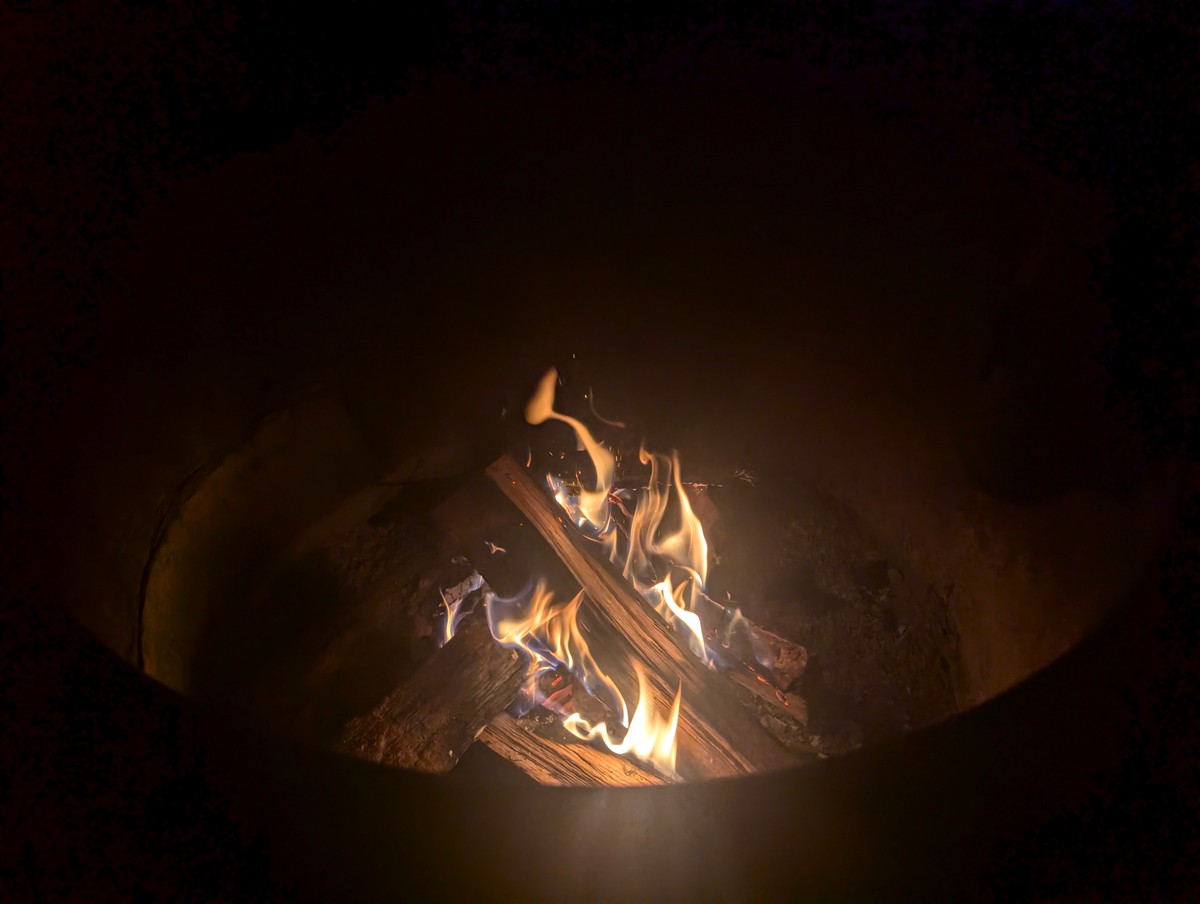

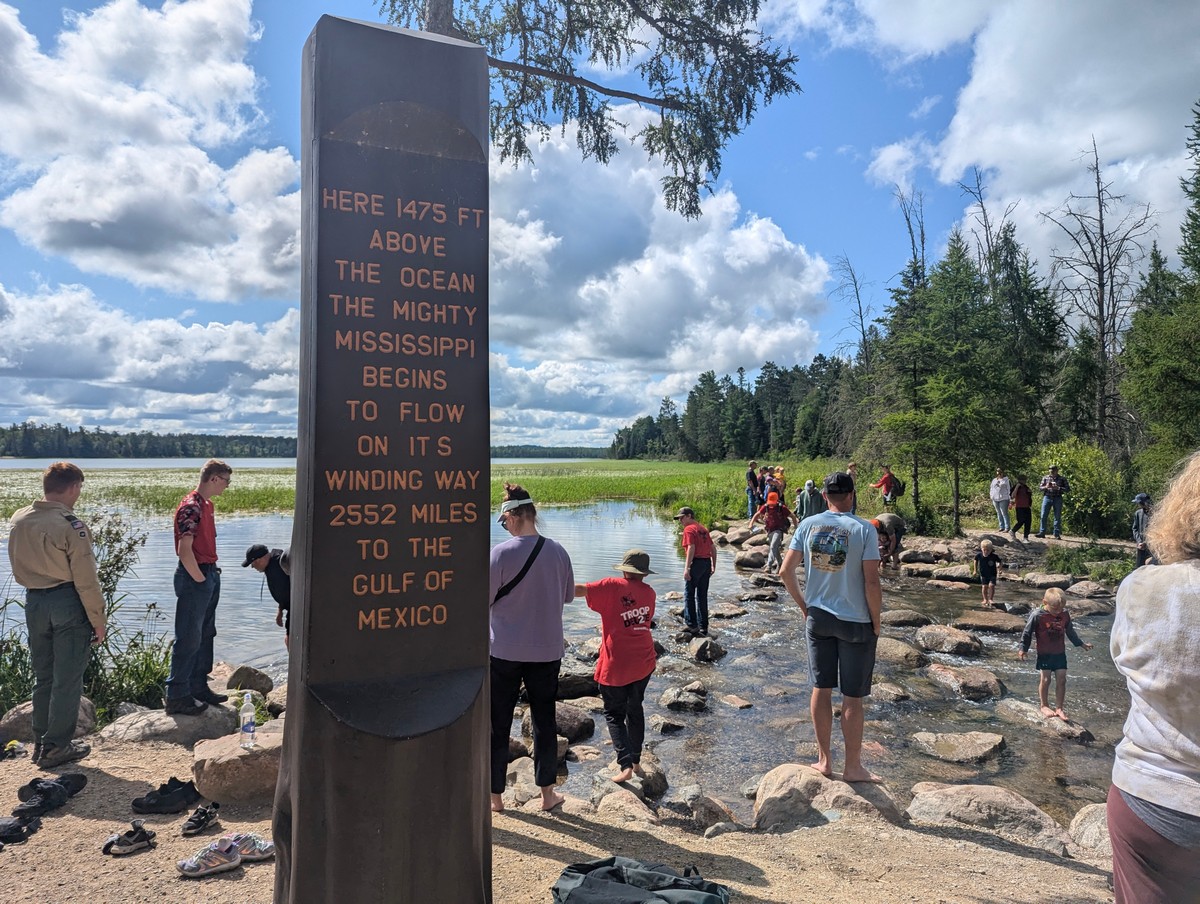


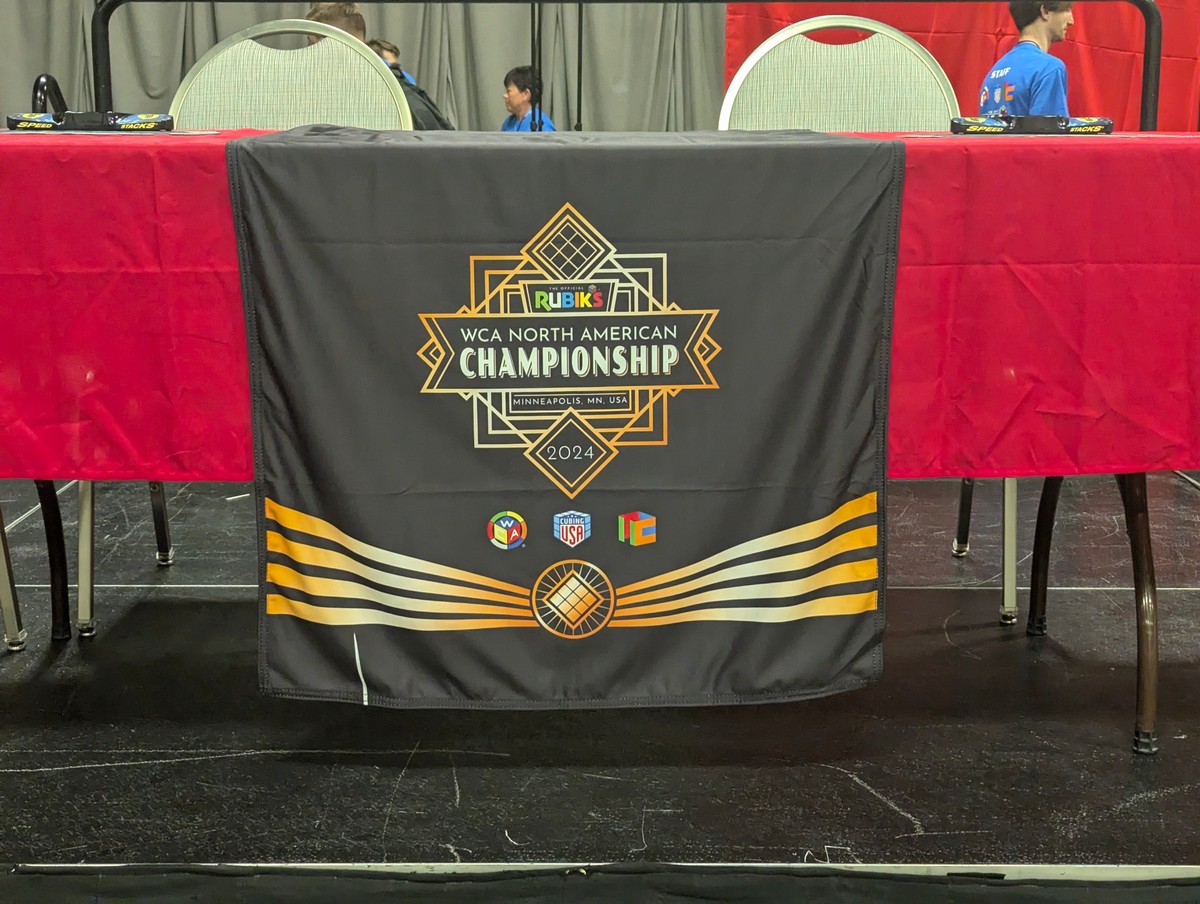
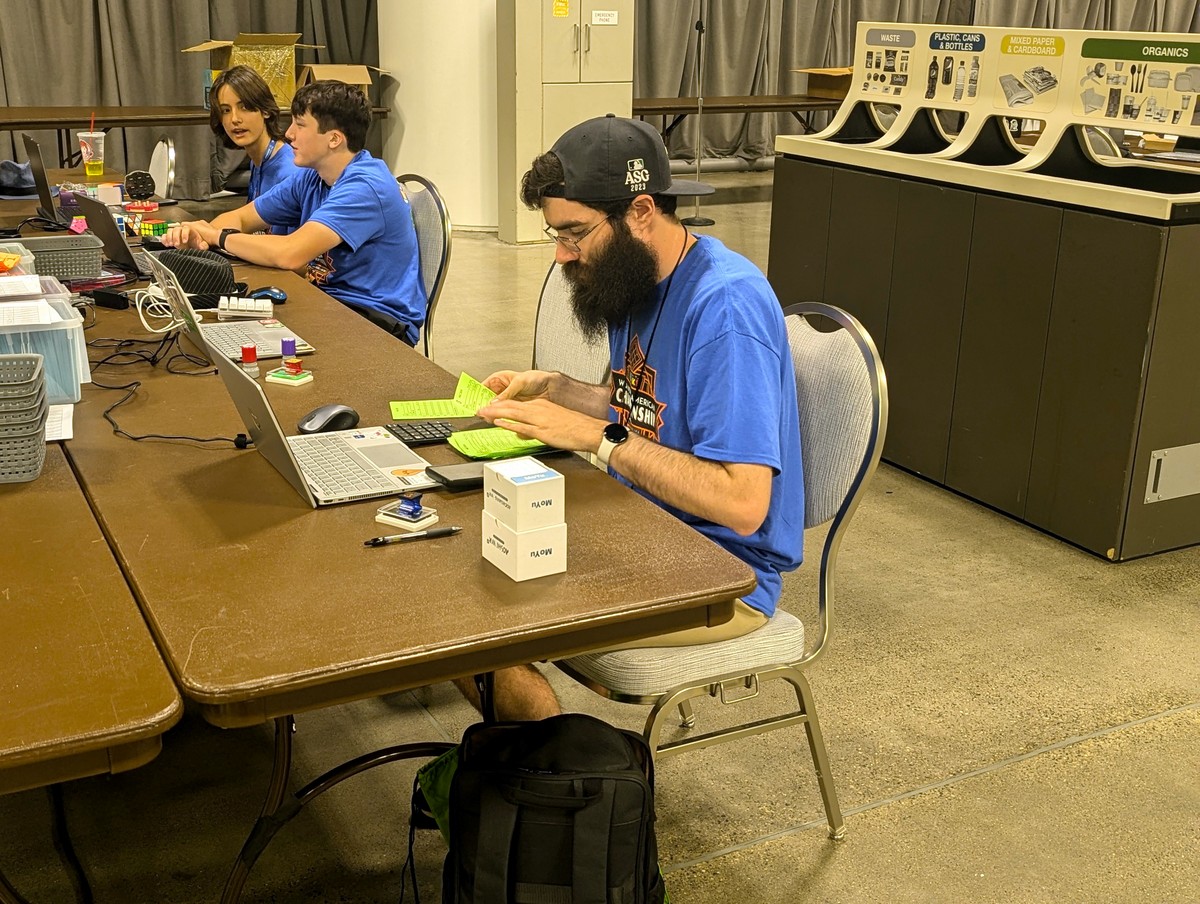
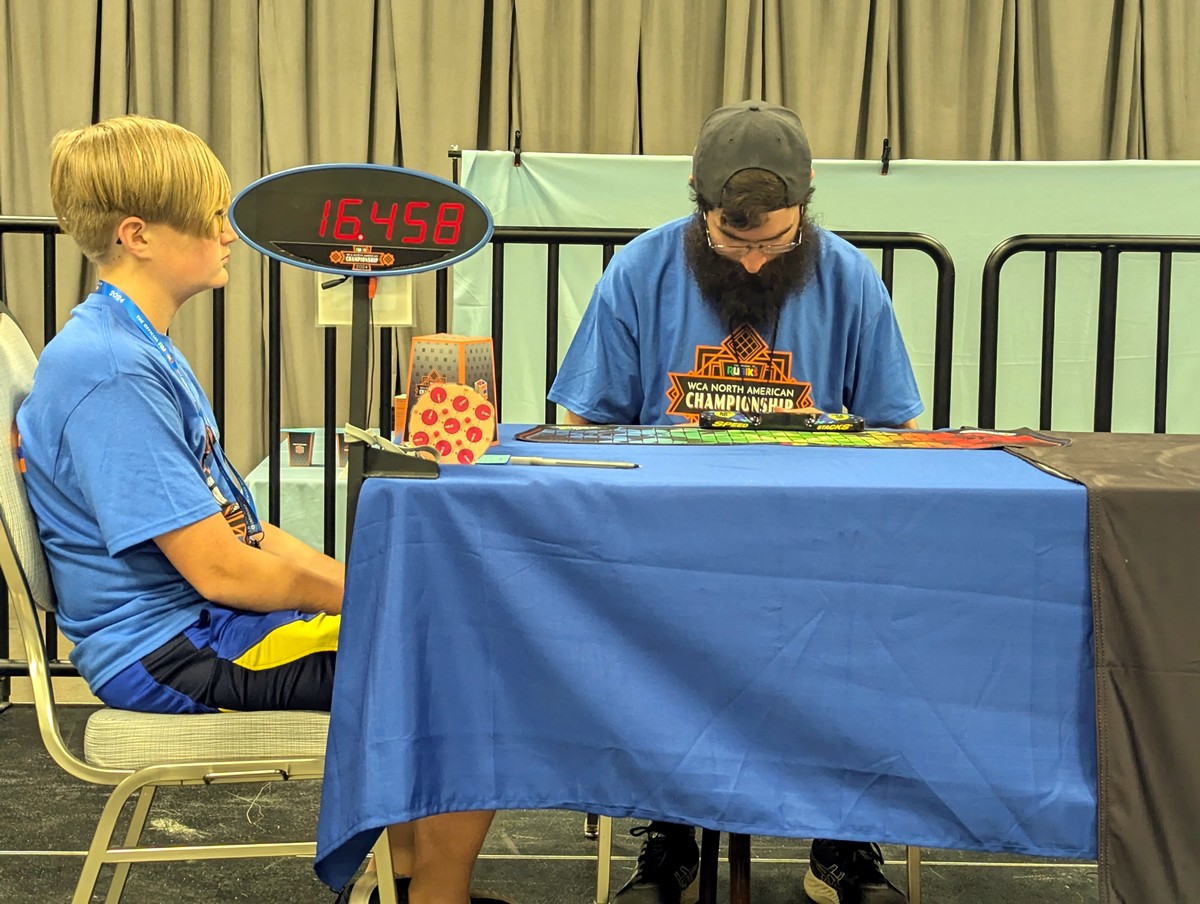

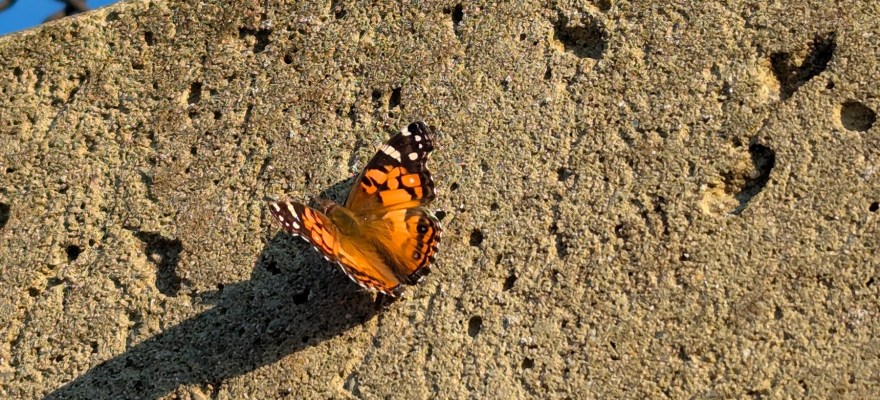
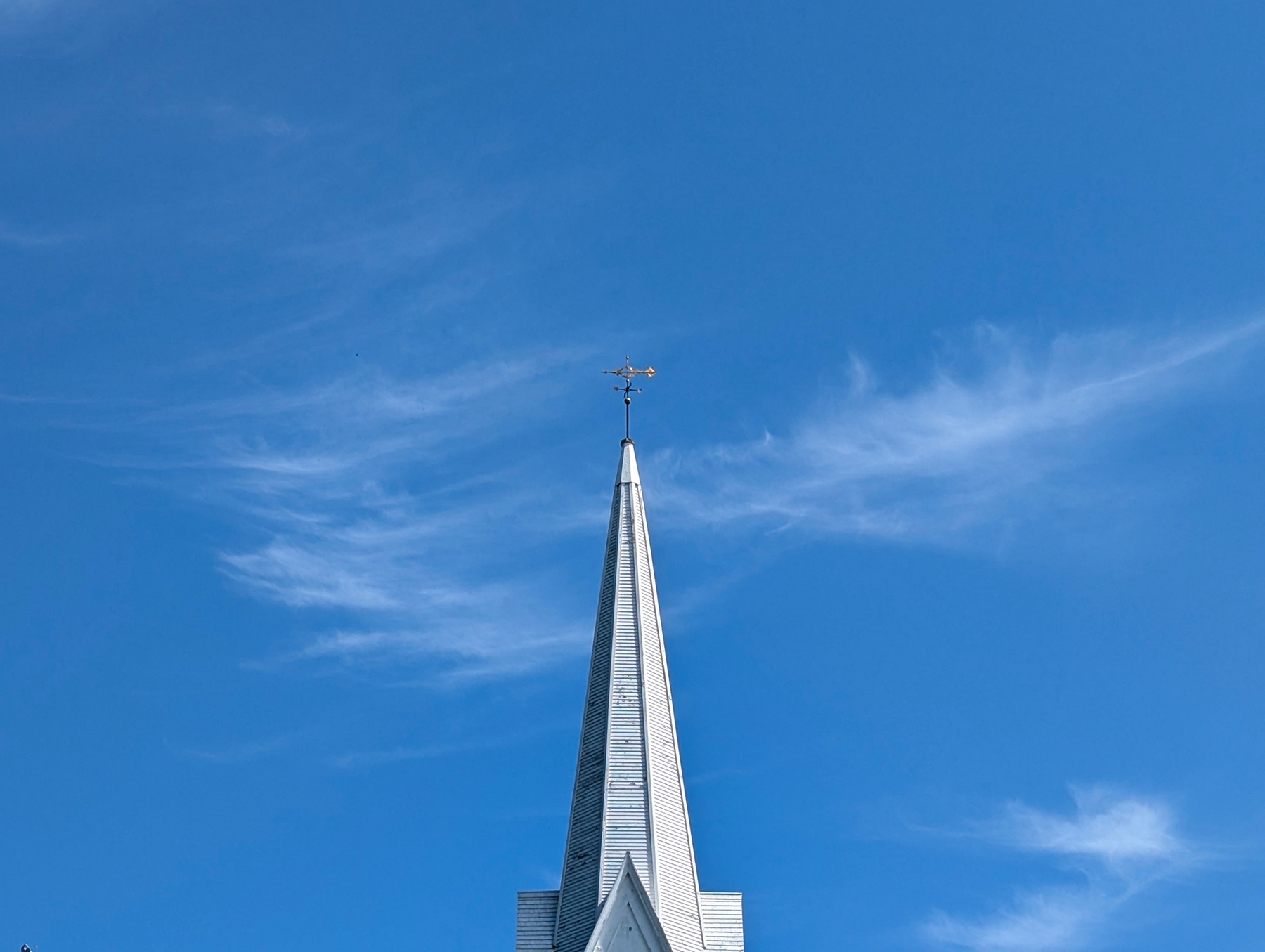
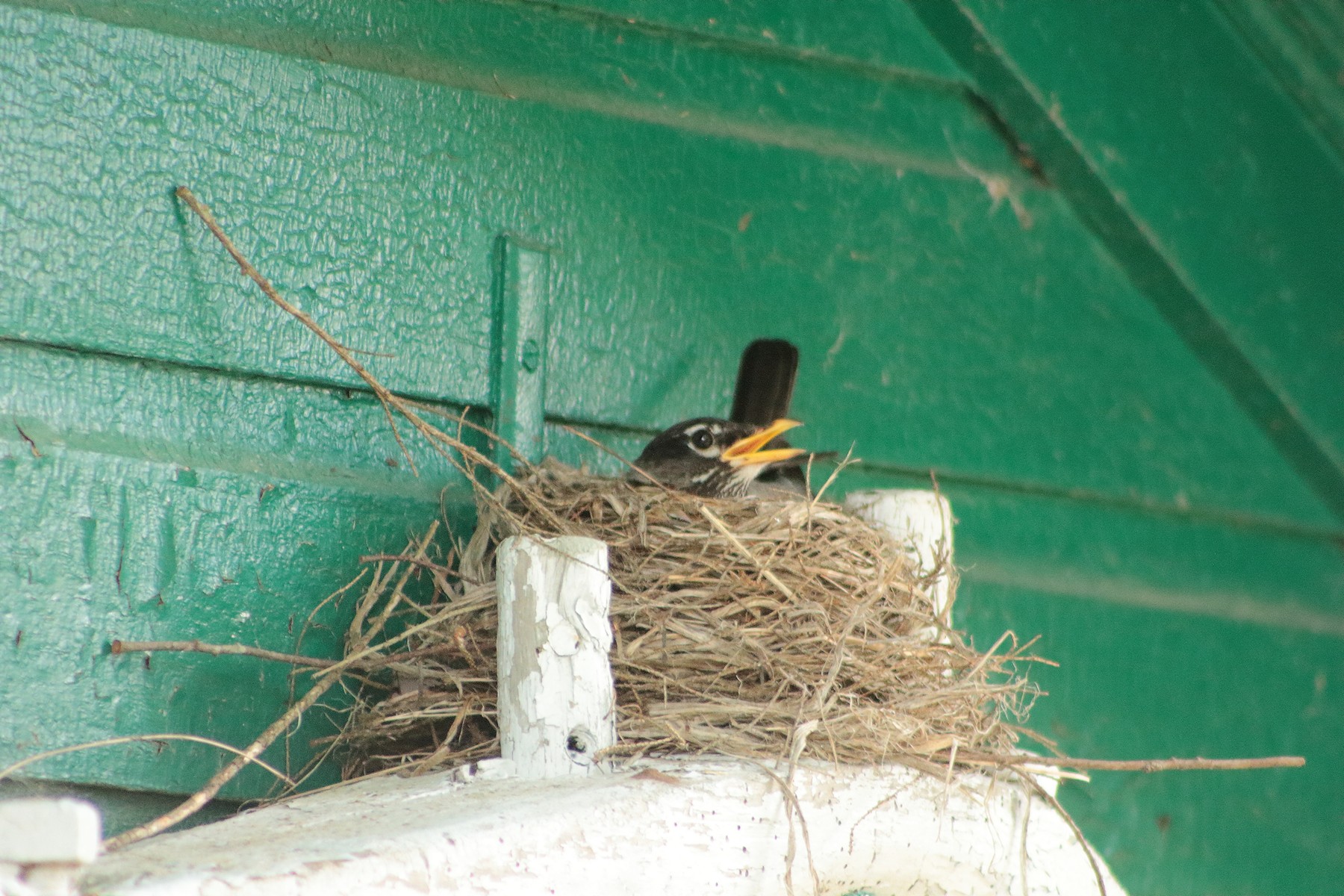
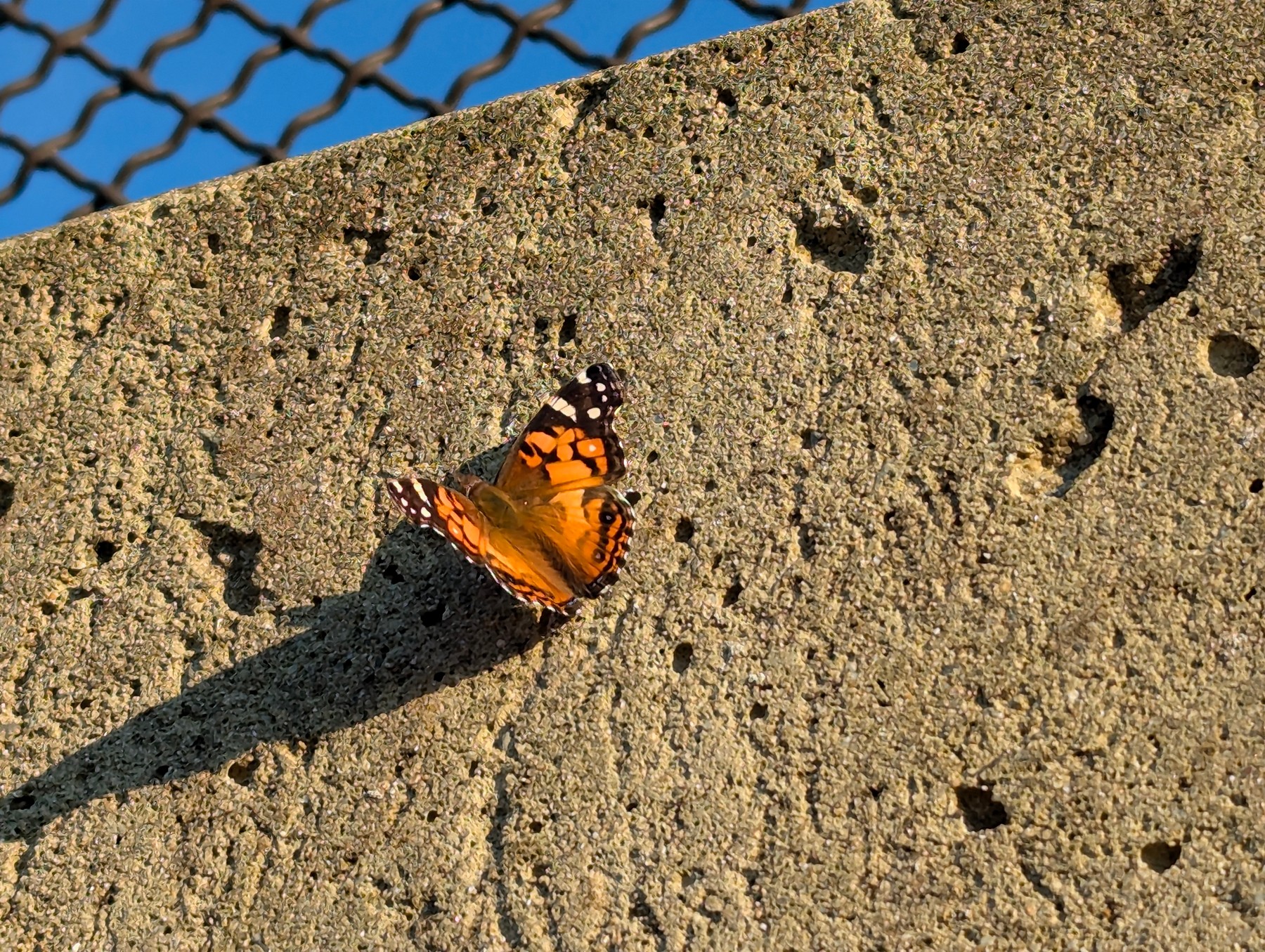
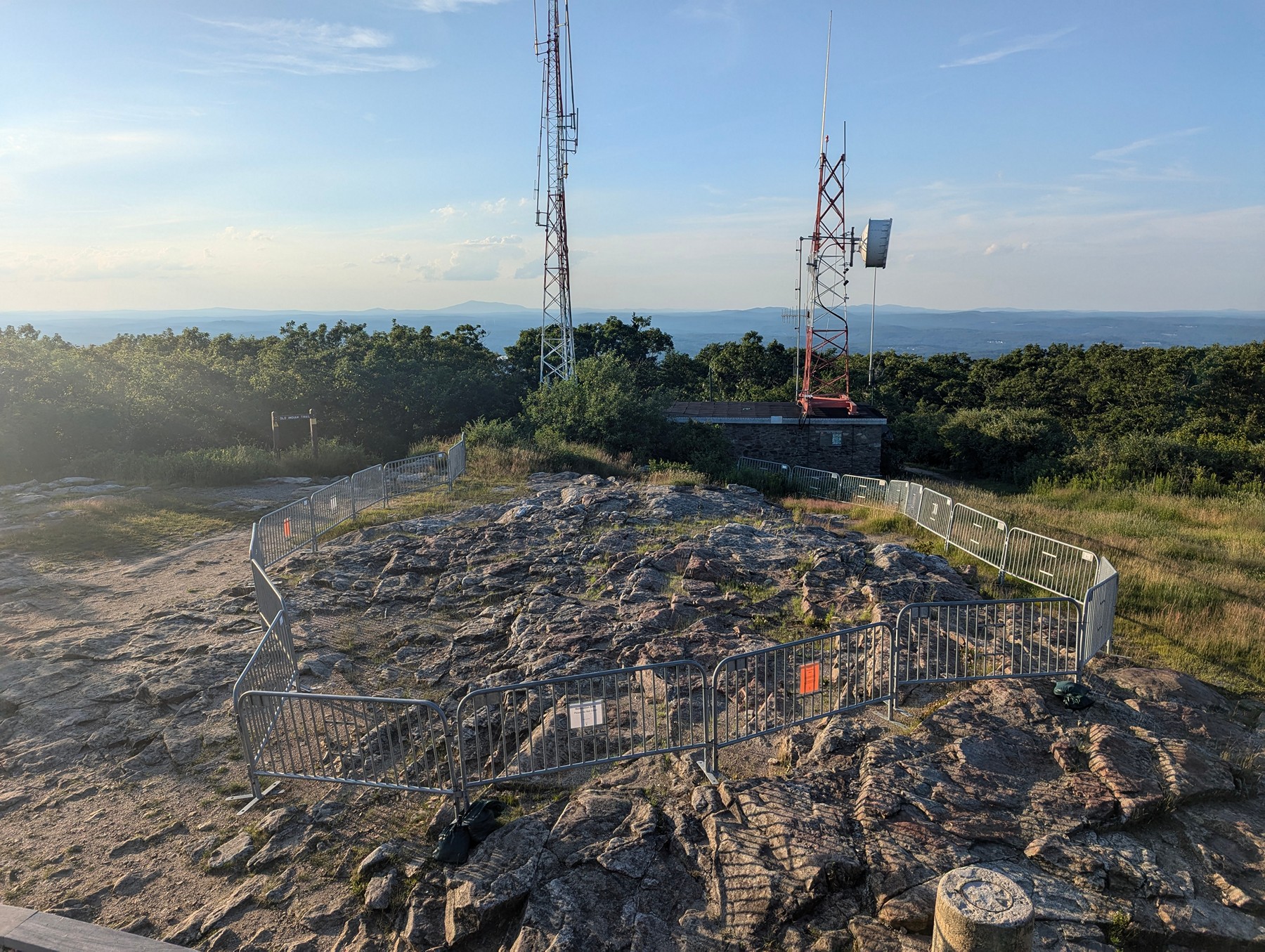
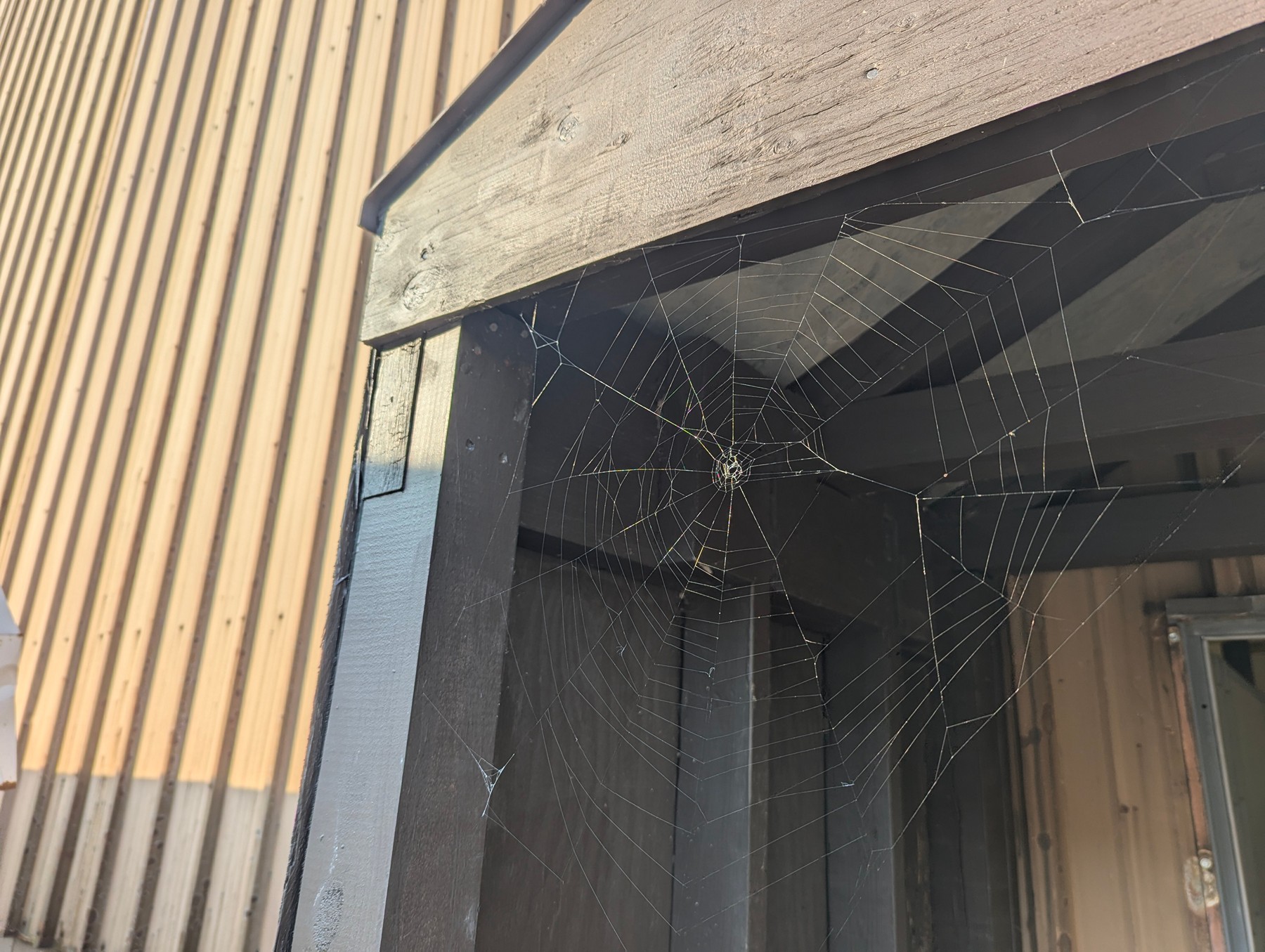


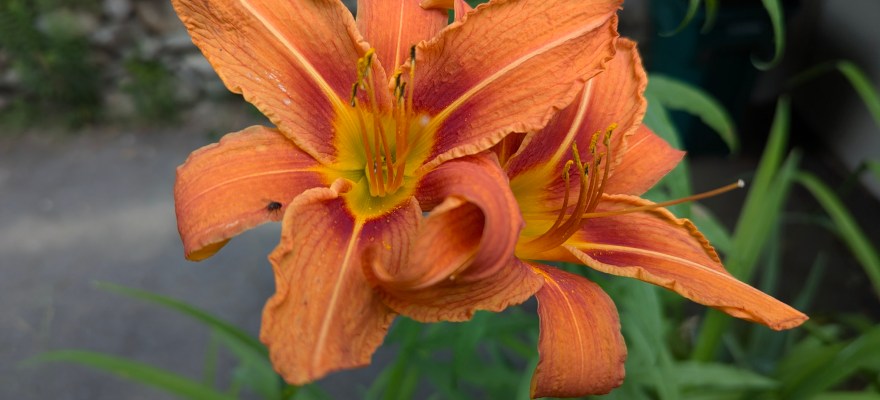


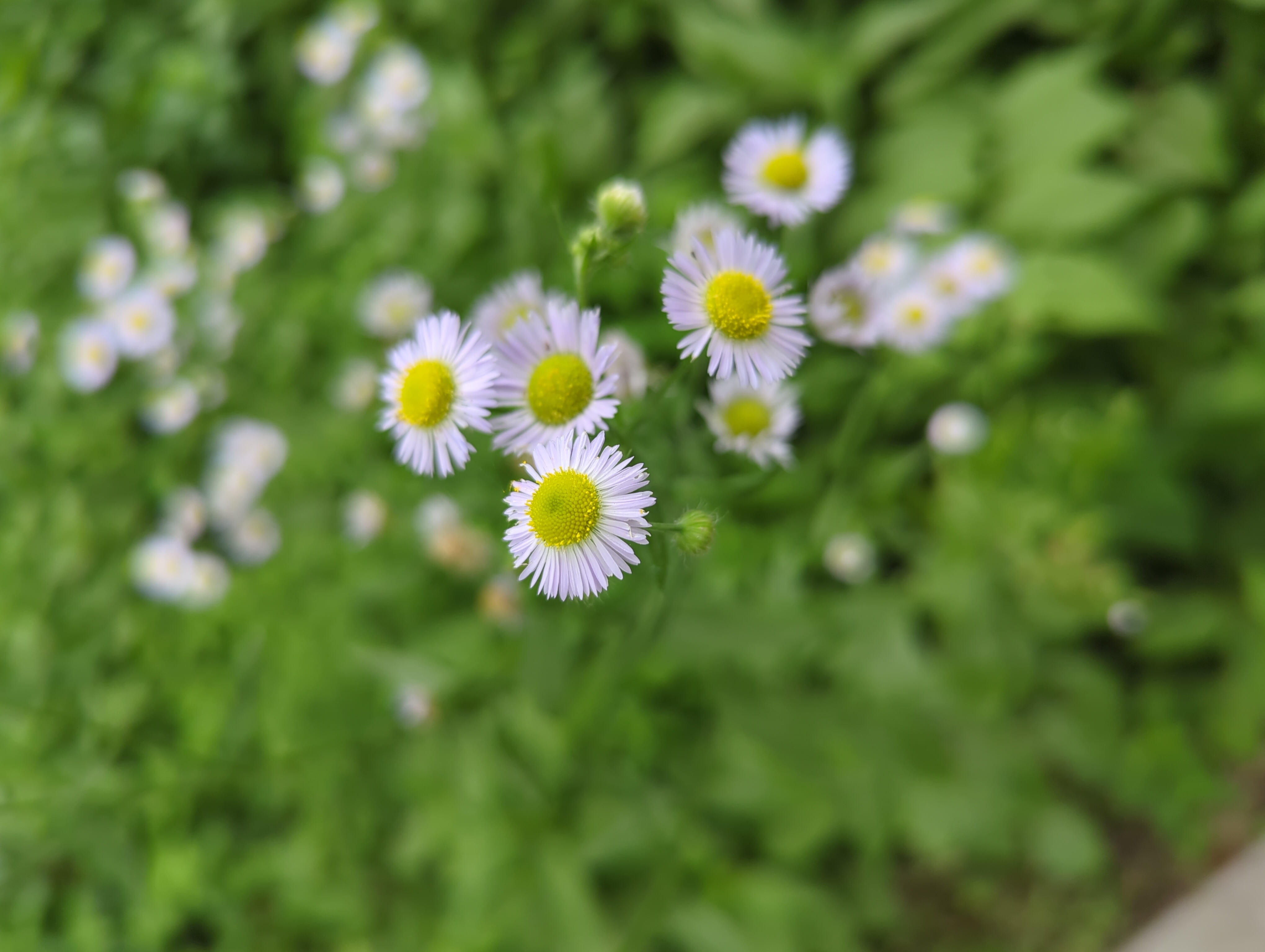

 Photo by Joseph Ciras