
“When I photograph, what I’m really doing is seeking answers to things.” — Wynn Bullock
Thank you for all the new views and likes from last week, it helps keep me inspired.
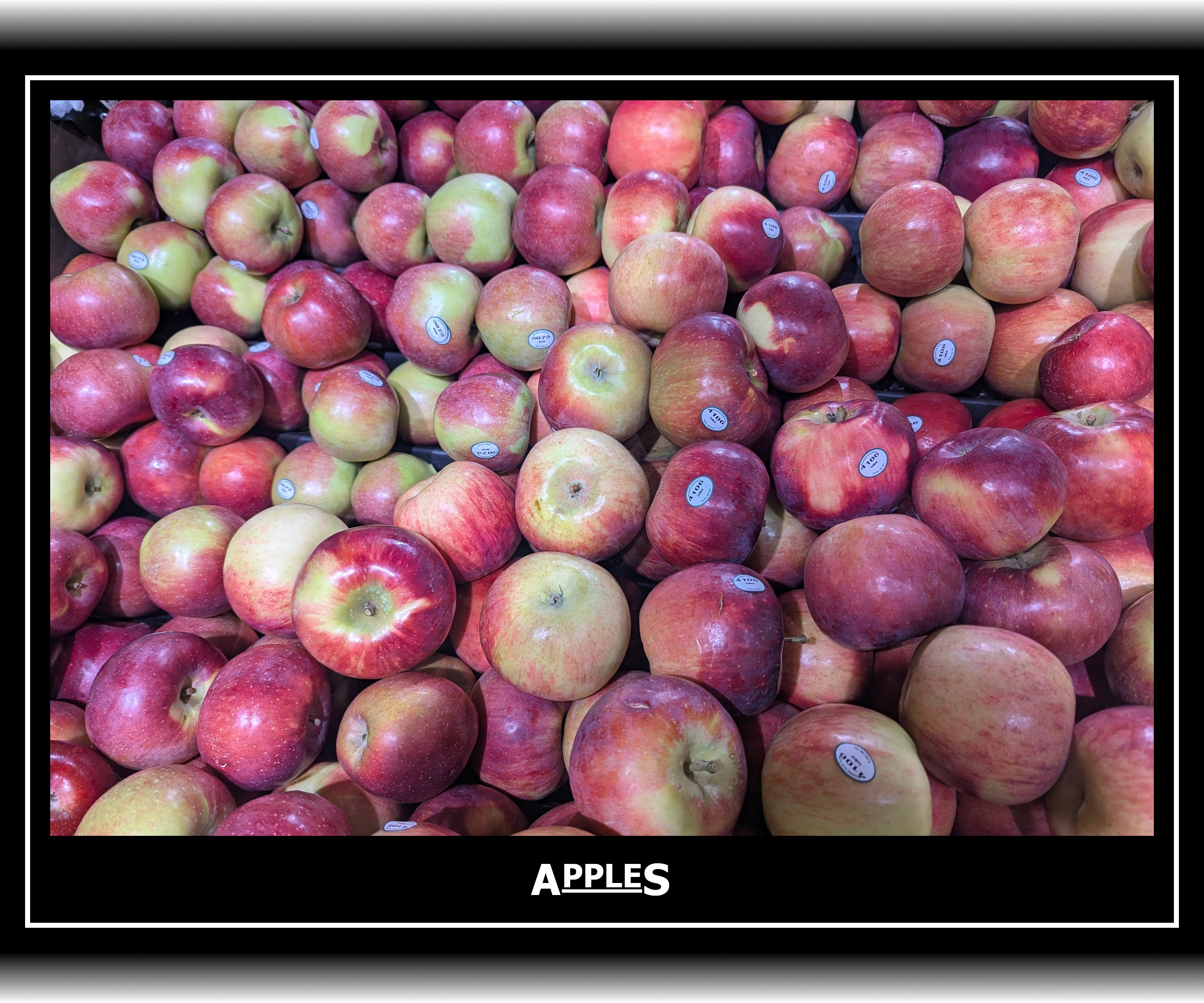
Sunday, 11/16/2025: Posted photo — Apples.
Apples provide numerous health benefits, including improved heart health, better digestion, weight management support, and a reduced risk of chronic diseases like certain cancers and type 2 diabetes. We like to use McIntosh apples for baking pies and I eat Gala apples for health reasons.
Monday, 11/17/2025: Posted photo — Acorn Squash.
Acorn squash is a starchy vegetable and is a source of carbohydrates and vitamin C. It may offer numerous health benefits, such as providing antioxidants, promoting digestive health, and more.

I cook acorn squash once and a while. It does take a while for the squash to be cooked, 45 minutes to and hour, but the end justifies the means.
Tuesday, 11/18/2025: Posted photo — Shopping Carts.
The first shopping cart was invented by Sylvan and Fred Goldman in June 4, 1937. The original patent for the “Combination basket and carriage,” was filed in 1937 and granted to Sylvan Goldman in 1939 (US patent 2,155,896). With the introduction of shopping carts, shoppers were able to carry big items and a lot of items at once. This made shopping a lot easier and revolutionized the shopping industry.
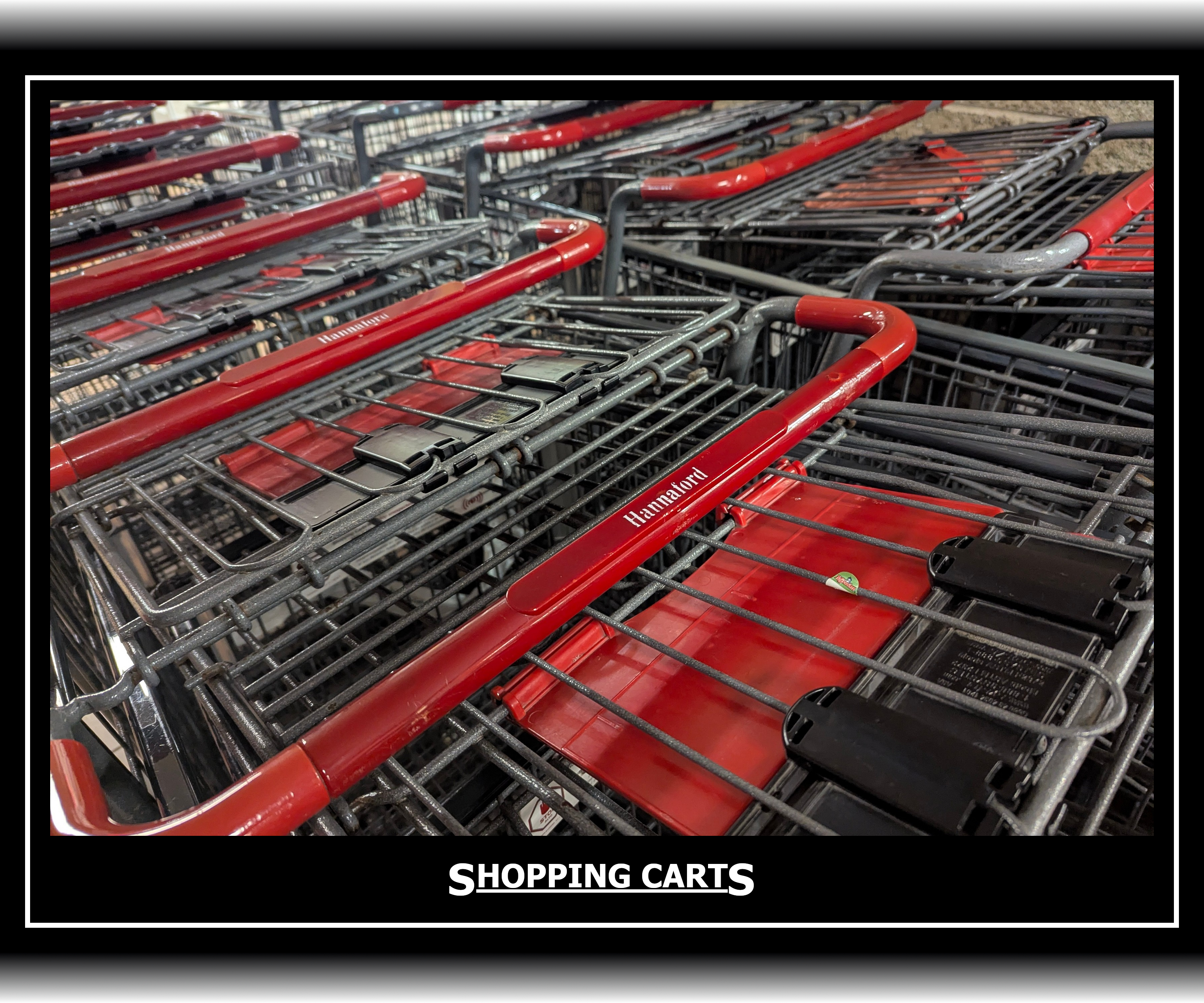
Every week I go shopping on Tuesday nights. I always look for something to photograph while I am shopping. This week I was in an abstract, or artistic, mood and saw the shopping carts lined up.
Wednesday, 11/19/2025: Posted photo — Painted Sky.
What a wonderful sky this morning. This photo was taken just before sunrise. The reflection of the light off the clouds makes them look like they were painted.
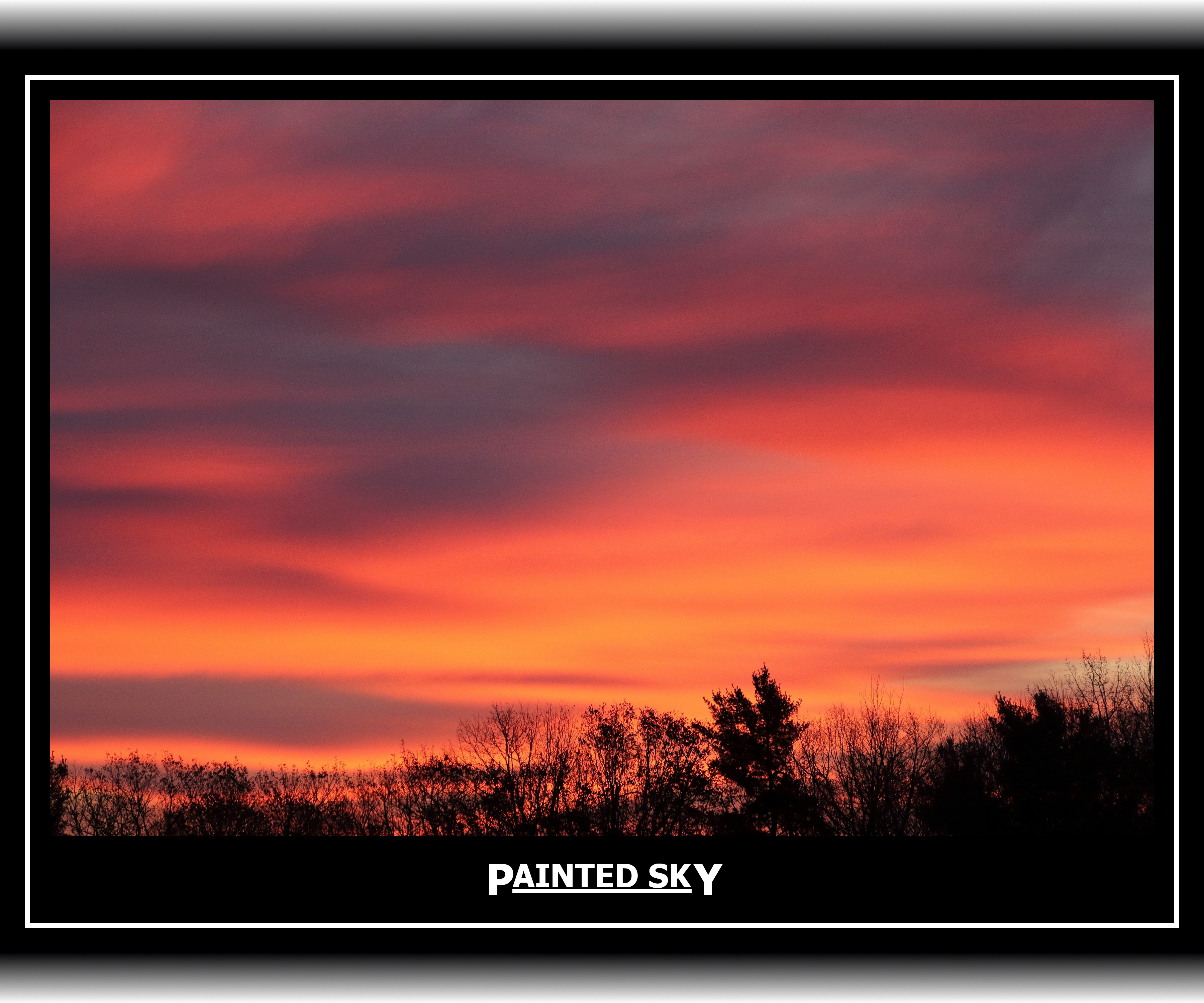
The colors of sunrise are primarily red, orange, and yellow, but can also include pink, purple, and blue. As light travels through the Earth’s atmosphere, the blue wavelengths are filtered with the longer red and orange wavelengths reaching our eyes. This is the same phenomenon as in sunset.
Thursday, 11/20/2025: Posted photo — Compass.
This is a photo of my lensatic compass. I am in the middle of an article about how to orient a map and compass using a lensatic compass. I have written the same article using a fixed declination baseplate compass and wanted to explain it using a different type of compass.

A lensatic compass gets its name from a magnifying lens on the rear sight that is used for reading the compass dial accurately. A lensatic compass is good for taking bearings in the field and is not easy for beginners to use on a map. A baseplate compass is one that has a plastic see through baseplate that is better for using it with a map and easier to use in the field.
Friday, 11/21/2025: Post photo — Stained Glass.
During medieval time, when many people were illiterate, stained glass windows were used the depiction of Biblical events to teach those who could not read about the events and lessons in the Bible.

Some of the newer churches do not have stained glass because of their maintenance. There are not many craftsmen that can restore the stained glass, if needed. Also, many of the older windows have led in them. I always enjoy looking at stained glass windows and the stories they detect.
Saturday, 11/22/2025: Post photo — Poinsettia.
The Poinsettia, or Christmas Flower, is a plant from Mexico and Guatemala. The plant was used to make dyes and medicines. I read on a website that the name poinsettia comes from Joel Roberts Poinsett, a U.S. ambassador to Mexico appointed by John Quincy Adams in 1825.
The plants can be kept as houseplants, though they require specific care to trigger the bracts to change color and “bloom again” the following year.

Tips for Caring for and Growing Poinsettias at Home that I received from another website.
Poinsettias can thrive at home in the right conditions. Pay careful attention to light and temperature to keep your plant healthy and happy.
- Poinsettias should receive direct light. Placing them in an east or west window will ensure they receive bright light daily.
- An indoor temperature of 65-70 degrees is ideal for growing these plants. Damage may occur if poinsettias are placed in environments where the temperature fluctuates, or where the plant may become dried out or chilled from a cold draft, heat duct, poorly insulated window, fireplace, fan, or space heater. Temperatures below 50 degrees can further damage or even kill poinsettias.
- The soil for poinsettias should be kept moist. Do not allow plants to dry out or wilt! Excessive wetness or poor drainage may rot the plant’s roots.
That is all for now. Until next week, be safe.
“Quod scripsi, scripsi. Ingeniarius sum, non scriptor.”
“Sumens imagines consolatur et inspirat me. Pulchritudinem mundi video per cameram meam.”
.–. …. — – — -… -.– .— — … . .–. …. -.-. .. .-. .- …
 Photo by Joseph Ciras