Photographic Thoughts — 09/17/2023 to 09/23/2023

“I never have taken a picture I’ve intended. They’re always better or worse.” — Diane Arbus

Thank you for all the new views and likes from last week, it helps keep me inspired.

This is a re-post blog.

Sunday, 09/17/2023: Posted photo — Reflection in the Fog.

Settings: Canon EOS 60D, ISO 400, f/7.1, 1/80 s, 113 mm.

Driving into church this morning, I notice fog off the lakes in the area. The location of this photo is one in which I take many practice photos. It is a difficult location to take a photo since I needed to stop on the edge of a busy road.

My initial thought on this photo was to get a picture of the mist rising from the surface of the lake with the foliage behind it. When I arrived at this location, the mist was thicker than I would like. I did see the reflections of the trees on the water and thought that that would take a good photo.

Monday, 09/18/2023: Posted photo — Western Tanager.

Settings: Canon EOS DIGITAL REBEL XS, ISO 200, f/6.3, 1/320 s, 300 mm.

Fact from All About Birds: “The oldest Western Tanager on record—a male originally banded in Nevada in 1965—had lived at least 6 years and 11 months by the time he was recaptured and rereleased during banding operations in Oregon in 1971.”

We were walking the north rim at Grand Canyon National Park when I spotted this male Western Tanager in a conifer tree. The color contrast between the bird and the tree caught my eye.

The range of the Western Tanger is the western parts for the United States, Canada, and Mexico.

Again, from All About Birds: “A clear look at a male Western Tanager is like looking at a flame: an orange-red head, brilliant yellow body, and coal-black wings, back and tail. Females and immatures are a somewhat dimmer yellow-green and blackish. These birds live in open woods all over the West, particularly among evergreens, where they often stay hidden in the canopy. Nevertheless, they’re a quintessential woodland denizen in summertime, where they fill the woods with their short, burry song and low, chuckling call notes.” (https://www.allaboutbirds.org/guide/Western_Tanager/overview)

Tuesday, 09/19/2023: Posted photo — The Gathering.

Settings: Canon EOS 60D, ISO 3200, f/7.1, 1/100 s, 135 mm.

On my way home from work today I saw this rafter of turkey. I have seen them many times before on the property and did not feel the need to photograph them. Today was different.
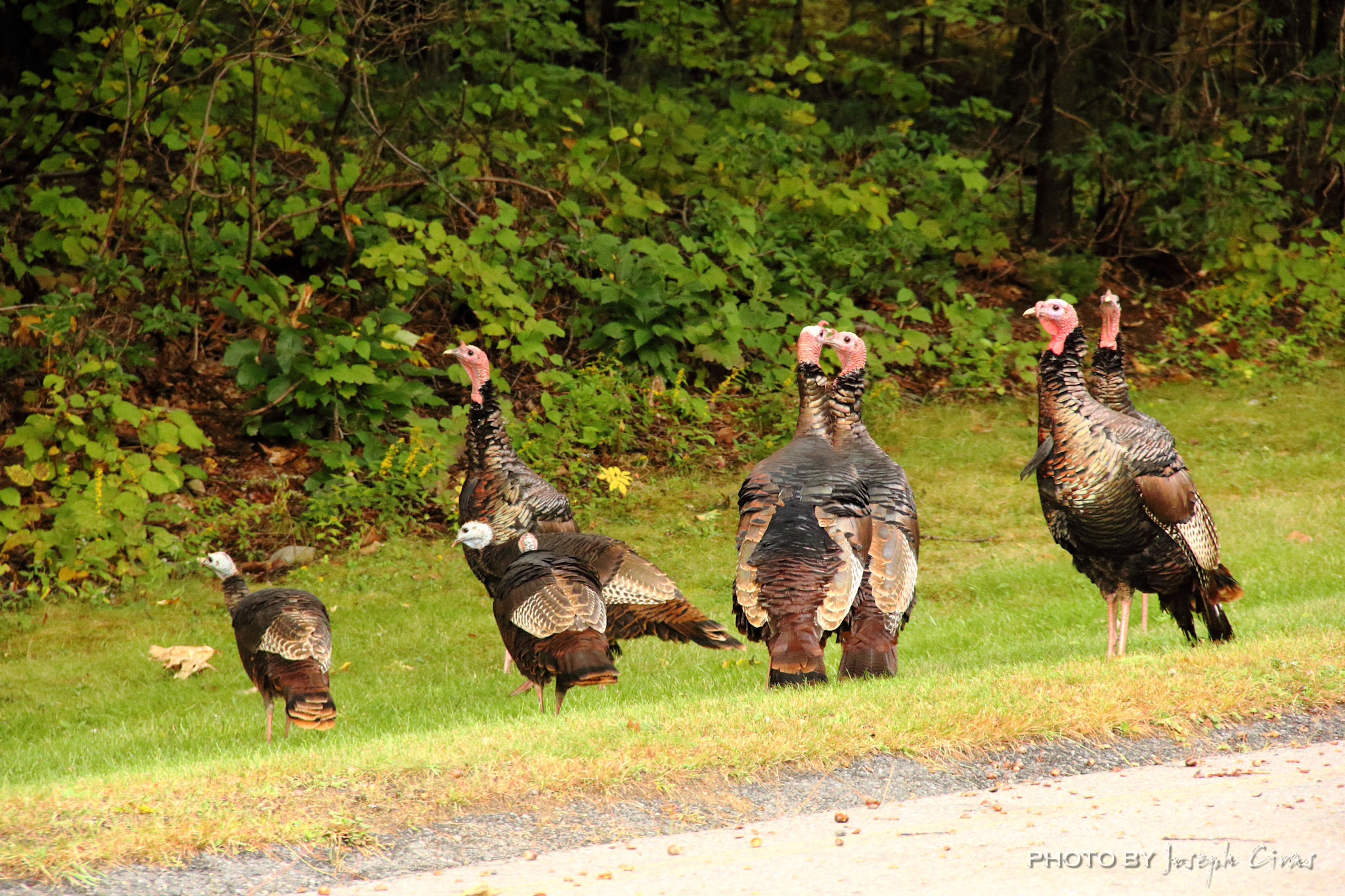
When I was approaching them today, it looked like it was a group of workers getting ready to clock out of work and were planning what they were going to do tonight. Just the way they were gather in pairs and it looked like they were talking to each other.

Also, I thought it would be a good picture to take.

Wednesday, 09/20/2023: Posted photo — Cattails.

Settings: Canon EOS 60D, ISO 800, f/5, 1/800 s, 52 mm.

I had a choice of photos to post today — a photo of an island or a photo of cattails. I decided on the cattails for the photo to put in my 365 project because I liked it just a little bit better than the photo of the island. I will be posting both in this blog for you to compare.

Cattails are a type of aquatic plant, approximately 5-10 feet tall. These plants have long, slender, branchless, and upward-growing leaves and a distinguishable brown, cylindrical flowering head at their apex. The grow around ponds and other wetland areas.

What is the difference between a pond and a lake? Here is something I found in my research: “To help determine the difference, both the depth and surface area must be considered. Lakes are normally much deeper than ponds and have a larger surface area. All the water in a pond is in the photic zone, meaning ponds are shallow enough to allow sunlight to reach the bottom. This causes plants (sometimes too many) to grow at the bottom of ponds as well as on their surface. However, sunlight can’t reach the bottom of all areas of lakes. Lakes have aphotic zones, which are deep areas of water that receive no sunlight, preventing plants from growing.” (https://lakes.grace.edu/ponds-vs-lakes-whats-the-difference/)

I took the cattail photo with a shallow depth of field (DOF) to blur the background and the make the cattails “pop”. As you can tell by this photo, the cattails are starting to spread their seeds.

Here is the photo of the island that I took and did not like as much as the cattail photo.

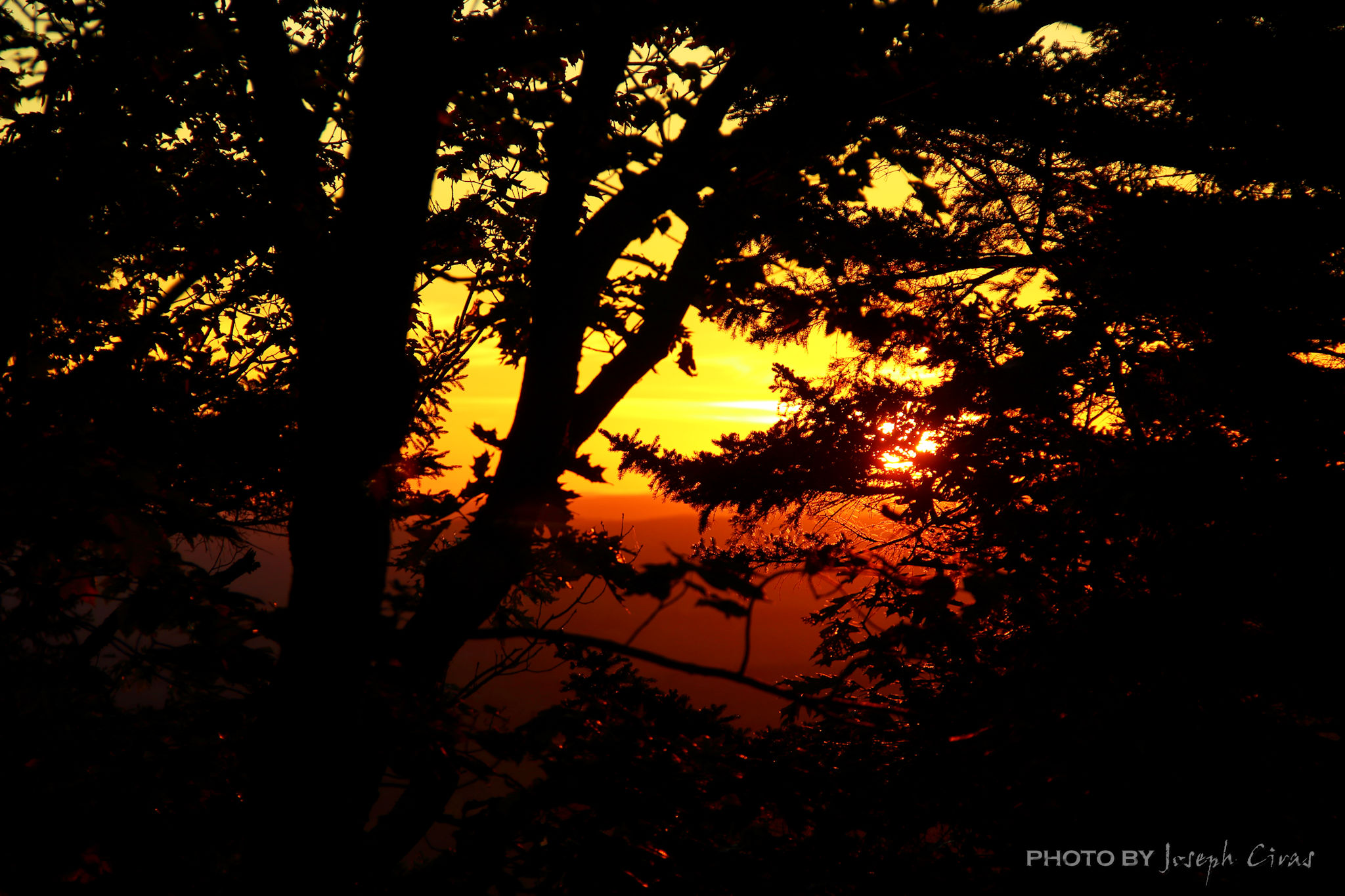
Thursday, 09/21/2023: Posted photo — Sunset Through Trees.

Settings: Canon EOS 60D, ISO 100, f/5.6, 1/160 s, 100 mm.

After a week and a half, I was back on the hiking trail today. It felt good to get back. I hiked 4.3 miles on Wachusett Mountain after work with some colleagues. I took a series of photos along the way to determine what one to post. I decided on this sunset photo. I had another sunset photo that I took from the summit, but I accidentally deleted it. Rookie mistake.
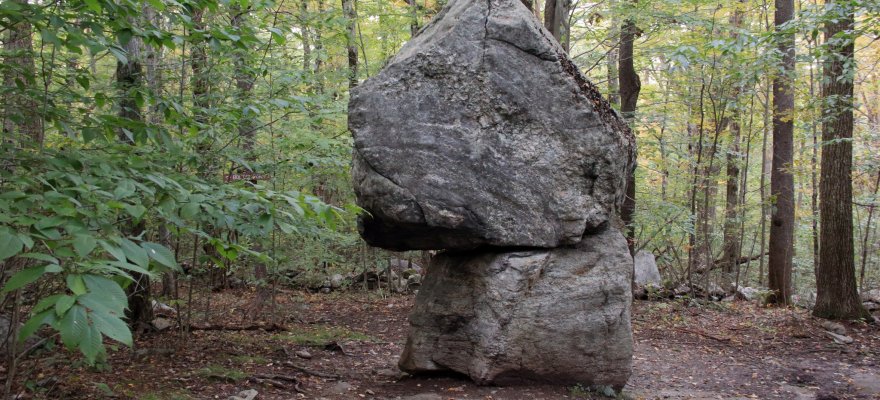
The other choices of photos were a glacial erratic called Balanced Rock or a burl on a tree at a trail junction. Just a reminder that a glacial erratic is glacially deposited rock differing from the size and type of rock native to the area in which it rests. And a burl is a strange-looking collection of tree cells, which are called callus tissue. Normally, callus tissue is formed by a tree in response to an environmental injury such as a pruning cut, disease, or insect damage. If you have a piece of wooden furniture, such as an end table, it was most likely made with a burl.
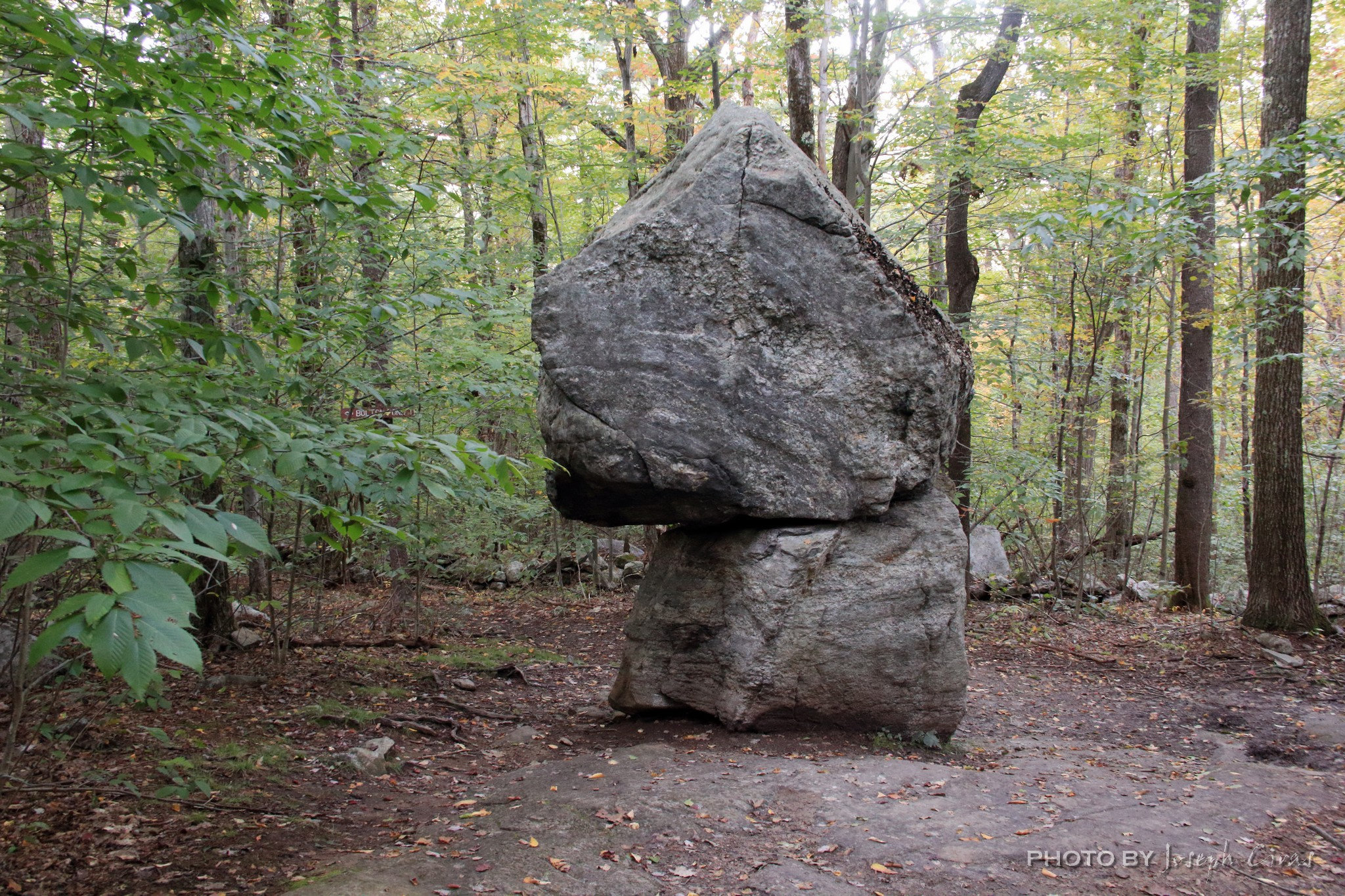
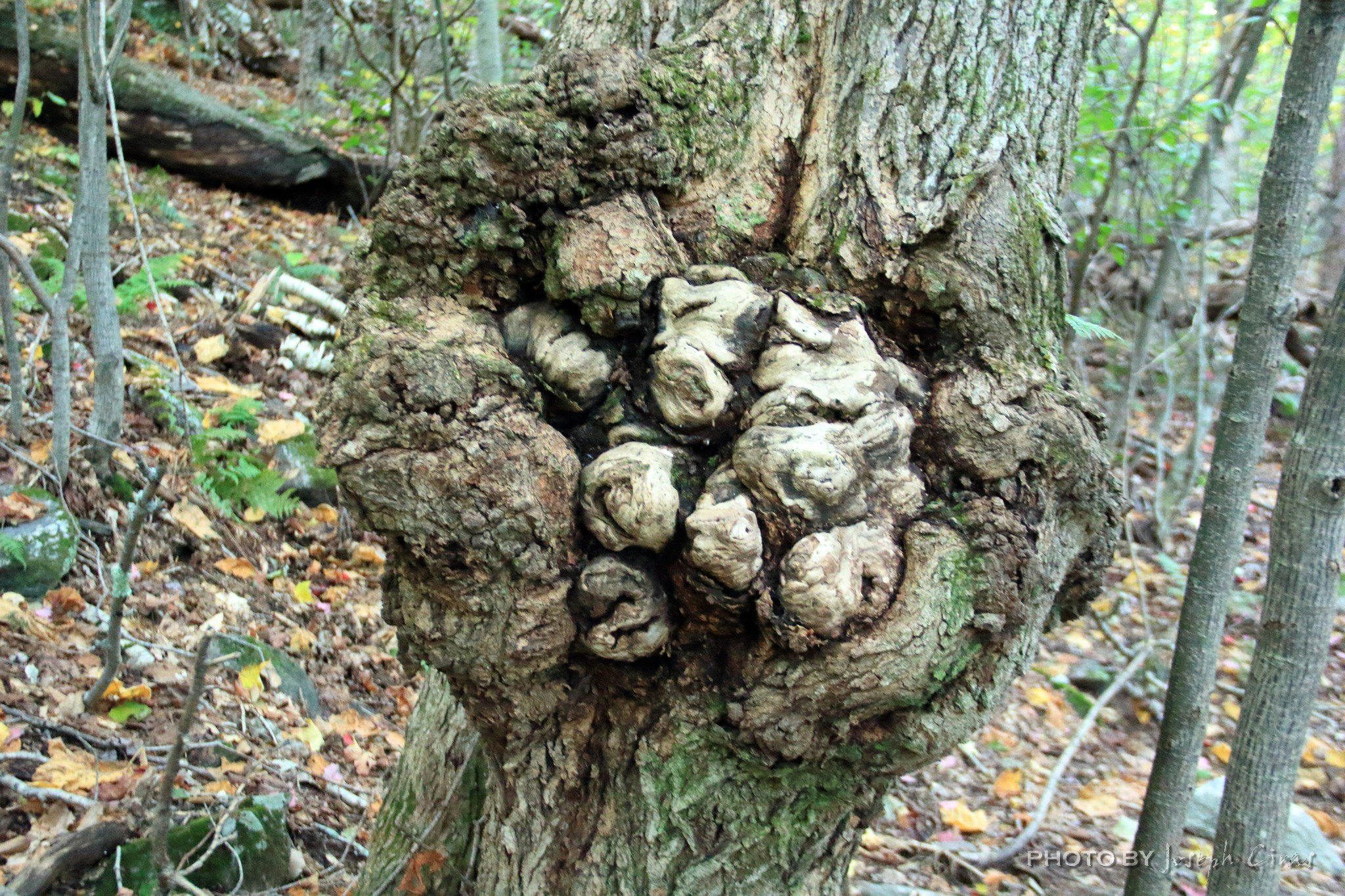
These are the photos that I did not post for my 365 project.

Friday, 09/22/2023: Post photo — Pareidolia.

Settings: Canon EOS 60D, ISO 100, f/10, 1/250 s, 21 mm.

Pareidolia is the defined by Merriam-Webster as the tendency to perceive a specific, often meaningful image in a random or ambiguous visual pattern. I have posted about this tendency in the past.

Today I am posting a photo of a cloud. I see a couple items in this photo. I see an opera singer hitting a high note and I also see a ships figurehead. It is amazing how one can see an object when one is not there.

What to you see? Do you see what I see, due to the power of suggestion, or do you see something else. Please respond in the comment section.

Saturday, 09/23/2023: Post photo — Iris Bouquet.

Settings: Samsung SM-G930V (Galaxy S7), ISO 100, f/1.7, 1/60 s, 4 mm

From The Old Farmer’s Almanac: “The tall, beautiful iris, named after the Greek goddess who rode rainbows, comes in many magical colors. Despite its divine origins, this June bloomer is rugged, reliable, and easy to grow. Learn all about planting, growing, and caring for iris flowers.” (https://www.almanac.com/plant/irises)

That is all for now. Until next week, be safe.

Photographic Thoughts — 09/10/2023 to 09/16/2023

“You don’t take a photograph, you make it.” — Ansel Adams

Thank you for all the new views and likes from last week, it helps keep me inspired.

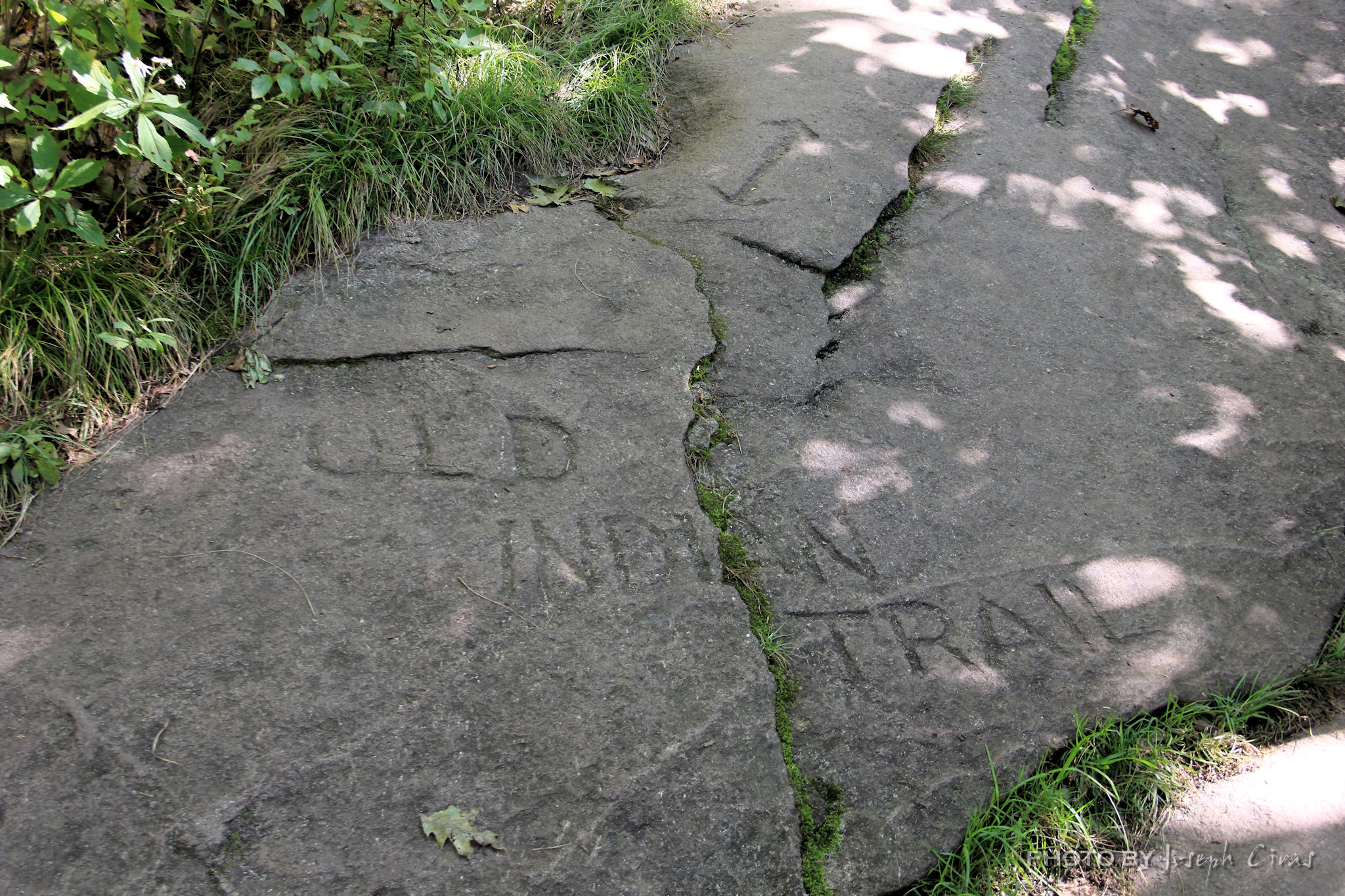
Sunday, 09/10/2023: Posted photo — Trail Marker.

Settings: Canon EOS 60D, ISO 200, f/7.1, 1/25 s, 31 mm.

This is an old trail marker on Wachusett Mountain. There are a few trails on the mountain that have the trail name carved into stone. When I see these markings, I wonder how long it took for someone to carve the marking.

I took this photo to show how the trails were marked many years ago.

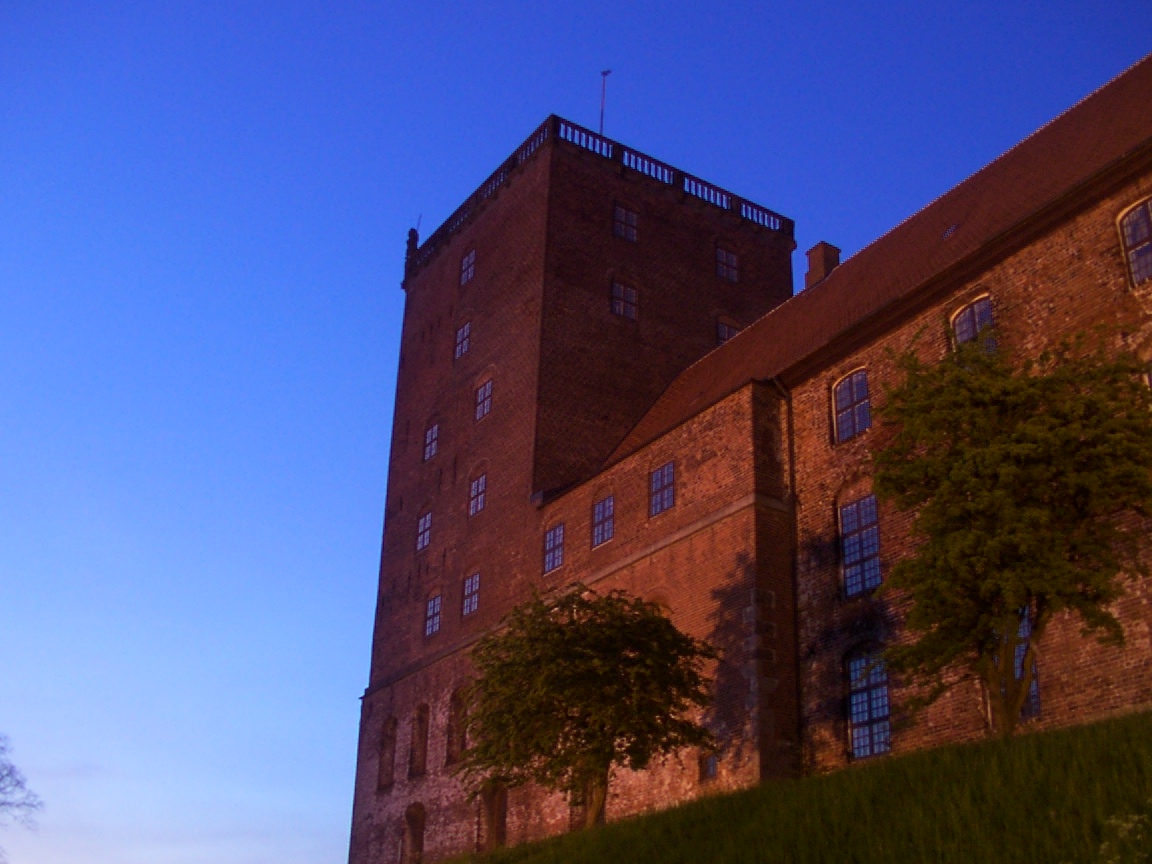
Monday, 09/11/2023: Post photo — Koldinghus.

Koldinghus is a Danish royal castle in the town of Kolding on the south-central part of the Jutland peninsula. The castle was founded in the 13th century and was expanded since with many functions ranging from fortress, royal residency, ruin, museum, and the location of numerous wartime negotiations.

I took this photo with my very first digital camera. The light off this castle was amazing and was very surprised of the way this photo came out.

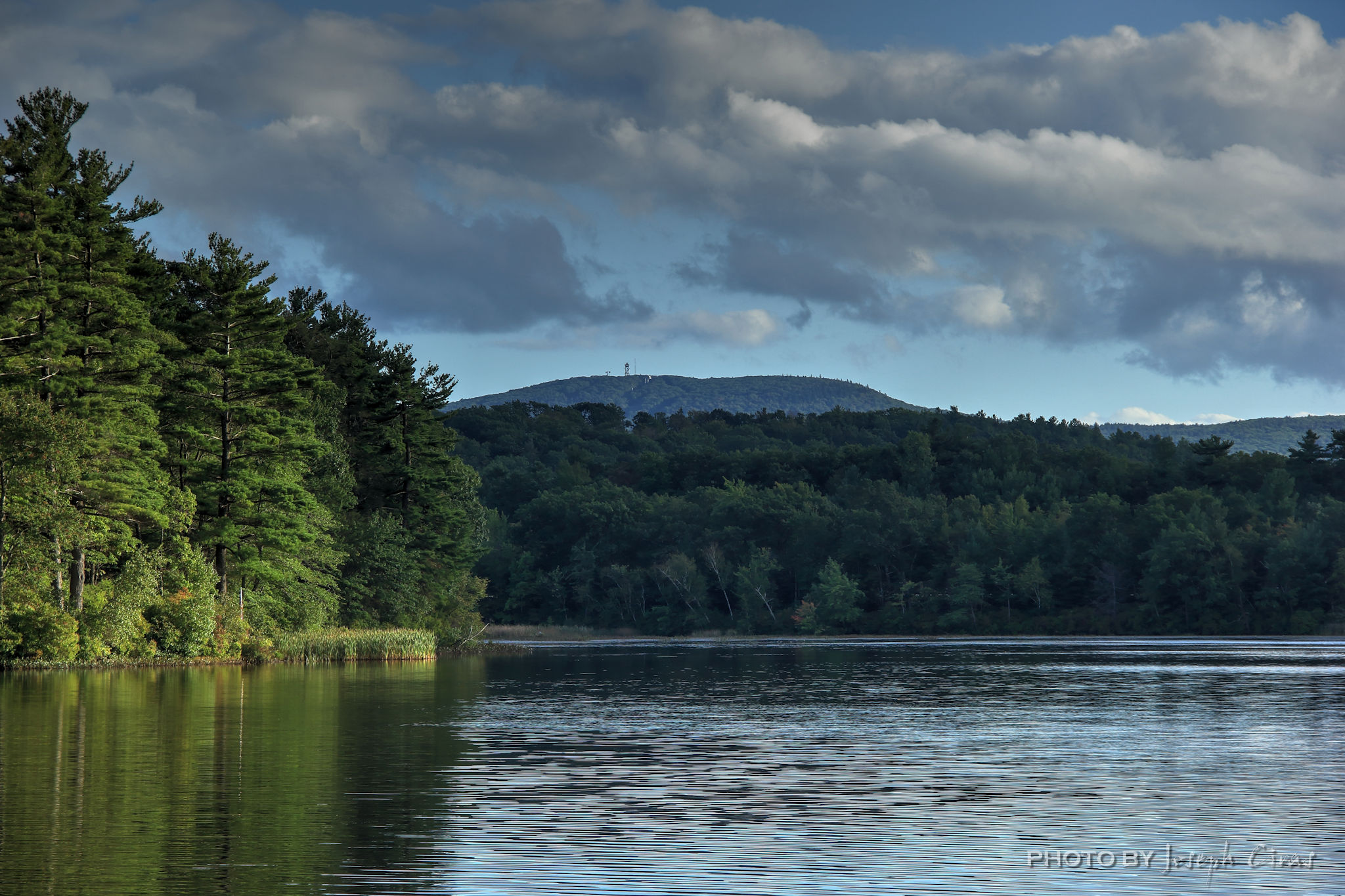
Tuesday, 09/12/2023: Posted photo — Wachusett Mountain.

Settings: Canon EOS 60D, ISO 200, f/7.1, 1/250 s, 79 mm.

Today I needed a quick photo, so I took a photo of Wachusett Mountain over Round Meadow Pond.

Wednesday, 09/13/2023: Posted photo — Heart.

Settings: Canon EOS 60D, ISO 200, f/7.1, 1/250 s, 135 mm.

People see items in ordinary item in the strangest places. This weekend I saw this rock looking like a hike at the trailhead of the Hancock’s in the White Mountains.

Seeing familiar objects or patterns in otherwise random or unrelated objects or patterns is called pareidolia. It’s a form of apophenia, which is a more general term for the human tendency to seek patterns in random information.

Thursday, 09/14/2023: Posted photo — Mushroom.

Settings: Canon EOS 60D, ISO 3200, f/7.1, 1/30 s, 87 mm.

Have you noticed that there are many more mushrooms this year then in the past? At least here in north central Massachusetts and in the mountains of New Hampshire. The photo I took today was on one of the trails on Wachusett Mountain. I took this photo on my way to the summit. I was planning on taking a sunset photo tonight but there was cloud cover at the summit. I was happy that I took this photo so I would have something to post today.

Friday, 09/15/2023: Post photo — Abstract Painting.

Settings: Canon EOS 60D, ISO 400, f/7.1, 1/8 s, 31 mm.

Abstract art is art that does not attempt to represent an accurate depiction of a visual reality but instead use shapes, colors, forms, and gestural marks to achieve its effect. Abstract art is made up of six basic elements: Line, Texture, Shape, Form, Color, and Value. You can go online to find more about these elements.

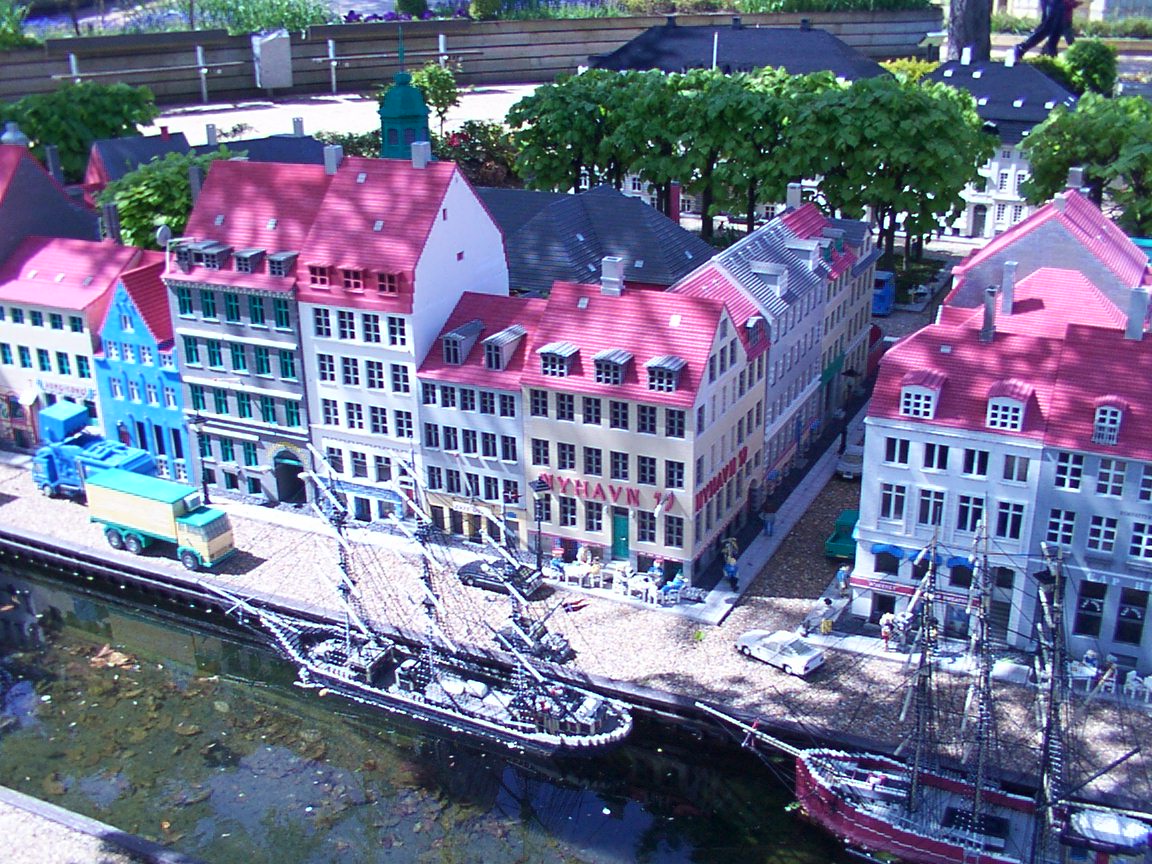
Saturday, 09/16/2023: Post photo — Lego Land.

Nyhavn made from Lego bricks at Legoland in BillundDenmark.

Nyhavn is a 17th-century waterfront, canal and entertainment district in Copenhagen, Denmark. Stretching from Kongens Nytorv to the harbor front just south of the Royal Playhouse, it is lined by brightly colored 17th and early 18th century townhouses and bars, cafes, and restaurants. That is all for now. Until next week, be safe.
That is all for now. Until next week, be safe.
Photographic Thoughts — 09/03/2023 to 09/09/2023

“Photographs open doors into the past, but they also allow a look into the future.” — Sally Mann.

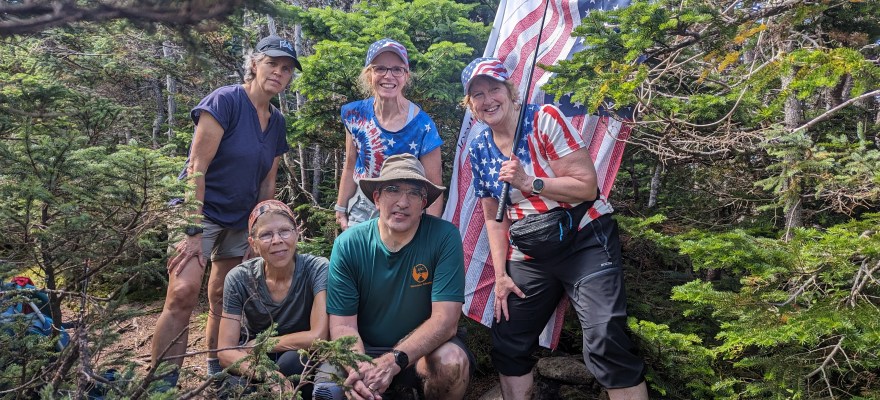
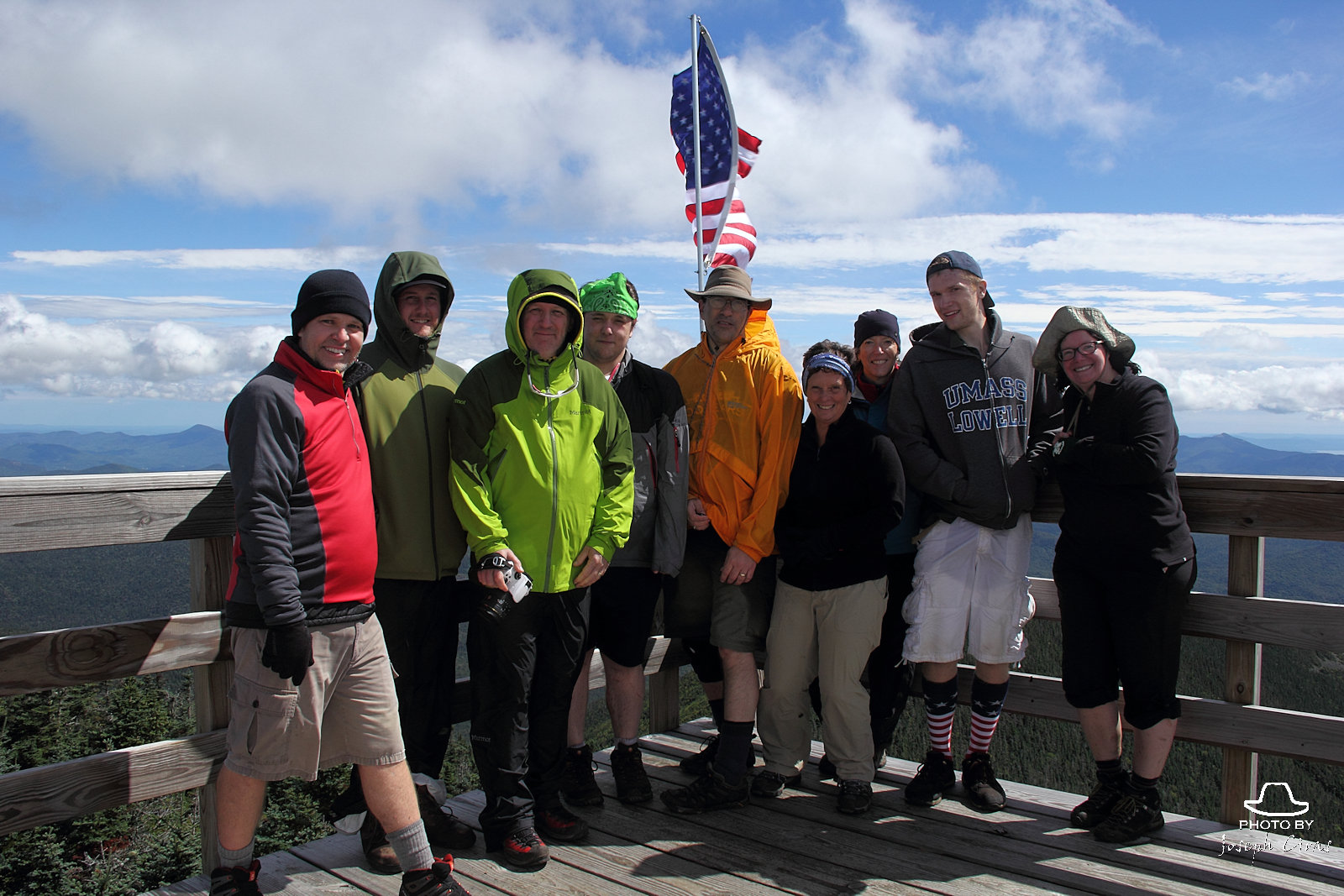
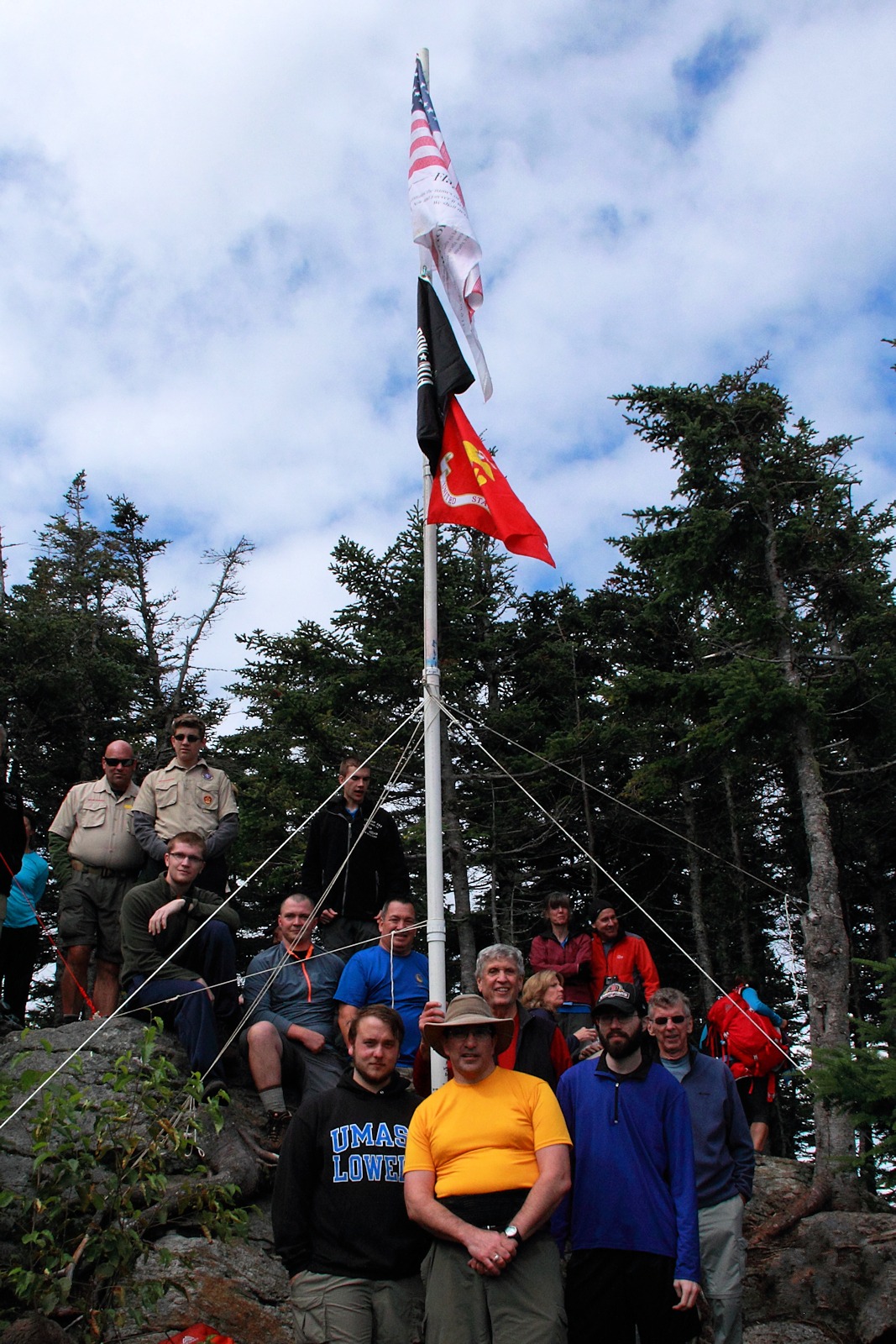
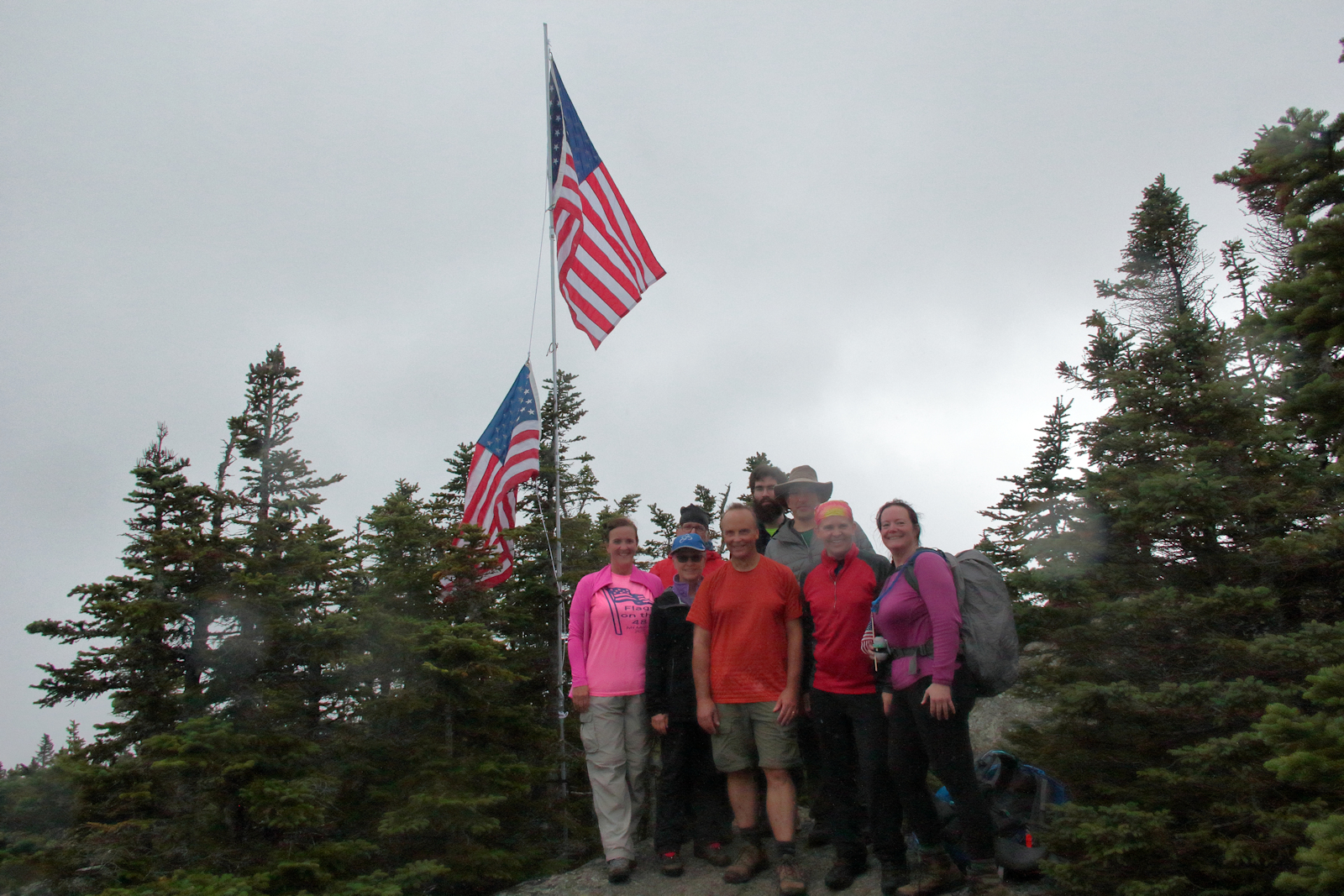
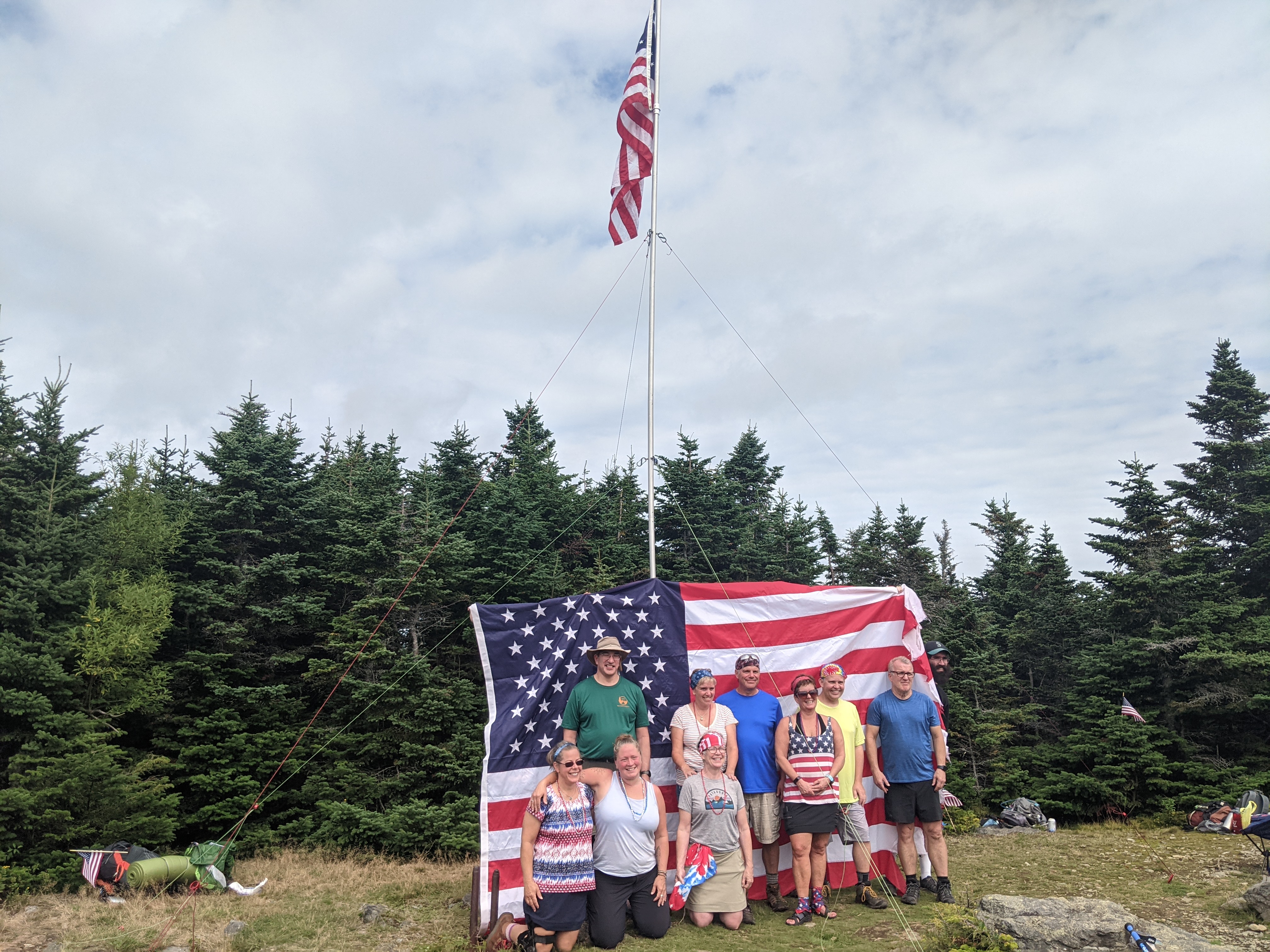
Flags on the 48 event this week. Here some photos of past FOT48 hikes I have done.

“On September 11th, 2001 the consciousness of United States of America was undeniably altered by overwhelming and devastating acts of terrorism, so far reaching in their intensity that our country will forever carry the scars. Thousands of lives were lost in a fleeting moment, immeasurable families shattered and countless hearts broken.

We in the hiking community continue to honor the deceased with a tribute: flying the American flag atop all 48 four-thousand foot and higher mountains in New Hampshire on Sunday, September 11. By demonstrating our steadfast unity in this challenging endeavor, we also hope to express our unwavering support to the families, friends and communities whose losses are beyond comprehension and whose suffering we remember in our hearts.” https://www.flagsonthe48.org/

All of the mountain descriptions were taken from the website http://4000footers.com/nh.shtml.

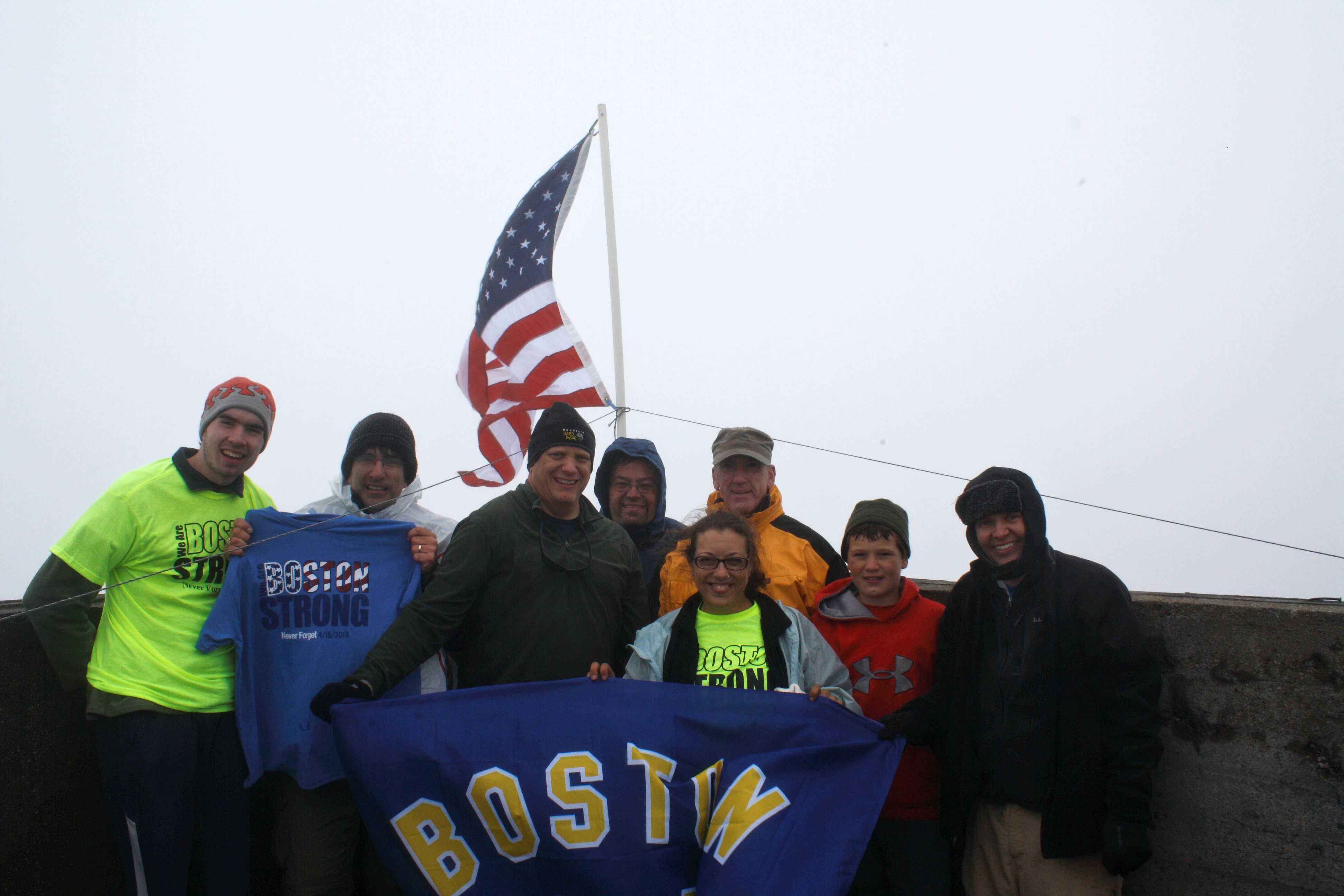
Sunday, 09/03/23: Posted photo — 2013 Garfield.

“Garfield Mountain is a 4,500 foot mountain in Franconia, New Hampshire (Grafton County) in the White Mountains. It lies in the Franconia Range along with Mount Lafayette, Mount Lincoln, Mount Flume and Mount Liberty. It is also along the edge of the Pemigewasset Wilderness.”

Fighting rain and wind. We dedicated this hike to both the victims of the 9/11 attack and the Boston Marathon bombing.

Monday, 09/04/23: Posted photo — 2014 Zealand.

“Mount Zealand is a 4,260 foot mountain located in Whitefield, New Hampshire. The mountain is in the Twin Range (along with 8 other mountains; 7 of which are 4,000 footers) of the White Mountains. Zealand Mountain stands on a spur ridge, northeast of Mount Guyot.”

Nice hike. Not much of a view at the summit of Zealand.

Tuesday, 09/05/2023: Posted photo — 2016 Mt. Carrigain.

“Mount Carrigain is a 4,700 foot mountain located in Livermore, New Hampshire. It is located in the Pemigewasset Wilderness in the White Mountains. The mountain is named after Phillip Carrigain, New Hampshire’s Secretary of State from 1805-1810. One of the sub peaks of Carrigain is Vose Spur, which is on the New England Hundred Highest hiking list.”

Beatify day for the tribute hike.

Wednesday, 09/06/2023: Posted photo — 2017 Mt.Tecumseh.

“Mount Tecumseh is a 4,003 foot mountain in the Sandwich Range of the White Mountains. It is the shortest mountain on the AMC’s official 4,000 footers list.”

The first of my AMC hikes. I was not a leader at the time, one of my brothers was the leader. I did one more hike with the AMC before leading this year’s hike.

Thursday, 09/07/2023: Posted photo — 2019 Mount Moriah.

“Mount Moriah’s summit is 4,049 feet and is located 5 miles Southeast of Gorham, NH. It is part of the Carter-Moriah Range in the White Mountains. The shortest route up to the summit is up the Carter-Moriah trail, which goes over Mount Surprise (2,194’) before reaching Mount Moriah. The trail is relatively easy, compared to other NH 4,000 footer mountains, but, it can be very dangerous when wet, because a big portion of the Carter-Moriah trail is solid rock. (very slippery when wet, or icy!)”

Back to the regular group. The round trip on Moriah is over 10 miles. Much on the trail is on steep ledge.

Friday, 09/08/2023: Post photo — 2022 Mount Hale.

“Mount Hale is a 4,055 foot mountain in the Twin Range in Bethlehem, New Hampshire, Grafton County in the White Mountains. The mountain is named after Reverend Edward Everett Hale.”

First major hike after I fractured my ankle in February 2022. On this hike, I finished my second round of climbing the 48 four thousand footers in NH.

Saturday, 09/09/2023: Post photo — 2023 Middle Carter.

“Middle Carter Mountain is a 4,610 foot mountain in the White Mountains. It sits in the Carter-Moriah Range, which runs along the northeastern side of Pinkham Notch.

The summit itself is wooded, so there are no views. But you can enjoy some great views shortly before and after the summit along the Carter-Moriah Trail, which is also part of the Appalachian Trail.”

The group I normally hiked with, did not do the hike this year so I hiked as AMC leader. This hike certified me as a three-season upcountry hiking leader.

Here is the complete list of peaks that my group flew the flag. Some of these hikes had other 4000 foot mountain peaks that were bagged along with them:

Garfield 4500 ft — 9/14/13
Zealand 4260 ft — 9/12/15
Carrigain 4700 ft — 9/11/16
Tecumseh 4003 ft — 9/9/17
Hancock 4422 ft — 9/8/18
Moriah 4049 ft — 9/14/19
Monroe 5384 ft — 9/12/20
Willey 4285 ft — 9/11/21
Hale 4054 ft — 9/11/22
Middle Carter ft 4610 — 9/9/23

That is all for now. Until next week, be safe.
Photographic Thoughts — 08/27/2023 to 09/02/2023

“Taking pictures is like tiptoeing into the kitchen late at night and stealing Oreo cookies.” — Diane Arbus

Thank you for all the new views and likes from last week, it helps keep me inspired.

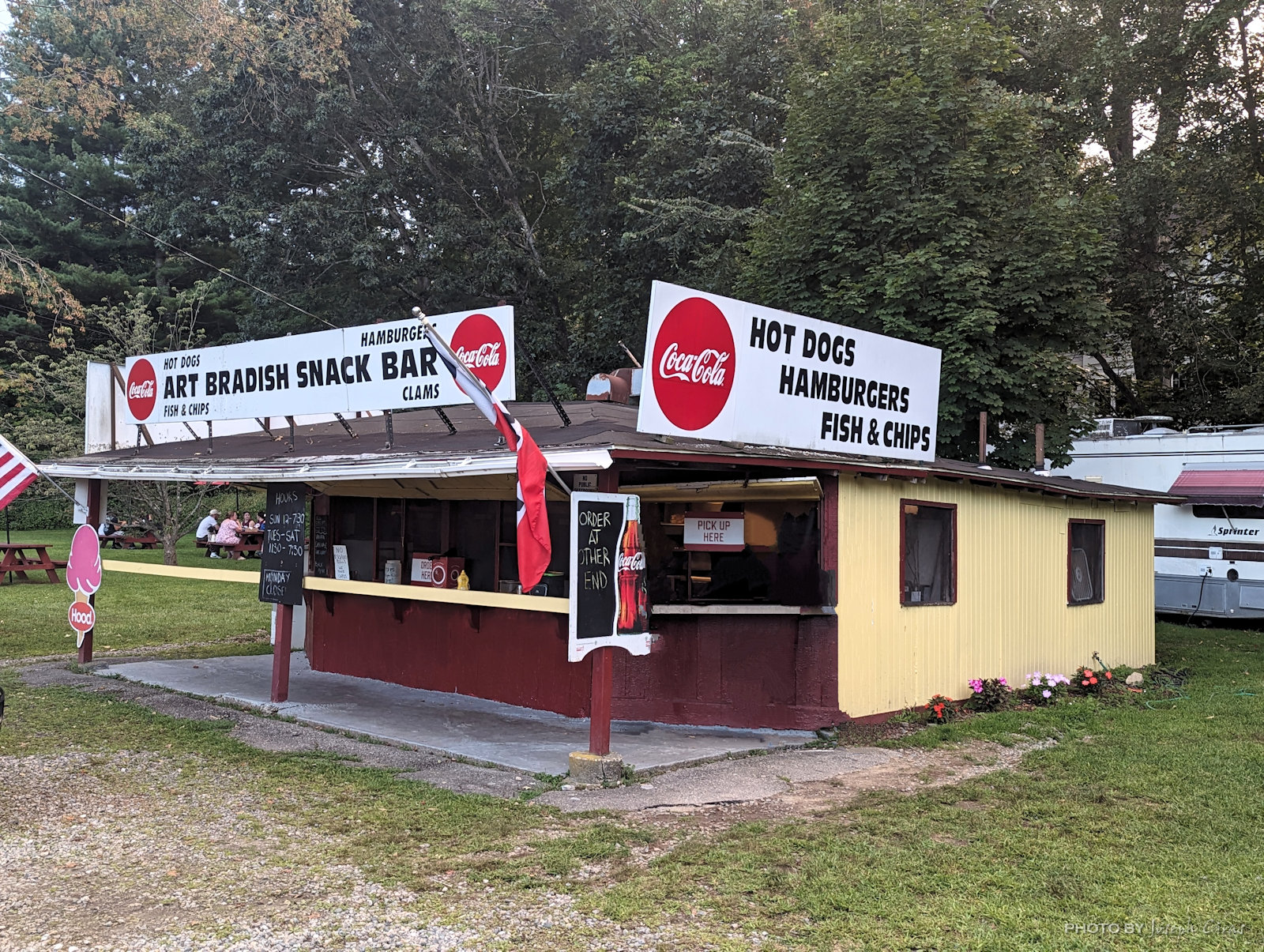
Sunday, 08/27/23: Posted photo — Hotdog Stand.

Art Bradish Snack Bar is in North Grafton, MA. The Bradish family were campers at the campground that my in-laws owned. My wife’s family goes there often, and my wife worked there during the summers her family ran the campground. We went there on one of the last weekends they were opened.

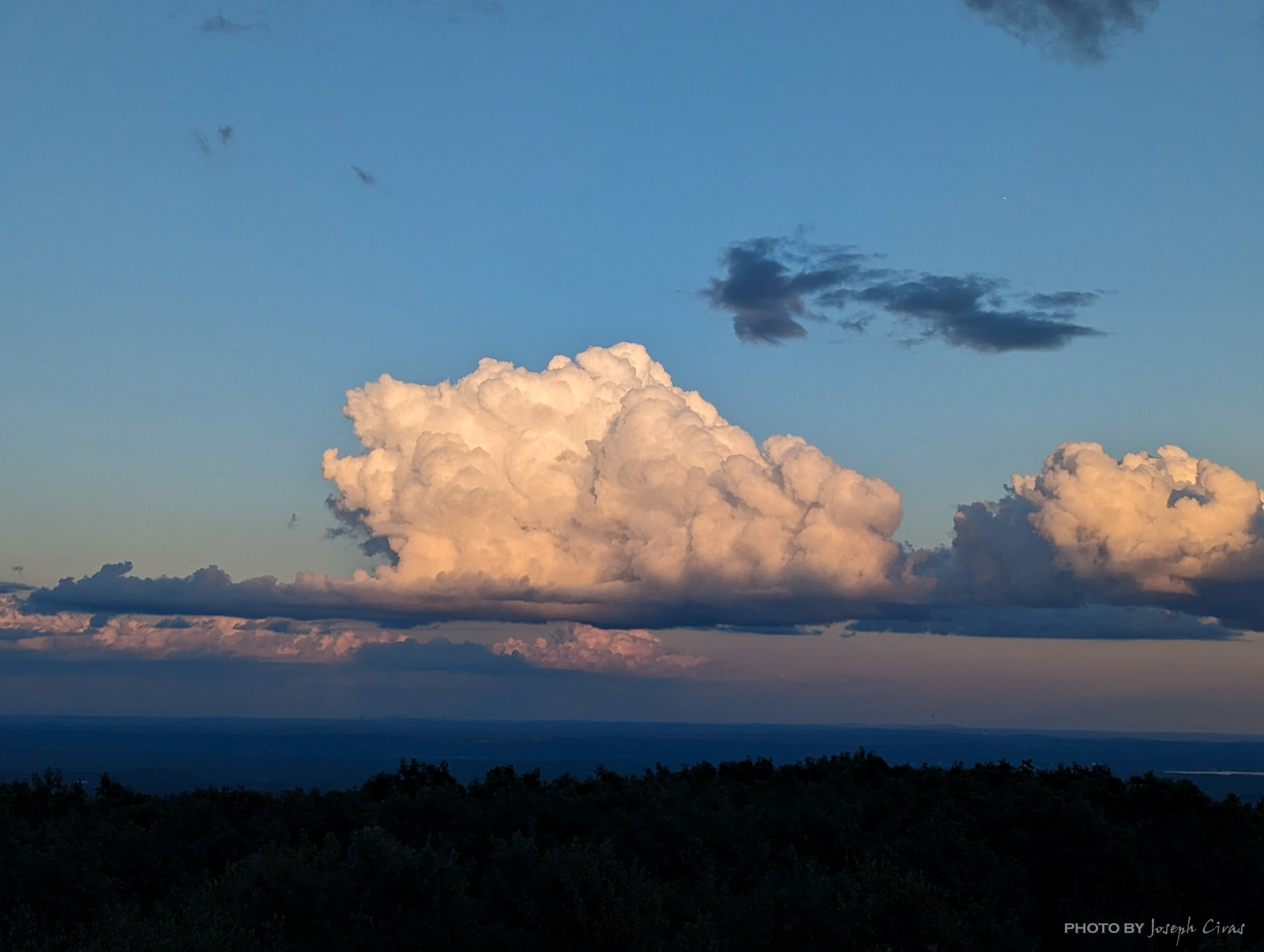
Monday, 08/28/23: Posted photo — Rain in the Distance.

During my hike today I was going to take photos of the sunset. Looking off into the west, I saw rain. I like the look of rain in the distance.

Tuesday, 08/29/2023: Posted photo — Clouds.

The sun shining of some clouds at sunset.

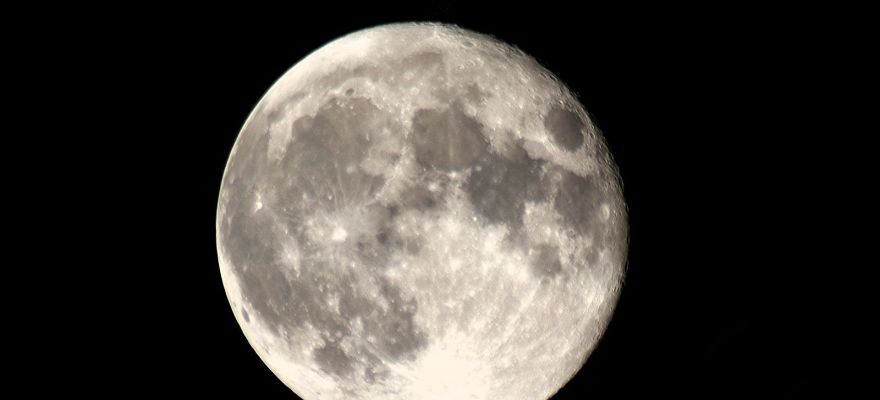
Wednesday, 08/30/2023: Posted photo — Blue Moon.

A seasonal Blue Moon is the traditional definition of a Blue Moon and refers to the third full moon in a season that has four full moons according to NASA. Whilst the second definition — borne out of a misunderstanding of the first — is a monthly Blue Moon which refers to the second full moon within a single calendar month.

The Super Blue Moon — one of the biggest and brightest moons of the year — rose tonight; inspiring skywatchers around the world to reach for their cameras and capture some incredible photographs. This was the last Super Blue Moon for 14 years.

It has been a while since I took a good photo of the moon. I like the way this one came out.

Thursday, 08/31/2023: Posted photo — Sunrays.

Rays coming out of the clouds at sunset.

Friday, 09/01/2023: Post photo — Rainbow.

Driving down the road the other day, we saw a rainbow. I was in the back seat of the car, took out my phone and took this camera.

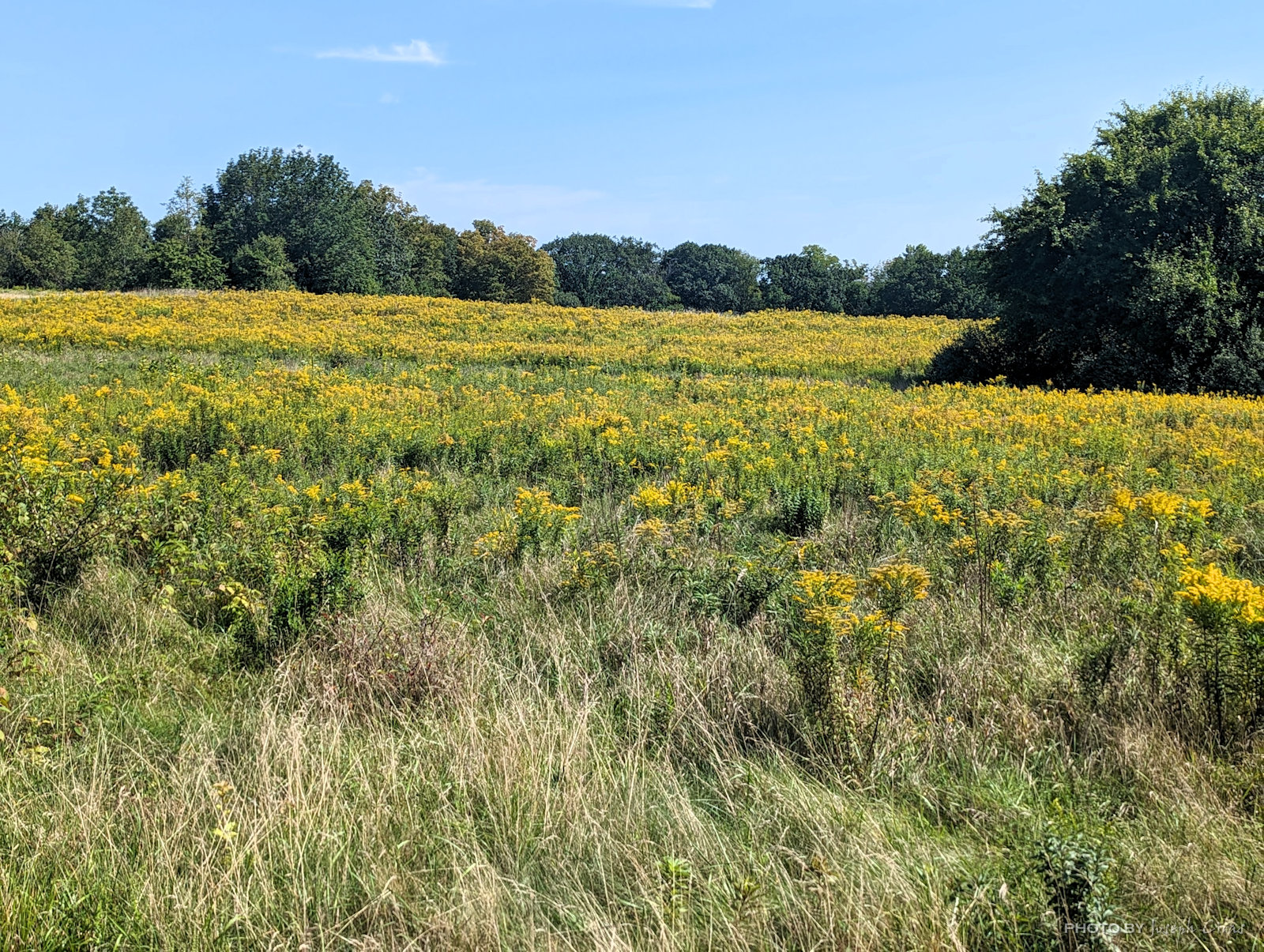
Saturday, 09/02/2023: Post photo — Field of Goldenrod.

Saw this field this morning as I was verifying the coordinates for a map and compass course I will be teaching soon.

That is all for now. Until next week, be safe.