On a much needed vacation to the city of Pittsburg, PA to see our son compete in the CubingUSA Nationals 2023. He qualified in eight different events: 3×3 one hand, 5×5, 4×4, 6×6, skewb, 2×2, Pyraminx, and the 3×3. He plans on just doing one round of each and then he is on staff, entering the times of the solves.
When rented a home for out time here since it is less expensive then staying at a hotel. When we arrived, we were greeted by a couple of deer. The place we are renting is close to the city yet away from the city.
On the first day of the competition, our son competed in the 3×3 one hand and the 5×5. The 3×3 one hand is solving the 3×3 cube using only one hand. Here is a photo of him solving the cube one handed.
During the day, I took a walk around downtown Pittsburg looking for a location to purchase a light rail ticket for our son so that he can travel to and from the competition. He is working on staff so he will be traveling earlier in the morning than we need to be there and will be there later in the evening. The light rail station is only a five minute walk from the place we rented.
Day two of the competition, some of the top solvers in the world were there. Whenever they would solve, a crowd would gather. The only event without a crowd was the 3×3 multi blind. The winner solved 54 out of 60 cubes blindfolded in the one hour allotted for the event. The former world record holder in the larger cubes (5×5, 6×6, 7×7) did not have the following he once had. The current world record holder in the 3×3, 4×4, 5×5, 6×6, 7×7 had a crowd around him. The current world record holder has autism and started cubing to improve his motor skill and social skills. He still have the mind of a young person, but his mind is sharp. Our son completed in the 4×4 and 6×6 today skipping the skewb event. He would have completed in the skewb, but he did not hear his round get called since he was entering data.
Our Son having a good timeMax Park, World Record HolderKevin Hays, Former World Record HolderJust solved one handedOur son’s job on staff, entering data
Here are some more things that I saw around the city.
Day three started at the comp and ended at the Pirates vs Phillies baseball game at PNC park. This is my second trip to this park. Not as good as Fenway. The park is clean with all seats facing the field.
As the game continued, it looked like the Phillies fans outnumbered the Pirates fans. Both teams played sloppy. Being a fan in the best division in baseball, the American League East, I am used to better played games.
Great moon over the park. I only took my cell phone and not my good camera.
For this week’s post, I will just post a photo of I hike I took yesterday. I lead an AMC hike to two mountains on the 52 with a View list.
The hike took place in the Sandwich Wilderness in the White Mountains of New Hampshire. The mountain is the highest on the 52 with a view list. I have only hiked ten of the mountains on the list. After I hiked the 48 4,000 footers a couple of time, I do not feel the need to follow a list.
The 52 With a View list (also known as the Over the Hill Hikers) contains fifty-two mountains with elevations under 4,000 feet and have incredible views.
This list first came about in 1979 with an ordinary group of friends hiking in the New Hampshire. Lib Bates and her husband Charlie Crooker soon took over to organize the group. In 1990, some of the older members of the hiking group suggested a new hiking list (getting tired of only hiking the NH 4,000 Footers) called 52 with a View; A list of mountains shorter than the NH48, but all with amazing views!
We took the Sandwich Mountain Trail to Jennings Peak and then to Sandwich Mountain.
The first obstacle we found was close to the start of the hike. There was a river crossing. The river was running fast, and the rocks were wet. We took a path around the river for the safety of the group.
Along the hike there was a glacial erratic. A glacial erratic is glacially deposited rock differing from the type of rock native to the area in which it rests.
We then took a wet and muddy trail to Noon Peak (2930 feet) for the fist view. Noon Peak is not on the list but it gave the group the opportunity to see our target mountains.
After this view we hike a little further down the trail to the Jennings Peak spur. From Jennings Peak, I could see Sandwich Mountain which was about a mile away on the trail.
Here is the view from Sandwich Mountain.
I spent most of my time hiking and leading the group, making sure everyone was safe. I did not have time to take photos along the trail, I had to keep everyone safe.
“Most things in life are moments of pleasure and a lifetime of embarrassment; photography is a moment of embarrassment and a lifetime of pleasure.” — Tony Benn
For this week’s post, I will just post a photo and pretend this is a photo book. You can fill in the words on each page.
Sunday, 07/09/2023: Posted photo — Mother and Babies
“If you want to be a better photographer, stand in front of more interesting stuff.” — Jim Richardson
Thank you for all the new views and likes from last week, it helps keep me inspired.
Sunday, 07/02/2023: Posted photo — Pratt’s Falls.
Settings: Canon EOS 60D, ISO 100, f/7.1, 1/15 s, 22 mm.
Pratt’s Falls, a 137 ft ribbon or cascade style waterfall located in Manlius, NY. The site was originally a sawmill and was the site of Onondaga County’s first mill operation in 1796. The hike out to the falls is only a half mile long (one-mile round trip) and could be step for some. There are stairs that take you down to the lower viewing location.
Photo tip of the week — Lessons learned from taking waterfall photos.
Set you camera to manual with a slow shutter speed. I use between 1/4 sec to 10 sec depending on the lighting.
Set your aperture to a value between f/16 and f/22. I sometimes open up, or close up, my aperture depending on the light and how I am taking the photo (with a tripod or handheld).
Use a tripod with image stabilization off. If you do not have a tripod, find a tree or other object to hold yourself steady.
Turn you ISO to the lowest setting. I use ISO 100 for my shots.
Use a ND filter if you have one. I use from a ND3 to a ND10, depending on the lighting.
Take time to get your composition the way you would like to have it. Try both portrait and landscape photos of the falls.
Pick a focal point, such as a rock or a tree near the falls. It is difficult to focus on the water.
Lighting is important. Take your photo in the morning or in the evening when the light is not on the waterfall. If it is on the waterfall, use the appropriate ND filter.
Use a remote, or your camera’s timer, for your shot to cut down on camera shake.
Monday, 07/03/2023: Posted photo — Tinkers Falls.
Settings: Canon EOS 60D, ISO 100, f/32, 1/6 s, 79 mm.
Tinkers Falls in the Labrador Hollow Unique Area and is about 50 feet tall. The Labrador Hollow Unique Area is a 1,474-acre (5.97 km2) conservation area located in Cortland and Onondaga counties, New York, and was the first property to be designated as a Unique Area by New York. A unique area, according to the state New York Department of Environmental Conservation, is “land owned by the state that was acquired due to its special natural beauty, wilderness character, or for its geological, ecological or historical significance.”
When I took the photo of these falls, I did not use my tripod. I was practicing my handheld long exposure photography. I was either leaning against a tree, sitting on a log, or using long exposure breathing techniques. The hike to these falls is very short, only about a quarter mile, and the trail is relatively flat.
Bonus photo tip — how to breathe and hold your camera for long exposures.
The way you hold your camera can have a big effect on the amount of blur caused by your own movement. Hold the camera with two hands close to your body and make sure your feet are shoulder-width apart. Being conscious of your breathing can further minimize shake. Inhale or exhale and then take a gentle half breath in and hold it there in a relaxed way.
Tuesday, 07/04/2023: Posted photo — Peas.
Settings: Samsung SM-G930V (Galaxy S7), ISO 125, f/1.7, 1/60 s, 4 mm
A pea is a cultivated climbing vine having compound leaves and edible seeds enclosed in a green, elongated pod. The seed of this plant is used as a vegetable.
I often wonder who the first person was to eat peas and how they knew that they could open the pod to get the seeds out.
You can look up the health benefits yourself for details on each of these benefits.
Wednesday, 07/05/2023: Posted photo — Bryn Mawr Glacier.
Settings: Canon EOS DIGITAL REBEL XS, ISO 200, f/25, 1/30 s, 48 mm.
Bryn Mawr Glacier flows southeast for about 4.5 miles (7 km) to Harvard Arm of College Fjord in northwestern Prince William Sound, about 45 miles west of Valdez and 44 miles northeast of Whittier, Alaska (61° 15′ 13″ N, 147° 49′ 29″ W). As you travel into College Fjord, the glaciers on the left are named for women’s colleges and those on the right are named for men’s colleges. The names are Amherst, Barnard, Bryn Mawr, Harvard, Smith, Vassar, and Yale). Harvard Glacier is the biggest – its face is a mile and a half across.
Alaska is such an amazing place to visit. The landscape keeps getting better and better as we headed north from Vancouver on our cruise. Here are a few more photos taken in College Fjord.
Thursday, 07/06/2023: Posted photo — Just Floating.
Settings: Canon EOS DIGITAL REBEL XS, ISO 200, f/25, 1/30 s, 48 mm.
Here are a couple of seals that were just floating on a small iceberg. Look at the heartberg floating with them.
Friday, 07/07/2023: Post photo — Cashews.
Settings: Canon EOS 60D, ISO 3200, f/5.6, 1/20 s, 106 mm.
Cashews are low in sugar and rich in fiber, heart-healthy fats, and plant protein. They’re also a good source of copper, magnesium, and manganese — nutrients important for energy production, brain health, immunity, and bone health.
I needed a photo; I had some cashews in the house, so I took this photo.
Saturday, 07/08/2023: Post photo — Just a Mountain in Alaska.
Settings: Canon EOS DIGITAL REBEL XS, ISO 200, f/25, 1/30 s, 48 mm.
To finish of this week, I am posting a photo of another mountain that we saw in Alaska. I just love the mountains in Alaska.
Settings: Canon EOS DIGITAL REBEL XS, ISO 200, f/5.6, 1/100 s, 20 mm.
Desert View Watchtower, South Rim Grand Canyon National Park.
We arrived at the South Rim of the Grand Canyon just before sunset. We spent the last couple of nights camping and hiking along the North Rim of the Grand Canyon and would be spending time on the South Rim. I have been to the Canyon before, but never from this entrance.
From the National Parks Service: “A National Historic Landmark, the Watchtower was constructed in 1932.The design by Mary Colter, is based on the architecture of the Ancestral Puebloan people of the Southwest. This particular tower was patterned after those found at Hovenweep and the Round Tower of Mesa Verde.”
We have been to Hovenweep and to Mesa Verde and agree with that statement.
Settings: Canon EOS DIGITAL REBEL XS, ISO 200, f/16, 1/400 s, 49 mm.
The Four Corners Monument marks the quadripoint in the Southwestern United States where the states of Arizona, Colorado, New Mexico, and Utah meet. It is the only point in the United States shared by four states.
Tuesday, 06/27/2023: Posted photo — Great Sand Dunes National Park and Preserve.
Settings: Canon EOS DIGITAL REBEL XS, ISO 200, f/13, 1/800 s, 90 mm.
Great Sand Dunes National Park and Preserve, Mosca, CO.
One of the amazing things about the Great Sand Dunes is that you can see them from miles away. As you turn off the main road and head towards the dunes, they are right in front of you. We spent the day hiking the dunes pretending we were in a desert. When you look at this photo, you see a couple of dots in the sand. Those are people. The sand was hot. According to Park Service, the sand surface can reach 150 degrees F (65 degrees C) on a summer afternoon or drop to minus 20 degrees F (minus 29 degrees C) on a winter night. It was close to the 150 degrees when we were walking on the sand.
From the National Parks Service: “The tallest dunes in North America are the centerpiece in a diverse landscape of grasslands, wetlands, forests, alpine lakes, and tundra. Great Sand Dunes National Park is a complex geologic story going back millions of years. Intense volcanic activity built the San Juan mountain range to the west of the modern day dunes and tectonic activity raised the Sangre de Cristo Mountains to the north and east.”
Wednesday, 06/28/2023: Posted photo — Hiking the Narrows.
Settings: Canon EOS DIGITAL REBEL XS, ISO 200, f/9, 1/2050 s, 18 mm.
Zion National Park Springdale, UT.
This is a photo my wife took of me as we were hiking the Narrows in Zion National Park. It was a refreshing hike on a hot summer day. When you hike the Narrows, you need to be very aware of the weather. Because it is so narrow, there is no escape route if there happens to be a flash flood.
From the National Parks Service: “The Narrows is the narrowest section of Zion Canyon. This gorge, with walls a thousand feet tall and the river sometimes just twenty to thirty feet wide, is one of the most popular areas in Zion National Park. You can see The Narrows by hiking along the paved, wheelchair accessible Riverside Walk for one mile from the Temple of Sinawava. If you wish to see more, you will be walking in the Virgin River. This can involve wading upstream for just a few minutes or it can be an all day hike.”
Thursday, 06/29/2023: Posted photo — NRAO Very Large Array.
Settings: Canon EOS DIGITAL REBEL XS, ISO 200, f/10, 1/800 s, 165 mm.
NRAO Very Large Array, Magdalena, NM.
One of the most interesting places to visit. As you can see from the description below, the array can be very large. When we visited, there were 26 radio antennas pointing in one direction and one pointing in an opposite direction. We thought that was strange. They told up that the odd one was scanning the sky.
“The Very Large Array, one of the world’s premier astronomical radio observatories, consists of 27 radio antennas in a Y-shaped configuration on the Plains of San Agustin fifty miles west of Socorro, New Mexico. Each antenna is 25 meters (82 feet) in diameter. The data from the antennas is combined electronically to give the resolution of an antenna 36 km (22 miles) across, with the equivalent sensitivity of a dish 130 meters (422 feet) in diameter.” — http://www.vla.nrao.edu/
Friday, 06/30/2023: Post photo — Owachamo Bridge.
Settings: Canon EOS DIGITAL REBEL XS, ISO 100, f/7.1, 1/125 s, 18 mm.
Owachamo Bridge, Natural Bridges National Monument, UT.
Owachomo is the smallest and thinnest of the three natural bridges in the National Monument and is commonly thought to be the oldest. We had a great hike out to the bridge.
We like to travel to the lesser know parks. These parks are lesser know mostly because of location. They are not close to any major city or town. We like to say it is great to have a park to ourselves.
Saturday, 07/01/2023: Post photo — Spruce Tree House.
Settings: Canon EOS DIGITAL REBEL XS, ISO 200, f/5, 1/50 s, 20 mm.
Spruce Tree House, Mesa Verde National Park, CO.
From the National Park Service: “Spruce Tree House, the third largest cliff dwelling (Cliff Palace and Long House are larger), was constructed between about 1211 and 1278 CE by the ancestors of the Pueblo peoples of the Southwest. The dwelling contains about 130 rooms and 8 kivas (kee-vahs), or ceremonial chambers, built into a natural alcove measuring 216 feet (66 meters) at greatest width and 89 feet (27 meters) at its greatest depth. It is thought to have been home for about 60 to 80 people.”
We were lucky enough to get to the park prior to 2012 during one of our northern National Park tours. We were able to explore the Spruce Tree House. We went into some of the rooms and into the kivas. Due to the unstable cliff about the Spruce Tree House, the entire site was closed to the public in October 2015. We have visited the park since then since I have a relative that works at the park. We were able to obtain permits to do some backcountry hiking with my relative guide to some dwellings that are off limits to the public.


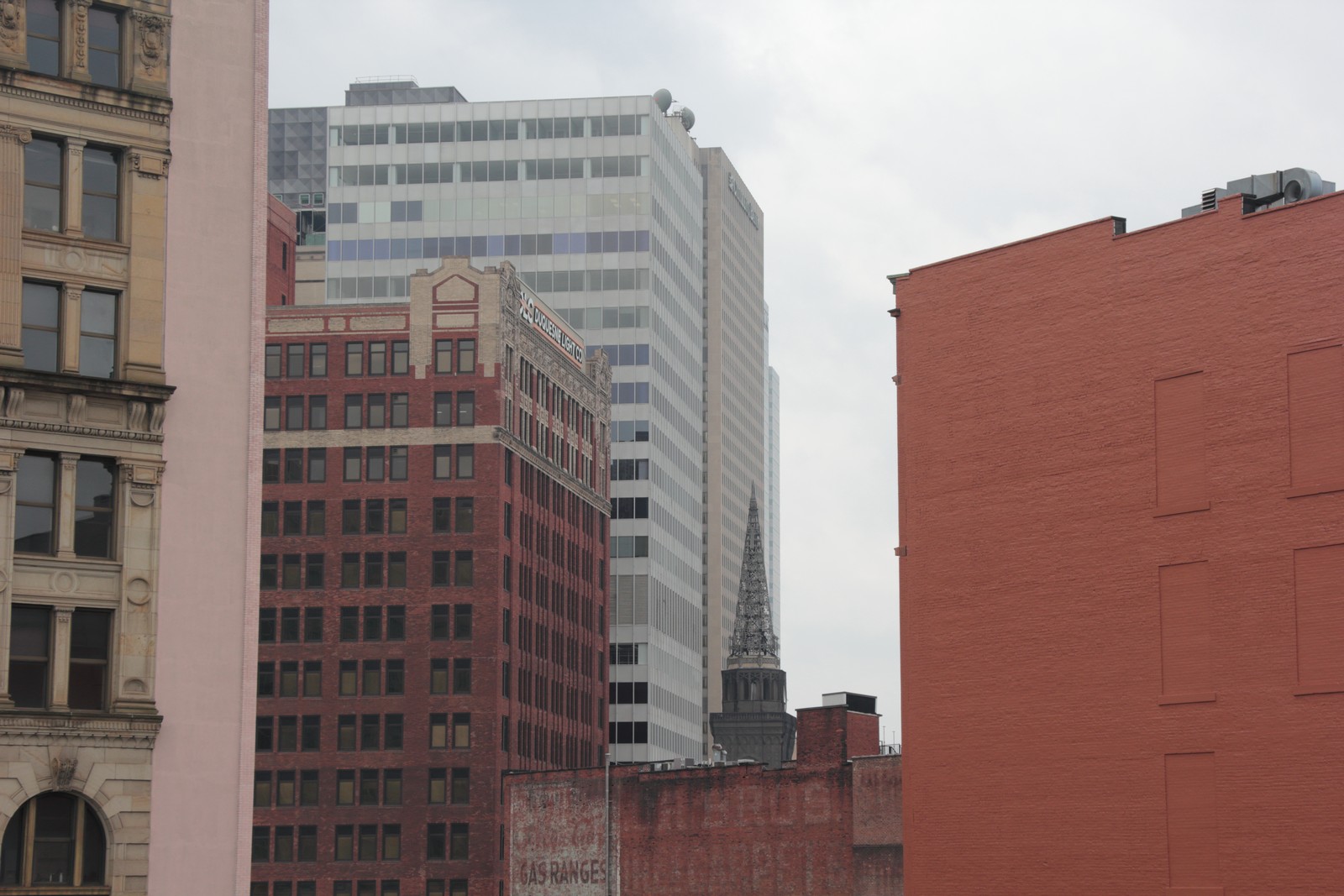

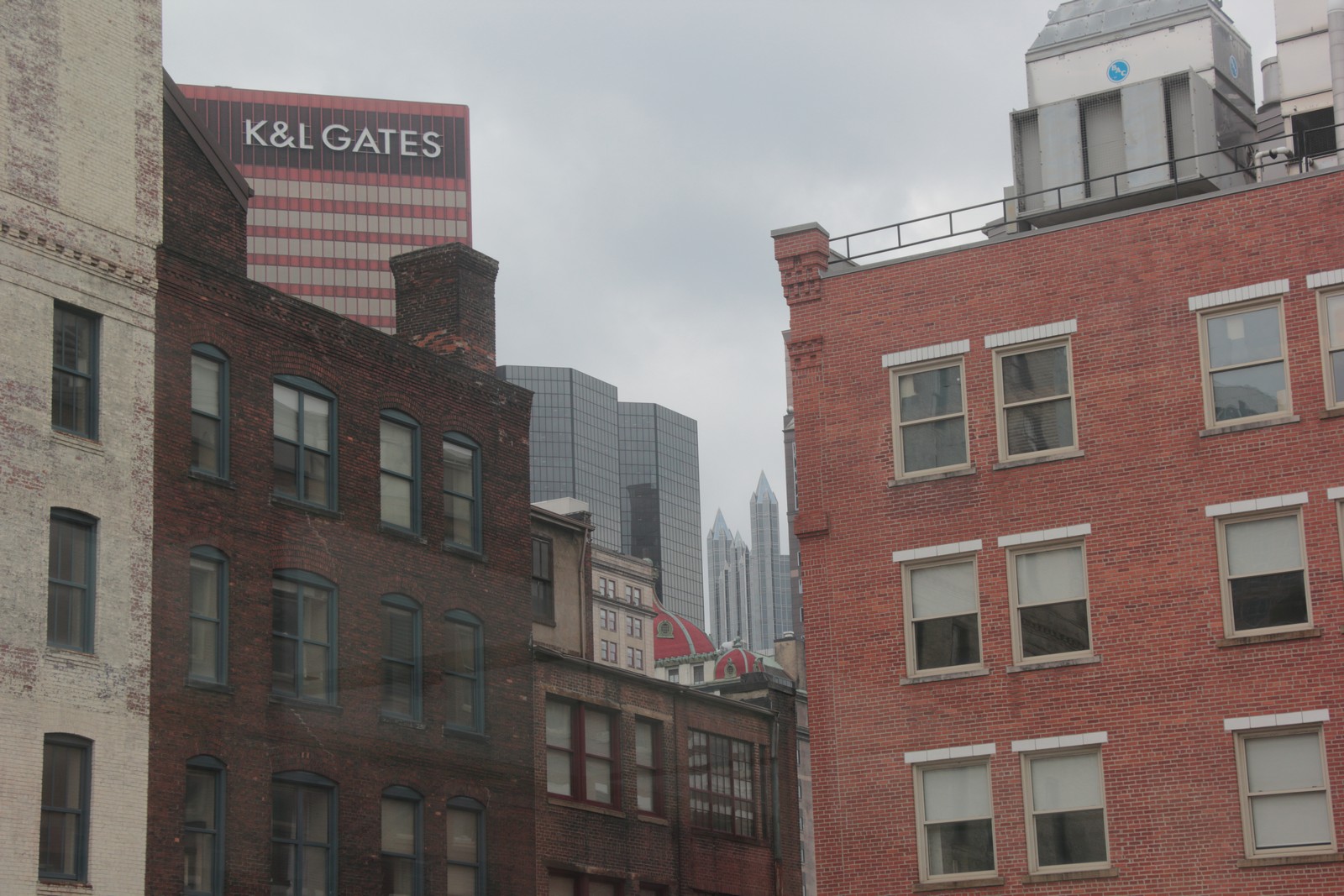
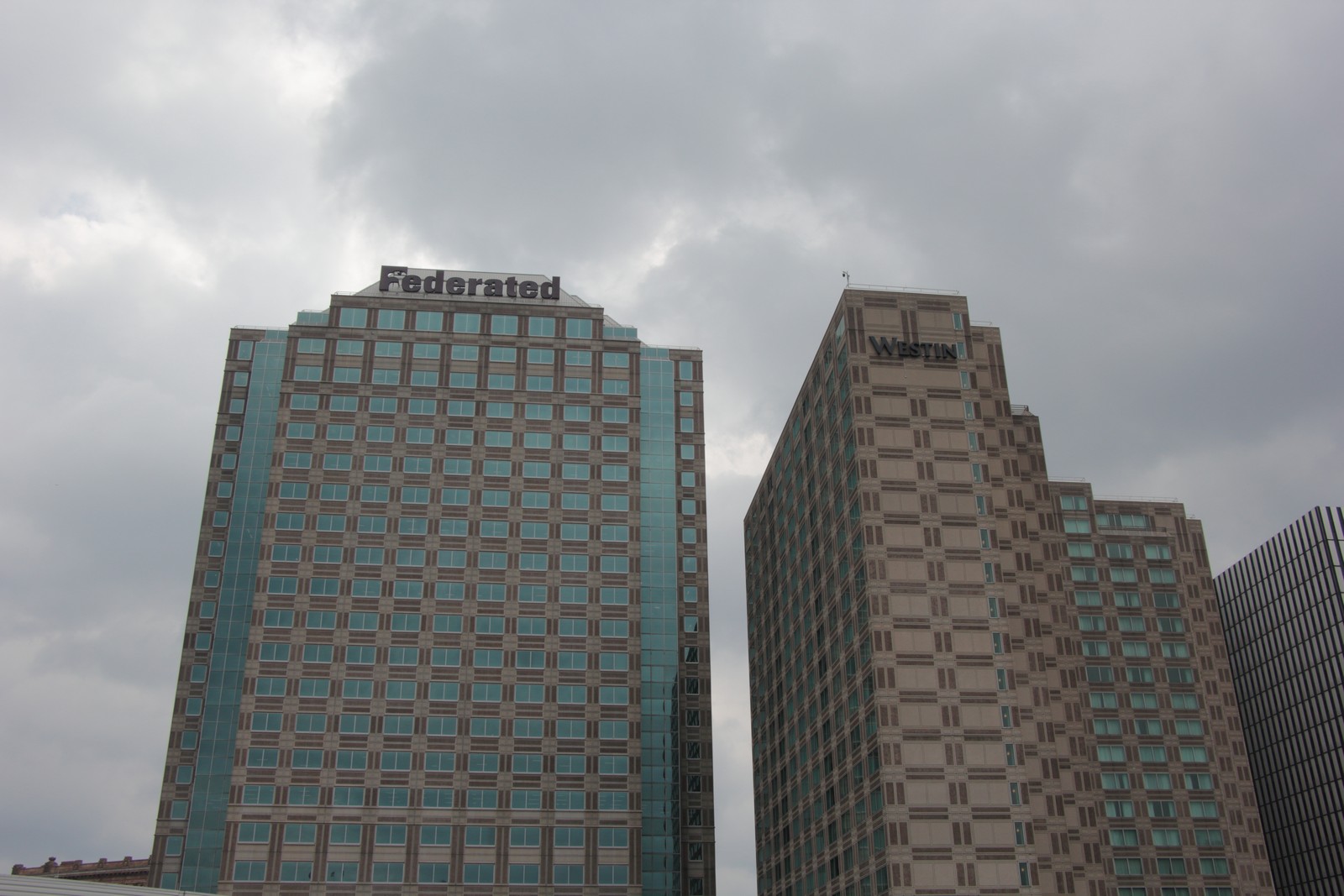
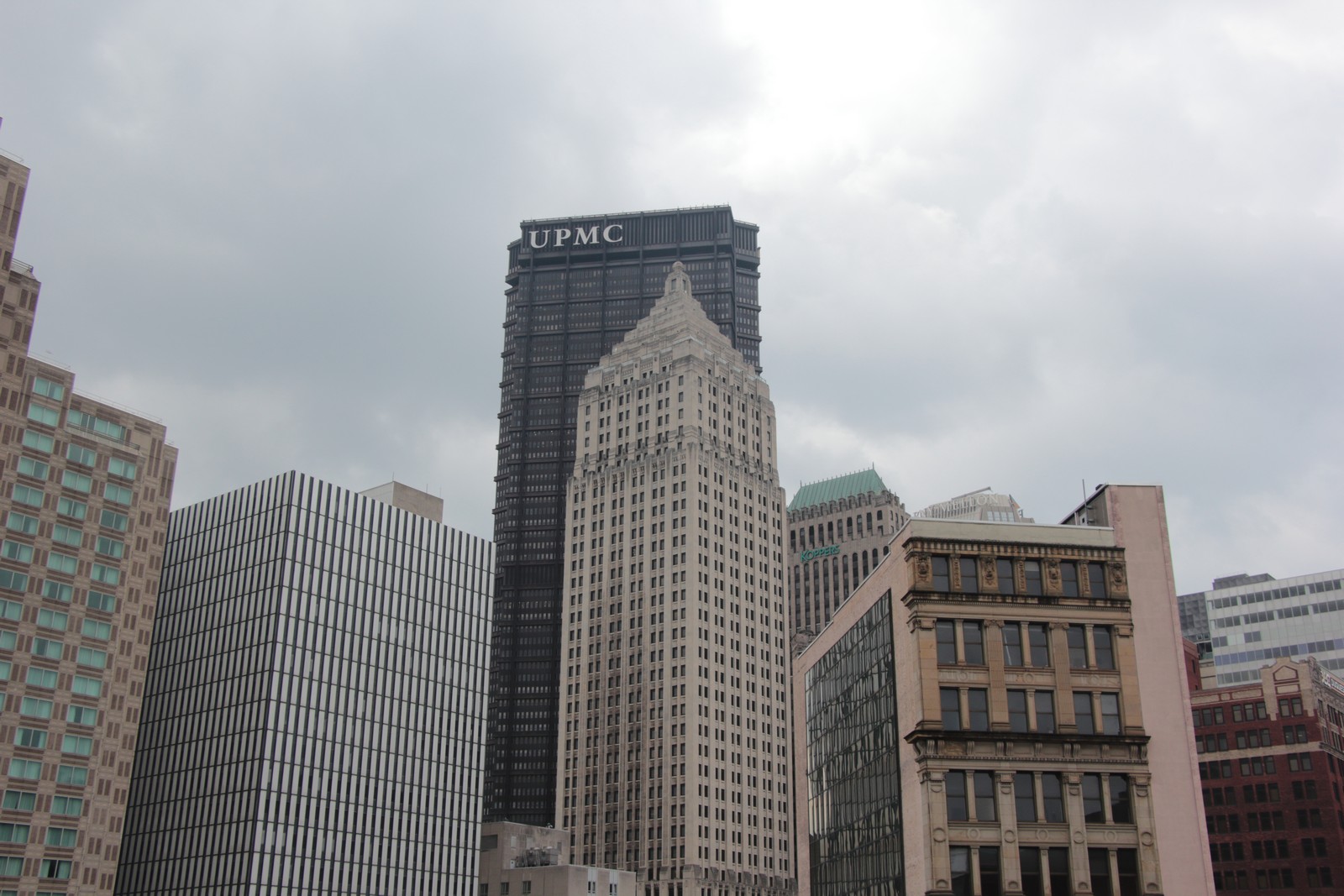
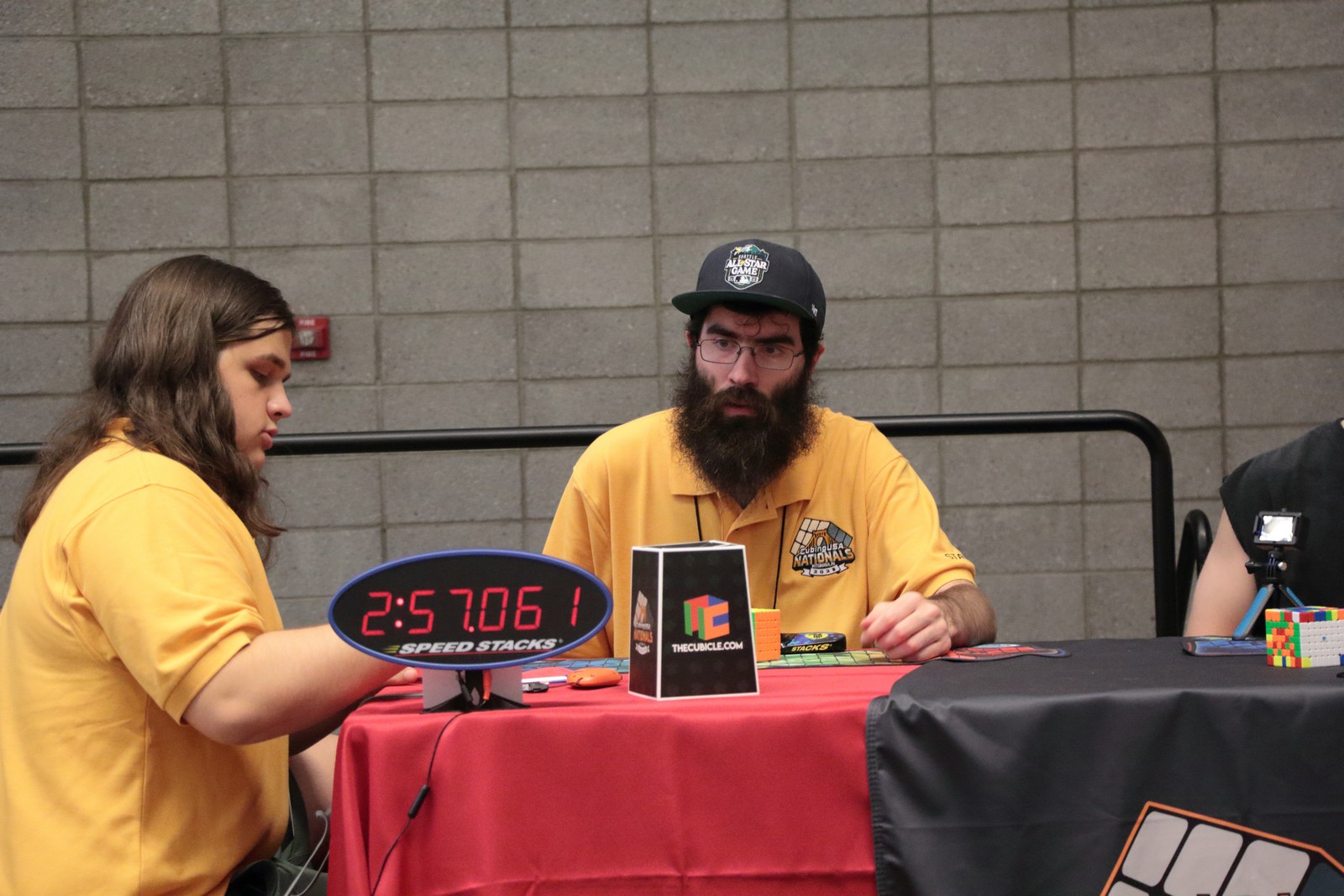

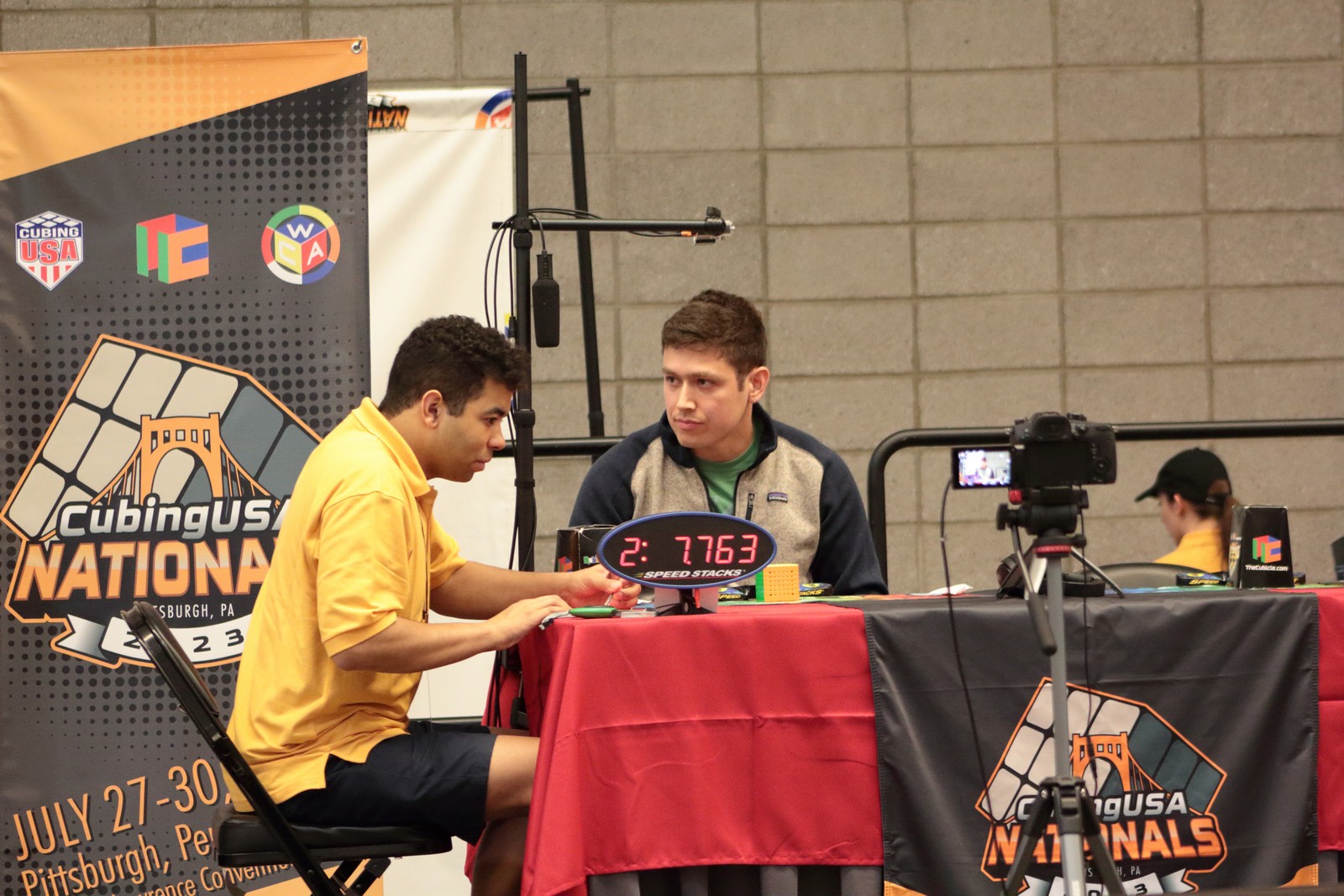
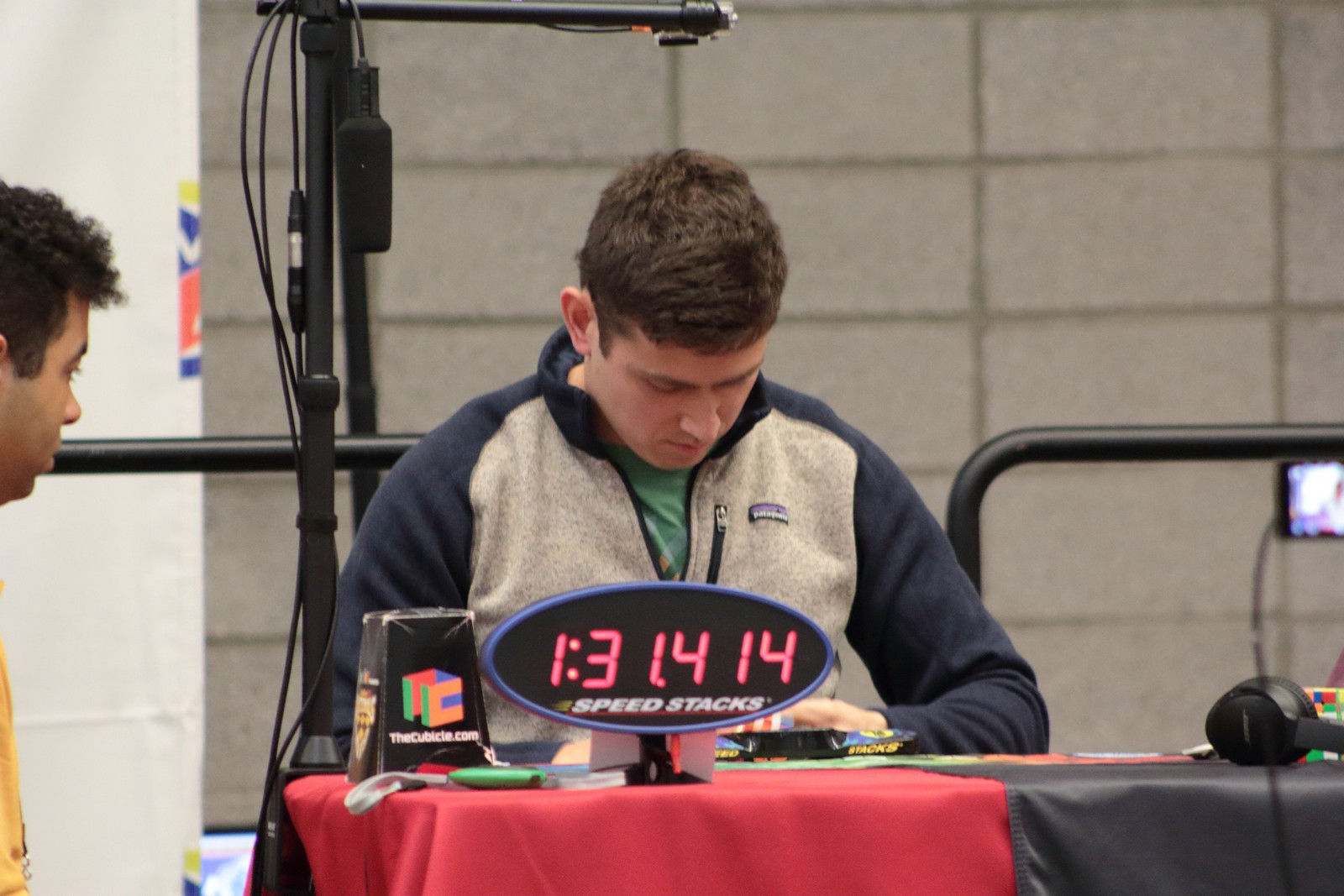



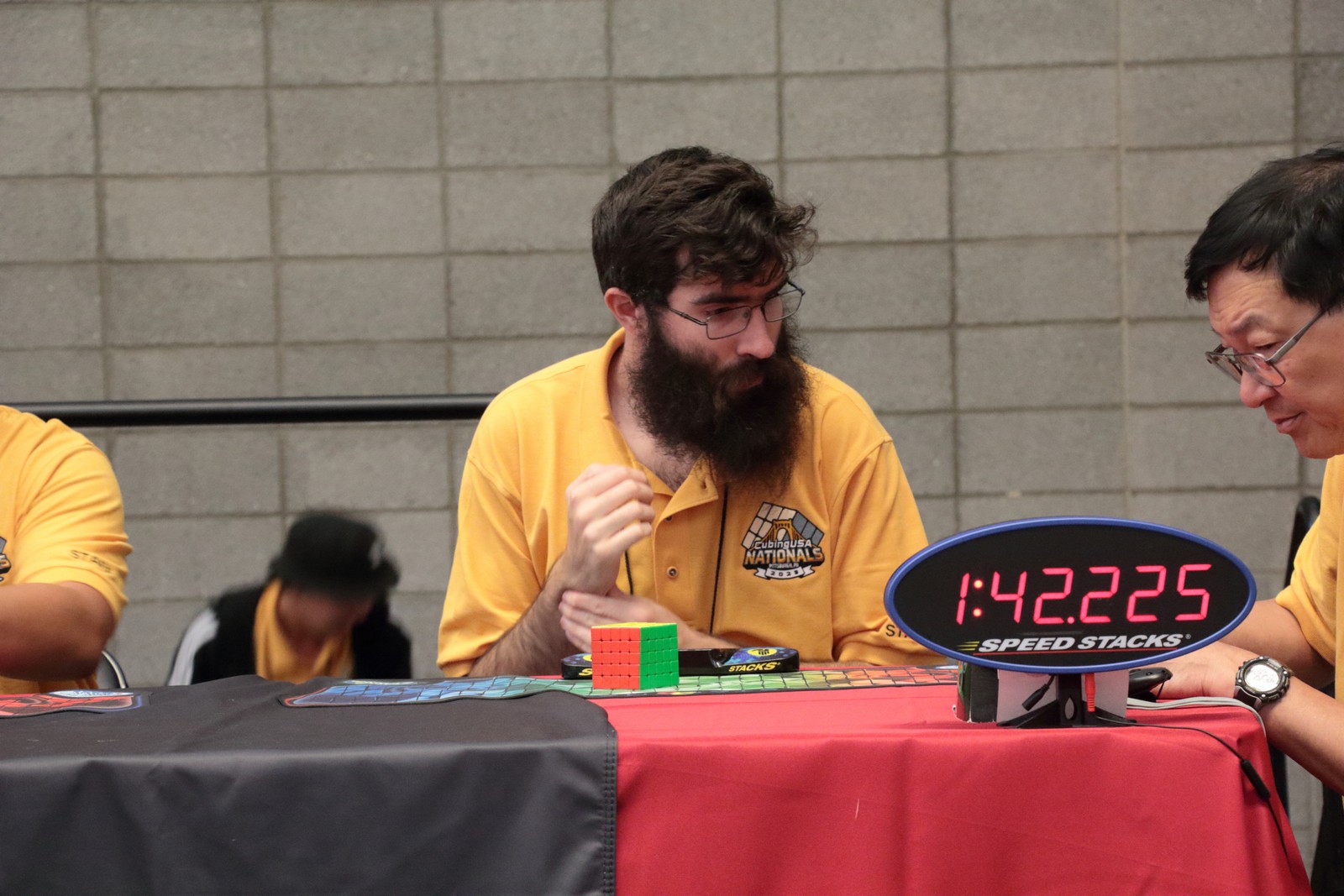
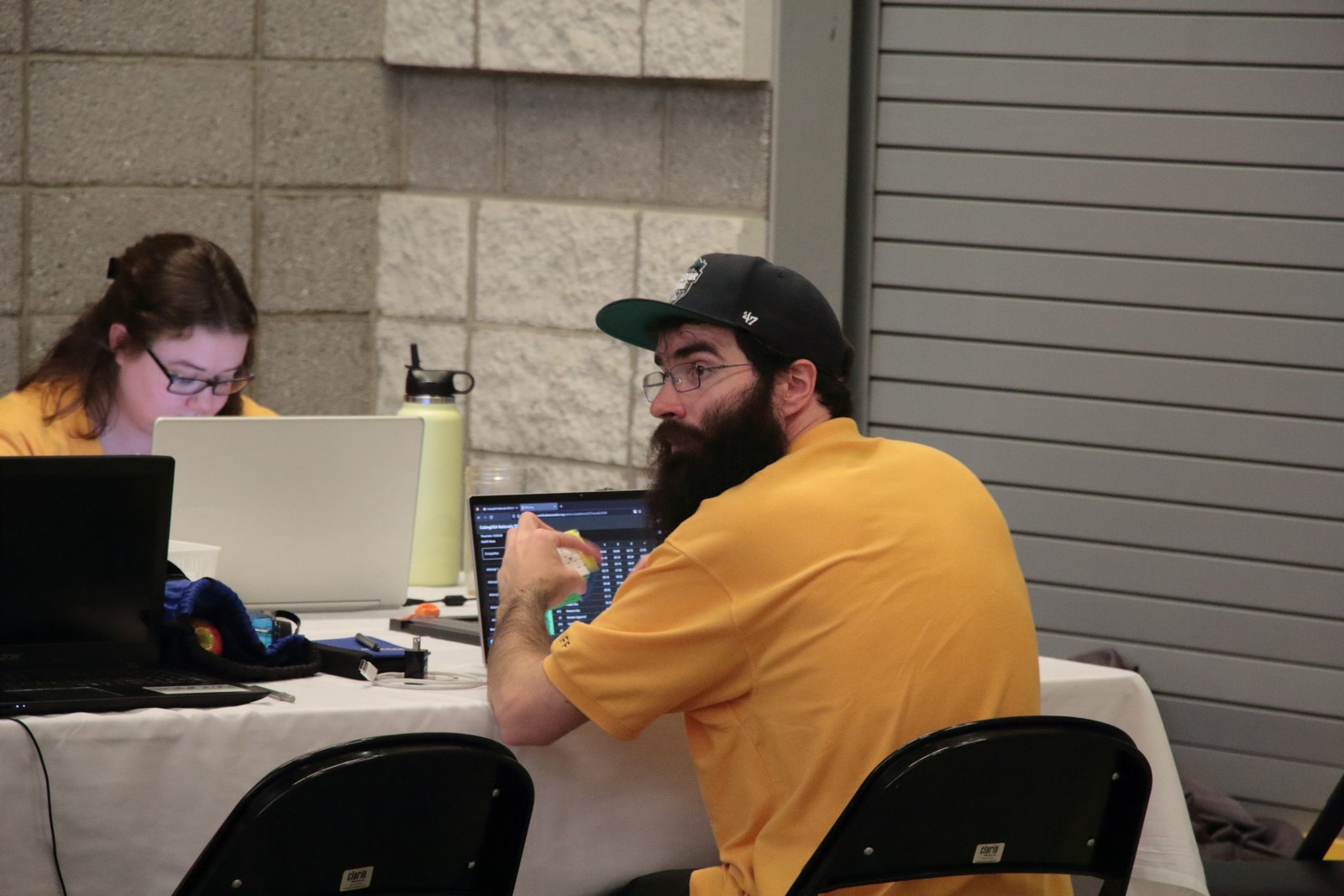


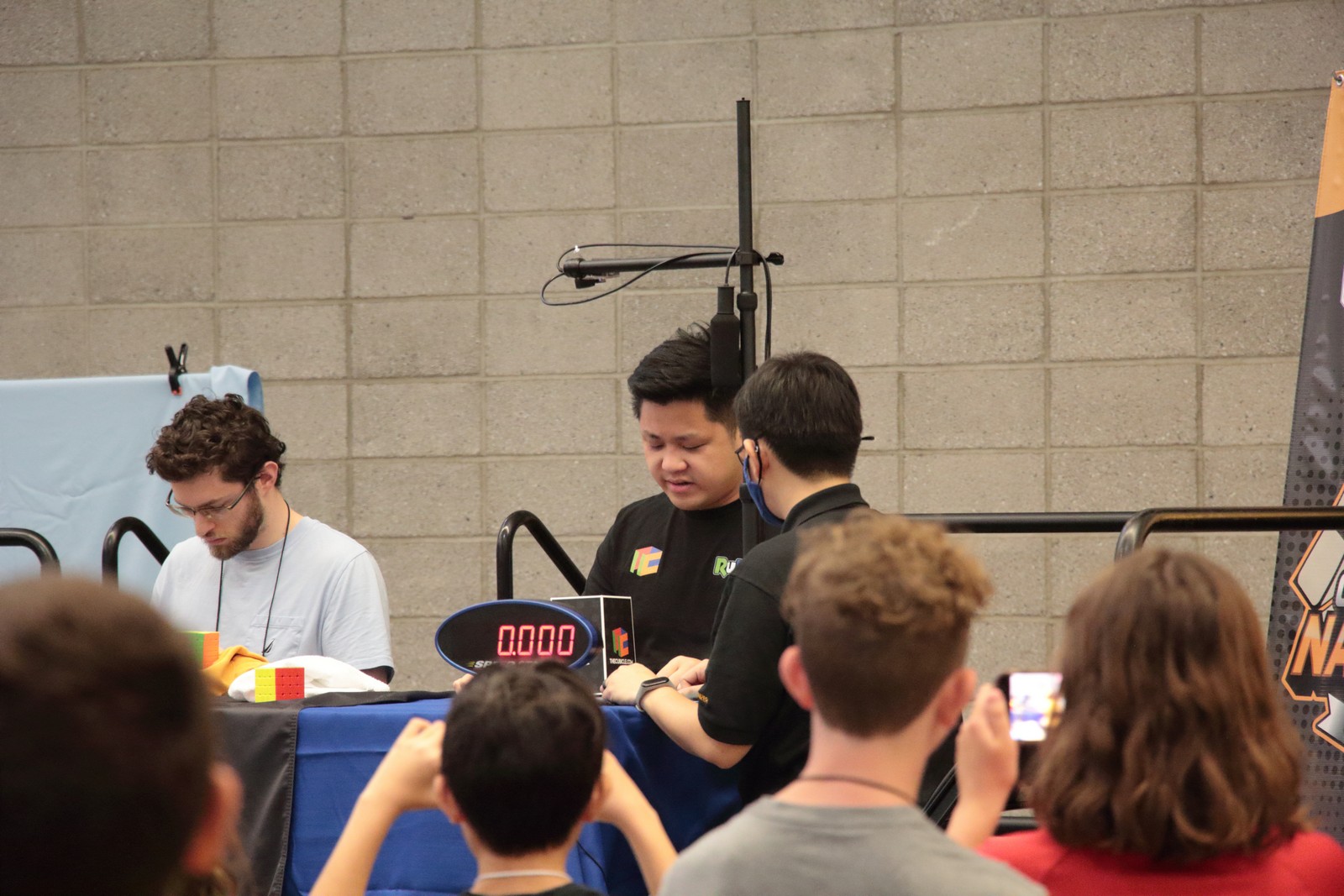

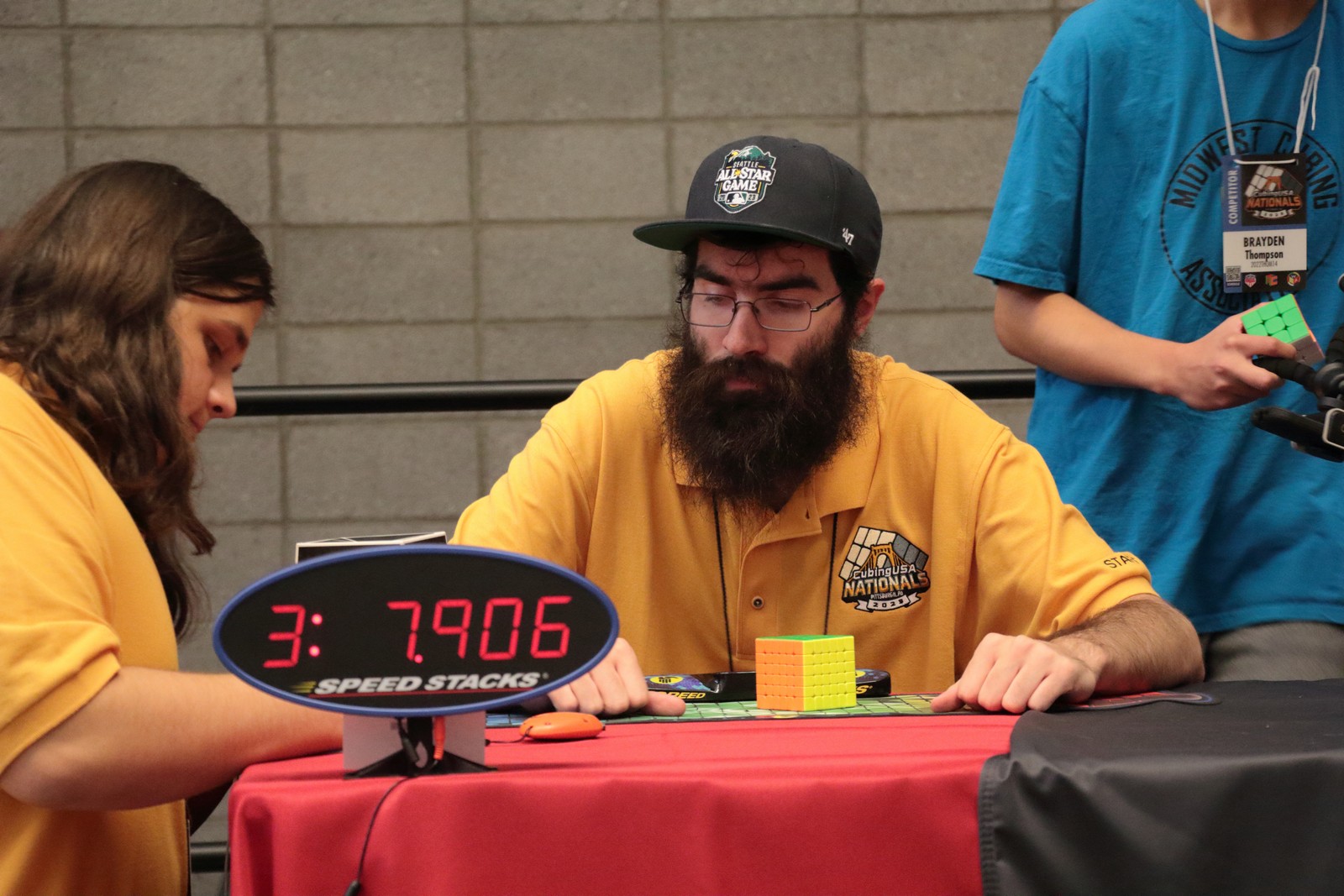
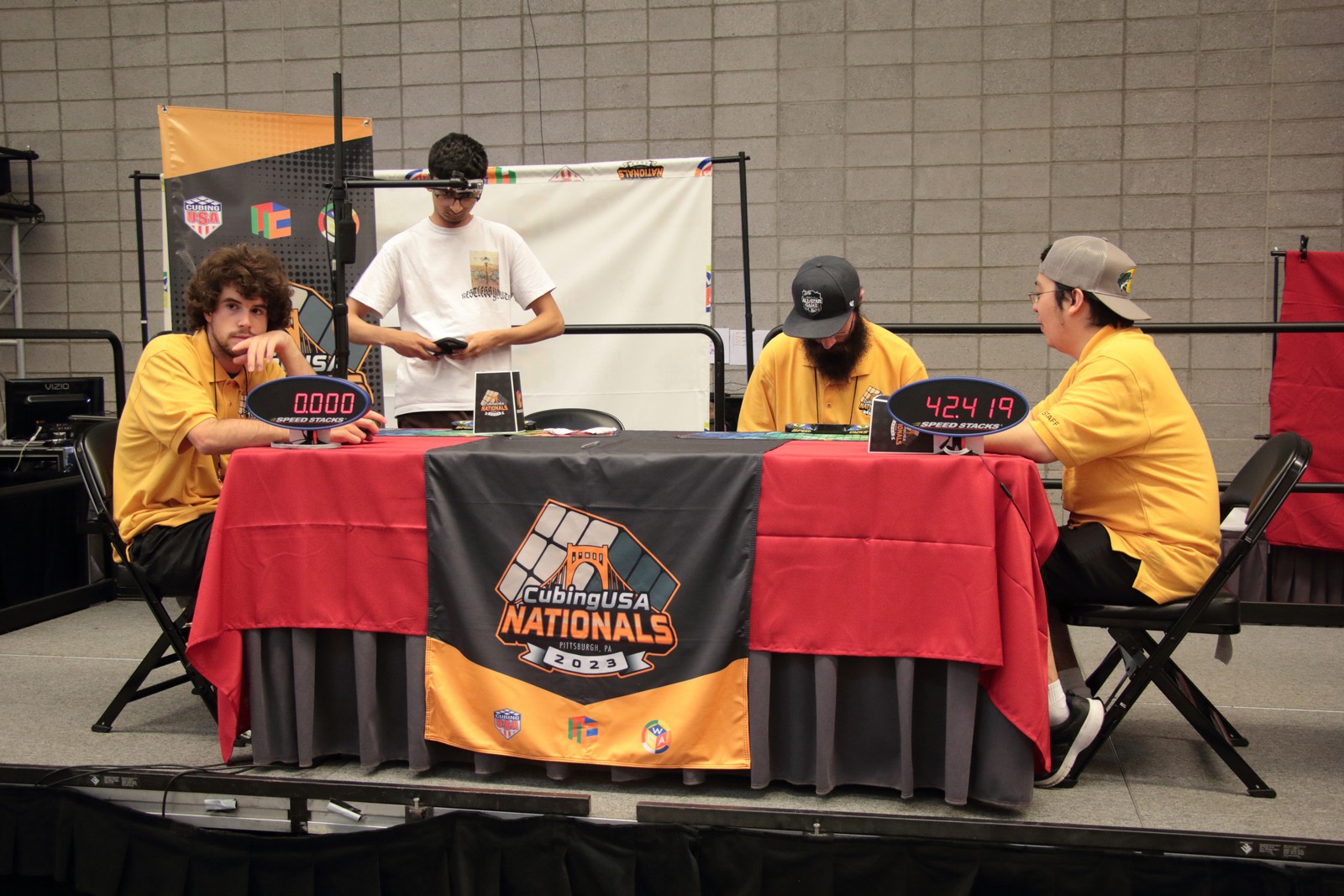

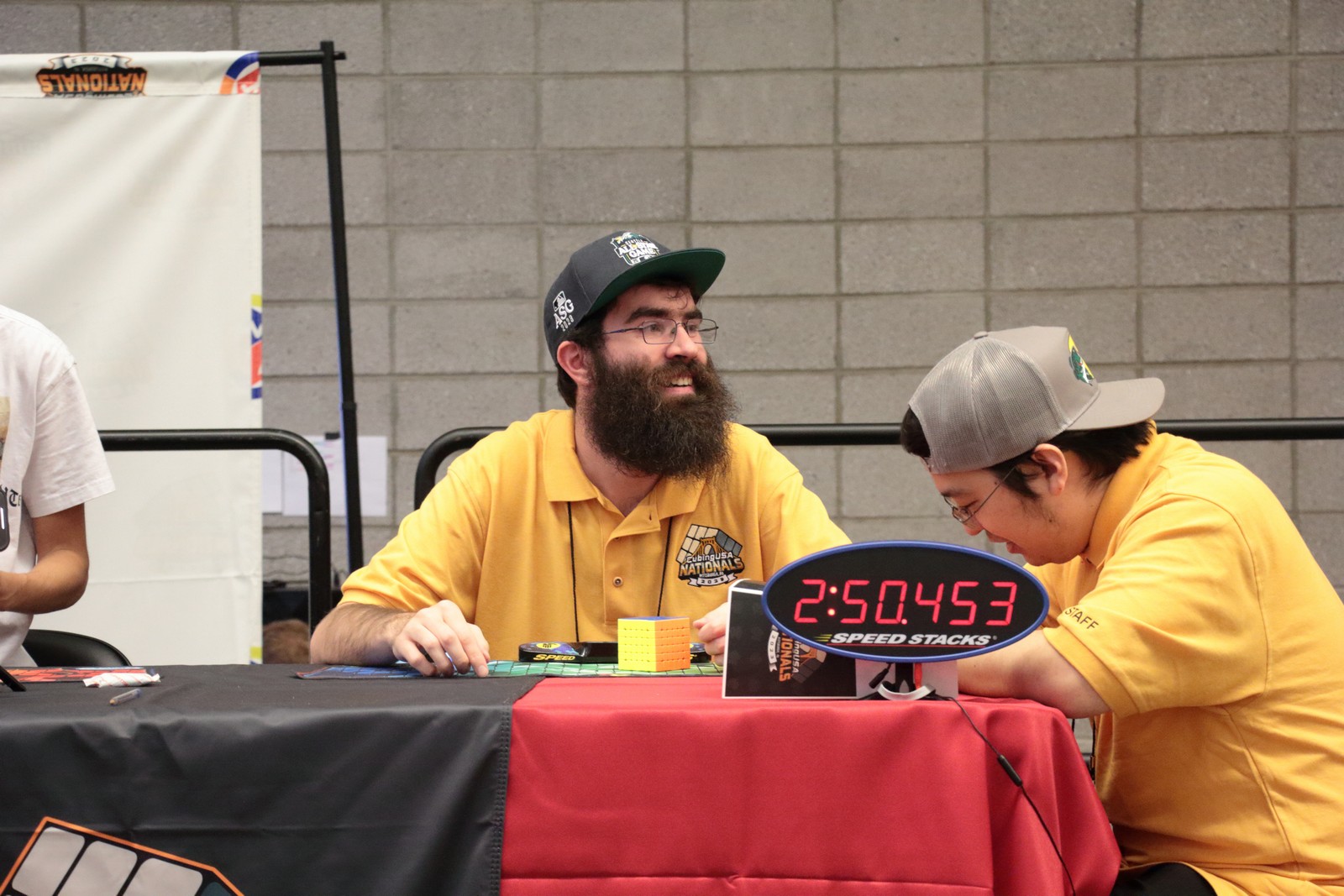
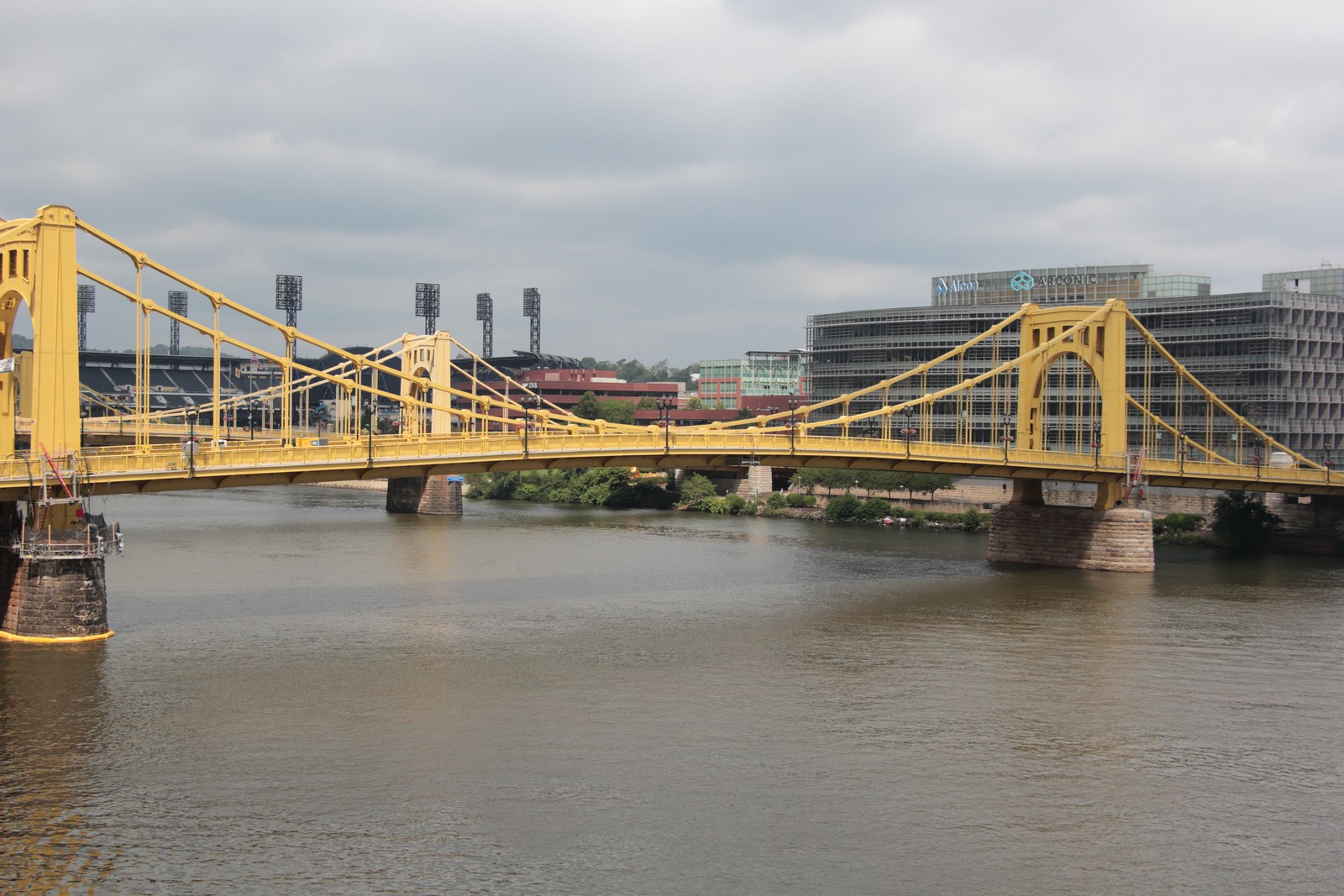


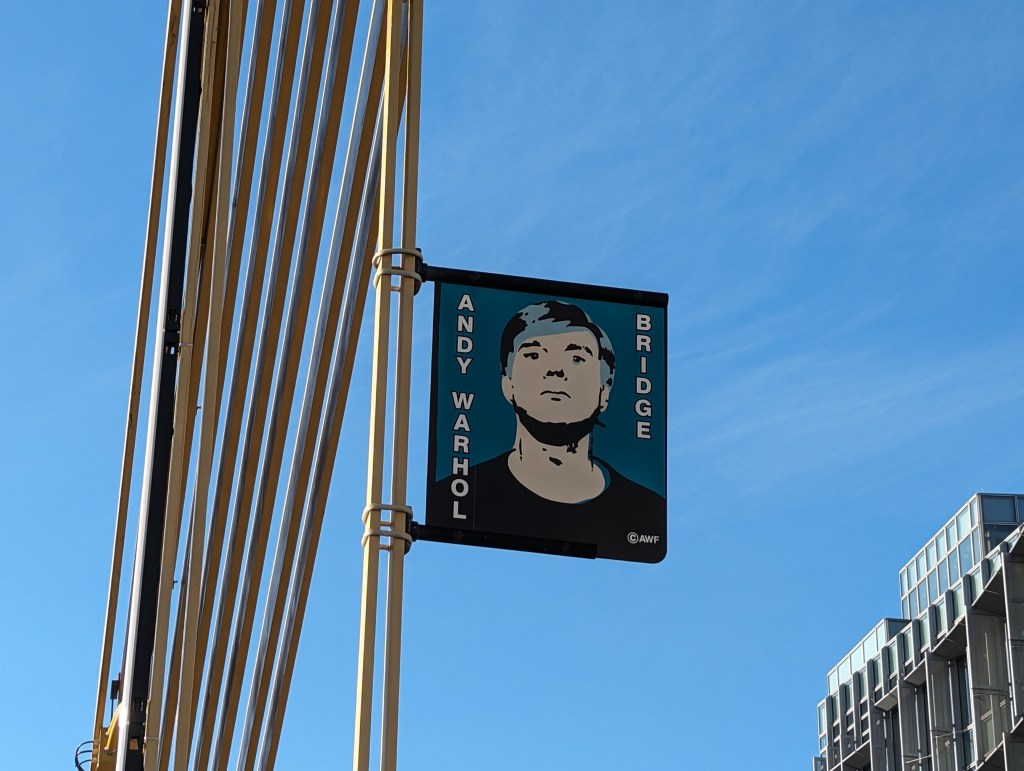
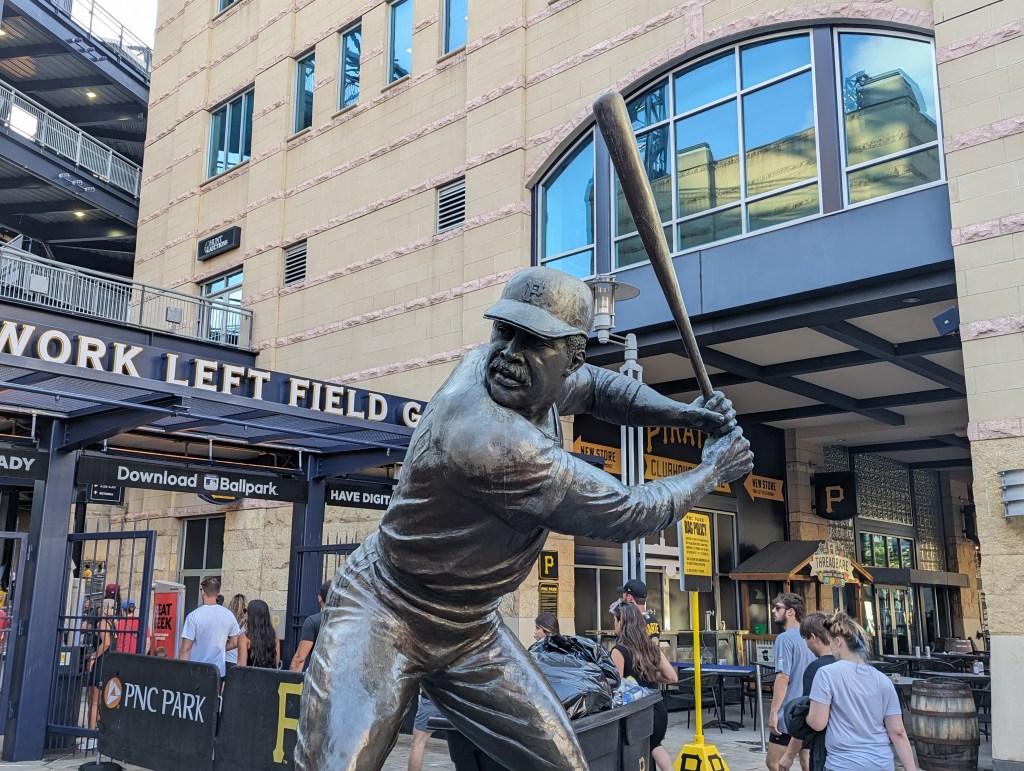

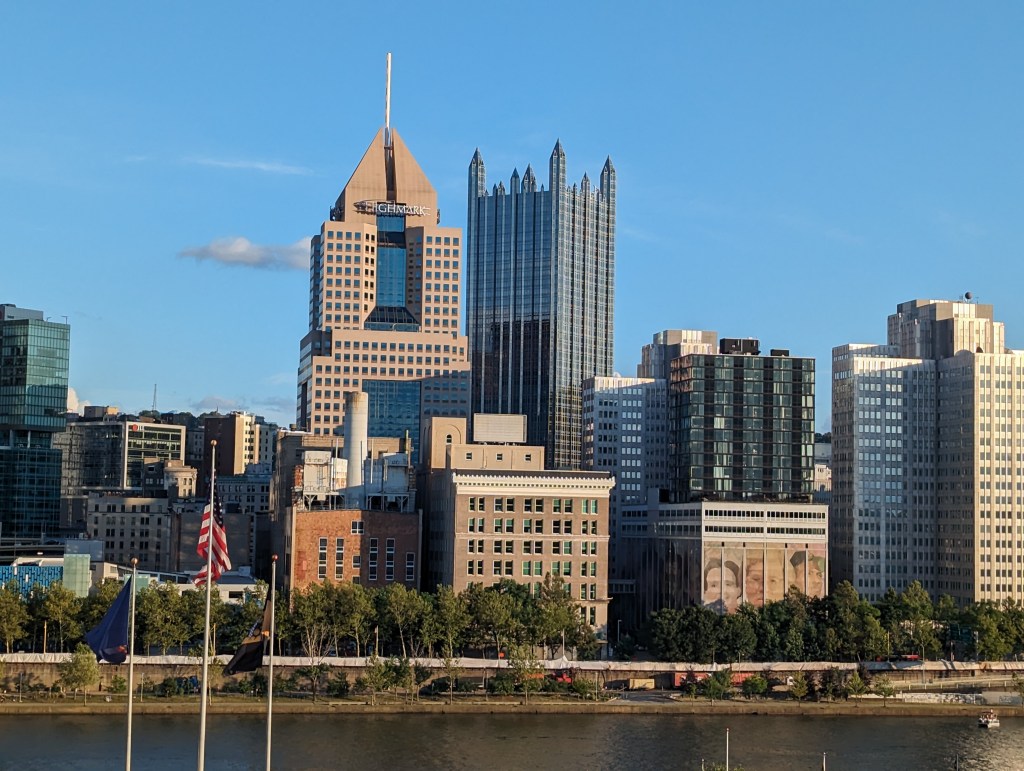

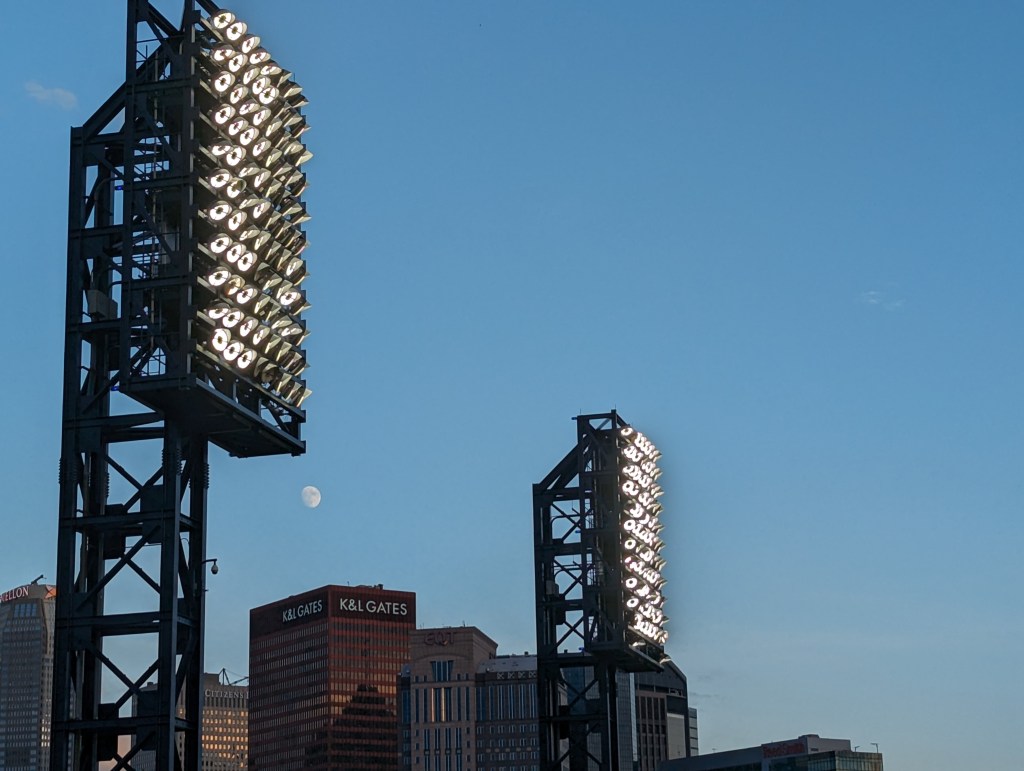

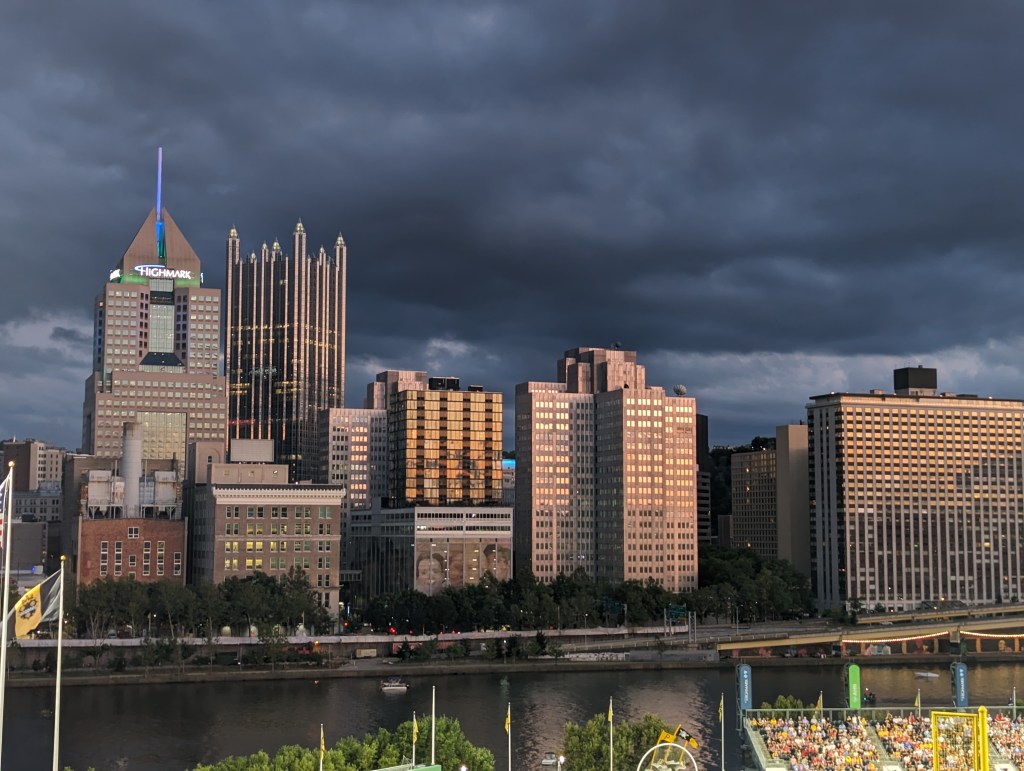

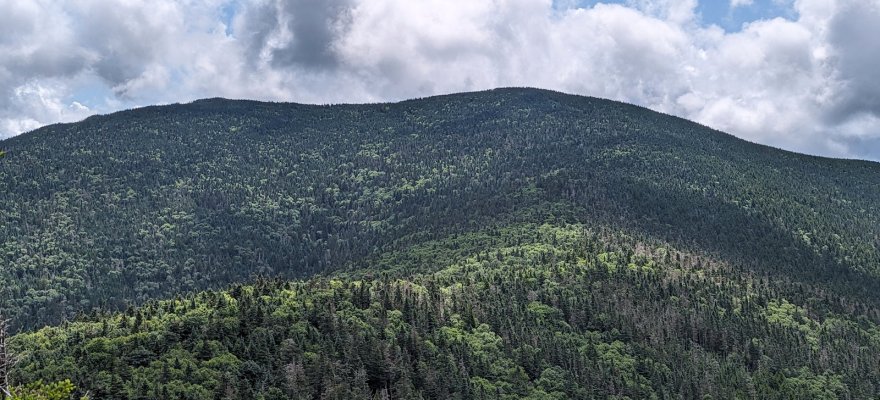
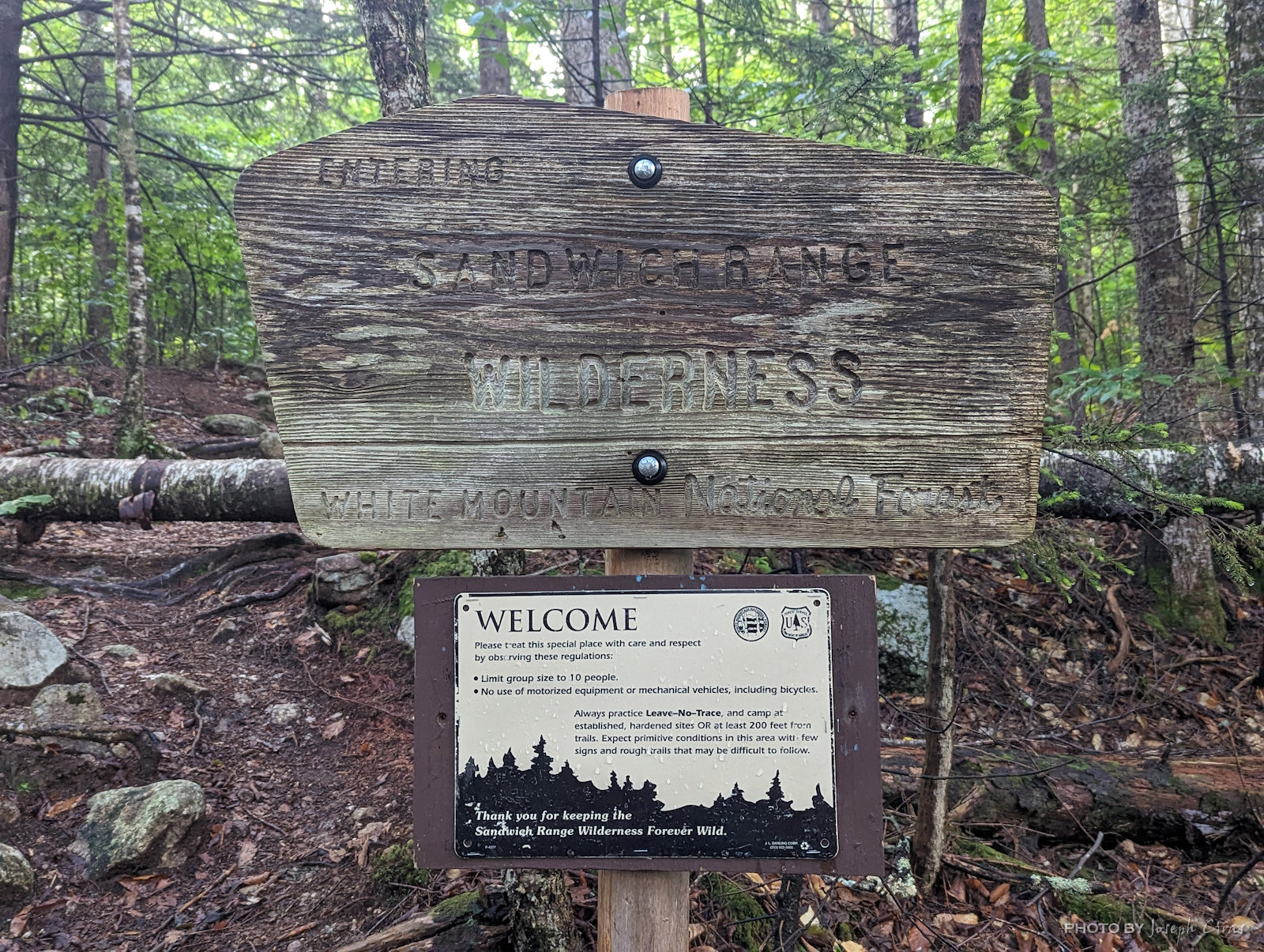


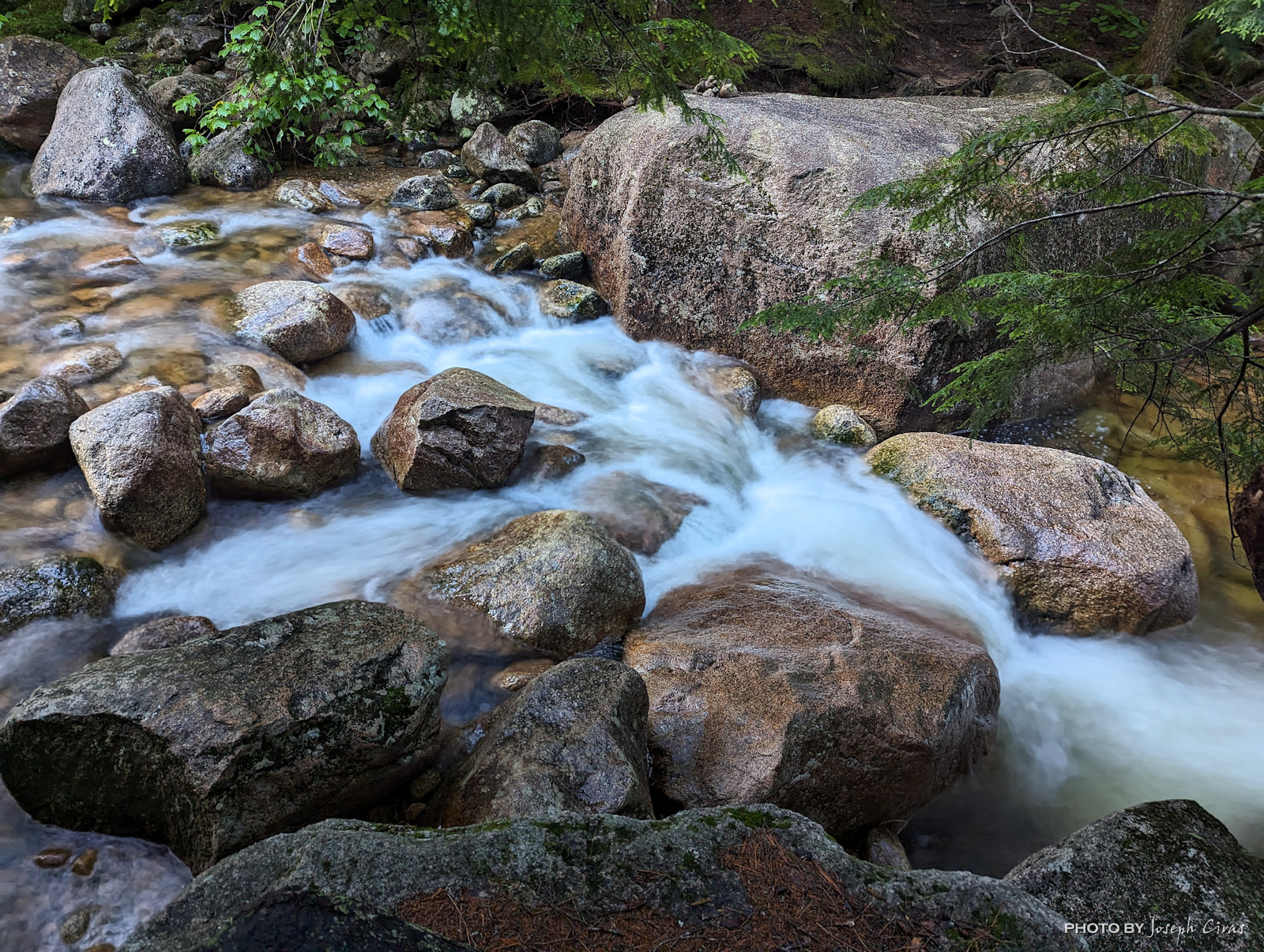

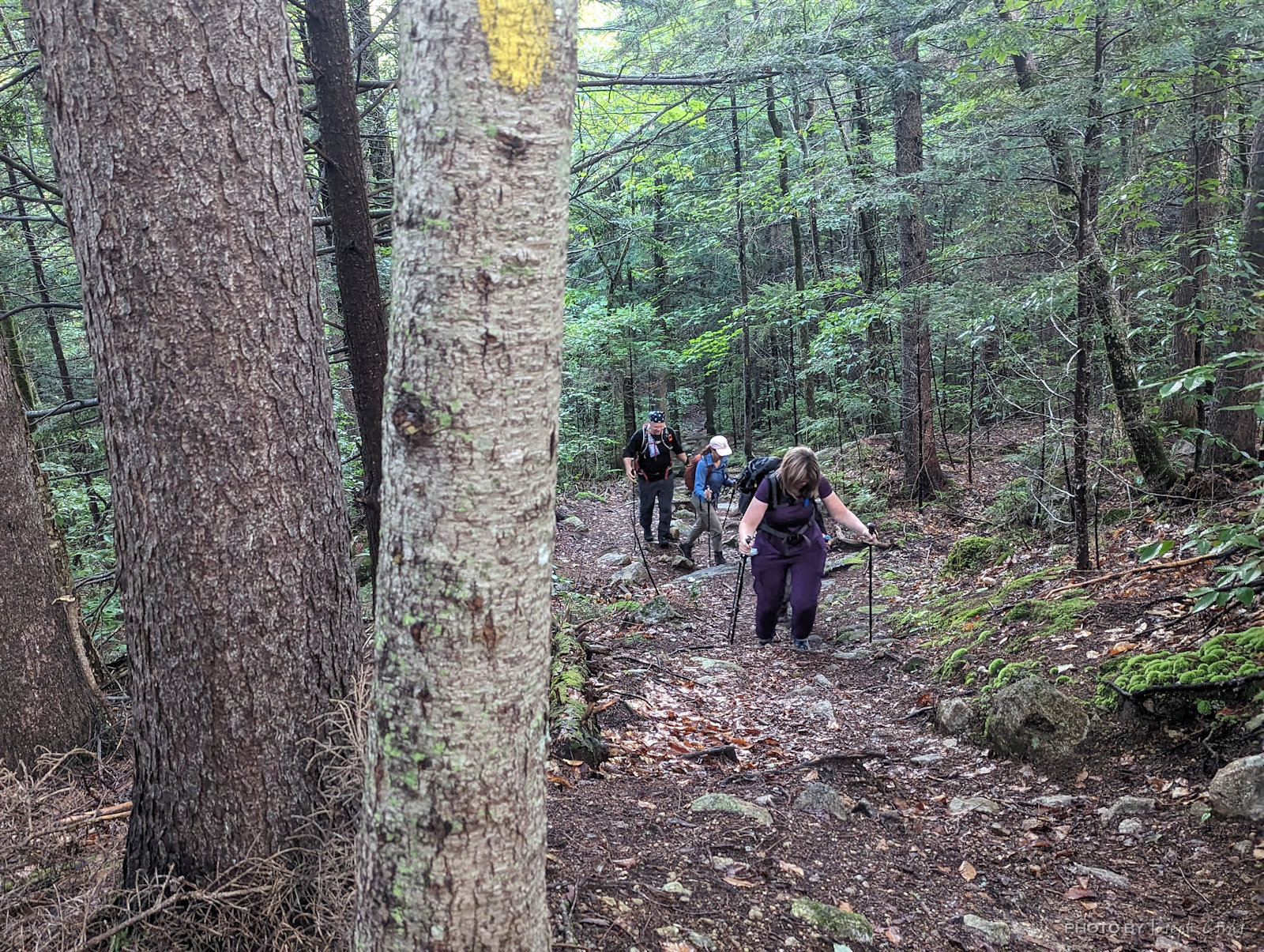
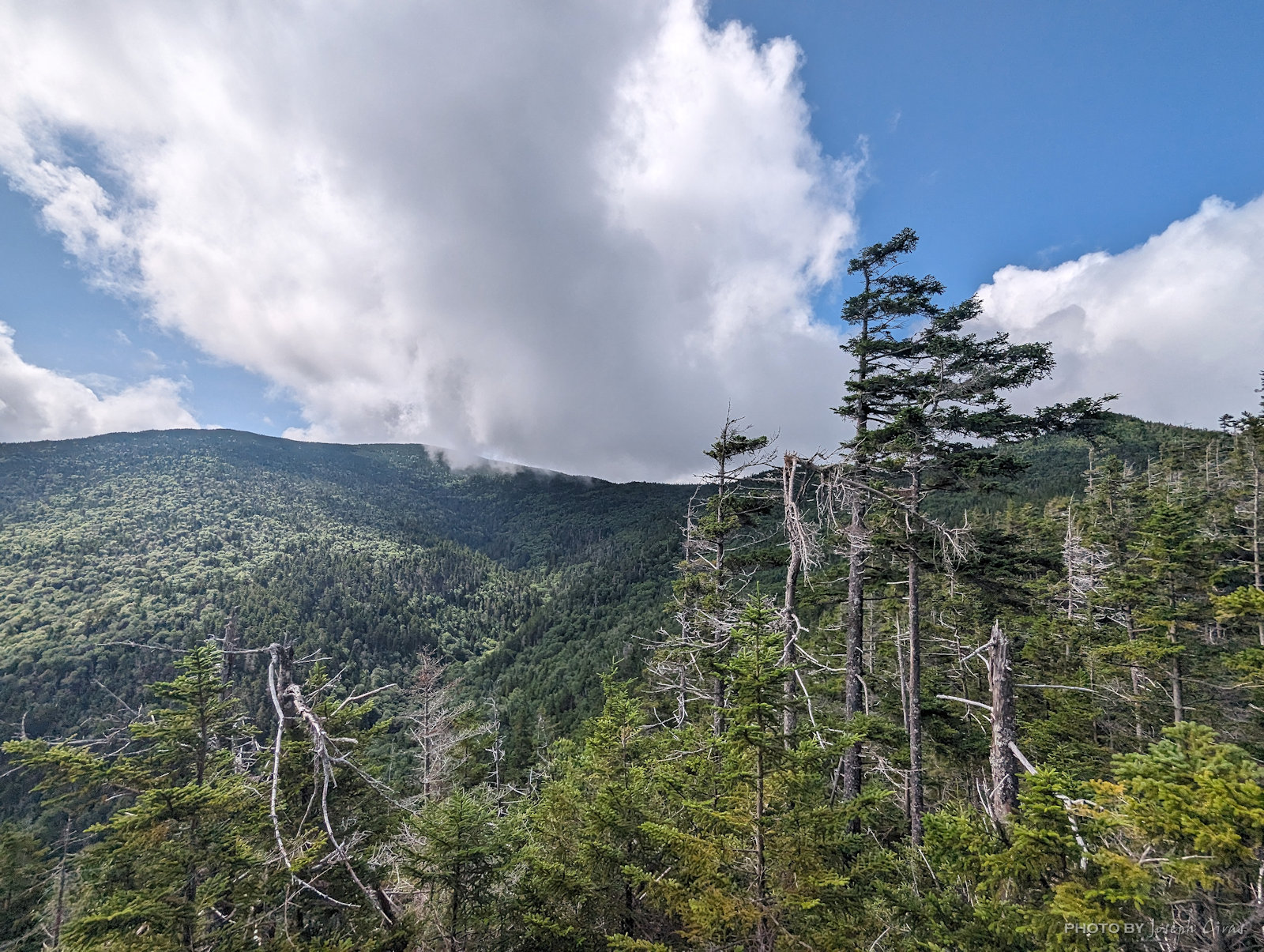

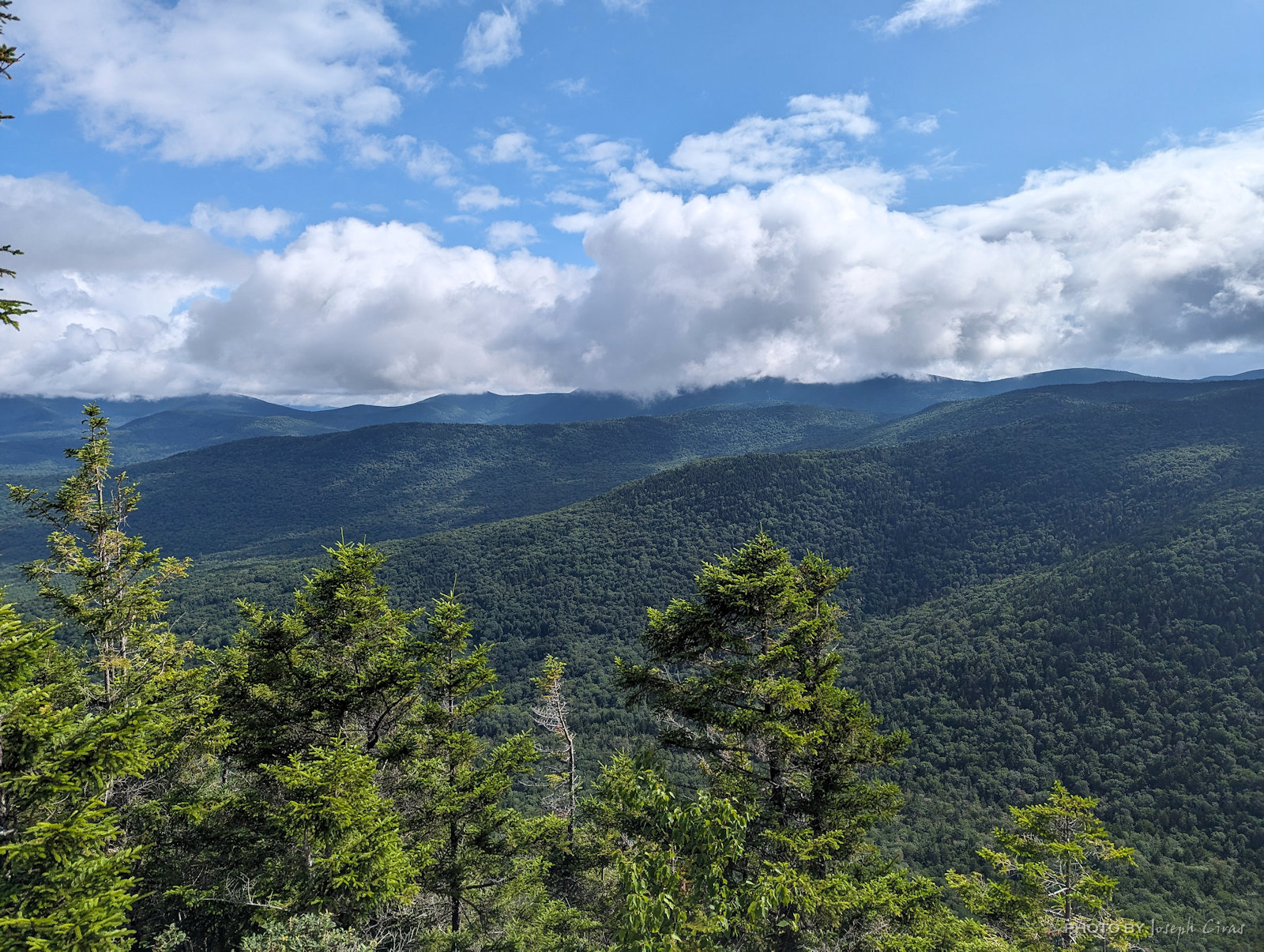
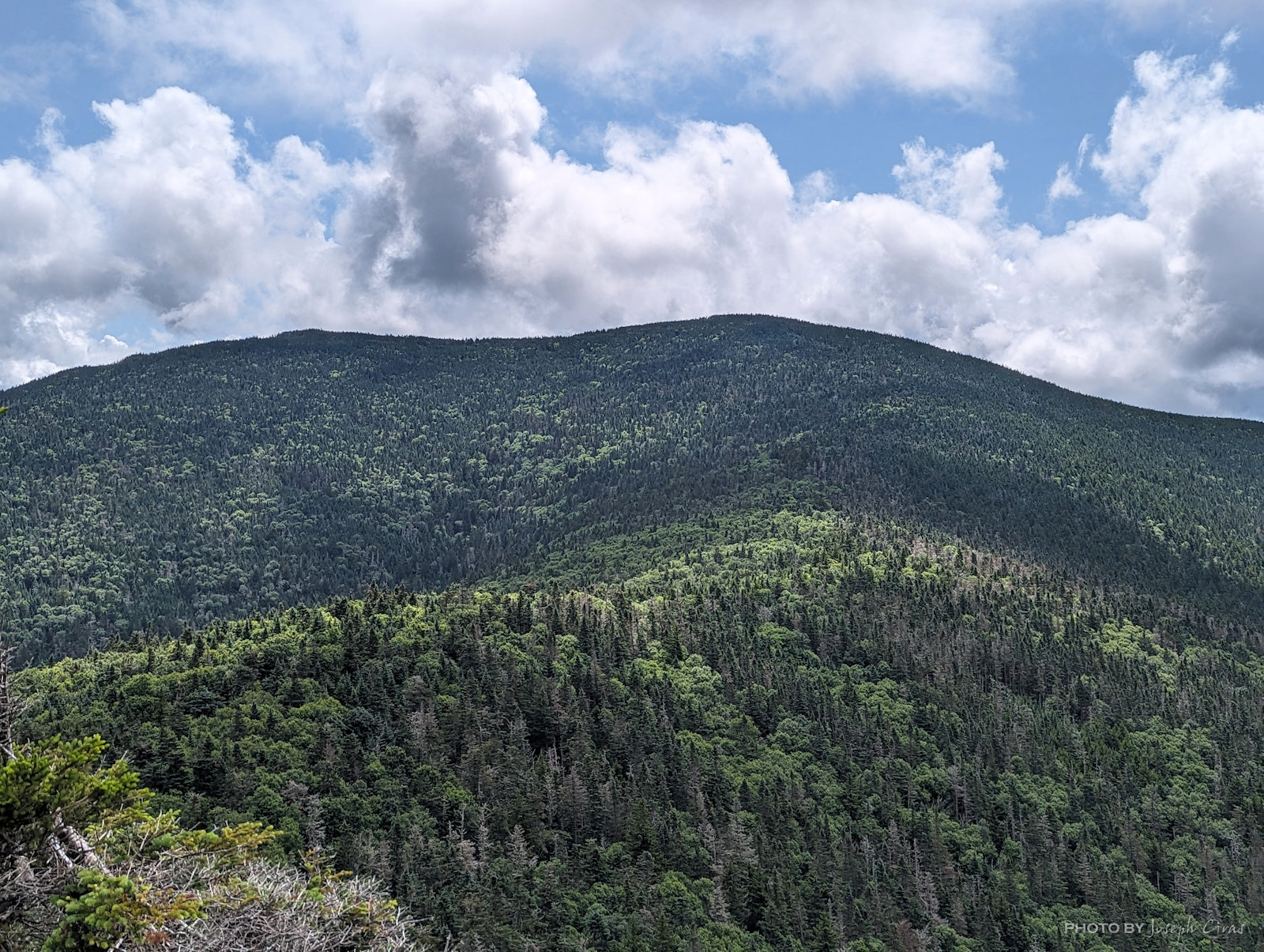

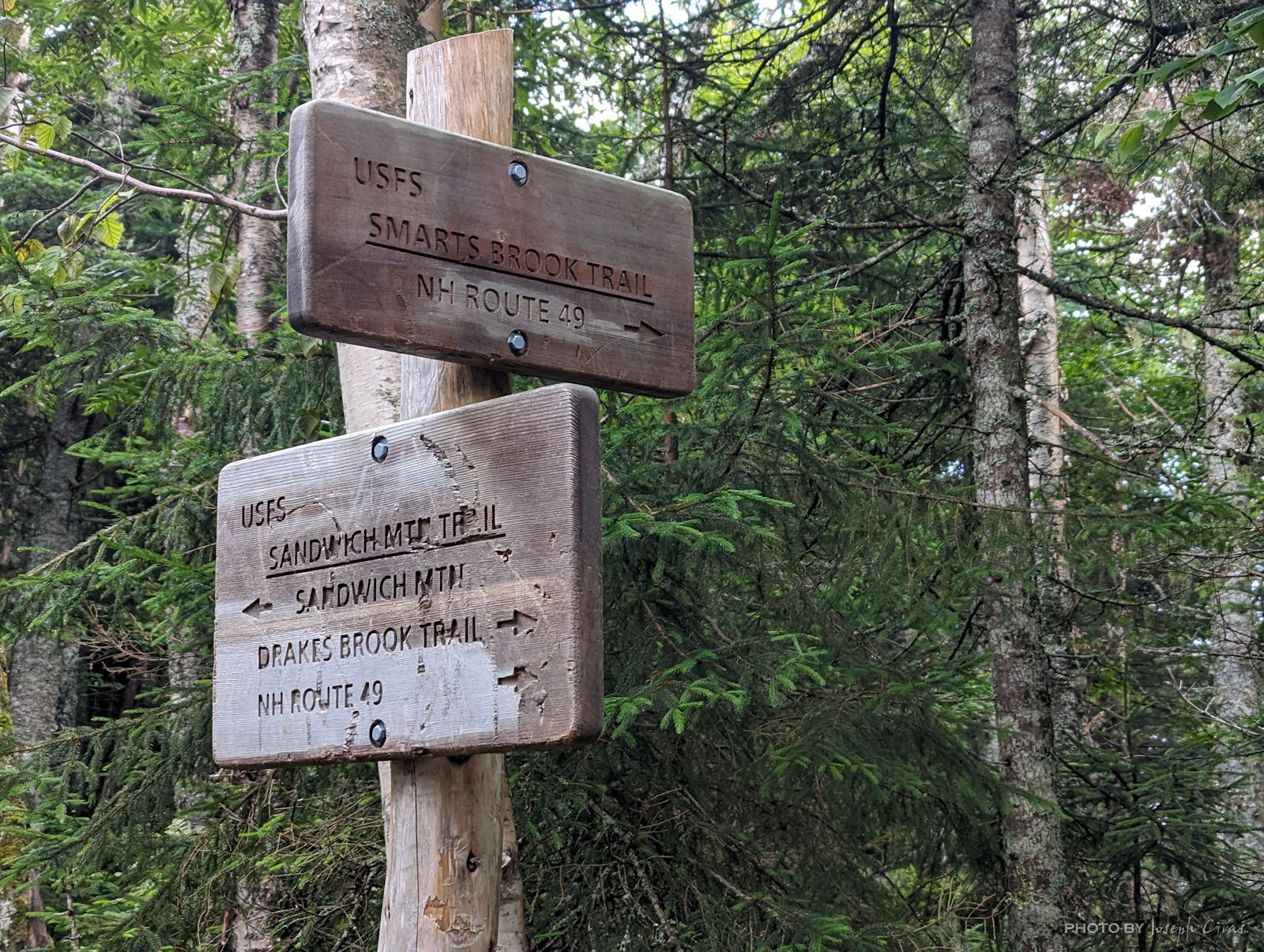
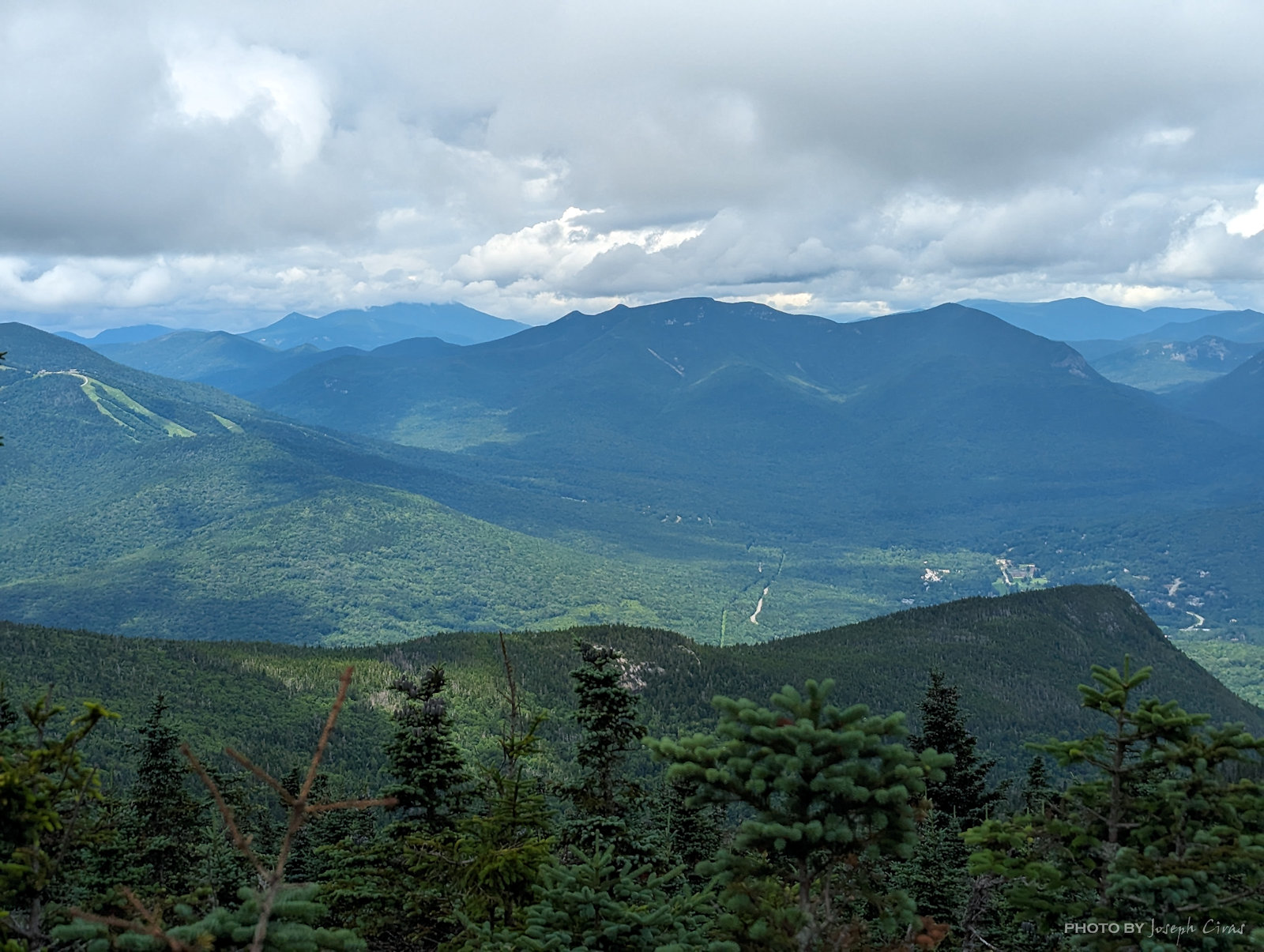





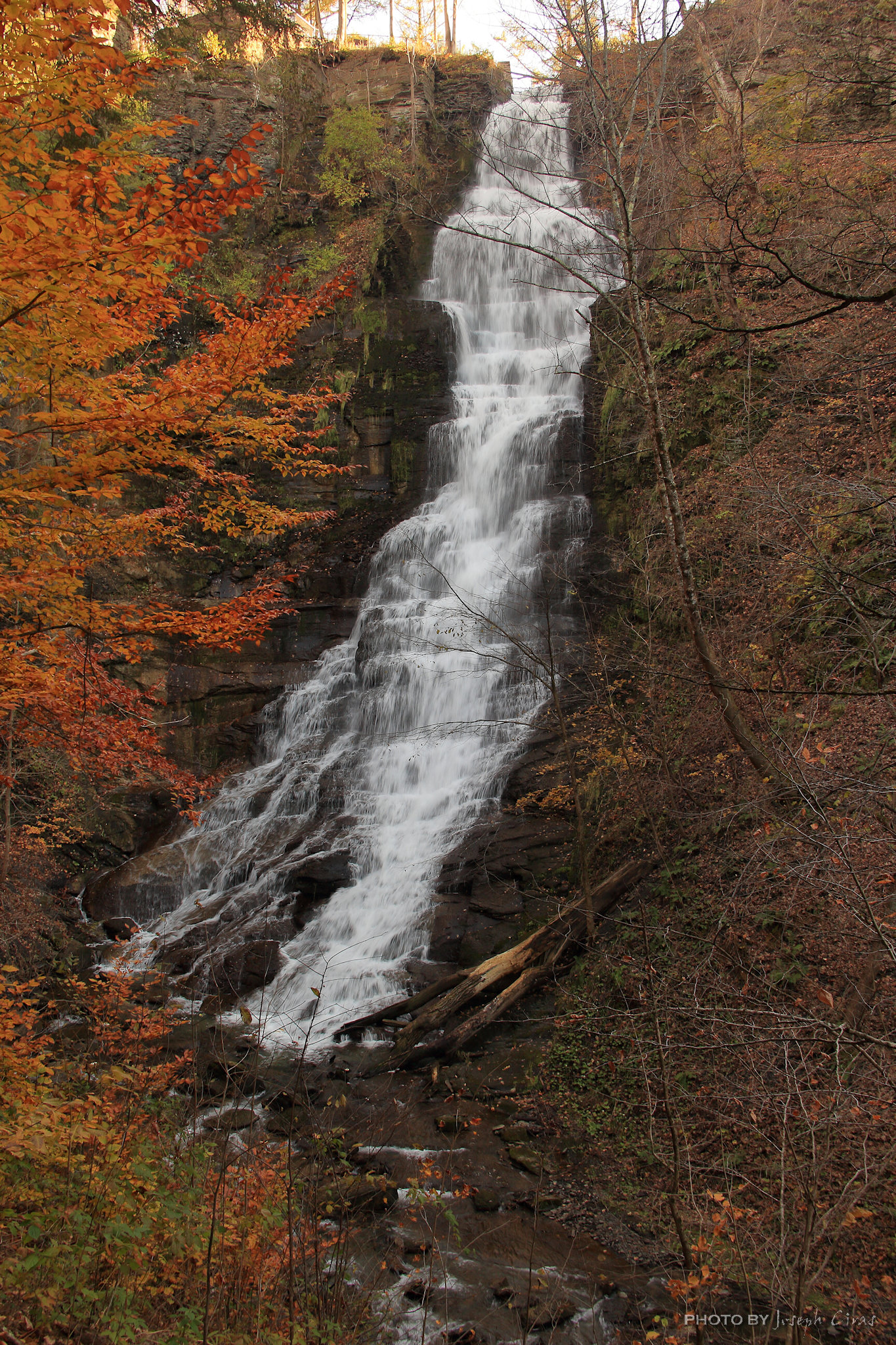
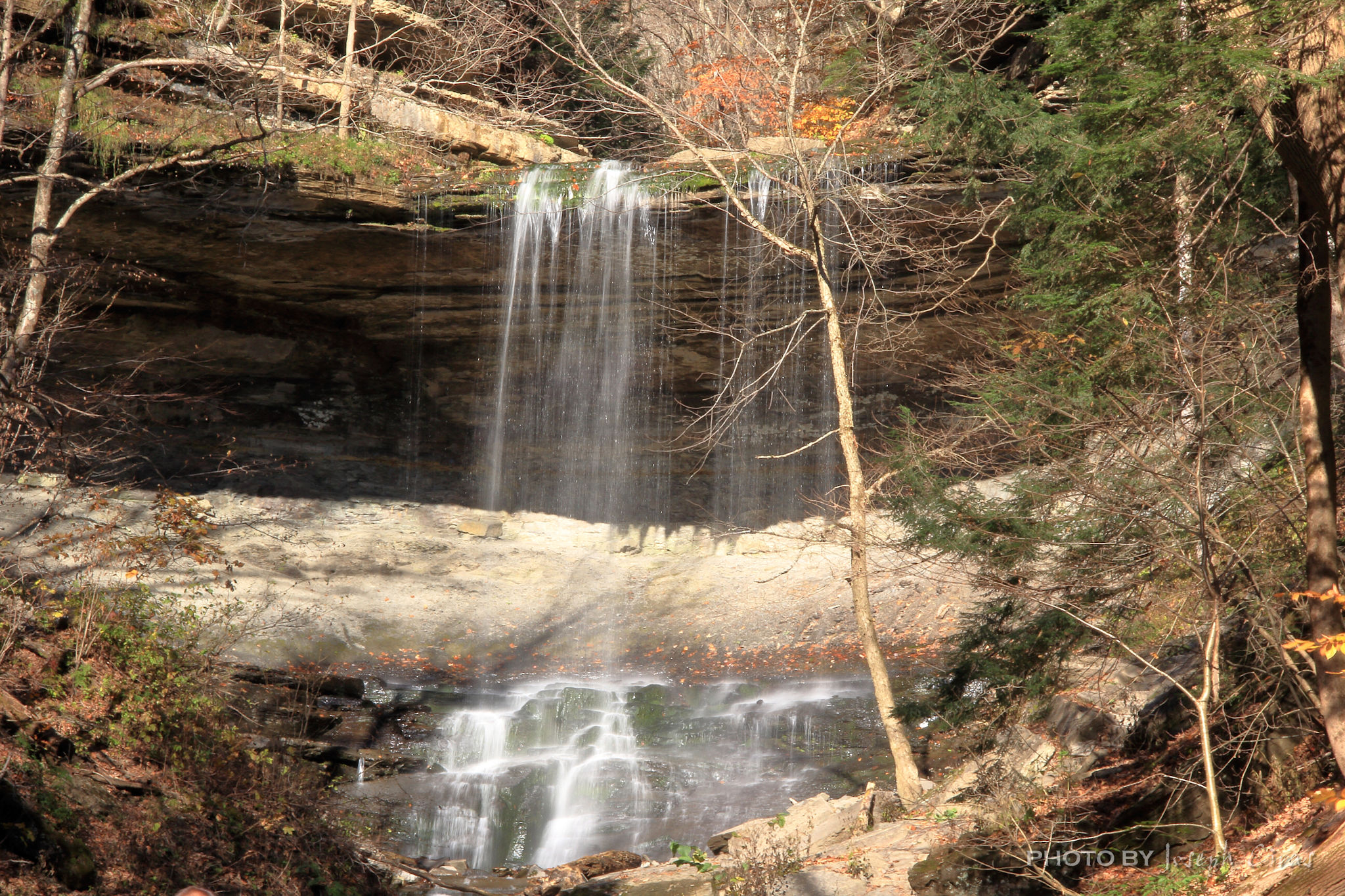

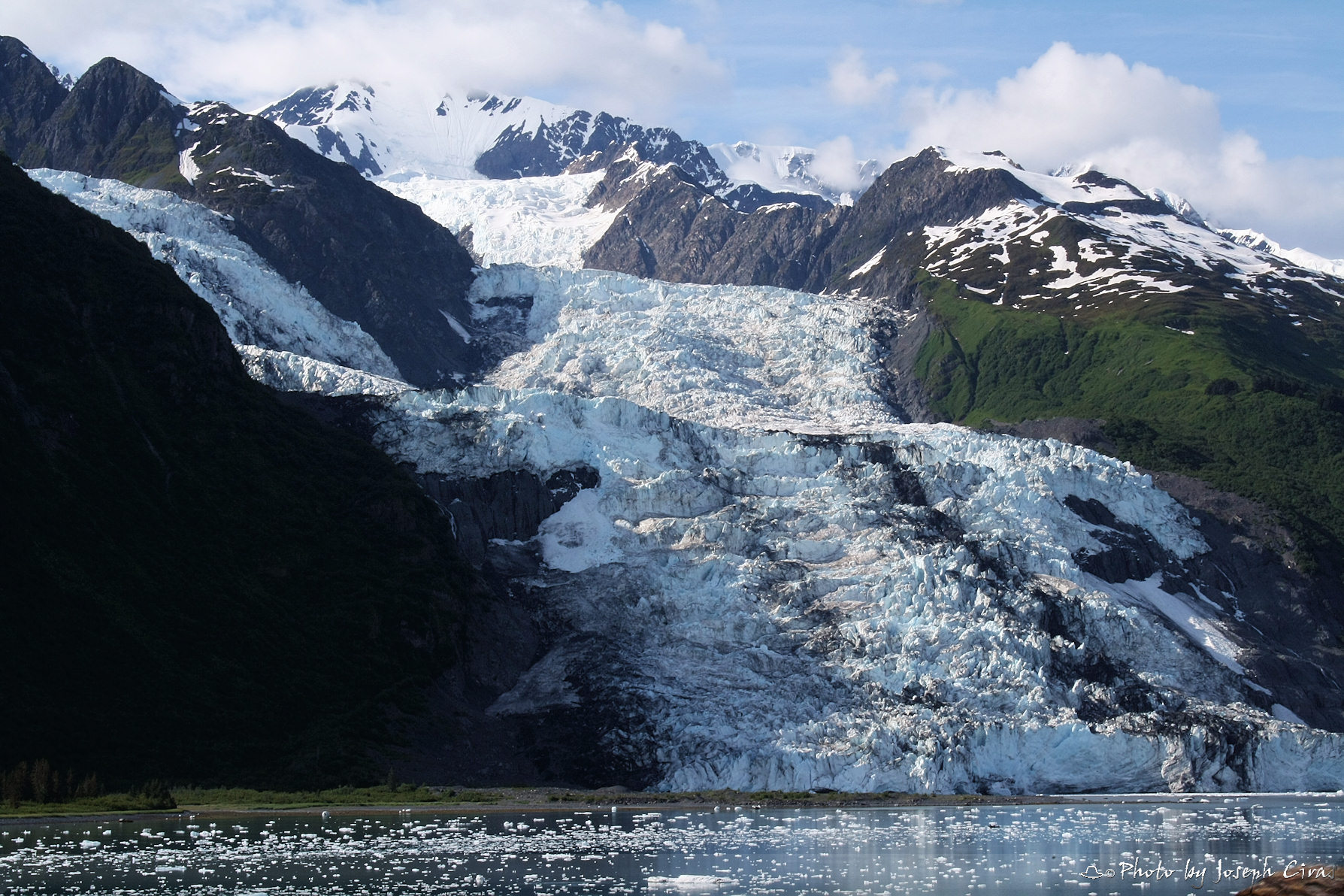
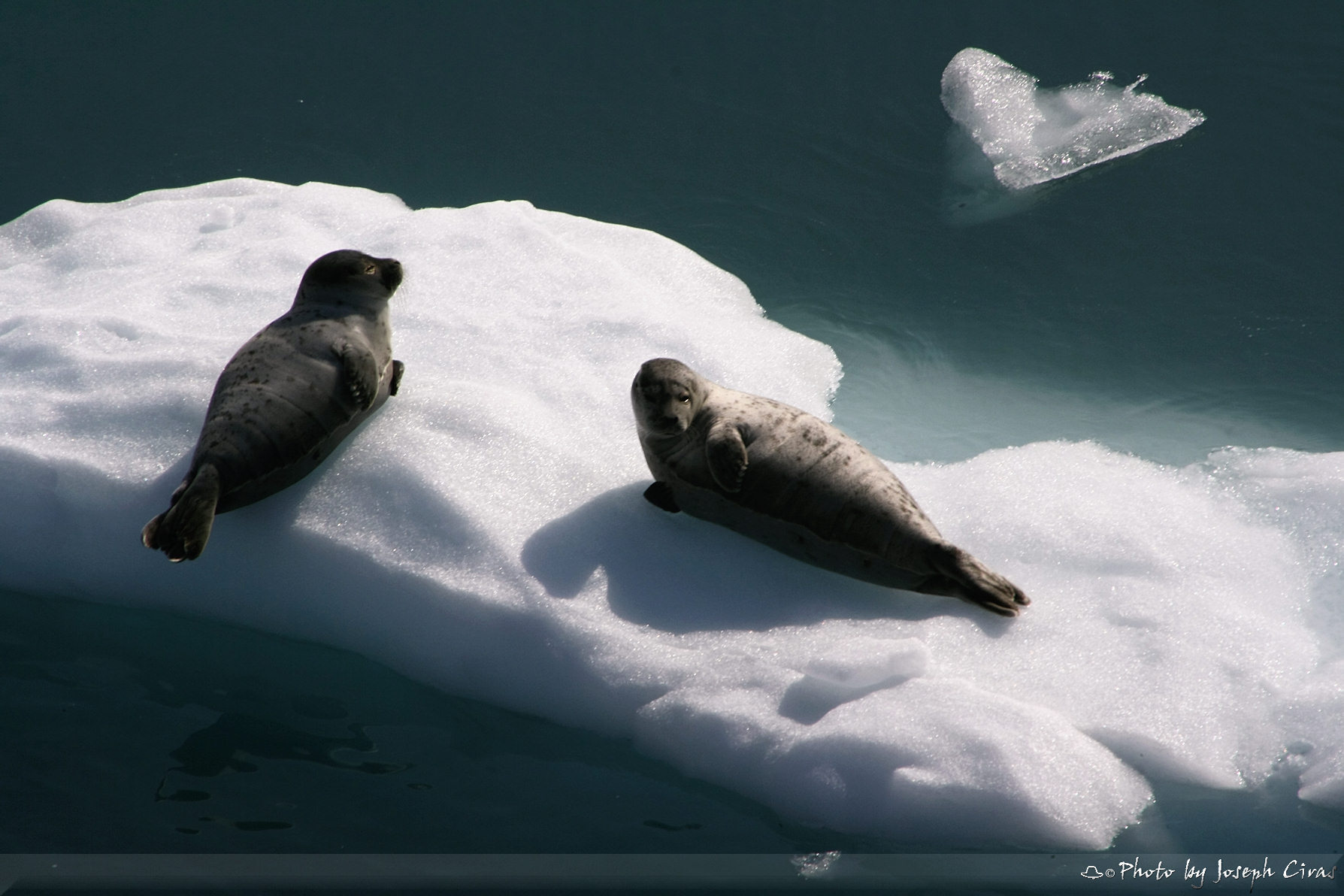
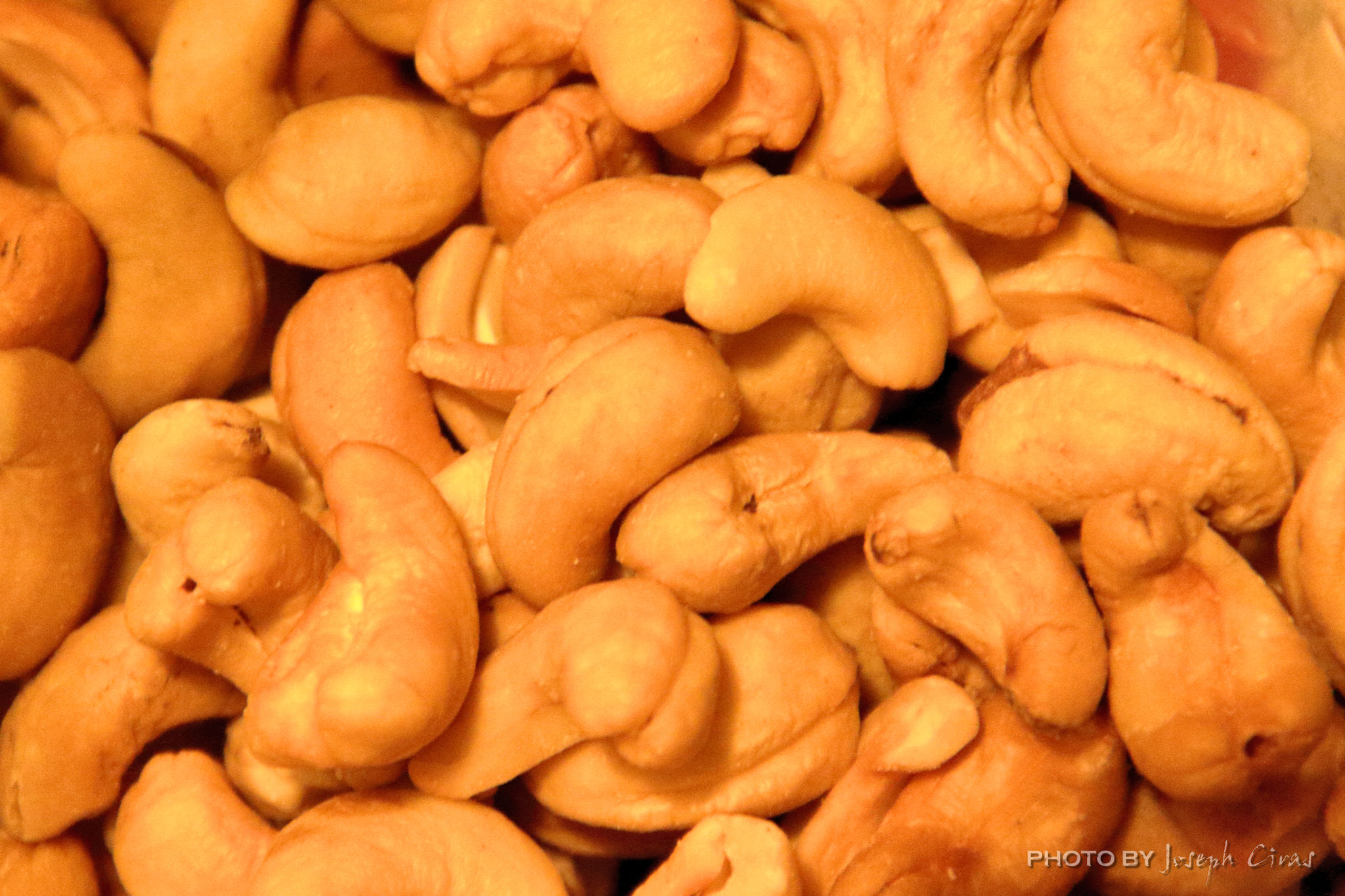
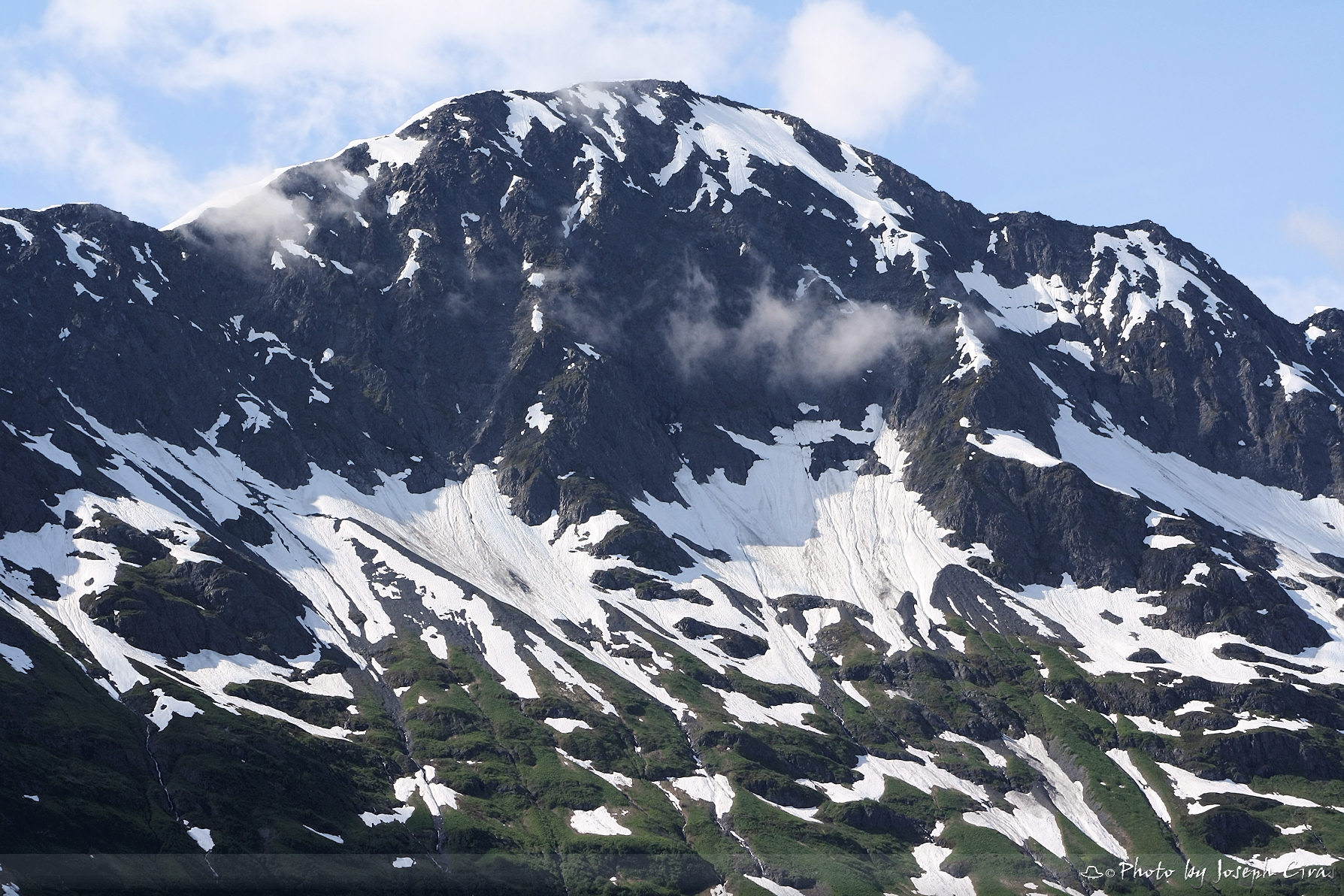
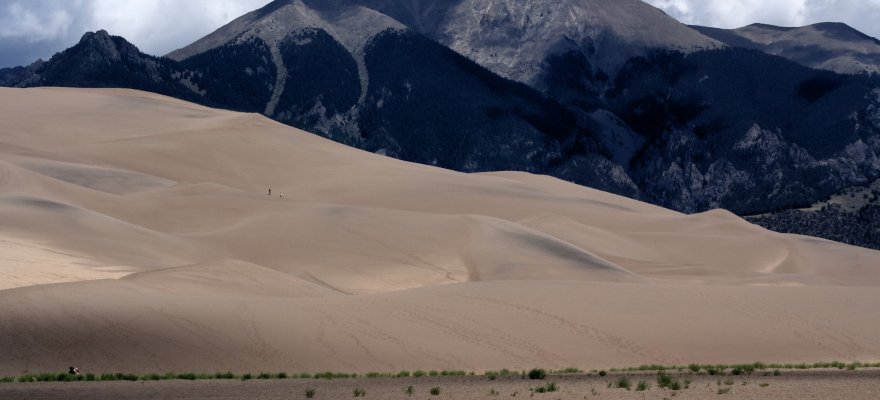
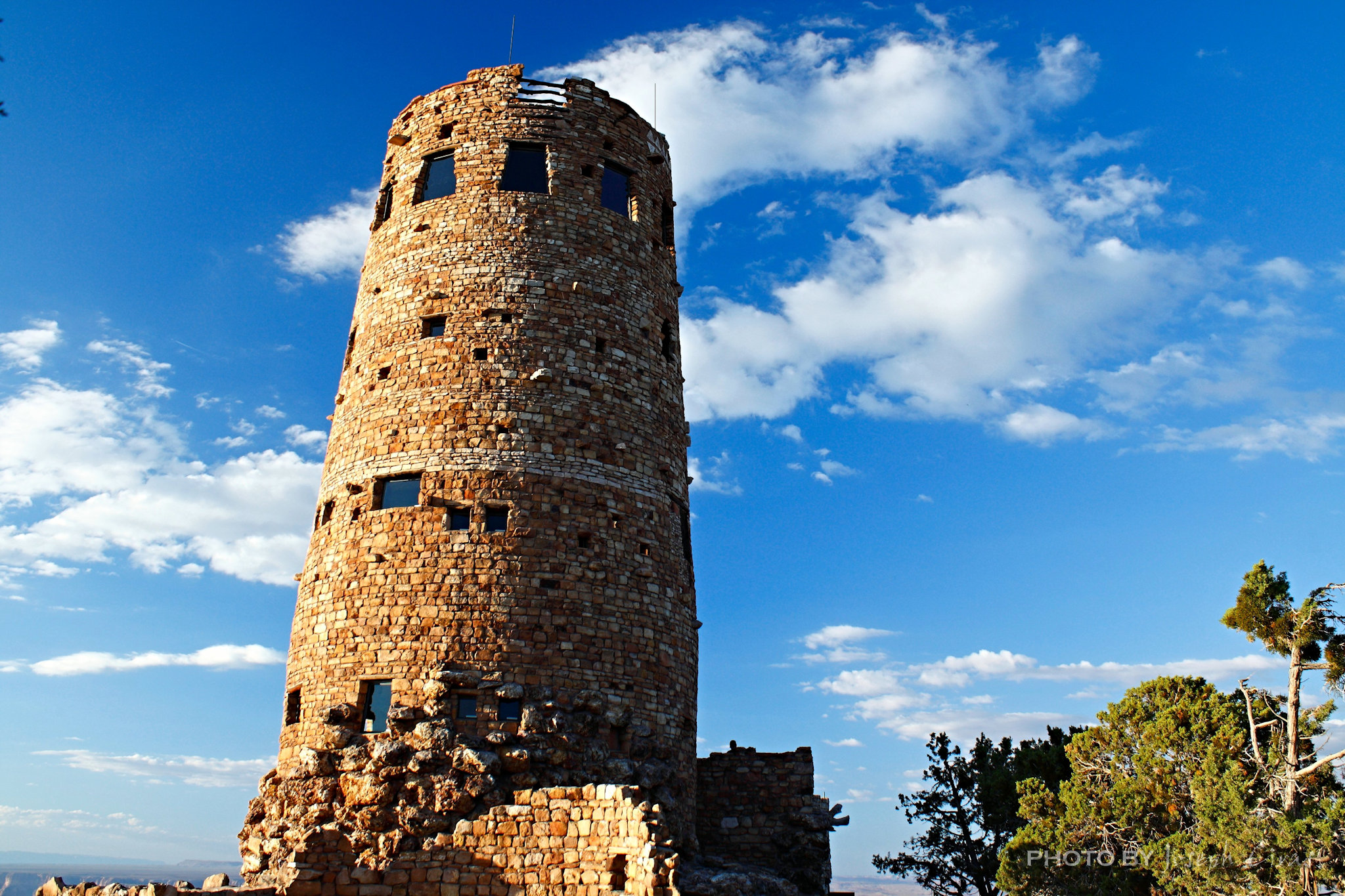
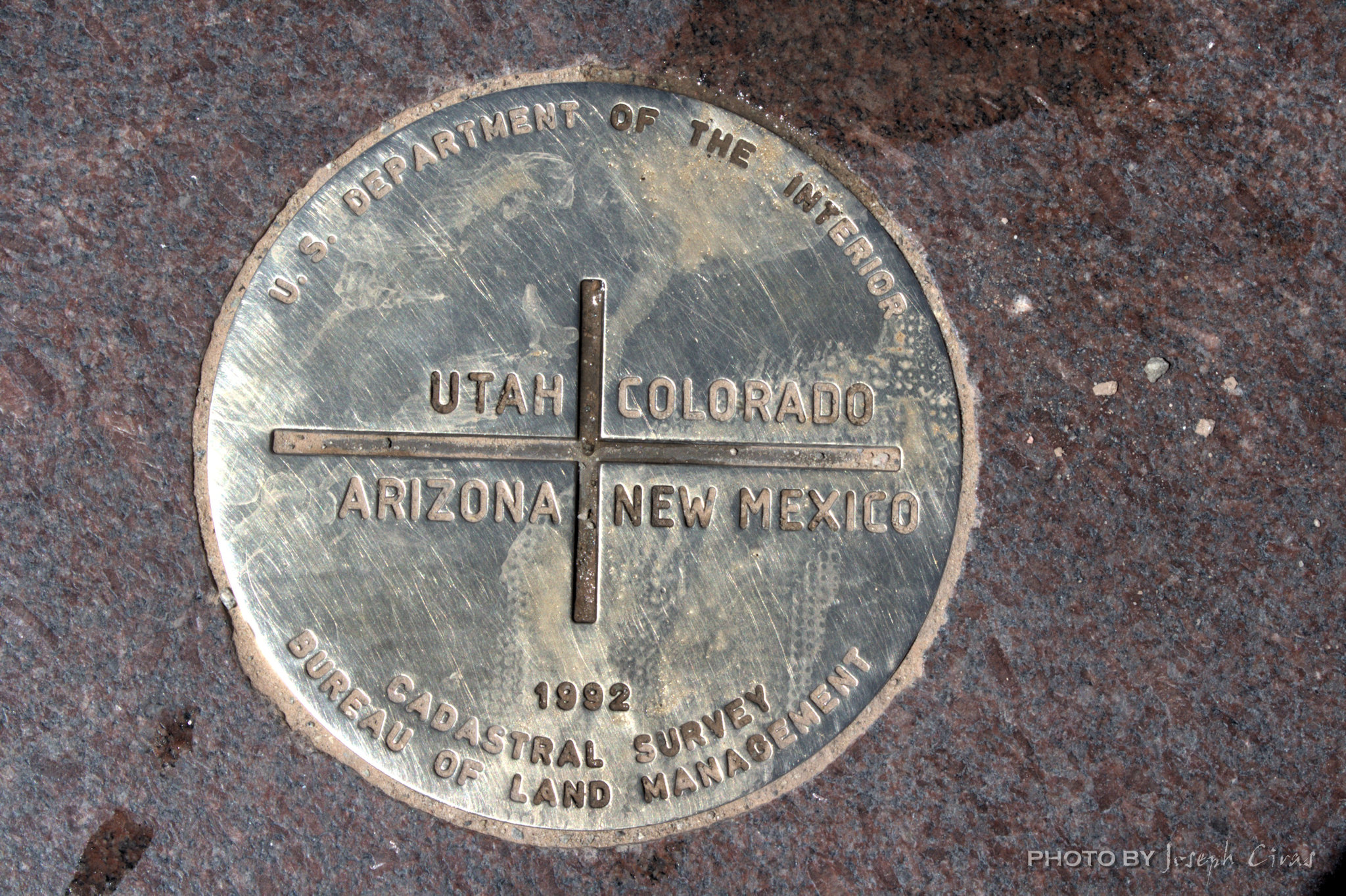
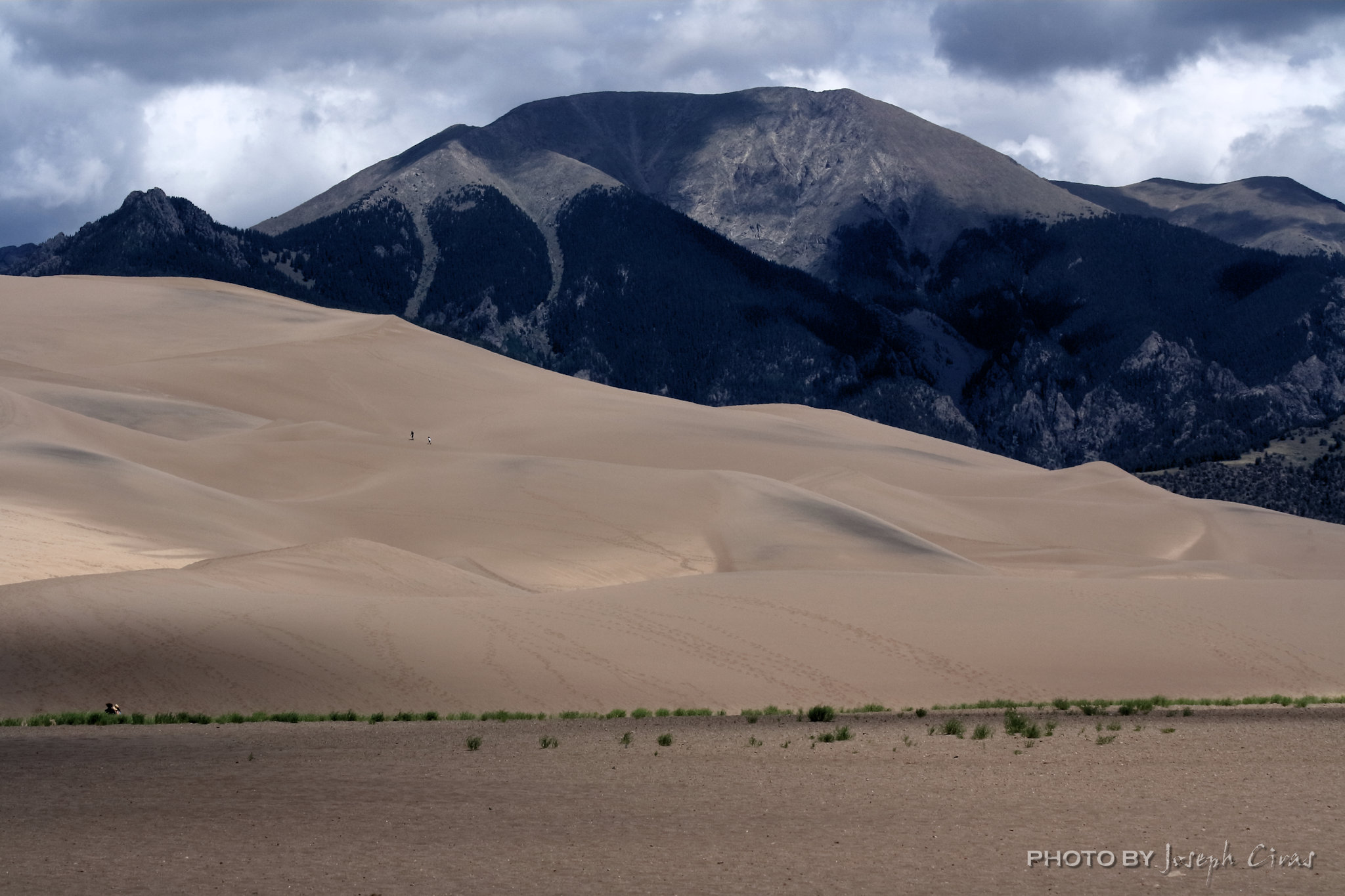
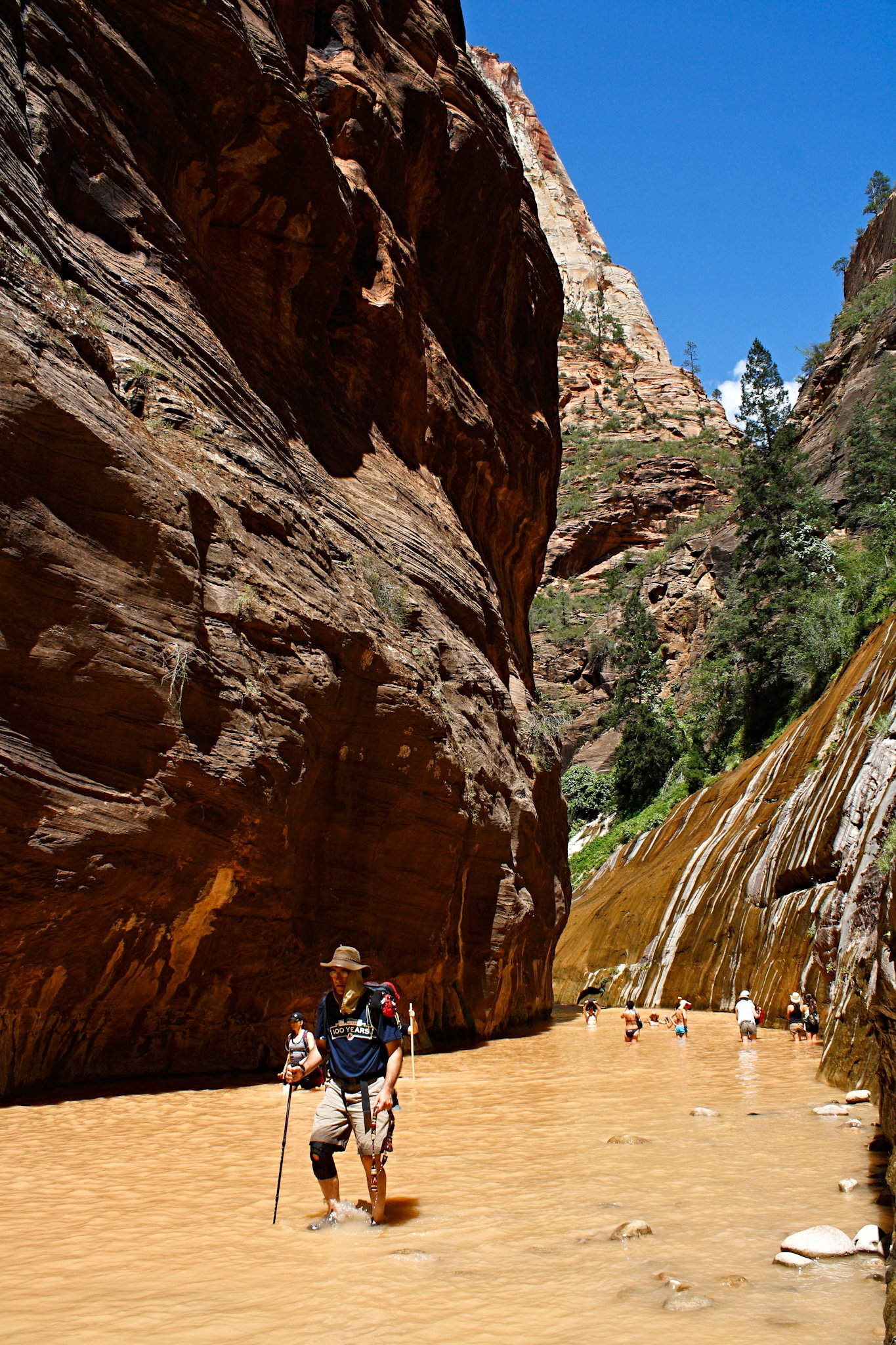
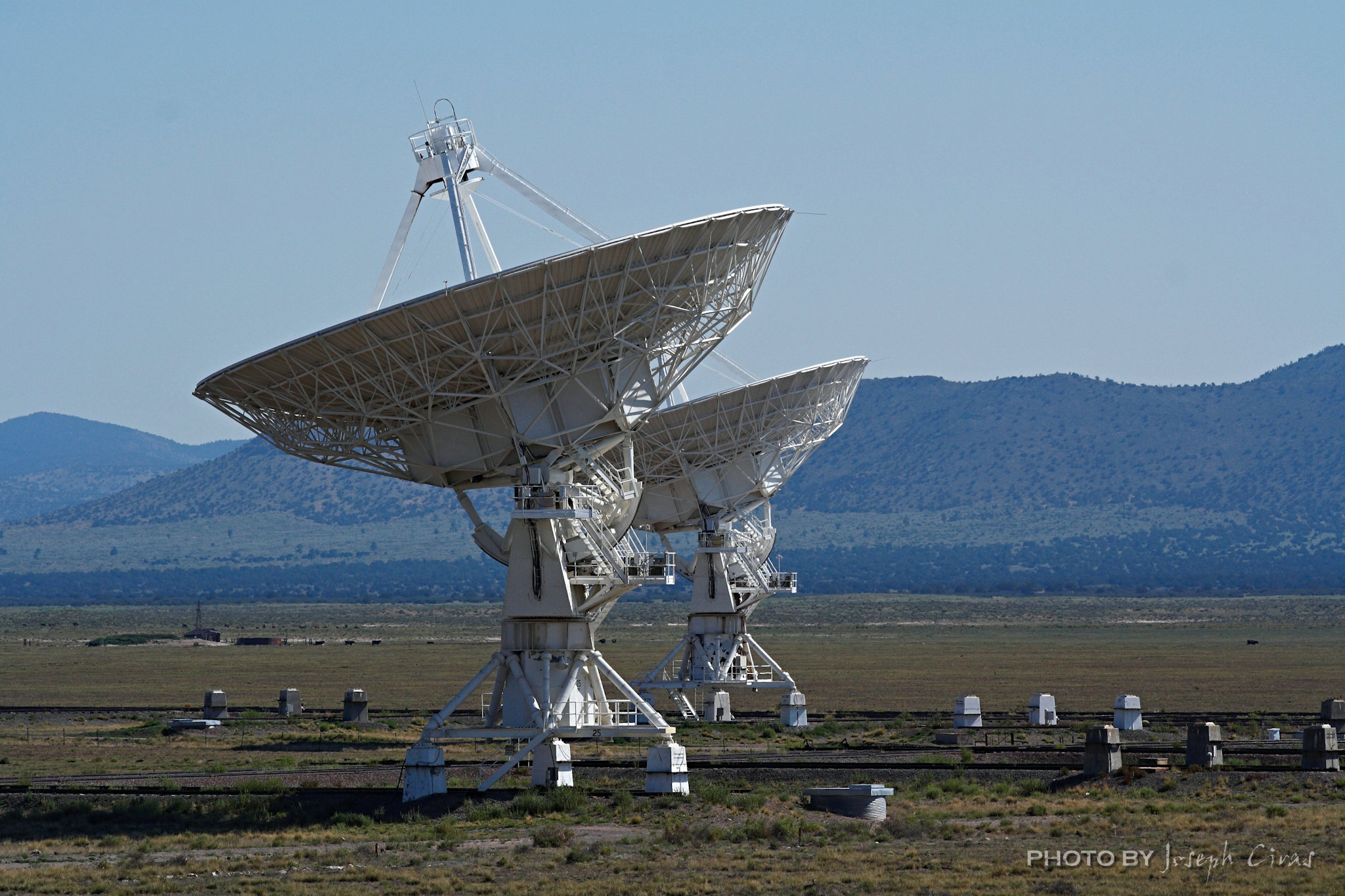
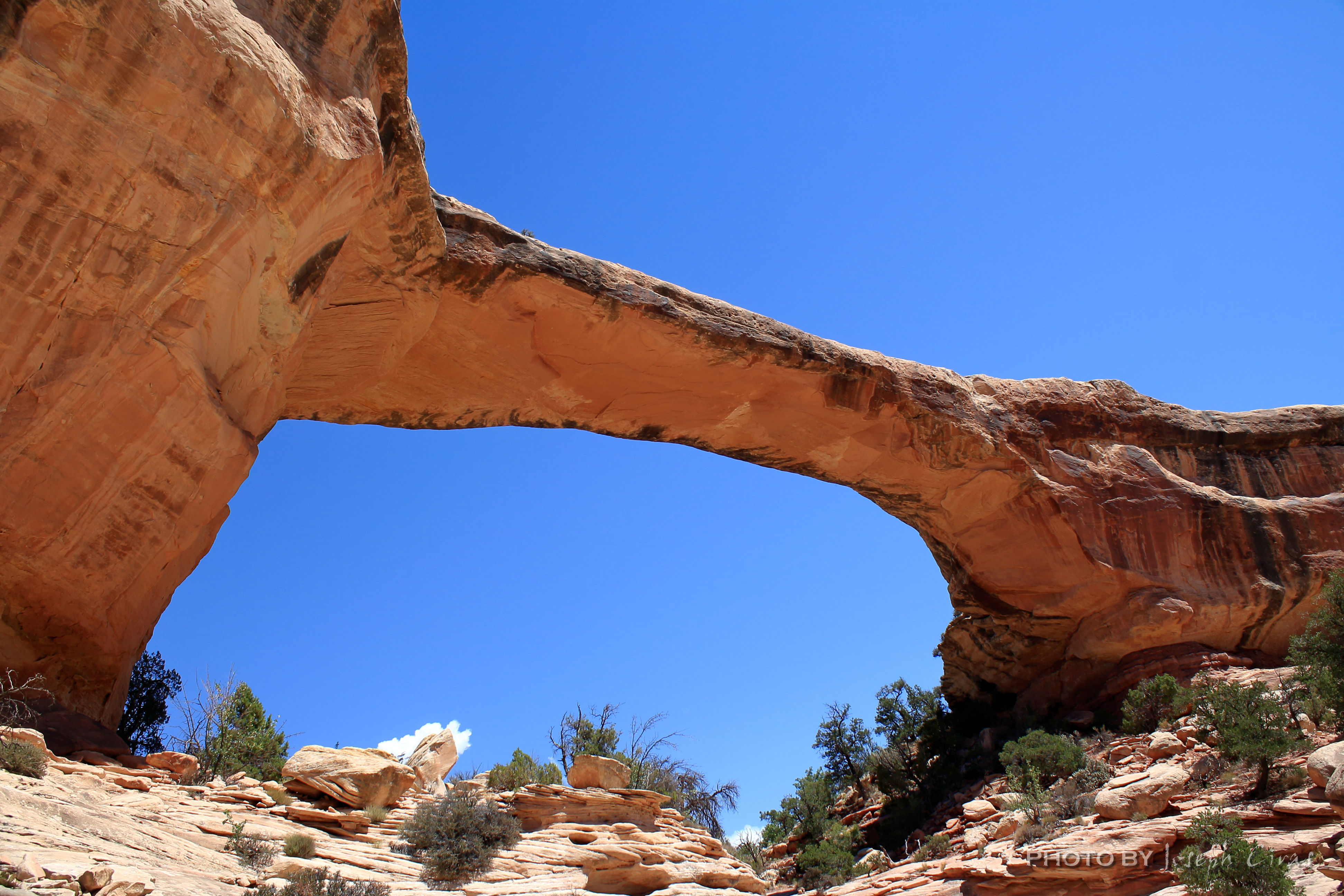
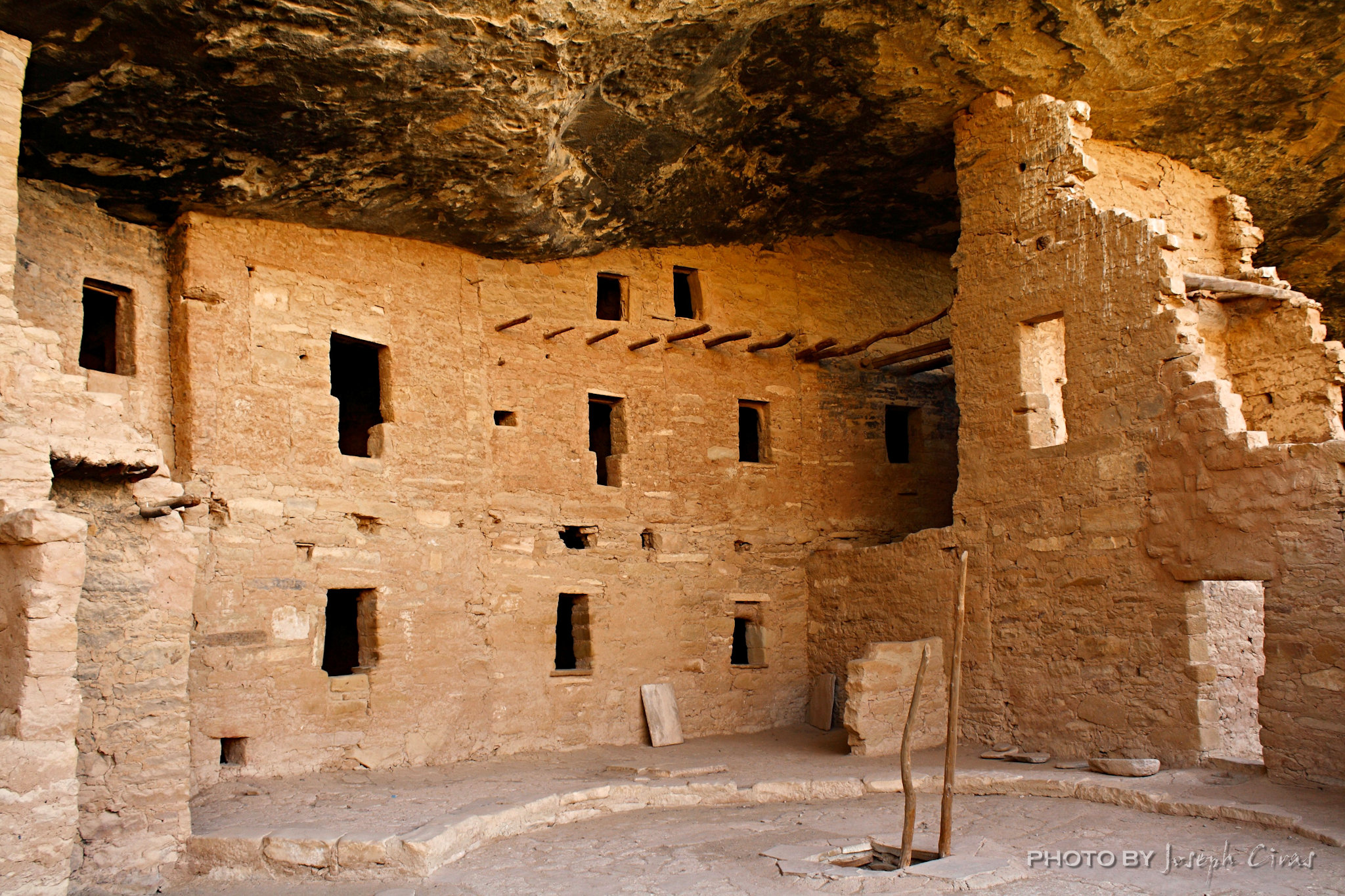
 Photo by Joseph Ciras