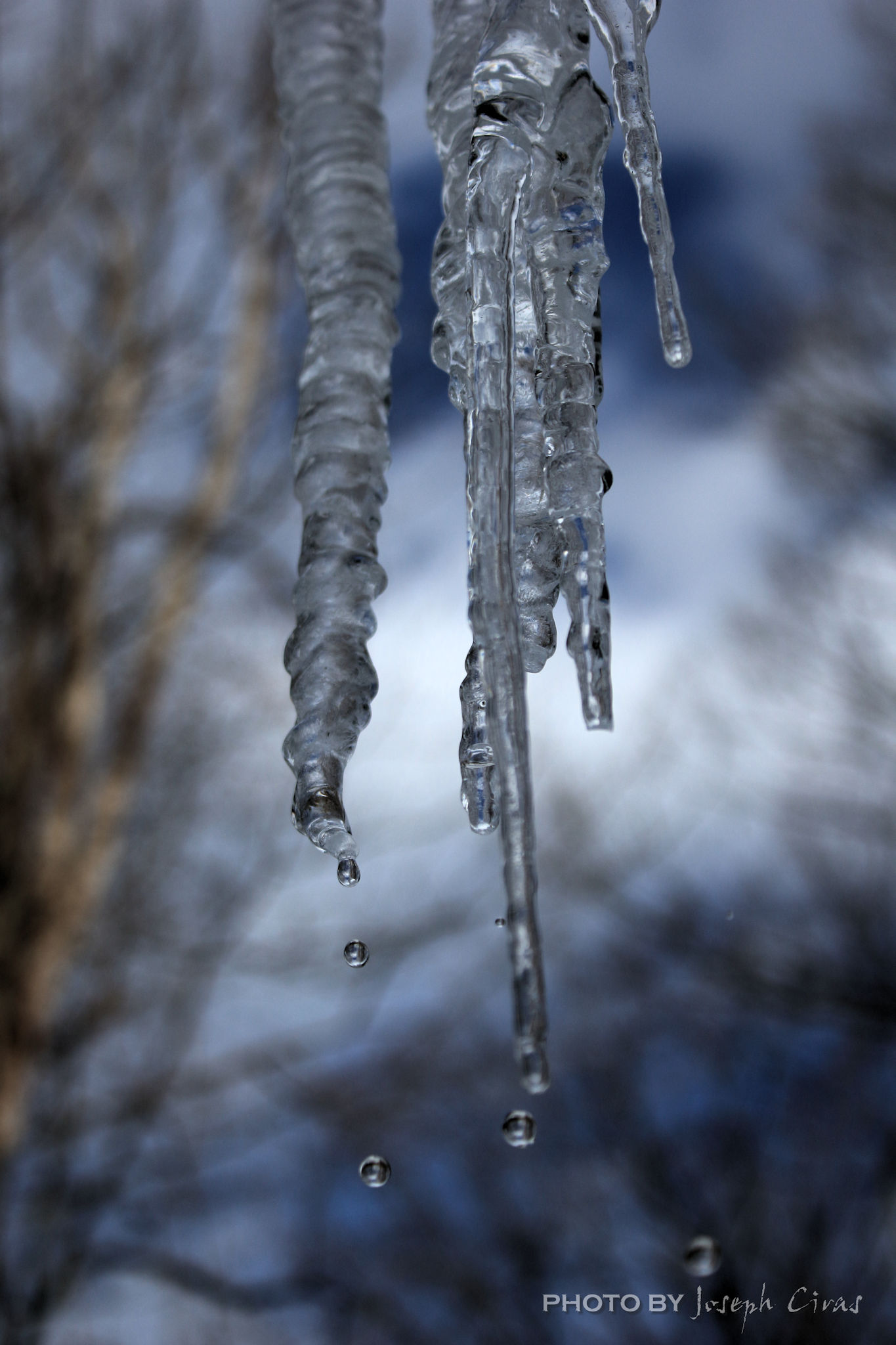
Photographic Thoughts—02/21/2021 to 02/28/2021

“When I have a camera in my hand, I know no fear” — Alfred Eisenstaedt

Thank you for all the new views and likes from last week. It helps keep me going. Enjoy my blog post!

Sunday 02/21/2021: Posted photo—Lemons.

Settings: Samsung SM-G930V (Galaxy S7), ISO 50, f/1.7, 1/293 s, 4 mm

A lemon is an acid fruit that is botanically a many-seeded pale yellow oblong berry produced by a small thorny citrus tree and that has a rind from which an aromatic oil is extracted.

Why do we call defective cars lemons? This is what I found “While defective cars were called lemons by most people in 1960, an ad from Volkswagen cemented the term in our vocabulary. The ad featured a Volkswagen Beetle with the word lemon below the car. The ad is highlighting Volkswagen’s rigorous testing process but that image of a bad car being a lemon stuck.” — grubblawgroup.com

Lemons

“Lemons contain a high amount of vitamin C, soluble fiber, and plant compounds that give them a number of health benefits. Lemons may aid weight loss and reduce your risk of heart disease, anemia, kidney stones, digestive issues, and cancer.” — Healthline.com

Today I went food shopping for my 95-year-old mother for the first time is a few months. She is back in her house after being relocated for a few months during renovations. A tree fell on her house and the house needed to be repaired. I took this photo just in case I was not able to take another on during the day since we were moving her back in and I did not know how long that was going to take.

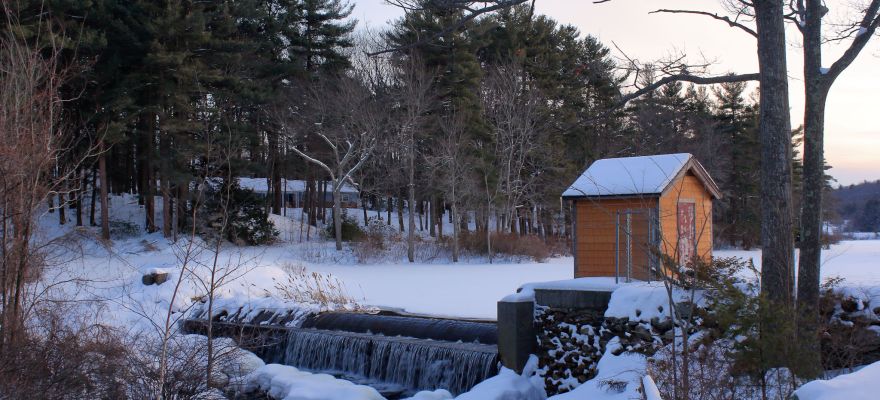
Monday 02/22/2021: Posted photo—Falls During a Storm.

Settings: Canon EOS 60D, ISO 800, f/7.1, 1/50 s, 29 mm.

We are in a snow pattern here in north central Massachusetts. It is a Monday, and it is snowing. On my way back from work I wanted to take a photo of something snowy. Not much was catching my attention and then I say the gate house at Round Meadow Pond. I knew that there would be a great photo of the dam in the storm, so I took a little detour and took this photo. I think it captures well the four inches of new snow that we received. I like the way the snow almost washes out the dam giving the impression that I am in the middle of a storm, which I was.
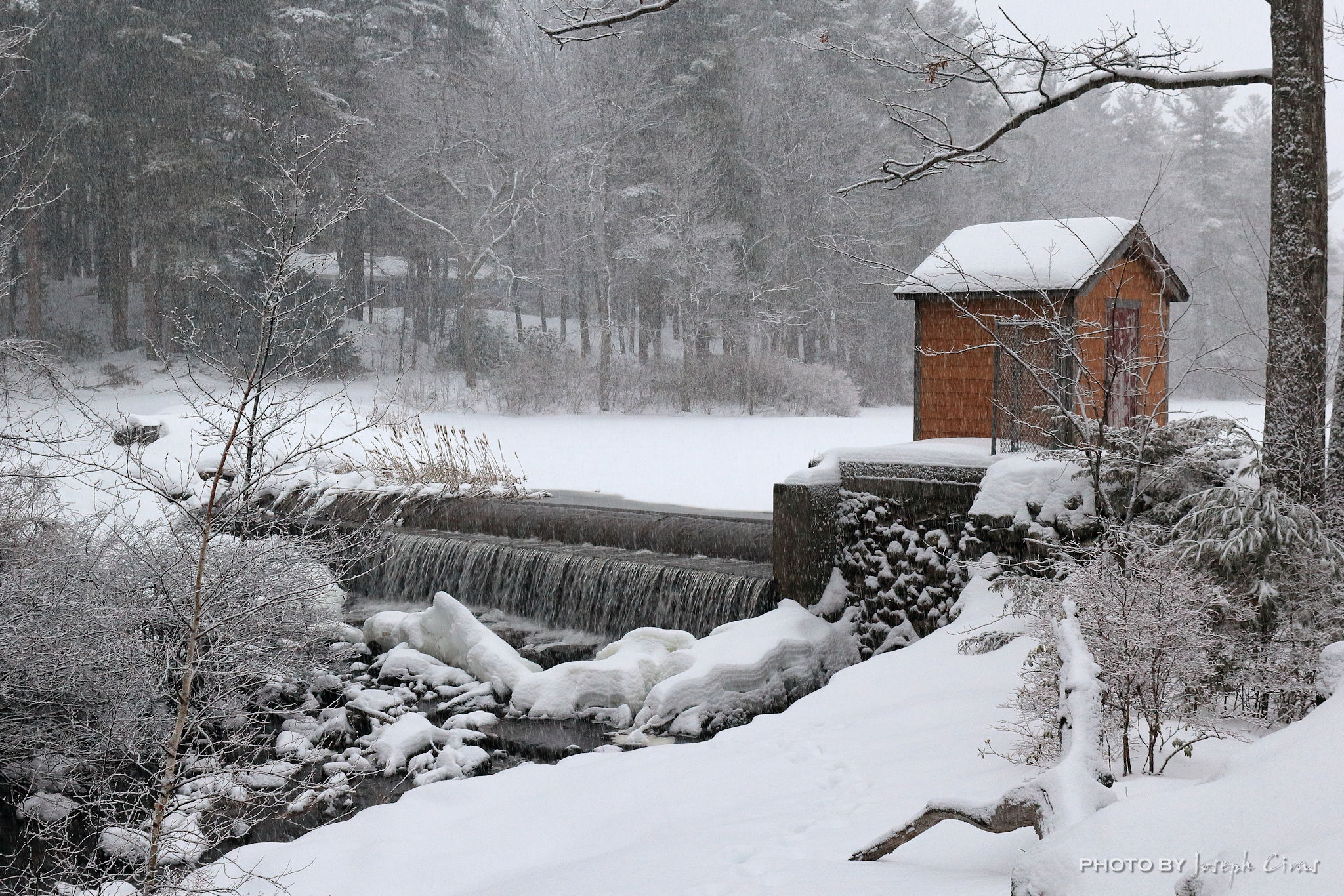
Dam at Round Meadow Pond

Tuesday 02/23/2021: Posted photo—A Web of Birch Branches.

Settings: Canon EOS 60D, ISO 100, f/5.6, 1/2000 s, 29 mm.

Don’t the branches on these birch trees look like a tangled spider web? Let your imagination run wild and you may see the same thing I see.

Birch Branches

A birch tree is a slender, fast-growing tree that has thin bark (often peeling) and bears catkins. There are several trees that bear catkins in winter or in spring (before the leaves). A catkin is a cluster of unisexual flowers that have no petals. On wind pollinated trees, most catkins are long and thin and hang down below the shoot. Birch trees grow chiefly in north temperate regions, some reaching the northern limit of tree growth.

Wednesday 02/24/2021: Posted photo—What is It.

Settings: Canon EOS 60D, ISO 3200, f/5.6, 1/15 s, 55 mm.

It has been a while since I posted a photo for people to guess what it is. This one, like most of the photo of this type I post, was easy to solve. It is a cluster of straws used to stir coffee or tea. The photo is very graining because I did not realize how high my ISO was set. This is a heavily cropped photo.
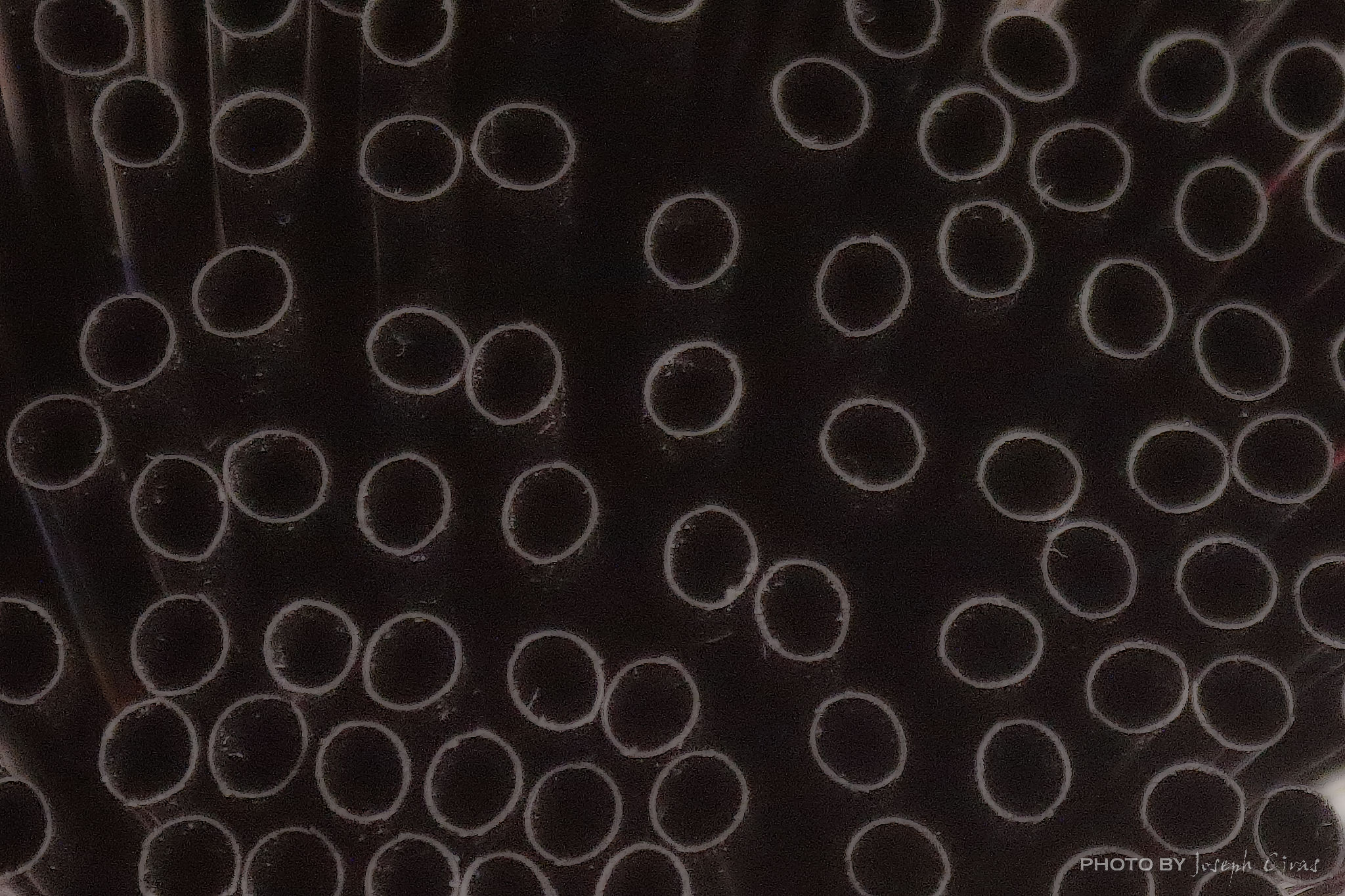
Guess the item

I also to this type of photo occasionally to see how many people look at and comment on my photos. I know that I have many more people looking at my photos than the numbers show.

Thursday 02/25/2021: Posted photo—Waxing Gibbous Moon.

Settings: Canon EOS 60D, ISO 200, f/11.5, 1/125 s, 1350 mm.

The Snow Moon will occur on February 27 at 3:17 a.m. Before the moon is full is a gibbous moon. The moon at 97.6% tonight, not full. This photo is a stack of 31 shots. Why 31 you ask? I must have hit the counter on my intervalometer since I only wanted 30 shots. I kept the extra one. An intervalometer is a shutter release that automatically triggers the shutter, usually at timed intervals.
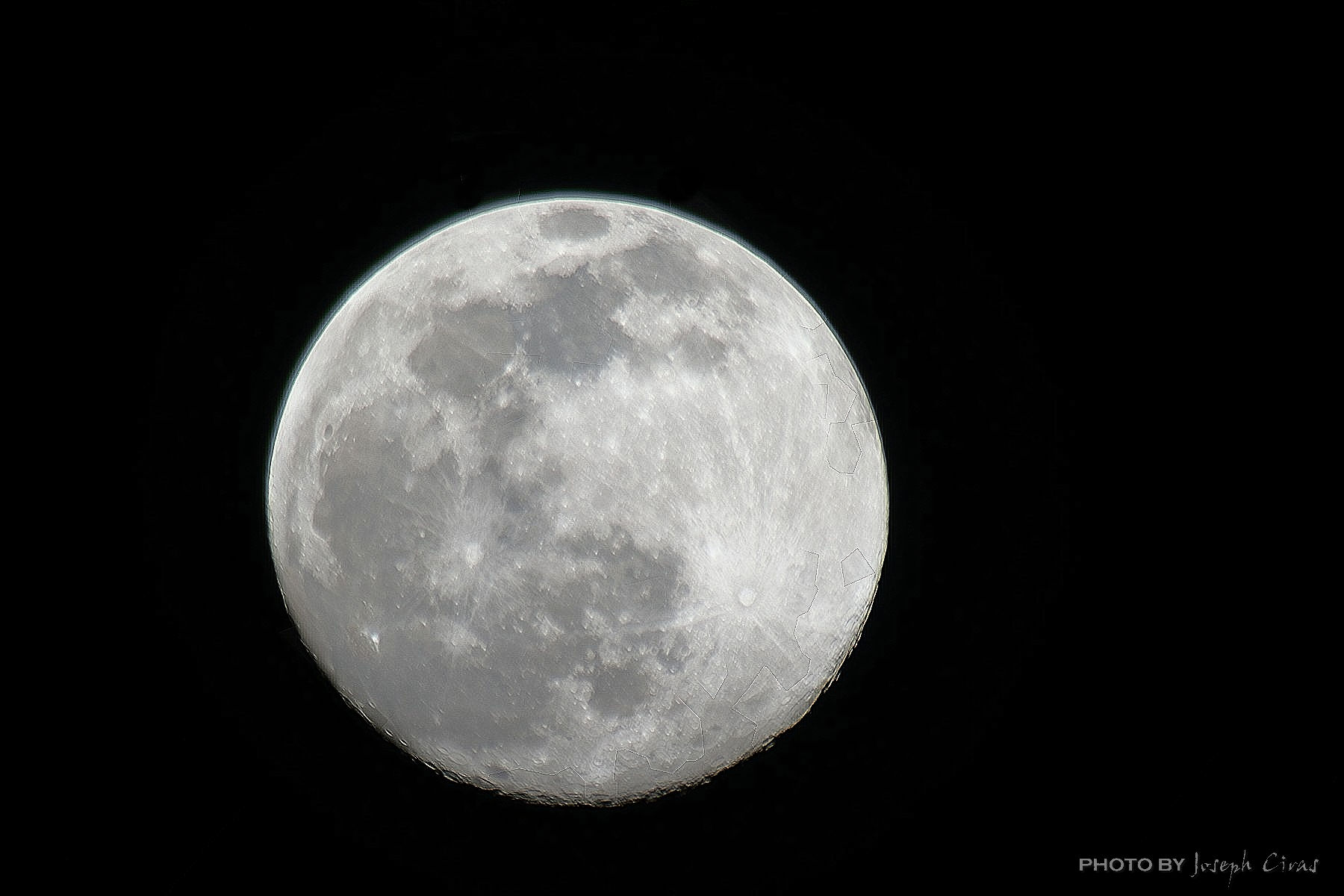
Waxing Gibbous moon

The eight Moon phases:

  1. New: We cannot see the Moon when it is a new moon.
  2. Waxing Crescent: In the Northern Hemisphere, we see the waxing crescent phase as a thin crescent of light on the right.
  3. First Quarter: We see the first quarter phase as a half moon.
  4. Waxing Gibbous: The waxing gibbous phase is between a half moon and full moon. Waxing means it is getting bigger.
  5. Full: We can see the Moon completely illuminated during full moons.
  6. Waning Gibbous: The waning gibbous phase is between a half moon and full moon. Waning means it is getting smaller.
  7. Third Quarter: We see the third quarter moon as a half moon, too. It is the opposite half as illuminated in the first quarter moon.
  8. Waning Crescent: In the Northern Hemisphere, we see the waning crescent phase as a thin crescent of light on the left.

Friday 02/26/2021: Post photo—Mount Rushmore.

Settings: Canon EOS DIGITAL REBEL XS, ISO 100, f/6.3, 1/250 s, 135 mm

This photo was ranked in the top 20% of landscape photos by the Pixoto community in 2013. Pixoto is the world’s largest free photo contest site with hundreds of active free photo contests every day. When we visited Mount Rushmore, one of the last living carvers was there telling stories about how the figures were carved.
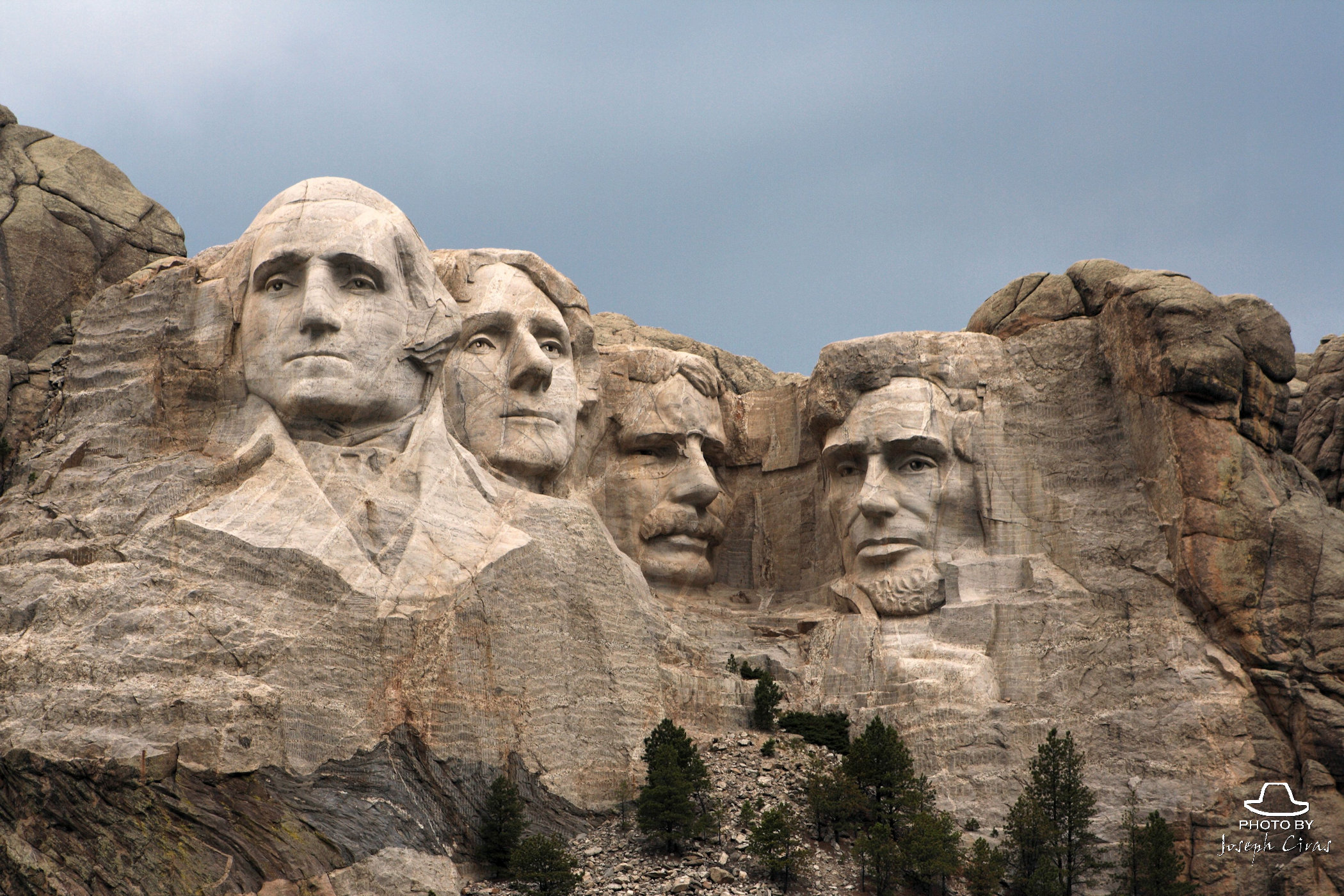
Mount Rushmore

Gutzon Borglum carved George Washington, Thomas Jefferson, Theodore Roosevelt, and Abraham Lincoln on Mount Rushmore. He selected these four presidents because from his perspective, they represented the most important events in the history of the United States.

George Washington, First President of the United States. Born 1732, died 1799. Washington led the colonists in the American Revolutionary War to win independence from Great Britain.

Thomas Jefferson, Third President of the United States. Born 1743, died 1826. Jefferson was the primary author of the Declaration of Independence, a document which inspires democracies around the world.

Theodore Roosevelt, 26th President of the United States. Born 1858, died 1919. Roosevelt provided leadership when America experienced rapid economic growth as it entered the 20th Century.

Abraham Lincoln, 16th President of the United States. Born 1809, died 1865. Lincoln held the nation together during its greatest trial, the Civil War. Lincoln believed his most sacred duty was the preservation of the union.

These four-president looked after the country and our freedom first and did not look after themself to get votes. Their actions were good for the country first and their political future last. Only good, trustworthy, respectable presidents are carved.

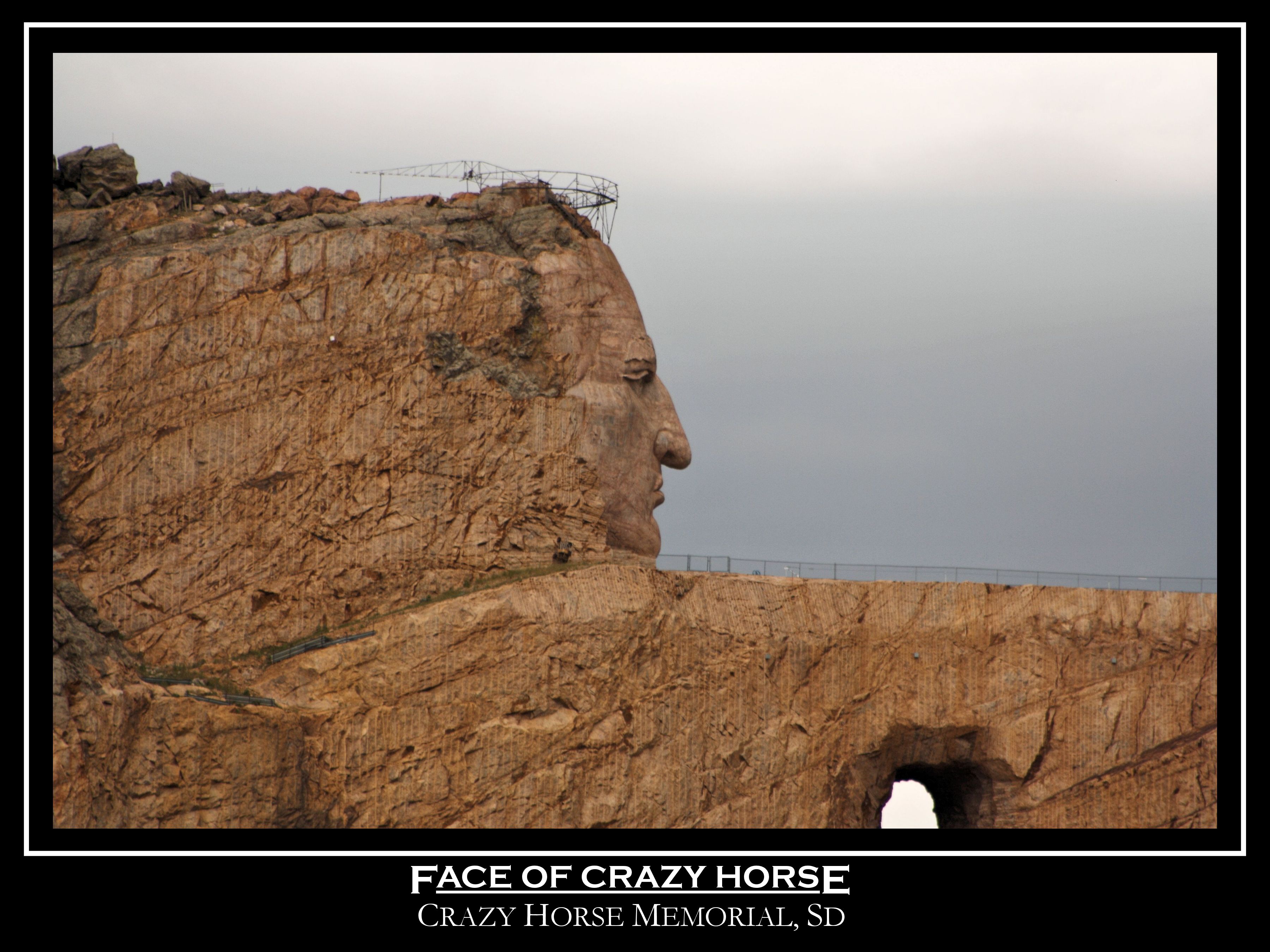
Gutzon Borglum also started to carve another mountain down the road from Mount Rushmore to honor Crazy Horse. Crazy Horse is the world’s largest mountain carving located in the Black Hills of South Dakota. It is considered The Eighth Wonder of the World in progress. Crazy Horse or Tasunke Witco was born as a member of the Oglala Lakota on Rapid Creek about 40 miles northeast of Thunderhead Mt. (now Crazy Horse Mountain) in c. 1840. It was a time when cultures clashed, and land became an issue of deadly contention and traditional Native ways were threatened and oppressed. Crazy Horse responded by putting the needs of his people above his own, which would forever embed him and his legacy in American History. He was killed at Fort Robinson, Nebraska, by a soldier around midnight on September 5, 1877.
Saturday 02/27/2021: Post photo—Mouse Tracks in the Snow.

Settings: Canon EOS 60D, ISO 400, f/5.6, 1/400 s, 55 mm

Mouse paw prints are usually less than half an inch long. The rodents’ front feet have four toes, while their back feet have five. Their footsteps run in parallel lines, and sometimes their tails will create drag marks.

Mouse Tracks without a tail line

These tracks are around from and going away from our woodshed. This is a typical place for mice to hang out. I have not captured any in our house this year. At this time last year, I was clearing out traps almost daily.

For more photo of other project I have work, visit my website: https://photobyjosephciras.weebly.com/ or visit me on Facebook at https://www.facebook.com/PhotobyJosephCiras/.

COVID is real! Be safe out there, keep your social distance, and remember to always wear your mask and wash your hands.
Photographic Thoughts—02/14/2021 to 02/20/2021

“If you are out there shooting, things will happen for you. If you’re not out there, you’ll only hear about it.” — Jay Maisel

Thank you for all the new views and likes from last week. It helps keep me going. Enjoy my blog post!

Sunday 02/14/2021: Posted photo—Snow on Swing.

Settings: Samsung SM-G930V (Galaxy S7), ISO 50, f/1.7, 1/198 s, 4 mm

It in St. Valentine’s Day today. “St. Valentine is the patron saint of love, young people, and happy marriages. He died in 269. Saint Valentine, officially known as Saint Valentine of Rome, is a third-century Roman saint widely celebrated on February 14 and commonly associated with ‘courtly love.’

Although not much of St. Valentine’s life is reliably known, and whether or not the stories involve two different saints by the same name is also not officially decided, it is highly agreed that St. Valentine was martyred and then buried on the Via Flaminia to the north of Rome.

In 1969, the Roman Catholic Church removed St. Valentine from the General Roman Calendar, because so little is known about him. However, the church still recognizes him as a saint, listing him in the February 14 spot of Roman Martyrolgy.” — Catholic Online

I did not post a photo about St. Valentine’s Day today. Too many people on the site in which I do my photo project did and I wanted to be different.

We are currently in a snow cycle. If it snows on a Tuesday, it will snow every Tuesday for a few weeks before changing days. I went out snowshoeing on our property and like the look of the snow on the swings. This is not the greatest photo of snow on swings that I have taken, but it will be a memory of this day for future reference.

One of the swings in our back yard

Monday 02/15/2021: Posted photo—Hiking Buddies.

Settings: Canon EOS DIGITAL REBEL XS, ISO 100, f/9, 1/125 s, 50 mm.

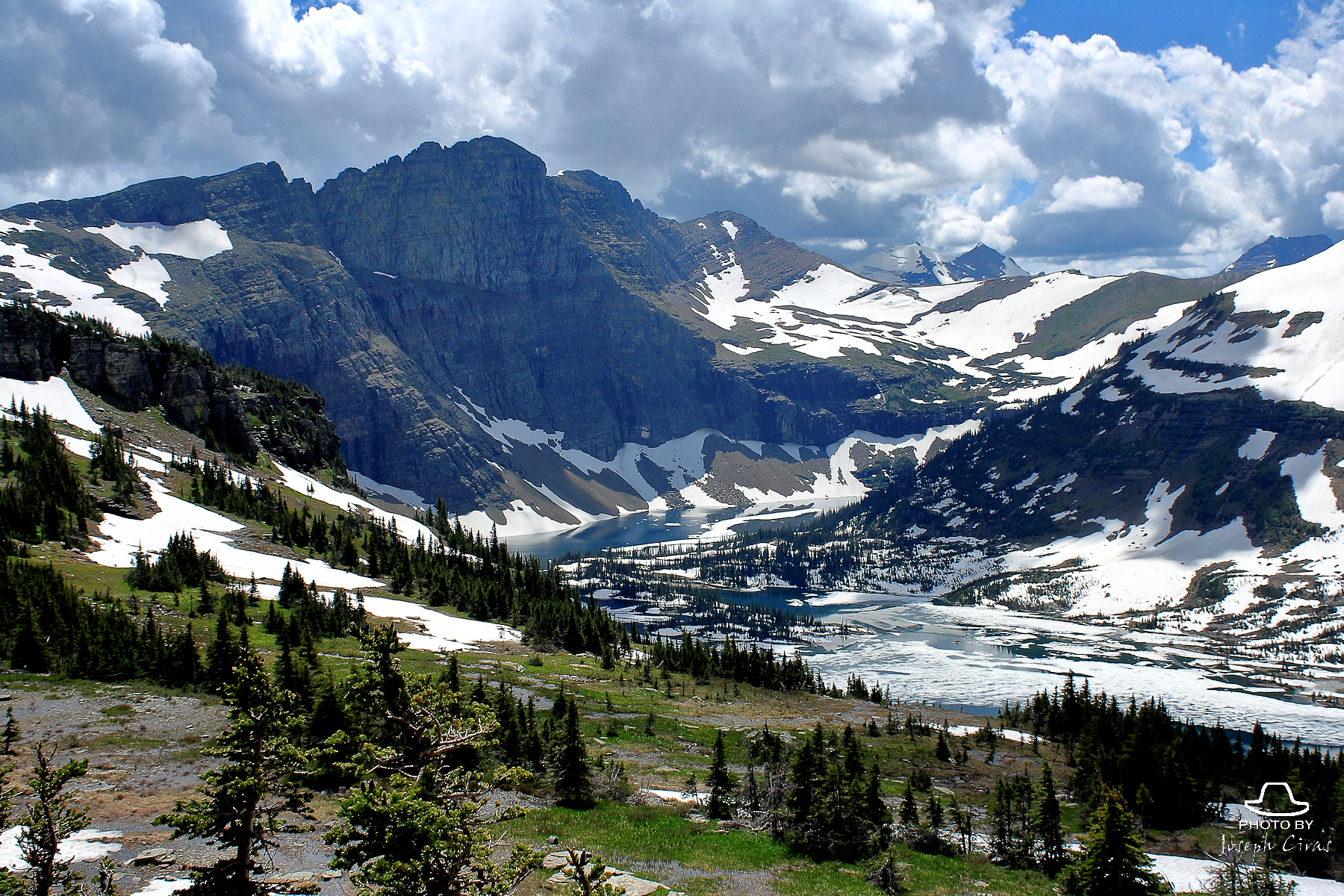
Lost Lake is a relatively small mountain lake located near the much larger Saint Mary Lake in Montana. Despite the name, Lost Lake is very easy to find. It is just off the famous Going-to-the-Sun Road in Glacier National Park.

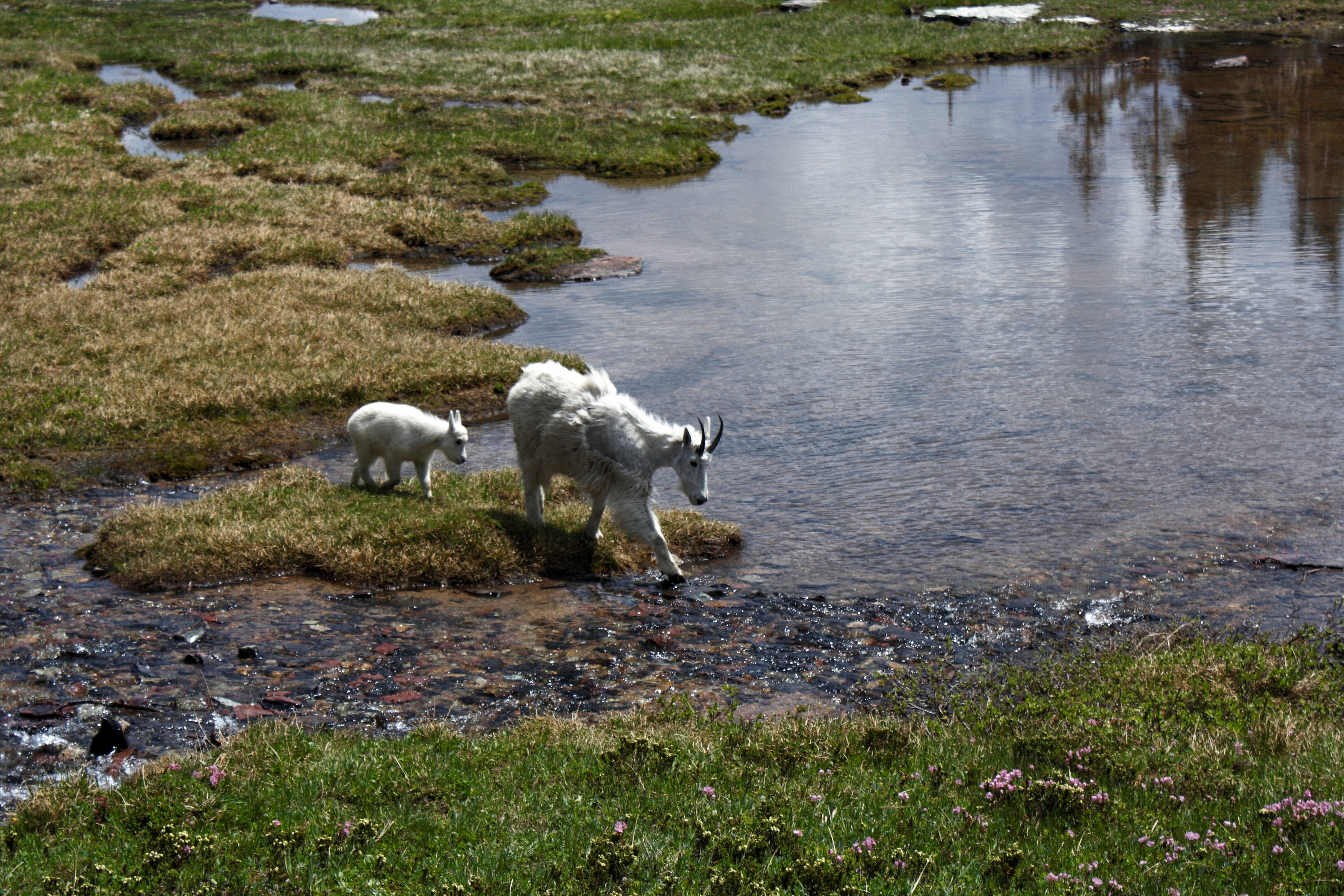
We hiked along the Lost Lake Trail in Glacier National Park, part of the time with these travel companions. The trail is a 2.8-mile (4.5-kilometer) loop trail that begins and ends at the same trailhead, or segments can be done as there-and-back. The trail had a deep covering of snow at some locations. Something you cannot tell from this photo. One of the great things about national parks is that wild animals can be wild. Most people respect the animals, and they respect most people.

Mountain Goat Hiking Companions

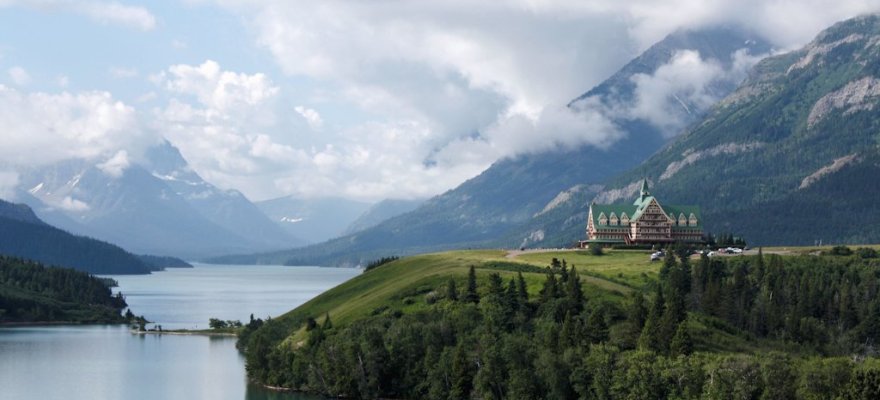
We were on our way to Waterton Lakes National Park in Canada as part of our northern national park tour a few years ago.

Here are a couple more photos from Glacier National Park for your enjoyment.

Lost Lake, Glacier National Park
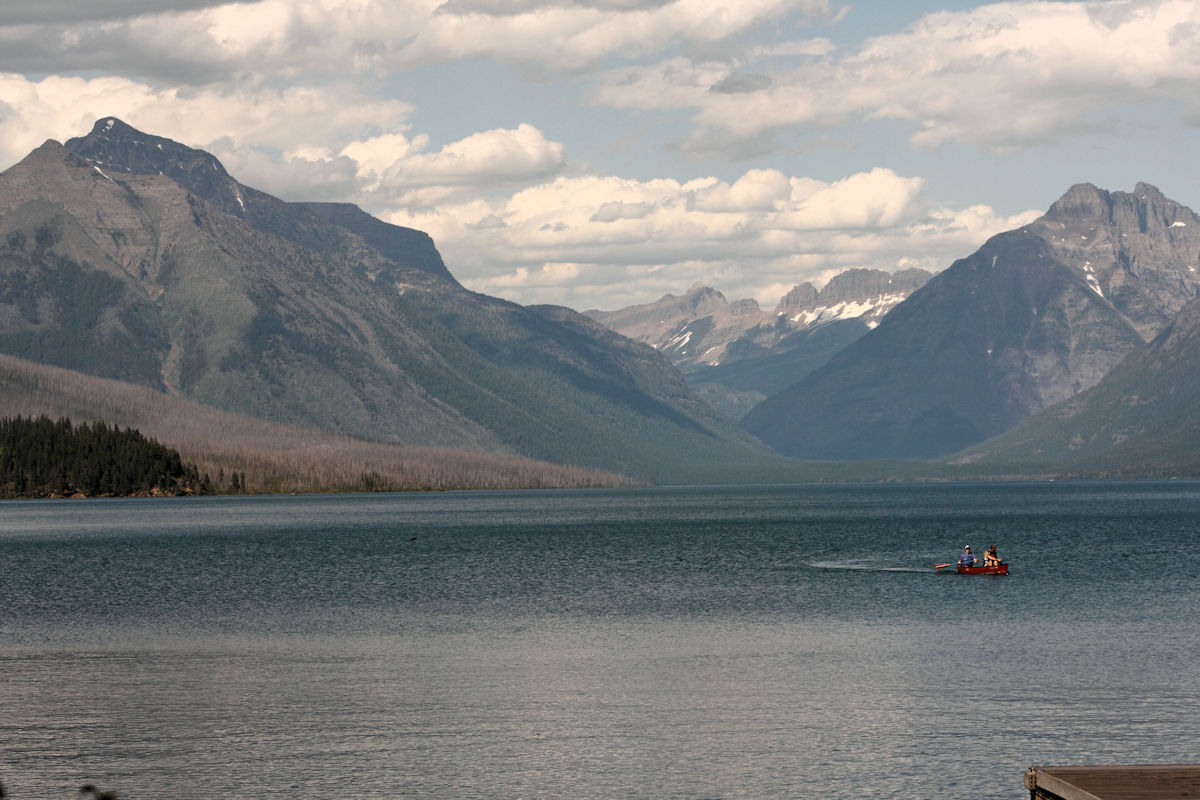
Lake McDonald, Glacier National Park
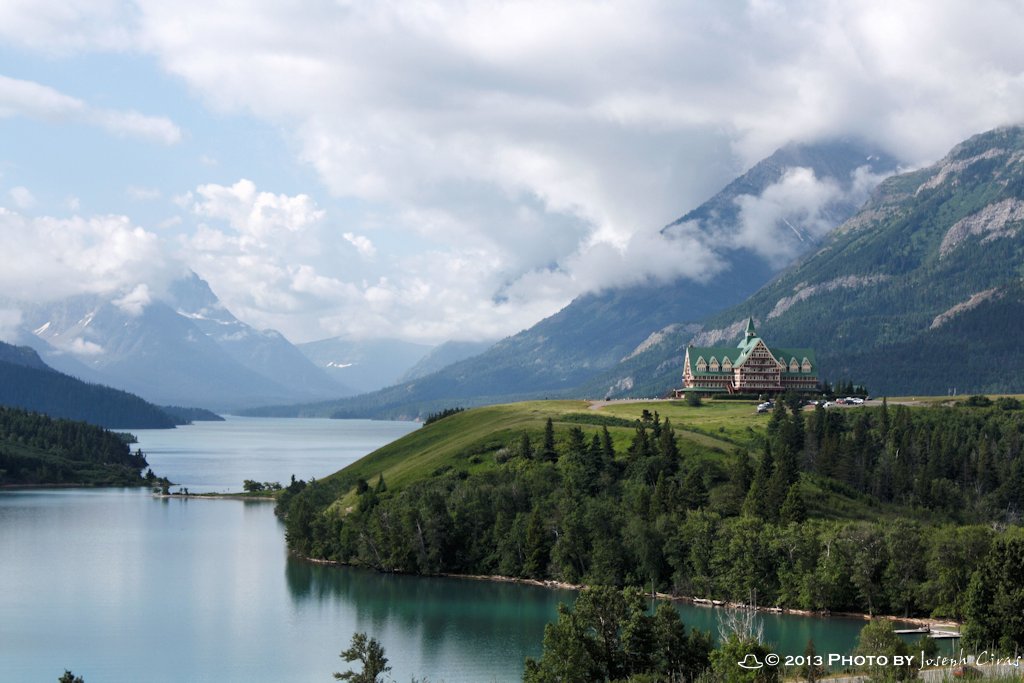
Prince of Wales Hotel, Waterton Lakes National Park

Tuesday 02/16/2021: Posted photo—Ice.

Settings: Canon EOS 60D, ISO 100, f/5.6, 1/30 s, 55 mm.

Today was an interesting day. When I was going to my car this morning to start it up, the ground looked like it was just wet. One step on our walkway and found out it was ice. I did not fall, my foot slipped out a little from under me. I gingerly walked to my car to start it and then to the woodshed to get some salt to place on the walkway and driveway. When I started my car, I took out my “junk” microspikes to walk on the ice and to put the salt down safely. I drove to work carefully and keep my microspikes on when I walked from my car to into the office.

Many other people in the office were surprised by the ice. I most cases, it was a very thin layer of black ice. The roads were not bad since they were treated well. I was thinking on my way to work that it is a good thing that I have my snow tires on in these conditions. If it were earlier in the season, late November, or early December, I may not have changed out my tires and would not be able to make it up the hill to work.

One good thing about the ice, and being a photographer and outdoors person, is that the ice forms a great layer on trees and bushes. Not great in most cases because ice buildup could lead to power outages as it did in the Winter of 2008, but wonderful to look at.

Bush covered with ice

Today’s photo is one of ice buildup on a conifer bush. I hope you enjoy.

Now it is time to clean up the mess the rain and freezing rain has left behind. Need to destroy some ice dams on my roof so that water does not get into my house.

Wednesday 02/17/2021: Posted photo—Winter at Dusk.

Settings: Canon EOS 60D, ISO 200, f/7, 1/99 s, 55 mm.

Wachusett Mountain from Round Meadow Pond.

As noted in a previous post, there is more sunlight in the evening now. On my way home from work, I stopped by to see how the mountain looked at this time of day. I did not know if it would be too dark to take this photo. It was not, so I took this photo.

Wachusett Mountain from Round Meadow Pond a dusk

It had to be a fast photo today because I needed to get home for Ash Wednesday mass. Ash Wednesday is a solemn reminder of human mortality and the need for reconciliation with God and marks the beginning of the penitential Lenten season.

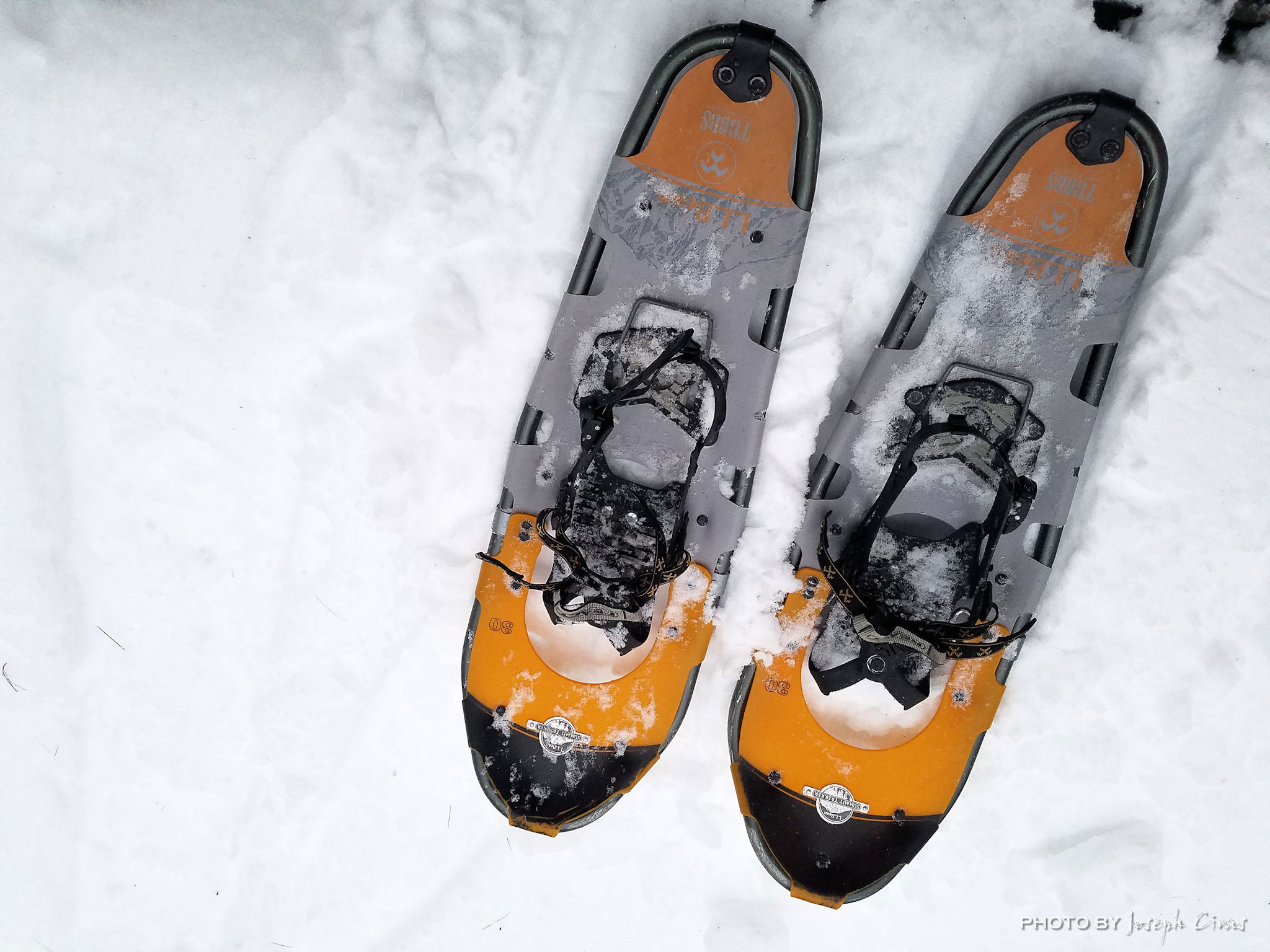
Thursday 02/18/2021: Posted photo—Snowshoes.

Settings: Samsung SM-G930V (Galaxy S7), ISO 160, f/1.7, 1/30 s, 4 mm

“Snowshoeing is known to have been practiced in present-day central Asia about 6,000 years ago. It is believed that as these ancestors to the Inuits and Native Americans, migrated from Asia to North America, they brought the snowshoes with them, which were modified slabs of wood. It was not too long before this evolved into the white ash framed snowshoes with the raw hide lacing that we associate with snowshoeing today.

Until the 1970’s, snowshoes were used primarily for employment and survival rather than recreation, and the primary materials utilized in the construction were wood (white ash) and rawhide. The wooden snowshoes are generally categorized in three different styles or shapes. The oval shaped bear paw was designed for use in forested conditions where maneuverability was most important. The truly long (46+ inches) Yukon snowshoe was developed for traversing deep powder-covered open areas, common in the Northwest. The beavertail seemed to take advantage of the best features of both the bear paw and the Yukon, and has been utilized in all types of snow conditions.” — United States Snowshoe Association

My well traveled snowshoes

These snowshoes have many miles on them and have made me travel safety over many mountains. They are considered backcountry snowshoes. Many hikers have smaller, lighter, snowshoes, but I need these snowshoes for my weight. If I were to have the smaller, lighter snowshoes, I would need to have outriggers on them when I am using them in fluffy, deep snow.

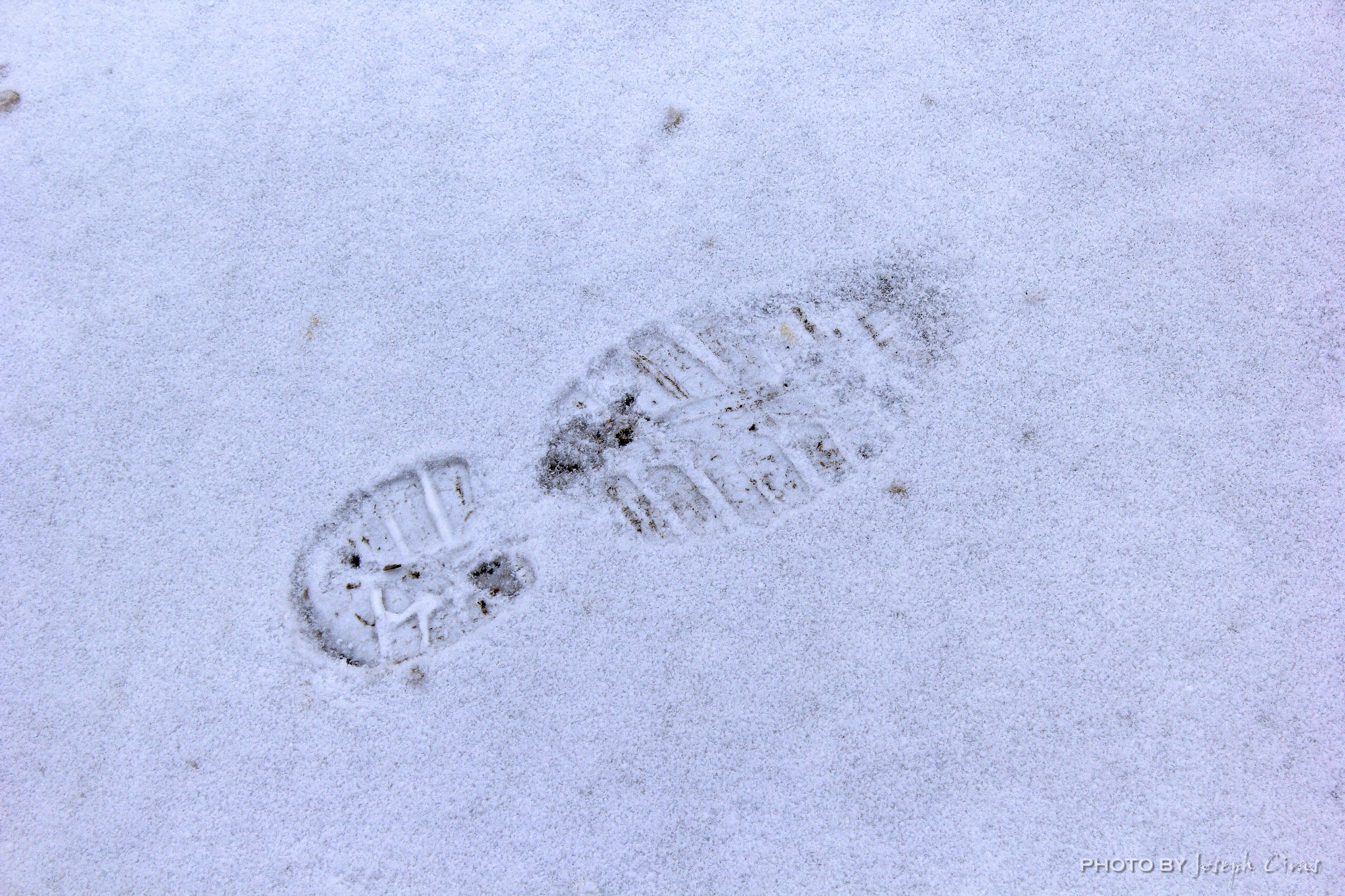
Friday 02/19/2021: Post photo—Footprint in the Snow.

Settings: Canon EOS 60D, ISO 100, f/7.1, 1/640 s, 55 mm

Needed a photo. Dusting of snow on a cleared driveway. One foot. One photo.

My footprint

“For I found her when the snow was on the ground. I traced her little footprints in the snow. I found her little footprints in the snow, Lord. I bless that happy day that Nellie lost her way. For I found her when the snow was on the ground. I dropped in to see her, she was a big round moon.” — Bill Monroe – Footprints In The Snow

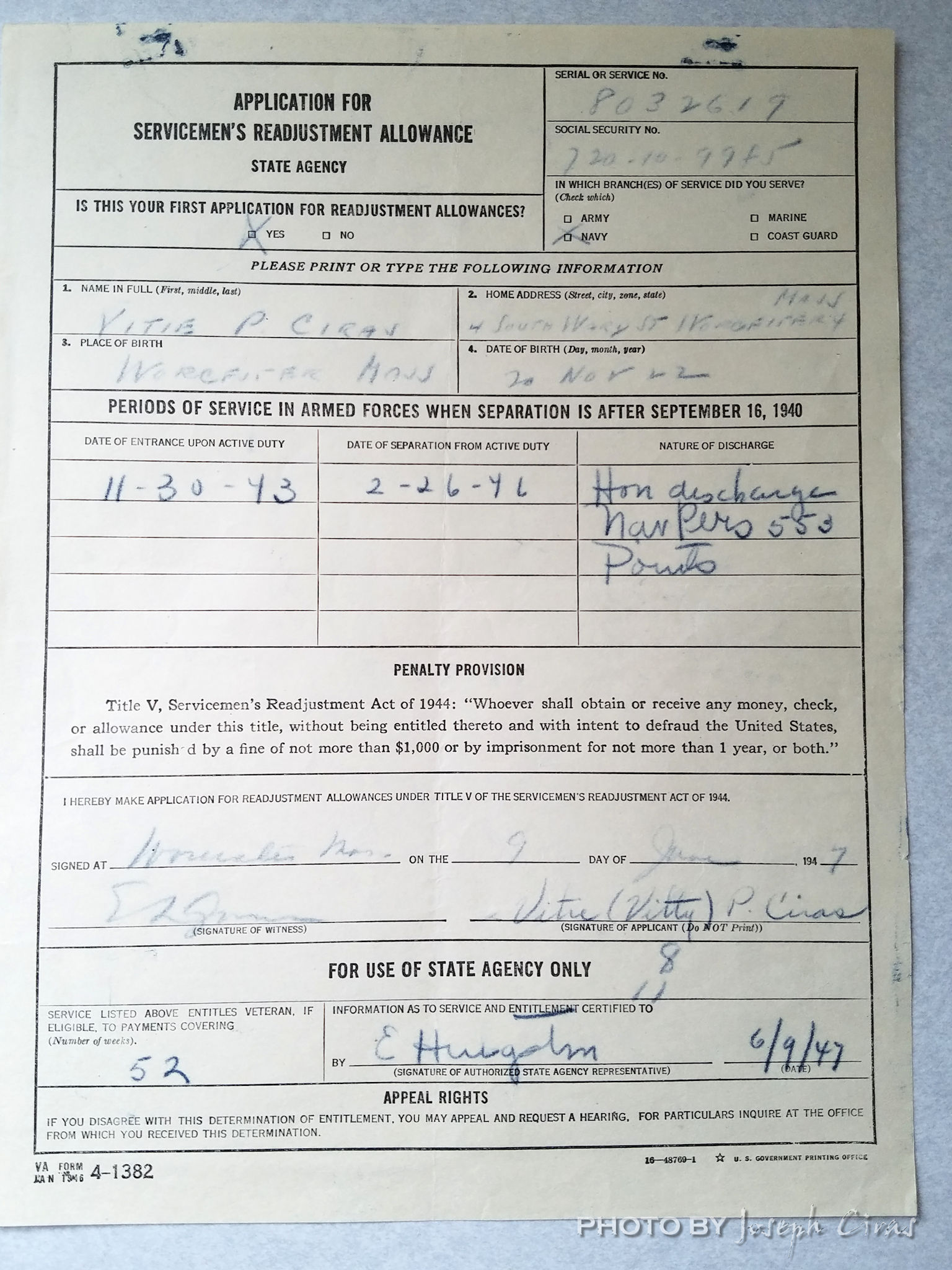
Saturday 02/20/2021: Post photo—Application.

Settings: Samsung SM-G930V ( S7), ISO 64, f/1.7, 1/60 s, 4 mm

Servicemens Readjustment Act (1944)

While World War II was still being fought, the Department of Labor estimated that, after the war, 15 million men and women who had been serving in the armed services would be unemployed. To reduce the possibility of postwar depression brought on by widespread unemployment, the National Resources Planning Board, a White House agency, studied postwar manpower needs as early as 1942 and in June 1943 recommended a series of programs for education and training. The American Legion designed the main features of what became the Serviceman’s Readjustment Act and pushed it through Congress. The bill unanimously passed both chambers of Congress in the spring of 1944. President Franklin D. Roosevelt signed it into law on June 22, 1944, just days after the D-day invasion of Normandy.

American Legion publicist Jack Cejnar called it “the GI Bill of Rights,” as it offered Federal aid to help veterans adjust to civilian life in the areas of hospitalization, purchase of homes and businesses, and especially, education. This act provided tuition, subsistence, books and supplies, equipment, and counseling services for veterans to continue their education in school or college.

This is a copy of my father’s application for Servicemens Readjustment Act. He served in the Navy in World War II from 11/30/43 to 02/26/46 as a Fireman First Class.

My father’s application for the GI Bill

My father used the money from the GI Bill to purchase the house that my mother still lives in.

Usual statement: That is all for this week. Hope you enjoyed my thoughts and constructive criticism is always wanted. I do not take criticism personally, just an opportunity to better my photography and writing skills.

For more photo of other project I have work, visit my website: https://photobyjosephciras.weebly.com/ or visit me on Facebook at https://www.facebook.com/PhotobyJosephCiras/.

Photographic Thoughts—02/07/2021 to 02/13/2021

“In photography there are no shadows that cannot be illuminated.” — August Sander

Thank you for all the new views and likes from last week. It helps keep me going. Enjoy my blog post!

Sunday 02/07/2021: Posted photo—Wood.

Settings: Canon EOS 60D, ISO 200, f/7.1, 1/160 s, 29 mm.

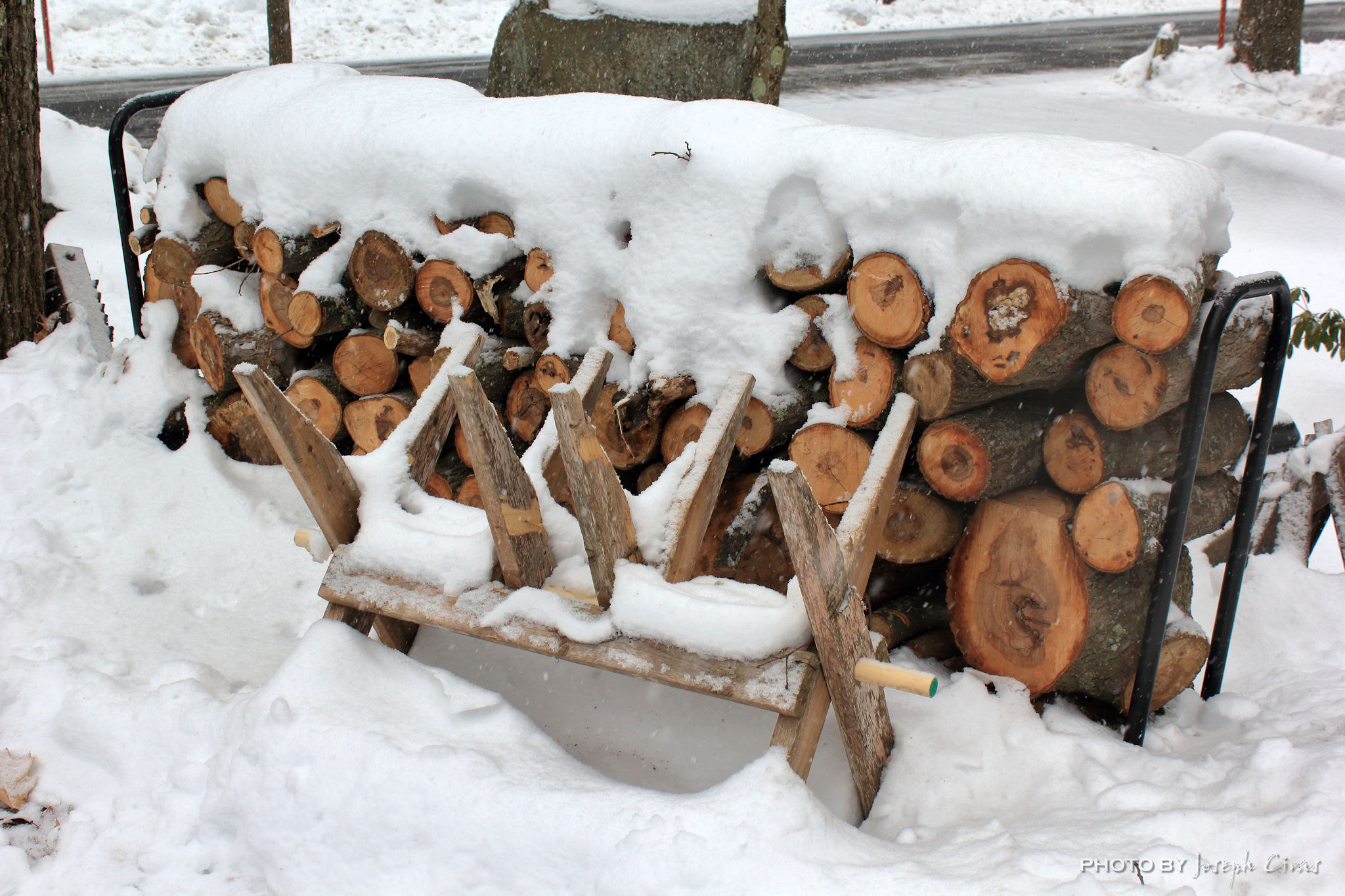
I posted a similar photo about a month ago. Today it is snowing. I moved our cars to their snow configuration, in line, and took a photo of this seasoning wood pile in case I do not get out again today. Once the snow melts and we get into spring or early summer, I will split this wood to get it ready for the new burning season.

Fire wood

Monday 02/08/2021: Posted photo—Blue Sky.

Settings: Canon EOS 60D, ISO 100, f/7.1, 1/400 s, 55 mm.

A camera’s senor dictated the quality of the image the camera can produce—the larger the sensor, the higher the image quality. Bigger image sensors have bigger pixels, which means better low-light performance, reduced noise, good dynamic range, and the ability to obtain more information.

The best way to see if there is dust on your sensor is to take a photo of a light solid color to see if you can see the spots. Most people take a photo of something white to do this. I looked at the sky today and it was bright blue, I needed a photo of the day, so I took this photo to both check my sensors and to have a photo to post.

Nothing but blue sky

Tuesday 02/09/2021: Posted photo—Cold Sun.

Settings: Canon EOS 60D, ISO 100, f/7.1, 1/500 s, 55 mm.

We received six inches of new snow today. Before the snow, I looked up and liked the way the sun was shining in the clouds. It is not often you can take a photo of the sun without a filter. Like other photos, the scene was calling to me to photograph it00000.

The cold sun in the sky

Wednesday 02/10/2021: Posted photo—Aunt Connie.

Settings: Not applicable, scanned photo.

My Aunt Connie passed away today due to COVID. She went into the hospital for some other reason and contacted COVID. She was my mother’s older sister. Aunt Connie was 97 years old and my mother is 95. My mother called her a second mother to her. There were eleven children in the family so when the younger ones were born, the older ones took care of each other. Aunt Connie was the second oldest child, and my mother is the fourth oldest.

Aunt Connie

COVID is real! Wear your masks, wash your hand, social distance, and get your shot.

Thursday 02/11/2021: Posted photo—Falls at Sunset.

Settings: Canon EOS 60D, ISO 400, f/7.1, 1/30 s, 27 mm.

It has been getting brighter every day when I leave work. No longer am I going to work when it is dark and coming home from work when it is dark. I was driving around after work looking for something to photograph before the sun was under the horizon. I passed this spot and took this photo.

The dam at Round Meadow Pond

Friday 02/12/2021: Post photo—Snow People.

Settings: Samsung SM-G930V (Galaxy S7), ISO 200, f/1.7, 1/60 s, 4 mm

My grandniece 0wanted to play in the snow with my wife, my son, and me. I am not home from work when she is here so that was great to hear. When she was out playing with my son, she wanted a snowman. The snow was not the greatest for that so my made some small ones with her. She wanted a big snowman, but the snow was not “snowman” snow. My wife took out the ice pick and cut squares out of packed down snow and made the big snowman in this photo.

Snow people

Saturday 02/13/2021: Post photo—Icefall.

Settings: FUJIFILM FinePix XP70, ISO 200, f/5.6, 1/2500 s, 46 mm

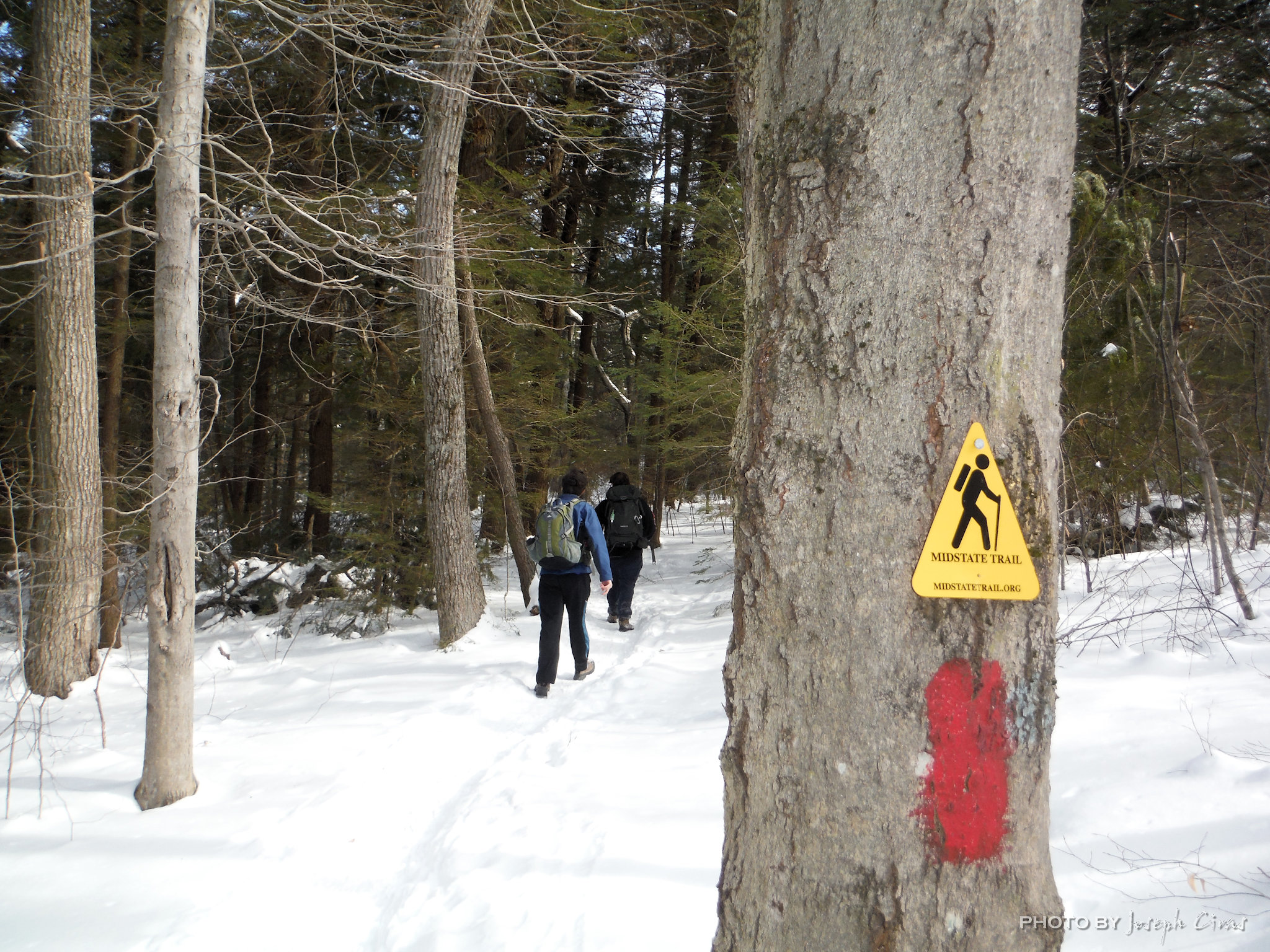
Today was my second hike of the week. This one was a little longer than the one I took Wednesday night. Today the hike was with my son and one of his friends. The three of us hike often during the week. We attempt to hike three times a week. This month it was hard to do this since there was snowstorm on the days we normally hike.

My son and his friend hiking along the Midstate Trail on Wachusett Mountain

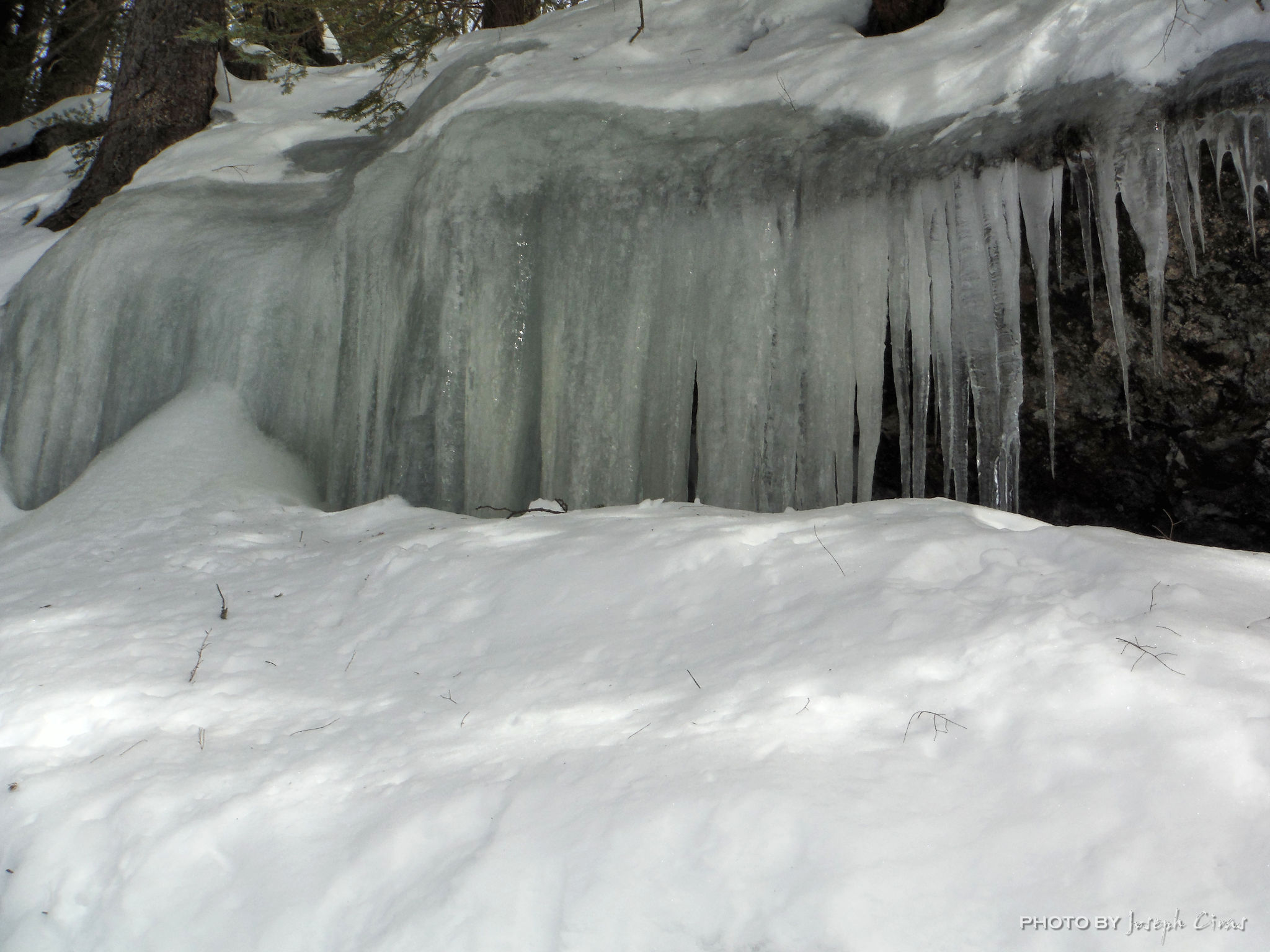
This icefall is at the junction of Harrington and Link trails on Wachusett Mountain. I took a photo of this icefall a few weeks ago. During this hike, I was reminded on why I like to hike at night, there are fewer people to run into.

Icefalls on Wachusett Mountain

Usual statement: That is all for this week. Hope you enjoyed my thoughts and constructive criticism is always wanted. I do not take criticism personally, just an opportunity to better my photography and writing skills.

For more photo of other project I have work, visit my website: https://photobyjosephciras.weebly.com/ or visit me on Facebook at https://www.facebook.com/PhotobyJosephCiras/.

Be safe out there, keep your social distance, and remember to always wear your mask.

COVID is real! Be safe out there.

Photographic Thoughts—01/31/2021 to 02/06/2021

“Photograph takes an instant out of time, altering life by holding it still.” — Dorothea Lange

Thank you for all the new views and likes from last week. It helps keep me going. Enjoy my blog post!

Sunday 01/31/2021: Posted photo—Mount Flume.

Settings: Canon EOS 60D, ISO 100, f/7.1, 1/320 s, 55 mm.

Today I went hiking with an old college roommate. We hiked together last year for the first time in a long time. This was the second time we hiked together and the first time in the winter. On the accent, I as faster then he was. On the descent, he was faster than I was. On the descent, I am a cautious hiker, especially in the snow. The hike was about 11 miles long and took us about 8 hours to complete.

When we started the hike, it was -4° F at the trailhead and the snow was very crisp. The temperature rose to about 18° F on the decent. On the decent the snow was softer and more slippery. I wore my microspikes on the accent and my crampons on the descent. If you stepped off the trail, you sank into about 2 feet of snow.

It was a wonderful hike, and I am looking forward to more hikes with this college friend.

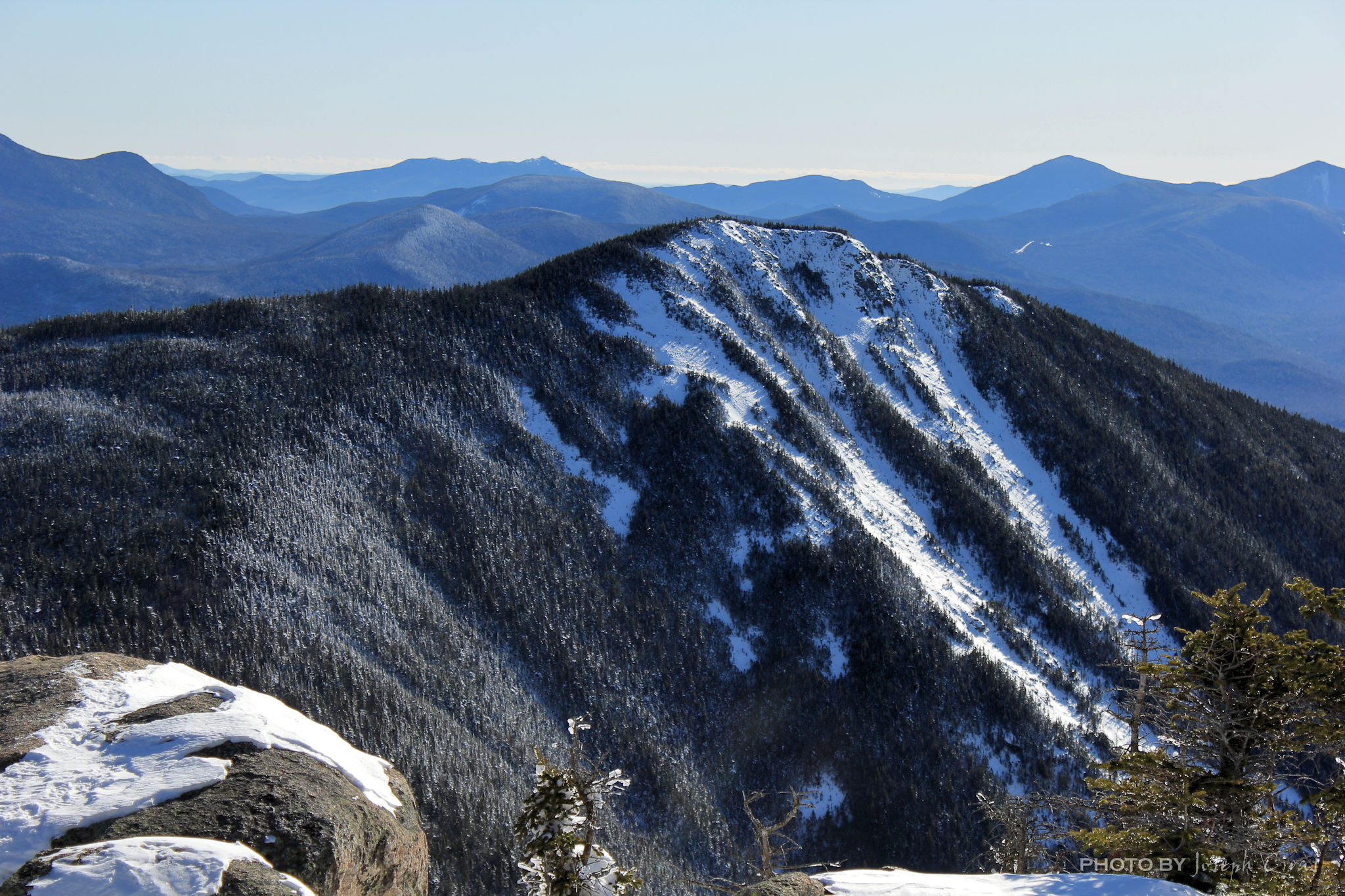
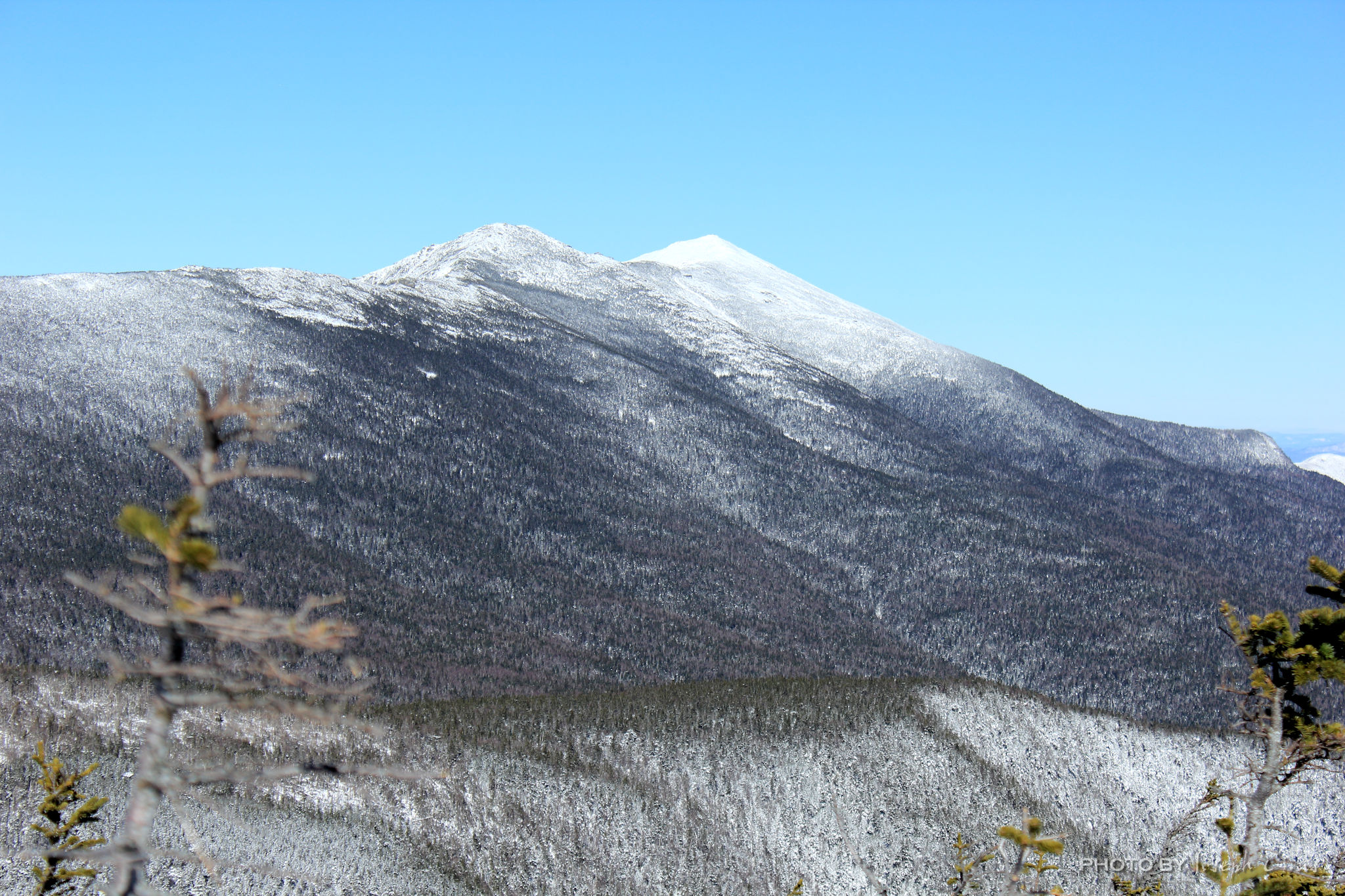
We did two mountains on this hike. The first one we summited was Mount Liberty.  Mount Liberty is a 4,459-foot-high mountain in the White Mountains of New Hampshire. Overlooking Franconia Notch, it is part of Franconia Ridge, the second highest mountain group in the Whites after the Presidential Range. The second mountain we summited was the one in this photo, Mount Flume. Mount Flume is the southernmost and shortest of the five peaks on the very popular Franconia Ridge. The Flume Slide — a rockslide through the trees which you will need to climb up — is shown in this photo. The rock here is very solid and angular with good holds even in the rain. The slide lasts for 0.7 miles after which you will reach the Franconia Ridge Trail junction just 0.1 miles south of the Mount Flume summit. The general rule is that you never go down the slide, only up it. It is very difficult to climb in good weather and impossible to climb in the winter.

Monday 02/01/2021: Posted photo—Mounts Lafayette and Lincoln.

Settings: Canon EOS 60D, ISO 100, f/7.1.0, 1/640 s, 55 mm.

Mount Lafayette is a 5,249-foot mountain at the northern end of the Franconia Range. This is one of the mountains that I have climbed in the past during the spring. Mount Lincoln is a 5,089-foot mountain in the Franconia Range. I also have summited this mountain in the past. I took these photos during yesterday’s hike up Mount Liberty and Mount Flume.

I was not able to get out today to take a new photo, so I posted a photo taken yesterday.

Tuesday 02/02/2021: Posted photo—Falls Under the Snow.

Settings: FinePix XP70, ISO 400, f/4.9, 1/30 s, 18 mm.

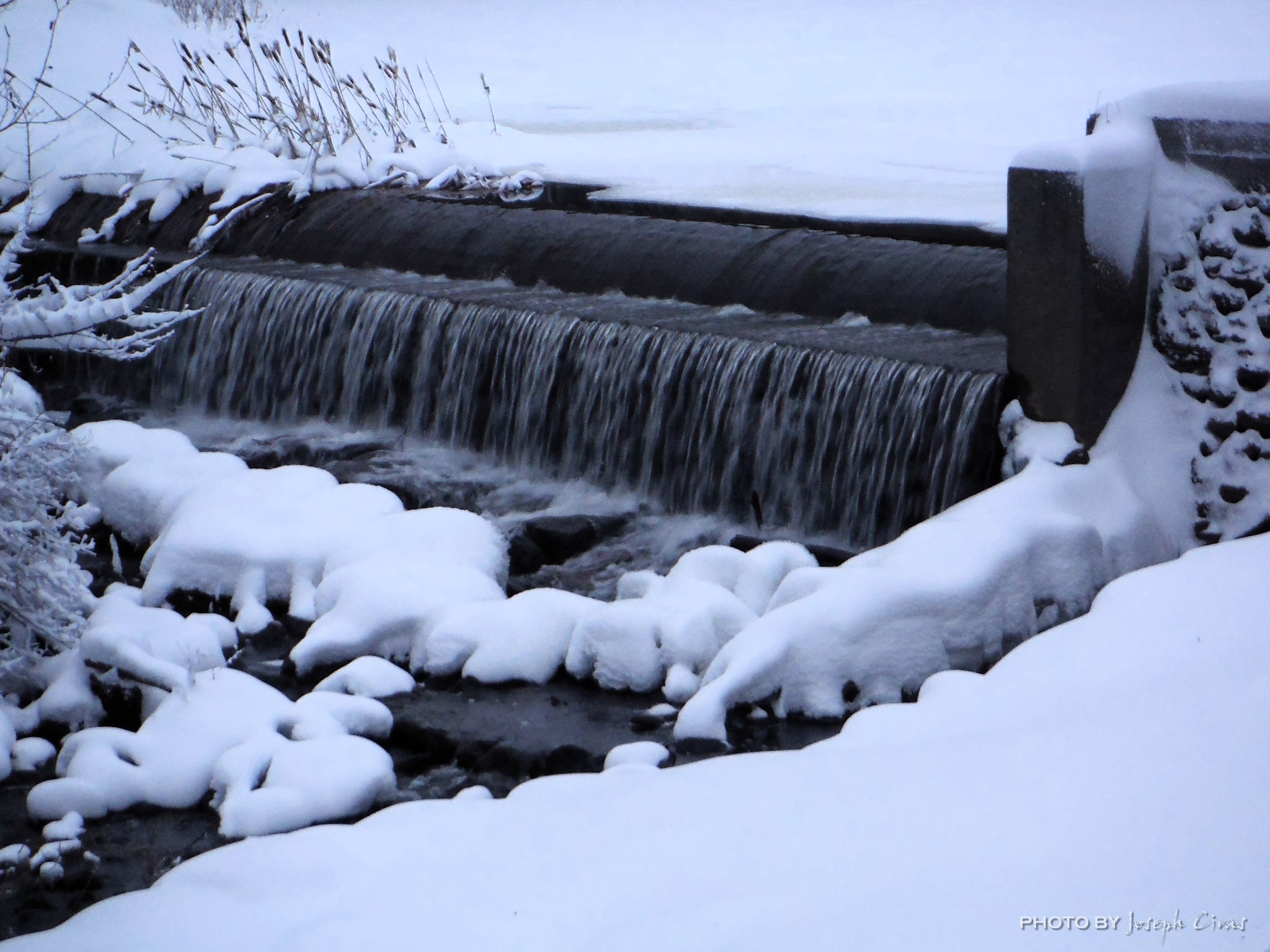
If hiking 11 miles on Sunday was not enough, I snowshoed into work today. It was a shot 3-mile hike in the morning and a 2.5-mile hike after work. I took the safe route to work and broke trail on the way home. During my afternoon hike, I passed the dam at Round Meadow Pond and took this photo. If you have been following me for a while, you know that I photograph this place often. We received 19 inches of new snow overnight and it was a wonderful hike home in the woods along the Midstate Trail.

Wednesday 02/03/2021: Posted photo—Hanging On.

Settings: Canon EOS 60D, ISO 200, f/5.6, 1/500 s, 55 mm.

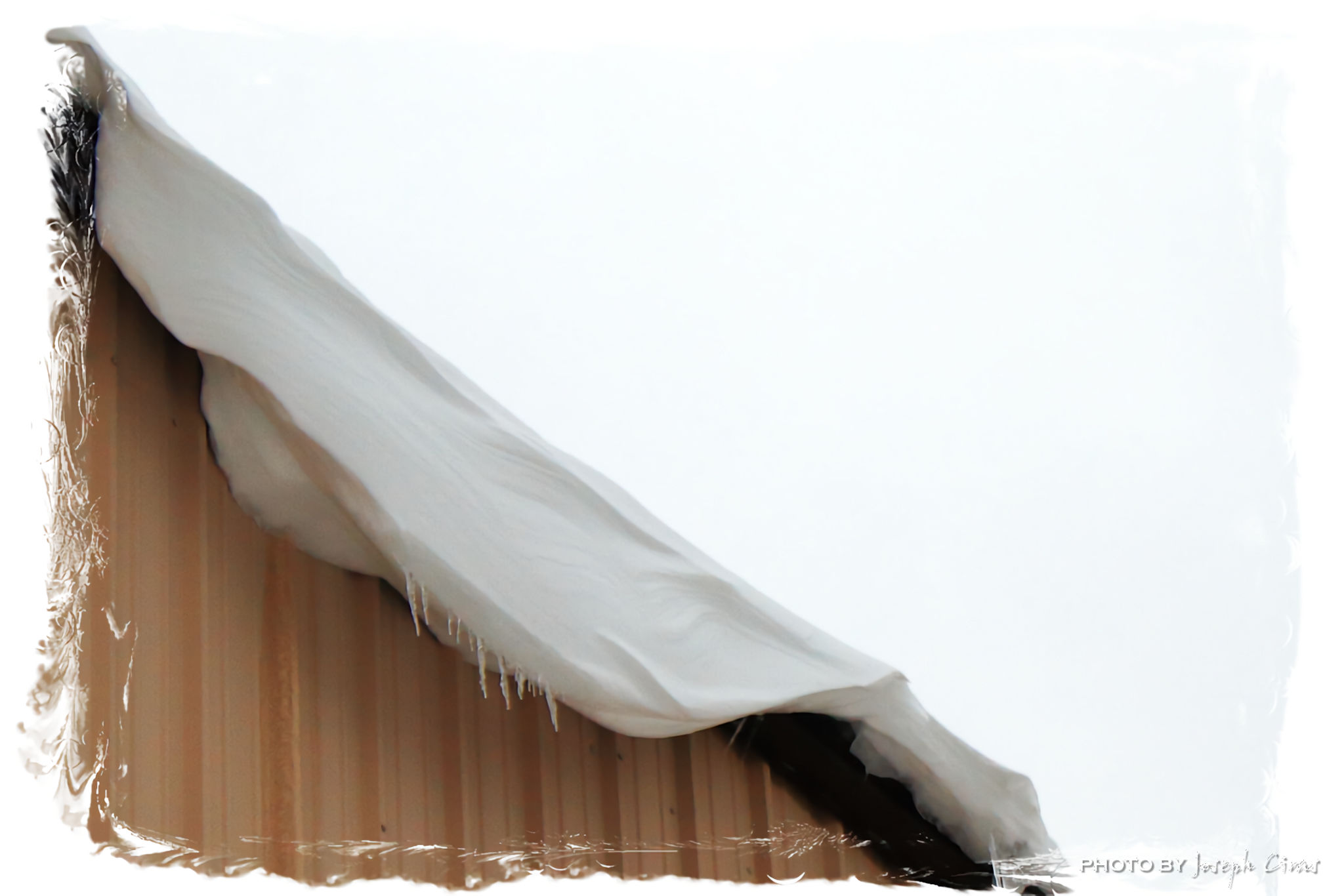
One of the effects of a large amount of snow is snowdrifts on buildings. This is a drift hanging off a building waiting to fall. This was up on the building for a few days because the weather was cold and we have little to no wind.

binary comment

Thursday 02/04/2021: Posted photo—1759 Philip Bemis House.

Settings: Samsung SM-G930V (Galaxy S7), ISO 80, f/1.7, 1/60 s, 4 mm.

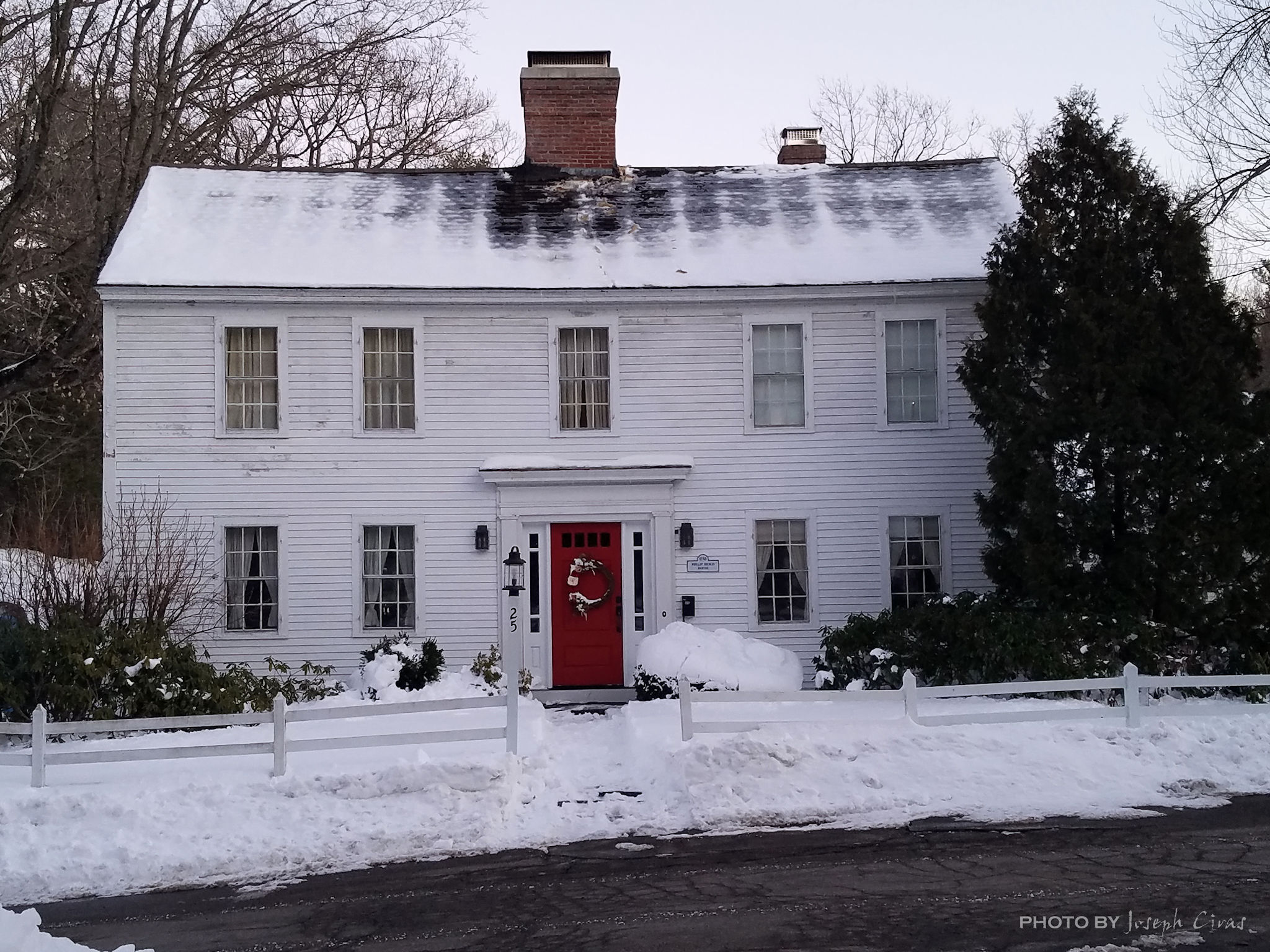
This is one of the historic housed in town. I pass it on my way to Round Meadow Pond and have photographed this house in the past. Today I decided to take a photo of it since it called to me when I was on my way to photograph the falls.

It is getting lighter every day after work so I will be taken more nature photos in the future.

Friday 02/04/2021: Post photo—Red Sunrise.

Settings: Canon EOS 60D, ISO 200, f/7.1, 1/50 s, 51 mm

The sunrise caught my eyes at work today. I was going to drop something off is someone’s office I noticed the red sky. I walked quickly back to my desk to get my camera, went up to a window and took this shot.

Every sunrise is different.

Saturday 02/06/2021: Post photo—Droplets.

Settings: Canon EOS 60D, ISO 200, f/5.6, 1/2500 s, 46 mm

Icicles are melting fast around here. After a cold week, we had a warm day today and things are melting. The water was almost running off the icicles so I took out my camera and took this shot.

Usual statement: That is all for this week. Hope you enjoyed my thoughts and constructive criticism is always wanted. I do not take criticism personally, just an opportunity to better my photography and writing skills.

For more photo of other project I have work, visit my website: https://photobyjosephciras.weebly.com/ or visit me on Facebook at https://www.facebook.com/PhotobyJosephCiras/.

Be safe out there, keep your social distance, and remember to always wear your mask.